

मंगलवार को अमेरिकी डॉलर के मुकाबले भारतीय रुपया 05 पैसे कमजोर हुआ और 95.44 प्रति डॉलर पर बंद हुआ।रुपया 95.39 के स्तर पर खुला। ट्रेडिंग के दौरान उतार-चढ़ाव के बीच, घरेलू करेंसी 95.44 प्रति डॉलर पर बंद हुई, जिसमें 05 पैसे की गिरावट दर्ज की गई।बंद होने पर, सेंसेक्स 388.19 अंक या 0.49 प्रतिशत गिरकर 78,154.25 पर था, और निफ्टी 112.10 अंक या 0.46 प्रतिशत गिरकर 24,471.70 पर था। लगभग 1977 शेयरों में बढ़त हुई, 2152 शेयरों में गिरावट आई, और 187 शेयरों में कोई बदलाव नहीं हुआ।और पढ़ें :- चीन में कॉटन यार्न की मांग कमजोर

ऑफ-सीज़न का असर जारी, कॉटन यार्न की मांग कमजोरपिछले सप्ताह चीन के प्योर कॉटन यार्न बाजार पर ऑफ-सीज़न का दबाव बना रहा। कमजोर डाउनस्ट्रीम मांग के कारण कारोबार सीमित रहा और प्रमुख यार्न किस्मों की कीमतों में कोई खास बदलाव नहीं हुआ। 7 अगस्त तक, शेडोंग में 21S रिंग-स्पन प्योर कॉटन यार्न की रेफरेंस एक्स-फैक्ट्री स्पॉट कीमत 23,300 RMB/टन और 32S यार्न की 24,675 RMB/टन रही। दोनों कीमतें पिछले सप्ताह के स्तर पर स्थिर थीं।घरेलू कॉटन कीमतों में उतार-चढ़ाव के बावजूद अधिकांश टेक्सटाइल मिलों ने यार्न की कीमतें स्थिर रखीं और इन्वेंट्री कम करने पर ध्यान दिया। कच्चे माल की कीमतों में बढ़ोतरी के बीच मिलों ने खरीदारी में सतर्कता बरती और मुख्य रूप से जरूरत के अनुसार खरीदारी की। 32S प्योर कॉटन रिंग-स्पन यार्न की कीमत शिनजियांग में 23,500 RMB/टन और चीन के अंदरूनी क्षेत्रों में 23,600 RMB/टन रही।डाउनस्ट्रीम वीविंग उद्योग में भी कमजोरी देखी गई। जिआंगसु, झेजियांग और शेडोंग में क्षमता उपयोग लगभग 72% तक गिर गया, जबकि फोशान, ग्वांगडोंग में यह अस्थायी रूप से 20% तक पहुंच गया। ग्रेज फैब्रिक की खरीद मुख्य रूप से छोटे और तत्काल जरूरत वाले ऑर्डरों तक सीमित रही।कॉटन और यार्न की कीमतों में सीमित समायोजन के कारण स्पिनिंग मिलों के मार्जिन पर दबाव बढ़ा। 6 अगस्त तक, शिनजियांग में स्पिनिंग मार्जिन -391.93 RMB/टन, जबकि चीन के अंदरूनी क्षेत्रों में यह -1,753.13 RMB/टन तक गिर गया। ऊंची इन्वेंट्री और कमजोर बिक्री ने कंपनियों पर परिचालन दबाव बढ़ा दिया, खासकर मध्यम और उच्च-काउंट यार्न के मामले में।बाजार को फिलहाल मिश्रित संकेत मिल रहे हैं। शिनजियांग में ऊंचे तापमान से नई कपास की फसल के बॉल-सेटिंग चरण पर असर पड़ने की आशंका ने कीमतों को समर्थन दिया है। दूसरी ओर, सरकारी रिजर्व कॉटन की लगातार बिक्री ने आपूर्ति संबंधी चिंताओं को कम किया है। कमजोर वैश्विक अंतिम मांग, निर्यात ऑर्डरों में धीमी रिकवरी और घरेलू बाजार में सुधार की कमी के कारण निकट अवधि में कॉटन यार्न की कीमतों में तेज तेजी की संभावना सीमित है। कीमतों के कमजोर रुख के साथ एक सीमित दायरे में बने रहने की उम्मीद है।और पढ़ें :- मांग बढ़ने से कपास के भाव चढ़े
ग्लोबल संकेतों और मजबूत मांग से भारत में कपास की कीमतों में तेजीवैश्विक बाजारों में मजबूती और घरेलू स्तर पर बढ़ती मांग के चलते भारत में कपास की कीमतों में तेजी जारी है। सोमवार को सीमित स्टॉक और कताई मिलों की मजबूत खरीदारी को देखते हुए कॉटन कॉर्पोरेशन ऑफ इंडिया (CCI) ने कपास की कीमतों में ₹700 प्रति कैंडी (356 किलोग्राम) की बढ़ोतरी की। पिछले दो हफ्तों में CCI की कीमतों में कुल मिलाकर करीब ₹1,400 प्रति कैंडी की वृद्धि हुई है।रायचूर के सोर्सिंग एजेंट रामानुज दास बूब के अनुसार, मॉनसून में देरी के कारण बुवाई प्रभावित हुई है, जिससे नई फसल की आवक में भी देरी की आशंका है। इससे मौजूदा स्टॉक पर दबाव बढ़ रहा है। मजबूत मांग के चलते रीसेल बाजार में भी गतिविधियां तेज हैं। प्रेस्ड बेल कॉटन की कीमतें करीब ₹67,500-68,500 प्रति कैंडी हैं, जबकि रीसेलर्स और बहुराष्ट्रीय कंपनियों के भाव CCI की कीमतों से लगभग ₹1,000 अधिक चल रहे हैं।CCI की बिक्री भी मजबूत बनी हुई है। पिछले सप्ताह करीब 2 लाख गांठों की बिक्री हुई, जबकि सोमवार को बिक्री लगभग 70,000 गांठ रहने का अनुमान था। अब तक CCI की कुल बिक्री करीब 91.5 लाख गांठ आंकी गई है और बिना बिका स्टॉक लगभग 14 लाख गांठ है।देश में कपास का रकबा पिछले शुक्रवार तक 106 लाख हेक्टेयर से अधिक पहुंच गया। गुजरात, तेलंगाना, मध्य प्रदेश, आंध्र प्रदेश, तमिलनाडु और ओडिशा में रकबे में बढ़ोतरी हुई है, जबकि महाराष्ट्र, कर्नाटक और राजस्थान में कमी दर्ज की गई।अंतरराष्ट्रीय बाजार से भी भारतीय कपास को समर्थन मिल रहा है। ICE पर दिसंबर कॉटन फ्यूचर्स करीब 84 सेंट प्रति पाउंड के आसपास हैं। कमजोर डॉलर, अमेरिका के प्रमुख कपास उत्पादक क्षेत्रों में मौसम संबंधी चिंताओं, वैश्विक स्टॉक में संभावित कमी और बेहतर मांग ने बाजार को सहारा दिया है।विशेषज्ञों के अनुसार, घरेलू और निर्यात बाजारों में यार्न की बढ़ती मांग तथा मोटे काउंट वाले यार्न के उत्पादन में वृद्धि से कपास की खपत मजबूत हुई है। सितंबर के अंत तक भारत का क्लोजिंग स्टॉक घटकर करीब 75-80 लाख गांठ रह सकता है।और पढ़ें :- डॉलर के मुकाबले रुपया 10 पैसे कमजोर होकर 95.39 पर खुला।

मंगलवार को भारतीय रुपया डॉलर के मुकाबले 10 पैसे गिरकर 95.39 पर खुला, जबकि सोमवार को यह 95.29 पर बंद हुआ था।BSE सेंसेक्स 78,509.77 पर खुला, लेकिन सुबह 9:26 बजे यह 315.36 अंक या 0.40% गिरकर 78,227.08 पर आ गया। निफ्टी 50, 24,575.10 पर खुलने के बाद 94.05 अंक या 0.38% गिरकर 24,489.75 पर आ गया।और पढ़ें :- अमेरिकी डॉलर के मुकाबले भारतीय रुपया 12 पैसे कमजोर हुआ, 95.29 पर बंद हुआ

सोमवार को अमेरिकी डॉलर के मुकाबले भारतीय रुपया 12 पैसे कमजोर होकर 95.29 पर बंद हुआ।रुपया अमेरिकी डॉलर के मुकाबले 95.17 पर खुला और ट्रेडिंग सेशन के आखिर में 12 पैसे गिरकर 95.29 पर बंद हुआ।बंद होने पर, सेंसेक्स 43.27 अंक या 0.06 प्रतिशत बढ़कर 78,542.44 पर और निफ्टी 13.15 अंक या 0.05 प्रतिशत बढ़कर 24,583.80 पर था। लगभग 2103 शेयरों में बढ़त हुई, 2107 शेयरों में गिरावट आई और 184 शेयरों में कोई बदलाव नहीं हुआ।और पढ़ें :- CCI की कपास बिक्री 90 लाख गांठ के पार
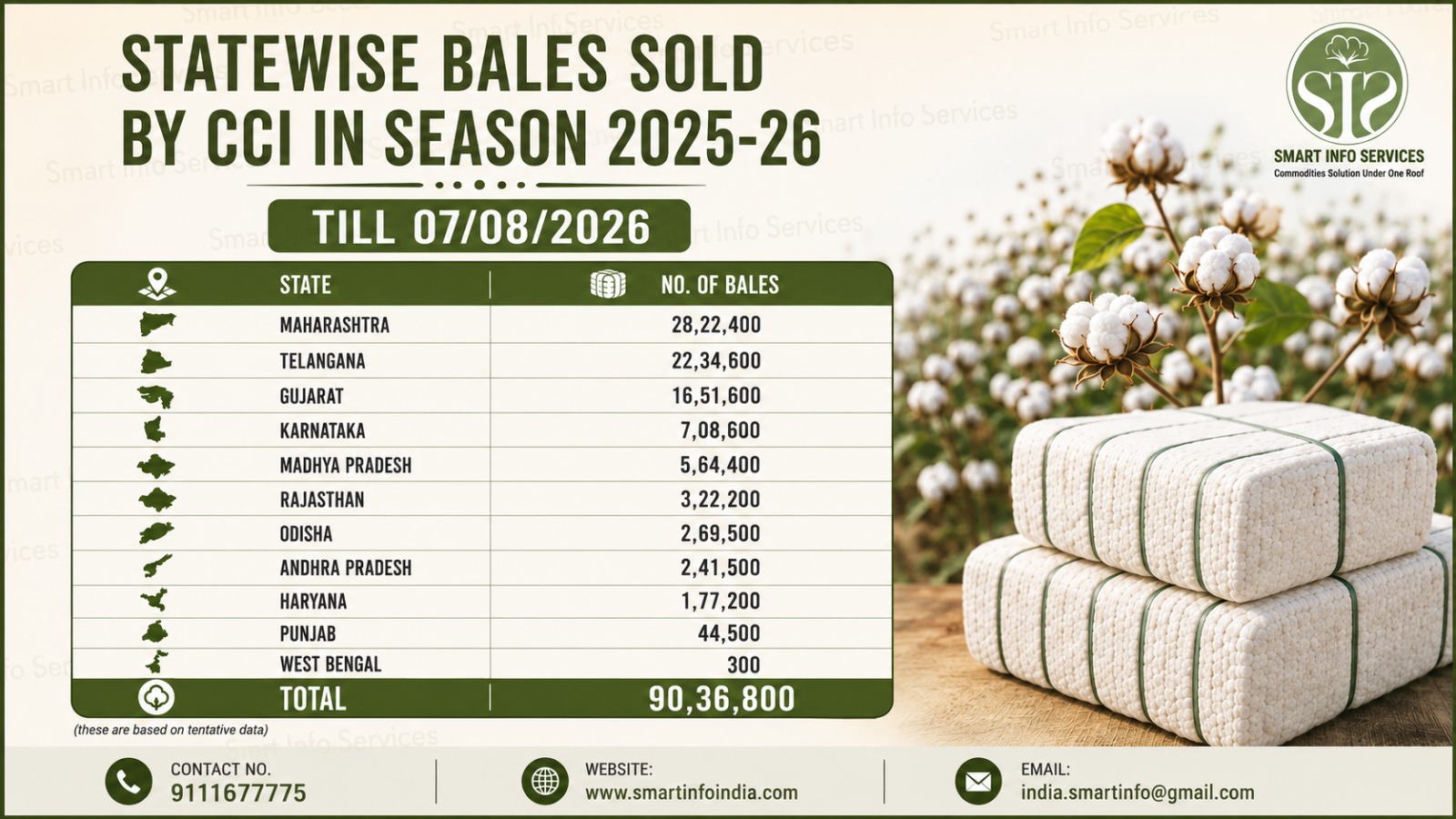
राज्य-वार CCI कपास बिक्री विवरण – 2025-26 सीज़नकॉटन कॉर्पोरेशन ऑफ़ इंडिया (CCI) ने 2025-26 सीज़न के लिए इस सप्ताह अपनी कॉटन कैंडी की कीमतों में ₹700 प्रति कैंडी तक की बढ़ोतरी की । अब तक CCI द्वारा सीजन 2025-26 की लगभग कुल 90,36,800 कपास गांठें (बेल्स) बेची जा चुकी हैं। बिक्री कुछ प्रमुख कपास उत्पादक राज्यों में केंद्रित है, जिसमें महाराष्ट्र, तेलंगाना और गुजरात सबसे आगे हैं।

छोटा लेकिन ताकतवर: ऑस्ट्रेलियाई कॉटन कैसे हासिल कर रहा है नए ‘गोल’ऑस्ट्रेलिया भले ही दुनिया के कुल कॉटन उत्पादन का एक छोटा हिस्सा पैदा करता हो, लेकिन गुणवत्ता के मामले में उसकी वैश्विक प्रतिष्ठा बेहद मजबूत है।ऐसे मौसम में, जहां खेती के लिए इनोवेशन और रणनीतिक सोच जरूरी है, ऑस्ट्रेलिया दुनिया के बेहतरीन कॉटन का उत्पादन करता है। बेहतर किस्मों, अनुकूल प्राकृतिक परिस्थितियों, किसानों की विशेषज्ञता और ऑस्ट्रेलियाई कॉटन की मजबूत मांग ने इसकी सफलता में अहम भूमिका निभाई है।न्यूट्रियन के ग्राहक और गुनेडा के कॉटन किसान जेम्स बार्लो पिछले 10 वर्षों से कॉटन उगा रहे हैं। उनके अनुसार, कॉटन उनकी सिंचाई व्यवस्था में अच्छी तरह फिट बैठता है। इसका रिटर्न मार्जिन अच्छा है और फसल से मिलने वाला खरपतवार नियंत्रण भी उपयोगी है। डबल क्रॉपिंग के कारण वे एक ही साल में कॉटन के साथ सर्दियों की फसल भी उगा सकते हैं।2026 में गर्म और शुष्क शरद ऋतु ने कॉटन की पिकिंग के लिए लगभग आदर्श परिस्थितियां तैयार कीं। ऑस्ट्रेलियन कॉटन शिपर्स एसोसिएशन के अनुसार, औसत पैदावार लगभग 12-14 गांठ प्रति हेक्टेयर रही और सभी क्षेत्रों में गुणवत्ता मजबूत बनी हुई है। फाइबर की लंबाई और मजबूती भी अच्छी रही।ऑस्ट्रेलियाई कॉटन की पहचान केवल गुणवत्ता तक सीमित नहीं है। उद्योग लंबे समय से सस्टेनेबिलिटी और पानी के बेहतर इस्तेमाल पर काम कर रहा है। 1991 में यह ऑस्ट्रेलियाई कृषि का पहला ऐसा सेक्टर बना, जिसने अपने पर्यावरणीय प्रभाव का स्वतंत्र आकलन कराया।आज हर कॉटन गांठ के साथ एक यूनिक बारकोड होता है, जिससे उसकी उत्पत्ति और उत्पादन क्षेत्र की ट्रेसेबिलिटी संभव है।वैश्विक सप्लाई में संभावित कमी, सिंथेटिक फाइबर की बढ़ती कीमतों और टिकाऊ उत्पादों की बढ़ती मांग से ऑस्ट्रेलियाई कॉटन के लिए नए अवसर बन रहे हैं।और पढ़ें :- महाराष्ट्र में बारिश से 2.75 लाख हेक्टेयर फसल प्रभावित
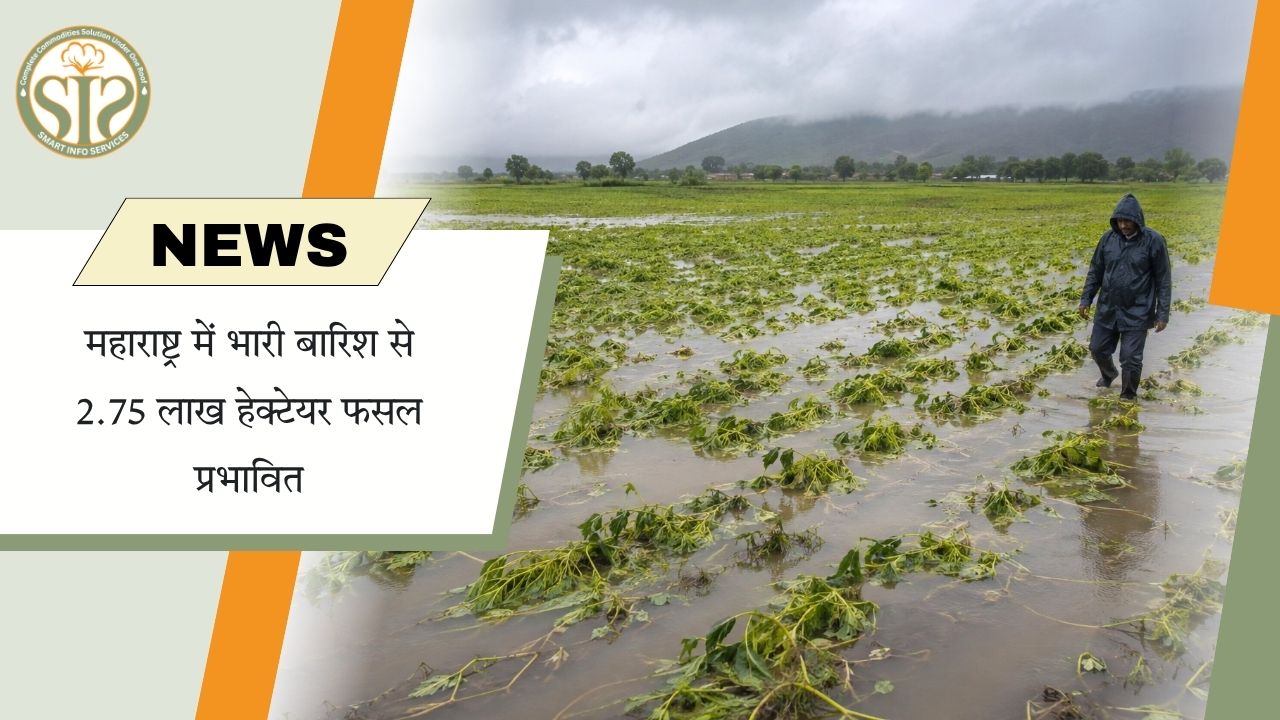
महाराष्ट्र में भारी बारिश से 2.75 लाख हेक्टेयर फसल प्रभावितपुणे: महाराष्ट्र में लगातार हो रही भारी बारिश से किसानों को बड़ा नुकसान हुआ है। राज्य कृषि विभाग की शुरुआती रिपोर्ट के अनुसार, अब तक करीब 2.75 लाख हेक्टेयर कृषि भूमि पर फसलें प्रभावित हुई हैं। इनमें पिछले कुछ दिनों में प्रभावित हुई करीब 75,000 हेक्टेयर जमीन भी शामिल है। बारिश जारी रहने के कारण नुकसान का आंकड़ा और बढ़ सकता है।कृषि विभाग के अनुसार, विदर्भ और उत्तरी महाराष्ट्र में सबसे ज्यादा नुकसान हुआ है। कपास, सोयाबीन, मक्का, मूंग, उड़द, अरहर, बाजरा, ज्वार, सब्जियां, गन्ना, केला, पपीता और नींबू जैसी फसलें प्रभावित हुई हैं।जिलों में अमरावती सबसे ज्यादा प्रभावित है, जहां 71,909 हेक्टेयर से अधिक फसल नुकसान की सूचना है। जलगांव में 50,000 हेक्टेयर से ज्यादा और यवतमाल में 25,803 हेक्टेयर से अधिक क्षेत्र प्रभावित हुआ है।राज्य के कृषि आयुक्त सूरज मंधारे ने कहा कि कई गांवों से अभी नुकसान की रिपोर्ट मिल रही है। इसलिए प्रभावित क्षेत्र का दायरा बढ़ सकता है। कृषि विभाग प्रभावित गांवों में फसल नुकसान का आकलन कर रहा है।कोंकण क्षेत्र में भी भारी बारिश का असर पड़ा है। रायगढ़ में 2,000 हेक्टेयर से ज्यादा धान की नर्सरियों को नुकसान हुआ है। इससे किसानों को दोबारा नर्सरी तैयार करनी पड़ सकती है और धान की रोपाई में देरी हो सकती है।किसानों का कहना है कि बारिश रुकने के बाद भी नुकसान का असर दिखाई दे सकता है। खेतों में लंबे समय तक पानी जमा रहने से पौधों की जड़ें खराब हो सकती हैं और फसलों में बीमारियों का खतरा बढ़ सकता है।कृषि विशेषज्ञों ने किसानों को खेतों से अतिरिक्त पानी निकालने और फसलों में बीमारी के लक्षणों पर नजर रखने की सलाह दी है। विस्तृत सर्वे पूरा होने के बाद ही बारिश से हुए वास्तविक नुकसान का पता चल सकेगा।और पढ़ें :- टेक्सटाइल उद्योग में नीति सुधार की जरूरत

टेक्सटाइल इंडस्ट्री की प्रतिस्पर्धात्मकता बढ़ाने के लिए पॉलिसी सुधार जरूरी: संसदीय समितिअमेरिकी बाजार में टैरिफ को लेकर अनिश्चितता और घटती मांग के बीच भारत की एक संसदीय समिति ने टेक्सटाइल और कपड़ा उद्योग की प्रतिस्पर्धात्मकता बढ़ाने के लिए मजबूत नीतिगत और वित्तीय सहायता की सिफारिश की है। समिति ने उद्योग को तकनीकी टेक्सटाइल, मैन-मेड फाइबर (MMF), सस्टेनेबल टेक्सटाइल, होम फर्निशिंग और हाई-वैल्यू गारमेंट्स जैसे क्षेत्रों में तेजी से विविधीकरण करने पर जोर दिया है।राज्यसभा सांसद डोला सेन की अध्यक्षता वाली वाणिज्य मामलों की संसदीय स्थायी समिति ने संसद के दोनों सदनों में ‘भारत-अमेरिका व्यापार संबंधों के मूल्यांकन’ पर अपनी 200वीं रिपोर्ट पेश की। रिपोर्ट में अमेरिकी टैरिफ उपायों से भारतीय निर्यातकों के सामने आने वाली चुनौतियों का आकलन किया गया है और निर्यात प्रतिस्पर्धा मजबूत करने के लिए कई उपाय सुझाए गए हैं।समिति ने टेक्सटाइल सेक्टर के आधुनिकीकरण और उत्पादकता बढ़ाने के लिए PM MITRA पार्कों, प्रोडक्शन लिंक्ड इंसेंटिव (PLI) स्कीम और समर्थ योजना के क्रियान्वयन में तेजी लाने की सिफारिश की है। साथ ही, नए PM MITRA पार्कों में विशेष MMF मैन्युफैक्चरिंग क्लस्टर स्थापित करने का सुझाव दिया गया है, जिससे MSMEs को सिंथेटिक कच्चे माल की स्थानीय स्तर पर आसान उपलब्धता मिल सके और उत्पादन को वैश्विक मांग के अनुरूप ढाला जा सके।रिपोर्ट में RoDTEP, RoSCTL, ब्याज समकारी योजना और अन्य निर्यात प्रोत्साहन योजनाओं के तहत सहायता बढ़ाने की मांग की गई है। टेक्सटाइल MSMEs के लिए रियायती वर्किंग कैपिटल, निर्यात क्रेडिट, क्रेडिट गारंटी और अन्य वित्तीय सहायता का तेजी से वितरण सुनिश्चित करने पर भी जोर दिया गया है।समिति ने अमेरिकी खरीदारों द्वारा कीमतों में कटौती की मांग से प्रभावित निर्यातकों के लिए RoSCTL के तहत एक आपातकालीन राहत कार्यक्रम पर विचार करने का सुझाव दिया है। इसके अलावा, प्रमुख अमेरिकी शिपिंग एंट्री पॉइंट्स पर सरकारी सब्सिडी वाले टेक्सटाइल वेयरहाउसिंग हब और भारतीय बंदरगाहों पर ग्रीन-चैनल तथा तेज कस्टम्स कॉरिडोर विकसित करने की सिफारिश की गई है।कालीन और हथकरघा क्षेत्र के लिए समिति ने ट्रेड फेयर, ब्रांडिंग, GI प्रमोशन, बायर-सेलर मीट, डिजिटल मार्केटिंग और डिजाइन इनोवेशन के जरिए निर्यात सहायता बढ़ाने पर जोर दिया है।समिति ने टेक्सटाइल निर्यातकों के लिए टेक्नोलॉजी अपग्रेडेशन ग्रांट और एक विशेष मार्केट-लिंक्ड इंसेंटिव स्कीम की भी सिफारिश की है, ताकि उद्योग अमेरिकी ग्राहकों की बदलती पसंद के अनुरूप उत्पादों में विविधता ला सके और वैश्विक बाजार में अपनी प्रतिस्पर्धात्मकता मजबूत कर सके।और पढ़ें :- डॉलर के मुकाबले रुपया 4 पैसे मजबूत होकर 95.17 पर खुला।

सोमवार को भारतीय रुपया 4 पैसे बढ़कर 95.17 प्रति डॉलर पर खुला, जबकि शुक्रवार को यह 95.21 पर बंद हुआ था।सेंसेक्स 78,499.17 के पिछले क्लोजिंग लेवल के मुकाबले 78,501.59 पर खुला और सुबह करीब 9:19 बजे 117.53 अंक या 0.15% की बढ़त के साथ 78,616.70 पर ट्रेड कर रहा था। इंडेक्स ने शुरुआती कारोबार में 78,635.15 का हाई और 78,494.59 का लो लेवल छुआ।और पढ़ें :- अमेरिका के टैरिफ बिल से भारत पर खतरा

क्या जल्द ही भारत पर 100% टैरिफ़ लगेगा? अमेरिकी सीनेट ने रूसी तेल को लेकर प्रतिबंधों वाला बिल मंज़ूर किया।अमेरिकी सीनेट ने रूस से तेल, गैस और अन्य उत्पाद खरीदने वाले देशों पर 100% तक टैरिफ लगाने की अनुमति देने वाले एक बिल को 86-11 वोटों से मंजूरी दे दी है। बिल के समर्थकों ने भारत को उन पांच देशों में शामिल किया है, जिन पर यह प्रावधान लागू हो सकता है। हालांकि, इसका मतलब यह नहीं है कि भारत पर तुरंत 100% टैरिफ लग जाएगा।प्रस्तावित कानून का नाम ‘लिंडसे ओ. ग्राहम सैंक्शनिंग रशिया एंड ईरान एक्ट 2026’ है। इसके तहत चीन, भारत, स्लोवाकिया, हंगरी और अज़रबैजान जैसे देशों पर कार्रवाई की संभावना है। बिल में टैरिफ की अधिकतम सीमा 100% रखी गई है, लेकिन वास्तविक दर तय करने की जिम्मेदारी अमेरिकी ट्रेड रिप्रेजेंटेटिव (USTR) को दी जाएगी।राष्ट्रपति को राष्ट्रीय हित के आधार पर किसी देश को छूट देने का अधिकार भी होगा। साथ ही, नीति की हर 180 दिनों में समीक्षा की जाएगी।भारत का कहना है कि रूस से तेल खरीदना उसकी ऊर्जा सुरक्षा और घरेलू जरूरतों का हिस्सा है। नई दिल्ली ने रूस से ऊर्जा खरीद को लेकर अमेरिकी दबाव को अनुचित बताया है।अमेरिका पहले भी रूसी तेल की खरीद को लेकर भारत पर अतिरिक्त टैरिफ लगा चुका है। हालांकि, बाद में व्यापार वार्ता के दौरान इसे हटा दिया गया था। अब सीनेट की मंजूरी के बाद भारत पर एक बार फिर दबाव बढ़ने की संभावना है।फिलहाल यह बिल कानून नहीं बना है। सीनेट से मंजूरी के बाद इसे हाउस ऑफ रिप्रेजेंटेटिव्स में जाना होगा। वहां से पारित होने और राष्ट्रपति के हस्ताक्षर के बाद ही यह कानून बन सकेगा।इसलिए अभी भारत पर 100% टैरिफ लगना तय नहीं है। अगर बिल कानून बनता भी है, तो टैरिफ की दर अलग से तय की जाएगी। यानी फिलहाल भारत पर 100% टैरिफ का खतरा है, लेकिन यह अभी निश्चित नहीं है।और पढ़ें :- तेलंगाना कपास खरीद पर ₹69,860 करोड़
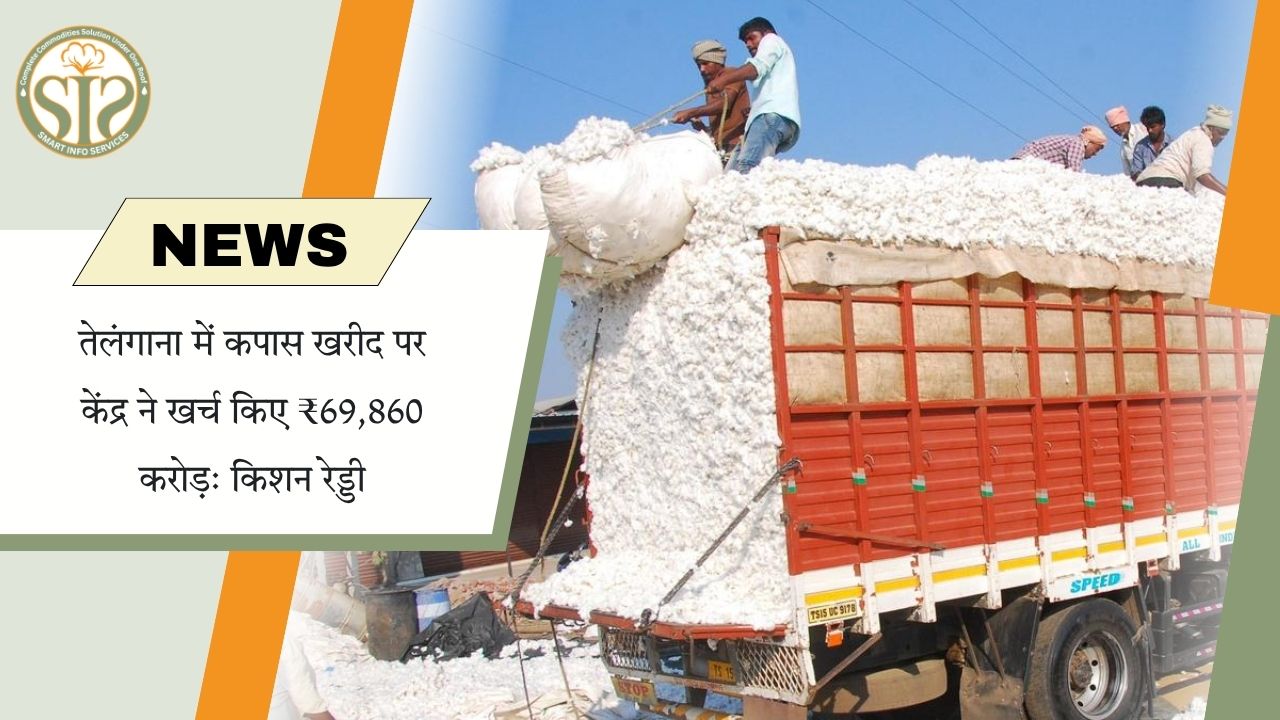
तेलंगाना में कपास खरीद पर केंद्र ने खर्च किए ₹69,860 करोड़: किशन रेड्डीहैदराबाद: केंद्रीय कोयला एवं खान मंत्री जी. किशन रेड्डी ने नेशनल हैंडलूम डे के अवसर पर कहा कि केंद्र सरकार ने न्यूनतम समर्थन मूल्य (MSP) व्यवस्था के तहत तेलंगाना के किसानों से कपास की खरीद पर ₹69,860 करोड़ से अधिक खर्च किए हैं।किशन रेड्डी ने कहा कि वारंगल में विकसित किया जा रहा PM MITRA मेगा टेक्सटाइल पार्क पारंपरिक टेक्सटाइल तकनीकों को आधुनिक मशीनरी और तकनीक से जोड़ेगा। इससे राज्य में टेक्सटाइल और हैंडलूम क्षेत्र को बढ़ावा मिलने के साथ रोजगार के नए अवसर पैदा होंगे।उन्होंने कहा कि मोदी सरकार 'मेक इन इंडिया' के साथ टेक्सटाइल क्षेत्र में 5F विजन को आगे बढ़ा रही है। इसके तहत Farm to Fibre, Fibre to Factory, Factory to Fashion और Fashion to Foreign पर जोर दिया जा रहा है। इसका उद्देश्य खेत से लेकर वैश्विक बाजार तक टेक्सटाइल वैल्यू चेन को मजबूत करना है। किशन रेड्डी ने कहा कि इस क्षेत्र के विकास के लिए 2030 तक करीब ₹9 लाख करोड़ के इंसेंटिव दिए जा रहे हैं।मंत्री के अनुसार, बुनकरों को सहायता देने के लिए PLI स्कीम, PM MITRA पार्क, नेशनल हैंडलूम डेवलपमेंट प्रोग्राम, रॉ मटीरियल सप्लाई स्कीम और मुद्रा योजना जैसी पहलें चलाई जा रही हैं। इन योजनाओं के जरिए आधुनिक करघे, कच्चा माल, वर्कशेड, डिजाइन डेवलपमेंट, मार्केटिंग, क्रेडिट और सामाजिक सुरक्षा के क्षेत्र में सहायता उपलब्ध कराई जा रही है।उन्होंने कहा कि हैंडलूम और टेक्सटाइल क्षेत्र में आर्टिफिशियल इंटेलिजेंस, ऑटोमेशन और एडवांस्ड एनालिटिक्स जैसी तकनीकों का इस्तेमाल बढ़ाया जा रहा है। इससे उत्पादकता, गुणवत्ता और बाजार तक पहुंच बेहतर बनाने में मदद मिलेगी। किशन रेड्डी ने कहा कि यह क्षेत्र प्रत्यक्ष और अप्रत्यक्ष रूप से करीब पांच करोड़ लोगों को रोजगार देता है।रामचंद्र राव ने बुनकरों को दी बधाईतेलंगाना बीजेपी अध्यक्ष एन. रामचंद्र राव ने नेशनल हैंडलूम डे पर बुनकरों, कारीगरों और उनके परिवारों को शुभकामनाएं दीं। उन्होंने कहा कि नारायणपेट, कोठाकोटा, गडवाल, पोचमपल्ली और सिरसिल्ला जैसे क्षेत्र अपनी विशिष्ट हथकरघा परंपरा के लिए देश-विदेश में पहचान रखते हैं। उन्होंने लोगों से हथकरघा उत्पाद खरीदने और पहनने की अपील की।संगठनात्मक बैठकनई दिल्ली स्थित बीजेपी मुख्यालय में तेलंगाना बीजेपी की संगठनात्मक बैठक भी हुई। इसमें राष्ट्रीय अध्यक्ष नितिन नबीन, किशन रेड्डी, एन. रामचंद्र राव, केंद्रीय गृह राज्य मंत्री बंदी संजय कुमार, के. लक्ष्मण समेत कई वरिष्ठ नेता शामिल हुए। तेलंगाना प्रभारी अभय पाटिल और राज्य महासचिव (संगठन) चंद्रशेखर तिवारी भी बैठक में मौजूद रहे।और पढ़ें :- नंदुरबार में खरीफ बुवाई रुकी
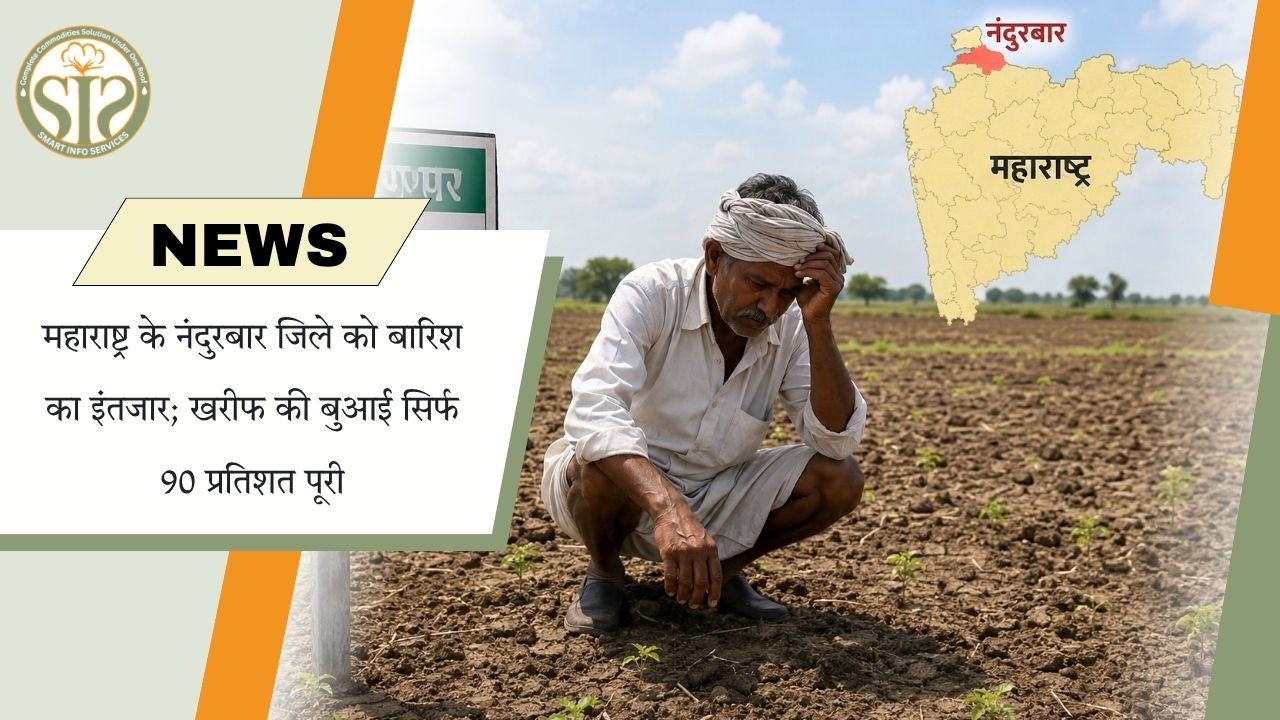
महाराष्ट्र के नंदुरबार जिले को बारिश का इंतजार; खरीफ की बुआई सिर्फ 90 प्रतिशत पूरीराज्य के कई हिस्सों में भारी बारिश हुई है, जबकि कुछ इलाकों में अभी भी बारिश का इंतजार है। जोरदार बारिश के कारण शहर के कई इलाके जलमग्न हो गए हैं। कुछ इलाकों में हल्की से मध्यम बारिश की संभावना है, जबकि राज्य के कुछ हिस्सों में तेज हवाओं के साथ भारी बारिश होने की उम्मीद है।नंदुरबार जिला जोरदार बारिश का बेसब्री से इंतजार कर रहा है। पानी का संकट गहराता जा रहा है और कई जगहों पर बुआई का काम रुक गया है। बुआई रुकने से किसान परेशान हैं, क्योंकि बारिश नहीं होने से खरीफ सीजन पर संकट मंडरा रहा है। अभी तक खरीफ की सिर्फ 90 प्रतिशत बुआई ही पूरी हो पाई है।बारिश नहीं होने से कपास, मक्का और सोयाबीन की खेती पर असर पड़ा है, किसानों की चिंताएं बढ़ रही हैं और वे बारिश की उम्मीद लगाए बैठे हैं।और पढ़ें :- CCI ने कपास भाव ₹700 बढ़ाए
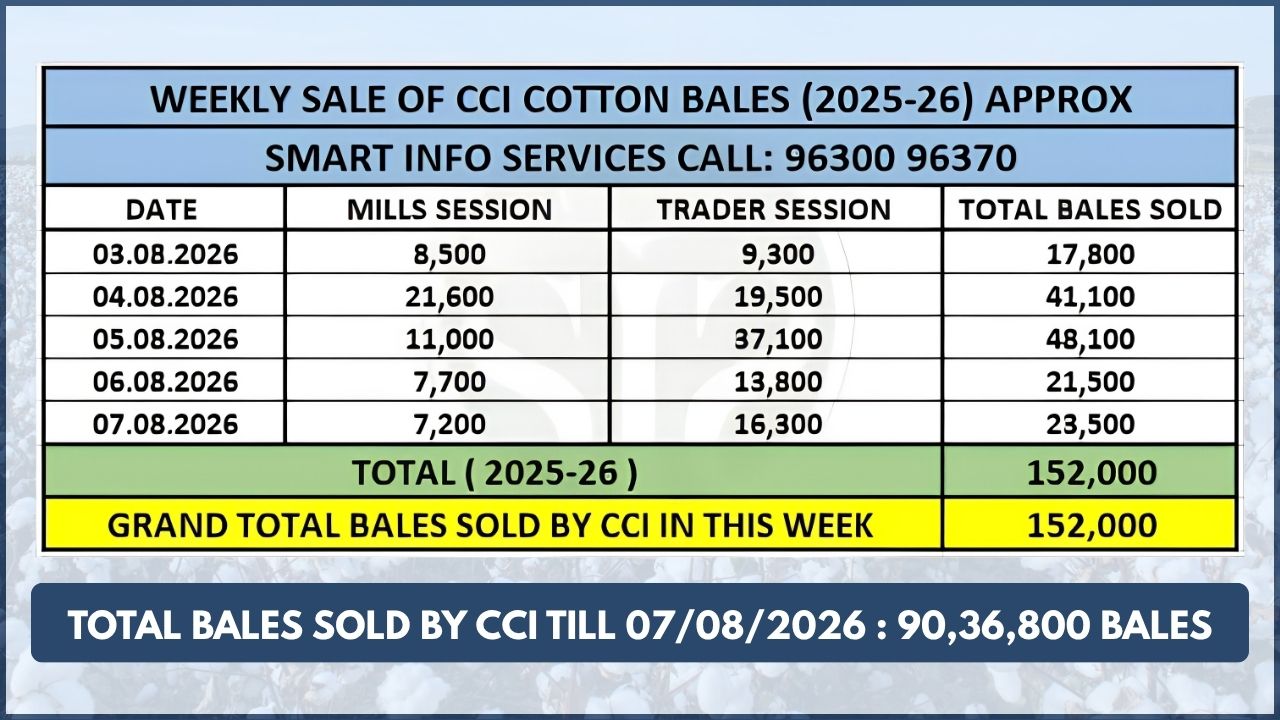
CCI ने कपास की कीमतें ₹700 प्रति कैंडी बढ़ाईं; साप्ताहिक नीलामी में बिक्री 1.52 लाख गांठों के पारकॉटन कॉर्पोरेशन ऑफ़ इंडिया (CCI) ने 7 अगस्त, 2026 को समाप्त हुए सप्ताह के दौरान कपास की बिक्री कीमतों में ₹700 प्रति कैंडी की बढ़ोतरी की। यह बढ़ोतरी मिलों और कपास व्यापारियों की ओर से मजबूत मांग को दर्शाती है।इस सप्ताह के दौरान, CCI ने 2025–26 की फसल से लगभग 1,52,000 गांठ कपास बेची, जिसमें नीलामी की सबसे अधिक मात्रा बुधवार को दर्ज की गई।साप्ताहिक बिक्री रिपोर्ट 3 अगस्त, 2026 (सोमवार)CCI ने सप्ताह की शुरुआत 17,800 गांठों की बिक्री के साथ की। टेक्सटाइल मिलों ने 8,500 गांठें खरीदीं, जबकि व्यापारियों ने 9,300 गांठें खरीदीं।4 अगस्त, 2026 (मंगलवार)नीलामी की गतिविधि तेज हुई और कुल बिक्री बढ़कर 41,100 गांठें हो गई। मिलों ने 21,600 गांठें खरीदीं, जबकि व्यापारियों ने 19,500 गांठें खरीदीं।5 अगस्त, 2026 (बुधवार)बुधवार को सप्ताह की सबसे अधिक नीलामी मात्रा देखी गई, जिसमें 48,100 गांठें बेची गईं। खरीद में व्यापारियों का दबदबा रहा, जिन्होंने 37,100 गांठें खरीदीं, जबकि मिलों ने 11,000 गांठें खरीदीं।6 अगस्त, 2026 (गुरुवार)CCI ने गुरुवार की नीलामी के दौरान 21,500 गांठें बेचीं। मिलों ने 7,700 गांठें खरीदीं, जबकि व्यापारियों ने 13,800 गांठें खरीदीं।7 अगस्त, 2026 (शुक्रवार)सप्ताह की नीलामी 23,500 गांठों की बिक्री के साथ समाप्त हुई। मिलों ने 7,200 गांठें खरीदीं और व्यापारियों ने 16,300 गांठें खरीदीं।हालिया नीलामी के बाद, 2025–26 सीज़न के लिए CCI की कुल कपास बिक्री लगभग 90,36,800 गांठों तक पहुंच गई, जो घरेलू टेक्सटाइल मिलों और कपास व्यापारियों दोनों की ओर से लगातार मजबूत मांग को दर्शाती है।

नागालैंड में 'मुख्यमंत्री यार्न बैंक योजना' का शुभारंभ, बुनकरों को मिलेगा सस्ता और गुणवत्तापूर्ण धागाराष्ट्रीय हथकरघा दिवस के अवसर पर नागालैंड के मुख्यमंत्री नेफ्यू रियो ने 'मुख्यमंत्री यार्न बैंक योजना' का वर्चुअल शुभारंभ किया। इस योजना का उद्देश्य राज्य के हथकरघा क्षेत्र को मजबूत करना और बुनकरों की आजीविका को बेहतर समर्थन प्रदान करना है।कोहिमा में आयोजित वर्चुअल कार्यक्रम में उपमुख्यमंत्री टी.आर. जेलियांग, उद्योग एवं वाणिज्य मामलों की सलाहकार हेकानी जखालू तथा अन्य वरिष्ठ अधिकारी शामिल हुए। योजना के तहत स्थापित यार्न बैंक दीमापुर के टोलुवी स्थित राज्य औद्योगिक क्षेत्र के जिला उद्योग केंद्र में संचालित किया जाएगा।'मुख्यमंत्री यार्न बैंक योजना' का उद्देश्य बुनकरों के सामने आने वाली लंबे समय से चली आ रही उस समस्या का समाधान करना है, जिसमें उन्हें उचित कीमतों पर गुणवत्तापूर्ण प्राकृतिक धागा उपलब्ध नहीं हो पाता था। इस कारण उत्पादन लागत बढ़ने के साथ-साथ उनकी आय भी प्रभावित होती थी।योजना के तहत राज्य सरकार बुनकरों को 15 प्रतिशत सब्सिडी प्रदान करेगी। इसके अलावा सूती धागा, एरी सिल्क, मूगा सिल्क, बांस के रेशों और अन्य प्राकृतिक मिश्रित रेशों से बने धागे मिल-गेट कीमतों पर उपलब्ध कराए जाएंगे। इससे बुनकरों को कम लागत में बेहतर गुणवत्ता वाली सामग्री मिल सकेगी और उनके उत्पादों की बाजार प्रतिस्पर्धा भी बढ़ेगी।सरकार को उम्मीद है कि इस योजना से प्रतिवर्ष लगभग 5,000 से 10,000 बुनकर लाभान्वित होंगे। एक पारदर्शी और भरोसेमंद वितरण प्रणाली के माध्यम से पात्र बुनकर सीधे यार्न बैंक से धागा खरीद सकेंगे। इससे बिचौलियों पर निर्भरता कम होगी और कारीगरों को अधिक लाभ मिलेगा।कार्यक्रम को संबोधित करते हुए मुख्यमंत्री नेफ्यू रियो ने कहा कि यह पहल राज्य सरकार की उस प्रतिबद्धता का महत्वपूर्ण हिस्सा है, जिसके तहत हथकरघा क्षेत्र को बढ़ावा देने और कारीगरों की आजीविका को मजबूत करने के प्रयास किए जा रहे हैं। उन्होंने कहा कि हथकरघा केवल वस्त्र निर्माण का माध्यम नहीं है, बल्कि यह नागालैंड की पहचान, संस्कृति और समृद्ध विरासत की अभिव्यक्ति है।मुख्यमंत्री ने राज्य के बुनकरों, विशेषकर महिलाओं, के योगदान की सराहना करते हुए कहा कि वे पारंपरिक शिल्प को संरक्षित रखने के साथ-साथ हजारों परिवारों की आजीविका में महत्वपूर्ण भूमिका निभा रही हैं। उन्होंने पात्र बुनकरों, सरकारी विभागों, सहकारी समितियों, स्वयं सहायता समूहों, ग्राम संस्थाओं और सामुदायिक नेताओं से मिलकर काम करने का आह्वान किया, ताकि योजना का लाभ प्रत्येक पात्र कारीगर तक पहुंच सके।राष्ट्रीय हथकरघा दिवस के अवसर पर मुख्यमंत्री ने नागालैंड की समृद्ध हथकरघा विरासत के संरक्षण, संवर्धन और प्रचार-प्रसार के लिए सामूहिक प्रयासों की आवश्यकता पर जोर दिया। उन्होंने विश्वास व्यक्त किया कि 'मुख्यमंत्री यार्न बैंक योजना' आने वाले वर्षों में बुनकरों को नई संभावनाएं प्रदान करेगी और राज्य की पारंपरिक हथकरघा कला को नई पहचान दिलाएगी।

भावनगर जिले में कपास और मूंगफली की रिकॉर्ड बुवाई, किसानों को अच्छे भाव की उम्मीदभावनगर: जिले के किसानों के लिए इस साल का खरीफ सीजन काफी उत्साहजनक दिखाई दे रहा है। अच्छी बारिश और अनुकूल मौसम के चलते किसानों ने कपास और मूंगफली की बड़े पैमाने पर बुवाई की है। जुलाई के तीसरे सप्ताह के अंत तक जिले में 3,58,100 हेक्टेयर क्षेत्र में खरीफ फसलों की बुवाई पूरी हो चुकी है। यह जिले के कुल 4,44,000 हेक्टेयर खरीफ क्षेत्र का 80.65 प्रतिशत है।इस साल जिले में कपास की खेती का रकबा सबसे अधिक रहा है। तलाजा और महुवा सहित ग्रामीण क्षेत्रों में किसानों ने कपास की बुवाई को प्राथमिकता दी है। वहीं, मूंगफली की खेती भी बड़े क्षेत्र में की गई है। किसानों को उम्मीद है कि पर्याप्त बारिश और बेहतर मौसम के कारण दोनों फसलों का उत्पादन अच्छा रहेगा।कृषि विभाग के आंकड़ों के अनुसार, जिले में अब तक 2,16,000 हेक्टेयर क्षेत्र में कपास की बुवाई हुई है, जो कुल खरीफ बुवाई का करीब 56 प्रतिशत है। इसके अलावा 1,16,000 हेक्टेयर क्षेत्र में मूंगफली की खेती की गई है। दोनों प्रमुख फसलों के बढ़े हुए रकबे से किसानों में बेहतर पैदावार और आय की उम्मीद जगी है।किसानों का कहना है कि अगर आने वाले दिनों में मानसून सामान्य रहा तो कपास और मूंगफली की फसल बेहतर हो सकती है। खासकर कपास के अच्छे उत्पादन के साथ बाजार में बेहतर कीमत मिलने की उम्मीद किसानों को है।जिला कृषि अधिकारी ने भी बताया कि इस वर्ष भावनगर जिले में कपास की बुवाई बड़े स्तर पर हुई है। कृषि विभाग लगातार फसलों की स्थिति पर नजर बनाए हुए है।भावनगर जिले में अब तक करीब 51 प्रतिशत बारिश दर्ज की गई है। समय-समय पर हो रही बारिश से फसलों को आवश्यक नमी मिल रही है। जहां कुछ अन्य जिलों में अत्यधिक बारिश से नुकसान की स्थिति बनी है, वहीं भावनगर में अब तक मौसम खेती के अनुकूल रहा है।किसानों को उम्मीद है कि यदि आने वाले दिनों में बारिश का क्रम अच्छा बना रहा तो कपास और मूंगफली का उत्पादन बढ़ सकता है। बेहतर पैदावार और अच्छे बाजार भाव मिलने से इस खरीफ सीजन में किसानों की आय में सुधार की संभावना है।
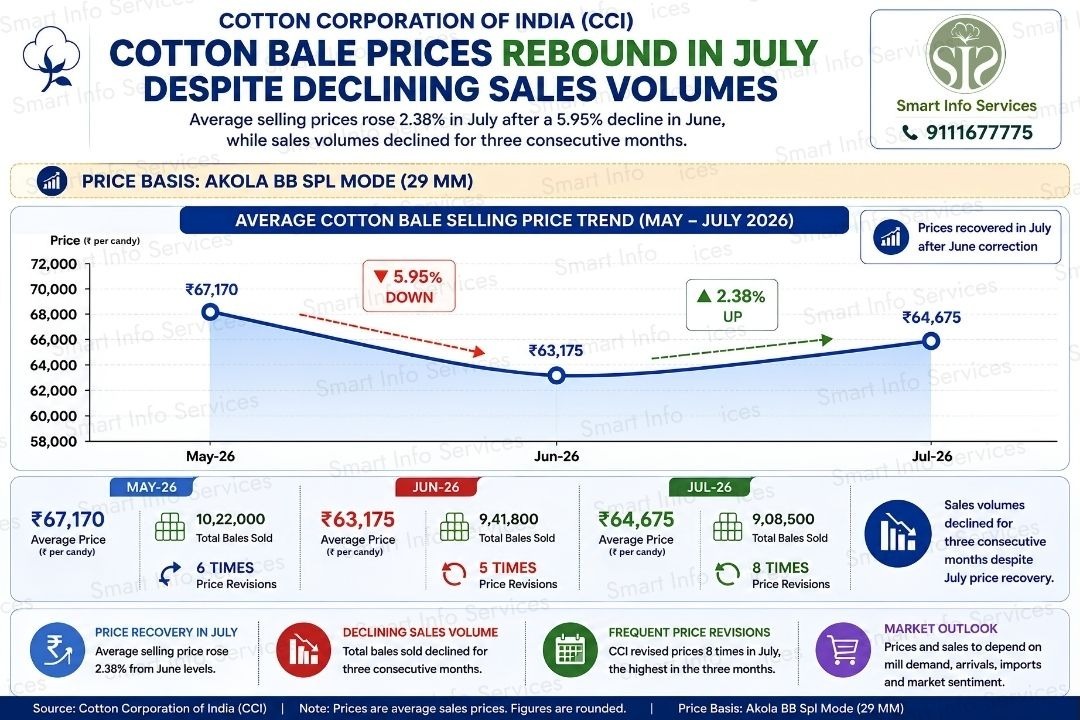
बिक्री में सुस्ती के बावजूद जुलाई में CCI की कॉटन बेल की कीमतों में सुधारकॉटन कॉर्पोरेशन ऑफ़ इंडिया (CCI) ने पिछले तीन महीनों में अपनी कॉटन बेल की बिक्री में मिला-जुला ट्रेंड देखा है। जुलाई में औसत बिक्री कीमतों में सुधार हुआ, जबकि कुल बिक्री की मात्रा में गिरावट जारी रही। कीमतों का यह विश्लेषण अकोला BB SPL मोड (29 MM) बेंचमार्क पर आधारित है, जिसे इस रिपोर्ट के लिए आधार मूल्य माना गया है।CCI के आंकड़ों के अनुसार, मई 2026 में औसत बिक्री कीमत ₹67,170 प्रति कैंडी थी, जब कॉर्पोरेशन ने 10.22 लाख बेल बेचीं और महीने के दौरान कीमतों में छह बार बदलाव किया गया। जून में, औसत बिक्री कीमत 5.95% घटकर ₹63,175 प्रति कैंडी हो गई, जबकि बिक्री गिरकर 9.42 लाख बेल रह गई। कीमतों में पांच बार बदलाव किया गया, जो बाजार के कमजोर सेंटीमेंट और टेक्सटाइल मिलों द्वारा सावधानीपूर्वक खरीदारी को दर्शाता है।जुलाई में बाजार ने फिर से रफ्तार पकड़ी और औसत बिक्री कीमत 2.38% बढ़कर ₹64,675 प्रति कैंडी हो गई। हालांकि CCI ने महीने के दौरान कीमतों में आठ बार बदलाव किया—जो तीन महीने की अवधि में सबसे अधिक था—लेकिन कुल बिक्री और गिरकर 9.09 लाख बेल रह गई, जो बेहतर कीमतों के बावजूद धीमी मांग को दर्शाता है।जुलाई में कीमतों में सुधार से पता चलता है कि स्पिनिंग मिलों की ओर से खरीदारी में फिर से दिलचस्पी और मजबूत मांग देखी गई। हालांकि, बिक्री की मात्रा में लगातार गिरावट बाजार की बदलती स्थितियों और आयातित कपास की बढ़ती उपलब्धता के बीच खरीदारों द्वारा सावधानीपूर्वक खरीद की ओर इशारा करती है।बाजार के जानकारों का मानना है कि जुलाई में CCI द्वारा कीमतों में बार-बार बदलाव करना बाजार के मौजूदा ट्रेंड के अनुसार बिक्री को समायोजित करने के उसके प्रयासों को दर्शाता है। आगे चलकर, CCI की बिक्री और कीमतें घरेलू कपास की आवक, मिलों की मांग, आयात के ट्रेंड और टेक्सटाइल सेक्टर के समग्र सेंटीमेंट पर निर्भर करेंगी।और पढ़ें :- अमेरिकी डॉलर के मुकाबले रुपया 07 पैसे मजबूत हुआ, 95.21 पर बंद हुआ

शुक्रवार को अमेरिकी डॉलर के मुकाबले भारतीय रुपया 07 पैसे मजबूत हुआ और 95.21 प्रति डॉलर पर बंद हुआ।घरेलू करेंसी 95.28 प्रति डॉलर पर खुली और ज़्यादातर समय दबाव में रही, साथ ही एक सीमित दायरे में कारोबार करती रही। हालांकि, इसमें थोड़ी रिकवरी हुई और दिन का कारोबार 95.21 पर खत्म हुआ, जिससे डॉलर के मुकाबले इसमें मामूली बढ़त दर्ज की गई।शेयर बाज़ार के लाइव अपडेट: सेंसेक्स लगभग 456 अंक (0.58%) गिरकर 78,499 पर बंद हुआ, जबकि निफ्टी 50 में सिर्फ़ 65 अंक (0.27%) की गिरावट आई और यह 24,571 पर बंद हुआ। ब्रॉडर मार्केट में मिला-जुला रुख रहा; निफ्टी स्मॉलकैप 100 गिरावट के साथ बंद हुआ, जबकि निफ्टी मिडकैप 100 में 0.2% की बढ़त हुई।और पढ़ें :- नागौर में कपास बुवाई 7 साल के निचले स्तर पर
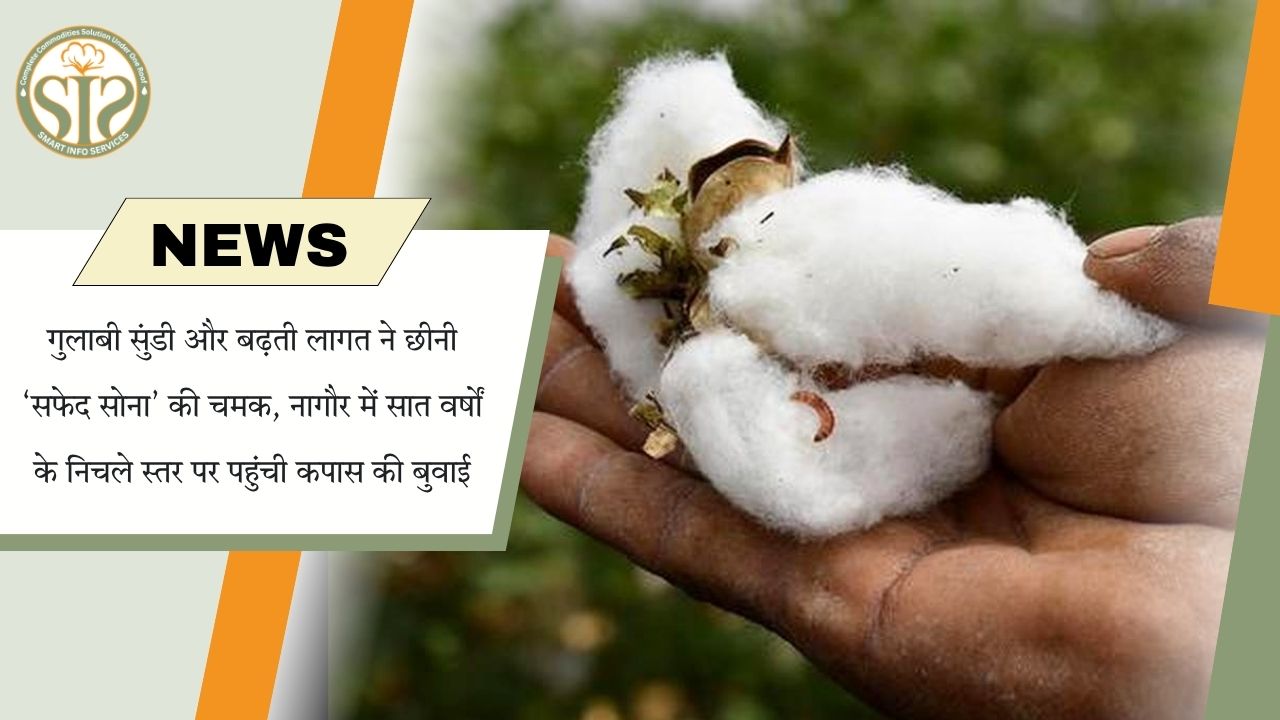
गुलाबी सुंडी और बढ़ती लागत ने छीनी ‘सफेद सोना’ की चमक, नागौर में सात वर्षों के निचले स्तर पर पहुंची कपास की बुवाईनागौर: राजस्थान के नागौर जिले में कभी किसानों की पहली पसंद मानी जाने वाली नकदी फसल कपास अब धीरे-धीरे अपनी चमक खोती जा रही है। ‘सफेद सोना’ कहलाने वाली यह फसल अब किसानों के लिए कम लाभदायक साबित हो रही है। लगातार घटती पैदावार, खेती की बढ़ती लागत, गुलाबी सुंडी का बढ़ता प्रकोप और बाजार में अपेक्षित मूल्य नहीं मिलने के कारण किसानों का रुझान तेजी से वैकल्पिक फसलों की ओर बढ़ रहा है। इसका असर खरीफ 2026 की बुवाई में भी साफ दिखाई दिया है।कृषि विभाग ने खरीफ 2026 के लिए जिले में 62,000 हेक्टेयर क्षेत्र में कपास की बुवाई का लक्ष्य निर्धारित किया था, लेकिन सीजन के अंत तक केवल 32,150 हेक्टेयर क्षेत्र में ही बुवाई हो सकी। यह निर्धारित लक्ष्य का लगभग 52 प्रतिशत है और पिछले सात वर्षों में जिले में कपास के सबसे कम रकबे को दर्शाता है।कृषि विशेषज्ञों के अनुसार नागौर की बलुई दोमट मिट्टी में लंबे समय तक लगातार कपास की खेती किए जाने से मिट्टी की उर्वरता और उत्पादकता प्रभावित हुई है। उनका कहना है कि कपास मुख्य रूप से काली मिट्टी की फसल है। ऐसे में बलुई दोमट क्षेत्रों में लगातार इसकी खेती करने से उत्पादन में लगातार गिरावट आई है। इसी कारण इस वर्ष किसानों ने ग्वार जैसी वैकल्पिक फसलों को प्राथमिकता दी। खरीफ 2026 में जिले में 1,24,250 हेक्टेयर क्षेत्र में ग्वार की बुवाई दर्ज की गई।किसानों के अनुसार वर्तमान में कपास का औसत उत्पादन केवल 1.5 से 2 क्विंटल प्रति बीघा रह गया है। लगभग 10 बीघा में कपास की खेती से कुल आय करीब 1.20 लाख रुपये तक पहुंचती है, लेकिन बीज, उर्वरक, कीटनाशक, सिंचाई, मजदूरी और अन्य कृषि लागत घटाने के बाद शुद्ध लाभ बहुत कम बचता है। ऐसे में कपास की खेती किसानों के लिए पहले जितनी लाभदायक नहीं रह गई है।पिछले सात वर्षों के आंकड़े भी कपास के घटते रकबे की पुष्टि करते हैं। वर्ष 2020 में जिले में 56,143 हेक्टेयर, 2021 में 58,457 हेक्टेयर, 2022 में 74,557 हेक्टेयर, 2023 में 48,500 हेक्टेयर, 2024 में 59,302 हेक्टेयर, 2025 में 37,250 हेक्टेयर तथा 2026 में घटकर केवल 32,150 हेक्टेयर क्षेत्र में कपास की बुवाई दर्ज की गई, जो सात वर्षों का सबसे निचला स्तर है।शुरुआती वर्षों में बीटी कपास (Bt Cotton) ने गुलाबी सुंडी के प्रकोप को काफी हद तक नियंत्रित किया था, लेकिन अब यह कीट बीटी किस्मों को भी प्रभावित करने लगा है। इसके कारण किसानों का कीटनाशकों पर खर्च लगातार बढ़ रहा है। हालांकि सरकार ने वर्ष 2026-27 के लिए मध्यम रेशा (Medium Staple) कपास का न्यूनतम समर्थन मूल्य 7,710 रुपये प्रति क्विंटल निर्धारित किया है, लेकिन कम पैदावार और बढ़ती उत्पादन लागत के कारण किसानों को इसका अपेक्षित लाभ नहीं मिल पा रहा है। यही वजह है कि नागौर के प्रमुख कपास उत्पादक क्षेत्र डेगाना और मेड़ता में भी किसान तेजी से ग्वार तथा अन्य वैकल्पिक फसलों की खेती की ओर रुख कर रहे हैं। विशेषज्ञों का मानना है कि यदि गुलाबी सुंडी पर प्रभावी नियंत्रण, लागत में कमी और बेहतर बाजार मूल्य सुनिश्चित नहीं किए गए, तो आने वाले वर्षों में जिले में कपास का रकबा और घट सकता है।और पढ़ें :- तेलंगाना में खरीफ बुवाई तेज
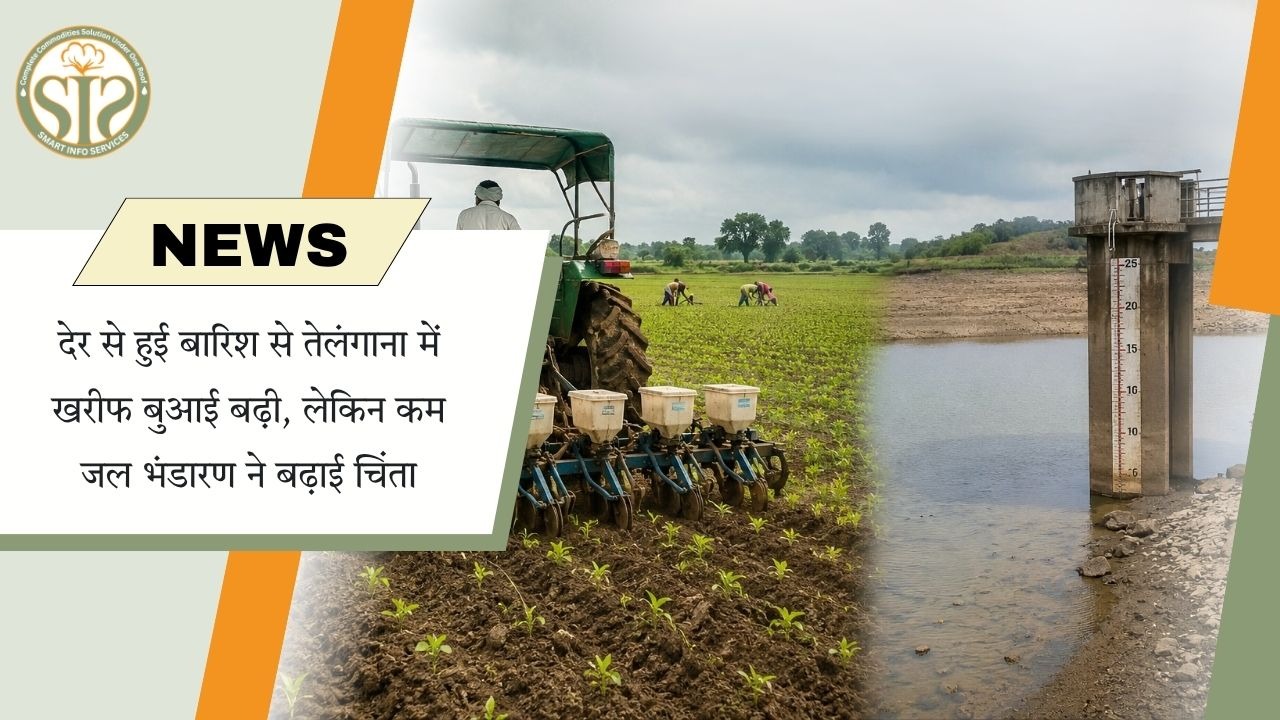
देर से हुई बारिश से तेलंगाना में खरीफ बुआई बढ़ी, लेकिन कम जल भंडारण ने बढ़ाई चिंताहैदराबाद: तेलंगाना में मानसून की सक्रियता बढ़ने के बाद खरीफ (वानकालम) सीजन की बुआई में उल्लेखनीय तेजी आई है। 5 अगस्त तक राज्य में 96.74 लाख एकड़ क्षेत्र में बुआई हो चुकी है, जो सामान्य खरीफ रकबे 132.38 लाख एकड़ का लगभग 73 प्रतिशत है। हालांकि, प्रमुख जलाशयों में पिछले वर्ष की तुलना में काफी कम जल भंडारण सिंचाई की उपलब्धता और फसलों की उत्पादकता को लेकर चिंता का कारण बना हुआ है।22 जुलाई तक राज्य में केवल 68.43 लाख एकड़ (51.69 प्रतिशत) क्षेत्र में बुआई हुई थी। जुलाई के दूसरे पखवाड़े में मानसून के सक्रिय होने तथा महाराष्ट्र, कर्नाटक और छत्तीसगढ़ में हुई भारी बारिश से कृष्णा और गोदावरी नदी बेसिन में जल प्रवाह बढ़ा, जिससे किसानों को बुआई तेज करने का अवसर मिला।सिंचाई को लेकर अनिश्चितता के कारण जिन किसानों ने बुआई टाल दी थी, उन्होंने हालिया बारिश के बाद तेजी से खेतों में काम शुरू किया। वर्षा आधारित फसलों, जिनमें कपास, मक्का, ज्वार, बाजरा, रागी, दालें, मूंगफली और सोयाबीन शामिल हैं, की बुआई में उल्लेखनीय वृद्धि दर्ज की गई है। वहीं, सिंचित क्षेत्रों में धान की नर्सरी तैयार की जा रही है।इसके बावजूद जल उपलब्धता चिंता का विषय बनी हुई है। 5 अगस्त तक राज्य के प्रमुख जलाशयों में 438.90 टीएमसी फीट पानी दर्ज किया गया, जबकि पिछले वर्ष इसी अवधि में यह 725.36 टीएमसी फीट था। हालांकि, दो सप्ताह पहले के 321.24 टीएमसी फीट की तुलना में जल भंडारण में सुधार हुआ है, लेकिन पिछले वर्ष के मुकाबले बड़ी कमी भविष्य में सिंचाई की उपलब्धता को लेकर चिंता बढ़ा रही है।फसलवार आंकड़े भी मिश्रित तस्वीर पेश करते हैं। धान की बुआई 26.16 लाख एकड़ तक पहुंची है, जबकि इसका सामान्य रकबा 65.96 लाख एकड़ है। पिछले वर्ष इसी अवधि में धान की बुआई 28.74 लाख एकड़ में हुई थी। इसके विपरीत, कपास की बुआई 46.80 लाख एकड़ तक पहुंच गई, जो सामान्य रकबे 47.41 लाख एकड़ के लगभग बराबर है और पिछले वर्ष के 43.56 लाख एकड़ से अधिक है। वहीं, दालों की बुआई भी पिछले वर्ष की तुलना में बढ़कर 5.48 लाख एकड़ हो गई है।प्रोफेसर के. जयशंकर तेलंगाना राज्य कृषि विश्वविद्यालय के कृषि वैज्ञानिकों के अनुसार, इस वर्ष कई किसानों ने धान की बजाय वैकल्पिक फसलों को प्राथमिकता दी है। हालांकि, यदि आने वाले सप्ताहों में पर्याप्त वर्षा नहीं हुई और जलाशयों का जल स्तर अपेक्षित रूप से नहीं बढ़ा, तो खरीफ फसलों की उत्पादकता और पैदावार प्रभावित हो सकती है।और पढ़ें :- जुलाई में कपास बाजार में सुधार

The Indian rupee weakened by 05 paise against the US dollar on Tuesday, closing at 95.44 per dollar.The rupee opened at the 95.39 level. Amidst fluctuations during trading, the domestic currency closed at 95.44 per dollar, marking a decline of 05 paise.At close, the Sensex was down 388.19 points or 0.49 percent at 78,154.25, and the Nifty was down 112.10 points or 0.46 percent at 24,471.70. About 1977 shares advanced, 2152 shares declined, and 187 shares unchangeread more :- China Cotton Yarn Demand Remains Weak

Off-season impact persists; cotton yarn demand remains weakThe pure cotton yarn market in China remained under off-season pressure last week. Trading activity was limited due to weak downstream demand, and prices for major yarn varieties saw no significant changes. As of August 7, the reference ex-factory spot price for 21S ring-spun pure cotton yarn in Shandong stood at 23,300 RMB/tonne, while 32S yarn was priced at 24,675 RMB/tonne; both prices remained stable compared to the previous week.Despite fluctuations in domestic cotton prices, most textile mills kept yarn prices steady and focused on reducing inventory. Amid rising raw material costs, mills exercised caution in purchasing, buying primarily on an as-needed basis. The price for 32S pure cotton ring-spun yarn was 23,500 RMB/tonne in Xinjiang and 23,600 RMB/tonne in China's inland regions.Weakness was also observed in the downstream weaving industry. Capacity utilization dropped to approximately 72% in Jiangsu, Zhejiang, and Shandong, while in Foshan, Guangdong, it temporarily fell to 20%. Procurement of grey fabric was largely limited to small, urgent orders.Limited adjustments in cotton and yarn prices increased pressure on spinning mill margins. As of August 6, spinning margins stood at -391.93 RMB/tonne in Xinjiang, while in China's inland regions, they fell to -1,753.13 RMB/tonne. High inventory levels and weak sales intensified operational pressure on companies, particularly regarding medium- and high-count yarns.The market is currently receiving mixed signals. Concerns that high temperatures in Xinjiang might impact the boll-setting stage of the new cotton crop have provided support to prices. On the other hand, the continued sale of government reserve cotton has alleviated supply-related concerns. The likelihood of a sharp rise in cotton yarn prices in the near term is limited due to weak global end-demand, a slow recovery in export orders, and a lack of improvement in the domestic market. Prices are expected to remain range-bound with a weak undertone.read more :- Cotton Prices Rise on Strong Demand
Cotton Prices Surge in India Driven by Global Signals and Strong DemandCotton prices in India continue to rise, fueled by strength in global markets and growing domestic demand. On Monday, citing limited stocks and robust buying by spinning mills, the Cotton Corporation of India (CCI) raised cotton prices by ₹700 per candy (356 kg). Over the past two weeks, CCI prices have seen a cumulative increase of approximately ₹1,400 per candy.According to Ramanuj Das Boob, a sourcing agent based in Raichur, sowing has been affected by the delayed monsoon, raising concerns that the arrival of the new crop will also be delayed. This is putting pressure on existing stocks. Activity in the resale market has also intensified due to strong demand. Prices for pressed bale cotton are hovering around ₹67,500–68,500 per candy, while quotes from resellers and multinational companies are running about ₹1,000 higher than CCI rates.CCI sales remain robust. Approximately 2 lakh bales were sold last week, while sales on Monday were estimated at around 70,000 bales. To date, total CCI sales are estimated at around 91.5 lakh bales, with unsold stock standing at approximately 14 lakh bales.By last Friday, the cotton acreage in the country had crossed 106 lakh hectares. Acreage increased in Gujarat, Telangana, Madhya Pradesh, Andhra Pradesh, Tamil Nadu, and Odisha, while declines were recorded in Maharashtra, Karnataka, and Rajasthan.Indian cotton is also receiving support from the international market. December cotton futures on the ICE are trading around 84 cents per pound. A weaker dollar, weather-related concerns in key US cotton-producing regions, a potential reduction in global stocks, and improved demand have bolstered the market.According to experts, cotton consumption has strengthened due to rising yarn demand in both domestic and export markets and increased production of coarse-count yarn. By the end of September, India's closing stock could drop to around 75–80 lakh bales.read more :- The rupee opened 10 paise weaker against the dollar at 95.39.

On Tuesday, the Indian rupee opened at 95.39 against the dollar, down 10 paise from its Monday close of 95.29. The BSE Sensex opened at 78,509.77 but was down 315.36 points, or 0.40%, at 78,227.08 as of 9:26 am. The Nifty 50 was down 94.05 points, or 0.38%, at 24,489.75 after opening at 24,575.10.Read More :- Indian Rupee weakens by 12 paise against US Dollar, closes at 95.29

The Indian rupee weakened by 12 paise against the US dollar on Monday, closing at 95.29.The rupee opened at 95.17 against the US dollar and fell 12 paise to close at 95.29 at the end of the trading session.At close, the Sensex was up 43.27 points or 0.06 percent at 78,542.44, and the Nifty was up 13.15 points or 0.05 percent at 24,583.80. About 2103 shares advanced, 2107 shares declined, and 184 shares unchanged.read more :-
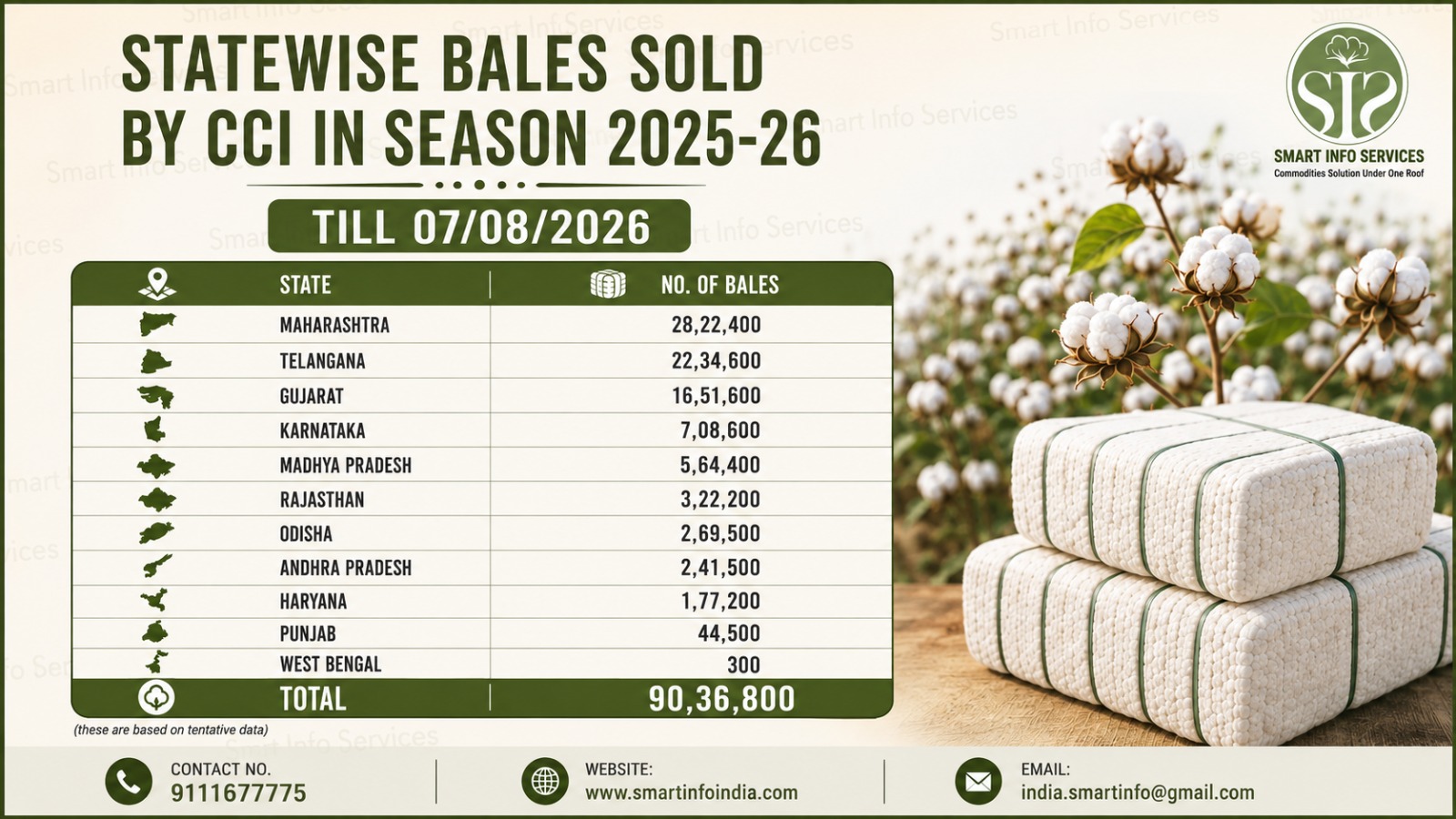
State-wise CCI Cotton Sales Details – 2025-26 SeasonThe Cotton Corporation of India (CCI) Increased its cotton candy prices by upto ₹700 per candy during this week . CCI has sold approximately 90,36,800 cotton bales for the 2025-26 season. Sales are highly concentrated in a few major cotton-producing states, Maharashtra, Telangana and Gujarat emerging as the leading contributors.

Small but Mighty: How Australian Cotton is Achieving New GoalsAlthough Australia produces only a small fraction of the world's total cotton, it holds a formidable global reputation for quality.In an era where agricultural innovation and strategic thinking are essential, Australia produces some of the world's finest cotton. Superior varieties, favorable natural conditions, farmer expertise, and strong demand have all played pivotal roles in this success.James Barlow, a Nutrien customer and cotton farmer from Gunnedah, has been growing cotton for the past decade. According to him, cotton integrates seamlessly into his irrigation system; it offers healthy profit margins and provides beneficial weed control. Thanks to double-cropping practices, he can grow a winter crop alongside cotton within the same year.A warm, dry autumn in 2026 created near-ideal conditions for cotton picking. According to the Australian Cotton Shippers Association, average yields reached approximately 12–14 bales per hectare, with quality remaining consistently high across all regions. Fiber length and strength were also excellent.The identity of Australian cotton extends beyond just quality; the industry has long prioritized sustainability and efficient water use. In 1991, it became the first sector in Australian agriculture to undergo an independent assessment of its environmental impact.Today, every cotton bale bears a unique barcode, enabling full traceability of its origin and production area.Potential shortages in global supply, rising synthetic fiber prices, and the growing demand for sustainable products are creating new opportunities for Australian cotton.read more :- Heavy Rains Damage 2.75 Lakh Hectares
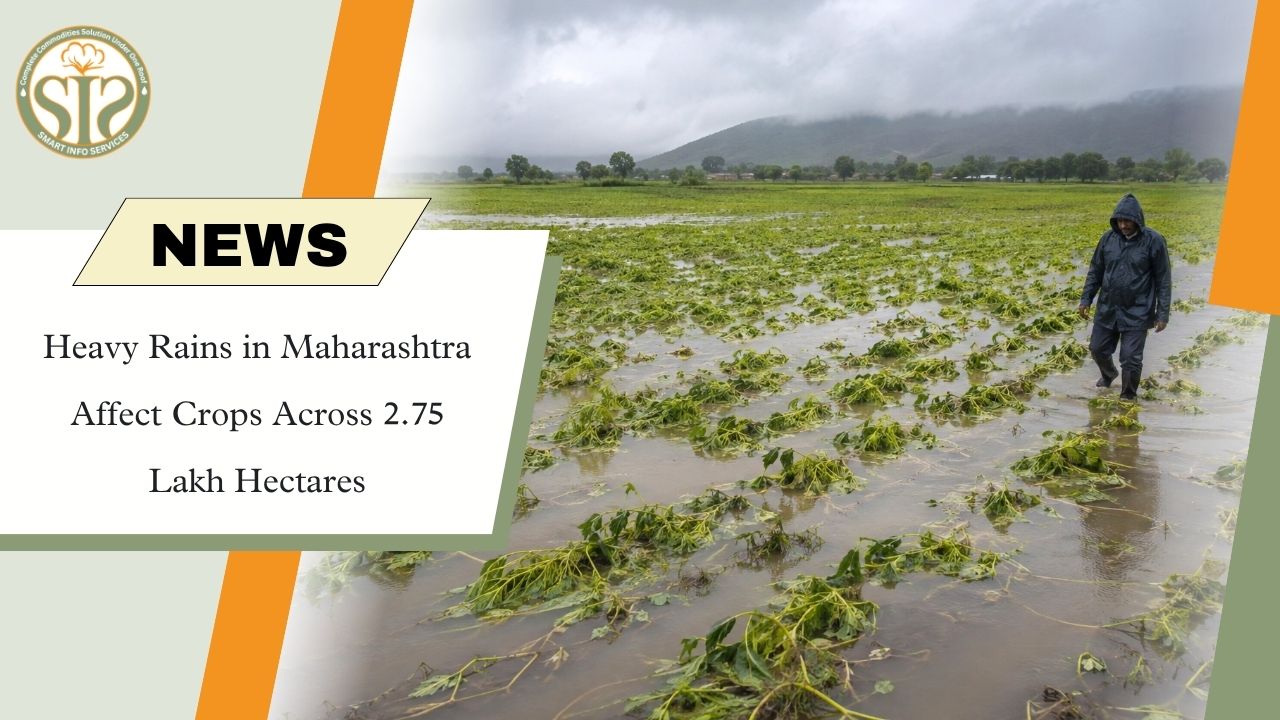
Heavy Rains in Maharashtra Affect Crops Across 2.75 Lakh HectaresPune: Farmers in Maharashtra have suffered significant losses due to continuous heavy rainfall. According to preliminary reports from the State Agriculture Department, crops across approximately 2.75 lakh hectares of agricultural land have been affected so far. This figure includes about 75,000 hectares impacted in just the last few days. The extent of the damage could rise further as the rains continue.The Agriculture Department reports that the Vidarbha and North Maharashtra regions have sustained the most damage. Crops such as cotton, soybean, maize, moong (green gram), urad (black gram), arhar (pigeon pea), bajra (pearl millet), jowar (sorghum), vegetables, sugarcane, bananas, papayas, and lemons have been affected.Among the districts, Amravati is the worst-hit, with reports of crop damage spanning over 71,909 hectares. Jalgaon has seen damage across more than 50,000 hectares, while Yavatmal has reported damage to over 25,803 hectares.State Agriculture Commissioner Suraj Mandhare stated that damage reports are still coming in from various villages; consequently, the total affected area could increase. The Agriculture Department is currently assessing the crop damage in the affected villages.The Konkan region has also been impacted by heavy rains. In Raigad, over 2,000 hectares of paddy nurseries have suffered damage. This situation may force farmers to prepare nurseries again and could delay paddy transplantation.Farmers note that the impact of the damage may persist even after the rain stops. Prolonged waterlogging in fields can damage plant roots and increase the risk of crop diseases.Agricultural experts have advised farmers to drain excess water from their fields and monitor crops for signs of disease. The actual extent of the damage caused by the rains will only be known once a detailed survey is completed.read more :- Textile Sector Needs Policy Reforms

Policy Reforms Needed to Boost Textile Industry Competitiveness: Parliamentary CommitteeAmidst uncertainty regarding tariffs and declining demand in the US market, an Indian parliamentary committee has recommended robust policy and financial support to enhance the competitiveness of the textile and apparel industry. The committee has emphasized the need for the industry to rapidly diversify into areas such as technical textiles, man-made fibers (MMF), sustainable textiles, home furnishings, and high-value garments.The Parliamentary Standing Committee on Commerce, chaired by Rajya Sabha MP Dola Sen, tabled its 200th report on the ‘Evaluation of India-US Trade Relations’ in both Houses of Parliament. The report assesses the challenges faced by Indian exporters due to US tariff measures and suggests several steps to strengthen export competitiveness.The committee has recommended accelerating the implementation of PM MITRA parks, the Production Linked Incentive (PLI) scheme, and the Samarth scheme to modernize the textile sector and boost productivity. Additionally, it has suggested establishing dedicated MMF manufacturing clusters within the new PM MITRA parks, enabling MSMEs to easily access synthetic raw materials locally and align production with global demand.The report calls for increased support under schemes such as RoDTEP, RoSCTL, the Interest Equalization Scheme, and other export incentive programs. It also emphasizes ensuring the speedy disbursement of concessional working capital, export credit, credit guarantees, and other financial assistance to textile MSMEs.The committee has suggested considering an emergency relief program under RoSCTL for exporters affected by demands for price cuts from US buyers. Furthermore, it has recommended developing government-subsidized textile warehousing hubs at key US shipping entry points, as well as green-channel and fast-track customs corridors at Indian ports. For the carpet and handloom sectors, the committee has emphasized boosting export support through trade fairs, branding, GI promotion, buyer-seller meets, digital marketing, and design innovation.The committee has also recommended technology upgrade grants and a special market-linked incentive scheme for textile exporters, enabling the industry to diversify its product range in line with the evolving preferences of US consumers and strengthen its competitiveness in the global market.read more :- The rupee opened 4 paise stronger against the dollar at 95.17.

On Monday, the Indian rupee opened 4 paise higher at 95.17 per dollar, whereas it had closed at 95.21 on Friday.The Sensex opened at 78,501.59, against its previous close of 78,499.17, and was trading at 78,616.70, up 117.53 points or 0.15% at around 9:19 am. The index touched an early high of 78,635.15 and a low of 78,494.59.Read More :- US Senate Russia Sanctions Bill

Will a 100% tariff be imposed on India soon? The US Senate has approved a bill regarding sanctions on Russian oil.The US Senate has passed a bill—by a vote of 86 to 11—authorizing the imposition of tariffs of up to 100% on countries that purchase oil, gas, and other products from Russia. Supporters of the bill have identified India as one of the five nations to which this provision could apply. However, this does not mean that a 100% tariff will be immediately imposed on India.The proposed legislation is titled the ‘Lindsey O. Graham Sanctioning Russia and Iran Act 2026.’ Under this act, countries such as China, India, Slovakia, Hungary, and Azerbaijan could face action. While the bill sets a maximum tariff limit of 100%, the responsibility for determining the actual rate would lie with the US Trade Representative (USTR).The President would also have the authority to grant exemptions to any country based on national interest. Additionally, the policy would be subject to review every 180 days.India maintains that purchasing oil from Russia is essential for its energy security and domestic needs. New Delhi has described US pressure regarding energy purchases from Russia as unjustified.The US has previously imposed additional tariffs on India over Russian oil purchases, though these were later removed during trade negotiations. Now, following the Senate's approval, pressure on India is likely to mount once again.As of now, the bill has not yet become law. Following Senate approval, it must proceed to the House of Representatives. It can only become law after passing there and receiving the President's signature.Therefore, the imposition of a 100% tariff on India is not a certainty at this stage. Even if the bill becomes law, the specific tariff rate would be determined separately. In short, while there is a potential risk of a 100% tariff on India, it is not yet a definite outcome.read more :- Centre Spends ₹69,860 Crore on Cotton
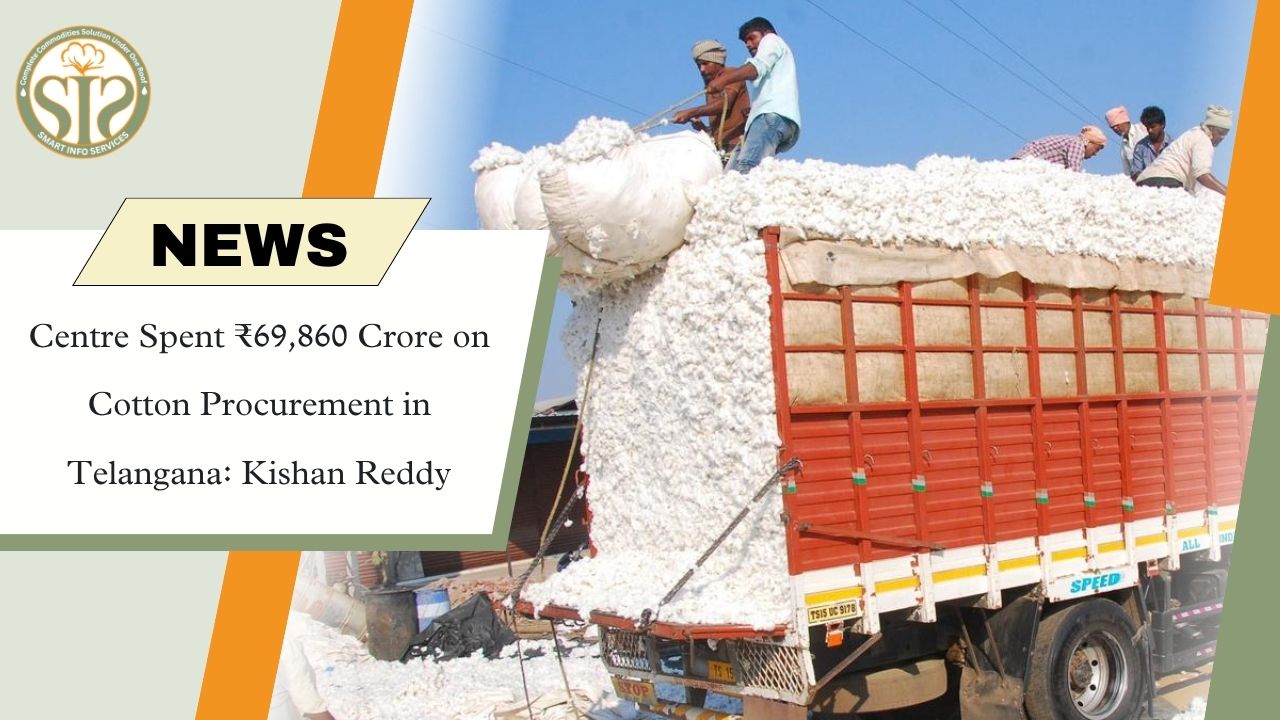
Centre Spent ₹69,860 Crore on Cotton Procurement in Telangana: Kishan ReddyHyderabad: Union Minister for Coal and Mines G. Kishan Reddy stated on the occasion of National Handloom Day that the Central Government has spent over ₹69,860 crore on procuring cotton from farmers in Telangana under the Minimum Support Price (MSP) mechanism.Kishan Reddy said that the PM MITRA Mega Textile Park being developed in Warangal will integrate traditional textile techniques with modern machinery and technology. This will boost the textile and handloom sectors in the state and create new employment opportunities.He noted that the Modi government is advancing the '5F' vision for the textile sector alongside the 'Make in India' initiative. This vision emphasizes the journey from Farm to Fibre, Fibre to Factory, Factory to Fashion, and Fashion to Foreign markets. The objective is to strengthen the textile value chain from the farm to the global market. Kishan Reddy mentioned that incentives worth approximately ₹9 lakh crore are being provided for the sector's development up to 2030.According to the Minister, initiatives such as the PLI scheme, PM MITRA Park, National Handloom Development Program, Raw Material Supply Scheme, and Mudra Yojana are being implemented to support weavers. Through these schemes, assistance is being provided in areas including modern looms, raw materials, worksheds, design development, marketing, credit, and social security.He stated that the use of technologies like Artificial Intelligence, automation, and advanced analytics is being increased in the handloom and textile sectors. This will help improve productivity, quality, and market access. Kishan Reddy noted that this sector provides direct and indirect employment to approximately five crore people.Ramchandra Rao Extends Greetings to WeaversTelangana BJP President N. Ramchandra Rao extended his best wishes to weavers, artisans, and their families on National Handloom Day. He stated that regions such as Narayanpet, Kothakota, Gadwal, Pochampally, and Sircilla are renowned both within the country and abroad for their distinctive handloom traditions. He urged people to purchase and wear handloom products.Organizational MeetingAn organizational meeting of the Telangana BJP also took place at the party's headquarters in New Delhi. Several senior leaders attended the meeting, including National President Nitin Nabin, Kishan Reddy, N. Ramchandra Rao, Union Minister of State for Home Affairs Bandi Sanjay Kumar, and K. Laxman. Telangana in-charge Abhay Patil and State General Secretary (Organization) Chandrashekhar Tiwari were also present.read more :- Nandurbar Kharif Sowing Stalls
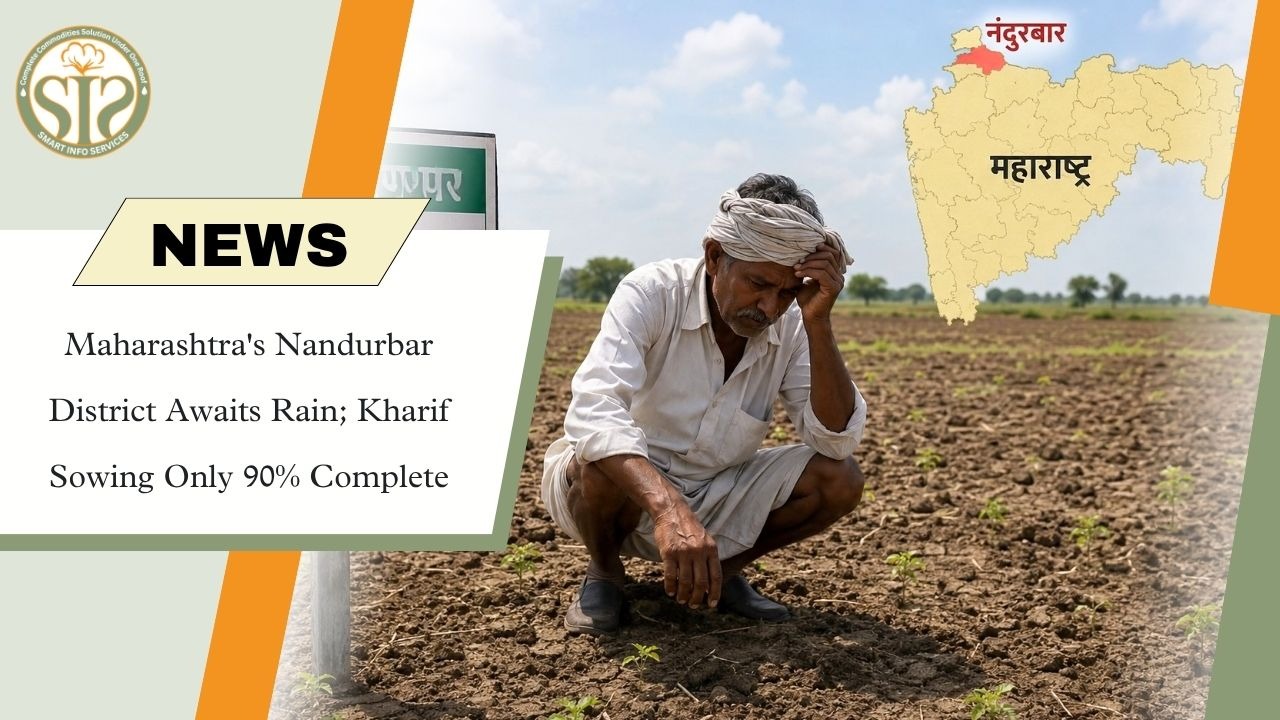
Maharashtra's Nandurbar District Awaits Rain; Kharif Sowing Only 90% CompleteWhile many parts of the state have received heavy rainfall, other areas are still waiting for rain. Intense downpours have left several urban areas waterlogged. Light to moderate rain is likely in some regions, while heavy rain accompanied by strong winds is expected in other parts of the state.Nandurbar district is eagerly awaiting heavy rainfall. The water crisis is deepening, and sowing operations have stalled in many places. Farmers are distressed by this halt in sowing, as the lack of rain casts a shadow over the Kharif season; so far, only 90 percent of the Kharif sowing has been completed.The lack of rain has impacted the cultivation of cotton, maize, and soybean, causing growing anxiety among farmers who remain hopeful for rainfall.read more :- CCI Raises Cotton Prices ₹700
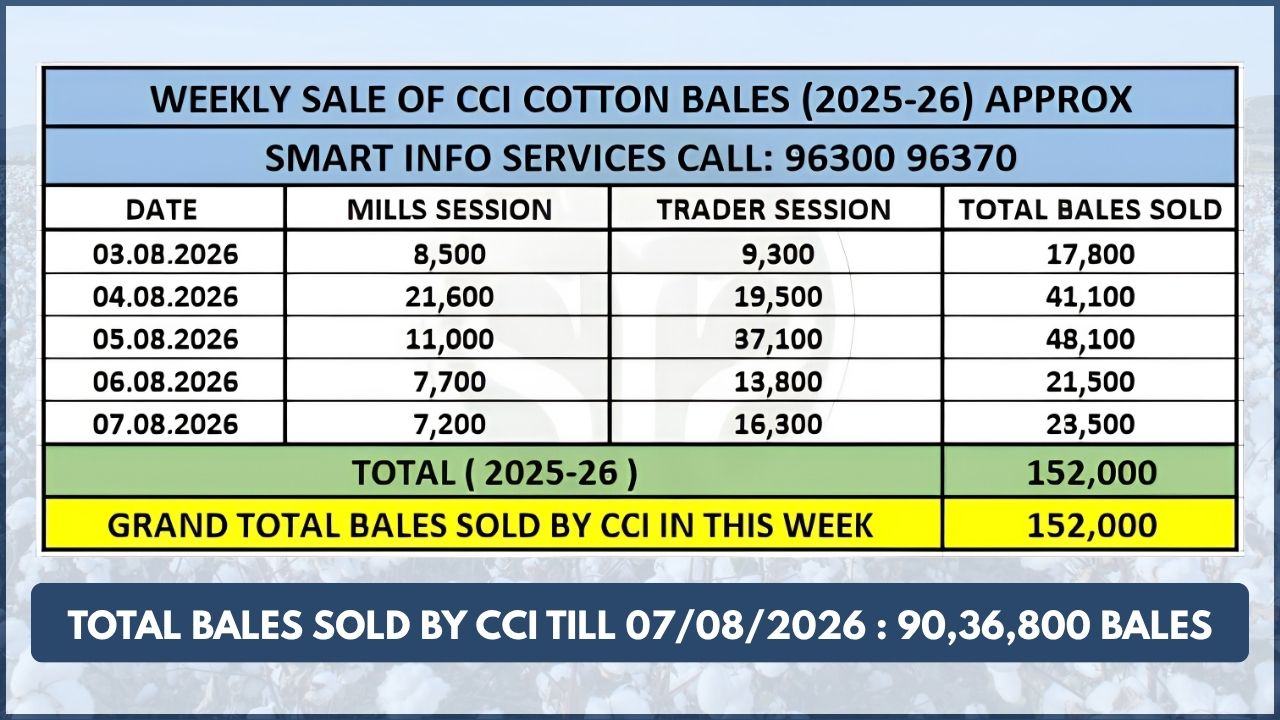
CCI Raises Cotton Prices by ₹700 per Candy; Weekly Auction Sales Cross 1.52 Lakh BalesThe Cotton Corporation of India (CCI) increased its cotton selling prices by ₹700 per candy during the week ending August 7, 2026, reflecting firm demand from textile mills and cotton traders.During the week, CCI sold approximately 1,52,000 bales of cotton from the 2025–26 crop, with the highest auction volume recorded on Wednesday.*Day-Wise CCI Auction Performance*August 03, 2026 (Monday)CCI began the week with the sale of 17,800 bales. Textile mills purchased 8,500 bales, while traders lifted 9,300 bales.August 04, 2026 (Tuesday)Auction activity strengthened as total sales increased to 41,100 bales. Mills purchased 21,600 bales, while traders bought 19,500 bales.August 05, 2026 (Wednesday)Wednesday witnessed the highest auction volume of the week, with 48,100 bales sold. Traders dominated the buying, purchasing 37,100 bales, while mills bought 11,000 bales.August 06, 2026 (Thursday)CCI sold 21,500 bales during Thursday's auction. Mills accounted for 7,700 bales, while traders purchased 13,800 bales.August 07, 2026 (Friday)The week's auctions concluded with sales of 23,500 bales. Mills purchased 7,200 bales, and traders bought 16,300 bales.Following the latest auctions, CCI's cumulative cotton sales for the 2025–26 season reached approximately *90,36,800 bales* , highlighting continued strong demand from both domestic textile mills and cotton traders.

Launch of 'Chief Minister's Yarn Bank Scheme' in Nagaland; weavers to get affordable, high-quality yarnOn the occasion of National Handloom Day, Nagaland Chief Minister Neiphiu Rio virtually launched the 'Chief Minister's Yarn Bank Scheme.' The scheme aims to strengthen the state's handloom sector and provide better support for the livelihoods of weavers.Deputy Chief Minister T.R. Zeliang, Advisor for Industries and Commerce Hekani Jakhalu, and other senior officials attended the virtual event held in Kohima. The yarn bank established under this scheme will operate from the District Industries Centre within the State Industrial Area at Toluvi, Dimapur.The 'Chief Minister's Yarn Bank Scheme' seeks to address a long-standing issue faced by weavers: the unavailability of quality natural yarn at reasonable prices. Previously, this lack of access led to increased production costs and negatively impacted their income.Under the scheme, the state government will provide a 15 percent subsidy to weavers. Additionally, yarn made from cotton, Eri silk, Muga silk, bamboo fibers, and other natural blended fibers will be made available at mill-gate prices. This will enable weavers to procure high-quality materials at a lower cost, thereby enhancing the market competitiveness of their products.The government expects approximately 5,000 to 10,000 weavers to benefit from this scheme annually. Through a transparent and reliable distribution system, eligible weavers will be able to purchase yarn directly from the yarn bank. This will reduce dependence on middlemen and ensure greater benefits for the artisans.Addressing the event, Chief Minister Neiphiu Rio stated that this initiative is a crucial part of the state government's commitment to promoting the handloom sector and strengthening the livelihoods of artisans. He remarked that handloom is not merely a means of textile production but an expression of Nagaland's identity, culture, and rich heritage. Appreciating the contribution of the state's weavers—particularly women—the Chief Minister noted that they play a vital role in sustaining the livelihoods of thousands of families while preserving traditional craftsmanship. He called upon eligible weavers, government departments, cooperative societies, self-help groups, village institutions, and community leaders to work collaboratively to ensure that the benefits of the scheme reach every eligible artisan.On the occasion of National Handloom Day, the Chief Minister emphasized the need for collective efforts to preserve, promote, and propagate Nagaland's rich handloom heritage. He expressed confidence that the 'Chief Minister's Yarn Bank Scheme' would open up new opportunities for weavers in the coming years and bring renewed recognition to the state's traditional handloom art.read more :-

Record Sowing of Cotton and Groundnut in Bhavnagar District; Farmers Anticipate Good PricesBhavnagar: The current Kharif season appears very promising for farmers in the district. Thanks to good rainfall and favorable weather conditions, farmers have undertaken large-scale sowing of cotton and groundnut. By the end of the third week of July, Kharif crop sowing had been completed across 358,100 hectares in the district. This represents 80.65 percent of the district's total Kharif cultivation area of 444,000 hectares.Cotton cultivation has covered the largest area in the district this year. Farmers in rural areas, including Talaja and Mahuva, have prioritized cotton sowing. Meanwhile, groundnut has also been cultivated over a vast area. Farmers are hopeful that adequate rainfall and favorable weather will lead to good yields for both crops.According to Agriculture Department data, cotton has been sown across 216,000 hectares so far, accounting for approximately 56 percent of the total Kharif sowing. Additionally, groundnut has been cultivated on 116,000 hectares. The increased acreage for both major crops has raised farmers' expectations for better yields and higher income.Farmers state that if the monsoon remains normal in the coming days, the cotton and groundnut crops could perform exceptionally well. They are particularly optimistic about achieving good cotton production and securing favorable market prices.The District Agriculture Officer confirmed that large-scale cotton sowing has taken place in Bhavnagar district this year. The Agriculture Department is continuously monitoring the condition of the crops.Bhavnagar district has recorded approximately 51 percent of its expected rainfall so far. Periodic rains are providing the necessary moisture to the crops. While some other districts have faced damage due to excessive rainfall, the weather in Bhavnagar has remained conducive to farming so far. Farmers are hopeful that if the rainfall pattern remains favorable in the coming days, the production of cotton and groundnut could increase. There is a possibility of an improvement in farmers' income this Kharif season due to better yields and good market prices.
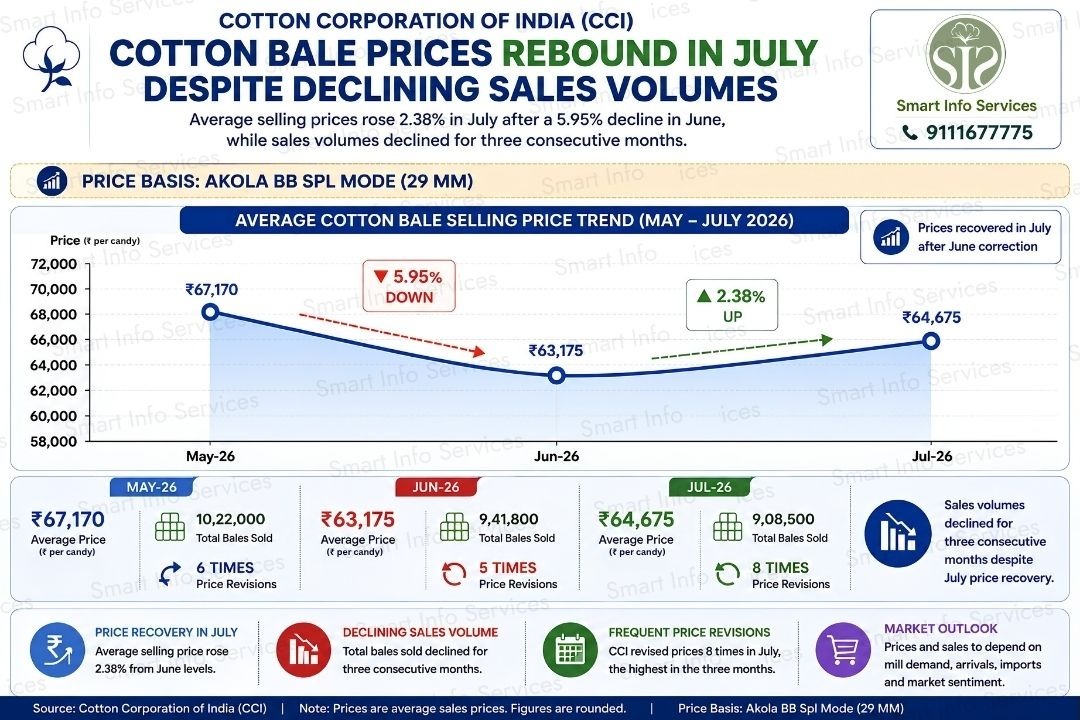
CCI Cotton Bale Prices Rebound in July Despite Slowing SalesThe Cotton Corporation of India (CCI) witnessed a mixed trend in its cotton bales sales during the last three months, with average selling prices recovering in July even as total sales volumes continued to decline. The price analysis is based on the Akola BB SPL Mode (29 MM) benchmark, which has been taken as the base price for this report.According to CCI data, the average selling price stood at ₹67,170 per candy in May 2026, when the corporation sold 10.22 lakh bales, with prices revised six times during the month. In June, the average selling price declined 5.95% to ₹63,175 per candy, while sales fell to 9.42 lakh bales. Price revisions were made five times, reflecting softer market sentiment and cautious buying by textile mills.The market regained momentum in July, with the average selling price rising 2.38% to ₹64,675 per candy. Although CCI revised prices eight times during the month—the highest in the three-month period—total sales slipped further to 9.09 lakh bales, indicating slower offtake despite improved pricing.The recovery in July prices suggests renewed buying interest and firmer demand from spinning mills. However, the continuous decline in sales volumes points to cautious procurement by buyers amid changing market conditions and increased availability of imported cotton.Market participants believe CCI's frequent price revisions in July reflected its efforts to align sales with prevailing market trends. Going forward, CCI sales and pricing are expected to depend on domestic cotton arrivals, mill demand, import trends, and overall sentiment in the textile sector.read more :-

The Indian rupee strengthened by 07 paise against the US dollar on Friday, closing at 95.21 per dollar.The domestic currency opened at 95.28 per dollar and remained under pressure for most of the session, trading within a narrow range. However, it managed to recover marginally and ended the day at 95.21, marking a modest gain against the greenback.Stock Market Live Updates: Sensex closed nearly 456 points lower (0.58%) at 78,499 while Nifty 50 fell only 65 points (0.27%) to end the session at 24,571. Border markets were mixed, with Nifty Smallcap 100 closing in the red, while Nifty Midcap 100 gained 0.2%.read more :- Nagaur Cotton Sowing Hits 7-Year Low

Pink Bollworm and Rising Costs Dim the Shine of ‘White Gold’; Cotton Sowing in Nagaur Hits a Seven-Year LowNagaur: Cotton, once considered the preferred cash crop for farmers in Rajasthan’s Nagaur district, is gradually losing its luster. Known as ‘White Gold,’ this crop is proving to be less profitable for farmers. Due to consistently declining yields, rising cultivation costs, the growing menace of the pink bollworm, and the failure to secure expected market prices, farmers are rapidly shifting towards alternative crops. This trend was clearly evident during the Kharif 2026 sowing season.The Agriculture Department had set a target to sow cotton across 62,000 hectares in the district for the Kharif 2026 season; however, by the end of the season, sowing was completed on only 32,150 hectares. This figure represents approximately 52 percent of the set target and marks the lowest cotton acreage recorded in the district over the past seven years.Agricultural experts attribute the decline in soil fertility and productivity to the long-term, continuous cultivation of cotton in Nagaur’s sandy loam soil. They note that cotton is primarily a crop suited for black soil; consequently, continuous cultivation in sandy loam areas has led to a steady drop in production. For this reason, farmers prioritized alternative crops like guar (cluster bean) this year. In the Kharif 2026 season, guar sowing was recorded across 124,250 hectares in the district.According to farmers, the average cotton yield has currently dropped to just 1.5 to 2 quintals per bigha. While the gross income from cultivating cotton on approximately 10 bighas reaches around ₹1.20 lakh, the net profit remains minimal after deducting expenses for seeds, fertilizers, pesticides, irrigation, labor, and other farming costs. Thus, cotton cultivation is no longer as profitable for farmers as it used to be. Data from the past seven years confirms the declining acreage of cotton. Cotton sowing in the district was recorded at 56,143 hectares in 2020, 58,457 hectares in 2021, 74,557 hectares in 2022, 48,500 hectares in 2023, 59,302 hectares in 2024, and 37,250 hectares in 2025; by 2026, it had dropped to just 32,150 hectares—the lowest level in seven years.In the initial years, Bt cotton had largely kept the pink bollworm infestation under control, but the pest has now begun to affect Bt varieties as well. Consequently, farmers' expenditure on pesticides is steadily rising. Although the government has fixed the Minimum Support Price (MSP) for medium-staple cotton at ₹7,710 per quintal for the 2026-27 season, farmers are unable to reap the expected benefits due to low yields and escalating production costs. This is why farmers in Degana and Merta—Nagaur's major cotton-producing regions—are rapidly shifting towards cultivating cluster beans (guar) and other alternative crops. Experts believe that unless effective control over the pink bollworm, cost reductions, and better market prices are ensured, cotton acreage in the district could shrink further in the coming years.read more :- Telangana Kharif Sowing Picks Up
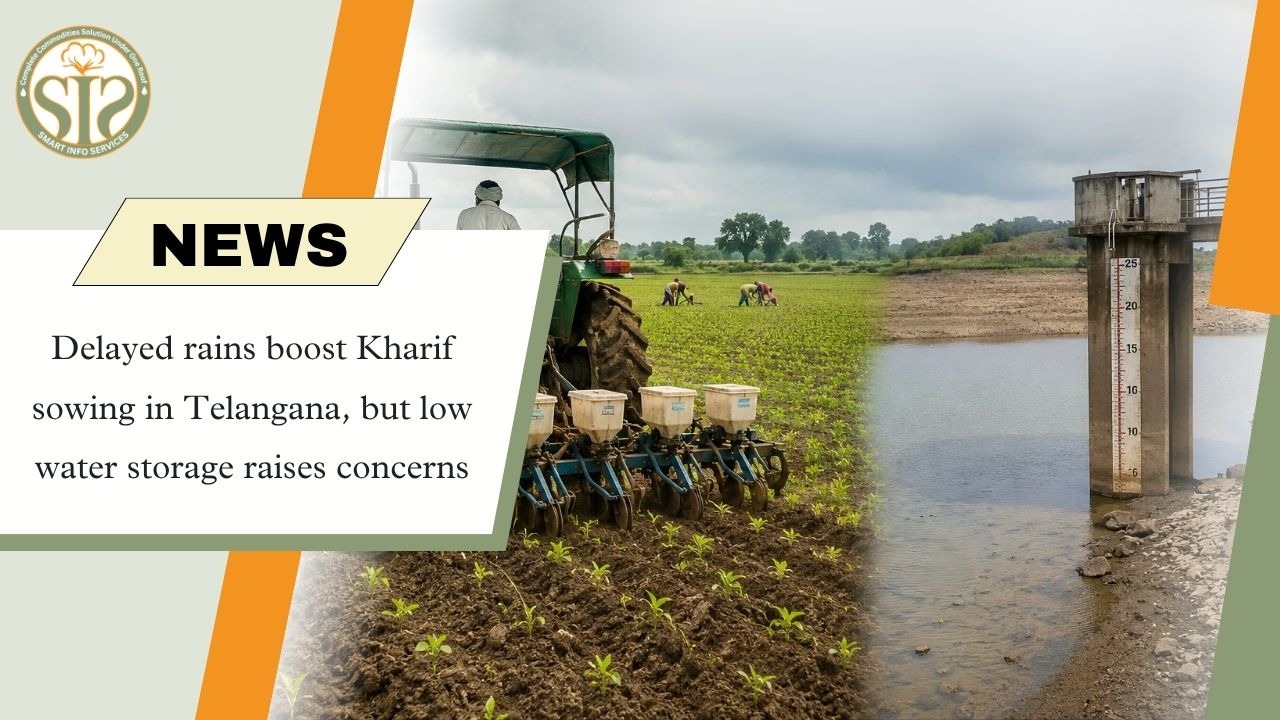
Delayed rains boost Kharif sowing in Telangana, but low water storage raises concernsHyderabad: Sowing activity for the Kharif (Vanakalam) season in Telangana has picked up significantly following increased monsoon activity. By August 5, sowing had been completed across 96.74 lakh acres, representing approximately 73 percent of the normal Kharif acreage of 132.38 lakh acres. However, water storage levels in major reservoirs—significantly lower than last year—remain a cause for concern regarding irrigation availability and crop productivity.As of July 22, sowing had covered only 68.43 lakh acres (51.69 percent) of the state's area. The intensification of the monsoon during the second half of July, coupled with heavy rains in Maharashtra, Karnataka, and Chhattisgarh, increased water inflows into the Krishna and Godavari river basins, enabling farmers to accelerate sowing operations.Farmers who had previously deferred sowing due to irrigation uncertainties resumed field operations rapidly following the recent rains. A notable increase has been recorded in the sowing of rain-fed crops, including cotton, maize, sorghum (jowar), pearl millet (bajra), finger millet (ragi), pulses, groundnut, and soybean. Meanwhile, paddy nurseries are being prepared in irrigated areas.Despite this, water availability remains a concern. As of August 5, major reservoirs in the state held 438.90 TMC (thousand million cubic) feet of water, compared to 725.36 TMC during the same period last year. Although water storage has improved from the 321.24 TMC recorded two weeks ago, the significant deficit compared to the previous year is raising concerns about future irrigation availability.Crop-wise data also presents a mixed picture. Paddy sowing has reached 26.16 lakh acres, against a normal acreage of 65.96 lakh acres. During the same period last year, paddy sowing covered 28.74 lakh acres. In contrast, cotton sowing has reached 46.80 lakh acres—nearly matching the normal acreage of 47.41 lakh acres and exceeding the previous year's 43.56 lakh acres. Meanwhile, pulse sowing has also increased to 5.48 lakh acres compared to the previous year.According to agricultural scientists at Professor Jayashankar Telangana State Agricultural University, many farmers have prioritized alternative crops over paddy this year. However, if there is insufficient rainfall in the coming weeks and reservoir water levels do not rise as expected, the productivity and yield of Kharif crops could be affected.read more :- India Cotton Market Recovers in July

મંગળવારે ભારતીય રૂપિયો અમેરિકન ડોલર સામે 05 પૈસા નબળો પડીને 95.44 પર બંધ થયો.રૂપિયો 95.39 ના સ્તરે ખુલ્યો. ટ્રેડિંગ દરમિયાન વધઘટ વચ્ચે, સ્થાનિક ચલણ 05 પૈસાના ઘટાડા સાથે 95.44 પ્રતિ ડોલર પર બંધ થયો.બંધ સમયે, સેન્સેક્સ 388.19 પોઈન્ટ અથવા 0.49 ટકા ઘટીને 78,154.25 પર અને નિફ્ટી 112.10 પોઈન્ટ અથવા 0.46 ટકા ઘટીને 24,471.70 પર બંધ થયો. લગભગ 1977 શેર વધ્યા, 2152 શેર ઘટ્યા અને 187 શેર કોઈ ફેરફાર વગર બંધ થયાવધુ વાંચો :- ચીનમાં કોટન યાર્નની માંગ નબળી

સિઝનની બહારની અસર યથાવત છે; કોટન યાર્નની માંગ નબળી રહે છેગયા અઠવાડિયે ચીનમાં શુદ્ધ કોટન યાર્ન બજાર ઓફ-સિઝન દબાણ હેઠળ રહ્યું. નબળા ડાઉનસ્ટ્રીમ માંગને કારણે ટ્રેડિંગ પ્રવૃત્તિ મર્યાદિત હતી, અને મુખ્ય યાર્ન જાતોના ભાવમાં કોઈ નોંધપાત્ર ફેરફાર જોવા મળ્યો ન હતો. 7 ઓગસ્ટ સુધીમાં, શેનડોંગમાં 21S રિંગ-સ્પન પ્યોર કોટન યાર્ન માટે સંદર્ભ એક્સ-ફેક્ટરી સ્પોટ ભાવ 23,300 RMB/ટન હતો, જ્યારે 32S યાર્નનો ભાવ 24,675 RMB/ટન હતો; બંને ભાવ પાછલા અઠવાડિયાની તુલનામાં સ્થિર રહ્યા.સ્થાનિક કપાસના ભાવમાં વધઘટ હોવા છતાં, મોટાભાગની કાપડ મિલોએ યાર્નના ભાવ સ્થિર રાખ્યા અને ઇન્વેન્ટરી ઘટાડવા પર ધ્યાન કેન્દ્રિત કર્યું. કાચા માલના વધતા ખર્ચ વચ્ચે, મિલોએ ખરીદીમાં સાવધાની રાખી, મુખ્યત્વે જરૂરિયાત મુજબ ખરીદી કરી. 32S પ્યોર કોટન રિંગ-સ્પન યાર્નનો ભાવ શિનજિયાંગમાં 23,500 RMB/ટન અને ચીનના આંતરિક પ્રદેશોમાં 23,600 RMB/ટન હતો.ડાઉનસ્ટ્રીમ વણાટ ઉદ્યોગમાં પણ નબળાઈ જોવા મળી હતી. જિઆંગસુ, ઝેજિયાંગ અને શેનડોંગમાં ક્ષમતાનો ઉપયોગ ઘટીને આશરે 72% થયો, જ્યારે ફોશાન, ગુઆંગડોંગમાં, તે અસ્થાયી રૂપે 20% થયો. ગ્રે ફેબ્રિકની ખરીદી મોટાભાગે નાના, તાત્કાલિક ઓર્ડર સુધી મર્યાદિત હતી.કપાસ અને યાર્નના ભાવમાં મર્યાદિત ગોઠવણોથી સ્પિનિંગ મિલ માર્જિન પર દબાણ વધ્યું. 6 ઓગસ્ટ સુધીમાં, શિનજિયાંગમાં સ્પિનિંગ માર્જિન -391.93 RMB/ટન હતું, જ્યારે ચીનના આંતરિક પ્રદેશોમાં, તે ઘટીને -1,753.13 RMB/ટન થયું. ઉચ્ચ ઇન્વેન્ટરી સ્તર અને નબળા વેચાણને કારણે કંપનીઓ પર ઓપરેશનલ દબાણ વધ્યું, ખાસ કરીને મધ્યમ અને ઉચ્ચ-ગણતરીવાળા યાર્ન અંગે.બજારમાં હાલમાં મિશ્ર સંકેતો મળી રહ્યા છે. શિનજિયાંગમાં ઊંચા તાપમાન નવા કપાસના પાકના બોલ-સેટિંગ તબક્કાને અસર કરી શકે તેવી ચિંતાઓએ ભાવને ટેકો પૂરો પાડ્યો છે. બીજી તરફ, સરકારી અનામત કપાસના સતત વેચાણથી પુરવઠા સંબંધિત ચિંતાઓ ઓછી થઈ છે. નબળી વૈશ્વિક અંતિમ માંગ, નિકાસ ઓર્ડરમાં ધીમી રિકવરી અને સ્થાનિક બજારમાં સુધારાના અભાવને કારણે નજીકના ગાળામાં કોટન યાર્નના ભાવમાં તીવ્ર વધારો થવાની સંભાવના મર્યાદિત છે. કિંમતો નબળા અંદાજ સાથે શ્રેણીબદ્ધ રહેવાની અપેક્ષા છે.વધુ વાંચો :- મજબૂત માંગથી કપાસના ભાવમાં તેજી
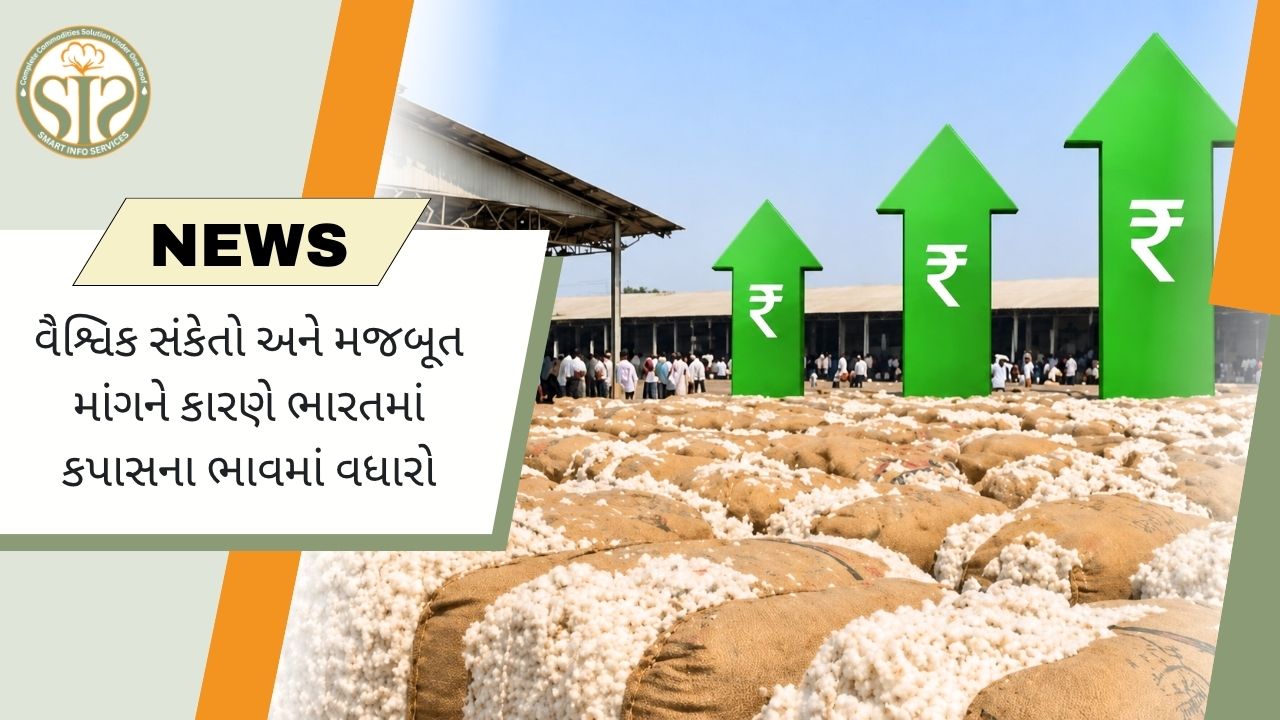
વૈશ્વિક સંકેતો અને મજબૂત માંગને કારણે ભારતમાં કપાસના ભાવમાં વધારોવૈશ્વિક બજારોમાં મજબૂતાઈ અને વધતી જતી સ્થાનિક માંગને કારણે ભારતમાં કપાસના ભાવમાં વધારો ચાલુ છે. સોમવારે, મર્યાદિત સ્ટોક અને સ્પિનિંગ મિલોની મજબૂત ખરીદીને કારણે, કોટન કોર્પોરેશન ઓફ ઈન્ડિયા (CCI) એ કપાસના ભાવમાં પ્રતિ કેન્ડી (356 કિલો) ₹700 નો વધારો કર્યો. છેલ્લા બે અઠવાડિયામાં, CCI ના ભાવમાં પ્રતિ કેન્ડી આશરે ₹1,400 નો વધારો જોવા મળ્યો છે.રાયચુર સ્થિત સોર્સિંગ એજન્ટ રામાનુજ દાસ બૂબના જણાવ્યા અનુસાર, મોડા ચોમાસાને કારણે વાવણી પ્રભાવિત થઈ છે, જેના કારણે નવા પાકના આગમનમાં પણ વિલંબ થવાની ચિંતા વધી રહી છે. આના કારણે હાલના સ્ટોક પર દબાણ આવી રહ્યું છે. મજબૂત માંગને કારણે પુનર્વેચાણ બજારમાં પ્રવૃત્તિ પણ તીવ્ર બની છે. દબાયેલા ગાંસડી કપાસના ભાવ પ્રતિ કેન્ડી ₹67,500–68,500 ની આસપાસ ફરે છે, જ્યારે પુનર્વિક્રેતાઓ અને બહુરાષ્ટ્રીય કંપનીઓના ભાવ CCI ના દર કરતા લગભગ ₹1,000 વધુ ચાલી રહ્યા છે.CCI નું વેચાણ મજબૂત રહ્યું છે. ગયા અઠવાડિયે આશરે 2 લાખ ગાંસડીનું વેચાણ થયું હતું, જ્યારે સોમવારે વેચાણ આશરે 70,000 ગાંસડી થવાનો અંદાજ હતો. આજની તારીખમાં, કુલ CCI વેચાણ આશરે 91.5 લાખ ગાંસડી થવાનો અંદાજ છે, જેમાં લગભગ 14 લાખ ગાંસડીનો સ્ટોક બાકી છે.ગયા શુક્રવાર સુધીમાં, દેશમાં કપાસનો વાવેતર વિસ્તાર 106 લાખ હેક્ટરને વટાવી ગયો હતો. ગુજરાત, તેલંગાણા, મધ્યપ્રદેશ, આંધ્રપ્રદેશ, તમિલનાડુ અને ઓડિશામાં વાવેતર વિસ્તારમાં વધારો થયો હતો, જ્યારે મહારાષ્ટ્ર, કર્ણાટક અને રાજસ્થાનમાં ઘટાડો નોંધાયો હતો.ભારતીય કપાસને આંતરરાષ્ટ્રીય બજારમાંથી પણ ટેકો મળી રહ્યો છે. ICE પર ડિસેમ્બર કપાસના વાયદા 84 સેન્ટ પ્રતિ પાઉન્ડની આસપાસ ટ્રેડ થઈ રહ્યા છે. ડોલર નબળો પડવો, મુખ્ય યુએસ કપાસ ઉત્પાદક પ્રદેશોમાં હવામાન સંબંધિત ચિંતાઓ, વૈશ્વિક સ્ટોકમાં સંભવિત ઘટાડો અને માંગમાં સુધારો થવાથી બજારને પ્રોત્સાહન મળ્યું છે.નિષ્ણાતોના મતે, સ્થાનિક અને નિકાસ બજારોમાં યાર્નની માંગમાં વધારો અને બરછટ-કાઉન્ટ યાર્નના ઉત્પાદનમાં વધારો થવાને કારણે કપાસનો વપરાશ મજબૂત બન્યો છે. સપ્ટેમ્બરના અંત સુધીમાં, ભારતનો બંધ સ્ટોક ઘટીને લગભગ 75-80 લાખ ગાંસડી થઈ શકે છે.વધુ વાંચો :- ડોલર સામે રૂપિયો ૧૦ પૈસા ઘટીને ૯૫.૩૯ પર ખુલ્યો.

મંગળવારે ડોલર સામે ભારતીય રૂપિયો ૧૦ પૈસા ઘટીને ૯૫.૩૯ પર ખુલ્યો, જે સોમવારે ૯૫.૨૯ ના ઉચ્ચ સ્તર પર બંધ થયો હતો.BSE સેન્સેક્સ 78,509.77 પર ખુલ્યો હતો પરંતુ સવારે 9:26 વાગ્યે 315.36 પોઈન્ટ અથવા 0.40% ઘટીને 78,227.08 પર બંધ રહ્યો હતો. નિફ્ટી 50 24,575.10 પર ખુલ્યા પછી 94.05 પોઈન્ટ અથવા 0.38% ઘટીને 24,489.75 પર બંધ રહ્યો હતો.વધુ વાંચો :- ભારતીય રૂપિયો યુએસ ડોલર સામે ૧૨ પૈસા નબળો પડીને ૯૫.૨૯ પર બંધ થયો

સોમવારે યુએસ ડોલર સામે ભારતીય રૂપિયો ૧૨ પૈસા નબળો પડીને ૯૫.૨૯ પર બંધ થયો.યુએસ ડોલર સામે રૂપિયો ૯૫.૧૭ પર ખુલ્યો અને ટ્રેડિંગ સત્રના અંતે ૧૨ પૈસા ઘટીને ૯૫.૨૯ પર બંધ થયો.બંધ સમયે, સેન્સેક્સ ૪૩.૨૭ પોઈન્ટ અથવા ૦.૦૬ ટકા વધીને ૭૮,૫૪૨.૪૪ પર અને નિફ્ટી ૧૩.૧૫ પોઈન્ટ અથવા ૦.૦૫ ટકા વધીને ૨૪,૫૮૩.૮૦ પર બંધ થયો. લગભગ ૨૧૦૩ શેર વધ્યા, ૨૧૦૭ શેર ઘટ્યા અને ૧૮૪ શેર યથાવત રહ્યા.વધુ વાંચો :- CCIની કપાસ વેચાણ 90 લાખ ગાંસડીને પાર
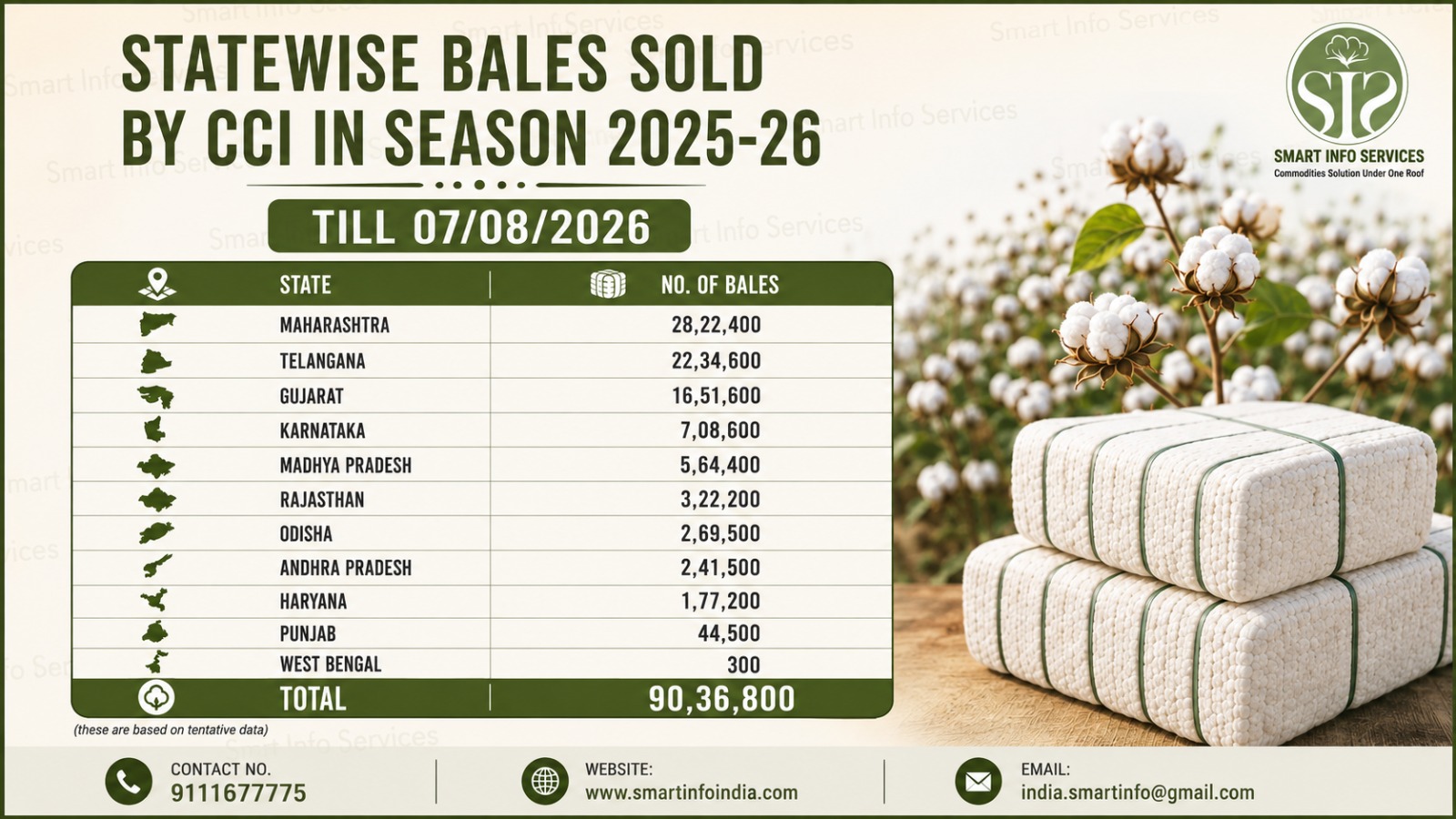
રાજ્યવાર CCI કપાસ વેચાણ વિગતો - 2025-26 સીઝનકોટન કોર્પોરેશન ઓફ ઇન્ડિયા (CCI) એ આ અઠવાડિયે 2025-26 સીઝન માટે તેના કપાસના ભાવમાં પ્રતિ કેન્ડી ₹700 સુધીનો વધારો કર્યો છે. અત્યાર સુધીમાં, CCI એ 2025-26 સીઝન માટે કુલ આશરે 9,036,800 કપાસની ગાંસડી વેચી છે. વેચાણ મુખ્ય કપાસ ઉત્પાદક રાજ્યોમાં કેન્દ્રિત છે, જેમાં મહારાષ્ટ્ર, તેલંગાણા અને ગુજરાત યાદીમાં આગળ છે.

નાનું પણ શક્તિશાળી: ઓસ્ટ્રેલિયન કપાસ નવા લક્ષ્યો કેવી રીતે પ્રાપ્ત કરી રહ્યું છેજોકે ઓસ્ટ્રેલિયા વિશ્વના કુલ કપાસના માત્ર એક નાના ભાગનું ઉત્પાદન કરે છે, તે ગુણવત્તા માટે એક પ્રચંડ વૈશ્વિક પ્રતિષ્ઠા ધરાવે છે.એવા યુગમાં જ્યાં કૃષિ નવીનતા અને વ્યૂહાત્મક વિચારસરણી આવશ્યક છે, ઓસ્ટ્રેલિયા વિશ્વના કેટલાક શ્રેષ્ઠ કપાસનું ઉત્પાદન કરે છે. શ્રેષ્ઠ જાતો, અનુકૂળ કુદરતી પરિસ્થિતિઓ, ખેડૂત કુશળતા અને મજબૂત માંગ એ બધાએ આ સફળતામાં મુખ્ય ભૂમિકા ભજવી છે.ગુનેડાહના ન્યુટ્રીયન ગ્રાહક અને કપાસ ખેડૂત જેમ્સ બાર્લો છેલ્લા દાયકાથી કપાસ ઉગાડી રહ્યા છે. તેમના મતે, કપાસ તેમની સિંચાઈ પ્રણાલીમાં એકીકૃત રીતે એકીકૃત થાય છે; તે સ્વસ્થ નફાના માર્જિન આપે છે અને ફાયદાકારક નીંદણ નિયંત્રણ પૂરું પાડે છે. બેવડી પાકની પદ્ધતિઓને કારણે, તે એક જ વર્ષમાં કપાસની સાથે શિયાળુ પાક ઉગાડી શકે છે.2026 માં ગરમ, શુષ્ક પાનખર કપાસ ચૂંટવા માટે લગભગ આદર્શ પરિસ્થિતિઓ બનાવી. ઓસ્ટ્રેલિયન કોટન શિપર્સ એસોસિએશન અનુસાર, સરેરાશ ઉપજ પ્રતિ હેક્ટર આશરે 12-14 ગાંસડી સુધી પહોંચી, ગુણવત્તા બધા પ્રદેશોમાં સતત ઊંચી રહી. ફાઇબર લંબાઈ અને શક્તિ પણ ઉત્તમ હતી.ઓસ્ટ્રેલિયન કપાસની ઓળખ માત્ર ગુણવત્તાથી આગળ વધે છે; ઉદ્યોગ લાંબા સમયથી ટકાઉપણું અને કાર્યક્ષમ પાણીના ઉપયોગને પ્રાથમિકતા આપે છે. 1991 માં, તે ઓસ્ટ્રેલિયન કૃષિ ક્ષેત્રનું પ્રથમ ક્ષેત્ર બન્યું જેણે તેની પર્યાવરણીય અસરનું સ્વતંત્ર મૂલ્યાંકન કર્યું.આજે, દરેક કપાસની ગાંસડી એક અનન્ય બારકોડ ધરાવે છે, જે તેના મૂળ અને ઉત્પાદન ક્ષેત્રની સંપૂર્ણ ટ્રેસેબિલિટીને સક્ષમ બનાવે છે.વૈશ્વિક પુરવઠામાં સંભવિત અછત, કૃત્રિમ ફાઇબરના ભાવમાં વધારો અને ટકાઉ ઉત્પાદનોની વધતી માંગ ઓસ્ટ્રેલિયન કપાસ માટે નવી તકો ઊભી કરી રહી છે.વધુ વાંચો :- મહારાષ્ટ્રમાં વરસાદથી 2.75 લાખ હેક્ટર પાકને નુકસાન
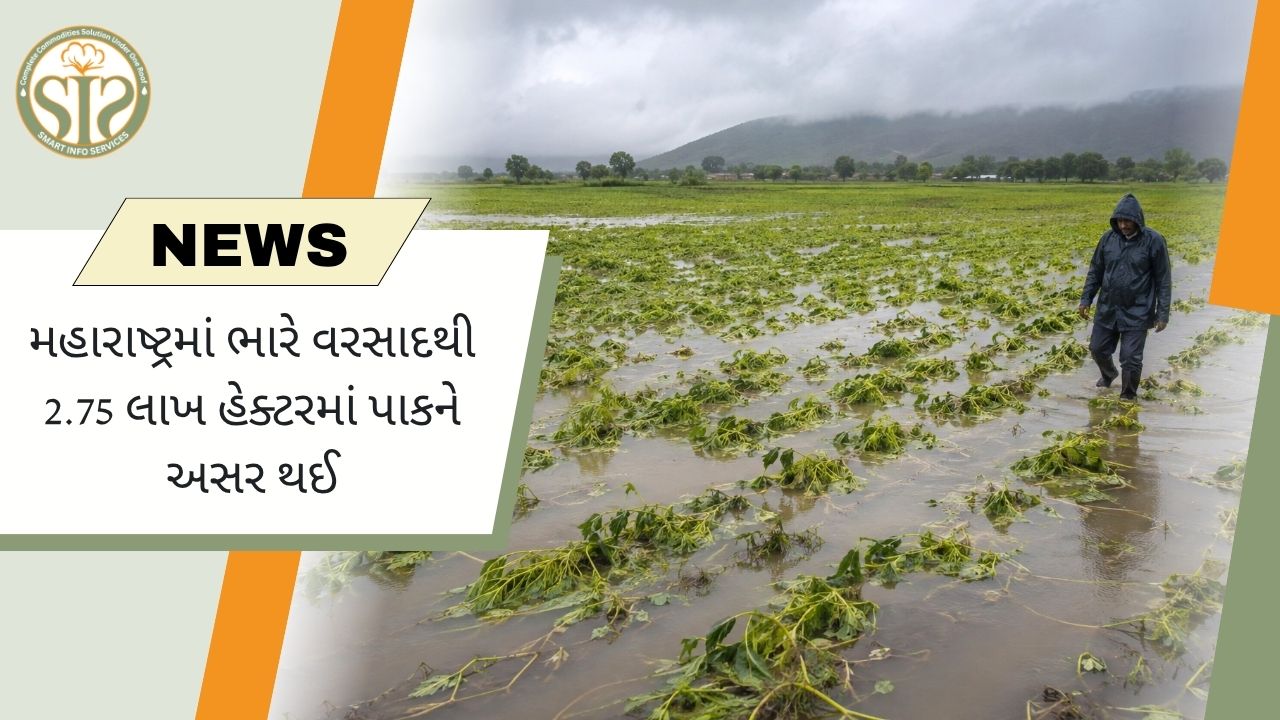
મહારાષ્ટ્રમાં ભારે વરસાદથી 2.75 લાખ હેક્ટરમાં પાકને અસર થઈપુણે: સતત ભારે વરસાદને કારણે મહારાષ્ટ્રના ખેડૂતોને નોંધપાત્ર નુકસાન થયું છે. રાજ્ય કૃષિ વિભાગના પ્રાથમિક અહેવાલો અનુસાર, અત્યાર સુધીમાં આશરે 2.75 લાખ હેક્ટર ખેતીલાયક જમીનમાં પાકને અસર થઈ છે. આ આંકડામાં છેલ્લા કેટલાક દિવસોમાં લગભગ 75,000 હેક્ટરમાં થયેલા પાકનો સમાવેશ થાય છે. વરસાદ ચાલુ રહેતાં નુકસાનનું પ્રમાણ વધુ વધી શકે છે.કૃષિ વિભાગના અહેવાલ મુજબ વિદર્ભ અને ઉત્તર મહારાષ્ટ્રના પ્રદેશોમાં સૌથી વધુ નુકસાન થયું છે. કપાસ, સોયાબીન, મકાઈ, મગ (લીલા ચણા), અડદ (કાળા ચણા), અરહર (કબૂતર), બાજરી (મોતી બાજરી), જુવાર (જુવાર), શાકભાજી, શેરડી, કેળા, પપૈયા અને લીંબુ જેવા પાકને અસર થઈ છે.જિલ્લાઓમાં, અમરાવતી સૌથી વધુ પ્રભાવિત છે, જેમાં 71,909 હેક્ટરથી વધુ પાકને નુકસાન થયું હોવાના અહેવાલ છે. જલગાંવમાં ૫૦,૦૦૦ હેક્ટરથી વધુ જમીનમાં નુકસાન થયું છે, જ્યારે યવતમાલમાં ૨૫,૮૦૩ હેક્ટરથી વધુ જમીનમાં નુકસાન થયું છે.રાજ્યના કૃષિ કમિશનર સૂરજ માંધારેએ જણાવ્યું હતું કે વિવિધ ગામોમાંથી હજુ પણ નુકસાનના અહેવાલો આવી રહ્યા છે; પરિણામે, કુલ અસરગ્રસ્ત વિસ્તાર વધી શકે છે. કૃષિ વિભાગ હાલમાં અસરગ્રસ્ત ગામોમાં પાકના નુકસાનનું મૂલ્યાંકન કરી રહ્યું છે.કોંકણ પ્રદેશમાં પણ ભારે વરસાદની અસર થઈ છે. રાયગઢમાં, ૨૦૦૦ હેક્ટરથી વધુ ડાંગરની નર્સરીઓને નુકસાન થયું છે. આ પરિસ્થિતિ ખેડૂતોને ફરીથી નર્સરી તૈયાર કરવાની ફરજ પાડી શકે છે અને ડાંગરની વાવણીમાં વિલંબ કરી શકે છે.ખેડૂતોએ નોંધ્યું છે કે વરસાદ બંધ થયા પછી પણ નુકસાનની અસર ચાલુ રહી શકે છે. ખેતરોમાં લાંબા સમય સુધી પાણી ભરાવાથી છોડના મૂળને નુકસાન થઈ શકે છે અને પાકના રોગોનું જોખમ વધી શકે છે.કૃષિ નિષ્ણાતોએ ખેડૂતોને તેમના ખેતરોમાંથી વધારાનું પાણી કાઢી નાખવા અને રોગના લક્ષણો માટે પાકનું નિરીક્ષણ કરવાની સલાહ આપી છે. વરસાદથી થયેલા નુકસાનની વાસ્તવિક હદ વિગતવાર સર્વેક્ષણ પૂર્ણ થયા પછી જ જાણી શકાશે.વધુ વાંચો :- ટેક્સટાઇલ ઉદ્યોગમાં નીતિ સુધારાની જરૂર

ટેક્સટાઇલ ઉદ્યોગની સ્પર્ધાત્મકતા વધારવા માટે નીતિગત સુધારા જરૂરી: સંસદીય સમિતિટેરિફ અને યુએસ બજારમાં ઘટતી માંગ અંગે અનિશ્ચિતતા વચ્ચે, ભારતીય સંસદીય સમિતિએ કાપડ અને વસ્ત્ર ઉદ્યોગની સ્પર્ધાત્મકતા વધારવા માટે મજબૂત નીતિ અને નાણાકીય સહાયની ભલામણ કરી છે. સમિતિએ ઉદ્યોગને ટેકનિકલ કાપડ, માનવસર્જિત ફાઇબર્સ (MMF), ટકાઉ કાપડ, ગૃહ સજાવટ અને ઉચ્ચ મૂલ્યના વસ્ત્રો જેવા ક્ષેત્રોમાં ઝડપથી વૈવિધ્યીકરણ કરવાની જરૂરિયાત પર ભાર મૂક્યો છે.રાજ્યસભાના સાંસદ ડોલા સેનની અધ્યક્ષતામાં વાણિજ્ય અંગેની સંસદીય સ્થાયી સમિતિએ સંસદના બંને ગૃહોમાં 'ભારત-યુએસ વેપાર સંબંધોનું મૂલ્યાંકન' પરનો તેનો 200મો અહેવાલ રજૂ કર્યો. આ અહેવાલમાં યુએસ ટેરિફ પગલાંને કારણે ભારતીય નિકાસકારો દ્વારા સામનો કરવામાં આવતા પડકારોનું મૂલ્યાંકન કરવામાં આવ્યું છે અને નિકાસ સ્પર્ધાત્મકતાને મજબૂત બનાવવા માટે ઘણા પગલાં સૂચવવામાં આવ્યા છે.સમિતિએ કાપડ ક્ષેત્રને આધુનિક બનાવવા અને ઉત્પાદકતા વધારવા માટે PM MITRA પાર્ક, ઉત્પાદન લિંક્ડ ઇન્સેન્ટિવ (PLI) યોજના અને સમર્થ યોજનાના અમલીકરણને ઝડપી બનાવવાની ભલામણ કરી છે. વધુમાં, તેમણે નવા PM MITRA પાર્કમાં સમર્પિત MMF ઉત્પાદન ક્લસ્ટરો સ્થાપવાનું સૂચન કર્યું છે, જેનાથી MSMEs સરળતાથી સ્થાનિક રીતે કૃત્રિમ કાચા માલ સુધી પહોંચી શકે અને ઉત્પાદનને વૈશ્વિક માંગ સાથે સંરેખિત કરી શકે.રિપોર્ટમાં RoDTEP, RoSCTL, વ્યાજ સમાનતા યોજના અને અન્ય નિકાસ પ્રોત્સાહન કાર્યક્રમો જેવી યોજનાઓ હેઠળ સહાય વધારવાની હાકલ કરવામાં આવી છે. તે કાપડ MSMEs ને રાહતપૂર્ણ કાર્યકારી મૂડી, નિકાસ ધિરાણ, ક્રેડિટ ગેરંટી અને અન્ય નાણાકીય સહાયનું ઝડપી વિતરણ સુનિશ્ચિત કરવા પર પણ ભાર મૂકે છે.સમિતિએ યુએસ ખરીદદારો તરફથી ભાવ ઘટાડાની માંગથી પ્રભાવિત નિકાસકારો માટે RoSCTL હેઠળ કટોકટી રાહત કાર્યક્રમ પર વિચાર કરવાનું સૂચન કર્યું છે. વધુમાં, તેમણે મુખ્ય યુએસ શિપિંગ એન્ટ્રી પોઈન્ટ્સ પર સરકારી સબસિડીવાળા ટેક્સટાઇલ વેરહાઉસિંગ હબ તેમજ ભારતીય બંદરો પર ગ્રીન-ચેનલ અને ફાસ્ટ-ટ્રેક કસ્ટમ્સ કોરિડોર વિકસાવવાની ભલામણ કરી છે. કાર્પેટ અને હેન્ડલૂમ ક્ષેત્રો માટે, સમિતિએ વેપાર મેળાઓ, બ્રાન્ડિંગ, GI પ્રમોશન, ખરીદનાર-વેચાણકર્તા મીટ, ડિજિટલ માર્કેટિંગ અને ડિઝાઇન નવીનતા દ્વારા નિકાસ સહાયને વધારવા પર ભાર મૂક્યો છે.સમિતિએ ટેક્નોલોજી અપગ્રેડ ગ્રાન્ટ અને કાપડ નિકાસકારો માટે ખાસ બજાર-સંલગ્ન પ્રોત્સાહન યોજનાની પણ ભલામણ કરી છે, જેનાથી ઉદ્યોગ યુએસ ગ્રાહકોની વિકસતી પસંદગીઓને અનુરૂપ તેની ઉત્પાદન શ્રેણીમાં વૈવિધ્યીકરણ કરી શકે અને વૈશ્વિક બજારમાં તેની સ્પર્ધાત્મકતાને મજબૂત બનાવી શકે.વધુ વાંચો :- ડોલર સામે રૂપિયો 4 પૈસા મજબૂત થઈને 95.17 પર ખુલ્યો.

સોમવારે, ભારતીય રૂપિયો 4 પૈસા વધીને 95.17 પ્રતિ ડોલર પર ખુલ્યો, જ્યારે શુક્રવારે તે 95.21 પર બંધ થયો.સેન્સેક્સ તેના અગાઉના બંધ ૭૮,૪૯૯.૧૭ ની સામે ૭૮,૫૦૧.૫૯ પર ખુલ્યો અને સવારે ૯:૧૯ વાગ્યે ૧૧૭.૫૩ પોઈન્ટ અથવા ૦.૧૫% વધીને ૭૮,૬૧૬.૭૦ પર ટ્રેડ થઈ રહ્યો હતો. ઇન્ડેક્સ ૭૮,૬૩૫.૧૫ ની શરૂઆતની ઊંચી સપાટી અને ૭૮,૪૯૪.૫૯ ની નીચી સપાટીને સ્પર્શ્યો.વધુ વાંચો :- US બિલથી ભારત પર ટેરિફનું જોખમ

શું ભારત પર ટૂંક સમયમાં ૧૦૦% ટેરિફ લાદવામાં આવશે? યુએસ સેનેટે રશિયન તેલ પર પ્રતિબંધો અંગેના બિલને મંજૂરી આપી છે.યુએસ સેનેટે ૮૬ થી ૧૧ મતે એક બિલ પસાર કર્યું છે જે રશિયા પાસેથી તેલ, ગેસ અને અન્ય ઉત્પાદનો ખરીદતા દેશો પર ૧૦૦% સુધીના ટેરિફ લાદવાની મંજૂરી આપે છે. બિલના સમર્થકોએ ભારતને તે પાંચ દેશોમાંના એક તરીકે ઓળખાવ્યું છે જ્યાં આ જોગવાઈ લાગુ થઈ શકે છે. જો કે, આનો અર્થ એ નથી કે ભારત પર ૧૦૦% ટેરિફ તાત્કાલિક લાદવામાં આવશે.પ્રસ્તાવિત કાયદાનું શીર્ષક ‘લિન્ડસે ઓ. ગ્રેહામ સેન્ક્શનિંગ રશિયા અને ઈરાન એક્ટ ૨૦૨૬’ છે. આ કાયદા હેઠળ, ચીન, ભારત, સ્લોવાકિયા, હંગેરી અને અઝરબૈજાન જેવા દેશો કાર્યવાહીનો સામનો કરી શકે છે. જ્યારે બિલ ૧૦૦% ની મહત્તમ ટેરિફ મર્યાદા નક્કી કરે છે, ત્યારે વાસ્તવિક દર નક્કી કરવાની જવાબદારી યુએસ ટ્રેડ રિપ્રેઝન્ટેટિવ (USTR) ની રહેશે.રાષ્ટ્રપતિ પાસે રાષ્ટ્રીય હિતના આધારે કોઈપણ દેશને છૂટ આપવાનો અધિકાર પણ હશે. વધુમાં, આ નીતિની દર 180 દિવસે સમીક્ષા કરવામાં આવશે.ભારતનું માનવું છે કે રશિયા પાસેથી તેલ ખરીદવું તેની ઉર્જા સુરક્ષા અને સ્થાનિક જરૂરિયાતો માટે જરૂરી છે. નવી દિલ્હીએ રશિયા પાસેથી ઉર્જા ખરીદી અંગેના યુએસ દબાણને ગેરવાજબી ગણાવ્યું છે.અમેરિકાએ અગાઉ રશિયન તેલ ખરીદી પર ભારત પર વધારાના ટેરિફ લાદ્યા હતા, જોકે પછીથી વેપાર વાટાઘાટો દરમિયાન તેને દૂર કરવામાં આવ્યા હતા. હવે, સેનેટની મંજૂરી બાદ, ભારત પર દબાણ ફરી એકવાર વધવાની શક્યતા છે.હાલમાં, બિલ હજુ સુધી કાયદો બન્યું નથી. સેનેટની મંજૂરી પછી, તેને પ્રતિનિધિ ગૃહમાં આગળ વધવું પડશે. ત્યાં પસાર થયા પછી અને રાષ્ટ્રપતિની સહી મેળવ્યા પછી જ તે કાયદો બની શકે છે.તેથી, ભારત પર 100% ટેરિફ લાદવાની આ તબક્કે ખાતરી નથી. જો બિલ કાયદો બની જાય તો પણ, ચોક્કસ ટેરિફ દર અલગથી નક્કી કરવામાં આવશે. ટૂંકમાં, જ્યારે ભારત પર 100% ટેરિફનું સંભવિત જોખમ છે, તે હજુ સુધી ચોક્કસ પરિણામ નથી.વધુ વાંચો :- તેલંગાણા કપાસ ખરીદી પર ₹69,860 કરોડ
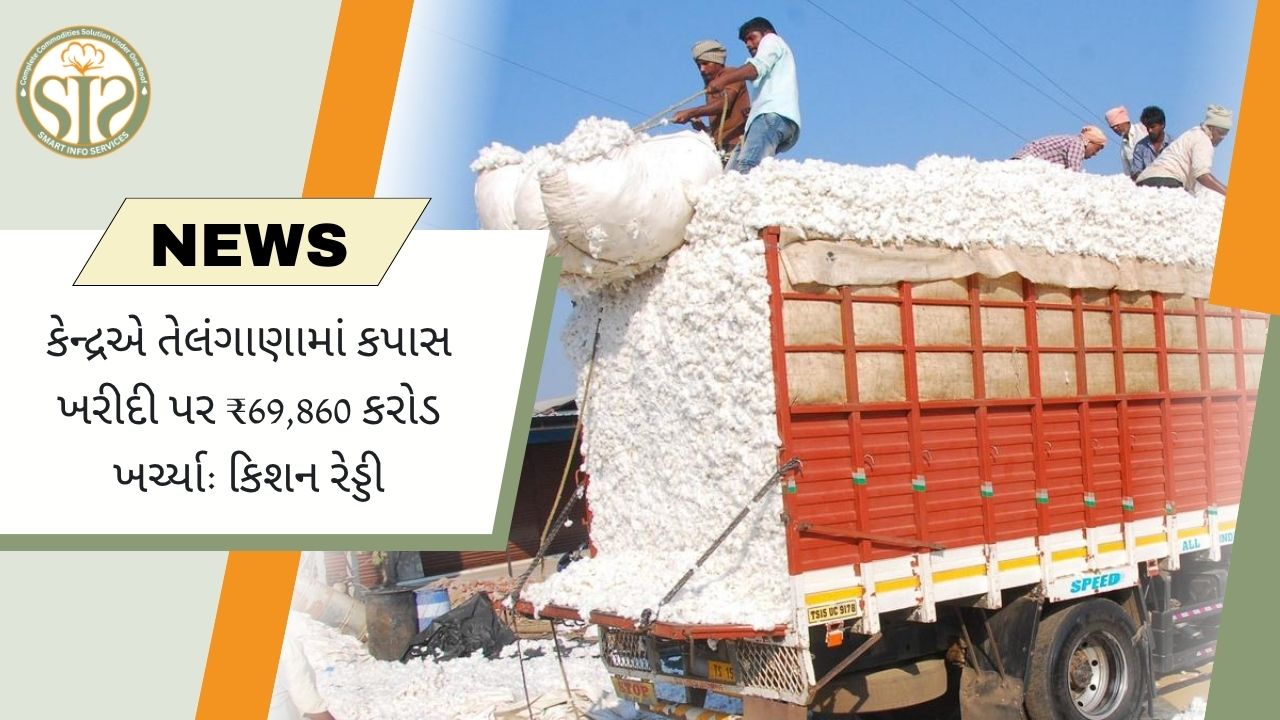
કેન્દ્રએ તેલંગાણામાં કપાસ ખરીદી પર ₹69,860 કરોડ ખર્ચ્યા: કિશન રેડ્ડીહૈદરાબાદ: કેન્દ્રીય કોલસા અને ખાણ મંત્રી જી. કિશન રેડ્ડીએ રાષ્ટ્રીય હાથવણાટ દિવસ નિમિત્તે જણાવ્યું હતું કે કેન્દ્ર સરકારે તેલંગાણાના ખેડૂતો પાસેથી લઘુત્તમ ટેકાના ભાવ (MSP) મિકેનિઝમ હેઠળ કપાસ ખરીદી પર ₹69,860 કરોડથી વધુ ખર્ચ કર્યા છે.કિશન રેડ્ડીએ જણાવ્યું હતું કે વારંગલમાં વિકસાવવામાં આવી રહેલો PM MITRA મેગા ટેક્સટાઇલ પાર્ક પરંપરાગત કાપડ તકનીકોને આધુનિક મશીનરી અને ટેકનોલોજી સાથે સાંકળશે. આ રાજ્યમાં કાપડ અને હાથવણાટ ક્ષેત્રોને વેગ આપશે અને રોજગારની નવી તકો ઉભી કરશે.તેમણે નોંધ્યું હતું કે મોદી સરકાર 'મેક ઇન ઇન્ડિયા' પહેલની સાથે કાપડ ક્ષેત્ર માટે '5F' વિઝનને આગળ વધારી રહી છે. આ વિઝન ખેતરથી ફાઇબર, ફાઇબરથી ફેક્ટરી, ફેક્ટરીથી ફેશન અને ફેશનથી વિદેશી બજારોની સફર પર ભાર મૂકે છે. ઉદ્દેશ્ય ખેતરથી વૈશ્વિક બજાર સુધી કાપડ મૂલ્ય શૃંખલાને મજબૂત બનાવવાનો છે. કિશન રેડ્ડીએ ઉલ્લેખ કર્યો હતો કે 2030 સુધી આ ક્ષેત્રના વિકાસ માટે આશરે ₹9 લાખ કરોડના પ્રોત્સાહનો પૂરા પાડવામાં આવી રહ્યા છે.મંત્રીના જણાવ્યા મુજબ, વણકરોને ટેકો આપવા માટે PLI યોજના, PM મિત્ર પાર્ક, રાષ્ટ્રીય હાથવણાટ વિકાસ કાર્યક્રમ, કાચો માલ પુરવઠો યોજના અને મુદ્રા યોજના જેવી પહેલો અમલમાં મૂકવામાં આવી રહી છે. આ યોજનાઓ દ્વારા, આધુનિક લૂમ્સ, કાચા માલ, વર્કશેડ, ડિઝાઇન વિકાસ, માર્કેટિંગ, ધિરાણ અને સામાજિક સુરક્ષા સહિતના ક્ષેત્રોમાં સહાય પૂરી પાડવામાં આવી રહી છે.તેમણે જણાવ્યું હતું કે હાથવણાટ અને કાપડ ક્ષેત્રોમાં આર્ટિફિશિયલ ઇન્ટેલિજન્સ, ઓટોમેશન અને અદ્યતન વિશ્લેષણ જેવી તકનીકોનો ઉપયોગ વધારવામાં આવી રહ્યો છે. આ ઉત્પાદકતા, ગુણવત્તા અને બજારની પહોંચ સુધારવામાં મદદ કરશે. કિશન રેડ્ડીએ નોંધ્યું હતું કે આ ક્ષેત્ર લગભગ પાંચ કરોડ લોકોને પ્રત્યક્ષ અને પરોક્ષ રોજગાર પૂરો પાડે છે.રામચંદ્ર રાવે વણકરોને શુભેચ્છાઓ પાઠવીતેલંગાણા ભાજપના પ્રમુખ એન. રામચંદ્ર રાવે રાષ્ટ્રીય હાથવણાટ દિવસ પર વણકર, કારીગરો અને તેમના પરિવારોને શુભેચ્છાઓ પાઠવી. તેમણે જણાવ્યું હતું કે નારાયણપેટ, કોથાકોટા, ગડવાલ, પોચમ્પલ્લી અને સિરસિલા જેવા પ્રદેશો તેમની વિશિષ્ટ હાથવણાટ પરંપરાઓ માટે દેશ અને વિદેશમાં પ્રખ્યાત છે. તેમણે લોકોને હાથવણાટના ઉત્પાદનો ખરીદવા અને પહેરવા વિનંતી કરી.સંગઠનાત્મક બેઠકતેલંગાણા ભાજપની એક સંગઠનાત્મક બેઠક નવી દિલ્હી સ્થિત પાર્ટીના મુખ્યાલયમાં પણ યોજાઈ હતી. આ બેઠકમાં રાષ્ટ્રીય અધ્યક્ષ નીતિન નવીન, કિશન રેડ્ડી, એન. રામચંદ્ર રાવ, કેન્દ્રીય ગૃહ રાજ્યમંત્રી બંદી સંજય કુમાર અને કે. લક્ષ્મણ સહિત અનેક વરિષ્ઠ નેતાઓ હાજર રહ્યા હતા. તેલંગાણાના પ્રભારી અભય પાટિલ અને રાજ્ય મહાસચિવ (સંગઠન) ચંદ્રશેખર તિવારી પણ હાજર રહ્યા હતા.વધુ વાંચો :- નંદુરબારમાં ખરીફ વાવેતર અટક્યું
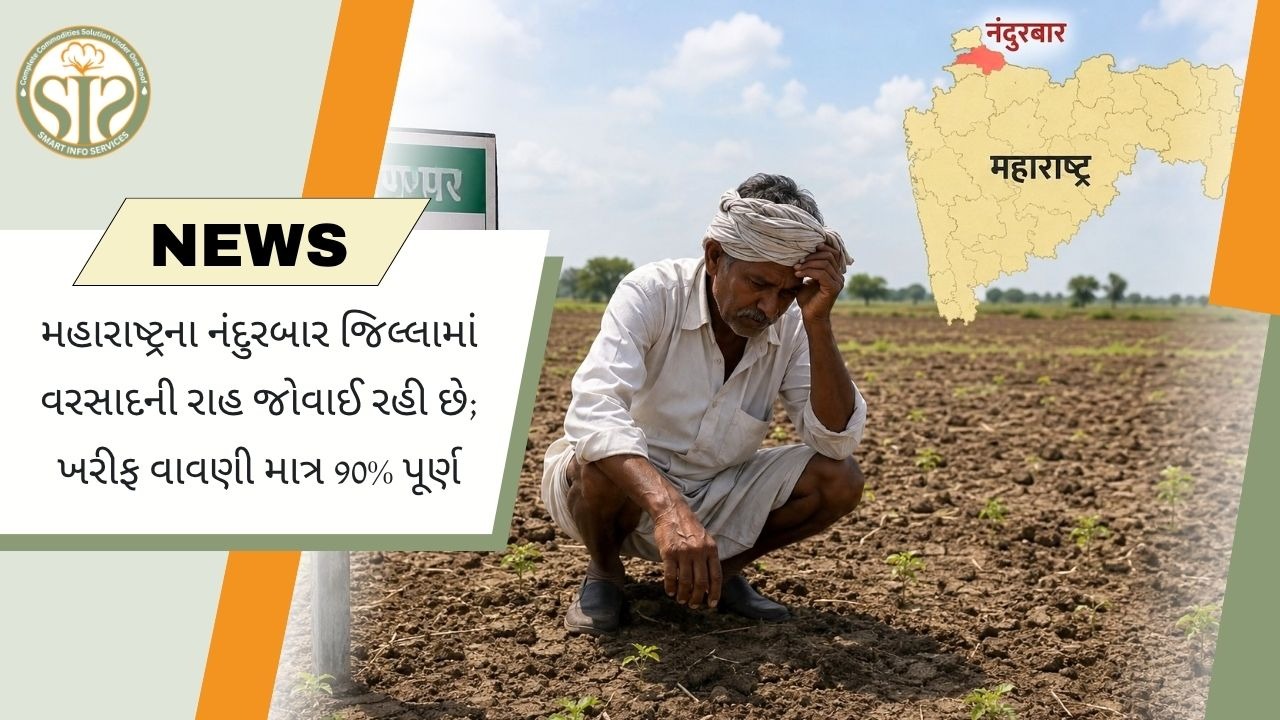
મહારાષ્ટ્રના નંદુરબાર જિલ્લામાં વરસાદની રાહ જોવાઈ રહી છે; ખરીફ વાવણી માત્ર 90% પૂર્ણરાજ્યના ઘણા ભાગોમાં ભારે વરસાદ પડ્યો છે, જ્યારે અન્ય વિસ્તારો હજુ પણ વરસાદની રાહ જોઈ રહ્યા છે. ભારે વરસાદને કારણે ઘણા શહેરી વિસ્તારો પાણીથી ભરાઈ ગયા છે. કેટલાક પ્રદેશોમાં હળવાથી મધ્યમ વરસાદની શક્યતા છે, જ્યારે રાજ્યના અન્ય ભાગોમાં ભારે પવન સાથે ભારે વરસાદની આગાહી છે.નંદુરબાર જિલ્લો ભારે વરસાદની આતુરતાથી રાહ જોઈ રહ્યો છે. પાણીની કટોકટી વધુ ઘેરી બની રહી છે, અને ઘણી જગ્યાએ વાવણીની કામગીરી ઠપ્પ થઈ ગઈ છે. વાવણીમાં આ અવરોધથી ખેડૂતો પરેશાન છે, કારણ કે વરસાદના અભાવે ખરીફ સિઝન પર પડછાયો પડ્યો છે; અત્યાર સુધી, ખરીફ વાવણીનો માત્ર 90 ટકા જ પૂર્ણ થયો છે.વરસાદના અભાવે કપાસ, મકાઈ અને સોયાબીનના વાવેતર પર અસર પડી છે, જેના કારણે વરસાદની આશા રાખતા ખેડૂતોમાં ચિંતા વધી રહી છે.વધુ વાંચો :- CCIએ કપાસના ભાવ ₹700 વધાર્યા
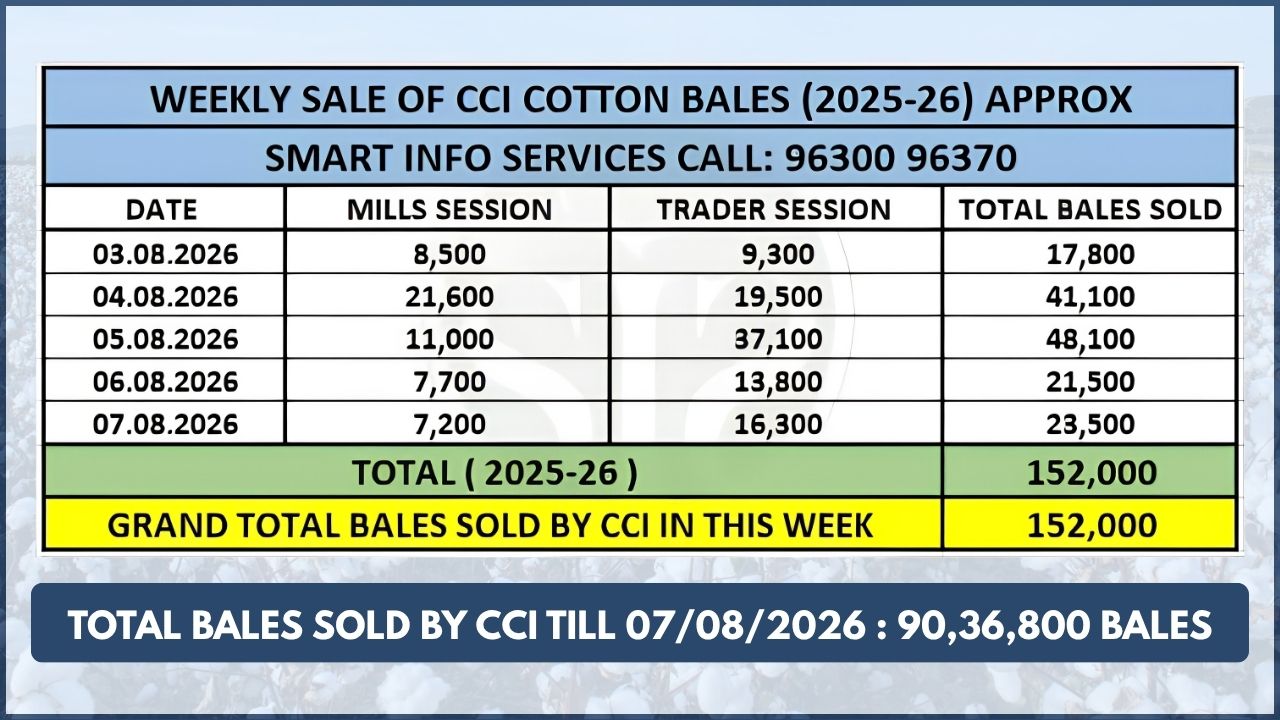
CCI એ કપાસના ભાવમાં પ્રતિ કેન્ડી ₹700 નો વધારો કર્યો; સાપ્તાહિક હરાજી વેચાણ 1.52 લાખ ગાંસડીને પાર કર્યુંકોટન કોર્પોરેશન ઓફ ઇન્ડિયા (CCI) એ 7 ઓગસ્ટ, 2026 ના રોજ પૂરા થતા સપ્તાહ દરમિયાન કપાસના વેચાણ ભાવમાં પ્રતિ કેન્ડી ₹700 નો વધારો કર્યો. આ વધારો મિલો અને કપાસના વેપારીઓની મજબૂત માંગને પ્રતિબિંબિત કરે છે.સપ્તાહ દરમિયાન, CCI એ 2025-26 ના પાકમાંથી આશરે 152,000 ગાંસડી કપાસનું વેચાણ કર્યું, જે બુધવારે સૌથી વધુ હરાજી વોલ્યુમ નોંધાયું હતું.સાપ્તાહિક વેચાણ અહેવાલ3 ઓગસ્ટ, 2026 (સોમવાર)CCI એ અઠવાડિયાની શરૂઆત 17,800 ગાંસડીના વેચાણ સાથે કરી. કાપડ મિલોએ 8,500 ગાંસડી ખરીદી હતી, જ્યારે વેપારીઓએ 9,300 ગાંસડી ખરીદી હતી.4 ઓગસ્ટ, 2026 (મંગળવાર)હરાજીની પ્રવૃત્તિમાં વધારો થયો, અને કુલ વેચાણ વધીને 41,100 ગાંસડી થયું. મિલોએ 21,600 ગાંસડી ખરીદી હતી, જ્યારે વેપારીઓએ 19,500 ગાંસડી ખરીદી હતી.5 ઓગસ્ટ, 2026 (બુધવાર)બુધવારે અઠવાડિયાનો સૌથી વધુ હરાજી વોલ્યુમ જોવા મળ્યો, જેમાં 48,100 ગાંસડી વેચાઈ હતી. વેપારીઓએ ખરીદીમાં પ્રભુત્વ મેળવ્યું હતું, 37,100 ગાંસડી ખરીદી હતી, જ્યારે મિલોએ 11,000 ગાંસડી ખરીદી હતી.6 ઓગસ્ટ, 2026 (ગુરુવાર)ગુરુવારની હરાજી દરમિયાન CCI એ 21,500 ગાંસડી વેચી હતી. મિલોએ 7,700 ગાંસડી ખરીદી હતી, જ્યારે વેપારીઓએ 13,800 ગાંસડી ખરીદી હતી.7 ઓગસ્ટ, 2026 (શુક્રવાર)સપ્તાહની હરાજી 23,500 ગાંસડીના વેચાણ સાથે પૂર્ણ થઈ. મિલોએ 7,200 ગાંસડી ખરીદી હતી, અને વેપારીઓએ 16,300 ગાંસડી ખરીદી હતી.તાજેતરના હરાજી પછી, 2025-26 સીઝન માટે CCI નું કુલ કપાસનું વેચાણ આશરે 9,036,800 ગાંસડી સુધી પહોંચ્યું, જે સ્થાનિક કાપડ મિલો અને કપાસના વેપારીઓ બંને તરફથી સતત મજબૂત માંગને પ્રતિબિંબિત કરે છે.

નાગાલેન્ડમાં 'મુખ્યમંત્રી યાર્ન બેંક યોજના'નો પ્રારંભ; વણકરોને સસ્તું, ઉચ્ચ ગુણવત્તાનું યાર્ન મળશેરાષ્ટ્રીય હાથવણાટ દિવસ નિમિત્તે, નાગાલેન્ડના મુખ્યમંત્રી નેફ્યુ રિયોએ 'મુખ્યમંત્રી યાર્ન બેંક યોજના'નો વર્ચ્યુઅલી પ્રારંભ કર્યો. આ યોજનાનો ઉદ્દેશ્ય રાજ્યના હાથવણાટ ક્ષેત્રને મજબૂત બનાવવા અને વણકરોની આજીવિકા માટે વધુ સારો ટેકો પૂરો પાડવાનો છે.નાયબ મુખ્યમંત્રી ટી.આર. ઝેલિયાંગ, ઉદ્યોગ અને વાણિજ્ય સલાહકાર હેકાની જાખાલુ અને અન્ય વરિષ્ઠ અધિકારીઓએ કોહિમામાં આયોજિત વર્ચ્યુઅલ કાર્યક્રમમાં હાજરી આપી હતી. આ યોજના હેઠળ સ્થાપિત યાર્ન બેંક દીમાપુરના ટોલુવી ખાતે રાજ્ય ઔદ્યોગિક ક્ષેત્રની અંદર જિલ્લા ઉદ્યોગ કેન્દ્રમાંથી કાર્યરત થશે.'મુખ્યમંત્રી યાર્ન બેંક યોજના' વણકરોને લાંબા સમયથી સામનો કરી રહેલી સમસ્યા: વાજબી ભાવે ગુણવત્તાયુક્ત કુદરતી યાર્નની ઉપલબ્ધતાનો ઉકેલ લાવવાનો પ્રયાસ કરે છે. અગાઉ, આ સુવિધાના અભાવે ઉત્પાદન ખર્ચમાં વધારો થયો હતો અને તેમની આવક પર નકારાત્મક અસર પડી હતી.આ યોજના હેઠળ, રાજ્ય સરકાર વણકરોને 15 ટકા સબસિડી આપશે. વધુમાં, કપાસ, એરી સિલ્ક, મુગા સિલ્ક, વાંસના રેસા અને અન્ય કુદરતી મિશ્રિત રેસામાંથી બનાવેલ યાર્ન મિલ-ગેટ ભાવે ઉપલબ્ધ કરાવવામાં આવશે. આનાથી વણકરો ઓછા ખર્ચે ઉચ્ચ ગુણવત્તાની સામગ્રી મેળવી શકશે, જેનાથી તેમના ઉત્પાદનોની બજાર સ્પર્ધાત્મકતા વધશે.સરકારને અપેક્ષા છે કે વાર્ષિક આશરે 5,000 થી 10,000 વણકરો આ યોજનાનો લાભ મેળવશે. પારદર્શક અને વિશ્વસનીય વિતરણ વ્યવસ્થા દ્વારા, પાત્ર વણકરો સીધા યાર્ન બેંકમાંથી યાર્ન ખરીદી શકશે. આનાથી વચેટિયાઓ પર નિર્ભરતા ઓછી થશે અને કારીગરો માટે વધુ લાભ સુનિશ્ચિત થશે.કાર્યક્રમને સંબોધતા, મુખ્યમંત્રી નેફ્યુ રિયોએ જણાવ્યું હતું કે આ પહેલ હાથવણાટ ક્ષેત્રને પ્રોત્સાહન આપવા અને કારીગરોની આજીવિકાને મજબૂત બનાવવાની રાજ્ય સરકારની પ્રતિબદ્ધતાનો એક મહત્વપૂર્ણ ભાગ છે. તેમણે ટિપ્પણી કરી હતી કે હાથવણાટ માત્ર કાપડ ઉત્પાદનનું સાધન નથી પરંતુ નાગાલેન્ડની ઓળખ, સંસ્કૃતિ અને સમૃદ્ધ વારસાની અભિવ્યક્તિ છે. રાજ્યના વણકરો - ખાસ કરીને મહિલાઓ - ના યોગદાનની પ્રશંસા કરતા મુખ્યમંત્રીએ નોંધ્યું હતું કે તેઓ પરંપરાગત કારીગરી જાળવી રાખીને હજારો પરિવારોની આજીવિકા ટકાવી રાખવામાં મહત્વપૂર્ણ ભૂમિકા ભજવે છે. તેમણે લાયક વણકરો, સરકારી વિભાગો, સહકારી મંડળીઓ, સ્વ-સહાય જૂથો, ગ્રામ્ય સંસ્થાઓ અને સમુદાયના નેતાઓને આ યોજનાના લાભો દરેક લાયક કારીગર સુધી પહોંચે તે સુનિશ્ચિત કરવા માટે સહયોગથી કામ કરવા હાકલ કરી.રાષ્ટ્રીય હાથવણાટ દિવસ નિમિત્તે, મુખ્યમંત્રીએ નાગાલેન્ડના સમૃદ્ધ હાથવણાટ વારસાના સંરક્ષણ, પ્રોત્સાહન અને પ્રચાર માટે સામૂહિક પ્રયાસોની જરૂરિયાત પર ભાર મૂક્યો. તેમણે વિશ્વાસ વ્યક્ત કર્યો કે 'મુખ્યમંત્રી યાર્ન બેંક યોજના' આગામી વર્ષોમાં વણકરો માટે નવી તકો ખોલશે અને રાજ્યની પરંપરાગત હાથવણાટ કલાને નવી ઓળખ આપશે.

ભાવનગર જિલ્લામાં કપાસ અને મગફળીનું વિક્રમજનક વાવેતર; ખેડૂતો સારા ભાવની અપેક્ષા રાખે છેભાવનગર: જિલ્લાના ખેડૂતો માટે ચાલુ ખરીફ સિઝન ખૂબ જ આશાસ્પદ લાગે છે. સારા વરસાદ અને અનુકૂળ હવામાનને કારણે ખેડૂતોએ કપાસ અને મગફળીનું મોટા પાયે વાવેતર કર્યું છે. જુલાઈના ત્રીજા અઠવાડિયાના અંત સુધીમાં, જિલ્લામાં 358,100 હેક્ટરમાં ખરીફ પાકનું વાવેતર પૂર્ણ થઈ ગયું છે. આ જિલ્લાના કુલ ખરીફ વાવેતર વિસ્તાર 444,000 હેક્ટરના 80.65 ટકા છે.આ વર્ષે જિલ્લામાં કપાસનું વાવેતર સૌથી વધુ થયું છે. તળાજા અને મહુવા સહિતના ગ્રામીણ વિસ્તારોના ખેડૂતોએ કપાસના વાવેતરને પ્રાથમિકતા આપી છે. દરમિયાન, મગફળીનું વાવેતર પણ વિશાળ વિસ્તારમાં થયું છે. ખેડૂતોને આશા છે કે પૂરતો વરસાદ અને અનુકૂળ હવામાન બંને પાક માટે સારું ઉત્પાદન આપશે.કૃષિ વિભાગના આંકડા અનુસાર, અત્યાર સુધીમાં 216,000 હેક્ટરમાં કપાસનું વાવેતર થયું છે, જે કુલ ખરીફ વાવણીના આશરે 56 ટકા છે. વધુમાં, ૧૧૬,૦૦૦ હેક્ટરમાં મગફળીનું વાવેતર થયું છે. બંને મુખ્ય પાકોના વાવેતર વિસ્તારમાં વધારો થવાથી ખેડૂતોને સારી ઉપજ અને વધુ આવકની અપેક્ષાઓ વધી છે.ખેડૂતો જણાવે છે કે જો આગામી દિવસોમાં ચોમાસું સામાન્ય રહેશે, તો કપાસ અને મગફળીના પાક અપવાદરૂપે સારું પ્રદર્શન કરી શકે છે. તેઓ ખાસ કરીને સારા કપાસનું ઉત્પાદન અને અનુકૂળ બજાર ભાવ મેળવવા માટે આશાવાદી છે.જિલ્લા કૃષિ અધિકારીએ પુષ્ટિ આપી હતી કે આ વર્ષે ભાવનગર જિલ્લામાં મોટા પાયે કપાસનું વાવેતર થયું છે. કૃષિ વિભાગ પાકની સ્થિતિ પર સતત નજર રાખી રહ્યું છે.ભાવનગર જિલ્લામાં અત્યાર સુધીમાં અંદાજિત વરસાદનો આશરે ૫૧ ટકા વરસાદ નોંધાયો છે. સમયાંતરે વરસાદ પાકને જરૂરી ભેજ પૂરો પાડી રહ્યો છે. જ્યારે કેટલાક અન્ય જિલ્લાઓમાં વધુ પડતા વરસાદને કારણે નુકસાન થયું છે, ત્યારે ભાવનગરમાં હવામાન અત્યાર સુધી ખેતી માટે અનુકૂળ રહ્યું છે. ખેડૂતો આશા રાખે છે કે જો આગામી દિવસોમાં વરસાદની પેટર્ન અનુકૂળ રહેશે, તો કપાસ અને મગફળીનું ઉત્પાદન વધી શકે છે. સારી ઉપજ અને સારા બજાર ભાવને કારણે આ ખરીફ સિઝનમાં ખેડૂતોની આવકમાં સુધારો થવાની શક્યતા છે.
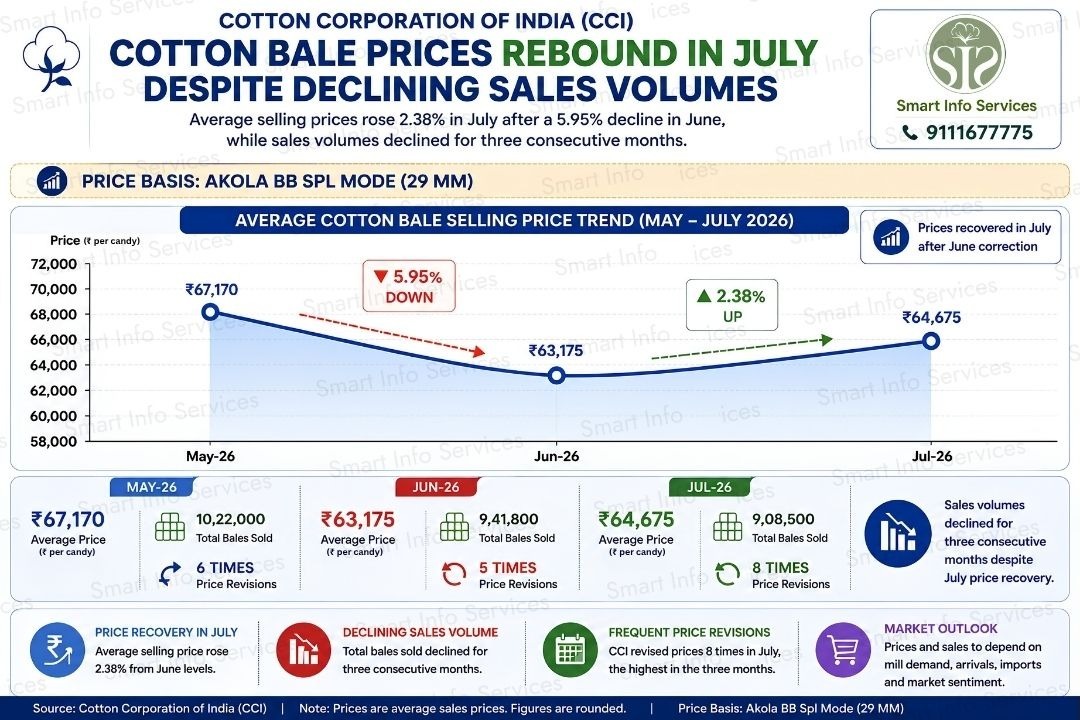
જુલાઈમાં વેચાણ ધીમું હોવા છતાં CCI કપાસ ગાંસડીના ભાવમાં સુધારોછેલ્લા ત્રણ મહિના દરમિયાન કોટન કોર્પોરેશન ઓફ ઈન્ડિયા (CCI) એ તેના કપાસ ગાંસડીના વેચાણમાં મિશ્ર વલણ જોયું, કુલ વેચાણ વોલ્યુમમાં ઘટાડો ચાલુ રહ્યો હોવા છતાં જુલાઈમાં સરેરાશ વેચાણ ભાવમાં સુધારો થયો. ભાવ વિશ્લેષણ અકોલા BB SPL મોડ (29 MM) બેન્ચમાર્ક પર આધારિત છે, જેને આ અહેવાલ માટે મૂળ કિંમત તરીકે લેવામાં આવ્યું છે.CCI ના ડેટા અનુસાર, મે 2026 માં સરેરાશ વેચાણ ભાવ પ્રતિ કેન્ડી ₹67,170 હતો, જ્યારે કોર્પોરેશને 10.22 લાખ ગાંસડી વેચી હતી, જેમાં મહિના દરમિયાન ભાવ છ વખત સુધારેલા હતા. જૂનમાં, સરેરાશ વેચાણ ભાવ 5.95% ઘટીને ₹63,175 પ્રતિ કેન્ડી થયો હતો, જ્યારે વેચાણ ઘટીને 9.42 લાખ ગાંસડી થયું હતું. ભાવમાં પાંચ વખત સુધારો કરવામાં આવ્યો હતો, જે નરમ બજાર ભાવના અને કાપડ મિલો દ્વારા સાવચેતીપૂર્વક ખરીદીને પ્રતિબિંબિત કરે છે.જુલાઈમાં બજારમાં ફરી ગતિ ફરી વળી, સરેરાશ વેચાણ ભાવ 2.38% વધીને ₹64,675 પ્રતિ કેન્ડી થયો. CCI એ મહિના દરમિયાન આઠ વખત ભાવમાં સુધારો કર્યો હોવા છતાં - જે ત્રણ મહિનાના સમયગાળામાં સૌથી વધુ છે - કુલ વેચાણ ઘટીને 9.09 લાખ ગાંસડી થયું છે, જે સુધારેલા ભાવ હોવા છતાં ધીમી માંગ દર્શાવે છે.જુલાઈના ભાવમાં સુધારો સૂચવે છે કે ખરીદીમાં રસ નવેસરથી વધ્યો છે અને સ્પિનિંગ મિલોની માંગ મજબૂત બની છે. જોકે, વેચાણના જથ્થામાં સતત ઘટાડો બદલાતી બજાર પરિસ્થિતિઓ અને આયાતી કપાસની ઉપલબ્ધતામાં વધારો વચ્ચે ખરીદદારો દ્વારા સાવચેતીપૂર્વક ખરીદી તરફ નિર્દેશ કરે છે.બજારના સહભાગીઓ માને છે કે જુલાઈમાં CCI ના વારંવાર ભાવમાં ફેરફાર પ્રવર્તમાન બજાર વલણો સાથે વેચાણને સંરેખિત કરવાના તેના પ્રયાસોને પ્રતિબિંબિત કરે છે. આગળ જતાં, CCI વેચાણ અને કિંમત સ્થાનિક કપાસના આગમન, મિલ માંગ, આયાત વલણો અને કાપડ ક્ષેત્રમાં એકંદર ભાવના પર આધારિત રહેવાની અપેક્ષા છે.વધુ વાંચો :- રૂપિયો અમેરિકન ડોલર સામે 07 પૈસા વધીને 95.21 પર સ્થિર થયો

ભારતીય રૂપિયો શુક્રવારે અમેરિકન ડોલર સામે 07 પૈસા મજબૂત થઈને 95.21 પર બંધ થયો.સ્થાનિક ચલણ 95.28 પ્રતિ ડોલર પર ખુલ્યું અને મોટાભાગના સત્ર દરમિયાન દબાણ હેઠળ રહ્યું, સાંકડી રેન્જમાં ટ્રેડિંગ થયું. જોકે, તે નજીવું રિકવર થવામાં સફળ રહ્યું અને દિવસનો અંત 95.21 પર થયો, જે ગ્રીનબેક સામે સાધારણ વધારો દર્શાવે છે.શેરબજાર લાઈવ અપડેટ્સ: સેન્સેક્સ લગભગ 456 પોઈન્ટ (0.58%) ઘટીને 78,499 પર બંધ થયો જ્યારે નિફ્ટી 50 ફક્ત 65 પોઈન્ટ (0.27%) ઘટીને 24,571 પર બંધ થયો. બોર્ડર માર્કેટ મિશ્ર રહ્યા, નિફ્ટી સ્મોલકેપ 100 લાલ રંગમાં બંધ થયો, જ્યારે નિફ્ટી મિડકેપ 100 0.2% વધ્યો.વધુ વાંચો :- નાગૌરમાં કપાસ વાવેતર 7 વર્ષના તળિયે
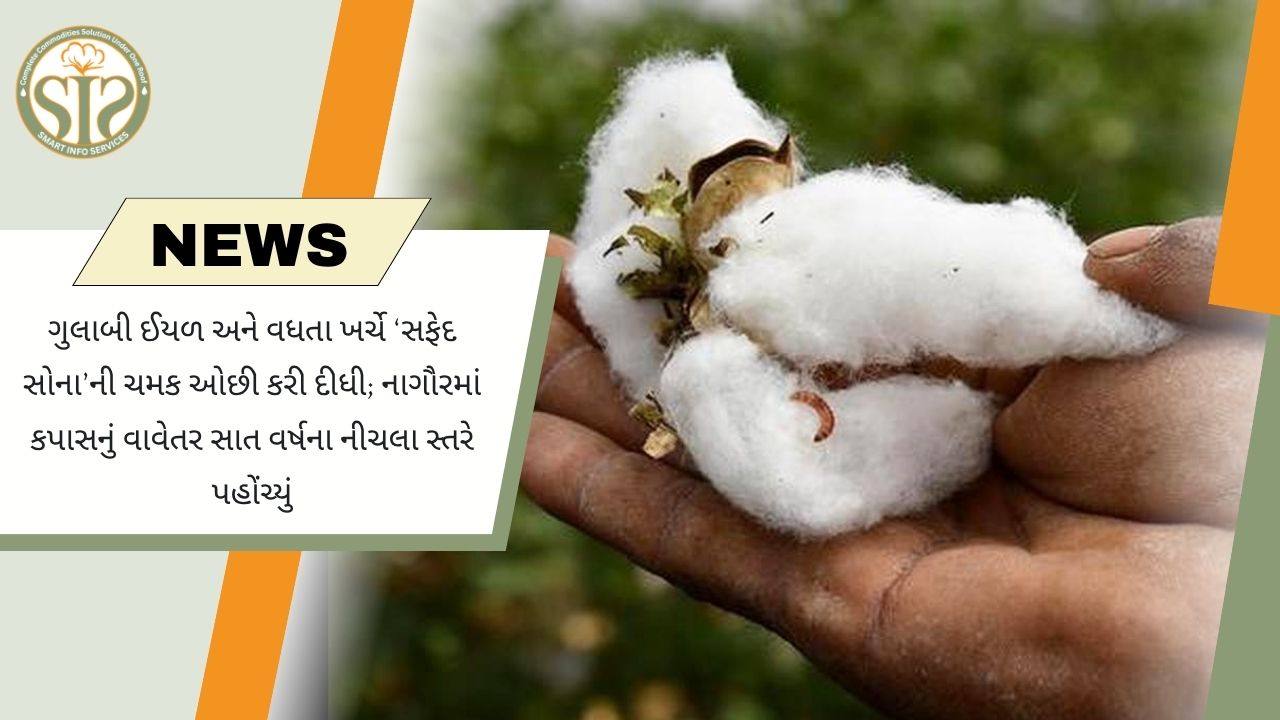
ગુલાબી ઈયળ અને વધતા ખર્ચે ‘સફેદ સોના’ની ચમક ઓછી કરી દીધી; નાગૌરમાં કપાસનું વાવેતર સાત વર્ષના નીચલા સ્તરે પહોંચ્યુંનાગૌર: રાજસ્થાનના નાગૌર જિલ્લામાં ખેડૂતો માટે એક સમયે પસંદગીનો રોકડિયો પાક ગણાતો કપાસ ધીમે ધીમે તેની ચમક ગુમાવી રહ્યો છે. ‘સફેદ સોના’ તરીકે ઓળખાતો આ પાક ખેડૂતો માટે ઓછો નફાકારક સાબિત થઈ રહ્યો છે. સતત ઘટતા ઉપજ, વધતા ખેતી ખર્ચ, ગુલાબી ઈયળનો વધતો ભય અને અપેક્ષિત બજાર ભાવ મેળવવામાં નિષ્ફળતાને કારણે, ખેડૂતો ઝડપથી વૈકલ્પિક પાક તરફ વળી રહ્યા છે. ખરીફ 2026 ની વાવણીની મોસમ દરમિયાન આ વલણ સ્પષ્ટપણે સ્પષ્ટ થયું હતું.કૃષિ વિભાગે ખરીફ 2026 ની સિઝન માટે જિલ્લામાં 62,000 હેક્ટરમાં કપાસનું વાવેતર કરવાનો લક્ષ્યાંક નક્કી કર્યો હતો; જોકે, સિઝનના અંત સુધીમાં, ફક્ત 32,150 હેક્ટરમાં વાવણી પૂર્ણ થઈ હતી. આ આંકડો નિર્ધારિત લક્ષ્યાંકના આશરે 52 ટકા દર્શાવે છે અને છેલ્લા સાત વર્ષમાં જિલ્લામાં નોંધાયેલ સૌથી ઓછો કપાસનો વાવેતર વિસ્તાર દર્શાવે છે.કૃષિ નિષ્ણાતો નાગૌરની રેતાળ લોમ જમીનમાં કપાસની લાંબા ગાળાની, સતત ખેતીને જમીનની ફળદ્રુપતા અને ઉત્પાદકતામાં ઘટાડો થવાનું કારણ આપે છે. તેઓ નોંધે છે કે કપાસ મુખ્યત્વે કાળી માટી માટે યોગ્ય પાક છે; પરિણામે, રેતાળ લોમ વિસ્તારોમાં સતત ખેતી કરવાથી ઉત્પાદનમાં સતત ઘટાડો થયો છે. આ કારણોસર, ખેડૂતોએ આ વર્ષે ગુવાર (ક્લસ્ટર બીન) જેવા વૈકલ્પિક પાકોને પ્રાથમિકતા આપી. ખરીફ 2026 સીઝનમાં, જિલ્લામાં 124,250 હેક્ટરમાં ગુવાર વાવણી નોંધાઈ હતી.ખેડૂતોના મતે, હાલમાં કપાસનું સરેરાશ ઉત્પાદન ઘટીને પ્રતિ વિઘા માત્ર 1.5 થી 2 ક્વિન્ટલ થયું છે. જ્યારે આશરે 10 વિઘા પર કપાસની ખેતી કરવાથી કુલ આવક ₹1.20 લાખની આસપાસ પહોંચે છે, ત્યારે બીજ, ખાતર, જંતુનાશકો, સિંચાઈ, મજૂરી અને અન્ય ખેતી ખર્ચ બાદ કર્યા પછી ચોખ્ખો નફો ન્યૂનતમ રહે છે. આમ, કપાસની ખેતી હવે ખેડૂતો માટે પહેલા જેટલી નફાકારક રહી નથી. છેલ્લા સાત વર્ષના ડેટા કપાસના ઘટતા વાવેતર વિસ્તારની પુષ્ટિ કરે છે. જિલ્લામાં કપાસનું વાવેતર ૨૦૨૦માં ૫૬,૧૪૩ હેક્ટર, ૨૦૨૧માં ૫૮,૪૫૭ હેક્ટર, ૨૦૨૨માં ૭૪,૫૫૭ હેક્ટર, ૨૦૨૩માં ૪૮,૫૦૦ હેક્ટર, ૨૦૨૪માં ૫૯,૩૦૨ હેક્ટર અને ૨૦૨૫માં ૩૭,૨૫૦ હેક્ટરમાં નોંધાયું હતું; ૨૦૨૬ સુધીમાં, તે ઘટીને માત્ર ૩૨,૧૫૦ હેક્ટર થઈ ગયું હતું - જે સાત વર્ષમાં સૌથી નીચું સ્તર છે.શરૂઆતના વર્ષોમાં, બીટી કપાસે ગુલાબી ઈયળના ઉપદ્રવને મોટાભાગે નિયંત્રણમાં રાખ્યો હતો, પરંતુ હવે આ જીવાત બીટી જાતોને પણ અસર કરવા લાગી છે. પરિણામે, ખેડૂતોનો જંતુનાશકો પરનો ખર્ચ સતત વધી રહ્યો છે. સરકારે ૨૦૨૬-૨૭ સીઝન માટે મધ્યમ-મુખ્ય કપાસ માટે લઘુત્તમ ટેકાના ભાવ (MSP) પ્રતિ ક્વિન્ટલ રૂ.૭,૭૧૦ નક્કી કર્યા હોવા છતાં, ઓછા ઉપજ અને વધતા ઉત્પાદન ખર્ચને કારણે ખેડૂતો અપેક્ષિત લાભ મેળવી શકતા નથી. આ જ કારણ છે કે નાગૌરના મુખ્ય કપાસ ઉત્પાદક પ્રદેશો - દેગાના અને મેર્ટાના ખેડૂતો ઝડપથી ક્લસ્ટર બીન્સ (ગુવાર) અને અન્ય વૈકલ્પિક પાકોની ખેતી તરફ આગળ વધી રહ્યા છે. નિષ્ણાતો માને છે કે જો ગુલાબી ઈયળ પર અસરકારક નિયંત્રણ, ખર્ચમાં ઘટાડો અને સારા બજાર ભાવ સુનિશ્ચિત કરવામાં નહીં આવે તો આગામી વર્ષોમાં જિલ્લામાં કપાસનો વાવેતર વિસ્તાર વધુ ઘટી શકે છે.વધુ વાંચો :- તેલંગાણામાં ખરીફ વાવેતર તેજ

મોડા વરસાદથી તેલંગાણામાં ખરીફ વાવણીમાં વધારો થયો છે, પરંતુ પાણીનો સંગ્રહ ઓછો થવાથી ચિંતા વધી છેહૈદરાબાદ: ચોમાસાની ગતિવિધિમાં વધારો થતાં તેલંગાણામાં ખરીફ (વનકલમ) સિઝન માટે વાવણીની પ્રવૃત્તિમાં નોંધપાત્ર વધારો થયો છે. 5 ઓગસ્ટ સુધીમાં, 96.74 લાખ એકરમાં વાવણી પૂર્ણ થઈ ગઈ હતી, જે સામાન્ય ખરીફ વાવેતર વિસ્તાર 132.38 લાખ એકરના આશરે 73 ટકા છે. જોકે, મુખ્ય જળાશયોમાં પાણીનો સંગ્રહ સ્તર - ગયા વર્ષ કરતા નોંધપાત્ર રીતે ઓછો - સિંચાઈની ઉપલબ્ધતા અને પાક ઉત્પાદકતા અંગે ચિંતાનું કારણ છે.22 જુલાઈ સુધીમાં, રાજ્યના ફક્ત 68.43 લાખ એકર (51.69 ટકા) વિસ્તારમાં વાવણી થઈ હતી. જુલાઈના બીજા ભાગમાં ચોમાસાની તીવ્રતા, મહારાષ્ટ્ર, કર્ણાટક અને છત્તીસગઢમાં ભારે વરસાદ સાથે, કૃષ્ણા અને ગોદાવરી નદીના તટપ્રદેશમાં પાણીનો પ્રવાહ વધ્યો, જેના કારણે ખેડૂતો વાવણીની કામગીરીને વેગ મળ્યો.જે ખેડૂતોએ અગાઉ સિંચાઈની અનિશ્ચિતતાને કારણે વાવણી મુલતવી રાખી હતી, તેમણે તાજેતરના વરસાદ પછી ખેતરની કામગીરી ઝડપથી શરૂ કરી. કપાસ, મકાઈ, જુવાર (જુવાર), બાજરી (બાજરી), રાગી, કઠોળ, મગફળી અને સોયાબીન સહિતના વરસાદ આધારિત પાકોના વાવેતરમાં નોંધપાત્ર વધારો નોંધાયો છે. દરમિયાન, સિંચાઈવાળા વિસ્તારોમાં ડાંગરની નર્સરીઓ તૈયાર કરવામાં આવી રહી છે.આ છતાં, પાણીની ઉપલબ્ધતા ચિંતાનો વિષય છે. 5 ઓગસ્ટ સુધીમાં, રાજ્યના મુખ્ય જળાશયોમાં 438.90 TMC (હજાર મિલિયન ઘન) ફૂટ પાણીનો સંગ્રહ હતો, જે ગયા વર્ષના સમાન સમયગાળા દરમિયાન 725.36 TMC હતો. બે અઠવાડિયા પહેલા નોંધાયેલા 321.24 TMC કરતા પાણીનો સંગ્રહ સુધર્યો હોવા છતાં, પાછલા વર્ષની સરખામણીમાં નોંધપાત્ર ખાધ ભવિષ્યની સિંચાઈ ઉપલબ્ધતા અંગે ચિંતા ઉભી કરી રહી છે.પાક મુજબનો ડેટા પણ મિશ્ર ચિત્ર રજૂ કરે છે. ડાંગરનું વાવેતર 26.16 લાખ એકર સુધી પહોંચ્યું છે, જે સામાન્ય વાવેતર વિસ્તાર 65.96 લાખ એકર હતો. ગયા વર્ષના સમાન સમયગાળા દરમિયાન, ડાંગરનું વાવેતર 28.74 લાખ એકર સુધી પહોંચ્યું હતું. તેનાથી વિપરીત, કપાસનું વાવેતર ૪૬.૮૦ લાખ એકર સુધી પહોંચી ગયું છે - જે લગભગ ૪૭.૪૧ લાખ એકરના સામાન્ય વાવેતર વિસ્તાર સાથે મેળ ખાય છે અને પાછલા વર્ષના ૪૩.૫૬ લાખ એકર કરતાં વધુ છે. દરમિયાન, કઠોળનું વાવેતર પણ પાછલા વર્ષની સરખામણીમાં વધીને ૫.૪૮ લાખ એકર થયું છે.પ્રોફેસર જયશંકર તેલંગાણા રાજ્ય કૃષિ યુનિવર્સિટીના કૃષિ વૈજ્ઞાનિકોના જણાવ્યા મુજબ, આ વર્ષે ઘણા ખેડૂતોએ ડાંગર કરતાં વૈકલ્પિક પાકોને પ્રાથમિકતા આપી છે. જો કે, જો આગામી અઠવાડિયામાં અપૂરતો વરસાદ પડે અને જળાશયમાં પાણીનું સ્તર અપેક્ષા મુજબ ન વધે, તો ખરીફ પાકની ઉત્પાદકતા અને ઉપજ પર અસર પડી શકે છે.વધુ વાંચો :- જુલાઈમાં કપાસ બજારમાં સુધારો