

शुक्रवार को भारतीय रुपया अमेरिकी डॉलर के मुकाबले 96.28 पर खुला और ट्रेडिंग के आखिर तक 60 पैसे मज़बूत होकर 95.68 पर बंद हुआ।सेंसेक्स 231.99 अंक या 0.31 प्रतिशत की बढ़त के साथ 75,415.35 पर बंद हुआ, जबकि निफ्टी 64.60 अंक या 0.27 प्रतिशत बढ़कर 23,719.30 पर स्थिर हुआ।और पढ़ें :- US-ईरान तनाव का असर: भारत में सिंथेटिक यार्न 45% महंगा, कॉटन में 20% उछाल
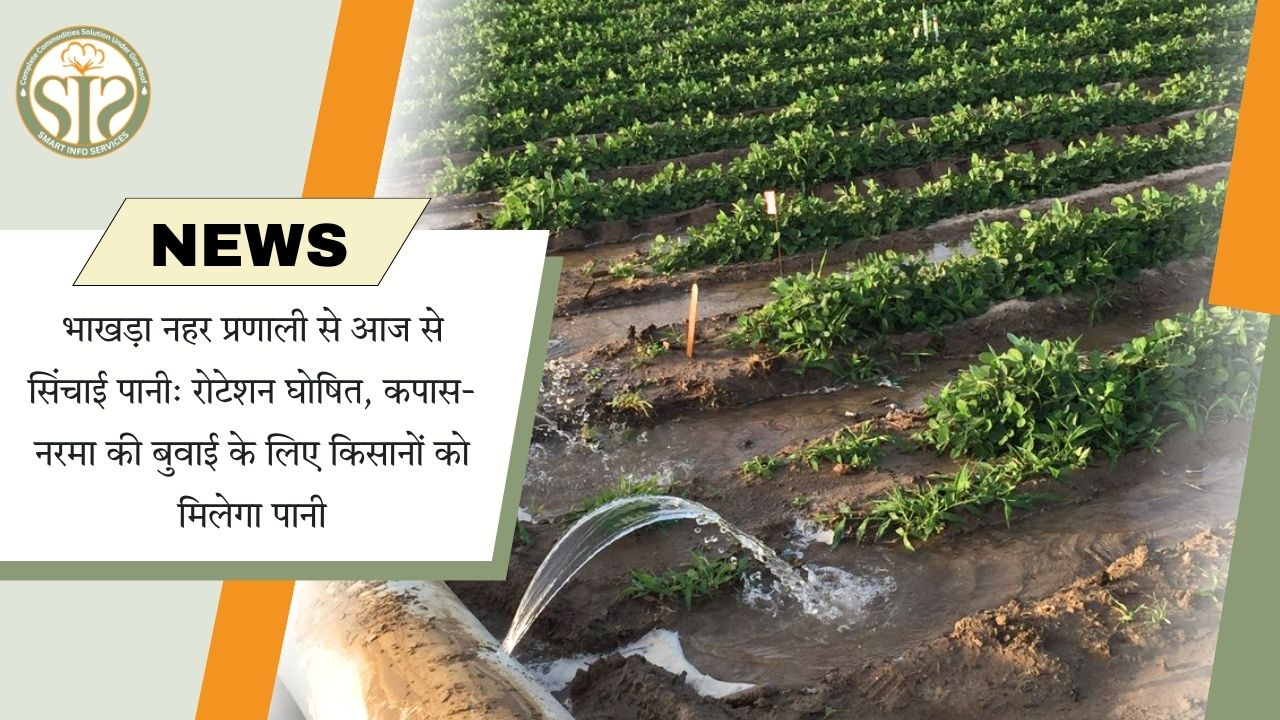
भाखड़ा नहर प्रणाली से आज से सिंचाई पानी:रोटेशन घोषित, कपास-नरमा की बुवाई के लिए किसानों को मिलेगा पानीहनुमानगढ़ में भाखड़ा नहर प्रणाली से जुड़े किसानों को आज गुरुवार से सिंचाई का पानी मिलना शुरू हो जाएगा। सिंचाई विभाग ने भाखड़ा प्रणाली का नया रोटेशन जारी किया है। इसके तहत 1200 क्यूसेक क्षमता वाली नहरों में पूरी क्षमता से पानी छोड़ा जाएगा, जबकि छोटी नहरों में उनकी क्षमता के अनुसार पानी उपलब्ध होगा।जल संसाधन भाखड़ा-सिद्धमुख रेगुलेशन खंड ने भाखड़ा प्रणाली की नहरों का साप्ताहिक वरीयताक्रम भी जारी कर दिया है। यह वरीयताक्रम 21 से 29 मई तक प्रभावी रहेगा।विभाग द्वारा जारी जानकारी के अनुसार, रतनपुरा (आरटीपी) नहर में 42 क्यूसेक, नाथवाना (एनटीडब्ल्यू) में 73, प्रतापपुरा (पीटीपी) में 248, हरिपुरा (एचआरपी) में 261, दीनगढ़ (डीएनजी) में 274, सूरतपुरा (एसटीपी) में 283, मोडिया (एमओडी) में 508, लोंगवाला (एलजीडब्ल्यू) में 653, पीलीबंगा (पीबीएन) में 868, अमरपुरा (एएमपी) में 963, रोड़ांवाली (आरआरडब्ल्यू) में 976, नवां-सतीपुरा (एनडब्ल्यूएन) में 987, मोरजण्डा (एमजेडी) में 1200, नगराना (एनजीडी) में 1208, लीलांवाली (एलएलडब्ल्यू) में 1448, भाखरांवाली (बीकेडब्ल्यू) में 1453, करनीसिंह (केएसडी) में 1783, मम्मड़खेड़ा (एमएमके) में 1978, जोड़कियां (जेआरके) में 2058, सूरतगढ़ (एसटीजी) में 2178, भगतपुरा (बीजीपी) में 2216 और संगरिया (एसएनजी) नहर में 2222 क्यूसेक पानी प्रवाहित होगा।जल संसाधन विभाग के अधिकारियों ने बताया कि प्रत्येक नहर को आठ दिन तक पूरी क्षमता से चलाने के बाद बंद किया जाएगा। नहरों में पानी के उतार-चढ़ाव की स्थिति में यदि किसी नहर के रेगुलेशन में बदलाव की आवश्यकता हुई, तो भाखड़ा सिद्धमुख रेगुलेशन खंड और जल संसाधन खंड प्रथम/द्वितीय के अधिशाषी अभियंता से विचार-विमर्श के बाद व्यवस्था की जाएगी।कृषि विशेषज्ञों के अनुसार, यह समय नरमा और कपास की बुवाई का है। सिंचाई के लिए पानी मिलने से किसानों को बड़ी सहायता मिलेगी।पिछले दिनों तेज गर्मी और पानी की कमी के कारण किसानों को खेतों की तैयारी में परेशानी हो रही थी। अब नहरों में पानी आने से बुवाई के कार्यों में तेजी आने की उम्मीद है।किसानों का कहना है कि यदि आने वाले दिनों में पानी की आपूर्ति नियमित बनी रहती है तो कपास, नरमा और अन्य खरीफ फसलों की बुवाई बेहतर तरीके से हो सकेगी, जिससे उत्पादन पर भी सकारात्मक असर पड़ेगा। इधर, भीषण गर्मी के बीच पानी की उपलब्धता बढ़ने से ग्रामीण क्षेत्रों में भी राहत मिलने की संभावना जताई जा रही हैऔर पढ़ें :- हरियाणा के किसान कपास छोड़ धान की खेती की ओर क्यों बढ़ रहे हैं
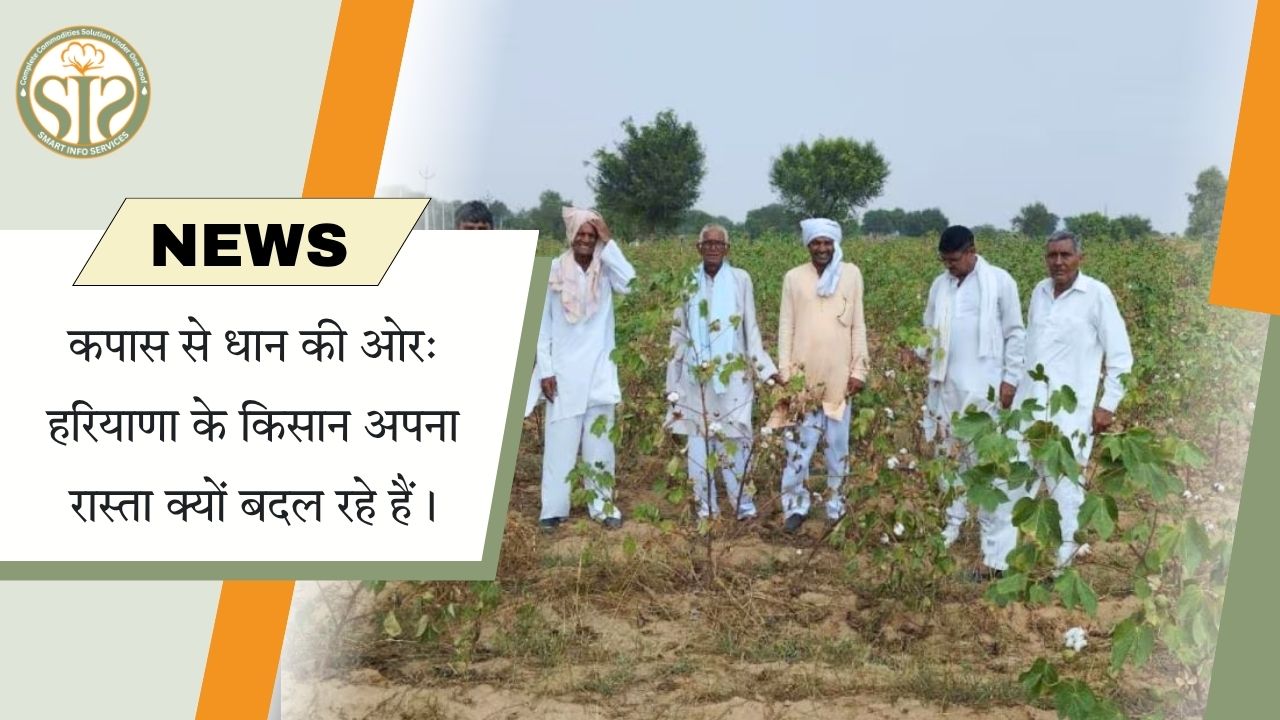
कपास से धान की ओर: हरियाणा के किसान अपना रास्ता क्यों बदल रहे हैं।2020 और 2025 के बीच, हरियाणा के फसल पैटर्न में बड़ा बदलाव आया है। चावल की खेती का रकबा 2020 में 1,525.77 हेक्टेयर से बढ़कर 2025 में 1,867.51 हेक्टेयर हो गया, जबकि कपास का रकबा 719.86 हेक्टेयर से घटकर सिर्फ़ 401.05 हेक्टेयर रह गया। यह बदलाव किसानों की धान के लिए बढ़ती पसंद को दिखाता है, जिससे पक्की खरीद और स्थिर रिटर्न मिलता है। इसके उलट, कीड़ों के हमलों, Bt-कॉटन की घटती रेज़िस्टेंस और खेती में बढ़ते नुकसान के कारण कपास तेज़ी से फ़ायदेमंद नहीं रहा है।धान सबसे पहली पसंद क्यों है?किसान धान चुनने का मुख्य कारण मुनाफ़ा बताते हैं। किसानों के संगठन पगड़ी संभाल जट्टा किसान संघर्ष समिति के प्रेसिडेंट मंदीप नाथवान के मुताबिक, धान से हर एकड़ करीब 80,000 रुपये की इनकम हो सकती है, जिसमें खर्च निकालने के बाद भी करीब 50,000 रुपये का प्रॉफिट होता है।कुरुक्षेत्र के किसान एक्टिविस्ट राकेश बैंस भी यही बात कहते हैं, उनका कहना है कि दूसरी फसलों से हर एकड़ सिर्फ 50,000 रुपये ही मिलते हैं, जबकि धान से 80,000 रुपये मिलते हैं, जिससे चावल ज़्यादा अच्छा ऑप्शन बन गया है।हरियाणा के किसानों ने कौन सी फसलें छोड़ी हैं?इंडियन काउंसिल ऑफ़ एग्रीकल्चरल रिसर्च (ICAR) के पुराने साइंटिस्ट वीरेंद्र लाठेर बताते हैं कि हाल के सालों में किसानों ने कपास, मक्का, ज्वार, दालें और तिलहन छोड़कर धान की खेती शुरू कर दी है, जिसमें कपास की खेती सबसे ज़्यादा कम हुई है।BT-कॉटन, जो कभी पिंक बॉलवर्म जैसे कीड़ों के लिए रेज़िस्टेंट था, अब अपना असर खो चुका है क्योंकि कीड़ों ने समय के साथ खुद को ढाल लिया है। किसान अब पेस्टिसाइड पर बहुत ज़्यादा खर्च करते हैं, लेकिन फिर भी उन्हें प्रति एकड़ सिर्फ़ दो क्विंटल पैदावार मिलती है, जो मुनाफ़े के लिए ज़रूरी आठ क्विंटल से बहुत कम है। इससे उन्हें प्रति एकड़ लगभग 15,000 रुपये का नुकसान होता है।सरकार ने फ़सलों में अलग-अलग तरह के बदलाव को बढ़ावा देने के लिए क्या किया है?ज़्यादा पानी वाली धान की खेती करने वाले किसानों के खतरों को समझते हुए, हरियाणा सरकार ने अलग-अलग तरह के बदलाव को बढ़ावा देने के लिए कदम उठाए हैं। ‘मेरा पानी मेरी विरासत’ स्कीम के तहत, किसानों को दालें, कपास और मक्का जैसी कम पानी वाली फ़सलें उगाने के लिए प्रति एकड़ 8,000 रुपये मिलते हैं। मुख्यमंत्री नायब सिंह सैनी ने हाल ही में घोषणा की कि इस स्कीम के तहत 2.20 लाख एकड़ में 157 करोड़ रुपये बांटे गए हैं। एक्स्ट्रा फ़ायदों में माइक्रो-इरिगेशन टेक्नोलॉजी, रेनवॉटर हार्वेस्टिंग और तालाब बनाने के लिए 85 परसेंट तक की सब्सिडी शामिल है।एक्सपर्ट्स और किसान क्या सुझाव देते हैं? चावल की खेती में सस्टेनेबल तरीकों को बढ़ावा देने के लिए, सरकार डायरेक्ट सीडेड राइस (DSR) अपनाने पर हर एकड़ 4,000 रुपये देती है, जिसमें पारंपरिक रोपाई के मुकाबले कम पानी लगता है। हालांकि, वीरेंद्र लाठेर जैसे एक्सपर्ट्स का कहना है कि किसानों का व्यवहार बदलने के लिए यह इंसेंटिव बहुत कम है और वे हरियाणा के गिरते वॉटर लेवल को ठीक करने के लिए पारंपरिक धान की खेती पर रोक लगाने का भी सुझाव देते हैं। वहीं, किसान इस बात पर ज़ोर देते हैं कि अगर डायवर्सिफिकेशन को सफल बनाना है तो दूसरी फसलों के लिए बेहतर मार्केटिंग और खरीद की सुविधाएं ज़रूरी हैं।और पढ़ें :- भारतीय रुपया डॉलर के मुकाबले 8 पैसे गिरकर 96.28 पर खुला

रुपया 8 पैसे गिरकर 96.28 USD पर खुला.शुक्रवार को भारतीय रुपया डॉलर के मुकाबले 8 पैसे गिरकर 96.28 पर खुला जबकि गुरुवार को यह 96.20 पर बंद हुआ था।और पढ़ें :- राजस्थान में भाखड़ा नहर से सिंचाई जल आपूर्ति शुरू, कपास और नरमा की बुवाई को मिलेगा बढ़ावा

राजस्थान: भाखड़ा नहर प्रणाली से आज से सिंचाई पानी, कपास-नरमा की बुवाई को मिलेगी रफ्तारहनुमानगढ़ जिले के किसानों के लिए राहत भरी खबर है। भाखड़ा नहर प्रणाली से गुरुवार से सिंचाई के लिए पानी की आपूर्ति शुरू हो गई है। जल संसाधन विभाग ने भाखड़ा प्रणाली का नया रोटेशन जारी करते हुए 21 से 29 मई तक का साप्ताहिक वरीयताक्रम घोषित किया है। इसके तहत 1200 क्यूसेक क्षमता वाली नहरों को पूरी क्षमता से चलाया जाएगा, जबकि छोटी नहरों में तय क्षमता के अनुसार पानी छोड़ा जाएगा।विभाग के अनुसार रतनपुरा नहर में 42 क्यूसेक, नाथवाना में 73, प्रतापपुरा में 248, हरिपुरा में 261, दीनगढ़ में 274 और सूरतपुरा में 283 क्यूसेक पानी प्रवाहित किया जाएगा। वहीं मोडिया, लोंगवाला, पीलीबंगा, अमरपुरा और रोड़ांवाली जैसी प्रमुख नहरों में भी पर्याप्त मात्रा में पानी छोड़ा जाएगा। सबसे अधिक 2222 क्यूसेक पानी संगरिया नहर में प्रवाहित होगा।अधिकारियों ने बताया कि प्रत्येक नहर को आठ दिन तक पूरी क्षमता से चलाने के बाद बंद किया जाएगा। यदि पानी के स्तर में बदलाव होता है तो संबंधित अधिकारियों से चर्चा के बाद रेगुलेशन में आवश्यक परिवर्तन किए जाएंगे।कृषि विशेषज्ञों का कहना है कि वर्तमान समय नरमा और कपास की बुवाई के लिए बेहद महत्वपूर्ण है। पिछले कुछ दिनों से भीषण गर्मी और पानी की कमी के कारण किसानों को खेत तैयार करने में कठिनाइयों का सामना करना पड़ रहा था। अब नहरों में पानी आने से बुवाई कार्य में तेजी आने की उम्मीद है।किसानों ने उम्मीद जताई है कि यदि आने वाले दिनों में पानी की आपूर्ति नियमित बनी रही तो कपास, नरमा और अन्य खरीफ फसलों का उत्पादन बेहतर होगा। साथ ही ग्रामीण क्षेत्रों में पानी की उपलब्धता बढ़ने से लोगों को गर्मी से भी राहत मिलेगी।और पढ़ें:- भारत को टेक्सटाइल कचरे का ‘डंपिंग ग्राउंड’ बताना भ्रामक: केंद्र सरकार

भारत को टेक्सटाइल कचरे का डंपिंग ग्राउंड बताना भ्रामक: केंद्र सरकारनई दिल्ली: केंद्र सरकार ने भारत के टेक्सटाइल रीसाइक्लिंग इकोसिस्टम का बचाव करते हुए कहा है कि देश को टेक्सटाइल कचरे का “डंपिंग ग्राउंड” बताना भ्रामक और तथ्यों से परे है। टेक्सटाइल मंत्रालय ने गुरुवार को जारी बयान में कहा कि भारत दुनिया के सबसे बड़े टेक्सटाइल रिकवरी और रीसाइक्लिंग नेटवर्क में शामिल है, जिसे लंबे समय से चले आ रहे पुनः उपयोग और पुनर्चक्रण तंत्र का समर्थन प्राप्त है।मंत्रालय ने कहा कि हाल ही में कुछ अंतरराष्ट्रीय मीडिया रिपोर्टों में पानीपत जैसे टेक्सटाइल क्लस्टरों को केंद्र में रखकर पर्यावरण और श्रमिक सुरक्षा संबंधी चिंताओं को बढ़ा-चढ़ाकर पेश किया गया, जबकि सेक्टर में सस्टेनेबिलिटी, नियामकीय सुधार और नई तकनीकों के उपयोग की दिशा में हुई प्रगति को नजरअंदाज किया गया।सरकार ने स्पष्ट कहा कि भारतीय टेक्सटाइल उद्योग को पर्यावरण के प्रति लापरवाह या संरचनात्मक रूप से शोषणकारी बताना गलत है और इससे इस क्षेत्र में जारी सुधारात्मक प्रयासों और सस्टेनेबिलिटी आधारित पहलों की अनदेखी होती है।मंत्रालय के अनुसार, भारत में हर वर्ष लगभग 7,073 किलो टन टेक्सटाइल कचरा उत्पन्न होता है। “मैपिंग ऑफ टेक्सटाइल वेस्ट वैल्यू चेन इन इंडिया 2026” अध्ययन का हवाला देते हुए सरकार ने बताया कि विनिर्माण प्रक्रिया के दौरान उत्पन्न होने वाले प्री-कंज्यूमर टेक्सटाइल वेस्ट का करीब 97 प्रतिशत हिस्सा पुनर्चक्रित किया जाता है।सरकार ने उन दावों को भी खारिज किया कि भारत पश्चिमी देशों के फास्ट फैशन कचरे का प्रमुख ठिकाना बन रहा है। मंत्रालय के अनुसार, देश में प्रबंधित किए जाने वाले लगभग 7.8 मिलियन टन टेक्सटाइल कचरे में 90 प्रतिशत से अधिक हिस्सा घरेलू स्तर पर उत्पन्न होता है, जबकि आयातित कचरे की हिस्सेदारी केवल लगभग 7 प्रतिशत है।फेडरेशन ऑफ इंडियन चैंबर्स ऑफ कॉमर्स एंड इंडस्ट्री (FICCI) की रिपोर्ट का हवाला देते हुए मंत्रालय ने कहा कि टेक्सटाइल वेस्ट इकोसिस्टम से देश में प्रतिवर्ष लगभग 22,000 करोड़ रुपये की आर्थिक गतिविधि उत्पन्न होती है।सरकार ने आईआईटी दिल्ली के शोधकर्ताओं के अध्ययन का भी उल्लेख किया, जिसमें पानीपत क्लस्टर के आंकड़ों के आधार पर पाया गया कि टेक्सटाइल रीसाइक्लिंग से वर्जिन फाइबर उत्पादन की तुलना में ग्रीनहाउस गैस उत्सर्जन और जीवाश्म ईंधन उपयोग जैसे पर्यावरणीय प्रभावों में लगभग 40 प्रतिशत तक कमी आती है।हालांकि सरकार ने यह स्वीकार किया कि पोस्ट-कंज्यूमर वेस्ट मैनेजमेंट, असंगठित इकाइयों और श्रमिक सुरक्षा से जुड़ी चुनौतियां अभी भी मौजूद हैं, लेकिन उद्योग लगातार अधिक औपचारिक व्यवस्था, स्वच्छ तकनीक और बेहतर पर्यावरणीय अनुपालन की दिशा में आगे बढ़ रहा है।मंत्रालय ने कहा कि टेक्सटाइल रीसाइक्लिंग इकाइयां मौजूदा पर्यावरण और श्रम कानूनों के तहत संचालित होती हैं तथा नेशनल ग्रीन ट्रिब्यूनल (NGT) सहित विभिन्न नियामक एजेंसियां नियमों का उल्लंघन करने वाली इकाइयों के खिलाफ कार्रवाई कर रही हैं।और पढ़ें:- रुपया डॉलर के मुकाबले 10 पैसे की बढ़त के साथ 96.20 पर बंद हुआ।

गुरुवार को भारतीय रुपया अमेरिकी डॉलर के मुकाबले 96.30 पर खुला और ट्रेडिंग के आखिर तक 10 पैसे मज़बूत होकर 96.20 पर बंद हुआ।बाज़ार बंद होने पर, सेंसेक्स 135 अंक गिरकर 75,183 पर और निफ्टी 50, 4 से ज़्यादा अंक गिरकर 23,655 पर रहा। यह तब हुआ जब India VIX, जो बाज़ारों में उतार-चढ़ाव को मापता है, सेशन के आखिर तक 3% से ज़्यादा गिरकर 17.82 पर आ गया।और पढ़ें:- भारत टेक्स 2026 के लिए टेक्सटाइल मंत्रालय ने लॉन्च किया AI आधारित स्मार्ट ऐप

कपड़ा मंत्रालय ने Bharat Tex 2026 के लिए AI-संचालित स्मार्ट ऐप लॉन्च कियाकपड़ा मंत्रालय ने Ministry of Textiles के तहत आयोजित होने वाले वैश्विक टेक्सटाइल इवेंट Bharat Tex 2026 के लिए एक AI-संचालित स्मार्ट इवेंट ऐप लॉन्च किया है। इस ऐप का उद्देश्य पूरे आयोजन को अधिक डिजिटल, इंटरैक्टिव और व्यवसायिक रूप से प्रभावी बनाना है, ताकि प्रदर्शकों, खरीदारों, प्रतिनिधियों, सोर्सिंग विशेषज्ञों, वक्ताओं और आगंतुकों के बीच बेहतर समन्वय स्थापित हो सके।इस प्लेटफ़ॉर्म की सबसे प्रमुख विशेषता इसका AI-आधारित स्मार्ट असिस्टेंट है, जो 24×7 संवादात्मक सहायता प्रदान करता है। उपयोगकर्ता सरल भाषा में प्रश्न पूछकर कार्यक्रम की समय-सारणी, स्थल की जानकारी, दिशा-निर्देश, सेवाओं और अन्य आवश्यक विवरण तुरंत प्राप्त कर सकते हैं। इससे प्रतिभागियों को इवेंट के दौरान जानकारी खोजने में समय नहीं गंवाना पड़ता और उनका अनुभव अधिक सहज बनता है।ऐप में एक मजबूत बिज़नेस नेटवर्किंग सिस्टम भी शामिल किया गया है, जो प्रदर्शकों और खरीदारों को संभावित व्यावसायिक साझेदारों की पहचान करने, बैठकें तय करने और अपनी उपलब्धता को प्रभावी ढंग से प्रबंधित करने की सुविधा देता है। सभी मीटिंग्स और इंटरैक्शन को डिजिटल रूप से ट्रैक किया जा सकता है, जिससे व्यापारिक गतिविधियों में पारदर्शिता और दक्षता बढ़ती है।प्रदर्शकों के लिए ‘लीड वॉलेट’ और QR-आधारित लीड कैप्चर सिस्टम भी उपलब्ध है, जिसके माध्यम से वे विज़िटर के डिजिटल बैज स्कैन करके संपर्क जानकारी सुरक्षित रूप से संग्रहित कर सकते हैं। इससे इवेंट के बाद फॉलो-अप प्रक्रिया सरल और अधिक प्रभावी हो जाती है।इसके अतिरिक्त, ऐप में इंटरैक्टिव फ्लोर प्लान, बूथ लोकेशन सर्च और स्टॉल-स्तरीय नेविगेशन जैसी सुविधाएँ भी दी गई हैं। अंतरराष्ट्रीय खरीदारों के लिए ‘Exhibitor Discovery Module’ उपलब्ध है, जिससे वे कंपनियों को श्रेणी, नाम और उत्पाद प्रकार के आधार पर खोज सकते हैं। रियल-टाइम अपडेट, व्यक्तिगत शेड्यूल और अलर्ट सिस्टम इस प्लेटफ़ॉर्म को और भी उन्नत बनाते हैं, जिससे Bharat Tex 2026 एक स्मार्ट और वैश्विक व्यापार मंच के रूप में उभरता है।और पढ़ें:- कपास की समय पर बुवाई से किसानों को होगा अधिक लाभ, वैज्ञानिकों की सलाह

कपास की खेती से किसानों को बेहतर मुनाफा, वैज्ञानिकों ने दी समय पर बुवाई की सलाहखरीफ सीजन नजदीक आने के साथ ही कपास की खेती को लेकर तैयारियां तेज हो गई हैं। जिले में किसान अब कपास की बुवाई की ओर ध्यान दे रहे हैं, क्योंकि यह फसल आर्थिक दृष्टि से लाभकारी मानी जाती है। कृषि विशेषज्ञों के अनुसार, क्षेत्र की जलवायु कपास उत्पादन के लिए अनुकूल है और सही समय पर बुवाई करने से पैदावार में उल्लेखनीय वृद्धि हो सकती है।खरगोन के वरिष्ठ कृषि वैज्ञानिक डॉ. राजीव सिंह ने किसानों को सलाह दी है कि वे 25 मई के बाद कपास की बुवाई शुरू करें। उन्होंने बताया कि इस अवधि में तापमान धीरे-धीरे कम होने लगता है और मानसून की शुरुआती गतिविधियां भी शुरू हो जाती हैं, जो बीज अंकुरण और पौधों की शुरुआती वृद्धि के लिए अनुकूल वातावरण प्रदान करती हैं। ऐसे समय में की गई बुवाई फसल की गुणवत्ता और उत्पादन दोनों के लिए लाभकारी साबित होती है।वैज्ञानिकों का यह भी कहना है कि किसानों को कपास की बुवाई जून महीने के अंत तक हर हाल में पूरी कर लेनी चाहिए। यदि बुवाई में देरी होती है, तो उसका सीधा असर फसल की वृद्धि और उत्पादन क्षमता पर पड़ता है। देर से बोई गई फसल में पौधों की बढ़वार कमजोर हो जाती है, जिससे पैदावार कम हो जाती है।हालांकि खेती की लागत लगभग समान ही रहती है, लेकिन उत्पादन घटने से किसानों का लाभ कम हो जाता है। इसलिए समय पर बुवाई को कपास की सफल खेती का सबसे महत्वपूर्ण चरण माना जा रहा है। विशेषज्ञों ने किसानों को सही तकनीक और समय प्रबंधन अपनाकर अधिक मुनाफा कमाने की सलाह दी है, ताकि वे कम लागत में बेहतर उत्पादन प्राप्त कर सकें।और पढ़ें:- कपास आयात शुल्क हटाने से किसानों को भारी नुकसान होगा: CPI

केंद्र का कपास पर से इंपोर्ट ड्यूटी हटाने का कदम किसानों को बुरी तरह प्रभावित करेगा: CPI को आशंकाआंध्र प्रदेश : मुख्यमंत्री चंद्रबाबू नायडू से हस्तक्षेप की अपील करते हुए, CPI नेता ईश्वरैया ने कहा कि 2026 के खरीफ सीज़न के दौरान इंपोर्ट ड्यूटी और एक्सपोर्ट पर लगी पाबंदियों में और ढील देने से कृषि संकट और गहरा जाएगा।CPI के प्रदेश सचिव जी. ईश्वरैया ने मुख्यमंत्री एन. चंद्रबाबू नायडू से हस्तक्षेप करने और कपास पर लगी 11% इंपोर्ट ड्यूटी हटाने तथा भारत से कपास के एक्सपोर्ट पर लगी पाबंदियों को हटाने वाले प्रस्तावों को वापस लेने का आग्रह किया है। उन्होंने आरोप लगाया कि ऐसे कदमों से कपास किसानों को भारी नुकसान होगा।बुधवार को मुख्यमंत्री को लिखे एक पत्र में, श्री ईश्वरैया ने उन रिपोर्टों का ज़िक्र किया जिनमें कहा गया था कि केंद्रीय मंत्री पीयूष गोयल ने केंद्रीय मंत्री किंजरापु राममोहन नायडू, सांसद लावु श्री कृष्ण देवरायालु और अन्य लोगों के साथ कपास की कीमतों को स्थिर करने के उपायों पर चर्चा की थी। रिपोर्टों के अनुसार, कपास पर लगी 11% इंपोर्ट ड्यूटी हटाने और एक्सपोर्ट को विनियमित करने के प्रस्ताव रखे गए थे।श्री ईश्वरैया ने कहा कि कपास व्यापारी, स्पिनिंग मिलें और कपड़ा निगम सस्ते विदेशी कपास से फ़ायदा उठा रहे हैं, जबकि घरेलू किसानों को भारी आर्थिक नुकसान उठाना पड़ रहा है। उन्होंने यह भी आरोप लगाया कि कीमतों में भारी गिरावट के बाद माल बिक न पाने के कारण 'कॉटन कॉर्पोरेशन ऑफ़ इंडिया' को भी काफ़ी नुकसान हुआ है।प्रस्तावित उपायों को "किसान-विरोधी और कॉरपोरेट-समर्थक" बताते हुए, CPI नेता ने चेतावनी दी कि 2026 के खरीफ सीज़न के दौरान इंपोर्ट ड्यूटी और एक्सपोर्ट पर लगी पाबंदियों में और ढील देने से कृषि संकट और गहरा जाएगा, और कपास उगाने वाले किसानों की मुश्किलें और बढ़ जाएंगी।और पढ़ें:- तमिलनाडु में कपास की कीमतें आसमान छू गईं, ₹10,761 प्रति क्विंटल तक पहुंचीं।

तमिलनाडु: कॉटन की कीमत नई ऊंचाई पर; Rs10,761 प्रति क्विंटल बिकाचेन्नई: कॉटन की कीमतें नई ऊंचाई पर पहुंच गई हैं, विल्लुपुरम में रेगुलेटेड मार्केट ऑक्शन में कॉटन Rs 10,761 प्रति क्विंटल बिका। कीमतों में तेज बढ़ोतरी से टेक्सटाइल मिलों में चिंता फैलना तय है, लेकिन इससे किसानों और व्यापारियों में उत्साह है।डेली थांथी की एक रिपोर्ट में कहा गया है कि ऑक्शन के दौरान, कुड्डालोर, रानीपेट, तिरुवन्नामलाई और पेरम्बलुर जैसे कॉटन की खेती वाले हब से किसान अपनी उपज मार्केट में लाते हैं।पिछले साल का रिकॉर्ड पार कियाआमतौर पर, कॉटन Rs 9,000 से Rs 1,000 प्रति क्विंटल के बीच बिकता है। उदाहरण के लिए, अधिकारियों ने कहा कि पिछले साल मार्केट में सबसे ज्यादा कीमत Rs 9,700 थी। हालांकि, इस साल डिमांड बढ़ने से कीमत में उछाल आया है। तिरुपुर, थेनी और कई दूसरी जगहों से व्यापारी बड़ी संख्या में विल्लुपुरम मार्केट में आए हैं। इस सीज़न में डिमांड बढ़ने से व्यापारियों के बीच मुकाबला तेज़ हो गया है, जो अच्छी क्वालिटी का कॉटन खरीदने के लिए एक-दूसरे से ज़्यादा बोली लगाने की कोशिश कर रहे हैं।कीमत और बढ़ने की संभावना1 अप्रैल से शुरू हुआ कॉटन बेचने का सीज़न जून तक चलेगा। अधिकारियों ने कहा कि अगर डिमांड का मौजूदा ट्रेंड जारी रहता है और आवक कम रहती है, तो आने वाले हफ़्तों में भी कॉटन की कीमतें ज़्यादा रह सकती हैं।इस बीच, किसानों ने रिकॉर्ड तोड़ कीमतों में बढ़ोतरी पर खुशी जताई और कहा कि बेहतर रेट से उन्हें खेती का खर्च निकालने में मदद मिलेगी और इस सीज़न में बेहतर इनकम होगी।और पढ़ें :-डॉलर के मुकाबले रुपया 52 पैसे बढ़त 96.30 पर खुला.

रुपया 52 पैसे बढ़त 96.30 USD पर खुला.गुरुवार को भारतीय रुपया डॉलर के मुकाबले 52 पैसे बढ़त 96.30 पर खुला जबकि बुधवार को यह 96.82 पर बंद हुआ था।और पढ़ें :- रुपया डॉलर के मुकाबले 4 पैसे की बढ़त के साथ 96.82 पर बंद हुआ।

बुधवार को भारतीय रुपया 4 पैसे बढ़कर 96.82 प्रति डॉलर पर बंद हुआ, जबकि सुबह यह 96.86 पर खुला था।बाजार बंद होने पर, सेंसेक्स 117.54 अंक या 0.16 प्रतिशत बढ़कर 75,318.39 पर बंद हुआ, जबकि निफ्टी 41 अंक या 0.17 प्रतिशत की बढ़त के साथ 23,659.00 पर बंद हुआ।और पढ़ें :- अल नीनो की चिंताओं के बीच, समय से पहले आए मॉनसून से राहत की उम्मीदें जगीं।
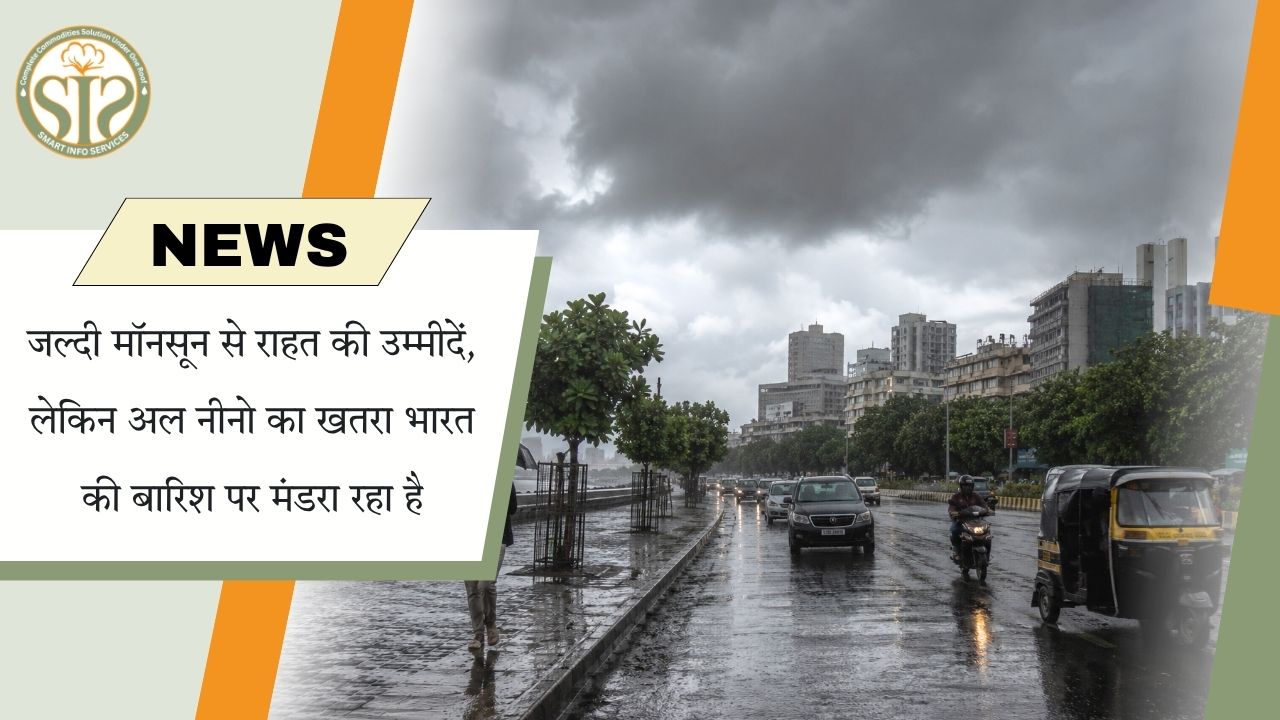
जल्दी मॉनसून से राहत की उम्मीदें, लेकिन अल नीनो का खतरा भारत की बारिश पर मंडरा रहा हैभारत मौसम विज्ञान विभाग (IMD) के अनुसार, भारत का दक्षिण-पश्चिम मॉनसून 26 मई को केरल पहुँचने की संभावना है, जो इसके सामान्य 1 जून के आगमन से लगभग छह दिन पहले है। जहाँ एक ओर जल्दी मॉनसून अक्सर गर्मियों की तेज़ गर्मी से राहत की उम्मीदें जगाता है और खेती के लिए एक अच्छा मौसम लाने का वादा करता है, वहीं विशेषज्ञ चेतावनी देते हैं कि प्रशांत महासागर में अल नीनो की स्थिति बनने की संभावना के कारण बारिश का कुल अनुमान अभी भी अनिश्चित बना हुआ है।अल नीनो, जिसकी पहचान प्रशांत महासागर में समुद्र की सतह के तापमान के असामान्य रूप से गर्म होने से होती है, आमतौर पर भारत में ज़्यादा गर्म गर्मियों और कमज़ोर मॉनसून की बारिश से जुड़ा होता है। चूँकि देश की लगभग आधी खेती की ज़मीन सिंचाई के बजाय बारिश पर निर्भर करती है, इसलिए मॉनसून में किसी भी तरह की कमज़ोरी खेती और पानी की उपलब्धता पर काफ़ी असर डाल सकती है।IMD ने कहा कि केरल में मॉनसून के आने का समय 26 मई से चार दिन आगे या पीछे हो सकता है। मौसम विभाग ने दक्षिण बंगाल की खाड़ी, अंडमान सागर और अंडमान और निकोबार द्वीप समूह में मॉनसून के आगे बढ़ने के लिए अनुकूल स्थितियों का भी ज़िक्र किया है, और 28 मई तक दक्षिणी पश्चिमी तट पर बड़े पैमाने पर बारिश होने की उम्मीद है।हालाँकि, मौसम विज्ञानी इस बात पर ज़ोर देते हैं कि जल्दी मॉनसून आने का मतलब यह ज़रूरी नहीं है कि पूरे मौसम में सामान्य से ज़्यादा बारिश होगी। मौसम विशेषज्ञ बताते हैं कि मॉनसून का प्रदर्शन कई कारकों पर निर्भर करता है, जिनमें समुद्र का तापमान, हवा का बहाव और कम दबाव वाले सिस्टम का बनना शामिल है। मॉनसून आमतौर पर अलग-अलग चरणों या "लहरों" में आगे बढ़ता है, जिसका मतलब है कि जल्दी शुरू होने के बावजूद जून, जुलाई और अगस्त में बारिश का बँटवारा असमान रह सकता है।और पढ़ें :-कभी 'सफेद सोने' से समृद्ध रहे किसान, अब 'गुलाबी आफत' से तबाह

कभी सफेद सोना उगाकर हो रहे थे मालामाल, अब गुलाबी आफत ने किया बर्बाद !भारत के कुछ राज्यों में कपास की खेती बीते काफी दिनों से किसानों के लिए घाटे का सौदा बन रही है. गुलाबी सुंडी कपास की खेती को भयंकर तरीके से नुकसान पहुंचा रही है.सफेद सोना... यानी कपास. भारत के तीन राज्यों के हजारों किसान कपास की खेती कर अपनी तकदीर बदलते आए हैं. लेकिन अब यही 'सफेद सोना' उनके लिए घाटे का सौदा बनता जा रहा. इस घाटे का सबब बनी है एक 'गुलाबी आफत'. ये ही गुलाबी सुंडी जिसे पिंक बॉलवर्म भी कहते हैं. इसके चलते अब तक मोटा मुनाफा कमाते आए किसानों को घाटा हो रहा. इस घाटे में 'होर्मूज संकट' भी काफी हद तक जिम्मेदार है. नतीजतन किसान अब मोटा अनाज बाजरा, मूंग की खेती कर रहे हैं. दरअसल, पंजाब, हरियाणा और राजस्थान के हजारों किसान अब धीरे-धीरे कपास यानी नरमा की खेती छोड़कर बाजरा और दूसरी कम लागत वाली फसलों की ओर रुख कर रहे हैं. कपास की खेती में काफी खाद का भी इस्तेमाल होता है. खाद की इन दिनों किल्लत चल ही रही है. गुलाबी सुंडी' ने तोड़ी किसानों की कमरकपास किसानों की सबसे बड़ी समस्या इस समय गुलाबी सुंडी है. यह कीड़ा कपास के फल के अंदर घुसकर बीज और रुई को अंदर ही अंदर खराब कर देता है. इसका असर ये होता है कि बाजार में किसानों को कपास का सही दाम तक नहीं मिल पाता. किसानों का कहना है कि कुछ साल पहले जहां एक एकड़ से 10 से 12 क्विंटल तक कपास निकल जाती थी, वहीं अब उत्पादन आधा या उससे भी कम रह गया है. कई इलाकों में तो किसानों को भारी नुकसान झेलना पड़ा है. हरियाणा के सिरसा, हिसार, फतेहाबाद और भिवानी, पंजाब के मानसा, भटिंडा, फाजिल्का और राजस्थान के श्रीगंगानगर व हनुमानगढ़ जैसे इलाके लंबे समय से देश की प्रमुख कपास बेल्ट माने जाते रहे हैं. लेकिन अब इन्हीं इलाकों में किसान कपास से दूरी बना रहे हैं.महंगे स्प्रे भी बेअसरकपास की फसल को बचाने के लिए किसानों को लगातार कीटनाशकों का इस्तेमाल करना पड़ता है. अमेरिकन बॉलवर्म, स्पॉटेड बॉलवर्म, थ्रिप्स और अन्य कीड़ों से बचाव के लिए महंगे केमिकल्स का बार-बार छिड़काव करना पड़ता है. किसानों के मुताबिक एक सीजन में 5 से 10 बार तक स्प्रे करना पड़ता है. इसके बावजूद गुलाबी सुंडी खत्म नहीं होती. ज्यादा खाद और कीटनाशक ने खेती की लागत तो बढ़ा दी, लेकिन मुनाफा घटता जा रहा. मजदूरों की कमी ने बढ़ाई परेशानीखेत से कपास को चुनना बहुत मेहनत वाला काम माना जाता है. इस काम के लिए अच्छी खासी संख्या में मजदूरों की जरूरत होती है, लेकिन गांवों से शहरों की ओर बढ़ते पलायन के कारण खेतों में मजदूरों की भारी कमी हो गई है. जो मजदूर मिल रहे हैं, वे भी कपास चुनने के लिए 12 से 25 रुपये प्रति किलो तक मजदूरी मांग रहे हैं. इससे खेती की लागत बढ़ गई है. किसान बताते हैं कि कपास बेचकर जो आमदनी होती है, उसका बड़ा हिस्सा मजदूरी और दवाइयों में ही निकल जाता है.खाद और केमिकल का बढ़ता बोझकपास की खेती को सबसे महंगी फसलों में गिना जाता है इसमें भारी मात्रा में खाद और रासायनिक दवाइयों की जरूरत होती है. एक एकड़ खेत में ही कई बोरी डीएपी, यूरिया, एसएसपी और पोटाश डालनी पड़ती है. इसके अलावा अलग-अलग कीड़ों से बचाने के लिए महंगे कीटनाशकों का इस्तेमाल करना पड़ता है. किसानों का कहना है कि हर साल खाद और दवाइयों के दाम तो बढ़ रहे हैं, लेकिन उत्पादन और मुनाफा घटता जा रहा है. ऐसे में कपास की खेती अब पहले जैसी फायदेमंद नहीं रही.क्यों बढ़ रहा है बाजरे की ओर रुझान?कपास से निराश किसान अब बाजरा जैसी फसलों की तरफ तेजी से बढ़ रहे हैं. इसकी सबसे बड़ी वजह कम लागत और कम जोखिम है. बाजरे की खेती में कम खाद लगती है. बहुत कम कीटनाशक की जरूरत होती है. पानी की खपत भी कम होती है. इसके साथ ही ये फसल जल्दी तैयार हो जाती है. जहां कपास की फसल को तैयार होने में लगभग छह महीने लगते हैं, वहीं बाजरा 90 से 95 दिनों में तैयार हो जाता है. इन कारणों के चलते कपास के मुकाबले बाजरा किसानों को ज्यादा स्थिर और सुरक्षित विकल्प दे रहा है.एक साल में तीन फसलें लेने का मौकाबाजरे की खेती करने वाले किसानों को साल के बचे समय में दो और खेती करने का मौका मिलता है. खरीफ में बाजरा बोने के बाद रबी में सरसों और फिर जायद सीजन में मूंग जैसी फसल बहुत आसानी से उगाई जा सकती है.MSP पर खरीद सबसे बड़ी मांगगुलाबी सुंडी, महंगी खाद और महंगी मजदूरी के बाद किसान जब मंडी में कपास बेचने जाता है तो वहां भी उसे MSP के मुताबिक दाम नहीं मिलता. अक्सर उन्हें एमएसपी से भी कम कीमत मिलती है. साल 2025 में बाजरे का MSP 2775 रुपये प्रति क्विंटल था, लेकिन कई किसानों को बाजार में 2100 रुपये प्रति क्विंटल तक ही कीमत मिली. इस साल MSP बढ़ाकर 2900 रुपये प्रति क्विंटल किया गया है, लेकिन किसानों को डर है कि अगर सरकारी खरीद नहीं हुई तो उन्हें फिर नुकसान उठाना पड़ सकता है.खाद संकट ने बढ़ाई चिंताइस साल अंतरराष्ट्रीय हालात ने भी किसानों की चिंता बढ़ा दी है. पश्चिम एशिया में तनाव और वैश्विक सप्लाई चेन पर असर के कारण खाद संकट की आशंका जताई जा रही है. भारत बड़े पैमाने पर खाद और उसके कच्चे माल के लिए इम्पोर्ट पर निर्भर है. अगर खाद महंगी हुई या समय पर उपलब्ध नहीं हुई तो धान, मक्का और गन्ने जैसी ज्यादा खाद मांगने वाली फसलों पर बड़ा असर पड़ सकता है.क्या मिलेट्स ही भविष्य हैं?संयुक्त राष्ट्र पहले ही 2023 को इंटरनेशनल ईयर ऑफ मिलेट्स घोषित कर चुका है. भारत दुनिया का सबसे बड़ा मिलेट उत्पादक देश है. बदलते मौसम, पानी की कमी और बढ़ती लागत के बीच अब बाजरा जैसे मोटे अनाज किसानों के लिए ज्यादा फायदे वाले विकल्प बनते दिख रहे हैं.और पढ़ें :-आंध्र प्रदेश ने केंद्रीय मंत्री पीयूष गोयल के समक्ष कपास से जुड़ी चिंताएं उठाईं।

आंध्र प्रदेश ने केंद्रीय मंत्री पीयूष गोयल के सामने कॉटन के मुद्दे उठाए।विजयवाड़ा : नरसारावपेट के MP और लोकसभा में TDP के फ्लोर लीडर लवू श्री कृष्ण देवरायालू, सिविल एविएशन मिनिस्टर के राम मोहन नायडू के साथ, नई दिल्ली में केंद्रीय कॉमर्स और इंडस्ट्री मिनिस्टर पीयूष गोयल से मिले और आंध्र प्रदेश के एग्रीकल्चर, एक्सपोर्ट और इंडस्ट्रियल सेक्टर से जुड़े कई खास मुद्दों पर चर्चा की।मीटिंग के दौरान, AP टेक्सटाइल मिल्स एसोसिएशन के रिप्रेजेंटेटिव डेलीगेशन के साथ थे और उन्होंने कॉटन की बढ़ती कीमतों और घरेलू मार्केट में अच्छी क्वालिटी वाले कॉटन की कमी के कारण टेक्सटाइल और स्पिनिंग इंडस्ट्री के सामने आ रही गंभीर चुनौतियों पर रोशनी डाली।जिन खास बातों पर चर्चा हुई, उनमें कॉटन पर मौजूदा 11% इंपोर्ट ड्यूटी को कुछ समय के लिए हटाना, घरेलू उपलब्धता और कीमत में स्थिरता सुनिश्चित करने के लिए 31 अक्टूबर, 2026 तक कॉटन एक्सपोर्ट पर कुछ समय के लिए रोक लगाना, और ट्रेडर्स के बजाय मैन्युफैक्चरर्स को कॉटन कॉर्पोरेशन ऑफ इंडिया (CCI) के स्टॉक की सप्लाई को प्राथमिकता देना शामिल था।कृष्णा देवरायालु ने ज़ोर देकर कहा कि AP भारत के टेक्सटाइल, सीफूड और तंबाकू सेक्टर में एक बड़ी भूमिका निभाता है, और एक्सपोर्ट, MSMEs और किसानों को बचाने के लिए समय पर पॉलिसी सपोर्ट ज़रूरी है।और पढ़ें :-कपड़ा उद्योग कपास की बढ़ती कीमतों की भरपाई के लिए उपायों की मांग कर रहा है।

टेक्सटाइल कंपनियों ने कॉटन की कीमतों में तेज़ी से निपटने के लिए राहत मांगी है।चेन्नई: टेक्सटाइल इंडस्ट्री ने पिछले दो महीनों में कॉटन की कीमतों में तेज़ बढ़ोतरी पर चिंता जताई है और घरेलू सप्लाई में कमी, साथ ही कच्चे माल और लॉजिस्टिक्स की बढ़ी हुई लागत, पिछले साल US टैरिफ से बुरी तरह प्रभावित इंडस्ट्री पर बुरा असर डाल सकती है।वर्धमान टेक्सटाइल्स के मैनेजिंग डायरेक्टर नीरज जैन ने कंपनी की लेटेस्ट अर्निंग्स कॉल के दौरान घरेलू सप्लाई को लेकर चिंता जताई और अगस्त से कॉटन की कमी का खतरा बताया। साथ ही, एनालिस्ट कॉल के दौरान, अरविंद लिमिटेड के मैनेजमेंट ने कहा कि ज़्यादा इनपुट कॉस्ट, खासकर कॉटन की कीमतों से, साल के पहले छह महीनों में मार्जिन पर दबाव डाल सकती है, और इसने महंगाई के माहौल को मैनेज करने के लिए लंबे समय की कीमतों को पहले से ही लॉक कर लिया है और कच्चे माल का एक बड़ा हिस्सा सुरक्षित कर लिया है। अलग-अलग साइज़ की एक्सपोर्ट करने वाली यूनिट्स और इंडस्ट्री कंपनियों ने मांग की है कि केंद्र सरकार कीमतों में तेज़ बढ़ोतरी और कमज़ोर रुपये के बीच कम से कम दिसंबर तक 11% कॉटन ड्यूटी से छूट दे। मैन्युफैक्चरिंग यूनिट्स का कहना है कि कीमतों में बढ़ोतरी से लागत बढ़ जाती है और वे दूसरे मुख्य हब के मुकाबले कम कॉम्पिटिटिव हो जाती हैं।"बांग्लादेश और वियतनाम जैसे कई मुकाबले वाले एशियाई देशों को ज़ीरो ड्यूटी एक्सेस है। घरेलू सप्लाई में लगातार कमी और ज़्यादा कीमतें भारतीय टेक्सटाइल बनाने वालों और एक्सपोर्ट करने वालों को ज़्यादा इनपुट कॉस्ट से जूझना पड़ रहा है, खासकर ऐसे समय में जब खास मार्केट से ऑर्डर बढ़ रहे हैं।अपैरल एक्सपोर्ट प्रमोशन काउंसिल के वाइस चेयरमैन डॉ. ए. शक्तिवेल ने कहा, "कुछ यूनिट्स पक्के तौर पर ऑर्डर नहीं ले सकतीं।" उन्होंने आगे कहा कि इससे भारतीय यूनिट्स की फ्लेक्सिबिलिटी पर बहुत बुरा असर पड़ता है और प्राइस-सेंसिटिव मार्केट और सेगमेंट में उनका मार्केट शेयर कम होता है।कन्फेडरेशन ऑफ इंडियन टेक्सटाइल इंडस्ट्री (CITI) की एक रिपोर्ट में कहा गया है कि घरेलू कॉटन का प्रोडक्शन 328 लाख बेल की खपत मांग के मुकाबले घटकर 291 लाख बेल रहने का अनुमान है, जिससे 37 लाख बेल की कमी होगी। तमिलनाडु स्पिनिंग मिल्स एसोसिएशन के डॉ. के. वेंकटचलम ने कहा कि सप्लाई की कमी हेडलाइन आंकड़ों से कहीं ज़्यादा गंभीर है और उन्होंने व्यापारियों पर जमाखोरी का आरोप लगाया। उन्होंने कहा कि इम्पोर्ट होने में 45 दिन लगेंगे, और सरकार को कॉटन की बहुत ज़्यादा कमी होने से पहले समय पर इम्पोर्ट करने की कोशिश करनी चाहिए।टेक्सप्रोसिल के डेटा के अनुसार, अप्रैल 2026 में कपड़ों के एक्सपोर्ट में सालाना आधार पर 11.66% की गिरावट आई, जबकि टेक्सटाइल और कपड़ों के कुल एक्सपोर्ट में 3.42% की गिरावट आई।और पढ़ें :-डॉलर के मुकाबले रुपया 33 पैसे गिरकर 96.86 पर खुला.

रुपया 33 पैसे गिरकर 96.86 USD पर खुला.बुधवार को भारतीय रुपया डॉलर के मुकाबले 33 पैसे गिरकर 96.86 पर खुला जबकि मंगलवार को यह 96.53 पर बंद हुआ था।और पढ़ें :- महाराष्ट्र: पुसद में 75 हजार हेक्टेयर में खरीफ बुवाई की तैयारी
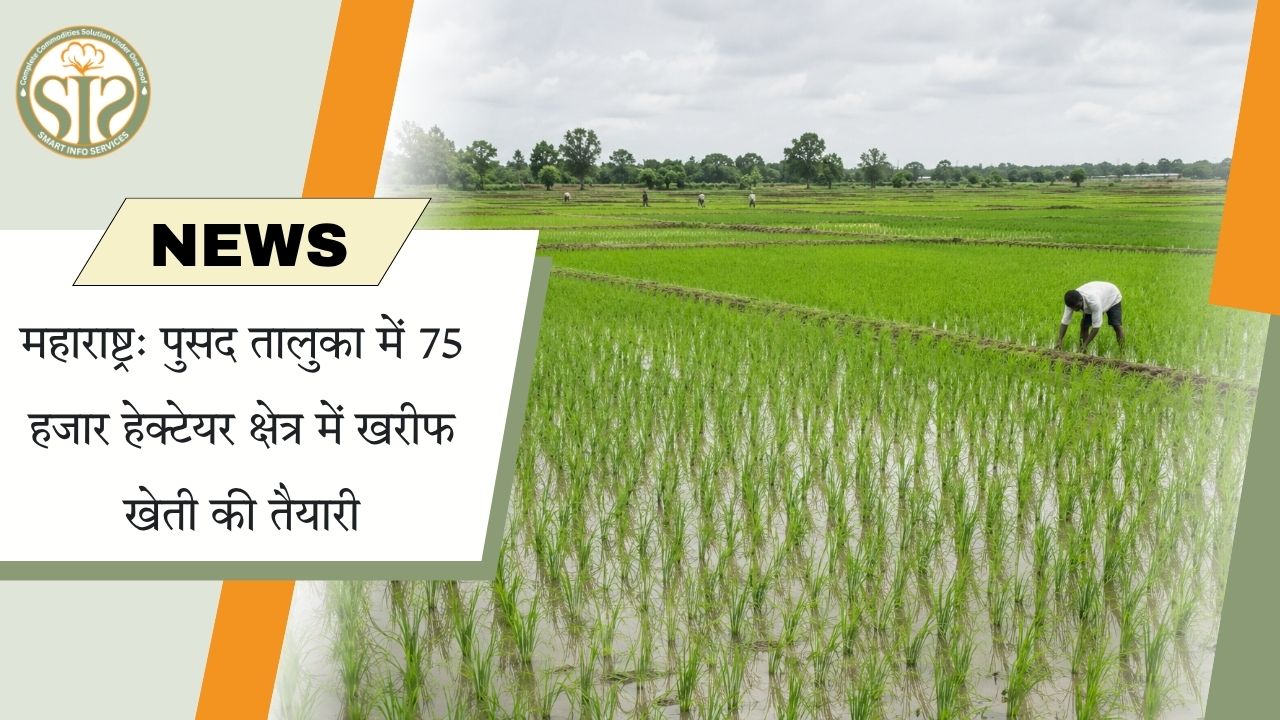
महाराष्ट्र: पुसद तालुका में 75 हजार हेक्टेयर क्षेत्र में खरीफ खेती की तैयारीखरीफ मौसम के नजदीक आते ही कृषि विभाग ने यवतमाल जिले के पुसद तालुका के लिए वर्ष 2026–27 की खरीफ फसल योजना तैयार कर ली है। विभाग के अनुमान के अनुसार इस वर्ष तालुका में लगभग 75 हजार हेक्टेयर क्षेत्र में खरीफ फसलों की बुवाई होने की संभावना है। इस बार कपास के रकबे में बढ़ोतरी और सोयाबीन के क्षेत्र में हल्की कमी का अनुमान जताया गया है।योजना के अनुसार सबसे अधिक 31,890 हेक्टेयर में कपास की खेती प्रस्तावित है। इसके बाद लगभग 28,910 हेक्टेयर में सोयाबीन की बुवाई का अनुमान है। अन्य फसलों में 8,110 हेक्टेयर में अरहर, 1,890 हेक्टेयर में हल्दी, 610 हेक्टेयर में खरीफ ज्वार, 445 हेक्टेयर में मूंग और 350 हेक्टेयर में उड़द की खेती प्रस्तावित है।तालुका में कुल 39,768 पंजीकृत किसान खाताधारक हैं, जिनमें 16,229 सीमांत किसान, 9,690 छोटे किसान और 13,839 बड़े भूधारक किसान शामिल हैं।कृषि विभाग के अनुसार इस खरीफ सीजन में कपास के लगभग 1,59,450 बीज पैकेटों की आवश्यकता होगी, जबकि सोयाबीन बीज की मांग 8,673 क्विंटल आंकी गई है। हालांकि किसानों के पास पहले से ही लगभग 28,210 क्विंटल सोयाबीन बीज उपलब्ध बताया गया है।उर्वरक की कुल आवश्यकता 22,863 मीट्रिक टन अनुमानित की गई है, जिसमें 9,509 टन मिश्रित उर्वरक, 5,802 टन यूरिया, 2,304 टन डीएपी और 4,266 टन एसएसपी शामिल हैं।कृषि विभाग के अमोल अघाव ने किसानों को सलाह दी है कि वे बिना बीज उपचार के बुवाई न करें, क्योंकि हाल के वर्षों में मिट्टी जनित फफूंद रोगों का प्रकोप बढ़ा है। साथ ही उन्होंने यह भी अपील की है कि किसान कम से कम 100 मिमी वर्षा होने के बाद ही बुवाई करें और जल्दबाजी से बचें।और पढ़ें:- निमाड़ में कपास बुवाई की तैयारी तेज, 20 मई के बाद रफ्तार पकड़ने की उम्मीद

20 मई के बाद रफ्तार पकड़ेगी कपास की बोवनी, निमाड़ में किसानों ने शुरू की तैयारीकालमुखी | निमाड़ अंचल में सफेद सोना कही जाने वाली कपास की फसल की बोवनी की शुरुआत हो चुकी है। फिलहाल कुछ किसानों ने ही खेतों में बीज डालना शुरू किया है, जबकि अधिकांश किसान अभी शादी-ब्याह और खेतों की तैयारियों में जुटे हुए हैं। किसानों का कहना है कि 20 मई के बाद क्षेत्र में कपास बोवनी तेज गति पकड़ लेगी, क्योंकि हर साल इसी समय बड़े स्तर पर बुवाई का काम शुरू होता है।क्षेत्र में करीब 90 प्रतिशत कृषि भूमि पर कपास की खेती की जाती है और किसानों की सालभर की आमदनी काफी हद तक इसी फसल पर निर्भर रहती है। बोवनी के साथ सिंचाई का कार्य भी जरूरी हो गया है, लेकिन बिजली सप्लाय का समय सुबह 11 बजे से शाम 4:30 बजे तक होने के कारण किसानों को भीषण गर्मी में खेतों में सिंचाई करनी पड़ रही है।किसानों ने बिजली विभाग से मांग की है कि कृषि विद्युत सप्लाय का समय बदला जाए, ताकि उन्हें तेज धूप और गर्मी में परेशानी का सामना न करना पड़े।और पढ़ें:- कपास की महंगाई से तिरुपुर में होजरी यार्न फिर महंगा

On Friday, the Indian Rupee opened at 96.28 against the US Dollar and strengthened by 60 paise by the end of trading, closing at 95.68.The Sensex closed at 75,415.35, gaining 231.99 points or 0.31 percent, while the Nifty settled at 23,719.30, rising 64.60 points or 0.27 percent.Read More :- Bhakra Canal Water Released in Hanumangarh, Farmers to Get Irrigation for Cotton and Kharif Sowing
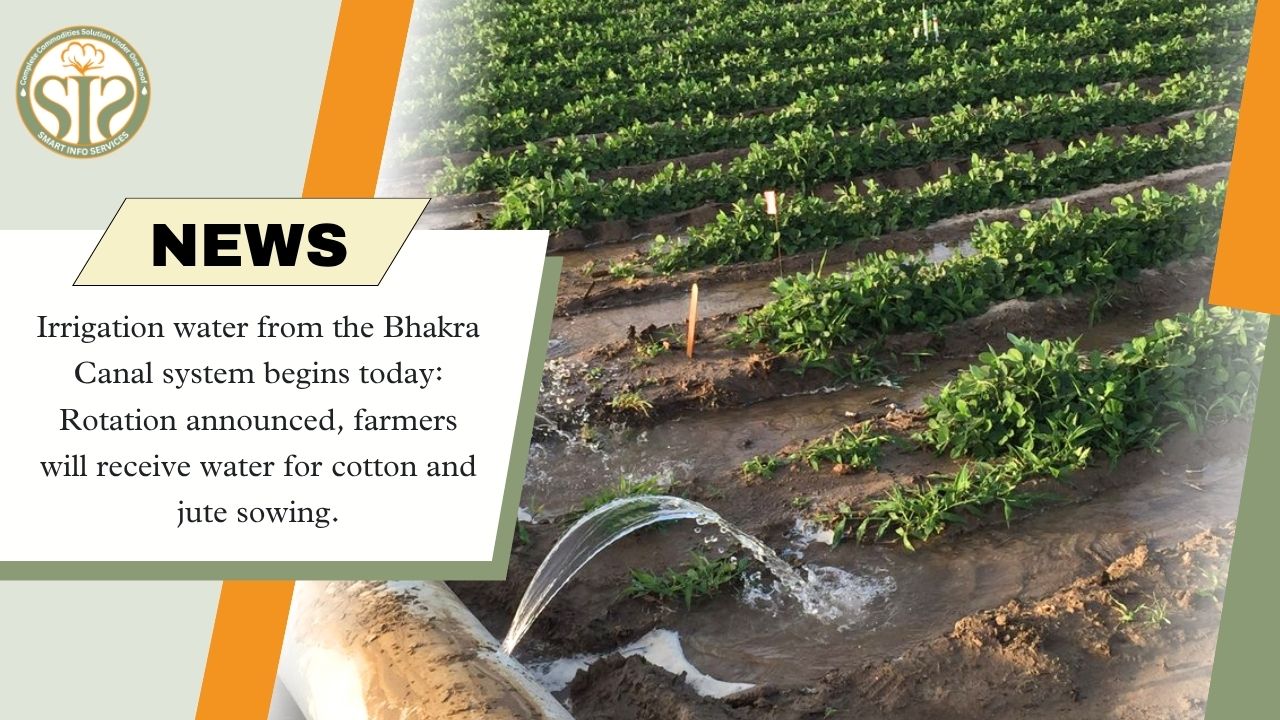
Irrigation water from the Bhakra Canal system begins today: Rotation announced, farmers will receive water for cotton and jute sowing.Farmers connected to the Bhakra Canal system in Hanumangarh will begin receiving irrigation water starting today, Thursday. The Irrigation Department has released a new Bhakra system rotation. Under this, canals with a capacity of 1,200 cusecs will be released at full capacity, while smaller canals will receive water as per their capacity.The Water Resources Bhakra-Sidmukh Regulation Division has also released the weekly priority schedule for the Bhakra system's canals. This priority will be effective from May 21st to 29th.According to the information released by the department, 42 cusecs were released in Ratanpura (RTP) canal, 73 in Nathwana (NTW), 248 in Pratappura (PTP), 261 in Haripura (HRP), 274 in Dingarh (DNG), 283 in Suratpura (STP), 508 in Modia (MOD), 653 in Longwala (LGW), 868 in Pilibanga (PBN), 963 in Amarpura (AMP), 976 in Rodanwali (RRW), 987 in Nawan-Satipura (NWN), 1200 in Morjanda (MJD), 1208 in Nagarana (NGD), 1448 in Lilanwali (LLW), 1453 in Bhakharanwali (BKW), 1783 in Karnisingh (KSD), 1978 cusecs of water will flow into Mammadkheda (MMK), 2058 cusecs into Jodkian (JRK), 2178 cusecs into Suratgarh (STG), 2216 cusecs into Bhagatpura (BGP), and 2222 cusecs into Sangaria (SNG).Water Resources Department officials stated that each canal will be closed after operating at full capacity for eight days. If changes to the canal's regulation are necessary due to fluctuations in water levels, arrangements will be made after consultation with the Executive Engineers of the Bhakra Sidmukh Regulation Division and Water Resources Divisions I/II.According to agricultural experts, this is the time for sowing cotton and maize. The availability of water for irrigation will be a significant benefit to farmers.Due to the recent heat and water shortage, farmers faced difficulties preparing their fields. Now, with the availability of water in the canals, sowing operations are expected to accelerate.Farmers say that if water supply remains regular in the coming days, sowing of cotton, maize, and other Kharif crops will be better, which will have a positive impact on production. Meanwhile, the increased availability of water amid the scorching heat is also expected to bring relief to rural areas.READ MORE :- Why Haryana Farmers Are Shifting From Cotton to Paddy Cultivation
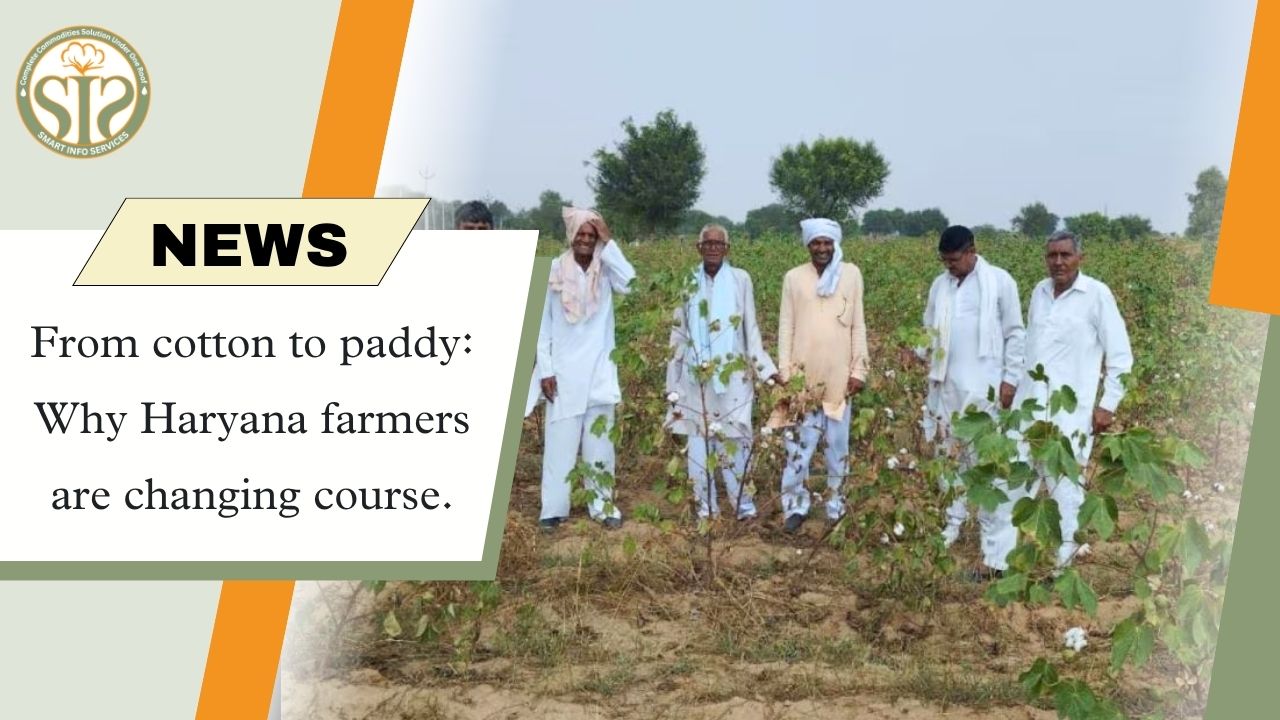
From cotton to paddy: Why Haryana farmers are changing course.Between 2020 and 2025, Haryana’s cropping pattern has undergone a marked transformation. The area under rice cultivation expanded from 1,525.77 hectares in 2020 to 1,867.51 hectares in 2025, while cotton acreage shrank from 719.86 hectares to just 401.05 hectares. This shift reflects farmers’ growing preference for paddy, which offers assured procurement and stable returns. In contrast, cotton has become increasingly unviable due to pest attacks, declining Bt‑cotton resistance, and mounting cultivation losses.Why is paddy the top choice?Farmers cite profitability as the main reason for choosing paddy. According to Mandeep Nathwan, president of farmers’ organisation Pagri Sambhal Jatta Kisan Sangharsh Samiti, paddy can generate an income of nearly Rs 80,000 per acre, leaving a profit of about Rs 50,000 even after deducting expenses.Farmer activist Rakesh Bains from Kurukshetra echoes this view, noting that alternative crops yield only around Rs 50,000 per acre compared to paddy’s Rs 80,000, making rice the more attractive option.Which crops have Haryana farmers switched from?Former Indian Council of Agricultural Research (ICAR) scientist Virender Lather explains that farmers have shifted from cotton, maize, jowar, pulses, and oilseeds to paddy in recent years, with cotton losing the most ground.Bt‑cotton, once resistant to pests like the pink bollworm, has lost its effectiveness as pests have adapted over time. Farmers now spend heavily on pesticides but still face yields as low as two quintals per acre, far below the eight quintals needed for profitability. This leaves them with losses of nearly Rs 15,000 per acre.What has the government done to promote crop diversification?Recognising the risks of farmers shifting to water‑intensive paddy, the Haryana government has introduced measures to promote diversification. Under the ‘Mera Pani Meri Virasat’ scheme, farmers receive Rs 8,000 per acre for cultivating less water‑consuming crops such as pulses, cotton, and maize. Chief Minister Nayab Singh Saini recently announced that Rs 157 crore has been distributed over 2.20 lakh acres under this scheme. Additional incentives include up to an 85 per cent subsidy for micro‑irrigation technologies, rainwater harvesting, and pond construction.What do experts and farmers suggest?To encourage sustainable practices within rice cultivation itself, the government offers Rs 4,000 per acre for adopting Direct Seeded Rice (DSR), which uses less water than traditional transplanting. However, experts like Virender Lather argue that the incentive is too low to change farmer behaviour and even suggest banning traditional paddy cultivation to restore Haryana’s falling water table. Farmers, meanwhile, stress that better marketing and procurement facilities for alternative crops are essential if diversification is to succeed.READ MORE :- Indian Rupee Opens 8 Paise Lower Against US Dollar at 96.28

The Rupee opened 8 paise lower at 96.28 against the USD.On Friday, the Indian Rupee opened 8 paise lower against the Dollar at 96.28, whereas it had closed at 96.20 on Thursday.Read more:- Bhakra Canal Irrigation Water Released in Rajasthan; Cotton and Narma Sowing to Accelerate
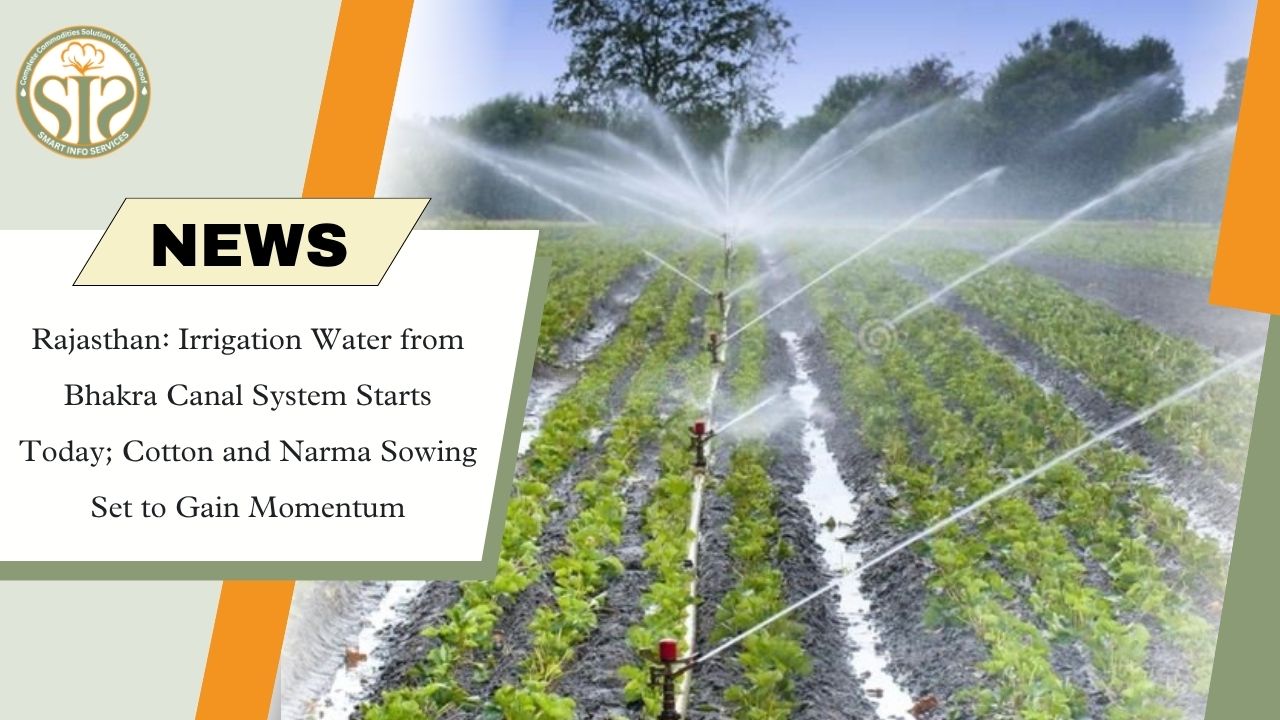
Rajasthan: Irrigation Water from Bhakra Canal System Starts Today; Cotton and Narma Sowing Set to Gain MomentumThere is welcome news for farmers in Hanumangarh district. The supply of water for irrigation from the Bhakra canal system commenced on Thursday. The Water Resources Department has issued a new rotation schedule for the Bhakra system, announcing the weekly priority order for the period from May 21 to May 29. Under this plan, canals with a capacity of 1,200 cusecs will be operated at their full capacity, while water will be released into smaller canals in accordance with their designated capacities.According to the department, water will flow at a rate of 42 cusecs in the Ratanpura canal, 73 cusecs in Nathwana, 248 cusecs in Pratappura, 261 cusecs in Haripura, 274 cusecs in Deengarh, and 283 cusecs in Suratpura. Additionally, adequate quantities of water will be released into major canals such as Modia, Longwala, Pilibanga, Amarpura, and Rodanwali. The highest volume—2,222 cusecs—will flow through the Sangaria canal.Officials stated that each canal will be operated at full capacity for a period of eight days, after which it will be shut down. Should there be any fluctuation in water levels, necessary adjustments to the regulation schedule will be made following consultations with the concerned officials.Agricultural experts note that the current period is crucial for the sowing of Narma (American cotton) and traditional cotton varieties. Over the past few days, farmers had been facing difficulties in preparing their fields due to intense heat and a scarcity of water. With the arrival of water in the canals, sowing operations are now expected to accelerate.Farmers have expressed optimism that if the water supply remains consistent in the coming days, the production of cotton, Narma, and other Kharif crops will be bountiful. Furthermore, the increased availability of water in rural areas is expected to provide residents with much-needed relief from the scorching summer heat.read more :- Government Rejects ‘Dumping Ground’ Tag, Defends India’s Textile Recycling Ecosystem

Labeling India a 'Dumping Ground' for Textile Waste is Misleading: Central GovernmentNew Delhi: Defending India's textile recycling ecosystem, the Central Government has stated that characterizing the country as a "dumping ground" for textile waste is misleading and contrary to facts. In a statement issued on Thursday, the Ministry of Textiles asserted that India possesses one of the world's largest textile recovery and recycling networks, underpinned by long-standing mechanisms for reuse and recycling.The Ministry noted that recent international media reports—which focused on textile clusters such as Panipat—exaggerated concerns regarding environmental impact and labor safety, while overlooking the progress achieved within the sector toward sustainability, regulatory reforms, and the adoption of new technologies.The government unequivocally stated that portraying the Indian textile industry as environmentally negligent or structurally exploitative is erroneous; such characterizations fail to acknowledge the ongoing corrective efforts and sustainability-driven initiatives within the sector.According to the Ministry, approximately 7,073 kilotons of textile waste are generated in India annually. Citing the study "Mapping of Textile Waste Value Chain in India 2026," the government highlighted that nearly 97 percent of pre-consumer textile waste—generated during the manufacturing process—is recycled.The government also refuted claims suggesting that India is becoming a primary destination for fast-fashion waste from Western nations. According to the Ministry, out of the approximately 7.8 million tons of textile waste managed within the country, over 90 percent is generated domestically, whereas imported waste accounts for a share of only about 7 percent. Citing a report by the Federation of Indian Chambers of Commerce and Industry (FICCI), the Ministry stated that the textile waste ecosystem generates economic activity worth approximately ₹22,000 crore annually within the country.The government also referred to a study conducted by researchers at IIT Delhi, which, based on data from the Panipat cluster, found that textile recycling leads to a reduction of approximately 40 percent in environmental impacts—such as greenhouse gas emissions and fossil fuel consumption—compared to the production of virgin fibers.While the government acknowledged that challenges related to post-consumer waste management, unorganized sector units, and worker safety still persist, it noted that the industry is continuously moving towards more formalized systems, cleaner technologies, and improved environmental compliance.The Ministry further stated that textile recycling units operate under existing environmental and labor laws, and various regulatory agencies—including the National Green Tribunal (NGT)—are taking action against units found to be in violation of these regulations.read more :- The rupee closed 10 paisa higher against the dollar at 96.20

The Indian Rupee opened at 96.30 against the US Dollar on Thursday and strengthened by 10 paise by the end of trading, closing at 96.20.At close, Sensex was down 135 points at 75,183 and Nifty 50 was down over 4 points to 23,655. This came even as India VIX, which measures volatility in markets, declined over 3% to 17.82 by the end of the session.read more :- AI Smart App Launched for Bharat Tex 2026

Ministry of Textiles Launches AI-Powered Smart App for Bharat Tex 2026The Ministry of Textiles has launched an AI-powered smart event app for Bharat Tex 2026, a global textile event organized under the aegis of the Ministry. The objective of this app is to make the entire event more digital, interactive, and commercially effective, thereby fostering better coordination among exhibitors, buyers, delegates, sourcing experts, speakers, and visitors.A standout feature of this platform is its AI-based smart assistant, which provides 24×7 conversational assistance. Users can instantly access the event schedule, venue information, directions, services, and other essential details simply by asking questions in natural language. This ensures that participants do not waste time searching for information during the event, making their overall experience much smoother.The app also incorporates a robust business networking system, enabling exhibitors and buyers to identify potential business partners, schedule meetings, and effectively manage their availability. All meetings and interactions can be digitally tracked, thereby enhancing transparency and efficiency in business operations.For exhibitors, a ‘Lead Wallet’ and a QR-based lead capture system are also available, allowing them to securely store contact information by scanning visitors' digital badges. This simplifies and streamlines the post-event follow-up process.Additionally, the app offers features such as interactive floor plans, booth location search, and stall-level navigation. An ‘Exhibitor Discovery Module’ is available for international buyers, enabling them to search for companies based on category, name, and product type. Real-time updates, personalized schedules, and an alert system further enhance the platform's capabilities, positioning Bharat Tex 2026 as a smart and global business platform.read more :- Scientists Advise Timely Cotton Sowing

Cotton Cultivation Promises Better Profits for Farmers; Scientists Advise Timely SowingAs the Kharif season approaches, preparations for cotton cultivation have intensified. Farmers in the district are now focusing their attention on sowing cotton, as this crop is considered economically lucrative. According to agricultural experts, the region's climate is favorable for cotton production, and sowing at the right time can lead to a significant increase in yield.Dr. Rajiv Singh, a senior agricultural scientist in Khargone, has advised farmers to commence cotton sowing after May 25th. He explained that during this period, temperatures gradually begin to drop, and early monsoon activity sets in—conditions that create a favorable environment for seed germination and the initial growth of the plants. Sowing undertaken during this specific window proves beneficial for both the quality and the overall production of the crop.Scientists also emphasize that farmers must, under all circumstances, complete their cotton sowing by the end of June. Any delay in sowing has a direct adverse impact on the crop's growth and productive potential. In late-sown crops, plant growth tends to be stunted, resulting in a reduced overall yield.Although the cost of cultivation remains largely unchanged, a decline in production inevitably leads to diminished profits for farmers. Consequently, timely sowing is being regarded as the most critical phase in successful cotton cultivation. Experts have advised farmers to adopt appropriate techniques and effective time management strategies to maximize their earnings, thereby enabling them to achieve higher yields at a lower cost.read more :- CPI Opposes Cotton Import Duty Removal

Centre’s move to remove import duty on cotton will hit farmers hard, fears CPI ANDRA PRADESH : Calling for Chief Minister Chandrababu Naidu’s intervention, CPI leader Eswaraiah says further relaxation of import duty and export restrictions during 2026 kharif will deepen the agrarian crisisCPI State secretary G. Eswaraiah has urged Chief Minister N. Chandrababu Naidu to intervene and withdraw proposals seeking removal of the 11% import duty on cotton and restrictions on cotton exports from India, alleging that such measures will severely harm cotton farmers.In a letter addressed to the Chief Minister on Wednesday, Mr. Eswaraiah referred to reports stating that Union Minister Piyush Goyal had discussed cotton price stabilisation measures with Union Minister Kinjarapu Rammohan Naidu, MP Lavu Sri Krishna Devarayalu and others. According to the reports, proposals were made to remove the 11% import duty on cotton and regulate exports.Mr. Eswaraiah said cotton traders, spinning mills and textile corporations were benefiting from cheaper foreign cotton, while domestic farmers suffered heavy financial losses. He also alleged that the Cotton Corporation of India incurred significant losses due to unsold stocks following the price crash.Describing the proposed measures as “anti-farmer and pro-corporate,” the CPI leader warned that further relaxation of import duties and export restrictions during the 2026 kharif season would deepen the agrarian crisis and increase distress among cotton growers.read more :- Cotton Prices Soar in Tamil Nadu, Touch ₹10,761 per Quintal

Tamil Nadu: Cotton prices hit a new high; sold for Rs 10,761 per quintalChennai : Cotton prices have reached a new high, with cotton selling for Rs 10,761 per quintal at the regulated market auction in Villupuram. While the sharp price increase is bound to cause concern among textile mills, it has also brought enthusiasm among farmers and traders.A report in Daily Thanthi states that during the auction, farmers from cotton-growing hubs like Cuddalore, Ranipet, Tiruvannamalai, and Perambalur bring their produce to the market.Exceeds last year's recordTypically, cotton sells between Rs 9,000 and Rs 1,000 per quintal. For example, officials said that last year's highest price in the market was Rs 9,700. However, this year, due to increased demand, prices have risen. Traders from Tirupur, Theni, and several other places have come to the Villupuram market in large numbers. This season's increased demand has intensified competition among traders, who are trying to outbid each other to purchase high-quality cotton.Prices likely to rise furtherThe cotton selling season, which began on April 1, will continue until June. Officials said that if the current demand trend continues and arrivals remain low, cotton prices may remain high in the coming weeks.Meanwhile, farmers expressed happiness over the record-breaking price increase, saying the improved rates will help them cover their farming expenses and generate better income this season.READ MORE :- The Rupee opened 52 paise higher against the Dollar at 96.30.

The Rupee opened 52 paise higher at 96.30 against the USD.On Thursday, the Indian Rupee opened 52 paise higher against the Dollar at 96.30, whereas it had closed at 96.82 on Wednesday.Read more:-The rupee closed 4 paise higher at 96.82 against the dollar

On Wednesday, the Indian Rupee strengthened by 4 paise to close at 96.82 per Dollar, having opened at 96.86 in the morning.At market close, the Sensex ended 117.54 points, or 0.16 percent, higher at 75,318.39, while the Nifty closed at 23,659.00, gaining 41 points or 0.17 percent.Read More :- Early Monsoon Sparks Relief Hopes Amid El Niño Concerns

Early Monsoon Brings Relief Hopes, but El Nino Threat Looms Over India’s RainfallIndia’s southwest monsoon is likely to reach Kerala on May 26, nearly six days ahead of its usual June 1 onset, according to the India Meteorological Department (IMD). While an early monsoon often raises hopes of relief from intense summer heat and promises a favourable agricultural season, experts caution that the overall rainfall outlook remains uncertain due to the possible development of El Nino conditions in the Pacific Ocean.El Nino, marked by unusually warm sea surface temperatures in the Pacific, is typically associated with hotter summers and weaker monsoon rainfall in India. Since nearly half of the country’s farmland relies on rain rather than irrigation, any weakness in the monsoon can significantly affect agriculture and water availability.The IMD said the monsoon onset over Kerala could vary by four days on either side of May 26. The weather office also noted favourable conditions for the monsoon’s advance over the south Bay of Bengal, the Andaman Sea, and the Andaman and Nicobar Islands, with widespread rainfall expected along the southern west coast through May 28.However, meteorologists stress that an early onset does not necessarily translate into above-normal rainfall during the season. Weather experts explain that monsoon performance depends on several factors, including ocean temperatures, wind circulation, and the formation of low-pressure systems. The monsoon typically progresses in phases or “surges,” meaning rainfall distribution across June, July, and August can still remain uneven despite an early start.READ MORE :-Once Prosperous from White Gold, Farmers Now Crushed by Pink Plague

Once rich by growing white gold, now ruined by the pink plague!Cotton farming in some Indian states has been a loss-making venture for farmers for quite some time. The pink bollworm is causing severe damage to cotton crops.White gold... that is, cotton. Thousands of farmers in three Indian states have been transforming their fortunes by cultivating cotton. But now this "white gold" is becoming a loss-making venture for them. The cause of this loss is a "pink plague," the pink bollworm, also known as the pink bollworm. Farmers who have previously earned substantial profits are now incurring losses. The "Hormuz Crisis" is also largely responsible for this loss. As a result, farmers are now cultivating coarse grains like millet and mung beans.In fact, thousands of farmers in Punjab, Haryana, and Rajasthan are gradually abandoning cotton cultivation and turning to millet and other low-cost crops. Cotton cultivation also uses a lot of fertilizer. There's a fertilizer shortage these days.The 'Pink Bollworm' Has Broken Farmers' BacksThe biggest problem facing cotton farmers right now is the pink bollworm. This insect burrows into the cotton pod and destroys the seeds and cotton from within. This results in farmers not even getting a fair price for their cotton in the market. Farmers say that while a few years ago, an acre used to yield 10 to 12 quintals of cotton, production has now fallen by half or even less. Farmers in many areas have suffered huge losses. Areas like Sirsa, Hisar, Fatehabad, and Bhiwani in Haryana, Mansa, Bathinda, and Fazilka in Punjab, and Sriganganagar and Hanumangarh in Rajasthan have long been considered the country's major cotton belts. But now, farmers in these same areas are avoiding cotton.Expensive sprays are also ineffectiveFarmers have to constantly use pesticides to protect their cotton crops. Expensive chemicals have to be sprayed repeatedly to protect against the American bollworm, spotted bollworm, thrips, and other pests. Farmers report spraying 5 to 10 times per season. Despite this, the pink bollworm remains undetected. Excessive fertilizers and pesticides have increased farming costs, while reducing profits.Labour shortage exacerbates the problemPicking cotton from the fields is considered a very laborious task. This work requires a significant number of laborers, but due to the increasing migration from villages to cities, there is a severe labour shortage in the fields. Even the available laborers are demanding wages ranging from 12 to 25 rupees per kilogram for picking cotton. This has increased the cost of farming. Farmers report that a large portion of the income from selling cotton is spent on labour and medicines.Increasing burden of fertilizers and chemicalsCotton cultivation is considered one of the most expensive crops and requires large quantities of fertilizers and chemical pesticides. Several bags of DAP, urea, SSP, and potash have to be applied to just one acre of land. Additionally, expensive pesticides have to be used to protect against various pests. Farmers say that while the prices of fertilizers and pesticides are increasing every year, production and profits are decreasing. Consequently, cotton farming is no longer as profitable as it once was.Why is the trend towards millet increasing?Farmers frustrated with cotton are increasingly turning to crops like millet. The main reasons for this are lower costs and lower risks. Millet requires less fertilizer, very few pesticides, and less water consumption. Furthermore, this crop matures quickly. While cotton takes approximately six months to mature, millet is ready in 90 to 95 days. For these reasons, millet offers farmers a more stable and secure option compared to cotton.Opportunity to harvest three crops in a yearFarmers who cultivate millet have the opportunity to cultivate two more crops in the remaining season of the year. After sowing millet in Kharif, crops like mustard in Rabi and then mung in Zaid season can be easily grown.Procurement at MSP is the biggest demandAfter facing problems like pink bollworm, expensive fertilizers, and high labor, even when farmers go to sell cotton in the market, they do not get the MSP price. Often, they get a price even lower than the MSP.In 2025, the MSP for millet was Rs. 2775 per quintal, but many farmers received only Rs. 2100 per quintal in the market. This year, the MSP has been increased to Rs. 2900 per quintal, but farmers fear that if government procurement does not take place, they may face further losses.Fertilizer crisis increases concernsThis year, the international situation has also increased farmers' concerns. Due to tensions in West Asia and the impact on global supply chains, a fertilizer crisis is being feared. India relies heavily on imports for fertilizers and their raw materials. If fertilizers become expensive or are not available on time, fertilizer-intensive crops like rice, maize, and sugarcane could be severely affected.Are Millets the Future?The United Nations has already declared 2023 the International Year of Millets. India is the world's largest millet producer. Amid changing climate, water scarcity, and rising costs, coarse grains like millet are now becoming a more profitable option for farmers.READ MORE :- Andhra Pradesh Takes Up Cotton Concerns with Union Minister Piyush Goyal

Andhra Pradesh raises cotton issues with Union Minister Piyush Goyal.Vijayawada: Narasaraopet MP and TDP floor leader in the Lok Sabha, Lavu Sri Krishna Devarayalu, along with Civil Aviation Minister K. Ram Mohan Naidu, met Union Commerce and Industry Minister Piyush Goyal in New Delhi and discussed several key issues related to Andhra Pradesh's agriculture, export, and industrial sectors.During the meeting, representatives from the AP Textile Mills Association accompanied the delegation and highlighted the serious challenges facing the textile and spinning industries due to rising cotton prices and a shortage of good quality cotton in the domestic marke.Key points discussed included temporarily removing the current 11% import duty on cotton, temporarily banning cotton exports until October 31, 2026, to ensure domestic availability and price stability, and prioritizing the supply of Cotton Corporation of India (CCI) stocks to manufacturers rather than traders.Krishna Devarayalu emphasized that AP plays a major role in India's textile, seafood, and tobacco sectors, and timely policy support is essential to protect exports, MSMEs, and farmers.READ MORE :-Textile Industry Seeks Relief Amid Soaring Cotton Prices

Textile bodies seek relief to deal with cotton price surge.CHENNAI: The textile industry has raised concerns over a sharp increase in cotton prices in the past two months and tightening domestic supply, along with heightened raw material and logistics costs, could adversely impact the industry, hard-hit by US tariffs last year.Neeraj Jain, managing director of Vardhman Textiles, raised concerns about domestic supply during the company's latest earnings call and flagged the risk of a cotton shortage starting in August. Also, during the analyst call, Arvind Ltd's management said that higher input costs, especially from cotton prices, could exert pressure on margins in the first half of the year, and that it has proactively locked in long-term prices and secured a significant portion of raw materials to manage the inflationary environment. Exporting units of various sizes and industry bodies have demanded that the Union Government provide an exemption from 11% cotton duty at least till December amid a sharp rise in prices and a weakening rupee. Manufacturing units say the price hike pushes up the cost and makes them less competitive with other key hubs."Many competing Asian countries, such as Bangladesh and Vietnam, have zero duty access. A sustained domestic supply gap and higher prices force Indian textile manufacturers and exporters to battle higher input costs, especially at a time of growing orders from key markets. Some of the units cannot accept orders with certainty, " said Dr A Sakthivel, vice chairman of the Apparel Export Promotion Council. This severely impacts Indian units' flexibility and erodes their market share in price-sensitive markets and segments, he added.Domestic cotton production is projected to drop to 291 lakh bales against the consumption demand of 328 lakh bales, leaving a deficit of 37 lakh bales, a report by the Confederation of Indian Textile Industry (CITI) noted. Dr K Venkatachalam from Tamil Nadu Spinning Mills Association said the supply crunch is more severe than the headline figures indicate and alleged hoarding by traders. He said it would take 45 days to get imports, and govt should make efforts to import cotton on time before it becomes an acute shortage.Apparel exports declined 11.66% on a yearly basis in April 2026, while combined textile and apparel exports declined 3.42%, as per Texprocil data.READ MORE :- The rupee opened 33 paise lower against the dollar at 96.86.

The rupee opened 33 paise lower at 96.86 against the USD.On Wednesday, the Indian rupee opened 33 paise lower against the dollar at 96.86, whereas it had closed at 96.53 on Tuesday.Read more:- Maharashtra: Preparations Underway for Kharif Sowing Across 75,000 Hectares in Pusad
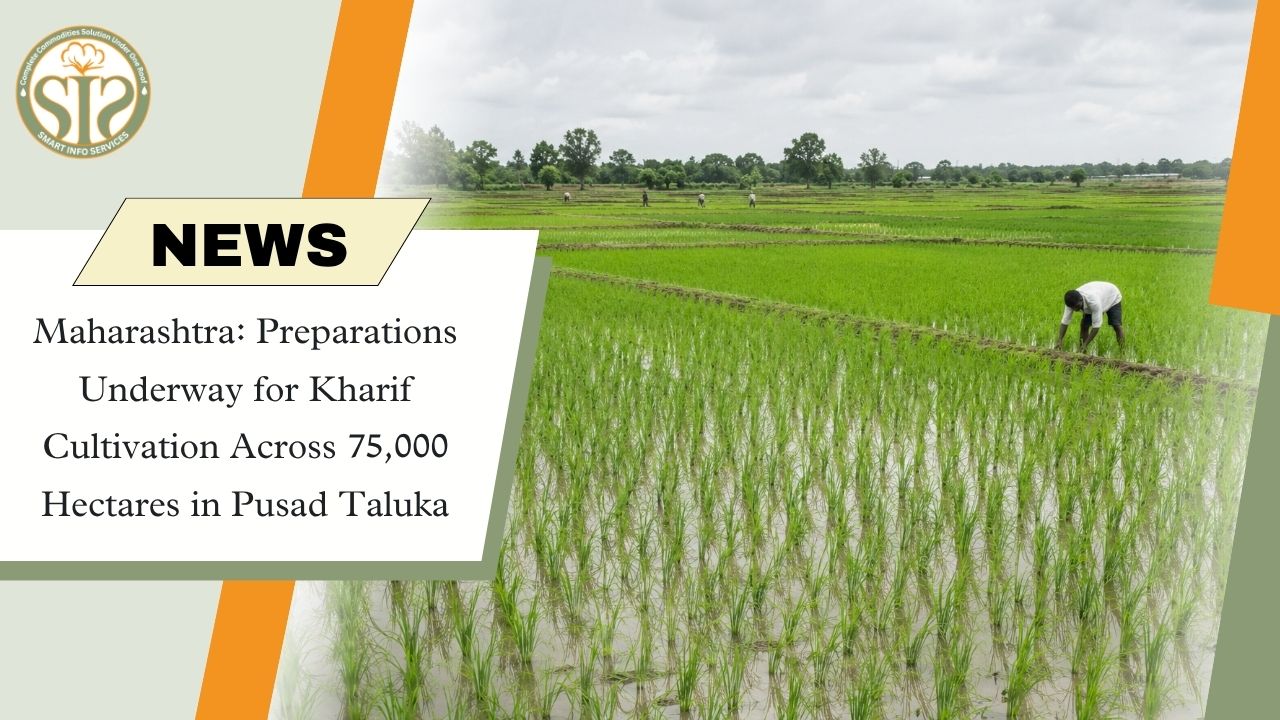
Maharashtra: Preparations Underway for Kharif Cultivation Across 75,000 Hectares in Pusad TalukaAs the Kharif season approaches, the Agriculture Department has finalized the Kharif crop plan for the year 2026–27 for Pusad Taluka in Yavatmal district. According to the department's estimates, Kharif crops are likely to be sown across an area of approximately 75,000 hectares in the taluka this year. This season, an increase in the acreage dedicated to cotton and a slight decline in the area under soybean cultivation are projected.As per the plan, cotton cultivation is proposed for the largest area—31,890 hectares. This is followed by an estimated 28,910 hectares for soybean sowing. Among other crops, cultivation is proposed for Arhar (Pigeon Pea) across 8,110 hectares, Turmeric across 1,890 hectares, Kharif Jowar (Sorghum) across 610 hectares, Moong (Green Gram) across 445 hectares, and Urad (Black Gram) across 350 hectares.The taluka comprises a total of 39,768 registered farmer account holders, including 16,229 marginal farmers, 9,690 small farmers, and 13,839 large landholding farmers.According to the Agriculture Department, approximately 159,450 seed packets of cotton will be required for this Kharif season, while the demand for soybean seeds has been estimated at 8,673 quintals. However, it has been reported that farmers already have approximately 28,210 quintals of soybean seeds available with them.The total requirement for fertilizers has been estimated at 22,863 metric tonnes, comprising 9,509 tonnes of mixed fertilizers, 5,802 tonnes of Urea, 2,304 tonnes of DAP, and 4,266 tonnes of SSP.Amol Aghav of the Agriculture Department has advised farmers against sowing without prior seed treatment, noting that the incidence of soil-borne fungal diseases has increased in recent years. Additionally, he has appealed to farmers to undertake sowing only after receiving at least 100 mm of rainfall and to avoid acting in haste.read more :- Preparations for cotton sowing intensify in Nimar; expected to gain momentum after May 20.

Cotton Sowing to Pick Up Pace After May 20; Farmers in Nimar Begin PreparationsKalamukhi | The sowing of the cotton crop—often referred to as "white gold" in the Nimar region—has officially commenced. Currently, only a few farmers have begun sowing seeds in their fields, while the majority remain occupied with wedding festivities and field preparations. Farmers state that cotton sowing in the region will gain momentum after May 20, as large-scale sowing operations typically begin around this time every year.Cotton is cultivated on approximately 90 percent of the agricultural land in the region, and the farmers' annual income depends heavily on this crop. Alongside sowing, irrigation has also become a necessity; however, due to the electricity supply schedule running from 11:00 AM to 4:30 PM, farmers are compelled to irrigate their fields amidst the scorching heat.Consequently, farmers have appealed to the Electricity Department to revise the schedule for agricultural power supply so that they do not have to endure the hardships caused by the intense sunlight and heat.read more :- Hosiery Yarn Prices Rise Again in Tiruppur Due to Soaring Cotton Costs

શુક્રવારે, ભારતીય રૂપિયો અમેરિકન ડોલર સામે ૯૬.૨૮ પર ખુલ્યો અને ૯૫.૬૮ પર બંધ થયો, જે ટ્રેડિંગના અંતે ૬૦ પૈસા મજબૂત થયો.સેન્સેક્સ ૨૩૧.૯૯ પોઈન્ટ અથવા ૦.૩૧ ટકાના વધારા સાથે ૭૫,૪૧૫.૩૫ પર બંધ થયો, જ્યારે નિફ્ટી ૬૪.૬૦ પોઈન્ટ અથવા ૦.૨૭ ટકાના વધારા સાથે ૨૩,૭૧૯.૩૦ પર બંધ થયો.વધુ વાંચો :- હનુમાનગઢમાં ભાખરા કેનાલનું પાણી શરૂ, કપાસ અને ખરીફ વાવેતરને મળશે લાભ
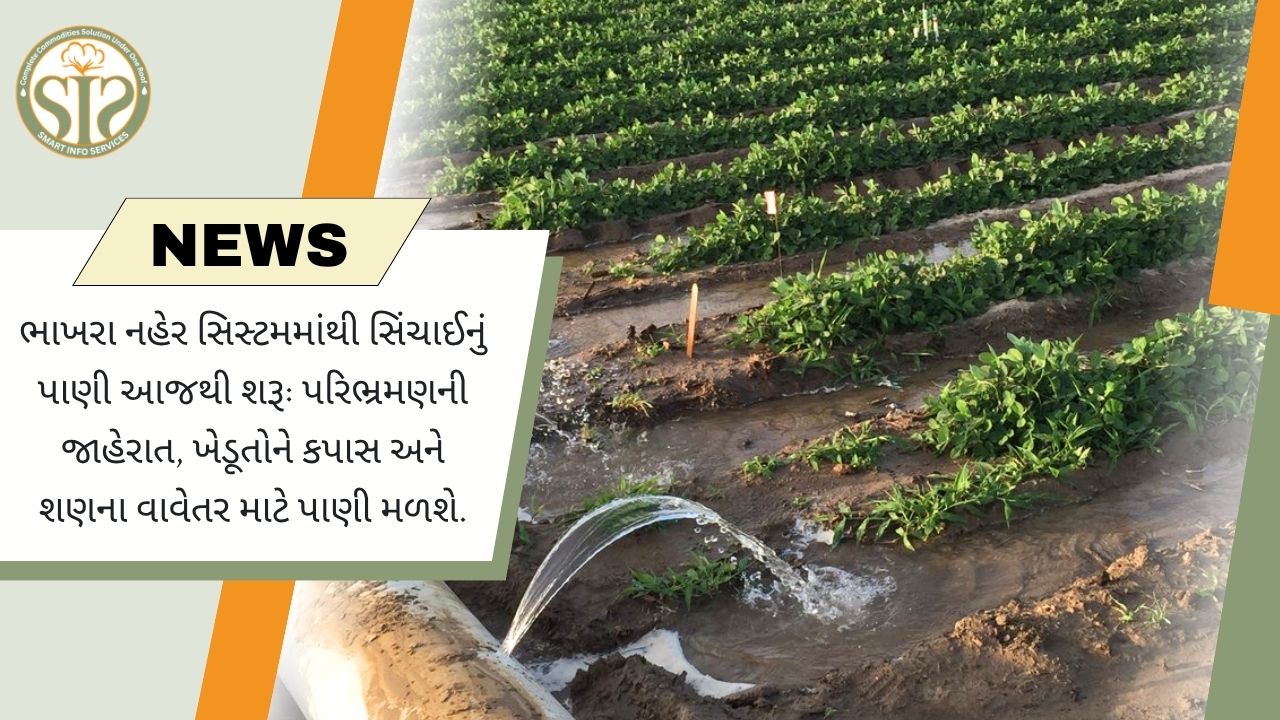
ભાખરા નહેર સિસ્ટમમાંથી સિંચાઈનું પાણી આજથી શરૂ: પરિભ્રમણની જાહેરાત, ખેડૂતોને કપાસ અને શણના વાવેતર માટે પાણી મળશે.હનુમાનગઢમાં ભાખરા નહેર સિસ્ટમ સાથે જોડાયેલા ખેડૂતોને આજથી, ગુરુવારથી સિંચાઈનું પાણી મળવાનું શરૂ થશે. સિંચાઈ વિભાગે નવી ભાખરા સિસ્ટમ રોટેશન બહાર પાડ્યું છે. આ અંતર્ગત, 1,200 ક્યુસેક ક્ષમતા ધરાવતી નહેરોમાં સંપૂર્ણ ક્ષમતાએ પાણી છોડવામાં આવશે, જ્યારે નાની નહેરોમાં તેમની ક્ષમતા મુજબ પાણી મળશે.જળ સંસાધન ભાખરા-સિદમુખ નિયમન વિભાગે ભાખરા સિસ્ટમની નહેરો માટે સાપ્તાહિક પ્રાથમિકતા સમયપત્રક પણ બહાર પાડ્યું છે. આ પ્રાથમિકતા 21 મે થી 29 મે સુધી અમલમાં રહેશે.વિભાગ દ્વારા બહાર પાડવામાં આવેલી માહિતી અનુસાર, રતનપુરા (RTP) કેનાલમાં 42 ક્યુસેક, નથવાણા (NTW)માં 73, પ્રતાપપુરા (PTP)માં 248, હરિપુરા (HRP)માં 261, દિનગઢ (DNG)માં 274, સુરતપુરા (STP)માં 283, મોદી (5038), મોદી (538), મોદી (538) કેનાલમાં પાણી છોડવામાં આવ્યું હતું. પીલીબંગા (પીબીએન)માં 868, અમરપુરા (એએમપી)માં 963, રોડનવલી (આરઆરડબ્લ્યુ)માં 976, નવાન-સતીપુરા (એનડબલ્યુએન)માં 987, મોરજંડા (એમજેડી)માં 1200, નાગરાના (એનજીડી)માં 1208, લીલનવલી (એલએલડબલ્યુ)માં 1448, ભૌલનવલી (1448) કરણીસિંહ (KSD)માં 1783, મામદખેડામાં 1978 ક્યુસેક પાણી આવશે (MMK), જોડકિયાં (JRK) માં 2058 ક્યુસેક, સુરતગઢ (STG) માં 2178 ક્યુસેક, ભગતપુરા (BGP) માં 2216 ક્યુસેક અને સાંગરિયા (SNG) માં 2222 ક્યુસેક છોડવામાં આવશે.જળ સંસાધન વિભાગના અધિકારીઓએ જણાવ્યું હતું કે દરેક નહેર આઠ દિવસ સુધી સંપૂર્ણ ક્ષમતાથી કાર્યરત થયા પછી બંધ કરવામાં આવશે. જો પાણીના સ્તરમાં વધઘટને કારણે નહેરના નિયમનમાં ફેરફાર જરૂરી હોય, તો ભાખરા સિદમુખ નિયમન વિભાગ અને જળ સંસાધન વિભાગ I/II ના કાર્યકારી ઇજનેરો સાથે પરામર્શ કર્યા પછી વ્યવસ્થા કરવામાં આવશે.કૃષિ નિષ્ણાતોના મતે, આ કપાસ અને મકાઈની વાવણીનો સમય છે. સિંચાઈ માટે પાણીની ઉપલબ્ધતા ખેડૂતો માટે નોંધપાત્ર લાભદાયક રહેશે.તાજેતરની ગરમી અને પાણીની અછતને કારણે, ખેડૂતોને તેમના ખેતરો તૈયાર કરવામાં મુશ્કેલીઓનો સામનો કરવો પડ્યો. હવે, નહેરોમાં પાણીની ઉપલબ્ધતા સાથે, વાવણીની કામગીરી ઝડપી થવાની અપેક્ષા છે.ખેડૂતોનું કહેવું છે કે જો આગામી દિવસોમાં પાણી પુરવઠો નિયમિત રહેશે તો કપાસ, મકાઈ અને અન્ય ખરીફ પાકોનું વાવેતર સારું થશે, જેની ઉત્પાદન પર સકારાત્મક અસર પડશે. દરમિયાન, કાળઝાળ ગરમી વચ્ચે પાણીની ઉપલબ્ધતામાં વધારો થવાથી ગ્રામીણ વિસ્તારોમાં પણ રાહત મળવાની અપેક્ષા છે.વધુ વાંચો :- હરિયાણાના ખેડૂતોએ કપાસ છોડીને ધાનની ખેતી તરફ શા માટે વળાંક લીધો
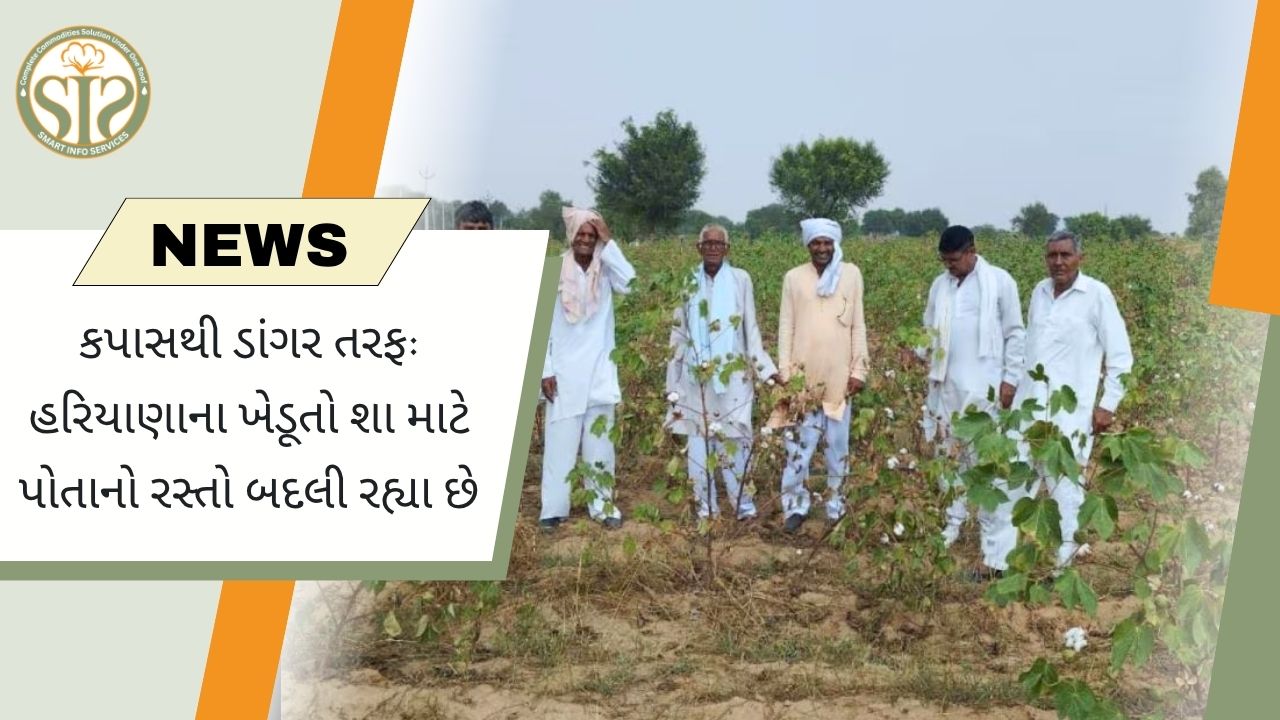
કપાસથી ડાંગર તરફ: હરિયાણાના ખેડૂતો શા માટે પોતાનો રસ્તો બદલી રહ્યા છે૨૦૨૦ અને ૨૦૨૫ ની વચ્ચે, હરિયાણાની પાક પદ્ધતિમાં મોટો ફેરફાર થયો છે. ડાંગરનો વાવેતર વિસ્તાર ૨૦૨૦ માં ૧,૫૨૫.૭૭ હેક્ટરથી વધીને ૨૦૨૫ માં ૧,૮૬૭.૫૧ હેક્ટર થયો, જ્યારે કપાસનો વાવેતર વિસ્તાર ૭૧૯.૮૬ હેક્ટરથી ઘટીને માત્ર ૪૦૧.૦૫ હેક્ટર થયો. આ પરિવર્તન ખેડૂતોની ડાંગર પ્રત્યેની વધતી પસંદગીને પ્રતિબિંબિત કરે છે, જે સુરક્ષિત ખરીદી અને સ્થિર વળતર આપે છે. તેનાથી વિપરીત, જંતુઓના હુમલા, બીટી-કપાસ સામે ઘટતી પ્રતિકારશક્તિ અને વધતા પાકના નુકસાનને કારણે કપાસ વધુને વધુ બિનલાભકારી બન્યો છે.ડાંગર શા માટે ટોચની પસંદગી છે?ડાંગર પસંદ કરવાનું મુખ્ય કારણ ખેડૂતો નફાને ગણાવે છે. ખેડૂત સંગઠન પાગડી સંભલ જટ્ટા કિસાન સંઘર્ષ સમિતિના પ્રમુખ મનદીપ નથવાનના મતે, ડાંગર પ્રતિ એકર આશરે ₹૮૦,૦૦૦ ની આવક પેદા કરી શકે છે, જેમાં ખર્ચ પછી આશરે ₹૫૦,૦૦૦ નો નફો થાય છે.કુરુક્ષેત્ર સ્થિત ખેડૂત કાર્યકર્તા રાકેશ બેન્સ આ જ ભાવનાને સમર્થન આપતા કહે છે કે અન્ય પાક પ્રતિ એકર માત્ર ₹50,000 ની આવક આપે છે, જ્યારે ડાંગર ₹80,000 ની આવક આપે છે, જેના કારણે ચોખા વધુ નફાકારક વિકલ્પ બને છે.હરિયાણાના ખેડૂતોએ કયા પાકનો ત્યાગ કર્યો છે?ભારતીય કૃષિ સંશોધન પરિષદ (ICAR) ના ભૂતપૂર્વ વૈજ્ઞાનિક વીરેન્દ્ર લાઠેર સમજાવે છે કે તાજેતરના વર્ષોમાં, ખેડૂતોએ કપાસ, મકાઈ, જુવાર, કઠોળ અને તેલીબિયાંનો ત્યાગ કરીને ડાંગરની ખેતી કરી છે, જેમાં કપાસની ખેતીમાં સૌથી મોટો ઘટાડો જોવા મળ્યો છે.બીટી-કપાસ, જે એક સમયે ગુલાબી બોલવોર્મ જેવા જીવાતોનો પ્રતિકાર કરતો હતો, તે સમય જતાં જીવાતો માટે અનુકૂળ થઈ ગયો હોવાથી તેની અસરકારકતા ગુમાવી ચૂક્યો છે. ખેડૂતો હવે જંતુનાશકો પર ભારે ખર્ચ કરે છે, પરંતુ હજુ પણ પ્રતિ એકર માત્ર બે ક્વિન્ટલ ઉપજ મેળવે છે, જે નફા માટે જરૂરી આઠ ક્વિન્ટલ કરતા ઘણો ઓછો છે. આના પરિણામે પ્રતિ એકર આશરે 15,000 રૂપિયાનું નુકસાન થાય છે.પાક વૈવિધ્યકરણને પ્રોત્સાહન આપવા માટે સરકારે શું કર્યું છે?પાણી-સઘન ડાંગરની ખેતીના ખેડૂતો માટે જોખમોને ઓળખીને, હરિયાણા સરકારે વૈવિધ્યકરણને પ્રોત્સાહન આપવા માટે પગલાં લીધાં છે. 'મેરા પાણી મેરી વિરાસત' યોજના હેઠળ, ખેડૂતોને કઠોળ, કપાસ અને મકાઈ જેવા પાણી-કાર્યક્ષમ પાક ઉગાડવા માટે પ્રતિ એકર રૂ. 8,000 મળે છે. મુખ્યમંત્રી નાયબ સિંહ સૈનીએ તાજેતરમાં જાહેરાત કરી હતી કે આ યોજના હેઠળ 2.20 લાખ એકરમાં રૂ. 157 કરોડનું વિતરણ કરવામાં આવ્યું છે. વધારાના લાભોમાં સૂક્ષ્મ સિંચાઈ તકનીક, વરસાદી પાણીનો સંગ્રહ અને તળાવ બાંધકામ માટે 85 ટકા સુધીની સબસિડીનો સમાવેશ થાય છે.નિષ્ણાતો અને ખેડૂતો શું સૂચવે છે? ટકાઉ ચોખાની ખેતી પદ્ધતિઓને પ્રોત્સાહન આપવા માટે, સરકાર ડાયરેક્ટ સીડેડ રાઇસ (DSR) અપનાવવા માટે પ્રતિ એકર રૂ. 4,000 પ્રદાન કરે છે, જેને પરંપરાગત રોપણી કરતા ઓછા પાણીની જરૂર પડે છે. જો કે, વીરેન્દ્ર લાઠેર જેવા નિષ્ણાતો કહે છે કે આ પ્રોત્સાહન ખેડૂતોના વર્તનને બદલવા માટે ખૂબ ઓછું છે અને હરિયાણાના ઘટતા પાણીના સ્તરને સંબોધવા માટે પરંપરાગત ડાંગરની ખેતી પર પ્રતિબંધ મૂકવાનું સૂચન કરે છે. દરમિયાન, ખેડૂતો ભાર મૂકે છે કે વૈવિધ્યકરણ સફળ થવા માટે અન્ય પાક માટે વધુ સારી માર્કેટિંગ અને ખરીદી સુવિધાઓ જરૂરી છે.વધુ વાંચો :- ભારતીય રૂપિયા ડોલર સામે 8 પૈસા ઘટીને 96.28 પર ખુલ્યો

રૂપિયો 8 પૈસા ઘટીને 96.28 USD પર ખુલ્યો.શુક્રવારે, ભારતીય રૂપિયો ડોલર સામે 8 પૈસા ઘટીને 96.28 પર ખુલ્યો, જ્યારે ગુરુવારે તે 96.20 પર બંધ થયો.વધુ વાંચો:- રાજસ્થાનમાં ભાખરા કેનાલથી સિંચાઈ માટે પાણી શરૂ, કપાસ અને નરમા વાવેતરને મળશે ગતિ

રાજસ્થાન: ભાખરા નહેર સિસ્ટમમાંથી સિંચાઈ માટે પાણી આજથી શરૂ; કપાસ અને નર્માના વાવેતરને વેગ મળવાની તૈયારીહનુમાનગઢ જિલ્લાના ખેડૂતો માટે સારા સમાચાર છે. ભાખરા નહેર સિસ્ટમમાંથી સિંચાઈ માટે પાણીનો પુરવઠો ગુરુવારથી શરૂ થયો. જળ સંસાધન વિભાગે ભાખરા સિસ્ટમ માટે એક નવું પરિભ્રમણ સમયપત્રક જારી કર્યું છે, જેમાં 21 મે થી 29 મે સુધીના સમયગાળા માટે સાપ્તાહિક પ્રાથમિકતા ક્રમ જાહેર કરવામાં આવ્યો છે. આ યોજના હેઠળ, 1,200 ક્યુસેક ક્ષમતા ધરાવતી નહેરો તેમની સંપૂર્ણ ક્ષમતા પર ચલાવવામાં આવશે, જ્યારે નાની નહેરોમાં તેમની નિર્ધારિત ક્ષમતા અનુસાર પાણી છોડવામાં આવશે.વિભાગ અનુસાર, રતનપુરા નહેરમાં 42 ક્યુસેક, નથવાનામાં 73 ક્યુસેક, પ્રતાપપુરામાં 248 ક્યુસેક, હરિપુરામાં 261 ક્યુસેક, દીનગઢમાં 274 ક્યુસેક અને સુરતપુરામાં 283 ક્યુસેકના દરે પાણી વહેશે. વધુમાં, મોડિયા, લોંગવાલા, પીલીબંગા, અમરપુરા અને રોદનવાલી જેવી મુખ્ય નહેરોમાં પૂરતા પ્રમાણમાં પાણી છોડવામાં આવશે. સૌથી વધુ પાણી - 2,222 ક્યુસેક - સાંગરિયા નહેરમાંથી વહેશે.અધિકારીઓએ જણાવ્યું હતું કે દરેક નહેર આઠ દિવસના સમયગાળા માટે સંપૂર્ણ ક્ષમતાથી કાર્યરત રહેશે, ત્યારબાદ તેને બંધ કરવામાં આવશે. જો પાણીના સ્તરમાં કોઈ વધઘટ થશે, તો સંબંધિત અધિકારીઓ સાથે પરામર્શ કરીને નિયમન સમયપત્રકમાં જરૂરી ગોઠવણો કરવામાં આવશે.કૃષિ નિષ્ણાતો નોંધે છે કે વર્તમાન સમયગાળો નર્મા (અમેરિકન કપાસ) અને પરંપરાગત કપાસની જાતોના વાવણી માટે મહત્વપૂર્ણ છે. છેલ્લા કેટલાક દિવસોથી, ખેડૂતોને તીવ્ર ગરમી અને પાણીની અછતને કારણે તેમના ખેતરો તૈયાર કરવામાં મુશ્કેલીઓનો સામનો કરવો પડી રહ્યો હતો. નહેરોમાં પાણી આવતાં, વાવણીની કામગીરીમાં હવે વેગ આવવાની અપેક્ષા છે.ખેડૂતોએ આશાવાદ વ્યક્ત કર્યો છે કે જો આગામી દિવસોમાં પાણીનો પુરવઠો સુસંગત રહેશે, તો કપાસ, નર્મા અને અન્ય ખરીફ પાકોનું ઉત્પાદન પુષ્કળ પ્રમાણમાં થશે. વધુમાં, ગ્રામીણ વિસ્તારોમાં પાણીની વધતી ઉપલબ્ધતાથી રહેવાસીઓને ઉનાળાની કાળઝાળ ગરમીમાંથી ખૂબ જ જરૂરી રાહત મળવાની અપેક્ષા છે.વધુ વાંચો:- ભારતને ટેક્સટાઇલ કચરાનું ‘ડમ્પિંગ ગ્રાઉન્ડ’ કહેવું ભ્રામક: કેન્દ્ર સરકાર

ભારતને કાપડના કચરા માટે 'ડમ્પિંગ ગ્રાઉન્ડ' તરીકે લેબલ કરવું ગેરમાર્ગે દોરનારું છે: કેન્દ્ર સરકારનવી દિલ્હી: ભારતના કાપડ રિસાયક્લિંગ ઇકોસિસ્ટમનો બચાવ કરતા, કેન્દ્ર સરકારે જણાવ્યું છે કે દેશને કાપડના કચરા માટે 'ડમ્પિંગ ગ્રાઉન્ડ' તરીકે દર્શાવવું ગેરમાર્ગે દોરનારું અને તથ્યોથી વિપરીત છે. ગુરુવારે જારી કરાયેલા એક નિવેદનમાં, કાપડ મંત્રાલયે ભારપૂર્વક જણાવ્યું હતું કે ભારત વિશ્વના સૌથી મોટા કાપડ પુનઃપ્રાપ્તિ અને રિસાયક્લિંગ નેટવર્ક્સમાંથી એક ધરાવે છે, જે પુનઃઉપયોગ અને રિસાયક્લિંગ માટે લાંબા સમયથી ચાલતી પદ્ધતિઓ દ્વારા આધારભૂત છે.મંત્રાલયે નોંધ્યું છે કે તાજેતરના આંતરરાષ્ટ્રીય મીડિયા અહેવાલો - જે પાણીપત જેવા કાપડ ક્લસ્ટરો પર ધ્યાન કેન્દ્રિત કરે છે - પર્યાવરણીય અસર અને શ્રમ સલામતી અંગે ચિંતાઓને અતિશયોક્તિપૂર્ણ રીતે રજૂ કરે છે, જ્યારે ટકાઉપણું, નિયમનકારી સુધારાઓ અને નવી તકનીકો અપનાવવા તરફ ક્ષેત્રમાં પ્રાપ્ત પ્રગતિને અવગણે છે.સરકારે સ્પષ્ટપણે જણાવ્યું હતું કે ભારતીય કાપડ ઉદ્યોગને પર્યાવરણીય રીતે બેદરકાર અથવા માળખાકીય રીતે શોષણકારક તરીકે દર્શાવવું ભૂલભરેલું છે; આવા વર્ણનો ક્ષેત્રની અંદર ચાલી રહેલા સુધારાત્મક પ્રયાસો અને ટકાઉપણું-આધારિત પહેલોને સ્વીકારવામાં નિષ્ફળ જાય છે.મંત્રાલય અનુસાર, ભારતમાં વાર્ષિક આશરે 7,073 કિલોટન કાપડ કચરો ઉત્પન્ન થાય છે. "મેપિંગ ઓફ ટેક્સટાઇલ વેસ્ટ વેલ્યુ ચેઇન ઇન ઇન્ડિયા 2026" અભ્યાસને ટાંકીને સરકારે જણાવ્યું હતું કે ઉત્પાદન પ્રક્રિયા દરમિયાન ઉત્પન્ન થતા લગભગ 97 ટકા પ્રી-કન્ઝ્યુમર ટેક્સટાઇલ કચરાનું રિસાયકલ કરવામાં આવે છે.સરકારે એવા દાવાઓને પણ નકારી કાઢ્યા હતા કે ભારત પશ્ચિમી દેશોમાંથી ફાસ્ટ-ફેશન કચરા માટેનું મુખ્ય સ્થળ બની રહ્યું છે. મંત્રાલયના જણાવ્યા અનુસાર, દેશમાં સંચાલિત આશરે 7.8 મિલિયન ટન ટેક્સટાઇલ કચરામાંથી 90 ટકાથી વધુ સ્થાનિક સ્તરે ઉત્પન્ન થાય છે, જ્યારે આયાતી કચરો ફક્ત 7 ટકા જેટલો જ હિસ્સો ધરાવે છે. ફેડરેશન ઓફ ઇન્ડિયન ચેમ્બર્સ ઓફ કોમર્સ એન્ડ ઇન્ડસ્ટ્રી (FICCI) ના અહેવાલને ટાંકીને, મંત્રાલયે જણાવ્યું હતું કે ટેક્સટાઇલ વેસ્ટ ઇકોસિસ્ટમ દેશમાં વાર્ષિક આશરે ₹22,000 કરોડની આર્થિક પ્રવૃત્તિ ઉત્પન્ન કરે છે.સરકારે IIT દિલ્હીના સંશોધકો દ્વારા હાથ ધરવામાં આવેલા એક અભ્યાસનો પણ ઉલ્લેખ કર્યો હતો, જેમાં પાણીપત ક્લસ્ટરના ડેટાના આધારે જાણવા મળ્યું હતું કે ટેક્સટાઇલ રિસાયક્લિંગ વર્જિન ફાઇબરના ઉત્પાદનની તુલનામાં ગ્રીનહાઉસ ગેસ ઉત્સર્જન અને અશ્મિભૂત ઇંધણ વપરાશ જેવા પર્યાવરણીય પ્રભાવોમાં આશરે 40 ટકાનો ઘટાડો તરફ દોરી જાય છે.સરકારે સ્વીકાર્યું કે ગ્રાહક પછીના કચરા વ્યવસ્થાપન, અસંગઠિત ક્ષેત્રના એકમો અને કામદારોની સલામતી સંબંધિત પડકારો હજુ પણ યથાવત છે, પરંતુ તેણે નોંધ્યું કે ઉદ્યોગ સતત વધુ ઔપચારિક પ્રણાલીઓ, સ્વચ્છ તકનીકો અને સુધારેલ પર્યાવરણીય પાલન તરફ આગળ વધી રહ્યો છે.મંત્રાલયે વધુમાં જણાવ્યું હતું કે કાપડ રિસાયક્લિંગ એકમો હાલના પર્યાવરણીય અને શ્રમ કાયદાઓ હેઠળ કાર્ય કરે છે, અને વિવિધ નિયમનકારી એજન્સીઓ - નેશનલ ગ્રીન ટ્રિબ્યુનલ (NGT) સહિત - આ નિયમોનું ઉલ્લંઘન કરતા એકમો સામે કાર્યવાહી કરી રહી છે.વધુ વાંચો:- ડોલર સામે રૂપિયો 10 પૈસા વધીને 96.20 પર બંધ થયો.

ગુરુવારે ભારતીય રૂપિયો યુએસ ડોલર સામે ૯૬.૩૦ પર ખુલ્યો અને ટ્રેડિંગના અંતે ૧૦ પૈસા મજબૂત થઈને ૯૬.૨૦ પર બંધ થયો.બંધ સમયે, સેન્સેક્સ ૧૩૫ પોઈન્ટ ઘટીને ૭૫,૧૮૩ પર અને નિફ્ટી ૫૦ ૪ પોઈન્ટ ઘટીને ૨૩,૬૫૫ પર બંધ થયો. બજારોમાં અસ્થિરતાને માપતો ઈન્ડિયા વીઆઈએક્સ સત્રના અંત સુધીમાં ૩% થી વધુ ઘટીને ૧૭.૮૨ પર બંધ થયો હોવા છતાં પણ આ બન્યું.વધુ વાંચો:- ભારત ટેક્સ 2026 માટે ટેક્સટાઇલ મંત્રાલયે લોન્ચ કર્યું AI આધારિત સ્માર્ટ એપ

કાપડ મંત્રાલયે ભારત ટેક્સ 2026 માટે AI-સંચાલિત સ્માર્ટ એપ લોન્ચ કરીકાપડ મંત્રાલયે મંત્રાલયના નેજા હેઠળ આયોજિત વૈશ્વિક કાપડ કાર્યક્રમ, ભારત ટેક્સ 2026 માટે AI-સંચાલિત સ્માર્ટ ઇવેન્ટ એપ લોન્ચ કરી છે. આ એપનો ઉદ્દેશ્ય સમગ્ર કાર્યક્રમને વધુ ડિજિટલ, ઇન્ટરેક્ટિવ અને વ્યાપારી રીતે અસરકારક બનાવવાનો છે, જેનાથી પ્રદર્શકો, ખરીદદારો, પ્રતિનિધિઓ, સોર્સિંગ નિષ્ણાતો, વક્તાઓ અને મુલાકાતીઓ વચ્ચે વધુ સારા સંકલનને પ્રોત્સાહન મળે.આ પ્લેટફોર્મની એક વિશિષ્ટ વિશેષતા તેનું AI-આધારિત સ્માર્ટ સહાયક છે, જે 24×7 વાતચીત સહાય પૂરી પાડે છે. વપરાશકર્તાઓ ફક્ત કુદરતી ભાષામાં પ્રશ્નો પૂછીને ઇવેન્ટ શેડ્યૂલ, સ્થળની માહિતી, દિશા નિર્દેશો, સેવાઓ અને અન્ય આવશ્યક વિગતોને તાત્કાલિક ઍક્સેસ કરી શકે છે. આ ખાતરી કરે છે કે સહભાગીઓ ઇવેન્ટ દરમિયાન માહિતી શોધવામાં સમય બગાડે નહીં, જેનાથી તેમનો એકંદર અનુભવ વધુ સરળ બને છે.આ એપમાં એક મજબૂત બિઝનેસ નેટવર્કિંગ સિસ્ટમ પણ શામેલ છે, જે પ્રદર્શકો અને ખરીદદારોને સંભવિત વ્યવસાયિક ભાગીદારોને ઓળખવા, મીટિંગ્સ શેડ્યૂલ કરવા અને તેમની ઉપલબ્ધતાને અસરકારક રીતે સંચાલિત કરવા સક્ષમ બનાવે છે. બધી મીટિંગ્સ અને ક્રિયાપ્રતિક્રિયાઓને ડિજિટલી ટ્રેક કરી શકાય છે, જેનાથી વ્યવસાયિક કામગીરીમાં પારદર્શિતા અને કાર્યક્ષમતા વધે છે.પ્રદર્શકો માટે, 'લીડ વોલેટ' અને QR-આધારિત લીડ કેપ્ચર સિસ્ટમ પણ ઉપલબ્ધ છે, જે તેમને મુલાકાતીઓના ડિજિટલ બેજ સ્કેન કરીને સંપર્ક માહિતી સુરક્ષિત રીતે સંગ્રહિત કરવાની મંજૂરી આપે છે. આ ઇવેન્ટ પછીની ફોલો-અપ પ્રક્રિયાને સરળ અને સુવ્યવસ્થિત કરે છે.વધુમાં, એપ્લિકેશન ઇન્ટરેક્ટિવ ફ્લોર પ્લાન, બૂથ સ્થાન શોધ અને સ્ટોલ-લેવલ નેવિગેશન જેવી સુવિધાઓ પ્રદાન કરે છે. આંતરરાષ્ટ્રીય ખરીદદારો માટે 'પ્રદર્શક ડિસ્કવરી મોડ્યુલ' ઉપલબ્ધ છે, જે તેમને શ્રેણી, નામ અને ઉત્પાદન પ્રકાર પર આધારિત કંપનીઓ શોધવા માટે સક્ષમ બનાવે છે. રીઅલ-ટાઇમ અપડેટ્સ, વ્યક્તિગત સમયપત્રક અને ચેતવણી સિસ્ટમ પ્લેટફોર્મની ક્ષમતાઓને વધુ વધારે છે, જે ભારત ટેક્સ 2026 ને એક સ્માર્ટ અને વૈશ્વિક વ્યવસાય પ્લેટફોર્મ તરીકે સ્થાન આપે છે.વધુ વાંચો:- સમયસર કપાસ વાવેતરથી ખેડૂતોને મળશે વધુ નફો, વૈજ્ઞાનિકોની સલાહ

કપાસની ખેતી ખેડૂતો માટે વધુ નફાકારક હોવાનું વચન આપે છે; વૈજ્ઞાનિકો સમયસર વાવણીની સલાહ આપે છેજેમ જેમ ખરીફ મોસમ નજીક આવી રહી છે, તેમ તેમ કપાસની ખેતી માટેની તૈયારીઓ તેજ થઈ ગઈ છે. જિલ્લાના ખેડૂતો હવે કપાસના વાવેતર પર ધ્યાન કેન્દ્રિત કરી રહ્યા છે, કારણ કે આ પાક આર્થિક રીતે નફાકારક માનવામાં આવે છે. કૃષિ નિષ્ણાતોના મતે, આ પ્રદેશનું વાતાવરણ કપાસના ઉત્પાદન માટે અનુકૂળ છે, અને યોગ્ય સમયે વાવણી કરવાથી ઉપજમાં નોંધપાત્ર વધારો થઈ શકે છે.ખારગોનના વરિષ્ઠ કૃષિ વૈજ્ઞાનિક ડૉ. રાજીવ સિંહે ખેડૂતોને 25 મે પછી કપાસની વાવણી શરૂ કરવાની સલાહ આપી છે. તેમણે સમજાવ્યું કે આ સમયગાળા દરમિયાન, તાપમાન ધીમે ધીમે ઘટવાનું શરૂ થાય છે, અને ચોમાસાની શરૂઆતની પ્રવૃત્તિ શરૂ થાય છે - એવી પરિસ્થિતિઓ જે બીજ અંકુરણ અને છોડના પ્રારંભિક વિકાસ માટે અનુકૂળ વાતાવરણ બનાવે છે. આ ચોક્કસ સમય દરમિયાન કરવામાં આવતી વાવણી પાકની ગુણવત્તા અને એકંદર ઉત્પાદન બંને માટે ફાયદાકારક સાબિત થાય છે.વૈજ્ઞાનિકો એ પણ ભાર મૂકે છે કે ખેડૂતોએ, કોઈપણ સંજોગોમાં, જૂનના અંત સુધીમાં તેમની કપાસની વાવણી પૂર્ણ કરવી જોઈએ. વાવણીમાં કોઈપણ વિલંબ પાકના વિકાસ અને ઉત્પાદક ક્ષમતા પર સીધી પ્રતિકૂળ અસર કરે છે. મોડેથી વાવેલા પાકોમાં, છોડનો વિકાસ અટકી જાય છે, જેના પરિણામે એકંદર ઉપજમાં ઘટાડો થાય છે.ખેતીનો ખર્ચ મોટાભાગે યથાવત રહે છે, પરંતુ ઉત્પાદનમાં ઘટાડો અનિવાર્યપણે ખેડૂતોના નફામાં ઘટાડો તરફ દોરી જાય છે. પરિણામે, કપાસની સફળ ખેતીમાં સમયસર વાવણીને સૌથી મહત્વપૂર્ણ તબક્કો માનવામાં આવે છે. નિષ્ણાતોએ ખેડૂતોને તેમની કમાણી મહત્તમ કરવા માટે યોગ્ય તકનીકો અને અસરકારક સમય વ્યવસ્થાપન વ્યૂહરચના અપનાવવાની સલાહ આપી છે, જેનાથી તેઓ ઓછા ખર્ચે વધુ ઉપજ પ્રાપ્ત કરી શકે છે.વધુ વાંચો:- કપાસ પર આયાત શુલ્ક દૂર કરવાથી ખેડૂતોને મોટું નુકસાન થશે: CPI

કપાસ પરની આયાત ડ્યુટી દૂર કરવાના કેન્દ્રના પગલાથી ખેડૂતો પર ગંભીર અસર પડશે: સીપીઆઈ આશંકાઆંધ્રપ્રદેશ: મુખ્યમંત્રી ચંદ્રાબાબુ નાયડુને હસ્તક્ષેપ કરવાની અપીલ કરતા, સીપીઆઈ નેતા ઈશ્વરૈયાએ જણાવ્યું હતું કે 2026 ની ખરીફ સિઝન દરમિયાન આયાત ડ્યુટી અને નિકાસ પ્રતિબંધોમાં વધુ છૂટછાટ આપવાથી કૃષિ સંકટ વધુ ઘેરું બનશે.સીપીઆઈ રાજ્ય સચિવ જી. ઈશ્વરૈયાએ મુખ્યમંત્રી એન. ચંદ્રાબાબુ નાયડુને હસ્તક્ષેપ કરવા અને હાલમાં કપાસ પર લાદવામાં આવતી 11% આયાત ડ્યુટી દૂર કરવા તેમજ ભારતમાંથી કપાસની નિકાસ પરના નિયંત્રણો દૂર કરવાના હેતુથી દરખાસ્તો પાછી ખેંચવા વિનંતી કરી છે. તેમણે આરોપ લગાવ્યો હતો કે આવા પગલાંથી કપાસના ખેડૂતોને ભારે નુકસાન થશે.બુધવારે મુખ્યમંત્રીને લખેલા પત્રમાં, શ્રી ઈશ્વરૈયાએ એવા અહેવાલોનો ઉલ્લેખ કર્યો હતો કે કેન્દ્રીય મંત્રી પીયૂષ ગોયલે કેન્દ્રીય મંત્રી કિંજરાપુ રામમોહન નાયડુ, સાંસદ લવુ શ્રી કૃષ્ણ દેવરાયાલુ અને અન્ય લોકો સાથે કપાસના ભાવ સ્થિર કરવાના પગલાં અંગે ચર્ચા કરી હતી. આ અહેવાલો અનુસાર, કપાસ પરની 11% આયાત ડ્યુટી દૂર કરવા અને નિકાસને નિયંત્રિત કરવા માટે દરખાસ્તો રજૂ કરવામાં આવી હતી.શ્રી ઈશ્વરૈયાએ નોંધ્યું હતું કે કપાસના વેપારીઓ, સ્પિનિંગ મિલો અને કાપડ કોર્પોરેશનોને સસ્તા વિદેશી કપાસથી ફાયદો થઈ રહ્યો છે, જ્યારે સ્થાનિક ખેડૂતોને ભારે નાણાકીય નુકસાન સહન કરવાની ફરજ પડી રહી છે. તેમણે વધુમાં આરોપ લગાવ્યો હતો કે ભાવમાં ભારે ઘટાડા બાદ 'કોટન કોર્પોરેશન ઓફ ઈન્ડિયા' ને પણ વેચાયા વગરના સ્ટોકને કારણે નોંધપાત્ર નુકસાન થયું છે.પ્રસ્તાવિત પગલાંને "ખેડૂત વિરોધી અને કોર્પોરેટ-તરફી" ગણાવતા, સીપીઆઈ નેતાએ ચેતવણી આપી હતી કે 2026ની ખરીફ સીઝન દરમિયાન આયાત જકાત અને નિકાસ પ્રતિબંધોમાં વધુ છૂટછાટ કૃષિ સંકટને વધુ વધારશે અને કપાસ ઉગાડતા ખેડૂતો દ્વારા સામનો કરવામાં આવતી મુશ્કેલીઓમાં વધારો કરશે.વધુ વાંચો:- તમિલનાડુમાં કપાસના ભાવમાં વધારો, પ્રતિ ક્વિન્ટલ રૂ.૧૦,૭૬૧ ને સ્પર્શ્યો

તમિલનાડુ: કપાસના ભાવ નવી ઊંચી સપાટીએ પહોંચ્યા; પ્રતિ ક્વિન્ટલ રૂ. ૧૦,૭૬૧ માં વેચાયાચેન્નાઈ: વિલ્લુપુરમમાં નિયમનકારી બજાર હરાજીમાં કપાસ રૂ. ૧૦,૭૬૧ માં વેચાયા સાથે કપાસના ભાવ નવી ઊંચી સપાટીએ પહોંચ્યા છે. ભાવમાં તીવ્ર વધારો કાપડ મિલોમાં ચિંતા પેદા કરશે, પરંતુ તેનાથી ખેડૂતો અને વેપારીઓમાં ઉત્સાહ પણ વધ્યો છે.ડેઇલી થાંથીના એક અહેવાલમાં જણાવાયું છે કે હરાજી દરમિયાન, કુડ્ડલોર, રાનીપેટ, તિરુવન્નામલાઈ અને પેરામબાલુર જેવા કપાસ ઉગાડતા કેન્દ્રોના ખેડૂતો બજારમાં પોતાનું ઉત્પાદન લાવે છે.ગયા વર્ષના રેકોર્ડને વટાવી ગયોસામાન્ય રીતે, કપાસ રૂ. ૯,૦૦૦ થી રૂ. ૧૦૦૦ પ્રતિ ક્વિન્ટલની વચ્ચે વેચાય છે. ઉદાહરણ તરીકે, અધિકારીઓએ જણાવ્યું હતું કે ગયા વર્ષે બજારમાં સૌથી વધુ ભાવ રૂ. ૯,૭૦૦ હતો. જોકે, આ વર્ષે, માંગમાં વધારો થવાને કારણે, ભાવમાં વધારો થયો છે. તિરુપુર, થેની અને અન્ય ઘણી જગ્યાએથી વેપારીઓ મોટી સંખ્યામાં વિલ્લુપુરમ બજારમાં આવ્યા છે. આ સિઝનમાં વધતી માંગને કારણે વેપારીઓમાં સ્પર્ધા વધુ તીવ્ર બની છે, જેઓ ઉચ્ચ ગુણવત્તાવાળા કપાસ ખરીદવા માટે એકબીજાને પાછળ છોડી દેવાનો પ્રયાસ કરી રહ્યા છે.ભાવમાં વધુ વધારો થવાની શક્યતા૧ એપ્રિલથી શરૂ થયેલી કપાસ વેચાણની મોસમ જૂન સુધી ચાલુ રહેશે. અધિકારીઓએ જણાવ્યું હતું કે જો હાલની માંગનો ટ્રેન્ડ ચાલુ રહેશે અને આવક ઓછી રહેશે, તો આગામી અઠવાડિયામાં કપાસના ભાવ ઊંચા રહી શકે છે.દરમિયાન, ખેડૂતોએ રેકોર્ડબ્રેક ભાવ વધારા પર ખુશી વ્યક્ત કરતા કહ્યું કે સુધારેલા દરો તેમને તેમના ખેતી ખર્ચને પૂર્ણ કરવામાં અને આ સિઝનમાં સારી આવક ઉત્પન્ન કરવામાં મદદ કરશે.વધુ વાંચો :- ડોલર સામે રૂપિયો ૫૨ પૈસા વધીને ૯૬.૩૦ પર ખુલ્યો.

રૂપિયો ૫૨ પૈસા વધીને ૯૬.૩૦ USD પર ખુલ્યો.ગુરુવારે, ભારતીય રૂપિયો ડોલર સામે ૫૨ પૈસા વધીને ૯૬.૩૦ પર ખુલ્યો, જ્યારે બુધવારે તે ૯૬.૮૨ પર બંધ થયો.વધુ વાંચો:-ડોલર સામે રૂપિયો 4 પૈસા વધીને 96.82 પર બંધ થયો

બુધવારે, ભારતીય રૂપિયો 4 પૈસા વધીને 96.82 પર બંધ થયો, જ્યારે સવારે તે 96.86 પર ખુલ્યો.બજાર બંધ સમયે, સેન્સેક્સ 117.54 પોઈન્ટ અથવા 0.16 ટકા વધીને 75,318.39 પર બંધ થયો, જ્યારે નિફ્ટી 41 પોઈન્ટ અથવા 0.17 ટકા વધીને 23,659.00 પર બંધ થયો.વધુ વાંચો :- અલ નીનોની ચિંતાઓ વચ્ચે વહેલા ચોમાસાથી રાહતની આશા જાગી છે.

વહેલું ચોમાસુ રાહતની આશાઓ લાવે છે, પરંતુ ભારતમાં વરસાદ પર અલ નિનોનો ખતરો મંડરાઈ રહ્યો છેભારત હવામાન વિભાગ (IMD) ના જણાવ્યા મુજબ, ભારતનું દક્ષિણપશ્ચિમ ચોમાસુ 26 મેના રોજ કેરળ પહોંચવાની શક્યતા છે, જે તેની સામાન્ય શરૂઆત 1 જૂનથી લગભગ છ દિવસ પહેલા છે. જ્યારે વહેલું ચોમાસુ ઘણીવાર તીવ્ર ઉનાળાની ગરમીથી રાહતની આશાઓ ઉભી કરે છે અને અનુકૂળ કૃષિ મોસમનું વચન આપે છે, નિષ્ણાતો ચેતવણી આપે છે કે પેસિફિક મહાસાગરમાં અલ નિનો સ્થિતિના સંભવિત વિકાસને કારણે એકંદર વરસાદનું ભવિષ્ય અનિશ્ચિત રહે છે.પેસિફિકમાં અસામાન્ય રીતે ગરમ સમુદ્ર સપાટીના તાપમાન દ્વારા ચિહ્નિત થયેલ અલ નિનો, સામાન્ય રીતે ભારતમાં ગરમ ઉનાળા અને નબળા ચોમાસાના વરસાદ સાથે સંકળાયેલું છે. દેશની લગભગ અડધી ખેતીની જમીન સિંચાઈને બદલે વરસાદ પર આધાર રાખે છે, તેથી ચોમાસામાં કોઈપણ નબળાઈ ખેતી અને પાણીની ઉપલબ્ધતાને નોંધપાત્ર રીતે અસર કરી શકે છે.IMD એ જણાવ્યું હતું કે 26 મે ના રોજ કેરળમાં ચોમાસાની શરૂઆત ચાર દિવસ સુધી બદલાઈ શકે છે. હવામાન વિભાગે દક્ષિણ બંગાળની ખાડી, આંદામાન સમુદ્ર અને આંદામાન અને નિકોબાર ટાપુઓ પર ચોમાસાના આગમન માટે અનુકૂળ પરિસ્થિતિઓની પણ નોંધ લીધી છે, જેમાં 28 મે સુધી દક્ષિણ પશ્ચિમ કિનારા પર વ્યાપક વરસાદની અપેક્ષા છે.જોકે, હવામાનશાસ્ત્રીઓ ભાર મૂકે છે કે વહેલી શરૂઆતથી મોસમ દરમિયાન સામાન્યથી વધુ વરસાદ પડવાની જરૂર નથી. હવામાન નિષ્ણાતો સમજાવે છે કે ચોમાસાની કામગીરી સમુદ્રનું તાપમાન, પવન પરિભ્રમણ અને ઓછા દબાણવાળી પ્રણાલીઓની રચના સહિતના ઘણા પરિબળો પર આધાર રાખે છે. ચોમાસું સામાન્ય રીતે તબક્કાવાર અથવા "વૃદ્ધિ" માં આગળ વધે છે, જેનો અર્થ છે કે જૂન, જુલાઈ અને ઓગસ્ટમાં વરસાદનું વિતરણ વહેલું શરૂ થવા છતાં પણ અસમાન રહી શકે છે.વધુ વાંચો :- એક સમયે સફેદ સોનાથી સમૃદ્ધ ખેડૂતો હવે ગુલાબી ઉપદ્રવથી કચડાઈ ગયા છે

એક સમયે સફેદ સોનું ઉગાડીને સમૃદ્ધ, હવે ગુલાબી પ્લેગથી બરબાદ!કેટલાક ભારતીય રાજ્યોમાં કપાસની ખેતી ઘણા સમયથી ખેડૂતો માટે ખોટનો વ્યવસાય રહ્યો છે. ગુલાબી ઈયળ કપાસના પાકને ભારે નુકસાન પહોંચાડી રહી છે.સફેદ સોનું... એટલે કે કપાસ. ત્રણ ભારતીય રાજ્યોમાં હજારો ખેડૂતો કપાસની ખેતી કરીને પોતાનું નસીબ બદલી રહ્યા છે. પરંતુ હવે આ "સફેદ સોનું" તેમના માટે ખોટનો સાહસ બની રહ્યું છે. આ નુકસાનનું કારણ "ગુલાબી ઈયળ" છે, ગુલાબી ઈયળ, જેને ગુલાબી ઈયળ તરીકે પણ ઓળખવામાં આવે છે. જે ખેડૂતોએ અગાઉ નોંધપાત્ર નફો મેળવ્યો હતો તેઓ હવે નુકસાન ભોગવી રહ્યા છે. "હોર્મુઝ કટોકટી" પણ આ નુકસાન માટે મોટે ભાગે જવાબદાર છે. પરિણામે, ખેડૂતો હવે બાજરી અને મગ જેવા બરછટ અનાજની ખેતી કરી રહ્યા છે.હકીકતમાં, પંજાબ, હરિયાણા અને રાજસ્થાનમાં હજારો ખેડૂતો ધીમે ધીમે કપાસની ખેતી છોડીને બાજરી અને અન્ય ઓછા ખર્ચવાળા પાક તરફ વળ્યા છે. કપાસની ખેતીમાં પણ ખાતરનો ઘણો ઉપયોગ થાય છે. આજકાલ ખાતરની અછત છે.'ગુલાબી ઈયળ' એ ખેડૂતોની કમર તોડી નાખી છેહાલમાં કપાસના ખેડૂતો સામે સૌથી મોટી સમસ્યા ગુલાબી ઈયળ છે. આ જંતુ કપાસના શીંગમાં ઘૂસી જાય છે અને બીજ અને કપાસનો નાશ કરે છે. આના પરિણામે ખેડૂતોને બજારમાં તેમના કપાસનો વાજબી ભાવ પણ મળતો નથી. ખેડૂતો કહે છે કે થોડા વર્ષો પહેલા, એક એકરમાં 10 થી 12 ક્વિન્ટલ કપાસ મળતો હતો, પરંતુ હવે ઉત્પાદન અડધું કે તેનાથી પણ ઓછું થઈ ગયું છે. ઘણા વિસ્તારોમાં ખેડૂતોને ભારે નુકસાન થયું છે. હરિયાણામાં સિરસા, હિસાર, ફતેહાબાદ અને ભિવાની, પંજાબમાં માનસા, ભટિંડા અને ફાઝિલકા અને રાજસ્થાનમાં શ્રીગંગાનગર અને હનુમાનગઢ જેવા વિસ્તારોને લાંબા સમયથી દેશના મુખ્ય કપાસ પટ્ટા માનવામાં આવે છે. પરંતુ હવે, આ જ વિસ્તારોના ખેડૂતો કપાસ ટાળી રહ્યા છે.મોંઘા છંટકાવ પણ બિનઅસરકારક છેખેડૂતોએ તેમના કપાસના પાકને બચાવવા માટે સતત જંતુનાશકોનો ઉપયોગ કરવો પડે છે. અમેરિકન ઈયળ, સ્પોટેડ ઈયળ, થ્રીપ્સ અને અન્ય જીવાતો સામે રક્ષણ મેળવવા માટે મોંઘા રસાયણોનો વારંવાર છંટકાવ કરવો પડે છે. ખેડૂતો દર સીઝનમાં 5 થી 10 વખત છંટકાવ કરતા હોવાનું જણાવે છે. તેમ છતાં, ગુલાબી ઈયળનો ઇયળ હજુ પણ શોધી શકાતો નથી. વધુ પડતા ખાતરો અને જંતુનાશકોએ ખેતી ખર્ચમાં વધારો કર્યો છે, જ્યારે નફો ઘટાડ્યો છે.મજૂરોની અછત સમસ્યાને વધારે છેખેતરોમાંથી કપાસ ચૂંટવાનું ખૂબ જ કપરું કાર્ય માનવામાં આવે છે. આ કામમાં મોટી સંખ્યામાં મજૂરોની જરૂર પડે છે, પરંતુ ગામડાઓથી શહેરોમાં વધતા સ્થળાંતરને કારણે ખેતરોમાં મજૂરોની તીવ્ર અછત છે. ઉપલબ્ધ મજૂરો પણ કપાસ ચૂંટવા માટે પ્રતિ કિલોગ્રામ 12 થી 25 રૂપિયા સુધીના વેતનની માંગ કરી રહ્યા છે. આનાથી ખેતીનો ખર્ચ વધ્યો છે. ખેડૂતો જણાવે છે કે કપાસ વેચવાથી થતી આવકનો મોટો ભાગ મજૂરી અને દવાઓ પર ખર્ચ થાય છે.ખાતરો અને રસાયણોનો વધતો ભારકપાસની ખેતી સૌથી મોંઘા પાકોમાંનો એક માનવામાં આવે છે અને તેને મોટા પ્રમાણમાં ખાતરો અને રાસાયણિક જંતુનાશકોની જરૂર પડે છે. માત્ર એક એકર જમીનમાં DAP, યુરિયા, SSP અને પોટાશની ઘણી થેલીઓ લગાવવી પડે છે. વધુમાં, વિવિધ જીવાતોથી બચાવવા માટે મોંઘા જંતુનાશકોનો ઉપયોગ કરવો પડે છે. ખેડૂતો કહે છે કે દર વર્ષે ખાતરો અને જંતુનાશકોના ભાવ વધી રહ્યા છે, પરંતુ ઉત્પાદન અને નફો ઘટી રહ્યો છે. પરિણામે, કપાસની ખેતી હવે પહેલા જેટલી નફાકારક રહી નથી.બાજરી તરફનું વલણ કેમ વધી રહ્યું છે?કપાસથી હતાશ ખેડૂતો વધુને વધુ બાજરી જેવા પાક તરફ વળી રહ્યા છે. આના મુખ્ય કારણો ઓછા ખર્ચ અને ઓછા જોખમો છે. બાજરીને ઓછા ખાતર, ખૂબ ઓછા જંતુનાશકો અને ઓછા પાણીનો વપરાશ જરૂરી છે. વધુમાં, આ પાક ઝડપથી પાકે છે. જ્યારે કપાસને પાકવામાં લગભગ છ મહિના લાગે છે, ત્યારે બાજરી 90 થી 95 દિવસમાં તૈયાર થઈ જાય છે. આ કારણોસર, બાજરી ખેડૂતોને કપાસની તુલનામાં વધુ સ્થિર અને સુરક્ષિત વિકલ્પ આપે છે.વર્ષમાં ત્રણ પાક લણવાની તકબાજરીનું વાવેતર કરતા ખેડૂતોને વર્ષના બાકીના સિઝનમાં બે વધુ પાક ઉગાડવાની તક મળે છે. ખરીફમાં બાજરી વાવ્યા પછી, રવિમાં સરસવ અને પછી ઝૈદ સિઝનમાં મગ જેવા પાક સરળતાથી ઉગાડી શકાય છે.MSP પર ખરીદી એ સૌથી મોટી માંગ છેગુલાબી ઈયળ, મોંઘા ખાતરો અને વધુ મજૂરી જેવી સમસ્યાઓનો સામનો કર્યા પછી, ખેડૂતો બજારમાં કપાસ વેચવા જાય ત્યારે પણ, તેમને MSP ભાવ મળતો નથી. ઘણીવાર, તેમને MSP કરતા પણ ઓછો ભાવ મળે છે.૨૦૨૫માં બાજરીનો MSP પ્રતિ ક્વિન્ટલ ૨૭૭૫ રૂપિયા હતો, પરંતુ ઘણા ખેડૂતોને બજારમાં પ્રતિ ક્વિન્ટલ માત્ર ૨૧૦૦ રૂપિયા મળ્યો હતો. આ વર્ષે MSP વધારીને ૨૯૦૦ રૂપિયા કરવામાં આવ્યો છે, પરંતુ ખેડૂતોને ડર છે કે જો સરકારી ખરીદી નહીં થાય તો તેમને વધુ નુકસાનનો સામનો કરવો પડી શકે છે.ખાતર સંકટમાં ચિંતાઓ વધી છેઆ વર્ષે આંતરરાષ્ટ્રીય પરિસ્થિતિએ પણ ખેડૂતોની ચિંતાઓમાં વધારો કર્યો છે. પશ્ચિમ એશિયામાં તણાવ અને વૈશ્વિક પુરવઠા શૃંખલા પર અસરને કારણે ખાતર સંકટનો ભય છે. ભારત ખાતરો અને તેમના કાચા માલ માટે આયાત પર ખૂબ આધાર રાખે છે. જો ખાતરો મોંઘા થાય છે અથવા સમયસર ઉપલબ્ધ ન થાય, તો ચોખા, મકાઈ અને શેરડી જેવા ખાતર-સઘન પાકોને ગંભીર અસર થઈ શકે છે.શું બાજરી ભવિષ્ય છે?સંયુક્ત રાષ્ટ્રએ ૨૦૨૩ને આંતરરાષ્ટ્રીય બાજરી વર્ષ જાહેર કરી દીધું છે. ભારત વિશ્વનો સૌથી મોટો બાજરી ઉત્પાદક દેશ છે. બદલાતી આબોહવા, પાણીની અછત અને વધતા ખર્ચ વચ્ચે, બાજરી જેવા બરછટ અનાજ હવે ખેડૂતો માટે વધુ નફાકારક વિકલ્પ બની રહ્યા છે.વધુ વાંચો :- આંધ્રપ્રદેશે કેન્દ્રીય મંત્રી પીયૂષ ગોયલ સાથે કપાસની ચિંતાઓ ઉઠાવી

આંધ્રપ્રદેશે કેન્દ્રીય મંત્રી પીયૂષ ગોયલ સમક્ષ કપાસના મુદ્દા ઉઠાવ્યા.વિજયવા ડા: નરસારાવપેટના સાંસદ અને લોકસભામાં ટીડીપી ફ્લોર લીડર, લવુ શ્રી કૃષ્ણ દેવરાયાલુ, નાગરિક ઉડ્ડયન મંત્રી કે. રામ મોહન નાયડુ સાથે, નવી દિલ્હીમાં કેન્દ્રીય વાણિજ્ય અને ઉદ્યોગ મંત્રી પીયૂષ ગોયલને મળ્યા અને આંધ્રપ્રદેશના કૃષિ, નિકાસ અને ઔદ્યોગિક ક્ષેત્રોને લગતા અનેક મુખ્ય મુદ્દાઓ પર ચર્ચા કરી.બેઠક દરમિયાન, એપી ટેક્સટાઇલ મિલ્સ એસોસિએશનના પ્રતિનિધિઓ પ્રતિનિધિમંડળ સાથે આવ્યા અને કપાસના વધતા ભાવ અને સ્થાનિક બજારમાં સારી ગુણવત્તાવાળા કપાસની અછતને કારણે કાપડ અને સ્પિનિંગ ઉદ્યોગો સામેના ગંભીર પડકારો પર પ્રકાશ પાડ્યો.ચર્ચા કરાયેલા મુખ્ય મુદ્દાઓમાં કપાસ પરની વર્તમાન 11% આયાત ડ્યુટીને હંગામી ધોરણે દૂર કરવી, સ્થાનિક ઉપલબ્ધતા અને ભાવ સ્થિરતા સુનિશ્ચિત કરવા માટે 31 ઓક્ટોબર, 2026 સુધી કપાસની નિકાસ પર અસ્થાયી રૂપે પ્રતિબંધ મૂકવો અને વેપારીઓને બદલે ઉત્પાદકોને કોટન કોર્પોરેશન ઓફ ઇન્ડિયા (CCI) સ્ટોકના પુરવઠાને પ્રાથમિકતા આપવાનો સમાવેશ થાય છે.કૃષ્ણ દેવરાયાલુએ ભાર મૂક્યો હતો કે ભારતના કાપડ, સીફૂડ અને તમાકુ ક્ષેત્રોમાં આંધ્રપ્રદેશ મુખ્ય ભૂમિકા ભજવે છે અને નિકાસ, MSME અને ખેડૂતોને સુરક્ષિત રાખવા માટે સમયસર નીતિગત સમર્થન જરૂરી છે.વધુ વાંચો :-કાપડ ઉદ્યોગ કપાસના વધતા ભાવોને સરભર કરવા માટે પગલાં માંગે છે

કાપડ કંપનીઓએ કપાસના ભાવમાં ઝડપી વધારાને પહોંચી વળવા માટે રાહતની માંગ કરી છે.ચેન્નાઈ: કાપડ ઉદ્યોગે છેલ્લા બે મહિનામાં કપાસના ભાવમાં થયેલા તીવ્ર વધારા અંગે ચિંતા વ્યક્ત કરી છે, અને ભય છે કે સ્થાનિક પુરવઠામાં ઘટાડો, કાચા માલ અને લોજિસ્ટિક્સ ખર્ચમાં વધારો, ઉદ્યોગ પર પ્રતિકૂળ અસર કરી શકે છે, જે ગયા વર્ષે યુએસ ટેરિફથી ગંભીર રીતે પ્રભાવિત થયો હતો.કંપનીના તાજેતરના કમાણી કોલ દરમિયાન, વર્ધમાન ટેક્સટાઇલ્સના મેનેજિંગ ડિરેક્ટર નીરજ જૈને સ્થાનિક પુરવઠા અને ઓગસ્ટથી કપાસની અછતના જોખમ અંગે ચિંતા વ્યક્ત કરી હતી. ઉપરાંત, એક વિશ્લેષક કોલ દરમિયાન, અરવિંદ લિમિટેડ મેનેજમેન્ટે જણાવ્યું હતું કે ઊંચા ઇનપુટ ખર્ચ, ખાસ કરીને કપાસના ભાવ, વર્ષના પ્રથમ છ મહિનામાં માર્જિન પર દબાણ લાવી શકે છે, અને તે પહેલાથી જ લાંબા ગાળાના ભાવમાં બંધ થઈ ગયું છે અને ફુગાવાના વાતાવરણને નિયંત્રિત કરવા માટે કાચા માલનો નોંધપાત્ર ભાગ સુરક્ષિત કરી ચૂક્યું છે. વિવિધ કદના નિકાસ એકમો અને ઉદ્યોગ કંપનીઓએ માંગ કરી છે કે કેન્દ્ર સરકાર ઓછામાં ઓછા ડિસેમ્બર સુધી 11% કપાસ ડ્યુટીમાંથી મુક્તિ આપે, કિંમતોમાં તીવ્ર વધારો અને નબળા રૂપિયા વચ્ચે. ઉત્પાદન એકમો કહે છે કે ભાવ વધારાથી ખર્ચ વધે છે અને અન્ય મુખ્ય કેન્દ્રોની તુલનામાં તેમને ઓછા સ્પર્ધાત્મક બનાવે છે."બાંગ્લાદેશ અને વિયેતનામ જેવા ઘણા સ્પર્ધાત્મક એશિયન દેશો પાસે શૂન્ય-ડ્યુટી ઍક્સેસ છે. સતત સ્થાનિક પુરવઠાની અછત અને ઊંચા ભાવોને કારણે ભારતીય કાપડ ઉત્પાદકો અને નિકાસકારો ઊંચા ઇનપુટ ખર્ચનો સામનો કરી રહ્યા છે, ખાસ કરીને એવા સમયે જ્યારે ચોક્કસ બજારોમાંથી ઓર્ડર વધી રહ્યા છે.એપેરલ એક્સપોર્ટ પ્રમોશન કાઉન્સિલના વાઇસ ચેરમેન ડૉ. એ. શક્તિવેલે જણાવ્યું હતું કે, "કેટલાક એકમો ઓર્ડર મેળવી શકતા નથી." તેમણે વધુમાં ઉમેર્યું હતું કે આ ભારતીય એકમોની સુગમતા પર ગંભીર અસર કરે છે અને ભાવ-સંવેદનશીલ બજારો અને સેગમેન્ટ્સમાં તેમનો બજાર હિસ્સો ઘટાડે છે.ભારતીય કાપડ ઉદ્યોગ કોન્ફેડરેશન (CITI) ના એક અહેવાલમાં જણાવાયું છે કે સ્થાનિક કપાસનું ઉત્પાદન 32.8 મિલિયન ગાંસડીની વપરાશ માંગ સામે 29.1 મિલિયન ગાંસડી સુધી ઘટી જવાનો અંદાજ છે, જેના પરિણામે 3.7 મિલિયન ગાંસડીની અછત સર્જાશે. તમિલનાડુ સ્પિનિંગ મિલ્સ એસોસિએશનના ડૉ. કે. વેંકટચલમે જણાવ્યું હતું કે પુરવઠાની અછત હેડલાઇન આંકડાઓ કરતાં વધુ ગંભીર છે અને વેપારીઓ પર સંગ્રહખોરીનો આરોપ મૂક્યો હતો. તેમણે ઉમેર્યું હતું કે આયાત વર્તમાન પરિસ્થિતિને કારણે થઈ રહી છે. તેમાં 45 દિવસ લાગશે, અને સરકારે કપાસની આયાત કરવાનો પ્રયાસ કરવો જોઈએ. ગંભીર અછત સર્જાય તે પહેલાંનો સમય.ટેક્સપ્રોસિલના ડેટા અનુસાર, એપ્રિલ 2026 માં કપડાંની નિકાસમાં વાર્ષિક ધોરણે 11.66%નો ઘટાડો થયો હતો, જ્યારે કુલ કાપડ અને કપડાંની નિકાસમાં 3.42%નો ઘટાડો થયો હતો.વધુ વાંચો :-ડોલર સામે રૂપિયો ૩૩ પૈસા ઘટીને ૯૬.૮૬ પર ખુલ્યો.

ડોલર સામે રૂપિયો ૩૩ પૈસા ઘટીને ૯૬.૮૬ પર ખુલ્યો.બુધવારે, ભારતીય રૂપિયો ડોલર સામે ૩૩ પૈસા ઘટીને ૯૬.૮૬ પર ખુલ્યો, જ્યારે મંગળવારે તે ૯૬.૫૩ પર બંધ થયો હતો.વધુ વાંચો:- મહારાષ્ટ્ર: પુસાદમાં 75,000 હેક્ટરમાં ખરીફ વાવણીની તૈયારીઓ ચાલી રહી છે
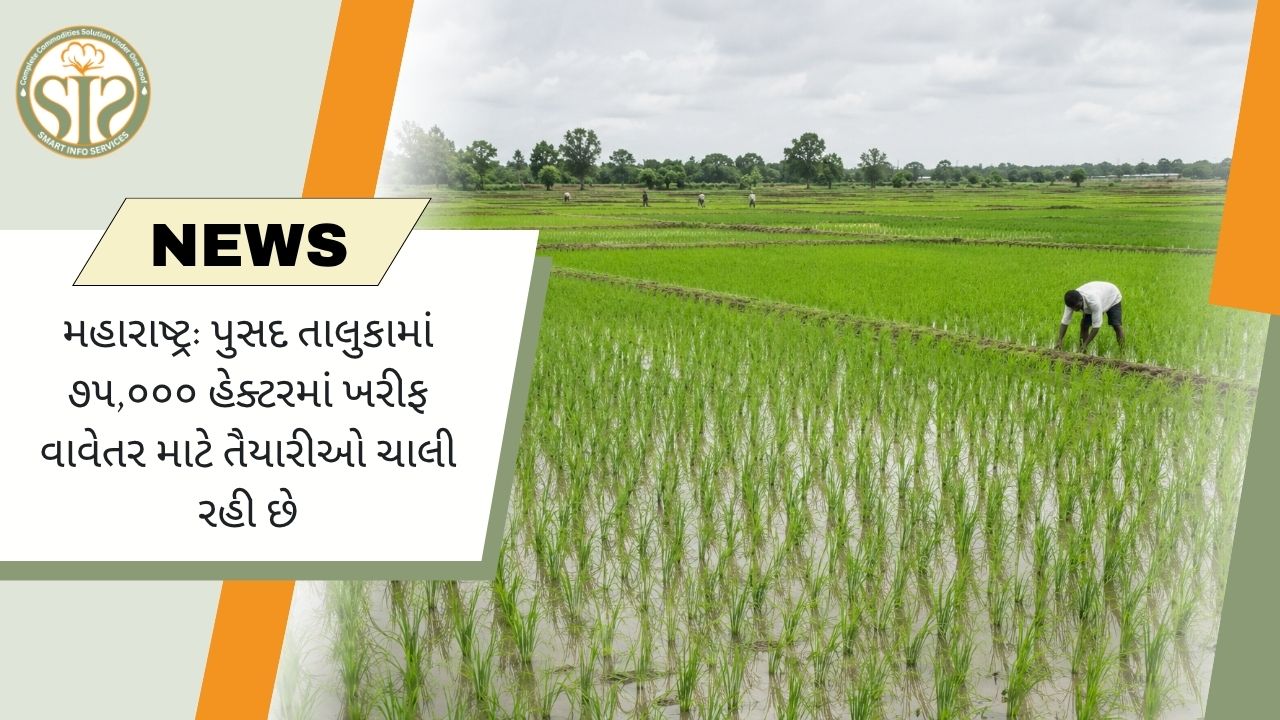
મહારાષ્ટ્ર: પુસદ તાલુકામાં ૭૫,૦૦૦ હેક્ટરમાં ખરીફ વાવેતર માટે તૈયારીઓ ચાલી રહી છેખરીફ મોસમ નજીક આવતાની સાથે, કૃષિ વિભાગે યવતમાળ જિલ્લાના પુસદ તાલુકા માટે ૨૦૨૬-૨૭ માટે ખરીફ પાક યોજનાને અંતિમ સ્વરૂપ આપ્યું છે. વિભાગના અંદાજ મુજબ, આ વર્ષે તાલુકામાં આશરે ૭૫,૦૦૦ હેક્ટર વિસ્તારમાં ખરીફ પાકનું વાવેતર થવાની ધારણા છે. આ સિઝનમાં, કપાસને સમર્પિત વાવેતર વિસ્તારમાં વધારો અને સોયાબીનના વાવેતર હેઠળના વિસ્તારમાં થોડો ઘટાડો થવાનો અંદાજ છે.યોજના મુજબ, સૌથી મોટા વિસ્તાર - ૩૧,૮૯૦ હેક્ટરમાં કપાસનું વાવેતર સૂચવવામાં આવ્યું છે. ત્યારબાદ સોયાબીનના વાવેતર માટે અંદાજિત ૨૮,૯૧૦ હેક્ટરમાં અંદાજિત વાવેતરનો અંદાજ છે. અન્ય પાકોમાં, ૮,૧૧૦ હેક્ટરમાં અરહર (કબૂતર વટાણા), ૧,૮૯૦ હેક્ટરમાં હળદર, ૬૧૦ હેક્ટરમાં ખરીફ જુવાર (જુવાર), ૪૪૫ હેક્ટરમાં મગ (લીલા ચણા) અને ૩૫૦ હેક્ટરમાં અડદ (કાળા ચણા)નું વાવેતર પ્રસ્તાવિત છે.તાલુકામાં કુલ ૩૯,૭૬૮ નોંધાયેલા ખેડૂત ખાતાધારકો છે, જેમાં ૧૬,૨૨૯ સીમાંત ખેડૂતો, ૯,૬૯૦ નાના ખેડૂતો અને ૧૩,૮૩૯ મોટા જમીન માલિક ખેડૂતોનો સમાવેશ થાય છે.કૃષિ વિભાગના જણાવ્યા અનુસાર, આ ખરીફ સિઝન માટે કપાસના બીજના આશરે ૧,૫૯,૪૫૦ પેકેટની જરૂર પડશે, જ્યારે સોયાબીનના બીજની માંગ ૮,૬૭૩ ક્વિન્ટલ હોવાનો અંદાજ છે. જોકે, એવું જાણવા મળ્યું છે કે ખેડૂતો પાસે પહેલાથી જ અંદાજે ૨૮,૨૧૦ ક્વિન્ટલ સોયાબીન બીજ ઉપલબ્ધ છે.ખાતરોની કુલ જરૂરિયાત 22,863 મેટ્રિક ટન હોવાનો અંદાજ છે, જેમાં 9,509 ટન મિશ્ર ખાતર, 5,802 ટન યુરિયા, 2,304 ટન DAP અને 4,266 ટન SSPનો સમાવેશ થાય છે.કૃષિ વિભાગના અમોલ આઘાવે ખેડૂતોને બીજની સારવાર કર્યા વિના વાવણી ન કરવાની સલાહ આપી છે, નોંધ્યું છે કે તાજેતરના વર્ષોમાં માટીજન્ય ફૂગજન્ય રોગોનું પ્રમાણ વધ્યું છે. વધુમાં, તેમણે ખેડૂતોને ઓછામાં ઓછો 100 મીમી વરસાદ પડ્યા પછી જ વાવણી કરવાની અને ઉતાવળમાં કામ કરવાનું ટાળવાની અપીલ કરી છે.વધુ વાંચો:- નિમારમાં કપાસના વાવેતરની તૈયારીઓ તેજ; 20 મે પછી વેગ પકડવાની અપેક્ષા.

૨૦ મે પછી કપાસનું વાવેતર ઝડપથી શરૂ થશે; નિમારમાં ખેડૂતો તૈયારીઓ શરૂ કરશેકાલમુખી | નિમાર ક્ષેત્રમાં "સફેદ સોનું" તરીકે ઓળખાતા કપાસના પાકની વાવણી સત્તાવાર રીતે શરૂ થઈ ગઈ છે. હાલમાં, ફક્ત થોડા ખેડૂતોએ જ તેમના ખેતરોમાં બીજ વાવવાનું શરૂ કર્યું છે, જ્યારે મોટાભાગના લોકો લગ્નના ઉત્સવો અને ખેતરની તૈયારીઓમાં વ્યસ્ત છે. ખેડૂતો જણાવે છે કે ૨૦ મે પછી આ પ્રદેશમાં કપાસની વાવણી વેગ પકડશે, કારણ કે દર વર્ષે આ સમયે મોટા પાયે વાવણી શરૂ થાય છે.પ્રદેશમાં આશરે ૯૦ ટકા ખેતીલાયક જમીન પર કપાસની ખેતી થાય છે, અને ખેડૂતોની વાર્ષિક આવક આ પાક પર નોંધપાત્ર રીતે નિર્ભર છે. વાવણીની સાથે, સિંચાઈ પણ એક જરૂરિયાત બની ગઈ છે; જોકે, સવારે ૧૧:૦૦ થી સાંજે ૪:૩૦ વાગ્યા સુધી વીજળી પુરવઠાના સમયપત્રકને કારણે, ખેડૂતોને ભારે ગરમી વચ્ચે તેમના ખેતરોમાં સિંચાઈ કરવાની ફરજ પડી રહી છે.પરિણામે, ખેડૂતોએ વીજળી વિભાગને કૃષિ વીજ પુરવઠાના સમયપત્રકમાં સુધારો કરવા અપીલ કરી છે જેથી તેમને તીવ્ર સૂર્ય અને ગરમી હેઠળ કામ કરવાની મુશ્કેલીઓ સહન કરવાની ફરજ ન પડે.વધુ વાંચો:- કપાસના ભાવમાં વધારાને કારણે તિરુપુરમાં હોઝિયરી યાર્નના ભાવ ફરી વધ્યા