


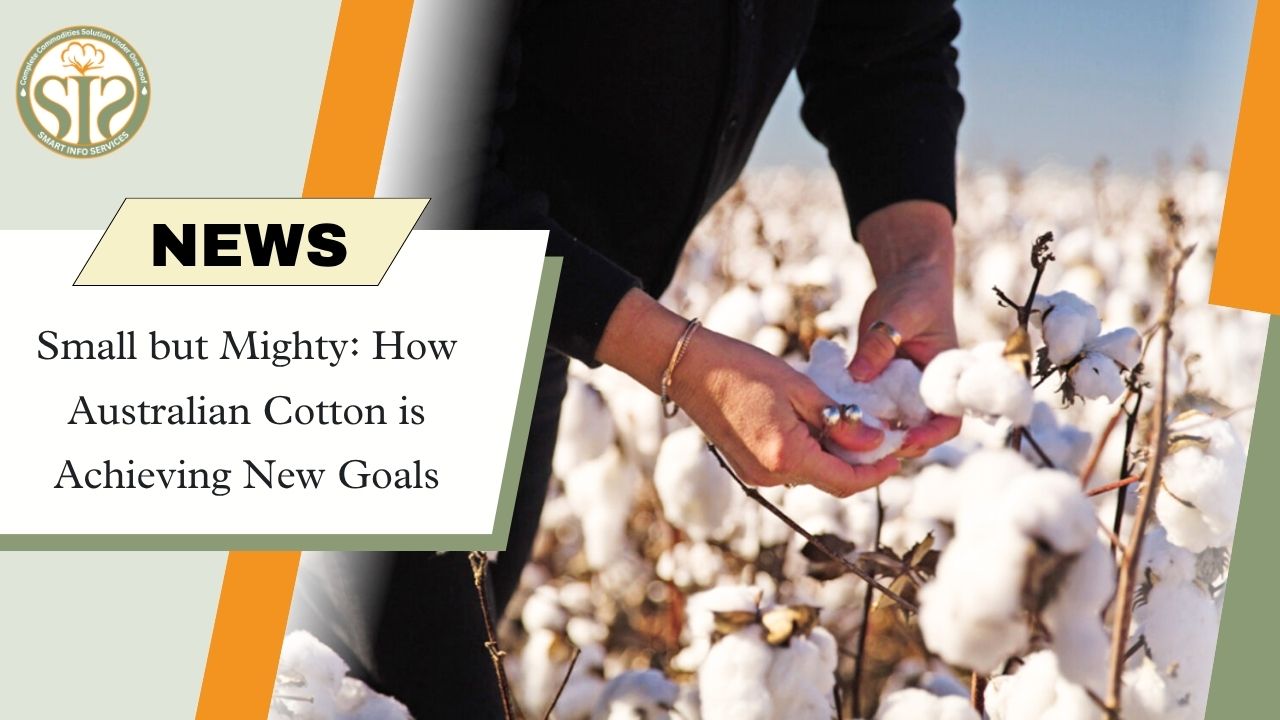
Small but Mighty: How Australian Cotton is Achieving New Goals
Although Australia produces only a small fraction of the world's total cotton, it holds a formidable global reputation for quality.
In an era where agricultural innovation and strategic thinking are essential, Australia produces some of the world's finest cotton. Superior varieties, favorable natural conditions, farmer expertise, and strong demand have all played pivotal roles in this success.
James Barlow, a Nutrien customer and cotton farmer from Gunnedah, has been growing cotton for the past decade. According to him, cotton integrates seamlessly into his irrigation system; it offers healthy profit margins and provides beneficial weed control. Thanks to double-cropping practices, he can grow a winter crop alongside cotton within the same year.
A warm, dry autumn in 2026 created near-ideal conditions for cotton picking. According to the Australian Cotton Shippers Association, average yields reached approximately 12–14 bales per hectare, with quality remaining consistently high across all regions. Fiber length and strength were also excellent.
The identity of Australian cotton extends beyond just quality; the industry has long prioritized sustainability and efficient water use. In 1991, it became the first sector in Australian agriculture to undergo an independent assessment of its environmental impact.
Today, every cotton bale bears a unique barcode, enabling full traceability of its origin and production area.
Potential shortages in global supply, rising synthetic fiber prices, and the growing demand for sustainable products are creating new opportunities for Australian cotton.
read more :- Heavy Rains Damage 2.75 Lakh Hectares