
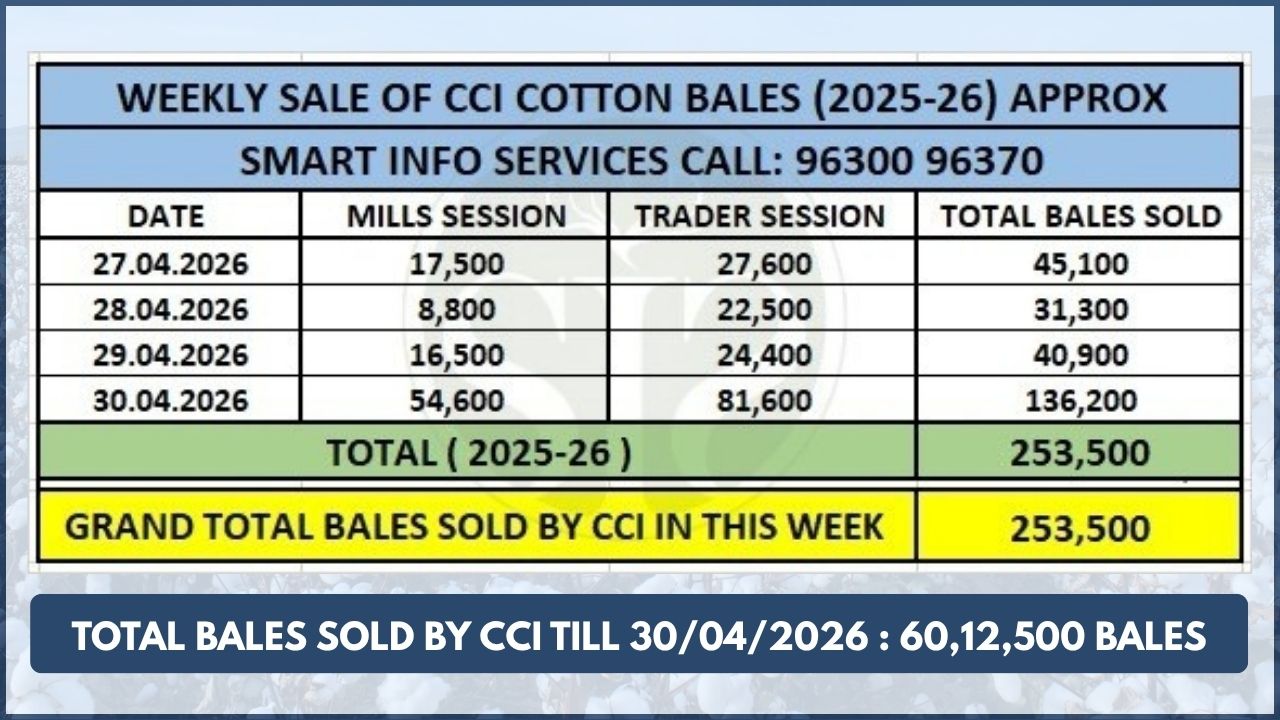
CCI ने कपास के दाम में ₹300 प्रति कैंडी की बढ़ोतरी की; साप्ताहिक नीलामी बिक्री 2.53 लाख गांठों के पारकॉटन कॉरपोरेशन ऑफ इंडिया (CCI) ने 27 से 30 अप्रैल 2026 के दौरान कपास के दाम में ₹300 प्रति कैंडी की वृद्धि की। नीलामी में मिलों और व्यापारियों की मजबूत भागीदारी देखने को मिली, जिसके परिणामस्वरूप 2025–26 सीजन के लिए कुल साप्ताहिक बिक्री लगभग 2,53,500 गांठों तक पहुंच गई।साप्ताहिक बिक्री रिपोर्ट 27 अप्रैल (सोमवार):सप्ताह की शुरुआत मजबूत रही, जिसमें 45,100 गांठों की बिक्री हुई। खरीद में व्यापारियों का दबदबा रहा, जिन्होंने 27,600 गांठें खरीदीं, जबकि मिलों ने 17,500 गांठें खरीदीं।28 अप्रैल (मंगलवार):नीलामी की मात्रा घटकर 31,300 गांठों पर आ गई। व्यापारियों ने 22,500 गांठें खरीदीं, जबकि मिलों ने 8,800 गांठों की खरीद की।29 अप्रैल (बुधवार):बिक्री बढ़कर 40,900 गांठों तक पहुंच गई। मिलों ने 16,500 गांठें खरीदीं, जबकि व्यापारियों ने 24,400 गांठों की खरीद की।30 अप्रैल (गुरुवार):सप्ताह का समापन मजबूती के साथ हुआ, जिसमें एक दिन में सबसे अधिक 1,36,200 गांठों की बिक्री दर्ज की गई। व्यापारियों ने 81,600 गांठों के साथ बढ़त बनाई, जबकि मिलों ने 54,600 गांठें खरीदीं।कुल बिक्री अपडेट:2025–26 सीजन में कुल बिक्री 60,12,500 गांठों तक पहुंच गई है।

ईरान संघर्ष और बढ़ती लागत के बीच मार्च में भारत के कपड़ा उत्पादन में गिरावटमार्च में भारत के कपड़ा उद्योग पर कई मोर्चों से दबाव पड़ा, जिसके चलते उत्पादन में गिरावट दर्ज की गई। रेडीमेड परिधान, सूती वस्त्र और मिश्रित कपड़े जैसे प्रमुख सेगमेंट सबसे अधिक प्रभावित रहे। बढ़ती इनपुट लागत, वैश्विक भू-राजनीतिक तनाव और कमजोर मांग ने इस गिरावट को और तेज कर दिया।आंकड़ों के अनुसार, मार्च में कपड़ा विनिर्माण में साल-दर-साल 3.6% की कमी आई, जबकि परिधान उत्पादन में 14.6% की तेज गिरावट दर्ज की गई। लागत के मोर्चे पर स्थिति काफी चुनौतीपूर्ण रही। सूती धागे की कीमतों में लगभग 20% की वृद्धि हुई, जबकि पैकेजिंग में उपयोग होने वाले पॉलिमर 50% तक महंगे हो गए। इसके अलावा, कागज की कीमतों में 10% और रंग-रसायनों में करीब 40% की बढ़ोतरी ने उत्पादन लागत को और बढ़ा दिया।पश्चिम एशिया में जारी संघर्ष, विशेषकर ईरान से जुड़े घटनाक्रमों ने शिपमेंट और लॉजिस्टिक्स को गंभीर रूप से प्रभावित किया। कई निर्यात ऑर्डर अटक गए, माल ढुलाई की लागत बढ़ गई और युद्ध-जोखिम बीमा भी महंगा हो गया। कच्चे तेल की कीमतों में उतार-चढ़ाव ने इनपुट लागत को और बढ़ाया, जिससे कंपनियों के मार्जिन पर दबाव पड़ा और कार्यशील पूंजी की स्थिति कड़ी हो गई।उत्पादन के विभिन्न खंडों में गिरावट व्यापक रही। पॉलिएस्टर/विस्कोस मिश्रित कपड़े का उत्पादन 13.1% घटा, जबकि सूती कपड़ों में भी लगभग 4% की गिरावट देखी गई। होम टेक्सटाइल सेगमेंट, विशेषकर टेरी टॉवल, में 6.1% की कमी आई। वहीं, रेडीमेड गारमेंट्स में गिरावट अधिक रही—नॉन-निटेड कपड़ों का उत्पादन 14.9% और निटेड परिधानों का उत्पादन 11% कम हुआ।वैश्विक स्तर पर भी चुनौतियां बनी हुई हैं। अमेरिका के टैरिफ, व्यापार मार्गों में व्यवधान और वियतनाम व बांग्लादेश से बढ़ती प्रतिस्पर्धा ने निर्यात पर असर डाला है। साथ ही, घरेलू मांग में कमजोरी भी उद्योग के लिए चिंता का विषय बनी हुई है।कुल मिलाकर, कपड़ा और परिधान क्षेत्र—जो भारत के जीडीपी में 2.3% और औद्योगिक उत्पादन में लगभग 13% योगदान देता है—निकट अवधि में अनिश्चितता का सामना कर रहा है। यदि भू-राजनीतिक तनाव और लागत दबाव जारी रहते हैं, तो उत्पादन और मुनाफे पर असर आगे भी बना रह सकता है।और पढ़ें :- कपास की खेती से बेहतर आय के लिए सुझाव
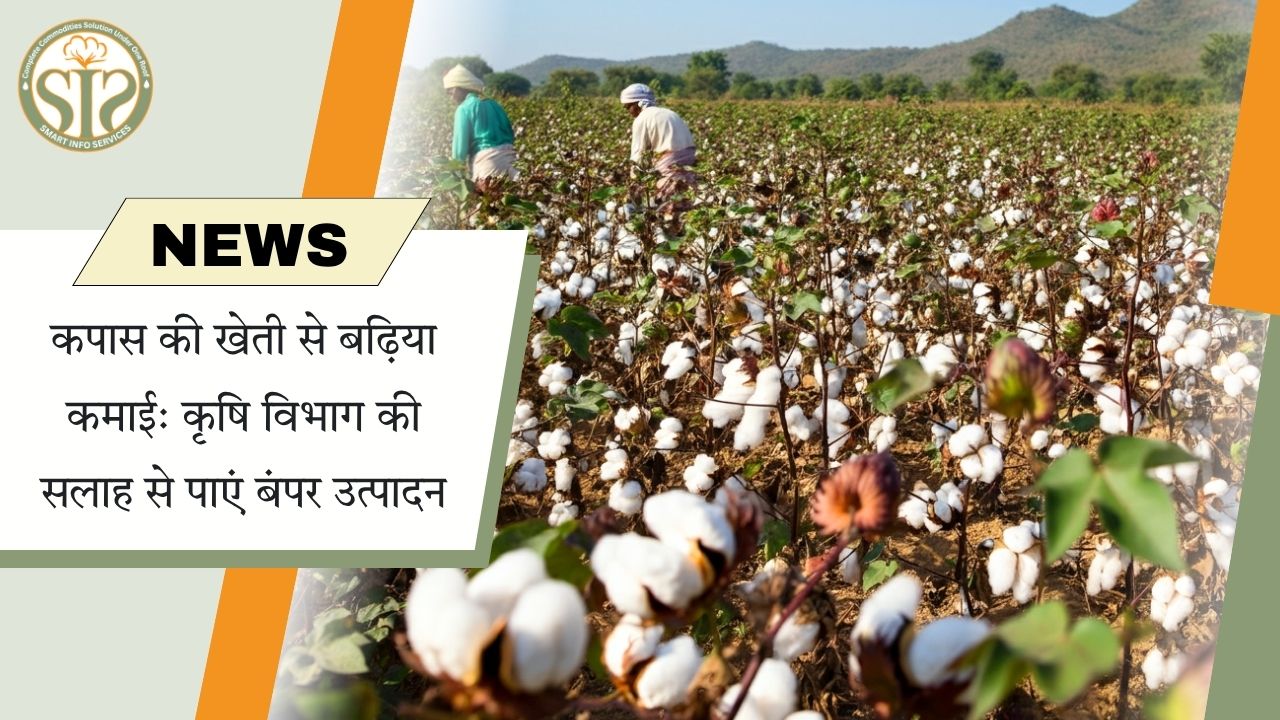
कपास की खेती से बढ़िया कमाई: कृषि विभाग की सलाह से पाएं बंपर उत्पादनखैरथल-तिजारा जिले में कपास की बुवाई 15 अप्रैल से शुरू हो चुकी है और मई के अंतिम सप्ताह तक जारी रहने की संभावना है। इस वर्ष कृषि विभाग ने 6000 हेक्टेयर में कपास की खेती का लक्ष्य रखा है, जो पिछले साल के 10,000 हेक्टेयर लक्ष्य से कम है। पिछले सीजन में केवल 8594 हेक्टेयर में ही बुवाई हो पाई थी। क्षेत्र में कपास का रकबा घटने के पीछे मुख्य कारण हैं—बाजरा और प्याज के बेहतर दाम, पानी की कमी और फसलों में बढ़ते रोग।अच्छी पैदावार के लिए जरूरी तैयारीबेहतर उत्पादन के लिए किसानों को उन्नत किस्म के बीज चुनने और बुवाई से पहले उनका उपचार करने की सलाह दी गई है। खेत की गहरी जुताई करना जरूरी है ताकि मिट्टी की उर्वरता बढ़े। साथ ही, देशी गोबर की खाद का उपयोग फसल के लिए लाभकारी रहता है।यदि खेत में दीमक की समस्या हो, तो प्रति किलो बीज को 10 मि.ली. क्लोरोपाइरीफॉस 20 ईसी और 10 मि.ली. पानी के मिश्रण से उपचारित करें। उपचार के बाद बीज को 30–40 मिनट छाया में सुखाकर ही बुवाई करें।उन्नत बुवाई तकनीक और सिंचाईकृषि विभाग ने डिबलिंग विधि से बुवाई करने की सलाह दी है:कतार से कतार दूरी: 108 सेमीपौधे से पौधे की दूरी: 60 सेमीपूर्व से पश्चिम दिशा में कतारें लगाने से उत्तर-दक्षिण की तुलना में अधिक उत्पादन मिलने की संभावना बताई गई है। पहली सिंचाई बुवाई के लगभग 15 दिन बाद करनी चाहिए।उर्वरक और कीट प्रबंधनउर्वरक: प्रति बीघा 37.5 किग्रा नत्रजन, साथ में 10 किग्रा पोटाश और फॉस्फोरस बुवाई के समय दें।दीमक नियंत्रण: 4–5 मि.ली. क्लोरोपाइरीफॉस 20 ईसी प्रति लीटर पानी में घोलकर जड़ों के पास डालें।रोग नियंत्रण: ब्लाइट रोग के लिए 30–32 ग्राम मैंकोजेब को 15 लीटर पानी में मिलाकर छिड़काव करें।रस चूसक कीट: जेसिड और एफिड नियंत्रण के लिए कुनाल फोर्स 25 ईसी 2 मि.ली. प्रति लीटर पानी में मिलाकर प्रयोग करें।इन वैज्ञानिक तरीकों को अपनाकर किसान कपास की फसल में बेहतर उत्पादन और अधिक मुनाफा हासिल कर सकते हैं।और पढ़ें :- निर्यातकों को राहत, पर कपास आयात शुल्क पर विवाद
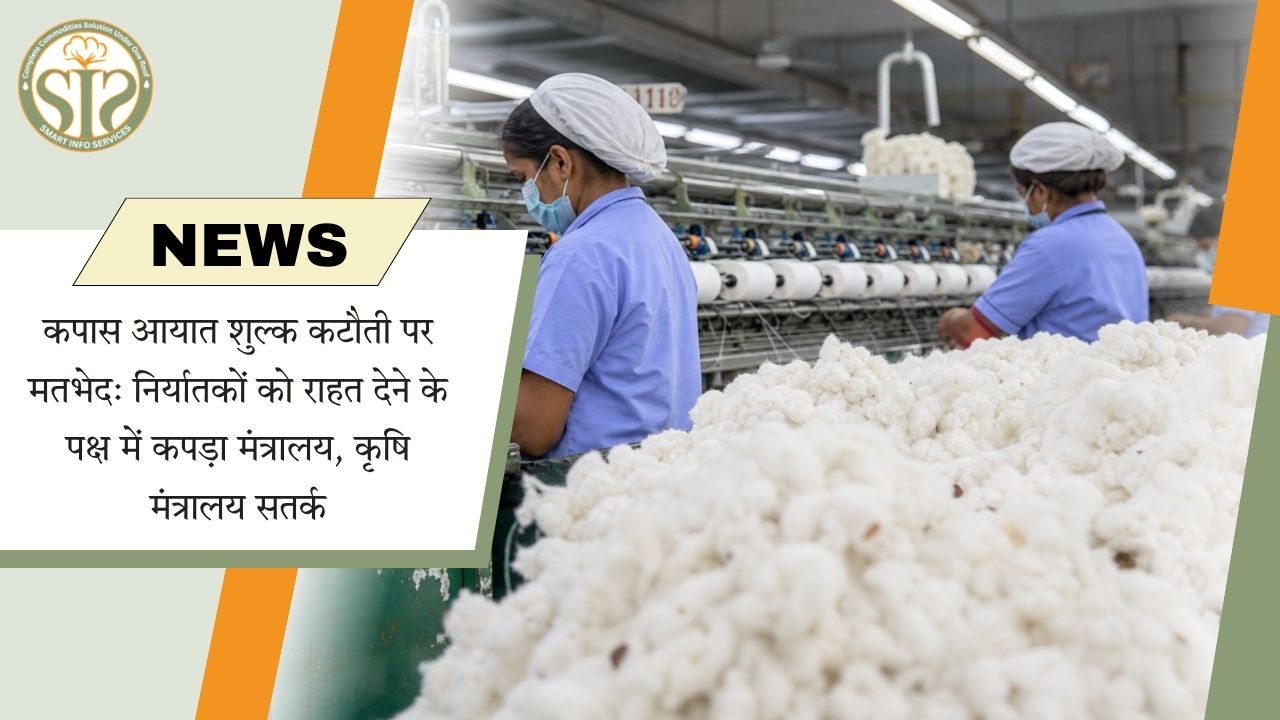
कपास आयात शुल्क कटौती पर मतभेद: निर्यातकों को राहत देने के पक्ष में कपड़ा मंत्रालय, कृषि मंत्रालय सतर्ककच्चे कपास पर आयात शुल्क में कटौती को लेकर केंद्र सरकार के भीतर मतभेद उभरकर सामने आए हैं। कपड़ा मंत्रालय जहां परिधान निर्यातकों को राहत देने के लिए शुल्क घटाने या हटाने का समर्थन कर रहा है, वहीं कृषि मंत्रालय किसानों के हितों को ध्यान में रखते हुए इस प्रस्ताव पर फिलहाल सहमत नहीं है। पश्चिम एशिया में जारी भू-राजनीतिक संकट के कारण निर्यातकों की लागत बढ़ गई है, जिससे उनकी प्रतिस्पर्धात्मकता प्रभावित हो रही है।कपड़ा मंत्रालय का तर्क है कि आयात शुल्क में अस्थायी कटौती से कच्चे माल की लागत कम होगी और निर्यात को बढ़ावा मिलेगा। मंत्रालय ने यह भी आश्वासन दिया है कि यह कदम केवल ऑफ-सीजन में उठाया जाएगा, ताकि घरेलू किसानों पर नकारात्मक प्रभाव न पड़े। इसके बावजूद कृषि मंत्रालय इस मुद्दे को आर्थिक और राजनीतिक रूप से संवेदनशील मानते हुए सतर्क रुख अपना रहा है और व्यापक परामर्श के बाद ही निर्णय लेना चाहता है।राजस्व विभाग ने भी स्पष्ट किया है कि आयात शुल्क में किसी भी बदलाव के लिए कृषि मंत्रालय की सहमति अनिवार्य होगी, जिससे निर्णय प्रक्रिया धीमी हो सकती है। इस बीच, परिधान निर्यात संवर्धन परिषद ने वित्त मंत्रालय से हस्तक्षेप की मांग करते हुए कहा है कि कपास की कीमतों में लगातार वृद्धि हो रही है, खासकर उत्तर भारत में आपूर्ति की कमी के कारण। मिलों को अब कॉटन कॉरपोरेशन ऑफ इंडिया की नीलामी पर अधिक निर्भर रहना पड़ रहा है।निर्यातकों का कहना है कि बाजार में सट्टेबाजी बढ़ने और यार्न व कपड़े की कीमतों में वृद्धि से उत्पादन लागत बढ़ रही है। इससे वैश्विक मांग मजबूत होने के बावजूद भारतीय निर्यातकों की प्रतिस्पर्धा कमजोर हो रही है। उन्होंने सरकार से तत्काल आयात शुल्क हटाने की अपील की है।हालांकि भारत प्रमुख कपास उत्पादकों में से एक है, फिर भी ऑफ-सीजन में आयात की जरूरत पड़ती है। 2025-26 के लिए उत्पादन अनुमान 320.50 लाख गांठ है, लेकिन नीति निर्णय में किसानों और उद्योग दोनों के हितों के बीच संतुलन बनाना बड़ी चुनौती बना हुआ है।और पढ़ें :- हरियाणा में कपास संकट: गुलाबी सुंडी का हमला
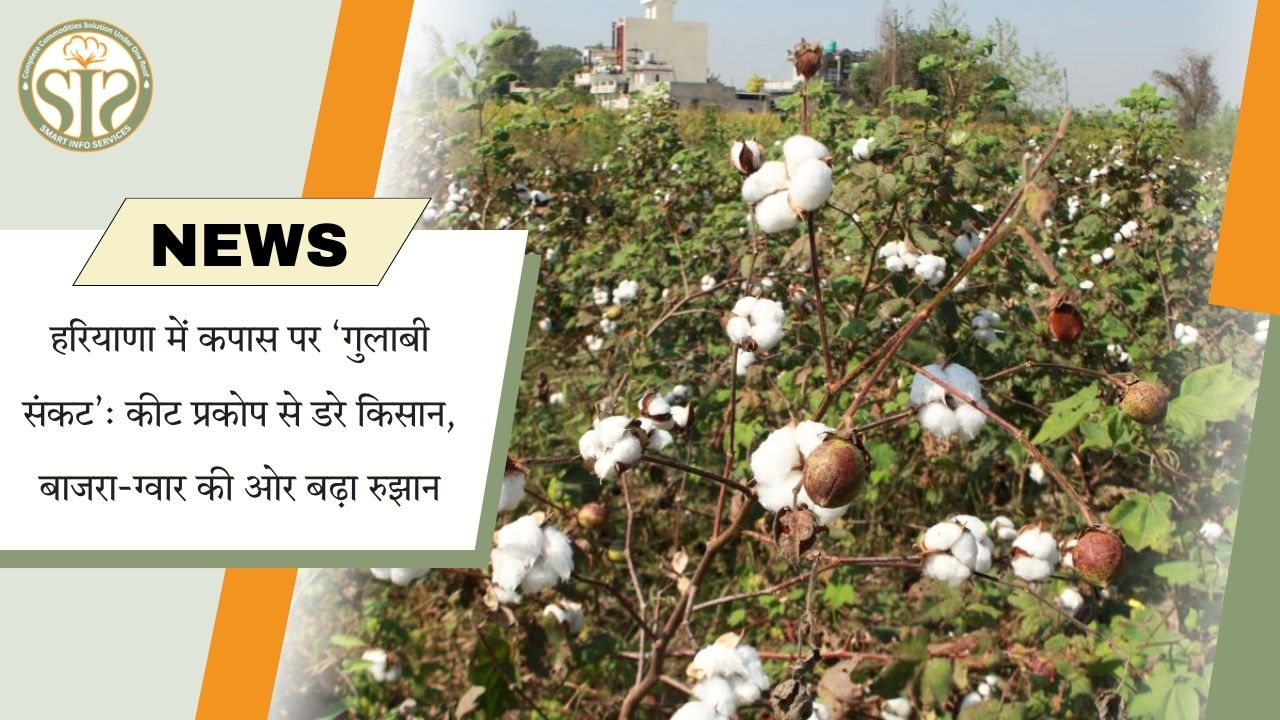
हरियाणा में कपास पर ‘गुलाबी संकट’: कीट प्रकोप से डरे किसान, बाजरा-ग्वार की ओर बढ़ा रुझानहरियाणा में कपास की खेती पर इस समय “गुलाबी संकट” गहराता जा रहा है। ऊंचे बाजार भाव के बावजूद किसान कपास की बुवाई से दूरी बना रहे हैं और वैकल्पिक फसलों की ओर रुख कर रहे हैं।ढिगावा मंडी से मिली जानकारी के अनुसार, नरमा कपास का भाव फिलहाल 8 से 10 हजार रुपये प्रति क्विंटल तक है, लेकिन इसके बावजूद किसानों का भरोसा इस फसल से उठता दिख रहा है। अनुमान है कि इस साल कपास का रकबा पिछले वर्ष के मुकाबले 60 से 65 प्रतिशत तक घट सकता है।किसानों के मोहभंग की सबसे बड़ी वजह “गुलाबी सुंडी” का प्रकोप है। पिछले साल इस कीट ने कपास की फसल को भारी नुकसान पहुंचाया था, जिसके चलते किसानों को समय से पहले फसल काटनी पड़ी। इसी अनुभव के कारण इस बार किसान जोखिम लेने के मूड में नहीं हैं।स्थिति को देखते हुए कृषि विभाग ने पहले ही सतर्कता बरतते हुए कई कदम उठाए थे। अधिकारियों ने कॉटन मिलों का निरीक्षण कर बिनौले को ढककर रखने के निर्देश दिए, ताकि गुलाबी सुंडी का फैलाव रोका जा सके। साथ ही किसानों को खेतों में बचे कपास के अवशेष हटाने या नष्ट करने की सलाह दी गई, जिससे कीट का जीवनचक्र टूट सके।इसके बावजूद असर सीमित ही रहा और किसान अब बाजरा, ग्वार व मूंग जैसी फसलों की ओर तेजी से शिफ्ट हो रहे हैं। भिवानी जिले के लोहारू और बहल क्षेत्र, जो कभी कपास उत्पादन के लिए जाने जाते थे, वहां भी फसल पैटर्न बदलता नजर आ रहा है।किसानों के अनुसार, गिरता भूजल स्तर, न्यूनतम समर्थन मूल्य को लेकर अनिश्चितता, और गुलाबी सुंडी व सफेद मक्खी जैसे कीटों का बढ़ता खतरा कपास से दूरी की प्रमुख वजहें हैं।पिछले साल भिवानी जिले में लगभग 1.52 लाख एकड़ में कपास की खेती हुई थी, लेकिन इस बार अब तक बहुत कम क्षेत्र में ही बुवाई हो पाई है। विशेषज्ञों का मानना है कि आने वाले दिनों में 8 से 10 हजार एकड़ तक और बुवाई हो सकती है।कृषि विभाग के मुताबिक, अगले कुछ दिनों तक मौसम कपास की बुवाई के लिए अनुकूल रहने की संभावना है, क्योंकि हाल की बारिश के बाद तापमान में गिरावट आई है। हालांकि, किसानों का रुझान देखते हुए इस साल कपास उत्पादन में गिरावट तय मानी जा रही है।और पढ़ें :- रुपया डॉलर के मुकाबले 11 पैसे की बढ़त के साथ 94.91 पर बंद हुआ।

गुरुवार को भारतीय रुपया 94.91 प्रति अमेरिकी डॉलर पर खुला और 11 पैसे मज़बूत होकर बाज़ार बंद होने तक 95.02 पर पहुँच गया।बाज़ार बंद होने पर, सेंसेक्स 582.86 अंक या 0.75 प्रतिशत गिरकर 76,913.50 पर और निफ्टी 180.1 अंक या 0.74 प्रतिशत गिरकर 23,997.55 पर बंद हुआ।और पढ़ें :- पंजाब में कॉटन उद्योग पर संकट, उत्पादन में गिरावट
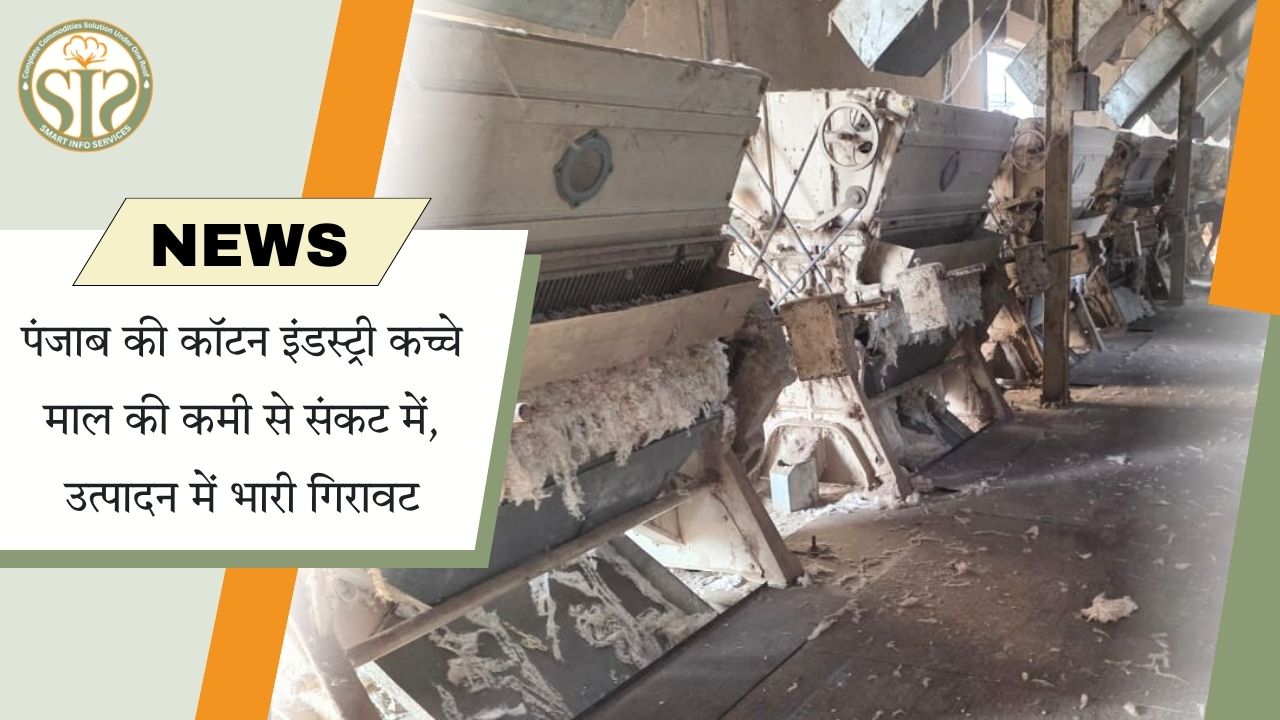
पंजाब की कॉटन इंडस्ट्री कच्चे माल की कमी से संकट में, उत्पादन में भारी गिरावटपंजाब की कपास आधारित इंडस्ट्री इस समय गंभीर कच्चे माल के संकट से गुजर रही है। कभी देश के प्रमुख कपास उत्पादक राज्यों में शामिल पंजाब में अब स्थानीय उत्पादन घटने के कारण उद्योगों को महाराष्ट्र और गुजरात जैसे राज्यों पर निर्भर रहना पड़ रहा है।एक समय राज्य में 7 लाख हेक्टेयर से अधिक क्षेत्र में कपास की खेती होती थी, जो अब घटकर लगभग 1.2 लाख हेक्टेयर रह गई है। 2019 में यह रकबा 3.35 लाख हेक्टेयर था। विशेषज्ञों के अनुसार, कपास की खेती में गिरावट का मुख्य कारण कीट प्रकोप, कम पैदावार और किसानों का अन्य फसलों की ओर बढ़ता रुझान है।उद्योग प्रतिनिधियों का कहना है कि पंजाब में उन्नत और रोग-प्रतिरोधी बीजों की कमी भी उत्पादन घटने का बड़ा कारण है। इसके विपरीत महाराष्ट्र जैसे राज्यों में आधुनिक बीजों की मदद से अधिक उत्पादन प्राप्त किया जा रहा है।आंकड़ों के अनुसार, इस सीजन में महाराष्ट्र में लगभग 1.15 करोड़ गांठ कपास का उत्पादन हुआ, जबकि पंजाब में यह केवल 1.5 लाख गांठ तक सीमित रहा। इसी कारण राज्य की जिनिंग और स्पिनिंग इकाइयों को कच्चा माल बाहर से मंगवाना पड़ रहा है।कपास की कमी का सीधा असर उद्योग पर पड़ा है। जहां पहले पंजाब में 422 जिनिंग इकाइयां थीं, अब उनकी संख्या घटकर मात्र 25 रह गई है। कई इकाइयां बंद हो चुकी हैं और कुछ उद्योग अन्य राज्यों में स्थानांतरित हो गए हैं।स्थिति सुधारने के लिए राज्य सरकार ने प्रमाणित कपास बीजों पर 33% सब्सिडी देने की घोषणा की है और 2026 तक रकबा बढ़ाकर 1.25 लाख हेक्टेयर करने का लक्ष्य रखा है। सरकार किसानों से धान की बजाय कपास अपनाने की अपील भी कर रही है।और पढ़ें :- राजस्थान : मौसम की करवट, कपास फसल को फायदा

राजस्थान के बम्बलू-सरूपसर में तेज आंधी और बारिश: गर्मी से राहत, कपास फसल को फायदाबम्बलू और सरूपसर क्षेत्रों में मंगलवार रात अचानक मौसम ने करवट ली, जिससे तेज गर्मी से जूझ रहे लोगों को बड़ी राहत मिली। दोनों ही इलाकों में तेज हवाओं और धूलभरी आंधी के साथ बारिश दर्ज की गई, जिसने जहां तापमान में गिरावट लाई, वहीं किसानों की फसलों के लिए भी यह बारिश फायदेमंद साबित हुई।बम्बलू गांव में करीब आधे घंटे तक तेज हवाओं के साथ अच्छी बारिश हुई, जिससे सड़कों पर पानी बह निकला और मौसम सुहावना हो गया। वहीं सरूपसर में रात करीब 11:30 बजे 35-40 किमी प्रति घंटे की रफ्तार से धूलभरी आंधी चली, जिसके बाद 15-20 मिनट तक हल्की से मध्यम बारिश हुई। दिनभर 40°C तापमान और लू से परेशान लोगों को इस बदलाव से काफी राहत मिली।किसानों के अनुसार, इस समय कपास और नरमा की फसल को पानी की सख्त जरूरत थी। बारिश से खेतों में नमी बढ़ी है, जिससे फसल की बढ़वार में मदद मिलेगी और उत्पादन बेहतर होने की उम्मीद है। साथ ही, सिंचाई पर होने वाला खर्च भी कम होगा।हालांकि तेज हवाओं के कारण कुछ स्थानों पर पेड़ों की टहनियां टूटने और बिजली आपूर्ति में हल्की बाधा आने की खबर है। सरूपसर में आंधी के दौरान आकाशीय बिजली भी चमकी, जिससे लोग कुछ समय के लिए सतर्क रहे।प्रशासन द्वारा पहले ही आंधी और बारिश का अलर्ट जारी किया गया था। बुधवार सुबह मौसम साफ हो गया, हालांकि दिन में फिर से तेज धूप निकलने की संभावना जताई गई है।ग्रामीणों ने मौसम में आए इस बदलाव का स्वागत करते हुए उम्मीद जताई है कि आगे भी समय-समय पर ऐसी बारिश होती रहे, जिससे फसलों को लाभ मिले और गर्मी से राहत बनी रहे।और पढ़ें :- तमिलनाडु: लागत बढ़ी, मुनाफा घटा: पेरम्बलुर के किसान परेशान

तमिलनाडु: पेरम्बलुर में कपास किसान बढ़ती लागत और घटते मुनाफे से परेशानतमिलनाडु के पेरम्बलुर जिले में कपास किसान बढ़ती लागत और घटते मुनाफे के कारण गंभीर संकट का सामना कर रहे हैं। श्रम मजदूरी, कीटनाशकों और उर्वरकों की कीमतों में लगातार वृद्धि ने खेती को महंगा बना दिया है, जिससे कई किसान इस फसल से दूरी बनाने लगे हैं।कभी वेप्पनथताई, वेप्पुर और अलाथुर क्षेत्रों में लगभग 5,000 हेक्टेयर में की जाने वाली कपास की खेती अब घटकर करीब 2,000 एकड़ रह गई है। किसानों का कहना है कि कपास, जो पहले स्थिर आय का स्रोत मानी जाती थी, अब जोखिम भरी और कम लाभदायक हो गई है।हालांकि कपास का न्यूनतम समर्थन मूल्य ₹8,110 प्रति क्विंटल निर्धारित है, लेकिन बाजार में इसकी कीमत करीब ₹7,900 प्रति क्विंटल ही मिल रही है। औसतन प्रति एकड़ लगभग 8 क्विंटल उत्पादन होने के बावजूद, बढ़ती लागत के कारण किसानों को पर्याप्त लाभ नहीं मिल पा रहा है।श्रम की कमी ने स्थिति को और जटिल बना दिया है। बुआई, निराई और कटाई जैसे कार्यों के लिए अधिक मजदूरों की आवश्यकता होती है, लेकिन उपलब्धता कम होने से मजदूरी ₹500 से ₹700 प्रति दिन तक पहुंच गई है। इससे कई किसान खुद ही खेतों में मेहनत करने को मजबूर हैं।इसके अलावा, कीटों के बढ़ते हमलों के कारण रासायनिक कीटनाशकों का उपयोग भी बढ़ गया है, जिससे लागत में और इजाफा हो रहा है। उर्वरकों पर बढ़ती निर्भरता भी आर्थिक दबाव को बढ़ाती है। विशेषज्ञों का मानना है कि कीटनाशकों के लंबे समय तक अत्यधिक उपयोग ने मिट्टी की उर्वरता को भी प्रभावित किया है।तमिलनाडु विवासयिगल संगम के जिला अध्यक्ष एन. चेल्लादुरई के अनुसार, जिले में प्रत्यक्ष खरीद केंद्रों की कमी के कारण किसान अपनी उपज के लिए बेहतर मूल्य हासिल नहीं कर पाते।इन परिस्थितियों के चलते, कई किसान अब कपास की जगह मक्का जैसी वैकल्पिक फसलों की ओर रुख कर रहे हैं, जो अपेक्षाकृत कम लागत और कम जोखिम वाली मानी जा रही हैं।और पढ़ें :- रुपया 17 पैसे की गिरावट के साथ 95.02 पर खुला.

रुपया 17 पैसे गिरावट 95.02/USD पर खुला. गुरुवार को भारतीय रुपया डॉलर के मुकाबले 17 पैसे गिरावट 95.02 पर खुला जबकि बुधवार को यह 94.85 पर बंद हुआ था।और पढ़ें :- रुपया 11 पैसे गिरकर 94.85 प्रति डॉलर पर बंद हुआ।

बुधवार को भारतीय रुपया 11 पैसे गिरकर 94.85 प्रति डॉलर पर बंद हुआ, जबकि सुबह यह 94.74 पर खुला था।बाजार बंद होने पर सेंसेक्स 609.45 अंक या 0.79 प्रतिशत बढ़कर 77,496.36 पर और निफ्टी 181.95 अंक या 0.76 प्रतिशत बढ़कर 24,177.65 पर रहा। लगभग 2010 शेयरों में बढ़त दर्ज की गई, 2047 शेयरों में गिरावट आई और 157 शेयरों में कोई बदलाव नहीं हुआ।और पढ़ें :- कपास आयात शुल्क कटौती पर विचार: कपड़ा उद्योग को राहत
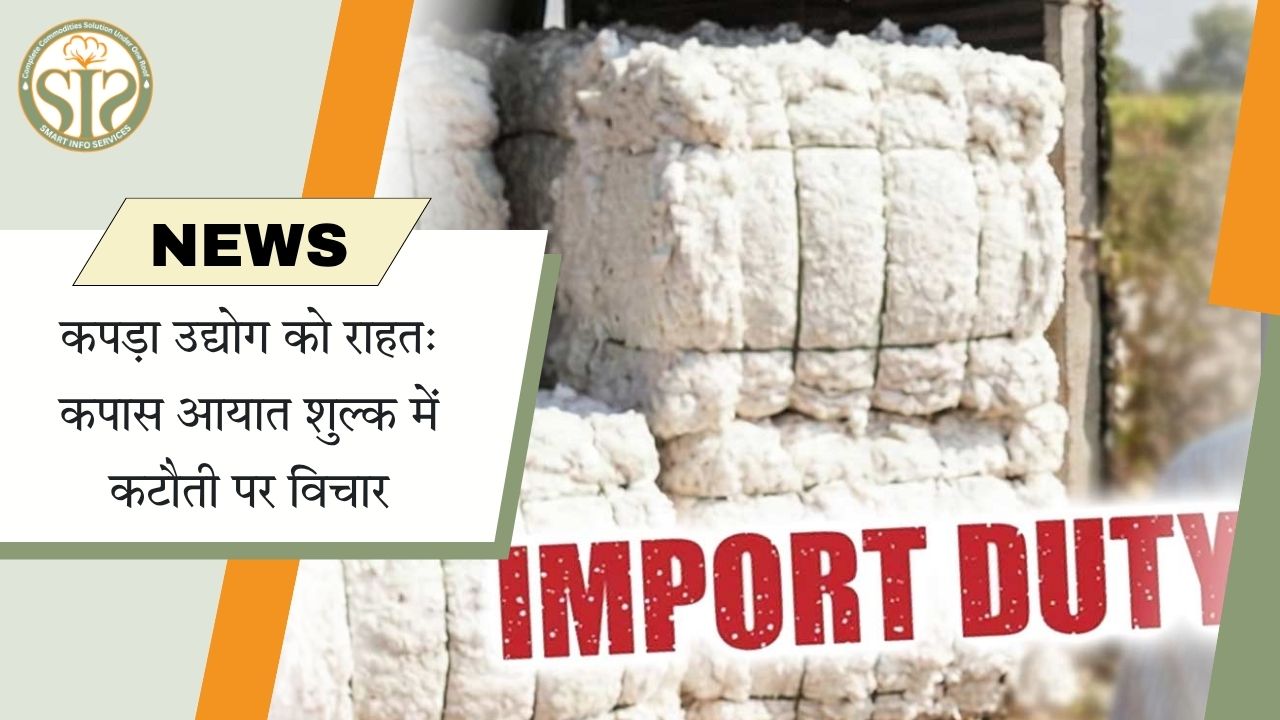
कपड़ा उद्योग को राहत: कपास आयात शुल्क में कटौती पर विचारनई दिल्ली: पश्चिम एशिया में जारी संघर्ष से उत्पन्न आपूर्ति शृंखला बाधाओं और कच्चे माल की बढ़ती कीमतों के बीच केंद्र सरकार घरेलू कपड़ा उद्योग को राहत देने के उपायों पर विचार कर रही है। इसी क्रम में कच्चे कपास के आयात पर सीमा शुल्क घटाने या पूरी तरह समाप्त करने का प्रस्ताव चर्चा में है।भारत का कपड़ा उद्योग मुख्य रूप से घरेलू कपास पर निर्भर है, लेकिन लंबी रेशे वाली कपास की जरूरत को पूरा करने के लिए अमेरिका, मिस्र, ऑस्ट्रेलिया और कुछ हद तक ब्राजील से आयात करता है। कपड़ा मंत्रालय के व्यापार सलाहकार बिपिन मेनन के अनुसार, इस मुद्दे पर कृषि मंत्रालय और राजस्व विभाग के साथ विचार-विमर्श जारी है।मंत्रालय ने विस्कोस स्टेपल फाइबर (VSF) और फिलामेंट यार्न के उत्पादन में इस्तेमाल होने वाले रेयान-ग्रेड लकड़ी के गूदे पर 2.5% आयात शुल्क हटाने का भी प्रस्ताव रखा है। यह गूदा लकड़ी से प्राप्त अत्यधिक शुद्ध सेलूलोज़ होता है, जो मानव-निर्मित फाइबर के निर्माण में अहम कच्चा माल है। हालांकि, मेनन ने स्पष्ट किया कि इसकी आपूर्ति में आ रही चुनौतियाँ सीधे पश्चिम एशिया के संघर्ष से जुड़ी नहीं हैं, इसलिए इस पर निर्णय बाद में लिया जा सकता है।फिलहाल कच्चे कपास पर 5% सीमा शुल्क लागू है, जिसे अगस्त से दिसंबर 2025 के बीच अस्थायी रूप से हटाया गया था। सरकार अब उद्योग की मौजूदा स्थिति को देखते हुए फिर से राहत देने पर विचार कर रही है।वैश्विक मांग में कमजोरी के चलते भारत का रेडीमेड परिधान निर्यात वित्त वर्ष 2026 में घटकर 15.77 अरब डॉलर रह गया है। ऐसे में विशेषज्ञों का मानना है कि शुल्क में कटौती से कच्चे माल की लागत कम होगी, लाभांश सुधरेगा और निर्यात प्रतिस्पर्धा बढ़ेगी।कपड़ा क्षेत्र, जो देश के कुल निर्यात का 8–10% योगदान देता है, के लिए यह कदम महत्वपूर्ण साबित हो सकता है, खासकर तब जब सरकार 2030 तक निर्यात को 100 अरब डॉलर तक ले जाने का लक्ष्य रखती है।और पढ़ें :- कपास शुल्क कटौती विवाद, किसान हितों पर चिंता
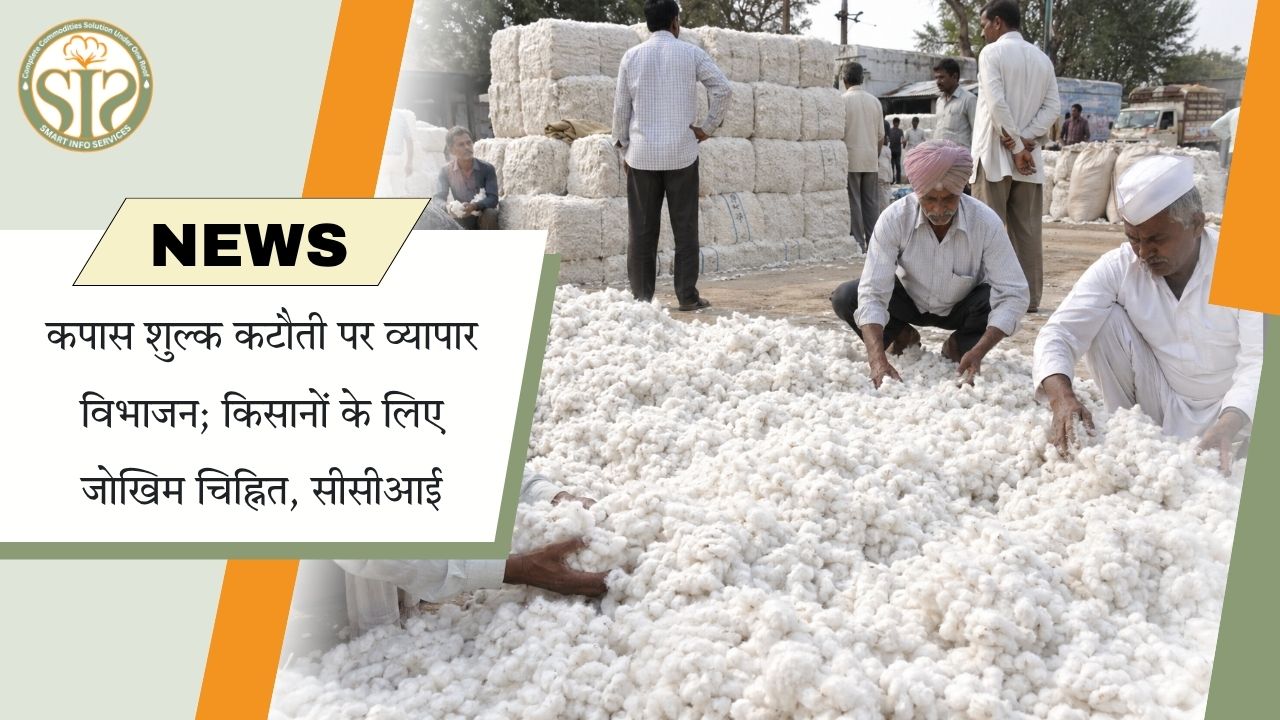
कपास शुल्क कटौती पर व्यापार विभाजन; किसानों के लिए जोखिम चिह्नित, सीसीआईकपास आयात शुल्क में कटौती को लेकर मतभेद गहराते दिख रहे हैं। जहां एक ओर मिलर्स और कपड़ा उद्योग बढ़ती घरेलू कीमतों के चलते शुल्क घटाने की मांग कर रहे हैं, वहीं व्यापार जगत के एक वर्ग ने इसे किसानों के लिए जोखिम भरा कदम बताया है।भारत में कपास पर वर्तमान में लगभग 11% आयात शुल्क लागू है, जो 1 जनवरी 2026 से प्रभावी हुआ। हालांकि कीमतों में तेज़ उछाल के कारण सरकार और उद्योग इस शुल्क में कमी पर विचार कर रहे हैं, लेकिन कई व्यापारी इसके खिलाफ हैं। उनका मानना है कि अभी शुल्क घटाने से किसानों के हित प्रभावित हो सकते हैं।व्यापारियों के अनुसार, कई किसान बेहतर कीमतों की उम्मीद में अपनी उपज को रोके हुए हैं, जिसकी मात्रा लगभग 40 लाख गांठ आंकी जा रही है (एक गांठ = 170 किलोग्राम)। ऐसे में यदि आयात सस्ता हो जाता है, तो घरेलू बाजार में कीमतों पर दबाव पड़ेगा और किसानों को नुकसान उठाना पड़ सकता है।एक वरिष्ठ व्यापारी ने चेतावनी दी कि पिछली बार जब आयात शुल्क में कटौती की गई थी, तब केवल तीन महीनों में करीब 30 लाख गांठ कपास का आयात हुआ था। इससे घरेलू मांग आयात से पूरी होने लगी और किसानों को न्यूनतम समर्थन मूल्य (MSP) से नीचे अपनी फसल बेचने के लिए मजबूर होना पड़ा।विशेषज्ञों का मानना है कि यदि मौजूदा स्थिति में भी शुल्क घटाया गया, तो इसी तरह की परिस्थितियां दोबारा उत्पन्न हो सकती हैं—खासतौर पर उन किसानों के लिए जिन्होंने बेहतर दाम की उम्मीद में अपनी उपज रोक रखी है।और पढ़ें :- रुपया 20 पैसे की गिरावट के साथ 94.74 पर खुला.

रुपया 20 पैसे गिरावट 94.74/USD पर खुला. बुधवार को भारतीय रुपया डॉलर के मुकाबले 20 पैसे गिरावट 94.74 पर खुला जबकि मंगलवार को यह 94.54 पर बंद हुआ था।और पढ़ें :- रुपया 17 पैसे गिरकर 94.54 प्रति डॉलर पर बंद हुआ।

मंगलवार को भारतीय रुपया 17 पैसे कमज़ोर होकर 94.54 प्रति अमेरिकी डॉलर पर बंद हुआ, जबकि सुबह यह 94.37 के स्तर पर खुला था।बाज़ार बंद होने पर, सेंसेक्स 416.72 अंक या 0.54 प्रतिशत गिरकर 76,886.91 पर और निफ्टी 97 अंक या 0.40 प्रतिशत गिरकर 23,995.70 पर बंद हुआ। लगभग 1923 शेयरों में बढ़त दर्ज की गई, 2157 शेयरों में गिरावट आई और 157 शेयरों में कोई बदलाव नहीं हुआ।और पढ़ें :- वीजीआरसी सूरत में टेक्सटाइल उद्योग के विकास और निवेश के नए अवसर

VGRC सूरत में कपड़ा उद्योग के विकास और निवेश के नए अवसरगुजरात सरकार के अनुसार, 1 और 2 मई को सूरत स्थित ऑरो यूनिवर्सिटी में आयोजित होने वाला ‘वाइब्रेंट गुजरात क्षेत्रीय सम्मेलन (VGRC)’ दक्षिण गुजरात के औद्योगिक विकास को नई दिशा देगा। यह सम्मेलन विशेष रूप से कपड़ा उद्योग में निवेश बढ़ाने, वैश्विक खरीदारों और स्थानीय निर्माताओं को जोड़ने तथा नई तकनीकों और नवाचारों के आदान-प्रदान को बढ़ावा देने पर केंद्रित है।तापी नदी के किनारे स्थित सूरत ऐतिहासिक रूप से एक प्रमुख व्यापारिक केंद्र रहा है। 16वीं सदी में यह रेशम व्यापार के लिए प्रसिद्ध था और आज यह विश्व के प्रमुख ‘सिल्क सिटी’ और भारत के सबसे बड़े मानव निर्मित फाइबर (MMF) हब के रूप में जाना जाता है। राज्य सरकार के अनुसार, सूरत भारत के लगभग 90% कृत्रिम रेशम का उत्पादन करता है और देश के MMF सेक्टर में 65% हिस्सेदारी रखता है।यह उद्योग लगभग ₹1.5 लाख करोड़ के वार्षिक कारोबार और 18–20 लाख रोजगार के अवसरों के साथ राज्य की अर्थव्यवस्था में महत्वपूर्ण योगदान देता है। सूरत में प्रतिदिन करोड़ों मीटर कपड़े का उत्पादन होता है और यहां से दुनिया भर में निर्यात किया जाता है।VGRC से FDI बढ़ने, तकनीकी सहयोग मजबूत होने और सूरत को वैश्विक कपड़ा केंद्र के रूप में और अधिक सशक्त बनाने की उम्मीद है।और पढ़ें :- CCI ने कपास कीमतें ₹600-₹1000 बढ़ाईं, नीलामी बिक्री 3.92 लाख गांठ पार
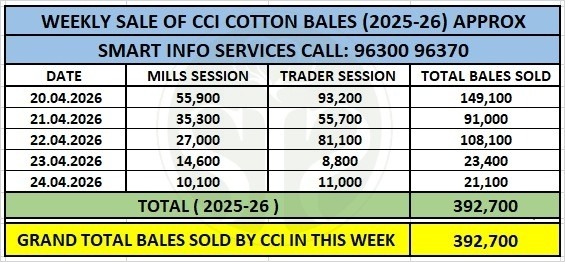
CCI ने कपास की कीमतों में ₹600-₹1000 प्रति कैंडी की बढ़ोतरी की; साप्ताहिक नीलामी बिक्री 3.92 लाख गांठों के पारकॉटन कॉर्पोरेशन ऑफ़ इंडिया (CCI) ने पिछले सप्ताह, 20 अप्रैल से 24 अप्रैल, 2026 के दौरान, कपास की कीमतों में ₹600 से ₹1000 प्रति कैंडी की बढ़ोतरी की। इन नीलामियों में मिलों और कपास व्यापारियों ने हिस्सा लिया, जिसके परिणामस्वरूप 2025-26 सीज़न से लगभग 3,92,700 गांठों की मज़बूत साप्ताहिक बिक्री हुई।साप्ताहिक बिक्री रिपोर्ट :20 अप्रैल, (सोमवार):सप्ताह की शुरुआत ज़ोरदार रही, जिसमें एक ही दिन में सबसे ज़्यादा 1,49,100 गांठों की बिक्री दर्ज की गई। खरीद में व्यापारियों का दबदबा रहा, जिन्होंने 93,200 गांठें खरीदीं, जबकि मिलों ने 55,900 गांठें खरीदीं।21 अप्रैल, (बुधवार):बिक्री थोड़ी कम होकर 91,000 गांठों पर आ गई। मिलों ने 35,300 गांठें खरीदीं, जबकि व्यापारियों ने 55,700 गांठें खरीदीं।22 अप्रैल, (गुरुवार):नीलामी की गतिविधियाँ फिर से तेज़ हो गईं, और 1,08,100 गांठों की बिक्री हुई। मिलों ने 27,000 गांठें खरीदीं, और व्यापारियों ने 81,100 गांठें खरीदीं।23 अप्रैल, (गुरुवार):इस दिन कुल 23,400 गांठों की बिक्री दर्ज की गई। मिलों ने 14,600 गांठें खरीदीं, जबकि व्यापारियों ने 8,800 गांठें खरीदीं।24 अप्रैल, (शुक्रवार):सप्ताह का समापन 21,100 गांठों की बिक्री के साथ हुआ। मिलों ने 10,100 गांठें खरीदीं, जबकि व्यापारियों ने 11,000 गांठें खरीदीं।कुल बिक्री का अपडेट:2025–26 सीज़न: 57,59,000 गांठेंऔर पढ़ें :- पंजाब में कपास बीज पर 33% सब्सिडी, किसानों को राहत
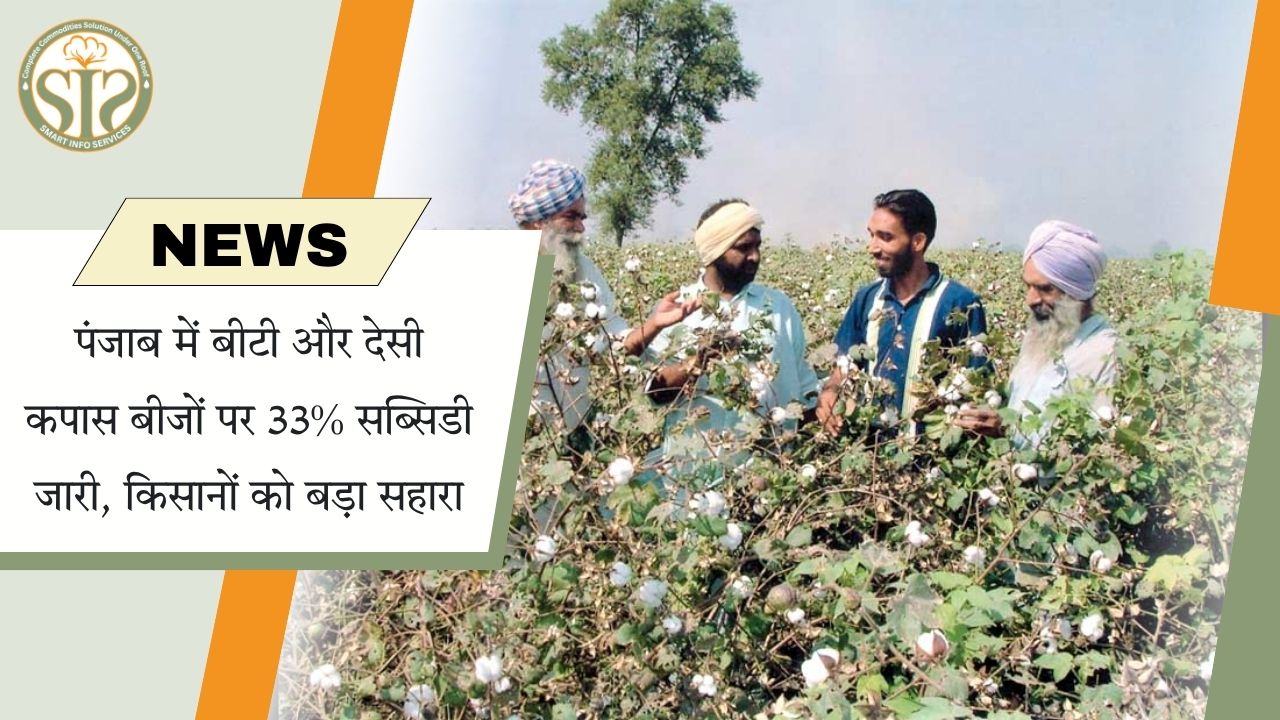
पंजाब में बीटी और देसी कपास बीजों पर 33% सब्सिडी जारी, किसानों को बड़ा सहाराबठिंडा: पंजाब सरकार ने पंजाब कृषि विश्वविद्यालय (पीएयू), लुधियाना द्वारा अनुशंसित प्रमाणित बीटी कपास संकर और देसी कपास बीज किस्मों पर 33% सब्सिडी जारी रखने का निर्णय लिया है। यह योजना 2025 में शुरू की गई थी और किसानों को बेहतर गुणवत्ता वाले बीज अपनाने के लिए प्रोत्साहित करने पर केंद्रित है।सरकार 87 स्वीकृत बीटी कपास संकरों और चार देसी किस्मों—एलडी1019, एलडी949, एफडीके124 और पीबीडी88—में से किसी एक को चुनने वाले किसानों के लिए बीज लागत का लगभग एक-तिहाई हिस्सा वहन करेगी। पात्रता सत्यापन के बाद यह सब्सिडी सीधे किसानों के बैंक खातों में स्थानांतरित की जाएगी।पिछले खरीफ सीजन में कपास के रकबे में उल्लेखनीय वृद्धि दर्ज की गई। 2024 में जहां यह क्षेत्र 1 लाख हेक्टेयर था, वहीं 2025 में यह 19% बढ़कर 1.19 लाख हेक्टेयर हो गया। आगामी सीजन के लिए सरकार ने 1.25 लाख हेक्टेयर में कपास की खेती का लक्ष्य निर्धारित किया है।सब्सिडी का लाभ लेने के लिए ऑनलाइन आवेदन पोर्टल 20 अप्रैल से शुरू हो चुका है। कपास की बुवाई के लिए 15 मई तक का समय उपयुक्त माना जाता है।राज्य के कृषि मंत्री गुरमीत सिंह खुडियां ने कहा कि पीएयू-अनुमोदित बीटी हाइब्रिड और देसी कपास किस्मों का संयोजन राज्य को अपनी पारंपरिक कपास बेल्ट को पुनर्जीवित करने में मदद करेगा। उन्होंने अधिकारियों को व्यापक जागरूकता अभियान चलाने और हर पात्र किसान तक डिजिटल प्लेटफॉर्म की आसान पहुंच सुनिश्चित करने के निर्देश दिए हैं, ताकि कोई भी किसान जानकारी या तकनीकी बाधाओं के कारण इस योजना से वंचित न रह जाए।उन्होंने किसानों से भी अपील की है कि वे समय रहते पोर्टल पर आवेदन करें और इस योजना का अधिकतम लाभ उठाएं।और पढ़ें :- रुपया 18 पैसे की गिरावट के साथ 94.37 पर खुला.

रुपया 18 पैसे गिरावट 94.37/USD पर खुला. मंगलवार को भारतीय रुपया डॉलर के मुकाबले 18 पैसे गिरावट 94.37 पर खुला जबकि सोमवार को यह 94.19 पर बंद हुआ था।और पढ़ें :- भारत-न्यूजीलैंड FTA से कपड़ा निर्यात को बढ़ावा मिलेगा।

भारत-न्यूजीलैंड एफटीए से कपड़ा निर्यात को मिलेगा बढ़ावा, 2030 तक 350 अरब डॉलर लक्ष्य को मिलेगी रफ्तारभारतीय कपड़ा उद्योग परिसंघ (सीआईटीआई) के अनुसार, भारत और न्यूजीलैंड के बीच प्रस्तावित मुक्त व्यापार समझौता (एफटीए) भारतीय कपड़ा निर्यात को नई गति दे सकता है और 2030 तक इस क्षेत्र को 350 अरब अमेरिकी डॉलर तक पहुंचाने के लक्ष्य को मजबूती देगा।सीआईटीआई का मानना है कि यह एफटीए भारतीय निर्यातकों को चुनिंदा बाजारों पर निर्भरता कम करने और वैल्यू चेन में आगे बढ़ने में मदद करेगा। समझौते के तहत भारतीय वस्त्रों को न्यूजीलैंड के बाजार में शुल्क-मुक्त पहुंच मिलने की संभावना है, जिससे प्रतिस्पर्धात्मकता बढ़ेगी।न्यूजीलैंड के विदेश मामलों और व्यापार मंत्रालय के आंकड़ों के हवाले से सीआईटीआई ने बताया कि दिसंबर 2025 को समाप्त वर्ष में “बना हुआ कपड़ा लेख” न्यूजीलैंड में भारत से आयात की चौथी सबसे बड़ी श्रेणी रही। इस दौरान भारतीय कपड़ा उत्पादों का आयात लगभग 80.22 मिलियन न्यूजीलैंड डॉलर रहा।सीआईटीआई के चेयरमैन अश्विन चंद्रन ने कहा कि पश्चिम एशिया में जारी भू-राजनीतिक तनाव के बीच यह एफटीए भारतीय निर्यातकों के लिए सकारात्मक अवसर लेकर आया है। उनके अनुसार, उच्च आय और गुणवत्ता-संवेदनशील बाजार होने के कारण न्यूजीलैंड, भारतीय उत्पादों की गुणवत्ता और मूल्य निर्धारण की वैश्विक पहचान को मजबूत कर सकता है।सीआईटीआई ने यह भी रेखांकित किया कि टिकाऊ वस्त्र, होम टेक्सटाइल और तकनीकी कपड़ा जैसे क्षेत्रों में न्यूजीलैंड में विशेष वृद्धि की संभावना है। साथ ही, उच्च गुणवत्ता वाले ऊन के प्रमुख निर्यातक के रूप में न्यूजीलैंड की स्थिति भारतीय कंपनियों को बेहतर कच्चा माल उपलब्ध कराने और उच्च गुणवत्ता वाले परिधान बनाने में सहायक हो सकती है।भारत का कपड़ा और परिधान क्षेत्र देश का दूसरा सबसे बड़ा नियोक्ता है और जीडीपी व निर्यात में अहम योगदान देता है। उद्योग का लक्ष्य 2030 तक कुल 350 अरब डॉलर के आकार तक पहुंचना है, जिसमें से 100 अरब डॉलर निर्यात से हासिल करने का लक्ष्य रखा गया है।और पढ़ें :- रुपया डॉलर के मुकाबले 6 पैसे की बढ़त के साथ 94.19 पर बंद हुआ।
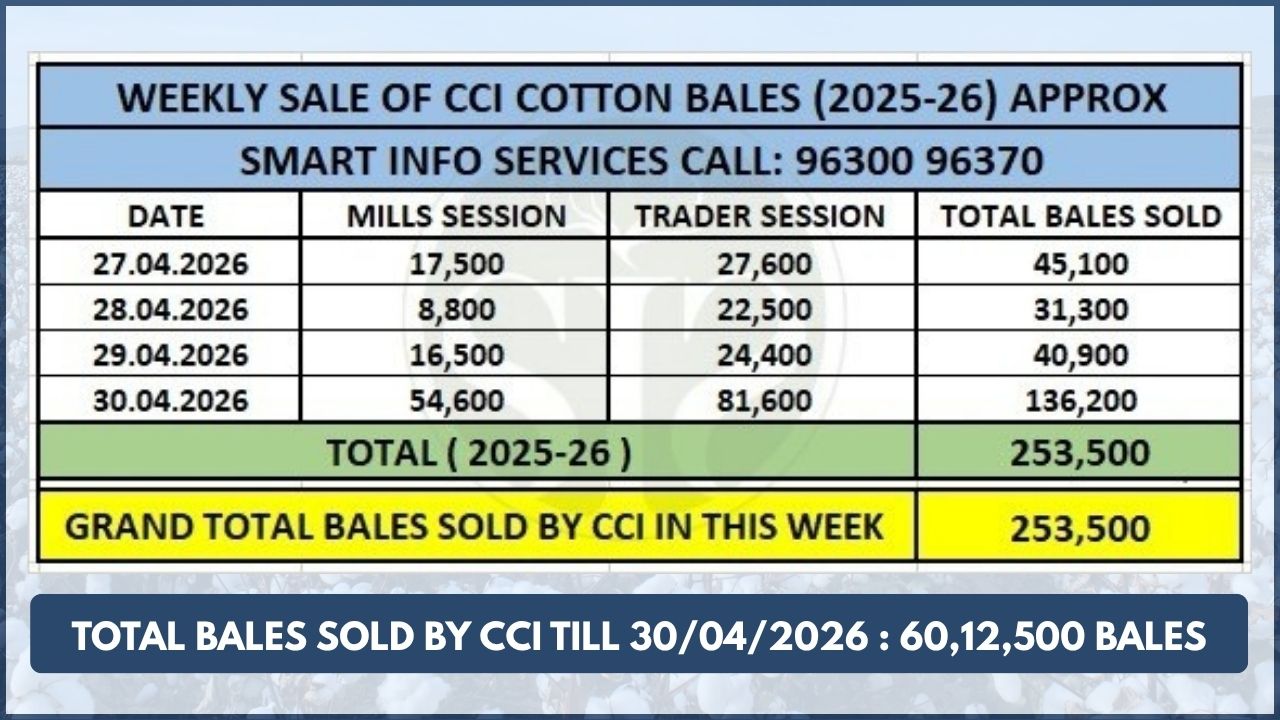
CCI Hikes Cotton Prices by ₹300 per Candy; Weekly Auction Sales Cross 2.53 Lakh BalesThe Cotton Corporation of India (CCI) increased cotton prices by ₹300 per candy during the week of April 27–30, 2026. Strong participation from mills and traders was observed in the auctions, resulting in total weekly sales of approximately 2,53,500 bales for the 2025–26 season.Day-wise Auction HighlightsApril 27 (Monday):The week opened on a firm note with sales of 45,100 bales. Traders led the buying activity with 27,600 bales, while mills procured 17,500 bales.April 28 (Tuesday):Auction volumes eased to 31,300 bales. Traders remained active, purchasing 22,500 bales, while mills bought 8,800 bales.April 29 (Wednesday):Sales picked up to 40,900 bales. Mills purchased 16,500 bales, whereas traders accounted for 24,400 bales.April 30 (Thursday):The week concluded on a strong note, registering the highest single-day sales of 1,36,200 bales. Traders dominated with 81,600 bales, while mills purchased 54,600 bales.Cumulative Sales Update:Total sales for the 2025–26 season have reached 60,12,500 bales.

India's textile output declines in March amid Iran conflict and rising costsIn March, India's textile industry came under pressure from many fronts, due to which a decline in production was recorded. Key segments like readymade garments, cotton textiles and blended fabrics were the most affected. Rising input costs, global geopolitical tensions and weak demand further accelerated this decline.According to the data, textile manufacturing declined by 3.6% year-on-year in March, while apparel production recorded a sharp decline of 14.6%. The situation remained quite challenging on the cost front. Cotton yarn prices rose by nearly 20%, while polymers used in packaging became costlier by 50%. Additionally, an increase in the prices of paper by 10% and that of dyes and chemicals by nearly 40% further increased the cost of production.The ongoing conflict in West Asia, particularly developments involving Iran, severely impacted shipments and logistics. Many export orders were stuck, freight costs increased, and war-risk insurance also became expensive. Fluctuations in crude oil prices further increased input costs, putting pressure on companies' margins and tightening working capital conditions.The decline was widespread across various segments of production. Production of polyester/viscose blended fabrics declined by 13.1%, while cotton fabrics also saw a decline of about 4%. The home textile segment, particularly terry towels, declined 6.1%. At the same time, the decline in readymade garments was greater—non-knitted garments production fell by 14.9% and knitted garments production fell by 11%.Challenges remain at the global level also. US tariffs, disruption in trade routes and increasing competition from Vietnam and Bangladesh have impacted exports. Also, weakness in domestic demand also remains a matter of concern for the industry.Overall, the textile and apparel sector—which contributes 2.3% to India's GDP and about 13% to industrial output—faces uncertainty in the near term. If geopolitical tensions and cost pressures continue, the impact on production and profits could persist further.read more :- Suggestions for Better Income from Cotton Cultivation

Good earning from cotton cultivation: Get bumper production with the advice of Agriculture DepartmentSowing of cotton has started in Khairthal-Tijara district from April 15 and is likely to continue till the last week of May. This year, the Agriculture Department has set a target of cotton cultivation in 6000 hectares, which is less than last year's target of 10,000 hectares. Last season, sowing could be done only in 8594 hectares. The main reasons behind the decline in cotton area in the region are better prices of millet and onion, lack of water and increasing diseases in the crops.Necessary preparation for good yieldFor better production, farmers have been advised to choose improved varieties of seeds and treat them before sowing. It is necessary to do deep plowing of the field so that the fertility of the soil increases. Also, use of local cow dung manure is beneficial for the crop.If there is a problem of termites in the field, then apply 10 ml per kg seed. Chlorpyrifos 20 EC and 10 ml. Treat with water mixture. After treatment, dry the seeds in shade for 30–40 minutes and sow them.Advanced sowing techniques and irrigationThe Agriculture Department has advised sowing by dibbling method:Row to row distance: 108 cmPlant to Plant Distance: 60 cmBy arranging rows from east to west, it is said that there is a possibility of getting more production as compared to north-south. The first irrigation should be done about 15 days after sowing.Fertilizer and Pest ManagementFertilizer: Apply 37.5 kg nitrogen per bigha along with 10 kg potash and phosphorus at the time of sowing.Termite Control: 4–5 ml. Dissolve Chlorpyrifos 20 EC per liter of water and apply it near the roots.Disease control: For blight disease, spray 30–32 grams of Mancozeb mixed in 15 liters of water.Sucking Pests: Kunal Force 25 EC 2ml for jassid and aphid control. Use by mixing it in every liter of water.By adopting these scientific methods, farmers can achieve better production and more profits in the cotton crop.read more :- Relief for Exporters, but Dispute Over Cotton Import Duty
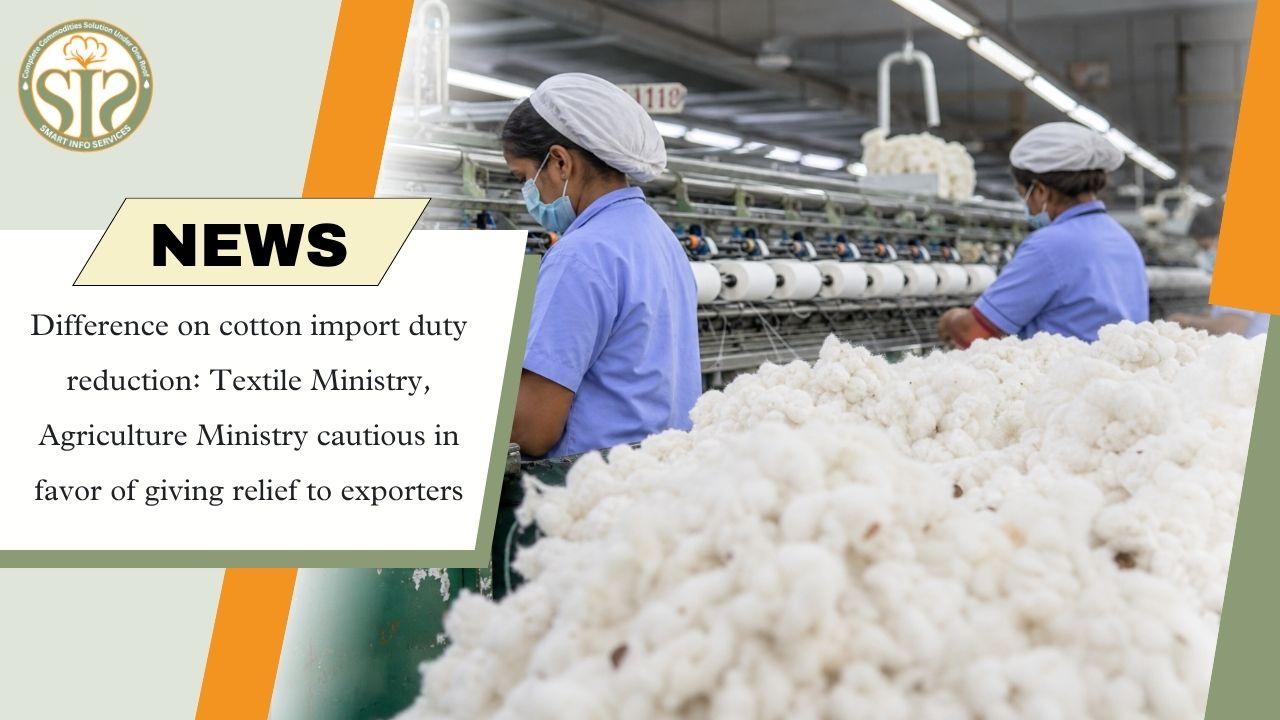
Difference on cotton import duty reduction: Textile Ministry, Agriculture Ministry cautious in favor of giving relief to exportersDifferences have emerged within the central government regarding reduction in import duty on raw cotton. While the Textiles Ministry is supporting reduction or removal of duty to provide relief to apparel exporters, the Agriculture Ministry is currently not agreeing to this proposal keeping in mind the interests of farmers. The ongoing geopolitical crisis in West Asia has increased costs for exporters, affecting their competitiveness.The Textiles Ministry argues that the temporary cut in import duty will reduce the cost of raw materials and boost exports. The ministry has also assured that this step will be taken only in off-season, so that domestic farmers are not negatively impacted. Despite this, the Agriculture Ministry is adopting a cautious approach considering this issue as economically and politically sensitive and wants to take decisions only after extensive consultation.The Revenue Department has also clarified that the consent of the Agriculture Ministry will be mandatory for any change in import duty, which may slow down the decision process. Meanwhile, the Apparel Export Promotion Council has sought intervention from the Finance Ministry, saying cotton prices are continuously rising due to supply shortage, especially in North India. Mills now have to depend more on the auctions of Cotton Corporation of India.Exporters say that the cost of production is increasing due to increased speculation in the market and increase in prices of yarn and fabric. Due to this, despite strong global demand, the competitiveness of Indian exporters is weakening. He has appealed to the government to immediately remove the import duty.Although India is one of the major cotton producers, there is still a need for imports in the off-season. The production estimate for 2025-26 is 320.50 lakh bales, but balancing the interests of both farmers and industry in policy decisions remains a major challenge.read more :- Cotton Crisis in Haryana: Pink Bollworm Infestation
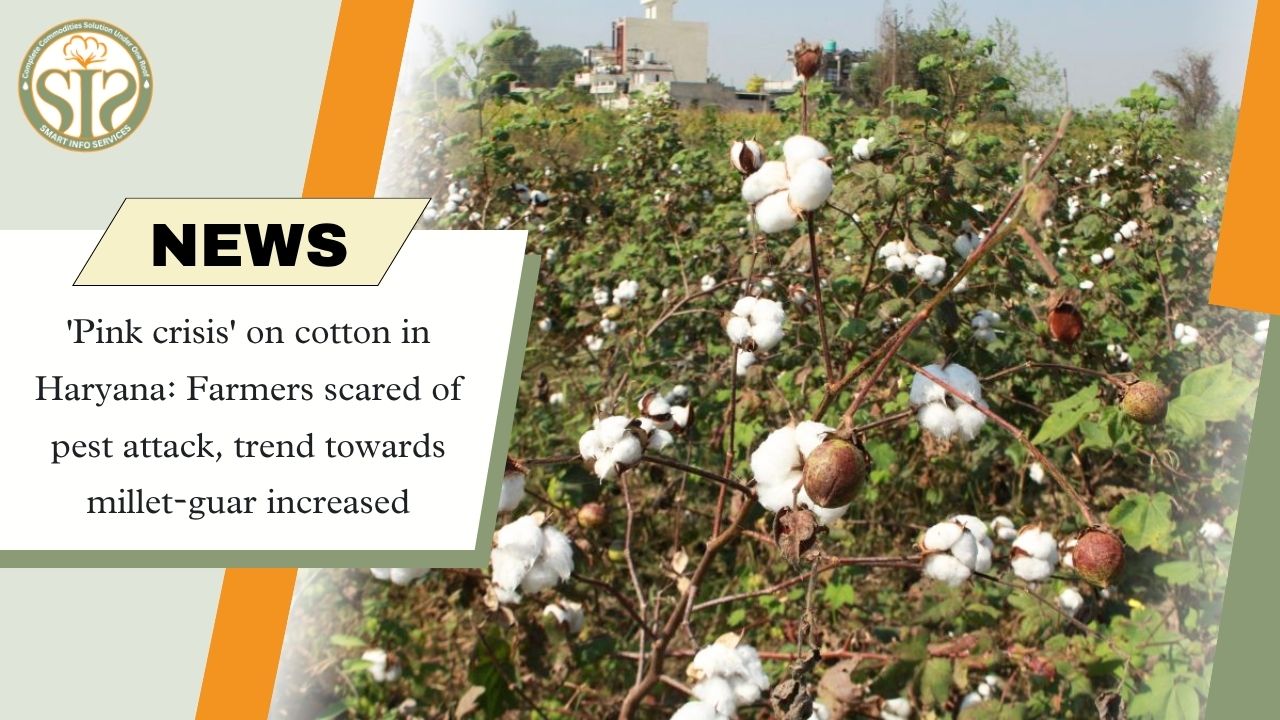
'Pink crisis' on cotton in Haryana: Farmers scared of pest attack, trend towards millet-guar increasedThe “pink crisis” is currently deepening in cotton cultivation in Haryana. Despite high market prices, farmers are staying away from cotton sowing and turning to alternative crops.According to the information received from Dhigawa Mandi, the price of Narma cotton is currently between Rs 8 to 10 thousand per quintal, but despite this, farmers seem to be losing confidence in this crop. It is estimated that this year the area under cotton may decrease by 60 to 65 percent as compared to last year.The biggest reason for the disillusionment of farmers is the outbreak of “pink bollworm”. Last year, this insect had caused huge damage to the cotton crop, due to which farmers had to harvest the crop prematurely. Due to this experience, this time farmers are in no mood to take risks.In view of the situation, the Agriculture Department had already taken several steps out of caution. The officials inspected the cotton mills and gave instructions to keep the cotton seeds covered, so that the spread of pink bollworm could be stopped. Farmers were also advised to remove or destroy cotton residues left in the fields, so that the life cycle of the pest could be broken.Despite this, the impact remained limited and farmers are now rapidly shifting towards crops like millet, guar and moong. Loharu and Bahal areas of Bhiwani district, which were once known for cotton production, are also seeing a changing crop pattern.According to farmers, falling groundwater levels, uncertainty over the minimum support price, and increasing threat of pests like pink bollworm and whitefly are the main reasons for their shift away from cotton.Last year, cotton was cultivated in about 1.52 lakh acres in Bhiwani district, but this time sowing has been done in very less area so far. Experts believe that 8 to 10 thousand more acres can be sown in the coming days.According to the Agriculture Department, the weather is likely to remain favorable for cotton sowing for the next few days as the temperature has dropped after the recent rains. However, considering the trend of farmers, a decline in cotton production this year is considered certain.read more :- The rupee closed 11 paisa higher against the dollar at 94.91

The Indian rupee opened at 94.91 per US dollar on Thursday and appreciated by 11 paise to settle at 95.02 by the close.At close, the Sensex was down 582.86 points or 0.75 percent at 76,913.50, and the Nifty was down 180.1 points or 0.74 percent at 23,997.55.read more :- Crisis in Punjab's Cotton Industry: Decline in Production
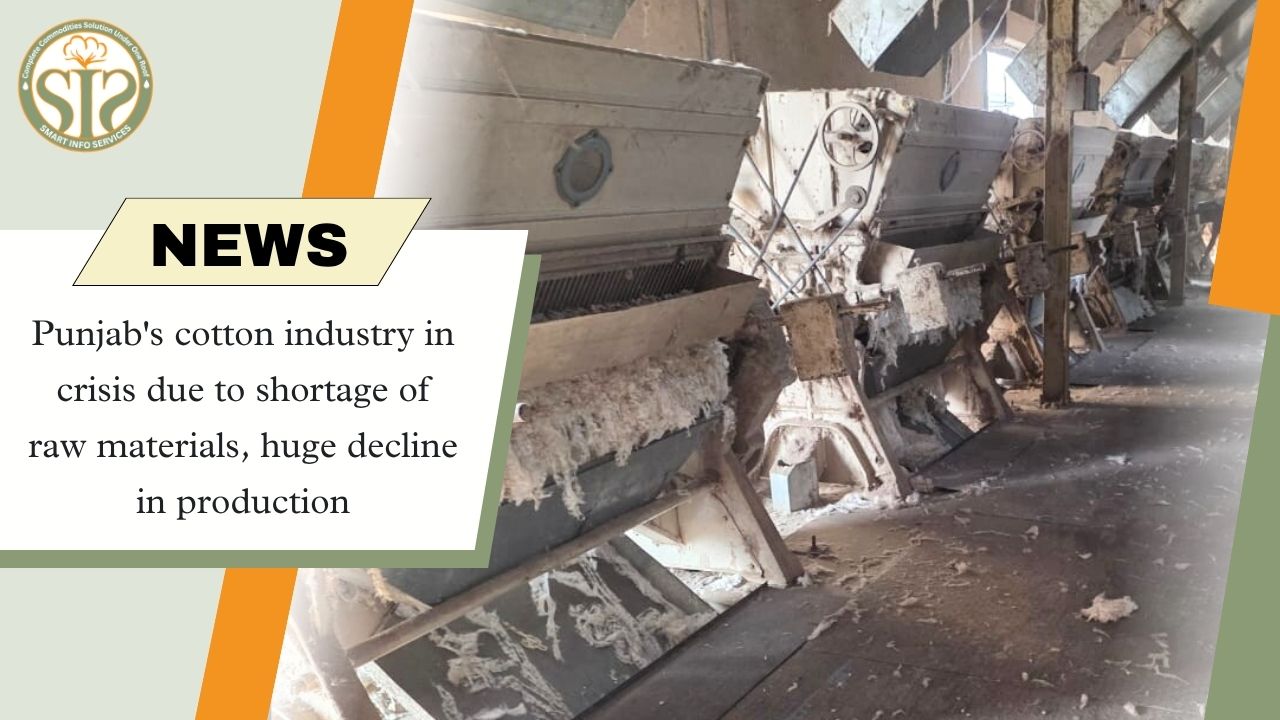
Punjab's cotton industry in crisis due to shortage of raw materials, huge decline in productionPunjab's cotton-based industry is currently going through a serious raw material crisis. Punjab, which was once one of the major cotton producing states of the country, now has to depend on states like Maharashtra and Gujarat due to decline in local production.At one time, cotton was cultivated in more than 7 lakh hectares in the state, which has now reduced to about 1.2 lakh hectares. In 2019 this area was 3.35 lakh hectares. According to experts, the main reasons for the decline in cotton cultivation are pest infestation, low yields and increasing trend of farmers towards other crops.Industry representatives say that lack of improved and disease-resistant seeds in Punjab is also a major reason for declining production. On the contrary, in states like Maharashtra, more production is being achieved with the help of modern seeds.According to the data, around 1.15 crore bales of cotton were produced in Maharashtra this season, while in Punjab it was limited to only 1.5 lakh bales. For this reason, the ginning and spinning units of the state have to import raw materials from outside.The shortage of cotton has had a direct impact on the industry. While earlier there were 422 ginning units in Punjab, now their number has come down to just 25. Many units have closed down and some industries have shifted to other states.To improve the situation, the state government has announced 33% subsidy on certified cotton seeds and has set a target of increasing the area to 1.25 lakh hectares by 2026. The government is also appealing to farmers to adopt cotton instead of paddy.read more :- Rajasthan: Change in Weather Benefits Cotton Crop

Strong storm and rain in Bambalu-Sarupasar of Rajasthan: relief from heat, benefit to cotton cropThe weather suddenly changed in Bambalu and Sarupsar areas on Tuesday night, which brought great relief to the people suffering from the scorching heat. In both the areas, rain was recorded along with strong winds and dusty storms, which not only brought down the temperature but also proved beneficial for the crops of the farmers.There was heavy rain with strong winds for about half an hour in Bambalu village, due to which the roads were flooded and the weather became pleasant. At the same time, in Sarupsar at around 11:30 pm, a dust storm occurred at a speed of 35-40 km per hour, after which there was light to moderate rain for 15-20 minutes. People suffering from 40°C temperature and heat wave throughout the day got a lot of relief from this change.According to farmers, at this time cotton and Narma crops were in dire need of water. Rain has increased moisture in the fields, which will help in crop growth and production is expected to be better. Besides, the expenditure on irrigation will also reduce.However, due to strong winds, there are reports of tree branches breaking at some places and minor disruption in power supply. During the storm in Sarupsar, lightning also flashed, due to which people remained alert for some time.An alert of storm and rain had already been issued by the administration. The weather cleared on Wednesday morning, although there is a possibility of strong sunlight again during the day.Welcoming this change in the weather, the villagers have expressed the hope that such rains will continue from time to time in future also, which will benefit the crops and provide relief from the heat.read more :- Tamil Nadu: Rising Costs, Declining Profits—Farmers in Perambalur Distressed

Tamil Nadu: Cotton farmers in Perambalur troubled by rising costs and declining profitsCotton farmers in Perambalur district of Tamil Nadu are facing serious crisis due to rising costs and declining profits. The continuous rise in labor wages, prices of pesticides and fertilizers has made farming expensive, leading many farmers to stay away from this crop.Cotton cultivation, once spread over about 5,000 hectares in the Veppanathatai, Veppur and Alathur areas, has now shrunk to about 2,000 acres. Farmers say cotton, once considered a source of stable income, has now become risky and less profitable.Although the minimum support price of cotton is fixed at ₹ 8,110 per quintal, its price in the market is only around ₹ 7,900 per quintal. Despite average production of about 8 quintals per acre, farmers are not able to get adequate profits due to rising costs.Labor shortage has further complicated the situation. More laborers are required for operations like sowing, weeding and harvesting, but due to low availability wages have reached ₹500 to ₹700 per day. Due to this, many farmers are forced to work hard in the fields themselves.Additionally, due to increasing pest attacks, the use of chemical pesticides has also increased, further increasing the costs. Increasing dependence on fertilizers also increases economic pressure. Experts believe that prolonged excessive use of pesticides has also affected soil fertility.Tamil Nadu Vivasayigal Sangam District President N. According to Chelladurai, farmers are not able to get better prices for their produce due to lack of direct procurement centers in the district.Due to these circumstances, many farmers are now turning to alternative crops like maize instead of cotton, which are considered to be relatively lower cost and less risky.read more :- The rupee opened at 95.02 down 17 paise.

The rupee opened at 95.02/USD, a decline of 17 paise.On Thursday, the Indian rupee opened at 95.02 against the dollar a decline of 17 paise whereas it had closed at 94.85 on Wednesday.Read more:- The Rupee fell by 11 paise to close at 94.85 per dollar.

On Wednesday, the Indian Rupee fell by 11 paise to close at 94.85 per dollar, while it had opened at 94.74 in the morning.At close, the Sensex was up 609.45 points or 0.79 percent at 77,496.36, and the Nifty was up 181.95 points or 0.76 percent at 24,177.65. About 2010 shares advanced, 2047 shares declined, and 157 shares unchanged.read more :- Consideration of Cotton Import Duty Cut: Relief for the Textile Industry
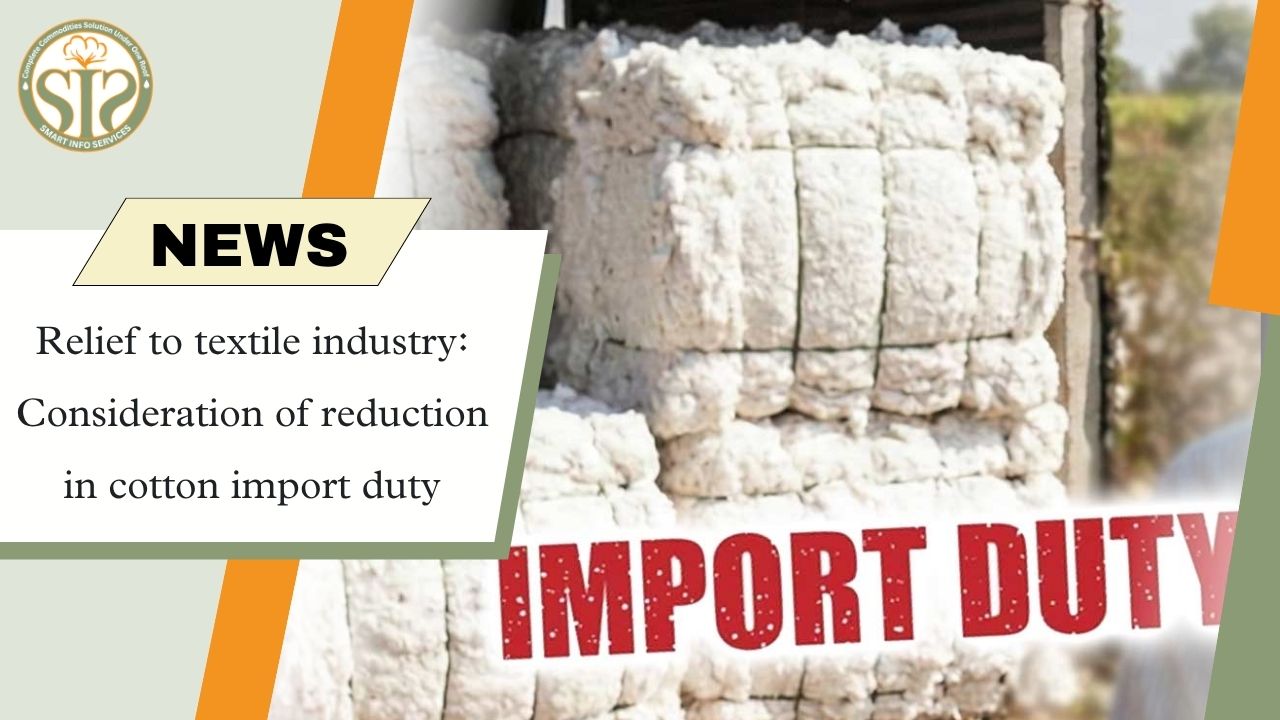
Relief to textile industry: Consideration of reduction in cotton import dutyNew Delhi: The central government is considering measures to provide relief to the domestic textile industry amid supply chain disruptions and rising raw material prices arising from the ongoing conflict in West Asia. In this sequence, a proposal to reduce or completely abolish customs duty on import of raw cotton is under discussion.India's textile industry is mainly dependent on domestic cotton, but imports from the US, Egypt, Australia and to some extent Brazil to meet the need of long staple cotton. According to Bipin Menon, Trade Advisor to the Textiles Ministry, discussions are ongoing with the Agriculture Ministry and the Revenue Department on this issue.The ministry also proposes to remove 2.5% import duty on rayon-grade wood pulp used in the production of viscose staple fiber (VSF) and filament yarn. This pulp is highly purified cellulose obtained from wood, which is an important raw material in the manufacture of man-made fibres. However, Menon clarified that the challenges faced in its supply are not directly related to the conflict in West Asia, so a decision on this can be taken later.Currently, 5% customs duty is applicable on raw cotton, which was temporarily removed between August to December 2025. The government is now considering giving relief again in view of the current situation of the industry.Due to weakness in global demand, India's readymade garment exports are likely to decline to $15.77 billion in fiscal year 2026. In such a situation, experts believe that reduction in duty will reduce the cost of raw materials, improve dividends and increase export competitiveness.The move could prove crucial for the textile sector, which contributes 8–10% of the country's total exports, especially as the government aims to take exports to $100 billion by 2030.read more :- Cotton Duty Cut Dispute: Concerns Over Farmers' Interests

Trade Divided Over Cotton Duty Cut; Risks Identified for Farmers: CCIDifferences regarding a reduction in cotton import duties appear to be deepening. While millers and the textile industry are demanding a duty cut in light of rising domestic prices, a section of the trading community has termed this a risky move for farmers.Currently, an import duty of approximately 11% is applicable on cotton in India, effective since January 1, 2026. Although the government and the industry are considering a reduction in this duty due to a sharp surge in prices, many traders remain opposed to the idea. They believe that lowering the duty at this juncture could adversely affect the interests of farmers.According to traders, many farmers are currently withholding their produce in the hope of securing better prices—a stock estimated to amount to approximately 4 million bales (one bale = 170 kilograms). Under these circumstances, if imports become cheaper, it would exert downward pressure on prices in the domestic market, potentially causing financial losses for farmers.A senior trader warned that on the previous occasion when import duties were reduced, nearly 3 million bales of cotton were imported within a span of just three months. Consequently, domestic demand began to be met through imports, forcing farmers to sell their crops below the Minimum Support Price (MSP).Experts believe that if the duty is reduced under the current circumstances as well, a similar situation could recur—particularly for those farmers who have held back their produce in anticipation of better prices.read more :- The rupee opened at 94.74 down 20 paise.

The rupee opened at 94.74/USD a decline of 20 paise.On Wednesday, the Indian rupee opened at 94.74 against the dollar a decline of 20 paise whereas it had closed at 94.54 on Tuesday.Read more:- The rupee slipped 17 paise to end at 94.54 per dollar.

The Indian rupee weakened by 17 paise to close at 94.54 per US dollar on Tuesday, compared with its opening level of 94.37 in the morning.At close, the Sensex was down 416.72 points or 0.54 percent at 76,886.91, and the Nifty was down 97 points or 0.40 percent at 23,995.70. About 1923 shares advanced, 2157 shares declined, and 157 shares unchanged.read more :- New Opportunities for Development and Investment in the Textile Industry at VGRC Surat

New opportunities for development and investment of textile industry in VGRC SuratAccording to the Gujarat government, the 'Vibrant Gujarat Regional Conference (VGRC)' to be organized at Auro University in Surat on May 1 and 2 will give a new direction to the industrial development of South Gujarat. The conference specifically focuses on increasing investment in the textile industry, connecting global buyers and local manufacturers and promoting exchange of new technologies and innovations.Located on the banks of the Tapi River, Surat has historically been a major trading centre. It was famous for silk trade in the 16th century and today it is known as the world's leading 'Silk City' and India's largest man-made fiber (MMF) hub. According to the state government, Surat produces about 90% of India's artificial silk and has a 65% share in the country's MMF sector.The industry contributes significantly to the state's economy with an annual turnover of approximately ₹1.5 lakh crore and 18–20 lakh employment opportunities. Crores of meters of cloth are produced every day in Surat and are exported from here all over the world.VGRC is expected to increase FDI, strengthen technical cooperation and further empower Surat as a global textile hub.read more :- CCI Hikes Cotton Prices by ₹600–₹1,000; Auction Sales Cross 3.92 Lakh Bales
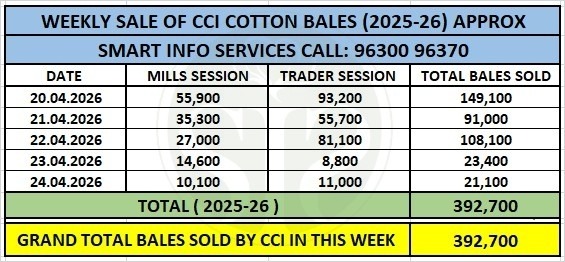
CCI Hikes Cotton Prices by ₹600- ₹1000 per Candy; Weekly Auction Sales Cross 3.92 Lakh BalesThe Cotton Corporation of India (CCI) raised its cotton prices by ₹600- ₹1000 per candy during previous week from April 20 to April 24, 2026, the auctions witnessed participation from mills and cotton traders, resulting in robust weekly sales of about 3,92,700 bales from the 2025–26 season.Day-wise Auction HighlightsApril 20, (Monday):The week began on a strong note, recording the highest single-day sale of 1,49,100 bales. Traders dominated purchases with 93,200 bales, while mills bought 55,900 bales.April 21, (Wednesday):Sales moderated to 91,000 bales. Mills purchased 35,300 bales, while traders accounted for 55,700 bales.April 22, (Thursday):Auction activity picked up again, with the sales of 1,08,100 bales. Mills purchased 27,000 bales, and traders bought 81,100 bales.April 23, (Thursday):A total of 23,400 bales were reported sold during the day. Mills purchased 14,600 bales while traders bought 8,800 bales.April 24, (Friday):The week concluded with sales of 21,100 bales. Mills purchased 10,100 bales, while traders bought 11,000 bales.Cumulative Sales Update:2025–26 Season: 57,59,000 bales
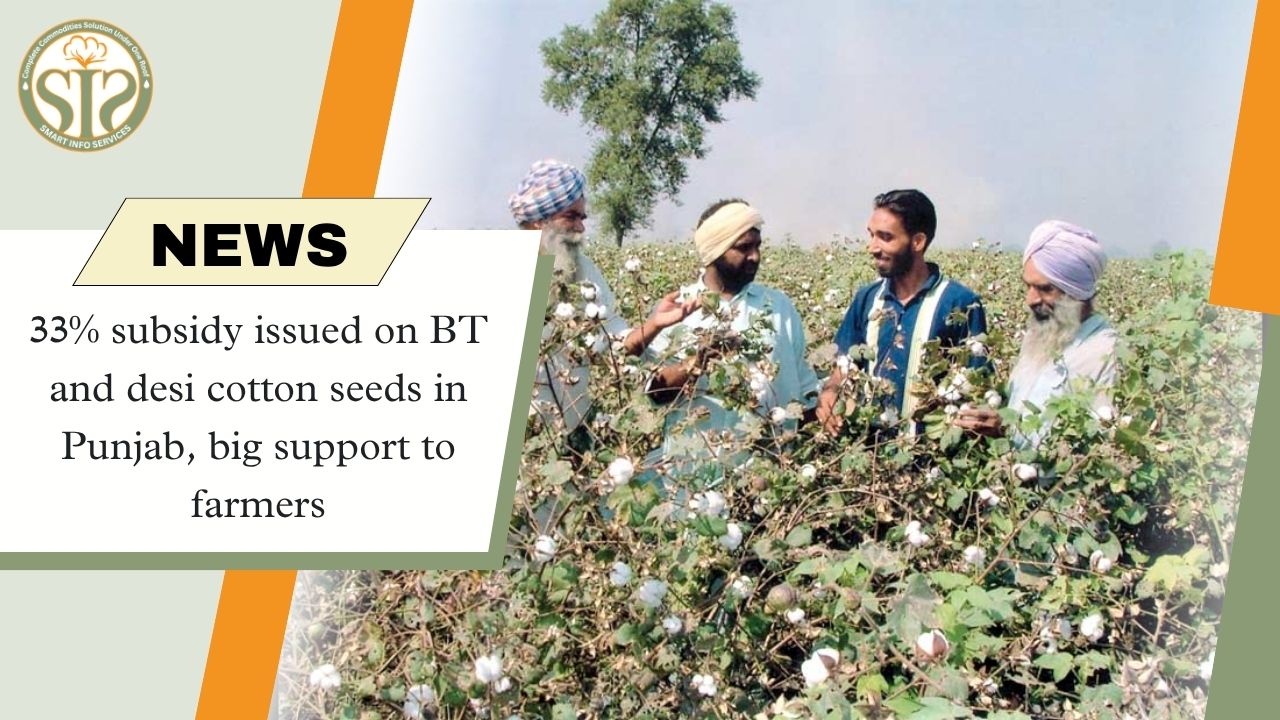
33% subsidy issued on BT and desi cotton seeds in Punjab, big support to farmersBATHINDA: The Punjab government has decided to continue 33% subsidy on certified Bt cotton hybrids and indigenous cotton seed varieties recommended by Punjab Agricultural University (PAU), Ludhiana. The scheme was launched in 2025 and focuses on encouraging farmers to adopt better quality seeds.The government will bear about one-third of the seed cost for farmers choosing any one of the 87 approved Bt cotton hybrids and four indigenous varieties—LD1019, LD949, FDK124 and PBD88. After eligibility verification, this subsidy will be transferred directly to the bank accounts of the farmers.A significant increase was recorded in the area of cotton in the last Kharif season. While this area was 1 lakh hectare in 2024, it increased by 19% to 1.19 lakh hectare in 2025. For the upcoming season, the government has set a target of cotton cultivation in 1.25 lakh hectares.The online application portal to avail subsidy has started from April 20. The time till May 15 is considered suitable for sowing cotton.State agriculture minister Gurmeet Singh Khudian said the combination of PAU-approved BT hybrids and indigenous cotton varieties would help the state revive its traditional cotton belt. He has directed the officials to run a massive awareness campaign and ensure easy access to the digital platform to every eligible farmer, so that no farmer is left out of the scheme due to information or technical barriers.He has also appealed to the farmers to apply on the portal in time and take maximum benefit of this scheme.read more :- The rupee opened at 94.37 down 18 paise.

The rupee opened at 94.37/USD a decline of 18 paise.On Tuesday, the Indian rupee opened at 94.37 against the dollar a decline of 18 paise whereas it had closed at 94.19 on Monday.Read more:- India-New Zealand FTA to boost textile exports

India-New Zealand FTA will give a boost to textile exports, the target of $350 billion by 2030 will gain momentumAccording to the Confederation of Indian Textile Industries (CITI), the proposed Free Trade Agreement (FTA) between India and New Zealand can give a new impetus to Indian textile exports and strengthen the target of growing the sector to US$ 350 billion by 2030.CITI believes that this FTA will help Indian exporters reduce dependence on select markets and move up the value chain. Under the agreement, Indian textiles are likely to get duty-free access to the New Zealand market, which will increase competitiveness.Citing data from New Zealand's Ministry of Foreign Affairs and Trade, CITI said "made-up textile articles" were the fourth largest category of imports from India into New Zealand in the year ending December 2025. During this period, the import of Indian textile products was approximately 80.22 million New Zealand dollars.CITI Chairman Ashwin Chandran said that this FTA has brought positive opportunities for Indian exporters amid the ongoing geopolitical tensions in West Asia. According to him, New Zealand, being a high-income and quality-sensitive market, can strengthen global recognition of the quality and pricing of Indian products.CITI also highlighted that sectors such as sustainable textiles, home textiles and technical textiles have particular growth potential in New Zealand. Also, New Zealand's position as a major exporter of high quality wool can help Indian companies in providing better raw materials and manufacturing high quality garments.India's textile and apparel sector is the country's second largest employer and contributes significantly to GDP and exports. The industry aims to reach a total size of $350 billion by 2030, of which $100 billion is targeted to be achieved through exports.read more :- The rupee closed 06 paisa higher against the dollar at 94.19
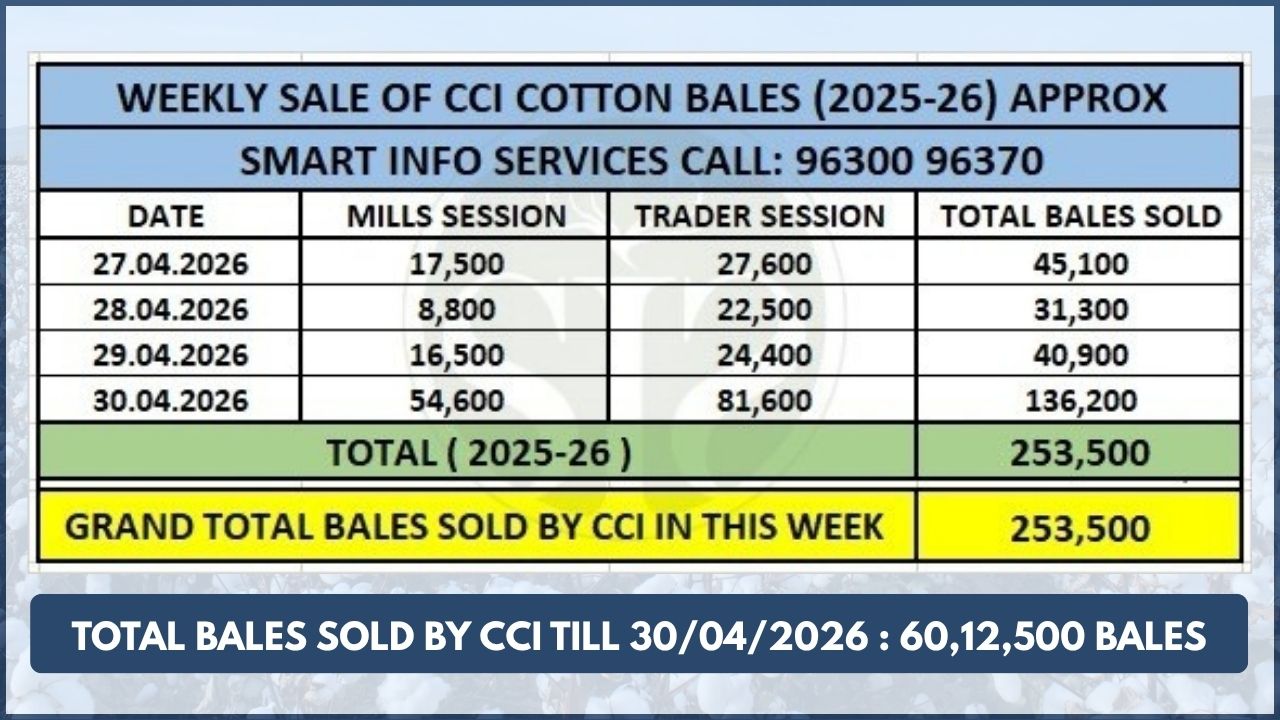
CCI એ કપાસના ભાવમાં પ્રતિ કેન્ડી ₹300 નો વધારો કર્યો; સાપ્તાહિક હરાજી વેચાણ 2.53 લાખ ગાંસડીને પાર કર્યુંકોટન કોર્પોરેશન ઓફ ઇન્ડિયા (CCI) એ 27 એપ્રિલથી 30 એપ્રિલ, 2026 ના સમયગાળા દરમિયાન કપાસના ભાવમાં પ્રતિ કેન્ડી ₹300 નો વધારો કર્યો. હરાજીમાં મિલો અને વેપારીઓની મજબૂત ભાગીદારી જોવા મળી, જેના પરિણામે 2025-26 સીઝન માટે કુલ સાપ્તાહિક વેચાણ આશરે 253,500 ગાંસડી સુધી પહોંચ્યું.સાપ્તાહિક વેચાણ અહેવાલ27 એપ્રિલ (સોમવાર):સપ્તાહની શરૂઆત મજબૂત નોંધ સાથે થઈ, કુલ વેચાણ 45,100 ગાંસડી હતું. વેપારીઓએ ખરીદીમાં પ્રભુત્વ મેળવ્યું, 27,600 ગાંસડી ખરીદી, જ્યારે મિલોએ 17,500 ગાંસડી ખરીદી.28 એપ્રિલ (મંગળવાર):હરાજીનું પ્રમાણ ઘટીને 31,300 ગાંસડી થયું. વેપારીઓએ 22,500 ગાંસડી ખરીદી, જ્યારે મિલોએ 8,800 ગાંસડી ખરીદી.૨૯ એપ્રિલ (બુધવાર):વેચાણ વધીને ૪૦,૯૦૦ ગાંસડીએ પહોંચ્યું. મિલોએ ૧૬,૫૦૦ ગાંસડી ખરીદી, જ્યારે વેપારીઓએ ૨૪,૪૦૦ ગાંસડી ખરીદી.૩૦ એપ્રિલ (ગુરુવાર):સપ્તાહનો અંત મજબૂત રહ્યો, જેમાં એક દિવસનો સૌથી વધુ વેચાણનો આંકડો ૧,૩૬,૨૦૦ ગાંસડીનો રેકોર્ડ નોંધાયો. વેપારીઓએ ૮૧,૬૦૦ ગાંસડી ખરીદી કરીને આગેવાની લીધી, જ્યારે મિલોએ ૫૪,૬૦૦ ગાંસડી ખરીદી.કુલ વેચાણ અપડેટ:૨૦૨૫-૨૬ સીઝન માટે કુલ વેચાણ ૬,૦૧૨,૫૦૦ ગાંસડી પર પહોંચી ગયું છે.

ઈરાન સંઘર્ષ અને વધતી કિંમતો વચ્ચે માર્ચમાં ભારતના કાપડ ઉત્પાદનમાં ઘટાડો થયો છેમાર્ચમાં, ભારતનો કાપડ ઉદ્યોગ ઘણા મોરચે દબાણ હેઠળ આવ્યો હતો, જેના કારણે ઉત્પાદનમાં ઘટાડો નોંધાયો હતો. મુખ્ય સેગમેન્ટ જેમ કે તૈયાર વસ્ત્રો, સુતરાઉ કાપડ અને મિશ્રિત કાપડને સૌથી વધુ અસર થઈ હતી. ઇનપુટ ખર્ચમાં વધારો, વૈશ્વિક ભૌગોલિક રાજકીય તણાવ અને નબળી માંગએ આ ઘટાડાને વધુ વેગ આપ્યો.ડેટા અનુસાર, કાપડ ઉત્પાદનમાં માર્ચમાં વાર્ષિક ધોરણે 3.6%નો ઘટાડો થયો હતો, જ્યારે વસ્ત્રોના ઉત્પાદનમાં 14.6% નો તીવ્ર ઘટાડો નોંધાયો હતો. ખર્ચના મોરચે પરિસ્થિતિ તદ્દન પડકારજનક રહી. કોટન યાર્નના ભાવ લગભગ 20% વધ્યા હતા, જ્યારે પેકેજિંગમાં વપરાતા પોલિમર 50% મોંઘા થયા હતા. વધુમાં, કાગળના ભાવમાં 10% અને રંગો અને રસાયણોના ભાવમાં લગભગ 40% જેટલો વધારો થવાથી ઉત્પાદન ખર્ચમાં વધારો થયો છે.પશ્ચિમ એશિયામાં ચાલી રહેલા સંઘર્ષ, ખાસ કરીને ઈરાન સાથે સંકળાયેલા વિકાસ, શિપમેન્ટ અને લોજિસ્ટિક્સ પર ગંભીર અસર કરી. ઘણા નિકાસ ઓર્ડર અટકી ગયા, નૂર ખર્ચમાં વધારો થયો અને યુદ્ધ-જોખમ વીમો પણ મોંઘો બન્યો. ક્રૂડ ઓઈલના ભાવમાં વધઘટને કારણે ઈનપુટ ખર્ચમાં વધારો થયો, કંપનીઓના માર્જિન પર દબાણ આવ્યું અને કાર્યકારી મૂડીની સ્થિતિ કડક થઈ.ઉત્પાદનના વિવિધ વિભાગોમાં ઘટાડો વ્યાપક હતો. પોલિએસ્ટર/વિસ્કોસ બ્લેન્ડેડ કાપડના ઉત્પાદનમાં 13.1%નો ઘટાડો થયો છે, જ્યારે સુતરાઉ કાપડમાં પણ લગભગ 4%નો ઘટાડો જોવા મળ્યો છે. હોમ ટેક્સટાઇલ સેગમેન્ટ, ખાસ કરીને ટેરી ટુવાલ, 6.1% ઘટ્યો. તે જ સમયે, તૈયાર વસ્ત્રોમાં ઘટાડો વધુ હતો - નોન-નિટેડ ગાર્મેન્ટ્સનું ઉત્પાદન 14.9% અને ગૂંથેલા કપડાનું ઉત્પાદન 11% ઘટ્યું.વૈશ્વિક સ્તરે પણ પડકારો યથાવત છે. યુએસ ટેરિફ, વેપાર માર્ગોમાં વિક્ષેપ અને વિયેતનામ અને બાંગ્લાદેશથી વધતી સ્પર્ધાએ નિકાસને અસર કરી છે. ઉપરાંત, સ્થાનિક માંગમાં નબળાઈ પણ ઉદ્યોગ માટે ચિંતાનો વિષય છે.એકંદરે, ટેક્સટાઇલ અને એપેરલ સેક્ટર - જે ભારતના જીડીપીમાં 2.3% અને ઔદ્યોગિક ઉત્પાદનમાં લગભગ 13% ફાળો આપે છે - નજીકના ગાળામાં અનિશ્ચિતતાનો સામનો કરે છે. જો ભૌગોલિક રાજકીય તણાવ અને ખર્ચ દબાણ ચાલુ રહેશે, તો ઉત્પાદન અને નફા પર અસર વધુ ચાલુ રહી શકે છે.વધુ વાંચો :- કપાસની ખેતીમાંથી સારી આવક માટે સૂચનો

કપાસની ખેતીથી સારી કમાણી: કૃષિ વિભાગની સલાહથી બમ્પર ઉત્પાદન મેળવોખેરથલ-તિજારા જિલ્લામાં 15 એપ્રિલથી કપાસની વાવણી શરૂ થઈ છે અને મેના છેલ્લા સપ્તાહ સુધી ચાલુ રહેવાની શક્યતા છે. આ વર્ષે કૃષિ વિભાગે 6000 હેક્ટરમાં કપાસના વાવેતરનો લક્ષ્યાંક રાખ્યો છે જે ગયા વર્ષના 10,000 હેક્ટરના લક્ષ્યાંક કરતાં ઓછો છે. ગત સિઝનમાં માત્ર 8594 હેક્ટરમાં જ વાવણી થઈ શકી હતી. આ પ્રદેશમાં કપાસના વિસ્તારમાં ઘટાડો થવા પાછળના મુખ્ય કારણોમાં બાજરી અને ડુંગળીના સારા ભાવ, પાણીનો અભાવ અને પાકમાં વધતા રોગો છે.સારી ઉપજ માટે જરૂરી તૈયારીબહેતર ઉત્પાદન માટે, ખેડૂતોને બિયારણની સુધારેલી જાતો પસંદ કરવા અને વાવણી પહેલાં તેની સારવાર કરવાની સલાહ આપવામાં આવી છે. જમીનની ફળદ્રુપતા વધે તે માટે ખેતરમાં ઊંડી ખેડાણ કરવી જરૂરી છે. ઉપરાંત, સ્થાનિક ગાયના છાણના ખાતરનો ઉપયોગ પાક માટે ફાયદાકારક છે.જો ખેતરમાં ઉધઈની સમસ્યા હોય તો 10 મિલી પ્રતિ કિલો બીજ નાખો. ક્લોરપાયરીફોસ 20 ઇસી અને 10 મિ.લિ. પાણીના મિશ્રણથી સારવાર કરો. સારવાર કર્યા પછી, બીજને 30-40 મિનિટ માટે છાંયડામાં સૂકવી અને તેને વાવો.અદ્યતન વાવણી તકનીકો અને સિંચાઈકૃષિ વિભાગે ડિબલિંગ પદ્ધતિથી વાવણી કરવાની સલાહ આપી છે:પંક્તિથી પંક્તિ અંતર: 108 સે.મીછોડથી છોડનું અંતર: 60 સે.મીપૂર્વથી પશ્ચિમમાં પંક્તિઓ ગોઠવીને ઉત્તર-દક્ષિણની સરખામણીમાં વધુ ઉત્પાદન મળવાની શક્યતા હોવાનું કહેવાય છે. પ્રથમ પિયત વાવણી પછી લગભગ 15 દિવસે કરવું જોઈએ.ખાતર અને જંતુ વ્યવસ્થાપનખાતર: 37.5 કિગ્રા નાઈટ્રોજન પ્રતિ બીઘા સાથે 10 કિલો પોટાશ અને ફોસ્ફરસ વાવણી સમયે નાખો.ટર્માઇટ કંટ્રોલ: 4-5 મિલી. ક્લોરપાયરીફોસ 20 EC પ્રતિ લીટર પાણીમાં ઓગાળીને મૂળ પાસે લગાવો.રોગ નિયંત્રણ: બ્લાઈટ રોગ માટે 30-32 ગ્રામ મેન્કોઝેબ 15 લિટર પાણીમાં ભેળવી છંટકાવ કરવો.શોષક જીવાતો: કુણાલ ફોર્સ 25 EC 2ml જસીડ અને એફિડ નિયંત્રણ માટે. તેને દરેક લિટર પાણીમાં ભેળવીને ઉપયોગ કરો.આ વૈજ્ઞાનિક પદ્ધતિઓ અપનાવીને ખેડૂતો કપાસના પાકમાં વધુ સારું ઉત્પાદન અને વધુ નફો મેળવી શકે છે.વધુ વાંચો :- નિકાસકારો માટે રાહત, પરંતુ કપાસની આયાત ડ્યુટી પર વિવાદ
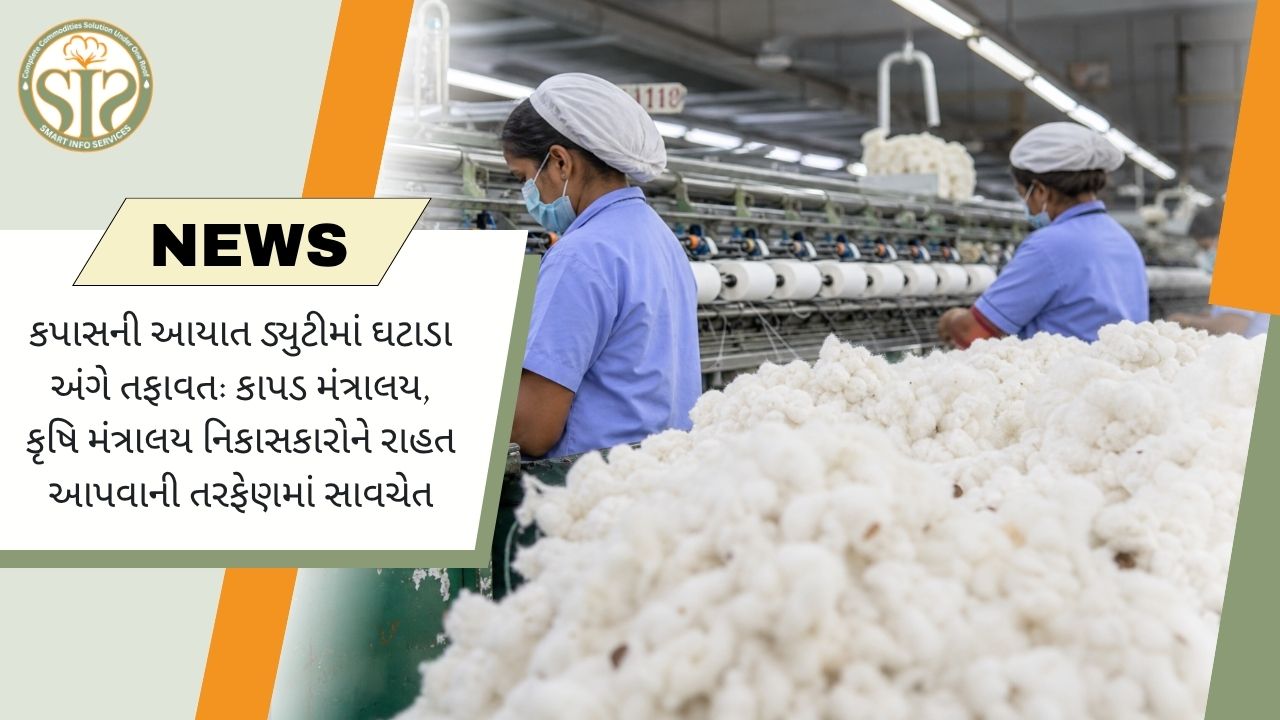
કપાસની આયાત ડ્યુટીમાં ઘટાડા અંગે તફાવત: કાપડ મંત્રાલય, કૃષિ મંત્રાલય નિકાસકારોને રાહત આપવાની તરફેણમાં સાવચેતકાચા કપાસ પરની આયાત જકાત ઘટાડવાને લઈને કેન્દ્ર સરકારમાં મતભેદો ઉભા થયા છે. જ્યારે કાપડ મંત્રાલય વસ્ત્રોના નિકાસકારોને રાહત આપવા માટે ડ્યુટી ઘટાડવા અથવા દૂર કરવાનું સમર્થન કરી રહ્યું છે, ત્યારે કૃષિ મંત્રાલય હાલમાં ખેડૂતોના હિતોને ધ્યાનમાં રાખીને આ દરખાસ્ત સાથે સંમત નથી. પશ્ચિમ એશિયામાં ચાલી રહેલી ભૌગોલિક રાજકીય કટોકટીએ નિકાસકારો માટે ખર્ચમાં વધારો કર્યો છે, જે તેમની સ્પર્ધાત્મકતાને અસર કરે છે.કાપડ મંત્રાલયની દલીલ છે કે આયાત ડ્યૂટીમાં કામચલાઉ કાપથી કાચા માલની કિંમતમાં ઘટાડો થશે અને નિકાસને વેગ મળશે. મંત્રાલયે એ પણ ખાતરી આપી છે કે આ પગલું ફક્ત ઑફ-સિઝનમાં જ લેવામાં આવશે, જેથી સ્થાનિક ખેડૂતોને નકારાત્મક અસર ન થાય. આ હોવા છતાં, કૃષિ મંત્રાલય આ મુદ્દાને આર્થિક અને રાજકીય રીતે સંવેદનશીલ ગણીને સાવચેતીભર્યું વલણ અપનાવી રહ્યું છે અને વ્યાપક પરામર્શ પછી જ નિર્ણય લેવા માંગે છે.મહેસૂલ વિભાગે એ પણ સ્પષ્ટ કર્યું છે કે આયાત ડ્યૂટીમાં કોઈપણ ફેરફાર માટે કૃષિ મંત્રાલયની સંમતિ ફરજિયાત રહેશે, જે નિર્ણય પ્રક્રિયાને ધીમી કરી શકે છે. દરમિયાન, એપેરલ એક્સપોર્ટ પ્રમોશન કાઉન્સિલે નાણા મંત્રાલય પાસેથી હસ્તક્ષેપની માંગ કરી છે, એમ કહીને કે, ખાસ કરીને ઉત્તર ભારતમાં પુરવઠાની અછતને કારણે કપાસના ભાવ સતત વધી રહ્યા છે. મિલોએ હવે કોટન કોર્પોરેશન ઓફ ઈન્ડિયાની હરાજી પર વધુ આધાર રાખવો પડશે.નિકાસકારોનું કહેવું છે કે બજારમાં સટ્ટાખોરી અને યાર્ન અને ફેબ્રિકના ભાવમાં વધારાને કારણે ઉત્પાદન ખર્ચ વધી રહ્યો છે. આ કારણે વૈશ્વિક માંગ મજબૂત હોવા છતાં ભારતીય નિકાસકારોની સ્પર્ધાત્મકતા નબળી પડી રહી છે. તેમણે સરકારને તાત્કાલિક આયાત ડ્યૂટી દૂર કરવા અપીલ કરી છે.ભારત કપાસના મુખ્ય ઉત્પાદકોમાંનો એક હોવા છતાં, ઑફ-સિઝનમાં હજુ પણ આયાતની જરૂર છે. 2025-26 માટે ઉત્પાદનનો અંદાજ 320.50 લાખ ગાંસડી છે, પરંતુ નીતિ નિર્ણયોમાં ખેડૂતો અને ઉદ્યોગ બંનેના હિતોને સંતુલિત કરવું એ એક મોટો પડકાર છે.વધુ વાંચો :- હરિયાણામાં કપાસની કટોકટી: ગુલાબી બોલવોર્મનો ઉપદ્રવ
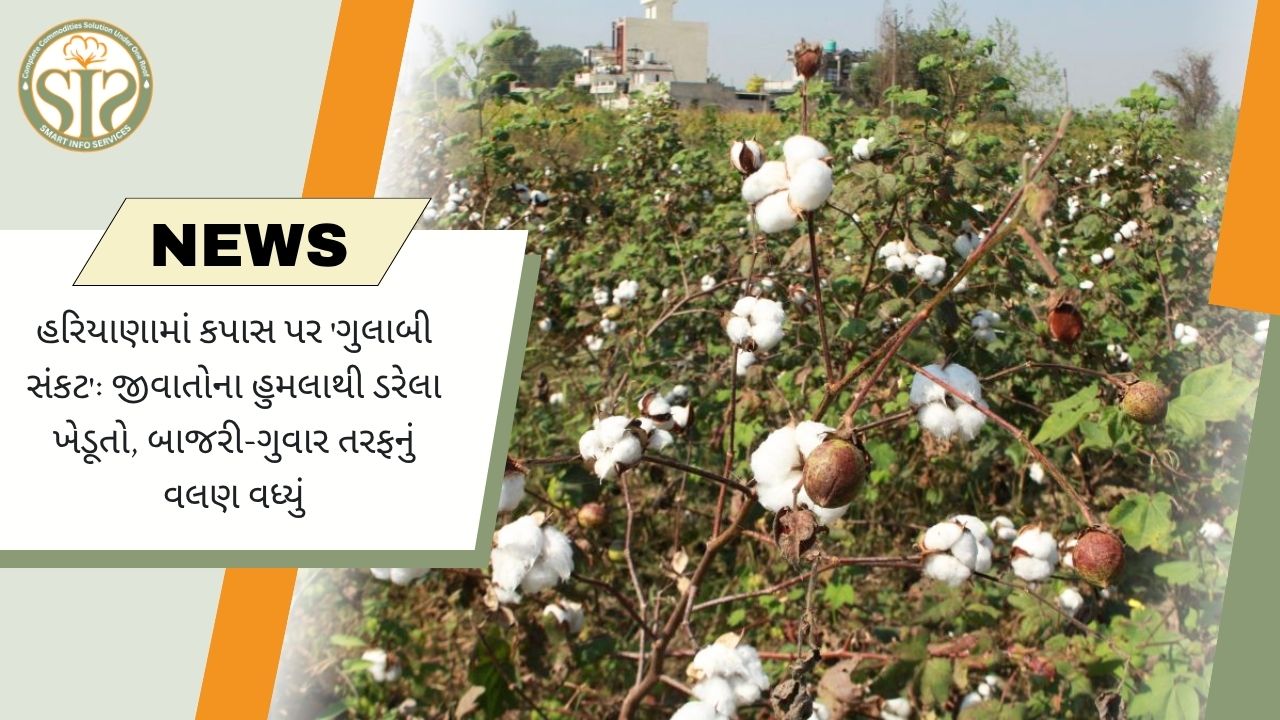
હરિયાણામાં કપાસ પર 'ગુલાબી સંકટ': જીવાતોના હુમલાથી ડરેલા ખેડૂતો, બાજરી-ગુવાર તરફનું વલણ વધ્યુંહરિયાણામાં કપાસની ખેતીમાં હાલમાં “ગુલાબી સંકટ” વધુ ઘેરી બની રહ્યું છે. ઊંચા બજાર ભાવો છતાં ખેડૂતો કપાસની વાવણીથી દૂર રહીને વૈકલ્પિક પાક તરફ વળ્યા છે.ધીગાવા મંડીમાંથી પ્રાપ્ત માહિતી અનુસાર, નર્મદા કપાસનો ભાવ હાલમાં પ્રતિ ક્વિન્ટલ રૂ.8 થી 10 હજારની વચ્ચે છે, પરંતુ તેમ છતાં ખેડૂતોનો આ પાક પરથી વિશ્વાસ ઉઠી રહ્યો હોય તેવું લાગી રહ્યું છે. ગત વર્ષની સરખામણીએ આ વર્ષે કપાસના વાવેતરમાં 60 થી 65 ટકાનો ઘટાડો થવાનો અંદાજ છે.ખેડૂતોના મોહભંગનું સૌથી મોટું કારણ “પિંક બોલવોર્મ”નો પ્રકોપ છે. ગત વર્ષે આ જીવાતે કપાસના પાકને ભારે નુકસાન પહોંચાડ્યું હતું, જેના કારણે ખેડૂતોએ સમય પહેલા પાક કાપવો પડ્યો હતો. આ અનુભવને કારણે આ વખતે ખેડૂતો જોખમ લેવાના મૂડમાં નથી.પરિસ્થિતિને જોતા કૃષિ વિભાગે અગાઉથી જ સાવધાનીથી અનેક પગલાં લીધાં હતાં. અધિકારીઓએ કપાસ મિલોનું નિરીક્ષણ કર્યું હતું અને કપાસના બિયારણને ઢાંકીને રાખવા સૂચના આપી હતી, જેથી ગુલાબી બોલવોર્મનો ફેલાવો અટકાવી શકાય. ખેડૂતોને ખેતરોમાં બચેલા કપાસના અવશેષોને દૂર કરવા અથવા નાશ કરવાની પણ સલાહ આપવામાં આવી હતી, જેથી જીવાતનું જીવન ચક્ર તૂટી શકે.આ હોવા છતાં, અસર મર્યાદિત રહી અને ખેડૂતો હવે બાજરી, ગુવાર અને મગ જેવા પાકો તરફ ઝડપથી વળ્યા છે. ભિવાની જિલ્લાના લોહારુ અને બહલ વિસ્તારો, જે એક સમયે કપાસના ઉત્પાદન માટે જાણીતા હતા, ત્યાં પણ પાકની પેટર્ન બદલાતી જોવા મળી રહી છે.ખેડૂતોના મતે, ભૂગર્ભજળના સ્તરમાં ઘટાડો, લઘુત્તમ ટેકાના ભાવની અનિશ્ચિતતા અને ગુલાબી બોલવોર્મ અને વ્હાઇટફ્લાય જેવા જીવાતોનો વધતો ખતરો તેમના કપાસથી દૂર રહેવાના મુખ્ય કારણો છે.ગયા વર્ષે ભિવાની જિલ્લામાં લગભગ 1.52 લાખ એકરમાં કપાસનું વાવેતર થયું હતું, પરંતુ આ વખતે અત્યાર સુધીમાં ખૂબ ઓછા વિસ્તારમાં વાવણી થઈ છે. આગામી દિવસોમાં 8 થી 10 હજાર વધુ એકરમાં વાવેતર થઈ શકે તેમ નિષ્ણાતો માની રહ્યા છે.કૃષિ વિભાગના જણાવ્યા અનુસાર, તાજેતરના વરસાદ બાદ તાપમાનમાં ઘટાડો થયો હોવાથી આગામી કેટલાક દિવસો સુધી હવામાન કપાસની વાવણી માટે અનુકૂળ રહેવાની શક્યતા છે. જોકે, ખેડૂતોના વલણને જોતા આ વર્ષે કપાસના ઉત્પાદનમાં ઘટાડો નિશ્ચિત માનવામાં આવે છે.વધુ વાંચો :- ડોલર સામે રૂપિયો ૧૧ પૈસા વધીને ૯૪.૯૧ પર બંધ થયો.

ગુરુવારે ભારતીય રૂપિયો યુએસ ડોલર સામે ૯૪.૯૧ પર ખુલ્યો અને બંધ થતાં સુધીમાં ૧૧ પૈસા વધીને ૯૫.૦૨ પર બંધ થયો.બંધ સમયે, સેન્સેક્સ ૫૮૨.૮૬ પોઈન્ટ અથવા ૦.૭૫ ટકા ઘટીને ૭૬,૯૧૩.૫૦ પર અને નિફ્ટી ૧૮૦.૧ પોઈન્ટ અથવા ૦.૭૪ ટકા ઘટીને ૨૩,૯૯૭.૫૫ પર બંધ થયો.વધુ વાંચો :- પંજાબના કપાસ ઉદ્યોગમાં કટોકટી: ઉત્પાદનમાં ઘટાડો

ગુરુવારે ભારતીય રૂપિયો યુએસ ડોલર સામે ૯૪.૯૧ પર ખુલ્યો અને બંધ થતાં સુધીમાં ૧૧ પૈસા વધીને ૯૫.૦૨ પર બંધ થયો.બંધ સમયે, સેન્સેક્સ ૫૮૨.૮૬ પોઈન્ટ અથવા ૦.૭૫ ટકા ઘટીને ૭૬,૯૧૩.૫૦ પર અને નિફ્ટી ૧૮૦.૧ પોઈન્ટ અથવા ૦.૭૪ ટકા ઘટીને ૨૩,૯૯૭.૫૫ પર બંધ થયો.વધુ વાંચો :- પંજાબના કપાસ ઉદ્યોગમાં કટોકટી: ઉત્પાદનમાં ઘટાડો

કાચા માલની અછત, ઉત્પાદનમાં ભારે ઘટાડાથી પંજાબનો કપાસ ઉદ્યોગ સંકટમાંપંજાબનો કપાસ આધારિત ઉદ્યોગ હાલમાં કાચા માલની ગંભીર કટોકટીમાંથી પસાર થઈ રહ્યો છે. પંજાબ, જે એક સમયે દેશના મુખ્ય કપાસ ઉત્પાદક રાજ્યોમાંનું એક હતું, હવે સ્થાનિક ઉત્પાદનમાં ઘટાડાને કારણે મહારાષ્ટ્ર અને ગુજરાત જેવા રાજ્યો પર નિર્ભર રહેવું પડે છે.એક સમયે રાજ્યમાં 7 લાખ હેક્ટરથી વધુ વિસ્તારમાં કપાસનું વાવેતર થતું હતું, જે હવે ઘટીને લગભગ 1.2 લાખ હેક્ટર થઈ ગયું છે. 2019માં આ વિસ્તાર 3.35 લાખ હેક્ટર હતો. નિષ્ણાતોના મતે કપાસના વાવેતરમાં ઘટાડાનું મુખ્ય કારણ જીવાતોનો ઉપદ્રવ, ઓછી ઉપજ અને અન્ય પાકો તરફ ખેડૂતોનું વધતું વલણ છે.ઉદ્યોગના પ્રતિનિધિઓ કહે છે કે પંજાબમાં સુધારેલા અને રોગ-પ્રતિરોધક બિયારણનો અભાવ પણ ઉત્પાદનમાં ઘટાડો થવાનું મુખ્ય કારણ છે. તેનાથી વિપરિત મહારાષ્ટ્ર જેવા રાજ્યોમાં આધુનિક બિયારણની મદદથી વધુ ઉત્પાદન મેળવવામાં આવી રહ્યું છે.માહિતી અનુસાર, મહારાષ્ટ્રમાં આ સિઝનમાં આશરે 1.15 કરોડ ગાંસડી કપાસનું ઉત્પાદન થયું હતું, જ્યારે પંજાબમાં તે માત્ર 1.5 લાખ ગાંસડી સુધી મર્યાદિત હતું. આ કારણોસર રાજ્યના જિનિંગ અને સ્પિનિંગ એકમોને બહારથી કાચો માલ આયાત કરવો પડે છે.કપાસની અછતની સીધી અસર ઉદ્યોગ પર પડી છે. જ્યારે પંજાબમાં અગાઉ 422 જિનિંગ એકમો હતા, હવે તેમની સંખ્યા ઘટીને માત્ર 25 થઈ ગઈ છે. ઘણા એકમો બંધ થઈ ગયા છે અને કેટલાક ઉદ્યોગો અન્ય રાજ્યોમાં શિફ્ટ થઈ ગયા છે.પરિસ્થિતિ સુધારવા માટે, રાજ્ય સરકારે પ્રમાણિત કપાસના બિયારણ પર 33% સબસિડી આપવાની જાહેરાત કરી છે અને 2026 સુધીમાં વિસ્તાર વધારીને 1.25 લાખ હેક્ટર કરવાનો લક્ષ્યાંક રાખ્યો છે. સરકાર ખેડૂતોને ડાંગરને બદલે કપાસ અપનાવવા પણ અપીલ કરી રહી છે.વધુ વાંચો :- રાજસ્થાન: હવામાન પરિવર્તનથી કપાસના પાકને ફાયદો

રાજસ્થાનના બંબાલુ-સરુપાસરમાં જોરદાર તોફાન અને વરસાદઃ ગરમીથી રાહત, કપાસના પાકને ફાયદોબંબાલુ અને સરુપસર વિસ્તારમાં મંગળવારે રાત્રે અચાનક વાતાવરણમાં પલટો આવ્યો હતો, જેના કારણે આકરી ગરમીથી ત્રસ્ત લોકોને મોટી રાહત મળી હતી. બંને વિસ્તારોમાં ભારે પવન અને ધૂળ ભરેલા વાવાઝોડા સાથે વરસાદ નોંધાયો હતો, જેના કારણે માત્ર તાપમાનમાં ઘટાડો થયો ન હતો પરંતુ ખેડૂતોના પાક માટે પણ ફાયદાકારક સાબિત થયો હતો.બંબાલુ ગામમાં લગભગ અડધા કલાક સુધી ભારે પવન સાથે ભારે વરસાદ પડ્યો હતો, જેના કારણે રસ્તાઓ પર પાણી ભરાઈ ગયા હતા અને વાતાવરણ ખુશનુમા બની ગયું હતું. તે જ સમયે, સરુપસરમાં રાત્રે 11:30 વાગ્યે 35-40 કિમી પ્રતિ કલાકની ઝડપે ધૂળની ડમરીઓ આવી હતી, ત્યારબાદ 15-20 મિનિટ સુધી હળવાથી મધ્યમ વરસાદ થયો હતો. દિવસભર 40 ડિગ્રી સેલ્સિયસ તાપમાન અને હીટ વેવથી પીડાતા લોકોને આ ફેરફારથી ઘણી રાહત મળી છે.ખેડૂતોના જણાવ્યા મુજબ આ સમયે કપાસ અને નર્મદાના પાકને પાણીની ભારે જરૂરિયાત હતી. વરસાદથી ખેતરોમાં ભેજ વધ્યો છે, જેનાથી પાકના વિકાસમાં મદદ મળશે અને ઉત્પાદન વધુ સારું થવાની ધારણા છે. આ ઉપરાંત સિંચાઈ પર થતા ખર્ચમાં પણ ઘટાડો થશે.જો કે, જોરદાર પવનને કારણે કેટલીક જગ્યાએ ઝાડની ડાળીઓ તૂટી જવાના અને વીજ પુરવઠામાં મામૂલી વિક્ષેપ પડવાના અહેવાલો છે. સરુપસરમાં તોફાન દરમિયાન વીજળી પણ ચમકી હતી, જેના કારણે લોકો થોડો સમય સતર્ક રહ્યા હતા.વહીવટીતંત્ર દ્વારા પહેલાથી જ વાવાઝોડા અને વરસાદની ચેતવણી જારી કરવામાં આવી હતી. બુધવારે સવારે હવામાન સાફ થઈ ગયું હતું, જો કે દિવસ દરમિયાન ફરીથી તીવ્ર સૂર્યપ્રકાશની શક્યતા છે.હવામાનમાં આવેલા આ બદલાવને આવકારી ગ્રામજનોએ ભવિષ્યમાં પણ સમયાંતરે આવો વરસાદ ચાલુ રહે તેવી આશા વ્યક્ત કરી છે જેનાથી પાકને ફાયદો થશે અને ગરમીથી રાહત મળશે.વધુ વાંચો :- તમિલનાડુ: વધતા ખર્ચ, ઘટતો નફો - પેરામ્બલુરના ખેડૂતો પરેશાન

તામિલનાડુ: પેરામ્બલુરમાં કપાસના ખેડૂતો વધતા ખર્ચ અને ઘટતા નફાથી પરેશાનતમિલનાડુના પેરમ્બલુર જિલ્લામાં કપાસના ખેડૂતો વધતા ખર્ચ અને ઘટતા નફાને કારણે ગંભીર સંકટનો સામનો કરી રહ્યા છે. મજૂરીના મજૂરીમાં સતત વધારો, જંતુનાશકો અને ખાતરોના ભાવોએ ખેતીને મોંઘી બનાવી છે, જેના કારણે ઘણા ખેડૂતો આ પાકથી દૂર રહ્યા છે.એક સમયે વેપ્પનથટાઈ, વેપ્પુર અને અલાથુર વિસ્તારમાં આશરે 5,000 હેક્ટરમાં ફેલાયેલી કપાસની ખેતી હવે લગભગ 2,000 એકરમાં ઘટી ગઈ છે. ખેડૂતો કહે છે કે એક સમયે સ્થિર આવકનો સ્ત્રોત ગણાતો કપાસ હવે જોખમી અને ઓછો નફાકારક બની ગયો છે.કપાસનો લઘુત્તમ ટેકાના ભાવ પ્રતિ ક્વિન્ટલ ₹8,110 નક્કી કરવામાં આવ્યો હોવા છતાં, બજારમાં તેની કિંમત માત્ર ₹7,900 પ્રતિ ક્વિન્ટલ છે. એકર દીઠ સરેરાશ 8 ક્વિન્ટલ ઉત્પાદન હોવા છતાં વધતા ખર્ચને કારણે ખેડૂતોને પૂરતો નફો મળી શકતો નથી.મજૂરોની અછતને કારણે પરિસ્થિતિ વધુ જટિલ બની છે. વાવણી, નિંદણ અને લણણી જેવા કામો માટે વધુ મજૂરોની જરૂર પડે છે, પરંતુ ઓછી ઉપલબ્ધતાને કારણે વેતન પ્રતિદિન ₹500 થી ₹700 સુધી પહોંચી ગયું છે. જેના કારણે ઘણા ખેડૂતોને ખેતરોમાં જાતે જ મહેનત કરવાની ફરજ પડી રહી છે.વધુમાં, જંતુઓના વધતા હુમલાને કારણે, રાસાયણિક જંતુનાશકોનો ઉપયોગ પણ વધ્યો છે, જેનાથી ખર્ચમાં વધારો થયો છે. ખાતરો પર નિર્ભરતા વધવાથી આર્થિક દબાણ પણ વધે છે. નિષ્ણાતો માને છે કે લાંબા સમય સુધી જંતુનાશકોના વધુ પડતા ઉપયોગથી જમીનની ફળદ્રુપતા પર પણ અસર પડી છે.તમિલનાડુ વિવસાયીગલ સંગમ જિલ્લા પ્રમુખ એન. ચેલ્લાદુરાઈના જણાવ્યા અનુસાર, જિલ્લામાં સીધા ખરીદ કેન્દ્રોના અભાવને કારણે ખેડૂતોને તેમની પેદાશોના સારા ભાવ મળી શકતા નથી.આ સંજોગોને કારણે હવે ઘણા ખેડૂતો કપાસને બદલે મકાઈ જેવા વૈકલ્પિક પાક તરફ વળ્યા છે, જે પ્રમાણમાં ઓછા ખર્ચે અને ઓછા જોખમી ગણાય છે.વધુ વાંચો :- રૂપિયો ૧૭ પૈસા ઘટીને ૯૫.૦૨ પર ખુલ્યો.

રૂપિયો ૧૭ પૈસા ઘટીને ૯૫.૦૨/USD પર ખુલ્યો.ગુરુવારે, ભારતીય રૂપિયો ડોલર સામે ૯૫.૦૨ પર ખુલ્યો ૧૭ પૈસા ઘટીને જ્યારે બુધવારે તે ૯૪.૮૫ પર બંધ થયો હતો.વધુ વાંચો:- રૂપિયો 11 પૈસા ઘટીને 94.85 પ્રતિ ડોલર પર બંધ થયો.

બુધવારે, ભારતીય રૂપિયો ૧૧ પૈસા ઘટીને ૯૪.૮૫ પ્રતિ ડોલર પર બંધ થયો, જ્યારે સવારે તે ૯૪.૭૪ પર ખુલ્યો હતો.બંધ સમયે, સેન્સેક્સ ૬૦૯.૪૫ પોઈન્ટ અથવા ૦.૭૯ ટકા વધીને ૭૭,૪૯૬.૩૬ પર અને નિફ્ટી ૧૮૧.૯૫ પોઈન્ટ અથવા ૦.૭૬ ટકા વધીને ૨૪,૧૭૭.૬૫ પર બંધ થયો હતો. લગભગ ૨૦૧૦ના શેર વધ્યા, ૨૦૪૭ શેર ઘટ્યા અને ૧૫૭ શેર યથાવત રહ્યા.વધુ વાંચો :- કપાસની આયાત ડ્યુટીમાં ઘટાડો કરવાનો વિચાર: કાપડ ઉદ્યોગ માટે રાહત
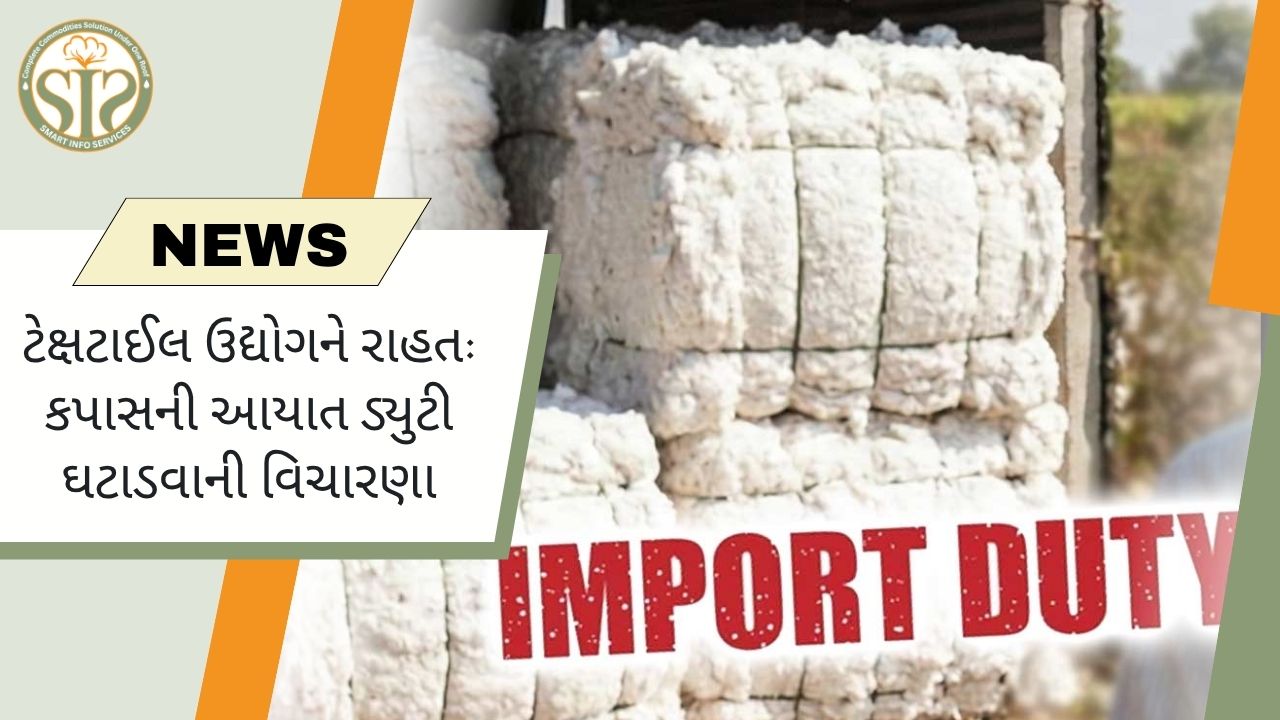
ટેક્ષટાઈલ ઉદ્યોગને રાહત: કપાસની આયાત ડ્યુટી ઘટાડવાની વિચારણાનવી દિલ્હી: કેન્દ્ર સરકાર પશ્ચિમ એશિયામાં ચાલી રહેલા સંઘર્ષને કારણે સપ્લાય ચેઇન વિક્ષેપ અને કાચા માલની વધતી કિંમતો વચ્ચે સ્થાનિક કાપડ ઉદ્યોગને રાહત આપવાના પગલાં પર વિચાર કરી રહી છે. આ ક્રમમાં, કાચા કપાસની આયાત પરની કસ્ટમ ડ્યુટી ઘટાડવા અથવા સંપૂર્ણપણે નાબૂદ કરવાની દરખાસ્ત ચર્ચા હેઠળ છે.ભારતનો કાપડ ઉદ્યોગ મુખ્યત્વે સ્થાનિક કપાસ પર નિર્ભર છે, પરંતુ લાંબા મુખ્ય કપાસની જરૂરિયાતને પહોંચી વળવા માટે યુએસ, ઇજિપ્ત, ઓસ્ટ્રેલિયા અને અમુક અંશે બ્રાઝિલમાંથી આયાત કરે છે. કાપડ મંત્રાલયના વેપાર સલાહકાર બિપિન મેનનના જણાવ્યા અનુસાર, આ મુદ્દે કૃષિ મંત્રાલય અને મહેસૂલ વિભાગ સાથે ચર્ચા ચાલી રહી છે.મંત્રાલયે વિસ્કોસ સ્ટેપલ ફાઈબર (VSF) અને ફિલામેન્ટ યાર્નના ઉત્પાદનમાં વપરાતા રેયોન-ગ્રેડના લાકડાના પલ્પ પરની 2.5% આયાત જકાત દૂર કરવાની પણ દરખાસ્ત કરી છે. આ પલ્પ લાકડામાંથી મેળવેલ અત્યંત શુદ્ધ સેલ્યુલોઝ છે, જે માનવસર્જિત ફાઇબરના ઉત્પાદનમાં એક મહત્વપૂર્ણ કાચો માલ છે. જો કે, મેનને સ્પષ્ટતા કરી હતી કે તેના પુરવઠામાં જે પડકારોનો સામનો કરવો પડે છે તે પશ્ચિમ એશિયામાં સંઘર્ષ સાથે સીધો સંબંધિત નથી, તેથી આ અંગે નિર્ણય પછીથી લઈ શકાય છે.હાલમાં, કાચા કપાસ પર 5% કસ્ટમ ડ્યુટી લાગુ છે, જે ઓગસ્ટથી ડિસેમ્બર 2025 વચ્ચે અસ્થાયી રૂપે દૂર કરવામાં આવી હતી. સરકાર હવે ઉદ્યોગની વર્તમાન પરિસ્થિતિને ધ્યાનમાં રાખીને ફરીથી રાહત આપવાનું વિચારી રહી છે.વૈશ્વિક માંગમાં નબળાઈને કારણે, નાણાકીય વર્ષ 2026માં ભારતની તૈયાર વસ્ત્રોની નિકાસ ઘટીને $15.77 બિલિયન થવાની સંભાવના છે. આવી સ્થિતિમાં, નિષ્ણાતો માને છે કે ડ્યુટીમાં ઘટાડો થવાથી કાચા માલની કિંમતમાં ઘટાડો થશે, ડિવિડન્ડમાં સુધારો થશે અને નિકાસ સ્પર્ધાત્મકતામાં વધારો થશે.આ પગલું કાપડ ક્ષેત્ર માટે નિર્ણાયક સાબિત થઈ શકે છે, જે દેશની કુલ નિકાસમાં 8-10% ફાળો આપે છે, ખાસ કરીને કારણ કે સરકાર 2030 સુધીમાં નિકાસને $100 બિલિયન સુધી લઈ જવાનું લક્ષ્ય રાખે છે.વધુ વાંચો :- કપાસ ડ્યુટી કાપ વિવાદ: ખેડૂતોના હિતોની ચિંતા
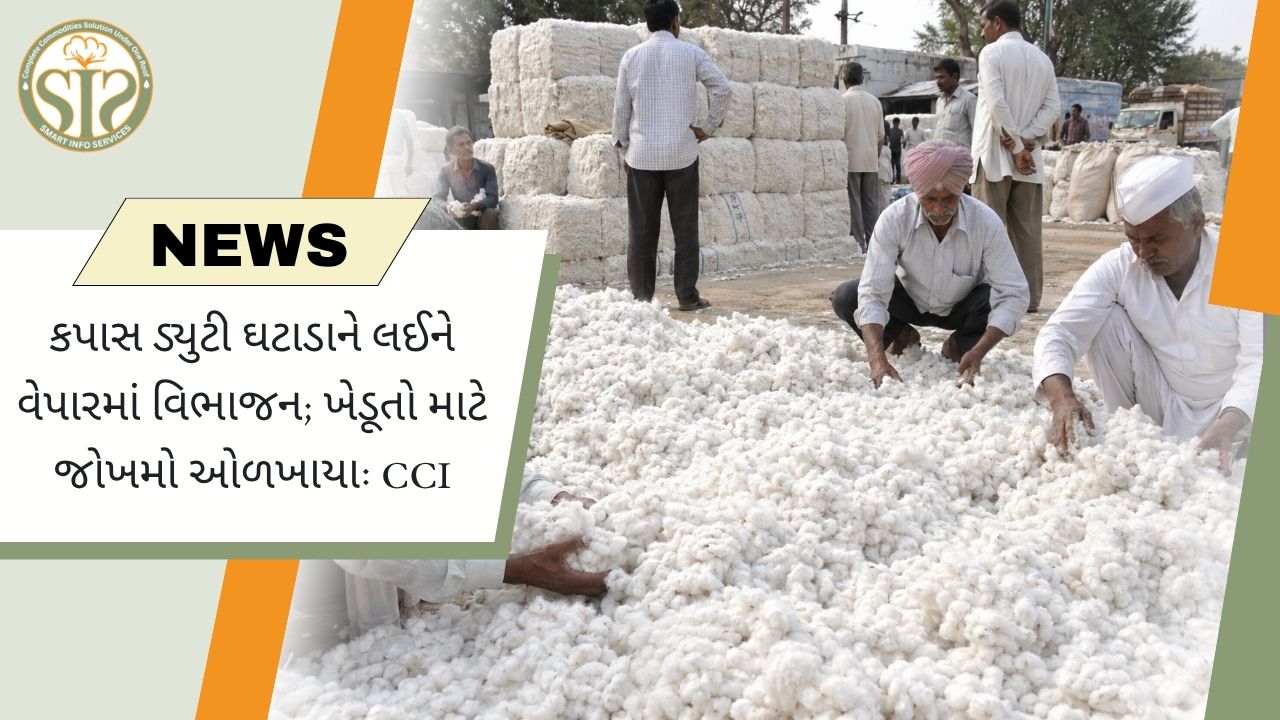
કપાસ ડ્યુટી ઘટાડાને લઈને વેપારમાં વિભાજન; ખેડૂતો માટે જોખમો ઓળખાયા: CCIકપાસની આયાત ડ્યુટીમાં ઘટાડા અંગે મતભેદો વધુ ઘેરા બની રહ્યા છે. સ્થાનિક ભાવમાં વધારો થવાને કારણે મિલરો અને કાપડ ઉદ્યોગ ડ્યુટી ઘટાડવાની માંગ કરી રહ્યા છે, ત્યારે વેપારી સમુદાયના એક વર્ગે આને ખેડૂતો માટે જોખમી પગલું ગણાવ્યું છે.હાલમાં, ભારતમાં કપાસ પર આશરે 11% ની આયાત ડ્યુટી લાગુ છે, જે 1 જાન્યુઆરી, 2026 થી લાગુ પડે છે. જોકે સરકાર અને ઉદ્યોગ ભાવમાં તીવ્ર વધારાને કારણે આ ડ્યુટીમાં ઘટાડો કરવાનું વિચારી રહ્યા છે, ઘણા વેપારીઓ આ વિચારનો વિરોધ કરે છે. તેઓ માને છે કે આ સમયે ડ્યુટી ઘટાડવાથી ખેડૂતોના હિતોને પ્રતિકૂળ અસર થઈ શકે છે.વેપારીઓના મતે, ઘણા ખેડૂતો હાલમાં સારા ભાવ મેળવવાની આશામાં તેમના ઉત્પાદનને રોકી રહ્યા છે - અંદાજે 4 મિલિયન ગાંસડી (એક ગાંસડી = 170 કિલોગ્રામ) જેટલો સ્ટોક. આ સંજોગોમાં, જો આયાત સસ્તી થાય છે, તો તે સ્થાનિક બજારમાં ભાવ પર નીચે તરફ દબાણ લાવશે, જેનાથી ખેડૂતોને નાણાકીય નુકસાન થવાની સંભાવના છે.એક વરિષ્ઠ વેપારીએ ચેતવણી આપી હતી કે અગાઉ જ્યારે આયાત જકાત ઘટાડવામાં આવી હતી, ત્યારે ફક્ત ત્રણ મહિનાના સમયગાળામાં લગભગ 30 લાખ ગાંસડી કપાસની આયાત કરવામાં આવી હતી. પરિણામે, સ્થાનિક માંગ આયાત દ્વારા પૂરી થવા લાગી, જેના કારણે ખેડૂતોને લઘુત્તમ ટેકાના ભાવ (MSP) થી નીચે તેમના પાક વેચવાની ફરજ પડી.નિષ્ણાતો માને છે કે જો વર્તમાન પરિસ્થિતિઓમાં પણ જકાત ઘટાડવામાં આવે તો, આવી જ પરિસ્થિતિ ફરી ઊભી થઈ શકે છે - ખાસ કરીને એવા ખેડૂતો માટે જેમણે સારા ભાવની અપેક્ષાએ પોતાનું ઉત્પાદન રોકી રાખ્યું છે.વધુ વાંચો :- રૂપિયો 20 પૈસા ઘટીને 94.74 પર ખુલ્યો.

રૂપિયો 20 પૈસા ઘટીને 94.74/USD પર ખુલ્યો.બુધવારે, ભારતીય રૂપિયો ડોલર સામે 94.74 પર ખુલ્યો 20 પૈસા ઘટીને જ્યારે મંગળવારે તે 94.54 પર બંધ થયો હતો.વધુ વાંચો:- ડોલર દીઠ રૂપિયો 17 પૈસા ઘટીને 94.54 પર બંધ થયો.

મંગળવારે ભારતીય રૂપિયો 17 પૈસા ઘટીને 94.54 પ્રતિ યુએસ ડોલર પર બંધ થયો, જે સવારે 94.37 ના શરૂઆતના સ્તરથી બંધ થયો હતો.બંધ સમયે, સેન્સેક્સ 416.72 પોઈન્ટ અથવા 0.54 ટકા ઘટીને 76,886.91 પર બંધ થયો હતો, અને નિફ્ટી 97 પોઈન્ટ અથવા 0.40 ટકા ઘટીને 23,995.70 પર બંધ થયો હતો. લગભગ 1923 શેર વધ્યા, 2157 શેર ઘટ્યા અને 157 શેર યથાવત રહ્યા.વધુ વાંચો :- VGRC સુરત ખાતે કાપડ ઉદ્યોગમાં વિકાસ અને રોકાણ માટે નવી તકો

VGRC સુરતમાં કાપડ ઉદ્યોગના વિકાસ અને રોકાણ માટેની નવી તકોગુજરાત સરકારના જણાવ્યા અનુસાર સુરતની ઓરો યુનિવર્સિટી ખાતે 1 અને 2 મેના રોજ યોજાનારી 'વાઈબ્રન્ટ ગુજરાત રિજનલ કોન્ફરન્સ (VGRC)' દક્ષિણ ગુજરાતના ઔદ્યોગિક વિકાસને નવી દિશા આપશે. પરિષદ ખાસ કરીને કાપડ ઉદ્યોગમાં રોકાણ વધારવા, વૈશ્વિક ખરીદદારો અને સ્થાનિક ઉત્પાદકોને જોડવા અને નવી ટેકનોલોજી અને નવીનતાઓના વિનિમયને પ્રોત્સાહન આપવા પર ધ્યાન કેન્દ્રિત કરે છે.તાપી નદીના કિનારે આવેલું સુરત ઐતિહાસિક રીતે એક મુખ્ય વેપાર કેન્દ્ર રહ્યું છે. તે 16મી સદીમાં રેશમના વેપાર માટે પ્રખ્યાત હતું અને આજે તે વિશ્વના અગ્રણી 'સિલ્ક સિટી' અને ભારતના સૌથી મોટા માનવસર્જિત ફાઇબર (MMF) હબ તરીકે ઓળખાય છે. રાજ્ય સરકારના જણાવ્યા અનુસાર, સુરત ભારતના કૃત્રિમ સિલ્કનું લગભગ 90% ઉત્પાદન કરે છે અને દેશના MMF ક્ષેત્રમાં તેનો હિસ્સો 65% છે.આશરે ₹1.5 લાખ કરોડના વાર્ષિક ટર્નઓવર અને 18-20 લાખ રોજગારીની તકો સાથે આ ઉદ્યોગ રાજ્યના અર્થતંત્રમાં નોંધપાત્ર યોગદાન આપે છે. સુરતમાં દરરોજ કરોડો મીટર કાપડનું ઉત્પાદન થાય છે અને અહીંથી સમગ્ર વિશ્વમાં નિકાસ થાય છે.VGRC એફડીઆઈમાં વધારો કરશે, ટેકનિકલ સહયોગને મજબૂત કરશે અને સુરતને વૈશ્વિક ટેક્સટાઈલ હબ તરીકે વધુ સશક્ત કરશે તેવી અપેક્ષા છે.વધુ વાંચો :- CCI એ કપાસના ભાવમાં ₹600-₹1,000 નો વધારો કર્યો; હરાજીમાં 3.92 લાખ ગાંસડીનું વેચાણ થયું
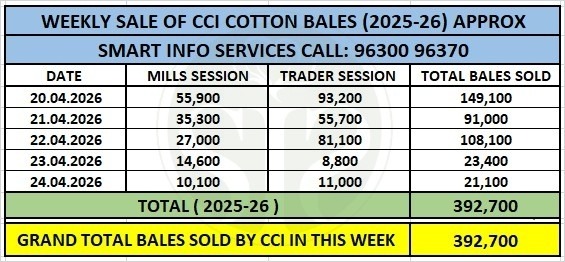
CCI એ કપાસના ભાવમાં પ્રતિ કેન્ડી ₹600-₹1,000 નો વધારો કર્યો; સાપ્તાહિક હરાજી વેચાણ 3.92 લાખ ગાંસડીથી વધુ થયુંકોટન કોર્પોરેશન ઓફ ઇન્ડિયા (CCI) એ ગયા સપ્તાહ દરમિયાન કપાસના ભાવમાં પ્રતિ કેન્ડી ₹600 થી ₹1,000 નો વધારો કર્યો હતો, જે 20 એપ્રિલથી 24 એપ્રિલ, 2026 સુધી ચાલ્યો હતો. મિલો અને કપાસના વેપારીઓએ આ હરાજીમાં ભાગ લીધો હતો, જેના પરિણામે 2025-26 સીઝનના સ્ટોકમાંથી આશરે 392,700 ગાંસડીનું સાપ્તાહિક વેચાણ થયું હતું.સાપ્તાહિક વેચાણ અહેવાલ:20 એપ્રિલ (સોમવાર):સપ્તાહની શરૂઆત મજબૂત નોંધ પર થઈ હતી, જેમાં 149,100 ગાંસડીનો સૌથી વધુ એક દિવસીય વેચાણનો આંકડો નોંધાયો હતો. વેપારીઓએ ખરીદી પ્રવૃત્તિમાં પ્રભુત્વ મેળવ્યું હતું, 93,200 ગાંસડી ખરીદી હતી, જ્યારે મિલોએ 55,900 ગાંસડી ખરીદી હતી.21 એપ્રિલ (બુધવાર):વેચાણમાં થોડો ઘટાડો જોવા મળ્યો હતો, જે 91,000 ગાંસડી પર સ્થિર થયો હતો. મિલોએ ૩૫,૩૦૦ ગાંસડી ખરીદી હતી, જ્યારે વેપારીઓએ ૫૫,૭૦૦ ગાંસડી ખરીદી હતી.૨૨ એપ્રિલ (ગુરુવાર):હરાજી ફરી એકવાર તીવ્ર બની, વેચાણ ૧૦૮,૧૦૦ ગાંસડી સુધી પહોંચ્યું. મિલોએ ૨૭,૦૦૦ ગાંસડી ખરીદી હતી, અને વેપારીઓએ ૮૧,૧૦૦ ગાંસડી ખરીદી હતી.૨૩ એપ્રિલ (ગુરુવાર):આ દિવસે કુલ ૨૩,૪૦૦ ગાંસડી વેચાઈ હોવાનું નોંધાયું હતું. મિલોએ ૧૪,૬૦૦ ગાંસડી ખરીદી હતી, જ્યારે વેપારીઓએ ૮,૮૦૦ ગાંસડી ખરીદી હતી.૨૪ એપ્રિલ (શુક્રવાર):સપ્તાહ કુલ ૨૧,૧૦૦ ગાંસડી વેચાણ સાથે સમાપ્ત થયું. મિલોએ ૧૦,૧૦૦ ગાંસડી ખરીદી હતી, જ્યારે વેપારીઓએ ૧૧,૦૦૦ ગાંસડી ખરીદી હતી. કુલ વેચાણ અપડેટ:૨૦૨૫–૨૬ સીઝન: ૫,૭૫૯,૦૦૦ ગાંસડી
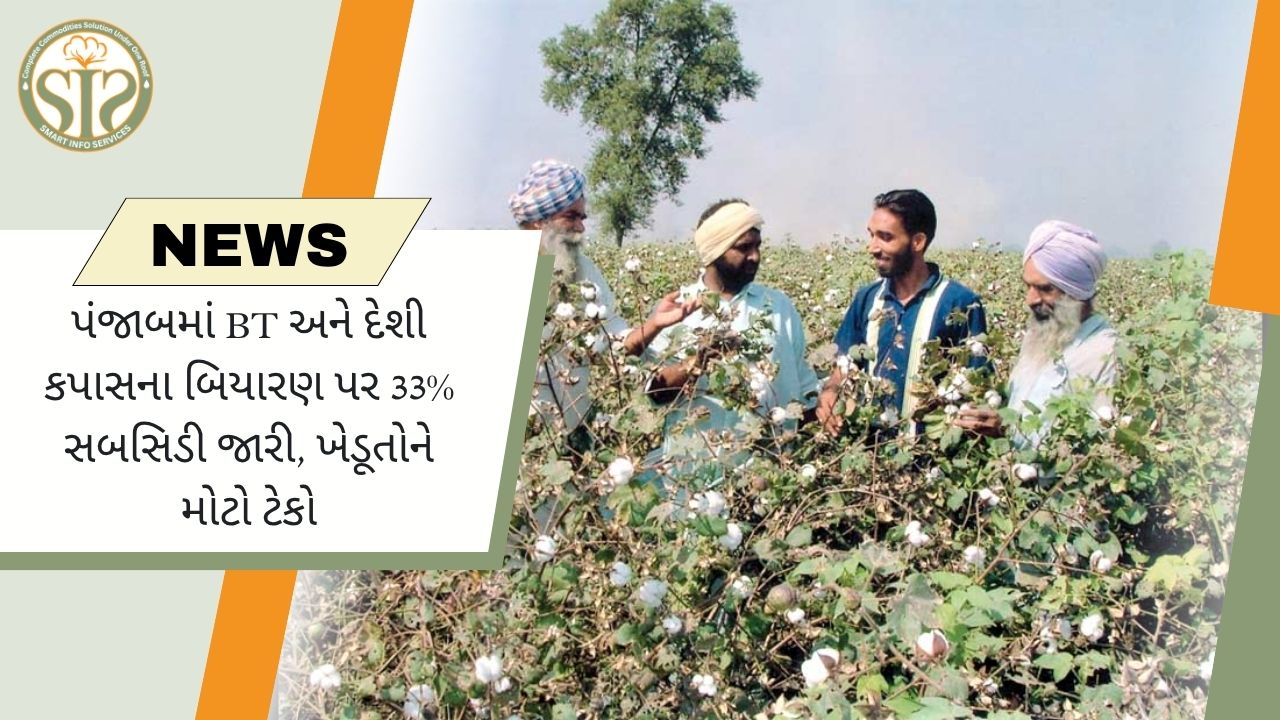
પંજાબમાં BT અને દેશી કપાસના બિયારણ પર 33% સબસિડી જારી, ખેડૂતોને મોટો ટેકોબથિંડા: પંજાબ સરકારે પંજાબ એગ્રીકલ્ચરલ યુનિવર્સિટી (PAU), લુધિયાણા દ્વારા ભલામણ કરેલ પ્રમાણિત Bt કપાસના સંકર અને સ્વદેશી કપાસના બીજની જાતો પર 33% સબસિડી ચાલુ રાખવાનો નિર્ણય કર્યો છે. આ યોજના 2025 માં શરૂ કરવામાં આવી હતી અને તે ખેડૂતોને વધુ સારી ગુણવત્તાવાળા બીજ અપનાવવા પ્રોત્સાહિત કરવા પર ધ્યાન કેન્દ્રિત કરે છે.સરકાર 87 માન્ય Bt કપાસની સંકર અને ચાર સ્વદેશી જાતો- LD1019, LD949, FDK124 અને PBD88માંથી કોઈપણ એકને પસંદ કરતા ખેડૂતો માટે બિયારણની કિંમતનો લગભગ એક તૃતીયાંશ ભાગ ભોગવશે. પાત્રતાની ચકાસણી બાદ આ સબસિડી સીધી ખેડૂતોના બેંક ખાતામાં ટ્રાન્સફર કરવામાં આવશે.ગત ખરીફ સિઝનમાં કપાસના વિસ્તારમાં નોંધપાત્ર વધારો નોંધાયો હતો. જ્યારે 2024માં આ વિસ્તાર 1 લાખ હેક્ટર હતો, તે 2025માં 19% વધીને 1.19 લાખ હેક્ટર થયો હતો. આગામી સિઝન માટે, સરકારે 1.25 લાખ હેક્ટરમાં કપાસના વાવેતરનો લક્ષ્યાંક રાખ્યો છે.સબસિડી મેળવવા માટેનું ઓનલાઈન એપ્લીકેશન પોર્ટલ 20 એપ્રિલથી શરૂ થયું છે. 15 મે સુધીનો સમય કપાસની વાવણી માટે યોગ્ય માનવામાં આવે છે.રાજ્યના કૃષિ પ્રધાન ગુરમીત સિંહ ખુડિયાને જણાવ્યું હતું કે PAU દ્વારા માન્ય BT હાઇબ્રિડ અને સ્વદેશી કપાસની જાતોનું મિશ્રણ રાજ્યને તેના પરંપરાગત કપાસના પટ્ટાને પુનર્જીવિત કરવામાં મદદ કરશે. તેમણે અધિકારીઓને એક વિશાળ જાગૃતિ અભિયાન ચલાવવા અને દરેક પાત્ર ખેડૂતને ડિજિટલ પ્લેટફોર્મની સરળ ઍક્સેસ સુનિશ્ચિત કરવા નિર્દેશ આપ્યો છે, જેથી કોઈ પણ ખેડૂત માહિતી અથવા તકનીકી અવરોધોને કારણે યોજનામાંથી બહાર ન રહી જાય.તેમણે ખેડૂતોને સમયસર પોર્ટલ પર અરજી કરવા અને આ યોજનાનો મહત્તમ લાભ લેવા અપીલ કરી છે.વધુ વાંચો :- રૂપિયો ૧૮ પૈસા ઘટીને ૯૪.૩૭ પર ખુલ્યો.

રૂપિયો ૧૮ પૈસા ઘટીને ૯૪.૩૭/USD પર ખુલ્યો.મંગળવારે, ભારતીય રૂપિયો ડોલર સામે ૯૪.૩૭ પર ખુલ્યો ૧૮ પૈસા ઘટીને જ્યારે સોમવારે તે ૯૪.૧૯ પર બંધ થયો હતો.વધુ વાંચો:- ભારત-ન્યુઝીલેન્ડ FTA કાપડ નિકાસને વેગ આપશે