India's Textile Production Affected by Iran Tensions
By yash chouhan 2026-05-01 17:26:36
India's textile output declines in March amid Iran conflict and rising costs
In March, India's textile industry came under pressure from many fronts, due to which a decline in production was recorded. Key segments like readymade garments, cotton textiles and blended fabrics were the most affected. Rising input costs, global geopolitical tensions and weak demand further accelerated this decline.
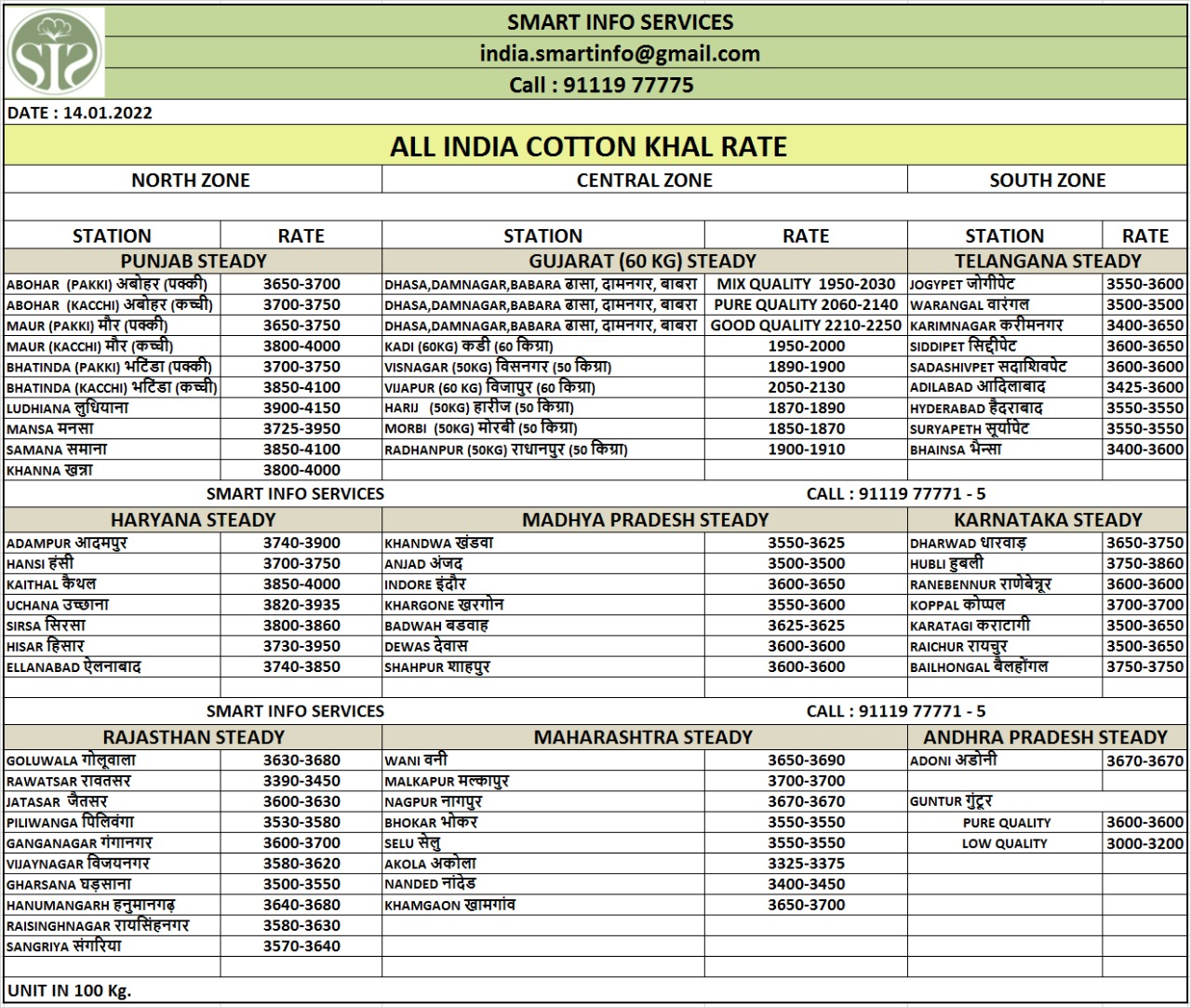
According to the data, textile manufacturing declined by 3.6% year-on-year in March, while apparel production recorded a sharp decline of 14.6%. The situation remained quite challenging on the cost front. Cotton yarn prices rose by nearly 20%, while polymers used in packaging became costlier by 50%. Additionally, an increase in the prices of paper by 10% and that of dyes and chemicals by nearly 40% further increased the cost of production.
The ongoing conflict in West Asia, particularly developments involving Iran, severely impacted shipments and logistics. Many export orders were stuck, freight costs increased, and war-risk insurance also became expensive. Fluctuations in crude oil prices further increased input costs, putting pressure on companies' margins and tightening working capital conditions.
The decline was widespread across various segments of production. Production of polyester/viscose blended fabrics declined by 13.1%, while cotton fabrics also saw a decline of about 4%. The home textile segment, particularly terry towels, declined 6.1%. At the same time, the decline in readymade garments was greater—non-knitted garments production fell by 14.9% and knitted garments production fell by 11%.
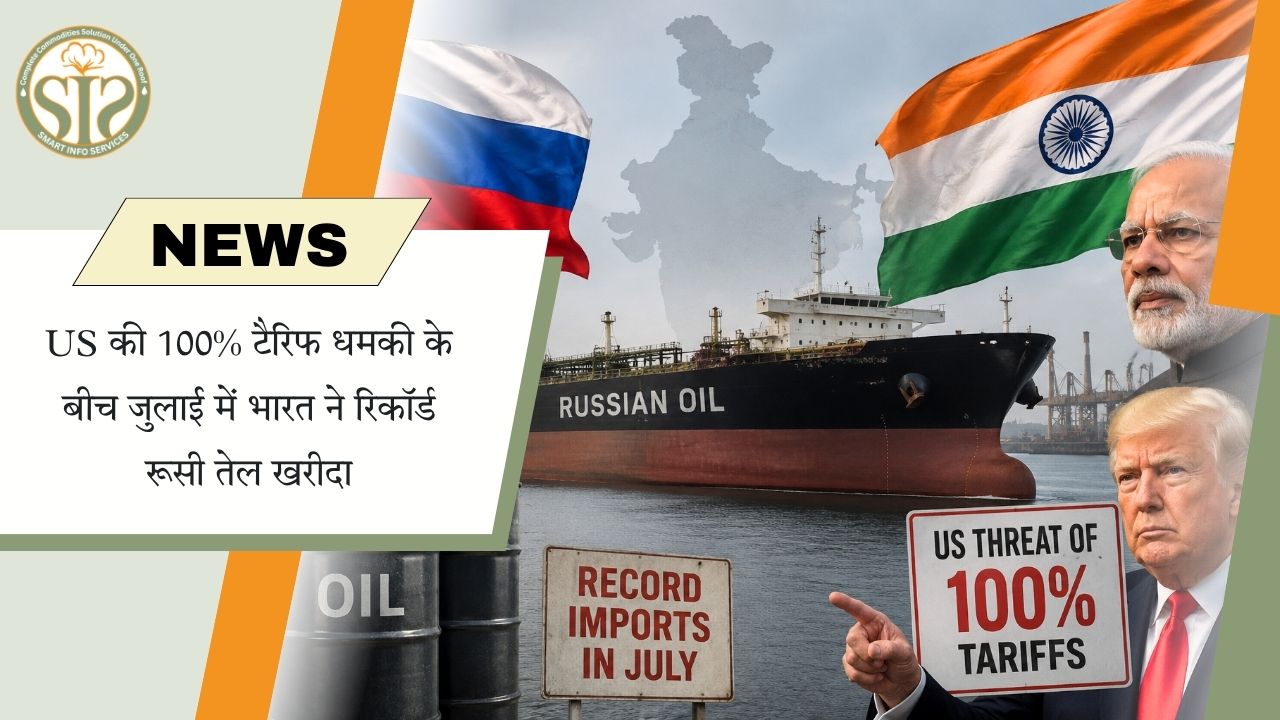
Challenges remain at the global level also. US tariffs, disruption in trade routes and increasing competition from Vietnam and Bangladesh have impacted exports. Also, weakness in domestic demand also remains a matter of concern for the industry.
Overall, the textile and apparel sector—which contributes 2.3% to India's GDP and about 13% to industrial output—faces uncertainty in the near term. If geopolitical tensions and cost pressures continue, the impact on production and profits could persist further.