

सूती व पॉलिस्टर धागे की कीमतों में बढ़ोतरी से बुनकरों पर दबावमानपुर (बिहार)- सूती और पॉलिस्टर धागों की कीमतों में हालिया बढ़ोतरी ने टेक्सटाइल उद्योग, खासकर बुनकर समुदाय, के सामने गंभीर आर्थिक चुनौती खड़ी कर दी है। सूती धागे के दाम में लगभग 15% और पॉलिस्टर धागे में करीब 50% तक की वृद्धि ने उत्पादन लागत को काफी बढ़ा दिया है, जिससे छोटे और मध्यम बुनकरों पर सीधा असर पड़ रहा है।स्थिति और जटिल इसलिए हो गई है क्योंकि बढ़ती लागत के बावजूद तैयार कपड़ों की कीमतों में समान अनुपात में वृद्धि करना संभव नहीं है। नतीजतन, बुनकरों का मुनाफा लगातार घटता जा रहा है और कई इकाइयाँ आर्थिक दबाव झेल रही हैं।इस संकट को देखते हुए बुनकर संगठनों ने राज्य सरकार से सूती धागे पर 15% सब्सिडी देने की मांग की है, ताकि उन्हें तत्काल राहत मिल सके और उद्योग की प्रतिस्पर्धात्मकता बनी रहे।बुनकर प्रतिनिधियों का कहना है कि कच्चे माल की कीमतों में यह असामान्य वृद्धि पूरे उद्योग के लिए चिंताजनक है। उन्होंने राज्य और केंद्र सरकार से स्पष्ट और प्रभावी रणनीति पेश करने की मांग की है, जिससे इस समस्या का स्थायी समाधान निकाला जा सके।विशेषज्ञों के अनुसार, बिहार में बुनकरी केवल एक पारंपरिक कला ही नहीं, बल्कि कृषि के बाद रोजगार का एक महत्वपूर्ण स्रोत है। यह ग्रामीण अर्थव्यवस्था की रीढ़ के रूप में काम करता है। यदि कच्चे माल की कीमतों में लगातार वृद्धि जारी रही, तो इससे लाखों परिवारों की आजीविका प्रभावित हो सकती है और सूती वस्त्र उद्योग की स्थिरता तथा लाभप्रदता पर गंभीर खतरा पैदा हो सकता है।और पढ़ें:- कपास 9,000 के करीब, फिर भी किसान और व्यापारी संकट में
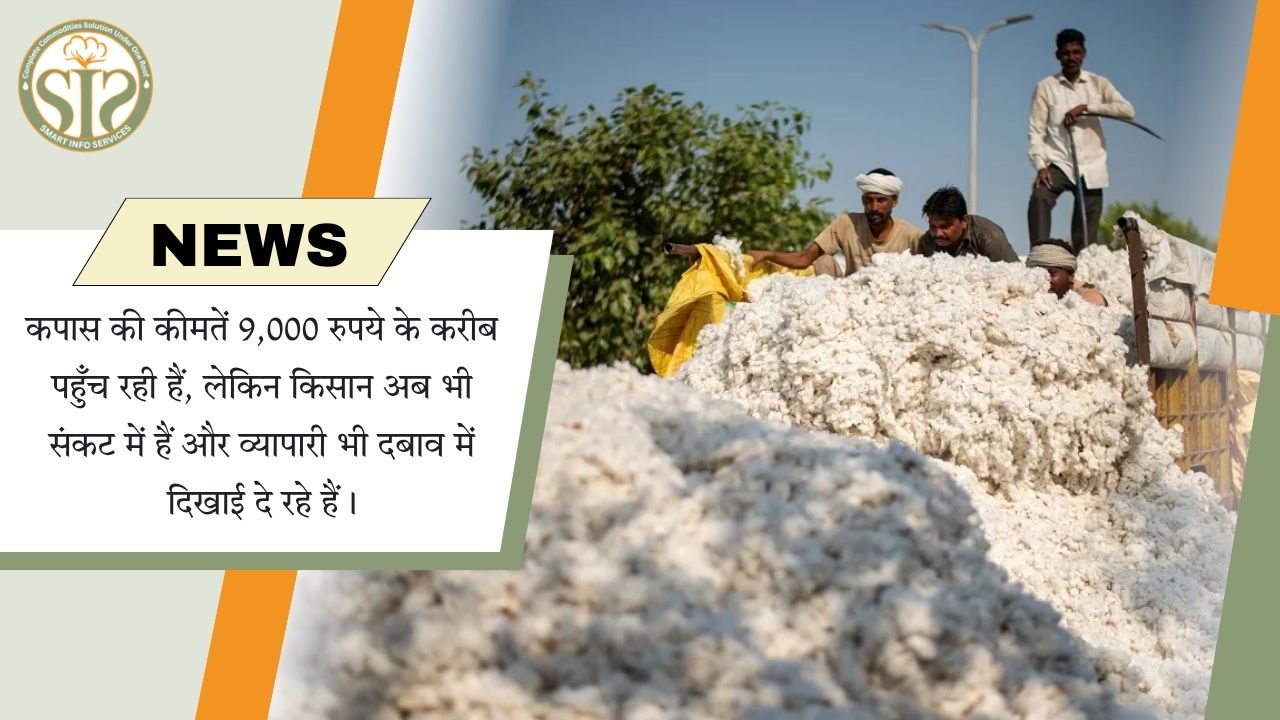
कपास की कीमतें 9,000 रुपये के करीब पहुँच रही हैं, लेकिन किसान अब भी संकट में हैं और व्यापारी भी दबाव में दिखाई दे रहे हैं।जलगांव में पिछले कुछ हफ्तों से कपास के दाम लगातार बढ़ते हुए 8,500 से 9,000 रुपये प्रति क्विंटल तक पहुँच गए हैं। कुछ जगहों पर अच्छी गुणवत्ता वाले कपास के लिए इससे भी ज्यादा कीमत मिल रही है। पहली नजर में यह किसानों के लिए राहत की खबर लगती है, क्योंकि दाम न्यूनतम समर्थन मूल्य से ऊपर हैं, लेकिन जमीनी हकीकत इससे अलग और चिंताजनक है।सीजन की शुरुआत में बड़ी मात्रा में कपास बाजार में आ गई थी, जिससे उस समय कीमतें 7,000 से 7,500 रुपये प्रति क्विंटल के बीच रहीं। अब बाजार में स्टॉक कम हो गया है, जबकि मिलों और व्यापारियों की मांग लगातार बनी हुई है। इस मांग और आपूर्ति के असंतुलन के कारण कीमतों में तेजी देखी जा रही है।व्यापारियों के बीच खरीद की होड़ बढ़ गई है और कई जगहों पर नीलामी में कड़ी प्रतिस्पर्धा देखने को मिल रही है। विशेषज्ञों का मानना है कि घरेलू और अंतरराष्ट्रीय बाजार में मौजूद परिस्थितियां, उत्पादन में कमी, निर्यात मांग और यार्न उद्योग की बढ़ती जरूरतें—ये सभी कारक आगे भी कीमतों को ऊपर ले जा सकते हैं।लेकिन असली सवाल यह है कि इस बढ़ती कीमत का फायदा किसानों को कितना मिल रहा है। हकीकत यह है कि अधिकांश किसानों ने अपनी फसल पहले ही कम दाम पर बेच दी थी। वित्तीय दबाव, कर्ज चुकाने की मजबूरी, घरेलू खर्च और भंडारण की कमी के कारण वे अपनी उपज लंबे समय तक रोक नहीं पाए।अब जब कीमतें बढ़ गई हैं, तो किसानों के पास बेचने के लिए कपास बचा ही नहीं है। ऐसे में इस तेजी का सीधा लाभ व्यापारियों, बिचौलियों और स्टॉकिस्टों को मिल रहा है, जिन्होंने पहले से कपास का भंडारण कर रखा था और अब ऊंचे दाम पर बेचकर मुनाफा कमा रहे हैं।यह स्थिति कृषि व्यवस्था की बुनियादी खामियों को उजागर करती है। एक ओर बाजार में तेजी है, तो दूसरी ओर किसान उससे वंचित रह जाते हैं। मेहनत करने वाला किसान घाटे में रहता है, जबकि मुनाफा बाजार के बीच के खिलाड़ियों तक सीमित हो जाता है।इस समस्या के समाधान के लिए किसानों को बेहतर भंडारण सुविधाएं उपलब्ध कराना बेहद जरूरी है। गांवों में आधुनिक गोदाम और कोल्ड स्टोरेज विकसित किए जाने चाहिए, ताकि किसान अपनी उपज को सही समय तक सुरक्षित रख सकें।इसके साथ ही, किसानों को कम ब्याज दर पर आसानी से ऋण उपलब्ध होना चाहिए, जिससे उन्हें तुरंत फसल बेचने की मजबूरी न रहे। बाजार में पारदर्शिता बढ़ाने, ई-एनएएम जैसे डिजिटल प्लेटफॉर्म को मजबूत करने और किसान उत्पादक कंपनियों को सशक्त बनाने की भी जरूरत है। इससे किसान सीधे बाजार से जुड़कर अपनी उपज का बेहतर मूल्य प्राप्त कर सकते हैं।और पढ़ें:- रुपया 04 पैसे बढ़त 93.06 पर खुला.

रुपया 04 पैसे बढ़त 93.06/USD पर खुला.भारतीय रुपया सोमवार को 04 पैसे बढ़त 93.06 प्रति डॉलर पर खुला, जबकि गुरुवार को यह 93.10 पर बंद हुआ था।और पढ़ें :-आगामी कॉटन सीज़न में सकारात्मक संकेत
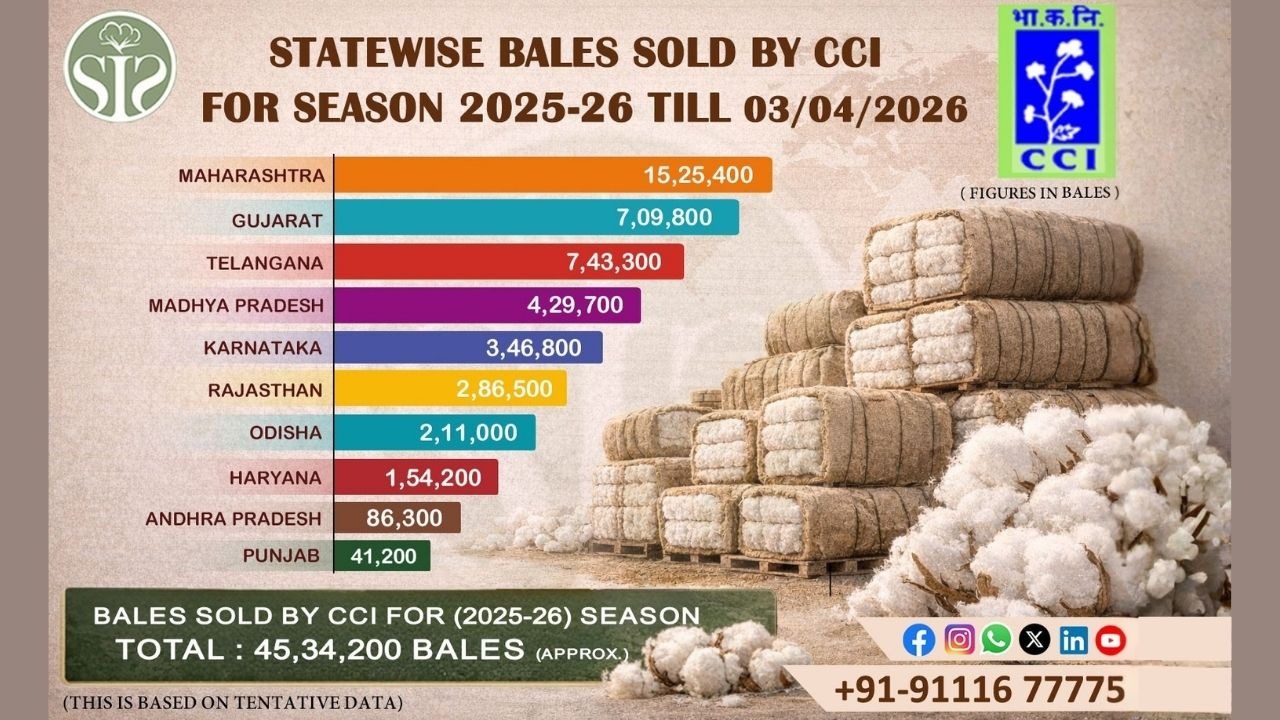
राज्य-वार CCI कपास बिक्री विवरण – 2025-26 सीज़न💥कॉटन कॉर्पोरेशन ऑफ़ इंडिया (CCI) ने 2025-26 सीज़न के लिए इस सप्ताह अपनी कपास की कीमतों में ₹1,800- ₹2,000 प्रति कैंडी तक बढ़ा दी हैं। अब तक CCI द्वारा सीजन 2025-26 की लगभग कुल 45,34,200 कपास गांठें (बेल्स) बेची जा चुकी हैं। बिक्री कुछ प्रमुख कपास उत्पादक राज्यों में केंद्रित है, जिसमें महाराष्ट्र और गुजरात सबसे आगे हैं।

क्या आने वाला सीज़न कॉटन के लिए अच्छा रहेगा?हमने खाड़ी क्षेत्र में चल रहे युद्ध और आने वाले मॉनसून पर एल नीनो के संभावित प्रभाव का अध्ययन किया है, ताकि यह समझा जा सके कि इन परिस्थितियों का देश, खासकर महाराष्ट्र, में कॉटन की खेती पर क्या असर पड़ेगा और किसानों को किन बातों पर ध्यान देना चाहिए।ईरान के खिलाफ अमेरिका-इज़राइल संघर्ष को एक महीना हो चुका है। इस युद्ध को लेकर कई अनिश्चितताएँ हैं—यह कब तक चलेगा, क्या इसका दायरा और बढ़ेगा, और क्या यह किसी बड़े वैश्विक संकट का रूप ले सकता है। भले ही युद्ध में अस्थायी विराम आए, लेकिन स्थिति सामान्य होने में लंबा समय लग सकता है।इन अंतरराष्ट्रीय हालातों को देखते हुए, भारत में—विशेषकर महाराष्ट्र जैसे प्रमुख राज्यों में—कॉटन किसानों, खेत मजदूरों और इससे जुड़े उद्योगों के भविष्य का आकलन करना जरूरी हो जाता है।भारत में लगभग 16% कृषि क्षेत्र में कॉटन की खेती होती है, जिसकी बुवाई अप्रैल से शुरू होती है। देश के करीब 75% कॉटन क्षेत्र मध्य भारत—महाराष्ट्र, गुजरात, मध्य प्रदेश, तेलंगाना और कर्नाटक—में स्थित है, जहाँ जून में मॉनसून के साथ इसकी खेती होती है। अकेले महाराष्ट्र में लगभग 33% कॉटन क्षेत्र है, जिससे लाखों किसानों की आजीविका जुड़ी है।इस सीज़न में कॉटन की खेती के लिए तीन मुख्य कारक महत्वपूर्ण रहेंगे:1. मॉनसून और वर्षा की स्थिति वर्तमान में प्रशांत महासागर में एल नीनो की स्थिति बन रही है। अनुमान है कि जून से अगस्त के बीच इसका प्रभाव बढ़ेगा, जिससे मॉनसून सामान्य से कमजोर या औसत से कम रह सकता है। इसका सीधा असर कॉटन उत्पादन पर पड़ सकता है।2. फर्टिलाइज़र की उपलब्धता खाड़ी क्षेत्र में युद्ध के कारण भारत की इंपोर्ट सप्लाई प्रभावित हो सकती है। भारत की लगभग 85% फर्टिलाइज़र और 20% क्रूड ऑयल सप्लाई होर्मुज जलडमरूमध्य के रास्ते आती है। यदि यहाँ व्यवधान आता है, तो यूरिया और डीएपी जैसे उर्वरकों की कमी हो सकती है, जिससे खेती की लागत और उत्पादन दोनों प्रभावित होंगे।3. क्रूड ऑयल और टेक्सटाइल इंडस्ट्री पर असर क्रूड ऑयल की आपूर्ति प्रभावित होने से सिंथेटिक फाइबर (जैसे पॉलिएस्टर और नायलॉन) की लागत बढ़ सकती है। इससे प्राकृतिक फाइबर—जैसे कॉटन—की मांग बढ़ने की संभावना है। भारत में पहले से ही प्राकृतिक टेक्सटाइल की खपत अधिक है, और यह रुझान आगे और मजबूत हो सकता है।और पढ़ें:- CCI ने कॉटन खरीद में बढ़त बनाई, प्राइवेट सेक्टर भी सक्रिय
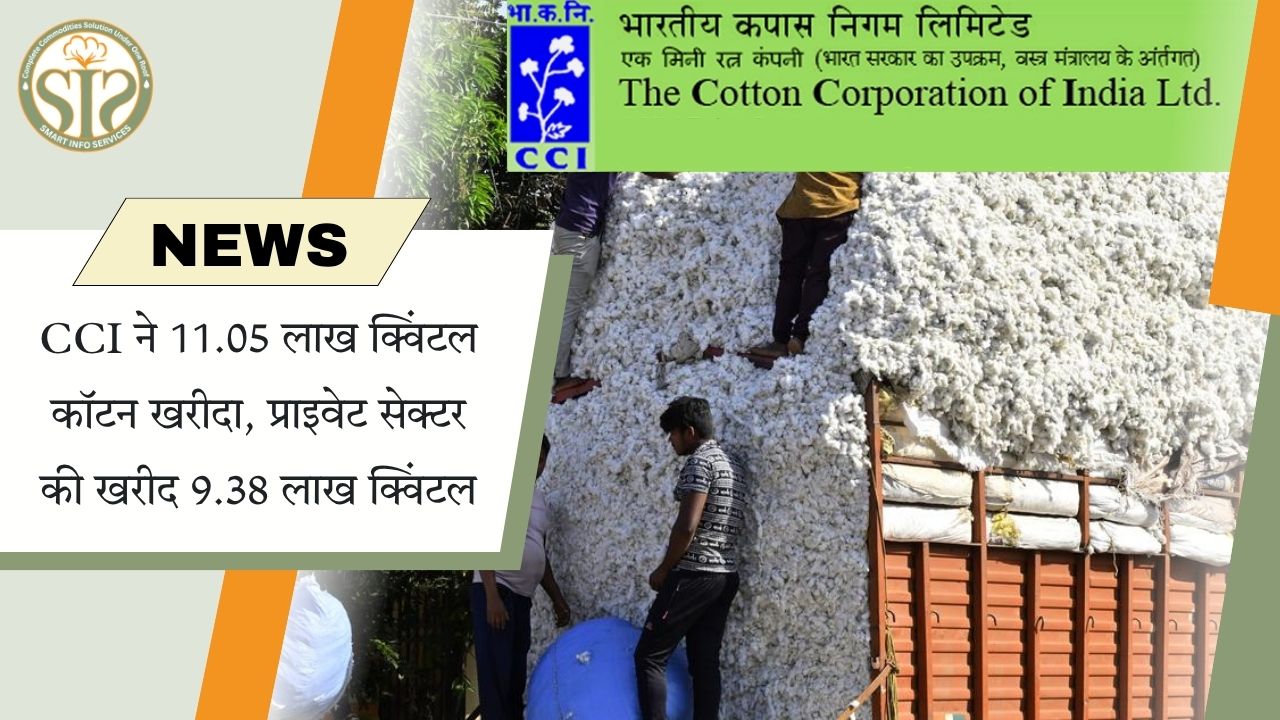
CCI ने 11.05 लाख क्विंटल कॉटन खरीदा, प्राइवेट सेक्टर की खरीद 9.38 लाख क्विंटलरूरल इकॉनमी: परभणी और हिंगोली जिलों में 27 मार्च तक कुल 20.43 लाख क्विंटल कपास की खरीद दर्ज की गई। इसमें कॉटन कॉर्पोरेशन ऑफ इंडिया (CCI) ने 11.05 लाख क्विंटल, जबकि प्राइवेट सेक्टर ने 9.38 लाख क्विंटल कपास खरीदा। इस समय बाजार में कपास की शुरुआती कीमतों में नरमी देखी जा रही है।2025-26 के खरीद सीजन की शुरुआत में किसानों ने CCI को प्राथमिकता दी, क्योंकि खुले बाजार में कीमतें न्यूनतम समर्थन मूल्य (MSP) से कम थीं। दोनों जिलों के 14 केंद्रों पर 88,377 किसानों ने ‘कपास किसान मोबाइल ऐप’ के जरिए CCI केंद्रों पर बिक्री के लिए पंजीकरण कराया।हालांकि, जनवरी में खुले बाजार में कीमतों में तेजी आने के बाद CCI की खरीद धीमी पड़ गई। कई किसानों ने बेहतर दाम की उम्मीद में कपास रोक ली थी, यह सोचकर कि कीमतें 10,000 रुपये प्रति क्विंटल तक पहुंच सकती हैं। लेकिन फरवरी में कीमतों में गिरावट आने से किसानों को अपेक्षित लाभ नहीं मिल सका।सिंचाई की उपलब्धता के कारण कई किसानों ने फरदाद (लेट हार्वेस्ट) फसल ली, जिसकी कटाई अभी जारी है। बाजार में इसकी आवक बनी हुई है और फरदाद कपास को लगभग 6,000 रुपये प्रति क्विंटल का भाव मिल रहा है।परभणी जिले का प्रदर्शनपरभणी जिले में कुल 18.21 लाख क्विंटल कपास की खरीद हुई। CCI को कपास बेचने के लिए परभणी, बोरी, जिंतूर, सेलू, पाथरी, सोनपेठ, गंगाखेड, पालम और ताड़कलास की 10 कृषि उपज मंडी समितियों के अंतर्गत 74,932 किसानों ने पंजीकरण कराया।CCI ने 46 जिनिंग फैक्ट्रियों के माध्यम से 9,63,907 क्विंटल कपास खरीदा, जहां प्रति क्विंटल कीमत 7,710 से 8,060 रुपये रही। वहीं, प्राइवेट व्यापारियों ने 26 जिनिंग फैक्ट्रियों के जरिए 8,57,533 क्विंटल कपास खरीदा, जिसकी औसत कीमत 7,000 से 8,365 रुपये प्रति क्विंटल रही।कुल मिलाकर, परभणी जिले में CCI और प्राइवेट सेक्टर ने मिलकर 18,21,440 क्विंटल कपास की खरीद की।और पढ़ें:- निर्यातकों की मांग: कपास आयात पर शुल्क हटाने की अपील
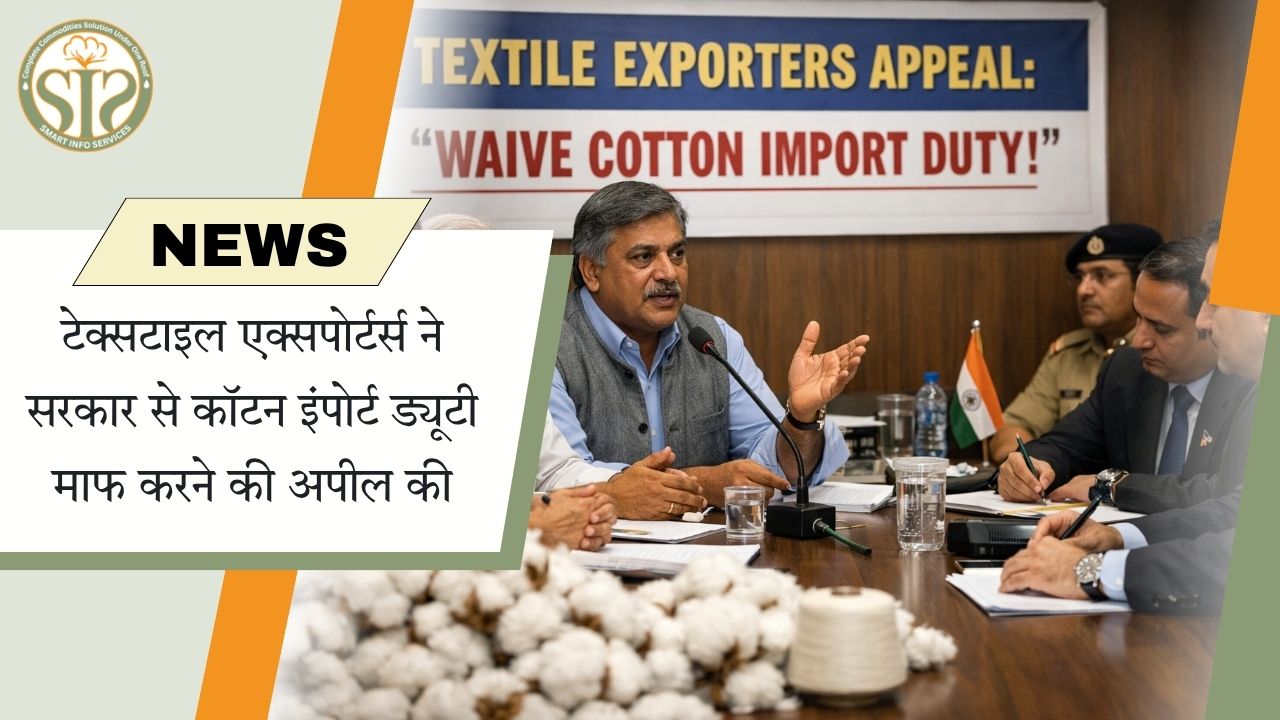
टेक्सटाइल निर्यातकों ने कॉटन इंपोर्ट ड्यूटी में राहत की मांग कीपुणे: टेक्सटाइल और गारमेंट निर्यातकों ने सरकार से कॉटन पर लगाई गई 11% इंपोर्ट ड्यूटी को अस्थायी रूप से हटाने की अपील की है। उनका कहना है कि घरेलू कॉटन की बढ़ती कीमतें उनके मुनाफे को प्रभावित कर रही हैं और अंतरराष्ट्रीय बाजार में प्रतिस्पर्धा कमजोर हो रही है।पिछले महीने स्थानीय कॉटन की कीमतों में 7-8% तक वृद्धि हुई है। इसकी प्रमुख वजह यह है कि कच्चे तेल की महंगी कीमतों के चलते सिंथेटिक फाइबर महंगा हो गया है, और मिलें फिर से नेचुरल फाइबर की ओर लौट रही हैं।इंडस्ट्री ने पिछले साल की तरह अस्थायी राहत की मांग की है। अगस्त से दिसंबर 2025 के बीच सरकार ने इसी तरह की छूट देकर सप्लाई पर दबाव कम किया था। कॉटन एसोसिएशन ऑफ इंडिया के आंकड़ों के अनुसार, पिछले एक महीने में कॉटन की कीमतें 11-12% बढ़ीं, जबकि अंतरराष्ट्रीय बाजार में 12-15% तक वृद्धि दर्ज की गई।निर्यातकों का कहना है कि भारत को विदेशी खरीदारों की मांग के अनुसार लॉन्ग-स्टेपल और कंटैमिनेशन-फ्री कॉटन के लिए इंपोर्ट पर निर्भर रहना पड़ता है। टेक्सटाइल वैल्यू चेन का करीब 60-70% हिस्सा कॉटन पर आधारित है। इसी वजह से इंडस्ट्री ने केंद्र सरकार से 3 से 6 महीने के लिए इंपोर्ट ड्यूटी में छूट देने की अपील की है।उद्योग विशेषज्ञों के अनुसार, वैश्विक घटनाओं के चलते कच्चे तेल की कीमतों में उछाल आया है, जिससे टेक्सटाइल सेक्टर में कई कच्चे माल 10% से 60% तक महंगे हो गए हैं। सप्लाई चेन पर भी असर पड़ा है। वहीं, वियतनाम और बांग्लादेश जैसे प्रतिस्पर्धी देशों को ड्यूटी-फ्री कच्चा माल मिलने के कारण वे कीमतों में बढ़त बनाए हुए हैं।और पढ़ें:- CCI ने कपास कीमतें ₹2,000 तक बढ़ाईं, साप्ताहिक बिक्री 6.76 लाख गांठ पार
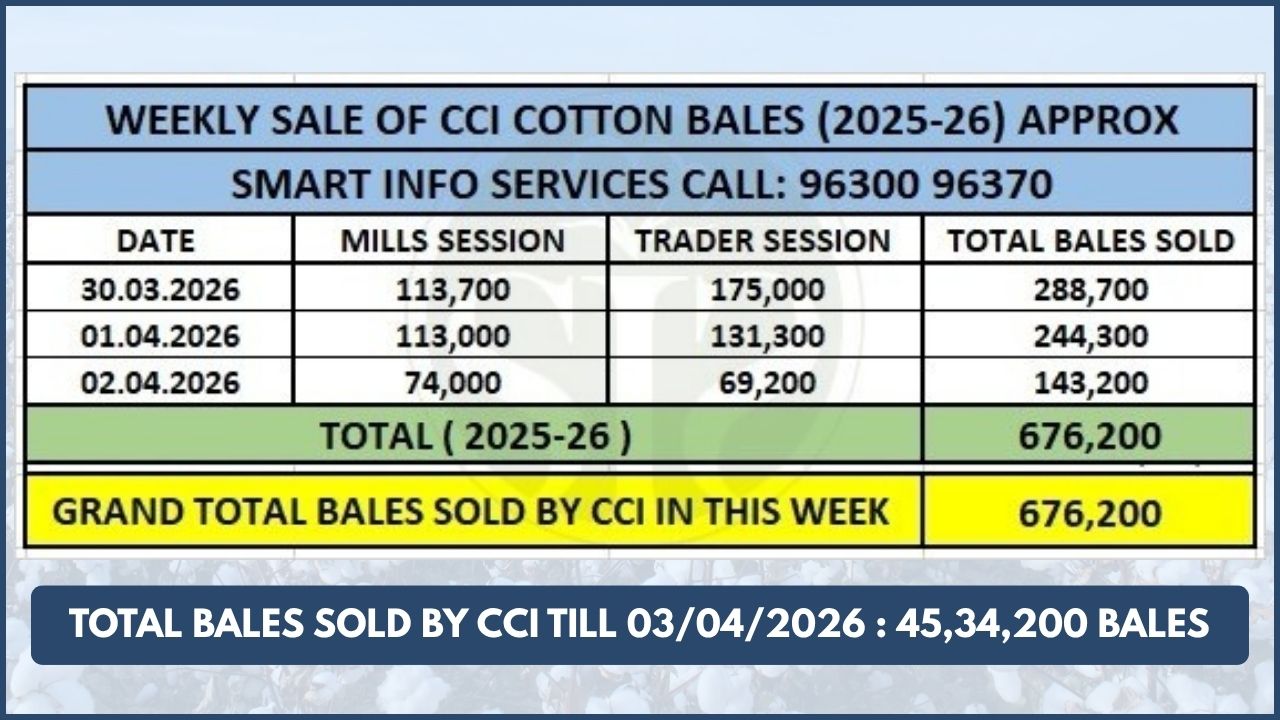
CCI ने कपास की कीमतें ₹1,800- ₹2,000 प्रति कैंडी बढ़ाईं; साप्ताहिक नीलामी बिक्री 6.76 लाख गांठों के पारकॉटन कॉर्पोरेशन ऑफ इंडिया (CCI) ने 30 मार्च से 03 अप्रैल 2026 के सप्ताह के दौरान अपनी कपास की कीमतों में ₹1,800- ₹2,000 प्रति कैंडी की बढ़ोतरी की। इन नीलामियों में मिलों और कपास व्यापारियों की ओर से ज़ोरदार भागीदारी देखने को मिली, जिसके परिणामस्वरूप 2025–26 सीज़न से लगभग 6,76,200 गांठों की साप्ताहिक बिक्री हुई।साप्ताहिक बिक्री रिपोर्ट 30 मार्च, 2026 (सोमवार):सप्ताह की शुरुआत ज़ोरदार रही, जिसमें एक ही दिन में सबसे ज़्यादा 2,88,700 गांठों की बिक्री हुई। मिलों ने 1,13,700 गांठें खरीदीं, जबकि व्यापारियों का हिस्सा ज़्यादा रहा, जिन्होंने 1,75,000 गांठें खरीदीं।01 अप्रैल, 2026 (बुधवार):बिक्री में थोड़ी गिरावट आई, और इस दिन 2,44,300 गांठें बिकीं। मिलों ने 1,13,000 गांठें खरीदीं, जबकि व्यापारियों ने 1,31,300 गांठें खरीदीं।02 अप्रैल, 2026 (गुरुवार):सप्ताह का समापन 1,43,200 गांठों की बिक्री के साथ हुआ। मिलों ने 74,000 गांठें खरीदीं, जबकि व्यापारियों का दबदबा रहा, जिन्होंने 69,200 गांठें खरीदीं।कुल बिक्री का अपडेटCCI की कुल बिक्री अब तक पहुँच चुकी है:2025–26 सीज़न: 45,34,200 गांठें2024–25 सीज़न: 98,85,100 गांठें

तेलंगाना दक्षिण एशिया की कपड़ा राजधानी बनेगा, रेवंत रेड्डी का कहना हैहैदराबाद: मुख्यमंत्री ए. रेवंत रेड्डी ने शुक्रवार को पर्यावरण-अनुकूल कपड़ा केंद्र विकसित करने पर जोर देने के साथ, तेलंगाना को दक्षिण एशिया की कपड़ा राजधानी में बदलने की राज्य की महत्वाकांक्षा दोहराई।हैदराबाद में एशियन टेक्सटाइल कॉन्फ्रेंस (ATEXCON 2026) में बोलते हुए, उन्होंने 2047 तक राज्य को अग्रणी वैश्विक कपड़ा गंतव्य के रूप में स्थापित करने के लिए एक दीर्घकालिक दृष्टिकोण की रूपरेखा तैयार की। उन्होंने निवेशकों को विश्व स्तरीय बुनियादी ढांचे, भूमि उपलब्धता, विश्वसनीय बिजली, जल आपूर्ति और आकर्षक प्रोत्साहन सहित व्यापक समर्थन का आश्वासन दिया।क्षेत्र की समृद्ध कपड़ा विरासत पर प्रकाश डालते हुए, मुख्यमंत्री ने पोचमपल्ली इकत, गडवाल साड़ी, वारंगल दरी और नारायणपेट साड़ी जैसी प्रसिद्ध पारंपरिक बुनाई का उल्लेख किया। उन्होंने कहा कि कपड़ा केवल एक उद्योग नहीं है बल्कि राज्य भर के हजारों बुनाई समुदायों के लिए आजीविका का एक महत्वपूर्ण स्रोत है।तेलंगाना की ताकत पर जोर देते हुए उन्होंने बताया कि यह विश्व स्तर पर मान्यता प्राप्त गुणवत्ता के साथ भारत के सबसे बड़े कपास उत्पादक क्षेत्रों में से एक है। उन्होंने कहा कि राज्य एक शीर्ष कपड़ा केंद्र के रूप में उभरने के लिए कुशल जनशक्ति और मजबूत नीति इरादे दोनों को जोड़ता है।रेड्डी ने कपड़ा पारिस्थितिकी तंत्र को मजबूत करने के प्रयासों के तहत कई परिधान पार्कों के साथ-साथ काकतीय मेगा टेक्सटाइल पार्क जैसी प्रमुख पहलों पर भी प्रकाश डाला। उन्होंने प्रौद्योगिकी, फार्मास्यूटिकल्स, एयरोस्पेस, रक्षा, विनिर्माण और ऊर्जा सहित विभिन्न क्षेत्रों में तेलंगाना के नेतृत्व का उल्लेख किया।और पढ़ें:- ब्राजील कपास कीमतों में अगस्त 2022 के बाद सबसे तेज उछाल
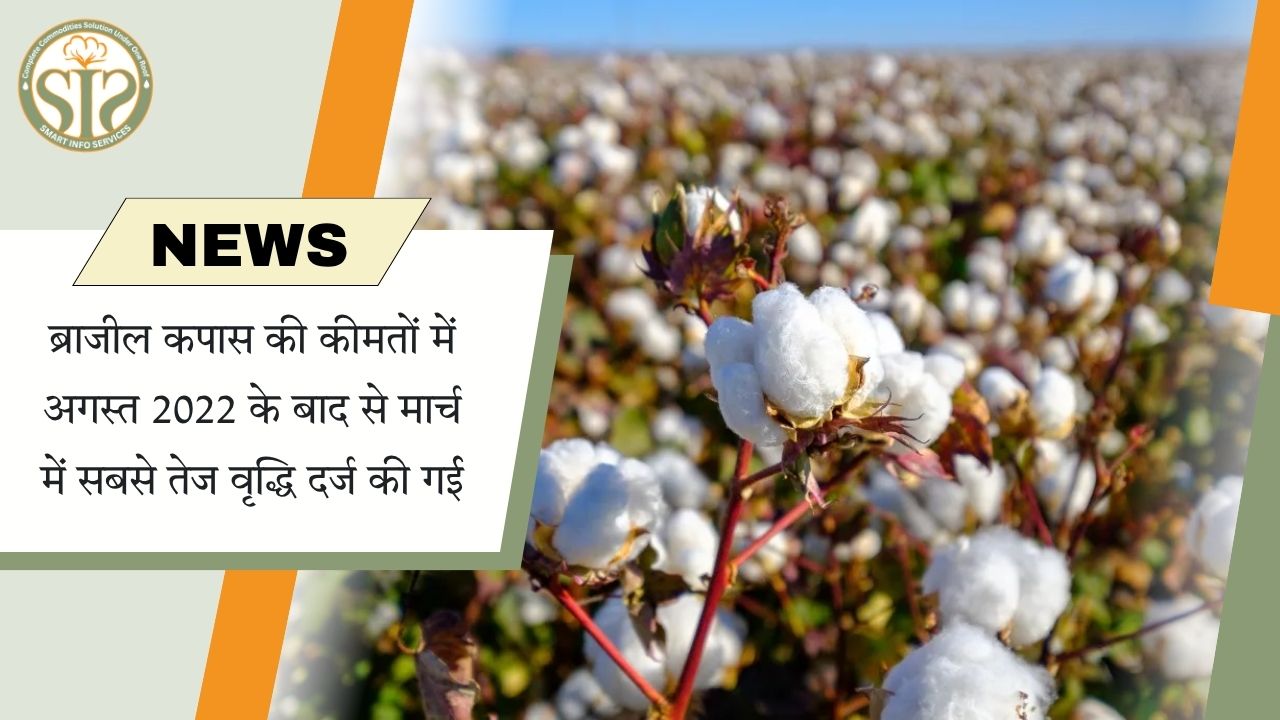
ब्राजील में कपास की कीमतों में तेज वृद्धिमार्च 2026 में ब्राजील में कपास की कीमतों में तेजी दर्ज की गई, जो अगस्त 2022 के बाद सबसे बड़ी मासिक बढ़ोतरी है। मजबूत घरेलू और वैश्विक मांग, सीमित आपूर्ति और वैश्विक बाजार रुझानों ने सीईपीईए/ईएसएएलक्यू सूचकांक को प्रति पाउंड BRL 3.9173 तक ले जाने में मदद की।इस महीने सूचकांक 11.2% बढ़ा और औसत मूल्य BRL 3.6463 प्रति पाउंड रहा, जो फरवरी 2026 से 3.58% अधिक है। हालांकि हालिया बढ़ोतरी के बावजूद, मुद्रास्फीति समायोजित कीमतें मार्च 2025 की तुलना में अभी भी 11.35% कम हैं।सीईपीईए के अनुसार, अंतरराष्ट्रीय तेल की बढ़ती कीमतें और उच्च माल ढुलाई लागत ने घरेलू कीमतों को और ऊपर धकेला।वैश्विक स्तर पर, 2026-27 सीज़न के लिए कपास उत्पादन अनुमानित 25.11 मिलियन टन है, जो पिछले अनुमान से थोड़ा अधिक है लेकिन 2025-26 के स्तर से कम है। वैश्विक खपत बढ़कर 25.405 मिलियन टन होने की उम्मीद है, जो मांग में हल्की वृद्धि को दर्शाती है।ब्राजील में 2026-27 के लिए कपास उत्पादन अनुमानित 3.75 मिलियन टन है। मौजूदा 2025-26 सीज़न के लिए उत्पादन अनुमान को हल्का संशोधन कर 3.795 मिलियन टन कर दिया गया है।और पढ़ें:- डॉलर के मुकाबले रुपया 15 पैसे की बढ़त के साथ 93.10 पर बंद हुआ।

गुरुवार को भारतीय रुपया डॉलर के मुकाबले 93.25 पर खुला और 15 पैसे की बढ़त के साथ 93.10 पर बंद हुआ।बाजार बंद होने पर, सेंसेक्स 185.23 अंक या 0.25 प्रतिशत की बढ़त के साथ 73,319.55 पर रहा, और निफ्टी 33.70 अंक या 0.15 प्रतिशत की बढ़त के साथ 22,713.10 पर रहा। लगभग 2548 शेयरों में बढ़त दर्ज की गई, 1505 शेयरों में गिरावट आई, और 147 शेयरों में कोई बदलाव नहीं हुआ।और पढ़ें:- कपास 8500 पार, किसान को फायदा नहीं
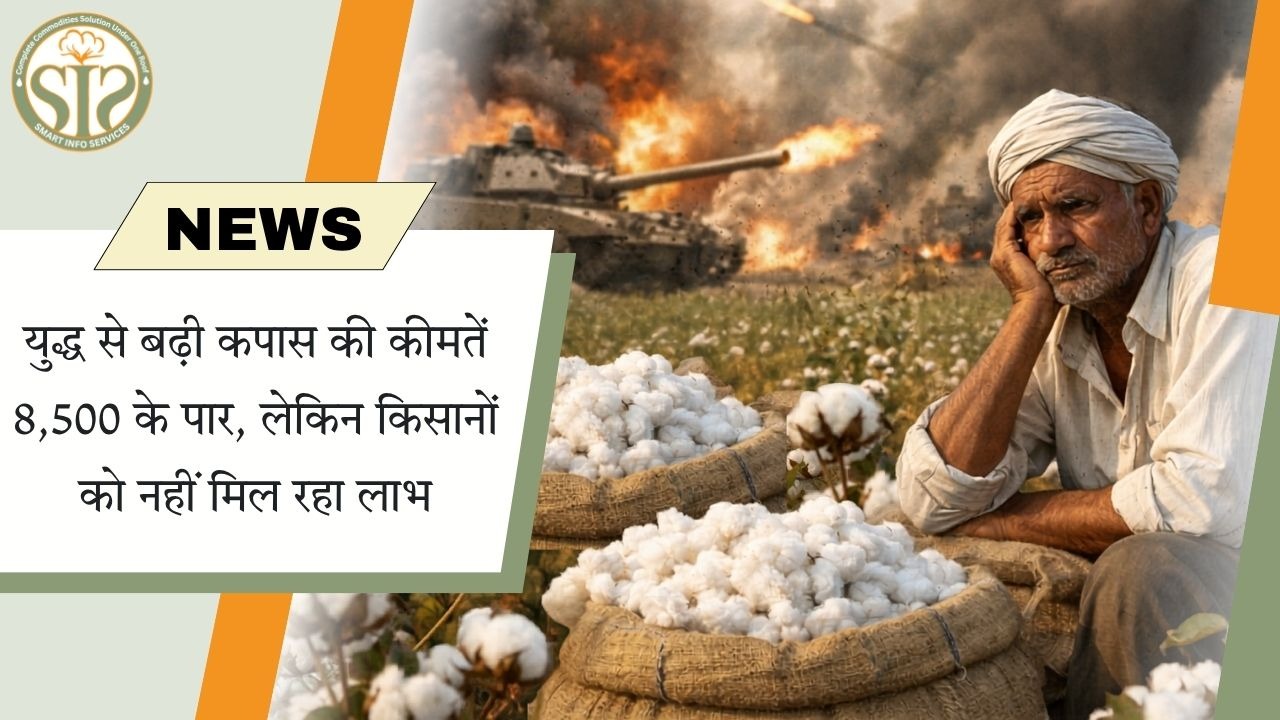
युद्ध से बढ़ी कपास की कीमतें 8,500 के पार, लेकिन किसानों को नहीं मिल रहा लाभमहाराष्ट्र (सेलू): अमेरिका-ईरान युद्ध के चलते वैश्विक स्तर पर कपास की मांग में तेजी आई है, जिससे इसके दाम बढ़ गए हैं। एक खांडी (दो गांठ) का भाव बढ़कर 53 हजार से 58 हजार रुपये तक पहुंच गया है। बुधवार को कृषि उपज मंडी समिति परिसर में निजी व्यापारियों ने कपास के लिए 8,400 से 8,500 रुपये प्रति क्विंटल तक का भाव दिया।हालांकि, इस बढ़ी हुई कीमत का किसानों को खास लाभ नहीं मिल पा रहा है, क्योंकि जिले और तालुका स्तर पर किसानों के पास बेचने के लिए कपास लगभग समाप्त हो चुका है। इस साल खरीफ सीजन में भारी बारिश के कारण उत्पादन कम हुआ और शुरुआती दौर में कम कीमत मिलने से किसानों ने सीमित मात्रा में ही कपास बेचा। पिछले एक महीने से बाजार में कपास की आवक बंद है, जिससे सीजन लगभग खत्म हो चुका है।पहले निजी व्यापारियों द्वारा कपास का भाव 7,200 रुपये प्रति क्विंटल तक था, वहीं भारतीय कपास निगम (CCI) ने भी अपनी खरीद बंद कर दी थी। बाजार में कपास की कमी के कारण जिनिंग मिलों में पिछले एक महीने से उत्पादन भी ठप पड़ा है।तिरूपति कॉटन इंडस्ट्रीज एंड ऑयल मिल, वालूर के रितेश तोशनीवाल के अनुसार, “युद्ध के कारण कच्चे तेल की आपूर्ति प्रभावित हुई है और कीमतें बढ़ी हैं। इससे सिंथेटिक धागे के विकल्प के रूप में कपास की मांग बढ़ गई है। अब कपास का भाव साढ़े आठ हजार रुपये तक पहुंच गया है, लेकिन किसानों के पास बेचने के लिए माल नहीं है। जो थोड़ी बहुत आवक है, उसे व्यापारी तुरंत खरीद रहे हैं।”इस साल केंद्र सरकार की नीति के तहत देश में 40 लाख गांठ कपास का आयात किया गया, जबकि सामान्यतः यह आंकड़ा 10 लाख गांठ होता है। आयात बढ़ने से पहले कपास का भाव 55-56 हजार रुपये प्रति खांडी था, जो घटकर 52-53 हजार रुपये रह गया था। अब अमेरिका-ईरान युद्ध के कारण मांग में उछाल आया है और कीमतें फिर से बढ़ने लगी हैं।सीसीआई द्वारा 8,100 रुपये प्रति क्विंटल के समर्थन मूल्य पर खरीद की गई थी, लेकिन अधिक नमी वाले कपास को कम कीमत पर लिया गया। व्यापारियों ने गुणवत्ता के अनुसार 7,200 से 7,700 रुपये तक के भाव दिए थे। अब बढ़े हुए दाम का लाभ मुख्यतः व्यापारियों को ही मिल रहा है, क्योंकि किसानों के पास स्टॉक नहीं बचा है।और पढ़ें :- धागे की कीमतों में ₹12 प्रति किलोग्राम की बढ़ोतरी, तिरुपुर के निर्यातकों पर दबाव

यार्न की कीमतें ₹12/kg बढ़ीं, ग्लोबल अनिश्चितता के बीच तिरुप्पुर के एक्सपोर्टर्स पर दबावबुधवार को तिरुप्पुर की निटवियर इंडस्ट्री में इस्तेमाल होने वाले कॉटन यार्न की कीमतें ₹10–₹12 प्रति किलोग्राम बढ़ गईं, जिससे नए फाइनेंशियल ईयर की शुरुआत में नए कॉस्ट प्रेशर दिखे। इंडस्ट्री सोर्स के मुताबिक, यह बढ़ोतरी फरवरी के आखिर में ₹7/kg और मार्च के बीच में ₹7/kg की बढ़ोतरी के बाद हुई है।यह बढ़ोतरी मिडिल ईस्ट में चल रहे जियोपॉलिटिकल टेंशन की वजह से ग्लोबल कॉटन की बढ़ती कीमतों से जुड़ी है। इस वजह से, भारत में घरेलू कॉटन के रेट भी बढ़ गए हैं।मैन्युफैक्चरर्स का अनुमान है कि इस नई बढ़ोतरी से एक निटवियर गारमेंट की प्रोडक्शन कॉस्ट ₹6 तक बढ़ सकती है।एक्सपोर्टर्स इस असर को लेकर खास तौर पर परेशान हैं। तिरुपुर एक्सपोर्टर्स एसोसिएशन (TEA) के प्रेसिडेंट केएम सुब्रमण्यम ने कहा कि कॉटन की कीमतों में तेज़ बढ़ोतरी ने मौजूदा चुनौतियों को और बढ़ा दिया है, जिसमें कच्चे माल की ज़्यादा लागत, विदेशी टैरिफ और शिपिंग में मुश्किलें शामिल हैं।उन्होंने बताया कि एक्सपोर्टर बढ़ी हुई लागत को इंटरनेशनल खरीदारों पर नहीं डाल पा रहे हैं, क्योंकि मौजूदा ऑर्डर की कीमतें पहले ही कॉन्ट्रैक्ट के ज़रिए लॉक हो चुकी हैं—जिससे मार्जिन और कम हो गया है।बुधवार को, कॉटन यार्न की सभी मुख्य वैरायटी की कीमतों में बढ़ोतरी देखी गई। उदाहरण के लिए, 20s कॉम्बेड यार्न ₹265 से बढ़कर ₹277 प्रति किलोग्राम हो गया।कीमतों में बढ़ोतरी के बावजूद, इंडस्ट्री के प्रतिनिधियों का कहना है कि भारत में कॉटन की कोई कमी नहीं है, भले ही मौजूदा कॉटन सीज़न खत्म होने वाला है।और पढ़ें :- महंगे बीटी कपास बीज, किसानों की चिंता बढ़ी
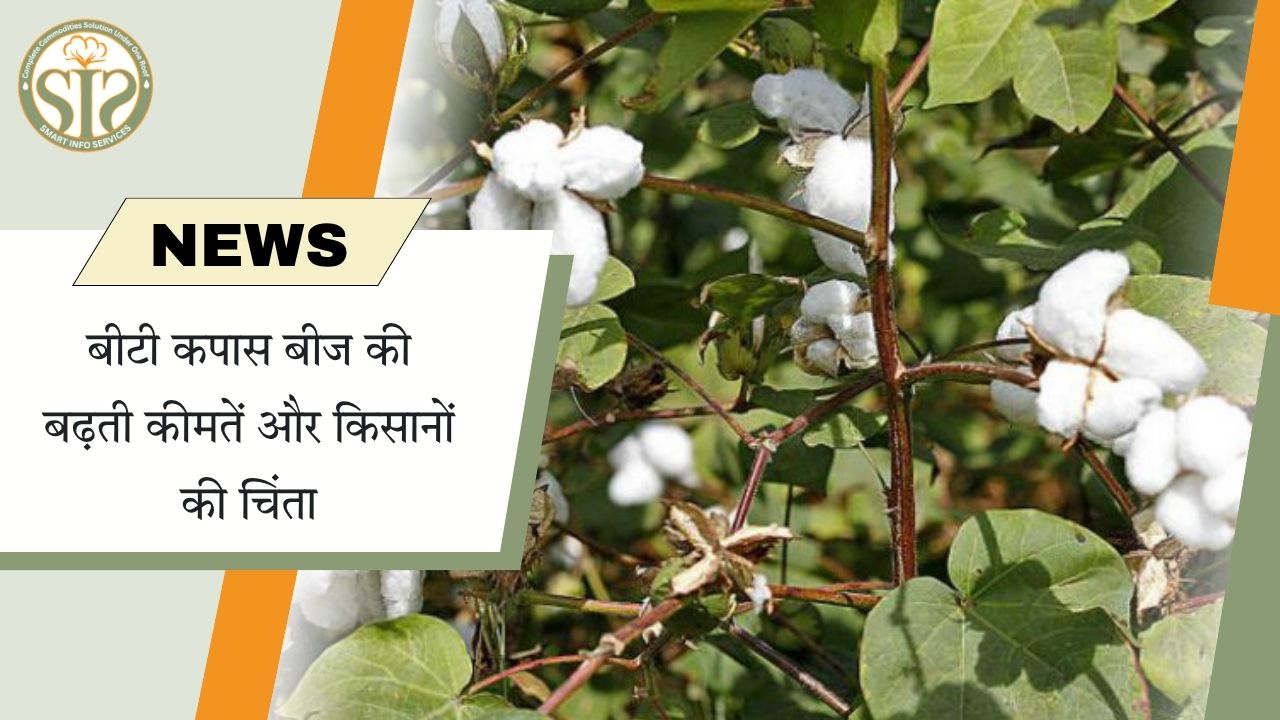
बीटी कपास बीज महंगे, किसानों की बढ़ती चिंताकपास उत्पादक किसानों के सामने बीटी (बैसिलस थुरिंजिएन्सिस) कपास बीजों की बढ़ती कीमतें गंभीर चुनौती बनती जा रही हैं। केंद्रीय कृषि एवं किसान कल्याण मंत्रालय द्वारा पिछले कुछ वर्षों में बोल्गार्ड-2 बीजों के दामों में लगातार बढ़ोतरी की गई है, जिससे किसानों की उत्पादन लागत में इजाफा हुआ है। दूसरी ओर, किसान अब भी इस तकनीक के अधिक उन्नत और प्रभावी संस्करण का इंतजार कर रहे हैं, जिससे असंतोष बढ़ रहा है।देश में कपास की सबसे अधिक खेती बोल्गार्ड-2 किस्म से होती है, जबकि बोल्गार्ड-1 का उपयोग सीमित है। लेकिन बढ़ती लागत और घटते मुनाफे के चलते कपास की खेती किसानों के लिए कम लाभकारी होती जा रही है। इस वर्ष उचित बाजार मूल्य न मिलने से किसानों की आर्थिक स्थिति और दबाव में आ गई है।खेती के दौरान किसानों को कई चुनौतियों का सामना करना पड़ा, जिनमें मजदूरों की कमी, उर्वरकों की बढ़ती कीमतें और बीजों की कालाबाजारी प्रमुख हैं। इन समस्याओं के बावजूद किसानों ने बुवाई की, लेकिन फसल से अपेक्षित उत्पादन नहीं मिल सका।किसान लंबे समय से पिंक बॉलवर्म जैसे कीटों के प्रति अधिक प्रभावी प्रतिरोध वाली नई कपास किस्म की मांग कर रहे हैं, लेकिन इस दिशा में अभी तक ठोस प्रगति नहीं दिखी है। इसके विपरीत, बीटी बीजों की कीमतों में लगातार वृद्धि से कपास उत्पादक क्षेत्रों में नाराज़गी बढ़ती जा रही है।किसानों का आरोप है कि सरकार बीजों की कीमत तय तो करती है, लेकिन बाजार में उसका पालन सुनिश्चित नहीं कर पाती। कालाबाजारी और ऊंचे दामों पर बिक्री के कारण किसानों का आर्थिक शोषण जारी है।बीज कीमतों का हाल:2023-24: ₹853 प्रति बैग (बोल्गार्ड-2)2024-25: ₹864 प्रति बैग2025-26: ₹901 प्रति बैग2025-26 (बोल्गार्ड-1): ₹635 प्रति बैगकपास बीजों में आनुवंशिक सुधार की धीमी प्रगति भी चिंता का विषय है। एक समय में प्रमुख नकदी फसल रही कपास अब किसानों के लिए कम और बीज, कीटनाशक व शाकनाशी कंपनियों के लिए अधिक लाभदायक होती जा रही है।और पढ़ें:- रुपया 158 पैसे बढ़त 93.25 पर खुला.

रुपये में बड़ी तेजी, 1.58 रुपये उछलकर 93.25 प्रति डॉलर पर खुलामुंबई: गुरुवार को भारतीय रुपया डॉलर के मुकाबले जोरदार मजबूती के साथ खुला। रुपया 1.58 रुपये (158 पैसे) की बढ़त के साथ 93.25 प्रति डॉलर पर ओपन हुआ, जबकि पिछले कारोबारी सत्र में यह 94.83 पर बंद हुआ था।और पढ़ें :- भारत का $174 अरब कपड़ा उद्योग पश्चिम एशिया संघर्ष से प्रभावित
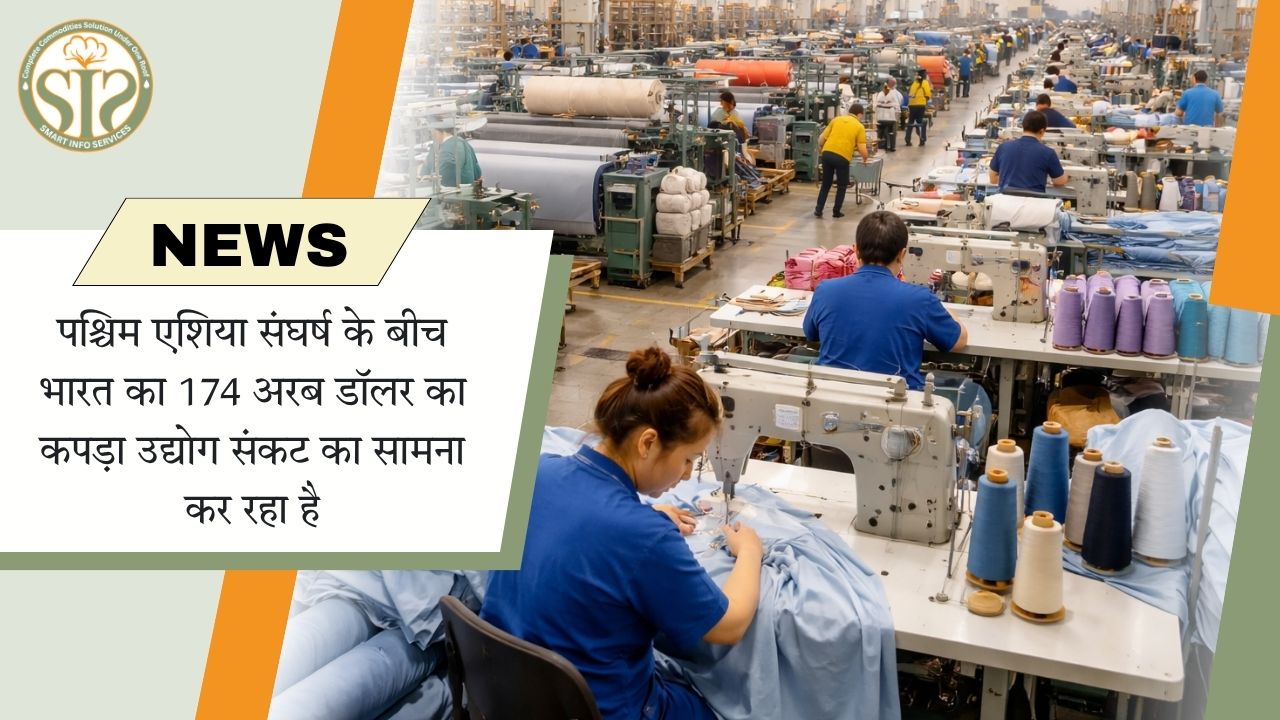
पश्चिम एशिया संघर्ष से भारतीय कपड़ा उद्योग पर दबाव, 174 अरब डॉलर सेक्टर संकट मेंभारत का 174 अरब डॉलर का कपड़ा उद्योग, जो दुनिया के सबसे बड़े उद्योगों में शामिल है, पश्चिम एशिया में जारी संघर्ष के कारण गंभीर चुनौतियों का सामना कर रहा है। अमेरिका, इज़राइल और ईरान के बीच तनाव से उपजे हालात ने वैश्विक सप्लाई चेन और लागत संरचना पर असर डाला है।कच्चे तेल की कीमतों में बढ़ोतरी के चलते कच्चे माल की लागत बढ़ी है, जबकि श्रम प्रवासन और कमजोर मांग ने उद्योग पर अतिरिक्त दबाव डाला है। इससे पहले से ही अमेरिकी टैरिफ अनिश्चितताओं से जूझ रहे निर्यातकों की मार्जिन स्थिति और कमजोर हुई है।उद्योग विशेषज्ञों के अनुसार, 2030 तक 350 अरब डॉलर तक पहुंचने और करोड़ों लोगों को रोजगार देने वाले इस सेक्टर पर मौजूदा अस्थिरता का बड़ा प्रभाव पड़ सकता है। Surat जैसे प्रमुख टेक्सटाइल हब में उत्पादन में गिरावट दर्ज की गई है, जबकि Tiruppur में बढ़ती लॉजिस्टिक और कच्चे माल की लागत ने उद्योग की मुश्किलें बढ़ा दी हैं।विशेष रूप से लॉजिस्टिक्स, कोयला और रसायनों की लागत में तेज वृद्धि ने उत्पादन लागत को और अधिक महंगा बना दिया है, जिससे वैश्विक प्रतिस्पर्धा में भारत को चुनौती मिल रही है।चीन, बांग्लादेश और वियतनाम जैसे देशों की तुलना में लंबी शिपिंग अवधि और इन्वेंट्री दबाव भी भारतीय निर्यातकों के लिए चिंता का कारण बने हुए हैं।विशेषज्ञ इस संकट से निपटने के लिए ऋण स्थगन, कार्यशील पूंजी सहायता और ब्याज दरों में राहत जैसे उपायों की मांग कर रहे हैं। साथ ही, घरेलू बाजार, तकनीकी वस्त्र और मुक्त व्यापार समझौते वाले देशों में निर्यात विविधीकरण को दीर्घकालिक समाधान माना जा रहा है।और पढ़ें:- लुधियाना कपड़ा उद्योग पर दोहरा संकट
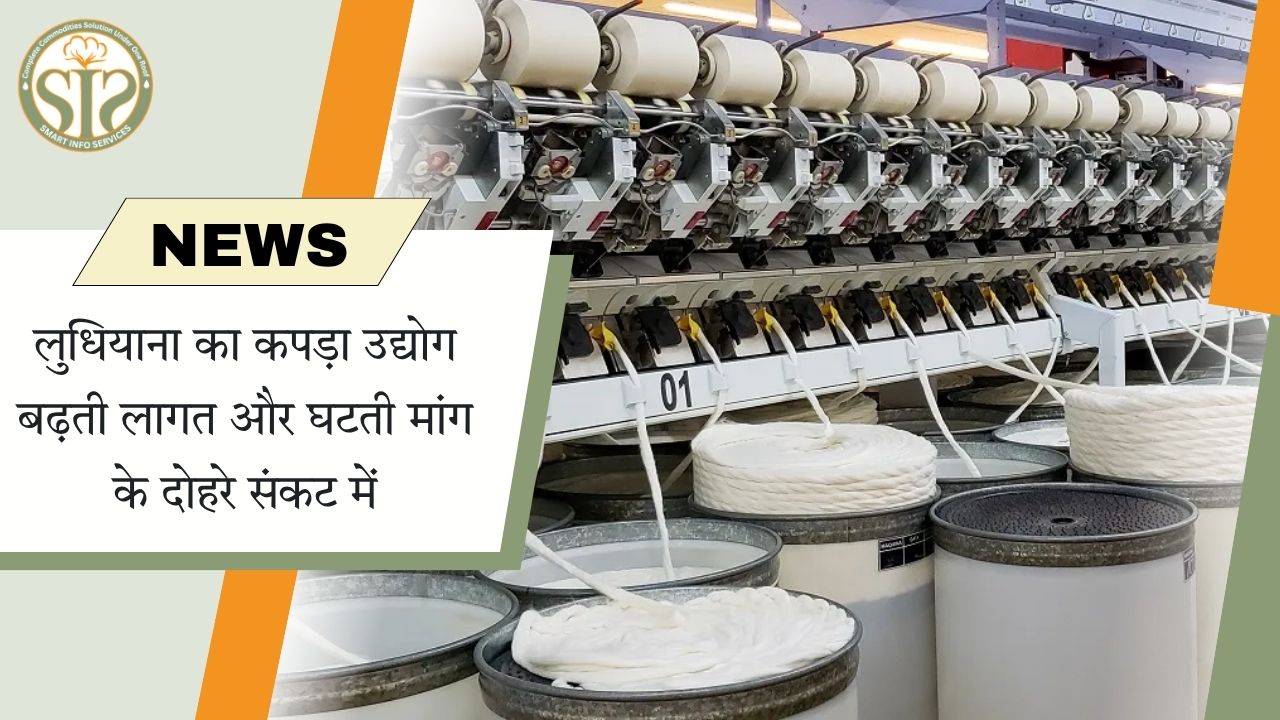
लुधियाना का कपड़ा उद्योग बढ़ती लागत और घटती मांग के दोहरे संकट मेंलुधियाना: देश के प्रमुख कपड़ा उत्पादन केंद्र के रूप में पहचाना जाने वाला लुधियाना इन दिनों गंभीर चुनौतियों से जूझ रहा है। कच्चे माल की बढ़ती कीमतें, बाधित आपूर्ति श्रृंखला, कमजोर घरेलू और अंतरराष्ट्रीय मांग, तथा बढ़ती लॉजिस्टिक लागत ने उद्योग पर दबाव बढ़ा दिया है।उद्योग से जुड़े विशेषज्ञों के अनुसार, कच्चे तेल से बनने वाले सिंथेटिक फाइबर—जैसे पॉलिएस्टर, नायलॉन और स्पैन्डेक्स—की कीमतों में हाल के हफ्तों में 20% से 30% तक की तेज वृद्धि हुई है। बहादरके रोड के एक कपड़ा निर्माता सिमरनजीत सिंह ने बताया कि बढ़ती लागत के कारण उत्पादन जारी रखना कठिन होता जा रहा है। उनके अनुसार, पॉलिएस्टर की कीमत 115 रुपये प्रति किलोग्राम से बढ़कर 165–170 रुपये तक पहुंच गई है, जबकि नायलॉन कपड़े की कीमत 175 रुपये प्रति मीटर से बढ़कर करीब 210 रुपये हो गई है। स्पैन्डेक्स की कीमतों में भी लगभग 20% की बढ़ोतरी दर्ज की गई है।समस्या केवल सिंथेटिक फाइबर तक सीमित नहीं है। प्राकृतिक फाइबर जैसे कपास भी महंगे हो गए हैं। सूती धागे की कीमत 260 रुपये प्रति किलोग्राम से बढ़कर लगभग 292 रुपये प्रति किलोग्राम हो गई है। उद्योग संगठनों का कहना है कि लगभग सभी प्रकार के फाइबर की कीमतों में उल्लेखनीय वृद्धि हुई है।पैकेजिंग लागत में भी तेज उछाल देखा गया है। पॉलीबैग और अन्य प्लास्टिक आधारित पैकिंग सामग्री, जो लॉजिस्टिक्स और निर्यात के लिए जरूरी हैं, उनकी कीमतों में 40% तक वृद्धि हुई है। उदाहरण के तौर पर, एक पॉलीबैग की कीमत 2 रुपये से बढ़कर 3.15 से 3.5 रुपये तक पहुंच गई है।उद्योग से जुड़े लोग इस बढ़ती लागत के पीछे कच्चे तेल की कीमतों में उतार-चढ़ाव, वैश्विक आपूर्ति श्रृंखला में व्यवधान और बढ़ते मालभाड़ा खर्च को प्रमुख कारण मानते हैं। भू-राजनीतिक तनावों के चलते अंतरराष्ट्रीय स्तर पर परिवहन महंगा हो गया है, जिससे उत्पादन लागत और बढ़ गई है।इन सभी चुनौतियों के बीच, उद्योग को घटते ऑर्डर और श्रमिकों की कमी का भी सामना करना पड़ रहा है। उद्योग प्रतिनिधियों का कहना है कि यदि जल्द ही स्थिति में सुधार नहीं हुआ और आपूर्ति श्रृंखला स्थिर नहीं हुई, तो आने वाले महीनों में हालात और गंभीर हो सकते हैं।विशेषज्ञों का मानना है कि इस संकट से उबरने के लिए समय रहते नीतिगत हस्तक्षेप, लागत नियंत्रण उपाय और आपूर्ति श्रृंखला को मजबूत करना बेहद आवश्यक है।और पढ़ें:- “डबल वेस्टर्न डिस्टर्बेंस: 3–9 अप्रैल भारी बारिश और ओले”

वेस्टर्न डिस्टर्बेंस का डबल अटैक: 3 से 9 अप्रैल तक देशभर में तेज़ बारिश और ओलावृष्टि का खतरा”देशभर में मौसम ने करवट ले ली है और आने वाले दिनों में व्यापक बारिश का दौर देखने को मिलेगा। Skymet Weather के ताज़ा अपडेट के अनुसार एक के बाद एक सक्रिय हो रहे वेस्टर्न डिस्टर्बेंस के कारण उत्तर भारत से लेकर मध्य और दक्षिण भारत तक मौसम का मिज़ाज बदला रहेगा। उत्तर और मध्य भारत में बारिश का अलर्ट3 और 4 अप्रैल को उत्तर-पश्चिम भारत के साथ-साथ मध्य भारत में भी अच्छी बारिश की संभावना है। इसके प्रभाव से राजस्थान, मध्य प्रदेश, पंजाब, हरियाणा, दिल्ली और उत्तर प्रदेश के कई हिस्सों में रुक-रुक कर वर्षा जारी रहेगी। 6 से 9 अप्रैल: देशभर में तेज़ बारिशमौसम विभाग के अनुसार 6 से 9 अप्रैल के बीच देश के अधिकांश राज्यों में झमाझम बारिश हो सकती है। यह दौर व्यापक और असरदार रहेगा, जिससे तापमान में गिरावट देखने को मिलेगी। ओलावृष्टि से किसानों को नुकसानपंजाब के भटिंडा, अबोहर, फाजिल्का, मुक्तसर और मानसा सहित हरियाणा के दक्षिणी जिलों तथा पश्चिमी उत्तर प्रदेश (बुलंदशहर, हाथरस, मथुरा, अलीगढ़, मेरठ) तक बारिश का असर पहुंच चुका है। कई जगहों पर ओले गिरने से किसानों को भारी नुकसान हुआ है।हरियाणा के हिसार, भिवानी, महेंद्रगढ़ और हनुमानगढ़ में भी बारिश के साथ ओलावृष्टि दर्ज की गई है, जिससे फसलों को नुकसान पहुंचा है। दिल्ली-NCR अगला लक्ष्यअब मौसम प्रणाली का रुख दिल्ली-एनसीआर की ओर है। आने वाले समय में दिल्ली, नोएडा, गुरुग्राम और फरीदाबाद में भी तेज़ बारिश और संभवतः ओलावृष्टि हो सकती है। दक्षिण भारत में भी होगी एंट्रीदक्षिण भारत में भी 4 या 5 अप्रैल से बारिश की गतिविधियाँ शुरू होने की संभावना है, जिससे वहां के मौसम में भी बदलाव आएगा।और पढ़ें:- CCI खरीद बंद होने के बाद भी रालेगांव में कॉटन के दाम बढ़े
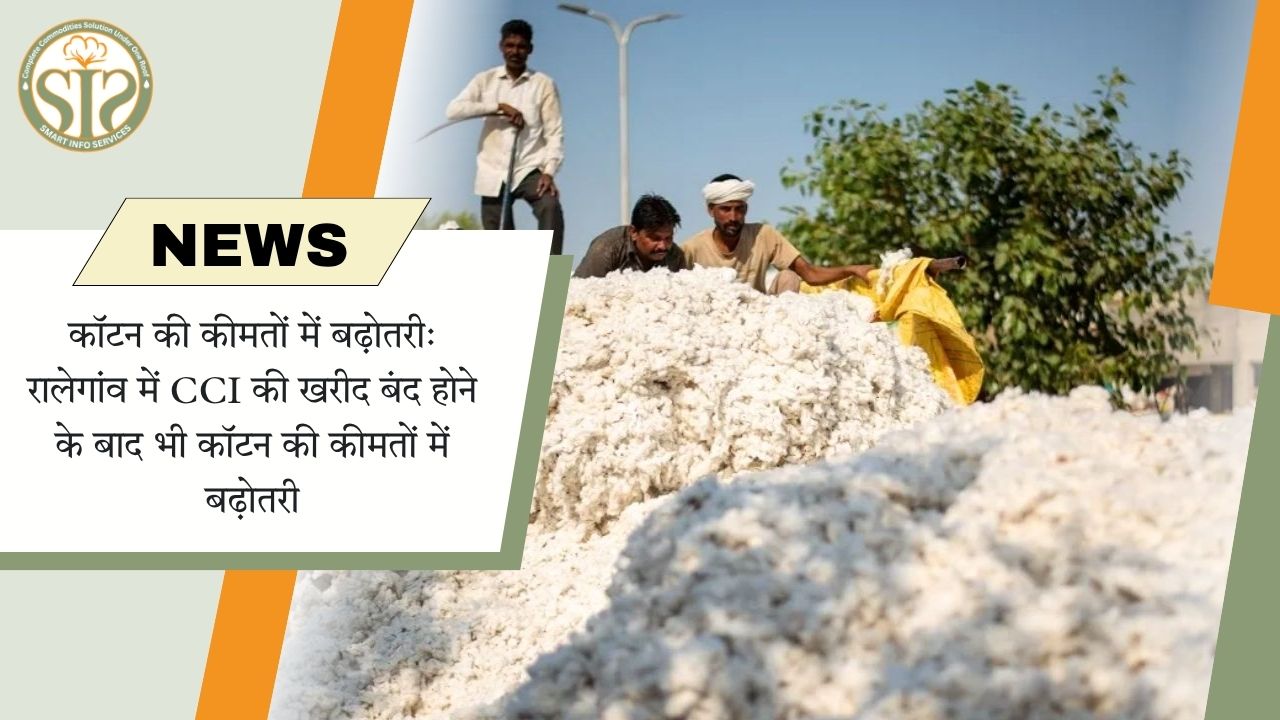
कॉटन की कीमतों में बढ़ोतरी: रालेगांव में CCI की खरीद बंद होने के बाद भी कॉटन की कीमतों में बढ़ोतरीकिसानों को राहत: किसानों और व्यापारियों को चिंता थी कि कॉटन कॉर्पोरेशन ऑफ इंडिया (CCI) के खरीद बंद करने के बाद कॉटन की कीमतें गिर जाएंगी। हालांकि, असलियत इसके उलट है और कॉटन की कीमतों में फिलहाल बढ़ोतरी हो रही है। रालेगांव एग्रीकल्चरल प्रोड्यूस मार्केट कमेटी में अच्छी क्वालिटी वाले कॉटन का भाव अभी करीब 8,200 रुपये प्रति क्विंटल मिल रहा है, जो कुछ दिन पहले 8,240 रुपये तक पहुंच गया था।पहले, CCI से अच्छी क्वालिटी वाला कॉटन करीब 8,010 रुपये प्रति क्विंटल के रेट पर खरीदा जा रहा था। हालांकि, खरीद के आखिरी फेज में कई किसानों को स्लॉट नहीं मिले और उनका कॉटन CBI ने नहीं खरीदा। इसलिए, उम्मीद थी कि खरीद बंद होने के बाद कीमतें गिरेंगी।हालांकि, फिलहाल, मार्केट में डिमांड बढ़ने की वजह से कॉटन की कीमतें गारंटीड कीमत से भी ऊपर चली गई हैं।एक्सपर्ट्स का मानना है कि कीमतों में बढ़ोतरी इंटरनेशनल डेवलपमेंट की वजह से हुई है। खाड़ी क्षेत्र में तनाव की स्थिति से यार्न और टेक्सटाइल इंडस्ट्री में डिमांड बढ़ने की संभावना है, जिसका असर कॉटन की कीमतों पर पड़ रहा है। इसके अलावा, बेल्स (कॉटन बेल्स) और सिल्क की कीमतों में बढ़ोतरी से भी कॉटन मार्केट को सपोर्ट मिल रहा है।अभी, रालेगांव मार्केट कमेटी में हर दिन 200 से 250 गाड़ियां कॉटन बेचने के लिए आ रही हैं, और अनुमान है कि 7 से 8 हजार क्विंटल कॉटन का कारोबार हो रहा है। इसमें से लगभग 70 प्रतिशत पिछले सीजन (पुराना) का है और बाकी 30 प्रतिशत नई आवक है। उम्मीद है कि यह स्थिति पूरे अप्रैल महीने तक बनी रहेगी।चालू सीजन में रालेगांव मार्केट कमेटी के जरिए कुल 8 लाख 76 हजार क्विंटल कॉटन बेचा गया है।इसमें से 3 लाख 12 हजार क्विंटल कॉटन CCI ने खरीदा, जबकि बाकी 5 लाख 64 हजार क्विंटल कॉटन प्राइवेट व्यापारियों से खरीदा गया। अभी, खबर है कि लगभग 30 प्रतिशत किसानों के पास अभी भी अच्छी क्वालिटी का कॉटन बचा हुआ है। किसानों के लिए राहतCCI की खरीद रुकने के बाद भी, मार्केट की मांग, इंटरनेशनल हालात और बाय-प्रोडक्ट्स में तेज़ी से कॉटन की कीमतों को सपोर्ट मिल रहा है, जो किसानों के लिए राहत की बात है।और पढ़ें:- मजबूत मांग से कपास कीमतें MSP से ऊपर
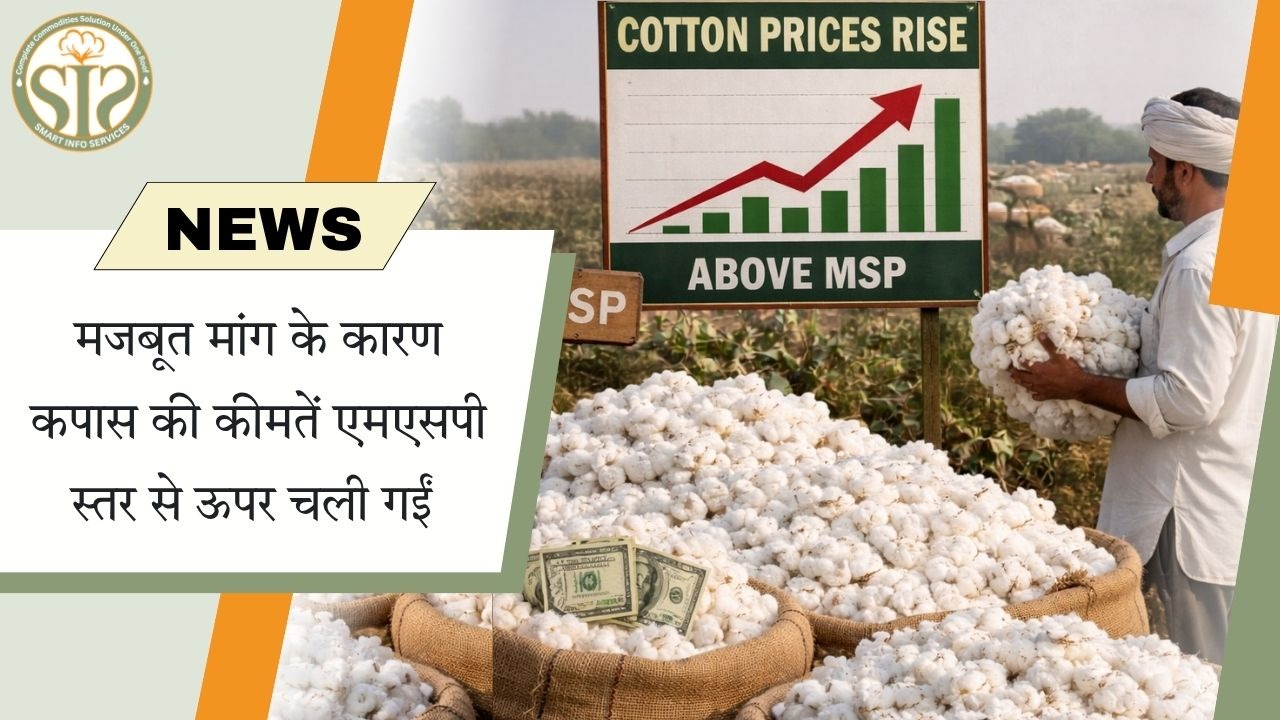
मजबूत मांग के कारण कपास की कीमतें एमएसपी स्तर से ऊपर चली गईं वैश्विक स्तर पर कपास की कीमतें मजबूत हो रही हैं और मार्च के पहले सप्ताह से आईसीई बाजार में वायदा में लगभग 15 प्रतिशत की वृद्धि हुई है।भारतीय कपास निगम (सीसीआई) ने वैश्विक कीमतों और मजबूत घरेलू मांग के अनुरूप, सोमवार को 2025-26 फसल के लिए न्यूनतम मूल्य ₹1,300 प्रति कैंडी बढ़ा दिया है।सोमवार के संशोधन को शामिल करते हुए, सीसीआई द्वारा 2025-26 की फसल के लिए मार्च की शुरुआत से 356 किलोग्राम की प्रति कैंडी ₹3,200 की कुल कीमत वृद्धि की गई है।वैश्विक स्तर पर कपास की कीमतें मजबूत हो रही हैं और मार्च के पहले सप्ताह से आईसीई बाजार में वायदा में लगभग 15 प्रतिशत की वृद्धि हुई है। मई डिलीवरी के लिए कॉटन वायदा 70.12 सेंट प्रति पाउंड को पार कर गया, जबकि जुलाई डिलीवरी 73.28 सेंट के आसपास रही।और बढ़ोतरी की संभावनाकच्चे कपास की कीमतें मजबूत हो गई हैं, हालांकि 2025-26 की अधिकांश फसल पहले ही बाजार में आ चुकी है। रायचूर और अडोनी जैसे कुछ बाजारों और महाराष्ट्र और गुजरात के कुछ हिस्सों में कच्चे कपास (कपास) की कीमतें न्यूनतम समर्थन मूल्य (एमएसपी) ₹8,110 प्रति क्विंटल से ऊपर ₹8,400-8,700l के बीच कारोबार कर रही हैं।रायचूर में कच्चे कपास की कीमतें लगभग ₹8,500-8,600 थीं, जबकि अडोनी में यह ₹8,500-8,700 थीं। रायचूर में एक सोर्सिंग एजेंट रामानुज दास बूब ने कहा, "विपणन सत्र के अधिकांश भाग के लिए समर्थन मूल्य से नीचे रहने के बाद कपास की कीमतें अंततः एमएसपी स्तर से ऊपर चली गई हैं। आज की कीमत में वृद्धि के बाद, कपास की कीमतें ₹8,800 के स्तर तक बढ़ सकती हैं, जिससे किसानों को आगामी खरीफ सीजन में अधिक बुआई करने के लिए प्रोत्साहन मिलेगा।"मूल्य वृद्धि के बावजूद, सीसीआई कपास व्यापारियों और मिल मालिकों की ओर से खरीददारी में रुचि आकर्षित कर रही है। सोमवार को सीसीआई ने करीब 3 लाख गांठें बेचीं. सूत्रों ने कहा कि कुछ अच्छी गुणवत्ता वाले कपास के लिए खरीदारों ने प्रीमियम का भुगतान भी किया है।और पढ़ें:- अनुकूल मौसम से कपास बुवाई तेज, राजस्थान में लू का अलर्ट

On Monday, the Indian rupee closed at 93.06 against the dollar, the same level at which it had opened in the morning.Stock Market LIVE Updates: Sensex rebounded sharply from the day's low to close 787.30 points or 1.07 per cent higher at 74,106.85. The sudden rebound followed media reports claiming a Pakistan-brokered ceasefire framework between the US and Iran.read more :- Thread Prices Rise, Increasing Financial Pressure on Weavers

Pressure on weavers due to increase in prices of cotton and polyester threadManpur (BIHAR)- The recent increase in the prices of cotton and polyester yarn has posed a serious economic challenge to the textile industry, especially the weaving community. The increase in the price of cotton yarn by about 15% and that of polyester yarn by about 50% has significantly increased the cost of production, which is directly impacting small and medium weavers.The situation has become more complicated because it is not possible to increase the prices of finished garments proportionately despite rising costs. As a result, weavers' profits are continuously declining and many units are facing economic pressure.In view of this crisis, the weavers' organizations have demanded from the state government to give 15% subsidy on cotton yarn, so that they can get immediate relief and the competitiveness of the industry can be maintained.Weaver representatives say that this unusual increase in raw material prices is worrying for the entire industry. He has demanded from the state and central governments to present a clear and effective strategy, so that a permanent solution to this problem can be found.According to experts, weaving in Bihar is not only a traditional art but also an important source of employment after agriculture. It serves as the backbone of the rural economy. If raw material prices continue to rise, it could affect the livelihoods of millions of families and pose a serious threat to the sustainability and profitability of the cotton textile industry.read more :- Cotton prices near Rs 9,000, yet farmers and traders face crisis
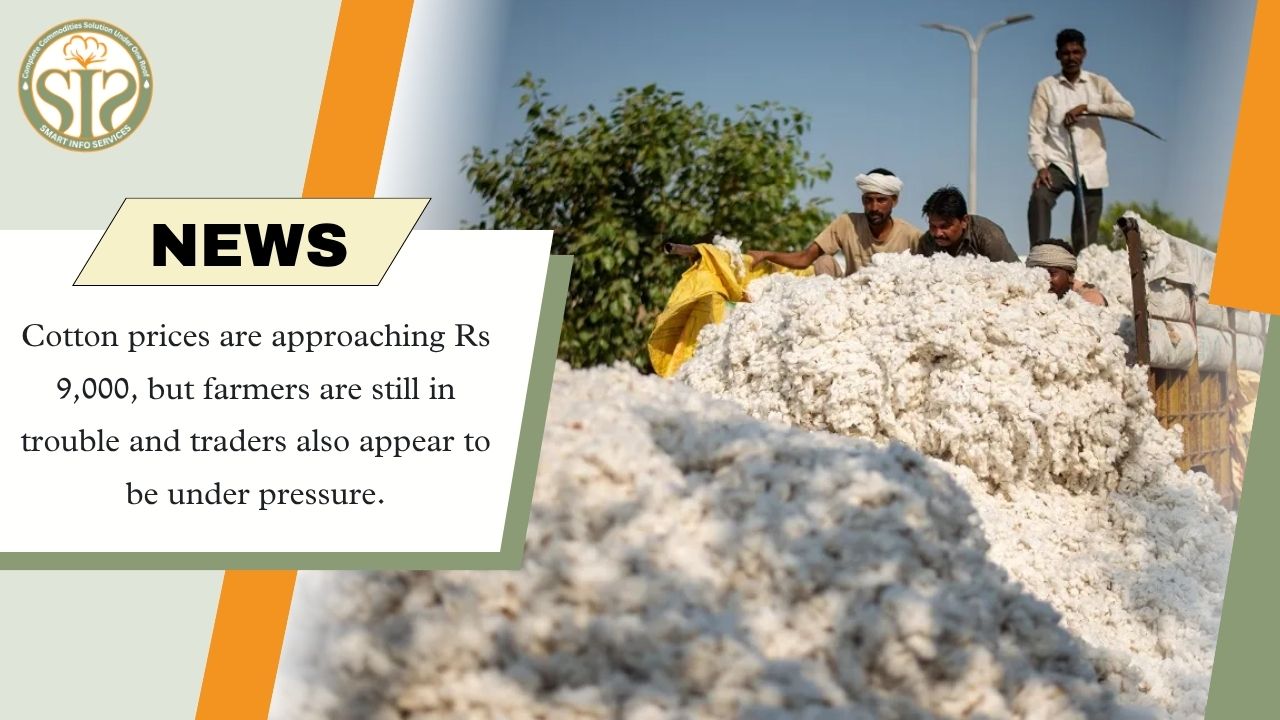
Cotton prices are approaching Rs 9,000, but farmers are still in trouble and traders also appear to be under pressure.In Jalgaon, cotton prices have been continuously increasing for the last few weeks and have reached Rs 8,500 to Rs 9,000 per quintal. In some places, even higher prices are being received for good quality cotton. At first glance, this seems to be a news of relief for the farmers, because the prices are above the minimum support price, but the ground reality is different and worrying.A large quantity of cotton had come into the market at the beginning of the season, due to which the prices at that time remained between Rs 7,000 and 7,500 per quintal. Now the stock in the market has reduced, while the demand from mills and traders remains constant. Due to this imbalance of demand and supply, prices are rising.The competition for purchasing among traders has increased and tough competition is being seen in auctions at many places. Experts believe that the prevailing domestic and international market conditions, production shortfall, export demand and growing needs of the yarn industry—all these factors may push the prices higher further.But the real question is how much benefit the farmers are getting from this rising price. The reality is that most of the farmers had already sold their crops at low prices. Due to financial pressure, compulsion to repay loans, household expenses and lack of storage, they were not able to hold their produce for long.Now that prices have increased, farmers have no cotton left to sell. In such a situation, the direct benefit of this boom is being given to the traders, middlemen and stockists, who had already stored the cotton and are now earning profits by selling it at higher prices.This situation exposes the fundamental flaws of the agricultural system. On one hand the market is booming, on the other hand farmers are deprived of it. The hard-working farmer faces losses, while profits are limited to the middle players in the market.To solve this problem, it is very important to provide better storage facilities to the farmers. Modern warehouses and cold storages should be developed in villages, so that farmers can preserve their produce till the right time.Along with this, loans should be easily available to farmers at low interest rates, so that they are not forced to sell their crops immediately. There is also a need to increase market transparency, strengthen digital platforms like e-NAM and empower farmer producer companies. With this, farmers can get better prices for their produce by directly connecting with the market.read more :- The rupee opened 4 paise higher at 93.06.

The rupee opened 4 paise higher at 93.06 per USD.The Indian rupee opened 4 paise higher at 93.06 per dollar on Monday, whereas it had closed at 93.10 on Thursday.READ MORE :-State-wise CCI Cotton Sales Details: 2025-26 Season
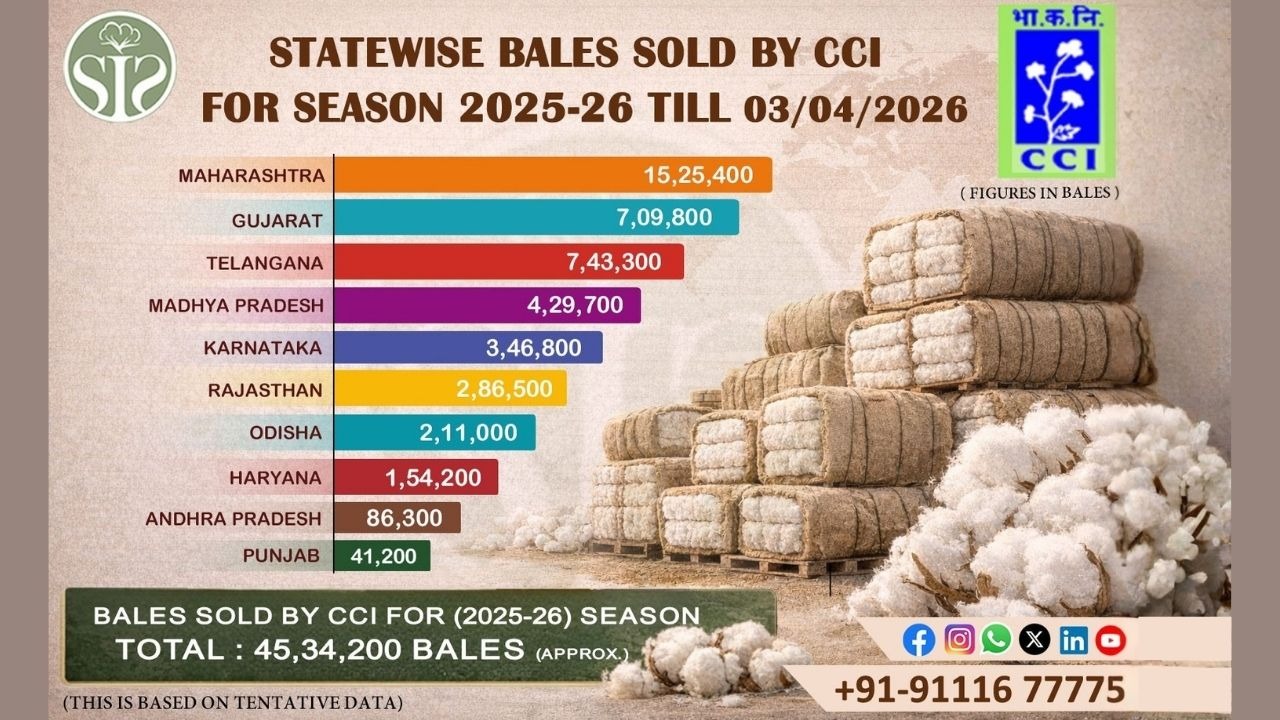
State-wise CCI Cotton Sales Details – 2025-26 SeasonThe Cotton Corporation of India (CCI) raised its cotton prices by upto ₹1,800-₹2,000 per candy during this week . Till date, CCI has sold approximately 45,34,200 cotton bales for the 2025-26 season. Sales are highly concentrated in a few major cotton-producing states, Maharashtra and Gujarat emerging as the leading contributors.

Will the coming season be good for cotton?We have studied the possible impact of El Nino on the ongoing war in the Gulf region and the upcoming monsoon, to understand how these conditions will impact cotton cultivation in the country, especially Maharashtra, and what farmers should pay attention to.It has been a month since the US-Israel conflict against Iran. There are many uncertainties about this war—how long it will last, whether it will expand in scope, and whether it could escalate into a major global crisis. Even if there is a temporary pause in the war, it may take a long time for the situation to return to normal.Given these international circumstances, it becomes important to assess the future of cotton farmers, farm laborers and related industries in India—especially in key states like Maharashtra.Cotton is cultivated in about 16% of the agricultural area in India, sowing of which starts from April. About 75% of the country's cotton area is located in central India—Maharashtra, Gujarat, Madhya Pradesh, Telangana and Karnataka—where it is cultivated in June with the monsoon. Maharashtra alone has about 33% cotton area, which supports the livelihood of lakhs of farmers.Three main factors will be important for cotton cultivation this season:1. Monsoon and rainfall conditionsCurrently, El Nino situation is occurring in the Pacific Ocean. It is estimated that its impact will increase between June and August, due to which the monsoon may be weaker than normal or below average. This can have a direct impact on cotton production.2. Availability of fertilizerIndia's import supply may be affected due to war in the Gulf region. About 85% of India's fertilizer and 20% of crude oil supply comes through the Strait of Hormuz. If there is a disruption here, there could be a shortage of fertilizers like urea and DAP, which will affect both farming costs and production.3. Impact on crude oil and textile industryThe cost of synthetic fibers (such as polyester and nylon) may increase as crude oil supplies are affected. This is likely to increase demand for natural fibers—such as cotton. Consumption of natural textiles is already high in India, and this trend is likely to further strengthen.read more :- CCI Steps Up Cotton Procurement; Private Sector Also Active
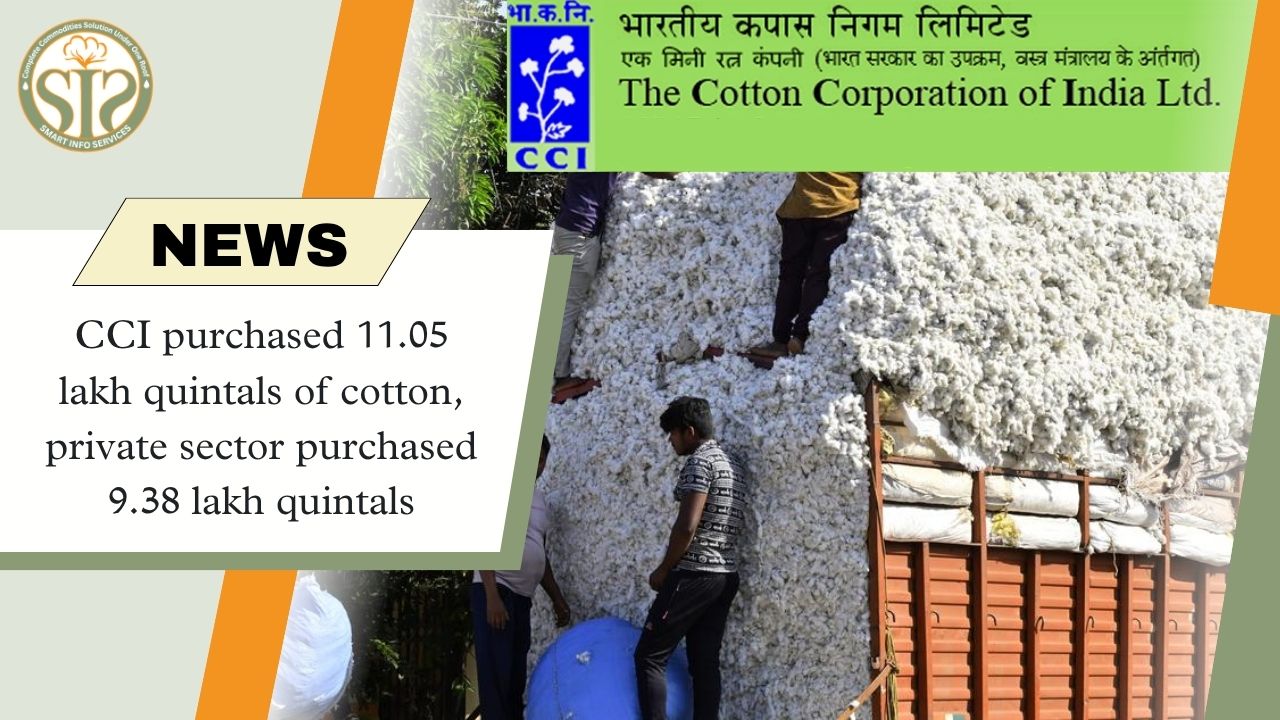
CCI purchased 11.05 lakh quintals of cotton, private sector purchased 9.38 lakh quintalsRural Economy: A total of 20.43 lakh quintals of cotton procurement was recorded in Parbhani and Hingoli districts till March 27. In this, Cotton Corporation of India (CCI) purchased 11.05 lakh quintals, while the private sector purchased 9.38 lakh quintals of cotton. At present, softening of the initial prices of cotton is being seen in the market.Farmers preferred CCI at the beginning of the 2025-26 procurement season as prices in the open market were below the Minimum Support Price (MSP). 88,377 farmers registered for sale at CCI centers through ‘Cotton Kisan Mobile App’ at 14 centers in both the districts.However, CCI buying slowed down after open market prices surged in January. Many farmers had withheld cotton in the hope of better prices, thinking prices could reach Rs 10,000 per quintal. But due to fall in prices in February, farmers could not get the expected benefits.Due to availability of irrigation, many farmers took Fardad (Late Harvest) crop, harvesting of which is still going on. Its arrival continues in the market and Fardad cotton is getting a price of around Rs 6,000 per quintal.Demonstration of Parbhani districtA total of 18.21 lakh quintals of cotton was purchased in Parbhani district. 74,932 farmers registered under 10 agricultural produce market committees of Parbhani, Bori, Jintur, Selu, Pathri, Sonpeth, Gangakhed, Palam and Tadkalas to sell cotton to CCI.CCI purchased 9,63,907 quintals of cotton through 46 ginning factories, where the price per quintal ranged from Rs 7,710 to Rs 8,060. At the same time, private traders purchased 8,57,533 quintals of cotton through 26 ginning factories, the average price of which was Rs 7,000 to 8,365 per quintal.Overall, CCI and private sector together procured 18,21,440 quintals of cotton in Parbhani district.read more :- Exporters' Demand: Call for Removal of Duty on Cotton Imports
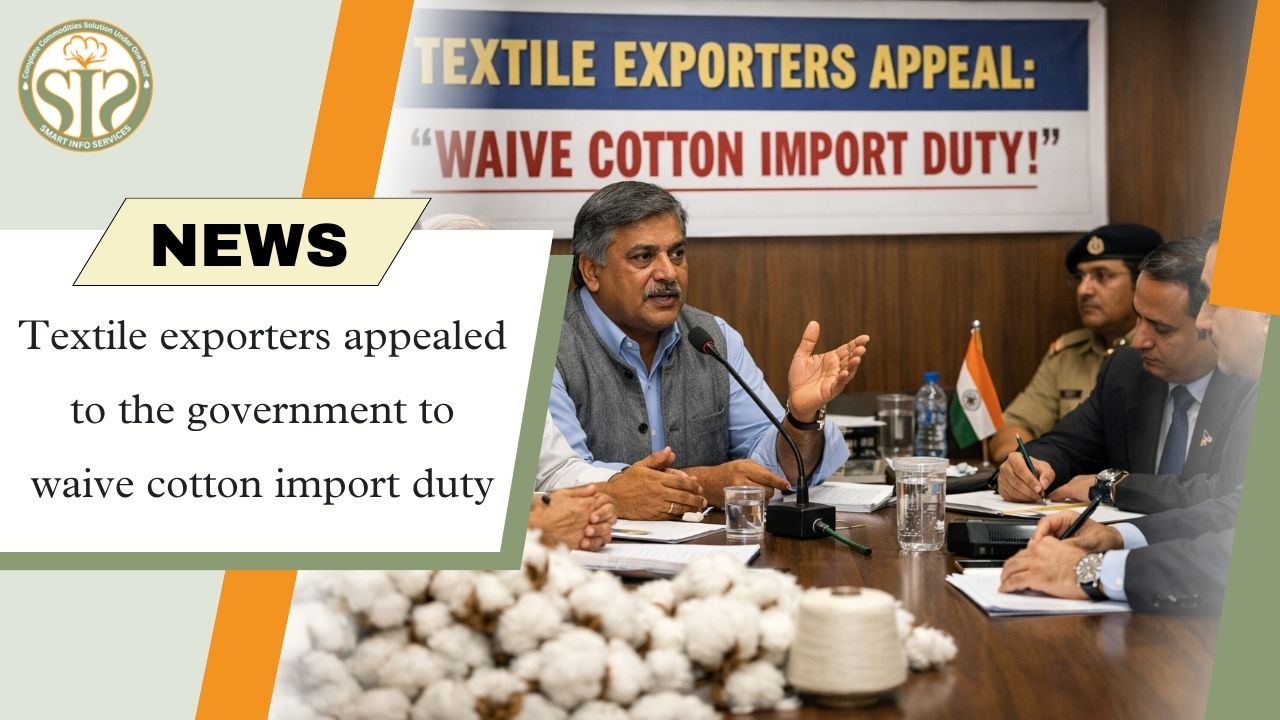
Textile exporters appealed to the government to waive cotton import dutyPune: Textile and garment exporters have demanded the government to temporarily remove the 11% import duty on cotton. They say the recent rise in domestic prices is squeezing their margins and weakening competition in the international market.Local cotton prices have increased by 7-8% last month. The main reason for this is the surge in demand, because due to the high prices of crude oil, synthetic fibers have become expensive and mills are again returning to natural fibres.The industry has sought temporary relief like last year, when the government had reduced supply pressure by removing cotton import duty between August and December. According to Cotton Association of India data, cotton prices have increased by 11-12% in the last one month. During this period, an increase of 12-15% has been recorded in the international market also.Exporters say India has to depend on imports for long-staple and contamination-free cotton to meet the demand of foreign buyers. About 60-70% of the textile value chain is based on cotton, hence the industry has appealed to the Central Government to provide exemption in import duty for 3 to 6 months.According to industry experts, global events have led to a surge in crude oil prices, making many raw materials used in the textile sector costlier by 10% to 60%. Besides, the supply chain has also been affected. Exporters say competing countries like Vietnam and Bangladesh get duty-free raw materials, giving them a price advantage.read more :- CCI hikes cotton prices by ₹2,000, weekly sales cross 6.76 lakh bales
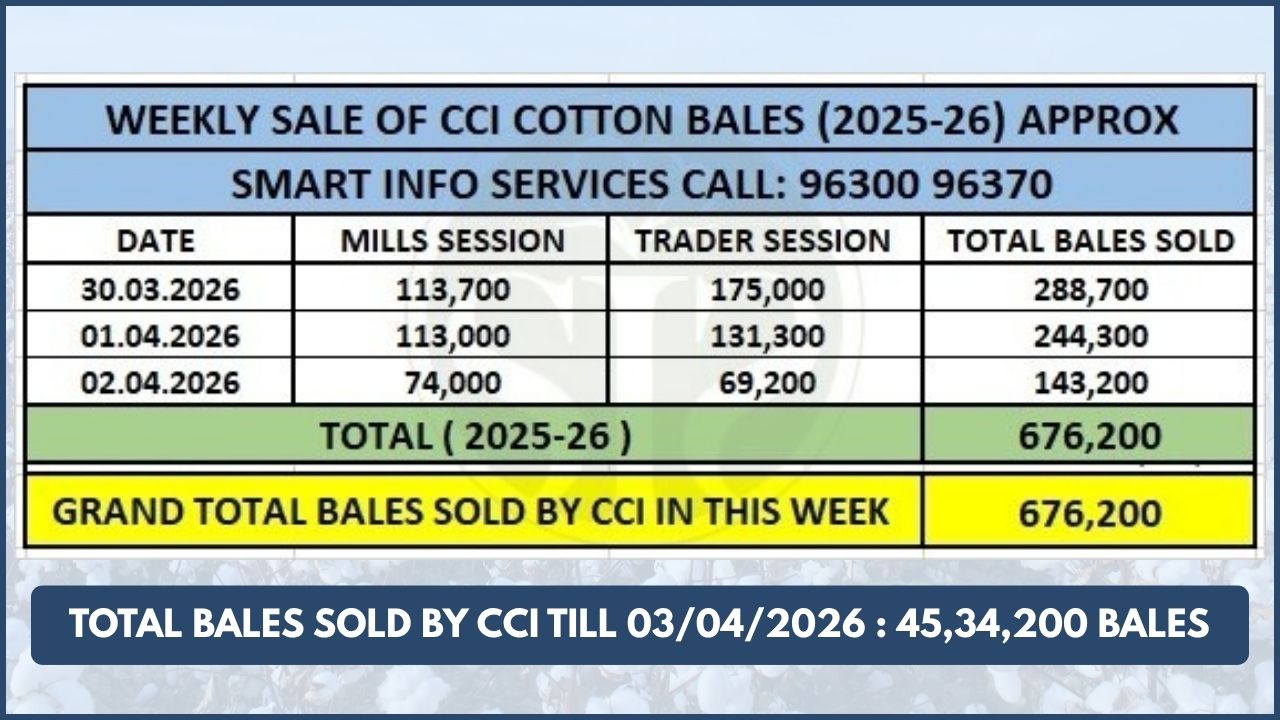
CCI Raises Cotton Prices by ₹1,800- ₹2,000 per Candy; Weekly Auction Sales Cross 6.76 Lakh BalesThe Cotton Corporation of India (CCI) raised its cotton prices by ₹1,800- ₹2,000 per candy during the week from March 30 to April 03 2026, the auctions witnessed strong participation from mills and cotton traders, resulting weekly sales of about 6,76,200 bales from the 2025–26 season.Day-wise Auction PerformanceMarch 30, 2026 (Monday):The week began on a strong note with the highest single-day sales of 2,88,700 bales. Mills purchased 1,13,700 bales, while traders accounted for a larger share with 1,75,000 bales.April 01, 2026 (Wednesday):Sales saw a slight dip, with 2,44,300 bales sold during the day. Mills bought 1,13,000 bales, while traders purchased 1,31,300 bales.April 02, 2026 (Thursday):The week concluded with the sale of 1,43,200 bales. Mills purchased 74,000 bales, while traders dominated with 69,200 bales.Cumulative Sales UpdateCCI’s total sales have reached:2025–26 season: 45,34,200 bales2024–25 season: 98,85,100 bales

Telangana to become textile capital of South Asia, says Revanth ReddyHyderabad: Chief Minister A. Revanth Reddy on Friday reiterated the State’s ambition to transform Telangana into the Textile Capital of South Asia, with a strong emphasis on developing eco-friendly textile hubs.Speaking at the Asian Textile Conference (ATEXCON 2026) in Hyderabad, he outlined a long-term vision to position the State as a leading global textile destination by 2047. He assured investors of comprehensive support, including world-class infrastructure, land availability, reliable power, water supply, and attractive incentives.Highlighting the region’s rich textile heritage, the Chief Minister referred to renowned traditional weaves such as Pochampally Ikat, Gadwal sarees, Warangal durries, and Narayanpet sarees. He noted that textiles are not merely an industry but a vital source of livelihood for thousands of weaving communities across the State.Emphasizing Telangana’s strengths, he pointed out that it is among India’s largest cotton-producing regions, with globally recognized quality. He added that the State combines both skilled manpower and strong policy intent to emerge as a top textile hub.Reddy also highlighted key initiatives such as the Kakatiya Mega Textile Park, along with multiple apparel parks, as part of efforts to strengthen the textile ecosystem. He further noted Telangana’s leadership across diverse sectors, including technology, pharmaceuticals, aerospace, defence, manufacturing, and energy.read more :- Brazil cotton prices see sharpest rise since August 2022

Brazil cotton prices post sharpest rise since August 2022 in MarchBrazil’s cotton prices climbed sharply in March 2026, marking the strongest monthly increase since August 2022. The CEPEA/ESALQ Index surpassed BRL 3.91 per pound, driven by firm demand, sellers holding back from lower price offers, and supportive global market trends.The index rose 11.2% percent the month, closing at BRL 3.9173 per pound on March 31. Domestic prices were further boosted by rising international oil prices and higher freight costs, which added upward pressure, according to the Center for Advanced Studies on Applied Economics (CEPEA). On average, the index reached BRL 3.6463 per pound in March, up 3.58% from February. Despite the recent gains, inflation-adjusted prices were still 11.35% lower than in March 2025.Looking ahead, global cotton production for the 2026–27 season is projected at 25.11 million tonnes—slightly higher than earlier estimates but still below the 2025–26 level. Meanwhile, global consumption is expected to increase to 25.405 million tonnes, pointing to modest growth in demand.In Brazil, cotton output is forecast at 3.75 million tonnes for 2026–27. Production for the current 2025–26 season has been slightly revised downward to 3.795 million tonnes, according to CEPEA’s latest outlook.read more :- The rupee closed 15 paisa higher against the dollar at 93.10

On Thursday the Indian rupee opened at 93.25 against the dollar and closed 15 paisa higher at 93.10At close, the Sensex was up 185.23 points or 0.25 percent at 73,319.55, and the Nifty was up 33.70 points or 0.15 percent at 22,713.10. About 2548 shares advanced, 1505 shares declined, and 147 shares unchanged.read more :- Cotton Crosses 8,500—No Benefit to Farmers

Cotton prices increased beyond 8,500 due to war, but farmers are not getting benefitsMaharashtra (Selu): Due to the US-Iran war, the demand for cotton has increased globally, due to which its prices have increased. The price of one Khandi (two bales) has increased from Rs 53 thousand to Rs 58 thousand. On Wednesday, private traders in the Agricultural Produce Market Committee premises gave prices ranging from Rs 8,400 to Rs 8,500 per quintal for cotton.However, farmers are not getting much benefit from this increased price, because at the district and taluka level, farmers have almost run out of cotton to sell. This year, due to heavy rains in the Kharif season, production reduced and due to low prices in the initial phase, farmers sold only limited quantities of cotton. The arrival of cotton in the market has stopped for the last one month, due to which the season is almost over.Earlier, the price of cotton by private traders was up to Rs 7,200 per quintal, while the Cotton Corporation of India (CCI) had also stopped its purchases. Due to shortage of cotton in the market, production in ginning mills has also come to a standstill for the last one month.According to Ritesh Toshniwal of Tirupati Cotton Industries and Oil Mill, Valur, "Due to the war, the supply of crude oil has been affected and the prices have increased. This has increased the demand for cotton as an alternative to synthetic thread. Now the price of cotton has reached eight and a half thousand rupees, but the farmers do not have the goods to sell. The little that is coming, the traders are immediately buying it."This year, under the policy of the Central Government, 40 lakh bales of cotton were imported into the country, whereas normally this figure is 10 lakh bales. Before the increase in imports, the price of cotton was Rs 55-56 thousand per khandi, which came down to Rs 52-53 thousand. Now due to the US-Iran war, there has been a surge in demand and prices have started rising again.Procurement was done by CCI at a support price of Rs 8,100 per quintal, but cotton with higher moisture content was taken at a lower price. Traders had given prices ranging from Rs 7,200 to Rs 7,700 depending on the quality. Now mainly traders are getting the benefit of increased prices, because farmers have no stock left.read more :- Yarn prices rise by ₹12/kg, Tiruppur exporters under pressure

Yarn Prices Jump by ₹12/kg, Tiruppur Exporters Under Pressure Amid Global UncertaintyCotton yarn prices used in Tiruppur’s knitwear industry rose by ₹10–₹12 per kilogram on Wednesday, marking the start of the new fiscal year with fresh cost pressures. The increase follows earlier hikes of ₹7/kg in late February and another ₹7/kg in mid-March, according to industry sources.The surge is linked to rising global cotton prices, driven by ongoing geopolitical tensions in the Middle East. As a result, domestic cotton rates in India have also climbed.Manufacturers estimate that the latest increase could push up the production cost of a single knitwear garment by as much as ₹6.Exporters are particularly concerned about the impact. KM Subramanian, President of the Tiruppur Exporters’ Association (TEA), noted that the sharp rise in cotton prices has added to existing challenges, including higher raw material costs, overseas tariffs, and shipping difficulties.He pointed out that exporters are unable to pass on the increased costs to international buyers, as prices for current orders have already been locked in through contracts—effectively squeezing margins further.On Wednesday, all major varieties of cotton yarn saw price increases. For instance, 20s combed yarn rose from ₹265 to ₹277 per kilogram.Despite the price surge, industry representatives maintain that there is no shortage of cotton in India, even as the current cotton season nears its end.read more :- Expensive BT cotton seeds, farmers' worries increase
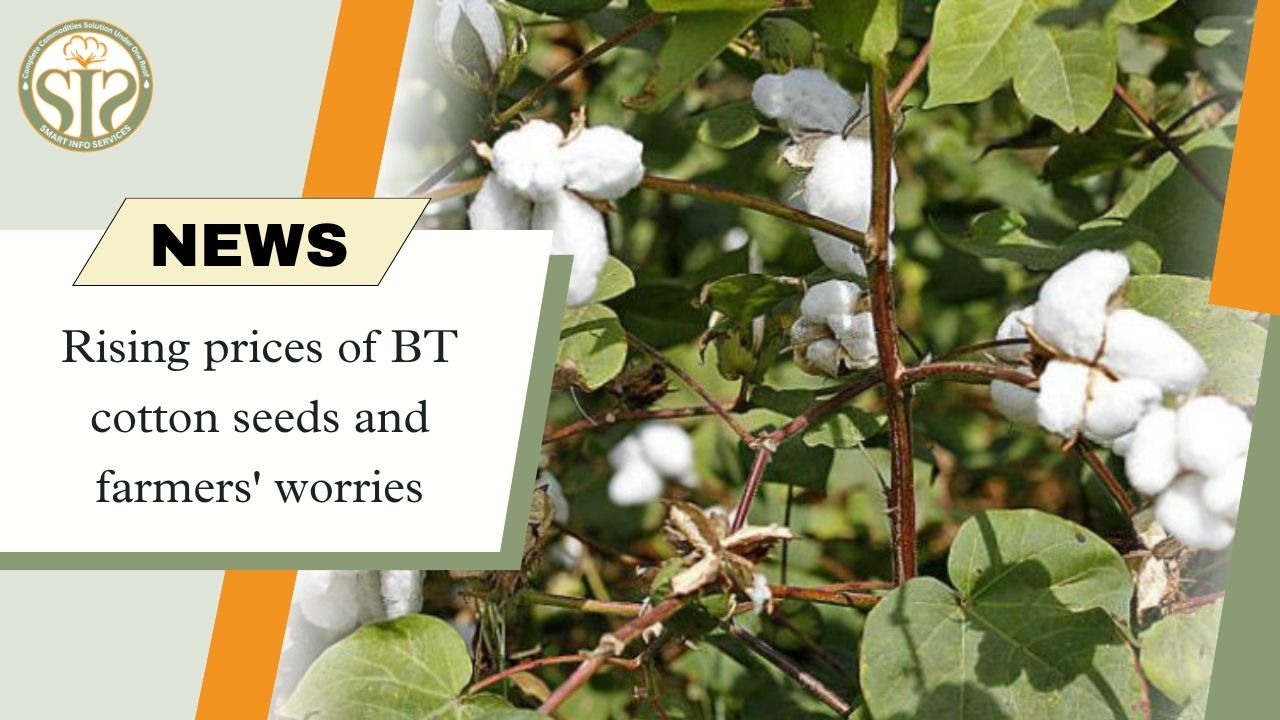
Rising prices of BT cotton seeds and farmers' worriesThe rising prices of BT (Bacillus thuringiensis) cotton seeds is becoming a big problem for the cotton producing farmers. The price of Bollgard-2 variety seeds has been continuously increased by the Union Ministry of Agriculture and Farmers Welfare in the last few years, due to which the production cost of farmers has increased. At the same time, farmers are still waiting for an improved and more effective version of this technology, due to which their resentment is increasing.The most cultivated variety in the country is Bolgard-2, while the use of Bolgard-1 is relatively less. But due to increasing costs and decreasing profits, cotton cultivation is now becoming a loss-making deal. This year, farmers did not even get fair price for cotton, due to which the economic pressure increased further.Farmers faced many problems during farming—like shortage of labour, rising prices of fertilizers and black marketing of seeds. Despite all this, farmers sowed cotton, but the crop defied expectations.Farmers have been waiting for a long time for a new cotton variety resistant to pests like pink bollworm. However, even this year no such advanced and effective variety has been available in the market. On the contrary, the prices of Bt cotton seeds are continuously increasing, leading to increasing dissatisfaction in cotton growing areas.Farmers say that the government decides the price of seeds, but does not ensure that the same price is implemented in the market. Due to lack of control over black marketing of seeds and selling at higher prices, farmers are being financially exploited.Details of increase in seed prices:* 2023-24 season: Bt (Bolgard-2) seeds – ₹853 per bag* 2024-25 season: ₹864 per bag* 2025-26 season: ₹901 per bag* Bollgard-1 seeds in 2025-26: ₹635 per bagThere is no visible progress towards genetic improvement in cotton seeds. Farmers are now waiting for a variety that has effective resistance to pink bollworm. Cotton was once a major cash crop, but now the crop is becoming more profitable for seed, pesticide and herbicide companies rather than for farmers.read more :- The rupee opened 158 paise higher at 93.25.

The rupee opened 158 paise higher at 93.25/USD.The Indian rupee opened 158 paise higher at 93.25 per dollar on Thursday, whereas it had closed at 94.83 on Monday.READ MORE :- India's $174 billion textile industry hit by West Asia conflict

India’s $174 Billion Textile Industry Faces Crisis Amid West Asia ConflictIndia’s $174-billion textile industry, one of the world’s largest, is grappling with a crisis triggered by the ongoing West Asia conflict involving the US, Israel, and Iran. Rising crude oil prices, higher raw material costs, labor migration, and weakened demand are intensifying challenges reminiscent of the COVID-19 disruption.Exporters are still reeling from earlier US tariff uncertainties, which squeezed margins and created prolonged instability. For an industry projected to reach $350 billion by 2030 and employing over 45 million people, the impact is substantial.Clusters like Surat, known as India’s “Silk City,” have seen voluntary production cuts of around 40%, while Tiruppur, the “Knitwear Capital of India,” faces soaring operational costs—logistics up 400%, coal 80%, and chemicals 20%. Labor welfare is also a concern, as rising fuel costs threaten basic living conditions for hundreds of thousands of workers housed in hostels dependent on LPG.Compared with competitors such as China, Bangladesh, and Vietnam, India suffers from longer shipping times, creating higher inventory burdens for buyers. Experts urge measures like loan deferment, restructuring stressed accounts, enhanced working capital, and lower interest rates to sustain the sector.Industry leaders stress market diversification as a key strategy. Expanding into domestic markets, technical textiles, and free-trade agreement (FTA) countries can mitigate risks from geopolitical volatility. While short-term challenges loom, India’s textile sector remains poised for long-term growth, with a $100-billion export target by 2030. The immediate priority is preserving the industry ecosystem until global stability returns.read more :- Double crisis on Ludhiana textile industry
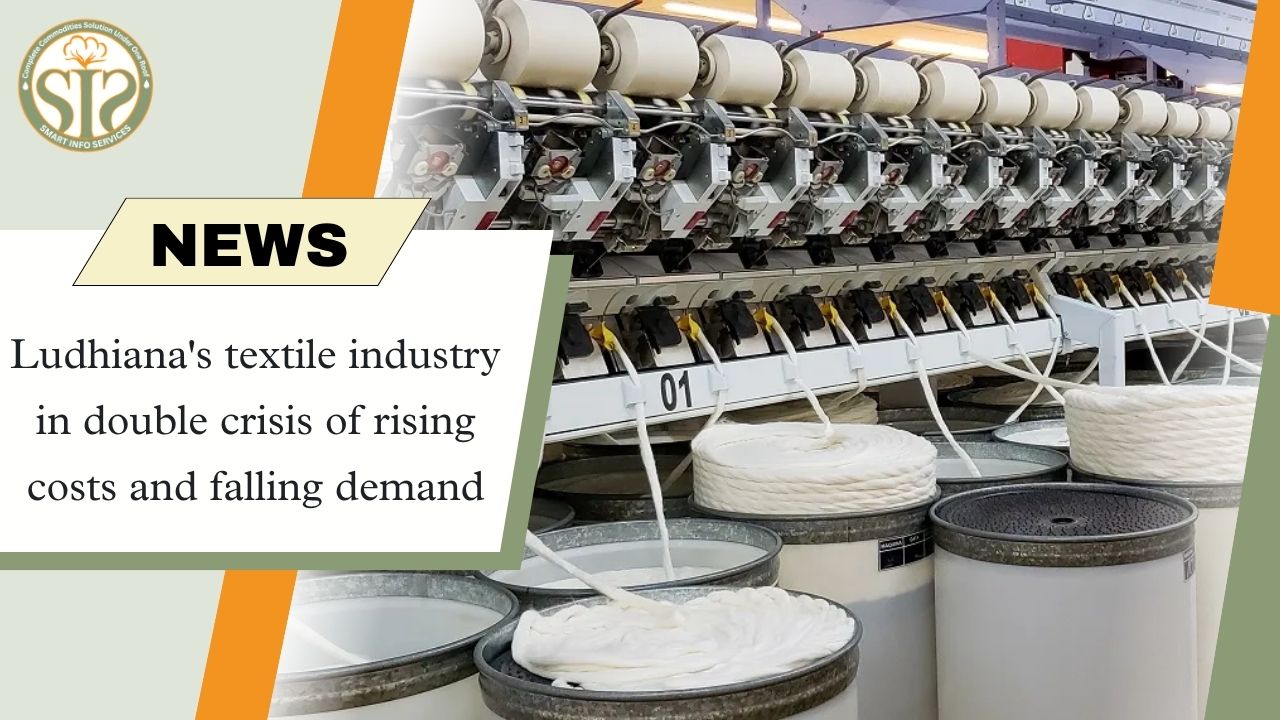
Ludhiana's textile industry in double crisis of rising costs and falling demandLudhiana: Ludhiana, known as the major textile production center of the country, is facing serious challenges these days. Rising raw material prices, disrupted supply chains, weak domestic and international demand, and rising logistics costs have put pressure on the industry.According to industry experts, the prices of synthetic fibers made from crude oil—such as polyester, nylon and spandex—have increased by a sharp 20% to 30% in recent weeks. Simranjit Singh, a textile manufacturer from Bahadarke Road, said it was becoming difficult to continue production due to rising costs. According to him, the price of polyester has increased from Rs 115 per kg to Rs 165–170, while the price of nylon fabric has increased from Rs 175 per meter to around Rs 210. Spandex prices have also increased by about 20%.The problem is not limited to synthetic fibres. Natural fibers like cotton have also become expensive. The price of cotton yarn has increased from Rs 260 per kg to around Rs 292 per kg. Industry organizations say that prices of almost all types of fiber have increased significantly.Packaging costs have also seen a sharp rise. Prices of polybags and other plastic-based packing materials, which are essential for logistics and exports, have increased by up to 40%. For example, the price of a polybag has increased from Rs 2 to Rs 3.15 to Rs 3.5.People associated with the industry consider fluctuating crude oil prices, disruption in the global supply chain and rising freight expenses as the main reasons behind this rising cost. Due to geopolitical tensions, international transportation has become expensive, further increasing production costs.Amidst all these challenges, the industry is also facing declining orders and labor shortage. Industry representatives say that if the situation does not improve soon and the supply chain is not stabilized, the situation may become more serious in the coming months.Experts believe that timely policy intervention, cost control measures and strengthening the supply chain are essential to overcome this crisis.read more :- “Double Western Disturbance: Heavy rain and hail from April 3-9”

Double attack of Western Disturbance: Danger of heavy rain and hailstorm across the country from 3 to 9 April.The weather has taken a turn across the country and widespread rains will be seen in the coming days. According to the latest update of Skymet Weather, due to Western Disturbances becoming active one after the other, the weather pattern will change from North India to Central and South India. Rain alert in North and Central IndiaThere is a possibility of good rain over North-West India as well as Central India on 3rd and 4th April. Due to its effect, intermittent rainfall will continue in many parts of Rajasthan, Madhya Pradesh, Punjab, Haryana, Delhi and Uttar Pradesh. 6 to 9 April: Heavy rain across the countryAccording to the Meteorological Department, there may be heavy rain in most of the states of the country between April 6 and 9. This period will be widespread and effective, due to which a drop in temperature will be seen. Farmers suffer loss due to hailstormThe effect of rain has reached the southern districts of Haryana including Bhatinda, Abohar, Fazilka, Muktsar and Mansa of Punjab and western Uttar Pradesh (Bulandshahr, Hathras, Mathura, Aligarh, Meerut). Farmers have suffered huge losses due to hailstorm at many places.Hisar, Bhiwani, Mahendragarh and Hanumangarh of Haryana have also recorded rain along with hailstorm, due to which crops have been damaged. Delhi-NCR next targetNow the weather system is moving towards Delhi-NCR. In the coming time, Delhi, Noida, Gurugram and Faridabad may also experience heavy rain and possibly hailstorm. There will be entry in South India alsoThere is a possibility of rain activities starting in South India from 4th or 5th April, due to which the weather there will also change.read more :- Cotton prices in Ralegaon rose even after CCI procurement ceased.
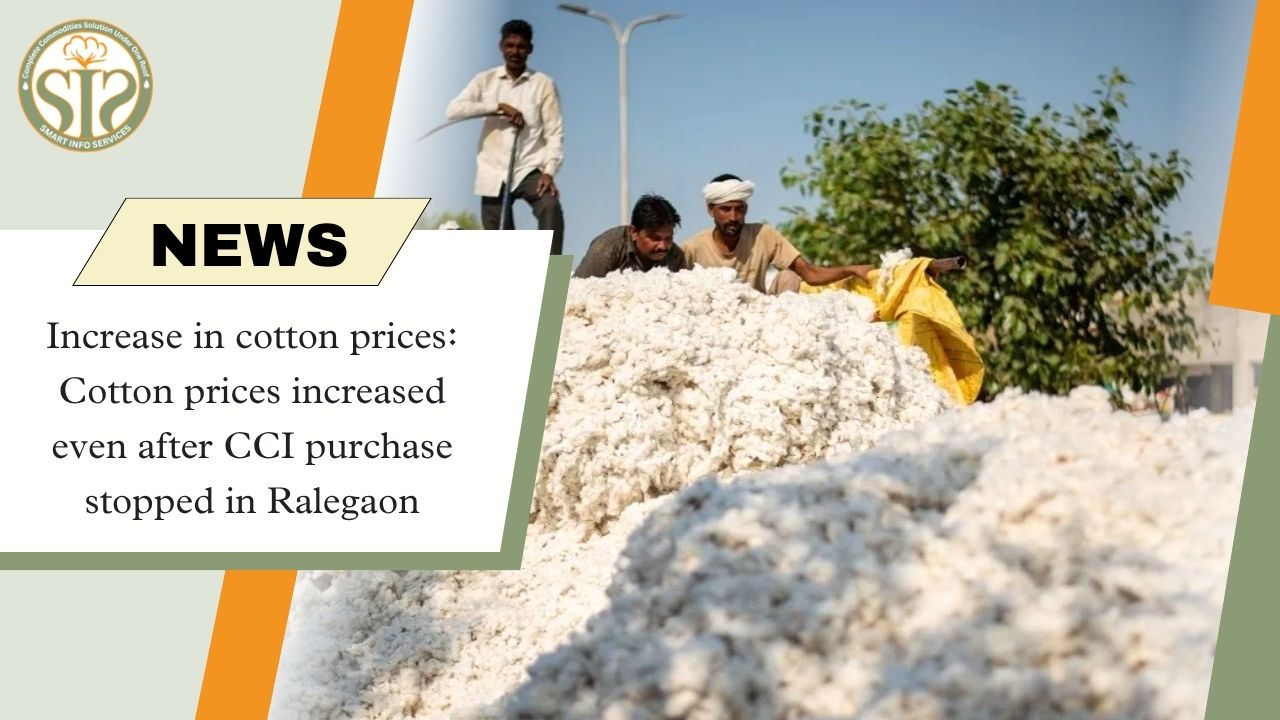
Increase in cotton prices: Cotton prices increased even after CCI purchase stopped in RalegaonRelief to farmers: Farmers and traders were worried that cotton prices would fall after the Cotton Corporation of India (CCI) stopped procurement. However, the reality is the opposite and cotton prices are currently increasing. In Ralegaon Agricultural Produce Market Committee, the price of good quality cotton is currently around Rs 8,200 per quintal, which had reached Rs 8,240 a few days ago.Earlier, good quality cotton was being purchased from CCI at the rate of around Rs 8,010 per quintal. However, in the last phase of procurement, many farmers did not get slots and their cotton was not purchased by CBI. Therefore, the expectation was that prices would fall after the purchases were closed.However, at present, due to increase in demand in the market, cotton prices have gone above the guaranteed price.Experts believe that the increase in prices is due to international development. Due to the situation of tension in the Gulf region, demand in yarn and textile industry is likely to increase, which is impacting cotton prices. Apart from this, the increase in the prices of bales (cotton bales) and silk is also supporting the cotton market.At present, 200 to 250 carts are coming to Ralegaon Market Committee every day to sell cotton, and it is estimated that 7 to 8 thousand quintals of cotton is being traded. Of this, about 70 percent is from the previous season (old) and the remaining 30 percent is new arrivals. It is expected that this situation will continue for the entire month of April.In the current season, a total of 8 lakh 76 thousand quintals of cotton has been sold through Ralegaon Market Committee.Out of this, 3 lakh 12 thousand quintals of cotton was purchased by CCI, while the remaining 5 lakh 64 thousand quintals of cotton was purchased from private traders. Right now, the news is that about 30 percent of the farmers still have good quality cotton left. relief for farmersEven after CCI procurement has stopped, market demand, international conditions and rise in by-products are supporting cotton prices, which is a matter of relief for farmers.read more :- Cotton prices above MSP due to strong demand

સોમવારે, ભારતીય રૂપિયો ડોલર સામે ૯૩.૦૬ પર બંધ થયો, જે તે સવારે ખુલ્યો હતો તે જ સ્તરે.શેરબજાર લાઈવ અપડેટ્સ: સેન્સેક્સ દિવસના નીચલા સ્તરથી ઝડપથી ઉછળીને ૭૮૭.૩૦ પોઈન્ટ અથવા ૧.૦૭ ટકા વધીને ૭૪,૧૦૬.૮૫ પર બંધ થયો. અમેરિકા અને ઈરાન વચ્ચે પાકિસ્તાનની મધ્યસ્થી હેઠળ યુદ્ધવિરામ માળખાના દાવા કરતા મીડિયા અહેવાલો પછી અચાનક ઉછાળો આવ્યો.વધુ વાંચો:- દોરાનાં ભાવમાં વધારો, વણકર પર નાણાકીય દબાણ વધ્યું

કોટન અને પોલિએસ્ટર થ્રેડના ભાવમાં વધારાને કારણે વણકર પર દબાણમાનપુર (બિહાર)- તાજેતરમાં કોટન અને પોલિએસ્ટર યાર્નના ભાવમાં થયેલા વધારાએ કાપડ ઉદ્યોગ, ખાસ કરીને વણાટ સમુદાય માટે ગંભીર આર્થિક પડકાર ઊભો કર્યો છે. કોટન યાર્નના ભાવમાં આશરે 15% અને પોલિએસ્ટર યાર્નના ભાવમાં લગભગ 50% જેટલો વધારો થવાથી ઉત્પાદન ખર્ચમાં નોંધપાત્ર વધારો થયો છે, જેની સીધી અસર નાના અને મધ્યમ વણકરોને થઈ રહી છે.પરિસ્થિતિ વધુ જટિલ બની છે કારણ કે ખર્ચ વધવા છતાં તૈયાર વસ્ત્રોના ભાવમાં પ્રમાણસર વધારો કરવો શક્ય નથી. પરિણામે, વણકરોનો નફો સતત ઘટી રહ્યો છે અને ઘણા એકમો આર્થિક દબાણનો સામનો કરી રહ્યા છે.આ કટોકટીને ધ્યાનમાં રાખીને વણકર સંગઠનોએ રાજ્ય સરકાર પાસે કોટન યાર્ન પર 15% સબસિડી આપવાની માંગ કરી છે, જેથી તેમને તાત્કાલિક રાહત મળી શકે અને ઉદ્યોગની સ્પર્ધાત્મકતા જાળવી શકાય.વીવર પ્રતિનિધિઓ કહે છે કે કાચા માલના ભાવમાં આ અસામાન્ય વધારો સમગ્ર ઉદ્યોગ માટે ચિંતાજનક છે. તેમણે રાજ્ય અને કેન્દ્ર સરકાર પાસે સ્પષ્ટ અને અસરકારક વ્યૂહરચના રજૂ કરવાની માંગ કરી છે, જેથી આ સમસ્યાનો કાયમી ઉકેલ મળી શકે.નિષ્ણાંતોના મતે બિહારમાં વણાટ એ માત્ર પરંપરાગત કળા જ નથી પરંતુ ખેતી પછી રોજગારીનું મહત્વનું સાધન પણ છે. તે ગ્રામીણ અર્થતંત્રની કરોડરજ્જુ તરીકે કામ કરે છે. જો કાચા માલના ભાવમાં વધારો થતો રહેશે, તો તે લાખો પરિવારોની આજીવિકાને અસર કરી શકે છે અને કોટન ટેક્સટાઇલ ઉદ્યોગની ટકાઉપણું અને નફાકારકતા માટે ગંભીર ખતરો ઉભો કરી શકે છે.વધુ વાંચો:- કપાસના ભાવ 9,000 રૂપિયાની નજીક, છતાં ખેડૂતો અને વેપારીઓ સંકટનો સામનો કરી રહ્યા છે
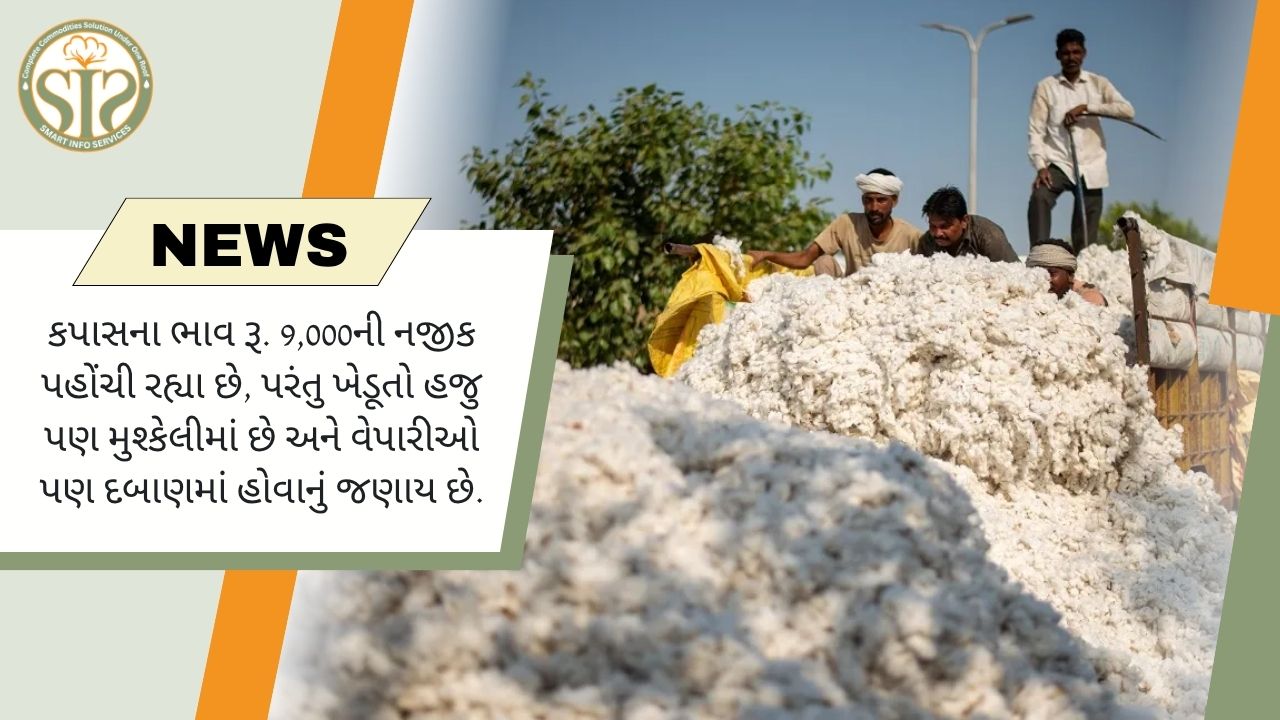
કપાસના ભાવ રૂ. 9,000ની નજીક પહોંચી રહ્યા છે, પરંતુ ખેડૂતો હજુ પણ મુશ્કેલીમાં છે અને વેપારીઓ પણ દબાણમાં હોવાનું જણાય છે.જલગાંવમાં છેલ્લા કેટલાક અઠવાડિયાથી કપાસના ભાવ સતત વધી રહ્યા છે અને 8,500 થી 9,000 રૂપિયા પ્રતિ ક્વિન્ટલ સુધી પહોંચી ગયા છે. કેટલીક જગ્યાએ તો સારી ગુણવત્તાના કપાસના ઉંચા ભાવ પણ મળી રહ્યા છે. પ્રથમ દૃષ્ટિએ આ ખેડૂતો માટે રાહતના સમાચાર લાગે છે, કારણ કે ભાવ લઘુત્તમ ટેકાના ભાવથી ઉપર છે, પરંતુ જમીની વાસ્તવિકતા અલગ અને ચિંતાજનક છે.સિઝનની શરૂઆતમાં કપાસનો મોટો જથ્થો બજારમાં આવ્યો હતો, જેના કારણે તે સમયે ભાવ પ્રતિ ક્વિન્ટલ 7,000 થી 7,500 ની વચ્ચે રહ્યા હતા. હવે બજારમાં સ્ટોક ઓછો થયો છે, જ્યારે મિલો અને વેપારીઓની માંગ સતત છે. માંગ અને પુરવઠાના આ અસંતુલનના કારણે ભાવ વધી રહ્યા છે.વેપારીઓમાં ખરીદી માટેની સ્પર્ધા વધી છે અને ઘણી જગ્યાએ હરાજીમાં ગળાકાપ સ્પર્ધા જોવા મળી રહી છે. નિષ્ણાતો માને છે કે પ્રવર્તમાન સ્થાનિક અને આંતરરાષ્ટ્રીય બજારની સ્થિતિ, ઉત્પાદનની અછત, નિકાસ માંગ અને યાર્ન ઉદ્યોગની વધતી જતી જરૂરિયાતો - આ તમામ પરિબળો ભાવને વધુ ઉંચા કરી શકે છે.પરંતુ ખરો પ્રશ્ન એ છે કે આ વધતા ભાવથી ખેડૂતોને કેટલો ફાયદો થઈ રહ્યો છે. વાસ્તવિકતા એ છે કે મોટાભાગના ખેડૂતોએ તેમના પાકને ઓછા ભાવે વેચી દીધા હતા. નાણાકીય દબાણ, લોન ચૂકવવાની મજબૂરી, ઘરગથ્થુ ખર્ચ અને સંગ્રહના અભાવને કારણે તેઓ તેમની ઉપજને લાંબા સમય સુધી રાખી શક્યા ન હતા.હવે ભાવ વધી જતાં ખેડૂતો પાસે વેચવા માટે કપાસ બચ્યો નથી. આવી સ્થિતિમાં આ તેજીનો સીધો ફાયદો વેપારીઓ, વચેટિયાઓ અને સ્ટોકિસ્ટોને મળી રહ્યો છે, જેમણે કપાસનો પહેલેથી જ સંગ્રહ કર્યો હતો અને હવે તે ઊંચા ભાવે વેચીને નફો કમાઈ રહ્યા છે.આ પરિસ્થિતિ કૃષિ પ્રણાલીની મૂળભૂત ખામીઓને છતી કરે છે. એક તરફ બજાર ધમધમી રહ્યું છે તો બીજી તરફ ખેડૂતો તેનાથી વંચિત છે. સખત મહેનત કરનાર ખેડૂત નુકસાનનો સામનો કરે છે, જ્યારે નફો બજારના મધ્યમ ખેલાડીઓ સુધી મર્યાદિત હોય છે.આ સમસ્યાના નિરાકરણ માટે ખેડૂતોને વધુ સારી સ્ટોરેજ સુવિધા પૂરી પાડવી ખૂબ જ જરૂરી છે. ગામડાઓમાં આધુનિક વેરહાઉસ અને કોલ્ડ સ્ટોરેજ વિકસાવવા જોઈએ, જેથી ખેડૂતો તેમની ઉપજને યોગ્ય સમય સુધી સાચવી શકે.આ સાથે ખેડૂતોને ઓછા વ્યાજ દરે લોન સરળતાથી ઉપલબ્ધ થવી જોઈએ, જેથી તેઓને તેમનો પાક તાત્કાલિક વેચવાની ફરજ ન પડે. બજારની પારદર્શિતા વધારવાની, e-NAM જેવા ડિજિટલ પ્લેટફોર્મને મજબૂત કરવાની અને ખેડૂત ઉત્પાદક કંપનીઓને સશક્ત કરવાની પણ જરૂર છે. આનાથી ખેડૂતો સીધો બજાર સાથે જોડાઈને તેમની પેદાશના સારા ભાવ મેળવી શકે છે.વધુ વાંચો:- રૂપિયો 4 પૈસા વધીને 93.06 પર ખુલ્યો.

રૂપિયો 4 પૈસા વધીને 93.06 પ્રતિ ડોલર પર ખુલ્યો.સોમવારે ભારતીય રૂપિયો 4 પૈસા વધીને 93.06 પ્રતિ ડોલર પર ખુલ્યો, જ્યારે ગુરુવારે તે 93.10 પર બંધ થયો હતો.વધુ વાંચો :- રાજ્યવાર CCI કપાસ વેચાણ વિગતો: 2025-26 સીઝન
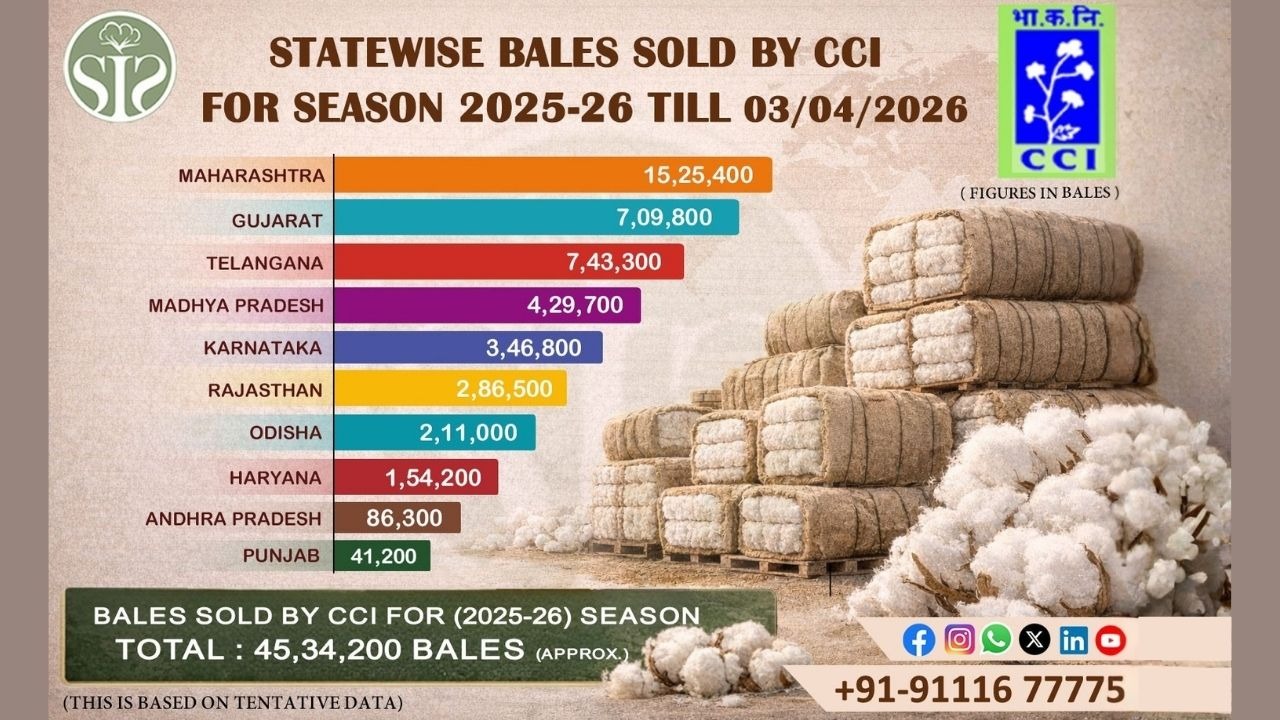
રાજ્યવાર CCI કપાસ વેચાણ વિગતો - 2025-26 સીઝનભારતીય કોટન કોર્પોરેશન (CCI) એ આ અઠવાડિયે 2025-26 સીઝન માટે કપાસના ભાવમાં પ્રતિ કેન્ડી ₹1,800 થી ₹2,000 નો વધારો કર્યો છે. અત્યાર સુધીમાં, CCI એ 2025-26 સીઝન માટે કુલ આશરે 4,534,200 કપાસની ગાંસડી વેચી છે. આ વેચાણ કેટલાક મુખ્ય કપાસ ઉત્પાદક રાજ્યોમાં કેન્દ્રિત છે, જેમાં મહારાષ્ટ્ર અને ગુજરાત આગળ છે.

શું આવનારી સિઝન કપાસ માટે સારી રહેશે?અમે ગલ્ફ પ્રદેશમાં ચાલી રહેલા યુદ્ધ અને આગામી ચોમાસા પર અલ નીનો ની સંભવિત અસરનો અભ્યાસ કર્યો છે, તે સમજવા માટે કે આ પરિસ્થિતિઓ દેશમાં, ખાસ કરીને મહારાષ્ટ્રમાં કપાસની ખેતી પર કેવી અસર કરશે અને ખેડૂતોએ શું ધ્યાન આપવું જોઈએ.ઈરાન સામે યુએસ-ઈઝરાયેલ સંઘર્ષને એક મહિનો થઈ ગયો છે. આ યુદ્ધ વિશે ઘણી અનિશ્ચિતતાઓ છે - તે કેટલો સમય ચાલશે, શું તે અવકાશમાં વિસ્તરશે કે કેમ અને શું તે મોટા વૈશ્વિક કટોકટીમાં વધી શકે છે. જો યુદ્ધમાં અસ્થાયી વિરામ હોય તો પણ સ્થિતિ સામાન્ય થવામાં ઘણો સમય લાગી શકે છે.આ આંતરરાષ્ટ્રીય સંજોગોને જોતાં, ભારતમાં-ખાસ કરીને મહારાષ્ટ્ર જેવા મુખ્ય રાજ્યોમાં કપાસના ખેડૂતો, ખેત મજૂરો અને સંબંધિત ઉદ્યોગોના ભાવિનું મૂલ્યાંકન કરવું મહત્વપૂર્ણ બની જાય છે.ભારતમાં લગભગ 16% કૃષિ વિસ્તારમાં કપાસની ખેતી થાય છે, જેની વાવણી એપ્રિલથી શરૂ થાય છે. દેશના કપાસના વિસ્તારનો લગભગ 75% હિસ્સો મધ્ય ભારતમાં-મહારાષ્ટ્ર, ગુજરાત, મધ્યપ્રદેશ, તેલંગાણા અને કર્ણાટકમાં આવેલો છે-જ્યાં ચોમાસા સાથે જૂનમાં તેની ખેતી થાય છે. એકલા મહારાષ્ટ્રમાં આશરે 33% કપાસ વિસ્તાર છે, જે લાખો ખેડૂતોની આજીવિકાને ટેકો આપે છે.આ સિઝનમાં કપાસની ખેતી માટે ત્રણ મુખ્ય પરિબળો મહત્વપૂર્ણ રહેશે:1. ચોમાસું અને વરસાદની સ્થિતિહાલમાં, પેસિફિક મહાસાગરમાં અલ નિનો પરિસ્થિતિ સર્જાઈ રહી છે. એવું અનુમાન છે કે જૂન અને ઓગસ્ટ વચ્ચે તેની અસર વધશે, જેના કારણે ચોમાસું સામાન્ય કરતાં નબળું અથવા સરેરાશ કરતાં ઓછું હોઈ શકે છે. જેની સીધી અસર કપાસના ઉત્પાદન પર પડી શકે છે.2. ખાતરની ઉપલબ્ધતાગલ્ફ ક્ષેત્રમાં યુદ્ધને કારણે ભારતના આયાત પુરવઠાને અસર થઈ શકે છે. ભારતના લગભગ 85% ખાતર અને 20% ક્રૂડ ઓઈલનો પુરવઠો હોર્મુઝ સ્ટ્રેટમાંથી આવે છે. જો અહીં કોઈ વિક્ષેપ આવે છે, તો યુરિયા અને ડીએપી જેવા ખાતરોની અછત ઊભી થઈ શકે છે, જે ખેતી ખર્ચ અને ઉત્પાદન બંનેને અસર કરશે.3. ક્રૂડ ઓઈલ અને ટેક્સટાઈલ ઉદ્યોગ પર અસરકૃત્રિમ તંતુઓ (જેમ કે પોલિએસ્ટર અને નાયલોન)ની કિંમત વધી શકે છે કારણ કે ક્રૂડ ઓઈલના પુરવઠાને અસર થાય છે. આનાથી કપાસ જેવા કુદરતી તંતુઓની માંગમાં વધારો થવાની સંભાવના છે. ભારતમાં કુદરતી કાપડનો વપરાશ પહેલેથી જ વધારે છે અને આ વલણ વધુ મજબૂત થવાની શક્યતા છે.વધુ વાંચો:- CCIએ કપાસની ખરીદીમાં વધારો કર્યો; ખાનગી ક્ષેત્ર પણ સક્રિય

CCIએ 11.05 લાખ ક્વિન્ટલ કપાસની ખરીદી કરી, ખાનગી ક્ષેત્રે 9.38 લાખ ક્વિન્ટલની ખરીદીગ્રામીણ અર્થતંત્ર: પરભણી અને હિંગોલી જિલ્લામાં 27 માર્ચ સુધીમાં કુલ 20.43 લાખ ક્વિન્ટલ કપાસની ખરીદી નોંધાઈ હતી. આમાં કોટન કોર્પોરેશન ઓફ ઈન્ડિયા (CCI) એ 11.05 લાખ ક્વિન્ટલની ખરીદી કરી હતી, જ્યારે ખાનગી ક્ષેત્રે 9.38 લાખ ક્વિન્ટલ કપાસની ખરીદી કરી હતી. હાલમાં બજારમાં કપાસના પ્રારંભિક ભાવમાં નરમાઈ જોવા મળી રહી છે.2025-26ની પ્રાપ્તિ સિઝનની શરૂઆતમાં ખેડૂતોએ CCIને પ્રાધાન્ય આપ્યું કારણ કે ખુલ્લા બજારમાં ભાવ ન્યૂનતમ ટેકાના ભાવ (MSP) કરતા નીચા હતા. 88,377 ખેડૂતોએ બંને જિલ્લાના 14 કેન્દ્રો પર 'કપાસ કિસાન મોબાઈલ એપ' દ્વારા CCI કેન્દ્રો પર વેચાણ માટે નોંધણી કરાવી છે.જોકે, જાન્યુઆરીમાં ઓપન માર્કેટના ભાવ વધ્યા બાદ CCIની ખરીદી ધીમી પડી હતી. ઘણા ખેડૂતોએ સારા ભાવની આશામાં કપાસ રોકી રાખ્યો હતો, એવું વિચારીને કે ભાવ પ્રતિ ક્વિન્ટલ રૂ. 10,000 સુધી પહોંચી શકે છે. પરંતુ ફેબ્રુઆરીમાં ભાવ ઘટવાથી ખેડૂતોને અપેક્ષિત લાભ મળી શક્યો નથી.સિંચાઈની ઉપલબ્ધતાને કારણે, ઘણા ખેડૂતોએ ફરદાદ (લેટ હાર્વેસ્ટ) પાક લીધો, જેની લણણી હજુ ચાલુ છે. બજારમાં તેની આવક ચાલુ છે અને ફરદાદ કપાસનો ભાવ પ્રતિ ક્વિન્ટલ રૂ. 6,000 આસપાસ છે.પરભણી જિલ્લાનું પ્રદર્શનપરભણી જિલ્લામાં કુલ 18.21 લાખ ક્વિન્ટલ કપાસની ખરીદી કરવામાં આવી હતી. સીસીઆઈને કપાસ વેચવા માટે પરભણી, બોરી, જીંતુર, સેલુ, પાથરી, સોનપેઠ, ગંગાખેડ, પાલમ અને તડકલાસની 10 કૃષિ પેદાશો બજાર સમિતિઓ હેઠળ 74,932 ખેડૂતો નોંધાયેલા છે.CCIએ 46 જિનિંગ ફેક્ટરીઓ દ્વારા 9,63,907 ક્વિન્ટલ કપાસની ખરીદી કરી હતી, જ્યાં પ્રતિ ક્વિન્ટલની કિંમત રૂ. 7,710 થી રૂ. 8,060 સુધીની હતી. તે જ સમયે, ખાનગી વેપારીઓએ 26 જીનીંગ ફેક્ટરીઓ દ્વારા 8,57,533 ક્વિન્ટલ કપાસની ખરીદી કરી હતી, જેની સરેરાશ કિંમત 7,000 થી 8,365 પ્રતિ ક્વિન્ટલ હતી.એકંદરે, CCI અને ખાનગી ક્ષેત્રે મળીને પરભણી જિલ્લામાં 18,21,440 ક્વિન્ટલ કપાસની ખરીદી કરી હતી.વધુ વાંચો:- નિકાસકારોની માંગ: કપાસની આયાત પરની ડ્યુટી દૂર કરવાની માંગ

ટેક્ષટાઈલ નિકાસકારોએ સરકારને કોટન ઈમ્પોર્ટ ડ્યુટી માફ કરવા અપીલ કરીપૂણે: ટેક્સટાઈલ અને ગાર્મેન્ટ નિકાસકારોએ સરકાર પાસે કપાસ પરની 11% આયાત જકાત અસ્થાયી ધોરણે દૂર કરવાની માંગ કરી છે. તેઓ કહે છે કે સ્થાનિક ભાવમાં તાજેતરનો વધારો તેમના માર્જિનને દબાવી રહ્યો છે અને આંતરરાષ્ટ્રીય બજારમાં સ્પર્ધાને નબળી બનાવી રહ્યો છે.ગયા મહિને સ્થાનિક કપાસના ભાવમાં 7-8 ટકાનો વધારો થયો છે. આનું મુખ્ય કારણ માંગમાં વધારો છે, કારણ કે ક્રૂડ ઓઈલના ઊંચા ભાવને કારણે સિન્થેટીક ફાઈબર મોંઘા થઈ ગયા છે અને મિલો ફરીથી કુદરતી ફાઈબર પર પાછી ફરી રહી છે.ઉદ્યોગે ગયા વર્ષની જેમ કામચલાઉ રાહતની માંગ કરી છે, જ્યારે સરકારે ઓગસ્ટ અને ડિસેમ્બર વચ્ચે કપાસની આયાત ડ્યુટી દૂર કરીને પુરવઠાના દબાણમાં ઘટાડો કર્યો હતો. કોટન એસોસિએશન ઓફ ઈન્ડિયાના ડેટા અનુસાર છેલ્લા એક મહિનામાં કપાસના ભાવમાં 11-12%નો વધારો થયો છે. આ સમયગાળા દરમિયાન આંતરરાષ્ટ્રીય બજારમાં પણ 12-15%નો વધારો નોંધવામાં આવ્યો છે.નિકાસકારોનું કહેવું છે કે વિદેશી ખરીદદારોની માંગને પહોંચી વળવા ભારતે લાંબા સમયના મુખ્ય અને દૂષણ મુક્ત કપાસની આયાત પર નિર્ભર રહેવું પડે છે. લગભગ 60-70% ટેક્સટાઇલ વેલ્યુ ચેઇન કપાસ પર આધારિત છે, તેથી ઉદ્યોગે કેન્દ્ર સરકારને 3 થી 6 મહિના માટે આયાત ડ્યૂટીમાં મુક્તિ આપવા અપીલ કરી છે.ઉદ્યોગના નિષ્ણાતોના મતે, વૈશ્વિક ઘટનાઓને કારણે ક્રૂડ ઓઈલના ભાવમાં ઉછાળો આવ્યો છે, જેના કારણે ટેક્સટાઈલ સેક્ટરમાં વપરાતો અનેક કાચો માલ 10% થી 60% મોંઘો થયો છે. આ ઉપરાંત સપ્લાય ચેઈનને પણ અસર થઈ છે. નિકાસકારોનું કહેવું છે કે વિયેતનામ અને બાંગ્લાદેશ જેવા પ્રતિસ્પર્ધી દેશોને ડ્યૂટી ફ્રી કાચો માલ મળે છે, જેનાથી તેમને ભાવમાં ફાયદો થાય છે.વધુ વાંચો:- CCIએ કપાસના ભાવમાં ₹2,000નો વધારો કર્યો, સાપ્તાહિક વેચાણ 6.76 લાખ ગાંસડીને પાર
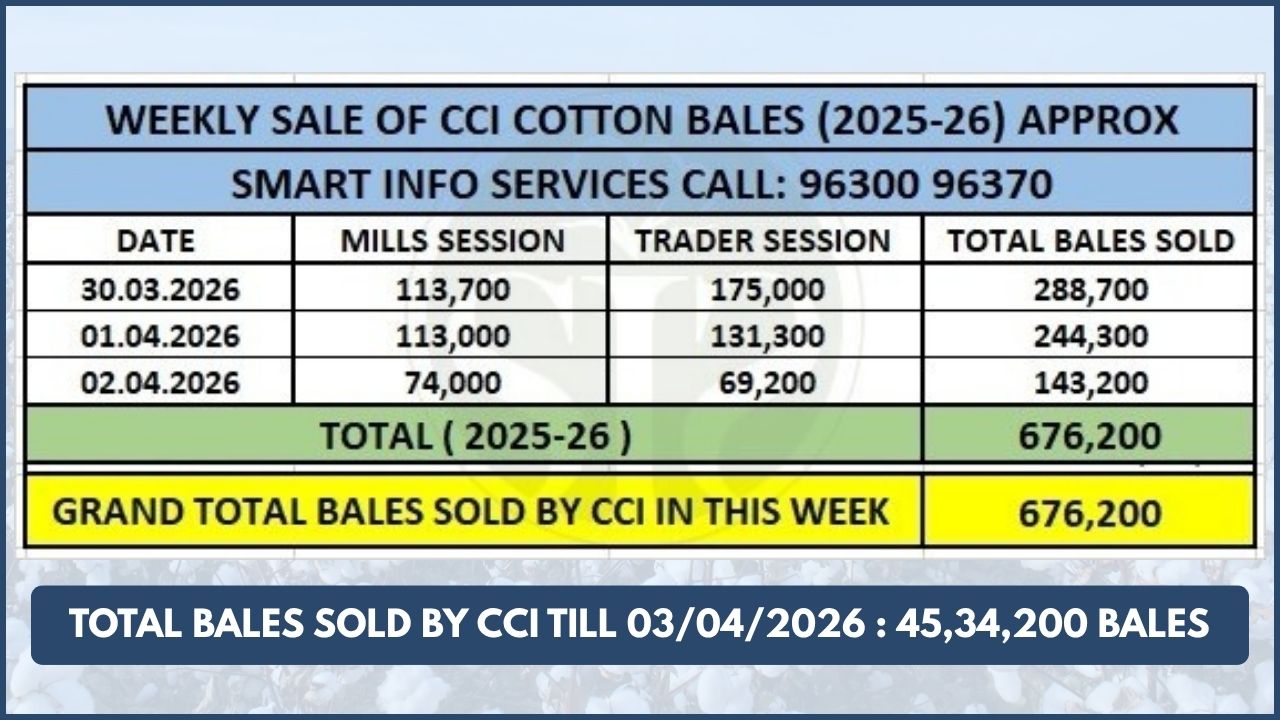
CCI એ કપાસના ભાવમાં પ્રતિ કેન્ડી ₹1,800–₹2,000 નો વધારો કર્યો; સાપ્તાહિક હરાજી વેચાણ 6.76 લાખ ગાંસડીથી વધુ થયુંકોટન કોર્પોરેશન ઓફ ઇન્ડિયા (CCI) એ 30 માર્ચથી 3 એપ્રિલ, 2026 ના સપ્તાહ દરમિયાન કપાસના ભાવમાં પ્રતિ કેન્ડી ₹1,800–₹2,000 નો વધારો કર્યો. આ હરાજીમાં મિલો અને કપાસના વેપારીઓની મજબૂત ભાગીદારી જોવા મળી, જેના પરિણામે 2025-26 સીઝન દરમિયાન આશરે 676,200 ગાંસડીનું સાપ્તાહિક વેચાણ થયું.સાપ્તાહિક વેચાણ અહેવાલ30 માર્ચ, 2026 (સોમવાર):સપ્તાહની શરૂઆત મજબૂત નોંધ પર થઈ, જેમાં 288,700 ગાંસડીનું સૌથી વધુ એક દિવસનું વેચાણ નોંધાયું. મિલોએ 113,700 ગાંસડી ખરીદી, જ્યારે વેપારીઓએ મોટો હિસ્સો ધરાવતા 175,000 ગાંસડી ખરીદી.૧ એપ્રિલ, ૨૦૨૬ (બુધવાર):વેચાણમાં થોડો ઘટાડો જોવા મળ્યો, આ દિવસે ૨૪૪,૩૦૦ ગાંસડીનું વેચાણ થયું. મિલોએ ૧૧૩,૦૦૦ ગાંસડી ખરીદી, જ્યારે વેપારીઓએ ૧૩૧,૩૦૦ ગાંસડી ખરીદી.૨ એપ્રિલ, ૨૦૨૬ (ગુરુવાર):સપ્તાહ કુલ ૧૪૩,૨૦૦ ગાંસડી વેચાણ સાથે સમાપ્ત થયું. મિલોએ ૭૪,૦૦૦ ગાંસડી ખરીદી, જ્યારે વેપારીઓએ તેમનું વર્ચસ્વ જાળવી રાખ્યું, ૬૯,૨૦૦ ગાંસડી ખરીદી.કુલ વેચાણ અપડેટCCI નું સંચિત વેચાણ હવે આટલું પહોંચી ગયું છે:૨૦૨૫–૨૬ સીઝન: ૪,૫૩૪,૨૦૦ ગાંસડી૨૦૨૪–૨૫ સીઝન: ૯,૮૮૫,૧૦૦ ગાંસડી

તેલંગાણા દક્ષિણ એશિયાની કાપડની રાજધાની બનશે, રેવન્ત રેડ્ડીહૈદરાબાદ: મુખ્ય પ્રધાન એ. રેવન્ત રેડ્ડીએ શુક્રવારે ઇકો-ફ્રેન્ડલી ટેક્સટાઇલ હબ વિકસાવવા પર મજબૂત ભાર સાથે તેલંગાણાને દક્ષિણ એશિયાની ટેક્સટાઇલ કેપિટલમાં પરિવર્તિત કરવાની રાજ્યની મહત્વાકાંક્ષાનો પુનરોચ્ચાર કર્યો.હૈદરાબાદમાં એશિયન ટેક્સટાઇલ કોન્ફરન્સ (ATEXCON 2026) માં બોલતા, તેમણે 2047 સુધીમાં રાજ્યને અગ્રણી વૈશ્વિક ટેક્સટાઇલ ગંતવ્ય તરીકે સ્થાન આપવા માટે લાંબા ગાળાના વિઝનની રૂપરેખા આપી. તેમણે રોકાણકારોને વિશ્વ-સ્તરીય ઇન્ફ્રાસ્ટ્રક્ચર, જમીનની ઉપલબ્ધતા, વિશ્વસનીય શક્તિ, પાણી પુરવઠા અને આકર્ષક સહિત વ્યાપક સમર્થનની ખાતરી આપી.પ્રદેશના સમૃદ્ધ કાપડ વારસાને ઉજાગર કરતાં, મુખ્ય પ્રધાને પ્રખ્યાત પરંપરાગત વણાટ જેમ કે પોચમપલ્લી ઇકત, ગડવાલ સાડી, વારંગલ દુરી અને નારાયણપેટ સાડીઓનો ઉલ્લેખ કર્યો. તેમણે નોંધ્યું હતું કે કાપડ એ માત્ર એક ઉદ્યોગ નથી પરંતુ સમગ્ર રાજ્યમાં હજારો વણાટ સમુદાયો માટે આજીવિકાનો એક મહત્વપૂર્ણ સ્ત્રોત છે.તેલંગાણાની શક્તિઓ પર ભાર મૂકતા, તેમણે નિર્દેશ કર્યો કે તે વૈશ્વિક સ્તરે માન્યતા પ્રાપ્ત ગુણવત્તા સાથે ભારતના સૌથી મોટા કપાસ ઉત્પાદક પ્રદેશોમાંનો એક છે. તેમણે ઉમેર્યું હતું કે રાજ્ય એક ટોચના ટેક્સટાઈલ હબ તરીકે ઉભરી આવવા માટે કુશળ માનવબળ અને મજબૂત નીતિ હેતુ બંનેને જોડે છે.રેડ્ડીએ ટેક્સટાઇલ ઇકોસિસ્ટમને મજબૂત કરવાના પ્રયાસોના ભાગરૂપે મલ્ટિપલ એપરલ પાર્કની સાથે કાકટિયા મેગા ટેક્સટાઇલ પાર્ક જેવી મહત્ત્વની પહેલો પર પણ પ્રકાશ પાડ્યો હતો. તેમણે ટેક્નોલોજી, ફાર્માસ્યુટિકલ્સ, એરોસ્પેસ, સંરક્ષણ, ઉત્પાદન અને ઉર્જા સહિતના વિવિધ ક્ષેત્રોમાં તેલંગાણાના નેતૃત્વની વધુ નોંધ લીધી.વધુ વાંચો:- બ્રાઝિલમાં કપાસના ભાવમાં ઓગસ્ટ 2022 પછી સૌથી વધુ વધારો જોવા મળી રહ્યો છે

માર્ચમાં ઓગસ્ટ 2022 પછી બ્રાઝિલ કપાસના ભાવમાં સૌથી વધુ વધારોમાર્ચ 2026માં બ્રાઝિલના કપાસના ભાવમાં તીવ્ર વધારો થયો હતો, જે ઓગસ્ટ 2022 પછીનો સૌથી મજબૂત માસિક વધારો દર્શાવે છે. CEPEA/ESALQ ઇન્ડેક્સે BRL 3.91 પ્રતિ પાઉન્ડને વટાવી દીધું છે, જે મક્કમ માંગ, નીચા ભાવની ઓફરથી પીછેહઠ કરતા વેચાણકર્તાઓ અને વૈશ્વિક બજારના સહાયક વલણોને કારણે છે.ઇન્ડેક્સ મહિને 11.2% ટકા વધ્યો હતો, જે માર્ચ 31ના રોજ BRL 3.9173 પ્રતિ પાઉન્ડ પર બંધ થયો હતો. સેન્ટર ફોર એડવાન્સ્ડ સ્ટડીઝ ઓન એપ્લાઇડ ઇકોનોમિક્સ (CEPEA) અનુસાર, આંતરરાષ્ટ્રીય તેલના ભાવમાં વધારો અને ઊંચા નૂર ખર્ચને કારણે સ્થાનિક ભાવમાં વધુ વધારો થયો હતો.સરેરાશ, ઇન્ડેક્સ માર્ચમાં BRL 3.6463 પ્રતિ પાઉન્ડ પર પહોંચ્યો હતો, જે ફેબ્રુઆરીથી 3.58% વધુ હતો. તાજેતરના લાભો છતાં, માર્ચ 2025ની સરખામણીએ ફુગાવા-સમાયોજિત કિંમતો હજુ પણ 11.35% નીચી હતી.આગળ જોતાં, 2026-27ની સિઝન માટે વૈશ્વિક કપાસનું ઉત્પાદન 25.11 મિલિયન ટન રહેવાનો અંદાજ છે - જે અગાઉના અંદાજ કરતાં થોડો વધારે છે પરંતુ હજુ પણ 2025-26ના સ્તરથી નીચે છે. દરમિયાન, વૈશ્વિક વપરાશ વધીને 25.405 મિલિયન ટન થવાની ધારણા છે, જે માંગમાં સામાન્ય વૃદ્ધિ તરફ નિર્દેશ કરે છે.બ્રાઝિલમાં, 2026-27 માટે કપાસનું ઉત્પાદન 3.75 મિલિયન ટન રહેવાની આગાહી છે. CEPEA ના તાજેતરના આઉટલૂક અનુસાર, વર્તમાન 2025-26 સિઝન માટે ઉત્પાદન સહેજ સુધારીને 3.795 મિલિયન ટન કરવામાં આવ્યું છે.વધુ વાંચો:- ડોલર સામે રૂપિયો ૧૫ પૈસા વધીને ૯૩.૧૦ પર બંધ થયો.

ગુરુવારે ડોલર સામે ભારતીય રૂપિયો ૯૩.૨૫ પર ખુલ્યો અને ૧૫ પૈસા વધીને ૯૩.૧૦ પર બંધ થયો.બંધ સમયે, સેન્સેક્સ ૧૮૫.૨૩ પોઈન્ટ અથવા ૦.૨૫ ટકા વધીને ૭૩,૩૧૯.૫૫ પર અને નિફ્ટી ૩૩.૭૦ પોઈન્ટ અથવા ૦.૧૫ ટકા વધીને ૨૨,૭૧૩.૧૦ પર બંધ થયો. લગભગ ૨૫૪૮ શેર વધ્યા, ૧૫૦૫ શેર ઘટ્યા અને ૧૪૭ શેર યથાવત રહ્યા.વધુ વાંચો:- કપાસનો પાક ૮,૫૦૦ને પાર - ખેડૂતોને કોઈ લાભ નહીં
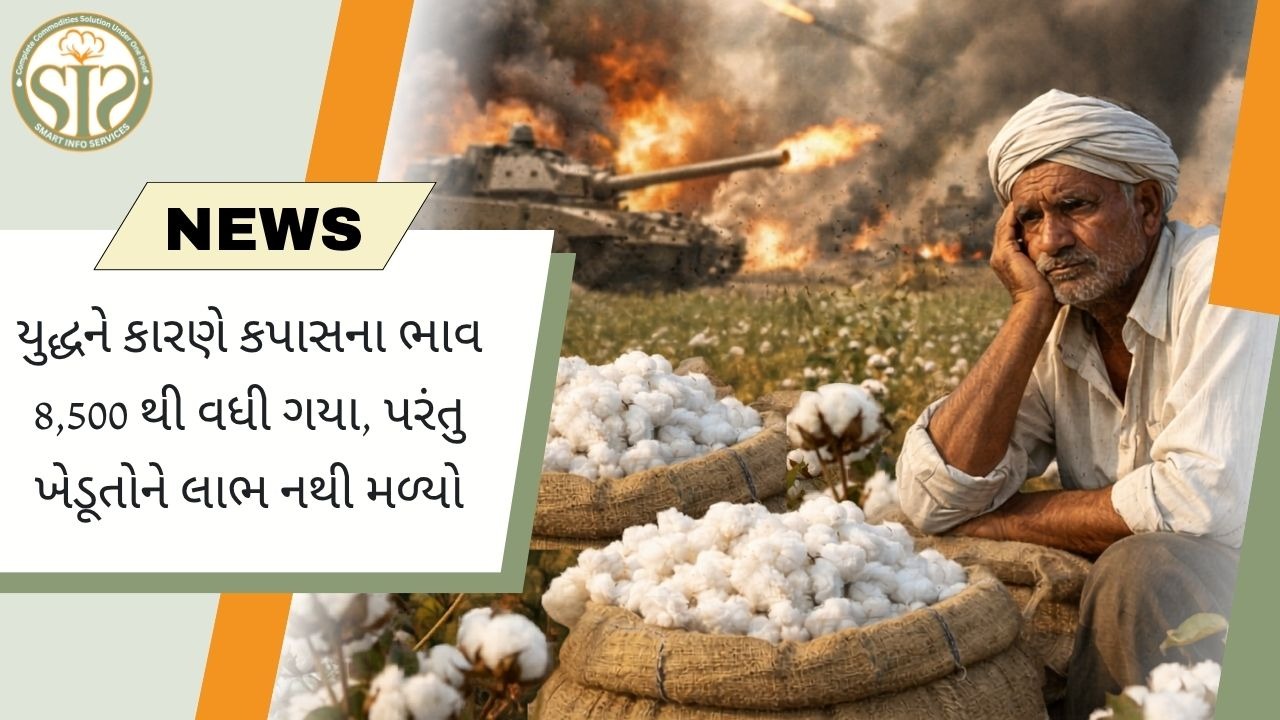
યુદ્ધને કારણે કપાસના ભાવ 8,500 થી વધી ગયા, પરંતુ ખેડૂતોને લાભ નથી મળ્યોમહારાષ્ટ્ર (સેલુ): અમેરિકા-ઈરાન યુદ્ધને કારણે વૈશ્વિક સ્તરે કપાસની માંગ વધી છે, જેના કારણે તેના ભાવમાં વધારો થયો છે. એક ખાંડી (બે ગાંસડી)નો ભાવ રૂ.53 હજારથી વધીને રૂ.58 હજાર થયો છે. બુધવારે, કૃષિ ઉત્પન્ન બજાર સમિતિ પરિસરમાં ખાનગી વેપારીઓએ કપાસના રૂ. 8,400 થી રૂ. 8,500 પ્રતિ ક્વિન્ટલ સુધીના ભાવ આપ્યા હતા.જો કે ખેડૂતોને આ વધેલા ભાવનો બહુ ફાયદો નથી મળી રહ્યો, કારણ કે જિલ્લા અને તાલુકા કક્ષાએ ખેડૂતો કપાસ વેચવા માટે લગભગ દોડી ગયા છે. આ વર્ષે ખરીફ સિઝનમાં ભારે વરસાદને કારણે ઉત્પાદનમાં ઘટાડો થયો હતો અને શરૂઆતના તબક્કામાં ઓછા ભાવને કારણે ખેડૂતોએ મર્યાદિત માત્રામાં જ કપાસનું વેચાણ કર્યું હતું. છેલ્લા એક મહિનાથી બજારમાં કપાસનું આગમન બંધ થઈ ગયું છે, જેના કારણે સિઝન લગભગ પૂરી થઈ ગઈ છે.અગાઉ, ખાનગી વેપારીઓ દ્વારા કપાસની કિંમત 7,200 રૂપિયા પ્રતિ ક્વિન્ટલ હતી, જ્યારે કોટન કોર્પોરેશન ઓફ ઈન્ડિયા (CCI) એ પણ તેની ખરીદી બંધ કરી દીધી હતી. બજારમાં કપાસની અછતના કારણે જીનીંગ મિલોમાં ઉત્પાદન પણ છેલ્લા એક મહિનાથી ઠપ્પ થઈ ગયું છે.તિરુપતિ કોટન ઈન્ડસ્ટ્રીઝ એન્ડ ઓઈલ મિલ, વાલુરના રિતેશ તોશનીવાલના જણાવ્યા અનુસાર, "યુદ્ધને કારણે ક્રૂડ ઓઈલના પુરવઠાને અસર થઈ છે અને ભાવમાં વધારો થયો છે. તેના કારણે સિન્થેટિક થ્રેડના વિકલ્પ તરીકે કપાસની માંગમાં વધારો થયો છે. હવે કપાસના ભાવ સાડા આઠ હજાર રૂપિયા સુધી પહોંચી ગયા છે, પરંતુ ખેડૂતો તેને તરત જ વેચી રહ્યા છે. ઓછા વેપારી ખરીદી કરી રહ્યા છે."આ વર્ષે કેન્દ્ર સરકારની નીતિ હેઠળ દેશમાં 40 લાખ ગાંસડી કપાસની આયાત કરવામાં આવી હતી, જ્યારે સામાન્ય રીતે આ આંકડો 10 લાખ ગાંસડીનો હોય છે. આયાતમાં વધારો થયો તે પહેલા કપાસનો ભાવ ખાંડીદીઠ રૂ.55-56 હજાર હતો, જે ઘટીને રૂ.52-53 હજાર થયો છે. હવે અમેરિકા-ઈરાન યુદ્ધના કારણે માંગમાં ઉછાળો આવ્યો છે અને કિંમતો ફરીથી વધવા લાગી છે.સીસીઆઈ દ્વારા ક્વિન્ટલ દીઠ રૂ. 8,100ના ટેકાના ભાવે ખરીદી કરવામાં આવી હતી, પરંતુ વધુ ભેજવાળા કપાસને ઓછા ભાવે લેવામાં આવ્યો હતો. વેપારીઓએ ગુણવત્તાના આધારે રૂ. 7,200 થી રૂ. 7,700 સુધીના ભાવ આપ્યા હતા. હવે મુખ્યત્વે વેપારીઓને વધેલા ભાવનો લાભ મળી રહ્યો છે, કારણ કે ખેડૂતો પાસે સ્ટોક બચ્યો નથી.વધુ વાંચો :- યાર્નના ભાવમાં ₹12/કિલોનો વધારો, તિરુપુરના નિકાસકારો દબાણ હેઠળ

વૈશ્વિક અનિશ્ચિતતા વચ્ચે તિરુપુરના નિકાસકારો પર દબાણ, યાર્નના ભાવમાં ₹12/કિલોનો વધારોતિરુપુરના નીટવેર ઉદ્યોગમાં વપરાતા કપાસના યાર્નના ભાવમાં બુધવારે પ્રતિ કિલો ₹10–₹12નો વધારો થયો હતો, જે નવા નાણાકીય વર્ષની શરૂઆતમાં નવા ખર્ચ દબાણને પ્રતિબિંબિત કરે છે. ઉદ્યોગ સૂત્રોના જણાવ્યા અનુસાર, ફેબ્રુઆરીના અંતમાં ₹7/કિલો અને માર્ચના મધ્યમાં ₹7/કિલોના વધારાને પગલે આ વધારો થયો છે.મધ્ય પૂર્વમાં ચાલી રહેલા ભૂ-રાજકીય તણાવને કારણે આ વધારો વૈશ્વિક કપાસના ભાવમાં વધારા સાથે જોડાયેલો છે. પરિણામે, ભારતમાં સ્થાનિક કપાસના ભાવમાં પણ વધારો થયો છે.ઉત્પાદકોનો અંદાજ છે કે આ નવો વધારો નીટવેર કપડાના ઉત્પાદન ખર્ચમાં ₹6 સુધીનો વધારો કરી શકે છે.નિકાસકારો ખાસ કરીને આ અસર અંગે ચિંતિત છે. તિરુપુર એક્સપોર્ટર્સ એસોસિએશન (TEA) ના પ્રમુખ કેએમ સુબ્રમણ્યમે જણાવ્યું હતું કે કપાસના ભાવમાં તીવ્ર વધારાથી હાલના પડકારોમાં વધારો થયો છે, જેમાં કાચા માલના ઊંચા ખર્ચ, વિદેશી ટેરિફ અને શિપિંગ મુશ્કેલીઓનો સમાવેશ થાય છે.તેમણે સમજાવ્યું કે નિકાસકારો વધેલા ખર્ચનો બોજ આંતરરાષ્ટ્રીય ખરીદદારો પર નાખી શકતા નથી કારણ કે હાલના ઓર્ડરના ભાવ પહેલાથી જ કરાર દ્વારા બંધ થઈ ગયા છે - જે માર્જિનને વધુ સંકોચન કરે છે.બુધવારે, કોટન યાર્નની તમામ મુખ્ય જાતોના ભાવમાં વધારો થયો. ઉદાહરણ તરીકે, 20 ના દાયકાના કોમ્બેડ યાર્નનો ભાવ ₹265 થી વધીને ₹277 પ્રતિ કિલોગ્રામ થયો.ભાવ વધારા છતાં, ઉદ્યોગના પ્રતિનિધિઓ કહે છે કે ભારતમાં કપાસની કોઈ અછત નથી, ભલે વર્તમાન કપાસની મોસમ સમાપ્ત થવાની તૈયારીમાં હોય.વધુ વાંચો :- મોંઘા બીટી કપાસના બિયારણ, ખેડૂતોની ચિંતા વધી

બીટી કપાસના બિયારણના વધતા ભાવ અને ખેડૂતોની ચિંતાકપાસ ઉત્પાદક ખેડૂતો માટે બીટી (બેસિલસ થુરિંગિએન્સિસ) કપાસના બિયારણના વધતા ભાવો મોટી સમસ્યા બની રહ્યા છે. છેલ્લા કેટલાક વર્ષોમાં કેન્દ્રીય કૃષિ અને ખેડૂત કલ્યાણ મંત્રાલય દ્વારા બોલગાર્ડ-2 જાતના બિયારણની કિંમતમાં સતત વધારો કરવામાં આવી રહ્યો છે, જેના કારણે ખેડૂતોનો ઉત્પાદન ખર્ચ વધ્યો છે. તે જ સમયે, ખેડૂતો હજી પણ આ ટેક્નોલોજીના વધુ સારા અને વધુ અસરકારક સંસ્કરણની રાહ જોઈ રહ્યા છે, જેના કારણે તેમની નારાજગી વધી રહી છે.દેશમાં સૌથી વધુ ઉગાડવામાં આવતી જાતો બોલગાર્ડ-2 છે, જ્યારે બોલગાર્ડ-1નો ઉપયોગ પ્રમાણમાં ઓછો છે. પરંતુ વધતા ખર્ચ અને ઘટતા નફાને કારણે કપાસની ખેતી હવે ખોટનો સોદો બની રહી છે. આ વર્ષે ખેડૂતોને કપાસના વાજબી ભાવ પણ મળ્યા નથી, જેના કારણે આર્થિક દબાણ વધુ વધ્યું છે.ખેડુતોને ખેતી દરમિયાન ઘણી સમસ્યાઓનો સામનો કરવો પડ્યો - જેમ કે મજૂરોની અછત, ખાતરના વધતા ભાવ અને બિયારણના કાળા બજાર. આ બધું હોવા છતાં ખેડૂતોએ કપાસની વાવણી કરી, પરંતુ પાકે અપેક્ષાઓ નકારી.ગુલાબી બોલવોર્મ જેવી જીવાતો સામે પ્રતિરોધક કપાસની નવી જાતની ખેડૂતો લાંબા સમયથી રાહ જોઈ રહ્યા છે. જોકે, આ વર્ષે પણ આવી કોઈ અદ્યતન અને અસરકારક વેરાયટી બજારમાં ઉપલબ્ધ નથી. તેનાથી વિપરીત, બીટી કપાસના બિયારણના ભાવમાં સતત વધારો થઈ રહ્યો છે, જેના કારણે કપાસ ઉત્પાદક વિસ્તારોમાં અસંતોષ વધી રહ્યો છે.ખેડૂતોનું કહેવું છે કે સરકાર બિયારણની કિંમત નક્કી કરે છે, પરંતુ બજારમાં તે જ ભાવનો અમલ થાય તેની ખાતરી કરતી નથી. બિયારણના કાળાબજાર અને ઊંચા ભાવે વેચાણ પર અંકુશ ન હોવાને કારણે ખેડૂતોનું આર્થિક શોષણ થઈ રહ્યું છે.બિયારણના ભાવમાં વધારાની વિગતો:* 2023-24 સીઝન: Bt (Bolgard-2) બીજ - ₹853 પ્રતિ થેલી* 2024-25 સીઝન: ₹864 પ્રતિ બેગ* 2025-26 સીઝન: ₹901 પ્રતિ બેગ* 2025-26માં બોલગાર્ડ-1 બીજ: ₹635 પ્રતિ થેલીકપાસના બીજમાં આનુવંશિક સુધારણા તરફ કોઈ દેખીતી પ્રગતિ નથી. ખેડૂતો હવે ગુલાબી બોલવોર્મ સામે અસરકારક પ્રતિકારકતા ધરાવતી વિવિધતાની રાહ જોઈ રહ્યા છે. કપાસ એક સમયે મુખ્ય રોકડિયો પાક હતો, પરંતુ હવે આ પાક ખેડૂતોને બદલે બિયારણ, જંતુનાશક અને હર્બિસાઇડ કંપનીઓ માટે વધુ નફાકારક બની રહ્યો છે.વધુ વાંચો:- રૂપિયો ૧૫૮ પૈસા વધીને ૯૩.૨૫ પર ખુલ્યો.

રૂપિયો ૧૫૮ પૈસા વધીને ૯૩.૨૫/USD પર ખુલ્યો.ગુરુવારે ભારતીય રૂપિયો ૧૫૮ પૈસા વધીને ૯૩.૨૫ પ્રતિ ડોલર પર ખુલ્યો, જ્યારે સોમવારે તે ૯૪.૮૩ પર બંધ થયો હતો.વધુ વાંચો :-પશ્ચિમ એશિયાના સંઘર્ષથી ભારતના ૧૭૪ અબજ ડોલરના કાપડ ઉદ્યોગને ફટકો પડ્યો
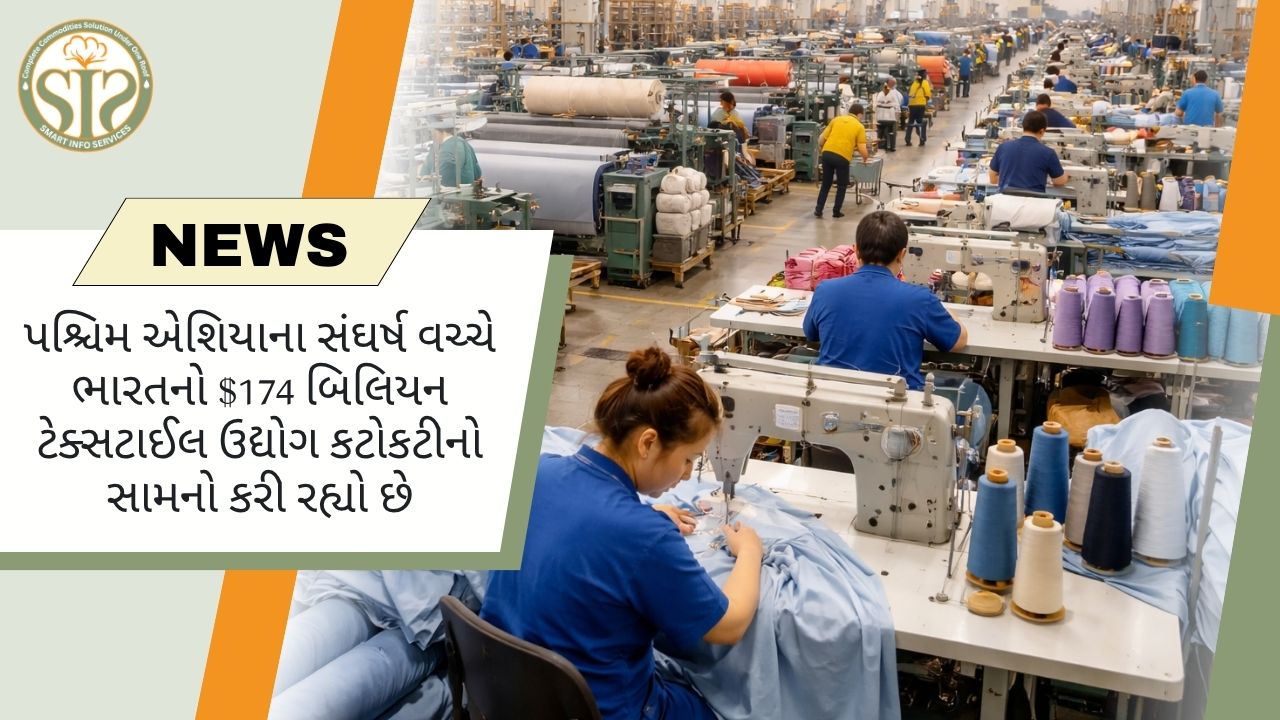
પશ્ચિમ એશિયાના સંઘર્ષ વચ્ચે ભારતનો $174 બિલિયન ટેક્સટાઈલ ઉદ્યોગ કટોકટીનો સામનો કરી રહ્યો છેભારતનો $174-બિલિયન ટેક્સટાઇલ ઉદ્યોગ, વિશ્વના સૌથી મોટામાંનો એક, યુએસ, ઇઝરાયેલ અને ઇરાનને સંડોવતા પશ્ચિમ એશિયાના ચાલુ સંઘર્ષને કારણે સર્જાયેલી કટોકટી સાથે ઝઝૂમી રહ્યો છે. ક્રૂડ ઓઈલની વધતી કિંમતો, કાચા માલના ઊંચા ખર્ચ, મજૂર સ્થળાંતર અને નબળી માંગ કોવિડ-19 વિક્ષેપની યાદ અપાવે તેવા પડકારોને વધુ તીવ્ર બનાવી રહ્યા છે.નિકાસકારો હજુ પણ અગાઉની યુએસ ટેરિફ અનિશ્ચિતતાઓથી પીડાઈ રહ્યા છે, જેણે માર્જિનને સ્ક્વિઝ કર્યું અને લાંબા સમય સુધી અસ્થિરતા ઊભી કરી. 2030 સુધીમાં $350 બિલિયન સુધી પહોંચવાનો અને 45 મિલિયનથી વધુ લોકોને રોજગારી આપવાનો અંદાજ ધરાવતા ઉદ્યોગ માટે, અસર નોંધપાત્ર છે.ભારતના "સિલ્ક સિટી" તરીકે ઓળખાતા સુરત જેવા ક્લસ્ટરોએ લગભગ 40% સ્વૈચ્છિક ઉત્પાદન કાપ જોયો છે, જ્યારે તિરુપુર, "ભારતની નીટવેર કેપિટલ" વધતા ઓપરેશનલ ખર્ચનો સામનો કરે છે - લોજિસ્ટિક્સ 400%, કોલસો 80% અને રસાયણો 20%. શ્રમ કલ્યાણ એ પણ ચિંતાનો વિષય છે, કારણ કે વધતા ઇંધણના ખર્ચથી એલપીજી પર નિર્ભર હોસ્ટેલમાં રહેતા લાખો કામદારો માટે મૂળભૂત જીવનશૈલી જોખમાય છે.ચીન, બાંગ્લાદેશ અને વિયેતનામ જેવા સ્પર્ધકોની સરખામણીમાં, ભારત લાંબા સમય સુધી શિપિંગ સમયનો ભોગ બને છે, જેના કારણે ખરીદદારો માટે વધુ ઇન્વેન્ટરી બોજ પેદા થાય છે. નિષ્ણાતો આ ક્ષેત્રને ટકાવી રાખવા માટે લોન મુલતવી, સ્ટ્રેસ્ડ એકાઉન્ટ્સનું પુનર્ગઠન, કાર્યકારી મૂડીમાં વધારો અને નીચા વ્યાજ દરો જેવા પગલાં લેવા વિનંતી કરે છે.ઉદ્યોગના નેતાઓ મુખ્ય વ્યૂહરચના તરીકે બજારના વૈવિધ્યકરણ પર ભાર મૂકે છે. સ્થાનિક બજારો, ટેકનિકલ ટેક્સટાઇલ અને ફ્રી-ટ્રેડ એગ્રીમેન્ટ (FTA) દેશોમાં વિસ્તરણ કરવાથી ભૌગોલિક રાજકીય અસ્થિરતાના જોખમોને ઘટાડી શકાય છે. જ્યારે ટૂંકા ગાળાના પડકારો ઉભરી રહ્યા છે, ત્યારે ભારતનું કાપડ ક્ષેત્ર 2030 સુધીમાં $100- બિલિયનના નિકાસ લક્ષ્યાંક સાથે લાંબા ગાળાની વૃદ્ધિ માટે તૈયાર છે. વૈશ્વિક સ્થિરતા પરત ન આવે ત્યાં સુધી તાત્કાલિક અગ્રતા ઉદ્યોગ ઇકોસિસ્ટમને સાચવવાની છે.વધુ વાંચો:- લુધિયાણા કાપડ ઉદ્યોગ પર બેવડું સંકટ
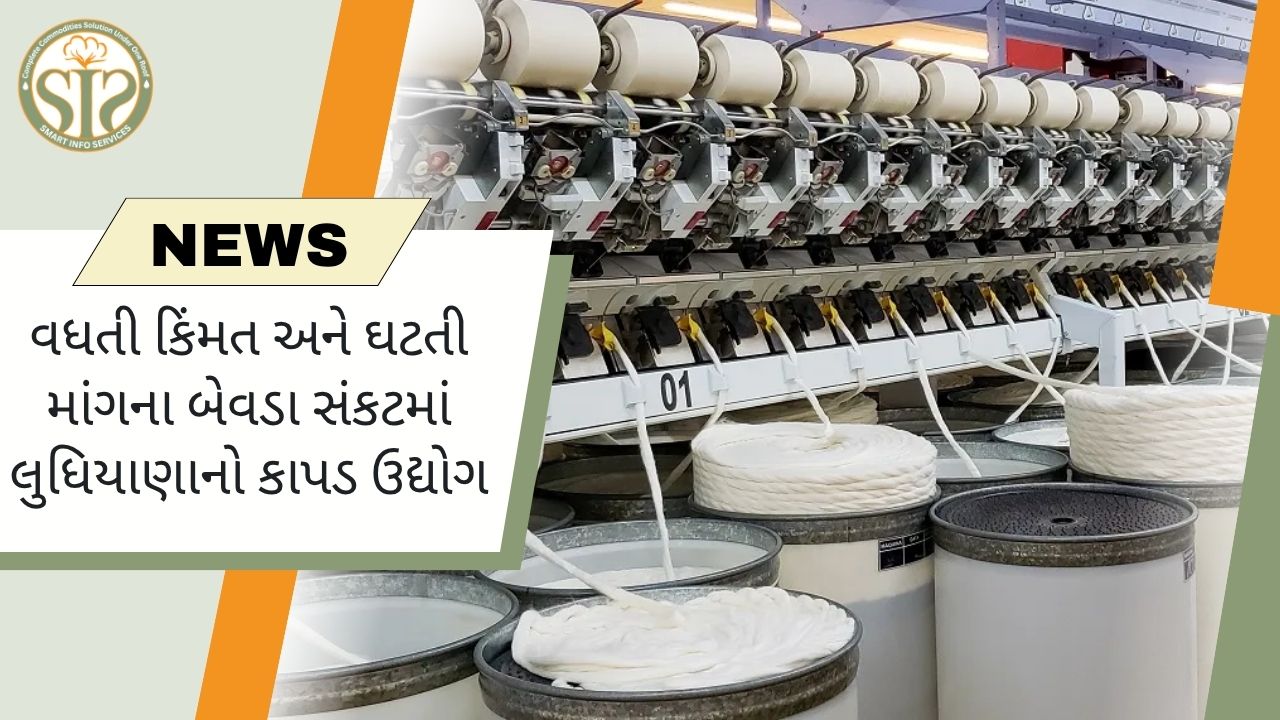
વધતી કિંમત અને ઘટતી માંગના બેવડા સંકટમાં લુધિયાણાનો કાપડ ઉદ્યોગલુધિયાણા: દેશના મુખ્ય કાપડ ઉત્પાદન કેન્દ્ર તરીકે ઓળખાતું લુધિયાણા આ દિવસોમાં ગંભીર પડકારોનો સામનો કરી રહ્યું છે. કાચા માલના વધતા ભાવ, વિક્ષેપિત સપ્લાય ચેન, નબળી સ્થાનિક અને આંતરરાષ્ટ્રીય માંગ અને વધતા લોજિસ્ટિક્સ ખર્ચે ઉદ્યોગ પર દબાણ કર્યું છે.ઉદ્યોગના નિષ્ણાતોના મતે, ક્રૂડ ઓઈલમાંથી બનેલા સિન્થેટીક ફાઈબર જેવા કે પોલિએસ્ટર, નાયલોન અને સ્પાન્ડેક્સના ભાવમાં તાજેતરના સપ્તાહોમાં 20% થી 30% નો તીવ્ર વધારો થયો છે. બહાદર્કે રોડના કાપડ ઉત્પાદક સિમરનજીત સિંઘે જણાવ્યું હતું કે વધતા ખર્ચને કારણે ઉત્પાદન ચાલુ રાખવું મુશ્કેલ બની રહ્યું છે. તેમના મતે, પોલિએસ્ટરની કિંમત રૂ. 115 પ્રતિ કિલોથી વધીને રૂ. 165-170 થઈ ગઈ છે, જ્યારે નાયલોન ફેબ્રિકની કિંમત રૂ. 175 પ્રતિ મીટરથી વધીને રૂ. 210ની આસપાસ થઈ ગઈ છે. સ્પાન્ડેક્સના ભાવમાં પણ લગભગ 20%નો વધારો થયો છે.સમસ્યા માત્ર કૃત્રિમ તંતુઓ સુધી મર્યાદિત નથી. કપાસ જેવા કુદરતી રેસા પણ મોંઘા થયા છે. કોટન યાર્નની કિંમત રૂ. 260 પ્રતિ કિલોથી વધીને રૂ. 292 પ્રતિ કિલોની આસપાસ પહોંચી છે. ઉદ્યોગ સંગઠનોનું કહેવું છે કે લગભગ તમામ પ્રકારના ફાઈબરના ભાવમાં નોંધપાત્ર વધારો થયો છે.પેકેજિંગ ખર્ચમાં પણ તીવ્ર વધારો જોવા મળ્યો છે. લોજિસ્ટિક્સ અને નિકાસ માટે જરૂરી એવા પોલીબેગ અને અન્ય પ્લાસ્ટિક આધારિત પેકિંગ મટિરિયલના ભાવમાં 40% સુધીનો વધારો થયો છે. ઉદાહરણ તરીકે, પોલીબેગની કિંમત 2 રૂપિયાથી વધીને 3.15 રૂપિયાથી 3.5 રૂપિયા થઈ ગઈ છે.ઇન્ડસ્ટ્રી સાથે સંકળાયેલા લોકો ક્રૂડ ઓઇલના ભાવમાં વધઘટ, વૈશ્વિક સપ્લાય ચેઇનમાં વિક્ષેપ અને વધતા નૂર ખર્ચને આ વધતા ખર્ચ પાછળના મુખ્ય કારણો માને છે. ભૌગોલિક રાજકીય તણાવને લીધે, આંતરરાષ્ટ્રીય પરિવહન મોંઘું બન્યું છે, જેનાથી ઉત્પાદન ખર્ચમાં વધારો થયો છે.આ તમામ પડકારો વચ્ચે, ઉદ્યોગ પણ ઘટતા ઓર્ડર અને મજૂરોની અછતનો સામનો કરી રહ્યો છે. ઉદ્યોગના પ્રતિનિધિઓનું કહેવું છે કે જો પરિસ્થિતિમાં જલ્દી સુધારો નહીં થાય અને સપ્લાય ચેઈન સ્થિર નહીં થાય તો આગામી મહિનાઓમાં સ્થિતિ વધુ ગંભીર બની શકે છે.નિષ્ણાતો માને છે કે આ કટોકટીમાંથી બહાર આવવા માટે સમયસર નીતિગત હસ્તક્ષેપ, ખર્ચ નિયંત્રણના પગલાં અને સપ્લાય ચેઈનને મજબૂત કરવી જરૂરી છે.વધુ વાંચો:- "ડબલ વેસ્ટર્ન ડિસ્ટર્બન્સ: 3-9 એપ્રિલ સુધી ભારે વરસાદ અને કરા"

વેસ્ટર્ન ડિસ્ટર્બન્સનો ડબલ એટેકઃ 3 થી 9 એપ્રિલ સુધી દેશભરમાં ભારે વરસાદ અને કરાનો ખતરો.સમગ્ર દેશમાં હવામાનમાં પલટો આવ્યો છે અને આગામી દિવસોમાં વ્યાપક વરસાદ જોવા મળશે. સ્કાયમેટ વેધરના લેટેસ્ટ અપડેટ મુજબ, એક પછી એક વેસ્ટર્ન ડિસ્ટર્બન્સ સક્રિય થવાને કારણે ઉત્તર ભારતથી મધ્ય અને દક્ષિણ ભારતમાં હવામાનની પેટર્ન બદલાશે.ઉત્તર અને મધ્ય ભારતમાં વરસાદનું એલર્ટ3 અને 4 એપ્રિલે ઉત્તર-પશ્ચિમ ભારત તેમજ મધ્ય ભારતમાં સારો વરસાદ થવાની સંભાવના છે. તેની અસરને કારણે રાજસ્થાન, મધ્યપ્રદેશ, પંજાબ, હરિયાણા, દિલ્હી અને ઉત્તર પ્રદેશના ઘણા ભાગોમાં અવાર-નવાર વરસાદ ચાલુ રહેશે.6 થી 9 એપ્રિલ: સમગ્ર દેશમાં ભારે વરસાદહવામાન વિભાગના જણાવ્યા અનુસાર, 6 થી 9 એપ્રિલની વચ્ચે દેશના મોટાભાગના રાજ્યોમાં ભારે વરસાદ પડી શકે છે. આ સમયગાળો વ્યાપક અને અસરકારક રહેશે, જેના કારણે તાપમાનમાં ઘટાડો જોવા મળશે.અતિવૃષ્ટિના કારણે ખેડૂતોને નુકસાન થયું છેવરસાદની અસર પંજાબના ભટિંડા, અબોહર, ફાઝિલ્કા, મુક્તસર અને માનસા અને પશ્ચિમ ઉત્તર પ્રદેશ (બુલંદશહર, હાથરસ, મથુરા, અલીગઢ, મેરઠ) સહિત હરિયાણાના દક્ષિણ જિલ્લાઓ સુધી પહોંચી છે. અનેક જગ્યાએ કરા પડતાં ખેડૂતોને મોટું નુકસાન થયું છે.હરિયાણાના હિસાર, ભિવાની, મહેન્દ્રગઢ અને હનુમાનગઢમાં પણ કરા સાથે વરસાદ નોંધાયો છે, જેના કારણે પાકને નુકસાન થયું છે. આગામી લક્ષ્ય દિલ્હી-NCRહવે હવામાન પ્રણાલી દિલ્હી-NCR તરફ આગળ વધી રહી છે. આગામી સમયમાં દિલ્હી, નોઈડા, ગુરુગ્રામ અને ફરીદાબાદમાં પણ ભારે વરસાદ અને સંભવતઃ કરા પડી શકે છે. દક્ષિણ ભારતમાં પણ એન્ટ્રી થશેદક્ષિણ ભારતમાં 4 થી 5 એપ્રિલથી વરસાદની ગતિવિધિઓ શરૂ થવાની સંભાવના છે, જેના કારણે ત્યાંનું હવામાન પણ બદલાશે.વધુ વાંચો:- સીસીઆઈ ખરીદી બંધ થયા પછી પણ રાલેગાંવમાં કપાસના ભાવ વધ્યા.
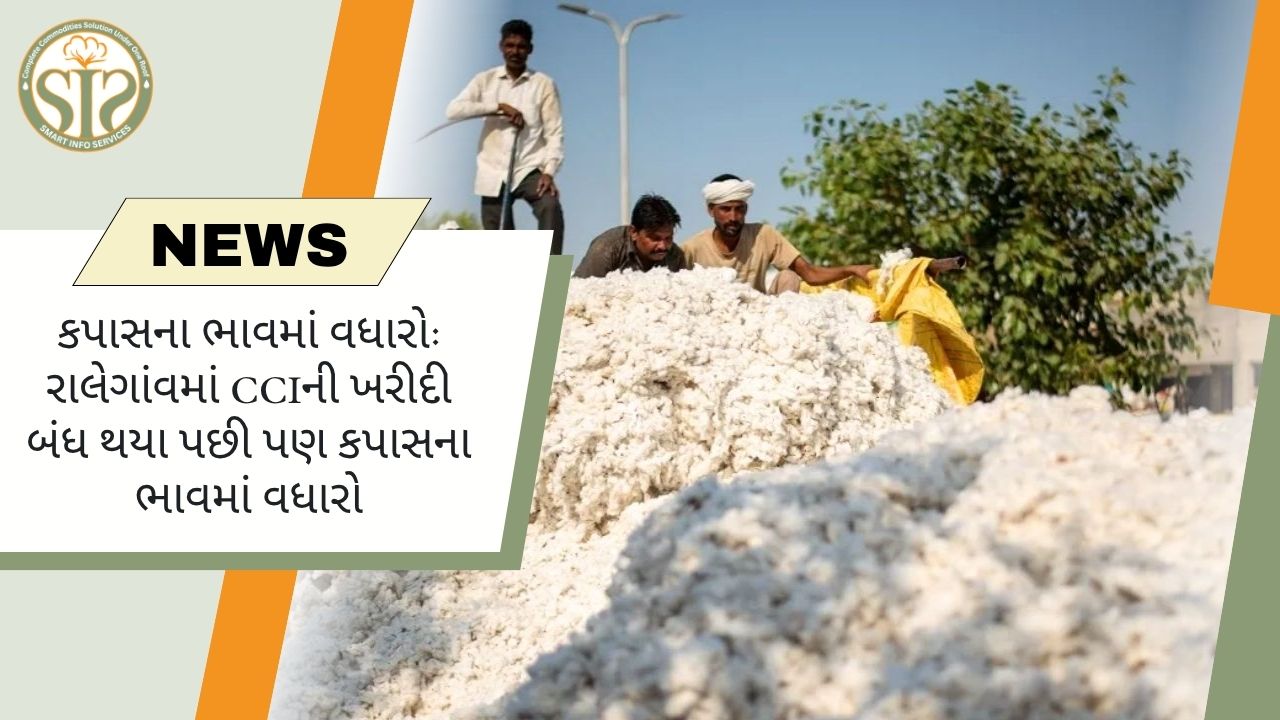
કપાસના ભાવમાં વધારો: રાલેગાંવમાં CCIની ખરીદી બંધ થયા પછી પણ કપાસના ભાવમાં વધારોખેડૂતોને રાહત: ખેડૂતો અને વેપારીઓ ચિંતિત હતા કે કોટન કોર્પોરેશન ઓફ ઈન્ડિયા (CCI) દ્વારા ખરીદી બંધ કર્યા પછી કપાસના ભાવ ઘટશે. જોકે, વાસ્તવિકતા તેનાથી વિપરીત છે અને હાલમાં કપાસના ભાવ વધી રહ્યા છે. રાલેગાંવ એગ્રીકલ્ચર પ્રોડ્યુસ માર્કેટ કમિટીમાં, સારી ગુણવત્તાવાળા કપાસની કિંમત હાલમાં ક્વિન્ટલ દીઠ 8,200 રૂપિયાની આસપાસ છે, જે થોડા દિવસો પહેલા 8,240 રૂપિયા પર પહોંચી ગઈ હતી.અગાઉ, સારી ગુણવત્તાનો કપાસ સીસીઆઈ પાસેથી રૂ. 8,010 પ્રતિ ક્વિન્ટલના ભાવે ખરીદવામાં આવતો હતો. જો કે, ખરીદીના છેલ્લા તબક્કામાં, ઘણા ખેડૂતોને સ્લોટ મળ્યા ન હતા અને તેમના કપાસની સીબીઆઈ દ્વારા ખરીદી કરવામાં આવી ન હતી. તેથી ખરીદી બંધ થયા બાદ ભાવ ઘટશે તેવી અપેક્ષા હતી.જો કે હાલમાં બજારમાં માંગ વધવાને કારણે કપાસના ભાવ ગેરંટી ભાવ કરતા ઉપર ગયા છે.નિષ્ણાતો માને છે કે કિંમતોમાં વધારો આંતરરાષ્ટ્રીય વિકાસને કારણે થયો છે. ગલ્ફ પ્રદેશમાં તણાવની સ્થિતિને કારણે યાર્ન અને ટેક્સટાઇલ ઉદ્યોગમાં માંગ વધવાની શક્યતા છે, જેની અસર કપાસના ભાવ પર પડી રહી છે. આ ઉપરાંત ગાંસડી (કોટન બેલ્સ) અને સિલ્કના ભાવમાં વધારો પણ કપાસ બજારને ટેકો આપી રહ્યો છે.હાલમાં રાલેગાંવ માર્કેટ કમિટીમાં કપાસના વેચાણ માટે દરરોજ 200 થી 250 ગાડીઓ આવી રહી છે અને 7 થી 8 હજાર ક્વિન્ટલ કપાસનો વેપાર થતો હોવાનો અંદાજ છે. તેમાંથી, લગભગ 70 ટકા અગાઉની સીઝન (જૂની) અને બાકીના 30 ટકા નવા આગમન છે. આ સ્થિતિ સમગ્ર એપ્રિલ મહિના સુધી ચાલુ રહેવાની આશા છે.ચાલુ સિઝનમાં રાલેગાંવ બજાર સમિતિ દ્વારા કુલ 8 લાખ 76 હજાર ક્વિન્ટલ કપાસનું વેચાણ થયું છે.તેમાંથી 3 લાખ 12 હજાર ક્વિન્ટલ કપાસ સીસીઆઈ દ્વારા ખરીદવામાં આવ્યો હતો, જ્યારે બાકીના 5 લાખ 64 હજાર ક્વિન્ટલ કપાસની ખરીદી ખાનગી વેપારીઓ પાસેથી કરવામાં આવી હતી. અત્યારે સમાચાર છે કે લગભગ 30 ટકા ખેડૂતો પાસે હજુ પણ સારી ગુણવત્તાનો કપાસ બાકી છે. ખેડૂતો માટે રાહતસીસીઆઈની પ્રાપ્તિ બંધ થઈ ગયા પછી પણ બજારની માંગ, આંતરરાષ્ટ્રીય સ્થિતિ અને આડપેદાશોમાં વધારો કપાસના ભાવને ટેકો આપી રહ્યો છે, જે ખેડૂતો માટે રાહતની બાબત છે.વધુ વાંચો:- મજબૂત માંગને કારણે કપાસના ભાવ MSPથી ઉપર છે