

कपास को उबारने के लिए पाकिस्तान सरकार उठा रही कदमपाकिस्तान में कृषि सचिव ने कपास पुनरुद्धार योजना को दिया अंतिम रूप कपास की फसल देश की अर्थव्यवस्था के लिए महत्वपूर्ण है। कपास को उबारने के लिए सरकार जोरदार कदम उठा रही है। इस वर्ष कपास का समर्थन मूल्य 8500 रुपये प्रति 40 किलोग्राम निर्धारित किया गया है, जिससे कपास की खेती को लाभ होगा।ये विचार पाकिस्तान के पंजाब कृषि सचिव इफ्तिखार अली साहू ने कपास पुनर्वास की मंजूरी के लिए योजना तैयार करने के लिए लाहौर में आयोजित बैठक की अध्यक्षता करते हुए व्यक्त किए। इस अवसर पर महानिदेशक कृषि (विस्तार एवं एआर) डॉ. अंजुम अली ने पिछले वर्षों के दौरान कपास उत्पादन में कमी के कारणों के बारे में बताया। बैठक में कपास की खेती का रकबा और उत्पादन बढ़ाने की रणनीति को अंतिम रूप दिया गया। इस मौके पर इफ्तिखार अली साहू ने कहा अनुसंधान और विकास को और अधिक प्रभावी और उत्पादक बनाने की आवश्यकता है ताकि जलवायु परिवर्तन और कीटों के हमले के हानिकारक प्रभावों को कम किया जा सके। उन्होंने कहा कि पंजाब सरकार कपास की चुनिंदा अनुमोदित किस्मों के प्रमाणित बीजों पर 1200 रुपये प्रति बोरी की सब्सिडी जारी रखे हुए है। साथ ही कपास के हानिकारक कीड़ों के नियंत्रण के लिए किसानों को पंजाब में स्थापित बायो लैब के माध्यम से बायो कार्ड उपलब्ध करवाए जाएंगे।सचिव कृषि पंजाब ने चल रहे कपास अभियान को फलदायी बनाने के लिए प्रिंट, इलेक्ट्रॉनिक और डिजिटल मीडिया का उपयोग करने का निर्देश दिया ताकि किसानों को कपास की आधुनिक उत्पादन तकनीक के बारे में जागरूक किया जा सके। उन्होंने प्रति एकड़ कपास का उत्पादन बढ़ाने के लिए कृषि विभाग के विभिन्न विभागों के समन्वय और सक्रिय भूमिका पर जोर दिया।

2022-23 में तुर्की की अर्थव्यवस्था में कपास की स्थिति हुई मजबूततुर्की की अर्थव्यवस्था में घरेलू वस्त्र उद्योग का योगदान तेजी से बढ़ा है। 2022/23 सीज़न में बहुत गर्म और शुष्क जलवायु परिस्थितियों के बावजूद, यह अनुमान लगाया गया है कि पिछले सीज़न की उच्च क्षेत्र की पैदावार को काफी हद तक बनाए रखा जा सकता है। 2022 नेशनल कॉटन काउंसिल कॉटन सेक्टर रिपोर्ट' के अनुसार, केवल मुख्य उत्पाद 'फाइबर कॉटन' से 2021 में 864 मिलियन डॉलर के घरेलू कपास कच्चे माल को कपड़ा और परिधान में संसाधित किया गया। कपास ने 2022/23 सीजन में तुर्की की अर्थव्यवस्था में अपनी स्थिति को और मजबूत किया। तुर्की में कपास की खेती का क्षेत्र 2022/23 सीजन में 550 हजार हेक्टेयर तक पहुंच गया।पिछले पांच सत्रों में तुर्की के कपास उत्पादन और स्थिति का विश्लेषण 2021/22 सीजन में सुधार के साथ बढ़कर 432 हजार हेक्टेयर हो गया। 2021/22 सीज़न में, उत्पादित 2 मिलियन 250 हज़ार टन कपास स्टंप से, लगभग 833 टन फाइबर कपास, 993 हज़ार टन कपास के बीज और 149 हज़ार टन खाद्य तेल और 695 हज़ार टन फ़ीड भोजन प्राप्त हुआ, जबकि कई उद्योगों, विशेष रूप से चिकित्सा उपकरणों और सौंदर्य प्रसाधनों के उपयोग के लिए 149 हजार टन लिंट और 150 हजार टन कपास अपशिष्ट की पेशकश की गई।इसी सीजन में बैलेंस शीट में और सुधार के परिणामस्वरूप, कपास की खेती के क्षेत्रों में और वृद्धि हुई, जो चालू 2022/23 सीजन में 550 हजार हेक्टेयर तक पहुंच गया। वैश्विक महामारी के बाद बढ़ती मांग के साथ 2022/23 सीज़न में तुर्की की कपास की खपत बढ़कर 1 मिलियन 649 हज़ार टन होने का अनुमान है। जबकि विश्व कपास का 80 प्रतिशत निर्यात 6 प्रमुख निर्यातक देशों (यूएसए, ब्राजील, ऑस्ट्रेलिया, भारत, ग्रीस और पश्चिम अफ्रीकी-सीएफए देशों: माली, बेनिन, बुर्किना फासो) द्वारा किया जाता है, विश्व कपास का 70 प्रतिशत आयात 5 द्वारा किया जाता है। प्रमुख आयातक देश (चीन, वियतनाम, बांग्लादेश, तुर्की और पाकिस्तान), तुर्की रैंकिंग में चौथे स्थान पर हैं। इस प्रकार, चीन, भारत, पाकिस्तान और तुर्की चार प्रमुख कपास देशों के रूप में एक विशेष प्रतियोगिता समूह का गठन करते हैं जो उत्पादन और खपत दोनों में अलग हैं।कपास नीतियांएक ऐसा नेटवर्क स्थापित किया जाना चाहिए जो उपग्रह प्रौद्योगिकियों का उपयोग करके कपास की खेती के क्षेत्रों और पार्सल के आधार पर उपज का तेजी से और विश्वसनीय अनुमान प्रदान करता हो। कपास रोपण पूर्वानुमान ÇKS और भूमि रजिस्ट्री रिकॉर्ड से प्राप्त पार्सल परिभाषाओं के साथ TIKAS के साथ एकीकृत करके किया जाना चाहिए।स्थिरता और जागरूकता बढ़ाने के संबंध में, “राष्ट्रीय कृषि स्थिरता रणनीति को परिभाषित किया जाना चाहिए और प्रोत्साहन, अनुसंधान एवं विकास, प्रशिक्षण और विस्तार गतिविधियों और निवेश को इस रणनीति के अनुसार किया जाना चाहिए। एक कपास स्थिरता मानक तैयार किया जाना चाहिए और इस मानक को अन्य राष्ट्रीय मानकों जैसे अच्छी कृषि पद्धतियों (ITU), GMO मुक्त तुर्की कपास गारंटी ब्रांड मानक और BCI जैसे अंतर्राष्ट्रीय मानकों और इस मानक को लागू करने और पर्यवेक्षण करने के लिए तंत्र स्थापित किया जाना चाहिए। जैविक कपास और बेहतर कपास प्रथाओं (आईपीयूडी) के दायरे में उत्पादन करने वाले किसानों को बोनस, प्रमाणन व्यय में योगदान आदि के माध्यम से समर्थन दिया जाना चाहिए।"

कपास एमएसपी का लाभ उठाने के लिए आधार प्रमाणीकरण आवश्यक केंद्र सरकार द्वारा जारी अधिसूचना के अनुसार भारतीय कपास निगम को न्यूनतम समर्थन मूल्य (एमएसपी) पर कपास बेचने वाले किसानों को विशिष्ट पहचान, आधार जमा करने की आवश्यकता है। तमिलनाडु जैसे कुछ राज्यों ने धान के लिए एमएसपी या प्रोत्साहन का लाभ उठाने के लिए किसानों द्वारा आधार प्रस्तुत करने को पहले ही लागू कर दिया है। ज्ञात हो, खरीफ सीजन 2022-23 के लिए मीडियम स्टेपल कॉटन का एमएसपी 6,080 रुपये है, जबकि लॉन्ग स्टेपल कॉटन का एमएसपी 6,380 रुपये है।कपड़ा मंत्रालय द्वारा जारी 17 अप्रैल की अधिसूचना के अनुसार, "योजना के तहत लाभ प्राप्त करने के लिए पात्र व्यक्ति को आधार संख्या रखने या आधार प्रमाणीकरण से गुजरने की आवश्यकता होगी।" इसके अलावा, यह उल्लेख किया गया है कि यह सभी राज्यों और केंद्र शासित प्रदेशों में आधिकारिक राजपत्र में इसके प्रकाशन की तारीख से प्रभावी होगा।अधिसूचना के अनुसार, सेवाओं या लाभों या सब्सिडी के वितरण के लिए एक पहचान दस्तावेज के रूप में आधार का उपयोग सरकारी वितरण प्रक्रियाओं को सरल करता है, पारदर्शिता और दक्षता लाता है, और लाभार्थियों को उनकी पात्रता को सीधे सुविधाजनक और सहज तरीके से प्राप्त करने में सक्षम बनाता है। अपनी पहचान साबित करने के लिए कई दस्तावेज पेश करने पड़ते हैं। कपड़ा मंत्रालय कॉटन कॉरपोरेशन ऑफ इंडिया लिमिटेड द्वारा बीज कपास की खरीद का संचालन कर रहा है, जिसका उद्देश्य एमएसपी से नीचे गिरने पर एमएसपी प्रदान करना है।यदि किसान के पास आधार नहीं है, लेकिन उसने आवेदन किया है, तो उसे किसी भी पहचान दस्तावेज के साथ आधार नामांकन पहचान पर्ची जमा करनी होगी। इन दस्तावेजों में फोटो के साथ एक बैंक या पोस्ट ऑफिस पासबुक, स्थायी खाता संख्या (पैन) कार्ड, पासपोर्ट, मतदाता पहचान पत्र, ड्राइविंग लाइसेंस, या आधिकारिक पत्र पर राजपत्रित अधिकारी या तहसीलदार द्वारा जारी पहचान का प्रमाण पत्र शामिल है। ऐसे मामलों में, जहां लाभार्थियों के खराब बायोमेट्रिक्स या किसी अन्य कारण से आधार प्रमाणीकरण विफल हो जाता है, अधिसूचना में उपचारात्मक तंत्र का भी सुझाव दिया गया है। तदनुसार, खराब फिंगरप्रिंट गुणवत्ता के मामले में, प्रमाणीकरण के लिए आईरिस स्कैन या फेस ऑथेंटिकेशन सुविधा को अपनाया जाएगा। यदि उंगलियों के निशान या आंख की पुतली या चेहरे के प्रमाणीकरण के माध्यम से बायोमेट्रिक प्रमाणीकरण सफल नहीं होता है, तो आधार ओटीपी द्वारा प्रमाणीकरण की पेशकश की जाएगी। ऐसे मामलों में जहां बायोमेट्रिक या आधार ओटीपी प्रमाणीकरण संभव नहीं है, योजना के तहत लाभ भौतिक आधार पत्र के आधार पर दिया जा सकता है, जिसकी प्रामाणिकता को आधार पत्र पर मुद्रित त्वरित प्रतिक्रिया (क्यूआर) कोड के माध्यम से सत्यापित किया जा सकता है।

पाकिस्तान में उच्च गुणवत्ता वाले कपास बीजों पर शोध अभियानपाकिस्तान के कृषि विशेषज्ञों ने सिंध में प्रमाणित कपास बीजों की कमी और निजी कंपनियों द्वारा घटिया बीजों की बिक्री को कपास की फसल के नुकसान का मुख्य कारण बताया है। अच्छी गुणवत्ता वाले बीजों के उत्पादन के लिए संस्थानों के बीच सहयोग को आवश्यक बताया गया है।बीज उत्पादन और विकास केंद्र (SPDC) के तहत, सिंध कृषि विश्वविद्यालय (SAU) के कुलपति ने कपास किस्मों के उत्पादन और विस्तार के लिए एक प्रायोगिक क्षेत्र का उद्घाटन किया। इसके साथ ही यूनाइटेड बैंक लिमिटेड (UBL) के साथ अनुसंधान और विकास के लिए समझौते पर हस्ताक्षर किए गए।उद्घाटन समारोह में एसएयू के कुलपति डॉ. फतेह मर्री ने बताया कि हाल की बाढ़ ने कपास की फसल को सबसे अधिक प्रभावित किया, जिससे किसानों को अरबों रुपये का नुकसान हुआ। इस सीजन में प्रमाणित कपास बीजों की कमी किसानों के सामने बड़ी चुनौती बन रही है।डॉ. मर्री ने कहा कि UBL के सहयोग से विश्वविद्यालय प्रमाणित कपास और गेहूं बीजों पर शोध कर रहा है। प्रांत की लगभग 80% बीज जरूरतें निजी कंपनियों द्वारा पूरी की जा रही हैं, जिनमें कई अपंजीकृत कंपनियां बिनौला कारखानों से बीज खरीदकर बिना प्रसंस्करण के बेचती हैं, जिससे किसानों को अपूरणीय नुकसान होता है।उन्होंने यह भी बताया कि SAU ने “SAU-1” नामक नई कपास किस्म विकसित की है, जो पंजीकरण प्रक्रिया में है। गुणवत्ता प्रमाणित कपास और गेहूं बीजों की कमी को पूरा करने के लिए UBL के सहयोग से अनुसंधान कार्य जारी है।एसपीडीसी के निदेशक प्रो. जहूर अहमद सूमरो ने कहा कि अनुसंधान क्षेत्र के माध्यम से अधिक उत्पादक और रोग प्रतिरोधी बीज तैयार होंगे, जिससे किसान घटिया बीजों से मुक्त होंगे।कृषि प्रजनक करम खान कलेरी ने इस पहल की सराहना करते हुए कहा कि गेहूं और बिनौला के क्षेत्र में SAU ने महत्वपूर्ण कदम उठाए हैं। उन्होंने जोर दिया कि कृषि संकट को कम करने के लिए संस्थानों को विशेष रूप से बीज के क्षेत्र में मिलकर काम करना चाहिए।परियोजना के संयोजक डॉ. शाहनवाज मर्री ने बताया कि शोध कार्य में विश्वविद्यालय के स्नातक और विशेषज्ञ दोनों शामिल हैं। परियोजना के अंत तक ये स्नातक नए बीजों के प्रचार-प्रसार के लिए प्रशिक्षित टीम के रूप में काम करेंगे।👇🏻👇🏻👇🏻👇🏻https://smartinfoindia.com/hi/news-details-hindi/Aaj-closing-dollor-market-kamjor-mukable-sensex-nifty

डॉलर के मुकाबले रुपया 1 पैसे कमजोरआज शाम को डॉलर के मुकाबले रुपया 1 पैसे की कमजोरी के साथ 81.91 रुपये के स्तर पर बंद हुआ। सेंसेक्स 75 अंक बढ़कर बंदआज शेयर बाजार में तेजी के साथ क्लोजिंग हुई। आज जहां सेंसेक्स करीब 74.61 अंक की तेजी के साथ 60130.71 अंक के स्तर पर बंद हुआ। वहीं निफ्टी 25.90 अंक की तेजी के साथ 17769.30 अंक के स्तर पर बंद हुआ।

डॉलर के मुकाबले रुपया 19 पैसे मजबूतआज शाम को डॉलर के मुकाबले रुपया 19 पैसे की मजबूती के साथ 81.90 रुपये के स्तर पर बंद हुआ।सेंसेक्स 401 अंक बढ़कर बंदआज शेयर बाजार में तेजी के साथ क्लोजिंग हुई। आज जहां सेंसेक्स करीब 401.04 अंक की तेजी के साथ 60056.10 अंक के स्तर पर बंद हुआ। वहीं निफ्टी 119.40 अंक की तेजी के साथ 17743.40 अंक के स्तर पर बंद हुआ।

व्यापारियों का अनुमान, आने वाले कुछ सप्ताह में मंडियों में रहेंगी कपास की बूममहाराष्ट में व्यापारियों का अनुमान है कि अगले दो से तीन सप्ताह में किसान भारी मात्रा में कपास लाएंगे। किसानों के कपास खत्म होने के संकेत अब मिलने लगे हैं। जो किसान कीमतों में बढ़ोतरी की उम्मीद कर रहे हैं, लेकिन ज्यादा इंतजार नहीं कर सकते, वे कपास बेच रहे हैं। अमरावती बाजार समिति में भाव 8050 से 8100 रुपये प्रति क्विंटल है।मार्च के महीने में कपास की कीमतों पर दबाव था। जिन किसानों के पास कपास बेचने के अलावा कोई विकल्प नहीं था, उन्होंने मार्च तक कपास बेच दी। लेकिन यह जानकर कि किसान ज्यादा देर इंतजार नहीं कर सकते, व्यापारियों ने बाजार में कीमतों को गिरते रखा।इस बीच, किसानों ने बिक्री बढ़ा दी क्योंकि उन्हें लगा कि कीमतें नहीं बढ़ रही हैं। लेकिन जब यह महसूस किया गया कि भंडारण क्षमता वाले किसान तब तक कपास नहीं बेचेंगे जब तक कीमत नहीं बढ़ाई जाती, कीमत बढ़ा दी गई। अभी भी किसानों के पास 20 से 25 प्रतिशत कपास शेष रहने का अनुमान है।देश में तीन करोड़ गांठ का उत्पादन हुआ है। इस हिसाब से अब किसानों के पास 60 लाख गांठ कपास बची है। महाराष्ट्र के किसानों की माने तो उनके पास 20 फीसदी स्टॉक बचा है। अनुमान है कि 15 लाख गांठों के लिए 775 लाख क्विंटल कपास बची है। जरूरतमंद किसान खरीप के लिए कपास बेचेंगे। बड़े किसान मूल्य वृद्धि की प्रत्याशा में स्टॉक रखेंगे।पिछले सप्ताह कपास की कीमतों में मामूली सुधार के कारण बाजार में आवक में मामूली वृद्धि हुई। अब व्यापारी इस बात का अंदाजा लगा रहे हैं कि किसानों के पास कितनी कपास बची है। भाव बढ़ने की संभावना थोड़ी धूंधली हो गई है। कपास का सीजन अपने अंतिम चरण में है, इसलिए बाजार में इस समय उतार-चढ़ाव बना हुआ है। लेकिन भाव औसतन आठ हजार रुपए पर बंद हुआ है। कॉटन एसोसिएशन ऑफ इंडिया ने भविष्यवाणी की है कि इस साल राज्य में 78 लाख गांठ कपास का उत्पादन होगा। पिछले महीने उत्पादन 80 लाख गांठ रहने का अनुमान था। यह अब कम हो गया है।पिछले साल मार्च और अप्रैल में कपास की औसत कीमत 9,300 रुपये प्रति क्विंटल रही थी। कहीं-कहीं तो यह दर 10,000 तक भी गई। कपास को इस साल अभी तक वह कीमत नहीं मिली है। इस साल किसानों को यही उम्मीद थी, लेकिन भाव में आए उतार-चढ़ाव ने उन्हें भ्रमित करना शुरू कर दिया है।

गुजरात की कपड़ा इकाईयां तेजी से पॉलिएस्टर, विस्कोस में हो रही स्थानांतरितपिछले साल, कपड़ा क्षेत्र में कपास में मिश्रण देखा गया और अब मूल्य श्रृंखला में कई खिलाड़ी पॉलिएस्टर और विस्कोस में चले गए हैं। कपास की उच्च कीमतों ने कपड़ा उद्योग को इतना नुकसान पहुँचाया है कि उद्योगपति व्यवसाय के लिए वैकल्पिक रास्ते तलाश रहे हैं। अहमदाबाद में कई कपड़ा निर्माता पॉलिएस्टर और विस्कोस कपड़ों की ओर बढ़ रहे हैं। बाजार के सूत्रों का कहना है कि पॉलिएस्टर और विस्कोस का निर्माण शुरू करने के लिए सूती कपड़ा इकाइयों को केवल मामूली बदलाव करने की जरूरत है।कीमतों में अधिक अस्थिरताउद्योग के अनुमानों के मुताबिक, कम से कम 5% कपड़ा कंपनियां जो पूरी तरह से कपास में थीं, उन्होंने मानव निर्मित फाइबर को अपनाया है। पिछले साल कपास की कीमतें 1.10 लाख रुपये प्रति कैंडी (356 किलोग्राम) के रिकॉर्ड उच्च स्तर पर पहुंच गई थीं। इस साल कीमतें घटकर औसतन 60,000 रुपये प्रति कैंडी पर आ गई हैं। विशेषज्ञों का कहना है, कॉटन एसोसिएशन ऑफ इंडिया (सीएआई) के हालिया अनुमानों से कम फसल उत्पादन का संकेत मिलता है और इसलिए कपास की कीमतों में अधिक अस्थिरता होगी।कोई दूसरा विकल्प नहींडायमंड टेक्सटाइल मिल्स प्राइवेट लिमिटेड के प्रबंध निदेशक ध्रुव पटेल ने कहा, 'पांच दशकों से अधिक समय से हमारे पास एकीकृत कताई, बुनाई और प्रसंस्करण सुविधाओं के साथ एक सूती कपड़ा व्यवसाय था। पिछले नौ महीनों से, हम पूरी तरह से पॉलिएस्टर यार्न और विस्कोस में स्थानांतरित हो गए हैं। हम फाइबर प्राप्त करते हैं, यार्न का निर्माण करते हैं और इसे कपड़े में बुनते हैं। हम सूरत में निर्माताओं को यार्न की आपूर्ति भी कर रहे हैं। कपास की ऊंची कीमतों के कारण हमारे पास पॉलिएस्टर और विस्कोस की ओर रुख करने के अलावा कोई विकल्प नहीं था । हम कपास के कारोबार से पूरी तरह बाहर नहीं निकले हैं, लेकिन महसूस करते हैं कि कपास के लिए यह समय सही नहीं है और इसलिए हमने विविधता लाने का फैसला किया।' ग्राहकों की मांगकांकरिया टेक्सटाइल इंडस्ट्रीज प्राइवेट लिमिटेड के चेयरमैन पी आर कांकरिया ने कहा, “हमारा प्रमुख व्यवसाय सूती कपड़े प्रसंस्करण है लेकिन पिछले साल कपास की उच्च कीमतों ने हमें कई सबक सिखाए। हमारे ग्राहकों का एक वर्ग पॉलिएस्टर और विस्कोस की मांग करता है, जो सस्ते होते हैं। हमने सूरत से पॉलिएस्टर और दक्षिण भारत से विस्कोस मंगाना शुरू किया। पॉलिएस्टर, विस्कोस और रेयान इस साल हमारे पोर्टफोलियो का हिस्सा हैं और हम चीन से निर्यात ऑर्डर हासिल करने में भी कामयाब रहे। हमने शर्टिंग फैब्रिक, महिलाओं के लिए ड्रेस मटेरियल और विस्कोस में होम टेक्सटाइल की छपाई शुरू कर दी है, । "हम सूरत से ग्रे कपड़े खरीदते हैं, जो एक बड़ी लागत नहीं है, और इसे यहाँ संसाधित करते हैं।"65% तक पॉलिएस्टर का सम्मिश्रणस्पिनर्स एसोसिएशन गुजरात के अध्यक्ष सौरिन पारिख ने कहा, "गुजरात सूती वस्त्रों का केंद्र है, लेकिन पिछले साल इसकी कपास क्षमता का 5% से अधिक पॉलिएस्टर और विस्कोस द्वारा प्रतिस्थापित किया गया है।" आकाश फैशन प्राइवेट लिमिटेड के निदेशक आकाश शर्मा ने कहा, 'हमने तीन साल पहले पॉलिएस्टर और विस्कोस प्रिंटिंग शुरू की थी। हम 100% सूती कपड़ों में थे, लेकिन देर से सम्मिश्रण शुरू हो गया है। 65% तक पॉलिएस्टर का सम्मिश्रण है क्योंकि यह शुद्ध कपास की तुलना में कम से कम 25% सस्ता है। पहले हम हर महीने 12 लाख मीटर सूती कमीज की छपाई करते थे, हालांकि, कपास की ऊंची कीमतों के कारण क्षमता उपयोग में कमी आई। अब हम सात लाख मीटर मिश्रित शर्टिंग कपड़े की छपाई करते हैं, जबकि हमारे शुद्ध सूती शर्टिंग कपड़े की मात्रा एक महीने में केवल एक लाख मीटर है।”

भारतीय कपास उत्पादन को लेकर भ्रम की स्थिति, हितधारकों का अनुमान कुल उत्पादन 337.23 लाख गांठ सरकार द्वारा गठित एक निकाय, कपास उत्पादन और खपत पर समिति (सीसीपीसी), जिसमें किसानों सहित कपड़ा उद्योग के सभी हितधारक शामिल हैं, ने चालू सीजन से सितंबर तक कपास के उत्पादन का अनुमान 337.23 लाख गांठ (प्रत्येक 170 किलोग्राम) लगाया है। गुरुवार को केंद्रीय कपड़ा आयुक्त की अध्यक्षता में सीसीपीसी का प्रक्षेपण पिछले साल नवंबर में अनुमानित 341.91 लाख गांठ के मुकाबले है।एक बहुराष्ट्रीय कंपनी (एमएनसी) के व्यापारिक स्रोत ने कहा, "कपास की फसल के गोल होने के विभिन्न अनुमान हैं, लेकिन सीसीपीसी का अनुमान वास्तविकता को दर्शाता है।" सीसीपीसी के अनुमान के मुताबिक, इस सीजन में कपास का रकबा 130.49 लाख हेक्टेयर (एलएच) से अधिक है और उपज 439.34 किलोग्राम/हेक्टेयर होने का अनुमान लगाया गया है। पिछले सीजन में 119.10 लाख हेक्टेयर में कपास की खेती की गई थी और उत्पादकता 445 किलोग्राम/हेक्टेयर थी।पंजाब, हरियाणा और राजस्थान के गंगानगर इलाकों सहित उत्तरी क्षेत्र में उत्पादन 47.25 लाख गांठ (एक साल पहले 44.44 लाख गांठ) होने का अनुमान है। महाराष्ट्र, गुजरात और मध्य प्रदेश के मध्य क्षेत्र में उत्पादन 184.16 लाख गांठ (160.20 लाख गांठ) होने का अनुमान है। तेलंगाना, तमिलनाडु, आंध्र प्रदेश और कर्नाटक द्वारा बनाए गए दक्षिणी क्षेत्र में 98.30 लाख गांठ (100.85 लाख गांठ) उत्पादन का अनुमान है। देश के अन्य हिस्सों से 7.52 लाख गांठ (6.54 लाख गांठ) आने की उम्मीद है। इस साल फसल के अनुमान के साथ समस्या यह है कि लोग बाजार की आवक के पहले के चलन से चले गए हैं। हम एक असामान्य वर्ष से गुजर रहे हैं जब किसानों ने अपनी उपज को रोके रखा है। उन्होंने इससे पहले कर्नाटक और महाराष्ट्र में ऐसा कभी नहीं किया था।' सदर्न इंडिया मिल्स एसोसिएशन (SIMA) के अनुसार, किसानों और व्यापारियों ने इस साल कपास को रोक रखा है, जिससे कच्चे माल की उपलब्धता में कमी आई है। इस साल, किसान 9,000 रुपये प्रति क्विंटल से अधिक नहीं प्राप्त कर पाए हैं, हालांकि वे न्यूनतम समर्थन मूल्य 6,080 रुपये से अधिक हैं। वर्तमान में, मॉडल मूल्य (जिस दर पर अधिकांश ट्रेड होते हैं) ₹8,000 के आसपास मँडरा रहा है। कृषि मंत्रालय के आंकड़ों के मुताबिक, 1 मार्च से 21 अप्रैल के दौरान देश में कपास की आवक 33.72 लाख गांठ थी, जो एक साल पहले इसी अवधि में 22.45 लाख गांठ थी। दक्षिणी क्षेत्र के कपड़ा उद्योग के एक विशेषज्ञ ने कहा, "अगर कपास उत्पादन का अनुमान लगाने वाली एजेंसियां बाजार की स्थितियों को नियंत्रित करने की अनुमति देतीं, तो हमें इस तरह का भ्रम नहीं होता।" CAI के 14 साल के कम फसल के अनुमान ने जून में डिलीवरी के लिए MCX पर कपास का वायदा ₹64,020 प्रति कैंडी (356 किलोग्राम) तक बढ़ा दिया है। निर्यात के लिए एक बेंचमार्क शंकर-6 कपास की हाजिर कीमत वर्तमान में ₹63,000 प्रति कैंडी पर बोली जाती है। इस सप्ताह कीमतें ₹2,500 से अधिक बढ़ी हैं।वैश्विक बाजार में इंटरकांटिनेंटल एक्सचेंज, न्यूयॉर्क में मई डिलीवरी के लिए कपास की कीमत 79.05 सेंट प्रति पाउंड (51,350 रुपये प्रति कैंडी) है। इसके परिणामस्वरूप भारतीय कपास प्रीमियम का आनंद ले रहा है और बदले में इसकी निर्यात संभावनाओं को नुकसान पहुंचा रहा है। अमेरिकी कृषि विभाग ने इस साल भारत के कपास को 19 साल के निचले स्तर तक गिरने का अनुमान लगाया है।

डॉलर के मुकाबले रुपया 6 पैसे मजबूतआज शाम को डॉलर के मुकाबले रुपया 6 पैसे की मजबूती के साथ 82.09 रुपये के स्तर पर बंद हुआ।आज शेयर बाजार में तेजी के साथ क्लोजिंग हुई। आज जहां सेंसेक्स करीब 22.71 अंक की तेजी के साथ 59655.06 अंक के स्तर पर बंद हुआ। वहीं निफ्टी 0.50 अंक की गिरावट के साथ 17624.00 अंक के स्तर पर बंद हुआ।👇🏻👇🏻👇🏻👇🏻https://smartinfoindia.com/hi/news-details-hindi/Telangana-khabar-achi-lagbhag-smapat-kapas-bal-kshram-kheto

अच्छी खबर: तेलंगाना के कपास खेतों में बाल श्रम लगभग समाप्त अंतर्राष्ट्रीय श्रम संगठन (ILO) के 'फंडामेंटल प्रिंसिपल्स एंड राइट्स एट वर्क इन कॉटन सप्लाई चेन' प्रोजेक्ट और तेलंगाना द्वारा संयुक्त रूप से आयोजित बाल श्रम उन्मूलन के लिए तीन वर्षों के लगातार समर्थन-सह-जागरूकता अभियानों के बाद, परिणामों से पता चला है कि इसमें बाल श्रम की संलग्नता आपूर्ति श्रृंखला गायब हो गई है। राज्य सरकार के अधिकारियों के अनुसार, कई रिपोर्टों ने कपास के खेतों में दिखाई न देने वाले बाल श्रम के सकारात्मक परिणामों का भी संकेत दिया है।श्रम अतिरिक्त आयुक्त ई गंगाधर ने कहा कि यह परियोजना नालगोंडा, वारंगल ग्रामीण, आदिलाबाद और आदिलाबाद के चार प्रमुख कपास जिलों में लागू की गई थी। "मैं पुष्टि कर सकता हूं कि हम इन क्षेत्रों में कपास के खेतों में बाल श्रम लगभग नहीं देखते हैं। महाराष्ट्र, गुजरात, हरियाणा, कर्नाटक, राजस्थान, आंध्र प्रदेश, मध्य प्रदेश, पंजाब और तेलंगाना प्रमुख कपास उत्पादक राज्य हैं और अकेले तेलंगाना देश के कुल कपास उत्पादक क्षेत्र का लगभग 15% हिस्सा है।आवधिक श्रम बल सर्वेक्षण (पीएलएफएस) 2018-19 के आंकड़ों के अनुसार, तेलंगाना में कपास खेती में मुख्य रूप से तीन प्रकार के श्रमिक हैं - स्वयं की खेती, पारिवारिक श्रम और आकस्मिक श्रम (जो राज्य के अधिकांश कार्यबल का 46 प्रतिशत है) इसके अलावा, 18 वर्ष से कम आयु की महिलाओं द्वारा आकस्मिक श्रम का अनुपात पुरुषों की तुलना में अधिक है। अध्ययनों के अनुसार, कपास के खेतों में काम करने वाले 18 वर्ष से कम उम्र के बच्चे कई तरह के कारण बताते हैं, जिनमें से अधिकांश (83.9 प्रतिशत) परिवार की आय को पूरक करने की आवश्यकता का हवाला देते हैं, जिसके बाद किसानों की कम उम्र, श्रम के लिए प्राथमिकता होती है। कपास के खेतों में काम करने वाले बच्चों के लिए स्कूल के शिक्षकों द्वारा निगरानी की कमी और उनकी अनुपस्थिति को भी एक कारण बताया गया है। कपास के खेतों में काम करने वाले 18 वर्ष से कम उम्र के किशोरों के अन्य महत्वपूर्ण कारणों में परिवार के बुजुर्गों द्वारा कपास किसानों से लिया गया अग्रिम भी शामिल है।👇🏻👇🏻👇🏻👇🏻https://smartinfoindia.com/hi/news-details-hindi/Vietnam%27s-march-gira-niryat-gharelu-utpad-arthvayvstha-jatil-vikash

मार्च में 14.8% गिरा वियतनाम का निर्यात 2022 में, वियतनाम की अर्थव्यवस्था में साल-दर-साल 8.02% की वृद्धि हुई, जो अपेक्षाओं से अधिक थी। लेकिन 2023 की शुरुआत में, निर्यात सिकुड़ गया, जिससे आर्थिक विकास धीमा हो गया। वियतनाम कपड़े, जूते और फर्नीचर के दुनिया के सबसे बड़े निर्यातकों में से एक है, लेकिन 2023 की पहली तिमाही में, वियतनाम "विश्व अर्थव्यवस्था में अस्थिर और जटिल विकास" का सामना कर रहा है।सकल घरेलू उत्पाद की वृद्धि में मंदी मुख्य रूप से उपभोक्ता मांग में कमी के कारण थी। मार्च में विदेशी बिक्री में साल-दर-साल 14.8% की कमी आई और पहली तिमाही में निर्यात में 11.9% की गिरावट आई, जो पिछले साल से एक बड़ा बदलाव था। 2022 में, वियतनाम के सामान और सेवाओं का निर्यात 384.75 बिलियन अमेरिकी डॉलर था। उनमें से, माल का निर्यात US$371.85 बिलियन था, जो पिछले वर्ष की तुलना में 10.6% अधिक था। सेवाओं का निर्यात लगभग 12.9 बिलियन अमेरिकी डॉलर था, जो साल-दर-साल 145.2% की वृद्धि थी।विश्व व्यापार संगठन ने भविष्यवाणी की है कि 2023 में वैश्विक व्यापारिक व्यापार 1.7% बढ़ेगा। यह वृद्धि 2022 में 2.7% की विकास दर से कम है और पिछले 12 वर्षों में 2.6% की औसत विकास दर से नीचे है। हालांकि, यह आंकड़ा पिछले साल अक्टूबर में किए गए 1.0% पूर्वानुमान से अधिक था। एक प्रमुख कारक चीन की महामारी नियंत्रण नीति में ढील देना है, जिससे उपभोक्ता मांग जारी होने और बदले में अंतर्राष्ट्रीय व्यापार को बढ़ावा मिलने की उम्मीद है। नवीनतम रिपोर्ट में, व्यापार और सकल घरेलू उत्पाद की वृद्धि दोनों के लिए डब्ल्यूटीओ के पूर्वानुमान पिछले 12 वर्षों (क्रमशः 2.6% और 2.7%) के अपने औसत से कम हैं।👇🏻👇🏻👇🏻👇🏻https://smartinfoindia.com/hi/news-details-hindi/Sensex-band-nifty-bajar-majbut-dollor-nukable-rupya

डॉलर के मुकाबले रुपया 8 पैसे मजबूतआज शाम को डॉलर के मुकाबले रुपया 8 पैसे की मजबूती के साथ 82.15 रुपये के स्तर पर बंद हुआ।सेंसेक्स 65 अंक बढ़कर बंदआज शेयर बाजार में तेजी के साथ क्लोजिंग हुई। आज जहां सेंसेक्स करीब 64.55 अंक की तेजी के साथ 59632.35 अंक के स्तर पर बंद हुआ। वहीं निफ्टी 5.70 अंक की तेजी के साथ 17624.50 अंक के स्तर पर बंद हुआ।👇🏻👇🏻👇🏻👇🏻https://smartinfoindia.com/hi/news-details-hindi/Nakaratmak-kapda-itmf-karobar-bavjud-vaishvik-vyapar-ummid-kamjor

नकारात्मकता के बावजूद वैश्विक स्तर पर कपड़ा कारोबार की उम्मीदें बढ़ीं: आईटीएमएफवैश्विक कपड़ा उद्योग जून 2022 से उच्च उत्पादन लागत और कम मांग का सामना कर रहा है। हालांकि, 19वें आईटीएमएफ जीटीआईएस के अनुसार, नवंबर 2022 से छह महीने में कारोबारी माहौल को लेकर कंपनियों की उम्मीदों में सुधार हो रहा है। बावजूद इसके कमजोर मांग और मुद्रास्फीति उद्योग में प्रमुख चिंताएं बनी हुई हैं।खराब है स्थितिकपड़ा उद्योग में वैश्विक व्यापार की स्थिति जून 2022 से नकारात्मक रही है और अभी भी खराब हो रही है। दुनिया भर की सभी सेगमेंट की कंपनियां उच्च उत्पादन लागत और अपेक्षाकृत कम मांग के साथ 'परफेक्ट स्टॉर्म' परिदृश्य का सामना कर रही हैं। वहीं, इंटरनेशनल टेक्सटाइल मैन्युफैक्चरर्स फेडरेशन (आईटीएमएफ) के अनुसार, नवंबर 2022 से छह महीने के समय में कारोबारी माहौल के लिए कंपनियों की उम्मीदों में सुधार हो रहा है।'कमजोर मांग' प्रमुख चिंता नवंबर 2021 से ऑर्डर की संख्या में भी लगातार कमी आई है, जो ज्यादातर कारोबारी स्थिति के रुझान के अनुरूप है। कमजोर मांग के कारण मार्च 2023 में गिरावट की दर फिर भी धीमी हो गई है। जुलाई 2022 से वैश्विक कपड़ा मूल्य श्रृंखला में 'कमजोर मांग' को वास्तव में प्रमुख चिंता का दर्जा दिया गया है और पिछले सर्वेक्षण में इसका महत्व और भी बढ़ गया है। दुनिया भर में महंगाई दूसरी बड़ी चिंता बनी हुई है।चार महीनों से कोई आदेश रद्द नहीं19वें जीटीआईएस के तैंतीस प्रतिशत उत्तरदाताओं ने पिछले चार महीनों के दौरान कोई आदेश रद्द नहीं किया (पिछली जनवरी में 58 प्रतिशत से कम)। घटना दक्षिण अमेरिका में अधिक मजबूत है और स्पिनरों और बुनकरों को अपेक्षाकृत अधिक प्रभावित करती है। अड़सठ प्रतिशत उत्तरदाताओं ने भी औसत के रूप में इन्वेंट्री स्तर का मूल्यांकन किया। उच्च इन्वेंट्री स्तर की रिपोर्ट करने वाली कंपनियों की संख्या एशिया और यूरोप में अधिक है। सेगमेंट के बीच, यह होम टेक्सटाइल उत्पादकों के लिए सबसे ज्यादा है।👇🏻👇🏻👇🏻👇🏻https://smartinfoindia.com/hi/news-details-hindi/Pakistan-najar-karobar-bajar-kapas-usman-naseem-fiber-polyster

पाकिस्तान के कपास कारोबार पर एक नजर बुधवार को स्थानीय कपास बाजार में तेजी रही और कारोबार की मात्रा कम रही। कॉटन एनालिस्ट नसीम उस्मान ने बताया कि सिंध में कपास की कीमत 17 से 20 हजार रुपये प्रति मन है। पंजाब में कपास की कीमत 18,000 रुपये से 21,000 रुपये प्रति मन है। सिंध में फूटी की दर 5,500 रुपये से 8,300 रुपये प्रति 40 किलोग्राम के बीच है। पंजाब में फूटी का रेट 6,000 रुपये से 8,500 रुपये प्रति 40 किलो के बीच है.हाजिर भाव 20,000 रुपये प्रति मन पर अपरिवर्तित रहा। पॉलिएस्टर फाइबर 375 रुपये प्रति किलो पर उपलब्ध था।👇🏻👇🏻👇🏻👇🏻https://smartinfoindia.com/hi/news-details-hindi/Mukable-kamjor-paise-repya-dollor-sham-sensex

डॉलर के मुकाबले रुपया 18 पैसे कमजोरआज शाम को डॉलर के मुकाबले रुपया 18 पैसे की कमजोरी के साथ 82.22 रुपये के स्तर पर बंद हुआ।सेंसेक्स 159 अंक गिराआज शेयर बाजार में गिरावट के साथ क्लोजिंग हुई। आज जहां सेंसेक्स करीब 159.21 अंक की गिरावट के साथ 59567.80 अंक के स्तर पर बंद हुआ। वहीं निफ्टी 41.40 अंक की गिरावट के साथ 17618.80 अंक के स्तर पर बंद हुआ।👇🏻👇🏻👇🏻👇🏻https://smartinfoindia.com/hi/news-details-hindi/Kapas-subsidy-chin-cellulose-sakaratmak-prabhav-mantralay-rashtriy

चीन की नई कपास सब्सिडी नीति सेल्युलोज फाइबर पर सकारात्मक प्रभाव ला सकती है10 अप्रैल को, राष्ट्रीय विकास और सुधार आयोग और वित्त मंत्रालय ने संयुक्त रूप से कपास लक्ष्य मूल्य नीति के कार्यान्वयन उपायों में सुधार पर वित्त मंत्रालय की सूचना" जारी की। जिसके अनुसार-चीन ने 2014 में लक्ष्य मूल्य निर्धारित करके कपास बाजार को विनियमित करना शुरू किया, जो वर्ष के दौरान 19,800 युआन/एमटी था। 2017 से पहले एक साल की तय रणनीति अपनाई गई थी और 2017 से इसे तीन साल की तय रणनीति में बदल दिया गया। 2020 के नोटिस में, मात्रा के विवरण को "झिंजियांग उइगुर स्वायत्त क्षेत्र और झिंजियांग प्रोडक्शन एंड कंस्ट्रक्शन कॉर्प्स" के रूप में बदल दिया गया था, यह स्पष्ट रूप से देखा जा सकता है कि उप-उपयुक्त कपास क्षेत्रों को कपास उत्पादन से वापस लेने के लिए मार्गदर्शन करने का वर्णन किया गया है, लेकिन विशिष्ट मात्रात्मक दिशानिर्देशों की कमी के कारण व्यवहार में कार्यान्वयन सीमित है।2023 में 5.1 मिलियन टन की सब्सिडी सीमा का स्पष्टीकरण वास्तव में इस लक्ष्य का स्पष्ट परिमाणीकरण है। अत: यह नीति उप-उपयुक्त कपास क्षेत्रों के प्रबंधन का अपरिहार्य परिणाम है। नीति से क्या परिवर्तन हो सकते हैं?2022/23 कपास वर्ष के नवीनतम आंकड़ों के अनुसार, झिंजियांग का कपास उत्पादन 6.13 मिलियन टन तक पहुंच सकता है, जो 5.1 मिलियन टन की सब्सिडी मात्रा से कहीं अधिक है, जिसके परिणामस्वरूप निम्नलिखित परिणाम हो सकते हैं:1. कपास की आपूर्ति घटने की उम्मीद है, और कपास की वायदा कीमतों में तेजी आ सकती है। वायदा अनुबंध की कीमतें 16,000 युआन/एमटी से अधिक हो सकती हैं।2. कुछ कपास किसान अन्य फसल किस्मों को लगाने का विकल्प चुन सकते हैं, लेकिन वास्तविक स्थिति के अनुसार, सामान्य वर्षों में झिंजियांग का कपास उत्पादन लगभग 5.6 मिलियन टन है, और कपास का लगभग 10% सब्सिडी नहीं है। सब्सिडी के अभाव में, भले ही कपास 16,000 युआन/एमटी पर बेचा जाता है, यह कुछ कपास किसानों को स्वीकार्य है। इसलिए, कपास के उत्पादन में वास्तविक गिरावट जल्दी से 5.1 मिलियन टन से कम नहीं हो सकती है। 3. कताई और बुनाई मिलों के लिए, जब झिंजियांग में कपास की आपूर्ति कम हो जाती है, तो इससे निपटने के लिए दो तरीके अपनाए जा सकते हैं। एक आयातित कपास और आयातित धागे की मात्रा में वृद्धि करना है, और दूसरा कच्चे माल के रूप में अन्य रेशों का उपयोग करना है। उनमें से, कपास के सबसे करीब सेल्युलोज फाइबर है, जिसमें विस्कोस स्टेपल फाइबर और लियोसेल स्टेपल फाइबर शामिल हैं।यह निस्संदेह सेलूलोज़ फाइबर के लिए एक अच्छी बात है, लेकिन यह बहुत आक्रामक नहीं होना चाहिए। हमने मात्रात्मक रूप से विश्लेषण करने की कोशिश की कि झिंजियांग में कपास सब्सिडी में कमी लगभग 500kt है, और कपास के उत्पादन में संभावित गिरावट अल्पावधि में 300kt से अधिक होने की उम्मीद नहीं है। कटौती को आयातित कपास और यार्न द्वारा पूरक किया जाएगा, और अंततः अन्य फाइबर में निचोड़ा हुआ वॉल्यूम 200kt से अधिक नहीं हो सकता है। 200kt की संभावित बाजार हिस्सेदारी में, पॉलिएस्टर स्टेपल फाइबर को भी एक हिस्सा मिल सकता है, और सेलूलोज़ फाइबर की मांग 100kt से ठीक ऊपर हो सकती है। 👇🏻👇🏻👇🏻👇🏻https://smartinfoindia.com/hi/news-details-hindi/Aayat-shulak-aagrah-kapas-kami-sima-export-chhut

कपास की कमी के बीच SIMA ने केंद्र से आयात शुल्क में छूट देने का किया आग्रह कपास की कमी जारी रहने के कारण, साउथ इंडियन मिल्स एसोसिएशन (SIMA) ने मंगलवार को केंद्र सरकार से कच्चे माल की सुरक्षा सुनिश्चित करने, बड़े पैमाने पर उत्पादन रुकने और निर्यात में कमी से बचने के लिए अप्रैल से अक्टूबर तक कपास पर 11 प्रतिशत शुल्क से छूट देने का आग्रह किया है ।SIMA ने एक बयान में कहा कि पिछले वर्ष की तुलना में सूती वस्त्र निर्यात में 23 प्रतिशत से अधिक की गिरावट आई है और यह आवश्यक है कि वकालत करते हुए विनिर्माण क्षेत्र को अंतरराष्ट्रीय स्तर पर प्रतिस्पर्धी मूल्य पर कपास उपलब्ध कराया जाए।केंद्र ने 2021-22 में भारतीय कपास किसानों की आजीविका की रक्षा के लिए कपास शुल्क पर 11 प्रतिशत आयात शुल्क लगाया था, जिसके कारण व्यापार द्वारा अपनाई गई आयात समता मूल्य निर्धारण नीति के कारण घरेलू कपास की कीमत में वृद्धि हुई थी। हालांकि कपास का रकबा 124 लाख हेक्टेयर से बढ़कर 130 लाख हेक्टेयर हो गया है, लेकिन मौजूदा सीजन में कपास की फसल करीब 320 लाख गांठ होने की संभावना है। SIMA के अध्यक्ष रवि सैम ने कहा कि कपास की कीमत पिछले साल की तुलना में 25 प्रतिशत से अधिक गिर गई है और 40 प्रतिशत से अधिक कपास अभी बाजार में आनी बाकी है। सैम ने कहा कि किसानों और व्यापारियों को कीमत में वृद्धि की आशंका है, जिससे कपास की लगातार कमी हो रही है, उन्होंने कहा कि केंद्र को कपास के लिए शुल्क में छूट प्रदान करनी चाहिए।उन्होंने कहा, "आयातित कपास को मिल परिसर में पहुंचने में तीन से चार महीने का समय लगेगा और इसलिए आयात शुल्क को तुरंत हटाना आवश्यक है ताकि मिलें आयात अनुबंधों में प्रवेश कर सकें।" उन्होंने यह भी कहा कि अप्रैल 2022 से जनवरी 2023 के दौरान भारत के सूती धागे का निर्यात घटकर 48.5 करोड़ किलोग्राम रह गया, जबकि पिछले वर्ष इसी अवधि के दौरान निर्यात 118.5 करोड़ किलोग्राम था।👇🏻👇🏻👇🏻👇🏻https://smartinfoindia.com/hi/news-details-hindi/Badotari-hajir-man-kapas-usman-naseem-paksitan-kca

पाकिस्तान के कपास हाजिर भाव में 300 रुपए प्रति मन की बढ़ोतरी कराची कॉटन एसोसिएशन (केसीए) की स्पॉट रेट कमेटी ने मंगलवार को स्पॉट रेट में 300 रुपये प्रति मन की बढ़ोतरी की और इसे 20,000 रुपये प्रति मन पर बंद कर दिया। पॉलिएस्टर फाइबर 375 रुपये प्रति किलो पर उपलब्ध था।स्थानीय कपास बाजार में तेजी रही और कारोबार की मात्रा संतोषजनक रही। कॉटन एनालिस्ट नसीम उस्मान ने बताया कि सिंध में कपास की कीमत 17 हजार से 20 हजार रुपये प्रति मन है। पंजाब में कपास की कीमत 18,000 रुपये से 21,000 रुपये प्रति मन है।सिंध में फूटी की दर 5,500 रुपये से 8,300 रुपये प्रति 40 किलोग्राम के बीच है। पंजाब में फूटी का रेट 6,000 रुपये से 8,500 रुपये प्रति 40 किलो के बीच है।👇🏻👇🏻👇🏻👇🏻https://smartinfoindia.com/hi/news-details-hindi/Nifty-dollor-sensex-mukable-kamjor-girawat-bajar-closing

डॉलर के मुकाबले रुपया 7 पैसे कमजोरआज शाम को डॉलर के मुकाबले रुपया 7 पैसे की कमजोरी के साथ 82.04 रुपये के स्तर पर बंद हुआ।सेंसेक्स में गिरावट 184 अंक टूटाआज शेयर बाजार में गिरावट के साथ क्लोजिंग हुई। आज जहां सेंसेक्स करीब 183.74 अंक की गिरावट के साथ 59727.01 अंक के स्तर पर बंद हुआ। वहीं निफ्टी 46.60 अंक की गिरावट के साथ 17660.20 अंक के स्तर पर बंद हुआ।👇🏻👇🏻👇🏻👇🏻https://smartinfoindia.com/hi/news-details-hindi/Bharat-niryat-kapas-stock-anuman-utpadan-chin-intercontinental-exchange

Pakistan government is taking steps to revive cottonAgriculture secretary gives final shape to cotton revival plan in PakistanThe cotton crop is important to the country's economy. The government is taking vigorous steps to revive cotton. This year the support price of cotton has been fixed at Rs 8500 per 40 kg, which will benefit cotton farming.These views were expressed by Pakistan's Punjab Agriculture Secretary Iftikhar Ali Shahu while presiding over a meeting held in Lahore to prepare a plan for approval of cotton rehabilitation. Speaking on the occasion, Director General Agriculture (Extension & AR) Dr. Anjum Ali explained the reasons for the decrease in cotton production during the previous years. The strategy to increase the area and production of cotton cultivation was finalized in the meeting.Speaking on the occasion, Iftikhar Ali Shahu said that there is a need to make research and development more effective and productive so that the harmful effects of climate change and pest attack can be reduced. He said that the Punjab Government was continuing the subsidy of Rs.1200 per bag on certified seeds of selected approved varieties of cotton. Along with this, for the control of harmful insects of cotton, bio cards will be made available to the farmers through the bio lab established in Punjab.Secretary Agriculture Punjab directed to make use of print, electronic and digital media to make the ongoing cotton campaign fruitful so that the farmers can be made aware about the modern production techniques of cotton. He stressed on the coordination and active role of various departments of Agriculture Department to increase the production of cotton per acre.
Cotton's position in Türkiye's economy strengthened in 2022-23The contribution of the domestic textile industry to Turkey's economy has increased rapidly. Despite very hot and dry climatic conditions in the 2022/23 season, it is predicted that the high field yields of the previous season could be largely maintained.According to the '2022 National Cotton Council Cotton Sector Report', domestic cotton raw materials worth $864 million were processed into textile and apparel in 2021 from the main product 'fiber cotton' alone. Cotton further strengthened its position in the Turkish economy in the 2022/23 season. The area under cotton cultivation in Turkey reached 550 thousand hectares in the 2022/23 season.Analysis of Türkiye's Cotton Production and Status in the Last Five SeasonsWith the improvement in the 2021/22 season, increased to 432 thousand hectares. In the 2021/22 season, from 2 million 250 thousand tons of cotton stumps produced, about 833 tons of fiber cotton, 993 thousand tons of cotton seed and 149 thousand tons of edible oil and 695 thousand tons of feed meal were obtained, while many industries, in particular 149 thousand tons of lint and 150 thousand tons of cotton waste were offered for use in medical equipment and cosmetics.As a result of a further improvement in the balance sheet in the same season, the areas under cotton cultivation increased further, reaching 550 thousand hectares in the current 2022/23 season. Turkey's cotton consumption is estimated to increase to 1 million 649 thousand tons in the 2022/23 season with increased demand following the global pandemic.While 80 percent of world cotton is exported by 6 major exporting countries (USA, Brazil, Australia, India, Greece and West African-CFA countries: Mali, Benin, Burkina Faso), 70 percent of world cotton is imported by 5 Is. The major importing countries (China, Vietnam, Bangladesh, Turkey and Pakistan), Turkey ranks fourth in the ranking. Thus, China, India, Pakistan and Turkey form a special competition group as the four major cotton countries which are distinct in both production and consumption.cotton policiesA network should be established that provides rapid and reliable estimation of yield on the basis of areas and parcels of cotton cultivation using satellite technologies. Cotton planting forecast should be done by integrating with TIKAS with parcel definitions obtained from ÇKS and land registry records.With regard to sustainability and raising awareness, “a national agricultural sustainability strategy should be defined and promotion, R&D, training and extension activities and investments should be carried out in accordance with this strategy.A cotton sustainability standard should be formulated and this standard should be integrated with other national standards such as Good Agricultural Practices (ITU), GMO-free Turkish Cotton Guaranteed Brand standard and international standards such as BCI and mechanisms to implement and supervise this standard should be established NeededFarmers producing organic cotton and under the purview of Improved Cotton Practices (IPUD) should be supported by way of bonus, contribution to certification expenditure, etc."
Aadhaar authentication required to avail cotton MSPAs per the notification issued by the Central Government, the Cotton Corporation of India requires farmers selling cotton at the Minimum Support Price (MSP) to submit unique identification, Aadhaar. Some states like Tamil Nadu have already implemented Aadhaar submission by farmers to avail MSP or incentives for paddy. It may be noted that the MSP of medium staple cotton for Kharif season 2022-23 is Rs 6,080, while that of long staple cotton is Rs 6,380.According to an April 17 notification issued by the Ministry of Textiles, "a person eligible to receive benefits under the scheme will be required to possess an Aadhaar number or undergo Aadhaar authentication." Further, it is mentioned that it shall come into force from the date of its publication in the Official Gazette in all the States and Union Territories.According to the notification, the use of Aadhaar as an identity document for delivery of services or benefits or subsidies simplifies government delivery processes, brings transparency and efficiency, and enables beneficiaries to directly access their entitlements in a convenient and seamless manner. enables. Several documents have to be presented to prove your identity. The Ministry of Textiles is conducting the procurement of seed cotton by the Cotton Corporation of India Limited with the objective of providing MSP if it falls below the MSP.If the farmer does not have Aadhaar but has applied, he/she needs to submit the Aadhaar Enrollment Identification Slip along with any identification document. These documents include a bank or post office passbook with photograph, Permanent Account Number (PAN) card, passport, voter ID card, driving license, or certificate of identity issued by a Gazetted Officer or Tehsildar on an official letterhead.In cases where Aadhaar authentication fails due to poor biometrics of the beneficiaries or any other reason, the notification has also suggested remedial mechanism. Accordingly, in case of poor fingerprint quality, iris scan or face authentication feature will be adopted for authentication. If biometric authentication through fingerprints or iris or facial authentication is not successful, authentication by Aadhaar OTP will be offered. In cases where biometric or Aadhaar OTP authentication is not possible, the benefit under the scheme may be given on the basis of physical Aadhaar letter, the authenticity of which can be verified through the Quick Response (QR) code printed on the Aadhaar letter.
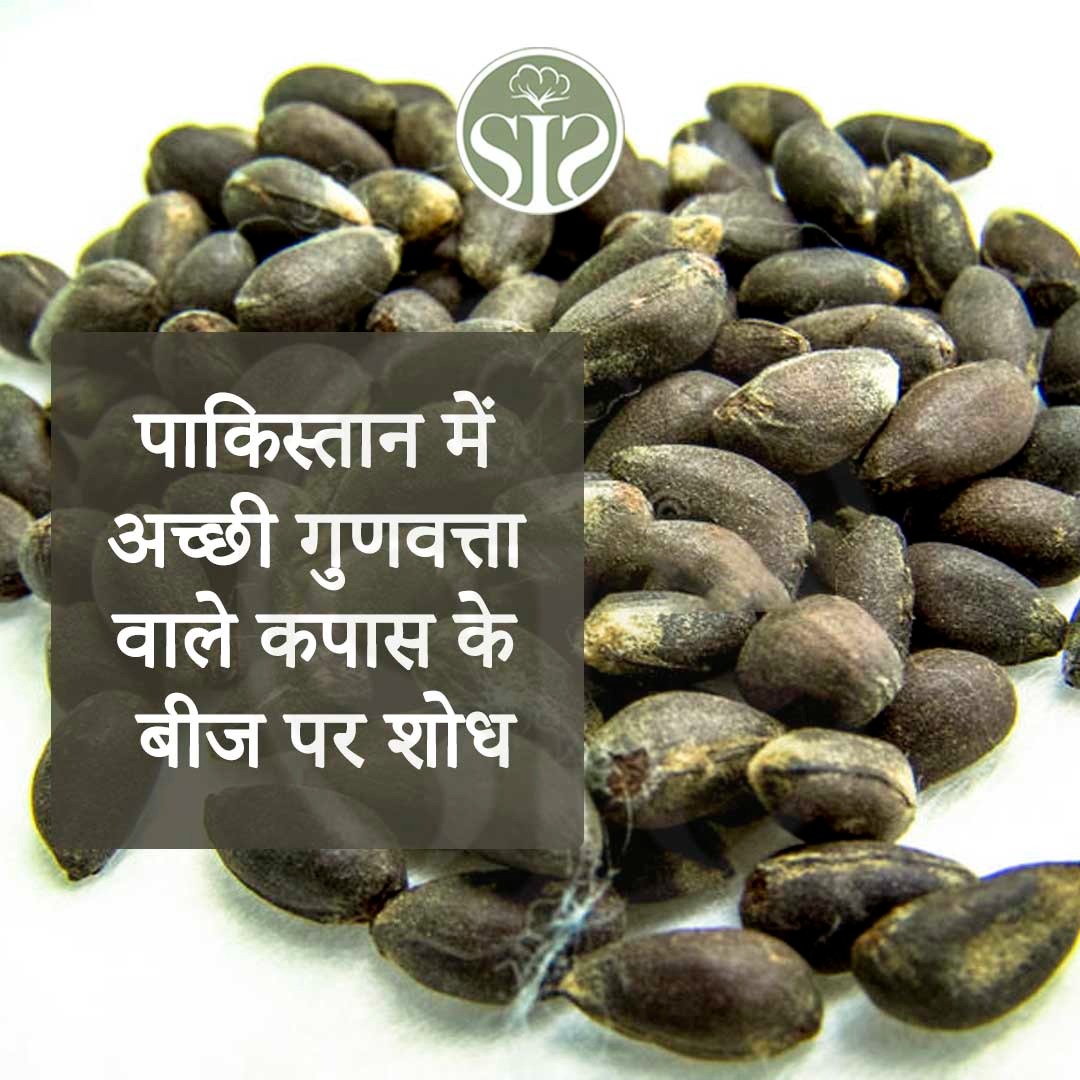
Research on good quality cotton seed in Pakistan Agriculture experts in Pakistan have identified the shortage of certified cotton seeds in Sindh and the sale of substandard seeds by private companies as the main reasons for losses related to the cotton crop, and have called for a dialogue between institutions to produce good quality cotton seeds. Cooperation is said to be indispensable. Under the aegis of the Seed Production and Development Center (SPDC), the Vice-Chancellor of Sindh Agricultural University (SAU) inaugurated an experimental field for the production and expansion of cotton varieties, for the development of which an agreement has been signed with United Bank Limited (UBL). The agreement was signed. Speaking at the inaugural function, SAU Vice-Chancellor Dr. Fateh Marri said that cotton was the crop that was most affected by the recent floods, which caused billions of rupees in losses to farmers in Sindh. Farmers are facing shortage of certified cotton seeds during the current season.He said that to tackle the problem, SAU in collaboration with UBL is doing research on certified cotton and wheat seeds. About 80 percent of the cotton seed requirement in the province is being met by private companies, most of which are unregistered companies, that buy cotton seed from cottonseed factories and sell it without processing, causing irreparable loss to cotton farmers.Dr. Fateh Marri said that his university has developed a new variety of cotton named SAU-1, which is in the registration stage and research work is going on in collaboration with UBL to meet the shortage of quality certified cotton and wheat seeds. Used to be.SPDC Director Prof. Zahoor Ahmad Soomro said that more productive and disease-resistant seeds will be produced through the research sector, after which the farmers of the state will be able to get rid of substandard seeds.Renowned agricultural breeder Karam Khan Kaleri said that SAU has taken important steps in the field of wheat and cottonseed. Institutions will have to make joint efforts to reduce the agrarian crisis, especially with regard to seeds.Dr. Shahnawaz Marri, coordinator of the project, said that apart from experts, university graduates are also involved in the research work. By the end of the project, they will emerge as a trained force for propagation of new seeds.👇🏻👇🏻👇🏻👇🏻https://smartinfoindia.com/hi/news-details-hindi/Evening-dollor-against-reupee-closing-market-nifty-sensex

Rupee weakens by 1 paise against dollarThis evening, the rupee closed at Rs 81.91 against the dollar with a weakness of 1 paise. Sensex closed up 75 pointsToday the stock market closed with a boom.Today, where the Sensex closed at a level of 60130.71 points with a gain of about 74.61 points.On the other hand, the Nifty closed at the level of 17769.30 points with a gain of 25.90 points.

Rupee strengthened by 19 paise against dollarThe rupee strengthened by 19 paise to close at Rs 81.90 against the dollar this evening.Sensex closed up by 401 pointsToday the stock market closed with a boom.Today, where the Sensex closed at the level of 60056.10 points with a gain of about 401.04 points.On the other hand, the Nifty closed at a level of 17743.40 points with a gain of 119.40 points.
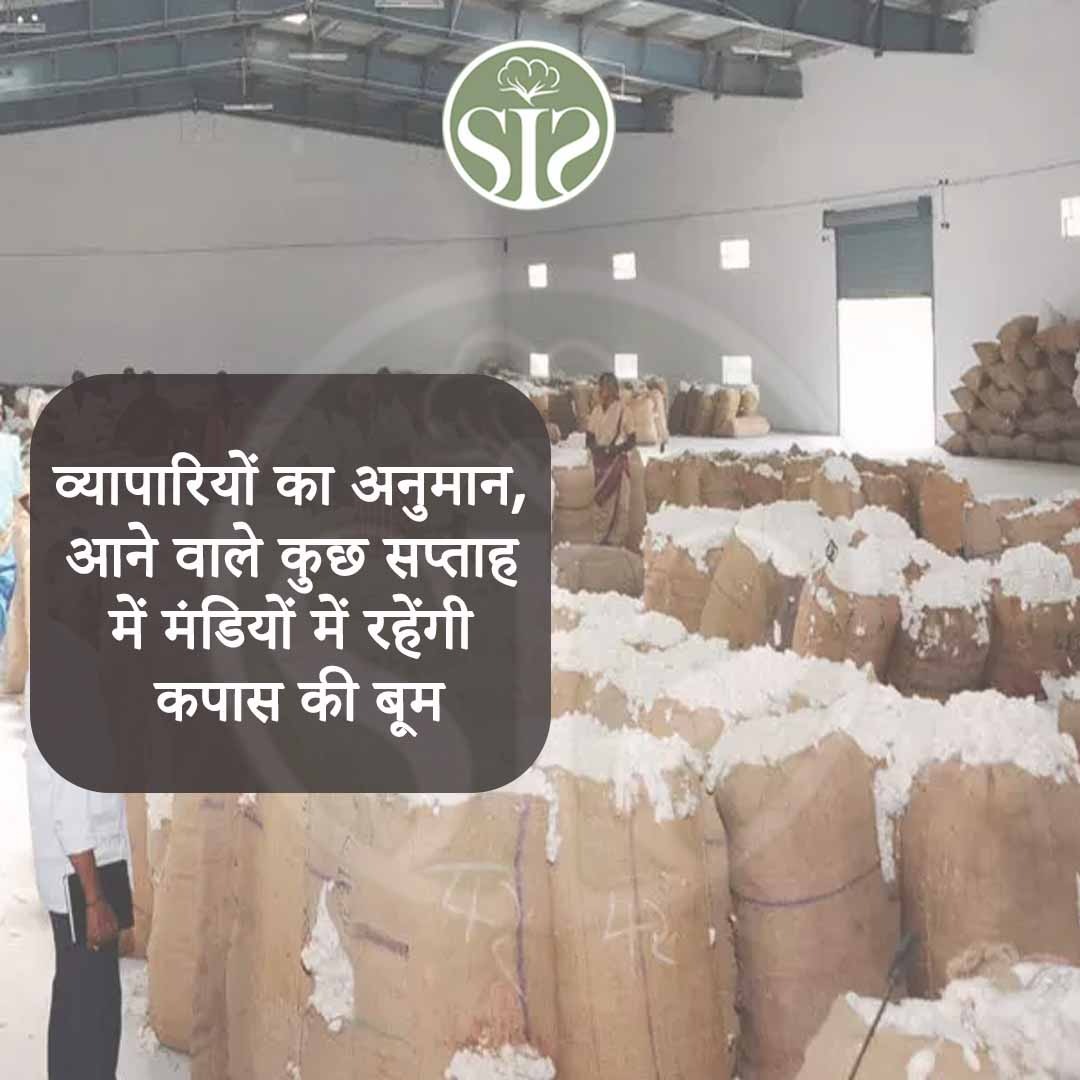
Traders estimate, there will be cotton boom in the mandis in the coming few weeksTraders in Maharashtra estimate that farmers will bring cotton in bulk in the next two to three weeks. The signs of farmers running out of cotton are now visible. Farmers who are expecting a rise in prices but cannot wait much longer are selling cotton. The price in Amravati market committee is Rs 8050 to 8100 per quintal.Cotton prices were under pressure in the month of March. Farmers who had no option but to sell cotton, sold it till March. But knowing that the farmers could not wait much longer, the traders kept the prices down in the market.Meanwhile, farmers increased sales as they felt prices were not rising. But when it was realized that farmers with storage capacity would not sell cotton unless the price was increased, the price was raised. Still, it is estimated that 20 to 25 percent cotton is left with the farmers.Three crore bales have been produced in the country. According to this, now 60 lakh bales of cotton are left with the farmers. If the farmers of Maharashtra are to be believed, they have 20 per cent stock left. It is estimated that 775 lakh quintals of cotton is left for 15 lakh bales. Needy farmers will sell cotton for Kharif. Big farmers will keep stock in anticipation of price rise.Cotton arrivals marginally increased in the market last week due to marginal correction in prices. Now traders are estimating how much cotton is left with the farmers. The prospects of a price rise have turned a bit hazy. Cotton season is in its last leg, so the market remains volatile at this time. But the price has closed at an average of eight thousand rupees.The Cotton Association of India has predicted that the state will produce 78 lakh bales of cotton this year. Last month's production was estimated at 80 lakh bales. It has subsided now.The average price of cotton in March and April last year was Rs 9,300 per quintal. At some places this rate went up to 10,000. Cotton is yet to get that price this year. This is what farmers were expecting this year, but the fluctuating prices have started confusing them.
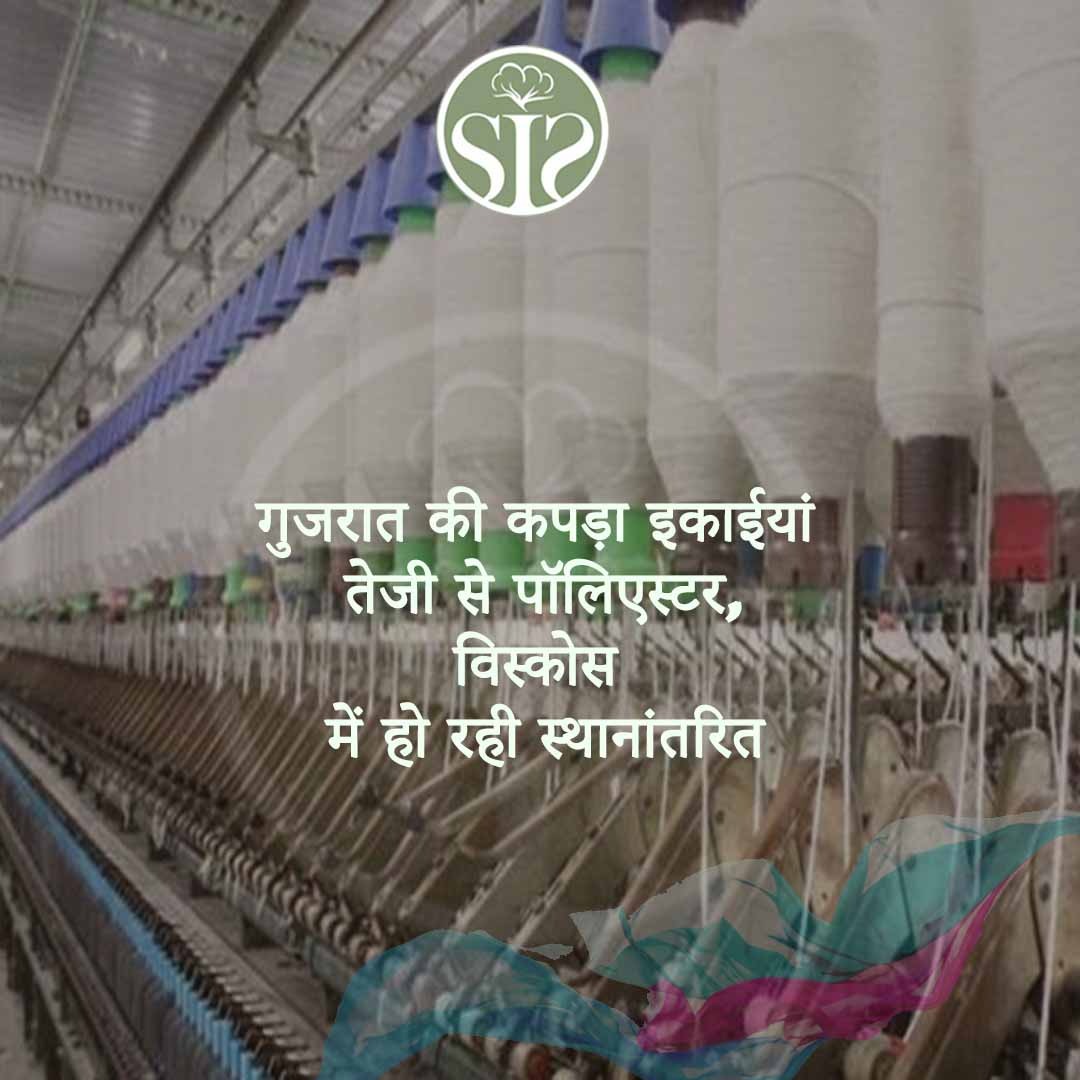
Textile units in Gujarat rapidly shifting to polyester, viscoseLast year, the textile sector saw a mix in cotton and now many players in the value chain have moved to polyester and viscose. High cotton prices have hurt the textile industry so much that industrialists are looking for alternative avenues for business. Many garment manufacturers in Ahmedabad are shifting towards polyester and viscose fabrics. Market sources say that cotton textile units need to make only minor changes to start manufacturing polyester and viscose.more volatility in pricesAccording to industry estimates, less than 5% of textile companies that were solely in cotton have adopted the man-made fiber. Last year, cotton prices had touched a record high of Rs 1.10 lakh per candy (356 kg). This year the prices have come down to an average of Rs 60,000 per candy. Experts say, the recent estimates by Cotton Association of India (CAI) indicate lower crop production and hence there will be more volatility in cotton prices.no other optionDhruv Patel, Managing Director, Diamond Textile Mills Pvt Ltd said, “For over five decades we had a cotton textile business with integrated spinning, weaving and processing facilities. For the last nine months, we have completely shifted to polyester yarn and viscose. We get fiber, manufacture yarn and weave it into fabric. We are also supplying yarn to manufacturers in Surat. Due to high cotton prices, we had no option but to turn to polyester and viscose. We have not completely exited the cotton business, but feel that the time is not right for cotton and hence we have decided to diversify.customer demandP R Kankaria, Chairman, Kankaria Textile Industries Pvt Ltd said, “Our core business is cotton fabric processing but the high cotton prices last year taught us many lessons. A section of our customers demand polyester and viscose, which are cheaper. We started sourcing polyester from Surat and viscose from South India. Polyester, viscose and rayon are part of our portfolio this year and we also managed to bag export orders from China. We have started printing shirting fabric, dress material for ladies and home textile in viscose. “We buy gray fabric from Surat, which is not a huge cost, and process it here.”Blend of polyester up to 65%"Gujarat is a hub for cotton textiles, but last year more than 5% of its cotton capacity has been replaced by polyester and viscose," said Saurin Parikh, president of the Spinners' Association Gujarat. Akash Sharma, director, Aakash Fashion Pvt Ltd, said, “We started polyester and viscose printing three years back. We used to be into 100% cotton, but blending has started of late. Blending up to 65% polyester as it is at least 25% cheaper than pure cotton. Earlier we used to print 1.2 million meters of cotton shirts every month, however, the capacity utilization has come down due to higher cotton prices. Now we print seven lakh meters of blended shirting fabric, whereas our pure cotton shirting fabric volume is only one lakh meters in a month.”
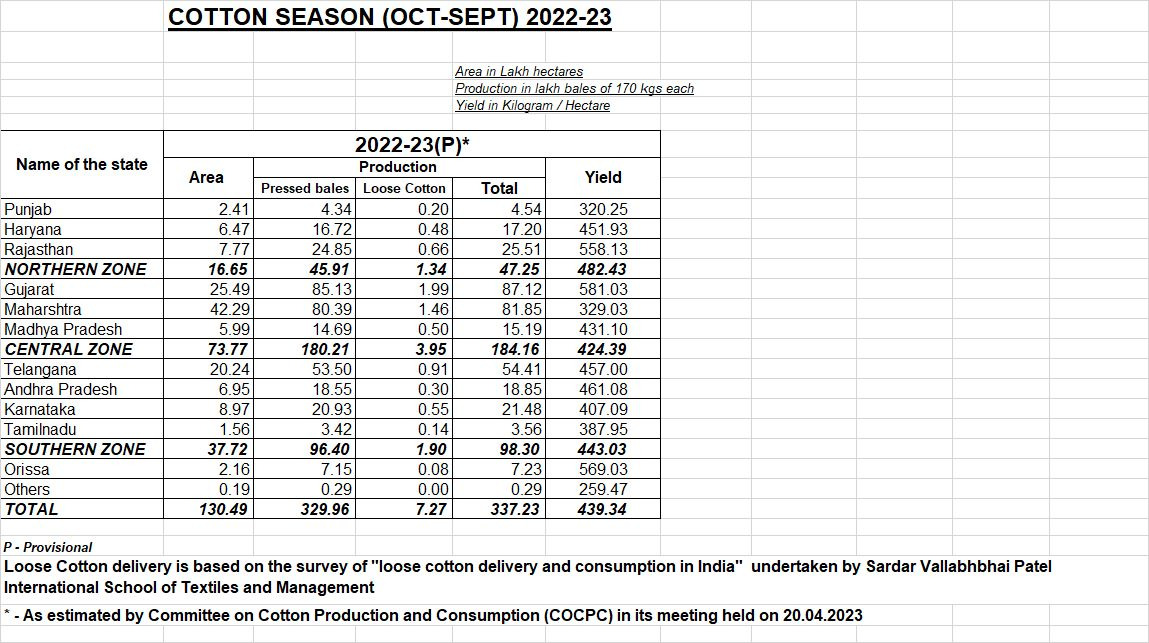
Confusion over Indian cotton production, stakeholders estimate total production at 337.23 lakh bales The Committee on Cotton Production and Consumption (CCPC), a government-constituted body comprising all stakeholders of the textile industry including farmers, has estimated cotton production for the current season till September at 337.23 lakh bales (170 kg each). The projection of the CCPC headed by the Central Textiles Commissioner on Thursday is against the estimated 341.91 lakh bales in November last year.“There are various estimates of cotton crop rounding, but the CCPC estimate reflects the reality,” said a business source in a multinational company (MNC). As per CCPC estimates, the area under cotton this season is over 130.49 lakh hectare (LH) and the yield is estimated at 439.34 kg/ha. In the last season, cotton was cultivated in 119.10 lakh hectares and the productivity was 445 kg/ha.Production in the northern region including Punjab, Haryana and Ganganagar areas of Rajasthan is estimated at 47.25 lakh bales (44.44 lakh bales a year ago). The production in the central region of Maharashtra, Gujarat and Madhya Pradesh is estimated at 184.16 lakh bales (160.20 lakh bales). The southern region formed by Telangana, Tamil Nadu, Andhra Pradesh and Karnataka is estimated to produce 98.30 lakh bales (100.85 lakh bales). 7.52 lakh bales (6.54 lakh bales) are expected to arrive from other parts of the country.The problem with crop estimates this year is that people have gone by the earlier trend of market arrivals. We are passing through an unusual year when farmers have withheld their produce. He had never done this before in Karnataka and Maharashtra. According to the Southern India Mills Association (SIMA), farmers and traders have withheld cotton this year due to a shortage in the availability of the raw material. This year, farmers have not been able to get more than Rs 9,000 per quintal, though they are above the minimum support price of Rs 6,080. Currently, the model price (the rate at which most of the trades take place) is hovering around ₹8,000.According to agriculture ministry data, cotton arrivals in the country during March 1 to April 21 stood at 33.72 lakh bales, as against 22.45 lakh bales in the same period a year ago. “If the cotton production forecasting agencies were allowed to control market conditions, we would not have had such confusion,” said an expert in the textile industry in the southern region. CAI's forecast of a 14-year low crop has pushed cotton futures on MCX up to ₹64,020 per candy (356 kg) for delivery in June. The spot price of Shankar-6 cotton, a benchmark for exports, is currently quoted at ₹63,000 per candy. The price has gained more than ₹2,500 this week.In the global market, cotton for May delivery was trading at 79.05 cents per pound (Rs 51,350 per candy) on the Intercontinental Exchange in New York. This has resulted in Indian cotton enjoying a premium and in turn hurting its export prospects. The US Department of Agriculture has forecast India's cotton production to fall to a 19-year low this year.

Rupee strengthened by 6 paise against dollarThe rupee strengthened by 6 paise to close at Rs 82.09 against the dollar this evening.Today the stock market closed with a boom.Today, where the Sensex closed at a level of 59655.06 points with a gain of about 22.71 points.On the other hand, the Nifty closed at a level of 17624.00 points with a fall of 0.50 points.👇🏻👇🏻👇🏻👇🏻https://smartinfoindia.com/hi/news-details-hindi/Good-child-news-labor-eliminated-Telangana%27s-almost-cotton-fields-international-labor-organzation
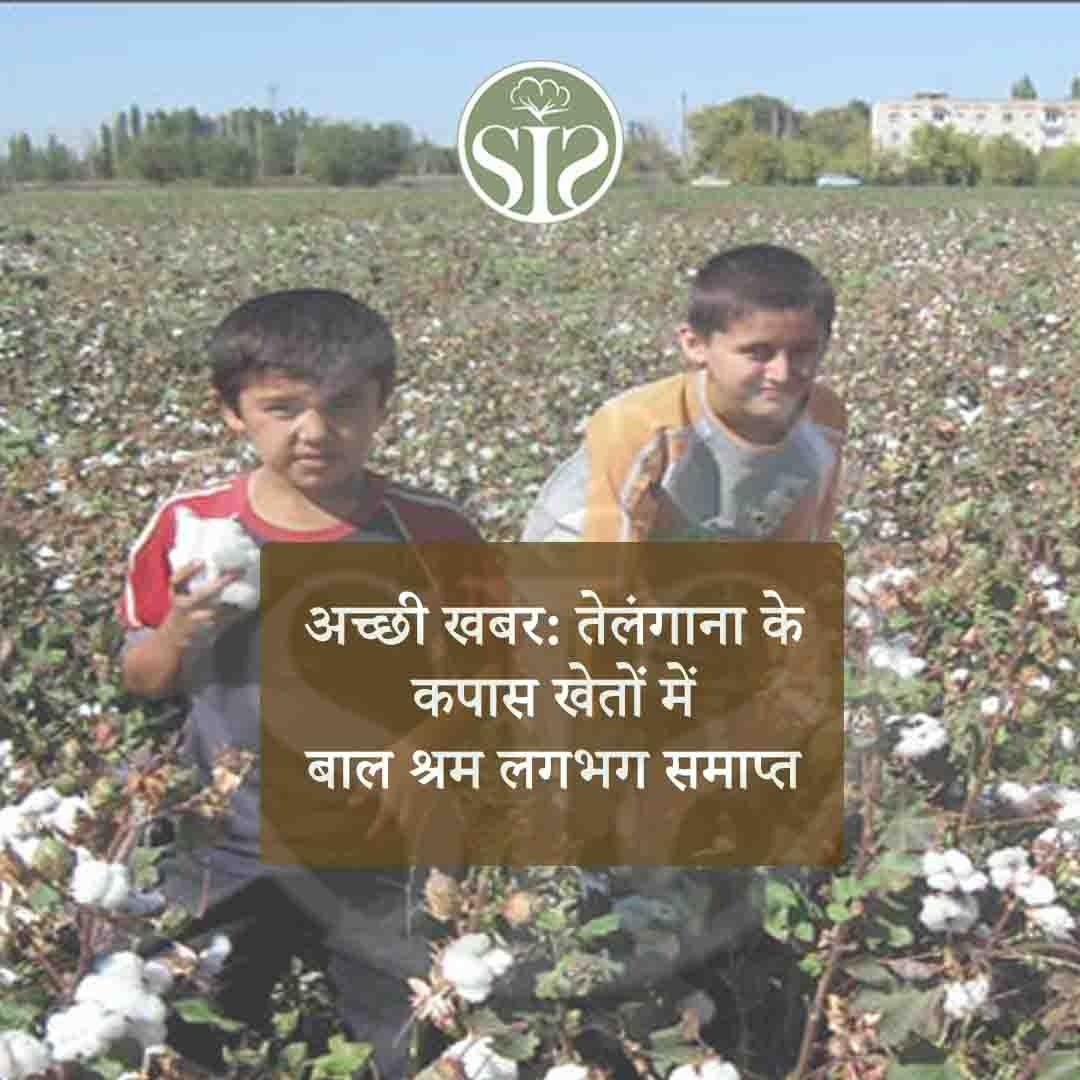
Good news: child labor almost eliminated in Telangana's cotton fieldsAfter three years of persistent advocacy-cum-awareness campaigns for child labor eradication, jointly organized by the International Labor Organization (ILO)'s 'Fundamental Principles and Rights at Work in Cotton Supply Chain' project and Telangana, the results showed That the involvement of child labor in this supply chain has disappeared. According to state government officials, several reports have also indicated positive results of invisible child labor in the cotton fields.Labor Additional Commissioner E Gangadhar said the project was implemented in the four major cotton districts of Nalgonda, Warangal Rural, Adilabad and Adilabad. “I can confirm that we almost do not see child labor in cotton fields in these regions. Maharashtra, Gujarat, Haryana, Karnataka, Rajasthan, Andhra Pradesh, Madhya Pradesh, Punjab and Telangana are the major cotton producing states and Telangana alone is the country It accounts for about 15% of the total cotton growing area of India.According to data from the Periodic Labor Force Survey (PLFS) 2018-19, there are mainly three types of labor in cotton cultivation in Telangana – own cultivation, family labor and casual labor (which constitute 46 per cent of the state's majority workforce). In addition, the proportion of women under 18 in casual labor is higher than that of men.According to studies, children under the age of 18 working in cotton fields cite a variety of reasons, with a majority (83.9 percent) citing the need to supplement family income, followed by fewer farmers. Age is a priority for labor. Lack of supervision and absenteeism by school teachers for children working in cotton fields has also been cited as a reason. Other important reasons for teenagers below 18 working in cotton fields include advances taken from cotton farmers by elders in the family.👇🏻👇🏻👇🏻👇🏻https://smartinfoindia.com/hi/news-details-hindi/Vietnam%27s-exports-march-economy-projected-world-trade-organization-epidemic

Vietnam's exports fell 14.8% in MarchIn 2022, Vietnam's economy is projected to grow by 8.02% year-on-year, which exceeded expectations. But by early 2023, exports have shrunk, slowing economic growth. Vietnam is one of the world's largest exporters of clothing, footwear and furniture, but in the first quarter of 2023, Vietnam is facing "volatile and complex developments in the world economy".The deceleration in GDP growth was mainly due to a decrease in consumer demand. Overseas sales decreased 14.8% year-on-year in March, and exports fell 11.9% in the first quarter, a sharp turnaround from last year. In 2022, Vietnam's exports of goods and services are expected to be US$384.75 billion. Among them, merchandise exports were US$371.85 billion, up 10.6% over the previous year. Services exports were around US$12.9 billion, a year-on-year increase of 145.2%.The World Trade Organization predicts that global merchandise trade will grow by 1.7% in 2023. This growth is lower than the 2.7% growth rate expected in 2022 and below the average growth rate of 2.6% over the past 12 years. However, this figure was higher than the 1.0% forecast made in October last year.A key factor is the easing of China's epidemic control policy, which is expected to release consumer demand and in turn boost international trade. In the latest report, the WTO's forecasts for both trade and GDP growth are lower than their averages over the past 12 years (2.6% and 2.7%, respectively).👇🏻👇🏻👇🏻👇🏻https://smartinfoindia.com/hi/news-details-hindi/Closed-sensex-market-strengthened-dollor-rupee-boom-nifty

Rupee strengthened by 8 paise against dollarThe rupee strengthened by 8 paise to close at Rs 82.15 against the dollar this evening.Sensex closed up by 65 pointsToday the stock market closed with a boom.Today, where the Sensex closed at a level of 59632.35 points with a gain of about 64.55 points.On the other hand, Nifty closed at 17624.50 points with a gain of 5.70 points.👇🏻👇🏻👇🏻👇🏻https://smartinfoindia.com/hi/news-details-hindi/Despite-negativity-textile-trade-global-International-textile-manufacturers-federation
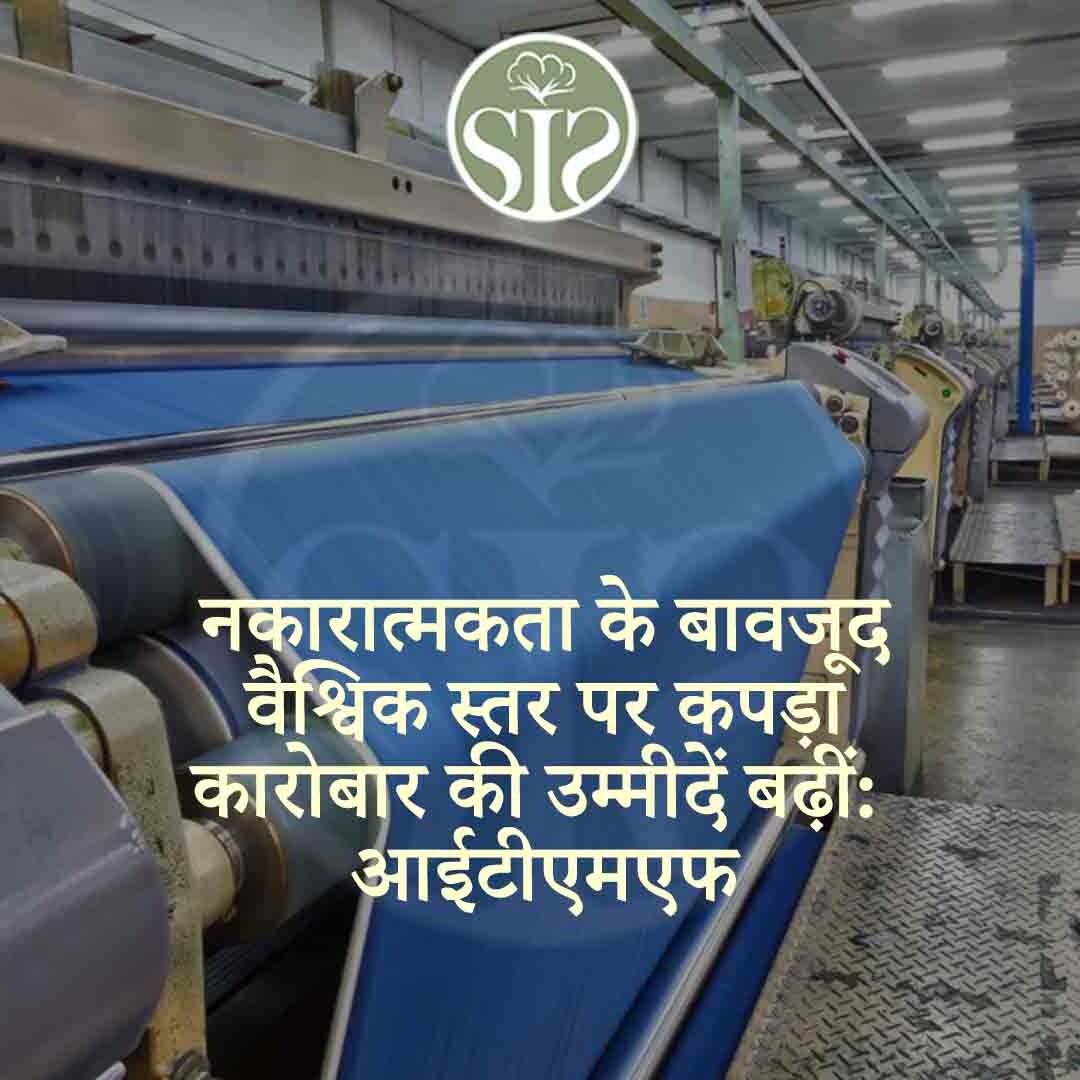
Despite negativity, global textile trade hopes up: ITMFThe global textile industry is facing high production costs and low demand from June 2022. However, according to the 19th ITMF GTIS, the expectations of companies regarding the business environment in the six months from November 2022 are improving. Nevertheless, weak demand and inflation remain major concerns in the industry.bad situationGlobal trade conditions in the textile industry have been negative since June 2022 and are still getting worse. Companies across all segments across the world are facing a 'perfect storm' scenario with high production costs and relatively low demand. At the same time, according to the International Textile Manufacturers Federation (ITMF), companies' expectations for the business environment in six months from November 2022 are improving.'Weak demand' a major concernThere has also been a steady decline in order numbers since November 2021, mostly in line with the business situation trend. The rate of decline has however slowed down in March 2023 due to weak demand. 'Weak demand' in the global textile value chain from July 2022 has indeed been rated as a major concern and has grown in importance in the last survey. Inflation remains another major concern around the world.No orders canceled since 4 monthsThirty-three percent of 19th GTIS respondents did not cancel an order during the previous four months (down from 58 percent last January). The phenomenon is stronger in South America and affects spinners and weavers relatively more. Sixty-eight percent of respondents also rated inventory levels as average. The number of companies reporting high inventory levels is higher in Asia and Europe. Among segments, it is the highest for home textile producers.👇🏻👇🏻👇🏻👇🏻https://smartinfoindia.com/hi/news-details-hindi/Look-business-pakistan%27s-cotton-fiber-poyster-usman-naseem-market-sindh

A look at Pakistan's cotton business The local cotton market was upbeat on Wednesday with low trading volume. Cotton analyst Naseem Usman said that the price of cotton in Sindh is Rs 17 to 20 thousand per head. The cost of cotton in Punjab ranges from Rs 18,000 to Rs 21,000 per head. The rate of footi in Sindh ranges from Rs 5,500 to Rs 8,300 per 40 kg. The rate of footi in Punjab ranges from Rs 6,000 to Rs 8,500 per 40 kg.The spot price remained unchanged at Rs 20,000 per head. Polyester fiber was available at Rs 375 per kg.👇🏻👇🏻👇🏻👇🏻https://smartinfoindia.com/hi/news-details-hindi/Weakens-rupee-dollor-against-evening-closed-rupee-sensex-market
Polyester companies in China under pressure from upstream and downstream sectors The polyester market has been suppressed by the downstream and upstream sectors since late March. As of April 13, the operating rate of both DTY plants and fabric mills in Zhejiang and Jiangsu fell to 65%, down 27% and 11% from previous highs. Polyester companies faced selling pressure when downstream plants were unwilling to buy with higher raw material prices.With cost and sales pressure, the polyester sectors also suffered obvious losses. The shortage of traditional POY and FDY was the most severe and the inventory of polyester products also started increasing. However, the polyester market is still highly flexible. The polyester polymerization rate only dropped to 87.8% by April 14, from an earlier high of 90.9% at the end of March. The all new polyester units produced PFY.Polyester companies faced difficulty in cutting production. On the one hand, small and medium-sized polyester companies have steadily reduced production. Factories also need to consider the issue of labor after production has come to a standstill. On the other hand, the leading companies do not appear to be as united as last year, with independent operations as per their status. Therefore, it would be difficult for them to discuss joint production cuts in the short run, even if they suffered losses.With feedstock futures moving strong on April 14, polyester companies were forced to cut prices to promote. Based on the spot raw material price on April 14, the loss of POY150D/48F exceeded 500 yuan/mt and the loss of FDY150D/96F exceeded 400 yuan/mt. Downstream buyers pushed up PFY's sell ratio, which stood at 300% as recently as April 14.After intensive replenishment on April 14, PFY stocks at DTY plants and textile mills may guarantee production till next week. Hence PFY sales are expected to remain low. The holiday plans of DTY plants and textile mills for the May Day holiday (April 29-May 3) next week should be highly concerned, as well as PFY sales at the end of April. Whether PFY plants will cut prices to re-promote amid a rising feedstock market, further observation is needed.Therefore, some market participants thought that inventory rather than losses in polyester companies was the most important factor influencing production cuts. The current inventory of PFY was reduced to only half that of 2022. In such a situation, some players have concluded that polyester companies cannot simply temporarily cut production when the inventory burden is not clear, at least not see a large-scale production reduction. The upstream feedstock market is optimistic again.Hengli Petrochemical announced that a 2,500kt/year PTA unit in Dalian will have a scheduled turnaround from mid-April 17. Buoyed by this news, PTA futures performed strongly. Polyester companies are more likely to face rising inventories in April, when operating rates at DTY plants and fabric mills fall sharply from March. The polyester industry is now facing a growing contradiction. How long polyester companies can survive amid losses and steady sales pressure needs to be watched further.👇🏻👇🏻👇🏻👇🏻https://smartinfoindia.com/hi/news-details-hindi/Weakens-rupee-dollor-against-evening-closed-rupee-sensex-market
चीन में पॉलीस्टर कंपनियां अपस्ट्रीम और डाउनस्ट्रीम सेक्टरों के दबाव से संकट में मार्च के अंत से डाउनस्ट्रीम और अपस्ट्रीम सेक्टरों द्वारा पॉलिएस्टर बाजार को दबा दिया गया है। 13 अप्रैल तक, झेजियांग और जियांगसू में डीटीवाई संयंत्रों और फैब्रिक मिलों दोनों की परिचालन दर गिरकर 65% हो गई, जो पिछले उच्च स्तर से 27% और 11% कम है। पॉलिएस्टर कंपनियों को बिकवाली के दबाव का सामना करना पड़ा जब डाउनस्ट्रीम प्लांट उच्च कच्चे माल की कीमत के साथ खरीदने के लिए तैयार नहीं थे।लागत और बिक्री के दबाव के साथ, पॉलिएस्टर क्षेत्रों को भी स्पष्ट नुकसान का सामना करना पड़ा। पारंपरिक पीओवाई और एफडीवाई की कमी सबसे गंभीर थी और पॉलिएस्टर उत्पादों की सूची भी बढ़ने लगी थी। हालांकि, पॉलिएस्टर बाजार में अभी भी अत्यधिक लचीलापन है। पॉलिएस्टर पोलीमराइज़ेशन दर केवल 14 अप्रैल तक घटकर 87.8% हो गई, जो कि मार्च के अंत में पहले उच्च 90.9% थी। सभी नई पॉलिएस्टर इकाइयों ने पीएफवाई का उत्पादन किया।पॉलिएस्टर कंपनियों को उत्पादन में कटौती करने में कठिनाई का सामना करना पड़ा। एक तरफ, छोटे और मध्यम आकार की पॉलिएस्टर कंपनियों ने लगातार उत्पादन घटाया है। उत्पादन ठप होने के बाद फैक्ट्रियों को मजदूरों के मुद्दे पर भी विचार करने की जरूरत है। दूसरी ओर, अग्रणी कंपनियाँ पिछले साल की तरह एकजुट नहीं दिख रही हैं, अपनी स्थिति के अनुसार स्वतंत्र संचालन के साथ। इसलिए, उनके लिए कम समय में संयुक्त उत्पादन में कटौती पर चर्चा करना कठिन होगा, भले ही उन्हें नुकसान उठाना पड़ा हो। 14 अप्रैल को मजबूत बढ़ते फीडस्टॉक वायदा के साथ, पॉलिएस्टर कंपनियों को प्रचार के लिए कीमतों में कटौती करने के लिए मजबूर होना पड़ा। 14 अप्रैल को हाजिर कच्चे माल की कीमत के आधार पर, POY150D/48F की हानि 500 युआन/mt से अधिक हो गई और FDY150D/96F की हानि 400युआन/mt से अधिक थी। डाउनस्ट्रीम खरीदारों ने पीएफवाई के बिक्री अनुपात को बढ़ाया, जो हाल ही में 14 अप्रैल को 300% पर कम हो गया था।14 अप्रैल को गहन पुनःपूर्ति के बाद, डीटीवाई संयंत्रों और कपड़ा मिलों के पीएफवाई स्टॉक अगले सप्ताह तक उत्पादन की गारंटी दे सकते हैं। इसलिए पीएफवाई की बिक्री कम रहने का अनुमान है। मई दिवस की छुट्टी (अप्रैल 29-मई 3) के लिए DTY संयंत्रों और कपड़ा मिलों की छुट्टी योजना अगले सप्ताह अत्यधिक चिंतित होनी चाहिए, साथ ही अप्रैल के अंत में PFY की बिक्री भी। बढ़ते फीडस्टॉक बाजार के बीच पीएफवाई संयंत्र फिर से प्रचार के लिए कीमतों में कटौती करेंगे या नहीं, इसके लिए अभी और अवलोकन की आवश्यकता है।इसलिए, कुछ बाजार सहभागियों ने सोचा कि पॉलिएस्टर कंपनियों में नुकसान के बजाय इन्वेंट्री उत्पादन कटौती को प्रभावित करने वाला सबसे महत्वपूर्ण कारक था। पीएफवाई की वर्तमान इन्वेंट्री 2022 की तुलना में केवल आधी रह गई थी। ऐसी स्थिति में, कुछ खिलाड़ियों ने यह निष्कर्ष निकाला कि पॉलिएस्टर कंपनियां आसानी से अस्थायी रूप से उत्पादन में कटौती नहीं कर सकती हैं, जब इन्वेंट्री का बोझ स्पष्ट नहीं है, कम से कम बड़े पैमाने पर उत्पादन में कमी नहीं दिखाई देगी। अपस्ट्रीम फीडस्टॉक मार्केट फिर से आशावादी हो गया है।हेंगली पेट्रोकेमिकल ने घोषणा की कि डालियान में एक 2,500kt/वर्ष की पीटीए इकाई का 17 अप्रैल के मध्य से निर्धारित टर्नअराउंड होगा। इस खबर से प्रभावित होकर, पीटीए वायदा ने जोरदार प्रदर्शन किया। पॉलिएस्टर कंपनियों को अप्रैल में बढ़ती इन्वेंट्री का सामना करने की अधिक उम्मीद है, जब डीटीवाई संयंत्रों और फैब्रिक मिलों की परिचालन दर मार्च में तेजी से गिरती है। पॉलिएस्टर उद्योग अब बढ़ते विरोधाभास का सामना कर रहा है। नुकसान और स्थिर बिक्री के दबाव के बीच पॉलिएस्टर कंपनियां कब तक झेल पाएंगी, इस पर अभी और निगरानी की जरूरत है।👇🏻👇🏻👇🏻👇🏻https://smartinfoindia.com/hi/news-details-hindi/Mukable-kamjor-paise-repya-dollor-sham-sensex

Rupee weakens by 18 paise against dollarThis evening, the rupee closed at a level of 82.22 against the dollar with a weakness of 18 paise.Sensex fell 159 pointsToday the stock market closed with a fall.Today, where the Sensex closed at a level of 59567.80 points with a fall of about 159.21 points.On the other hand, the Nifty closed at a level of 17618.80 points with a fall of 41.40 points.👇🏻👇🏻👇🏻👇🏻https://smartinfoindia.com/hi/news-details-hindi/China%27s-cotton-subsidy-policy-bring-positive-impact-cellulose-fiber-
China's new cotton subsidy policy may bring a positive impact on cellulose fiberOn 10 April, the National Development and Reform Commission and the Ministry of Finance jointly issued “Notice of the Ministry of Finance on Improving the Implementation Measures of the Cotton Target Price Policy”. According to which-China began regulating the cotton market in 2014 by setting a target price, which stood at 19,800 yuan/MT during the year. Before 2017 one year fixed strategy was adopted and from 2017 it was changed to three year fixed strategy.In the 2020 notice, the description of the quantity was changed to "Xinjiang Uygur Autonomous Region and Xinjiang Production and Construction Corps". Guidance has been described, but implementation in practice is limited due to a lack of specific quantitative guidelines.The clarification of the subsidy cap of 5.1 million tonnes in 2023 is actually a clear quantification of this target. This policy is, therefore, an inevitable consequence of the management of sub-optimal cotton areas.What can be changed from the policy?According to the latest data for the 2022/23 cotton year, Xinjiang's cotton production could reach 6.13 million tons, far exceeding the subsidy amount of 5.1 million tons, which could result in the following:1. Cotton supply is expected to decrease, and cotton futures may move higher. Futures contract prices are likely to exceed 16,000 yuan/MT.2. Some cotton farmers may choose to plant other crop varieties, but according to the actual situation, Xinjiang's cotton production in normal years is about 5.6 million tons, and about 10% of cotton is not subsidized. In the absence of subsidies, even if cotton is sold at 16,000 yuan/mt, it is acceptable to some cotton farmers. Therefore, the actual decline in cotton production cannot be less than 5.1 million tonnes quickly.3. For the spinning and weaving mills, when the cotton supply in Xinjiang is short, there are two ways to deal with it. One is to increase the amount of imported cotton and imported yarn, and the other is to use other fibers as raw materials. Among them, the closest to cotton is cellulose fiber, including viscose staple fiber and lyocell staple fiber.This is undoubtedly a good thing for cellulose fibers, but it should not be too aggressive. We tried to quantitatively analyze that the cotton subsidy reduction in Xinjiang is about 500kt, and the potential drop in cotton production is not expected to exceed 300kt in the short term. The reductions will be complemented by imported cotton and yarn, and the volumes eventually squeezed into other fibers may not exceed 200kt. In a potential market share of 200kt, polyester staple fiber may also get a share, and demand for cellulose fiber may be just above 100kt.👇🏻👇🏻👇🏻👇🏻https://smartinfoindia.com/hi/news-details-hindi/Shortage-center-import-amid-duty-sima-cotton-export-waive-declined
SIMA urges Center to waive import duty amid cotton shortageAs cotton shortages persist, the South Indian Mills Association (SIMA) on Tuesday urged the central government to impose an 11 per cent duty on cotton from April to October to ensure raw material security, avoid large-scale production shutdown and shortfall in exports. requested for exemption.In a statement, SIMA said cotton textile exports have declined by over 23 per cent compared to the previous year and advocated that cotton be made available to the manufacturing sector at an internationally competitive price.The Center had imposed an 11 per cent import duty on cotton in 2021-22 to protect the livelihood of Indian cotton farmers, due to which the price of domestic cotton had increased due to the import parity pricing policy adopted by the trade. Though the area under cotton has increased from 124 lakh hectare to 130 lakh hectare, the cotton crop in the current season is expected to be around 320 lakh bales.SIMA president Ravi Sam said that the price of cotton has fallen by more than 25 per cent compared to last year and more than 40 per cent cotton is yet to come in the market. Stating that farmers and traders are apprehensive of a price hike, leading to a persistent shortage of cotton, Sam said the Center should provide duty exemption for cotton."It will take three to four months for the imported cotton to reach the mill premises and hence it is necessary to remove the import duty immediately so that mills can enter into import contracts," he said. He also said that India's cotton yarn exports declined to 485 million kg during April 2022 to January 2023, as against 1185 million kg during the same period last year.👇🏻👇🏻👇🏻👇🏻https://smartinfoindia.com/hi/news-details-hindi/Head-hiked-cotton-price-spot-pakistan-naseem-usman-rate-spot

વેપારીઓનો અંદાજ છે કે, આગામી થોડા અઠવાડિયામાં મંડીઓમાં કપાસની તેજી જોવા મળશેમહારાષ્ટ્રના વેપારીઓનો અંદાજ છે કે ખેડૂતો આગામી બેથી ત્રણ અઠવાડિયામાં મોટા પ્રમાણમાં કપાસ લાવશે. ખેડૂતોનો કપાસ ખતમ થવાના સંકેતો હવે દેખાઈ રહ્યા છે. જે ખેડૂતો ભાવમાં વધારાની અપેક્ષા રાખી રહ્યા છે પરંતુ વધુ રાહ જોઈ શકતા નથી તેઓ કપાસનું વેચાણ કરી રહ્યા છે. અમરાવતી બજાર સમિતિમાં ભાવ પ્રતિ ક્વિન્ટલ 8050 થી 8100 રૂપિયા છે.માર્ચ મહિનામાં કપાસના ભાવ દબાણ હેઠળ હતા. જે ખેડૂતો પાસે કપાસ વેચવા સિવાય કોઈ વિકલ્પ નહોતો, તેઓએ માર્ચ સુધી કપાસ વેચી દીધો. પરંતુ ખેડૂતો વધુ રાહ જોઈ શકશે નહીં તે જાણીને વેપારીઓએ બજારમાં ભાવ નીચા રાખ્યા હતા.દરમિયાન ખેડૂતોએ વેચાણ વધાર્યું કારણ કે તેઓને લાગ્યું કે ભાવ વધી રહ્યા નથી. પરંતુ ભાવ ન વધે ત્યાં સુધી સંગ્રહ ક્ષમતા ધરાવતા ખેડૂતો કપાસનું વેચાણ નહીં કરે તેવો અહેસાસ થતાં ભાવમાં વધારો કરાયો હતો. હજુ પણ ખેડૂતો પાસે 20 થી 25 ટકા કપાસ બચ્યો હોવાનો અંદાજ છે.દેશમાં ત્રણ કરોડ ગાંસડીનું ઉત્પાદન થયું છે. આ હિસાબે હવે ખેડૂતો પાસે કપાસની 60 લાખ ગાંસડી બચી છે. જો મહારાષ્ટ્રના ખેડૂતોની વાત માનીએ તો તેમની પાસે 20 ટકા સ્ટોક બાકી છે. 15 લાખ ગાંસડી માટે 775 લાખ ક્વિન્ટલ કપાસ બાકી હોવાનો અંદાજ છે. જરૂરિયાતમંદ ખેડૂતો ખરીફ માટે કપાસનું વેચાણ કરશે. મોટા ખેડૂતો ભાવ વધારાની અપેક્ષાએ સ્ટોક રાખશે.ભાવમાં નજીવા સુધારાને કારણે ગયા સપ્તાહે બજારમાં કપાસની આવકમાં નજીવો વધારો થયો હતો. હવે ખેડૂતો પાસે કેટલો કપાસ બચ્યો છે તેનો અંદાજ વેપારીઓ લગાવી રહ્યા છે. મોંઘવારી વધવાની સંભાવનાઓ થોડી ધૂંધળી બની છે. કપાસની સિઝન તેના છેલ્લા તબક્કામાં છે, તેથી બજાર આ સમયે અસ્થિર રહે છે. પરંતુ ભાવ સરેરાશ આઠ હજાર રૂપિયા પર બંધ થયો છે.કોટન એસોસિએશન ઓફ ઈન્ડિયાએ આગાહી કરી છે કે રાજ્યમાં આ વર્ષે 78 લાખ ગાંસડી કપાસનું ઉત્પાદન થશે. ગયા મહિને ઉત્પાદન 80 લાખ ગાંસડી થવાનો અંદાજ હતો. તે હવે શમી ગઈ છે.ગયા વર્ષે માર્ચ અને એપ્રિલમાં કપાસનો સરેરાશ ભાવ 9,300 રૂપિયા પ્રતિ ક્વિન્ટલ હતો. કેટલીક જગ્યાએ આ દર 10,000 સુધી પહોંચી ગયો હતો. આ વર્ષે કપાસને હજુ તે ભાવ મળવાના બાકી છે. આ વર્ષે ખેડૂતો આની અપેક્ષા રાખતા હતા, પરંતુ ભાવની વધઘટથી તેઓ મૂંઝવણમાં મૂકાયા છે.

ગુજરાતમાં ટેક્સટાઈલ એકમો ઝડપથી પોલિએસ્ટર, વિસ્કોસ તરફ વળ્યા છેગયા વર્ષે, ટેક્સટાઇલ સેક્ટરમાં કપાસમાં મિશ્રણ જોવા મળ્યું હતું અને હવે વેલ્યુ ચેઇનના ઘણા ખેલાડીઓ પોલિએસ્ટર અને વિસ્કોઝ તરફ વળ્યા છે. કપાસના ઊંચા ભાવે કાપડ ઉદ્યોગને એટલું નુકસાન પહોંચાડ્યું છે કે ઉદ્યોગપતિઓ વ્યવસાય માટે વૈકલ્પિક માર્ગો શોધી રહ્યા છે. અમદાવાદમાં ઘણા ગારમેન્ટ ઉત્પાદકો પોલિએસ્ટર અને વિસ્કોસ ફેબ્રિક્સ તરફ વળ્યા છે. બજારના સૂત્રો કહે છે કે કોટન ટેક્સટાઈલ યુનિટોએ પોલિએસ્ટર અને વિસ્કોઝનું ઉત્પાદન શરૂ કરવા માટે માત્ર નાના ફેરફારો કરવાની જરૂર છે.ભાવમાં વધુ અસ્થિરતાઉદ્યોગના અનુમાન મુજબ, 5% કરતા પણ ઓછી કાપડ કંપનીઓ કે જેઓ માત્ર કપાસમાં હતી તેઓએ માનવસર્જિત ફાઇબર અપનાવ્યું છે. ગયા વર્ષે કપાસના ભાવ પ્રતિ કેન્ડી (356 કિલો) રૂ. 1.10 લાખની વિક્રમી સપાટીએ પહોંચ્યા હતા. આ વર્ષે ભાવ ઘટીને સરેરાશ રૂ. 60,000 પ્રતિ કેન્ડી પર આવી ગયા છે. નિષ્ણાતો કહે છે કે, કોટન એસોસિએશન ઓફ ઈન્ડિયા (CAI)ના તાજેતરના અંદાજો દર્શાવે છે કે પાકનું ઉત્પાદન ઓછું છે અને તેથી કપાસના ભાવમાં વધુ અસ્થિરતા જોવા મળશે.અન્ય કોઈ વિકલ્પ નથીડાયમંડ ટેક્સટાઇલ મિલ્સ પ્રાઇવેટ લિમિટેડના મેનેજિંગ ડિરેક્ટર ધ્રુવ પટેલે જણાવ્યું હતું કે, “પાંચ દાયકાથી વધુ સમયથી અમે એકીકૃત સ્પિનિંગ, વીવિંગ અને પ્રોસેસિંગ સુવિધાઓ સાથે કોટન ટેક્સટાઇલનો બિઝનેસ કર્યો હતો. છેલ્લા નવ મહિનાથી અમે સંપૂર્ણપણે પોલિએસ્ટર યાર્ન અને વિસ્કોસ તરફ વળ્યા છીએ. અમે ફાઇબર મેળવીએ છીએ, યાર્ન બનાવીએ છીએ અને તેને ફેબ્રિકમાં વણાટ કરીએ છીએ. અમે સુરતમાં ઉત્પાદકોને પણ યાર્ન સપ્લાય કરીએ છીએ. કપાસના ઊંચા ભાવને કારણે અમારી પાસે પોલિએસ્ટર અને વિસ્કોસ તરફ વળવા સિવાય કોઈ વિકલ્પ નહોતો. અમે કપાસના વ્યવસાયમાંથી સંપૂર્ણપણે બહાર નીકળ્યા નથી, પરંતુ અમને લાગે છે કે કપાસ માટે સમય યોગ્ય નથી અને તેથી અમે વિવિધતા લાવવાનું નક્કી કર્યું છે.ગ્રાહક માંગકાંકરિયા ટેક્સટાઇલ ઇન્ડસ્ટ્રીઝ પ્રાઇવેટ લિમિટેડના ચેરમેન પી આર કાંકરિયાએ જણાવ્યું હતું કે, “અમારો મુખ્ય વ્યવસાય કોટન ફેબ્રિક પ્રોસેસિંગ છે પરંતુ ગયા વર્ષે કપાસના ઊંચા ભાવે અમને ઘણા પાઠ શીખવ્યા હતા. અમારા ગ્રાહકોનો એક વર્ગ પોલિએસ્ટર અને વિસ્કોઝની માંગ કરે છે, જે સસ્તા છે. અમે સુરતમાંથી પોલિએસ્ટર અને દક્ષિણ ભારતમાંથી વિસ્કોસ મેળવવાનું શરૂ કર્યું. પોલિએસ્ટર, વિસ્કોસ અને રેયોન આ વર્ષે અમારા પોર્ટફોલિયોનો ભાગ છે અને અમે ચીનમાંથી નિકાસ ઓર્ડર મેળવવામાં પણ વ્યવસ્થાપિત છીએ. અમે શર્ટિંગ ફેબ્રિક, મહિલાઓ માટે ડ્રેસ મટિરિયલ અને વિસ્કોસમાં હોમ ટેક્સટાઇલ પ્રિન્ટ કરવાનું શરૂ કર્યું છે. "અમે સુરતથી ગ્રે ફેબ્રિક ખરીદીએ છીએ, જેની કિંમત બહુ મોટી નથી અને તેને અહીં પ્રોસેસ કરો."65% સુધી પોલિએસ્ટરનું મિશ્રણસ્પિનર્સ એસોસિએશન ગુજરાતના પ્રેસિડેન્ટ સૌરિન પરીખે જણાવ્યું હતું કે, "ગુજરાત કોટન ટેક્સટાઇલનું હબ છે, પરંતુ ગયા વર્ષે તેની કોટન ક્ષમતાના 5% કરતા વધુ હિસ્સાને પોલિએસ્ટર અને વિસ્કોસ દ્વારા બદલવામાં આવ્યો છે." આકાશ ફેશન પ્રાઇવેટ લિમિટેડના ડિરેક્ટર આકાશ શર્માએ જણાવ્યું હતું કે, “અમે ત્રણ વર્ષ પહેલાં પોલિએસ્ટર અને વિસ્કોસ પ્રિન્ટિંગ શરૂ કર્યું હતું. અમે 100% કપાસમાં હતા, પરંતુ મિશ્રણ મોડું શરૂ થયું છે. 65% પોલિએસ્ટર સુધીનું મિશ્રણ કારણ કે તે શુદ્ધ કપાસ કરતાં ઓછામાં ઓછું 25% સસ્તું છે. અગાઉ અમે દર મહિને 1.2 મિલિયન મીટર કોટન શર્ટ છાપતા હતા, જોકે, કપાસના ઊંચા ભાવને કારણે ક્ષમતાનો ઉપયોગ ઓછો થયો છે. હવે અમે સાત લાખ મીટર બ્લેન્ડેડ શર્ટિંગ ફેબ્રિક પ્રિન્ટ કરીએ છીએ, જ્યારે અમારા શુદ્ધ કોટન શર્ટિંગ ફેબ્રિકનું વોલ્યુમ એક મહિનામાં માત્ર એક લાખ મીટર છે.

ભારતીય કપાસ ઉત્પાદન અંગે મૂંઝવણ, હિસ્સેદારોએ કુલ ઉત્પાદન 337.23 લાખ ગાંસડીનો અંદાજ મૂક્યો કપાસ ઉત્પાદન અને વપરાશ અંગેની સમિતિ (CCPC), ખેડૂતો સહિત કાપડ ઉદ્યોગના તમામ હિસ્સેદારોનો સમાવેશ કરતી સરકાર દ્વારા રચાયેલી સંસ્થાએ ચાલુ સિઝનમાં સપ્ટેમ્બર સુધી કપાસનું ઉત્પાદન 337.23 લાખ ગાંસડી (170 કિલોગ્રામ પ્રત્યેક) થવાનો અંદાજ મૂક્યો છે. ગુરુવારે સેન્ટ્રલ ટેક્સટાઇલ કમિશનરની આગેવાની હેઠળના CCPCનું અનુમાન ગયા વર્ષના નવેમ્બરમાં અંદાજિત 341.91 લાખ ગાંસડીની સામે છે.મલ્ટીનેશનલ કંપની (MNC)ના બિઝનેસ સૂત્રએ જણાવ્યું હતું કે, “કપાસના પાકના ગોળાકારના વિવિધ અંદાજો છે, પરંતુ CCPC અંદાજ વાસ્તવિકતાને પ્રતિબિંબિત કરે છે.” CCPCના અંદાજ મુજબ, આ સિઝનમાં કપાસનો વિસ્તાર 130.49 લાખ હેક્ટર (LH)થી વધુ છે અને ઉપજ 439.34 kg/ha હોવાનો અંદાજ છે. છેલ્લી સિઝનમાં, કપાસનું વાવેતર 119.10 લાખ હેક્ટરમાં થયું હતું અને ઉત્પાદકતા 445 કિગ્રા/હેક્ટર હતી.પંજાબ, હરિયાણા અને રાજસ્થાનના ગંગાનગર વિસ્તારો સહિત ઉત્તરીય ક્ષેત્રમાં ઉત્પાદન 47.25 લાખ ગાંસડી (એક વર્ષ પહેલા 44.44 લાખ ગાંસડી) હોવાનો અંદાજ છે. મહારાષ્ટ્ર, ગુજરાત અને મધ્ય પ્રદેશના મધ્ય પ્રદેશમાં ઉત્પાદનનો અંદાજ 184.16 લાખ ગાંસડી (160.20 લાખ ગાંસડી) છે. તેલંગાણા, તમિલનાડુ, આંધ્રપ્રદેશ અને કર્ણાટક દ્વારા રચાયેલ દક્ષિણ પ્રદેશમાં 98.30 લાખ ગાંસડી (100.85 લાખ ગાંસડી) ઉત્પાદન થવાનો અંદાજ છે. દેશના અન્ય ભાગોમાંથી 7.52 લાખ ગાંસડી (6.54 લાખ ગાંસડી) આવવાની ધારણા છે.આ વર્ષે પાકના અંદાજની સમસ્યા એ છે કે લોકો બજારના આગમનના અગાઉના વલણથી આગળ વધ્યા છે. અમે એક અસામાન્ય વર્ષમાંથી પસાર થઈ રહ્યા છીએ જ્યારે ખેડૂતોએ તેમની ઉપજ રોકી રાખી છે. કર્ણાટક અને મહારાષ્ટ્રમાં તેણે આવું ક્યારેય કર્યું ન હતું. સધર્ન ઈન્ડિયા મિલ્સ એસોસિએશન (સિમા) અનુસાર, કાચા માલની ઉપલબ્ધતામાં અછતને કારણે ખેડૂતો અને વેપારીઓએ આ વર્ષે કપાસ રોકી રાખ્યો છે. આ વર્ષે ખેડૂતોને ક્વિન્ટલ દીઠ રૂ. 9,000થી વધુનો ભાવ મળ્યો નથી, જોકે તેઓ રૂ. 6,080ના લઘુત્તમ ટેકાના ભાવથી ઉપર છે. હાલમાં, મોડલની કિંમત (જે દરે મોટા ભાગના સોદા થાય છે) ₹8,000 ની આસપાસ છે.કૃષિ મંત્રાલયના ડેટા અનુસાર, દેશમાં 1 માર્ચથી 21 એપ્રિલ દરમિયાન કપાસની આવક 33.72 લાખ ગાંસડી હતી, જે એક વર્ષ અગાઉના સમાન સમયગાળામાં 22.45 લાખ ગાંસડી હતી. "જો કપાસના ઉત્પાદનની આગાહી કરતી એજન્સીઓને બજારની સ્થિતિને નિયંત્રિત કરવાની મંજૂરી આપવામાં આવી હોત, તો અમને આવી મૂંઝવણ ન થાત," દક્ષિણ પ્રદેશના કાપડ ઉદ્યોગના નિષ્ણાતે જણાવ્યું હતું. 14-વર્ષના નીચા પાકની CAIની આગાહીએ જૂનમાં ડિલિવરી માટે MCX પર કપાસના વાયદાને પ્રતિ કેન્ડી (356 કિગ્રા) ₹64,020 સુધી ધકેલી દીધા છે. નિકાસ માટે બેન્ચમાર્ક શંકર-6 કપાસની હાજર કિંમત હાલમાં પ્રતિ કેન્ડી ₹63,000 છે. આ અઠવાડિયે ભાવમાં ₹2,500થી વધુનો વધારો થયો છે.વૈશ્વિક બજારમાં મે ડિલિવરી માટે કપાસનો ભાવ ન્યૂયોર્કમાં ઇન્ટરકોન્ટિનેન્ટલ એક્સચેન્જ પર 79.05 સેન્ટ પ્રતિ પાઉન્ડ (રૂ. 51,350 પ્રતિ કેન્ડી) પર ટ્રેડ થઈ રહ્યો હતો. આના પરિણામે ભારતીય કપાસને પ્રીમિયમ મળી રહ્યું છે અને બદલામાં તેની નિકાસની સંભાવનાઓને નુકસાન થયું છે. યુએસ ડિપાર્ટમેન્ટ ઓફ એગ્રીકલ્ચરે આ વર્ષે ભારતનું કપાસનું ઉત્પાદન ઘટીને 19 વર્ષની નીચી સપાટીએ રહેવાની આગાહી કરી છે.

ડોલર સામે રૂપિયો 6 પૈસા મજબૂત થયો છેઆજે સાંજે ડોલર સામે રૂપિયો 6 પૈસા મજબૂત થઈને રૂ. 82.09 પર બંધ થયો હતો.આજે શેરબજાર તેજી સાથે બંધ થયું હતું.આજે જ્યાં સેન્સેક્સ લગભગ 22.71 પોઈન્ટના વધારા સાથે 59655.06 પોઈન્ટની સપાટીએ બંધ રહ્યો હતો.બીજી તરફ નિફ્ટી 0.50 પોઈન્ટના ઘટાડા સાથે 17624.00 પોઈન્ટની સપાટીએ બંધ રહ્યો હતો.👇🏻👇🏻👇🏻👇🏻https://smartinfoindia.com/hi/news-details-hindi/Good-child-international-labor-organzation-news-labor-eliminated-Telangana%27s-almost-cotton-fields

સારા સમાચાર: તેલંગાણાના કપાસના ખેતરોમાં બાળ મજૂરી લગભગ નાબૂદઇન્ટરનેશનલ લેબર ઓર્ગેનાઇઝેશન (ILO)ના 'કોટન સપ્લાય ચેઇનમાં કામના મૂળભૂત સિદ્ધાંતો અને અધિકારો' પ્રોજેક્ટ અને તેલંગાણા દ્વારા સંયુક્ત રીતે આયોજિત, બાળ મજૂરી નાબૂદી માટે સતત હિમાયત-કમ-જાગૃતિ ઝુંબેશના ત્રણ વર્ષ પછી, પરિણામો દર્શાવે છે કે સંડોવણી આ પુરવઠા શૃંખલામાં બાળ મજૂરી અદૃશ્ય થઈ ગઈ છે. રાજ્ય સરકારના અધિકારીઓના જણાવ્યા મુજબ, ઘણા અહેવાલોએ કપાસના ખેતરોમાં અદ્રશ્ય બાળ મજૂરીના હકારાત્મક પરિણામો પણ દર્શાવ્યા છે.શ્રમ અધિક કમિશનર ઇ ગંગાધરે જણાવ્યું હતું કે આ પ્રોજેક્ટ ચાર મુખ્ય કપાસ જિલ્લા નાલગોંડા, વારંગલ ગ્રામીણ, આદિલાબાદ અને આદિલાબાદમાં લાગુ કરવામાં આવ્યો હતો. “હું પુષ્ટિ કરી શકું છું કે આપણે આ પ્રદેશોમાં કપાસના ખેતરોમાં લગભગ બાળમજૂરી જોતા નથી. મહારાષ્ટ્ર, ગુજરાત, હરિયાણા, કર્ણાટક, રાજસ્થાન, આંધ્રપ્રદેશ, મધ્યપ્રદેશ, પંજાબ અને તેલંગાણા કપાસના મુખ્ય ઉત્પાદક રાજ્યો છે અને એકલું તેલંગાણા દેશ છે. તે ભારતના કુલ કપાસ ઉગાડતા વિસ્તારનો લગભગ 15% હિસ્સો ધરાવે છે.સામયિક શ્રમ દળ સર્વેક્ષણ (PLFS) 2018-19 ના ડેટા અનુસાર, તેલંગાણામાં કપાસની ખેતીમાં મુખ્યત્વે ત્રણ પ્રકારના મજૂર છે - પોતાની ખેતી, પારિવારિક મજૂરી અને પરચુરણ મજૂર (જે રાજ્યના બહુમતી કર્મચારીઓના 46 ટકા છે). આ ઉપરાંત, કેઝ્યુઅલ લેબરમાં 18 વર્ષથી ઓછી ઉંમરની સ્ત્રીઓનું પ્રમાણ પુરુષો કરતાં વધુ છે.અભ્યાસો અનુસાર, કપાસના ખેતરોમાં કામ કરતા 18 વર્ષથી ઓછી ઉંમરના બાળકો વિવિધ કારણોને ટાંકે છે, જેમાં બહુમતી (83.9 ટકા) કુટુંબની આવકને પૂરક બનાવવાની જરૂરિયાતને ટાંકે છે, ત્યારબાદ ઓછા ખેડૂતો છે. મજૂરી માટે ઉંમર એ પ્રાથમિકતા છે. કપાસના ખેતરોમાં કામ કરતા બાળકો માટે શાળાના શિક્ષકો દ્વારા દેખરેખનો અભાવ અને ગેરહાજરી પણ કારણ તરીકે દર્શાવવામાં આવી છે. કપાસના ખેતરોમાં કામ કરતા 18 વર્ષથી ઓછી ઉંમરના કિશોરો માટેના અન્ય મહત્વના કારણોમાં પરિવારના વડીલો દ્વારા કપાસના ખેડૂતો પાસેથી લીધેલા એડવાન્સનો સમાવેશ થાય છે.👇🏻👇🏻👇🏻👇🏻https://smartinfoindia.com/hi/news-details-hindi/Vietnam%27s-epidemic-exports-march-economy-projected-world-trade-organization

માર્ચમાં વિયેતનામની નિકાસ 14.8% ઘટી હતી2022 માં, વિયેતનામની અર્થવ્યવસ્થા વાર્ષિક ધોરણે 8.02% વધવાનો અંદાજ છે, જે અપેક્ષાઓ કરતાં વધી ગઈ છે. પરંતુ 2023 ની શરૂઆતમાં, નિકાસ સંકોચાઈ છે, આર્થિક વૃદ્ધિ ધીમી પડી છે. વિયેતનામ કપડા, ફૂટવેર અને ફર્નિચરના વિશ્વના સૌથી મોટા નિકાસકારોમાંનું એક છે, પરંતુ 2023 ના પ્રથમ ત્રિમાસિક ગાળામાં વિયેતનામ "વિશ્વ અર્થતંત્રમાં અસ્થિર અને જટિલ વિકાસ" નો સામનો કરી રહ્યું છે.જીડીપી વૃદ્ધિમાં ઘટાડો મુખ્યત્વે ગ્રાહક માંગમાં ઘટાડો થવાને કારણે હતો. માર્ચમાં વિદેશી વેચાણમાં વાર્ષિક ધોરણે 14.8% ઘટાડો થયો હતો અને પ્રથમ ત્રિમાસિક ગાળામાં નિકાસ 11.9% ઘટી હતી, જે ગયા વર્ષની સરખામણીમાં તીવ્ર ટર્નઅરાઉન્ડ છે. 2022માં, વિયેતનામની માલસામાન અને સેવાઓની નિકાસ US$384.75 બિલિયન થવાની ધારણા છે. તેમાંથી, મર્ચેન્ડાઇઝ નિકાસ US$371.85 બિલિયન હતી, જે પાછલા વર્ષની સરખામણીમાં 10.6% વધારે છે. સેવાઓની નિકાસ લગભગ US$12.9 બિલિયન હતી, જે વાર્ષિક ધોરણે 145.2% નો વધારો દર્શાવે છે.વર્લ્ડ ટ્રેડ ઓર્ગેનાઈઝેશન આગાહી કરે છે કે 2023 માં વૈશ્વિક વેપારી વેપાર 1.7% વધશે. આ વૃદ્ધિ 2022 માં અપેક્ષિત 2.7% વૃદ્ધિ દર કરતાં ઓછી છે અને છેલ્લા 12 વર્ષમાં સરેરાશ 2.6% વૃદ્ધિ દરથી ઓછી છે. જો કે, આ આંકડો ગયા વર્ષે ઓક્ટોબરમાં કરાયેલા 1.0% અનુમાન કરતાં વધુ હતો.મુખ્ય પરિબળ એ ચીનની રોગચાળા નિયંત્રણ નીતિમાં સરળતા છે, જે ગ્રાહકની માંગને મુક્ત કરશે અને બદલામાં આંતરરાષ્ટ્રીય વેપારને વેગ આપશે તેવી અપેક્ષા છે. તાજેતરના અહેવાલમાં, વેપાર અને જીડીપી વૃદ્ધિ બંને માટે ડબલ્યુટીઓનું અનુમાન છેલ્લાં 12 વર્ષમાં તેમની સરેરાશ કરતાં નીચું છે (અનુક્રમે 2.6% અને 2.7%).👇🏻👇🏻👇🏻👇🏻https://smartinfoindia.com/hi/news-details-hindi/Closed-boom-nifty-sensex-market-strengthened-dollor-rupee

ડોલર સામે રૂપિયો 8 પૈસા મજબૂત થયો છેઆજે સાંજે ડોલર સામે રૂપિયો 8 પૈસા મજબૂત થઈને રૂ. 82.15 પર બંધ થયો હતો.સેન્સેક્સ 65 પોઈન્ટ વધીને બંધ રહ્યો હતોઆજે શેરબજાર તેજી સાથે બંધ થયું હતું.આજે જ્યાં સેન્સેક્સ લગભગ 64.55 પોઈન્ટના વધારા સાથે 59632.35 પોઈન્ટની સપાટીએ બંધ રહ્યો હતો.બીજી તરફ નિફ્ટી 5.70 પોઈન્ટના વધારા સાથે 17624.50 પોઈન્ટની સપાટીએ બંધ રહ્યો હતો.👇🏻👇🏻👇🏻👇🏻https://smartinfoindia.com/hi/news-details-hindi/Despite-textile-manufacturers-federation-negativity-textile-trade-global-International

નકારાત્મકતા હોવા છતાં, વૈશ્વિક કાપડ વેપારમાં આશા છે: ITMFવૈશ્વિક કાપડ ઉદ્યોગ જૂન 2022 થી ઊંચા ઉત્પાદન ખર્ચ અને ઓછી માંગનો સામનો કરી રહ્યો છે. જોકે, 19મી આઈટીએમએફ જીટીઆઈએસ અનુસાર નવેમ્બર 2022થી છ મહિનામાં બિઝનેસ એન્વાયર્નમેન્ટને લઈને કંપનીઓની અપેક્ષાઓ સુધરી રહી છે. તેમ છતાં, નબળી માંગ અને ફુગાવો ઉદ્યોગમાં મુખ્ય ચિંતા રહે છે.ખરાબ પરિસ્થિતિજૂન 2022 થી કાપડ ઉદ્યોગમાં વૈશ્વિક વેપારની સ્થિતિ નકારાત્મક છે અને તે હજુ પણ ખરાબ થઈ રહી છે. વિશ્વભરના તમામ સેગમેન્ટની કંપનીઓ ઊંચા ઉત્પાદન ખર્ચ અને પ્રમાણમાં ઓછી માંગ સાથે 'સંપૂર્ણ તોફાન' પરિસ્થિતિનો સામનો કરી રહી છે. તે જ સમયે, ઇન્ટરનેશનલ ટેક્સટાઇલ મેન્યુફેક્ચરર્સ ફેડરેશન (ITMF) અનુસાર, નવેમ્બર 2022 થી છ મહિનામાં બિઝનેસ વાતાવરણ માટે કંપનીઓની અપેક્ષાઓ સુધરી રહી છે.'નબળી માંગ' એ મુખ્ય ચિંતા છેનવેમ્બર 2021 થી ઓર્ડરની સંખ્યામાં પણ સતત ઘટાડો થયો છે, મોટાભાગે વ્યવસાયની સ્થિતિના વલણને અનુરૂપ. જો કે માર્ચ 2023માં નબળી માંગને કારણે ઘટાડાનો દર ધીમો પડ્યો છે. જુલાઈ 2022થી વૈશ્વિક ટેક્સટાઈલ વેલ્યુ ચેઈનમાં 'નબળી માંગ'ને ખરેખર એક મોટી ચિંતા તરીકે રેટ કરવામાં આવી છે અને છેલ્લા સર્વેમાં તેનું મહત્વ વધ્યું છે. ફુગાવો વિશ્વભરમાં બીજી મોટી ચિંતા છે.4 મહિનાથી કોઈ ઓર્ડર રદ થયો નથી19મા GTIS ઉત્તરદાતાઓમાંથી 33 ટકા અગાઉના ચાર મહિના દરમિયાન (ગત જાન્યુઆરીમાં 58 ટકાથી નીચે) ઓર્ડર રદ કર્યો ન હતો. દક્ષિણ અમેરિકામાં આ ઘટના વધુ મજબૂત છે અને સ્પિનર્સ અને વણકરોને પ્રમાણમાં વધુ અસર કરે છે. 68 ટકા ઉત્તરદાતાઓએ પણ ઈન્વેન્ટરી સ્તરને સરેરાશ તરીકે રેટ કર્યું છે. ઉચ્ચ ઇન્વેન્ટરી સ્તરની જાણ કરતી કંપનીઓની સંખ્યા એશિયા અને યુરોપમાં વધુ છે. સેગમેન્ટ્સમાં, તે હોમ ટેક્સટાઇલ ઉત્પાદકો માટે સૌથી વધુ છે.👇🏻👇🏻👇🏻👇🏻https://smartinfoindia.com/hi/news-details-hindi/Look-business-market-sindh-pakistan%27s-cotton-fiber-poyster-usman-naseem

પાકિસ્તાનના કોટન બિઝનેસ પર એક નજર બુધવારે સ્થાનિક કોટન માર્કેટમાં નીચા ટ્રેડિંગ વોલ્યુમ સાથે ઉત્સાહ જોવા મળ્યો હતો. કપાસના વિશ્લેષક નસીમ ઉસ્માને જણાવ્યું હતું કે સિંધમાં કપાસનો ભાવ માથાદીઠ રૂ.17 થી 20 હજાર છે. પંજાબમાં કપાસની કિંમત માથાદીઠ રૂ. 18,000 થી રૂ. 21,000 સુધીની છે. સિંધમાં ફૂટીનો દર 40 કિલો દીઠ રૂ. 5,500 થી રૂ. 8,300 સુધીનો છે. પંજાબમાં ફૂટીનો દર 40 કિલો દીઠ રૂ. 6,000 થી રૂ. 8,500 સુધીનો છે.હાજર ભાવ રૂ. 20,000 પ્રતિ માથા પર યથાવત રહ્યો હતો. પોલિએસ્ટર ફાઇબર રૂ. 375 પ્રતિ કિલોના ભાવે ઉપલબ્ધ હતું.👇🏻👇🏻👇🏻👇🏻https://smartinfoindia.com/hi/news-details-hindi/Weakens-sensex-market-rupee-dollor-against-evening-closed-rupee

ચીનમાં પોલિએસ્ટર કંપનીઓ અપસ્ટ્રીમ અને ડાઉનસ્ટ્રીમ સેક્ટરના દબાણ હેઠળ છે માર્ચના અંતથી પોલિએસ્ટર માર્કેટ ડાઉનસ્ટ્રીમ અને અપસ્ટ્રીમ સેક્ટર દ્વારા દબાયેલું છે. 13 એપ્રિલના રોજ, ઝેજીઆંગ અને જિયાંગસુમાં બંને ડીટીવાય પ્લાન્ટ્સ અને ફેબ્રિક મિલોનો ઓપરેટિંગ રેટ ઘટીને 65% થઈ ગયો, જે અગાઉના ઉચ્ચ સ્તરોથી 27% અને 11% ઘટી ગયો. જ્યારે ડાઉનસ્ટ્રીમ પ્લાન્ટ્સ કાચા માલના ઊંચા ભાવ સાથે ખરીદવા તૈયાર ન હતા ત્યારે પોલિએસ્ટર કંપનીઓએ વેચાણના દબાણનો સામનો કરવો પડ્યો હતો.ખર્ચ અને વેચાણના દબાણ સાથે, પોલિએસ્ટર ક્ષેત્રોને પણ સ્પષ્ટ નુકસાન થયું હતું. પરંપરાગત POY અને FDY ની અછત સૌથી ગંભીર હતી અને પોલિએસ્ટર ઉત્પાદનોની ઇન્વેન્ટરી પણ વધવા લાગી. જો કે, પોલિએસ્ટર માર્કેટ હજુ પણ અત્યંત લવચીક છે. પોલિએસ્ટર પોલિમરાઇઝેશન રેટ 14 એપ્રિલ સુધીમાં ઘટીને માત્ર 87.8% થયો હતો, જે માર્ચના અંતમાં 90.9% ની અગાઉની ઊંચી હતી. તમામ નવા પોલિએસ્ટર એકમોએ PFYનું ઉત્પાદન કર્યું હતું.પોલિએસ્ટર કંપનીઓને ઉત્પાદન ઘટાડવામાં મુશ્કેલીનો સામનો કરવો પડ્યો. એક તરફ નાની અને મધ્યમ કદની પોલિએસ્ટર કંપનીઓએ ઉત્પાદનમાં સતત ઘટાડો કર્યો છે. ઉત્પાદન અટકી ગયા પછી ફેક્ટરીઓએ મજૂરીના મુદ્દા પર પણ વિચાર કરવાની જરૂર છે. બીજી તરફ, અગ્રણી કંપનીઓ તેમની સ્થિતિ મુજબ સ્વતંત્ર કામગીરી સાથે ગયા વર્ષની જેમ એકીકૃત દેખાતી નથી. તેથી, તેમના માટે ટૂંકા ગાળામાં સંયુક્ત ઉત્પાદન કાપ અંગે ચર્ચા કરવી મુશ્કેલ બનશે, પછી ભલે તેઓને નુકસાન સહન કરવું પડે.14 એપ્રિલે ફીડસ્ટોક ફ્યુચર્સ મજબૂત રીતે આગળ વધતાં, પોલિએસ્ટર કંપનીઓને પ્રોત્સાહન આપવા માટે ભાવ ઘટાડવાની ફરજ પડી હતી. 14 એપ્રિલના રોજ હાજર કાચા માલના ભાવના આધારે, POY150D/48F ની ખોટ 500 yuan/mt કરતાં વધી ગઈ અને FDY150D/96F ની ખોટ 400 yuan/mt કરતાં વધી ગઈ. ડાઉનસ્ટ્રીમ ખરીદદારોએ પીએફવાયના વેચાણ ગુણોત્તરને આગળ ધપાવ્યો, જે તાજેતરમાં એપ્રિલ 14 સુધીમાં 300% હતો.14 એપ્રિલના રોજ સઘન ભરપાઈ કર્યા પછી, DTY પ્લાન્ટ્સ અને ટેક્સટાઈલ મિલોમાં PFY સ્ટોક આવતા સપ્તાહ સુધી ઉત્પાદનની ખાતરી આપી શકે છે. આથી પીએફવાયનું વેચાણ ઓછું રહેવાની ધારણા છે. આવતા અઠવાડિયે મે દિવસની રજા (એપ્રિલ 29-મે 3) માટે ડીટીવાય પ્લાન્ટ્સ અને ટેક્સટાઇલ મિલોની રજાઓની યોજનાઓ ખૂબ જ ચિંતિત હોવી જોઈએ, તેમજ એપ્રિલના અંતમાં પીએફવાય વેચાણ. વધતા ફીડસ્ટોક માર્કેટ વચ્ચે PFY પ્લાન્ટ્સ ફરીથી પ્રમોટ કરવા માટે ભાવમાં ઘટાડો કરશે કે કેમ, વધુ અવલોકન જરૂરી છે.તેથી, બજારના કેટલાક સહભાગીઓએ વિચાર્યું કે પોલિએસ્ટર કંપનીઓમાં નુકસાનને બદલે ઇન્વેન્ટરી એ ઉત્પાદન કાપને પ્રભાવિત કરનાર સૌથી મહત્વપૂર્ણ પરિબળ છે. PFY ની વર્તમાન ઈન્વેન્ટરી 2022 ની સરખામણીમાં માત્ર અડધી થઈ ગઈ છે. આવી સ્થિતિમાં, કેટલાક ખેલાડીઓએ તારણ કાઢ્યું છે કે જ્યારે ઇન્વેન્ટરી બોજ સ્પષ્ટ ન હોય ત્યારે પોલિએસ્ટર કંપનીઓ અસ્થાયી રૂપે ઉત્પાદનમાં ઘટાડો કરી શકતી નથી, ઓછામાં ઓછા મોટા પાયે ઉત્પાદનમાં ઘટાડો જોવા મળતો નથી. અપસ્ટ્રીમ ફીડસ્ટોક માર્કેટ ફરી આશાવાદી છે.હેંગલી પેટ્રોકેમિકલએ જાહેરાત કરી કે ડાલિયાનમાં 2,500kt/વર્ષ PTA યુનિટ 17 એપ્રિલના મધ્યથી સુનિશ્ચિત ટર્નઅરાઉન્ડ હશે. આ સમાચારથી ઉત્સાહિત, પીટીએ ફ્યુચર્સે મજબૂત પ્રદર્શન કર્યું. પોલિએસ્ટર કંપનીઓ એપ્રિલમાં વધતી જતી ઇન્વેન્ટરીનો સામનો કરે તેવી શક્યતા વધુ છે, જ્યારે ડીટીવાય પ્લાન્ટ્સ અને ફેબ્રિક મિલોના ઓપરેટિંગ દર માર્ચથી ઝડપથી ઘટશે. પોલિએસ્ટર ઉદ્યોગ હવે વધતા જતા વિરોધાભાસનો સામનો કરી રહ્યો છે. પોલિએસ્ટર કંપનીઓ ખોટ અને સતત વેચાણના દબાણ વચ્ચે કેટલો સમય ટકી શકે છે તેના પર આગળ જોવાની જરૂર છે.👇🏻👇🏻👇🏻👇🏻https://smartinfoindia.com/hi/news-details-hindi/Weakens-sensex-market-rupee-dollor-against-evening-closed-rupee

ડોલર સામે રૂપિયો 18 પૈસા નબળો પડ્યોઆજે સાંજે ડોલર સામે રૂપિયો 18 પૈસાની નબળાઈ સાથે 82.22 ના સ્તર પર બંધ થયો હતો.સેન્સેક્સ 159 પોઈન્ટ તૂટ્યો હતોઆજે શેરબજાર ઘટાડા સાથે બંધ થયું.આજે જ્યાં સેન્સેક્સ લગભગ 159.21 પોઈન્ટના ઘટાડા સાથે 59567.80 પોઈન્ટની સપાટીએ બંધ રહ્યો હતો.બીજી તરફ નિફ્ટી 41.40 પોઈન્ટના ઘટાડા સાથે 17618.80 પોઈન્ટની સપાટીએ બંધ રહ્યો હતો.👇🏻👇🏻👇🏻👇🏻https://smartinfoindia.com/hi/news-details-hindi/China%27s-cellulose-fiber-cotton-subsidy-policy-bring-positive-impact

ચીનની નવી કોટન સબસિડી પોલિસી સેલ્યુલોઝ ફાઈબર પર સકારાત્મક અસર લાવી શકે છે10 એપ્રિલના રોજ, રાષ્ટ્રીય વિકાસ અને સુધારણા આયોગ અને નાણા મંત્રાલયે સંયુક્ત રીતે "કપાસની લક્ષ્યાંક કિંમત નીતિના અમલીકરણના પગલાંને સુધારવા માટે નાણાં મંત્રાલયની સૂચના" જારી કરી હતી. જે મુજબ-ચીને 2014માં લક્ષ્યાંક કિંમત નક્કી કરીને કપાસ બજારનું નિયમન કરવાનું શરૂ કર્યું, જે વર્ષ દરમિયાન 19,800 યુઆન/MT હતી. 2017 પહેલા એક વર્ષની નિશ્ચિત વ્યૂહરચના અપનાવવામાં આવી હતી અને 2017થી તેને બદલીને ત્રણ વર્ષની નિશ્ચિત વ્યૂહરચના કરવામાં આવી હતી.2020ની નોટિસમાં, જથ્થાનું વર્ણન બદલીને "ઝિનજિયાંગ ઉઇગુર ઓટોનોમસ રિજન અને શિનજિયાંગ પ્રોડક્શન એન્ડ કન્સ્ટ્રક્શન કોર્પ્સ" કરવામાં આવ્યું હતું. માર્ગદર્શનનું વર્ણન કરવામાં આવ્યું છે, પરંતુ ચોક્કસ જથ્થાત્મક માર્ગદર્શિકાના અભાવને કારણે વ્યવહારમાં અમલ મર્યાદિત છે.2023 માં 5.1 મિલિયન ટનની સબસિડી કેપની સ્પષ્ટતા વાસ્તવમાં આ લક્ષ્યનું સ્પષ્ટ પ્રમાણ છે. આ નીતિ, તેથી, ઉપ-શ્રેષ્ઠ કપાસ વિસ્તારોના સંચાલનનું અનિવાર્ય પરિણામ છે.પોલિસીમાંથી શું બદલી શકાય છે?2022/23 કપાસ વર્ષ માટેના તાજેતરના ડેટા અનુસાર, શિનજિયાંગનું કપાસનું ઉત્પાદન 6.13 મિલિયન ટન સુધી પહોંચી શકે છે, જે 5.1 મિલિયન ટનની સબસિડીની રકમ કરતાં ઘણું વધારે છે, જેના પરિણામે નીચેના પરિણામો આવી શકે છે:1. કપાસના પુરવઠામાં ઘટાડો થવાની ધારણા છે, અને કપાસના વાયદા વધુ ઉંચા જઈ શકે છે. ફ્યુચર્સ કોન્ટ્રાક્ટની કિંમતો 16,000 યુઆન/MT કરતાં વધી જવાની શક્યતા છે.2. કેટલાક કપાસના ખેડૂતો અન્ય પાકની જાતો રોપવાનું પસંદ કરી શકે છે, પરંતુ વાસ્તવિક પરિસ્થિતિ અનુસાર, સામાન્ય વર્ષોમાં શિનજિયાંગનું કપાસનું ઉત્પાદન લગભગ 5.6 મિલિયન ટન છે અને લગભગ 10% કપાસને સબસિડી આપવામાં આવતી નથી. સબસિડીની ગેરહાજરીમાં, જો કપાસ 16,000 યુઆન/એમટીના ભાવે વેચાય તો પણ, તે કેટલાક કપાસના ખેડૂતોને સ્વીકાર્ય છે. તેથી, કપાસના ઉત્પાદનમાં વાસ્તવિક ઘટાડો ઝડપથી 5.1 મિલિયન ટનથી ઓછો ન હોઈ શકે.3. સ્પિનિંગ અને વીવિંગ મિલો માટે, જ્યારે શિનજિયાંગમાં કપાસનો પુરવઠો ઓછો હોય છે, ત્યારે તેની સાથે વ્યવહાર કરવાની બે રીત છે. એક તો આયાતી કપાસ અને આયાતી યાર્નનું પ્રમાણ વધારવું અને બીજું કાચા માલ તરીકે અન્ય ફાઈબરનો ઉપયોગ કરવો. તેમાંથી, કપાસની સૌથી નજીક સેલ્યુલોઝ ફાઈબર છે, જેમાં વિસ્કોસ સ્ટેપલ ફાઈબર અને લાયોસેલ સ્ટેપલ ફાઈબરનો સમાવેશ થાય છે.આ નિઃશંકપણે સેલ્યુલોઝ રેસા માટે સારી બાબત છે, પરંતુ તે ખૂબ આક્રમક ન હોવી જોઈએ. અમે જથ્થાત્મક રીતે પૃથ્થકરણ કરવાનો પ્રયાસ કર્યો કે શિનજિયાંગમાં કપાસની સબસિડીનો ઘટાડો લગભગ 500kt છે અને કપાસના ઉત્પાદનમાં સંભવિત ઘટાડો ટૂંકા ગાળામાં 300kt થી વધુ થવાની અપેક્ષા નથી. આ ઘટાડા આયાતી કપાસ અને યાર્ન દ્વારા પૂરક બનશે, અને અંતે અન્ય ફાઇબરમાં સ્ક્વિઝ કરવામાં આવેલ વોલ્યુમ 200kt કરતાં વધુ ન હોઈ શકે. 200kt ના સંભવિત બજાર હિસ્સામાં, પોલિએસ્ટર સ્ટેપલ ફાઇબરને પણ હિસ્સો મળી શકે છે, અને સેલ્યુલોઝ ફાઇબરની માંગ 100kt ની ઉપર હોઈ શકે છે.👇🏻👇🏻👇🏻👇🏻https://smartinfoindia.com/hi/news-details-hindi/Shortage-waive-declined-center-import-amid-duty-sima-cotton-export

SIMAએ કેન્દ્રને કપાસની અછત વચ્ચે આયાત ડ્યૂટી માફ કરવા વિનંતી કરીકપાસની અછત યથાવત હોવાથી, સાઉથ ઈન્ડિયન મિલ્સ એસોસિએશન (સિમા) એ મંગળવારે કેન્દ્ર સરકારને કાચા માલની સુરક્ષા સુનિશ્ચિત કરવા, મોટા પાયે ઉત્પાદન બંધ કરવા અને નિકાસમાં ઘટાડો ટાળવા એપ્રિલથી ઓક્ટોબર સુધી કપાસ પર 11 ટકા ડ્યુટી લાદવા વિનંતી કરી. મુક્તિ માટે.એક નિવેદનમાં, SIMAએ જણાવ્યું હતું કે કપાસના કાપડની નિકાસમાં પાછલા વર્ષની સરખામણીમાં 23 ટકાથી વધુનો ઘટાડો થયો છે અને ઉત્પાદન ક્ષેત્રને આંતરરાષ્ટ્રીય સ્તરે સ્પર્ધાત્મક ભાવે કપાસ ઉપલબ્ધ કરાવવાની હિમાયત કરી હતી.કેન્દ્રએ ભારતીય કપાસના ખેડૂતોની આજીવિકાને બચાવવા માટે 2021-22માં કપાસ પર 11 ટકા આયાત જકાત લાદી હતી, જેના કારણે વેપાર દ્વારા અપનાવવામાં આવેલી આયાત સમાનતા કિંમત નીતિને કારણે સ્થાનિક કપાસના ભાવમાં વધારો થયો હતો. કપાસનો વાવેતર વિસ્તાર 124 લાખ હેક્ટરથી વધીને 130 લાખ હેક્ટર થયો હોવા છતાં ચાલુ સિઝનમાં કપાસનો પાક 320 લાખ ગાંસડી જેટલો થવાની ધારણા છે.સિમાના પ્રમુખ રવિ સેમે જણાવ્યું હતું કે ગયા વર્ષની સરખામણીમાં કપાસના ભાવમાં 25 ટકાથી વધુનો ઘટાડો થયો છે અને 40 ટકાથી વધુ કપાસ હજુ બજારમાં આવવાનો બાકી છે. ખેડૂતો અને વેપારીઓ કપાસની સતત અછત તરફ દોરી જતા ભાવ વધારાની આશંકા વ્યક્ત કરતા સેમે કહ્યું કે કેન્દ્રએ કપાસ માટે ડ્યુટી મુક્તિ આપવી જોઈએ."આયાતી કપાસને મિલ પરિસરમાં પહોંચવામાં ત્રણથી ચાર મહિનાનો સમય લાગશે અને તેથી આયાત ડ્યૂટી તાત્કાલિક દૂર કરવી જરૂરી છે જેથી મિલો આયાત કરાર કરી શકે," તેમણે કહ્યું. તેમણે એમ પણ કહ્યું કે ભારતની કોટન યાર્નની નિકાસ એપ્રિલ 2022 થી જાન્યુઆરી 2023 દરમિયાન ઘટીને 485 મિલિયન કિગ્રા થઈ છે, જે ગયા વર્ષના સમાન સમયગાળા દરમિયાન 1185 મિલિયન કિગ્રા હતી.👇🏻👇🏻👇🏻👇🏻https://smartinfoindia.com/hi/news-details-hindi/Head-pakistan-naseem-usman-rate-spot-hiked-cotton-price

પાકિસ્તાનમાં કપાસના હાજર ભાવમાં માથાદીઠ રૂ.300નો વધારો થયો છે કરાચી કોટન એસોસિએશન (KCA)ની સ્પોટ રેટ કમિટીએ મંગળવારે સ્પોટ રેટમાં માથાદીઠ રૂ. 300નો વધારો કર્યો હતો અને તેને માથાદીઠ રૂ. 20,000 પર બંધ કર્યો હતો. પોલિએસ્ટર ફાઇબર રૂ. 375 પ્રતિ કિલોના ભાવે ઉપલબ્ધ હતું.સ્થાનિક કોટન માર્કેટમાં તેજી હતી અને વેપારનું પ્રમાણ સંતોષજનક હતું. કપાસના વિશ્લેષક નસીમ ઉસ્માને જણાવ્યું કે સિંધમાં કપાસની કિંમત 17 હજારથી 20 હજાર રૂપિયા પ્રતિ માથા છે. પંજાબમાં કપાસની કિંમત માથાદીઠ રૂ. 18,000 થી રૂ. 21,000 સુધીની છે.સિંધમાં ફૂટીનો દર 40 કિલો દીઠ રૂ. 5,500 થી રૂ. 8,300 સુધીનો છે. પંજાબમાં ફૂટીનો દર 40 કિલો દીઠ રૂ. 6,000 થી રૂ. 8,500 સુધીનો છે.👇🏻👇🏻👇🏻👇🏻https://smartinfoindia.com/hi/news-details-hindi/Sensex-closing-market-dollor-nifty-weakens-rupee-against

ડોલર સામે રૂપિયો 7 પૈસા નબળો પડ્યોઆજે સાંજે ડોલર સામે રૂપિયો 7 પૈસાની નબળાઈ સાથે 82.04 રૂપિયાના સ્તરે બંધ થયો હતો.સેન્સેક્સ 184 પોઈન્ટ ડાઉનઆજે શેરબજાર ઘટાડા સાથે બંધ થયું.આજે જ્યાં સેન્સેક્સ 183.74 પોઈન્ટના ઘટાડા સાથે 59727.01 પોઈન્ટની સપાટીએ બંધ રહ્યો હતો.બીજી તરફ નિફ્ટી 46.60 પોઈન્ટના ઘટાડા સાથે 17660.20 પોઈન્ટની સપાટીએ બંધ રહ્યો હતો.👇🏻👇🏻👇🏻👇🏻https://smartinfoindia.com/hi/news-details-hindi/Intercontinental-exchange-india%27s-trade-agreement-cotton-export-forecast-bales-economic-cooperation

એપ્રિલ 2023 માટે ભારતની કપાસની નિકાસની આગાહી ઘટીને 1.8 મિલિયન ગાંસડી થઈ2022-23 માટે ભારતીય કપાસની નિકાસ એપ્રિલ 2023માં 500,000 ગાંસડી ઘટીને 1.8 મિલિયન થવાની આગાહી છે, જે લગભગ તેની આયાતની આગાહીની બરાબર છે. નિકાસ ઐતિહાસિક રીતે નોંધપાત્ર માર્જિનથી આયાત કરતાં વધી ગઈ છે અને છેલ્લી વખત આયાત નિકાસ કરતાં વધી ગઈ હતી તે લગભગ 20 વર્ષ પહેલાં હતી. ઘટાડો સ્થાનિક પુરવઠો, વિદેશમાં લાંબા અને વધારાના-લાંબા મુખ્ય ગ્રેડની વધેલી માંગ અને ઓસ્ટ્રેલિયા-ભારત આર્થિક સહકાર અને વેપાર કરાર (ECTA) એ આ તાજેતરના ગતિશીલતાને ટેકો આપ્યો છે.2022-23ના પ્રારંભિક સ્ટોક્સ અને ઉત્પાદનનો કુલ 33.1 મિલિયન ગાંસડીના 14 વર્ષની નીચી સપાટીએ રહેવાનો અંદાજ છે, જે નિકાસ પર નોંધપાત્ર દબાણ લાવે છે. ઉપરાંત, યુનાઈટેડ સ્ટેટ્સ ડિપાર્ટમેન્ટ ઓફ એગ્રીકલ્ચરના અહેવાલ મુજબ, કપાસના ચુસ્ત પુરવઠાને કારણે, ચીન સહિતના મુખ્ય બજારોમાં શિપમેન્ટ ધીમી થવાને કારણે વર્ષની શરૂઆતમાં વૈશ્વિક ભાવની તુલનામાં ભારતીય હાજર ભાવમાં વધારો થયો છે.ભારત તાજેતરમાં લાંબા અને વધારાના લાંબા સ્ટેપલ કપાસનો સૌથી મોટો ગ્રાહક બન્યો છે. કારણ કે દેશમાં ઉંચો અને વધારાનો ઉંચો કપાસ પૂરતા પ્રમાણમાં ઉગાડવામાં આવતો નથી. તેથી ઇજિપ્તની ગીઝા 94 અને યુએસ પિમા આયાત કરવામાં આવે છે. આમ ભારત આ પ્રકારના કપાસની આયાત માંગનો સ્થિર સ્ત્રોત બની રહેશે.2022-23માં 1.8 મિલિયન ગાંસડી સાથે ત્રીજો સૌથી મોટો નિકાસકાર બનવાની આગાહી હોવા છતાં, 2021-22માં નિકાસ કરાયેલ 6.2 મિલિયન ગાંસડી કરતાં નિકાસ નોંધપાત્ર રીતે ઓછી રહેવાનો અંદાજ છે. અહેવાલમાં જણાવાયું છે કે વૈશ્વિક સમાપ્તિ સ્ટોક્સ 900,000 ગાંસડીથી 92.0 મિલિયનની નજીક હોવાનો અંદાજ છે, જેમાં મોટાભાગે ચીન, ભારત અને બ્રાઝિલ માટે ઉપરનું અનુમાન છે.યુએસ બેલેન્સ શીટમાં ગયા મહિના કરતાં વધુ નિકાસ અને નીચા અંતના સ્ટોકનો સમાવેશ થાય છે. અનુમાનિત યુએસ સિઝન-એવરેજ ફાર્મ ભાવ પ્રતિ પાઉન્ડ 1 ટકાથી 82 સેન્ટ્સ નીચા રહેવાની આગાહી છે. ઇન્ટરકોન્ટિનેન્ટલ એક્સચેન્જ (ICE) પર કિંમતો આશરે 83 સેન્ટ પ્રતિ પાઉન્ડની આસપાસ રહેતાં વૈશ્વિક કપાસના ભાવ ગયા મહિનાના WASDE થી મોટાભાગે નીચે હતા.👇🏻👇🏻👇🏻👇🏻https://smartinfoindia.com/hi/news-details-hindi/Transport-trading-market-slow-pakistan-cotton-usman-naseem-increase-expected

પાકિસ્તાનના કોટન માર્કેટમાં ધીમો વેપારસ્થાનિક કોટન માર્કેટ સોમવારે નીચા ટ્રેડિંગ વોલ્યુમ સાથે ઉત્સાહિત હતું. કપાસના વિશ્લેષક નસીમ ઉસ્માને ધ્યાન દોર્યું કે નીચા ટ્રેડિંગ વોલ્યુમ પાછળ પરિવહનની અનુપલબ્ધતા છે. ઈદ અલ-ફિત્રની રજાઓ બાદ તેમાં વધુ વધારો થવાની ધારણા છે.તેમણે એ પણ જણાવ્યું કે સિંધમાં કપાસની કિંમત માથાદીઠ રૂ. 17,000 થી રૂ. 20,000ની વચ્ચે છે. પંજાબમાં કપાસની કિંમત માથાદીઠ રૂ. 18,000 થી રૂ. 21,000 સુધીની છે. સિંધમાં ફૂટીનો દર 40 કિલો દીઠ રૂ. 5,500 થી રૂ. 8,300 સુધીનો છે.પંજાબમાં ફૂટીનો દર 40 કિલો દીઠ રૂ. 6,000 થી રૂ. 8,500 સુધીનો છે. રહીમ યાર ખાને 5600 ગાંસડી રૂ.21,000 પ્રતિ માથા (સ્થિતિ) અને મેરરોટ (323 ગાંસડી) રૂ.19,300 પ્રતિ માથાના ભાવે વેચી હતી. સ્પોટ રેટ માથાદીઠ રૂ. 19,700 પર યથાવત રહ્યો હતો.પોલિએસ્ટર ફાઇબરના દરમાં રૂ. 2નો વધારો કરવામાં આવ્યો હતો અને તે રૂ. 375 પ્રતિ કિલોના ભાવે ઉપલબ્ધ હતો.👇🏻👇🏻👇🏻👇🏻https://smartinfoindia.com/hi/news-details-hindi/Market-review-usmna-naseem-pakistan-weekly-cotton-rate-spot-kca

ડોલર સામે રૂપિયો ઘટ્યો, 3 પૈસા તૂટ્યોઆજે ડોલર સામે રૂપિયો 3 પૈસાની નબળાઈ સાથે 82.00 રૂપિયાના સ્તર પર ખુલ્યો છે. બીજી તરફ સોમવારે ડોલર સામે રૂપિયો 12 પૈસાની નબળાઈ સાથે રૂ. 81.97 ના સ્તર પર બંધ થયો હતો.

ડોલર સામે રૂપિયો 12 પૈસા નબળો પડ્યોઆજે સાંજે ડોલર સામે રૂપિયો 12 પૈસાની નબળાઈ સાથે 81.97 ના સ્તર પર બંધ થયો હતો.સેન્સેક્સ 520 પોઈન્ટ ઘટીને બંધ રહ્યો હતોઆજે જ્યાં સેન્સેક્સ લગભગ 520.25 પોઈન્ટના ઘટાડા સાથે 59910.75 પોઈન્ટના સ્તરે બંધ રહ્યો હતો.બીજી તરફ નિફ્ટી 121.20 પોઈન્ટના ઘટાડા સાથે 17706.80 પોઈન્ટની સપાટીએ બંધ રહ્યો હતો.👇🏻👇🏻👇🏻👇🏻https://smartinfoindia.com/hi/news-details-hindi/Market-review-usmna-naseem-pakistan-weekly-cotton-rate-spot-kca

પાકિસ્તાન કોટન માર્કેટની સાપ્તાહિક સમીક્ષાછેલ્લા સપ્તાહ દરમિયાન ટ્રેડિંગ વોલ્યુમમાં સુધારા સાથે કોટન માર્કેટમાં તેજી જોવા મળી હતી. જોકે, આંતરરાષ્ટ્રીય કપાસ બજારોમાં કપાસના ભાવમાં વધઘટ જોવા મળી હતી. સ્થાનિક કોટન માર્કેટમાં કપાસના ભાવ રૂ. 500 થી રૂ. 1,000 પ્રતિ મથાળે વધ્યા હતા કારણ કે સ્પિનરો સારી ગુણવત્તાની કપાસ ખરીદવામાં રસ ધરાવતા હતા.કરાચી કોટન બ્રોકર્સ ફોરમના પ્રમુખ નસીમ ઉસ્માને જણાવ્યું છે કે આંતરરાષ્ટ્રીય કોટન બજારોમાં કપાસના ભાવ સ્થિર રહ્યા છે. સિંધ અને પંજાબમાં કપાસના ભાવ રૂ. 18,000 થી રૂ. 21,000 પ્રતિ માથું છે, જ્યારે ફૂટીનો ભાવ રૂ. 6,500 થી રૂ. 8,500 પ્રતિ 40 કિલો છે. કરાચી કોટન એસોસિએશનની સ્પોટ રેટ કમિટીએ માથાદીઠ સ્પોટ રેટમાં રૂ. 2,00નો વધારો કરીને રૂ. 19,700 પર બંધ કર્યો છે.