

रुपया 10 पैसे बढ़कर 92.82/USD पर खुला. सोमवार को भारतीय रुपया डॉलर के मुकाबले 10 पैसे बढ़कर 92.82 पर खुला जबकि शुक्रवार को यह 92.92 पर बंद हुआ था।और पढ़ें :-कपास बुवाई से पहले बीज की किल्लत, 2.9 लाख हेक्टेयर लक्ष्य पर संकट
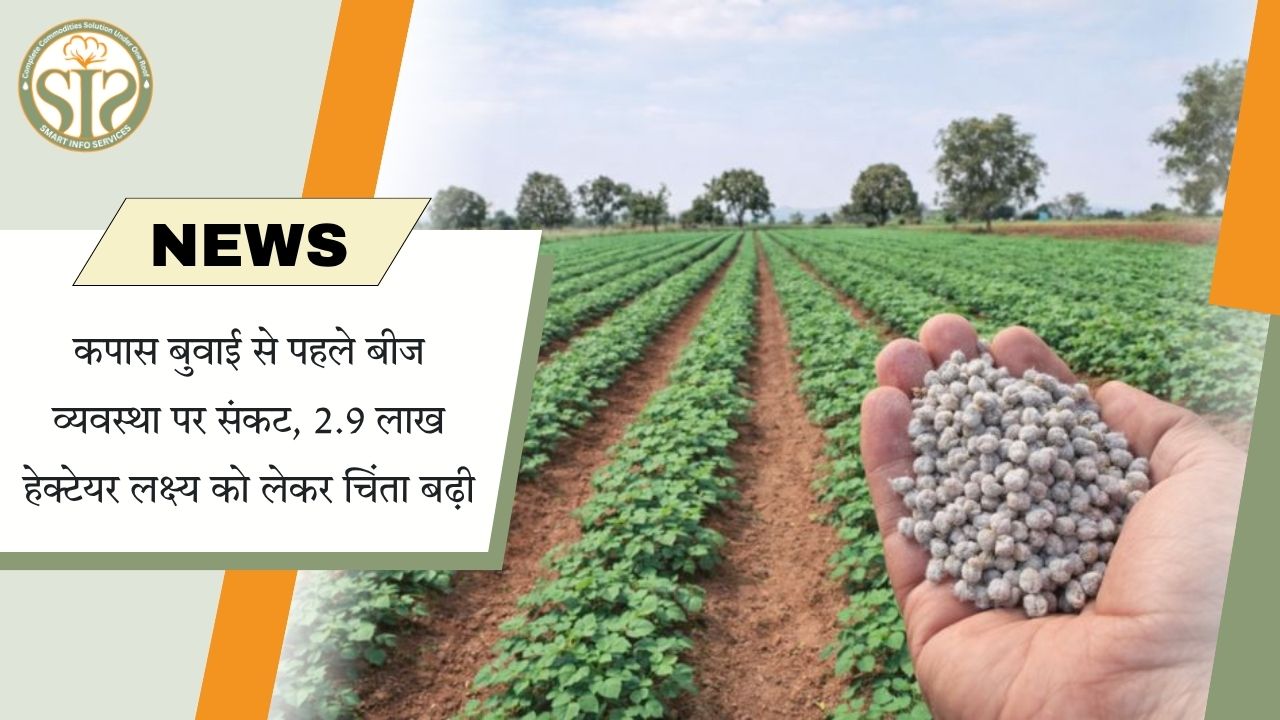
कपास बुवाई से पहले बीज व्यवस्था पर संकट, 2.9 लाख हेक्टेयर लक्ष्य को लेकर चिंता बढ़ीखरीफ सीजन की शुरुआत करीब है और अक्षय तृतीया के साथ ही कपास की बुवाई शुरू होने वाली है, लेकिन इस बार बीजों के भंडारण और बिक्री को लेकर स्थिति स्पष्ट नहीं है। शासन स्तर से अब तक अनुमति (परमिशन) जारी नहीं होने के कारण बाजार में अनिश्चितता बनी हुई है। समय पर दिशा-निर्देश न मिलने से अमानक और बिना प्रमाणित बीजों के खपने का खतरा भी बढ़ गया है।कृषि विभाग के आंकड़े इस समस्या को और गंभीर बनाते हैं। पिछले दो वर्षों में लिए गए 783 बीज नमूनों में से 54 अमानक पाए गए हैं, यानी लगभग 7 प्रतिशत बीज गुणवत्ता मानकों पर खरे नहीं उतरे। यह स्थिति बताती है कि बाजार में पहले से ही निम्न गुणवत्ता वाले बीज मौजूद हैं, जो किसानों के लिए बड़ा जोखिम बन सकते हैं।इस वर्ष जिले में लगभग 2.9 लाख हेक्टेयर क्षेत्र में कपास की बुवाई का लक्ष्य तय किया गया है। इतनी बड़ी मांग को देखते हुए बीज की उपलब्धता महत्वपूर्ण है, लेकिन अनुमति न मिलने से अधिकृत बीजों का भंडारण और वितरण शुरू नहीं हो पाया है। इसके चलते किसान असमंजस में हैं और कई जगह बिना सही जानकारी के बीज खरीदने बाजार पहुंच रहे हैं।खरीफ 2026 का प्रस्तावित फसल रकबाजिले में खरीफ 2026 के लिए कुल 4.16 लाख हेक्टेयर में बुवाई प्रस्तावित है। इसमें प्रमुख फसलें इस प्रकार हैं—मक्का: 77 हजार हेक्टेयर (सबसे प्रमुख अनाज फसल)कुल अनाज फसलें: 78 हजार हेक्टेयरदलहन: 8,228 हेक्टेयर (उड़द, मूंग, अरहर)तिलहन: 80 हजार हेक्टेयर (सोयाबीन 78 हजार हेक्टेयर से अधिक)कपास: 2.9 लाख हेक्टेयर (सबसे बड़ी नकदी फसल)अन्य खरीफ व उद्यान फसलें: 42 हजार हेक्टेयरअमानक बीज से उत्पादन पर खतराविशेषज्ञों का कहना है कि अमानक बीजों से अंकुरण दर घटती है, पौधों की वृद्धि प्रभावित होती है और उत्पादन में गिरावट आती है, जिससे किसानों को सीधा आर्थिक नुकसान होता है। जिले में इस तरह की शिकायतें पहले भी सामने आ चुकी हैं। ऐसे में किसानों को सलाह दी जा रही है कि वे केवल अधिकृत विक्रेताओं से ही बीज खरीदें और बिल जरूर लें।यदि समय पर परमिशन और स्पष्ट गाइडलाइन जारी नहीं की गई, तो इसका असर न केवल उत्पादन पर पड़ेगा बल्कि किसानों की आय पर भी गंभीर प्रभाव पड़ सकता है।पहले भी सामने आ चुका है बीज घोटाला मामलाखरगोन जिले में अमानक करेले के बीज के कारण किसानों को भारी नुकसान हुआ था। सिरलाय गांव की हाईटेक ग्रीन हाउस नर्सरी से बीज लेकर 48 किसानों ने लगभग 100 एकड़ में खेती की थी, लेकिन उत्पादन खराब रहा। किसानों का आरोप है कि बीएएसएफ कंपनी के रोबस्टा किस्म के बीज दोषपूर्ण थे। फूल आने के बाद भी फल विकसित नहीं हुए और पूरी फसल प्रभावित हो गई।इस मामले की शिकायत किसानों ने केंद्रीय कृषि मंत्री तक पहुंचाई थी, जिसके बाद धार जिले के मनावर थाने में संबंधित कंपनी के खिलाफ मामला दर्ज किया गया।और पढ़ें :- संकट के बीच टेक्सटाइल सेक्टर को सहारा

पश्चिम एशिया संकट के बीच कपड़ा उद्योग को राहत देने की तैयारीनई दिल्ली: पश्चिम एशिया में जारी संकट के बीच कच्चे माल की आपूर्ति को सुरक्षित रखने और लागत दबाव को कम करने के लिए कपड़ा मंत्रालय कई राहत उपायों पर काम कर रहा है। मंत्रालय ने आयात शुल्क में कटौती और कुछ नियामकीय ढील देने का प्रस्ताव रखा है, ताकि उद्योग उत्पादन बनाए रख सके और वैश्विक प्रतिस्पर्धा में बना रहे।प्रस्तावित कदमों में रेयान पल्प और चुनिंदा कपास किस्मों पर आयात शुल्क घटाना, साथ ही कुछ प्रकार के धागों पर एंटी-डंपिंग शुल्क को अस्थायी रूप से स्थगित करना शामिल है। इसके अलावा, मंत्रालय ने कृषि और वित्त मंत्रालयों के साथ बातचीत में कुछ बुने हुए कपड़ों पर न्यूनतम आयात मूल्य (MIP) हटाने की भी मांग की है।एक अधिकारी के अनुसार, शुल्क में कमी को लेकर कृषि मंत्रालय से चर्चा जारी है। जहां कुछ पक्ष देश में अपर्याप्त उत्पादन के चलते शुल्क हटाने के पक्ष में हैं, वहीं किसानों के हितों को प्राथमिकता देने पर भी जोर दिया जा रहा है।इस बीच, पश्चिम एशिया में आपूर्ति बाधाओं और शिपिंग समस्याओं के कारण मार्च में रेडीमेड कपड़ों के निर्यात में साल-दर-साल 19% की गिरावट दर्ज की गई है। ऐसे में सरकार उद्योग को पूर्वी एशिया के नए बाजारों की ओर रुख करने के लिए प्रोत्साहित कर रही है।गौरतलब है कि पिछले वर्ष सरकार ने कपास के आयात पर लगने वाले 11% शुल्क से चार महीनों के लिए छूट दी थी, ताकि अमेरिकी टैरिफ के प्रभाव को संतुलित किया जा सके। भारत मुख्य रूप से अतिरिक्त-लंबे स्टेपल जैसी विशेष कपास किस्मों का आयात करता है, जो प्रायः अमेरिका और मिस्र से आती हैं। वहीं, रेयान पल्प का आयात मुख्यतः यूरोप से होता है, जिस पर वर्तमान में 5% शुल्क लगता है।हाल ही में, सरकार ने पश्चिम एशिया में हालात को देखते हुए 40 पेट्रोकेमिकल उत्पादों पर पूर्ण सीमा शुल्क छूट भी दी है, जिनमें से 29 का उपयोग कपड़ा उद्योग, खासकर मानव निर्मित फाइबर के उत्पादन में होता है।इसके अतिरिक्त, मंत्रालय इलास्टोमेरिक फाइबर यार्न और विस्कोस रेयान फिलामेंट यार्न पर प्रस्तावित एंटी-डंपिंग शुल्क को हटाने या टालने के लिए भी वित्त मंत्रालय से बातचीत कर रहा है। इन उत्पादों का आयात मुख्यतः चीन और सिंगापुर से होता है।और पढ़ें :- रुपया 2 पैसे की बढ़त के साथ 92.92 प्रति डॉलर पर बंद हुआ।

शुक्रवार को भारतीय रुपया 02 पैसे बढ़कर 92.92 प्रति डॉलर पर बंद हुआ, जबकि सुबह यह 92.94 पर खुला था।बाजार बंद होने पर, सेंसेक्स 504.86 अंक या 0.65 प्रतिशत बढ़कर 78,493.54 पर रहा, और निफ्टी 156.80 अंक या 0.65 प्रतिशत बढ़कर 24,353.55 पर रहा। लगभग 2906 शेयरों में बढ़त दर्ज की गई, 1233 शेयरों में गिरावट आई, और 152 शेयरों में कोई बदलाव नहीं हुआ।और पढ़ें :- रुपया 25 पैसे की बढ़त के साथ 92.94 पर खुला।

रुपया 25 पैसे बढ़कर 92.94/USD पर खुला. शुक्रवार को भारतीय रुपया डॉलर के मुकाबले 25 पैसे बढ़कर 92.94 पर खुला, जबकि गुरुवार को यह 93.19 पर बंद हुआ था।और पढ़ें :- रुपया डॉलर के मुकाबले 9 पैसे की बढ़त के साथ 93.19 पर बंद हुआ।

गुरुवार को भारतीय रुपया 09 पैसे बढ़कर 93.19 प्रति डॉलर पर बंद हुआ, जबकि सुबह यह 93.28 पर खुला था।बाजार बंद होने पर, सेंसेक्स 122.56 अंक या 0.16 प्रतिशत गिरकर 77,988.68 पर रहा, और निफ्टी 34.55 अंक या 0.14 प्रतिशत गिरकर 24,196.75 पर रहा। लगभग 2688 शेयरों में बढ़त दर्ज की गई, 1468 शेयरों में गिरावट आई, और 128 शेयरों में कोई बदलाव नहीं हुआ।और पढ़ें:- खानदेश कपास: कम आवक, कीमतें मजबूत
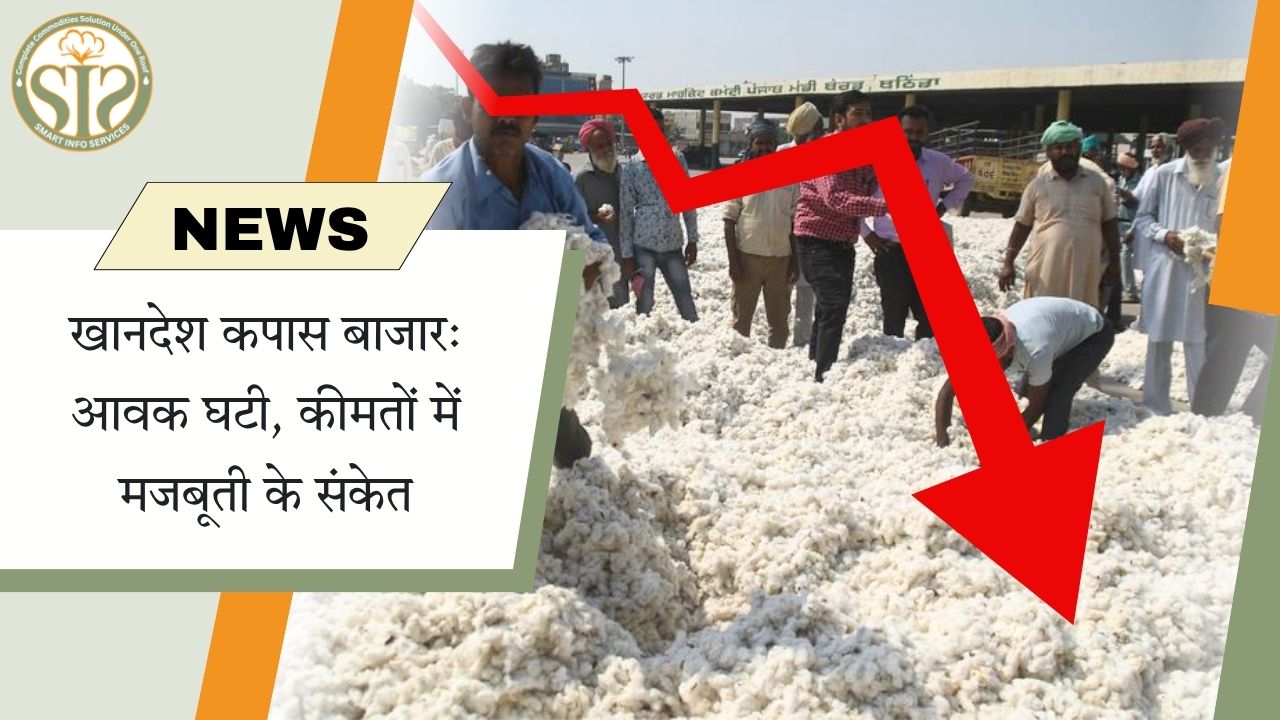
खानदेश कपास बाजार: आवक घटी, कीमतों में मजबूती के संकेतखानदेश क्षेत्र में कपास बाजार इस समय सीमित आवक और घटते उत्पादन के चलते सुर्खियों में है। मौजूदा हालात में देशभर में रोजाना करीब 3,000 से 3,500 क्विंटल कपास की आवक हो रही है, जो पिछले सीजन की तुलना में काफी कम है। कम सप्लाई के कारण बाजार में कीमतों में धीरे-धीरे सुधार देखने को मिल रहा है।सीजन की शुरुआत (अक्टूबर मध्य) में जहां प्रतिदिन 6,000 से 7,000 गांठ कपास बाजार में आ रही थी, वहीं अब आवक में तेज गिरावट दर्ज की गई है। विशेषज्ञों के अनुसार, इस साल कपास की खेती में कमी, फसल पर बीमारी और भारी बारिश के कारण उत्पादन प्रभावित हुआ है।ग्रामीण स्तर पर कपास की अधिकतम खरीद दर फिलहाल ₹8,000 प्रति क्विंटल के आसपास है, लेकिन किसानों के पास स्टॉक कम होने के कारण वे इस कीमत का पूरा लाभ नहीं उठा पा रहे हैं। अधिकांश किसान फरवरी और मार्च के मध्य में ही अपनी उपज बेच चुके हैं, जिससे अब बाजार में आपूर्ति और घट गई है।आने वाले 10 से 15 दिनों में आवक घटकर 1,500 से 2,000 क्विंटल तक सीमित रहने का अनुमान है। यही वजह है कि कीमतों में बड़ी गिरावट की संभावना कम मानी जा रही है।खानदेश और आसपास के क्षेत्रों में कम आवक का असर जिनिंग और प्रेसिंग यूनिट्स पर भी पड़ रहा है, जहां कामकाज धीमा हो गया है। अलग-अलग क्षेत्रों में कीमतों में भिन्नता देखी जा रही है, लेकिन अच्छी गुणवत्ता वाले कपास के लिए ₹8,000 प्रति क्विंटल का स्तर बना हुआ है।उत्पादन के मोर्चे पर स्थिति और चिंताजनक है। इस वर्ष कई इलाकों में प्रति एकड़ सिर्फ 80 किलो से 1 क्विंटल तक ही उत्पादन हुआ है। भारी बारिश ने फसल को व्यापक नुकसान पहुंचाया है, जिससे कुल उत्पादन में बड़ी गिरावट दर्ज की जा रही है। अनुमान है कि खानदेश में इस बार 20 लाख गांठ उत्पादन का लक्ष्य भी हासिल नहीं हो पाएगा।कुल मिलाकर, कम उत्पादन और सीमित आवक के कारण कपास बाजार में फिलहाल मजबूती का रुख बना हुआ है, जबकि किसानों के पास स्टॉक की कमी एक प्रमुख चुनौती बनी हुई है।और पढ़ें:- कमजोर मांग से FY26 में कपड़ा-परिधान निर्यात घटा
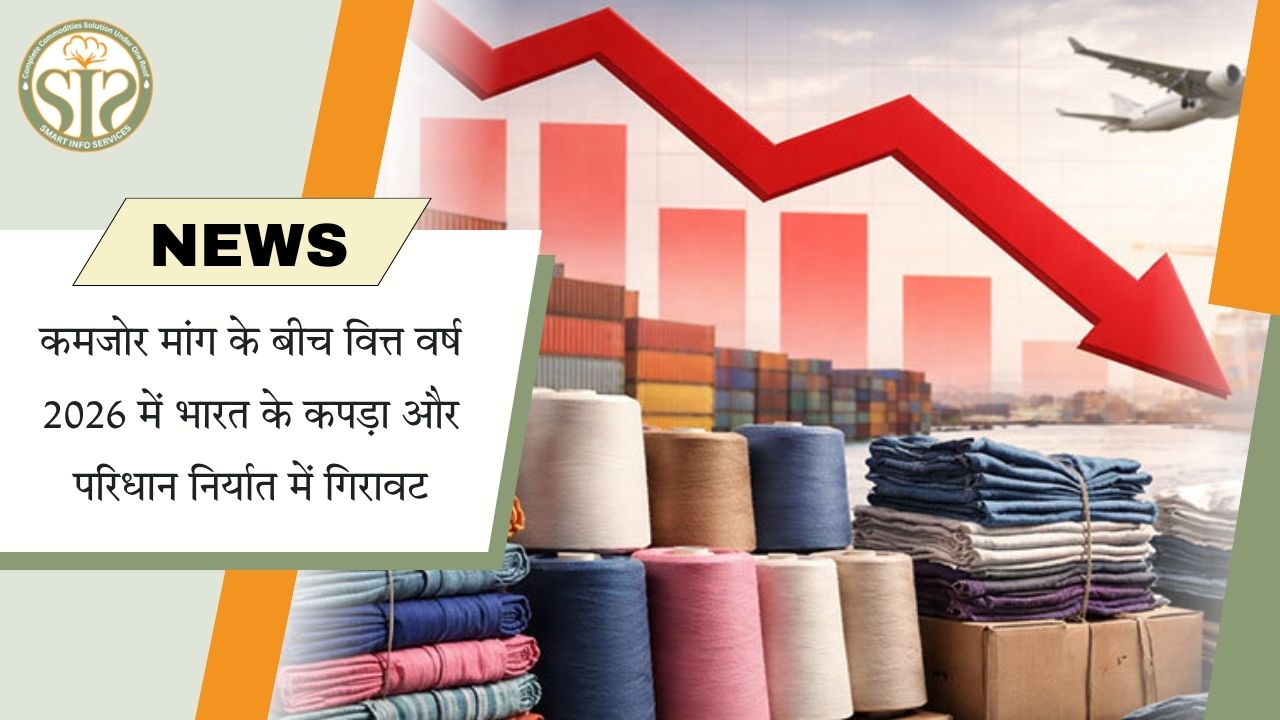
कमजोर मांग के बीच वित्त वर्ष 2026 में भारत के कपड़ा और परिधान निर्यात में गिरावटवाणिज्य मंत्रालय द्वारा जारी आंकड़ों के अनुसार, पिछले वित्तीय वर्ष की तुलना में FY26 में भारत के कपड़ा और परिधान निर्यात में 2.22% की गिरावट आई है। यह मंदी संयुक्त राज्य अमेरिका द्वारा उच्च टैरिफ लगाए जाने के एक साल बाद आई है, जिसने निर्यात प्रदर्शन को प्रभावित करना जारी रखा है।मार्च 2026 में, निर्यात में साल-दर-साल 14.02% की भारी गिरावट आई, जो कमजोर मांग और चल रहे व्यापार दबाव को दर्शाता है।भारतीय कपड़ा उद्योग परिसंघ के एक विस्तृत विश्लेषण से पता चलता है कि वित्त वर्ष 2026 के दौरान कपड़ा निर्यात में 2.86% की गिरावट आई, जबकि परिधान निर्यात में 1.36% की गिरावट आई। मार्च में मंदी और भी अधिक स्पष्ट थी, कपड़ा निर्यात में 9.91% की कमी आई और परिधान निर्यात में पिछले वर्ष की समान अवधि की तुलना में 18.99% की उल्लेखनीय कमी आई।कुल मिलाकर, मार्च 2026 के लिए संयुक्त कपड़ा और परिधान निर्यात में साल-दर-साल 14.02% की गिरावट दर्ज की गई।इस बीच, FY26 के दौरान कच्चे कपास के आयात में लगभग 55% की वृद्धि हुई। यह वृद्धि 28 अगस्त, 2025 से 31 दिसंबर, 2025 तक सीमित अवधि के लिए आयात शुल्क में ढील देने के सरकार के फैसले के बाद हुई।और पढ़ें:- रुपया 09 पैसे की बढ़त के साथ 93.28 पर खुला।

रुपया 09 पैसे बढ़कर 93.28/USD पर खुला.गुरुवार को भारतीय रुपया डॉलर के मुकाबले 09 पैसे बढ़कर 93.28 पर खुला, जबकि बुधवार को यह 93.37 पर बंद हुआ था।और पढ़ें :- रुपया 20 पैसे गिरा, डॉलर के मुकाबले 93.37 पर बंद हुआ।

बुधवार को भारतीय रुपया 20 पैसे कमज़ोर होकर अमेरिकी डॉलर के मुकाबले 93.37 पर बंद हुआ, जबकि सुबह इसकी शुरुआती कीमत 93.17 थी।इस बीच, इक्विटी बाज़ार मज़बूती के साथ बंद हुए; सेंसेक्स 1,263.67 अंक या 1.64 प्रतिशत बढ़कर 78,111.24 पर बंद हुआ, और निफ्टी 388.65 अंक या 1.63 प्रतिशत चढ़कर 24,231.30 पर बंद हुआ।और पढ़ें:- कपड़ा उद्योग को बड़ा झटका, ₹4,000 करोड़ का नुकसान: रईस शेख
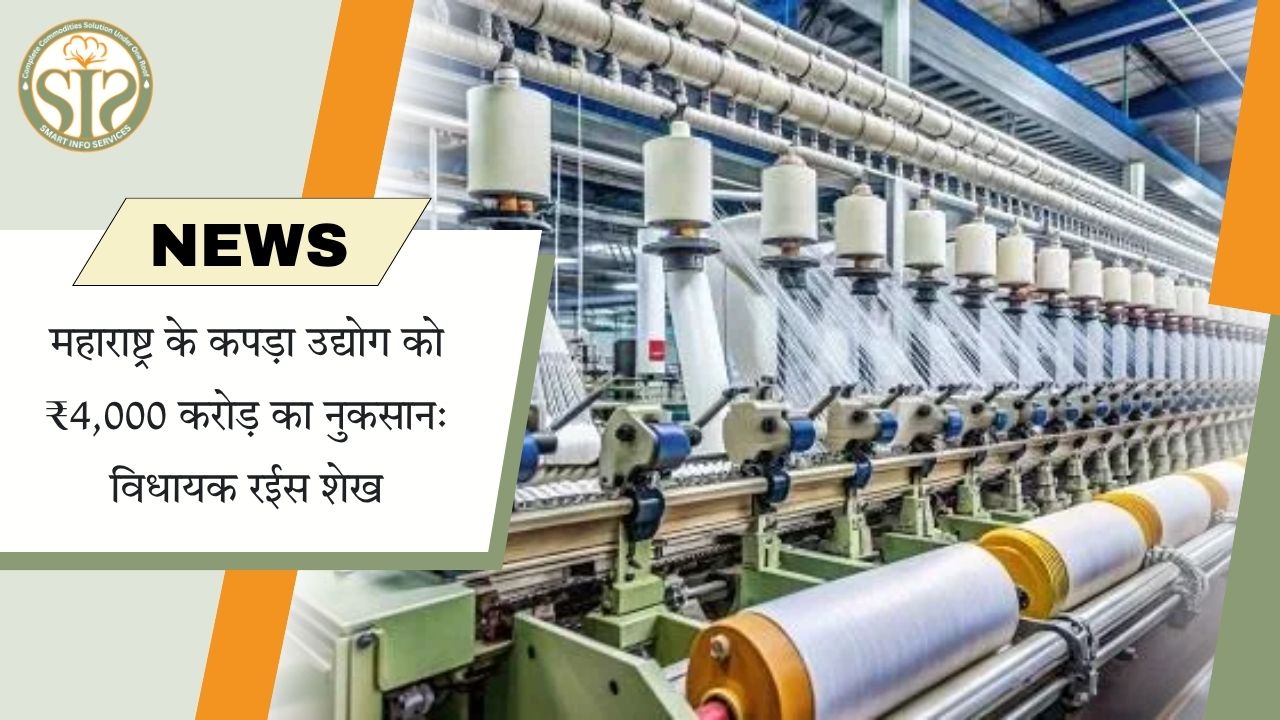
महाराष्ट्र के कपड़ा उद्योग को ₹4,000 करोड़ का नुकसान: विधायक रईस शेखसमाजवादी पार्टी के भिवंडी के विधायक Rais Shaikh ने मंगलवार को बताया कि पश्चिम एशिया में जारी संघर्ष के चलते राज्य के कपड़ा उद्योग को सिर्फ एक महीने में करीब ₹4,000 करोड़ का नुकसान हुआ है।ठाणे जिले का भिवंडी, जो मुंबई महानगर क्षेत्र का एक प्रमुख कपड़ा हब है, इस संकट से सबसे ज्यादा प्रभावित हुआ है। विधायक ने उद्योग के लिए तत्काल वित्तीय सहायता पैकेज की मांग की है और चेतावनी दी है कि यदि समय पर कदम नहीं उठाए गए, तो उद्योग के ठप होने का खतरा है। इससे लाखों कुशल और अकुशल श्रमिकों की नौकरियां भी प्रभावित हो सकती हैं।विधायक ने मुख्यमंत्री Devendra Fadnavis को लिखे पत्र में बताया कि कपास और धागे की बढ़ती कीमतें, कच्चे माल की आपूर्ति में बाधा और निर्यात चैनलों में रुकावट के कारण मिलों को सप्ताह में दो दिन उत्पादन बंद करने का दबाव झेलना पड़ रहा है।10 अप्रैल को भेजे गए इस पत्र में राज्य कपड़ा निगम के आंकड़ों का हवाला देते हुए कहा गया है कि मार्च 2026 में निर्यात ठप होने की वजह से उद्योग को भारी नुकसान हुआ।महाराष्ट्र में करीब 9.48 लाख पावरलूम संचालित हैं, जो देश के कुल पावरलूम का लगभग 39% हिस्सा हैं, इसके अलावा करीब 4,000 हैंडलूम भी हैं। यह उद्योग कृषि के बाद राज्य में सबसे अधिक रोजगार देने वाला प्रमुख क्षेत्र माना जाता है।और पढ़ें:- कपास खरीद नीति बदलेगी: MSP की जगह भावांतर योजना
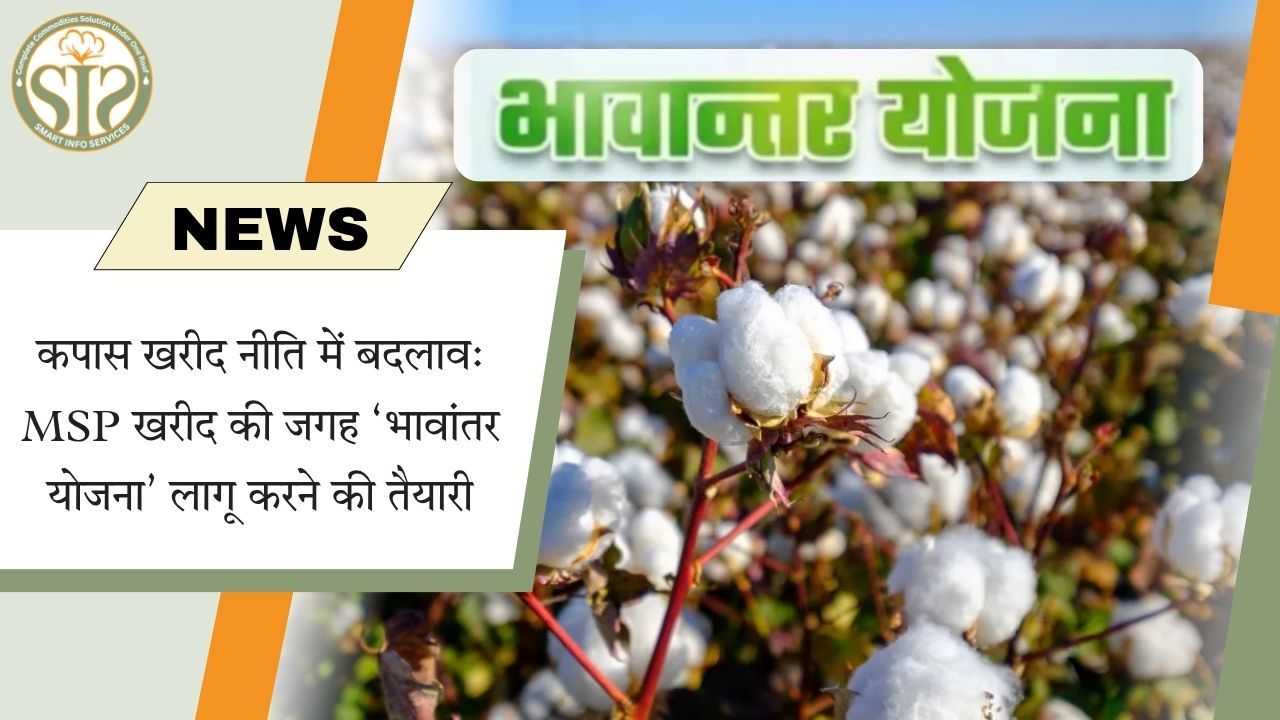
कपास खरीद नीति में बदलाव: MSP खरीद की जगह ‘भावांतर योजना’ लागू करने की तैयारीकॉटन मार्केट से जुड़ी बड़ी नीति अपडेट सामने आई है। कॉटन कॉरपोरेशन ऑफ इंडिया (CCI) अब न्यूनतम समर्थन मूल्य (MSP) पर सीधे कपास खरीदने के बजाय ‘भावांतर योजना’ लागू करने की दिशा में कदम बढ़ा रही है। इस नई व्यवस्था का पायलट प्रोजेक्ट 2026-27 सीज़न में आंध्र प्रदेश और तेलंगाना में शुरू किया जाएगा। उद्योग जगत ने इस प्रस्ताव का स्वागत करते हुए इसे पूरे देश में लागू करने की मांग की है।अब तक सरकार कीमतों में गिरावट के दौरान CCI के जरिए MSP पर कपास खरीदकर किसानों को सुरक्षा देती थी। हालांकि, पिछले दो सीज़न में CCI पर भारी दबाव रहा और उसे 100 लाख गांठ से अधिक कपास खरीदनी पड़ी। इसके बावजूद सभी किसानों को MSP का लाभ नहीं मिल सका।इसी चुनौती को देखते हुए दिसंबर 2024 में नीति आयोग के सदस्य रमेश चंद की अध्यक्षता में बैठक हुई, जिसमें यह विचार किया गया कि किसानों तक बेहतर लाभ कैसे पहुंचाया जाए। इस बैठक में ‘भावांतर योजना’ को आगे बढ़ाने का निर्णय लिया गया।क्या है भावांतर योजना?इस योजना के तहत किसान अपनी कपास खुले बाजार में बेचेंगे। यदि बाजार भाव MSP से कम रहता है, तो दोनों कीमतों के बीच का अंतर सीधे किसान के खाते में DBT (Direct Benefit Transfer) के माध्यम से जमा किया जाएगा।उदाहरण के लिए, यदि MSP ₹8,110 प्रति क्विंटल है और किसान को बाजार में ₹7,000 मिलते हैं, तो ₹1,110 का अंतर सरकार सीधे उसके खाते में ट्रांसफर करेगी।कैसे होगा भुगतान?यह योजना केंद्र सरकार के PM-AASHA कार्यक्रम के तहत लागू की जाएगी। पंजीकृत किसान अपनी सुविधा के अनुसार मंडियों में कपास बेच सकेंगे और मूल्य अंतर की राशि सीधे उनके बैंक खाते में भेजी जाएगी।क्या हैं चिंताएं?विशेषज्ञों का मानना है कि योजना कागज पर प्रभावी दिखती है, लेकिन इसके सफल क्रियान्वयन पर बहुत कुछ निर्भर करेगा।केवल भावांतर पर निर्भर रहने के बजाय MSP खरीद का विकल्प भी जारी रहना चाहिए।योजना में समय सीमा (time limit) लागू करने से बाजार में हेरफेर की संभावना बढ़ सकती है।उद्योग और किसानों के लिए फायदे किसानों को अपनी जरूरत के अनुसार कभी भी बेचने की आज़ादी मिलेगीकीमत गिरने पर भी उन्हें MSP का लाभ मिल जाएगाउद्योगों को बाजार भाव पर कपास उपलब्ध होगीइससे कपास, यार्न और टेक्सटाइल निर्यात वैश्विक बाजार में अधिक प्रतिस्पर्धी बन सकता हैकुल मिलाकर, ‘भावांतर योजना’ कपास बाजार में एक बड़ा बदलाव ला सकती है, लेकिन इसकी सफलता इसके पारदर्शी और प्रभावी क्रियान्वयन पर निर्भर करेगी।और पढ़ें:- कमज़ोर मॉनसून से दाल, सोयाबीन और कपास की फसल पर संकट
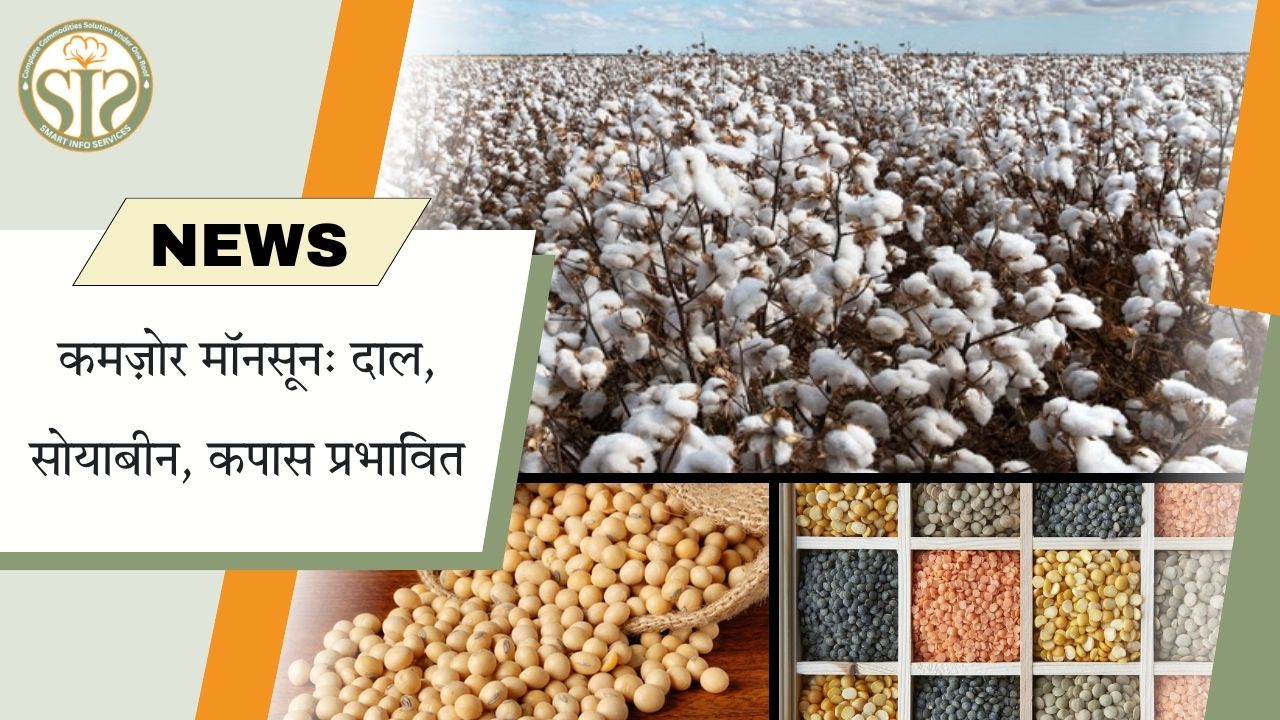
कमज़ोर मॉनसून: दाल, सोयाबीन, कपास प्रभावितकमज़ोर मॉनसून का असर इस साल दालें, सोयाबीन और कपास जैसी फसलों पर सबसे ज्यादा पड़ने की आशंका है, जबकि बेहतर सिंचाई व्यवस्था के चलते चावल अपेक्षाकृत सुरक्षित नजर आ रहा है।मनीकंट्रोल के विश्लेषण के मुताबिक, 2026 में सामान्य से कम मॉनसून का पूर्वानुमान उन फसलों के लिए ज्यादा खतरा पैदा करता है, जिनकी खेती मुख्य रूप से वर्षा पर निर्भर क्षेत्रों में होती है। भारतीय मौसम विज्ञान विभाग (IMD) ने 13 अप्रैल को मॉनसून वर्षा का अनुमान दीर्घकालिक औसत (LPA) का 92% लगाया है, जो करीब 26 वर्षों में सबसे कमजोर शुरुआती अनुमान है। इससे बुवाई, उत्पादन और ग्रामीण मांग प्रभावित हो सकती है, साथ ही खाद्य महंगाई पर भी दबाव बढ़ने का जोखिम है।हालांकि अभी जलाशयों का जलस्तर संतोषजनक है और 2 अप्रैल तक भंडारण सामान्य से 27% अधिक दर्ज किया गया, लेकिन कम बारिश आगे चलकर जल-पुनर्भरण और रबी फसलों के लिए पानी की उपलब्धता को प्रभावित कर सकती है। सिंचित राज्यों में भी जोखिम बना रहेगा, लेकिन सबसे ज्यादा चुनौती उन इलाकों के लिए है जो पूरी तरह मॉनसून पर निर्भर हैं।फसलों में सोयाबीन सबसे ज्यादा जोखिम में दिखाई दे रही है। महाराष्ट्र और मध्य प्रदेश मिलकर देश के 83.6% उत्पादन का योगदान देते हैं, लेकिन खासकर महाराष्ट्र में सिंचाई का स्तर राष्ट्रीय औसत से काफी कम है, जिससे जोखिम और बढ़ जाता है।कपास की स्थिति भी कुछ ऐसी ही है। महाराष्ट्र, गुजरात और मध्य प्रदेश मिलकर करीब 66% उत्पादन करते हैं। महाराष्ट्र में कम सिंचाई कवरेज इसे अधिक संवेदनशील बनाता है, जबकि गुजरात में बेहतर सिंचाई व्यवस्था कुछ राहत देती है।कमज़ोर मॉनसून का असर अर्थव्यवस्था पर भी पड़ सकता है। ICRA Ltd की मुख्य अर्थशास्त्री अदिति नायर के अनुसार, कमजोर मॉनसून और पश्चिम एशिया में तनाव मिलकर महंगाई को बढ़ा सकते हैं और आर्थिक वृद्धि को प्रभावित कर सकते हैं। उनका अनुमान है कि FY27 में औसत CPI महंगाई 4.5% से ऊपर रह सकती है।वहीं CareEdge की मुख्य अर्थशास्त्री रजनी सिन्हा का मानना है कि महंगाई दर करीब 4.6% रह सकती है। बढ़ती तेल कीमतें और एल नीनो जैसे मौसमी कारक इस पर अतिरिक्त दबाव डाल सकते हैं।कुल मिलाकर, 2026 का संभावित कमजोर मॉनसून वर्षा-आधारित कृषि और महंगाई—दोनों के लिए बड़ा जोखिम बनकर उभर रहा है।और पढ़ें:- रुपया 21 पैसे की बढ़कर के साथ 93.17 पर खुला.

रुपया 21 पैसे बढ़कर 93.17/USD पर खुला.बुधवार को भारतीय रुपया डॉलर के मुकाबले 21 पैसे बढ़कर 93.17 पर खुला, जबकि सोमवार को यह 93.38 पर बंद हुआ था।और पढ़ें :- कपास की खेती बढ़ाना चुनौती, 15 अप्रैल से बुवाई

सोनीपत में कपास का रकबा बढ़ाना चुनौती, 15 अप्रैल से शुरू होगी बिजाईसोनीपत में लगातार घटते कपास के रकबे को बढ़ाना इस बार कृषि विभाग के लिए बड़ी चुनौती बन गया है। पिछले वर्ष जिले में केवल 1200 एकड़ में ही कपास की खेती की गई थी, जो पिछले वर्षों की तुलना में काफी कम है। ऐसे में विभाग ने किसानों को जागरूक करने के लिए विशेष टीमें गठित की हैं, जो गांव-गांव जाकर कपास की खेती के फायदे और रोग प्रबंधन की जानकारी देंगी।कृषि विभाग के अनुसार खरीफ सीजन में कपास की बिजाई का उपयुक्त समय 15 अप्रैल से 15 मई तक है। हाल ही में हुई हल्की बारिश और बूंदाबांदी से खेतों में पर्याप्त नमी बनी हुई है, जिससे शुरुआती सिंचाई की जरूरत कम पड़ेगी और बिजाई के लिए परिस्थितियां अनुकूल बनी हैं।विभाग ने किसानों को सलाह दी है कि वे बीज उपचार (seed treatment) के बाद ही बिजाई करें, ताकि फसल को शुरुआती बीमारियों और कीटों से बचाया जा सके।आंकड़ों पर नजर डालें तो कपास का रकबा लगातार घट रहा है—2022 में 5400 एकड़, 2023 में 4500 एकड़, 2024 में 2700 एकड़ और पिछले वर्ष घटकर केवल 1200 एकड़ रह गया। इस गिरावट के पीछे कई कारण हैं, जिनमें गुलाबी सुंडी का प्रकोप, फसल के समय बारिश, मजदूरों पर निर्भरता और बाजार में कम दाम शामिल हैं।किसान अब धान की खेती को ज्यादा प्राथमिकता दे रहे हैं, जिससे कपास का रकबा और सिमटता जा रहा है।उपमंडल कृषि अधिकारी डॉ. संदीप वर्मा के अनुसार, विभाग ने कपास का रकबा बढ़ाने के लिए विशेष रणनीति तैयार की है। साथ ही, इस बार मौसम भी कपास की बिजाई के लिए अनुकूल माना जा रहा है, जिससे बेहतर उत्पादन की उम्मीद की जा रही है।और पढ़ें:- MSP से कम दाम पर कपास बेचने पर मिलेगा मुआवजा
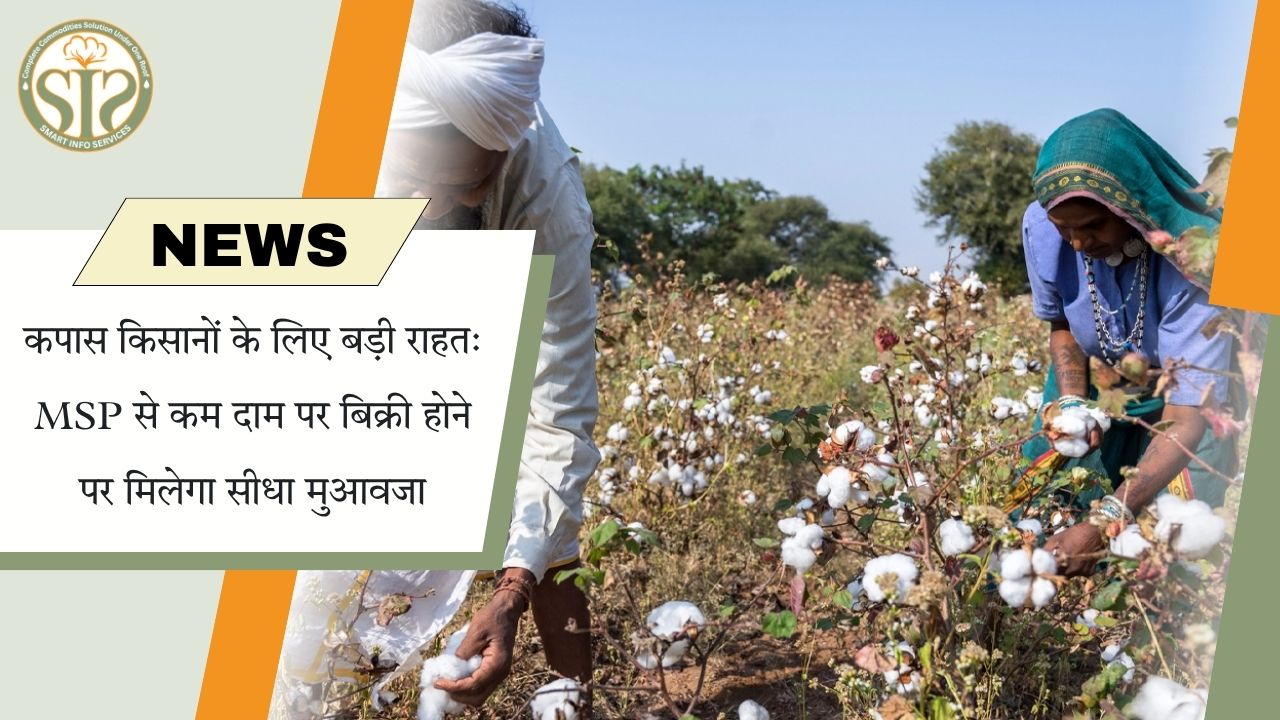
कपास किसानों के लिए बड़ी राहत: MSP से कम दाम पर बिक्री होने पर मिलेगा सीधा मुआवजाकपास किसानों को बाजार में कीमतों के उतार-चढ़ाव से राहत देने के उद्देश्य से केंद्र सरकार ने PM AASHA योजना के तहत एक नया कदम उठाया है। ‘गैप सपोर्ट मैकेनिज्म’ नामक इस व्यवस्था के जरिए यदि किसान अपनी उपज न्यूनतम समर्थन मूल्य (MSP) से कम पर बेचते हैं, तो सरकार उन्हें अंतर की राशि सीधे उनके बैंक खाते में ट्रांसफर करेगी।कैसे काम करेगी योजना?इस प्रणाली के तहत, अगर बाजार में कपास की कीमत MSP से नीचे चली जाती है, तो MSP और वास्तविक बिक्री मूल्य के बीच का अंतर सरकार द्वारा दिया जाएगा। यह भुगतान डायरेक्ट बेनिफिट ट्रांसफर (DBT) के माध्यम से सीधे किसानों के खातों में जमा होगा, जिससे उन्हें आर्थिक नुकसान से बचाया जा सके।उदाहरण के तौर पर, यदि MSP 7500 रुपये प्रति क्विंटल है और किसान को बाजार में 6500 रुपये ही मिलते हैं, तो शेष 1000 रुपये सरकार द्वारा मुआवजे के रूप में दिए जाएंगे।अभी कहां लागू है?फिलहाल इस योजना को आंध्र प्रदेश और तेलंगाना में पायलट प्रोजेक्ट के रूप में लागू किया गया है। यदि यह सफल रहती है, तो इसे देशभर में लागू किया जा सकता है। किसानों को क्या मिलेगा फायदा?कीमतों में गिरावट से सुरक्षा खुले बाजार में बेचने की स्वतंत्रता सरकारी खरीद केंद्रों पर निर्भरता में कमी खरीदार चुनने की आजादी क्या करना होगा किसानों को?योजना का लाभ लेने के लिए किसानों को:‘ई-क्रॉप’ (e-crop) सिस्टम में अपनी फसल का पंजीकरण करना होगा बिक्री की रसीदें सुरक्षित रखनी होंगीआगे की संभावनाअगर यह मॉडल सफल होता है, तो सरकार इसे अन्य नकदी फसलों तक भी विस्तार दे सकती है। इससे कृषि मूल्य समर्थन प्रणाली में बड़ा सुधार आने की उम्मीद है और किसानों की आय को अधिक स्थिर बनाया जा सकेगा।और पढ़ें:- भारत में कपास बाज़ार: रुझान बढ़ा, चुनौतियाँ कायम
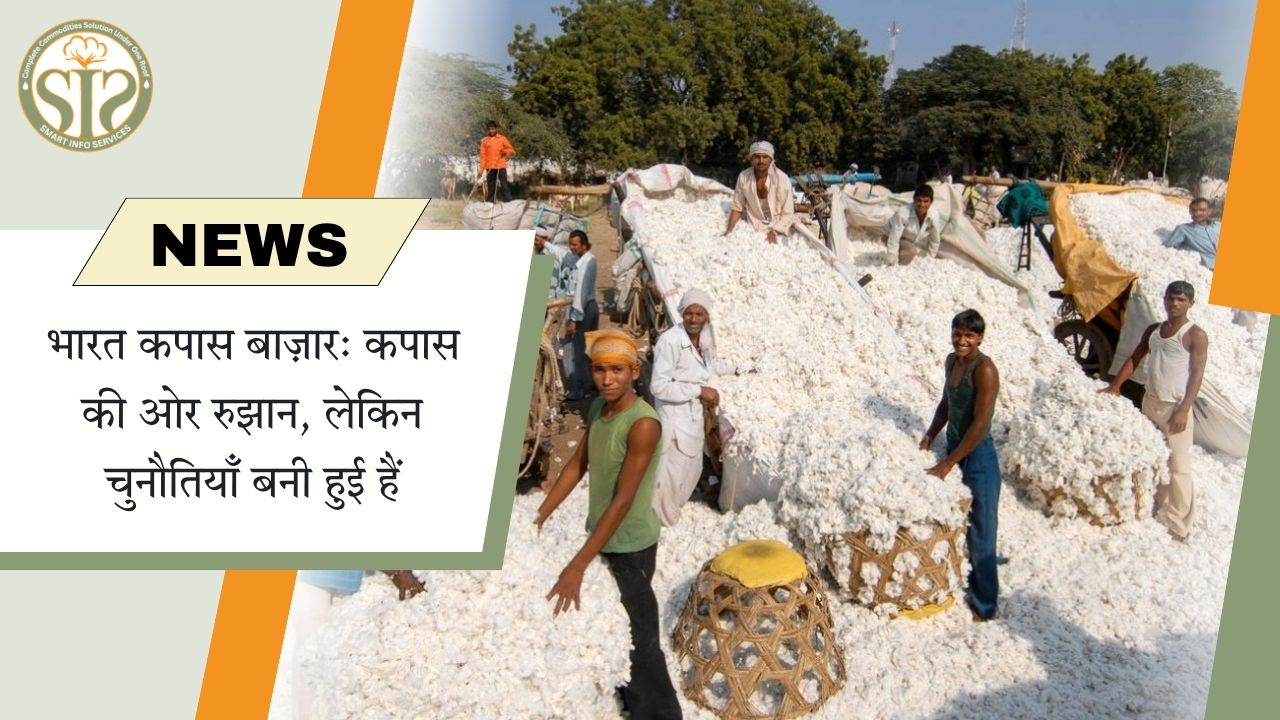
भारत कपास बाज़ार: कपास की ओर रुझान, लेकिन चुनौतियाँ बनी हुई हैंभारत का कपास बाज़ार 2025–26 के दौरान कई उतार-चढ़ाव से गुज़र रहा है। एक ओर कीमतों में सुधार के संकेत हैं, तो दूसरी ओर संरचनात्मक और वैश्विक चुनौतियाँ अभी भी बनी हुई हैं।2025 में घरेलू बाजार पर दबाव बना रहा, क्योंकि सरकार ने सितंबर से 31 दिसंबर तक कपास आयात को शुल्क मुक्त कर दिया था। इससे आयातित कपास और स्थानीय आवक दोनों बढ़ीं, जिसके कारण किसानों को बेहतर दाम नहीं मिल सके। हालांकि 1 जनवरी 2026 से 11 प्रतिशत आयात शुल्क लागू होने के बाद बाजार में सुधार देखने को मिला। अंतरराष्ट्रीय स्तर पर भी कीमतों में मजबूती आई, जिससे घरेलू कीमतें न्यूनतम समर्थन मूल्य के आसपास या उससे ऊपर टिकने लगीं।हाल के वैश्विक घटनाक्रमों, विशेषकर युद्ध और कच्चे तेल की कीमतों में वृद्धि, ने कपास बाजार को सहारा दिया है। तेल महंगा होने से पॉलिएस्टर और रेयान जैसे मानव निर्मित रेशों की लागत बढ़ी, जिससे कपास की मांग में वृद्धि हुई। अंतरराष्ट्रीय बाजार में कपास के दाम लगभग 13 प्रतिशत बढ़े, जिसका असर भारतीय बाजार पर भी पड़ा।निर्यात के मोर्चे पर भी सकारात्मक संकेत मिल रहे हैं। कपास, धागा और वस्त्र निर्यात में संभावित वृद्धि से किसानों को बेहतर कीमत मिलने की उम्मीद है। इसी वजह से आने वाले सीजन में किसान कपास की खेती बढ़ाने की ओर झुक सकते हैं। अमेरिकी कृषि विभाग के अनुमान के अनुसार, 2026-27 में भारत में कपास का रकबा लगभग 3 प्रतिशत बढ़ सकता है और उत्पादन में भी उल्लेखनीय वृद्धि संभव है।भारत में कपास की खेती क्षेत्रीय रूप से अलग-अलग समय पर की जाती है। उत्तर भारत (पंजाब, हरियाणा, राजस्थान) में अप्रैल–मई के दौरान बुवाई होती है और यह क्षेत्र कुल उत्पादन का लगभग 14 प्रतिशत देता है। मध्य भारत (गुजरात, महाराष्ट्र, मध्य प्रदेश) देश का सबसे बड़ा उत्पादक क्षेत्र है, जिसकी हिस्सेदारी करीब 55 प्रतिशत है और यहां जून–जुलाई में बुवाई होती है। दक्षिण भारत (आंध्र प्रदेश, तेलंगाना, कर्नाटक, तमिलनाडु) में अगस्त–सितंबर में बुवाई होती है, जहां लंबी किस्म के रेशे का उत्पादन होता है।राज्य स्तर पर तस्वीर मिश्रित है। पंजाब में सरकार के प्रोत्साहन के चलते कपास क्षेत्र बढ़ने की संभावना है, जबकि हरियाणा और राजस्थान में कीट, सिंचाई और वैकल्पिक फसलों के कारण रकबा घट सकता है। गुजरात में किसान बेहतर लाभ देने वाली मूंगफली और जीरा जैसी फसलों की ओर झुक सकते हैं, जबकि महाराष्ट्र और मध्य प्रदेश में क्षेत्र स्थिर रहने का अनुमान है। दक्षिण भारत में विशेषकर तेलंगाना और आंध्र प्रदेश में समर्थन मूल्य के कारण खेती बढ़ सकती है।वैश्विक स्तर पर भी कपास उत्पादन और मांग में बदलाव देखने को मिल रहा है। अमेरिका में 2026-27 के लिए कपास क्षेत्र में लगभग 4 प्रतिशत वृद्धि का अनुमान है। टेक्सास और जॉर्जिया जैसे प्रमुख राज्यों में उत्पादन बढ़ने की संभावना है।हालांकि, कपास उद्योग के सामने सबसे बड़ी चुनौती मानव निर्मित रेशों से प्रतिस्पर्धा है। पिछले कुछ दशकों में पॉलिएस्टर का उपयोग तेजी से बढ़ा है। जहां 1970 में लगभग 50 प्रतिशत वस्त्र कपास से बनते थे, वहीं 2024 तक यह हिस्सा घटकर 20 प्रतिशत से भी कम रह गया है। इसके विपरीत, पॉलिएस्टर का उपयोग लगातार बढ़ रहा है और अब यह कुल वस्त्र उत्पादन का आधे से अधिक हिस्सा बन चुका है।निष्कर्षतः, कपास बाजार में फिलहाल सुधार के संकेत हैं, लेकिन दीर्घकालिक स्थिरता के लिए उत्पादन लागत, जलवायु जोखिम और सिंथेटिक फाइबर से प्रतिस्पर्धा जैसी चुनौतियों से निपटना आवश्यक होगा।और पढ़ें:- रुपया 54 पैसे की गिरावट के साथ 93.26 पर खुला।

रुपया 54 पैसे गिरकर 93.26/USD पर खुलाभारतीय रुपया सोमवार को शुक्रवार के 92.72 के बंद भाव के मुकाबले 54 पैसे गिरकर 93.26 प्रति डॉलर पर खुला।और पढ़ें:- CCI कपास बिक्री – राज्यवार विवरण (सीज़न 2025-26)
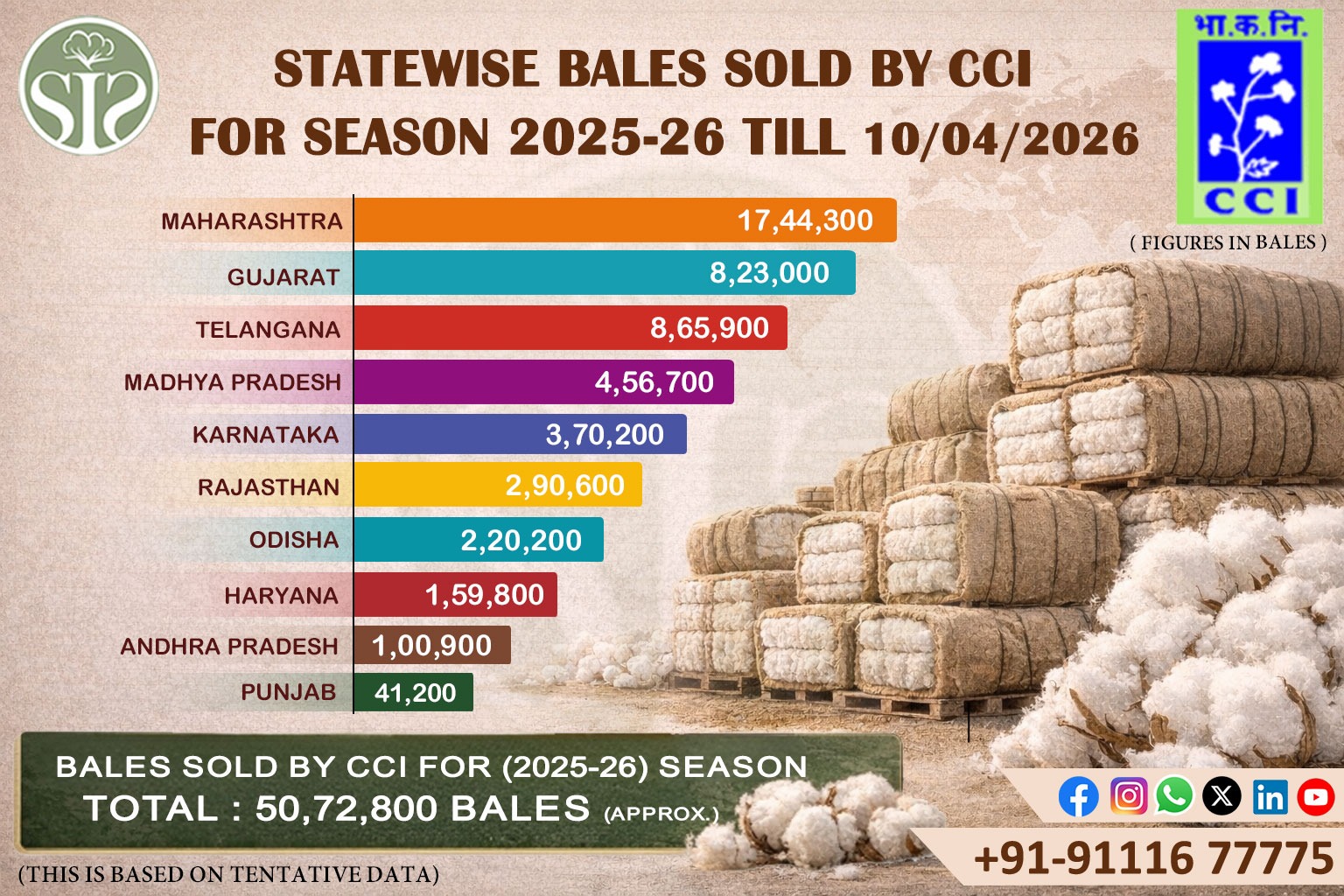
राज्य-वार CCI कपास बिक्री विवरण – 2025-26 सीज़नकॉटन कॉर्पोरेशन ऑफ़ इंडिया (CCI) ने 2025-26 सीज़न के लिए इस सप्ताह अपनी कपास की कीमतों में ₹300- ₹700 प्रति कैंडी तक बढ़ा दी हैं। अब तक CCI द्वारा सीजन 2025-26 की लगभग कुल 50,70,800 कपास गांठें (बेल्स) बेची जा चुकी हैं। बिक्री कुछ प्रमुख कपास उत्पादक राज्यों में केंद्रित है, जिसमें महाराष्ट्र और गुजरात सबसे आगे हैं।
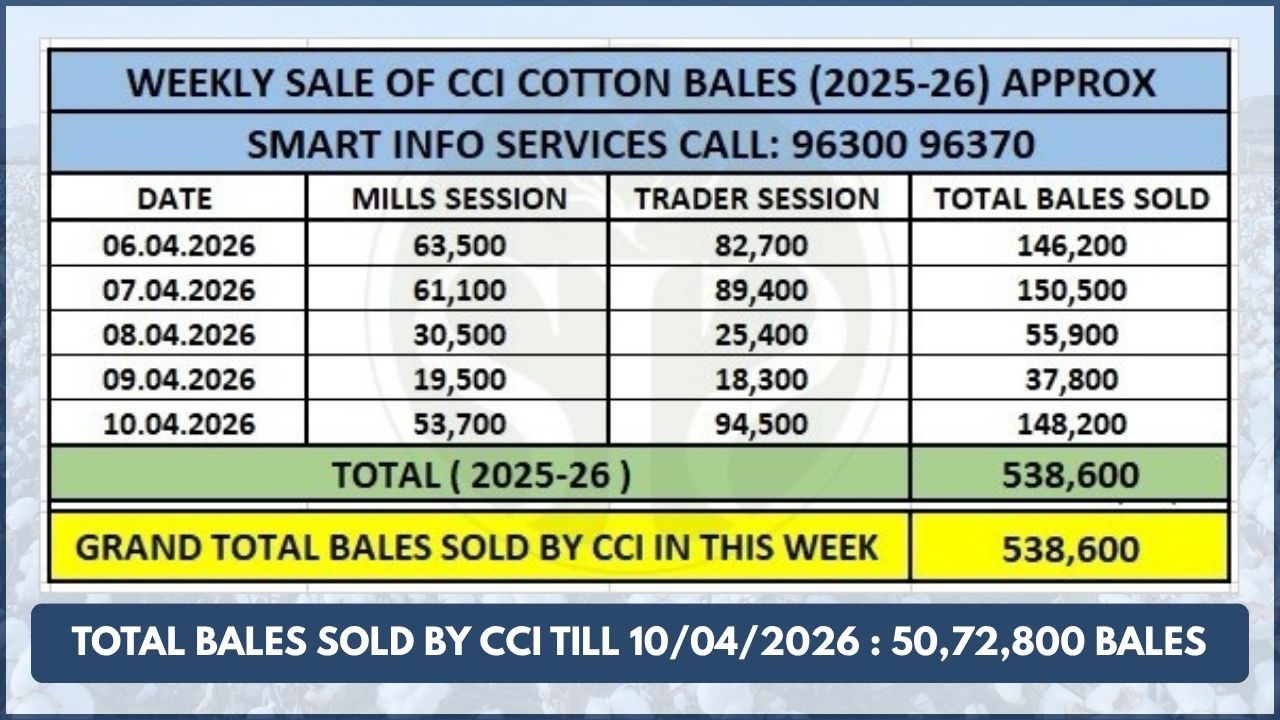
CCI ने कपास की कीमतों में ₹300-₹700 प्रति कैंडी की बढ़ोतरी की; साप्ताहिक नीलामी बिक्री 5.38 लाख गांठों के पारकॉटन कॉर्पोरेशन ऑफ़ इंडिया (CCI) ने 06 अप्रैल से 10 अप्रैल, 2026 के सप्ताह के दौरान कपास की कीमतों में ₹300-₹700 प्रति कैंडी की बढ़ोतरी की। इन नीलामियों में मिलों और कपास व्यापारियों की ओर से ज़ोरदार भागीदारी देखने को मिली, जिसके परिणामस्वरूप 2025–26 सीज़न से लगभग 5,38,600 गांठों की मज़बूत साप्ताहिक बिक्री हुई।साप्ताहिक बिक्री रिपोर्ट 06 अप्रैल, 2026 (सोमवार):सप्ताह की शुरुआत मज़बूत रही, जिसमें कुल 1,46,200 गांठों की बिक्री हुई। मिलों ने 63,500 गांठें खरीदीं, जबकि व्यापारियों ने 82,700 गांठें खरीदीं।07 अप्रैल, 2026 (मंगलवार):सप्ताह की सबसे ज़्यादा एक-दिवसीय बिक्री 1,50,500 गांठों की दर्ज की गई। मिलों ने 61,100 गांठें खरीदीं, जबकि व्यापारियों ने 89,400 गांठें खरीदीं।08 अप्रैल, 2026 (बुधवार):बिक्री में थोड़ी नरमी आई और यह 55,900 गांठों पर पहुँच गई। मिलों ने 30,500 गांठें खरीदीं और व्यापारियों ने 25,400 गांठें खरीदीं।09 अप्रैल, 2026 (गुरुवार):इस दिन कुल 37,800 गठानों की बिक्री हुई। मिलों ने 19,500 गांठें खरीदीं, जबकि व्यापारियों ने 18,300 गांठें खरीदीं।10 अप्रैल, 2026 (शुक्रवार):सप्ताह का समापन मज़बूत रहा, जिसमें 1,48,200 गांठों की बिक्री हुई। मिलों ने 53,700 गांठें खरीदीं, जबकि व्यापारियों ने 94,500 गांठों के साथ बढ़त बनाए रखी।कुल बिक्री का अपडेट2025–26 सीज़न: 50,72,800 गांठें2024–25 सीज़न: 98,85,100 गांठें

The rupee opened 10 paise higher at 92.82 against the dollar.On Monday, the Indian rupee opened 10 paise higher against the dollar at 92.82, whereas it had closed at 92.92 on Friday.Read More :- Seed Shortage Ahead of Cotton Sowing; Target of 2.9 Lakh Hectares at Risk
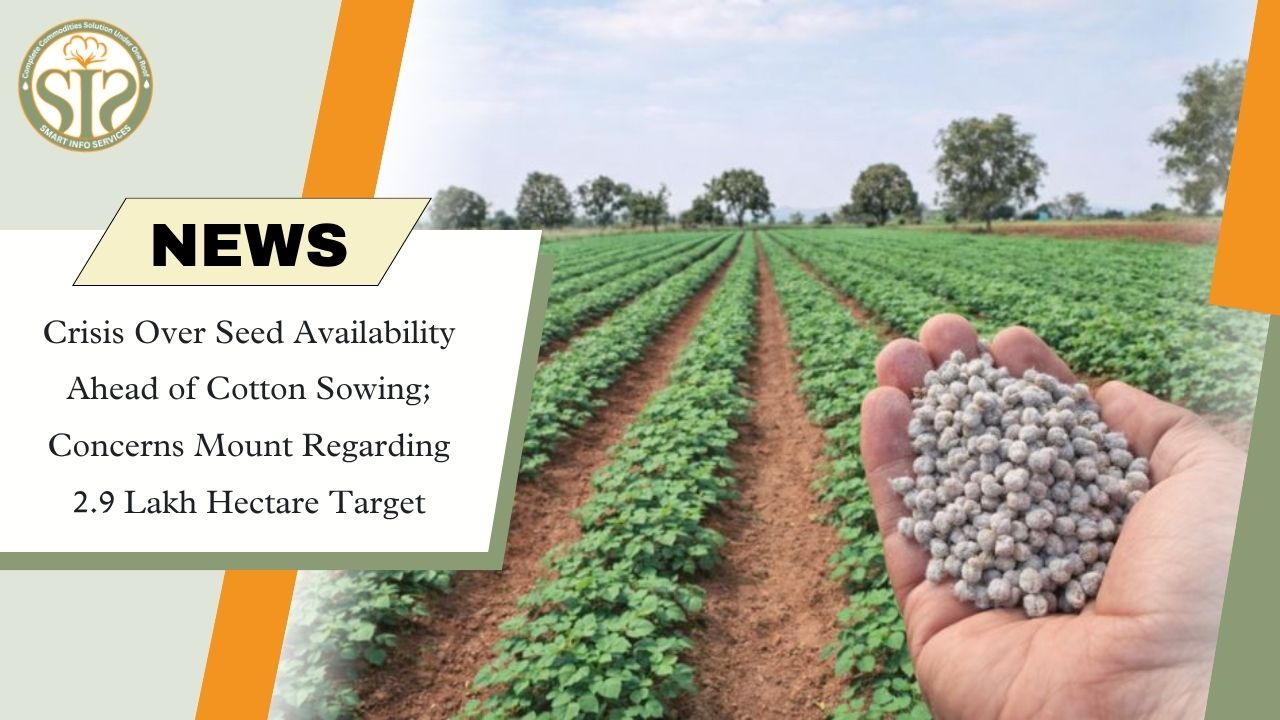
Crisis Over Seed Availability Ahead of Cotton Sowing; Concerns Mount Regarding 2.9 Lakh Hectare TargetThe onset of the Kharif season is imminent, and with the arrival of Akshaya Tritiya, cotton sowing is set to begin; however, the situation regarding the stocking and sale of seeds remains unclear this year. Uncertainty persists in the market as the administration has yet to issue the necessary permissions. The lack of timely guidelines has also heightened the risk of substandard and uncertified seeds finding their way into the market.Statistics from the Agriculture Department further underscore the gravity of this issue. Out of 783 seed samples collected over the past two years, 54 were found to be substandard—meaning approximately 7 percent of the seeds failed to meet quality standards. This situation indicates that low-quality seeds are already present in the market, posing a significant risk to farmers.This year, a target has been set to sow cotton across approximately 2.9 lakh hectares in the district. Given such substantial demand, the availability of seeds is critical; however, due to the lack of official authorization, the stocking and distribution of certified seeds have yet to commence. Consequently, farmers are in a state of confusion, and in many areas, they are heading to the market to purchase seeds without having access to accurate information.Proposed Crop Area for Kharif 2026For the Kharif 2026 season, sowing is proposed across a total area of 4.16 lakh hectares within the district. The major crops included are as follows:Maize: 77,000 hectares (the most prominent cereal crop)Total Cereal Crops: 78,000 hectaresPulses: 8,228 hectares (Black Gram, Green Gram, Pigeon Pea)Oilseeds: 80,000 hectares (Soybean accounts for over 78,000 hectares)Cotton: 290,000 hectares (the largest cash crop)Other Kharif and Horticultural Crops: 42,000 hectares*Threat to Production Posed by Substandard Seeds*Experts state that substandard seeds lead to reduced germination rates, hinder plant growth, and result in a decline in overall production, thereby causing direct financial losses to farmers. Complaints regarding such issues have surfaced in the district on previous occasions as well. Consequently, farmers are being advised to purchase seeds exclusively from authorized vendors and to ensure they obtain a proper receipt or bill for their purchase.If timely permissions and clear guidelines are not issued, the repercussions will extend beyond just production levels; they could also have a severe adverse impact on farmers' incomes.*Seed Scam Incidents Have Surfaced Previously*Farmers in the Khargone district previously suffered heavy losses due to substandard bitter gourd seeds. Forty-eight farmers had cultivated crops across approximately 100 acres using seeds procured from a high-tech greenhouse nursery in Sirlay village; however, the resulting yield was poor. The farmers allege that the 'Robusta' variety seeds supplied by the company BASF were defective. Despite the plants flowering, no fruits developed, and the entire crop was ruined.The farmers escalated their complaint regarding this matter all the way to the Union Minister of Agriculture, following which a case was registered against the concerned company at the Manawar Police Station in the Dhar district.read more :- Support to textile sector amid crisis

Preparation to provide relief to textile industry amid West Asia crisisNew Delhi: The Textiles Ministry is working on several relief measures to secure the supply of raw materials and reduce cost pressure amid the ongoing crisis in West Asia. The ministry has proposed reduction in import duty and some regulatory relaxations, so that the industry can maintain production and remain competitive in the global market.The proposed steps include reducing import duty on rayon pulp and select cotton varieties, as well as temporarily suspending anti-dumping duty on certain types of yarn. Besides this, the Ministry has also sought removal of Minimum Import Price (MIP) on certain knitted fabrics in talks with the Agriculture and Finance Ministries.According to an official, discussions are going on with the Agriculture Ministry regarding reduction in fees. While some parties are in favor of removing the duty due to inadequate production in the country, emphasis is also being laid on giving priority to the interests of farmers.Meanwhile, readymade garments exports declined 19% year-on-year in March due to supply constraints and shipping problems in West Asia. In such a situation, the government is encouraging the industry to move towards new markets in East Asia.It is noteworthy that last year the government had given exemption from 11% duty on cotton import for four months, so that the impact of American tariff could be balanced. India mainly imports special cotton varieties such as extra-long staple, often from the US and Egypt. At the same time, rayon pulp is mainly imported from Europe, on which currently there is a duty of 5%.Recently, the government has also given full customs duty exemption on 40 petrochemical products in view of the situation in West Asia, 29 of which are used in the textile industry, especially in the production of man-made fibres.Additionally, the Ministry is also in talks with the Finance Ministry for removal or deferment of the proposed anti-dumping duty on Elastomeric Fiber Yarn and Viscose Rayon Filament Yarn. These products are mainly imported from China and Singapore.read more :- Rupee higher 02 paise to close at 92.92 per dollar

The Indian rupee on Friday higher 02 paise to close at 92.92 per dollar, while it opened at 92.94 in the morning.At close, the Sensex was up 504.86 points or 0.65 percent at 78,493.54, and the Nifty was up 156.80 points or 0.65 percent at 24,353.55. About 2906 shares advanced, 1233 shares declined, and 152 shares unchanged.read more :- The rupee opened at 92.94 gaining 25 paise.

The rupee opened at 92.94 against the dollar, up 25 paise.On Friday, the Indian rupee opened 25 paise higher against the dollar at 92.94, whereas it had closed at 93.19 on Thursday.Read More :- The rupee closed 09 paise higher against the dollar at 93.19

The Indian rupee on Thursday higher 09 paise to close at 93.19 per dollar, while it opened at 93.28 in the morning.At close, the Sensex was down 122.56 points or 0.16 percent at 77,988.68, and the Nifty was down 34.55 points or 0.14 percent at 24,196.75. About 2688 shares advanced, 1468 shares declined, and 128 shares unchanged.read more :- Khandesh Cotton: Low Arrivals, Strong Prices
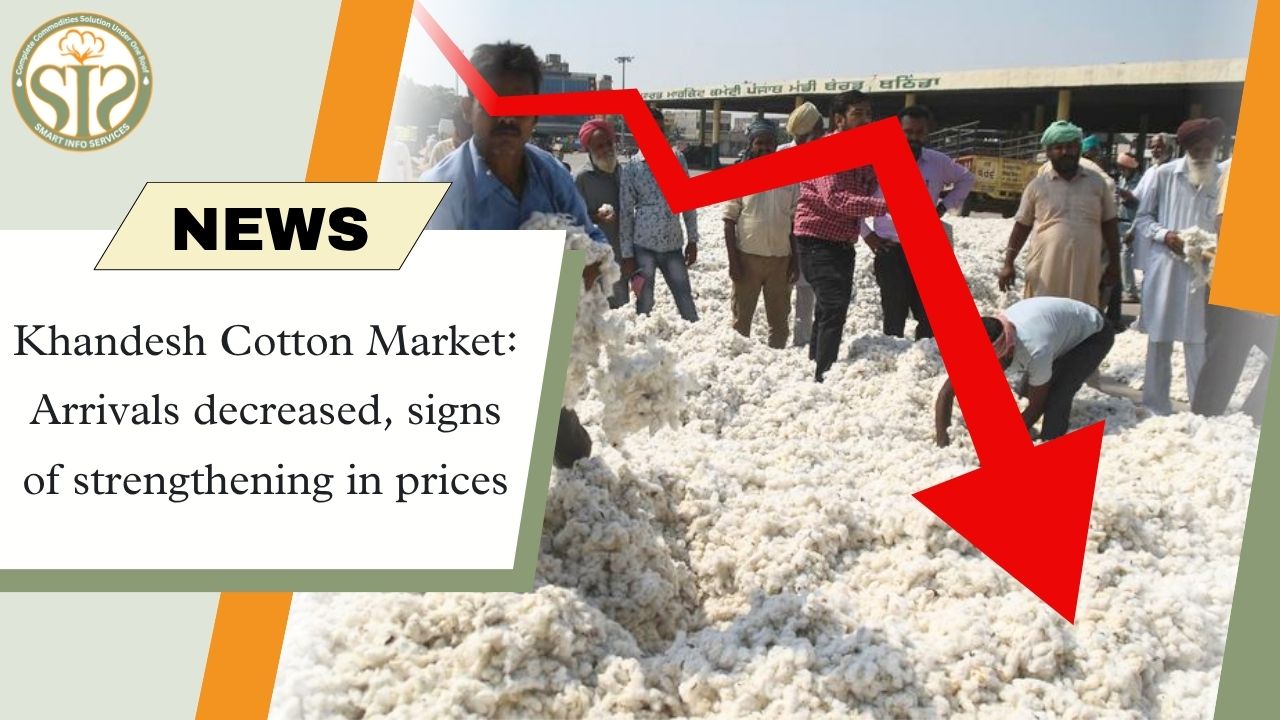
Khandesh Cotton Market: Arrivals decreased, signs of strengthening in pricesCotton market in Khandesh region is currently in the news due to limited arrivals and decreasing production. In the current situation, about 3,000 to 3,500 quintals of cotton are arriving daily across the country, which is much less as compared to the last season. Due to less supply, there is a gradual improvement in prices in the market.While at the beginning of the season (mid-October), 6,000 to 7,000 bales of cotton were arriving in the market every day, now a sharp decline has been recorded in the arrivals. According to experts, production has been affected this year due to reduction in cotton cultivation, disease on the crop and heavy rains.The maximum purchase rate of cotton at the rural level is currently around ₹ 8,000 per quintal, but due to less stock with the farmers, they are not able to take full advantage of this price. Most of the farmers have already sold their produce between February and March, due to which the supply in the market has further reduced.The arrival is expected to be limited to 1,500 to 2,000 quintals in the coming 10 to 15 days. This is the reason why the possibility of a major fall in prices is considered less.The low arrivals are also impacting ginning and pressing units in Khandesh and surrounding areas, where operations have slowed down. Variation in prices is being seen in different regions, but the level of ₹8,000 per quintal remains high for good quality cotton.The situation on the production front is more worrying. This year, in many areas the production has been only 80 kg to 1 quintal per acre. Heavy rains have caused widespread damage to the crop, leading to a major decline in total production. It is estimated that this time the target of producing 20 lakh bales will not be achieved in Khandesh.Overall, the cotton market currently remains bullish due to low production and limited arrivals, while stock shortage remains a major challenge for farmers.read more :- Textile-apparel exports decline in FY26 due to weak demand

India’s Textile & Apparel Exports Slip in FY26 Amid Weak DemandIndia’s textile and apparel exports declined by 2.22% in FY26 compared to the previous fiscal year, according to data released by the Ministry of Commerce. The downturn comes a year after the United States imposed higher tariffs, which have continued to impact export performance.In March 2026, exports fell sharply by 14.02% year-on-year, reflecting weakening demand and ongoing trade pressures.A detailed analysis by the Confederation of Indian Textile Industries shows that textile exports dropped by 2.86% during FY26, while apparel exports declined by 1.36%. The slowdown was even more pronounced in March, with textile exports decreasing by 9.91% and apparel exports contracting significantly by 18.99% compared to the same period last year.Overall, the combined textile and apparel exports for March 2026 recorded a year-on-year decline of 14.02%.Meanwhile, raw cotton imports surged by nearly 55% during FY26. This increase followed the government’s decision to ease import duties for a limited period, from August 28, 2025, to December 31, 2025.read more :- The rupee opened at 93.28, gaining 09 paise.

The rupee opened at 93.28/USD, up 09 paise.On Thursday, the Indian rupee opened at 93.28 against the dollar, gaining 09 paise, whereas it had closed at 93.37 on Wednesday.READ MORE :- Rupee Drops 20 Paise, Ends at 93.37 Against Dollar

The Indian rupee weakened by 20 paise on Wednesday to settle at 93.37 against the US dollar, compared to its opening price of 93.17 in the morning.Meanwhile, equity markets ended on a strong note, with the Sensex surging 1,263.67 points, or 1.64 percent, to close at 78,111.24, and the Nifty climbing 388.65 points, or 1.63 percent, to settle at 24,231.30.read more :- Major Blow to Textile Industry, ₹4,000 Crore Loss: Raees Shaikh

Maharashtra's textile industry suffered a loss of ₹4,000 crore: MLA Raees ShaikhSamajwadi Party's Bhiwandi MLA Rais Shaikh said on Tuesday that due to the ongoing conflict in West Asia, the state's textile industry has suffered a loss of about ₹4,000 crore in just one month.Bhiwandi in Thane district, a major textile hub of the Mumbai Metropolitan Region, has been worst affected by the crisis. The MLA has demanded an immediate financial support package for the industry and warned that if timely steps are not taken, there is a danger of the industry coming to a standstill. This may also affect the jobs of millions of skilled and unskilled workers.In a letter to Chief Minister Devendra Fadnavis, the MLA said that due to rising prices of cotton and yarn, disruption in the supply of raw materials and blockage in export channels, mills are facing pressure to stop production two days a week.In this letter sent on April 10, citing the data of the State Textile Corporation, it has been said that the industry suffered huge losses due to the halt in exports in March 2026.There are about 9.48 lakh power looms operating in Maharashtra, which is about 39% of the total power looms in the country, apart from this there are also about 4,000 hand looms. This industry is considered to be the biggest employment generating sector in the state after agriculture.read more :- Cotton Procurement Policy to Change: Bhavantar Scheme to Replace MSP
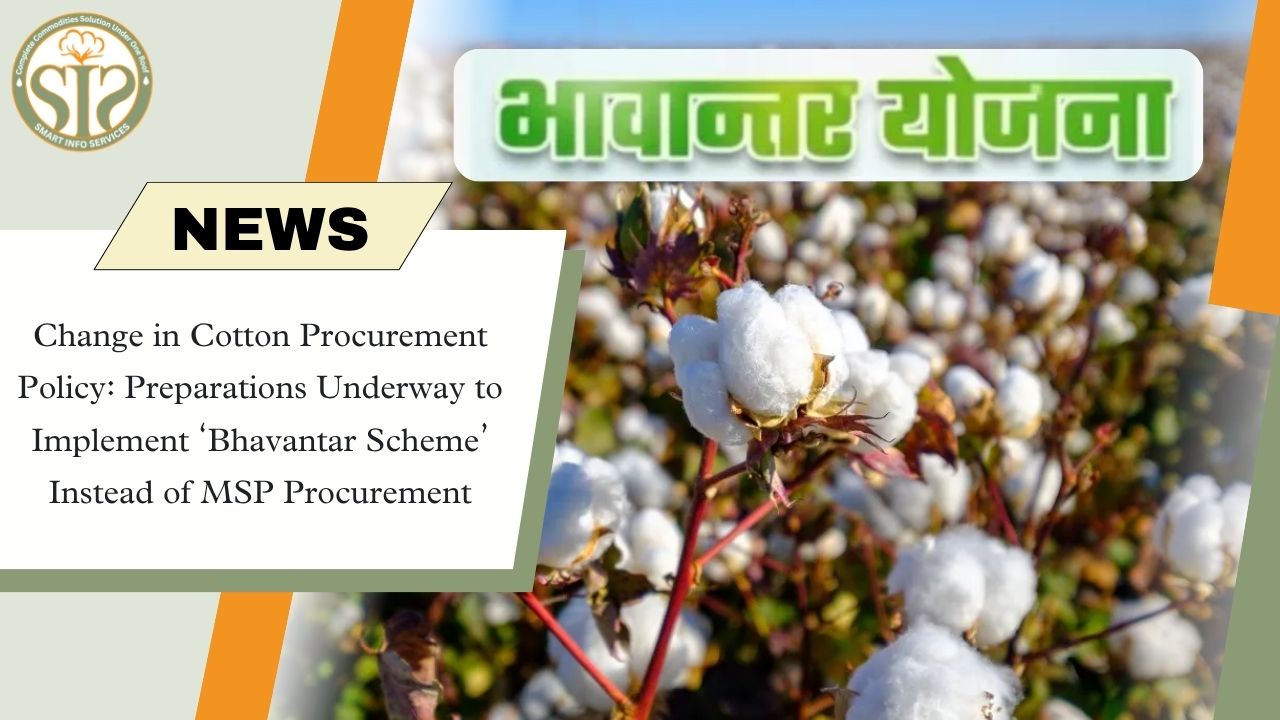
Change in Cotton Procurement Policy: Preparations Underway to Implement ‘Bhavantar Scheme’ Instead of MSP ProcurementA major policy update regarding the cotton market has emerged. The Cotton Corporation of India (CCI) is now taking steps toward implementing the ‘Bhavantar Scheme’ (Price Difference Scheme) instead of directly procuring cotton at the Minimum Support Price (MSP). A pilot project for this new system is set to be launched in Andhra Pradesh and Telangana during the 2026-27 season. The industry has welcomed this proposal and has demanded its implementation across the entire country.Until now, the government provided a safety net to farmers by procuring cotton at the MSP through the CCI whenever market prices dipped. However, over the last two seasons, the CCI faced immense pressure and was compelled to procure over 100 lakh bales of cotton. Despite this effort, not all farmers were able to avail the benefits of the MSP.In light of this challenge, a meeting was held in December 2024, chaired by NITI Aayog member Ramesh Chand, to deliberate on how to ensure better benefits reach the farmers. During this meeting, the decision was taken to move forward with the ‘Bhavantar Scheme.’What is the Bhavantar Scheme?Under this scheme, farmers will sell their cotton in the open market. If the prevailing market price falls below the MSP, the difference between the two prices will be deposited directly into the farmer's account via DBT (Direct Benefit Transfer).For instance, if the MSP is ₹8,110 per quintal and a farmer receives ₹7,000 in the open market, the government will directly transfer the difference of ₹1,110 into their bank account.How will payments be processed?This scheme will be implemented under the Central Government's PM-AASHA program. Registered farmers will be able to sell their cotton at mandis (agricultural markets) at their own convenience, and the amount representing the price difference will be credited directly to their bank accounts.What are the concerns?Experts believe that while the scheme appears effective on paper, its ultimate success will depend heavily on its effective implementation. Rather than relying solely on the Bhavantar scheme, the option of MSP-based procurement should also remain available. Imposing a specific time limit on the scheme could increase the potential for market manipulation. Benefits for the Industry and Farmers Farmers will have the freedom to sell their produce at any time, according to their needs. They will receive the benefit of the MSP even if market prices fall. Industries will have access to cotton at prevailing market rates. This could make cotton, yarn, and textile exports more competitive in the global market.Overall, the ‘Bhavantar Scheme’ has the potential to bring about a significant transformation in the cotton market; however, its success will depend on its transparent and effective implementation.read more :- Threat to pulses, soybean and cotton crops due to weak monsoon
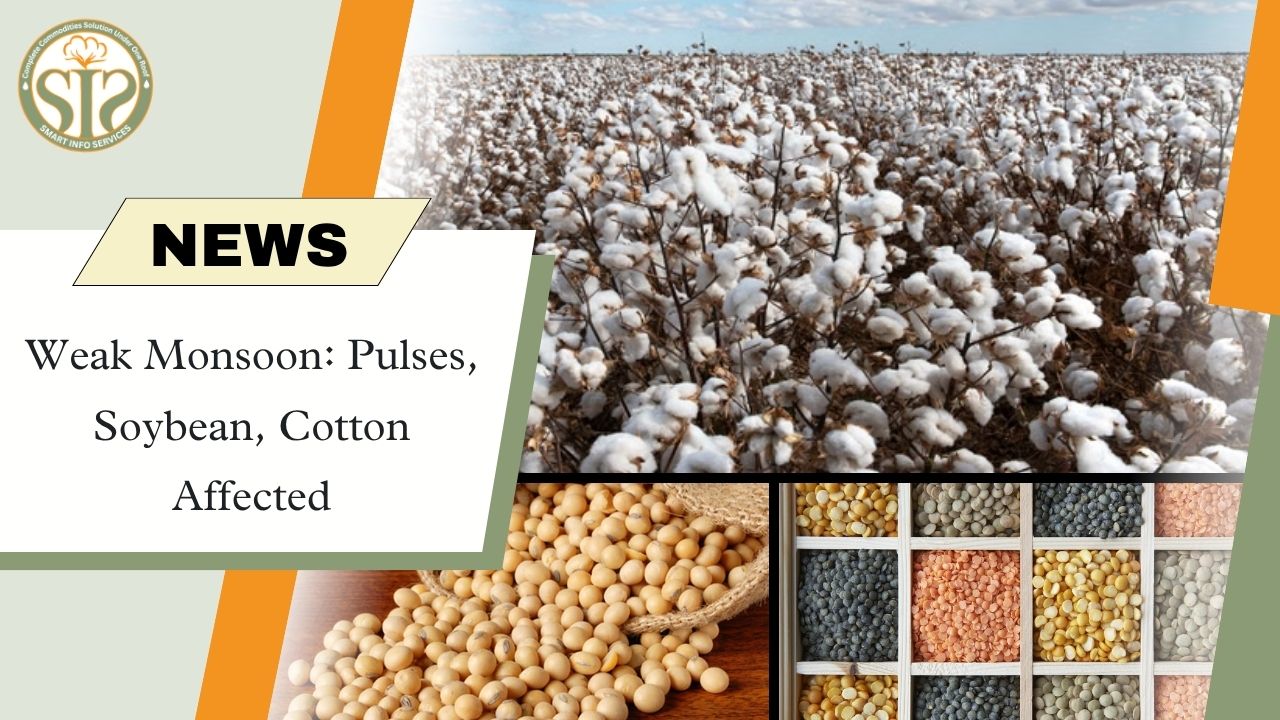
Weak Monsoon: Pulses, Soybean, Cotton AffectedA weak monsoon is expected to have its most significant impact this year on crops such as pulses, soybean, and cotton, while rice appears relatively secure thanks to superior irrigation infrastructure.According to an analysis by Moneycontrol, the forecast for a below-normal monsoon in 2026 poses a heightened threat to crops cultivated primarily in rain-dependent regions. On April 13, the India Meteorological Department (IMD) projected monsoon rainfall at 92% of the Long Period Average (LPA)—marking the weakest initial forecast in approximately 26 years. This could adversely affect sowing, production, and rural demand, while also raising the risk of increased pressure on food inflation.Although current reservoir water levels remain satisfactory—with storage recorded at 27% above normal as of April 2—deficient rainfall in the future could impact water replenishment and the availability of water for Rabi crops. While risks will persist even in irrigated states, the greatest challenge lies in those regions that are entirely dependent on the monsoon.Among the various crops, soybean appears to be at the highest risk. Maharashtra and Madhya Pradesh collectively account for 83.6% of the country's total production; however—particularly in Maharashtra—irrigation coverage falls significantly below the national average, thereby exacerbating the risk.The situation for cotton is quite similar. Maharashtra, Gujarat, and Madhya Pradesh together contribute approximately 66% of the total output. Low irrigation coverage in Maharashtra renders the crop more vulnerable, whereas Gujarat's superior irrigation infrastructure offers some measure of relief.A weak monsoon could also have repercussions for the broader economy. According to Aditi Nayar, Chief Economist at ICRA Ltd, the combined impact of a weak monsoon and geopolitical tensions in West Asia could fuel inflation and dampen economic growth. She projects that average CPI inflation in FY27 could hover above the 4.5% mark. Meanwhile, CareEdge's Chief Economist, Rajani Sinha, believes that the inflation rate could hover around 4.6%. Rising oil prices and climatic factors such as El Niño could exert additional pressure on this figure.Overall, the potentially weak monsoon of 2026 is emerging as a significant risk for both rain-fed agriculture and inflation.read more :- The rupee opened at 93.17 gaining 21 paise.

The rupee opened at 93.17/USD, up 21 paise.On Wednesday, the Indian rupee opened 21 paise higher against the dollar at 93.17, whereas it had closed at 93.38 on Monday.READ MORE :- Challenge to increase cotton cultivation, sowing from 15th April
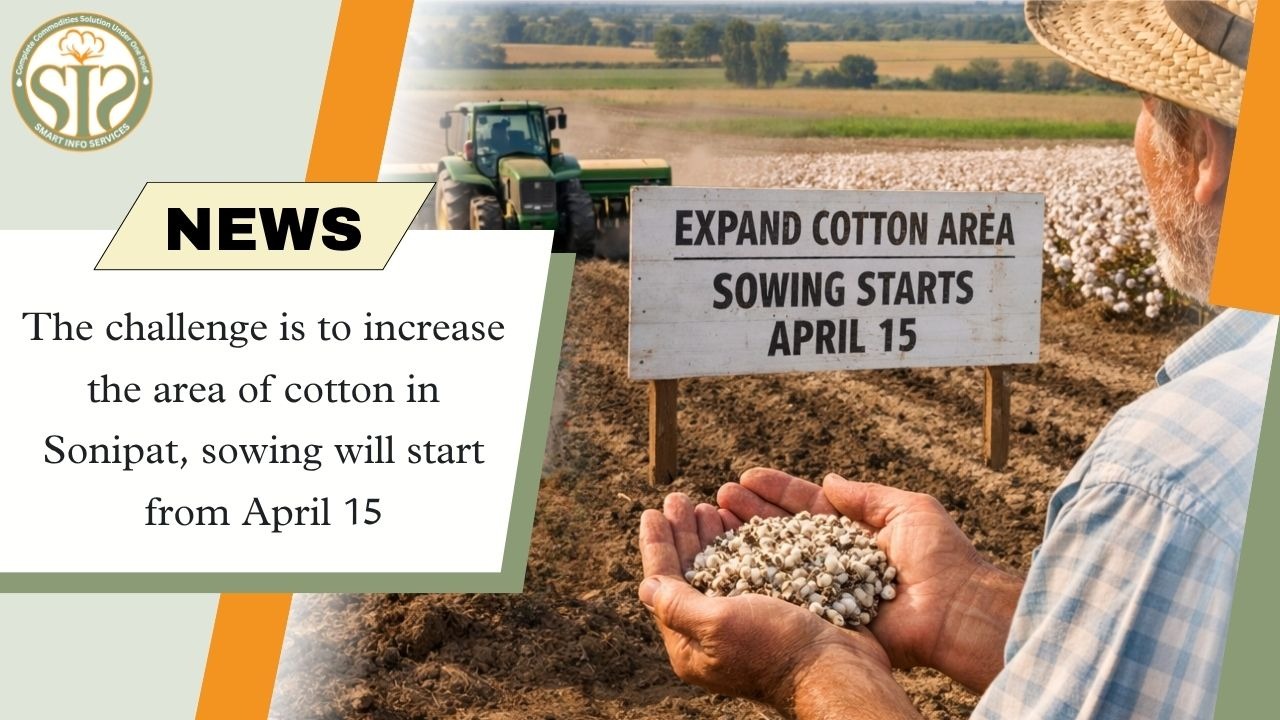
The challenge is to increase the area of cotton in Sonipat, sowing will start from April 15Increasing the continuously decreasing cotton area in Sonipat has become a big challenge for the Agriculture Department this time. Last year, cotton was cultivated in only 1200 acres in the district, which is much less than previous years. In such a situation, the department has formed special teams to make the farmers aware, which will go from village to village and provide information about the benefits of cotton cultivation and disease management.According to the Agriculture Department, the appropriate time for sowing cotton in Kharif season is from 15th April to 15th May. Due to recent light rain and drizzle, there is sufficient moisture in the fields, which will reduce the need for initial irrigation and the conditions have become favorable for sowing.The department has advised farmers to sow seeds only after seed treatment, so that the crop can be protected from early diseases and pests.If we look at the data, the area under cotton is continuously decreasing—5400 acres in 2022, 4500 acres in 2023, 2700 acres in 2024 and dropped to only 1200 acres last year. There are many reasons behind this decline, including pink bollworm infestation, rain at the time of harvest, dependence on laborers and low prices in the market.Farmers are now giving more priority to paddy cultivation, due to which the area under cotton is further shrinking.According to Sub-Divisional Agriculture Officer Dr. Sandeep Verma, the department has prepared a special strategy to increase the area under cotton. Also, this time the weather is also considered favorable for cotton sowing, due to which better production is expected.read more :-Compensation to be provided for selling cotton below MSP.
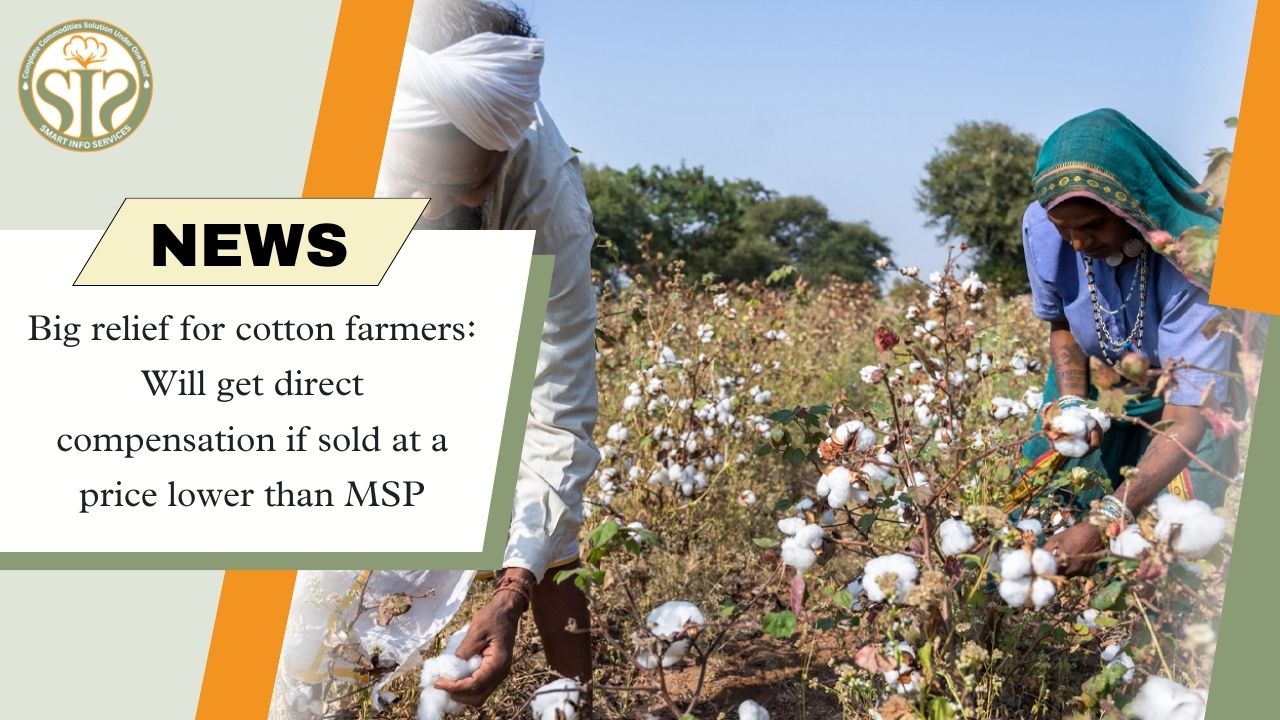
Big relief for cotton farmers: Will get direct compensation if sold at a price lower than MSPWith the aim of providing relief to cotton farmers from market price fluctuations, the Central Government has taken a new step under the PM AASHA scheme. Through this system called ‘Gap Support Mechanism’, if farmers sell their produce at less than the Minimum Support Price (MSP), the government will transfer the difference amount directly to their bank accounts.How will the plan work?Under this system, if the price of cotton in the market goes below the MSP, the difference between the MSP and the actual selling price will be paid by the government. this payment It will be deposited directly into the accounts of farmers through Direct Benefit Transfer (DBT), so that they can be saved from financial loss.For example, if the MSP is Rs 7500 per quintal and the farmer gets only Rs 6500 in the market, then the remaining Rs 1000 will be given as compensation by the government.Where is it applicable now?At present this scheme has been implemented as a pilot project in Andhra Pradesh and Telangana. If it is successful, it can be implemented across the country. What benefit will farmers get?Protection from falling prices freedom to sell in the open market Reduction in dependence on government procurement centers freedom to choose buyer What will farmers have to do?To avail the benefits of the scheme, farmers should:You will have to register your crop in the ‘e-crop’ system. Sales receipts must be kept safefurther prospectsIf this model is successful, the government can extend it to other cash crops also. This is expected to bring major improvements in the agricultural price support system and make farmers' income more stable.read more :- Cotton promoted in Punjab, 33% subsidy on seeds
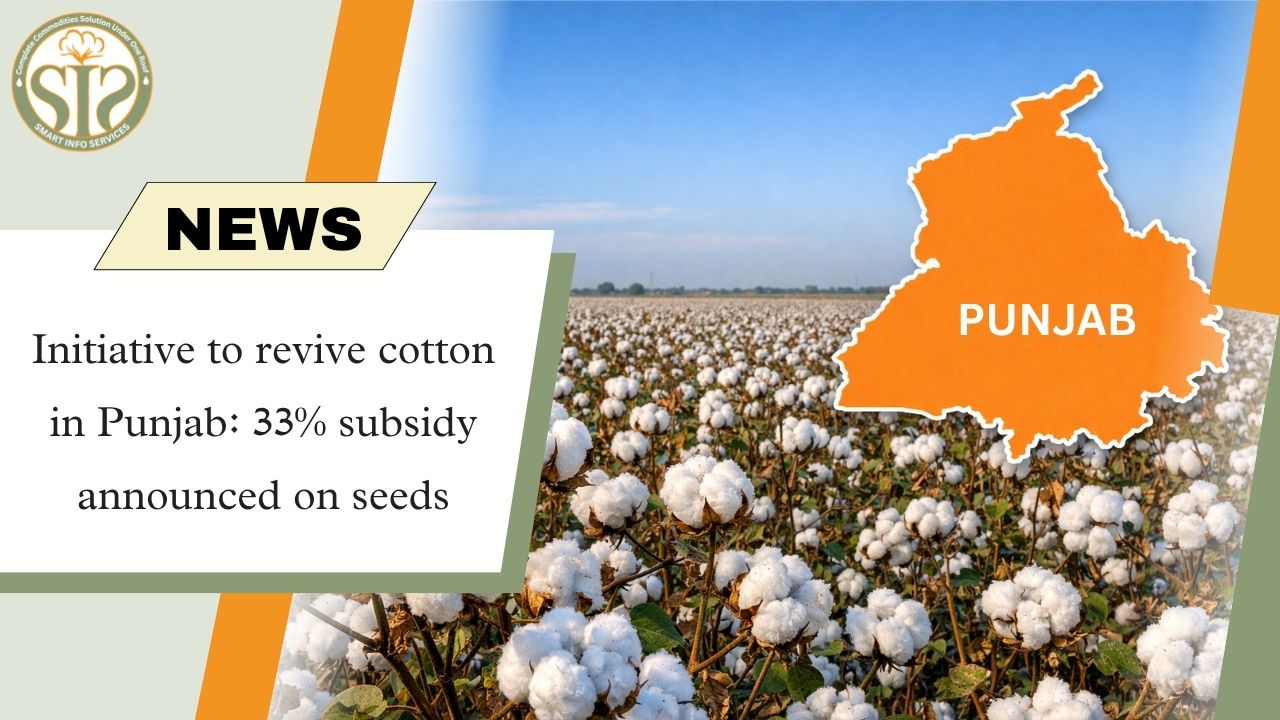
Initiative to revive cotton in Punjab: 33% subsidy announced on seedsTaking a significant step to revive the declining cotton cultivation in the state, the Punjab government has announced 33% subsidy on indigenous and Bt cotton seeds. The initiative aims to attract farmers back to the cultivation of cotton, once known as the “white gold” of Punjab.Under this scheme launched by the Agriculture Department, farmers can apply online on the government portal between April 20 and May 31. This subsidy will be applicable up to a maximum of five acres and will be available only on seed varieties approved by Punjab Agricultural University (PAU).The area under cotton in Punjab has declined rapidly over the past few decades—from about 7 lakh hectares in the 1980s to just 1 lakh hectares in 2024. The major reasons for this decline include infestation of pests like pink bollworm and white fly, market prices below the Minimum Support Price (MSP), and irregular weather.Although due to government efforts, there was a slight increase in cotton area to 1.19 lakh hectares in 2025, but this year the target has been set at 1.26 lakh hectares.At an inter-state consultation meeting recently, PAU Vice-Chancellor Satbir Singh Gosal presented a detailed roadmap for the revival of cotton. He described timely availability of high quality seeds, promotion of Bt cotton, adequate irrigation before sowing, and balanced fertilizer use as essential to increase productivity.Despite this, farmers are still cautious. A farmer from Bathinda expressed concern over uncertain yield and frequent pest attacks despite repeated pesticide spraying.Punjab Agriculture Director Gurjit Singh Brar attributed the decline in cotton area to the shift towards paddy, better irrigation facilities, and frequent pest attacks in cotton. He highlighted timely sowing, deep ploughing, crop residue management and awareness campaigns as solutions to this problem.read more :- Cotton Market in India: Trends Up, Challenges Persist
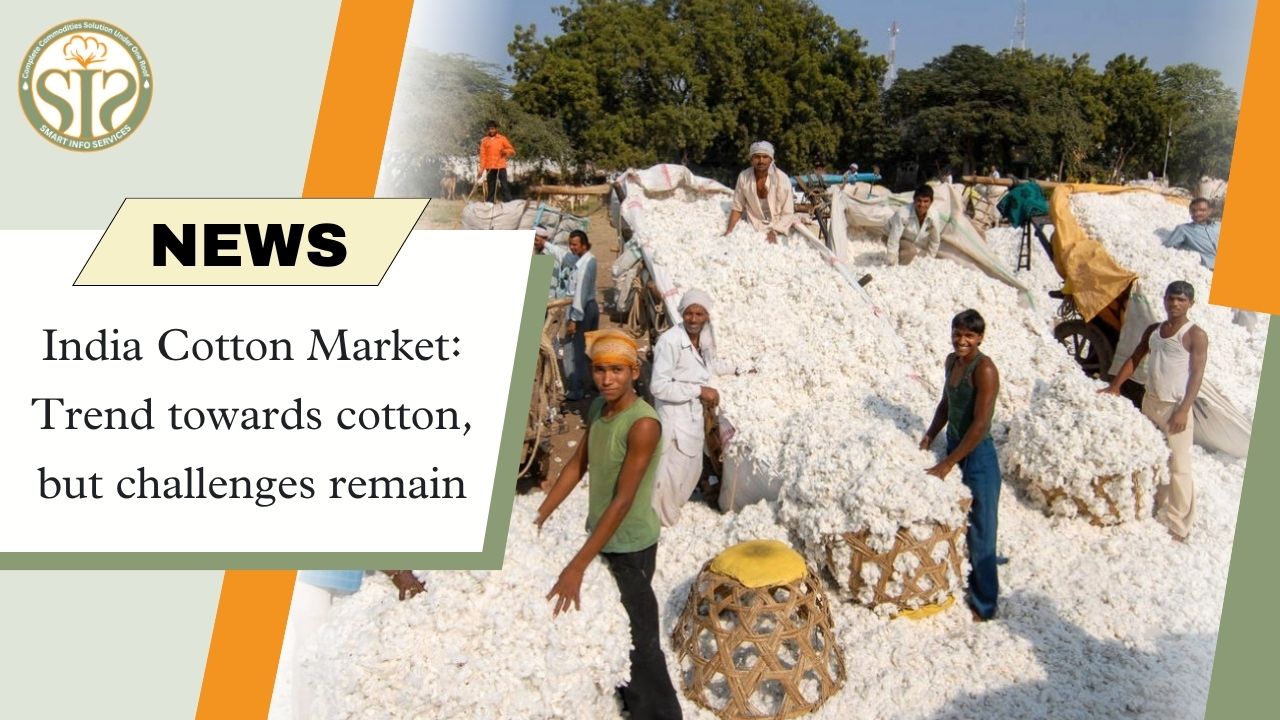
India Cotton Market: Trend towards cotton, but challenges remainIndia's cotton market is going through many ups and downs during 2025–26. On one hand, there are signs of improvement in prices, on the other hand, structural and global challenges still remain.The domestic market remained under pressure in 2025 as the government made cotton imports duty free from September to December 31. Due to this, both imported cotton and local arrivals increased, due to which farmers could not get better prices. However, after the implementation of 11 percent import duty from January 1, 2026, there was improvement in the market. International prices also strengthened, leading to domestic prices hovering around or above the minimum support price.Recent global developments, particularly wars and rising crude oil prices, have supported the cotton market. As oil became expensive, the cost of man-made fibers like polyester and rayon increased, which increased the demand for cotton. Cotton prices increased by about 13 percent in the international market, which affected the Indian market as well.Positive signs are also being seen on the export front. Farmers are expected to get better prices from the possible increase in cotton, yarn and textile exports. For this reason, farmers may lean towards increasing cotton cultivation in the coming season. According to the estimates of the US Department of Agriculture, the area of cotton in India may increase by about 3 percent in 2026-27 and a significant increase in production is also possible.In India, cotton is cultivated at different times regionally. In North India (Punjab, Haryana, Rajasthan) sowing takes place during April–May and this region gives about 14 percent of the total production. Central India (Gujarat, Maharashtra, Madhya Pradesh) is the largest producing region of the country, whose share is about 55 percent and sowing takes place here in June-July. Sowing takes place in August–September in South India (Andhra Pradesh, Telangana, Karnataka, Tamil Nadu), where long variety fiber is produced.The picture at the state level is mixed. In Punjab, cotton area is likely to increase due to government incentives, while in Haryana and Rajasthan, area may decrease due to pests, irrigation and alternative crops. Farmers in Gujarat may lean towards better profit-paying crops like groundnut and cumin, while the area in Maharashtra and Madhya Pradesh is expected to remain stable. Cultivation may increase in South India, especially in Telangana and Andhra Pradesh due to support price.Changes in cotton production and demand are also being seen at the global level. Cotton area in the US is projected to grow by about 4 percent for 2026-27. Production is likely to increase in key states like Texas and Georgia.However, the biggest challenge facing the cotton industry is competition from man-made fibres. The use of polyester has increased rapidly in the last few decades. Whereas in 1970, about 50 percent of clothes were made from cotton, by 2024 this share has dropped to less than 20 percent. In contrast, the use of polyester has been continuously increasing and now accounts for more than half of the total textile production.In conclusion, the cotton market is currently showing signs of recovery, but long-term sustainability will require addressing challenges such as production costs, climate risks and competition from synthetic fibres.read more :- The rupee opened 54 paise lower at 93.26.

Rupee Opens 54 Paise lower at 93.26/USDIndian rupee opened 54 paise lower at 93.26 per dollar on Monday versus Friday's close of 92.72.read more :- CCI Cotton Sales State-Wise Breakdown – 2025-26 Season
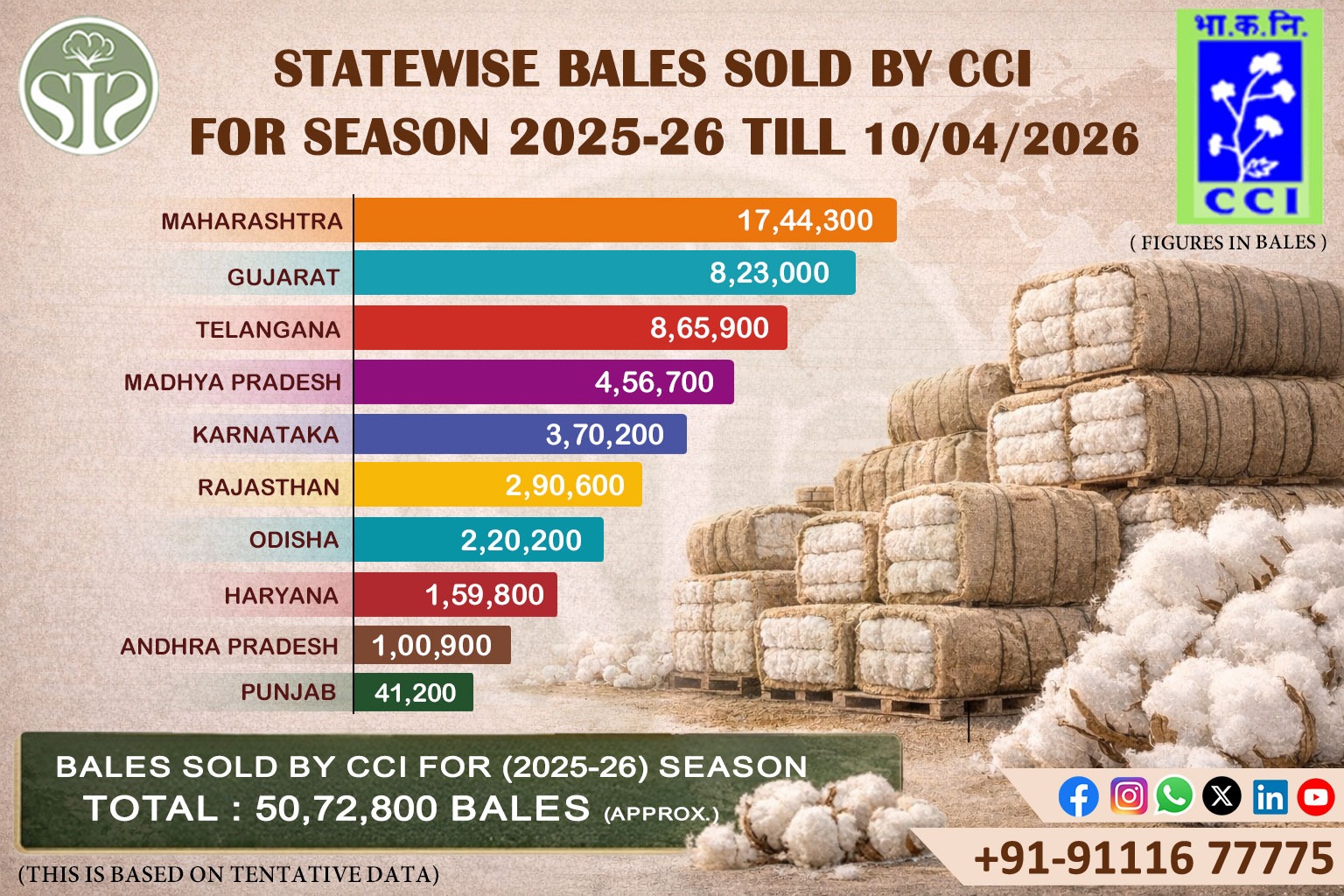
State-wise CCI Cotton Sales Details – 2025-26 SeasonThe Cotton Corporation of India (CCI) raised its cotton prices by upto ₹300-₹700 per candy during this week . Till date, CCI has sold approximately 50,72,800 cotton bales for the 2025-26 season. Sales are highly concentrated in a few major cotton-producing states, Maharashtra and Gujarat emerging as the leading contributors.

ડોલર સામે રૂપિયો ૧૦ પૈસા વધીને ૯૨.૮૨ પર ખુલ્યો.સોમવારે, ભારતીય રૂપિયો ડોલર સામે ૧૦ પૈસા વધીને ૯૨.૮૨ પર ખુલ્યો, જ્યારે શુક્રવારે તે ૯૨.૯૨ પર બંધ થયો હતો.વધુ વાંચો :- કપાસના વાવેતર પહેલા બિયારણની અછત; 2.9 લાખ હેક્ટરનું લક્ષ્ય જોખમમાં
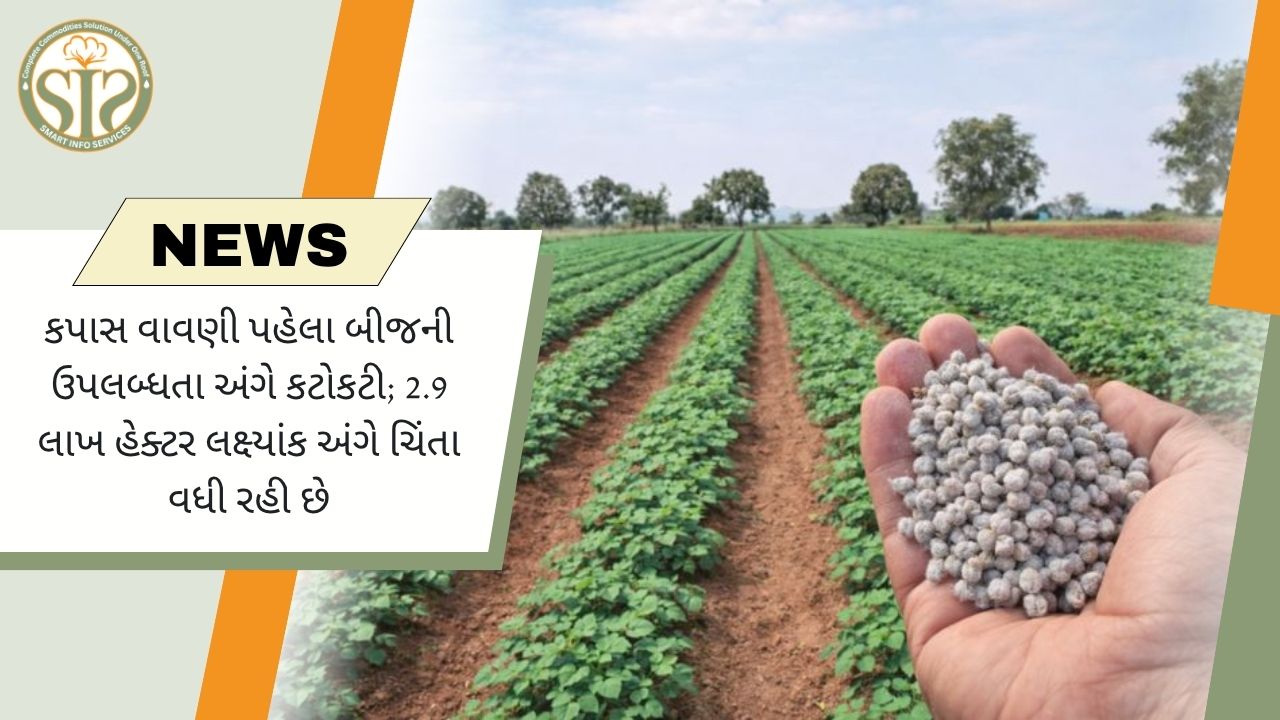
કપાસ વાવણી પહેલા બીજની ઉપલબ્ધતા અંગે કટોકટી; 2.9 લાખ હેક્ટર લક્ષ્યાંક અંગે ચિંતા વધી રહી છેખરીફ મોસમની શરૂઆત નજીક આવી રહી છે, અને અક્ષય તૃતીયાના આગમન સાથે, કપાસની વાવણી શરૂ થવાની તૈયારીમાં છે; જોકે, આ વર્ષે બીજના સંગ્રહ અને વેચાણ અંગેની પરિસ્થિતિ અસ્પષ્ટ છે. વહીવટીતંત્રે હજુ સુધી જરૂરી પરવાનગીઓ જારી કરી નથી તેથી બજારમાં અનિશ્ચિતતા યથાવત છે. સમયસર માર્ગદર્શિકાના અભાવે બજારમાં હલકી ગુણવત્તાવાળા અને અપ્રમાણિત બીજ આવવાનું જોખમ પણ વધ્યું છે.કૃષિ વિભાગના આંકડા આ મુદ્દાની ગંભીરતાને વધુ ભાર મૂકે છે. છેલ્લા બે વર્ષમાં એકત્રિત કરાયેલા 783 બીજના નમૂનાઓમાંથી, 54 હલકી ગુણવત્તાવાળા હોવાનું જણાયું હતું - એટલે કે લગભગ 7 ટકા બીજ ગુણવત્તાના ધોરણોને પૂર્ણ કરવામાં નિષ્ફળ ગયા હતા. આ પરિસ્થિતિ સૂચવે છે કે બજારમાં હલકી ગુણવત્તાવાળા બીજ પહેલેથી જ હાજર છે, જે ખેડૂતો માટે નોંધપાત્ર જોખમ ઊભું કરે છે.આ વર્ષે, જિલ્લામાં આશરે 2.9 લાખ હેક્ટરમાં કપાસનું વાવેતર કરવાનો લક્ષ્યાંક નક્કી કરવામાં આવ્યો છે. આટલી મોટી માંગને ધ્યાનમાં રાખીને, બીજની ઉપલબ્ધતા મહત્વપૂર્ણ છે; જોકે, સત્તાવાર અધિકૃતતાના અભાવે, પ્રમાણિત બીજનો સંગ્રહ અને વિતરણ હજુ સુધી શરૂ થયું નથી. પરિણામે, ખેડૂતો મૂંઝવણમાં છે, અને ઘણા વિસ્તારોમાં, તેઓ સચોટ માહિતીની પહોંચ વિના બીજ ખરીદવા માટે બજારમાં જઈ રહ્યા છે.ખરીફ 2026 માટે પ્રસ્તાવિત પાક વિસ્તારખરીફ 2026 સીઝન માટે, જિલ્લામાં કુલ 4.16 લાખ હેક્ટર વિસ્તારમાં વાવણીનો પ્રસ્તાવ છે. મુખ્ય પાકોમાં નીચે મુજબનો સમાવેશ થાય છે:મકાઈ: 77,000 હેક્ટર (સૌથી અગ્રણી અનાજ પાક)કુલ અનાજ પાક: 78,000 હેક્ટરકઠોળ: 8,228 હેક્ટર (કાળા ચણા, લીલા ચણા, તુવેર)તેલબીજ: 80,000 હેક્ટર (સોયાબીન 78,000 હેક્ટરથી વધુ હિસ્સો ધરાવે છે)કપાસ: 290,000 હેક્ટર (સૌથી મોટો રોકડિયો પાક)અન્ય ખરીફ અને બાગાયતી પાકો: 42,000 હેક્ટર*ઉત્પાદન માટે ખતરો*નિષ્ણાતો જણાવે છે કે હલકી ગુણવત્તાવાળા બીજ અંકુરણ દરમાં ઘટાડો કરે છે, છોડના વિકાસને અવરોધે છે અને એકંદર ઉત્પાદનમાં ઘટાડો કરે છે, જેના કારણે ખેડૂતોને સીધું નાણાકીય નુકસાન થાય છે. જિલ્લામાં અગાઉ પણ આવી સમસ્યાઓ અંગે ફરિયાદો સામે આવી છે. પરિણામે, ખેડૂતોને ફક્ત અધિકૃત વિક્રેતાઓ પાસેથી જ બીજ ખરીદવા અને તેમની ખરીદી માટે યોગ્ય રસીદ અથવા બિલ મેળવવાની ખાતરી કરવાની સલાહ આપવામાં આવી રહી છે.જો સમયસર પરવાનગીઓ અને સ્પષ્ટ માર્ગદર્શિકા જારી કરવામાં નહીં આવે, તો તેના પરિણામો ફક્ત ઉત્પાદન સ્તરથી આગળ વધશે; ખેડૂતોની આવક પર પણ તેની ગંભીર પ્રતિકૂળ અસર પડી શકે છે.*બીજ કૌભાંડની ઘટનાઓ અગાઉ સામે આવી છે*ખરગોન જિલ્લાના ખેડૂતોને અગાઉ હલકી ગુણવત્તાવાળા કારેલાના બીજને કારણે ભારે નુકસાન થયું હતું. સિરલે ગામમાં એક હાઇ-ટેક ગ્રીનહાઉસ નર્સરીમાંથી મેળવેલા બીજનો ઉપયોગ કરીને આશરે 100 એકરમાં પાક ઉગાડવામાં આવ્યો હતો; જોકે, પરિણામી ઉપજ નબળી હતી. ખેડૂતોનો આરોપ છે કે BASF કંપની દ્વારા પૂરા પાડવામાં આવેલા 'રોબસ્ટા' જાતના બીજ ખામીયુક્ત હતા. છોડ ફૂલ્યા હોવા છતાં, કોઈ ફળ વિકસ્યું નહીં, અને આખો પાક બરબાદ થઈ ગયો.ખેડૂતોએ આ બાબતની ફરિયાદ કેન્દ્રીય કૃષિ મંત્રી સુધી પહોંચાડી, જેના પગલે ધાર જિલ્લાના મનાવર પોલીસ સ્ટેશનમાં સંબંધિત કંપની વિરુદ્ધ કેસ નોંધવામાં આવ્યો.વધુ વાંચો :- કટોકટી વચ્ચે કાપડ ક્ષેત્રને ટેકો

પશ્ચિમ એશિયાના સંકટ વચ્ચે કાપડ ઉદ્યોગને રાહત આપવાની તૈયારીનવી દિલ્હી: પશ્ચિમ એશિયામાં ચાલી રહેલા સંકટ વચ્ચે કાપડ મંત્રાલય કાચા માલના પુરવઠાને સુરક્ષિત કરવા અને ખર્ચના દબાણને ઘટાડવા માટે ઘણા રાહત પગલાં પર કામ કરી રહ્યું છે. મંત્રાલયે આયાત ડ્યુટીમાં ઘટાડો અને કેટલીક નિયમનકારી છૂટછાટોની દરખાસ્ત કરી છે, જેથી ઉદ્યોગ ઉત્પાદન જાળવી શકે અને વૈશ્વિક બજારમાં સ્પર્ધાત્મક રહી શકે.સૂચિત પગલાઓમાં રેયોન પલ્પ અને કપાસની પસંદગીની જાતો પરની આયાત જકાત ઘટાડવાની સાથે સાથે ચોક્કસ પ્રકારના યાર્ન પરની એન્ટિ-ડમ્પિંગ ડ્યૂટીને અસ્થાયી રૂપે સ્થગિત કરવાનો સમાવેશ થાય છે. આ ઉપરાંત, મંત્રાલયે કૃષિ અને નાણા મંત્રાલયો સાથેની વાતચીતમાં અમુક ગૂંથેલા કાપડ પર લઘુત્તમ આયાત કિંમત (MIP) દૂર કરવાની પણ માંગ કરી છે.એક અધિકારીના જણાવ્યા અનુસાર, ફીમાં ઘટાડા અંગે કૃષિ મંત્રાલય સાથે ચર્ચા ચાલી રહી છે. દેશમાં અપૂરતા ઉત્પાદનને કારણે કેટલાક પક્ષો ડ્યૂટી હટાવવાની તરફેણમાં છે ત્યારે ખેડૂતોના હિતોને પ્રાથમિકતા આપવા પર પણ ભાર મૂકવામાં આવી રહ્યો છે.દરમિયાન, પશ્ચિમ એશિયામાં પુરવઠાની મર્યાદાઓ અને શિપિંગ સમસ્યાઓના કારણે માર્ચમાં રેડીમેડ કપડાની નિકાસ વાર્ષિક ધોરણે 19% ઘટી હતી. આવી સ્થિતિમાં, સરકાર ઉદ્યોગને પૂર્વ એશિયામાં નવા બજારો તરફ આગળ વધવા માટે પ્રોત્સાહિત કરી રહી છે.નોંધનીય છે કે ગયા વર્ષે સરકારે ચાર મહિના માટે કપાસની આયાત પર 11% ડ્યુટીમાંથી મુક્તિ આપી હતી, જેથી અમેરિકન ટેરિફની અસરને સંતુલિત કરી શકાય. ભારત મુખ્યત્વે ખાસ કપાસની જાતો જેમ કે એક્સ્ટ્રા-લોન્ગ સ્ટેપલની આયાત કરે છે, ઘણી વખત યુએસ અને ઇજિપ્તમાંથી. તે જ સમયે, રેયોન પલ્પ મુખ્યત્વે યુરોપમાંથી આયાત કરવામાં આવે છે, જેના પર હાલમાં 5% ડ્યુટી છે.તાજેતરમાં, સરકારે પશ્ચિમ એશિયાની સ્થિતિને ધ્યાનમાં રાખીને 40 પેટ્રોકેમિકલ ઉત્પાદનો પર સંપૂર્ણ કસ્ટમ ડ્યુટી મુક્તિ પણ આપી છે, જેમાંથી 29 કાપડ ઉદ્યોગમાં વપરાય છે, ખાસ કરીને માનવસર્જિત ફાઇબરના ઉત્પાદનમાં.વધુમાં, મંત્રાલય ઇલાસ્ટોમેરિક ફાઇબર યાર્ન અને વિસ્કોસ રેયોન ફિલામેન્ટ યાર્ન પર સૂચિત એન્ટિ-ડમ્પિંગ ડ્યૂટીને દૂર કરવા અથવા તેને સ્થગિત કરવા માટે નાણાં મંત્રાલય સાથે પણ વાતચીત કરી રહ્યું છે. આ ઉત્પાદનો મુખ્યત્વે ચીન અને સિંગાપોરથી આયાત કરવામાં આવે છે.વધુ વાંચો :- ડોલર દીઠ રૂપિયો 02 પૈસા વધીને 92.92 પર બંધ થયો.

શુક્રવારે ભારતીય રૂપિયો 02 પૈસા વધીને 92.92 પર બંધ થયો હતો, જ્યારે સવારે તે 92.94 પર ખુલ્યો હતો.બંધ સમયે, સેન્સેક્સ 504.86 પોઈન્ટ અથવા 0.65 ટકા વધીને 78,493.54 પર અને નિફ્ટી 156.80 પોઈન્ટ અથવા 0.65 ટકા વધીને 24,353.55 પર બંધ થયો હતો. લગભગ 2906 શેર વધ્યા, 1233 શેર ઘટ્યા અને 152 શેર યથાવત રહ્યા.વધુ વાંચો :- રૂપિયો 25 પૈસા વધીને 92.94 પર ખુલ્યો.

ડોલર સામે રૂપિયો 25 પૈસા વધીને 92.94 પર ખુલ્યો.શુક્રવારે, ભારતીય રૂપિયો ડોલર સામે 25 પૈસા વધીને 92.94 પર ખુલ્યો, જ્યારે ગુરુવારે તે 93.19 પર બંધ થયો હતો.વધુ વાંચો :- ડોલર સામે રૂપિયો 09 પૈસા વધીને 93.19 પર બંધ થયો.

ગુરુવારે ભારતીય રૂપિયો 09 પૈસા વધીને 93.19 પર બંધ થયો, જ્યારે સવારે તે 93.28 પર ખુલ્યો.બંધ સમયે, સેન્સેક્સ 122.56 પોઈન્ટ અથવા 0.16 ટકા ઘટીને 77,988.68 પર અને નિફ્ટી 34.55 પોઈન્ટ અથવા 0.14 ટકા ઘટીને 24,196.75 પર બંધ થયો. લગભગ 2688 શેર વધ્યા, 1468 શેર ઘટ્યા અને 128 શેર યથાવત રહ્યા.વધુ વાંચો:- ખાનદેશ કપાસ: ઓછી આવક, મજબૂત ભાવ
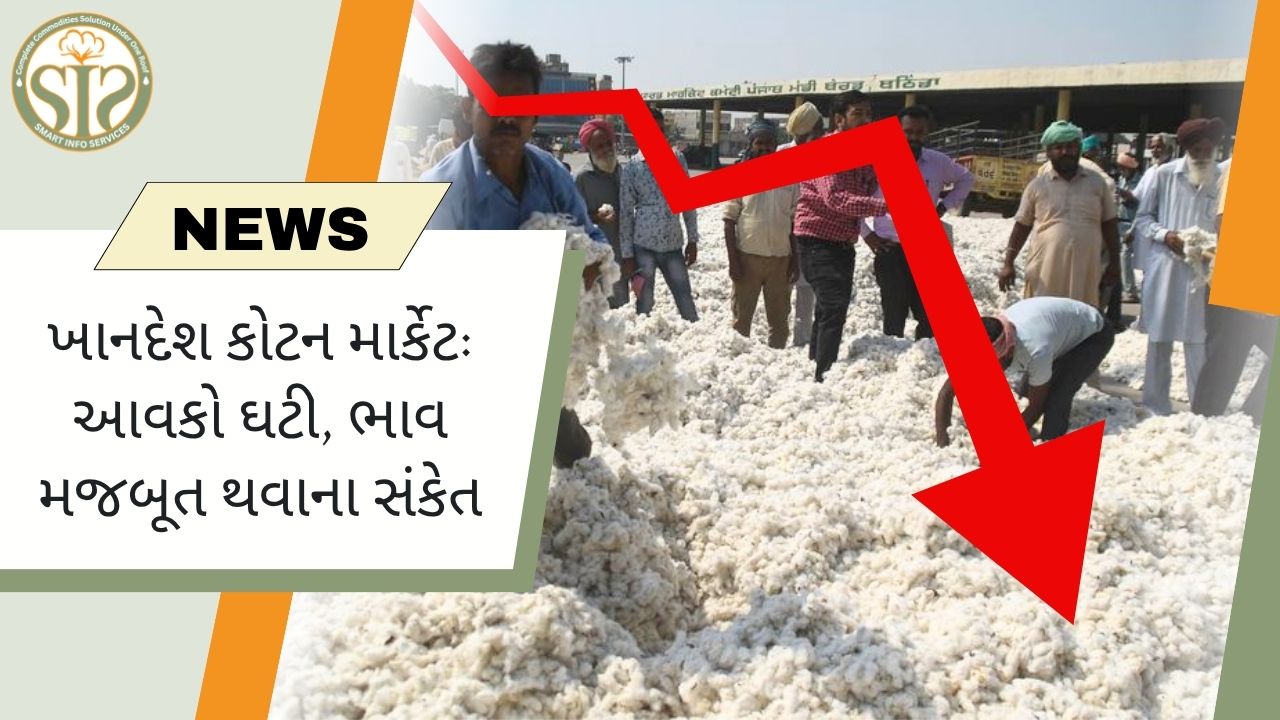
ખાનદેશ કોટન માર્કેટ: આવકો ઘટી, ભાવ મજબૂત થવાના સંકેતખાનદેશ પ્રદેશમાં કપાસ બજાર હાલમાં મર્યાદિત આવક અને ઘટતા ઉત્પાદનને કારણે સમાચારોમાં છે. વર્તમાન પરિસ્થિતિમાં, દેશભરમાંથી દરરોજ આશરે 3,000 થી 3,500 ક્વિન્ટલ કપાસની આવક થઈ રહી છે, જે ગત સિઝનની સરખામણીએ ઘણી ઓછી છે. ઓછા પુરવઠાને કારણે બજારમાં ભાવમાં ધીમે ધીમે સુધારો જોવા મળી રહ્યો છે.જ્યારે સીઝનની શરૂઆતમાં (ઓક્ટોબરના મધ્યમાં) કપાસની દરરોજ 6,000 થી 7,000 ગાંસડીઓ બજારમાં આવી રહી હતી, ત્યારે હવે તેની આવકમાં તીવ્ર ઘટાડો નોંધાયો છે. નિષ્ણાતોના મતે આ વર્ષે કપાસના વાવેતરમાં ઘટાડો, પાક પર રોગચાળો અને ભારે વરસાદને કારણે ઉત્પાદનને અસર થઈ છે.ગ્રામીણ સ્તરે કપાસનો મહત્તમ ખરીદ દર હાલમાં ક્વિન્ટલ દીઠ ₹8,000ની આસપાસ છે, પરંતુ ખેડૂતો પાસે ઓછા સ્ટોકને કારણે તેઓ આ ભાવનો પૂરો લાભ લઈ શકતા નથી. મોટાભાગના ખેડૂતો ફેબ્રુઆરી અને માર્ચ વચ્ચે તેમની ઉપજ વેચી ચૂક્યા છે, જેના કારણે બજારમાં પુરવઠો વધુ ઘટ્યો છે.આગામી 10 થી 15 દિવસમાં આવક 1,500 થી 2,000 ક્વિન્ટલ સુધી મર્યાદિત રહેવાની ધારણા છે. આ જ કારણ છે કે ભાવમાં મોટા ઘટાડાની શક્યતા ઓછી માનવામાં આવે છે.ખાનદેશ અને આસપાસના વિસ્તારોમાં જિનિંગ અને પ્રેસિંગ એકમોને પણ ઓછી આવકો અસર કરી રહી છે, જ્યાં કામગીરી ધીમી પડી છે. વિવિધ પ્રદેશોમાં ભાવમાં તફાવત જોવા મળી રહ્યો છે, પરંતુ સારી ગુણવત્તાવાળા કપાસ માટે પ્રતિ ક્વિન્ટલ ₹8,000નું સ્તર ઊંચું છે.ઉત્પાદન મોરચે સ્થિતિ વધુ ચિંતાજનક છે. આ વર્ષે ઘણા વિસ્તારોમાં ઉત્પાદન માત્ર 80 કિલોથી 1 ક્વિન્ટલ પ્રતિ એકર રહ્યું છે. ભારે વરસાદથી પાકને વ્યાપક નુકસાન થયું છે, જેના કારણે કુલ ઉત્પાદનમાં મોટો ઘટાડો થયો છે. એક અંદાજ મુજબ આ વખતે ખાનદેશમાં 20 લાખ ગાંસડીના ઉત્પાદનનો લક્ષ્યાંક હાંસલ નહીં થાય.એકંદરે, ઓછા ઉત્પાદન અને મર્યાદિત આવકને કારણે કપાસનું બજાર હાલમાં તેજીનું છે, જ્યારે ખેડૂતો માટે સ્ટોકની અછત એક મોટો પડકાર છે.વધુ વાંચો:- નબળી માંગને કારણે નાણાકીય વર્ષ 26 માં કાપડ-કપડાની નિકાસમાં ઘટાડો થયો
નબળી માંગ વચ્ચે FY26 માં ભારતની કાપડ અને વસ્ત્રોની નિકાસમાં ઘટાડોવાણિજ્ય મંત્રાલય દ્વારા બહાર પાડવામાં આવેલા ડેટા અનુસાર, પાછલા નાણાકીય વર્ષની સરખામણીમાં FY26 માં ભારતની કાપડ અને વસ્ત્રોની નિકાસમાં 2.22% નો ઘટાડો થયો છે. યુનાઇટેડ સ્ટેટ્સે ઉચ્ચ ટેરિફ લાદ્યાના એક વર્ષ પછી મંદી આવી છે, જેણે નિકાસ કામગીરીને અસર કરવાનું ચાલુ રાખ્યું છે.માર્ચ 2026 માં, નિકાસમાં વાર્ષિક ધોરણે 14.02% નો તીવ્ર ઘટાડો થયો હતો, જે નબળી પડતી માંગ અને ચાલુ વેપાર દબાણને દર્શાવે છે.કન્ફેડરેશન ઑફ ઇન્ડિયન ટેક્સટાઇલ ઇન્ડસ્ટ્રીઝ દ્વારા વિગતવાર વિશ્લેષણ દર્શાવે છે કે FY26 દરમિયાન કાપડની નિકાસમાં 2.86% ઘટાડો થયો હતો, જ્યારે વસ્ત્રોની નિકાસમાં 1.36% ઘટાડો થયો હતો. માર્ચમાં મંદી વધુ સ્પષ્ટ હતી, જેમાં કાપડની નિકાસ 9.91% ઘટી હતી અને વસ્ત્રોની નિકાસ ગયા વર્ષના સમાન સમયગાળાની સરખામણીમાં 18.99% નો નોંધપાત્ર ઘટાડો થયો હતો.એકંદરે, માર્ચ 2026 માટે કાપડ અને વસ્ત્રોની સંયુક્ત નિકાસમાં વાર્ષિક ધોરણે 14.02% નો ઘટાડો નોંધાયો હતો.દરમિયાન, FY26 દરમિયાન કાચા કપાસની આયાત લગભગ 55% વધી હતી. આ વધારો 28 ઓગસ્ટ, 2025 થી 31 ડિસેમ્બર, 2025 સુધી મર્યાદિત સમયગાળા માટે આયાત જકાત હળવી કરવાના સરકારના નિર્ણયને પગલે થયો છે.વધુ વાંચો:- રૂપિયો 9 પૈસાના વધારા સાથે 93.28 પર ખુલ્યો.

રૂપિયો 09 પૈસા વધીને 93.28/USD પર ખુલ્યો.ગુરુવારે ડોલર સામે ભારતીય રૂપિયો 93.28 પર ખુલ્યો, જે બુધવારે 93.37 ના બંધ દરથી 21 પૈસા વધીને બંધ થયો હતો.વધુ વાંચો :- ડોલર સામે રૂપિયો 20 પૈસા ઘટીને 93.37 પર બંધ થયો

બુધવારે ભારતીય રૂપિયો 20 પૈસા ઘટીને 93.37 પર બંધ થયો, જે સવારે 93.17 પર ખુલ્યો હતો.દરમિયાન, શેરબજાર મજબૂત વલણ સાથે બંધ થયા, જેમાં સેન્સેક્સ 1,263.67 પોઈન્ટ અથવા 1.64 ટકા વધીને 78,111.24 પર બંધ થયો, અને નિફ્ટી 388.65 પોઈન્ટ અથવા 1.63 ટકા વધીને 24,231.30 પર બંધ થયો.વધુ વાંચો:- કાપડ ઉદ્યોગને મોટો ફટકો, ₹4,000 કરોડનું નુકસાન: રઈસ શેખ

મહારાષ્ટ્રના કાપડ ઉદ્યોગને ₹4,000 કરોડનું નુકસાન થયું: ધારાસભ્ય રઈસ શેખસમાજવાદી પાર્ટીના ભિવંડીના ધારાસભ્ય રઈસ શેખે મંગળવારે જણાવ્યું હતું કે પશ્ચિમ એશિયામાં ચાલી રહેલા સંઘર્ષને કારણે રાજ્યના કાપડ ઉદ્યોગને માત્ર એક મહિનામાં લગભગ ₹4,000 કરોડનું નુકસાન થયું છે.થાણે જિલ્લાનું ભિવંડી, મુંબઈ મેટ્રોપોલિટન ક્ષેત્રનું મુખ્ય ટેક્સટાઈલ હબ, કટોકટીથી સૌથી વધુ પ્રભાવિત થયું છે. ધારાસભ્યએ ઉદ્યોગ માટે તાત્કાલિક નાણાકીય સહાય પેકેજની માંગ કરી છે અને ચેતવણી આપી છે કે જો સમયસર પગલાં લેવામાં નહીં આવે તો ઉદ્યોગ અટકી જવાનો ભય છે. આનાથી લાખો કુશળ અને અકુશળ કામદારોની નોકરી પર પણ અસર પડી શકે છે.મુખ્યમંત્રી દેવેન્દ્ર ફડણવીસને લખેલા પત્રમાં ધારાસભ્યએ જણાવ્યું હતું કે કપાસ અને યાર્નની વધતી કિંમતો, કાચા માલના પુરવઠામાં વિક્ષેપ અને નિકાસ ચેનલોમાં અવરોધને કારણે મિલોને અઠવાડિયામાં બે દિવસ ઉત્પાદન બંધ કરવાનું દબાણ છે.10 એપ્રિલે મોકલવામાં આવેલા આ પત્રમાં સ્ટેટ ટેક્સટાઈલ કોર્પોરેશનના ડેટાને ટાંકીને કહેવામાં આવ્યું છે કે માર્ચ 2026માં નિકાસ અટકી જવાથી ઉદ્યોગને મોટું નુકસાન થયું છે.મહારાષ્ટ્રમાં લગભગ 9.48 લાખ પાવર લૂમ્સ કાર્યરત છે, જે દેશના કુલ પાવર લૂમના લગભગ 39% છે, આ સિવાય લગભગ 4,000 હેન્ડ લૂમ્સ પણ છે. આ ઉદ્યોગ રાજ્યમાં કૃષિ બાદ સૌથી વધુ રોજગારી પેદા કરતું ક્ષેત્ર માનવામાં આવે છે.વધુ વાંચો:- કપાસ ખરીદી નીતિમાં ફેરફાર: ભાવાંતર યોજના MSPનું સ્થાન લેશે
કપાસ ખરીદી નીતિમાં ફેરફાર: MSP ખરીદીને બદલે ‘ભાવાંતર યોજના’ લાગુ કરવાની તૈયારીઓ ચાલી રહી છેકપાસ બજાર અંગે એક મોટો નીતિગત સુધારો બહાર આવ્યો છે. કોટન કોર્પોરેશન ઓફ ઈન્ડિયા (CCI) હવે લઘુત્તમ ટેકાના ભાવ (MSP) પર સીધી કપાસ ખરીદીને બદલે ‘ભાવાંતર યોજના’ (ભાવ તફાવત યોજના) લાગુ કરવા તરફ પગલાં લઈ રહી છે. આ નવી સિસ્ટમ માટે 2026-27 સીઝન દરમિયાન આંધ્રપ્રદેશ અને તેલંગાણામાં એક પાયલોટ પ્રોજેક્ટ શરૂ થવાનો છે. ઉદ્યોગે આ દરખાસ્તનું સ્વાગત કર્યું છે અને સમગ્ર દેશમાં તેનો અમલ કરવાની માંગ કરી છે.અત્યાર સુધી, સરકારે જ્યારે પણ બજાર ભાવ ઘટ્યા ત્યારે CCI દ્વારા MSP પર કપાસ ખરીદીને ખેડૂતોને સલામતી જાળ પૂરી પાડી હતી. જો કે, છેલ્લા બે સીઝનમાં, CCI ને ભારે દબાણનો સામનો કરવો પડ્યો હતો અને 100 લાખ ગાંસડીથી વધુ કપાસ ખરીદવાની ફરજ પડી હતી. આ પ્રયાસ છતાં, બધા ખેડૂતો MSPનો લાભ મેળવી શક્યા ન હતા.આ પડકારને ધ્યાનમાં રાખીને, ડિસેમ્બર 2024 માં નીતિ આયોગના સભ્ય રમેશ ચંદની અધ્યક્ષતામાં એક બેઠક યોજાઈ હતી, જેમાં ખેડૂતોને વધુ સારા લાભ કેવી રીતે મળે તે અંગે ચર્ચા કરવામાં આવી હતી. આ બેઠક દરમિયાન, 'ભાવાંતર યોજના' સાથે આગળ વધવાનો નિર્ણય લેવામાં આવ્યો હતો.ભાવાંતર યોજના શું છે?આ યોજના હેઠળ, ખેડૂતો પોતાનો કપાસ ખુલ્લા બજારમાં વેચશે. જો પ્રવર્તમાન બજાર ભાવ MSP થી નીચે આવે છે, તો બંને ભાવ વચ્ચેનો તફાવત DBT (ડાયરેક્ટ બેનિફિટ ટ્રાન્સફર) દ્વારા સીધા ખેડૂતના ખાતામાં જમા કરવામાં આવશે.ઉદાહરણ તરીકે, જો MSP પ્રતિ ક્વિન્ટલ ₹8,110 છે અને ખેડૂતને ખુલ્લા બજારમાં ₹7,000 મળે છે, તો સરકાર ₹1,110 નો તફાવત તેમના બેંક ખાતામાં સીધો ટ્રાન્સફર કરશે.ચુકવણી કેવી રીતે પ્રક્રિયા કરવામાં આવશે?આ યોજના કેન્દ્ર સરકારના PM-AASHA કાર્યક્રમ હેઠળ લાગુ કરવામાં આવશે. નોંધાયેલા ખેડૂતો પોતાની સુવિધા મુજબ કૃષિ બજારો પર પોતાનો કપાસ વેચી શકશે, અને ભાવ તફાવત દર્શાવતી રકમ સીધી તેમના બેંક ખાતામાં જમા થશે.શું ચિંતાઓ છે?નિષ્ણાતો માને છે કે આ યોજના કાગળ પર અસરકારક દેખાય છે, પરંતુ તેની અંતિમ સફળતા તેના અસરકારક અમલીકરણ પર ખૂબ આધાર રાખે છે.ફક્ત ભાવાંતર યોજના પર આધાર રાખવાને બદલે, MSP-આધારિત ખરીદીનો વિકલ્પ પણ ઉપલબ્ધ રહેવો જોઈએ.યોજના પર ચોક્કસ સમય મર્યાદા લાદવાથી બજારમાં હેરાફેરી થવાની સંભાવના વધી શકે છે. ઉદ્યોગ અને ખેડૂતો માટે ફાયદાખેડૂતોને તેમની જરૂરિયાતો અનુસાર ગમે ત્યારે તેમનો પાક વેચવાની સ્વતંત્રતા રહેશે.બજાર ભાવ ઘટે તો પણ તેમને MSPનો લાભ મળશે.ઉદ્યોગોને પ્રવર્તમાન બજાર દરે કપાસની પહોંચ મળશે.આનાથી કપાસ, યાર્ન અને કાપડની નિકાસ વૈશ્વિક બજારમાં વધુ સ્પર્ધાત્મક બની શકે છે.એકંદરે, 'ભાવાંતર યોજના' કપાસ બજારમાં નોંધપાત્ર પરિવર્તન લાવવાની ક્ષમતા ધરાવે છે; જોકે, તેની સફળતા તેના પારદર્શક અને અસરકારક અમલીકરણ પર આધારિત રહેશે.વધુ વાંચો:- નબળા ચોમાસાને કારણે કઠોળ, સોયાબીન અને કપાસના પાક પર ખતરો

નબળું ચોમાસુ: કઠોળ, સોયાબીન, કપાસને અસરઆ વર્ષે નબળા ચોમાસાની સૌથી નોંધપાત્ર અસર કઠોળ, સોયાબીન અને કપાસ જેવા પાક પર થવાની ધારણા છે, જ્યારે ચોખા ઉત્તમ સિંચાઈ માળખાને કારણે પ્રમાણમાં સુરક્ષિત દેખાય છે.મનીકન્ટ્રોલના વિશ્લેષણ મુજબ, 2026 માં સામાન્ય કરતા ઓછા ચોમાસાની આગાહી મુખ્યત્વે વરસાદ આધારિત પ્રદેશોમાં ઉગાડવામાં આવતા પાક માટે વધુ જોખમ ઊભું કરે છે. 13 એપ્રિલના રોજ, ભારતીય હવામાન વિભાગ (IMD) એ ચોમાસાના વરસાદનો અંદાજ લાંબા ગાળાના સરેરાશ (LPA) ના 92% રહેવાનો અંદાજ મૂક્યો હતો - જે લગભગ 26 વર્ષમાં સૌથી નબળો પ્રારંભિક આગાહી છે. આ વાવણી, ઉત્પાદન અને ગ્રામીણ માંગ પર પ્રતિકૂળ અસર કરી શકે છે, જ્યારે ખાદ્ય ફુગાવા પર દબાણ વધવાનું જોખમ પણ વધારી શકે છે.જોકે વર્તમાન જળાશયના પાણીનું સ્તર સંતોષકારક રહે છે - 2 એપ્રિલ સુધીમાં સંગ્રહ સામાન્ય કરતાં 27% વધુ નોંધાયેલ છે - ભવિષ્યમાં ઓછો વરસાદ પાણીની ભરપાઈ અને રવિ પાક માટે પાણીની ઉપલબ્ધતાને અસર કરી શકે છે. સિંચાઈવાળા રાજ્યોમાં પણ જોખમો ચાલુ રહેશે, પરંતુ સૌથી મોટો પડકાર એવા પ્રદેશોમાં છે જે સંપૂર્ણપણે ચોમાસા પર નિર્ભર છે.વિવિધ પાકોમાં, સોયાબીન સૌથી વધુ જોખમમાં હોય તેવું લાગે છે. મહારાષ્ટ્ર અને મધ્યપ્રદેશ સામૂહિક રીતે દેશના કુલ ઉત્પાદનમાં 83.6% હિસ્સો ધરાવે છે; જોકે - ખાસ કરીને મહારાષ્ટ્રમાં - સિંચાઈ કવરેજ રાષ્ટ્રીય સરેરાશ કરતા નોંધપાત્ર રીતે નીચે છે, જેના કારણે જોખમમાં વધારો થાય છે.કપાસની પરિસ્થિતિ એકદમ સમાન છે. મહારાષ્ટ્ર, ગુજરાત અને મધ્યપ્રદેશ મળીને કુલ ઉત્પાદનમાં આશરે 66% ફાળો આપે છે. મહારાષ્ટ્રમાં ઓછું સિંચાઈ કવરેજ પાકને વધુ સંવેદનશીલ બનાવે છે, જ્યારે ગુજરાતનું શ્રેષ્ઠ સિંચાઈ માળખું થોડી રાહત આપે છે.નબળા ચોમાસાની વ્યાપક અર્થતંત્ર પર પણ અસર પડી શકે છે. ICRA લિમિટેડના મુખ્ય અર્થશાસ્ત્રી અદિતિ નાયરના મતે, પશ્ચિમ એશિયામાં નબળા ચોમાસા અને ભૂ-રાજકીય તણાવની સંયુક્ત અસર ફુગાવાને વેગ આપી શકે છે અને આર્થિક વિકાસને મંદી આપી શકે છે. તેણીનો અંદાજ છે કે FY27 માં સરેરાશ CPI ફુગાવો 4.5% થી ઉપર જઈ શકે છે. દરમિયાન, કેરએજના મુખ્ય અર્થશાસ્ત્રી, રજની સિંહા માને છે કે ફુગાવાનો દર 4.6% ની આસપાસ રહી શકે છે. તેલના વધતા ભાવ અને અલ નીનો જેવા આબોહવા પરિબળો આ આંકડા પર વધારાનું દબાણ લાવી શકે છે.એકંદરે, 2026 નું સંભવિત નબળું ચોમાસુ વરસાદ આધારિત ખેતી અને ફુગાવા બંને માટે નોંધપાત્ર જોખમ તરીકે ઉભરી રહ્યું છે.વધુ વાંચો:- રૂપિયો 21 પૈસા વધીને 93.17 પર ખુલ્યો.

રૂપિયો 21 પૈસા વધીને 93.17/USD પર ખુલ્યો.બુધવારે, ભારતીય રૂપિયો ડોલર સામે 21 પૈસા વધીને 93.17 પર ખુલ્યો, જ્યારે સોમવારે તે 93.38 પર બંધ થયો હતો.વધુ વાંચો :- કપાસનું વાવેતર વધારવાનો પડકાર, 15મી એપ્રિલથી વાવણી
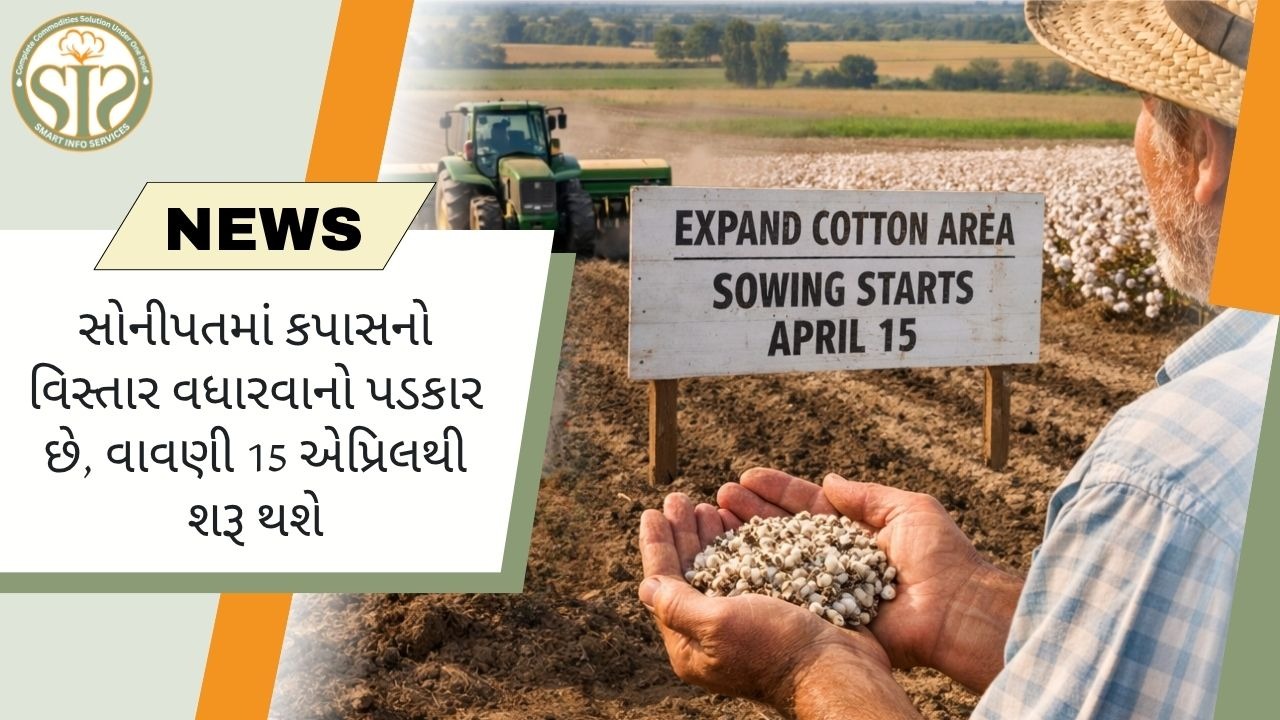
સોનીપતમાં કપાસનો વિસ્તાર વધારવાનો પડકાર છે, વાવણી 15 એપ્રિલથી શરૂ થશેસોનીપતમાં સતત ઘટી રહેલા કપાસના વિસ્તારને વધારવો એ આ વખતે કૃષિ વિભાગ માટે મોટો પડકાર બની ગયો છે. ગત વર્ષે જિલ્લામાં માત્ર 1200 એકરમાં કપાસનું વાવેતર થયું હતું જે અગાઉના વર્ષોની સરખામણીએ ઘણું ઓછું છે. આવી સ્થિતિમાં ખેડૂતોને જાગૃત કરવા વિભાગે ખાસ ટીમો બનાવી છે જે ગામડે ગામડે જઈને કપાસની ખેતીના ફાયદા અને રોગ વ્યવસ્થાપન વિશે માહિતી આપશે.કૃષિ વિભાગના જણાવ્યા અનુસાર ખરીફ સિઝનમાં કપાસની વાવણી માટેનો યોગ્ય સમય 15મી એપ્રિલથી 15મી મે સુધીનો છે. તાજેતરના હળવા વરસાદ અને ઝરમર વરસાદને કારણે ખેતરોમાં પૂરતો ભેજ છે, જેના કારણે પ્રારંભિક સિંચાઈની જરૂરિયાત ઘટશે અને વાવણી માટે પરિસ્થિતિ અનુકૂળ બની છે.વિભાગે ખેડૂતોને બીજની માવજત કર્યા પછી જ બીજ વાવવાની સલાહ આપી છે, જેથી પાકને પ્રારંભિક રોગો અને જીવાતોથી બચાવી શકાય.જો આપણે ડેટા પર નજર કરીએ તો, કપાસનો વાવેતર વિસ્તાર સતત ઘટી રહ્યો છે - 2022માં 5400 એકર, 2023માં 4500 એકર, 2024માં 2700 એકર અને ગયા વર્ષે તે ઘટીને માત્ર 1200 એકર થઈ ગયો. આ ઘટાડા પાછળ ઘણા કારણો છે જેમાં ગુલાબી બોલવોર્મનો ઉપદ્રવ, લણણી સમયે વરસાદ, મજૂરો પર નિર્ભરતા અને બજારમાં નીચા ભાવનો સમાવેશ થાય છે.ખેડૂતો હવે ડાંગરની ખેતીને વધુ પ્રાધાન્ય આપી રહ્યા છે, જેના કારણે કપાસ હેઠળનો વિસ્તાર વધુ ઘટી રહ્યો છે.સબ-ડિવિઝનલ એગ્રીકલ્ચર ઓફિસર ડૉ.સંદીપ વર્માના જણાવ્યા અનુસાર વિભાગે કપાસ હેઠળનો વિસ્તાર વધારવા માટે ખાસ વ્યૂહરચના તૈયાર કરી છે. વળી, આ વખતે હવામાન પણ કપાસની વાવણી માટે સાનુકૂળ માનવામાં આવે છે, જેના કારણે વધુ સારા ઉત્પાદનની અપેક્ષા છે.વધુ વાંચો:- MSP કરતા ઓછા ભાવે કપાસ વેચવા બદલ વળતર આપવામાં આવશે
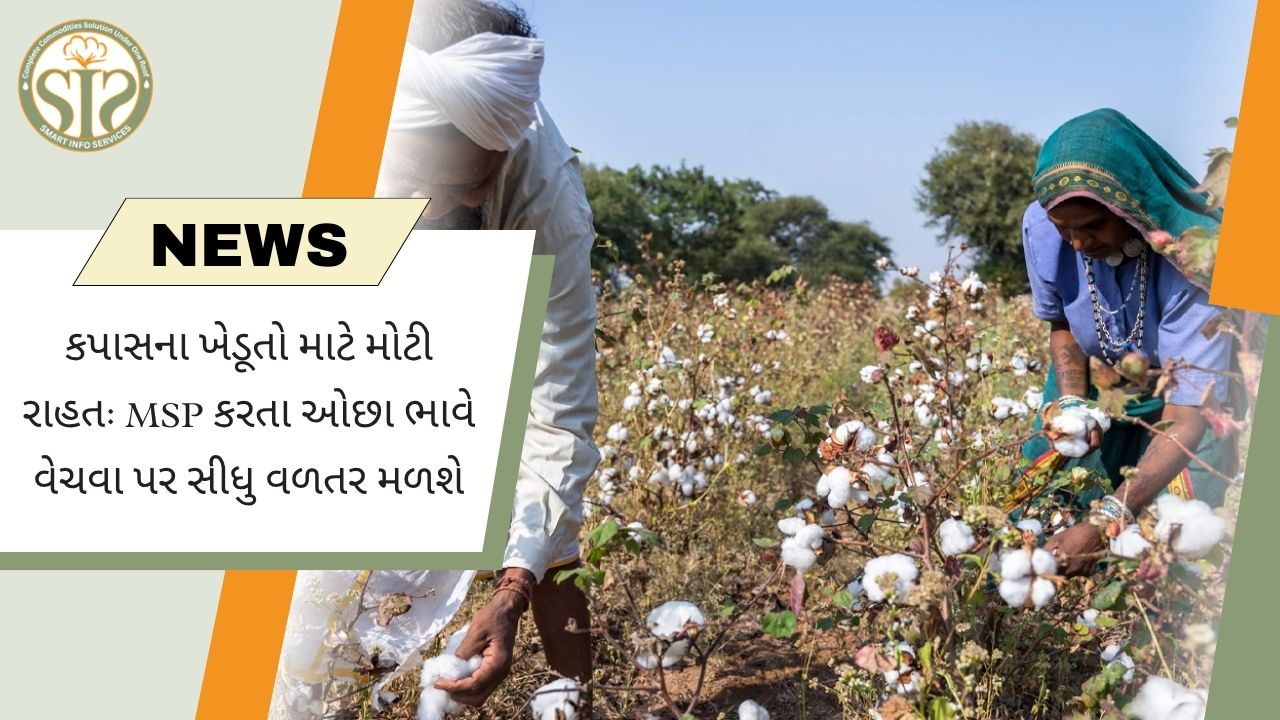
કપાસના ખેડૂતો માટે મોટી રાહત: MSP કરતા ઓછા ભાવે વેચવા પર સીધુ વળતર મળશેકપાસના ખેડૂતોને બજાર ભાવની વધઘટથી રાહત આપવાના ઉદ્દેશ્ય સાથે કેન્દ્ર સરકારે પીએમ આશા યોજના હેઠળ એક નવું પગલું ભર્યું છે. 'ગેપ સપોર્ટ મિકેનિઝમ' નામની આ સિસ્ટમ દ્વારા, જો ખેડૂતો તેમની પેદાશો લઘુત્તમ ટેકાના ભાવ (MSP) કરતા ઓછા ભાવે વેચે છે, તો સરકાર તફાવતની રકમ તેમના બેંક ખાતામાં સીધી ટ્રાન્સફર કરશે.યોજના કેવી રીતે કામ કરશે?આ સિસ્ટમ હેઠળ, જો બજારમાં કપાસની કિંમત MSP કરતા નીચે જાય છે, તો MSP અને વાસ્તવિક વેચાણ કિંમત વચ્ચેનો તફાવત સરકાર દ્વારા ચૂકવવામાં આવશે. આ ચુકવણીતે ડાયરેક્ટ બેનિફિટ ટ્રાન્સફર (DBT) દ્વારા ખેડૂતોના ખાતામાં સીધા જ જમા કરવામાં આવશે, જેથી તેઓને આર્થિક નુકસાનથી બચાવી શકાય.ઉદાહરણ તરીકે, જો એમએસપી 7500 રૂપિયા પ્રતિ ક્વિન્ટલ છે અને ખેડૂતને બજારમાં માત્ર 6500 રૂપિયા મળે છે, તો બાકીના 1000 રૂપિયા સરકાર દ્વારા વળતર તરીકે આપવામાં આવશે.તે હવે ક્યાં લાગુ પડે છે?હાલમાં આ યોજના આંધ્રપ્રદેશ અને તેલંગાણામાં પાયલોટ પ્રોજેક્ટ તરીકે લાગુ કરવામાં આવી છે. જો તે સફળ થાય તો તેને સમગ્ર દેશમાં લાગુ કરી શકાય છે. ખેડૂતોને શું ફાયદો થશે?ઘટતા ભાવ સામે રક્ષણખુલ્લા બજારમાં વેચવાની સ્વતંત્રતાસરકારી ખરીદી કેન્દ્રો પર નિર્ભરતામાં ઘટાડોખરીદનાર પસંદ કરવાની સ્વતંત્રતાખેડૂતોએ શું કરવું પડશે?યોજનાનો લાભ મેળવવા માટે, ખેડૂતોએ:તમારે તમારા પાકની નોંધણી ‘ઈ-ક્રોપ’ સિસ્ટમમાં કરવી પડશે.વેચાણની રસીદો સુરક્ષિત રાખવી આવશ્યક છેવધુ સંભાવનાઓજો આ મોડલ સફળ થાય તો સરકાર તેને અન્ય રોકડીયા પાકોમાં પણ વિસ્તારી શકે છે. આનાથી કૃષિ ભાવ સમર્થન પ્રણાલીમાં મોટા સુધારાઓ થવાની અને ખેડૂતોની આવક વધુ સ્થિર થવાની અપેક્ષા છે.વધુ વાંચો:- પંજાબમાં કપાસને પ્રોત્સાહન, બીજ પર 33% સબસિડી
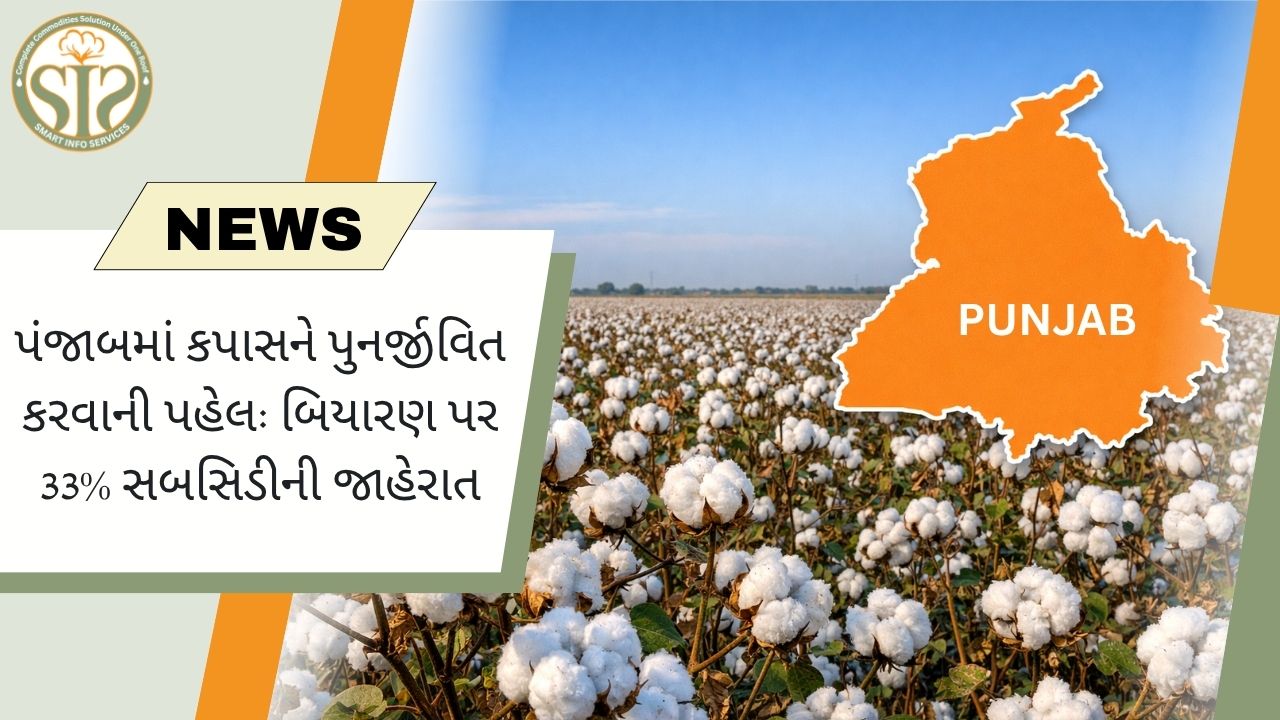
પંજાબમાં કપાસને પુનર્જીવિત કરવાની પહેલ: બિયારણ પર 33% સબસિડીની જાહેરાતરાજ્યમાં ઘટી રહેલા કપાસના વાવેતરને પુનર્જીવિત કરવા માટે એક મહત્વપૂર્ણ પગલું લેતા, પંજાબ સરકારે સ્વદેશી અને બીટી કપાસના બિયારણ પર 33% સબસિડીની જાહેરાત કરી છે. આ પહેલનો હેતુ ખેડૂતોને કપાસની ખેતી તરફ આકર્ષવાનો છે, જે એક સમયે પંજાબના "સફેદ સોના" તરીકે ઓળખાતું હતું.કૃષિ વિભાગ દ્વારા શરૂ કરાયેલી આ યોજના હેઠળ, ખેડૂતો 20 એપ્રિલથી 31 મેની વચ્ચે સરકારી પોર્ટલ પર ઑનલાઇન અરજી કરી શકે છે. આ સબસિડી મહત્તમ પાંચ એકર સુધી લાગુ પડશે અને તે માત્ર પંજાબ કૃષિ યુનિવર્સિટી (PAU) દ્વારા માન્ય બીજની જાતો પર જ ઉપલબ્ધ રહેશે.પંજાબમાં કપાસનો વાવેતર વિસ્તાર છેલ્લા કેટલાક દાયકાઓમાં ઝડપથી ઘટી ગયો છે - 1980ના દાયકામાં લગભગ 7 લાખ હેક્ટરથી 2024માં માત્ર 1 લાખ હેક્ટરમાં. આ ઘટાડા માટેના મુખ્ય કારણોમાં ગુલાબી બોલવોર્મ અને સફેદ માખી જેવા જીવાતોનો ઉપદ્રવ, બજારના ભાવો, પ્રિમિનમ એસએમએસપી (મિનિમમ એસએમએસપી) અને હવામાનની નીચી સપાટીનો સમાવેશ થાય છે.જો કે સરકારના પ્રયાસોને કારણે 2025માં કપાસના વિસ્તારમાં થોડો વધારો 1.19 લાખ હેક્ટર થયો હતો, પરંતુ આ વર્ષે 1.26 લાખ હેક્ટરનો લક્ષ્યાંક રાખવામાં આવ્યો છે.તાજેતરમાં એક આંતર-રાજ્ય પરામર્શ બેઠકમાં, PAUના વાઇસ ચાન્સેલર સતબીર સિંહ ગોસલે કપાસના પુનરુત્થાન માટે વિગતવાર રોડમેપ રજૂ કર્યો હતો. તેમણે ઉચ્ચ ગુણવત્તાવાળા બિયારણની સમયસર ઉપલબ્ધતા, બીટી કપાસને પ્રોત્સાહન, વાવણી પહેલા પર્યાપ્ત સિંચાઈ અને સંતુલિત ખાતરનો ઉપયોગ ઉત્પાદકતા વધારવા માટે જરૂરી ગણાવ્યો હતો.આમ છતાં ખેડૂતો હજુ પણ સાવચેત છે. ભટિંડાના એક ખેડૂતે વારંવાર જંતુનાશક છંટકાવ છતાં અનિશ્ચિત ઉપજ અને વારંવાર જીવાતોના હુમલા અંગે ચિંતા વ્યક્ત કરી હતી.પંજાબના કૃષિ નિયામક ગુરજીત સિંઘ બ્રારે કપાસના વિસ્તારમાં ઘટાડાનું કારણ ડાંગર તરફ વળવું, સિંચાઈની સારી સુવિધા અને કપાસમાં વારંવાર જીવાતોના હુમલાને આભારી છે. તેમણે આ સમસ્યાના ઉકેલ તરીકે સમયસર વાવણી, ઊંડી ખેડાણ, પાકના અવશેષોનું સંચાલન અને જાગૃતિ અભિયાનો પર પ્રકાશ પાડ્યો.વધુ વાંચો:- ભારતમાં કોટન માર્કેટ: ટ્રેન્ડ વધ્યો, પડકારો યથાવત
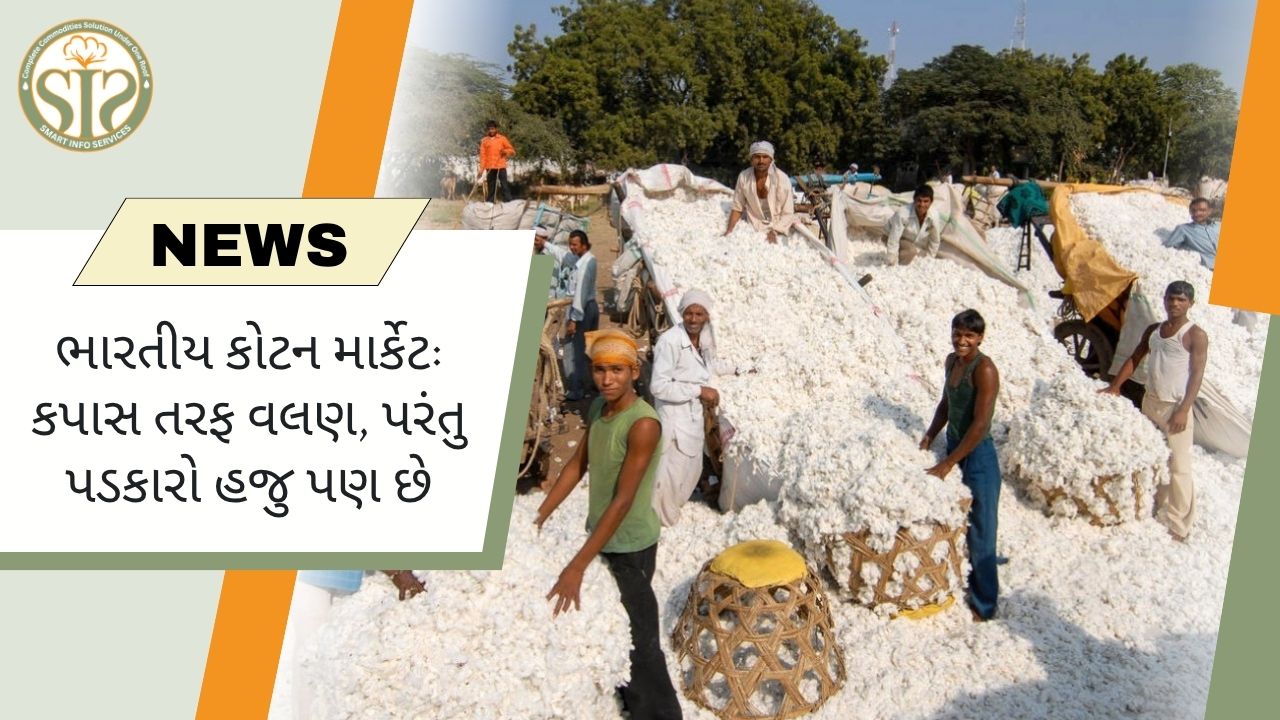
ભારતીય કોટન માર્કેટ: કપાસ તરફ વલણ, પરંતુ પડકારો હજુ પણ છેભારતનું કોટન માર્કેટ 2025-26 દરમિયાન ઘણા ઉતાર-ચઢાવમાંથી પસાર થઈ રહ્યું છે. એક તરફ, કિંમતોમાં સુધારાના સંકેતો છે, તો બીજી તરફ માળખાકીય અને વૈશ્વિક પડકારો હજુ પણ યથાવત છે.2025માં સ્થાનિક બજાર દબાણ હેઠળ રહ્યું કારણ કે સરકારે સપ્ટેમ્બરથી 31 ડિસેમ્બર સુધી કપાસની આયાત ડ્યુટી ફ્રી કરી હતી. તેના કારણે આયાતી કપાસ અને સ્થાનિક આવક બંનેમાં વધારો થયો હતો, જેના કારણે ખેડૂતોને સારા ભાવ મળી શક્યા ન હતા. જોકે, 1 જાન્યુઆરી, 2026થી 11 ટકા આયાત ડ્યૂટી લાગુ થયા બાદ બજારમાં સુધારો જોવા મળ્યો હતો. આંતરરાષ્ટ્રીય ભાવો પણ મજબૂત થયા, જેના કારણે સ્થાનિક ભાવ લઘુત્તમ ટેકાના ભાવની આસપાસ અથવા તેની ઉપર રહે છે.તાજેતરના વૈશ્વિક વિકાસ, ખાસ કરીને યુદ્ધો અને ક્રૂડ ઓઈલની વધતી કિંમતોએ કોટન માર્કેટને ટેકો આપ્યો છે. જેમ જેમ તેલ મોંઘું થયું તેમ તેમ માનવસર્જિત ફાઈબર જેવા કે પોલિએસ્ટર અને રેયોનની કિંમત વધી, જેના કારણે કપાસની માંગમાં વધારો થયો. આંતરરાષ્ટ્રીય બજારમાં કપાસના ભાવમાં લગભગ 13 ટકાનો વધારો થયો છે, જેની અસર ભારતીય બજાર પર પણ થઈ છે.નિકાસ મોરચે પણ સકારાત્મક સંકેતો જોવા મળી રહ્યા છે. કપાસ, યાર્ન અને કાપડની નિકાસમાં સંભવિત વધારાથી ખેડૂતોને સારા ભાવ મળવાની અપેક્ષા છે. આ કારણોસર આગામી સિઝનમાં ખેડૂતો કપાસનું વાવેતર વધારવા તરફ ઝૂકી શકે છે. યુએસ ડિપાર્ટમેન્ટ ઓફ એગ્રીકલ્ચરના અનુમાન મુજબ, 2026-27માં ભારતમાં કપાસનો વિસ્તાર લગભગ 3 ટકા વધી શકે છે અને ઉત્પાદનમાં નોંધપાત્ર વધારો પણ શક્ય છે.ભારતમાં કપાસની ખેતી પ્રાદેશિક રીતે જુદા જુદા સમયે થાય છે. ઉત્તર ભારતમાં (પંજાબ, હરિયાણા, રાજસ્થાન) વાવણી એપ્રિલ-મે દરમિયાન થાય છે અને આ પ્રદેશ કુલ ઉત્પાદનના લગભગ 14 ટકા આપે છે. મધ્ય ભારત (ગુજરાત, મહારાષ્ટ્ર, મધ્યપ્રદેશ) દેશનો સૌથી મોટો ઉત્પાદક પ્રદેશ છે, જેનો હિસ્સો લગભગ 55 ટકા છે અને અહીં વાવણી જૂન-જુલાઈમાં થાય છે. દક્ષિણ ભારતમાં (આંધ્ર પ્રદેશ, તેલંગાણા, કર્ણાટક, તમિલનાડુ)માં વાવણી ઓગસ્ટ-સપ્ટેમ્બરમાં થાય છે, જ્યાં લાંબી જાતના ફાઇબરનું ઉત્પાદન થાય છે.રાજ્ય સ્તરે ચિત્ર મિશ્ર છે. પંજાબમાં, સરકારી પ્રોત્સાહનોને કારણે કપાસનો વિસ્તાર વધવાની સંભાવના છે, જ્યારે હરિયાણા અને રાજસ્થાનમાં, જીવાતો, સિંચાઈ અને વૈકલ્પિક પાકોને કારણે વિસ્તાર ઘટી શકે છે. ગુજરાતના ખેડૂતો મગફળી અને જીરું જેવા વધુ સારા નફો આપનારા પાકો તરફ ઝુકાવી શકે છે, જ્યારે મહારાષ્ટ્ર અને મધ્ય પ્રદેશનો વિસ્તાર સ્થિર રહેવાની ધારણા છે. ટેકાના ભાવને કારણે દક્ષિણ ભારતમાં ખાસ કરીને તેલંગાણા અને આંધ્રપ્રદેશમાં વાવેતર વધી શકે છે.વૈશ્વિક સ્તરે પણ કપાસના ઉત્પાદન અને માંગમાં બદલાવ જોવા મળી રહ્યો છે. 2026-27 માટે યુ.એસ.માં કપાસનો વિસ્તાર લગભગ 4 ટકા વધવાનો અંદાજ છે. ટેક્સાસ અને જ્યોર્જિયા જેવા મુખ્ય રાજ્યોમાં ઉત્પાદન વધવાની શક્યતા છે.જો કે, કપાસ ઉદ્યોગ સામે સૌથી મોટો પડકાર માનવસર્જિત ફાઇબરની સ્પર્ધા છે. છેલ્લા કેટલાક દાયકાઓમાં પોલિએસ્ટરનો ઉપયોગ ઝડપથી વધ્યો છે. જ્યાં 1970માં લગભગ 50 ટકા કપડાં કપાસમાંથી બનતા હતા, 2024 સુધીમાં આ હિસ્સો ઘટીને 20 ટકાથી પણ ઓછો થઈ ગયો છે. તેનાથી વિપરીત, પોલિએસ્ટરનો ઉપયોગ સતત વધી રહ્યો છે અને હવે કુલ કાપડ ઉત્પાદનમાં અડધાથી વધુનો હિસ્સો છે.નિષ્કર્ષમાં, કપાસ બજાર હાલમાં પુનઃપ્રાપ્તિના સંકેતો દર્શાવે છે, પરંતુ લાંબા ગાળાની ટકાઉપણું માટે ઉત્પાદન ખર્ચ, આબોહવા જોખમો અને સિન્થેટીક ફાઇબરની સ્પર્ધા જેવા પડકારોનો સામનો કરવાની જરૂર પડશે.વધુ વાંચો:- રૂપિયો ૫૪ પૈસા ઘટીને ૯૩.૨૬ પર ખુલ્યો.

રૂપિયો ૫૪ પૈસા ઘટીને ૯૩.૨૬/USD પર ખુલ્યોસોમવારે ડોલર સામે ભારતીય રૂપિયો ૫૪ પૈસા ઘટીને ૯૩.૨૬ પર ખુલ્યો, જે શુક્રવારના ૯૨.૭૨ ના બંધ સ્તરની સરખામણીમાં વધુ ખરાબ થયો.વધુ વાંચો:- સીસીઆઈ કપાસના વેચાણનું રાજ્યવાર વિશ્લેષણ - ૨૦૨૫-૨૬ સીઝન
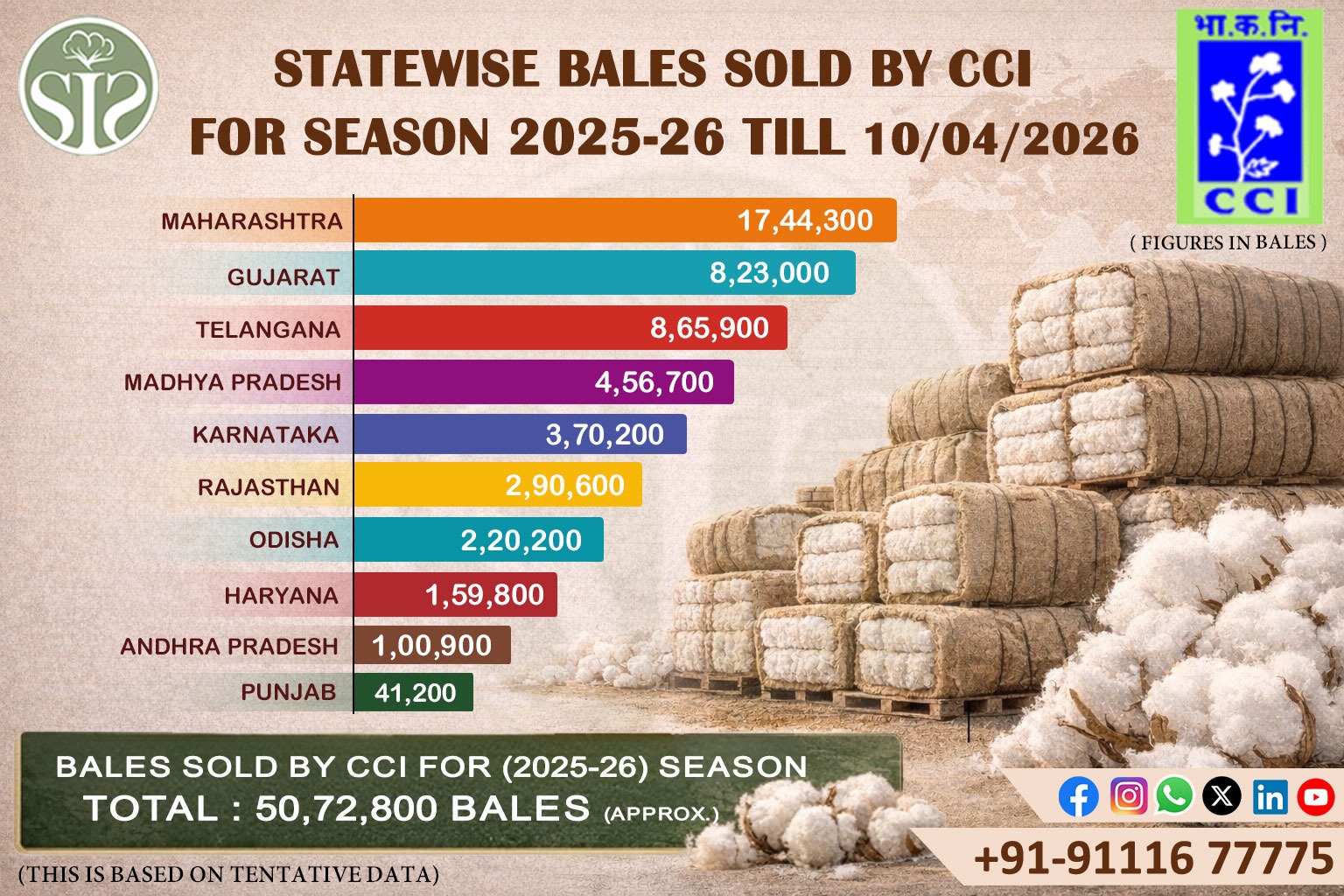
રાજ્યવાર CCI કપાસ વેચાણ વિગતો - 2025-26 સીઝનભારતીય કોટન કોર્પોરેશન (CCI) એ આ અઠવાડિયે 2025-26 સીઝન માટે કપાસના ભાવમાં પ્રતિ કેન્ડી ₹300 થી ₹700 નો વધારો કર્યો છે. અત્યાર સુધીમાં, CCI દ્વારા 2025-26 સીઝન માટે કુલ આશરે 5,070,800 કપાસની ગાંસડી વેચાઈ છે. વેચાણ કેટલાક મુખ્ય કપાસ ઉત્પાદક રાજ્યોમાં કેન્દ્રિત છે, જેમાં મહારાષ્ટ્ર અને ગુજરાત આગળ છે.