Seed Shortage Ahead of Cotton Sowing; Target of 2.9 Lakh Hectares at Risk
By yash chouhan 2026-04-18 13:08:08
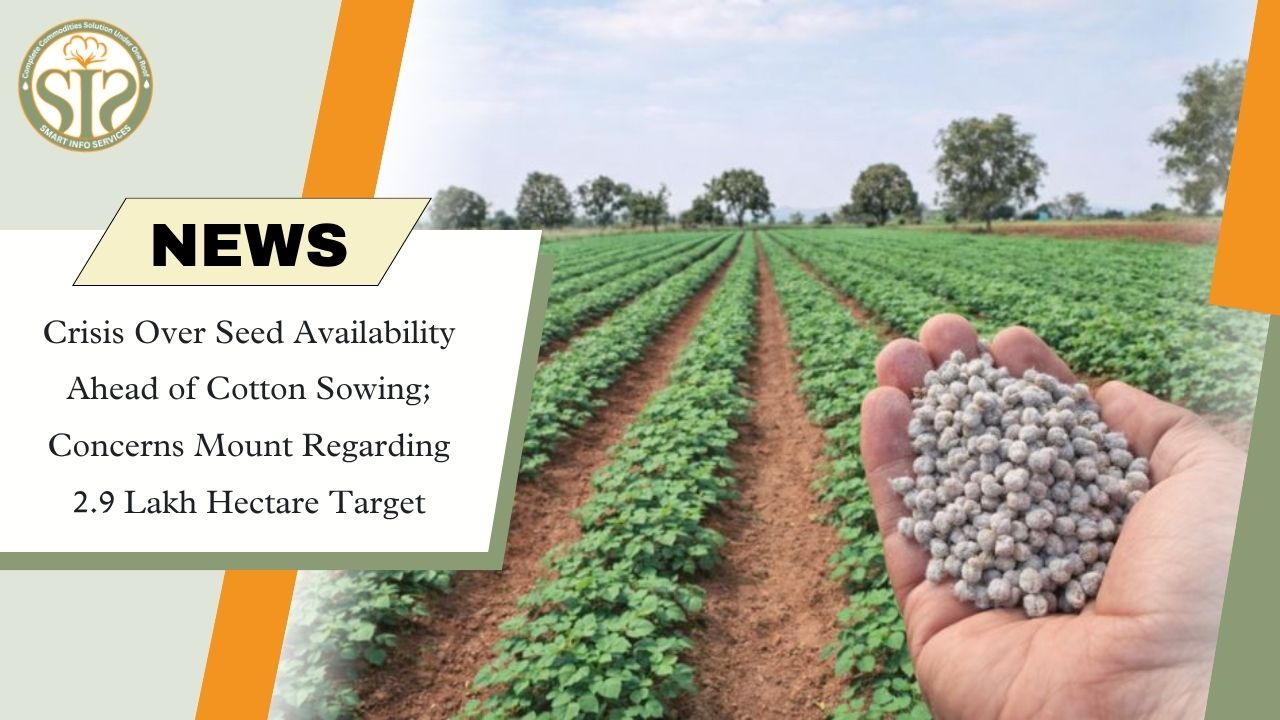
Crisis Over Seed Availability Ahead of Cotton Sowing; Concerns Mount Regarding 2.9 Lakh Hectare Target
The onset of the Kharif season is imminent, and with the arrival of Akshaya Tritiya, cotton sowing is set to begin; however, the situation regarding the stocking and sale of seeds remains unclear this year. Uncertainty persists in the market as the administration has yet to issue the necessary permissions. The lack of timely guidelines has also heightened the risk of substandard and uncertified seeds finding their way into the market.
Statistics from the Agriculture Department further underscore the gravity of this issue. Out of 783 seed samples collected over the past two years, 54 were found to be substandard—meaning approximately 7 percent of the seeds failed to meet quality standards. This situation indicates that low-quality seeds are already present in the market, posing a significant risk to farmers.
This year, a target has been set to sow cotton across approximately 2.9 lakh hectares in the district. Given such substantial demand, the availability of seeds is critical; however, due to the lack of official authorization, the stocking and distribution of certified seeds have yet to commence. Consequently, farmers are in a state of confusion, and in many areas, they are heading to the market to purchase seeds without having access to accurate information.
Proposed Crop Area for Kharif 2026
For the Kharif 2026 season, sowing is proposed across a total area of 4.16 lakh hectares within the district. The major crops included are as follows:
Maize: 77,000 hectares (the most prominent cereal crop)
Total Cereal Crops: 78,000 hectares
Pulses: 8,228 hectares (Black Gram, Green Gram, Pigeon Pea)
Oilseeds: 80,000 hectares (Soybean accounts for over 78,000 hectares)
Cotton: 290,000 hectares (the largest cash crop)
Other Kharif and Horticultural Crops: 42,000 hectares
*Threat to Production Posed by Substandard Seeds*
Experts state that substandard seeds lead to reduced germination rates, hinder plant growth, and result in a decline in overall production, thereby causing direct financial losses to farmers. Complaints regarding such issues have surfaced in the district on previous occasions as well. Consequently, farmers are being advised to purchase seeds exclusively from authorized vendors and to ensure they obtain a proper receipt or bill for their purchase.
If timely permissions and clear guidelines are not issued, the repercussions will extend beyond just production levels; they could also have a severe adverse impact on farmers' incomes.
*Seed Scam Incidents Have Surfaced Previously*
Farmers in the Khargone district previously suffered heavy losses due to substandard bitter gourd seeds. Forty-eight farmers had cultivated crops across approximately 100 acres using seeds procured from a high-tech greenhouse nursery in Sirlay village; however, the resulting yield was poor. The farmers allege that the 'Robusta' variety seeds supplied by the company BASF were defective. Despite the plants flowering, no fruits developed, and the entire crop was ruined.
The farmers escalated their complaint regarding this matter all the way to the Union Minister of Agriculture, following which a case was registered against the concerned company at the Manawar Police Station in the Dhar district.