

बांग्लादेश का टेक्सटाइल उद्योग भारतीय कॉटन यार्न के आयात पर सेफगार्ड टैरिफ लगाने के लिए लॉबिंग कर रहा है।नागपुर: चुनावों से पहले चल रही उथल-पुथल के बीच, बांग्लादेश का टेक्सटाइल उद्योग भारत से कॉटन यार्न, ब्लेंडेड यार्न और ग्रे मेलेंज के आयात पर 20% सेफगार्ड टैरिफ लगाने के लिए लॉबिंग कर रहा है। ये भारत के उद्योगों, जिसमें विदर्भ की यूनिट्स भी शामिल हैं, द्वारा बनाए जाने वाले मुख्य उत्पाद हैं। सेफगार्ड टैरिफ किसी भी देश द्वारा स्थानीय उद्योग की सुरक्षा के लिए लगाया जाने वाला एक अस्थायी शुल्क होता है।बांग्लादेश में एक विदेशी व्यापार अनुसंधान अधिकारी ने देश के व्यापार और टैरिफ आयोग, वाणिज्य सचिव और टेक्सटाइल मिल्स एसोसिएशन को एक नोट भेजा, जिसमें 5 जनवरी को हुई एक बैठक में भारतीय कपास पर सेफगार्ड ड्यूटी लगाने का सुझाव दिया गया था। हालांकि बैठक का नतीजा अभी तक पता नहीं चला है, लेकिन यह नोट भारत में वायरल हो गया है। इससे यहां का टेक्सटाइल सेक्टर चिंतित है, क्योंकि उद्योग के जानकारों का कहना है कि यह दोहरी मार हो सकती है। उन्होंने सुझाव दिया कि बांग्लादेश में भारत की प्रतिस्पर्धी बढ़त खोने से किसानों को मिलने वाले कच्चे कपास की कीमतों पर असर पड़ सकता है।टैरिफ का यह खतरा ऐसे समय आया है जब भारत ने 1 जनवरी से कच्चे कपास के आयात पर ड्यूटी फिर से लगा दी है। अमेरिका के साथ टैरिफ तनाव के बाद अगस्त में 11% ड्यूटी हटा दी गई थी।हालांकि, टेक्सटाइल सेक्टर की कड़ी लॉबिंग के बावजूद, इसे 31 दिसंबर से आगे नहीं बढ़ाया गया। ड्यूटी हटाने से भारत में कच्चे कपास का सस्ता आयात संभव हुआ, जिससे इस सेक्टर को फायदा हुआ। हालांकि, ड्यूटी वापस लाने के 1 हफ्ते के अंदर ही, निजी बाजार में भी कपास की कीमतें सबसे अच्छी क्वालिटी के लिए 8,110 रुपये प्रति क्विंटल के न्यूनतम समर्थन मूल्य (MSP) तक पहुंच गई हैं।महंगा कपास भारतीय टेक्सटाइल उद्योग के मार्जिन पर असर डालेगा। उद्योग सूत्रों का कहना है कि अगर बांग्लादेश ड्यूटी लगाता है, तो भारत से होने वाले निर्यात पर भी असर पड़ेगा।गिमा टेक्स लिमिटेड के मैनेजिंग डायरेक्टर और विदर्भ इंडस्ट्रीज एसोसिएशन (VIA) के अध्यक्ष प्रशांत मोहता ने कहा कि विदर्भ में हर महीने उत्पादित होने वाले यार्न का 30% बांग्लादेश को निर्यात किया जाता है। यह लगभग 3,000 टन था। अकेले विदर्भ में ही यार्न उत्पादन में लगभग 45 यूनिट्स लगी हुई हैं। ड्यूटी लगने से भारत में यार्न की कीमतें गिर जाएंगी, जिससे कपास की कीमतों पर भी असर पड़ेगा। इसके अलावा, भारत बांग्लादेशी कपड़ों का ड्यूटी फ्री आयात करता है। बांग्लादेश में ड्यूटी लगाने की मांग देश के उद्योगों की एक गलत प्रैक्टिस की वजह से उठी, जिसका खुलासा हाल ही में देश के अधिकारियों ने किया है। बांग्लादेश में कुछ लाइसेंसी इंपोर्टर्स को भारत से ड्यूटी-फ्री धागा लाने की इजाज़त है, लेकिन सिर्फ़ तब जब इसका इस्तेमाल ऐसे कपड़े बनाने में किया जाए जिन्हें आखिर में एक्सपोर्ट किया जाएगा। हालांकि, यह पाया गया कि कुछ उद्योगों ने ड्यूटी-फ्री कपास का इस्तेमाल किया और कपड़े घरेलू बाज़ार में बेच दिए, जिससे बांग्लादेश में व्यापार के समीकरण बिगड़ गए। एक सूत्र ने बताया कि इसी वजह से भारत से होने वाले इंपोर्ट पर ड्यूटी लगाने की मांग उठी है।और पढ़ें :-रुपया 07 पैसे गिरकर 89.95 पर खुला।

रुपया अमेरिकी डॉलर के मुकाबले 07 पैसे गिरकर 89.95 पर खुला।भारतीय रुपया गुरुवार को डॉलर के मुकाबले 89.95 पर थोड़ा नीचे खुला, जबकि बुधवार को यह 89.88 पर बंद हुआ था।और पढ़ें :- श्रीकरणपुर में नरमा कपास के भाव बढ़े
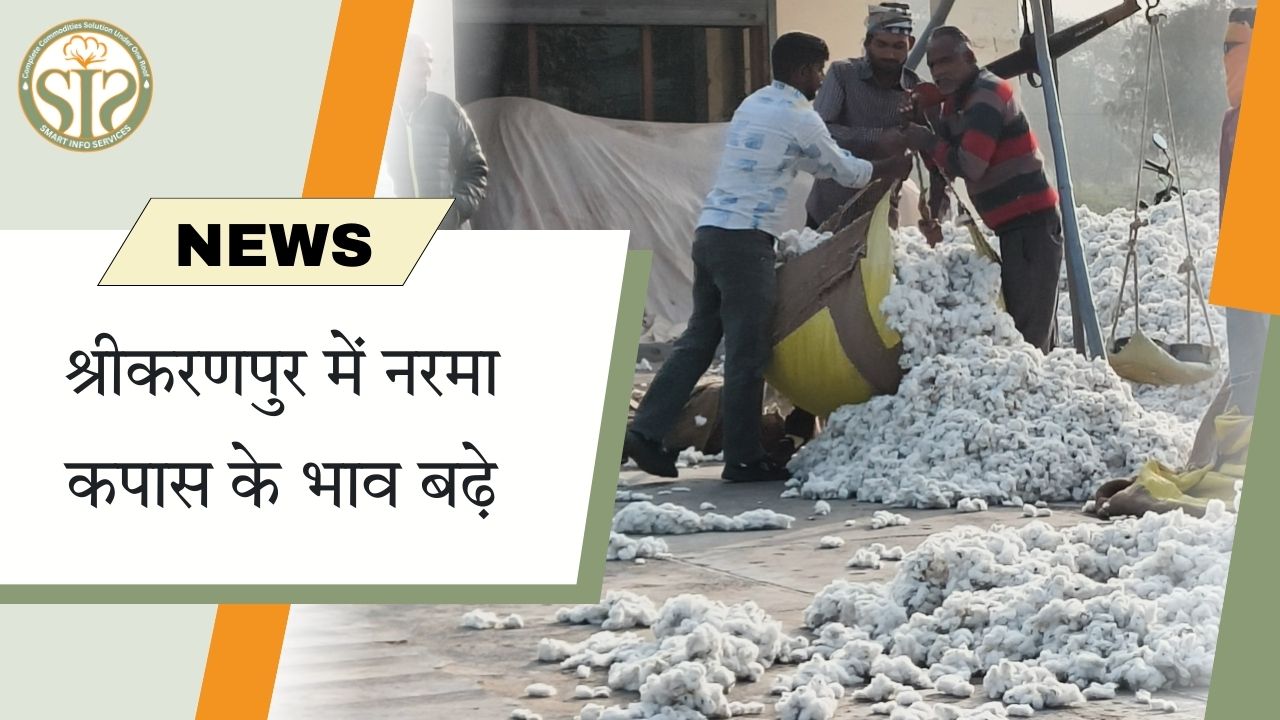
श्रीकरणपुर में नरमा कपास के भाव में उछालश्रीगंगानगर जिले के श्रीकरणपुर में नरमा कपास के भाव में उछाल दर्ज किया गया है। यहां नरमा आरएस7796 प्रति क्विंटल के अधिकतम भाव पर बिका। यह तेजी किसानों और व्यापारियों दोनों के लिए महत्वपूर्ण है।श्रीकरणपुर नगरपालिका अध्यक्ष और धानमंडी के प्रमुख कॉटन व्यवसायी रमेश बंसल ने नरमा के भाव में इस तेजी के कई कारण बताए। उन्होंने कहा कि केंद्र सरकार ने अक्टूबर, नवंबर और दिसंबर में नरमे पर आयात शुल्क (इम्पोर्ट ड्यूटी) समाप्त कर दिया था। हालांकि, 1 जनवरी से इस पर 11 प्रतिशत आयात शुल्क पुनः लागू हो गया है।बंसल के अनुसार कॉटन फैक्ट्रियों से नरमे की बढ़ती मांग भी कीमतों में वृद्धि का एक प्रमुख कारण है। इन कारकों के चलते बाजार में नरमे की कीमतों में लगातार तेजी बनी हुई है।धानमंडी की दुकान संख्या 179, फर्म कर्म सिंह हरनेक सिंह के प्रबंधक राकेश धुड़िया ने एक विशिष्ट बिक्री की जानकारी दी। उन्होंने बताया कि बलराज सिंह पुत्र अवतार सिंह गिल निवासी मोड़ा का नरमा उनकी दुकान पर आया था।नरमे की अच्छी गुणवत्ता और बाजार में मौजूदा तेजी के कारण बलराज सिंह का नरमा आरएस7796 प्रति क्विंटल की दर से बिका। इस खेप को फर्म बाबूराम रामस्वरूप ने लगभग 20 क्विंटल और मैसर्स सिंगला इंडस्ट्रीज ने भी 20 क्विंटल खरीदा। नरमे के भाव में आई इस तेजी से बाजार में सकारात्मक माहौल है।और पढ़ें :- INR 29 पैसे मजबूत हुआ, और 89.88 प्रति डॉलर पर बंद हुआ।

बुधवार को भारतीय रुपया 29 पैसे बढ़कर 89.88 प्रति डॉलर पर बंद हुआ, जबकि सुबह यह 90.17 पर खुला था।बाजार बंद होने पर, सेंसेक्स 102.20 अंक या 0.12 प्रतिशत गिरकर 84,961.14 पर और निफ्टी 37.95 अंक या 0.14 प्रतिशत गिरकर 26,140.75 पर बंद हुआ। लगभग 1939 शेयरों में तेज़ी आई, 1886 शेयरों में गिरावट आई और 140 शेयरों में कोई बदलाव नहीं हुआ।और पढ़ें :-कपास के दाम मजबूत: आयात शुल्क छूट खत्म, बांग्लादेश टैरिफ का असर?
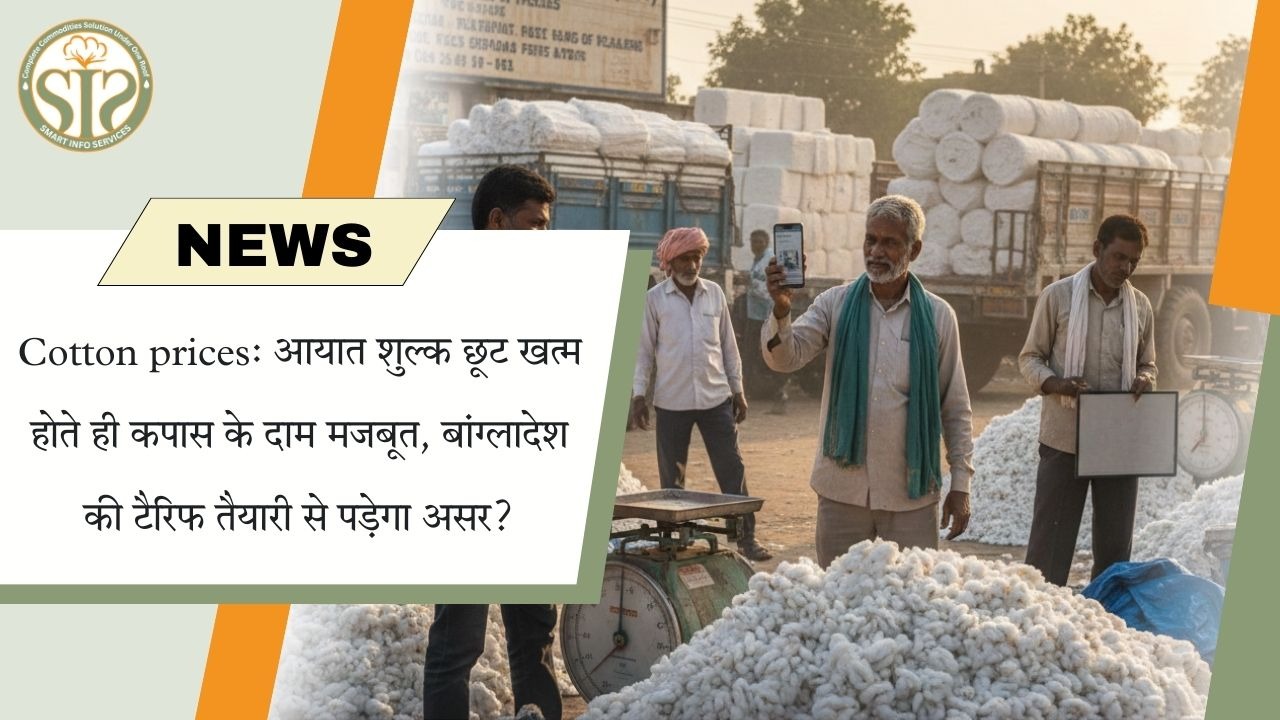
Cotton prices: आयात शुल्क छूट खत्म होते ही कपास के दाम मजबूत, बांग्लादेश की टैरिफ तैयारी से पड़ेगा असर?31 दिसंबर को कच्ची कपास के आयात पर दी गई शुल्क छूट खत्म होने के बाद देश के प्रमुख मंडियों में कपास (कपास) की कीमतों में सुधार दर्ज किया गया है। व्यापारिक सूत्रों के अनुसार, अलग-अलग बाजारों में कच्ची कपास के भाव 400 से 500 रुपये प्रति क्विंटल तक बढ़े हैं। इसके बावजूद कीमतें अभी भी न्यूनतम समर्थन मूल्य (MSP) 8,100 रुपये प्रति क्विंटल से नीचे बनी हुई हैं।इस बीच, भारतीय कपास और सूत बाजार के लिए एक नई चिंता बांग्लादेश से सामने आ रही है। बांग्लादेश, जो पिछले कुछ वर्षों से भारतीय सूत का सबसे बड़ा खरीदार रहा है, अब अपने घरेलू सूत उत्पादकों को बचाने के लिए आयात पर शुल्क लगाने पर विचार कर रहा है। बांग्लादेश ट्रेड एंड टैरिफ कमीशन ने हाल ही में एक बैठक में सूत आयात पर 20 प्रतिशत शुल्क लगाने के प्रस्ताव पर चर्चा की है, हालांकि अभी तक इसकी आधिकारिक घोषणा नहीं हुई है।भारतीय सूत निर्यात पर असर की आशंकाकॉटन एसोसिएशन ऑफ इंडिया के पूर्व अध्यक्ष अतुल गणात्रा के मुताबिक, अगर बांग्लादेश ने सूत आयात पर शुल्क लगाया, तो इसका सीधा असर भारत के घरेलू सूत बाजार पर पड़ेगा। भारत अपने कुल सूत उत्पादन का लगभग 30 प्रतिशत निर्यात करता है, जबकि घरेलू खपत करीब 70 प्रतिशत है। बांग्लादेश भारतीय सूत का प्रमुख आयातक है और वहां शुल्क लगने से भारतीय सूत की प्रतिस्पर्धात्मकता घट सकती है। व्यापार सूत्रों का मानना है कि बांग्लादेश 10 से 20 प्रतिशत के बीच शुल्क लगा सकता है। इससे भारतीय सूत की लैंडेड कॉस्ट बढ़ेगी और वह बांग्लादेशी बाजार में महंगा पड़ सकता है।घरेलू बाजार में कीमतों में सुधारआयात शुल्क छूट खत्म होने के बाद देश के कई कपास उत्पादक क्षेत्रों में कीमतों में तेजी आई है। रायचूर के सोर्सिंग एजेंट रामानुज दास बूभ के अनुसार, कच्ची कपास के दाम बढ़कर 8,000 रुपये प्रति क्विंटल तक पहुंच गए हैं, जो एक हफ्ते पहले 7,500–7,600 रुपये के आसपास थे। वहीं, प्रेस्ड कॉटन की कीमतों में भी 1,000 से 1,500 रुपये प्रति कैंडी (356 किलोग्राम) की बढ़ोतरी हुई है। उन्होंने कहा कि यह समय कपास निगम (CCI) के लिए 2025-26 फसल के लिए कीमत घोषित करने का उपयुक्त है, क्योंकि देरी होने पर मिलें अधिक मात्रा में आयात अनुबंध कर सकती हैं।खरीद और स्टॉक की स्थितिसरकारी एजेंसी कॉटन कॉरपोरेशन ऑफ इंडिया (CCI) न्यूनतम समर्थन मूल्य पर सक्रिय रूप से खरीद कर रही है और अब तक 68 लाख गांठ से अधिक कपास की खरीद कर चुकी है। महाराष्ट्र के खानदेश क्षेत्र में भी कीमतों में 400–500 रुपये प्रति क्विंटल की बढ़त दर्ज की गई है। खानदेश जिन प्रेस फैक्ट्री ओनर्स एसोसिएशन के संस्थापक अध्यक्ष प्रदीप जैन के अनुसार, क्षेत्र में लगभग 40 प्रतिशत फसल मंडियों में आ चुकी है, जबकि बाकी फसल किसान रोक कर बैठे हैं और तुड़ाई पूरी हो चुकी है।2024-25 की फसल लगभग बिक चुकीअकोला के ब्रोकर अरुण खेतान ने बताया कि CCI ने 2024-25 सीजन की लगभग पूरी फसल बेच दी है और उसके पास अब तीन लाख गांठ से भी कम स्टॉक बचा है। बाजार की उम्मीद है कि CCI 2025-26 फसल के लिए कीमत लगभग 57,000 रुपये प्रति कैंडी के आसपास घोषित कर सकता है।और पढ़ें :- रुपया 90.17 /USD पर स्थिर खुला।

रुपया डॉलर के मुकाबले 90.17 पर स्थिर खुलाभारतीय रुपया पिछले बंद भाव 90.17 के मुकाबले डॉलर के मुकाबले 90.17 पर सपाट खुला।और पढ़ें :- जनवरी 2026 में उत्तर भारत में सूती धागे की कीमतों में तेजी
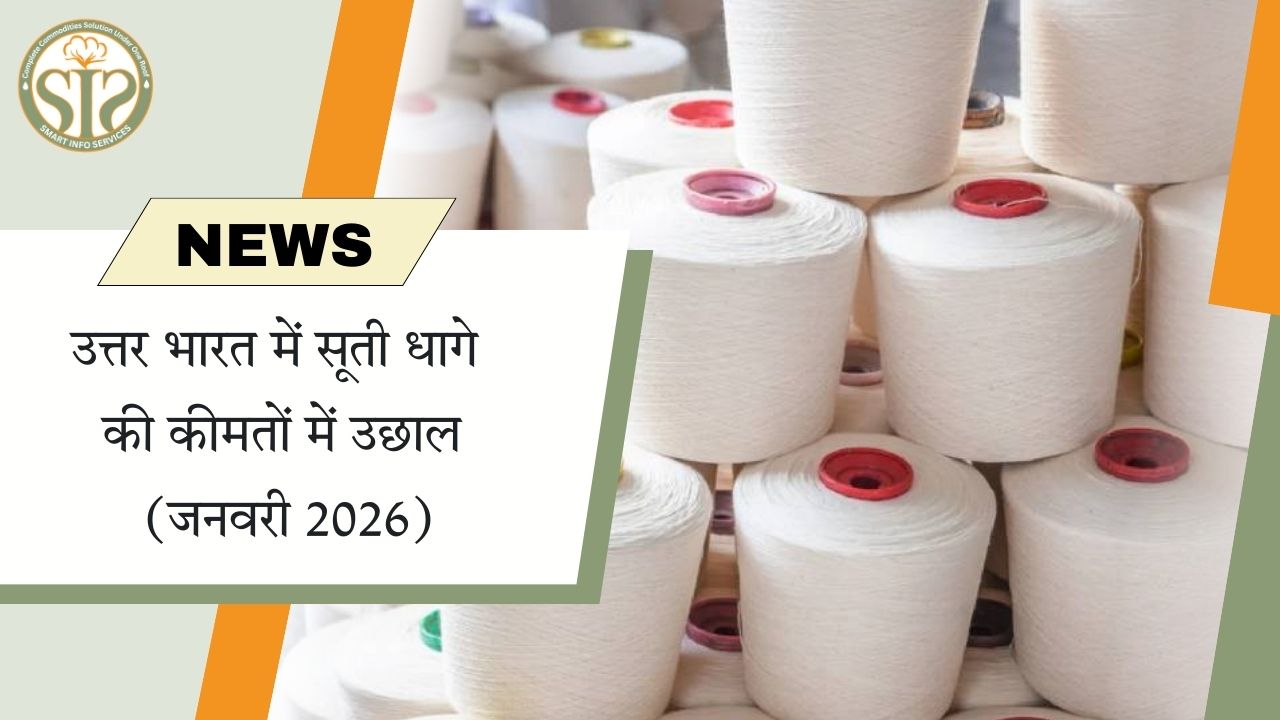
जनवरी 2026 में उत्तर भारत में सूती धागे की कीमतों में उछालउत्तर भारत के सूती धागा बाजार में इस समय मजबूती का माहौल बना हुआ है। कच्ची कपास की कीमतों में लगातार तेजी के चलते स्पिनिंग मिलों की लागत बढ़ी है, जिसका सीधा असर सूती धागे के दामों पर देखने को मिल रहा है। बढ़ती लागत की भरपाई के लिए मिलें धागे के भाव बढ़ाने को मजबूर हैं।(SIS)प्रमुख बाजार अपडेटलुधियानालुधियाना के बाजार में सूती धागे की कीमतों में प्रति किलोग्राम लगभग दो से पाँच रुपये तक की मामूली बढ़ोतरी दर्ज की गई है। हालांकि मिलों ने दाम बढ़ाए हैं, लेकिन खरीदारों की ओर से मांग अभी भी सीमित बनी हुई है।दिल्लीदिल्ली के सूती धागा बाजार में भाव फिलहाल स्थिर बने हुए हैं। कपड़ा बनाने वाली इकाइयों और गारमेंट सेक्टर से कमजोर मांग के कारण कीमतों में किसी बड़ी हलचल के संकेत नहीं मिल रहे हैं।(SIS)पानीपतपानीपत में रीसाइकिल्ड सूती धागे और कॉटन कोम्बर की कीमतों में हल्का सुधार देखने को मिला है। वहीं रीसाइकिल्ड पीसी धागे की बाजार में अधिक आपूर्ति होने के कारण इसके दामों में कोई खास बदलाव नहीं हुआ है।बाजार की प्रमुख चुनौतियाँलागत का दबावकच्ची कपास की ऊंची कीमतों के कारण स्पिनिंग मिलों पर उत्पादन लागत का दबाव लगातार बढ़ता जा रहा है।कमजोर मांगघरेलू उपभोक्ता उद्योग और गारमेंट सेक्टर से अपेक्षित मांग अभी सामने नहीं आ पाई है, जिससे बाजार की गति सीमित बनी हुई है।(SIS)निर्यात पर फोकसकई मिलें घरेलू बाजार की बजाय निर्यात बाजार की ओर रुख कर रही हैं, जहां उन्हें अपेक्षाकृत बेहतर कीमत और रिटर्न मिलने की संभावना नजर आ रही है।(SIS)और पढ़ें :- इंडोनेशिया का कदम: कॉटन इंपोर्ट से टेक्सटाइल उद्योग को राहत

इंडोनेशिया ने कॉटन इंपोर्ट में बढ़ोतरी से अपने घरेलू टेक्सटाइल सेक्टर को बचाया है।स्थानीय न्यूज़ पब्लिकेशन जकार्ता ग्लोब ID के अनुसार, इंडोनेशियाई सरकार की नई पॉलिसी, जिस पर 22 दिसंबर को साइन किए गए थे, का मकसद ऐसे सेफ़गार्ड उपाय लागू करना है, जब इंपोर्ट में बढ़ोतरी से घरेलू प्रोड्यूसर्स को गंभीर खतरा हो सकता है।यह इंडोनेशियाई ट्रेड सेफ़गार्ड कमेटी (KPPI) की जांच के बाद हुआ है, जिसमें बताया गया था कि बढ़ते कॉटन बुने हुए कपड़ों ने देश के स्थानीय टेक्सटाइल सेक्टर पर पहले ही असर डाला है।बीया मासुक टिंडकान पेंगमानन (BMTP) ड्यूटी मौजूदा इंपोर्ट ड्यूटी के अलावा होगी, जिसमें मोस्ट-फेवर्ड-नेशन रेट और इंटरनेशनल ट्रेड एग्रीमेंट के तहत प्रेफ़रेंशियल टैरिफ शामिल हैं।उम्मीद है कि इसे तीन साल के लिए लागू किया जाएगा, जिसमें हर साल टैरिफ कम होता जाएगा। पहले साल में, टैरिफ क्लासिफिकेशन के आधार पर ड्यूटी Rp3,000 ($0.18) से Rp3,300 प्रति मीटर तक होगी। दूसरे साल में, रेट Rp2,800-Rp3,100 प्रति मीटर होगा, और आखिरी साल में यह Rp2,600-Rp2,900 होगा।WTO सदस्य 122 विकासशील देशों से आने वाले इंपोर्ट को इससे बाहर रखा जाएगा। इसमें मलेशिया, थाईलैंड, फिलीपींस, साथ ही अफ्रीका और लैटिन अमेरिका के कुछ देश शामिल हैं।पब्लिकेशन बताता है कि अगर ओरिजिन की शर्तें पूरी नहीं होती हैं, या अगर रेट्रोएक्टिव वेरिफिकेशन अभी भी चल रहा है, तो इंपोर्टेड प्रोडक्ट्स अपने नियमों के अनुसार सेफ़गार्ड ड्यूटी के दायरे में रहेंगे।और पढ़ें:- कॉटन खरीद में बढ़ोतरी, 16 जनवरी तक बढ़ी तारीख

लंबे समय तक गिरावट के बाद ग्लोबल मार्केट में कपास की कीमतों में बढ़ोतरी2026 की शुरुआत से ही कपास की कीमतें फिर से बढ़ रही हैं। जनवरी की शुरुआत में, कई दिनों की गिरावट के बाद, कपास वायदा 64.8 सेंट प्रति पाउंड पर पहुंच गया, जो दिसंबर के आखिर के बाद से सबसे ऊंचा स्तर था। हालांकि, साल-दर-साल के हिसाब से, कीमत अभी भी लगभग 5.4% कम है, और कपास की मांग कमजोर बनी हुई है।ट्रेडिंग इकोनॉमिक्स के अनुसार, कीमतों में बढ़ोतरी का कारण नए साल की छुट्टियों के बाद निवेशकों का बाजार में वापस आना था, जिससे "शॉर्ट पोजीशन" बंद हो गईं - जिसका मतलब है कि उन कॉन्ट्रैक्ट्स को फिर से खरीदना जिन पर निवेशकों ने कीमतों में गिरावट के दौरान मुनाफा कमाया था। इससे कीमतें ऊपर चली गईं। तेल से भी अतिरिक्त सपोर्ट मिला, जिसकी कीमतों में थोड़ी बढ़ोतरी हुई, जिससे पॉलिएस्टर - जो कपास के मुख्य विकल्पों में से एक है - महंगा हो गया, इस तरह प्राकृतिक फाइबर फिर से अधिक आकर्षक हो गया।6 जनवरी, 2026 तक, कपास की कीमत लगभग 64.82 सेंट प्रति पाउंड पर स्थिर रही, जो लगभग $1.43 प्रति किलोग्राम है। हालांकि, पिछले साल जनवरी की तुलना में, कीमत अभी भी 5.4% कम है।कीमतों में सुधार के बावजूद, बाजार के लिए जोखिम बने हुए हैं। ट्रेडिंग इकोनॉमिक्स का कहना है कि बाजार के भागीदार कमजोर मांग, अतिरिक्त स्टॉक और अमेरिकी कपास पर टैरिफ के संभावित प्रभाव को लेकर चिंतित हैं। अमेरिकी कृषि विभाग की रिपोर्ट ने भी चिंताओं को बढ़ा दिया है, क्योंकि 25 दिसंबर, 2025 को खत्म हुए सप्ताह के लिए शुद्ध कपास निर्यात बिक्री केवल 134,000 गांठ थी, जिसे कमजोर मांग का संकेत माना जा रहा है।ताजिकिस्तान के लिए, उत्पादन में अपेक्षित वृद्धि को देखते हुए कपास की कीमतों की गतिशीलता विशेष रूप से महत्वपूर्ण है। 2025-2027 के लिए ताजिकिस्तान के प्रमुख मैक्रोइकोनॉमिक संकेतकों के पूर्वानुमान के अनुसार, 2025 में कपास की फसल का अनुमान 390,000 टन है, जिसमें कपास फाइबर का उत्पादन 139,000 टन होने का अनुमान है।इसके अलावा, ताजिकिस्तान अपने कपास फाइबर का निर्यात बढ़ा रहा है। 2025 की शुरुआत से, ईरान ने $45.7 मिलियन में 30,000 टन से अधिक ताजिक कपास फाइबर खरीदा है।और पढ़ें :- कॉटन खरीद में बढ़ोतरी, 16 जनवरी तक बढ़ी तारीख
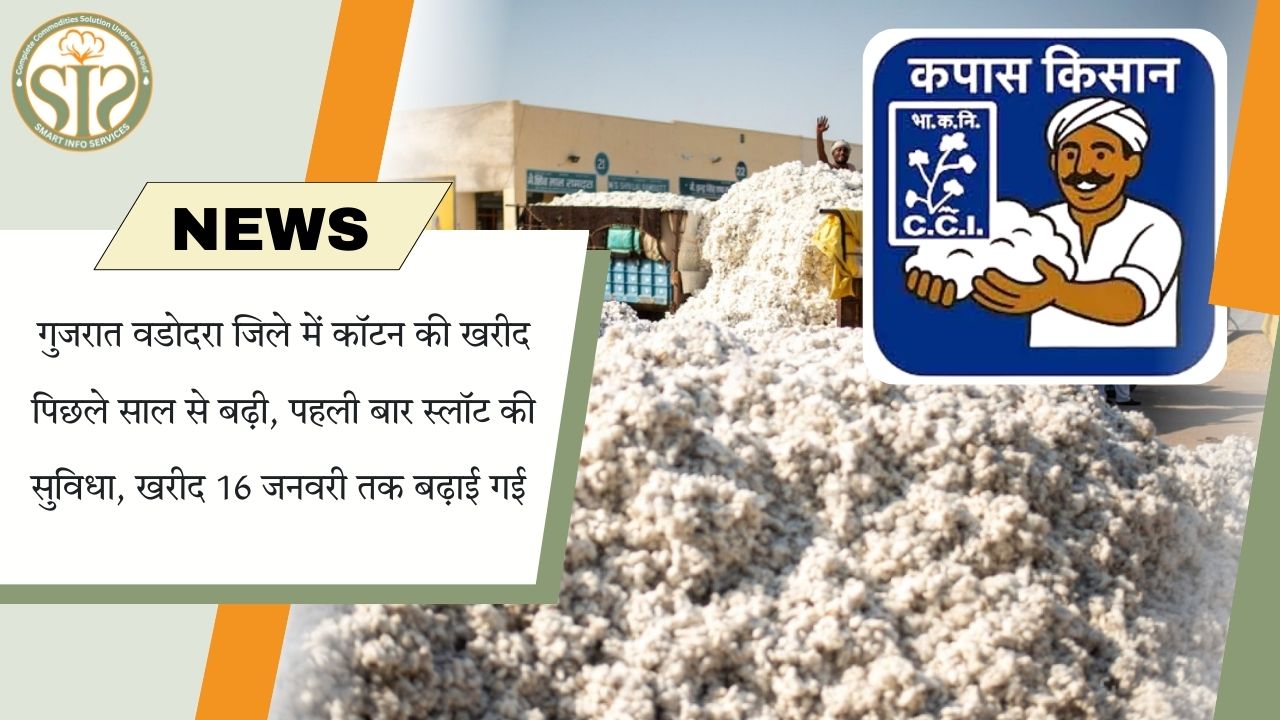
गुजरात वडोदरा जिले में कॉटन की खरीद पिछले साल से बढ़ी, पहली बार स्लॉट की सुविधा, खरीद 16 जनवरी तक बढ़ाई गई वडोदरा: वडोदरा जिले में सपोर्ट प्राइस पर कॉटन खरीदने के लिए किसानों की भीड़ जारी है, इसलिए वडोदरा के तीन सेंटर पर खरीदे गए कुल कॉटन में पिछले साल के मुकाबले बढ़ोतरी हुई है। किसानों की भीड़ को देखते हुए खरीद के लिए फंड बढ़ा दिया गया है।कॉटन कॉर्पोरेशन ऑफ इंडिया ने कॉटन की खरीद के लिए वडोदरा जिले में कर्जन, दभोई और समलया में कुल तीन सेंटर बनाए हैं। इन सेंटर पर किसानों को नियमों के मुताबिक ऑनलाइन रजिस्ट्रेशन कराना होता है।इस बार किसानों के लिए रजिस्ट्रेशन का समय 31 दिसंबर तक बढ़ा दिया गया था। लेकिन तीनों सेंटर पर किसानों की भीड़ जारी रहने और खरीद प्रोसेस को बढ़ाने की मांग को देखते हुए CCI ने पूरे राज्य में 16 जनवरी तक खरीद जारी रखने का फैसला किया है।वडोदरा जिले में कॉटन की खरीद पिछले साल के मुकाबले बढ़ी है। खरीद में 10 दिन और बचे हैं, ऐसे में अब तक कपास खरीद का आंकड़ा पिछले साल से ज़्यादा हो गया है। पिछले साल तीनों सेंटर पर कुल 1.79 लाख क्विंटल कपास खरीदा गया था। लेकिन इस बार खरीद का आंकड़ा 1.82 लाख क्विंटल से ज़्यादा हो गया है।पहली बार स्लॉट चुनने की सुविधा मिलने से किसानों की इनकम बढ़ीमिली जानकारी के मुताबिक, अब तक CCI कपास खरीदने के लिए एक डेडलाइन देता था और उसी के हिसाब से किसानों को कपास भरना होता था। लेकिन इसके लिए बहुत ज़्यादा भीड़ होने की वजह से प्राइवेट व्यापारी इसे भर रहे थे।लेकिन इस बार किसानों को ऑनलाइन खरीद के लिए अपनी पसंद का स्लॉट चुनने की सुविधा दी गई है, जिससे किसान सीधे सेंटर पर आ रहे हैं।वडोदरा ज़िले में कपास की खेती सबसे आगेवडोदरा ज़िले में कुल 3,47,137 हेक्टेयर ज़मीन पर खेती होती है। मुख्य फ़सलों में कपास सबसे प्रमुख है। पिछले साल 80 हजार हेक्टेयर से ज़्यादा ज़मीन पर कपास बोया गया था।और पढ़ें :- रुपया 04 पैसे की बढ़त के साथ 90.17 पर बंद हुआ।

मंगलवार को भारतीय रुपया 04 पैसे बढ़कर 90.17 प्रति डॉलर पर बंद हुआ, जबकि सुबह यह 90.21 पर खुला था।बाजार बंद होने पर, सेंसेक्स 376.28 अंक या 0.44 प्रतिशत गिरकर 85,063.34 पर और निफ्टी 71.60 अंक या 0.27 प्रतिशत गिरकर 26,178.70 पर बंद हुआ। लगभग 1483 शेयरों में तेज़ी आई, 2342 शेयरों में गिरावट आई और 144 शेयरों में कोई बदलाव नहीं हुआ।और पढ़ें :- डॉलर के मुकाबले रुपया 07 पैसे बढ़कर 90.21 पर खुला।

डॉलर के मुकाबले रुपया 07 पैसे बढ़कर 90.21 पर खुला।मंगलवार को भारतीय रुपया 90.28 के पिछले बंद स्तर के मुकाबले 90.21 प्रति डॉलर पर खुला।
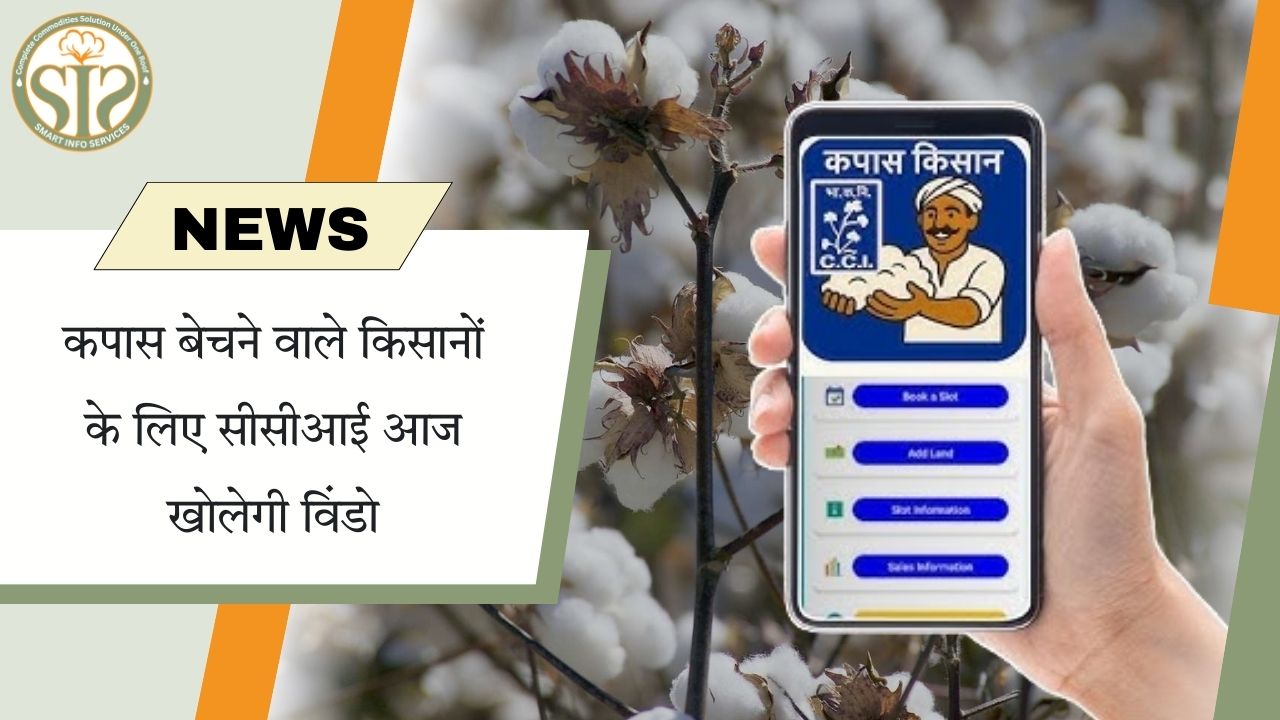
कपास बेचने वाले किसानों के लिए सीसीआई आज खोलेगी विंडोकपास किसानों के स्लॉट बुकिंग विंडो भारतीय कपास निगम (सीसीआई) द्वारा शनिवार को दोपहर 12 बजे के बाद खोली जाएगी। जिन किसानों द्वारा स्लॉट बुक कराए जाएंगे, वे 12 से 30 जनवरी तक मंडी में समर्थन मूल्य पर कपास बेच सकेंगे। मंडी प्रशासन ने किसानों से समय पर स्लॉट बुक करते हुए नियत दिनांक को कपास लेकर आने को कहा है |खरगोन मंडी के लिए 12 जनवरी से 30 जनवरी के बीच प्रत्येक शनिवार, रविवार एवं शासकीय अवकाश के दिनो को छोड़कर यह स्लॉट बुक किए जा सकेंगे। जबकि बड़वाह मंडी एवं बागोद उपमंडी सहित अन्य मंडियों में 19 जनवरी से 30 जनवरी के लिए स्लॉट बुक करने विंडो खोली जाएगी। किसानों को सलाह दी गई है कि स्लॉट बुक करते समय सही जानकारी भरे, ताकि किसी प्रकार की परेशानी न हो। सीसीआई ने 12 से 22 जनवरी के लिए स्लॉट बुक करने के लिए 27 दिसंबर को विंडो खोली थी। जहां कुछ स्लॉट बुक होने के बाद सर्वर हैक होने से कई किसान वंचित रह गए थे।

सोमवार को भारतीय रुपया डॉलर के मुकाबले 90.28 पर बंद हुआ, जबकि इसकी शुरुआती दर 90.19 थी।अंत में, सेंसेक्स 322.39 अंक या 0.38 प्रतिशत गिरकर 85,439.62 पर और निफ्टी 78.25 अंक या 0.30 प्रतिशत गिरकर 26,250.30 पर था।और पढ़ें :- असम: गुवाहाटी में कपड़ा मंत्रियों की बैठक, 350 अरब डॉलर की उद्योग योजना पर फोकस.
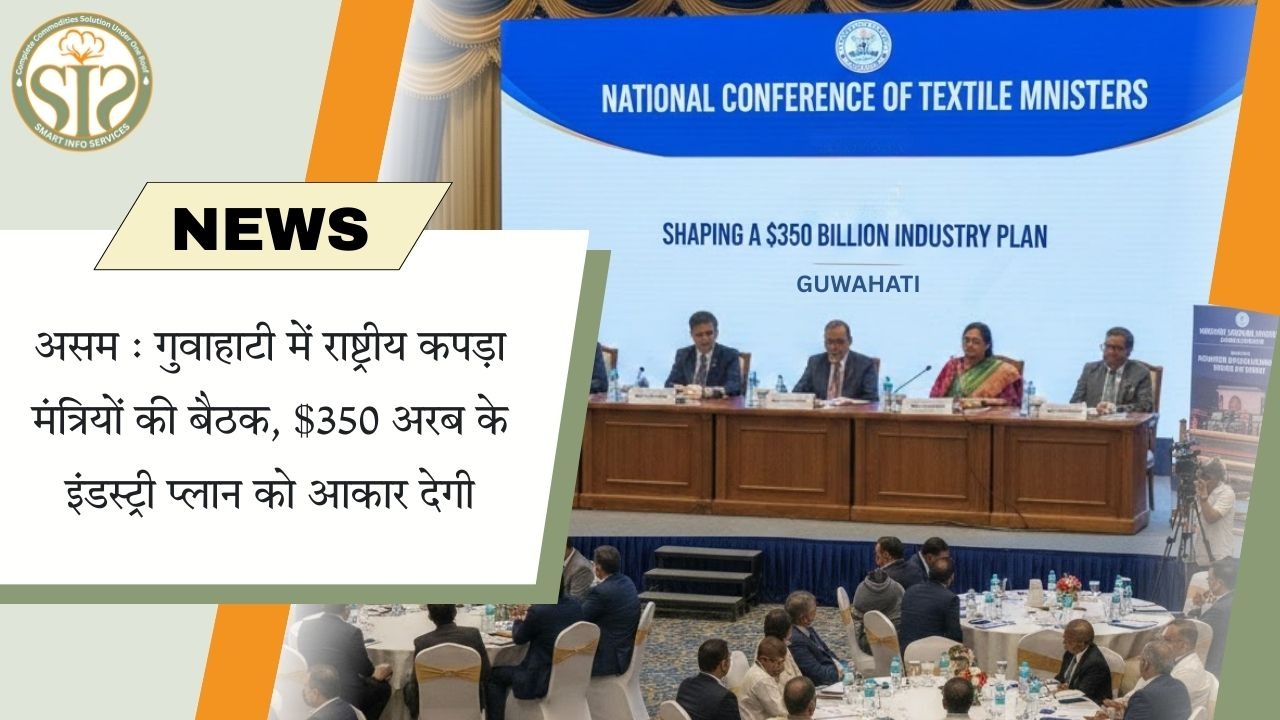
असम : गुवाहाटी में राष्ट्रीय कपड़ा मंत्रियों की बैठक, $350 अरब के इंडस्ट्री प्लान को आकार देगीगुवाहाटी : एक अधिकारी ने रविवार को बताया कि कपड़ा मंत्रियों का राष्ट्रीय सम्मेलन 8 से 9 जनवरी तक गुवाहाटी में "भारत का कपड़ा: विकास, विरासत और इनोवेशन की बुनाई" थीम पर आयोजित किया जाएगा।यह दो दिवसीय सम्मेलन भारत सरकार के कपड़ा मंत्रालय द्वारा असम सरकार के सहयोग से आयोजित किया जा रहा है।इस बैठक का मकसद केंद्र और राज्यों के वरिष्ठ अधिकारियों के साथ-साथ केंद्रीय और राज्य कपड़ा मंत्रियों को एक साथ लाना है, ताकि भारत को एक ग्लोबल टेक्सटाइल मैन्युफैक्चरिंग हब के रूप में स्थापित करने के लिए एक समन्वित राष्ट्रीय रणनीति पर चर्चा की जा सके।अधिकारी ने बताया कि ये चर्चाएं 2030 तक 350 अरब अमेरिकी डॉलर का कपड़ा उद्योग बनाने और 100 अरब अमेरिकी डॉलर का कपड़ा निर्यात हासिल करने के राष्ट्रीय विजन के अनुरूप हैं।उद्घाटन सत्र में केंद्रीय कपड़ा मंत्री गिरिराज सिंह, असम के मुख्यमंत्री हिमंत बिस्वा सरमा और केंद्रीय कपड़ा राज्य मंत्री पवित्र मार्गेरिटा सहित अन्य लोग शामिल होंगे।सम्मेलन में इंफ्रास्ट्रक्चर और निवेश, निर्यात विस्तार, प्रतिस्पर्धा, कच्चा माल और फाइबर, और तकनीकी वस्त्र, अनुसंधान और विकास जैसे नए क्षेत्रों पर ध्यान केंद्रित करते हुए कई सत्र होंगे। आधुनिक घरेलू और वैश्विक बाजारों के लिए हथकरघा और हस्तशिल्प सहित पारंपरिक वस्त्रों को पुनर्जीवित करने पर भी विशेष जोर दिया जाएगा।प्रतिनिधियों से उम्मीद है कि वे क्षेत्रों और जिलों में कपड़ा मूल्य श्रृंखला को मजबूत करने के उद्देश्य से सर्वोत्तम प्रथाओं, चुनौतियों और नीतिगत सुझावों को साझा करेंगे।सम्मेलन के हिस्से के रूप में, पहले दिन "भारत के उत्तर-पूर्वी क्षेत्र के कपड़ा क्षेत्र को मजबूत करना और सशक्त बनाना" शीर्षक से एक कॉन्क्लेव आयोजित किया जाएगा।कॉन्क्लेव रेशम, हथकरघा और बांस-आधारित वस्त्रों, महिला-नेतृत्व वाले उद्यमों को बढ़ावा देने और "उत्तर-पूर्व से वस्त्र" की ब्रांडिंग पर ध्यान केंद्रित करेगा, जिसका उद्देश्य क्षेत्र की अद्वितीय कपड़ा शक्तियों को उजागर करना और उन्हें राष्ट्रीय और वैश्विक मूल्य श्रृंखलाओं के साथ एकीकृत करना है।और पढ़ें :- महाराष्ट्र: CCI ने 7.24 लाख क्विंटल कपास खरीदा।
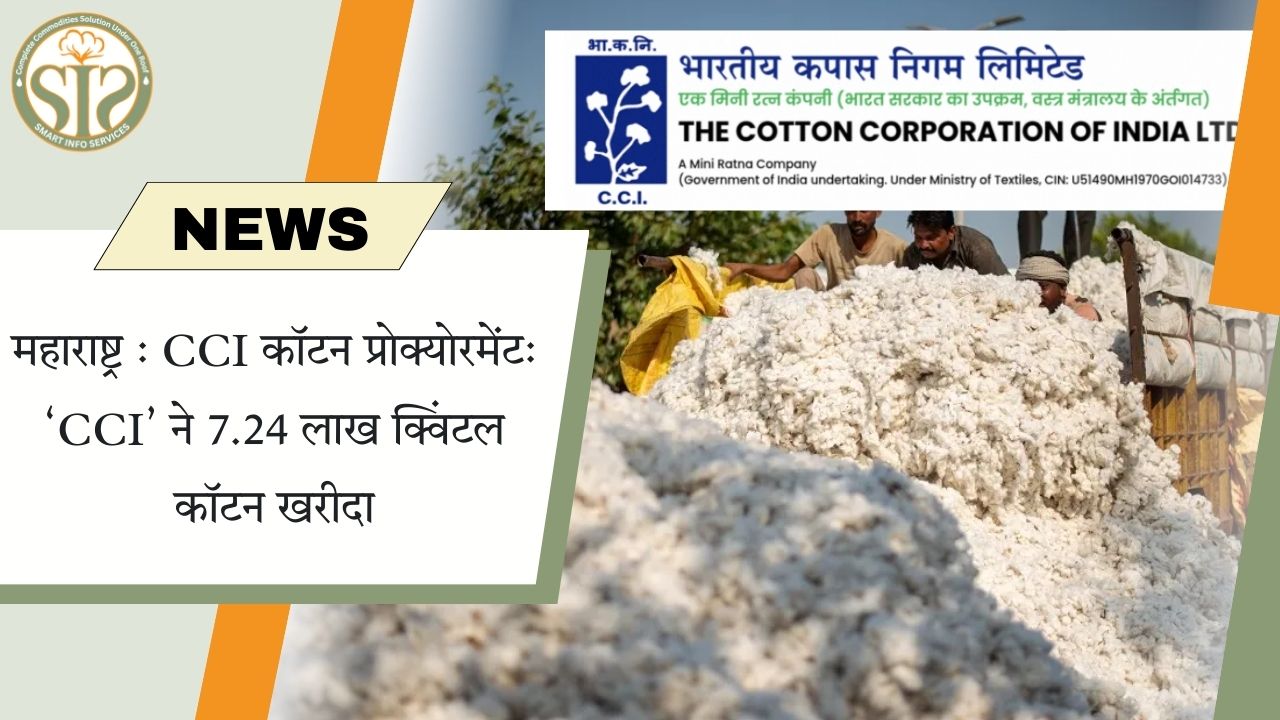
महाराष्ट्र : CCI कॉटन प्रोक्योरमेंट: ‘CCI’ ने 7.24 लाख क्विंटल कॉटन खरीदापरभणी : इस साल खुले बाज़ार में कॉटन के दाम कम हैं। इस वजह से परभणी और हिंगोली ज़िलों के किसान ‘CCI’ के गारंटीड प्राइस सेंटर्स पर कॉटन बेच रहे हैं। शुक्रवार (2 तारीख) तक, परभणी और हिंगोली ज़िलों में कॉटन कॉर्पोरेशन ऑफ़ इंडिया (CCI) के 14 सेंटर्स पर 7 लाख 24 हज़ार 996 क्विंटल कॉटन खरीदा जा चुका है। प्राइवेट ट्रेडर्स से 2 लाख 46 हज़ार 814 क्विंटल खरीदा गया है। जबकि CCI और प्राइवेट ट्रेडर्स ने मिलकर इन दोनों ज़िलों में 9 लाख 71 हज़ार 810 क्विंटल कॉटन खरीदा है।दोनों ज़िलों के 85 हज़ार 520 किसानों ने ‘CCI’ प्रोक्योरमेंट सेंटर्स पर गारंटीड प्राइस पर कॉटन बेचने के लिए कपास किसान मोबाइल ऐप के ज़रिए रजिस्टर किया है। इनमें से 46 हज़ार 881 किसानों को वेरिफ़ाई करके बेचने के लिए कॉटन लाने की मंज़ूरी मिल चुकी है।परभणी जिले में 8.84 लाख क्विंटल कपास खरीदा गयापरभणी जिले में ‘CCI’ और प्राइवेट व्यापारियों ने कुल 8 लाख 84 हजार 507 क्विंटल कपास खरीदा। परभणी, बोरी, जिंतूर, सेलू, पाथरी, सोनपेठ, गंगाखेड़, पालम, ताड़कलास की 10 कृषि उपज मंडी समितियों के तहत 72 हजार 166 किसानों ने ‘CCI’ सेंटरों पर कपास बेचने के लिए रजिस्टर कराया है, जिनमें से 41 हजार 539 किसानों को वेरिफाई करके सेंटर पर कपास बेचने की परमिशन दी गई है।जिले की 33 जिनिंग फैक्ट्रियों में 6 लाख 42 हजार 674 क्विंटल कपास खरीदा गया और प्रति क्विंटल कीमत 7710 से 8060 रुपये रही। परभणी जिले की 10 कृषि उपज मंडी समितियों के तहत 26 जिनिंग फैक्ट्रियों में प्राइवेट व्यापारियों से 6700 से 7440 रुपये प्रति क्विंटल के हिसाब से 2 लाख 41 हजार 833 क्विंटल कपास खरीदा गया।हिंगोली जिले में 87 हजार क्विंटल खरीदा गयाहिंगोली जिले में ‘CCI’ और प्राइवेट सेक्टर ने कुल 87 हजार 303 क्विंटल कपास खरीदा है। हिंगोली, अखाड़ा बालापुर, वसमत, जलाल बाजार नाम की 4 कृषि उपज मंडी समितियों के तहत ‘CCI’ सेंटरों पर कपास बेचने के लिए 13 हजार 354 किसानों ने रजिस्टर कराया है, जिनमें से 5 हजार 342 किसानों को वेरिफाई करके सेंटर पर कपास लाने की मंजूरी दी गई।इस बाजार समिति के तहत 5 जिनिंग कारखानों में 82 हजार 322 क्विंटल कपास की खरीद की गई है और प्रति क्विंटल कीमत 7712 से 8060 रुपये रही। निजी क्षेत्र में, जिले में 2 बाजार समितियों के तहत 3 जिनिंग कारखानों में 4 हजार 981 क्विंटल कपास की खरीद की गई है और प्रति क्विंटल कीमत 7200 से 7400 रुपये रही, ऐसा राज्य सहकारी कपास उत्पादक विपणन महासंघ के सूत्रों ने बताया।और पढ़ें :-कपास उत्पादन में भारी गिरावट, भारत में ग्रामीण रोज़गार पर दबाव बढ़ा।

भारत में कपास का उत्पादन घटा, ग्रामीण रोज़गार खतरे मेंरेटिंग एजेंसी इकरा की एक रिपोर्ट के अनुसार, कपास वर्ष 2026 (अक्टूबर 2025–सितंबर 2026) में भारत के कपास उत्पादन में 1.7 प्रतिशत की कमी आने की उम्मीद है, जिससे उत्पादन 29.2 मिलियन गांठ तक पहुंच जाएगा, जो एक दशक में सबसे निचला स्तर है। यह कमी खेती के रकबे में गिरावट, पानी की कमी, अनियमित मानसून और किसानों द्वारा अधिक लाभदायक फसलों की ओर रुख करने के कारण हुई है।रिपोर्ट में कहा गया है कि हालांकि प्रति हेक्टेयर उपज में मामूली वृद्धि हो रही है, जो साल-दर-साल 1.8 प्रतिशत बढ़ी है, लेकिन यह वृद्धि घटते खेती के क्षेत्रों की भरपाई के लिए अपर्याप्त है, जो 2021 में अपने चरम स्तर से लगभग 20 प्रतिशत कम हो गए हैं। उत्पादन में कमी से ग्रामीण रोज़गार प्रभावित होने की संभावना है, क्योंकि कपास की खेती महात्मा गांधी राष्ट्रीय ग्रामीण रोज़गार गारंटी योजना (मनरेगा) और स्थानीय मज़दूरी के अवसरों के तहत महत्वपूर्ण मौसमी काम प्रदान करती है।कम उत्पादन के बावजूद, CY2026 में घरेलू कपास की खपत स्थिर रहने की उम्मीद है। इकरा रिपोर्ट में उद्धृत विश्लेषकों ने बताया कि भारतीय परिधान निर्यात पर अमेरिकी टैरिफ से डाउनस्ट्रीम मांग कम होने की संभावना है, जिससे उच्च कपास उत्पादन के लिए प्रोत्साहन और कम हो जाएगा।घरेलू कमी के जवाब में, भारत ने आयात पर अपनी निर्भरता बढ़ा दी है, जो FY2026 के पहले पांच महीनों में साल-दर-साल 85 प्रतिशत बढ़कर 170 किलोग्राम की 1.5 मिलियन गांठ हो गई। संयुक्त राज्य अमेरिका सबसे बड़ा आपूर्तिकर्ता बना हुआ है, जो आयात का 22 प्रतिशत है। इकरा ने इस बात पर ज़ोर दिया कि 19 अगस्त से 31 दिसंबर 2025 के बीच दी गई आयात शुल्क छूट ने आपूर्ति बनाए रखने में मदद की, लेकिन इसने घरेलू स्तर पर कपास की कीमतों को भी नरम किया।कपास धागे की कीमतों में भी कच्चे कपास के बाज़ारों की नरमी दिखी। नवंबर 2025 में घरेलू कपास फाइबर की कीमतों में महीने-दर-महीने 3 प्रतिशत की गिरावट आई, जबकि औसत कपास धागे की कीमतों में 4 प्रतिशत की गिरावट आई, जिससे योगदान मार्जिन FY2026 की पहली छमाही में 103 रुपये प्रति किलोग्राम से घटकर नवंबर 2025 तक 96 रुपये प्रति किलोग्राम हो गया। इकरा को उम्मीद है कि दूसरी छमाही में प्राप्तियों में नरमी के कारण FY2026 में मार्जिन 98-100 रुपये प्रति किलोग्राम पर स्थिर हो जाएगा। रिपोर्ट में 13 कॉटन स्पिनिंग कंपनियों का सर्वे किया गया, जो इंडस्ट्री के रेवेन्यू का 25-30 प्रतिशत हिस्सा हैं। इन कंपनियों को FY2026 में रेवेन्यू में 4-6 प्रतिशत की गिरावट और मार्जिन में 50-100 बेसिस पॉइंट्स की कमी होने का अनुमान है, जिसका मुख्य कारण साल के दूसरे छमाही में कमजोर परफॉर्मेंस है।कपास उत्पादन और धागे की मांग में कमी का ग्रामीण भारत पर व्यापक असर पड़ेगा, जहाँ कपास की खेती स्थानीय लोगों की आजीविका से जुड़ी हुई है। कम उत्पादन से कैज़ुअल और मौसमी रोज़गार कम हो सकता है, जिससे ग्रामीण मज़दूरी पर दबाव पड़ेगा और MGNREGS जैसी सरकारी रोज़गार योजनाओं पर निर्भरता बढ़ेगी। रिपोर्ट इस बात का संकेत देती है कि बदलते फसल पैटर्न और वैश्विक व्यापार की अनिश्चितताओं के बीच किसानों की आय और ग्रामीण रोज़गार दोनों को बनाए रखने के लिए नीतिगत ध्यान देने की ज़रूरत है।और पढ़ें :-“2024-25 में राज्यवार CCI कपास बिक्री”

डॉलर के मुकाबले रुपया 90.19 पर स्थिर खुलाभारतीय रुपया शुक्रवार के 90.19 के मुकाबले सोमवार को 90.19 प्रति डॉलर पर खुला।और पढ़ें :- “2024-25 में राज्यवार CCI कपास बिक्री”

राज्य के अनुसार CCI कपास बिक्री विवरण – 2024-25 सीज़नभारतीय कपास निगम (CCI) ने इस सप्ताह अपनी कीमतों में कोई बदलाव नहीं किए | सीज़न 2024-25 में अब तक कुल बिक्री लगभग 96,30,200 गांठों तक पहुँच गई है। यह आंकड़ा अब तक की कुल खरीदी गई कपास का लगभग 96.30% है।राज्यवार बिक्री आंकड़ों से पता चलता है कि महाराष्ट्र, तेलंगाना और गुजरात से बिक्री में प्रमुख भागीदारी रही है, जो अब तक की कुल बिक्री का 84.74% से अधिक हिस्सा रखते हैं।यह आंकड़े कपास बाजार में स्थिरता लाने और प्रमुख कपास उत्पादक राज्यों में नियमित आपूर्ति सुनिश्चित करने के लिए CCI के सक्रिय प्रयासों को दर्शाते हैं।और पढ़ें:- लोकल कपास टैक्स पर इंडस्ट्री की अपील”
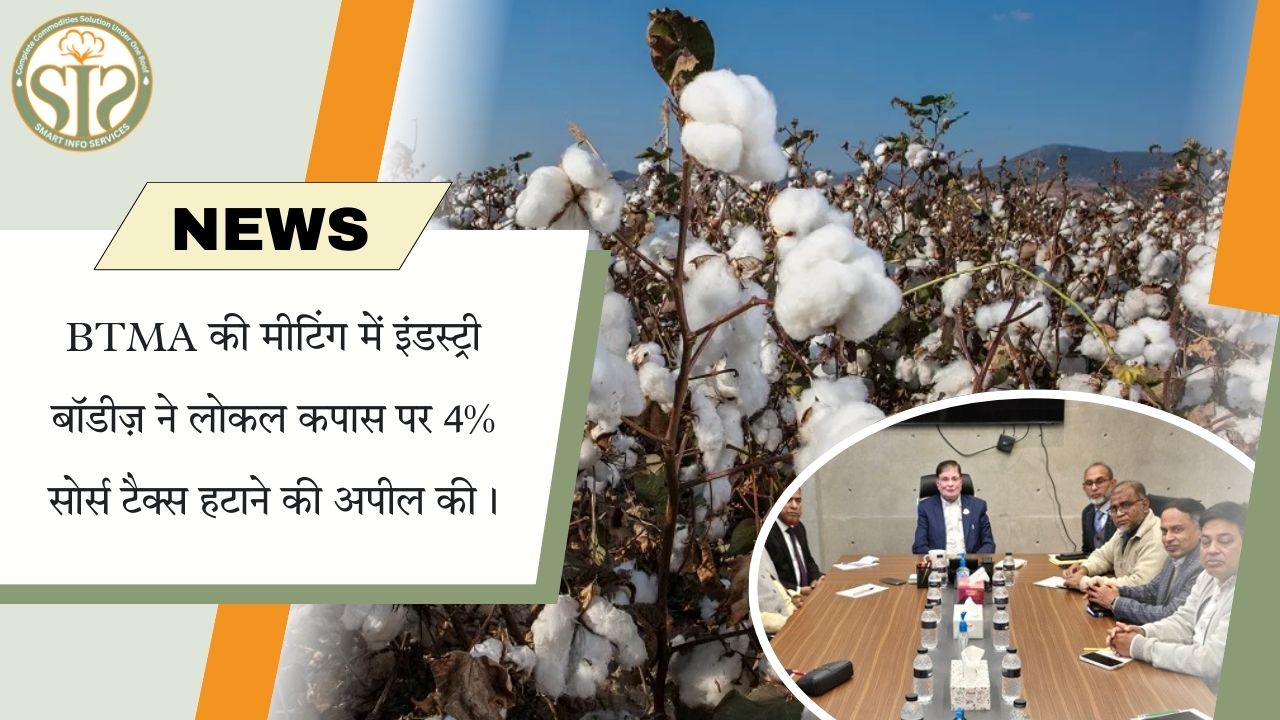
BTMA की मीटिंग में इंडस्ट्री बॉडीज़ ने लोकल कपास पर 4% सोर्स टैक्स हटाने की अपील की।बांग्लादेश की टेक्सटाइल वैल्यू चेन के स्टेकहोल्डर्स ने घरेलू कपास उत्पादन को मज़बूत करने और वित्तीय बाधाओं को हटाने की मांग फिर से उठाई है, क्योंकि इंडस्ट्री बॉडीज़ और सरकारी अधिकारी 1 जनवरी, 2026 को गुलशन में बांग्लादेश टेक्सटाइल मिल्स एसोसिएशन (BTMA) के हेडक्वार्टर में मिले।BTMA द्वारा आयोजित इस संयुक्त बैठक में बांग्लादेश कॉटन डेवलपमेंट बोर्ड (CDB) के वरिष्ठ अधिकारी और बांग्लादेश कॉटन जिनर्स एसोसिएशन (BCGA) के सदस्य शामिल हुए। इस सेशन की अध्यक्षता BTMA के डायरेक्टर मोहम्मद खोरशेद आलम ने की।मीटिंग में बोलते हुए, CDB के अधिकारियों ने आयात पर निर्भरता कम करने और सप्लाई-चेन की मज़बूती में सुधार के लिए लोकल कपास की खेती का विस्तार करने के रणनीतिक महत्व पर ज़ोर दिया। चर्चा में बेहतर भूमि उपयोग, किसानों की भागीदारी और उत्पादकों, जिनर्स और स्पिनर्स के बीच बेहतर तालमेल के ज़रिए घरेलू कपास उत्पादन बढ़ाने पर ज़ोर दिया गया।मुख्य सिफारिशों में से एक घरेलू कपास की बिक्री पर सरकार द्वारा लगाए गए 4% सोर्स टैक्स को हटाना था, जिसके बारे में प्रतिभागियों ने कहा कि यह स्थानीय रूप से उत्पादित कपास के व्यापार को हतोत्साहित करता है। जिनर्स ने बांग्लादेशी स्पिनिंग मिलों से घरेलू वैल्यू एडिशन को बढ़ावा देने के लिए स्थानीय जिनिंग मिलों द्वारा उत्पादित कपास की खरीद को प्राथमिकता देने का भी आग्रह किया।बांग्लादेश कॉटन डेवलपमेंट बोर्ड के कार्यकारी निदेशक मोहम्मद रेज़ाउल अमीन, डॉ. एमडी. गाज़ी गुलाम मोर्तुज़ा, मृदा उर्वरता और जल प्रबंधन विशेषज्ञ, बांग्लादेश कॉटन डेवलपमेंट बोर्ड, और डॉ. खलेकुज़्ज़मान, वरिष्ठ वैज्ञानिक अधिकारी, बांग्लादेश कॉटन डेवलपमेंट बोर्ड ने उत्पादकता में सुधार और स्थायी खेती के तरीकों पर तकनीकी दृष्टिकोण साझा किए। प्रोजेक्ट-स्तर के अपडेट डॉ. ए.के.एम. हारुन-ओर-रशीद, प्रोजेक्ट डायरेक्टर, बांग्लादेश कॉटन डेवलपमेंट बोर्ड द्वारा प्रस्तुत किए गए।मीटिंग में किसानों के बीच जागरूकता बढ़ाने की पहलों पर भी चर्चा हुई। जिनर्स ने कपास की खेती को प्रोत्साहित करने के उद्देश्य से आयोजित किसान सेमिनार में 5,000 BTMA-ब्रांडेड टी-शर्ट वितरित करने में BTMA से समर्थन का अनुरोध किया।BTMA के डायरेक्टर मोहम्मद खोरशेद आलम ने यह सुनिश्चित करने के महत्व पर ज़ोर दिया कि खेती योग्य कृषि भूमि उत्पादक बनी रहे, और जहां भूमि खाली पड़ी है, वहां कपास के पेड़ लगाने का आग्रह किया। उन्होंने जिनिंग मिल मालिकों को एकीकृत खेती को बढ़ावा देने के लिए भी प्रोत्साहित किया, जिसमें किसानों की आय बढ़ाने के लिए खाली या कम उपयोग वाली भूमि पर कपास के साथ सब्जियों को उगाया जाए। इस मीटिंग में BTMA के डिप्टी सेक्रेटरी जनरल ज़ियाउल हसन चौधरी भी मौजूद थे, साथ ही कुश्तिया, जशोर और दूसरे कपास उगाने वाले इलाकों की जिनिंग मिलों के प्रतिनिधि भी थे।और पढ़ें:- “टेक्सटाइल सेक्टर का पहला बड़ा सर्वे 2027 में”
New AEPC chief seeks trade relief, Budget support as US tariff squeezes apparel exportersA Sakthivel, Founder of Tiruppur-based Poppys Knitwear Pvt Ltd, is considered the father of the apparel industry. With over five decades in the industry, he assumed charge as Chairman of the Apparel Export Promotion Council (AEPC) on Tuesday for a record fifth term. In his first interview to a media house after taking over as Chairman, Sakthivel shares with businessline his views on how US tariffs are affecting textile exporters, besides a host of other topics.The US tariff is the biggest issue currently facing the textiles industry. How is the industry going to handle it if this prolongs?The industry is making efforts to diversify export markets beyond the US, especially towards Russia, Japan, South Korea, Chile, and South Africa. The recently concluded FTAs with the UK, New Zealand and Oman will help exporters diversify into these markets and improve the global position of the Indian apparel industry.The industry is also intensifying efforts to scale efficiencies, higher value-added product manufacturing, and fast-tracking sustainability compliance in line with global buyer requirements. This will partially offset the tariff burden. Engagement with the Government is ongoing to seek appropriate trade reliefs and targeted market-linked support schemes to neutralise the tariff disadvantage faced by Indian exporters.The industry is strongly advocating expeditious conclusion of the India–US Bilateral Trade Agreement negotiations to achieve a long-term resolution to the tariff issue.Has the industry accepted the increased US tariffs?The industry has not accepted the increased tariff as a permanent reality, but is managing pragmatically in the short term. India faces a 50 per cent tariff - higher than Bangladesh, Vietnam (20 per cent), and Cambodia/ Indonesia/ Malaysia (19 per cent).What is your primary agenda as chairman of AEPC?The foremost will be product and market diversification. We need to promote export of man-made fibre garments for which global demand is high and we have a scant share. India’s apparel export is highly cotton-centric and its apparel exports are largely concentrated in the US, EU, and UK.We need to diversify exports towards non-conventional and non-traditional destinations. The focus will be on making Indian apparel exports sustainable, especially in view of recent and upcoming EU regulations around sustainability.What is the industry’s demand from the Union Budget?The industry wishes for strengthening interest subvention under the Export Promotion Mission, including enhancement of the interest subvention rate from 2.75 per cent to 5 per cent and relaxation of the current annual value cap of ₹50 lakh per year, to ease credit constraints for MSME exporters.We need reintroduction of a concessional tax rate of 15 per cent under the Income Tax Act to incentivise new manufacturing companies and boost investments in the sector. We need provision of accelerated depreciation benefits for apparel exporters to strengthen the liquidity position and global competitiveness of Indian exporters.The loan moratorium falling due between September 1 and December 31, 2025 must be extended. The industry wants introduction of a new Technology Upgradation Scheme focused on micro units in the MSME segment, in view of the expiry of ATUFS and the non-coverage of micro enterprises under the PLI scheme, to stimulate capital upgradation.The industry in Tiruppur is the worst affected. Hailing from Tiruppur, is there anything that you wish to do for your hometown?Given the inability to compete on price in the short run, Tiruppur exporters are encouraged to leverage their strong sustainability, compliance, and responsible manufacturing credentials as key differentiators.Tiruppur is known as the knitwear capital of India. This is the right time to transform it into the apparel capital of India through greater product diversification across all apparel categories, including woven products.We will encourage Tiruppur manufacturers to establish factories to make swimwear, pullovers and jerseys, brassieres and sportswear.read more :- Sharp jump in cotton imports from zero duty window
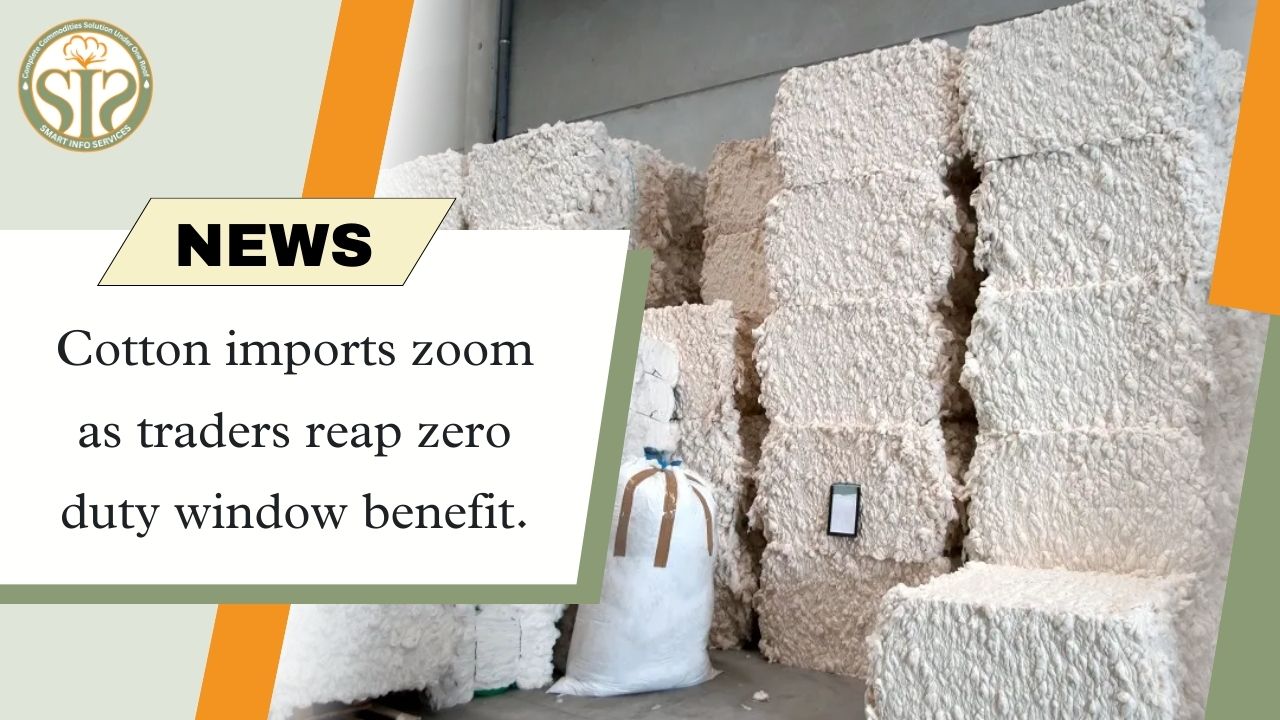
Cotton imports zoom as traders reap zero duty window benefit.India imported cotton at a record pace, procuring nearly 3 million bales in the December quarter, as buyers rushed to take advantage of the duty-free window till the year-end.This could lead to a second consecutive year of record imports in FY26 amid lower domestic production, rain-damaged crop quality, and higher local prices.Trade bodies, global merchants, and textile mills estimate that total imports during the October-September cotton marketing season could reach 5-6 million bales, depending on government policy, US tariffs, and trade pacts with the EU and the UK.Acting on a longstanding demand from the cotton textile and yarn industry, the government scrapped a 11% import duty on cotton from August 19 till December 31. The industry had anticipated shortages as the area under cotton cultivation has been declining for the past two years.Cotton acreage fell 3.5% in kharif 2025 from the year earlier, adding to a sharper 9.5% decline in kharif 2024 over 2023."The top 10 mills in the country have covered their cotton requirements until May or June through imports," said Atul Ganatra, chairman, Radhalakshmi Group and former president of the Cotton Association of India (CAI).In addition to the strong imports in the first quarter of the cotton marketing year, the industry expects another 2-3 million bales to be imported in the rest of the year.A key reason is the widespread damage to the quality of Indian cotton due to adverse weather conditions. "The quality of at least 50% of this year's cotton production has been affected, which is reflected in parameters such as strength and shine," said K Selvaraju, secretary general of the Southern India Mills Association (SIMA).Export commitments require specific grades of cotton that are contamination-free and of extra- long staple (ELS), for which India depends on imports. "We will import 300,000 bales of Australian cotton between June and August. At least 500,000 bales of duty-free extra-long staple cotton will be imported by September to meet our normal demand for this variety. More than 500,000 bales may also come from Africa, which attracts lower duties," said Ganatra.Cotton imported by processing mills for their captive consumption attracts only 4% import duty. Large mills can import at lower effective duties when domestic prices remain higher than international prices.Meanwhile, state-owned Cotton Corporation of India (CCI) is holding more than 20% of this year's crop through price support procurement at the minimum support price.read more :-Bangladesh proposes safeguard tariff on Indian cotton yarn imports

Bangladesh Textile Industry Seeks Safeguard Duty on Indian Cotton Yarn ImportsNagpur: Bangladesh’s textile industry is pushing for the imposition of a 20% safeguard tariff on imports of cotton yarn, blended yarn, and grey mélange from India. The proposal comes amid political and economic uncertainty ahead of elections, with industry players seeking protection for domestic manufacturers.A safeguard tariff is a temporary duty imposed to shield local industries from rising imports. According to reports, a note by a foreign trade research officer in Bangladesh has been circulated among key authorities, including the trade and tariff commission and commerce ministry, recommending the duty. The matter was discussed in a meeting held on January 5, although no official decision has been announced yet.The development has raised concerns in India, particularly among textile manufacturers in regions like Vidarbha, where a significant portion of yarn production is exported to Bangladesh. Industry leaders warn that such a move could deal a double blow—impacting both yarn exports and domestic cotton prices.The timing is critical, as India recently reinstated an 11% import duty on raw cotton from January 1, after temporarily lifting it in August. While the earlier duty relaxation allowed cheaper imports and supported the textile sector, the reimposition has already pushed domestic cotton prices closer to the Minimum Support Price (MSP) of ₹8,110 per quintal for premium grades.Higher cotton costs are squeezing margins for Indian textile manufacturers. If Bangladesh goes ahead with the safeguard tariff, it could further weaken India’s export competitiveness in a key market.According to industry estimates, nearly 30% of yarn produced in Vidarbha—around 3,000 tonnes per month—is exported to Bangladesh, with about 45 manufacturing units dependent on this trade. Any disruption could lead to a surplus in the domestic market, potentially dragging down yarn and cotton prices.The demand for a safeguard duty in Bangladesh is reportedly linked to misuse of duty-free import provisions. Certain licensed importers were allowed to import yarn from India duty-free, provided it was used for export-oriented garment production. However, authorities found that some firms diverted these inputs to produce garments for the domestic market, distorting trade practices.Industry experts believe that any tariff imposition could significantly alter trade dynamics between the two countries, affecting both textile exports and the broader cotton value chain.Read More :- Rupee opens 07 paise down at 89.95

The Rupee opened 07 paise lower at 89.95 against the US dollar.Indian rupee opened marginally lower at 89.95 per dollar on Thursday versus Wednesday's close of 89.88.read more :- Soft cotton prices increased in Srikaranpur
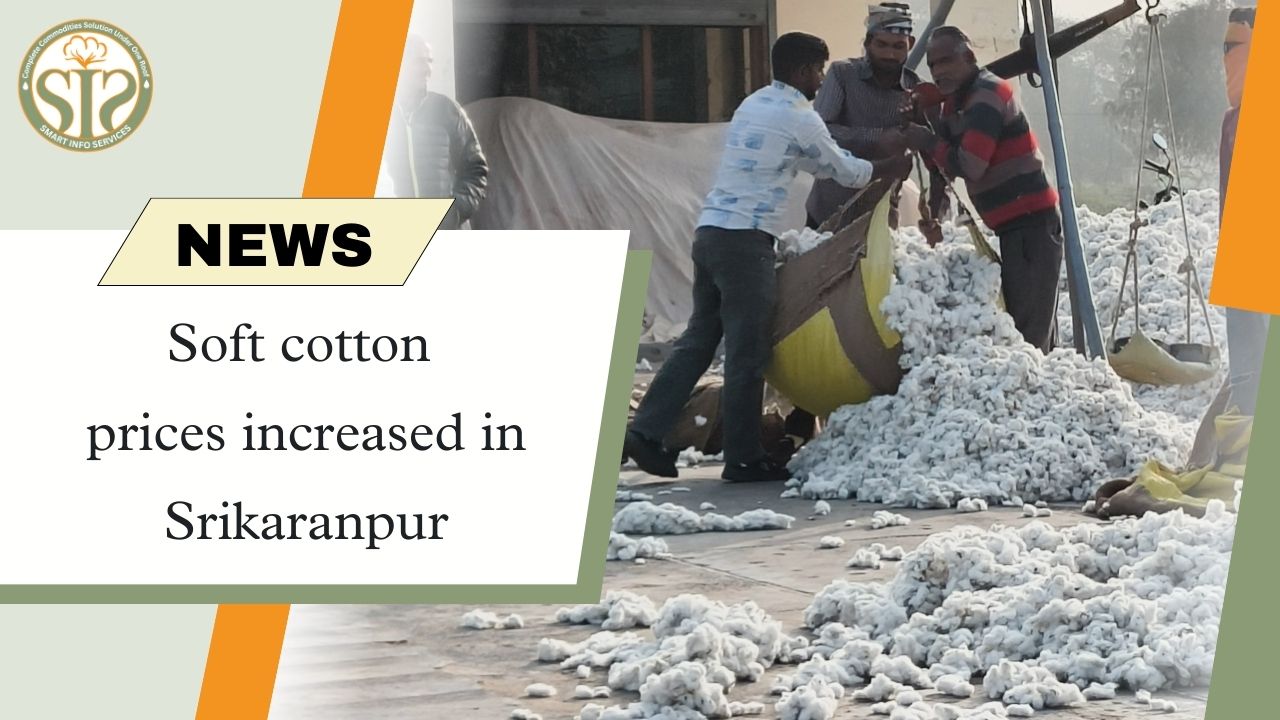
Increase in the price of soft cotton in SrikaranpurRamesh Bansal, Chairman of the Srikaranpur Municipality and a leading cotton trader at the grain market, cited several reasons for this surge in cotton prices. He explained that the central government had waived the import duty on cotton during October, November, and December. However, an 11 percent import duty was reimposed from January 1st.According to Bansal, the increasing demand for cotton from textile factories is also a major factor contributing to the price increase. These factors have led to a continuous upward trend in cotton prices in the market.Rakesh Dhuria, manager of shop number 179, M/s Karam Singh Harnek Singh, at the grain market, provided details of a specific sale. He stated that Balraj Singh, son of Avtar Singh Gill, a resident of Moda, had brought his cotton to their shop.Due to the high quality of the cotton and the prevailing market trend, Balraj Singh's cotton was sold at a rate of Rs. 7796 per quintal. Approximately 20 quintals of this consignment were purchased by M/s Baburam Ramswaroop and another 20 quintals by M/s Singla Industries. This surge in cotton prices has created a positive atmosphere in the market.read more :- INR Gains 29 Paise, Closes at 89.88 per Dollar

The Indian rupee on wednesday higher 29 paise to close at 89.88 per dollar, while it opened at 90.17 in the morning.At close, the Sensex was down 102.20 points or 0.12 percent at 84,961.14, and the Nifty was down 37.95 points or 0.14 percent at 26,140.75. About 1939 shares advanced, 1886 shares declined, and 140 shares unchanged.read more :- Cotton prices firm: End of import duty exemption, impact of Bangladesh tariffs?
Cotton Prices: Cotton Prices Strengthen After Import Duty Exemption Ends; Will Bangladesh's Tariff Plans Have an Impact?Cotton prices have improved in major markets across the country after the import duty exemption on raw cotton expired on December 31. According to trade sources, raw cotton prices have increased by Rs 400 to 500 per quintal in different markets. Despite this increase, prices still remain below the Minimum Support Price (MSP) of Rs 8,100 per quintal.Meanwhile, a new concern is emerging for the Indian cotton and yarn market from Bangladesh. Bangladesh, which has been the largest buyer of Indian yarn for the past few years, is now considering imposing tariffs on imports to protect its domestic yarn producers. The Bangladesh Trade and Tariff Commission recently discussed a proposal to impose a 20 percent duty on yarn imports in a meeting, although no official announcement has been made yet.Apprehension of Impact on Indian Yarn ExportsAccording to Atul Ganatra, former president of the Cotton Association of India, if Bangladesh imposes a duty on yarn imports, it will directly impact India's domestic yarn market. India exports approximately 30 percent of its total yarn production, while domestic consumption accounts for about 70 percent. Bangladesh is a major importer of Indian yarn, and a tariff there could reduce the competitiveness of Indian yarn. Trade sources believe that Bangladesh might impose a duty of between 10 and 20 percent. This would increase the landed cost of Indian yarn, making it more expensive in the Bangladeshi market.Improvement in Domestic Market PricesAfter the expiry of the import duty exemption, prices have increased in several cotton-producing regions of the country. According to Ramanuj Das Boobh, a sourcing agent from Raichur, raw cotton prices have risen to Rs 8,000 per quintal, compared to around Rs 7,500-7,600 a week ago. Meanwhile, pressed cotton prices have also increased by ₹1,000 to ₹1,500 per candy (356 kg). He said this is an opportune time for the Cotton Corporation of India (CCI) to announce the price for the 2025-26 crop, as any delay could lead mills to enter into more import contracts.Procurement and Stock SituationThe government agency, Cotton Corporation of India (CCI), is actively procuring cotton at the Minimum Support Price (MSP) and has so far purchased over 68 lakh bales. Prices have also increased by ₹400–500 per quintal in the Khandesh region of Maharashtra. According to Pradeep Jain, founder president of the Khandesh Gin Press Factory Owners Association, approximately 40 percent of the crop in the region has arrived in the markets, while the remaining crop is being held back by farmers, and harvesting is complete.2024-25 Crop Almost Sold OutAkola-based broker Arun Khetan said that the CCI has sold almost the entire 2024-25 season's crop and now has less than three lakh bales in stock. The market expects the CCI to announce a price of around ₹57,000 per candy for the 2025-26 crop.read more :- Rupee opens steady at 90.17 /USD

Rupee opened stable at 90.17 against dollarIndian rupee opened flat at 90.17 per dollar on versus previous close of 90.17.read more :- Cotton yarn prices surged in North India in January 2026.
Rise in cotton yarn prices in North India in January 2026There is currently a strong environment in the cotton yarn market of North India. Due to continuous rise in the prices of raw cotton, the cost of spinning mills has increased, the direct impact of which is visible on the prices of cotton yarn. To compensate for the rising costs, mills are forced to increase yarn prices.(SIS)Major Market UpdatesLudhianaA slight increase of about two to five rupees per kilogram has been recorded in the prices of cotton yarn in Ludhiana market. Although mills have increased prices, demand from buyers still remains limited.DelhiThe prices in the cotton yarn market of Delhi currently remain stable. There are no signs of any major movement in prices due to weak demand from textile manufacturing units and garment sector.(SIS)panipatA slight improvement has been seen in the prices of recycled cotton yarn and cotton comber in Panipat. However, due to excess supply of recycled PC thread in the market, there has been no significant change in its prices.Major market challengescost pressureDue to high prices of raw cotton, the pressure of production cost on spinning mills is continuously increasing.(SIS)read more :- Indonesia's move: Cotton imports provide relief to the textile industry.

Indonesia protects domestic textile sector from cotton import surge.he Indonesian government’s new policy, which was signed on 22 December, aims to implement safeguard measures when a rise in imports could pose a serious threat to domestic producers, according to local news publication Jakarta Globe ID.This follows the Indonesian Trade Safeguard Committee (KPPI) carrying out an investigation, which suggested that rising cotton woven fabrics had already impacted the country’s local textile sector.The Bea Masuk Tindakan Pengamanan (BMTP) duty will be on top of existing import duties, including most-favoured-nation rates and preferential tariffs under international trade agreements.It is expected to be applied for three years with a declining tariff each year. In the first year, duties will range from Rp3,000 ($0.18) to Rp3,300 per metre based on tariff classification. In the second year, the rate will be Rp2,800-Rp3,100 per metre, and in the final year it will be Rp2,600-Rp2,900.Imports that come from 122 developing countries that are WTO members will be excluded. This includes Malaysia, Thailand, the Philippines, as well as some countries in Africa and Latin America.The publication points out that if the origin requirements are not met, or if a retroactive verification is still underway, the imported products will remain subject to the safeguard duty in accordance with its rules.read more:- Cotton prices surge in the global market.

Cotton prices rise on global markets after long period of declineSince the beginning of 2026, cotton prices have been on the rise again. In early January, cotton futures surged to 64.8 cents per pound, the highest level since late December, after several days of decline. However, in year-on-year terms, the price is still about 5.4% lower, and the demand for cotton remains weak.According to Trading Economics, the price increase was driven by the return of investors to the market after the New Year holidays, leading to the closure of "short positions" — meaning the repurchase of contracts on which investors had profited during the price decline. This pushed the prices up. Additional support came from oil, which rose slightly, making polyester — one of cotton’s main substitutes — more expensive, thus making natural fiber more attractive again.As of January 6, 2026, the price of cotton held steady at around 64.82 cents per pound, which is approximately $1.43 per kilogram. However, compared to January of last year, the price is still 5.4% lower.Despite the price recovery, risks for the market persist. Trading Economics notes that market participants remain concerned about weak demand, surplus stocks, and the potential impact of tariffs on U.S. cotton. The U.S. Department of Agriculture's report also heightened concerns, as net cotton export sales for the week ending December 25, 2025, totaled only 134,000 bales, which is perceived as a sign of weak demand.For Tajikistan, the dynamics of cotton prices are especially important given the expected increase in production. According to the Forecast of Key Macroeconomic Indicators of Tajikistan for 2025–2027, the cotton harvest in 2025 is estimated at 390,000 tons, with the production of cotton fiber is estimated at 139,000 tons.Additionally, Tajikistan is increasing its cotton fiber exports. Since the beginning of 2025, Iran has purchased more than 30,000 tons of Tajik cotton fiber for $45.7 million.read more :- Increase in cotton procurement, deadline extended to January 16.
Cotton Procurement Increases in Vadodara District, Gujarat; Slot Booking Facility Introduced for the First Time; Procurement Extended Until January 16Vadodara: Farmers continue to flock to the cotton procurement centers in Vadodara district to sell their cotton at the support price. As a result, the total amount of cotton purchased at the three centers in Vadodara has increased compared to last year. Due to the large number of farmers, the funds allocated for procurement have also been increased.The Cotton Corporation of India (CCI) has established three procurement centers in Vadodara district: Karjan, Dabhoi, and Samlaya. Farmers are required to register online at these centers according to the regulations.This year, the registration deadline for farmers was extended until December 31. However, considering the continued rush of farmers at all three centers and the demand to extend the procurement process, the CCI has decided to continue procurement across the state until January 16.Cotton procurement in Vadodara district has increased compared to last year. With 10 days remaining in the procurement period, the amount of cotton purchased so far has already exceeded last year's figures. Last year, a total of 1.79 lakh quintals of cotton were purchased at the three centers. This year, the figure has already surpassed 1.82 lakh quintals.Farmers' Income Increases Due to the Introduction of Slot Booking FacilityAccording to reports, previously, the CCI would set a deadline for cotton procurement, and farmers had to deliver their cotton accordingly. However, due to the large crowds, private traders were often involved in the process.This year, farmers have been given the option to choose their preferred slot for online procurement, allowing them to directly visit the centers.Cotton Cultivation Leads in Vadodara DistrictVadodara district has a total cultivated area of 3,47,137 hectares. Cotton is the most prominent crop. Last year, cotton was sown on more than 80,000 hectares of land.read more :- Rupee closed 04 paisa higher at 90.17

On Tuesday, the Indian rupee rise 04 paise to close at 90.17 per dollar, compared to its opening price of 90.21 in the morning.At close, the Sensex was down 376.28 points or 0.44 percent at 85,063.34, and the Nifty was down 71.60 points or 0.27 percent at 26,178.70. About 1483 shares advanced, 2342 shares declined, and 144 shares unchanged.read more :- The rupee opened 07 paise higher at 90.21 against the dollar.

The rupee opened 07 paise higher at 90.21 against the dollar.Indian rupee opened higher at 90.21 per dollar on Tuesday versus previous close of 90.28.read more :-
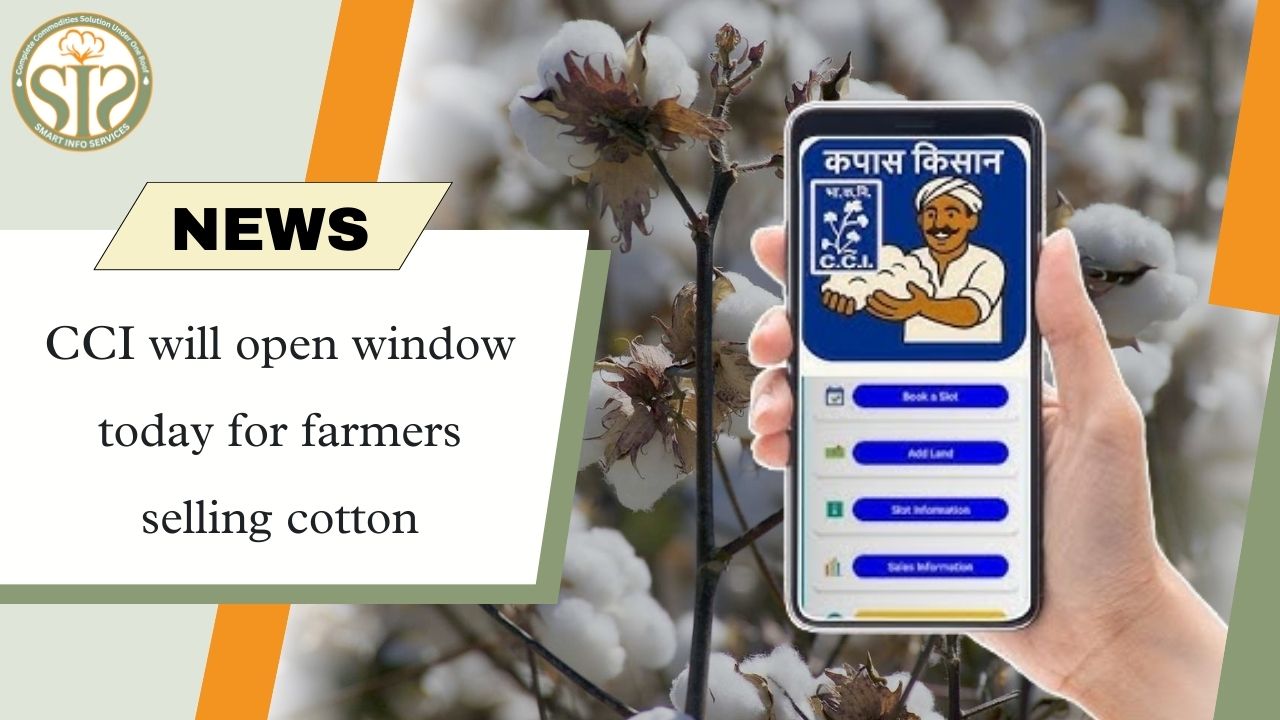
CCI will open window today for farmers selling cottonThe slot booking window for cotton farmers will be opened by the Cotton Corporation of India (CCI) on Saturday after 12 PM. Farmers who book slots will be able to sell their cotton at the minimum support price in the market from January 12 to 30. The market administration has urged farmers to book slots on time and bring their cotton on the scheduled date.For the Khargone market, slots can be booked between January 12 and January 30, excluding Saturdays, Sundays, and government holidays. For the Barwah market and Bagod sub-market, as well as other markets, the slot booking window will open from January 19 to January 30. Farmers are advised to fill in the correct information while booking slots to avoid any problems. The CCI had opened the slot booking window for January 12 to 22 on December 27. However, after some slots were booked, the server was hacked, leaving many farmers unable to book slots.

On Monday, the Indian rupee closed at 90.28 against the dollar, compared to its opening rate of 90.19.At close, the Sensex was down 322.39 points or 0.38 percent at 85,439.62, and the Nifty was down 78.25 points or 0.30 percent at 26,250.30.read more :- Assam: Meeting of textile ministers held in Guwahati, focusing on a $350 billion industry plan.

Assam: National Conference of Textile Ministers in Guwahati to shape $350 Billion Industry PlanGuwahati : A national conference of textile ministers will be held in Guwahati from January 8 to 9 on the theme "India's Textiles: Weaving Growth, Heritage and Innovation," an official said on Sunday.The two-day conference is being organized by the Ministry of Textiles, Government of India, in collaboration with the Government of Assam.The meeting aims to bring together senior officials from the Centre and states, along with central and state textile ministers, to discuss a coordinated national strategy to establish India as a global textile manufacturing hub.The discussions are in line with the national vision of creating a $350 billion textile industry and achieving $100 billion in textile exports by 2030, the official said.The inaugural session will be attended by Union Textile Minister Giriraj Singh, Assam Chief Minister Himanta Biswa Sarma, and Union Minister of State for Textiles Pabitra Margherita, among others.The conference will feature several sessions focusing on infrastructure and investment, export expansion, competitiveness, raw materials and fibers, and emerging areas such as technical textiles, research, and development. Special emphasis will also be placed on reviving traditional textiles, including handlooms and handicrafts, for modern domestic and global markets.Delegates are expected to share best practices, challenges, and policy suggestions aimed at strengthening the textile value chain across regions and districts.As part of the conference, a conclave titled "Strengthening and Empowering the Textile Sector of India's North-Eastern Region" will be held on the first day.The conclave will focus on silk, handloom, and bamboo-based textiles, promoting women-led enterprises, and branding "Textiles from the North-East," aiming to highlight the region's unique textile strengths and integrate them into national and global value chains.read more :-Maharashtra: CCI purchased 7.24 lakh quintals of cotton.
Maharashtra: CCI Cotton Procurement: CCI purchases 7.24 lakh quintals of cottonParbhani : This year, cotton prices are low in the open market. Because of this, farmers in Parbhani and Hingoli districts are selling their cotton at the Cotton Corporation of India (CCI) guaranteed price centers. As of Friday (December 2nd), 7,24,996 quintals of cotton have been purchased at 14 CCI centers in Parbhani and Hingoli districts. Private traders have purchased 2,46,814 quintals. Together, CCI and private traders have purchased a total of 9,71,810 quintals of cotton in these two districts.85,520 farmers from both districts have registered through the Cotton Farmer Mobile App to sell their cotton at guaranteed prices at CCI procurement centers. Of these, 46,881 farmers have been verified and given permission to bring their cotton for sale.8.84 lakh quintals of cotton purchased in Parbhani districtIn Parbhani district, CCI and private traders together purchased a total of 8,84,507 quintals of cotton. 72,166 farmers under 10 Agricultural Produce Market Committees in Parbhani, Bori, Jintur, Selu, Pathri, Sonpeth, Gangakhed, Palam, and Tadkalas have registered to sell cotton at CCI centers, of which 41,539 farmers have been verified and given permission to sell their cotton at the centers.6,42,674 quintals of cotton were purchased at 33 ginning factories in the district, with prices ranging from Rs. 7710 to Rs. 8060 per quintal. In Parbhani district, 241,833 quintals of cotton were purchased from private traders at a rate of Rs 6,700 to Rs 7,440 per quintal across 26 ginning factories under 10 Agricultural Produce Market Committees.87,000 quintals purchased in Hingoli districtIn Hingoli district, a total of 87,303 quintals of cotton were purchased by the Cotton Corporation of India (CCI) and the private sector. 13,354 farmers registered to sell cotton at CCI centers under four Agricultural Produce Market Committees in Hingoli, Akhada Balapur, Vasmat, and Jalalpur. Of these, 5,342 farmers were verified and given permission to bring their cotton to the centers.Under this market committee, 82,322 quintals of cotton were purchased at five ginning factories at a price ranging from Rs 7,712 to Rs 8,060 per quintal. In the private sector, 4,981 quintals of cotton were purchased at three ginning factories under two market committees in the district, at a price ranging from Rs 7,200 to Rs 7,400 per quintal, according to sources from the State Cooperative Cotton Producers Marketing Federation.read more :- Cotton Output Falls Sharply, Rural Employment Pressure Mounts In India.

Rupee opened stable at 90.19 against dollarThe Indian rupee opened at 90.19 per dollar on Monday compared to 90.19 on Friday.read more :- Cotton Output Falls Sharply, Rural Employment Pressure Mounts In India.

India’s Cotton Output Drops, Rural Jobs at RiskIndia’s cotton production is expected to contract by 1.7 per cent in the cotton year 2026 (October 2025–September 2026), taking output to 29.2 million bales, the lowest level in a decade, according to a report by rating agency Icra. The reduction is driven by declining acreage, water shortages, uneven monsoons, and farmers shifting to more profitable crops.The report notes that while yields per hectare are rising modestly, up 1.8 per cent year-on-year, this gain is insufficient to offset shrinking cultivation areas, which have declined nearly 20 per cent from peak levels in 2021. The contraction in output is likely to affect rural employment, as cotton farming continues to provide significant seasonal work under the Mahatma Gandhi National Rural Employment Guarantee Scheme (MGNREGS) and local wage opportunities.Domestic cotton consumption is expected to remain flat in CYi2026, despite subdued output. Analysts cited in the Icra report highlighted that U.S. tariffs on Indian apparel exports are likely to dampen downstream demand, further reducing incentives for higher cotton production.In response to the domestic shortfall, India has increased its dependence on imports, which rose 85 per cent year-on-year in the first five months of FY2026 to 1.5 million bales of 170 kg each. The United States remains the largest supplier, accounting for 22 per cent of imports. Icra emphasised that while import duty exemptions provided between 19 August and 31 December 2025, helped maintain supply, they also contributed to soft cotton prices domestically.Cotton yarn prices mirrored the softness in raw cotton markets. Domestic cotton fibre prices fell 3 per cent month-on-month in November 2025, while average cotton yarn prices dropped 4 per cent, reducing contribution margins from Rs. 103 per kg in the first half of FY2026 to Rs 96 per kg by November 2025. Icra expects margins to stabilise at Rs 98–100 per kg in FY2026, due to moderation in realisations in the second half.The report surveyed 13 cotton spinning companies, representing 25–30 per cent of the industry’s revenue. These companies are projected to see revenue decline by 4–6 per cent in FY2026, with margin contractions of 50–100 basis points, largely due to weaker second-half performance.The slowdown in cotton production and yarn demand has broader implications for rural India, where cotton cultivation is closely tied to local livelihoods. Lower output may reduce casual and seasonal employment, pressuring rural wages and increasing reliance on government employment schemes such as MGNREGS. The report signals a need for policy attention to sustain both farmer incomes and rural employment amid shifting crop patterns and global trade uncertainties.READ MORE :-“State-wise CCI cotton sales in 2024-25”
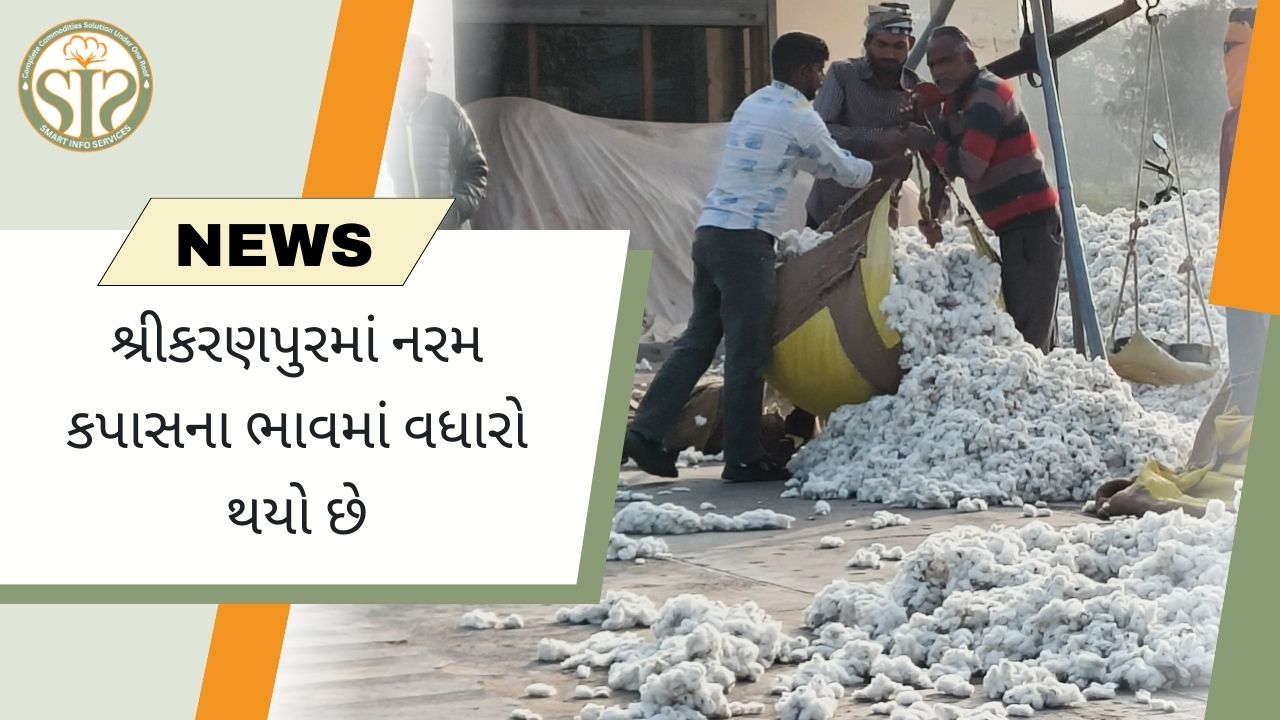
શ્રીકરણપુરમાં નરમ કપાસના ભાવમાં વધારોશ્રીગંગાનગર જિલ્લાના શ્રીકરણપુરમાં કપાસના ભાવમાં વધારો થયો છે. કપાસ ₹7,796 પ્રતિ ક્વિન્ટલના મહત્તમ ભાવે વેચાયો હતો. આ વધારો ખેડૂતો અને વેપારીઓ બંને માટે નોંધપાત્ર છે.શ્રીકરણપુરના મ્યુનિસિપલ ચેરમેન અને ધાન મંડીના અગ્રણી કપાસ વેપારી રમેશ બંસલે કપાસના ભાવમાં વધારા માટે અનેક કારણો આપ્યા છે. તેમણે કહ્યું કે કેન્દ્ર સરકારે ઓક્ટોબર, નવેમ્બર અને ડિસેમ્બરમાં કપાસ પરની આયાત જકાત નાબૂદ કરી હતી. જોકે, 1 જાન્યુઆરીથી કપાસ પર 11 ટકા આયાત જકાત ફરીથી લાદવામાં આવી છે.બંસલના મતે, કપાસના કારખાનાઓમાંથી કપાસની વધતી માંગ પણ ભાવમાં વધારાનું એક મુખ્ય કારણ છે. આ પરિબળોને કારણે બજારમાં કપાસના ભાવમાં સતત વધારો થયો છે.ધાન મંડીમાં દુકાન નંબર 179, ફર્મ કરમ સિંહ હરનેક સિંહના મેનેજર રાકેશ ધુરિયાએ એક સામાન્ય વેચાણની જાણ કરી. તેમણે જણાવ્યું કે મોડાના રહેવાસી અવતાર સિંહ ગિલના પુત્ર બલરાજ સિંહનો કપાસ તેમની દુકાન પર આવ્યો છે.કપાસની ઉચ્ચ ગુણવત્તા અને વર્તમાન બજારમાં તેજીને કારણે, બલરાજ સિંહનો કપાસ 7,796 રૂપિયા પ્રતિ ક્વિન્ટલના ભાવે વેચાયો. બાબુરામ રામસ્વરૂપ નામની એક કંપનીએ આ કન્સાઇન્મેન્ટમાંથી આશરે 20 ક્વિન્ટલ ખરીદ્યો, જ્યારે મેસર્સ સિંગલા ઇન્ડસ્ટ્રીઝે પણ 20 ક્વિન્ટલ ખરીદ્યો. કપાસના ભાવમાં આ વધારાથી બજારમાં સકારાત્મક ભાવના ઉભી થઈ છે.વધુ વાંચો :- INR 29 પૈસા વધીને 89.88 પ્રતિ ડોલર પર બંધ થયો

બુધવારે ભારતીય રૂપિયો 29 પૈસા વધીને 89.88 પ્રતિ ડોલર પર બંધ થયો હતો, જ્યારે સવારે તે 90.17 પર ખુલ્યો હતો.બંધ સમયે, સેન્સેક્સ 102.20 પોઈન્ટ અથવા 0.12 ટકા ઘટીને 84,961.14 પર અને નિફ્ટી 37.95 પોઈન્ટ અથવા 0.14 ટકા ઘટીને 26,140.75 પર બંધ થયો હતો. લગભગ 1939 શેર વધ્યા, 1886 શેર ઘટ્યા અને 140 શેર યથાવત રહ્યા.વધુ વાંચો :- કપાસના ભાવ મજબૂત: આયાત ડ્યુટી મુક્તિ સમાપ્ત, બાંગ્લાદેશ ટેરિફ પર અસર?
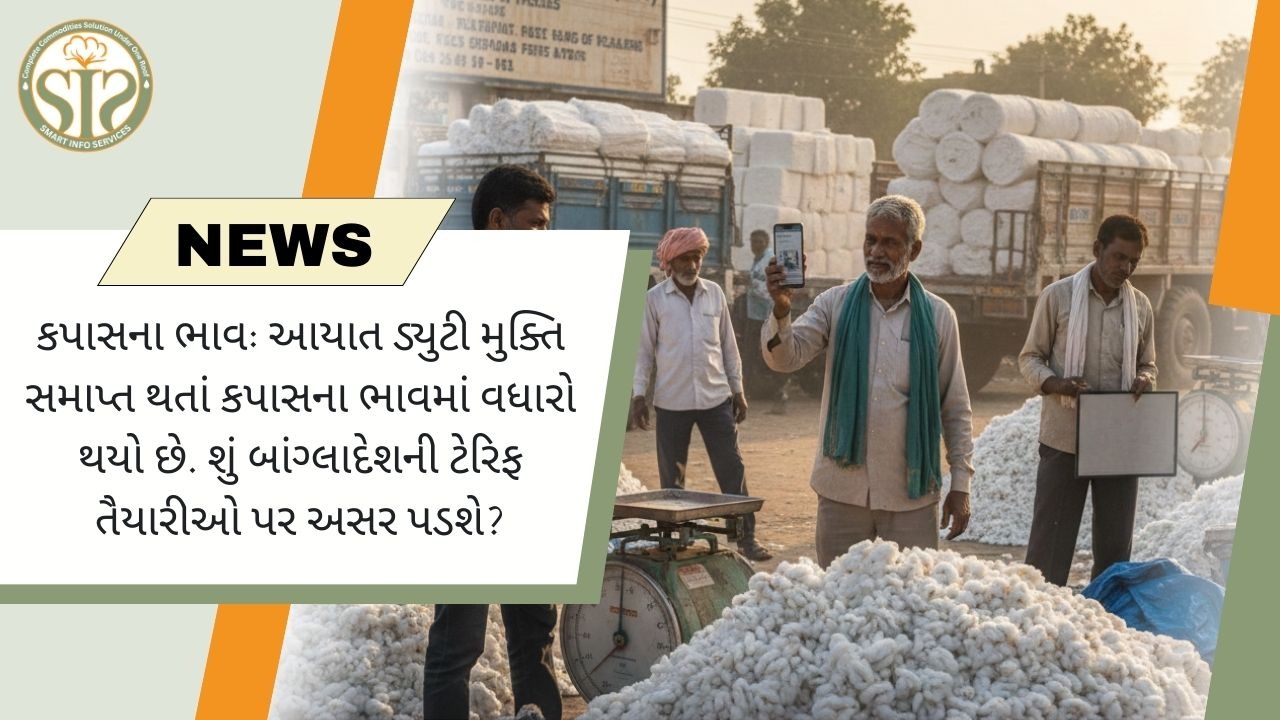
કપાસના ભાવ: આયાત ડ્યુટી મુક્તિ સમાપ્ત થતાં કપાસના ભાવમાં વધારો થયો છે. શું બાંગ્લાદેશની ટેરિફ તૈયારીઓ પર અસર પડશે?કાચા કપાસની આયાત પર ડ્યુટી મુક્તિ 31 ડિસેમ્બરે સમાપ્ત થયા પછી દેશભરના મુખ્ય બજારોમાં કપાસના ભાવમાં સુધારો થયો છે. વેપાર સૂત્રોના જણાવ્યા અનુસાર, વિવિધ બજારોમાં કાચા કપાસના ભાવમાં પ્રતિ ક્વિન્ટલ ₹400 થી ₹500 નો વધારો થયો છે. તેમ છતાં, ભાવ ₹8,100 પ્રતિ ક્વિન્ટલના લઘુત્તમ ટેકાના ભાવ (MSP) થી નીચે રહે છે.દરમિયાન, બાંગ્લાદેશથી ભારતીય કપાસ અને યાર્ન બજાર માટે એક નવી ચિંતા ઉભી થઈ રહી છે. છેલ્લા કેટલાક વર્ષોથી ભારતીય યાર્નનો સૌથી મોટો ખરીદદાર રહેલો બાંગ્લાદેશ હવે તેના સ્થાનિક યાર્ન ઉત્પાદકોને બચાવવા માટે આયાત જકાત લાદવાનું વિચારી રહ્યો છે. બાંગ્લાદેશ વેપાર અને ટેરિફ કમિશને તાજેતરમાં એક બેઠકમાં યાર્નની આયાત પર 20 ટકા ડ્યુટી લાદવાના પ્રસ્તાવ પર ચર્ચા કરી હતી, જોકે હજુ સુધી સત્તાવાર જાહેરાત કરવામાં આવી નથી.ભારતીય યાર્ન નિકાસ પર અસર થવાની આશંકાકોટન એસોસિએશન ઓફ ઈન્ડિયાના ભૂતપૂર્વ પ્રમુખ અતુલ ગણાત્રાના મતે, જો બાંગ્લાદેશ યાર્નની આયાત પર ડ્યુટી લાદે છે, તો તેની સીધી અસર ભારતના સ્થાનિક યાર્ન બજાર પર પડશે. ભારત તેના કુલ યાર્ન ઉત્પાદનના આશરે 30 ટકા નિકાસ કરે છે, જ્યારે સ્થાનિક વપરાશ લગભગ 70 ટકા છે. બાંગ્લાદેશ ભારતીય યાર્નનો મુખ્ય આયાતકાર છે, અને ત્યાં ડ્યુટી લાદવાથી ભારતીય યાર્નની સ્પર્ધાત્મકતા ઘટી શકે છે. વેપાર સૂત્રો માને છે કે બાંગ્લાદેશ 10 થી 20 ટકાની વચ્ચે ડ્યુટી લાદી શકે છે. આનાથી ભારતીય યાર્નની લેન્ડિંગ કોસ્ટ વધશે અને બાંગ્લાદેશી બજારમાં તે વધુ મોંઘુ થશે.સ્થાનિક બજારમાં કિંમતોમાં સુધારોઆયાત ડ્યુટી મુક્તિ સમાપ્ત થયા પછી દેશના ઘણા કપાસ ઉત્પાદક વિસ્તારોમાં ભાવમાં વધારો થયો છે. રાયચુરના સોર્સિંગ એજન્ટ રામાનુજ દાસ બૂભાના મતે, કાચા કપાસના ભાવ પ્રતિ ક્વિન્ટલ ₹8,000 સુધી વધી ગયા છે, જે એક અઠવાડિયા પહેલા લગભગ ₹7,500–₹7,600 હતા. દરમિયાન, દબાયેલા કપાસના ભાવમાં પણ પ્રતિ કેન્ડી (૩૫૬ કિલો) ₹૧,૦૦૦ થી ₹૧,૫૦૦નો વધારો થયો છે. તેમણે કહ્યું કે કોટન કોર્પોરેશન ઓફ ઈન્ડિયા (CCI) માટે ૨૦૨૫-૨૬ના પાક માટે ભાવ જાહેર કરવાનો આ યોગ્ય સમય છે, કારણ કે વિલંબથી મિલોને વધુ પ્રમાણમાં આયાતનો કરાર કરવો પડી શકે છે.ખરીદી અને સ્ટોકની સ્થિતિસરકારી એજન્સી, કોટન કોર્પોરેશન ઓફ ઈન્ડિયા (CCI), લઘુત્તમ ટેકાના ભાવે સક્રિયપણે ખરીદી કરી રહી છે અને અત્યાર સુધીમાં ૬૮ લાખ ગાંસડીથી વધુ કપાસની ખરીદી કરી છે. મહારાષ્ટ્રના ખાનદેશ ક્ષેત્રમાં પણ પ્રતિ ક્વિન્ટલ ભાવે ૪૦૦-૫૦૦નો વધારો જોવા મળ્યો છે. ખાનદેશ જિન પ્રેસ ફેક્ટરી ઓનર્સ એસોસિએશનના સ્થાપક પ્રમુખ પ્રદીપ જૈનના જણાવ્યા અનુસાર, પ્રદેશમાં આશરે ૪૦ ટકા પાક બજારોમાં આવી ગયો છે, જ્યારે ખેડૂતો બાકીનો પાક રોકી રહ્યા છે, અને લણણી પૂર્ણ થઈ ગઈ છે.૨૦૨૪-૨૫નો પાક લગભગ વેચાઈ ગયો છે.અકોલા સ્થિત બ્રોકર અરુણ ખૈતાને જણાવ્યું હતું કે CCI એ 2024-25 સીઝન માટે લગભગ આખો પાક વેચી દીધો છે અને હવે 300,000 ગાંસડીથી ઓછો સ્ટોક બાકી છે. બજારની અપેક્ષા છે કે CCI 2025-26 પાક માટે પ્રતિ કેન્ડી આશરે 57,000 રૂપિયાનો ભાવ જાહેર કરી શકે છે.વધુ વાંચો :- રૂપિયો 90.17 / USD પર સ્થિર ખુલ્યો

ડોલર સામે રૂપિયો ૯૦.૧૭ પર સ્થિર ખુલ્યો.ભારતીય રૂપિયો ડોલર સામે ૯૦.૧૭ પર સ્થિર ખુલ્યો, જે તેના અગાઉના બંધ ૯૦.૧૭ ની સરખામણીમાં બંધ રહ્યો હતો.વધુ વાંચો :- જાન્યુઆરી 2026 માં ઉત્તર ભારતમાં કપાસના યાર્નના ભાવમાં વધારો થયો.

જાન્યુઆરી 2026 માં ઉત્તર ભારતમાં કપાસના યાર્નના ભાવમાં વધારોઉત્તર ભારતમાં કપાસના યાર્ન બજારમાં હાલમાં મજબૂત વલણ જોવા મળી રહ્યું છે. કાચા કપાસના ભાવમાં સતત વધારાથી સ્પિનિંગ મિલોના ખર્ચમાં વધારો થયો છે, જેની સીધી અસર કપાસના યાર્નના ભાવ પર પડી રહી છે. વધતા ખર્ચને સરભર કરવા માટે મિલોને યાર્નના ભાવમાં વધારો કરવાની ફરજ પડી રહી છે. (SIS)મુખ્ય બજાર અપડેટ્સલુધિયાણાલુધિયાણા બજારમાં કપાસના યાર્નના ભાવમાં પ્રતિ કિલોગ્રામ આશરે બે થી પાંચ રૂપિયાનો થોડો વધારો નોંધાયો છે. જોકે મિલોએ ભાવમાં વધારો કર્યો છે, ખરીદદારો તરફથી માંગ મર્યાદિત રહે છે.દિલ્હીદિલ્હી કોટન યાર્ન બજારમાં ભાવ હાલમાં સ્થિર છે. કાપડ ઉત્પાદન એકમો અને ગારમેન્ટ ક્ષેત્ર તરફથી નબળી માંગને કારણે ભાવમાં કોઈ નોંધપાત્ર ફેરફાર થતો નથી. (SIS)પાણીપતપાણીપતમાં રિસાયકલ કરેલા કોટન યાર્ન અને કોટન કોમ્બના ભાવમાં થોડો સુધારો જોવા મળ્યો છે. દરમિયાન, બજારમાં રિસાયકલ કરેલા પીસી યાર્નના ઊંચા પુરવઠાને કારણે, તેના ભાવમાં કોઈ નોંધપાત્ર ફેરફાર થયો નથી.મુખ્ય બજાર પડકારોખર્ચ દબાણકાચા કપાસના ઊંચા ભાવ સ્પિનિંગ મિલ પર ઉત્પાદન ખર્ચના દબાણમાં વધારો કરી રહ્યા છે.નબળી માંગસ્થાનિક ગ્રાહક ઉદ્યોગ અને કપડા ક્ષેત્ર તરફથી અપેક્ષિત માંગ હજુ સુધી પૂર્ણ થઈ નથી, જે બજારની ગતિને મર્યાદિત કરે છે. (SIS)નિકાસ પર ધ્યાન કેન્દ્રિતઘણી મિલો સ્થાનિક બજારને બદલે નિકાસ બજાર તરફ વળી રહી છે, જ્યાં તેઓ પ્રમાણમાં સારા ભાવ અને વળતર જુએ છે. (SIS)વધુ વાંચો:- ઇન્ડોનેશિયાનું પગલું: કપાસની આયાતમાંથી કાપડ ઉદ્યોગને રાહત

ઇન્ડોનેશિયાએ તેના સ્થાનિક કાપડ ક્ષેત્રને વધતી કપાસની આયાતથી સુરક્ષિત રાખ્યું છે.સ્થાનિક સમાચાર પ્રકાશન જકાર્તા ગ્લોબ આઈડી અનુસાર, 22 ડિસેમ્બરના રોજ હસ્તાક્ષર કરાયેલ ઇન્ડોનેશિયન સરકારની નવી નીતિનો હેતુ સ્થાનિક ઉત્પાદકો માટે ગંભીર ખતરો ઉભો કરતી વખતે સલામતીના પગલાં અમલમાં મૂકવાનો છે.આ ઇન્ડોનેશિયન ટ્રેડ સેફગાર્ડ્સ કમિટી (KPPI) દ્વારા કરવામાં આવેલી તપાસને અનુસરે છે, જેમાં ખુલાસો થયો છે કે વધતા કપાસના વણાયેલા કાપડથી દેશના સ્થાનિક કાપડ ક્ષેત્ર પર પહેલાથી જ અસર પડી છે.બિયા માસુક ટિંડાકન પેંગમાનન (BMTP) ડ્યુટી હાલની આયાત ડ્યુટી ઉપરાંત હશે, જેમાં આંતરરાષ્ટ્રીય વેપાર કરાર હેઠળ સૌથી વધુ પસંદ કરાયેલા રાષ્ટ્ર દર અને પ્રેફરન્શિયલ ટેરિફનો સમાવેશ થાય છે.તે ત્રણ વર્ષ માટે લાગુ થવાની અપેક્ષા છે, જેમાં દર વર્ષે ટેરિફ ઘટશે. પ્રથમ વર્ષમાં, ટેરિફ વર્ગીકરણના આધારે, ડ્યુટી Rp3,000 ($0.18) થી Rp3,300 પ્રતિ મીટર સુધીની હશે. બીજા વર્ષે, દર મીટર દીઠ Rp2,800-Rp3,100 રહેશે, અને અંતિમ વર્ષે, તે Rp2,600-Rp2,900 રહેશે.WTO સભ્ય એવા 122 વિકાસશીલ દેશોની આયાતને બાકાત રાખવામાં આવશે. આમાં મલેશિયા, થાઇલેન્ડ, ફિલિપાઇન્સ, તેમજ આફ્રિકા અને લેટિન અમેરિકાના કેટલાક દેશોનો સમાવેશ થાય છે.પ્રકાશનમાં જણાવાયું છે કે જો મૂળ શરતો પૂર્ણ ન થાય, અથવા જો પૂર્વવર્તી ચકાસણી હજુ પણ ચાલુ હોય, તો આયાતી ઉત્પાદનો તેના પોતાના નિયમો હેઠળ સલામતી ડ્યુટીને આધીન રહેશે.વધુ વાંચો:- કપાસ ખરીદી ૧૬ જાન્યુઆરી સુધી લંબાવવામાં આવી

લાંબા ગાળાના ઘટાડા પછી વૈશ્વિક બજારોમાં કપાસના ભાવમાં વધારો૨૦૨૬ ની શરૂઆતથી, કપાસના ભાવ ફરી વધી રહ્યા છે. જાન્યુઆરીની શરૂઆતમાં, કપાસના વાયદા ૬૪.૮ સેન્ટ પ્રતિ પાઉન્ડ સુધી વધ્યા હતા, જે ડિસેમ્બરના અંત પછીનો સૌથી ઉચ્ચતમ સ્તર છે, ઘણા દિવસોના ઘટાડા પછી. જોકે, વર્ષ-દર-વર્ષની દ્રષ્ટિએ, ભાવ હજુ પણ લગભગ ૫.૪% ઓછો છે, અને કપાસની માંગ નબળી રહે છે.ટ્રેડિંગ ઇકોનોમિક્સ અનુસાર, નવા વર્ષની રજાઓ પછી રોકાણકારોના બજારમાં પાછા ફરવાને કારણે ભાવમાં વધારો થયો હતો, જેના કારણે "શોર્ટ પોઝિશન" બંધ થઈ ગઈ હતી - એટલે કે ભાવ ઘટાડા દરમિયાન રોકાણકારોએ જે કરારો પર નફો કર્યો હતો તેની પુનઃખરીદી. આનાથી ભાવમાં વધારો થયો. તેલમાંથી વધારાનો ટેકો મળ્યો, જે થોડો વધ્યો, જેનાથી પોલિએસ્ટર - કપાસના મુખ્ય વિકલ્પોમાંનો એક - વધુ મોંઘો બન્યો, આમ કુદરતી ફાઇબર ફરીથી વધુ આકર્ષક બન્યું.૬ જાન્યુઆરી, ૨૦૨૬ સુધીમાં, કપાસનો ભાવ પ્રતિ પાઉન્ડ ૬૪.૮૨ સેન્ટ પ્રતિ પાઉન્ડ પર સ્થિર રહ્યો, જે આશરે $૧.૪૩ પ્રતિ કિલોગ્રામ છે. જોકે, ગયા વર્ષના જાન્યુઆરીની સરખામણીમાં, ભાવ હજુ પણ 5.4% ઓછો છે.ભાવમાં સુધારો થવા છતાં, બજાર માટે જોખમો યથાવત છે. ટ્રેડિંગ ઇકોનોમિક્સ નોંધે છે કે બજારના સહભાગીઓ નબળી માંગ, સરપ્લસ સ્ટોક અને યુ.એસ. કપાસ પર ટેરિફની સંભવિત અસર અંગે ચિંતિત રહે છે. યુ.એસ. ડિપાર્ટમેન્ટ ઓફ એગ્રીકલ્ચરના રિપોર્ટમાં પણ ચિંતા વધી છે, કારણ કે 25 ડિસેમ્બર, 2025 ના રોજ પૂરા થતા સપ્તાહ માટે ચોખ્ખી કપાસ નિકાસ વેચાણ માત્ર 134,000 ગાંસડી હતું, જે નબળી માંગના સંકેત તરીકે માનવામાં આવે છે.તાજિકિસ્તાન માટે, ઉત્પાદનમાં અપેક્ષિત વધારાને ધ્યાનમાં રાખીને કપાસના ભાવની ગતિશીલતા ખાસ કરીને મહત્વપૂર્ણ છે. 2025-2027 માટે તાજિકિસ્તાનના મુખ્ય મેક્રોઇકોનોમિક સૂચકાંકોની આગાહી અનુસાર, 2025 માં કપાસનો પાક 390,000 ટન હોવાનો અંદાજ છે, જેમાં કપાસના રેસાનું ઉત્પાદન 139,000 ટન હોવાનો અંદાજ છે.વધુમાં, તાજિકિસ્તાન તેની કપાસના રેસા નિકાસમાં વધારો કરી રહ્યું છે. 2025 ની શરૂઆતથી, ઈરાને 45.7 મિલિયન ડોલરમાં 30,000 ટનથી વધુ તાજિક કપાસના રેસા ખરીદ્યા છે.વધુ વાંચો :- કપાસ ખરીદી ૧૬ જાન્યુઆરી સુધી લંબાવવામાં આવી
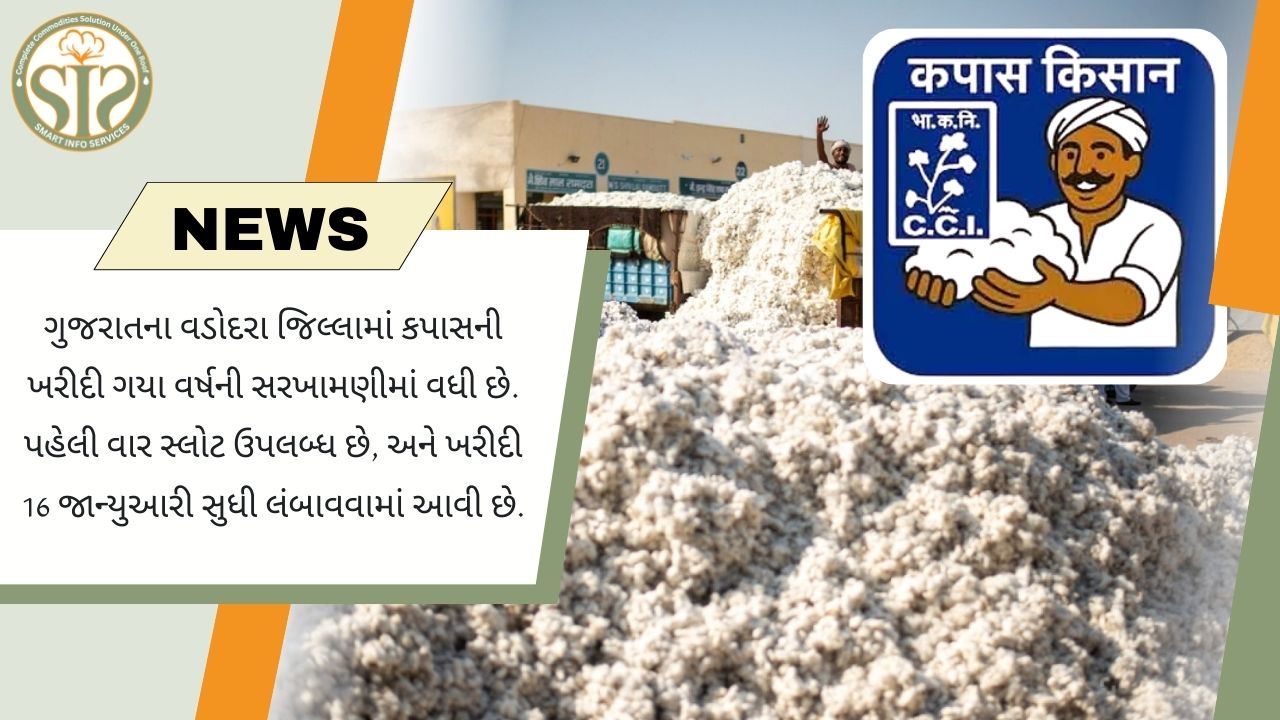
ગુજરાતના વડોદરા જિલ્લામાં કપાસની ખરીદી ગયા વર્ષની સરખામણીમાં વધી છે. પહેલી વાર સ્લોટ ઉપલબ્ધ છે, અને ખરીદી 16 જાન્યુઆરી સુધી લંબાવવામાં આવી છે.વડોદરા : ટેકાના ભાવે કપાસ ખરીદવા માટે ખેડૂતો વડોદરા જિલ્લામાં સતત ઉમટી રહ્યા છે, જેના પરિણામે ગયા વર્ષની સરખામણીમાં વડોદરાના ત્રણ કેન્દ્રો પર કુલ કપાસ ખરીદીમાં વધારો થયો છે. ધસારાને ધ્યાનમાં રાખીને ખરીદી માટે ભંડોળમાં વધારો કરવામાં આવ્યો છે.ભારતીય કપાસ નિગમ દ્વારા વડોદરા જિલ્લામાં ત્રણ કપાસ ખરીદી કેન્દ્રો સ્થાપવામાં આવ્યા છે: કરજણ, ડભોઇ અને સમલયા. ખેડૂતોએ નિયમો અનુસાર આ કેન્દ્રો પર ઓનલાઇન નોંધણી કરાવવી જરૂરી છે.આ વર્ષે, ખેડૂતો માટે નોંધણીની અંતિમ તારીખ 31 ડિસેમ્બર સુધી લંબાવવામાં આવી હતી. જોકે, ત્રણેય કેન્દ્રો પર ખેડૂતોનો સતત ધસારો અને ખરીદી પ્રક્રિયા ઝડપી બનાવવાની માંગને કારણે, CCI એ રાજ્યભરમાં 16 જાન્યુઆરી સુધી ખરીદી ચાલુ રાખવાનો નિર્ણય લીધો છે.વડોદરા જિલ્લામાં કપાસની ખરીદી ગયા વર્ષની સરખામણીમાં વધી છે. ખરીદી માટે 10 દિવસ બાકી હોવાથી, કપાસની ખરીદી ગયા વર્ષના કુલ ખરીદી કરતાં વધી ગઈ છે. ગયા વર્ષે, ત્રણેય કેન્દ્રો પર કુલ ૧.૭૯ લાખ ક્વિન્ટલ કપાસની ખરીદી કરવામાં આવી હતી. જોકે, આ વખતે ખરીદી ૧.૮૨ લાખ ક્વિન્ટલને વટાવી ગઈ છે.પહેલીવાર સ્લોટ પસંદગીની સુવિધા ઉપલબ્ધ થવાને કારણે ખેડૂતોની આવકમાં વધારો થયો છે.પ્રાપ્ત માહિતી અનુસાર, અત્યાર સુધી સીસીઆઈએ કપાસ ખરીદી માટે સમયમર્યાદા નક્કી કરી હતી, અને ખેડૂતોએ તે મુજબ પોતાનો કપાસ સબમિટ કરવાનો હતો. જોકે, મોટી ભીડને કારણે, ખાનગી વેપારીઓ સ્લોટ ભરી રહ્યા હતા.જોકે, આ વખતે, ખેડૂતોને ઓનલાઈન ખરીદી માટે તેમના મનપસંદ સ્લોટ પસંદ કરવાનો વિકલ્પ આપવામાં આવ્યો છે, જે ખેડૂતોને સીધા કેન્દ્રો પર આવવા માટે પ્રોત્સાહિત કરી રહ્યો છે.વડોદરા જિલ્લામાં કપાસની ખેતી સૌથી આગળવડોદરા જિલ્લામાં કુલ ૩૪૭,૧૩૭ હેક્ટર જમીન પર વાવેતર થાય છે. મુખ્ય પાકોમાં કપાસ સૌથી અગ્રણી છે. ગયા વર્ષે ૮૦,૦૦૦ હેક્ટરથી વધુ જમીન પર કપાસનું વાવેતર થયું હતું.વધુ વાંચો :- રૂપિયો 04 પૈસા વધીને 90.17 પર બંધ થયો.

મંગળવારે, ભારતીય રૂપિયો 04 પૈસા વધીને 90.17 પ્રતિ ડોલર પર બંધ થયો, જે સવારે તેનો શરૂઆતનો ભાવ 90.21 હતો.બંધ સમયે, સેન્સેક્સ 376.28 પોઈન્ટ અથવા 0.44 ટકા ઘટીને 85,063.34 પર બંધ થયો હતો, અને નિફ્ટી 71.60 પોઈન્ટ અથવા 0.27 ટકા ઘટીને 26,178.70 પર બંધ થયો હતો. લગભગ 1483 શેર વધ્યા, 2342 શેર ઘટ્યા અને 144 શેર યથાવત રહ્યા.વધુ વાંચો :- ડોલર સામે રૂપિયો 07 પૈસા વધીને 90.21 પર ખુલ્યો હતો.

ડોલર સામે રૂપિયો 07 પૈસા વધીને 90.21 પર ખુલ્યો હતો.ભારતીય રૂપિયો મંગળવારે 90.28 ના પાછલા બંધની સામે ડૉલર દીઠ 90.21 પર ખૂલ્યો હતો.
CCI કપાસનું વેચાણ કરતા ખેડૂતો માટે આજે બારી ખોલશેકોટન કોર્પોરેશન ઓફ ઈન્ડિયા (CCI) શનિવારે બપોરે 12 વાગ્યે કપાસના ખેડૂતો માટે સ્લોટ બુકિંગ વિન્ડો ખોલશે. જે ખેડૂતો સ્લોટ બુક કરાવશે તેઓ 12 થી 30 જાન્યુઆરી સુધી બજાર ભાવે તેમનો કપાસ વેચી શકશે. બજાર વહીવટીતંત્રે ખેડૂતોને સમયસર તેમના સ્લોટ બુક કરવા અને નિયત તારીખ સુધીમાં તેમનો કપાસ લાવવા જણાવ્યું છે.ખરગોન બજાર માટે, આ સ્લોટ 12 થી 30 જાન્યુઆરી દરમિયાન ઉપલબ્ધ રહેશે, શનિવાર, રવિવાર અને જાહેર રજાના દિવસો સિવાય. બરવાહ બજાર અને બાગોદ સબ-માર્કેટ સહિત અન્ય બજારો માટે, સ્લોટ બુકિંગ વિન્ડો 19 થી 30 જાન્યુઆરી સુધી ખુલ્લી રહેશે. કોઈપણ સમસ્યા ટાળવા માટે ખેડૂતોને સ્લોટ બુક કરતી વખતે સાચી માહિતી ભરવાની સલાહ આપવામાં આવી છે. CCI એ 27 ડિસેમ્બરે 12 થી 22 જાન્યુઆરી માટે સ્લોટ બુકિંગ વિન્ડો ખોલી હતી. કેટલાક સ્લોટ બુક થયા પછી, સર્વર હેક થવાને કારણે ઘણા ખેડૂતો બહાર રહી ગયા હતા.

સોમવારે, ભારતીય રૂપિયો 90.19 ના ઓપનિંગ રેટની તુલનામાં ડૉલરની સામે 90.28 પર બંધ થયો હતો.બંધ સમયે, સેન્સેક્સ 322.39 પોઈન્ટ અથવા 0.38 ટકા ઘટીને 85,439.62 પર અને નિફ્ટી 78.25 પોઈન્ટ અથવા 0.30 ટકા ઘટીને 26,250.30 પર હતો.વધુ વાંચો :- આસામ: ગુવાહાટીમાં ટેક્સટાઈલ મંત્રીઓની બેઠક યોજાઈ, જેમાં $350 બિલિયનની ઉદ્યોગ યોજના પર ધ્યાન કેન્દ્રિત કર્યું.
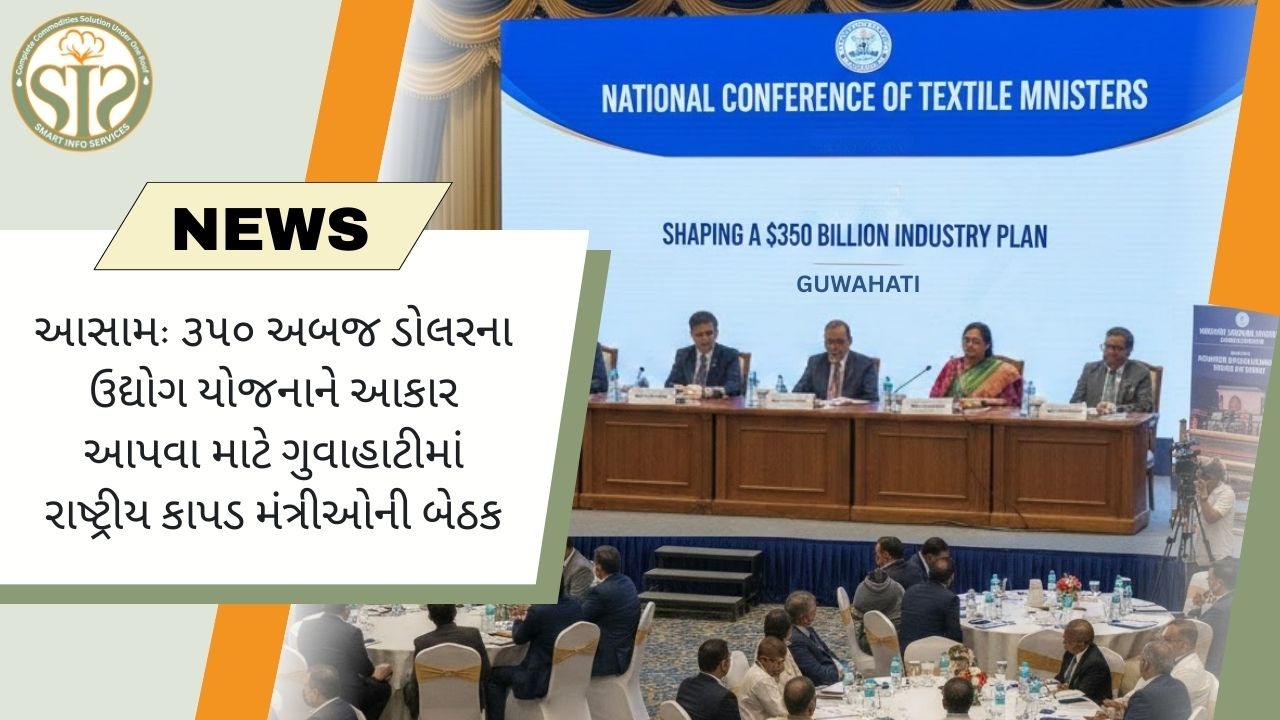
આસામ: ૩૫૦ અબજ ડોલરના ઉદ્યોગ યોજનાને આકાર આપવા માટે ગુવાહાટીમાં રાષ્ટ્રીય કાપડ મંત્રીઓની બેઠકગુવાહાટી : એક અધિકારીએ રવિવારે જણાવ્યું હતું કે રાષ્ટ્રીય કાપડ મંત્રીઓનું સંમેલન ૮-૯ જાન્યુઆરી દરમિયાન ગુવાહાટીમાં "ભારતના કાપડ: વણાટ ઉત્ક્રાંતિ, વારસો અને નવીનતા" થીમ પર યોજાશે.ભારત સરકારના કાપડ મંત્રાલય દ્વારા આસામ સરકારના સહયોગથી બે દિવસીય પરિષદનું આયોજન કરવામાં આવી રહ્યું છે.આ બેઠકનો ઉદ્દેશ્ય કેન્દ્ર અને રાજ્યોના વરિષ્ઠ અધિકારીઓ તેમજ કેન્દ્ર અને રાજ્યના કાપડ મંત્રીઓને એકત્ર કરીને ભારતને વૈશ્વિક કાપડ ઉત્પાદન કેન્દ્ર તરીકે સ્થાપિત કરવા માટે સંકલિત રાષ્ટ્રીય વ્યૂહરચના પર ચર્ચા કરવાનો છે.અધિકારીએ જણાવ્યું હતું કે આ ચર્ચાઓ ૩૫૦ અબજ ડોલરના યુએસ ડોલરના કાપડ ઉદ્યોગ બનાવવા અને ૨૦૩૦ સુધીમાં ૧૦૦ અબજ ડોલરના કાપડ નિકાસ હાંસલ કરવાના રાષ્ટ્રીય વિઝન સાથે સુસંગત છે.ઉદઘાટન સત્રમાં કેન્દ્રીય કાપડ મંત્રી ગિરિરાજ સિંહ, આસામના મુખ્યમંત્રી હિમંતા બિસ્વા શર્મા અને કેન્દ્રીય કાપડ રાજ્ય મંત્રી પવિત્રા માર્ગેરિતા, અન્ય લોકો હાજર રહેશે.આ કોન્ફરન્સમાં માળખાગત સુવિધાઓ અને રોકાણ, નિકાસ વિસ્તરણ, સ્પર્ધાત્મકતા, કાચા માલ અને રેસા, અને ટેકનિકલ કાપડ અને સંશોધન અને વિકાસ જેવા ઉભરતા ક્ષેત્રો પર ધ્યાન કેન્દ્રિત કરતા અનેક સત્રો યોજાશે. આધુનિક સ્થાનિક અને વૈશ્વિક બજારો માટે હાથશાળ અને હસ્તકલા સહિત પરંપરાગત કાપડને પુનર્જીવિત કરવા પર પણ ખાસ ભાર મૂકવામાં આવશે.પ્રતિનિધિઓ પ્રદેશો અને જિલ્લાઓમાં કાપડ મૂલ્ય શૃંખલાને મજબૂત બનાવવાના હેતુથી શ્રેષ્ઠ પ્રથાઓ, પડકારો અને નીતિ સૂચનો શેર કરે તેવી અપેક્ષા છે.કોન્ફરન્સના ભાગ રૂપે, પ્રથમ દિવસે "ભારતના ઉત્તર-પૂર્વીય ક્ષેત્રના કાપડ ક્ષેત્રને મજબૂત અને સશક્ત બનાવવું" શીર્ષક ધરાવતું કોન્ક્લેવ યોજાશે.આ કોન્ક્લેવ રેશમ, હાથશાળ અને વાંસ આધારિત કાપડ, મહિલા-આગેવાની હેઠળના સાહસોને પ્રોત્સાહન આપવા અને "ઉત્તર-પૂર્વના કાપડ" બ્રાન્ડિંગ પર ધ્યાન કેન્દ્રિત કરશે, જેનો હેતુ પ્રદેશની અનન્ય કાપડ શક્તિઓને પ્રકાશિત કરવાનો અને તેમને રાષ્ટ્રીય અને વૈશ્વિક મૂલ્ય શૃંખલામાં એકીકૃત કરવાનો છે.વધુ વાંચો :- મહારાષ્ટ્ર: CCI એ 7.24 લાખ ક્વિન્ટલ કપાસ ખરીદ્યો.
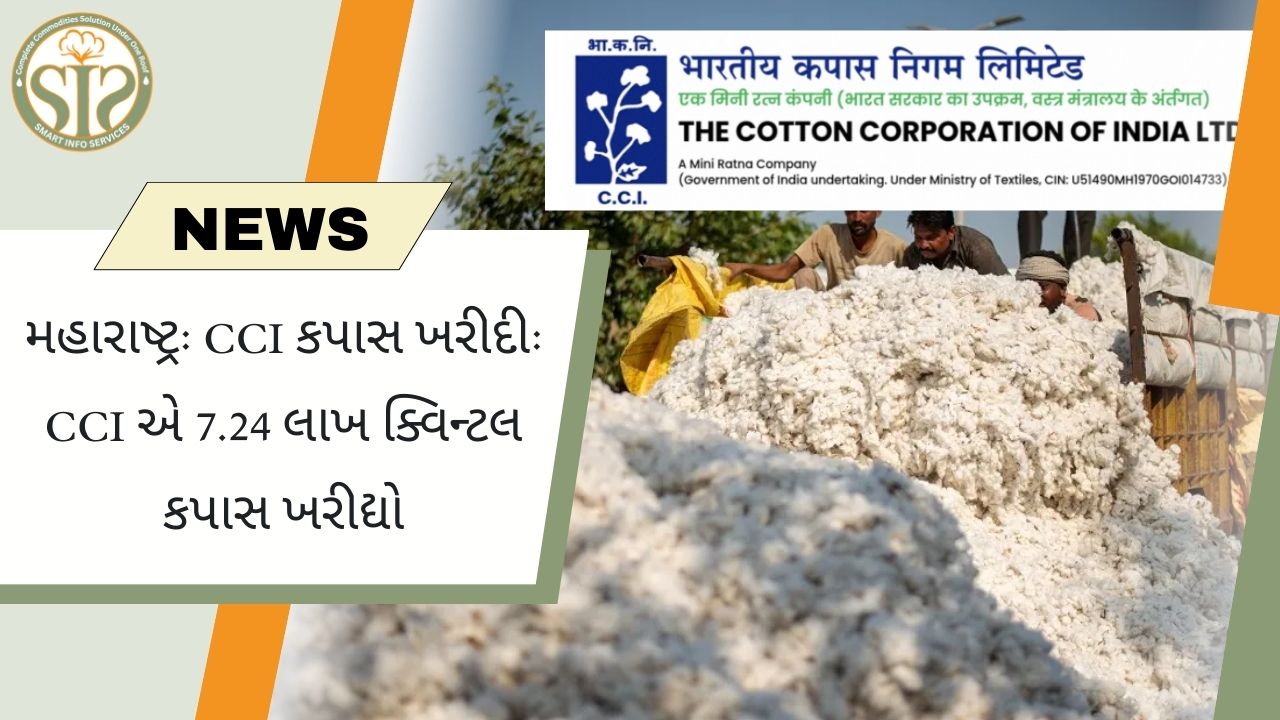
મહારાષ્ટ્ર: CCI કપાસ ખરીદી: CCI એ 7.24 લાખ ક્વિન્ટલ કપાસ ખરીદ્યોપરભણી : આ વર્ષે ખુલ્લા બજારમાં કપાસના ભાવ ઓછા છે. પરિણામે, પરભણી અને હિંગોલી જિલ્લાના ખેડૂતો CCI ગેરંટીકૃત ભાવ કેન્દ્રો પર કપાસ વેચી રહ્યા છે. શુક્રવાર (2જી) સુધીમાં, પરભણી અને હિંગોલી જિલ્લાના 14 કોટન કોર્પોરેશન ઓફ ઇન્ડિયા (CCI) કેન્દ્રો પર 724,996 ક્વિન્ટલ કપાસ ખરીદવામાં આવ્યો છે. ખાનગી વેપારીઓએ 246,814 ક્વિન્ટલ ખરીદ્યા છે, જ્યારે CCI અને ખાનગી વેપારીઓએ મળીને આ બે જિલ્લાઓમાં 971,810 ક્વિન્ટલ કપાસ ખરીદ્યો છે.બંને જિલ્લાના 85,520 ખેડૂતોએ CCI ખરીદી કેન્દ્રો પર ગેરંટીકૃત ભાવે કપાસ વેચવા માટે કોટન ફાર્મર મોબાઇલ એપ્લિકેશન દ્વારા નોંધણી કરાવી છે. આમાંથી, 46,881 ખેડૂતોને વેચાણ માટે કપાસ લાવવા માટે ચકાસણી અને મંજૂરી આપવામાં આવી છે.પરભણી જિલ્લામાં ૮.૮૪ લાખ ક્વિન્ટલ કપાસ ખરીદાયોપરભણી જિલ્લામાં CCI અને ખાનગી વેપારીઓએ કુલ ૮,૮૪,૫૦૭ ક્વિન્ટલ કપાસ ખરીદ્યો. પરભણી, બોરી, જિંતુર, સેલુ, પાથરી, સોનપેઠ, ગંગાખેડ, પાલમ અને તડકલામાં ૧૦ કૃષિ ઉત્પન્ન બજાર સમિતિઓ હેઠળના CCI કેન્દ્રો પર કપાસ વેચવા માટે ૭૨,૧૬૬ ખેડૂતોએ નોંધણી કરાવી છે. આમાંથી ૪૧,૫૩૯ ખેડૂતોની ચકાસણી કરવામાં આવી છે અને તેમને કેન્દ્રો પર કપાસ વેચવાની પરવાનગી આપવામાં આવી છે.જિલ્લાની ૩૩ જીનિંગ ફેક્ટરીઓમાંથી ૬,૪૨,૬૭૪ ક્વિન્ટલ કપાસ ખરીદવામાં આવ્યો હતો, જેની કિંમત પ્રતિ ક્વિન્ટલ ₹૭,૭૧૦ થી ₹૮,૦૬૦ સુધીની હતી. પરભણી જિલ્લામાં, 10 કૃષિ ઉત્પન્ન બજાર સમિતિઓ હેઠળની 26 જીનિંગ ફેક્ટરીઓએ ખાનગી વેપારીઓ પાસેથી ₹6,700 થી ₹7,440 પ્રતિ ક્વિન્ટલના ભાવે 2,41,833 ક્વિન્ટલ કપાસ ખરીદ્યો.હિંગોલી જિલ્લામાં 87,000 ક્વિન્ટલ ખરીદ્યોહિંગોલી જિલ્લામાં, CCI અને ખાનગી ક્ષેત્રે કુલ 87,303 ક્વિન્ટલ કપાસ ખરીદ્યો. હિંગોલી, અખાડા બાલાપુર, વસમત અને જલાલ બજાર નામની ચાર કૃષિ ઉત્પન્ન બજાર સમિતિઓ હેઠળ, 13,354 ખેડૂતોએ CCI કેન્દ્રો પર કપાસ વેચવા માટે નોંધણી કરાવી છે. આમાંથી, 5,342 ખેડૂતોની ચકાસણી કરવામાં આવી છે અને તેમને કેન્દ્રો પર કપાસ લાવવાની મંજૂરી આપવામાં આવી છે.આ બજાર સમિતિ હેઠળ, પાંચ જીનિંગ ફેક્ટરીઓ પર 82,322 ક્વિન્ટલ કપાસ ખરીદવામાં આવ્યો છે, જેનો ભાવ ₹7,712 થી ₹8,060 પ્રતિ ક્વિન્ટલ છે. રાજ્ય સહકારી કપાસ ઉત્પાદકો માર્કેટિંગ ફેડરેશનના સૂત્રોએ જણાવ્યું હતું કે, ખાનગી ક્ષેત્રમાં, જિલ્લામાં બે બજાર સમિતિઓ હેઠળના ત્રણ જીનિંગ ફેક્ટરીઓમાં 4,981 ક્વિન્ટલ કપાસની ખરીદી કરવામાં આવી હતી અને પ્રતિ ક્વિન્ટલ ભાવ 7,200 થી 7,400 રૂપિયા હતો.વધુ વાંચો :-કપાસના ઉત્પાદનમાં તીવ્ર ઘટાડાને કારણે ભારતમાં ગ્રામીણ રોજગાર પર દબાણ આવ્યું છે.

ભારતમાં કપાસનું ઉત્પાદન ઘટ્યું, ગ્રામીણ નોકરીઓ જોખમમાંરેટિંગ એજન્સી ICRA ના અહેવાલ મુજબ, કપાસ વર્ષ 2026 (ઓક્ટોબર 2025-સપ્ટેમ્બર 2026) માં ભારતનું કપાસ ઉત્પાદન 1.7 ટકા ઘટીને 29.2 મિલિયન ગાંસડી સુધી પહોંચવાની ધારણા છે, જે એક દાયકામાં સૌથી નીચું સ્તર છે. આ ઘટાડો ખેતીલાયક વિસ્તારમાં ઘટાડો, પાણીની અછત, અનિયમિત ચોમાસા અને ખેડૂતો વધુ નફાકારક પાક તરફ વળવાના કારણે છે.અહેવાલમાં જણાવાયું છે કે પ્રતિ હેક્ટર ઉપજમાં નજીવો વધારો થઈ રહ્યો છે, જે વાર્ષિક ધોરણે 1.8 ટકાનો વધારો છે, પરંતુ આ વધારો ઘટી રહેલા ખેતીલાયક વિસ્તારને વળતર આપવા માટે અપૂરતો છે, જે 2021 માં તેની ટોચથી લગભગ 20 ટકા ઘટ્યો છે. ઉત્પાદનમાં ઘટાડો ગ્રામીણ રોજગારને અસર કરે તેવી શક્યતા છે, કારણ કે કપાસની ખેતી મહાત્મા ગાંધી રાષ્ટ્રીય ગ્રામીણ રોજગાર ગેરંટી યોજના (MGNREGA) હેઠળ મહત્વપૂર્ણ મોસમી કાર્ય અને સ્થાનિક વેતનની તકો પૂરી પાડે છે.ઓછા ઉત્પાદન છતાં, CY2026 માં સ્થાનિક કપાસનો વપરાશ સ્થિર રહેવાની ધારણા છે. ICRA રિપોર્ટમાં ટાંકવામાં આવેલા વિશ્લેષકોએ નોંધ્યું છે કે ભારતીય વસ્ત્રોની નિકાસ પર યુએસ ટેરિફ ડાઉનસ્ટ્રીમ માંગમાં ઘટાડો કરશે, જેનાથી કપાસના ઉત્પાદનમાં વધારો થવા માટે પ્રોત્સાહન ઘટશે.સ્થાનિક અછતના પ્રતિભાવમાં, ભારતે આયાત પર તેની નિર્ભરતા વધારી છે, જે નાણાકીય વર્ષ 2026 ના પ્રથમ પાંચ મહિનામાં વાર્ષિક ધોરણે 85 ટકા વધીને 170 કિલોગ્રામની 1.5 મિલિયન ગાંસડી થઈ છે. યુનાઇટેડ સ્ટેટ્સ સૌથી મોટો સપ્લાયર રહ્યો છે, જે આયાતના 22 ટકા હિસ્સો ધરાવે છે. ICRA એ ભાર મૂક્યો હતો કે 19 ઓગસ્ટ અને 31 ડિસેમ્બર, 2025 વચ્ચે આપવામાં આવેલી આયાત ડ્યુટી મુક્તિથી પુરવઠો જાળવવામાં મદદ મળી હતી, પરંતુ તેનાથી સ્થાનિક કપાસના ભાવમાં પણ ઘટાડો થયો હતો.કોટન યાર્નના ભાવ પણ કાચા કપાસના બજારોમાં નરમાઈને પ્રતિબિંબિત કરે છે. નવેમ્બર 2025 માં સ્થાનિક કપાસના રેસાના ભાવમાં માસિક ધોરણે 3 ટકાનો ઘટાડો થયો હતો, જ્યારે સરેરાશ કપાસના યાર્નના ભાવમાં 4 ટકાનો ઘટાડો થયો હતો, જેના કારણે નાણાકીય વર્ષ 2026 ના પ્રથમ છ મહિનામાં પ્રતિ કિલો ₹103 થી નવેમ્બર 2025 સુધીમાં ફાળો માર્જિન ₹96 પ્રતિ કિલો થઈ ગયો હતો. ICRA ને અપેક્ષા છે કે બીજા છ મહિનામાં પ્રાપ્તિમાં નરમાઈને કારણે નાણાકીય વર્ષ 2026 માં માર્જિન ₹98-100 પ્રતિ કિલો પર સ્થિર થશે. અહેવાલમાં 13 કપાસ સ્પિનિંગ કંપનીઓનો સર્વે કરવામાં આવ્યો હતો, જે ઉદ્યોગની આવકમાં 25-30 ટકા હિસ્સો ધરાવે છે. આ કંપનીઓ નાણાકીય વર્ષ 2026 માં આવકમાં 4-6 ટકાનો ઘટાડો અને માર્જિનમાં 50-100 બેસિસ પોઇન્ટનો ઘટાડો થવાની અપેક્ષા રાખે છે, મુખ્યત્વે વર્ષના બીજા છ મહિનામાં નબળા પ્રદર્શનને કારણે.કપાસના ઉત્પાદન અને યાર્નની માંગમાં ઘટાડો ગ્રામીણ ભારત પર વ્યાપક અસર કરશે, જ્યાં કપાસની ખેતી સ્થાનિક લોકોની આજીવિકા સાથે જોડાયેલી છે. ઓછા ઉત્પાદનથી કેઝ્યુઅલ અને મોસમી રોજગારમાં ઘટાડો થઈ શકે છે, જેનાથી ગ્રામીણ વેતન પર દબાણ આવી શકે છે અને MGNREGS જેવી સરકારી રોજગાર યોજનાઓ પર નિર્ભરતા વધી શકે છે. આ અહેવાલ સૂચવે છે કે બદલાતી પાક પદ્ધતિ અને વૈશ્વિક વેપાર અનિશ્ચિતતાઓ વચ્ચે ખેડૂતોની આવક અને ગ્રામીણ રોજગાર બંનેને ટકાવી રાખવા માટે નીતિગત ધ્યાન આપવાની જરૂર છે.વધુ વાંચો :-"૨૦૨૪-૨૫માં રાજ્યવાર CCI કપાસનું વેચાણ"

ડોલર સામે રૂપિયો 90.19 પર સ્થિર ખુલ્યોભારતીય રૂપિયો શુક્રવારે 90.19ની સરખામણીએ સોમવારે પ્રતિ ડૉલર 90.19 પર ખુલ્યો હતો.
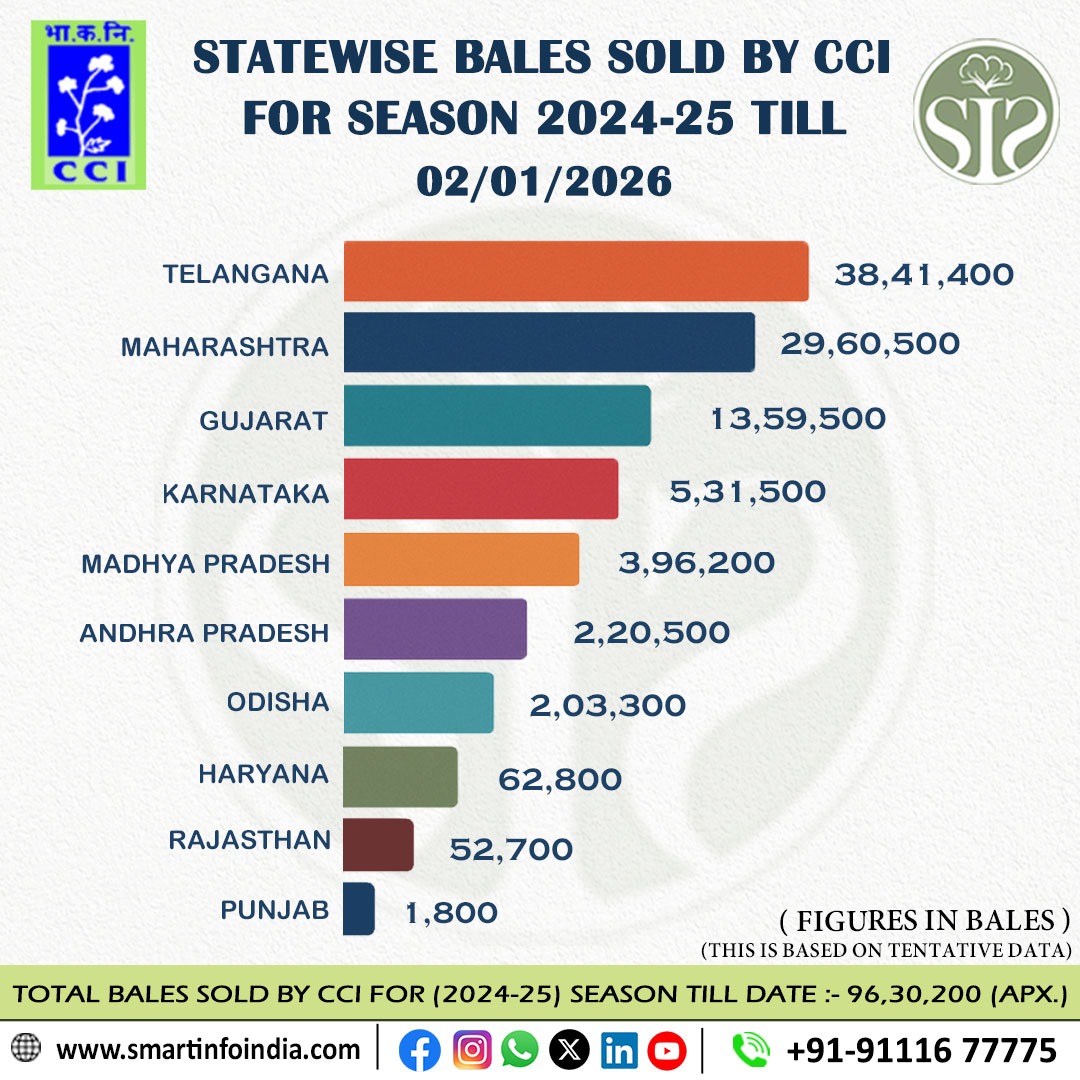
રાજ્ય પ્રમાણે CCI કપાસ વેચાણ વિગતો - 2024-25 સીઝનકોટન કોર્પોરેશન ઓફ ઇન્ડિયા (CCI) એ આ અઠવાડિયે તેના ભાવમાં કોઈ ફેરફાર કર્યો નથી. 2024-25 સીઝનમાં અત્યાર સુધીમાં કુલ વેચાણ આશરે 96,30,200 ગાંસડી સુધી પહોંચ્યું છે. આ આંકડો અત્યાર સુધીમાં ખરીદાયેલા કુલ કપાસના આશરે 96.30% દર્શાવે છે.રાજ્યવાર વેચાણના આંકડા દર્શાવે છે કે મહારાષ્ટ્ર, તેલંગાણા અને ગુજરાત વેચાણમાં મુખ્ય ફાળો આપનારા રહ્યા છે, જે અત્યાર સુધીમાં કુલ વેચાણના 84.74% થી વધુ હિસ્સો ધરાવે છે.આ આંકડા કપાસ બજારને સ્થિર કરવા અને મુખ્ય કપાસ ઉત્પાદક રાજ્યોને નિયમિત પુરવઠો સુનિશ્ચિત કરવા માટે CCI ના સક્રિય પ્રયાસોને પ્રતિબિંબિત કરે છે.વધુ વાંચો:- સ્થાનિક કપાસ કર પર ઉદ્યોગ અપીલ કરે છે
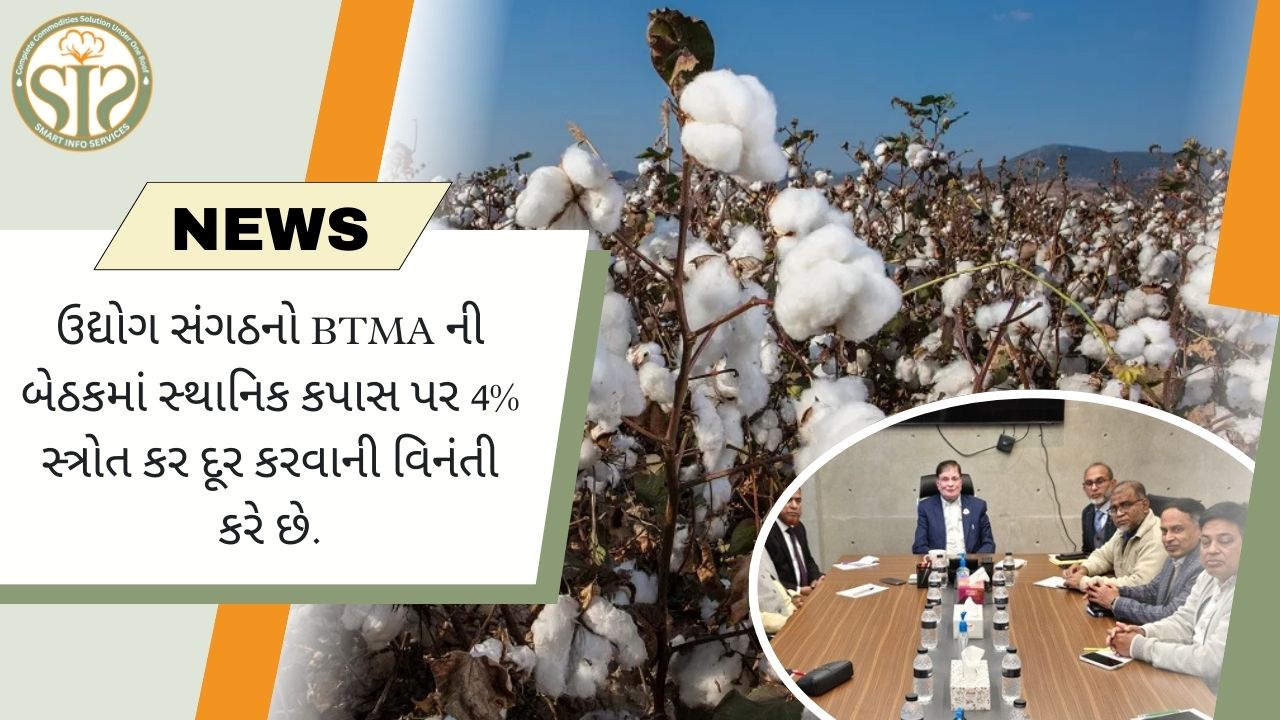
ઉદ્યોગ સંગઠનો BTMA ની બેઠકમાં સ્થાનિક કપાસ પર 4% સ્ત્રોત કર દૂર કરવાની વિનંતી કરે છે.બાંગ્લાદેશના કાપડ મૂલ્ય શૃંખલાના હિસ્સેદારોએ સ્થાનિક કપાસ ઉત્પાદનને મજબૂત બનાવવા અને નાણાકીય અવરોધો દૂર કરવા માટે ફરીથી હાકલ કરી છે, કારણ કે ઉદ્યોગ સંસ્થાઓ અને સરકારી અધિકારીઓ 1 જાન્યુઆરી, 2026 ના રોજ ગુલશનમાં બાંગ્લાદેશ ટેક્સટાઇલ મિલ્સ એસોસિએશન (BTMA) ના મુખ્ય મથક ખાતે મળ્યા હતા.BTMA દ્વારા આયોજિત સંયુક્ત બેઠકમાં બાંગ્લાદેશ કોટન ડેવલપમેન્ટ બોર્ડ (CDB) ના વરિષ્ઠ અધિકારીઓ અને બાંગ્લાદેશ કોટન જિનર્સ એસોસિએશન (BCGA) ના સભ્યો એકઠા થયા હતા. આ સત્રની અધ્યક્ષતા BTMA ના ડિરેક્ટર મોહમ્મદ ખોરશેદ આલમ દ્વારા કરવામાં આવી હતી.બેઠકમાં બોલતા, CDB ના અધિકારીઓએ આયાત નિર્ભરતા ઘટાડવા અને પુરવઠા-શૃંખલા સ્થિતિસ્થાપકતા સુધારવા માટે સ્થાનિક કપાસની ખેતીને વિસ્તૃત કરવાના વ્યૂહાત્મક મહત્વ પર પ્રકાશ પાડ્યો. ચર્ચામાં જમીનના વધુ સારા ઉપયોગ, ખેડૂતોની ભાગીદારી અને ખેડૂતો, જિનર્સ અને સ્પિનર્સ વચ્ચે ગાઢ સંકલન દ્વારા સ્થાનિક કપાસ ઉત્પાદનને વધારવા પર ભાર મૂકવામાં આવ્યો.મુખ્ય ભલામણોમાં સ્થાનિક કપાસના વેચાણ પર સરકાર દ્વારા લાદવામાં આવેલા 4% સ્ત્રોત કરને પાછો ખેંચવાની હતી, જે સહભાગીઓએ કહ્યું હતું કે સ્થાનિક રીતે ઉત્પાદિત કપાસના વેપારને નિરુત્સાહિત કરે છે. જીનર્સે બાંગ્લાદેશી સ્પિનિંગ મિલોને સ્થાનિક મૂલ્યવર્ધનને ટેકો આપવા માટે સ્થાનિક જીનિંગ મિલો દ્વારા ઉત્પાદિત કપાસની ખરીદીને પ્રાથમિકતા આપવા વિનંતી પણ કરી.બાંગ્લાદેશ કપાસ વિકાસ બોર્ડના એક્ઝિક્યુટિવ ડિરેક્ટર મોહમ્મદ રેઝાઉલ અમીન, બાંગ્લાદેશ કપાસ વિકાસ બોર્ડના માટી ફળદ્રુપતા અને પાણી વ્યવસ્થાપન નિષ્ણાત ડૉ. મોહમ્મદ ગાઝી ગોલામ મોર્તુઝા અને બાંગ્લાદેશ કપાસ વિકાસ બોર્ડના સિનિયર સાયન્ટિફિક ઓફિસર ડૉ. ખાલેકુઝ્ઝમાન સાથે મળીને ઉત્પાદકતા સુધારણા અને ટકાઉ ખેતી પદ્ધતિઓ પર ટેકનિકલ દ્રષ્ટિકોણ શેર કર્યા. બાંગ્લાદેશ કપાસ વિકાસ બોર્ડના પ્રોજેક્ટ ડિરેક્ટર ડૉ. એ.કે.એમ. હારૂન-ઓર-રશીદ દ્વારા પ્રોજેક્ટ-સ્તરના અપડેટ્સ રજૂ કરવામાં આવ્યા હતા.બેઠકમાં ખેડૂતોમાં જાગૃતિ લાવવાની પહેલો પર પણ ચર્ચા કરવામાં આવી હતી. કપાસની ખેતીને પ્રોત્સાહન આપવાના હેતુથી આયોજિત ખેડૂત સેમિનારમાં 5,000 BTMA-બ્રાન્ડેડ ટી-શર્ટનું વિતરણ કરવામાં જીનર્સે BTMAના સમર્થનની વિનંતી કરી હતી.BTMAના ડિરેક્ટર મોહમ્મદ ખોરશેદ આલમે ખેતીલાયક ખેતીલાયક જમીન ઉત્પાદક રહે તે સુનિશ્ચિત કરવાના મહત્વ પર ભાર મૂક્યો હતો, જ્યાં જમીન ખાલી રહે છે ત્યાં કપાસના વૃક્ષો વાવવાનો આગ્રહ કર્યો હતો. તેમણે જીનિંગ મિલ માલિકોને ખેડૂતોની આવક વધારવા માટે પડતર અથવા ઓછા ઉપયોગવાળી જમીન પર કપાસ અને શાકભાજીનું મિશ્રણ કરીને સંકલિત ખેતીને પ્રોત્સાહન આપવા માટે પણ પ્રોત્સાહિત કર્યા.આ બેઠકમાં બીટીએમએના ડેપ્યુટી સેક્રેટરી જનરલ ઝિયાઉલ હસન ચૌધરી પણ હાજર રહ્યા હતા, તેમની સાથે કુષ્ટિયા, જશોર અને અન્ય કપાસ ઉત્પાદક પ્રદેશોની જીનિંગ મિલોના પ્રતિનિધિઓ પણ હાજર રહ્યા હતા.વધુ વાંચો:- "૨૦૨૭ માં કાપડ ક્ષેત્રનો પ્રથમ મોટો સર્વે"

સરકાર 2027 માં પ્રથમ વ્યાપક કાપડ ક્ષેત્ર સર્વેક્ષણ હાથ ધરવાની યોજના ધરાવે છે.સૂત્રોએ જણાવ્યું હતું કે સરકાર 2027 માં કાપડ ક્ષેત્રનો વ્યાપક સર્વેક્ષણ શરૂ કરવાની યોજના ધરાવે છે, જેનો હેતુ ભારતના સૌથી મોટા નોકરીદાતાઓમાંના એકના નાણાકીય સ્વાસ્થ્ય, રોજગાર માળખા અને બજાર એકીકરણનું વ્યાપક ચિત્ર પૂરું પાડવાનો છે.અગાઉના સર્વેક્ષણોથી વિપરીત, જે મુખ્યત્વે ઉત્પાદન અથવા વેતન પર ધ્યાન કેન્દ્રિત કરતા હતા, પ્રસ્તાવિત સર્વેક્ષણ કાપડ એકમોની આસપાસના નાણાકીય ઇકોસિસ્ટમની ઊંડાણપૂર્વક તપાસ કરશે. અધિકારીઓએ જણાવ્યું હતું કે તે તપાસ કરશે કે કંપનીઓ ધિરાણ કેવી રીતે મેળવે છે, શું તેઓ ઔપચારિક લોન મેળવવા સક્ષમ છે, તેઓ કેટલી ચુકવણી કરે છે અને તેઓ ઔપચારિક ક્રેડિટ સિસ્ટમમાં કેટલા સંકલિત છે. નિકાસ ભાગીદારીનું પણ નિરીક્ષણ કરવામાં આવશે, જે નીતિ નિર્માતાઓને મૂલ્યાંકન કરવામાં મદદ કરશે કે કાપડ કંપનીઓ વૈશ્વિક મૂલ્ય શૃંખલામાં કેટલી ઊંડાણપૂર્વક સંકલિત છે.હાલમાં, ક્ષેત્ર પરનો સત્તાવાર ડેટા ખંડિત છે. શ્રમ મંત્રાલય કાપડમાં વેતન પર નજર રાખે છે, પરંતુ છેલ્લો આવો સર્વેક્ષણ 2017 માં હાથ ધરવામાં આવ્યો હતો. આટલા મોટા અને વૈવિધ્યસભર કાપડ ક્ષેત્રમાં ક્રેડિટની ઍક્સેસ, નાણાકીય તણાવ અથવા નિકાસ અભિગમ વિશે બહુ ઓછી વ્યવસ્થિત માહિતી ઉપલબ્ધ છે."તેમને લોન મળે છે કે નહીં, તેઓ કેટલી રકમ ચૂકવે છે, તેમની નાણાકીય સમાવેશની સ્થિતિ અને તેઓ નિકાસ કરે છે કે નહીં - આ કેટલીક બાબતો છે જે આપણે સમજવા માંગીએ છીએ. કાપડ એક શ્રમ-સઘન ક્ષેત્ર છે," ચર્ચાઓથી પરિચિત એક અધિકારીએ જણાવ્યું.વધુ વાંચો:-

ટેક્સટાઇલ પીએલઆઈ અરજી કરવાની છેલ્લી તારીખ 31 માર્ચ સુધી લંબાવવામાં આવીસરકારે કાપડ માટે પ્રોડક્શન લિંક્ડ ઇન્સેન્ટિવ (પીએલઆઈ) યોજના હેઠળ નવી અરજીઓ સબમિટ કરવાની અંતિમ તારીખ 31 માર્ચ 2026 સુધી લંબાવી છે.ટેક્સટાઇલ મંત્રાલયે જણાવ્યું હતું કે ઓગસ્ટ 2025 માં એપ્લિકેશન પોર્ટલ ફરીથી ખુલ્યા પછી મળેલા સકારાત્મક પ્રતિભાવને પગલે આ વિસ્તરણ કરવામાં આવ્યું છે, જેમાં કાપડ કંપનીઓએ માનવસર્જિત ફાઇબર (એમએમએફ) એપેરલ, એમએમએફ ફેબ્રિક્સ અને ટેકનિકલ ટેક્સટાઇલ જેવા પ્રાથમિકતા ક્ષેત્રોમાં દરખાસ્તો સબમિટ કરી હતી.ઓક્ટોબરમાં, સરકારે ટેક્સટાઇલ ક્ષેત્ર માટે પીએલઆઈ યોજના હેઠળ નવી અરજીઓ સબમિટ કરવાની અંતિમ તારીખ 31 ડિસેમ્બર સુધી લંબાવી હતી, જે હવે આ વર્ષે માર્ચ સુધી લંબાવવામાં આવી છે.મંત્રાલયે જણાવ્યું હતું કે, "આ નિર્ણય ભારતના ટેક્સટાઇલ ક્ષેત્રમાં રોકાણકારોના વધતા વિશ્વાસને પ્રતિબિંબિત કરે છે અને પાત્ર અરજદારોને વધારાનો સમય આપીને વ્યાપક ભાગીદારીને સરળ બનાવવાનો હેતુ ધરાવે છે."કાપડ માટે PLI યોજના 24 સપ્ટેમ્બર, 2021 ના રોજ સૂચિત કરવામાં આવી હતી, જેનો ઉદ્દેશ્ય દેશમાં MMF એપેરલ અને ફેબ્રિક અને ટેકનિકલ ટેક્સટાઇલ ઉત્પાદનોના ઉત્પાદનને પ્રોત્સાહન આપવાનો હતો જેથી ઉદ્યોગ કદ અને સ્કેલમાં વિકાસ કરી શકે, સ્પર્ધાત્મક બની શકે, લોકો માટે રોજગારની તકો ઊભી કરી શકે અને સફળ સાહસ બનાવવામાં મદદ કરી શકે.વધુ વાંચો :- CCIનું કપાસનું વેચાણ 96% ને વટાવી ગયું, સાપ્તાહિક વોલ્યુમ 2.02 લાખ ગાંસડી