

रुपया 03 पैसे गिरकर होकर US डॉलर के मुकाबले 96.44 पर बंद हुआसोमवार को भारतीय रुपया अमेरिकी डॉलर के मुकाबले 96.41 पर खुला और 96.44 पर बंद हुआ, जिससे ट्रेडिंग सेशन के दौरान इसमें 3 पैसे की गिरावट दर्ज की गई।बंद होने पर, सेंसेक्स 442.93 पॉइंट या 0.57 प्रतिशत गिरकर 77,708.52 पर और निफ्टी 95.80 पॉइंट या 0.39 प्रतिशत गिरकर 24,238.50 पर था।और पढ़ें :- रुपया डॉलर के मुकाबले 13 पैसे गिरकर 96.41 पर खुला

रुपया 13 पैसे गिरकर 96.41 पर खुलासोमवार को भारतीय रुपया डॉलर के मुकाबले 13 पैसे गिरकर 96.41 पर खुला, जबकि शुक्रवार को यह 96.28 पर बंद हुआ था।BSE सेंसेक्स, जो शुक्रवार को 78,151.45 पर बंद हुआ था, 78,151.45 पर ही खुला और 457.32 अंक या 0.59 प्रतिशत की गिरावट के साथ 77,694.13 पर ट्रेड कर रहा था। NSE निफ्टी50, जो पिछले सेशन में 24,334.30 पर बंद हुआ था, 24,190.05 पर खुला और 106.40 अंक या 0.44 प्रतिशत की गिरावट के साथ 24,227.90 पर ट्रेड कर रहा था।और पढ़ें :- कर्नाटक में कमजोर मानसून से खरीफ फसलों और खाद्य सुरक्षा पर बढ़ा संकट
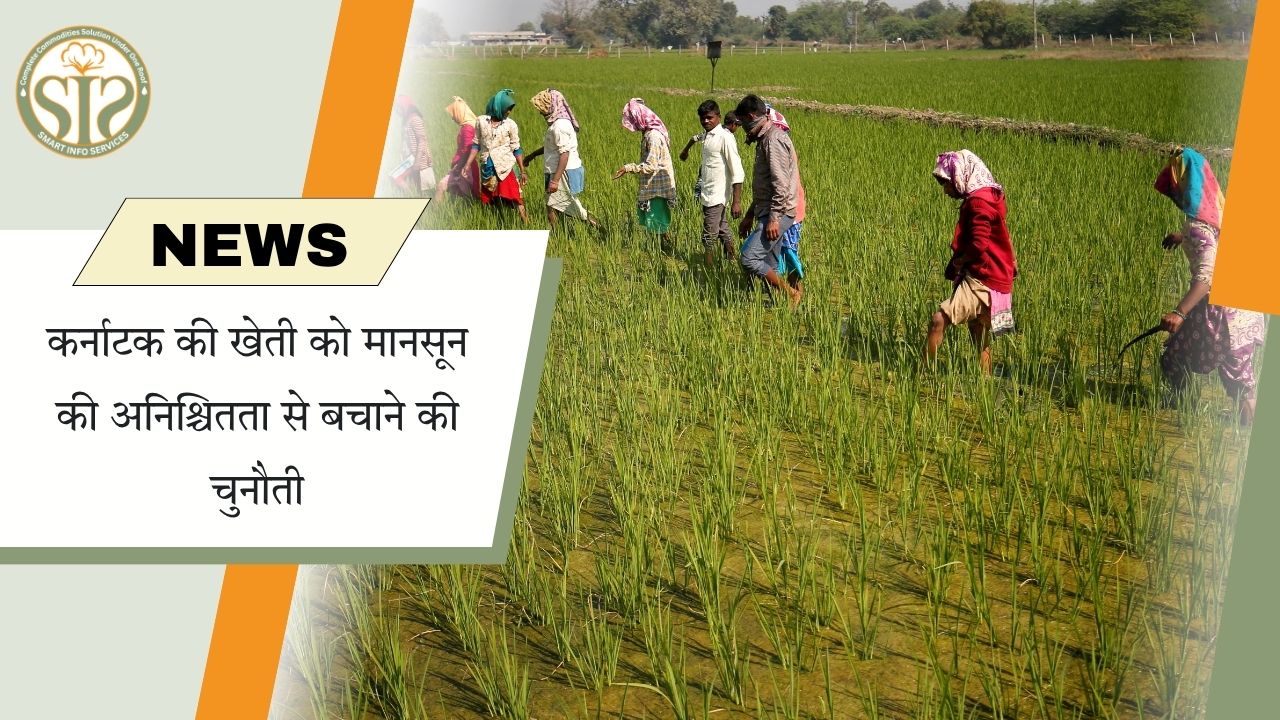
कर्नाटक की खेती को मानसून की अनिश्चितता से बचाने की चुनौतीमानसून में आई भारी कमी ने कर्नाटक के किसानों के सामने गंभीर संकट खड़ा कर दिया है, जिसका असर राष्ट्रीय स्तर पर भी महसूस किया जा सकता है। जुलाई के पहले सप्ताह तक खरीफ़ फसलों की बुआई निर्धारित लक्ष्य के केवल एक-तिहाई हिस्से तक ही पहुंच पाई थी। जून से अक्टूबर तक चलने वाले इस कृषि मौसम में किसान आमतौर पर धान, मक्का, रागी, ज्वार और बाजरा जैसे अनाज; अरहर और अन्य दालें; मूंगफली, सूरजमुखी, सोयाबीन और नाइजर बीज जैसे तिलहन; तथा कपास, गन्ना, तंबाकू और लाल मिर्च जैसी नकदी फसलें उगाते हैं।इन फसलों का उत्पादन काफी हद तक मानसून पर निर्भर है। राजस्थान के बाद कर्नाटक में देश का सबसे बड़ा शुष्क कृषि क्षेत्र है और राज्य की लगभग 84.79 लाख हेक्टेयर कृषि भूमि बारिश पर आधारित है। इस कारण वर्षा में किसी भी तरह की कमी सीधे कृषि उत्पादन को प्रभावित करती है। इस वर्ष अल-नीनो प्रभाव के कारण वर्षा में भारी कमी दर्ज की गई है। मलनाड क्षेत्र, तटीय कर्नाटक, उत्तरी आंतरिक कर्नाटक और दक्षिणी आंतरिक कर्नाटक में वर्षा की कमी क्रमशः 34 प्रतिशत, 30 प्रतिशत, 24 प्रतिशत और 18 प्रतिशत तक दर्ज की गई है।इस संकट का प्रभाव केवल कर्नाटक तक सीमित नहीं रहेगा। राज्य देश में मोटे अनाज के प्रमुख उत्पादकों में शामिल है और अरहर दाल की खेती के लिए सबसे अधिक क्षेत्रफल भी यहीं है। इसलिए कर्नाटक के कृषि उत्पादन में बड़ी गिरावट का असर देशभर में खाद्यान्न आपूर्ति और कीमतों पर पड़ सकता है।इस प्राकृतिक संकट के साथ मानवीय चुनौती भी बढ़ रही है। कर्नाटक की लगभग 1.37 करोड़ आबादी, यानी राज्य के हर पांच में से लगभग एक व्यक्ति की आजीविका कृषि पर निर्भर है। ऐसे हालात में मुख्यमंत्री डी.के. शिवकुमार ने प्रधानमंत्री नरेंद्र मोदी से स्थिति का आकलन करने और राहत उपायों के लिए केंद्रीय टीम भेजने का आग्रह किया है।केंद्र सरकार से मिलने वाली सहायता आवश्यक है, लेकिन कर्नाटक को इस संकट से एक दीर्घकालिक सबक भी लेना होगा। राज्य की खेती लंबे समय से मानसून की अनिश्चितता पर निर्भर रही है। अब आवश्यकता है कि सरकार केवल शहरी विकास, विशेषकर बड़े शहरों की परियोजनाओं पर ध्यान केंद्रित करने के बजाय कृषि क्षेत्र की जल सुरक्षा को प्राथमिकता दे।इसके लिए सिंचाई सुविधाओं का विस्तार, जल संरक्षण उपायों को मजबूत करना, सूखा-सहने वाली फसलों को बढ़ावा देना, नहर नेटवर्क का विस्तार, भूजल पुनर्भरण में सुधार और आधुनिक सूक्ष्म-सिंचाई तकनीकों का व्यापक इस्तेमाल जरूरी है। लक्ष्य केवल मौजूदा संकट से निपटना नहीं होना चाहिए, बल्कि ऐसी कृषि व्यवस्था तैयार करना होना चाहिए जो किसानों को मानसून की अनिश्चितताओं से दीर्घकालिक सुरक्षा प्रदान कर सके।कृषि को प्राकृतिक अनिश्चितताओं का शिकार बनने से रोकना केवल कर्नाटक की जरूरत नहीं है, बल्कि पूरे देश की खाद्य सुरक्षा और ग्रामीण अर्थव्यवस्था के लिए अनिवार्य है।और पढ़ें :- गुजरात और महाराष्ट्र में धीमी बुआई से भारत में कपास का रकबा लगभग 15% घटा
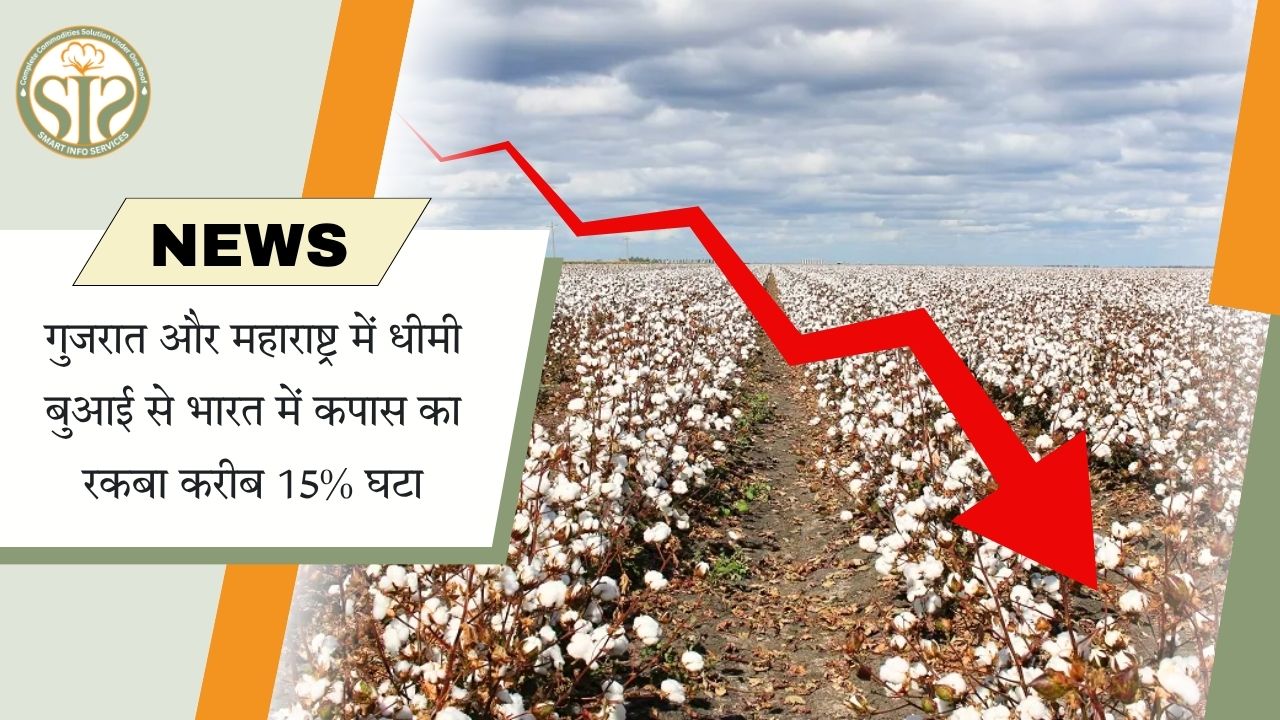
गुजरात और महाराष्ट्र में धीमी बुआई से भारत में कपास का रकबा करीब 15% घटाभारत में 2026 खरीफ सीजन के शुरुआती चरण में कपास की बुआई पिछले साल की तुलना में काफी पीछे चल रही है। मॉनसून में देरी और क्षेत्रीय मौसम परिस्थितियों के कारण प्रमुख कपास उत्पादक राज्यों में बुआई की गति प्रभावित हुई है। 10 जुलाई 2026 तक देश में 79.55 लाख हेक्टेयर क्षेत्र में कपास की बुआई दर्ज की गई, जबकि पिछले वर्ष इसी अवधि में यह आंकड़ा 93.95 लाख हेक्टेयर था। इस तरह कपास का रकबा 14.41 लाख हेक्टेयर या करीब 15.3% कम रहा है।बुआई में सबसे बड़ी गिरावट गुजरात और महाराष्ट्र जैसे प्रमुख कपास उत्पादक राज्यों में देखी गई है। महाराष्ट्र में इस सीजन अब तक 30.07 लाख हेक्टेयर क्षेत्र में कपास की बुआई हुई है, जो पिछले वर्ष के 35.46 लाख हेक्टेयर से 5.39 लाख हेक्टेयर कम है। विदर्भ और मराठवाड़ा जैसे प्रमुख कपास क्षेत्रों में देर से हुई बारिश के कारण किसानों की बुआई गतिविधियां प्रभावित हुई हैं।गुजरात में गिरावट और अधिक रही। राज्य में कपास का रकबा पिछले साल के 17.11 लाख हेक्टेयर से घटकर 9.32 लाख हेक्टेयर रह गया, यानी 7.79 लाख हेक्टेयर की कमी दर्ज की गई। गुजरात और महाराष्ट्र मिलकर देश में कपास के कुल रकबे में आई लगभग 13.2 लाख हेक्टेयर की कमी के लिए जिम्मेदार हैं।इसके विपरीत, तेलंगाना और आंध्र प्रदेश में कपास की बुआई में सुधार देखने को मिला है। तेलंगाना में कपास का रकबा पिछले साल की तुलना में 1.96 लाख हेक्टेयर बढ़कर 15.96 लाख हेक्टेयर हो गया है। अच्छी बारिश और समय पर कृषि कार्य शुरू होने से राज्य में बुआई को गति मिली है। आंध्र प्रदेश में भी कपास का रकबा 0.78 लाख हेक्टेयर बढ़कर 2.40 लाख हेक्टेयर पहुंच गया है।अन्य प्रमुख कपास उत्पादक राज्यों में बुआई पिछले साल के स्तर से नीचे बनी हुई है। राजस्थान में 1.28 लाख हेक्टेयर, हरियाणा में 0.90 लाख हेक्टेयर, ओडिशा में 0.66 लाख हेक्टेयर, कर्नाटक में 0.59 लाख हेक्टेयर और पंजाब में 0.43 लाख हेक्टेयर की कमी दर्ज की गई है। मध्य प्रदेश में कपास का रकबा लगभग स्थिर रहा, जबकि तमिलनाडु में भी पिछले वर्ष के मुकाबले कोई बड़ा बदलाव नहीं हुआ।2026 खरीफ सीजन के लिए कपास का राष्ट्रीय लक्ष्य 116.12 लाख हेक्टेयर रखा गया है, लेकिन 10 जुलाई तक केवल 79.55 लाख हेक्टेयर क्षेत्र में ही बुआई हो पाई है। हालांकि कपास की बुआई जुलाई और अगस्त की शुरुआत तक जारी रहती है, इसलिए आने वाले हफ्तों में बेहतर मॉनसून से रकबे में सुधार की संभावना बनी हुई है।यदि बुआई में कमी बनी रहती है, तो आगामी विपणन सीजन में कच्चे कपास की उपलब्धता प्रभावित हो सकती है। इसका असर घरेलू टेक्सटाइल उद्योग, कपास निर्यात और फाइबर कीमतों पर पड़ सकता है। वैश्विक कपास बाजार भी मौसम संबंधी आपूर्ति जोखिमों को लेकर संवेदनशील बने हुए हैं, ऐसे में भारत की उत्पादन स्थिति पर बाजार की नजर बनी रहेगी।और पढ़ें :- गुजरात–महाराष्ट्र में बारिश की देरी से कपास की फसल पर संकट, किसानों को दोबारा बुवाई का डर
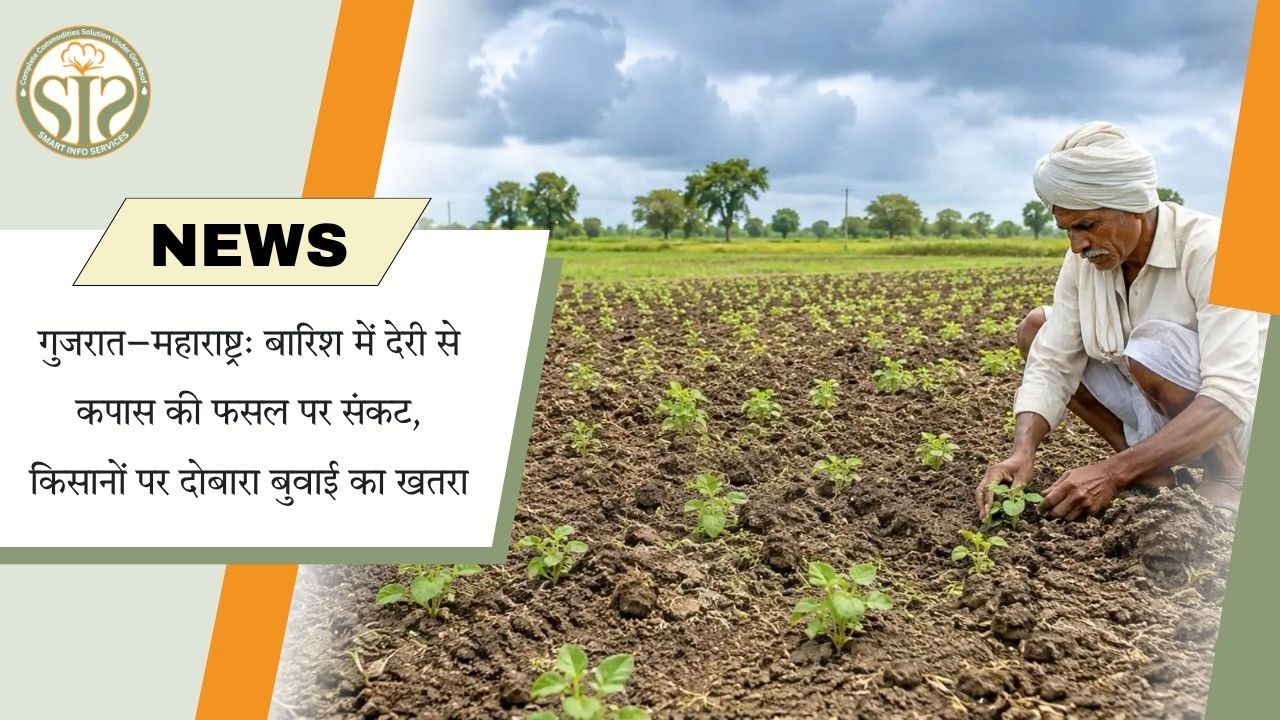
गुजरात–महाराष्ट्र: बारिश में देरी से कपास की फसल पर संकट, किसानों पर दोबारा बुवाई का खतरागुजरात के छोटाउदेपुर जिले के बोदेली तालुका के सेगवा-सिमली गांव और महाराष्ट्र के अहमदनगर जिले के शेवगांव तालुका में समय पर बारिश नहीं होने से कपास उत्पादक किसानों की चिंता बढ़ गई है। शुरुआती बारिश के बाद किसानों ने कपास की बुवाई पूरी कर ली थी और खेतों में पौधे निकल आए थे। लेकिन पिछले कई दिनों से बारिश नहीं होने के कारण मिट्टी की नमी कम होने लगी है, जिससे फसल की बढ़वार प्रभावित होने की आशंका बढ़ गई है।दोनों क्षेत्रों में कपास प्रमुख खरीफ फसल है और बड़ी संख्या में किसान इस पर निर्भर हैं। किसानों ने बीज, उर्वरक, मजदूरी और खेत की तैयारी पर हजारों रुपये खर्च किए हैं। उन्हें उम्मीद थी कि मानसून समय पर आगे बढ़ेगा, लेकिन बारिश रुकने से उनकी चिंता बढ़ गई है। लगातार सूखे मौसम के कारण कई खेतों में कपास के पौधों की वृद्धि धीमी पड़ रही है। कुछ स्थानों पर पौधों के मुरझाने और सूखने की स्थिति भी देखने को मिल रही है।महाराष्ट्र के शेवगांव तालुका में पिछले 15 दिनों से बारिश नहीं होने के कारण किसानों को दोबारा बुवाई का डर सताने लगा है। किसान यलप्पा कुसलकर ने बताया कि उन्होंने तीन एकड़ में कपास की खेती पर काफी खर्च किया है, लेकिन बारिश के अभाव में फसल प्रभावित हो रही है। उनका कहना है कि यदि जल्द बारिश नहीं हुई तो किसानों को दोबारा बीज और अन्य कृषि सामग्री खरीदने पर अतिरिक्त खर्च करना पड़ेगा।गुजरात के सेगवा-सिमली और आसपास के क्षेत्रों के किसानों का कहना है कि कपास के शुरुआती विकास के लिए मिट्टी में पर्याप्त नमी जरूरी है। बारिश में और देरी होने पर पौधों की वृद्धि रुक सकती है और कुछ खेतों में दोबारा बुवाई की स्थिति बन सकती है। इससे किसानों की लागत बढ़ने के साथ उत्पादन पर भी असर पड़ सकता है।कृषि विशेषज्ञों ने किसानों को सलाह दी है कि वे खेतों की नियमित निगरानी करें और मौसम की स्थिति के अनुसार कृषि प्रबंधन अपनाएं। विशेषज्ञों का कहना है कि यदि जल्द पर्याप्त बारिश हो जाती है, तो कपास की फसल को नुकसान से बचाया जा सकता है। लेकिन बारिश में अधिक देरी होने पर उत्पादन में कमी और आर्थिक नुकसान की संभावना बढ़ सकती है।फिलहाल गुजरात और महाराष्ट्र के कपास उत्पादक किसान अच्छी मानसूनी बारिश का इंतजार कर रहे हैं, ताकि फसल को आवश्यक नमी मिल सके और उनकी मेहनत सफल हो सके।और पढ़ें :- महाराष्ट्र के दिग्रस स्पिनिंग मिल से चीन को पहली कॉटन यार्न खेप रवाना, विदर्भ को वैश्विक पहचान
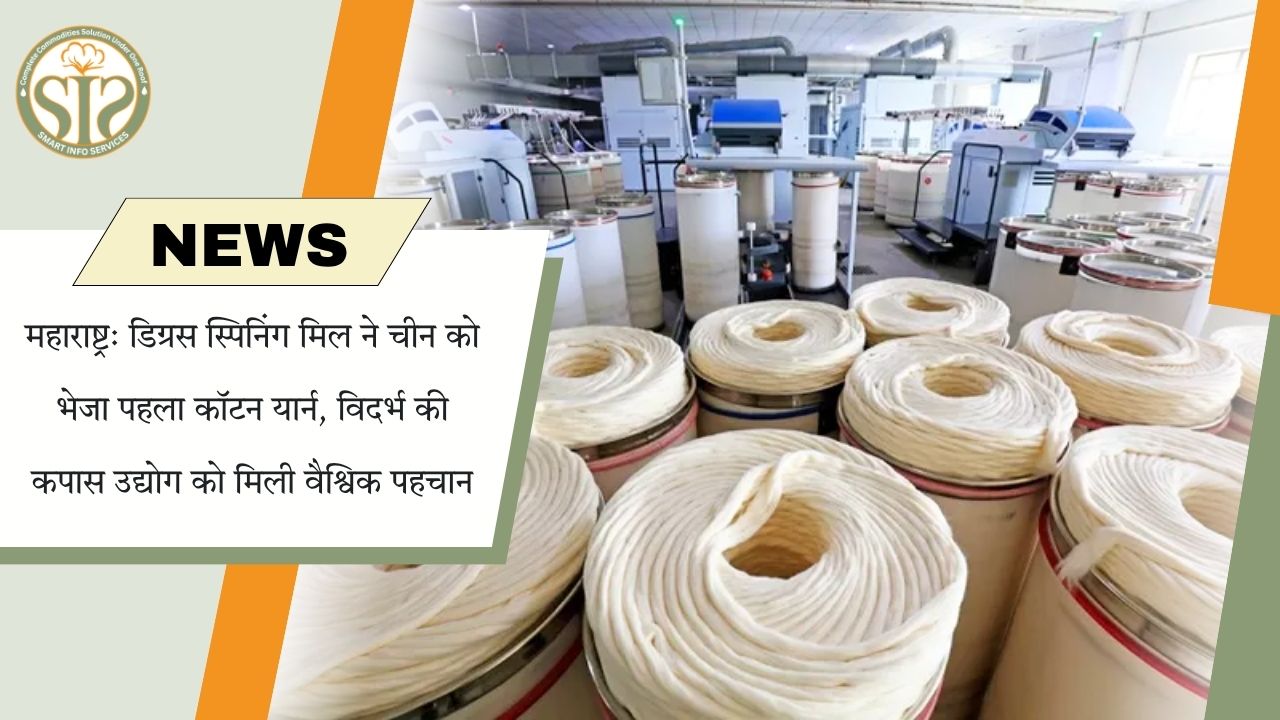
महाराष्ट्र: डिग्रस स्पिनिंग मिल ने चीन को भेजा पहला कॉटन यार्न, विदर्भ की कपास उद्योग को मिली वैश्विक पहचानमहाराष्ट्र के विदर्भ क्षेत्र की 'रामदास अठावले बैकवर्ड क्लास कॉटन ग्रोअर्स कोऑपरेटिव स्पिनिंग मिल' ने अंतरराष्ट्रीय बाजार में प्रवेश करते हुए चीन को कॉटन यार्न का पहला निर्यात किया है। डिग्रस स्थित इस सहकारी स्पिनिंग मिल में तैयार उच्च गुणवत्ता वाले यार्न को चीनी बाजार में स्वीकृति मिलने के बाद पहला कंटेनर समुद्री मार्ग से रवाना किया गया। इसे विदर्भ की कपास प्रसंस्करण उद्योग और स्थानीय किसानों के लिए एक महत्वपूर्ण उपलब्धि माना जा रहा है।वर्ष 2019 में पंजीकृत इस सहकारी स्पिनिंग मिल ने 2025 में व्यावसायिक उत्पादन शुरू किया। कम समय में ही इसने उच्च गुणवत्ता वाले यार्न के उत्पादन के दम पर राज्य की प्रमुख सहकारी स्पिनिंग मिलों में अपनी पहचान बना ली है। संस्था का दावा है कि पिछले एक दशक में पंजीकृत सहकारी स्पिनिंग मिलों में यह ऐसी पहली इकाई है जिसने सफलतापूर्वक उत्पादन शुरू कर बाजार में अपनी मौजूदगी दर्ज कराई है।निर्यात से पहले चीन के विशेषज्ञों की एक टीम ने मिल में तैयार यार्न की गुणवत्ता का विस्तृत तकनीकी परीक्षण किया। सभी अंतरराष्ट्रीय मानकों पर खरा उतरने के बाद ही चीन के बाजार में इसके निर्यात को मंजूरी मिली। मिल के संस्थापक-अध्यक्ष मिलिंद मानकर ने बताया कि डिग्रस में तैयार यार्न को अब अन्य देशों से भी मांग मिलने लगी है, जिससे भविष्य में निर्यात बढ़ने की संभावना है।मिल के अध्यक्ष महेंद्र मानकर के अनुसार, आधुनिक स्वचालित मशीनरी, अनुभवी तकनीकी टीम, कुशल प्रबंधन और कर्मचारियों की मेहनत के कारण अंतरराष्ट्रीय गुणवत्ता का यार्न तैयार किया जा रहा है। उन्होंने बताया कि कोविड-19 महामारी जैसी चुनौतियों के बावजूद परियोजना को सफलतापूर्वक पूरा किया गया और उत्पादन शुरू किया गया।मुख्यमंत्री देवेंद्र फडणवीस, केंद्रीय मंत्री रामदास अठावले और संरक्षक मंत्री संजय राठौड़ के सहयोग से यह परियोजना शुरू हो सकी। पहले निर्यात कंटेनर को रवाना करने से पहले मिल परिसर में विधिवत पूजा-अर्चना की गई, जिसमें निदेशक मंडल, अधिकारी और कर्मचारी उपस्थित रहे।मिल ने पिछले 18 महीनों में लगभग 5,500 टन कॉटन यार्न का उत्पादन किया है। इसकी स्वीकृत क्षमता 25,000 स्पिंडल की है, जिनमें से वर्तमान में 16,500 स्पिंडल संचालित हैं। मिल में प्रतिदिन 10 से 12 टन यार्न तैयार किया जा रहा है। प्रबंधन का मानना है कि चीन को पहला निर्यात भविष्य में नए अंतरराष्ट्रीय बाजारों के लिए रास्ता खोलेगा और इससे विदर्भ के कपास उत्पादक किसानों के साथ-साथ क्षेत्र के वस्त्र उद्योग को भी दीर्घकालिक लाभ मिलेगा।और पढ़ें :- CCI ने कॉटन कैंडी के दाम ₹800 बढ़ाए, साप्ताहिक नीलामी 3.18 लाख गांठ पर पहुंची
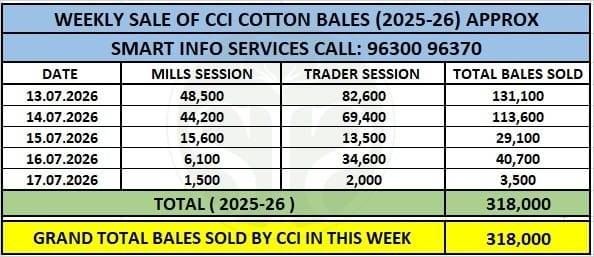
CCI ने कॉटन कैंडी की कीमतें ₹800 बढ़ाईं; साप्ताहिक नीलामी 3.18 लाख गांठों तक पहुंचीकॉटन कॉर्पोरेशन ऑफ़ इंडिया (CCI) ने 17 जुलाई, 2026 को समाप्त हुए सप्ताह के दौरान अपनी कपास की बिक्री कीमतों में ₹800 प्रति कैंडी की बढ़ोतरी की। नीलामी में टेक्सटाइल मिलों और कपास व्यापारियों की ज़बरदस्त भागीदारी देखी गई, जिसके परिणामस्वरूप 2025–26 फसल सीज़न से कुल साप्ताहिक बिक्री लगभग 3,18,000 गांठों की रही।साप्ताहिक बिक्री रिपोर्ट13 जुलाई, 2026 (सोमवार):सप्ताह की शुरुआत ज़बरदस्त रही, जिसमें नीलामी में सबसे ज़्यादा 1,31,100 गांठों की बिक्री हुई। मिलों ने 48,500 गांठें खरीदीं, जबकि व्यापारियों ने 82,600 गांठें उठाईं।14 जुलाई, 2026 (मंगलवार):CCI की नीलामी बिक्री 1,13,600 गांठों की रही। मिलों ने 44,200 गांठें खरीदीं, जबकि व्यापारियों ने 69,400 गांठें उठाईं।15 जुलाई, 2026 (बुधवार):नीलामी की गतिविधि धीमी रही, जिसमें कुल बिक्री 29,100 गांठों की हुई। मिलों ने 15,600 गांठें खरीदीं, जबकि व्यापारियों ने 13,500 गांठें खरीदीं।16 जुलाई, 2026 (गुरुवार):CCI ने दिन के दौरान कुल 40,700 गांठों की बिक्री दर्ज की। मिलों ने 6,100 गांठें खरीदीं, जबकि व्यापारियों ने 34,600 गांठें उठाईं।17 जुलाई, 2026 (शुक्रवार):सप्ताह का समापन 3,500 गांठों की बिक्री के साथ हुआ। मिलों ने 1,500 गांठें खरीदीं, जबकि व्यापारियों ने 2,000 गांठें खरीदीं।कुल बिक्री का अपडेटताज़ा नीलामी के साथ, 2025–26 सीज़न के लिए CCI की कुल कपास बिक्री 85,04,800 गांठों तक पहुँच गई है।और पढ़ें :- वैश्विक कपास रैली पर ब्राज़ील के बढ़ते उत्पादन की चुनौती, 2027 पर टिकी नजर
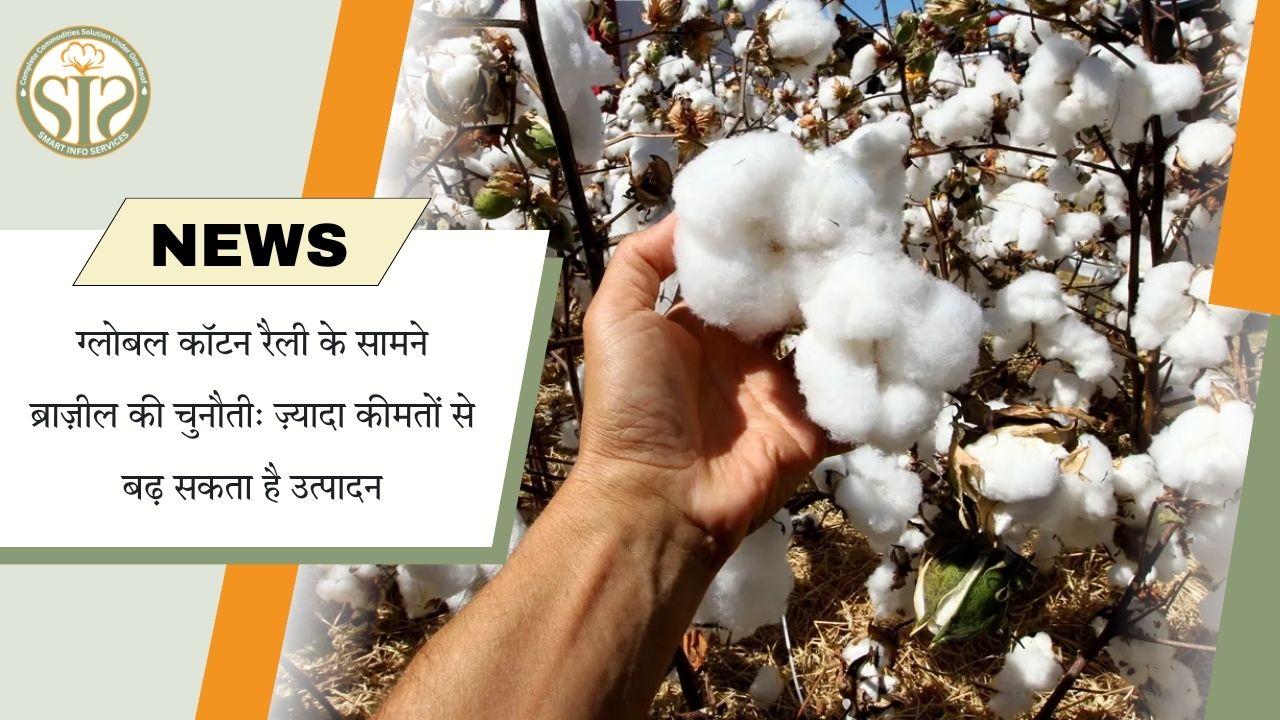
ग्लोबल कॉटन रैली के सामने ब्राज़ील की चुनौती: ज़्यादा कीमतों से बढ़ सकता है उत्पादनदो साल तक कम रिटर्न मिलने के बाद अब ग्लोबल कॉटन की कीमतों में सुधार हो रहा है। इसकी वजह है प्रमुख एक्सपोर्ट करने वाले देशों में उत्पादन में एक साथ कमी आना, जिससे सप्लाई कम हुई है और इम्पोर्ट की बेहतर मांग से मार्केट का सेंटीमेंट भी सुधरा है। हालांकि 2026 की दूसरी छमाही के लिए आउटलुक अच्छा बना हुआ है, लेकिन एनालिस्ट का कहना है कि अगला सप्लाई साइकिल—खासकर ब्राज़ील में—यह तय कर सकता है कि यह तेज़ी बनी रहेगी या नहीं।स्टोनएक्स ब्राज़ील के मार्केट इंटेलिजेंस एनालिस्ट राफेल बुलास्कोशी ने कहा कि मौजूदा मार्केट को प्रमुख एक्सपोर्टर्स के यहां उत्पादन घटने से फायदा हो रहा है, लेकिन उन्होंने चेतावनी दी कि अब ध्यान 2027 के फसल चक्र की ओर जा रहा है। उन्होंने कहा, "2026 की दूसरी छमाही के लिए स्थिति अच्छी है," साथ ही उन्होंने यह भी कहा कि ज़्यादा कीमतों के लंबे समय तक बने रहने को लेकर सवाल अभी भी हैं।दुनिया के सबसे बड़े कॉटन एक्सपोर्टर, ब्राज़ील की भविष्य की सप्लाई तय करने में अहम भूमिका होने की उम्मीद है। बुलास्कोशी के अनुसार, बेहतर मुनाफे के कारण कॉटन, दूसरी फसल वाली मक्का (कॉर्न) की तुलना में ज़्यादा आकर्षक विकल्प बन गया है। अगर मौजूदा कीमतों से मिलने वाला प्रोत्साहन जारी रहता है, तो किसान कॉटन की खेती का दायरा बढ़ा सकते हैं। ब्राज़ील में ज़्यादा उत्पादन से धीरे-धीरे मौजूदा कम ग्लोबल सप्लाई की भरपाई हो सकती है और मार्केट की स्थिति बदल सकती है।जैसे-जैसे ट्रेडर्स मौजूदा इन्वेंट्री के बजाय दक्षिणी गोलार्ध में बुवाई के फैसलों पर ज़्यादा ध्यान दे रहे हैं, ब्राज़ील का उत्पादन ग्लोबल कॉटन मार्केट के लिए एक अहम फैक्टर बनकर उभर रहा है। खेती के रकबे में बड़ी बढ़ोतरी से 2027 में सप्लाई से जुड़ी चिंताएं कम हो सकती हैं, जबकि सीमित बढ़ोतरी से मार्केट को लंबे समय तक सहारा मिल सकता है।और पढ़ें :- रुपया 01 पैसे मजबूत होकर US डॉलर के मुकाबले 96.28 पर बंद हुआ

शुक्रवार को भारतीय रुपया US डॉलर के मुकाबले 96.29 पर खुला और 96.28 पर बंद हुआ, जिससे ट्रेडिंग सेशन के दौरान इसमें 01 पैसे की बढ़त दर्ज की गई।बंद होने के समय, सेंसेक्स 964.58 अंक या 1.25 प्रतिशत बढ़कर 78,151.45 पर और निफ्टी 261.55 अंक या 1.09 प्रतिशत बढ़कर 24,334.30 पर था। लगभग 1632 शेयरों में बढ़त हुई, 2419 शेयरों में गिरावट आई और 175 शेयरों में कोई बदलाव नहीं हुआ।और पढ़ें :-ICAR-SBI 2030 तक पिंक बॉलवर्म-रोधी नए जीन वाली कपास के बीज करेगा व्यावसायिक
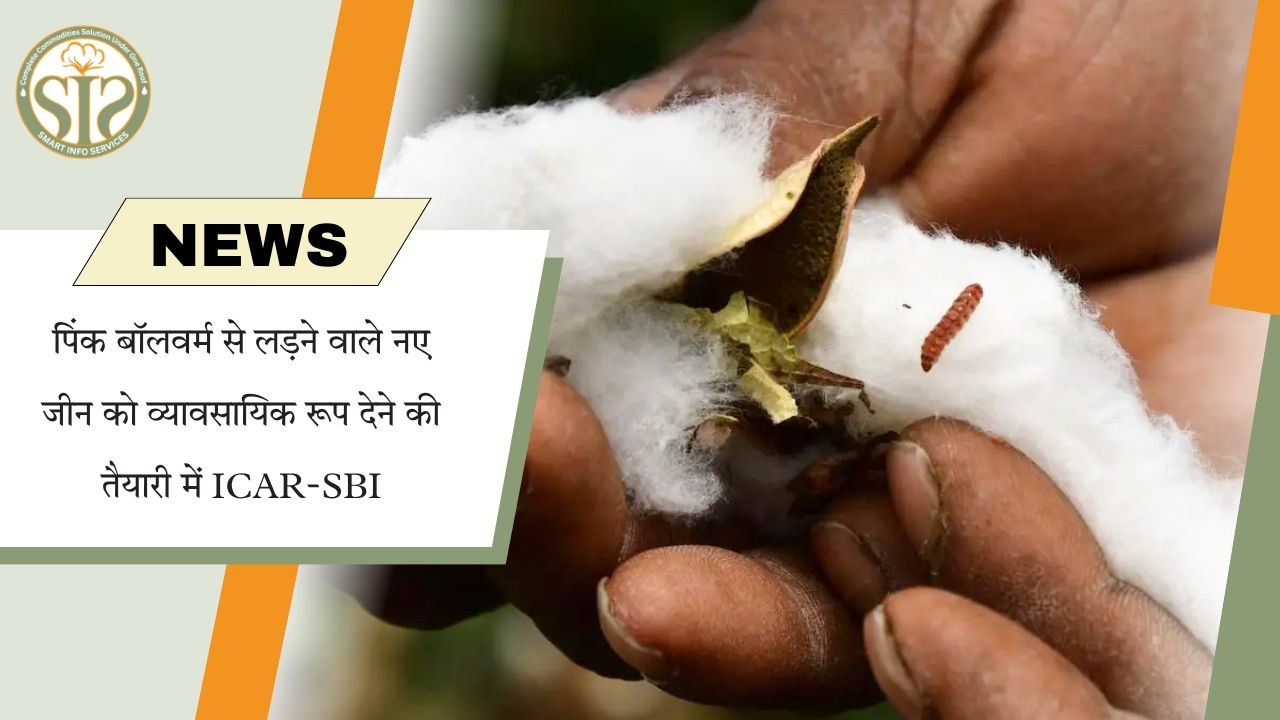
पिंक बॉलवर्म से लड़ने वाले नए जीन को व्यावसायिक रूप देने की तैयारी में ICAR-SBIकोयंबटूर स्थित ICAR-शुगरकेन ब्रीडिंग इंस्टीट्यूट (ICAR-SBI) ने पिंक बॉलवर्म के खिलाफ प्रभावी नए क्रिस्टल टॉक्सिन जीन की खोज के बाद इसे व्यावसायिक रूप देने की दिशा में बड़ा कदम उठाया है। संस्थान पब्लिक-प्राइवेट पार्टनरशिप (PPP) मॉडल के तहत वर्ष 2030 तक ट्रांसजेनिक कॉटन हाइब्रिड विकसित कर किसानों के लिए व्यावसायिक बीज उपलब्ध कराने की योजना पर काम कर रहा है।पिंक बॉलवर्म भारत में बोलगार्ड II (Bollgard II) कपास की खेती के लिए सबसे बड़ी चुनौतियों में से एक बन चुका है। इसे देखते हुए, कपास उत्पादन बढ़ाने और खेती के रकबे में गिरावट रोकने के उद्देश्य से ICAR-SBI के वैज्ञानिकों ने 15 वर्षों से अधिक के शोध के बाद बैसिलस थुरिंगिएंसिस (Bacillus thuringiensis) के नए क्रिस्टल टॉक्सिन जीन को सफलतापूर्वक अलग किया है।संस्थान के निदेशक पी. गोविंदराज ने बताया कि खोजे गए नए जीनों में से एक पिंक बॉलवर्म की उन आबादियों के खिलाफ भी प्रभावी पाया गया है, जिन्होंने बोलगार्ड II तकनीक के प्रति प्रतिरोधक क्षमता विकसित कर ली है। उनका कहना है कि यह खोज भविष्य में अधिक टिकाऊ और कीट-प्रतिरोधी कपास किस्मों के विकास में महत्वपूर्ण भूमिका निभा सकती है।संस्थान के प्रमुख वैज्ञानिक बी. सिंगरावेलु ने कहा कि इस हाई-वैल्यू तकनीक को आगे बढ़ाने के लिए निजी क्षेत्र के साथ साझेदारी की जाएगी, ताकि शोध को तेजी से किसानों तक पहुंचाया जा सके।इसी दिशा में केंद्रीय कृषि एवं किसान कल्याण तथा ग्रामीण विकास मंत्री शिवराज सिंह चौहान की मौजूदगी में नई दिल्ली में ICAR-SBI और रासी सीड्स के बीच एक समझौता ज्ञापन (MoU) का आदान-प्रदान किया गया। इस साझेदारी का उद्देश्य नई तकनीक पर आधारित ट्रांसजेनिक कपास हाइब्रिड विकसित कर उसे व्यावसायिक स्तर पर उपलब्ध कराना है।और पढ़ें :- 2026 में अमेरिका से कपास का बड़ा खरीदार बन सकता है भारत, USDA का अनुमान

इस साल भारत, अमेरिकी कपास का अहम खरीदार बन सकता हैअमेरिका को उम्मीद है कि 2026 में भारत उसकी कपास का एक प्रमुख आयातक बनकर उभरेगा। नेशनल कॉटन काउंसिल ऑफ अमेरिका के प्रेसिडेंट और CEO गैरी एडम्स ने कहा कि भारत इस समय अमेरिकी कपास के लिए चौथे सबसे बड़े बाज़ार की दौड़ में है। उनका मानना है कि भारत में कपास की खेती का रकबा घटने और मानसून को लेकर बनी अनिश्चितता के कारण आयात की मांग और बढ़ सकती है।अमेरिकी कृषि विभाग (USDA) ने अपनी ताज़ा रिपोर्ट Cotton: World Markets and Trade में भारत के 2025-26 सीज़न के कपास आयात का अनुमान बढ़ाकर 56.9 लाख गांठ कर दिया है, जो पहले 53.18 लाख गांठ था। वहीं, कॉटन एसोसिएशन ऑफ इंडिया (CAI) ने 60–65 लाख गांठ आयात का अनुमान जताया है। सरकार द्वारा लॉन्ग स्टेपल कॉटन पर 11 प्रतिशत आयात शुल्क अस्थायी रूप से हटाने से भी आयात को बढ़ावा मिलने की उम्मीद है।एडम्स ने बताया कि पिछले वर्ष अमेरिकी कपास का सबसे बड़ा खरीदार वियतनाम रहा, जबकि बांग्लादेश का टेक्सटाइल उद्योग भी मजबूत मांग बनाए हुए है। इसके विपरीत, अमेरिका-चीन व्यापारिक तनाव के कारण चीन में अमेरिकी कपास की मांग कमजोर रही है।USDA का अनुमान है कि 2026-27 सीज़न में वैश्विक कपास की खपत 1.5 से 2 प्रतिशत बढ़ सकती है। हालांकि, ऊर्जा और कच्चे तेल की बढ़ती कीमतें उद्योग के लिए चिंता का विषय हैं। ऊंचे तेल दामों से सिंथेटिक फाइबर महंगे हुए हैं, जिससे प्राकृतिक रेशों, विशेषकर कपास, की मांग को समर्थन मिला है।एडम्स ने कहा कि अमेरिका में पिछले दो से तीन वर्षों में उर्वरक, ईंधन, रसायन और श्रम की बढ़ती लागत के कारण कपास उत्पादन की लागत करीब 20 प्रतिशत बढ़ गई है। साथ ही, अमेरिकी कॉटन बेल्ट में सूखे की स्थिति भी उत्पादन को प्रभावित कर सकती है।उन्होंने कहा कि माइक्रोप्लास्टिक को लेकर बढ़ती जागरूकता के कारण उपभोक्ता प्राकृतिक रेशों की ओर लौट रहे हैं। अमेरिका और भारत के बीच कपास एवं टेक्सटाइल क्षेत्र में सहयोग की व्यापक संभावनाएं हैं और दोनों देशों के बीच व्यापार आने वाले वर्षों में और मजबूत होने की उम्मीद है।और पढ़ें :- रुपया 6 पैसे की बढ़त के साथ 96.29 पर खुला

अमेरिकी डॉलर के मुकाबले रुपया 6 पैसे मजबूत होकर 96.29 पर खुलाशुक्रवार को भारतीय रुपया डॉलर के मुकाबले 6 पैसे की बढ़त के साथ 96.29 पर खुला, जबकि गुरुवार को यह 96.35 पर बंद हुआ था।शेयर बाज़ार के लाइव अपडेट: शुक्रवार को भारतीय इक्विटी बेंचमार्क में सुस्त शुरुआत देखी गई, क्योंकि ट्रेडर्स अमेरिका-ईरान के बीच तनाव का आकलन कर रहे हैं। शुरुआती कारोबार में सेंसेक्स 200 अंक से ज़्यादा ऊपर था, जबकि निफ्टी में 50 अंकों की बढ़त हुई।और पढ़ें :-भारत टेक्स 2026 में आंध्र प्रदेश को ₹4,100 करोड़ के टेक्सटाइल निवेश प्रस्ताव मिले
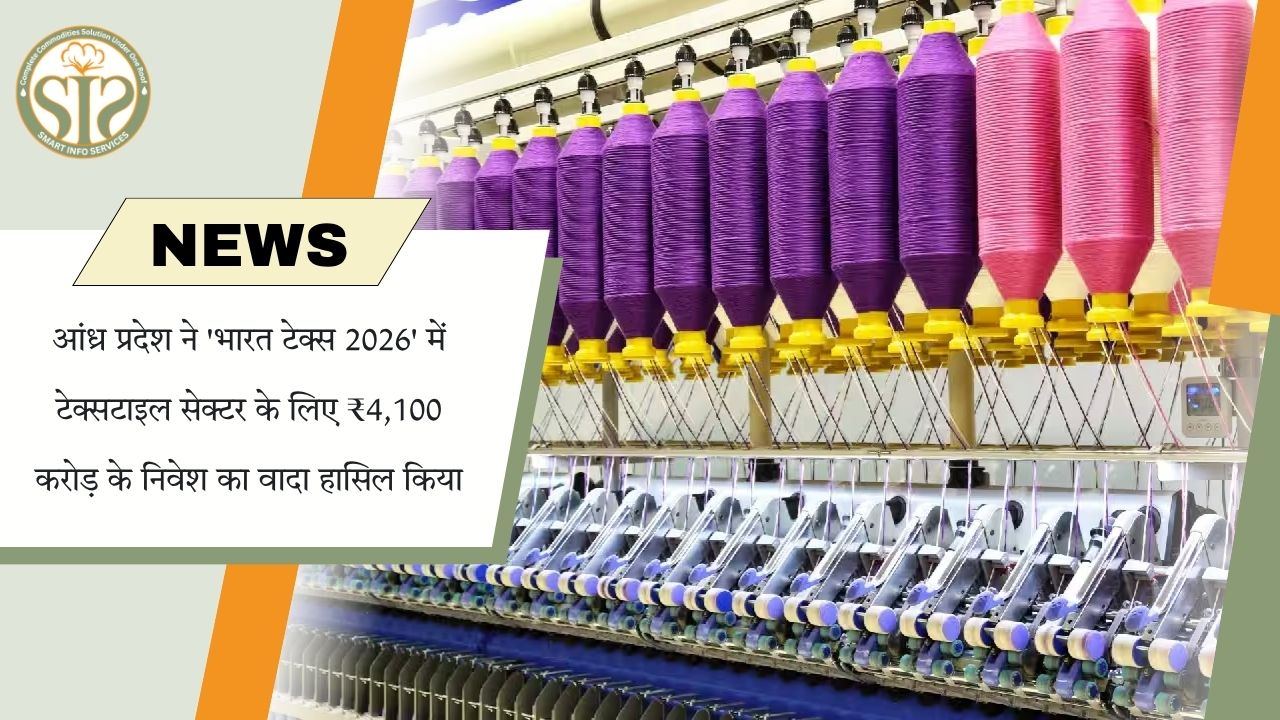
आंध्र प्रदेश ने 'भारत टेक्स 2026' में टेक्सटाइल सेक्टर के लिए ₹4,100 करोड़ के निवेश का वादा हासिल कियानई दिल्ली: आंध्र प्रदेश ने 'भारत टेक्स 2026' में टेक्सटाइल प्रोजेक्ट्स के लिए ₹4,100 करोड़ तक के निवेश का वादा हासिल किया है। नई दिल्ली के भारत मंडपम में आयोजित इस इवेंट के दूसरे दिन दो समझौतों (MoUs) पर हस्ताक्षर किए गए।ये समझौते आंध्र प्रदेश के हथकरघा और टेक्सटाइल कमिश्नर जी. रेखा रानी की देखरेख में किए गए। यह राज्य सरकार की निवेश आकर्षित करने और टेक्सटाइल व कपड़ों के उद्योग को मजबूत करने की कोशिशों का हिस्सा है।इनमें से एक समझौते के तहत विशाखापत्तनम में ₹4,000 करोड़ तक के निवेश से एक सस्टेनेबल टेक्सटाइल रीसाइक्लिंग सुविधा स्थापित करने का प्रस्ताव है। दूसरे समझौते में ₹100 करोड़ के निवेश से गारमेंट मैन्युफैक्चरिंग यूनिट लगाने की बात है। इस यूनिट से लगभग 3,000 लोगों को सीधे और अप्रत्यक्ष रूप से रोजगार मिलने की उम्मीद है।इस बीच, केंद्रीय टेक्सटाइल मंत्री गिरिराज सिंह ने 'लेपाक्षी हैंडीक्राफ्ट्स' स्टाल का उद्घाटन किया। इस स्टाल में आंध्र प्रदेश की समृद्ध हथकरघा विरासत, हस्तशिल्प, टेक्सटाइल क्षमता और निवेश की संभावनाओं को दिखाया गया है। केंद्रीय टेक्सटाइल मंत्रालय द्वारा आयोजित 'भारत टेक्स 2026' इवेंट 17 जुलाई तक चलेगा।राज्यसभा सदस्य वी. विजयेन्द्र प्रसाद ने आंध्र प्रदेश पवेलियन का दौरा किया और कहा कि राज्य के हथकरघा सेक्टर में अंतरराष्ट्रीय बाजारों में काफी संभावनाएं हैं। उन्होंने वर्चुअल रियलिटी (VR) जैसी नई तकनीकों को अपनाने की जरूरत पर जोर दिया, ताकि कुशल बुनकर सीधे ग्लोबल खरीदारों से जुड़ सकें।उन्होंने विदेशों में रहने वाले भारतीयों और विदेशी ग्राहकों, खासकर अमेरिका में, असली हाथ से बने और सांस्कृतिक रूप से जुड़े उत्पादों की बढ़ती मांग का भी जिक्र किया। उन्होंने कहा कि आंध्र प्रदेश हथकरघा और टेक्सटाइल उत्पादों के लिए एक प्रमुख ग्लोबल सोर्सिंग हब बनने की अच्छी स्थिति में है।लेपाक्षी हैंडीक्राफ्ट्स डेवलपमेंट कॉरपोरेशन के चेयरमैन पसुपुलेटी हरि प्रसाद ने आंध्र प्रदेश की पारंपरिक हथकरघा विरासत को उसके आधुनिक टेक्सटाइल और कपड़ों के उद्योग के साथ पेश करने के लिए हथकरघा और टेक्सटाइल विभाग की तारीफ की। उन्होंने कहा कि मुख्यमंत्री एन. चंद्रबाबू नायडू के नेतृत्व में राज्य सरकार निवेश-अनुकूल नीतियों और इंफ्रास्ट्रक्चर डेवलपमेंट के जरिए सेक्टर की ग्रोथ को तेज करने के लिए प्रतिबद्ध है। हॉल नंबर 9 में आंध्र प्रदेश पवेलियन में हैंडलूम, टेक्सटाइल, कपड़े और गारमेंट के प्रोडक्ट दिखाए गए हैं। साथ ही, गुंटूर टेक्सटाइल पार्क, तारकेश्वर टेक्सटाइल पार्क, हरीश फैशन्स, APCO और मैजिक वीव्स जैसे संगठनों और टेक्सटाइल पार्कों से GI-टैग वाले और 'एक ज़िला एक उत्पाद' (ODOP) वाले आइटम भी शामिल हैं।अपैरल एक्सपोर्ट प्रमोशन काउंसिल (AEPC) के प्रतिनिधियों ने भी टेक्सटाइल MSME के लिए एक्सपोर्ट के बारे में जागरूकता और क्षमता-निर्माण कार्यक्रमों में सहयोग करने में दिलचस्पी दिखाई।अधिकारियों ने कहा कि 'भारत टेक्स 2026' में राज्य की भागीदारी से नया निवेश आने, एक्सपोर्ट के संबंध मजबूत होने और ग्लोबल मार्केट तक पहुंच बढ़ने की उम्मीद है। आंध्र प्रदेश में 15,000 से ज़्यादा टेक्सटाइल MSME, 140 से ज़्यादा बड़ी टेक्सटाइल यूनिट और लगभग 35,000 पावर लूम हैं, और टेक्सटाइल एक्सपोर्ट की वैल्यू लगभग 444 मिलियन अमेरिकी डॉलर है।और पढ़ें :- भारत-यूके व्यापार समझौता लागू, निर्यात को बढ़ावा और आयात होगा सस्ता

भारत-UK ट्रेड पैक्ट शुरू: सस्ता इंपोर्ट, एक्सपोर्ट के बड़े मौकेभारत और यूनाइटेड किंगडम ने आधिकारिक तौर पर अपने 'कॉम्प्रिहेंसिव इकोनॉमिक एंड ट्रेड एग्रीमेंट' (CETA) को लागू कर दिया है, जो दोनों देशों के बीच आर्थिक रिश्तों में एक बड़ी उपलब्धि है। बुधवार से लागू हुए इस समझौते के तहत हज़ारों प्रोडक्ट्स पर टैरिफ (आयात शुल्क) खत्म या कम कर दिए गए हैं, जिससे कई सामान सस्ते हो गए हैं और दोनों देशों में बिज़नेस और प्रोफेशनल्स के लिए नए मौके खुले हैं।इस समझौते के तहत, UK ने लगभग सभी भारतीय एक्सपोर्ट पर ड्यूटी हटा दी है, जिससे टेक्सटाइल, लेदर, फुटवियर, समुद्री उत्पाद, रत्न और आभूषण, इंजीनियरिंग सामान, केमिकल और प्रोसेस्ड फूड जैसे सेक्टर को ब्रिटिश बाज़ार में ड्यूटी-फ्री एक्सेस मिल गया है। उम्मीद है कि UK में भारतीय मसाले, फल और सब्ज़ियां भी ज़्यादा कॉम्पिटिटिव (प्रतिस्पर्धी) हो जाएंगी।भारतीय ग्राहकों के लिए, व्हिस्की, चॉकलेट, कॉस्मेटिक्स, सॉफ्ट ड्रिंक्स, लैंब (भेड़ का मांस), प्रीमियम गाड़ियां, मेडिकल डिवाइस और ऑप्टिकल इक्विपमेंट जैसे इंपोर्टेड ब्रिटिश प्रोडक्ट्स सस्ते हो जाएंगे क्योंकि टैरिफ को चरणों में कम किया जा रहा है।यह समझौता IT, फाइनेंशियल सर्विसेज़, हेल्थकेयर, एजुकेशन, इंजीनियरिंग और कंसल्टेंसी जैसे क्षेत्रों में मौकों को बढ़ाकर सर्विस सेक्टर में भी व्यापार को मज़बूत करता है। UK में कुछ समय के लिए काम करने वाले भारतीय प्रोफेशनल्स को पांच साल तक 'नेशनल इंश्योरेंस कंट्रीब्यूशन' देने से छूट मिलेगी।UK सरकार के अनुसार, भारत 90% टैरिफ लाइनों पर टैरिफ कम या खत्म करेगा, जबकि ब्रिटेन ने 96.8% टैरिफ लाइनों पर ड्यूटी हटा दी है, जो मौजूदा व्यापार का 97.7% हिस्सा हैं। हालांकि, पोल्ट्री, अंडे, चीनी और डेयरी जैसे संवेदनशील सेक्टर इस समझौते के दायरे से बाहर रखे गए हैं।उम्मीद है कि भारत-UK ट्रेड पैक्ट निवेश को बढ़ाएगा, बाज़ार तक पहुंच का विस्तार करेगा और आर्थिक सहयोग को मज़बूत करेगा, जिससे यह हाल के वर्षों में दोनों देशों के बीच सबसे महत्वपूर्ण द्विपक्षीय व्यापार समझौतों में से एक बन जाएगा।और पढ़ें :-अमेरिकी टैरिफ वार्ता और बढ़ती शिपिंग लागत से भारतीय टेक्सटाइल निर्यातकों पर दबाव

US टैरिफ वार्ता और बढ़ती शिपिंग लागत से भारतीय टेक्सटाइल एक्सपोर्टर्स के सामने चुनौतीभारतीय टेक्सटाइल और परिधान निर्यातक इस समय अमेरिका के साथ टैरिफ वार्ता और पश्चिम एशिया में बढ़ते भू-राजनीतिक तनाव के कारण अनिश्चितता का सामना कर रहे हैं। हालांकि मांग अभी स्थिर बनी हुई है, लेकिन व्यापार नीति को लेकर स्पष्टता आने तक वैश्विक खरीदार बड़े और लंबे समय के ऑर्डर देने से बच रहे हैं। इसके बजाय वे जोखिम कम करने के लिए छोटे और बार-बार ऑर्डर दे रहे हैं, जिससे भारतीय निर्यातकों की परिचालन लागत और जटिलता बढ़ सकती है।अमेरिका के संभावित टैरिफ ढांचे पर इस महीने के अंत में होने वाली बातचीत को उद्योग के लिए महत्वपूर्ण माना जा रहा है। जब तक व्यापार नीति को लेकर स्थिति स्पष्ट नहीं होती, तब तक निवेशकों को खासतौर पर उन कंपनियों पर नजर रखनी होगी, जिनका अमेरिकी बाजार में कारोबार का बड़ा हिस्सा है।कपास की कीमतों में तेजी से मार्जिन पर दबावटेक्सटाइल उद्योग की लाभप्रदता में कच्चे माल की लागत की महत्वपूर्ण भूमिका होती है। कुछ समय तक स्थिर रहने के बाद कपास की कीमतों में फिर तेजी देखी गई है। 14 जुलाई 2026 तक गुजरात में बेंचमार्क 29 मिमी कपास की स्पॉट कीमत करीब ₹65,000 प्रति कैंडी और 28 मिमी कपास की कीमत ₹64,200 प्रति कैंडी रही।अंतरराष्ट्रीय बाजार में भी इंटरकॉन्टिनेंटल एक्सचेंज (ICE) पर कपास वायदा कीमतों में तेजी आई है। जुलाई के दूसरे सप्ताह में कीमतों में 6% से अधिक की बढ़ोतरी दर्ज की गई। कच्चे माल की कीमतों में लगातार वृद्धि और ग्राहकों पर बढ़ी लागत का बोझ डालने में असमर्थता से कंपनियों के प्रॉफिट मार्जिन पर दबाव बढ़ सकता है।टेक्सटाइल सेक्टर के अलग-अलग सेगमेंट में कच्चे माल की निर्भरता भी अलग है। होम टेक्सटाइल कंपनियां मुख्य रूप से कपास पर निर्भर रहती हैं, जबकि परिधान निर्माता पॉलिएस्टर जैसे सिंथेटिक फाइबर पर अधिक निर्भर होते हैं। इसलिए कपास और पेट्रोकेमिकल आधारित कच्चे माल की कीमतों में उतार-चढ़ाव का असर कंपनियों पर अलग-अलग पड़ सकता है।भू-राजनीतिक तनाव से लॉजिस्टिक्स जोखिम बढ़ापश्चिम एशिया में बढ़ता तनाव शिपिंग लागत और सप्लाई चेन को लेकर चिंता बढ़ा रहा है। क्षेत्रीय अस्थिरता से माल ढुलाई महंगी हो सकती है और डिलीवरी में देरी का जोखिम बढ़ सकता है। कुछ कंपनियां फ्री-ऑन-बोर्ड (FOB) शर्तों के जरिए लॉजिस्टिक्स लागत का एक हिस्सा खरीदारों पर डालती हैं, लेकिन पैकेजिंग और सिंथेटिक सामग्री की बढ़ती लागत का असर पूरे उद्योग पर पड़ सकता है।अमेरिका भारतीय टेक्सटाइल उत्पादों के लिए प्रमुख निर्यात बाजारों में से एक है और दोनों देशों के बीच टेक्सटाइल व्यापार करीब 10.5 अरब डॉलर का है। हालांकि, उद्योग विशेषज्ञों के अनुसार अमेरिकी बाजार पर भारतीय टेक्सटाइल कंपनियों की कुल निर्भरता सीमित है और यह कुल राजस्व का लगभग 8-10% है।UK और EU ट्रेड डील से उम्मीदआगे चलकर भारतीय टेक्सटाइल उद्योग की नजर UK और EU के साथ संभावित व्यापार समझौतों पर है। इन समझौतों से भारतीय कंपनियों की बाजार पहुंच और लागत प्रतिस्पर्धा में सुधार हो सकता है। हालांकि, उद्योग प्रबंधन का मानना है कि इन पहलों का पूरा लाभ FY27 की चौथी तिमाही तक दिखाई दे सकता है।निवेशकों को आने वाले समय में निर्यात मात्रा, अमेरिकी टैरिफ वार्ता, कच्चे माल की कीमतों और लॉजिस्टिक्स लागत के साथ कंपनियों की प्रॉफिट मार्जिन बनाए रखने की क्षमता पर नजर रखनी चाहिए।और पढ़ें :- अनियमित बारिश से पाचोरा में कपास, मक्का और सोयाबीन की फसल संकट में, किसान चिंतित
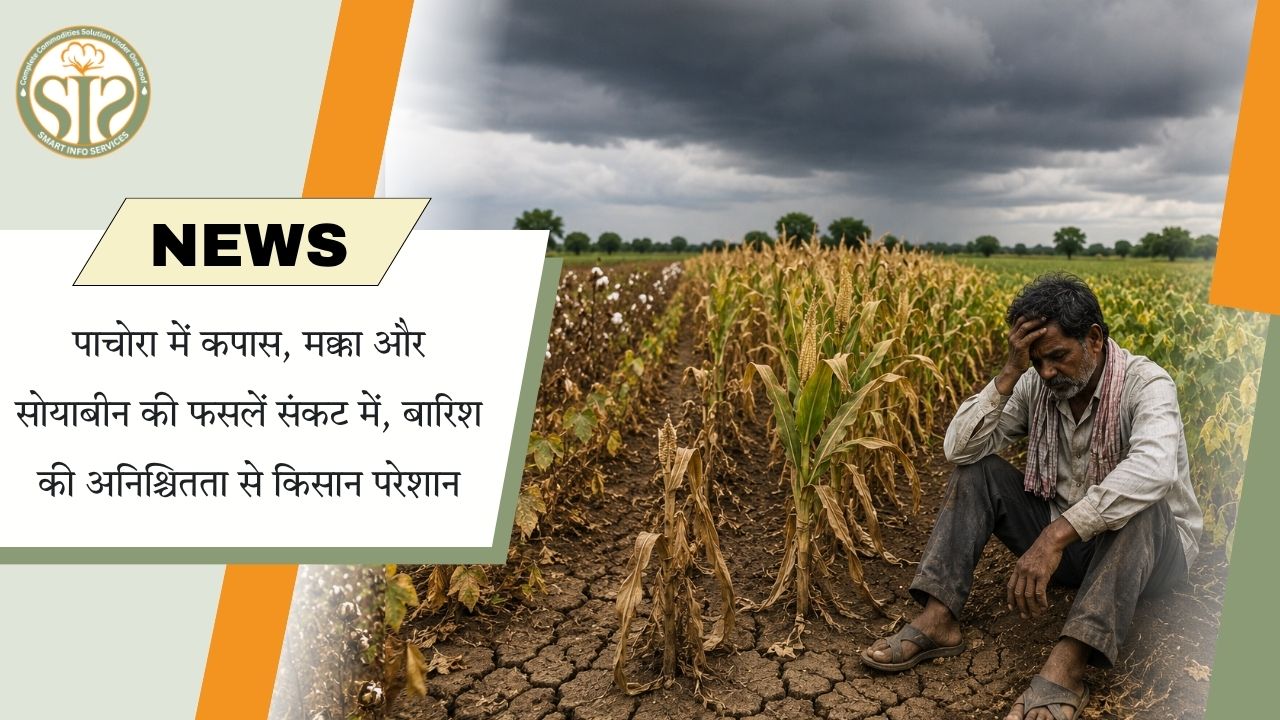
पाचोरा में कपास, मक्का और सोयाबीन की फसलें संकट में, बारिश की अनिश्चितता से किसान परेशानपाचोरा (महाराष्ट्र), 16 जुलाई: महाराष्ट्र के जलगांव जिले के पाचोरा तालुका में बारिश की अनिश्चितता से कपास, मक्का और सोयाबीन की फसलें प्रभावित हो रही हैं। मृग नक्षत्र की शुरुआत में हुई बारिश के बाद लंबे समय तक बारिश नहीं होने से किसानों की चिंता बढ़ गई है। किसानों को फसलों की वृद्धि रुकने और उत्पादन में बड़ी गिरावट की आशंका है।पाचोरा तालुका में कपास प्रमुख नकदी फसल है। कई किसानों ने मई के मध्य से जून की शुरुआत के बीच उम्मीद के साथ कपास की बुआई की थी। हालांकि, शुरुआती बारिश के बाद बारिश का लंबा अंतराल पड़ने से फसलों की वृद्धि प्रभावित हुई है। कपास के अलावा मक्का और सोयाबीन की फसलें भी बारिश की कमी से प्रभावित हो रही हैं।तालुका में सालाना औसत बारिश 743.47 मिलीमीटर है। पिछले साल यहां सामान्य से करीब 125% बारिश दर्ज की गई थी। इसके विपरीत, इस साल जुलाई की शुरुआत तक केवल 161.6 मिलीमीटर बारिश हुई है। कम बारिश के कारण तालुका की नदियों और नहरों में अभी तक पर्याप्त पानी नहीं आया है।जलस्रोतों में पानी की कमी का सीधा असर सिंचाई पर पड़ा है। कई कुएं सूख गए हैं। खेतों में ड्रिप इरिगेशन की सुविधा होने के बावजूद, कुओं में पानी नहीं होने के कारण किसान कपास की फसल को पर्याप्त सिंचाई नहीं दे पा रहे हैं। बारिश की कमी से खेतों की मेड़ों पर उगने वाली घास भी सूखने लगी है और कई फसलें मुरझाने की स्थिति में पहुंच गई हैं।हालांकि, कुछ क्षेत्रों में हुई बारिश से किसानों को थोड़ी राहत मिली है और कृषि गतिविधियों में तेजी आई है। किसान निराई-गुड़ाई, रासायनिक उर्वरकों के इस्तेमाल और कीटनाशकों के छिड़काव जैसे कामों में व्यस्त हैं।इन गतिविधियों से ग्रामीण क्षेत्रों में खेतिहर मजदूरों को भी रोजगार मिल रहा है। फिलहाल, महिला मजदूरों को सुबह 8 बजे से दोपहर 1 बजे तक काम के लिए करीब 300 रुपये, जबकि पुरुष मजदूरों को लगभग 500 रुपये प्रतिदिन मजदूरी मिल रही है।किसानों का कहना है कि यदि आने वाले दिनों में पर्याप्त और नियमित बारिश नहीं हुई, तो कपास, मक्का और सोयाबीन की फसलों पर गंभीर असर पड़ सकता है।और पढ़ें :- महाराष्ट्र में खरीफ बुवाई सामान्य क्षेत्र के 60% तक पहुंची, पिछले साल से काफी पीछे
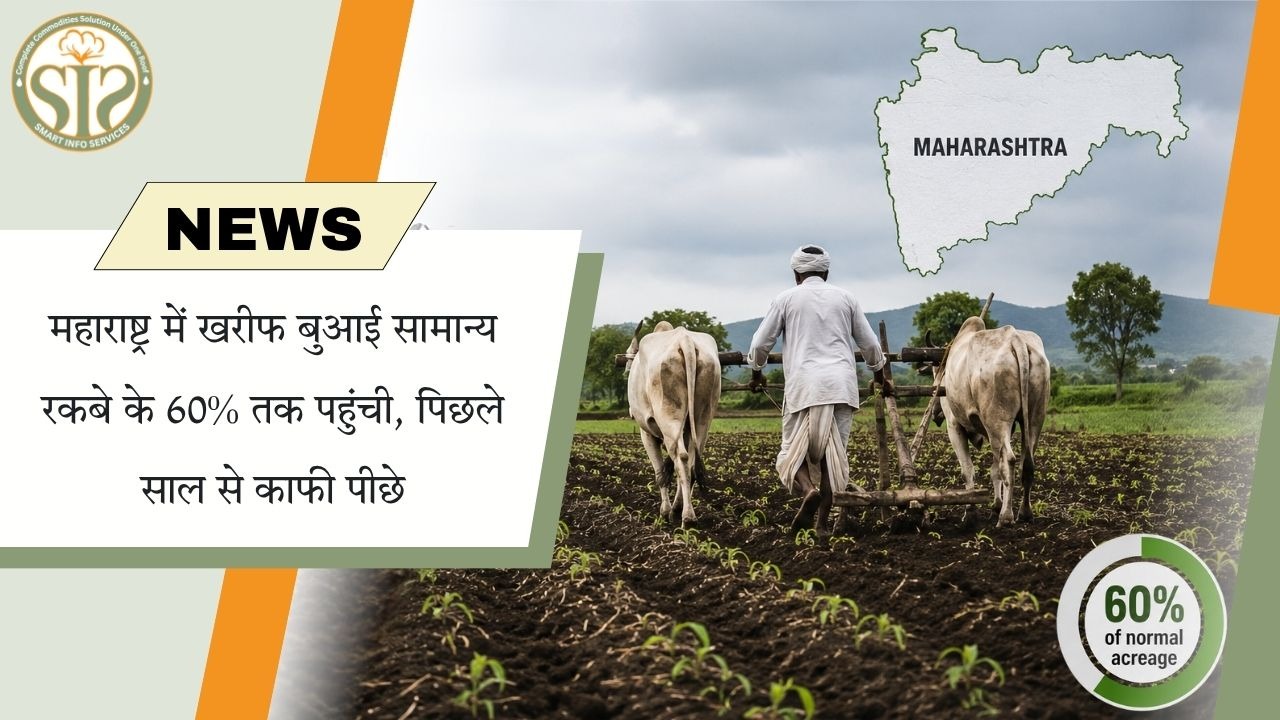
महाराष्ट्र में खरीफ बुआई सामान्य रकबे के 60% तक पहुंची, पिछले साल से काफी पीछेमुंबई, 15 जुलाई: महाराष्ट्र में खरीफ फसलों की बुआई 13 जुलाई तक 86.92 लाख हेक्टेयर में हो चुकी है। राज्य सरकार के आंकड़ों के अनुसार, यह गन्ने को छोड़कर सामान्य खरीफ बुआई क्षेत्र का करीब 60% है। हालांकि, बुआई की रफ्तार पिछले साल की समान अवधि की तुलना में काफी धीमी है।पिछले साल 13 जुलाई तक राज्य में 120.65 लाख हेक्टेयर में खरीफ फसलों की बुआई हो चुकी थी, जो सामान्य क्षेत्र का लगभग 84% था। इस साल अब तक बुआई रकबे में बड़ी कमी दर्ज की गई है।भारी बारिश से फसलों को नुकसानमहाराष्ट्र सरकार के शुरुआती आकलन के अनुसार, जुलाई में भारी बारिश, तेज हवाओं और ओलावृष्टि के कारण राज्य में 6,673 हेक्टेयर कृषि और बागवानी फसलों को नुकसान पहुंचा है।हालांकि, सरकार के मुताबिक कई जिलों में अब बुआई की गतिविधियां तेज हो रही हैं। भारी बारिश से प्रभावित इलाकों में किसानों ने धान की दोबारा रोपाई शुरू कर दी है। वहीं, पहले बोई जा चुकी फसलें फिलहाल अंकुरण और शुरुआती विकास के चरण में हैं।देशभर में भी खरीफ बुआई धीमीकमजोर दक्षिण-पश्चिम मॉनसून के कारण देशभर में खरीफ फसलों की बुआई पिछले साल की तुलना में पीछे चल रही है। कृषि और किसान कल्याण मंत्रालय के अनुसार, 10 जुलाई तक देश में 531.25 लाख हेक्टेयर में खरीफ फसलों की बुआई हुई थी, जबकि पिछले साल इसी अवधि में यह आंकड़ा 632.69 लाख हेक्टेयर था। इस तरह राष्ट्रीय स्तर पर बुआई रकबे में करीब 16% की गिरावट आई।धान का रकबा पिछले साल के 125.53 लाख हेक्टेयर से घटकर 114.69 लाख हेक्टेयर रह गया। तिलहन का रकबा भी 149.18 लाख हेक्टेयर से घटकर 117.83 लाख हेक्टेयर रहा। इनमें सोयाबीन का रकबा 107.72 लाख हेक्टेयर से घटकर 90.51 लाख हेक्टेयर रह गया।इसके विपरीत, गन्ने का रकबा 56.72 लाख हेक्टेयर से बढ़कर 57.58 लाख हेक्टेयर और जूट-मेस्टा का रकबा 6.16 लाख हेक्टेयर से बढ़कर 6.28 लाख हेक्टेयर हो गया।कपास की बुआई भी पिछले साल से पीछे रही। 10 जुलाई तक देश में कपास का रकबा 79.54 लाख हेक्टेयर रहा, जबकि पिछले साल इसी अवधि में यह 93.95 लाख हेक्टेयर था।और पढ़ें :- रुपया 10 पैसे गिरकर 96.35 प्रति डॉलर पर बंद हुआ।

गुरुवार को भारतीय रुपया अमेरिकी डॉलर के मुकाबले 96.25 पर खुला और 96.35 पर बंद हुआ, जिससे ट्रेडिंग सेशन 10 पैसे की गिरावट के साथ खत्म हुआ।बंद होने पर, सेंसेक्स 1.44 पॉइंट ऊपर 77,186.87 पर था, और निफ्टी 5.75 पॉइंट या 0.02 प्रतिशत नीचे 24,072.75 पर था। लगभग 1947 शेयर बढ़े, 2119 शेयर गिरे, और 194 शेयर बिना किसी बदलाव के थे।और पढ़ें :- कृषि मंत्री ने जताई उम्मीद, 15 अगस्त तक पूरी हो सकती है खरीफ बुवाई की कमी
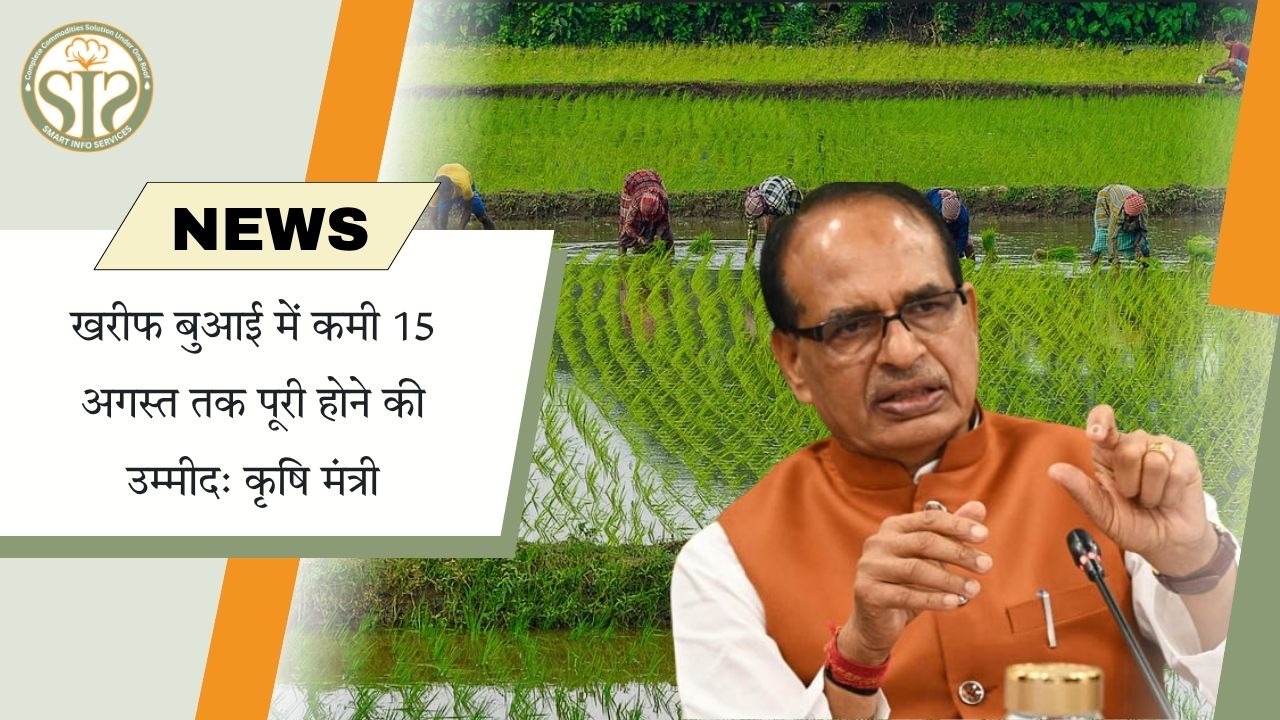
खरीफ बुआई में कमी 15 अगस्त तक पूरी होने की उम्मीद: कृषि मंत्रीनई दिल्ली, : कृषि मंत्री शिवराज सिंह चौहान ने बुधवार को कहा कि खरीफ फसलों की बुआई के रकबे में आई कमी की भरपाई की जा सकती है, क्योंकि बुआई का मौसम 15 अगस्त तक जारी रहता है। उन्होंने कहा कि सरकार मॉनसून और बुआई की प्रगति पर लगातार नजर रख रही है।इंडियन काउंसिल ऑफ एग्रीकल्चरल रिसर्च (ICAR) द्वारा आयोजित एक सम्मेलन से इतर पत्रकारों से बातचीत में चौहान ने कहा कि खरीफ फसलों की बुआई के लिए अभी पर्याप्त समय है। उन्होंने कहा, “खरीफ फसलों की बुआई 15 अगस्त तक होती है। जून में बारिश कम हुई थी, लेकिन जुलाई के पहले सप्ताह में अच्छी बारिश हुई है। 20 जुलाई के बाद भी अच्छी बारिश की संभावना है।”उन्होंने कहा कि मौजूदा खरीफ सीजन में 10 जुलाई तक फसलों के तहत कुल बुआई रकबा पिछले साल की समान अवधि की तुलना में कम है। हालांकि, उन्होंने आने वाले दिनों में बुआई में तेजी आने और रकबे की कमी की भरपाई होने की उम्मीद जताई।चौहान ने कहा कि केंद्र सरकार स्थिति पर लगातार नजर रख रही है और किसानों को बीज, उर्वरक तथा अन्य आवश्यक कृषि इनपुट समय पर उपलब्ध कराने के प्रयास किए जा रहे हैं। जब उनसे पूछा गया कि क्या बुआई में सुधार से रकबे की कमी पूरी हो सकती है, तो उन्होंने कहा, “इसकी संभावना है। मुझे बहुत उम्मीद है।”कृषि मंत्रालय के आंकड़ों के अनुसार, 10 जुलाई तक खरीफ फसलों का कुल बुआई रकबा पिछले साल की समान अवधि के 631.88 लाख हेक्टेयर से 15.93 प्रतिशत घटकर 531.25 लाख हेक्टेयर रह गया।तिलहन का रकबा 21 प्रतिशत घटकर 117.83 लाख हेक्टेयर रहा। इनमें सोयाबीन का रकबा 16 प्रतिशत घटकर 90.51 लाख हेक्टेयर रह गया।कपास की बुआई भी पिछड़ रही है। 10 जुलाई तक कपास का रकबा पिछले साल की समान अवधि के 93.95 लाख हेक्टेयर से 15.33 प्रतिशत घटकर 79.54 लाख हेक्टेयर रहा।खरीफ फसलों की बुआई आमतौर पर जून में दक्षिण-पश्चिम मॉनसून के आगमन के साथ शुरू होती है। हालांकि, इस साल कमजोर मॉनसून के कारण बुआई प्रभावित हुई है। आने वाले दिनों में बारिश में सुधार से बुआई में तेजी आने की उम्मीद है।और पढ़ें :- अमेरिकी डॉलर के मुकाबले रुपया 96.25 पर स्थिर खुला

रुपया 96.25/$ पर स्थिर खुला।गुरुवार को भारतीय रुपया अमेरिकी डॉलर के मुकाबले 96.25 पर स्थिर खुला, जबकि पिछले दिन यह 96.25 पर बंद हुआ था।BSE सेंसेक्स 77,388.42 पर खुला, जो इसके पिछले बंद स्तर 77,185.43 से अधिक था, जबकि NSE निफ्टी50 24,142.10 पर खुला, जो बुधवार के बंद स्तर 24,078.50 के मुकाबले था।और पढ़ें :- अमेरिकी डॉलर के मुकाबले रुपया 08 पैसे गिरकर 96.25 पर बंद हुआ।

The rupee fell by 3 paise to close at 96.44 against the US dollar.On Monday, the Indian rupee opened at 96.41 against the US dollar and closed at 96.44, recording a decline of 3 paise during the trading session.At the close, the Sensex fell by 442.93 points (0.57%) to 77,708.52, and the Nifty dropped by 95.80 points (0.39%) to 24,238.50.READ MORE :- Rupee Opens 13 Paise Lower at 96.41 Against US Dollar

Rupee Opens 13 Paise lower at 96.41On Monday, the Indian rupee opened 13 paise lower against the dollar at 96.41, whereas it had closed at 96.28 on Friday.The BSE Sensex, which closed at 78,151.45 on Friday, opened flat at 78,151.45 and was trading at 77,694.13, down by 457.32 points or 0.59 percent. The NSE Nifty50, which closed at 24,334.30 in the previous session, opened at 24,190.05 and was trading at 24,227.90, down by 106.40 points or 0.44 percent.READ MORE :- Karnataka Monsoon Deficit Threatens Kharif Crops, Food Security
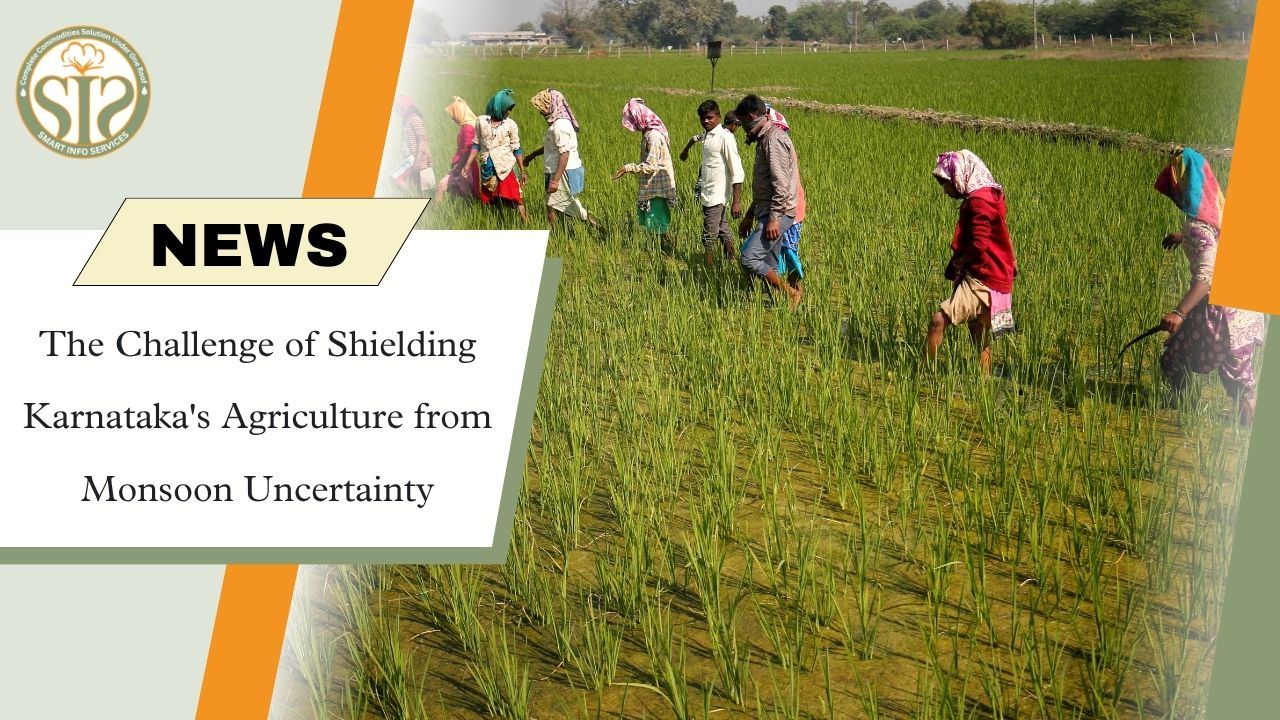
The Challenge of Shielding Karnataka's Agriculture from Monsoon UncertaintyA severe monsoon deficit has created a crisis for farmers in Karnataka, the impact of which could be felt at the national level. By the first week of July, the sowing of Kharif crops had reached only one third of the targeted area. During this agricultural season spanning June to October farmers typically cultivate cereals like paddy, maize, ragi, jowar, and bajra; pulses such as tur (pigeon pea); oilseeds like groundnut, sunflower, soybean, and niger seed; and cash crops such as cotton, sugarcane, tobacco, and red chili.Production of these crops relies heavily on the monsoon. After Rajasthan, Karnataka has the country's largest dryland farming area, with approximately 8.479 million hectares of agricultural land dependent on rainfall. Consequently, any shortfall in rain directly impacts agricultural output. This year, a significant rainfall deficit has been recorded due to the El Niño effect. Rainfall deficits of 34 percent, 30 percent, 24 percent, and 18 percent have been recorded in the Malnad region, coastal Karnataka, North Interior Karnataka, and South Interior Karnataka, respectively.The impact of this crisis will not be limited to Karnataka alone. The state is a major producer of coarse cereals and accounts for the largest area under tur pulse cultivation in the country. Therefore, a sharp decline in Karnataka's agricultural output could affect food grain supplies and prices nationwide.Alongside this natural crisis, a humanitarian challenge is also mounting. The livelihoods of approximately 13.7 million people in Karnataka roughly one in every five residents depend on agriculture. Amidst these circumstances, Chief Minister D.K. Shivakumar has urged Prime Minister Narendra Modi to assess the situation and dispatch a central team to facilitate relief measures.While assistance from the central government is essential, Karnataka must also draw a long term lesson from this crisis. The state's agriculture has long remained vulnerable to the vagaries of the monsoon. It is now imperative for the government to prioritize water security in the agricultural sector rather than focusing solely on urban development projects, particularly those in major cities.This requires expanding irrigation facilities, strengthening water conservation measures, promoting drought resistant crops, extending canal networks, improving groundwater recharge, and making widespread use of modern micro irrigation techniques. The goal should not merely be to address the current crisis but to establish an agricultural system that offers farmers long term protection against the uncertainties of the monsoon.Shielding agriculture from the vagaries of nature is not just a necessity for Karnataka; it is essential for the food security and rural economy of the entire nation. READ MORE :- India's Cotton Acreage Falls Nearly 15% as Sowing Slows in Gujarat, Maharashtra
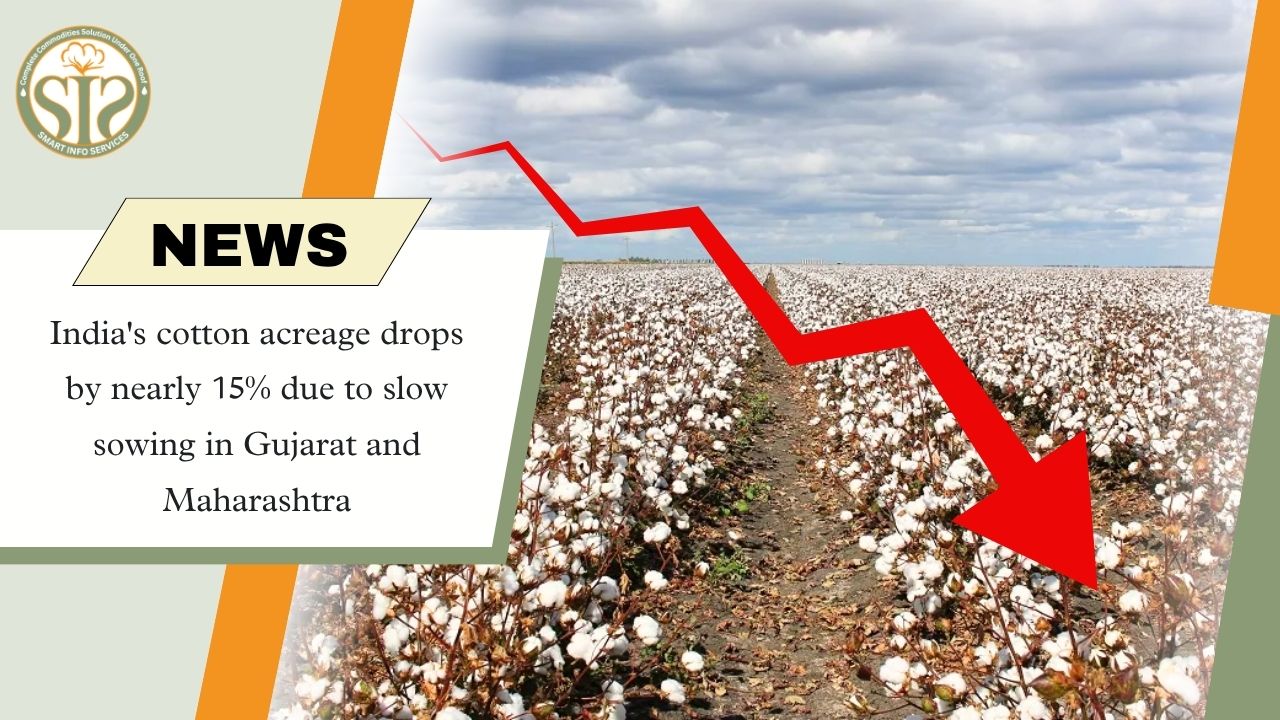
India's cotton acreage drops by nearly 15% due to slow sowing in Gujarat and MaharashtraCotton sowing in India during the initial phase of the 2026 Kharif season is lagging significantly behind last year's figures. The pace of sowing in major cotton-producing states has been affected by a delayed monsoon and regional weather conditions. As of July 10, 2026, cotton sowing was recorded across 79.55 lakh hectares nationwide, compared to 93.95 lakh hectares during the same period last year. Consequently, the cotton acreage has declined by 14.41 lakh hectares, or approximately 15.3%.The sharpest declines in sowing have been observed in key cotton-producing states like Gujarat and Maharashtra. In Maharashtra, cotton has been sown across 30.07 lakh hectares so far this season, a decrease of 5.39 lakh hectares from the previous year's 35.46 lakh hectares. Sowing activities by farmers in major cotton-growing regions such as Vidarbha and Marathwada have been hampered by delayed rainfall.The decline was even more pronounced in Gujarat. The state's cotton acreage fell from 17.11 lakh hectares last year to 9.32 lakh hectares, marking a reduction of 7.79 lakh hectares. Together, Gujarat and Maharashtra account for a reduction of approximately 13.2 lakh hectares in the country's total cotton acreage.In contrast, Telangana and Andhra Pradesh have witnessed an improvement in cotton sowing. Telangana's cotton acreage has risen by 1.96 lakh hectares to reach 15.96 lakh hectares compared to last year. Good rainfall and the timely commencement of agricultural operations have accelerated sowing in the state. Andhra Pradesh has also seen its cotton acreage increase by 0.78 lakh hectares, reaching 2.40 lakh hectares.Sowing in other major cotton-producing states remains below last year's levels. A decline in acreage has been recorded: 1.28 lakh hectares in Rajasthan, 0.90 lakh hectares in Haryana, 0.66 lakh hectares in Odisha, 0.59 lakh hectares in Karnataka, and 0.43 lakh hectares in Punjab. Cotton acreage remained largely stable in Madhya Pradesh, while Tamil Nadu also saw no significant change compared to the previous year.The national target for cotton acreage for the 2026 Kharif season has been set at 116.12 lakh hectares; however, sowing had covered only 79.55 lakh hectares by July 10. Since cotton sowing continues through July and into early August, there remains a possibility of an increase in acreage in the coming weeks, aided by a favorable monsoon.If the shortfall in sowing persists, the availability of raw cotton in the upcoming marketing season could be affected. This could impact the domestic textile industry, cotton exports, and fiber prices. As global cotton markets remain sensitive to weather-related supply risks, the market will closely monitor India's production situation.READ MORE :- Gujarat–Maharashtra Farmers Fear Cotton Crop Damage Amid Delayed Rain
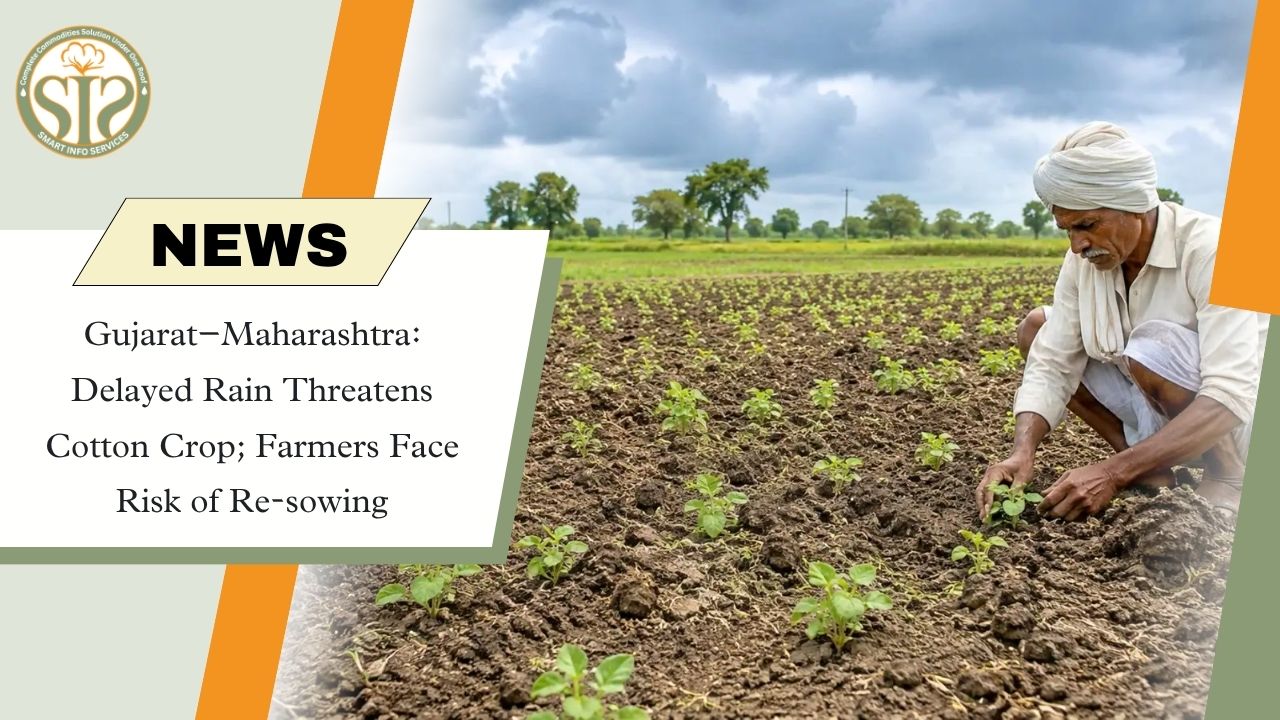
Gujarat–Maharashtra: Delayed Rain Threatens Cotton Crop; Farmers Face Risk of Re-sowingCotton farmers in the Segva-Simli village of Bodeli Taluka (Chhota Udepur district, Gujarat) and Shevgaon Taluka (Ahmednagar district, Maharashtra) are increasingly concerned due to the lack of timely rainfall. Farmers had completed sowing after the initial rains, and the plants had already sprouted. However, the absence of rain over the past several days has led to a depletion of soil moisture, raising fears that crop growth will be stunted.Cotton is a major Kharif crop in both regions, supporting a large number of farmers. They have invested significant amounts in seeds, fertilizers, labor, and land preparation. While they had anticipated the monsoon would progress on schedule, the current dry spell has heightened their anxiety. Prolonged dry weather is slowing the growth of cotton plants in many fields, with some plants even showing signs of wilting and drying up.In Maharashtra's Shevgaon Taluka, the lack of rain for the past 15 days has raised fears of having to re-sow the crop. Farmer Yalappa Kusalkar stated that he had invested heavily in cultivating cotton on three acres, but the crop is suffering due to the lack of rain. He noted that if it does not rain soon, farmers will face the additional burden of purchasing seeds and other agricultural inputs all over again.Farmers in Gujarat's Segva-Simli and surrounding areas emphasize that adequate soil moisture is crucial for the early stages of cotton growth. Further delays in rainfall could halt plant development and necessitate re-sowing in some fields. This would not only increase costs for farmers but could also adversely affect overall production.Agricultural experts have advised farmers to monitor their fields regularly and adjust their farming practices according to weather conditions. They suggest that if sufficient rainfall occurs soon, the cotton crop can still be saved from damage. However, a prolonged delay in rainfall could increase the likelihood of reduced production and financial losses.Currently, cotton farmers in Gujarat and Maharashtra are awaiting good monsoon rains so that their crops can receive the necessary moisture and their hard work can yield successful results.

Maharashtra: Digras Spinning Mill Ships First Cotton Yarn to China; Vidarbha’s Cotton Industry Gains Global RecognitionThe 'Ramdas Athawale Backward Class Cotton Growers Cooperative Spinning Mill' in Maharashtra's Vidarbha region has entered the international market by making its first export of cotton yarn to China. The first container was dispatched via sea route after the high-quality yarn produced at this Digras-based cooperative spinning mill gained acceptance in the Chinese market. This is being hailed as a significant milestone for Vidarbha's cotton processing industry and local farmers.Registered in 2019, the cooperative spinning mill commenced commercial production in 2025. In a short span, it has established itself among the state's leading cooperative spinning mills through the production of high-quality yarn. The organization claims to be the first among cooperative spinning mills registered in the last decade to successfully launch production and mark its presence in the market.Prior to the export, a team of Chinese experts conducted detailed technical tests on the yarn produced at the mill. Approval for export to the Chinese market was granted only after the product met all international standards. Mill Founder-Chairman Milind Mankar stated that the yarn produced in Digras is now attracting demand from other countries as well, indicating a potential increase in exports in the future.According to Mill Chairman Mahendra Mankar, the production of international-quality yarn is made possible by modern automated machinery, an experienced technical team, efficient management, and the hard work of the staff. He noted that the project was successfully completed and production launched despite challenges such as the COVID-19 pandemic.The project was realized with the support of Chief Minister Devendra Fadnavis, Union Minister Ramdas Athawale, and Guardian Minister Sanjay Rathod. A formal *puja* (ceremony) was held at the mill premises before dispatching the first export container, attended by the board of directors, officials, and staff.The mill has produced approximately 5,500 tonnes of cotton yarn over the past 18 months. It has an approved capacity of 25,000 spindles, of which 16,500 are currently operational. The mill is producing 10 to 12 tonnes of yarn daily. The management believes that this initial export to China will pave the way for access to new international markets in the future, yielding long-term benefits for both the cotton-growing farmers of Vidarbha and the region's textile industry.READ MORE :- CCI Raises Cotton Candy Prices by ₹800, Weekly Auctions Reach 3.18 Lakh Bales
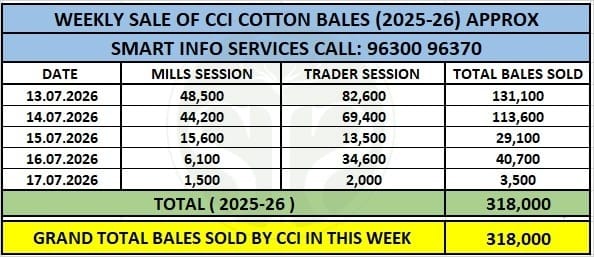
CCI Increases Cotton Candy Prices by ₹800 as Weekly Auctions Touch 3.18 Lakh BalesThe Cotton Corporation of India (CCI) increased its cotton selling prices by ₹800 per candy during the week ended July 17, 2026. Strong participation from textile mills and cotton traders was witnessed in the auctions, resulting in total weekly sales of about 3,18,000 bales from the 2025–26 crop season.Day-wise Auction PerformanceJuly 13, 2026 (Monday):The week began on a strong note, with the highest auction sales of 1,31,100 bales. Mills purchased 48,500 bales, while traders lifted 82,600 bales.July 14, 2026 (Tuesday):CCI auction sales stood at 1,13,600 bales. Mills purchased 44,200 bales, while traders lifted 69,400 bales.July 15, 2026 (Wednesday):Auction activity moderated, with total sales of 29,100 bales. Mills bought 15,600 bales, while traders purchased 13,500 bales.July 16, 2026 (Thursday):CCI recorded total sales of 40,700 bales during the day. Mills purchased 6,100 bales, while traders lifted 34,600 bales.July 17, 2026 (Friday):The week ended with the sales of 3,500 bales. Mills purchased 1,500 bales, while traders bought 2,000 bales.Cumulative Sales UpdateWith the latest auctions, CCI's cumulative cotton sales for the 2025–26 season have reached 85,04,800 bales.READ MORE :- Global Cotton Rally May Face Brazil Supply Test as Production Expansion Looms

Global Cotton Rally May Face Brazil Test as Higher Prices Spur Production ExpansionGlobal cotton prices are recovering after two years of weak returns as synchronized production declines across major exporting countries tighten supplies and improving import demand supports market sentiment. While the outlook remains constructive for the second half of 2026, analysts say the next supply cycle particularly in Brazil could determine whether the rally is sustained.Raphael Bulascoschi, Market Intelligence Analyst at StoneX Brazil, said the current market is benefiting from reduced output across key exporters, but warned that attention is already shifting toward the 2027 crop cycle. "The base case is constructive for the second half of 2026," he said, adding that questions remain over the long-term sustainability of higher prices.Brazil, the world's largest cotton exporter, is expected to play a pivotal role in shaping future supply. According to Bulascoschi, improved profitability is making cotton a more attractive option than second-crop corn, encouraging farmers to expand planted acreage if current price incentives persist. Higher Brazilian production could gradually offset today's tightening global supplies and reshape market dynamics.As traders increasingly focus on Southern Hemisphere planting decisions rather than current inventories, Brazil's production response is emerging as one of the key variables for the global cotton market. A strong expansion in acreage could ease supply concerns during 2027, while limited growth would keep the market supported for longer.READ MORE :- Rupee higher 01 Paise, Closes at 96.28 Against US Dollar

On Friday, the Indian rupee opened at 96.29 against the US dollar and closed at 96.28, marking a higher of 01 paise for the trading session.At close, the Sensex was up 964.58 points or 1.25 percent at 78,151.45, and the Nifty was up 261.55 points or 1.09 percent at 24,334.30. About 1632 shares advanced, 2419 shares declined, and 175 shares unchanged.read more :- ICAR-SBI to Commercialize New Gene Targeting Pink Bollworm in Cotton by 2030

ICAR-SBI Prepares to Commercialize New Gene Targeting Pink BollwormThe Coimbatore-based ICAR-Sugarcane Breeding Institute (ICAR-SBI) has taken a significant step towards commercializing a newly discovered crystal toxin gene that is effective against the pink bollworm. The institute is working on a plan to develop transgenic cotton hybrids and make commercial seeds available to farmers by 2030 under a public-private partnership (PPP) model.The pink bollworm has emerged as one of the biggest challenges for Bollgard II cotton cultivation in India. To address this and to boost cotton production while halting the decline in cultivation acreage, scientists at ICAR-SBI have successfully isolated a new crystal toxin gene from *Bacillus thuringiensis* after more than 15 years of research.Institute Director P. Govindaraj stated that one of the newly discovered genes has proven effective even against pink bollworm populations that have developed resistance to the Bollgard II technology. He noted that this discovery could play a crucial role in developing more sustainable and pest-resistant cotton varieties in the future.B. Singaravelu, a principal scientist at the institute, said that a partnership with the private sector would be established to advance this high-value technology and rapidly bring the research findings to farmers.In this regard, a Memorandum of Understanding (MoU) was exchanged between ICAR-SBI and Rasi Seeds in New Delhi in the presence of Shivraj Singh Chouhan, the Union Minister of Agriculture & Farmers Welfare and Rural Development. The partnership aims to develop transgenic cotton hybrids based on this new technology and make them available on a commercial scale.READ MORE :-India May Become Major US Cotton Importer in 2026 Amid Rising Demand

India Could Become a Key Buyer of US Cotton This YearThe US expects India to emerge as a major importer of its cotton by 2026. Gary Adams, President and CEO of the National Cotton Council of America, stated that India is currently vying for the position of the fourth-largest market for US cotton. He believes that import demand could rise further due to a shrinking cotton cultivation area in India and uncertainties surrounding the monsoon.In its latest report, Cotton: World Markets and Trade, the US Department of Agriculture (USDA) has raised its forecast for India's cotton imports for the 2025-26 season to 5.69 million bales, up from the previous estimate of 5.318 million bales. Meanwhile, the Cotton Association of India (CAI) has projected imports in the range of 6.0–6.5 million bales. The government's temporary removal of the 11 percent import duty on long-staple cotton is also expected to boost imports.Adams noted that Vietnam was the largest buyer of US cotton last year, while Bangladesh's textile industry continues to maintain strong demand. In contrast, demand for US cotton in China has remained weak due to US-China trade tensions.The USDA projects that global cotton consumption could rise by 1.5 to 2 percent in the 2026-27 season. However, rising energy and crude oil prices remain a concern for the industry. Higher oil prices have made synthetic fibers more expensive, thereby supporting demand for natural fibers, particularly cotton.Adams stated that the cost of cotton production in the US has risen by approximately 20 percent over the last two to three years due to increasing costs of fertilizers, fuel, chemicals, and labor. Additionally, drought conditions in the US Cotton Belt could impact production.He added that consumers are shifting back towards natural fibers due to growing awareness regarding microplastics. There is immense potential for cooperation between the US and India in the cotton and textile sectors, and trade between the two countries is expected to strengthen further in the coming years.READ MORE :- Rupee Opens 6 Paise Higher at 96.29

Rupee strengthens by 6 paise against the US dollar to open at 96.29On Friday, the Indian rupee opened 6 paise higher against the dollar at 96.29, compared to its previous close of 96.35 on Thursday.Stock Market Live Updates: Indian equity benchmarks saw a tepid open on Friday as traders assess US-Iran tensions. At the open, Sensex was up over 200 points while Nifty gained 50 points.read more :- Andhra Pradesh Secures ₹4,100 Crore Textile Investment Commitments at Bharat Tex 2026
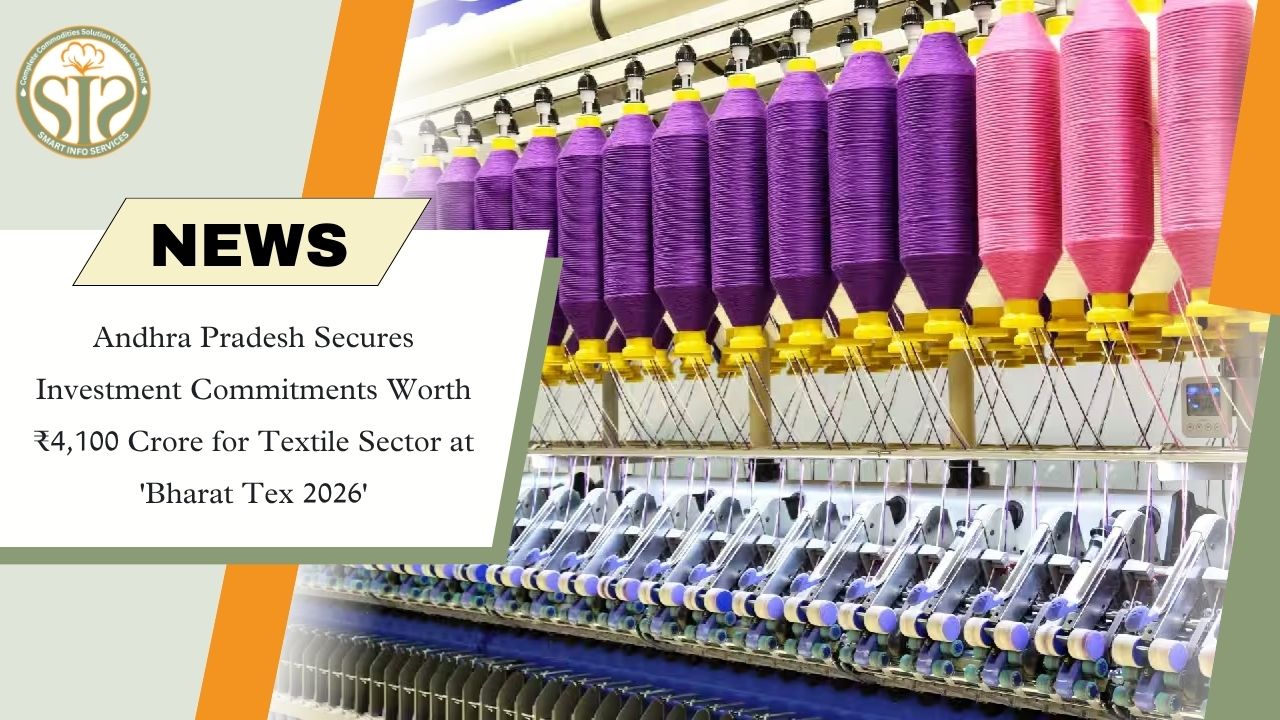
Andhra Pradesh Secures Investment Commitments Worth ₹4,100 Crore for Textile Sector at 'Bharat Tex 2026'New Delhi: Andhra Pradesh has secured investment commitments totaling ₹4,100 crore for textile projects at the 'Bharat Tex 2026' event. Two Memorandums of Understanding (MoUs) were signed on the second day of the event, held at Bharat Mandapam in New Delhi.These agreements were executed under the supervision of G. Rekha Rani, the Commissioner of Handlooms and Textiles for Andhra Pradesh. This initiative is part of the state government's efforts to attract investment and strengthen the textile and garment industry.One of the agreements proposes the establishment of a sustainable textile recycling facility in Visakhapatnam with an investment of up to ₹4,000 crore. The second agreement involves setting up a garment manufacturing unit with an investment of ₹100 crore. This unit is expected to generate direct and indirect employment for approximately 3,000 people.Meanwhile, Union Textiles Minister Giriraj Singh inaugurated the 'Lepakshi Handicrafts' stall. The stall showcases Andhra Pradesh's rich handloom heritage, handicrafts, textile capabilities, and investment potential. Organized by the Union Ministry of Textiles, the 'Bharat Tex 2026' event will continue until July 17.Rajya Sabha member V. Vijayendra Prasad visited the Andhra Pradesh pavilion and remarked that the state's handloom sector holds significant potential in international markets. He emphasized the need to adopt new technologies, such as Virtual Reality (VR), to enable skilled weavers to connect directly with global buyers.He also highlighted the growing demand for authentic, handcrafted, and culturally significant products among the Indian diaspora and foreign customers, particularly in the United States. He stated that Andhra Pradesh is well-positioned to emerge as a major global sourcing hub for handloom and textile products.Pasupuleti Hari Prasad, Chairman of the Lepakshi Handicrafts Development Corporation, commended the Department of Handlooms and Textiles for showcasing Andhra Pradesh's traditional handloom heritage alongside its modern textile and garment industry. He noted that under the leadership of Chief Minister N. Chandrababu Naidu, the state government is committed to accelerating the sector's growth through investment-friendly policies and infrastructure development. The Andhra Pradesh pavilion in Hall No. 9 displays a range of handloom, textile, fabric, and garment products. It also features GI-tagged and 'One District One Product' (ODOP) items from organizations and textile parks such as Guntur Textile Park, Tarkeshwar Textile Park, Harish Fashions, APCO, and Magic Weaves.Representatives from the Apparel Export Promotion Council (AEPC) also expressed interest in collaborating on awareness and capacity-building programs regarding exports for textile MSMEs.Officials stated that the state's participation in 'Bharat Tex 2026' is expected to attract new investments, strengthen export ties, and enhance access to global markets. Andhra Pradesh is home to over 15,000 textile MSMEs, more than 140 large textile units, and approximately 35,000 power looms, with textile exports valued at around US$ 444 million.READ MORE :- India-UK Trade Pact Comes Into Effect, Boosts Exports and Lowers Import Costs

India-UK Trade Pact Begins: Cheaper Imports, Bigger Export OpportunitiesIndia and the United Kingdom have officially implemented their Comprehensive Economic and Trade Agreement (CETA), marking a major milestone in bilateral economic relations. The agreement, effective from Wednesday, eliminates or reduces tariffs on thousands of products, making several goods cheaper while opening new opportunities for businesses and professionals in both countries.Under the pact, the UK has removed duties on nearly all Indian exports, giving sectors such as textiles, leather, footwear, marine products, gems and jewellery, engineering goods, chemicals and processed foods duty-free access to the British market. Indian spices, fruits and vegetables are also expected to become more competitive in the UK.For Indian consumers, imported British products including whisky, chocolates, cosmetics, soft drinks, lamb, premium automobiles, medical devices and optical equipment are set to become more affordable as tariffs are reduced in phases.The agreement also strengthens trade in services by boosting opportunities in IT, financial services, healthcare, education, engineering and consultancy. Indian professionals temporarily working in the UK will be exempt from paying National Insurance contributions for up to five years.According to the UK government, India will reduce or eliminate tariffs on 90% of tariff lines, while Britain has removed duties on 96.8% of tariff lines covering 97.7% of existing trade. However, sensitive sectors such as poultry, eggs, sugar and dairy remain outside the scope of the agreement.The India-UK trade pact is expected to deepen investment, expand market access and strengthen economic cooperation, making it one of the most significant bilateral trade agreements between the two nations in recent years.READ MORE :- US Tariff Talks, Rising Shipping Costs Challenge Indian Textile Exporters

US Tariff Talks and Rising Shipping Costs Pose Challenges for Indian Textile ExportersIndian textile and garment exporters are currently facing uncertainty due to tariff negotiations with the US and escalating geopolitical tensions in West Asia. While demand remains stable, global buyers are avoiding large, long-term orders until there is clarity regarding trade policy. Instead, to mitigate risk, they are placing smaller, frequent orders—a shift that could increase operational costs and complexity for Indian exporters.Discussions scheduled for later this month regarding the potential US tariff framework are considered crucial for the industry. Until the trade policy situation becomes clear, investors should closely monitor companies that derive a significant portion of their business from the US market.Rising Cotton Prices Put Pressure on MarginsRaw material costs play a pivotal role in the profitability of the textile industry. After remaining stable for a period, cotton prices have surged again. As of July 14, 2026, the spot price for benchmark 29mm cotton in Gujarat stood at approximately ₹65,000 per candy, while 28mm cotton was priced at ₹64,200 per candy.Cotton futures prices on the Intercontinental Exchange (ICE) in the international market have also risen, recording an increase of over 6% during the second week of July. The sustained rise in raw material costs, coupled with the inability to pass this increased burden on to customers, could exert pressure on companies' profit margins.Dependence on raw materials varies across different segments of the textile sector. Home textile companies rely primarily on cotton, whereas garment manufacturers depend more heavily on synthetic fibers like polyester. Consequently, fluctuations in the prices of cotton and petrochemical-based raw materials can impact these companies differently. Geopolitical Tensions Heighten Logistics RisksEscalating tensions in West Asia are raising concerns regarding shipping costs and supply chains. Regional instability could drive up freight charges and increase the risk of delivery delays. While some companies pass a portion of logistics costs on to buyers through Free-on-Board (FOB) terms, the rising costs of packaging and synthetic materials could impact the entire industry.The US is a key export market for Indian textile products, with bilateral textile trade valued at approximately $10.5 billion. However, industry experts note that Indian textile companies' overall reliance on the US market is limited, accounting for roughly 8–10% of total revenue.Hopes Pinched on UK and EU Trade DealsLooking ahead, the Indian textile industry is eyeing potential trade agreements with the UK and the EU. These agreements could enhance market access and cost competitiveness for Indian companies. However, industry management believes the full benefits of these initiatives may only become visible by the fourth quarter of FY27.Investors should monitor export volumes, US tariff negotiations, raw material prices, and logistics costs, alongside the companies' ability to maintain profit margins in the period ahead.READ MORE :- Cotton, Maize and Soybean Crops Face Threat as Erratic Rainfall Distresses Pachora Farmers
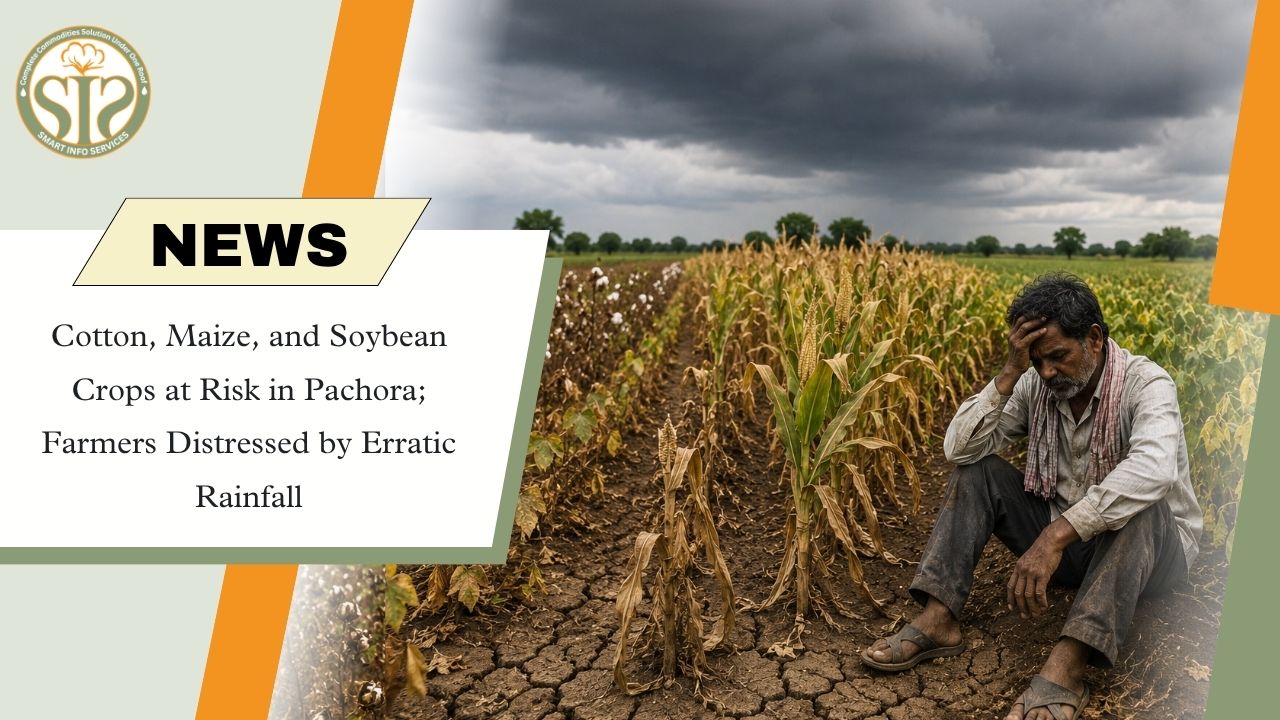
Cotton, Maize, and Soybean Crops at Risk in Pachora; Farmers Distressed by Erratic RainfallPachora (Maharashtra), July 16: Cotton, maize, and soybean crops in the Pachora taluka of Maharashtra's Jalgaon district are being affected by erratic rainfall. Farmers are increasingly concerned due to a prolonged dry spell following the initial rains at the onset of the *Mrig Nakshatra*. There are fears of stunted crop growth and a significant decline in yields.Cotton is the primary cash crop in Pachora taluka. Many farmers had sown cotton between mid-May and early June with high hopes. However, the long gap in rainfall following the initial showers has hampered crop growth. Apart from cotton, maize and soybean crops are also suffering due to the lack of rain.The average annual rainfall in the taluka is 743.47 millimeters. Last year, the region recorded approximately 125% of the normal rainfall. In contrast, only 161.6 millimeters of rain has been recorded up to the beginning of July this year. Due to the scanty rainfall, rivers and canals in the taluka have not yet received adequate water.The shortage of water in local sources has directly impacted irrigation. Many wells have dried up. Despite having drip irrigation facilities in their fields, farmers are unable to provide sufficient water to the cotton crop because the wells lack water. The lack of rain has caused the grass on farm bunds to dry up, and many crops are on the verge of withering.However, rainfall in some areas has brought some relief to farmers and accelerated agricultural activities. Farmers are busy with tasks such as weeding, applying chemical fertilizers, and spraying pesticides.These activities are also providing employment to farm laborers in rural areas. Currently, female laborers are earning around ₹300 for a shift from 8 AM to 1 PM, while male laborers are receiving approximately ₹500 per day in wages. Farmers say that if there is no adequate and regular rainfall in the coming days, cotton, maize, and soybean crops could be severely affected.RAED MORE :- Maharashtra Kharif Sowing Reaches 60% of Normal Area, Trails Last Year
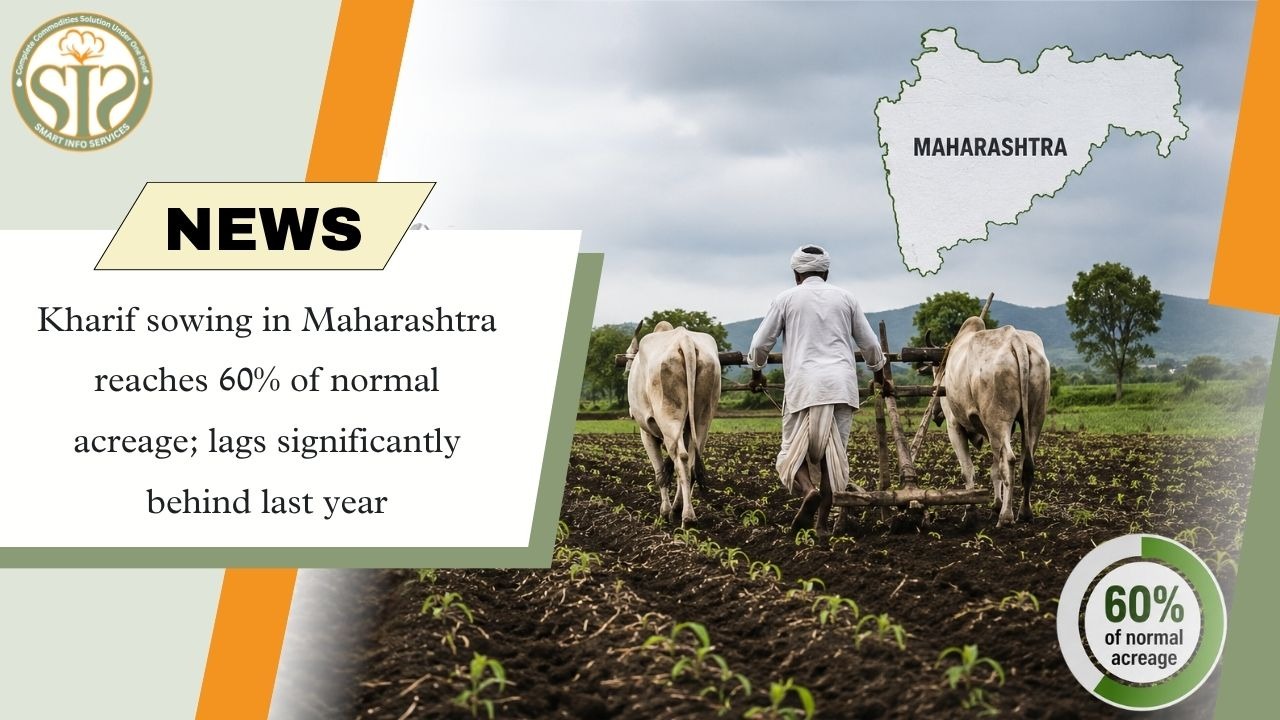
Kharif sowing in Maharashtra reaches 60% of normal acreage; lags significantly behind last yearMumbai, July 15: Kharif crop sowing in Maharashtra had covered 86.92 lakh hectares by July 13. According to state government data, this represents approximately 60% of the normal Kharif sowing area (excluding sugarcane). However, the pace of sowing is significantly slower compared to the same period last year.By July 13 last year, Kharif crops had been sown across 120.65 lakh hectares in the state, accounting for nearly 84% of the normal area. A substantial shortfall in sowing acreage has been recorded so far this year.Crop damage due to heavy rainsAccording to preliminary assessments by the Maharashtra government, heavy rains, strong winds, and hailstorms in July have damaged 6,673 hectares of agricultural and horticultural crops across the state.However, the government reports that sowing activities are now picking up pace in several districts. Farmers in areas affected by heavy rains have begun re-transplanting paddy. Meanwhile, crops sown earlier are currently in the germination and early growth stages.Kharif sowing slow across the countryKharif crop sowing across the country is lagging behind last year's figures due to a weak southwest monsoon. According to the Ministry of Agriculture and Farmers Welfare, Kharif crops had been sown across 531.25 lakh hectares nationwide by July 10, compared to 632.69 lakh hectares during the same period last year. Consequently, there has been a decline of approximately 16% in sowing acreage at the national level.Paddy acreage dropped to 114.69 lakh hectares from 125.53 lakh hectares last year. Oilseed acreage also declined from 149.18 lakh hectares to 117.83 lakh hectares; within this category, soybean acreage fell from 107.72 lakh hectares to 90.51 lakh hectares. In contrast, the sugarcane acreage increased from 56.72 lakh hectares to 57.58 lakh hectares, and the area under jute and mesta rose from 6.16 lakh hectares to 6.28 lakh hectares.Cotton sowing also lagged behind last year's figures. As of July 10, the cotton acreage in the country stood at 79.54 lakh hectares, whereas it was 93.95 lakh hectares during the same period last year.READ MORE :- Rupee Falls 10 Paise, Closes at 96.35 Against US Dollar

On Thursday, the Indian rupee opened at 96.25 against the US dollar and closed at 96.35, marking a decline of 10 paise for the trading session.At the close, the Sensex was up 1.44 points at 77,186.87, while the Nifty was down 5.75 points (or 0.02 percent) at 24,072.75. Approximately 1,947 shares advanced, 2,119 shares declined, and 194 shares remained unchanged.READ MORE :- Agriculture Minister Optimistic Kharif Sowing Deficit Will Be Covered by August 15
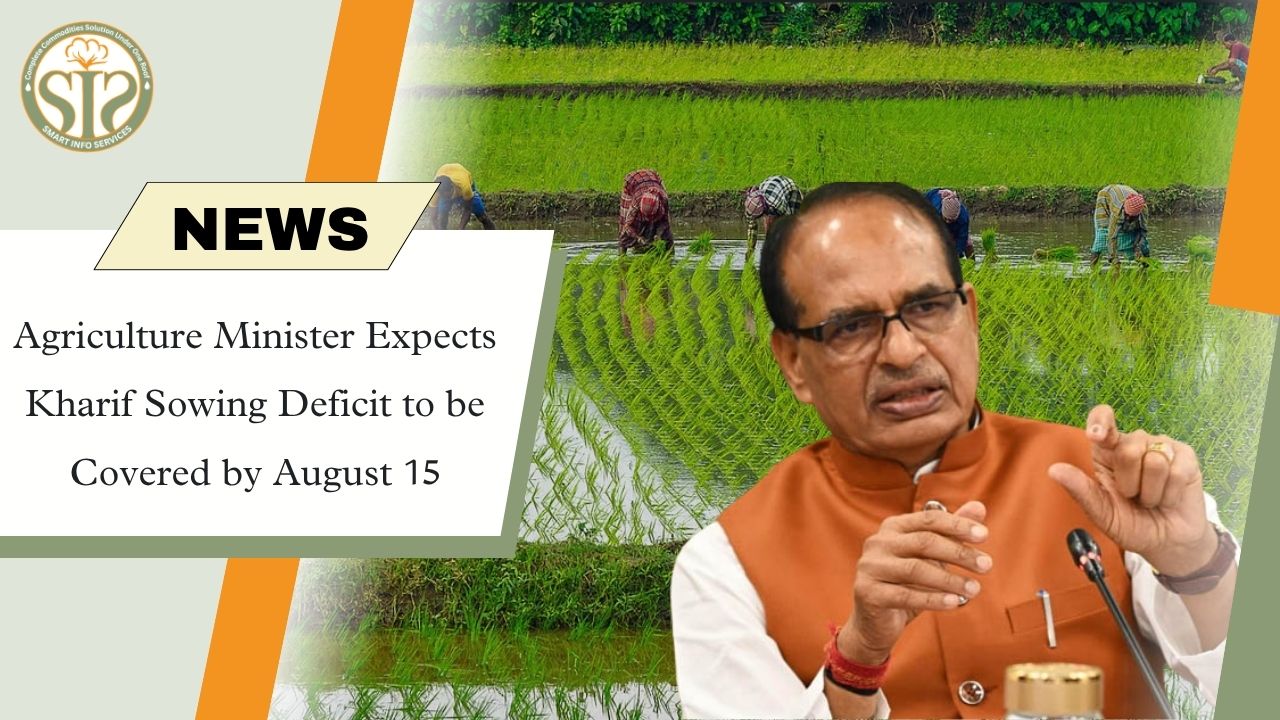
Agriculture Minister Expects Kharif Sowing Deficit to be Covered by August 15New Delhi: Agriculture Minister Shivraj Singh Chouhan said on Wednesday that the shortfall in the area sown with Kharif crops could be made up, as the sowing season continues until August 15. He stated that the government is closely monitoring the monsoon and the progress of sowing.Speaking to reporters on the sidelines of a conference organized by the Indian Council of Agricultural Research (ICAR), Chouhan said there is still sufficient time for Kharif sowing. He said, "Kharif sowing takes place up to August 15. Rainfall was deficient in June, but there has been good rainfall in the first week of July. There is a possibility of good rainfall after July 20 as well."He noted that the total area sown with crops up to July 10 in the current Kharif season is lower compared to the same period last year. However, he expressed hope that sowing would pick up pace in the coming days and the deficit in acreage would be covered.Chouhan stated that the central government is continuously monitoring the situation and efforts are being made to ensure the timely availability of seeds, fertilizers, and other essential agricultural inputs to farmers. When asked if the sowing deficit could be bridged through improved sowing activity, he said, "There is a possibility. I am very hopeful."According to data from the Ministry of Agriculture, the total area sown with Kharif crops up to July 10 stood at 531.25 lakh hectares, down 15.93 percent from 631.88 lakh hectares during the same period last year.The acreage for oilseeds declined by 21 percent to 117.83 lakh hectares. Within this category, the area under soybean fell by 16 percent to 90.51 lakh hectares.Cotton sowing is also lagging. As of July 10, the cotton acreage stood at 79.54 lakh hectares, a decline of 15.33 percent from the 93.95 lakh hectares recorded during the same period last year. Sowing of Kharif crops usually begins in June with the arrival of the southwest monsoon. However, sowing has been affected this year due to a weak monsoon. Sowing is expected to pick up pace with an improvement in rainfall in the coming days.READ MORE :- ndian Rupee Opens Steady at 96.25 Against US Dollar

The rupee opened steady at 96.25/$.On Thursday, the Indian rupee opened steady at 96.25 against the US dollar, whereas it had closed at 96.25 the previous day.The BSE Sensex opened at 77,388.42, higher than its previous close of 77,185.43, while the NSE Nifty50 opened at 24,142.10, compared with Wednesday’s close of 24,078.50.READ MORE :- The rupee settled 08 paise lower at 96.25 against the US dollar.

રૂપિયો 03 પૈસા गिरकर होकर यूएस डॉलर के मुकाबले 96.44 પર બંધ થયુંસોમવારે, ભારતીય રૂપિયો અમેરિકન ડોલર સામે ૯૬.૪૧ પર ખુલ્યો અને ૯૬.૪૪ પર બંધ થયો, જેમાં ટ્રેડિંગ સત્ર દરમિયાન ૩ પૈસાનો ઘટાડો નોંધાયો.બંધ થવા પર, સેન્સેક્સ 442.93 પોઈન્ટ અથવા 0.57 ટકા ગીકર 77,708.52 પર અને નિફ્ટી 95.80 પોઈન્ટ અથવા 0.39 ટકા ગીકર 24,238.50 પર.વધુ વાંચો :- ડોલર સામે રૂપિયા 13 પૈસા ઘટીને 96.41 પર ખુલ્યો

રૂપિયો ૧૩ પૈસા ઘટીને ૯૬.૪૧ પર ખુલ્યોસોમવારે, ભારતીય રૂપિયો ડોલર સામે ૧૩ પૈસા ઘટીને ૯૬.૪૧ પર ખુલ્યો, જ્યારે શુક્રવારે તે ૯૬.૨૮ પર બંધ થયો હતો.શુક્રવારે ૭૮,૧૫૧.૪૫ પર બંધ થયેલો બીએસઈ સેન્સેક્સ ૭૮,૧૫૧.૪૫ પર ફ્લેટ ખુલ્યો અને ૪૫૭.૩૨ પોઈન્ટ અથવા ૦.૫૯ ટકા ઘટીને ૭૭,૬૯૪.૧૩ પર ટ્રેડ થઈ રહ્યો હતો. એનએસઈ નિફ્ટી૫૦, જે પાછલા સત્રમાં ૨૪,૩૩૪.૩૦ પર બંધ થયો હતો, તે ૨૪,૧૯૦.૦૫ પર ખુલ્યો અને ૧૦૬.૪૦ પોઈન્ટ અથવા ૦.૪૪ ટકા ઘટીને ૨૪,૨૨૭.૯૦ પર ટ્રેડ થઈ રહ્યો હતો.વધુ વાંચો :- કર્ણાટકમાં નબળા ચોમાસાથી ખરીફ પાક અને ખાદ્ય સુરક્ષા પર સંકટ
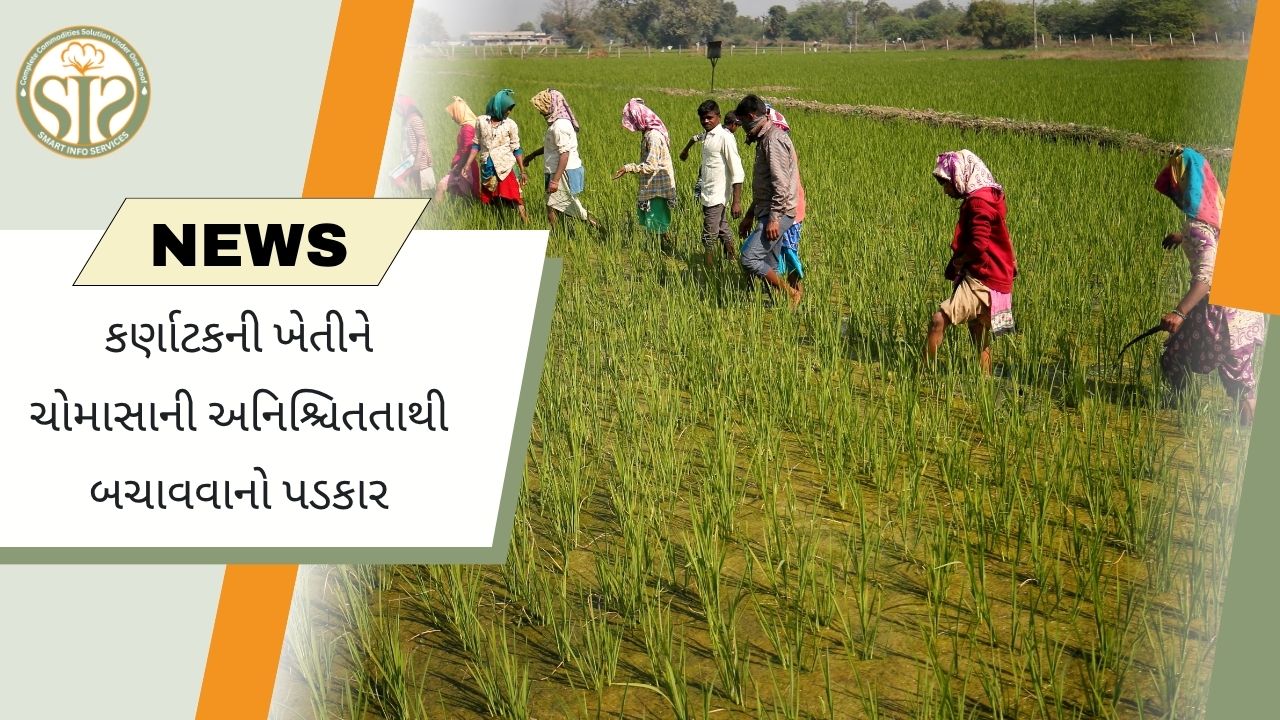
કર્ણાટકની ખેતીને ચોમાસાની અનિશ્ચિતતાથી બચાવવાનો પડકારકર્ણાટકમાં ચોમાસાની તીવ્ર ખાધને કારણે ખેડૂતો માટે કટોકટી ઊભી થઈ છે, જેની અસર રાષ્ટ્રીય સ્તરે અનુભવાઈ શકે છે. જુલાઈના પહેલા અઠવાડિયા સુધીમાં, ખરીફ પાકનું વાવેતર લક્ષ્યાંકિત વિસ્તારના માત્ર એક તૃતીયાંશ સુધી પહોંચ્યું હતું. આ કૃષિ મોસમ દરમિયાન - જૂનથી ઓક્ટોબર સુધી - ખેડૂતો સામાન્ય રીતે ડાંગર, મકાઈ, રાગી, જુવાર અને બાજરી જેવા અનાજ; તુવેર (કબૂતરના વટાણા) જેવા કઠોળ; મગફળી, સૂર્યમુખી, સોયાબીન અને નાઇજર બીજ જેવા તેલીબિયાં; અને કપાસ, શેરડી, તમાકુ અને લાલ મરચા જેવા રોકડિયા પાકોનું વાવેતર કરે છે.આ પાકોનું ઉત્પાદન ચોમાસા પર ખૂબ આધાર રાખે છે. રાજસ્થાન પછી, કર્ણાટક દેશનો સૌથી મોટો સૂકી જમીન ખેતી વિસ્તાર ધરાવે છે, જ્યાં આશરે 8.479 મિલિયન હેક્ટર ખેતીલાયક જમીન વરસાદ પર આધારિત છે. પરિણામે, વરસાદની કોઈપણ અછત સીધી કૃષિ ઉત્પાદન પર અસર કરે છે. આ વર્ષે, અલ નીનો અસરને કારણે વરસાદની નોંધપાત્ર ખાધ નોંધાઈ છે. મલનાડ પ્રદેશ, દરિયાકાંઠાના કર્ણાટક, ઉત્તર આંતરિક કર્ણાટક અને દક્ષિણ આંતરિક કર્ણાટકમાં અનુક્રમે ૩૪ ટકા, ૩૦ ટકા, ૨૪ ટકા અને ૧૮ ટકા વરસાદની ખાધ નોંધાઈ છે.આ કટોકટીની અસર ફક્ત કર્ણાટક પૂરતી મર્યાદિત રહેશે નહીં. રાજ્ય બરછટ અનાજનું મુખ્ય ઉત્પાદક છે અને દેશમાં તુવેર કઠોળની ખેતી હેઠળનો સૌથી મોટો વિસ્તાર ધરાવે છે. તેથી, કર્ણાટકના કૃષિ ઉત્પાદનમાં તીવ્ર ઘટાડો દેશભરમાં ખાદ્ય અનાજના પુરવઠા અને ભાવને અસર કરી શકે છે.આ કુદરતી કટોકટીની સાથે, માનવતાવાદી પડકાર પણ વધી રહ્યો છે. કર્ણાટકમાં આશરે ૧.૩૭ કરોડ લોકો - આશરે દર પાંચ રહેવાસીઓમાંથી એક - ની આજીવિકા ખેતી પર નિર્ભર છે. આ પરિસ્થિતિઓ વચ્ચે, મુખ્યમંત્રી ડી.કે. શિવકુમારે વડા પ્રધાન નરેન્દ્ર મોદીને પરિસ્થિતિનું મૂલ્યાંકન કરવા અને રાહત પગલાંને સરળ બનાવવા માટે એક કેન્દ્રીય ટીમ મોકલવા વિનંતી કરી છે.કેન્દ્ર સરકાર તરફથી સહાય આવશ્યક છે, પરંતુ કર્ણાટકને આ કટોકટીમાંથી લાંબા ગાળાનો પાઠ પણ લેવો જોઈએ. રાજ્યની કૃષિ લાંબા સમયથી ચોમાસાની અનિયમિતતાઓ માટે સંવેદનશીલ રહી છે. હવે સરકાર માટે એ ખૂબ જ જરૂરી છે કે તે ફક્ત શહેરી વિકાસ પ્રોજેક્ટ્સ પર ધ્યાન કેન્દ્રિત કરવાને બદલે કૃષિ ક્ષેત્રમાં પાણીની સુરક્ષાને પ્રાથમિકતા આપે, ખાસ કરીને મોટા શહેરોમાં.આ માટે સિંચાઈ સુવિધાઓનો વિસ્તાર કરવો, પાણી સંરક્ષણના પગલાં મજબૂત કરવા, દુષ્કાળ-પ્રતિરોધક પાકોને પ્રોત્સાહન આપવું, નહેરોના નેટવર્કનો વિસ્તાર કરવો, ભૂગર્ભજળ રિચાર્જમાં સુધારો કરવો અને આધુનિક સૂક્ષ્મ સિંચાઈ તકનીકોનો વ્યાપક ઉપયોગ કરવો જરૂરી છે. ધ્યેય ફક્ત વર્તમાન કટોકટીનો સામનો કરવાનો જ નહીં પરંતુ એક એવી કૃષિ પ્રણાલી સ્થાપિત કરવાનો હોવો જોઈએ જે ખેડૂતોને ચોમાસાની અનિશ્ચિતતાઓ સામે લાંબા ગાળાનું રક્ષણ આપે.કુદરતી અનિયમિતતાઓથી કૃષિનું રક્ષણ કરવું એ ફક્ત કર્ણાટક માટે જરૂરી નથી; તે સમગ્ર રાષ્ટ્રની ખાદ્ય સુરક્ષા અને ગ્રામીણ અર્થતંત્ર માટે જરૂરી છે.વધુ વાંચો :- ગુજરાત અને મહારાષ્ટ્રમાં ધીમી વાવણીથી ભારતમાં કપાસનું વાવેતર લગભગ 15% ઘટ્યું
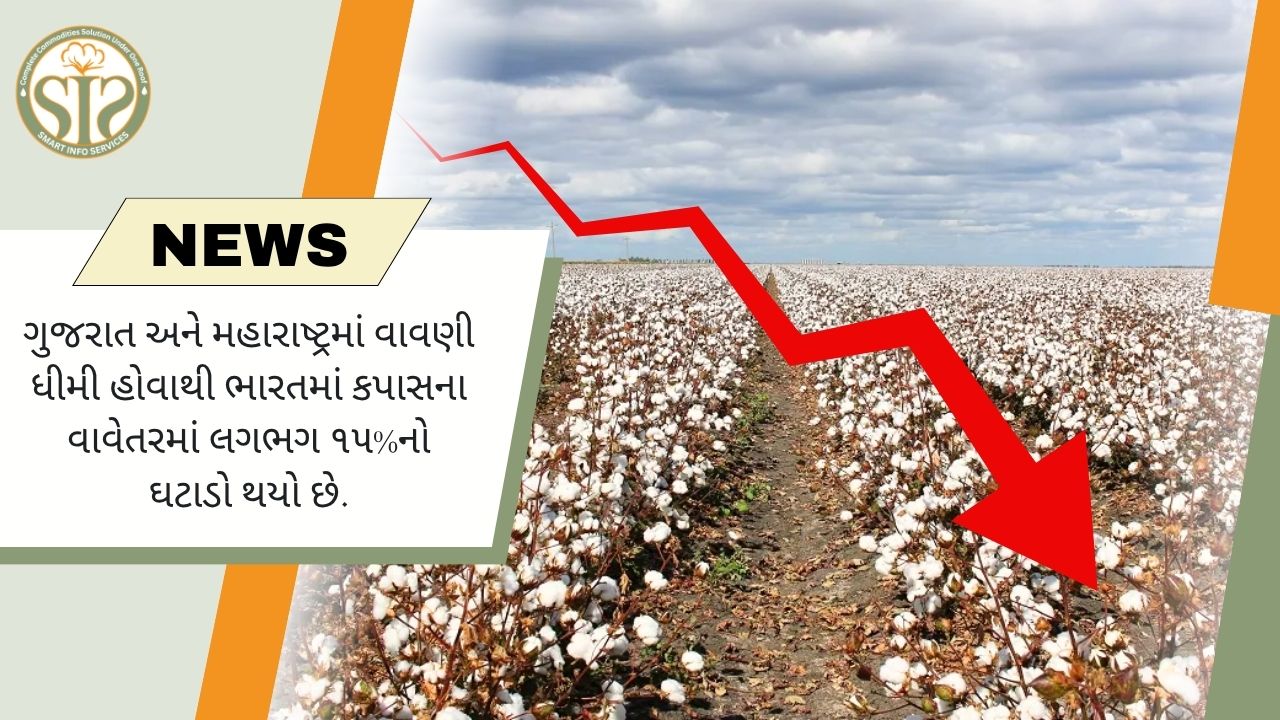
ગુજરાત અને મહારાષ્ટ્રમાં વાવણી ધીમી હોવાથી ભારતમાં કપાસના વાવેતરમાં લગભગ ૧૫%નો ઘટાડો થયો છે.૨૦૨૬ની ખરીફ સિઝનના શરૂઆતના તબક્કા દરમિયાન ભારતમાં કપાસનું વાવેતર ગયા વર્ષના આંકડા કરતા નોંધપાત્ર રીતે પાછળ રહી ગયું છે. મુખ્ય કપાસ ઉત્પાદક રાજ્યોમાં વાવણીની ગતિ પર ચોમાસામાં વિલંબ અને પ્રાદેશિક હવામાન પરિસ્થિતિઓનો પ્રભાવ પડ્યો છે. ૧૦ જુલાઈ, ૨૦૨૬ સુધીમાં, દેશભરમાં ૭૯.૫૫ લાખ હેક્ટરમાં કપાસનું વાવેતર નોંધાયું હતું, જે ગયા વર્ષના સમાન સમયગાળા દરમિયાન ૯૩.૯૫ લાખ હેક્ટર હતું. પરિણામે, કપાસના વાવેતરમાં ૧૪.૪૧ લાખ હેક્ટર અથવા આશરે ૧૫.૩%નો ઘટાડો થયો છે.ગુજરાત અને મહારાષ્ટ્ર જેવા મુખ્ય કપાસ ઉત્પાદક રાજ્યોમાં વાવણીમાં સૌથી તીવ્ર ઘટાડો જોવા મળ્યો છે. મહારાષ્ટ્રમાં, આ સિઝનમાં અત્યાર સુધીમાં ૩૦.૦૭ લાખ હેક્ટરમાં કપાસનું વાવેતર થયું છે, જે પાછલા વર્ષના ૩૫.૪૬ લાખ હેક્ટર કરતા ૫.૩૯ લાખ હેક્ટરનો ઘટાડો છે. વિદર્ભ અને મરાઠવાડા જેવા કપાસ ઉગાડતા મુખ્ય પ્રદેશોમાં ખેડૂતો દ્વારા વાવણીની પ્રવૃત્તિઓમાં વિલંબ થયો છે.ગુજરાતમાં આ ઘટાડો વધુ સ્પષ્ટ હતો. રાજ્યનો કપાસનો વાવેતર વિસ્તાર ગયા વર્ષના ૧૭.૧૧ લાખ હેક્ટરથી ઘટીને ૯.૩૨ લાખ હેક્ટર થયો છે, જે ૭.૭૯ લાખ હેક્ટરનો ઘટાડો દર્શાવે છે. ગુજરાત અને મહારાષ્ટ્ર મળીને દેશના કુલ કપાસના વાવેતર વિસ્તારમાં આશરે ૧૩.૨ લાખ હેક્ટરનો ઘટાડો દર્શાવે છે.તેનાથી વિપરીત, તેલંગાણા અને આંધ્રપ્રદેશમાં કપાસના વાવેતરમાં સુધારો જોવા મળ્યો છે. તેલંગાણાનો કપાસનો વાવેતર વિસ્તાર ગયા વર્ષની સરખામણીમાં ૧.૯૬ લાખ હેક્ટર વધીને ૧૫.૯૬ લાખ હેક્ટર થયો છે. સારા વરસાદ અને સમયસર કૃષિ કામગીરી શરૂ થવાને કારણે રાજ્યમાં વાવણી ઝડપી બની છે. આંધ્રપ્રદેશમાં પણ કપાસના વાવેતર વિસ્તારમાં ૦.૭૮ લાખ હેક્ટરનો વધારો જોવા મળ્યો છે, જે ૨.૪૦ લાખ હેક્ટર સુધી પહોંચી ગયો છે.અન્ય મુખ્ય કપાસ ઉત્પાદક રાજ્યોમાં વાવણી ગયા વર્ષના સ્તરથી નીચે રહી છે. રાજસ્થાનમાં ૧.૨૮ લાખ હેક્ટર, હરિયાણામાં ૦.૯૦ લાખ હેક્ટર, ઓડિશામાં ૦.૬૬ લાખ હેક્ટર, કર્ણાટકમાં ૦.૫૯ લાખ હેક્ટર અને પંજાબમાં ૦.૪૩ લાખ હેક્ટરમાં વાવેતર વિસ્તારમાં ઘટાડો નોંધાયો છે. મધ્યપ્રદેશમાં કપાસનું વાવેતર મોટાભાગે સ્થિર રહ્યું છે, જ્યારે તમિલનાડુમાં પણ પાછલા વર્ષની સરખામણીમાં કોઈ ખાસ ફેરફાર જોવા મળ્યો નથી.૨૦૨૬ની ખરીફ સિઝન માટે કપાસના વાવેતરનો રાષ્ટ્રીય લક્ષ્યાંક ૧૧૬.૧૨ લાખ હેક્ટર નક્કી કરવામાં આવ્યો છે; જોકે, ૧૦ જુલાઈ સુધીમાં માત્ર ૭૯.૫૫ લાખ હેક્ટરમાં વાવેતર થયું હતું. કપાસની વાવણી જુલાઈથી ઓગસ્ટની શરૂઆતમાં ચાલુ હોવાથી, અનુકૂળ ચોમાસાને કારણે આગામી અઠવાડિયામાં વાવેતર વિસ્તારમાં વધારો થવાની શક્યતા રહે છે.જો વાવણીમાં ઘટાડો ચાલુ રહે, તો આગામી માર્કેટિંગ સિઝનમાં કાચા કપાસની ઉપલબ્ધતા પર અસર પડી શકે છે. આ સ્થાનિક કાપડ ઉદ્યોગ, કપાસની નિકાસ અને ફાઇબરના ભાવને અસર કરી શકે છે. વૈશ્વિક કપાસ બજારો હવામાન સંબંધિત પુરવઠાના જોખમો પ્રત્યે સંવેદનશીલ રહેતા હોવાથી, બજાર ભારતની ઉત્પાદન પરિસ્થિતિ પર નજીકથી નજર રાખશે.વધુ વાંચો :- ગુજરાત–મહારાષ્ટ્રમાં વરસાદમાં વિલંબથી કપાસના પાક પર સંકટ, ખેડૂતોમાં ફરી વાવણીની ચિંતા
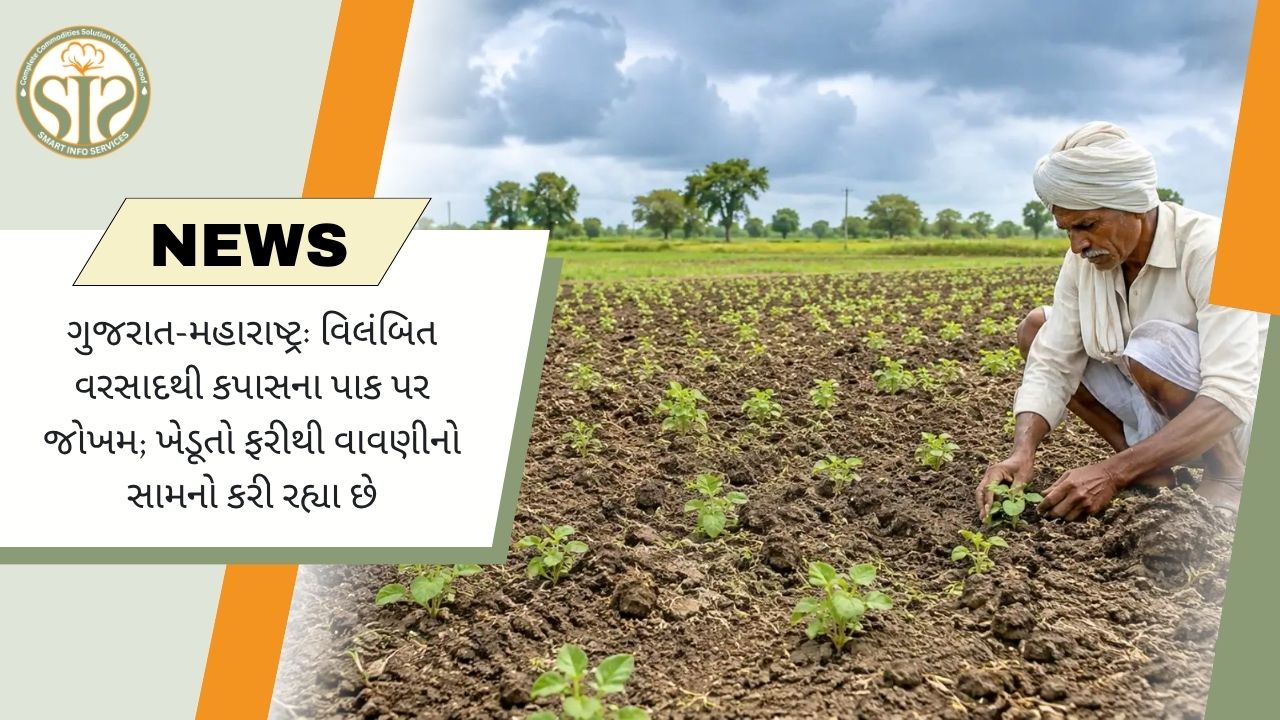
ગુજરાત-મહારાષ્ટ્ર: વિલંબિત વરસાદથી કપાસના પાક પર જોખમ; ખેડૂતો ફરીથી વાવણીનો સામનો કરી રહ્યા છેબોડેલી તાલુકા (છોટા ઉદેપુર જિલ્લો, ગુજરાત) અને શેવગાંવ તાલુકા (અહમદનગર જિલ્લો, મહારાષ્ટ્ર) ના સેગવા-સિમલી ગામના કપાસના ખેડૂતો સમયસર વરસાદના અભાવે વધુ ચિંતિત છે. ખેડૂતોએ શરૂઆતના વરસાદ પછી વાવણી પૂર્ણ કરી દીધી હતી, અને છોડ પહેલાથી જ અંકુરિત થઈ ગયા હતા. જોકે, છેલ્લા ઘણા દિવસોથી વરસાદની ગેરહાજરીને કારણે જમીનમાં ભેજનું પ્રમાણ ઘટ્યું છે, જેના કારણે પાકનો વિકાસ અટકી જવાનો ભય છે.કપાસ બંને પ્રદેશોમાં ખરીફ પાકનો મુખ્ય પાક છે, જે મોટી સંખ્યામાં ખેડૂતોને ટેકો આપે છે. તેમણે બીજ, ખાતર, મજૂરી અને જમીનની તૈયારીમાં નોંધપાત્ર રોકાણ કર્યું છે. જ્યારે તેઓ અપેક્ષા રાખતા હતા કે ચોમાસું સમયસર આગળ વધશે, ત્યારે વર્તમાન શુષ્ક હવામાને તેમની ચિંતા વધારી છે. લાંબા સમય સુધી શુષ્ક હવામાન ઘણા ખેતરોમાં કપાસના છોડના વિકાસને ધીમું કરી રહ્યું છે, કેટલાક છોડ સુકાઈ જવાના સંકેતો પણ દર્શાવે છે.મહારાષ્ટ્રના શેવગાંવ તાલુકામાં, છેલ્લા 15 દિવસથી વરસાદના અભાવે પાકની ફરીથી વાવણી કરવાની ભીતિ ઉભી થઈ છે. ખેડૂત યલપ્પા કુસાલકરે જણાવ્યું હતું કે તેમણે ત્રણ એકર જમીનમાં કપાસની ખેતીમાં ભારે રોકાણ કર્યું હતું, પરંતુ વરસાદના અભાવે પાકને નુકસાન થઈ રહ્યું છે. તેમણે નોંધ્યું હતું કે જો ટૂંક સમયમાં વરસાદ નહીં પડે, તો ખેડૂતોને ફરીથી બીજ અને અન્ય કૃષિ સામગ્રી ખરીદવાનો વધારાનો બોજ સહન કરવો પડશે.ગુજરાતના સેગવા-સિમલી અને આસપાસના વિસ્તારોના ખેડૂતો ભાર મૂકે છે કે કપાસના વિકાસના પ્રારંભિક તબક્કા માટે જમીનમાં પૂરતો ભેજ ખૂબ જ મહત્વપૂર્ણ છે. વરસાદમાં વધુ વિલંબ છોડના વિકાસને અટકાવી શકે છે અને કેટલાક ખેતરોમાં ફરીથી વાવણીની જરૂર પડી શકે છે. આનાથી ખેડૂતો માટે ખર્ચમાં વધારો થશે જ, પરંતુ એકંદર ઉત્પાદન પર પણ પ્રતિકૂળ અસર પડી શકે છે.કૃષિ નિષ્ણાતોએ ખેડૂતોને નિયમિતપણે તેમના ખેતરોનું નિરીક્ષણ કરવાની અને હવામાન પરિસ્થિતિઓ અનુસાર તેમની ખેતી પદ્ધતિઓને સમાયોજિત કરવાની સલાહ આપી છે. તેઓ સૂચવે છે કે જો પૂરતો વરસાદ ટૂંક સમયમાં પડે, તો પણ કપાસના પાકને નુકસાનથી બચાવી શકાય છે. જો કે, વરસાદમાં લાંબા સમય સુધી વિલંબથી ઉત્પાદનમાં ઘટાડો અને નાણાકીય નુકસાન થવાની સંભાવના વધી શકે છે.હાલમાં, ગુજરાત અને મહારાષ્ટ્રના કપાસના ખેડૂતો સારા ચોમાસાના વરસાદની રાહ જોઈ રહ્યા છે જેથી તેમના પાકને જરૂરી ભેજ મળી શકે અને તેમની મહેનત સફળ પરિણામો આપી શકે.વધુ વાંચો :- મહારાષ્ટ્રની દિગ્રાસ સ્પિનિંગ મિલે ચીનમાં પ્રથમ કોટન યાર્ન નિકાસ કરી, વિદર્ભને વૈશ્વિક ઓળખ
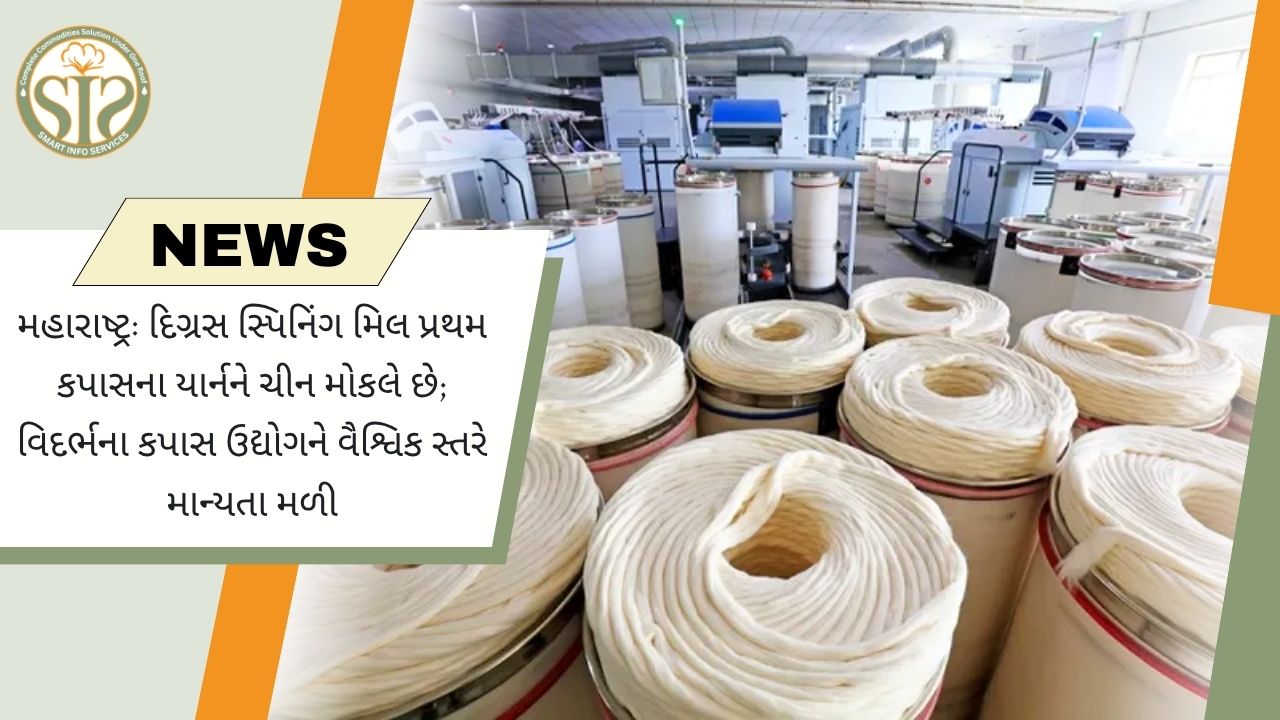
મહારાષ્ટ્ર: દિગ્રસ સ્પિનિંગ મિલ પ્રથમ કપાસના યાર્નને ચીન મોકલે છે; વિદર્ભના કપાસ ઉદ્યોગને વૈશ્વિક સ્તરે માન્યતા મળીમહારાષ્ટ્રના વિદર્ભ ક્ષેત્રમાં આવેલી 'રામદાસ આઠવલે પછાત વર્ગના કપાસ ઉત્પાદકો સહકારી સ્પિનિંગ મિલ'એ ચીનમાં કપાસના યાર્નની પ્રથમ નિકાસ કરીને આંતરરાષ્ટ્રીય બજારમાં પ્રવેશ કર્યો છે. દિગ્રસ સ્થિત આ સહકારી સ્પિનિંગ મિલમાં ઉત્પાદિત ઉચ્ચ-ગુણવત્તાવાળા યાર્નને ચીની બજારમાં સ્વીકૃતિ મળ્યા બાદ પ્રથમ કન્ટેનર દરિયાઈ માર્ગે મોકલવામાં આવ્યું હતું. વિદર્ભના કપાસ પ્રક્રિયા ઉદ્યોગ અને સ્થાનિક ખેડૂતો માટે આ એક મહત્વપૂર્ણ સીમાચિહ્નરૂપ માનવામાં આવી રહ્યું છે.2019 માં નોંધાયેલ, સહકારી સ્પિનિંગ મિલ 2025 માં વ્યાપારી ઉત્પાદન શરૂ કર્યું. ટૂંકા ગાળામાં, તેણે ઉચ્ચ-ગુણવત્તાવાળા યાર્નના ઉત્પાદન દ્વારા રાજ્યની અગ્રણી સહકારી સ્પિનિંગ મિલોમાં પોતાને સ્થાપિત કરી લીધું છે. આ સંસ્થા છેલ્લા દાયકામાં નોંધાયેલ સહકારી સ્પિનિંગ મિલોમાં પ્રથમ હોવાનો દાવો કરે છે જેણે સફળતાપૂર્વક ઉત્પાદન શરૂ કર્યું અને બજારમાં તેની હાજરી નોંધાવી.નિકાસ પહેલાં, ચીની નિષ્ણાતોની એક ટીમે મિલમાં ઉત્પાદિત યાર્ન પર વિગતવાર તકનીકી પરીક્ષણો કર્યા. ચીની બજારમાં નિકાસ માટે મંજૂરી ત્યારે જ આપવામાં આવી જ્યારે ઉત્પાદન તમામ આંતરરાષ્ટ્રીય ધોરણો પૂર્ણ કરે. મિલના સ્થાપક-અધ્યક્ષ મિલિંદ માનકરે જણાવ્યું હતું કે દિગ્રાસમાં ઉત્પાદિત યાર્ન હવે અન્ય દેશોમાંથી પણ માંગ આકર્ષી રહ્યું છે, જે ભવિષ્યમાં નિકાસમાં સંભવિત વધારો દર્શાવે છે.મિલના ચેરમેન મહેન્દ્ર માનકરના જણાવ્યા મુજબ, આધુનિક સ્વચાલિત મશીનરી, અનુભવી ટેકનિકલ ટીમ, કાર્યક્ષમ સંચાલન અને સ્ટાફની મહેનત દ્વારા આંતરરાષ્ટ્રીય ગુણવત્તાવાળા યાર્નનું ઉત્પાદન શક્ય બન્યું છે. તેમણે નોંધ્યું હતું કે કોવિડ-૧૯ રોગચાળા જેવા પડકારો છતાં પ્રોજેક્ટ સફળતાપૂર્વક પૂર્ણ થયો અને ઉત્પાદન શરૂ થયું.મુખ્યમંત્રી દેવેન્દ્ર ફડણવીસ, કેન્દ્રીય મંત્રી રામદાસ આઠવલે અને પાલક મંત્રી સંજય રાઠોડના સમર્થનથી આ પ્રોજેક્ટ સાકાર થયો. પ્રથમ નિકાસ કન્ટેનર મોકલતા પહેલા મિલ પરિસરમાં ઔપચારિક *પૂજા* (સમારોહ) યોજાઈ હતી, જેમાં ડિરેક્ટર બોર્ડ, અધિકારીઓ અને સ્ટાફ હાજર રહ્યા હતા.મિલ છેલ્લા 18 મહિનામાં આશરે 5,500 ટન કપાસ યાર્નનું ઉત્પાદન કરી ચૂકી છે. તેની પાસે 25,000 સ્પિન્ડલની મંજૂર ક્ષમતા છે, જેમાંથી 16,500 હાલમાં કાર્યરત છે. આ મિલ દરરોજ 10 થી 12 ટન યાર્નનું ઉત્પાદન કરે છે. મેનેજમેન્ટ માને છે કે ચીનમાં આ પ્રારંભિક નિકાસ ભવિષ્યમાં નવા આંતરરાષ્ટ્રીય બજારોમાં પ્રવેશનો માર્ગ મોકળો કરશે, જેનાથી વિદર્ભના કપાસ ઉગાડતા ખેડૂતો અને પ્રદેશના કાપડ ઉદ્યોગ બંને માટે લાંબા ગાળાના લાભ થશે.વધુ વાંચો :- CCIએ કોટન કેન્ડીના ભાવમાં ₹800નો વધારો કર્યો, સાપ્તાહિક હરાજી 3.18 લાખ ગાંઠે પહોંચી
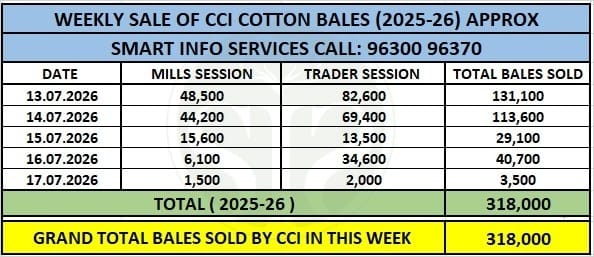
સાપ્તાહિક હરાજી ૩.૧૮ લાખ ગાંસડીને સ્પર્શી જતાં CCI એ કોટન કેન્ડીના ભાવમાં ₹૮૦૦નો વધારો કર્યોકોટન કોર્પોરેશન ઓફ ઇન્ડિયા (CCI) એ ૧૭ જુલાઈ, ૨૦૨૬ ના રોજ પૂરા થયેલા સપ્તાહ દરમિયાન કપાસના વેચાણ ભાવમાં પ્રતિ કેન્ડી ₹૮૦૦નો વધારો કર્યો. હરાજીમાં કાપડ મિલો અને કપાસના વેપારીઓની મજબૂત ભાગીદારી જોવા મળી, જેના પરિણામે ૨૦૨૫-૨૬ પાક સિઝન દરમિયાન કુલ સાપ્તાહિક વેચાણ લગભગ ૩,૧૮,૦૦૦ ગાંસડી થયું.દિવસવાર હરાજીનું પ્રદર્શન૧૩ જુલાઈ, ૨૦૨૬ (સોમવાર):સપ્તાહની શરૂઆત મજબૂત નોંધ સાથે થઈ, જેમાં સૌથી વધુ ૧,૩૧,૧૦૦ ગાંસડીનું હરાજી વેચાણ થયું. મિલોએ ૪૮,૫૦૦ ગાંસડી ખરીદી, જ્યારે વેપારીઓએ ૮૨,૬૦૦ ગાંસડી ઉપાડી.૧૪ જુલાઈ, ૨૦૨૬ (મંગળવાર):CCI હરાજીનું વેચાણ ૧,૧૩,૬૦૦ ગાંસડી રહ્યું. મિલોએ 44,200 ગાંસડી ખરીદી હતી, જ્યારે વેપારીઓએ 69,400 ગાંસડી ઉપાડી હતી.15 જુલાઈ, 2026 (બુધવાર):હરાજી પ્રવૃત્તિ મધ્યમ રહી, કુલ 29,100 ગાંસડી વેચાણ થયું. મિલોએ 15,600 ગાંસડી ખરીદી હતી, જ્યારે વેપારીઓએ 13,500 ગાંસડી ખરીદી હતી.16 જુલાઈ, 2026 (ગુરુવાર):CCI એ દિવસ દરમિયાન કુલ 40,700 ગાંસડી વેચાણ નોંધાવ્યું હતું. મિલોએ 6,100 ગાંસડી ખરીદી હતી, જ્યારે વેપારીઓએ 34,600 ગાંસડી ઉપાડી હતી.17 જુલાઈ, 2026 (શુક્રવાર):સપ્તાહ 3,500 ગાંસડીના વેચાણ સાથે સમાપ્ત થયો. મિલોએ 1,500 ગાંસડી ખરીદી હતી, જ્યારે વેપારીઓએ 2,000 ગાંસડી ખરીદી હતી.સંચિત વેચાણ અપડેટનવીનતમ હરાજી સાથે, 2025-26 સીઝન માટે CCI નું કુલ કપાસનું વેચાણ 85,04,800 ગાંસડી સુધી પહોંચી ગયું છે.વધુ વાંચો :- વૈશ્વિક કપાસ બજારની તેજીને બ્રાઝિલના વધતા ઉત્પાદનથી પડકાર, 2027 પર નજર
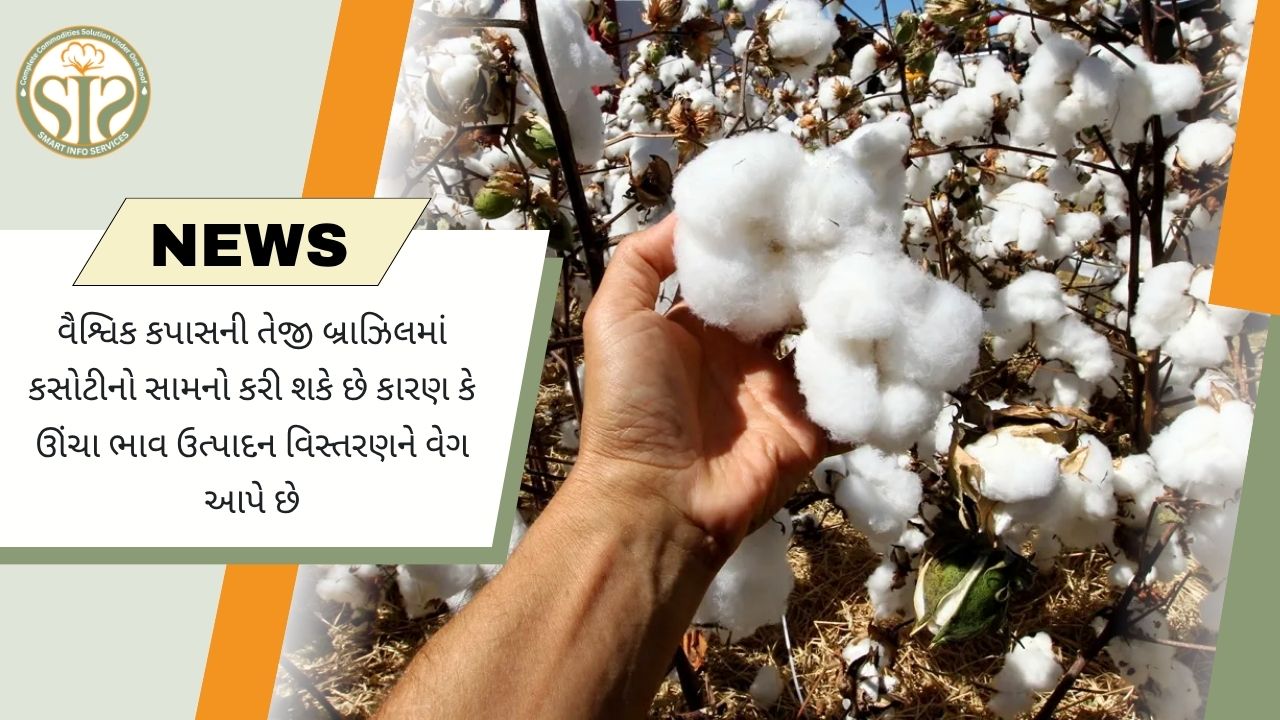
વૈશ્વિક કપાસની તેજી બ્રાઝિલમાં કસોટીનો સામનો કરી શકે છે કારણ કે ઊંચા ભાવ ઉત્પાદન વિસ્તરણને વેગ આપે છેબે વર્ષના નબળા વળતર પછી વૈશ્વિક કપાસના ભાવમાં સુધારો થઈ રહ્યો છે કારણ કે મુખ્ય નિકાસકાર દેશોમાં સુમેળમાં ઉત્પાદન ઘટવાથી પુરવઠો કડક બને છે અને આયાત માંગમાં સુધારો બજારના સેન્ટિમેન્ટને ટેકો આપે છે. જ્યારે 2026 ના બીજા ભાગમાં સકારાત્મક વલણ રહે છે, ત્યારે વિશ્લેષકો કહે છે કે આગામી પુરવઠા ચક્ર - ખાસ કરીને બ્રાઝિલમાં - તેજી ટકાઉ રહેશે કે નહીં તે નક્કી કરી શકે છે.સ્ટોનએક્સ બ્રાઝિલના માર્કેટ ઇન્ટેલિજન્સ વિશ્લેષક રાફેલ બુલાસ્કોચીએ જણાવ્યું હતું કે વર્તમાન બજારને મુખ્ય નિકાસકારોમાં ઘટાડેલા ઉત્પાદનથી ફાયદો થઈ રહ્યો છે, પરંતુ ચેતવણી આપી હતી કે ધ્યાન પહેલાથી જ 2027 પાક ચક્ર તરફ વળી રહ્યું છે. "2026 ના બીજા ભાગમાં આધારભૂત કેસ રચનાત્મક છે," તેમણે કહ્યું, "2026 ના બીજા ભાગમાં આધારભૂત કેસ રચનાત્મક છે," તેમણે ઉમેર્યું કે ઊંચા ભાવોની લાંબા ગાળાની ટકાઉપણું અંગે પ્રશ્નો રહે છે.વિશ્વનો સૌથી મોટો કપાસ નિકાસકાર બ્રાઝિલ, ભવિષ્યના પુરવઠાને આકાર આપવામાં મુખ્ય ભૂમિકા ભજવે તેવી અપેક્ષા છે. બુલાસ્કોચીના મતે, સુધારેલ નફાકારકતા કપાસને બીજા પાકના મકાઈ કરતાં વધુ આકર્ષક વિકલ્પ બનાવી રહી છે, જે ખેડૂતોને વર્તમાન ભાવ પ્રોત્સાહનો ચાલુ રહે તો વાવેતર વિસ્તાર વધારવા માટે પ્રોત્સાહિત કરે છે. બ્રાઝિલના ઊંચા ઉત્પાદનથી આજના કડક વૈશ્વિક પુરવઠાને ધીમે ધીમે સરભર કરી શકાય છે અને બજારની ગતિશીલતાને ફરીથી આકાર આપી શકાય છે.વેપારીઓ વર્તમાન ઇન્વેન્ટરી કરતાં દક્ષિણ ગોળાર્ધના વાવેતરના નિર્ણયો પર વધુને વધુ ધ્યાન કેન્દ્રિત કરી રહ્યા હોવાથી, બ્રાઝિલનો ઉત્પાદન પ્રતિભાવ વૈશ્વિક કપાસ બજાર માટે મુખ્ય પરિબળોમાંના એક તરીકે ઉભરી રહ્યો છે. વાવેતર વિસ્તારમાં મજબૂત વિસ્તરણ 2027 દરમિયાન પુરવઠાની ચિંતાઓને હળવી કરી શકે છે, જ્યારે મર્યાદિત વૃદ્ધિ બજારને લાંબા સમય સુધી ટેકો આપશે.વધુ વાંચો :- રૂપિયો 01 પૈસા વધીને 96.28 પર બંધ થયો

શુક્રવારે, ભારતીય રૂપિયો 01 પૈસા વધીને 96.29 પર ખુલ્યો અને 96.28 પર બંધ થયો, જે ટ્રેડિંગ સત્ર માટે 01 પૈસાનો વધારો દર્શાવે છે.બંધ સમયે, સેન્સેક્સ 964.58 પોઈન્ટ અથવા 1.25 ટકા વધીને 78,151.45 પર અને નિફ્ટી 261.55 પોઈન્ટ અથવા 1.09 ટકા વધીને 24,334.30 પર બંધ થયો. લગભગ 1632 શેર વધ્યા, 2419 શેર ઘટ્યા અને 175 શેર યથાવત રહ્યા.વધુ વાંચો :- ICAR-SBI 2030 સુધી પિંક બોલવર્મ સામે અસરકારક નવા જિનવાળા કપાસના બીજ લાવશે
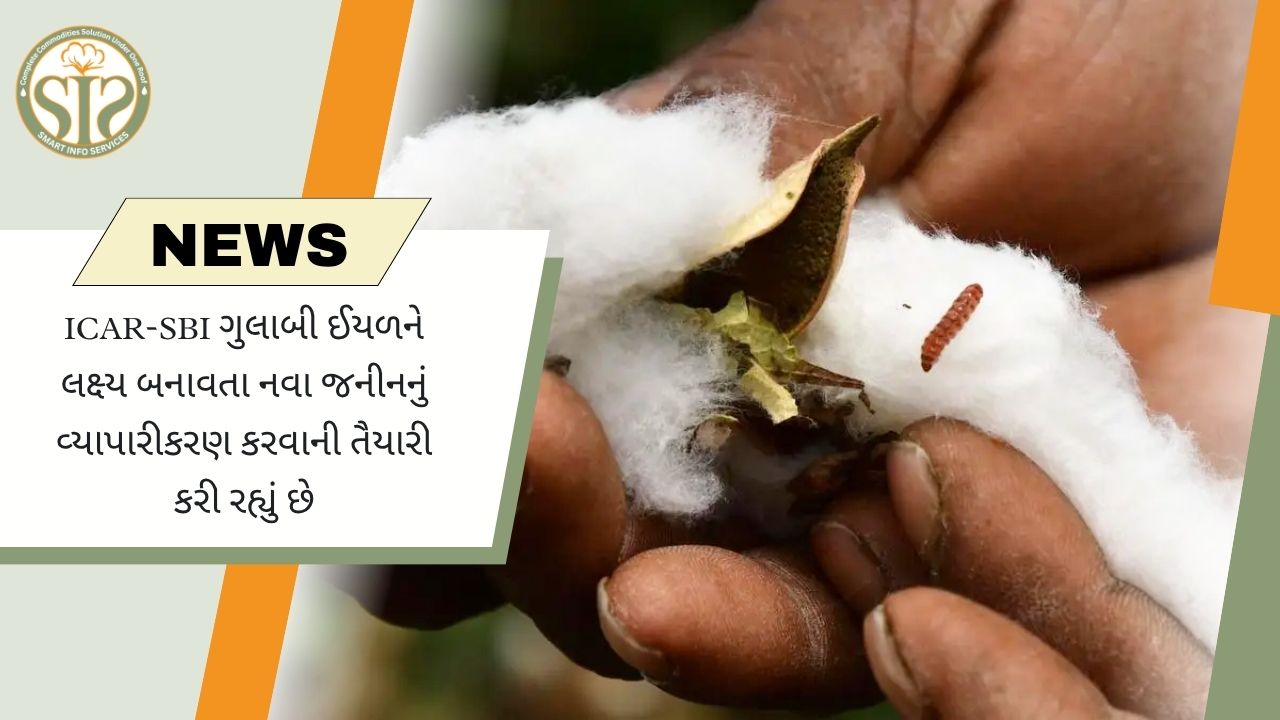
ICAR-SBI ગુલાબી ઈયળને લક્ષ્ય બનાવતા નવા જનીનનું વ્યાપારીકરણ કરવાની તૈયારી કરી રહ્યું છેકોઈમ્બતુર સ્થિત ICAR-શેરડી સંવર્ધન સંસ્થા (ICAR-SBI) એ ગુલાબી ઈયળ સામે અસરકારક એવા નવા શોધાયેલા ક્રિસ્ટલ ટોક્સિન જનીનનું વ્યાપારીકરણ કરવા તરફ એક મહત્વપૂર્ણ પગલું ભર્યું છે. સંસ્થા જાહેર-ખાનગી ભાગીદારી (PPP) મોડેલ હેઠળ ટ્રાન્સજેનિક કપાસ હાઇબ્રિડ વિકસાવવા અને 2030 સુધીમાં ખેડૂતોને વ્યાપારી બીજ ઉપલબ્ધ કરાવવાની યોજના પર કામ કરી રહી છે.ગુલાબી ઈયળ ભારતમાં બોલગાર્ડ II કપાસની ખેતી માટે સૌથી મોટા પડકારોમાંના એક તરીકે ઉભરી આવ્યું છે. આનો સામનો કરવા અને કપાસના ઉત્પાદનને વધારવા અને વાવેતરના વાવેતર વિસ્તારમાં ઘટાડાને રોકવા માટે, ICAR-SBI ના વૈજ્ઞાનિકોએ 15 વર્ષથી વધુ સંશોધન પછી *બેસિલસ થુરિંગિએન્સિસ* માંથી એક નવા ક્રિસ્ટલ ટોક્સિન જનીનને સફળતાપૂર્વક અલગ કર્યું છે.ઇન્સ્ટિટ્યૂટના ડિરેક્ટર પી. ગોવિંદરાજે જણાવ્યું હતું કે નવા શોધાયેલા જનીનોમાંથી એક ગુલાબી ઈયળની વસ્તી સામે પણ અસરકારક સાબિત થયું છે જેમણે બોલગાર્ડ II ટેકનોલોજી સામે પ્રતિકાર વિકસાવ્યો છે. તેમણે નોંધ્યું કે આ શોધ ભવિષ્યમાં વધુ ટકાઉ અને જીવાત પ્રતિરોધક કપાસની જાતો વિકસાવવામાં મહત્વપૂર્ણ ભૂમિકા ભજવી શકે છે.સંસ્થાના મુખ્ય વૈજ્ઞાનિક બી. સિંગારાવેલુએ જણાવ્યું હતું કે આ ઉચ્ચ-મૂલ્યની ટેકનોલોજીને આગળ વધારવા અને સંશોધનના તારણો ઝડપથી ખેડૂતો સુધી પહોંચાડવા માટે ખાનગી ક્ષેત્ર સાથે ભાગીદારી સ્થાપિત કરવામાં આવશે.આ સંદર્ભમાં, નવી દિલ્હીમાં કેન્દ્રીય કૃષિ અને ખેડૂત કલ્યાણ અને ગ્રામીણ વિકાસ મંત્રી શિવરાજ સિંહ ચૌહાણની હાજરીમાં ICAR-SBI અને રાસી સીડ્સ વચ્ચે એક સમજૂતી કરાર (MoU)નું વિનિમય કરવામાં આવ્યું હતું. આ ભાગીદારીનો હેતુ આ નવી ટેકનોલોજી પર આધારિત ટ્રાન્સજેનિક કપાસ હાઇબ્રિડ વિકસાવવા અને તેમને વ્યાપારી સ્તરે ઉપલબ્ધ કરાવવાનો છે. વધુ વાંચો :- 2026માં ભારત અમેરિકન કપાસનો મોટો ખરીદદાર બની શકે છે: USDA

ભારત આ વર્ષે યુએસ કપાસનો મુખ્ય ખરીદદાર બની શકે છેયુએસને અપેક્ષા છે કે ભારત 2026 સુધીમાં તેના કપાસનો મુખ્ય આયાતકાર તરીકે ઉભરી આવશે. નેશનલ કોટન કાઉન્સિલ ઓફ અમેરિકાના પ્રમુખ અને સીઈઓ ગેરી એડમ્સે જણાવ્યું હતું કે ભારત હાલમાં યુએસ કપાસ માટે ચોથા સૌથી મોટા બજારના સ્થાન માટે સ્પર્ધા કરી રહ્યું છે. તેમનું માનવું છે કે ભારતમાં કપાસના વાવેતર વિસ્તાર ઘટતા જવા અને ચોમાસાને લગતી અનિશ્ચિતતાઓને કારણે આયાત માંગમાં વધુ વધારો થઈ શકે છે.યુએસ ડિપાર્ટમેન્ટ ઓફ એગ્રીકલ્ચર (યુએસડીએ) એ તેના તાજેતરના અહેવાલ, *કોટન: વર્લ્ડ માર્કેટ્સ એન્ડ ટ્રેડ* માં, 2025-26 સીઝન માટે ભારતની કપાસની આયાતનો અંદાજ 5.69 મિલિયન ગાંસડી સુધી વધારી દીધો છે, જે અગાઉના અંદાજ 5.318 મિલિયન ગાંસડીથી વધુ છે. દરમિયાન, કોટન એસોસિએશન ઓફ ઈન્ડિયા (CAI) એ 6.0-6.5 મિલિયન ગાંસડીની રેન્જમાં આયાતનો અંદાજ મૂક્યો છે. લાંબા-મુખ્ય કપાસ પર 11 ટકા આયાત ડ્યુટીને સરકાર દ્વારા કામચલાઉ રીતે દૂર કરવાથી પણ આયાતમાં વધારો થવાની ધારણા છે.એડમ્સે નોંધ્યું હતું કે ગયા વર્ષે વિયેતનામ યુએસ કપાસનો સૌથી મોટો ખરીદદાર હતો, જ્યારે બાંગ્લાદેશનો કાપડ ઉદ્યોગ મજબૂત માંગ જાળવી રાખે છે. તેનાથી વિપરીત, યુએસ-ચીન વેપાર તણાવને કારણે ચીનમાં યુએસ કપાસની માંગ નબળી રહી છે.યુએસડીએનો અંદાજ છે કે 2026-27 સીઝનમાં વૈશ્વિક કપાસનો વપરાશ 1.5 થી 2 ટકા વધી શકે છે. જોકે, વધતી જતી ઊર્જા અને ક્રૂડ તેલની કિંમતો ઉદ્યોગ માટે ચિંતાનો વિષય છે. તેલના ઊંચા ભાવે કૃત્રિમ રેસાઓ વધુ મોંઘા બનાવ્યા છે, જેના કારણે કુદરતી રેસાઓ, ખાસ કરીને કપાસની માંગને ટેકો મળ્યો છે.એડમ્સે જણાવ્યું હતું કે ખાતરો, બળતણ, રસાયણો અને મજૂરીના વધતા ખર્ચને કારણે છેલ્લા બે થી ત્રણ વર્ષમાં યુએસમાં કપાસના ઉત્પાદન ખર્ચમાં આશરે 20 ટકાનો વધારો થયો છે. વધુમાં, યુએસ કોટન બેલ્ટમાં દુષ્કાળની સ્થિતિ ઉત્પાદનને અસર કરી શકે છે.તેમણે ઉમેર્યું હતું કે માઇક્રોપ્લાસ્ટિક અંગે વધતી જાગૃતિને કારણે ગ્રાહકો કુદરતી રેસાઓ તરફ પાછા ફરી રહ્યા છે. કપાસ અને કાપડ ક્ષેત્રોમાં યુએસ અને ભારત વચ્ચે સહયોગની અપાર સંભાવનાઓ છે, અને આગામી વર્ષોમાં બંને દેશો વચ્ચે વેપાર વધુ મજબૂત થવાની અપેક્ષા છે.વધુ વાંચો :- રૂપિયો 6 પૈસા વધીને 96.29 પર ખુલ્યો

અમેરિકી ડોલર સામે રૂપિયો 6 પૈસા મજબૂત થઈને 96.29 પર ખુલ્યોશુક્રવારે, ભારતીય રૂપિયો ડોલર સામે 6 પૈસા વધીને 96.29 પર ખુલ્યો, જે ગુરુવારે તેના અગાઉના બંધ 96.35 ની સરખામણીમાં હતો.શેરબજાર લાઈવ અપડેટ્સ: શુક્રવારે ભારતીય ઇક્વિટી બેન્ચમાર્કમાં નરમાઈ જોવા મળી કારણ કે વેપારીઓ યુએસ-ઈરાન તણાવનું મૂલ્યાંકન કરી રહ્યા છે. ખુલતા સમયે, સેન્સેક્સ 200 પોઈન્ટથી વધુ વધ્યો હતો જ્યારે નિફ્ટી 50 પોઈન્ટ વધ્યો હતો.વધુ વાંચો :- ભારત ટેક્સ 2026માં આંધ્ર પ્રદેશને ₹4,100 કરોડના ટેક્સટાઇલ રોકાણના વચનો મળ્યા
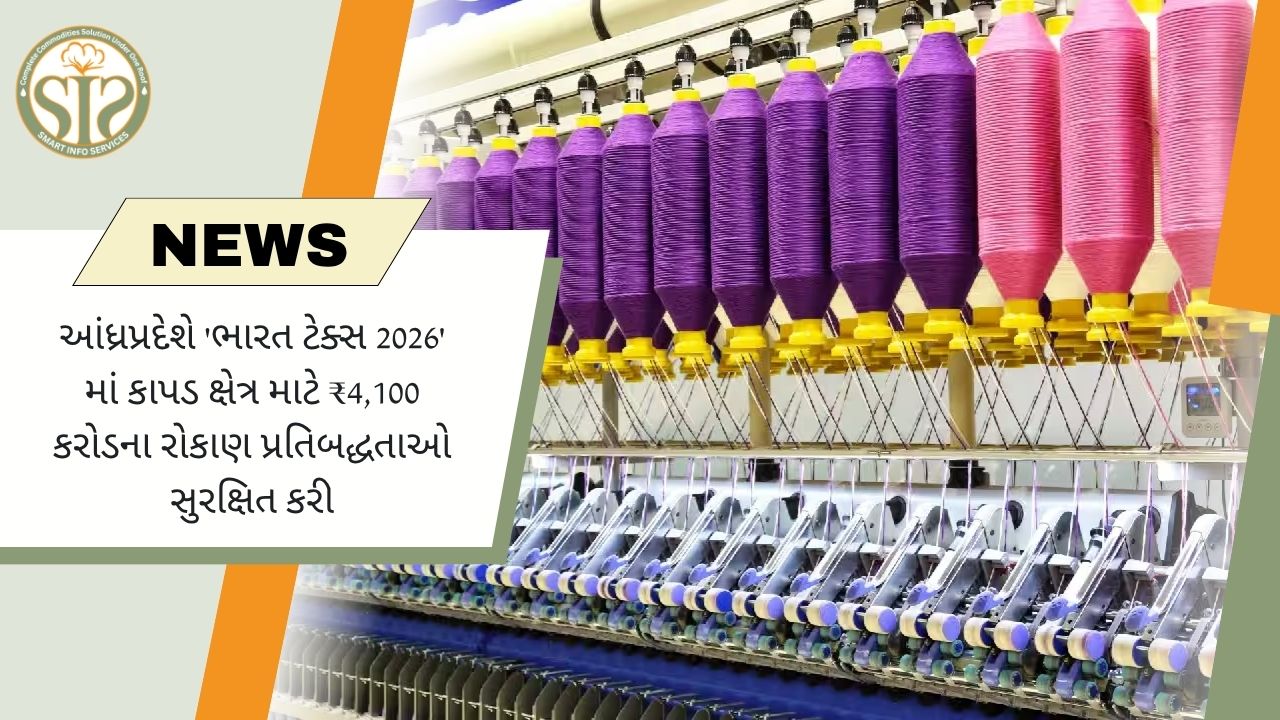
આંધ્રપ્રદેશે 'ભારત ટેક્સ 2026' માં કાપડ ક્ષેત્ર માટે ₹4,100 કરોડના રોકાણ પ્રતિબદ્ધતાઓ સુરક્ષિત કરીનવી દિલ્હી: આંધ્રપ્રદેશે 'ભારત ટેક્સ 2026' કાર્યક્રમમાં કાપડ પ્રોજેક્ટ્સ માટે કુલ ₹4,100 કરોડના રોકાણ પ્રતિબદ્ધતાઓ સુરક્ષિત કરી છે. નવી દિલ્હીના ભારત મંડપમ ખાતે આયોજિત કાર્યક્રમના બીજા દિવસે બે સમજૂતી કરાર (MoU) પર હસ્તાક્ષર કરવામાં આવ્યા હતા.આ કરારો આંધ્રપ્રદેશના હેન્ડલૂમ અને ટેક્સટાઇલ કમિશનર જી. રેખા રાનીની દેખરેખ હેઠળ અમલમાં મૂકવામાં આવ્યા હતા. આ પહેલ રાજ્ય સરકારના રોકાણ આકર્ષવા અને કાપડ અને કપડા ઉદ્યોગને મજબૂત બનાવવાના પ્રયાસોનો એક ભાગ છે.એક કરારમાં વિશાખાપટ્ટનમમાં ₹4,000 કરોડ સુધીના રોકાણ સાથે ટકાઉ કાપડ રિસાયક્લિંગ સુવિધા સ્થાપિત કરવાનો પ્રસ્તાવ છે. બીજા કરારમાં ₹100 કરોડના રોકાણ સાથે કાપડ ઉત્પાદન એકમ સ્થાપવાનો સમાવેશ થાય છે. આ એકમ લગભગ 3,000 લોકો માટે પ્રત્યક્ષ અને પરોક્ષ રોજગારીનું સર્જન કરશે તેવી અપેક્ષા છે.દરમિયાન, કેન્દ્રીય કાપડ મંત્રી ગિરિરાજ સિંહે 'લેપાક્ષી હેન્ડીક્રાફ્ટ્સ' સ્ટોલનું ઉદ્ઘાટન કર્યું. આ સ્ટોલ આંધ્ર પ્રદેશના સમૃદ્ધ હેન્ડલૂમ વારસા, હસ્તકલા, કાપડ ક્ષમતાઓ અને રોકાણની સંભાવના દર્શાવે છે. કેન્દ્રીય કાપડ મંત્રાલય દ્વારા આયોજિત, 'ભારત ટેક્સ 2026' ઇવેન્ટ 17 જુલાઈ સુધી ચાલુ રહેશે.રાજ્યસભાના સભ્ય વી. વિજયેન્દ્ર પ્રસાદે આંધ્ર પ્રદેશ પેવેલિયનની મુલાકાત લીધી અને ટિપ્પણી કરી કે રાજ્યના હેન્ડલૂમ ક્ષેત્ર આંતરરાષ્ટ્રીય બજારોમાં નોંધપાત્ર સંભાવના ધરાવે છે. તેમણે કુશળ વણકરોને વૈશ્વિક ખરીદદારો સાથે સીધા જોડાઈ શકે તે માટે વર્ચ્યુઅલ રિયાલિટી (VR) જેવી નવી તકનીકો અપનાવવાની જરૂરિયાત પર ભાર મૂક્યો.તેમણે ભારતીય ડાયસ્પોરા અને વિદેશી ગ્રાહકો, ખાસ કરીને યુનાઇટેડ સ્ટેટ્સમાં, અધિકૃત, હસ્તકલા અને સાંસ્કૃતિક રીતે મહત્વપૂર્ણ ઉત્પાદનોની વધતી માંગ પર પણ પ્રકાશ પાડ્યો. તેમણે જણાવ્યું હતું કે આંધ્ર પ્રદેશ હેન્ડલૂમ અને કાપડ ઉત્પાદનો માટે એક મુખ્ય વૈશ્વિક સોર્સિંગ હબ તરીકે ઉભરી આવવા માટે સારી સ્થિતિમાં છે.લેપાક્ષી હસ્તકલા વિકાસ નિગમના અધ્યક્ષ પશુપુલેતી હરિ પ્રસાદે આંધ્રપ્રદેશના પરંપરાગત હાથવણાટ વારસાને તેના આધુનિક કાપડ અને ગારમેન્ટ ઉદ્યોગ સાથે પ્રદર્શિત કરવા બદલ હાથવણાટ અને કાપડ વિભાગની પ્રશંસા કરી. તેમણે નોંધ્યું કે મુખ્યમંત્રી એન. ચંદ્રબાબુ નાયડુના નેતૃત્વ હેઠળ, રાજ્ય સરકાર રોકાણ-મૈત્રીપૂર્ણ નીતિઓ અને માળખાગત વિકાસ દ્વારા આ ક્ષેત્રના વિકાસને વેગ આપવા માટે પ્રતિબદ્ધ છે. હોલ નંબર 9 માં આંધ્રપ્રદેશ પેવેલિયન હેન્ડલૂમ, કાપડ, ફેબ્રિક અને ગારમેન્ટ ઉત્પાદનોની શ્રેણી પ્રદર્શિત કરે છે. તેમાં ગુંટુર ટેક્સટાઇલ પાર્ક, તારકેશ્વર ટેક્સટાઇલ પાર્ક, હરીશ ફેશન્સ, એપીસીઓ અને મેજિક વીવ્સ જેવા સંગઠનો અને ટેક્સટાઇલ પાર્કમાંથી જીઆઈ-ટેગવાળી અને 'વન ડિસ્ટ્રિક્ટ વન પ્રોડક્ટ' (ઓડીઓપી) વસ્તુઓ પણ છે.એપેરલ એક્સપોર્ટ પ્રમોશન કાઉન્સિલ (એઇપીસી) ના પ્રતિનિધિઓએ પણ કાપડ એમએસએમઇ માટે નિકાસ અંગે જાગૃતિ અને ક્ષમતા નિર્માણ કાર્યક્રમોમાં સહયોગ કરવામાં રસ દર્શાવ્યો હતો.અધિકારીઓએ જણાવ્યું હતું કે 'ભારત ટેક્સ 2026' માં રાજ્યની ભાગીદારીથી નવા રોકાણો આકર્ષિત થવાની, નિકાસ સંબંધો મજબૂત થવાની અને વૈશ્વિક બજારોમાં પહોંચ વધારવાની અપેક્ષા છે. આંધ્રપ્રદેશ ૧૫,૦૦૦ થી વધુ કાપડ MSME, ૧૪૦ થી વધુ મોટા કાપડ એકમો અને આશરે ૩૫,૦૦૦ પાવર લૂમ્સનું ઘર છે, જેની કાપડ નિકાસ આશરે ૪૪૪ મિલિયન યુએસ ડોલર જેટલી છે.વધુ વાંચો :- ભારત-યુકે વેપાર કરાર અમલમાં, નિકાસને વેગ અને આયાત થશે સસ્તી

ભારત-યુકે વેપાર કરાર શરૂ: સસ્તી આયાત, મોટી નિકાસ તકોભારત અને યુનાઇટેડ કિંગડમે તેમના વ્યાપક આર્થિક અને વેપાર કરાર (CETA) ને સત્તાવાર રીતે અમલમાં મૂક્યો છે, જે દ્વિપક્ષીય આર્થિક સંબંધોમાં એક મુખ્ય સીમાચિહ્નરૂપ છે. બુધવારથી અમલમાં આવેલ આ કરાર હજારો ઉત્પાદનો પરના ટેરિફને દૂર કરે છે અથવા ઘટાડે છે, જેનાથી ઘણી વસ્તુઓ સસ્તી બને છે અને બંને દેશોમાં વ્યવસાયો અને વ્યાવસાયિકો માટે નવી તકો ખુલે છે.કરાર હેઠળ, યુકેએ લગભગ તમામ ભારતીય નિકાસ પરના ડ્યુટી દૂર કર્યા છે, જેનાથી કાપડ, ચામડું, ફૂટવેર, દરિયાઈ ઉત્પાદનો, રત્નો અને ઝવેરાત, એન્જિનિયરિંગ માલ, રસાયણો અને પ્રોસેસ્ડ ફૂડ જેવા ક્ષેત્રોને બ્રિટિશ બજારમાં ડ્યુટી-મુક્ત પ્રવેશ મળે છે. ભારતીય મસાલા, ફળો અને શાકભાજી પણ યુકેમાં વધુ સ્પર્ધાત્મક બનવાની અપેક્ષા છે.ભારતીય ગ્રાહકો માટે, વ્હિસ્કી, ચોકલેટ, કોસ્મેટિક્સ, સોફ્ટ ડ્રિંક્સ, લેમ્બ, પ્રીમિયમ ઓટોમોબાઇલ્સ, તબીબી ઉપકરણો અને ઓપ્ટિકલ સાધનો સહિત આયાતી બ્રિટિશ ઉત્પાદનો વધુ સસ્તું બનવાની તૈયારીમાં છે કારણ કે ટેરિફ તબક્કાવાર ઘટાડવામાં આવે છે.આ કરાર IT, નાણાકીય સેવાઓ, આરોગ્યસંભાળ, શિક્ષણ, એન્જિનિયરિંગ અને કન્સલ્ટન્સીમાં તકોને વધારીને સેવાઓમાં વેપારને પણ મજબૂત બનાવે છે. યુકેમાં કામચલાઉ ધોરણે કામ કરતા ભારતીય વ્યાવસાયિકોને પાંચ વર્ષ સુધી રાષ્ટ્રીય વીમા યોગદાન ચૂકવવામાંથી મુક્તિ આપવામાં આવશે.યુકે સરકારના જણાવ્યા અનુસાર, ભારત 90% ટેરિફ લાઇન પરના ટેરિફ ઘટાડશે અથવા દૂર કરશે, જ્યારે બ્રિટને 97.7% વેપારને આવરી લેતી 96.8% ટેરિફ લાઇન પરની ડ્યુટી દૂર કરી છે. જોકે, મરઘાં, ઇંડા, ખાંડ અને ડેરી જેવા સંવેદનશીલ ક્ષેત્રો કરારના અવકાશની બહાર રહે છે.ભારત-યુકે વેપાર કરાર રોકાણને વધુ ગાઢ બનાવશે, બજારની પહોંચનો વિસ્તાર કરશે અને આર્થિક સહયોગને મજબૂત બનાવશે તેવી અપેક્ષા છે, જે તેને તાજેતરના વર્ષોમાં બંને રાષ્ટ્રો વચ્ચેના સૌથી મહત્વપૂર્ણ દ્વિપક્ષીય વેપાર કરારોમાંનો એક બનાવશે.વધુ વાંચો :- અમેરિકન ટેરિફ ચર્ચા અને વધતા શિપિંગ ખર્ચથી ભારતીય ટેક્સટાઇલ નિકાસકારો પર દબાણ

યુએસ ટેરિફ વાટાઘાટો અને વધતા શિપિંગ ખર્ચ ભારતીય કાપડ નિકાસકારો માટે પડકારો ઉભા કરે છેભારતીય કાપડ અને ગાર્મેન્ટ નિકાસકારો હાલમાં યુએસ સાથે ટેરિફ વાટાઘાટો અને પશ્ચિમ એશિયામાં વધતા ભૂ-રાજકીય તણાવને કારણે અનિશ્ચિતતાનો સામનો કરી રહ્યા છે. માંગ સ્થિર રહે છે, ત્યારે વૈશ્વિક ખરીદદારો વેપાર નીતિ અંગે સ્પષ્ટતા ન થાય ત્યાં સુધી મોટા, લાંબા ગાળાના ઓર્ડર ટાળી રહ્યા છે. તેના બદલે, જોખમ ઘટાડવા માટે, તેઓ નાના, વારંવાર ઓર્ડર આપી રહ્યા છે - એક પરિવર્તન જે ભારતીય નિકાસકારો માટે કાર્યકારી ખર્ચ અને જટિલતામાં વધારો કરી શકે છે.સંભવિત યુએસ ટેરિફ ફ્રેમવર્ક અંગે આ મહિનાના અંતમાં યોજાનારી ચર્ચાઓ ઉદ્યોગ માટે મહત્વપૂર્ણ માનવામાં આવે છે. વેપાર નીતિની પરિસ્થિતિ સ્પષ્ટ ન થાય ત્યાં સુધી, રોકાણકારોએ એવી કંપનીઓ પર નજીકથી નજર રાખવી જોઈએ જે તેમના વ્યવસાયનો નોંધપાત્ર હિસ્સો યુએસ બજારમાંથી મેળવે છે.કપાસના ભાવમાં વધારો માર્જિન પર દબાણ લાવે છેકાચા માલના ખર્ચ કાપડ ઉદ્યોગની નફાકારકતામાં મુખ્ય ભૂમિકા ભજવે છે. થોડા સમય માટે સ્થિર રહ્યા પછી, કપાસના ભાવ ફરી વધ્યા છે. ૧૪ જુલાઈ, ૨૦૨૬ સુધીમાં, ગુજરાતમાં બેન્ચમાર્ક ૨૯ મીમી કપાસનો હાજર ભાવ આશરે ₹૬૫,૦૦૦ પ્રતિ કેન્ડી હતો, જ્યારે ૨૮ મીમી કપાસનો ભાવ ₹૬૪,૨૦૦ પ્રતિ કેન્ડી હતો.આંતરરાષ્ટ્રીય બજારમાં ઇન્ટરકોન્ટિનેન્ટલ એક્સચેન્જ (ICE) પર કપાસના વાયદાના ભાવમાં પણ વધારો થયો છે, જે જુલાઈના બીજા સપ્તાહ દરમિયાન ૬% થી વધુનો વધારો દર્શાવે છે. કાચા માલના ખર્ચમાં સતત વધારો, ગ્રાહકો પર આ વધેલા ભારણને પસાર કરવામાં અસમર્થતા સાથે, કંપનીઓના નફાના માર્જિન પર દબાણ લાવી શકે છે.કાપડ ક્ષેત્રના વિવિધ વિભાગોમાં કાચા માલ પર નિર્ભરતા બદલાય છે. હોમ ટેક્સટાઇલ કંપનીઓ મુખ્યત્વે કપાસ પર આધાર રાખે છે, જ્યારે ગાર્મેન્ટ ઉત્પાદકો પોલિએસ્ટર જેવા કૃત્રિમ રેસા પર વધુ આધાર રાખે છે. પરિણામે, કપાસ અને પેટ્રોકેમિકલ આધારિત કાચા માલના ભાવમાં વધઘટ આ કંપનીઓને અલગ રીતે અસર કરી શકે છે. ભૌગોલિક રાજકીય તણાવ લોજિસ્ટિક્સ જોખમોને વધારે છેપશ્ચિમ એશિયામાં વધતા તણાવ શિપિંગ ખર્ચ અને સપ્લાય ચેઇન અંગે ચિંતાઓ વધારી રહ્યા છે. પ્રાદેશિક અસ્થિરતા નૂર શુલ્ક વધારી શકે છે અને ડિલિવરીમાં વિલંબનું જોખમ વધારી શકે છે. કેટલીક કંપનીઓ ફ્રી-ઓન-બોર્ડ (FOB) શરતો દ્વારા લોજિસ્ટિક્સ ખર્ચનો એક ભાગ ખરીદદારોને પસાર કરે છે, પરંતુ પેકેજિંગ અને કૃત્રિમ સામગ્રીના વધતા ખર્ચ સમગ્ર ઉદ્યોગ પર અસર કરી શકે છે.ભારતીય કાપડ ઉત્પાદનો માટે યુએસ એક મુખ્ય નિકાસ બજાર છે, જેમાં દ્વિપક્ષીય કાપડ વેપાર આશરે $10.5 બિલિયનનો છે. જોકે, ઉદ્યોગ નિષ્ણાતો નોંધે છે કે ભારતીય કાપડ કંપનીઓની યુએસ બજાર પર એકંદર નિર્ભરતા મર્યાદિત છે, જે કુલ આવકના આશરે 8-10% હિસ્સો ધરાવે છે.યુકે અને EU વેપાર સોદાઓ પર આશાઓ બંધાયેલી છેઆગળ જોતાં, ભારતીય કાપડ ઉદ્યોગ યુકે અને EU સાથે સંભવિત વેપાર કરારો પર નજર રાખી રહ્યો છે. આ કરારો ભારતીય કંપનીઓ માટે બજાર ઍક્સેસ અને ખર્ચ સ્પર્ધાત્મકતામાં વધારો કરી શકે છે. જો કે, ઉદ્યોગ વ્યવસ્થાપન માને છે કે આ પહેલોના સંપૂર્ણ લાભો FY27 ના ચોથા ક્વાર્ટર સુધીમાં જ દૃશ્યમાન થઈ શકે છે.રોકાણકારોએ નિકાસ વોલ્યુમ, યુએસ ટેરિફ વાટાઘાટો, કાચા માલના ભાવ અને લોજિસ્ટિક્સ ખર્ચનું નિરીક્ષણ કરવું જોઈએ, સાથે સાથે કંપનીઓની આગામી સમયગાળામાં નફાના માર્જિન જાળવવાની ક્ષમતા પર પણ નજર રાખવી જોઈએ.વધુ વાંચો :- અનિયમિત વરસાદથી પાચોરામાં કપાસ, મકાઈ અને સોયાબીનના પાક પર સંકટ, ખેડૂતો ચિંતિત
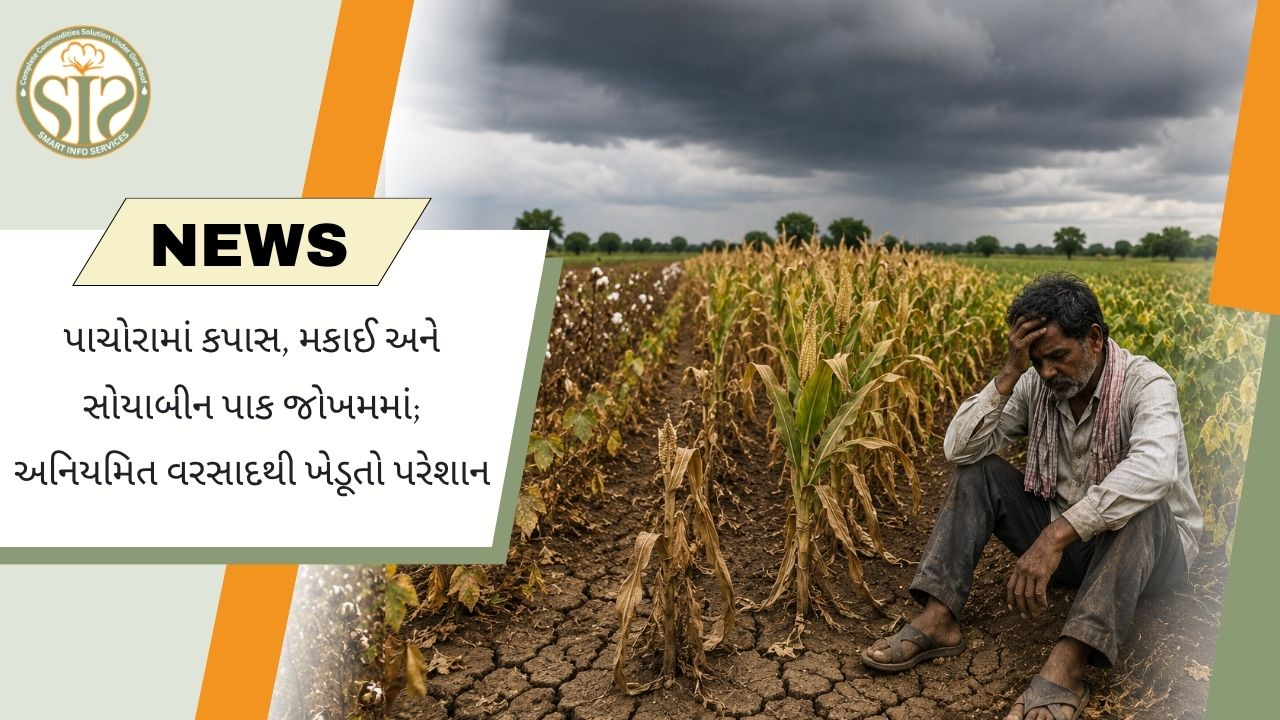
પાચોરામાં કપાસ, મકાઈ અને સોયાબીન પાક જોખમમાં; અનિયમિત વરસાદથી ખેડૂતો પરેશાનપાચોરા (મહારાષ્ટ્ર), 16 જુલાઈ: મહારાષ્ટ્રના જલગાંવ જિલ્લાના પાચોરા તાલુકામાં કપાસ, મકાઈ અને સોયાબીનના પાકને અનિયમિત વરસાદથી અસર થઈ રહી છે. *મૃગ નક્ષત્ર* ની શરૂઆતમાં શરૂઆતના વરસાદ પછી લાંબા સમય સુધી સૂકા વરસાદને કારણે ખેડૂતો ચિંતામાં વધારો કરી રહ્યા છે. પાકનો વિકાસ અટકી જવાની અને ઉપજમાં નોંધપાત્ર ઘટાડો થવાની આશંકા છે.પાચોરા તાલુકામાં કપાસ મુખ્ય રોકડિયા પાક છે. ઘણા ખેડૂતોએ મેના મધ્યથી જૂનની શરૂઆતમાં મોટી આશાઓ સાથે કપાસનું વાવેતર કર્યું હતું. જોકે, શરૂઆતના વરસાદ પછી વરસાદમાં લાંબા અંતરને કારણે પાકના વિકાસમાં અવરોધ ઊભો થયો છે. કપાસ ઉપરાંત, મકાઈ અને સોયાબીનના પાકને પણ વરસાદના અભાવે નુકસાન થઈ રહ્યું છે.તાલુકામાં સરેરાશ વાર્ષિક વરસાદ 743.47 મિલીમીટર છે. ગયા વર્ષે, આ પ્રદેશમાં સામાન્ય વરસાદના આશરે 125% વરસાદ નોંધાયો હતો. તેનાથી વિપરીત, આ વર્ષે જુલાઈની શરૂઆત સુધીમાં માત્ર ૧૬૧.૬ મિલીમીટર વરસાદ નોંધાયો છે. ઓછા વરસાદને કારણે, તાલુકામાં નદીઓ અને નાળાઓમાં હજુ સુધી પૂરતું પાણી મળ્યું નથી.સ્થાનિક સ્ત્રોતોમાં પાણીની અછતની સીધી અસર સિંચાઈ પર પડી છે. ઘણા કુવાઓ સુકાઈ ગયા છે. ખેતરોમાં ટપક સિંચાઈની સુવિધા હોવા છતાં, ખેડૂતો કપાસના પાકને પૂરતું પાણી આપી શકતા નથી કારણ કે કુવાઓમાં પાણીનો અભાવ છે. વરસાદના અભાવે ખેતરના બંધ પરનું ઘાસ સુકાઈ ગયું છે, અને ઘણા પાક સુકાઈ જવાના આરે છે.જોકે, કેટલાક વિસ્તારોમાં વરસાદથી ખેડૂતોને થોડી રાહત મળી છે અને કૃષિ પ્રવૃત્તિઓમાં વેગ મળ્યો છે. ખેડૂતો નીંદણ કાઢવા, રાસાયણિક ખાતરો નાખવા અને જંતુનાશકોનો છંટકાવ જેવા કાર્યોમાં વ્યસ્ત છે.આ પ્રવૃત્તિઓ ગ્રામીણ વિસ્તારોમાં ખેતમજૂરોને રોજગાર પણ પૂરી પાડી રહી છે. હાલમાં, મહિલા મજૂરો સવારે ૮ વાગ્યાથી બપોરે ૧ વાગ્યા સુધીની શિફ્ટ માટે લગભગ ₹૩૦૦ કમાઈ રહી છે, જ્યારે પુરુષ મજૂરો દરરોજ આશરે ₹૫૦૦ વેતન મેળવી રહ્યા છે. ખેડૂતોનું કહેવું છે કે જો આગામી દિવસોમાં પૂરતો અને નિયમિત વરસાદ નહીં પડે તો કપાસ, મકાઈ અને સોયાબીનના પાકને ભારે અસર થઈ શકે છે.વધુ વાંચો :- મહારાષ્ટ્રમાં ખરીફ વાવેતર સામાન્ય વિસ્તારના 60% સુધી પહોંચ્યું, ગયા વર્ષથી ઘણું પાછળ
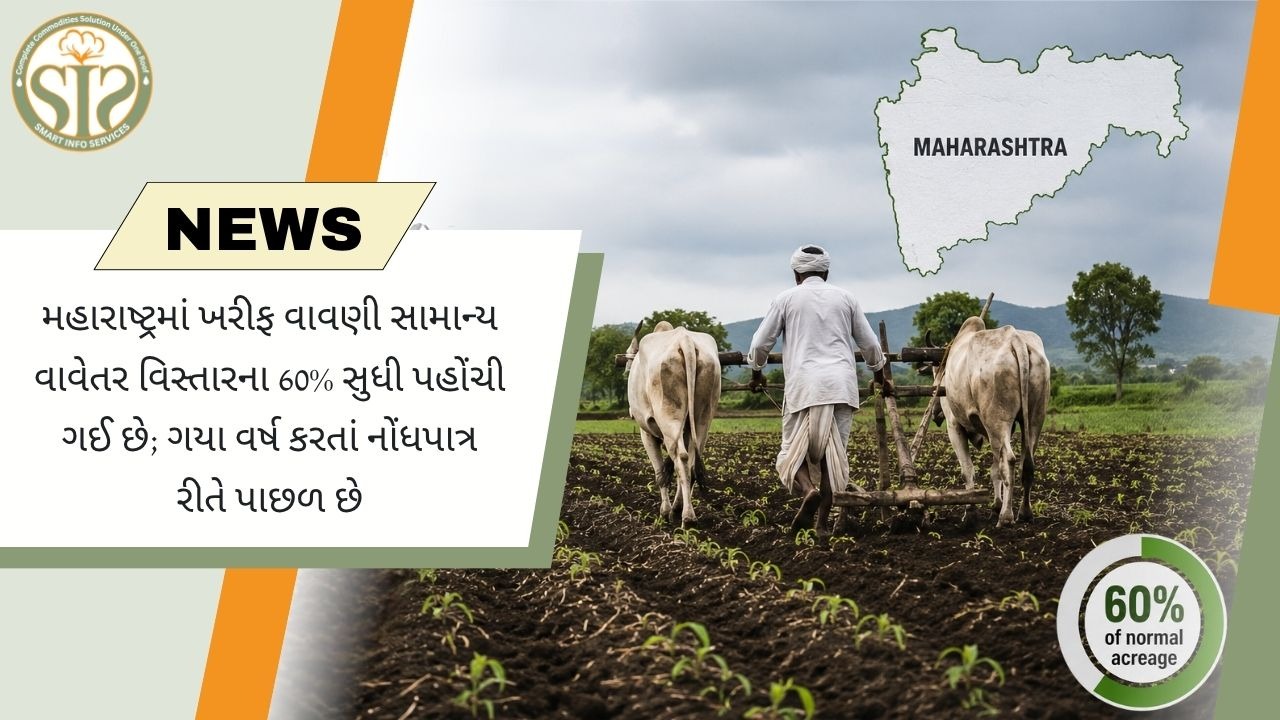
મહારાષ્ટ્રમાં ખરીફ વાવણી સામાન્ય વાવેતર વિસ્તારના 60% સુધી પહોંચી ગઈ છે; ગયા વર્ષ કરતાં નોંધપાત્ર રીતે પાછળ છેમુંબઈ, 15 જુલાઈ: મહારાષ્ટ્રમાં ખરીફ પાકનું વાવેતર 13 જુલાઈ સુધીમાં 86.92 લાખ હેક્ટરમાં થયું હતું. રાજ્ય સરકારના આંકડા અનુસાર, આ સામાન્ય ખરીફ વાવણી વિસ્તાર (શેરડી સિવાય) ના આશરે 60% છે. જોકે, વાવણીની ગતિ ગયા વર્ષના સમાન સમયગાળાની તુલનામાં નોંધપાત્ર રીતે ધીમી છે.ગયા વર્ષે 13 જુલાઈ સુધીમાં, રાજ્યમાં 120.65 લાખ હેક્ટરમાં ખરીફ પાકનું વાવેતર થયું હતું, જે સામાન્ય વિસ્તારના લગભગ 84% જેટલું હતું. આ વર્ષે અત્યાર સુધીમાં વાવણી વિસ્તારમાં નોંધપાત્ર ઘટાડો નોંધાયો છે.ભારે વરસાદને કારણે પાકને નુકસાનમહારાષ્ટ્ર સરકારના પ્રારંભિક મૂલ્યાંકન મુજબ, જુલાઈમાં ભારે વરસાદ, ભારે પવન અને કરા પડવાથી રાજ્યભરમાં 6,673 હેક્ટર કૃષિ અને બાગાયતી પાકને નુકસાન થયું છે.જોકે, સરકાર અહેવાલ આપે છે કે વાવણી પ્રવૃત્તિઓ હવે ઘણા જિલ્લાઓમાં ગતિ પકડી રહી છે. ભારે વરસાદથી પ્રભાવિત વિસ્તારોમાં ખેડૂતોએ ડાંગરનું ફરીથી વાવેતર શરૂ કરી દીધું છે. દરમિયાન, અગાઉ વાવેલા પાક હાલમાં અંકુરણ અને પ્રારંભિક વૃદ્ધિના તબક્કામાં છે.દેશભરમાં ખરીફ વાવણી ધીમીનબળા દક્ષિણપશ્ચિમ ચોમાસાને કારણે દેશભરમાં ખરીફ પાકનું વાવેતર ગયા વર્ષના આંકડા કરતાં પાછળ રહી ગયું છે. કૃષિ અને ખેડૂત કલ્યાણ મંત્રાલયના જણાવ્યા અનુસાર, 10 જુલાઈ સુધીમાં દેશભરમાં ખરીફ પાકનું વાવેતર 531.25 લાખ હેક્ટરમાં થયું હતું, જે ગયા વર્ષના સમાન સમયગાળા દરમિયાન 632.69 લાખ હેક્ટર હતું. પરિણામે, રાષ્ટ્રીય સ્તરે વાવણીના વાવેતરમાં આશરે 16%નો ઘટાડો થયો છે.ડાંગરનું વાવેતર ગયા વર્ષના 125.53 લાખ હેક્ટરથી ઘટીને 114.69 લાખ હેક્ટર થયું છે. તેલીબિયાંનું વાવેતર પણ 149.18 લાખ હેક્ટરથી ઘટીને 117.83 લાખ હેક્ટર થયું છે; આ શ્રેણીમાં, સોયાબીનનું વાવેતર 107.72 લાખ હેક્ટરથી ઘટીને 90.51 લાખ હેક્ટર થયું છે. તેનાથી વિપરીત, શેરડીનો વાવેતર વિસ્તાર ૫૬.૭૨ લાખ હેક્ટરથી વધીને ૫૭.૫૮ લાખ હેક્ટર થયો છે, અને શણ અને મેસ્તા હેઠળનો વિસ્તાર ૬.૧૬ લાખ હેક્ટરથી વધીને ૬.૨૮ લાખ હેક્ટર થયો છે.કપાસનું વાવેતર પણ ગયા વર્ષના આંકડા કરતા પાછળ રહ્યું. ૧૦ જુલાઈ સુધીમાં, દેશમાં કપાસનો વાવેતર વિસ્તાર ૭૯.૫૪ લાખ હેક્ટર હતો, જ્યારે ગયા વર્ષના સમાન સમયગાળા દરમિયાન તે ૯૩.૯૫ લાખ હેક્ટર હતો.વધુ વાંચો :- રૂપિયો 10 પૈસા ઘટીને 96.35 પ્રતિ ડોલરે બંધ

ગુરુવારના ભારતીય રૂપિયા અમેરિકી ડોલરના મુકાબલે 96.25 પર ખુલ્લું અને 96.35 પર બંધ, ભાગીદારી સેશન 10 પૈસાની થોડી સાથે સમાપ્ત થયું.બંધ થવા પર, સેન્સેક્સ 1.44 પોઈન્ટ ઉપર 77,186.87 પર, અને નિફ્ટી 5.75 પોઈન્ટ અથવા 0.02 ટકા નીચે 24,072.75 પર. 1947 શેર કરો, 2119 શેર કરો, અને 194 શેર કરો કોઈપણ ફેરફાર કર્યા વિના.વધુ વાંચો :- 15 ઓગસ્ટ સુધી ખરીફ વાવેતરની ઘટ પૂરી થશે તેવી કૃષિ મંત્રીની આશા
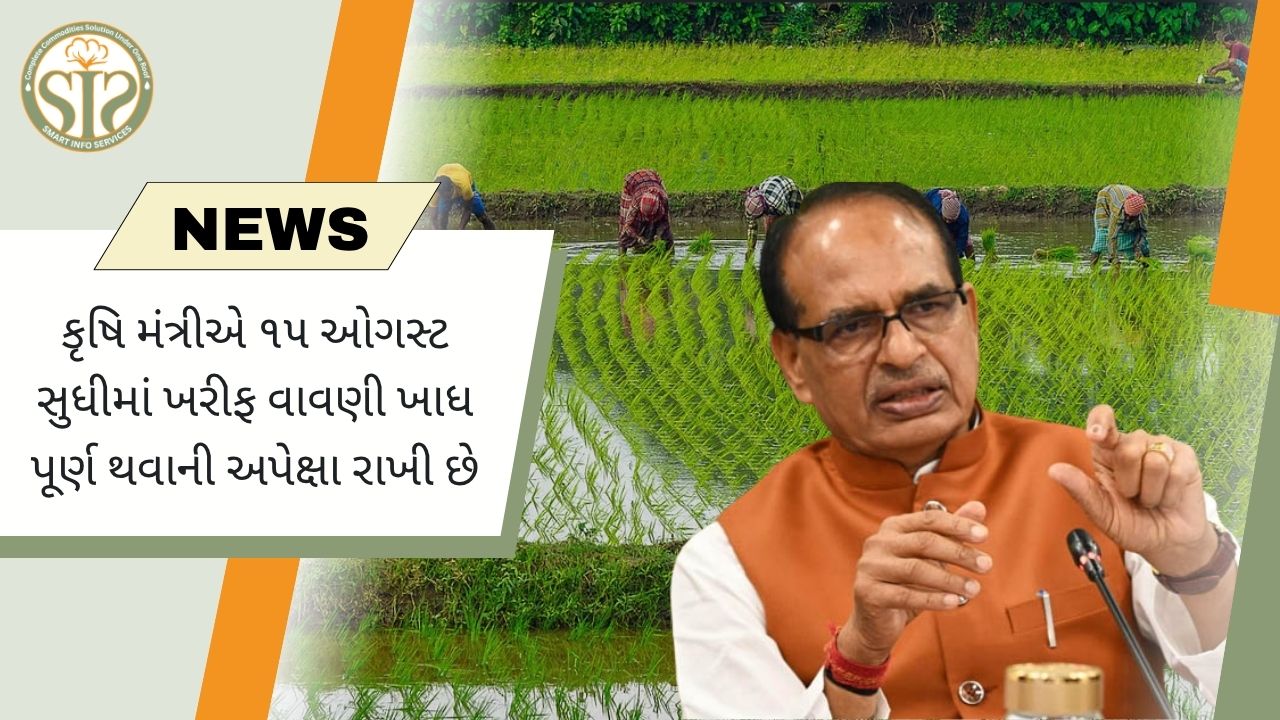
કૃષિ મંત્રીએ ૧૫ ઓગસ્ટ સુધીમાં ખરીફ વાવણી ખાધ પૂર્ણ થવાની અપેક્ષા રાખી છેનવી દિલ્હી: કૃષિ મંત્રી શિવરાજ સિંહ ચૌહાણે બુધવારે જણાવ્યું હતું કે વાવણીની મોસમ ૧૫ ઓગસ્ટ સુધી ચાલુ રહેતી હોવાથી ખરીફ પાક સાથે વાવેલા વિસ્તારમાં થયેલી અછતને પૂર્ણ કરી શકાય છે. તેમણે જણાવ્યું હતું કે સરકાર ચોમાસા અને વાવણીની પ્રગતિ પર નજીકથી નજર રાખી રહી છે.ભારતીય કૃષિ સંશોધન પરિષદ (ICAR) દ્વારા આયોજિત એક પરિષદ દરમિયાન પત્રકારો સાથે વાત કરતા, ચૌહાણે કહ્યું કે ખરીફ વાવણી માટે હજુ પણ પૂરતો સમય છે. તેમણે કહ્યું, "ખરીફ વાવણી ૧૫ ઓગસ્ટ સુધી થાય છે. જૂનમાં વરસાદ ઓછો હતો, પરંતુ જુલાઈના પહેલા અઠવાડિયામાં સારો વરસાદ પડ્યો છે. ૨૦ જુલાઈ પછી પણ સારો વરસાદ થવાની શક્યતા છે."તેમણે નોંધ્યું હતું કે ચાલુ ખરીફ સિઝનમાં ૧૦ જુલાઈ સુધી વાવેલા કુલ વિસ્તાર ગયા વર્ષના સમાન સમયગાળાની તુલનામાં ઓછો છે. જોકે, તેમણે આશા વ્યક્ત કરી હતી કે આગામી દિવસોમાં વાવણીમાં ગતિ આવશે અને વાવેતર વિસ્તારમાં થયેલી ખાધને પૂર્ણ કરવામાં આવશે.ચૌહાણે જણાવ્યું હતું કે કેન્દ્ર સરકાર પરિસ્થિતિ પર સતત નજર રાખી રહી છે અને ખેડૂતોને બિયારણ, ખાતર અને અન્ય આવશ્યક કૃષિ સામગ્રી સમયસર ઉપલબ્ધ થાય તે સુનિશ્ચિત કરવા માટે પ્રયાસો કરવામાં આવી રહ્યા છે. જ્યારે તેમને પૂછવામાં આવ્યું કે શું વાવણીની ખાધને સુધારેલી વાવણી પ્રવૃત્તિ દ્વારા પૂરી કરી શકાય છે, ત્યારે તેમણે કહ્યું, "એવી શક્યતા છે. હું ખૂબ આશાવાદી છું."કૃષિ મંત્રાલયના આંકડા અનુસાર, 10 જુલાઈ સુધી ખરીફ પાક સાથે વાવેલા કુલ વિસ્તાર 531.25 લાખ હેક્ટર હતો, જે ગયા વર્ષના સમાન સમયગાળા દરમિયાન 631.88 લાખ હેક્ટરથી 15.93 ટકા ઓછો છે.તેલીબિયાં માટેનો વાવેતર વિસ્તાર 21 ટકા ઘટીને 117.83 લાખ હેક્ટર થયો છે. આ શ્રેણીમાં, સોયાબીન હેઠળનો વિસ્તાર 16 ટકા ઘટીને 90.51 લાખ હેક્ટર થયો છે.કપાસનું વાવેતર પણ પાછળ છે. 10 જુલાઈ સુધીમાં, કપાસનો વાવેતર વિસ્તાર 79.54 લાખ હેક્ટર હતો, જે ગયા વર્ષના સમાન સમયગાળા દરમિયાન નોંધાયેલા 93.95 લાખ હેક્ટરથી 15.33 ટકા ઓછો છે. ખરીફ પાકની વાવણી સામાન્ય રીતે જૂનમાં દક્ષિણપશ્ચિમ ચોમાસાના આગમન સાથે શરૂ થાય છે. જોકે, આ વર્ષે નબળા ચોમાસાને કારણે વાવણીને અસર થઈ છે. આગામી દિવસોમાં વરસાદમાં સુધારો થતાં વાવણીમાં વેગ આવવાની ધારણા છે.વધુ વાંચો :- અમેરિકી ડોલર સામે રૂપિયા 96.25 પર સ્થિર ખુલ્યો

રૂપિયો ૯૬.૨૫/$ પર સ્થિર ખુલ્યો.ગુરુવારે, ભારતીય રૂપિયો અમેરિકન ડોલર સામે ૯૬.૨૫ પર સ્થિર ખુલ્યો, જ્યારે તે આગલા દિવસે ૯૬.૨૫ પર બંધ થયો હતો.BSE સેન્સેક્સ ૭૭,૩૮૮.૪૨ પર ખુલ્યો, જે તેના અગાઉના બંધ ૭૭,૧૮૫.૪૩ કરતા વધુ છે, જ્યારે NSE નિફ્ટી૫૦ ૨૪,૧૪૨.૧૦ પર ખુલ્યો, જે બુધવારના બંધ ૨૪,૦૭૮.૫૦ ની સરખામણીમાં વધુ છે. વધુ વાંચો :- ડોલર સામે રૂપિયો 08 પૈસા ઘટીને 96.25 પર બંધ થયો.