We have studied the possible impact of El Nino on the ongoing war in the Gulf region and the upcoming monsoon, to understand how these conditions will impact cotton cultivation in the country, especially Maharashtra, and what farmers should pay attention to.
It has been a month since the US-Israel conflict against Iran. There are many uncertainties about this war—how long it will last, whether it will expand in scope, and whether it could escalate into a major global crisis. Even if there is a temporary pause in the war, it may take a long time for the situation to return to normal.
Given these international circumstances, it becomes important to assess the future of cotton farmers, farm laborers and related industries in India—especially in key states like Maharashtra.
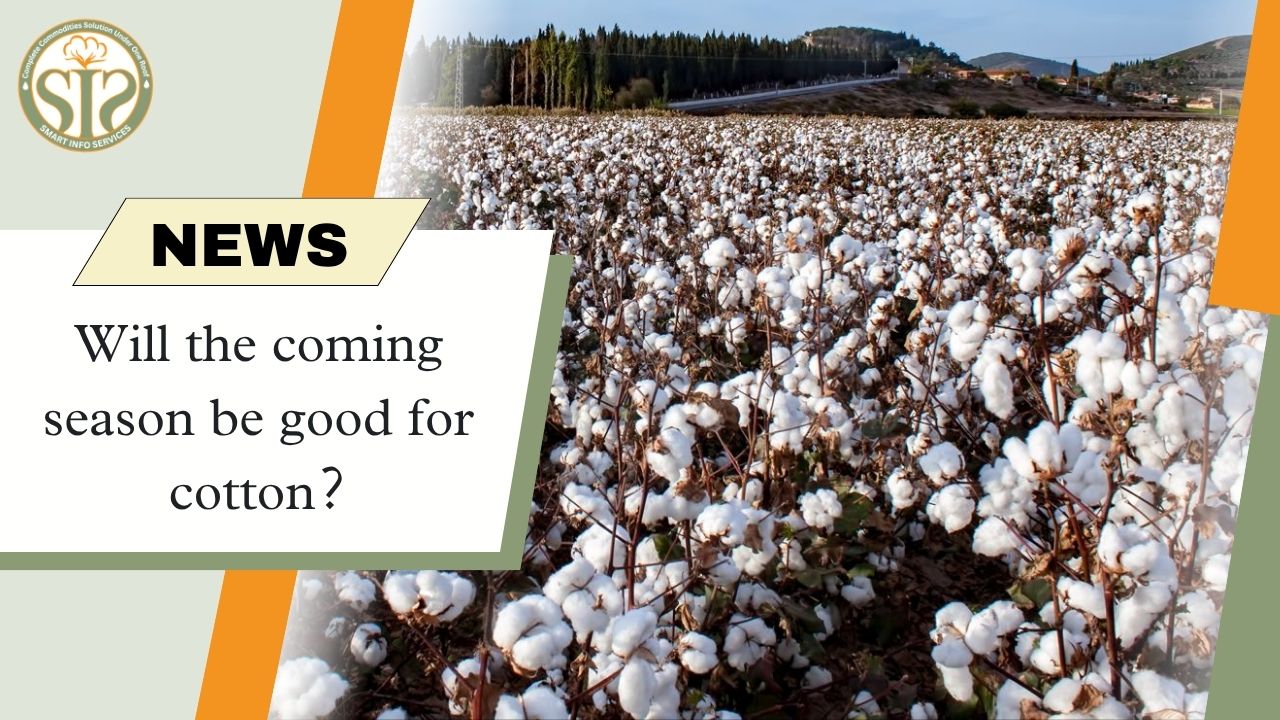
Cotton is cultivated in about 16% of the agricultural area in India, sowing of which starts from April. About 75% of the country's cotton area is located in central India—Maharashtra, Gujarat, Madhya Pradesh, Telangana and Karnataka—where it is cultivated in June with the monsoon. Maharashtra alone has about 33% cotton area, which supports the livelihood of lakhs of farmers.
Three main factors will be important for cotton cultivation this season:
1. Monsoon and rainfall conditions
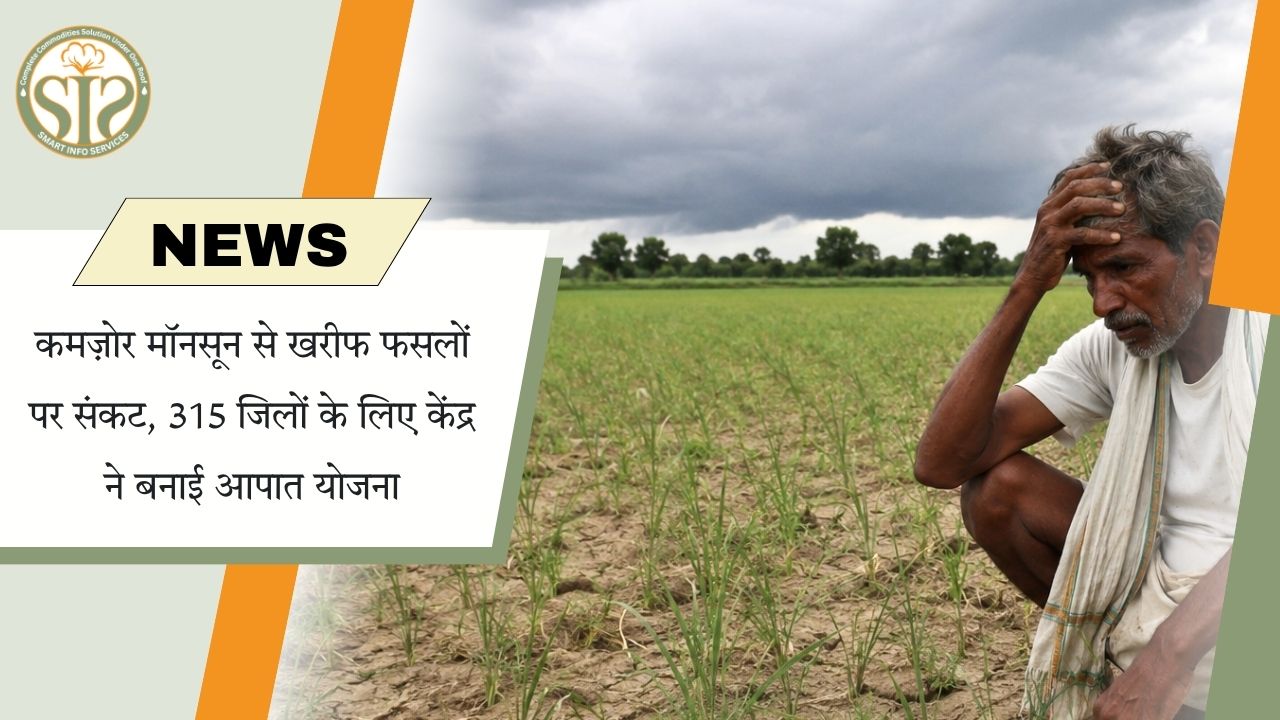
Currently, El Nino situation is occurring in the Pacific Ocean. It is estimated that its impact will increase between June and August, due to which the monsoon may be weaker than normal or below average. This can have a direct impact on cotton production.
2. Availability of fertilizer
India's import supply may be affected due to war in the Gulf region. About 85% of India's fertilizer and 20% of crude oil supply comes through the Strait of Hormuz. If there is a disruption here, there could be a shortage of fertilizers like urea and DAP, which will affect both farming costs and production.
3. Impact on crude oil and textile industry
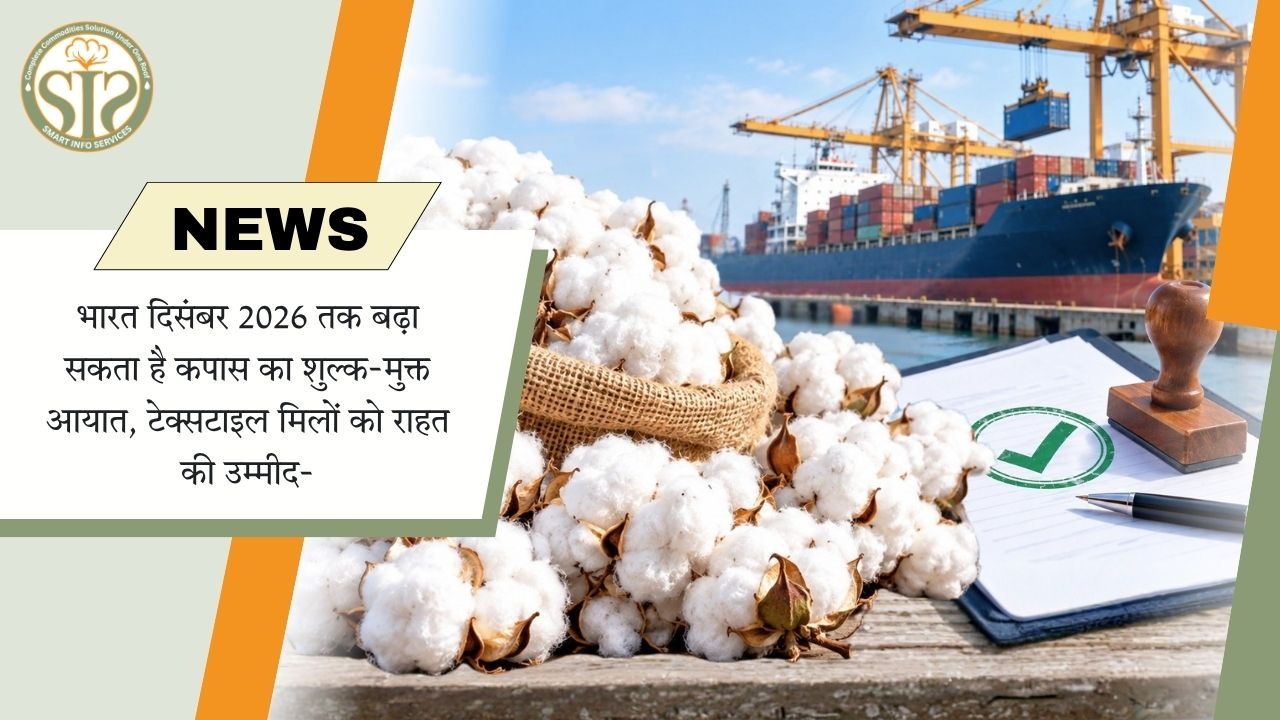
The cost of synthetic fibers (such as polyester and nylon) may increase as crude oil supplies are affected. This is likely to increase demand for natural fibers—such as cotton. Consumption of natural textiles is already high in India, and this trend is likely to further strengthen.