
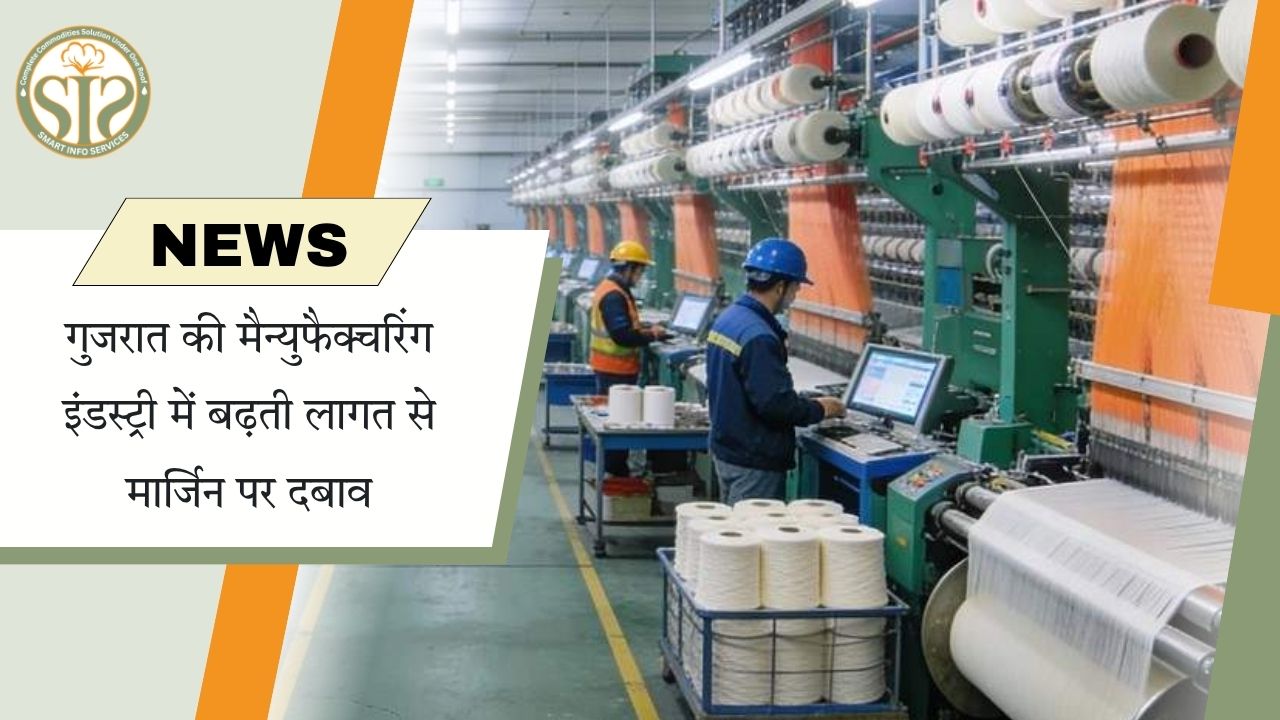
गुजरात की मैन्युफैक्चरिंग इंडस्ट्री में बढ़ती लागत से मार्जिन पर दबावगुजरात की मैन्युफैक्चरिंग इंडस्ट्री इन दिनों विस्तार या नए ऑर्डर की बजाय बढ़ती इनपुट लागत से जूझने में ज्यादा समय बिता रही है। टेक्सटाइल, केमिकल, फार्मा और रियल एस्टेट सेक्टर के कारोबारी बताते हैं कि कच्चे माल की कीमतों में लगातार बढ़ोतरी और कमजोर मांग ने मार्जिन बनाए रखना मुश्किल कर दिया है।कई कंपनियां धीरे-धीरे कीमतें बढ़ाने की कोशिश कर रही हैं, लेकिन MSME सेक्टर का बड़ा हिस्सा लागत का पूरा बोझ ग्राहकों पर नहीं डाल पा रहा है। इसका असर प्रोजेक्ट्स में देरी, उत्पादन में कमी और पूरी इंडस्ट्रियल वैल्यू चेन में महंगाई के दबाव के रूप में देखा जा रहा है।टेक्सटाइल उद्योग विशेष रूप से दबाव में है। कॉटन यार्न की बढ़ती कीमतें, क्रूड-लिंक्ड केमिकल्स और ऊंची फ्यूल लागत ने उत्पादन खर्च को तेजी से बढ़ा दिया है। पिछले कुछ हफ्तों में धागे की उपलब्धता घटने और प्रोसेसिंग चार्ज बढ़ने के कारण कपड़े की कीमतें भी लगभग 10 से 25 रुपये प्रति मीटर तक बढ़ गई हैं।उद्योग के अनुसार, चीन से मजबूत एक्सपोर्ट डिमांड ने कॉटन यार्न की कीमतों को चार साल के उच्च स्तर तक पहुंचा दिया है, जबकि वेस्ट एशिया में तनाव ने डाइंग और प्रोसेसिंग में इस्तेमाल होने वाले क्रूड-आधारित इनपुट्स को और महंगा कर दिया है। पावरलूम यूनिट्स में धागे की कमी के चलते उत्पादन भी घटा है, जिससे सप्लाई और सीमित हो गई है।हालांकि रुपये में गिरावट से एक्सपोर्टर्स को लाभ मिलने की उम्मीद थी, लेकिन ऊंची शिपिंग लागत और खरीदारों की डिस्काउंट मांग ने इस फायदा को कम कर दिया है। इंडस्ट्री प्रतिनिधियों का कहना है कि बढ़ती लागत और अनिश्चित मांग के कारण कई यूनिट्स को ऑर्डर होने के बावजूद उत्पादन रोकना पड़ रहा है।इसी बीच, 11% कॉटन इंपोर्ट ड्यूटी हटाने की मांग भी तेज हुई है, ताकि कच्चे माल की लागत कम होकर वैश्विक प्रतिस्पर्धा बनी रहे।और पढ़ें:- महाराष्ट्र और गुजरात में डीजल संकट व पानी की कमी से खरीफ बुवाई पर खतरा
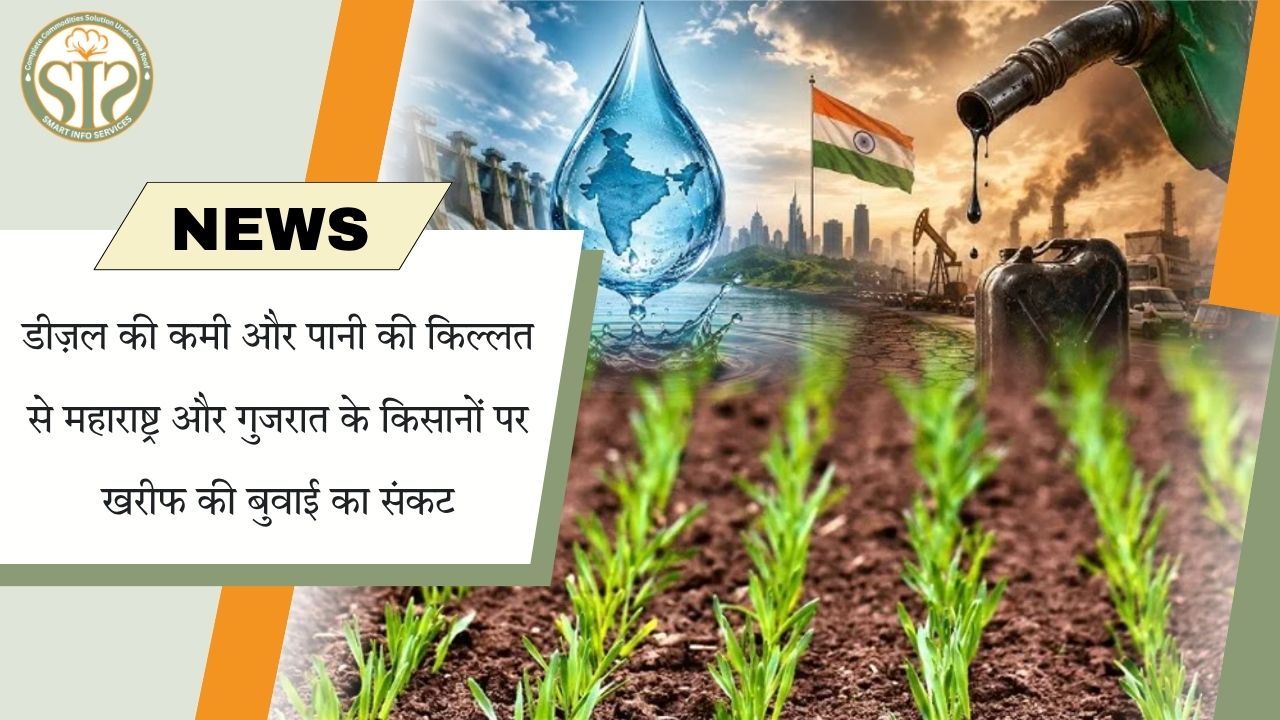
डीज़ल की कमी और पानी की किल्लत से महाराष्ट्र और गुजरात के किसानों पर खरीफ की बुवाई का संकटजैसे-जैसे खरीफ की बुवाई का मौसम करीब आ रहा है, महाराष्ट्र और गुजरात के किसान डीज़ल की सप्लाई में रुकावट और पानी की कमी से जूझ रहे हैं। इससे इस साल कृषि उत्पादन पर गंभीर असर पड़ने का डर बढ़ गया है। सरकारों और तेल कंपनियों के बार-बार यह भरोसा दिलाने के बावजूद कि ईंधन का स्टॉक काफी है, ग्रामीण इलाकों के किसानों को ट्रैक्टर, सिंचाई पंप और ट्रांसपोर्ट गाड़ियों के लिए ज़रूरी डीज़ल लेने के लिए लंबी कतारों, सप्लाई की सीमा और देरी का सामना करना पड़ रहा है।महाराष्ट्र में, खासकर मराठवाड़ा और पुणे ज़िले के कुछ हिस्सों में, किसानों के संगठनों ने चेतावनी दी है कि अगले 10-15 दिनों तक डीज़ल की उपलब्धता में लगातार रुकावट से बुवाई के काम पर बुरा असर पड़ सकता है। स्वाभिमानी शेतकरी संगठन के संस्थापक राजू शेट्टी ने कहा कि मॉनसून आने से पहले का समय ज़मीन तैयार करने और बुवाई के लिए बहुत ज़रूरी होता है, और ईंधन की सप्लाई में कोई भी रुकावट फसलों को भारी नुकसान पहुंचा सकती है। किसानों के समूहों ने चेतावनी दी है कि अगर इस समस्या का जल्द समाधान नहीं हुआ, तो वे पूरे राज्य में विरोध प्रदर्शन करेंगे।पुणे की इंदापुर तहसील में पानी की कमी से यह संकट और गहरा गया है। यहां किसानों ने खड़कवासला नहर प्रणाली से पानी की अपर्याप्त सप्लाई के खिलाफ विरोध प्रदर्शन किया। कृषि मंत्री दत्तात्रेय भरने ने सिंचाई विभाग की कुप्रबंधन की बात मानी और विरोध कर रहे किसानों से मुलाकात के बाद पानी की सप्लाई बढ़ाने का भरोसा दिया।इस बीच, गुजरात के पोरबंदर जैसे ग्रामीण ज़िलों में, घबराहट में ज़्यादा डीज़ल खरीदने की होड़ के कारण डीज़ल पंपों पर ट्रैक्टरों की लंबी कतारें लग गई हैं। जमाखोरी रोकने के लिए राज्य सरकार ने हर किसान के लिए 200 लीटर की सीमा तय कर दी है, और ईंधन खरीदने से पहले ज़मीन के मालिकाना हक का सबूत दिखाना ज़रूरी कर दिया है। पेट्रोलियम डीलरों का कहना है कि असल में कोई कमी नहीं है, लेकिन सप्लाई पर नियंत्रण और मौसम के हिसाब से बढ़ी मांग के कारण दूरदराज के आउटलेट्स पर कुछ समय के लिए डीज़ल खत्म होने की समस्या पैदा हो गई है।किसानों के नेताओं ने चेतावनी दी है कि ईंधन की बढ़ती किल्लत और बारिश के अनियमित होने की चिंताओं को मिलाकर देखें, तो इससे आने वाले खरीफ चक्र और पूरे पश्चिमी भारत में कृषि विकास को नुकसान पहुंच सकता है।और पढ़ें:- एल नीनो के प्रभाव से महाराष्ट्र में खरीफ सीजन के दौरान 12% कम बारिश का अनुमान
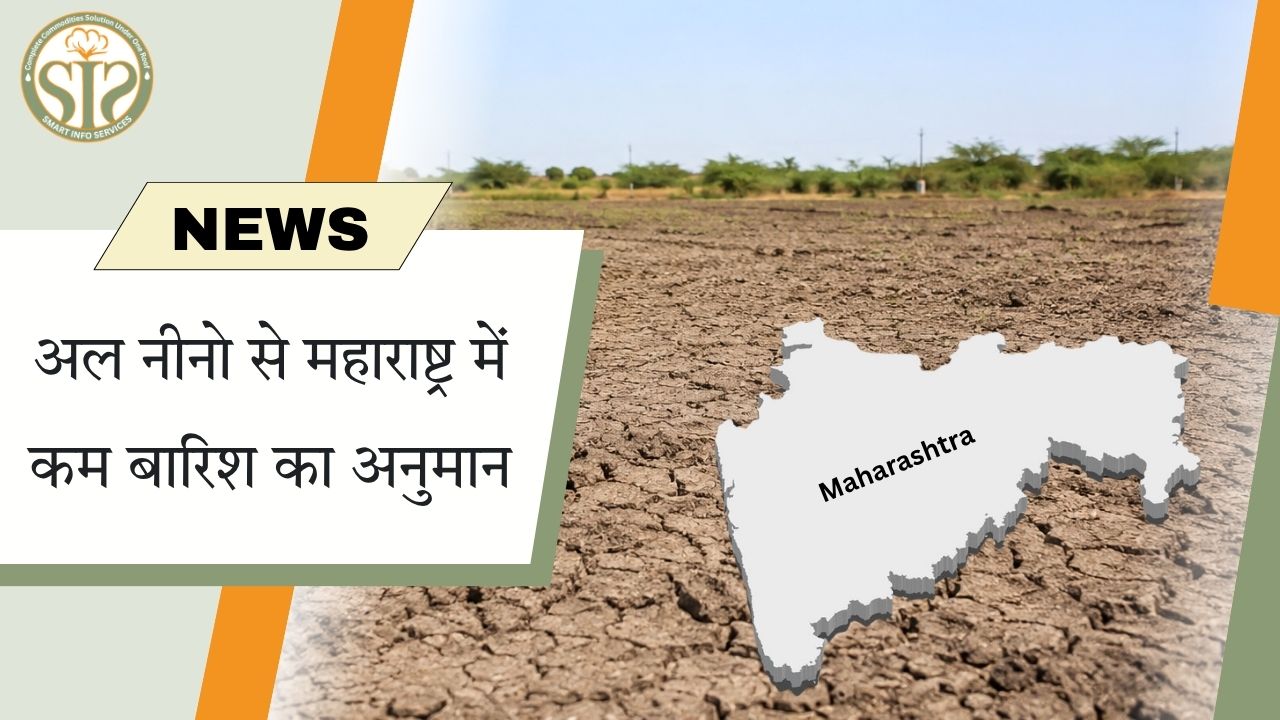
अल नीनो से महाराष्ट्र में कम बारिश का अनुमानमहाराष्ट्र में आगामी खरीफ सीजन के दौरान अल नीनो के प्रभाव से सामान्य से लगभग 12% कम बारिश होने की आशंका जताई गई है। गुरुवार (21 मई, 2026) को आयोजित राज्य स्तरीय प्री-खरीफ समीक्षा बैठक में मुख्यमंत्री Devendra Fadnavis ने कहा कि राज्य में इस वर्ष औसतन 88% वर्षा होने का अनुमान है। हालांकि, कुछ क्षेत्रों में अधिक बारिश हो सकती है, जबकि पश्चिमी विदर्भ और मराठवाड़ा जैसे इलाकों में कम वर्षा के कारण कठिन परिस्थितियां पैदा होने की संभावना है।मुख्यमंत्री ने बताया कि राज्य सरकार कम बारिश की चुनौती से निपटने के लिए तकनीक आधारित समाधान लागू कर रही है। किसानों को उनके क्षेत्रों के अनुसार वर्षा और मौसम की जानकारी मोबाइल एप्लिकेशन तथा आर्टिफिशियल इंटेलिजेंस आधारित सिस्टम के जरिए उपलब्ध कराई जाएगी। इसके लिए महाराष्ट्र राज्य आपदा प्रबंधन प्राधिकरण ने Indian Institute of Tropical Meteorology के साथ समझौता ज्ञापन (MoU) पर हस्ताक्षर किए हैं।राज्य सरकार ने यह भी घोषणा की कि किसानों की कर्जमाफी 30 जून से पहले पूरी कर दी जाएगी। यह योजना “पुण्यश्लोक अहिल्यादेवी होल्कर शेतकरी कर्जमाफी योजना” के तहत लागू की जा रही है, जिसकी घोषणा मार्च 2026 के राज्य बजट में की गई थी। योजना के अंतर्गत किसानों के ₹2 लाख तक के फसल ऋण माफ किए जाएंगे, जबकि नियमित रूप से ऋण चुकाने वाले किसानों को ₹50,000 का प्रोत्साहन दिया जाएगा।बैठक में बैंकों को कृषि क्षेत्र में ऋण वितरण बढ़ाने के निर्देश भी दिए गए। मुख्यमंत्री ने राष्ट्रीयकृत बैंकों से किसानों को अधिक फसल ऋण देने और ऋण स्वीकृति के लिए CIBIL स्कोर की अनिवार्यता समाप्त करने को कहा। महाराष्ट्र भारत फोरकास्ट सिस्टम (BharatFS) को आपदा प्रबंधन ढांचे में शामिल करने वाला देश का पहला राज्य भी बन गया है।और पढ़ें:- कृषि विज्ञान: तेज लू और गर्मी से कपास की फसल की सुरक्षा के उपाय

कृषि विज्ञान: लू से कपास फसल बचाने की सलाहहनुमानगढ़ में लगातार बढ़ रही भीषण गर्मी और तेज लू के बीच कृषि विभाग ने किसानों को कपास की फसल को सुरक्षित रखने के लिए विशेष सलाह जारी की है। जिले में इस बार कपास की बुवाई तेज गति से हुई है और अब तक लगभग एक लाख हेक्टेयर क्षेत्र में बिजाई पूरी की जा चुकी है। हालांकि, बढ़ते तापमान और गर्म हवाओं के कारण कई क्षेत्रों में अंकुरित पौधों के मुरझाने और कमजोर पड़ने की शिकायतें सामने आने लगी हैं। कृषि विभाग के अधिकारियों ने विभिन्न गांवों का दौरा कर नई फसल पर हीटवेव के असर का निरीक्षण किया है।संयुक्त निदेशक कृषि (विस्तार) डॉ. प्रमोद कुमार ने किसानों से मौसम के अनुसार खेती कार्य करने और वैज्ञानिक तरीके अपनाने की अपील की है। उन्होंने बताया कि तेज गर्मी के प्रभाव को कम करने के लिए खेतों में हल्की सिंचाई बेहद जरूरी है। जिन किसानों के पास फव्वारा संयंत्र उपलब्ध हैं, वे तीन दिन के अंतराल पर फव्वारा विधि से सिंचाई करें, ताकि खेत में नमी बनी रहे और पौधों को गर्मी से राहत मिल सके।कृषि विभाग ने फिलहाल किसी भी प्रकार के उर्वरक के उपयोग से बचने की सलाह दी है। अधिकारियों के अनुसार, खेत में गहरी जुताई कर नहर के पानी से पलेवा करने के बाद ही बुवाई करनी चाहिए। पिछेती बुवाई करने वाले किसान खेत के चारों ओर चारे की फसल की दो लाइनें लगाकर गर्म हवाओं का प्रभाव कम कर सकते हैं।इसके अलावा, दोपहर बाद ट्रैक्टर चालित स्प्रेयर से पानी का हल्का छिड़काव करने तथा शाम के समय जुताई और बुवाई करने की सलाह भी दी गई है। विभाग ने बीटी कपास की खेती के लिए नाली या बेड विधि अपनाने को अधिक लाभकारी बताया है।और पढ़ें:- TEXPROCIL पुरस्कार समारोह में 2030 तक भारत के 100 अरब डॉलर टेक्सटाइल निर्यात लक्ष्य पर जोर
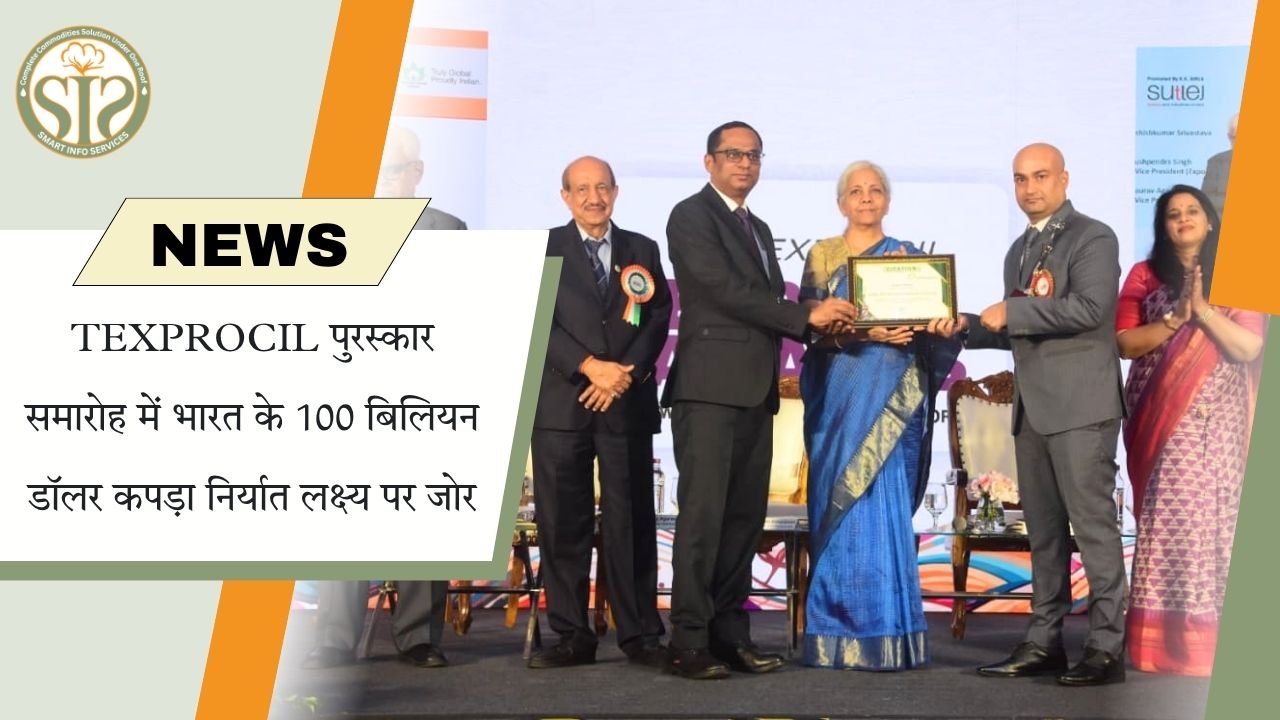
TEXPROCIL पुरस्कार समारोह में भारत के 100 बिलियन डॉलर कपड़ा निर्यात लक्ष्य पर जोरTEXPROCIL द्वारा मुंबई में आयोजित TEXPROCIL निर्यात पुरस्कार 2023–24 समारोह में भारत के सूती कपड़ा निर्यात क्षेत्र में उत्कृष्ट प्रदर्शन करने वाले निर्यातकों को सम्मानित किया गया। इस कार्यक्रम की अध्यक्षता केंद्रीय वित्त एवं कॉर्पोरेट मामलों की मंत्री Nirmala Sitharaman ने की। समारोह में निर्यात प्रदर्शन, रोजगार सृजन, नवाचार, ESG पहलों और ई-कॉमर्स में उत्कृष्ट योगदान देने वाले निर्यातकों को TEXPROCIL पुरस्कार प्रदान किए गए।इस अवसर पर वित्त मंत्री ने “एडवांस्ड सर्टिफिकेट प्रोग्राम इन इंटरनेशनल ट्रेड” (ACPIT) का शुभारंभ भी किया। TEXPROCIL की यह पहल भारत के निर्यात तंत्र को मजबूत करने और वैश्विक व्यापार प्रतिस्पर्धा बढ़ाने के उद्देश्य से शुरू की गई है। यह कार्यक्रम विभिन्न सरकारी योजनाओं और नीतिगत पहलों के अनुरूप तैयार किया गया है।अपने संबोधन में श्रीमती सीतारमण ने “खेत से रेशे तक, कारखाने से फैशन तक और विदेशी बाजारों तक” पूरी कपड़ा मूल्य श्रृंखला को सशक्त बनाने की आवश्यकता पर बल दिया। उन्होंने भारत की प्राचीन बुनाई और कपड़ा परंपरा का उल्लेख करते हुए कहा कि यह विरासत आज भी देश की वैश्विक पहचान को मजबूत कर रही है। उन्होंने 2030 तक भारत के कपड़ा निर्यात को 100 बिलियन अमेरिकी डॉलर और कुल कपड़ा उत्पादन को 250 बिलियन अमेरिकी डॉलर तक पहुंचाने के लक्ष्य को दोहराया।वित्त मंत्री ने बताया कि भारत वर्तमान में विश्व का छठा सबसे बड़ा कपड़ा निर्यातक है। यह क्षेत्र प्रत्यक्ष और अप्रत्यक्ष रूप से लगभग छह करोड़ लोगों को रोजगार देता है, GDP में लगभग 2.3 प्रतिशत योगदान करता है और कुल निर्यात आय में लगभग 12 प्रतिशत हिस्सेदारी रखता है।Vijay Agarwal, अध्यक्ष, TEXPROCIL ने कहा कि परिषद से जुड़े 2,000 निर्यातक लगभग 11 बिलियन अमेरिकी डॉलर के निर्यात में योगदान देते हैं और करीब 3.5 करोड़ लोगों की आजीविका का आधार हैं। उन्होंने “कस्तूरी कॉटन” ब्रांड के माध्यम से भारत की सतत कपड़ा पहचान को वैश्विक स्तर पर मजबूत करने की आवश्यकता पर भी जोर दिया।और पढ़ें:- CCI कपास बिक्री 70.33 लाख गांठ पार, 2025–26 सीजन में महाराष्ट्र और तेलंगाना सबसे आगे
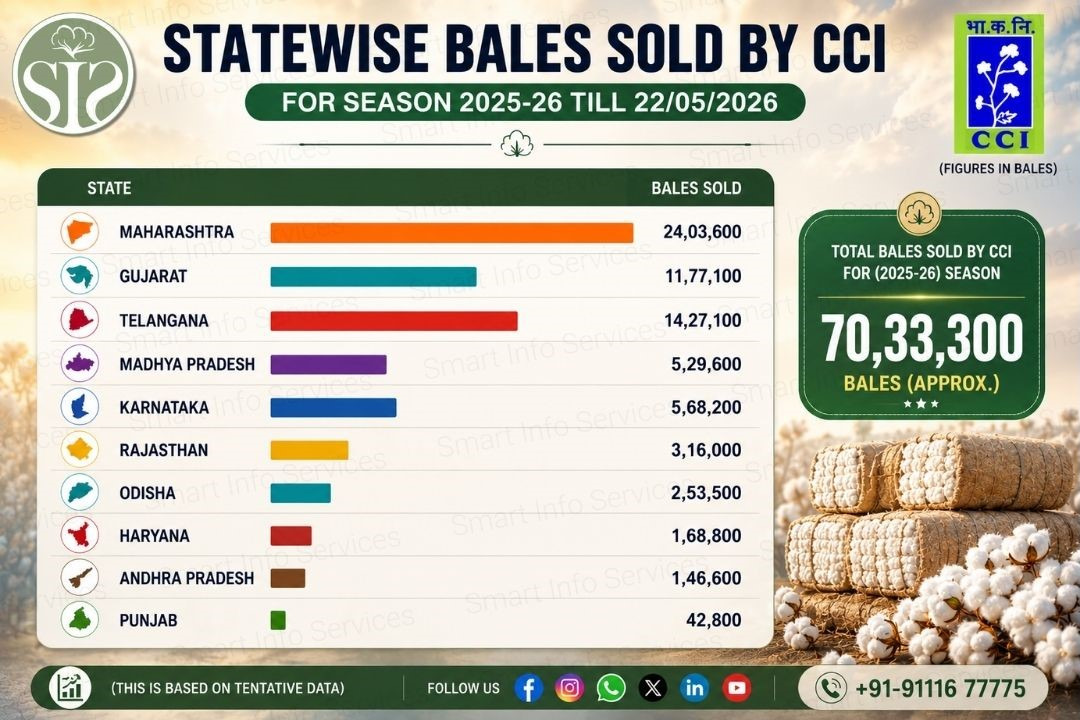
राज्य-वार CCI कपास बिक्री विवरण – 2025-26 सीज़नकॉटन कॉर्पोरेशन ऑफ़ इंडिया (CCI) ने 2025-26 सीज़न के लिए इस सप्ताह अपनी कपास कैंडी की कीमतों में ₹700 प्रति कैंडी की कमी की। अब तक CCI द्वारा सीजन 2025-26 की लगभग कुल 70,33,300 कपास गांठें (बेल्स) बेची जा चुकी हैं। बिक्री कुछ प्रमुख कपास उत्पादक राज्यों में केंद्रित है, जिसमें महाराष्ट्र, तेलंगाना और गुजरात सबसे आगे हैं।और पढ़ें:- CCI कपास बिक्री 70.33 लाख गांठ पार, 2025–26 सीजन में महाराष्ट्र और तेलंगाना सबसे आगे

रुपया 16 पैसे गिरकर 95.39 USD पर खुला.मंगलवार को भारतीय रुपया डॉलर के मुकाबले 16 पैसे गिरकर 95.39 पर खुला जबकि सोमवार को यह 95.23 पर बंद हुआ था।और पढ़ें :- डॉलर के मुकाबले रुपया 12 पैसे मजबूत होकर 95.23 पर बंद

सोमवर को भारतीय रुपया अमेरिकी डॉलर के मुकाबले 95.35 पर खुला और ट्रेडिंग के आखिर तक 12 पैसे मज़बूत होकर 95.23 पर बंद हुआ।बाजार बंद होने पर, सेंसेक्स 1073.61 अंक या 1.42 प्रतिशत बढ़कर 76,488.96 पर और निफ्टी 312.40 अंक या 1.32 प्रतिशत बढ़कर 24,031.70 पर पहुंच गया।और पढ़ें :- कॉटन आयात शुल्क हटाने पर सरकार की चर्चा अंतिम चरण में
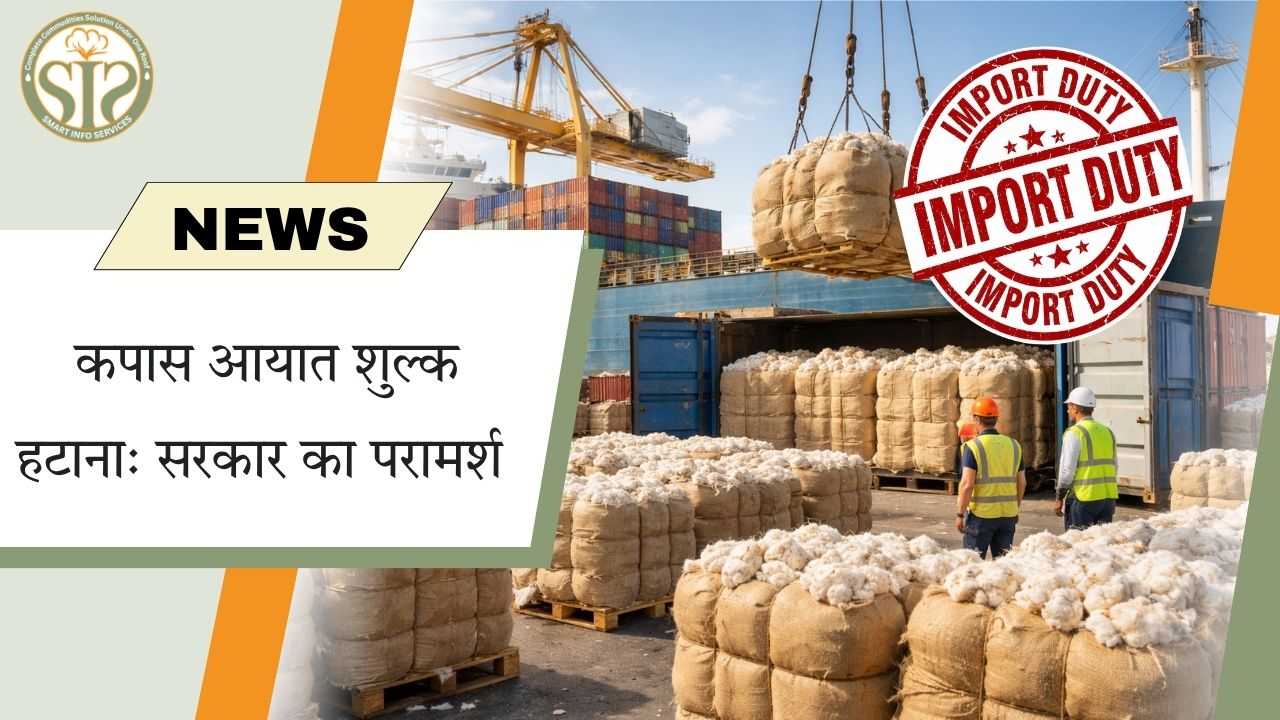
कपास आयात शुल्क हटाना: सरकार का परामर्शनई दिल्ली, (PTI) एक सीनियर अधिकारी ने कहा कि सरकार कच्चे कॉटन के इंपोर्ट पर 11 परसेंट कस्टम ड्यूटी के बारे में "सलाह के एडवांस्ड स्टेज" में है, और यह देख रही है कि क्या यह लेवी हटाई जा सकती है, और जल्द ही इस पर फैसला होने की उम्मीद है।फाइनेंस, टेक्सटाइल और एग्रीकल्चर समेत कई मिनिस्ट्री इस ड्यूटी पर सोच-विचार कर रही हैं, टेक्सटाइल इंडस्ट्री ज़्यादा कीमतों के कारण घरेलू कंपनियों पर लागत का दबाव कम करने के लिए इसे हटाने की मांग कर रही है।अधिकारी ने PTI को बताया, "हम फाइनेंस और एग्रीकल्चर (दोनों मिनिस्ट्री) से बात कर रहे हैं, और यह सलाह के एडवांस्ड स्टेज में है। हमें उम्मीद है कि जल्द ही सलाह को फाइनल कर लिया जाएगा।"अपैरल इंडस्ट्री के प्रतिनिधियों और एक्सपोर्टर्स वाले एक डेलीगेशन ने हाल ही में वाइस प्रेसिडेंट सी पी राधाकृष्णन और कई केंद्रीय मंत्रियों से मुलाकात की और ड्यूटी हटाने की मांग की। डेलीगेशन ने कहा कि इस साल टेक्सटाइल इंडस्ट्री को लगभग 337 लाख बेल्स कॉटन की ज़रूरत है, जबकि 2025-26 सीज़न में कॉटन की आवक 292.15 लाख बेल्स होने का अनुमान है, जिससे सप्लाई-डिमांड में लगभग 45 लाख बेल्स का अंतर होगा।उन्होंने कहा कि यह कमी अच्छी क्वालिटी के कच्चे माल की कम उपलब्धता और बढ़ती इनपुट लागत के कारण स्पिनिंग मिलों और डाउनस्ट्रीम टेक्सटाइल मैन्युफैक्चरर्स पर दबाव डाल रही है।और पढ़ें :-भारतीय रुपया डॉलर के मुकाबले 33 पैसे मजबूत होकर 95.35 पर खुला

रुपया 33 पैसे बढ़त 95.35 USD पर खुला.सोमवार को भारतीय रुपया डॉलर के मुकाबले 33 पैसे बढ़त 95.35 पर खुला जबकि शुक्रवार को यह 95.68 पर बंद हुआ था।और पढ़ें :- CCI ने कपास के दाम ₹700 घटाए, साप्ताहिक नीलामी बिक्री 11,600 गांठों के पार
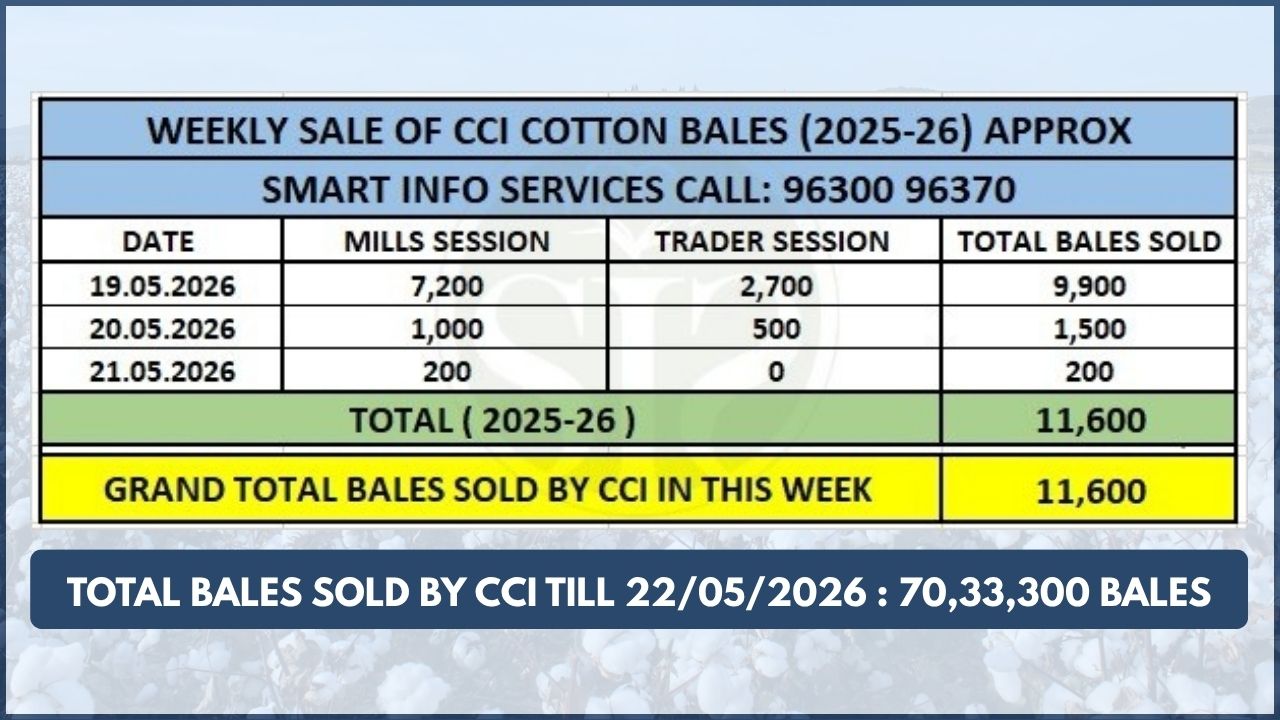
CCI ने कॉटन कैंडी की कीमतें ₹700 कम कीं; साप्ताहिक नीलामी बिक्री 11,600 गांठों के पारकॉटन कॉर्पोरेशन ऑफ़ इंडिया (CCI) ने 18 मई से 22 मई 2026 के सप्ताह के दौरान कॉटन की कीमतों में ₹700 प्रति कैंडी की कमी की। कीमतों में इस सुधार के बावजूद, CCI की नीलामियों में मिलों और कॉटन व्यापारियों ने सक्रिय रूप से भाग लिया, और 2025–26 कॉटन सीज़न से कुल साप्ताहिक बिक्री 11,600 गांठों के पार पहुंच गई।साप्ताहिक बिक्री रिपोर्ट 19 मई 2026 (मंगलवार):सप्ताह की शुरुआत 9,900 गांठों की बिक्री के साथ हुई। मिलों ने 7,200 गांठें खरीदीं, जबकि व्यापारियों ने 2,700 गांठें उठाईं।20 मई 2026 (बुधवार):CCI ने दिन के दौरान कुल 1,500 गांठों की बिक्री दर्ज की, जिसमें मिलों द्वारा खरीदी गई 1,000 गांठें और व्यापारियों द्वारा खरीदी गई 500 गांठें शामिल थीं।21 मई 2026 (गुरुवार):सप्ताह के अंतिम कारोबारी दिन नीलामी की गतिविधियां सीमित रहीं, जिसमें मिलों ने 200 गांठें खरीदीं।कुल बिक्री अपडेट2025–26 सीज़न के लिए CCI की कुल कॉटन बिक्री अब 70,33,300 गांठों तक पहुंच गई है।
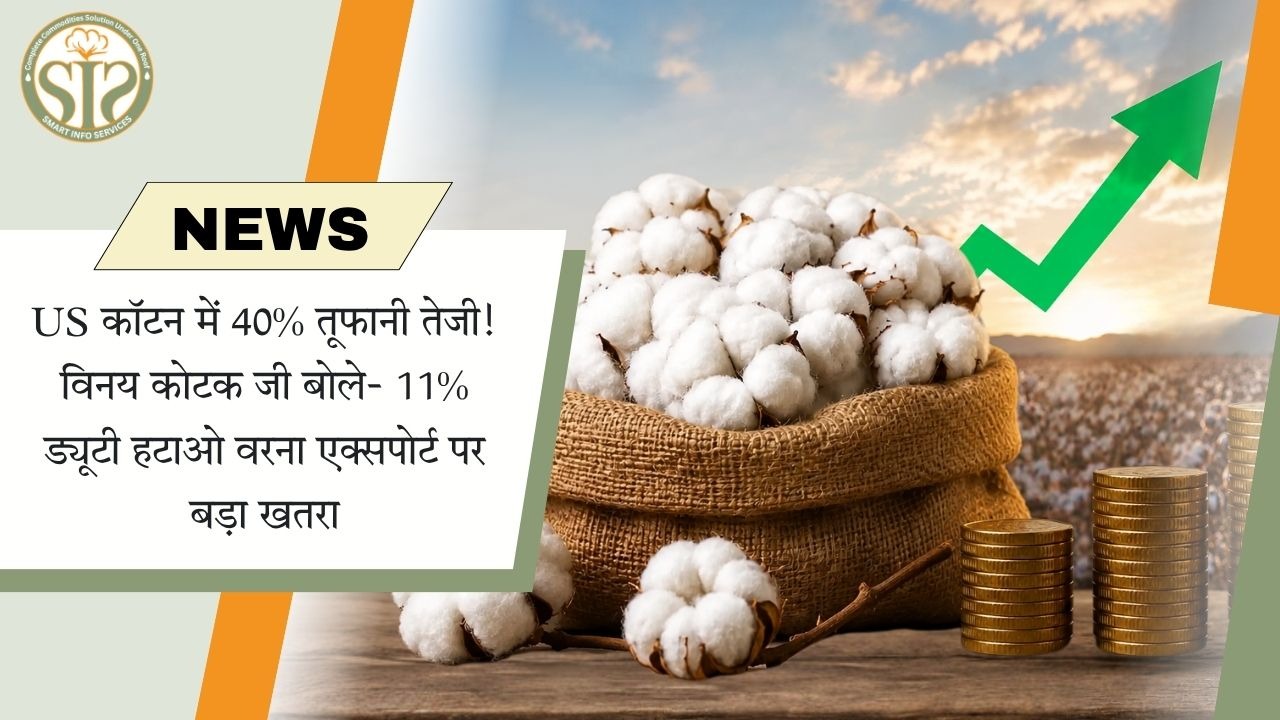
US कॉटन में 40% तूफानी तेजी! विनय कोटक जी बोले- 11% ड्यूटी हटाओ वरना एक्सपोर्ट पर बड़ा खतराकॉटन एसोसिएशन ऑफ इंडिया के प्रेजिडेंट Vinay Kotak ने CNBC आवाज़ से खास बातचीत में कहा कि पिछले डेढ़ महीने में US ICE कॉटन फ्यूचर में लगभग 40% की तेजी देखने को मिली है। उनके अनुसार, इसकी सबसे बड़ी वजह बाजार में मौजूद करीब 1 करोड़ बेल्स की शॉर्ट पोजीशन रही। जैसे ही वैश्विक जियोपॉलिटिकल तनाव बढ़ा और क्रूड ऑयल की कीमतों में लगभग 40% उछाल आया, वैसे ही बड़े स्तर पर शॉर्ट कवरिंग शुरू हो गई, जिससे बाजार में भारी खरीदारी का दबाव बना और कॉटन फ्यूचर तेजी से ऊपर चले गए।उन्होंने बताया कि मौजूदा स्तरों पर कीमतों में कुछ रेजिस्टेंस दिखाई दे रहा है। यार्न के दाम भी पहले 30 CCH से बढ़कर करीब 325 रुपये तक पहुंच गए थे, लेकिन अब यह करीब 310 रुपये पर आ गए हैं, यानी हाल के दिनों में लगभग 4-5% की गिरावट दर्ज हुई है। उनका मानना है कि ऊंचे दामों के कारण डिमांड डिस्ट्रक्शन देखने को मिल रहा है और बाजार के लिए इन कीमतों को लंबे समय तक absorb करना आसान नहीं है।हालांकि, उन्होंने यह भी कहा कि मौजूदा स्तरों पर स्पिनिंग मिल्स अभी भी मुनाफे में हैं, भले ही उनके मार्जिन पहले के मुकाबले कम हुए हों। इसी वजह से उन्हें नहीं लगता कि रुई के दामों में बहुत बड़ी गिरावट आएगी।इम्पोर्ट ड्यूटी के मुद्दे पर बात करते हुए विनय कोटक ने कहा कि भारत मुख्य रूप से तीन श्रेणियों में कॉटन आयात करता है, जिसमें एक्स्ट्रा लॉन्ग स्टेपल कॉटन और contamination-free कॉटन की विशेष मांग शामिल है। उनका कहना है कि यदि 11% आयात शुल्क जारी रहता है, तो भारत के टेक्सटाइल एक्सपोर्टर्स के लिए Bangladesh, Indonesia, China और Vietnam जैसे देशों से प्रतिस्पर्धा करना मुश्किल हो जाएगा, जिससे भारत का वैश्विक निर्यात शेयर प्रभावित हो सकता है।उन्होंने कहा कि यदि यह ड्यूटी हटाई जाती है, तो देश में वैल्यू-ऐडेड टेक्सटाइल एक्सपोर्ट को बड़ा समर्थन मिलेगा। इसी को ध्यान में रखते हुए Cotton Association of India ने सरकार से अप्रैल से अक्टूबर तक 11% आयात शुल्क हटाने की मांग की है।उन्होंने स्पष्ट किया कि मार्च तक किसानों की लगभग 90% कपास बिक चुकी होती है और केवल 10% स्टॉक कुछ किसान अपने पास रखते हैं। ऐसे में ड्यूटी हटाने से किसानों को बड़ा नुकसान नहीं होगा। साथ ही किसानों को सरकार के MSP का संरक्षण भी प्राप्त है, जिसमें इस वर्ष करीब 7% की बढ़ोतरी की गई है।विनय कोटक के अनुसार, वर्तमान समय में उपभोक्ताओं और टेक्सटाइल इंडस्ट्री को किसी प्रकार का संरक्षण नहीं मिल रहा है। ऐसे में अप्रैल से अक्टूबर के lean period के दौरान 11% ड्यूटी हटाना उद्योग और उपभोक्ताओं दोनों के हित में होगा। उन्होंने बताया कि टेक्सटाइल मंत्रालय और Cotton Corporation of India भी इस आवश्यकता को लेकर सहमत हैं।और पढ़ें:- रुपया डॉलर के मुकाबले 60 पैसे मजबूत होकर 95.68 पर बंद

शुक्रवार को भारतीय रुपया अमेरिकी डॉलर के मुकाबले 96.28 पर खुला और ट्रेडिंग के आखिर तक 60 पैसे मज़बूत होकर 95.68 पर बंद हुआ।सेंसेक्स 231.99 अंक या 0.31 प्रतिशत की बढ़त के साथ 75,415.35 पर बंद हुआ, जबकि निफ्टी 64.60 अंक या 0.27 प्रतिशत बढ़कर 23,719.30 पर स्थिर हुआ।और पढ़ें :- US-ईरान तनाव का असर: भारत में सिंथेटिक यार्न 45% महंगा, कॉटन में 20% उछाल
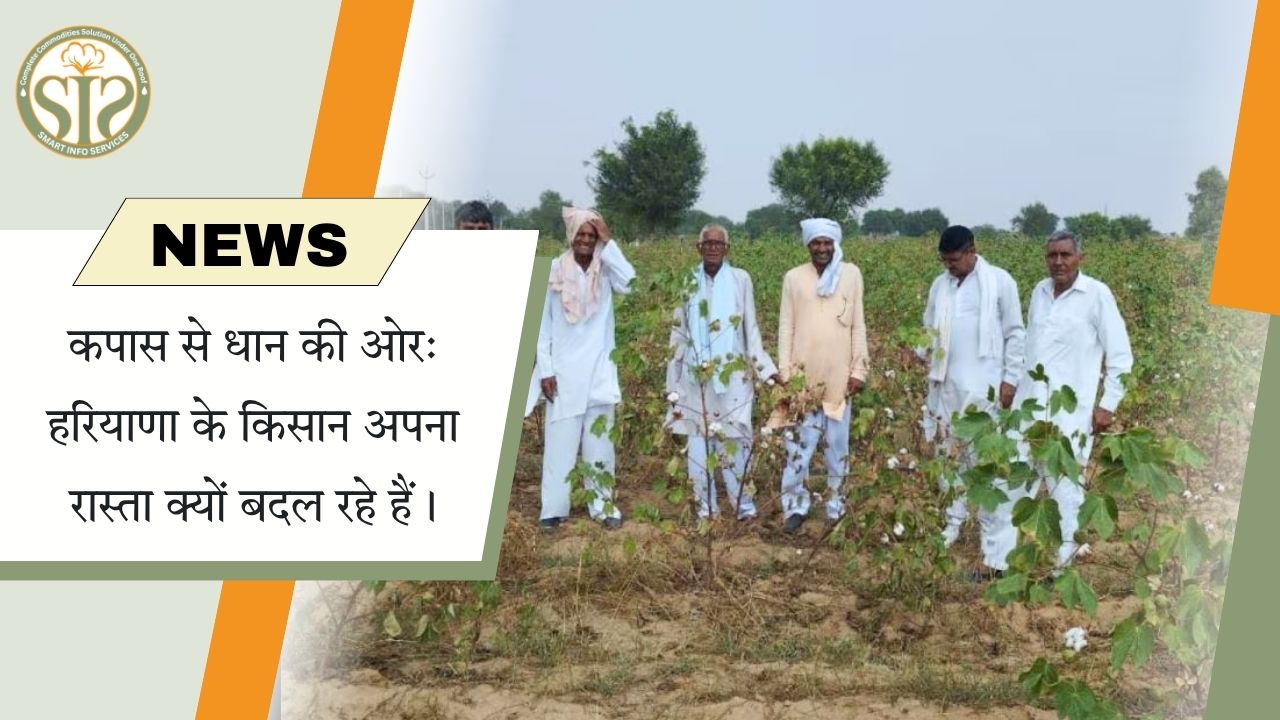
कपास से धान की ओर: हरियाणा के किसान अपना रास्ता क्यों बदल रहे हैं।2020 और 2025 के बीच, हरियाणा के फसल पैटर्न में बड़ा बदलाव आया है। चावल की खेती का रकबा 2020 में 1,525.77 हेक्टेयर से बढ़कर 2025 में 1,867.51 हेक्टेयर हो गया, जबकि कपास का रकबा 719.86 हेक्टेयर से घटकर सिर्फ़ 401.05 हेक्टेयर रह गया। यह बदलाव किसानों की धान के लिए बढ़ती पसंद को दिखाता है, जिससे पक्की खरीद और स्थिर रिटर्न मिलता है। इसके उलट, कीड़ों के हमलों, Bt-कॉटन की घटती रेज़िस्टेंस और खेती में बढ़ते नुकसान के कारण कपास तेज़ी से फ़ायदेमंद नहीं रहा है।धान सबसे पहली पसंद क्यों है?किसान धान चुनने का मुख्य कारण मुनाफ़ा बताते हैं। किसानों के संगठन पगड़ी संभाल जट्टा किसान संघर्ष समिति के प्रेसिडेंट मंदीप नाथवान के मुताबिक, धान से हर एकड़ करीब 80,000 रुपये की इनकम हो सकती है, जिसमें खर्च निकालने के बाद भी करीब 50,000 रुपये का प्रॉफिट होता है।कुरुक्षेत्र के किसान एक्टिविस्ट राकेश बैंस भी यही बात कहते हैं, उनका कहना है कि दूसरी फसलों से हर एकड़ सिर्फ 50,000 रुपये ही मिलते हैं, जबकि धान से 80,000 रुपये मिलते हैं, जिससे चावल ज़्यादा अच्छा ऑप्शन बन गया है।हरियाणा के किसानों ने कौन सी फसलें छोड़ी हैं?इंडियन काउंसिल ऑफ़ एग्रीकल्चरल रिसर्च (ICAR) के पुराने साइंटिस्ट वीरेंद्र लाठेर बताते हैं कि हाल के सालों में किसानों ने कपास, मक्का, ज्वार, दालें और तिलहन छोड़कर धान की खेती शुरू कर दी है, जिसमें कपास की खेती सबसे ज़्यादा कम हुई है।BT-कॉटन, जो कभी पिंक बॉलवर्म जैसे कीड़ों के लिए रेज़िस्टेंट था, अब अपना असर खो चुका है क्योंकि कीड़ों ने समय के साथ खुद को ढाल लिया है। किसान अब पेस्टिसाइड पर बहुत ज़्यादा खर्च करते हैं, लेकिन फिर भी उन्हें प्रति एकड़ सिर्फ़ दो क्विंटल पैदावार मिलती है, जो मुनाफ़े के लिए ज़रूरी आठ क्विंटल से बहुत कम है। इससे उन्हें प्रति एकड़ लगभग 15,000 रुपये का नुकसान होता है।सरकार ने फ़सलों में अलग-अलग तरह के बदलाव को बढ़ावा देने के लिए क्या किया है?ज़्यादा पानी वाली धान की खेती करने वाले किसानों के खतरों को समझते हुए, हरियाणा सरकार ने अलग-अलग तरह के बदलाव को बढ़ावा देने के लिए कदम उठाए हैं। ‘मेरा पानी मेरी विरासत’ स्कीम के तहत, किसानों को दालें, कपास और मक्का जैसी कम पानी वाली फ़सलें उगाने के लिए प्रति एकड़ 8,000 रुपये मिलते हैं। मुख्यमंत्री नायब सिंह सैनी ने हाल ही में घोषणा की कि इस स्कीम के तहत 2.20 लाख एकड़ में 157 करोड़ रुपये बांटे गए हैं। एक्स्ट्रा फ़ायदों में माइक्रो-इरिगेशन टेक्नोलॉजी, रेनवॉटर हार्वेस्टिंग और तालाब बनाने के लिए 85 परसेंट तक की सब्सिडी शामिल है।एक्सपर्ट्स और किसान क्या सुझाव देते हैं? चावल की खेती में सस्टेनेबल तरीकों को बढ़ावा देने के लिए, सरकार डायरेक्ट सीडेड राइस (DSR) अपनाने पर हर एकड़ 4,000 रुपये देती है, जिसमें पारंपरिक रोपाई के मुकाबले कम पानी लगता है। हालांकि, वीरेंद्र लाठेर जैसे एक्सपर्ट्स का कहना है कि किसानों का व्यवहार बदलने के लिए यह इंसेंटिव बहुत कम है और वे हरियाणा के गिरते वॉटर लेवल को ठीक करने के लिए पारंपरिक धान की खेती पर रोक लगाने का भी सुझाव देते हैं। वहीं, किसान इस बात पर ज़ोर देते हैं कि अगर डायवर्सिफिकेशन को सफल बनाना है तो दूसरी फसलों के लिए बेहतर मार्केटिंग और खरीद की सुविधाएं ज़रूरी हैं।और पढ़ें :- भारतीय रुपया डॉलर के मुकाबले 8 पैसे गिरकर 96.28 पर खुला

रुपया 8 पैसे गिरकर 96.28 USD पर खुला.शुक्रवार को भारतीय रुपया डॉलर के मुकाबले 8 पैसे गिरकर 96.28 पर खुला जबकि गुरुवार को यह 96.20 पर बंद हुआ था।और पढ़ें :- राजस्थान में भाखड़ा नहर से सिंचाई जल आपूर्ति शुरू, कपास और नरमा की बुवाई को मिलेगा बढ़ावा

राजस्थान: भाखड़ा नहर प्रणाली से आज से सिंचाई पानी, कपास-नरमा की बुवाई को मिलेगी रफ्तारहनुमानगढ़ जिले के किसानों के लिए राहत भरी खबर है। भाखड़ा नहर प्रणाली से गुरुवार से सिंचाई के लिए पानी की आपूर्ति शुरू हो गई है। जल संसाधन विभाग ने भाखड़ा प्रणाली का नया रोटेशन जारी करते हुए 21 से 29 मई तक का साप्ताहिक वरीयताक्रम घोषित किया है। इसके तहत 1200 क्यूसेक क्षमता वाली नहरों को पूरी क्षमता से चलाया जाएगा, जबकि छोटी नहरों में तय क्षमता के अनुसार पानी छोड़ा जाएगा।विभाग के अनुसार रतनपुरा नहर में 42 क्यूसेक, नाथवाना में 73, प्रतापपुरा में 248, हरिपुरा में 261, दीनगढ़ में 274 और सूरतपुरा में 283 क्यूसेक पानी प्रवाहित किया जाएगा। वहीं मोडिया, लोंगवाला, पीलीबंगा, अमरपुरा और रोड़ांवाली जैसी प्रमुख नहरों में भी पर्याप्त मात्रा में पानी छोड़ा जाएगा। सबसे अधिक 2222 क्यूसेक पानी संगरिया नहर में प्रवाहित होगा।अधिकारियों ने बताया कि प्रत्येक नहर को आठ दिन तक पूरी क्षमता से चलाने के बाद बंद किया जाएगा। यदि पानी के स्तर में बदलाव होता है तो संबंधित अधिकारियों से चर्चा के बाद रेगुलेशन में आवश्यक परिवर्तन किए जाएंगे।कृषि विशेषज्ञों का कहना है कि वर्तमान समय नरमा और कपास की बुवाई के लिए बेहद महत्वपूर्ण है। पिछले कुछ दिनों से भीषण गर्मी और पानी की कमी के कारण किसानों को खेत तैयार करने में कठिनाइयों का सामना करना पड़ रहा था। अब नहरों में पानी आने से बुवाई कार्य में तेजी आने की उम्मीद है।किसानों ने उम्मीद जताई है कि यदि आने वाले दिनों में पानी की आपूर्ति नियमित बनी रही तो कपास, नरमा और अन्य खरीफ फसलों का उत्पादन बेहतर होगा। साथ ही ग्रामीण क्षेत्रों में पानी की उपलब्धता बढ़ने से लोगों को गर्मी से भी राहत मिलेगी।और पढ़ें:- भारत को टेक्सटाइल कचरे का ‘डंपिंग ग्राउंड’ बताना भ्रामक: केंद्र सरकार
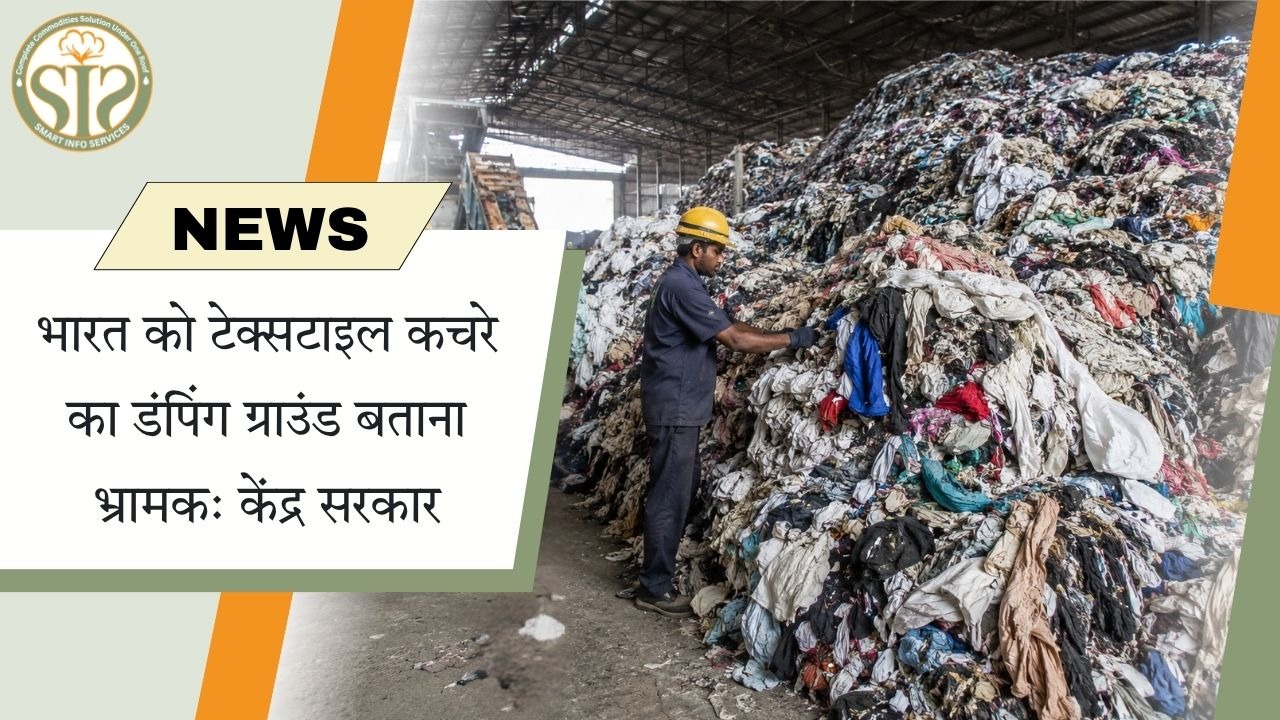
भारत को टेक्सटाइल कचरे का डंपिंग ग्राउंड बताना भ्रामक: केंद्र सरकारनई दिल्ली: केंद्र सरकार ने भारत के टेक्सटाइल रीसाइक्लिंग इकोसिस्टम का बचाव करते हुए कहा है कि देश को टेक्सटाइल कचरे का “डंपिंग ग्राउंड” बताना भ्रामक और तथ्यों से परे है। टेक्सटाइल मंत्रालय ने गुरुवार को जारी बयान में कहा कि भारत दुनिया के सबसे बड़े टेक्सटाइल रिकवरी और रीसाइक्लिंग नेटवर्क में शामिल है, जिसे लंबे समय से चले आ रहे पुनः उपयोग और पुनर्चक्रण तंत्र का समर्थन प्राप्त है।मंत्रालय ने कहा कि हाल ही में कुछ अंतरराष्ट्रीय मीडिया रिपोर्टों में पानीपत जैसे टेक्सटाइल क्लस्टरों को केंद्र में रखकर पर्यावरण और श्रमिक सुरक्षा संबंधी चिंताओं को बढ़ा-चढ़ाकर पेश किया गया, जबकि सेक्टर में सस्टेनेबिलिटी, नियामकीय सुधार और नई तकनीकों के उपयोग की दिशा में हुई प्रगति को नजरअंदाज किया गया।सरकार ने स्पष्ट कहा कि भारतीय टेक्सटाइल उद्योग को पर्यावरण के प्रति लापरवाह या संरचनात्मक रूप से शोषणकारी बताना गलत है और इससे इस क्षेत्र में जारी सुधारात्मक प्रयासों और सस्टेनेबिलिटी आधारित पहलों की अनदेखी होती है।मंत्रालय के अनुसार, भारत में हर वर्ष लगभग 7,073 किलो टन टेक्सटाइल कचरा उत्पन्न होता है। “मैपिंग ऑफ टेक्सटाइल वेस्ट वैल्यू चेन इन इंडिया 2026” अध्ययन का हवाला देते हुए सरकार ने बताया कि विनिर्माण प्रक्रिया के दौरान उत्पन्न होने वाले प्री-कंज्यूमर टेक्सटाइल वेस्ट का करीब 97 प्रतिशत हिस्सा पुनर्चक्रित किया जाता है।सरकार ने उन दावों को भी खारिज किया कि भारत पश्चिमी देशों के फास्ट फैशन कचरे का प्रमुख ठिकाना बन रहा है। मंत्रालय के अनुसार, देश में प्रबंधित किए जाने वाले लगभग 7.8 मिलियन टन टेक्सटाइल कचरे में 90 प्रतिशत से अधिक हिस्सा घरेलू स्तर पर उत्पन्न होता है, जबकि आयातित कचरे की हिस्सेदारी केवल लगभग 7 प्रतिशत है।फेडरेशन ऑफ इंडियन चैंबर्स ऑफ कॉमर्स एंड इंडस्ट्री (FICCI) की रिपोर्ट का हवाला देते हुए मंत्रालय ने कहा कि टेक्सटाइल वेस्ट इकोसिस्टम से देश में प्रतिवर्ष लगभग 22,000 करोड़ रुपये की आर्थिक गतिविधि उत्पन्न होती है।सरकार ने आईआईटी दिल्ली के शोधकर्ताओं के अध्ययन का भी उल्लेख किया, जिसमें पानीपत क्लस्टर के आंकड़ों के आधार पर पाया गया कि टेक्सटाइल रीसाइक्लिंग से वर्जिन फाइबर उत्पादन की तुलना में ग्रीनहाउस गैस उत्सर्जन और जीवाश्म ईंधन उपयोग जैसे पर्यावरणीय प्रभावों में लगभग 40 प्रतिशत तक कमी आती है।हालांकि सरकार ने यह स्वीकार किया कि पोस्ट-कंज्यूमर वेस्ट मैनेजमेंट, असंगठित इकाइयों और श्रमिक सुरक्षा से जुड़ी चुनौतियां अभी भी मौजूद हैं, लेकिन उद्योग लगातार अधिक औपचारिक व्यवस्था, स्वच्छ तकनीक और बेहतर पर्यावरणीय अनुपालन की दिशा में आगे बढ़ रहा है।मंत्रालय ने कहा कि टेक्सटाइल रीसाइक्लिंग इकाइयां मौजूदा पर्यावरण और श्रम कानूनों के तहत संचालित होती हैं तथा नेशनल ग्रीन ट्रिब्यूनल (NGT) सहित विभिन्न नियामक एजेंसियां नियमों का उल्लंघन करने वाली इकाइयों के खिलाफ कार्रवाई कर रही हैं।और पढ़ें:- रुपया डॉलर के मुकाबले 10 पैसे की बढ़त के साथ 96.20 पर बंद हुआ।

गुरुवार को भारतीय रुपया अमेरिकी डॉलर के मुकाबले 96.30 पर खुला और ट्रेडिंग के आखिर तक 10 पैसे मज़बूत होकर 96.20 पर बंद हुआ।बाज़ार बंद होने पर, सेंसेक्स 135 अंक गिरकर 75,183 पर और निफ्टी 50, 4 से ज़्यादा अंक गिरकर 23,655 पर रहा। यह तब हुआ जब India VIX, जो बाज़ारों में उतार-चढ़ाव को मापता है, सेशन के आखिर तक 3% से ज़्यादा गिरकर 17.82 पर आ गया।और पढ़ें:- भारत टेक्स 2026 के लिए टेक्सटाइल मंत्रालय ने लॉन्च किया AI आधारित स्मार्ट ऐप

कपड़ा मंत्रालय ने Bharat Tex 2026 के लिए AI-संचालित स्मार्ट ऐप लॉन्च कियाकपड़ा मंत्रालय ने Ministry of Textiles के तहत आयोजित होने वाले वैश्विक टेक्सटाइल इवेंट Bharat Tex 2026 के लिए एक AI-संचालित स्मार्ट इवेंट ऐप लॉन्च किया है। इस ऐप का उद्देश्य पूरे आयोजन को अधिक डिजिटल, इंटरैक्टिव और व्यवसायिक रूप से प्रभावी बनाना है, ताकि प्रदर्शकों, खरीदारों, प्रतिनिधियों, सोर्सिंग विशेषज्ञों, वक्ताओं और आगंतुकों के बीच बेहतर समन्वय स्थापित हो सके।इस प्लेटफ़ॉर्म की सबसे प्रमुख विशेषता इसका AI-आधारित स्मार्ट असिस्टेंट है, जो 24×7 संवादात्मक सहायता प्रदान करता है। उपयोगकर्ता सरल भाषा में प्रश्न पूछकर कार्यक्रम की समय-सारणी, स्थल की जानकारी, दिशा-निर्देश, सेवाओं और अन्य आवश्यक विवरण तुरंत प्राप्त कर सकते हैं। इससे प्रतिभागियों को इवेंट के दौरान जानकारी खोजने में समय नहीं गंवाना पड़ता और उनका अनुभव अधिक सहज बनता है।ऐप में एक मजबूत बिज़नेस नेटवर्किंग सिस्टम भी शामिल किया गया है, जो प्रदर्शकों और खरीदारों को संभावित व्यावसायिक साझेदारों की पहचान करने, बैठकें तय करने और अपनी उपलब्धता को प्रभावी ढंग से प्रबंधित करने की सुविधा देता है। सभी मीटिंग्स और इंटरैक्शन को डिजिटल रूप से ट्रैक किया जा सकता है, जिससे व्यापारिक गतिविधियों में पारदर्शिता और दक्षता बढ़ती है।प्रदर्शकों के लिए ‘लीड वॉलेट’ और QR-आधारित लीड कैप्चर सिस्टम भी उपलब्ध है, जिसके माध्यम से वे विज़िटर के डिजिटल बैज स्कैन करके संपर्क जानकारी सुरक्षित रूप से संग्रहित कर सकते हैं। इससे इवेंट के बाद फॉलो-अप प्रक्रिया सरल और अधिक प्रभावी हो जाती है।इसके अतिरिक्त, ऐप में इंटरैक्टिव फ्लोर प्लान, बूथ लोकेशन सर्च और स्टॉल-स्तरीय नेविगेशन जैसी सुविधाएँ भी दी गई हैं। अंतरराष्ट्रीय खरीदारों के लिए ‘Exhibitor Discovery Module’ उपलब्ध है, जिससे वे कंपनियों को श्रेणी, नाम और उत्पाद प्रकार के आधार पर खोज सकते हैं। रियल-टाइम अपडेट, व्यक्तिगत शेड्यूल और अलर्ट सिस्टम इस प्लेटफ़ॉर्म को और भी उन्नत बनाते हैं, जिससे Bharat Tex 2026 एक स्मार्ट और वैश्विक व्यापार मंच के रूप में उभरता है।और पढ़ें:- कपास की समय पर बुवाई से किसानों को होगा अधिक लाभ, वैज्ञानिकों की सलाह
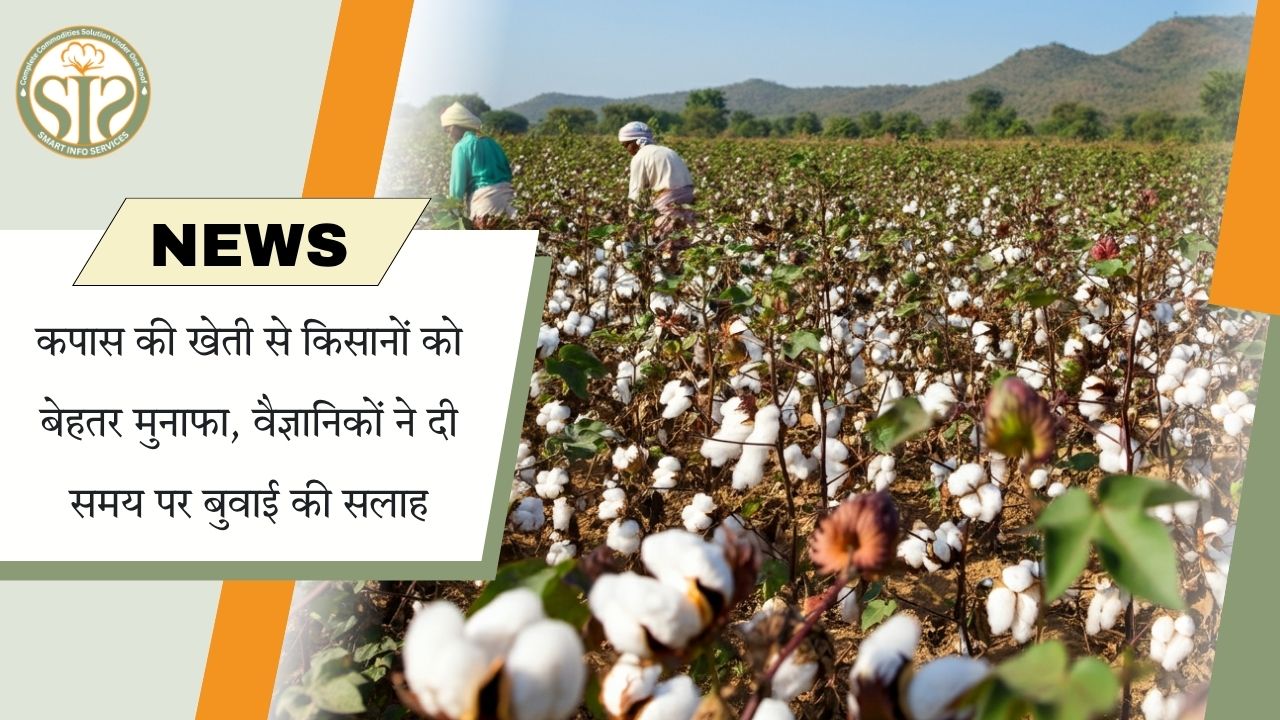
कपास की खेती से किसानों को बेहतर मुनाफा, वैज्ञानिकों ने दी समय पर बुवाई की सलाहखरीफ सीजन नजदीक आने के साथ ही कपास की खेती को लेकर तैयारियां तेज हो गई हैं। जिले में किसान अब कपास की बुवाई की ओर ध्यान दे रहे हैं, क्योंकि यह फसल आर्थिक दृष्टि से लाभकारी मानी जाती है। कृषि विशेषज्ञों के अनुसार, क्षेत्र की जलवायु कपास उत्पादन के लिए अनुकूल है और सही समय पर बुवाई करने से पैदावार में उल्लेखनीय वृद्धि हो सकती है।खरगोन के वरिष्ठ कृषि वैज्ञानिक डॉ. राजीव सिंह ने किसानों को सलाह दी है कि वे 25 मई के बाद कपास की बुवाई शुरू करें। उन्होंने बताया कि इस अवधि में तापमान धीरे-धीरे कम होने लगता है और मानसून की शुरुआती गतिविधियां भी शुरू हो जाती हैं, जो बीज अंकुरण और पौधों की शुरुआती वृद्धि के लिए अनुकूल वातावरण प्रदान करती हैं। ऐसे समय में की गई बुवाई फसल की गुणवत्ता और उत्पादन दोनों के लिए लाभकारी साबित होती है।वैज्ञानिकों का यह भी कहना है कि किसानों को कपास की बुवाई जून महीने के अंत तक हर हाल में पूरी कर लेनी चाहिए। यदि बुवाई में देरी होती है, तो उसका सीधा असर फसल की वृद्धि और उत्पादन क्षमता पर पड़ता है। देर से बोई गई फसल में पौधों की बढ़वार कमजोर हो जाती है, जिससे पैदावार कम हो जाती है।हालांकि खेती की लागत लगभग समान ही रहती है, लेकिन उत्पादन घटने से किसानों का लाभ कम हो जाता है। इसलिए समय पर बुवाई को कपास की सफल खेती का सबसे महत्वपूर्ण चरण माना जा रहा है। विशेषज्ञों ने किसानों को सही तकनीक और समय प्रबंधन अपनाकर अधिक मुनाफा कमाने की सलाह दी है, ताकि वे कम लागत में बेहतर उत्पादन प्राप्त कर सकें।और पढ़ें:- कपास आयात शुल्क हटाने से किसानों को भारी नुकसान होगा: CPI
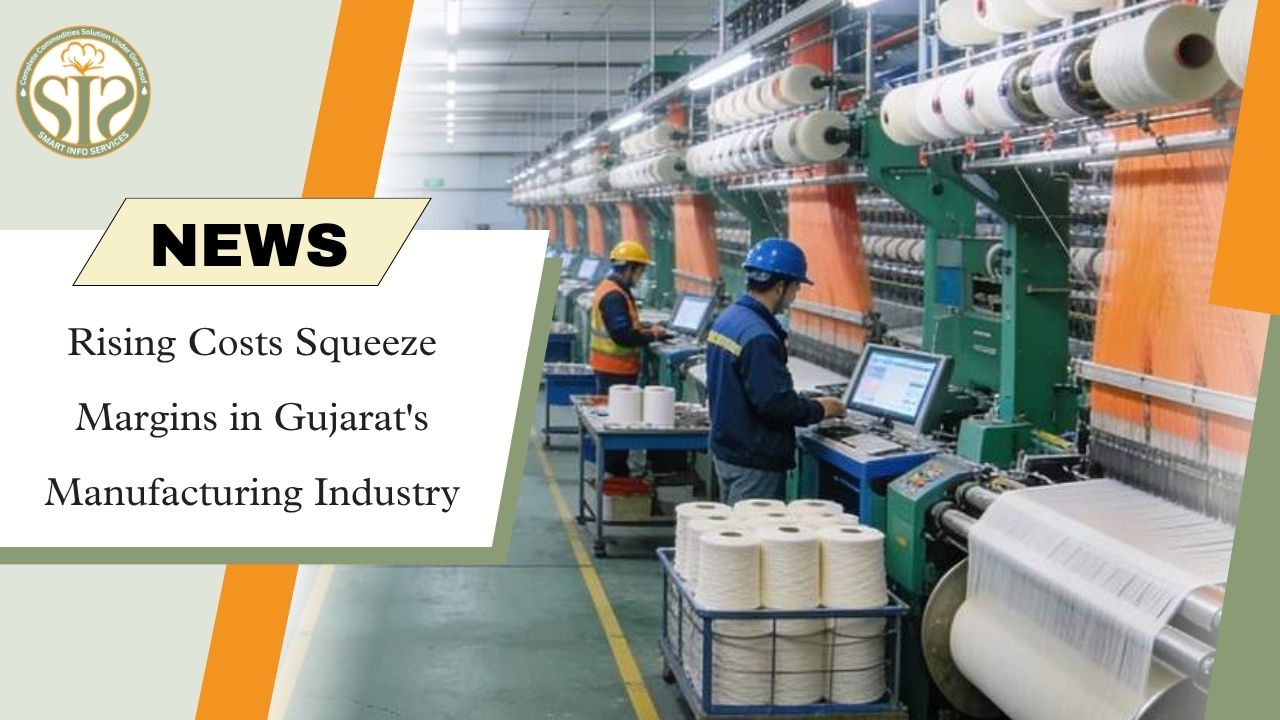
Rising Costs Squeeze Margins in Gujarat's Manufacturing IndustryGujarat's manufacturing industry is currently spending more time grappling with rising input costs than focusing on expansion or securing new orders. Business owners across the textile, chemical, pharmaceutical, and real estate sectors report that a persistent rise in raw material prices, coupled with sluggish demand, has made it increasingly difficult to sustain profit margins.While many companies are attempting to gradually hike prices, a significant portion of the MSME sector is unable to pass the entire burden of these rising costs onto their customers. The repercussions of this situation are manifesting as project delays, reduced production volumes, and inflationary pressures rippling across the entire industrial value chain.The textile industry, in particular, is under severe strain. Soaring prices for cotton yarn and crude-linked chemicals, combined with elevated fuel costs, have rapidly driven up production expenses. Over the past few weeks, a scarcity of yarn availability and rising processing charges have also led to an increase in fabric prices, ranging from approximately ₹10 to ₹25 per meter.According to industry sources, robust export demand from China has pushed cotton yarn prices to a four-year high, while geopolitical tensions in West Asia have further inflated the cost of crude-based inputs essential for dyeing and processing operations. Furthermore, yarn shortages within powerloom units have curtailed production—a factor that has further exacerbated the supply crunch.Although exporters had anticipated benefiting from the depreciation of the Indian Rupee, high shipping costs and persistent demands for price discounts from buyers have largely eroded this potential advantage. Industry representatives state that, owing to the dual pressures of escalating costs and uncertain market demand, many manufacturing units are being compelled to halt production, despite holding existing orders.Meanwhile, calls to abolish the 11% import duty on cotton have intensified, with stakeholders arguing that such a measure is crucial to lower raw material costs and help maintain global competitiveness.read more :- Kharif Sowing Hit by Diesel and Water Crisis in Maharashtra, Gujarat

Kharif Sowing Under Threat as Diesel Crunch and Water Shortage Hit Farmers in Maharashtra, GujaratAs the Kharif sowing season approaches, farmers in Maharashtra and Gujarat are grappling with diesel supply disruptions and water shortages, raising fears of a severe impact on agricultural production this year. Despite repeated assurances from governments and oil companies that fuel stocks are adequate, growers across rural regions continue to face long queues, supply caps, and delays in accessing diesel essential for tractors, irrigation pumps, and transport vehicles.In Maharashtra, particularly in Marathwada and parts of Pune district, farmers’ organisations have warned that continued disruption in diesel availability during the next 10–15 days could badly affect sowing operations. Swabhimani Shetkari Sanghatana founder Raju Shetti said the period before monsoon arrival is crucial for land preparation and sowing, and any interruption in fuel supply may lead to major crop losses. Farmer groups have threatened statewide protests if the situation is not resolved quickly.The crisis has deepened with water scarcity in Pune’s Indapur tehsil, where farmers staged protests against inadequate release of water from the Khadakwasla canal system. Agriculture Minister Dattatray Bharne acknowledged mismanagement by the irrigation department and assured increased water release after meeting protesting farmers.Meanwhile, in Gujarat, panic buying has led to long lines of tractors at diesel pumps in rural districts such as Porbandar. The state government has imposed a 200-litre cap per farmer to prevent hoarding, requiring proof of land ownership before fuel purchase. Petroleum dealers say there is no actual shortage, but regulated supply and increased seasonal demand have triggered temporary dry-outs at remote outlets.Farmer leaders warn that rising fuel stress, combined with erratic rainfall concerns, could hurt the upcoming Kharif cycle and agricultural growth across western India.read more :- Maharashtra Expects 12% Lower Rainfall During Kharif Season Due to El Niño
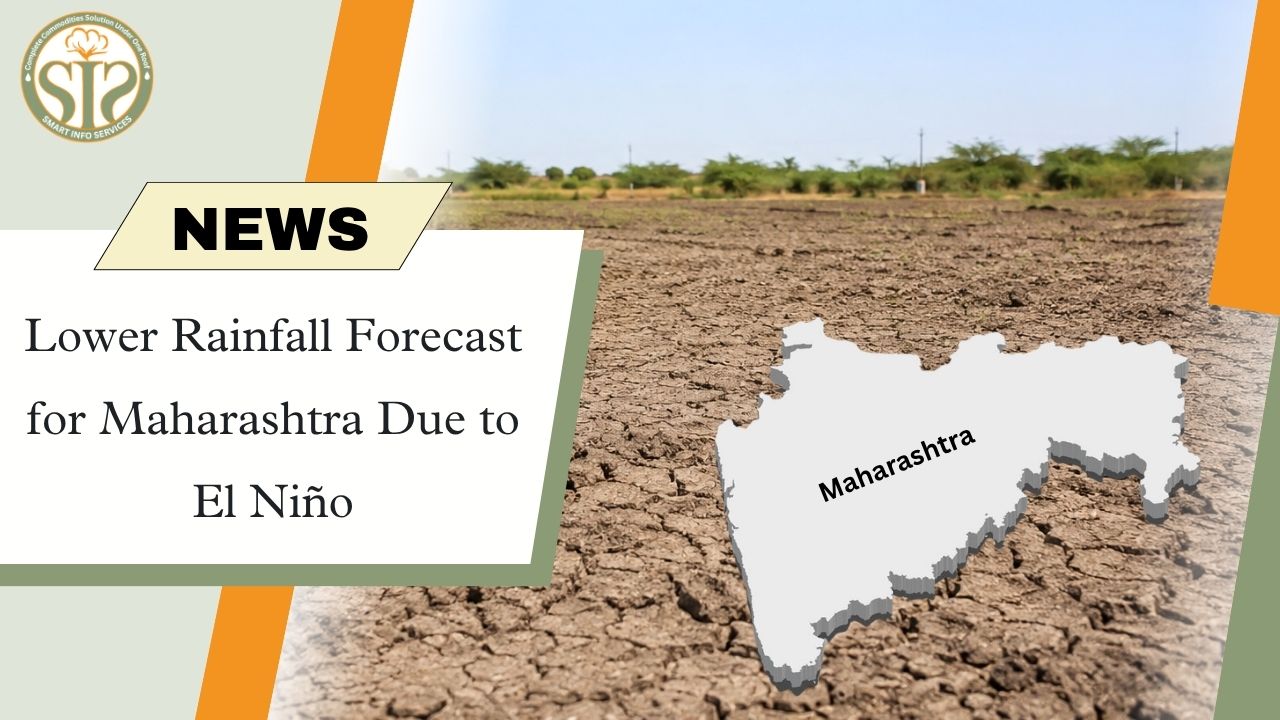
Lower Rainfall Forecast for Maharashtra Due to El NiñoDue to the influence of El Niño, it is anticipated that rainfall in Maharashtra during the upcoming Kharif season will be approximately 12% lower than normal. During a state-level pre-Kharif review meeting held on Thursday (May 21, 2026), Chief Minister Devendra Fadnavis stated that the state is projected to receive an average of 88% of its normal rainfall this year. While some regions may experience higher rainfall, areas such as Western Vidarbha and Marathwada are likely to face challenging conditions due to a deficit in precipitation.The Chief Minister informed that the state government is implementing technology-based solutions to address the challenges posed by the low rainfall. Farmers will be provided with region-specific information regarding rainfall and weather conditions through mobile applications and AI-based systems. To this end, the Maharashtra State Disaster Management Authority has signed a Memorandum of Understanding (MoU) with the Indian Institute of Tropical Meteorology.The state government also announced that the process of waiving farmers' loans will be completed before June 30. This initiative is being implemented under the "Punyashlok Ahilyadevi Holkar Shetkari Karjmafi Yojana" (Farmers' Loan Waiver Scheme), which was announced during the State Budget presentation in March 2026. Under this scheme, crop loans of up to ₹2 lakh will be waived for farmers, while farmers who have been regular in repaying their loans will receive an incentive of ₹50,000.During the meeting, banks were also directed to increase credit disbursement within the agricultural sector. The Chief Minister urged nationalized banks to extend more crop loans to farmers and to waive the mandatory requirement of a CIBIL score for loan approval. Furthermore, Maharashtra has become the first state in the country to integrate the Bharat Forecast System (BharatFS) into its disaster management framework.read more :- Agricultural Science: Measures to Protect the Cotton Crop from Severe Heatwaves and High Temperatures

Agricultural Science: Advisory on Protecting Cotton Crops from HeatwavesAmidst the continuously escalating severe heat and intense heatwaves in Hanumangarh, the Department of Agriculture has issued a special advisory to farmers regarding the protection of their cotton crops. This season, cotton sowing in the district has proceeded at a rapid pace, with sowing operations already completed across an area of approximately one lakh hectares. However, due to rising temperatures and hot winds, reports have begun to emerge from several regions regarding the wilting and weakening of sprouted seedlings. Officials from the Department of Agriculture have visited various villages to inspect the impact of the heatwave on the new crop.Dr. Pramod Kumar, Joint Director of Agriculture (Extension), has appealed to farmers to align their farming activities with the prevailing weather conditions and to adopt scientific methods. He emphasized that light irrigation is crucial in the fields to mitigate the adverse effects of the intense heat. Farmers equipped with sprinkler irrigation systems are advised to irrigate using the sprinkler method at three-day intervals; this ensures that soil moisture is maintained and provides relief to the plants from the heat stress.The Department of Agriculture has advised against the use of any type of fertilizer for the time being. According to officials, sowing should ideally be undertaken only after deep plowing of the field and pre-sowing irrigation (known as paleva) using canal water. Farmers engaging in late sowing can minimize the impact of hot winds by planting two rows of fodder crops along the perimeter of their fields.Furthermore, the advisory recommends lightly spraying water using tractor-mounted sprayers during the afternoon hours, as well as scheduling plowing and sowing operations for the evening. The department has identified the adoption of the furrow or bed method as being particularly beneficial for the cultivation of BT cotton.read more :- India Targets $100 Billion Textile Exports by 2030 at TEXPROCIL Awards

Emphasis on India's $100 Billion Textile Export Target at TEXPROCIL Awards CeremonyExporters demonstrating outstanding performance in India's cotton textile export sector were honored at the TEXPROCIL Export Awards 2023–24 ceremony, organized by TEXPROCIL in Mumbai. The event was presided over by the Union Minister for Finance and Corporate Affairs, Nirmala Sitharaman. During the ceremony, TEXPROCIL awards were presented to exporters who made exceptional contributions in the areas of export performance, job creation, innovation, ESG initiatives, and e-commerce.On this occasion, the Finance Minister also launched the "Advanced Certificate Program in International Trade" (ACPIT). This initiative by TEXPROCIL has been introduced with the objective of strengthening India's export ecosystem and enhancing its competitiveness in global trade. The program has been designed to align with various government schemes and policy initiatives.In her address, Mrs. Sitharaman emphasized the need to empower the entire textile value chain—spanning "from farm to fiber, from factory to fashion, and to foreign markets." Citing India's ancient weaving and textile traditions, she noted that this heritage continues to reinforce the country's global identity to this day. She reiterated the target of boosting India's textile exports to US$ 100 billion and total textile production to US$ 250 billion by the year 2030.The Finance Minister highlighted that India currently stands as the world's sixth-largest textile exporter. This sector directly and indirectly employs approximately 60 million people, contributes about 2.3 percent to the GDP, and accounts for a share of roughly 12 percent in the country's total export earnings.Vijay Agarwal, Chairman of TEXPROCIL, stated that the 2,000 exporters affiliated with the Council contribute approximately US$ 11 billion to exports and serve as the source of livelihood for nearly 35 million people. He also underscored the necessity of strengthening India's sustainable textile identity on the global stage through the "Kasturi Cotton" brand.read more :- CCI Cotton Sales Cross 70.33 Lakh Bales; Maharashtra, Telangana Lead 2025–26 Season
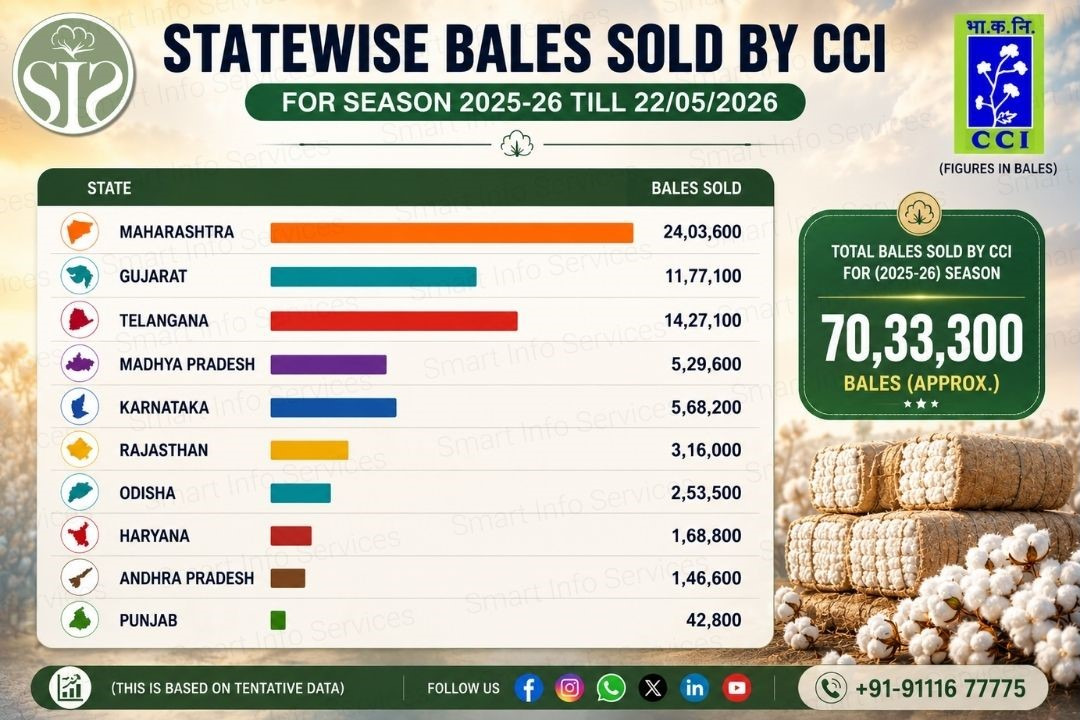
State-wise CCI Cotton Sales Details – 2025-26 SeasonThe Cotton Corporation of India (CCI) reduced its cotton candy prices by upto ₹700 per candy during this week . CCI has sold approximately 70,33,300 cotton bales for the 2025-26 season. Sales are highly concentrated in a few major cotton-producing states, Maharashtra, Telangana and Gujarat emerging as the leading contributors.read more:- Indian Rupee Opens 16 Paise Lower Against US Dollar at 95.39

The rupee fell 16 paise to open at 95.39 USD.On Tuesday, the Indian rupee opened 16 paise lower at 95.39 against the dollar, while it had closed at 95.23 on Monday.Read more :- Rupee Gains 12 Paise Against Dollar, Closes at 95.23

On Monday, the Indian Rupee opened at 95.35 against the US Dollar and strengthened by 12 paise by the end of trading, closing at 95.23.At market close, the Sensex rose by 1,073.61 points, or 1.42 percent, to reach 76,488.96, while the Nifty climbed 312.40 points, or 1.32 percent, to reach 24,031.70.Read More :- Government in Advanced Talks on Removing Cotton Import Duty

Cotton Import Duty Removal: Government ConsultationNew Delhi, (PTI) A senior official said the government is in an "advanced stage of consultation" regarding the 11 percent customs duty on raw cotton imports and is considering whether the levy can be lifted, and a decision is expected soon.Several ministries, including Finance, Textiles, and Agriculture, are considering the duty, with the textile industry demanding its removal to ease cost pressures on domestic companies due to high prices."We are talking to both Finance and Agriculture (both ministries), and it is in an advanced stage of consultation. We hope the consultation will be finalized soon," the official told PTI.A delegation comprising apparel industry representatives and exporters recently met Vice President CP Radhakrishnan and several Union ministers and demanded the duty be lifted. The delegation said that the textile industry requires approximately 337 lakh bales of cotton this year, while cotton arrivals are estimated to be 292.15 lakh bales in the 2025-26 season, leading to a supply-demand gap of approximately 45 lakh bales.They said this shortage is putting pressure on spinning mills and downstream textile manufacturers due to the low availability of good quality raw materials and rising input costs.READ MORE :- Indian Rupee Opens 33 Paise Higher Against US Dollar at 95.35

The Rupee opened 33 paise higher at 95.35 against the USD.On Monday, the Indian Rupee opened 33 paise higher against the Dollar at 95.35, whereas it had closed at 95.68 on Friday.Read more:- CCI Cuts Cotton Prices by ₹700; Weekly Auction Sales Cross 11,600 Bales
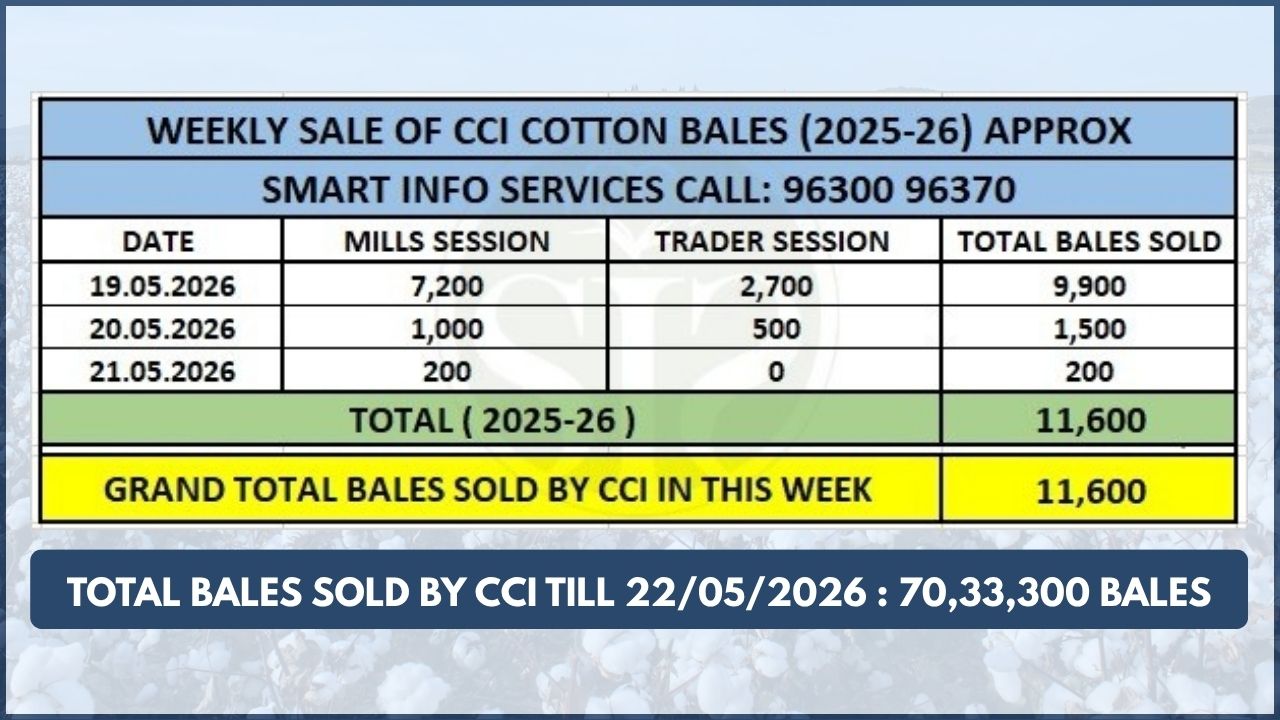
CCI Reduces Cotton Candy Prices by ₹700; Weekly Auction Sales Cross 11,600 BalesThe Cotton Corporation of India (CCI) reduced cotton prices by ₹700 per candy during the week from 18th May to 22nd May 2026. Despite the price correction, CCI auctions witnessed active participation from mills and cotton traders, with total weekly sales crossing 11,600 bales from the 2025–26 cotton season.Day-wise Auction Performance19 May 2026 (Tuesday):The week began with sale of 9,900 bales. Mills purchased 7,200 bales, while traders lifted 2,700 bales.20 May 2026 (Wednesday):CCI reported total sales of 1,500 bales during the day, including 1,000 bales purchased by mills and 500 bales by traders.21 May 2026 (Thursday):Auction activity remained limited on the final trading day of the week, with mills purchasing 200 bales.Cumulative Sales UpdateCCI’s cumulative cotton sales for the 2025–26 season have now reached 70,33,300 bales.
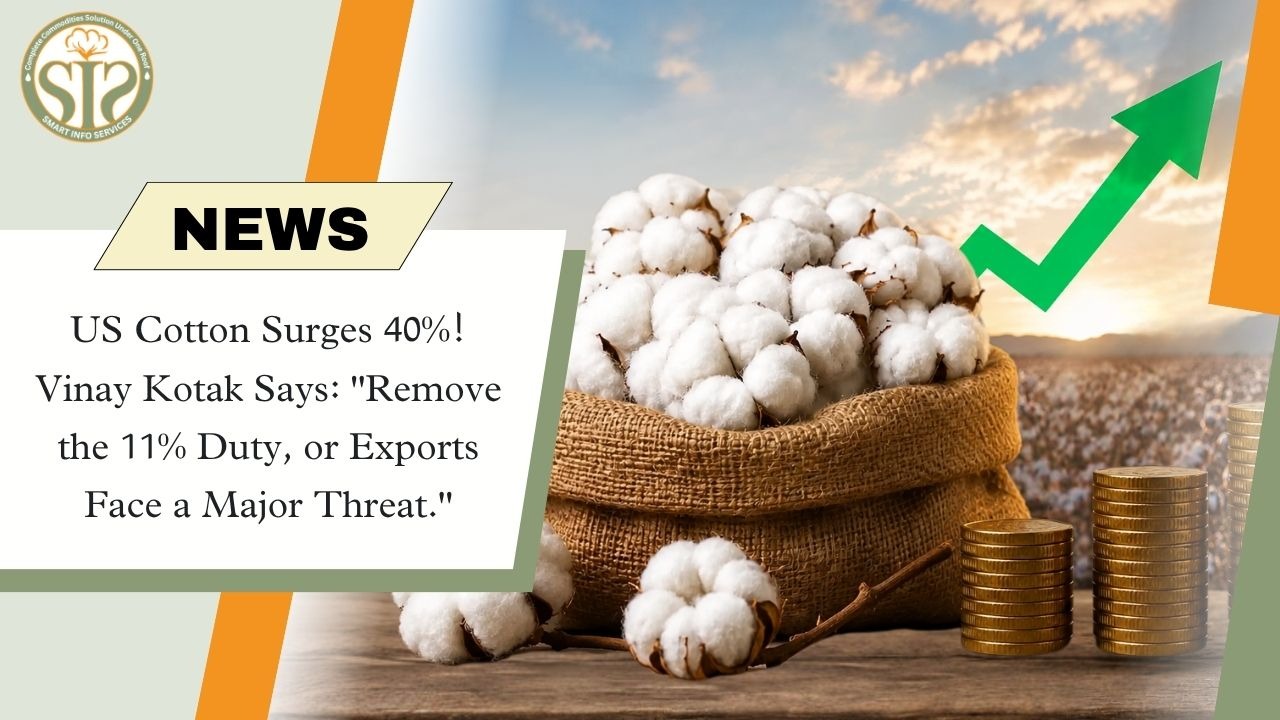
US Cotton Surges 40%! Vinay Kotak Urges: "Remove the 11% Duty, or Exports Face a Major Threat"In an exclusive interview with CNBC Awaaz, Vinay Kotak, President of the Cotton Association of India, stated that US ICE cotton futures have witnessed a surge of approximately 40% over the last month and a half. According to him, the primary catalyst for this rally was the presence of a significant "short position" of nearly 10 million bales in the market. As global geopolitical tensions escalated and crude oil prices surged by roughly 40%, large-scale short covering commenced; this created immense buying pressure in the market, driving cotton futures sharply upward.He noted that prices are currently encountering some resistance at their prevailing levels. Yarn prices, too—which had previously risen from 30 CCH to reach nearly ₹325—have now retreated to around ₹310, marking a decline of approximately 4–5% in recent days. He believes that these elevated prices are leading to "demand destruction," and the market will find it difficult to sustain—or "absorb"—these price levels over the long term.However, he also added that spinning mills remain profitable at current levels, even though their profit margins have narrowed compared to earlier periods. Consequently, he does not anticipate a drastic decline in raw cotton prices.Addressing the issue of import duties, Vinay Kotak explained that India primarily imports cotton across three categories, with a particularly strong demand for Extra Long Staple (ELS) cotton and contamination-free cotton. He argued that if the 11% import duty remains in force, it will become increasingly difficult for Indian textile exporters to compete with counterparts in countries such as Bangladesh, Indonesia, China, and Vietnam—a situation that could ultimately jeopardize India's global share of textile exports.He asserted that removing this duty would provide a significant boost to the country's value-added textile exports. With this in mind, the Cotton Association of India has requested the government to waive the 11% import duty for the period spanning from April to October.They clarified that by March, approximately 90% of the farmers' cotton produce has already been sold, with only about 10% of the stock being retained by a few farmers. Consequently, removing the duty would not result in any significant loss for the farmers. Furthermore, farmers benefit from the protection of the government's Minimum Support Price (MSP), which has been hiked by approximately 7% this year.According to Vinay Kotak, neither consumers nor the textile industry are currently receiving any form of protection. Under these circumstances, waiving the 11% duty during the lean period from April to October would be in the best interest of both the industry and the consumers. He further noted that the Ministry of Textiles and the Cotton Corporation of India also concur regarding the necessity of this measure.read more :- Rupee Gains 60 Paise Against Dollar, Closes at 95.68

On Friday, the Indian Rupee opened at 96.28 against the US Dollar and strengthened by 60 paise by the end of trading, closing at 95.68.The Sensex closed at 75,415.35, gaining 231.99 points or 0.31 percent, while the Nifty settled at 23,719.30, rising 64.60 points or 0.27 percent.Read More :- Bhakra Canal Water Released in Hanumangarh, Farmers to Get Irrigation for Cotton and Kharif Sowing
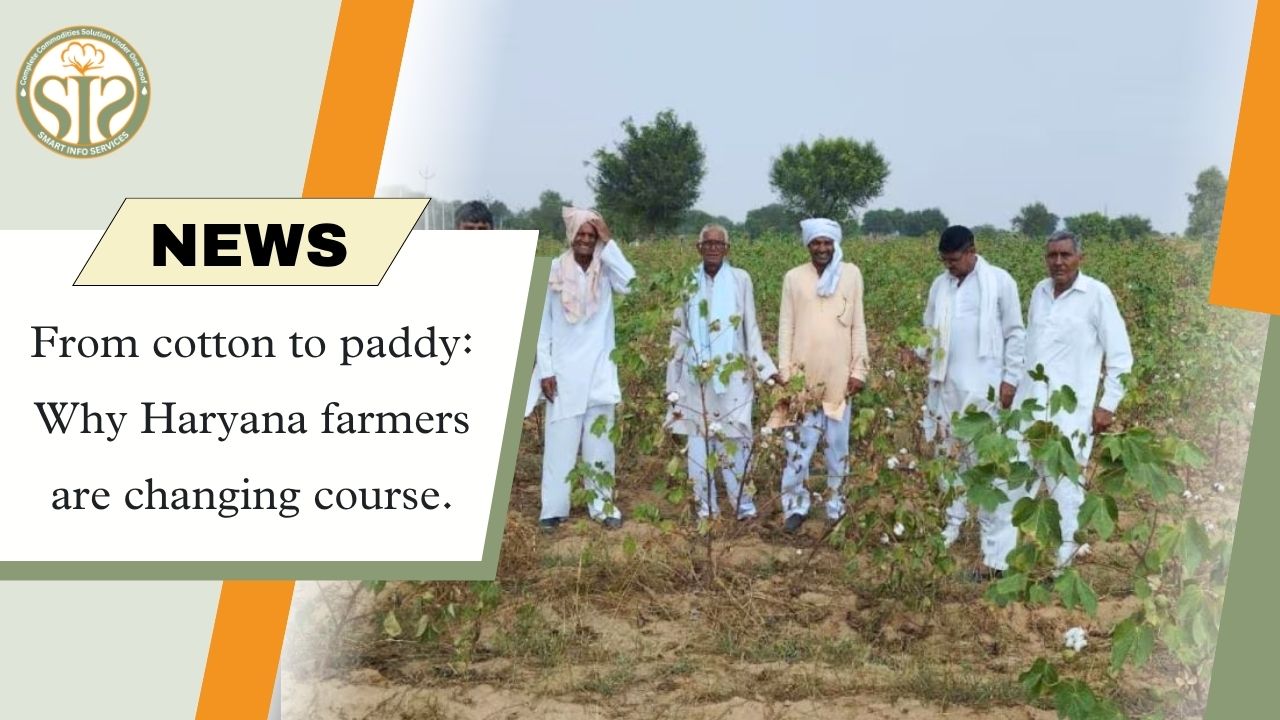
From cotton to paddy: Why Haryana farmers are changing course.Between 2020 and 2025, Haryana’s cropping pattern has undergone a marked transformation. The area under rice cultivation expanded from 1,525.77 hectares in 2020 to 1,867.51 hectares in 2025, while cotton acreage shrank from 719.86 hectares to just 401.05 hectares. This shift reflects farmers’ growing preference for paddy, which offers assured procurement and stable returns. In contrast, cotton has become increasingly unviable due to pest attacks, declining Bt‑cotton resistance, and mounting cultivation losses.Why is paddy the top choice?Farmers cite profitability as the main reason for choosing paddy. According to Mandeep Nathwan, president of farmers’ organisation Pagri Sambhal Jatta Kisan Sangharsh Samiti, paddy can generate an income of nearly Rs 80,000 per acre, leaving a profit of about Rs 50,000 even after deducting expenses.Farmer activist Rakesh Bains from Kurukshetra echoes this view, noting that alternative crops yield only around Rs 50,000 per acre compared to paddy’s Rs 80,000, making rice the more attractive option.Which crops have Haryana farmers switched from?Former Indian Council of Agricultural Research (ICAR) scientist Virender Lather explains that farmers have shifted from cotton, maize, jowar, pulses, and oilseeds to paddy in recent years, with cotton losing the most ground.Bt‑cotton, once resistant to pests like the pink bollworm, has lost its effectiveness as pests have adapted over time. Farmers now spend heavily on pesticides but still face yields as low as two quintals per acre, far below the eight quintals needed for profitability. This leaves them with losses of nearly Rs 15,000 per acre.What has the government done to promote crop diversification?Recognising the risks of farmers shifting to water‑intensive paddy, the Haryana government has introduced measures to promote diversification. Under the ‘Mera Pani Meri Virasat’ scheme, farmers receive Rs 8,000 per acre for cultivating less water‑consuming crops such as pulses, cotton, and maize. Chief Minister Nayab Singh Saini recently announced that Rs 157 crore has been distributed over 2.20 lakh acres under this scheme. Additional incentives include up to an 85 per cent subsidy for micro‑irrigation technologies, rainwater harvesting, and pond construction.What do experts and farmers suggest?To encourage sustainable practices within rice cultivation itself, the government offers Rs 4,000 per acre for adopting Direct Seeded Rice (DSR), which uses less water than traditional transplanting. However, experts like Virender Lather argue that the incentive is too low to change farmer behaviour and even suggest banning traditional paddy cultivation to restore Haryana’s falling water table. Farmers, meanwhile, stress that better marketing and procurement facilities for alternative crops are essential if diversification is to succeed.READ MORE :- Indian Rupee Opens 8 Paise Lower Against US Dollar at 96.28

The Rupee opened 8 paise lower at 96.28 against the USD.On Friday, the Indian Rupee opened 8 paise lower against the Dollar at 96.28, whereas it had closed at 96.20 on Thursday.Read more:- Bhakra Canal Irrigation Water Released in Rajasthan; Cotton and Narma Sowing to Accelerate

Rajasthan: Irrigation Water from Bhakra Canal System Starts Today; Cotton and Narma Sowing Set to Gain MomentumThere is welcome news for farmers in Hanumangarh district. The supply of water for irrigation from the Bhakra canal system commenced on Thursday. The Water Resources Department has issued a new rotation schedule for the Bhakra system, announcing the weekly priority order for the period from May 21 to May 29. Under this plan, canals with a capacity of 1,200 cusecs will be operated at their full capacity, while water will be released into smaller canals in accordance with their designated capacities.According to the department, water will flow at a rate of 42 cusecs in the Ratanpura canal, 73 cusecs in Nathwana, 248 cusecs in Pratappura, 261 cusecs in Haripura, 274 cusecs in Deengarh, and 283 cusecs in Suratpura. Additionally, adequate quantities of water will be released into major canals such as Modia, Longwala, Pilibanga, Amarpura, and Rodanwali. The highest volume—2,222 cusecs—will flow through the Sangaria canal.Officials stated that each canal will be operated at full capacity for a period of eight days, after which it will be shut down. Should there be any fluctuation in water levels, necessary adjustments to the regulation schedule will be made following consultations with the concerned officials.Agricultural experts note that the current period is crucial for the sowing of Narma (American cotton) and traditional cotton varieties. Over the past few days, farmers had been facing difficulties in preparing their fields due to intense heat and a scarcity of water. With the arrival of water in the canals, sowing operations are now expected to accelerate.Farmers have expressed optimism that if the water supply remains consistent in the coming days, the production of cotton, Narma, and other Kharif crops will be bountiful. Furthermore, the increased availability of water in rural areas is expected to provide residents with much-needed relief from the scorching summer heat.read more :- Government Rejects ‘Dumping Ground’ Tag, Defends India’s Textile Recycling Ecosystem
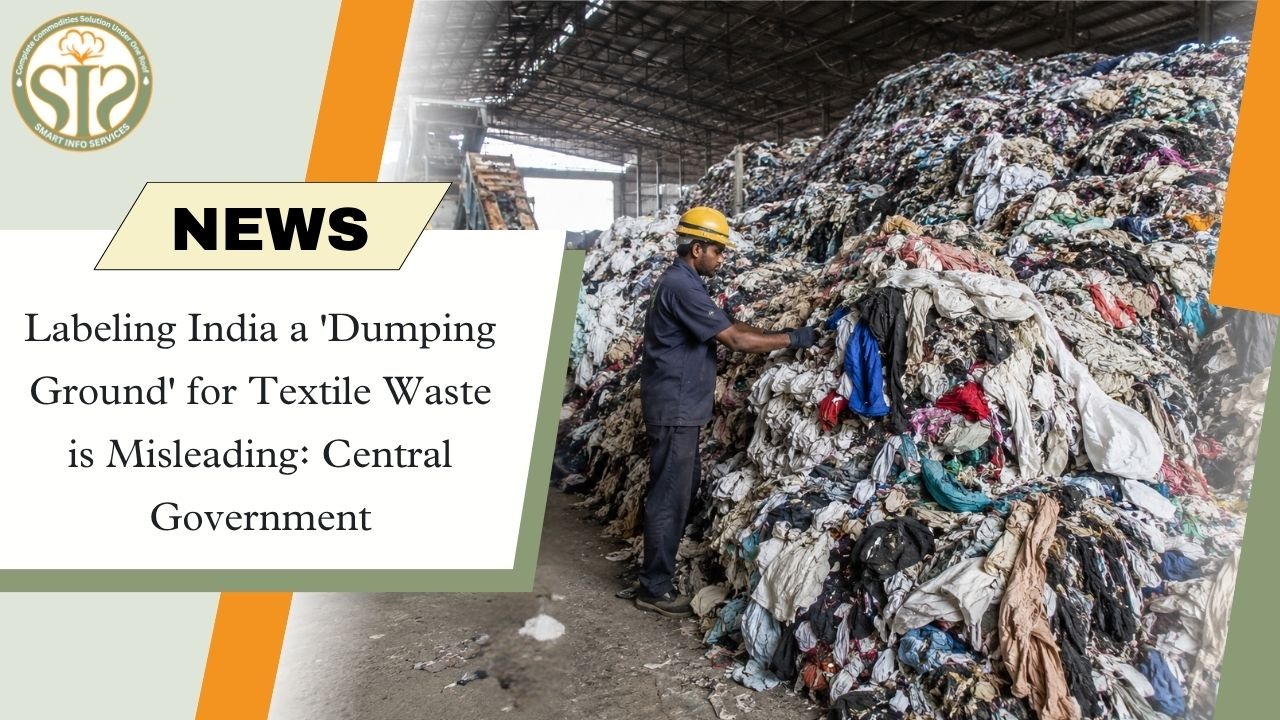
Labeling India a 'Dumping Ground' for Textile Waste is Misleading: Central GovernmentNew Delhi: Defending India's textile recycling ecosystem, the Central Government has stated that characterizing the country as a "dumping ground" for textile waste is misleading and contrary to facts. In a statement issued on Thursday, the Ministry of Textiles asserted that India possesses one of the world's largest textile recovery and recycling networks, underpinned by long-standing mechanisms for reuse and recycling.The Ministry noted that recent international media reports—which focused on textile clusters such as Panipat—exaggerated concerns regarding environmental impact and labor safety, while overlooking the progress achieved within the sector toward sustainability, regulatory reforms, and the adoption of new technologies.The government unequivocally stated that portraying the Indian textile industry as environmentally negligent or structurally exploitative is erroneous; such characterizations fail to acknowledge the ongoing corrective efforts and sustainability-driven initiatives within the sector.According to the Ministry, approximately 7,073 kilotons of textile waste are generated in India annually. Citing the study "Mapping of Textile Waste Value Chain in India 2026," the government highlighted that nearly 97 percent of pre-consumer textile waste—generated during the manufacturing process—is recycled.The government also refuted claims suggesting that India is becoming a primary destination for fast-fashion waste from Western nations. According to the Ministry, out of the approximately 7.8 million tons of textile waste managed within the country, over 90 percent is generated domestically, whereas imported waste accounts for a share of only about 7 percent. Citing a report by the Federation of Indian Chambers of Commerce and Industry (FICCI), the Ministry stated that the textile waste ecosystem generates economic activity worth approximately ₹22,000 crore annually within the country.The government also referred to a study conducted by researchers at IIT Delhi, which, based on data from the Panipat cluster, found that textile recycling leads to a reduction of approximately 40 percent in environmental impacts—such as greenhouse gas emissions and fossil fuel consumption—compared to the production of virgin fibers.While the government acknowledged that challenges related to post-consumer waste management, unorganized sector units, and worker safety still persist, it noted that the industry is continuously moving towards more formalized systems, cleaner technologies, and improved environmental compliance.The Ministry further stated that textile recycling units operate under existing environmental and labor laws, and various regulatory agencies—including the National Green Tribunal (NGT)—are taking action against units found to be in violation of these regulations.read more :- The rupee closed 10 paisa higher against the dollar at 96.20

The Indian Rupee opened at 96.30 against the US Dollar on Thursday and strengthened by 10 paise by the end of trading, closing at 96.20.At close, Sensex was down 135 points at 75,183 and Nifty 50 was down over 4 points to 23,655. This came even as India VIX, which measures volatility in markets, declined over 3% to 17.82 by the end of the session.read more :- AI Smart App Launched for Bharat Tex 2026

Ministry of Textiles Launches AI-Powered Smart App for Bharat Tex 2026The Ministry of Textiles has launched an AI-powered smart event app for Bharat Tex 2026, a global textile event organized under the aegis of the Ministry. The objective of this app is to make the entire event more digital, interactive, and commercially effective, thereby fostering better coordination among exhibitors, buyers, delegates, sourcing experts, speakers, and visitors.A standout feature of this platform is its AI-based smart assistant, which provides 24×7 conversational assistance. Users can instantly access the event schedule, venue information, directions, services, and other essential details simply by asking questions in natural language. This ensures that participants do not waste time searching for information during the event, making their overall experience much smoother.The app also incorporates a robust business networking system, enabling exhibitors and buyers to identify potential business partners, schedule meetings, and effectively manage their availability. All meetings and interactions can be digitally tracked, thereby enhancing transparency and efficiency in business operations.For exhibitors, a ‘Lead Wallet’ and a QR-based lead capture system are also available, allowing them to securely store contact information by scanning visitors' digital badges. This simplifies and streamlines the post-event follow-up process.Additionally, the app offers features such as interactive floor plans, booth location search, and stall-level navigation. An ‘Exhibitor Discovery Module’ is available for international buyers, enabling them to search for companies based on category, name, and product type. Real-time updates, personalized schedules, and an alert system further enhance the platform's capabilities, positioning Bharat Tex 2026 as a smart and global business platform.read more :- Scientists Advise Timely Cotton Sowing

Cotton Cultivation Promises Better Profits for Farmers; Scientists Advise Timely SowingAs the Kharif season approaches, preparations for cotton cultivation have intensified. Farmers in the district are now focusing their attention on sowing cotton, as this crop is considered economically lucrative. According to agricultural experts, the region's climate is favorable for cotton production, and sowing at the right time can lead to a significant increase in yield.Dr. Rajiv Singh, a senior agricultural scientist in Khargone, has advised farmers to commence cotton sowing after May 25th. He explained that during this period, temperatures gradually begin to drop, and early monsoon activity sets in—conditions that create a favorable environment for seed germination and the initial growth of the plants. Sowing undertaken during this specific window proves beneficial for both the quality and the overall production of the crop.Scientists also emphasize that farmers must, under all circumstances, complete their cotton sowing by the end of June. Any delay in sowing has a direct adverse impact on the crop's growth and productive potential. In late-sown crops, plant growth tends to be stunted, resulting in a reduced overall yield.Although the cost of cultivation remains largely unchanged, a decline in production inevitably leads to diminished profits for farmers. Consequently, timely sowing is being regarded as the most critical phase in successful cotton cultivation. Experts have advised farmers to adopt appropriate techniques and effective time management strategies to maximize their earnings, thereby enabling them to achieve higher yields at a lower cost.read more :- CPI Opposes Cotton Import Duty Removal
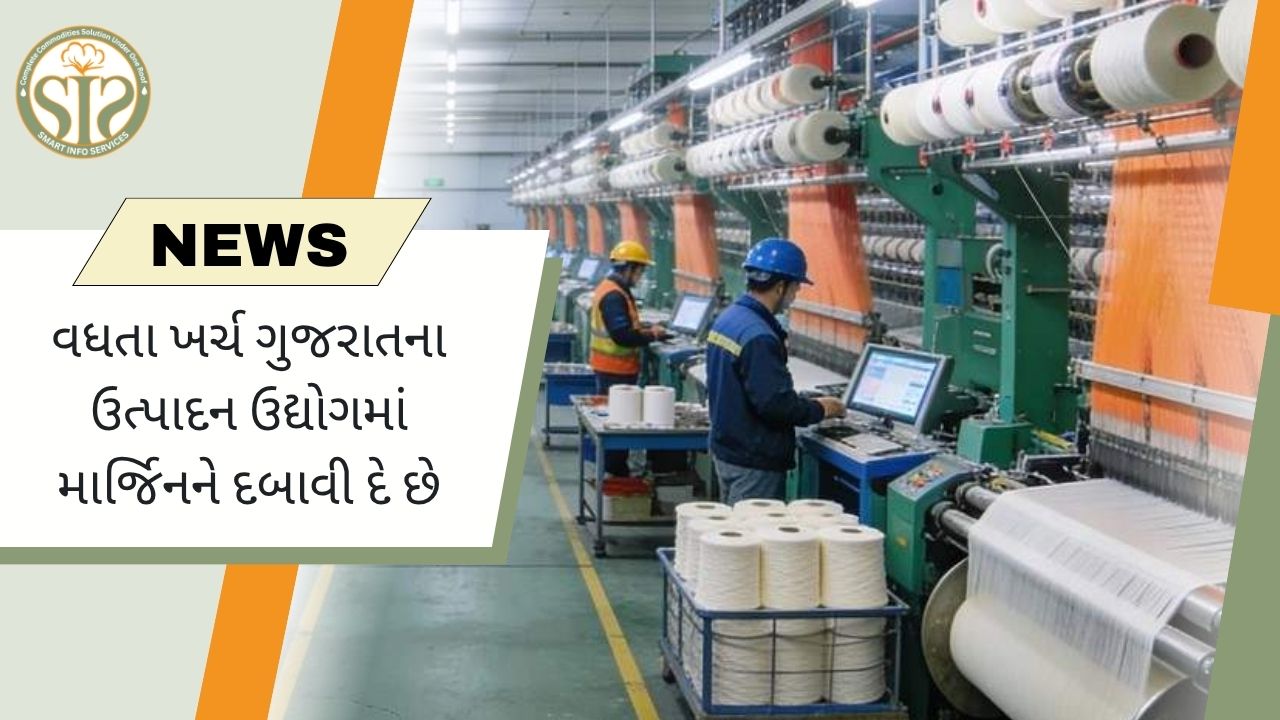
વધતા ખર્ચ ગુજરાતના ઉત્પાદન ઉદ્યોગમાં માર્જિનને દબાવી દે છેગુજરાતનો ઉત્પાદન ઉદ્યોગ હાલમાં વિસ્તરણ અથવા નવા ઓર્ડર મેળવવા પર ધ્યાન કેન્દ્રિત કરવા કરતાં વધતા ઇનપુટ ખર્ચ સાથે ઝઝૂમવામાં વધુ સમય વિતાવી રહ્યો છે. કાપડ, રસાયણ, ફાર્માસ્યુટિકલ અને રિયલ એસ્ટેટ ક્ષેત્રોના વ્યવસાય માલિકો અહેવાલ આપે છે કે કાચા માલના ભાવમાં સતત વધારો, ધીમી માંગ સાથે, નફાના માર્જિન ટકાવી રાખવાનું વધુને વધુ મુશ્કેલ બનાવી રહ્યું છે.જ્યારે ઘણી કંપનીઓ ધીમે ધીમે ભાવ વધારવાનો પ્રયાસ કરી રહી છે, ત્યારે MSME ક્ષેત્રનો એક નોંધપાત્ર ભાગ આ વધતા ખર્ચનો સંપૂર્ણ બોજ તેમના ગ્રાહકો પર નાખવામાં અસમર્થ છે. આ પરિસ્થિતિના પરિણામો પ્રોજેક્ટમાં વિલંબ, ઉત્પાદનના જથ્થામાં ઘટાડો અને સમગ્ર ઔદ્યોગિક મૂલ્ય શૃંખલામાં ફુગાવાના દબાણ તરીકે પ્રગટ થઈ રહ્યા છે.ખાસ કરીને, કાપડ ઉદ્યોગ ગંભીર દબાણ હેઠળ છે. કોટન યાર્ન અને ક્રૂડ-લિંક્ડ રસાયણોના વધતા ભાવ, વધેલા ઇંધણ ખર્ચ સાથે, ઉત્પાદન ખર્ચમાં ઝડપથી વધારો થયો છે. છેલ્લા કેટલાક અઠવાડિયામાં, યાર્નની ઉપલબ્ધતાની અછત અને વધતા પ્રોસેસિંગ ચાર્જને કારણે ફેબ્રિકના ભાવમાં પણ વધારો થયો છે, જે લગભગ ₹10 થી ₹25 પ્રતિ મીટર છે.ઉદ્યોગના સૂત્રોના જણાવ્યા અનુસાર, ચીનમાંથી નિકાસની મજબૂત માંગને કારણે કોટન યાર્નના ભાવ ચાર વર્ષની ટોચે પહોંચી ગયા છે, જ્યારે પશ્ચિમ એશિયામાં ભૂ-રાજકીય તણાવને કારણે રંગકામ અને પ્રક્રિયા કામગીરી માટે જરૂરી ક્રૂડ-આધારિત ઇનપુટ્સનો ખર્ચ વધુ વધી ગયો છે. વધુમાં, પાવરલૂમ યુનિટ્સમાં યાર્નની અછતને કારણે ઉત્પાદનમાં ઘટાડો થયો છે - એક પરિબળ જેણે પુરવઠાની તંગીને વધુ તીવ્ર બનાવી છે.જોકે નિકાસકારોને ભારતીય રૂપિયાના ઘટાડાથી ફાયદો થવાની અપેક્ષા હતી, ઊંચા શિપિંગ ખર્ચ અને ખરીદદારો તરફથી ભાવ ડિસ્કાઉન્ટની સતત માંગણીઓએ આ સંભવિત લાભને મોટાભાગે ઘટાડ્યો છે. ઉદ્યોગના પ્રતિનિધિઓ જણાવે છે કે, વધતા ખર્ચ અને અનિશ્ચિત બજાર માંગના બેવડા દબાણને કારણે, ઘણા ઉત્પાદન એકમો હાલના ઓર્ડર હોવા છતાં ઉત્પાદન બંધ કરવાની ફરજ પડી રહ્યા છે.દરમિયાન, કપાસ પર 11% આયાત ડ્યુટી નાબૂદ કરવાની માંગણીઓ તીવ્ર બની છે, જેમાં હિસ્સેદારો દલીલ કરે છે કે કાચા માલના ખર્ચ ઘટાડવા અને વૈશ્વિક સ્પર્ધાત્મકતા જાળવવામાં મદદ કરવા માટે આ પ્રકારનું પગલું મહત્વપૂર્ણ છે.વધુ વાંચો:- મહારાષ્ટ્ર અને ગુજરાતમાં ડીઝલ સંકટ અને પાણીની અછતથી ખરીફ વાવેતર પર જોખમ

ડીઝલ અને પાણીની અછત વચ્ચે મહારાષ્ટ્ર અને ગુજરાતમાં ખેડૂતો પર ખરીફ વાવણીનું સંકટ મંડરાઈ રહ્યું છેજેમ જેમ ખરીફ વાવણીની મોસમ નજીક આવી રહી છે, મહારાષ્ટ્ર અને ગુજરાતના ખેડૂતો ડીઝલ પુરવઠામાં વિક્ષેપ અને પાણીની તીવ્ર અછતનો સામનો કરી રહ્યા છે. આનાથી આ વર્ષે કૃષિ ઉત્પાદન પર ગંભીર પ્રતિકૂળ અસર થવાની આશંકા વધી ગઈ છે. સરકારો અને તેલ કંપનીઓ દ્વારા વારંવાર ખાતરી આપવામાં આવી છે કે ઇંધણનો સ્ટોક પૂરતો છે, ગ્રામીણ વિસ્તારોમાં ખેડૂતો લાંબી કતારો, પુરવઠા પ્રતિબંધો અને તેમના ટ્રેક્ટર, સિંચાઈ પંપ અને પરિવહન વાહનો માટે જરૂરી ડીઝલ મેળવવામાં વિલંબનો સામનો કરી રહ્યા છે.મહારાષ્ટ્રમાં - ખાસ કરીને મરાઠવાડા પ્રદેશ અને પુણે જિલ્લાના કેટલાક ભાગોમાં - ખેડૂત સંગઠનોએ ચેતવણી આપી છે કે આગામી 10 થી 15 દિવસોમાં ડીઝલની ઉપલબ્ધતામાં સતત વિક્ષેપ વાવણી કામગીરીને ગંભીર રીતે અસર કરી શકે છે. સ્વાભિમાની શેતકરી સંગઠનના સ્થાપક રાજુ શેટ્ટીએ જણાવ્યું હતું કે ચોમાસા પહેલાનો સમયગાળો જમીનની તૈયારી અને વાવણી માટે મહત્વપૂર્ણ છે, અને ઇંધણ પુરવઠામાં કોઈપણ વિક્ષેપ પાકને ભારે નુકસાન પહોંચાડી શકે છે. ખેડૂત જૂથોએ ચેતવણી આપી છે કે જો આ મુદ્દાનો તાત્કાલિક ઉકેલ નહીં આવે, તો તેઓ સમગ્ર રાજ્યમાં વિરોધ પ્રદર્શન કરશે.પુણે જિલ્લાના ઇન્દાપુર તાલુકામાં પાણીની અછતને કારણે આ કટોકટી વધુ વકરી છે. અહીં, ખેડૂતોએ ખડકવાસલા નહેર પ્રણાલીમાંથી અપૂરતા પાણી પુરવઠા સામે વિરોધ પ્રદર્શનો કર્યા. કૃષિ મંત્રી દત્તાત્રય ભરણેએ સિંચાઈ વિભાગમાં ગેરવહીવટનો સ્વીકાર કર્યો અને વિરોધ કરી રહેલા ખેડૂતો સાથેની બેઠક બાદ, પાણી પુરવઠો વધારવાની ખાતરી આપી.દરમિયાન, ગુજરાતના ગ્રામીણ જિલ્લાઓ - જેમ કે પોરબંદર - માં ગભરાટથી ચાલતા સંગ્રહખોરી અને વધારાનું બળતણ ખરીદવાની ઉતાવળને કારણે ડીઝલ પંપ પર ટ્રેક્ટરોની લાંબી કતારો લાગી ગઈ છે. સંગ્રહખોરીને રોકવા માટે, રાજ્ય સરકારે પ્રતિ ખેડૂત 200 લિટરની મર્યાદા લાદી છે અને બળતણ ખરીદતા પહેલા જમીનની માલિકીનો પુરાવો રજૂ કરવો ફરજિયાત બનાવ્યો છે. પેટ્રોલિયમ ડીલરો જણાવે છે કે, વાસ્તવમાં, કોઈ વાસ્તવિક અછત નથી; જોકે, મોસમી પરિબળોને કારણે વધતી માંગ સાથે પુરવઠા અવરોધોને કારણે દૂરના આઉટલેટ્સ પર ડીઝલનો અસ્થાયી સ્ટોક આઉટ થઈ ગયો છે.ખેડૂત નેતાઓએ ચેતવણી આપી છે કે વધતી જતી બળતણની અછત અને અનિયમિત વરસાદ અંગેની ચિંતાઓની સંયુક્ત અસર પશ્ચિમ ભારતના સમગ્ર પ્રદેશમાં આગામી ખરીફ ચક્ર અને કૃષિ વિકાસને જોખમમાં મૂકી શકે છે.વધુ વાંચો:- એલ નીનોના પ્રભાવથી મહારાષ્ટ્રમાં ખરીફ સીઝનમાં 12% ઓછા વરસાદની આગાહી
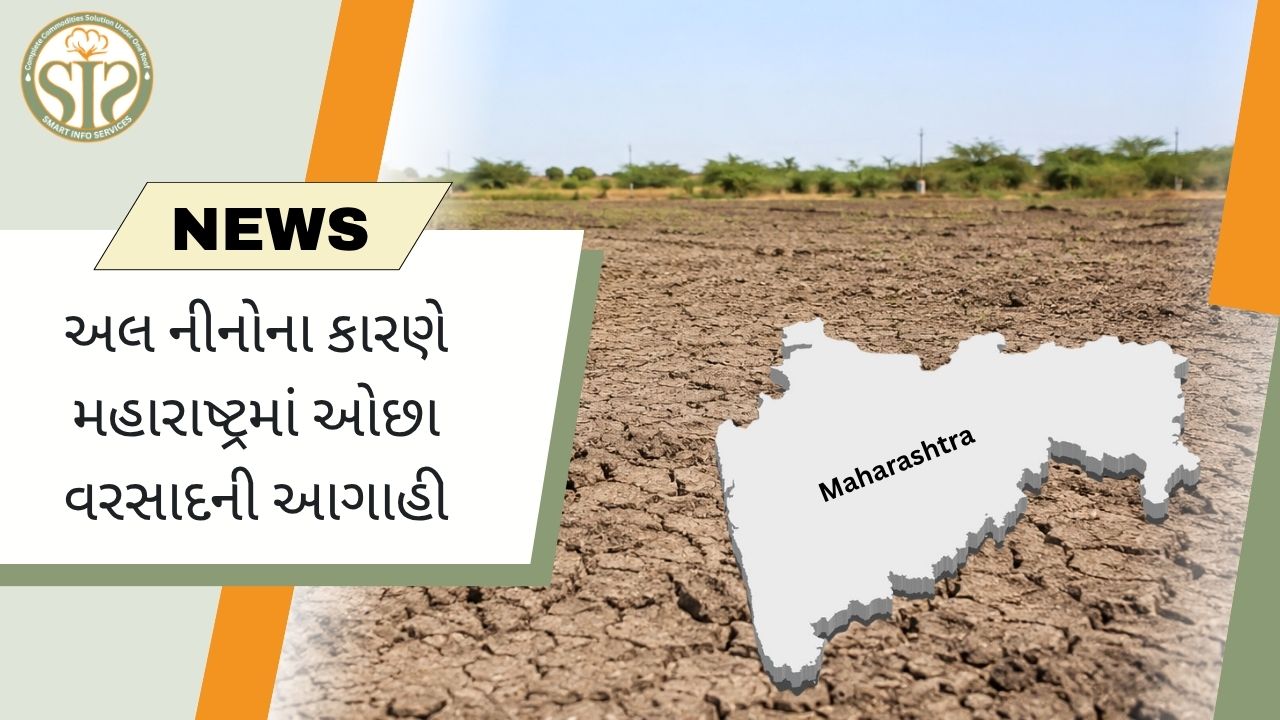
અલ નીનોના કારણે મહારાષ્ટ્રમાં ઓછા વરસાદની આગાહીઅલ નીનોના પ્રભાવને કારણે, આગામી ખરીફ સિઝન દરમિયાન મહારાષ્ટ્રમાં વરસાદ સામાન્ય કરતા આશરે 12% ઓછો રહેવાની ધારણા છે. ગુરુવારે (21 મે, 2026) યોજાયેલી રાજ્ય-સ્તરીય પૂર્વ-ખરીફ સમીક્ષા બેઠક દરમિયાન, મુખ્યમંત્રી દેવેન્દ્ર ફડણવીસે જણાવ્યું હતું કે રાજ્યમાં આ વર્ષે સરેરાશ 88% વરસાદ પડવાની ધારણા છે. જોકે, કેટલાક પ્રદેશોમાં વધુ વરસાદ પડી શકે છે, પરંતુ પશ્ચિમ વિદર્ભ અને મરાઠવાડા જેવા વિસ્તારોમાં વરસાદની ખાધને કારણે પડકારજનક પરિસ્થિતિઓનો સામનો કરવો પડી શકે છે.મુખ્યમંત્રીએ માહિતી આપી હતી કે રાજ્ય સરકાર ઓછા વરસાદના પડકારને પહોંચી વળવા માટે ટેકનોલોજી-આધારિત ઉકેલો અમલમાં મૂકી રહી છે. ખેડૂતોને મોબાઇલ એપ્લિકેશન અને આર્ટિફિશિયલ ઇન્ટેલિજન્સ-આધારિત સિસ્ટમ્સ દ્વારા વરસાદ અને હવામાન સંબંધિત માહિતી - તેમના ચોક્કસ પ્રદેશો અનુસાર - પૂરી પાડવામાં આવશે. આ માટે, મહારાષ્ટ્ર રાજ્ય આપત્તિ વ્યવસ્થાપન સત્તામંડળે ભારતીય ઉષ્ણકટિબંધીય હવામાનશાસ્ત્ર સંસ્થા સાથે સમજૂતી કરાર (MoU) પર હસ્તાક્ષર કર્યા છે.રાજ્ય સરકારે એવી પણ જાહેરાત કરી હતી કે ખેડૂતો માટે કૃષિ લોન માફી પ્રક્રિયા 30 જૂન પહેલા પૂર્ણ કરવામાં આવશે. આ પહેલ "પુણ્યશ્લોક અહિલ્યાદેવી હોલકર શેતકરી કરજમાફી યોજના" (ખેડૂતોની લોન માફી યોજના) હેઠળ અમલમાં મૂકવામાં આવી રહી છે, જેની જાહેરાત માર્ચ 2026 માં રાજ્યના બજેટ રજૂ કરતી વખતે કરવામાં આવી હતી. આ યોજના હેઠળ, ખેડૂતો માટે ₹2 લાખ સુધીની પાક લોન માફ કરવામાં આવશે, જ્યારે નિયમિત લોન ચૂકવનારા ખેડૂતોને ₹50,000 નું પ્રોત્સાહન મળશે.બેઠક દરમિયાન, બેંકોને કૃષિ ક્ષેત્રમાં ધિરાણ વિતરણ વધારવાનો પણ નિર્દેશ આપવામાં આવ્યો હતો. મુખ્યમંત્રીએ રાષ્ટ્રીયકૃત બેંકોને ખેડૂતોને વધુ પાક લોન આપવા અને લોન મંજૂરી માટે CIBIL સ્કોરની ફરજિયાત જરૂરિયાતને માફ કરવા વિનંતી કરી. વધુમાં, મહારાષ્ટ્ર ભારત આગાહી પ્રણાલી (BharatFS) ને તેના આપત્તિ વ્યવસ્થાપન માળખામાં એકીકૃત કરનાર દેશનું પ્રથમ રાજ્ય બન્યું છે.વધુ વાંચો :- કૃષિ વિજ્ઞાન: કપાસના પાકને તીવ્ર ગરમીના મોજા અને ઉચ્ચ તાપમાનથી બચાવવાના પગલાં

કૃષિ વિજ્ઞાન: કપાસના પાકને ગરમીના મોજાથી બચાવવા માટેની સલાહહનુમાનગઢમાં સતત વધી રહેલી તીવ્ર ગરમી અને તીવ્ર ગરમીના મોજા વચ્ચે, કૃષિ વિભાગે ખેડૂતોને તેમના કપાસના પાકના રક્ષણ અંગે એક ખાસ સલાહ જારી કરી છે. આ સિઝનમાં, જિલ્લામાં કપાસનું વાવેતર ઝડપી ગતિએ આગળ વધ્યું છે, લગભગ એક લાખ હેક્ટર વિસ્તારમાં વાવણી કામગીરી પૂર્ણ થઈ ગઈ છે. જો કે, વધતા તાપમાન અને ગરમ પવનોને કારણે, ઘણા પ્રદેશોમાંથી અંકુરિત રોપાઓ સુકાઈ જવા અને નબળા પડવાના અહેવાલો બહાર આવવા લાગ્યા છે. કૃષિ વિભાગના અધિકારીઓએ નવા પાક પર ગરમીના મોજાની અસરનું નિરીક્ષણ કરવા માટે વિવિધ ગામોની મુલાકાત લીધી છે.કૃષિ વિભાગના સંયુક્ત નિયામક (વિસ્તરણ) ડૉ. પ્રમોદ કુમારે ખેડૂતોને તેમની ખેતી પ્રવૃત્તિઓને પ્રવર્તમાન હવામાન પરિસ્થિતિઓ સાથે સંરેખિત કરવા અને વૈજ્ઞાનિક પદ્ધતિઓ અપનાવવા અપીલ કરી છે. તેમણે ભાર મૂક્યો હતો કે તીવ્ર ગરમીની પ્રતિકૂળ અસરોને ઘટાડવા માટે ખેતરોમાં હળવી સિંચાઈ ખૂબ જ મહત્વપૂર્ણ છે. છંટકાવ સિંચાઈ પ્રણાલીઓથી સજ્જ ખેડૂતોને ત્રણ દિવસના અંતરાલ પર છંટકાવ પદ્ધતિનો ઉપયોગ કરીને સિંચાઈ કરવાની સલાહ આપવામાં આવે છે; આ ખાતરી કરે છે કે જમીનમાં ભેજ જળવાઈ રહે છે અને છોડને ગરમીના તણાવથી રાહત મળે છે.કૃષિ વિભાગે હાલમાં કોઈપણ પ્રકારના ખાતરનો ઉપયોગ ન કરવાની સલાહ આપી છે. અધિકારીઓના મતે, આદર્શ રીતે ખેતરમાં ઊંડી ખેડાણ કર્યા પછી અને નહેરના પાણીનો ઉપયોગ કરીને વાવણી પહેલા સિંચાઈ (જેને પાલેવા તરીકે ઓળખવામાં આવે છે) પછી જ વાવણી કરવી જોઈએ. મોડી વાવણીમાં રોકાયેલા ખેડૂતો તેમના ખેતરોની પરિમિતિ સાથે ચારા પાકની બે હરોળ વાવીને ગરમ પવનની અસર ઘટાડી શકે છે.વધુમાં, સલાહકાર બપોરના સમયે ટ્રેક્ટર-માઉન્ટેડ સ્પ્રેયરનો ઉપયોગ કરીને હળવા પાણીનો છંટકાવ કરવાની તેમજ સાંજ માટે ખેડાણ અને વાવણી કામગીરીનું સમયપત્રક બનાવવાની ભલામણ કરે છે. વિભાગે બીટી કપાસની ખેતી માટે ચાસ અથવા બેડ પદ્ધતિ અપનાવવાને ખાસ કરીને ફાયદાકારક ગણાવી છે.વધુ વાંચો :- TEXPROCIL એવોર્ડ સમારંભમાં ભારતના 2030 સુધીના 100 અબજ ડોલર ટેક્સટાઇલ નિકાસ લક્ષ્ય પર ભાર
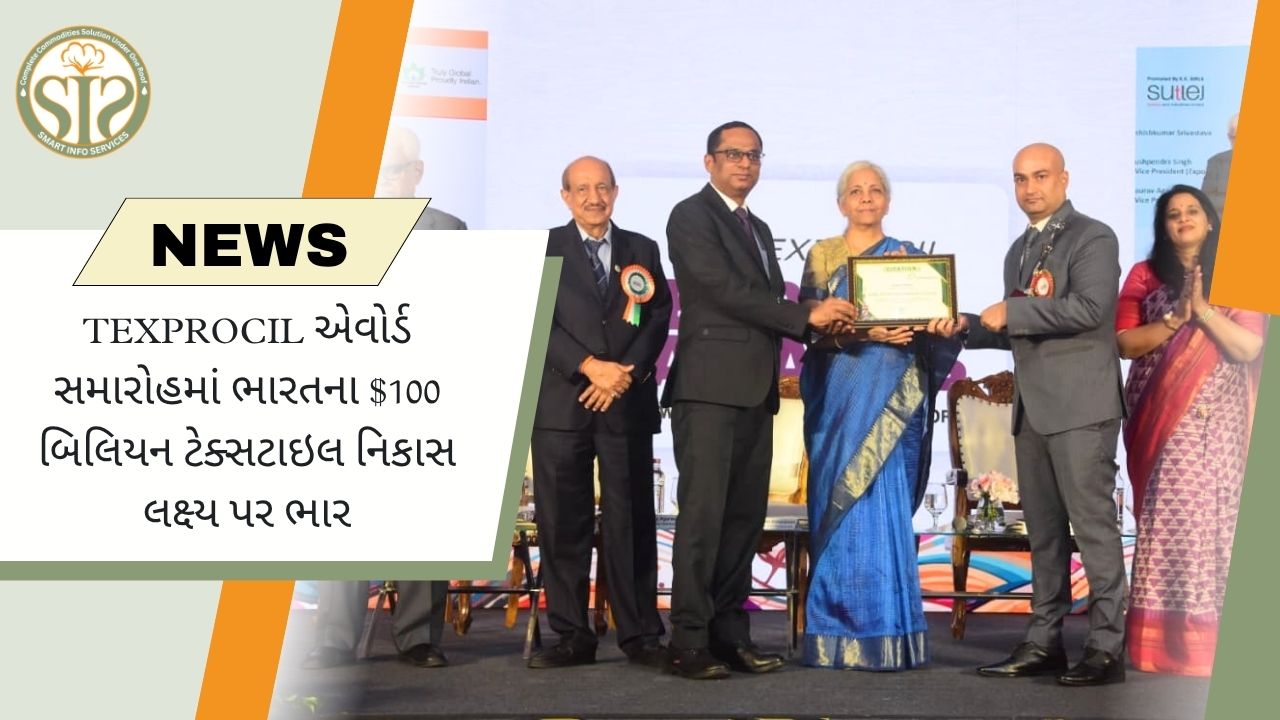
TEXPROCIL એવોર્ડ સમારોહમાં ભારતના $100 બિલિયન ટેક્સટાઇલ નિકાસ લક્ષ્ય પર ભારમુંબઈમાં TEXPROCIL દ્વારા આયોજિત TEXPROCIL નિકાસ પુરસ્કારો 2023-24 સમારોહમાં ભારતના કોટન ટેક્સટાઇલ નિકાસ ક્ષેત્રમાં ઉત્કૃષ્ટ પ્રદર્શન કરનારા નિકાસકારોનું સન્માન કરવામાં આવ્યું હતું. આ કાર્યક્રમની અધ્યક્ષતા કેન્દ્રીય નાણા અને કોર્પોરેટ બાબતોના મંત્રી નિર્મલા સીતારમણે કરી હતી. સમારોહ દરમિયાન, નિકાસ પ્રદર્શન, રોજગાર સર્જન, નવીનતા, ESG પહેલ અને ઈ-કોમર્સના ક્ષેત્રોમાં અસાધારણ યોગદાન આપનારા નિકાસકારોને TEXPROCIL એવોર્ડ એનાયત કરવામાં આવ્યા હતા.આ પ્રસંગે, નાણામંત્રીએ "એડવાન્સ્ડ સર્ટિફિકેટ પ્રોગ્રામ ઇન ઇન્ટરનેશનલ ટ્રેડ" (ACPIT) પણ લોન્ચ કર્યો. TEXPROCIL દ્વારા આ પહેલ ભારતના નિકાસ ઇકોસિસ્ટમને મજબૂત બનાવવા અને વૈશ્વિક વેપારમાં તેની સ્પર્ધાત્મકતા વધારવાના ઉદ્દેશ્યથી રજૂ કરવામાં આવી છે. આ કાર્યક્રમ વિવિધ સરકારી યોજનાઓ અને નીતિગત પહેલો સાથે સુસંગત બનાવવા માટે ડિઝાઇન કરવામાં આવ્યો છે.શ્રીમતી સીતારમણે પોતાના સંબોધનમાં "ખેતરથી ફાઇબર, ફેક્ટરીથી ફેશન અને વિદેશી બજારો" સુધી ફેલાયેલી સમગ્ર કાપડ મૂલ્ય શૃંખલાને સશક્ત બનાવવાની જરૂરિયાત પર ભાર મૂક્યો. ભારતની પ્રાચીન વણાટ અને કાપડ પરંપરાઓનો ઉલ્લેખ કરતા, તેમણે નોંધ્યું કે આ વારસો આજે પણ દેશની વૈશ્વિક ઓળખને મજબૂત બનાવે છે. તેમણે 2030 સુધીમાં ભારતની કાપડ નિકાસ US$ 100 બિલિયન અને કુલ કાપડ ઉત્પાદન US$ 250 બિલિયન સુધી વધારવાના લક્ષ્યનો પુનરોચ્ચાર કર્યો.નાણામંત્રીએ ભાર મૂક્યો કે ભારત હાલમાં વિશ્વના છઠ્ઠા સૌથી મોટા કાપડ નિકાસકાર તરીકે ઉભું છે. આ ક્ષેત્ર પ્રત્યક્ષ અને પરોક્ષ રીતે આશરે 60 મિલિયન લોકોને રોજગારી આપે છે, GDP માં લગભગ 2.3 ટકા ફાળો આપે છે અને દેશની કુલ નિકાસ કમાણીમાં આશરે 12 ટકા હિસ્સો ધરાવે છે.TEXPROCIL ના અધ્યક્ષ વિજય અગ્રવાલે જણાવ્યું હતું કે કાઉન્સિલ સાથે જોડાયેલા 2,000 નિકાસકારો નિકાસમાં આશરે US$ 11 બિલિયનનું યોગદાન આપે છે અને લગભગ 35 મિલિયન લોકો માટે આજીવિકાના સ્ત્રોત તરીકે સેવા આપે છે. તેમણે "કસ્તુરી કોટન" બ્રાન્ડ દ્વારા વૈશ્વિક સ્તરે ભારતની ટકાઉ કાપડ ઓળખને મજબૂત બનાવવાની જરૂરિયાત પર પણ ભાર મૂક્યો.વધુ વાંચો:- CCI કપાસ વેચાણ 70.33 લાખ ગાંઠ પાર, 2025–26 સિઝનમાં મહારાષ્ટ્ર અને તેલંગાણા આગળ
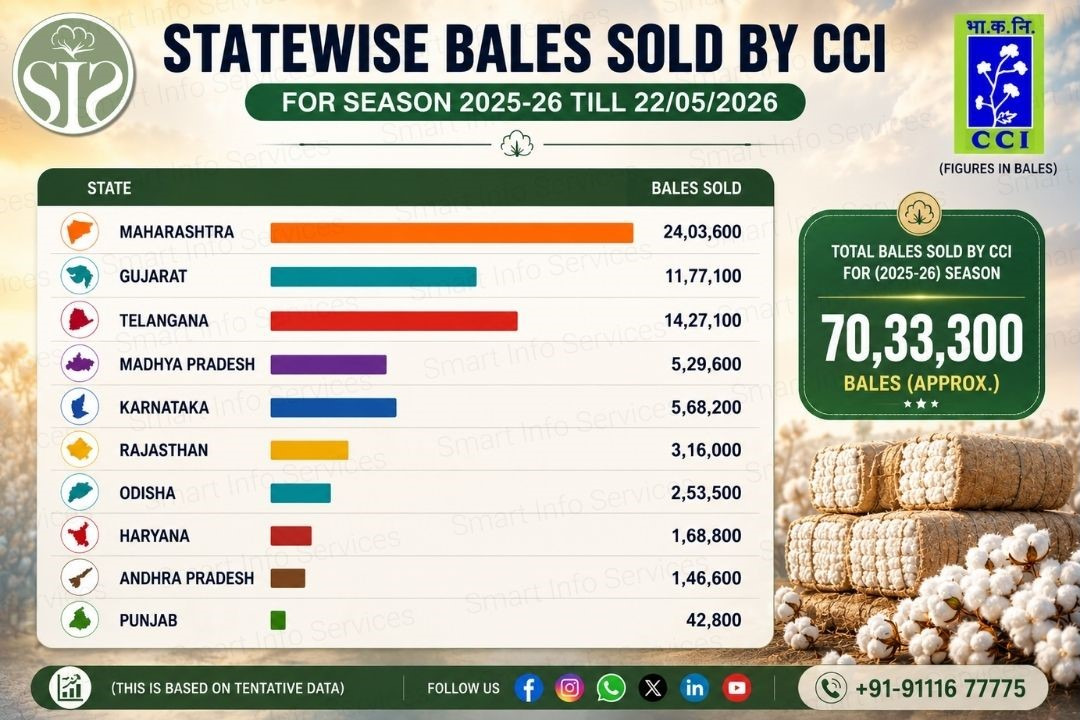
રાજ્યવાર CCI કપાસ વેચાણ વિગતો - 2025-26 સીઝનકોટન કોર્પોરેશન ઓફ ઇન્ડિયા (CCI) એ આ અઠવાડિયે 2025-26 સીઝન માટે તેના કપાસના ભાવમાં પ્રતિ કેન્ડી ₹700નો ઘટાડો કર્યો છે. અત્યાર સુધીમાં, CCI દ્વારા 2025-26 સીઝન માટે કુલ આશરે 7,033,300 કપાસની ગાંસડી વેચાઈ છે. વેચાણ કેટલાક મુખ્ય કપાસ ઉત્પાદક રાજ્યોમાં કેન્દ્રિત છે, જેમાં મહારાષ્ટ્ર, તેલંગાણા અને ગુજરાત આગળ છે.વધુ વાંચો:- ભારતીય રૂપિયા ડોલર સામે 16 પૈસા ઘટીને 95.39 પર ખુલ્યો

રૂપિયો 16 પૈસા गिरकर 95.39 USD પર ખુલ્લું કરો.मंगलवार को भारतीय રૂપિયો ડોલર મુકાબલે 16 પૈસા गिरकर 95.39 પર ખુલ્લું સોમવારે તે 95.23 પર બંધ થયું હતું.વધુ વાંચો :- ડોલર સામે રૂપિયા 12 પૈસા મજબૂત થઈ 95.23 પર બંધ

સોમવારે, ભારતીય રૂપિયો અમેરિકન ડોલર સામે ૯૫.૩૫ પર ખુલ્યો અને ૯૫.૨૩ પર બંધ થયો, જે ટ્રેડિંગના અંતે ૧૨ પૈસા મજબૂત થયો.બજાર બંધ થતાં, સેન્સેક્સ ૧૦૭૩.૬૧ પોઈન્ટ અથવા ૧.૪૨ ટકા વધીને ૭૬,૪૮૮.૯૬ પર અને નિફ્ટી ૩૧૨.૪૦ પોઈન્ટ અથવા ૧.૩૨ ટકા વધીને ૨૪,૦૩૧.૭૦ પર બંધ થયો.વધુ વાંચો :- કપાસ આયાત શુલ્ક દૂર કરવા સરકારની ચર્ચા અંતિમ તબક્કામાં

કપાસ આયાત ડ્યુટી દૂર કરવી: સરકારી પરામર્શનવી દિલ્હી, (પીટીઆઈ) એક વરિષ્ઠ અધિકારીએ જણાવ્યું હતું કે સરકાર કાચા કપાસની આયાત પર 11 ટકા કસ્ટમ ડ્યુટી અંગે "પરામર્શના અદ્યતન તબક્કા" માં છે અને તે લેવાલી હટાવી શકાય કે કેમ તે અંગે વિચારણા કરી રહી છે, અને ટૂંક સમયમાં નિર્ણય લેવાની અપેક્ષા છે.નાણા, કાપડ અને કૃષિ સહિત અનેક મંત્રાલયો આ ડ્યુટી પર વિચાર કરી રહ્યા છે, જેમાં કાપડ ઉદ્યોગ ઊંચા ભાવોને કારણે સ્થાનિક કંપનીઓ પર ખર્ચના દબાણને ઓછું કરવા માટે તેને દૂર કરવાની માંગ કરી રહ્યો છે."અમે નાણા અને કૃષિ (બંને મંત્રાલયો) બંને સાથે વાત કરી રહ્યા છીએ, અને તે પરામર્શના અદ્યતન તબક્કામાં છે. અમને આશા છે કે આ પરામર્શ ટૂંક સમયમાં અંતિમ સ્વરૂપ આપવામાં આવશે," અધિકારીએ પીટીઆઈને જણાવ્યું.વસ્ત્ર ઉદ્યોગના પ્રતિનિધિઓ અને નિકાસકારોનું એક પ્રતિનિધિમંડળ તાજેતરમાં ઉપરાષ્ટ્રપતિ સીપી રાધાકૃષ્ણન અને અનેક કેન્દ્રીય મંત્રીઓને મળ્યું હતું અને આ ડ્યુટી હટાવવાની માંગ કરી હતી. પ્રતિનિધિમંડળે જણાવ્યું હતું કે કાપડ ઉદ્યોગને આ વર્ષે આશરે ૩૩૭ લાખ ગાંસડી કપાસની જરૂર છે, જ્યારે ૨૦૨૫-૨૬ની સીઝનમાં કપાસની આવક ૨૯૨.૧૫ લાખ ગાંસડી રહેવાનો અંદાજ છે, જેના કારણે પુરવઠા-માંગ વચ્ચે આશરે ૪૫ લાખ ગાંસડીનો તફાવત છે.તેમણે જણાવ્યું હતું કે સારી ગુણવત્તાવાળા કાચા માલની ઓછી ઉપલબ્ધતા અને વધતા ખર્ચને કારણે આ અછત સ્પિનિંગ મિલો અને ડાઉનસ્ટ્રીમ કાપડ ઉત્પાદકો પર દબાણ લાવી રહી છે.વધુ વાંચો :- ભારતીય રૂપિયા ડોલર સામે 33 પૈસા મજબૂત થઈને 95.35 પર ખુલ્યો

રૂપિયો ૩૩ પૈસા વધીને ૯૫.૩૫ USD પર ખુલ્યો.સોમવારે, ભારતીય રૂપિયો ડોલર સામે ૩૩ પૈસા વધીને ૯૫.૩૫ પર ખુલ્યો, જ્યારે શુક્રવારે તે ૯૫.૬૮ પર બંધ થયો.વધુ વાંચો:- CCIએ કપાસના ભાવમાં ₹700 ઘટાડો કર્યો, સાપ્તાહિક હરાજી વેચાણ 11,600 ગાંઠ પાર
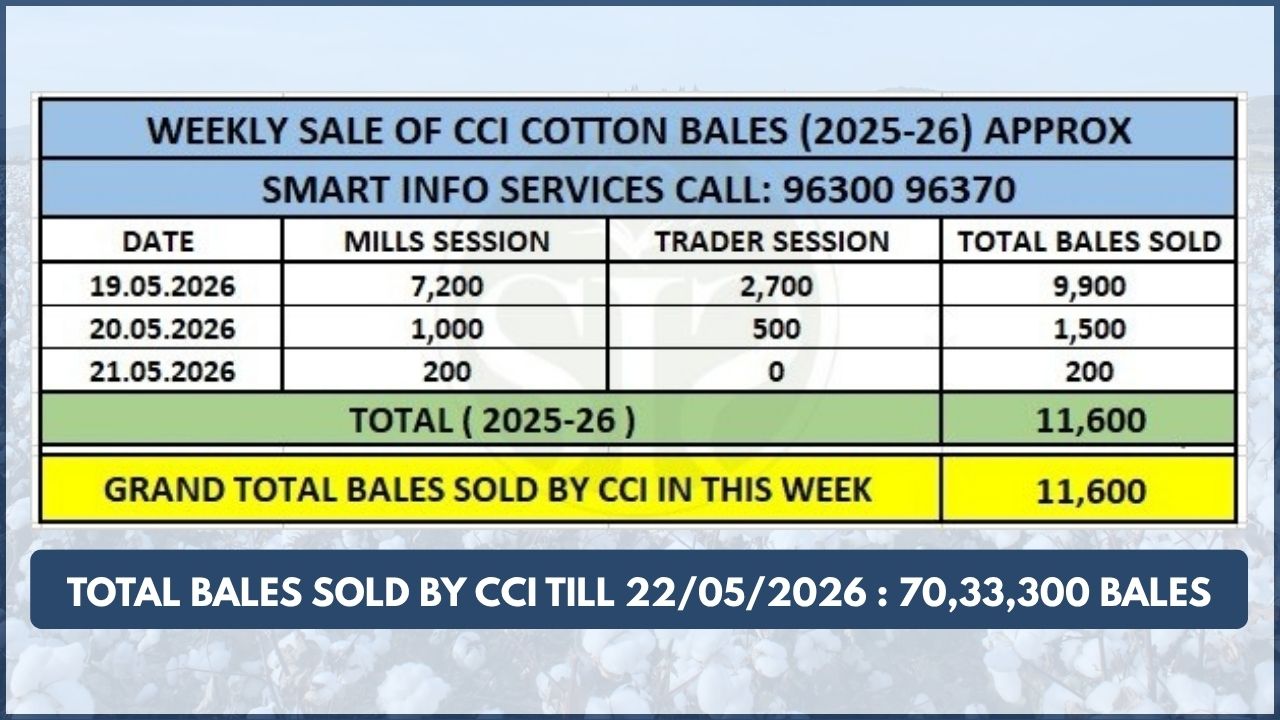
CCI એ કોટન કેન્ડીના ભાવમાં ₹700નો ઘટાડો કર્યો; સાપ્તાહિક હરાજી વેચાણ 11,600 ગાંસડીથી વધુ થયુંકોટન કોર્પોરેશન ઓફ ઇન્ડિયા (CCI) એ 18 મે થી 22 મે, 2026 ના સપ્તાહ દરમિયાન કપાસના ભાવમાં પ્રતિ કેન્ડી ₹700નો ઘટાડો કર્યો. આ ભાવ સુધારા છતાં, મિલો અને કપાસના વેપારીઓએ CCI ની હરાજીમાં સક્રિયપણે ભાગ લીધો અને 2025-26 કપાસ સીઝન માટે કુલ સાપ્તાહિક વેચાણ 11,600 ગાંસડીને વટાવી ગયું.સાપ્તાહિક વેચાણ અહેવાલ19 મે, 2026 (મંગળવાર):સપ્તાહની શરૂઆત કુલ 9,900 ગાંસડીના વેચાણ સાથે થઈ. મિલોએ 7,200 ગાંસડી ખરીદી હતી, જ્યારે વેપારીઓએ 2,700 ગાંસડી ઉપાડી હતી.20 મે, 2026 (બુધવાર):CCI એ દિવસ દરમિયાન કુલ 1,500 ગાંસડીનું વેચાણ નોંધ્યું હતું, જેમાં મિલો દ્વારા ખરીદાયેલી 1,000 ગાંસડી અને વેપારીઓ દ્વારા ખરીદાયેલી 500 ગાંસડીનો સમાવેશ થાય છે.૨૧ મે, ૨૦૨૬ (ગુરુવાર):સપ્તાહના અંતિમ ટ્રેડિંગ દિવસે હરાજીની પ્રવૃત્તિ મર્યાદિત રહી, મિલોએ ૨૦૦ ગાંસડી ખરીદી.કુલ વેચાણ અપડેટ૨૦૨૫-૨૬ સીઝન માટે સીસીઆઈનું કુલ કપાસનું વેચાણ હવે ૭,૦૩૩,૩૦૦ ગાંસડી પર પહોંચી ગયું છે.
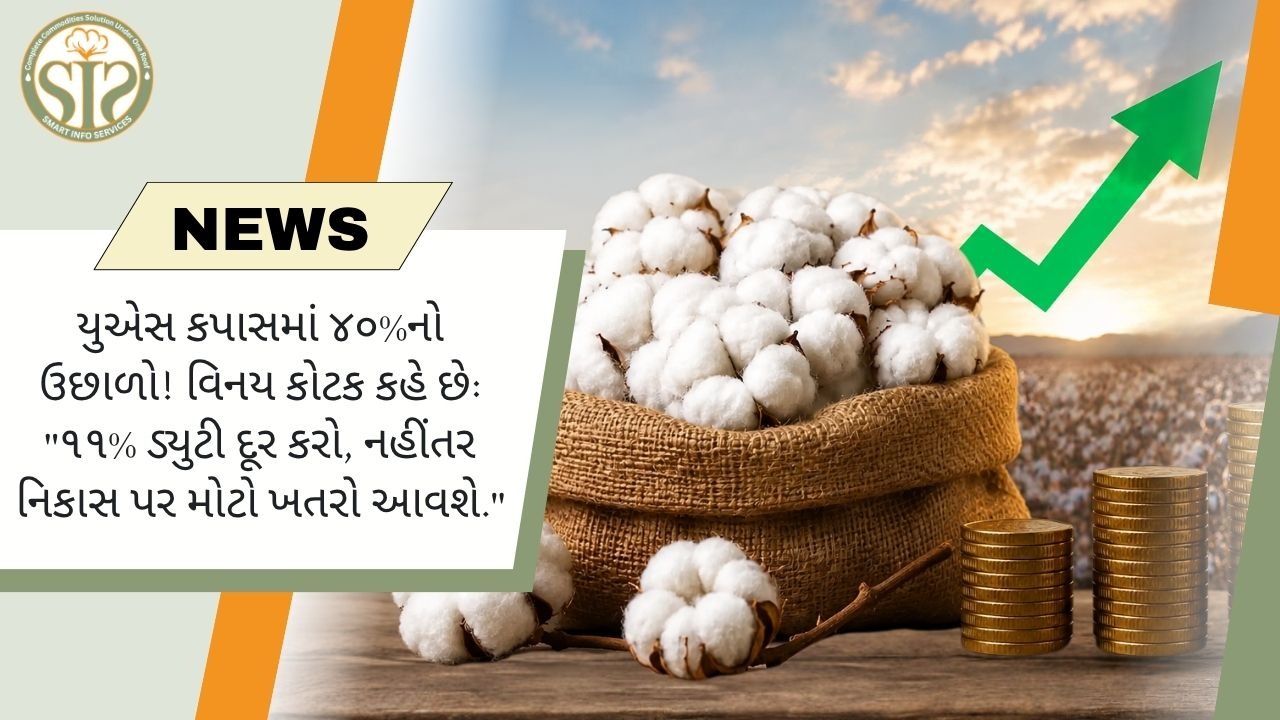
યુએસ કોટનના ભાવમાં ૪૦%નો ઉછાળો! વિનય કોટકનો આગ્રહ: "૧૧% ડ્યુટી દૂર કરો, નહીંતર નિકાસ પર મોટો ખતરો"CNBC Awaaz સાથેના એક વિશિષ્ટ ઇન્ટરવ્યુમાં, કોટન એસોસિએશન ઓફ ઇન્ડિયાના પ્રમુખ વિનય કોટકે જણાવ્યું હતું કે યુએસ ICE કોટન ફ્યુચર્સમાં છેલ્લા દોઢ મહિનામાં આશરે ૪૦%નો ઉછાળો જોવા મળ્યો છે. તેમના મતે, આ તેજી માટેનું મુખ્ય ઉત્પ્રેરક બજારમાં લગભગ ૧ કરોડ ગાંસડીની નોંધપાત્ર "શોર્ટ પોઝિશન"ની હાજરી હતી. વૈશ્વિક ભૂરાજકીય તણાવ વધતાં અને ક્રૂડ ઓઇલના ભાવમાં આશરે ૪૦%નો વધારો થતાં, મોટા પાયે શોર્ટ કવરિંગ શરૂ થયું; આનાથી બજારમાં ભારે ખરીદીનું દબાણ સર્જાયું, જેના કારણે કપાસના વાયદામાં તીવ્ર વધારો થયો.તેમણે નોંધ્યું કે ભાવ હાલમાં તેમના પ્રવર્તમાન સ્તરે કેટલાક પ્રતિકારનો સામનો કરી રહ્યા છે. યાર્નના ભાવ પણ - જે અગાઉ ૩૦ CCH થી વધીને લગભગ ₹૩૨૫ સુધી પહોંચ્યા હતા - હવે ₹૩૧૦ ની આસપાસ પાછા ફર્યા છે, જે તાજેતરના દિવસોમાં આશરે ૪-૫% નો ઘટાડો દર્શાવે છે. તેમનું માનવું છે કે આ ઊંચા ભાવ "માંગનો નાશ" તરફ દોરી રહ્યા છે, અને બજાર માટે લાંબા ગાળે આ ભાવ સ્તરોને ટકાવી રાખવા - અથવા "શોષી લેવા" મુશ્કેલ બનશે.જોકે, તેમણે એમ પણ ઉમેર્યું હતું કે સ્પિનિંગ મિલો વર્તમાન સ્તરે નફાકારક રહે છે, ભલે તેમના નફાના માર્જિન અગાઉના સમયગાળાની તુલનામાં સંકુચિત થયા હોય. પરિણામે, તેઓ કાચા કપાસના ભાવમાં ભારે ઘટાડાની અપેક્ષા રાખતા નથી.આયાત જકાતના મુદ્દાને સંબોધતા, વિનય કોટકે સમજાવ્યું કે ભારત મુખ્યત્વે ત્રણ શ્રેણીઓમાં કપાસની આયાત કરે છે, જેમાં એક્સ્ટ્રા લોંગ સ્ટેપલ (ELS) કપાસ અને દૂષણ મુક્ત કપાસની ખાસ માંગ છે. તેમણે દલીલ કરી હતી કે જો 11% આયાત જકાત અમલમાં રહેશે, તો ભારતીય કાપડ નિકાસકારો માટે બાંગ્લાદેશ, ઇન્ડોનેશિયા, ચીન અને વિયેતનામ જેવા દેશોના સમકક્ષો સાથે સ્પર્ધા કરવી વધુને વધુ મુશ્કેલ બનશે - એક એવી પરિસ્થિતિ જે આખરે કાપડ નિકાસમાં ભારતના વૈશ્વિક હિસ્સાને જોખમમાં મૂકી શકે છે.તેમણે ભારપૂર્વક જણાવ્યું હતું કે આ જકાત દૂર કરવાથી દેશના મૂલ્યવર્ધિત કાપડ નિકાસમાં નોંધપાત્ર વધારો થશે. આને ધ્યાનમાં રાખીને, કોટન એસોસિએશન ઓફ ઈન્ડિયાએ સરકારને એપ્રિલથી ઓક્ટોબર સુધીના સમયગાળા માટે 11% આયાત ડ્યુટી માફ કરવાની વિનંતી કરી છે.તેમણે સ્પષ્ટતા કરી કે માર્ચ સુધીમાં, ખેડૂતોના કપાસના ઉત્પાદનનો આશરે 90% હિસ્સો વેચાઈ ગયો છે, જ્યારે માત્ર 10% સ્ટોક થોડા ખેડૂતો પાસે રહ્યો છે. પરિણામે, ડ્યુટી દૂર કરવાથી ખેડૂતોને કોઈ નોંધપાત્ર નુકસાન થશે નહીં. વધુમાં, સરકારના લઘુત્તમ ટેકાના ભાવ (MSP) ના રક્ષણથી ખેડૂતોને ફાયદો થાય છે, જેમાં આ વર્ષે આશરે 7%નો વધારો કરવામાં આવ્યો છે.વિનય કોટકના મતે, ગ્રાહકો કે કાપડ ઉદ્યોગ બંનેને હાલમાં કોઈ પણ પ્રકારનું રક્ષણ મળી રહ્યું નથી. આ સંજોગોમાં, એપ્રિલથી ઓક્ટોબર સુધીના નબળા સમયગાળા દરમિયાન 11% ડ્યુટી માફ કરવી ઉદ્યોગ અને ગ્રાહકો બંનેના શ્રેષ્ઠ હિતમાં રહેશે. તેમણે વધુમાં નોંધ્યું કે કાપડ મંત્રાલય અને કોટન કોર્પોરેશન ઓફ ઈન્ડિયા પણ આ પગલાની જરૂરિયાત અંગે સંમત છે.વધુ વાંચો:- ડોલર સામે રૂપિયા 60 પૈસા મજબૂત થઈ 95.68 પર બંધ

શુક્રવારે, ભારતીય રૂપિયો અમેરિકન ડોલર સામે ૯૬.૨૮ પર ખુલ્યો અને ૯૫.૬૮ પર બંધ થયો, જે ટ્રેડિંગના અંતે ૬૦ પૈસા મજબૂત થયો.સેન્સેક્સ ૨૩૧.૯૯ પોઈન્ટ અથવા ૦.૩૧ ટકાના વધારા સાથે ૭૫,૪૧૫.૩૫ પર બંધ થયો, જ્યારે નિફ્ટી ૬૪.૬૦ પોઈન્ટ અથવા ૦.૨૭ ટકાના વધારા સાથે ૨૩,૭૧૯.૩૦ પર બંધ થયો.વધુ વાંચો :- હનુમાનગઢમાં ભાખરા કેનાલનું પાણી શરૂ, કપાસ અને ખરીફ વાવેતરને મળશે લાભ
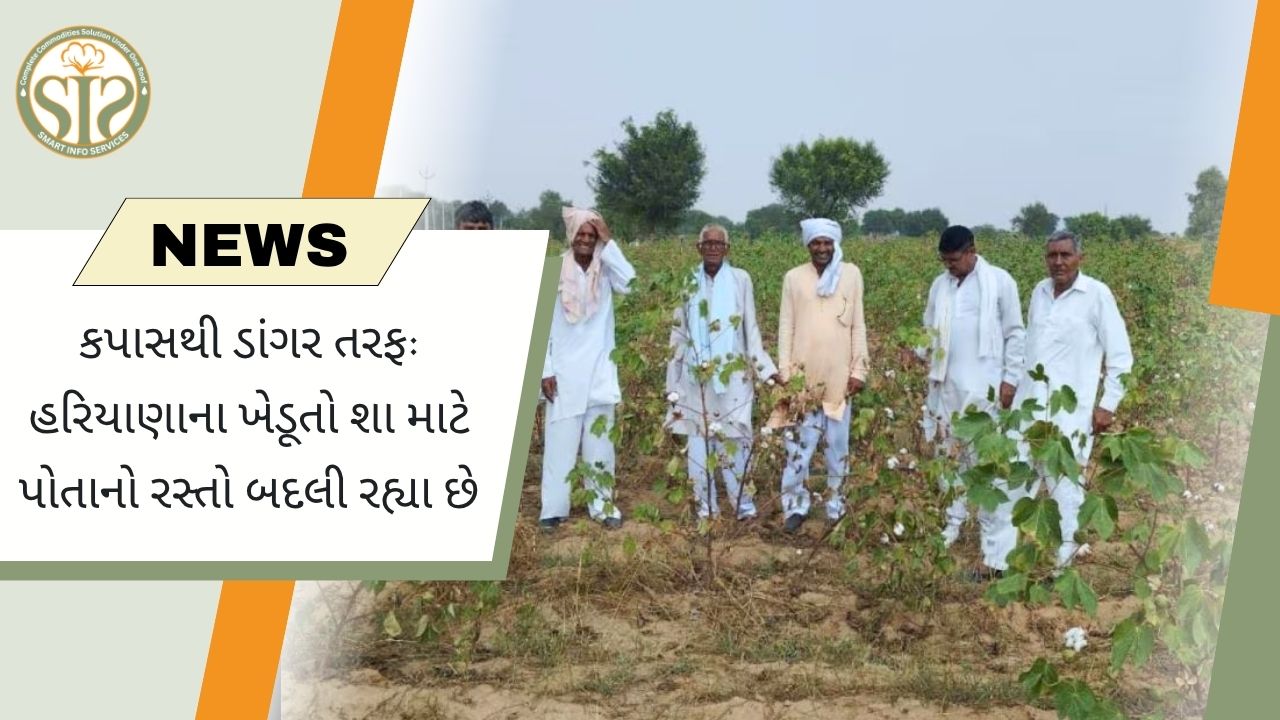
કપાસથી ડાંગર તરફ: હરિયાણાના ખેડૂતો શા માટે પોતાનો રસ્તો બદલી રહ્યા છે૨૦૨૦ અને ૨૦૨૫ ની વચ્ચે, હરિયાણાની પાક પદ્ધતિમાં મોટો ફેરફાર થયો છે. ડાંગરનો વાવેતર વિસ્તાર ૨૦૨૦ માં ૧,૫૨૫.૭૭ હેક્ટરથી વધીને ૨૦૨૫ માં ૧,૮૬૭.૫૧ હેક્ટર થયો, જ્યારે કપાસનો વાવેતર વિસ્તાર ૭૧૯.૮૬ હેક્ટરથી ઘટીને માત્ર ૪૦૧.૦૫ હેક્ટર થયો. આ પરિવર્તન ખેડૂતોની ડાંગર પ્રત્યેની વધતી પસંદગીને પ્રતિબિંબિત કરે છે, જે સુરક્ષિત ખરીદી અને સ્થિર વળતર આપે છે. તેનાથી વિપરીત, જંતુઓના હુમલા, બીટી-કપાસ સામે ઘટતી પ્રતિકારશક્તિ અને વધતા પાકના નુકસાનને કારણે કપાસ વધુને વધુ બિનલાભકારી બન્યો છે.ડાંગર શા માટે ટોચની પસંદગી છે?ડાંગર પસંદ કરવાનું મુખ્ય કારણ ખેડૂતો નફાને ગણાવે છે. ખેડૂત સંગઠન પાગડી સંભલ જટ્ટા કિસાન સંઘર્ષ સમિતિના પ્રમુખ મનદીપ નથવાનના મતે, ડાંગર પ્રતિ એકર આશરે ₹૮૦,૦૦૦ ની આવક પેદા કરી શકે છે, જેમાં ખર્ચ પછી આશરે ₹૫૦,૦૦૦ નો નફો થાય છે.કુરુક્ષેત્ર સ્થિત ખેડૂત કાર્યકર્તા રાકેશ બેન્સ આ જ ભાવનાને સમર્થન આપતા કહે છે કે અન્ય પાક પ્રતિ એકર માત્ર ₹50,000 ની આવક આપે છે, જ્યારે ડાંગર ₹80,000 ની આવક આપે છે, જેના કારણે ચોખા વધુ નફાકારક વિકલ્પ બને છે.હરિયાણાના ખેડૂતોએ કયા પાકનો ત્યાગ કર્યો છે?ભારતીય કૃષિ સંશોધન પરિષદ (ICAR) ના ભૂતપૂર્વ વૈજ્ઞાનિક વીરેન્દ્ર લાઠેર સમજાવે છે કે તાજેતરના વર્ષોમાં, ખેડૂતોએ કપાસ, મકાઈ, જુવાર, કઠોળ અને તેલીબિયાંનો ત્યાગ કરીને ડાંગરની ખેતી કરી છે, જેમાં કપાસની ખેતીમાં સૌથી મોટો ઘટાડો જોવા મળ્યો છે.બીટી-કપાસ, જે એક સમયે ગુલાબી બોલવોર્મ જેવા જીવાતોનો પ્રતિકાર કરતો હતો, તે સમય જતાં જીવાતો માટે અનુકૂળ થઈ ગયો હોવાથી તેની અસરકારકતા ગુમાવી ચૂક્યો છે. ખેડૂતો હવે જંતુનાશકો પર ભારે ખર્ચ કરે છે, પરંતુ હજુ પણ પ્રતિ એકર માત્ર બે ક્વિન્ટલ ઉપજ મેળવે છે, જે નફા માટે જરૂરી આઠ ક્વિન્ટલ કરતા ઘણો ઓછો છે. આના પરિણામે પ્રતિ એકર આશરે 15,000 રૂપિયાનું નુકસાન થાય છે.પાક વૈવિધ્યકરણને પ્રોત્સાહન આપવા માટે સરકારે શું કર્યું છે?પાણી-સઘન ડાંગરની ખેતીના ખેડૂતો માટે જોખમોને ઓળખીને, હરિયાણા સરકારે વૈવિધ્યકરણને પ્રોત્સાહન આપવા માટે પગલાં લીધાં છે. 'મેરા પાણી મેરી વિરાસત' યોજના હેઠળ, ખેડૂતોને કઠોળ, કપાસ અને મકાઈ જેવા પાણી-કાર્યક્ષમ પાક ઉગાડવા માટે પ્રતિ એકર રૂ. 8,000 મળે છે. મુખ્યમંત્રી નાયબ સિંહ સૈનીએ તાજેતરમાં જાહેરાત કરી હતી કે આ યોજના હેઠળ 2.20 લાખ એકરમાં રૂ. 157 કરોડનું વિતરણ કરવામાં આવ્યું છે. વધારાના લાભોમાં સૂક્ષ્મ સિંચાઈ તકનીક, વરસાદી પાણીનો સંગ્રહ અને તળાવ બાંધકામ માટે 85 ટકા સુધીની સબસિડીનો સમાવેશ થાય છે.નિષ્ણાતો અને ખેડૂતો શું સૂચવે છે? ટકાઉ ચોખાની ખેતી પદ્ધતિઓને પ્રોત્સાહન આપવા માટે, સરકાર ડાયરેક્ટ સીડેડ રાઇસ (DSR) અપનાવવા માટે પ્રતિ એકર રૂ. 4,000 પ્રદાન કરે છે, જેને પરંપરાગત રોપણી કરતા ઓછા પાણીની જરૂર પડે છે. જો કે, વીરેન્દ્ર લાઠેર જેવા નિષ્ણાતો કહે છે કે આ પ્રોત્સાહન ખેડૂતોના વર્તનને બદલવા માટે ખૂબ ઓછું છે અને હરિયાણાના ઘટતા પાણીના સ્તરને સંબોધવા માટે પરંપરાગત ડાંગરની ખેતી પર પ્રતિબંધ મૂકવાનું સૂચન કરે છે. દરમિયાન, ખેડૂતો ભાર મૂકે છે કે વૈવિધ્યકરણ સફળ થવા માટે અન્ય પાક માટે વધુ સારી માર્કેટિંગ અને ખરીદી સુવિધાઓ જરૂરી છે.વધુ વાંચો :- ભારતીય રૂપિયા ડોલર સામે 8 પૈસા ઘટીને 96.28 પર ખુલ્યો

રૂપિયો 8 પૈસા ઘટીને 96.28 USD પર ખુલ્યો.શુક્રવારે, ભારતીય રૂપિયો ડોલર સામે 8 પૈસા ઘટીને 96.28 પર ખુલ્યો, જ્યારે ગુરુવારે તે 96.20 પર બંધ થયો.વધુ વાંચો:- રાજસ્થાનમાં ભાખરા કેનાલથી સિંચાઈ માટે પાણી શરૂ, કપાસ અને નરમા વાવેતરને મળશે ગતિ

રાજસ્થાન: ભાખરા નહેર સિસ્ટમમાંથી સિંચાઈ માટે પાણી આજથી શરૂ; કપાસ અને નર્માના વાવેતરને વેગ મળવાની તૈયારીહનુમાનગઢ જિલ્લાના ખેડૂતો માટે સારા સમાચાર છે. ભાખરા નહેર સિસ્ટમમાંથી સિંચાઈ માટે પાણીનો પુરવઠો ગુરુવારથી શરૂ થયો. જળ સંસાધન વિભાગે ભાખરા સિસ્ટમ માટે એક નવું પરિભ્રમણ સમયપત્રક જારી કર્યું છે, જેમાં 21 મે થી 29 મે સુધીના સમયગાળા માટે સાપ્તાહિક પ્રાથમિકતા ક્રમ જાહેર કરવામાં આવ્યો છે. આ યોજના હેઠળ, 1,200 ક્યુસેક ક્ષમતા ધરાવતી નહેરો તેમની સંપૂર્ણ ક્ષમતા પર ચલાવવામાં આવશે, જ્યારે નાની નહેરોમાં તેમની નિર્ધારિત ક્ષમતા અનુસાર પાણી છોડવામાં આવશે.વિભાગ અનુસાર, રતનપુરા નહેરમાં 42 ક્યુસેક, નથવાનામાં 73 ક્યુસેક, પ્રતાપપુરામાં 248 ક્યુસેક, હરિપુરામાં 261 ક્યુસેક, દીનગઢમાં 274 ક્યુસેક અને સુરતપુરામાં 283 ક્યુસેકના દરે પાણી વહેશે. વધુમાં, મોડિયા, લોંગવાલા, પીલીબંગા, અમરપુરા અને રોદનવાલી જેવી મુખ્ય નહેરોમાં પૂરતા પ્રમાણમાં પાણી છોડવામાં આવશે. સૌથી વધુ પાણી - 2,222 ક્યુસેક - સાંગરિયા નહેરમાંથી વહેશે.અધિકારીઓએ જણાવ્યું હતું કે દરેક નહેર આઠ દિવસના સમયગાળા માટે સંપૂર્ણ ક્ષમતાથી કાર્યરત રહેશે, ત્યારબાદ તેને બંધ કરવામાં આવશે. જો પાણીના સ્તરમાં કોઈ વધઘટ થશે, તો સંબંધિત અધિકારીઓ સાથે પરામર્શ કરીને નિયમન સમયપત્રકમાં જરૂરી ગોઠવણો કરવામાં આવશે.કૃષિ નિષ્ણાતો નોંધે છે કે વર્તમાન સમયગાળો નર્મા (અમેરિકન કપાસ) અને પરંપરાગત કપાસની જાતોના વાવણી માટે મહત્વપૂર્ણ છે. છેલ્લા કેટલાક દિવસોથી, ખેડૂતોને તીવ્ર ગરમી અને પાણીની અછતને કારણે તેમના ખેતરો તૈયાર કરવામાં મુશ્કેલીઓનો સામનો કરવો પડી રહ્યો હતો. નહેરોમાં પાણી આવતાં, વાવણીની કામગીરીમાં હવે વેગ આવવાની અપેક્ષા છે.ખેડૂતોએ આશાવાદ વ્યક્ત કર્યો છે કે જો આગામી દિવસોમાં પાણીનો પુરવઠો સુસંગત રહેશે, તો કપાસ, નર્મા અને અન્ય ખરીફ પાકોનું ઉત્પાદન પુષ્કળ પ્રમાણમાં થશે. વધુમાં, ગ્રામીણ વિસ્તારોમાં પાણીની વધતી ઉપલબ્ધતાથી રહેવાસીઓને ઉનાળાની કાળઝાળ ગરમીમાંથી ખૂબ જ જરૂરી રાહત મળવાની અપેક્ષા છે.વધુ વાંચો:- ભારતને ટેક્સટાઇલ કચરાનું ‘ડમ્પિંગ ગ્રાઉન્ડ’ કહેવું ભ્રામક: કેન્દ્ર સરકાર
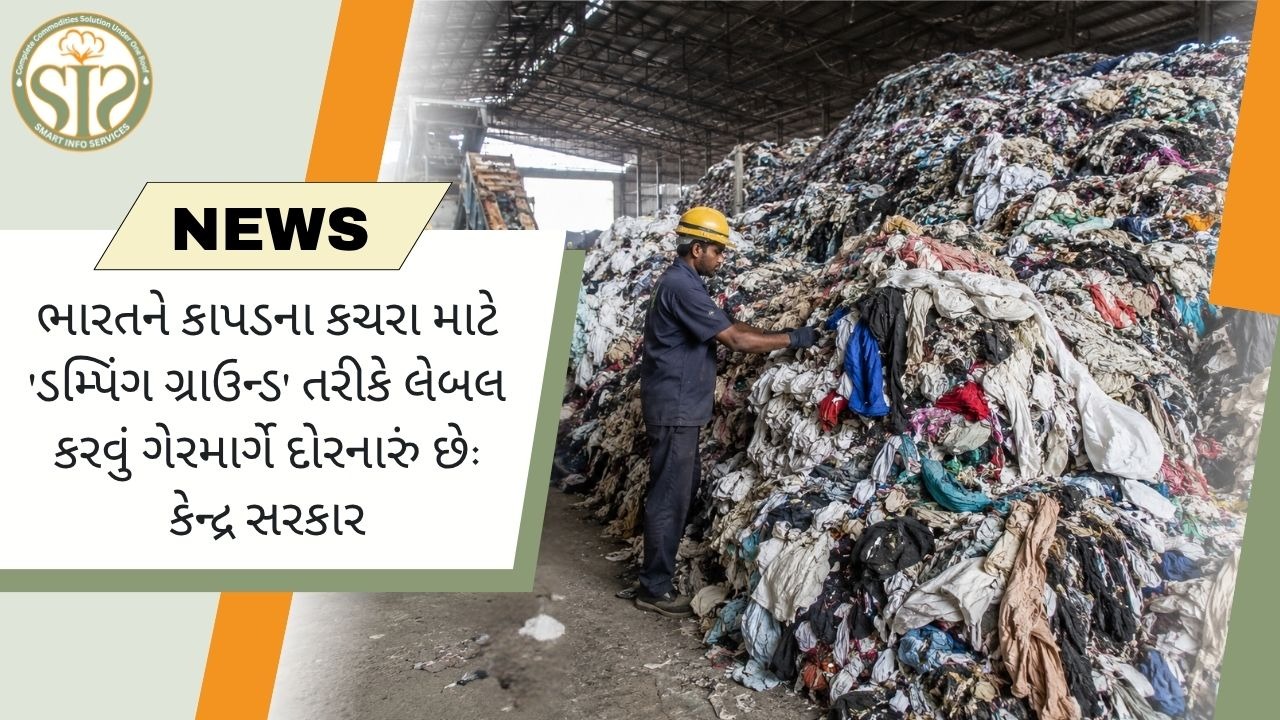
ભારતને કાપડના કચરા માટે 'ડમ્પિંગ ગ્રાઉન્ડ' તરીકે લેબલ કરવું ગેરમાર્ગે દોરનારું છે: કેન્દ્ર સરકારનવી દિલ્હી: ભારતના કાપડ રિસાયક્લિંગ ઇકોસિસ્ટમનો બચાવ કરતા, કેન્દ્ર સરકારે જણાવ્યું છે કે દેશને કાપડના કચરા માટે 'ડમ્પિંગ ગ્રાઉન્ડ' તરીકે દર્શાવવું ગેરમાર્ગે દોરનારું અને તથ્યોથી વિપરીત છે. ગુરુવારે જારી કરાયેલા એક નિવેદનમાં, કાપડ મંત્રાલયે ભારપૂર્વક જણાવ્યું હતું કે ભારત વિશ્વના સૌથી મોટા કાપડ પુનઃપ્રાપ્તિ અને રિસાયક્લિંગ નેટવર્ક્સમાંથી એક ધરાવે છે, જે પુનઃઉપયોગ અને રિસાયક્લિંગ માટે લાંબા સમયથી ચાલતી પદ્ધતિઓ દ્વારા આધારભૂત છે.મંત્રાલયે નોંધ્યું છે કે તાજેતરના આંતરરાષ્ટ્રીય મીડિયા અહેવાલો - જે પાણીપત જેવા કાપડ ક્લસ્ટરો પર ધ્યાન કેન્દ્રિત કરે છે - પર્યાવરણીય અસર અને શ્રમ સલામતી અંગે ચિંતાઓને અતિશયોક્તિપૂર્ણ રીતે રજૂ કરે છે, જ્યારે ટકાઉપણું, નિયમનકારી સુધારાઓ અને નવી તકનીકો અપનાવવા તરફ ક્ષેત્રમાં પ્રાપ્ત પ્રગતિને અવગણે છે.સરકારે સ્પષ્ટપણે જણાવ્યું હતું કે ભારતીય કાપડ ઉદ્યોગને પર્યાવરણીય રીતે બેદરકાર અથવા માળખાકીય રીતે શોષણકારક તરીકે દર્શાવવું ભૂલભરેલું છે; આવા વર્ણનો ક્ષેત્રની અંદર ચાલી રહેલા સુધારાત્મક પ્રયાસો અને ટકાઉપણું-આધારિત પહેલોને સ્વીકારવામાં નિષ્ફળ જાય છે.મંત્રાલય અનુસાર, ભારતમાં વાર્ષિક આશરે 7,073 કિલોટન કાપડ કચરો ઉત્પન્ન થાય છે. "મેપિંગ ઓફ ટેક્સટાઇલ વેસ્ટ વેલ્યુ ચેઇન ઇન ઇન્ડિયા 2026" અભ્યાસને ટાંકીને સરકારે જણાવ્યું હતું કે ઉત્પાદન પ્રક્રિયા દરમિયાન ઉત્પન્ન થતા લગભગ 97 ટકા પ્રી-કન્ઝ્યુમર ટેક્સટાઇલ કચરાનું રિસાયકલ કરવામાં આવે છે.સરકારે એવા દાવાઓને પણ નકારી કાઢ્યા હતા કે ભારત પશ્ચિમી દેશોમાંથી ફાસ્ટ-ફેશન કચરા માટેનું મુખ્ય સ્થળ બની રહ્યું છે. મંત્રાલયના જણાવ્યા અનુસાર, દેશમાં સંચાલિત આશરે 7.8 મિલિયન ટન ટેક્સટાઇલ કચરામાંથી 90 ટકાથી વધુ સ્થાનિક સ્તરે ઉત્પન્ન થાય છે, જ્યારે આયાતી કચરો ફક્ત 7 ટકા જેટલો જ હિસ્સો ધરાવે છે. ફેડરેશન ઓફ ઇન્ડિયન ચેમ્બર્સ ઓફ કોમર્સ એન્ડ ઇન્ડસ્ટ્રી (FICCI) ના અહેવાલને ટાંકીને, મંત્રાલયે જણાવ્યું હતું કે ટેક્સટાઇલ વેસ્ટ ઇકોસિસ્ટમ દેશમાં વાર્ષિક આશરે ₹22,000 કરોડની આર્થિક પ્રવૃત્તિ ઉત્પન્ન કરે છે.સરકારે IIT દિલ્હીના સંશોધકો દ્વારા હાથ ધરવામાં આવેલા એક અભ્યાસનો પણ ઉલ્લેખ કર્યો હતો, જેમાં પાણીપત ક્લસ્ટરના ડેટાના આધારે જાણવા મળ્યું હતું કે ટેક્સટાઇલ રિસાયક્લિંગ વર્જિન ફાઇબરના ઉત્પાદનની તુલનામાં ગ્રીનહાઉસ ગેસ ઉત્સર્જન અને અશ્મિભૂત ઇંધણ વપરાશ જેવા પર્યાવરણીય પ્રભાવોમાં આશરે 40 ટકાનો ઘટાડો તરફ દોરી જાય છે.સરકારે સ્વીકાર્યું કે ગ્રાહક પછીના કચરા વ્યવસ્થાપન, અસંગઠિત ક્ષેત્રના એકમો અને કામદારોની સલામતી સંબંધિત પડકારો હજુ પણ યથાવત છે, પરંતુ તેણે નોંધ્યું કે ઉદ્યોગ સતત વધુ ઔપચારિક પ્રણાલીઓ, સ્વચ્છ તકનીકો અને સુધારેલ પર્યાવરણીય પાલન તરફ આગળ વધી રહ્યો છે.મંત્રાલયે વધુમાં જણાવ્યું હતું કે કાપડ રિસાયક્લિંગ એકમો હાલના પર્યાવરણીય અને શ્રમ કાયદાઓ હેઠળ કાર્ય કરે છે, અને વિવિધ નિયમનકારી એજન્સીઓ - નેશનલ ગ્રીન ટ્રિબ્યુનલ (NGT) સહિત - આ નિયમોનું ઉલ્લંઘન કરતા એકમો સામે કાર્યવાહી કરી રહી છે.વધુ વાંચો:- ડોલર સામે રૂપિયો 10 પૈસા વધીને 96.20 પર બંધ થયો.

ગુરુવારે ભારતીય રૂપિયો યુએસ ડોલર સામે ૯૬.૩૦ પર ખુલ્યો અને ટ્રેડિંગના અંતે ૧૦ પૈસા મજબૂત થઈને ૯૬.૨૦ પર બંધ થયો.બંધ સમયે, સેન્સેક્સ ૧૩૫ પોઈન્ટ ઘટીને ૭૫,૧૮૩ પર અને નિફ્ટી ૫૦ ૪ પોઈન્ટ ઘટીને ૨૩,૬૫૫ પર બંધ થયો. બજારોમાં અસ્થિરતાને માપતો ઈન્ડિયા વીઆઈએક્સ સત્રના અંત સુધીમાં ૩% થી વધુ ઘટીને ૧૭.૮૨ પર બંધ થયો હોવા છતાં પણ આ બન્યું.વધુ વાંચો:- ભારત ટેક્સ 2026 માટે ટેક્સટાઇલ મંત્રાલયે લોન્ચ કર્યું AI આધારિત સ્માર્ટ એપ

કાપડ મંત્રાલયે ભારત ટેક્સ 2026 માટે AI-સંચાલિત સ્માર્ટ એપ લોન્ચ કરીકાપડ મંત્રાલયે મંત્રાલયના નેજા હેઠળ આયોજિત વૈશ્વિક કાપડ કાર્યક્રમ, ભારત ટેક્સ 2026 માટે AI-સંચાલિત સ્માર્ટ ઇવેન્ટ એપ લોન્ચ કરી છે. આ એપનો ઉદ્દેશ્ય સમગ્ર કાર્યક્રમને વધુ ડિજિટલ, ઇન્ટરેક્ટિવ અને વ્યાપારી રીતે અસરકારક બનાવવાનો છે, જેનાથી પ્રદર્શકો, ખરીદદારો, પ્રતિનિધિઓ, સોર્સિંગ નિષ્ણાતો, વક્તાઓ અને મુલાકાતીઓ વચ્ચે વધુ સારા સંકલનને પ્રોત્સાહન મળે.આ પ્લેટફોર્મની એક વિશિષ્ટ વિશેષતા તેનું AI-આધારિત સ્માર્ટ સહાયક છે, જે 24×7 વાતચીત સહાય પૂરી પાડે છે. વપરાશકર્તાઓ ફક્ત કુદરતી ભાષામાં પ્રશ્નો પૂછીને ઇવેન્ટ શેડ્યૂલ, સ્થળની માહિતી, દિશા નિર્દેશો, સેવાઓ અને અન્ય આવશ્યક વિગતોને તાત્કાલિક ઍક્સેસ કરી શકે છે. આ ખાતરી કરે છે કે સહભાગીઓ ઇવેન્ટ દરમિયાન માહિતી શોધવામાં સમય બગાડે નહીં, જેનાથી તેમનો એકંદર અનુભવ વધુ સરળ બને છે.આ એપમાં એક મજબૂત બિઝનેસ નેટવર્કિંગ સિસ્ટમ પણ શામેલ છે, જે પ્રદર્શકો અને ખરીદદારોને સંભવિત વ્યવસાયિક ભાગીદારોને ઓળખવા, મીટિંગ્સ શેડ્યૂલ કરવા અને તેમની ઉપલબ્ધતાને અસરકારક રીતે સંચાલિત કરવા સક્ષમ બનાવે છે. બધી મીટિંગ્સ અને ક્રિયાપ્રતિક્રિયાઓને ડિજિટલી ટ્રેક કરી શકાય છે, જેનાથી વ્યવસાયિક કામગીરીમાં પારદર્શિતા અને કાર્યક્ષમતા વધે છે.પ્રદર્શકો માટે, 'લીડ વોલેટ' અને QR-આધારિત લીડ કેપ્ચર સિસ્ટમ પણ ઉપલબ્ધ છે, જે તેમને મુલાકાતીઓના ડિજિટલ બેજ સ્કેન કરીને સંપર્ક માહિતી સુરક્ષિત રીતે સંગ્રહિત કરવાની મંજૂરી આપે છે. આ ઇવેન્ટ પછીની ફોલો-અપ પ્રક્રિયાને સરળ અને સુવ્યવસ્થિત કરે છે.વધુમાં, એપ્લિકેશન ઇન્ટરેક્ટિવ ફ્લોર પ્લાન, બૂથ સ્થાન શોધ અને સ્ટોલ-લેવલ નેવિગેશન જેવી સુવિધાઓ પ્રદાન કરે છે. આંતરરાષ્ટ્રીય ખરીદદારો માટે 'પ્રદર્શક ડિસ્કવરી મોડ્યુલ' ઉપલબ્ધ છે, જે તેમને શ્રેણી, નામ અને ઉત્પાદન પ્રકાર પર આધારિત કંપનીઓ શોધવા માટે સક્ષમ બનાવે છે. રીઅલ-ટાઇમ અપડેટ્સ, વ્યક્તિગત સમયપત્રક અને ચેતવણી સિસ્ટમ પ્લેટફોર્મની ક્ષમતાઓને વધુ વધારે છે, જે ભારત ટેક્સ 2026 ને એક સ્માર્ટ અને વૈશ્વિક વ્યવસાય પ્લેટફોર્મ તરીકે સ્થાન આપે છે.વધુ વાંચો:- સમયસર કપાસ વાવેતરથી ખેડૂતોને મળશે વધુ નફો, વૈજ્ઞાનિકોની સલાહ

કપાસની ખેતી ખેડૂતો માટે વધુ નફાકારક હોવાનું વચન આપે છે; વૈજ્ઞાનિકો સમયસર વાવણીની સલાહ આપે છેજેમ જેમ ખરીફ મોસમ નજીક આવી રહી છે, તેમ તેમ કપાસની ખેતી માટેની તૈયારીઓ તેજ થઈ ગઈ છે. જિલ્લાના ખેડૂતો હવે કપાસના વાવેતર પર ધ્યાન કેન્દ્રિત કરી રહ્યા છે, કારણ કે આ પાક આર્થિક રીતે નફાકારક માનવામાં આવે છે. કૃષિ નિષ્ણાતોના મતે, આ પ્રદેશનું વાતાવરણ કપાસના ઉત્પાદન માટે અનુકૂળ છે, અને યોગ્ય સમયે વાવણી કરવાથી ઉપજમાં નોંધપાત્ર વધારો થઈ શકે છે.ખારગોનના વરિષ્ઠ કૃષિ વૈજ્ઞાનિક ડૉ. રાજીવ સિંહે ખેડૂતોને 25 મે પછી કપાસની વાવણી શરૂ કરવાની સલાહ આપી છે. તેમણે સમજાવ્યું કે આ સમયગાળા દરમિયાન, તાપમાન ધીમે ધીમે ઘટવાનું શરૂ થાય છે, અને ચોમાસાની શરૂઆતની પ્રવૃત્તિ શરૂ થાય છે - એવી પરિસ્થિતિઓ જે બીજ અંકુરણ અને છોડના પ્રારંભિક વિકાસ માટે અનુકૂળ વાતાવરણ બનાવે છે. આ ચોક્કસ સમય દરમિયાન કરવામાં આવતી વાવણી પાકની ગુણવત્તા અને એકંદર ઉત્પાદન બંને માટે ફાયદાકારક સાબિત થાય છે.વૈજ્ઞાનિકો એ પણ ભાર મૂકે છે કે ખેડૂતોએ, કોઈપણ સંજોગોમાં, જૂનના અંત સુધીમાં તેમની કપાસની વાવણી પૂર્ણ કરવી જોઈએ. વાવણીમાં કોઈપણ વિલંબ પાકના વિકાસ અને ઉત્પાદક ક્ષમતા પર સીધી પ્રતિકૂળ અસર કરે છે. મોડેથી વાવેલા પાકોમાં, છોડનો વિકાસ અટકી જાય છે, જેના પરિણામે એકંદર ઉપજમાં ઘટાડો થાય છે.ખેતીનો ખર્ચ મોટાભાગે યથાવત રહે છે, પરંતુ ઉત્પાદનમાં ઘટાડો અનિવાર્યપણે ખેડૂતોના નફામાં ઘટાડો તરફ દોરી જાય છે. પરિણામે, કપાસની સફળ ખેતીમાં સમયસર વાવણીને સૌથી મહત્વપૂર્ણ તબક્કો માનવામાં આવે છે. નિષ્ણાતોએ ખેડૂતોને તેમની કમાણી મહત્તમ કરવા માટે યોગ્ય તકનીકો અને અસરકારક સમય વ્યવસ્થાપન વ્યૂહરચના અપનાવવાની સલાહ આપી છે, જેનાથી તેઓ ઓછા ખર્ચે વધુ ઉપજ પ્રાપ્ત કરી શકે છે.વધુ વાંચો:- કપાસ પર આયાત શુલ્ક દૂર કરવાથી ખેડૂતોને મોટું નુકસાન થશે: CPI