
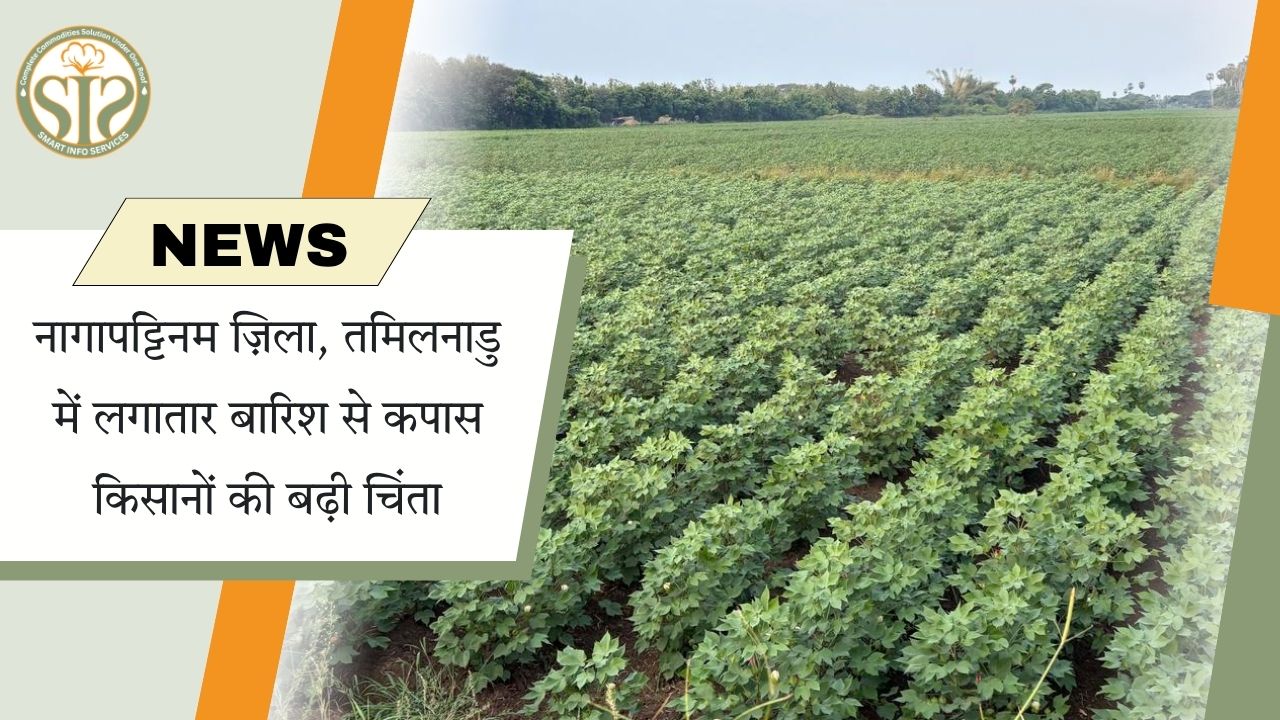
नागापट्टिनम ज़िला, तमिलनाडु में लगातार बारिश से कपास किसानों की बढ़ी चिंतानागापट्टिनम ज़िला, तमिलनाडु में पिछले तीन दिनों से लगातार हो रही गर्मियों की बारिश ने थिरुमारुगल ब्लॉक के कई इलाकों में कपास की खेती को प्रभावित किया है। खेतों में बारिश का पानी भर जाने से किसानों को फ़सल खराब होने की आशंका सताने लगी है।रिपोर्ट के मुताबिक, आधी रात से थिरुमारुगल, अलाथुर, एरावंचेरी, मरुंगुर, नेइकुप्पई, थिरुकन्नपुरम, अंबल, पोलगम और आसपास के क्षेत्रों में लगातार बारिश हो रही है। ज़िले के कई हिस्सों में पिछले तीन दिनों से तेज़ गर्मियों की बारिश दर्ज की गई है।थिरुमारुगल ब्लॉक में किसानों ने बड़े पैमाने पर गर्मियों की फ़सल के रूप में कपास की बुवाई की थी। इस समय फसल में फूल आने और डोडे बनने का चरण चल रहा है। हालांकि, कई किसान अभी तक खेतों में मिट्टी चढ़ाने का काम पूरा नहीं कर पाए हैं। लगातार बारिश के चलते कई खेतों में पानी जमा हो गया है, जिससे कपास के पौधों की बढ़वार प्रभावित हो रही है।कपास किसान आर. शिवा ने बताया, “बारिश के कारण कपास के पौधों पर लगे फूल झड़ रहे हैं, जिससे उत्पादन में भारी गिरावट आ सकती है।”एक अन्य किसान पी. कथिर ने कहा कि यदि खेतों में लंबे समय तक पानी भरा रहा तो पौधों की जड़ें सड़ सकती हैं, जिससे किसानों को गंभीर आर्थिक नुकसान उठाना पड़ सकता है। उन्होंने चेतावनी दी कि यदि बारिश इसी तरह जारी रही तो नुकसान और बढ़ सकता है।और पढ़ें :- CCI ने कॉटन कैंडी कीमत ₹4,100 बढ़ाई, नीलामी 5.85 लाख गांठ पार
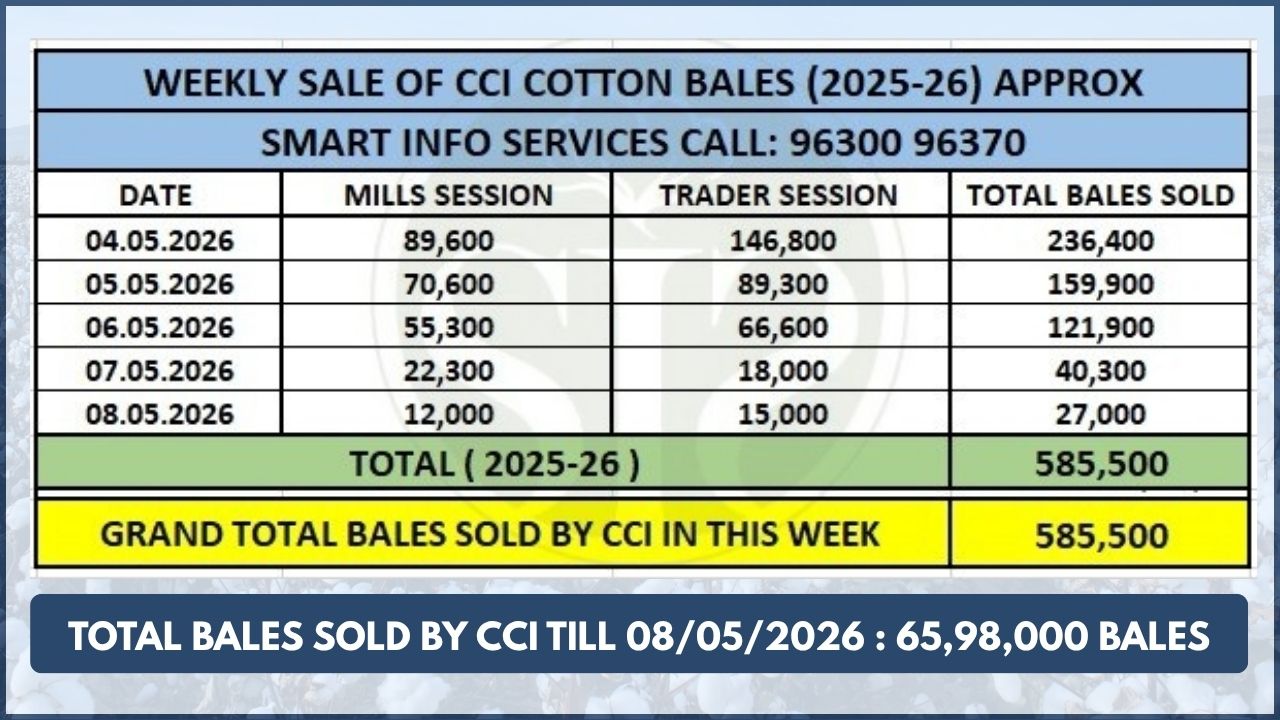
CCI ने कॉटन कैंडी की कीमतें ₹4,100 प्रति कैंडी बढ़ाईं; साप्ताहिक नीलामी बिक्री 5.85 लाख गांठों के पारकॉटन कॉर्पोरेशन ऑफ़ इंडिया (CCI) ने 4 मई से 8 मई, 2026 के सप्ताह के दौरान कॉटन की कीमतों में ₹4,100 प्रति कैंडी की बढ़ोतरी की। इन नीलामियों में मिलों और कॉटन व्यापारियों की ज़ोरदार भागीदारी देखने को मिली, जिसके परिणामस्वरूप 2025–26 सीज़न के स्टॉक से लगभग 5,85,500 गांठों की साप्ताहिक बिक्री हुई।साप्ताहिक बिक्री रिपोर्ट 4 मई, 2026 (सोमवार):सप्ताह की शुरुआत मज़बूत रही, जिसमें एक ही दिन में सबसे ज़्यादा 2,36,400 गांठों की बिक्री दर्ज की गई। मिलों ने 89,600 गांठें खरीदीं, जबकि व्यापारियों ने 1,46,800 गांठें खरीदकर खरीदारी में बढ़त बनाई।5 मई, 2026 (मंगलवार):नीलामी की गतिविधियाँ थोड़ी धीमी पड़ गईं, और कुल बिक्री 159,900 गांठों तक पहुँची। मिलों ने 70,600 गांठें खरीदीं, जबकि व्यापारियों ने 89,300 गांठें खरीदीं।6 मई, 2026 (बुधवार):CCI ने इस दिन कुल 121,900 गांठों की बिक्री की जानकारी दी। मिलों ने 55,300 गांठें खरीदीं, जबकि व्यापारियों ने 66,600 गांठें खरीदीं।7 मई, 2026 (गुरुवार):बिक्री की मात्रा में और गिरावट आई, और इस सत्र के दौरान 40,300 गांठें बिकीं। मिलों ने 22,300 गांठें खरीदीं, जबकि व्यापारियों ने 18,000 गांठें खरीदीं। 8 मई, 2026 (शुक्रवार):सप्ताह का समापन कुल 27,000 गांठों की बिक्री के साथ हुआ। मिलों ने 12,000 गांठें खरीदीं, जबकि व्यापारी सक्रिय रहे और उन्होंने कुल 15,000 गांठें खरीदीं।कुल बिक्री की जानकारीCCI की कुल बिक्री अब यहाँ तक पहुँच गई है:2025–26 सीज़न: 65,98,000 गांठें
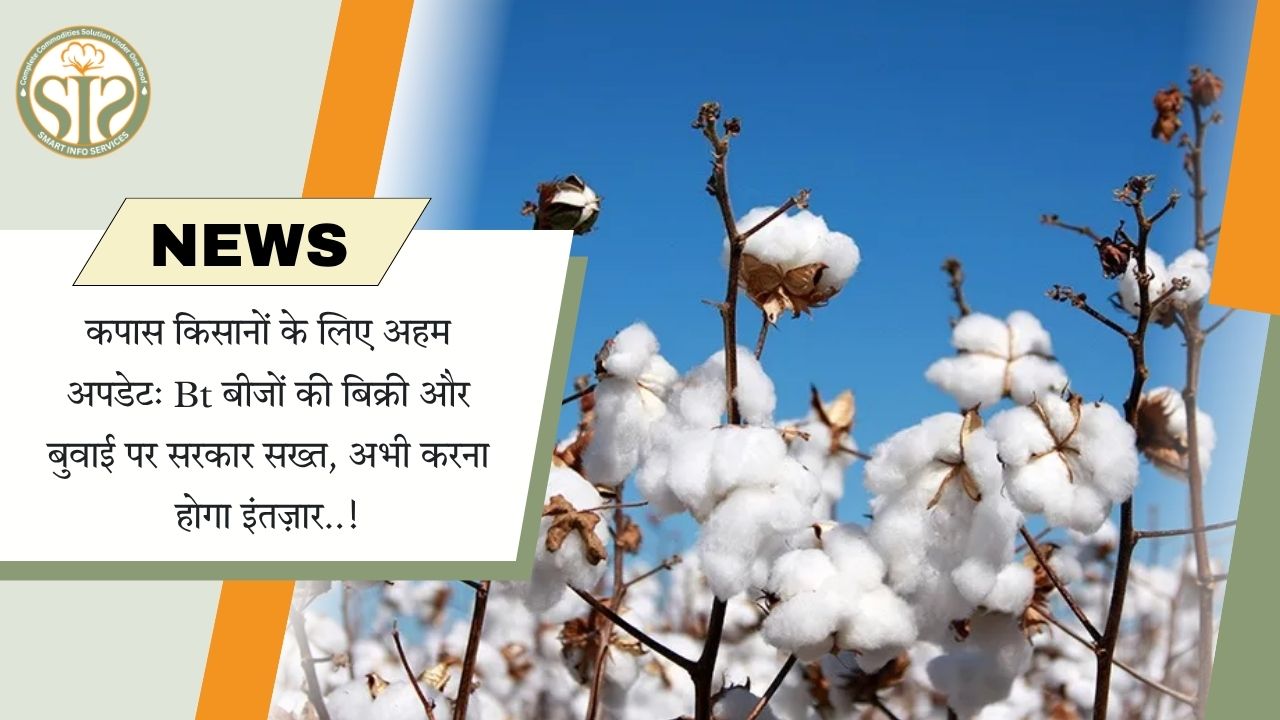
कपास किसानों के लिए अहम अपडेट: Bt बीजों की बिक्री और बुवाई पर सरकार सख्त, अभी करना होगा इंतज़ार..!जलगांव: आगामी खरीफ सीजन 2026 को देखते हुए महाराष्ट्र सरकार ने कपास फसल में गुलाबी इल्ली (Pink Bollworm) के बढ़ते खतरे को रोकने के लिए सख्त कदम उठाए हैं। राज्य के कृषि, पशुपालन, डेयरी विकास एवं मत्स्य पालन विभाग ने Bt कपास बीजों की बिक्री, आपूर्ति और बुवाई को लेकर नई समय-सारिणी लागू करने के निर्देश जारी किए हैं।8 मई 2026 को जारी सरकारी परिपत्र के अनुसार, राज्य की सभी कृषि एजेंसियों और अधिकारियों को इन नियमों का कड़ाई से पालन सुनिश्चित करने को कहा गया है। मंत्रालय द्वारा पुणे स्थित कृषि आयुक्त कार्यालय को भेजे गए निर्देशों में साफ कहा गया है कि समय से पहले कपास की बुवाई गुलाबी इल्ली के प्रकोप को बढ़ावा देती है, जिससे उत्पादन पर गंभीर असर पड़ता है।सरकार का मानना है कि जल्द बुवाई से कीटों के जीवन चक्र को अनुकूल वातावरण मिलता है, जिसके कारण फसल को भारी नुकसान उठाना पड़ सकता है। पिछले कुछ वर्षों में जलगांव समेत राज्य के कई प्रमुख कपास उत्पादक जिलों में गुलाबी इल्ली से किसानों को बड़े पैमाने पर नुकसान हुआ था। इसी अनुभव को देखते हुए इस बार सरकार ने पहले से ही सतर्कता बढ़ा दी है।सरकारी आदेश में किसानों से अपील की गई है कि वे केवल कृषि विभाग की अनुशंसित अवधि में ही कपास की बुवाई करें। साथ ही जिला और तालुका स्तर के कृषि अधिकारियों को जागरूकता अभियान चलाने के निर्देश दिए गए हैं, ताकि किसानों को प्रमाणित और अधिकृत Bt बीजों के उपयोग की जानकारी दी जा सके।इसके अलावा प्रशासन को अवैध और अनधिकृत बीजों की बिक्री पर नजर रखने तथा नियमों का उल्लंघन करने वालों के खिलाफ कार्रवाई करने के निर्देश भी दिए गए हैं।और पढ़ें :- रुपया 40 पैसे की गिरावट के साथ 94.88 पर खुला

रुपया 40 पैसे गिरावट 94.88 USD पर खुलासोमवार को भारतीय रुपया डॉलर के मुकाबले 40 पैसे गिरावट 94.88 पर खुला जबकि शुक्रवार को यह 94.48 पर बंद हुआ था।और पढ़ें :- कपास पर आयात शुल्क पूरी तरह समाप्त करने की मांग तेज
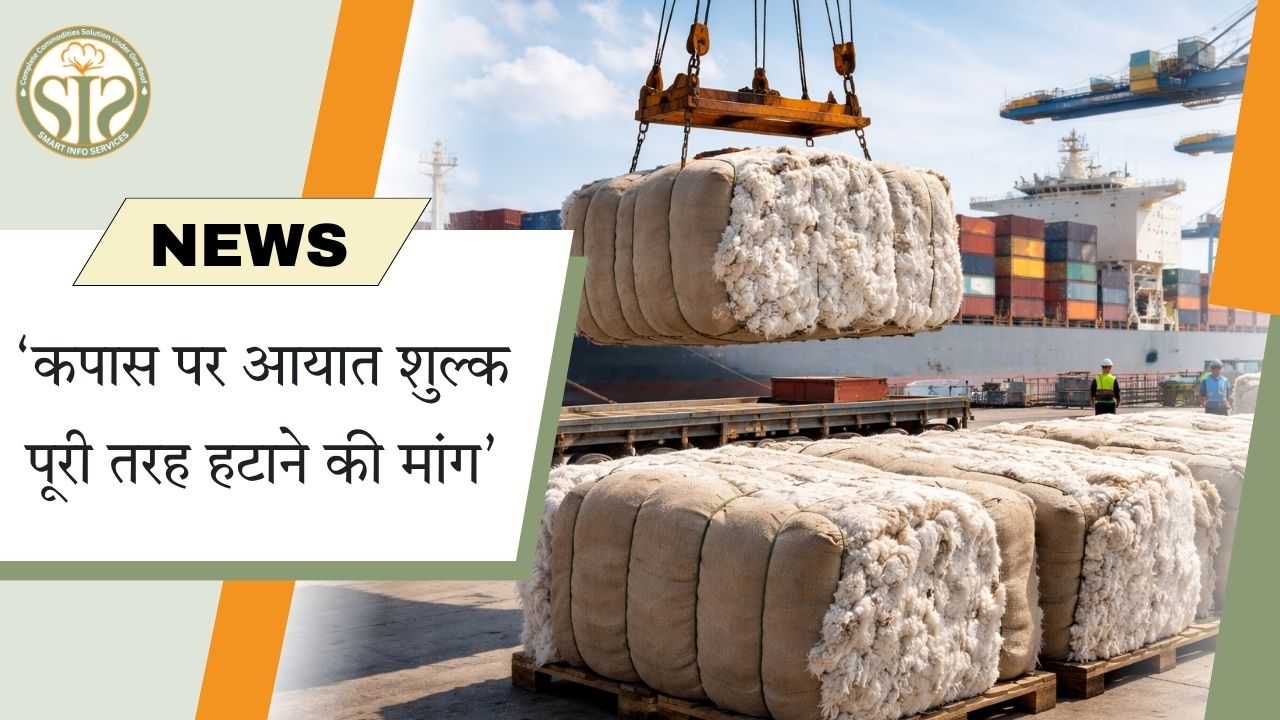
‘कपास पर आयात शुल्क पूरी तरह हटाने की मांग’कॉन्फेडरेशन ऑफ इंडियन टेक्सटाइल इंडस्ट्री (CITI) द्वारा जारी एक नए अध्ययन में कपास पर वर्तमान में लगने वाले 11% आयात शुल्क को पूरी तरह से खत्म करने की मांग की गई है।"भारत में कपास की आपूर्ति, मूल्य निर्धारण और व्यापार नीति का आर्थिक विश्लेषण" शीर्षक वाली यह रिपोर्ट बताती है कि यह आयात शुल्क देश के कपड़ा और परिधान क्षेत्रों की प्रतिस्पर्धात्मकता पर बुरा असर डाल रहा है। रिपोर्ट के अनुसार, उद्योग के लिए यह बहुत ज़रूरी है कि जब घरेलू उत्पादन कम हो, तो उसे आयातित कपास तक आसान और भरोसेमंद पहुंच मिले।इंटरनेशनल कॉटन एडवाइजरी कमेटी (ICAC) और Gherzi द्वारा संयुक्त रूप से तैयार किए गए इस अध्ययन में बताया गया है कि कपास पर आयात शुल्क अगस्त से दिसंबर 2025 तक अस्थायी रूप से निलंबित कर दिया गया था, लेकिन बाद में 1 जनवरी 2026 से इसे फिर से लागू कर दिया गया।रिपोर्ट में बताया गया है कि जब से 2021 में यह शुल्क पहली बार लागू किया गया था, तब से दो बार अस्थायी राहत दी गई है; हालांकि, अब उद्योग इसे स्थायी रूप से हटाने की मांग कर रहा है। उद्योग का तर्क है कि भारत के मुख्य प्रतिस्पर्धी देश—श्रीलंका, बांग्लादेश, वियतनाम और पाकिस्तान—कपास के आयात पर इस तरह के प्रतिबंध नहीं लगाते हैं।यह अध्ययन कपास के लिए एक 'रणनीतिक भंडार' (Strategic Reserve) स्थापित करने का भी सुझाव देता है, जो चीन के मॉडल पर आधारित हो। रिपोर्ट के अनुसार, वित्त वर्ष 2025-26 में कपड़ा और परिधान का निर्यात 2.2% घटकर 35.79 अरब डॉलर रह गया।गुरुवार को कोयंबटूर में आयोजित एक मीडिया ब्रीफिंग में बोलते हुए, CITI के अध्यक्ष अश्विन चंद्रन ने कहा कि Gherzi-ICAC की रिपोर्ट कपड़ा और परिधान उद्योग के लिए 2030 तक 350 अरब डॉलर का लक्ष्य हासिल करने के लिए एक व्यावहारिक और विस्तृत रूपरेखा प्रस्तुत करती है।इस बीच, सदर्न इंडिया मिल्स एसोसिएशन (SIMA) के महासचिव के. सेल्वाराजू ने बताया कि पिछले तीन वर्षों में कपास की खेती के तहत आने वाला क्षेत्र लगभग 20% कम हो गया है, और भारत में उत्पादकता का स्तर काफी कम बना हुआ है। उन्होंने कहा कि 2030 का लक्ष्य हासिल करने के लिए, उद्योग को लगभग 15% की वार्षिक दर से बढ़ने की आवश्यकता होगी। हालांकि, मौजूदा परिस्थितियों में, यह एक चुनौतीपूर्ण कार्य प्रतीत होता है।उन्होंने यह भी बताया कि पश्चिम एशिया में चल रहे संघर्ष के कारण माल ढुलाई और लॉजिस्टिक्स की लागत बढ़ गई है। इसके अलावा, गैस की कमी के साथ-साथ तेल-आधारित कच्चे माल, रंगों और रसायनों की बढ़ती कीमतों ने कपड़ा और परिधान उद्योग पर अतिरिक्त दबाव डाल दिया है।और पढ़ें:- खानदेश में कपास का रकबा 8 लाख हेक्टेयर से नीचे जाने की आशंका

खानदेश में घटेगी कपास की बुवाई, रकबा 8 लाख हेक्टेयर से नीचे जाने की आशंकाखानदेश क्षेत्र में लगातार दूसरे वर्ष कपास की खेती के रकबे में गिरावट आने की संभावना है। अनुमान है कि इस साल क्षेत्र में कुल कपास बुवाई 8 लाख हेक्टेयर से कम रह सकती है। इनमें सबसे बड़ा हिस्सा जलगांव जिले का होगा, जहाँ लगभग 4.75 लाख हेक्टेयर में कपास की खेती होने का अनुमान है। राज्य में सर्वाधिक कपास क्षेत्र वाला जिला होने के कारण जलगांव इस वर्ष भी अपनी अग्रणी स्थिति बनाए रखेगा।हालांकि, जलगांव के साथ-साथ धुले और नंदुरबार जिलों में भी कपास के रकबे में लगातार गिरावट देखी जा रही है।जलगांव जिले में कपास का क्षेत्रफल वर्ष 2022 में 5.67 लाख हेक्टेयर था, जो 2023 में घटकर 5.54 लाख हेक्टेयर और 2024 में 5.11 लाख हेक्टेयर रह गया। पिछले सीजन (2023-24) में यह आंकड़ा लगभग 4.80 लाख हेक्टेयर तक सीमित रहा।पूरे खानदेश क्षेत्र में कपास की खेती 2022 में 8.70 लाख हेक्टेयर थी। यह 2023 में घटकर 8.50 लाख हेक्टेयर और 2024 में 8.30 लाख हेक्टेयर रह गई। इस वर्ष धुले जिले में लगभग 1.60 लाख हेक्टेयर तथा नंदुरबार में करीब 80 हजार हेक्टेयर क्षेत्र में कपास बुवाई होने का अनुमान है। सबसे अधिक गिरावट धुले जिले में दर्ज की जा रही है। घाटे का सौदा बनती कपास खेतीकपास की खेती किसानों के लिए लगातार अलाभकारी साबित हो रही है। गुलाबी इल्ली (पिंक बॉलवर्म) का बढ़ता प्रकोप, मजदूरों की कमी और बाजार में कपास को कम दाम मिलने जैसी समस्याओं ने किसानों की चिंता बढ़ा दी है। यही वजह है कि सूखा प्रभावित इलाकों के कई किसान अब कपास छोड़कर सोयाबीन की ओर रुख कर रहे हैं।वहीं, जिन किसानों के पास सिंचाई की पर्याप्त सुविधा उपलब्ध है, वे पपीता और केला जैसी नकदी फसलों को प्राथमिकता दे रहे हैं। कुछ किसानों ने इस वर्ष कपास के लिए निर्धारित रकबा भी कम करने का निर्णय लिया है।जलगांव अब भी राज्य में नंबर वनपिछले कई वर्षों से जलगांव जिला महाराष्ट्र में कपास की खेती के मामले में शीर्ष स्थान पर बना हुआ है। इस वर्ष भले ही जिले में कपास का क्षेत्रफल घटने की संभावना हो, लेकिन राज्य में सर्वाधिक कपास बुवाई वाला जिला जलगांव ही रहेगा।जलगांव के बाद यवतमाल जिले का स्थान आता है, जहाँ हर वर्ष लगभग 4.5 लाख हेक्टेयर या उससे कुछ कम क्षेत्र में कपास की बुवाई की जाती है।और पढ़ें :-रुपया 33 पैसे की गिरावट के साथ 94.58 पर खुला.

शुक्रवार को भारतीय रुपया 10 पैसे बढ़कर 94.48 प्रति डॉलर पर बंद हुआ, जबकि सुबह यह 94.58 पर खुला था।बाजार बंद होने पर, सेंसेक्स 516.33 अंक या 0.66 प्रतिशत गिरकर 77,328.19 पर रहा, और निफ्टी 150.50 अंक या 0.62 प्रतिशत गिरकर 24,176.15 पर रहा। लगभग 1988 शेयरों में बढ़त दर्ज की गई, 2048 शेयरों में गिरावट आई और 170 शेयरों में कोई बदलाव नहीं हुआ।

रुपया 33 पैसे गिरावट 94.58 USD पर खुला. शुक्रवार को भारतीय रुपया डॉलर के मुकाबले 33 पैसे गिरावट 94.58 पर खुला जबकि गुरुवार को यह 94.25 पर बंद हुआ था।और पढ़ें :- अकोट कॉटन मार्केट में बढ़ी तेजी, कपास के दाम ₹10 हजार के पार
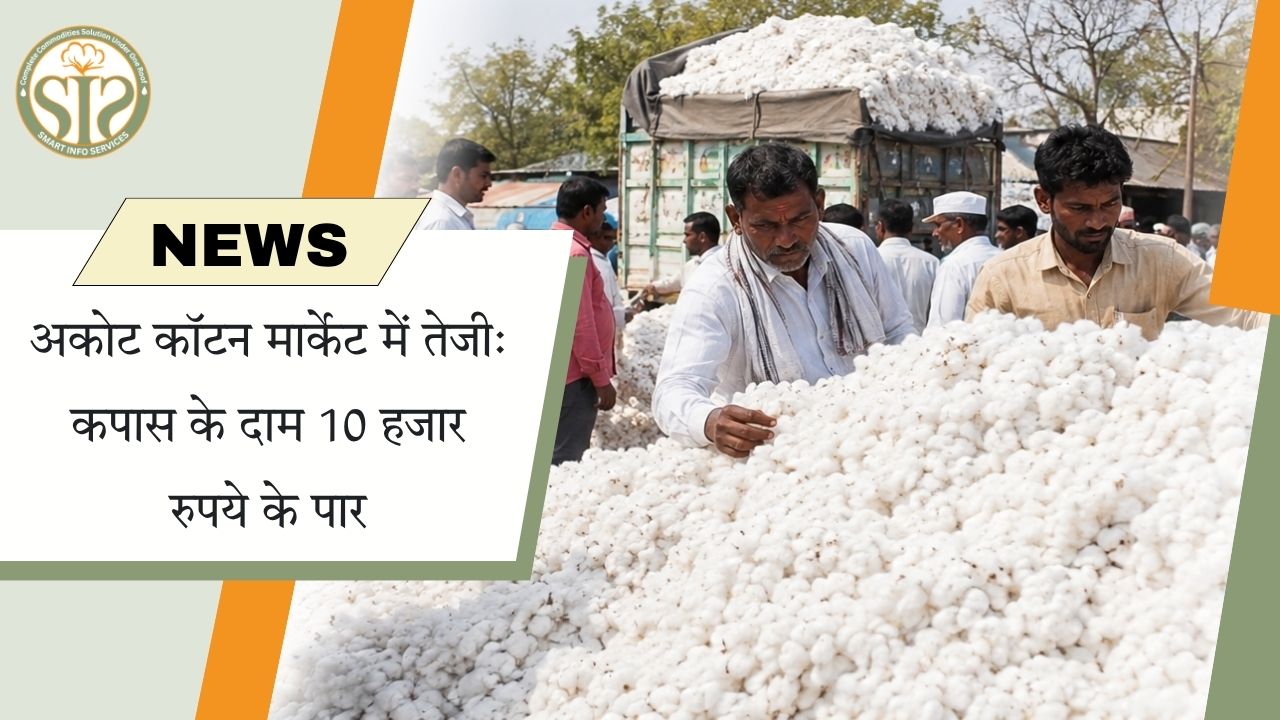
अकोट कॉटन मार्केट में तेजी: कपास के दाम 10 हजार रुपये के पारअकोट की कृषि उपज मंडी समिति (APMC) में कपास के दामों में लगातार तेजी देखने को मिल रही है। बुधवार (6 मई) को कपास का अधिकतम भाव 10,005 रुपये प्रति क्विंटल तक पहुंच गया, जिससे किसानों में उत्साह का माहौल है। मंडी में न्यूनतम भाव 8,550 रुपये प्रति क्विंटल दर्ज किया गया, जबकि प्रतिदिन एक हजार क्विंटल से अधिक कपास की आवक हो रही है।पश्चिमी विदर्भ में उभरती प्रमुख कपास मंडी के रूप में पहचान बना चुके अकोट में इस सीजन की शुरुआत में कॉटन कॉर्पोरेशन ऑफ इंडिया (CCI) ने तीन खरीद केंद्रों के माध्यम से 7.39 लाख क्विंटल से अधिक कपास की खरीद की थी। इसके बाद अप्रैल महीने से निजी व्यापारियों ने भी खरीद शुरू कर दी। अप्रैल से अब तक अकोट मंडी में लगभग 33 हजार क्विंटल कपास की खरीदी-बिक्री हो चुकी है।पिछले कुछ दिनों से कपास के दामों में लगातार बढ़ोतरी हो रही है। सोमवार को जहां अधिकतम भाव 9,500 रुपये प्रति क्विंटल था, वहीं मंगलवार को यह बढ़कर 9,740 रुपये तक पहुंच गया। बुधवार को कपास ने 10 हजार रुपये का आंकड़ा पार कर लिया। बाजार में जारी इस तेजी ने किसानों की उस उम्मीद को मजबूत किया है कि आने वाले दिनों में कपास के दाम और बढ़ सकते हैं।भावों में आई तेजी के चलते किसान अब अपने गोदामों में रखा कपास बाजार में ला रहे हैं। नए सीजन की तैयारियों और नकदी जरूरतों को ध्यान में रखते हुए भी किसान बिक्री कर रहे हैं। विशेष रूप से अच्छी गुणवत्ता वाले कपास की व्यापारियों के बीच अधिक मांग बनी हुई है, जिसके कारण किसानों को बेहतर दाम मिल रहे हैं।अकोट क्षेत्र में बड़ी संख्या में कपास प्रसंस्करण इकाइयां संचालित हैं। इन उद्योगों को लगातार कच्चे माल की आवश्यकता रहती है, जिससे बाजार में कपास की मांग बनी हुई है। इसी वजह से कपास के दामों में सकारात्मक रुख देखने को मिल रहा है। बाजार विशेषज्ञों का मानना है कि यदि मांग इसी तरह बनी रही, तो आने वाले दिनों में कपास के भाव में और तेजी देखने को मिल सकती है।

कपास बाज़ार में जबरदस्त उछाल: सिर्फ़ 8 दिनों में ₹1,000 प्रति क्विंटल की बढ़ोतरीराज्य के कपास बाज़ारों में इन दिनों जबरदस्त तेजी देखने को मिल रही है। पिछले आठ दिनों के भीतर कपास के दामों में लगभग ₹1,000 प्रति क्विंटल की बढ़ोतरी दर्ज की गई है। कई प्रमुख बाज़ार समितियों में कपास को ₹9,950 प्रति क्विंटल तक का उच्चतम भाव मिला, जिसे इस सीज़न का अब तक का रिकॉर्ड स्तर माना जा रहा है। बढ़ती कीमतों ने किसानों के चेहरे पर राहत और उम्मीद की नई चमक ला दी है।कुछ ही दिनों पहले तक कपास औसतन ₹8,000 प्रति क्विंटल बिक रहा था, लेकिन अब अधिकांश मंडियों में इसका भाव ₹9,000 के पार पहुँच चुका है। यवतमाल, रालेगांव और हिंगनघाट जैसे प्रमुख बाज़ारों में व्यापारियों और किसानों के बीच खरीद-बिक्री को लेकर उत्साह का माहौल है। बुधवार को यवतमाल मंडी में कपास का भाव करीब ₹9,100 प्रति क्विंटल रहा, जबकि रालेगांव और हिंगनघाट बाज़ार समितियों में ₹9,950 प्रति क्विंटल तक का सर्वोच्च भाव दर्ज किया गया।विशेषज्ञों के अनुसार, अंतरराष्ट्रीय बाज़ार में आए बदलावों का सीधा असर घरेलू कपास व्यापार पर दिखाई दे रहा है। पॉलिएस्टर फ़ाइबर की बढ़ती कीमतों के कारण सूती धागे और कपास की मांग में तेजी आई है। इसके अलावा कच्चे तेल की ऊँची कीमतें और वैश्विक भू-राजनीतिक तनाव भी कपास बाज़ार को मजबूती प्रदान कर रहे हैं। वैश्विक स्तर पर कपास की कीमत, जो पहले 72 से 74 सेंट प्रति पाउंड थी, अब बढ़कर 90 से 92 सेंट प्रति पाउंड तक पहुँच गई है। इसी कारण कपास की एक खांडी की कीमत लगभग ₹45,000 से बढ़कर ₹62,000 तक जा पहुँची है।हालाँकि बाजार में तेजी बनी हुई है, लेकिन कपास की आवक अभी भी सीमित है। अधिकांश किसान पहले ही अपना स्टॉक बेच चुके हैं। उदाहरण के तौर पर, बुधवार को रालेगांव मंडी में केवल 250 क्विंटल कपास की आवक दर्ज की गई। जानकारों का मानना है कि यदि आने वाले दिनों में बाजार में आवक बढ़ती है, तो कपास की कीमतों में और मजबूती देखने को मिल सकती है।और पढ़ें:-

गुरुवार को भारतीय रुपया 50 पैसे की बढ़त के साथ 94.25 प्रति डॉलर पर बंद हुआ, जबकि सुबह यह 94.75 पर था।बाजार बंद होने पर, सेंसेक्स 114 अंक या 0.15 प्रतिशत की गिरावट के साथ 77,844.52 पर रहा, और निफ्टी 4.30 अंक या 0.02 प्रतिशत की गिरावट के साथ 24,326.65 पर रहा।और पढ़ें:-
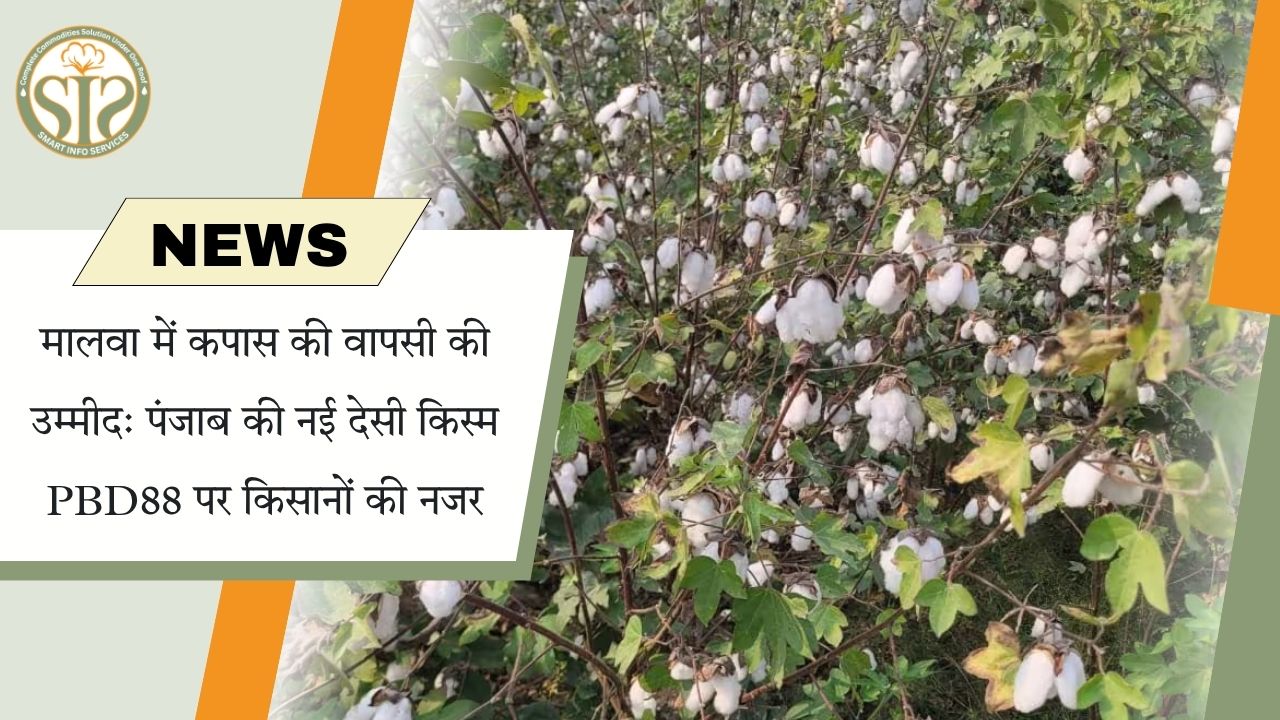
मालवा में कपास की वापसी की उम्मीद: पंजाब की नई देसी किस्म PBD88 पर किसानों की नजरपंजाब कृषि विश्वविद्यालय द्वारा विकसित नई नॉन-Bt देसी कपास किस्म PBD88 इस खरीफ सीज़न में पंजाब के मालवा क्षेत्र में कपास खेती को नई दिशा दे सकती है। ऐसे समय में जब राज्य लगातार घटते कपास रकबे और बढ़ती खेती लागत की चुनौती से जूझ रहा है, यह किस्म किसानों के लिए उम्मीद बनकर उभरी है।चार वर्षों तक किए गए परीक्षणों और फील्ड ट्रायल्स में PBD88 ने बेहतर पैदावार, कम लागत और कीट प्रतिरोध जैसी खूबियों के कारण वैज्ञानिकों का ध्यान खींचा है। विशेषज्ञों के अनुसार, देसी कपास से मिलने वाला रेशा दवा उद्योग में भी व्यावसायिक महत्व रखता है।बठिंडा स्थित क्षेत्रीय अनुसंधान केंद्र के फसल प्रजनक और इस किस्म के प्रमुख वैज्ञानिक Paramjit Singh ने बताया कि PBD88 प्रति एकड़ लगभग 11 क्विंटल उत्पादन देती है। यह पारंपरिक देसी किस्मों से 1–2 क्विंटल अधिक है और हाइब्रिड कपास की औसत पैदावार के बराबर मानी जा रही है।उन्होंने कहा कि पिछले कुछ वर्षों में गुलाबी सुंडी, सफेद मक्खी और प्रतिकूल मौसम के कारण पंजाब में कपास का रकबा तेजी से घटा है। लेकिन परीक्षणों में पाया गया कि PBD88 पर गुलाबी सुंडी का असर अपेक्षाकृत कम होता है। यही वजह है कि अर्ध-शुष्क क्षेत्रों के किसानों को इस नई देसी किस्म को अपनाने के लिए प्रोत्साहित किया जा रहा है।राज्य में कपास का रकबा 2021 के 2.52 लाख हेक्टेयर से घटकर 2024 में केवल 95,000 हेक्टेयर रह गया था। हालांकि 2025 में यह बढ़कर 1.2 लाख हेक्टेयर तक पहुंचा और अब कृषि विभाग ने 2026 के लिए 1.5 लाख हेक्टेयर का लक्ष्य तय किया है।विशेषज्ञों का कहना है कि PBD88 की सबसे बड़ी खासियत इसकी कम लागत वाली खेती है। जहां पारंपरिक किस्मों में लगभग छह बार चुनाई करनी पड़ती है, वहीं इस किस्म में केवल तीन बार चुनाई से ही फसल की कटाई पूरी हो जाती है। इसके अलावा, कई प्रमुख कीटों के प्रति प्रतिरोध होने के कारण किसानों का कीटनाशकों पर होने वाला खर्च भी कम हो सकता है।राज्य कृषि विभाग के अनुसार, पहले सीज़न में किसानों के लिए PBD88 के 100 क्विंटल से अधिक बीज उपलब्ध कराए गए हैं। प्रति एकड़ इसकी बुवाई के लिए लगभग 3 किलो बीज पर्याप्त है। यह उन चुनिंदा कपास किस्मों में शामिल है जिन पर पंजाब सरकार ने 33 प्रतिशत सब्सिडी देने की घोषणा की है।विजय कुमार ने कहा कि देसी कपास किस्मों को बढ़ावा देने का उद्देश्य Bt कपास को पूरी तरह बदलना नहीं, बल्कि खेती में विविधता लाना है। उनके अनुसार, देसी कपास में सफेद मक्खी और पत्ती मुड़ने जैसी बीमारियों के प्रति प्राकृतिक प्रतिरोधक क्षमता होती है।उन्होंने यह भी बताया कि कई गैर-हाइब्रिड किस्मों में चुनाई में देरी होने पर कपास के गोले टूटकर गिर जाते हैं, जिससे किसानों को नुकसान होता है। लेकिन PBD88 में यह समस्या कम देखी गई है, जिससे किसानों की उपज अधिक सुरक्षित रहती है। और पढ़ें :- कृषि प्रौद्योगिकी: कपास में अशुद्धियों को रोकने के लिए कच्चे कपास की गांठ (बेल) बनाने की तकनीक
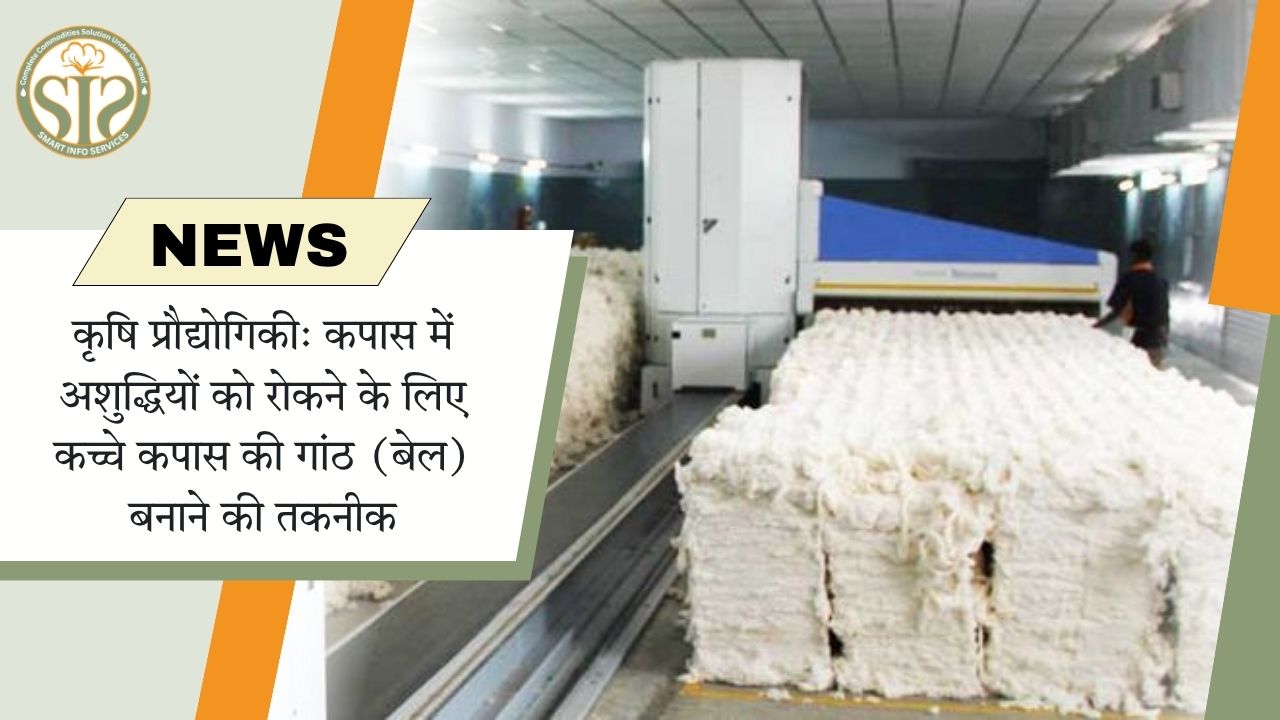
कच्ची कपास में संदूषण कम करने के लिए अभिनव कपास बेलिंग तकनीककपास प्रसंस्करण उद्योग में बढ़ती अशुद्धियाँ एक गंभीर चुनौती बन चुकी हैं। इन संदूषकों को हटाने के लिए महंगी मशीनरी की आवश्यकता होती है, जिससे उत्पादन लागत बढ़ जाती है और किसानों की आय प्रभावित होती है। इस समस्या के समाधान के रूप में परभणी (महाराष्ट्र) के युवा नवोन्मेषक कृष्ण सोमानी ने एक अभिनव मशीन विकसित की है, जो सीधे खेत में ही कच्चे कपास की गांठें (बेल्स) बनाने में सक्षम है।इस प्रोटोटाइप मशीन के उन्नयन और परीक्षण के लिए Central Institute for Research on Cotton Technology (नागपुर) के साथ समझौता ज्ञापन (MoU) किया गया है। यह संस्थान कपास प्रौद्योगिकी के क्षेत्र में अग्रणी अनुसंधान केंद्र है। समस्या की पृष्ठभूमिभारत में कपास की खेती लगभग 13 मिलियन हेक्टेयर क्षेत्र में फैली हुई है, जिसमें महाराष्ट्र का बड़ा योगदान है। देश में कपास की कटाई प्रायः चरणबद्ध तरीके से (3–4 बार) की जाती है। किसान अपनी पूरी उपज को एक साथ बेचने के लिए इसे महीनों तक घरों में संग्रहित रखते हैं। इस दौरान:*कपास में धूल, कचरा और अन्य अशुद्धियाँ मिल जाती हैं*चूहों और कीटों का प्रकोप बढ़ता है*गुणवत्ता और वजन में कमी आती है (प्रति क्विंटल 5–6 किग्रा तक नुकसान)*आग और स्वास्थ्य संबंधी जोखिम भी बढ़ जाते हैंसमाधान: खेत पर ही बेलिंग तकनीकइन समस्याओं से निपटने के लिए विकसित यह मशीन कटाई के बाद तुरंत कपास की बेलिंग कर देती है। इससे:*कपास खुला नहीं रहता, इसलिए अशुद्धियाँ कम होती हैं*भंडारण आसान और सुरक्षित होता है*परिवहन लागत और श्रम घटता हैविदेशों में जहां 2.5 टन की बड़ी गांठें बनाई जाती हैं, वहीं इस भारतीय तकनीक में लगभग 35 किलोग्राम की छोटी और हल्की बेल्स बनाई जाती हैं, जिन्हें हाथ से आसानी से उठाया जा सकता है।तकनीकी विशेषताएँ*प्रारंभ में बिजली से संचालित, अब ट्रैक्टर (PTO) आधारित यूनिट उपलब्ध*उत्पादन क्षमता: लगभग 40 बेल प्रति घंटा*साइलेज मशीन को संशोधित कर विकसित (कुल लागत ~₹9–10 लाख)*वर्तमान मशीन कीमत: ₹7–7.5 लाख*प्रति क्विंटल बेलिंग लागत: ₹100–₹150भंडारण और आर्थिक लाभबेल्स के समान आकार के कारण भंडारण अधिक व्यवस्थित हो जाता है—10×10 फुट के कमरे में 35–40 क्विंटल कपास रखा जा सकता है।एक किसान के उदाहरण में, बेलिंग और गोदाम भंडारण के माध्यम से बेहतर कीमत मिलने पर 110 क्विंटल उत्पादन पर ₹1.1 लाख अतिरिक्त लाभ हुआ।संस्थागत सहयोग और भविष्यइस तकनीक के विकास और प्रसार के लिए Central Institute for Research on Cotton Technology तथा Bajaj Industries के साथ साझेदारी की गई है। साथ ही, ‘RAFTAAR’ योजना के तहत ₹20 लाख की वित्तीय सहायता भी प्रदान की गई है।संस्थान के निदेशक Dr. S. K. Shukla के अनुसार, इस मशीन को सरकारी सब्सिडी योजनाओं में शामिल करने के प्रयास जारी हैं, जिससे यह तकनीक अधिक किसानों तक पहुँच सके। निष्कर्षकच्चे कपास की खेत-स्तरीय बेलिंग तकनीक न केवल अशुद्धियों को कम करती है, बल्कि भंडारण, परिवहन और विपणन को भी अधिक कुशल बनाती है। हालांकि अभी इसकी जागरूकता सीमित है, लेकिन भविष्य में यह तकनीक कपास उद्योग में एक महत्वपूर्ण बदलाव ला सकती है।और पढ़ें :- रुपया 14 पैसे की गिरावट के साथ 94.75 पर खुला.

रुपया 14 पैसे गिरावट 94.75 USD पर खुला. गुरुवार को भारतीय रुपया डॉलर के मुकाबले 14 पैसे गिरावट 94.75 पर खुला जबकि बुधवार को यह 94.61 पर बंद हुआ था।और पढ़ें :- रुपया डॉलर के मुकाबले 43 पैसे की बढ़त के साथ 94.61 पर बंद हुआ।

भारतीय रुपया बुधवार को अमेरिकी डॉलर के मुकाबले 95.04 पर खुला और 43 पैसे मज़बूत होकर बाज़ार बंद होने तक 94.61 पर पहुँच गया।बाज़ार बंद होने पर, सेंसेक्स 940.73 अंक या 1.22 प्रतिशत बढ़कर 77,958.52 पर और निफ्टी 298.15 अंक या 1.24 प्रतिशत बढ़कर 24,330.95 पर पहुँच गया। लगभग 2755 शेयरों में तेज़ी आई, 1287 शेयरों में गिरावट आई और 161 शेयरों में कोई बदलाव नहीं हुआ।और पढ़ें:- बीटी कपास बीज की किस्म ‘नांदेड़-44’ के प्रदर्शन आयोजित करने की मांग
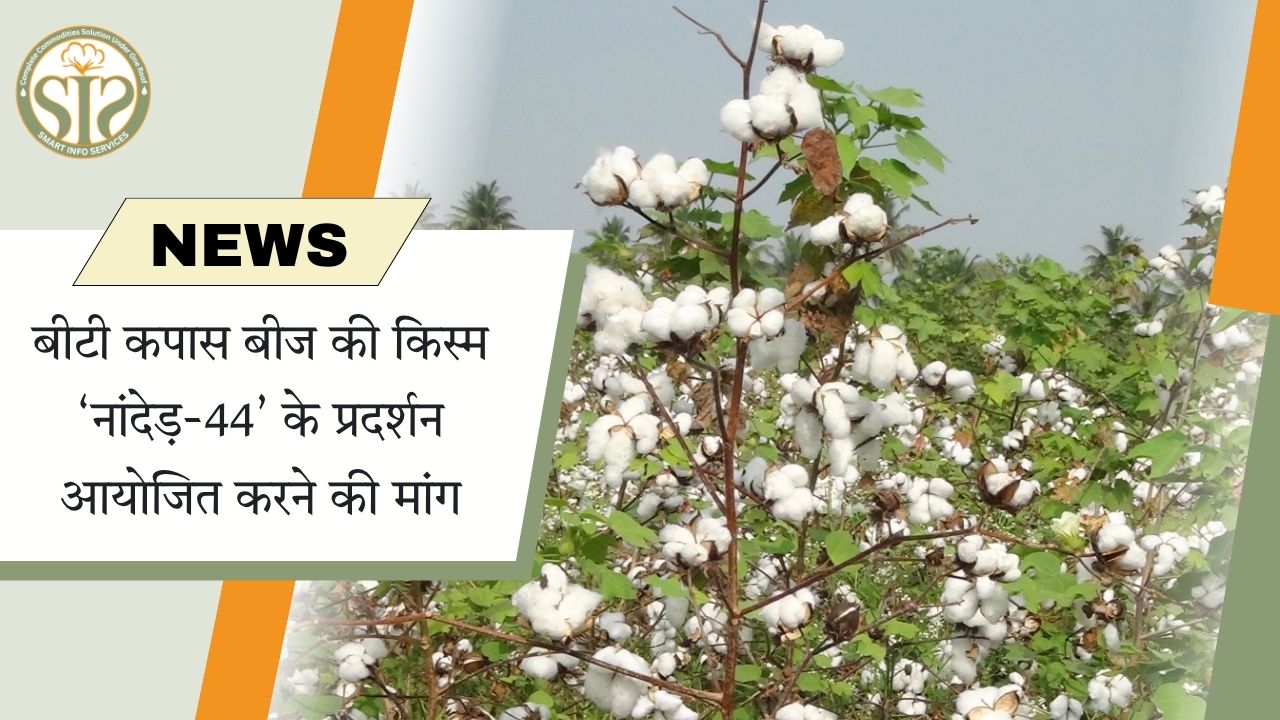
बीटी कपास बीज की किस्म ‘नांदेड़-44’ के प्रदर्शन आयोजित करने की मांगजलगाँव ज़िले में बेहतर कपास उत्पादन के लिए उन्नत किस्मों के प्रदर्शन की तत्काल आवश्यकता महसूस की जा रही है। किसानों ने मांग की है कि परभणी कृषि विश्वविद्यालय द्वारा विकसित ‘नांदेड़-44’ बीटी कपास किस्म के प्रदर्शन इस वर्ष भी पुनः आयोजित किए जाएं, ताकि अधिक से अधिक किसानों को इसका लाभ मिल सके।वर्ष 2022–23 के दौरान, ज़िले में लगभग 200 एकड़ क्षेत्र में इस किस्म के सफल प्रदर्शन आयोजित किए गए थे। इस पहल के अंतर्गत विभिन्न किसान समूहों को बीज वितरित किए गए और खेती शुष्क भूमि तकनीकों तथा कृत्रिम सिंचाई, दोनों माध्यमों से की गई थी।क‘नांदेड़-44’ मूल रूप से एक गैर-बीटी कपास किस्म थी, जो वर्ष 2001 से पहले राज्य में अत्यंत लोकप्रिय रही। इसकी उच्च उत्पादकता और विश्वसनीयता के कारण इसने निजी कंपनियों की कई किस्मों को बाज़ार में स्थापित होने से रोका था। हालांकि, 2001 के बाद बीटी कपास के प्रसार और निजी कंपनियों की नई किस्मों के आने से इसका प्रभाव कम हो गया। बाद में, इसी किस्म का बीटी संस्करण विकसित किया गया, जिससे यह पुनः किसानों के बीच प्रासंगि बनी।पिछले तीन वर्षों से महाबीज और परभणी कृषि विश्वविद्यालय द्वारा इस किस्म के प्रचार-प्रसार के लिए ठोस प्रयास किए जा रहे हैं। इसके तहत चयनित किसान समूहों को निःशुल्क बीज वितरित कर खेती को बढ़ावा दिया गया। केवल जलगाँव ज़िले में ही लगभग 200 एकड़ क्षेत्र में इसकी खेती की गई।किसानों ने अब मांग की है कि इस वर्ष भी चालीसगाँव, जामनेर, पारोला, अमलनेर और चोपड़ा जैसे क्षेत्रों में किसान समूहों और व्यक्तिगत किसानों को बीज उपलब्ध कराए जाएं, ताकि इस किस्म का विस्तार किया जा सके।साथ ही यह भी आवश्यक है कि कृषि सहायकों और स्थानीय कृषि अधिकारियों की सक्रिय भागीदारी सुनिश्चित की जाए, ताकि प्रदर्शन कार्यक्रमों के माध्यम से किसानों को तकनीकी मार्गदर्शन मिल सके और उत्पादन व उत्पादकता दोनों में वृद्धि हो।और पढ़ें :- कपास मिशन 2031: आत्मनिर्भर भारत की दिशा में पहल
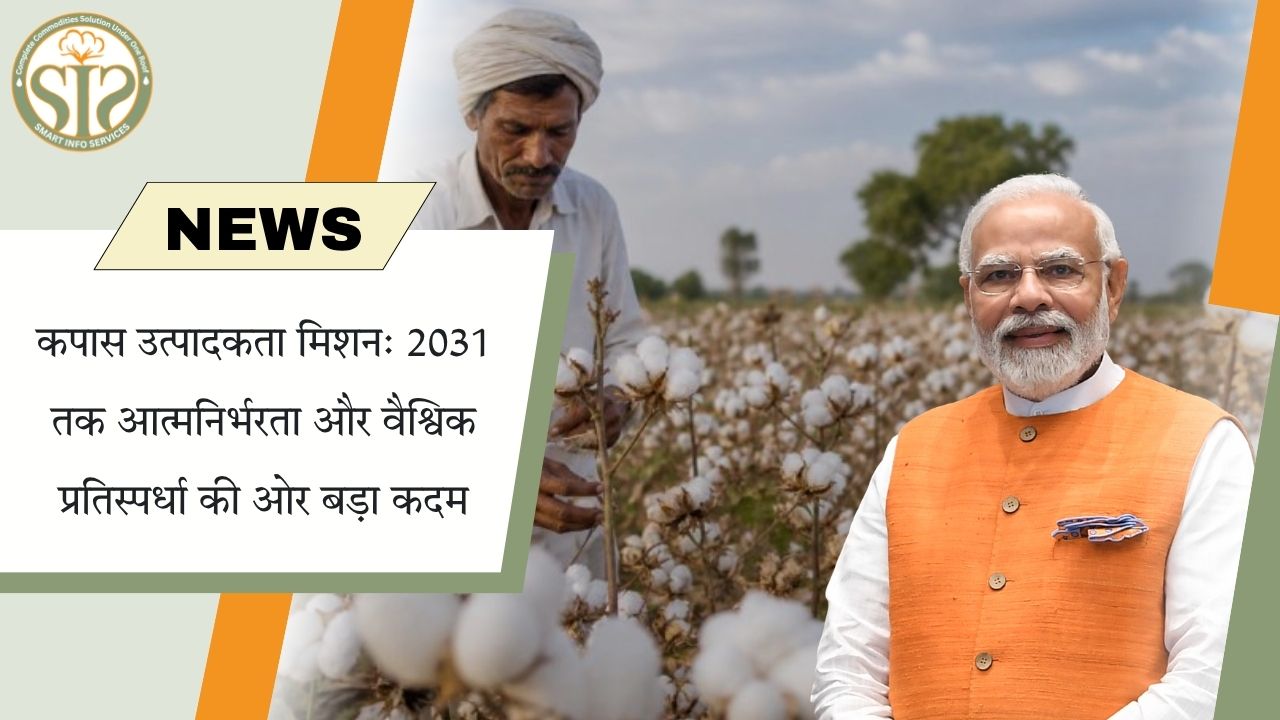
कपास उत्पादकता मिशन: 2031 तक आत्मनिर्भरता और वैश्विक प्रतिस्पर्धा की ओर बड़ा कदमप्रधानमंत्री नरेंद्र मोदी की अध्यक्षता में केंद्रीय मंत्रिमंडल ने “कपास उत्पादकता मिशन” (2026–27 से 2030–31) को मंजूरी दी है, जिसके लिए 5659.22 करोड़ रुपये का प्रावधान किया गया है। इस मिशन का उद्देश्य कपास क्षेत्र में उत्पादकता बढ़ाना, गुणवत्ता सुधारना और भारत को वैश्विक कपड़ा बाजार में अधिक प्रतिस्पर्धी बनाना है।यह पहल सरकार के ‘5F’ विजन—खेत से फाइबर, फाइबर से फैक्ट्री, फैक्ट्री से फैशन और फैशन से विदेश—के अनुरूप है। मिशन के तहत उच्च उत्पादकता वाले, जलवायु-अनुकूल और कीट-प्रतिरोधी बीज विकसित किए जाएंगे। साथ ही, हाई डेंसिटी प्लांटिंग सिस्टम (HDPS), क्लोज स्पेसिंग और एकीकृत कपास प्रबंधन जैसी आधुनिक तकनीकों को बढ़ावा दिया जाएगा, तथा एक्स्ट्रा लॉन्ग स्टेपल (ELS) कपास के उत्पादन को प्रोत्साहित किया जाएगा।कपास की गुणवत्ता सुधारने के लिए किसानों का प्रशिक्षण, जिनिंग और प्रोसेसिंग इकाइयों का आधुनिकीकरण, तथा अंतरराष्ट्रीय मानकों के अनुरूप परीक्षण अवसंरचना को मजबूत किया जाएगा। “कस्तूरी कॉटन भारत” ब्रांड के माध्यम से भारतीय कपास की वैश्विक पहचान, ट्रेसबिलिटी और विश्वसनीयता को बढ़ाया जाएगा।इसके अलावा, डिजिटल मंडियों के माध्यम से किसानों को पारदर्शी मूल्य निर्धारण और बेहतर बाजार पहुंच सुनिश्चित की जाएगी। कपास अपशिष्ट के पुनर्चक्रण और सर्कुलर इकॉनमी को भी बढ़ावा दिया जाएगा। साथ ही, सन (flax), रेमी, सिसल, मिल्कवीड, बांस और केले जैसे वैकल्पिक प्राकृतिक रेशों को शामिल कर फाइबर आधार का विस्तार किया जाएगा।यह मिशन कृषि एवं किसान कल्याण मंत्रालय और वस्त्र मंत्रालय द्वारा लागू किया जाएगा। इसमें ICAR, CSIR और विभिन्न राज्य कृषि विश्वविद्यालयों की भागीदारी होगी। शुरुआत में 14 राज्यों के 140 जिलों पर ध्यान केंद्रित किया जाएगा और लगभग 2000 जिनिंग इकाइयों को सशक्त किया जाएगा।मिशन का लक्ष्य 2031 तक कपास की उत्पादकता को 440 किलोग्राम प्रति हेक्टेयर से बढ़ाकर 755 किलोग्राम प्रति हेक्टेयर करना और कुल उत्पादन को 498 लाख गांठों तक पहुंचाना है। इससे लगभग 32 लाख किसानों को लाभ मिलने की उम्मीद है। यह पहल भारत को कपास क्षेत्र में आत्मनिर्भर बनाने की दिशा में एक महत्वपूर्ण कदम मानी जा रही है।और पढ़ें:- रुपया 25 पैसे की बढ़त के साथ 95.04 पर खुला.

रुपया 25 पैसे बढ़त 95.04 USD पर खुला. बुधवार को भारतीय रुपया डॉलर के मुकाबले 25 पैसे मज़बूत होकर 95.04 पर खुला जबकि मंगलवार को यह 95.29 पर बंद हुआ था।और पढ़ें :- परभणी (महाराष्ट्र) समाचार: मानवत में 15 मई से कपास नीलामी बंद, किसानों से जल्द बिक्री की अपील
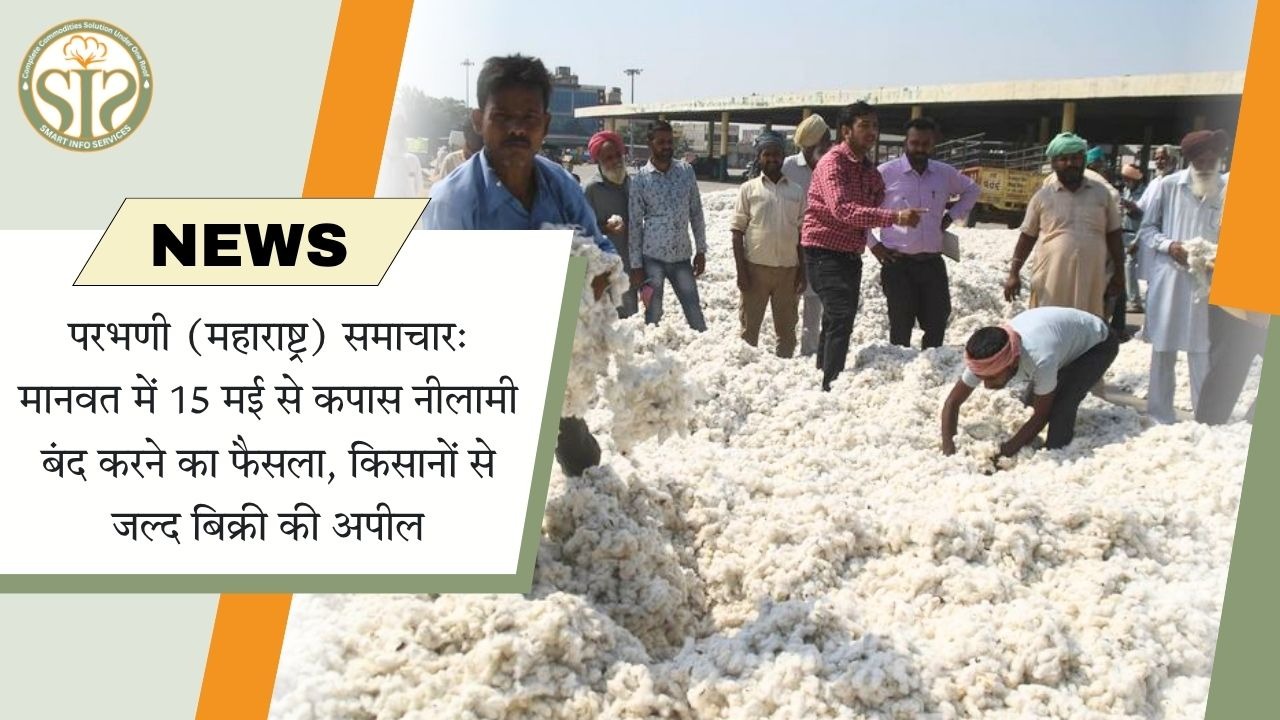
परभणी (महाराष्ट्र) समाचार: मानवत में 15 मई से कपास नीलामी बंद करने का फैसला, किसानों से जल्द बिक्री की अपीलमानवत कृषि उपज मंडी समिति (APMC), जिला परभणी (महाराष्ट्र) ने घोषणा की है कि छत्रपति शिवाजी यार्ड में चल रही कपास की नीलामी प्रक्रिया 15 मई से स्थगित कर दी जाएगी। यह निर्णय बढ़ती गर्मी और सीजन के लगभग समाप्त होने को देखते हुए लिया गया है। प्रशासन ने किसानों से अपील की है कि वे 15 मई से पहले अपनी कपास नीलामी के माध्यम से बेच दें।कपास की नीलामी नवंबर के दूसरे सप्ताह में शुरू हुई थी। शुरुआत में कपास के दाम न्यूनतम समर्थन मूल्य (MSP) से नीचे थे, जिसके चलते भारतीय कपास निगम (CCI) ने फरवरी के पहले सप्ताह तक 1,63,000 क्विंटल कपास की गारंटीशुदा दर पर खरीद की।इसके बाद बाजार में कीमतों में लगातार बढ़ोतरी देखी गई—5 फरवरी को भाव ₹7,190 प्रति क्विंटल रहा, जो फरवरी के अंत तक बढ़कर ₹7,325 तक पहुंच गया। मार्च में यह दर और ऊपर गई; 8 मार्च को कपास ₹7,430 और 13 मार्च को ₹7,525 प्रति क्विंटल पर बिका। मार्च के अंतिम सप्ताह और अप्रैल में भी तेजी जारी रही, और कीमतें ₹8,000 के स्तर को पार कर गईं।20 अप्रैल को कपास ₹8,800 तक पहुंच गया, जबकि 22 अप्रैल के बाद यह ₹9,000 के ऊपर चला गया। 2 मई को औसत भाव ₹9,330 और 4 मई को ₹9,400 प्रति क्विंटल दर्ज किया गया।मंडी प्रशासन के अनुसार, सीजन के शुरुआती दौर में कीमतें कम रहने के कारण लगभग 80 प्रतिशत किसानों ने अपनी उपज पहले ही बेच दी थी। बाद में बाजार में तेजी आई, जिससे अंतिम चरण में कीमतें काफी बढ़ गईं। इससे उन किसानों को नुकसान महसूस हुआ जिन्होंने पहले ही बिक्री कर दी थी।APMC चेयरमैन पंकज अम्बेगाँवकर ने कहा कि 15 मई के बाद स्थिति की समीक्षा की जाएगी और परिस्थितियों के आधार पर आगे नीलामी शुरू करने पर निर्णय लिया जाएगा।और पढ़ें:- रुपया डॉलर के मुकाबले 04 पैसे की बढ़त के साथ 95.29 पर बंद हुआ।

भारतीय रुपया मंगलवार को US डॉलर के मुकाबले 95.33 पर खुला और 04 पैसे मज़बूत होकर बाज़ार बंद होने तक 95.29 पर पहुँच गया।बाज़ार बंद होने पर, Sensex 251.61 अंक या 0.33 प्रतिशत गिरकर 77,017.79 पर रहा, और Nifty 86.50 अंक या 0.36 प्रतिशत गिरकर 24,032.80 पर रहा। लगभग 1890 शेयरों में तेज़ी आई, 2110 शेयरों में गिरावट आई, और 169 शेयरों में कोई बदलाव नहीं हुआ।और पढ़ें:- राजस्थान: खुईयां सहित कई गांवों में फसलें तबाह
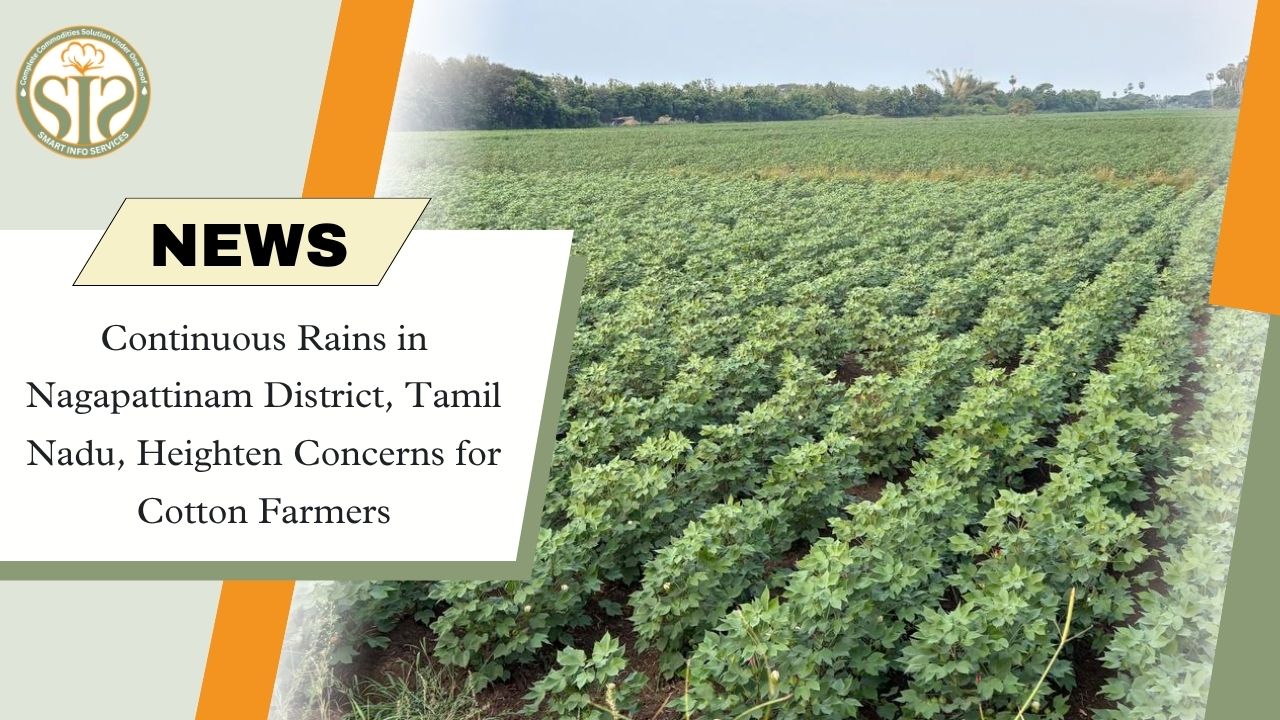
Continuous Rains in Nagapattinam District, Tamil Nadu, Heighten Concerns for Cotton FarmersContinuous summer rains over the past three days in Nagapattinam district, Tamil Nadu, have adversely affected cotton cultivation in several areas of the Thirumarugal block. With rainwater inundating their fields, farmers are increasingly apprehensive about potential crop damage.According to reports, incessant rain has been falling since midnight in Thirumarugal, Alathur, Eravancheri, Marungur, Neikuppai, Thirukannapuram, Ambal, Polagam, and surrounding regions. Heavy summer showers have been recorded across various parts of the district over the last three days.Farmers in the Thirumarugal block had undertaken extensive cotton sowing as a summer crop. The crop is currently in the crucial flowering and boll formation stage. However, many farmers have not yet been able to complete the task of earthing up (mounding soil around the plants) in their fields. Due to the continuous rainfall, water has accumulated in numerous fields, thereby hindering the growth of the cotton plants.Cotton farmer R. Shiva stated, "Due to the rains, the flowers on the cotton plants are shedding, which could lead to a drastic decline in yield."Another farmer, P. Kathir, warned that if water remains stagnant in the fields for an extended period, the plant roots could rot, potentially causing severe financial losses for the farmers. He further cautioned that the extent of the damage could escalate if the rains persist in this manner.read more :- CCI Hikes Cotton Candy Price by ₹4,100; Auction Crosses 5.85 Lakh Bales
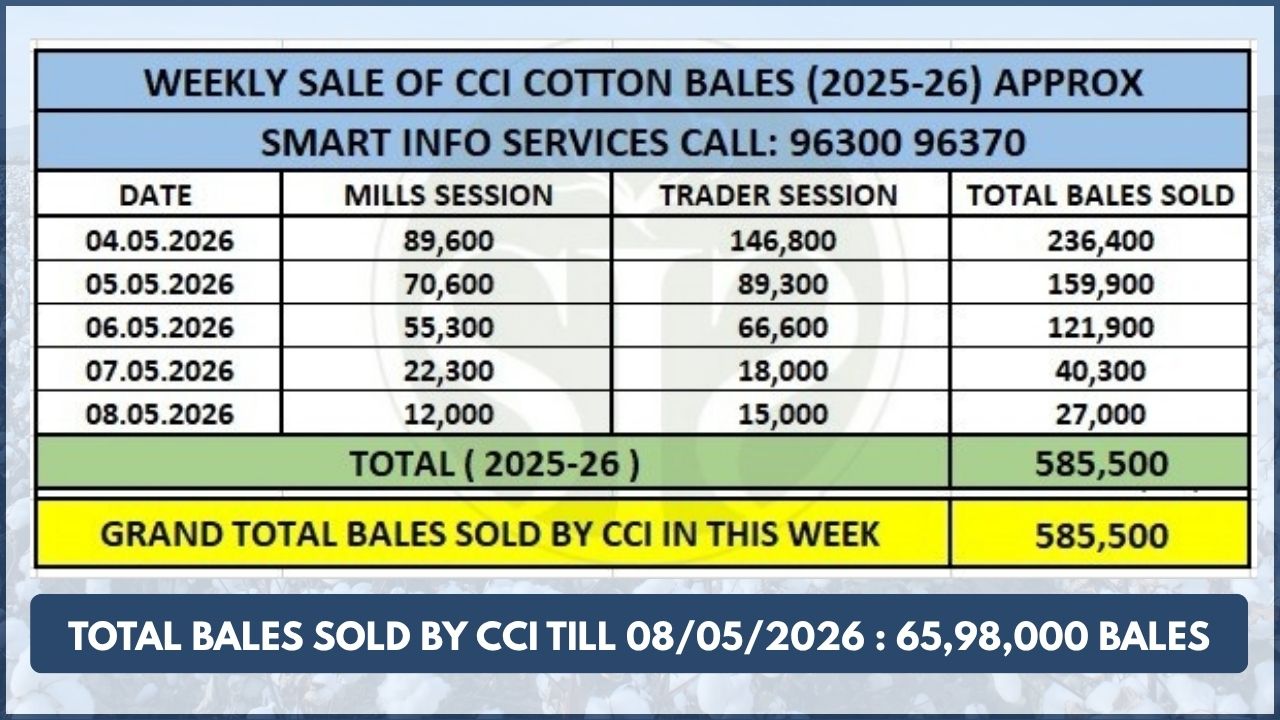
CCI Raises Cotton Candy Prices by ₹4,100 per Candy; Weekly Auction Sales Cross 5.85 Lakh BalesThe Cotton Corporation of India (CCI) raised its cotton prices by ₹4,100 per candy during the week from May 04 to May 08 2026, the auctions witnessed strong participation from mills and cotton traders, resulting weekly sales of about 5,85,500 bales from the 2025–26 season.Day-wise Auction PerformanceMay 04, 2026 (Monday):The week started on a strong note, recording the highest single-day sales of 2,36,400 bales. Mills purchased 89,600 bales, while traders led the buying activity with 1,46,800 bales.May 05, 2026 (Tuesday):Auction activity moderated slightly, with total sales reaching 1,59,900 bales. Mills bought 70,600 bales, whereas traders purchased 89,300 bales.May 06, 2026 (Wednesday):CCI reported total sales of 1,21,900 bales during the day. Mills accounted for 55,300 bales, while traders purchased 66,600 bales.May 07, 2026 (Thursday):Sales volume declined further, with 40,300 bales sold during the session. Mills purchased 22,300 bales, while traders bought 18,000 bales.May 08, 2026 (Friday):The week ended with total sales of 27,000 bales. Mills purchased 12,000 bales, while traders remained active with purchases of 15,000 bales.Cumulative Sales UpdateCCI’s total sales have reached:2025–26 season: 65,98,000 bales

Important Update for Cotton Farmers: Government Tightens Grip on Sale and Sowing of Bt Seeds—Wait Required for Now!Jalgaon: In view of the upcoming 2026 Kharif season, the Maharashtra government has taken stringent measures to curb the growing threat of the Pink Bollworm in cotton crops. The State Department of Agriculture, Animal Husbandry, Dairy Development, and Fisheries has issued directives implementing a new schedule regarding the sale, supply, and sowing of Bt cotton seeds.According to a government circular issued on May 8, 2026, all agricultural agencies and officials across the state have been instructed to ensure strict compliance with these regulations. The directives, sent by the Ministry to the office of the Agriculture Commissioner (Pune), clearly state that premature sowing of cotton fosters Pink Bollworm outbreaks, thereby having a severe adverse impact on crop production.The government maintains that early sowing creates an environment conducive to the pest's life cycle, potentially leading to massive crop damage. Over the past few years, farmers in several major cotton-producing districts of the state—including Jalgaon—have suffered extensive losses due to the Pink Bollworm infestation. Drawing upon this experience, the government has significantly heightened its vigilance this time around.The government order appeals to farmers to undertake cotton sowing only during the specific period recommended by the Department of Agriculture. Furthermore, district and taluka-level agricultural officials have been directed to conduct awareness campaigns to educate farmers on the importance of using certified and authorized Bt seeds.Additionally, the administration has been instructed to monitor the sale of illegal and unauthorized seeds and to take punitive action against those found violating the regulations.read more :- Rupee Opens at 94.88 Down 40 Paise

Rupee Opens at 94.88 Against the USD Down 40 PaiseOn Monday the Indian Rupee opened at 94.88 against the US Dollar a decline of 40 paise compared to its closing level of 94.48 on Friday.Read More:- Demand to completely eliminate import duty on cotton intensifies.

‘Demand to Completely Remove Import Duty on Cotton’A new study released by the Confederation of Indian Textile Industry (CITI) calls for the complete elimination of the 11% import duty currently levied on cotton.Titled "Economic Analysis of Cotton Supply, Pricing, and Trade Policy in India," the report states that the import duty is adversely affecting the competitiveness of the country's textile and garment sectors. According to the report, it is crucial for the industry to have easy and reliable access to imported cotton during periods when domestic production is low.The study, jointly prepared by the International Cotton Advisory Committee (ICAC) and Gherzi, notes that the import duty on cotton was temporarily suspended from August to December 2025 but was subsequently reimposed effective January 1, 2026.The report points out that since the duty was first implemented in 2021, temporary relief has been granted twice; however, the industry is now demanding its permanent removal. The industry argues that India's key competitor nations—Sri Lanka, Bangladesh, Vietnam, and Pakistan—do not impose such restrictions on cotton imports.The study also suggests establishing a Strategic Reserve for cotton, modeled after China's approach. According to the report, textile and apparel exports declined by 2.2% in the fiscal year 2025-26, falling to $35.79 billion.Speaking at a media briefing held in Coimbatore on Thursday, CITI Chairman Ashwin Chandran stated that the Gherzi-ICAC report presents a practical and detailed roadmap for the textile and apparel industry to achieve its target of $350 billion by 2030.Meanwhile, K. Selvaraju, Secretary General of the Southern India Mills Association (SIMA), noted that the area under cotton cultivation has shrunk by approximately 20% over the past three years, and productivity levels in India remain significantly low. He stated that to achieve the 2030 target, the industry would need to grow at an annual rate of approximately 15%. However, under current circumstances, this appears to be a challenging task.He also noted that freight and logistics costs have risen due to the ongoing conflict in West Asia. Furthermore, shortages of gas, along with rising prices of oil-based raw materials, dyes, and chemicals, have placed additional pressure on the textile and garment industry.read more :- The Rupee higher by 10 paise to close at 94.48 per dollar.

On Friday, the Indian Rupee higher by 10 paise to close at 94.48 per dollar, while it had opened at 94.58 in the morning.At close, the Sensex was down 516.33 points or 0.66 percent at 77,328.19, and the Nifty was down 150.50 points or 0.62 percent at 24,176.15. About 1988 shares advanced, 2048 shares declined, and 170 shares unchanged.
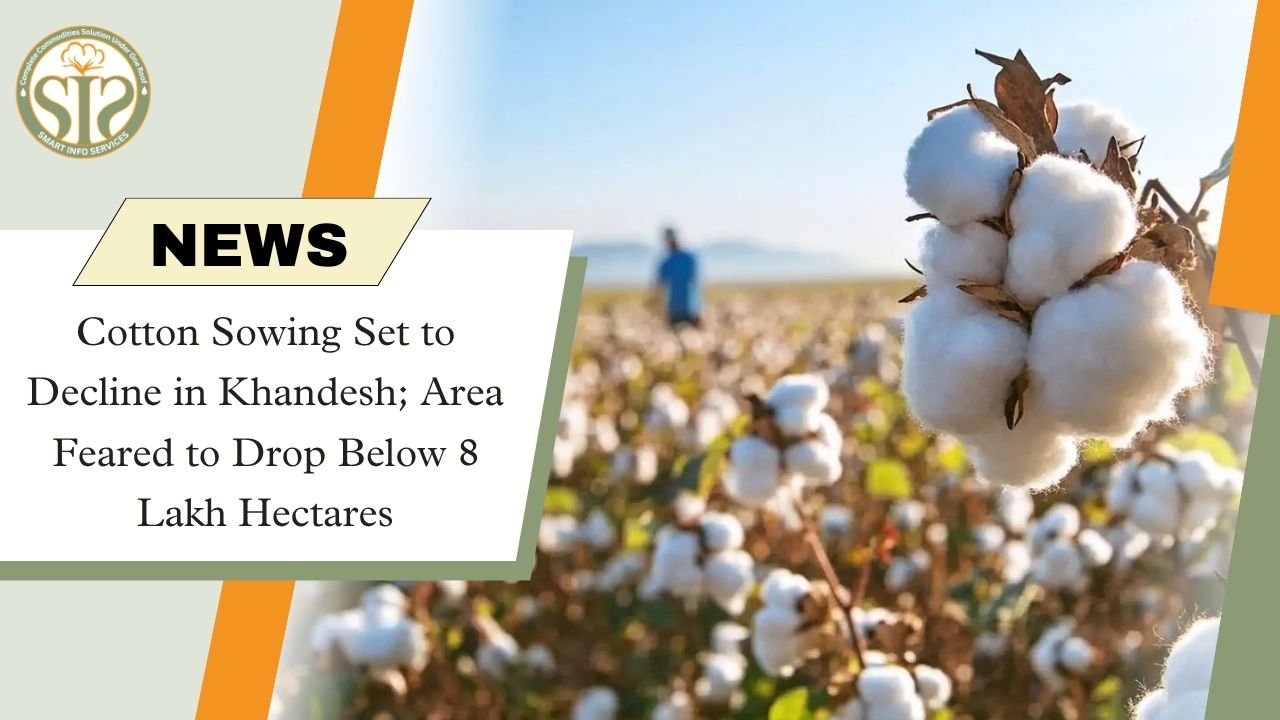
Cotton Sowing Set to Decline in Khandesh; Area Feared to Drop Below 8 Lakh HectaresFor the second consecutive year, the area under cotton cultivation in the Khandesh region is expected to witness a decline. Estimates suggest that the total cotton sowing area in the region this year could remain below 8 lakh hectares. Jalgaon district is projected to account for the largest share of this total, with cotton cultivation estimated to cover approximately 4.75 lakh hectares. As the district with the largest cotton-growing area in the state, Jalgaon is expected to retain its leading position this year as well.However, alongside Jalgaon, the districts of Dhule and Nandurbar are also observing a continuous decline in the area dedicated to cotton cultivation. In Jalgaon district, the cotton cultivation area stood at 5.67 lakh hectares in 2022; this figure dropped to 5.54 lakh hectares in 2023 and further to 5.11 lakh hectares in 2024. During the previous season (2023-24), this figure remained limited to approximately 4.80 lakh hectares.Across the entire Khandesh region, the area under cotton cultivation was 8.70 lakh hectares in 2022. This figure declined to 8.50 lakh hectares in 2023 and 8.30 lakh hectares in 2024. This year, cotton sowing is estimated to cover approximately 1.60 lakh hectares in Dhule district and around 80,000 hectares in Nandurbar district. The most significant decline is being recorded in Dhule district.Cotton Cultivation Becomes a Loss-Making VentureCotton cultivation is proving to be increasingly unprofitable for farmers. Issues such as the growing infestation of the Pink Bollworm, a shortage of agricultural labor, and low market prices for cotton have heightened farmers' concerns. Consequently, many farmers in drought-prone areas are now shifting away from cotton and turning towards soybean cultivation instead.Meanwhile, farmers who possess adequate irrigation facilities are prioritizing cash crops such as papaya and banana. Some farmers have also decided to reduce the area they had previously allocated for cotton cultivation this year. Jalgaon Still Ranks Number One in the StateFor several years now, the Jalgaon district has maintained the top position in Maharashtra in terms of cotton cultivation. Even though the area under cotton cultivation in the district is likely to decrease this year, Jalgaon is expected to remain the district with the highest cotton sowing area in the state.Jalgaon is followed by the Yavatmal district, where cotton is sown annually across an area of approximately 4.5 lakh hectares—or slightly less.Read More :- The Rupee opened at 94.58 recording a decline of 33 paise.

The Rupee opened at 94.58 against the USD, down by 33 paise.On Friday, the Indian Rupee opened at 94.58 against the Dollar a decline of 33 paise whereas it had closed at 94.25 on Thursday.Read more:- Surge in Akot Cotton Market: Cotton Prices Cross ₹10,000 Mark
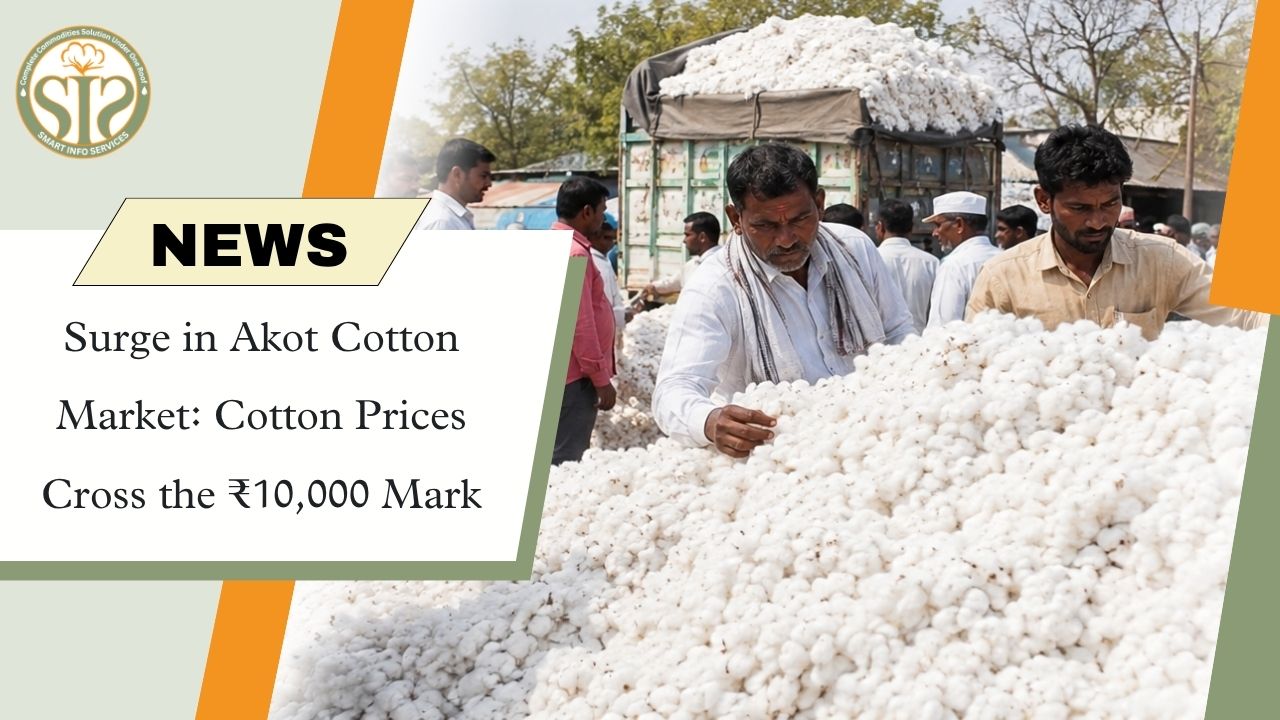
Surge in Akot Cotton Market: Cotton Prices Cross the ₹10,000 MarkCotton prices at the Akot Agricultural Produce Market Committee (APMC) have been witnessing a continuous upward trend. On Wednesday (May 6), the maximum price for cotton reached ₹10,005 per quintal, creating an atmosphere of excitement among farmers. The minimum price recorded at the market stood at ₹8,550 per quintal, while daily arrivals of cotton have exceeded 1,000 quintals.Akot, which has established itself as a prominent emerging cotton market in Western Vidarbha, saw the Cotton Corporation of India (CCI) procure over 7.39 lakh quintals of cotton through three procurement centers at the beginning of this season. Subsequently, starting in April, private traders also commenced their procurement operations. Since April, approximately 33,000 quintals of cotton have been traded at the Akot market.Cotton prices have been rising steadily over the past few days. While the maximum price stood at ₹9,500 per quintal on Monday, it rose to ₹9,740 on Tuesday. On Wednesday, cotton prices crossed the ₹10,000 mark. This sustained upward momentum in the market has bolstered farmers' hopes that cotton prices may rise even further in the coming days.Driven by this surge in prices, farmers are now bringing the cotton stored in their warehouses to the market. Farmers are also selling their produce with an eye on preparations for the new season and their immediate cash requirements. In particular, high-quality cotton remains in strong demand among traders, enabling farmers to secure better prices.A significant number of cotton processing units operate within the Akot region. These industries require a continuous supply of raw material, thereby sustaining the demand for cotton in the market. It is for this reason that a positive trend is being observed in cotton prices. Market experts believe that if this level of demand persists, cotton prices could witness further appreciation in the days ahead.

The Indian rupee higher 50 paise to close at 94.25 per dollar on Thursday, compared to 94.75 in the morning.At close, the Sensex was down 114 points or 0.15 percent at 77,844.52, and the Nifty was down 4.30 points or 0.02 percent at 24,326.65.read more :- Sharp Surge in Cotton Prices: A Jump of ₹1,000 Per Quintal in 8 Days

Massive Surge in the Cotton Market: A ₹1,000 Per Quintal Increase in Just 8 DaysThe state's cotton markets are currently witnessing a tremendous surge. Within the last eight days, cotton prices have recorded an increase of approximately ₹1,000 per quintal. In several major market committees, cotton fetched a peak price of up to ₹9,950 per quintal—a figure being hailed as the highest level recorded so far this season. These rising prices have brought a renewed sense of relief and hope to the faces of farmers.Until just a few days ago, cotton was trading at an average of ₹8,000 per quintal; however, prices in most mandis (markets) have now crossed the ₹9,000 mark. In key markets such as Yavatmal, Ralegaon, and Hinganghat, an atmosphere of enthusiasm prevails among traders and farmers regarding buying and selling activities. On Wednesday, the price of cotton in the Yavatmal mandi hovered around ₹9,100 per quintal, while the Ralegaon and Hinganghat market committees recorded a peak price of up to ₹9,950 per quintal.According to experts, changes in the international market are having a direct impact on the domestic cotton trade. Rising prices of polyester fiber have fueled a surge in the demand for cotton yarn and raw cotton. Furthermore, high crude oil prices and global geopolitical tensions are also contributing to the strengthening of the cotton market. Globally, cotton prices—which previously ranged between 72 and 74 cents per pound—have now climbed to between 90 and 92 cents per pound. Consequently, the price of one khandi (a traditional unit of weight) of cotton has risen from approximately ₹45,000 to reach ₹62,000.Although the bullish trend persists in the market, the arrival of cotton stock remains limited. Most farmers have already sold off their stocks. For instance, on Wednesday, the Ralegaon mandi recorded an inflow of only 250 quintals of cotton. Experts believe that if market arrivals increase in the coming days, cotton prices could witness further strengthening.read more :- Agricultural Technology: A Technique for Baling Raw Cotton to Prevent Impurities
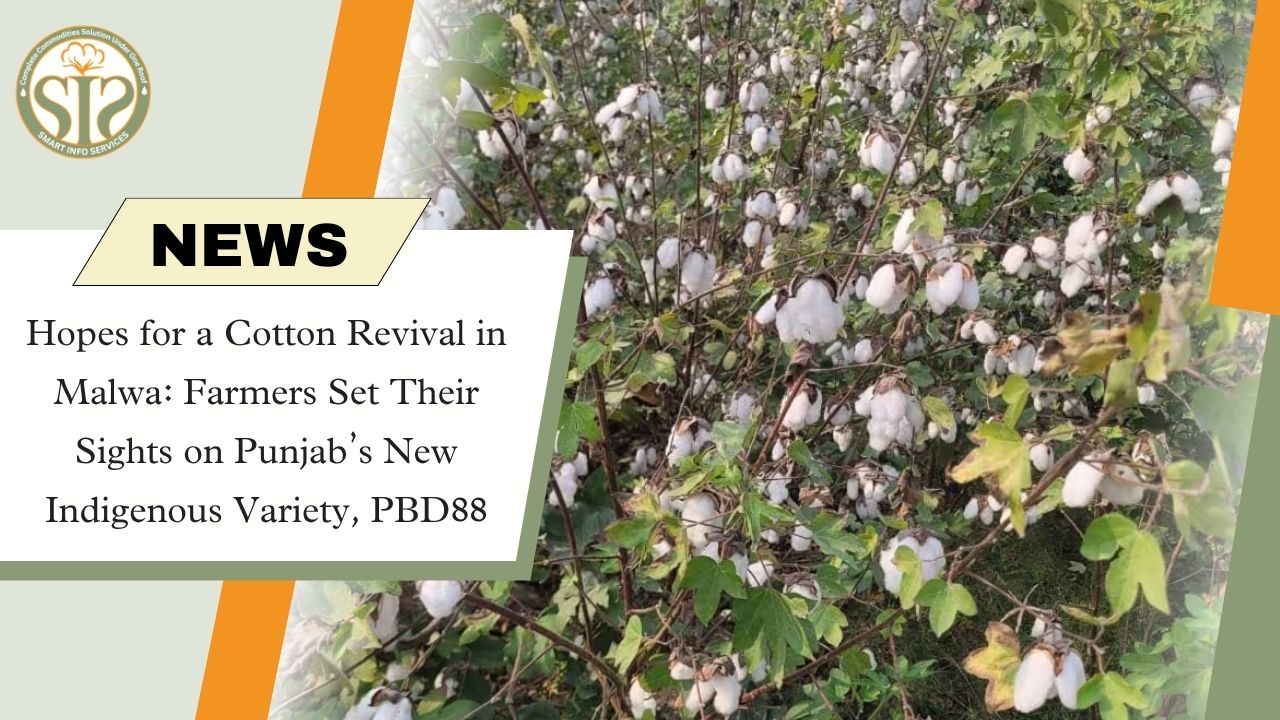
Hopes for a Cotton Revival in Malwa: Farmers Set Their Sights on Punjab’s New Indigenous Variety, PBD88Developed by the Punjab Agricultural University, the new non-Bt indigenous cotton variety, PBD88, holds the potential to give a new direction to cotton cultivation in Punjab's Malwa region this Kharif season. At a time when the state is grappling with the twin challenges of continuously shrinking cotton acreage and rising cultivation costs, this variety has emerged as a beacon of hope for farmers.Over four years of rigorous testing and field trials, PBD88 has captured the attention of scientists due to its superior attributes, such as higher yields, lower cultivation costs, and pest resistance. According to experts, the fiber derived from indigenous cotton varieties also holds significant commercial value within the pharmaceutical industry.Paramjit Singh—a crop breeder at the Bathinda-based Regional Research Centre and the lead scientist behind this variety—stated that PBD88 yields approximately 11 quintals per acre. This output is 1–2 quintals higher than that of traditional indigenous varieties and is considered comparable to the average yield of hybrid cotton varieties.He noted that over the past few years, cotton acreage in Punjab has declined sharply due to infestations of the pink bollworm and whitefly, as well as adverse weather conditions. However, trials have demonstrated that PBD88 is relatively less susceptible to the pink bollworm. Consequently, farmers in the semi-arid regions are being encouraged to adopt this new indigenous variety.The state's cotton acreage plummeted from 2.52 lakh hectares in 2021 to a mere 95,000 hectares in 2024. However, the area expanded to 1.2 lakh hectares in 2025, and the Department of Agriculture has now set a target of 1.5 lakh hectares for 2026.Experts emphasize that the most significant advantage of PBD88 is its cost-effective cultivation. While traditional varieties typically require approximately six rounds of manual picking, the harvest of this variety can be completed with just three rounds of picking. Furthermore, due to its resistance to several major pests, farmers' expenditure on pesticides may also decrease.According to the State Agriculture Department, more than 100 quintals of PBD88 seeds have been made available to farmers for the first season. Approximately 3 kilograms of seeds per acre is sufficient for sowing this variety. It is among the select cotton varieties for which the Punjab government has announced a 33 percent subsidy.Vijay Kumar stated that the objective behind promoting indigenous cotton varieties is not to completely replace Bt cotton, but rather to introduce diversity into farming practices. According to him, indigenous cotton possesses natural resistance against pests such as the whitefly and diseases like leaf curl.He also pointed out that in many non-hybrid varieties, cotton bolls tend to break off and fall if harvesting is delayed, resulting in losses for farmers. However, this issue has been observed to a lesser extent in PBD88, thereby ensuring greater security for the farmers' yield.Read More :- Agricultural Technology: A Technique for Baling Raw Cotton to Prevent Impurities

Innovative Cotton Baling Technology for Reducing Contamination in Raw CottonRising levels of impurities have become a serious challenge within the cotton processing industry. Removing these contaminants requires expensive machinery, which drives up production costs and negatively impacts farmers' incomes. To address this issue, Krishna Somani—a young innovator from Parbhani (Maharashtra)—has developed an innovative machine capable of baling raw cotton directly in the field itself.A Memorandum of Understanding (MoU) has been signed with the Central Institute for Research on Cotton Technology (Nagpur) for the further upgradation and testing of this prototype machine. This institute stands as a leading research center in the field of cotton technology.Background of the ProblemCotton cultivation in India spans an area of approximately 13 million hectares, with Maharashtra making a significant contribution to this total. In India, cotton harvesting is typically carried out in a phased manner (usually 3 to 4 times). Farmers often store their entire harvest at home for months on end so they can sell their entire yield at once. During this storage period: Dust, debris, and other impurities get mixed into the cotton. The risk of infestation by rats and pests increases.There is a decline in both quality and weight (resulting in a loss of up to 5–6 kg per quintal).Fire hazards and health-related risks also escalate.The Solution: On-Farm Baling TechnologyDesigned to tackle these challenges, this machine bales the cotton immediately after it has been harvested. This process offers the following benefits:The cotton is not left exposed, thereby minimizing the accumulation of impurities.Storage becomes both easier and safer.Transportation costs and labor requirements are reduced.While large bales weighing 2.5 tons are typically produced in other countries, this Indian technology produces smaller, lighter bales weighing approximately 35 kilograms—making them easy to lift and handle manually. Technical SpecificationsInitially electrically powered; now, tractor (PTO)-driven units are available.Production Capacity: Approximately 40 bales per hour.Developed through the modification of a silage machine (Total development cost: ~₹9–10 lakhs). Current Machine Price: ₹7–7.5 lakhs. Baling Cost per Quintal: ₹100–₹150.Storage and Economic BenefitsDue to the uniform size of the bales, storage becomes significantly more organized—a 10×10-foot room can accommodate 35–40 quintals of cotton.In one instance involving a farmer, the use of baling and warehouse storage—which facilitated securing a better market price—resulted in an additional profit of ₹1.1 lakhs on a total yield of 110 quintals.Institutional Collaboration and Future ProspectsPartnerships have been established with the Central Institute for Research on Cotton Technology and Bajaj Industries for the development and dissemination of this technology. Additionally, financial assistance amounting to ₹20 lakhs has been provided under the ‘RAFTAAR’ scheme.According to the Institute's Director, Dr. S. K. Shukla, efforts are currently underway to incorporate this machine into government subsidy schemes, thereby ensuring that this technology reaches a wider base of farmers.ConclusionThe technology for field-level baling of raw cotton not only minimizes impurities but also enhances the efficiency of storage, transportation, and marketing. Although awareness regarding this technology remains limited at present, it holds the potential to bring about a transformative change within the cotton industry in the future.Read More :- The rupee opened at 94.75 down 14 paise.

The rupee opened at 94.75 against the USD, a decline of 14 paise.On Thursday, the Indian rupee opened at 94.75 against the dollar a decline of 14 paise whereas it had closed at 94.61 on Wednesday.Read more:- The rupee closed 43 paisa higher against the dollar at 94.61

The Indian rupee opened at 95.04 per US dollar on Wednesday and appreciated by 43 paise to settle at 94.61 by the close.At close, the Sensex was up 940.73 points or 1.22 percent at 77,958.52, and the Nifty was up 298.15 points or 1.24 percent at 24,330.95. About 2755 shares advanced, 1287 shares declined, and 161 shares unchanged.read more :- Demand for Testing of Nanded-44 Bt Cotton
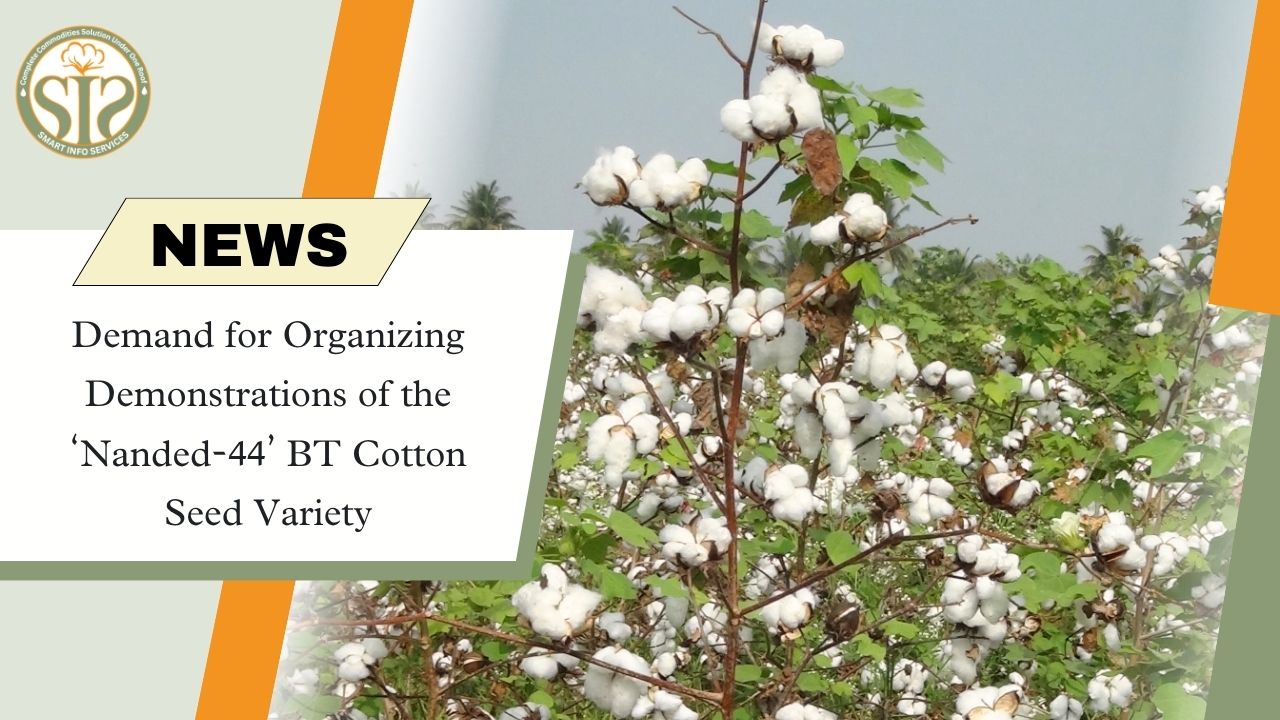
Demand for Organizing Demonstrations of the ‘Nanded-44’ BT Cotton Seed VarietyIn Jalgaon district, an urgent need is being felt for demonstrations of advanced cotton varieties to ensure better cotton production. Farmers have demanded that demonstrations of the ‘Nanded-44’ BT cotton variety—developed by the Parbhani Agricultural University—be organized once again this year, so that the maximum number of farmers can benefit from it.During the 2022–23 season, successful demonstrations of this variety were conducted across an area of approximately 200 acres within the district. Under this initiative, seeds were distributed to various farmer groups, and cultivation was carried out using both dryland farming techniques and artificial irrigation methods.‘Nanded-44’ was originally a non-BT cotton variety that remained extremely popular in the state prior to 2001. Due to its high productivity and reliability, it effectively prevented numerous varieties introduced by private companies from establishing a foothold in the market. However, following 2001, its influence waned due to the widespread adoption of BT cotton and the influx of new varieties introduced by private firms. Subsequently, a BT version of this very variety was developed, thereby restoring its relevance among farmers.Over the past three years, concerted efforts have been undertaken by Mahabeej and the Parbhani Agricultural University to promote and disseminate this variety. As part of these efforts, cultivation was encouraged by distributing free seeds to selected farmer groups. In Jalgaon district alone, this variety was cultivated across an area of approximately 200 acres.Farmers have now demanded that, this year as well, seeds be made available to farmer groups and individual farmers in regions such as Chalisgaon, Jamner, Parola, Amalner, and Chopda, in order to facilitate the further expansion of this variety.Furthermore, it is essential to ensure the active participation of agricultural assistants and local agricultural officials, so that farmers can receive technical guidance through these demonstration programs, leading to an increase in both overall production and productivity.read more :- Cotton Mission 2031: An Initiative Towards a Self-Reliant India

Cotton Productivity Mission: A Major Step Towards Self-Reliance and Global Competitiveness by 2031Under the chairmanship of Prime Minister Narendra Modi, the Union Cabinet has approved the "Cotton Productivity Mission" (2026–27 to 2030–31), for which a provision of ₹5,659.22 crore has been made. The objective of this mission is to enhance productivity and improve quality within the cotton sector, thereby making India more competitive in the global textile market.This initiative aligns with the government's '5F' vision—Farm to Fibre, Fibre to Factory, Factory to Fashion, and Fashion to Foreign. Under the mission, high-yielding, climate-resilient, and pest-resistant seeds will be developed. Additionally, modern techniques such as the High-Density Planting System (HDPS), close spacing, and Integrated Cotton Management will be promoted, and the production of Extra Long Staple (ELS) cotton will be encouraged.To improve cotton quality, efforts will focus on farmer training, the modernization of ginning and processing units, and the strengthening of testing infrastructure in accordance with international standards. Through the "Kasturi Cotton Bharat" brand, the global identity, traceability, and credibility of Indian cotton will be enhanced.Furthermore, transparent pricing and improved market access for farmers will be ensured through digital mandis (markets). The recycling of cotton waste and the principles of a circular economy will also be promoted. Concurrently, the fiber base will be expanded by incorporating alternative natural fibers such as flax, ramie, sisal, milkweed, bamboo, and banana.This mission will be implemented jointly by the Ministry of Agriculture and Farmers Welfare and the Ministry of Textiles. It will involve the participation of the ICAR, CSIR, and various State Agricultural Universities. Initially, the focus will be on 140 districts across 14 states, and approximately 2,000 ginning units will be empowered. The mission aims to increase cotton productivity from 440 kilograms per hectare to 755 kilograms per hectare by 2031, and to raise total production to 498 lakh bales. This initiative is expected to benefit approximately 32 lakh farmers. It is regarded as a significant step towards making India self-reliant in the cotton sector.read more :- The rupee opened at 95.04 gaining 25 paise.

The rupee opened at 95.04 against the USD, gaining 25 paise.On Wednesday, the Indian rupee strengthened by 25 paise against the dollar to open at 95.04, whereas it had closed at 95.29 on Tuesday.Read more:- Parbhani (Maharashtra) News: Cotton Auctions in Manvat Suspended from May 15; Farmers Urged to Sell Promptly.
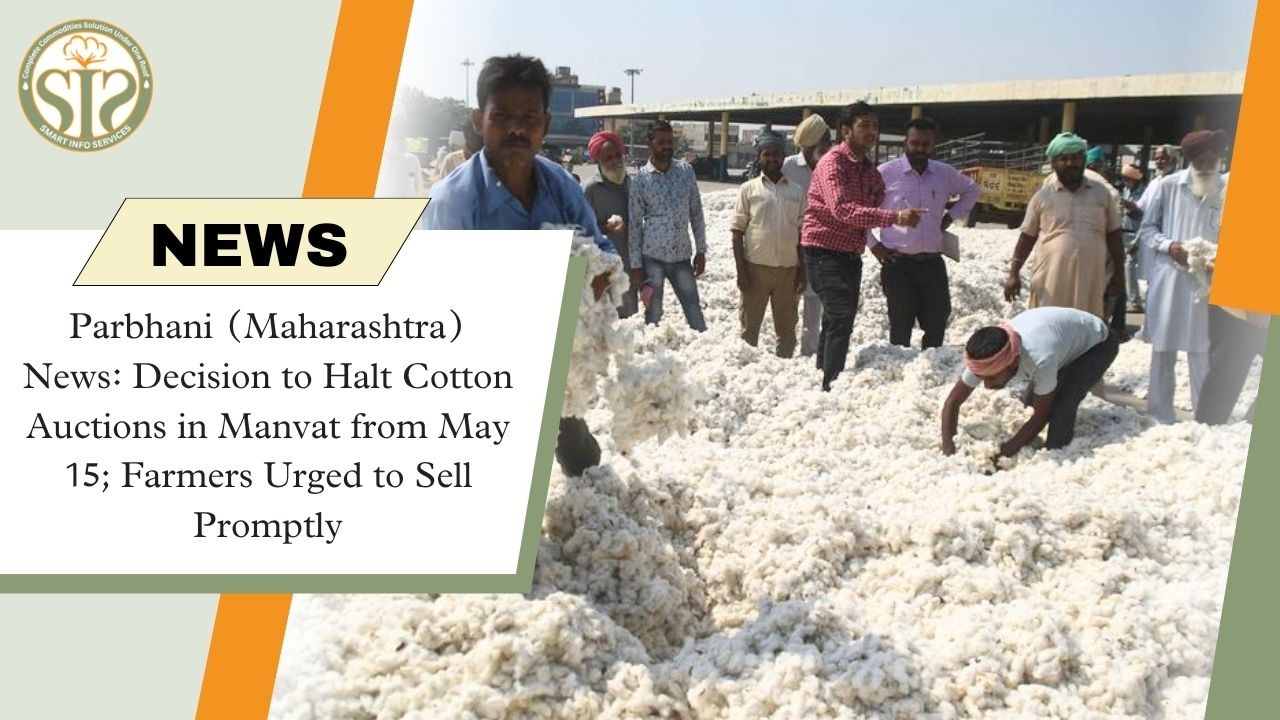
Parbhani (Maharashtra) News: Decision to Halt Cotton Auctions in Manvat from May 15; Farmers Urged to Sell PromptlyThe Manvat Agricultural Produce Market Committee (APMC) in the Parbhani district of Maharashtra has announced that the ongoing cotton auction process at the Chhatrapati Shivaji Yard will be suspended starting May 15. This decision has been taken in view of the escalating heat and the fact that the season is drawing to a close. The administration has appealed to farmers to sell their cotton through the auction process before May 15.The cotton auctions commenced during the second week of November. Initially, cotton prices hovered below the Minimum Support Price (MSP); consequently, the Cotton Corporation of India (CCI) procured 163,000 quintals of cotton at the guaranteed rate by the first week of February.Subsequently, the market witnessed a steady upward trend in prices—on February 5, the rate stood at ₹7,190 per quintal, rising to ₹7,325 by the end of February. The rate climbed further in March; cotton was sold at ₹7,430 per quintal on March 8 and at ₹7,525 on March 13. The bullish trend persisted through the final week of March and into April, with prices breaching the ₹8,000 mark.On April 20, cotton prices touched ₹8,800, and after April 22, they surged past the ₹9,000 threshold. On May 2, the average price was recorded at ₹9,330 per quintal, rising to ₹9,400 on May 4.According to the APMC administration, since prices remained low during the initial phase of the season, approximately 80 percent of farmers had already sold their produce. The market subsequently rallied, leading to a significant surge in prices during the final phase. This turn of events left those farmers who had sold their produce earlier feeling a sense of loss.APMC Chairman Pankaj Ambegaonkar stated that the situation would be reviewed after May 15, and a decision regarding the resumption of auctions would be taken based on the prevailing circumstances.read more :- The rupee closed 04 paisa higher against the dollar at 95.29

The Indian rupee opened at 95.33 per US dollar on Tuesday and appreciated by 04 paise to settle at 95.29 by the close.At close, the Sensex was down 251.61 points or 0.33 percent at 77,017.79, and the Nifty was down 86.50 points or 0.36 percent at 24,032.80. About 1890 shares advanced, 2110 shares declined, and 169 shares unchanged.read more :- Rajasthan: Crops Devastated in Several Villages, Including Khuiyan
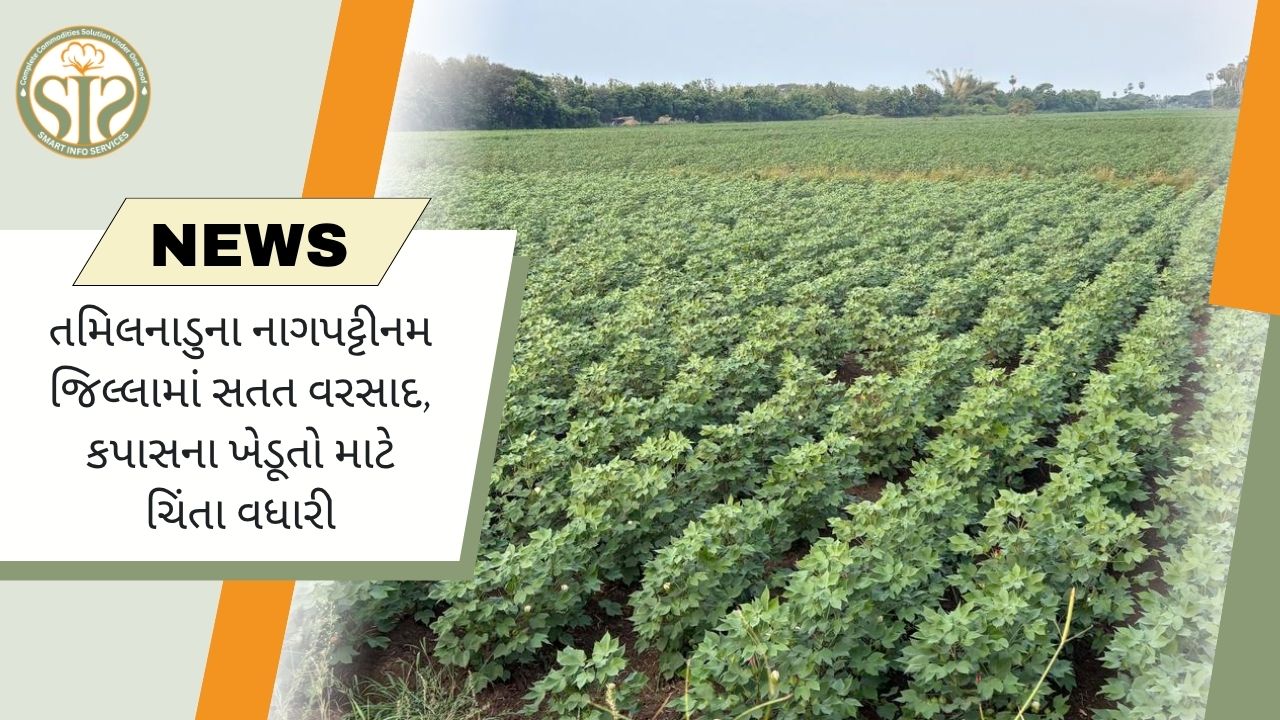
તમિલનાડુના નાગપટ્ટીનમ જિલ્લામાં સતત વરસાદ, કપાસના ખેડૂતો માટે ચિંતા વધારીતમિલનાડુના નાગપટ્ટીનમ જિલ્લામાં છેલ્લા ત્રણ દિવસથી સતત ઉનાળાના વરસાદને કારણે તિરુમારુગલ બ્લોકના અનેક વિસ્તારોમાં કપાસના વાવેતર પર પ્રતિકૂળ અસર પડી છે. વરસાદી પાણી તેમના ખેતરોમાં ભરાઈ જવાથી, ખેડૂતો પાકને નુકસાન થવાની શક્યતા વધી રહી છે.અહેવાલો અનુસાર, તિરુમારુગલ, અલાથુર, એરાવનચેરી, મારુનગુર, નેઇકુપ્પાઈ, તિરુકન્નપુરમ, અંબાલ, પોલાગામ અને આસપાસના વિસ્તારોમાં મધ્યરાત્રિથી અવિરત વરસાદ પડી રહ્યો છે. છેલ્લા ત્રણ દિવસમાં જિલ્લાના વિવિધ ભાગોમાં ભારે ઉનાળાના વરસાદ નોંધાયા છે.તિરુમારુગલ બ્લોકના ખેડૂતોએ ઉનાળાના પાક તરીકે વ્યાપક કપાસની વાવણી કરી હતી. પાક હાલમાં ફૂલો અને બોલ બનવાના મહત્વપૂર્ણ તબક્કામાં છે. જો કે, ઘણા ખેડૂતો હજુ સુધી તેમના ખેતરોમાં માટી ભરવા (છોડની આસપાસ માટી ઢોળવાનું) કાર્ય પૂર્ણ કરી શક્યા નથી. સતત વરસાદને કારણે, અસંખ્ય ખેતરોમાં પાણી ભરાઈ ગયું છે, જેના કારણે કપાસના છોડનો વિકાસ અવરોધાય છે.કપાસના ખેડૂત આર. શિવાએ જણાવ્યું હતું કે, "વરસાદને કારણે, કપાસના છોડ પરના ફૂલો ખરી રહ્યા છે, જેના કારણે ઉપજમાં ભારે ઘટાડો થઈ શકે છે."અન્ય એક ખેડૂત, પી. કથીરે ચેતવણી આપી હતી કે જો ખેતરોમાં લાંબા સમય સુધી પાણી સ્થિર રહે તો, છોડના મૂળ સડી શકે છે, જેનાથી ખેડૂતોને ગંભીર નાણાકીય નુકસાન થઈ શકે છે. તેમણે વધુમાં ચેતવણી આપી હતી કે જો આ રીતે વરસાદ ચાલુ રહેશે તો નુકસાનનું પ્રમાણ વધી શકે છે.વધુ વાંચો :- CCI એ કોટન કેન્ડીના ભાવમાં ₹4,100નો વધારો કર્યો; હરાજી 5.85 લાખ ગાંસડીઓને પાર કરી
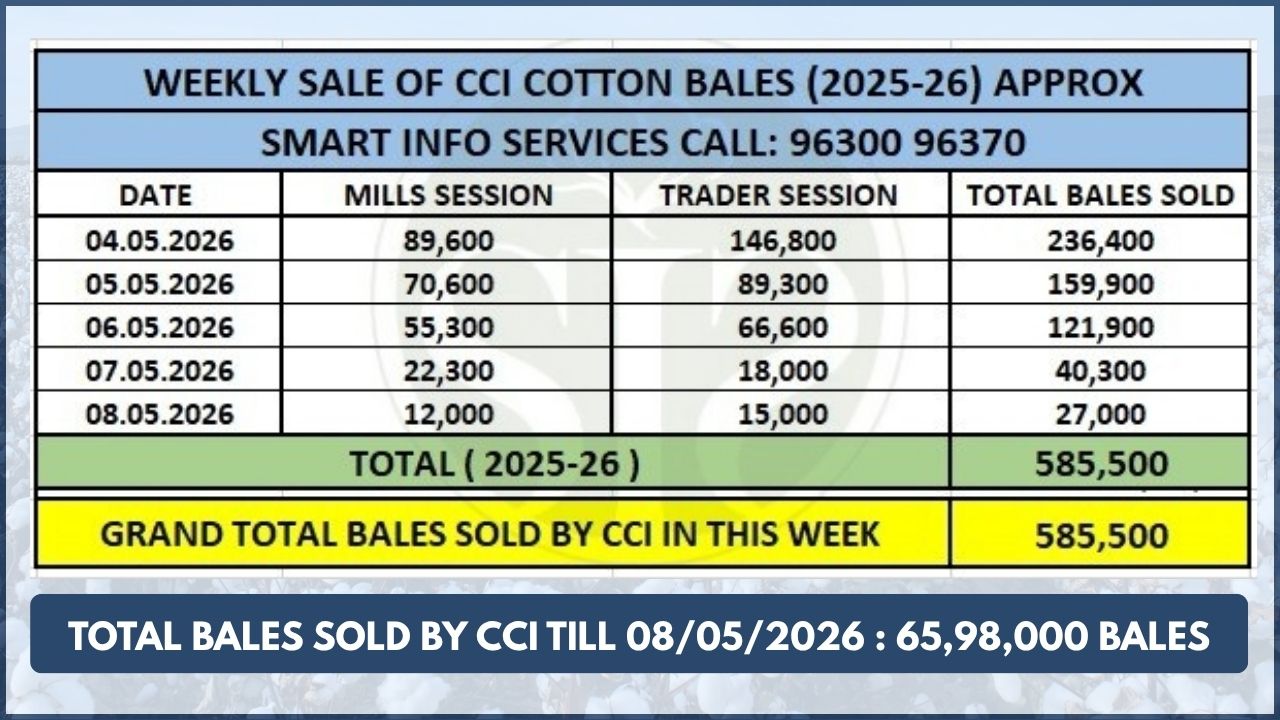
CCI એ કપાસના ભાવમાં પ્રતિ કેન્ડી ₹4,100 નો વધારો કર્યો; સાપ્તાહિક હરાજી વેચાણ 5.85 લાખ ગાંસડીથી વધુ થયુંકોટન કોર્પોરેશન ઓફ ઇન્ડિયા (CCI) એ 4 મે થી 8 મે, 2026 ના સપ્તાહ દરમિયાન કપાસના ભાવમાં પ્રતિ કેન્ડી ₹4,100 નો વધારો કર્યો. આ હરાજીમાં મિલો અને કપાસના વેપારીઓની મજબૂત ભાગીદારી જોવા મળી, જેના પરિણામે 2025-26 સીઝનના સ્ટોકમાંથી આશરે 585,500 ગાંસડીનું સાપ્તાહિક વેચાણ થયું.સાપ્તાહિક વેચાણ અહેવાલ4 મે, 2026 (સોમવાર):સપ્તાહની શરૂઆત મજબૂત નોંધ પર થઈ, જેમાં 236,400 ગાંસડીનો સૌથી વધુ એક દિવસીય વેચાણનો આંકડો રેકોર્ડ કરવામાં આવ્યો. મિલોએ 89,600 ગાંસડી ખરીદી, જ્યારે વેપારીઓએ 146,800 ગાંસડી ખરીદીને ખરીદીમાં આગેવાની લીધી.5 મે, 2026 (મંગળવાર):હરાજીની પ્રવૃત્તિ થોડી ધીમી પડી, કુલ વેચાણ 159,900 ગાંસડી સુધી પહોંચ્યું. મિલોએ ૭૦,૬૦૦ ગાંસડી ખરીદી હતી, જ્યારે વેપારીઓએ ૮૯,૩૦૦ ગાંસડી ખરીદી હતી.૬ મે, ૨૦૨૬ (બુધવાર):સીસીઆઈએ આ દિવસે કુલ ૧,૨૧,૯૦૦ ગાંસડી વેચાણ નોંધાવ્યું હતું. મિલોએ ૫૫,૩૦૦ ગાંસડી ખરીદી હતી, જ્યારે વેપારીઓએ ૬૬,૬૦૦ ગાંસડી ખરીદી હતી.૭ મે, ૨૦૨૬ (ગુરુવાર):વેચાણમાં વધુ ઘટાડો થયો હતો, આ સત્ર દરમિયાન ૪૦,૩૦૦ ગાંસડી વેચાઈ હતી. મિલોએ ૨૨,૩૦૦ ગાંસડી ખરીદી હતી, જ્યારે વેપારીઓએ ૧૮,૦૦૦ ગાંસડી ખરીદી હતી. ૮ મે, ૨૦૨૬ (શુક્રવાર):સપ્તાહનું કુલ ૨૭,૦૦૦ ગાંસડી વેચાણ સાથે સમાપન થયું. મિલોએ ૧૨,૦૦૦ ગાંસડી ખરીદી હતી, જ્યારે વેપારીઓ સક્રિય રહ્યા હતા, કુલ ૧૫,૦૦૦ ગાંસડી ખરીદી હતી.કુલ વેચાણ અપડેટCCI નું કુલ વેચાણ હવે આટલું પહોંચી ગયું છે:૨૦૨૫–૨૬ સીઝન: ૬,૫૯૮,૦૦૦ ગાંસડી
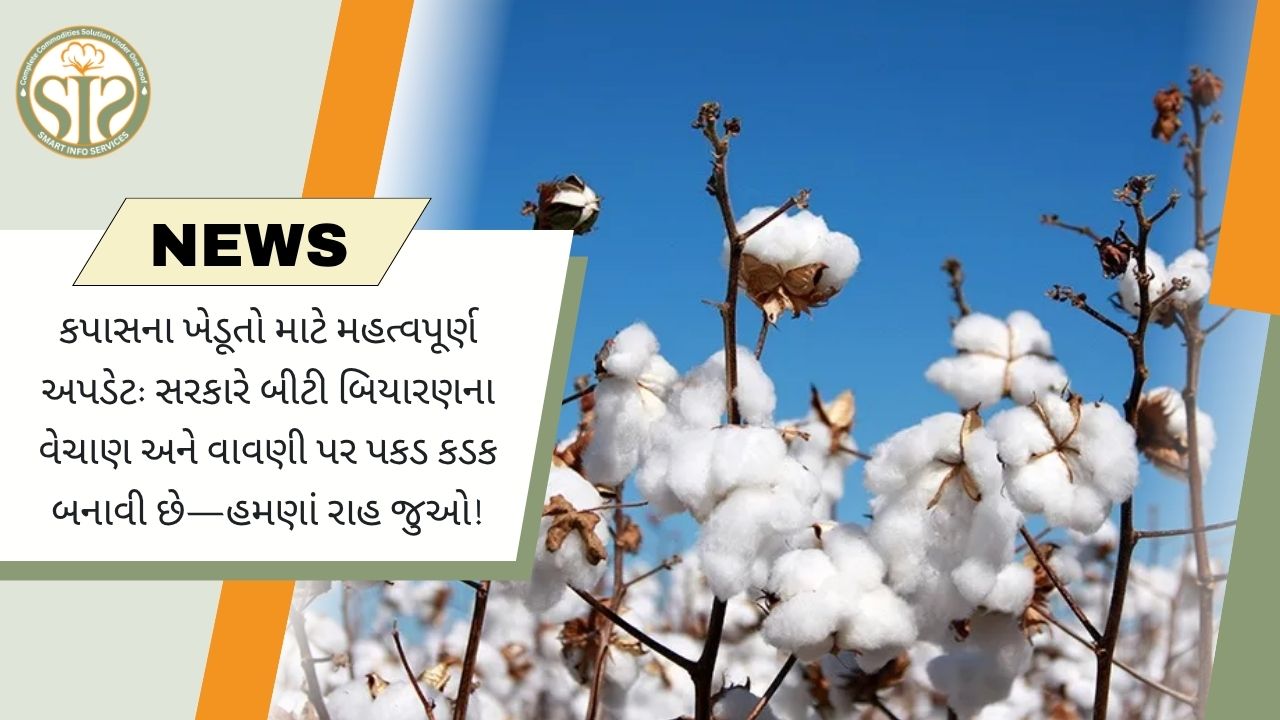
કપાસના ખેડૂતો માટે મહત્વપૂર્ણ અપડેટ: સરકારે બીટી બિયારણના વેચાણ અને વાવણી પર પકડ કડક બનાવી છે—હમણાં રાહ જુઓ!જલગાંવ: આગામી 2026 ખરીફ સિઝનને ધ્યાનમાં રાખીને, મહારાષ્ટ્ર સરકારે કપાસના પાકમાં ગુલાબી ઈયળના વધતા જોખમને રોકવા માટે કડક પગલાં લીધાં છે. રાજ્યના કૃષિ, પશુપાલન, ડેરી વિકાસ અને મત્સ્યઉદ્યોગ વિભાગે બીટી કપાસના બીજના વેચાણ, પુરવઠા અને વાવણી અંગે એક નવું સમયપત્રક લાગુ કરતા નિર્દેશો જારી કર્યા છે.8 મે, 2026 ના રોજ જારી કરાયેલા સરકારી પરિપત્ર અનુસાર, રાજ્યભરની તમામ કૃષિ એજન્સીઓ અને અધિકારીઓને આ નિયમોનું કડક પાલન સુનિશ્ચિત કરવા સૂચના આપવામાં આવી છે. મંત્રાલય દ્વારા કૃષિ કમિશનર (પુણે) ની કચેરીને મોકલવામાં આવેલા નિર્દેશોમાં સ્પષ્ટપણે જણાવાયું છે કે કપાસનું અકાળ વાવેતર ગુલાબી ઈયળના પ્રકોપને પ્રોત્સાહન આપે છે, જેનાથી પાક ઉત્પાદન પર ગંભીર પ્રતિકૂળ અસર પડે છે.સરકારનો દાવો છે કે વહેલું વાવણી જંતુના જીવન ચક્ર માટે અનુકૂળ વાતાવરણ બનાવે છે, જે મોટા પાયે પાકને નુકસાન પહોંચાડી શકે છે. છેલ્લા કેટલાક વર્ષોમાં, રાજ્યના ઘણા મુખ્ય કપાસ ઉત્પાદક જિલ્લાઓ - જેમાં જલગાંવનો પણ સમાવેશ થાય છે - ના ખેડૂતોને ગુલાબી ઈયળના ઉપદ્રવને કારણે ભારે નુકસાન થયું છે. આ અનુભવના આધારે, સરકારે આ વખતે તેની તકેદારી નોંધપાત્ર રીતે વધારી દીધી છે.સરકારી આદેશમાં ખેડૂતોને કૃષિ વિભાગ દ્વારા ભલામણ કરાયેલ ચોક્કસ સમયગાળા દરમિયાન જ કપાસની વાવણી કરવાની અપીલ કરવામાં આવી છે. વધુમાં, જિલ્લા અને તાલુકા કક્ષાના કૃષિ અધિકારીઓને ખેડૂતોને પ્રમાણિત અને અધિકૃત બીટી બીજનો ઉપયોગ કરવાના મહત્વ વિશે શિક્ષિત કરવા માટે જાગૃતિ અભિયાન ચલાવવાનો નિર્દેશ આપવામાં આવ્યો છે.વધુમાં, વહીવટીતંત્રને ગેરકાયદેસર અને અનધિકૃત બીજના વેચાણ પર દેખરેખ રાખવા અને નિયમોનું ઉલ્લંઘન કરનારાઓ સામે દંડાત્મક પગલાં લેવાનો નિર્દેશ આપવામાં આવ્યો છે.વધુ વાંચો:- રૂપિયો ૪૦ પૈસા ઘટીને ૯૪.૮૮ પર ખુલ્યો.

રૂપિયો ૪૦ પૈસા ઘટીને ૯૪.૮૮ USD પર ખુલ્યો.સોમવારે, ભારતીય રૂપિયો ડોલર સામે ૪૦ પૈસા ઘટીને ૯૪.૮૮ પર ખુલ્યો, જે શુક્રવારે ૯૪.૪૮ ના બંધ ભાવથી શરૂ થયો હતો.વધુ વાંચો:- ખાનદેશમાં કપાસનો વાવેતર વિસ્તાર 8 લાખ હેક્ટરથી નીચે જવાની ધારણા છે.

ખાનદેશમાં કપાસનું વાવેતર ઘટવાની ધારણા છે, જેમાં 8 લાખ હેક્ટરથી નીચે જવાની ધારણા છે.ખાનદેશ ક્ષેત્રમાં કપાસના વાવેતર હેઠળનો વિસ્તાર સતત બીજા વર્ષે ઘટવાની ધારણા છે. એવો અંદાજ છે કે આ વર્ષે આ પ્રદેશમાં કુલ કપાસનું વાવેતર 8 લાખ હેક્ટરથી નીચે જશે. આમાં જલગાંવ જિલ્લો સૌથી મોટો હિસ્સો ધરાવશે, જેમાં આશરે 4.75 લાખ હેક્ટરમાં વાવેતર થવાની ધારણા છે. રાજ્યમાં સૌથી વધુ કપાસનું વાવેતર ધરાવતો જિલ્લો હોવાથી, જલગાંવ આ વર્ષે પણ તેનું અગ્રણી સ્થાન જાળવી રાખશે.જોકે, જલગાંવ, તેમજ ધુળે અને નંદુરબાર જિલ્લામાં કપાસનું વાવેતર સતત ઘટી રહ્યું છે.જલગાંવ જિલ્લામાં કપાસનું વાવેતર 2022માં 5.67 લાખ હેક્ટર હતું, જે 2023માં ઘટીને 5.54 લાખ હેક્ટર અને 2024માં 5.11 લાખ હેક્ટર થયું. પાછલી સિઝન (2023-24)માં, આ આંકડો આશરે 4.80 લાખ હેક્ટર સુધી મર્યાદિત રહ્યો.૨૦૨૨માં સમગ્ર ખાનદેશ ક્ષેત્રમાં કપાસનું વાવેતર ૮.૭૦ લાખ હેક્ટર હતું. ૨૦૨૩માં આ ઘટાડો ૮.૫૦ લાખ હેક્ટર અને ૨૦૨૪માં ૮.૩૦ લાખ હેક્ટર થયો હતો. આ વર્ષે ધુળે જિલ્લામાં અંદાજે ૧.૬૦ લાખ હેક્ટર અને નંદુરબારમાં અંદાજે ૮૦ હજાર હેક્ટરમાં કપાસનું વાવેતર થવાનો અંદાજ છે. સૌથી મોટો ઘટાડો ધુળે જિલ્લામાં નોંધાઈ રહ્યો છે. કપાસની ખેતી ખોટ કરતો વ્યવસાય બની રહ્યો છેકપાસની ખેતી ખેડૂતો માટે વધુને વધુ નફાકારક સાબિત થઈ રહી છે. ગુલાબી ઈયળનો ઉપદ્રવ વધતો જાય છે, મજૂરોની અછત અને કપાસના નીચા બજાર ભાવ જેવી સમસ્યાઓએ ખેડૂતોની ચિંતા વધારી છે. આ જ કારણ છે કે દુષ્કાળગ્રસ્ત વિસ્તારોમાં ઘણા ખેડૂતો હવે કપાસ છોડીને સોયાબીન તરફ વળી રહ્યા છે.તે જ સમયે, પૂરતી સિંચાઈ સુવિધાઓ ધરાવતા ખેડૂતો પપૈયા અને કેળા જેવા રોકડિયા પાકોને પ્રાથમિકતા આપી રહ્યા છે. કેટલાક ખેડૂતોએ આ વર્ષે કપાસ માટે ફાળવેલ વિસ્તાર ઘટાડવાનો પણ નિર્ણય લીધો છે.રાજ્યમાં જલગાંવ હજુ પણ નંબર વનછેલ્લા ઘણા વર્ષોથી, જલગાંવ જિલ્લો મહારાષ્ટ્રમાં કપાસના વાવેતરમાં ટોચનું સ્થાન ધરાવે છે. આ વર્ષે કપાસના વાવેતર હેઠળના વિસ્તારમાં ઘટાડો થવાની ધારણા છે, પરંતુ જલગાંવ રાજ્યમાં સૌથી વધુ કપાસનું વાવેતર ધરાવતો જિલ્લો રહ્યો છે.જલગાંવ પછી યવતમાળ જિલ્લો આવે છે, જ્યાં દર વર્ષે આશરે 4.5 લાખ હેક્ટર કે તેથી ઓછા વિસ્તારમાં કપાસનું વાવેતર થાય છે.વધારે વાચો :-રૂપિયો 10 પૈસા વધીને 94.48 પ્રતિ ડોલર પર બંધ થયો.

શુક્રવારે, ભારતીય રૂપિયો ૧૦ પૈસા વધીને ૯૪.૪૮ પ્રતિ ડોલર પર બંધ થયો, જ્યારે સવારે તે ૯૪.૫૮ પર ખુલ્યો હતો.બંધ સમયે, સેન્સેક્સ ૫૧૬.૩૩ પોઈન્ટ અથવા ૦.૬૬ ટકા ઘટીને ૭૭,૩૨૮.૧૯ પર અને નિફ્ટી ૧૫૦.૫૦ પોઈન્ટ અથવા ૦.૬૨ ટકા ઘટીને ૨૪,૧૭૬.૧૫ પર બંધ થયો હતો. લગભગ ૧૯૮૮ શેર વધ્યા, ૨૦૪૮ શેર ઘટ્યા અને ૧૭૦ શેર યથાવત રહ્યા.

રૂપિયો ૩૩ પૈસા ઘટીને ૯૪.૫૮ USD પર ખુલ્યો.શુક્રવારે, ભારતીય રૂપિયો ડોલર સામે ૩૩ પૈસા ઘટીને ૯૪.૫૮ પર ખુલ્યો, જ્યારે ગુરુવારે તે ૯૪.૨૫ પર બંધ થયો.વધુ વાંચો:- આકોટ કપાસ બજારમાં ઉછાળો: કપાસના ભાવ ₹10,000 ને પાર
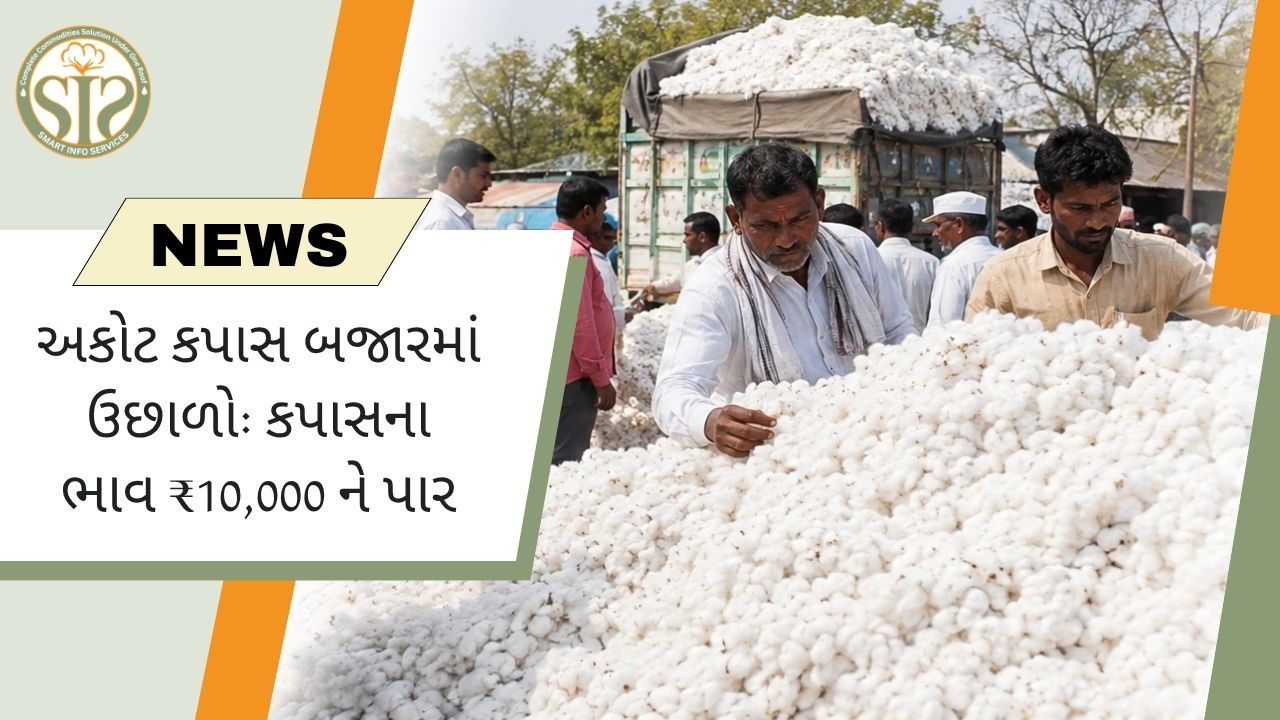
અકોટ કપાસ બજારમાં ઉછાળો: કપાસના ભાવ ₹10,000 ને પારઆકોટ કૃષિ ઉત્પાદન બજાર સમિતિ (APMC) ખાતે કપાસના ભાવમાં સતત વધારો જોવા મળી રહ્યો છે. બુધવારે (6 મે) કપાસનો મહત્તમ ભાવ ₹10,005 પ્રતિ ક્વિન્ટલ પર પહોંચી ગયો હતો, જેના કારણે ખેડૂતોમાં ઉત્સાહનું વાતાવરણ સર્જાયું હતું. બજારમાં લઘુત્તમ ભાવ ₹8,550 પ્રતિ ક્વિન્ટલ રહ્યો હતો, જ્યારે કપાસની દૈનિક આવક 1,000 ક્વિન્ટલને વટાવી ગઈ છે.પશ્ચિમ વિદર્ભમાં એક અગ્રણી ઉભરતા કપાસ બજાર તરીકે સ્થાપિત થયેલા અકોટમાં આ સિઝનની શરૂઆતમાં ત્રણ ખરીદી કેન્દ્રો દ્વારા 7.39 લાખ ક્વિન્ટલથી વધુ કપાસની ખરીદી કરવામાં આવી હતી. ત્યારબાદ, એપ્રિલથી, ખાનગી વેપારીઓએ પણ તેમની ખરીદી કામગીરી શરૂ કરી હતી. એપ્રિલથી, અકોટ બજારમાં આશરે 33,000 ક્વિન્ટલ કપાસનો વેપાર થયો છે.છેલ્લા કેટલાક દિવસોમાં કપાસના ભાવમાં સતત વધારો થઈ રહ્યો છે. સોમવારે મહત્તમ ભાવ ₹9,500 પ્રતિ ક્વિન્ટલ હતો, જે મંગળવારે વધીને ₹9,740 થયો. બુધવારે કપાસના ભાવ ₹10,000 ને વટાવી ગયા. બજારમાં આ સતત વધારાથી ખેડૂતોને આશા છે કે આગામી દિવસોમાં કપાસના ભાવમાં વધુ વધારો થઈ શકે છે.ભાવમાં આ વધારાને કારણે, ખેડૂતો હવે તેમના ગોદામોમાં સંગ્રહિત કપાસ બજારમાં લાવી રહ્યા છે. ખેડૂતો નવી સિઝનની તૈયારીઓ અને તેમની તાત્કાલિક રોકડ જરૂરિયાતો પર નજર રાખીને પણ તેમનો પાક વેચી રહ્યા છે. ખાસ કરીને, વેપારીઓમાં ઉચ્ચ ગુણવત્તાવાળા કપાસની માંગ મજબૂત રહે છે, જેના કારણે ખેડૂતો સારા ભાવ મેળવી શકે છે.આકોટ પ્રદેશમાં નોંધપાત્ર સંખ્યામાં કપાસ પ્રોસેસિંગ યુનિટ કાર્યરત છે. આ ઉદ્યોગોને કાચા માલનો સતત પુરવઠો જરૂરી છે, જેના કારણે બજારમાં કપાસની માંગ જળવાઈ રહે છે. આ કારણોસર કપાસના ભાવમાં સકારાત્મક વલણ જોવા મળી રહ્યું છે. બજાર નિષ્ણાતો માને છે કે જો માંગનું આ સ્તર જળવાઈ રહે, તો આગામી દિવસોમાં કપાસના ભાવમાં વધુ વધારો જોવા મળી શકે છે.

કપાસ બજારમાં ભારે ઉછાળો: માત્ર 8 દિવસમાં પ્રતિ ક્વિન્ટલ ₹1,000 નો વધારોરાજ્યના કપાસ બજારોમાં હાલમાં જબરદસ્ત તેજી જોવા મળી રહી છે. છેલ્લા આઠ દિવસમાં, કપાસના ભાવમાં પ્રતિ ક્વિન્ટલ આશરે ₹1,000 નો વધારો નોંધાયો છે. ઘણી મુખ્ય બજાર સમિતિઓમાં, કપાસના ભાવ પ્રતિ ક્વિન્ટલ ₹9,950 સુધી પહોંચ્યા હતા - જે અત્યાર સુધીની સિઝનનો રેકોર્ડ ઉચ્ચતમ આંકડો માનવામાં આવે છે. આ વધતા ભાવોથી ખેડૂતોના ચહેરા પર રાહત અને આશાની નવી લાગણી આવી છે.થોડા દિવસ પહેલા સુધી, કપાસ સરેરાશ ₹8,000 પ્રતિ ક્વિન્ટલના ભાવે ટ્રેડ થઈ રહ્યો હતો; જોકે, મોટાભાગની મંડીઓ (બજારો) માં ભાવ હવે ₹9,000 ના આંકને પાર કરી ગયા છે. યવતમાલ, રાલેગાંવ અને હિંગણઘાટ જેવા મુખ્ય બજારોમાં, ખરીદી અને વેચાણ પ્રવૃત્તિઓ અંગે વેપારીઓ અને ખેડૂતોમાં ઉત્સાહનું વાતાવરણ પ્રવર્તે છે. બુધવારે, યવતમાળ બજારમાં કપાસનો ભાવ પ્રતિ ક્વિન્ટલ ₹9,100 ની આસપાસ રહ્યો હતો, જ્યારે રાલેગાંવ અને હિંગણઘાટ બજાર સમિતિઓએ પ્રતિ ક્વિન્ટલ ₹9,950 સુધીનો ટોચનો ભાવ નોંધાવ્યો હતો.નિષ્ણાતોના મતે, આંતરરાષ્ટ્રીય બજારમાં ફેરફારની સીધી અસર સ્થાનિક કપાસના વેપાર પર પડી રહી છે. પોલિએસ્ટર ફાઇબરના વધતા ભાવે કોટન યાર્ન અને કાચા કપાસની માંગમાં વધારો કર્યો છે. વધુમાં, ક્રૂડ ઓઇલના ઊંચા ભાવ અને વૈશ્વિક ભૂ-રાજકીય તણાવ પણ કપાસ બજારને મજબૂત બનાવવામાં ફાળો આપી રહ્યા છે. વૈશ્વિક સ્તરે, કપાસના ભાવ - જે અગાઉ 72 થી 74 સેન્ટ પ્રતિ પાઉન્ડની વચ્ચે હતા - હવે 90 થી 92 સેન્ટ પ્રતિ પાઉન્ડની વચ્ચે પહોંચી ગયા છે. પરિણામે, કપાસના એક ખાંડી (વજનનો પરંપરાગત એકમ) નો ભાવ આશરે ₹45,000 થી વધીને ₹62,000 સુધી પહોંચી ગયો છે.બજારમાં તેજી ચાલુ હોવા છતાં, કપાસનો પ્રવાહ મર્યાદિત રહે છે. મોટાભાગના ખેડૂતોએ તેમનો સ્ટોક પહેલેથી જ વેચી દીધો છે. દાખલા તરીકે, બુધવારે રાલેગાંવ બજારમાં ફક્ત 250 ક્વિન્ટલ કપાસનો પ્રવાહ નોંધાયો હતો. નિષ્ણાતો માને છે કે જો આગામી દિવસોમાં બજારમાં આવક વધે તો કપાસના ભાવમાં વધુ મજબૂતી જોવા મળી શકે છે.

ગુરુવારે ભારતીય રૂપિયો ૫૦ પૈસા વધીને ૯૪.૨૫ પર બંધ થયો, જે સવારે ૯૪.૭૫ હતો.બંધ સમયે, સેન્સેક્સ ૧૧૪ પોઈન્ટ અથવા ૦.૧૫ ટકા ઘટીને ૭૭,૮૪૪.૫૨ પર અને નિફ્ટી ૪.૩૦ પોઈન્ટ અથવા ૦.૦૨ ટકા ઘટીને ૨૪,૩૨૬.૬૫ પર બંધ થયો.વધુ વાંચો:-
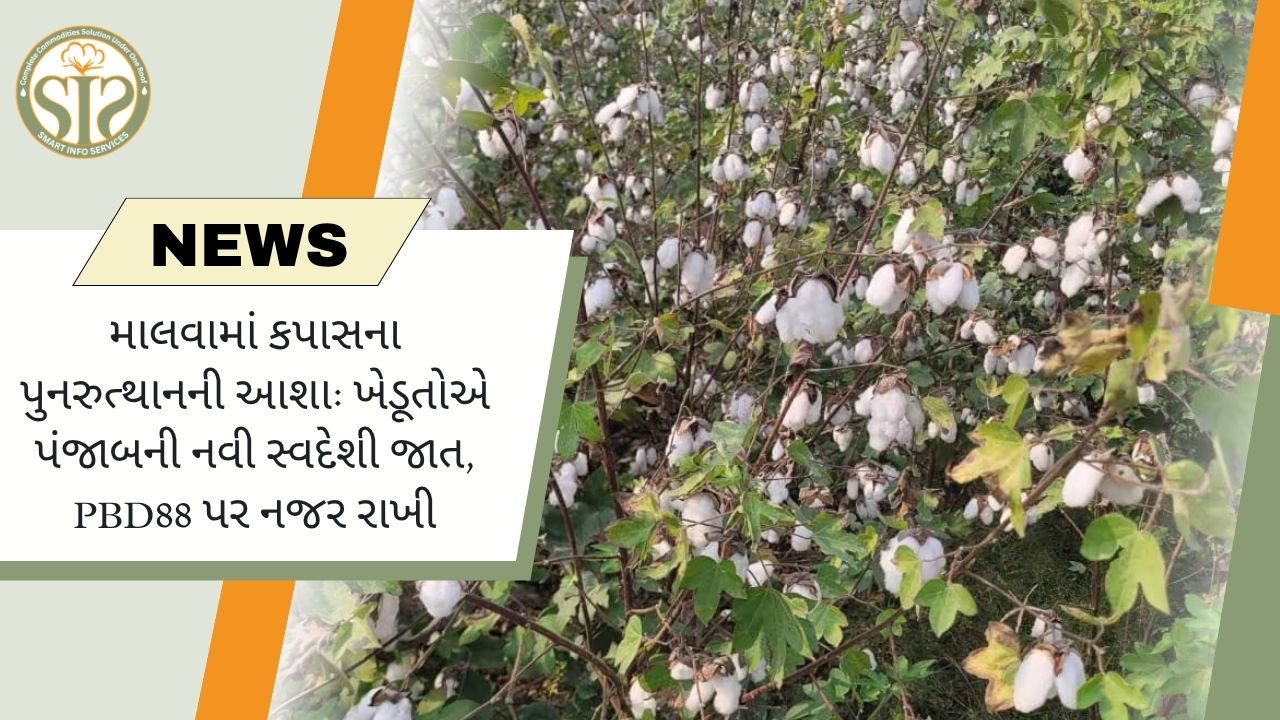
માલવામાં કપાસના પુનરુત્થાનની આશા: ખેડૂતોએ પંજાબની નવી સ્વદેશી જાત, PBD88 પર નજર રાખીપંજાબ કૃષિ યુનિવર્સિટી દ્વારા વિકસાવવામાં આવેલી, નવી નોન-બીટી સ્વદેશી કપાસની જાત, PBD88, આ ખરીફ સિઝનમાં પંજાબના માલવા પ્રદેશમાં કપાસના વાવેતરને નવી દિશા આપવાની ક્ષમતા ધરાવે છે. જ્યારે રાજ્ય સતત ઘટતા કપાસના વાવેતર વિસ્તાર અને વધતા ખેતી ખર્ચના બે પડકારોનો સામનો કરી રહ્યું છે, ત્યારે આ જાત ખેડૂતો માટે આશાના કિરણ તરીકે ઉભરી આવી છે.ચાર વર્ષથી વધુ સમય સુધી સખત પરીક્ષણ અને ક્ષેત્રીય પરીક્ષણો દરમિયાન, PBD88 એ તેના ઉચ્ચતમ ગુણો, જેમ કે ઉચ્ચ ઉપજ, ઓછો વાવેતર ખર્ચ અને જીવાત પ્રતિકારને કારણે વૈજ્ઞાનિકોનું ધ્યાન ખેંચ્યું છે. નિષ્ણાતોના મતે, સ્વદેશી કપાસની જાતોમાંથી મેળવેલા ફાઇબર ફાર્માસ્યુટિકલ ઉદ્યોગમાં પણ નોંધપાત્ર વ્યાપારી મૂલ્ય ધરાવે છે.ભટિંડા સ્થિત પ્રાદેશિક સંશોધન કેન્દ્રના પાક સંવર્ધક અને આ જાત પાછળના મુખ્ય વૈજ્ઞાનિક - પરમજીત સિંહે જણાવ્યું કે PBD88 પ્રતિ એકર આશરે 11 ક્વિન્ટલ ઉપજ આપે છે. આ ઉત્પાદન પરંપરાગત સ્વદેશી જાતો કરતાં ૧-૨ ક્વિન્ટલ વધારે છે અને તેને હાઇબ્રિડ કપાસની જાતોના સરેરાશ ઉપજ સાથે સરખાવી શકાય તેવું માનવામાં આવે છે.તેમણે નોંધ્યું કે છેલ્લા કેટલાક વર્ષોમાં, ગુલાબી ઈયળ અને સફેદ માખીના ઉપદ્રવ તેમજ પ્રતિકૂળ હવામાન પરિસ્થિતિઓને કારણે પંજાબમાં કપાસના વાવેતરમાં તીવ્ર ઘટાડો થયો છે. જો કે, પરીક્ષણો દર્શાવે છે કે PBD88 ગુલાબી ઈયળ માટે પ્રમાણમાં ઓછું સંવેદનશીલ છે. પરિણામે, અર્ધ-શુષ્ક પ્રદેશોના ખેડૂતોને આ નવી સ્વદેશી જાત અપનાવવા માટે પ્રોત્સાહિત કરવામાં આવી રહ્યા છે.રાજ્યનો કપાસનો વાવેતર વિસ્તાર ૨૦૨૧ માં ૨.૫૨ લાખ હેક્ટરથી ઘટીને ૨૦૨૪ માં માત્ર ૯૫,૦૦૦ હેક્ટર થયો. જોકે, ૨૦૨૫ માં આ વિસ્તાર વધીને ૧.૨ લાખ હેક્ટર થયો, અને કૃષિ વિભાગે હવે ૨૦૨૬ માટે ૧.૫ લાખ હેક્ટરનો લક્ષ્યાંક નક્કી કર્યો છે.નિષ્ણાતો ભાર મૂકે છે કે PBD88 નો સૌથી મહત્વપૂર્ણ ફાયદો તેની ખર્ચ-અસરકારક ખેતી છે. પરંપરાગત જાતોને સામાન્ય રીતે હાથથી કાપણીના લગભગ છ રાઉન્ડની જરૂર પડે છે, પરંતુ આ જાતનો પાક ફક્ત ત્રણ રાઉન્ડની કાપણીથી પૂર્ણ કરી શકાય છે. વધુમાં, અનેક મુખ્ય જીવાતોનો પ્રતિકાર હોવાથી, ખેડૂતોનો જંતુનાશકો પરનો ખર્ચ પણ ઘટી શકે છે.રાજ્ય કૃષિ વિભાગના જણાવ્યા અનુસાર, પ્રથમ સિઝન માટે ખેડૂતોને 100 ક્વિન્ટલથી વધુ PBD88 બીજ ઉપલબ્ધ કરાવવામાં આવ્યા છે. આ જાતના વાવેતર માટે પ્રતિ એકર આશરે 3 કિલોગ્રામ બીજ પૂરતા છે. તે કપાસની પસંદગીની જાતોમાંની એક છે જેના માટે પંજાબ સરકારે 33 ટકા સબસિડીની જાહેરાત કરી છે.વિજય કુમારે જણાવ્યું હતું કે સ્વદેશી કપાસની જાતોને પ્રોત્સાહન આપવા પાછળનો ઉદ્દેશ્ય BT કપાસને સંપૂર્ણપણે બદલવાનો નથી, પરંતુ ખેતી પદ્ધતિઓમાં વિવિધતા લાવવાનો છે. તેમના મતે, સ્વદેશી કપાસ સફેદ માખી જેવા જીવાત અને પાન કર્લ જેવા રોગો સામે કુદરતી પ્રતિકાર ધરાવે છે.તેમણે એ પણ નિર્દેશ કર્યો કે ઘણી બિન-હાઇબ્રિડ જાતોમાં, કાપણીમાં વિલંબ થાય તો કપાસના બોલ તૂટી જાય છે અને પડી જાય છે, જેના પરિણામે ખેડૂતોને નુકસાન થાય છે. જો કે, PBD88 માં આ મુદ્દો ઓછા પ્રમાણમાં જોવા મળ્યો છે, જેનાથી ખેડૂતોના ઉપજ માટે વધુ સુરક્ષા સુનિશ્ચિત થાય છે.વધુ વાંચો :-કૃષિ ટેકનોલોજી: કાચા કપાસને બાલિંગ કરીને અશુદ્ધિઓને રોકવા માટેની એક તકનીક
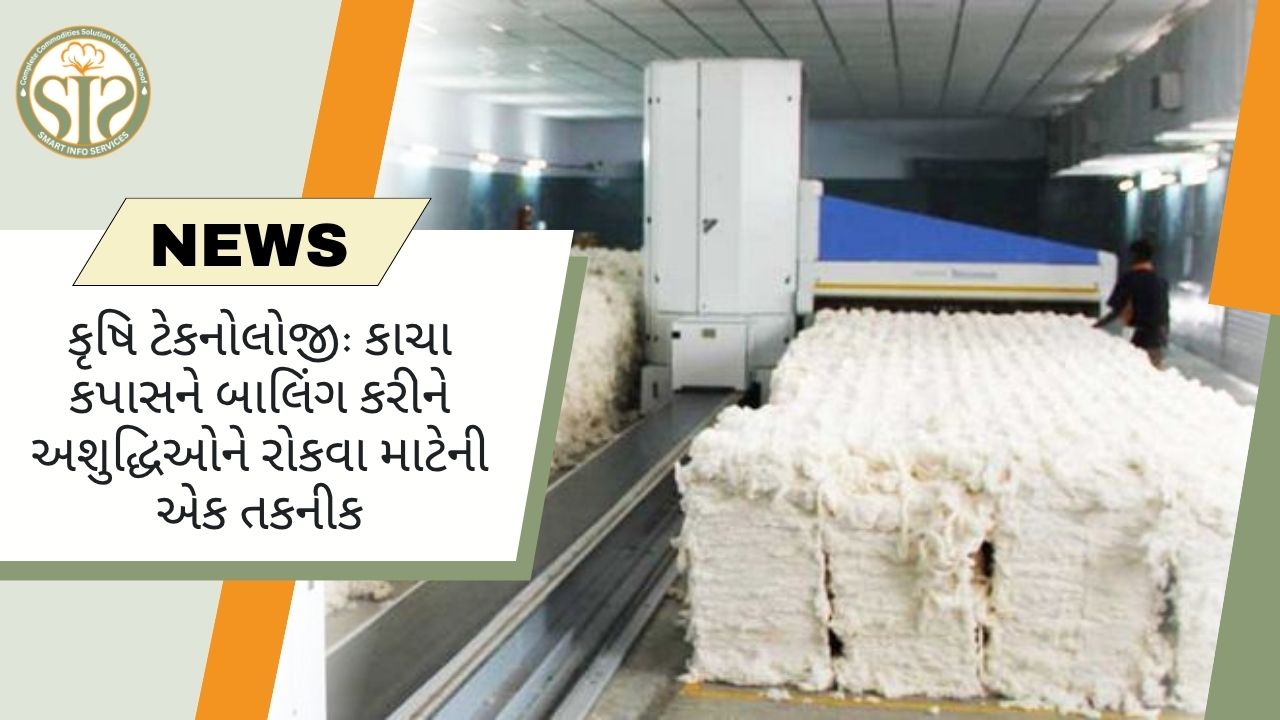
કાચા કપાસમાં દૂષણ ઘટાડવા માટે નવીન કોટન બેલિંગ ટેકનોલોજીકપાસ પ્રક્રિયા ઉદ્યોગમાં અશુદ્ધિઓનું વધતું સ્તર એક ગંભીર પડકાર બની ગયું છે. આ દૂષકોને દૂર કરવા માટે મોંઘા મશીનરીની જરૂર પડે છે, જે ઉત્પાદન ખર્ચમાં વધારો કરે છે અને ખેડૂતોની આવક પર નકારાત્મક અસર કરે છે. આ મુદ્દાને ઉકેલવા માટે, પરભણી (મહારાષ્ટ્ર) ના યુવાન સંશોધક કૃષ્ણ સોમાણીએ એક નવીન મશીન વિકસાવ્યું છે જે ખેતરમાં જ કાચા કપાસને બાલિંગ કરી શકે છે.આ પ્રોટોટાઇપ મશીનના વધુ અપગ્રેડેશન અને પરીક્ષણ માટે સેન્ટ્રલ ઇન્સ્ટિટ્યૂટ ફોર રિસર્ચ ઓન કોટન ટેકનોલોજી (નાગપુર) સાથે એક સમજૂતી કરાર (MoU) પર હસ્તાક્ષર કરવામાં આવ્યા છે. આ સંસ્થા કપાસ ટેકનોલોજીના ક્ષેત્રમાં એક અગ્રણી સંશોધન કેન્દ્ર તરીકે ઉભી છે.સમસ્યાની પૃષ્ઠભૂમિભારતમાં કપાસની ખેતી આશરે 13 મિલિયન હેક્ટર વિસ્તારમાં ફેલાયેલી છે, જેમાં મહારાષ્ટ્ર આ કુલમાં નોંધપાત્ર યોગદાન આપે છે. ભારતમાં, કપાસની લણણી સામાન્ય રીતે તબક્કાવાર રીતે (સામાન્ય રીતે 3 થી 4 વખત) કરવામાં આવે છે. ખેડૂતો ઘણીવાર મહિનાઓ સુધી તેમનો આખો પાક ઘરે સંગ્રહ કરે છે જેથી તેઓ તેમનો આખો પાક એક જ સમયે વેચી શકે. આ સંગ્રહ સમયગાળા દરમિયાન:* ધૂળ, કાટમાળ અને અન્ય અશુદ્ધિઓ કપાસમાં ભળી જાય છે.* ઉંદરો અને જીવાતોના ઉપદ્રવનું જોખમ વધે છે.* ગુણવત્તા અને વજન બંનેમાં ઘટાડો થાય છે (પરિણામે પ્રતિ ક્વિન્ટલ 5-6 કિલો સુધીનું નુકસાન થાય છે).* આગના જોખમો અને આરોગ્ય સંબંધિત જોખમો પણ વધે છે.ઉકેલ: ખેતરમાં બેલિંગ ટેકનોલોજીઆ પડકારોનો સામનો કરવા માટે રચાયેલ, આ મશીન કપાસની કાપણી પછી તરત જ ગાંસડી બનાવે છે. આ પ્રક્રિયા નીચેના ફાયદાઓ પ્રદાન કરે છે:* કપાસને ખુલ્લો રાખવામાં આવતો નથી, જેનાથી અશુદ્ધિઓનો સંચય ઓછો થાય છે.* સંગ્રહ સરળ અને સલામત બંને બને છે.* પરિવહન ખર્ચ અને મજૂરી જરૂરિયાતો ઓછી થાય છે.જ્યારે 2.5 ટન વજનની મોટી ગાંસડી સામાન્ય રીતે અન્ય દેશોમાં ઉત્પન્ન થાય છે, ત્યારે આ ભારતીય ટેકનોલોજી લગભગ 35 કિલોગ્રામ વજનની નાની, હળવી ગાંસડી ઉત્પન્ન કરે છે - જે તેમને ઉપાડવા અને હાથથી સંભાળવા માટે સરળ બનાવે છે. **ટેકનિકલ સ્પષ્ટીકરણો*** શરૂઆતમાં ઇલેક્ટ્રિકલી સંચાલિત; હવે, ટ્રેક્ટર (PTO) સંચાલિત એકમો ઉપલબ્ધ છે.* ઉત્પાદન ક્ષમતા: આશરે 40 ગાંસડી પ્રતિ કલાક.* સાઇલેજ મશીનમાં ફેરફાર દ્વારા વિકસાવવામાં આવ્યું (કુલ વિકાસ ખર્ચ: ~₹9–10 લાખ).* વર્તમાન મશીન કિંમત: ₹7–7.5 લાખ.* પ્રતિ ક્વિન્ટલ બેલિંગ ખર્ચ: ₹100–₹150.સંગ્રહ અને આર્થિક લાભોગાંસડીના સમાન કદને કારણે, સંગ્રહ નોંધપાત્ર રીતે વધુ વ્યવસ્થિત બને છે - 10×10-ફૂટ રૂમ 35-40 ક્વિન્ટલ કપાસને સમાવી શકે છે.ખેડૂતને લગતા એક કિસ્સામાં, બેલિંગ અને વેરહાઉસ સ્ટોરેજનો ઉપયોગ - જેણે વધુ સારા બજાર ભાવ મેળવવામાં મદદ કરી - કુલ 110 ક્વિન્ટલ ઉપજ પર ₹1.1 લાખનો વધારાનો નફો મેળવ્યો.સંસ્થાકીય સહયોગ અને ભવિષ્યની સંભાવનાઓઆ ટેકનોલોજીના વિકાસ અને પ્રસાર માટે સેન્ટ્રલ ઇન્સ્ટિટ્યૂટ ફોર રિસર્ચ ઓન કોટન ટેકનોલોજી અને બજાજ ઇન્ડસ્ટ્રીઝ સાથે ભાગીદારી સ્થાપિત કરવામાં આવી છે. વધુમાં, 'RAFTAAR' યોજના હેઠળ ₹20 લાખની નાણાકીય સહાય પૂરી પાડવામાં આવી છે.સંસ્થાના ડિરેક્ટર ડૉ. એસ. કે. શુક્લાના જણાવ્યા અનુસાર, હાલમાં આ મશીનને સરકારી સબસિડી યોજનાઓમાં સામેલ કરવાના પ્રયાસો ચાલી રહ્યા છે, જેનાથી ખાતરી થાય કે આ ટેકનોલોજી ખેડૂતોના વ્યાપક આધાર સુધી પહોંચે છે.નિષ્કર્ષકાચા કપાસના ક્ષેત્ર-સ્તરીય બેલિંગ માટેની ટેકનોલોજી માત્ર અશુદ્ધિઓને ઓછી કરતી નથી પરંતુ સંગ્રહ, પરિવહન અને માર્કેટિંગની કાર્યક્ષમતામાં પણ વધારો કરે છે. જોકે હાલમાં આ ટેકનોલોજી અંગે જાગૃતિ મર્યાદિત છે, તે ભવિષ્યમાં કપાસ ઉદ્યોગમાં પરિવર્તનશીલ પરિવર્તન લાવવાની ક્ષમતા ધરાવે છે.વધુ વાંચો :- રૂપિયો ૧૪ પૈસા ઘટીને ૯૪.૭૫ પર ખુલ્યો.

ડોલર સામે રૂપિયો ૧૪ પૈસા ઘટીને ૯૪.૭૫ પર ખુલ્યો.ગુરુવારે, ડોલર સામે ભારતીય રૂપિયો ૧૪ પૈસા ઘટીને ૯૪.૭૫ પર ખુલ્યો - જ્યારે બુધવારે તે ૯૪.૬૧ પર બંધ થયો હતો.વધુ વાંચો:- ડોલર સામે રૂપિયો 43 પૈસા વધીને 94.61 પર બંધ થયો.

બુધવારે ભારતીય રૂપિયો યુએસ ડોલર સામે ૯૫.૦૪ પર ખુલ્યો અને બંધ થતાં સુધીમાં ૪૩ પૈસા વધીને ૯૪.૬૧ પર બંધ થયો.બંધ સમયે, સેન્સેક્સ ૯૪૦.૭૩ પોઈન્ટ અથવા ૧.૨૨ ટકા વધીને ૭૭,૯૫૮.૫૨ પર અને નિફ્ટી ૨૯૮.૧૫ પોઈન્ટ અથવા ૧.૨૪ ટકા વધીને ૨૪,૩૩૦.૯૫ પર બંધ થયો. લગભગ ૨૭૫૫ શેર વધ્યા, ૧૨૮૭ શેર ઘટ્યા અને ૧૬૧ શેર યથાવત રહ્યા.વધુ વાંચો:- ‘નાંદેડ-૪૪’ બીટી કપાસ બીજ જાતના પ્રદર્શનોનું આયોજન કરવાની માંગ
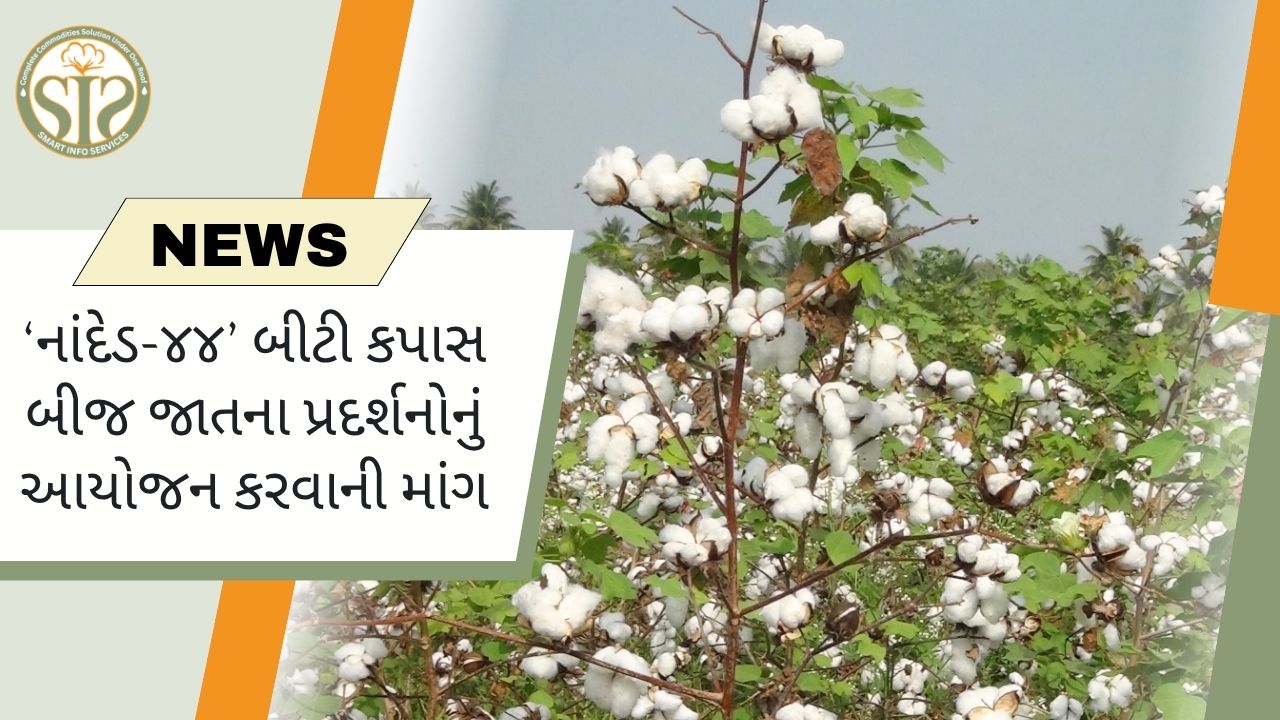
‘નાંદેડ-૪૪’ બીટી કપાસ બીજ જાતના પ્રદર્શનોનું આયોજન કરવાની માંગજલગાંવ જિલ્લામાં, કપાસનું વધુ સારું ઉત્પાદન સુનિશ્ચિત કરવા માટે અદ્યતન કપાસની જાતોના પ્રદર્શનની તાત્કાલિક જરૂરિયાત અનુભવાઈ રહી છે. ખેડૂતોએ માંગ કરી છે કે પરભણી કૃષિ યુનિવર્સિટી દ્વારા વિકસિત ‘નાંદેડ-૪૪’ બીટી કપાસ જાતના પ્રદર્શન આ વર્ષે ફરી એકવાર યોજવામાં આવે, જેથી મહત્તમ ખેડૂતો તેનો લાભ મેળવી શકે.૨૦૨૨-૨૩ સીઝન દરમિયાન, જિલ્લાની અંદર આશરે ૨૦૦ એકર વિસ્તારમાં આ જાતના સફળ પ્રદર્શનો હાથ ધરવામાં આવ્યા હતા. આ પહેલ હેઠળ, વિવિધ ખેડૂત જૂથોને બીજનું વિતરણ કરવામાં આવ્યું હતું, અને સૂકી જમીન ખેતી તકનીકો અને કૃત્રિમ સિંચાઈ પદ્ધતિઓનો ઉપયોગ કરીને ખેતી કરવામાં આવી હતી.‘નાંદેડ-૪૪’ મૂળ રૂપે એક બિન-બીટી કપાસની જાત હતી જે ૨૦૦૧ પહેલા રાજ્યમાં અત્યંત લોકપ્રિય રહી હતી. તેની ઉચ્ચ ઉત્પાદકતા અને વિશ્વસનીયતાને કારણે, તેણે ખાનગી કંપનીઓ દ્વારા રજૂ કરાયેલી અસંખ્ય જાતોને બજારમાં પગપેસારો કરતા અસરકારક રીતે અટકાવી હતી. જોકે, 2001 પછી, BT કપાસના વ્યાપક સ્વીકાર અને ખાનગી કંપનીઓ દ્વારા રજૂ કરાયેલી નવી જાતોના આગમનને કારણે તેનો પ્રભાવ ઓછો થયો. ત્યારબાદ, આ જ જાતનું BT સંસ્કરણ વિકસાવવામાં આવ્યું, જેનાથી ખેડૂતોમાં તેની સુસંગતતા પુનઃસ્થાપિત થઈ.છેલ્લા ત્રણ વર્ષોમાં, મહાબીજ અને પરભણી કૃષિ યુનિવર્સિટી દ્વારા આ જાતને પ્રોત્સાહન અને પ્રસારિત કરવા માટે સંકલિત પ્રયાસો હાથ ધરવામાં આવ્યા છે. આ પ્રયાસોના ભાગ રૂપે, પસંદગીના ખેડૂત જૂથોને મફત બીજનું વિતરણ કરીને ખેતીને પ્રોત્સાહન આપવામાં આવ્યું. એકલા જલગાંવ જિલ્લામાં, આ જાતની ખેતી લગભગ 200 એકર વિસ્તારમાં કરવામાં આવી હતી.ખેડૂતોએ હવે માંગ કરી છે કે, આ વર્ષે પણ, ચાલીસગાંવ, જામનેર, પરોળા, અમલનેર અને ચોપડા જેવા પ્રદેશોમાં ખેડૂત જૂથો અને વ્યક્તિગત ખેડૂતોને બીજ ઉપલબ્ધ કરાવવામાં આવે, જેથી આ જાતના વધુ વિસ્તરણને સરળ બનાવી શકાય.વધુમાં, કૃષિ સહાયકો અને સ્થાનિક કૃષિ અધિકારીઓની સક્રિય ભાગીદારી સુનિશ્ચિત કરવી જરૂરી છે, જેથી ખેડૂતો આ પ્રદર્શન કાર્યક્રમો દ્વારા તકનીકી માર્ગદર્શન મેળવી શકે, જેનાથી એકંદર ઉત્પાદન અને ઉત્પાદકતા બંનેમાં વધારો થાય.વધુ વાંચો :-કપાસ મિશન 2031: આત્મનિર્ભર ભારત તરફ એક પહેલ
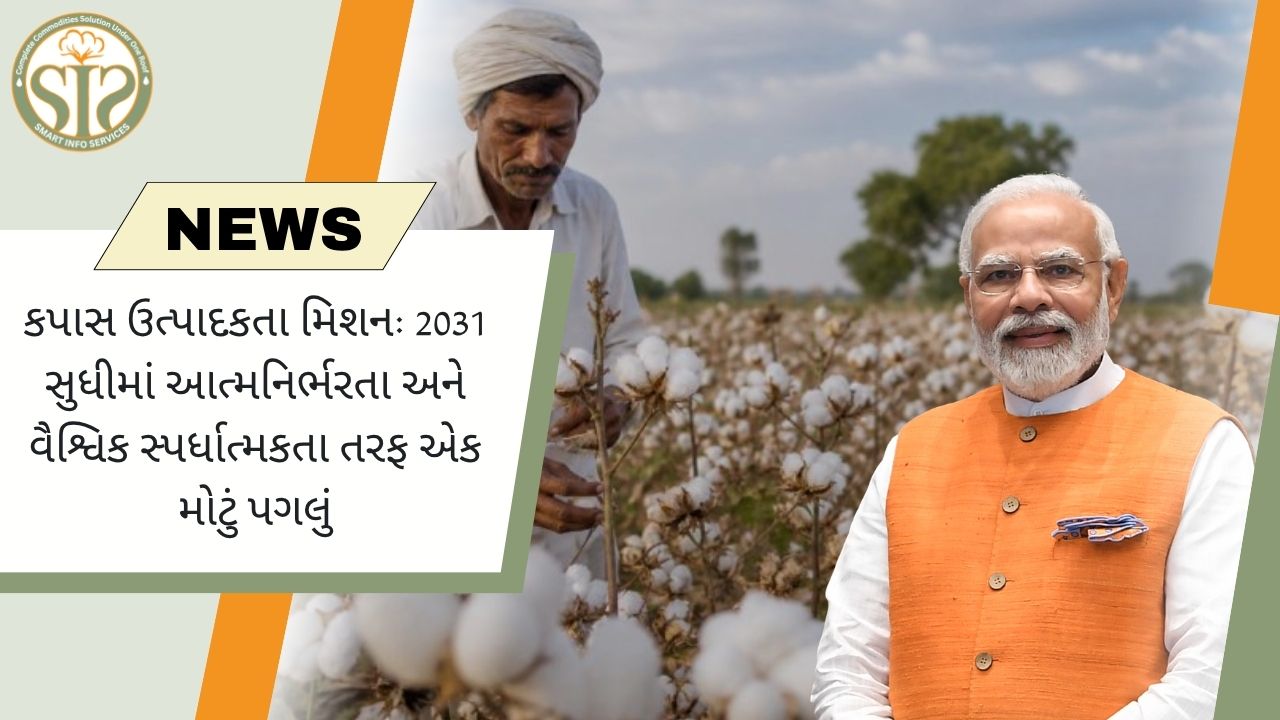
કપાસ ઉત્પાદકતા મિશન: 2031 સુધીમાં આત્મનિર્ભરતા અને વૈશ્વિક સ્પર્ધાત્મકતા તરફ એક મોટું પગલુંવડાપ્રધાન નરેન્દ્ર મોદીની અધ્યક્ષતામાં, કેન્દ્રીય મંત્રીમંડળે "કપાસ ઉત્પાદકતા મિશન" (2026-27 થી 2030-31) ને મંજૂરી આપી છે, જેના માટે ₹5,659.22 કરોડની જોગવાઈ કરવામાં આવી છે. આ મિશનનો ઉદ્દેશ કપાસ ક્ષેત્રમાં ઉત્પાદકતા વધારવાનો અને ગુણવત્તા સુધારવાનો છે, જેનાથી ભારત વૈશ્વિક કાપડ બજારમાં વધુ સ્પર્ધાત્મક બને છે.આ પહેલ સરકારના '5F' વિઝન - ફાર્મ ટુ ફાઇબર, ફાઇબર ટુ ફેક્ટરી, ફેક્ટરી ટુ ફેશન અને ફેશન ટુ ફોરેન - સાથે સુસંગત છે. મિશન હેઠળ, ઉચ્ચ ઉપજ આપનારા, આબોહવા-સ્થિતિસ્થાપક અને જીવાત-પ્રતિરોધક બીજ વિકસાવવામાં આવશે. વધુમાં, ઉચ્ચ-ઘનતા વાવેતર પ્રણાલી (HDPS), નજીકનું અંતર અને સંકલિત કપાસ વ્યવસ્થાપન જેવી આધુનિક તકનીકોને પ્રોત્સાહન આપવામાં આવશે, અને એક્સ્ટ્રા લોંગ સ્ટેપલ (ELS) કપાસના ઉત્પાદનને પ્રોત્સાહન આપવામાં આવશે.કપાસની ગુણવત્તા સુધારવા માટે, ખેડૂતોને તાલીમ આપવા, જિનિંગ અને પ્રોસેસિંગ યુનિટ્સના આધુનિકીકરણ અને આંતરરાષ્ટ્રીય ધોરણો અનુસાર પરીક્ષણ માળખાને મજબૂત બનાવવા પર ધ્યાન કેન્દ્રિત કરવામાં આવશે. "કસ્તુરી કોટન ભારત" બ્રાન્ડ દ્વારા, ભારતીય કપાસની વૈશ્વિક ઓળખ, ટ્રેસેબિલિટી અને વિશ્વસનીયતા વધારવામાં આવશે.વધુમાં, ડિજિટલ મંડીઓ (બજારો) દ્વારા ખેડૂતો માટે પારદર્શક ભાવ નિર્ધારણ અને સુધારેલ બજાર ઍક્સેસ સુનિશ્ચિત કરવામાં આવશે. કપાસના કચરાનું રિસાયક્લિંગ અને ગોળાકાર અર્થતંત્રના સિદ્ધાંતોને પણ પ્રોત્સાહન આપવામાં આવશે. સાથે સાથે, શણ, રેમી, સિસલ, મિલ્કવીડ, વાંસ અને કેળા જેવા વૈકલ્પિક કુદરતી તંતુઓનો સમાવેશ કરીને ફાઇબર બેઝનો વિસ્તાર કરવામાં આવશે.આ મિશન કૃષિ અને ખેડૂત કલ્યાણ મંત્રાલય અને કાપડ મંત્રાલય દ્વારા સંયુક્ત રીતે અમલમાં મૂકવામાં આવશે. તેમાં ICAR, CSIR અને વિવિધ રાજ્ય કૃષિ યુનિવર્સિટીઓની ભાગીદારી સામેલ હશે. શરૂઆતમાં, 14 રાજ્યોના 140 જિલ્લાઓ પર ધ્યાન કેન્દ્રિત કરવામાં આવશે, અને આશરે 2,000 જિનિંગ યુનિટ્સને સશક્ત બનાવવામાં આવશે. આ મિશનનો ઉદ્દેશ્ય 2031 સુધીમાં કપાસની ઉત્પાદકતા 440 કિલોગ્રામ પ્રતિ હેક્ટરથી વધારીને 755 કિલોગ્રામ પ્રતિ હેક્ટર કરવાનો છે, અને કુલ ઉત્પાદન 498 લાખ ગાંસડી સુધી વધારવાનો છે. આ પહેલથી આશરે 32 લાખ ખેડૂતોને લાભ થવાની અપેક્ષા છે. ભારતને કપાસ ક્ષેત્રમાં આત્મનિર્ભર બનાવવા તરફ આ એક મહત્વપૂર્ણ પગલું માનવામાં આવે છે.વધુ વાંચો:- રૂપિયો ૨૫ પૈસા વધીને ૯૫.૦૪ પર ખુલ્યો.

રૂપિયો ૨૫ પૈસા વધીને ૯૫.૦૪ USD પર ખુલ્યો.બુધવારે, ભારતીય રૂપિયો ડોલર સામે ૨૫ પૈસા મજબૂત થઈને ૯૫.૦૪ પર ખુલ્યો, જે મંગળવારે ૯૫.૨૯ ના ઉચ્ચતમ સ્તર પર બંધ થયો હતો.વધુ વાંચો:- પરભણી (મહારાષ્ટ્ર) સમાચાર: માનવતમાં કપાસની હરાજી 15 મેથી સ્થગિત; ખેડૂતોને ઝડપથી વેચવા વિનંતી.
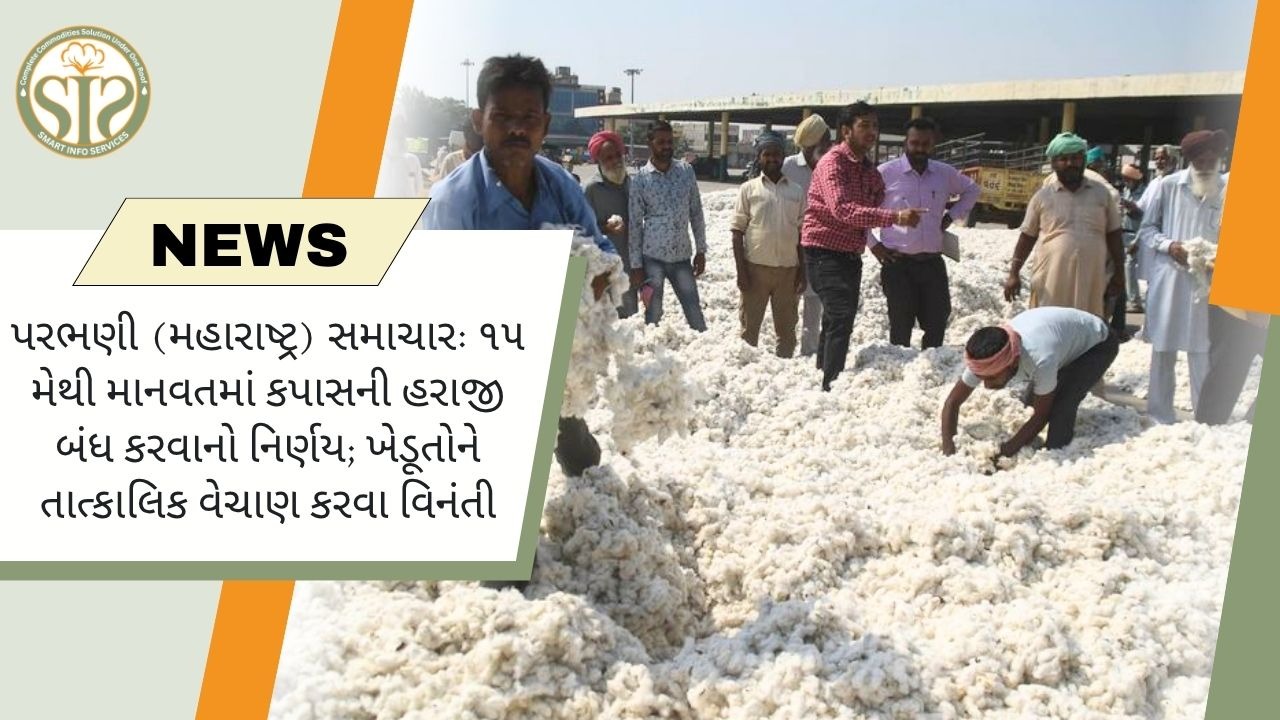
પરભણી (મહારાષ્ટ્ર) સમાચાર: ૧૫ મેથી માનવતમાં કપાસની હરાજી બંધ કરવાનો નિર્ણય; ખેડૂતોને તાત્કાલિક વેચાણ કરવા વિનંતીમહારાષ્ટ્રના પરભણી જિલ્લામાં માનવત કૃષિ ઉત્પાદન બજાર સમિતિ (APMC) એ જાહેરાત કરી છે કે છત્રપતિ શિવાજી યાર્ડમાં ચાલી રહેલી કપાસની હરાજી પ્રક્રિયા ૧૫ મેથી સ્થગિત કરવામાં આવશે. વધતી ગરમી અને સિઝન પૂર્ણ થવાના કારણે આ નિર્ણય લેવામાં આવ્યો છે. વહીવટીતંત્રે ખેડૂતોને ૧૫ મે પહેલા હરાજી પ્રક્રિયા દ્વારા તેમનો કપાસ વેચવાની અપીલ કરી છે.કપાસની હરાજી નવેમ્બરના બીજા અઠવાડિયા દરમિયાન શરૂ થઈ હતી. શરૂઆતમાં, કપાસના ભાવ લઘુત્તમ ટેકાના ભાવ (MSP) થી નીચે હતા; પરિણામે, કોટન કોર્પોરેશન ઓફ ઈન્ડિયા (CCI) એ ફેબ્રુઆરીના પહેલા અઠવાડિયા સુધીમાં ગેરંટીકૃત દરે ૧૬૩,૦૦૦ ક્વિન્ટલ કપાસ ખરીદ્યો હતો.ત્યારબાદ, બજારમાં ભાવમાં સતત વધારો જોવા મળ્યો - ૫ ફેબ્રુઆરીના રોજ, ભાવ પ્રતિ ક્વિન્ટલ ₹૭,૧૯૦ રહ્યો, જે ફેબ્રુઆરીના અંત સુધીમાં વધીને ₹૭,૩૨૫ થયો. માર્ચમાં ભાવ વધુ વધ્યા; ૮ માર્ચે કપાસ પ્રતિ ક્વિન્ટલ ૭,૪૩૦ અને ૧૩ માર્ચે ૭,૫૨૫ રૂપિયાના ભાવે વેચાયો. માર્ચના છેલ્લા અઠવાડિયા સુધી અને એપ્રિલ સુધી તેજીનો ટ્રેન્ડ ચાલુ રહ્યો, ભાવ ૮,૦૦૦ રૂપિયાને પાર કરી ગયા.૨૦ એપ્રિલે કપાસના ભાવ ૮,૮૦૦ રૂપિયાને સ્પર્શી ગયા, અને ૨૨ એપ્રિલ પછી, તેઓ ૯,૦૦૦ રૂપિયાની સીમા પાર કરી ગયા. ૨ મેના રોજ, સરેરાશ ભાવ ૯,૩૩૦ રૂપિયા પ્રતિ ક્વિન્ટલ નોંધાયો, જે ૪ મેના રોજ વધીને ૯,૪૦૦ રૂપિયા થયો.એપીએમસી વહીવટીતંત્રના જણાવ્યા મુજબ, સિઝનના શરૂઆતના તબક્કા દરમિયાન ભાવ નીચા રહ્યા હોવાથી, લગભગ ૮૦ ટકા ખેડૂતોએ પોતાનો પાક વેચી દીધો હતો. ત્યારબાદ બજારમાં તેજી આવી, જેના કારણે અંતિમ તબક્કા દરમિયાન ભાવમાં નોંધપાત્ર ઉછાળો આવ્યો. આ ઘટનાક્રમને કારણે જે ખેડૂતોએ પોતાનો પાક અગાઉ વેચી દીધો હતો તેઓ નુકસાનનો અનુભવ કરી રહ્યા હતા.APMCના ચેરમેન પંકજ આંબેગાંવકરે જણાવ્યું હતું કે 15 મે પછી પરિસ્થિતિની સમીક્ષા કરવામાં આવશે અને પ્રવર્તમાન પરિસ્થિતિઓના આધારે હરાજી ફરી શરૂ કરવા અંગે નિર્ણય લેવામાં આવશે.વધુ વાંચો:- ડોલર સામે રૂપિયો 04 પૈસા વધીને 95.29 પર બંધ થયો.

મંગળવારે ભારતીય રૂપિયો યુએસ ડોલર સામે 95.33 પર ખુલ્યો અને બંધ થતાં સુધીમાં 04 પૈસા વધીને 95.29 પર સ્થિર થયો.બંધ સમયે, સેન્સેક્સ 251.61 પોઈન્ટ અથવા 0.33 ટકા ઘટીને 77,017.79 પર અને નિફ્ટી 86.50 પોઈન્ટ અથવા 0.36 ટકા ઘટીને 24,032.80 પર બંધ થયો. લગભગ 1890 શેર વધ્યા, 2110 શેર ઘટ્યા અને 169 શેર યથાવત રહ્યા.વધુ વાંચો:- રાજસ્થાન: ખુઇયાન સહિત અનેક ગામોમાં પાકનો નાશ થયો
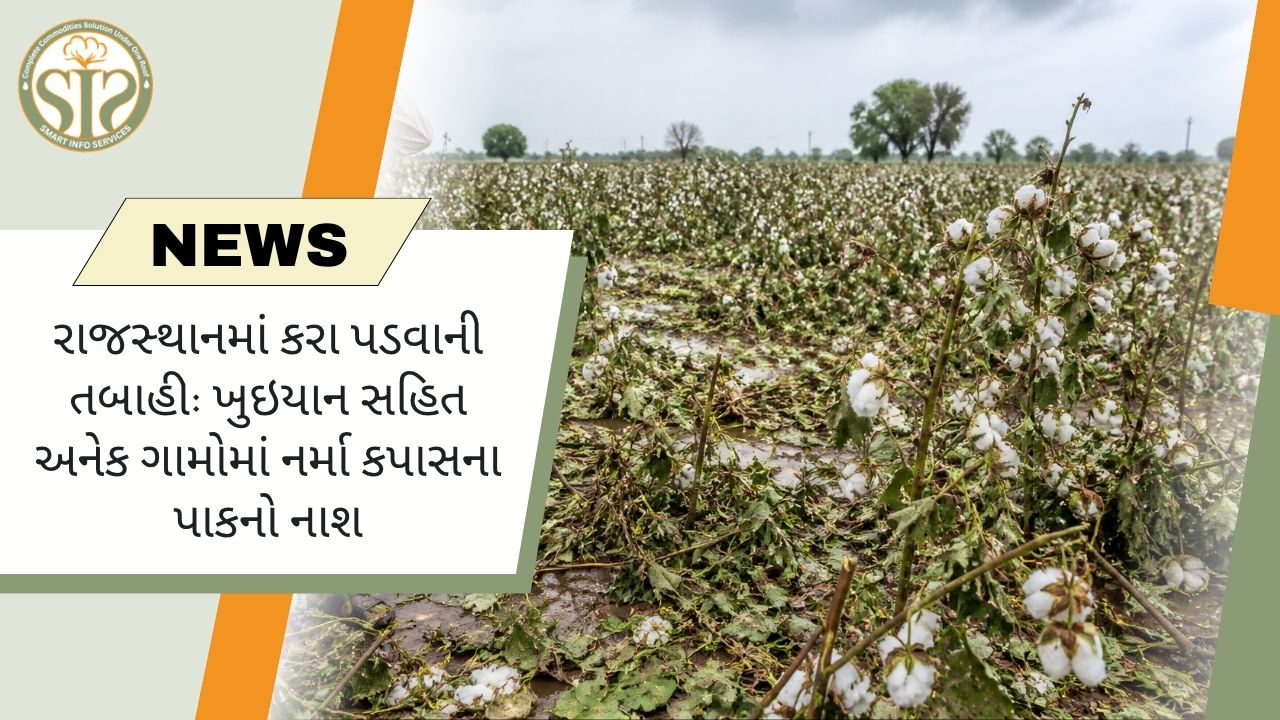
રાજસ્થાનમાં કરા પડવાની તબાહી: ખુઇયાન સહિત અનેક ગામોમાં નર્મા કપાસના પાકનો નાશરવિવારે સાંજે, રાજસ્થાનના નોહર પ્રદેશમાં હવામાનમાં અચાનક પલટો આવ્યો, જેના કારણે ખુઇયાન સહિત આસપાસના અનેક ગામોમાં ભારે પવન, વરસાદ અને કરા પડ્યા. હવામાનમાં આ પરિવર્તનથી ખેડૂતોના નર્મા કપાસના પાકને ભારે નુકસાન થયું છે.નિમલા, ખુઇયાન અને બિરકાલી જેવા ગામોમાં કાળા વાદળો વચ્ચે ભારે પવન સાથે ભારે વરસાદ પડ્યો. આ એપિસોડ દરમિયાન, વટાણાના કદના કરા લગભગ 5 થી 8 મિનિટ સુધી પડતા રહ્યા, જેના કારણે ખેતરોમાં ઉભા પાક જમીનદોસ્ત થઈ ગયા.કરા પડવાની સૌથી વધુ અસર ખુઇયાન અને મંદારપુરામાં થઈ, જ્યાં નર્મા કપાસના પાક સંપૂર્ણપણે નાશ પામ્યા હતા. સ્થાનિક ખેડૂત ગોરીશંકરના જણાવ્યા મુજબ, ભારે વરસાદ પછી આવેલા કરા પડવાથી પાકને ભારે નુકસાન થયું છે.ખેડૂત મનજીત ગોદારાએ નોંધ્યું હતું કે ખાસ કરીને યુવાન નર્મા કપાસના પાકને આ કુદરતી આફતથી સૌથી વધુ પ્રતિકૂળ અસર થઈ છે.હવામાનમાં પરિવર્તનથી લોકોને ગરમીથી થોડી રાહત મળી હતી, પરંતુ ભારે પવનને કારણે ઘણી જગ્યાએ ઝાડની ડાળીઓ તૂટીને રસ્તાઓ પર પડી ગઈ હતી, જેના કારણે ટ્રાફિક અને અવરજવરમાં અવરોધ ઉભો થયો હતો.વધુ વાંચો:- કપાસના ભાવમાં 4%નો વધારો, બે વર્ષની ટોચની નજીક