
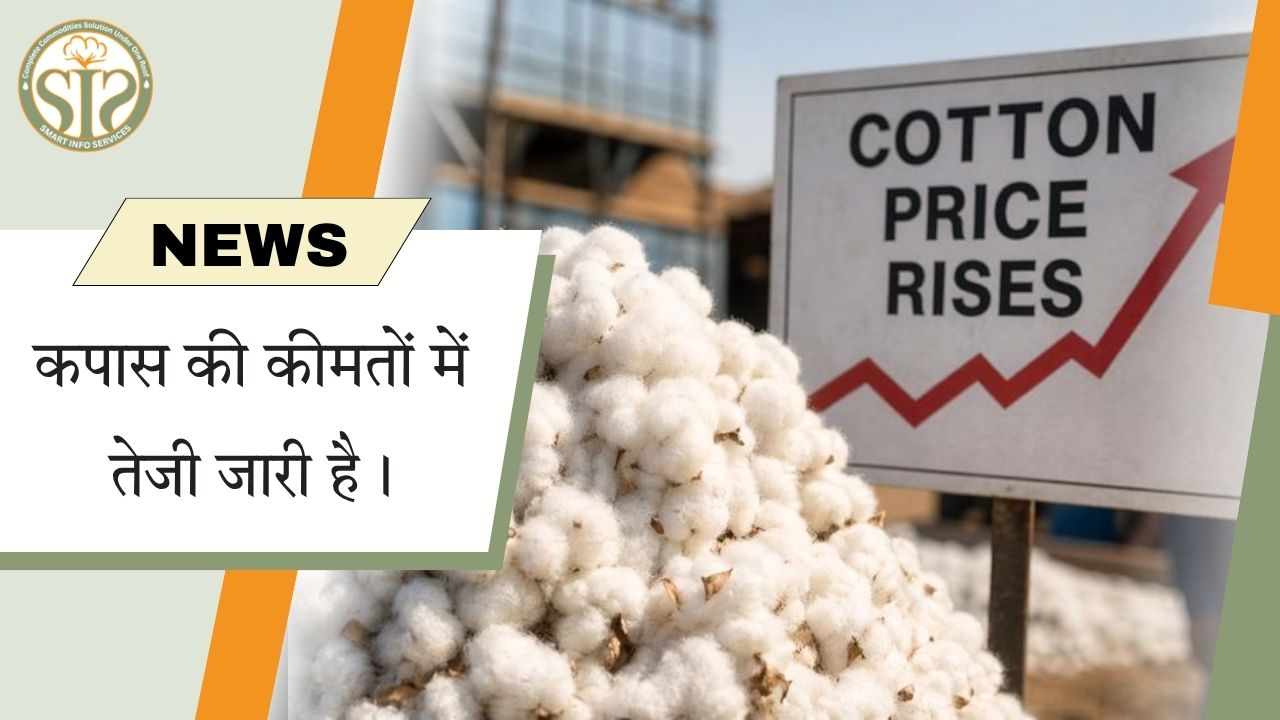
कपास की कीमतों में तेजी जारी है।गुजरात में व्यापक रूप से उगाई जाने वाली शंकर 6 किस्म मंगलवार (21 अप्रैल) को ₹60,500 प्रति कैंडी तक पहुंच गई, जो एक महीने पहले की तुलना में लगभग 8.5% अधिक है।भारतीय कपास उत्पादन एवं उपभोग समिति के अनुसार, चालू कपास सीजन (30 सितंबर को समाप्त होने वाला) में देश का उत्पादन लगभग 291 लाख गांठ रहने का अनुमान है, जो 2024-25 सीजन की तुलना में करीब 0.42% कम है। दूसरी ओर, घरेलू खपत बढ़कर 312 लाख गांठ तक पहुंचने की संभावना है, जबकि पिछले साल यह 306 लाख गांठ थी।दक्षिणी भारत मिल्स एसोसिएशन के अध्यक्ष दुरई पलानीसामी ने कहा कि देश में कपास की कमी को देखते हुए आयात शुल्क की समीक्षा तुरंत जरूरी है, ताकि कपड़ा उद्योग पर दबाव कम किया जा सके।भारतीय कपास महासंघ के सचिव निशांत आशेर के अनुसार, वैश्विक कपास वायदा कीमतों में भी तेजी देखी जा रही है। जुलाई डिलीवरी के लिए कीमतें 64.5 सेंट प्रति पाउंड से बढ़कर लगभग 79.8 सेंट तक पहुंच गई हैं। पिछले तीन वर्षों में यह दायरा आमतौर पर 64–70 सेंट के बीच रहा है।वैश्विक उत्पादन भी पहले के अनुमान से 1.5–2.5 मिलियन गांठ कम रहने की आशंका है। अमेरिका और ब्राजील जैसे प्रमुख उत्पादक देशों में कम बारिश के कारण उत्पादन प्रभावित हो सकता है, हालांकि अभी स्थिति पूरी तरह स्पष्ट नहीं है।इसके अलावा, कच्चे तेल की बढ़ती कीमतों से पॉलिएस्टर महंगा हो रहा है, जिससे कपड़ा उद्योग में कपास की ओर कुछ मांग शिफ्ट हो रही है, जो कीमतों को और समर्थन दे रही है।और पढ़ें :- कपास-सोयाबीन बीमा भुगतान में देरी, किसान चिंतित
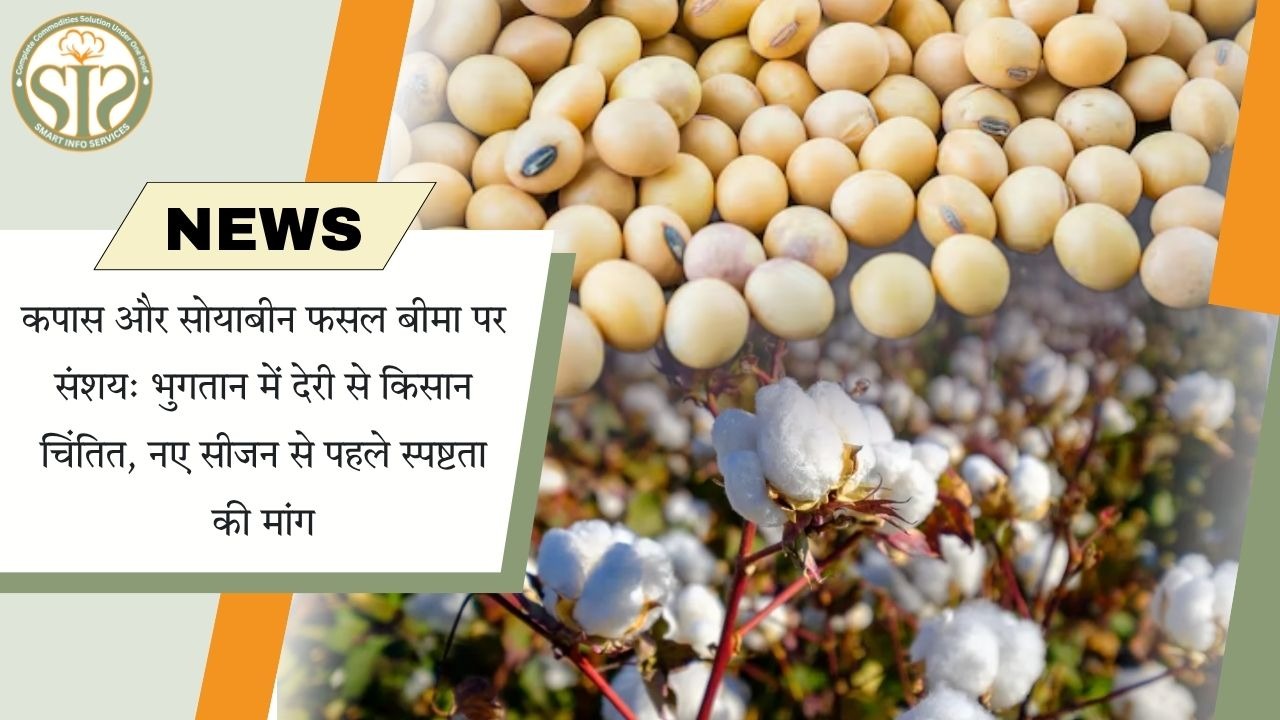
कपास और सोयाबीन फसल बीमा पर संशय: भुगतान में देरी से किसान चिंतित, नए सीजन से पहले स्पष्टता की मांगपिछले खरीफ सीजन में कपास की फसल को भारी नुकसान झेलने के बावजूद किसानों को अब तक बीमा राशि नहीं मिली है। इससे हजारों किसान यह सवाल उठा रहे हैं कि कपास फसल बीमा कब मिलेगा और उन्हें कितना मुआवजा प्राप्त होगा।अकोला जिले में फसल बीमा कराने वाले किसानों को अब तक पूरी राहत नहीं मिल पाई है। खासकर सोयाबीन बीमा के मामले में केवल दो राजस्व मंडलों—कुरुम और लखपुरी—के किसानों को ही मुआवजा स्वीकृत किया गया है, जिससे बाकी किसान खुद को वंचित महसूस कर रहे हैं।जिले के 1,31,415 किसानों ने सोयाबीन फसल का बीमा कराया था, लेकिन सीमित दायरे में लाभ मिलने के बाद अब किसानों की नजर कपास फसल बीमा पर टिकी है। हालांकि, कपास बीमा को लेकर अब तक कोई स्पष्ट घोषणा नहीं हुई है, जिससे भ्रम की स्थिति बनी हुई है।पिछले खरीफ सीजन में जिले के 30,030 किसानों ने लगभग 28,101 हेक्टेयर क्षेत्र में कपास फसल का बीमा कराया था। तालुका स्तर पर देखें तो तेल्हारा में 3,372, अकोट में 7,558, बालापुर में 2,479, पातुर में 1,436, अकोला में 7,890, बार्शिटाकली (वर्षा क्षेत्र) में 3,426 और मुर्तिजापुर में 3,869 किसानों ने बीमा कराया था।पिछले वर्ष मानसून के दौरान भारी बारिश और बाढ़ के कारण कपास की फसल को व्यापक नुकसान हुआ था। ऐसे में किसानों को उम्मीद है कि उन्हें बीमा के रूप में उचित मुआवजा मिलेगा।अब जबकि नए खरीफ सीजन की शुरुआत में डेढ़ महीने से भी कम समय बचा है, बीमा राशि में देरी से किसान आर्थिक संकट का सामना कर रहे हैं। यदि समय पर भुगतान होता, तो किसान बीज, खाद और अन्य कृषि कार्यों के लिए तैयारी कर सकते थे।किसानों की मांग है कि कपास फसल बीमा की घोषणा जल्द से जल्द की जाए और सभी पात्र किसानों को न्यायपूर्ण मुआवजा दिया जाए। सोयाबीन बीमा में सीमित लाभ के बाद कपास बीमा को लेकर चिंता और बढ़ गई है। ऐसे में प्रशासन से अपेक्षा की जा रही है कि वह शीघ्र निर्णय लेकर किसानों को राहत प्रदान करे।और पढ़ें :- मजबूत मांग में CCI की कपास बिक्री तेज, कीमतें बढ़ीं
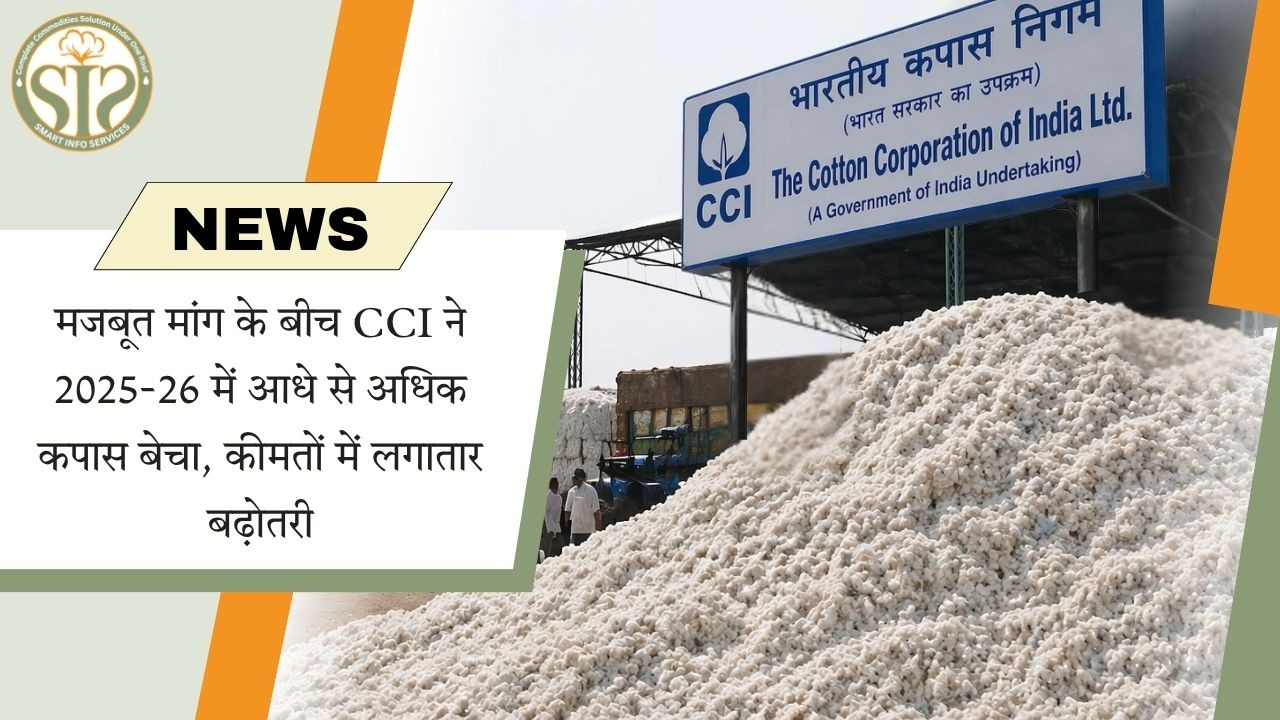
मजबूत मांग के बीच CCI ने 2025-26 में आधे से अधिक कपास बेचा, कीमतों में लगातार बढ़ोतरीबढ़ती कीमतों के बावजूद, मिलों और व्यापारियों की मजबूत मांग के चलते राज्य संचालित भारतीय कपास निगम (CCI) ने 2025-26 सीज़न में खरीदे गए कपास का आधे से अधिक हिस्सा बेच दिया है।CCI ने इस सीज़न में 105 लाख गांठ (प्रत्येक 170 किलोग्राम) कपास की खरीद की, जो पिछले वर्ष की 100.16 लाख गांठ से अधिक है। अध्यक्ष और प्रबंध निदेशक ललित कुमार गुप्ता के अनुसार, सोमवार तक 55 लाख गांठ से अधिक कपास की बिक्री हो चुकी थी। उन्होंने बताया कि पिछले दो महीनों में स्थिर उठाव मिलों और व्यापारियों से मजबूत मांग को दर्शाता है, भले ही वैश्विक कीमतों में तेजी आई हो।मंगलवार को CCI ने कपास की बिक्री कीमत में ₹200 प्रति कैंडी (356 किलोग्राम) की वृद्धि की, जिससे इस सप्ताह कुल बढ़ोतरी ₹800 हो गई। पिछले सप्ताह भी कीमतों में ₹1,500 प्रति कैंडी का इजाफा किया गया था। इस सीज़न में कुल मिलाकर कीमतों में ₹6,000 से अधिक की वृद्धि हो चुकी है।गुप्ता ने बताया कि लगभग ₹55,000 प्रति कैंडी के निचले स्तर से बढ़कर वर्तमान कीमतें करीब ₹61,000 प्रति कैंडी तक पहुंच गई हैं। इसके बावजूद, उन्होंने कहा कि CCI की कीमतें अभी भी वैश्विक बाजार की तुलना में सबसे प्रतिस्पर्धी हैं।अंतरराष्ट्रीय स्तर पर कपास की कीमतों में 25 प्रतिशत से अधिक की बढ़ोतरी हुई है, जबकि घरेलू कीमतें 15-20 प्रतिशत बढ़ी हैं। इसके बावजूद, घरेलू दरें अभी भी वैश्विक कीमतों से 2-3 प्रतिशत कम हैं, जो लगभग ₹63,500-64,000 प्रति कैंडी के आसपास हैं।CCI के मूल्य संशोधन वैश्विक बाजार के रुझान के अनुरूप हैं। मार्च की शुरुआत से अंतरराष्ट्रीय कीमतों में करीब 30 प्रतिशत की वृद्धि दर्ज की गई है। इंटरकॉन्टिनेंटल एक्सचेंज (ICE) पर कपास वायदा मार्च की शुरुआत में लगभग 62 सेंट प्रति पाउंड से बढ़कर 80 सेंट से ऊपर पहुंच गया, जो मंगलवार को जुलाई डिलीवरी के लिए करीब 81 सेंट प्रति पाउंड रहा।लगातार कीमतों में बढ़ोतरी के बावजूद, CCI की बिक्री मजबूत बनी हुई है और उसका स्टॉक घटकर 50 लाख गांठ से नीचे आ गया है। गुप्ता के अनुसार, मिलों की मांग अभी भी मजबूत है और यार्न के ऑर्डर अगले 3-4 महीनों के लिए बुक हैं, जिससे मिलें अपनी जरूरतों के अनुसार खरीद जारी रखेंगी।और पढ़ें :- रुपया 21 पैसे की गिरावट के साथ 93.70 पर खुला.

रुपया 21 पैसे गिरावट 93.70/USD पर खुला. बुधवार को भारतीय रुपया डॉलर के मुकाबले 21 पैसे गिरावट 93.70 पर खुला जबकि मंगलवार को यह 93.49 पर बंद हुआ था।और पढ़ें :- रुपया 19 पैसे गिरकर 93.49 प्रति डॉलर पर बंद हुआ।

मंगलवार को भारतीय रुपया 19 पैसे गिरकर 93.49 प्रति डॉलर पर बंद हुआ, जबकि सुबह यह 93.30 पर खुला था।बाजार बंद होने पर, सेंसेक्स 753.03 अंक या 0.96 प्रतिशत बढ़कर 79,273.33 पर और निफ्टी 211.75 अंक या 0.87 प्रतिशत बढ़कर 24,576.60 पर पहुंच गया। लगभग 2407 शेयरों में बढ़त दर्ज की गई, 1702 शेयरों में गिरावट आई और 148 शेयरों में कोई बदलाव नहीं हुआ।और पढ़ें :- किसानों के लिए राहत: खरीफ 2026 में बीटी कपास बीज बिक्री को हरी झंडी
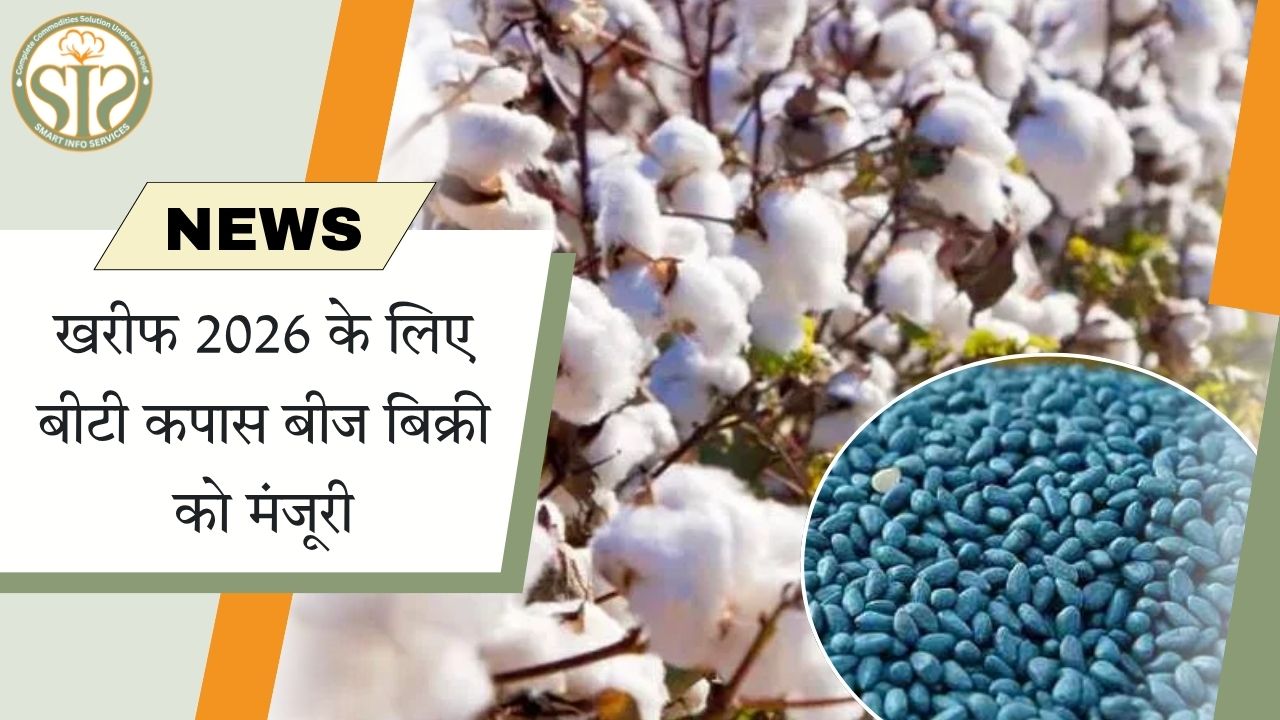
खरीफ 2026 के लिए बीटी कपास बीज बिक्री को मंजूरीश्रीगंगानगर। राज्य सरकार ने खरीफ 2026 सीजन हेतु प्रदेश में बीटी कपास हाइब्रिड बीजों की बिक्री को औपचारिक स्वीकृति प्रदान कर दी है। इस निर्णय के तहत 34 अधिकृत कंपनियां निर्धारित शर्तों के अनुसार बीज की आपूर्ति कर सकेंगी।कृषि आयुक्त नरेश कुमार गोयल के अनुसार, सफेद मक्खी और कॉटन लीफ कर्ल वायरस के प्रभाव को नियंत्रित करने के लिए श्रीगंगानगर, हनुमानगढ़ और बीकानेर जिलों में इन रोगों के प्रति संवेदनशील बीजों की बिक्री पर पूर्ण प्रतिबंध लगाया गया है।उन्होंने बताया कि कंपनियों को केंद्र सरकार द्वारा निर्धारित कीमतों पर ही बीज बेचने होंगे तथा प्रत्येक पैकेट पर क्यूआर कोड लगाना अनिवार्य होगा। किसानों की सुविधा को ध्यान में रखते हुए सहकारी क्षेत्र को बीज आपूर्ति में 15 से 20 प्रतिशत तक प्राथमिकता दी जाएगी।और पढ़ें :- रुपया 18 पैसे की गिरावट के साथ 93.30 पर खुला.

रुपया 18 पैसे गिरावट 93.30/USD पर खुला. मंगलवार को भारतीय रुपया डॉलर के मुकाबले 18 पैसे गिरावट 93.30 पर खुला जबकि सोमवार को यह 93.12 पर बंद हुआ था। और पढ़ें :- अलवर में कपास बुवाई की तैयारी, बम्पर पैदावार की उम्मीद
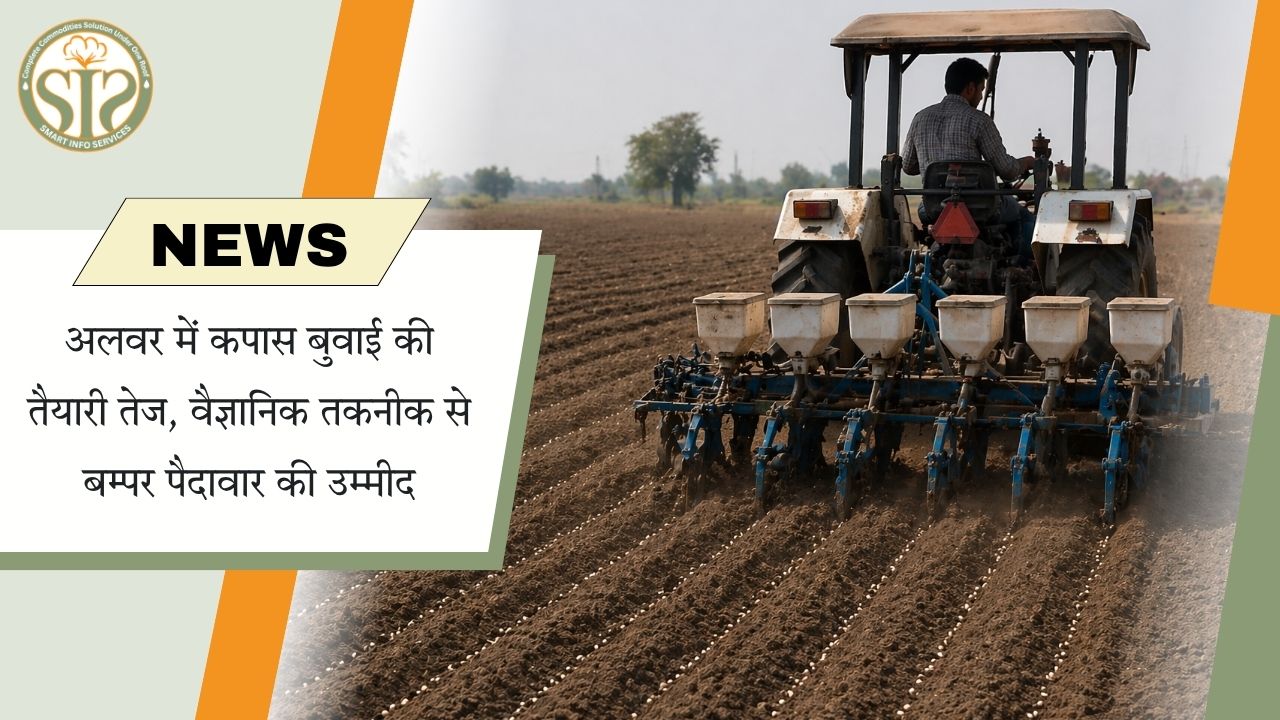
अलवर में कपास बुवाई की तैयारी तेज, वैज्ञानिक तकनीक से बम्पर पैदावार की उम्मीदअलवर और खैरथल-तिजारा में रबी फसलों की कटाई के बाद अब किसानों ने कपास की बुवाई की तैयारियां तेज कर दी हैं। कृषि विशेषज्ञों के अनुसार इस बार अप्रैल के अंतिम सप्ताह से लेकर मई के पहले सप्ताह तक कपास की बुवाई का प्रमुख समय रहेगा। खेतों में ‘सफेद सोना’ बोने की गतिविधियां तेजी से शुरू हो चुकी हैं।किसान सरसों और गेहूं की कटाई के बाद खेतों की गहरी जुताई कर रहे हैं और पलेवा (सिंचाई) के माध्यम से मिट्टी में नमी बनाए रखने पर विशेष ध्यान दे रहे हैं। कृषि जानकारों का कहना है कि नमी का सही स्तर कपास के अंकुरण और शुरुआती वृद्धि के लिए बेहद जरूरी है।इस बार किसान देसी खाद के उपयोग को प्राथमिकता दे रहे हैं ताकि मिट्टी की गुणवत्ता बनी रहे और उत्पादन क्षमता बढ़े।रोग नियंत्रण के लिए वैज्ञानिक सुझावकृषि वैज्ञानिकों ने जड़ गलन (रूट रॉट) रोग से बचाव के लिए विशेष प्रबंधन की सलाह दी है। जिन क्षेत्रों में यह समस्या अधिक है, वहां बुवाई से पहले 6 किलोग्राम जिंक सल्फेट प्रति बीघा मिट्टी में मिलाने की सिफारिश की गई है।इसके अलावा जैविक नियंत्रण के लिए ट्राइकोडर्मा के उपयोग पर जोर दिया गया है—2.5 किलोग्राम ट्राइकोडर्मा हरजेनियम सड़ी हुई गोबर खाद के साथ मिट्टी में डालना लाभकारी10 ग्राम ट्राइकोडर्मा प्रति किलोग्राम बीज के हिसाब से बीज उपचार आवश्यकउन्नत किस्मों से बढ़ेगा उत्पादनकृषि विशेषज्ञों ने किसानों को उन्नत और प्रमाणित किस्में अपनाने की सलाह दी है, जिनमें आरजी-8, आरजी-18, एच.डी. 123 और राज शामिल हैं। ये किस्में कीटों के प्रति अधिक सहनशील होने के साथ बेहतर उत्पादन देने में सक्षम हैं। फसल अवशेष प्रबंधन पर जोरकिसानों को पराली जलाने के बजाय फसल अवशेषों को रोटावेटर या कल्टीवेटर से मिट्टी में मिलाने की सलाह दी गई है। इससे मिट्टी में जैविक कार्बन बढ़ता है और जलधारण क्षमता में सुधार होता है।कुल मिलाकर वैज्ञानिक तकनीक और बेहतर कृषि प्रबंधन के साथ इस बार अलवर क्षेत्र में कपास की अच्छी पैदावार की उम्मीद जताई जा रही है।और पढ़ें :- रुपया 30 पैसे गिरकर अमेरिकी डॉलर के मुकाबले 93.12 पर बंद हुआ।

सोमवार को, शुरुआती कारोबार में 92.82 पर खुलने के बाद, भारतीय रुपया 30 पैसे कमज़ोर होकर अमेरिकी डॉलर के मुकाबले 93.12 पर बंद हुआ।बाज़ार बंद होने पर, सेंसेक्स 26.76 अंक या 0.03 प्रतिशत बढ़कर 78,520.30 पर और निफ्टी 11.30 अंक या 0.05 प्रतिशत बढ़कर 24,364.85 पर रहा। लगभग 1733 शेयरों में तेज़ी आई, 2471 शेयरों में गिरावट आई और 175 शेयरों में कोई बदलाव नहीं हुआ।और पढ़ें :- CCI ने कपास कीमतें बढ़ाईं, बिक्री 2.93 लाख गांठ पार
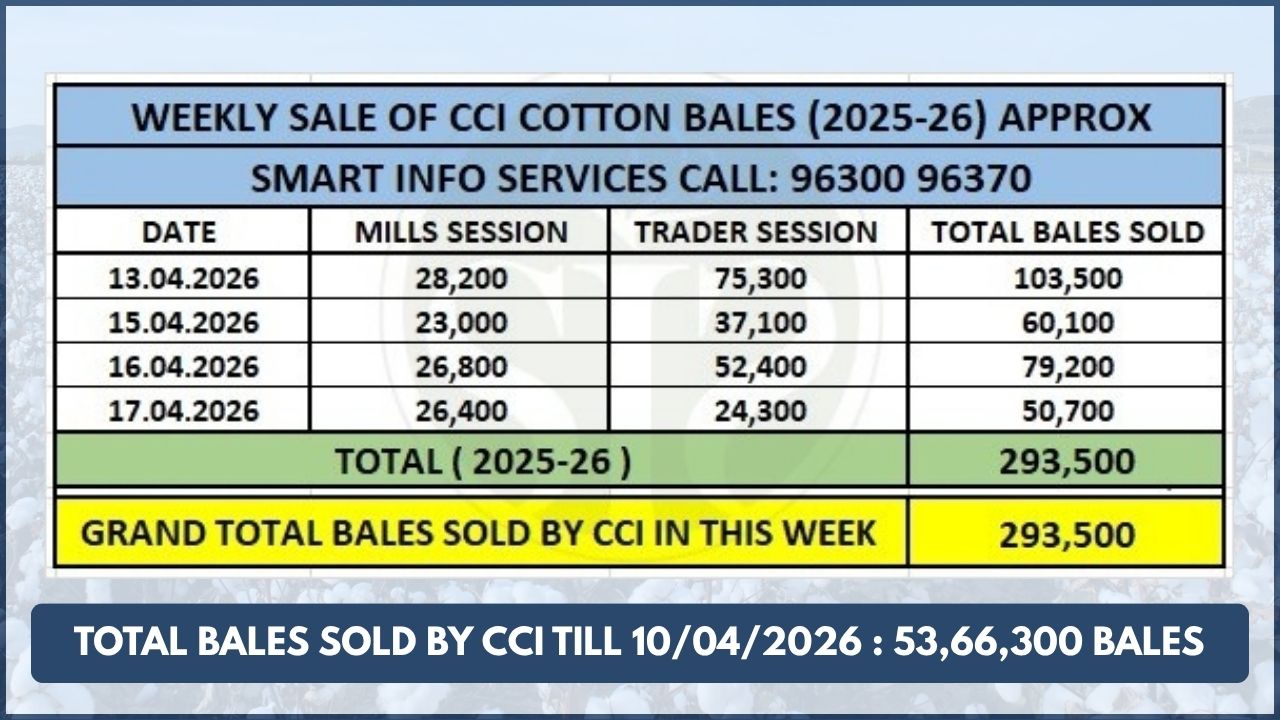
CCI ने कपास की कीमतों में ₹900-₹1,500 प्रति कैंडी की बढ़ोतरी की; साप्ताहिक नीलामी बिक्री 2.93 लाख गांठों के पारकॉटन कॉर्पोरेशन ऑफ इंडिया (CCI) ने पिछले सप्ताह, 13 अप्रैल से 17 अप्रैल, 2026 के दौरान, कपास की कीमतों में ₹900 से ₹1,500 प्रति कैंडी की बढ़ोतरी की। इन नीलामियों में मिलों और कपास व्यापारियों ने बढ़-चढ़कर हिस्सा लिया, जिसके परिणामस्वरूप 2025–26 सीज़न से लगभग 2,93,500 गांठों की ज़बरदस्त साप्ताहिक बिक्री हुई।साप्ताहिक बिक्री रिपोर्ट :13 अप्रैल (सोमवार):सप्ताह की शुरुआत ज़ोरदार रही, जिसमें एक ही दिन में सबसे ज़्यादा 1,03,500 गांठों की बिक्री दर्ज की गई। खरीद में व्यापारियों का दबदबा रहा, जिन्होंने 75,300 गांठें खरीदीं, जबकि मिलों ने 28,200 गांठें खरीदीं।15 अप्रैल (बुधवार):बिक्री थोड़ी कम होकर 60,100 गांठों पर आ गई। मिलों ने 23,000 गांठें खरीदीं, जबकि व्यापारियों ने 37,100 गांठें खरीदीं।16 अप्रैल (गुरुवार):नीलामी की गतिविधियाँ फिर से तेज़ हो गईं, और 79,200 गांठें बेची गईं। मिलों ने 26,800 गांठें खरीदीं, और व्यापारियों ने 52,400 गांठें खरीदीं।17 अप्रैल (शुक्रवार):सप्ताह का समापन 50,700 गांठों की बिक्री के साथ हुआ। मिलों ने 26,400 गांठें खरीदीं, जबकि व्यापारियों ने 24,300 गांठें खरीदीं।कुल बिक्री का अपडेट:2025–26 सीज़न: 53,66,300 गांठें2024–25 सीज़न: 98,85,100 गांठें

“सफेद सोना संकट में: महाराष्ट्र में कपास की खेती का तेज़ी से सिमटता दायरा और किसानों का बदलता रुख”महाराष्ट्र के मराठवाड़ा और विदर्भ क्षेत्रों में कभी “सफेद सोना” कही जाने वाली कपास की खेती अब गंभीर संकट से गुजर रही है। जो इलाके कभी देश के प्रमुख “कॉटन बेल्ट” माने जाते थे, खासकर धाराशिव और आसपास के जिले, वहां कपास का रकबा तेजी से घटता जा रहा है और कई जगह यह लगभग समाप्ति की कगार पर पहुंच गया है।धाराशिव जिले में स्थिति बेहद चिंताजनक है, जहां 5.5 लाख हेक्टेयर खरीफ क्षेत्र में अब केवल 172 हेक्टेयर में कपास की खेती बची है। कलंब तालुका में यह और भी निचले स्तर पर पहुंच गई है, जहां 78,000 हेक्टेयर में से मात्र 5 हेक्टेयर में कपास उगाई जा रही है। पहले जहां हजारों हेक्टेयर में यह फसल प्रमुख रूप से होती थी, अब इसमें 99 प्रतिशत से अधिक की गिरावट दर्ज की गई है। जलगांव सहित अन्य जिलों में भी पिछले कुछ वर्षों से कपास का रकबा लगातार घट रहा है।कपास, जो 1990 के दशक में किसानों की प्रमुख नकदी फसल बनी थी, अब लगातार घाटे का सौदा साबित हो रही है। इसकी खेती में प्रति एकड़ लगभग ₹35,000 तक की लागत आ रही है। मजदूरी दरों में वृद्धि, पूरी तरह श्रमिकों पर निर्भर कटाई प्रणाली और कीटनाशकों पर बढ़ता खर्च किसानों पर बोझ बढ़ा रहे हैं। गुलाबी बॉलवॉर्म जैसे कीटों का प्रकोप, अनियमित बारिश, जलवायु परिवर्तन और मिट्टी की घटती उर्वरता ने उत्पादन को और प्रभावित किया है।हालांकि सरकार ने कपास के न्यूनतम समर्थन मूल्य (MSP) में लगातार वृद्धि की है—2021-22 में ₹5,726 से बढ़ाकर 2024-25 में ₹7,521 तक—लेकिन किसानों का कहना है कि यह बढ़ोतरी बढ़ती लागत के मुकाबले पर्याप्त नहीं है। कई बार बाजार में MSP से कम दाम मिलने से किसानों का भरोसा कमजोर हुआ है। साथ ही महाराष्ट्र में उत्पादकता भी केवल लगभग 350 किलोग्राम प्रति हेक्टेयर है, जो राष्ट्रीय औसत से कम है।इन परिस्थितियों के कारण किसान तेजी से सोयाबीन और मक्का जैसी फसलों की ओर रुख कर रहे हैं, क्योंकि इनमें लागत कम है और आय अपेक्षाकृत जल्दी मिलती है। कपास उत्पादन में गिरावट का असर केवल खेतों तक सीमित नहीं है, बल्कि इसका प्रभाव जिनिंग उद्योग, रोजगार और कपड़ा उद्योग की आपूर्ति श्रृंखला पर भी पड़ रहा है।विशेषज्ञों का मानना है कि यदि मशीनीकरण, बेहतर बीज, प्रभावी कीट नियंत्रण और स्थिर बाजार मूल्य जैसी नीतियों पर ध्यान नहीं दिया गया, तो यह फसल आने वाले वर्षों में कई क्षेत्रों से पूरी तरह गायब हो सकती है।और पढ़ें :- रुपया 10 पैसे की बढ़कर के साथ 92.82 पर खुला.

रुपया 10 पैसे बढ़कर 92.82/USD पर खुला. सोमवार को भारतीय रुपया डॉलर के मुकाबले 10 पैसे बढ़कर 92.82 पर खुला जबकि शुक्रवार को यह 92.92 पर बंद हुआ था।और पढ़ें :-कपास बुवाई से पहले बीज की किल्लत, 2.9 लाख हेक्टेयर लक्ष्य पर संकट
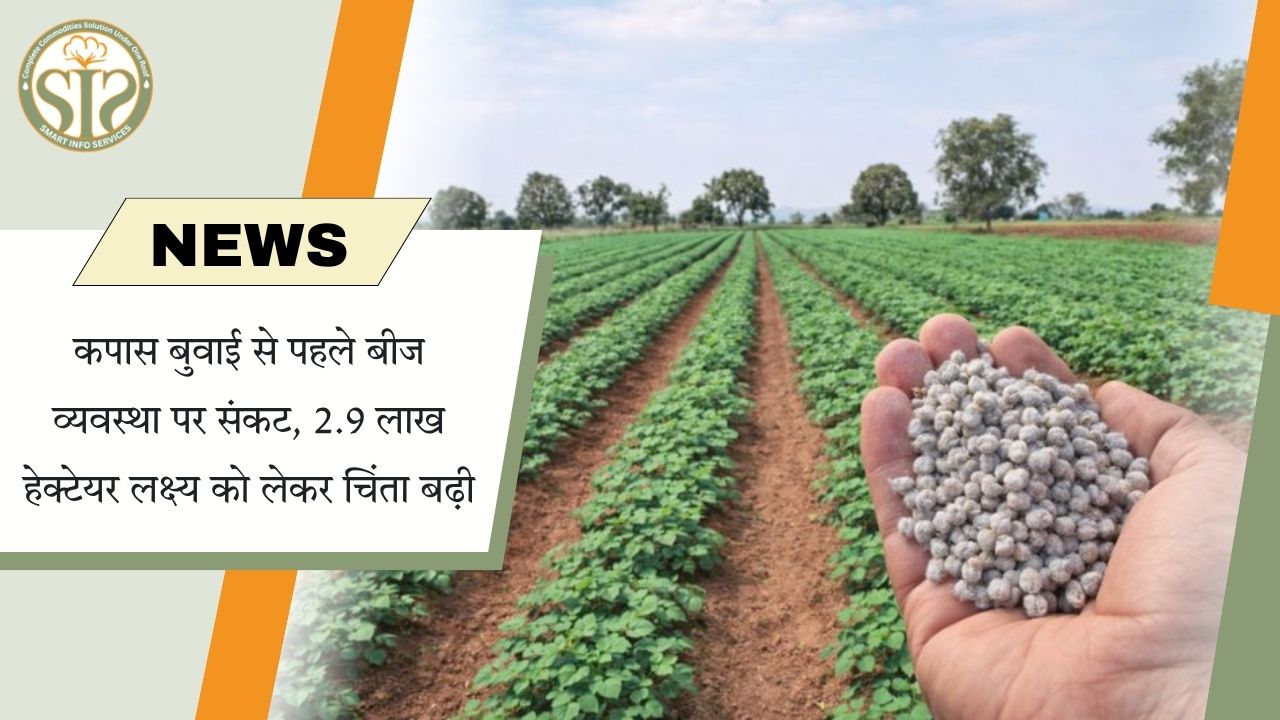
कपास बुवाई से पहले बीज व्यवस्था पर संकट, 2.9 लाख हेक्टेयर लक्ष्य को लेकर चिंता बढ़ीखरीफ सीजन की शुरुआत करीब है और अक्षय तृतीया के साथ ही कपास की बुवाई शुरू होने वाली है, लेकिन इस बार बीजों के भंडारण और बिक्री को लेकर स्थिति स्पष्ट नहीं है। शासन स्तर से अब तक अनुमति (परमिशन) जारी नहीं होने के कारण बाजार में अनिश्चितता बनी हुई है। समय पर दिशा-निर्देश न मिलने से अमानक और बिना प्रमाणित बीजों के खपने का खतरा भी बढ़ गया है।कृषि विभाग के आंकड़े इस समस्या को और गंभीर बनाते हैं। पिछले दो वर्षों में लिए गए 783 बीज नमूनों में से 54 अमानक पाए गए हैं, यानी लगभग 7 प्रतिशत बीज गुणवत्ता मानकों पर खरे नहीं उतरे। यह स्थिति बताती है कि बाजार में पहले से ही निम्न गुणवत्ता वाले बीज मौजूद हैं, जो किसानों के लिए बड़ा जोखिम बन सकते हैं।इस वर्ष जिले में लगभग 2.9 लाख हेक्टेयर क्षेत्र में कपास की बुवाई का लक्ष्य तय किया गया है। इतनी बड़ी मांग को देखते हुए बीज की उपलब्धता महत्वपूर्ण है, लेकिन अनुमति न मिलने से अधिकृत बीजों का भंडारण और वितरण शुरू नहीं हो पाया है। इसके चलते किसान असमंजस में हैं और कई जगह बिना सही जानकारी के बीज खरीदने बाजार पहुंच रहे हैं।खरीफ 2026 का प्रस्तावित फसल रकबाजिले में खरीफ 2026 के लिए कुल 4.16 लाख हेक्टेयर में बुवाई प्रस्तावित है। इसमें प्रमुख फसलें इस प्रकार हैं—मक्का: 77 हजार हेक्टेयर (सबसे प्रमुख अनाज फसल)कुल अनाज फसलें: 78 हजार हेक्टेयरदलहन: 8,228 हेक्टेयर (उड़द, मूंग, अरहर)तिलहन: 80 हजार हेक्टेयर (सोयाबीन 78 हजार हेक्टेयर से अधिक)कपास: 2.9 लाख हेक्टेयर (सबसे बड़ी नकदी फसल)अन्य खरीफ व उद्यान फसलें: 42 हजार हेक्टेयरअमानक बीज से उत्पादन पर खतराविशेषज्ञों का कहना है कि अमानक बीजों से अंकुरण दर घटती है, पौधों की वृद्धि प्रभावित होती है और उत्पादन में गिरावट आती है, जिससे किसानों को सीधा आर्थिक नुकसान होता है। जिले में इस तरह की शिकायतें पहले भी सामने आ चुकी हैं। ऐसे में किसानों को सलाह दी जा रही है कि वे केवल अधिकृत विक्रेताओं से ही बीज खरीदें और बिल जरूर लें।यदि समय पर परमिशन और स्पष्ट गाइडलाइन जारी नहीं की गई, तो इसका असर न केवल उत्पादन पर पड़ेगा बल्कि किसानों की आय पर भी गंभीर प्रभाव पड़ सकता है।पहले भी सामने आ चुका है बीज घोटाला मामलाखरगोन जिले में अमानक करेले के बीज के कारण किसानों को भारी नुकसान हुआ था। सिरलाय गांव की हाईटेक ग्रीन हाउस नर्सरी से बीज लेकर 48 किसानों ने लगभग 100 एकड़ में खेती की थी, लेकिन उत्पादन खराब रहा। किसानों का आरोप है कि बीएएसएफ कंपनी के रोबस्टा किस्म के बीज दोषपूर्ण थे। फूल आने के बाद भी फल विकसित नहीं हुए और पूरी फसल प्रभावित हो गई।इस मामले की शिकायत किसानों ने केंद्रीय कृषि मंत्री तक पहुंचाई थी, जिसके बाद धार जिले के मनावर थाने में संबंधित कंपनी के खिलाफ मामला दर्ज किया गया।और पढ़ें :- संकट के बीच टेक्सटाइल सेक्टर को सहारा

पश्चिम एशिया संकट के बीच कपड़ा उद्योग को राहत देने की तैयारीनई दिल्ली: पश्चिम एशिया में जारी संकट के बीच कच्चे माल की आपूर्ति को सुरक्षित रखने और लागत दबाव को कम करने के लिए कपड़ा मंत्रालय कई राहत उपायों पर काम कर रहा है। मंत्रालय ने आयात शुल्क में कटौती और कुछ नियामकीय ढील देने का प्रस्ताव रखा है, ताकि उद्योग उत्पादन बनाए रख सके और वैश्विक प्रतिस्पर्धा में बना रहे।प्रस्तावित कदमों में रेयान पल्प और चुनिंदा कपास किस्मों पर आयात शुल्क घटाना, साथ ही कुछ प्रकार के धागों पर एंटी-डंपिंग शुल्क को अस्थायी रूप से स्थगित करना शामिल है। इसके अलावा, मंत्रालय ने कृषि और वित्त मंत्रालयों के साथ बातचीत में कुछ बुने हुए कपड़ों पर न्यूनतम आयात मूल्य (MIP) हटाने की भी मांग की है।एक अधिकारी के अनुसार, शुल्क में कमी को लेकर कृषि मंत्रालय से चर्चा जारी है। जहां कुछ पक्ष देश में अपर्याप्त उत्पादन के चलते शुल्क हटाने के पक्ष में हैं, वहीं किसानों के हितों को प्राथमिकता देने पर भी जोर दिया जा रहा है।इस बीच, पश्चिम एशिया में आपूर्ति बाधाओं और शिपिंग समस्याओं के कारण मार्च में रेडीमेड कपड़ों के निर्यात में साल-दर-साल 19% की गिरावट दर्ज की गई है। ऐसे में सरकार उद्योग को पूर्वी एशिया के नए बाजारों की ओर रुख करने के लिए प्रोत्साहित कर रही है।गौरतलब है कि पिछले वर्ष सरकार ने कपास के आयात पर लगने वाले 11% शुल्क से चार महीनों के लिए छूट दी थी, ताकि अमेरिकी टैरिफ के प्रभाव को संतुलित किया जा सके। भारत मुख्य रूप से अतिरिक्त-लंबे स्टेपल जैसी विशेष कपास किस्मों का आयात करता है, जो प्रायः अमेरिका और मिस्र से आती हैं। वहीं, रेयान पल्प का आयात मुख्यतः यूरोप से होता है, जिस पर वर्तमान में 5% शुल्क लगता है।हाल ही में, सरकार ने पश्चिम एशिया में हालात को देखते हुए 40 पेट्रोकेमिकल उत्पादों पर पूर्ण सीमा शुल्क छूट भी दी है, जिनमें से 29 का उपयोग कपड़ा उद्योग, खासकर मानव निर्मित फाइबर के उत्पादन में होता है।इसके अतिरिक्त, मंत्रालय इलास्टोमेरिक फाइबर यार्न और विस्कोस रेयान फिलामेंट यार्न पर प्रस्तावित एंटी-डंपिंग शुल्क को हटाने या टालने के लिए भी वित्त मंत्रालय से बातचीत कर रहा है। इन उत्पादों का आयात मुख्यतः चीन और सिंगापुर से होता है।और पढ़ें :- रुपया 2 पैसे की बढ़त के साथ 92.92 प्रति डॉलर पर बंद हुआ।

शुक्रवार को भारतीय रुपया 02 पैसे बढ़कर 92.92 प्रति डॉलर पर बंद हुआ, जबकि सुबह यह 92.94 पर खुला था।बाजार बंद होने पर, सेंसेक्स 504.86 अंक या 0.65 प्रतिशत बढ़कर 78,493.54 पर रहा, और निफ्टी 156.80 अंक या 0.65 प्रतिशत बढ़कर 24,353.55 पर रहा। लगभग 2906 शेयरों में बढ़त दर्ज की गई, 1233 शेयरों में गिरावट आई, और 152 शेयरों में कोई बदलाव नहीं हुआ।और पढ़ें :- रुपया 25 पैसे की बढ़त के साथ 92.94 पर खुला।

रुपया 25 पैसे बढ़कर 92.94/USD पर खुला. शुक्रवार को भारतीय रुपया डॉलर के मुकाबले 25 पैसे बढ़कर 92.94 पर खुला, जबकि गुरुवार को यह 93.19 पर बंद हुआ था।और पढ़ें :- रुपया डॉलर के मुकाबले 9 पैसे की बढ़त के साथ 93.19 पर बंद हुआ।

गुरुवार को भारतीय रुपया 09 पैसे बढ़कर 93.19 प्रति डॉलर पर बंद हुआ, जबकि सुबह यह 93.28 पर खुला था।बाजार बंद होने पर, सेंसेक्स 122.56 अंक या 0.16 प्रतिशत गिरकर 77,988.68 पर रहा, और निफ्टी 34.55 अंक या 0.14 प्रतिशत गिरकर 24,196.75 पर रहा। लगभग 2688 शेयरों में बढ़त दर्ज की गई, 1468 शेयरों में गिरावट आई, और 128 शेयरों में कोई बदलाव नहीं हुआ।और पढ़ें:- खानदेश कपास: कम आवक, कीमतें मजबूत
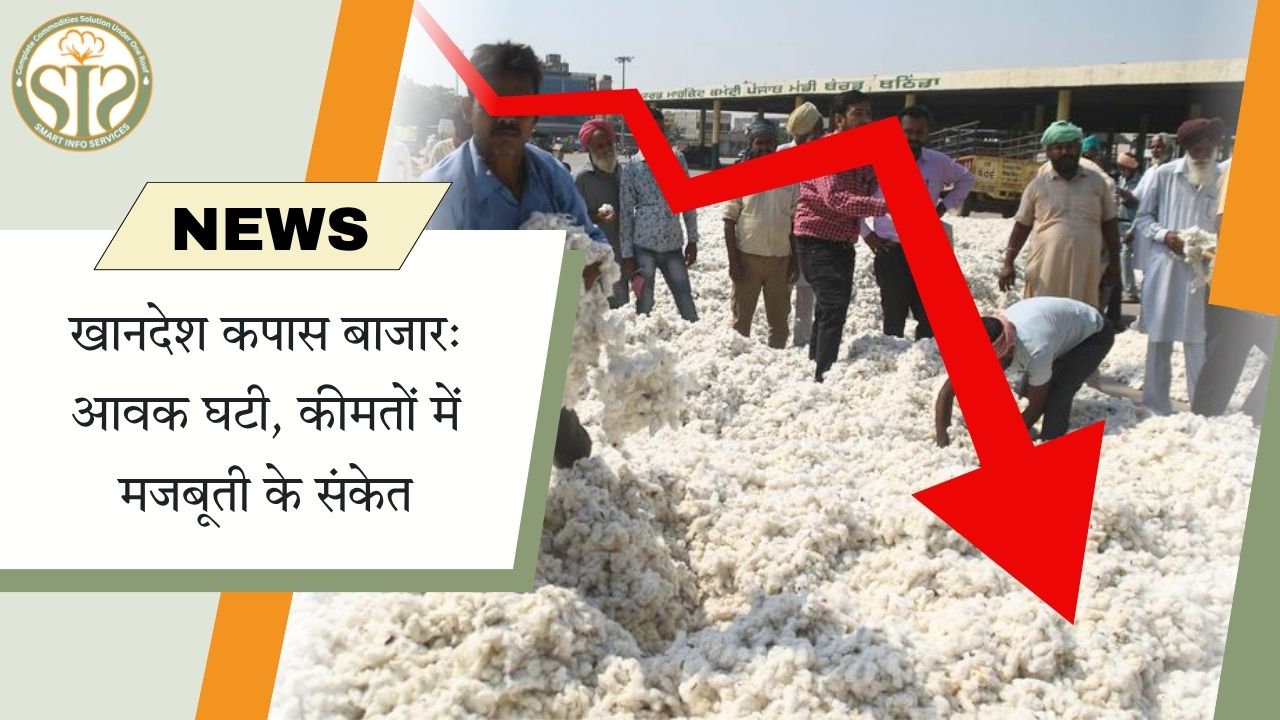
खानदेश कपास बाजार: आवक घटी, कीमतों में मजबूती के संकेतखानदेश क्षेत्र में कपास बाजार इस समय सीमित आवक और घटते उत्पादन के चलते सुर्खियों में है। मौजूदा हालात में देशभर में रोजाना करीब 3,000 से 3,500 क्विंटल कपास की आवक हो रही है, जो पिछले सीजन की तुलना में काफी कम है। कम सप्लाई के कारण बाजार में कीमतों में धीरे-धीरे सुधार देखने को मिल रहा है।सीजन की शुरुआत (अक्टूबर मध्य) में जहां प्रतिदिन 6,000 से 7,000 गांठ कपास बाजार में आ रही थी, वहीं अब आवक में तेज गिरावट दर्ज की गई है। विशेषज्ञों के अनुसार, इस साल कपास की खेती में कमी, फसल पर बीमारी और भारी बारिश के कारण उत्पादन प्रभावित हुआ है।ग्रामीण स्तर पर कपास की अधिकतम खरीद दर फिलहाल ₹8,000 प्रति क्विंटल के आसपास है, लेकिन किसानों के पास स्टॉक कम होने के कारण वे इस कीमत का पूरा लाभ नहीं उठा पा रहे हैं। अधिकांश किसान फरवरी और मार्च के मध्य में ही अपनी उपज बेच चुके हैं, जिससे अब बाजार में आपूर्ति और घट गई है।आने वाले 10 से 15 दिनों में आवक घटकर 1,500 से 2,000 क्विंटल तक सीमित रहने का अनुमान है। यही वजह है कि कीमतों में बड़ी गिरावट की संभावना कम मानी जा रही है।खानदेश और आसपास के क्षेत्रों में कम आवक का असर जिनिंग और प्रेसिंग यूनिट्स पर भी पड़ रहा है, जहां कामकाज धीमा हो गया है। अलग-अलग क्षेत्रों में कीमतों में भिन्नता देखी जा रही है, लेकिन अच्छी गुणवत्ता वाले कपास के लिए ₹8,000 प्रति क्विंटल का स्तर बना हुआ है।उत्पादन के मोर्चे पर स्थिति और चिंताजनक है। इस वर्ष कई इलाकों में प्रति एकड़ सिर्फ 80 किलो से 1 क्विंटल तक ही उत्पादन हुआ है। भारी बारिश ने फसल को व्यापक नुकसान पहुंचाया है, जिससे कुल उत्पादन में बड़ी गिरावट दर्ज की जा रही है। अनुमान है कि खानदेश में इस बार 20 लाख गांठ उत्पादन का लक्ष्य भी हासिल नहीं हो पाएगा।कुल मिलाकर, कम उत्पादन और सीमित आवक के कारण कपास बाजार में फिलहाल मजबूती का रुख बना हुआ है, जबकि किसानों के पास स्टॉक की कमी एक प्रमुख चुनौती बनी हुई है।और पढ़ें:- कमजोर मांग से FY26 में कपड़ा-परिधान निर्यात घटा
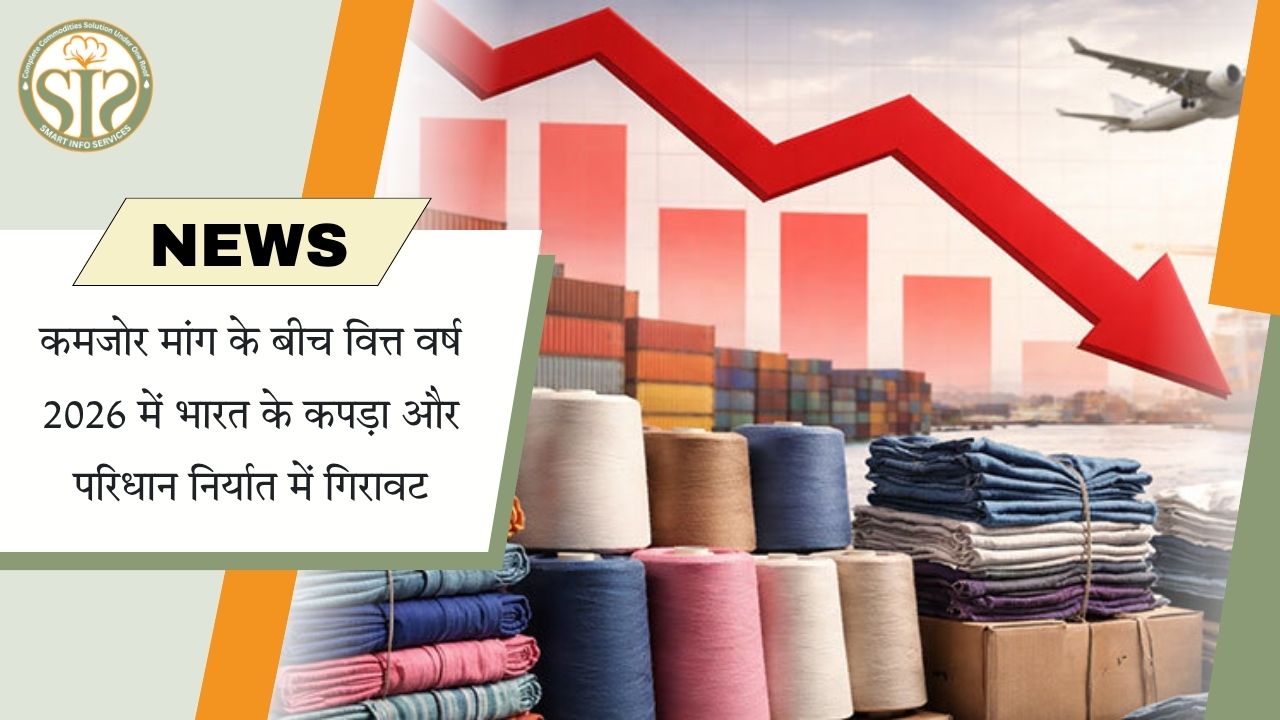
कमजोर मांग के बीच वित्त वर्ष 2026 में भारत के कपड़ा और परिधान निर्यात में गिरावटवाणिज्य मंत्रालय द्वारा जारी आंकड़ों के अनुसार, पिछले वित्तीय वर्ष की तुलना में FY26 में भारत के कपड़ा और परिधान निर्यात में 2.22% की गिरावट आई है। यह मंदी संयुक्त राज्य अमेरिका द्वारा उच्च टैरिफ लगाए जाने के एक साल बाद आई है, जिसने निर्यात प्रदर्शन को प्रभावित करना जारी रखा है।मार्च 2026 में, निर्यात में साल-दर-साल 14.02% की भारी गिरावट आई, जो कमजोर मांग और चल रहे व्यापार दबाव को दर्शाता है।भारतीय कपड़ा उद्योग परिसंघ के एक विस्तृत विश्लेषण से पता चलता है कि वित्त वर्ष 2026 के दौरान कपड़ा निर्यात में 2.86% की गिरावट आई, जबकि परिधान निर्यात में 1.36% की गिरावट आई। मार्च में मंदी और भी अधिक स्पष्ट थी, कपड़ा निर्यात में 9.91% की कमी आई और परिधान निर्यात में पिछले वर्ष की समान अवधि की तुलना में 18.99% की उल्लेखनीय कमी आई।कुल मिलाकर, मार्च 2026 के लिए संयुक्त कपड़ा और परिधान निर्यात में साल-दर-साल 14.02% की गिरावट दर्ज की गई।इस बीच, FY26 के दौरान कच्चे कपास के आयात में लगभग 55% की वृद्धि हुई। यह वृद्धि 28 अगस्त, 2025 से 31 दिसंबर, 2025 तक सीमित अवधि के लिए आयात शुल्क में ढील देने के सरकार के फैसले के बाद हुई।और पढ़ें:- रुपया 09 पैसे की बढ़त के साथ 93.28 पर खुला।

रुपया 09 पैसे बढ़कर 93.28/USD पर खुला.गुरुवार को भारतीय रुपया डॉलर के मुकाबले 09 पैसे बढ़कर 93.28 पर खुला, जबकि बुधवार को यह 93.37 पर बंद हुआ था।और पढ़ें :- रुपया 20 पैसे गिरा, डॉलर के मुकाबले 93.37 पर बंद हुआ।
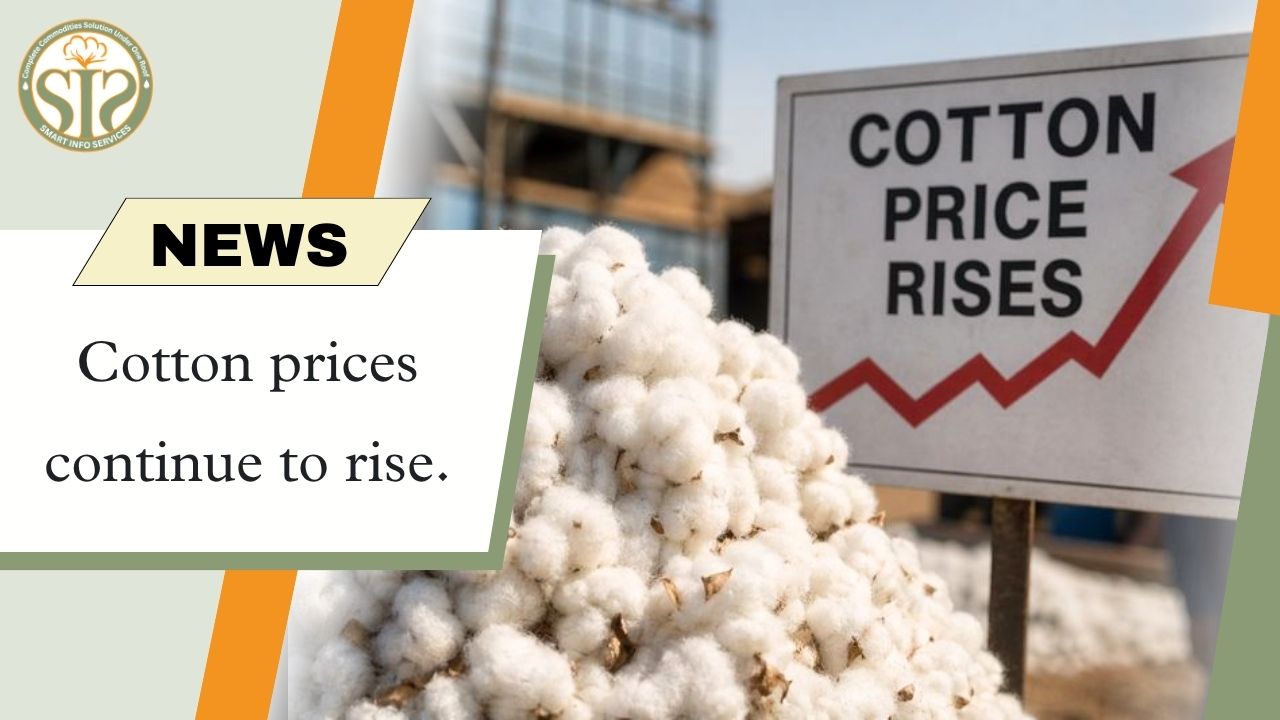
Cotton prices continue to rise.The Shankar 6 variety, widely grown in Gujarat, reached ₹60,500 per candy on Tuesday (April 21), about 8.5% higher than a month ago.According to the Indian Cotton Production and Consumption Committee, the country's production in the current cotton season (ending on September 30) is estimated to be around 291 lakh bales, which is about 0.42% less than the 2024-25 season. On the other hand, domestic consumption is likely to increase to 312 lakh bales, compared to 306 lakh bales last year.South India Mills Association President Durai Palanisamy said that in view of the shortage of cotton in the country, it is necessary to immediately review the import duty, so that the pressure on the textile industry can be reduced.According to Indian Cotton Federation Secretary Nishant Asher, global cotton futures prices are also seeing a rise. Prices for July delivery rose from 64.5 cents a pound to about 79.8 cents. Over the past three years the range has typically been between 64–70 cents.Global production is also expected to be 1.5–2.5 million bales lower than earlier estimates. Production may be affected due to less rainfall in major producing countries like America and Brazil, although the situation is not completely clear yet.Additionally, rising crude oil prices are making polyester costlier, shifting some demand in the textile industry towards cotton, further supporting prices.read more :- Delay in Cotton-Soybean Insurance Payments; Farmers Concerned
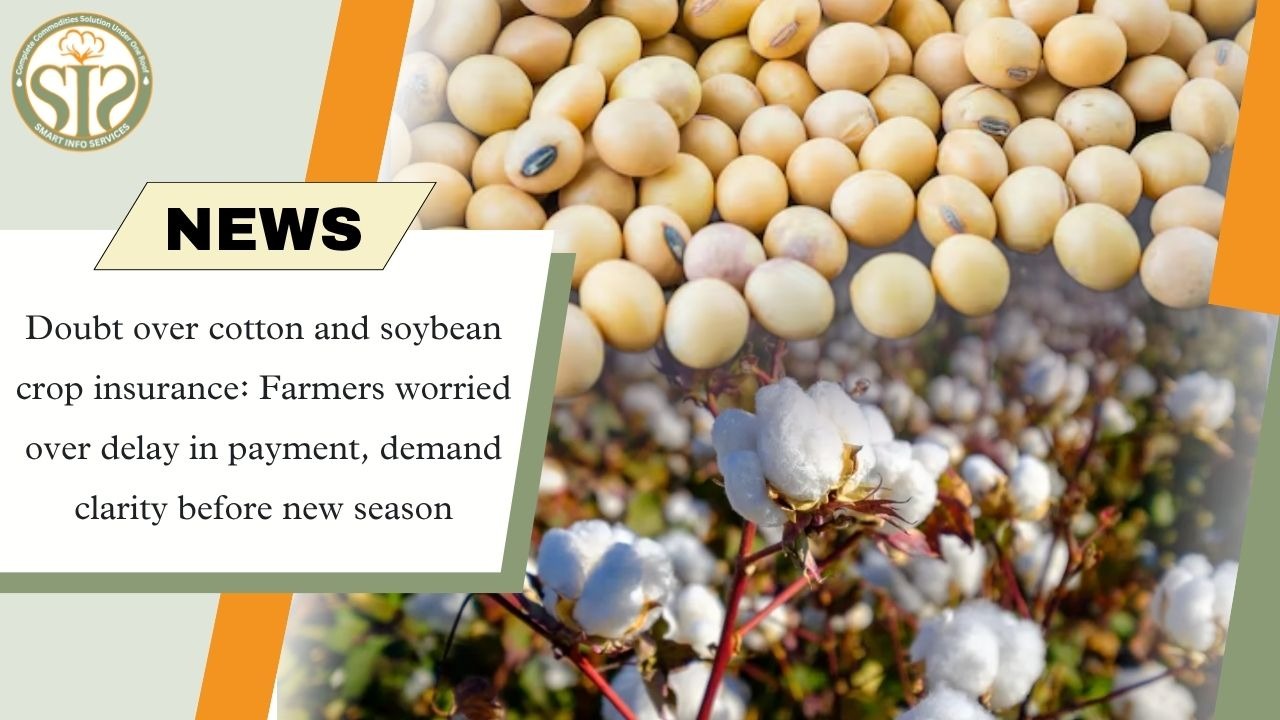
Doubt over cotton and soybean crop insurance: Farmers worried over delay in payment, demand clarity before new seasonDespite suffering huge losses to the cotton crop in the last Kharif season, farmers have not yet received the insurance amount. Due to this, thousands of farmers are raising the question that when will they get cotton crop insurance and how much compensation will they receive.The farmers who got crop insurance in Akola district have not yet got complete relief. Especially in the case of soybean insurance, compensation has been sanctioned only to farmers of two revenue divisions—Kurum and Lakhpuri, due to which the rest of the farmers are feeling deprived.1,31,415 farmers of the district had got soybean crop insured, but after getting limited benefits, now the farmers are eyeing cotton crop insurance. However, no clear announcement has been made yet regarding cotton insurance, due to which there is confusion.In the last Kharif season, 30,030 farmers of the district had insured cotton crops in about 28,101 hectare area. If seen at the taluka level, 3,372 farmers in Telhara, 7,558 in Akot, 2,479 in Balapur, 1,436 in Patur, 7,890 in Akola, 3,426 in Barshitakli (rainfall zone) and 3,869 in Murtijapur had got insurance.Last year, there was widespread damage to the cotton crop due to heavy rains and floods during the monsoon. In such a situation, farmers hope that they will get appropriate compensation in the form of insurance.Now that there is less than one and a half months left for the beginning of the new Kharif season, farmers are facing financial crisis due to delay in the insurance amount. If there was timely payment, farmers could prepare for seeds, fertilizers and other agricultural operations.Farmers demand that cotton crop insurance should be announced as soon as possible and fair compensation should be given to all eligible farmers. After limited profits in soybean insurance, concerns about cotton insurance have increased further. In such a situation, the administration is expected to take quick decisions and provide relief to the farmers.read more :- CCI's Cotton Sales Accelerate Amid Strong Demand; Prices Rise
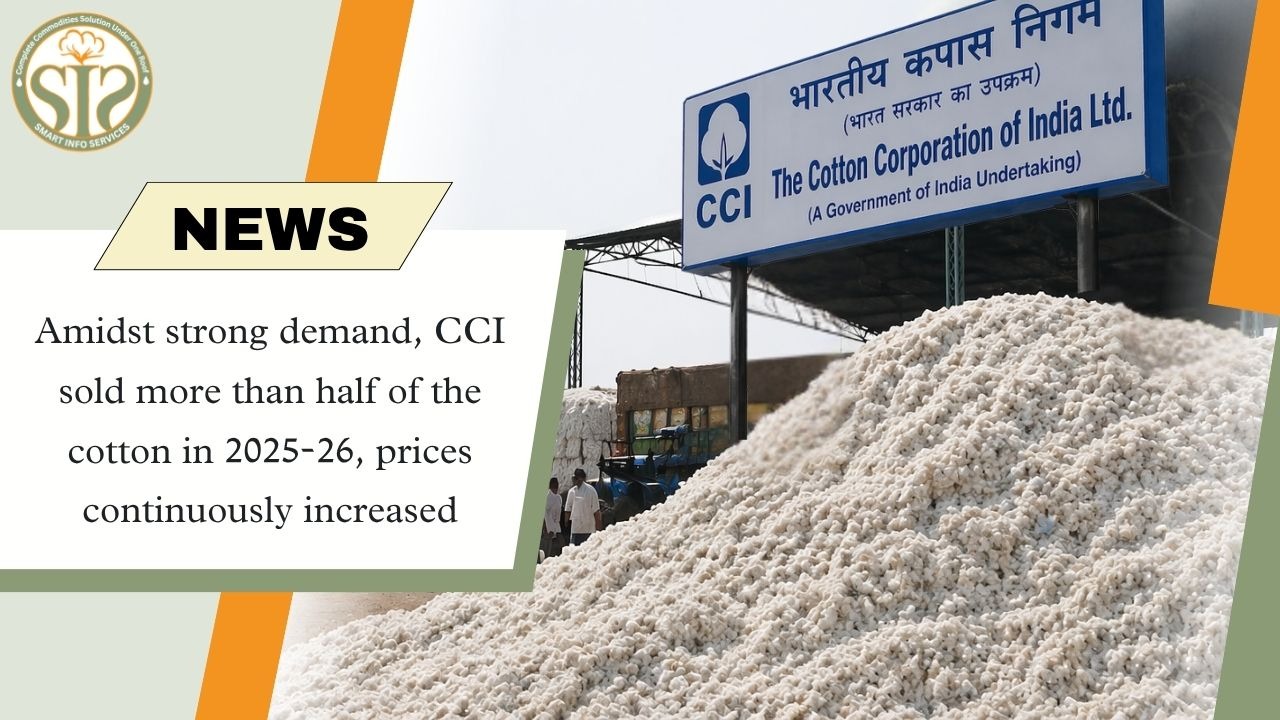
Amidst strong demand, CCI sold more than half of the cotton in 2025-26, prices continuously increasedDespite rising prices, state-run Cotton Corporation of India (CCI) has sold more than half of the cotton it purchased in the 2025-26 season due to strong demand from mills and traders.CCI procured 105 lakh bales (170 kg each) of cotton this season, up from 100.16 lakh bales last year. According to Chairman and Managing Director Lalit Kumar Gupta, more than 55 lakh bales of cotton had been sold till Monday. He said the steady offtake in the last two months reflects strong demand from mills and traders, even as global prices have risen.On Tuesday, CCI increased the selling price of cotton by ₹200 per candy (356 kg), taking the total increase this week to ₹800. Last week also the prices were increased by ₹1,500 per candy. Overall, prices have increased by more than ₹6,000 this season.Gupta said that from a low of around ₹55,000 per candy, the current prices have reached around ₹61,000 per candy. Despite this, he said CCI's prices are still the most competitive compared to the global market.International cotton prices have increased by more than 25 percent, while domestic prices have increased by 15-20 percent. Despite this, domestic rates are still 2-3 per cent lower than global prices, which are around ₹63,500-64,000 per candy.CCI's price revisions are in line with global market trends. International prices have registered an increase of about 30 percent since the beginning of March. Cotton futures on the Intercontinental Exchange (ICE) rose from about 62 cents a pound in early March to above 80 cents, hitting around 81 cents a pound for July delivery on Tuesday.Despite continuous price increases, CCI sales remain strong and its stock has come down to below 50 lakh bales. According to Gupta, demand from mills is still strong and yarn orders are booked for the next 3-4 months, hence mills will continue to procure as per their requirements.read more :- The rupee opened at 93.70 down 21 paise.

The rupee opened at 93.70 against the dollar, a decline of 21 paise.On Wednesday, the Indian rupee opened at 93.70 against the dollar—a decline of 21 paise—whereas it had closed at 93.49 on Tuesday.Read More :- Rupee fell 19 paise to close at 93.49 per dollar

The Indian rupee lower 19 paise to close at 93.49 per dollar on Tuesday, compared to its opening price of 93.30 in the morning.At close, the Sensex was up 753.03 points or 0.96 percent at 79,273.33, and the Nifty was up 211.75 points or 0.87 percent at 24,576.60. About 2407 shares advanced, 1702 shares declined, and 148 shares unchanged.read more :- Relief for Farmers: Green Signal for Sale of BT Cotton Seeds in Kharif 2026
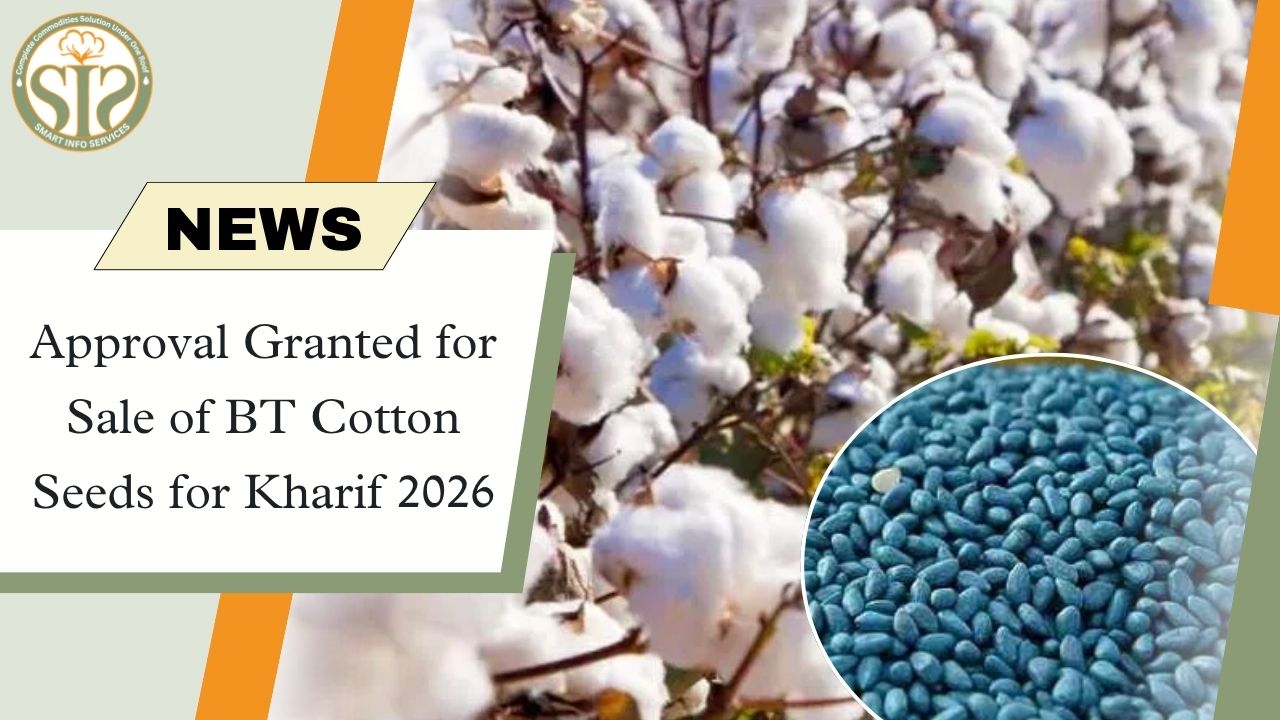
Approval Granted for Sale of BT Cotton Seeds for Kharif 2026Sri Ganganagar. The State Government has formally granted approval for the sale of BT cotton hybrid seeds within the state for the Kharif 2026 season. Under this decision, 34 authorized companies will be permitted to supply seeds in accordance with prescribed terms and conditions.According to Agriculture Commissioner Naresh Kumar Goyal, a complete ban has been imposed on the sale of seeds susceptible to Whitefly and Cotton Leaf Curl Virus in the districts of Sri Ganganagar, Hanumangarh, and Bikaner, in an effort to control the impact of these diseases.He further stated that companies are mandated to sell seeds strictly at prices fixed by the Central Government, and it will be mandatory to affix a QR code on every seed packet. With the convenience of farmers in mind, priority ranging from 15 to 20 percent will be accorded to the cooperative sector regarding seed supply.read more :- The rupee opened at 93.30 recording a decline of 18 paise.

The rupee opened at 93.30/USD down 18 paise.On Tuesday, the Indian rupee opened at 93.30 against the dollar a decline of 18 paise whereas it had closed at 93.12 on Monday.Read More :- Preparations for Cotton Sowing Underway in Alwar; Bumper Yield Expected

Preparations for cotton sowing intensified in Alwar, bumper yield expected due to scientific technologyAfter harvesting of Rabi crops in Alwar and Khairthal-Tijara, farmers have now intensified preparations for sowing cotton. According to agricultural experts, this time the main time for cotton sowing will be from the last week of April to the first week of May. The activities of sowing 'white gold' in the fields have started at a rapid pace.Farmers are doing deep plowing of the fields after harvesting mustard and wheat and paying special attention to maintaining moisture in the soil through paleva (irrigation). Agricultural experts say that the right level of moisture is very important for the germination and initial growth of cotton.This time farmers are giving priority to the use of local manure so that the quality of the soil is maintained and production capacity increases.Scientific suggestions for disease controlAgricultural scientists have advised special management to prevent root rot disease. In areas where this problem is prevalent, it is recommended to mix 6 kg zinc sulphate per bigha of soil before sowing.Apart from this, emphasis has been laid on the use of Trichoderma for biological control.It is beneficial to add 2.5 kg Trichoderma hargenium to the soil along with rotten cow dung manure.Seed treatment required at the rate of 10 grams Trichoderma per kilogram of seeds.Production will increase with improved varietiesAgricultural experts have advised farmers to adopt improved and certified varieties, which include RG-8, RG-18, HD. 123 more secrets are included. These varieties are more tolerant towards pests and are capable of giving better production. Emphasis on crop residue managementInstead of burning stubble, farmers have been advised to mix crop residues with the soil using rotavators or cultivators. This increases organic carbon in the soil and improves water holding capacity.Overall, with scientific technology and better agricultural management, good cotton production is expected in Alwar region this time.read more :- The rupee fell 30 paise to close at 93.12 against the US dollar.

On Monday, the Indian rupee weakened by 30 paise to close at 93.12 against the US dollar after opening at 92.82 in early trade.At close, the Sensex was up 26.76 points or 0.03 percent at 78,520.30, and the Nifty was up 11.30 points or 0.05 percent at 24,364.85. About 1733 shares advanced, 2471 shares declined, and 175 shares unchanged.read more :- CCI increases cotton prices, sales cross 2.93 lakh bales
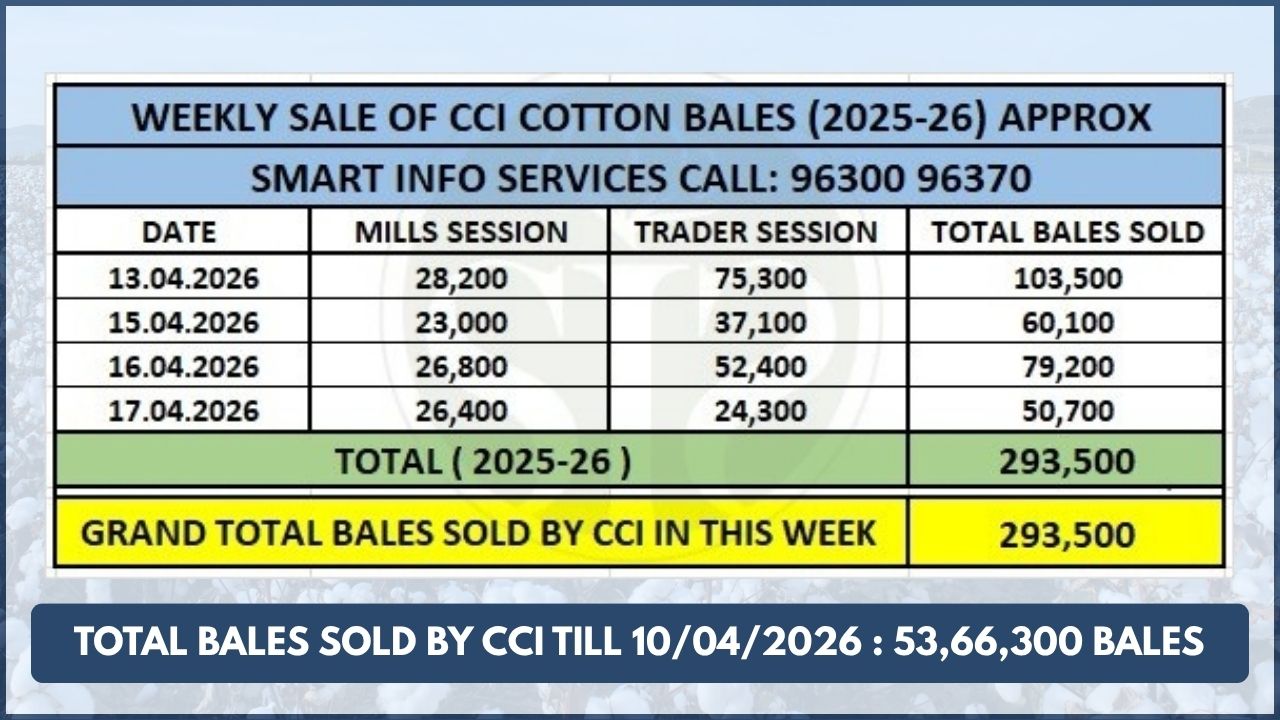
CCI Hikes Cotton Prices by ₹900- ₹1,500 per Candy; Weekly Auction Sales Cross 2.93 Lakh BalesThe Cotton Corporation of India (CCI) raised its cotton prices by ₹900- ₹1,500 per candy during previous week from April 13 to April 17, 2026, the auctions witnessed participation from mills and cotton traders, resulting in robust weekly sales of about 2,93,500 bales from the 2025–26 season.Day-wise Auction HighlightsApril 13 (Monday):The week began on a strong note, recording the highest single-day sale of 1,03,500 bales. Traders dominated purchases with 75,300 bales, while mills bought 28,200 bales.April 15 (Wednesday):Sales moderated to 60,100 bales. Mills purchased 23,000 bales, while traders accounted for 37,100 bales.April 16 (Thursday):Auction activity picked up again, with 79,200 bales sold. Mills purchased 26,800 bales, and traders bought 52,400 bales.April 17 (Friday):The week concluded with sales of 50,700 bales. Mills purchased 26,400 bales, while traders bought 24,300 bales.Cumulative Sales Update:2025–26 Season: 53,66,300 bales2024–25 Season: 98,85,100 bales

“White gold in crisis: Rapidly shrinking area of cotton cultivation in Maharashtra and changing attitude of farmers”Cotton cultivation, once known as “white gold” in the Marathwada and Vidarbha regions of Maharashtra, is now going through a serious crisis. In the areas which were once considered the major “cotton belt” of the country, especially Dharashiv and surrounding districts, the area under cotton is decreasing rapidly and in many places it is almost on the verge of extinction.The situation is extremely worrying in Dharashiv district, where cotton cultivation is now left in only 172 hectares of the 5.5 lakh hectare Kharif area. It has reached even lower levels in Kalamb taluka, where cotton is being grown in only 5 hectares out of 78,000 hectares. Where earlier this crop was mainly grown in thousands of hectares, now it has registered a decline of more than 99 percent. In other districts including Jalgaon, the area under cotton has been continuously decreasing for the last few years.Cotton, which became the major cash crop for farmers in the 1990s, is now proving to be a persistent loss-making business. Its cultivation costs around ₹ 35,000 per acre. Rising wage rates, a heavily labor-dependent harvesting system and rising expenditure on pesticides are increasing the burden on farmers. Invasion of pests like pink bollworm, irregular rainfall, climate change and declining soil fertility have further affected production.Although the government has consistently increased the minimum support price (MSP) of cotton—from ₹5,726 in 2021-22 to ₹7,521 in 2024-25—but farmers say the increase is not enough to keep up with rising costs. Many times the confidence of farmers has weakened due to getting lower prices than MSP in the market. Also the productivity in Maharashtra is only about 350 kg per hectare, which is less than the national average.Due to these circumstances, farmers are increasingly turning to crops like soybean and corn, because these have lower costs and yield income relatively quickly. The impact of the decline in cotton production is not limited to the fields only, but it is also affecting the ginning industry, employment and the supply chain of the textile industry.Experts believe that if policies like mechanization, better seeds, effective pest control and stable market prices are not addressed, this crop may completely disappear from many areas in the coming years.read more :- The rupee opened at 92.82, gaining 10 paise.

The rupee opened 10 paise higher at 92.82 against the dollar.On Monday, the Indian rupee opened 10 paise higher against the dollar at 92.82, whereas it had closed at 92.92 on Friday.Read More :- Seed Shortage Ahead of Cotton Sowing; Target of 2.9 Lakh Hectares at Risk
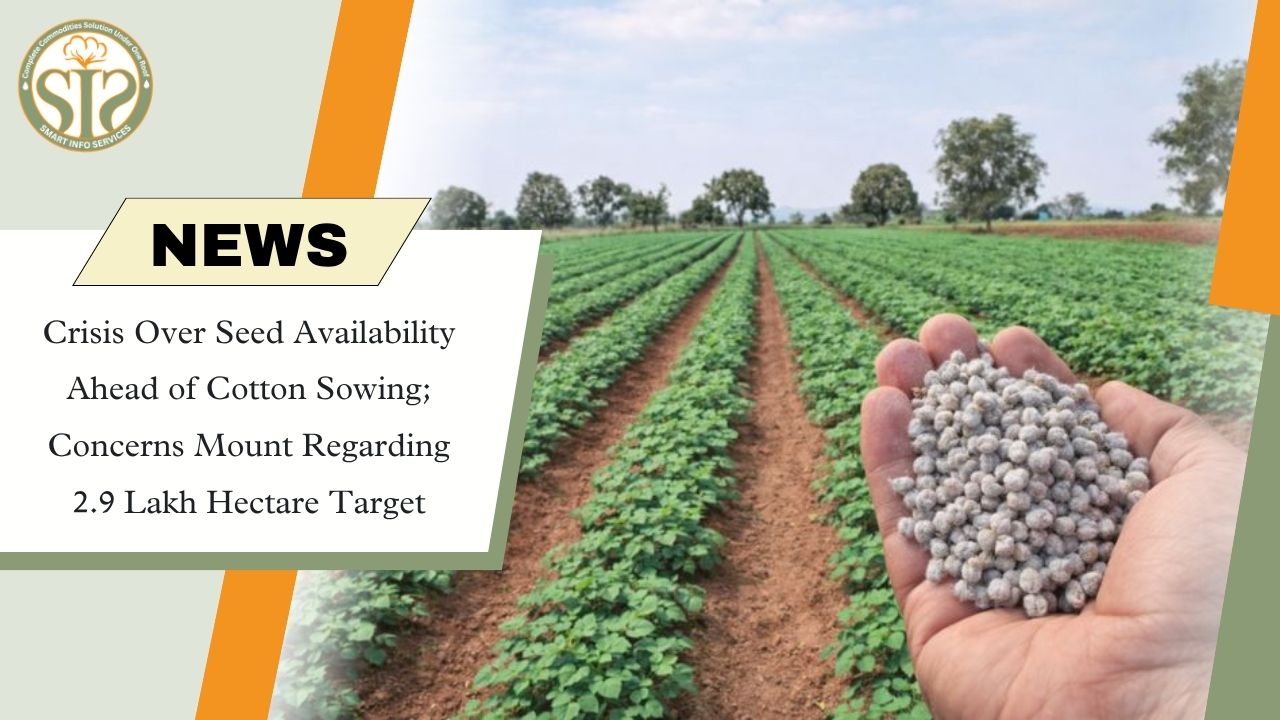
Crisis Over Seed Availability Ahead of Cotton Sowing; Concerns Mount Regarding 2.9 Lakh Hectare TargetThe onset of the Kharif season is imminent, and with the arrival of Akshaya Tritiya, cotton sowing is set to begin; however, the situation regarding the stocking and sale of seeds remains unclear this year. Uncertainty persists in the market as the administration has yet to issue the necessary permissions. The lack of timely guidelines has also heightened the risk of substandard and uncertified seeds finding their way into the market.Statistics from the Agriculture Department further underscore the gravity of this issue. Out of 783 seed samples collected over the past two years, 54 were found to be substandard—meaning approximately 7 percent of the seeds failed to meet quality standards. This situation indicates that low-quality seeds are already present in the market, posing a significant risk to farmers.This year, a target has been set to sow cotton across approximately 2.9 lakh hectares in the district. Given such substantial demand, the availability of seeds is critical; however, due to the lack of official authorization, the stocking and distribution of certified seeds have yet to commence. Consequently, farmers are in a state of confusion, and in many areas, they are heading to the market to purchase seeds without having access to accurate information.Proposed Crop Area for Kharif 2026For the Kharif 2026 season, sowing is proposed across a total area of 4.16 lakh hectares within the district. The major crops included are as follows:Maize: 77,000 hectares (the most prominent cereal crop)Total Cereal Crops: 78,000 hectaresPulses: 8,228 hectares (Black Gram, Green Gram, Pigeon Pea)Oilseeds: 80,000 hectares (Soybean accounts for over 78,000 hectares)Cotton: 290,000 hectares (the largest cash crop)Other Kharif and Horticultural Crops: 42,000 hectares*Threat to Production Posed by Substandard Seeds*Experts state that substandard seeds lead to reduced germination rates, hinder plant growth, and result in a decline in overall production, thereby causing direct financial losses to farmers. Complaints regarding such issues have surfaced in the district on previous occasions as well. Consequently, farmers are being advised to purchase seeds exclusively from authorized vendors and to ensure they obtain a proper receipt or bill for their purchase.If timely permissions and clear guidelines are not issued, the repercussions will extend beyond just production levels; they could also have a severe adverse impact on farmers' incomes.*Seed Scam Incidents Have Surfaced Previously*Farmers in the Khargone district previously suffered heavy losses due to substandard bitter gourd seeds. Forty-eight farmers had cultivated crops across approximately 100 acres using seeds procured from a high-tech greenhouse nursery in Sirlay village; however, the resulting yield was poor. The farmers allege that the 'Robusta' variety seeds supplied by the company BASF were defective. Despite the plants flowering, no fruits developed, and the entire crop was ruined.The farmers escalated their complaint regarding this matter all the way to the Union Minister of Agriculture, following which a case was registered against the concerned company at the Manawar Police Station in the Dhar district.read more :- Support to textile sector amid crisis

Preparation to provide relief to textile industry amid West Asia crisisNew Delhi: The Textiles Ministry is working on several relief measures to secure the supply of raw materials and reduce cost pressure amid the ongoing crisis in West Asia. The ministry has proposed reduction in import duty and some regulatory relaxations, so that the industry can maintain production and remain competitive in the global market.The proposed steps include reducing import duty on rayon pulp and select cotton varieties, as well as temporarily suspending anti-dumping duty on certain types of yarn. Besides this, the Ministry has also sought removal of Minimum Import Price (MIP) on certain knitted fabrics in talks with the Agriculture and Finance Ministries.According to an official, discussions are going on with the Agriculture Ministry regarding reduction in fees. While some parties are in favor of removing the duty due to inadequate production in the country, emphasis is also being laid on giving priority to the interests of farmers.Meanwhile, readymade garments exports declined 19% year-on-year in March due to supply constraints and shipping problems in West Asia. In such a situation, the government is encouraging the industry to move towards new markets in East Asia.It is noteworthy that last year the government had given exemption from 11% duty on cotton import for four months, so that the impact of American tariff could be balanced. India mainly imports special cotton varieties such as extra-long staple, often from the US and Egypt. At the same time, rayon pulp is mainly imported from Europe, on which currently there is a duty of 5%.Recently, the government has also given full customs duty exemption on 40 petrochemical products in view of the situation in West Asia, 29 of which are used in the textile industry, especially in the production of man-made fibres.Additionally, the Ministry is also in talks with the Finance Ministry for removal or deferment of the proposed anti-dumping duty on Elastomeric Fiber Yarn and Viscose Rayon Filament Yarn. These products are mainly imported from China and Singapore.read more :- Rupee higher 02 paise to close at 92.92 per dollar

The Indian rupee on Friday higher 02 paise to close at 92.92 per dollar, while it opened at 92.94 in the morning.At close, the Sensex was up 504.86 points or 0.65 percent at 78,493.54, and the Nifty was up 156.80 points or 0.65 percent at 24,353.55. About 2906 shares advanced, 1233 shares declined, and 152 shares unchanged.read more :- The rupee opened at 92.94 gaining 25 paise.

The rupee opened at 92.94 against the dollar, up 25 paise.On Friday, the Indian rupee opened 25 paise higher against the dollar at 92.94, whereas it had closed at 93.19 on Thursday.Read More :- The rupee closed 09 paise higher against the dollar at 93.19

The Indian rupee on Thursday higher 09 paise to close at 93.19 per dollar, while it opened at 93.28 in the morning.At close, the Sensex was down 122.56 points or 0.16 percent at 77,988.68, and the Nifty was down 34.55 points or 0.14 percent at 24,196.75. About 2688 shares advanced, 1468 shares declined, and 128 shares unchanged.read more :- Khandesh Cotton: Low Arrivals, Strong Prices
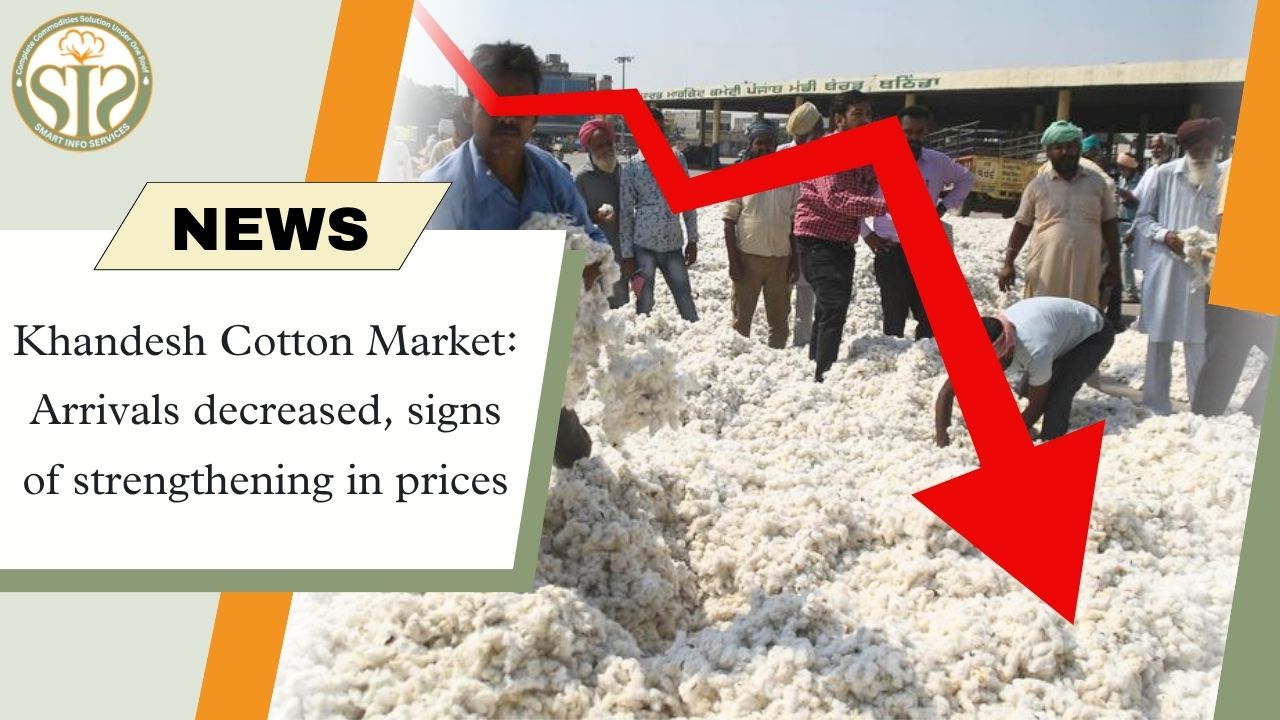
Khandesh Cotton Market: Arrivals decreased, signs of strengthening in pricesCotton market in Khandesh region is currently in the news due to limited arrivals and decreasing production. In the current situation, about 3,000 to 3,500 quintals of cotton are arriving daily across the country, which is much less as compared to the last season. Due to less supply, there is a gradual improvement in prices in the market.While at the beginning of the season (mid-October), 6,000 to 7,000 bales of cotton were arriving in the market every day, now a sharp decline has been recorded in the arrivals. According to experts, production has been affected this year due to reduction in cotton cultivation, disease on the crop and heavy rains.The maximum purchase rate of cotton at the rural level is currently around ₹ 8,000 per quintal, but due to less stock with the farmers, they are not able to take full advantage of this price. Most of the farmers have already sold their produce between February and March, due to which the supply in the market has further reduced.The arrival is expected to be limited to 1,500 to 2,000 quintals in the coming 10 to 15 days. This is the reason why the possibility of a major fall in prices is considered less.The low arrivals are also impacting ginning and pressing units in Khandesh and surrounding areas, where operations have slowed down. Variation in prices is being seen in different regions, but the level of ₹8,000 per quintal remains high for good quality cotton.The situation on the production front is more worrying. This year, in many areas the production has been only 80 kg to 1 quintal per acre. Heavy rains have caused widespread damage to the crop, leading to a major decline in total production. It is estimated that this time the target of producing 20 lakh bales will not be achieved in Khandesh.Overall, the cotton market currently remains bullish due to low production and limited arrivals, while stock shortage remains a major challenge for farmers.read more :- Textile-apparel exports decline in FY26 due to weak demand

India’s Textile & Apparel Exports Slip in FY26 Amid Weak DemandIndia’s textile and apparel exports declined by 2.22% in FY26 compared to the previous fiscal year, according to data released by the Ministry of Commerce. The downturn comes a year after the United States imposed higher tariffs, which have continued to impact export performance.In March 2026, exports fell sharply by 14.02% year-on-year, reflecting weakening demand and ongoing trade pressures.A detailed analysis by the Confederation of Indian Textile Industries shows that textile exports dropped by 2.86% during FY26, while apparel exports declined by 1.36%. The slowdown was even more pronounced in March, with textile exports decreasing by 9.91% and apparel exports contracting significantly by 18.99% compared to the same period last year.Overall, the combined textile and apparel exports for March 2026 recorded a year-on-year decline of 14.02%.Meanwhile, raw cotton imports surged by nearly 55% during FY26. This increase followed the government’s decision to ease import duties for a limited period, from August 28, 2025, to December 31, 2025.read more :- The rupee opened at 93.28, gaining 09 paise.

The rupee opened at 93.28/USD, up 09 paise.On Thursday, the Indian rupee opened at 93.28 against the dollar, gaining 09 paise, whereas it had closed at 93.37 on Wednesday.READ MORE :- Rupee Drops 20 Paise, Ends at 93.37 Against Dollar
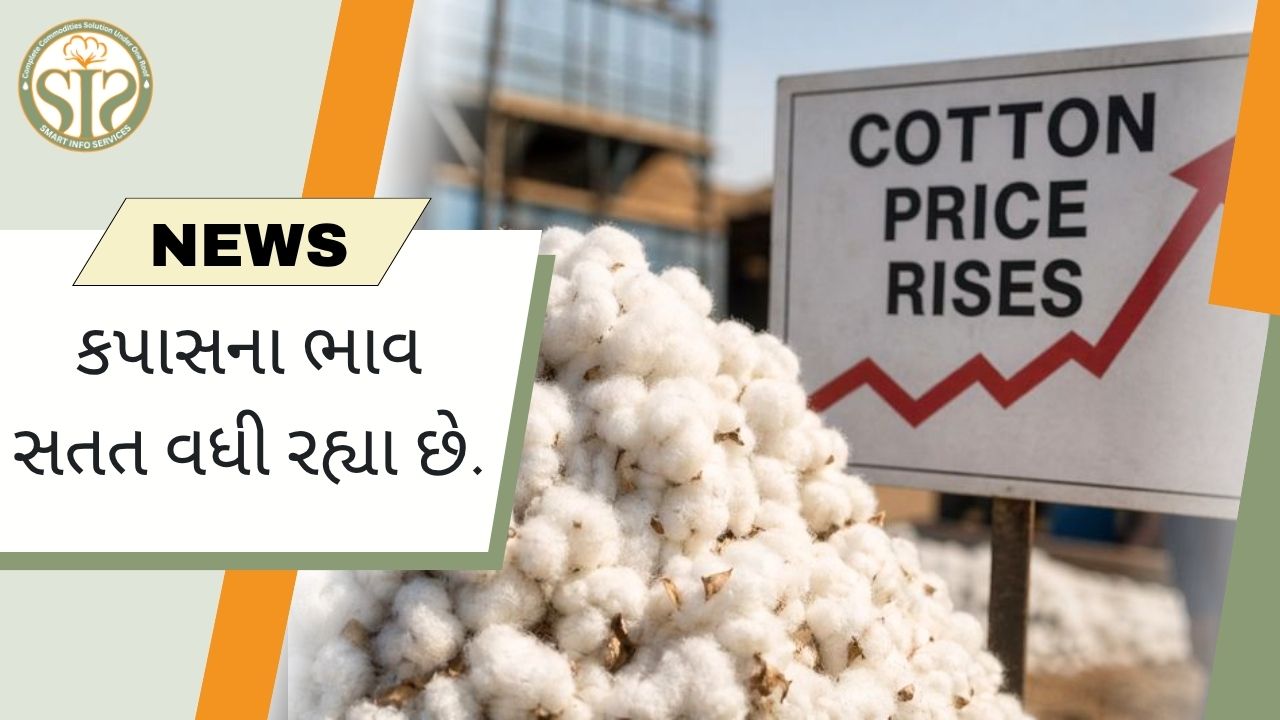
કપાસના ભાવ સતત વધી રહ્યા છે.ગુજરાતમાં વ્યાપકપણે ઉગાડવામાં આવતી શંકર 6 જાત મંગળવાર (21 એપ્રિલ)ના રોજ પ્રતિ કેન્ડી ₹60,500 સુધી પહોંચી હતી, જે એક મહિના પહેલા કરતા લગભગ 8.5% વધારે છે.ભારતીય કપાસ ઉત્પાદન અને વપરાશ સમિતિના જણાવ્યા અનુસાર, વર્તમાન કપાસની સિઝનમાં (30 સપ્ટેમ્બરના રોજ સમાપ્ત થાય છે) દેશનું ઉત્પાદન આશરે 291 લાખ ગાંસડી હોવાનો અંદાજ છે, જે 2024-25ની સિઝન કરતાં લગભગ 0.42% ઓછું છે. બીજી તરફ સ્થાનિક વપરાશ વધીને 312 લાખ ગાંસડી થવાની શક્યતા છે, જે ગયા વર્ષે 306 લાખ ગાંસડી હતી.સાઉથ ઈન્ડિયા મિલ્સ એસોસિએશનના પ્રમુખ દુરઈ પલાનીસામીએ કહ્યું કે દેશમાં કપાસની અછતને જોતા આયાત ડ્યૂટીની તાત્કાલિક સમીક્ષા કરવી જરૂરી છે, જેથી ટેક્સટાઈલ ઉદ્યોગ પરનું દબાણ ઓછું થઈ શકે.ભારતીય કોટન ફેડરેશનના સેક્રેટરી નિશાંત આશરના જણાવ્યા અનુસાર વૈશ્વિક કપાસના વાયદાના ભાવમાં પણ વધારો જોવા મળી રહ્યો છે. જુલાઈ ડિલિવરી માટેના ભાવ 64.5 સેન્ટ પ્રતિ પાઉન્ડથી વધીને લગભગ 79.8 સેન્ટ થયા હતા. છેલ્લા ત્રણ વર્ષોમાં રેન્જ સામાન્ય રીતે 64-70 સેન્ટની વચ્ચે રહી છે.વૈશ્વિક ઉત્પાદન પણ અગાઉના અંદાજ કરતાં 1.5-2.5 મિલિયન ગાંસડી ઓછું રહેવાની ધારણા છે. અમેરિકા અને બ્રાઝિલ જેવા મુખ્ય ઉત્પાદક દેશોમાં ઓછા વરસાદને કારણે ઉત્પાદન પ્રભાવિત થઈ શકે છે, જો કે હજુ સુધી સ્થિતિ સંપૂર્ણપણે સ્પષ્ટ નથી.વધુમાં, ક્રૂડ ઓઈલના વધતા ભાવ પોલિએસ્ટરને મોંઘા કરી રહ્યા છે, જે કાપડ ઉદ્યોગમાં કપાસ તરફની કેટલીક માંગને વધુ ટેકો આપતા ભાવ તરફ વળે છે.વધુ વાંચો :- કપાસ-સોયાબીન વીમા ચુકવણીમાં વિલંબ; ખેડૂતો ચિંતિત
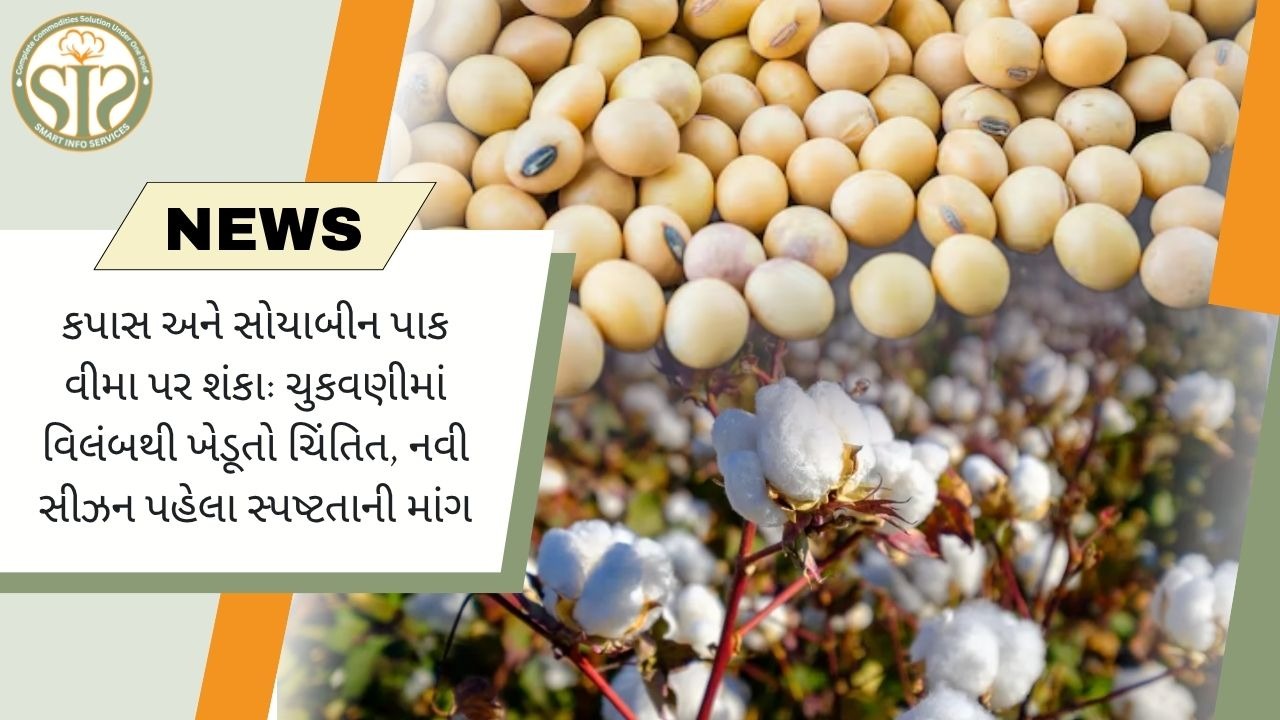
કપાસ અને સોયાબીન પાક વીમા પર શંકા: ચુકવણીમાં વિલંબથી ખેડૂતો ચિંતિત, નવી સીઝન પહેલા સ્પષ્ટતાની માંગ*ગત ખરીફ સિઝનમાં કપાસના પાકને ભારે નુકસાન થયું હોવા છતાં ખેડૂતોને હજુ સુધી વીમાની રકમ મળી નથી. જેના કારણે હજારો ખેડૂતોને કપાસનો પાક વિમો ક્યારે મળશે અને કેટલું વળતર મળશે તેવો પ્રશ્ન ઉઠી રહ્યો છે.અકોલા જિલ્લામાં પાક વીમો મેળવનાર ખેડૂતોને હજુ સંપૂર્ણ રાહત મળી નથી. ખાસ કરીને સોયાબીન વીમાના કિસ્સામાં, માત્ર બે મહેસૂલ વિભાગ-કુરુમ અને લખપુરીના ખેડૂતોને વળતર મંજૂર કરવામાં આવ્યું છે, જેના કારણે બાકીના ખેડૂતો વંચિત અનુભવી રહ્યા છે.જિલ્લાના 1,31,415 ખેડૂતોએ સોયાબીનનો પાક વીમો લીધો હતો, પરંતુ મર્યાદિત લાભ મળતાં હવે ખેડૂતોની નજર કપાસના પાક વીમા પર છે. જોકે, કપાસના વીમા અંગે હજુ સુધી કોઈ સ્પષ્ટ જાહેરાત કરવામાં આવી નથી, જેના કારણે મૂંઝવણ છે.ગત ખરીફ સિઝનમાં જિલ્લાના 30,030 ખેડૂતોએ આશરે 28,101 હેક્ટર વિસ્તારમાં કપાસના પાકનો વીમો લીધો હતો. તાલુકા કક્ષાએ જોવામાં આવે તો તેલ્હારામાં 3,372, અકોટમાં 7,558, બાલાપુરમાં 2,479, પાતુરમાં 1,436, અકોલામાં 7,890, બાર્શીતાકલી (વરસાદ ઝોન)માં 3,426 અને મૂર્તિજાપુરમાં 3,869 ખેડૂતોએ વીમો મેળવ્યો હતો.ગત વર્ષે ચોમાસા દરમિયાન ભારે વરસાદ અને પૂરના કારણે કપાસના પાકને વ્યાપક નુકસાન થયું હતું. આવી સ્થિતિમાં ખેડૂતોને આશા છે કે તેમને વીમાના રૂપમાં યોગ્ય વળતર મળશે.નવી ખરીફ સિઝનની શરૂઆત આડે હવે દોઢ મહિનાથી પણ ઓછો સમય બાકી છે ત્યારે વીમાની રકમમાં વિલંબને કારણે ખેડૂતો આર્થિક સંકટનો સામનો કરી રહ્યા છે. જો સમયસર ચુકવણી કરવામાં આવી હોત, તો ખેડૂતો બિયારણ, ખાતર અને અન્ય કૃષિ કામગીરી માટે તૈયારી કરી શકે છે.ખેડૂતોની માંગ છે કે કપાસનો પાક વીમો વહેલી તકે જાહેર કરવામાં આવે અને તમામ પાત્ર ખેડૂતોને યોગ્ય વળતર આપવામાં આવે. સોયાબીન વીમામાં મર્યાદિત નફા બાદ કપાસના વીમાની ચિંતા વધુ વધી છે. આવી સ્થિતિમાં વહીવટીતંત્ર ઝડપથી નિર્ણય લઈને ખેડૂતોને રાહત આપે તેવી અપેક્ષા છે.વધુ વાંચો :- મજબૂત માંગ વચ્ચે CCI ના કપાસના વેચાણમાં વધારો; ભાવમાં વધારો
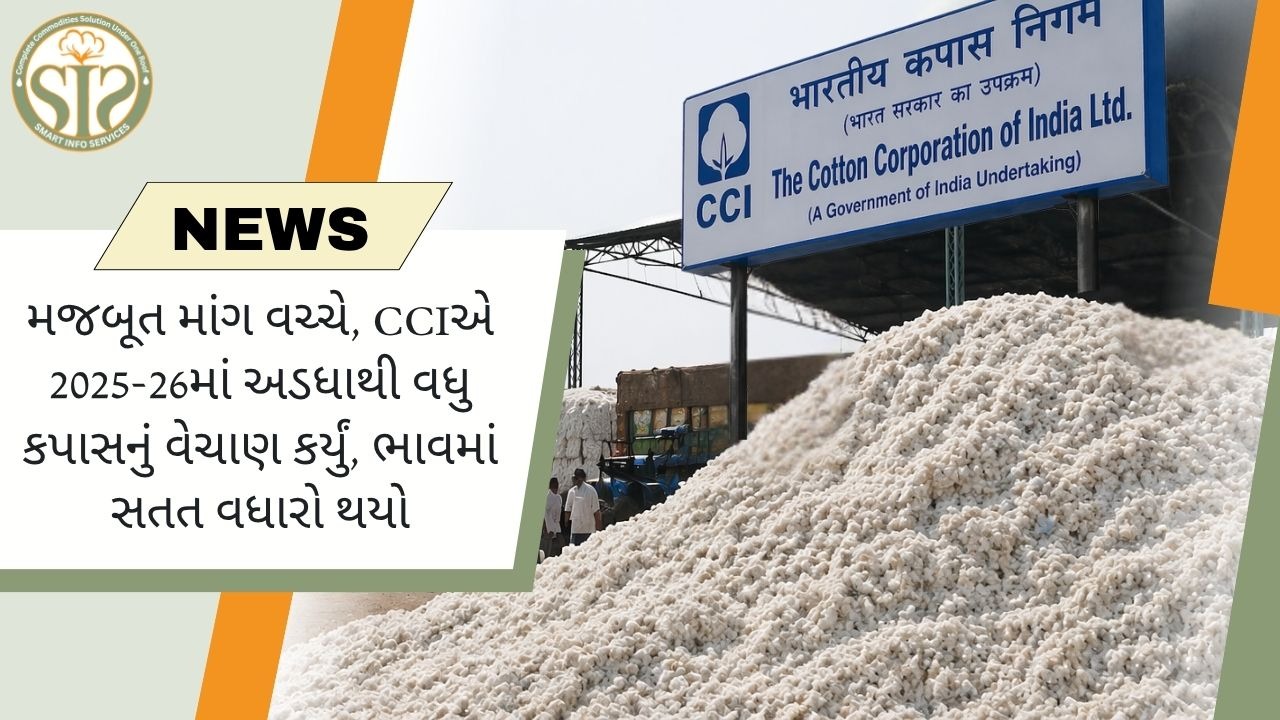
મજબૂત માંગ વચ્ચે, CCIએ 2025-26માં અડધાથી વધુ કપાસનું વેચાણ કર્યું, ભાવમાં સતત વધારો થયોવધતી કિંમતો છતાં, મિલો અને વેપારીઓની મજબૂત માંગને કારણે રાજ્ય સંચાલિત કોટન કોર્પોરેશન ઓફ ઈન્ડિયા (CCI) એ 2025-26 સિઝનમાં ખરીદેલા કપાસમાંથી અડધાથી વધુનું વેચાણ કર્યું છે.CCIએ આ સિઝનમાં 105 લાખ ગાંસડી (દરેક 170 કિલો) કપાસની ખરીદી કરી હતી, જે ગયા વર્ષે 100.16 લાખ ગાંસડી હતી. ચેરમેન અને મેનેજિંગ ડિરેક્ટર લલિત કુમાર ગુપ્તાના જણાવ્યા અનુસાર, સોમવાર સુધીમાં રૂની 55 લાખથી વધુ ગાંસડીનું વેચાણ થયું હતું. તેમણે જણાવ્યું હતું કે વૈશ્વિક ભાવમાં વધારો થયો હોવા છતાં, છેલ્લા બે મહિનામાં સતત ખરીદી મિલો અને વેપારીઓની મજબૂત માંગ દર્શાવે છે.મંગળવારે, CCI એ કેન્ડી (356 kg) દીઠ કપાસના વેચાણના ભાવમાં ₹200નો વધારો કર્યો હતો, જે આ સપ્તાહે કુલ વધારો ₹800 થયો હતો. ગયા અઠવાડિયે પણ કેન્ડી દીઠ ભાવમાં ₹1,500નો વધારો કરવામાં આવ્યો હતો. એકંદરે, આ સિઝનમાં કિંમતોમાં ₹6,000 થી વધુનો વધારો થયો છે.ગુપ્તાએ જણાવ્યું હતું કે કેન્ડી દીઠ આશરે ₹55,000ના નીચા ભાવથી વર્તમાન ભાવ કેન્ડી દીઠ ₹61,000ની આસપાસ પહોંચી ગયા છે. આ હોવા છતાં, તેમણે કહ્યું કે CCIના ભાવ હજુ પણ વૈશ્વિક બજારની સરખામણીમાં સૌથી વધુ સ્પર્ધાત્મક છે.આંતરરાષ્ટ્રીય કપાસના ભાવમાં 25 ટકાથી વધુનો વધારો થયો છે જ્યારે સ્થાનિક ભાવમાં 15-20 ટકાનો વધારો થયો છે. આ હોવા છતાં, સ્થાનિક ભાવ હજુ પણ વૈશ્વિક કિંમતો કરતા 2-3 ટકા ઓછા છે, જે કેન્ડી દીઠ આશરે ₹63,500-64,000 છે.CCI ના ભાવ સુધારણા વૈશ્વિક બજારના વલણો સાથે સુસંગત છે. માર્ચની શરૂઆતથી આંતરરાષ્ટ્રીય કિંમતોમાં લગભગ 30 ટકાનો વધારો નોંધાયો છે. ઇન્ટરકોન્ટિનેન્ટલ એક્સચેન્જ (ICE) પર કોટન વાયદો માર્ચની શરૂઆતમાં આશરે 62 સેન્ટ પ્રતિ પાઉન્ડથી વધીને 80 સેન્ટથી ઉપર હતો, જે મંગળવારે જુલાઈ ડિલિવરી માટે લગભગ 81 સેન્ટ પ્રતિ પાઉન્ડને સ્પર્શ્યો હતો.સતત ભાવ વધારા છતાં, CCIનું વેચાણ મજબૂત રહ્યું છે અને તેનો સ્ટોક 50 લાખ ગાંસડીની નીચે આવી ગયો છે. ગુપ્તાના જણાવ્યા અનુસાર, મિલોની માંગ હજુ પણ મજબૂત છે અને આગામી 3-4 મહિના માટે યાર્નના ઓર્ડર બુક થઈ ગયા છે, તેથી મિલો તેમની જરૂરિયાતો અનુસાર ખરીદી કરવાનું ચાલુ રાખશે.વધુ વાંચો :- રૂપિયો ૨૧ પૈસા ઘટીને ૯૩.૭૦ પર ખુલ્યો.

ડોલર સામે રૂપિયો ૨૧ પૈસા ઘટીને ૯૩.૭૦ પર ખુલ્યો.બુધવારે, ભારતીય રૂપિયો ડોલર સામે ૯૩.૭૦ પર ખુલ્યો - ૨૧ પૈસા ઘટીને - જ્યારે મંગળવારે તે ૯૩.૪૯ પર બંધ થયો હતો.વધુ વાંચો :- ડોલર દીઠ રૂપિયો 19 પૈસા ઘટીને 93.49 પર બંધ થયો.

મંગળવારે ભારતીય રૂપિયો 19 પૈસા ઘટીને 93.49 પ્રતિ ડોલર પર બંધ થયો, જે સવારે 93.30 ના પ્રારંભિક ભાવથી સંબંધિત હતો.બંધ સમયે, સેન્સેક્સ 753.03 પોઈન્ટ અથવા 0.96 ટકા વધીને 79,273.33 પર અને નિફ્ટી 211.75 પોઈન્ટ અથવા 0.87 ટકા વધીને 24,576.60 પર બંધ થયો હતો. લગભગ 2407 શેર વધ્યા, 1702 શેર ઘટ્યા અને 148 શેર યથાવત રહ્યા.વધુ વાંચો :- ખેડૂતો માટે રાહત: ખરીફ 2026 માં બીટી કપાસના બીજના વેચાણ માટે લીલી ઝંડી
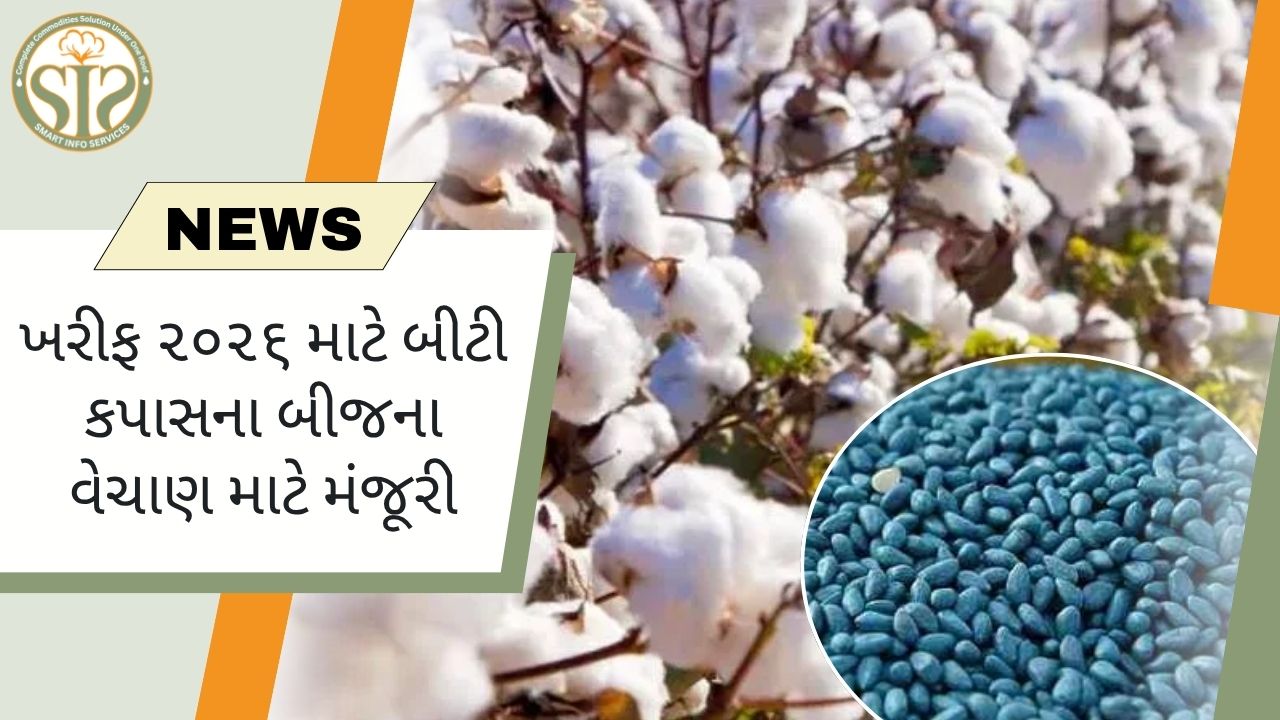
ખરીફ ૨૦૨૬ માટે બીટી કપાસના બીજના વેચાણ માટે મંજૂરીશ્રી ગંગાનગર. રાજ્ય સરકારે ખરીફ ૨૦૨૬ સીઝન માટે રાજ્યમાં બીટી કપાસના હાઇબ્રિડ બીજના વેચાણ માટે ઔપચારિક મંજૂરી આપી છે. આ નિર્ણય હેઠળ, ૩૪ અધિકૃત કંપનીઓને નિર્ધારિત નિયમો અને શરતો અનુસાર બીજ સપ્લાય કરવાની પરવાનગી આપવામાં આવશે.કૃષિ કમિશનર નરેશ કુમાર ગોયલના જણાવ્યા અનુસાર, શ્રી ગંગાનગર, હનુમાનગઢ અને બિકાનેર જિલ્લાઓમાં સફેદ માખી અને કપાસના લીફ કર્લ વાયરસ માટે સંવેદનશીલ બીજના વેચાણ પર સંપૂર્ણ પ્રતિબંધ લાદવામાં આવ્યો છે, જેથી આ રોગોની અસરને નિયંત્રિત કરી શકાય.તેમણે વધુમાં જણાવ્યું હતું કે કંપનીઓને કેન્દ્ર સરકાર દ્વારા નિર્ધારિત ભાવે બીજ વેચવાનો આદેશ આપવામાં આવ્યો છે, અને દરેક બીજ પેકેટ પર QR કોડ લગાવવો ફરજિયાત રહેશે. ખેડૂતોની સુવિધાને ધ્યાનમાં રાખીને, બીજ સપ્લાય અંગે સહકારી ક્ષેત્રને ૧૫ થી ૨૦ ટકા સુધીની પ્રાથમિકતા આપવામાં આવશે.વધુ વાંચો :- રૂપિયો ૧૮ પૈસાના ઘટાડા સાથે ૯૩.૩૦ પર ખુલ્યો.

રૂપિયો ૧૮ પૈસાના ઘટાડા સાથે ૯૩.૩૦/USD પર ખુલ્યો.મંગળવારે, ભારતીય રૂપિયો ડોલર સામે ૯૩.૩૦ પર ખુલ્યો - ૧૮ પૈસાનો ઘટાડો - જ્યારે સોમવારે તે ૯૩.૧૨ પર બંધ થયો હતો.વધુ વાંચો :- અલવરમાં કપાસના વાવેતરની તૈયારીઓ ચાલી રહી છે; બમ્પર ઉપજની અપેક્ષા છે.
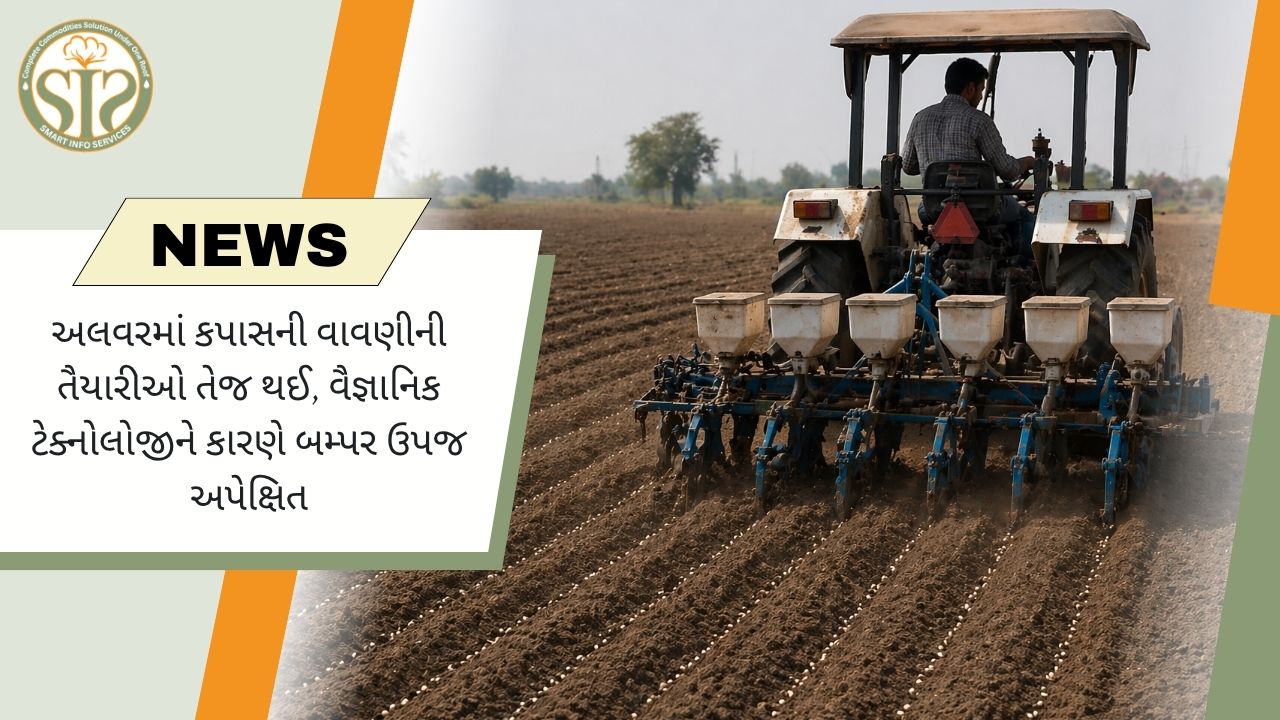
અલવરમાં કપાસની વાવણીની તૈયારીઓ તેજ થઈ, વૈજ્ઞાનિક ટેક્નોલોજીને કારણે બમ્પર ઉપજ અપેક્ષિતઅલવર અને ખૈરથલ-તિજારામાં રવિ પાકની લણણી બાદ ખેડૂતોએ હવે કપાસની વાવણીની તૈયારીઓ તેજ કરી દીધી છે. કૃષિ નિષ્ણાતોના મતે આ વખતે કપાસની વાવણીનો મુખ્ય સમય એપ્રિલના છેલ્લા સપ્તાહથી મેના પ્રથમ સપ્તાહનો રહેશે. ખેતરોમાં 'વ્હાઈટ ગોલ્ડ' વાવવાની પ્રવૃતિઓ તેજ ગતિએ શરૂ થઈ ગઈ છે.ખેડૂતો સરસવ અને ઘઉંની લણણી કર્યા પછી ખેતરોમાં ઊંડી ખેડાણ કરી રહ્યા છે અને પાલેવા (સિંચાઈ) દ્વારા જમીનમાં ભેજ જાળવવા પર વિશેષ ધ્યાન આપી રહ્યા છે. કૃષિ નિષ્ણાતો કહે છે કે કપાસના અંકુરણ અને પ્રારંભિક વૃદ્ધિ માટે ભેજનું યોગ્ય સ્તર ખૂબ જ મહત્વપૂર્ણ છે.આ વખતે ખેડૂતો સ્થાનિક ખાતરના ઉપયોગને પ્રાધાન્ય આપી રહ્યા છે જેથી જમીનની ગુણવત્તા જળવાઈ રહે અને ઉત્પાદન ક્ષમતા વધે.રોગ નિયંત્રણ માટે વૈજ્ઞાનિક સૂચનોકૃષિ વૈજ્ઞાનિકોએ મૂળના સડોના રોગને રોકવા માટે વિશેષ વ્યવસ્થાપનની સલાહ આપી છે. જે વિસ્તારોમાં આ સમસ્યા પ્રવર્તે છે ત્યાં વાવણી પહેલા 6 કિલો ઝીંક સલ્ફેટ પ્રતિ વીઘા જમીનમાં ભેળવવાની ભલામણ કરવામાં આવે છે.આ ઉપરાંત જૈવિક નિયંત્રણ માટે ટ્રાઇકોડર્માના ઉપયોગ પર ભાર મૂકવામાં આવ્યો છે.સડેલા છાણના ખાતરની સાથે જમીનમાં 2.5 કિલો ટ્રાઇકોડર્મા હાર્જેનિયમ ઉમેરવાથી ફાયદો થાય છે.પ્રતિ કિલોગ્રામ બીજ 10 ગ્રામ ટ્રાઇકોડર્મા ના દરે બીજ માવજત જરૂરી છે.સુધારેલી જાતોથી ઉત્પાદન વધશેકૃષિ નિષ્ણાતોએ ખેડૂતોને સુધારેલી અને પ્રમાણિત જાતો અપનાવવાની સલાહ આપી છે, જેમાં આરજી-8, આરજી-18, એચડીનો સમાવેશ થાય છે. 123 વધુ રહસ્યો સામેલ છે. આ જાતો જીવાતો પ્રત્યે વધુ સહનશીલ છે અને વધુ સારું ઉત્પાદન આપવામાં સક્ષમ છે. પાકના અવશેષોના વ્યવસ્થાપન પર ભારસ્ટબલ બાળવાને બદલે, ખેડૂતોને રોટાવેટર અથવા કલ્ટિવેટરનો ઉપયોગ કરીને પાકના અવશેષોને જમીન સાથે મિશ્રિત કરવાની સલાહ આપવામાં આવી છે. આનાથી જમીનમાં ઓર્ગેનિક કાર્બન વધે છે અને પાણી રાખવાની ક્ષમતામાં સુધારો થાય છે.એકંદરે, વૈજ્ઞાનિક તકનીક અને બહેતર કૃષિ વ્યવસ્થાપન સાથે, આ વખતે અલવર ક્ષેત્રમાં કપાસનું સારું ઉત્પાદન થવાની અપેક્ષા છે.વધુ વાંચો :- રૂપિયો અમેરિકન ડોલર સામે 30 પૈસા ઘટીને 93.12 પર બંધ થયો.

સોમવારે, ભારતીય રૂપિયો શરૂઆતના વેપારમાં 92.82 પર ખુલ્યા પછી, યુએસ ડોલર સામે 30 પૈસા નબળો પડીને 93.12 પર બંધ થયો.બંધ સમયે, સેન્સેક્સ 26.76 પોઈન્ટ અથવા 0.03 ટકા વધીને 78,520.30 પર અને નિફ્ટી 11.30 પોઈન્ટ અથવા 0.05 ટકા વધીને 24,364.85 પર બંધ થયો. લગભગ 1733 શેર વધ્યા, 2471 શેર ઘટ્યા અને 175 શેર યથાવત રહ્યા.વધુ વાંચો :- CCIએ કપાસના ભાવમાં વધારો કર્યો, વેચાણ 2.93 લાખ ગાંસડીને પાર
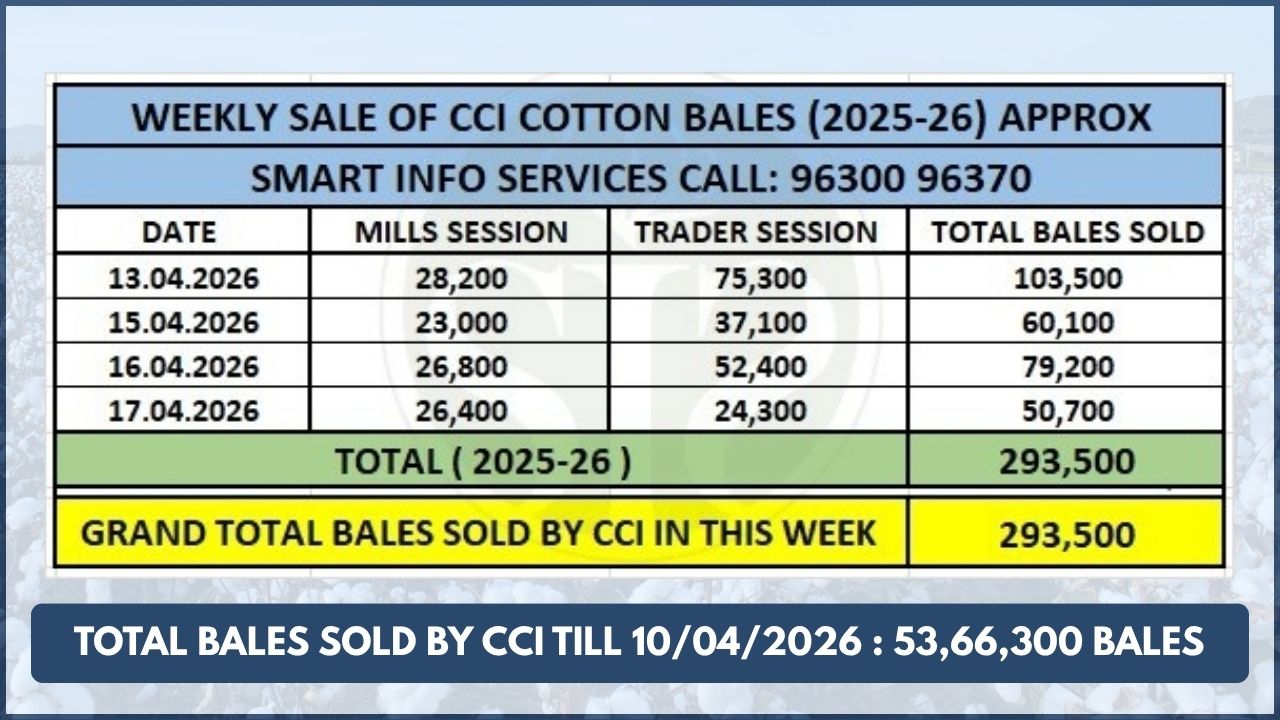
CCI એ કપાસના ભાવમાં પ્રતિ કેન્ડી ₹900–₹1,500 નો વધારો કર્યો; સાપ્તાહિક હરાજી વેચાણ 2.93 લાખ ગાંસડીથી વધુછેલ્લા અઠવાડિયા દરમિયાન - 13 એપ્રિલથી 17 એપ્રિલ, 2026 - કોટન કોર્પોરેશન ઓફ ઇન્ડિયા (CCI) એ કપાસના ભાવમાં પ્રતિ કેન્ડી ₹900 થી ₹1,500 નો વધારો કર્યો. મિલો અને કપાસના વેપારીઓએ આ હરાજીમાં ઉત્સાહપૂર્વક ભાગ લીધો, જેના પરિણામે 2025-26 સીઝનના સ્ટોકમાંથી આશરે 293,500 ગાંસડીનું સાપ્તાહિક વેચાણ થયું.*સાપ્તાહિક વેચાણ અહેવાલ:*13 એપ્રિલ (સોમવાર):સપ્તાહની શરૂઆત મજબૂત નોંધ સાથે થઈ, જેમાં 103,500 ગાંસડીનો સૌથી વધુ એક દિવસીય વેચાણનો આંકડો નોંધાયો. વેપારીઓએ ખરીદીમાં પ્રભુત્વ મેળવ્યું, 75,300 ગાંસડી ખરીદી, જ્યારે મિલોએ 28,200 ગાંસડી ખરીદી.15 એપ્રિલ (બુધવાર):વેચાણમાં થોડો ઘટાડો જોવા મળ્યો, જે 60,100 ગાંસડી પર સ્થિર થયો. મિલોએ 23,000 ગાંસડી ખરીદી હતી, જ્યારે વેપારીઓએ 37,100 ગાંસડી ખરીદી હતી.16 એપ્રિલ (ગુરુવાર):હરાજીની ગતિવિધિ ફરી એકવાર વેગ પકડ્યો, જેમાં 79,200 ગાંસડી વેચાઈ. મિલોએ 26,800 ગાંસડી ખરીદી હતી, અને વેપારીઓએ 52,400 ગાંસડી ખરીદી હતી.17 એપ્રિલ (શુક્રવાર):સપ્તાહ કુલ 50,700 ગાંસડી વેચાણ સાથે સમાપ્ત થયું. મિલોએ 26,400 ગાંસડી ખરીદી હતી, જ્યારે વેપારીઓએ 24,300 ગાંસડી ખરીદી હતી. *કુલ વેચાણ અપડેટ:*2025–26 સીઝન: 5,366,300 ગાંસડી2024–25 સીઝન: 9,885,100 ગાંસડી

"સંકટમાં સફેદ સોનું: મહારાષ્ટ્રમાં કપાસની ખેતીનો વિસ્તાર ઝડપથી ઘટી રહ્યો છે અને ખેડૂતોનું વલણ બદલાઈ રહ્યું છે"કપાસની ખેતી, જે એક સમયે મહારાષ્ટ્રના મરાઠવાડા અને વિદર્ભ પ્રદેશોમાં "સફેદ સોના" તરીકે જાણીતી હતી, તે હવે ગંભીર સંકટમાંથી પસાર થઈ રહી છે. જે વિસ્તારો એક સમયે દેશના મુખ્ય "કપાસનો પટ્ટો" ગણાતા હતા, ખાસ કરીને ધારાશિવ અને તેની આસપાસના જિલ્લાઓમાં, કપાસનો વિસ્તાર ઝડપથી ઘટી રહ્યો છે અને ઘણી જગ્યાએ તે લગભગ લુપ્ત થવાના આરે છે.ધારાશિવ જિલ્લામાં સ્થિતિ અત્યંત ચિંતાજનક છે, જ્યાં હવે 5.5 લાખ હેક્ટર ખરીફ વિસ્તારમાંથી માત્ર 172 હેક્ટરમાં જ કપાસનું વાવેતર બાકી છે. તે કલંબ તાલુકામાં પણ નીચા સ્તરે પહોંચી ગયું છે, જ્યાં 78,000 હેક્ટરમાંથી માત્ર 5 હેક્ટરમાં જ કપાસનું વાવેતર થાય છે. જ્યાં અગાઉ આ પાક મુખ્યત્વે હજારો હેક્ટરમાં ઉગાડવામાં આવતો હતો, હવે તેમાં 99 ટકાથી વધુનો ઘટાડો નોંધાયો છે. જલગાંવ સહિત અન્ય જિલ્લાઓમાં છેલ્લા કેટલાક સમયથી કપાસનો વાવેતર વિસ્તાર સતત ઘટી રહ્યો છે.કપાસ, જે 1990 ના દાયકામાં ખેડૂતો માટે મુખ્ય રોકડિયો પાક બન્યો હતો, તે હવે સતત ખોટ કરતો વ્યવસાય સાબિત થઈ રહ્યો છે. તેની ખેતીનો ખર્ચ લગભગ ₹35,000 પ્રતિ એકર થાય છે. વધતા વેતન દરો, ભારે શ્રમ-આશ્રિત લણણી પ્રણાલી અને જંતુનાશકો પર વધતો ખર્ચ ખેડૂતો પર બોજ વધારી રહ્યા છે. ગુલાબી બોલવોર્મ, અનિયમિત વરસાદ, આબોહવા પરિવર્તન અને જમીનની ફળદ્રુપતા ઘટવા જેવી જીવાતોનું આક્રમણ ઉત્પાદનને વધુ અસર કરે છે.જો કે સરકારે કપાસના લઘુત્તમ ટેકાના ભાવ (MSP)માં સતત વધારો કર્યો છે-2021-22માં ₹5,726 થી 2024-25માં ₹7,521-પરંતુ ખેડૂતો કહે છે કે આ વધારો વધતા ખર્ચને જાળવી રાખવા માટે પૂરતો નથી. માર્કેટમાં MSP કરતા ઓછા ભાવ મળવાને કારણે ઘણી વખત ખેડૂતોનો વિશ્વાસ નબળો પડ્યો છે. ઉપરાંત મહારાષ્ટ્રમાં ઉત્પાદકતા પ્રતિ હેક્ટર લગભગ 350 કિગ્રા છે, જે રાષ્ટ્રીય સરેરાશ કરતા ઓછી છે.આ સંજોગોને લીધે, ખેડૂતો વધુને વધુ સોયાબીન અને મકાઈ જેવા પાકો તરફ વળ્યા છે, કારણ કે તેમાં ઓછા ખર્ચ અને ઉપજની આવક પ્રમાણમાં ઝડપથી મળે છે. કપાસના ઉત્પાદનમાં ઘટાડાની અસર માત્ર ખેતરો પુરતી મર્યાદિત નથી, પરંતુ તેની અસર જીનીંગ ઉદ્યોગ, રોજગાર અને કાપડ ઉદ્યોગની સપ્લાય ચેઇન પર પણ પડી રહી છે.નિષ્ણાતો માને છે કે જો યાંત્રિકીકરણ, બહેતર બિયારણ, અસરકારક જંતુ નિયંત્રણ અને સ્થિર બજાર કિંમતો જેવી નીતિઓ પર ધ્યાન આપવામાં નહીં આવે તો આગામી વર્ષોમાં આ પાક ઘણા વિસ્તારોમાંથી સંપૂર્ણપણે અદૃશ્ય થઈ શકે છે.વધુ વાંચો :- રૂપિયો ૧૦ પૈસા વધીને ૯૨.૮૨ પર ખુલ્યો.

ડોલર સામે રૂપિયો ૧૦ પૈસા વધીને ૯૨.૮૨ પર ખુલ્યો.સોમવારે, ભારતીય રૂપિયો ડોલર સામે ૧૦ પૈસા વધીને ૯૨.૮૨ પર ખુલ્યો, જ્યારે શુક્રવારે તે ૯૨.૯૨ પર બંધ થયો હતો.વધુ વાંચો :- કપાસના વાવેતર પહેલા બિયારણની અછત; 2.9 લાખ હેક્ટરનું લક્ષ્ય જોખમમાં
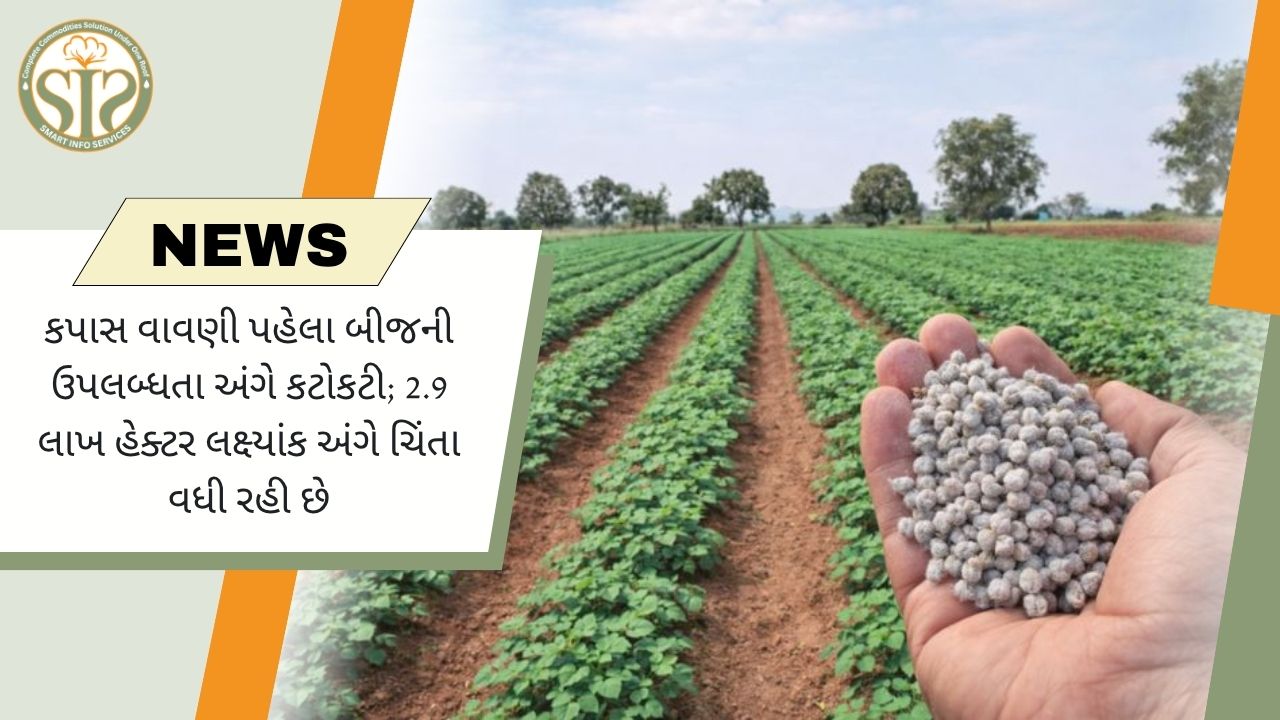
કપાસ વાવણી પહેલા બીજની ઉપલબ્ધતા અંગે કટોકટી; 2.9 લાખ હેક્ટર લક્ષ્યાંક અંગે ચિંતા વધી રહી છેખરીફ મોસમની શરૂઆત નજીક આવી રહી છે, અને અક્ષય તૃતીયાના આગમન સાથે, કપાસની વાવણી શરૂ થવાની તૈયારીમાં છે; જોકે, આ વર્ષે બીજના સંગ્રહ અને વેચાણ અંગેની પરિસ્થિતિ અસ્પષ્ટ છે. વહીવટીતંત્રે હજુ સુધી જરૂરી પરવાનગીઓ જારી કરી નથી તેથી બજારમાં અનિશ્ચિતતા યથાવત છે. સમયસર માર્ગદર્શિકાના અભાવે બજારમાં હલકી ગુણવત્તાવાળા અને અપ્રમાણિત બીજ આવવાનું જોખમ પણ વધ્યું છે.કૃષિ વિભાગના આંકડા આ મુદ્દાની ગંભીરતાને વધુ ભાર મૂકે છે. છેલ્લા બે વર્ષમાં એકત્રિત કરાયેલા 783 બીજના નમૂનાઓમાંથી, 54 હલકી ગુણવત્તાવાળા હોવાનું જણાયું હતું - એટલે કે લગભગ 7 ટકા બીજ ગુણવત્તાના ધોરણોને પૂર્ણ કરવામાં નિષ્ફળ ગયા હતા. આ પરિસ્થિતિ સૂચવે છે કે બજારમાં હલકી ગુણવત્તાવાળા બીજ પહેલેથી જ હાજર છે, જે ખેડૂતો માટે નોંધપાત્ર જોખમ ઊભું કરે છે.આ વર્ષે, જિલ્લામાં આશરે 2.9 લાખ હેક્ટરમાં કપાસનું વાવેતર કરવાનો લક્ષ્યાંક નક્કી કરવામાં આવ્યો છે. આટલી મોટી માંગને ધ્યાનમાં રાખીને, બીજની ઉપલબ્ધતા મહત્વપૂર્ણ છે; જોકે, સત્તાવાર અધિકૃતતાના અભાવે, પ્રમાણિત બીજનો સંગ્રહ અને વિતરણ હજુ સુધી શરૂ થયું નથી. પરિણામે, ખેડૂતો મૂંઝવણમાં છે, અને ઘણા વિસ્તારોમાં, તેઓ સચોટ માહિતીની પહોંચ વિના બીજ ખરીદવા માટે બજારમાં જઈ રહ્યા છે.ખરીફ 2026 માટે પ્રસ્તાવિત પાક વિસ્તારખરીફ 2026 સીઝન માટે, જિલ્લામાં કુલ 4.16 લાખ હેક્ટર વિસ્તારમાં વાવણીનો પ્રસ્તાવ છે. મુખ્ય પાકોમાં નીચે મુજબનો સમાવેશ થાય છે:મકાઈ: 77,000 હેક્ટર (સૌથી અગ્રણી અનાજ પાક)કુલ અનાજ પાક: 78,000 હેક્ટરકઠોળ: 8,228 હેક્ટર (કાળા ચણા, લીલા ચણા, તુવેર)તેલબીજ: 80,000 હેક્ટર (સોયાબીન 78,000 હેક્ટરથી વધુ હિસ્સો ધરાવે છે)કપાસ: 290,000 હેક્ટર (સૌથી મોટો રોકડિયો પાક)અન્ય ખરીફ અને બાગાયતી પાકો: 42,000 હેક્ટર*ઉત્પાદન માટે ખતરો*નિષ્ણાતો જણાવે છે કે હલકી ગુણવત્તાવાળા બીજ અંકુરણ દરમાં ઘટાડો કરે છે, છોડના વિકાસને અવરોધે છે અને એકંદર ઉત્પાદનમાં ઘટાડો કરે છે, જેના કારણે ખેડૂતોને સીધું નાણાકીય નુકસાન થાય છે. જિલ્લામાં અગાઉ પણ આવી સમસ્યાઓ અંગે ફરિયાદો સામે આવી છે. પરિણામે, ખેડૂતોને ફક્ત અધિકૃત વિક્રેતાઓ પાસેથી જ બીજ ખરીદવા અને તેમની ખરીદી માટે યોગ્ય રસીદ અથવા બિલ મેળવવાની ખાતરી કરવાની સલાહ આપવામાં આવી રહી છે.જો સમયસર પરવાનગીઓ અને સ્પષ્ટ માર્ગદર્શિકા જારી કરવામાં નહીં આવે, તો તેના પરિણામો ફક્ત ઉત્પાદન સ્તરથી આગળ વધશે; ખેડૂતોની આવક પર પણ તેની ગંભીર પ્રતિકૂળ અસર પડી શકે છે.*બીજ કૌભાંડની ઘટનાઓ અગાઉ સામે આવી છે*ખરગોન જિલ્લાના ખેડૂતોને અગાઉ હલકી ગુણવત્તાવાળા કારેલાના બીજને કારણે ભારે નુકસાન થયું હતું. સિરલે ગામમાં એક હાઇ-ટેક ગ્રીનહાઉસ નર્સરીમાંથી મેળવેલા બીજનો ઉપયોગ કરીને આશરે 100 એકરમાં પાક ઉગાડવામાં આવ્યો હતો; જોકે, પરિણામી ઉપજ નબળી હતી. ખેડૂતોનો આરોપ છે કે BASF કંપની દ્વારા પૂરા પાડવામાં આવેલા 'રોબસ્ટા' જાતના બીજ ખામીયુક્ત હતા. છોડ ફૂલ્યા હોવા છતાં, કોઈ ફળ વિકસ્યું નહીં, અને આખો પાક બરબાદ થઈ ગયો.ખેડૂતોએ આ બાબતની ફરિયાદ કેન્દ્રીય કૃષિ મંત્રી સુધી પહોંચાડી, જેના પગલે ધાર જિલ્લાના મનાવર પોલીસ સ્ટેશનમાં સંબંધિત કંપની વિરુદ્ધ કેસ નોંધવામાં આવ્યો.વધુ વાંચો :- કટોકટી વચ્ચે કાપડ ક્ષેત્રને ટેકો

પશ્ચિમ એશિયાના સંકટ વચ્ચે કાપડ ઉદ્યોગને રાહત આપવાની તૈયારીનવી દિલ્હી: પશ્ચિમ એશિયામાં ચાલી રહેલા સંકટ વચ્ચે કાપડ મંત્રાલય કાચા માલના પુરવઠાને સુરક્ષિત કરવા અને ખર્ચના દબાણને ઘટાડવા માટે ઘણા રાહત પગલાં પર કામ કરી રહ્યું છે. મંત્રાલયે આયાત ડ્યુટીમાં ઘટાડો અને કેટલીક નિયમનકારી છૂટછાટોની દરખાસ્ત કરી છે, જેથી ઉદ્યોગ ઉત્પાદન જાળવી શકે અને વૈશ્વિક બજારમાં સ્પર્ધાત્મક રહી શકે.સૂચિત પગલાઓમાં રેયોન પલ્પ અને કપાસની પસંદગીની જાતો પરની આયાત જકાત ઘટાડવાની સાથે સાથે ચોક્કસ પ્રકારના યાર્ન પરની એન્ટિ-ડમ્પિંગ ડ્યૂટીને અસ્થાયી રૂપે સ્થગિત કરવાનો સમાવેશ થાય છે. આ ઉપરાંત, મંત્રાલયે કૃષિ અને નાણા મંત્રાલયો સાથેની વાતચીતમાં અમુક ગૂંથેલા કાપડ પર લઘુત્તમ આયાત કિંમત (MIP) દૂર કરવાની પણ માંગ કરી છે.એક અધિકારીના જણાવ્યા અનુસાર, ફીમાં ઘટાડા અંગે કૃષિ મંત્રાલય સાથે ચર્ચા ચાલી રહી છે. દેશમાં અપૂરતા ઉત્પાદનને કારણે કેટલાક પક્ષો ડ્યૂટી હટાવવાની તરફેણમાં છે ત્યારે ખેડૂતોના હિતોને પ્રાથમિકતા આપવા પર પણ ભાર મૂકવામાં આવી રહ્યો છે.દરમિયાન, પશ્ચિમ એશિયામાં પુરવઠાની મર્યાદાઓ અને શિપિંગ સમસ્યાઓના કારણે માર્ચમાં રેડીમેડ કપડાની નિકાસ વાર્ષિક ધોરણે 19% ઘટી હતી. આવી સ્થિતિમાં, સરકાર ઉદ્યોગને પૂર્વ એશિયામાં નવા બજારો તરફ આગળ વધવા માટે પ્રોત્સાહિત કરી રહી છે.નોંધનીય છે કે ગયા વર્ષે સરકારે ચાર મહિના માટે કપાસની આયાત પર 11% ડ્યુટીમાંથી મુક્તિ આપી હતી, જેથી અમેરિકન ટેરિફની અસરને સંતુલિત કરી શકાય. ભારત મુખ્યત્વે ખાસ કપાસની જાતો જેમ કે એક્સ્ટ્રા-લોન્ગ સ્ટેપલની આયાત કરે છે, ઘણી વખત યુએસ અને ઇજિપ્તમાંથી. તે જ સમયે, રેયોન પલ્પ મુખ્યત્વે યુરોપમાંથી આયાત કરવામાં આવે છે, જેના પર હાલમાં 5% ડ્યુટી છે.તાજેતરમાં, સરકારે પશ્ચિમ એશિયાની સ્થિતિને ધ્યાનમાં રાખીને 40 પેટ્રોકેમિકલ ઉત્પાદનો પર સંપૂર્ણ કસ્ટમ ડ્યુટી મુક્તિ પણ આપી છે, જેમાંથી 29 કાપડ ઉદ્યોગમાં વપરાય છે, ખાસ કરીને માનવસર્જિત ફાઇબરના ઉત્પાદનમાં.વધુમાં, મંત્રાલય ઇલાસ્ટોમેરિક ફાઇબર યાર્ન અને વિસ્કોસ રેયોન ફિલામેન્ટ યાર્ન પર સૂચિત એન્ટિ-ડમ્પિંગ ડ્યૂટીને દૂર કરવા અથવા તેને સ્થગિત કરવા માટે નાણાં મંત્રાલય સાથે પણ વાતચીત કરી રહ્યું છે. આ ઉત્પાદનો મુખ્યત્વે ચીન અને સિંગાપોરથી આયાત કરવામાં આવે છે.વધુ વાંચો :- ડોલર દીઠ રૂપિયો 02 પૈસા વધીને 92.92 પર બંધ થયો.

શુક્રવારે ભારતીય રૂપિયો 02 પૈસા વધીને 92.92 પર બંધ થયો હતો, જ્યારે સવારે તે 92.94 પર ખુલ્યો હતો.બંધ સમયે, સેન્સેક્સ 504.86 પોઈન્ટ અથવા 0.65 ટકા વધીને 78,493.54 પર અને નિફ્ટી 156.80 પોઈન્ટ અથવા 0.65 ટકા વધીને 24,353.55 પર બંધ થયો હતો. લગભગ 2906 શેર વધ્યા, 1233 શેર ઘટ્યા અને 152 શેર યથાવત રહ્યા.વધુ વાંચો :- રૂપિયો 25 પૈસા વધીને 92.94 પર ખુલ્યો.

ડોલર સામે રૂપિયો 25 પૈસા વધીને 92.94 પર ખુલ્યો.શુક્રવારે, ભારતીય રૂપિયો ડોલર સામે 25 પૈસા વધીને 92.94 પર ખુલ્યો, જ્યારે ગુરુવારે તે 93.19 પર બંધ થયો હતો.વધુ વાંચો :- ડોલર સામે રૂપિયો 09 પૈસા વધીને 93.19 પર બંધ થયો.

ગુરુવારે ભારતીય રૂપિયો 09 પૈસા વધીને 93.19 પર બંધ થયો, જ્યારે સવારે તે 93.28 પર ખુલ્યો.બંધ સમયે, સેન્સેક્સ 122.56 પોઈન્ટ અથવા 0.16 ટકા ઘટીને 77,988.68 પર અને નિફ્ટી 34.55 પોઈન્ટ અથવા 0.14 ટકા ઘટીને 24,196.75 પર બંધ થયો. લગભગ 2688 શેર વધ્યા, 1468 શેર ઘટ્યા અને 128 શેર યથાવત રહ્યા.વધુ વાંચો:- ખાનદેશ કપાસ: ઓછી આવક, મજબૂત ભાવ
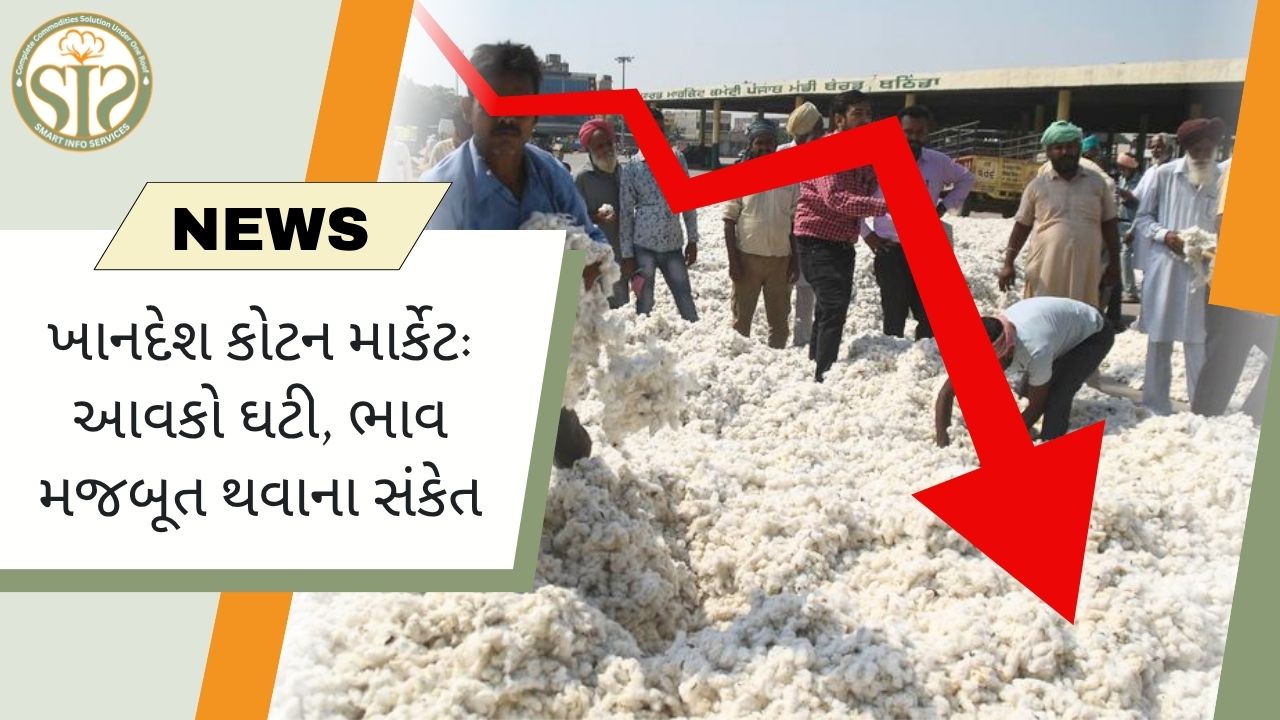
ખાનદેશ કોટન માર્કેટ: આવકો ઘટી, ભાવ મજબૂત થવાના સંકેતખાનદેશ પ્રદેશમાં કપાસ બજાર હાલમાં મર્યાદિત આવક અને ઘટતા ઉત્પાદનને કારણે સમાચારોમાં છે. વર્તમાન પરિસ્થિતિમાં, દેશભરમાંથી દરરોજ આશરે 3,000 થી 3,500 ક્વિન્ટલ કપાસની આવક થઈ રહી છે, જે ગત સિઝનની સરખામણીએ ઘણી ઓછી છે. ઓછા પુરવઠાને કારણે બજારમાં ભાવમાં ધીમે ધીમે સુધારો જોવા મળી રહ્યો છે.જ્યારે સીઝનની શરૂઆતમાં (ઓક્ટોબરના મધ્યમાં) કપાસની દરરોજ 6,000 થી 7,000 ગાંસડીઓ બજારમાં આવી રહી હતી, ત્યારે હવે તેની આવકમાં તીવ્ર ઘટાડો નોંધાયો છે. નિષ્ણાતોના મતે આ વર્ષે કપાસના વાવેતરમાં ઘટાડો, પાક પર રોગચાળો અને ભારે વરસાદને કારણે ઉત્પાદનને અસર થઈ છે.ગ્રામીણ સ્તરે કપાસનો મહત્તમ ખરીદ દર હાલમાં ક્વિન્ટલ દીઠ ₹8,000ની આસપાસ છે, પરંતુ ખેડૂતો પાસે ઓછા સ્ટોકને કારણે તેઓ આ ભાવનો પૂરો લાભ લઈ શકતા નથી. મોટાભાગના ખેડૂતો ફેબ્રુઆરી અને માર્ચ વચ્ચે તેમની ઉપજ વેચી ચૂક્યા છે, જેના કારણે બજારમાં પુરવઠો વધુ ઘટ્યો છે.આગામી 10 થી 15 દિવસમાં આવક 1,500 થી 2,000 ક્વિન્ટલ સુધી મર્યાદિત રહેવાની ધારણા છે. આ જ કારણ છે કે ભાવમાં મોટા ઘટાડાની શક્યતા ઓછી માનવામાં આવે છે.ખાનદેશ અને આસપાસના વિસ્તારોમાં જિનિંગ અને પ્રેસિંગ એકમોને પણ ઓછી આવકો અસર કરી રહી છે, જ્યાં કામગીરી ધીમી પડી છે. વિવિધ પ્રદેશોમાં ભાવમાં તફાવત જોવા મળી રહ્યો છે, પરંતુ સારી ગુણવત્તાવાળા કપાસ માટે પ્રતિ ક્વિન્ટલ ₹8,000નું સ્તર ઊંચું છે.ઉત્પાદન મોરચે સ્થિતિ વધુ ચિંતાજનક છે. આ વર્ષે ઘણા વિસ્તારોમાં ઉત્પાદન માત્ર 80 કિલોથી 1 ક્વિન્ટલ પ્રતિ એકર રહ્યું છે. ભારે વરસાદથી પાકને વ્યાપક નુકસાન થયું છે, જેના કારણે કુલ ઉત્પાદનમાં મોટો ઘટાડો થયો છે. એક અંદાજ મુજબ આ વખતે ખાનદેશમાં 20 લાખ ગાંસડીના ઉત્પાદનનો લક્ષ્યાંક હાંસલ નહીં થાય.એકંદરે, ઓછા ઉત્પાદન અને મર્યાદિત આવકને કારણે કપાસનું બજાર હાલમાં તેજીનું છે, જ્યારે ખેડૂતો માટે સ્ટોકની અછત એક મોટો પડકાર છે.વધુ વાંચો:- નબળી માંગને કારણે નાણાકીય વર્ષ 26 માં કાપડ-કપડાની નિકાસમાં ઘટાડો થયો
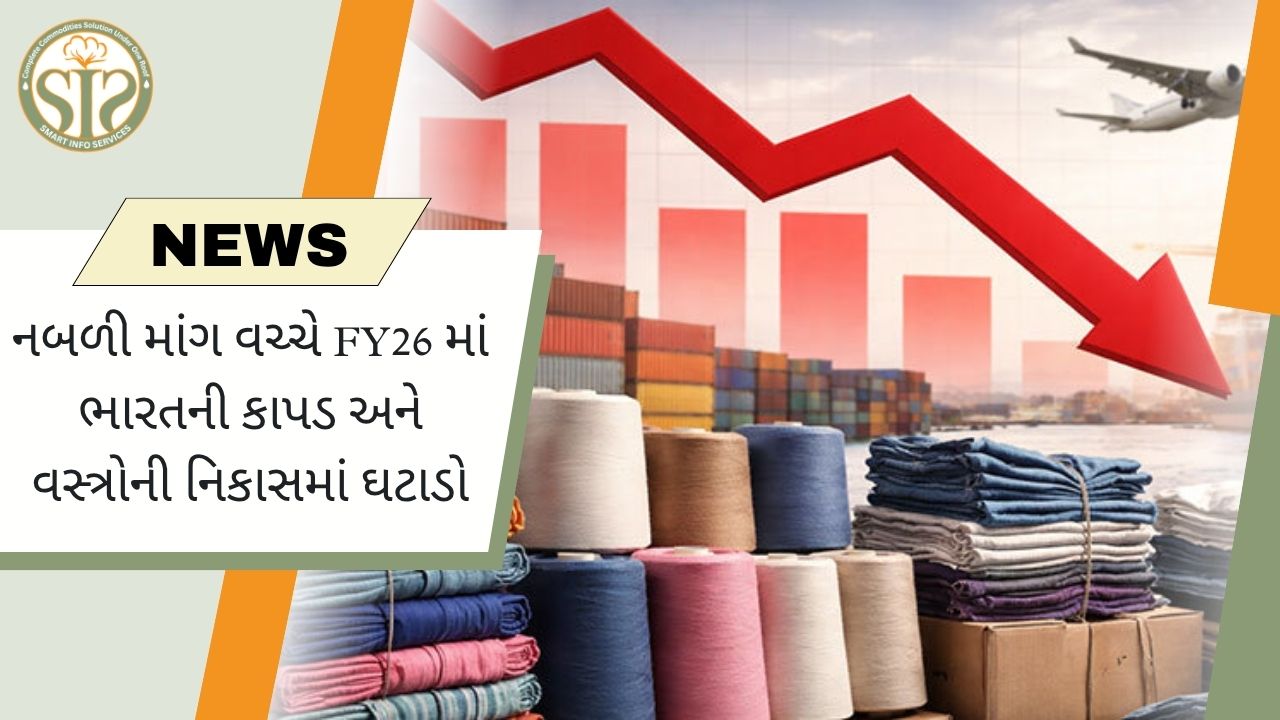
નબળી માંગ વચ્ચે FY26 માં ભારતની કાપડ અને વસ્ત્રોની નિકાસમાં ઘટાડોવાણિજ્ય મંત્રાલય દ્વારા બહાર પાડવામાં આવેલા ડેટા અનુસાર, પાછલા નાણાકીય વર્ષની સરખામણીમાં FY26 માં ભારતની કાપડ અને વસ્ત્રોની નિકાસમાં 2.22% નો ઘટાડો થયો છે. યુનાઇટેડ સ્ટેટ્સે ઉચ્ચ ટેરિફ લાદ્યાના એક વર્ષ પછી મંદી આવી છે, જેણે નિકાસ કામગીરીને અસર કરવાનું ચાલુ રાખ્યું છે.માર્ચ 2026 માં, નિકાસમાં વાર્ષિક ધોરણે 14.02% નો તીવ્ર ઘટાડો થયો હતો, જે નબળી પડતી માંગ અને ચાલુ વેપાર દબાણને દર્શાવે છે.કન્ફેડરેશન ઑફ ઇન્ડિયન ટેક્સટાઇલ ઇન્ડસ્ટ્રીઝ દ્વારા વિગતવાર વિશ્લેષણ દર્શાવે છે કે FY26 દરમિયાન કાપડની નિકાસમાં 2.86% ઘટાડો થયો હતો, જ્યારે વસ્ત્રોની નિકાસમાં 1.36% ઘટાડો થયો હતો. માર્ચમાં મંદી વધુ સ્પષ્ટ હતી, જેમાં કાપડની નિકાસ 9.91% ઘટી હતી અને વસ્ત્રોની નિકાસ ગયા વર્ષના સમાન સમયગાળાની સરખામણીમાં 18.99% નો નોંધપાત્ર ઘટાડો થયો હતો.એકંદરે, માર્ચ 2026 માટે કાપડ અને વસ્ત્રોની સંયુક્ત નિકાસમાં વાર્ષિક ધોરણે 14.02% નો ઘટાડો નોંધાયો હતો.દરમિયાન, FY26 દરમિયાન કાચા કપાસની આયાત લગભગ 55% વધી હતી. આ વધારો 28 ઓગસ્ટ, 2025 થી 31 ડિસેમ્બર, 2025 સુધી મર્યાદિત સમયગાળા માટે આયાત જકાત હળવી કરવાના સરકારના નિર્ણયને પગલે થયો છે.વધુ વાંચો:- રૂપિયો 9 પૈસાના વધારા સાથે 93.28 પર ખુલ્યો.

રૂપિયો 09 પૈસા વધીને 93.28/USD પર ખુલ્યો.ગુરુવારે ડોલર સામે ભારતીય રૂપિયો 93.28 પર ખુલ્યો, જે બુધવારે 93.37 ના બંધ દરથી 21 પૈસા વધીને બંધ થયો હતો.વધુ વાંચો :- ડોલર સામે રૂપિયો 20 પૈસા ઘટીને 93.37 પર બંધ થયો