
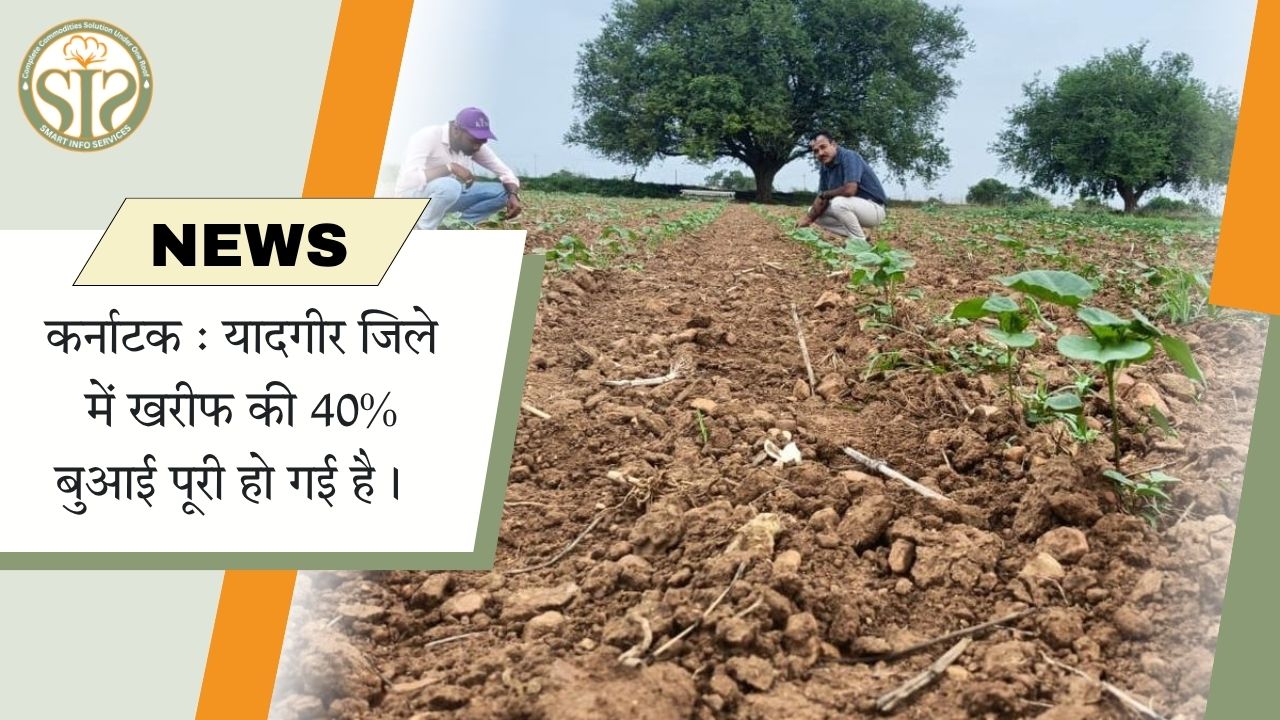
यादगीर के किसानों ने खरीफ की 40% बुवाई पूरी कीदक्षिण-पश्चिम मानसून के तीन सप्ताह और उससे पहले अच्छी बारिश के बाद, जिले में पहले से ही जमीन तैयार कर चुके किसानों ने बुआई शुरू कर दी है। और, इस सप्ताह की शुरुआत तक 40% बुआई दर्ज की गई है।कृषि विभाग द्वारा उपलब्ध कराए गए आंकड़ों के अनुसार, यादगीर जिले में 40.77% बुआई दर्ज की गई है। विभाग ने 2025-26 के लिए 4,16,474 हेक्टेयर का लक्ष्य रखा है और इसमें से अब तक 1,69,181 हेक्टेयर, यानी 40.77%, खेती के तहत लाया गया है।किसान खरीफ सीजन के लिए मूंग, लाल मूंग, कपास और धान को प्राथमिकता देते हैं, जो ऊपरी कृष्णा परियोजना नेटवर्क के तहत सिंचित क्षेत्र में व्यापक रूप से कवर किया जाता है, विशेष रूप से हुंसगी और शाहपुर और शोरापुर तालुकों के कुछ हिस्सों में।इस बीच, 1,07,856 हेक्टेयर में धान की बुआई की जानी है, जबकि बुआई अभी शुरू होनी है।तालुकवार बुआई लक्ष्य और वास्तविक बुआई इस प्रकार है: शाहपुर 75,627 हेक्टेयर (23,610 हेक्टेयर), वडगेरा 57,284 हेक्टेयर (20,075 हेक्टेयर), शोरापुर 94,952 हेक्टेयर (28,569 हेक्टेयर), हुंसगी 66,134 हेक्टेयर (19,682 हेक्टेयर), यादगीर 69,505 हेक्टेयर (42,979 हेक्टेयर) और गुरमितकल 52,968 हेक्टेयर (34,795 हेक्टेयर)।सबसे अधिक 65.54% बुआई गुरमितकल तालुक में दर्ज की गई है, जबकि सबसे कम 30.03% बुआई हुंसगी तालुक में दर्ज की गई है, जहां काफी हद तक सिंचित क्षेत्र है और किसान धान की बुआई करते हैं।कृषि विभाग के संयुक्त निदेशक रतेंद्रनाथ सुगुर ने बताया, "किसान जुलाई के अंत तक हरी चने को छोड़कर बाकी सभी फसलों की बुआई कर सकते हैं। हमें उम्मीद है कि बाकी अवधि में निर्धारित लक्ष्य के 90% से अधिक क्षेत्र को कवर कर लिया जाएगा।" इस मौसम में बुआई शुरू होने के बाद से जिले में छिटपुट बारिश हुई है। और, पूरे जिले में बादल छाए रहने के बावजूद मौसम शुष्क रहा है। वर्तमान में, मुख्य रूप से हरी चने की फसल, जिसे अल्पकालिक नकदी फसल माना जाता है, लगभग 10-15 दिन पुरानी है। इसलिए, किसानों ने फसलों की पंक्तियों के बीच खरपतवार को हटाने के लिए जुताई शुरू कर दी है ताकि उन्हें सुंदर ढंग से बढ़ने में मदद मिल सके। अपने हरी चने के खेत में जुताई कर रहे किसान महादेवप्पा ने कहा, "अगर तुरंत नहीं भी तो अगले कुछ दिनों में फसलों को बारिश के पानी की आवश्यकता होगी क्योंकि जुताई के बाद मिट्टी धीरे-धीरे सूख रही है।" कई किसानों ने कहा है कि जिले में मानसून की शुरुआत से पहले ही अच्छी बारिश हुई है, जो सामान्य आंकड़ों से भी अधिक है। एक अन्य किसान बसवराज पाटिल ने कहा, "इससे भी महत्वपूर्ण बात यह है कि अगर फसलों को आवश्यक वर्षा और उर्वरक मिले तो अब अच्छी उपज मिलेगी।"और पढ़ें :- महाराष्ट्र में कपास की बुवाई 47% के आंकड़े पर पहुंची
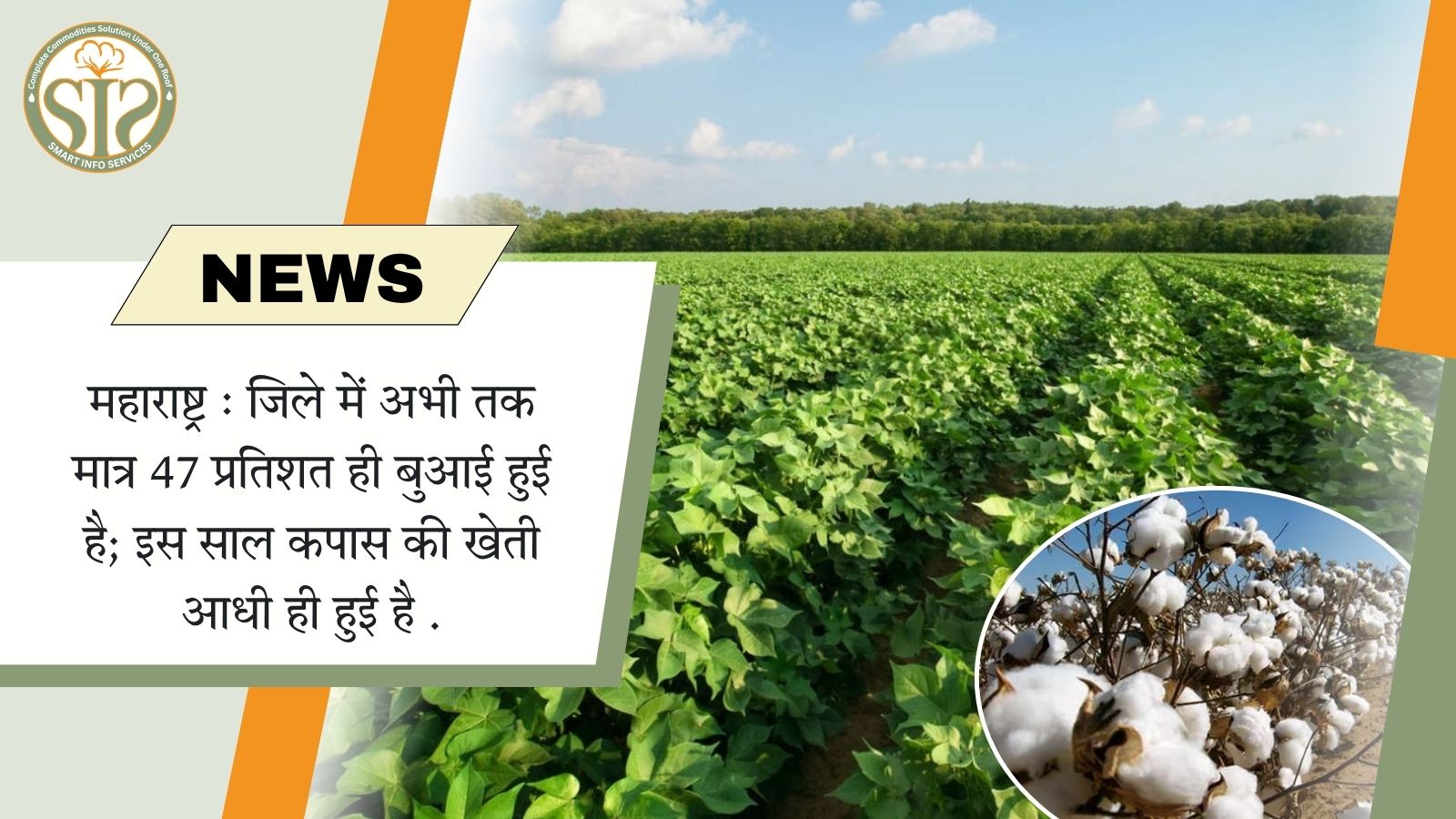
महाराष्ट्र : जिले में अभी तक मात्र 47 प्रतिशत ही बुआई हुई है; इस साल कपास की खेती आधी ही हुई है .जलगांव :आषाढ़ का महीना शुरू होने के बावजूद जिले में खरीफ की बुआई में देरी हो रही है। 25 जून तक मात्र 47.6 प्रतिशत बुआई ही हो पाई है। जिले में कुछ स्थानों पर बारिश हुई है। इसके कारण तालुका में सभी जगह बुआई की दर भी कमोबेश कम ही है। इस साल अच्छी शुरुआती बारिश के कारण सबसे अधिक बुआई बोडवड़ तालुका में 90 प्रतिशत क्षेत्र में हुई है। जबकि धरणगांव तालुका में सबसे कम 8 प्रतिशत और जलगांव तालुका में मात्र 10 प्रतिशत बुआई हुई है। कपास की खेती जून के पहले सप्ताह से शुरू हो जाती है, लेकिन इस साल कपास की खेती मात्र 49 प्रतिशत क्षेत्र में ही हो पाई है। अभी भी 51 प्रतिशत कपास की बुआई होना बाकी है।जिले में अभी तक मात्र 47 प्रतिशत बुआई हो पाई है; इस साल कपास की खेती आधी ही हुई: 49 प्रतिशत कपास की खेती, 64 प्रतिशत मक्का की बुवाईआषाढ़ का महीना शुरू होने के बावजूद जिले में खरीपा की बुवाई में अभी भी देरी हो रही है। 25 जून तक केवल 47.6 प्रतिशत बुवाई ही पूरी हो पाई है। जिले में कुछ स्थानों पर बारिश हुई है। इसके कारण तालुका में सभी जगह बुवाई की दर भी कमोबेश कम ही है। इस साल अच्छी शुरुआती बारिश के कारण सबसे अधिक बुवाई बोडवड़ तालुका में 90 प्रतिशत क्षेत्र में हुई है। जबकि धरणगांव तालुका में सबसे कम बुवाई केवल 8 प्रतिशत और जलगांव तालुका में सबसे कम बुवाई केवल 10 प्रतिशत हुई है। कपास की खेती जून के पहले सप्ताह से शुरू होती है, लेकिन इस साल कपास की खेती केवल 49 प्रतिशत क्षेत्र में ही पूरी हुई है। अभी भी 51 प्रतिशत कपास की बुआई होना बाकी है।जलगांव जिले में 7 लाख 40 हजार 536 हेक्टेयर में खरीफ की खेती होती है। इसमें से सबसे बड़ा रकबा 5 लाख 46 हजार 933 हेक्टेयर अकेले कपास का है। हालांकि इस साल बारिश मई में हुई, लेकिन जून में बारिश देरी से हुई, जिसके कारण खरीफ की बुआई सिर्फ 3 लाख 48 हजार हेक्टेयर में ही पूरी हो पाई। कपास की खेती 2 लाख 68 हजार हेक्टेयर में हुई है। अनुमान है कि इस साल कपास का रकबा घटेगा और मक्का व सोयाबीन का रकबा बढ़ेगा। कम बारिश के बावजूद जिले में मक्का की बुआई सबसे ज्यादा 64 फीसदी पूरी हो चुकी है। मक्का की बुआई 59 हजार हेक्टेयर में हुई है।जिले में 88 मिलीमीटर बारिश जलगांव जिले में बुधवार तक 88.7 मिलीमीटर बारिश दर्ज की गई है। 26 जून तक जिले में औसतन 107.2 मिलीमीटर बारिश होने की उम्मीद है. दरअसल, 82.7 मिलीमीटर बारिश दर्ज की गई है. सबसे अधिक 100 मिमी से अधिक वर्षा जलगांव, भुसावल, एरंडोल, पारोला और पचोरा तालुका में दर्ज की गई। सबसे कम बारिश रावेर, और पढ़ें :- कुछ क्षेत्रों में गिरावट के बावजूद भारतीय कपास का रकबा बढ़ने की संभावना

"भारत में बाधाओं के बावजूद कपास की खेती का विस्तार"तेलंगाना और आंध्र प्रदेश में गिरावट के बावजूद देश में कपास की बुआई में बढ़ोतरी देखी गई है, जहां सूखे के कारण पहली बुआई प्रभावित होने का खतरा है। पिछले साल के 113.60 लाख हेक्टेयर (एलएच) की तुलना में कपास का रकबा 7 प्रतिशत बढ़ने की उम्मीद है। 20 जून तक कपास का रकबा 31.25 लाख हेक्टेयर था।हालांकि तेलंगाना जैसे राज्यों में रकबा पीछे चल रहा है, लेकिन व्यापार जगत को उम्मीद है कि फाइबर फसल के लिए न्यूनतम समर्थन मूल्य (एमएसपी) में वृद्धि के बाद तेलंगाना और आंध्र प्रदेश में रकबे में सुधार होगा। कर्नाटक में, रकबा 20 जून तक लगभग 40 प्रतिशत बढ़कर 3.35 लाख हेक्टेयर हो गया, जबकि एक साल पहले यह 2.40 लाख हेक्टेयर था। हालांकि, गुजरात में रकबा 5 प्रतिशत घट सकता है, क्योंकि सौराष्ट्र के किसान कपास से मूंगफली की ओर रुख कर रहे हैं।मई के आखिरी सप्ताह में शुरुआती बारिश के बाद लंबे समय तक सूखे ने तेलंगाना के कपास किसानों की उम्मीदों पर पानी फेर दिया है। राज्य के 33 जिलों में से दो तिहाई में कम बारिश दर्ज की गई है। भारतीय मौसम विभाग के अनुसार, राज्य में चालू मानसून के दौरान 23 प्रतिशत कम बारिश हुई है। पहली बुवाई के नुकसान की आशंका के चलते राज्य सरकार बीज उपलब्ध कराने के लिए कदम उठा रही है।उत्साह में कमीऑल इंडिया कॉटन ब्रोकर्स एसोसिएशन के उपाध्यक्ष और रायचूर में सोर्सिंग एजेंट रामानुज दास बूब ने कहा, "इस सीजन में देश में कपास के रकबे में 8-10 प्रतिशत की वृद्धि होने की संभावना है।" उन्होंने कहा कि कर्नाटक में रकबा करीब 10 प्रतिशत अधिक होगा, जबकि तेलंगाना और आंध्र में भी सुधार देखने को मिल सकता है।उन्होंने कहा कि इसके अलावा, राजस्थान और पंजाब जैसे उत्तरी राज्यों में भी रकबे में सुधार देखने को मिल रहा है।जोधपुर स्थित साउथ एशिया बायोटेक्नोलॉजी सेंटर के निदेशक भागीरथ चौधरी ने कहा कि पूरे उत्तर भारत में 2025 के कपास सीजन में मुनाफे को लेकर लगातार चिंताओं, पिंक बॉलवर्म के बार-बार होने वाले संक्रमण और बढ़ती बीमारियों की चिंताओं के कारण उत्साह ठंडा रहा है।बीटी कॉटन हाइब्रिड बीजों पर पंजाब सरकार की सब्सिडी के बावजूद, इस सीजन में किसानों की प्रतिक्रिया काफी हद तक उदासीन रही है। चौधरी ने कहा कि समर्थन, हालांकि नेक इरादे से दिया गया था, लेकिन जमीन पर कपास उगाने वाले क्षेत्र के किसी भी महत्वपूर्ण विस्तार में तब्दील नहीं हुआ है।बड़ा झटका“मई की महत्वपूर्ण बुवाई अवधि के दौरान नहर के पानी की अनुपलब्धता एक बड़ा झटका रही है, जिसने किसानों को कपास की बुवाई करने से और हतोत्साहित किया है। इस महत्वपूर्ण चूक ने धान की फसल के पक्ष में रुख मोड़ दिया है, जिसे किसान अधिक स्थिर, लाभकारी और कम जोखिम वाली फसल मानते हैं,” चौधरी ने कहा“निरंतर गिरावट को रोकने के लिए, उत्तर भारतीय राज्यों को ड्रिप सिंचाई प्रणाली को प्रोत्साहित करके टीएमसी 2.0 को लागू करने के लिए एक व्यापक पुनरुद्धार रणनीति पर केंद्र सरकार के साथ सहयोग करना चाहिए, ताकि कपास की समय पर बुवाई सुनिश्चित हो सके और शाकनाशी-सहिष्णु गुणों वाली गुलाबी बॉलवर्म-प्रतिरोधी बीटी कपास किस्मों को तेजी से मंजूरी और अपनाया जा सके,” उन्होंने कहा।राजकोट स्थित कपास, यार्न और कपास अपशिष्ट व्यापारी आनंद पोपट के अनुसार, देश भर में कपास की बुवाई की वास्तविक तस्वीर सामने आने में एक और पखवाड़ा लगेगा।हालांकि, गुजरात में रकबे में 5 प्रतिशत की गिरावट आ सकती है क्योंकि सौराष्ट्र के किसान कपास से मूंगफली की ओर रुख कर रहे हैं। दूसरी ओर, सोयाबीन के किसान कपास की ओर रुख कर रहे हैं।पोपट ने कहा, "महाराष्ट्र में पिछले साल की तुलना में रकबे में 2 प्रतिशत की कमी या कमी हो सकती है। उत्तर में 10 प्रतिशत की वृद्धि हो सकती है, जबकि दक्षिण में रकबे में 15-25 प्रतिशत की वृद्धि हो सकती है।" तेलंगाना के किसान संकट में हैं। पिछले महीने शुरुआती मानसून ने तेलंगाना के किसानों को खुश कर दिया था और उन्होंने कपास और धान की शुरुआती बुआई कर दी थी। हालांकि, दक्षिण-पश्चिमी मानसून के कारण उनकी उम्मीदें कम ही हैं। मई के आखिरी हफ्ते में शुरुआती बारिश के बाद लंबे समय तक सूखा रहने से कपास किसानों में चिंता है। नारायणपेट के कपास किसान राम रेड्डी (बदला हुआ नाम) ने बताया, "हम बुआई में किए गए निवेश को खोने के कगार पर हैं। पिछले हफ्ते शुरुआती बारिश के बाद बारिश नहीं हुई है। अगर अगले कुछ दिनों में बारिश नहीं हुई, तो हमें दूसरी बुआई करनी पड़ सकती है।"और पढ़ें :- रुपया 01 पैसे बढ़कर 85.49 प्रति डॉलर पर बंद हुआ

शुक्रवार को भारतीय रुपया 01 पैसे बढ़कर 85.49 प्रति डॉलर पर बंद हुआ, जबकि सुबह यह 85.50 पर खुला था।बंद होने पर, सेंसेक्स 303.03 अंक या 0.36 प्रतिशत बढ़कर 84,058.90 पर और निफ्टी 88.80 अंक या 0.35 प्रतिशत बढ़कर 25,637.80 पर था। करीब 2135 शेयरों में तेजी आई, 1727 शेयरों में गिरावट आई और 140 शेयरों में कोई बदलाव नहीं हुआ।और पढ़ें :- तमिलनाडु : व्यापारिक परंपराएँ: कपास से समृद्ध तिरुपुर क्यों सिंथेटिक्स की ओर रुख कर रहा है

तिरुपुर का कपास से सिंथेटिक्स की ओर बदलावतिरुपुर : जैसे-जैसे दुनिया तेजी से फैशन को अपना रही है, मानव निर्मित फाइबर (MMF) की मांग बढ़ रही है। इस बात को ध्यान में रखते हुए, दुनिया भर में 70% से अधिक लोग वर्तमान में MMF से बने कपड़े पहनते हैं। तिरुपुर में अपने कारखाने के कार्यालय में बैठे हुए इनरवियर, टी-शर्ट और स्वेटर के दूसरे पीढ़ी के निर्माता और निर्यातक शिव सुब्रमण्यम कहते हैं, "अभी शुरुआती दिन हैं।" हालांकि, उनका दृढ़ विश्वास है कि "यह उद्योग के लिए भविष्य का मार्ग है"।राफ्ट गारमेंट्स के संस्थापक और सीईओ सुब्रमण्यम कहते हैं, "हमें विश्व बाजार और मांग के विकास के बारे में सोचना चाहिए।"राफ्ट गारमेंट्स को अंडरवियर के निर्माण के लिए पॉलिएस्टर स्पैन्डेक्स कपड़े का उपयोग शुरू किए दो साल हो चुके हैं, जो पहले केवल कॉटन स्पैन्डेक्स का उपयोग करते थे। कारण: "यह पसीने को रोकता है और अधिक टिकाऊ है," वे तिरुपुर में अपनी विनिर्माण इकाई में अब उत्पादित कुछ नए पॉलिएस्टर के टुकड़ों को प्रदर्शित करते हुए कहते हैं।निर्यातक के पास वर्तमान में 85% कपास आधारित वस्त्र और 15% MMF है, जबकि पहले का पोर्टफोलियो पूरी तरह से कपास आधारित (100%) था। आने वाले वर्षों में, सुब्रमण्यम MMF की हिस्सेदारी को 50% तक बढ़ाने का इरादा रखते हैं क्योंकि वह MMF पर बड़ा दांव लगा रहे हैं।उनका कहना है कि घरेलू बाजार में सिंथेटिक्स का तेजी से समर्थन हो रहा है, जबकि यह भी ध्यान देने योग्य है कि विकास स्थिर दर से हो रहा है। “विशेष रूप से खेल क्षेत्र में, कपास लगभग गायब हो रहा है, और हर कोई पॉलिएस्टर की ओर झुकाव दिखा रहा है। हम हमेशा केवल कपास पर निर्भर नहीं रह सकते हैं और हमें नए रास्ते भी तलाशने होंगे। हालाँकि यह अभी एक छोटा प्रतिशत है, लेकिन इस क्षेत्र को विकसित करने के लिए सरकार से पर्याप्त समर्थन के साथ धीरे-धीरे बदलाव हो सकता है,” वे कहते हैं।जो लोग नहीं जानते हैं, उनके लिए बता दें कि MMF आमतौर पर रासायनिक प्रक्रियाओं या प्राकृतिक रेशों को संशोधित करके बनाया जाता है, जिसके परिणामस्वरूप पॉलिएस्टर, नायलॉन और रेयान जैसी सामग्री बनती है। स्थायित्व, देखभाल में आसानी और टूट-फूट के प्रतिरोध जैसे लाभों के साथ, ये सामग्री विभिन्न अनुप्रयोगों के लिए उपयुक्त हैं। वर्तमान में, चीन MMF उत्पादन में अग्रणी है, जिसकी अनुमानित वैश्विक बाजार हिस्सेदारी 72% है। MMF पर कपड़ा मंत्रालय की एक हालिया रिपोर्ट से पता चलता है कि भारत में प्रति व्यक्ति फाइबर की खपत 5.5 किलोग्राम है; इसमें से, MMF की हिस्सेदारी 3.1 किलोग्राम है, जो विश्व स्तर पर सबसे कम है, यहाँ तक कि अफ्रीका से भी कम है। यह दर्शाता है कि भारत में प्रति व्यक्ति MMF फाइबर की खपत को बढ़ाने की बहुत बड़ी संभावना है। कपड़ा उद्योग का अनुमान है कि भारत का MMF वस्त्र निर्यात 75% बढ़कर 2030 में $11.4 बिलियन तक पहुँच जाएगा, जो 2021-22 में लगभग $6.5 बिलियन था। हालाँकि, यह कहना जितना आसान है, करना उतना ही मुश्किल है। कच्चे माल की लागत, गुणवत्ता, क्षमता और तकनीकी प्रगति जैसे कारक भारतीय निर्यातकों के लिए अपने वैश्विक समकक्षों के साथ प्रतिस्पर्धा करना मुश्किल बनाते हैं। भारत की निटवियर राजधानी तिरुपुर भी एक क्लस्टर के रूप में इसी तरह की चुनौतियों का सामना कर रही है क्योंकि यह धीरे-धीरे MMF परिधान के अज्ञात क्षेत्रों की ओर बढ़ रही है। वैश्विक मांग के साथ तालमेल बिठानातिरुपुर एक निटवियर निर्यातक के रूप में वैश्विक स्तर पर एक प्रमुख स्थान रखता है, जो यूरोप और यूएसए सहित प्रमुख बाजारों की मांग को पूरा करता है। यह कपास और कपास-मिश्रण टी-शर्ट, कपड़े, स्वेटशर्ट और अन्य बुने हुए कपड़ों को वैश्विक बाजारों में निर्यात करता है। प्रमुख कपड़ा केंद्र कोयंबटूर के साथ तिरुपुर की निकटता ने इसे वैश्विक रूप से मान्यता प्राप्त परिधान निर्माण केंद्र के रूप में उभरने में भी मदद की है।चुनौतियाँतो, वास्तव में हमें इस क्षेत्र में पूरी तरह से आगे बढ़ने से क्या रोक रहा है, विशेष रूप से तिरुपुर जैसे क्लस्टरों में, जिसके केंद्र में एक हलचल वाला कपड़ा उद्योग है?तिरुपुर में निर्यातकों के साथ ईटी डिजिटल की बातचीत से पता चला कि भारत इस क्षेत्र में चीन की क्षमता के बराबर नहीं पहुंच पाया है। जबकि कुछ फर्मों ने वैश्विक मांग में उछाल से उत्साहित होकर एमएमएफ पर उत्पाद तैयार करना शुरू कर दिया है, अधिकांश में कपास आधारित उत्पादों का वर्चस्व बना हुआ है।भविष्य के लिए तैयारीइस बीच, तिरुपुर के निर्यातक इस क्षेत्र में खुद को एक पायदान ऊपर ले जाने का प्रयास कर रहे हैं। छोटे निर्यातक एमएमएफ की ओर धीरे-धीरे बदलाव लाने के लिए 2-3 करोड़ रुपये का निवेश कर रहे हैं। सुब्रमण्यम कहते हैं, "हमने एमएमएफ उत्पादन में 3-4 करोड़ रुपये का निवेश किया है। वैश्विक स्तर पर बाजार एमएमएफ के लिए स्पष्ट प्राथमिकता दिखा रहा है। हम उस हिस्से के लिए प्रतिस्पर्धा करना चाहते हैं।"उद्योग और सरकार को सामूहिक रूप से इसे संभव बनाने के लिए कदम उठाने की जरूरत है और ऐसे क्लस्टर के लिए नवाचार लाने की जरूरत है जिसमें एमएमएफ उत्पादन को अगले स्तर तक ले जाने की क्षमता हो।और पढ़ें :- डॉलर के मुकाबले रुपया 20 पैसे बढ़कर 85.50 पर खुला

भारतीय रुपया अमेरिकी डॉलर के मुकाबले 20 पैसे बढ़कर 85.50 पर खुलाडॉलर इंडेक्स में गिरावट जारी रहने के कारण 27 जून को रुपया 20 पैसे बढ़कर खुला। पिछले सत्र में 85.70 पर बंद होने के बाद रुपया डॉलर के मुकाबले 85.50 पर खुला।और पढ़ें :भारत का मानसून एक सप्ताह पहले ही पूरे देश में छाने वाला है

मानसून भारत में तेजी से आगे बढ़ रहा हैदो वरिष्ठ मौसम अधिकारियों ने गुरुवार को कहा कि भारत की वार्षिक मानसूनी बारिश अगले तीन से चार दिनों में पूरे देश में छाने वाली है, जो अपने सामान्य समय से एक सप्ताह पहले है, जिससे गर्मियों में बोई जाने वाली फसलों की बुआई में तेज़ी आएगी।भारत की लगभग 4 ट्रिलियन डॉलर की अर्थव्यवस्था की जीवनरेखा, मानसून, खेतों को पानी देने और जलभृतों और जलाशयों को भरने के लिए आवश्यक वर्षा का लगभग 70% प्रदान करता है।भारत की लगभग आधी कृषि भूमि, जो सिंचित नहीं है, फसल वृद्धि के लिए वार्षिक जून-सितंबर की बारिश पर निर्भर करती है।एक सामान्य वर्ष में, बारिश 1 जून के आसपास दक्षिण-पश्चिमी तटीय राज्य केरल में होती है और 8 जुलाई तक पूरे देश को कवर करने के लिए उत्तर की ओर बढ़ती है।भारत मौसम विज्ञान विभाग ने कहा कि दो सप्ताह तक रुकने के बाद, मानसून ने पिछले सप्ताह गति पकड़ी और तेजी से मध्य भारत और अधिकांश उत्तरी राज्यों को कवर किया।गुरुवार को जारी आईएमडी चार्ट के अनुसार, उत्तर-पश्चिमी राज्य राजस्थान, पड़ोसी हरियाणा, दिल्ली और उत्तर प्रदेश के कुछ इलाकों को छोड़कर भारत के सभी हिस्सों में बारिश हो चुकी है।राष्ट्रीय मौसम पूर्वानुमान केंद्र के प्रमुख आर. के. जेनामणि ने कहा कि मानसून ने उत्तर-पश्चिमी राज्यों के कुछ हिस्सों में अपना विस्तार जारी रखा है और अगले तीन से चार दिनों में शेष अछूते क्षेत्रों में पहुंचने के लिए परिस्थितियां अनुकूल हैं।जून के पहले पखवाड़े में औसत से 31% कम बारिश होने के बावजूद, मानसून के फिर से सक्रिय होने से इस महीने अब तक की कमी 9% अधिशेष में बदल गई है।एक अन्य मौसम अधिकारी ने कहा कि मध्य और उत्तरी राज्यों में इस सप्ताह और अगले सप्ताह औसत से अधिक बारिश होने की संभावना है, जिससे किसानों को गर्मियों में बोई जाने वाली फसलों की बुवाई में तेजी लाने में मदद मिलेगी।किसान आमतौर पर मानसून की बारिश के आने के बाद चावल, मक्का, कपास, सोयाबीन और गन्ना जैसी गर्मियों में बोई जाने वाली फसलों की बुवाई शुरू कर देते हैं।पिछले महीने जारी आईएमडी के पूर्वानुमान के अनुसार, भारत में 2025 में लगातार दूसरे साल औसत से अधिक मानसूनी बारिश होने की संभावना है।और पढ़ें :- 2025-26 सीज़न से पहले कपास की बुआई 7% बढ़ी
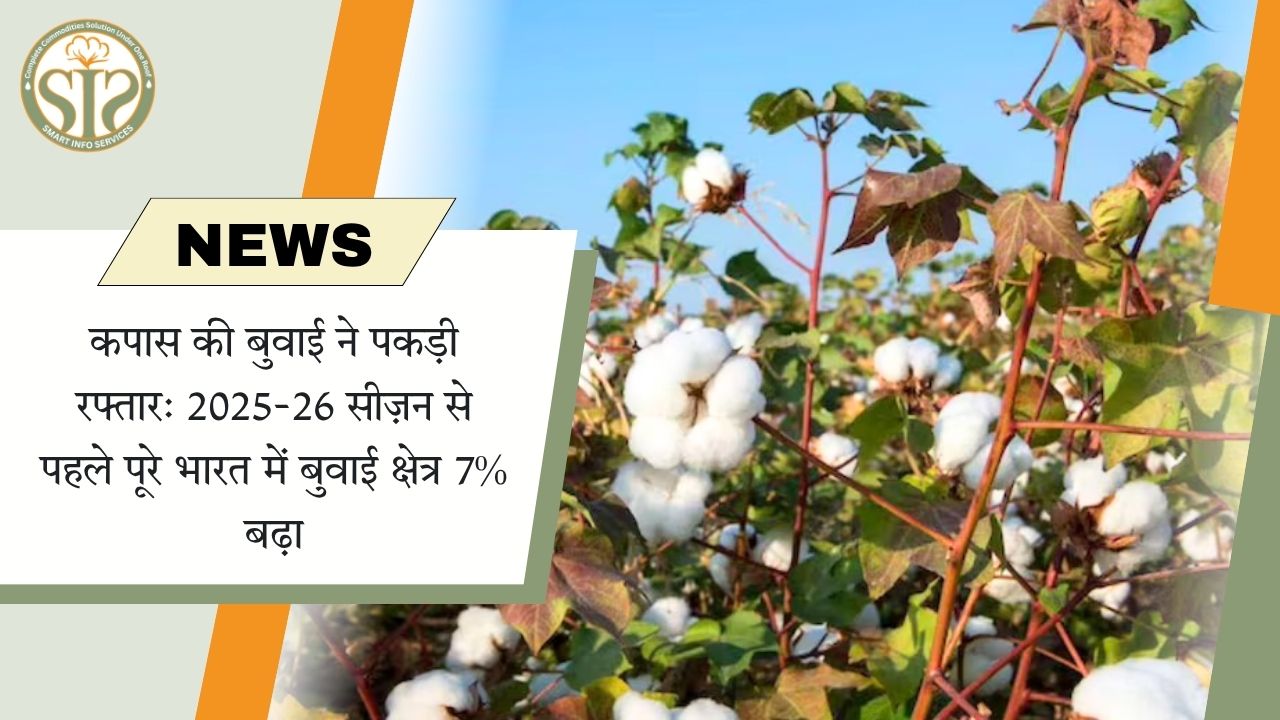
कपास की बुवाई ने पकड़ी रफ्तार: 2025-26 सीज़न से पहले पूरे भारत में बुवाई क्षेत्र 7% बढ़ाआगामी 2025-26 सीज़न के लिए कपास की बुवाई ने देशभर में सकारात्मक रुझान दिखाया है। पूरे भारत में अब तक कुल 31.25 लाख हेक्टेयर क्षेत्र में कपास की बुवाई हो चुकी है, जो पिछले वर्ष की इसी अवधि में दर्ज 29.12 लाख हेक्टेयर की तुलना में 7.3% की वृद्धि दर्शाता है।राज्यवार प्रदर्शन: राजस्थान में कपास की बुवाई में जबरदस्त इज़ाफा देखा गया है। इस वर्ष अब तक 550.29 हजार हेक्टेयर में बुवाई हुई है, जबकि पिछले साल यह आंकड़ा 444.79 हजार हेक्टेयर था — यानी 23.7% की उल्लेखनीय वृद्धि।गुजरात, जो कपास उत्पादन में एक प्रमुख राज्य है, वहाँ बुवाई 7.58 लाख हेक्टेयर (757,842 हेक्टेयर) तक पहुँच गई है, जबकि पिछले साल इसी समय तक 5.80 लाख हेक्टेयर (580,128 हेक्टेयर) में बुवाई हुई थी — यह 30.6% की तेज़ बढ़त है।महाराष्ट्र ने भी एक मामूली वृद्धि दर्ज की है। अब तक 11.53 लाख हेक्टेयर (1,153,486 हेक्टेयर) में बुवाई हो चुकी है, जो पिछले वर्ष के 11.30 लाख हेक्टेयर (1,129,892 हेक्टेयर) की तुलना में 2.1% अधिक है।हालांकि, कुछ राज्यों में गिरावट भी देखी गई है:कर्नाटक में बुवाई घटकर 3.36 लाख हेक्टेयर रह गई है, जबकि पिछले वर्ष यह आंकड़ा 5.19 लाख हेक्टेयर था — यह 35.3% की तीव्र गिरावट है।तेलंगाना में भी बुवाई में कमी आई है। इस वर्ष अब तक 22.84 लाख हेक्टेयर (2,284,474 हेक्टेयर) में कपास बोया गया है, जबकि पिछले साल यह आंकड़ा 26.42 लाख हेक्टेयर (2,641,595 हेक्टेयर) था — 13.5% की गिरावट।दृष्टिकोण: विशेषज्ञों का मानना है कि राजस्थान और गुजरात में शुरुआती मानसून की अनुकूल स्थितियाँ और बाज़ार की बेहतर धारणा बुवाई में वृद्धि का कारण रही हैं। वहीं, कर्नाटक और तेलंगाना में वर्षा में देरी और फसल प्राथमिकताओं में बदलाव के कारण बुवाई प्रभावित हुई है।कृषि मंत्रालय मौसम की स्थिति को देखते हुए बुवाई के रुझानों पर करीबी नज़र रख रहा है। अभी तक की सकारात्मक शुरुआत इस बात का संकेत है कि यदि आने वाले हफ्तों में मौसम अनुकूल रहा, तो कपास के लिए यह खरीफ सीज़न मजबूत हो सकता है।और पढ़ें :- डॉलर के मुकाबले रुपया 18 पैसे बढ़कर 85.70 पर बंद हुआ

गुरुवार को भारतीय रुपया 18 पैसे बढ़कर 85.70 प्रति डॉलर पर बंद हुआ, जबकि सुबह यह 85.88 पर खुला था।बंद होने पर, सेंसेक्स 1,000.36 अंक या 1.21 प्रतिशत बढ़कर 83,755.87 पर और निफ्टी 304.25 अंक या 1.21 प्रतिशत बढ़कर 25,549 पर था। लगभग 1983 शेयरों में तेजी आई, 1855 शेयरों में गिरावट आई और 151 शेयरों में कोई बदलाव नहीं हुआ।और पढ़ें :- कपड़ा वस्तुओं पर कम अमेरिकी टैरिफ भारत को प्रतिस्पर्धी बना सकते हैं: क्रिसिल
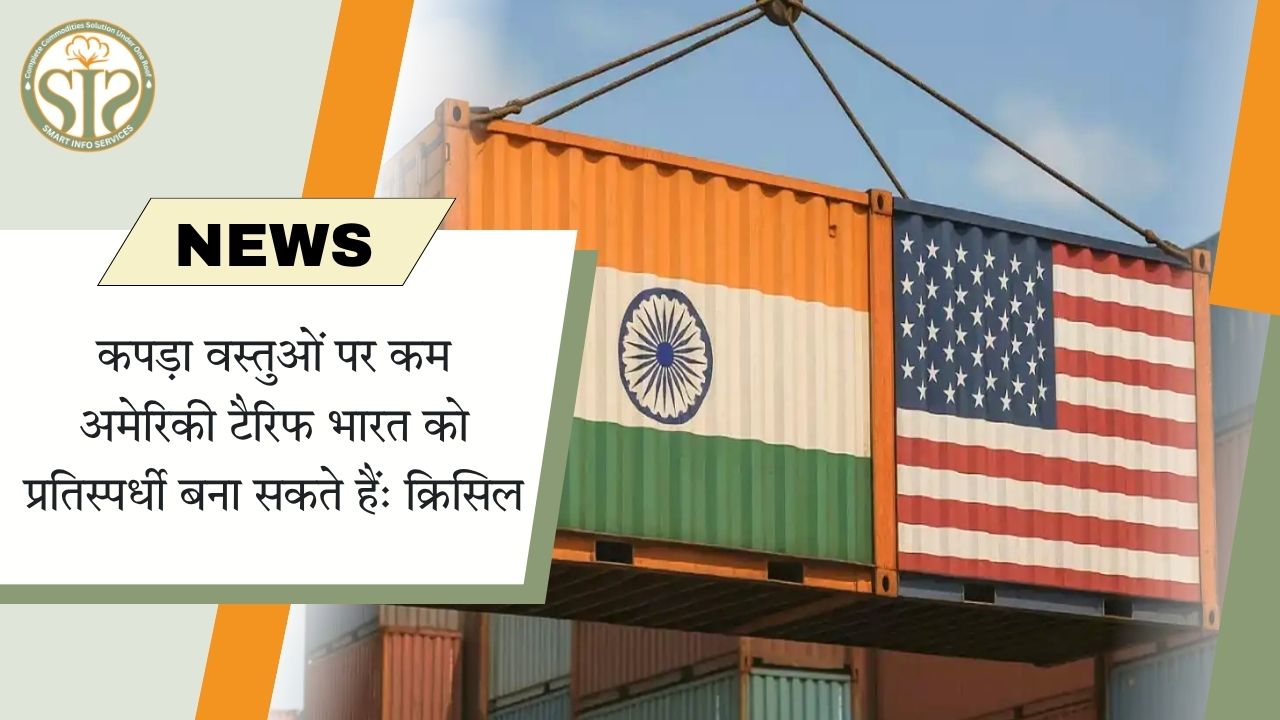
अमेरिकी टैरिफ में कमी से भारतीय वस्त्र उद्योग को मदद मिलेगीक्रिसिल के अनुसार, बातचीत के तहत अमेरिका-भारत द्विपक्षीय व्यापार समझौते (बीटीए) से संयुक्त राज्य अमेरिका के साथ भारत के माल व्यापार अधिशेष में कमी आने की संभावना है, और भारत अमेरिका से अधिक ऊर्जा उत्पाद, कुछ कृषि उत्पाद और रक्षा उपकरण आदि आयात करने में सक्षम होगा।हालांकि संयुक्त राज्य अमेरिका भारत का सबसे बड़ा निर्यात भागीदार है, लेकिन स्मार्टफोन, कुछ फार्मा उत्पादों और कपड़ा तथा रत्न एवं आभूषण जैसे श्रम-गहन निर्यात जैसे क्षेत्रों में निर्यात को और बढ़ाने की गुंजाइश है, एसएंडपी ग्लोबल कंपनी ने एक नोट में कहा।चूंकि प्रस्तावित बीटीए की पहली किस्त 2025 की शरद ऋतु तक पूरी होने का लक्ष्य है, इसलिए भारत को संयुक्त राज्य अमेरिका से अधिक आयात देखने के लिए तैयार रहना चाहिए क्योंकि भारत के टैरिफ संयुक्त राज्य अमेरिका की तुलना में बहुत अधिक हैं और इन्हें कम करना अमेरिकी निर्यातकों के लिए फायदेमंद होगा।क्रिसिल को लगता है कि भारत द्वारा संयुक्त राज्य अमेरिका को अपने निर्यात को बढ़ाने की कुछ गुंजाइश है।कपड़ा उत्पाद अमेरिका को निर्यात किए जाने वाले प्रमुख उत्पादों में से हैं, जिन पर शुल्क लगता है। बीटीए के तहत कम शुल्क भारत को बांग्लादेश, चीन और वियतनाम जैसे अन्य प्रमुख कपड़ा निर्यातकों के साथ प्रतिस्पर्धा करने में मदद कर सकता है।जबकि टॉयलेट लिनन, किचन लिनन और बेड लिनन जैसे कुछ कपड़ा उत्पादों की पहले से ही बाजार में अच्छी खासी हिस्सेदारी है (जिसे शुल्क में कमी से बढ़ावा मिलना चाहिए), क्रिसिल ने कहा कि रेडीमेड गारमेंट (आरएमजी) क्षेत्र के उत्पादों के लिए बाजार में पैठ कम है। शुल्क में कमी से इन्हें लाभ होगा।इसमें कहा गया है, "भारत द्वारा अमेरिका से कपास के आयात पर शून्य या कम शुल्क लगाने से कपड़ा व्यापार में तालमेल बढ़ाया जा सकता है, खासकर तब जब भारत का कपास उत्पादन घट रहा है। इससे अमेरिका से आरएमजी की बढ़ती मांग को पूरा करने में मदद मिल सकती है, बशर्ते ऐसे आयातों पर शुल्क कम कर दिया जाए।"और पढ़ें :- गुजरात: किसानों ने 12,950 हेक्टेयर में बोई फसल, सबसे ज्यादा कपास की फसल बोई
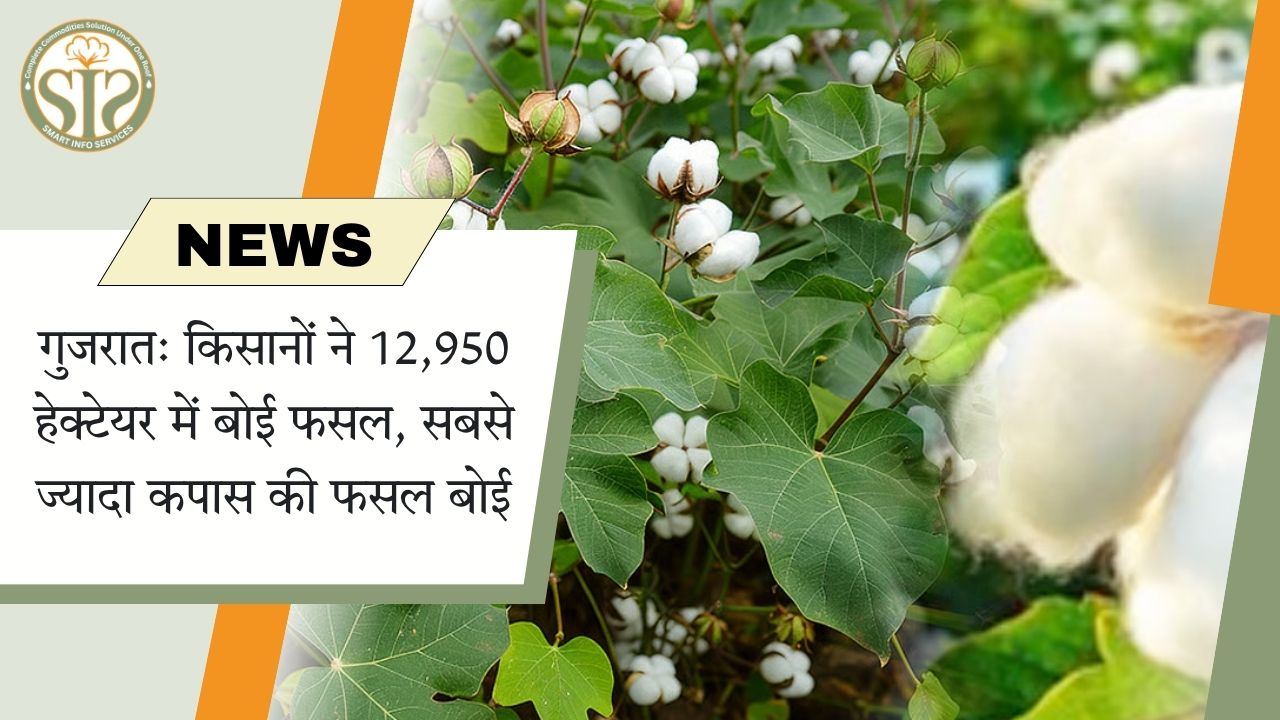
गुजरात में खरीफ की बुवाई शुरू, कपास सबसे आगेवडोदरा : भारत कृषि प्रधान देश है, इसलिए कृषि क्षेत्र में अच्छी बारिश होना लाजिमी है। धरतीपुत्र बेसब्री से बारिश का इंतजार कर रहे हैं। इस साल आसमान से बारिश होने से वडोदरा जिले के किसानों में खुशी का माहौल है। चालू खरीफ सीजन में अब तक जिले में 12,950 हेक्टेयर कृषि क्षेत्र में बुवाई पूरी हो चुकी है।वडोदरा जिले में बोई गई कुल 12,950 हेक्टेयर खरीफ फसल में से 8,891 हेक्टेयर भूमि में कपास बोई गई है, जो सबसे ज्यादा है। इसके अलावा 2,042 हेक्टेयर भूमि में चारा बोया गया है। 1,781 हेक्टेयर में सब्जियां, 125 हेक्टेयर में सोयाबीन और 60 हेक्टेयर में अरहर की फसल लगाई गई है। जबकि 1-1 हेक्टेयर में केला और पपीता लगाया गया है।खरीफ फसलों के क्षेत्रफल को तालुकावार देखें तो दभोई में 4,201 हेक्टेयर, देसर में 49, करजण में 1,363, पादरा में 4,399, सावली में 552 और शिनोर में 2,386 हेक्टेयर भूमि पर फसल बोई गई है। राज्य और केंद्र सरकार की ठोस योजना के बाद किसानों को खाद मिलने में कोई दिक्कत नहीं हुई है। दूसरी ओर आसमान से बरसने वाली दैत्य जैसी बारिश का सामना कर रहे धरतीपुत्रों ने अन्न के एक दाने को दाना बनाने का बीड़ा पूरे जोश के साथ उठा रखा है।और पढ़ें :- कपास की बुआई धीमी, उत्तरी क्षेत्र में गिरावट जारी
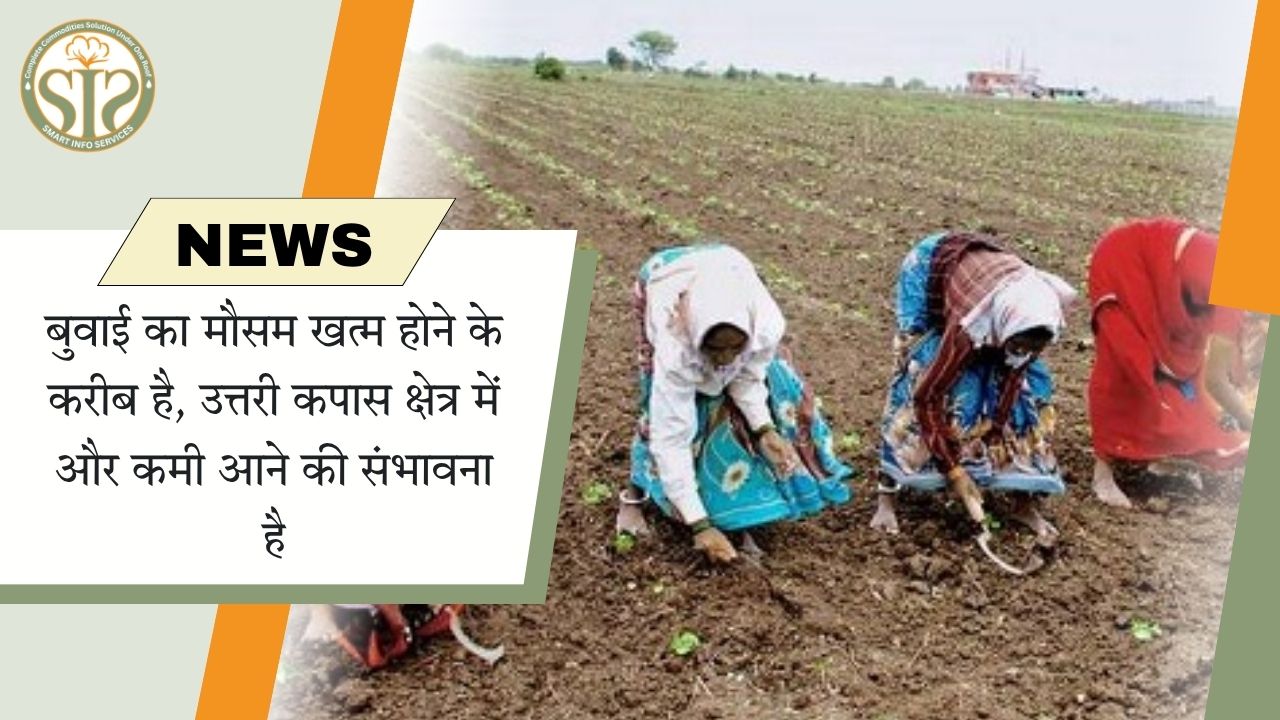
बुवाई का मौसम खत्म होने के करीब है, उत्तरी कपास क्षेत्र में और कमी आने की संभावना हैपंजाब में मामूली तेजी के बावजूद, हरियाणा और राजस्थान में कपास की बुवाई सुस्त बनी हुई है, क्योंकि 2024-25 का मौसम खत्म होने वाला है। उत्तरी कपास क्षेत्र में एक बार फिर फसल के कुल क्षेत्रफल में संभावित गिरावट देखी जा रही है, जिससे अनियमित मौसम और कीटों के हमलों से पहले से ही बनी आशंकाएं और बढ़ गई हैं। पंजाब, हरियाणा (3.80 लाख हेक्टेयर), राजस्थान (5.17 लाख हेक्टेयर) में अब तक 1.13 लाख हेक्टेयर में कपास की बुवाई की गई है, जिसमें ऊपरी और निचले दोनों इलाके शामिल हैं। बुवाई लगभग पूरी हो चुकी है और मानसून की समयसीमा कड़ी होती जा रही है, ऐसे में दोनों राज्यों के कृषि अधिकारी सतर्क आशावाद व्यक्त कर रहे हैं, लेकिन मानते हैं कि पिछले साल के बराबर रकबा मिलना संभव नहीं है। इसके विपरीत, पंजाब ने इस साल कपास की बुवाई में 15% की वृद्धि दर्ज करके इस प्रवृत्ति को थोड़ा उलट दिया है - जो ऐतिहासिक रूप से कम से आंशिक सुधार है। 2024-25 में पंजाब का कपास क्षेत्र घटकर 1 लाख हेक्टेयर से थोड़ा कम रह जाएगा, जो पिछले साल (2023-24) के 2.14 लाख हेक्टेयर से बहुत कम है - यानी 50% से ज़्यादा की भारी कमी।हरियाणा में, इस साल के आंकड़े 2024-25 के 4.76 लाख हेक्टेयर और 2023-24 के 5.78 लाख हेक्टेयर से काफ़ी कम हैं। अब, अधिकारी सीजन के अंत तक 4 लाख हेक्टेयर तक पहुँचने की उम्मीद कर रहे हैं।राजस्थान में, पिछले दो सालों में फसल में काफ़ी गिरावट देखी गई है क्योंकि यह पिछले साल (2024-25) 6.62 लाख हेक्टेयर थी, जो 2023-24 में 10.04 लाख हेक्टेयर थी। देरी से बुवाई जून के अंत तक जारी रहेगी।सामूहिक रूप से, उत्तरी क्षेत्र में अब तक 10.10 लाख हेक्टेयर में कपास की बुआई की गई है, जो पिछले साल की तुलना में लगभग 2.35 लाख हेक्टेयर कम है, जब तीनों राज्यों में फसल के तहत रकबा 12.35 लाख हेक्टेयर था और 2023-24 की तुलना में लगभग 7.86 लाख हेक्टेयर कम है, जब तीनों राज्यों में कपास के तहत कुल रकबा 17.96 लाख हेक्टेयर था।कभी संपन्न उत्तरी कपास बेल्ट अब तेजी से जमीन खो रहा है।हरियाणा ने धीमी बुआई के लिए मई और जून में पंजाब की भाखड़ा नहर प्रणाली से पानी छोड़ने में देरी को जिम्मेदार ठहराया, जिससे सिंचाई चक्र धीमा हो गया। हरियाणा कृषि विभाग के एक वरिष्ठ अधिकारी ने कहा, "पानी की कमी के कारण इस साल कपास का रकबा कम रहा है, लेकिन हमें अभी भी लगभग 4 लाख हेक्टेयर हासिल करने की उम्मीद है।" राजस्थान के कृषि विभाग के एक वरिष्ठ अधिकारी ने कहा कि राजस्थान में, गर्म मौसम के कारण बुवाई का मौसम देर से शुरू हुआ, जिससे कई किसानों को फसल दो या तीन बार बोनी पड़ी, जिससे इष्टतम रोपण समय पीछे चला गया।राज्य के एक कृषि अधिकारी ने कहा, "हमें उम्मीद है कि जून के अंत तक बुआई जारी रहेगी, लेकिन पिछले साल के रकबे की पूरी वसूली की संभावना नहीं है।" मौसम और पानी के अलावा, इन तीनों राज्यों में कपास उत्पादक लगातार गुलाबी बॉलवर्म संक्रमण से जूझ रहे हैं, जिसने पैदावार को प्रभावित किया है और किसानों का आत्मविश्वास कम हुआ है। पंजाब सबसे ज्यादा प्रभावित हुआ है, कुछ विशेषज्ञों ने राज्य से कीट के खतरे को कम करने के लिए कीट विज्ञानियों और कीट प्रबंधन वैज्ञानिकों को शामिल करने का आग्रह किया है। उल्लेखनीय है कि राज्य 2000 के दशक की शुरुआत में 8 लाख हेक्टेयर से अधिक क्षेत्र में कपास की खेती करता था - जो अब की तुलना में बहुत कम है। 2024-25 में (इस साल 30 अप्रैल तक) पंजाब में कपास का उत्पादन केवल 1.50 लाख गांठ (प्रत्येक 170 किलोग्राम) था, जबकि इसी अवधि के दौरान 2023-24 में 3.65 लाख गांठ थी। हरियाणा में उत्पादन पिछले साल के 13.30 लाख गांठ से घटकर 6.98 लाख गांठ रह गया। ऊपरी राजस्थान ने 9.77 लाख गांठ और निचले राजस्थान ने 8.60 लाख गांठ कपास का उत्पादन किया, जबकि पिछले साल यह आंकड़ा क्रमश: 15.47 लाख गांठ और 13.20 लाख गांठ था।कुल राष्ट्रीय कपास उत्पादन में उत्तरी क्षेत्र का योगदान पिछले साल (अप्रैल के अंत तक) 14% के मुकाबले इस साल घटकर केवल 10% रह गया। इस गिरावट का मुख्य कारण कपास उगाने वाले क्षेत्र में कमी है, खासकर पंजाब में, जो एक बढ़ती हुई चिंता का विषय है। 2025-26 सीजन के लिए, केंद्र सरकार द्वारा घोषित न्यूनतम समर्थन मूल्य (MSP) मध्यम स्टेपल कपास के लिए 7,710 रुपये प्रति क्विंटल और लंबे स्टेपल कपास के लिए 8,110 रुपये प्रति क्विंटल है। किसान आमतौर पर प्रति एकड़ आठ से 12 क्विंटल कपास की फसल ले सकते हैं, बशर्ते कि कोई कीट हमला न हो और मौसम की स्थिति अनुकूल हो। उत्तर में, किसान मुख्य रूप से मध्यम स्टेपल कपास उगाते हैं। उन्होंने कहा कि उच्च परिवहन लागत से संघर्षरत उद्योग पर और बोझ पड़ेगा: "जब तक कपास की स्थानीय उपलब्धता में सुधार नहीं होता, तब तक उद्योग का अस्तित्व गंभीर जोखिम में है। यह स्थिति तभी सुधर सकती है जब कपास का रकबा बढ़े - कपास पानी की अधिक खपत करने वाली धान की फसल का सबसे अच्छा विकल्प है।"और पढ़ें :- रुपया 21 पैसे बढ़कर 85.88 पर खुला

शुरुआती कारोबार में रुपया अमेरिकी डॉलर के मुकाबले 21 पैसे बढ़कर 85.88 पर खुलाभारतीय रुपया 26 जून को अमेरिकी डॉलर के मुकाबले 21 पैसे बढ़कर 85.88 पर खुला, जबकि पिछली बार यह 86.09 पर बंद हुआ था।और पढ़ें :- भारत भर में मौसम चेतावनियाँ जारी: भारी बारिश, तूफ़ान और तेज़ हवाएँ संभावित

"मानसून अलर्ट: पूरे भारत में भारी बारिश और तेज़ हवाएं"तेलंगाना:भारतीय मौसम विभाग (IMD) ने तेलंगाना के कई ज़िलों के लिए तात्कालिक मौसम अलर्ट जारी किया है। आगामी 2–3 घंटों के दौरान हैदराबाद, जनगांव, कामारेड्डी, करीमनगर, खम्मम, महबूबाबाद, महबूबनगर, मलकाजगिरी, मेडक, नगरकुरनूल, नलगोंडा, रंगा रेड्डी, संगारेड्डी, सिद्दिपेट, सुर्यापेट, विकाराबाद, वारंगल (शहरी और ग्रामीण) और यादाद्री-भोंगीर में हल्की से मध्यम बारिश के साथ गरज-चमक, तेज़ झोंकेदार हवाएँ और बिजली गिरने की संभावना है।ओडिशा:अगले 3–4 घंटों में ओडिशा के कई ज़िलों में हल्की से मध्यम बारिश और गरज-चमक के साथ 30–40 किमी/घंटा की रफ्तार से तेज़ हवाएँ और कुछ स्थानों पर बिजली गिरने की संभावना है। प्रभावित ज़िलों में अंगुल, बालेश्वर, बौध, भद्रक, कटक, देबगढ़, ढेंकनाल, गजपति, गंजाम, जगतसिंहपुर, जाजपुर, कंधमाल, केंद्रापाड़ा, क्योंझर, खुर्दा, मयूरभंज, नयागढ़ और पुरी शामिल हैं।राजस्थान और गुजरात:राजस्थान और गुजरात में मानसून की गतिविधियाँ तेज़ होने की संभावना है। मौसम विभाग ने 25 जून से आने वाले कुछ दिनों के दौरान भारी से अति भारी बारिश की चेतावनी दी है। नागरिकों और प्रशासन को सतर्क रहने की सलाह दी गई है।अन्य क्षेत्र:देश के अन्य हिस्सों में भी बिखरी हुई बारिश की गतिविधियाँ जारी हैं। मध्य प्रदेश, छत्तीसगढ़, झारखंड, ओडिशा, पूर्वी गुजरात, केरल और पूर्वोत्तर राज्यों में अगले कुछ दिनों तक हल्की से मध्यम बारिश के साथ कुछ स्थानों पर भारी बारिश की संभावना है।और पढ़ें :- Cotton Farming: धान ने सिरसा में बिगाड़ा कपास का खेल, ‘सफेद सोना’ मिला मिट्टी में

सिरसा में धान की खेती से कपास को भारी नुकसानCotton Farming: साल 2003 से 2014 तक सिरसा में कपास का उत्पादन जमकर होता था और उस दौर को कपास का 'सुनहरा दौर' तक कहा जाता है. उस समय बीटी कॉटन के बीज (2003 में बीजी-1 और 2005 में बीजी-2) ने उत्पादन में क्रांति ला दी थी. साल 2011 में कपास की खेती चरम पर थी. उस समय 2.11 लाख हेक्टेयर में कपास की खेती हुई और 9.56 लाख मीट्रिक टन का बंपर उत्पादन हुआ. हरियाणा का सिरसा जिला कभी कपास की खेती के लिए जाना जाता था. यहां पर कभी इसे 'सफेद सोना' तक कहा जाने लगा था. लेकिन अब यहां कपास के खेत खाली पड़े हैं और किसान कपास की खेती से मुंह मोड़ने लगे हैं. कपास के खेत धूल के मैदान में बदल गए हैं क्योंकि किसानों का मन अब धान की खेती में रमने लगा है. एक रिपोर्ट की मानें तो पिछले साल धान की खेती ने कपास को पीछे छोड़ दिया है. जहां धान का रकबा बढ़ा है तो वहीं कपास का दायरा सिकुड़ता जा रहा है. 2024 में धान आगे कपास पीछे अखबार द ट्रिब्यून की खबर के अनुसार साल 2024 में, धान ने कपास को बड़े अंतर से पीछे छोड़ दिया है. जहां 1.56 लाख हेक्टेयर में धान की खेती की गई और 6 लाख मीट्रिक टन से अधिक उत्पादन हुआ जो वहीं कपास की खेती 1.37 लाख हेक्टेयर में हुई और 4.3 लाख मीट्रिक टन उत्पादन हुआ. साल 2003 से 2014 तक सिरसा में कपास का उत्पादन जमकर होता था और उस दौर को कपास का 'सुनहरा दौर' तक कहा जाता है. उस समय बीटी कॉटन के बीज (2003 में बीजी-1 और 2005 में बीजी-2) ने उत्पादन में क्रांति ला दी थी. साल 2011 में कपास की खेती चरम पर थी. उस समय 2.11 लाख हेक्टेयर में कपास की खेती हुई और 9.56 लाख मीट्रिक टन का बंपर उत्पादन हुआ.गुलाबी सुंडी और व्हाइट फ्लाई दुश्मन पिछले पांच-छह सालों में स्थिति बदलने लगी है. कपास की फसलें व्हाइटफ्लाई और पिंक बॉलवर्म के इनफेक्शन से तबाह हो गई हैं. खेती लगातार बदलते मौसम और बीज टेक्नोलॉजी में ठहराव के कारण और भी खराब हो गई है. किसान अब पानी की कमी वाले क्षेत्रों में भी धान की खेती को प्राथमिकता दे रहे हैं. हालांकि धान की खेती में पानी की मांग बहुत ज़्यादा हो. कृषि विभाग के आंकड़ों के अनुसार, कपास की खेती 2020 में 2.09 लाख हेक्टेयर से घटकर 2024 में सिर्फ़ 1.37 लाख हेक्टेयर रह गई है. इसी अवधि के दौरान, धान की खेती 2018 में 97,000 हेक्टेयर से बढ़कर 2024 में 1.56 लाख हेक्टेयर हो गई, और इस साल 1.7 लाख हेक्टेयर को पार करने का अनुमान है. तापमान भी बना दुश्मन किसानों का कहना है कि बीटी कॉटन को जब शुरुआत में सफलता मिली तो उसने एक ऐसी मुसीबत पर पर्दा डाल दिया जो वाकई बड़ी चुनौती थी. बीटी बीजों ने बॉलवर्म से निपटा, लेकिन उसमें कीट लगने लगे. व्हाइटफ्लाई और पिंक बॉलवर्म वापस आ गए हैं, और कोई नई पीढ़ी का बीज नहीं है. कीटनाशक लॉबी ने बीजी-3 को ब्लॉक कर दिया. अब किसानों को हर मौसम में कीटों के हमलों का सामना करना पड़ता है. इस वजह से कई किसानों ने कपास की खेती ही बंद कर दी है. साथ ही किसानों ने बढ़ते तापमान और नमी के ज्यादा स्तर को भी कीटों के बढ़ते हमलों के लिए जिम्मेदार ठहराया है. 90 फीसदी तक फसल चौपट किसानों को नहीं भूलता है कि कैसे साल 2022 और 2023 में गुलाबी सुंडी की वजह से कपास की 90 फीसदी तक की फसल चौपट हो गई थी. इसकी वजह से किसानों को बड़ा नुकसान हुआ था. कई किसानों को तो प्रति एकड़ 50,000 रुपये तक का नुकसान हुआ. कुछ को बीमा मिला तो कुछ अभी तक मुआवजे का इंतजार कर रहे हैं. सिरसा में केंद्रीय कपास अनुसंधान संस्थान के प्रभारी वैज्ञानिक डॉ. अनिल मेहता ने कपास की फसल में आई गिरावट के लिए मुख्य रूप से कीटों के हमले के कारण कम पैदावार को जिम्मेदार ठहराया.उन्होंने कहा कि कटाई के बाद किसान कपास की टहनियों को खेतों या घर में ही छोड़ देते हैं जिससे लार्वा जीवित रहते हैं और अगली फसल पर हमला करते हैं. साथ ही, बुवाई के दौरान पानी की कमी से अंकुरण पर बहुत बुरा असर पड़ता है. वहीं कुछ विशेषज्ञों के अनुसार कपास के बीज अभी भी उपलब्ध हैं लेकिन ऐसे बीज चाहिए जो कीट-प्रतिरोधी किस्मों के हों.और पढ़ें :- रुपया 09 पैसे गिरकर 86.09 प्रति डॉलर पर बंद हुआ

बुधवार को भारतीय रुपया 09 पैसे गिरकर 86.09 प्रति डॉलर पर बंद हुआ, जबकि सुबह यह 86.00 पर खुला था।बंद होने पर, सेंसेक्स 700.40 अंक या 0.85 प्रतिशत बढ़कर 82,755.51 पर और निफ्टी 200.40 अंक या 0.80 प्रतिशत बढ़कर 25,244.75 पर था। लगभग 2711 शेयरों में तेजी आई, 1163 शेयरों में गिरावट आई और 127 शेयरों में कोई बदलाव नहीं हुआ।और पढ़ें :- तमिलनाडु : तिरुपुर संकट में है? 70,000 करोड़ रुपये के इस टेक्सटाइल क्लस्टर को आगे बढ़ने से कौन रोक रहा है?
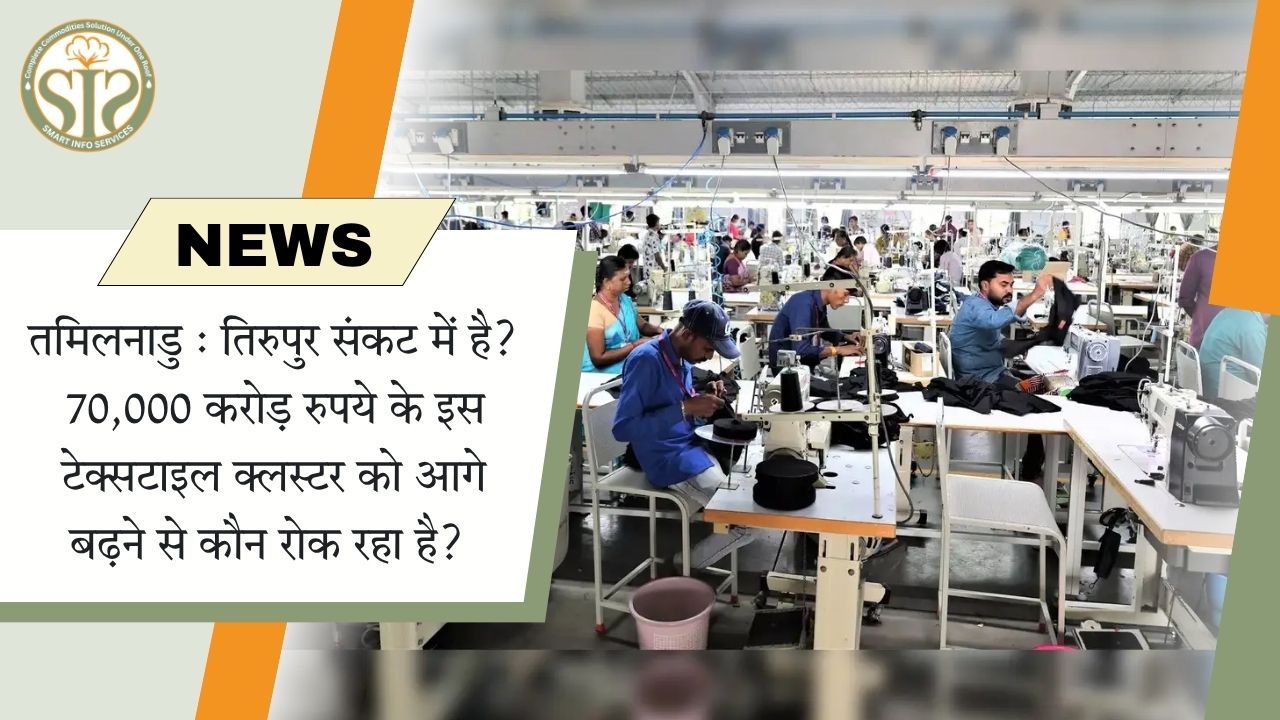
तिरुपुर के कपड़ा उद्योग में उछाल की राह में रुकावटपश्चिमी तमिलनाडु में नोय्याल नदी के किनारे बसा तिरुपुर पहली नज़र में एक शांत, गुमनाम शहर लग सकता है। हालाँकि, इसका साधारण रूप वैश्विक टेक्सटाइल में एक दिग्गज के रूप में इसकी स्थिति को झुठलाता है। लेकिन संख्याएँ सब कुछ बयां कर देती हैं। टेक्सटाइल क्लस्टर ने वित्त वर्ष 25 में कुल व्यापार में 70,000 करोड़ रुपये का भारी भरकम कारोबार किया। वास्तव में, तिरुपुर भारत के सूती बुने हुए कपड़ों के निर्यात का 90% और कुल बुने हुए कपड़ों के निर्यात का 54% हिस्सा है, जिससे इसे 'भारत की बुने हुए कपड़ों की राजधानी' का गौरव प्राप्त हुआ है। सिर्फ़ पिछले वित्त वर्ष में ही नहीं, बल्कि पिछले कई वर्षों से तिरुपुर लगातार भारत के कुल बुने हुए कपड़ों के निर्यात में आधे से ज़्यादा का योगदान दे रहा है। वाणिज्य एवं उद्योग मंत्रालय के आंकड़ों के अनुसार, वित्त वर्ष 2025 में इसने निटवियर उत्पादों में 39,618 करोड़ रुपये का रिकॉर्ड निर्यात हासिल किया, जो वित्त वर्ष 2024 में 33,045 करोड़ रुपये और वित्त वर्ष 20 में 27,280 करोड़ रुपये से अधिक है (चार्ट देखें)।पिछले कुछ वर्षों में उल्लेखनीय वृद्धि के बावजूद, तिरुप्पुर को महत्वपूर्ण चुनौतियों का सामना करना पड़ रहा है। हाल ही तक, बांग्लादेश जैसे देशों के साथ समान अवसर न होने के कारण, जो कम विकसित देश (LDC) के रूप में वस्त्रों में शुल्क-मुक्त पहुँच से लाभान्वित होते हैं, तिरुप्पुर में निर्यात अत्यधिक अप्रतिस्पर्धी हो गया था। हालाँकि बांग्लादेश में हाल की राजनीतिक अस्थिरता और चीन+1 रणनीति ने विकास के अवसर प्रस्तुत किए, वैश्विक कपड़ों के ब्रांडों ने अपना ध्यान भारत की ओर स्थानांतरित कर दिया, लेकिन यह अल्पकालिक था।ET डिजिटल की हाल ही में तिरुप्पुर यात्रा के दौरान उद्योग जगत के विभिन्न खिलाड़ियों के साथ गहन बातचीत से पता चलता है कि कुशल श्रम उपलब्धता, बुनियादी ढाँचे में सुधार और प्रौद्योगिकी उन्नयन में निवेश के मुद्दों को संबोधित करना तिरुप्पुर की भविष्य की संभावनाओं के लिए महत्वपूर्ण है।एक पारिस्थितिकी तंत्र बनानातिरुपुर से शुरुआती निर्यात (प्रत्यक्ष) इटली से शुरू हुआ। इटली का एक कपड़ा आयातक वेरोना 1978 में मुंबई के निर्यातकों के ज़रिए सफ़ेद टी-शर्ट खरीदने के लिए शहर आया था। उस समय, बहुत सारे कर्मचारी व्यापारी निर्यातकों के लिए कपड़े बनाने में लगे हुए थे। तिरुपुर निर्यातक संघ (TEA) के अनुसार, संभावना को देखते हुए, वेरोना ने यूरोपीय व्यापार को तिरुपुर में लाया। तीन साल बाद, यूरोपीय खुदरा श्रृंखला C&A ने बाज़ार में प्रवेश किया, उसके बाद अन्य स्टोर आए जिन्होंने कपड़ों की आपूर्ति के लिए निर्यातकों से संपर्क किया। आखिरकार, 1980 के दशक में 15 निर्यात इकाइयों के साथ तिरुपुर से निर्यात शुरू हुआ। 1985 में, शहर ने 15 करोड़ रुपये के कपड़ों का निर्यात किया।TEA के संयुक्त सचिव कुमार दुरईस्वामी याद करते हैं, "अतीत में, हमारे पास रंगाई की तकनीक नहीं थी, और हमें पानी की ज़रूरत थी; न ही हम ग्रे कपड़े को रंग में बदलने की तकनीक जानते थे।" “ये सभी हमारे अपने अनुसंधान एवं विकास द्वारा विकसित किए गए थे।”शुरू में, तिरुपुर में केवल सफेद कपड़े का उत्पादन होता था। चूंकि खरीदार अधिक रंग चाहते थे, इसलिए उन्होंने अहमदाबाद और देश के उत्तरी हिस्सों से रंग मंगवाए। “हमने शुरू में इसे लोहे के ड्रम में रंगा, बाद में इसे अपग्रेड किया और बाद में स्टील टैंक में बदल दिया। फिर यूरोप, अमेरिका, ताइवान और जापान की मशीनों ने इस स्टील टैंक की जगह ले ली,” वे कहते हैं।अगले कुछ साल अप्रत्याशित रूप से सफल रहे, 1990 में क्लस्टर से निर्यात 300 करोड़ रुपये तक पहुँच गया। वित्त वर्ष 25 में, यह संख्या रिकॉर्ड 40,000 करोड़ रुपये तक पहुँच गई, जबकि घरेलू खपत बढ़कर 30,000 करोड़ रुपये हो गई।और पढ़ें :- अमेरिकी डॉलर के मुकाबले रुपया 07 पैसे गिरकर 86.00 पर खुला

डॉलर के मुकाबले रुपया 07 पैसे गिरकर 86.00 पर खुलाभारतीय रुपया बुधवार को 07 पैसे गिरकर 86.00 प्रति डॉलर पर खुला, जबकि मंगलवार को यह 85.93 पर बंद हुआ था।और पढ़ें :- डॉलर के मुकाबले रुपया 17 पैसे मजबूत होकर 85.93 पर बंद हुआ

मंगलवार को भारतीय रुपया 17 पैसे बढ़कर 85.93 प्रति डॉलर पर बंद हुआ, जबकि सुबह यह 86.10 पर खुला था।बीएसई सेंसेक्स 83,018.16 के इंट्राडे हाई को छूने के बाद 158.32 अंक या 0.19 प्रतिशत की बढ़त के साथ 82,055.11 पर बंद हुआ।और पढ़ें :- सीसीआई कॉटन सेल: सीसीआई ने महाराष्ट्र में सबसे ज्यादा कॉटन बेचा; तेलंगाना में सबसे ज्यादा खरीद
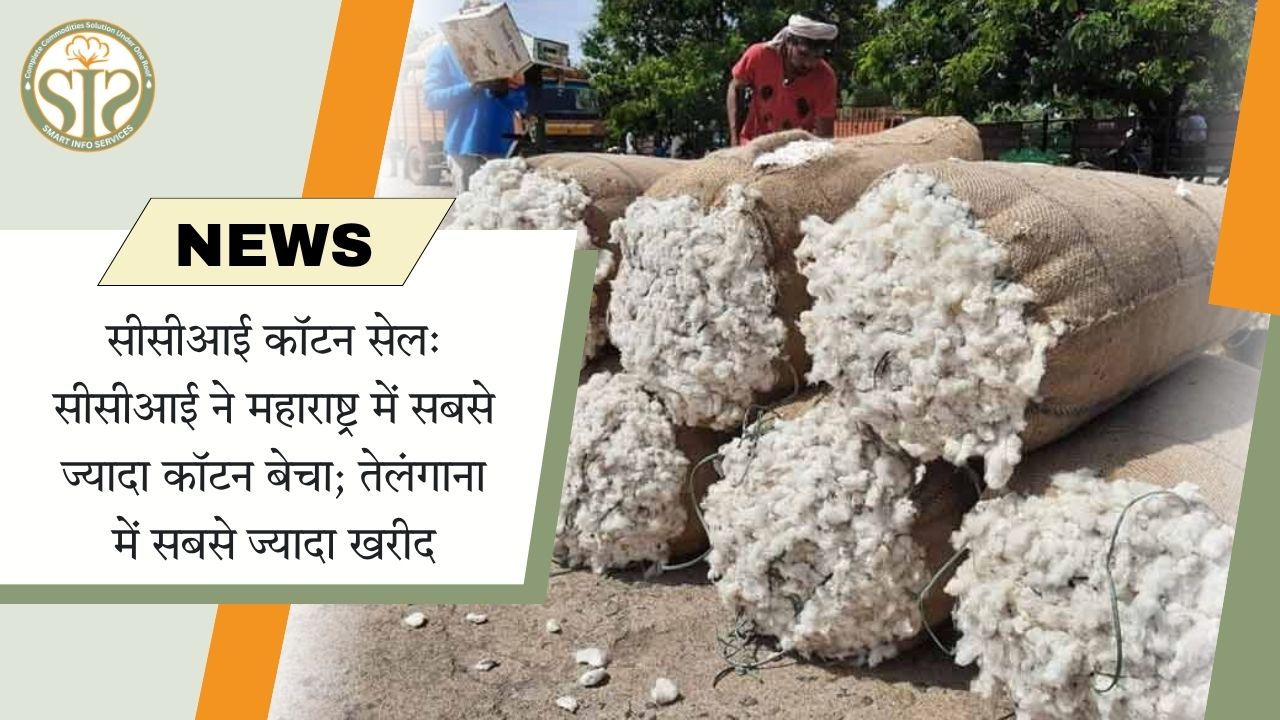
महाराष्ट्र में कपास की सर्वाधिक बिक्री दर्ज की गई; तेलंगाना ने सबसे अधिक खरीदारी कीकॉटन कॉरपोरेशन ऑफ इंडिया ने इस सीजन में गारंटीड कीमत पर 100 लाख गांठ कॉटन खरीदा था। जिसमें से अब तक 35 लाख गांठ कॉटन बिक चुका है और 65 लाख गांठ कॉटन बाकी है। कॉटन कॉरपोरेशन ऑफ इंडिया (सीसीआई) के चेयरमैन और प्रबंध निदेशक ललित कुमार गुप्ता ने बताया कि कॉटन की नीलामी सुचारू रूप से चल रही है।इस साल खुले बाजार में कॉटन का भाव गारंटीड कीमत से कम रहा। इसके चलते सीसीआई की कॉटन खरीद को किसानों से जबरदस्त प्रतिक्रिया मिली। कॉटन एसोसिएशन ऑफ इंडिया ने इस साल देश में 301 लाख गांठ कॉटन उत्पादन का अनुमान लगाया है। जिसमें से सीसीआई ने इस सीजन में 12 राज्यों से करीब 100 लाख गांठ कॉटन खरीदा है।देश में कॉटन उत्पादन का करीब 33 फीसदी अकेले सीसीआई ने खरीदा है। राज्यवार कॉटन खरीद पर गौर करें तो सबसे ज्यादा 40 लाख गांठ कॉटन तेलंगाना में खरीदा गया। तेलंगाना में कपास के भाव तुलनात्मक रूप से कम रहे। उसके बाद महाराष्ट्र में 29 लाख गांठ कपास की खरीद हुई। जबकि गुजरात में 14 लाख गांठ कपास की खरीद हुई।सीसीआई के पास इस समय देश में सबसे ज्यादा कपास का स्टॉक है। इसलिए सीसीआई की कपास बिक्री का सीधा असर बाजार पर पड़ रहा है। सीसीआई की कपास बिक्री भी सुचारू रूप से चल रही है। सीसीआई के चेयरमैन और प्रबंध निदेशक ललित कुमार गुप्ता ने बताया कि सीसीआई ने अब तक 35 लाख गांठ कपास बेची है। कपास बिक्री में अब तक सबसे ज्यादा कपास महाराष्ट्र में बिकी है।राज्यवार कपास बिक्रीसीसीआई ने अब तक महाराष्ट्र में करीब 16 लाख गांठ कपास बेची है। । जबकि तेलंगाना ने करीब 8 लाख गांठ कपास बेची। गुजरात ने भी 5 लाख गांठ कपास बेची। मध्य प्रदेश में 2 लाख गांठ और कर्नाटक में 1.5 लाख गांठ कपास बेची गई।अन्य राज्यों में भी करीब 2.5 लाख गांठ कपास बेची गई।कपास की बिक्री कीमतें कम हुई देश में कपास की कीमतें भले ही गारंटीड कीमत से कम हैं, लेकिन अंतरराष्ट्रीय बाजार की कीमतों से अधिक हैं। इसलिए उद्योगों ने मांग की थी कि सीसीआई कपास की बिक्री कीमतें कम करे। कच्चे तेल की कीमतों में बढ़ोतरी के कारण अंतरराष्ट्रीय बाजार में कुछ उतार-चढ़ाव देखने को मिल रहा है। देश में भी कीमतों में कुछ सुधार हुआ है। उद्योगों ने बताया कि सीसीआई ने कपास की बिक्री कीमतों में करीब 500 रुपये प्रति खंडी की कमी की है। हाल ही में हुई नीलामी में खंडी की कीमतें 53,500 से 54,500 रुपये के बीच थीं। जबकि कस्तूरी की गांठों की कीमतें 55,300 रुपये के बीच थीं।और पढ़ें :- रुपया 65 पैसे मजबूत होकर 86.10 पर खुला

Steps being taken to ensure cotton farmers get appropriate price for their produce, says T.N. government.The Tamil Nadu Agriculture Department has called upon cotton farmers to bring their produce to regulated markets. It also appealed to them to dry their produce and categorise them to meet norms on moisture, staple length, and micronaire, among others.An official release from the Secretary of the Agriculture Department said the Tamil Nadu government was taking steps to ensure cotton farmers get an appropriate price for their produce. It has also deputed officials to visit the districts.Cotton was cultivated in about 3.66 lakh acres across Tamil Nadu and the production was about 52,700 MT. As per the third estimates, the cotton production was about 36,000 MT during 2024-25. Of this, the production of cotton from the Cauvery delta districts such as Thanjavur, Nagapattinam, Mayiladuthurai and Tiruvarur districts, was about 7,700 MT, it said.read more :- Hedging desk started for farmers in Maharashtra

Maharashtra government launches hedging desk for cotton, turmeric and maize to help farmers(PTI) To ensure fair market prices and increased income for farmers, the Maharashtra government has launched a hedging desk in Pune under the first phase of the Balasaheb Thackeray Agribusiness and Rural Transformation (SMART) project.The desk will initially focus on cotton, turmeric and maize crops. Over time, the initiative will be expanded to cover more crops, a statement from the Chief Minister's Office (CMO) said.In collaboration with the National Commodity and Derivatives Exchange (NCDEX) and its research wing NCDEX Institute of Commodity Markets and Research (NICR), the initiative aims to protect farmers from losses due to market price fluctuations.Chief Minister Devendra Fadnavis called it a major step for the development of the agriculture sector.Hedging, like a fence protecting the farm, protects farmers from risks caused by price fluctuations in the market. Its main objective is to mitigate risks arising from potential price declines in the future. Farmers can also benefit from options trading, which allows them to lock in favourable prices, the statement said.Based on World Bank recommendations and the project implementation framework, the hedging desk has been set up to provide training and guidance to farmers and farmer producer organisations (FPOs) to participate in the commodity futures market.Agriculture contributes 12 per cent to Maharashtra's gross state domestic product (GSDP), yet crop production is still heavily dependent on nature.Despite successful crops, farmers often lack price control over their produce. To tackle this uncertainty, the government has supported them through policies, modern agricultural practices and crop insurance schemes.Recognising the limited resources and market knowledge of individual farmers, the government has now set up a dedicated, centralised agricultural hedging desk in Pune, it said.The hedging desk will work with FPOs and cluster-based business organisations (CBBOs) to provide technical information on commodity contracts and risk management strategies.This desk will provide real-time market information on trends, supply-demand changes and global prices. It will also promote setting up of storage centres near farms through FPOs.A risk management cell will analyse various types of risks and prepare mitigation strategies. It will publish annual commodity price risk assessment reports for cotton, maize and turmeric, offering current insights, forecasts and policy recommendations. Awareness and training programmes on commodity derivatives will also be organised.Additionally, at least 50 FPOs involved in the production and marketing of cotton, maize and turmeric will be registered and facilitated to trade in the futures market.A formal agreement was signed between NCDEX and Smart Project on April 8, 2025 for setting up this hedging desk. Special focus will be given to FPOs and farmers in cotton, turmeric and maize growing areas, especially in Hingoli, Washim, Sangli, Yavatmal, Akola, Nanded, Amravati, Chhatrapati Sambhajinagar and Beed.The project is headquartered in Pune and has started operating across the state.Hedging and options trading in select agricultural commodities are expected to bring huge benefits to farmers in Maharashtra. For example, a farmer unsure about future market prices at the time of sowing can lock in the price using options trading. This guarantees a minimum selling price, protecting them from market volatility, the statement said.Ultimately, this helps farmers get a stable income, plan financially better and feel more confident about investing in agriculture.read more :- Karnataka: 40% of kharif sowing has been completed in Yadgir district.
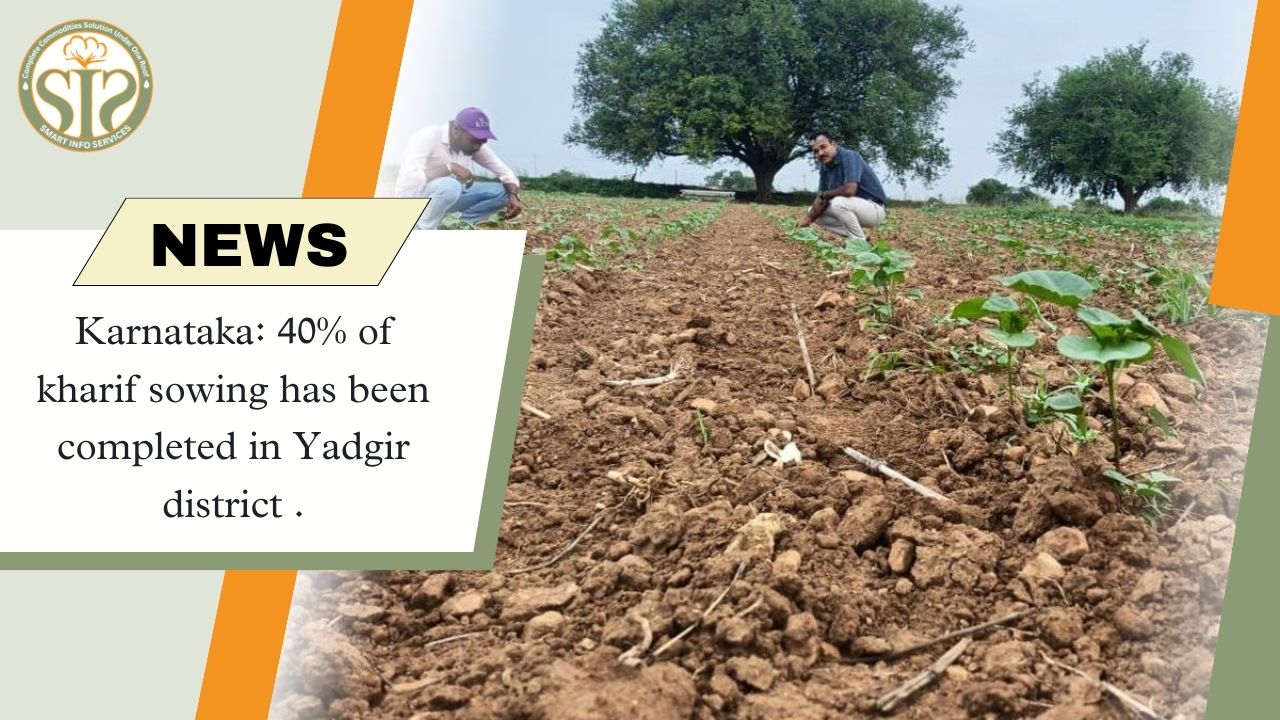
Yadgir Farmers Complete 40% Kharif SowingAfter three weeks of southwest monsoon and good rains before that, farmers who had already prepared the land in the district have started sowing. And, 40% sowing has been recorded till the beginning of this week.According to data provided by the agriculture department, 40.77% sowing has been recorded in Yadgir district. The department has set a target of 4,16,474 hectares for 2025-26 and out of this, 1,69,181 hectares, i.e. 40.77%, has been brought under cultivation so far.Farmers prefer moong, red moong, cotton and paddy for the kharif season, which is widely covered in the area irrigated under the Upper Krishna Project network, especially in Hunsgi and parts of Shahapur and Shorapur taluks.Meanwhile, paddy sowing is to be done in 1,07,856 hectares, while sowing is yet to begin.The taluk-wise sowing target and actual sowing is as follows: Shahapur 75,627 hectares (23,610 hectares), Wadagera 57,284 hectares (20,075 hectares), Shorapur 94,952 hectares (28,569 hectares), Hunsagi 66,134 hectares (19,682 hectares), Yadgir 69,505 hectares (42,979 hectares) and Gurmitkal 52,968 hectares (34,795 hectares).The highest sowing of 65.54% was recorded in Gurmitkal taluk, while the lowest sowing of 30.03% was recorded in Hunsagi taluk, where the area is largely irrigated and farmers sow paddy."Farmers can sow all crops except green gram by the end of July. We hope to cover more than 90% of the targeted area in the remaining period," said Rathendranath Sugur, joint director of the agriculture department. The district has received sporadic rainfall since sowing began this season. And, the weather has been dry despite cloudy weather across the district. Currently, mainly the green gram crop, considered a short-term cash crop, is about 10-15 days old. So, farmers have started ploughing to remove weeds between the crop rows to help them grow beautifully."The crops will need rain water in the next few days if not immediately as the soil is drying up slowly after ploughing," said Mahadevappa, a farmer ploughing his green gram field. Many farmers have said that the district has received good rainfall even before the onset of monsoon, which is even above the normal figures. "More importantly, if the crops get the required rainfall and fertilisers, they will give a good yield now," said Basavaraj Patil, another farmer.read more :- Maharashtra Cotton Sowing Hits 47% Mark
Maharashtra: So far only 47 percent sowing has been done in the district; this year cotton cultivation has been half .Jalgaon: Despite the month of Ashadh starting, sowing of Kharif is getting delayed in the district. Till 25th June only 47.6 percent sowing has been done. There has been rain at some places in the district. Due to this, the rate of sowing is more or less low everywhere in the taluka. Due to good initial rains this year, the maximum sowing has been done in Bodwad taluka in 90 percent area. Whereas Dharangaon taluka has the lowest sowing of 8 percent and Jalgaon taluka has only 10 percent sowing. Cotton cultivation starts from the first week of June, but this year cotton cultivation has been done in only 49 percent area. Still 51 percent cotton sowing is yet to be done.So far only 47 percent sowing has been done in the district; This year cotton cultivation was only half: 49 percent cotton cultivation, 64 percent maize sowingDespite the beginning of the month of Ashadh, sowing of Kharipa is still delayed in the district. Only 47.6 percent sowing has been completed till June 25. There has been rain at some places in the district. Due to this, the sowing rate is also more or less low everywhere in the taluka. Due to good initial rains this year, the highest sowing has been done in Bodwad taluka in 90 percent area. Whereas the lowest sowing has been done in Dharangaon taluka at only 8 percent and the lowest sowing has been done in Jalgaon taluka at only 10 percent. Cotton cultivation starts from the first week of June, but this year cotton cultivation has been completed in only 49 percent area. Still 51 percent cotton sowing is yet to be done.Kharif cultivation is done in 7 lakh 40 thousand 536 hectares in Jalgaon district. Out of this, the largest area of 5 lakh 46 thousand 933 hectares is of cotton alone. Although this year it rained in May, but the rain was delayed in June, due to which Kharif sowing could be completed in only 3 lakh 48 thousand hectares. Cotton has been cultivated in 2 lakh 68 thousand hectares. It is estimated that this year the area of cotton will decrease and the area of maize and soybean will increase. Despite less rain, the maximum 64 percent of maize sowing has been completed in the district. Maize sowing has been done in 59 thousand hectares.88 mm rainfall in the district Jalgaon district has recorded 88.7 mm rainfall till Wednesday. An average of 107.2 mm rainfall is expected in the district till June 26. In fact, 82.7 mm rainfall has been recorded. The highest rainfall of more than 100 mm was recorded in Jalgaon, Bhusaval, Erandol, Parola and Pachora talukas. The lowest rainfall was recorded in Raver, Muktainagar and Amalner talukas.read more :- Indian cotton acreage likely to increase despite setbacks in some pockets
"Cotton Cultivation Expands in India Despite Setbacks"The country’s area under cotton has witnessed an uptick despite setbacks in Telangana and Andhra Pradesh where a dry spell threatens to hit the first sowing. The cotton acreage is expected to increase by 7 per cent over 113.60. lakh hectares (lh) last year. As of June 20, the area under cotton was 31.25 lh.Though the area is trailing in States such as Telangana, the trade expects the acreage to improve in Telangana and Andhra Pradesh following an increase in minimum support price (MSP) for the fibre crop. In Karnataka, the area was up by about 40 per cent till June 20 at 3.35 lh compared with 2.40 lh a year ago. The area in Gujarat, however, could decline by 5 per cent as farmers in Saurashtra are shifting from cotton to groundnut.A long dry spell after early rains in the last week of May has dampened the hopes of cotton farmers in Telangana. Two-thirds of 33 districts in the State reported deficit rainfall. According to the India Meteorological Department, the State has received 23 per cent deficient rain during the current monsoon. With the prospects of losing the first sowing looming large, the State government is taking measures to make seeds available.Lukewarm enthusiasm“There is likely to be an increase of 8-10 per cent in the coverage of cotton in the country this season,” said Ramanuj Das Boob, Vice-President of the All-India Cotton Brokers Association and a sourcing agent in Raichur. In Karnataka, the acreage will be more by around 10 per cent, while Telangana and Andhra may also see an improvement, he said.Also, in northern States such as Rajasthan and Punjab, the acreage is seen improving, he said.Bhagirath Chaudhary, Director of Jodhpur-based South Asia Biotechnology Centre, said across North India, the 2025 cotton season has been marked by lukewarm enthusiasm driven by persistent concerns over profitability, recurring pink bollworm infestations and increasing disease concerns.Despite the Punjab government’s subsidy on Bt cotton hybrid seeds, farmer response this season has remained largely indifferent. The support, though well-intentioned, has failed to translate into any significant expansion of the cotton-growing area on the ground, Chaudhary said.Major setback“A major setback has been the unavailability of canal water during the crucial May sowing window, which has further discouraged farmers from planting cotton. This critical lapse has turned the tide in favour of paddy, a crop perceived by farmers as more stable, remunerative, and less risky,” Chaudhary said“To arrest the continuing decline, North Indian states must collaborate with the Central government on a comprehensive revival strategy to implement TMC 2.0 by incentivising drip irrigation system ensuring timely sowing of cotton and fast tracking approval and adoption of pink bollworm-resistant Bt cotton varieties with herbicide-tolerant traits,” he said.According to Anand Popat, Rajkot-based cotton, yarn and cotton waste trader, it will take another fortnight for the actual picture on cotton sowing to emerge across the country. However, the area in Gujarat could decline by 5 per cent as farmers in Saurashtra are shifting from cotton to groundnut. On the other hand, soyabean farmers are switching over to cotton. “In Maharashtra, the acreage could be plus or minus 2 per cent compared with last year. In the North, there could be a 10 per cent increase, and in the South, the area could rise by 15-25 per cent,” said Popat.Telangana farmers in distress.The early monsoon brought cheers to farmers in Telangana last month and they went for early sowings of cotton and paddy. Their hopes, however, are short-lived as the south-west monsoon played spoilsport. A long dry spell after the initial showers in the last week of May is causing concern among cotton farmers.“We are on the verge of losing the investments that we made in sowings. After initial rains in the last week, there have been no rains. If it doesn’t rain in the next few days, we may have to go for second sowing,” Ram Reddy (name changed), a cotton farmer in Narayanpet, told.read more :- INR rises 01 Paise, Closes at 85.49 per Dollar

The Indian rupee on friday higher 01 paise to close at 85.49 per dollar, while it opened at 85.50 in the morning.At close, the Sensex was up 303.03 points or 0.36 percent at 84,058.90, and the Nifty was up 88.80 points or 0.35 percent at 25,637.80. About 2135 shares advanced, 1727 shares declined, and 140 shares unchanged.read more :- Tamil Nadu: Business Traditions: Why cotton-rich Tirupur is turning to synthetics

Tirupur’s Shift from Cotton to Synthetics Gains Momentum Amid Global MMF BoomTirupur: As global fashion trends increasingly move toward fast fashion, demand for man-made fibres (MMFs) is rising rapidly. Industry estimates suggest that over 70% of clothing worldwide is now made using MMF-based fabrics, signalling a major structural shift in the textile sector.According to Siva Subramaniam, a second-generation manufacturer and CEO of Raft Garments, the industry is still in the early stages of this transition but the direction is clear. “This is the future of the industry,” he said, highlighting the growing importance of synthetic textiles in global markets.Raft Garments, which earlier produced 100% cotton-based apparel, began using polyester-spandex blends two years ago for innerwear and other garments. The company now maintains a portfolio of 85% cotton and 15% MMF, with plans to increase MMF share to 50% in the coming years. Subramaniam noted that polyester-based fabrics offer better sweat resistance and durability, making them increasingly popular, especially in sportswear.He added that domestic and global markets are gradually shifting toward synthetics. “Cotton is almost disappearing in the sports segment, and polyester is becoming the preferred choice,” he said, adding that government support will be crucial for scaling up MMF adoption in India.Rising global opportunity for MMFMan-made fibres such as polyester, nylon, and rayon are produced through chemical processes or modification of natural fibres. These materials are widely used due to their durability, low maintenance, and resistance to wear and tear. China currently dominates global MMF production with an estimated 72% market share.A Ministry of Textiles report highlights that India’s per capita fibre consumption stands at 5.5 kg, of which MMF accounts for only 3.1 kg—one of the lowest levels globally—indicating significant growth potential.Industry projections suggest that India’s MMF textile exports could grow by 75% to reach $11.4 billion by 2030, up from about $6.5 billion in 2021–22. However, challenges such as raw material costs, technology gaps, and capacity constraints continue to limit competitiveness against global players.Tirupur’s transition journeyTirupur, India’s knitwear hub, exports cotton and cotton-blend garments such as T-shirts, dresses, and sweatshirts to key markets including Europe and the US. Its proximity to Coimbatore has helped it develop into a globally recognised textile cluster.However, industry stakeholders say India still lags behind China in MMF manufacturing capabilities. While some exporters have begun adopting MMF due to rising global demand, cotton continues to dominate production in most units.Investment and future outlookExporters in Tirupur are now investing heavily to adapt to the shift. Smaller units are reportedly spending ₹2–4 crore to upgrade machinery and expand MMF production capabilities.“We have invested around ₹3–4 crore in MMF production as global demand clearly favours synthetics,” said Subramaniam, adding that the goal is to capture a larger share of the evolving market.Industry experts believe that coordinated efforts from both the government and private sector will be essential to accelerate this transition and position Tirupur as a strong global player in MMF apparel manufacturing.Read More :- Rupee Rises 20 Paise to 85.50 Against Dollar

Indian rupee opens 20 paise higher at 85.50 against US dollarThe rupee opened 20 paise up on June 27 as the dollar index continues to trade lower. The rupee opened at 85.50 against the dollar after ending the previous session at 85.70.read more :- India's monsoon set to cover entire country over a week early

Monsoon Makes Fast Advance Over IndiaIndia's annual monsoon rains are set to cover the entire country within the next three to four days, over a week ahead of their typical schedule, two senior weather officials said on Thursday, accelerating planting of summer-sown crops.The monsoon, the lifeblood of India's nearly $4 trillion economy, delivers almost 70% of the rainfall needed to water farms and replenish aquifers and reservoirs.Nearly half of India's farmland, which is not irrigated, depends on the annual June-September rains for crop growth.In a typical year, rains lash the southwestern coastal state of Kerala around June 1 and move northwards to cover the entire country by July 8.After stalling for two weeks, the monsoon regained momentum last week and rapidly covered central India and most northern states, the India Meteorological Department said.Rains had reached all parts of India except some areas in the northwestern state of Rajasthan, neighbouring Haryana, Delhi and Uttar Pradesh, an IMD chart released on Thursday showed.The monsoon has continued its expansion over some parts of northwestern states, said R. K. Jenamani, head of the national weather forecasting centre, and conditions are favourable for it to reach the remaining untouched areas over the next three to four days.Despite receiving rainfall 31% below average in the first half of June, the monsoon's revival has turned the deficit into a 9% surplus so far this month.Central and northern states are likely to receive above-average rainfall this week and next week, which will help farmers accelerate sowing of summer-sown crops, another weather official said.Farmers usually start planting summer-sown crops such as rice, corn, cotton, soybeans, and sugarcane after the arrival of monsoon rains.India is likely to see above-average monsoon rains for the second straight year in 2025, according to an IMD forecast released last month.read more :- Cotton Sowing Up 7% Ahead of 2025-26 Season

Cotton Sowing Gains Momentum: All-India Area Rises 7% Ahead of 2025-26 SeasonCotton sowing for the upcoming 2025-26 season has shown a positive trend across several states, with total sowing across India reaching 31.25 lakh hectares, a 7.3% increase compared to 29.12 lakh hectares recorded during the same period last year.State-wise Performance:Rajasthan has witnessed a robust increase, with cotton sowing covering 550.29 thousand hectares, up from 444.79 thousand hectares last year — a significant 23.7% jump.Gujarat, another key cotton-growing state, reported a rise in coverage, with 7.58 lakh hectares (757,842 ha) sown so far compared to 5.80 lakh hectares (580,128 ha) last year — marking a 30.6% surge.Maharashtra has also registered a moderate increase. Sowing has reached 11.53 lakh hectares (1,153,486 ha), up from 11.30 lakh hectares (1,129,892 ha), a 2.1% rise.However, not all states have seen a positive trend:Karnataka reported a decline, with sowing dropping to 3.36 lakh hectares compared to 5.19 lakh hectares in the previous year — a sharp 35.3% fall.Telangana has also seen reduced sowing activity, with the area under cotton falling to 22.84 lakh hectares (2,284,474 ha) from 26.42 lakh hectares (2,641,595 ha) — a 13.5% decrease.Outlook: Experts attribute the increase in sowing in Rajasthan and Gujarat to favorable early monsoon conditions and improved market sentiment. On the other hand, delayed rains and shifting crop preferences may have impacted sowing in Karnataka and Telangana.The Ministry of Agriculture is monitoring sowing trends closely as monsoon patterns evolve. The overall positive start indicates a potentially strong kharif season for cotton if favorable weather persists in the coming weeks.read more :- Rupee higher 18 Paise Against USD, Closes at 85.70

The Indian rupee on thursday higher 18 paise to close at 85.70 per dollar, while it opened at 85.88 in the morning.At close, the Sensex was up 1,000.36 points or 1.21 percent at 83,755.87, and the Nifty was up 304.25 points or 1.21 percent at 25,549. About 1983 shares advanced, 1855 shares declined, and 151 shares unchanged.read more :- Lower US tariffs on textile goods could make India competitive: Crisil

US Tariff Cut May Boost Indian TextilesAccording to Crisil, the US-India bilateral trade agreement (BTA) under negotiation is likely to reduce India's goods trade surplus with the United States, and India will be able to import more energy products, certain agricultural products and defence equipment, among others, from the US.Although the United States is India's largest export partner, there is scope to further increase exports in sectors such as smartphones, certain pharma products and labour-intensive exports such as textiles and gems and jewellery, S&P Global said in a note.As the first tranche of the proposed BTA is targeted to be completed by autumn 2025, India should be prepared to see more imports from the United States as India's tariffs are much higher than those of the United States and reducing them would be beneficial for US exporters.Crisil feels there is some scope for India to increase its exports to the United States.Textile products are among the major products exported to the US that attract duty. Lower duty under the BTA could help India compete with other major textile exporters such as Bangladesh, China and Vietnam.While some textile products such as toilet linen, kitchen linen and bed linen already have significant market share (which should get a boost from the duty reduction), Crisil said the market penetration for products in the readymade garment (RMG) sector is low and would benefit from the duty reduction."India's imposition of zero or lower duty on cotton imports from the US could enhance synergies in textile trade, especially when India's cotton production is declining. This could help meet the growing demand for RMG from the US, provided duty on such imports is reduced," it said.read more :- Gujarat: Farmers sowed crops in 12,950 hectares, most of them were cotton
Gujarat Begins Kharif Sowing; Cotton Leads in VadodaraVadodara: With the arrival of timely rainfall, Kharif sowing activities have picked up pace across Gujarat, bringing a wave of optimism among farmers. In Vadodara district, favorable weather conditions have created a positive atmosphere, encouraging farmers to begin sowing with renewed enthusiasm.So far, sowing has been completed on 12,950 hectares in the district. Cotton dominates the crop pattern, covering 8,891 hectares—the largest share of the total sown area. Other crops include fodder on 2,042 hectares, vegetables on 1,781 hectares, soybean on 125 hectares, and pigeon pea on 60 hectares. Banana and papaya have also been planted on 1 hectare each.Taluka-wise, Padra has recorded the highest sowing area at 4,399 hectares, followed by Dabhoi with 4,201 hectares, Shinor with 2,386 hectares, Karjan with 1,363 hectares, Savli with 552 hectares, and Desar with 49 hectares.Officials stated that due to effective planning by both the state and central governments, farmers have not faced any shortage of fertilizers. Supported by good rainfall and adequate inputs, farmers are actively engaged in sowing operations, aiming for a productive and successful Kharif season.Read More :- Cotton sowing slows down, decline continues in northern region
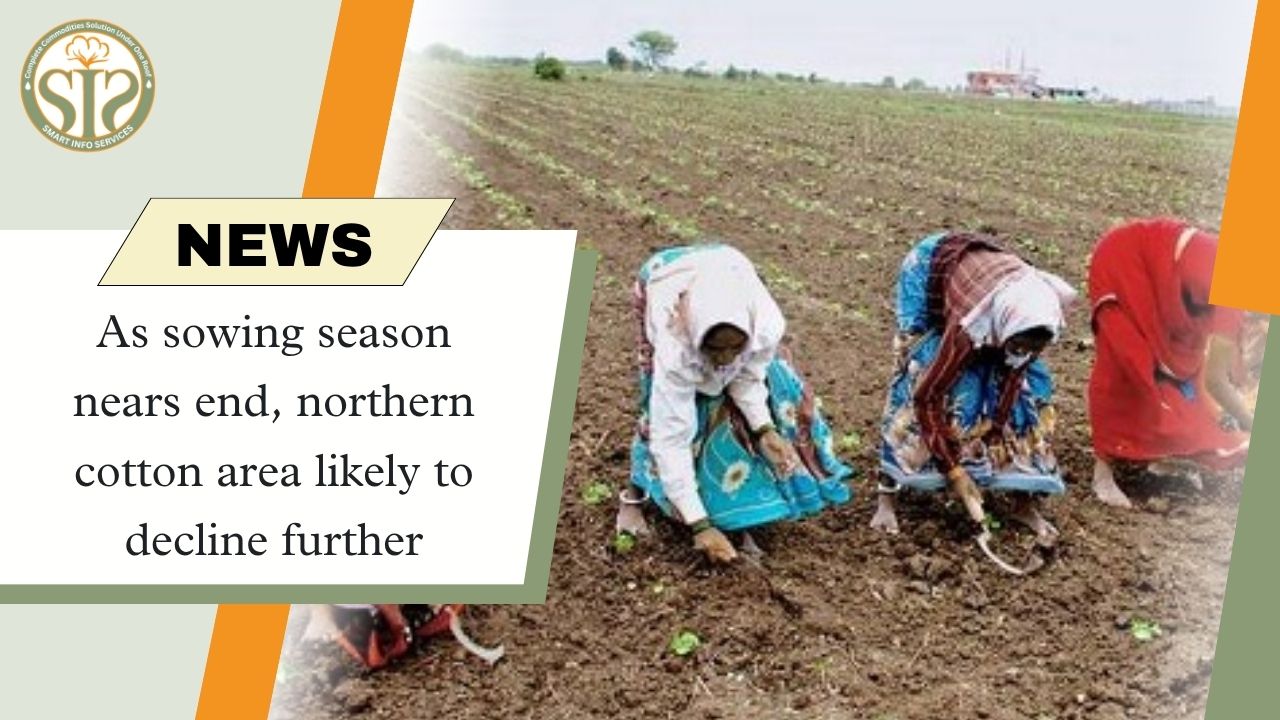
As sowing season nears end, northern cotton area likely to decline furtherDespite a marginal uptick in Punjab, cotton sowing remains sluggish in Haryana and Rajasthan as the 2024-25 season draws to a close. The northern cotton belt is once again witnessing a likely decline in the total area under the crop, adding to apprehensions already built up over erratic weather and pest attacks. Cotton has been sown in 1.13 lakh hectares so far in Punjab, Haryana (3.80 lakh hectares), Rajasthan (5.17 lakh hectares), covering both upland and lowland areas.With sowing almost complete and monsoon deadlines getting tighter, agriculture officials in both states are expressing cautious optimism but admit that matching last year’s acreage is unlikely. In contrast, Punjab has slightly reversed the trend by recording a 15% rise in cotton sowing this year – at least a partial recovery from historical lows. Punjab's cotton area will drop to a little less than 1 lakh hectare in 2024-25, much lower than last year's (2023-24) 2.14 lakh hectares - a massive reduction of over 50%.In Haryana, this year's figures are much lower than 4.76 lakh hectares in 2024-25 and 5.78 lakh hectares in 2023-24. Now, officials are hoping to reach 4 lakh hectares by the end of the season.In Rajasthan, the crop has seen a significant decline in the last two years as it was 6.62 lakh hectares last year (2024-25) from 10.04 lakh hectares in 2023-24. The delayed sowing will continue till the end of June.Collectively, cotton has been sown in 10.10 lakh hectares so far in the northern region, which is about 2.35 lakh hectares less than last year, when the area under the crop across the three states was 12.35 lakh hectares and about 7.86 lakh hectares less than 2023-24, when the total area under cotton across the three states was 17.96 lakh hectares.The once thriving northern cotton belt is now losing ground fast.Haryana blamed the slow sowing on the delay in the release of water from Punjab's Bhakra canal system in May and June, which slowed the irrigation cycle. "Cotton acreage has been less this year due to water shortage, but we still hope to achieve around 4 lakh hectares," said a senior official of the Haryana agriculture department. In Rajasthan, the sowing season started late due to hot weather, forcing many farmers to sow the crop twice or thrice, pushing back the optimum planting time, a senior Rajasthan agriculture department official said."We expect sowing to continue till June-end, but a full recovery of last year's acreage is unlikely," a state agriculture official said. Apart from weather and water, cotton growers in all three of these states are grappling with persistent pink bollworm infestation, which has hit yields and dented farmers' confidence. Punjab has been the worst hit, with some experts urging the state to engage entomologists and pest management scientists to mitigate the pest threat.It is worth noting that the state used to cultivate cotton in an area of over 8 lakh hectares in the early 2000s - much less than now. Cotton production in Punjab in 2024-25 (till April 30 this year) was only 1.50 lakh bales (each of 170 kg), as against 3.65 lakh bales in 2023-24 during the same period. Production in Haryana declined to 6.98 lakh bales from 13.30 lakh bales last year. Upper Rajasthan produced 9.77 lakh bales and Lower Rajasthan 8.60 lakh bales of cotton, as against 15.47 lakh bales and 13.20 lakh bales respectively last year.The contribution of the northern region to the total national cotton production declined to only 10% this year as against 14% last year (till April end). The main reason for this decline is the reduction in cotton growing area, especially in Punjab, which is a growing concern.For the 2025-26 season, the minimum support price (MSP) announced by the central government is Rs 7,710 per quintal for medium staple cotton and Rs 8,110 per quintal for long staple cotton. Farmers can usually harvest eight to 12 quintals of cotton per acre, provided there is no pest attack and weather conditions are favourable. In the north, farmers mainly grow medium staple cotton. He said high transportation costs would further burden the struggling industry: "Unless the local availability of cotton improves, the survival of the industry is at serious risk. This situation can improve only if cotton acreage increases - cotton is the best alternative to water-intensive paddy crop."read more :- INR Up 21 Paise, Opens at 85.88

Rupee rises 21 paise to 85.88 against US dollar in early tradeIndian rupee opened 21 paise higher on June 26 at 85.88 against the US dollar compared to the previous close of 86.09 against the greenback.read more :- Weather Warnings Issued Across India: Heavy Rain, Storms, and Strong Winds Ahead

Monsoon Alert: Heavy Downpours & Gusty Winds Across IndiaTelangana:The India Meteorological Department (IMD) has issued a short-term weather alert for several districts in Telangana. Light to moderate rain, accompanied by thundershowers, squalls, and lightning strikes, is likely to occur over the next 2–3 hours in Hyderabad, Jangaon, Kamareddy, Karimnagar, Khammam, Mahabubabad, Mahbubnagar, Malkajgiri, Medak, Nagarkurnool, Nalgonda, Ranga Reddy, Sangareddy, Siddipet, Suryapet, Vikarabad, Warangal (Urban and Rural), and Yadadri-Bhongir.Odisha:Moderate weather activity is expected across several districts of Odisha within the next 3–4 hours. The IMD forecasts spells of light to moderate rain and thundershowers, accompanied by gusty winds ranging from 30–40 km/h and isolated lightning. Affected districts include Anugul, Baleshwar, Baudh, Bhadrak, Cuttack, Debagarh, Dhenkanal, Gajapati, Ganjam, Jagatsinghapur, Jajapur, Kandhamal, Kendrapara, Kendujhar, Khordha, Mayurbhanj, Nayagarh, and Puri.Rajasthan & Gujarat:Monsoon conditions are set to become active over Rajasthan and Gujarat in the coming days. The IMD warns of heavy to very heavy rainfall likely between June 25 and the subsequent few days, urging residents and authorities to stay alert.Other Regions:Scattered rain activity continues in other parts of the country. Light to moderate rainfall, with isolated heavy spells, is likely over Madhya Pradesh, Chhattisgarh, Jharkhand, Odisha, eastern Gujarat, Kerala, and the northeastern states of India over the next few days.READ MORE :-Cotton Farming: Paddy spoiled the game of cotton in Sirsa, 'white gold' found in the soil

Paddy Cultivation Hits Cotton Hard in SirsaCotton Farming: From 2003 to 2014, cotton was produced in large quantities in Sirsa and that period is called the 'golden period' of cotton. At that time, BT cotton seeds (BG-1 in 2003 and BG-2 in 2005) brought a revolution in production. Cotton cultivation was at its peak in the year 2011. At that time, cotton was cultivated in 2.11 lakh hectares and a bumper production of 9.56 lakh metric tonnes was achieved.Sirsa district of Haryana was once known for cotton cultivation. It was once called 'white gold' here. But now the cotton fields are lying vacant here and farmers have started turning away from cotton cultivation. Cotton fields have turned into dusty fields because farmers are now interested in paddy cultivation. According to a report, paddy cultivation has overtaken cotton last year. While the area under paddy has increased, the area under cotton is shrinking.In 2024, paddy will be ahead, cotton will be behindAccording to the news of the newspaper The Tribune, in the year 2024, paddy will overtake cotton by a huge margin. While paddy was cultivated in 1.56 lakh hectares and more than 6 lakh metric tonnes were produced, cotton was cultivated in 1.37 lakh hectares and 4.3 lakh metric tonnes were produced. From 2003 to 2014, cotton was produced in large quantities in Sirsa and that period is even called the 'golden period' of cotton. At that time, BT cotton seeds (BG-1 in 2003 and BG-2 in 2005) brought about a revolution in production. Cotton cultivation was at its peak in the year 2011. At that time, cotton was cultivated in 2.11 lakh hectares and a bumper production of 9.56 lakh metric tonnes was achieved.Pink bollworm and white fly enemiesThe situation has started changing in the last five-six years. Cotton crops have been devastated by whitefly and pink bollworm infestations. Farming has worsened due to constantly changing weather and stagnation in seed technology. Farmers are now preferring paddy cultivation even in water-scarce areas. However, paddy cultivation is very demanding for water. According to the data of the Agriculture Department, cotton cultivation has declined from 2.09 lakh hectares in 2020 to just 1.37 lakh hectares in 2024. During the same period, paddy cultivation increased from 97,000 hectares in 2018 to 1.56 lakh hectares in 2024, and is estimated to cross 1.7 lakh hectares this year.Temperature also became an enemyFarmers say that when BT cotton was initially successful, it covered up a problem that was really a big challenge. BT seeds dealt with the bollworm, but pests started attacking it. Whitefly and pink bollworm are back, and there is no new generation seed. The pesticide lobby blocked BG-3. Now farmers have to face pest attacks every season. Because of this, many farmers have stopped cultivating cotton. Farmers have also blamed rising temperatures and high humidity levels for the increasing pest attacks.Up to 90 percent of the crop was destroyedFarmers do not forget how up to 90 percent of the cotton crop was destroyed due to pink bollworm in the years 2022 and 2023. Due to this, farmers suffered huge losses. Many farmers suffered losses of up to Rs 50,000 per acre. Some got insurance while some are still waiting for compensation. Dr. Anil Mehta, scientist in charge of the Central Cotton Research Institute in Sirsa, attributed the decline in cotton crop mainly to low yield due to pest attacks.He said that after harvesting, farmers leave cotton stalks in the fields or at home, due to which the larvae survive and attack the next crop. Also, lack of water during sowing has a very bad effect on germination. At the same time, according to some experts, cotton seeds are still available but seeds of pest-resistant varieties are needed.read more :- INR Drops 09 Paise, Closes at 86.09 per Dollar

The Indian rupee on wednesday lower 09 paise to close at 86.09 per dollar, while it opened at 86.00 in the morning.At close, the Sensex was up 700.40 points or 0.85 percent at 82,755.51, and the Nifty was up 200.40 points or 0.80 percent at 25,244.75. About 2711 shares advanced, 1163 shares declined, and 127 shares unchanged.read more :- Tamil Nadu: Tirupur in trouble? What is stopping this Rs 70,000 crore textile cluster from growing?
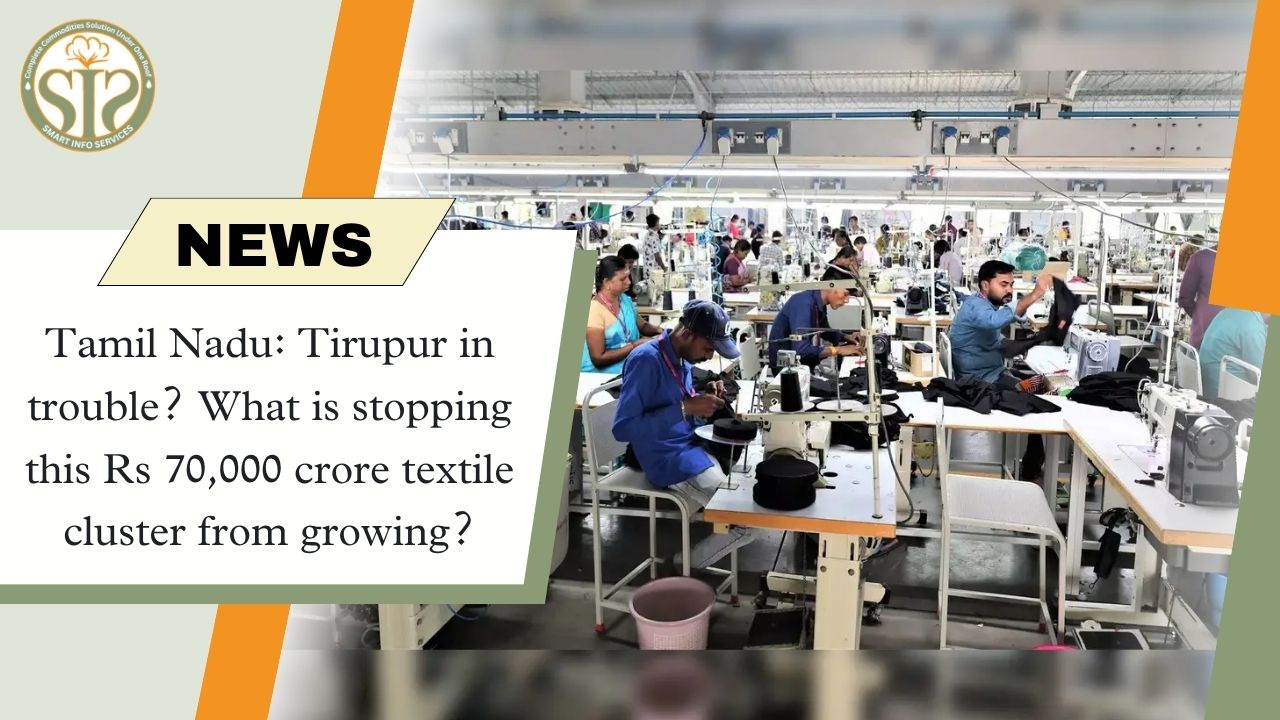
Tirupur’s Textile Boom Faces New Growth Challenges Despite Record TradeTirupur, located on the banks of the Noyyal River in western Tamil Nadu, may appear to be a quiet town at first glance, but it is widely recognised as a major hub in India’s textile industry. Often referred to as the “Knitwear Capital of India,” the city plays a dominant role in global apparel exports.The Tirupur textile cluster recorded a total trade of around ₹70,000 crore in FY25. It contributes nearly 90% of India’s cotton knitwear exports and about 54% of the country’s woven garment exports. In FY25 alone, knitwear exports from the region touched a record ₹39,618 crore, up from ₹33,045 crore in FY24 and ₹27,280 crore in FY20.Despite this strong performance, the sector is currently facing multiple challenges. Industry stakeholders point to issues such as shortage of skilled labour, infrastructure constraints, and the need for technology upgrades as key concerns for future growth. Additionally, global competitiveness has been affected due to duty advantages enjoyed by competing countries like Bangladesh.The growth of Tirupur’s export ecosystem has been gradual but steady. Starting with small-scale exports in the 1980s, the industry expanded rapidly after international buyers began sourcing from the region. Over time, improvements in dyeing technology and manufacturing processes helped transform Tirupur into a large-scale export hub.While exports have reached nearly ₹40,000 crore in FY25 and domestic consumption stands at around ₹30,000 crore, the industry now faces the challenge of sustaining this momentum amid global competition and structural bottlenecks.read more :- Rupee falls 07 paise at open to 86.00 against US dollar

Rupee opens 07 paise down against dollar at 86.00 Indian rupee opened 07 paise lower at 86.00 per dollar on wednesday versus tuesday 's close of 85.93.read more :- Rupee Gains 17 Paisa, Closes at 85.93 Against Dollar

શુક્રવારે ભારતીય રૂપિયો 01 પૈસા વધીને 85.49 પ્રતિ ડોલર પર બંધ થયો હતો, જ્યારે સવારે તે 85.50 પર ખુલ્યો હતો.બંધ સમયે, સેન્સેક્સ 303.03 પોઈન્ટ અથવા 0.36 ટકા વધીને 84,058.90 પર અને નિફ્ટી 88.80 પોઈન્ટ અથવા 0.35 ટકા વધીને 25,637.80 પર બંધ થયો હતો. લગભગ 2135 શેર વધ્યા, 1727 શેર ઘટ્યા અને 140 શેર યથાવત રહ્યા.વધુ વાંચો :- તમિલનાડુ: વ્યાપાર પરંપરાઓ: કપાસથી સમૃદ્ધ તિરુપુર સિન્થેટીક્સ તરફ કેમ વળી રહ્યું છે

તિરુપુરનું કપાસથી સિન્થેટીક્સ તરફનું પરિવર્તનતિરુપુર : જેમ જેમ વિશ્વ વધુને વધુ ઝડપી ફેશન અપનાવી રહ્યું છે, તેમ તેમ માનવસર્જિત રેસા (MMFs) ની માંગ વધી રહી છે. આને ધ્યાનમાં રાખીને, વિશ્વભરમાં 70% થી વધુ લોકો હાલમાં MMFs માંથી બનાવેલા કપડાં પહેરે છે. "હજુ પણ શરૂઆતના દિવસો છે," શિવા સુબ્રમણ્યમ, બીજી પેઢીના ઉત્પાદક અને આંતરિક વસ્ત્રો, ટી-શર્ટ અને સ્વેટરના નિકાસકાર, તિરુપુરમાં તેમની ફેક્ટરી ઓફિસમાં બેઠેલા કહે છે. જો કે, તેઓ દ્રઢપણે માને છે કે "આ ઉદ્યોગ માટે ભવિષ્યનો માર્ગ છે". "આપણે વૈશ્વિક બજાર અને માંગમાં વૃદ્ધિ વિશે વિચારવું જોઈએ," રાફ્ટ ગાર્મેન્ટ્સના સ્થાપક અને સીઈઓ સુબ્રમણ્યમ કહે છે.રાફ્ટ ગાર્મેન્ટ્સે અન્ડરવેર બનાવવા માટે પોલિએસ્ટર સ્પાન્ડેક્સ ફેબ્રિકનો ઉપયોગ કરવાનું શરૂ કર્યું તેને બે વર્ષ થઈ ગયા છે, જે પહેલાં ફક્ત કોટન સ્પાન્ડેક્સનો ઉપયોગ કરતો હતો. કારણ: "તે પરસેવો પ્રતિકાર કરે છે અને વધુ ટકાઉ છે," તે તિરુપુરમાં તેમના ઉત્પાદન એકમમાં હવે ઉત્પાદિત થઈ રહેલા કેટલાક નવા પોલિએસ્ટર ટુકડાઓ પ્રદર્શિત કરતા કહે છે.નિકાસકાર પાસે હાલમાં 85% કપાસ આધારિત વસ્ત્રો અને 15% MMF છે, જ્યારે અગાઉનો પોર્ટફોલિયો સંપૂર્ણપણે કપાસ આધારિત (100%) હતો. આગામી વર્ષોમાં, સુબ્રમણ્યમ MMFનો હિસ્સો 50% સુધી વધારવાનો ઇરાદો ધરાવે છે કારણ કે તેઓ MMF પર મોટી શરત લગાવી રહ્યા છે.તેઓ કહે છે કે સ્થાનિક બજાર વધુને વધુ સિન્થેટીક્સ તરફ વળ્યું છે, જ્યારે એ પણ નોંધ્યું છે કે વૃદ્ધિ સ્થિર દરે થઈ રહી છે. "ખાસ કરીને રમતગમત ક્ષેત્રમાં, કપાસ લગભગ અદૃશ્ય થઈ રહ્યો છે, અને દરેક વ્યક્તિ પોલિએસ્ટર તરફ ઝુકાવ બતાવી રહ્યો છે. આપણે હંમેશા ફક્ત કપાસ પર આધાર રાખી શકતા નથી અને આપણે નવા રસ્તાઓ પણ શોધવા પડશે. જોકે તે હાલમાં એક નાનો ટકાવારી છે, પરંતુ આ ક્ષેત્રને વિકસાવવા માટે સરકાર તરફથી પૂરતા સમર્થન સાથે ધીમે ધીમે ફેરફાર થઈ શકે છે," તેઓ કહે છે.જેઓ જાણતા નથી તેમના માટે, MMF સામાન્ય રીતે રાસાયણિક પ્રક્રિયાઓ દ્વારા અથવા કુદરતી તંતુઓમાં ફેરફાર કરીને બનાવવામાં આવે છે, જેના પરિણામે પોલિએસ્ટર, નાયલોન અને રેયોન જેવી સામગ્રી બને છે. ટકાઉપણું, સંભાળમાં સરળતા અને ઘસારો પ્રતિકાર જેવા ફાયદાઓ સાથે, આ સામગ્રી વિવિધ એપ્લિકેશનો માટે યોગ્ય છે. હાલમાં, ચીન MMF ઉત્પાદનમાં અગ્રેસર છે, જેનો અંદાજિત વૈશ્વિક બજાર હિસ્સો 72% છે. કાપડ મંત્રાલય દ્વારા MMF પરના તાજેતરના અહેવાલમાં દર્શાવવામાં આવ્યું છે કે ભારતનો પ્રતિ વ્યક્તિ ફાઇબર વપરાશ 5.5 કિલો છે; આમાંથી, MMFનો હિસ્સો 3.1 કિલો છે, જે વૈશ્વિક સ્તરે સૌથી ઓછો છે, આફ્રિકા કરતા પણ ઓછો છે. આ દર્શાવે છે કે ભારતમાં પ્રતિ વ્યક્તિ MMF ફાઇબર વપરાશ વધારવાની વિશાળ સંભાવના છે.કાપડ ઉદ્યોગનો અંદાજ છે કે ભારતની MMF કાપડ નિકાસ 2021-22 માં આશરે $6.5 બિલિયનથી 2030 માં 75% વધીને $11.4 બિલિયન સુધી પહોંચશે. જોકે, આ કહેવું સહેલું છે. કાચા માલની કિંમત, ગુણવત્તા, ક્ષમતા અને તકનીકી પ્રગતિ જેવા પરિબળો ભારતીય નિકાસકારો માટે તેમના વૈશ્વિક સમકક્ષો સાથે સ્પર્ધા કરવાનું મુશ્કેલ બનાવે છે. ભારતનું નીટવેર પાટનગર, તિરુપુર પણ ક્લસ્ટર તરીકે સમાન પડકારોનો સામનો કરી રહ્યું છે કારણ કે તે ધીમે ધીમે MMF વસ્ત્રોના અજાણ્યા પ્રદેશો તરફ આગળ વધી રહ્યું છે.વૈશ્વિક માંગ સાથે તાલમેલ જાળવી રાખવોયુરોપ અને યુએસએ સહિતના મુખ્ય બજારોની માંગને પૂર્ણ કરીને, તિરુપુર વૈશ્વિક સ્તરે નીટવેર નિકાસકાર તરીકે અગ્રણી સ્થાન ધરાવે છે. તે કપાસ અને કોટન-બ્લેન્ડ ટી-શર્ટ, ડ્રેસ, સ્વેટશર્ટ અને અન્ય ગૂંથેલા વસ્ત્રોની નિકાસ વૈશ્વિક બજારોમાં કરે છે. મુખ્ય કાપડ હબ કોઈમ્બતુરની તિરુપુરની નિકટતાએ તેને વૈશ્વિક સ્તરે માન્યતા પ્રાપ્ત વસ્ત્ર ઉત્પાદન હબ તરીકે ઉભરી આવવામાં પણ મદદ કરી છે.પડકારોતો, આ ક્ષેત્રમાં, ખાસ કરીને તિરુપુર જેવા ક્લસ્ટરોમાં, જ્યાં ધમધમતો કાપડ ઉદ્યોગ છે, ત્યાં સંપૂર્ણ ગતિએ આગળ વધતા આપણને શું રોકી રહ્યું છે?તિરુપુરમાં નિકાસકારો સાથે ET ડિજિટલની વાતચીતથી જાણવા મળ્યું કે ભારત આ ક્ષેત્રમાં ચીનની સંભાવનાનો સામનો કરી શક્યું નથી. જ્યારે કેટલીક કંપનીઓએ MMF પર ઉત્પાદનોનું ઉત્પાદન શરૂ કર્યું છે, ત્યારે મોટાભાગની કંપનીઓ કપાસ આધારિત ઉત્પાદનો દ્વારા પ્રભુત્વ ધરાવે છે.ભવિષ્ય માટે તૈયારી કરી રહ્યા છીએદરમિયાન, તિરુપુરના નિકાસકારો આ ક્ષેત્રમાં પોતાને એક સ્તર ઉપર લઈ જવાનો પ્રયાસ કરી રહ્યા છે. નાના નિકાસકારો ધીમે ધીમે MMF તરફ આગળ વધવા માટે રૂ. 2-3 કરોડનું રોકાણ કરી રહ્યા છે. "અમે MMF ઉત્પાદનમાં રૂ. 3-4 કરોડનું રોકાણ કર્યું છે. વૈશ્વિક સ્તરે, બજાર MMF માટે સ્પષ્ટ પસંદગી દર્શાવે છે. અમે તે હિસ્સા માટે સ્પર્ધા કરવા માંગીએ છીએ," સુબ્રમણ્યમ કહે છે.ઉદ્યોગ અને સરકારે સામૂહિક રીતે આ શક્ય બનાવવા માટે આગળ વધવાની જરૂર છે અને MMF ઉત્પાદનને આગલા સ્તર પર લઈ જવાની ક્ષમતા અને ક્ષમતા ધરાવતા ક્લસ્ટર માટે નવીનતા લાવવાની જરૂર છે.વધુ વાંચો :- ડોલર સામે રૂપિયો 20 પૈસા વધીને 85.50 પર ખુલ્યો

ભારતીય રૂપિયો અમેરિકન ડોલર સામે 20 પૈસા વધીને 85.50 પર ખુલ્યો.ડોલર ઇન્ડેક્સમાં સતત ઘટાડો થતાં 27 જૂને રૂપિયો 20 પૈસા વધીને ખુલ્યો. પાછલા સત્રમાં 85.70 પર બંધ થયા પછી, ડોલર સામે રૂપિયો 85.50 પર ખુલ્યો.વધુ વાંચો :- ભારતનું ચોમાસું એક અઠવાડિયા વહેલું આખા દેશને આવરી લેશે

ચોમાસુ ભારતમાં ઝડપથી આગળ વધી રહ્યું છેભારતનો વાર્ષિક ચોમાસું વરસાદ આગામી ત્રણથી ચાર દિવસમાં સમગ્ર દેશને આવરી લેશે, જે તેના સામાન્ય સમય કરતાં એક અઠવાડિયા વહેલો છે, એમ બે વરિષ્ઠ હવામાન અધિકારીઓએ ગુરુવારે જણાવ્યું હતું, જે ઉનાળામાં વાવેલા પાકોના વાવેતરને વેગ આપશે.ભારતની લગભગ 4 ટ્રિલિયન ડોલરની અર્થવ્યવસ્થાની જીવનરેખા, ચોમાસું, ખેતરોને પાણી આપવા અને જળાશયો અને જળાશયો ભરવા માટે જરૂરી વરસાદના લગભગ 70% પૂરો પાડે છે.ભારતની લગભગ અડધી ખેતીલાયક જમીન, જે સિંચાઈ માટે યોગ્ય નથી, પાકના વિકાસ માટે વાર્ષિક જૂન-સપ્ટેમ્બર વરસાદ પર આધાર રાખે છે.સામાન્ય વર્ષમાં, 1 જૂનની આસપાસ દક્ષિણપશ્ચિમ દરિયાકાંઠાના રાજ્ય કેરળમાં વરસાદ પડે છે અને 8 જુલાઈ સુધીમાં સમગ્ર દેશને આવરી લેવા માટે ઉત્તર તરફ આગળ વધે છે.બે અઠવાડિયા સુધી વિરામ લીધા પછી, ગયા અઠવાડિયે ચોમાસાએ ગતિ પકડી અને ઝડપથી મધ્ય ભારત અને મોટાભાગના ઉત્તરીય રાજ્યોને આવરી લીધા, એમ ભારતીય હવામાન વિભાગે જણાવ્યું હતું.ગુરુવારે જાહેર કરાયેલા IMD ચાર્ટ મુજબ, ઉત્તરપશ્ચિમ રાજ્ય રાજસ્થાન, પડોશી હરિયાણા, દિલ્હી અને ઉત્તર પ્રદેશના કેટલાક વિસ્તારો સિવાય ભારતના તમામ ભાગોમાં વરસાદ પડ્યો છે.રાષ્ટ્રીય હવામાન આગાહી કેન્દ્રના વડા આર.કે. જેનામણીએ જણાવ્યું હતું કે ચોમાસાએ ઉત્તરપશ્ચિમ રાજ્યોના કેટલાક ભાગોમાં તેનું વિસ્તરણ ચાલુ રાખ્યું છે અને આગામી ત્રણથી ચાર દિવસમાં બાકીના અસ્પૃશ્ય વિસ્તારોમાં પહોંચવા માટે પરિસ્થિતિઓ અનુકૂળ છે.જૂનના પ્રથમ પખવાડિયામાં સરેરાશ કરતા 31% ઓછો વરસાદ પડ્યો હોવા છતાં, ચોમાસાના પુનઃ સક્રિય થવાથી આ મહિનામાં અત્યાર સુધીની ખાધ 9% સરપ્લસમાં ફેરવાઈ ગઈ છે.અન્ય એક હવામાન અધિકારીએ જણાવ્યું હતું કે મધ્ય અને ઉત્તરીય રાજ્યોમાં આ અઠવાડિયે અને આવતા અઠવાડિયે સરેરાશથી વધુ વરસાદ પડવાની સંભાવના છે, જે ખેડૂતોને ઉનાળામાં વાવેલા પાકની વાવણી ઝડપી બનાવવામાં મદદ કરશે.ખેડૂતો સામાન્ય રીતે ચોમાસાના વરસાદના આગમન પછી ચોખા, મકાઈ, કપાસ, સોયાબીન અને શેરડી જેવા ઉનાળામાં વાવેલા પાકોની વાવણી શરૂ કરે છે.ગયા મહિને જાહેર કરાયેલા IMD ની આગાહી મુજબ, ભારતમાં 2025 માં સતત બીજા વર્ષે સરેરાશથી વધુ વરસાદ પડવાની સંભાવના છે.વધુ વાંચો :- ૨૦૨૫-૨૬ સીઝન પહેલા કપાસનું વાવેતર ૭% વધ્યું

કપાસના વાવેતરમાં તેજી: ૨૦૨૫-૨૬ સીઝન પહેલા ભારતમાં વાવણી વિસ્તારમાં ૭%નો વધારોઆગામી ૨૦૨૫-૨૬ સીઝન માટે કપાસના વાવેતરમાં દેશભરમાં સકારાત્મક વલણ જોવા મળ્યું છે. અત્યાર સુધીમાં સમગ્ર ભારતમાં કુલ ૩૧.૨૫ લાખ હેક્ટરમાં કપાસનું વાવેતર થયું છે, જે ગયા વર્ષના સમાન સમયગાળામાં નોંધાયેલા ૨૯.૧૨ લાખ હેક્ટરની સરખામણીમાં ૭.૩% નો વધારો દર્શાવે છે.રાજ્યવાર કામગીરી: રાજસ્થાનમાં કપાસના વાવેતરમાં જબરદસ્ત વધારો જોવા મળ્યો છે. આ વર્ષે અત્યાર સુધીમાં ૫૫૦.૨૯ હજાર હેક્ટરમાં વાવણી થઈ છે, જ્યારે ગયા વર્ષે આ આંકડો ૪૪૪.૭૯ હજાર હેક્ટર હતો - ૨૩.૭% નો નોંધપાત્ર વધારો.કપાસના મુખ્ય ઉત્પાદક રાજ્ય ગુજરાતમાં, વાવણી ૭.૫૮ લાખ હેક્ટર (૭૫૭,૮૪૨ હેક્ટર) સુધી પહોંચી ગઈ છે, જે ગયા વર્ષના સમાન સમયગાળા સુધીમાં ૫.૮૦ લાખ હેક્ટર (૫૮૦,૧૨૮ હેક્ટર) હતી - ૩૦.૬% નો તીવ્ર વધારો.મહારાષ્ટ્રમાં પણ નજીવો વધારો નોંધાયો છે. અત્યાર સુધીમાં ૧૧.૫૩ લાખ હેક્ટર (૧,૧૫૩,૪૮૬ હેક્ટર) વાવેતર થયું છે, જે ગયા વર્ષના ૧૧.૩૦ લાખ હેક્ટર (૧,૧૨૯,૮૯૨ હેક્ટર) કરતા ૨.૧% વધુ છે.જોકે, કેટલાક રાજ્યોમાં પણ ઘટાડો જોવા મળ્યો છે:કર્ણાટકમાં વાવેતર ઘટીને ૩.૩૬ લાખ હેક્ટર થયું છે, જે ગયા વર્ષના ૫.૧૯ લાખ હેક્ટર હતું - ૩૫.૩% નો તીવ્ર ઘટાડો.તેલંગાણામાં પણ વાવણીમાં ઘટાડો થયો છે. આ વર્ષે અત્યાર સુધીમાં ૨૨.૮૪ લાખ હેક્ટર (૨,૨૮૪,૪૭૪ હેક્ટર)માં કપાસનું વાવેતર થયું છે, જે ગયા વર્ષે ૨૬.૪૨ લાખ હેક્ટર (૨,૬૪૧,૫૯૫ હેક્ટર) હતું - જે ૧૩.૫% ઘટાડો દર્શાવે છે.અંદાજ: નિષ્ણાતો માને છે કે રાજસ્થાન અને ગુજરાતમાં અનુકૂળ શરૂઆતના ચોમાસાની સ્થિતિ અને સારા બજાર વલણને કારણે વાવણીમાં વધારો થયો છે. તે જ સમયે, કર્ણાટક અને તેલંગાણામાં વરસાદમાં વિલંબ અને પાકની પ્રાથમિકતાઓમાં ફેરફારને કારણે વાવણીને અસર થઈ છે. હવામાન પરિસ્થિતિઓને ધ્યાનમાં રાખીને કૃષિ મંત્રાલય વાવણીના વલણો પર નજીકથી નજર રાખી રહ્યું છે. અત્યાર સુધીની સકારાત્મક શરૂઆત દર્શાવે છે કે જો આગામી અઠવાડિયામાં હવામાન અનુકૂળ રહેશે, તો આ ખરીફ મોસમ કપાસ માટે મજબૂત બની શકે છે.વધુ વાંચો :- ડોલર સામે રૂપિયો 18 પૈસા વધીને 85.70 પર બંધ થયો

ગુરુવારે, ભારતીય રૂપિયો ૧૮ પૈસા વધીને ૮૫.૭૦ પ્રતિ ડોલર પર બંધ થયો, જે સવારે તેની શરૂઆતની ટોચ ૮૫.૮૮ હતી.બંધ સમયે, સેન્સેક્સ ૧,૦૦૦.૩૬ પોઈન્ટ અથવા ૧.૨૧ ટકા વધીને ૮૩,૭૫૫.૮૭ પર અને નિફ્ટી ૩૦૪.૨૫ પોઈન્ટ અથવા ૧.૨૧ ટકા વધીને ૨૫,૫૪૯ પર બંધ થયો. લગભગ ૧૯૮૩ શેરોમાં સુધારો થયો, ૧૮૫૫ ઘટ્યા અને ૧૫૧ શેરોમાં કોઈ ફેરફાર થયો નહીં.વધુ વાંચો :- ટેક્સટાઇલ ચીજવસ્તુઓ પર યુએસ ટેરિફ ઘટાડવાથી ભારત સ્પર્ધાત્મક બની શકે છે: ક્રિસિલ

ભારતીય કાપડ ઉદ્યોગોને મદદ કરવા માટે યુએસ ટેરિફ ઘટાડશેક્રિસિલના મતે, વાટાઘાટો હેઠળ યુએસ-ભારત દ્વિપક્ષીય વેપાર કરાર (BTA) ભારતના યુનાઇટેડ સ્ટેટ્સ સાથેના માલ વેપાર સરપ્લસમાં ઘટાડો કરે તેવી શક્યતા છે, અને ભારત યુએસમાંથી વધુ ઊર્જા ઉત્પાદનો, ચોક્કસ કૃષિ ઉત્પાદનો અને સંરક્ષણ સાધનોની આયાત કરી શકશે.જોકે યુનાઇટેડ સ્ટેટ્સ ભારતનું સૌથી મોટું નિકાસ ભાગીદાર છે, તેમ છતાં સ્માર્ટફોન, ચોક્કસ ફાર્મા ઉત્પાદનો અને કાપડ અને રત્નો અને ઝવેરાત જેવા શ્રમ-સઘન નિકાસ જેવા ક્ષેત્રોમાં નિકાસમાં વધુ વધારો કરવાની તક છે, S&P ગ્લોબલે એક નોંધમાં જણાવ્યું હતું.પ્રસ્તાવિત BTAનો પ્રથમ તબક્કો 2025 ના પાનખર સુધીમાં પૂર્ણ થવાનું લક્ષ્ય હોવાથી, ભારતે યુનાઇટેડ સ્ટેટ્સમાંથી વધુ આયાત જોવા માટે તૈયાર રહેવું જોઈએ કારણ કે ભારતના ટેરિફ યુનાઇટેડ સ્ટેટ્સ કરતા ઘણા વધારે છે અને તેમને ઘટાડવાથી યુએસ નિકાસકારો માટે ફાયદાકારક રહેશે.ક્રિસિલને લાગે છે કે ભારત માટે યુનાઇટેડ સ્ટેટ્સમાં તેની નિકાસ વધારવા માટે થોડો અવકાશ છે.ટેક્સટાઇલ ઉત્પાદનો યુએસમાં નિકાસ કરવામાં આવતા મુખ્ય ઉત્પાદનોમાંનો એક છે જે ડ્યુટી આકર્ષે છે. BTA હેઠળ ઓછી ડ્યુટી ભારતને બાંગ્લાદેશ, ચીન અને વિયેતનામ જેવા અન્ય મુખ્ય કાપડ નિકાસકારો સાથે સ્પર્ધા કરવામાં મદદ કરી શકે છે.જ્યારે ટોઇલેટ લેનિન, કિચન લેનિન અને બેડ લેનિન જેવા કેટલાક કાપડ ઉત્પાદનોનો બજાર હિસ્સો પહેલેથી જ નોંધપાત્ર છે (જે ડ્યુટી ઘટાડાથી વધવો જોઈએ), ક્રિસિલે જણાવ્યું હતું કે રેડીમેડ ગાર્મેન્ટ (RMG) ક્ષેત્રના ઉત્પાદનો માટે બજારમાં પ્રવેશ ઓછો છે અને ડ્યુટી ઘટાડાથી તેમને ફાયદો થશે."ભારત દ્વારા અમેરિકાથી કપાસની આયાત પર શૂન્ય અથવા ઓછી ડ્યુટી લાદવાથી કાપડ વેપારમાં સહયોગ વધી શકે છે, ખાસ કરીને જ્યારે ભારતના કપાસનું ઉત્પાદન ઘટી રહ્યું છે. આ યુએસમાંથી RMG ની વધતી માંગને પહોંચી વળવામાં મદદ કરી શકે છે, જો આવી આયાત પર ડ્યુટી ઘટાડવામાં આવે," તેણે જણાવ્યું હતું.વધુ વાંચો :- ગુજરાત : 12,950 હેક્ટરમાં ખેડૂતોએ કરી પાકની વાવણી, સૌથી વધુ કપાસના પાકનું વાવેતર
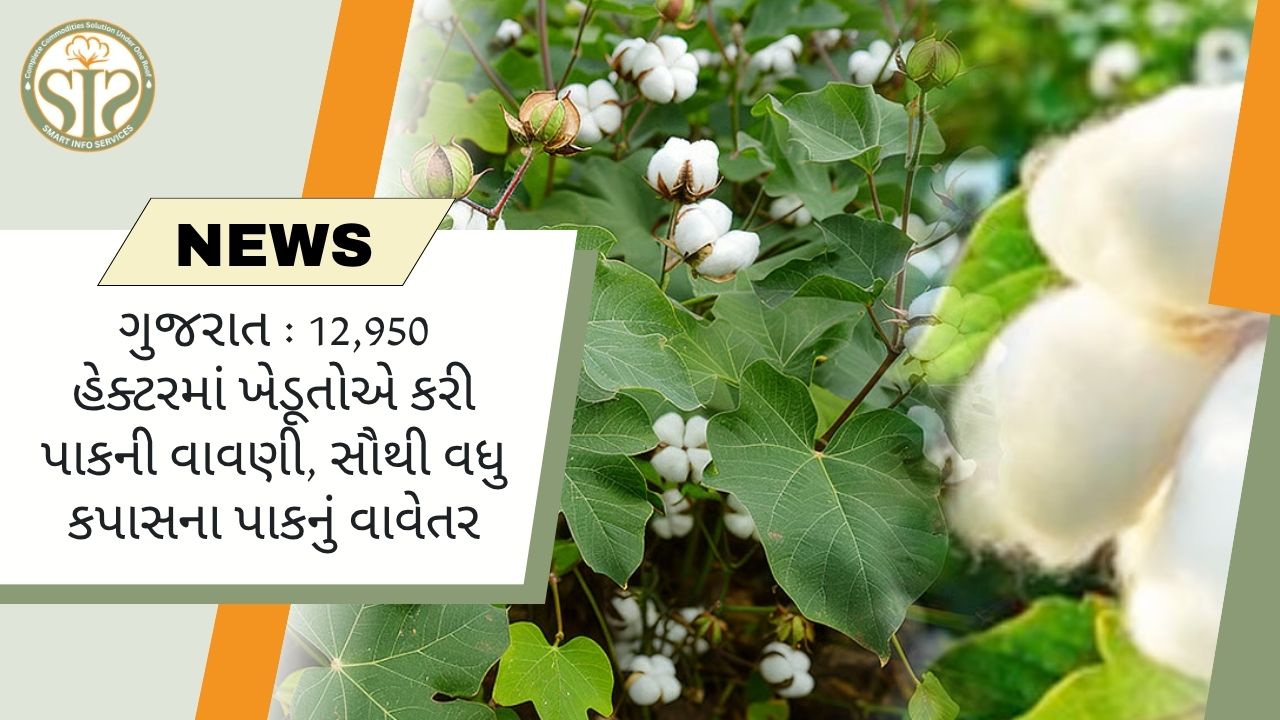
ગુજરાતમાં ખરીફ વાવણી શરૂ, કપાસ ટોચ પરવડોદરા : ભારત કૃષિપ્રધાન દેશ હોવાથી કૃષિ ક્ષેત્રે સારો વરસાદ અનિવાર્ય છે. ધરતીપુત્રો આતુરતાપૂર્વક વરસાદની રાહ જોતા હોય છે. આ વર્ષે આકાશી કંચન વરસી રહ્યો હોવાથી વડોદરા જિલ્લાના ખેડૂતોમાં હર્ષોલ્લાસનો માહોલ છવાયો છે. ચાલુ ખરીફ સિઝનમાં અત્યાર સુધીમાં જિલ્લામાં 12,950 હેક્ટર કૃષિ વિસ્તારમાં વાવણી પૂર્ણ થઈ ચૂકી છે.વડોદરા જિલ્લામાં કુલ 12,950 હેક્ટરમાં થયેલા ખરીફ પાકના વાવેતરમાં 8,891 હેક્ટર જમીનમાં કપાસનું વાવેતર થયું છે, જે સૌથી વધુ છે. આ ઉપરાંત 2,042 હેક્ટર જમીનમાં ઘાસચારાનું વાવેતર કરવામાં આવ્યું છે. શાકભાજીનું વાવેતર 1,781 હેક્ટરમાં, સોયાબીનનું 125 હેક્ટરમાં અને તુવેરનું 60 હેક્ટરમાં વાવેતર કરાયું છે. જ્યારે 1-1 હેક્ટરમાં કેળ અને પપૈયાનું વાવેતર કરવામાં આવ્યું છે.તાલુકા પ્રમાણે ખરીફ પાકનો વાવેતર વિસ્તાર જોઈએ તો ડભોઈમાં 4,201, ડેસરમાં 49, કરજણમાં 1,363, પાદરામાં 4,399, સાવલીમાં 552 અને શિનોરમાં 2,386 હેક્ટર જમીનમાં વાવણી થઈ ચૂકી છે. રાજ્ય અને કેન્દ્ર સરકાર દ્વારા થયેલા સુદ્રઢ આયોજનને પગલે ખેડૂતોને ખાતરો મેળવવામાં કોઈ તકલીફ પડી નથી. બીજી તરફ આકાશમાંથી વરસી રહેલા કંચન સમાન વરસાદ વરસતા વેંત ધરતીપુત્રોએ અન્નના એક કણને મણ સ્વરૂપ આપવા ઉત્સાહભેર કામગીરી હાથ ધરી છે.વધુ વાંચો :- ઉત્તરીય પ્રદેશમાં કપાસનું વાવેતર ધીમું, ઘટાડો ચાલુ
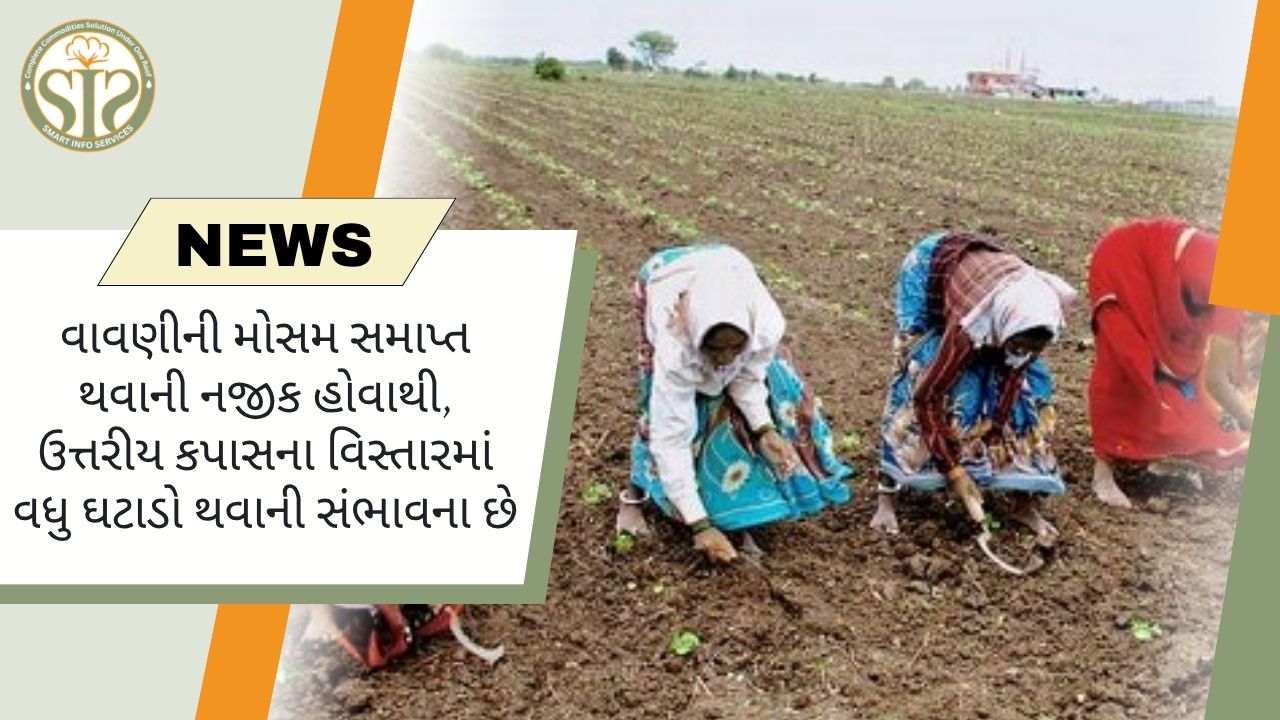
વાવણીની મોસમ સમાપ્ત થવાની નજીક હોવાથી, ઉત્તરીય કપાસના વિસ્તારમાં વધુ ઘટાડો થવાની સંભાવના છેપંજાબમાં નજીવો વધારો થયો હોવા છતાં, 2024-25ની મોસમ સમાપ્ત થવાના આરે હોવાથી હરિયાણા અને રાજસ્થાનમાં કપાસનું વાવેતર ધીમું રહ્યું છે. ઉત્તરીય કપાસ પટ્ટામાં ફરી એકવાર પાક હેઠળના કુલ વિસ્તારમાં ઘટાડો થવાની સંભાવના છે, જે અનિયમિત હવામાન અને જીવાતોના હુમલાને કારણે પહેલેથી જ ઉભી થયેલી ચિંતામાં વધારો કરે છે. પંજાબ, હરિયાણા (3.80 લાખ હેક્ટર), રાજસ્થાન (5.17 લાખ હેક્ટર) માં અત્યાર સુધીમાં 1.13 લાખ હેક્ટરમાં કપાસનું વાવેતર કરવામાં આવ્યું છે, જેમાં ઉપરવાસ અને નીચાણવાળા વિસ્તારો બંનેનો સમાવેશ થાય છે.વાવણી લગભગ પૂર્ણ થઈ ગઈ છે અને ચોમાસાની સમયમર્યાદા કડક થઈ રહી છે, બંને રાજ્યોના કૃષિ અધિકારીઓ સાવચેતીભર્યું આશાવાદ વ્યક્ત કરી રહ્યા છે પરંતુ સ્વીકારે છે કે ગયા વર્ષના વાવેતર વિસ્તાર સાથે મેળ ખાતો નથી. તેનાથી વિપરીત, પંજાબે આ વર્ષે કપાસના વાવેતરમાં 15% નો વધારો નોંધાવીને વલણને થોડું ઉલટાવી દીધું છે - ઓછામાં ઓછું ઐતિહાસિક નીચા સ્તરથી આંશિક રિકવરી. પંજાબનો કપાસનો વાવેતર વિસ્તાર ૨૦૨૪-૨૫માં ઘટીને ૧ લાખ હેક્ટરથી થોડો ઓછો થશે, જે ગયા વર્ષના (૨૦૨૩-૨૪) ૨.૧૪ લાખ હેક્ટર કરતા ઘણો ઓછો છે - જે ૫૦% થી વધુનો મોટો ઘટાડો છે.હરિયાણામાં, આ વર્ષના આંકડા ૨૦૨૪-૨૫માં ૪.૭૬ લાખ હેક્ટર અને ૨૦૨૩-૨૪માં ૫.૭૮ લાખ હેક્ટર કરતા ઘણા ઓછા છે. હવે, અધિકારીઓ સિઝનના અંત સુધીમાં ૪ લાખ હેક્ટર સુધી પહોંચવાની આશા રાખી રહ્યા છે.રાજસ્થાનમાં, છેલ્લા બે વર્ષમાં પાકમાં નોંધપાત્ર ઘટાડો જોવા મળ્યો છે કારણ કે ગયા વર્ષે (૨૦૨૪-૨૫) ૬.૬૨ લાખ હેક્ટર હતો જે ૨૦૨૩-૨૪માં ૧૦.૦૪ લાખ હેક્ટર હતો. વિલંબિત વાવણી જૂનના અંત સુધી ચાલુ રહેશે.સામૂહિક રીતે, ઉત્તરીય ક્ષેત્રમાં અત્યાર સુધીમાં કપાસનું વાવેતર ૧૦.૧૦ લાખ હેક્ટરમાં થયું છે, જે ગયા વર્ષ કરતાં લગભગ ૨.૩૫ લાખ હેક્ટર ઓછું છે, જ્યારે ત્રણ રાજ્યોમાં પાક હેઠળનો વિસ્તાર ૧૨.૩૫ લાખ હેક્ટર હતો અને ૨૦૨૩-૨૪ કરતાં લગભગ ૭.૮૬ લાખ હેક્ટર ઓછો છે, જ્યારે ત્રણ રાજ્યોમાં કપાસનો કુલ વિસ્તાર ૧૭.૯૬ લાખ હેક્ટર હતો.એક સમયે સમૃદ્ધ ઉત્તરીય કપાસ પટ્ટો હવે ઝડપથી જમીન ગુમાવી રહ્યો છે.હરિયાણાએ મે અને જૂનમાં પંજાબની ભાખરા નહેર પ્રણાલીમાંથી પાણી છોડવામાં વિલંબને કારણે ધીમી વાવણીને દોષી ઠેરવી હતી, જેના કારણે સિંચાઈ ચક્ર ધીમું થયું હતું. "પાણીની અછતને કારણે આ વર્ષે કપાસનો વાવેતર વિસ્તાર ઓછો થયો છે, પરંતુ અમે હજુ પણ લગભગ ૪ લાખ હેક્ટર હાંસલ કરવાની આશા રાખીએ છીએ," હરિયાણા કૃષિ વિભાગના એક વરિષ્ઠ અધિકારીએ જણાવ્યું હતું. રાજસ્થાનમાં, ગરમ હવામાનને કારણે વાવણીની મોસમ મોડી શરૂ થઈ હતી, જેના કારણે ઘણા ખેડૂતોને બે કે ત્રણ વાર પાક વાવવો પડ્યો હતો, જેના કારણે વાવેતરનો શ્રેષ્ઠ સમય પાછળ ધકેલાઈ ગયો હતો, એમ રાજસ્થાન કૃષિ વિભાગના એક વરિષ્ઠ અધિકારીએ જણાવ્યું હતું."અમે જૂનના અંત સુધી વાવણી ચાલુ રહેવાની અપેક્ષા રાખીએ છીએ, પરંતુ ગયા વર્ષના વાવેતર વિસ્તારમાં સંપૂર્ણ સુધારો થવાની શક્યતા ઓછી છે," રાજ્યના એક કૃષિ અધિકારીએ જણાવ્યું હતું. હવામાન અને પાણી ઉપરાંત, આ ત્રણેય રાજ્યોમાં કપાસના ખેડૂતો સતત ગુલાબી ઈયળના ઉપદ્રવનો સામનો કરી રહ્યા છે, જેના કારણે ઉપજ પર અસર પડી છે અને ખેડૂતોનો વિશ્વાસ ડગમગી ગયો છે. પંજાબ સૌથી વધુ પ્રભાવિત થયું છે, કેટલાક નિષ્ણાતોએ રાજ્યને કીટના ખતરાને ઘટાડવા માટે કીટશાસ્ત્રીઓ અને જીવાત વ્યવસ્થાપન વૈજ્ઞાનિકોને જોડવા વિનંતી કરી છે.નોંધનીય છે કે રાજ્ય 2000 ના દાયકાની શરૂઆતમાં 8 લાખ હેક્ટરથી વધુ વિસ્તારમાં કપાસનું વાવેતર કરતું હતું - જે હવે કરતાં ઘણું ઓછું છે. 2024-25 માં (આ વર્ષે 30 એપ્રિલ સુધી) પંજાબમાં કપાસનું ઉત્પાદન ફક્ત 1.50 લાખ ગાંસડી (170 કિલોગ્રામની દરેક) હતું, જે 2023-24 માં સમાન સમયગાળા દરમિયાન 3.65 લાખ ગાંસડી હતું. હરિયાણામાં ઉત્પાદન ગયા વર્ષના 13.30 લાખ ગાંસડીથી ઘટીને 6.98 લાખ ગાંસડી થયું છે. ઉપલા રાજસ્થાનમાં 9.77 લાખ ગાંસડી અને નીચલા રાજસ્થાનમાં 8.60 લાખ ગાંસડી કપાસનું ઉત્પાદન થયું હતું, જે ગયા વર્ષે અનુક્રમે 15.47 લાખ ગાંસડી અને 13.20 લાખ ગાંસડી હતું.કુલ રાષ્ટ્રીય કપાસ ઉત્પાદનમાં ઉત્તરીય ક્ષેત્રનો ફાળો આ વર્ષે ઘટીને માત્ર 10% થયો છે જે ગયા વર્ષે 14% હતો (એપ્રિલના અંત સુધી). આ ઘટાડાનું મુખ્ય કારણ કપાસ ઉગાડતા વિસ્તારમાં ઘટાડો છે, ખાસ કરીને પંજાબમાં, જે વધતી જતી ચિંતાનો વિષય છે.2025-26 સીઝન માટે, કેન્દ્ર સરકાર દ્વારા જાહેર કરાયેલ લઘુત્તમ ટેકાના ભાવ (MSP) મધ્યમ મુખ્ય કપાસ માટે પ્રતિ ક્વિન્ટલ રૂ. 7,710 અને લાંબા મુખ્ય કપાસ માટે પ્રતિ ક્વિન્ટલ રૂ. 8,110 છે. ખેડૂતો સામાન્ય રીતે પ્રતિ એકર આઠ થી 12 ક્વિન્ટલ કપાસનો પાક લઈ શકે છે, જો કે કોઈ જીવાતનો હુમલો ન થાય અને હવામાન અનુકૂળ હોય. ઉત્તરમાં, ખેડૂતો મુખ્યત્વે મધ્યમ મુખ્ય કપાસ ઉગાડે છે. તેમણે કહ્યું કે ઊંચા પરિવહન ખર્ચથી સંઘર્ષ કરી રહેલા ઉદ્યોગ પર વધુ બોજ પડશે: "જ્યાં સુધી કપાસની સ્થાનિક ઉપલબ્ધતામાં સુધારો નહીં થાય, ત્યાં સુધી ઉદ્યોગનું અસ્તિત્વ ગંભીર જોખમમાં છે. આ પરિસ્થિતિ ફક્ત ત્યારે જ સુધરી શકે છે જો કપાસનો વાવેતર વિસ્તાર વધે - કપાસ એ પાણી-સઘન ડાંગરના પાકનો શ્રેષ્ઠ વિકલ્પ છે."વધુ વાંચો :- INR 21 પૈસા વધીને 85.88 પર ખુલ્યો

શરૂઆતના વેપારમાં રૂપિયો અમેરિકન ડોલર સામે 21 પૈસા વધીને 85.88 પર બંધ થયો.ભારતીય રૂપિયો 26 જૂનના રોજ અમેરિકન ડોલર સામે 21 પૈસા વધીને 85.88 પર ખુલ્યો, જે અગાઉના બંધ ડોલર સામે 86.09 હતો.વધુ વાંચો :- ભારતભર માં હવામાનની ચેતવણીઓ જારી: ભારે વરસાદ, તૂફાન અને તેજ પવનની શક્યતા

"ચોમાસાની ચેતવણી: ભારતમાં ભારે વરસાદ અને તોફાની પવન"તેલંગાણા:ભારતીય હવામાન વિભાગ (IMD) એ તેલંગાણા ના અનેક જિલ્લાઓ માટે તાત્કાલિક હવામાન ચેતવણી જાહેર કરી છે. આગામી 2–3 કલાક દરમિયાન હૈદરાબાદ, જનગાંવ, કામારેડ્ડી, કરીમનગર, ખમ્મમ, મહબૂબાબાદ, મહબૂબનગર, મલ્કાજગિરી, મેડક, નાગરકુરનૂલ, નલ્ગોંડા, રંગા રેડ્ડી, સંગારેડ્ડી, સિદ્દીપેટ, સુર્યાપેટ, વિકારાબાદ, વારંગલ (શહેરી અને ગ્રામિણ) અને યાદાદ્રી-ભોંગીર જિલ્લામાં હળવો થી મધ્યમ વરસાદ, ગાજવીજ, તેજ પવન અને વીજળી પડવાની સંભાવના છે।ઓડિશા:આગામી 3–4 કલાકમાં ઓડિશાના અનેક જિલ્લાઓમાં હળવો થી મધ્યમ વરસાદ અને ગાજવીજ સાથે 30–40 કિમી પ્રતિ કલાકની ઝડપે પવન ફૂંકાવાની તેમજ કેટલીક જગ્યાએ વીજળી પડવાની સંભાવના છે. અસરગ્રસ્ત જિલ્લાઓમાં અંગુલ, બાલેશ્વર, બૌધ, ભદ્રક, કટક, દેવગઢ, ઢેંકાનાલ, ગજપતિ, ગંજામ, જગતસિંહપુર, જાજપુર, કંધમાલ, કેન્દ્રાપાડા, ક્યોન્ઝર, ખુર્દા, મયુરભંજ, નયાગઢ અને પુરી સામેલ છે।રાજસ્થાન અને ગુજરાત:રાજસ્થાન અને ગુજરાતમાં ચોમાસાની પ્રવૃત્તિઓમાં તેજી આવવાની શક્યતા છે. હવામાન વિભાગે 25 જૂનથી આવતા કેટલાક દિવસો દરમ્યાન ભારે થી અતિ ભારે વરસાદની ચેતવણી આપી છે. નાગરિકો અને સ્થાનિક તંત્રને સાવચેત રહેવાની સલાહ આપવામાં આવી છે।અન્ય પ્રદેશો:દેશના અન્ય ભાગોમાં પણ છુટાછવાયા વરસાદની પ્રવૃત્તિઓ ચાલુ છે. મધ્ય પ્રદેશ, છત્તીસગઢ, ઝારખંડ, ઓડિશા, પૂર્વી ગુજરાત, કેરળ અને પૂર્વોત્તર રાજ્યોમાં આવતા કેટલાક દિવસોમાં હળવો થી મધ્યમ વરસાદ અને કેટલીક જગ્યાએ ભારે વરસાદ પડવાની શક્યતા છે।વધુ વાંચો :-કપાસની ખેતી: સિરસામાં કપાસનો ખેલ ડાંગરે બગાડ્યો, જમીનમાં 'સફેદ સોનું' મળ્યું

સિરસામાં ડાંગરની ખેતી કપાસને ભારે અસર કરે છેકપાસની ખેતી: ૨૦૦૩ થી ૨૦૧૪ સુધી, સિરસામાં કપાસનું ઉત્પાદન મોટા પ્રમાણમાં થતું હતું અને તે સમયગાળાને કપાસનો 'સુવર્ણકાળ' કહેવામાં આવે છે. તે સમયે, બીટી કપાસના બીજ (૨૦૦૩માં BG-૧ અને ૨૦૦૫માં BG-૨) એ ઉત્પાદનમાં ક્રાંતિ લાવી હતી. ૨૦૧૧માં કપાસની ખેતી તેની ટોચ પર હતી. તે સમયે, ૨.૧૧ લાખ હેક્ટરમાં કપાસનું વાવેતર થયું હતું અને ૯.૫૬ લાખ મેટ્રિક ટનનું બમ્પર ઉત્પાદન થયું હતું.હરિયાણાનો સિરસા જિલ્લો એક સમયે કપાસની ખેતી માટે જાણીતો હતો. એક સમયે અહીં 'સફેદ સોનું' કહેવામાં આવતું હતું. પરંતુ હવે અહીં કપાસના ખેતરો ખાલી પડી ગયા છે અને ખેડૂતો કપાસની ખેતીથી દૂર રહેવા લાગ્યા છે. કપાસના ખેતરો ધૂળવાળા ખેતરોમાં ફેરવાઈ ગયા છે કારણ કે ખેડૂતો હવે ડાંગરની ખેતીમાં રસ ધરાવે છે. એક અહેવાલ મુજબ, ગયા વર્ષે ડાંગરની ખેતી કપાસ કરતાં આગળ નીકળી ગઈ છે. જ્યારે ડાંગર હેઠળનો વિસ્તાર વધ્યો છે, ત્યારે કપાસ હેઠળનો વિસ્તાર ઘટતો જઈ રહ્યો છે.૨૦૨૪ માં, ડાંગર આગળ રહેશે, કપાસ પાછળ રહેશેધ ટ્રિબ્યુન અખબારના સમાચાર મુજબ, ૨૦૨૪ માં, ડાંગર કપાસને મોટા માર્જિનથી પાછળ છોડી દેશે. જ્યારે ડાંગરનું વાવેતર ૧.૫૬ લાખ હેક્ટરમાં થયું હતું અને ૬ લાખ મેટ્રિક ટનથી વધુનું ઉત્પાદન થયું હતું, ત્યારે ૧.૩૭ લાખ હેક્ટરમાં કપાસનું વાવેતર થયું હતું અને ૪.૩ લાખ મેટ્રિક ટનનું ઉત્પાદન થયું હતું. ૨૦૦૩ થી ૨૦૧૪ સુધી, સિરસામાં કપાસનું ઉત્પાદન મોટા પ્રમાણમાં થયું હતું અને તે સમયગાળાને કપાસનો 'સુવર્ણકાળ' પણ કહેવામાં આવે છે. તે સમયે, બીટી કપાસના બીજ (૨૦૦૩ માં BG-૧ અને ૨૦૦૫ માં BG-૨) એ ઉત્પાદનમાં ક્રાંતિ લાવી હતી. ૨૦૧૧ માં કપાસની ખેતી તેની ટોચ પર હતી. તે સમયે, ૨.૧૧ લાખ હેક્ટરમાં કપાસનું વાવેતર થયું હતું અને ૯.૫૬ લાખ મેટ્રિક ટનનું બમ્પર ઉત્પાદન થયું હતું.ગુલાબી બોલવોર્મ અને સફેદ માખીના દુશ્મનોછેલ્લા પાંચ-છ વર્ષમાં પરિસ્થિતિ બદલાવા લાગી છે. કપાસના પાક સફેદ માખી અને ગુલાબી ઈયળના ઉપદ્રવથી બરબાદ થયા છે. સતત બદલાતા હવામાન અને બિયારણ ટેકનોલોજીમાં સ્થિરતાને કારણે ખેતી વધુ ખરાબ થઈ છે. ખેડૂતો હવે પાણીની અછતવાળા વિસ્તારોમાં પણ ડાંગરની ખેતી કરવાનું પસંદ કરી રહ્યા છે. જોકે, ડાંગરની ખેતી પાણીની ખૂબ માંગ કરે છે. કૃષિ વિભાગના ડેટા અનુસાર, કપાસનું વાવેતર 2020 માં 2.09 લાખ હેક્ટરથી ઘટીને 2024 માં માત્ર 1.37 લાખ હેક્ટર થયું છે. આ જ સમયગાળા દરમિયાન, ડાંગરની ખેતી 2018 માં 97,000 હેક્ટરથી વધીને 2024 માં 1.56 લાખ હેક્ટર થઈ ગઈ, અને આ વર્ષે 1.7 લાખ હેક્ટરને પાર કરવાનો અંદાજ છે.તાપમાન પણ દુશ્મન બન્યુંખેડૂતો કહે છે કે જ્યારે બીટી કપાસ શરૂઆતમાં સફળ થયો, ત્યારે તેણે એક સમસ્યાને ઢાંકી દીધી જે ખરેખર એક મોટો પડકાર હતો. બીટી બીજ બોલવોર્મનો સામનો કરે છે, પરંતુ જીવાતોએ તેના પર હુમલો કરવાનું શરૂ કર્યું. સફેદ માખી અને ગુલાબી ઈયળ પાછા આવી ગયા છે, અને નવી પેઢીનું બીજ નથી. જંતુનાશક લોબીએ BG-3 અવરોધિત કર્યું છે. હવે ખેડૂતોને દર સીઝનમાં જીવાતોના હુમલાનો સામનો કરવો પડે છે. આ કારણે, ઘણા ખેડૂતોએ કપાસની ખેતી કરવાનું બંધ કરી દીધું છે. ખેડૂતોએ વધતા તાપમાન અને ભેજના સ્તરને પણ જીવાતોના હુમલા માટે જવાબદાર ઠેરવ્યા છે.90 ટકા સુધી પાક નાશ પામ્યોખેડૂતો એ ભૂલતા નથી કે 2022 અને 2023 માં ગુલાબી ઈયળના કારણે કપાસનો 90 ટકા સુધીનો પાક કેવી રીતે નાશ પામ્યો હતો. આ કારણે ખેડૂતોને ભારે નુકસાન થયું. ઘણા ખેડૂતોને પ્રતિ એકર 50,000 રૂપિયા સુધીનું નુકસાન થયું. કેટલાકને વીમો મળ્યો જ્યારે કેટલાક હજુ પણ વળતરની રાહ જોઈ રહ્યા છે. સિરસામાં સેન્ટ્રલ કોટન રિસર્ચ ઇન્સ્ટિટ્યૂટના ઇન્ચાર્જ વૈજ્ઞાનિક ડૉ. અનિલ મહેતાએ કપાસના પાકમાં ઘટાડાનું કારણ મુખ્યત્વે જીવાતોના હુમલાને કારણે ઓછી ઉપજ હોવાનું જણાવ્યું હતું.તેમણે કહ્યું કે લણણી પછી, ખેડૂતો ખેતરોમાં અથવા ઘરે કપાસના ડાળીઓ છોડી દે છે, જેના કારણે લાર્વા બચી જાય છે અને આગામી પાક પર હુમલો કરે છે. ઉપરાંત, વાવણી દરમિયાન પાણીનો અભાવ અંકુરણ પર ખૂબ જ ખરાબ અસર કરે છે. તે જ સમયે, કેટલાક નિષ્ણાતોના મતે, કપાસના બીજ હજુ પણ ઉપલબ્ધ છે પરંતુ જીવાત પ્રતિરોધક જાતોના બીજની જરૂર છે.વધુ વાંચો :- INR 09 પૈસા ઘટીને 86.09 પ્રતિ ડોલર પર બંધ થયો

બુધવારે ભારતીય રૂપિયો 09 પૈસા ઘટીને 86.09 પ્રતિ ડોલર પર બંધ થયો હતો, જ્યારે સવારે તે 86.00 પર ખુલ્યો હતો.બંધ સમયે, સેન્સેક્સ 700.40 પોઈન્ટ અથવા 0.85 ટકા વધીને 82,755.51 પર અને નિફ્ટી 200.40 પોઈન્ટ અથવા 0.80 ટકા વધીને 25,244.75 પર બંધ થયો હતો. લગભગ 2711 શેર વધ્યા, 1163 શેર ઘટ્યા અને 127 શેર યથાવત રહ્યા.વધુ વાંચો :- તમિલનાડુ: તિરુપુર મુશ્કેલીમાં? ૭૦,૦૦૦ કરોડ રૂપિયાના આ કાપડ ક્લસ્ટરને વિકસતા શું રોકી રહ્યું છે?

તિરુપુરના કાપડ ઉદ્યોગમાં તેજી અવરોધરૂપ બનીપશ્ચિમ તમિલનાડુમાં નોય્યાલ નદીના કિનારે આવેલું તિરુપુર, પહેલી નજરે એક શાંત, અનામી શહેર જેવું લાગે છે. જોકે, તેનો સાદગીભર્યો દેખાવ વૈશ્વિક કાપડમાં તેની વિશાળ સ્થિતિને નકારી કાઢે છે. પરંતુ આંકડા બધું જ કહી દે છે. નાણાકીય વર્ષ ૨૦૨૫માં કાપડ ક્લસ્ટરે કુલ વેપારમાં ૭૦,૦૦૦ કરોડ રૂપિયાનો જંગી હિસ્સો નોંધાવ્યો હતો. હકીકતમાં, તિરુપુર ભારતની કપાસની નીટવેર નિકાસમાં ૯૦% અને કુલ વણાયેલા કપડાની નિકાસમાં ૫૪% હિસ્સો ધરાવે છે, જેના કારણે તેને 'ભારતની નીટવેર રાજધાની' તરીકે ઓળખ મળી છે. ફક્ત છેલ્લા નાણાકીય વર્ષમાં જ નહીં, પરંતુ છેલ્લા ઘણા વર્ષોથી, તિરુપુર ભારતની કુલ નીટવેર નિકાસમાં અડધાથી વધુ યોગદાન આપી રહ્યું છે. વાણિજ્ય અને ઉદ્યોગ મંત્રાલયના ડેટા અનુસાર, તેણે નાણાકીય વર્ષ 25 માં નીટવેર ઉત્પાદનોમાં રૂ. 39,618 કરોડની રેકોર્ડ નિકાસ હાંસલ કરી, જે નાણાકીય વર્ષ 24 માં રૂ. 33,045 કરોડ અને નાણાકીય વર્ષ 20 માં રૂ. 27,280 કરોડ હતી (ચાર્ટ જુઓ).છેલ્લા કેટલાક વર્ષોમાં નોંધપાત્ર વૃદ્ધિ છતાં, તિરુપ્પુરને નોંધપાત્ર પડકારોનો સામનો કરવો પડી રહ્યો છે. તાજેતરમાં સુધી, બાંગ્લાદેશ જેવા દેશો સાથે સમાન રમતનું ક્ષેત્ર ન હોવાને કારણે તિરુપ્પુરમાં નિકાસ ખૂબ જ બિનસ્પર્ધાત્મક બની ગઈ હતી, જે ઓછામાં ઓછા વિકસિત દેશ (LDC) તરીકે કાપડમાં ડ્યુટી-ફ્રી ઍક્સેસથી લાભ મેળવે છે. જોકે બાંગ્લાદેશમાં તાજેતરની રાજકીય અસ્થિરતા અને ચીન+1 વ્યૂહરચનાએ વૃદ્ધિની તકો રજૂ કરી હતી, વૈશ્વિક કપડા બ્રાન્ડ્સે તેમનું ધ્યાન ભારત તરફ ખસેડ્યું હતું, તે અલ્પજીવી હતું.ET ડિજિટલની તાજેતરની તિરુપ્પુર મુલાકાત દરમિયાન વિવિધ ઉદ્યોગ ખેલાડીઓ સાથે ઊંડાણપૂર્વકની વાતચીત દર્શાવે છે કે કુશળ મજૂર ઉપલબ્ધતાના મુદ્દાઓને સંબોધવા, માળખાગત સુવિધાઓમાં સુધારો કરવા અને ટેકનોલોજી અપગ્રેડેશનમાં રોકાણ કરવું એ તિરુપ્પુરની ભાવિ સંભાવનાઓ માટે ચાવીરૂપ છે.ઇકોસિસ્ટમ બનાવવીતિરુપ્પુરથી પ્રારંભિક નિકાસ (સીધી) ઇટાલીથી શરૂ થઈ હતી. ઇટાલિયન કાપડ આયાતકાર વેરોના ૧૯૭૮માં મુંબઈ સ્થિત નિકાસકારો દ્વારા સફેદ ટી-શર્ટ ખરીદવા શહેરમાં આવ્યો હતો. તે સમયે, ઘણા કામદારો વેપારી નિકાસકારો માટે વસ્ત્રો બનાવવામાં રોકાયેલા હતા. તિરુપુર એક્સપોર્ટર્સ એસોસિએશન (TEA) ના જણાવ્યા મુજબ, સંભાવના જોઈને, વેરોના યુરોપિયન વ્યવસાયને તિરુપુર લાવ્યો. ત્રણ વર્ષ પછી, યુરોપિયન રિટેલ ચેઇન C&A બજારમાં પ્રવેશી, ત્યારબાદ અન્ય સ્ટોર્સે નિકાસકારોનો કપડાના પુરવઠા માટે સંપર્ક કર્યો. આખરે, ૧૯૮૦ના દાયકામાં ૧૫ નિકાસ એકમો સાથે તિરુપુરથી નિકાસ શરૂ થઈ. ૧૯૮૫માં, શહેરમાં ૧૫ કરોડ રૂપિયાના વસ્ત્રોની નિકાસ થઈ."ભૂતકાળમાં, અમારી પાસે રંગકામની ટેકનોલોજી નહોતી, અને અમને પાણીની જરૂર હતી; ગ્રે કાપડને રંગમાં રૂપાંતરિત કરવાની ટેકનોલોજી પણ અમને ખબર નહોતી," TEA ના સંયુક્ત સચિવ કુમાર દુરૈસ્વામી યાદ કરે છે. "આ બધા અમારા પોતાના R&D દ્વારા વિકસાવવામાં આવ્યા હતા."શરૂઆતમાં, તિરુપુર ફક્ત સફેદ કાપડનું ઉત્પાદન કરતું હતું. ખરીદદારો વધુ રંગો ઇચ્છતા હોવાથી, તેઓ અમદાવાદ અને દેશના ઉત્તરીય ભાગોમાંથી રંગો આયાત કરતા હતા. "અમે શરૂઆતમાં તેને લોખંડના ડ્રમમાં રંગ્યું, પછી તેને અપગ્રેડ કર્યું અને પછી સ્ટીલ ટાંકીઓમાં શિફ્ટ કર્યું. પછી યુરોપ, યુએસ, તાઇવાન અને જાપાનના મશીનોએ આ સ્ટીલ ટાંકીનું સ્થાન લીધું," તે કહે છે.આગામી થોડા વર્ષો અણધારી રીતે સફળ રહ્યા, 1990 માં ક્લસ્ટરમાંથી નિકાસ રૂ. 300 કરોડ સુધી પહોંચી ગઈ. નાણાકીય વર્ષ 25 માં, આ સંખ્યા વધીને રૂ. 40,000 કરોડ થઈ ગઈ, જ્યારે સ્થાનિક વપરાશ રૂ. 30,000 કરોડ થયો.વધુ વાંચો :- ડોલર સામે રૂપિયો 07 પૈસા ઘટીને 86.00 પર ખુલ્યો

ડોલર સામે રૂપિયો 07 પૈસા ઘટીને 86.00 પર ખુલ્યોમંગળવારના બંધ 85.93 ની સરખામણીમાં બુધવારે ભારતીય રૂપિયો 07 પૈસા ઘટીને 86.00 પર ખુલ્યો.વધુ વાંચો :- ડોલર સામે રૂપિયો 17 પૈસા સુધરીને 85.93 પર બંધ થયો

મંગળવારે ભારતીય રૂપિયો ૧૭ પૈસા વધીને ૮૫.૯૩ પ્રતિ ડોલર પર બંધ થયો હતો, જ્યારે સવારે તે ૮૬.૧૦ પર ખુલ્યો હતો.૮૩,૦૧૮.૧૬ ના ઇન્ટ્રાડે ઉચ્ચતમ સ્તરને સ્પર્શ્યા પછી, બીએસઈ સેન્સેક્સ ૧૫૮.૩૨ પોઈન્ટ અથવા ૦.૧૯ ટકાના વધારા સાથે ૮૨,૦૫૫.૧૧ પર સ્થિર થયો.વધુ વાંચો :- CCI કપાસ વેચાણ: CCI એ મહારાષ્ટ્રમાં સૌથી વધુ કપાસ વેચ્યો; સૌથી વધુ ખરીદી તેલંગાણામાં

મહારાષ્ટ્રે સૌથી વધુ કપાસનું વેચાણ રેકોર્ડ કર્યું; તેલંગાણા સૌથી વધુ ખરીદે છેઆ સિઝનમાં કોટન કોર્પોરેશન ઓફ ઈન્ડિયાએ ગેરંટીકૃત ભાવે 100 લાખ ગાંસડી કપાસ ખરીદ્યો હતો. જેમાંથી અત્યાર સુધીમાં 35 લાખ ગાંસડી કપાસ વેચાઈ ગયો છે અને 65 લાખ ગાંસડી કપાસ બાકી છે. કોટન કોર્પોરેશન ઓફ ઈન્ડિયા (CCI) ના ચેરમેન અને મેનેજિંગ ડિરેક્ટર લલિત કુમાર ગુપ્તાએ જણાવ્યું હતું કે કપાસની હરાજી સરળતાથી ચાલી રહી છે.આ વર્ષે ખુલ્લા બજારમાં કપાસનો ભાવ ગેરંટીકૃત ભાવ કરતા ઓછો હતો. આ કારણે, CCI ની કપાસ ખરીદીને ખેડૂતો તરફથી જબરદસ્ત પ્રતિસાદ મળ્યો. કોટન એસોસિએશન ઓફ ઈન્ડિયાએ આ વર્ષે દેશમાં 301 લાખ ગાંસડી કપાસનું ઉત્પાદન થવાનો અંદાજ લગાવ્યો છે. જેમાંથી CCI એ આ સિઝનમાં 12 રાજ્યોમાંથી લગભગ 100 લાખ ગાંસડી કપાસ ખરીદ્યો છે.એકલા CCI એ દેશમાં કપાસના ઉત્પાદનના લગભગ 33 ટકા ખરીદ્યા છે. જો આપણે રાજ્યવાર કપાસ ખરીદી પર નજર કરીએ તો, તેલંગાણામાં સૌથી વધુ 40 લાખ ગાંસડી કપાસની ખરીદી કરવામાં આવી હતી. તેલંગાણામાં કપાસના ભાવ તુલનાત્મક રીતે ઓછા રહ્યા. ત્યારબાદ, મહારાષ્ટ્રમાં 29 લાખ ગાંસડી કપાસની ખરીદી કરવામાં આવી હતી. જ્યારે ગુજરાતમાં 14 લાખ ગાંસડી કપાસની ખરીદી કરવામાં આવી હતી.CCI પાસે હાલમાં દેશમાં સૌથી વધુ કપાસનો સ્ટોક છે. તેથી, CCIના કપાસના વેચાણની સીધી અસર બજાર પર પડી રહી છે. CCIનું કપાસનું વેચાણ પણ સરળતાથી ચાલી રહ્યું છે. CCIના ચેરમેન અને મેનેજિંગ ડિરેક્ટર લલિત કુમાર ગુપ્તાએ જણાવ્યું હતું કે CCIએ અત્યાર સુધીમાં 35 લાખ ગાંસડી કપાસનું વેચાણ કર્યું છે. અત્યાર સુધીમાં કપાસના વેચાણમાં મહારાષ્ટ્રમાં સૌથી વધુ કપાસનું વેચાણ થયું છે.રાજ્યવાર કપાસનું વેચાણCCIએ અત્યાર સુધીમાં મહારાષ્ટ્રમાં લગભગ 16 લાખ ગાંસડી કપાસનું વેચાણ કર્યું છે. જ્યારે તેલંગાણાએ લગભગ 8 લાખ ગાંસડી કપાસનું વેચાણ કર્યું હતું. ગુજરાતે પણ 5 લાખ ગાંસડી કપાસનું વેચાણ કર્યું હતું. મધ્યપ્રદેશમાં 2 લાખ ગાંસડી અને કર્ણાટકમાં 1.5 લાખ ગાંસડી કપાસનું વેચાણ થયું હતું. અન્ય રાજ્યોમાં પણ લગભગ 2.5 લાખ ગાંસડી કપાસનું વેચાણ થયું હતું.કપાસના વેચાણ ભાવમાં ઘટાડો દેશમાં કપાસના ભાવ ગેરંટીકૃત ભાવ કરતા ઓછા હોઈ શકે છે, પરંતુ તે આંતરરાષ્ટ્રીય બજારના ભાવ કરતા વધારે છે. તેથી, ઉદ્યોગોએ માંગ કરી હતી કે CCI કપાસના વેચાણ ભાવ ઘટાડે. ક્રૂડ ઓઇલના ભાવમાં વધારાને કારણે, આંતરરાષ્ટ્રીય બજારમાં થોડી અસ્થિરતા છે. દેશમાં પણ ભાવમાં થોડો સુધારો થયો છે. ઉદ્યોગોએ જણાવ્યું હતું કે CCI એ કપાસના વેચાણ ભાવમાં પ્રતિ ગાંસડી લગભગ 500 રૂપિયાનો ઘટાડો કર્યો છે. તાજેતરની હરાજીમાં, ગાંસડીના ભાવ 53,500 થી 54,500 રૂપિયાની વચ્ચે હતા. જ્યારે કસ્તુરી ગાંસડીના ભાવ 55,300 રૂપિયાની વચ્ચે હતા.વધુ વાંચો :- INR 65 પૈસા મજબૂત થઈને 86.10 પર ખુલ્યો.

ઇઝરાયલ-ઈરાન યુદ્ધવિરામ પર ક્રૂડ ઓઇલમાં ઘટાડો થયા પછી રૂપિયો ૬૫ પૈસા મજબૂત થઈને ૮૬.૧૦/યુએસડી પર ખુલ્યો, ડોલર નબળો પડ્યોઅગાઉના બંધ સમયે ડોલર સામે રૂપિયો ૮૬.૧૦ પર ખુલ્યો, જે ડોલર સામે ૮૬.૭૫ હતો. વધુ વાંચો :- રૂપિયો 01 પૈસા ઘટીને 86.75 પર બંધ થયો

સોમવારે ભારતીય રૂપિયો 01 પૈસા ઘટીને 86.75 પ્રતિ ડોલર પર બંધ થયો હતો, જ્યારે સવારે તે 86.74 પર ખુલ્યો હતો.બંધ સમયે, સેન્સેક્સ 511.38 પોઈન્ટ અથવા 0.62 ટકા ઘટીને 81,896.79 પર અને નિફ્ટી 140.50 પોઈન્ટ અથવા 0.56 ટકા ઘટીને 24,971.90 પર બંધ થયો હતો. લગભગ 1794 શેર વધ્યા, 2113 શેર ઘટ્યા અને 175 શેર યથાવત રહ્યા.વધુ વાંચો :- મે 2025 માટે કપાસ વેપાર સારાંશ: આયાત અને નિકાસ વિશ્લેષણ

કપાસ આયાત-નિકાસ વલણો – મેમે 2025 મહિના માટે કપાસ વેપાર પ્રવૃત્તિનો એકંદર ઝાંખી આયાત અને નિકાસ બંનેમાં નોંધપાત્ર પ્રવૃત્તિઓ દર્શાવે છે, જે મુખ્ય આંતરરાષ્ટ્રીય વેપાર ભાગીદારો અને તેમના વેપાર પરિમાણોને પ્રકાશિત કરે છે.કપાસ આયાત - મે 2025મે 2025 દરમિયાન, દેશે વિવિધ આંતરરાષ્ટ્રીય સ્ત્રોતોમાંથી કુલ 2,73,150 ગાંસડી કપાસની આયાત કરી હતી. કપાસની આયાતમાં ટોચના પાંચ ફાળો આપનારા દેશો નીચે મુજબ છે:* યુનાઇટેડ સ્ટેટ્સ - 1,01,700 ગાંસડી* સ્વિટ્ઝર્લૅન્ડ - 49,880 ગાંસડી* સિંગાપોર - 48,750 ગાંસડી* નેધરલેન્ડ્સ - 16,550 ગાંસડી* ઇજિપ્ત - 14,870 ગાંસડીયુનાઇટેડ સ્ટેટ્સ મહિના માટે કપાસનો અગ્રણી સપ્લાયર રહ્યો, જે કુલ આયાત જથ્થામાં લગભગ 37% ફાળો આપે છે.કપાસ નિકાસ - મે 2025નિકાસ મોરચે, મે મહિનામાં વિવિધ આંતરરાષ્ટ્રીય બજારોમાં કુલ 1,34,800 ગાંસડી કપાસની નિકાસ કરવામાં આવી હતી. ટોચના પાંચ નિકાસ ગંતવ્ય દેશો નીચે મુજબ છે:* બાંગ્લાદેશ - 1,18,800 ગાંસડી* વિયેતનામ - 9,790 ગાંસડી* ચીન - 2,500 ગાંસડી* ઇન્ડોનેશિયા - 2,280 ગાંસડી* માલી - 580 ગાંસડીબાંગ્લાદેશ મુખ્ય નિકાસ ગંતવ્ય રહ્યું, કુલ નિકાસ કરાયેલા કપાસના લગભગ 88% પ્રાપ્ત કર્યું.વેપાર વિશ્લેષણઉપલબ્ધ વેપાર ડેટા સ્પષ્ટપણે દર્શાવે છે કે જ્યારે યુનાઇટેડ સ્ટેટ્સ કપાસની આયાતનો સૌથી મોટો સ્ત્રોત છે, ત્યારે બાંગ્લાદેશ અગ્રણી નિકાસ ગંતવ્ય તરીકે તેનું સ્થાન જાળવી રાખે છે. આ બંને દેશો સાથે કાપડ અને કપાસ ક્ષેત્રમાં મજબૂત વેપાર સંબંધોને પ્રતિબિંબિત કરે છે.આ આંકડા કાપડ ઉદ્યોગના હિસ્સેદારો, વેપારીઓ અને નીતિ નિર્માતાઓ માટે બજારના વલણોનું મૂલ્યાંકન કરવા, ખરીદી વ્યૂહરચનાઓ વ્યવસ્થિત કરવા અને વેપાર પ્રદર્શનનું મૂલ્યાંકન કરવા માટે અત્યંત મદદરૂપ છે.વધુ વાંચો :- ડોલર સામે રૂપિયો ૧૫ પૈસા ઘટીને ૮૬.૭૪ થયો