
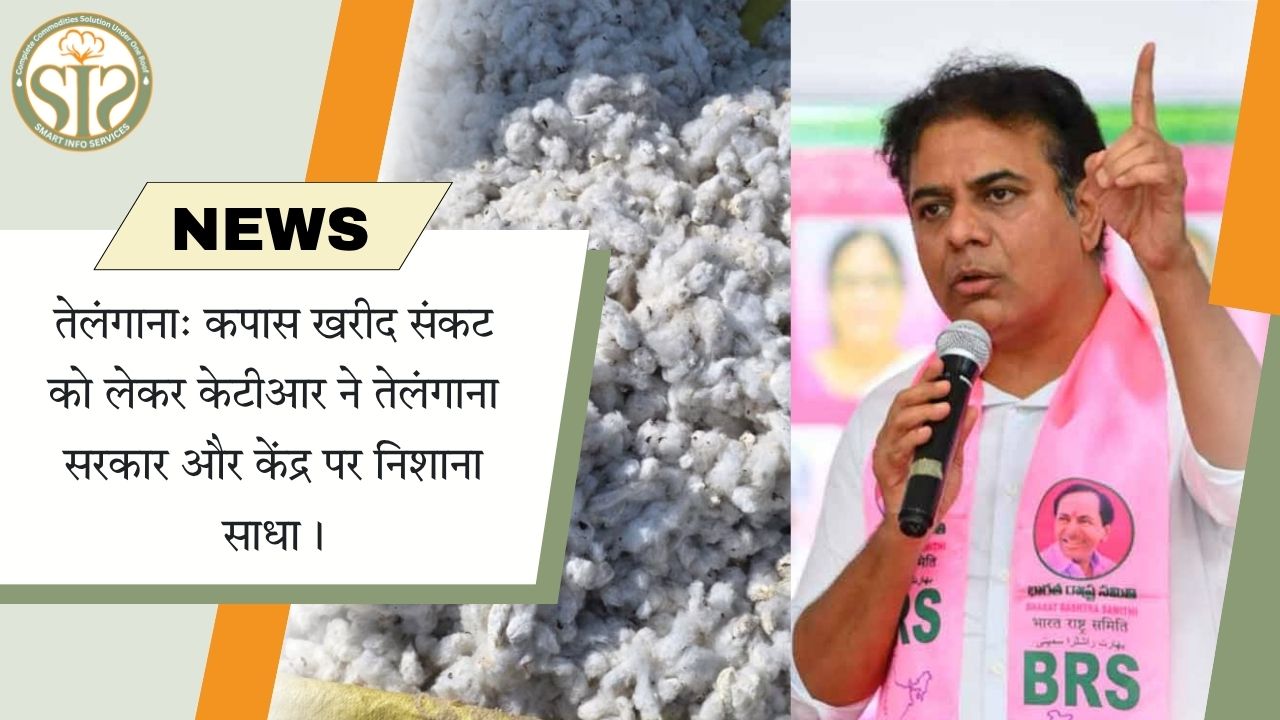
तेलंगाना: कपास खरीद संकट को लेकर केटीआर ने तेलंगाना सरकार और केंद्र पर निशाना साधा।हैदराबाद : बीआरएस के कार्यकारी अध्यक्ष और पूर्व मंत्री केटी रामाराव ने रविवार को तेलंगाना में कपास खरीद संकट के समाधान में केंद्र और राज्य सरकार दोनों पर लापरवाही का आरोप लगाया। उन्होंने आरोप लगाया कि कपास किसान संकट में हैं, लेकिन दोनों स्तरों पर सरकारें निष्क्रिय बनी हुई हैं। उन्होंने मांग की कि कपास किसानों की शिकायतों का तुरंत समाधान किया जाए।बीआरएस नेता ने मुख्यमंत्री ए रेवंत रेड्डी से किसानों से कपास खरीद के मुद्दे पर केंद्र पर दबाव बनाने का आग्रह किया। उन्होंने राज्य के केंद्रीय मंत्रियों और कांग्रेस व भाजपा दोनों के सांसदों से हस्तक्षेप करने का भी आग्रह किया।केटीआर ने नमी के स्तर, कपास किसान मोबाइल ऐप पंजीकरण में समस्या, जिनिंग मिलों में कथित अनियमितताओं और ग्रेडिंग संबंधी मुद्दों जैसे आधारों पर खरीद से इनकार करने के लिए भारतीय कपास निगम (सीसीआई) की आलोचना की। बीआरएस नेता ने कहा कि किसानों को न्यूनतम समर्थन मूल्य भी नहीं मिल रहा है। उन्होंने कहा कि 28 लाख टन के लक्ष्य के मुकाबले एक महीने में केवल 1.12 लाख टन कपास की खरीद हुई है, जिसे उन्होंने राज्यव्यापी खरीद संकट का स्पष्ट प्रमाण बताया।और पढ़ें :- रुपया 04 पैसे मजबूत होकर 88.70 पर खुला

डॉलर सूचकांक में गिरावट के साथ रुपया 04 पैसे बढ़कर 88.70 पर खुलाभारतीय रुपया सोमवार को मामूली बढ़त के साथ 88.70 प्रति डॉलर पर खुला, जबकि शुक्रवार को यह 88.74 पर बंद हुआ था।और पढ़ें :- राज्यवार सीसीआई कपास बिक्री (2024–25)
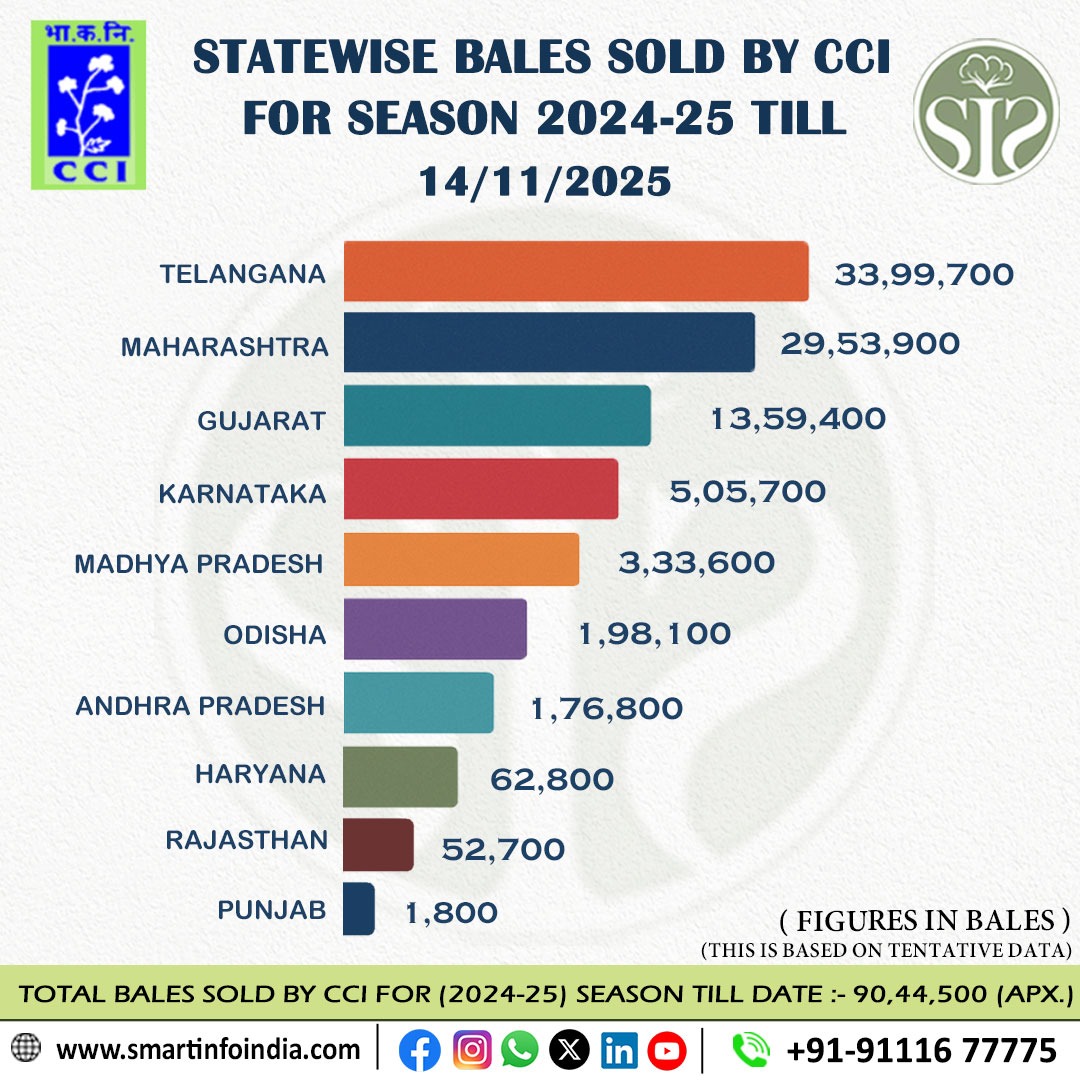
राज्य के अनुसार CCI कपास बिक्री विवरण – 2024-25 सीज़नभारतीय कपास निगम (CCI) ने इस सप्ताह अपनी कीमतों में कुल ₹500 प्रति कैंडी की कमी की जिससे 2024-25 सीज़न में अब तक कुल बिक्री लगभग 90,44,500 गांठों तक पहुँच गई है। यह आंकड़ा अब तक की कुल खरीदी गई कपास का लगभग 90.44% है।राज्यवार बिक्री आंकड़ों से पता चलता है कि महाराष्ट्र, तेलंगाना और गुजरात से बिक्री में प्रमुख भागीदारी रही है, जो अब तक की कुल बिक्री का 85.27% से अधिक हिस्सा रखते हैं।यह आंकड़े कपास बाजार में स्थिरता लाने और प्रमुख कपास उत्पादक राज्यों में नियमित आपूर्ति सुनिश्चित करने के लिए CCI के सक्रिय प्रयासों को दर्शाते हैं।
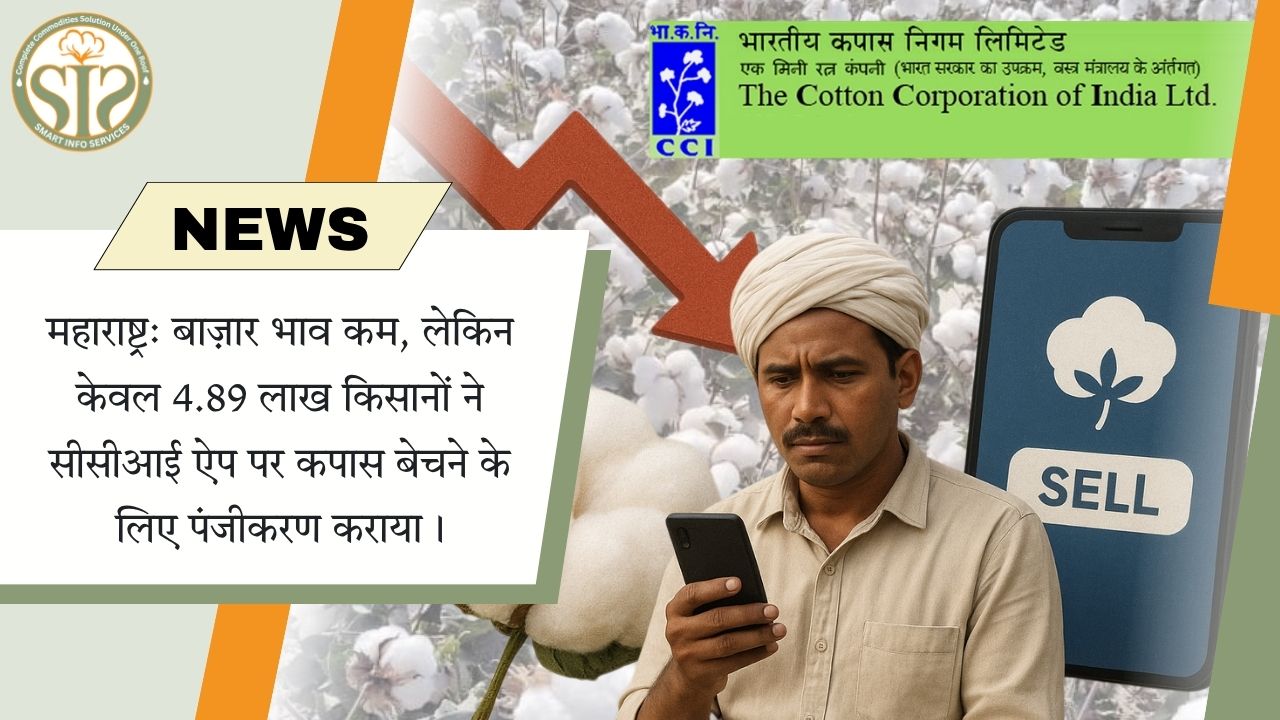
महाराष्ट्र: बाज़ार भाव कम, लेकिन केवल 4.89 लाख किसानों ने सीसीआई ऐप पर कपास बेचने के लिए पंजीकरण कराया।नागपुर: सरकार द्वारा न्यूनतम समर्थन मूल्य (एमएसपी) पर कपास की खरीद शुरू करने के बीच, निजी व्यापारी बेंचमार्क स्तर से 1,400 रुपये से भी कम दामों की पेशकश जारी रखे हुए हैं। चालू सीज़न के लिए लंबे रेशे वाले कपास का एमएसपी 8,110 रुपये प्रति क्विंटल तय किया गया है। सूत्रों के अनुसार, इसके विपरीत, निजी बाज़ार में भाव 6,700 से 6,800 रुपये प्रति क्विंटल के बीच हैं।व्यापार जगत के सूत्रों के अनुसार, भारतीय कपास निगम (सीसीआई) के एमएसपी केंद्रों और निजी बाज़ारों, दोनों में आवक कम बनी हुई है। अमेरिका के साथ टैरिफ तनाव के बाद भारत द्वारा 31 दिसंबर तक कपास आयात पर सीमा शुल्क हटाने के बाद से भाव कम हैं। इस स्थिति को देखते हुए, किसान सीसीआई द्वारा एमएसपी खरीद पर उम्मीदें लगाए हुए हैं, जो एमएसपी प्रदान करता है।इस वर्ष, सीसीआई ने किसानों के लिए कपास बेचने के लिए कपास किसान ऐप के माध्यम से पंजीकरण कराना अनिवार्य कर दिया है। इसके पीछे उद्देश्य यह सुनिश्चित करना था कि केवल वास्तविक किसान ही अपनी उपज बेचें क्योंकि ऐप पर भूमि स्वामित्व और संबंधित दस्तावेज़ जैसे विवरण पोस्ट करने होंगे।अब तक पूरे राज्य में 4.89 लाख किसानों ने पंजीकरण कराया है। सूत्रों के अनुसार, विभिन्न अनुमानों के अनुसार, ये आँकड़े कपास उत्पादकों की वास्तविक संख्या से काफी कम हैं।सीसीआई के अधिकारियों का कहना है कि पंजीकरण की तिथि 31 दिसंबर तक बढ़ा दी गई है। इससे किसानों के लिए केंद्रों पर जाने की बजाय अपनी पसंद के अनुसार पंजीकरण और स्लॉट बुक करना सुविधाजनक हो गया है।एक अधिकारी ने बताया कि सीसीआई ने अब तक पूरे राज्य में 168 खरीद केंद्र खोले हैं और 9,000 गांठ (45,000 क्विंटल) कपास खरीदा है। सूत्रों का कहना है कि निजी मंडियों में आवक कम है क्योंकि किसान अपनी उपज सीसीआई को बेचना पसंद कर रहे हैं। हालाँकि, ऐप के माध्यम से पंजीकरण में आने वाली परेशानियों के कारण वे अपनी उपज को रोके हुए हैं।बेमौसम बारिश के कारण नमी की अधिक मात्रा भी एक कारण है। सीसीआई 12% से अधिक नमी वाले कपास को स्वीकार नहीं करता है। स्व-पंजीकरण के बाद, किसानों के विवरण को राज्य सरकार द्वारा अनुमोदित किया जाना आवश्यक है।यवतमाल में तेलंगाना सीमा के पास रहने वाले एक किसान गजानन सिंगवारार ने कहा कि वह ऐप पर पंजीकरण करा सकते हैं। हालाँकि, कई अन्य लोगों को यह प्रक्रिया बहुत जटिल लग रही है। फिर भी, इस वर्ष कम कीमतों के कारण, वे अपनी उपज सीसीआई को बेचना ही एकमात्र विकल्प मानते हैं।सीसीआई के केंद्र सभी क्षेत्रों को कवर नहीं करते हैं। ऐसे में, किसानों को अपनी उपज निजी व्यापारियों को बेचनी पड़ सकती है। एक अन्य किसान ने कहा कि अक्सर, जो व्यापारी उन्हें ऋण देते हैं, वे उपज निजी व्यापारियों को बेचने के बाद जल्दी से अपना बकाया वसूल कर लेते हैं।दूसरी ओर, सीसीआई के एक अधिकारी ने कहा कि जिन क्षेत्रों में कम से कम 3,000 हेक्टेयर में कपास की खेती होती है और जिनिंग मिल मौजूद है, वहाँ केंद्र खोले गए हैं। यवतमाल में लगभग 18 केंद्र खोले गए हैं, जबकि अमरावती में 14 केंद्र हैं। दोनों ही इस क्षेत्र के कपास उत्पादक जिले हैं।और पढ़ें :- कॉटन खरीद नीति में बड़ा बदलाव, CAI ने भावांतर योजना का सुझाव दिया
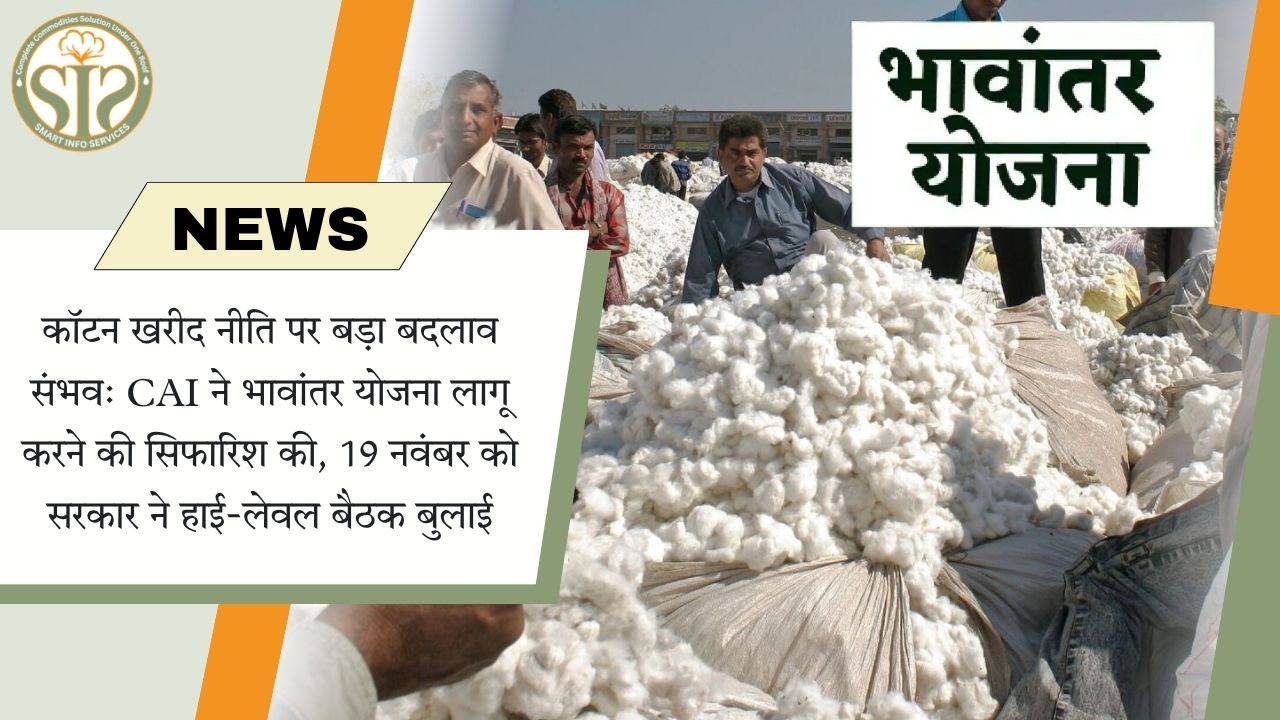
कॉटन खरीद नीति पर बड़ा बदलाव संभव: CAI ने भावांतर योजना लागू करने की सिफारिश की, 19 नवंबर को सरकार ने हाई-लेवल बैठक बुलाईनई दिल्ली, 14 नवंबर (कृषि भूमि ब्यूरो): भारत के कॉटन बाजार में महत्वपूर्ण बदलावों को देखते हुए कॉटन एसोसिएशन ऑफ इंडिया (CAI) ने सरकार को सुझाव दिया है कि मौजूदा MSP आधारित खरीद मॉडल अब किसानों को अपेक्षित लाभ नहीं दे पा रहा है।CAI का कहना है कि सरकार यदि भावांतर योजना लागू करती है, तो किसानों को प्रति क्विंटल 500 रुपये का प्रीमियम सीधे उनके खातों में ट्रांसफर किया जा सकता है। इस मॉडल से देश भर की अलग-अलग मंडियों में बिकने वाले कॉटन को समान लाभ मिलेगा।वर्तमान में मंडियों के माध्यम से 200 लाख बेल्स की बिक्री होती है, जबकि इस योजना को लागू करने पर 1700 करोड़ रुपये खर्च आने का अनुमान है, जो कि MSP पर होने वाले भारी खर्च की तुलना में काफी कम है।MSP मॉडल क्यों कम प्रभावी हो रहा है?CAI ने बताया कि 2024-25 में MSP पर कॉटन की खरीद पर 37,450 करोड़ रुपये खर्च किए गए, लेकिन इसका फायदा केवल 34% किसानों तक ही पहुंच पाया। संगठन ने कहा कि किसानों में MSP की जानकारी और जागरूकता की भारी कमी है, जिसके चलते 75% किसान वास्तविक MSP दर से अनजान रहते हैं। अधिकांश किसानों के पास तकनीकी समझ और बाजार तक पहुंच का अभाव है, जिसके कारण MSP की व्यवस्था समय के साथ कम प्रभावी साबित हो रही है। CAI का कहना है कि वर्तमान परिस्थितियों में कॉटन बाजार में प्रतिस्पर्धा घट रही है और MSP मॉडल किसानों को पर्याप्त संरक्षण नहीं दे पा रहा है।इंडस्ट्री पर बढ़ते दबाव और इंपोर्ट का असरCAI प्रेसिडेंट अतुल गनात्रा के अनुसार, इस वर्ष 45 लाख बेल्स कॉटन के आयात की उम्मीद है, क्योंकि अंतरराष्ट्रीय बाजार में कॉटन भारत की तुलना में सस्ता उपलब्ध है। इससे घरेलू उद्योग पर दबाव बढ़ रहा है, क्योंकि MSP के चलते उन्हें महंगे दामों पर कॉटन खरीदना पड़ता है। गनात्रा ने सुझाव दिया कि यदि CCI खरीदा हुआ कॉटन बेचती है, तो उसे MSP से 5 से 7% कम कीमत पर बेचने पर विचार करना चाहिए, जिससे इंडस्ट्री को राहत मिल सके और बाजार में संतुलन बना रहे।19 नवंबर को सरकार ने बुलाई अहम बैठककॉटन खरीद की मौजूदा प्रक्रिया, MSP मॉडल में सुधार और CAI द्वारा दिए गए सुझावों पर चर्चा करने के लिए सरकार ने 19 नवंबर को दोपहर 12:30 बजे उद्योग भवन में एक उच्चस्तरीय बैठक निर्धारित की है। इस बैठक में भावांतर योजना लागू करने की संभावनाओं, किसानों को DBT के माध्यम से प्रीमियम देने के विकल्प और उद्योग से जुड़े अन्य मुद्दों पर विस्तृत चर्चा की जाएगी।CAI की दलील क्या है?CAI का मानना है कि बाजार की बदलती परिस्थितियों में MSP कॉटन किसानों के लिए कारगर समाधान नहीं है, क्योंकि केवल 10 से 15% किसानों को ही MSP का वास्तविक लाभ मिलता है। संगठन के अनुसार, MSP पर कॉटन की खरीद न तो किसानों को पर्याप्त लाभ दे रही है और न ही उद्योग को स्थिरता प्रदान कर रही है। CAI का कहना है कि सरकार को भावांतर योजना लागू कर किसानों को जोड़ना चाहिए, ताकि उनकी आय सीधे बढ़ सके और बाजार अधिक प्रतिस्पर्धी बन सके।और पढ़ें :- सीसीआई ने कपास की कीमतों में 500 रुपये की कटौती की, ई-नीलामी के जरिए 90% से अधिक कपास बेचा
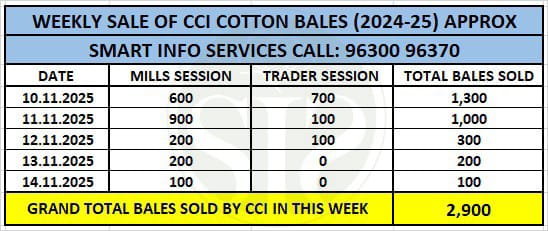
सीसीआई ने ₹500 प्रति कैंडी कीमत घटाई, 90.44% कपास ई-नीलामी से बेचीभारतीय कपास निगम (CCI) ने इस सप्ताह अपनी कीमतों में कुल ₹500 प्रति कैंडी की कटौती की और 2024-25 सीजन की अपनी 90.44% कपास ई-नीलामी के माध्यम से बेच दी।10 से 14 नवंबर 2025 के दौरान, CCI ने मिलों और व्यापारियों के लिए ऑनलाइन नीलामी आयोजित की, जिसमें कुल लगभग 2,900 गांठों की बिक्री हुई।साप्ताहिक बिक्री विवरण:10 नवंबर 2025: सप्ताह की सबसे अधिक बिक्री 1,300 गांठ रही। इसमें मिलों ने 600 गांठ और व्यापारियों ने 700 गांठ खरीदी।11 नवंबर 2025: कुल 1,000 गांठों की बिक्री हुई, जिसमें 900 गांठ मिलों और 100 गांठ व्यापारियों ने खरीदी।12 नवंबर 2025: कुल 300 गांठों की बिक्री हुई, जिसमें मिलों ने 200 और व्यापारियों ने 100 गांठ खरीदी।13 नवंबर 2025: मिल सत्र में 200 गांठों की बिक्री हुई।14 नवंबर 2025: सप्ताह का समापन मिल सत्र में 100 गांठों की बिक्री के साथ हुआ।कुल मिलाकर, सप्ताह के दौरान लगभग 2,900 गांठों की बिक्री हुई। इसके साथ ही 2024-25 सीजन के लिए CCI की कुल संचयी बिक्री 90,44,500 गांठों तक पहुंच गई है, जो उसकी कुल खरीद का 90.44% है।और पढ़ें :-रुपया 1 पैसे बड़कर 88.74 पर बंद हुआ

शुक्रवार को भारतीय रुपया 1पैसे बड़कर 88.74 प्रति डॉलर पर बंद हुआ, जबकि सुबह यह 88.75 पर खुला था।कारोबार के अंत में सेंसेक्स84.11 अंक यानी 0.10 फीसदी की बढ़त के साथ 84,562.78 के स्तर पर बंदहुआ। वहीं निफ्टी 30.90 अंक यानी 0.12 फी सदी की बढ़त के साथ 25,910.05 के स्तर पर बंद हुआ।और पढ़ें:- सरकार ने 14 गुणवत्ता आदेश रद्द किए
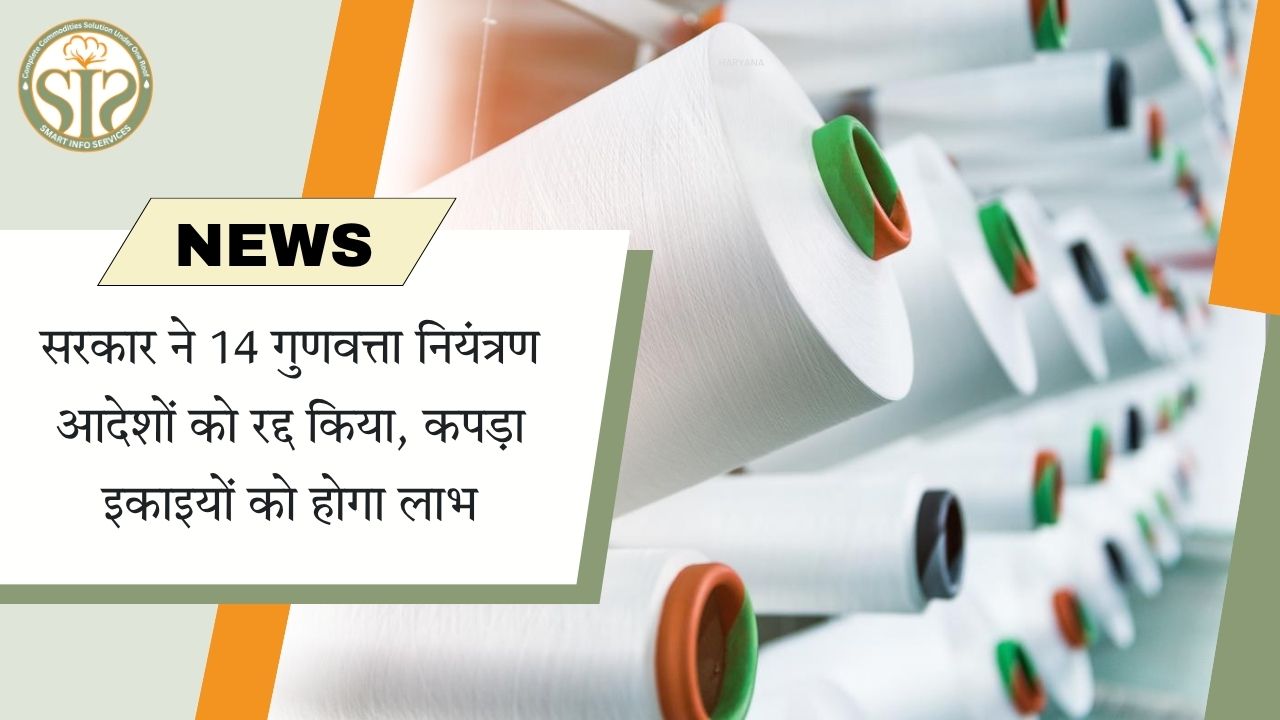
सरकार ने 14 गुणवत्ता नियंत्रण आदेशों को रद्द किया, कपड़ा इकाइयों को होगा *लाभसरकार ने चौदह पेट्रोकेमिकल उत्पादों के लिए गुणवत्ता नियंत्रण आदेश (QCO) वापस ले लिए हैं, जिनका उपयोग कपड़ा से लेकर उच्च प्रदर्शन वाले प्लास्टिक तक, विभिन्न क्षेत्रों में इनपुट के रूप में किया जाता है। QCO को रद्द करने से उपयोगकर्ता उद्योगों को राहत मिलेगी, क्योंकि उन्हें इन उत्पादों के व्यापक स्रोतों तक पहुँच प्राप्त होगी। QCO, जो घरेलू विनिर्माण और आयात पर समान रूप से लागू होते हैं, इन उत्पादों के आपूर्तिकर्ताओं की संख्या को सीमित कर देते। QCO के तहत, आदेश के अंतर्गत आने वाले उत्पादों के आपूर्तिकर्ताओं को भारत में बिक्री करने से पहले अपनी विनिर्माण सुविधाओं और उत्पादन को प्रमाणित करवाना होगा। इसमें लागत और समय दोनों शामिल हैं। कई विदेशी आपूर्तिकर्ता इस प्रक्रिया से बाहर हो जाते हैं, जिससे भारतीय उद्योग के लिए आपूर्तिकर्ताओं की संख्या सीमित हो जाती है। QCO की संख्या 2016 में 70 से भी कम से बढ़कर 2025 तक लगभग 790 हो गई है, जिनमें से अधिकांश पिछले पाँच वर्षों में शुरू किए गए हैं। हाल ही में जारी गुणवत्ता नियंत्रण आदेशों (QCO) को वापस लेने के आदेश के अंतर्गत आने वाले उत्पादों में 100% पॉलिएस्टर स्पन ग्रे और सफेद धागा, पॉलिएस्टर औद्योगिक धागा, पॉलिएस्टर स्टेपल फाइबर, पॉलीविनाइल क्लोराइड होमोपॉलिमर, टेरेफ्थेलिक एसिड, पॉलीयूरेथेन और पॉलीकार्बोनेट शामिल हैं।"पॉलिएस्टर फाइबर और धागे पर गुणवत्ता नियंत्रण आदेशों (QCO) को रद्द करना एक बड़ी राहत की बात है, क्योंकि यह सभी उपयोगकर्ता उद्योगों की लंबे समय से प्रतीक्षित मांग रही है। पॉलिएस्टर फाइबर और पॉलिएस्टर धागा अधिकांश मानव निर्मित फाइबर (MMF) उत्पादों का निर्माण करते हैं, और इसलिए, अधिकारियों द्वारा उठाया गया यह कदम भारत में MMF खंड के विकास में योगदान देगा," भारतीय कपड़ा उद्योग परिसंघ के अध्यक्ष अश्विन चंद्रन ने कहा। QCO को हटाने से भारतीय कपड़ा और परिधान उत्पादों की लागत प्रतिस्पर्धात्मकता में भी सुधार होगा क्योंकि इससे अंतरराष्ट्रीय स्तर पर प्रतिस्पर्धी कीमतों पर कच्चा माल प्राप्त करना आसान हो जाएगा। उन्होंने आगे कहा कि 12 नवंबर को घोषित निर्यात पैकेज के साथ, इन QCO को रद्द करना कपड़ा और परिधान क्षेत्र के लिए एक बड़ा आत्मविश्वास बढ़ाने वाला काम करेगा।भारत के QCO को उत्पाद की गुणवत्ता बढ़ाने और उपभोक्ताओं की सुरक्षा के लिए डिज़ाइन किया गया था, लेकिन उनके कार्यान्वयन ने बहस छेड़ दी है क्योंकि व्यवसाय अनुपालन लागत, आयात में देरी और आपूर्ति की कमी से जूझ रहे हैं।उद्योग द्वारा अनुपालन के भारी बोझ की शिकायतों पर, नीति आयोग के सदस्य राजीव गौबा की अध्यक्षता में एक उच्च-स्तरीय पैनल का गठन इस प्रणाली की समीक्षा के लिए किया गया था। रिपोर्टों के अनुसार, पैनल ने 200 से अधिक QCO को रद्द करने या स्थगित करने का सुझाव दिया है। इसने QCO व्यवस्था में आमूल-चूल परिवर्तन की भी सिफारिश की है।समिति ने पाया कि भारत में QCO का तेजी से विस्तार - हालाँकि इसका उद्देश्य गुणवत्ता में सुधार करना था - आपूर्ति की कमी, उच्च इनपुट लागत और विशेष रूप से MSMEs के लिए प्रमाणन में लंबी देरी का कारण बना। कई क्यूसीओ ऐसे कच्चे माल को कवर करते हैं जिनसे कोई प्रत्यक्ष सुरक्षा या पर्यावरणीय जोखिम नहीं होता, जिससे ऐसे विनियमन अनावश्यक हो जाते हैं। समिति ने कहा कि अधिकांश देश स्वैच्छिक या खरीदार-आधारित मानकों का उपयोग करते हैं, जबकि भारत में अत्यधिक विनियमन ने विनिर्माण और व्यापार दक्षता को विकृत कर दिया है।और पढ़ें :- सीसीआई की कपास खरीद सुस्त
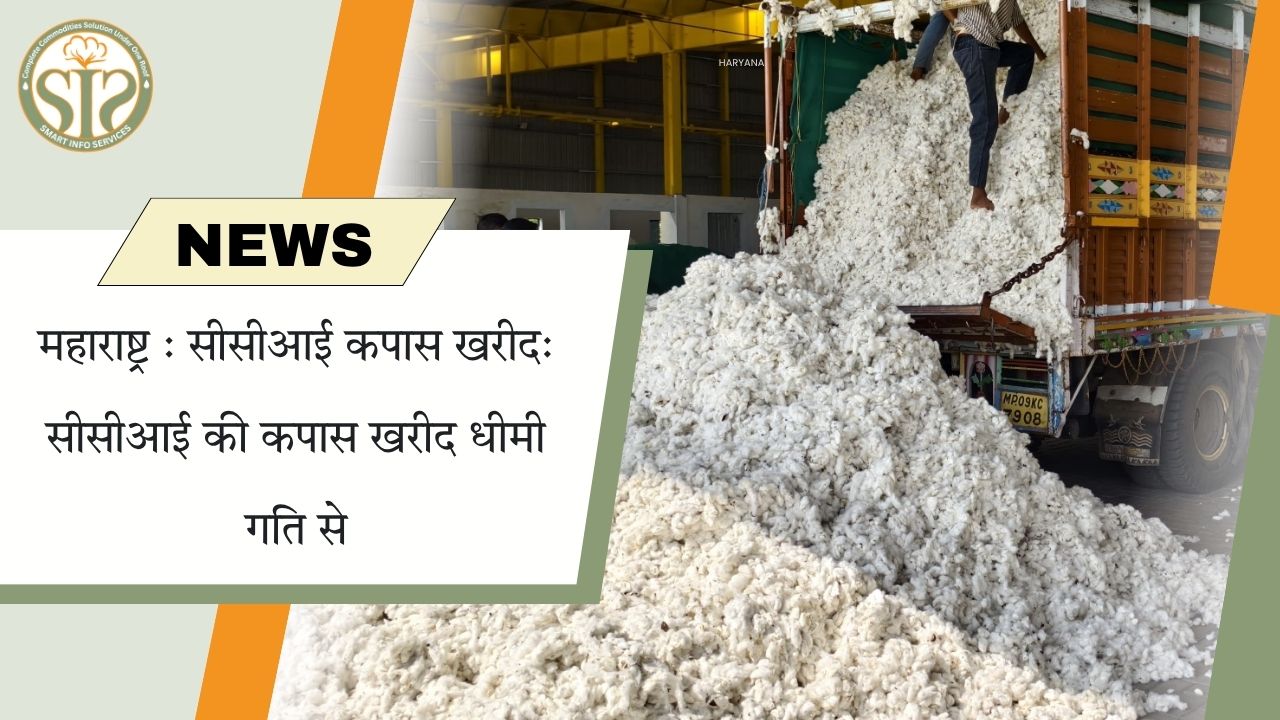
महाराष्ट्र : सीसीआई कपास खरीद: सीसीआई की कपास खरीद धीमी गति सेअकोला : भारतीय कपास निगम (सीसीआई) ने गारंटीशुदा कीमतों पर कपास खरीद की प्रक्रिया शुरू कर दी है, लेकिन विभिन्न तकनीकी और प्रशासनिक कठिनाइयों के कारण खरीद अभी तक गति नहीं पकड़ पाई है। विदर्भ के नौ जिलों में अब तक साढ़े तीन लाख से ज़्यादा किसानों ने पंजीकरण कराया है। हालाँकि, केवल 21 हज़ार 314 किसानों के नाम ही सत्यापित और स्वीकृत हुए हैं। जबकि लगभग दो लाख 90 हज़ार किसान सत्यापन की प्रतीक्षा में हैं। वहीं, तकनीकी कारणों से 13 हज़ार 921 किसानों की जानकारी अस्वीकृत कर दी गई है।जिलेवार खरीद केंद्रकपास खरीद के लिए कुल 89 केंद्र दिए गए हैं, जिनमें अकोला में 9, अमरावती में 14, बुलढाणा में 9, चंद्रपुर में 10, गढ़चिरौली में 1, नागपुर में 11, वर्धा में 13, वाशिम में 4 और यवतमाल में 18 केंद्र शामिल हैं। इस सीज़न की कपास खरीद के लिए, सीसीआई ने किसानों के पंजीकरण हेतु एक मोबाइल ऐप उपलब्ध कराया है। इस ऐप के माध्यम से पंजीकरण करते समय, किसानों को फसल चक्र, आधार कार्ड और फोटो संलग्न करना अनिवार्य किया गया है। इस जानकारी के सत्यापन की ज़िम्मेदारी राज्य सरकार की एजेंसियों को सौंपी गई है, और यह कार्य बाज़ार समिति स्तर पर किया जा रहा है। हालाँकि, सत्यापन प्रक्रिया में देरी के कारण, कई किसानों को खरीद केंद्रों पर कपास बेचने के लिए प्रतीक्षा करनी पड़ रही है।सीसीआई ने इस सीज़न में विदर्भ के नौ जिलों में कुल 89 खरीद केंद्रों को मंजूरी दी है, जिनमें से अधिकांश चालू हो चुके हैं या शुरू होने की प्रक्रिया में हैं। बताया गया है कि अब तक शुरू किए गए केंद्रों पर लगभग 16,500 क्विंटल कपास की खरीद हो चुकी है। रुक-रुक कर हो रही बारिश के कारण कपास का मौसम थोड़ा विलंबित हुआ था। लेकिन अब किसान धीरे-धीरे कपास बेचने के लिए केंद्रों पर आने लगे हैं। सूत्र ने उम्मीद जताई कि आने वाले दिनों में सत्यापन की गति बढ़ेगी और ख़रीद में तेज़ी आएगी।कपास बिक्री के लिए पंजीकृत किसानों की जानकारी के सत्यापन की ज़िम्मेदारी मुख्य रूप से बाज़ार समिति स्तर पर दी गई है। हालाँकि, यह प्रक्रिया धीमी चल रही है। अपर्याप्त व्यवस्थाओं के कारण कपास की बिक्री में देरी हो रही है। कुछ जगहों पर, ऐप में जानकारी जमा करते समय किसान स्तर पर हुई गलतियों के कारण बड़ी संख्या में उनके आवेदन अस्वीकृत भी हो गए हैं।मंडी शुल्क में देरी के कारण अनापत्ति प्रमाण पत्र जारीअकोला ज़िले की अकोट बाज़ार समिति में ख़रीद शुरू न होने से असमंजस की स्थिति पैदा हो गई है। बाज़ार समिति प्रशासन ने अकोट के 22 जिनिंग धारकों को अनापत्ति प्रमाण पत्र जारी नहीं किया था क्योंकि उन्होंने बाज़ार शुल्क का भुगतान नहीं किया था। परिणामस्वरूप, कपास ख़रीद केंद्र नहीं खुल पा रहे हैं।यह मामला सामने आते ही ज़िला उप-पंजीयक गीतेश चंद्र साबले ने बुधवार (12 तारीख) को तुरंत 'सीसीआई' और बाज़ार समिति को पत्र लिखकर गुरुवार (13 तारीख) को ज़िला कलेक्टर कार्यालय में बैठक आयोजित करने और सारी जानकारी के साथ उपस्थित होने का निर्देश दिया। इसके साथ ही ज़िले के सांसद अनूप धोत्रे ने भी इस मुद्दे पर पत्र लिखकर तुरंत ख़रीद शुरू करने के निर्देश दिए थे। प्रशासन ने इसका समाधान निकालने के लिए कदम उठाए। अकोट में 10 ख़रीदारों को तुरंत अनापत्ति प्रमाण पत्र दे दिया गया है।और पढ़ें :- तेलंगाना में कपास ऐप और सरकारी देरी से किसानों का संकट बढ़ा

किसान कपास ऐप पर भ्रम और सरकारी देरी से बाढ़ प्रभावित तेलंगाना के किसानों का संकट और गहरायातेलंगाना के कृषि क्षेत्रों में बाढ़ के हफ्तों बाद, किसानों का कहना है कि सत्ताधारियों को अभी तक इस तबाही का एहसास नहीं हुआ है। बुधवार, 12 नवंबर को, तेलंगाना स्थित किसान अधिकार समूह रयथू स्वराज्य वेदिका (आरएसवी) ने हैदराबाद में एक गोलमेज बैठक बुलाई, जिसमें उन्होंने उस संकट का जायज़ा लिया जिसे वे एक बिगड़ते संकट के रूप में वर्णित करते हैं - चक्रवात मोन्था से फसलों का नुकसान, रुकी हुई ख़रीद, और सरकारों द्वारा तत्काल प्रतिक्रिया न देना।सुदारय्या विज्ञान केंद्रम में राज्य भर के ज़िलों का प्रतिनिधित्व करते हुए लगभग 45 किसान, कार्यकर्ता और कृषि विशेषज्ञ एकत्र हुए। आरएसवी संयोजक किरण विस्सा की अध्यक्षता में हुई इस चर्चा में लगातार बारिश से हुई तबाही, कपास ख़रीद के लिए भाजपा के नेतृत्व वाली केंद्र सरकार द्वारा अनिवार्य कपास किसान ऐप से उत्पन्न बाधाओं और तेलंगाना में कांग्रेस के नेतृत्व वाली सरकार की उदासीनता सहित कई समस्याओं पर चर्चा हुई।आदिलाबाद के एक किसान के. दीपक ने कहा, "मेरे पास पाँच एकड़ ज़मीन है: तीन कपास की खेती के लिए और दो धान की। हाल ही में आए तूफ़ान में कपास की फ़सल पूरी तरह जलमग्न होकर नष्ट हो गई। लेकिन राज्य सरकार की ओर से अभी तक कोई मुआवज़ा नहीं मिला है।"अन्य किसानों ने भी इसी तरह की समस्याएँ उठाईं। आदिलाबाद के एक अन्य किसान सुंदर ने बताया कि अगस्त, सितंबर और अक्टूबर में लगातार हुई बारिश ने खेतों को कैसे तबाह कर दिया। अत्यधिक नमी के प्रति संवेदनशील कपास की फ़सल को इस रबी सीज़न (अक्टूबर से दिसंबर) में विशेष रूप से भारी नुकसान हुआ है।किसानों ने कहा कि कपास ख़रीद के लिए कपास किसान ऐप पर पंजीकरण की अनिवार्यता ने स्थिति को और बदतर बना दिया है। केंद्र सरकार के अधीन एक सार्वजनिक क्षेत्र का उपक्रम, भारतीय कपास निगम (CCI) द्वारा लॉन्च किया गया यह ऐप एक आधार-आधारित पूर्व-पंजीकरण प्रणाली है जिसका उपयोग किसानों को अपनी उपज बेचने से पहले करना अनिवार्य है।लेकिन किसानों ने कहा कि ऐप ही एक बाधा बन गया है। कम डिजिटल साक्षरता, इंटरनेट की अनियमित पहुँच और गाँव व ज़िला अधिकारियों की सहायता की कमी के कारण कई लोग इस बात से अनजान हैं कि इसका उपयोग कैसे करें।"सितंबर 2025 में सीसीआई द्वारा इसकी शुरुआत के बाद से, केंद्र सरकार इसे बिचौलियों को खत्म करने और किसानों से सीधे खरीद को सक्षम करने के एक तरीके के रूप में प्रचारित कर रही है। लेकिन कई किसान अभी भी यह नहीं समझ पा रहे हैं कि स्लॉट बुकिंग कैसे काम करती है," आरएसवी के एक कार्यकर्ता और सदस्य, थन्नेरु हर्षा ने टीएनएम को बताया।नलगोंडा जिले के एक किसान और कार्यकर्ता अंजनेयुलु ने कहा कि भ्रम व्यापक है। उन्होंने कहा, "नलगोंडा में मुझे जितनी आठ ग्राम पंचायतें पता हैं, वे बुरी तरह प्रभावित हुई हैं। चक्रवात मोन्था ने किसानों के घर और फसलें नष्ट कर दी हैं। कई लोगों को तो यह भी नहीं पता कि उनका किसान कपास पंजीकरण हुआ है या नहीं।"विकाराबाद जिले के एक किसान करुणानिधि गौड़ ने कहा कि इस बार किसान केवल 3-4 क्विंटल कपास ही बेच पाए, जबकि आमतौर पर वे 10 क्विंटल कपास बेचते हैं। उन्होंने आगे कहा, "उस उपज का कुछ हिस्सा भी इसलिए खारिज कर दिया गया क्योंकि खरीदारों ने शिकायत की थी कि बारिश और मलबे के कारण कपास काला पड़ गया है।"बैठक में बटाईदार किसानों की अनिश्चित स्थिति पर भी चर्चा की गई, जो औपचारिक मान्यता या मुआवजे और खरीद प्रणाली तक पहुंच के बिना फसल नुकसान का दंश झेलते हैं।और पढ़ें :- आदिलाबाद में किसान निजी व्यापारियों को कपास बेचने को मजबूर
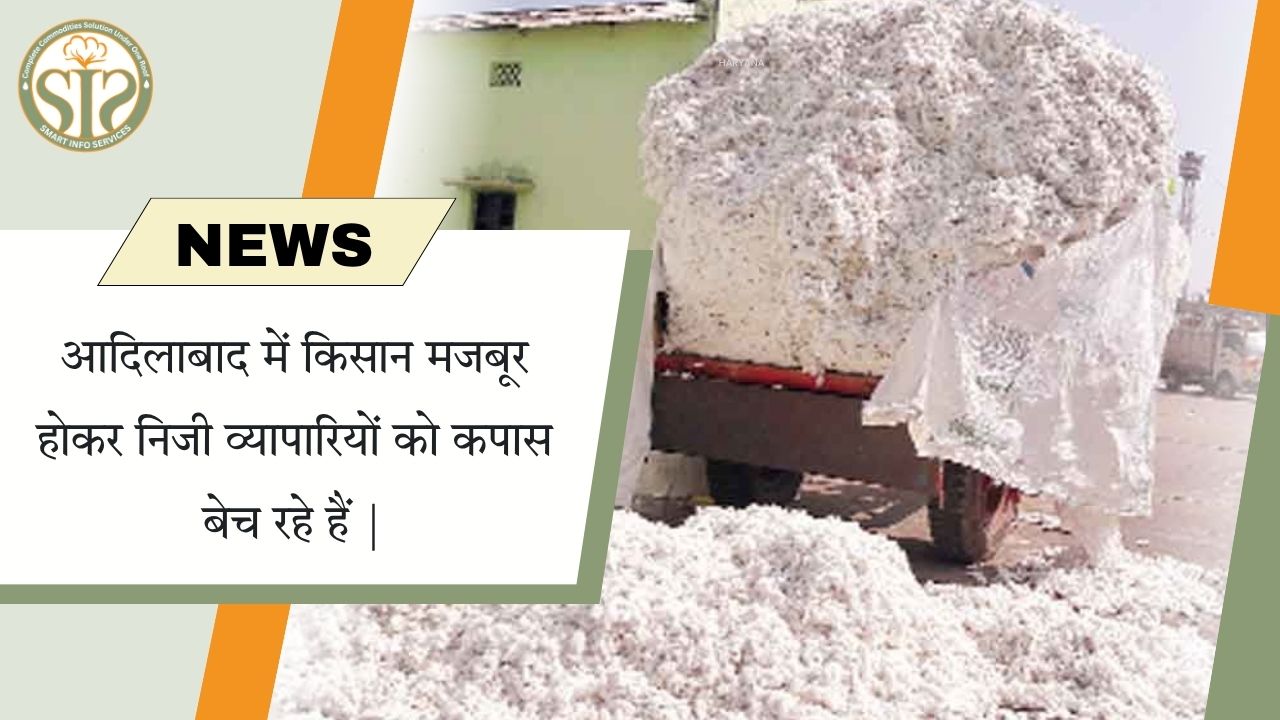
आदिलाबाद में किसान मजबूर होकर निजी व्यापारियों को कपास बेच रहे हैं |आदिलाबाद और आसपास के ज़िलों के कपास उत्पादक किसान अपनी उपज न्यूनतम समर्थन मूल्य (MSP) से कम दामों पर निजी व्यापारियों को बेचने के लिए मजबूर हैं, क्योंकि भारतीय कपास निगम (CCI) उच्च नमी स्तर का हवाला देकर कपास की खरीद से इनकार कर रहा है। किसानों का कहना है कि उन्हें भारी नुकसान हो रहा है और उन्होंने सरकार से हस्तक्षेप और मुआवज़े की मांग की है।आदिलाबाद: कपास किसानों को अपनी उपज निजी व्यापारियों को औने-पौने दामों में बेचने के लिए मजबूर होना पड़ रहा है क्योंकि भारतीय कपास निगम (CCI) उच्च नमी स्तर का हवाला देते हुए खरीद नहीं कर रहा है, जिससे किसानों को भारी आर्थिक नुकसान हो रहा है।CCI ने किसानों से कपास खरीद पर कुछ प्रतिबंध लगाए हैं। उदाहरण के लिए, वह 12 प्रतिशत से अधिक नमी वाली कपास नहीं खरीद रहा है। ये पाबंदियाँ व्यापारियों के लिए वरदान और किसानों के लिए अभिशाप बन गई हैं। व्यापारियों ने राष्ट्रीय राजमार्गों के किनारे और प्रमुख चौराहों पर अस्थायी केंद्र खोल लिए हैं, जहाँ वे कपास की खरीद कर रहे हैं।(SIS)किसानों का आरोप है कि व्यापारी सरकार द्वारा तय किए गए ₹8,110 प्रति क्विंटल के न्यूनतम समर्थन मूल्य से कम से कम ₹1,000 कम कीमत दे रहे हैं, जबकि CCI नमी का हवाला देकर कपास को अस्वीकार कर रहा है। (SIS) उन्होंने कहा कि निजी व्यापारियों को बेचने से उन्हें भारी नुकसान उठाना पड़ रहा है और अधिकारियों से अपील की कि वे निजी खरीदारों द्वारा शोषण को रोकने के लिए कदम उठाएँ।किसानों ने आगे बताया कि प्रतिकूल मौसम और असमय वर्षा के कारण उनकी पैदावार पहले से ही कम हो गई थी। उन्होंने कहा कि अब उनके पास व्यापारियों को बेचने के अलावा कोई विकल्प नहीं है और वे CCI की पाबंदियों से परेशान हैं। किसानों ने लगातार तीसरे साल भारी नुकसान झेलने के कारण सरकार से मुआवज़े की मांग भी की है।अधिकारियों के अनुसार, चालू कृषि सत्र में आदिलाबाद, कुमरम भीम आसिफाबाद, निर्मल और मंचेरियल ज़िलों में 10 लाख एकड़ से अधिक क्षेत्र में कपास की खेती की गई है। केवल आदिलाबाद ज़िले में 4.25 लाख एकड़, कुमरम भीम आसिफाबाद में 3.35 लाख एकड़, मंचेरियल में 1.61 लाख एकड़ और निर्मल ज़िले में 1.40 लाख एकड़ क्षेत्र में कपास बोई गई है।अनुमान है कि पूर्व आदिलाबाद ज़िला कुल 84 लाख क्विंटल की पैदावार दर्ज करेगा। इनमें आदिलाबाद ज़िले से 34 लाख क्विंटल, जबकि कुमरम भीम आसिफाबाद से 26 लाख क्विंटल उत्पादन होने की उम्मीद है। ज़िला प्रशासन ने किसानों की सहायता के लिए हेल्पलाइन नंबर 1800 599 5779 और व्हाट्सऐप नंबर 88972 81111 जारी किया है, जिससे किसान अपनी कपास बिक्री के लिए कपास किसान एप्लिकेशन पर स्लॉट बुक कर सकते हैं।और पढ़ें :-रुपया 09 पैसे गिरकर 88.75/USD पर खुला

14 नवंबर को अमेरिकी डॉलर के मुकाबले रुपया 09 पैसे गिरकर 88.75 पर खुला।भारतीय रुपया शुक्रवार को 88.75 प्रति डॉलर पर खुला, जबकि गुरुवार को यह 88.66 पर बंद हुआ था।और पढ़ें:- रुपया 02 पैसे गिरकर 88.66 प्रति डॉलर पर बंद हुआ

गुरुवार को रुपया 02 पैसे गिरकर 88.66 प्रति डॉलर पर बंद हुआ, जबकि सुबह यह 88.64 पर खुला था।अंत में, सेंसेक्स 12.16 अंक या 0.01 प्रतिशत ऊपर 84,478.67 पर था, और निफ्टी 3.35 अंक या 0.01 प्रतिशत ऊपर 25,879.15 पर था। लगभग 1661 शेयर बढ़े, 2193 शेयर गिरे, और 107 शेयर अपरिवर्तित रहे।और पढ़ें :- निर्यातकों को बड़ी राहत: कैबिनेट ने ₹20,000 करोड़ की क्रेडिट गारंटी योजना को मंजूरी दी

"निर्यातकों के लिए बड़ी राहत, कैबिनेट ने ₹20,000 करोड़ की क्रेडिट गारंटी योजना को मंजूरी दी"अमेरिकी राष्ट्रपति डोनाल्ड ट्रम्प के शुल्क उपायों से प्रभावित भारतीय निर्यातकों के लिए एक बड़ी राहत के रूप में, प्रधानमंत्री नरेंद्र मोदी की अध्यक्षता में केंद्रीय मंत्रिमंडल ने बुधवार को एक महत्वपूर्ण सहायता पहल — निर्यातकों के लिए क्रेडिट गारंटी योजना (CGSE) — को मंजूरी दे दी।₹20,000 करोड़ की यह योजना उन निर्यातकों को ऋण सुविधा प्रदान करने के उद्देश्य से है, जो अमेरिका द्वारा लगाए गए दंडात्मक शुल्कों से प्रभावित हुए हैं, ताकि उन्हें आवश्यक तरलता (liquidity) और स्थिरता मिल सके।निर्णय की घोषणा करते हुए सूचना और प्रसारण मंत्री अश्विनी वैष्णव ने कहा कि यह योजना वित्तीय सेवाओं विभाग (DFS) के पर्यवेक्षण में नेशनल क्रेडिट गारंटी ट्रस्टी कंपनी लिमिटेड (NCGTC) के माध्यम से लागू की जाएगी।वैष्णव ने कहा, “CGSE सदस्य ऋण संस्थानों (MLIs) को 100% ऋण गारंटी कवरेज प्रदान करेगी, जिससे वे योग्य निर्यातकों — जिनमें सूक्ष्म, लघु और मध्यम उद्यम (MSMEs) भी शामिल हैं — को ₹20,000 करोड़ तक की अतिरिक्त ऋण सुविधाएं उपलब्ध करा सकेंगे।”योजना के कार्यान्वयन और प्रगति की निगरानी के लिए वित्तीय सेवाओं विभाग के सचिव की अध्यक्षता में एक प्रबंधन समिति का गठन किया जाएगा, जो यह सुनिश्चित करेगी कि निर्यातकों को समय पर सहायता मिले।और पढ़ें :- इधर MSP पर खरीद शुरू होने का ऐलान, उधर भारत के कपास किसानों के लिए आई बुरी खबर.
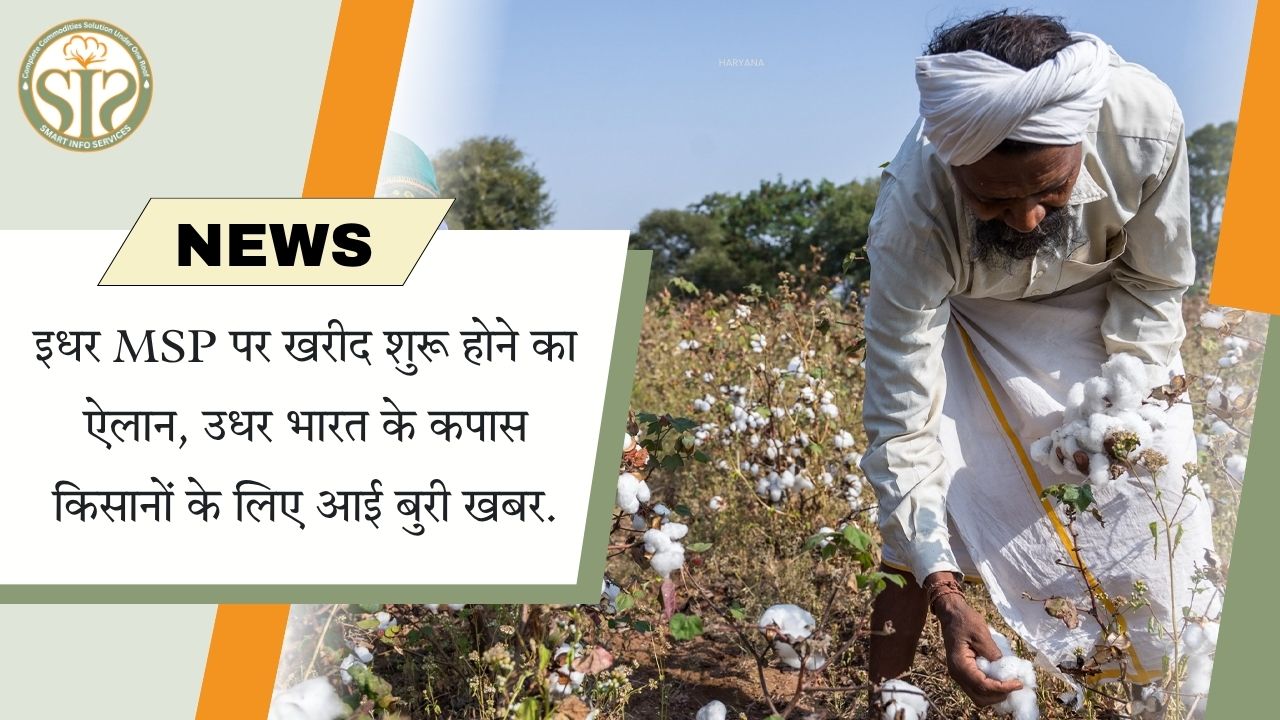
"एमएसपी कपास खरीद की शुरुआत अच्छी खबर है, लेकिन किसानों को असफलताओं का सामना करना पड़ रहा है"भारत के कपास आयात में नए सीजन में 9.8 फीसदी की बढ़ोतरी होने का अनुमान है जो अब तक के सबसे ऊंचे स्तर पर पहुंच सकता है. निश्चित तौर पर यह भारत के किसानों के लिए एक झटका देने वाली खबर है. यह इसलिए क्योंकि इसके पीछे एक वजह ड्यूटी फ्री आयात भी है जिसे कुछ महीने पहले भारत सरकार की तरफ से मंजूरी मिली है. यह जानकारी ऐसे समय पर आई है जब एक तरफ देश में कपास खरीद सीजन की शुरुआत हो चुकी है तो दूसरी तरफ मॉनसून की ज्यादा बारिश और फिर बेमौसमी बारिश से किसान तबाह हो चुके हैं. ऐसे में आयात में इजाफा निश्चित तौर पर उन्हें नुकसान पहुंचाने वाला होगा. लगातार बढ़ रहा आयात न्यूज एजेंसी रॉयटर्स के अनुसार भारत में कपास आयात बढ़ने के पीछे दो वजहें हैं- पहली, भारत से ड्यूटी फ्री आयात को मंजूरी देना और दूसरी घरेलू उत्पादन का 17 साल के निचले स्तर पर पहुंच जाना. भारत दुनिया का दूसरा सबसे बड़ा कपास उत्पादक देश है. ऐसे में भारत के ज्यादा आयात करने से ग्लोबल मार्केट में कपास की कीमतों को तो सहारा मिलने की उम्मीद है लेकिन देश के किसानों को नुकसान होगा, इस बात की भी पूरी संभावना है. फिलहाल अंतरराष्ट्रीय बाजार में कपास की कीमतें इस समय छह महीने के निचले स्तर के आसपास हैं. न्यूज एजेंसी रॉयटर्स ने कॉटन एसोसिएशन ऑफ इंडिया (CAI) के अध्यक्ष अतुल गणात्रा के हवाले से बताया कि भारत का कपास आयात 2025/26 मार्केटिंग ईयर में, जो 1 अक्टूबर से शुरू हुआ है, बढ़कर 45 लाख गांठों तक पहुंच सकता है. यह संख्या अकेले दिसंबर में 30 लाख गांठों के तक पहुंच सकती है. पिछले साल भारत का कपास आयात अमेरिका, ब्राजील, ऑस्ट्रेलिया और अफ्रीकी देशों से बढ़कर रिकॉर्ड 41 लाख गांठों तक पहुंच गया था.ड्यूटी फ्री आयात और कमजोर उत्पादनकॉटन एसोसिएशन ऑफ इंडिया के अध्यक्ष अतुल गणात्रा ने कहा, 'इस समय विदेशों में कपास की कीमतें घरेलू बाजार की तुलना में काफी सस्ती हैं, इसलिए टेक्सटाइल मिलें दिसंबर के अंत से पहले तेजी से आयात कर रही हैं.' भारत सरकार ने कपास आयात पर 11 फीसदी इंपोर्ट ड्यूटी की छूट को 31 दिसंबर तक बढ़ा दिया है. एक ग्लोबल ट्रेड हाउस से जुड़े नई दिल्ली के व्यापारी ने बताया कि फसलों को हुए नुकसान के चलते घरेलू आपूर्ति को लेकर बढ़ती चिंता के कारण, टेक्सटाइल मिलें बेहतर क्वालिटी वाले आयातित कपास की ओर रुख कर रही हैं. पश्चिमी राज्यों महाराष्ट्र और गुजरात, साथ ही दक्षिणी राज्यों आंध्र प्रदेश और तेलंगाना में अक्टूबर में भारी और असमय वर्षा हुई, जिससे कटाई के लिए तैयार कपास फसलों को नुकसान पहुंचा है. इन राज्यों की हिस्सेदारी भारत के कुल कपास उत्पादन का 70 फीसदी से ज्यादा है. सबसे बड़ा रोजगार क्षेत्रकॉटन एसोसिएशन ऑफ इंडिया (CAI) के अनुमान के अनुसार, भारत का कपास उत्पादन 2025-26 में पिछले साल की तुलना में 2.4 फीसदी घटकर 3.05 करोड़ गांठों पर आ सकता है. यह साल 2008-09 के बाद का सबसे कम उत्पादन होगा. कुछ व्यापारियों का अनुमान है कि उत्पादन और गिरकर 2.8 करोड़ गांठों तक पहुंच सकता है. टेक्सटाइल इंडस्ट्री भारत के सबसे बड़े रोजगार देने वाले क्षेत्रों में से एक है, जो 4.5 करोड़ से अधिक लोगों को सीधा रोजगार मुहैया कराता है. CAI के अनुसार, निर्यात की कमजोर मांग के कारण 2025-26 में कपास की खपत में 4.5 फीसदी की गिरावट आ सकती है, जिससे यह घटकर 3 करोड़ गांठों पर आ जाएगी. अतुल गणात्रा ने बताया, 'अमेरिका की तरफ से भारी टैरिफ लगाए जाने के बाद से वहां से मांग में कमी आई है, जिसके चलते दक्षिण भारत की कई टेक्सटाइल यूनिट्स को अपने उत्पादन में कटौती करनी पड़ी है.' अमेरिका भारत के कुल 38 अरब डॉलर के वार्षिक टेक्सटाइल निर्यात का करीब 29 फीसदी कपास खरीदता है. उसने अगस्त से भारत से आयात पर टैरिफ को दोगुना बढ़ाकर 50 फीसदी तक कर दिया है.और पढ़ें:- हरियाणा : एमएसपी पर कपास की खरीद, कम गुणवत्ता बता दाम में कर रहे कटौती,
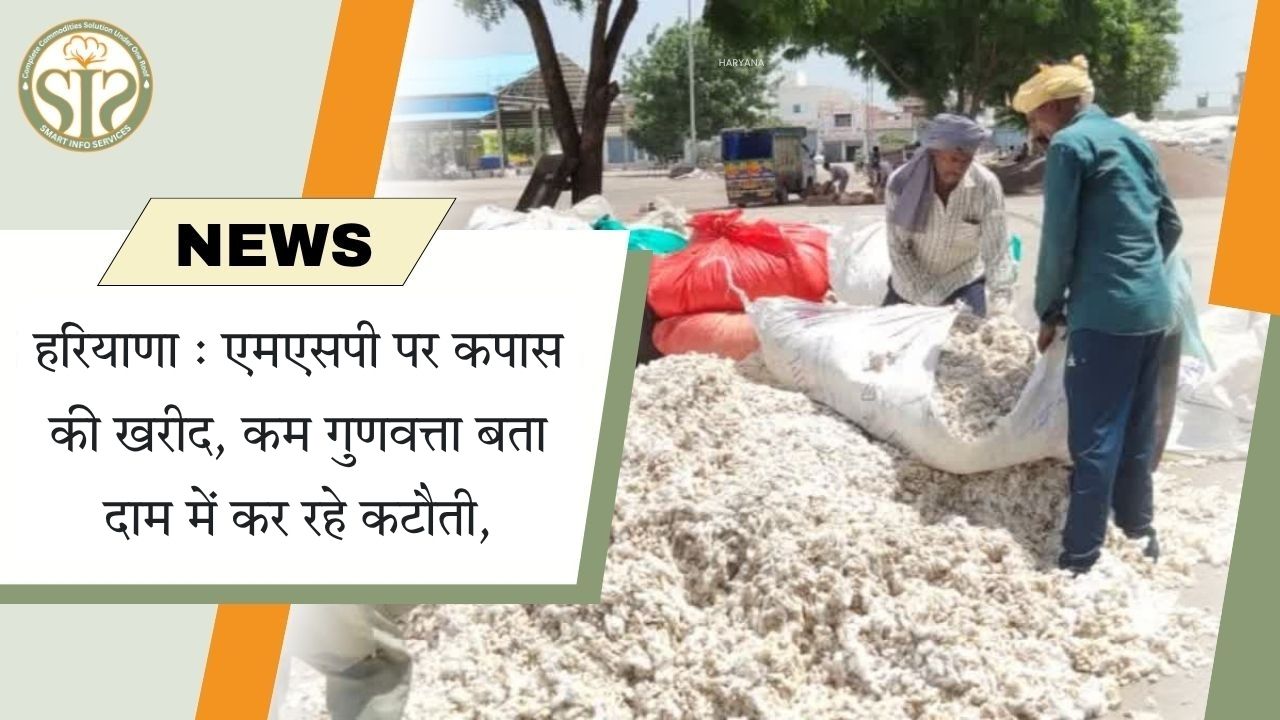
हरियाणा : एमएसपी पर कपास की खरीद, कम गुणवत्ता बता दाम में कर रहे कटौती,फतेहाबाद : जिले की अनाज मंडियों में भारतीय कपास निगम ने न्यूनतम समर्थन मूल्य (एमएसपी) पर कपास की खरीद हो रही है। लेकिन अनाजमंडी में नरमा की फसल में कम गुणवत्ता के नाम पर निगम की ओर से की जा रही मनमानी से किसान परेशान हैं। किसानों का आरोप है कि वो फसल कम दाम पर निजी व्यापारियों को बेचने को मजबूर हैं। उन्हें प्रति क्विंटल 1500 रुपये तक का नुकसान हो रहा है।प्रदेश सरकार की ओर से जिले में इस बार 24 फसलों में शामिल कपास की फसल की खरीद 6200 एमएसपी पर शुरू की गई है। किसान मंडियों में फसल लेकर पहुंच रहे हैं। बुधवार को शहर की नई अनाज मंडी में 40 किसान अपनी कपास की फसल लेकर पहुंचे। ताकि वह अपनी उपज को एमएसपी के भाव पर बेच सकें। कपास निगम के मौजूद कर्मचारियों ने किसानों को नरमे की कम गुणवत्ता बताकर खरीद करने से मना कर दिया। अनाज मंडी में 40 किसानों में से मात्र 9 किसानों की ही कपास की खरीद एमएसपी पर हो पाई है।किसान निजी व्यापारियों को फसल बेचने को है मजबूरभारतीय कपास निगम की ओर से कपास की खरीद लेट शुरू की गई है। ऐसे में ज्यादातर किसान फसल बेच चुके हैं। इससे किसान एमएसपी की खरीद से वंचित रह गए हैं। निजी व्यापारी इस समय किसानों से कपास 6200 रुपये प्रति क्विंटल के भाव पर खरीद रहे हैं। जबकि, केंद्र सरकार ने मध्यम रेशे की कपास के लिए 7020 रुपये प्रति क्विंटल और लंबे रेशे की कपास का भाव 8110 रुपये प्रति क्विंटल तय किया है। किसानों का कहना है कि एमएसपी और निजी खरीद मूल्य में लगभग 800 से 1500 रुपये प्रति क्विंटल का नुकसान है। अनाज मंडी में अब तक 17,253 क्विंटल खरीद हुई है, जिसमें से 581 क्विंटल कपास की खरीद एमएसपी पर हुई है।नई अनाज मंडी में 5 एकड़ की कपास की फसल लेकर पहुंचा था लेकिन यहां मेरी फसल सरकारी खरीदार कम गुणवत्ता की बताकर खरीद करने से मना कर दिया। इससे मुझे मात्र 6200 रुपये प्रति क्विंटल पर फसल बेचनी पड़ रही है।कपास की अच्छी गुणवत्ता की फसल लेकर अनाज मंडी में पहुंचा हूं, लेकिन यहां आने के बाद कम गुणवत्ता की बताकर खरीद करने से मना कर दिया गया। मजबूरन सस्ते दाम पर फसल बेचनी पड़ रही है।भारतीय कपास निगम की ओर अच्छी गुणवत्ता की कपास की खरीद जारी है। कपास की फसल लेकर पहुंचे कई किसानों का मेरी फसल मेरा ब्योरा पर पंजीकरण नहीं मिला। भारतीय कपास निगम की शाखा सिरसा की ओर से जिले की अनाज मंडी में खरीद प्रक्रिया का जायजा लिया गया। नियमों के अनुसार खरीद की जा रही है।और पढ़ें :- मध्य प्रदेश: राज्य में अब तक 17,000 गांठ कपास की खरीद हुई।
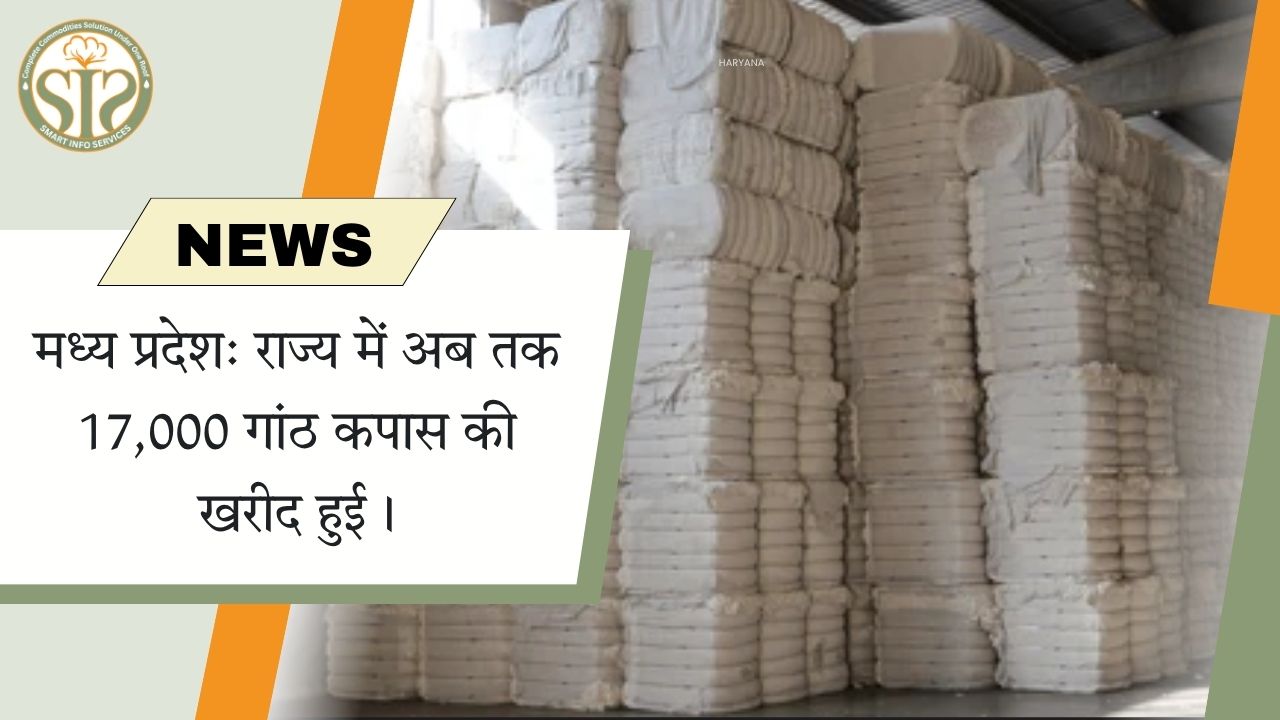
"मध्य प्रदेश ने 17,000 कपास गांठों की रिकॉर्ड खरीद की"इंदौर: कपड़ा मंत्रालय के अधीन कपास खरीद के लिए कार्यरत एक प्रमुख एजेंसी, भारतीय कपास निगम (CCI) ने खरीद शुरू कर दी है और सीजन शुरू होने के बाद से न्यूनतम समर्थन मूल्य (MSP) पर लगभग 17,000 गांठ कपास की खरीद की है। एक गांठ का वजन 170 किलोग्राम है। पिछले सीजन में, निगम ने राज्य के किसानों से लगभग 19.35 लाख क्विंटल कपास की खरीद की थी।चालू खरीद सीजन 24 अक्टूबर को शुरू हुआ, जिसमें CCI ने खरगोन, धामनोद, बीकनगांव, बड़वाह और खंडवा सहित कई प्रमुख स्थानों पर केंद्रों का एक नेटवर्क स्थापित किया। वर्तमान में, 20 खरीद केंद्र चालू हैं, जो स्थानीय किसानों के लिए सुचारू लेनदेन प्रक्रिया को सुगम बना रहे हैं।"हमने अब तक लगभग 17,068 गांठें खरीदी हैं। हमें उम्मीद है कि आने वाले दिनों में आवक में तेजी आएगी। इन दिनों आवक में नमी की मात्रा अधिक है और हम 8 प्रतिशत तक नमी वाली उपज स्वीकार कर रहे हैं," सीसीआई के एक अधिकारी ने कहा।राज्य में, खरगोन, खंडवा, बड़वानी, मनावर, धार, रतलाम और देवास प्रमुख कपास उत्पादक क्षेत्र हैं। अधिकारियों ने कहा कि कपास बेचने के इच्छुक किसानों को रायथु सेवा केंद्रों (आरएसके) में सीएम ऐप के माध्यम से ग्राम कृषि सहायकों के माध्यम से अपना विवरण दर्ज करने की सलाह दी जाती है।भारतीय कपास संघ द्वारा जारी एक हालिया अनुमान के अनुसार, 1 अक्टूबर से शुरू हुए 2025-26 के विपणन वर्ष में भारत का कपास आयात बढ़कर 45 लाख गांठ हो सकता है। इसके अतिरिक्त, 2025-26 सीज़न के लिए मध्य प्रदेश में कपास उत्पादन पिछले सीज़न से अपरिवर्तित, 19 लाख गांठ पर स्थिर रहने की उम्मीद है।और पढ़ें :- रुपया 01 पैसे बढ़कर 88.65/USD पर खुला

13 नवंबर को अमेरिकी डॉलर के मुकाबले रुपया 01 पैसे बढ़कर 88.65 पर खुला।भारतीय रुपया गुरुवार को 88.65 प्रति डॉलर पर खुला, जबकि बुधवार को यह 88.64 पर बंद हुआ था।और पढ़ें :- रुपया 01 पैसे घटकर 88.64 प्रति डॉलर पर बंद हुआ

बुधवार को भारतीय रुपया 01 पैसे घटकर 88.64 प्रति डॉलर पर बंद हुआ, जबकि सुबह यह 88.63 पर खुला था।बाजार बंद होने पर, सेंसेक्स 595.19 अंक या 0.71 प्रतिशत बढ़कर 84,466.51 पर और निफ्टी 180.85 अंक या 0.70 प्रतिशत बढ़कर 25,875.80 पर पहुँच गया। लगभग 2381 शेयरों में तेजी आई, 1655 शेयरों में गिरावट आई और 144 शेयरों में कोई बदलाव नहीं हुआ।और पढ़ें:- शुल्क छूट के बीच भारत का कपास आयात रिकॉर्ड स्तर पर
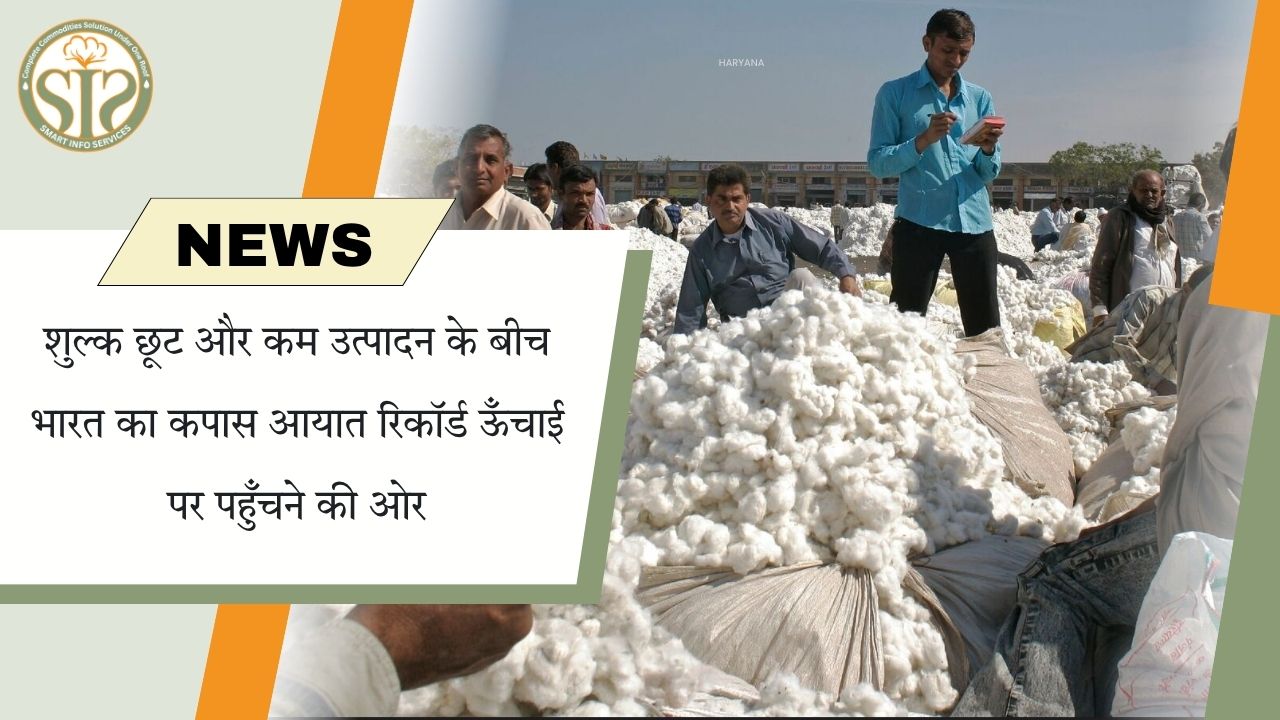
शुल्क छूट और कम उत्पादन के बीच भारत का कपास आयात रिकॉर्ड ऊँचाई पर पहुँचने की ओरउद्योग के अधिकारियों ने रॉयटर्स को बताया कि भारत का कपास आयात 2025/26 सीज़न में लगभग 10% बढ़कर रिकॉर्ड ऊँचाई पर पहुँचने का अनुमान है। सरकार द्वारा शुल्क-मुक्त आयात की अनुमति देने और घरेलू उत्पादन में 17 साल के निचले स्तर पर भारी गिरावट के कारण ऐसा हुआ है।दुनिया के दूसरे सबसे बड़े कपास उत्पादक द्वारा अधिक खरीद से वैश्विक कपास की कीमतों को समर्थन मिलने की उम्मीद है, जो वर्तमान में छह महीने के निचले स्तर के आसपास मँडरा रही हैं।भारतीय कपास संघ (CAI) के अध्यक्ष अतुल गणात्रा के अनुसार, 1 अक्टूबर से शुरू हुए 2025/26 विपणन वर्ष में भारत का कपास आयात बढ़कर 45 लाख गांठ हो सकता है, और अकेले दिसंबर तिमाही में लगभग 30 लाख गांठ आने की उम्मीद है।सीएआई के अनुमानों के अनुसार, घरेलू कपास उत्पादन पिछले वर्ष की तुलना में 2.4% घटकर 30.5 मिलियन गांठ रह जाने का अनुमान है, जो 2008/09 के बाद से सबसे कम उत्पादन है। कुछ व्यापारियों का अनुमान है कि उत्पादन और भी तेज़ी से गिर सकता है, संभवतः 28 मिलियन गांठ तक।कपड़ा उद्योग—भारत के सबसे बड़े नियोक्ताओं में से एक, जो 45 मिलियन से अधिक लोगों को रोज़गार प्रदान करता है—भी कमज़ोर माँग का सामना कर रहा है। सीएआई का अनुमान है कि सुस्त निर्यात ऑर्डरों के बीच 2025/26 में कपास की खपत 4.5% घटकर 30 मिलियन गांठ रह जाएगी।गणत्रा ने कहा, "भारी शुल्क लगाए जाने के बाद अमेरिका से माँग कम हो गई है, जिससे दक्षिण भारत की कई कपड़ा इकाइयों को अपना परिचालन कम करना पड़ा है।"भारत के 38 बिलियन डॉलर के वार्षिक कपड़ा निर्यात में लगभग 29% हिस्सेदारी रखने वाले अमेरिका ने अगस्त से भारतीय आयातों पर शुल्क दोगुना करके 50% तक कर दिया है।और पढ़ें :- पंजाब में कपास ख़रीद न्यूनतम, किसान ऐप संकट में

Maharashtra: Cotton crop in crisis due to 'Lalya' disease, Yavatmal farmers frustrated by government apathy.Wardha: Farmers already troubled by natural disasters are now facing a severe crisis due to 'Lalya' disease. The disease is wreaking havoc in cotton-producing fields in several areas of the tehsil, including Kashimpur, Circuspur, Nimboli, Tona, and Deurwada. The lush green cotton leaves have turned red and dried up, stunting plant growth and severely impacting production.Farmers, already facing financial hardship due to the loss of their soybean crop, had considered cotton as their last hope, but now 'Lalya' disease has taken away that hope. In this critical situation, the government machinery's laxity and indifference are further fueling farmers' anger.Farmers are deeply angry.Agricultural schools, colleges, and agricultural science experts failed to provide timely information on potential diseases and preventive measures. This negligence by the Agriculture Department has caused intense resentment among farmers. Farmers say that if timely warnings and preventive measures had been provided, the current situation could have been avoided.Indian Cotton Corporation Launches Online RegistrationFarmers are reacting that the crop crisis is deepening, but the government does not seem serious about their issues. Along with the crop crisis, the issue of cotton sales is also troubling farmers. The Indian Cotton Corporation has launched online registration, but many farmers have not yet been certified. Farmers allege that the purchase of cotton from those who have registered is also being deliberately delayed.The government is not purchasing even the small amount of cotton stored at home, forcing farmers to sell it to private traders at low prices. This raises the question: is the government's policy aimed at serving commercial interests?read more :- Reasons behind declining cotton cultivation in Maharashtra
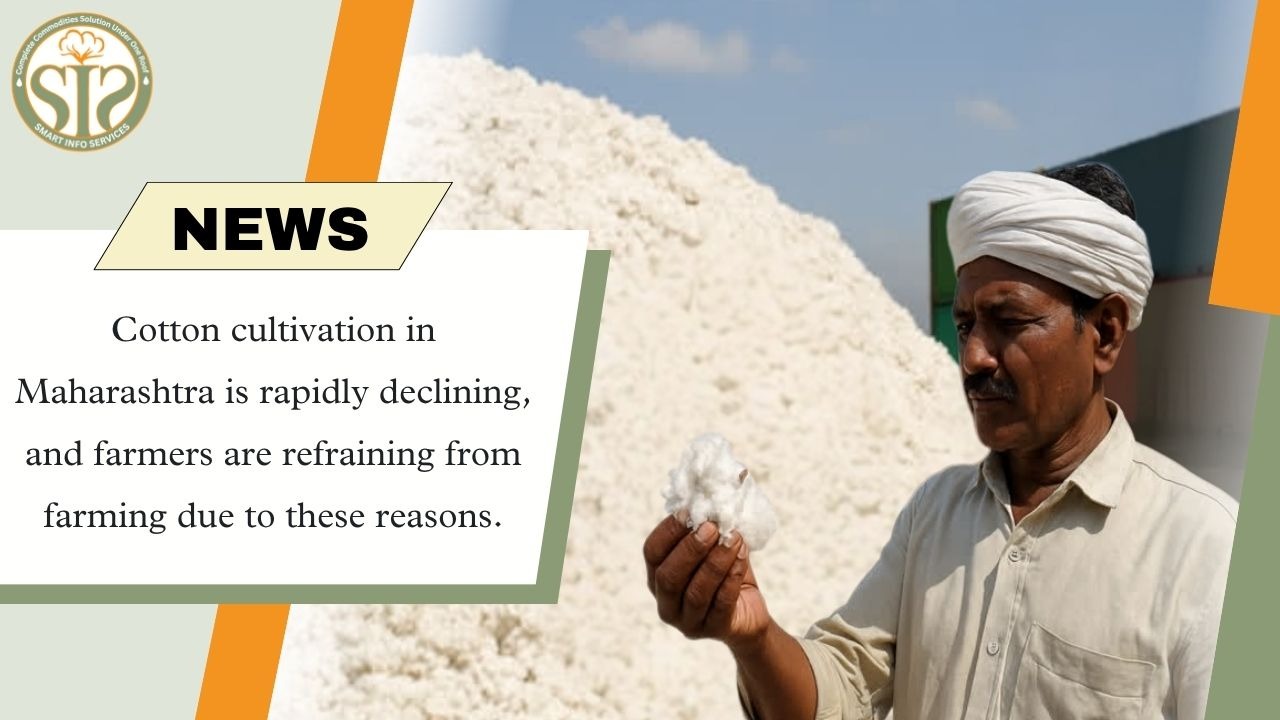
Cotton cultivation in Maharashtra is rapidly declining, and farmers are refraining from farming due to these reasons.A cotton expert stated that cotton cultivation in Maharashtra has declined by approximately 4.59 lakh hectares over the past four years, as farmers are turning to soybean cultivation due to high labor costs and lack of mechanization.A shocking statistic has emerged from Maharashtra, a leading cotton producing state. In fact, a cotton expert stated that cotton cultivation in Maharashtra has declined by approximately 4.59 lakh hectares over the past four years, as farmers are turning to soybean cultivation due to high labor costs and lack of mechanization. In 2020-21, cotton was cultivated across 45.45 lakh hectares in Maharashtra, producing 101.05 lakh bales (each bale weighing 170 kg). Meanwhile, according to data from the Union Ministry of Agriculture and Farmers Welfare and the Nanded-based Cotton Research Center, this area will decrease to 40.86 lakh hectares by 2024-25, and the estimated production is 87.63 lakh bales.What is the reason for the decline in cotton cultivation?Agricultural scientist Dr. Arvind Pandagale of the Cotton Research Center explained that cotton cultivation is being largely replaced by soybeans. Cotton has to be harvested manually. The labor required for harvesting is 10 rupees per kilogram, but the selling price does not exceed 70 rupees per kilogram. Furthermore, the crop requires spraying of pesticides, which is a significant and expensive task. The cost of growing cotton is increasing, he said, which is why the area under cotton cultivation in Maharashtra is decreasing.Lack of machinery is also a reason for the decline in cultivation.Pandagale explained that another problem is the difficulty in harvesting cotton. To address the labor shortage, the use of machines for cotton picking should be increased. However, the machines available in India collect leaves and other weeds along with the cotton. Many industries across the country are working to develop more efficient cotton picking machines. He explained that in other countries, cotton is harvested using machines, and their plants do not grow taller than 3.5 to 4 feet.He further stated that in India, plants can grow up to 7 feet tall. "We are trying to reduce the height of cotton plants through research." Farmers in India use "straight variety" cotton seeds. In countries like Brazil and Australia, they use hybrid seeds. Straight variety cotton can be picked 2-3 times, which is not possible with hybrid seeds.Farmers leaving farming due to high wagesAba Kolhe, a cotton farmer from Ghosla village in Chhatrapati Sambhajinagar district, also pointed to high wages and other problems. He said that due to heavy rains during harvesting this year, the weight of the cotton bolls has decreased. As a result, laborers are unwilling to pick them even if offered 20 rupees per kilo. Except for 2021-22, we haven't received a good price for our crop. Therefore, we have reduced the area under cultivation compared to 2019.Exports likely to decline to 1.8 million balesThe farmer said that until 2019, he used to grow cotton on his entire 11 acres of land. He further said that now he grows cotton on only half of that land. According to official data, cotton imports into the country are expected to outpace exports this year. In 2021-22, India imported 2.113 million bales of cotton and exported 4.225 million bales. According to data provided by the Committee on Cotton Production and Consumption (COCPC) under the Ministry of Textiles, the estimated imports for 2024-25 are 25 lakh bales, while exports are likely to decline to 18 lakh bales.read more :-KTR attacks Centre and state governments over cotton procurement crisis
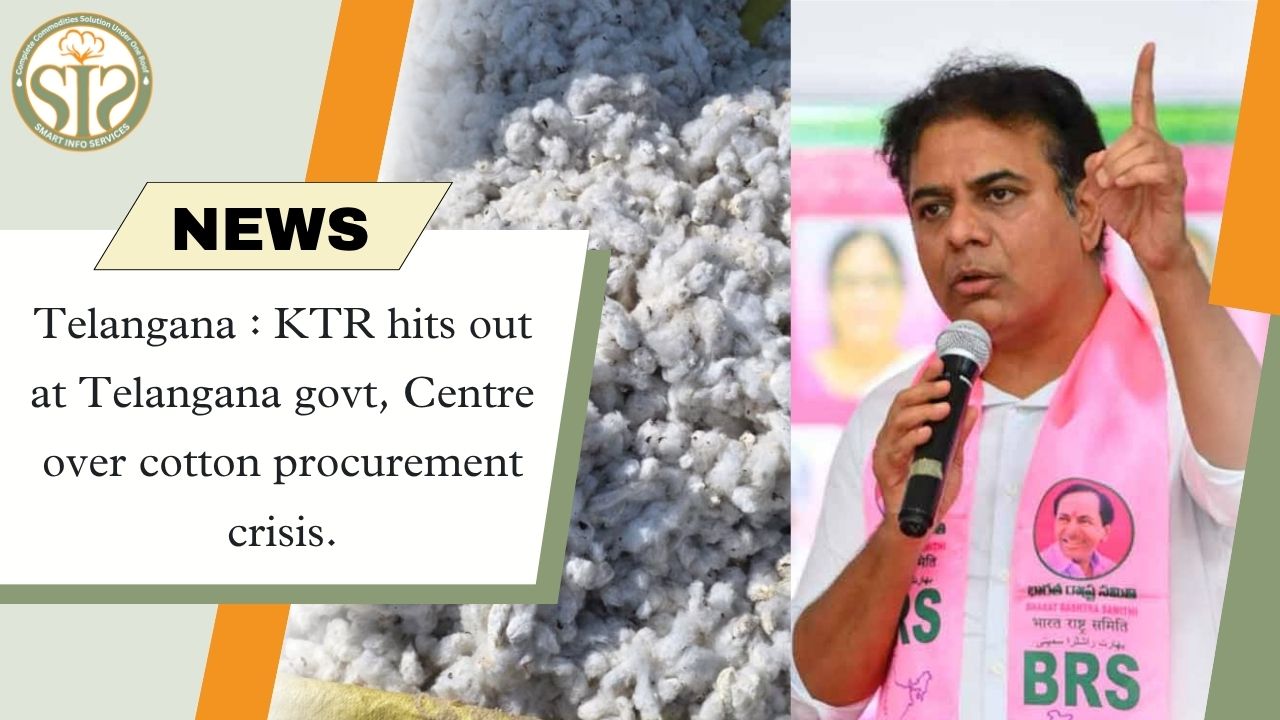
Telangana : KTR hits out at Telangana govt, Centre over cotton procurement crisis.Hyderabad: BRS working president and former minister KT Rama Rao on Sunday alleged negligence by both the Centre and the state govt in addressing the cotton procurement crisis in Telangana. He alleged that while cotton farmers were in distress, the govts at both levels remained inactive. He demanded that the grievances of cotton farmers be addressed immediately.The BRS leader urged chief minister A Revanth Reddy to pressure the Centre on the issue of cotton procurement from farmers. He also urged Union ministers from the state and MPs of both the Congress and the BJP to intervene.KTR criticised the Cotton Corporation of India (CCI) for rejecting procurement on grounds such as moisture levels, issues with the Kapas Kisan mobile app registration, alleged irregularities in ginning mills, and grading issues. The BRS leader said farmers were not even getting the minimum support price. He said only 1.12 lakh tonnes of cotton was procured in a month against a target of 28 lakh tonnes, which he termed clear evidence of a statewide procurement crisis.read more :- INR Opens Stronger by 04 Paise at 88.70

Rupee opens 04 paise up at 88.70 as dollar index eases Indian rupee opened marginally higher at 88.70 per dollar on Monday versus Friday's close of 88.74.read more :- CCI Cotton Sales by State (2024–25)
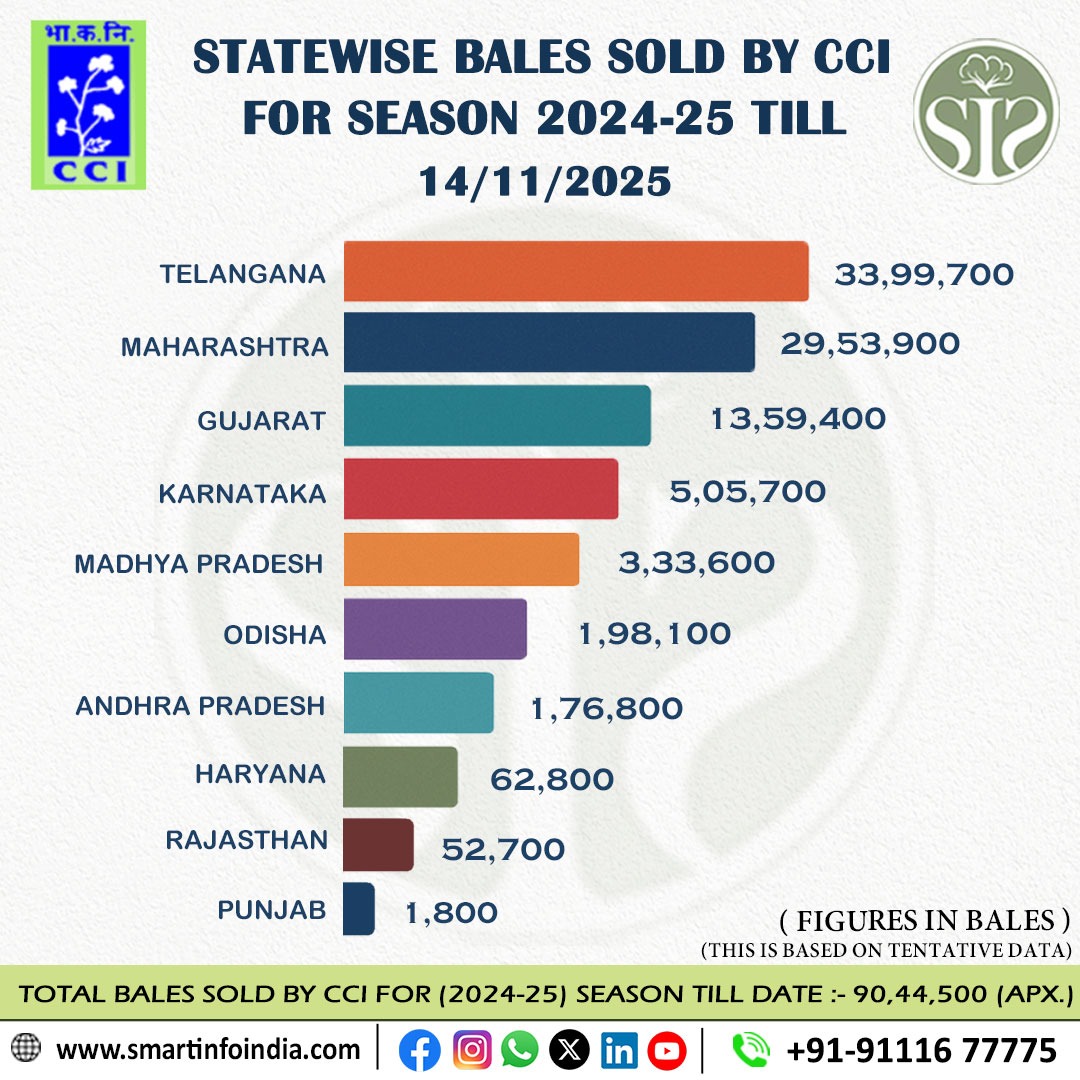
State-wise CCI Cotton Sales Details – 2024-25 SeasonThe Cotton Corporation of India (CCI) reduced its prices by a total of ₹500 per candy this week. The total cotton bales sales for the 2024-25 season to approximately 90,44,500 bales. This represents around 90.44% of the total cotton procured so far this season.A state-wise breakdown of sales indicates strong activity from Maharashtra, Telangana, and Gujarat, which together account for over 85.27% of the total sales to date.This data underscores CCI’s proactive efforts in stabilizing the cotton market and ensuring steady supply across key cotton-producing states.
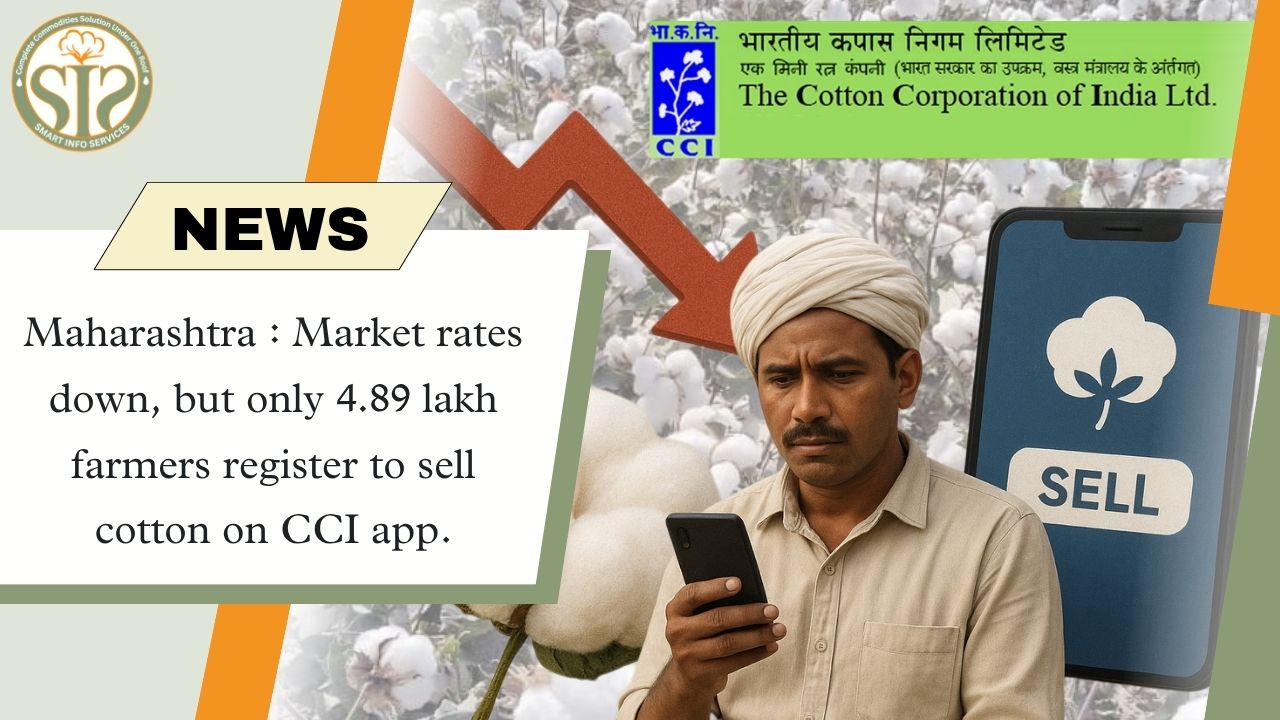
Maharastra : Market rates down, but only 4.89 lakh farmers register to sell cotton on CCI app.Nagpur: Amid the government starting cotton procurement at the minimum support price (MSP), private traders are continuing to offer rates that are over Rs1,400 below the benchmark level. The MSP for long-staple cotton has been fixed at Rs8,110 a quintal for the current season. As against this, private market rates are in the range of Rs6,700 to 6,800 a quintal, said sources.Arrivals in both, MSP centres of the Cotton Corporation of India (CCI) and private markets, remain low, said sources in the trade. The rates are down since India removed customs duty on cotton import till December 31 following tariff tension with the US. Given the situation, farmers are pinning hopes on MSP purchases by CCI, which offers the MSP.This year, CCI has made it mandatory for farmers to register through the Kapas Kisan app for selling cotton. The idea behind it was to ensure that only genuine farmers sell the produce as details like landholding and relevant documents have to be posted on the app.So far, 4.89 lakh farmers have registered in the entire state. The figures are grossly below the actual number of cotton growers, various estimates point out, sources said.CCI officials say that the date of registration has been extended till December 31. This makes it convenient for farmers to register and book a slot according to their choice instead of rushing to the centres.The CCI has so far opened 168 procurement centres in the entire state and purchased 9,000 bales (45,000 quintals) of cotton, said an official. Sources say the arrivals in the private markets are low because the farmers are preferring to sell their produce to the CCI. However, they are holding on to the produce due to the hassles in registration through the app.High moisture content due to unseasonal rains is also a reason. CCI does not accept cotton with moisture over 12%. After self-registration, the farmers' details have to be endorsed by the state govt.Gajanan Singwarar, a farmer from close to the Telangana border in Yavatmal, said he could get registered on the app. However, a number of others are finding it too complex. Yet, they see selling their produce to CCI as the only option due to the low prices this year.The CCI centres do not cover all the areas. In that case, the farmers may have to sell off their produce to private traders. Often, traders who offer them credit quickly recover their dues after the produce is sold to private traders, said another farmer.A CCI official, on the other hand, said centres have been opened in areas wherever there are at least 3,000 hectares of cotton cultivation and the presence of a ginning mill. In Yavatmal, around 18 centres have been opened, while there are 14 in Amravati. Both are cotton-growing districts of the region.read more :- Major change in cotton procurement policy, CAI suggests Bhavantar scheme
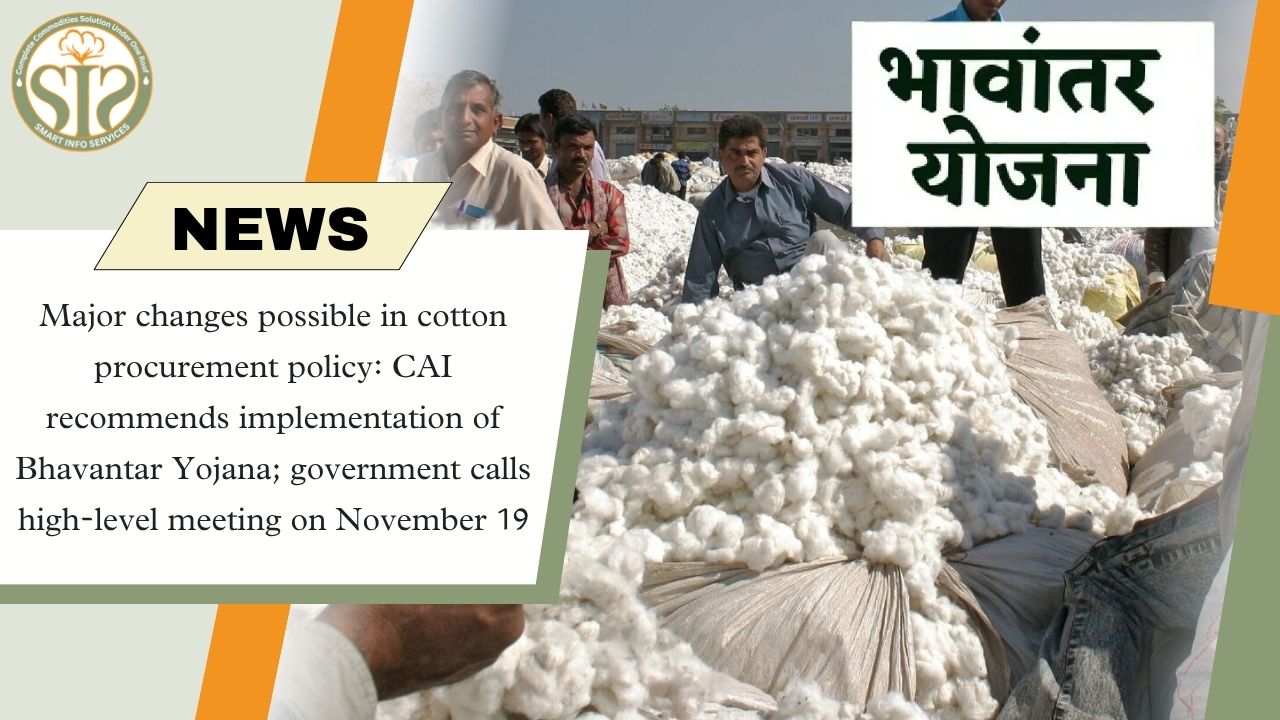
Major changes possible in cotton procurement policy: CAI recommends implementation of Bhavantar Yojana; government calls high-level meeting on November 19New Delhi, November 14 (Agricultural Land Bureau): In view of significant changes in India's cotton market, the Cotton Association of India (CAI) has suggested to the government that the current MSP-based procurement model is no longer providing farmers with the expected benefits.CAI says that if the government implements the Bhavantar Yojana, a premium of Rs 500 per quintal could be transferred directly to farmers' accounts. This model would provide equal benefits to cotton sold in different mandis across the country.Currently, 200 lakh bales are sold through mandis, while implementing this scheme is estimated to cost Rs 1,700 crore, which is significantly less than the huge expenditure incurred under MSP.Why is the MSP model becoming less effective?CAI stated that ₹37,450 crore was spent on cotton procurement at MSP in 2024-25, but its benefits reached only 34% of farmers. The organization stated that there is a significant lack of information and awareness about MSP among farmers, leaving 75% unaware of the actual MSP rate. Most farmers lack technical understanding and market access, making the MSP system less effective over time. CAI states that under current circumstances, competition in the cotton market is declining and the MSP model is failing to provide adequate protection to farmers.Increasing pressure on the industry and the impact of importsAccording to CAI President Atul Ganatra, 4.5 million bales of cotton are expected to be imported this year, as cotton is available cheaper in the international market than in India. This is increasing pressure on the domestic industry, as the MSP requires them to purchase cotton at higher prices. Ganatra suggested that if CCI sells the purchased cotton, it should consider selling it at a price 5 to 7% lower than the MSP, providing relief to the industry and maintaining market balance.Government calls important meeting on November 19thThe government has scheduled a high-level meeting at Udyog Bhawan on November 19th at 12:30 pm to discuss the current cotton procurement process, improvements to the MSP model, and suggestions made by CAI. The meeting will discuss in detail the possibilities of implementing the Bhavantar Yojana, the option of paying premiums to farmers through DBT, and other industry-related issues.What is CAI's argument?CAI believes that MSP is not an effective solution for cotton farmers in the changing market conditions, as only 10 to 15% of farmers receive the actual benefit of MSP. According to the organization, cotton procurement at MSP is neither providing adequate profits to farmers nor providing stability to the industry. CAI says that the government should involve farmers by implementing the Bhavantar Yojana, so that their income can increase directly and the market can become more competitive.read more :- CCI Cuts Cotton Prices by ₹500, Sells Over 90% via E-Auctions
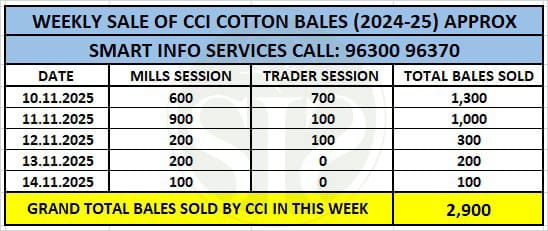
The Cotton Corporation of India (CCI) reduced its prices by a total of ₹500 per candy this week and sold 90.44% of its 2024-25 cotton procurement through e-auctions.During the entire week from 10 November to 14 November 2025, CCI conducted online auctions at its mill and trader sessions, achieving total sales of approximately 2,900 bales. Significantly, CCI reduced its prices by a total of ₹500 per candy this week.Weekly Sales PerformanceNovember 10, 2025: The highest sales of the week were recorded at 1,300 bales, with mills purchasing 600 bales and traders holding a reserve of 700 bales.November 11, 2025: CCI sold 1,000 bales, with mills purchasing 900 bales and traders holding a reserve of 100 bales.November 12, 2025: Total sales were recorded at 300 bales, with mills purchasing 200 bales and traders purchasing 100 bales.November 13, 2025: A total of 200 bales were sold by CCI in the mill session alone.November 14, 2025: The week ended with sales of 100 bales in the mill session.CCI sold a total of approximately 2,900 bales during the week, taking its cumulative sales for the season to 90,44,500 bales, which is 90.44% of its total purchases for 2024-25.read more :- Rupee closed 1 paisa higher at 88.74

On Friday, the Indian rupee rose 1 paisa to close at 88.74 per dollar, compared to its opening price of 88.75 in the morning.At the end of trading, the Sensex closed at 84,562.78, up 84.11 points, or 0.10 percent. The Nifty closed at 25,910.05, up 30.90 points, or 0.12 percent.read more:- The government canceled 14 quality orders.
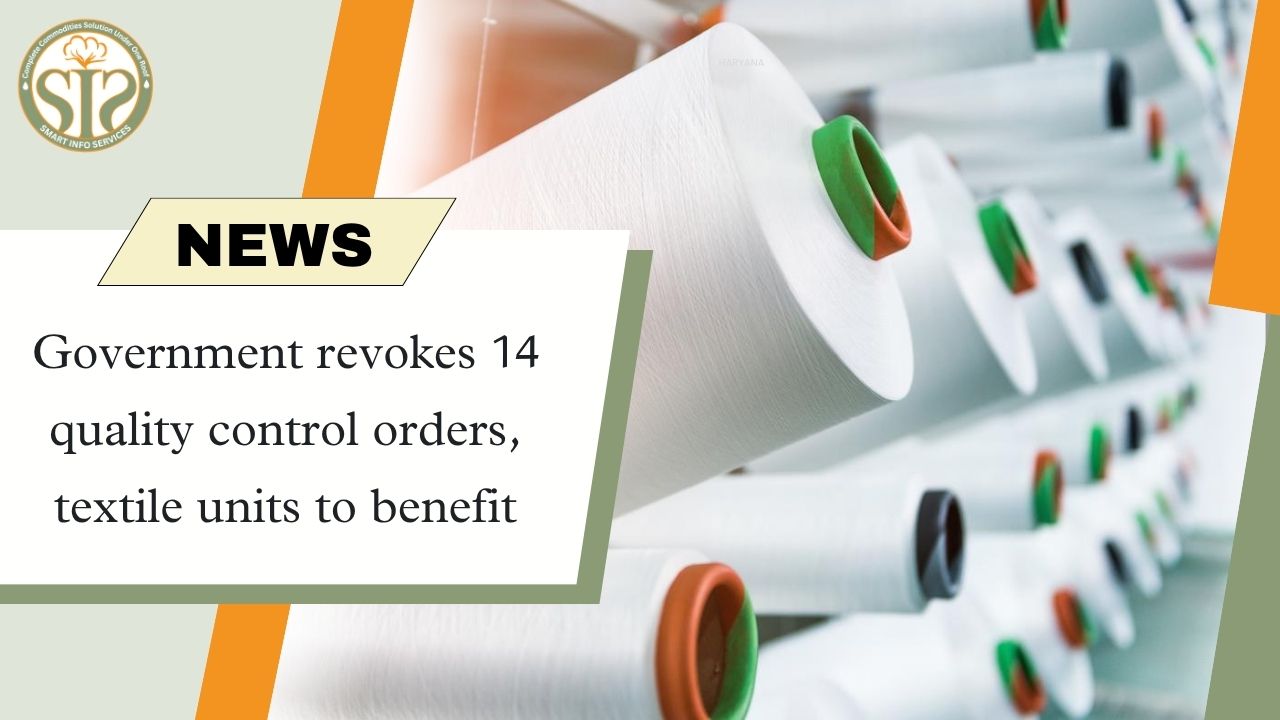
Government revokes 14 quality control orders, textile units to benefitThe government has withdrawn quality control orders (QCOs) for fourteen petrochemical products, which are used as inputs in various sectors, from textiles to high-performance plastics. The revocation of QCOs will provide relief to user industries, providing them with access to wider sources of these products. QCOs, which apply equally to domestic manufacturing and imports, would have limited the number of suppliers of these products. Under QCOs, suppliers of products covered by the order must certify their manufacturing facilities and production before selling in India. This involves both cost and time. Many foreign suppliers are excluded from this process, limiting the number of suppliers for Indian industry. The number of QCOs has increased from fewer than 70 in 2016 to approximately 790 by 2025, with most introduced in the last five years. The products covered under the recently issued Quality Control Orders (QCO) withdrawal order include 100% polyester spun grey and white yarn, polyester industrial yarn, polyester staple fiber, polyvinyl chloride homopolymer, terephthalic acid, polyurethane, and polycarbonate."The revocation of Quality Control Orders (QCOs) on polyester fiber and yarn is a major relief, as it has been a long-awaited demand from all user industries. Polyester fiber and polyester yarn constitute the majority of man-made fiber (MMF) products, and therefore, this step taken by the authorities will contribute to the growth of the MMF segment in India," said Ashwin Chandran, President of the Confederation of Indian Textile Industry. The removal of QCOs will also improve the cost competitiveness of Indian textile and apparel products by making it easier to source raw materials at internationally competitive prices. He further added that, along with the export package announced on November 12th, the revocation of these QCOs will be a major confidence booster for the textile and apparel sector.India's QCOs were designed to enhance product quality and protect consumers, but their implementation has sparked debate as businesses grapple with compliance costs, import delays, and supply shortages.Following industry complaints about the heavy compliance burden, a high-level panel chaired by NITI Aayog member Rajiv Gauba was formed to review the system. According to reports, the panel has suggested canceling or suspending more than 200 QCOs. It has also recommended radical changes to the QCO system.The committee found that the rapid expansion of QCOs in India—though intended to improve quality—has led to supply shortages, high input costs, and long delays in certification, especially for MSMEs. Many QCOs cover raw materials that pose no direct safety or environmental risks, making such regulation unnecessary. The committee noted that most countries use voluntary or buyer-based standards, while excessive regulation in India has distorted manufacturing and trade efficiency.read more :- CCI's cotton procurement slows
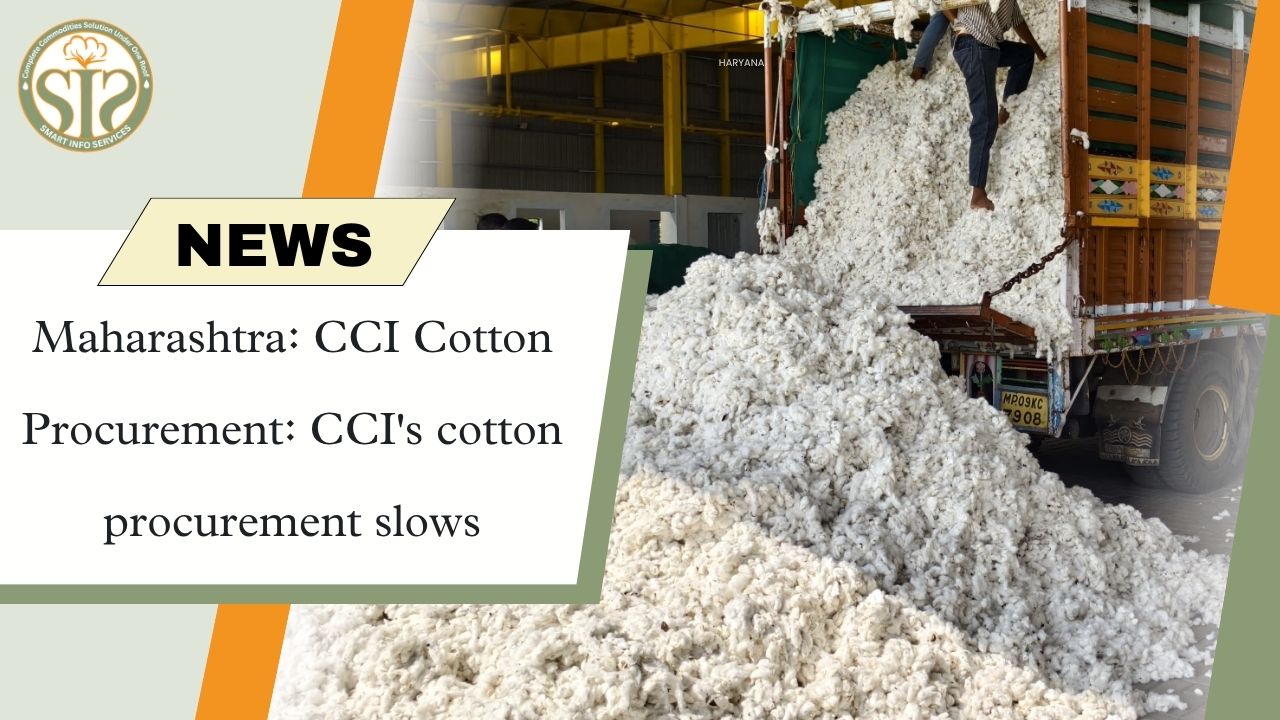
Maharashtra: CCI Cotton Procurement Slows Amid Verification and Administrative HurdlesAkola: The Cotton Corporation of India (CCI) has started cotton procurement at the Minimum Support Price (MSP), but progress remains slow due to technical and administrative issues. In nine districts of Vidarbha, over 3.5 lakh farmers have registered so far. However, only 21,314 farmers have been verified and approved, while nearly 2.9 lakh applications are still pending. Around 13,921 applications have been rejected due to technical errors.District-wise Procurement CentresA total of 89 procurement centres have been set up across the region, including nine in Akola, 14 in Amravati, nine in Buldhana, ten in Chandrapur, one in Gadchiroli, 11 in Nagpur, 13 in Wardha, four in Washim, and 18 in Yavatmal.For the current season, CCI has introduced a mobile app for farmer registration, requiring details such as crop information, Aadhaar card, and photographs. Verification of these details has been assigned to state agencies at the market committee level. However, delays in this process are preventing many farmers from selling their produce at procurement centres.Most of the centres are operational or nearing readiness. So far, around 16,500 quintals of cotton have been procured. While intermittent rains delayed harvesting, arrivals are now gradually increasing. Officials expect procurement to gain momentum once verification speeds up.Verification Delays and RejectionsThe slow pace of verification at the market committee level has become a major bottleneck. In several cases, applications have been rejected due to errors made by farmers while entering details in the app.Issues at Akot Market CommitteeProcurement at the Akot Market Committee in Akola district faced delays as no-objection certificates (NOCs) were not issued to 22 ginning operators due to pending market fee payments. This halted the opening of procurement centres.After the issue came to light, District Sub-Registrar Geetesh Chandra Sable directed CCI and the Market Committee to convene a meeting at the District Collector’s office. Local MP Anup Dhotre also intervened, urging immediate action. Following this, the administration resolved the issue, and NOCs were issued to 10 buyers in Akot, allowing procurement activities to resume.Read More :- Cotton app and government delays add to farmers' woes in Telangana
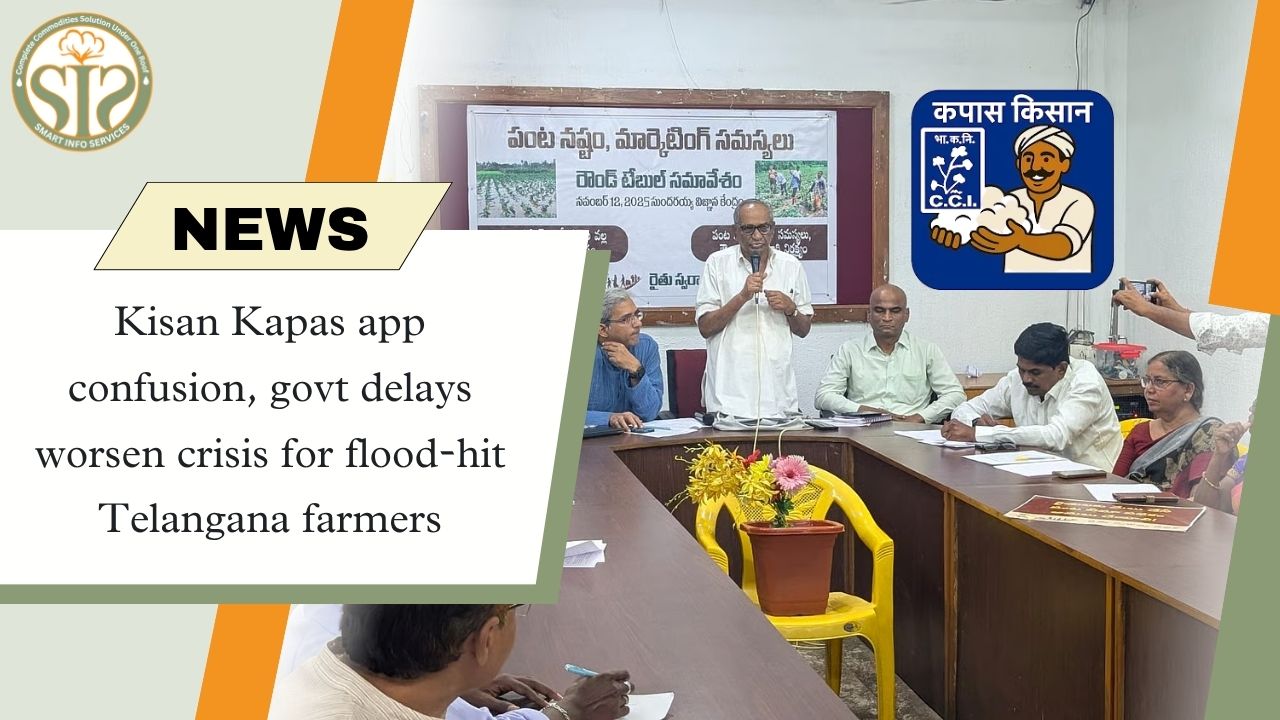
Kisan Kapas app confusion, govt delays worsen crisis for flood-hit Telangana farmersWeeks after floods battered Telangana’s farmlands, farmers say the devastation has barely begun to register with those in power. On Wednesday, November 12, Telangana-based farmers’ rights collective Rythu Swarajya Vedika (RSV) convened a roundtable meeting in Hyderabad to take stock of what they describe as a worsening crisis — crop losses from Cyclone Montha, stalled procurement, and governments that have failed to respond with urgency.Around 45 farmers, activists, and agricultural experts gathered at Sudarayya Vignana Kendram, representing districts across the state. The discussion, presided over by RSV Convenor Kiran Vissa, centred on compounding blows including the destruction caused by relentless rains, the hurdles created by the BJP-led Union government’s mandatory Kapas Kisan app for cotton procurement, and the apathy of the Congress-led government in Telangana.“I have five acres of land: three for cultivating cotton and two for paddy. In the recent cyclone, the cotton crop was completely inundated and destroyed. But there has been no compensation from the state government yet,” said K Deepak, a farmer from Adilabad.Similar issues were raised by other farmers. Sundar, another farmer from Adilabad, described how continual spells of rain in August, September, and October had ravaged fields. Cotton, highly vulnerable to excess moisture, has taken a particularly severe hit this Rabi season (October to December).Farmers said the situation has been made worse by the requirement to register on the Kapas Kisan app for cotton procurement. The app, launched by the Cotton Corporation of India (CCI) — a public sector undertaking under the Union government — is an Aadhaar-based pre-registration system that farmers are required to use before selling their yield.But the app itself has become a barrier, farmers said. Poor digital literacy, patchy internet access, and the lack of assistance from village and district officials have left many unsure of how to use it at all.“Since its introduction in September 2025 by the CCI, the Union government has promoted it as a way to rule out the middle men and enable procurement directly from the farmers. But several farmers still do not understand how the slot booking works,” Thanneru Harsha, an activist and member of RSV, told TNM.The confusion is widespread, said Anjaneyulu, a farmer and activist from Nalgonda district. “Eight gram panchayats that I know of in Nalgonda have been adversely affected. Farmers’ homes and crops have been destroyed by Cyclone Montha. Many do not even know if their Kisan Kapas registration has gone through,” he said.Karunanidhi Goud, a farmer from Vikarabad district, said that this time around, farmers were only able to sell 3-4 quintals of cotton unlike their usual 10 quintals. “Even some of that yield was rejected because procurers complained about how the cotton was blackened due to rains and debris,” he added.The meeting also discussed the precarious situation of tenant farmers, who face the brunt of crop loss without formal recognition or access to compensation and procurement systems.read more :- Farmers in Adilabad are forced to sell cotton to private traders.
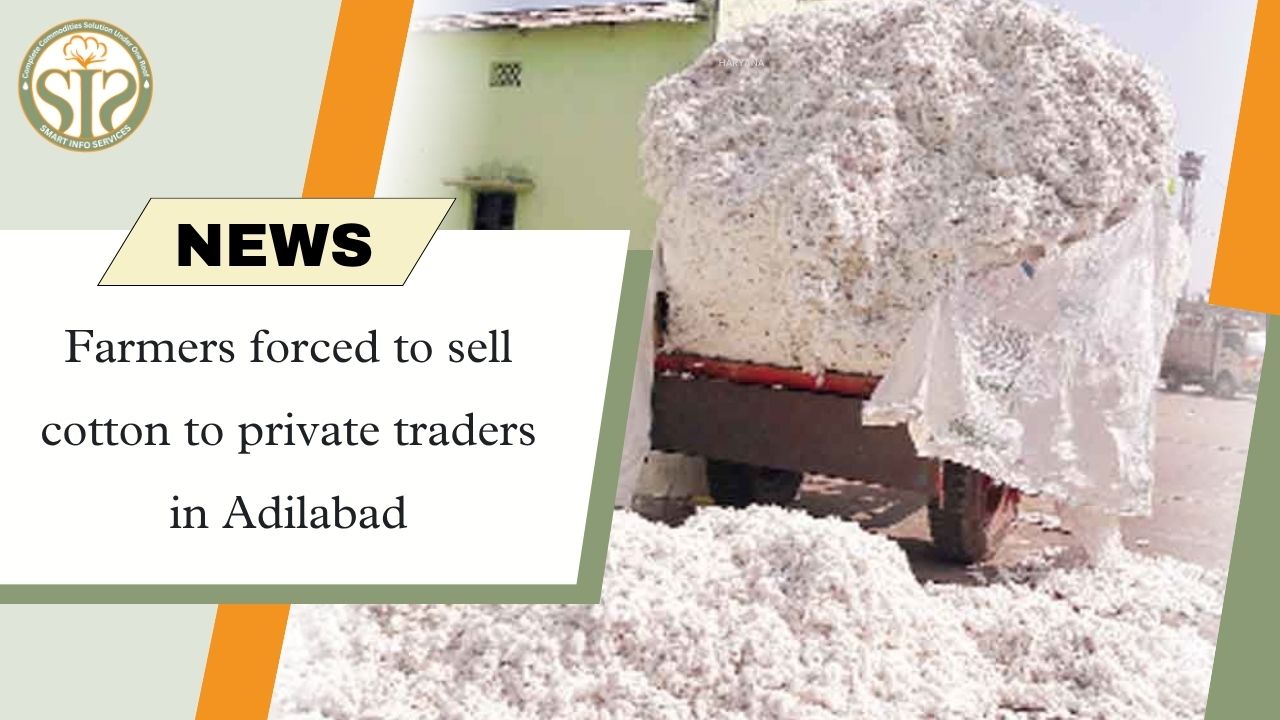
Farmers forced to sell cotton to private traders in AdilabadCotton farmers in Adilabad and nearby districts are forced to sell produce to private traders below MSP as the Cotton Corporation of India refuses procurement citing high moisture levels. Farmers allege heavy losses and seek government intervention and compensation (SIS)Adilabad: Farmers are being forced to resort to distress sale of cotton produce to private traders as the Cotton Corporation of India (CCI) is refusing to procure it citing higher moisture content, causing huge losses to the growers.The CCI has imposed certain restrictions on cotton procurement from farmers. For instance, it is not purchasing cotton containing moisture higher than 12 percent. (SIS)These restrictions have become a boon to traders and a bane to farmers. The traders have set up temporary centres along national highways and at important junctions to purchase the cotton.The farmers alleged that traders were offering at least Rs 1,000 less than the MSP of Rs 8,110 per quintal fixed by the government, with the CCI rejecting the cotton citing moisture content. They said they were incurring huge losses by selling the cotton to traders and requested officials to take steps to prevent fleecing by private buyers.The growers further said that they had already witnessed a dip in yield due to unfavourable climatic conditions and unseasonal rains. They said they were left with no option but to sell the cotton to traders and were vexed by the restrictions imposed by the CCI. They also sought compensation for suffering huge losses in cultivating the crop for the third consecutive year.Officials said the commercial crop, cotton, was raised in over 10 lakh acres across Adilabad, Kumram Bheem Asifabad, Nirmal and Mancherial districts this agriculture season. It was cultivated in 4.25 lakh acres in Adilabad district, while Kumram Bheem Asifabad district accounted for 3.35 lakh acres. Mancherial and Nirmal districts saw 1.61 lakh acres and 1.40 lakh acres of cultivation respectively.Officials estimated that the erstwhile Adilabad district would register a yield of 84 lakh quintals. Adilabad district alone is expected to record 34 lakh quintals of cotton, followed by Kumram Bheem Asifabad with 26 lakh quintals. The district administration has established helpline number 1800 599 5779 and WhatsApp number 88972 81111 to help farmers in booking slots on the Kapas Kisan application to sell their cotton produce.read more :- Rupee fell 09 paise to open at 88.75/USD

On November 14, the rupee opened 09 paise lower at 88.75 against the US dollar.The Indian rupee opened at 88.75 per dollar on Friday, while it had closed at 88.66 on Thursday.READ MORE :- The rupee fell 2 paise to close at 88.66 per dollar.

On Thursday, the rupee fell 2 paise to close at 88.66 per dollar, after opening at 88.64 in the morning.At close, the Sensex was up 12.16 points or 0.01 percent at 84,478.67, and the Nifty was up 3.35 points or 0.01 percent at 25,879.15. About 1661 shares advanced, 2193 shares declined, and 107 shares unchanged.READ MORE :- Big Relief for Exporters as Cabinet Clears ₹20,000 Crore Credit Guarantee Scheme
Big Relief for Exporters as Cabinet Approves ₹20,000 Crore Credit Guarantee SchemeIn a major relief for Indian exporters hit by U.S. President Donald Trump’s tariff measures, the Union Cabinet, chaired by Prime Minister Narendra Modi, on Wednesday approved a significant support initiative — the Credit Guarantee Scheme for Exporters (CGSE).The ₹20,000 crore scheme aims to ease credit access for exporters impacted by the punitive duties imposed by the U.S., providing them with much-needed liquidity and stability.Announcing the decision, Information and Broadcasting Minister Ashwini Vaishnaw said the scheme will be implemented through the National Credit Guarantee Trustee Company Limited (NCGTC) under the supervision of the Department of Financial Services (DFS).“The CGSE will offer 100% loan guarantee coverage to Member Lending Institutions (MLIs), enabling them to extend additional credit facilities up to ₹20,000 crore to eligible exporters, including MSMEs,” Vaishnaw stated.A Management Committee, headed by the Secretary of the Department of Financial Services, will oversee the implementation and monitor the progress of the scheme to ensure timely support to the exporting community.READ MORE :- While the announcement of the start of procurement at MSP has come, there's bad news for India's cotton farmers.
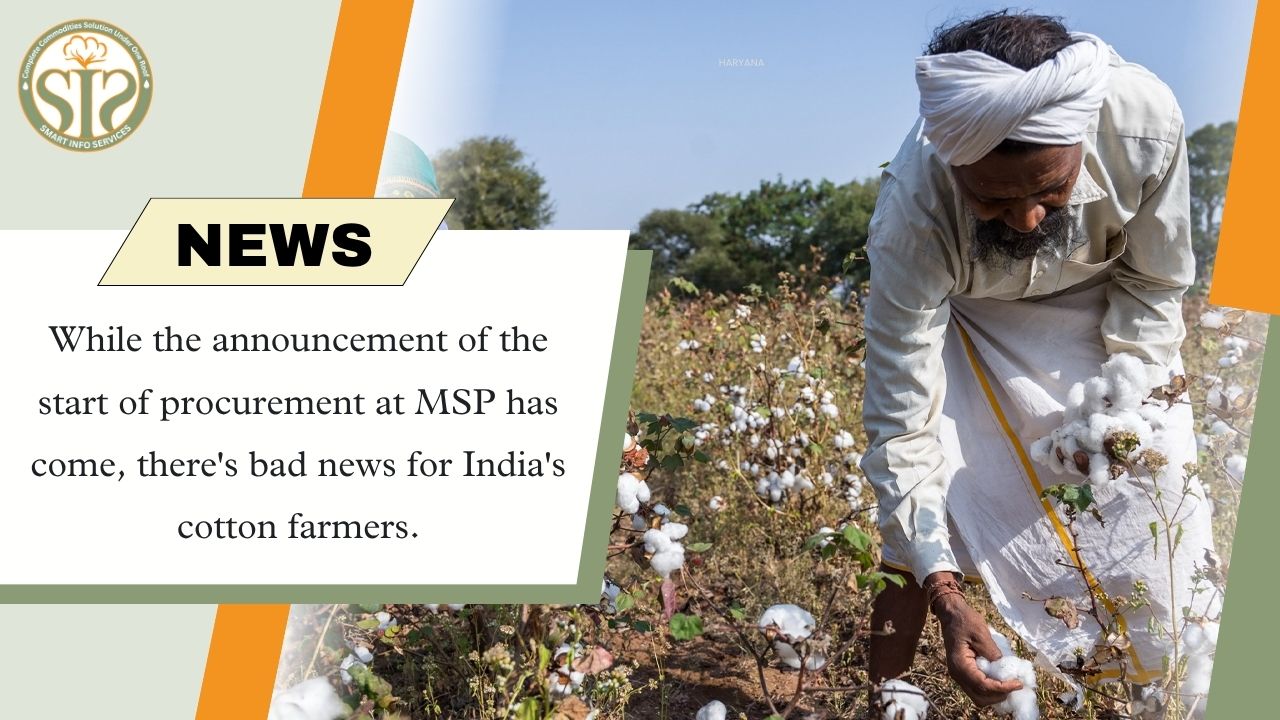
Start of MSP Cotton Procurement Marks Good News, But Farmers Face SetbacksIndia's cotton imports are expected to increase by 9.8 percent in the new season, reaching an all-time high. This is certainly a shock for Indian farmers. This is because one of the reasons behind this is the duty-free imports approved by the Indian government a few months ago. This information comes at a time when the cotton procurement season has begun in the country, while farmers have been devastated by excessive monsoon rains and subsequent unseasonal rains. In such a situation, the increase in imports will undoubtedly harm them.Imports Continuously RisingAccording to news agency Reuters, there are two reasons behind the increase in cotton imports in India: first, the approval of duty-free imports from India, and second, domestic production reaching a 17-year low. India is the world's second-largest cotton producer. In such a situation, while India's increased imports are expected to support cotton prices in the global market, there is a strong possibility that it will also harm the country's farmers. Currently, cotton prices in the international market are near a six-month low.News agency Reuters quoted Atul Ganatra, President of the Cotton Association of India (CAI), as saying that India's cotton imports could reach 4.5 million bales in the 2025/26 marketing year, which began on October 1. This number could reach 3 million bales in December alone. Last year, India's cotton imports from the US, Brazil, Australia, and African countries reached a record 4.1 million bales.Duty-free imports and weak productionCotton Association of India President Atul Ganatra said, "At present, cotton prices abroad are much cheaper than in the domestic market, so textile mills are rapidly importing before the end of December." The Indian government has extended the 11% import duty exemption on cotton imports until December 31. A New Delhi-based trader associated with a global trade house reported that textile mills are turning to better-quality imported cotton due to growing concerns about domestic supply due to crop damage.Heavy and untimely rains in October in the western states of Maharashtra and Gujarat, as well as the southern states of Andhra Pradesh and Telangana, damaged cotton crops ready for harvest. These states account for more than 70% of India's total cotton production.Largest Employment SectorAccording to estimates by the Cotton Association of India (CAI), India's cotton production could decline by 2.4% compared to the previous year to 30.5 million bales in 2025-26. This would be the lowest production since 2008-09. Some traders estimate that production could fall further to 28 million bales. The textile industry is one of India's largest employers, directly employing over 45 million people. According to the CAI, cotton consumption is expected to decline by 4.5 percent in 2025-26, falling to 30 million bales due to weak export demand.Atul Ganatra said, "The US has imposed heavy tariffs, which has led to a decline in demand from there, forcing many textile units in South India to cut production." The US buys approximately 29 percent of India's annual textile exports of $38 billion. Since August, it has doubled the tariff on imports from India to 50 percent.READ MORE :- Haryana: Cotton purchased at MSP, but prices reduced citing low quality.
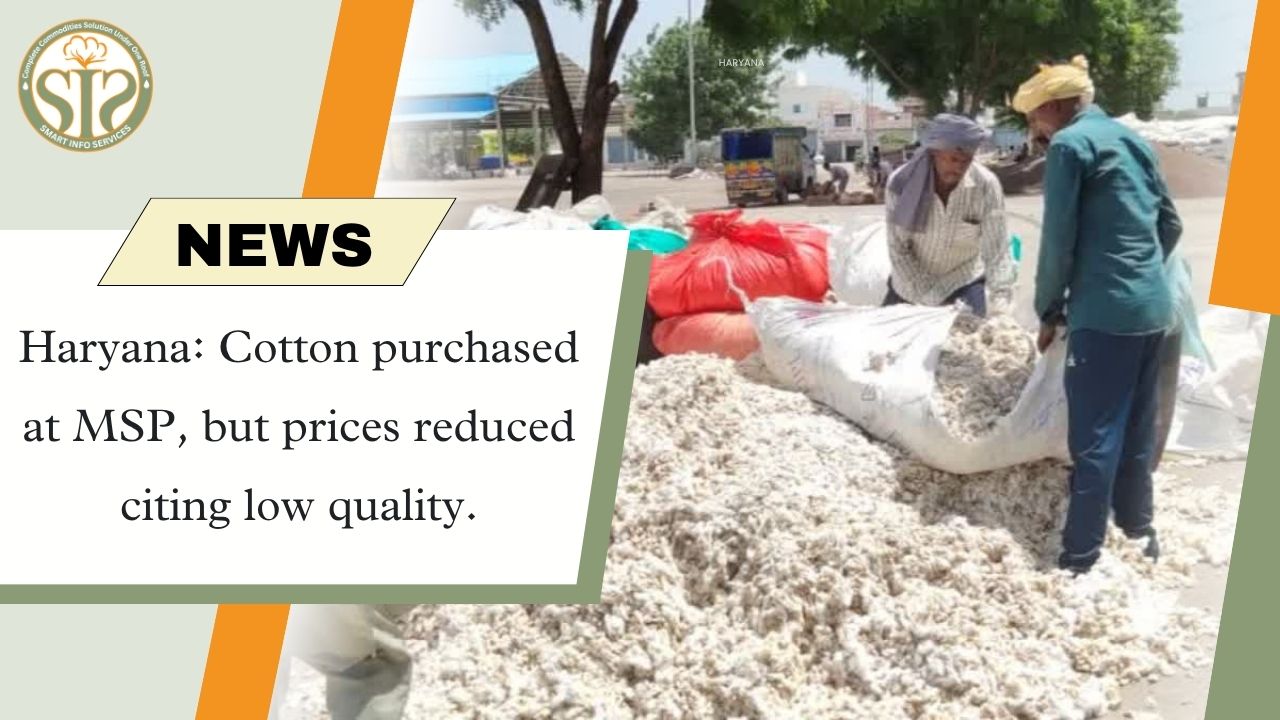
"Haryana Buys Cotton at MSP, But Prices Cut Due to Low Quality"Fatehabad: The Cotton Corporation of India is purchasing cotton at the Minimum Support Price (MSP) in the district's grain markets. However, farmers are upset by the corporation's arbitrary actions, citing low quality of the cotton crop. Farmers allege that they are forced to sell their produce to private traders at lower prices, incurring losses of up to ₹1,500 per quintal.The state government has begun purchasing cotton, one of 24 crops in the district, at an MSP of ₹6,200. Farmers are arriving at the markets with their produce. On Wednesday, 40 farmers arrived at the city's new grain market with their cotton crop, hoping to sell it at the MSP. The Cotton Corporation employees refused to purchase the cotton, citing the farmers' low quality. Of the 40 farmers in the grain market, only 9 farmers' cotton was purchased at the MSP.Farmers are forced to sell their crops to private traders.Cotton procurement by the Cotton Corporation of India has been delayed. Consequently, most farmers have already sold their crops. This has deprived them of MSP procurement. Private traders are currently purchasing cotton from farmers at a price of Rs. 6,200 per quintal, whereas the central government has fixed the price for medium-staple cotton at Rs. 7,020 per quintal and for long-staple cotton at Rs. 8,110 per quintal. Farmers say there is a loss of approximately Rs. 800 to Rs. 1,500 per quintal between the MSP and private procurement price. So far, 17,253 quintals have been purchased at the grain market, of which 581 quintals were purchased at MSP.I brought 5 acres of cotton to the new grain market, but the government buyer refused to buy my crop, citing its low quality. Consequently, I am forced to sell my crop at a mere Rs. 6,200 per quintal.I have reached the grain market with a good quality cotton crop, but after reaching here, the purchase was refused on the grounds of low quality. I am forced to sell the crop at a cheap price.The Cotton Corporation of India is continuing to purchase good quality cotton. Many farmers who arrived with their cotton crop were not registered on the Meri Fasal Mera Byora (My Crop, My Details) form. The Sirsa branch of the Cotton Corporation of India inspected the procurement process in the grain market of the district. The procurement is being done as per the rules.READ MORE:- Madhya pradesh :17,000 bales of cotton procured so far in state.
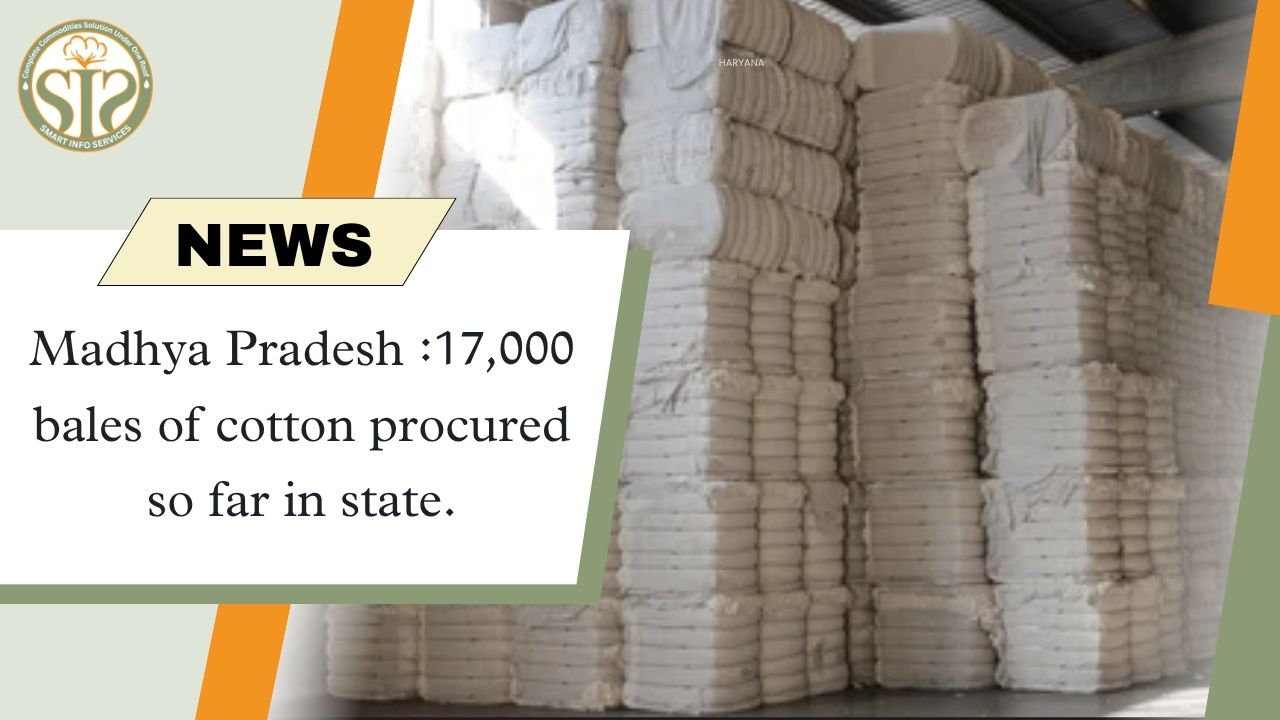
Madhya Pradesh: Cotton procurement begins, over 17,000 bales purchased at MSPIndore: The Cotton Corporation of India (CCI) has commenced cotton procurement in Madhya Pradesh, purchasing around 17,000 bales at the Minimum Support Price (MSP) since the start of the season. One bale weighs 170 kg. In the previous season, CCI had procured nearly 19.35 lakh quintals of cotton from farmers in the state.The current procurement season began on October 24, with CCI setting up centres across key locations such as Khargone, Dhamnod, Bikangaon, Barwaha, and Khandwa. At present, 20 procurement centres are operational, making it easier for farmers to sell their produce.According to CCI officials, “Around 17,068 bales have been procured so far, and arrivals are expected to increase in the coming days. Due to higher moisture levels in current arrivals, cotton with up to 8% moisture is being accepted.”Major cotton-growing regions in the state include Khargone, Khandwa, Barwani, Manawar, Dhar, Ratlam, and Dewas. Farmers are advised to register through village agriculture assistants using the CM App at Rythu Seva Kendras (RSKs) to participate in the procurement process.As per the latest estimate by the Cotton Association of India, India’s cotton imports may rise to 45 lakh bales in the 2025–26 marketing year (starting October 1). Meanwhile, cotton production in Madhya Pradesh is expected to remain stable at around 19 lakh bales, unchanged from last season.READ MORE :- Rupee open Falls 01 Paise to 88.65/USD

The rupee opened 01 paise higher at 88.65 against the US dollar on November 13.The Indian rupee opened at 88.65 per dollar on Thursday, while it closed at 88.64 on Wednesday.READ MORE :- Rupee closed down by 01 paisa at 88.64 per dollar
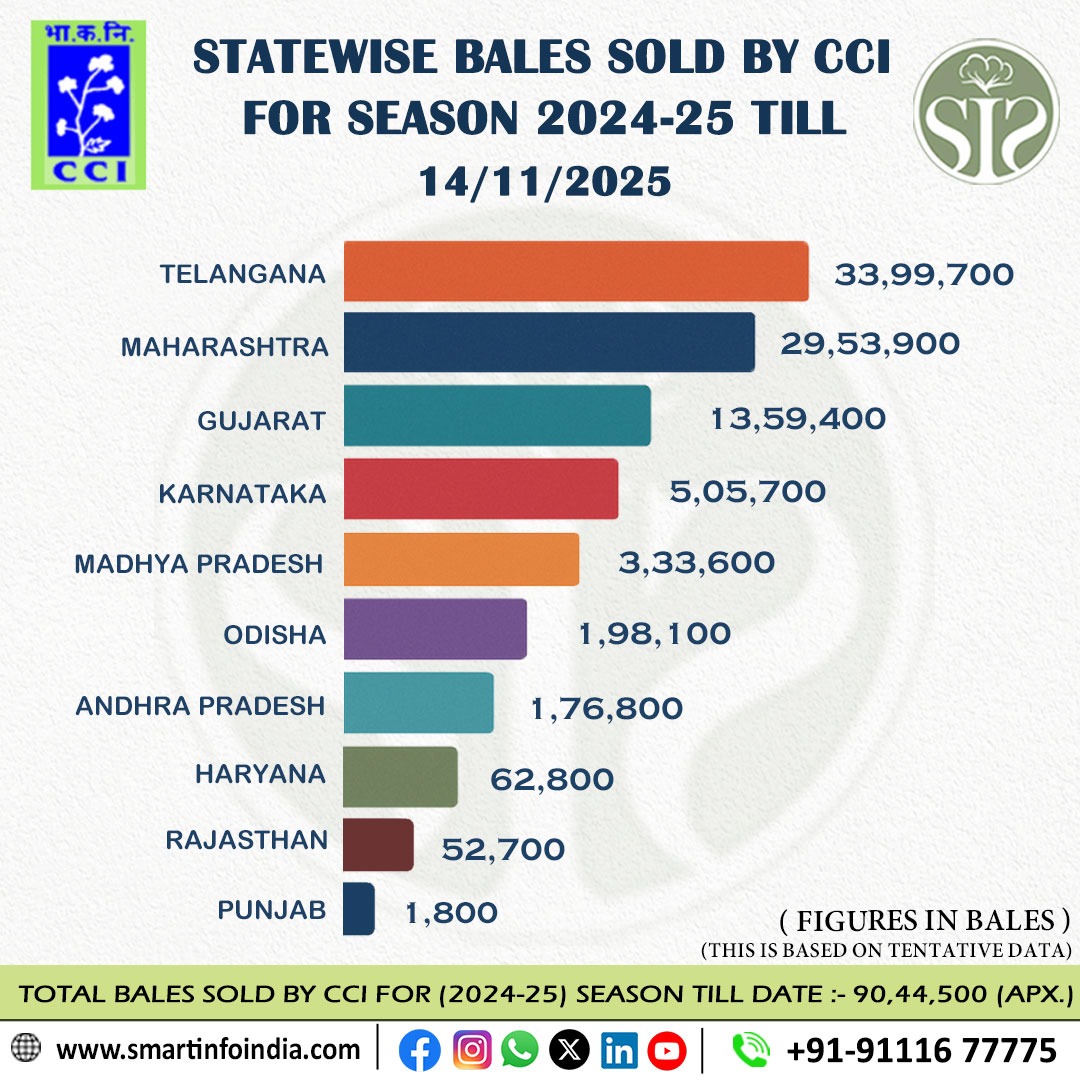
રાજ્યવાર CCI કપાસ વેચાણમાં તેજી, 2024-25માં 90 લાખથી વધુ ગાંસડીનું વેચાણકોટન કોર્પોરેશન ઓફ ઇન્ડિયા (CCI) એ આ અઠવાડિયે કપાસના ભાવમાં પ્રતિ કેન્ડી ₹500નો ઘટાડો કર્યો છે. આ સાથે 2024-25 સીઝનમાં અત્યાર સુધી કુલ વેચાણ લગભગ 90,44,500 ગાંસડી સુધી પહોંચી ગયું છે, જે કુલ ખરીદીના અંદાજે 90.44% હિસ્સાને દર્શાવે છે.રાજ્યવાર આંકડાઓ મુજબ મહારાષ્ટ્ર, તેલંગાણા અને ગુજરાત કપાસ વેચાણમાં અગ્રેસર રહ્યા છે. આ ત્રણ રાજ્યો મળીને કુલ વેચાણના 85%થી વધુ હિસ્સો ધરાવે છે.બજાર નિષ્ણાતોના જણાવ્યા મુજબ, CCI દ્વારા મોટા પાયે વેચાણ અને ભાવમાં સુધારા બજારને સ્થિર રાખવા તેમજ મુખ્ય કપાસ ઉત્પાદક રાજ્યોમાં નિયમિત સપ્લાય સુનિશ્ચિત કરવા માટે મહત્વપૂર્ણ સાબિત થઈ રહ્યા છે.
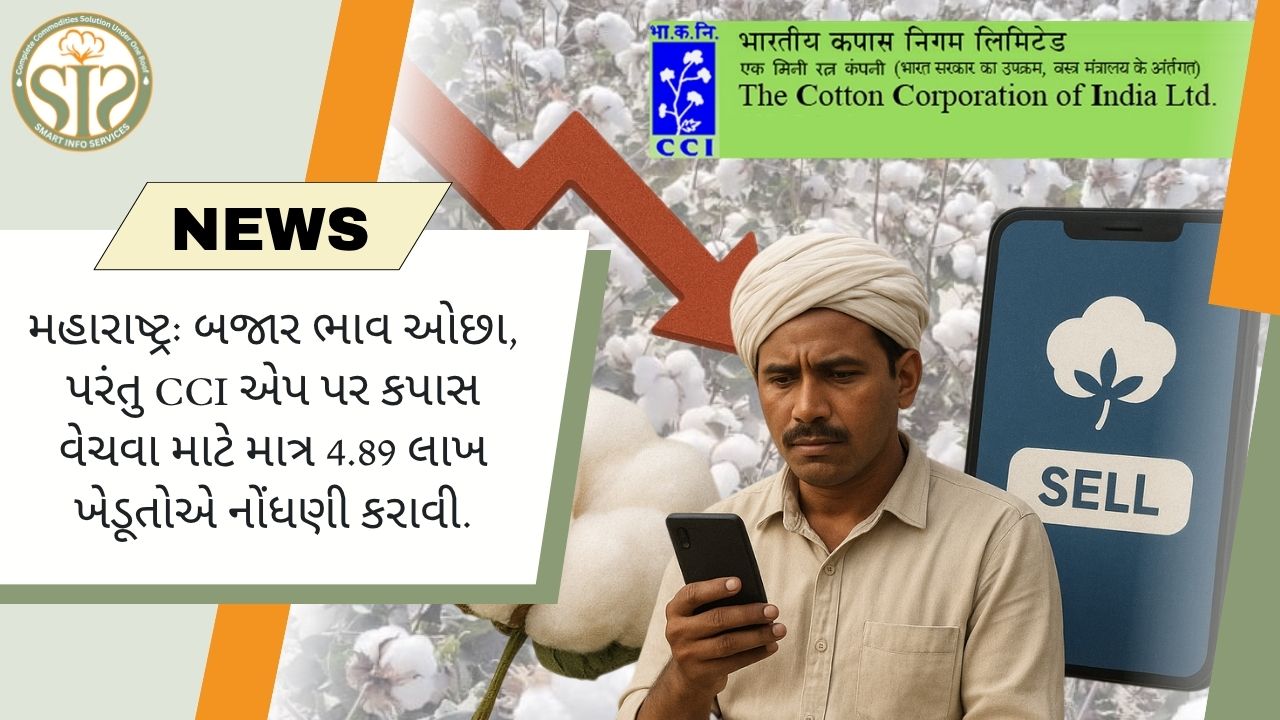
મહારાષ્ટ્ર: બજાર ભાવ ઓછા, પરંતુ CCI એપ પર કપાસ વેચવા માટે માત્ર 4.89 લાખ ખેડૂતોએ નોંધણી કરાવી.નાગપુર: સરકારે લઘુત્તમ ટેકાના ભાવ (MSP) પર કપાસની ખરીદી શરૂ કરી હોવાથી, ખાનગી વેપારીઓ બેન્ચમાર્ક સ્તર કરતાં ₹1,400 થી વધુ ભાવ આપી રહ્યા છે. ચાલુ સિઝન માટે લાંબા-મુખી કપાસ માટે MSP પ્રતિ ક્વિન્ટલ ₹8,110 નક્કી કરવામાં આવ્યો છે. તેનાથી વિપરીત, ખાનગી બજારમાં ભાવ ₹6,700 થી ₹6,800 પ્રતિ ક્વિન્ટલની વચ્ચે છે, સૂત્રોના જણાવ્યા અનુસાર.વેપાર સૂત્રોના જણાવ્યા અનુસાર, કોટન કોર્પોરેશન ઓફ ઇન્ડિયા (CCI) MSP કેન્દ્રો અને ખાનગી બજારો બંનેમાં આવક ઓછી છે. અમેરિકા સાથે ટેરિફ તણાવ બાદ 31 ડિસેમ્બર સુધી ભારતે કપાસની આયાત પર કસ્ટમ ડ્યુટી હટાવી ત્યારથી ભાવ ઓછા રહ્યા છે. આ પરિસ્થિતિને ધ્યાનમાં રાખીને, ખેડૂતો MSP પ્રદાન કરતી CCI દ્વારા MSP ખરીદી પર આશા રાખી રહ્યા છે.આ વર્ષે, CCI એ કપાસ વેચવા માટે ખેડૂતો માટે કોટન ફાર્મર એપ દ્વારા નોંધણી કરાવવી ફરજિયાત બનાવી છે. આ પાછળનો હેતુ એ સુનિશ્ચિત કરવાનો છે કે ફક્ત સાચા ખેડૂતો જ તેમની ઉપજ વેચે, કારણ કે જમીનની માલિકી અને સંબંધિત દસ્તાવેજો જેવી વિગતો એપ પર પોસ્ટ કરવી આવશ્યક છે.અત્યાર સુધીમાં, રાજ્યભરમાં 4.89 લાખ ખેડૂતોએ નોંધણી કરાવી છે. સૂત્રોના જણાવ્યા અનુસાર, વિવિધ અંદાજો સૂચવે છે કે આ આંકડો કપાસ ઉગાડનારાઓની વાસ્તવિક સંખ્યા કરતા ઘણો ઓછો છે.CCI અધિકારીઓ કહે છે કે નોંધણી તારીખ 31 ડિસેમ્બર સુધી લંબાવવામાં આવી છે. આનાથી ખેડૂતો માટે નોંધણી કરાવવા અને કેન્દ્રોની મુલાકાત લેવાને બદલે તેમની પસંદગીના સ્લોટ બુક કરવાનું સરળ બને છે.એક અધિકારીએ જણાવ્યું હતું કે CCI એ અત્યાર સુધીમાં રાજ્યભરમાં 168 ખરીદી કેન્દ્રો ખોલ્યા છે અને 9,000 ગાંસડી (45,000 ક્વિન્ટલ) કપાસ ખરીદ્યો છે. સૂત્રો કહે છે કે ખાનગી બજારોમાં આવક ઓછી છે કારણ કે ખેડૂતો CCI ને તેમનો ઉપજ વેચવાનું પસંદ કરી રહ્યા છે. જો કે, એપ દ્વારા નોંધણી કરવામાં મુશ્કેલીઓને કારણે તેઓ તેમનો ઉપજ રોકી રહ્યા છે.કમોસમી વરસાદને કારણે ભેજનું પ્રમાણ વધુ હોવાથી પણ CCI 12% થી વધુ ભેજવાળા કપાસને સ્વીકારતું નથી. સ્વ-નોંધણી પછી, ખેડૂતોની વિગતો રાજ્ય સરકાર દ્વારા મંજૂર કરવી આવશ્યક છે.યવતમાલમાં તેલંગાણા સરહદ નજીક રહેતા ખેડૂત ગજાનન સિંગવારરે કહ્યું કે તેઓ એપ્લિકેશન પર નોંધણી કરાવી શકે છે. જોકે, ઘણા લોકોને આ પ્રક્રિયા ખૂબ જટિલ લાગે છે. તેમ છતાં, આ વર્ષે ઓછા ભાવને કારણે, તેઓ CCI ને પોતાનો પાક વેચવાનો એકમાત્ર વિકલ્પ માને છે.CCI કેન્દ્રો બધા વિસ્તારોને આવરી લેતા નથી. પરિણામે, ખેડૂતોને ખાનગી વેપારીઓને પોતાનો પાક વેચવો પડી શકે છે. અન્ય એક ખેડૂતે કહ્યું કે ઘણીવાર, જે વેપારીઓ તેમને પૈસા ઉછીના આપે છે તેઓ ખાનગી વેપારીઓને પોતાનો પાક વેચ્યા પછી ઝડપથી તેમની બાકી રકમ વસૂલ કરે છે.બીજી બાજુ, CCI ના એક અધિકારીએ જણાવ્યું હતું કે એવા વિસ્તારોમાં કેન્દ્રો ખોલવામાં આવ્યા છે જ્યાં ઓછામાં ઓછા 3,000 હેક્ટરમાં કપાસની ખેતી થાય છે અને એક જિનિંગ મિલ આવેલી છે. યવતમાલમાં લગભગ 18 કેન્દ્રો ખોલવામાં આવ્યા છે, જ્યારે અમરાવતીમાં 14 છે. બંને પ્રદેશમાં કપાસ ઉત્પાદક જિલ્લાઓ છે.વધુ વાંચો :- કપાસ ખરીદી નીતિમાં મોટો ફેરફાર, CAI એ ભાવાંતર યોજના સૂચવી
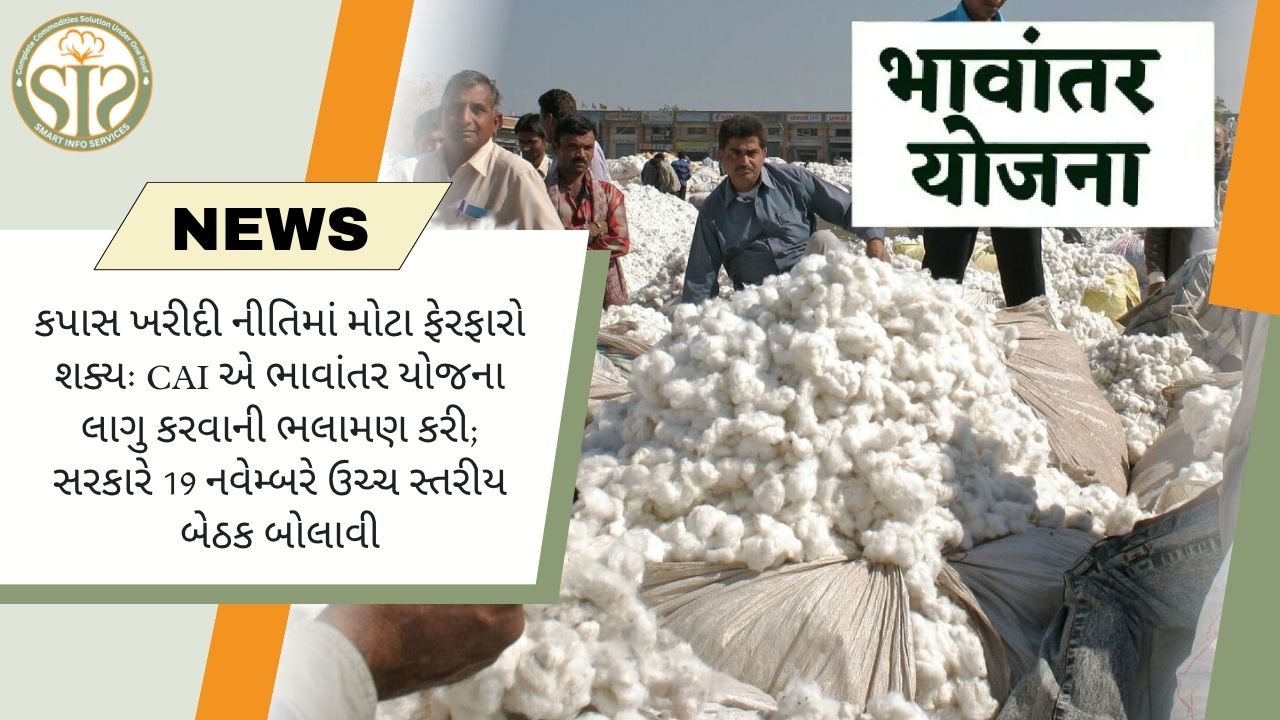
કપાસ ખરીદી નીતિમાં મોટા ફેરફારો શક્ય: CAI એ ભાવાંતર યોજના લાગુ કરવાની ભલામણ કરી; સરકારે 19 નવેમ્બરે ઉચ્ચ સ્તરીય બેઠક બોલાવીનવી દિલ્હી, 14 નવેમ્બર (કૃષિ જમીન બ્યુરો): ભારતના કપાસ બજારમાં નોંધપાત્ર ફેરફારોને ધ્યાનમાં રાખીને, કોટન એસોસિએશન ઓફ ઈન્ડિયા (CAI) એ સરકારને સૂચન કર્યું છે કે વર્તમાન MSP-આધારિત ખરીદી મોડેલ હવે ખેડૂતોને અપેક્ષિત લાભો આપી રહ્યું નથી.CAI કહે છે કે જો સરકાર ભાવાંતર યોજના લાગુ કરે છે, તો પ્રતિ ક્વિન્ટલ રૂ. 500 નું પ્રીમિયમ સીધા ખેડૂતોના ખાતામાં ટ્રાન્સફર કરી શકાય છે. આ મોડેલ દેશભરની વિવિધ મંડીઓમાં વેચાતા કપાસને સમાન લાભ આપશે.હાલમાં, મંડીઓ દ્વારા 200 લાખ ગાંસડી વેચાય છે, જ્યારે આ યોજના લાગુ કરવા માટે રૂ. 1,700 કરોડનો ખર્ચ થવાનો અંદાજ છે, જે MSP હેઠળ થતા મોટા ખર્ચ કરતા નોંધપાત્ર રીતે ઓછો છે.MSP મોડેલ કેમ ઓછું અસરકારક બની રહ્યું છે?CAI એ જણાવ્યું હતું કે 2024-25 માં MSP પર કપાસની ખરીદી પર ₹37,450 કરોડ ખર્ચવામાં આવ્યા હતા, પરંતુ તેનો લાભ ફક્ત 34% ખેડૂતો સુધી પહોંચ્યો હતો. સંગઠને જણાવ્યું હતું કે ખેડૂતોમાં MSP વિશે માહિતી અને જાગૃતિનો નોંધપાત્ર અભાવ છે, જેના કારણે 75% લોકો વાસ્તવિક MSP દરથી અજાણ છે. મોટાભાગના ખેડૂતો પાસે ટેકનિકલ સમજ અને બજારની પહોંચનો અભાવ છે, જેના કારણે MSP સિસ્ટમ સમય જતાં ઓછી અસરકારક બની રહી છે. CAI એ જણાવ્યું છે કે વર્તમાન પરિસ્થિતિઓમાં, કપાસ બજારમાં સ્પર્ધા ઘટી રહી છે અને MSP મોડેલ ખેડૂતોને પૂરતું રક્ષણ આપવામાં નિષ્ફળ રહ્યું છે.ઉદ્યોગ પર વધી રહેલું દબાણ અને આયાતની અસરCAI ના પ્રમુખ અતુલ ગણાત્રાના જણાવ્યા અનુસાર, આ વર્ષે 4.5 મિલિયન ગાંસડી કપાસની આયાત થવાની ધારણા છે, કારણ કે ભારત કરતાં આંતરરાષ્ટ્રીય બજારમાં કપાસ સસ્તો ઉપલબ્ધ છે. આ સ્થાનિક ઉદ્યોગ પર દબાણ વધારી રહ્યું છે, કારણ કે MSP માટે તેમને ઊંચા ભાવે કપાસ ખરીદવાની જરૂર છે. ગણાત્રાએ સૂચન કર્યું કે જો CCI ખરીદેલ કપાસ વેચે છે, તો તેણે તેને MSP કરતા 5 થી 7% ઓછા ભાવે વેચવાનો વિચાર કરવો જોઈએ, જેનાથી ઉદ્યોગને રાહત મળશે અને બજાર સંતુલન જળવાઈ રહેશે.સરકારે 19 નવેમ્બરે મહત્વપૂર્ણ બેઠક બોલાવી છેસરકારે 19 નવેમ્બરે બપોરે 12:30 વાગ્યે ઉદ્યોગ ભવનમાં એક ઉચ્ચ સ્તરીય બેઠકનું આયોજન કર્યું છે જેમાં વર્તમાન કપાસ ખરીદી પ્રક્રિયા, MSP મોડેલમાં સુધારા અને CAI દ્વારા આપવામાં આવેલા સૂચનો પર ચર્ચા કરવામાં આવશે. આ બેઠકમાં ભાવાંતર યોજનાના અમલીકરણની શક્યતાઓ, DBT દ્વારા ખેડૂતોને પ્રીમિયમ ચૂકવવાનો વિકલ્પ અને અન્ય ઉદ્યોગ-સંબંધિત મુદ્દાઓ પર વિગતવાર ચર્ચા કરવામાં આવશે.CAIનો દલીલ શું છે?CAI માને છે કે બદલાતી બજાર પરિસ્થિતિઓમાં કપાસના ખેડૂતો માટે MSP અસરકારક ઉકેલ નથી, કારણ કે માત્ર 10 થી 15% ખેડૂતોને MSPનો વાસ્તવિક લાભ મળે છે. સંગઠન અનુસાર, MSP પર કપાસની ખરીદી ખેડૂતોને પૂરતો નફો આપી રહી નથી અને ઉદ્યોગને સ્થિરતા પણ આપી રહી નથી. CAI કહે છે કે સરકારે ભાવાંતર યોજના લાગુ કરીને ખેડૂતોને સામેલ કરવા જોઈએ, જેથી તેમની આવક સીધી વધી શકે અને બજાર વધુ સ્પર્ધાત્મક બની શકે.વધુ વાંચો :- CCI એ કપાસના ભાવમાં ₹500નો ઘટાડો કર્યો, ઈ-ઓક્શન દ્વારા 90% થી વધુનું વેચાણ થયું
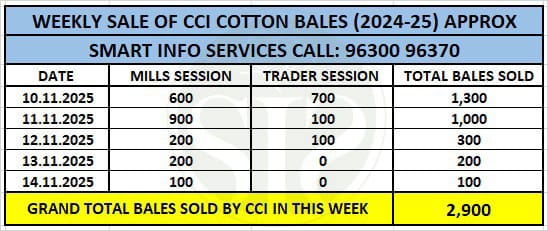
કોટન કોર્પોરેશન ઓફ ઈન્ડિયા (CCI) એ આ અઠવાડિયે તેના ભાવમાં કુલ ₹500 પ્રતિ કેન્ડીનો ઘટાડો કર્યો છે અને 2024-25 ની કપાસ ખરીદીનો 90.44% હિસ્સો ઈ-ઓક્શન દ્વારા વેચ્યો છે.10 નવેમ્બર થી 14 નવેમ્બર, 2025 ના અઠવાડિયા દરમિયાન, CCI એ તેની મિલ અને ટ્રેડર સત્રોમાં ઓનલાઈન હરાજી હાથ ધરી હતી, જેના પરિણામે કુલ 2,900 ગાંસડીનું વેચાણ થયું હતું. નોંધપાત્ર રીતે, CCI એ આ અઠવાડિયે તેના ભાવમાં કુલ ₹500 પ્રતિ કેન્ડીનો ઘટાડો કર્યો હતો.સાપ્તાહિક વેચાણ પ્રદર્શન10 નવેમ્બર, 2025: અઠવાડિયાનું સૌથી વધુ વેચાણ 1,300 ગાંસડી નોંધાયું હતું, જેમાં મિલોએ 600 ગાંસડી ખરીદી હતી અને વેપારીઓએ 700 ગાંસડીનો સ્ટોક કર્યો હતો.11 નવેમ્બર, 2025: CCI એ 1,000 ગાંસડી વેચી હતી, જેમાંથી 900 મિલો દ્વારા ખરીદવામાં આવી હતી અને 100 ગાંસડી વેપારીઓ પાસે અનામત રાખવામાં આવી હતી.૧૨ નવેમ્બર, ૨૦૨૫: કુલ ૩૦૦ ગાંસડીનું વેચાણ નોંધાયું હતું, જેમાંથી ૨૦૦ ગાંસડી મિલો દ્વારા અને ૧૦૦ ગાંસડી વેપારીઓ દ્વારા ખરીદવામાં આવી હતી.૧૩ નવેમ્બર, ૨૦૨૫: સીસીઆઈએ એકલા મિલ સત્રમાં કુલ ૨૦૦ ગાંસડીનું વેચાણ કર્યું હતું.૧૪ નવેમ્બર, ૨૦૨૫: સપ્તાહનો અંત મિલ સત્રમાં ૧૦૦ ગાંસડીના વેચાણ સાથે થયો હતો.સીસીઆઈએ અઠવાડિયા દરમિયાન કુલ આશરે ૨,૯૦૦ ગાંસડીનું વેચાણ કર્યું હતું, જેનાથી સીઝન માટે તેનું કુલ વેચાણ ૯૦,૪૪,૫૦૦ ગાંસડી થયું હતું, જે ૨૦૨૪-૨૫ માટે તેની કુલ ખરીદીના ૯૦.૪૪% છે.વધુ વાંચો :- રૂપિયો ૧ પૈસા વધીને ૮૮.૭૪ પર બંધ થયો

શુક્રવારે, ભારતીય રૂપિયો ૧ પૈસા વધીને ૮૮.૭૪ પર બંધ થયો, જે સવારે ૮૮.૭૫ ના ઉદઘાટન ભાવથી શરૂ થયો હતો.ટ્રેડિંગના અંતે, સેન્સેક્સ ૮૪.૧૧ પોઈન્ટ અથવા ૦.૧૦ ટકા વધીને ૮૪,૫૬૨.૭૮ પર બંધ થયો. નિફ્ટી ૩૦.૯૦ પોઈન્ટ અથવા ૦.૧૨ ટકા વધીને ૨૫,૯૧૦.૦૫ પર બંધ થયો.વધુ વાંચો:- સરકારે 14 ગુણવત્તાયુક્ત ઓર્ડર રદ કર્યા.
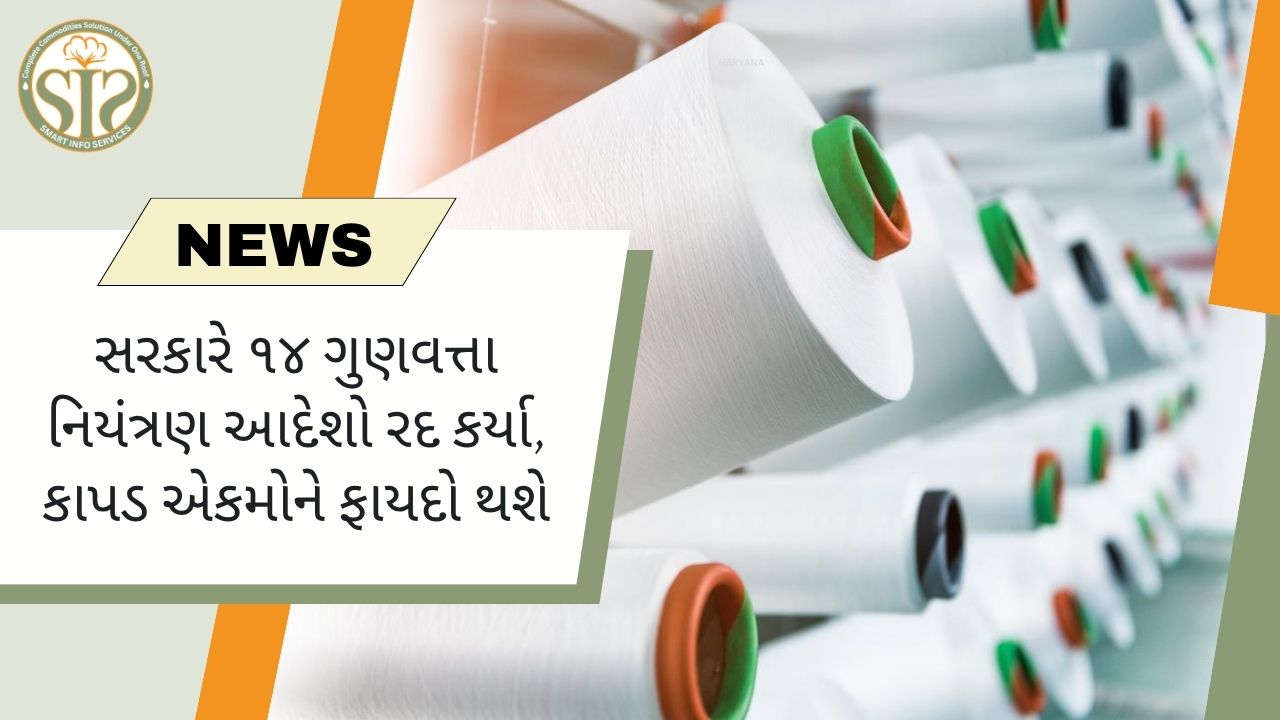
સરકારે ૧૪ ગુણવત્તા નિયંત્રણ આદેશો રદ કર્યા, કાપડ એકમોને ફાયદો થશેસરકારે ચૌદ પેટ્રોકેમિકલ ઉત્પાદનો માટે ગુણવત્તા નિયંત્રણ આદેશો (QCOs) પાછા ખેંચી લીધા છે, જેનો ઉપયોગ કાપડથી લઈને ઉચ્ચ-પ્રદર્શન પ્લાસ્ટિક સુધીના વિવિધ ક્ષેત્રોમાં ઇનપુટ તરીકે થાય છે. QCOs રદ કરવાથી વપરાશકર્તા ઉદ્યોગોને રાહત મળશે, તેમને આ ઉત્પાદનોના વ્યાપક સ્ત્રોતોની ઍક્સેસ મળશે. QCOs, જે સ્થાનિક ઉત્પાદન અને આયાત પર સમાન રીતે લાગુ પડે છે, આ ઉત્પાદનોના સપ્લાયર્સની સંખ્યા મર્યાદિત કરશે. QCOs હેઠળ, ઓર્ડર દ્વારા આવરી લેવામાં આવતા ઉત્પાદનોના સપ્લાયર્સે ભારતમાં વેચાણ કરતા પહેલા તેમની ઉત્પાદન સુવિધાઓ અને ઉત્પાદનને પ્રમાણિત કરવું આવશ્યક છે. આમાં ખર્ચ અને સમય બંનેનો સમાવેશ થાય છે. ઘણા વિદેશી સપ્લાયર્સને આ પ્રક્રિયામાંથી બાકાત રાખવામાં આવ્યા છે, જે ભારતીય ઉદ્યોગ માટે સપ્લાયર્સની સંખ્યાને મર્યાદિત કરે છે. QCOs ની સંખ્યા ૨૦૧૬ માં ૭૦ થી ઓછી હતી જે ૨૦૨૫ સુધીમાં વધીને આશરે ૭૯૦ થઈ ગઈ છે, જેમાં મોટાભાગના છેલ્લા પાંચ વર્ષમાં રજૂ કરવામાં આવ્યા છે. તાજેતરમાં જારી કરાયેલા ગુણવત્તા નિયંત્રણ ઓર્ડર (QCO) ઉપાડના આદેશ હેઠળ આવરી લેવામાં આવેલા ઉત્પાદનોમાં 100% પોલિએસ્ટર સ્પન ગ્રે અને સફેદ યાર્ન, પોલિએસ્ટર ઔદ્યોગિક યાર્ન, પોલિએસ્ટર સ્ટેપલ ફાઇબર, પોલીવિનાઇલ ક્લોરાઇડ હોમોપોલિમર, ટેરેફથાલિક એસિડ, પોલીયુરેથીન અને પોલીકાર્બોનેટનો સમાવેશ થાય છે."પોલીએસ્ટર ફાઇબર અને યાર્ન પર ગુણવત્તા નિયંત્રણ ઓર્ડર (QCOs) રદ કરવા એ એક મોટી રાહત છે, કારણ કે તે બધા વપરાશકર્તા ઉદ્યોગો દ્વારા લાંબા સમયથી રાહ જોવાતી માંગ હતી. પોલિએસ્ટર ફાઇબર અને પોલિએસ્ટર યાર્ન મોટાભાગના માનવ-નિર્મિત ફાઇબર (MMF) ઉત્પાદનોનો ભાગ છે, અને તેથી, અધિકારીઓ દ્વારા લેવામાં આવેલ આ પગલું ભારતમાં MMF સેગમેન્ટના વિકાસમાં ફાળો આપશે," કોન્ફેડરેશન ઓફ ઇન્ડિયન ટેક્સટાઇલ ઇન્ડસ્ટ્રીના પ્રમુખ અશ્વિન ચંદ્રને જણાવ્યું હતું. QCOs દૂર કરવાથી ભારતીય કાપડ અને વસ્ત્ર ઉત્પાદનોની કિંમત સ્પર્ધાત્મકતામાં પણ સુધારો થશે કારણ કે આંતરરાષ્ટ્રીય સ્તરે સ્પર્ધાત્મક ભાવે કાચા માલનો સ્ત્રોત મેળવવાનું સરળ બનશે. તેમણે વધુમાં ઉમેર્યું હતું કે, 12 નવેમ્બરના રોજ જાહેર કરાયેલ નિકાસ પેકેજની સાથે, આ QCOs રદ કરવાથી કાપડ અને વસ્ત્ર ક્ષેત્ર માટે એક મોટો વિશ્વાસ વધશે.ભારતના QCOs ઉત્પાદનની ગુણવત્તા વધારવા અને ગ્રાહકોનું રક્ષણ કરવા માટે બનાવવામાં આવ્યા હતા, પરંતુ તેમના અમલીકરણથી ચર્ચા શરૂ થઈ છે કારણ કે વ્યવસાયો પાલન ખર્ચ, આયાતમાં વિલંબ અને પુરવઠાની અછતનો સામનો કરી રહ્યા છે.ભારે પાલન બોજ અંગે ઉદ્યોગની ફરિયાદો બાદ, સિસ્ટમની સમીક્ષા કરવા માટે NITI આયોગના સભ્ય રાજીવ ગૌબાની અધ્યક્ષતામાં એક ઉચ્ચ-સ્તરીય પેનલની રચના કરવામાં આવી હતી. અહેવાલો અનુસાર, પેનલે 200 થી વધુ QCOs રદ કરવા અથવા સ્થગિત કરવાનું સૂચન કર્યું છે. તેણે QCO સિસ્ટમમાં ધરમૂળથી ફેરફારો કરવાની પણ ભલામણ કરી છે.સમિતિએ શોધી કાઢ્યું કે ભારતમાં QCOsના ઝડપી વિસ્તરણ - જોકે ગુણવત્તા સુધારવાનો હેતુ છે - તેના કારણે પુરવઠાની અછત, ઉચ્ચ ઇનપુટ ખર્ચ અને પ્રમાણપત્રમાં લાંબા વિલંબ થયો છે, ખાસ કરીને MSME માટે. ઘણા QCOs એવા કાચા માલને આવરી લે છે જે સીધા સલામતી અથવા પર્યાવરણીય જોખમો ઉભા કરતા નથી, જેના કારણે આવા નિયમન બિનજરૂરી બને છે. સમિતિએ નોંધ્યું કે મોટાભાગના દેશો સ્વૈચ્છિક અથવા ખરીદદાર-આધારિત ધોરણોનો ઉપયોગ કરે છે, જ્યારે ભારતમાં વધુ પડતા નિયમનથી ઉત્પાદન અને વેપાર કાર્યક્ષમતા વિકૃત થઈ છે.વધુ વાંચો :- CCI ની કપાસ ખરીદી ધીમી પડી
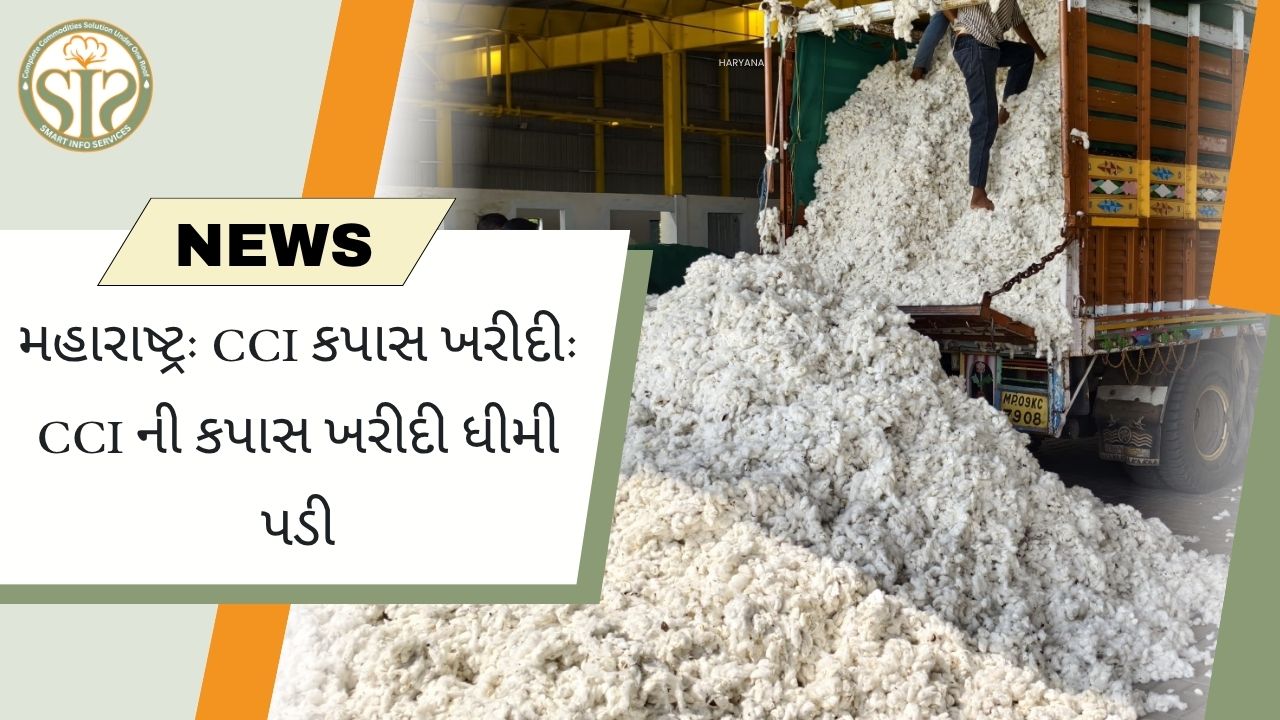
મહારાષ્ટ્ર: CCI કપાસ ખરીદી: CCI ની કપાસ ખરીદી ધીમી પડીઅકોલા: ભારતીય કપાસ નિગમ (CCI) એ ગેરંટીકૃત ભાવે કપાસ ખરીદીની પ્રક્રિયા શરૂ કરી છે, પરંતુ વિવિધ તકનીકી અને વહીવટી મુશ્કેલીઓને કારણે ખરીદી હજુ સુધી ગતિ પકડી શકી નથી. વિદર્ભના નવ જિલ્લાઓમાં અત્યાર સુધીમાં 350,000 થી વધુ ખેડૂતોએ નોંધણી કરાવી છે. જોકે, ફક્ત 21,314 ખેડૂતોના નામ ચકાસવામાં આવ્યા છે અને મંજૂરી આપવામાં આવી છે. આશરે 290,000 ખેડૂતો ચકાસણીની રાહ જોઈ રહ્યા છે. 13,921 ખેડૂતોની માહિતી ટેકનિકલ કારણોસર નકારી કાઢવામાં આવી છે.જિલ્લાવાર ખરીદી કેન્દ્રોકપાસ ખરીદી માટે કુલ 89 કેન્દ્રો ફાળવવામાં આવ્યા છે, જેમાં અકોલામાં નવ, અમરાવતીમાં 14, બુલઢાણામાં નવ, ચંદ્રપુરમાં દસ, ગઢચિરોલીમાં એક, નાગપુરમાં 11, વર્ધામાં 13, વાશિમમાં ચાર અને યવતમાલમાં 18 કેન્દ્રોનો સમાવેશ થાય છે. આ સિઝનની કપાસ ખરીદી માટે, CCI એ ખેડૂતો માટે નોંધણી માટે એક મોબાઇલ એપ્લિકેશન ઉપલબ્ધ કરાવી છે. આ એપ્લિકેશન દ્વારા નોંધણી કરાવતી વખતે, ખેડૂતોએ તેમના પાક પરિભ્રમણ, આધાર કાર્ડ અને ફોટોગ્રાફ જોડવા જરૂરી છે. આ માહિતીની ચકાસણી રાજ્ય સરકારની એજન્સીઓને સોંપવામાં આવી છે, અને આ કાર્ય બજાર સમિતિ સ્તરે કરવામાં આવી રહ્યું છે. જો કે, ચકાસણી પ્રક્રિયામાં વિલંબને કારણે, ઘણા ખેડૂતોને ખરીદી કેન્દ્રો પર તેમનો કપાસ વેચવા માટે રાહ જોવી પડી રહી છે.આ સિઝનમાં, CCI એ વિદર્ભના નવ જિલ્લાઓમાં કુલ 89 ખરીદી કેન્દ્રોને મંજૂરી આપી છે, જેમાંથી મોટાભાગના કાર્યરત છે અથવા કાર્યરત થવાની પ્રક્રિયામાં છે. એવું નોંધાયું છે કે અત્યાર સુધીમાં કેન્દ્રો પર આશરે 16,500 ક્વિન્ટલ કપાસની ખરીદી કરવામાં આવી છે. સમયાંતરે વરસાદને કારણે કપાસની લણણીની સિઝનમાં થોડો વિલંબ થયો હતો, પરંતુ ખેડૂતો હવે ધીમે ધીમે તેમનો કપાસ વેચવા માટે કેન્દ્રો પર આવી રહ્યા છે. સૂત્રોએ આશા વ્યક્ત કરી કે આગામી દિવસોમાં ચકાસણી પ્રક્રિયા ઝડપી બનશે અને ખરીદીમાં વધારો થશે.કપાસના વેચાણ માટે નોંધાયેલા ખેડૂતોની માહિતી ચકાસવાની જવાબદારી મુખ્યત્વે બજાર સમિતિ સ્તરને સોંપવામાં આવી છે. જોકે, આ પ્રક્રિયા ધીમી ગતિએ ચાલી રહી છે. અપૂરતી વ્યવસ્થાના કારણે કપાસના વેચાણમાં વિલંબ થઈ રહ્યો છે. કેટલીક જગ્યાએ, ખેડૂતોએ એપ્લિકેશનમાં માહિતી સબમિટ કરતી વખતે કરેલી ભૂલોને કારણે મોટી સંખ્યામાં અરજીઓ નામંજૂર કરવામાં આવી છે.માર્કેટ ફી ચુકવણીમાં વિલંબને કારણે ના વાંધા પ્રમાણપત્ર જારી કરવામાં આવ્યાઅકોલા જિલ્લાની આકોટ બજાર સમિતિમાં ખરીદી શરૂ કરવામાં નિષ્ફળતાએ મૂંઝવણ ઊભી કરી છે. બજાર સમિતિ વહીવટીતંત્રે આકોટમાં 22 જીનિંગ ઓપરેટરોને ના વાંધા પ્રમાણપત્ર જારી કર્યા ન હતા કારણ કે તેઓએ બજાર ફી ચૂકવી ન હતી. પરિણામે, કપાસ ખરીદી કેન્દ્રો ખુલી શકતા નથી.આ મુદ્દો પ્રકાશમાં આવતાની સાથે જ, જિલ્લા સબ-રજિસ્ટ્રાર ગીતેશ ચંદ્ર સાબલેએ બુધવારે (12મી) ના રોજ સીસીઆઈ અને બજાર સમિતિને પત્ર લખીને તમામ માહિતી સાથે ગુરુવારે (13મી) ના રોજ જિલ્લા કલેક્ટરની કચેરીમાં બેઠક બોલાવવાનો નિર્દેશ આપ્યો હતો. વધુમાં, જિલ્લાના સંસદ સભ્ય અનુપ ધોત્રેએ પણ આ મુદ્દાને સંબોધતો પત્ર લખીને તાત્કાલિક ખરીદીનો નિર્દેશ આપ્યો હતો. વહીવટીતંત્રે આ મુદ્દાના ઉકેલ માટે પગલાં લીધાં. આકોટમાં 10 ખરીદદારોને તાત્કાલિક ના વાંધા પ્રમાણપત્ર જારી કરવામાં આવ્યા હતા.વધુ વાંચો :- તેલંગાણામાં કપાસ એપ્લિકેશન અને સરકારી વિલંબ ખેડૂતોની મુશ્કેલીઓમાં વધારો કરે છે
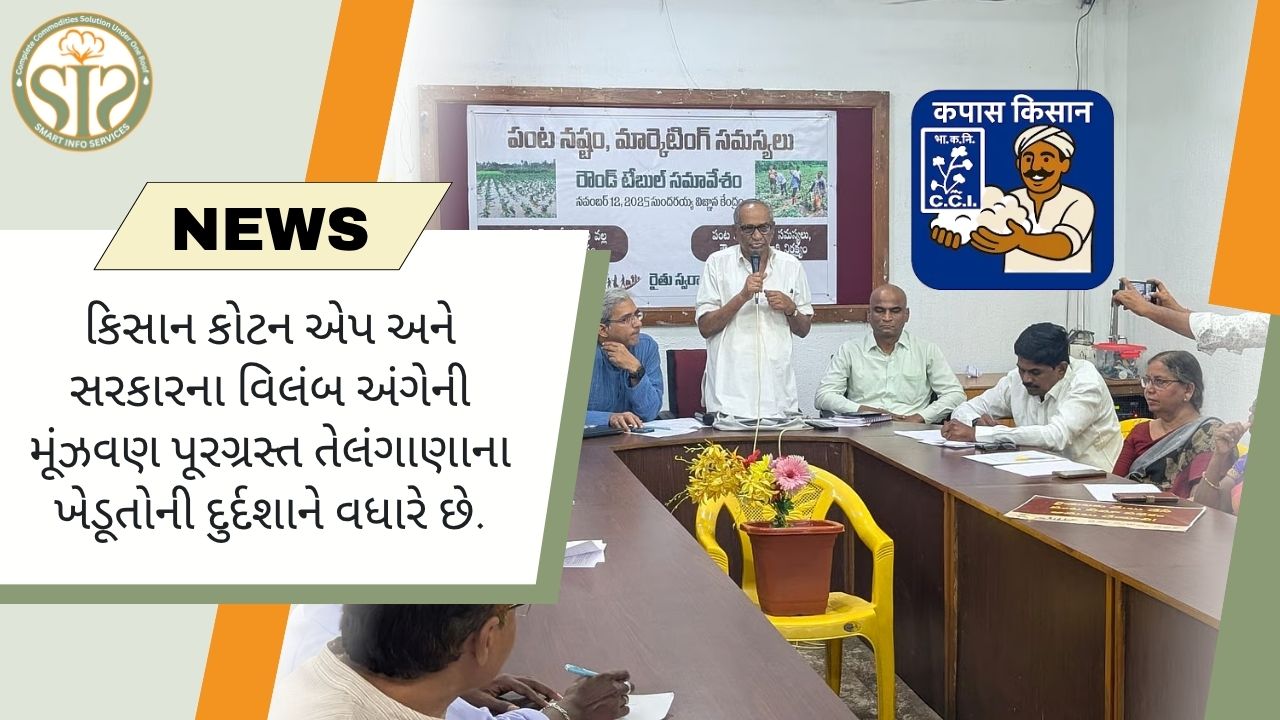
કિસાન કોટન એપ અને સરકારના વિલંબ અંગેની મૂંઝવણ પૂરગ્રસ્ત તેલંગાણાના ખેડૂતોની દુર્દશાને વધારે છે.તેલંગાણાના કૃષિ ક્ષેત્રોમાં પૂરને કારણે થયેલા વિનાશના અઠવાડિયા પછી, ખેડૂતો કહે છે કે સત્તામાં રહેલા લોકોને હજુ સુધી વિનાશનો ખ્યાલ નથી. બુધવાર, 12 નવેમ્બરના રોજ, તેલંગાણા સ્થિત ખેડૂત અધિકાર જૂથ રાયથુ સ્વરાજ્ય વેદિકા (RSV) એ હૈદરાબાદમાં એક ગોળમેજી બેઠક બોલાવી હતી જેમાં તેઓ વધુ ખરાબ થતી કટોકટી - ચક્રવાત મોન્થાથી પાકને થયેલ નુકસાન, ખરીદી અટકી પડવી અને તાત્કાલિક સરકારી પ્રતિભાવનો અભાવ - ની સમીક્ષા કરવામાં આવી હતી.રાજ્યભરના જિલ્લાઓનું પ્રતિનિધિત્વ કરતા લગભગ 45 ખેડૂતો, કાર્યકરો અને કૃષિ નિષ્ણાતો સુદરૈયા વિજ્ઞાન કેન્દ્રમ ખાતે એકઠા થયા હતા. RSV કન્વીનર કિરણ વિસ્સાની અધ્યક્ષતામાં યોજાયેલી આ ચર્ચામાં અવિરત વરસાદથી થયેલ વિનાશ, ભાજપની આગેવાની હેઠળની કેન્દ્ર સરકાર દ્વારા કપાસ ખરીદી માટે ફરજિયાત કોટન ફાર્મર એપ દ્વારા ઉભા કરાયેલા અવરોધો અને તેલંગાણામાં કોંગ્રેસની આગેવાની હેઠળની સરકારની ઉદાસીનતા સહિતના અનેક મુદ્દાઓ પર ચર્ચા કરવામાં આવી હતી.આદિલાબાદના ખેડૂત કે. દીપકે કહ્યું, "મારી પાસે પાંચ એકર જમીન છે: કપાસની ખેતી માટે ત્રણ અને ડાંગર માટે બે. તાજેતરના વાવાઝોડામાં કપાસનો પાક સંપૂર્ણપણે ડૂબી ગયો હતો અને નાશ પામ્યો હતો. પરંતુ મને હજુ સુધી રાજ્ય સરકાર તરફથી કોઈ વળતર મળ્યું નથી."અન્ય ખેડૂતોએ પણ આવી જ ચિંતા વ્યક્ત કરી. આદિલાબાદના અન્ય એક ખેડૂત સુંદરે વર્ણવ્યું કે ઓગસ્ટ, સપ્ટેમ્બર અને ઓક્ટોબરમાં સતત વરસાદથી તેમના ખેતરો કેવી રીતે તબાહ થયા. ભેજ પ્રત્યે સંવેદનશીલ કપાસના પાકને આ રવિ સિઝન (ઓક્ટોબરથી ડિસેમ્બર) ખાસ કરીને ભારે નુકસાન થયું છે.ખેડૂતોએ જણાવ્યું હતું કે કપાસની ખરીદી માટે કોટન ફાર્મર એપ પર ફરજિયાત નોંધણીએ પરિસ્થિતિને વધુ ખરાબ કરી છે. કેન્દ્ર સરકાર હેઠળના જાહેર ક્ષેત્રના ઉપક્રમ, કોટન કોર્પોરેશન ઓફ ઈન્ડિયા (CCI) દ્વારા શરૂ કરાયેલ, આ એપ એક આધાર-આધારિત પૂર્વ-નોંધણી સિસ્ટમ છે જેનો ઉપયોગ ખેડૂતોએ તેમના ઉત્પાદન વેચતા પહેલા કરવો જરૂરી છે.પરંતુ ખેડૂતોએ જણાવ્યું હતું કે આ એપ પોતે જ અવરોધ બની ગઈ છે. ઓછી ડિજિટલ સાક્ષરતા, અવ્યવસ્થિત ઇન્ટરનેટ ઍક્સેસ અને ગામડા અને જિલ્લા અધિકારીઓના સમર્થનના અભાવને કારણે, ઘણા લોકો તેનો ઉપયોગ કેવી રીતે કરવો તે જાણતા નથી."સપ્ટેમ્બર 2025 માં CCI દ્વારા તેની શરૂઆત થઈ ત્યારથી, કેન્દ્ર સરકાર વચેટિયાઓને દૂર કરવા અને ખેડૂતો પાસેથી સીધી ખરીદીને સક્ષમ બનાવવાના માર્ગ તરીકે તેનો પ્રચાર કરી રહી છે. પરંતુ ઘણા ખેડૂતો હજુ પણ સમજી શકતા નથી કે સ્લોટ બુકિંગ કેવી રીતે કાર્ય કરે છે," RSV ના કાર્યકર્તા અને સભ્ય થન્નીરુ હર્ષાએ TNM ને જણાવ્યું.નાલગોંડા જિલ્લાના ખેડૂત અને કાર્યકર્તા અંજનેયુલુએ જણાવ્યું કે મૂંઝવણ વ્યાપક છે. "નાલગોંડામાં હું જાણું છું તે તમામ આઠ ગ્રામ પંચાયતોને ખરાબ રીતે અસર થઈ છે. ચક્રવાત મોન્થાએ ખેડૂતોના ઘરો અને પાકનો નાશ કર્યો છે. ઘણા લોકોને ખબર પણ નથી કે તેમના ખેડૂત કપાસની નોંધણી પૂર્ણ થઈ છે કે નહીં."વિકારાબાદ જિલ્લાના ખેડૂત કરુણાનિધિ ગૌડે જણાવ્યું હતું કે આ વખતે ખેડૂતો સામાન્ય 10 ક્વિન્ટલની સરખામણીમાં માત્ર 3-4 ક્વિન્ટલ કપાસ વેચી શક્યા હતા. તેમણે ઉમેર્યું, "તેમાંથી કેટલીક પેદાશને પણ નકારી કાઢવામાં આવી હતી કારણ કે ખરીદદારોએ ફરિયાદ કરી હતી કે વરસાદ અને કાટમાળને કારણે કપાસ કાળો થઈ ગયો છે."આ બેઠકમાં ઔપચારિક માન્યતા કે વળતર અને ખરીદી પ્રણાલી વિના પાકને નુકસાન સહન કરતા શેરખેડુતોની અનિશ્ચિત પરિસ્થિતિ અંગે પણ ચર્ચા કરવામાં આવી હતી.વધુ વાંચો :-આદિલાબાદના ખેડૂતોને ખાનગી વેપારીઓને કપાસ વેચવાની ફરજ પડી રહી છે.
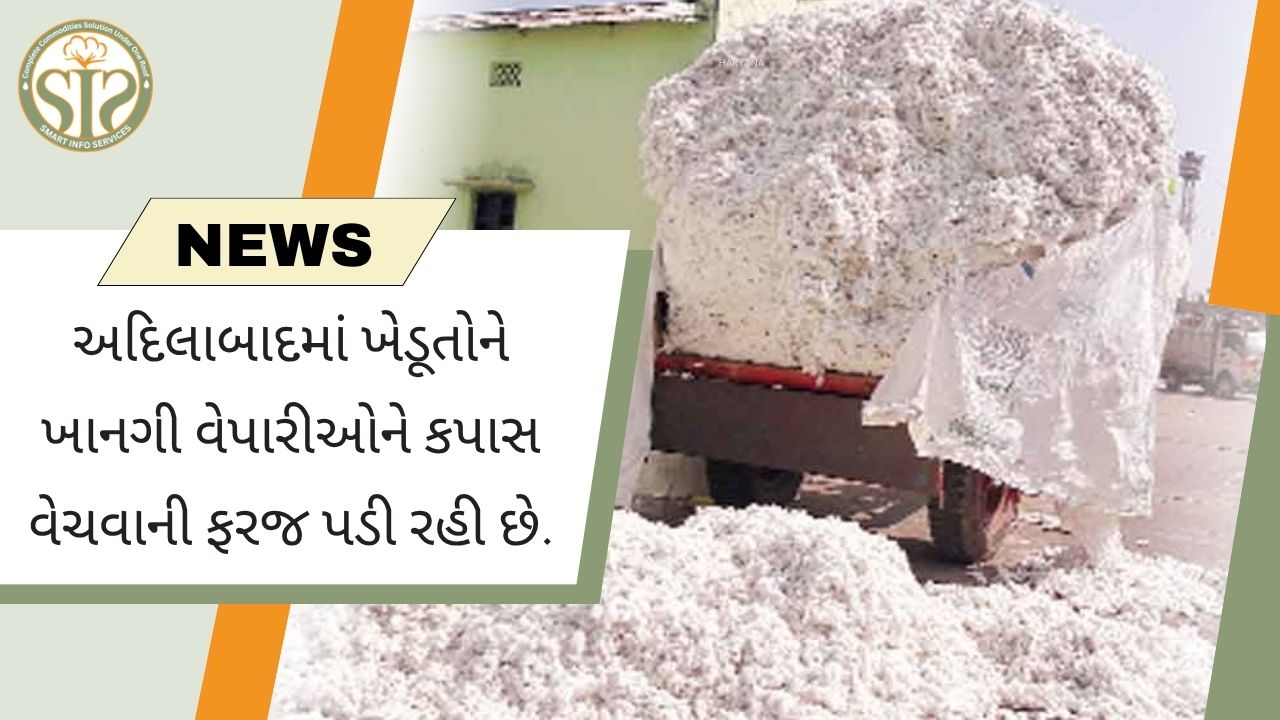
આદિલાબાદના ખેડૂતોને ખાનગી વેપારીઓને કપાસ વેચવાની ફરજ પડી રહી છે.આદિલાબાદ અને આસપાસના જિલ્લાઓમાં કપાસના ખેડૂતોને લઘુત્તમ ટેકાના ભાવ (MSP) કરતા ઓછા ભાવે ખાનગી વેપારીઓને તેમનો પાક વેચવાની ફરજ પડી રહી છે કારણ કે કોટન કોર્પોરેશન ઓફ ઈન્ડિયા (CCI) ભેજનું પ્રમાણ વધારે હોવાનો ઉલ્લેખ કરીને કપાસ ખરીદવાનો ઇનકાર કરી રહી છે. ખેડૂતો કહે છે કે તેમને ભારે નુકસાન થઈ રહ્યું છે અને તેમણે સરકારી હસ્તક્ષેપ અને વળતરની માંગણી કરી છે.આદિલાબાદ: કપાસના ખેડૂતોને તેમની પેદાશ ખાનગી વેપારીઓને નજીવા ભાવે વેચવાની ફરજ પડી રહી છે કારણ કે કોટન કોર્પોરેશન ઓફ ઈન્ડિયા (CCI) ભેજનું પ્રમાણ વધારે હોવાનો ઉલ્લેખ કરીને કપાસ ખરીદવાનો ઇનકાર કરી રહી છે, જેના કારણે નોંધપાત્ર નાણાકીય નુકસાન થઈ રહ્યું છે.CCI એ ખેડૂતો પાસેથી કપાસની ખરીદી પર ચોક્કસ નિયંત્રણો લાદ્યા છે. ઉદાહરણ તરીકે, તે 12 ટકાથી વધુ ભેજવાળા કપાસની ખરીદી કરી રહ્યું નથી. આ નિયંત્રણો વેપારીઓ માટે વરદાન અને ખેડૂતો માટે અભિશાપ બની ગયા છે. વેપારીઓએ રાષ્ટ્રીય ધોરીમાર્ગો અને મુખ્ય આંતરછેદો પર કામચલાઉ કેન્દ્રો સ્થાપ્યા છે, જ્યાં તેઓ કપાસ ખરીદી રહ્યા છે. (SIS)ખેડૂતોનો આરોપ છે કે વેપારીઓ સરકાર દ્વારા નક્કી કરાયેલા લઘુત્તમ ટેકાના ભાવ ₹8,110 પ્રતિ ક્વિન્ટલ કરતાં ઓછામાં ઓછા ₹1,000 ઓછા ભાવ આપી રહ્યા છે, જ્યારે સેન્ટ્રલ ઇન્ડસ્ટ્રિયલ સિક્યુરિટી કોર્પોરેશન (CI) ભેજનું કારણ આપીને કપાસનો ઇનકાર કરી રહ્યું છે. (SIS) તેમણે જણાવ્યું હતું કે ખાનગી વેપારીઓને વેચીને તેઓ ભારે નુકસાન ભોગવી રહ્યા છે અને ખાનગી ખરીદદારો દ્વારા શોષણ અટકાવવા માટે પગલાં લેવા અધિકારીઓને અપીલ કરી હતી.ખેડૂતોએ વધુમાં જણાવ્યું હતું કે પ્રતિકૂળ હવામાન અને અકાળ વરસાદને કારણે તેમની ઉપજ પહેલાથી જ ઘટી ગઈ છે. તેમણે કહ્યું હતું કે હવે તેમની પાસે વેપારીઓને વેચવા સિવાય કોઈ વિકલ્પ નથી અને CCIના પ્રતિબંધોથી તેઓ વ્યથિત છે. ખેડૂતોએ સતત ત્રીજા વર્ષે ભારે નુકસાન સહન કરવા બદલ સરકાર પાસેથી વળતરની પણ માંગ કરી છે.અધિકારીઓના જણાવ્યા અનુસાર, ચાલુ કૃષિ સિઝન દરમિયાન આદિલાબાદ, કુમારમ ભીમ આસિફાબાદ, નિર્મલ અને મંચેરિયાલ જિલ્લામાં 10 લાખ એકરથી વધુ જમીન પર કપાસનું વાવેતર કરવામાં આવ્યું છે. એકલા આદિલાબાદ જિલ્લામાં જ ૪.૨૫ લાખ એકર, કુમારમ ભીમ આસિફાબાદમાં ૩.૩૫ લાખ એકર, મંચેરિયાલમાં ૧.૬૧ લાખ એકર અને નિર્મલમાં ૧.૪૦ લાખ એકર જમીનમાં વાવણી થઈ છે.ભૂતપૂર્વ આદિલાબાદ જિલ્લામાં કુલ ૮.૪ મિલિયન ક્વિન્ટલ પાકનું ઉત્પાદન થવાનો અંદાજ છે. આમાંથી, આદિલાબાદ જિલ્લામાં ૩.૪ મિલિયન ક્વિન્ટલ પાકનું ઉત્પાદન થવાની ધારણા છે, જ્યારે કુમારમ ભીમ આસિફાબાદમાં ૨.૬ મિલિયન ક્વિન્ટલ પાકનું ઉત્પાદન થવાની ધારણા છે. જિલ્લા વહીવટીતંત્રે ખેડૂતોને મદદ કરવા માટે હેલ્પલાઇન નંબર ૧૮૦૦ ૫૯૯ ૫૭૭૯ અને વોટ્સએપ નંબર ૮૮૯૭૨ ૮૧૧૧૧ જારી કર્યો છે, જેનાથી તેઓ તેમના કપાસ વેચવા માટે કોટન ફાર્મર એપ્લિકેશન પર સ્લોટ બુક કરી શકે છે.વધુ વાંચો :-રૂપિયો 09 પૈસા ઘટીને 88.75/USD પર ખુલ્યો

14 નવેમ્બરે યુએસ ડોલર સામે રૂપિયો 09 પૈસા ઘટીને 88.75 પર ખુલ્યો હતો.ભારતીય રૂપિયો શુક્રવારે પ્રતિ ડૉલર 88.75 પર ખુલ્યો હતો, જ્યારે ગુરુવારે તે 88.66 પર બંધ થયો હતો.વધુ વાંચો:- રૂપિયો 2 પૈસા ઘટીને 88.66 પ્રતિ ડોલર પર બંધ થયો.

ગુરુવારે, રૂપિયો સવારે 88.64 પર ખુલ્યા પછી, 2 પૈસા ઘટીને 88.66 પ્રતિ ડોલર પર બંધ થયો.બંધ સમયે, સેન્સેક્સ 12.16 પોઈન્ટ અથવા 0.01 ટકા વધીને 84,478.67 પર અને નિફ્ટી 3.35 પોઈન્ટ અથવા 0.01 ટકા વધીને 25,879.15 પર હતો. લગભગ 1661 શેર વધ્યા, 2193 શેર ઘટ્યા અને 107 શેર યથાવત.વધુ વાંચો :- નિકાસકારો માટે મોટી રાહત: મંત્રીમંડળે ₹20,000 કરોડની ક્રેડિટ ગેરંટી યોજનાને મંજૂરી આપી
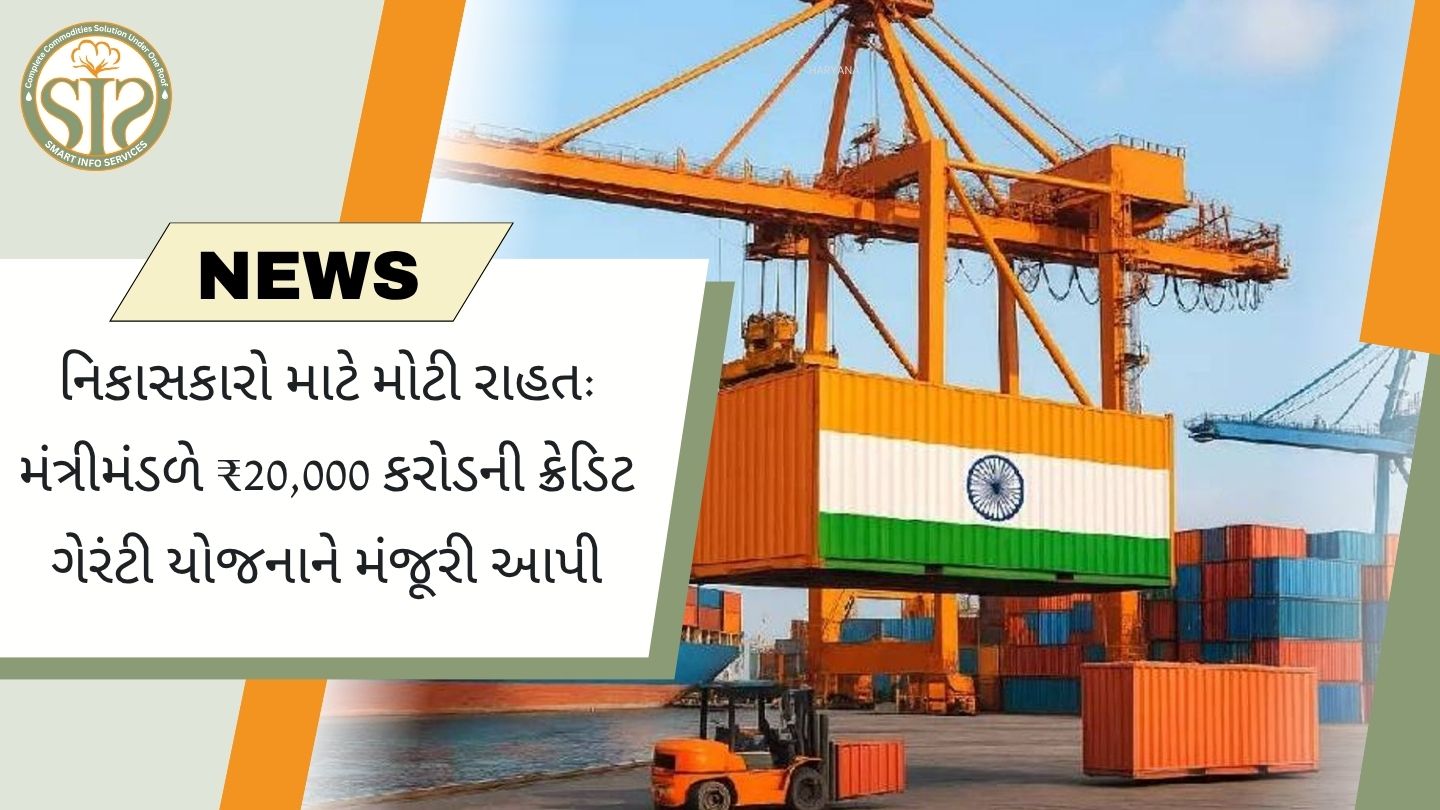
"કેબિનેટે ₹20,000 કરોડની ક્રેડિટ ગેરંટી સ્કીમને મંજૂરી આપતાં નિકાસકારો માટે મોટી રાહત"યુએસ પ્રમુખ ડોનાલ્ડ ટ્રમ્પના ટેરિફ પગલાંથી પ્રભાવિત ભારતીય નિકાસકારો માટે મોટી રાહતમાં, વડા પ્રધાન નરેન્દ્ર મોદીની અધ્યક્ષતામાં કેન્દ્રીય મંત્રીમંડળે બુધવારે એક મુખ્ય સહાયક પહેલ - ક્રેડિટ ગેરંટી યોજના ફોર એક્સપોર્ટર્સ (CGSE) ને મંજૂરી આપી.આ ₹20,000 કરોડની યોજનાનો ઉદ્દેશ્ય યુએસ દ્વારા લાદવામાં આવેલા દંડાત્મક ટેરિફથી પ્રભાવિત નિકાસકારોને ક્રેડિટ સુવિધાઓ પૂરી પાડવાનો છે, જેથી તેમને જરૂરી પ્રવાહિતા અને સ્થિરતા મળી શકે.નિર્ણયની જાહેરાત કરતા, માહિતી અને પ્રસારણ મંત્રી અશ્વિની વૈષ્ણવે જણાવ્યું હતું કે આ યોજના નેશનલ ક્રેડિટ ગેરંટી ટ્રસ્ટી કંપની લિમિટેડ (NCGTC) દ્વારા નાણાકીય સેવાઓ વિભાગ (DFS) ની દેખરેખ હેઠળ લાગુ કરવામાં આવશે.વૈષ્ણવે જણાવ્યું હતું કે, "CGSE સભ્ય ધિરાણ સંસ્થાઓ (MLI) ને 100% ક્રેડિટ ગેરંટી કવરેજ પૂરું પાડશે, જેનાથી તેઓ યોગ્ય નિકાસકારો - સૂક્ષ્મ, નાના અને મધ્યમ ઉદ્યોગો (MSME) સહિત - ને ₹20,000 કરોડ સુધીની વધારાની ક્રેડિટ સુવિધાઓ પૂરી પાડી શકશે."નિકાસકારોને સમયસર સહાય પૂરી પાડવા માટે, યોજનાના અમલીકરણ અને પ્રગતિ પર દેખરેખ રાખવા માટે નાણાકીય સેવાઓ વિભાગના સચિવની અધ્યક્ષતામાં એક વ્યવસ્થાપન સમિતિની રચના કરવામાં આવશે.વધુ વાંચો :- MSP પર ખરીદી શરૂ થવાની જાહેરાત થઈ ગઈ છે, ત્યારે ભારતના કપાસના ખેડૂતો માટે ખરાબ સમાચાર છે.
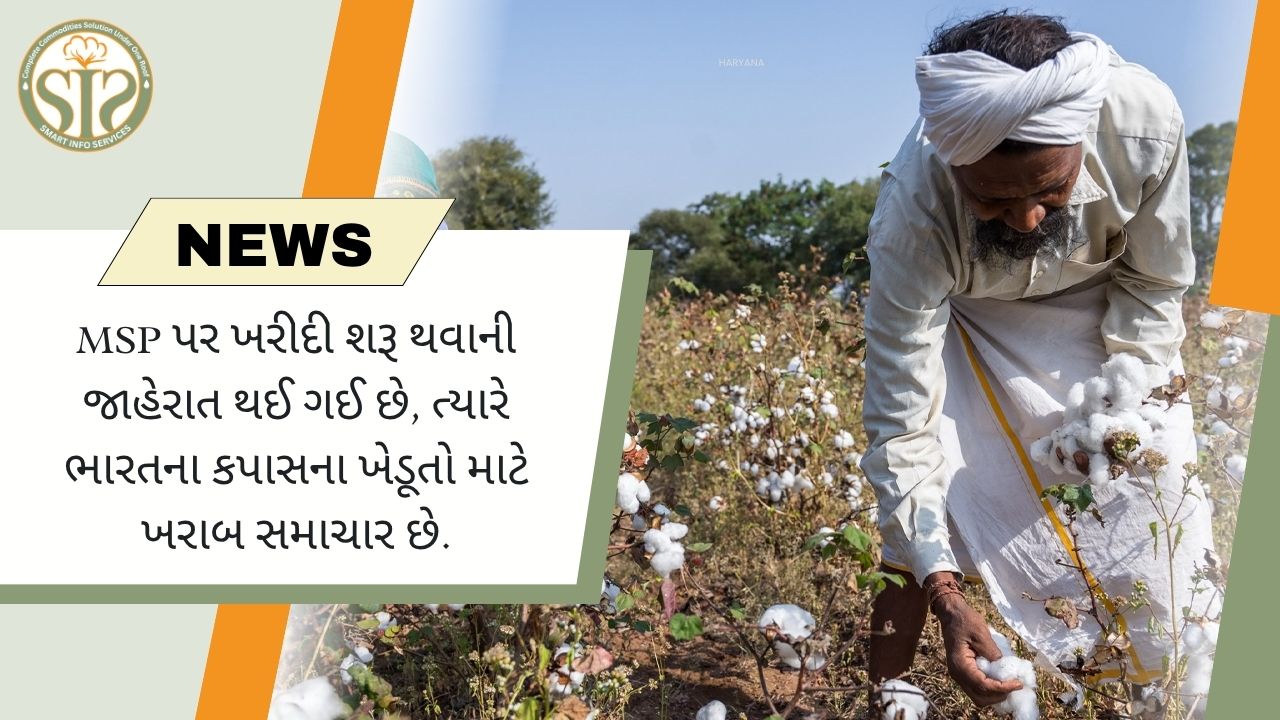
"MSP કપાસ પ્રાપ્તિની શરૂઆત સારા સમાચાર દર્શાવે છે, પરંતુ ખેડૂતોને આંચકોનો સામનો કરવો પડે છે"નવી સિઝનમાં ભારતની કપાસની આયાત 9.8 ટકા વધવાની ધારણા છે, જે અત્યાર સુધીના ઉચ્ચ સ્તરે પહોંચશે. આ ચોક્કસપણે ભારતીય ખેડૂતો માટે આઘાતજનક છે. કારણ કે આ પાછળનું એક કારણ ભારત સરકારે થોડા મહિના પહેલા મંજૂર કરેલી ડ્યુટી-ફ્રી આયાત છે. આ માહિતી એવા સમયે આવી છે જ્યારે દેશમાં કપાસ ખરીદીની મોસમ શરૂ થઈ ગઈ છે, જ્યારે ખેડૂતો અતિશય ચોમાસાના વરસાદ અને ત્યારબાદ કમોસમી વરસાદથી તબાહ થઈ ગયા છે. આવી સ્થિતિમાં, આયાતમાં વધારો નિઃશંકપણે તેમને નુકસાન પહોંચાડશે.આયાત સતત વધી રહી છેસમાચાર એજન્સી રોઇટર્સ અનુસાર, ભારતમાં કપાસની આયાતમાં વધારો થવા પાછળ બે કારણો છે: પ્રથમ, ભારતમાંથી ડ્યુટી-ફ્રી આયાતની મંજૂરી, અને બીજું, સ્થાનિક ઉત્પાદન 17 વર્ષના નીચલા સ્તરે પહોંચ્યું. ભારત વિશ્વનો બીજો સૌથી મોટો કપાસ ઉત્પાદક દેશ છે. આવી સ્થિતિમાં, જ્યારે ભારતની વધેલી આયાત વૈશ્વિક બજારમાં કપાસના ભાવને ટેકો આપવાની ધારણા છે, ત્યારે એવી પ્રબળ શક્યતા છે કે તે દેશના ખેડૂતોને પણ નુકસાન પહોંચાડશે. હાલમાં, આંતરરાષ્ટ્રીય બજારમાં કપાસના ભાવ છ મહિનાના નીચલા સ્તરે છે.ન્યૂઝ એજન્સી રોઇટર્સે કોટન એસોસિએશન ઓફ ઇન્ડિયા (CAI) ના પ્રમુખ અતુલ ગણાત્રાને ટાંકીને જણાવ્યું હતું કે 1 ઓક્ટોબરથી શરૂ થયેલા 2025/26 માર્કેટિંગ વર્ષમાં ભારતની કપાસની આયાત 4.5 મિલિયન ગાંસડી સુધી પહોંચી શકે છે. આ સંખ્યા ફક્ત ડિસેમ્બરમાં જ 3 મિલિયન ગાંસડી સુધી પહોંચી શકે છે. ગયા વર્ષે, અમેરિકા, બ્રાઝિલ, ઓસ્ટ્રેલિયા અને આફ્રિકન દેશોમાંથી ભારતની કપાસની આયાત રેકોર્ડ 4.1 મિલિયન ગાંસડી સુધી પહોંચી હતી.ડ્યુટી-મુક્ત આયાત અને નબળું ઉત્પાદનકોટન એસોસિએશન ઓફ ઇન્ડિયાના પ્રમુખ અતુલ ગણાત્રાએ જણાવ્યું હતું કે, "હાલમાં, વિદેશમાં કપાસના ભાવ સ્થાનિક બજાર કરતાં ઘણા સસ્તા છે, તેથી ટેક્સટાઇલ મિલો ડિસેમ્બરના અંત પહેલા ઝડપથી આયાત કરી રહી છે." ભારત સરકારે કપાસની આયાત પર ૧૧% આયાત ડ્યુટી મુક્તિ ૩૧ ડિસેમ્બર સુધી લંબાવી છે. એક વૈશ્વિક વેપાર ગૃહ સાથે સંકળાયેલા નવી દિલ્હી સ્થિત એક વેપારીએ અહેવાલ આપ્યો છે કે પાકને નુકસાનને કારણે સ્થાનિક પુરવઠા અંગે વધતી ચિંતાઓને કારણે કાપડ મિલો વધુ સારી ગુણવત્તાવાળા આયાતી કપાસ તરફ વળ્યા છે.મહારાષ્ટ્ર અને ગુજરાતના પશ્ચિમી રાજ્યો તેમજ આંધ્રપ્રદેશ અને તેલંગાણાના દક્ષિણ રાજ્યોમાં ઓક્ટોબરમાં ભારે અને અકાળ વરસાદને કારણે કાપણી માટે તૈયાર કપાસના પાકને નુકસાન થયું હતું. આ રાજ્યો ભારતના કુલ કપાસ ઉત્પાદનમાં ૭૦% થી વધુ હિસ્સો ધરાવે છે.સૌથી મોટું રોજગાર ક્ષેત્રકોટન એસોસિએશન ઓફ ઈન્ડિયા (CAI) ના અંદાજ મુજબ, ૨૦૨૫-૨૬માં ભારતનું કપાસ ઉત્પાદન પાછલા વર્ષની સરખામણીમાં ૨.૪% ઘટીને ૩૦.૫ મિલિયન ગાંસડી થઈ શકે છે. આ ૨૦૦૮-૦૯ પછીનું સૌથી ઓછું ઉત્પાદન હશે. કેટલાક વેપારીઓનો અંદાજ છે કે ઉત્પાદન વધુ ઘટીને ૨૮ મિલિયન ગાંસડી થઈ શકે છે. કાપડ ઉદ્યોગ ભારતના સૌથી મોટા રોજગારદાતાઓમાંનો એક છે, જે ૪૫ મિલિયનથી વધુ લોકોને સીધી રોજગારી આપે છે. CAI મુજબ, ૨૦૨૫-૨૬માં કપાસનો વપરાશ ૪.૫ ટકા ઘટવાની ધારણા છે, જે નબળી નિકાસ માંગને કારણે ૩ કરોડ ગાંસડી થઈ જશે.અતુલ ગણાત્રાએ જણાવ્યું હતું કે, "યુએસએ ભારે ટેરિફ લાદ્યા છે, જેના કારણે ત્યાંથી માંગમાં ઘટાડો થયો છે, જેના કારણે દક્ષિણ ભારતના ઘણા કાપડ એકમોને ઉત્પાદન ઘટાડવાની ફરજ પડી છે." અમેરિકા ભારતની વાર્ષિક ૩૮ અબજ ડોલરની કાપડ નિકાસનો આશરે ૨૯ ટકા હિસ્સો ખરીદે છે. ઓગસ્ટથી, તેણે ભારતમાંથી આયાત પરના ટેરિફને બમણું કરીને ૫૦ ટકા કરી દીધો છે.વધુ વાંચો :- હરિયાણા: કપાસ MSP પર ખરીદાયો, પરંતુ ઓછી ગુણવત્તાનો ઉલ્લેખ કરીને ભાવમાં ઘટાડો થયો.
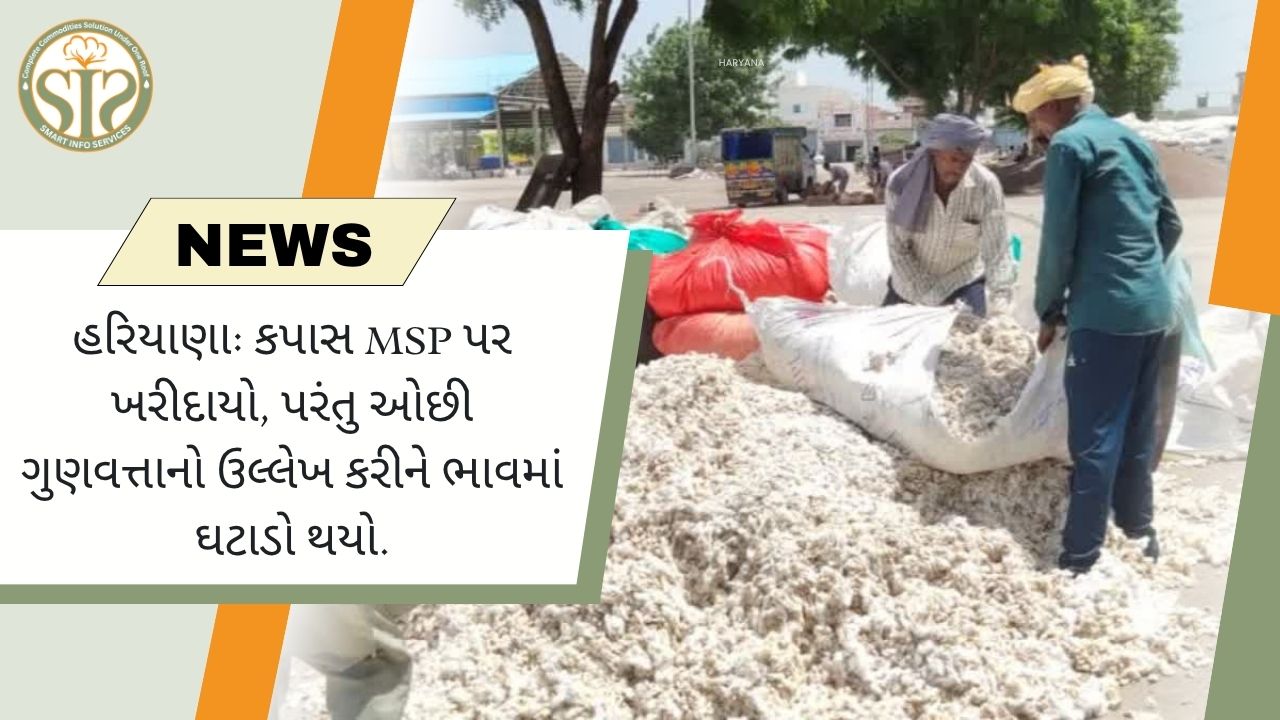
હરિયાણા: MSP પર કપાસ ખરીદીમાં અનિયમિતતા, ખેડૂતોમાં નારાજગીફતેહાબાદ જિલ્લામાં ભારતીય કપાસ નિગમ (CCI) દ્વારા અનાજ બજારોમાં લઘુત્તમ ટેકાના ભાવ (MSP) પર કપાસ ખરીદી શરૂ કરવામાં આવી છે, પરંતુ ગુણવત્તાના નામે ખરીદીમાં ઘટાડા અને મનસ્વી નિર્ણયોથી ખેડૂતોમાં અસંતોષ વધ્યો છે। ખેડૂતોનો આક્ષેપ છે કે તેમને પોતાનો પાક ખાનગી વેપારીઓને ઓછા ભાવે વેચવાનો વારો આવી રહ્યો છે, જેના કારણે પ્રતિ ક્વિન્ટલ ₹800 થી ₹1,500 સુધીનું નુકસાન થઈ રહ્યું છે।રાજ્ય સરકારે કપાસ માટે ₹6,200 પ્રતિ ક્વિન્ટલ MSP જાહેર કર્યો છે, જેના આધારે ખેડૂતો બજારોમાં પાક લઈને આવી રહ્યા છે। બુધવારે નવા અનાજ બજારમાં 40 ખેડૂતો MSP પર વેચાણની આશા સાથે પહોંચ્યા હતા, પરંતુ તેમાં માત્ર 9 ખેડૂતોનો જ કપાસ MSP પર ખરીદાયો, જ્યારે બાકીના ખેડૂતોનો પાક ઓછી ગુણવત્તાનો જણાવીને નકારી કાઢવામાં આવ્યો।ખરીદી પ્રક્રિયામાં વિલંબને કારણે પણ ખેડૂતોને નુકસાન વેઠવું પડી રહ્યું છે। ઘણા ખેડૂતો MSP હેઠળ વેચાણ ન કરી શકતા પોતાના પાક ખાનગી વેપારીઓને વેચવા મજબૂર બન્યા છે। હાલ ખાનગી વેપારીઓ ₹6,200 પ્રતિ ક્વિન્ટલના ભાવે કપાસ ખરીદી રહ્યા છે, જ્યારે કેન્દ્ર સરકારે મધ્યમ-મુખ્ય કપાસ માટે ₹7,020 અને લાંબા-મુખ્ય કપાસ માટે ₹8,110 પ્રતિ ક્વિન્ટલ ભાવ નક્કી કર્યો છે।આ પરિસ્થિતિમાં ખેડૂતોનું કહેવું છે કે સરકારી ખરીદીમાં પારદર્શિતાનો અભાવ છે અને નિયમોનું યોગ્ય પાલન થતું નથી। કેટલાક ખેડૂતોનો આક્ષેપ છે કે સારી ગુણવત્તાવાળો પાક હોવા છતાં તેને ઓછી ગુણવત્તાનો બતાવી ખરીદીથી વંચિત રાખવામાં આવે છે।બીજી તરફ, કોટન કોર્પોરેશન ઓફ ઇન્ડિયાએ જણાવ્યું છે કે ખરીદી નિયમો અનુસાર જ થઈ રહી છે અને માત્ર નિર્ધારિત ગુણવત્તાવાળો કપાસ જ MSP પર લેવામાં આવે છે। કેટલાક ખેડૂતો ‘મારી ફસલ, મારો બ્યોરા’ પોર્ટલ પર નોંધાયેલા ન હોવાને કારણે પણ ખરીદીમાં મુશ્કેલી આવી હોવાનું જણાવાયું છે।હાલ સુધીમાં અનાજ બજારમાં કુલ 17,253 ક્વિન્ટલ કપાસ આવ્યું છે, જેમાંથી માત્ર 581 ક્વિન્ટલ જ MSP પર ખરીદવામાં આવ્યું છે, જે ખરીદી પ્રક્રિયા અંગે પ્રશ્નો ઊભા કરે છે।વધુ વાંચો :- મધ્યપ્રદેશ: રાજ્યમાં અત્યાર સુધીમાં ૧૭,૦૦૦ ગાંસડી કપાસની ખરીદી કરવામાં આવી છે.
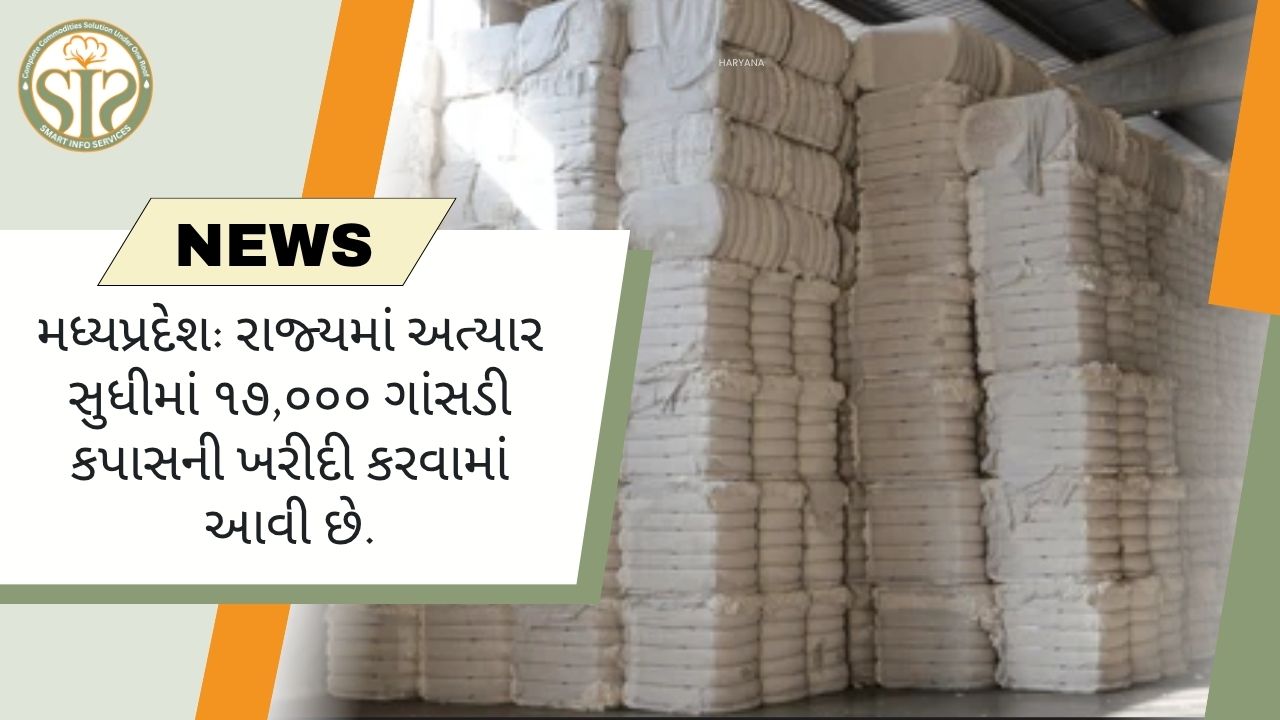
"મધ્ય પ્રદેશમાં 17,000 કપાસ ગાંસડીની ખરીદીનો રેકોર્ડ"ઇન્દોર: કાપડ મંત્રાલય હેઠળ કપાસની ખરીદી માટે જવાબદાર મુખ્ય એજન્સી, કોટન કોર્પોરેશન ઓફ ઇન્ડિયા (CCI) એ ખરીદી શરૂ કરી દીધી છે અને સિઝનની શરૂઆતથી અત્યાર સુધીમાં લઘુત્તમ ટેકાના ભાવ (MSP) પર આશરે ૧૭,૦૦૦ ગાંસડી કપાસની ખરીદી કરી છે. દરેક ગાંસડીનું વજન ૧૭૦ કિલોગ્રામ છે. ગયા સિઝનમાં, કોર્પોરેશને રાજ્યના ખેડૂતો પાસેથી આશરે ૧૯.૩૫ લાખ ક્વિન્ટલ કપાસની ખરીદી કરી હતી.વર્તમાન ખરીદી સિઝન ૨૪ ઓક્ટોબરના રોજ શરૂ થઈ હતી, જેમાં CCI એ ખારગોન, ધામનોદ, બિકાનગાંવ, બરવાહ અને ખંડવા સહિત અનેક મુખ્ય સ્થળોએ કેન્દ્રોનું નેટવર્ક સ્થાપિત કર્યું હતું. હાલમાં, ૨૦ ખરીદી કેન્દ્રો કાર્યરત છે, જે સ્થાનિક ખેડૂતો માટે સરળ વ્યવહાર પ્રક્રિયાને સરળ બનાવે છે."અમે અત્યાર સુધીમાં આશરે ૧૭,૦૬૮ ગાંસડી ખરીદી છે. અમને આગામી દિવસોમાં આવક વધવાની અપેક્ષા છે. આ દિવસોમાં આવકમાં ભેજનું પ્રમાણ વધુ છે, અને અમે ૮ ટકા સુધી ભેજવાળા ઉત્પાદન સ્વીકારી રહ્યા છીએ," CCI અધિકારીએ જણાવ્યું હતું.રાજ્યમાં, ખરગોન, ખંડવા, બરવાની, મનાવર, ધાર, રતલામ અને દેવાસ મુખ્ય કપાસ ઉત્પાદક વિસ્તારો છે. અધિકારીઓએ જણાવ્યું હતું કે કપાસ વેચવા માંગતા ખેડૂતોને CM એપ અને ગ્રામ્ય કૃષિ સહાયકો દ્વારા રાયથુ સેવા કેન્દ્રો (RSKs) પર તેમની વિગતો નોંધાવવાની સલાહ આપવામાં આવે છે.કોટન એસોસિએશન ઓફ ઈન્ડિયા દ્વારા જારી કરાયેલા તાજેતરના અંદાજ મુજબ, ૧ ઓક્ટોબરથી શરૂ થયેલા ૨૦૨૫-૨૬ માર્કેટિંગ વર્ષમાં ભારતની કપાસની આયાત વધીને ૪.૫ મિલિયન ગાંસડી થઈ શકે છે. વધુમાં, ૨૦૨૫-૨૬ સીઝન માટે મધ્યપ્રદેશમાં કપાસનું ઉત્પાદન ૧.૯ મિલિયન ગાંસડી પર સ્થિર રહેવાની ધારણા છે, જે અગાઉની સીઝન કરતાં યથાવત છે.વધુ વાંચો:- રૂપિયો 01 પૈસા ઘટીને 88.65/USD પર ખુલ્યો

13 નવેમ્બરના રોજ યુએસ ડોલર સામે રૂપિયો 01 પૈસા વધીને 88.65 પર ખુલ્યો હતો.ગુરુવારે ભારતીય રૂપિયો પ્રતિ ડૉલર 88.65 પર ખુલ્યો હતો, જ્યારે બુધવારે તે 88.64 પર બંધ થયો હતો.વધુ વાંચો:- રૂપિયો 01 પૈસા ઘટીને 88.64 પ્રતિ ડોલર પર બંધ થયો.

બુધવારે ભારતીય રૂપિયો 0.1 પૈસા ઘટીને 88.64 પ્રતિ ડોલર પર બંધ થયો, જે સવારે 88.63 ના ઉદઘાટન ભાવથી શરૂ થયો હતો.બજાર બંધ સમયે, સેન્સેક્સ 595.19 પોઈન્ટ અથવા 0.71 ટકા વધીને 84,466.51 પર અને નિફ્ટી 180.85 પોઈન્ટ અથવા 0.70 ટકા વધીને 25,875.80 પર બંધ થયો. લગભગ 2381 શેર વધ્યા, 1655 શેર ઘટ્યા અને 144 શેર યથાવત રહ્યા.વધુ વાંચો:- ડ્યુટી મુક્તિ વચ્ચે ભારતની કપાસની આયાત રેકોર્ડ સ્તરે પહોંચી

ડ્યુટી મુક્તિ અને ઓછા ઉત્પાદન વચ્ચે ભારતની કપાસની આયાત રેકોર્ડ ઊંચાઈએ પહોંચવાની તૈયારીમાં છે.ઉદ્યોગ અધિકારીઓએ રોઇટર્સને જણાવ્યું હતું કે, ૨૦૨૫/૨૬ સીઝનમાં ભારતની કપાસની આયાત લગભગ ૧૦% વધીને રેકોર્ડ ઊંચાઈએ પહોંચવાનો અંદાજ છે. સરકારે ડ્યુટી-મુક્ત આયાતને મંજૂરી આપી છે અને સ્થાનિક ઉત્પાદનમાં ૧૭ વર્ષના નીચલા સ્તરે તીવ્ર ઘટાડો થયો છે, જેના કારણે આ શક્ય બન્યું છે.વિશ્વના બીજા ક્રમના સૌથી મોટા કપાસ ઉત્પાદક દ્વારા ઊંચી ખરીદી વૈશ્વિક કપાસના ભાવને ટેકો આપવાની અપેક્ષા છે, જે હાલમાં છ મહિનાના નીચલા સ્તરે છે.કોટન એસોસિએશન ઓફ ઇન્ડિયા (CAI) ના પ્રમુખ અતુલ ગણાત્રાના જણાવ્યા અનુસાર, ૧ ઓક્ટોબરથી શરૂ થયેલા ૨૦૨૫/૨૬ માર્કેટિંગ વર્ષમાં ભારતની કપાસની આયાત ૪.૫ મિલિયન ગાંસડી સુધી વધી શકે છે, જેમાં ફક્ત ડિસેમ્બર ક્વાર્ટરમાં લગભગ ૩૦ મિલિયન ગાંસડીની અપેક્ષા છે.CAI ના અંદાજ મુજબ, સ્થાનિક કપાસનું ઉત્પાદન ગયા વર્ષની સરખામણીમાં 2.4% ઘટીને 30.5 મિલિયન ગાંસડી થવાનો અંદાજ છે, જે 2008/09 પછીનું સૌથી ઓછું છે. કેટલાક વેપારીઓ આગાહી કરે છે કે ઉત્પાદન વધુ તીવ્ર ઘટીને 28 મિલિયન ગાંસડી થઈ શકે છે.ભારતના સૌથી મોટા રોજગારદાતાઓમાંનો એક, કાપડ ઉદ્યોગ, જે 45 મિલિયનથી વધુ લોકોને રોજગારી આપે છે, તે પણ નબળી માંગનો સામનો કરી રહ્યો છે. CAI નો અંદાજ છે કે સુસ્ત નિકાસ ઓર્ડર વચ્ચે 2025/26 માં કપાસનો વપરાશ 4.5% ઘટીને 30 મિલિયન ગાંસડી થશે."ભારે ટેરિફ લાદવામાં આવ્યા બાદ અમેરિકામાંથી માંગમાં ઘટાડો થયો છે, જેના કારણે દક્ષિણ ભારતમાં ઘણા કાપડ એકમોને તેમના કામકાજ ઘટાડવાની ફરજ પડી છે," ગણાત્રાએ જણાવ્યું હતું.ભારતની $38 બિલિયનની વાર્ષિક કાપડ નિકાસમાં લગભગ 29% હિસ્સો ધરાવતા અમેરિકાએ ઓગસ્ટથી ભારતીય આયાત પર ટેરિફ બમણી કરીને 50% કરી દીધો છે.વધુ વાંચો :- પંજાબમાં કપાસની ખરીદી ઓછી, કિસાન એપ મુશ્કેલીમાં

પંજાબમાં નિયમો હળવા હોવા છતાં, કોટન ફાર્મર એપને મુશ્કેલીઓનો સામનો કરવો પડે છે; કોટન કોર્પોરેશન ઓફ ઈન્ડિયા દ્વારા ખરીદી ઓછી રહે છે.કોટન કોર્પોરેશન ઓફ ઈન્ડિયા (CCI) એ આ સિઝનમાં નવી 'કપસ કિસાન' મોબાઇલ એપ દ્વારા કપાસના ખેડૂતો માટે આધાર-આધારિત પૂર્વ-નોંધણી સિસ્ટમ શરૂ કરી હતી, પરંતુ પંજાબમાં તેને મોટા અવરોધોનો સામનો કરવો પડી રહ્યો છે. છૂટછાટ આપેલી જરૂરિયાતો છતાં, ખેડૂતો નોંધણી કરવાનું ટાળી રહ્યા છે, અને રાજ્યને મંડીઓમાં 300,000 ક્વિન્ટલથી વધુ કપાસ મળવાની અપેક્ષા છે.CCI એ શરૂઆતમાં ખેડૂતોને લઘુત્તમ ટેકાના ભાવ (MSP) પર ખરીદી માટે પાત્ર બનવા માટે મહેસૂલ વિભાગ દ્વારા ચકાસાયેલ નવા 'ગિરદાવરી' (કપાસના વાવેતરના રેકોર્ડ) અપલોડ કરવાનું ફરજિયાત બનાવ્યું હતું. જોકે, મીડિયા અહેવાલો અને પંજાબ સરકારની વિનંતીઓને પગલે, કેન્દ્ર સરકારે ઓક્ટોબરના ત્રીજા અઠવાડિયામાં આ નિયમ હળવા કર્યો. ખેડૂતોને હવે બીજ સબસિડી ડેટાના આધારે જમીન રેકોર્ડ અપલોડ કરવાની મંજૂરી છે, કારણ કે રાજ્યએ આ વર્ષે BT કપાસના બીજ પર 33 ટકા સબસિડી આપી હતી અને તેમની પાસે સંપૂર્ણ વાવેતર વિસ્તારના રેકોર્ડ છે.CCI, ભટિંડા કાર્યાલયના એક અધિકારીએ જણાવ્યું હતું કે, "મુક્તિઓ આપવામાં આવી છે, પરંતુ ખરીદી એપ દ્વારા ખેડૂત નોંધણીના આધારે કરવામાં આવી રહી છે. અમે 12 ટકા ભેજવાળા સ્ટોક ખરીદવા માટે તૈયાર છીએ."CCI ખરીદી ઉપેક્ષિત રહીજોકે, CCI ખરીદી નજીવી રહી છે. અત્યાર સુધીમાં માત્ર 4,000 ક્વિન્ટલ કપાસની ખરીદી કરવામાં આવી છે, જ્યારે કૃષિ વિભાગે આ સિઝનમાં 2 લાખ ગાંસડી (3 લાખ ક્વિન્ટલથી વધુ) કપાસ આવવાનો અંદાજ લગાવ્યો હતો. ખરીદીમાં ખાનગી ખેલાડીઓનું પ્રભુત્વ છે, જે MSP કરતાં નોંધપાત્ર રીતે ઓછું છે.પંજાબના મુખ્ય કપાસ ઉત્પાદક જિલ્લાઓમાં મુક્તસર, ભટિંડા, માનસા અને ફાઝિલ્કાનો સમાવેશ થાય છે. રાજ્યનો કપાસનો વાવેતર વિસ્તાર, જોકે આ વર્ષે 2024 ની તુલનામાં 1.19 લાખ હેક્ટર (લક્ષ્ય: 1.29 લાખ હેક્ટર) પર થોડો વધારે છે, તે હજુ પણ પાછલા સ્તરોથી ઘણો નીચે છે. કપાસનો વાવેતર વિસ્તાર ૨૦૧૯માં ૩.૩૫ લાખ હેક્ટર હતો જે ૨૦૨૩માં ઘટીને ૧.૭૯ લાખ હેક્ટર થયો છે. પાણી ભરાવા અને પૂરથી પાકને થયેલા નુકસાનને કારણે સીસીઆઈના અધિકારીઓ ૨ લાખ ગાંસડીના અંદાજ પર પણ શંકા વ્યક્ત કરી રહ્યા છે. ૨૦૨૪માં કપાસનો વાવેતર વિસ્તાર ૯૯,૦૦૦ હેક્ટર હતો.અધિકારીઓએ જણાવ્યું હતું કે, "ડાંગરની ખરીદીની મોસમ દરમિયાન ખેડૂતો વ્યસ્ત હતા અને તે હવે તેના અંતિમ તબક્કામાં છે. તેથી, અમે કોટન ફાર્મર એપ દ્વારા વધુ નોંધણીની અપેક્ષા રાખીએ છીએ અને તે મુજબ, ખરીદી વધશે. અમને ખરીદીમાં કોઈ સમસ્યા નથી; ખેડૂતોએ એપ દ્વારા નોંધણી કરાવવી પડશે."પરંતુ જમીન પર, ખેડૂતો અનિચ્છા ધરાવે છે. "ખેડૂતો કોટન ફાર્મર એપ દ્વારા સ્વ-નોંધણી કરવામાં મુશ્કેલીઓનો સામનો કરી રહ્યા છે અને તેથી તેઓ ખાનગી કંપનીઓને વેચવાનું પસંદ કરી રહ્યા છે. ઘણા ખેડૂતો પાસે સબસિડીવાળા બિયારણ માટે જૂના બિલ પણ નથી; ઘણા ટેકનિકલી નિપુણ નથી અને જૂની પદ્ધતિ પસંદ કરે છે," બીકેયુ રાજેવાલ (ફાઝિલ્કા) ના પ્રમુખ સુખમંદર સિંહે જણાવ્યું હતું.અબોહરના ખેડૂત સુખજિંદર સિંહ રાજને કહ્યું, “એ સારું છે કે કોટન ફાર્મર એપ દ્વારા નોંધણી માટેના નિયમો હળવા કરવામાં આવ્યા છે... પરંતુ કૃષિ વિભાગે એ શોધવાની જરૂર છે કે ખેડૂતો હજુ પણ CCI દ્વારા તેમનો પાક કેમ વેચી રહ્યા નથી.”‘કોટન ફાર્મર’ એપએન્ડ્રોઇડ અને iOS બંને પ્લેટફોર્મ પર ઉપલબ્ધ ‘કોટન ફાર્મર’ એપ માટે ખેડૂતોને માન્ય જમીન રેકોર્ડ અને મહેસૂલ અથવા કૃષિ અધિકારીઓ દ્વારા પ્રમાણિત કપાસ વાવણી વિસ્તારોની વિગતો અપલોડ કરવાની જરૂર છે. આ એપ લોન્ચ કરવાનો હેતુ જમીન રેકોર્ડ, કપાસના આગમન અને અનુરૂપ ખરીદીમાં પારદર્શિતા લાવવાનો હતો.ડેટા શું કહે છેબજારમાં આગમન આ વલણ પર ભાર મૂકે છે. 10 નવેમ્બર સુધીમાં, ફાઝિલ્કામાં 54,900 ક્વિન્ટલ કપાસ આવ્યો હતો, પરંતુ CCI એ ફક્ત 2,000 ક્વિન્ટલ ખરીદ્યો હતો; બાકીનો ખાનગી ખરીદદારો પાસે ગયો હતો. માનસામાં, 21,230 ક્વિન્ટલ કપાસ આવ્યો હતો, જેમાંથી CCI એ ફક્ત 139 ક્વિન્ટલ ખરીદ્યો હતો. ભટિંડામાં, ૧૦ નવેમ્બર સુધીમાં ૩૪,૬૦૬ ક્વિન્ટલ કપાસ મંડીઓમાં આવ્યો હતો, જેમાંથી સીસીઆઈએ ૧૧૭ ક્વિન્ટલ ખરીદ્યો હતો. સૂત્રોએ જણાવ્યું હતું કે કુલ આવક અગાઉના અંદાજ કરતાં ઘણી ઓછી હોવાની શક્યતા છે, કારણ કે પૂર દરમિયાન પાકનો એક ભાગ નુકસાન પામ્યો હતો, જ્યારે કૃષિ વિભાગના અંદાજ પૂર પહેલા તૈયાર કરવામાં આવ્યા હતા.વધુ વાંચો :- કર્ણાટક: યાદગીરમાં મજૂરોની અછતને કારણે કપાસના પાક પર અસર પડી રહી છે

કર્ણાટક: યાદગીર જિલ્લામાં કપાસની લણણીમાં મજૂરોની અછત અવરોધરૂપ બની રહી છે.યાદગીર જિલ્લામાં કપાસની લણણીમાં મજૂરોની અછત એક મોટો અવરોધ બની છે. મજૂરોની અછતને કારણે, ખાસ કરીને મહિલાઓ, મોટાભાગના ખેડૂતોએ કપાસની લણણી કરી નથી.જિલ્લાના ખેડૂતોએ ખરીફ સિઝન માટે કપાસને મુખ્ય પાક તરીકે પસંદ કર્યો છે. જોકે, ખેડૂતો તે જ સમયે હાથથી લણણી શરૂ કરતા હોવાથી મજૂરોની અછત છે.કૃષિ વિભાગ પાસે ઉપલબ્ધ માહિતી અનુસાર, લક્ષ્ય કરતાં ઘણા મોટા વિસ્તારમાં કપાસનું વાવેતર કરવામાં આવ્યું છે.૧૮૫,૯૯૯ હેક્ટરના લક્ષ્યાંકિત વિસ્તારની સરખામણીમાં ૨૦૪,૪૭૪ હેક્ટરમાં કપાસનું વાવેતર કરવામાં આવ્યું હતું. તાજેતરના વરસાદ અને પૂરને કારણે વાવેલા વિસ્તારના આશરે ૧૦૦,૦૦૦ હેક્ટરને નુકસાન થયું છે. વધુમાં, મજૂરોની અછત લણણી પ્રક્રિયામાં મોટો અવરોધ બની છે.સત્યમપેટ ગામના ખેડૂત વિજય કુમાર ગુલ્ગીએ ધ હિન્દુને જણાવ્યું હતું કે, "દરેક મહિલા કામદાર કપાસ ચૂંટવા માટે ચારથી સાડા ચાર કલાકના કામ માટે ₹200 લે છે. તેના બદલે, મેં પ્રતિ કિલોગ્રામ કપાસના ભાવે કોન્ટ્રાક્ટ કામદારોને રાખ્યા છે."મજૂરો દ્વારા કપાસ ચૂંટવાની પ્રક્રિયા સમય માંગી લે તેવી છે, અને આ મજૂરોની અછતનું એક કારણ પણ છે. કપાસ ચૂંટવા માટે મશીનો ઉપલબ્ધ છે. પરંતુ ખેડૂતો ખર્ચ સહિત અનેક કારણોસર તેનો ઉપયોગ કરતા નથી.ગુલાગીએ કહ્યું, "મોટાભાગના ખેડૂતો નાના છે, અને તેઓ જે વિસ્તાર ઉગાડે છે તે ખૂબ નાનો છે. મશીનો ભાડે લેવા માટે રોકાણ કરવું તેમના માટે ખૂબ ખર્ચાળ હશે."દરમિયાન, જિલ્લા વહીવટીતંત્રે 29 કપાસ ખરીદી કેન્દ્રો સ્થાપ્યા છે, અને તેમાંથી નવ હવે કાર્યરત છે. બાકીના કેન્દ્રો માંગ પર કાર્યરત રહેશે.ખરીદી કેન્દ્રો હોવા છતાં, ખેડૂતો નોંધણી અને ચુકવણી પ્રક્રિયામાં વિલંબને ટાંકીને ખાનગી ખરીદદારો પાસે જવાનું પસંદ કરે છે.APMC ના ડેપ્યુટી ડિરેક્ટર શિવકુમાર દેસાઈએ વિલંબના આરોપોને નકારી કાઢ્યા. તેમણે જણાવ્યું હતું કે નવેમ્બરની શરૂઆતમાં ઓનલાઈન પ્રક્રિયા શરૂ થઈ ત્યારથી 20,000 ખેડૂતોએ નોંધણી કરાવી લીધી છે, અને તેમની પાસેથી કપાસ ખરીદ્યાના ત્રણ દિવસ પછી તેમને ચૂકવણી કરવામાં આવશે.તેમણે એમ પણ જણાવ્યું હતું કે પ્રથમ કક્ષાના કપાસ માટે પ્રતિ ક્વિન્ટલ ₹8,110 અને બીજા કક્ષાના કપાસ માટે પ્રતિ ક્વિન્ટલ ₹7,750 ચૂકવવામાં આવશે.ખેડૂતો એમ પણ કહી રહ્યા છે કે ખાનગી ખરીદદારો કપાસ ખરીદવા માટે સીધા તેમના ખેતરોમાં જાય છે અને તેમને તાત્કાલિક ચૂકવણી કરે છે. ખરીદદારો પોતે કપાસનું પરિવહન કરે છે.સૂત્રોએ જણાવ્યું હતું કે, "ખાનગી ખરીદદારો દ્વારા નક્કી કરાયેલા ભાવ પ્રથમ કક્ષાના કપાસ માટે પ્રતિ ક્વિન્ટલ ₹7,110 અને બીજા કક્ષાના કપાસ માટે પ્રતિ ક્વિન્ટલ ₹6,200 છે."વધુ વાંચો :- મધ્યપ્રદેશમાં ૨૦૨૫-૨૬માં કપાસનું ઉત્પાદન સ્થિર રહેશે: વેપારીઓ