
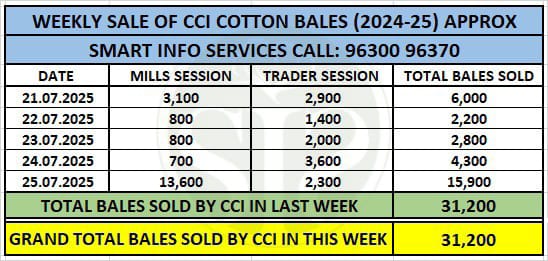
सीसीआई ने कपास की कीमतों में तेज़ी लाई, 2024-25 की खरीद का 70% ई-बोली के ज़रिए बेचाभारतीय कपास निगम (सीसीआई) ने पूरे सप्ताह कपास की गांठों के लिए ऑनलाइन बोली लगाई, जिसमें मिलों और व्यापारियों, दोनों सत्रों में उल्लेखनीय व्यापारिक गतिविधि देखी गई। पाँच दिनों के दौरान, सीसीआई की कीमतें अपरिवर्तित रहीं।अब तक, सीसीआई ने 2024-25 सीज़न के लिए लगभग 70,48,300 कपास गांठें बेची हैं, जो इस सीज़न के लिए उसकी कुल खरीद का 70.48% है।तिथिवार साप्ताहिक बिक्री सारांश:21 जुलाई 2025:इस दिन सप्ताह की सबसे अधिक दैनिक बिक्री दर्ज की गई, जिसमें 2024-25 सीज़न की 6,000 गांठें बेची गईं।मिल्स सत्र: 3,100 गांठेंव्यापारी सत्र: 2,900 गांठें22 जुलाई 2025:2024-25 सीज़न से कुल 2,200 गांठें बिकीं।मिल्स सत्र: 800 गांठेंव्यापारी सत्र: 1,400 गांठें23 जुलाई 2025:बिक्री 2,800 गांठें रही, जो सभी 2024-25 सीज़न से थीं।मिल्स सत्र: 800 गांठेंव्यापारी सत्र: 2,000 गांठें24 जुलाई 2025:2024-25 सीज़न से कुल 4,300 गांठें बिकीं।मिल सत्र: 700 गांठेंव्यापारी सत्र: 3,600 गांठें25 जुलाई 2025:सप्ताह का समापन 15,900 गांठों की बिक्री के साथ हुआ।मिल सत्र: 13,600 गांठेंव्यापारी सत्र: 2,300 गांठेंसाप्ताहिक कुल:CCI ने इस सप्ताह लगभग 31,200 गांठों की कुल बिक्री हासिल की, जो इसकी मजबूत बाजार भागीदारी और इसके डिजिटल लेनदेन प्लेटफॉर्म की बढ़ती दक्षता को दर्शाता है।और पढ़ें :- रुपया 06 पैसे बढ़कर 86.51 प्रति डॉलर पर बंद हुआ

शुक्रवार को भारतीय रुपया 06 पैसे बढ़कर 86.51 प्रति डॉलर पर बंद हुआ, जबकि सुबह यह 86.57 पर खुला था।बंद होने पर, बीएसई सेंसेक्स 721 अंक या 0.88 प्रतिशत की गिरावट के साथ 81,463.09 पर और एनएसई निफ्टी 50 225 अंक या 0.9 प्रतिशत की गिरावट के साथ 24,837 पर बंद हुआ।और पढ़ें :- शिवराज सिंह चौहान : सोयाबीन-कपास उत्पादन वृद्धि के लिए रणनीतिक पहल
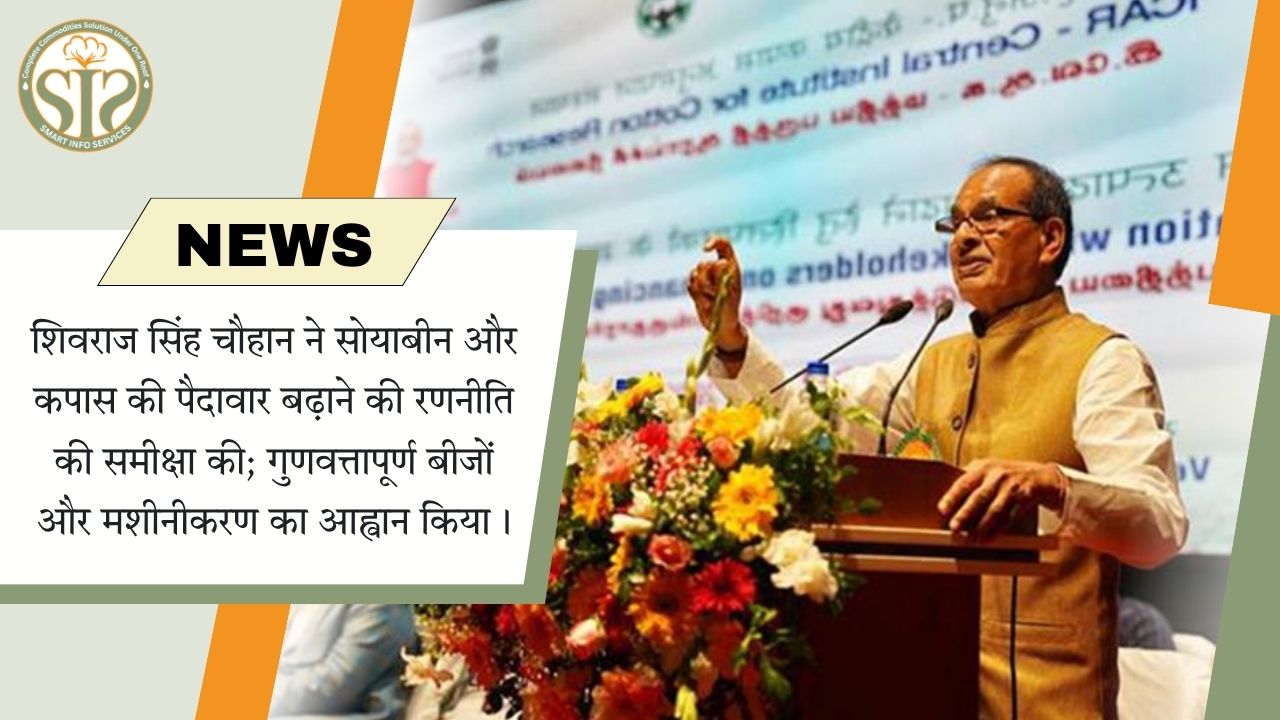
शिवराज सिंह चौहान ने सोयाबीन और कपास की पैदावार बढ़ाने की रणनीति की समीक्षा की; गुणवत्तापूर्ण बीजों और मशीनीकरण का आह्वान किया।कृषि के समग्र विकास को बढ़ावा देने के लिए, केंद्रीय कृषि एवं किसान कल्याण मंत्री शिवराज सिंह चौहान ने देश भर में फसलवार और क्षेत्रवार दौरे शुरू किए हैं। 24 जुलाई, 2025 को, उन्होंने सोयाबीन और कपास की उत्पादकता बढ़ाने की रणनीतियों की समीक्षा के लिए वरिष्ठ अधिकारियों के साथ दिल्ली में एक उच्च-स्तरीय बैठक की अध्यक्षता की।बैठक के दौरान, केंद्रीय मंत्री ने अपने हालिया क्षेत्रीय दौरों से प्राप्त अंतर्दृष्टि के आधार पर एक कार्य योजना तैयार करने की आवश्यकता पर प्रकाश डाला। उन्होंने अधिकारियों को एक मिशन-मोड दृष्टिकोण अपनाने और वैज्ञानिकों की समर्पित टीमों को विशिष्ट ज़िम्मेदारियाँ सौंपने का निर्देश दिया। उन्होंने सोयाबीन और कपास की उत्पादकता बढ़ाने की पहल को राष्ट्रीय बीज मिशन के साथ एकीकृत करने के महत्व पर भी ज़ोर दिया और व्यापक पहुँच सुनिश्चित करने के लिए वीडियो और मोबाइल संदेशों के माध्यम से किसानों तक तकनीकी जानकारी पहुँचाने की सिफ़ारिश की।इससे पहले, 29 मई से 12 जून, 2025 तक आयोजित विकसित कृषि संकल्प अभियान के तहत, मंत्री चौहान ने 26 जून को इंदौर स्थित राष्ट्रीय सोयाबीन अनुसंधान संस्थान और 11 जुलाई को कोयंबटूर स्थित गन्ना प्रजनन संस्थान में किसानों और अन्य हितधारकों के साथ विचार-विमर्श किया ताकि सोयाबीन और कपास की उत्पादकता में सुधार हेतु रणनीतियाँ तलाशी जा सकें।कल कृषि भवन, नई दिल्ली में आयोजित अनुवर्ती बैठक में कृषि सचिव देवेश चतुर्वेदी, डेयर सचिव और आईसीएआर के महानिदेशक डॉ. एम. एल. जाट और अन्य वरिष्ठ अधिकारी उपस्थित थे। आईसीएआर के उप महानिदेशक (फसल) डॉ. डी. के. यादव ने फसल उत्पादकता बढ़ाने के लिए अनुसंधान-आधारित उपायों की रूपरेखा प्रस्तुत करते हुए एक प्रस्तुति दी।प्रस्तुति के आधार पर, मंत्री ने मिशन मोड में जर्मप्लाज्म आयात के लिए वैज्ञानिकों की एक टीम के गठन का निर्देश दिया और कहा कि यह कार्य राष्ट्रीय बीज मिशन के उद्देश्यों के अनुरूप हो। बीज की गुणवत्ता की महत्वपूर्ण भूमिका को स्वीकार करते हुए, उन्होंने दोनों सचिवों को सरकारी बीज निगमों के साथ एक बैठक आयोजित करने का निर्देश दिया ताकि किसानों को उच्च गुणवत्ता वाले बीजों की उपलब्धता सुनिश्चित करने के तरीके खोजे जा सकें।शिवराज सिंह ने बेहतर कृषि यंत्रीकरण की आवश्यकता पर भी ज़ोर दिया। उन्होंने कस्टम हायरिंग सेंटरों का मूल्यांकन करने का सुझाव दिया ताकि यह पता लगाया जा सके कि किस प्रकार की आनुवंशिक/कृषि मशीनरी की आवश्यकता है और तदनुसार उनकी उपलब्धता सुनिश्चित की जा सके। विकसित कृषि संकल्प अभियान की सफलता को देखते हुए, उन्होंने इस पहल को प्रमुख फ़सलों, रबी के लिए अगस्त-सितंबर और खरीफ़ के लिए मार्च-अप्रैल, से पहले लागू करने की सिफ़ारिश की।किसानों तक पहुँच बढ़ाने के लिए, उन्होंने निर्देश दिया कि देश भर के सभी 731 कृषि विज्ञान केंद्रों (KVK) को ब्रॉडबैंड, प्रोजेक्टर और अन्य सुविधाओं से लैस किया जाए, ताकि अधिक से अधिक किसान सीधे कृषि विशेषज्ञों से जुड़ सकें।इसके अतिरिक्त, मंत्री ने मौसमी सलाह को मज़बूत करके और वीडियो व संदेशों के माध्यम से सोयाबीन और कपास की खेती के बारे में तकनीकी जानकारी फैलाकर पंजीकृत किसानों के बीच जागरूकता बढ़ाने के महत्व पर ज़ोर दिया।और पढ़ें :- जून-जुलाई में स्थिर रही भारतीय अर्थव्यवस्था: RBI
तनाव और आशंकाओं के बीच जून-जुलाई में भारत की अर्थव्यवस्था स्थिर: RBI बुलेटिनभारतीय रिज़र्व बैंक (RBI) बुलेटिन के नवीनतम अंक में प्रकाशित एक लेख में कहा गया है कि भू-राजनीतिक तनाव और टैरिफ नीति की अनिश्चितताओं के बीच इस वर्ष जून और जुलाई में भारत की आर्थिक गतिविधियाँ स्थिर रहीं, खरीफ कृषि मौसम की बेहतर संभावनाओं, सेवा क्षेत्र में मज़बूत गति जारी रहने और औद्योगिक गतिविधियों में मामूली वृद्धि के साथ।इन दो महीनों में वैश्विक समष्टि आर्थिक परिवेश अस्थिर बना रहा।घरेलू अर्थव्यवस्था की स्थिति पर लिखे गए लेख में कहा गया है कि खाद्य कीमतों में गिरावट के कारण जून में लगातार पाँचवें महीने मुख्य उपभोक्ता मूल्य सूचकांक (CPI) आधारित मुद्रास्फीति 4 प्रतिशत से नीचे रही।ऋण बाज़ारों तक नीतिगत दरों में कटौती का तेज़ी से लाभ पहुँचाने के लिए प्रणालीगत तरलता अधिशेष में रही। इसमें कहा गया है कि पर्याप्त विदेशी मुद्रा भंडार और मध्यम बाह्य ऋण-सकल घरेलू उत्पाद अनुपात के कारण बाह्य क्षेत्र लचीला बना रहा।बुलेटिन के एक अन्य लेख में उल्लेख किया गया है कि वैश्विक कच्चे तेल की कीमतों में 10 प्रतिशत की वृद्धि, अनुभवजन्य अनुमानों के अनुसार, भारत की मुख्य मुद्रास्फीति को समसामयिक आधार पर लगभग 20 आधार अंकों तक बढ़ा सकती है।देश में तेल की कीमतों और मुद्रास्फीति के संबंध पर लेख में कहा गया है कि तेल आयात पर निर्भरता में वृद्धि के कारण न केवल घरेलू कीमतों पर पड़ने वाले प्रभाव को नियंत्रित करने के उपाय किए जाने की आवश्यकता है, बल्कि दीर्घावधि में घरेलू ईंधन कीमतों के अधिक कुशल प्रबंधन के लिए ईंधन के वैकल्पिक स्रोतों की ओर धीरे-धीरे रुख करने की भी आवश्यकता है।और पढ़ें :- कच्चे माल पर शुल्क शून्य करने से भारत में कपड़ा क्षेत्र में रोज़गार के अवसर बढ़ सकते हैं: अमिताभ कांत
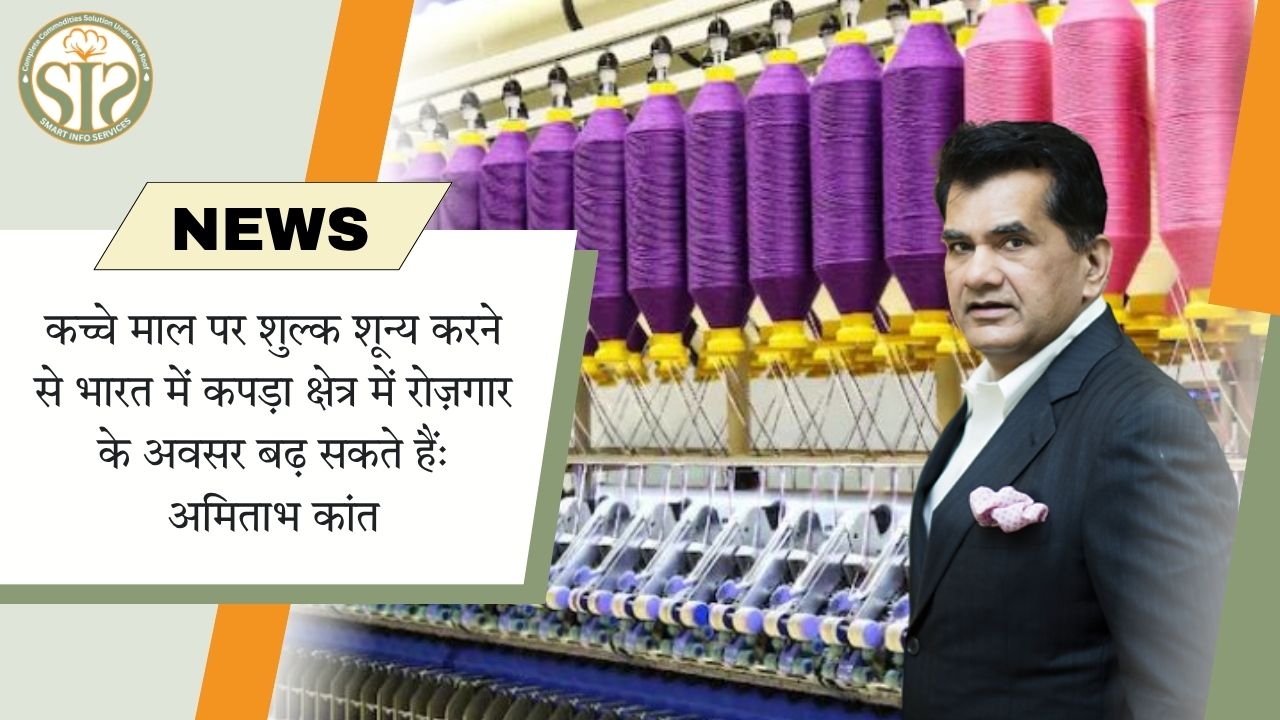
कच्चे माल पर शून्य शुल्क से कपड़ा क्षेत्र में रोजगार बढ़ेगा: अमिताभ कांतनीति आयोग के पूर्व मुख्य कार्यकारी अधिकारी अमिताभ कांत के अनुसार, कपड़ा क्षेत्र को वैश्विक स्तर पर प्रतिस्पर्धी बनाने और लाखों विनिर्माण रोज़गार के अवसर पैदा करने के लिए भारत को मानव निर्मित रेशे (एमएमएफ) के कच्चे माल पर आयात शुल्क और स्क्रैप गुणवत्ता नियंत्रण आदेश (क्यूसीओ) समाप्त करने होंगे।कांत ने माइक्रोब्लॉगिंग प्लेटफ़ॉर्म एक्स पर एक पोस्ट में कहा, "भारत में रोज़गार सृजन का समाधान कपड़ा और परिधान उद्योग में निहित है। इसमें लाखों विनिर्माण रोज़गार जोड़ने की क्षमता है।"उन्होंने बताया कि दुनिया भर में कपड़ा और परिधान बाज़ार का 70 प्रतिशत हिस्सा एमएमएफ पर आधारित है और शेष कपास पर आधारित है, जबकि भारत में यह अनुपात इसके विपरीत है, जो प्रतिस्पर्धा को सीमित करता है।कांत ने कहा, "कच्चे माल के स्तर पर, विशेष रूप से एमएमएफ बाज़ार में, प्रतिस्पर्धा का अभाव है। पॉलिएस्टर और विस्कोस जैसे कच्चे माल पर उच्च आयात शुल्क लगता है।"उन्होंने कहा, "एमएमएफ के लिए कच्चा माल हमारे प्रतिस्पर्धियों की तुलना में लगभग 25 प्रतिशत महंगा है। जैसे-जैसे हम मूल्य श्रृंखला में नीचे जाते हैं, यह लागत नुकसान और भी बढ़ जाता है।"उन्होंने आगे कहा, "कच्चे माल को प्रतिस्पर्धी बनाने का मतलब है लाखों छोटे उद्यमों को मुक्त करना, उनके विकास को बढ़ावा देना, बड़ी संख्या में रोज़गार पैदा करना और भारत को एक वैश्विक कपड़ा महाशक्ति बनाना।"और पढ़ें :- डॉलर के मुकाबले रुपया 17 पैसे गिरकर 86.57 पर खुला

भारतीय रुपया अमेरिकी डॉलर के मुकाबले 17 पैसे गिरकर 86.57 पर खुलाएशियाई मुद्राओं में गिरावट और डॉलर सूचकांक में तेजी के बाद, भारतीय रुपया 25 जुलाई को अमेरिकी डॉलर के मुकाबले 17 पैसे गिरकर 86.57 पर खुला। पिछले बंद भाव 86.40 था।और पढ़ें :- CAI अध्यक्ष अतुल गनात्रा का CNBC आवाज़ को इंटरव्यू – मुख्य बिंदु
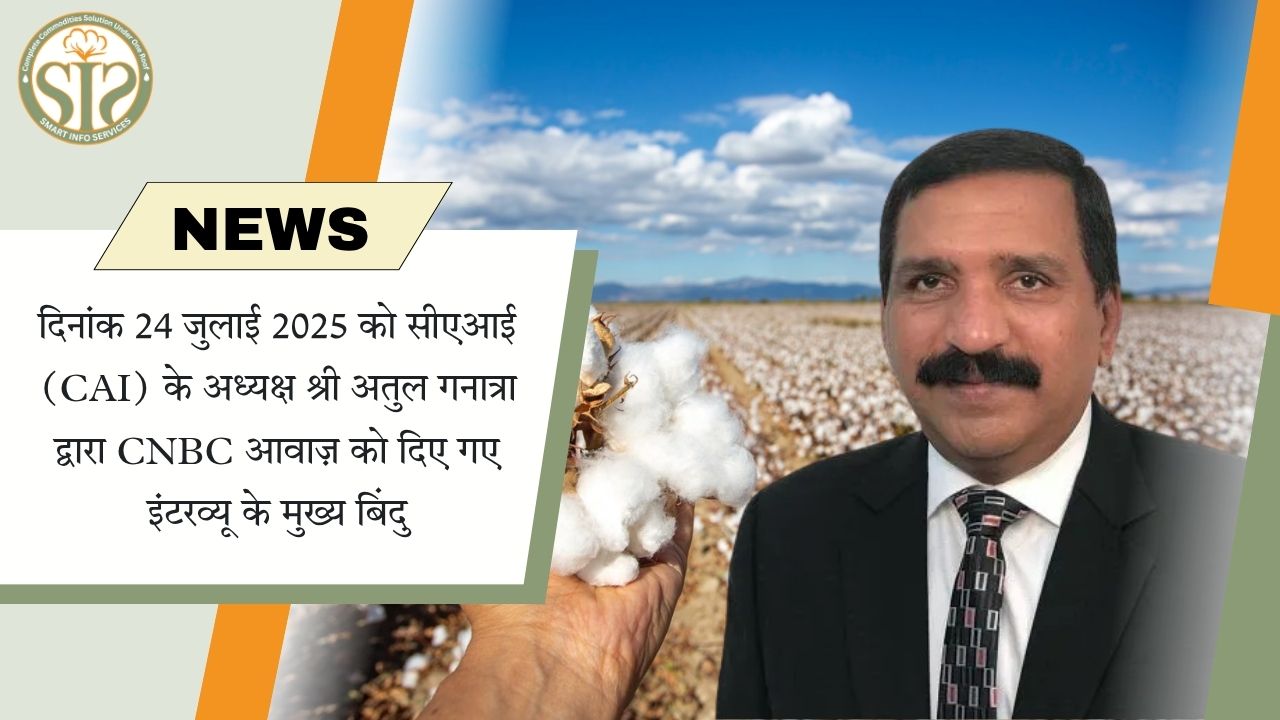
दिनांक 24 जुलाई 2025 को सीएआई (CAI) के अध्यक्ष श्री अतुल गनात्रा द्वारा CNBC आवाज़ को दिए गए इंटरव्यू के मुख्य बिंदुविकल्पिक फाइबर की मांग में वृद्धि:श्री गनात्रा ने बताया कि विस्कोस और पॉलिएस्टर जैसे अल्टरनेटिव फाइबर की मांग में पिछले चार वर्षों में उल्लेखनीय वृद्धि हुई है। जहाँ 2021 में इनकी खपत लगभग 1800 टन प्रतिदिन थी, वहीं अब यह बढ़कर 2600–2700 टन प्रतिदिन हो चुकी है। आने वाले समय में इस वृद्धि की प्रवृत्ति और तेज़ होने की संभावना है।फाइबर मूल्य तुलना एवं यार्न रियलाइज़ेशन:वर्तमान में:कॉटन की कीमत ₹170 प्रति किलोग्राम हैविस्कोस की कीमत ₹155 प्रति किलोग्राम हैपॉलिएस्टर की कीमत ₹102 प्रति किलोग्राम हैयार्न रियलाइज़ेशन (फाइबर से यार्न बनने की प्रतिशत दर) में भी अंतर है:कॉटन: 86–87%विस्कोस/पॉलिएस्टर: लगभग 98%राष्ट्रीय बनाम वैश्विक फाइबर उपयोग अनुपात:भारत में आज भी 70% कपास और 30% सिंथेटिक फाइबर का उपयोग होता है, जबकि वैश्विक स्तर पर यह अनुपात उल्टा है—70% मेनमेड फाइबर और 30% कॉटन यार्न।कॉटन इम्पोर्ट में भारी बढ़ोत्तरी:इस वर्ष कपास आयात में जबरदस्त उछाल देखने को मिला हे —जहां गत वर्ष मात्र 15 लाख गांठें (bales) आयात हुई थीं, वहीं इस वर्ष यह आंकड़ा 40 लाख गांठों तक पहुंचने की संभावना है। यह वृद्धि 250% से भी अधिक है, वह भी 11% इम्पोर्ट ड्यूटी के बावजूद, जो देश की अर्थव्यवस्था के लिए चिंताजनक है।आयातित कपास की प्रतिस्पर्धात्मकता:वर्तमान में ब्राज़ील व अफ्रीकी देशों से नवंबर की शिपमेंट के सौदे ₹50,000–₹51,500 प्रति खंडी पर हो रहे हैं। जबकि भारत में कॉटन का मूल्य ₹56,000–₹57,000 प्रति खंडी है, जो कि अंतरराष्ट्रीय तुलना में 8–10% अधिक है।आयातित कपास उच्च गुणवत्ता, कम कंटैमिनेशन, और बेहतर यार्न रिकवरी के कारण भारतीय कॉटन की तुलना में अधिक उपयोगी और प्रतिस्पर्धात्मक है।न्यूनतम समर्थन मूल्य और बुआई की स्थिति:आगामी सीजन के लिए न्यूनतम समर्थन मूल्य ₹8100 प्रति क्विंटल निर्धारित किया गया है, जिस पर CCI किसानों से कपास की खरीद करेगी। इससे किसानों में उत्साह है।पहले जहां बुआई क्षेत्र में 10% की गिरावट की आशंका थी, वहीं अब तक के आंकड़ों के अनुसार लगभग 101 लाख हेक्टेयर बुआई हो चुकी है—जो गत वर्ष के बराबर है।यदि यही रुझान जारी रहा, तो इस वर्ष कपास की बुआई में 3–4% की वृद्धि हो सकती है। मानसून समय पर आने के कारण 15 सितंबर से उत्तर और दक्षिण भारत में नई फसल की आवक शुरू हो सकती है।रीसाइकल्ड कॉटन का प्रभाव:मूल कपास की तुलना में लगभग 25% कीमत वाला रीसाइकल्ड कॉटन अब अधिक मात्रा में उपयोग किया जा रहा है, जिसके चलते भी देश में कॉटन की कुल मांग में कमी देखी जा रही है।और पढ़ें :- ट्रंप: देशों पर 15% से 50% तक टैरिफ लगेगा
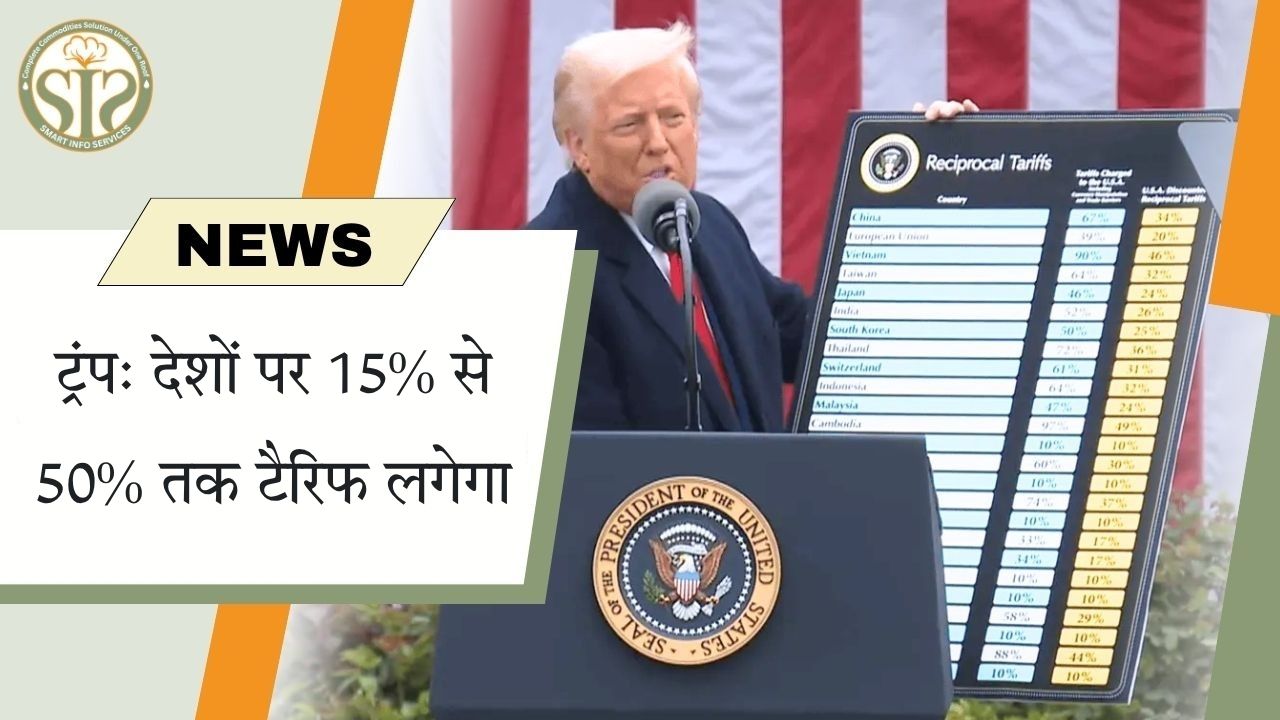
ट्रंप का कहना है कि देशों पर 15% से 50% तक का टैरिफ लगेगाअमेरिकी राष्ट्रपति डोनाल्ड ट्रंप ने संकेत दिया कि 1 अगस्त की समयसीमा से पहले तथाकथित पारस्परिक टैरिफ दरें तय करते हुए वे 15% से नीचे नहीं जाएँगे। यह इस बात का संकेत है कि बढ़े हुए शुल्कों की न्यूनतम सीमा बढ़ रही है।ट्रंप ने बुधवार को वाशिंगटन में एआई शिखर सम्मेलन में कहा, "हमारा सीधा और सरल टैरिफ 15% से 50% के बीच होगा।" "कुछ - हमारे पास 50% है क्योंकि हमारे उन देशों के साथ अच्छे संबंध नहीं हैं।"ट्रंप की यह घोषणा कि टैरिफ 15% से शुरू होंगे, लगभग हर अमेरिकी व्यापारिक साझेदार पर शुल्क लगाने के उनके प्रयास में एक नया मोड़ है, और यह इस बात का नवीनतम संकेत है कि ट्रंप उस छोटे समूह से बाहर के देशों से निर्यात पर और अधिक आक्रामक तरीके से शुल्क लगाने की सोच रहे हैं जो अब तक वाशिंगटन के साथ व्यापार ढाँचे पर मध्यस्थता करने में सक्षम रहे हैं।ट्रंप ने इस महीने की शुरुआत में कहा था कि 150 से ज़्यादा देशों को एक पत्र मिलेगा जिसमें "शायद 10 या 15% टैरिफ दर" शामिल होगी, हमने अभी तक तय नहीं किया है। वाणिज्य सचिव हॉवर्ड लुटनिक ने रविवार को सीबीएस न्यूज़ को बताया कि "लैटिन अमेरिकी देशों, कैरिबियाई देशों, अफ्रीका के कई देशों" सहित छोटे देशों पर 10% का बेसलाइन टैरिफ लागू होगा। और अप्रैल में टैरिफ की पहली घोषणा के समय, ट्रंप ने लगभग हर देश पर 10% का सार्वभौमिक टैरिफ लागू करने की घोषणा की थी।हालांकि ट्रंप और उनके सलाहकारों ने शुरुआत में कई समझौते होने की उम्मीद जताई थी, लेकिन राष्ट्रपति टैरिफ पत्रों को ही "सौदे" बता रहे हैं और यह संकेत दे रहे हैं कि उन्हें आगे-पीछे की बातचीत में कोई दिलचस्पी नहीं है। फिर भी, उन्होंने देशों के लिए ऐसे समझौते करने का रास्ता खुला रखा है जिनसे ये दरें कम हो सकती हैं।मंगलवार को, ट्रंप ने घोषणा की कि वह जापान पर 25% टैरिफ की धमकी को घटाकर 15% कर रहे हैं, बदले में जापान कुछ अमेरिकी उत्पादों पर प्रतिबंध हटाएगा और 550 अरब डॉलर के निवेश कोष को समर्थन देने की पेशकश करेगा।मामले से परिचित लोगों के अनुसार, व्हाइट हाउस ने दक्षिण कोरिया के साथ भी इसी तरह के एक फंड पर चर्चा की है। दक्षिण कोरिया भी ऑटोमोबाइल सहित अन्य वस्तुओं पर 15% की दर प्राप्त करने पर ध्यान केंद्रित कर रहा है। अमेरिका में फिलीपींस के राजदूत जोस मैनुअल रोमुअलडेज़ के अनुसार, फिलीपींस भी अपनी टैरिफ दर को वर्तमान 19% से घटाकर 15% करने का लक्ष्य बना रहा है।इस बीच, वियतनाम के अधिकारी इस समझौते की संभावित लागत का आकलन कर रहे हैं। एक आंतरिक सरकारी आकलन के अनुसार, हनोई का अनुमान है कि अगर ट्रम्प द्वारा घोषित उच्च टैरिफ लागू होते हैं, तो अमेरिका को उसके निर्यात में एक तिहाई तक की गिरावट आ सकती है।और पढ़ें: वियतनाम को लगता है कि ट्रम्प द्वारा लगाए गए टैरिफ अमेरिकी निर्यात में एक तिहाई तक की कटौती करेंगेभारत और यूरोपीय संघ के सदस्यों सहित अन्य देश, बढ़े हुए टैरिफ लागू होने से पहले समझौतों पर अभी भी जोर दे रहे हैं।बुधवार को, ट्रम्प ने कहा कि वह "कुछ देशों के लिए बहुत ही सरल टैरिफ रखेंगे" क्योंकि इतने सारे देश हैं कि "आप सभी के साथ समझौते पर बातचीत नहीं कर सकते।" उन्होंने कहा कि यूरोपीय संघ के साथ बातचीत "गंभीर" है।ट्रम्प ने कहा, "अगर वे अमेरिकी व्यवसायों के लिए संघ को खोलने पर सहमत होते हैं, तो हम उन्हें कम टैरिफ़ का भुगतान करने देंगे।"और पढ़ें :- भारत-यूके व्यापार समझौता: बासमती व फल निर्यात पर छूट, डेयरी व खाद्य तेल आयात पर छूट नहीं

भारत-यूके मुक्त व्यापार समझौता: बासमती, फल, कपास निर्यात को शुल्क से छूट; डेयरी, सेब और खाद्य तेलों के आयात पर कोई छूट नहीं।भारत-यूके मुक्त व्यापार समझौते (एफटीए) से किसानों और खाद्य प्रसंस्करण इकाइयों को लाभ होगा क्योंकि बासमती चावल, कपास, मूंगफली, फल, सब्जियां, प्याज, अचार, मसाले, चाय और कॉफी आदि को यूके को निर्यात करने पर शुल्क से छूट मिलेगी।इसके अलावा, एफटीए डेयरी उत्पादों, सेब, जई और खाद्य तेलों के आयात पर कोई शुल्क रियायत नहीं देता है। इसका मतलब है कि हिमाचल प्रदेश और जम्मू-कश्मीर के सेब उत्पादक सुरक्षित हैं। दोनों राज्यों के किसान और राजनेता सेब आयात पर 'कोई छूट नहीं' की मांग को लेकर मुखर रहे हैं।इस एफटीए के तहत सहमत उत्पादों में कृषि और खाद्य प्रसंस्करण का क्रमशः 14.8 प्रतिशत और 10.6 प्रतिशत हिस्सा होगा, जिस पर गुरुवार को लंदन में हस्ताक्षर होने हैं।शुल्क-मुक्त पहुँच, सुव्यवस्थित व्यापार प्रोटोकॉल और भारत की कृषि के लिए सुरक्षा, मुक्त व्यापार समझौते का हिस्सा हैं और यह कृषि निर्यात और मूल्यवर्धित उत्पादों में वृद्धि के लिए आधार तैयार करता है। यह भारतीय कृषि और खाद्य प्रसंस्करण इकाइयों के लिए प्रीमियम ब्रिटिश बाज़ारों को खोल देता है क्योंकि शुल्क जर्मनी, नीदरलैंड और अन्य यूरोपीय संघ के देशों के निर्यातकों को मिलने वाले लाभों के बराबर होंगे, या कुछ मामलों में कम भी होंगे।कृषि और खाद्य प्रसंस्करणमुक्त व्यापार समझौते में सहमत 95% से अधिक 'शुल्क रेखाएँ' भारतीय कृषि और प्रसंस्कृत खाद्य पदार्थों पर शून्य शुल्क लागू करेंगी। भारत ने अनुमान लगाया है कि इस शुल्क-मुक्त पहुँच से अगले तीन वर्षों में कृषि निर्यात में 20% से अधिक की वृद्धि होने की उम्मीद है, जिससे 2030 तक 100 अरब डॉलर के कृषि निर्यात के लक्ष्य में योगदान मिलेगा और ग्रामीण परिवारों के हाथों में अधिक धन आएगा।खाद्य-प्रसंस्करण क्षेत्र में, भारत वैश्विक स्तर पर 14.07 अरब डॉलर मूल्य की वस्तुओं का निर्यात करता है, जबकि ब्रिटेन 50.68 अरब डॉलर मूल्य की वस्तुओं का आयात करता है। अब तक, ब्रिटेन के आयात में भारतीय उत्पादों का योगदान केवल 309.5 मिलियन डॉलर है।कृषि के क्षेत्र में, भारत वैश्विक स्तर पर 36.63 बिलियन डॉलर का निर्यात करता है, जबकि ब्रिटेन 37.52 बिलियन डॉलर का आयात करता है, लेकिन भारत से ब्रिटेन का आयात केवल 811 मिलियन डॉलर है।भारत महत्वपूर्ण क्षेत्रों में प्रमुख वैश्विक कंपनियों को पछाड़ सकता है। उदाहरण के लिए, प्रसंस्कृत खाद्य पदार्थों की तैयारी में, भारत को अमेरिका, चीन और थाईलैंड पर बढ़त हासिल करनी होगी। बेकरी उत्पादों के क्षेत्र में, भारतीय उत्पाद अमेरिका, चीन, थाईलैंड और वियतनाम के उत्पादों की तुलना में अधिक प्रतिस्पर्धी होंगे। संरक्षित सब्जियों, फलों, मेवों, ताज़ी सब्जियों और भारतीय उत्पादों पर पाकिस्तान, तुर्की, अमेरिका, ब्राज़ील, थाईलैंड और चीन की तुलना में कम टैरिफ लगेगा।और पढ़ें :- रुपया 07 पैसे गिरकर 86.40 प्रति डॉलर पर बंद हुआ

गुरुवार को भारतीय रुपया 07 पैसे गिरकर 86.40 प्रति डॉलर पर बंद हुआ, जबकि सुबह यह 86.33 पर खुला था।बंद होने पर, सेंसेक्स 542.47 अंक या 0.66 प्रतिशत की गिरावट के साथ 82,184.17 पर और निफ्टी 157.80 अंक या 0.63 प्रतिशत की गिरावट के साथ 25,062.10 पर बंद हुआ। लगभग 1564 शेयरों में तेजी, 2324 शेयरों में गिरावट और 155 शेयरों में कोई बदलाव नहीं हुआ।और पढ़ें :- सस्ते रेशों से वैश्विक कपास पर दबाव
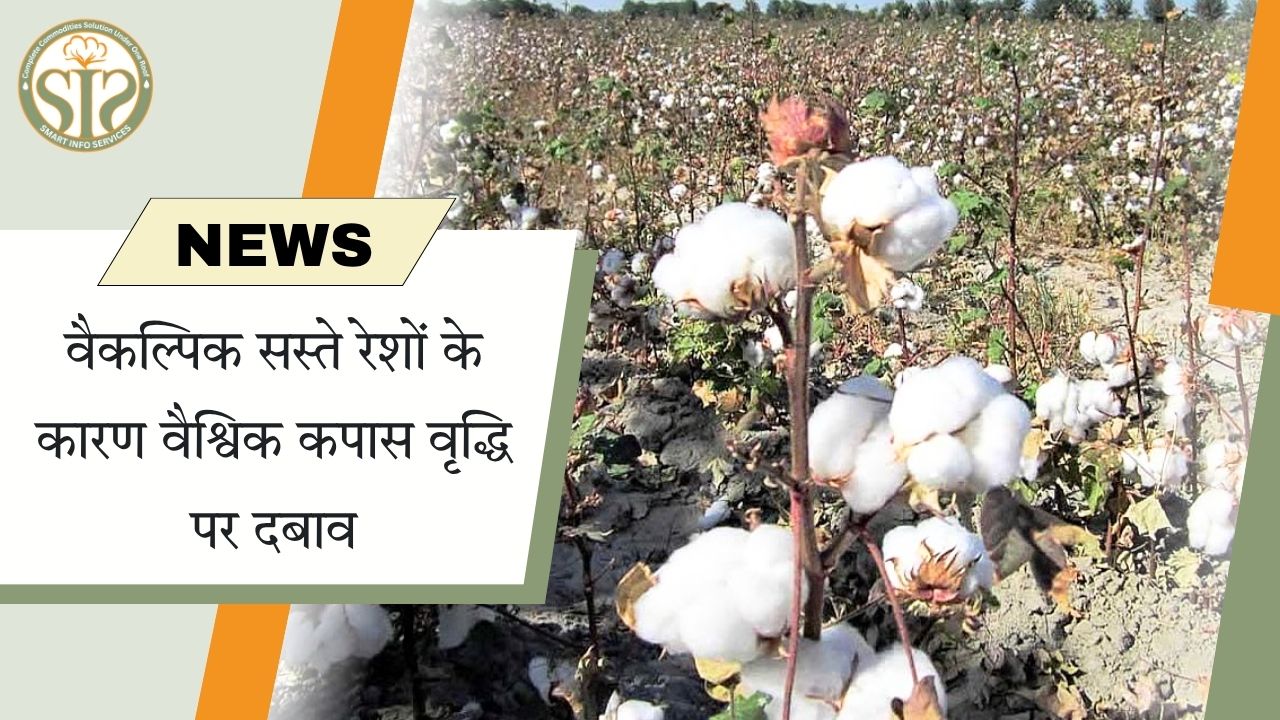
वैकल्पिक सस्ते रेशों के कारण वैश्विक कपास वृद्धि पर दबावउद्योग विशेषज्ञों और शोध विश्लेषकों का कहना है कि कपास की वैश्विक वृद्धि स्थिरता और पर्यावरण के प्रति जागरूक उत्पादन की ओर बढ़ते रुझान के कारण दबाव में है, क्योंकि उपभोक्ता ज़िम्मेदार सामग्रियों और विनिर्माण प्रक्रियाओं को तेज़ी से पसंद कर रहे हैं।"हालांकि कपास जैसे प्राकृतिक रेशों को पारंपरिक रूप से टिकाऊ और स्वच्छ माना जाता रहा है, लेकिन अत्यधिक खपत, पानी के उपयोग और जलवायु संवेदनशीलता को लेकर चिंताओं के कारण कपास के कुल उपयोग में धीरे-धीरे कमी आ रही है, जिसकी एक वजह तेज़-तर्रार फ़ैशन की घटती मांग और वैकल्पिक सामग्रियों की ओर रुझान है," फिच सॉल्यूशंस की एक इकाई, शोध एजेंसी बीएमआई ने अपने "एशिया में कपास का भविष्य: धीमी होती मांग, नवाचार और लचीलापन" शीर्षक वाले अपने अध्ययन में कहा।"कपड़ा क्षेत्र बांस, भांग और पुनर्चक्रित कपास जैसे वैकल्पिक रेशों की ओर देख रहा है। ये कपास से सस्ते हैं," राजकोट स्थित कपास, सूत और कपास अपशिष्ट के व्यापारी आनंद पोपट कहते हैं।मिश्रित रेशों का चलन बढ़ रहा हैरायचूर स्थित सोर्सिंग एजेंट और ऑल इंडिया कॉटन ब्रोकर्स एसोसिएशन के उपाध्यक्ष रामानुज दास बूब ने कहा, "कपास मिश्रित रेशों का चलन बढ़ रहा है। आज, शुद्ध कपास, वस्त्र उद्योग में कुल रेशों के उपयोग का 30 प्रतिशत से भी कम है। निर्माताओं के पास कई विकल्प हैं।"भारतीय कपड़ा उद्यमी महासंघ (आईटीएफ) के संयोजक प्रभु धमोधरन ने कहा कि वैकल्पिक रेशों ने कुछ प्रगति की है, लेकिन प्रीमियम उपभोक्ताओं के बीच कपास अभी भी पसंदीदा विकल्प बना हुआ है। उन्होंने कहा, "उपभोक्ताओं का यह वर्ग खर्च करने की उच्च क्षमता प्रदर्शित करता है, जिससे कपास आधारित फैशन उत्पादों की निरंतर मांग बनी हुई है।"भारत के दृष्टिकोण से, इस वर्ष पहली बार, उसके कपास आधारित परिधान निर्यात की अमेरिकी बाजार में 12 प्रतिशत हिस्सेदारी है। धमोधरन ने कहा, "कपास परिधानों में भारत की स्थापित ताकत के साथ, यह गति बनी रहने की संभावना है।"पर्यावरण-अनुकूल उत्पादों को बढ़ावा देने के लिए यूरोपीय संघ और ब्रिटेन द्वारा शुरू की गई विभिन्न पहलों की ओर इशारा करते हुए, बीएमआई ने कहा कि सिंथेटिक रेशों के बढ़ते चलन और किफायती, उच्च-गुणवत्ता वाले और जैव-आधारित विकल्पों में हो रही प्रगति के कारण कपास की माँग में अस्थिरता बढ़ने की संभावना है।पुनर्चक्रित कपासशोध एजेंसी ने कहा, "जैसे-जैसे उपभोक्ताओं की प्राथमिकताएँ अधिक टिकाऊ विकल्पों की ओर बढ़ रही हैं, हमें कपास की फसल की माँग में धीरे-धीरे कमी आने की आशंका है, जिससे कीमतों पर असर पड़ेगा और इस तरह लंबी अवधि में इसके उत्पादन में कमी आएगी।"दास बूब ने कहा, "विकल्पों की कम लागत कपास को प्रभावित कर रही है। जहाँ सूती धागे की सबसे कम कीमत ₹220 प्रति किलोग्राम है, वहीं मिश्रित धागे की कीमत लगभग ₹150 है।"पोपट ने कहा, "पुनर्चक्रित कपास की कीमतें शुद्ध कपास उत्पादों की कीमतों का एक-चौथाई हैं। यहाँ तक कि बड़े खुदरा विक्रेता भी शुद्ध कपास के बजाय मिश्रित कपास का विकल्प चुनकर लागत कम करने पर विचार कर रहे हैं।"बीएमआई ने कहा कि हाल के वर्षों में कपास उत्पादन में कई चुनौतियाँ सामने आई हैं, खासकर भारत में पिंक बॉलवर्म द्वारा बीटी कपास के प्रति प्रतिरोधक क्षमता का विकास, जो स्थानीय कृषि और जलवायु परिस्थितियों के साथ असंगति के कारण है। "यह कपास उत्पादकों के लिए निरंतर नवाचार और उभरती चुनौतियों के अनुकूल ढलने की आवश्यकता को रेखांकित करता है," उसने कहा।सामाजिक अभियानचीन के शिनजियांग के कपास उद्योग में कथित जबरन मजदूरी के खिलाफ सामाजिक अभियानों के कारण प्रमुख फैशन ब्रांडों और उपभोक्ताओं द्वारा वैश्विक बहिष्कार किया गया है। शोध एजेंसी ने कहा, "घरेलू मांग भी कमजोर हुई है, चीनी परिधान निर्माता आयात प्रतिबंधों और बहिष्कार के दुष्प्रभावों से बचने के लिए तेजी से आयातित कपास की ओर रुख कर रहे हैं।"पोपट ने कहा कि विभिन्न एजेंसियां अब कपास को बढ़ावा देने की कोशिश कर रही हैं। उन्होंने कहा, "यह सब तब शुरू हुआ जब कपास की कीमतें ₹1 लाख प्रति कैंडी (356 किलोग्राम) तक पहुँच गईं। निर्माताओं ने लागत कम करने की कोशिश की और विकल्प सामने आए।"दास बूब ने कहा, "शुद्ध कपास की अनुभूति का कोई मुकाबला नहीं कर सकता। यह एक चक्रीय प्रवृत्ति है। यह कुछ वर्षों में बदल सकती है।"धमोदरन ने कहा कि वैश्विक फ़ैशन क्षेत्र में इन्वेंट्री का स्तर सामान्य हो गया है, ब्रांड और खुदरा विक्रेता माँग-आधारित, गतिशील योजना के लिए एआई और डिजिटल उपकरणों का तेज़ी से लाभ उठा रहे हैं।लगभग पाँच साल का निचला स्तरउन्होंने कहा, "उत्पादन अब उपभोग के पैटर्न के साथ निकटता से जुड़ा हुआ है, खासकर विकसित बाज़ारों में, और यूरोपीय संघ के आयात और उपभोग के रुझान बहुत स्थिर बने हुए हैं। हमें आगे चलकर यूरोपीय संघ में और भी बेहतर गति की उम्मीद है।"बीएमआई ने कहा कि भारत और चीन ने कपास क्षेत्र की मौजूदा समस्याओं से निपटने के लिए उपाय शुरू किए हैं। समय के साथ इनके फल मिलने की संभावना है।अमेरिकी कृषि विभाग के अनुसार, 2025-26 में वैश्विक कपास उत्पादन 25.78 मिलियन टन (एमटी) होने का अनुमान है, जबकि 2024-25 में यह 26.10 मिलियन टन था। उत्पादक देशों में घरेलू उपयोग बढ़कर 25.72 मिलियन टन (2024-25 में 25.40 मिलियन टन) होने की उम्मीद है, जबकि निर्यात बढ़कर 9.73 मिलियन टन (9.36 मिलियन टन) होने की संभावना है। इससे अंतिम स्टॉक 16.83 मिलियन टन (16.71 मिलियन टन) रह जाएगा, जो मंदी का स्पष्ट संकेत है।न्यूयॉर्क स्थित इंटरकांटिनेंटल एक्सचेंज पर कपास वायदा भाव पाँच साल के निचले स्तर 66 सेंट प्रति पाउंड के करीब है। भारत में, गुजरात के राजकोट में बेंचमार्क शंकर-6 कपास की कीमत ₹57,500 प्रति कैंडी पर चल रही है।और पढ़ें :- मक्का की ओर बढ़ते किसान: सोयाबीन-कपास की खेती में गिरावट
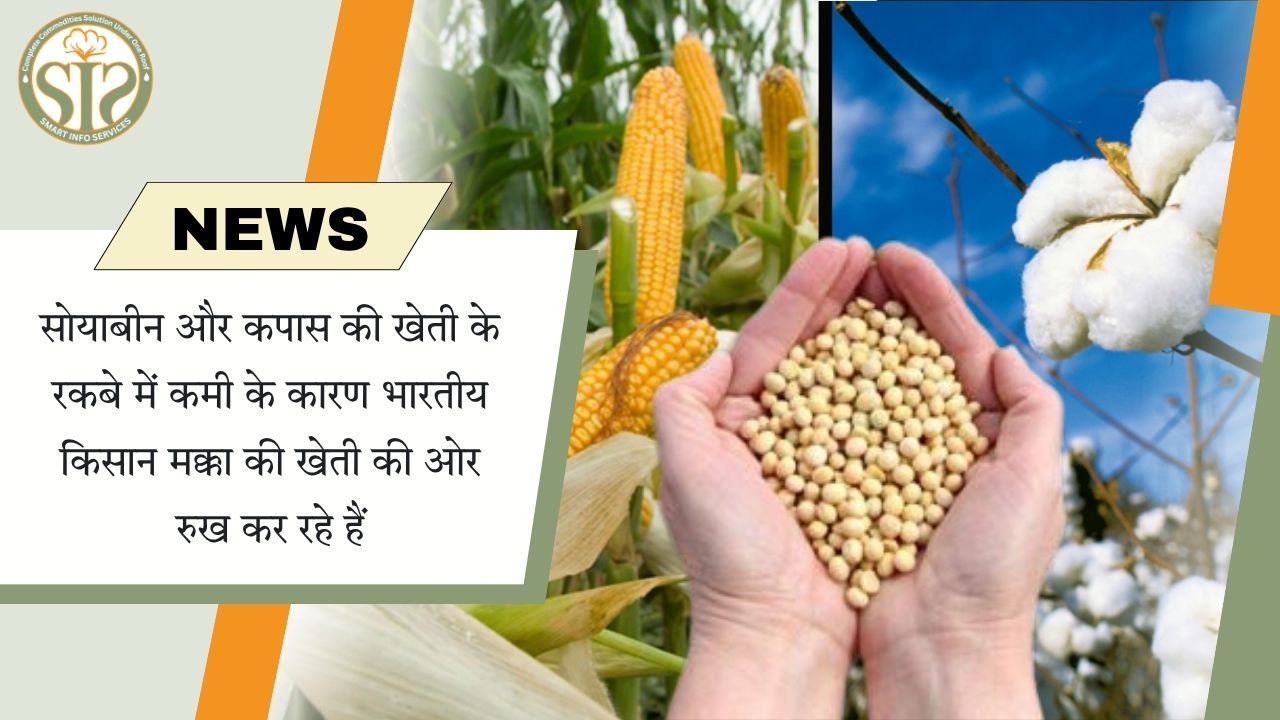
सोयाबीन और कपास की खेती के रकबे में कमी के कारण भारतीय किसान मक्का की खेती की ओर रुख कर रहे हैंदेश भर के किसान मक्का की खेती की ओर काफ़ी बढ़ गए हैं, जबकि बाज़ारों में उम्मीद से कम कमाई के कारण सोयाबीन और कपास की खेती के रकबे में गिरावट आ रही है।देश में खरीफ़ की बुआई के अंतिम चरण में प्रवेश करते हुए, 21 जुलाई तक भारत में 708.31 लाख हेक्टेयर में बुआई हो चुकी है, जबकि पिछले साल 680.38 लाख हेक्टेयर में बुआई हुई थी। इसमें मक्का की बुआई में सबसे ज़्यादा उछाल आया है - पिछले साल के 61.73 लाख हेक्टेयर से बढ़कर इस साल 71.21 लाख हेक्टेयर हो गया है।हालांकि, तिलहन की बुआई में 6 प्रतिशत की गिरावट दर्ज की गई है, जो पिछले साल के 162.80 लाख हेक्टेयर के मुकाबले 156.76 लाख हेक्टेयर है। मुख्य खरीफ तिलहन सोयाबीन की बुवाई इस वर्ष 111.67 लाख हेक्टेयर में हुई है, जबकि पिछले वर्ष यह 118.96 लाख हेक्टेयर थी। प्रमुख लिंट फसल कपास का रकबा भी 202-25 के 102.05 लाख हेक्टेयर से घटकर इस वर्ष 98.55 लाख हेक्टेयर रह गया है।खाद्य तेल विलायक और निष्कर्षक कंपनियों के शीर्ष निकाय, सॉल्वेंट एंड एक्सट्रैक्टर्स एसोसिएशन (SEA) ने भारत की मुख्य ग्रीष्मकालीन तिलहन फसल, सोयाबीन के राष्ट्रीय स्तर पर रकबे में संभावित गिरावट पर चिंता व्यक्त की है।SEA के अध्यक्ष संजीव अस्थाना ने कहा, "सोयाबीन का रकबा पिछले वर्ष की तुलना में 6 प्रतिशत से अधिक कम हो गया है, संभवतः फसल वरीयताओं में बदलाव और क्षेत्रीय मौसम परिवर्तनशीलता के कारण। यह प्रवृत्ति बारीकी से देखने योग्य है, क्योंकि सोयाबीन भारत की तिलहन अर्थव्यवस्था का एक महत्वपूर्ण स्तंभ और तेल एवं खली का एक प्रमुख स्रोत बना हुआ है।"महाराष्ट्र के लातूर जिले के किसान विलास उफाड़े ने बताया कि थोक बाजार में सोयाबीन का भाव फिलहाल 4,000 रुपये प्रति क्विंटल है।उन्होंने कहा, "यह सरकार द्वारा घोषित न्यूनतम समर्थन मूल्य (एमएसपी) 5,328 रुपये के मुकाबले कम है, जो नई फसल के बाजार में आने से पहले ही है। हमें इस साल बंपर फसल की उम्मीद है, इसलिए मुझे चिंता है कि फसल कटने के बाद कीमतों की स्थिति क्या होगी।" खरीफ की बुवाई अपने अंतिम चरण में पहुँच रही है, इसलिए कीमतों में और गिरावट आ सकती है। इथेनॉल उत्पादन के लिए कच्चे माल के रूप में इस्तेमाल होने के कारण मक्के की माँग बढ़ गई है।और पढ़ें :- रुपया 8 पैसे मजबूत होकर 86.33 पर खुला

डॉलर में गिरावट के साथ रुपया 8 पैसे बढ़कर 86.33 पर खुलाडॉलर सूचकांक में गिरावट के साथ 24 जुलाई को रुपया 8 पैसे बढ़कर खुला। पिछले दिन 86.41 पर बंद होने के बाद रुपया डॉलर के मुकाबले 86.33 पर खुला।और पढ़ें :- रुपया 86.41/USD पर स्थिर बंद हुआ

बुधवार को भारतीय रुपया 86.41 प्रति डॉलर पर स्थिर बंद हुआ, जबकि सुबह यह 86.41 पर खुला था।सेंसेक्स 539.83 अंक या 0.66 प्रतिशत बढ़कर 82,726.64 पर और निफ्टी 159 अंक या 0.63 प्रतिशत बढ़कर 25,219.90 पर बंद हुआ। लगभग 1882 शेयरों में तेजी आई, 1989 शेयरों में गिरावट आई और 161 शेयरों में कोई बदलाव नहीं हुआ।और पढ़ें :- सूती वस्त्र निर्यात 35.6 अरब डॉलर पार : गिरिराज सिंह
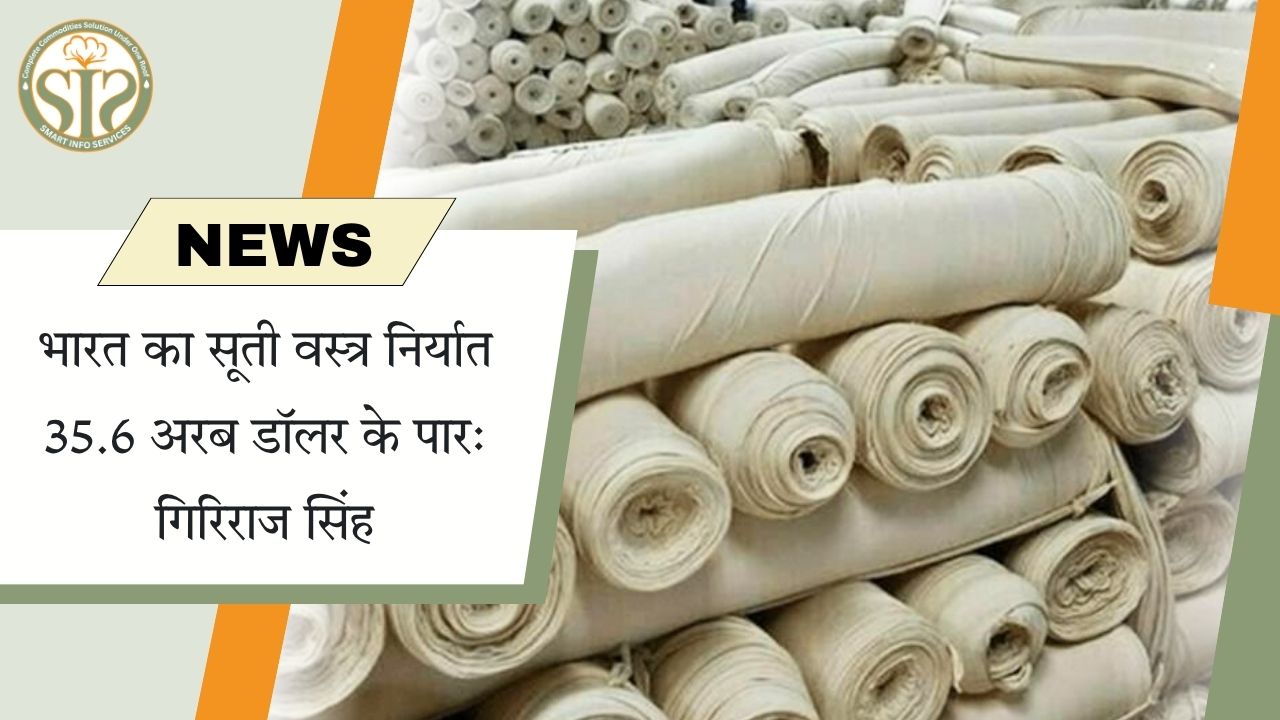
भारत का सूती वस्त्र निर्यात 35.6 अरब डॉलर के पार: गिरिराज सिंहकेंद्रीय कपड़ा मंत्री गिरिराज सिंह ने मंगलवार को संसद को बताया कि पिछले तीन वर्षों के दौरान भारत का सूती वस्त्रों का कुल निर्यात 35.642 अरब डॉलर को पार कर गया है, जिसमें सूती धागा, सूती कपड़े, मेड-अप, अन्य कपड़ा धागा, फैब्रिक मेड-अप और कच्चा कपास शामिल हैं।मंत्री ने यह भी बताया कि विज़न 2030 के अनुरूप कपास की उत्पादकता और गुणवत्ता बढ़ाने, नवाचार को बढ़ावा देने और संपूर्ण कपड़ा मूल्य श्रृंखला को मज़बूत करने के लिए, वित्त मंत्री ने 2025-26 के बजट में एक पाँच वर्षीय 'कपास उत्पादकता मिशन' की घोषणा की थी।कृषि अनुसंधान एवं शिक्षा विभाग (DARE) इस मिशन के कार्यान्वयन के लिए नोडल विभाग है, जिसमें कपड़ा मंत्रालय भागीदार है। इस मिशन का उद्देश्य सभी कपास उत्पादक राज्यों में अनुसंधान और विस्तार गतिविधियों सहित रणनीतिक हस्तक्षेपों के माध्यम से कपास उत्पादन को बढ़ावा देना है।मिशन में उन्नत प्रजनन और जैव प्रौद्योगिकी उपकरणों का उपयोग करके एक्स्ट्रा लॉन्ग स्टेपल (ईएलएस) कपास सहित जलवायु-अनुकूल, कीट-प्रतिरोधी और उच्च उपज देने वाली कपास किस्मों के विकास पर भी ध्यान केंद्रित करने का प्रस्ताव है।आईसीएआर-केंद्रीय कपास अनुसंधान संस्थान (सीआईसीआर), नागपुर द्वारा आठ प्रमुख कपास उत्पादक राज्यों में 'कृषि-पारिस्थितिक क्षेत्रों के लिए प्रौद्योगिकियों का लक्ष्यीकरण - कपास उत्पादकता बढ़ाने हेतु सर्वोत्तम प्रथाओं का बड़े पैमाने पर प्रदर्शन' पर एक विशेष परियोजना लागू की गई है। मंत्री ने आगे बताया कि विशेष परियोजना का कुल परिव्यय 6,032.35 लाख रुपये है।'कपास उत्पादकता मिशन' का उद्देश्य किसानों को अत्याधुनिक वैज्ञानिक और तकनीकी सहायता प्रदान करना है, जिससे उच्च उत्पादकता, बेहतर रेशे की गुणवत्ता और जलवायु एवं कीट-संबंधी चुनौतियों के प्रति बेहतर लचीलापन प्राप्त हो सके। उन्होंने कहा कि सरकार के एकीकृत 5F विज़न, खेत से रेशा, कारखाने से फ़ैशन और फिर विदेश तक, के अनुरूप, इस मिशन से कपास किसानों की आय में वृद्धि, उच्च गुणवत्ता वाले कपास की निरंतर आपूर्ति सुनिश्चित होने और भारत के पारंपरिक कपड़ा क्षेत्र को पुनर्जीवित करने, जिससे इसकी वैश्विक प्रतिस्पर्धात्मकता में वृद्धि होने की उम्मीद है।कपड़ा निर्यात को बढ़ावा देने के कदमों के तहत, मंत्रालय ने भारतीय कपड़ा मूल्य श्रृंखला की ताकत को प्रदर्शित करने, कपड़ा और फ़ैशन उद्योग में नवीनतम प्रगति और नवाचारों पर प्रकाश डालने और भारत को कपड़ा क्षेत्र में सोर्सिंग और निवेश के लिए सबसे पसंदीदा गंतव्य के रूप में स्थापित करने के लिए एक वैश्विक मेगा टेक्सटाइल कार्यक्रम भारत टेक्स 2025 के आयोजन में निर्यात संवर्धन परिषदों का भी समर्थन किया है, मंत्री ने लोकसभा में एक अन्य प्रश्न के उत्तर में कहा।मंत्री ने कहा कि ये सहयोग समझौता ज्ञापनों के माध्यम से संचालित होते हैं जो छात्र और संकाय आदान-प्रदान, संयुक्त अनुसंधान पहल, दोहरी डिग्री और ट्विनिंग कार्यक्रम, सहयोगी पाठ्यक्रम विकास और वैश्विक शैक्षणिक एकीकरण का समर्थन करते हैं।मंत्री महोदय ने बताया, "ये अंतर्राष्ट्रीय सहयोग अकादमिक उत्कृष्टता को बढ़ावा देकर, नवाचार को बढ़ावा देकर और ज्ञान हस्तांतरण को सक्षम बनाकर वैश्विक वस्त्र और फैशन क्षेत्र में भारत की स्थिति को सुदृढ़ करते हैं। ये सहयोग छात्रों और शिक्षकों को वैश्विक डिज़ाइन संवेदनशीलता, तकनीकी प्रगति और उभरते रुझानों से परिचित कराते हैं। पाठ्यक्रम को अंतर्राष्ट्रीय मानकों के अनुरूप बनाकर, ये सहयोग भारतीय स्नातकों को वैश्विक बाज़ारों में प्रभावी ढंग से प्रतिस्पर्धा करने के लिए आवश्यक कौशल और अंतर्दृष्टि से लैस करते हैं और वस्त्र एवं फैशन में रचनात्मक और तकनीकी विशेषज्ञता के केंद्र के रूप में भारत की प्रतिष्ठा को मज़बूत करते हैं।"और पढ़ें :- 2025 में कपास निर्यात देश: भारत की रैंकिंग
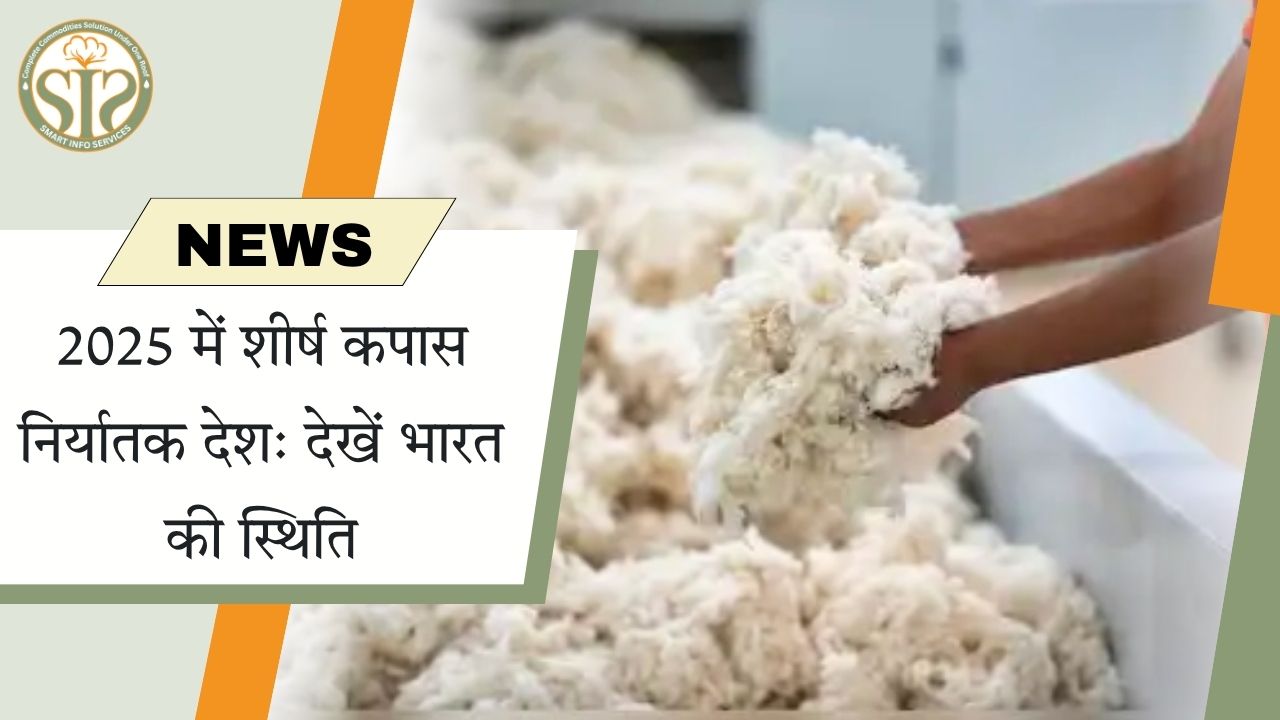
2025 में शीर्ष कपास निर्यातक देश: जानें वैश्विक बाज़ार में भारत की स्थितिकपास विश्व स्तर पर सबसे महत्वपूर्ण प्राकृतिक रेशों में से एक है, जिसका उपयोग वस्त्र, घरेलू सजावट और औद्योगिक उत्पादों में व्यापक रूप से किया जाता है। बढ़ती वैश्विक मांग के बीच कुछ देश कपास निर्यात बाज़ार में अपनी मजबूत पकड़ बनाए हुए हैं।International Cotton Advisory Committee (ICAC) और United States Department of Agriculture (USDA) के अनुसार, 2025 में वैश्विक कपास उत्पादन लगभग 117.8 मिलियन गांठ तक पहुंचने का अनुमान है।शीर्ष 5 कपास निर्यातक देश1. United States – वैश्विक नेतावार्षिक निर्यात: ~3.1 मिलियन टनउन्नत कृषि तकनीकों, बड़े पैमाने की खेती और मजबूत सप्लाई चेन के कारण अमेरिका दुनिया का सबसे बड़ा कपास निर्यातक है। टेक्सास और मिसिसिपी जैसे राज्यों से उच्च गुणवत्ता वाला कपास निर्यात किया जाता है।2. Brazil – तेज़ी से उभरता निर्यातकवार्षिक निर्यात: ~2.3 मिलियन टनअनुकूल जलवायु और विशाल कृषि क्षेत्र के चलते ब्राज़ील ने पिछले दशक में तेज़ वृद्धि दर्ज की है। आधुनिक तकनीकों के उपयोग से उत्पादन और गुणवत्ता दोनों में सुधार हुआ है।3. Australia – प्रीमियम गुणवत्तावार्षिक निर्यात: ~1.7 मिलियन टनऑस्ट्रेलिया उच्च गुणवत्ता और लंबे रेशों वाले कपास के लिए जाना जाता है। यह देश टिकाऊ खेती और जल प्रबंधन में अग्रणी है।4. India – बड़ा उत्पादक, सीमित निर्यातवार्षिक निर्यात: ~0.8 मिलियन टनभारत विश्व के सबसे बड़े कपास उत्पादकों में से एक है, लेकिन अधिकांश उत्पादन घरेलू टेक्सटाइल उद्योग में ही उपयोग हो जाता है। निर्यात मुख्य रूप से अधिशेष पर निर्भर करता है।5. Uzbekistan – सुधार और विकासवार्षिक निर्यात: ~0.5 मिलियन टनउज़्बेकिस्तान ने हाल के वर्षों में अपने कपास उद्योग का आधुनिकीकरण किया है और श्रम सुधारों के जरिए वैश्विक स्तर पर अपनी छवि मजबूत की है।भारत की स्थितिहालांकि India उत्पादन के मामले में अग्रणी है, लेकिन इसका विशाल घरेलू टेक्सटाइल उद्योग अधिकांश कपास की खपत कर लेता है। इसके कारण निर्यात सीमित रहता है, जबकि बांग्लादेश और वियतनाम जैसे पड़ोसी देशों में भारतीय कपास की अच्छी मांग बनी रहती है।और पढ़ें :- रुपया 05 पैसे गिरकर 86.41/USD पर खुला

डॉलर के मुकाबले रुपया 5 पैसे गिरकर 86.41 पर खुलाडॉलर सूचकांक में मामूली बढ़त के चलते 23 जुलाई को रुपया 5 पैसे गिरकर खुला। पिछले दिन 86.36 पर बंद होने के बाद रुपया डॉलर के मुकाबले 86.41 पर खुला।और पढ़ें :- भारतीय रुपया 11 पैसे गिरकर 86.36 प्रति डॉलर पर बंद हुआ

मंगलवार को भारतीय रुपया 11 पैसे गिरकर 86.36 प्रति डॉलर पर बंद हुआ, जबकि सुबह यह 86.25 पर खुला था।बंद होने पर, सेंसेक्स 13.53 अंक या 0.02 प्रतिशत की गिरावट के साथ 82,186.81 पर और निफ्टी 29.80 अंक या 0.12 प्रतिशत की गिरावट के साथ 25,060.90 पर बंद हुआ। लगभग 1724 शेयरों में तेजी, 2126 शेयरों में गिरावट और 172 शेयरों में कोई बदलाव नहीं हुआ।और पढ़ें :- सिरसा में ज़मीन जलमग्न, कपास की फसल बर्बाद
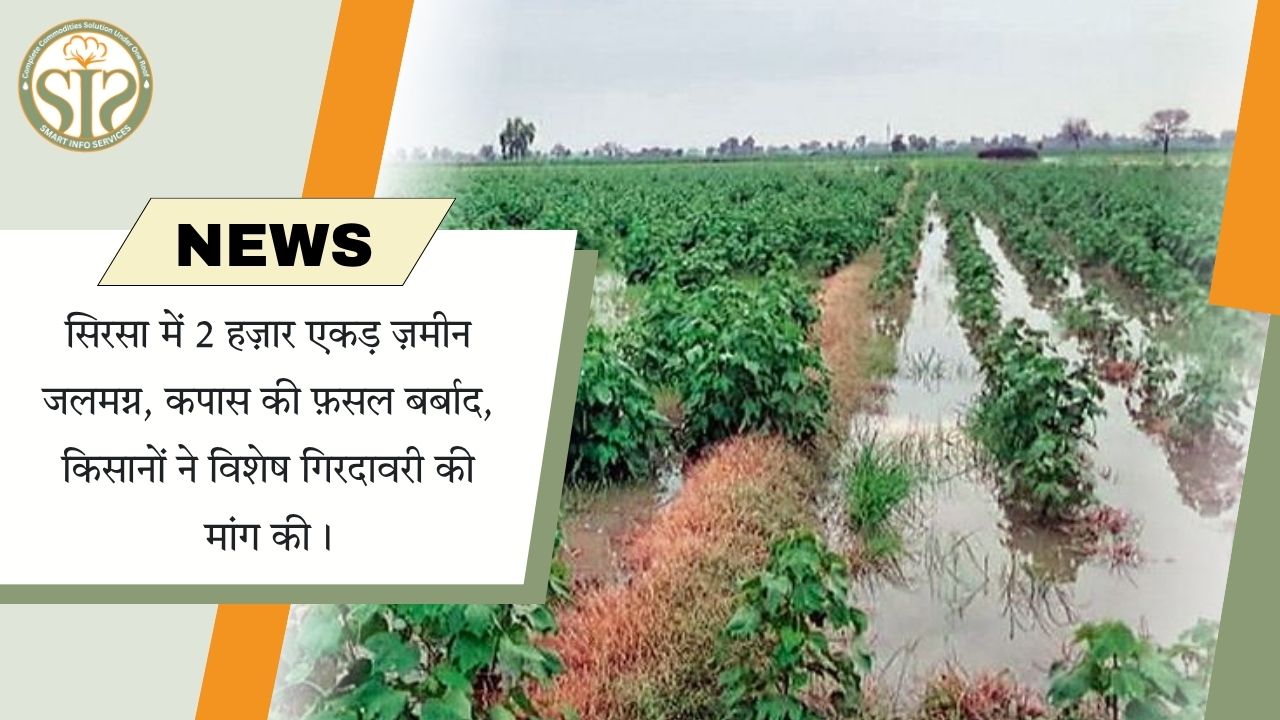
सिरसा में 2 हज़ार एकड़ ज़मीन जलमग्न, कपास की फ़सल बर्बाद, किसानों ने विशेष गिरदावरी की मांग की।सिरसा ज़िले के नाथूसरी चोपता ब्लॉक में हाल ही में हुई भारी बारिश ने सात गाँवों की 2,000 एकड़ से ज़्यादा कृषि भूमि पर तबाही मचा दी है। भारी जलभराव के कारण कपास, ग्वार और मूंगफली की फ़सलों को भारी नुकसान हुआ है, जिसमें कपास सबसे ज़्यादा प्रभावित हुआ है।कई प्रभावित इलाकों में, किसान अब अपने क्षतिग्रस्त कपास के खेतों की जुताई करके धान की खेती करने को मजबूर हो रहे हैं, जो कि नमी को झेलने में ज़्यादा सक्षम है - लेकिन इससे उनका आर्थिक बोझ और बढ़ गया है।रूपाना गंजा (400 एकड़), रूपाना बिश्नोई (300 एकड़), शक्कर मंदूरी (500 एकड़), शाहपुरिया (150 एकड़), नहरना (150 एकड़), तरकावाली (100 एकड़) और चाहरवाला (50 एकड़) में कृषि भूमि जलमग्न हो गई है। सबसे ज़्यादा प्रभावित गाँवों - शक्कर मंदूरी, रूपाना गंजा और रूपाना बिश्नोई - में लगभग 1,200 एकड़ कपास की फसल बर्बाद हो गई है।शक्कर मंदूरी के एक किसान मुकेश कुमार ने कहा, "मुझे अपनी पूरी 7 एकड़ कपास की फसल जोतनी पड़ी। मोटरों से पानी निकालने के बाद भी, रुके हुए पानी ने पौधों को सड़ने पर मजबूर कर दिया।"अनिल कासनिया, बलजीत और वीरेंद्र सहित अन्य किसानों ने भी इसी तरह के नुकसान की बात कही।उनमें से कई लोगों ने ज़मीन पट्टे पर ली थी और कपास पर लगभग 10,000 रुपये प्रति एकड़ का निवेश कर चुके थे। अब, उन्हें धान की तैयारी और बुवाई के लिए 6,000-8,000 रुपये प्रति एकड़ अतिरिक्त खर्च करने होंगे।एक अन्य प्रभावित किसान राज कासनिया ने कहा, "यह दोहरा नुकसान है। बारिश के बाद, खारा भूजल स्तर बढ़ जाता है और मिट्टी को भी नुकसान पहुँचाता है। ऐसी स्थिति में किसान क्या कर सकता है?"चिंता का विषय सेम नाला (जल निकासी नहर) का उफान है, जो बाढ़ग्रस्त खेतों से अतिरिक्त पानी बहा रहा है। किसानों को डर है कि अगर तटबंध टूट गया, तो आसपास के गाँव जलमग्न हो सकते हैं और खड़ी फसलों को और नुकसान हो सकता है। उन्होंने स्थानीय अधिकारियों पर बार-बार याद दिलाने के बावजूद मानसून से पहले नहर की सफाई न करने का आरोप लगाया है।किसानों ने सरकार से विशेष गिरदावरी (फसल नुकसान सर्वेक्षण) कराने और नुकसान के लिए मुआवजे की घोषणा करने का आग्रह किया है।जिला कृषि उपनिदेशक डॉ. सुखदेव कंबोज ने पुष्टि की है कि ज़्यादातर प्रभावित खेत लवणता-प्रवण क्षेत्रों में आते हैं।डॉ. कंबोज ने कहा, "हम किसानों को कम समय में पकने वाली और कम पानी वाली धान की किस्मों जैसे पूसा 1509, 1692, 1847 (बासमती) और पंजाब 126 (परमल) की खेती करने की सलाह दे रहे हैं। इन किस्मों को 33% कम पानी की आवश्यकता होती है और ये लगभग 100 दिनों में पक जाती हैं।"डॉ. कंबोज ने यह भी बताया कि अप्रत्याशित मौसम के कारण कपास एक जोखिम भरी फसल बनती जा रही है।इस वर्ष सिरसा जिले में 1.47 लाख एकड़ में कपास की बुवाई की गई, जबकि धान की बुवाई 1.5 लाख एकड़ से अधिक क्षेत्र में हुई।और पढ़ें :- हरियाणा: केंद्रीय टीम ने गुलाबी सुंडी प्रभावित कपास के खेतों का निरीक्षण किया
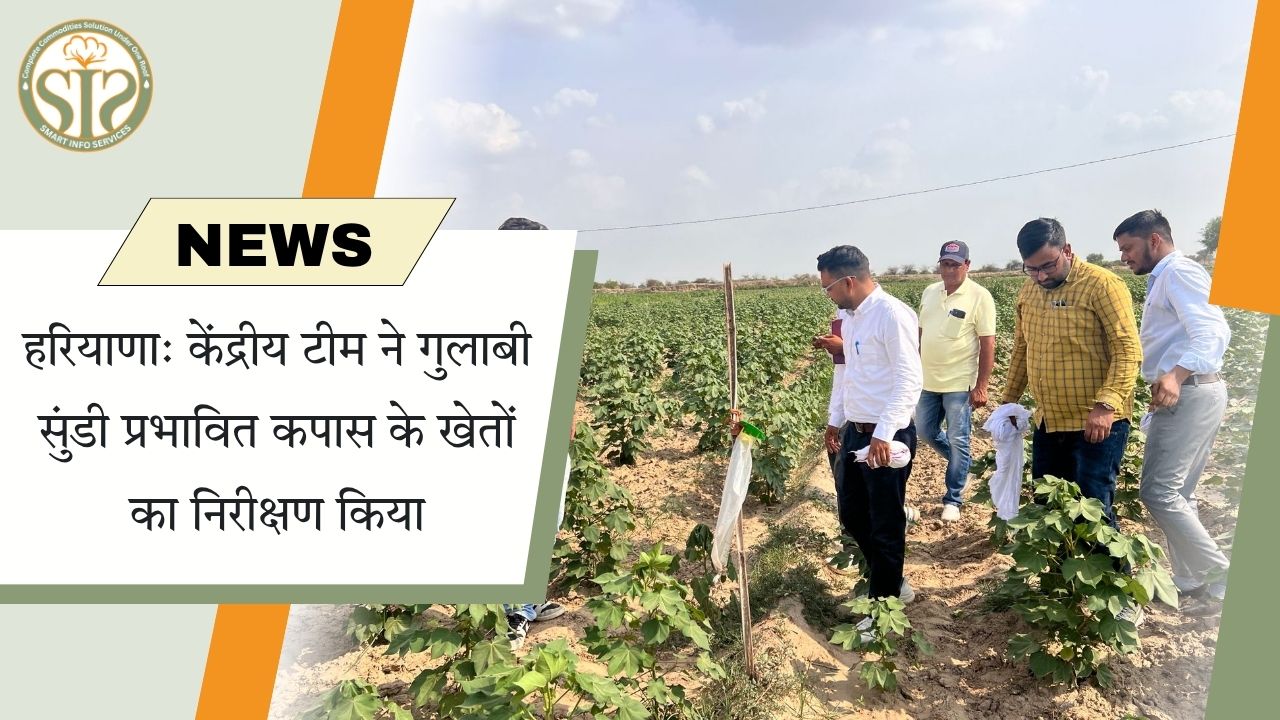
केंद्रीय टीम ने कपास के खेतों का निरीक्षण कियाहिसार : किसानों की शिकायतों के बाद, कीटों, विशेष रूप से गुलाबी सुंडी के संक्रमण को लेकर चिंता के बाद, केंद्र के कृषि मंत्रालय की एक टीम ने जिले का दौरा किया और कपास की फसल का निरीक्षण किया।कृषि एवं किसान कल्याण विभाग के अधिकारियों ने आज बताया कि टीम ने मंगाली झारा गाँव में खेतों का निरीक्षण किया और कपास की फसल में गुलाबी सुंडी के अंश पाए।हालांकि, अधिकारियों ने कहा कि संक्रमण आर्थिक सीमा से नीचे है और किसानों को सतर्क रहने, लेकिन घबराने की सलाह नहीं दी।निरीक्षण दल में क्षेत्रीय एकीकृत नाशीजीव प्रबंधन केंद्र (आरआईपीएमसी), फरीदाबाद के सहायक पौध संरक्षण अधिकारी (एपीपीओ) लक्ष्मीकांत, केपी शर्मा और सूरज बेनीवाल शामिल थे, जिनके साथ हरियाणा कृषि एवं किसान कल्याण विभाग के पौध संरक्षण अधिकारी डॉ. अरुण कुमार यादव और कृषि विकास अधिकारी (एडीओ) रविंदर अंतिल भी थे।डॉ. अरुण कुमार ने कहा कि उन्हें गाँव से गुलाबी सुंडी के बारे में जानकारी मिली है और उन्होंने चंडीगढ़ स्थित मुख्यालय और केंद्र को इसकी सूचना दे दी है। किसान नरसी राम खीचड़ ने बताया कि उन्होंने कुछ दिन पहले इस कीट को देखा और कृषि विभाग के अधिकारियों को इसकी सूचना दी।पिछले तीन वर्षों में हिसार में कपास का रकबा लगातार कम होता जा रहा है, मुख्यतः गुलाबी सुंडी जैसे कीटों की बार-बार होने वाली समस्याओं के कारण। इस सीज़न में, लगभग 2.1 लाख एकड़ में कपास की बुवाई हुई है, जो पिछले साल के 2.5 लाख एकड़ से कम है, जो लगातार नुकसान के कारण किसानों की घटती रुचि को दर्शाता है।डॉ. यादव ने बताया कि कीटनाशकों का छिड़काव केवल तभी करने की सलाह दी जाती है जब प्रति पौधे चार या उससे अधिक सुंडी पाई जाती हैं। अन्यथा, किसानों को नियमित रूप से खेत की निगरानी करने की सलाह दी जाती है। टीम ने यह भी देखा कि पिछले साल के कपास के पौधे के अवशेष (बंचहट्टी) खेत में पड़े हैं, जिनके संक्रमण का वाहक होने का संदेह है। अधिकारियों ने कहा कि बचे हुए पौधे के अवशेषों से गुलाबी सुंडी के हमले का खतरा है।दूसरी ओर, कुछ गाँव, खासकर जिले के आदमपुर के कपास क्षेत्र में, अत्यधिक बारिश के कारण नुकसान झेल रहे हैं। शीशवाल, आदमपुर, लाडवी, महलसरा और कोहली जैसे गाँवों के कपास किसानों ने फसलों को व्यापक नुकसान पहुँचाने की सूचना दी है, और खड़े पानी में पैरा विल्ट रोग के बढ़ने का खतरा है।आदमपुर विधायक चंद्र प्रकाश ने स्थिति का आकलन करने के लिए प्रभावित क्षेत्रों का दौरा किया और सिंचाई विभाग के अधिकारियों को अपने साथ ले गए। विधायक ने अधिकारियों को खेतों से पानी निकालने और फसलों के नुकसान को कम करने के लिए तत्काल कार्रवाई करने के निर्देश दिए।कांग्रेस विधायक ने सरकार से नुकसान का आकलन करने के लिए सर्वेक्षण कराने की भी मांग की और प्रभावित किसानों को तत्काल वित्तीय सहायता देने की मांग की।और पढ़ें:- रुपया 4 पैसे मजबूत होकर 85.25 पर खुला
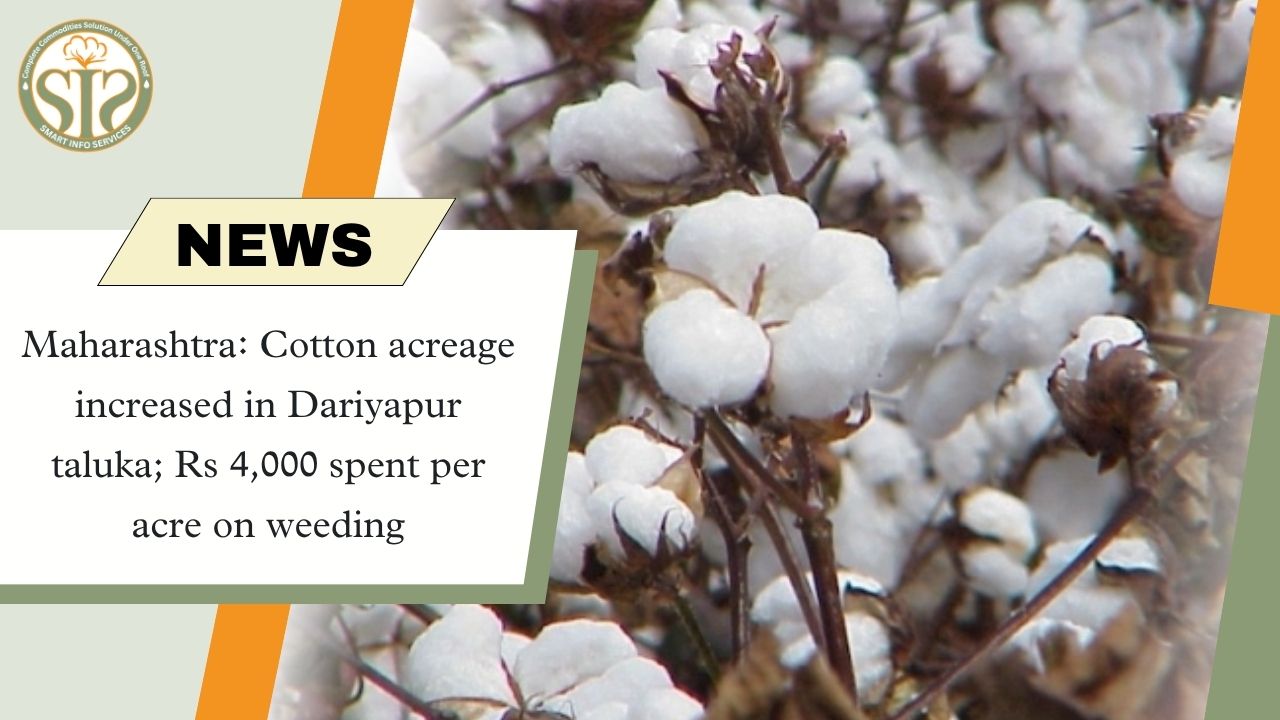
Maharashtra: Cotton acreage increased in Dariyapur taluka; Rs 4,000 spent per acre on weedingAfter the rains in the last few days in Dariyapur, farming work has started rapidly. Weeding of cotton is going on rapidly with the help of furrows. For this, the practice of gutdari of women laborers has started on a large scale. Weeding of cotton is being done at the rate of Rs 3 to 4,000 per acre. Cotton has been cultivated in 50,875 hectares in Dariyapur taluka. Cotton crop is seen as a cash crop for farmers. This year the area of cotton has increased compared to last year. Weedicides are available for other crops. However, out of 78,000 hectares suitable for sowing in Dariyapur taluka, 73,995 hectares have been cultivated. Soybean has been sown in 11,745 hectares in the taluka. Arhar is followed by green gram in 8,872 hectares, while moong has been sown in only 135 hectares. Due to this, cotton cultivation is currently becoming expensive and difficult for the producing farmers. The cost is becoming a headache. Weeding work has to be done due to the growth of weeds in the cotton crop. Due to this, weeding work is being done by women laborers in cotton. For this, the cost of weeding has to be paid in lump sum at the rate of Rs 4,000 per acre. Apart from this, there is a separate cost for weeding, farmer Nilesh Pundkar told. A female laborer weeding the cotton crop in a field in Dariyapur taluka.Cotton crop has the highest cost; spraying is also expensive Although cotton is seen as a cash crop for farmers, apart from this, weeding, fertilizer-watering, spraying work has to be done regularly. Because of this, the cost of cotton crop is higher than other crops. Due to this, some farmers are leaning towards soybean, pigeon pea and green gram crops. Laborers have to be found. Since weedicides also have an effect on crops for some time, weeding of cotton crop and cutting of weeds near trees is done by employing laborers for this. Work has gained momentum by employing laborers for this. Women have to be paid 300 to 350 rupees per day as wages. Apart from this, farmers also have to provide facilities like vehicles and drinking water in jars to the laborers for commuting to the fields.
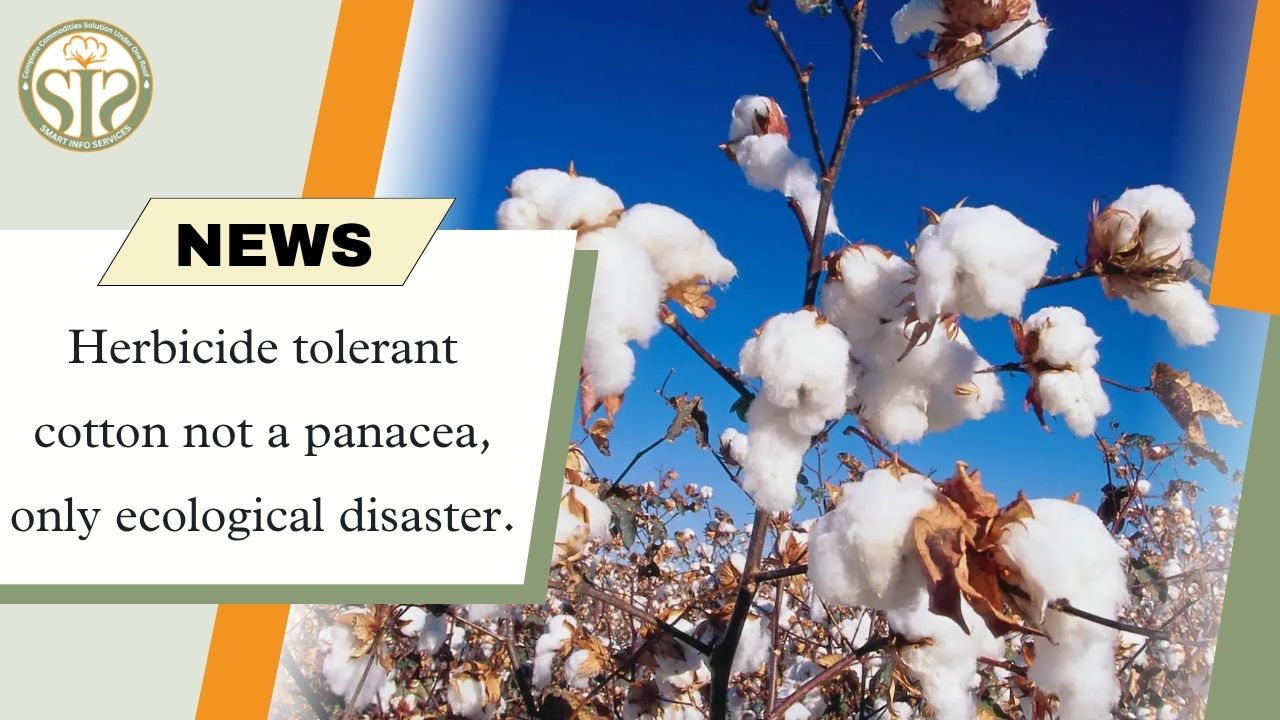
Herbicide tolerant cotton not a panacea, only ecological disaster.Contrary to false projections by international companies, HT cotton demands indiscriminate spraying of glyphosate herbicide for weed control which can lead to ecological disasters of creating monster weeds (herbicide-resistant weeds) and endanger the whole agricultural crop production systems in IndiaOnce the world’s largest cotton producer and exporter, India has witnessed a significant drop in cotton production due to sharp decline in its area of cultivation over the last five years.During the period between 2020-21 and 2024-25, country’s CAGR (compound annual growth rate) for area and production of cotton recorded a negative growth of (-) 4.12 per cent and (-) 3.70 per cent respectively. Cotton production, during this phase, fell from 352.48 lakh bales to 306.92 lakh bales.The reason for decline in area of cultivation is primarily attributed to failure of Bt cotton against pink bollworms & other insects-pests which make it economically less attractive compared to the low-risk and highly remunerative crops like maize, rice, sugarcane etc. Further, climate change induced irregularity of monsoon has also added to the instability of cotton yield.Despite declaration of minimum support price (MSP), price volatility in the cotton market further compounds the problem. Farmers are compelled to sell at prices below the MSP due to lack of 'legal guarantee' which disincentivises cotton cultivation. Adding to the problem, sharp increase of inputs prices of Bt cotton seeds, pesticides and labour without any significant yield gains during the last decade has made cotton an economically unviable option for farmers in the agriculturally progressive zones.This crisis of cotton production has presented MNCs an opportunity in pressuring Indian policymakers to seek legalisation of HT cotton (herbicide tolerant) hybrids with false promises to double cotton production. However, the approval of HT cotton directly cannot increase yield in absence of improved high yielding varieties (HYVs) /hybrids as compared to readily-available cereals, rice, maize and cash crops like sugarcane.Farmers are already facing serious problems of higher tolerance shown by American pink bollworm and others insects-pests created due to introduction of Bt cotton in 2002 which covered over 95 per cent areas of cotton cultivation in India by 2013. Bt cotton is now also affected by a new pest, tobacco streak virus (TSV), causing a disease known as cotton necrosis. TSV is an emerging issue in India and causing significant yield losses in cotton crop.To boost cotton production in India, the goal should be development of climate- resilient HYVs/hybrids with improved resistance against insects-pests as successfully done in the cereals crops. On policy decisions fronts, the emphasis should be directed towards self-sufficiency through development of Indian HYVs/ hybrids with total legal ban on GM crops including Bt cotton and providing remunerative MSP with legal guarantee to farmers as incentives to grow more cotton.read more :- CCI hikes cotton prices, 70% purchases made through e-bidding
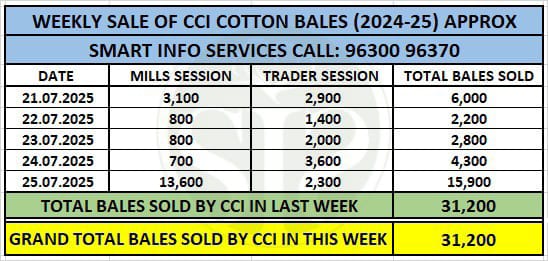
CCI Boosts Cotton Prices, sold 70% of 2024–25 Procurement via E-BiddingThe Cotton Corporation of India (CCI) conducted online bidding for cotton bales throughout the week, with significant trading activity observed across both the Mills and Traders sessions. Over the course of five days, CCI prices are unchanged.As of now, CCI has sold approximately 70,48,300 cotton bales for the 2024–25 season, representing 70.48% of its total procurement for the season.Date wise weekly Sales Summary :21 July 2025:The highest daily sales of the week were recorded on this day, with 6,000 bales sold from the 2024–25 season.Mills session : 3,100 balesTraders session : 2,900 bales22 July 2025:A total of 2,200 bales were sold from the 2024–25 season.Mills session : 800 balesTraders session : 1,400 bales23 July 2025:Sales amounted to 2,800 bales, all from the 2024–25 season.Mills session: 800 balesTraders session: 2,000 bales24 July 2025:A total of 4,300 bales were sold from the 2024–25 season.Mills session : 700 balesTraders session : 3,600 bales25 July 2025:The week concluded with sales of 15,900 bales.Mills session: 13,600 balesTraders session: 2,300 balesWeekly Total:CCI achieved total sales of approximately 31,200 bales for the week, underscoring its strong market engagement and the growing efficiency of its digital transaction platform.read more :- INR Gains 06 Paise, Closes at 86.51 per Dollar .

The Indian rupee on friday higher 06 paise to close at 86.51 per dollar, while it opened at 86.57 in the morning. At close, the BSE Sensex quoted at 81,463.09, down 721 points or 0.88 per cent, and the NSE Nifty50 was at 24,837, down 225 points or 0.9 per cent.read more :- Shivraj Singh Chouhan: Strategic initiative to increase soybean-cotton production
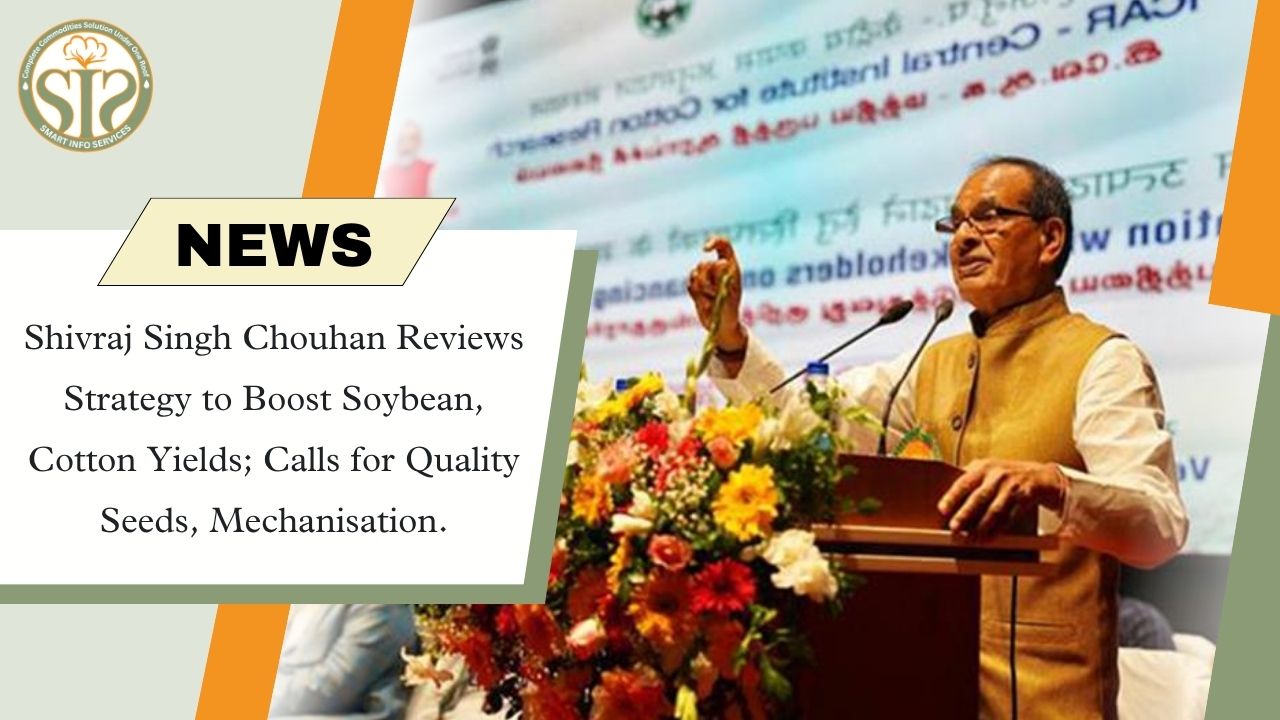
Shivraj Singh Chouhan Reviews Strategy to Boost Soybean, Cotton Yields; Calls for Quality Seeds, Mechanisation.To promote the overall development of agriculture, Union Agriculture and Farmers Welfare Minister Shivraj Singh Chouhan has initiated crop-wise and region-wise visits across the country. On July 24, 2025, he chaired a high-level meeting in Delhi with senior officials to review strategies for enhancing the productivity of soybean and cotton.During the meeting, Union Minister highlighted the need to formulate an action plan based on insights gathered from his recent field visits. He directed officials to adopt a mission-mode approach and assign specific responsibilities to dedicated teams of scientists. He also stressed the importance of integrating the soybean and cotton productivity enhancement initiative with the National Mission on Seeds, and recommended disseminating technical information to farmers through videos and mobile messages to ensure wider outreach.Earlier, as part of the Viksit Krishi Sankalp Abhiyan conducted between May 29 and June 12, 2025, Minister Chouhan held consultations with farmers and other stakeholders at the National Soybean Research Institute in Indore on June 26 and the Sugarcane Breeding Institute in Coimbatore on July 11 to explore strategies to improve the productivity of soybean and cotton.In the follow-up meeting held yesterday, at Krishi Bhawan, New Delhi, Agriculture Secretary Devesh Chaturvedi, DARE Secretary and Director General of ICAR Dr. M. L. Jat, and other senior officials were present. ICAR Deputy Director General (Crops) Dr. D.K. Yadav gave a presentation outlining research-based approaches to boost crop productivity.Based on the presentation, Minister directed the formation of a team of scientists for germplasm import in mission mode and asked that this work be aligned with the objectives of the National Seed Mission. Recognizing the critical role of seed quality, he instructed both Secretaries to organize a meeting with government seed corporations to explore ways to ensure the availability of high-quality seeds to farmers.Shivraj Singh also addressed the need for better agricultural mechanization. He suggested evaluating Custom Hiring Centers to identify which types of genetic/agricultural machinery are required and ensure their availability accordingly. In light of the success of the Viksit Krishi Sankalp Abhiyan, he recommended implementing the initiative ahead of major cropping seasons, August-September for Rabi and March-April for Kharif.To enhance farmer outreach, he instructed that all 731 Krishi Vigyan Kendras (KVKs) across the country be equipped with broadband, projectors, and other facilities, so that more farmers can directly engage with agricultural experts.Additionally, the Minister stressed the importance of increasing awareness among registered farmers by strengthening seasonal advisories and spreading technical knowledge about soybean and cotton cultivation through videos and messages.read more :- Indian economy remained stable in June-July: RBI
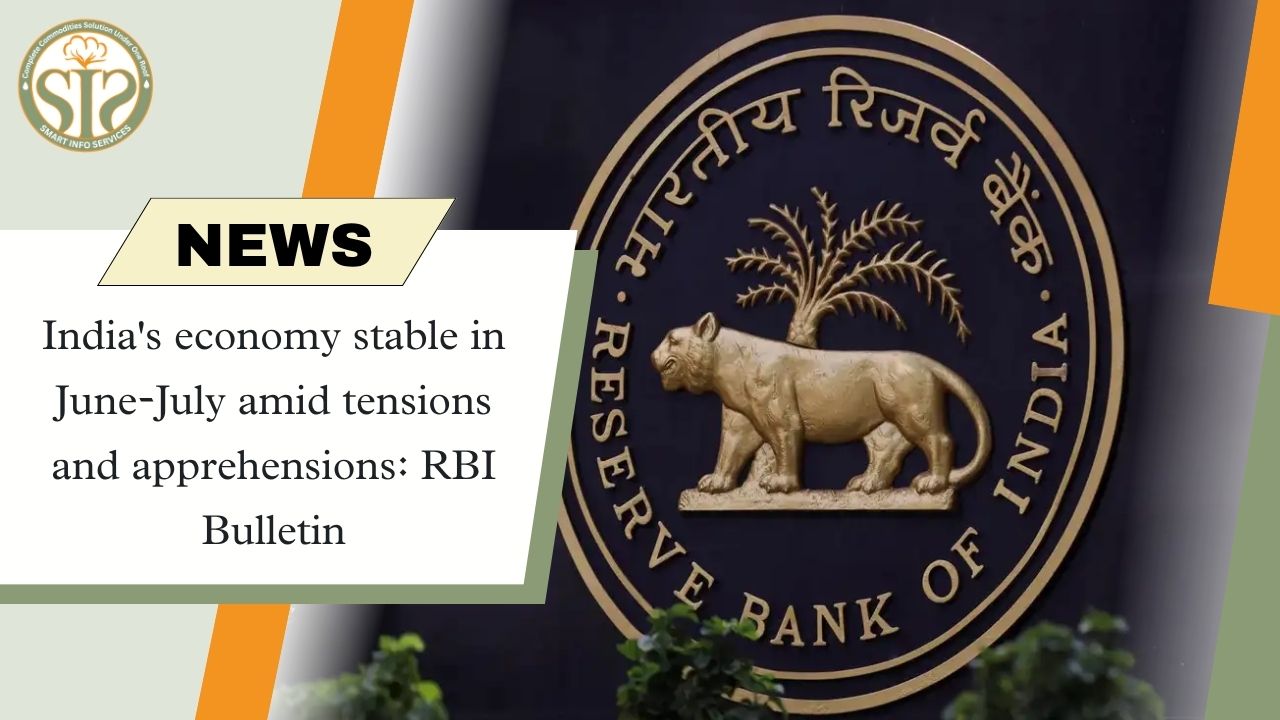
India's economy stable in June-July amid tensions and apprehensions: RBI BulletinAn article published in the latest issue of the Reserve Bank of India (RBI) Bulletin said that India's economic activity remained stable in June and July this year amid geopolitical tensions and tariff policy uncertainties, with better prospects for the Kharif agricultural season, continued strong momentum in the services sector and modest growth in industrial activity.The global macroeconomic environment remained volatile in these two months.The article on the state of the domestic economy said that core consumer price index (CPI) based inflation remained below 4 per cent for the fifth consecutive month in June due to a decline in food prices.Systemic liquidity remained in surplus to enable faster transmission of policy rate cuts to the debt markets. It said that the external sector remained resilient due to adequate foreign exchange reserves and moderate external debt-to-GDP ratio.Another article in the bulletin mentioned that a 10 per cent increase in global crude oil prices could, according to empirical estimates, raise India's core inflation by about 20 basis points on a contemporaneous basis.The article on the relationship between oil prices and inflation in the country said that there is a need to take measures not only to control the impact on domestic prices due to increased dependence on oil imports but also to gradually move towards alternative sources of fuel for more efficient management of domestic fuel prices in the long term.read more :- Zero duty on raw materials can boost employment opportunities in textile sector in India: Amitabh Kant
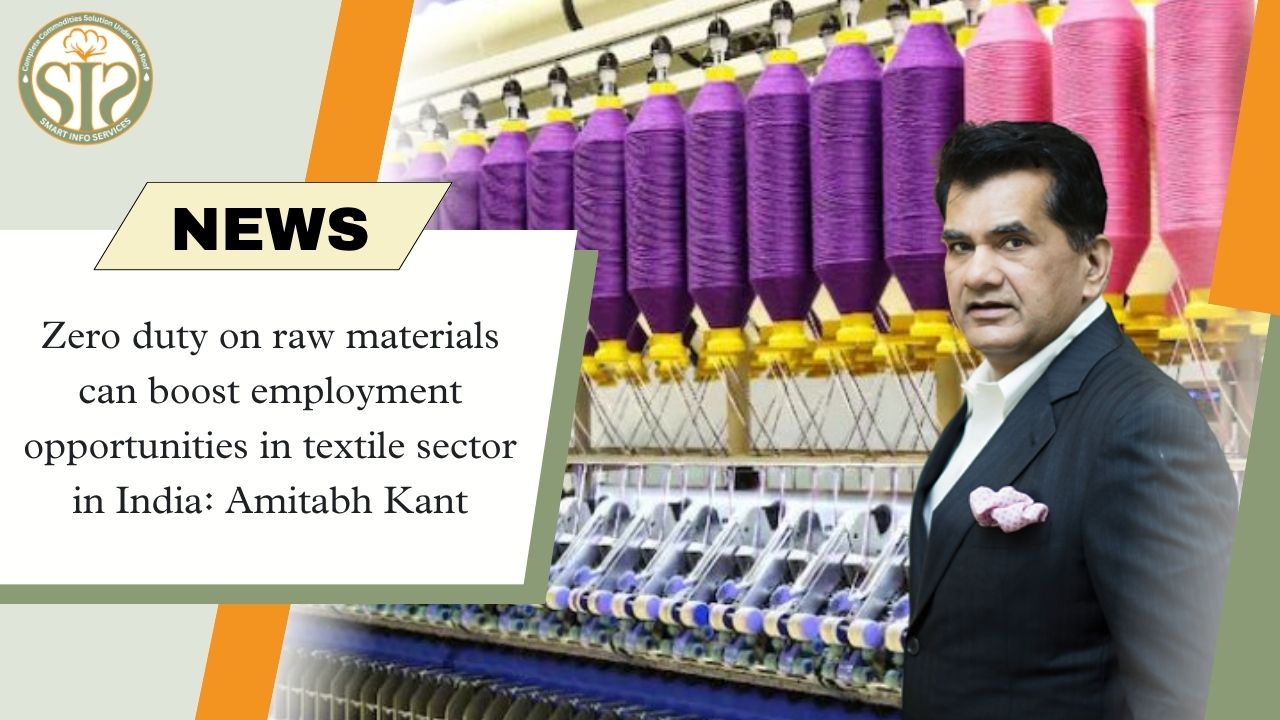
Zero Duty on Raw Materials to Boost Textile Jobs: Amitabh KantIndia must eliminate import duty on man-made fibre (MMF) raw materials and scrap quality control orders (QCOs) to make the textile sector globally competitive and create lakhs of manufacturing jobs, according to former Niti Aayog CEO Amitabh Kant."The solution to job creation in India lies in the textile and apparel industry. It has the potential to add lakhs of manufacturing jobs," Kant said in a post on microblogging platform X.He pointed out that 70 per cent of the textile and apparel market globally is based on MMF and the rest on cotton, while in India the ratio is the opposite, which limits competition."At the raw material level, especially in the MMF market, there is a lack of competition. Raw materials such as polyester and viscose attract high import duty," Kant said."Raw material for MMF is about 25 per cent more expensive than our competitors. This cost disadvantage increases further as we move down the value chain," he said."Making raw materials competitive means freeing up millions of small enterprises, boosting their growth, creating a large number of jobs and making India a global textile superpower," he added.read more :- Rupee down 17 Paise to 86.57 Against Dollar

Indian rupee opens 17 paise lower at 86.57 against US dollarThe Indian rupee opened 17 paise lower at 86.57 against the US dollar on July 25, following a dip in Asian currencies and uptick in dollar index, as compared to 86.40 at previous close.read more :- CAI President Atul Ganatra's interview to CNBC Awaaz – Key Points
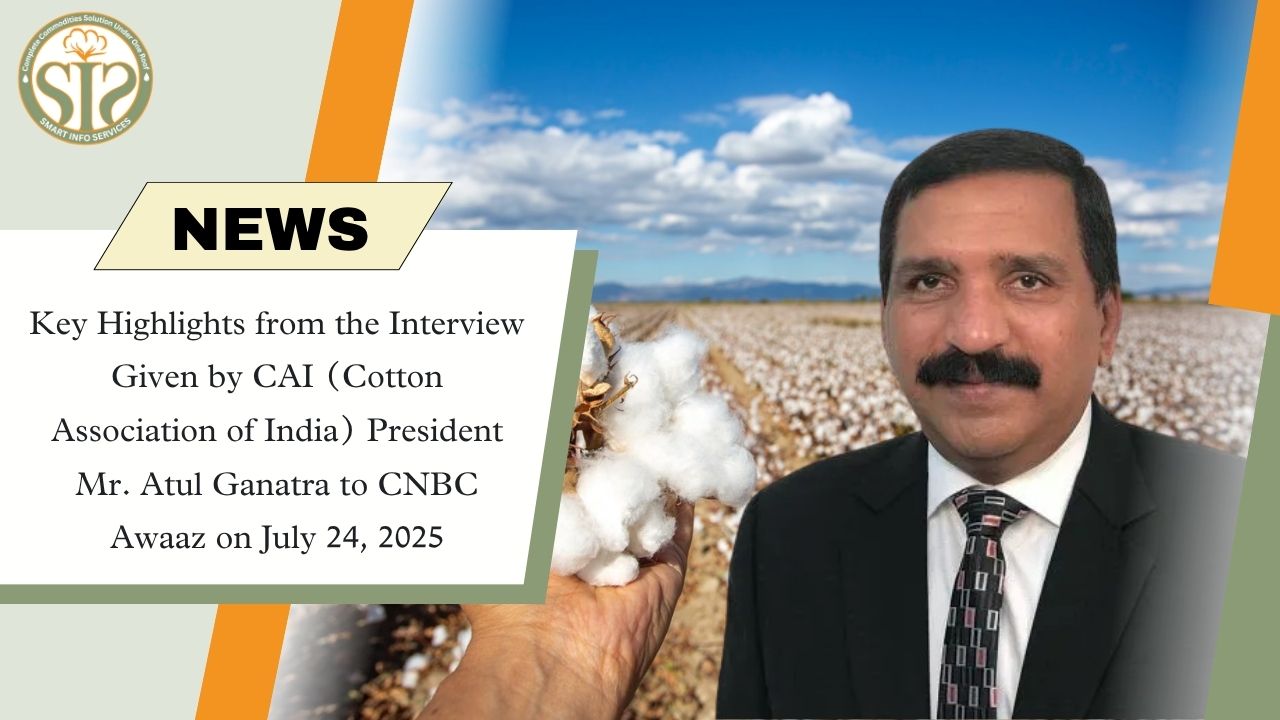
Key Highlights from the Interview Given by CAI (Cotton Association of India) President Mr. Atul Ganatra to CNBC Awaaz on July 24, 20251. Rising Demand for Alternative Fibers:Mr. Ganatra highlighted that there has been a significant increase in demand for alternative fibers like viscose and polyester over the past four years. In 2021, their daily consumption was around 1,800 tons, which has now risen to 2,600–2,700 tons per day. This upward trend is expected to accelerate further in the coming years.2. Fiber Price Comparison & Yarn Realization Rates:Current Prices:Cotton: ₹170 per kgViscose: ₹155 per kgPolyester: ₹102 per kgYarn Realization (percentage of fiber converted to yarn):Cotton: 86–87%Viscose/Polyester: Approx. 98%3. National vs Global Fiber Usage Ratio:India still uses 70% cotton and 30% synthetic fibers, whereas globally, the trend is reversed—70% manmade fibers and 30% cotton yarn.4. Massive Surge in Cotton Imports:There has been a dramatic rise in cotton imports this year. While only 1.5 million bales were imported last year, this year the number is expected to reach 4 million bales—an increase of over 250%, despite an 11% import duty. This is a concerning development for the Indian economy.5. Competitiveness of Imported Cotton:Currently, November shipment deals from Brazil and African countries are being finalized at ₹50,000–₹51,500 per candy, while domestic cotton prices stand at ₹56,000–₹57,000 per candy, which is 8–10% higher.Imported cotton is considered more competitive due to higher quality, lower contamination, and better yarn recovery compared to Indian cotton.6. Minimum Support Price & Sowing Situation:The MSP for the upcoming season is ₹8,100 per quintal, at which the CCI (Cotton Corporation of India) will procure cotton from farmers. This has boosted farmer confidence.Initially, there were concerns of a 10% decline in sowing area, but recent data shows sowing has already reached 10.1 million hectares, matching last year’s levels. If this trend continues, sowing could see a 3–4% increase this year.Thanks to a timely monsoon, new crop arrivals may begin in North and South India by September 15.7. Impact of Recycled Cotton:Recycled cotton—priced at around 25% of the cost of virgin cotton—is being used in higher volumes, which has also contributed to the reduction in overall cotton demand in the country.read more :- Trump: 15% to 50% tariffs will be imposed on countries
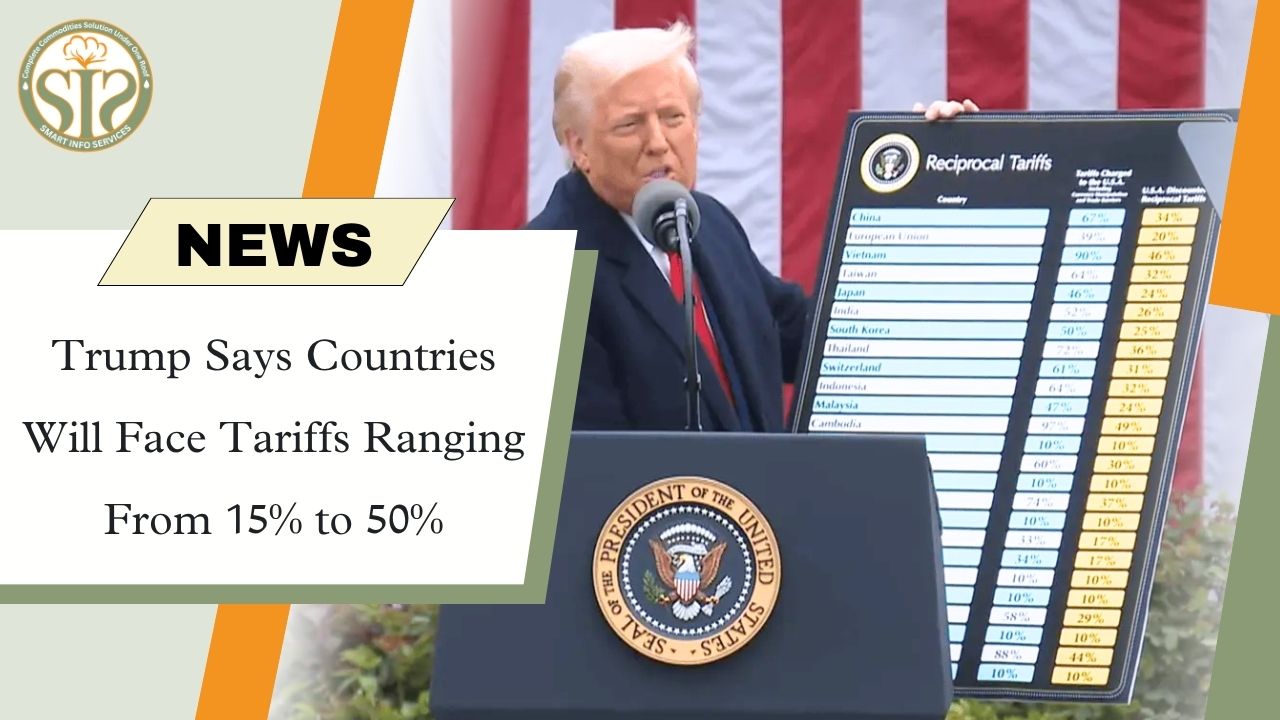
Trump Says Countries Will Face Tariffs Ranging From 15% to 50%US President Donald Trump suggested that he would not go below 15% as he sets so-called reciprocal tariff rates ahead of an Aug. 1 deadline, an indication that the floor for the increased levies was rising.“We’ll have a straight, simple tariff of anywhere between 15% and 50%,” Trump said Wednesday at an AI summit in Washington. “A couple of — we have 50 because we haven’t been getting along with those countries too well.”Trump’s comment declaring that the tariffs would begin at 15% represented the latest twist in his effort to impose duties on nearly every US trading partner, and the latest indication that Trump was looking to more aggressively impose the levies on exports from countries outside the small group that so far has been able to broker trade frameworks with Washington.Trump earlier this month said that more than 150 countries would receive a letter including a tariff rate of “probably 10 or 15%, we haven’t decided yet.” Commerce Secretary Howard Lutnick told CBS News on Sunday that small countries including “the Latin American countries, the Caribbean countries, many countries in Africa” would have a baseline tariff of 10%. And at the first announcement of the tariffs in April, Trump unveiled a universal tariff of 10% on nearly every country.While Trump and his advisers initially expressed hopes of securing multiple deals, the president has been touting the tariff letters themselves as “deals” and suggesting that he is uninterested in back-and-forth negotiations. Still, he has left the door open for countries to make agreements that could lower those rates.On Tuesday, Trump announced he was reducing a threatened 25% tariff on Japan to 15% in exchange for the country removing restrictions on some US products as well as offering to back a $550 billion investment fund.The White House has also discussed a similar fund with South Korea, a nation also focused on reaching a 15% rate including on autos, according to people familiar with the matter. And the Philippines is aiming to bring down its own tariff rate to the 15% level from the current 19% rate, according to the country’s Ambassador to the US Jose Manuel Romualdez.Meantime, officials in Vietnam are weighing the likely cost of their deal. Hanoi estimates its exports to the US could decline by as much as a third if higher tariffs announced by Trump take effect, an internal government assessment shows.Read more: Vietnam Sees Trump Tariffs Cutting Up to a Third of US ExportsOther nations, including India and members of the European Union, are still pushing for an agreements before the heightened tariffs go into effect.On Wednesday, Trump said he would “have a very, very simple tariff for some of the countries” because there were so many nations that “you can’t negotiate deals with everyone.” He said talks with the European Union were “serious.”“If they agree to open up the union to American businesses, then we will let them pay a lower tariff,” Trump said.read more :- India-UK trade agreement: Exemption on Basmati and fruit export, no exemption on dairy and edible oil import
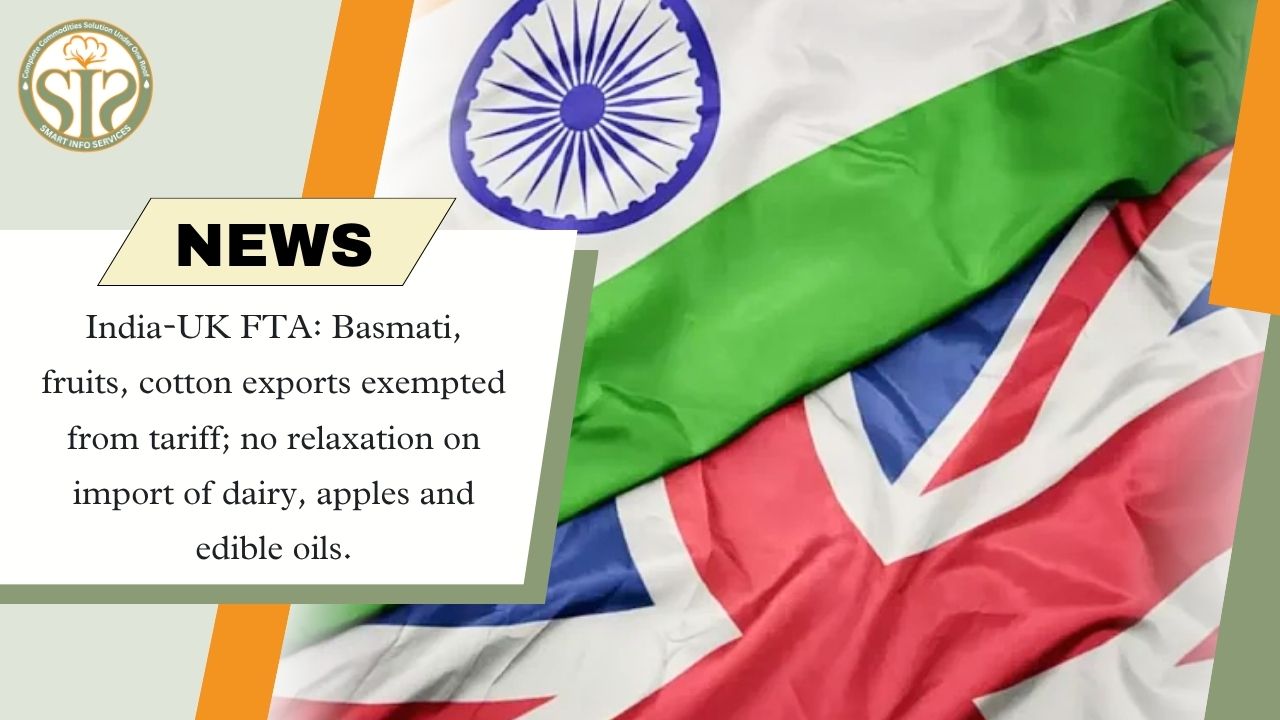
India-UK FTA: Basmati, fruits, cotton exports exempted from tariff; no relaxation on import of dairy, apples and edible oils.Farmers and food-processing units are set to benefit from the India-UK free trade agreement (FTA) as basmati rice, cotton, groundnut, fruits, vegetables, onion, pickles, spices, tea and coffee, etc, would be exempt from duty when exported to the UK.Also, the FTA allows no tariff concessions on import of dairy products, apples, oats and edible oils. It means apple-growers in Himachal Pradesh and Jammu and Kashmir stand protected. Farmers and politicians from both states had been vocal in seeking ‘no exemption’ on apple imports.Agriculture and food processing will have a 14.8 per cent and 10.6 per cent share, respectively, of the agreed products under the FTA, that is scheduled to be signed in London on Thursday.A duty-free access, streamlined trade protocol, and protection for India's agriculture is part of the FTA and it sets the stage for growth in agri exports and value-added products. It unlocks premium UK markets for Indian farm and food-processing units as tariffs would match, or be lower in some cases, with benefits enjoyed by exporters from Germany, the Netherlands, and other EU nations.Agriculture and food processingOver 95% of ‘tariff lines’ agreed upon in the FTA will attract zero duty on Indian agricultural and processed food. India has calculated that this duty-free access is expected to increase agri exports by over 20% in the next three years, contributing to the goal of $100 billion agri exports by 2030 and putting more money in the hands of rural households.In the food-processing sector, India exports $14.07 billion worth of goods globally, while the UK imports $50.68 billion of goods. So far, Indian products make up just $309.5 million of UK imports.In agriculture, India exports $36.63 billion globally, while the UK imports $37.52 billion, but the UK’s imports from India are just $811 million.India can outcompete major global players in crucial segments. For example, in processed food preparations, India would have to gain ground over the US, China and Thailand. In bakery items, Indian produce would be more competitive than those from the US, China, Thailand and Vietnam. In case of preserved vegetables, fruits, nuts, fresh vegetables and Indian produce would get a lower tariff than that applied to Pakistan, Turkiye, the US, Brazil, Thailand and China.read more :- Rupee fell 07 paise to close at 86.40 per dollar

The Indian rupee on thursday lower 07 paise to close at 86.40 per dollar, while it opened at 86.33 in the morning.At close, the Sensex was down 542.47 points or 0.66 percent at 82,184.17, and the Nifty was down 157.80 points or 0.63 percent at 25,062.10. About 1564 shares advanced, 2324 shares declined, and 155 shares unchanged.read more :- Cheap fibres put pressure on global cotton

Cheaper alternative fibres put pressure on global cotton growthIndustry experts and research analysts say global cotton growth is under pressure due to the growing trend towards sustainability and environmentally conscious production, as consumers increasingly prefer responsible materials and manufacturing processes."Although natural fibres such as cotton have traditionally been considered sustainable and clean, overall cotton use is gradually declining due to concerns over excessive consumption, water use and climate sensitivity, driven by declining demand for fast-fashion and a shift towards alternative materials," research agency BMI, a unit of Fitch Solutions, said in its study titled "The Future of Cotton in Asia: Slowing Demand, Innovation and Resilience"."The textile sector is looking at alternative fibres such as bamboo, hemp and recycled cotton. These are cheaper than cotton," says Anand Popat, a Rajkot-based trader of cotton, yarn and cotton waste.Blended fibres are gaining popularity"Cotton blended fibres are gaining popularity. Today, pure cotton accounts for less than 30 per cent of the total fibre usage in the textile industry. Manufacturers have many options," said Ramanuj Das Boob, a Raichur-based sourcing agent and vice-president of the All India Cotton Brokers Association.Prabhu Dhamodharan, convener of the Indian Textile Entrepreneurs Federation (ITF), said alternative fibres have made some progress but cotton still remains the preferred choice among premium consumers. "This segment of consumers exhibits high spending power, leading to a sustained demand for cotton-based fashion products," he said.From India's perspective, for the first time this year, its cotton-based apparel exports accounted for 12 per cent of the US market. "With India's established strength in cotton apparels, this momentum is likely to continue," Dhamodharan said.Pointing to various initiatives launched by the EU and the UK to promote eco-friendly products, BMI said the demand for cotton is likely to become volatile due to the growing trend of synthetic fibres and the progress in affordable, high-quality and bio-based alternatives.Recycled cotton"As consumer preferences shift towards more sustainable alternatives, we expect a gradual decline in demand for the cotton crop, impacting prices and hence reducing production in the long term," the research agency said."The low cost of alternatives is impacting cotton. While the lowest price of cotton yarn is ₹220 per kg, blended yarn is priced at around ₹150," Das Bub said."The prices of recycled cotton are one-fourth of the prices of pure cotton products. Even large retailers are considering reducing costs by opting for blended cotton instead of pure cotton," Popat said.BMI said cotton production has faced several challenges in recent years, particularly the development of resistance to Bt cotton by pink bollworm in India, due to incompatibility with local agronomic and climatic conditions. "This underlines the need for cotton producers to continue innovating and adapting to emerging challenges," it said.Social campaignsSocial campaigns against alleged forced labour in China's Xinjiang cotton industry have led to global boycotts by major fashion brands and consumers. "Domestic demand has also weakened, with Chinese garment manufacturers increasingly turning to imported cotton to avoid the adverse effects of import bans and boycotts," the research agency said.Popat said various agencies are now trying to promote cotton. "It all started when cotton prices touched ₹1 lakh per candy (356 kg). Manufacturers tried to reduce costs and alternatives came up," he said."Nothing can beat the feel of pure cotton. This is a cyclical trend. It can change in a few years," Das Boob said.Dhamodaran said inventory levels in the global fashion sector have normalised, with brands and retailers increasingly leveraging AI and digital tools for demand-based, dynamic planning.Almost five-year low"Production is now closely aligned with consumption patterns, especially in developed markets, and EU import and consumption trends remain very stable. We expect even better momentum in the EU going forward," he said.BMI said India and China have initiated measures to address current problems in the cotton sector. These are likely to bear fruits over time.According to the US Department of Agriculture, global cotton production is estimated to be 25.78 million tonnes (MT) in 2025-26, compared to 26.10 million tonnes in 2024-25. Domestic consumption in producing countries is expected to rise to 25.72 million tonnes (25.40 million tonnes in 2024-25), while exports are likely to rise to 9.73 million tonnes (9.36 million tonnes). This will leave ending stocks at 16.83 million tonnes (16.71 million tonnes), a clear sign of a slowdown.Cotton futures on the New York-based Intercontinental Exchange are trading near a five-year low of 66 cents per pound. In India, benchmark Shankar-6 cotton is trading at ₹57,500 per candy in Rajkot, Gujarat.read more :- Farmers moving towards maize: Decline in soybean and cotton cultivation
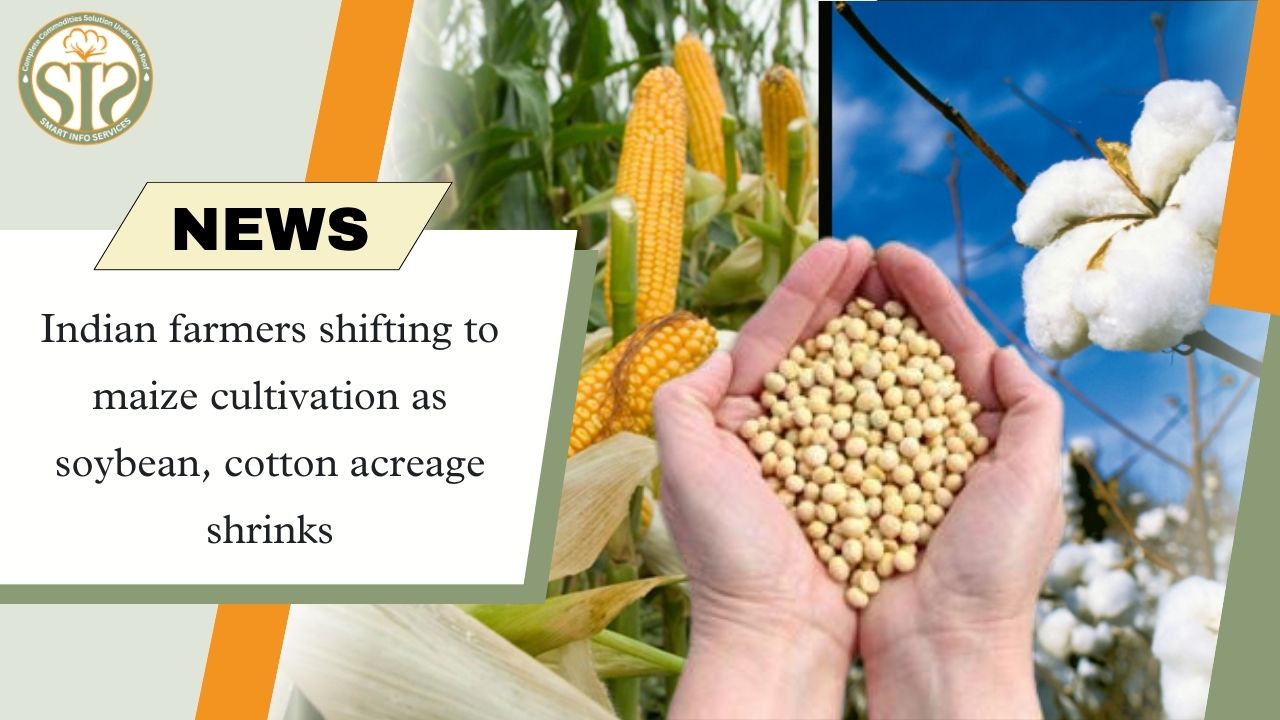
Indian farmers shifting to maize cultivation as soybean, cotton acreage shrinksFarmers across the country have shifted significantly towards maize cultivation while areas dedicated to soybean and cotton farming are declining amid lower-than-expected realisations in the markets.As the country enters the last leg of kharif sowing, India has reported 708.31 lakh hectares of sowing as of July 21, as compared to 680.38 lakh hectares of last year, of which maize recorded the highest jump — from last year’s 61.73 lakh hectares to 71.21 lakh hectares this year.However, oilseeds reported a 6 per cent dip, which is 156.76 lakh hectares as against last year’s 162.80 lakh hectares. Soybean, the main kharif oilseed, was sown over 111.67 lakh hectares this year compared to last year’s 118.96 lakh hectares. Cotton, the major lint crop, has also seen a decrease in the acreage from 102.05 of 202-25 to the present 98.55 lakh hectares of this year.The Solvent and Extractors Association (SEA) – the apex body of edible oil solvent and extractors companies – has expressed concerns about the potential dip in soybean, India’s main summer-sown oilseed crop, acreage nationally.“Soybean acreage has dipped by over 6 per cent compared to the previous year, possibly due to shifting crop preferences and regional weather variability. This trend merits close observation, as soybean remains a crucial pillar in India’s oilseed economy and a major source of oil and meal,” Sanjeeve Asthana, President, SEA, said.Vilas Uphade, a farmer from Latur district of Maharashtra, noted that soybean is currently trading at Rs 4,000 per quintal in the wholesale market.“This is against the government-declared Minimum Support Price (MSP) of Rs 5,328, which is even before the new crop has entered the market. We are expecting a bumper harvest this year, so I worry about what the price conditions will be post the harvest,” he said. With the kharif sowing entering its last phase, prices might see further slide.The demand for maize has increased due to its use as a feedstock for ethanol production.read more :- INR Opens Stronger by 8 Paise at 86.33

Rupee opens 8 paise up at 86.33 as dollar easesThe rupee opened 8 paise up on July 24 as the dollar index eased. The currency opened at 86.33 against the dollar after closing the previous day at 86.41.read more :- Rupee Ends Flat at 86.41/USD

The Indian rupee closed stable at 86.41 per dollar on Wednesday, while it had opened at 86.41 in the morning.The Sensex was up 539.83 points or 0.66 percent at 82,726.64, and the Nifty was up 159 points or 0.63 percent at 25,219.90. About 1882 shares advanced, 1989 shares declined, and 161 shares unchanged.read more :- Cotton textile exports cross $35.6 billion: Giriraj Singh
India’s cotton textile exports crossed $35.6 billion: Giriraj SinghIndia’s total exports of cotton textiles, including cotton yarn, cotton fabrics, made-ups, other textile yarn, fabric made-ups and raw cotton, crossed $35.642 billion during the last three years, Union Minister of Textiles Giriraj Singh informed Parliament on Tuesday.The minister also stated that to enhance cotton productivity and quality, promote innovation and strengthen the entire textile value chain in line with the Vision 2030, a five-year ‘Mission for Cotton Productivity’ was announced by the Finance Minister in the Budget for 2025-26.The Department of Agricultural Research and Education (DARE) is the nodal department for implementing the Mission, with the Ministry of Textiles as a partner. The Mission aims to boost cotton production through strategic interventions, including research and extension activities across all cotton-growing states.The Mission also proposes to focus on developing climate-smart, pest-resistant, and high-yielding cotton varieties, including Extra Long Staple (ELS) cotton, using advanced breeding and biotechnology tools.A special project on ‘Targeting technologies to agro-ecological zones-large scale demonstration of best practices to enhance cotton productivity’ has been implemented by ICAR- Central Institute for Cotton Research (CICR), Nagpur, in eight major cotton-growing states. The total outlay of the Special Project is Rs 6,032.35 lakhs, the minister further stated.The ‘Mission for Cotton Productivity’ aims to equip farmers with cutting-edge scientific and technological support, enabling higher productivity, superior fibre quality, and improved resilience against climatic and pest-related challenges. Aligned with the Government’s integrated 5F vision, Farm to Fibre to Factory to Fashion to Foreign, the Mission is expected to boost cotton farmers’ incomes, ensure a steady supply of high-quality cotton, and revitalise India’s traditional textile sector, thereby enhancing its global competitiveness, he added.As part of the steps to boost textile exports, the Ministry has also supported Export Promotion Councils in organizing a global mega textile event Bharat TEX 2025 to showcase the strength of the Indian textiles value chain, highlighting the latest progress innovations in textile & fashion Industry and positioning India as the most preferred destination for sourcing and investment in textile sector, the minister said in reply to another question in the Lok Sabha.These collaborations are governed through MoUs that support student and faculty exchanges, joint research initiatives, dual-degree and twinning programs, collaborative curriculum development, and global academic immersion, the minister said.“These international engagements enhance India’s position in the global textile and fashion sector by fostering academic excellence, promoting innovation, and enabling knowledge transfer. They expose students and faculty to global design sensibilities, technological advancements, and emerging trends. By aligning curricula with international standards, these collaborations equip Indian graduates with the skills and insights needed to compete effectively in global markets and strengthen India’s reputation as a hub for creative and technical expertise in textiles and fashion,” the minister explained.read more :- Cotton Exporting Countries in 2025: India's Ranking
Top cotton exporting countries in 2025: See where India standsCotton is one of the most essential natural fibers used worldwide for clothing, home furnishings, and industrial products. As demand for cotton continues to rise, a few countries dominate the global cotton export market. These top exporters not only meet domestic needs but also supply massive quantities to international buyers.With global cotton production projected to hit 117.8 million bales (each weighing roughly 480 pounds) in 2025, here’s a look at the top 5 cotton exporting countries as per the International Cotton Advisory Committee (ICAC), USDA, 2023–2024 data, and what makes each of them key players in the industry.1. United States – The Global Cotton Powerhouse | Annual Cotton Exports: ~3.1 million tonnes | The United States leads the world in cotton exports thanks to its advanced agricultural practices, large-scale farms, and efficient supply chains. Most US cotton comes from Texas, Mississippi, and other southern states. Known for its high quality, American cotton is a top choice for global textile manufacturers.2. Brazil – Rapid Growth and Strong Export Network | Annual Cotton Exports: ~2.3 million tonnes | Brazil has emerged as a major cotton exporter over the past decade, benefiting from favourable weather and vast agricultural land. Brazilian cotton is primarily exported to Asia and Europe. Investment in modern farming techniques has boosted both output and quality.3. Australia – Premium Quality with Sustainable Practices | Annual Cotton Exports: ~1.7 million tonnes | Australia may produce less cotton than the US or Brazil, but it excels in quality. Known for its long, clean fibers, Australian cotton is favoured in premium textile markets. The country also leads in sustainable farming practices and water-efficient cultivation methods.4. India – A Giant Producer with Limited Exports | Annual Cotton Exports: ~0.8 million tonnes | India is one of the largest producers of cotton globally, but much of it is used domestically. Exports depend on surplus availability. Indian cotton is popular in nearby markets like Bangladesh and Vietnam. The local textile industry consumes a significant portion of the harvest.5. Uzbekistan – Reforming and Rising in Cotton Trade | Annual Cotton Exports: ~0.5 million tonnes | Cotton remains vital to Uzbekistan’s economy. In recent years, the country has focused on modernising its cotton industry and improving labour practices. Efforts to eliminate forced labor and promote ethical farming have improved its global image as a cotton exporter.read more :- Rupee open Falls 05 Paise to 86.41/USD

Rupee opens 5 paise down at 86.41 against the dollarThe rupee opened 5 paise down on July 23 on a marginal rise in dollar index. The currency opened at 86.41 against the dollar after closing the previous day at 86.36.read more :- Indian Rupee lower 11 Paisa, Ends at 86.36 per Dollar

The Indian rupee on tuesday lower 11 paise to close at 86.36 per dollar, while it opened at 86.25 in the morning.At close, the Sensex was down 13.53 points or 0.02 percent at 82,186.81, and the Nifty was down 29.80 points or 0.12 percent at 25,060.90. About 1724 shares advanced, 2126 shares declined, and 172 shares unchanged.read more :- Land submerged in Sirsa, cotton crop destroyed
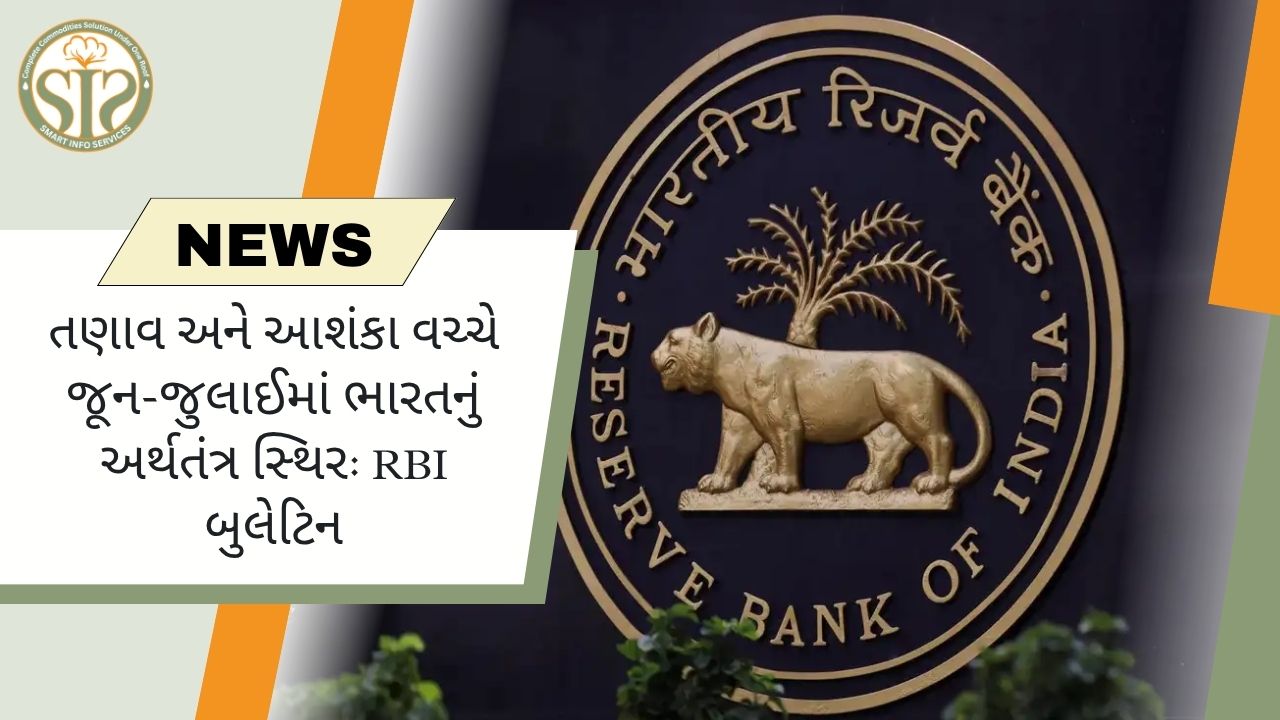
તણાવ અને આશંકા વચ્ચે જૂન-જુલાઈમાં ભારતનું અર્થતંત્ર સ્થિર: RBI બુલેટિનરિઝર્વ બેંક ઓફ ઈન્ડિયા (RBI) બુલેટિનના તાજેતરના અંકમાં પ્રકાશિત એક લેખમાં કહેવામાં આવ્યું છે કે ભૂ-રાજકીય તણાવ અને ટેરિફ નીતિની અનિશ્ચિતતાઓ વચ્ચે આ વર્ષે જૂન અને જુલાઈમાં ભારતની આર્થિક પ્રવૃત્તિ સ્થિર રહી, ખરીફ કૃષિ મોસમ માટે સારી સંભાવનાઓ સાથે, સેવા ક્ષેત્રમાં મજબૂત ગતિ ચાલુ રહી અને ઔદ્યોગિક પ્રવૃત્તિમાં સાધારણ વૃદ્ધિ.આ બે મહિનામાં વૈશ્વિક મેક્રોઇકોનોમિક વાતાવરણ અસ્થિર રહ્યું.સ્થાનિક અર્થતંત્રની સ્થિતિ પરના લેખમાં કહેવામાં આવ્યું છે કે ખાદ્યપદાર્થોના ભાવમાં ઘટાડાને કારણે જૂનમાં સતત પાંચમા મહિનામાં મુખ્ય ગ્રાહક ભાવ સૂચકાંક (CPI) આધારિત ફુગાવો 4 ટકાથી નીચે રહ્યો.ડેટ માર્કેટમાં નીતિ દરમાં ઘટાડાના ઝડપી ટ્રાન્સમિશનને સક્ષમ બનાવવા માટે પ્રણાલીગત પ્રવાહિતા સરપ્લસમાં રહી. તેમાં કહેવામાં આવ્યું છે કે પર્યાપ્ત વિદેશી વિનિમય અનામત અને મધ્યમ બાહ્ય દેવા-થી-GDP ગુણોત્તરને કારણે બાહ્ય ક્ષેત્ર સ્થિતિસ્થાપક રહ્યું.બુલેટિનમાં બીજા એક લેખમાં ઉલ્લેખ કરવામાં આવ્યો છે કે વૈશ્વિક ક્રૂડ ઓઇલના ભાવમાં 10 ટકાનો વધારો, પ્રયોગમૂલક અંદાજ મુજબ, ભારતના મુખ્ય ફુગાવામાં સમકાલીન ધોરણે લગભગ 20 બેસિસ પોઇન્ટનો વધારો કરી શકે છે.દેશમાં તેલના ભાવ અને ફુગાવા વચ્ચેના સંબંધ પરના લેખમાં કહેવામાં આવ્યું છે કે તેલની આયાત પર વધતી નિર્ભરતાને કારણે સ્થાનિક ભાવો પર થતી અસરને નિયંત્રિત કરવા માટે જ નહીં, પરંતુ લાંબા ગાળે સ્થાનિક બળતણના ભાવોના વધુ કાર્યક્ષમ સંચાલન માટે ધીમે ધીમે વૈકલ્પિક બળતણ સ્ત્રોતો તરફ આગળ વધવા માટે પણ પગલાં લેવાની જરૂર છે.વધુ વાંચો :- કાપડ ક્ષેત્રની નોકરીઓને વેગ આપવા માટે કાચા માલ પર શૂન્ય ડ્યુટી લાગુ પડશે: અમિતાભ કાંત
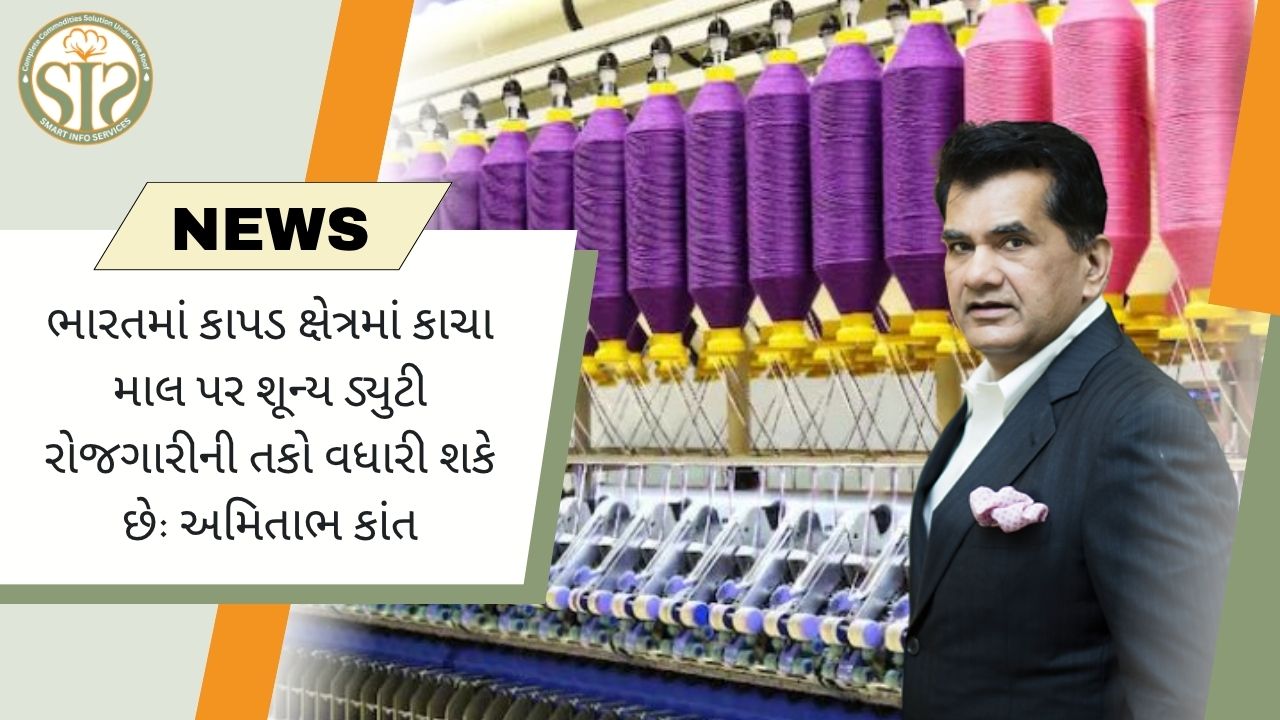
ભારતમાં કાપડ ક્ષેત્રમાં કાચા માલ પર શૂન્ય ડ્યુટી રોજગારીની તકો વધારી શકે છે: અમિતાભ કાંતનીતિ આયોગના ભૂતપૂર્વ સીઈઓ અમિતાભ કાંતના મતે, કાપડ ક્ષેત્રને વૈશ્વિક સ્તરે સ્પર્ધાત્મક બનાવવા અને લાખો ઉત્પાદન નોકરીઓનું સર્જન કરવા માટે ભારતે માનવસર્જિત ફાઇબર (MMF) કાચા માલ અને સ્ક્રેપ ગુણવત્તા નિયંત્રણ ઓર્ડર (QCOs) પરની આયાત ડ્યુટી નાબૂદ કરવી જોઈએ."ભારતમાં રોજગાર સર્જનનો ઉકેલ કાપડ અને વસ્ત્ર ઉદ્યોગમાં રહેલો છે. તેમાં લાખો ઉત્પાદન નોકરીઓ ઉમેરવાની ક્ષમતા છે," કાંતે માઇક્રોબ્લોગિંગ પ્લેટફોર્મ X પર એક પોસ્ટમાં જણાવ્યું હતું.તેમણે નિર્દેશ કર્યો કે વૈશ્વિક સ્તરે કાપડ અને વસ્ત્ર બજારનો 70 ટકા હિસ્સો MMF અને બાકીનો કપાસ પર આધારિત છે, જ્યારે ભારતમાં આ ગુણોત્તર વિપરીત છે, જે સ્પર્ધાને મર્યાદિત કરે છે."કાચા માલના સ્તરે, ખાસ કરીને MMF બજારમાં, સ્પર્ધાનો અભાવ છે. પોલિએસ્ટર અને વિસ્કોસ જેવા કાચા માલ ઉચ્ચ આયાત ડ્યુટી આકર્ષે છે," કાંતે કહ્યું."એમએમએફ માટે કાચો માલ આપણા સ્પર્ધકો કરતાં લગભગ 25 ટકા વધુ મોંઘો છે. જેમ જેમ આપણે મૂલ્ય શૃંખલામાં નીચે જઈએ છીએ તેમ તેમ આ ખર્ચ ગેરલાભ વધુ વધે છે," તેમણે કહ્યું."કાચા માલને સ્પર્ધાત્મક બનાવવાનો અર્થ એ છે કે લાખો નાના ઉદ્યોગોને મુક્ત કરવા, તેમના વિકાસને વેગ આપવા, મોટી સંખ્યામાં નોકરીઓનું સર્જન કરવું અને ભારતને વૈશ્વિક કાપડ મહાસત્તા બનાવવું," તેમણે ઉમેર્યું.વધુ વાંચો :- ડોલર સામે રૂપિયો 17 પૈસા ઘટીને 86.57 પર ખુલ્યો

ભારતીય રૂપિયો અમેરિકન ડોલર સામે ૧૭ પૈસા ઘટીને ૮૬.૫૭ પર ખુલ્યો.એશિયન કરન્સીમાં ઘટાડા અને ડોલર ઇન્ડેક્સમાં વધારાને કારણે ૨૫ જુલાઈના રોજ ભારતીય રૂપિયો અમેરિકન ડોલર સામે ૧૭ પૈસા ઘટીને ૮૬.૫૭ પર ખુલ્યો. આ અગાઉના બંધ સમયે ૮૬.૪૦ હતો.વધુ વાંચો :- CAI પ્રમુખ અતુલ ગણાત્રાનો CNBC આવાઝને ઇન્ટરવ્યુ - મુખ્ય મુદ્દા
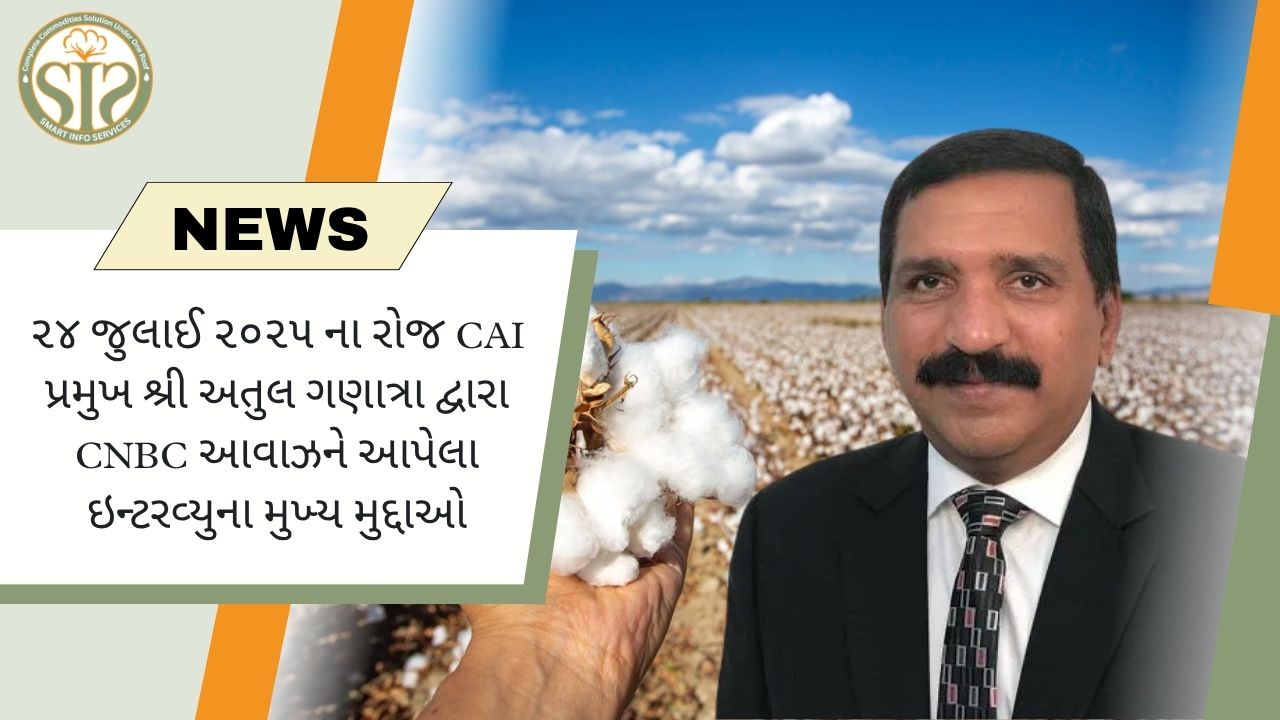
૨૪ જુલાઈ ૨૦૨૫ ના રોજ CAI પ્રમુખ શ્રી અતુલ ગણાત્રા દ્વારા CNBC આવાઝને આપેલા ઇન્ટરવ્યુના મુખ્ય મુદ્દાઓવૈકલ્પિક ફાઇબરની માંગમાં વધારો:શ્રી ગણાત્રાએ જણાવ્યું હતું કે છેલ્લા ચાર વર્ષમાં વિસ્કોસ અને પોલિએસ્ટર જેવા વૈકલ્પિક ફાઇબરની માંગમાં નોંધપાત્ર વધારો થયો છે. જ્યારે ૨૦૨૧ માં તેમનો વપરાશ લગભગ ૧૮૦૦ ટન પ્રતિ દિવસ હતો, તે હવે વધીને ૨૬૦૦-૨૭૦૦ ટન પ્રતિ દિવસ થયો છે. આવનારા સમયમાં આ વૃદ્ધિનો ટ્રેન્ડ ઝડપી બનવાની શક્યતા છે.ફાઇબરના ભાવની સરખામણી અને યાર્નની પ્રાપ્તિ:હાલમાં:કપાસનો ભાવ ₹170 પ્રતિ કિલો છેવિસ્કોસનો ભાવ ₹155 પ્રતિ કિલો છેપોલિએસ્ટરનો ભાવ ₹102 પ્રતિ કિલો છેયાર્નની પ્રાપ્તિ (ફાઇબરથી યાર્નનો ટકાવારી દર):કપાસ: 86–87%વિસ્કોસ/પોલિએસ્ટર: લગભગ 98%રાષ્ટ્રીય વિરુદ્ધ વૈશ્વિક ફાઇબર વપરાશ ગુણોત્તર:ભારત હજુ પણ 70% કપાસ અને 30% કૃત્રિમ ફાઇબરનો ઉપયોગ કરે છે, જ્યારે વૈશ્વિક સ્તરે ગુણોત્તર વિપરીત છે - 70% માનવસર્જિત ફાઇબર અને 30% કપાસ યાર્ન.કપાસની આયાતમાં નોંધપાત્ર વધારો:આ વર્ષે, કપાસની આયાતમાં મોટો ઉછાળો જોવા મળ્યો છે - ગયા વર્ષે ફક્ત 15 લાખ ગાંસડી આયાત કરવામાં આવી હતી, આ વર્ષે આ આંકડો 40 લાખ ગાંસડી સુધી પહોંચવાની ધારણા છે. આ વધારો 250% થી વધુ છે, તે પણ 11% આયાત ડ્યુટી હોવા છતાં, જે દેશના અર્થતંત્ર માટે ચિંતાનો વિષય છે.આયાતી કપાસની સ્પર્ધાત્મકતા:હાલમાં, બ્રાઝિલ અને આફ્રિકન દેશોમાંથી નવેમ્બર શિપમેન્ટ માટે સોદા ₹50,000–₹51,500 પ્રતિ ગાંસડીના ભાવે થઈ રહ્યા છે. જ્યારે ભારતમાં કપાસનો ભાવ ₹56,000–₹57,000 પ્રતિ ગાંસડી છે, જે આંતરરાષ્ટ્રીય ભાવ કરતાં 8-10% વધારે છે.ઉચ્ચ ગુણવત્તા, ઓછી દૂષણ અને સારી યાર્ન રિકવરીને કારણે આયાતી કપાસ ભારતીય કપાસ કરતાં વધુ ઉપયોગી અને સ્પર્ધાત્મક છે.લઘુત્તમ ટેકાના ભાવ અને વાવણીની સ્થિતિ:આગામી સિઝન માટે લઘુત્તમ ટેકાના ભાવ ₹8100 પ્રતિ ક્વિન્ટલ નક્કી કરવામાં આવ્યો છે, જેના પર CCI ખેડૂતો પાસેથી કપાસ ખરીદશે. આનાથી ખેડૂતોમાં ઉત્સાહ ફેલાયો છે.જ્યારે વાવણી વિસ્તારમાં 10% ઘટાડો થવાની આશંકા હતી, ત્યારે અત્યાર સુધીમાં લગભગ 101 લાખ હેક્ટરમાં વાવણી થઈ છે - જે ગયા વર્ષ જેટલી જ છે.જો આ વલણ ચાલુ રહેશે, તો આ વર્ષે કપાસનું વાવેતર 3-4% વધી શકે છે. ચોમાસાના સમયસર આગમનને કારણે, ઉત્તર અને દક્ષિણ ભારતમાં 15 સપ્ટેમ્બરથી નવા પાકનું આગમન શરૂ થઈ શકે છે.રિસાયકલ કપાસની અસર:રિસાયકલ કપાસ, જે મૂળ કપાસ કરતા લગભગ 25% વધુ ખર્ચાળ છે, તેનો ઉપયોગ હવે મોટા પ્રમાણમાં થઈ રહ્યો છે, જેના કારણે દેશમાં કપાસની એકંદર માંગમાં પણ ઘટાડો થઈ રહ્યો છે.વધુ વાંચો :- ટ્રમ્પ: દેશો પર 15% થી 50% ટેરિફ લાદવામાં આવશે
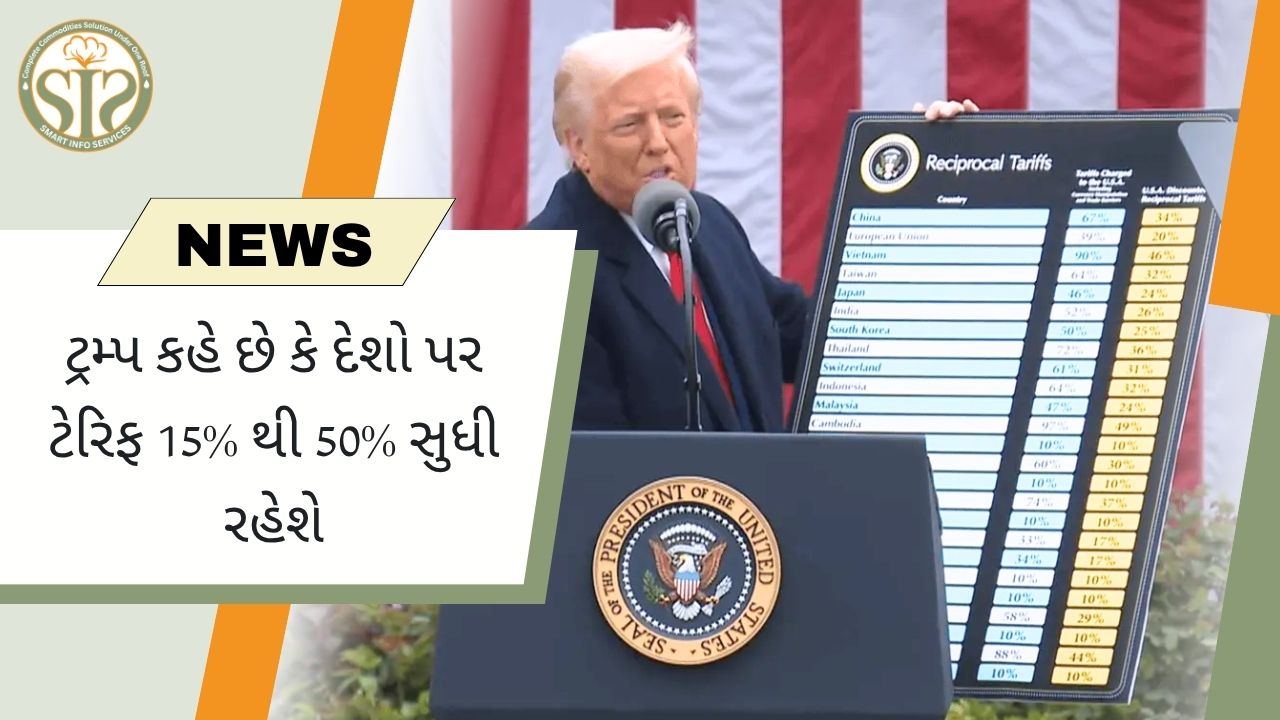
ટ્રમ્પ કહે છે કે દેશો પર ટેરિફ 15% થી 50% સુધી રહેશેયુએસ પ્રમુખ ડોનાલ્ડ ટ્રમ્પે સંકેત આપ્યો હતો કે તેઓ 1 ઓગસ્ટની સમયમર્યાદા પહેલાં કહેવાતા પારસ્પરિક ટેરિફ દરો નક્કી કરતી વખતે 15% થી નીચે નહીં જાય, જે એ સંકેત છે કે વધેલી ડ્યુટી માટે લઘુત્તમ થ્રેશોલ્ડ વધી રહ્યો છે."અમારા સાદા અને સરળ ટેરિફ 15% થી 50% ની વચ્ચે રહેશે," ટ્રમ્પે બુધવારે વોશિંગ્ટનમાં AI સમિટમાં કહ્યું. "કેટલાક - અમારી પાસે 50% છે કારણ કે અમારા તે દેશો સાથે સારા સંબંધો નથી."ટ્રમ્પની જાહેરાત કે ટેરિફ 15% થી શરૂ થશે તે લગભગ દરેક યુએસ ટ્રેડિંગ પાર્ટનર પર ડ્યુટી લાદવાના તેમના પ્રયાસમાં એક નવો વળાંક છે, અને તે નવીનતમ સંકેત છે કે ટ્રમ્પ નાના જૂથની બહારના દેશોની નિકાસ પર વધુ આક્રમક રીતે ડ્યુટી લાદવા માંગે છે જે અત્યાર સુધી વોશિંગ્ટન સાથે વેપાર માળખામાં દલાલી કરી શક્યા છે.ટ્રમ્પે આ મહિનાની શરૂઆતમાં કહ્યું હતું કે 150 થી વધુ દેશોને એક પત્ર પ્રાપ્ત થશે જેમાં "કદાચ 10 અથવા 15% ટેરિફ દર" શામેલ હશે, પરંતુ અમે હજુ સુધી નિર્ણય લીધો નથી. વાણિજ્ય સચિવ હોવર્ડ લુટનિકે રવિવારે સીબીએસ ન્યૂઝને જણાવ્યું હતું કે 10% નો બેઝલાઇન ટેરિફ નાના દેશો પર લાગુ થશે, જેમાં "લેટિન અમેરિકન દેશો, કેરેબિયન દેશો, આફ્રિકાના ઘણા દેશો"નો સમાવેશ થાય છે. અને જ્યારે એપ્રિલમાં પહેલી વાર ટેરિફની જાહેરાત કરવામાં આવી હતી, ત્યારે ટ્રમ્પે લગભગ દરેક દેશ પર 10% નો સાર્વત્રિક ટેરિફ લાદવાની જાહેરાત કરી હતી.જોકે ટ્રમ્પ અને તેમના સલાહકારો શરૂઆતમાં અનેક કરારો પર પહોંચવાની આશા રાખતા હતા, રાષ્ટ્રપતિ ટેરિફ પત્રોને "સોદા" કહી રહ્યા છે અને સંકેત આપી રહ્યા છે કે તેમને આગળ-પાછળ વાટાઘાટોમાં રસ નથી. તેમ છતાં, તેમણે દેશો માટે એવા કરારો પર પહોંચવાનો દરવાજો ખુલ્લો છોડી દીધો છે જે તે દર ઘટાડી શકે છે.મંગળવારે, ટ્રમ્પે જાહેરાત કરી કે તેઓ જાપાન દ્વારા કેટલાક યુએસ ઉત્પાદનો પરના પ્રતિબંધો હટાવવાના અને $550 બિલિયન રોકાણ ભંડોળને ટેકો આપવાની ઓફર કરવાના બદલામાં જાપાન પરના તેમના 25% ટેરિફ લાદવાની ધમકી ઘટાડીને 15% કરી રહ્યા છે.આ બાબતથી પરિચિત લોકોના મતે, વ્હાઇટ હાઉસે દક્ષિણ કોરિયા સાથે સમાન ભંડોળની પણ ચર્ચા કરી છે. દક્ષિણ કોરિયા ઓટોમોબાઇલ્સ સહિત અન્ય માલ પર 15% દર હાંસલ કરવા પર પણ ધ્યાન કેન્દ્રિત કરી રહ્યું છે. ફિલિપાઇન્સ પણ તેના ટેરિફ દરને હાલના 19% થી ઘટાડીને 15% કરવાનો લક્ષ્યાંક ધરાવે છે, એમ અમેરિકામાં ફિલિપાઇન્સના રાજદૂત જોસ મેન્યુઅલ રોમુઆલ્ડેઝના જણાવ્યા અનુસાર.દરમિયાન, વિયેતનામી અધિકારીઓ આ સોદાની સંભવિત કિંમતનું મૂલ્યાંકન કરી રહ્યા છે. આંતરિક સરકારી મૂલ્યાંકન મુજબ, જો ટ્રમ્પ દ્વારા જાહેર કરાયેલા ઊંચા ટેરિફ લાગુ કરવામાં આવે તો હનોઈનો અંદાજ છે કે યુ.એસ.માં તેની નિકાસ ત્રીજા ભાગ સુધી ઘટી શકે છે.વધુ વાંચો: વિયેતનામ માને છે કે ટ્રમ્પ દ્વારા લાદવામાં આવેલા ટેરિફ યુએસ નિકાસમાં ત્રીજા ભાગ સુધીનો ઘટાડો કરશેભારત અને EU સભ્યો સહિત અન્ય દેશો હજુ પણ વધેલા ટેરિફ લાદવામાં આવે તે પહેલાં કરારો માટે દબાણ કરી રહ્યા છે.બુધવારે, ટ્રમ્પે કહ્યું કે તેઓ "કેટલાક દેશો માટે ખૂબ જ સરળ ટેરિફ રાખશે" કારણ કે ઘણા બધા દેશો છે કે "તમે દરેક સાથે કરારો પર વાટાઘાટો કરી શકતા નથી." તેમણે કહ્યું કે EU સાથેની વાટાઘાટો "ગંભીર" છે."જો તેઓ અમેરિકન વ્યવસાયો માટે યુનિયન ખોલવા સંમત થાય, તો અમે તેમને ઓછા ટેરિફ ચૂકવવા દઈશું," ટ્રમ્પે કહ્યું.વધુ વાંચો :- ભારત-યુકે વેપાર કરાર: બાસમતી અને ફળની નિકાસ પર મુક્તિ, ડેરી અને ખાદ્ય તેલની આયાત પર કોઈ મુક્તિ નહીં

ભારત-યુકે મુક્ત વેપાર કરાર: બાસમતી, ફળ, કપાસની નિકાસને ડ્યુટીમાંથી મુક્તિ; ડેરી, સફરજન અને ખાદ્ય તેલની આયાત પર કોઈ મુક્તિ નહીંભારત-યુકે મુક્ત વેપાર કરાર (FTA) ખેડૂતો અને ફૂડ પ્રોસેસિંગ એકમોને લાભ આપશે કારણ કે બાસમતી ચોખા, કપાસ, મગફળી, ફળો, શાકભાજી, ડુંગળી, અથાણાં, મસાલા, ચા અને કોફી વગેરેની યુકેમાં નિકાસને ડ્યુટીમાંથી મુક્તિ આપવામાં આવશે.વધુમાં, FTA ડેરી ઉત્પાદનો, સફરજન, ઓટ્સ અને ખાદ્ય તેલની આયાત પર કોઈ ડ્યુટી છૂટ આપતું નથી. આનો અર્થ એ છે કે હિમાચલ પ્રદેશ અને જમ્મુ અને કાશ્મીરના સફરજન ઉત્પાદકો સુરક્ષિત છે. બંને રાજ્યોના ખેડૂતો અને રાજકારણીઓ સફરજનની આયાત પર 'મુક્તિ નહીં'ની તેમની માંગણી અંગે અવાજ ઉઠાવી રહ્યા છે.ગુરુવારે લંડનમાં હસ્તાક્ષર થનારા આ FTA હેઠળ સંમત થયેલા ઉત્પાદનોમાં કૃષિ અને ખાદ્ય પ્રક્રિયા અનુક્રમે 14.8 ટકા અને 10.6 ટકા હિસ્સો ધરાવશે.ડ્યુટી-મુક્ત ઍક્સેસ, સુવ્યવસ્થિત વેપાર પ્રોટોકોલ અને ભારતના કૃષિ માટે રક્ષણ એ મુક્ત વેપાર કરારનો ભાગ છે અને તે કૃષિ નિકાસ અને મૂલ્યવર્ધિત ઉત્પાદનોમાં વૃદ્ધિ માટે પાયો નાખે છે. આનાથી ભારતીય કૃષિ અને ખાદ્ય પ્રક્રિયા એકમો માટે પ્રીમિયમ બ્રિટિશ બજારો ખુલશે કારણ કે ડ્યુટી જર્મની, નેધરલેન્ડ અને અન્ય EU દેશોના નિકાસકારોને આપવામાં આવતા લાભો જેટલી જ હશે, અથવા કેટલાક કિસ્સાઓમાં તેનાથી પણ ઓછી હશે.કૃષિ અને ખાદ્ય પ્રક્રિયામુક્ત વેપાર કરારમાં સંમત થયેલી 95% થી વધુ 'ડ્યુટી લાઇન' ભારતીય કૃષિ અને પ્રોસેસ્ડ ખાદ્યપદાર્થો પર શૂન્ય ડ્યુટી લાગુ કરશે. ભારતે અંદાજ લગાવ્યો છે કે આ ડ્યુટી-મુક્ત ઍક્સેસ આગામી ત્રણ વર્ષમાં કૃષિ નિકાસમાં 20% થી વધુ વધારો કરશે, જે 2030 સુધીમાં $100 બિલિયન કૃષિ નિકાસના તેના લક્ષ્યને પૂર્ણ કરશે અને ગ્રામીણ પરિવારોના હાથમાં વધુ પૈસા મૂકશે.ફૂડ-પ્રોસેસિંગ ક્ષેત્રમાં, ભારત વૈશ્વિક સ્તરે $14.07 બિલિયનના માલની નિકાસ કરે છે, જ્યારે યુકે $50.68 બિલિયનના માલની આયાત કરે છે. અત્યાર સુધી, ભારતીય ઉત્પાદનોએ યુકેની આયાતમાં ફક્ત $309.5 મિલિયનનું યોગદાન આપ્યું છે.કૃષિ ક્ષેત્રે, ભારત વૈશ્વિક સ્તરે $36.63 બિલિયનની નિકાસ કરે છે જ્યારે યુકે $37.52 બિલિયનની આયાત કરે છે, પરંતુ ભારતમાંથી યુકેની આયાત ફક્ત $811 મિલિયનની છે.ભારત મુખ્ય ક્ષેત્રોમાં મોટી વૈશ્વિક કંપનીઓને પાછળ રાખી શકે છે. ઉદાહરણ તરીકે, પ્રોસેસ્ડ ફૂડની તૈયારીમાં, ભારત યુએસ, ચીન અને થાઇલેન્ડ કરતાં આગળ રહેશે. બેકરી ઉત્પાદનોના ક્ષેત્રમાં, ભારતીય ઉત્પાદનો યુએસ, ચીન, થાઇલેન્ડ અને વિયેતનામના ઉત્પાદનો કરતાં વધુ સ્પર્ધાત્મક રહેશે. સાચવેલ શાકભાજી, ફળો, બદામ, તાજા શાકભાજી અને પીણાં પરના ભારતીય ઉત્પાદનો પાકિસ્તાન, તુર્કી, યુએસ, બ્રાઝિલ, થાઇલેન્ડ અને ચીન કરતાં ઓછા ટેરિફ આકર્ષિત કરશે.વધુ વાંચો :- રૂપિયો 07 પૈસા ઘટીને 86.40 પ્રતિ ડોલર પર બંધ થયો.

ગુરુવારે ભારતીય રૂપિયો 07 પૈસા ઘટીને 86.40 પ્રતિ ડોલર પર બંધ થયો હતો, જ્યારે સવારે તે 86.33 પર ખુલ્યો હતો.બંધ સમયે, સેન્સેક્સ 542.47 પોઈન્ટ અથવા 0.66 ટકા ઘટીને 82,184.17 પર અને નિફ્ટી 157.80 પોઈન્ટ અથવા 0.63 ટકા ઘટીને 25,062.10 પર બંધ થયો હતો. લગભગ 1564 શેર વધ્યા, 2324 શેર ઘટ્યા અને 155 શેર યથાવત રહ્યા.વધુ વાંચો :- સસ્તા ફાઇબરના કારણે વૈશ્વિક કપાસ પર દબાણ
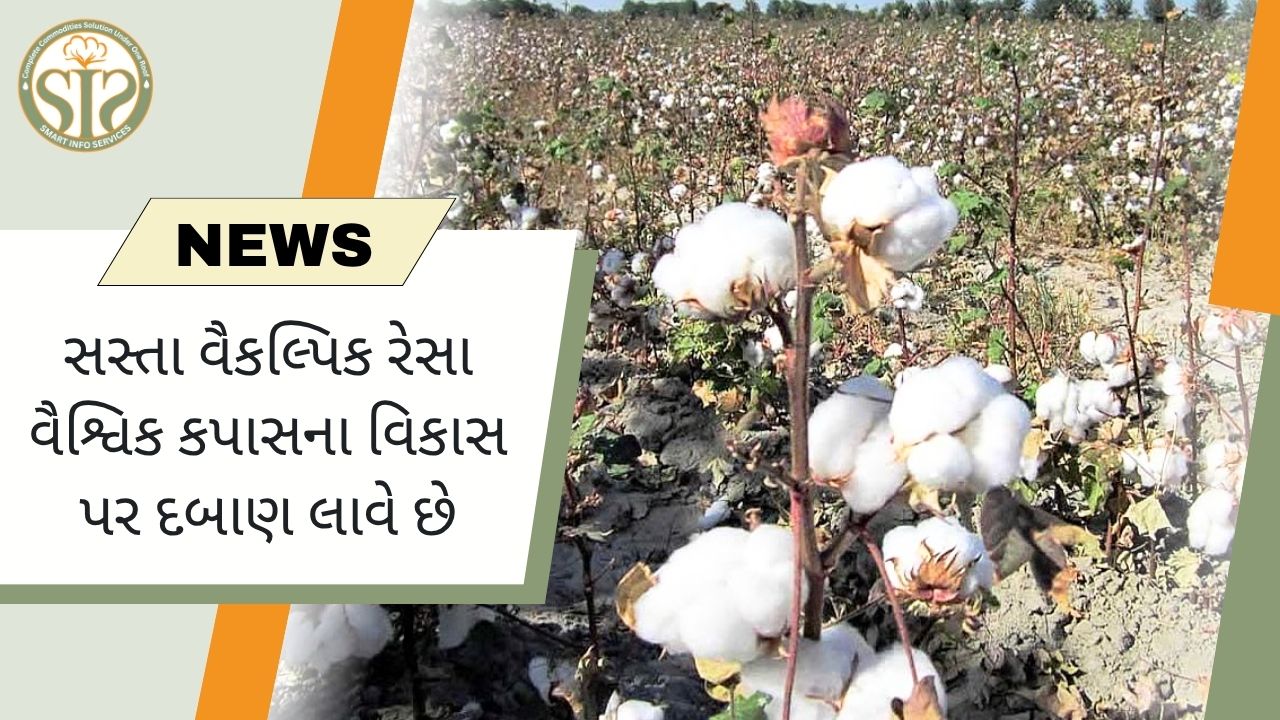
સસ્તા વૈકલ્પિક રેસા વૈશ્વિક કપાસના વિકાસ પર દબાણ લાવે છેઉદ્યોગ નિષ્ણાતો અને સંશોધન વિશ્લેષકો કહે છે કે ટકાઉપણું અને પર્યાવરણ પ્રત્યે સભાન ઉત્પાદન તરફ વધતા વલણને કારણે વૈશ્વિક કપાસનો વિકાસ દબાણ હેઠળ છે, કારણ કે ગ્રાહકો વધુને વધુ જવાબદાર સામગ્રી અને ઉત્પાદન પ્રક્રિયાઓ પસંદ કરી રહ્યા છે."જોકે કપાસ જેવા કુદરતી રેસા પરંપરાગત રીતે ટકાઉ અને સ્વચ્છ માનવામાં આવે છે, તેમ છતાં, ફાસ્ટ-ફેશનની ઘટતી માંગ અને વૈકલ્પિક સામગ્રી તરફના પરિવર્તનને કારણે વધુ પડતા વપરાશ, પાણીના ઉપયોગ અને આબોહવાની સંવેદનશીલતા અંગેની ચિંતાઓને કારણે એકંદરે કપાસનો ઉપયોગ ધીમે ધીમે ઘટી રહ્યો છે," ફિચ સોલ્યુશન્સના એકમ, સંશોધન એજન્સી BMI એ "એશિયામાં કપાસનું ભવિષ્ય: ધીમી માંગ, નવીનતા અને સ્થિતિસ્થાપકતા" શીર્ષકવાળા તેના અભ્યાસમાં જણાવ્યું હતું."કાપડ ક્ષેત્ર વાંસ, શણ અને રિસાયકલ કપાસ જેવા વૈકલ્પિક રેસા પર નજર રાખી રહ્યું છે. આ કપાસ કરતાં સસ્તા છે," રાજકોટ સ્થિત કપાસ, યાર્ન અને કપાસના કચરાનો વેપારી આનંદ પોપટ કહે છે.મિશ્રિત તંતુઓ લોકપ્રિયતા મેળવી રહ્યા છે"કપાસના મિશ્રિત તંતુઓ લોકપ્રિયતા મેળવી રહ્યા છે. આજે, કાપડ ઉદ્યોગમાં કુલ ફાઇબર વપરાશમાં શુદ્ધ કપાસનો હિસ્સો 30 ટકાથી ઓછો છે. ઉત્પાદકો પાસે ઘણા વિકલ્પો છે," રાયચુર સ્થિત સોર્સિંગ એજન્ટ અને ઓલ ઇન્ડિયા કોટન બ્રોકર્સ એસોસિએશનના ઉપપ્રમુખ રામાનુજ દાસ બૂબે જણાવ્યું હતું.ઇન્ડિયન ટેક્સટાઇલ એન્ટરપ્રેન્યોર્સ ફેડરેશન (ITF) ના કન્વીનર પ્રભુ ધામોધરને જણાવ્યું હતું કે વૈકલ્પિક ફાઇબરોએ થોડી પ્રગતિ કરી છે પરંતુ કપાસ હજુ પણ પ્રીમિયમ ગ્રાહકોમાં પસંદગીની પસંદગી છે. "ગ્રાહકોનો આ વર્ગ ઉચ્ચ ખર્ચ શક્તિ દર્શાવે છે, જેના કારણે કપાસ આધારિત ફેશન ઉત્પાદનોની માંગ સતત રહે છે," તેમણે કહ્યું.ભારતના દૃષ્ટિકોણથી, આ વર્ષે પહેલીવાર, તેની કપાસ આધારિત વસ્ત્રોની નિકાસ યુએસ બજારના 12 ટકા જેટલી હતી. "સુતરાઉ વસ્ત્રોમાં ભારતની સ્થાપિત શક્તિ સાથે, આ ગતિ ચાલુ રહેવાની શક્યતા છે," ધામોધરને કહ્યું.ઇકો-ફ્રેન્ડલી ઉત્પાદનોને પ્રોત્સાહન આપવા માટે EU અને UK દ્વારા શરૂ કરાયેલી વિવિધ પહેલો તરફ ઈશારો કરતા, BMI એ જણાવ્યું હતું કે કૃત્રિમ રેસાના વધતા વલણ અને સસ્તા, ઉચ્ચ-ગુણવત્તાવાળા અને બાયો-આધારિત વિકલ્પોમાં પ્રગતિને કારણે કપાસની માંગ અસ્થિર બનવાની શક્યતા છે.રિસાયકલ કપાસ"ગ્રાહકોની પસંદગીઓ વધુ ટકાઉ વિકલ્પો તરફ વળતી હોવાથી, અમે કપાસના પાકની માંગમાં ધીમે ધીમે ઘટાડો થવાની અપેક્ષા રાખીએ છીએ, જેનાથી ભાવ પર અસર થશે અને તેથી લાંબા ગાળે ઉત્પાદનમાં ઘટાડો થશે," સંશોધન એજન્સીએ જણાવ્યું હતું."વિકલ્પોની ઓછી કિંમત કપાસને અસર કરી રહી છે. જ્યારે કોટન યાર્નનો સૌથી ઓછો ભાવ ₹220 પ્રતિ કિલો છે, ત્યારે બ્લેન્ડેડ યાર્નની કિંમત ₹150 ની આસપાસ છે," દાસ બુબે જણાવ્યું હતું."રિસાયકલ કપાસના ભાવ શુદ્ધ કપાસના ઉત્પાદનોના ભાવના એક ચતુર્થાંશ છે. મોટા રિટેલર્સ પણ શુદ્ધ કપાસને બદલે બ્લેન્ડેડ કપાસ પસંદ કરીને ખર્ચ ઘટાડવાનું વિચારી રહ્યા છે," પોપટે જણાવ્યું હતું.BMI એ જણાવ્યું હતું કે તાજેતરના વર્ષોમાં કપાસના ઉત્પાદનને ઘણા પડકારોનો સામનો કરવો પડ્યો છે, ખાસ કરીને સ્થાનિક કૃષિ અને આબોહવાની પરિસ્થિતિઓ સાથે અસંગતતાને કારણે, ભારતમાં ગુલાબી બોલવોર્મ દ્વારા Bt કપાસ સામે પ્રતિકારનો વિકાસ. "આ કપાસ ઉત્પાદકોને નવીનતા અને ઉભરતા પડકારો માટે અનુકૂલન ચાલુ રાખવાની જરૂરિયાત પર ભાર મૂકે છે," તે જણાવે છે.સામાજિક ઝુંબેશચીનના શિનજિયાંગ કપાસ ઉદ્યોગમાં કથિત બળજબરીથી મજૂરી કરવા સામે સામાજિક ઝુંબેશને કારણે મુખ્ય ફેશન બ્રાન્ડ્સ અને ગ્રાહકો દ્વારા વૈશ્વિક બહિષ્કાર થયો છે. "સ્થાનિક માંગ પણ નબળી પડી છે, ચીની કપડા ઉત્પાદકો આયાત પ્રતિબંધો અને બહિષ્કારના પ્રતિકૂળ પ્રભાવોને ટાળવા માટે વધુને વધુ આયાતી કપાસ તરફ વળ્યા છે," સંશોધન એજન્સીએ જણાવ્યું હતું.પોપટે કહ્યું કે વિવિધ એજન્સીઓ હવે કપાસને પ્રોત્સાહન આપવાનો પ્રયાસ કરી રહી છે. "આ બધું ત્યારે શરૂ થયું જ્યારે કપાસના ભાવ પ્રતિ કેન્ડી ₹1 લાખ (356 કિલો) ને સ્પર્શ્યા. ઉત્પાદકોએ ખર્ચ ઘટાડવાનો પ્રયાસ કર્યો અને વિકલ્પો આવ્યા," તેમણે કહ્યું."શુદ્ધ કપાસની લાગણીને કંઈ હરાવી શકતું નથી. આ એક ચક્રીય વલણ છે. તે થોડા વર્ષોમાં બદલાઈ શકે છે," દાસ બૂબે કહ્યું.ધામોદરને કહ્યું કે વૈશ્વિક ફેશન ક્ષેત્રમાં ઇન્વેન્ટરી સ્તર સામાન્ય થઈ ગયું છે, બ્રાન્ડ્સ અને રિટેલર્સ માંગ-આધારિત, ગતિશીલ આયોજન માટે AI અને ડિજિટલ સાધનોનો વધુને વધુ ઉપયોગ કરી રહ્યા છે.લગભગ પાંચ વર્ષનું નીચું સ્તર"ઉત્પાદન હવે વપરાશ પેટર્ન સાથે ગાઢ રીતે સુસંગત છે, ખાસ કરીને વિકસિત બજારોમાં, અને EU આયાત અને વપરાશ વલણો ખૂબ જ સ્થિર રહે છે. અમને EU માં આગળ જતાં વધુ સારી ગતિની અપેક્ષા છે," તેમણે કહ્યું.BMI એ જણાવ્યું હતું કે ભારત અને ચીને કપાસ ક્ષેત્રની વર્તમાન સમસ્યાઓને ઉકેલવા માટે પગલાં શરૂ કર્યા છે. સમય જતાં આના ફળ મળવાની શક્યતા છે.યુએસ ડિપાર્ટમેન્ટ ઓફ એગ્રીકલ્ચર અનુસાર, 2025-26 માં વૈશ્વિક કપાસનું ઉત્પાદન 25.78 મિલિયન ટન (MT) થવાનો અંદાજ છે, જે 2024-25 માં 26.10 મિલિયન ટન હતું. ઉત્પાદક દેશોમાં સ્થાનિક વપરાશ વધીને 25.72 મિલિયન ટન (2024-25 માં 25.40 મિલિયન ટન) થવાની ધારણા છે, જ્યારે નિકાસ વધીને 9.73 મિલિયન ટન (9.36 મિલિયન ટન) થવાની સંભાવના છે. આનાથી અંતિમ સ્ટોક 16.83 મિલિયન ટન (16.71 મિલિયન ટન) પર રહેશે, જે મંદીના સ્પષ્ટ સંકેત છે.ન્યૂ યોર્ક સ્થિત ઇન્ટરકોન્ટિનેન્ટલ એક્સચેન્જ પર કોટન ફ્યુચર્સ 66 સેન્ટ પ્રતિ પાઉન્ડના પાંચ વર્ષના નીચલા સ્તરે ટ્રેડ કરી રહ્યા છે. ભારતમાં, બેન્ચમાર્ક શંકર-6 કોટન રાજકોટ, ગુજરાત ખાતે ₹57,500 પ્રતિ કેન્ડી પર ટ્રેડ કરી રહ્યો છે.વધુ વાંચો :- ખેડૂતો મકાઈ તરફ આગળ વધી રહ્યા છે: સોયાબીન અને કપાસના વાવેતરમાં ઘટાડો

સોયાબીન અને કપાસના વાવેતર વિસ્તારમાં ઘટાડો થવાને કારણે ભારતીય ખેડૂતો મકાઈની ખેતી તરફ વળી રહ્યા છે.બજારોમાં અપેક્ષા કરતાં ઓછી આવકને કારણે સોયાબીન અને કપાસના વાવેતર વિસ્તારમાં ઘટાડો થઈ રહ્યો હોવા છતાં, દેશભરના ખેડૂતો મકાઈની ખેતી તરફ વળ્યા છે.દેશમાં ખરીફ વાવણીના અંતિમ તબક્કામાં પ્રવેશતા, ભારતમાં 21 જુલાઈ સુધીમાં 708.31 લાખ હેક્ટરમાં વાવેતર થયું છે જે ગયા વર્ષે 680.38 લાખ હેક્ટર હતું. આમાંથી, મકાઈનું વાવેતર સૌથી મોટો ઉછાળો જોવા મળ્યો છે - ગયા વર્ષે 61.73 લાખ હેક્ટરથી વધીને આ વર્ષે 71.21 લાખ હેક્ટર થયું છે.જોકે, તેલીબિયાંનું વાવેતર 6 ટકા ઘટીને 156.76 લાખ હેક્ટર થયું છે જે ગયા વર્ષે 162.80 લાખ હેક્ટર હતું. મુખ્ય ખરીફ તેલીબિયાં સોયાબીનનું વાવેતર આ વર્ષે 111.67 લાખ હેક્ટરમાં થયું છે જે ગયા વર્ષે 118.96 લાખ હેક્ટરમાં થયું હતું. મુખ્ય લિન્ટ પાક કપાસ હેઠળનો વિસ્તાર પણ 202-25 માં 102.05 લાખ હેક્ટરથી ઘટીને 98.55 લાખ હેક્ટર થયો છે.ખાદ્ય તેલ દ્રાવક અને એક્સ્ટ્રેક્ટર કંપનીઓની સર્વોચ્ચ સંસ્થા, સોલવન્ટ અને એક્સ્ટ્રેક્ટર્સ એસોસિએશન (SEA) એ રાષ્ટ્રીય સ્તરે ભારતના મુખ્ય ઉનાળુ તેલીબિયાં પાક, સોયાબીન હેઠળના વાવેતર વિસ્તારમાં સંભવિત ઘટાડા અંગે ચિંતા વ્યક્ત કરી છે.SEA ના પ્રમુખ સંજીવ અસ્થાનાએ જણાવ્યું હતું કે, "પાકની પસંદગીઓમાં ફેરફાર અને પ્રાદેશિક હવામાન પરિવર્તનશીલતાને કારણે, ગયા વર્ષની સરખામણીમાં સોયાબીનનો વાવેતર વિસ્તાર 6 ટકાથી વધુ ઘટ્યો છે. આ વલણને નજીકથી જોવા યોગ્ય છે, કારણ કે સોયાબીન ભારતના તેલીબિયાં અર્થતંત્રનો એક મહત્વપૂર્ણ આધારસ્તંભ અને તેલ અને કેકનો મુખ્ય સ્ત્રોત છે."મહારાષ્ટ્રના લાતુર જિલ્લાના ખેડૂત વિલાસ ઉપાડેએ જણાવ્યું હતું કે જથ્થાબંધ બજારમાં સોયાબીનનો ભાવ હાલમાં પ્રતિ ક્વિન્ટલ રૂ. 4,000 છે."આ સરકારે જાહેર કરેલા 5,328 રૂપિયાના લઘુત્તમ ટેકાના ભાવ (MSP) કરતા પણ ઓછું છે, નવો પાક બજારમાં આવે તે પહેલાં જ. આ વર્ષે અમને બમ્પર પાકની અપેક્ષા છે, તેથી હું લણણી પછીના ભાવની સ્થિતિ વિશે ચિંતિત છું," તેમણે કહ્યું. ખરીફ વાવણી તેના અંતિમ તબક્કામાં પહોંચી રહી છે, તેથી ભાવમાં વધુ ઘટાડો થઈ શકે છે. ઇથેનોલ ઉત્પાદન માટે કાચા માલ તરીકે ઉપયોગમાં લેવાતા મકાઈની માંગમાં વધારો થયો છે.વધુ વાંચો :- INR 8 પૈસા મજબૂત થઈને 86.33 પર ખુલ્યો.

ડોલર ઘટતાં રૂપિયો ૮ પૈસા વધીને ૮૬.૩૩ પર ખુલ્યો૨૪ જુલાઈના રોજ ડોલર ઇન્ડેક્સ ઘટતાં રૂપિયો ૮ પૈસા વધીને ખુલ્યો. ગયા દિવસે ૮૬.૪૧ પર બંધ થયા બાદ ડોલર સામે રૂપિયો ૮૬.૩૩ પર ખુલ્યો.વધુ વાંચો :- રૂપિયો 86.41/USD પર સ્થિર બંધ થયો

બુધવારે ભારતીય રૂપિયો ૮૬.૪૧ પ્રતિ ડોલર પર સ્થિર બંધ થયો હતો, જ્યારે સવારે તે ૮૬.૪૧ પર ખુલ્યો હતો.સેન્સેક્સ ૫૩૯.૮૩ પોઈન્ટ અથવા ૦.૬૬ ટકા વધીને ૮૨,૭૨૬.૬૪ પર બંધ થયો હતો, અને નિફ્ટી ૧૫૯ પોઈન્ટ અથવા ૦.૬૩ ટકા વધીને ૨૫,૨૧૯.૯૦ પર બંધ થયો હતો. લગભગ ૧૮૮૨ શેર વધ્યા, ૧૯૮૯ શેર ઘટ્યા અને ૧૬૧ શેર યથાવત રહ્યા.વધુ વાંચો :- કોટન ટેક્સટાઇલ નિકાસ $35.6 બિલિયનને વટાવી ગઈ: ગિરિરાજ સિંહ
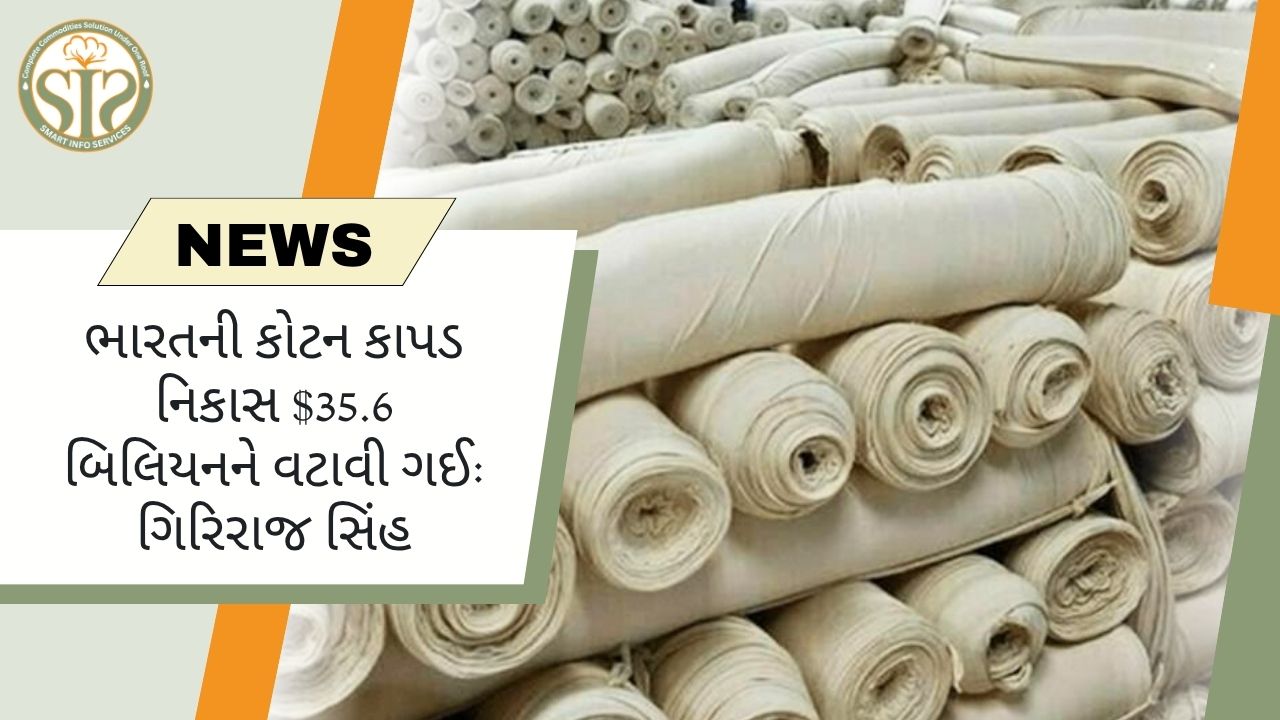
ભારતની કોટન કાપડ નિકાસ $35.6 બિલિયનને વટાવી ગઈ: ગિરિરાજ સિંહકેન્દ્રીય કાપડ મંત્રી ગિરિરાજ સિંહે મંગળવારે સંસદમાં જણાવ્યું હતું કે ભારતની કોટન કાપડની કુલ નિકાસ, જેમાં કોટન યાર્ન, કોટન ફેબ્રિક, મેડ-અપ્સ, અન્ય ટેક્સટાઇલ યાર્ન, ફેબ્રિક મેડ-અપ્સ અને કાચો કપાસનો સમાવેશ થાય છે, છેલ્લા ત્રણ વર્ષ દરમિયાન $35.642 બિલિયનને વટાવી ગઈ છે.મંત્રીએ એ પણ માહિતી આપી હતી કે વિઝન 2030 ને અનુરૂપ, કપાસની ઉત્પાદકતા અને ગુણવત્તા વધારવા, નવીનતાને પ્રોત્સાહન આપવા અને સમગ્ર ટેક્સટાઇલ મૂલ્ય શૃંખલાને મજબૂત બનાવવા માટે, નાણામંત્રીએ 2025-26 ના બજેટમાં પાંચ વર્ષીય 'કોટન પ્રોડક્ટિવિટી મિશન' ની જાહેરાત કરી હતી.કૃષિ સંશોધન અને શિક્ષણ વિભાગ (DARE) આ મિશનના અમલીકરણ માટે નોડલ વિભાગ છે, જેમાં કાપડ મંત્રાલય ભાગીદાર છે. આ મિશનનો હેતુ તમામ કપાસ ઉત્પાદક રાજ્યોમાં સંશોધન અને વિસ્તરણ પ્રવૃત્તિઓ સહિત વ્યૂહાત્મક હસ્તક્ષેપો દ્વારા કપાસના ઉત્પાદનને વેગ આપવાનો છે.આ મિશન અદ્યતન સંવર્ધન અને બાયોટેકનોલોજીકલ સાધનોનો ઉપયોગ કરીને એક્સ્ટ્રા લોંગ સ્ટેપલ (ELS) કપાસ સહિત આબોહવા-સ્થિતિસ્થાપક, જીવાત-પ્રતિરોધક અને ઉચ્ચ ઉપજ આપતી કપાસની જાતોના વિકાસ પર ધ્યાન કેન્દ્રિત કરવાનો પણ પ્રસ્તાવ રાખે છે.ICAR-સેન્ટ્રલ ઇન્સ્ટિટ્યૂટ ફોર કોટન રિસર્ચ (CICR), નાગપુર દ્વારા આઠ મુખ્ય કપાસ ઉત્પાદક રાજ્યોમાં 'કૃષિ-પર્યાવરણીય ક્ષેત્રો માટે ટેકનોલોજીનું લક્ષ્યીકરણ - કપાસ ઉત્પાદકતા વધારવા માટે શ્રેષ્ઠ પ્રથાઓનું મોટા પાયે પ્રદર્શન' પર એક ખાસ પ્રોજેક્ટ અમલમાં મૂકવામાં આવ્યો છે. મંત્રીએ વધુમાં માહિતી આપી કે આ ખાસ પ્રોજેક્ટનો કુલ ખર્ચ રૂ. 6,032.35 લાખ છે.'કપાસ ઉત્પાદકતા મિશન'નો ઉદ્દેશ્ય ખેડૂતોને ઉચ્ચ ઉત્પાદકતા, સુધારેલ ફાઇબર ગુણવત્તા અને આબોહવા અને જીવાત-સંબંધિત પડકારો સામે સુધારેલ સ્થિતિસ્થાપકતા પ્રાપ્ત કરવા માટે અત્યાધુનિક વૈજ્ઞાનિક અને તકનીકી સહાય પૂરી પાડવાનો છે. સરકારના સંકલિત 5F વિઝન, ખેતરથી ફાઇબર, ફેક્ટરીથી ફેશન અને પછી વિદેશમાં, આ મિશન કપાસના ખેડૂતોની આવકમાં વધારો કરશે, ઉચ્ચ ગુણવત્તાવાળા કપાસનો સતત પુરવઠો સુનિશ્ચિત કરશે અને ભારતના પરંપરાગત કાપડ ક્ષેત્રને પુનર્જીવિત કરશે, જેનાથી તેની વૈશ્વિક સ્પર્ધાત્મકતામાં વધારો થશે, એમ તેમણે જણાવ્યું હતું.કાપડ નિકાસને વેગ આપવાના પગલાંના ભાગ રૂપે, મંત્રાલયે ભારતીય કાપડ મૂલ્ય શૃંખલાની મજબૂતાઈ દર્શાવવા, કાપડ અને ફેશન ઉદ્યોગમાં નવીનતમ પ્રગતિ અને નવીનતાઓને પ્રકાશિત કરવા અને કાપડ ક્ષેત્રમાં સોર્સિંગ અને રોકાણ માટે ભારતને સૌથી પસંદગીના સ્થળ તરીકે સ્થાપિત કરવા માટે એક વૈશ્વિક મેગા ટેક્સટાઇલ ઇવેન્ટ ઇન્ડિયા ટેક્સ 2025 ના આયોજનમાં નિકાસ પ્રમોશન કાઉન્સિલને પણ ટેકો આપ્યો છે, એમ મંત્રીએ લોકસભામાં બીજા પ્રશ્નના જવાબમાં જણાવ્યું હતું.આ સહયોગ વિદ્યાર્થી અને ફેકલ્ટી વિનિમય, સંયુક્ત સંશોધન પહેલ, ડ્યુઅલ ડિગ્રી અને ટ્વીનિંગ કાર્યક્રમો, સહયોગી અભ્યાસક્રમ વિકાસ અને વૈશ્વિક શૈક્ષણિક એકીકરણને સમર્થન આપતા એમઓયુ દ્વારા કાર્યરત છે, એમ મંત્રીએ જણાવ્યું હતું.આ સહયોગ વિદ્યાર્થી અને ફેકલ્ટી વિનિમય, સંયુક્ત સંશોધન પહેલ, ડ્યુઅલ ડિગ્રી અને ટ્વીનિંગ કાર્યક્રમો, સહયોગી અભ્યાસક્રમ વિકાસ અને વૈશ્વિક શૈક્ષણિક એકીકરણને સમર્થન આપતા એમઓયુ દ્વારા કાર્યરત છે, એમ મંત્રીએ જણાવ્યું હતું. મંત્રીએ કહ્યું, "આ આંતરરાષ્ટ્રીય સહયોગ શૈક્ષણિક શ્રેષ્ઠતાને પ્રોત્સાહન આપીને, નવીનતાને પ્રોત્સાહન આપીને અને જ્ઞાન ટ્રાન્સફરને સક્ષમ કરીને વૈશ્વિક કાપડ અને ફેશન ક્ષેત્રમાં ભારતનું સ્થાન મજબૂત બનાવે છે. આ સહયોગ વિદ્યાર્થીઓ અને ફેકલ્ટીને વૈશ્વિક ડિઝાઇન સંવેદનશીલતા, તકનીકી પ્રગતિ અને ઉભરતા વલણો સાથે પરિચિત કરાવે છે. અભ્યાસક્રમને આંતરરાષ્ટ્રીય ધોરણો સાથે સમકક્ષ લાવીને, આ સહયોગ ભારતીય સ્નાતકોને વૈશ્વિક બજારોમાં અસરકારક રીતે સ્પર્ધા કરવા અને કાપડ અને ફેશનમાં સર્જનાત્મક અને તકનીકી કુશળતાના કેન્દ્ર તરીકે ભારતની પ્રતિષ્ઠાને મજબૂત બનાવવા માટે જરૂરી કુશળતા અને આંતરદૃષ્ટિથી સજ્જ કરે છે."વધુ વાંચો :- 2025 માં કપાસ નિકાસ કરતા દેશો: ભારતનો રેન્કિંગ
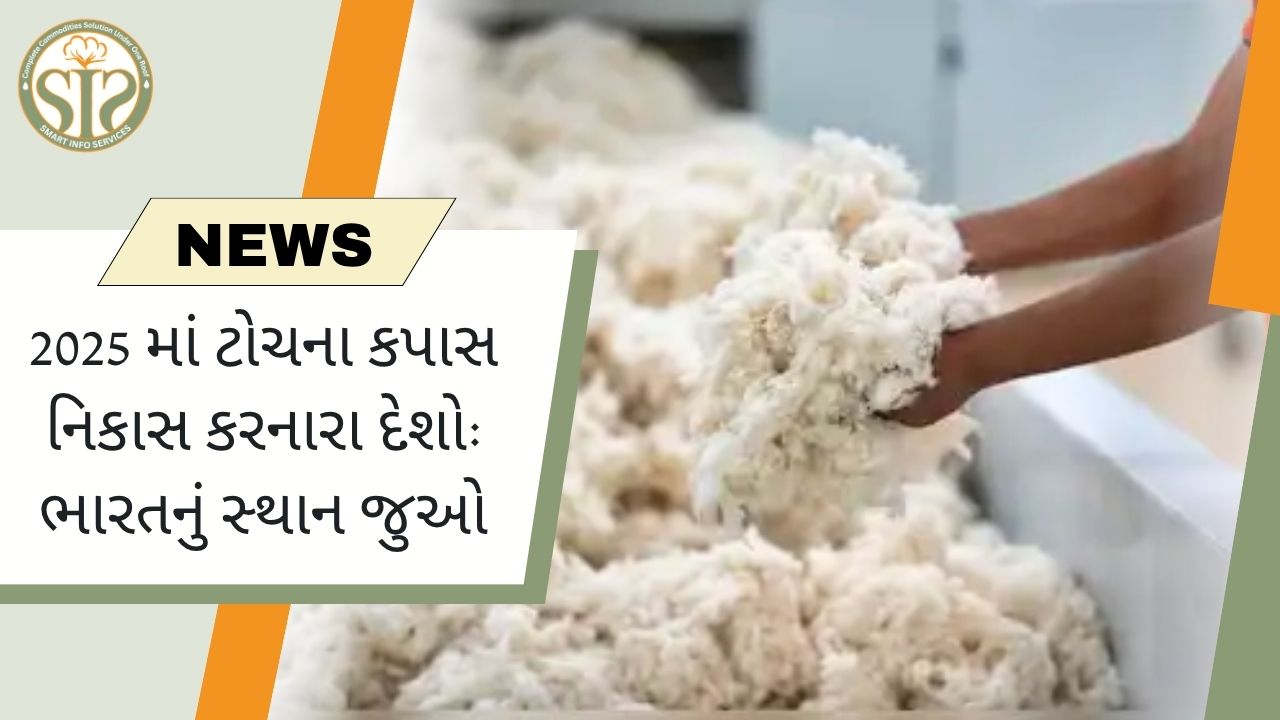
2025 માં ટોચના કપાસ નિકાસ કરનારા દેશો: ભારતનું સ્થાન જુઓકપાસ એ વિશ્વભરમાં કપડાં, ઘરના ફર્નિચર અને ઔદ્યોગિક ઉત્પાદનોમાં વપરાતા સૌથી આવશ્યક કુદરતી રેસામાંથી એક છે. કપાસની માંગ સતત વધી રહી હોવાથી, વૈશ્વિક કપાસ નિકાસ બજારમાં થોડા દેશો પ્રભુત્વ ધરાવે છે. આ ટોચના નિકાસકારો માત્ર સ્થાનિક જરૂરિયાતો જ પૂરી કરતા નથી પરંતુ આંતરરાષ્ટ્રીય ખરીદદારોને પણ મોટી માત્રામાં કપાસનો પુરવઠો પૂરો પાડે છે.2025 માં વૈશ્વિક કપાસનું ઉત્પાદન 117.8 મિલિયન ગાંસડી (દરેક ગાંસડીનું વજન લગભગ 480 પાઉન્ડ) સુધી પહોંચવાનો અંદાજ છે. ઇન્ટરનેશનલ કોટન એડવાઇઝરી કમિટી (ICAC), USDA, 2023-2024 ના ડેટા મુજબ, ટોચના 5 કપાસ નિકાસ કરનારા દેશો અને તેઓ ઉદ્યોગમાં મુખ્ય ખેલાડીઓ કેમ છે તેના પર એક નજર અહીં છે.1. યુનાઇટેડ સ્ટેટ્સ - ગ્લોબલ કોટન પાવરહાઉસ | વાર્ષિક કપાસ નિકાસ: લગભગ 3.1 મિલિયન ટન | યુનાઇટેડ સ્ટેટ્સ તેની અદ્યતન કૃષિ પદ્ધતિઓ, મોટા પાયે ખેતી અને કાર્યક્ષમ સપ્લાય ચેઇનને કારણે કપાસ નિકાસમાં વિશ્વ અગ્રણી છે. મોટાભાગનો યુએસ કપાસ ટેક્સાસ, મિસિસિપી અને અન્ય દક્ષિણ રાજ્યોમાંથી આવે છે. તેની ઉચ્ચ ગુણવત્તા માટે જાણીતું, યુએસ કપાસ વૈશ્વિક કાપડ ઉત્પાદકો માટે ટોચની પસંદગી છે.2. બ્રાઝિલ - ઝડપી વૃદ્ધિ અને મજબૂત નિકાસ નેટવર્ક | વાર્ષિક કપાસ નિકાસ: લગભગ 2.3 મિલિયન ટન | અનુકૂળ હવામાન અને વિશાળ કૃષિ જમીનનો લાભ લઈને, બ્રાઝિલ છેલ્લા દાયકામાં કપાસના મુખ્ય નિકાસકાર તરીકે ઉભરી આવ્યું છે. બ્રાઝિલિયન કપાસ મુખ્યત્વે એશિયા અને યુરોપમાં નિકાસ કરવામાં આવે છે. આધુનિક ખેતી તકનીકોમાં રોકાણથી ઉત્પાદન અને ગુણવત્તા બંનેમાં વધારો થયો છે.3. ઓસ્ટ્રેલિયા - ટકાઉ પ્રથાઓ સાથે પ્રીમિયમ ગુણવત્તા | વાર્ષિક કપાસ નિકાસ: લગભગ 1.7 મિલિયન ટન | ઓસ્ટ્રેલિયા યુએસ અથવા બ્રાઝિલ કરતાં ઓછું કપાસ ઉત્પન્ન કરી શકે છે, પરંતુ તે ગુણવત્તાની દ્રષ્ટિએ શ્રેષ્ઠ છે. તેના લાંબા, સ્વચ્છ રેસા માટે જાણીતું, ઓસ્ટ્રેલિયન કપાસ પ્રીમિયમ કાપડ બજારોમાં પ્રિય છે. દેશ ટકાઉ કૃષિ પદ્ધતિઓ અને પાણી-કાર્યક્ષમ ખેતી પદ્ધતિઓમાં પણ અગ્રેસર છે.4. ભારત - મર્યાદિત નિકાસ સાથે એક વિશાળ ઉત્પાદક | વાર્ષિક કપાસ નિકાસ: લગભગ 0.8 મિલિયન ટન | ભારત વૈશ્વિક સ્તરે કપાસના સૌથી મોટા ઉત્પાદકોમાંનો એક છે, પરંતુ તેનો મોટાભાગનો ઉપયોગ સ્થાનિક સ્તરે થાય છે. નિકાસ વધારાની ઉપલબ્ધતા પર આધાર રાખે છે. ભારતીય કપાસ બાંગ્લાદેશ અને વિયેતનામ જેવા નજીકના બજારોમાં લોકપ્રિય છે. સ્થાનિક કાપડ ઉદ્યોગ પાકનો મોટો હિસ્સો વાપરે છે.૫. ઉઝબેકિસ્તાન - કપાસના વેપારમાં સુધારો અને વૃદ્ધિ | વાર્ષિક કપાસ નિકાસ: લગભગ ૦.૫ મિલિયન ટન | ઉઝબેકિસ્તાનના અર્થતંત્ર માટે કપાસ મહત્વપૂર્ણ રહે છે. તાજેતરના વર્ષોમાં, દેશે તેના કપાસ ઉદ્યોગને આધુનિક બનાવવા અને મજૂર પદ્ધતિઓ સુધારવા પર ધ્યાન કેન્દ્રિત કર્યું છે. ફરજિયાત મજૂરી દૂર કરવા અને નૈતિક ખેતીને પ્રોત્સાહન આપવાના પ્રયાસોએ કપાસ નિકાસકાર તરીકે તેની વૈશ્વિક છબી સુધારી છે.વધુ વાંચો :- રૂપિયો 05 પૈસા ઘટીને 86.41/USD પર ખુલ્યો

ડોલર સામે રૂપિયો ૫ પૈસા ઘટીને ૮૬.૪૧ પર ખુલ્યો૨૩ જુલાઈના રોજ ડોલર ઇન્ડેક્સમાં નજીવા વધારા સાથે રૂપિયો ૫ પૈસા ઘટીને ખુલ્યો. ડોલર સામે ચલણ ૮૬.૪૧ પર ખુલ્યું, જે અગાઉના દિવસે ૮૬.૩૬ પર બંધ થયું હતું.વધુ વાંચો :- ભારતીય રૂપિયો 11 પૈસા ઘટ્યો, ડોલર દીઠ 86.36 પર બંધ થયો

મંગળવારે ભારતીય રૂપિયો ૧૧ પૈસા ઘટીને ૮૬.૩૬ પ્રતિ ડોલર પર બંધ થયો હતો, જ્યારે સવારે તે ૮૬.૨૫ પર ખુલ્યો હતો.બંધ સમયે, સેન્સેક્સ ૧૩.૫૩ પોઈન્ટ અથવા ૦.૦૨ ટકા ઘટીને ૮૨,૧૮૬.૮૧ પર અને નિફ્ટી ૨૯.૮૦ પોઈન્ટ અથવા ૦.૧૨ ટકા ઘટીને ૨૫,૦૬૦.૯૦ પર બંધ થયો હતો. લગભગ ૧૭૨૪ શેર વધ્યા, ૨૧૨૬ શેર ઘટ્યા અને ૧૭૨ શેર યથાવત રહ્યા.વધુ વાંચો :- સિરસામાં જમીન ડૂબી ગઈ, કપાસનો પાક નાશ પામ્યો
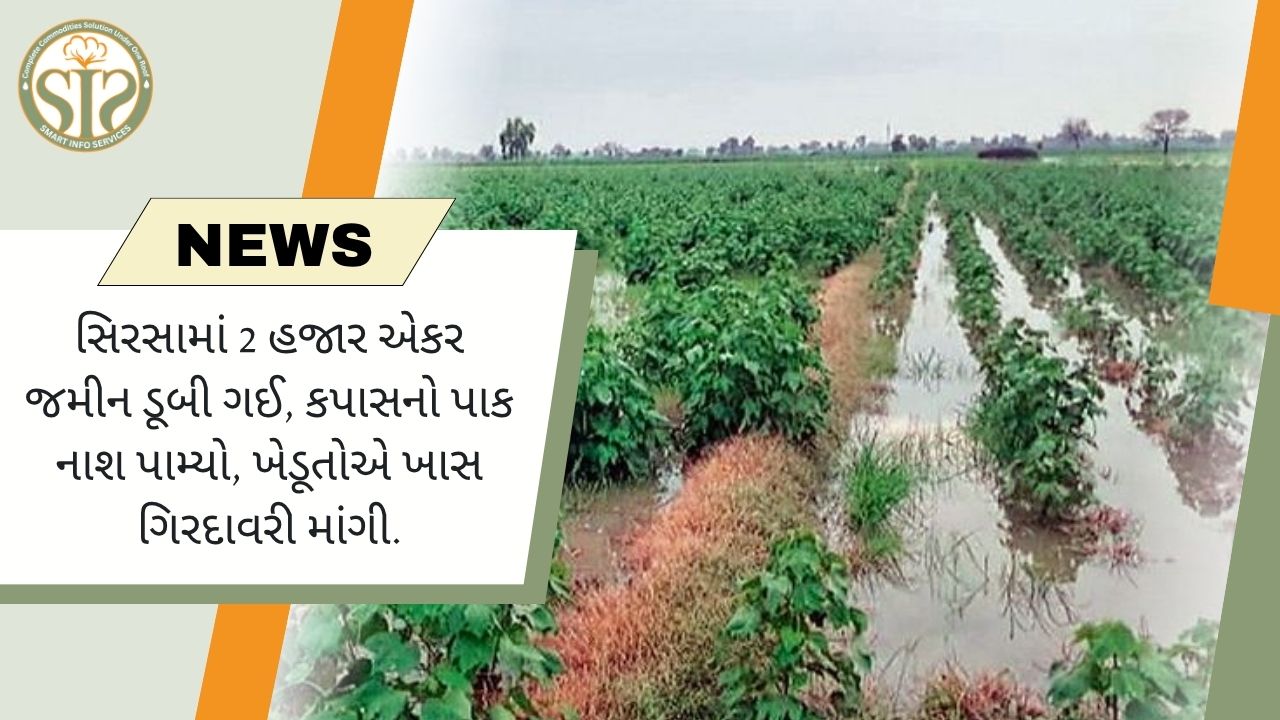
સિરસામાં 2 હજાર એકર જમીન ડૂબી ગઈ, કપાસનો પાક નાશ પામ્યો, ખેડૂતોએ ખાસ ગિરદાવરી માંગી.સિરસા જિલ્લાના નાથુસરી ચોપટા બ્લોકમાં તાજેતરના ભારે વરસાદથી સાત ગામોમાં 2,000 એકરથી વધુ ખેતીલાયક જમીનમાં વિનાશ વેર્યો છે. ભારે પાણી ભરાવાના કારણે કપાસ, ગુવાર અને મગફળીના પાકને ભારે નુકસાન થયું છે, જેમાં કપાસ સૌથી વધુ પ્રભાવિત થયો છે.ઘણા અસરગ્રસ્ત વિસ્તારોમાં, ખેડૂતો હવે તેમના ક્ષતિગ્રસ્ત કપાસના ખેતરો ખેડવા અને ડાંગરની ખેતી કરવા મજબૂર છે, જે ભેજનો સામનો કરવા માટે વધુ સક્ષમ છે - પરંતુ આનાથી તેમના નાણાકીય બોજમાં વધુ વધારો થયો છે.રૂપાણા ગાંજા (400 એકર), રૂપાણા બિશ્નોઈ (300 એકર), શક્કર મંડુરી (500 એકર), શાહપુરિયા (150 એકર), નહરણા (150 એકર), તારકાવલી (100 એકર) અને ચહરવાલા (50 એકર) માં ખેતીલાયક જમીન ડૂબી ગઈ છે. સૌથી વધુ અસરગ્રસ્ત ગામો - શક્કર મંડુરી, રૂપાણા ગાંજા અને રૂપાણા બિશ્નોઈ - માં લગભગ 1,200 એકર કપાસનો પાક નાશ પામ્યો છે.શક્કર મંડુરીના ખેડૂત મુકેશ કુમારે કહ્યું, "મારે મારો આખો 7 એકર કપાસનો પાક ખેડવા પડ્યો. મોટરથી પાણી કાઢી નાખ્યા પછી પણ, સ્થિર પાણીને કારણે છોડ સડી ગયા."અનિલ કાસાનિયા, બલજીત અને વીરેન્દ્ર સહિત અન્ય ખેડૂતોએ પણ આવા જ નુકસાન વિશે વાત કરી.તેમાંના ઘણાએ જમીન ભાડે લીધી હતી અને કપાસ પર પ્રતિ એકર રૂ. 10,000 નું રોકાણ કર્યું હતું. હવે, તેમને ડાંગરની તૈયારી અને વાવણી માટે પ્રતિ એકર રૂ. 6,000-8,000 વધારાના ખર્ચ કરવા પડે છે.અન્ય એક અસરગ્રસ્ત ખેડૂત રાજ કાસાનિયાએ કહ્યું, "આ બમણું નુકસાન છે. વરસાદ પછી, ખારા ભૂગર્ભજળનું સ્તર વધે છે અને જમીનને પણ નુકસાન પહોંચાડે છે. આવી પરિસ્થિતિમાં ખેડૂત શું કરી શકે?"ચિંતાનો વિષય સેમ નાલા (ડ્રેનેજ કેનાલ) ના ઓવરફ્લો છે, જે પૂરગ્રસ્ત ખેતરોમાંથી વધારાનું પાણી કાઢી રહ્યું છે. ખેડૂતોને ડર છે કે જો બંધ તૂટી જશે, તો નજીકના ગામો પાણીમાં ડૂબી જશે અને ઉભા પાકને વધુ નુકસાન થશે. તેમણે સ્થાનિક અધિકારીઓ પર વારંવાર યાદ અપાવવા છતાં ચોમાસા પહેલા કેનાલની સફાઈ ન કરવાનો આરોપ લગાવ્યો છે.ખેડૂતોએ સરકારને ખાસ ગિરદાવરી (પાક નુકસાન સર્વે) કરાવવા અને નુકસાન માટે વળતર જાહેર કરવા વિનંતી કરી છે.જિલ્લા કૃષિ નાયબ નિયામક ડૉ. સુખદેવ કંબોજે પુષ્ટિ આપી છે કે મોટાભાગના અસરગ્રસ્ત ખેતરો ખારાશવાળા વિસ્તારોમાં આવે છે.ડૉ. કંબોજે કહ્યું, "અમે ખેડૂતોને પુસા 1509, 1692, 1847 (બાસમતી) અને પંજાબ 126 (પરમાલ) જેવી ટૂંકા ગાળાની અને ઓછી પાણી લેતી ડાંગરની જાતો ઉગાડવાની સલાહ આપી રહ્યા છીએ. આ જાતોને 33% ઓછા પાણીની જરૂર પડે છે અને લગભગ 100 દિવસમાં પાકી જાય છે."ડૉ. કંબોજે એમ પણ કહ્યું કે અણધારી હવામાનને કારણે કપાસ જોખમી પાક બની રહ્યો છે.આ વર્ષે સિરસા જિલ્લામાં ૧.૪૭ લાખ એકરમાં કપાસનું વાવેતર થયું હતું, જ્યારે ૧.૫ લાખ એકરથી વધુ વિસ્તારમાં ડાંગરનું વાવેતર થયું હતું.વધુ વાંચો :- હરિયાણા: કેન્દ્રીય ટીમે ગુલાબી ઈયળથી પ્રભાવિત કપાસના ખેતરોનું નિરીક્ષણ કર્યું
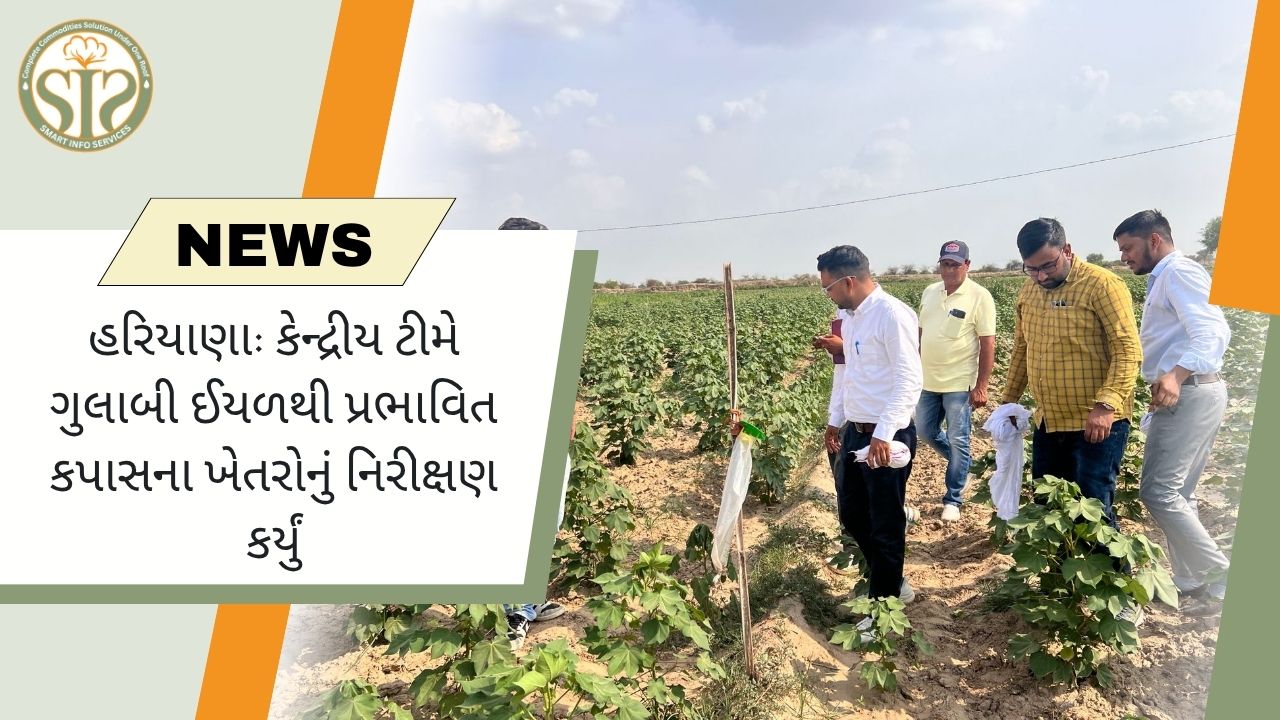
કેન્દ્રીય ટીમે કપાસના ખેતરોનું નિરીક્ષણ કર્યુંહિસાર: ખેડૂતોની ફરિયાદો અને જીવાતોના ઉપદ્રવ, ખાસ કરીને ગુલાબી ઈયળના ઉપદ્રવ અંગે ચિંતાઓને પગલે, કેન્દ્રીય કૃષિ મંત્રાલયની એક ટીમે જિલ્લાની મુલાકાત લીધી અને કપાસના પાકનું નિરીક્ષણ કર્યું.કૃષિ અને ખેડૂત કલ્યાણ વિભાગના અધિકારીઓએ આજે જણાવ્યું હતું કે ટીમે મંગલી ઝારા ગામમાં ખેતરોનું નિરીક્ષણ કર્યું અને કપાસના પાકમાં ગુલાબી ઈયળના નિશાન જોવા મળ્યા.જોકે, અધિકારીઓએ જણાવ્યું હતું કે ઉપદ્રવ આર્થિક મર્યાદાથી નીચે છે અને ખેડૂતોને સતર્ક રહેવાની સલાહ આપી હતી પરંતુ ગભરાવાની જરૂર નથી.નિરીક્ષણ ટીમમાં સહાયક છોડ સંરક્ષણ અધિકારીઓ (APPOs) લક્ષ્મીકાંત, કેપી શર્મા અને ફરીદાબાદના પ્રાદેશિક સંકલિત જીવાત વ્યવસ્થાપન કેન્દ્ર (RIPMC) ના સૂરજ બેનીવાલનો સમાવેશ થતો હતો, તેમની સાથે હરિયાણા કૃષિ અને ખેડૂત કલ્યાણ વિભાગના છોડ સંરક્ષણ અધિકારી ડૉ. અરુણ કુમાર યાદવ અને કૃષિ વિકાસ અધિકારી (ADO) રવિન્દર અંતિલનો સમાવેશ થતો હતો.ડૉ. અરુણ કુમારે જણાવ્યું હતું કે તેમને ગામમાંથી ગુલાબી ઈયળ વિશે માહિતી મળી છે અને તેમણે કેન્દ્ર અને ચંદીગઢ સ્થિત મુખ્યાલયને જાણ કરી છે. ખેડૂત નરસી રામ ખીચડે જણાવ્યું હતું કે તેમણે થોડા દિવસો પહેલા જંતુ જોયો હતો અને કૃષિ વિભાગના અધિકારીઓને જાણ કરી હતી.હિસારમાં કપાસનો વાવેતર વિસ્તાર છેલ્લા ત્રણ વર્ષથી સતત ઘટી રહ્યો છે, જેનું મુખ્ય કારણ ગુલાબી ઈયળ જેવી જીવાતોની વારંવાર થતી સમસ્યાઓ છે. આ સિઝનમાં, લગભગ 2.1 લાખ એકરમાં કપાસનું વાવેતર થયું છે, જે ગયા વર્ષે 2.5 લાખ એકર હતું, જે વારંવાર થતા નુકસાનને કારણે ખેડૂતોના રસમાં ઘટાડો દર્શાવે છે.ડૉ. યાદવે જણાવ્યું હતું કે જો દરેક છોડમાં ચાર કે તેથી વધુ ઈયળ જોવા મળે તો જ જંતુનાશકોનો છંટકાવ કરવાની સલાહ આપવામાં આવે છે. નહિંતર, ખેડૂતોને નિયમિતપણે ખેતરનું નિરીક્ષણ કરવાની સલાહ આપવામાં આવે છે. ટીમે ગયા વર્ષના કપાસના છોડના અવશેષો (બંચાહટ્ટી) પણ ખેતરમાં પડેલા જોયા હતા, જે ચેપના વાહક હોવાની શંકા છે. બાકીના છોડના અવશેષોથી ગુલાબી ઈયળના હુમલાનું જોખમ છે, અધિકારીઓએ જણાવ્યું હતું.બીજી બાજુ, જિલ્લાના આદમપુરના કપાસ પટ્ટામાં કેટલાક ગામડાઓ, ખાસ કરીને અતિ વરસાદને કારણે નુકસાન સહન કરી રહ્યા છે. શિશ્વાલ, આદમપુર, લાડવી, મહાલસરા અને કોહલી જેવા ગામોના કપાસના ખેડૂતોએ પાકને વ્યાપક નુકસાન પહોંચાડ્યું છે અને પાણીમાં પેરા વિલ્ટ રોગ વધવાનું જોખમ છે.આદમપુરના ધારાસભ્ય ચંદ્ર પ્રકાશે પરિસ્થિતિનું મૂલ્યાંકન કરવા માટે અસરગ્રસ્ત વિસ્તારોની મુલાકાત લીધી હતી અને સિંચાઈ વિભાગના અધિકારીઓને પોતાની સાથે લીધા હતા. ધારાસભ્યએ અધિકારીઓને ખેતરોમાંથી પાણી કાઢવા અને પાકને ઓછામાં ઓછું નુકસાન થાય તે માટે તાત્કાલિક પગલાં લેવા નિર્દેશ આપ્યો હતો.કોંગ્રેસના ધારાસભ્યએ સરકારને નુકસાનનું મૂલ્યાંકન કરવા માટે સર્વેક્ષણ કરવાની પણ માંગ કરી હતી અને અસરગ્રસ્ત ખેડૂતોને તાત્કાલિક નાણાકીય સહાયની માંગ કરી હતી.વધુ વાંચો:- INR 04 પૈસા મજબૂત થઈને 85.25 પર ખુલ્યો.

ડોલર સામે રૂપિયો 04 પૈસા વધીને 86.25 પર ખુલ્યોમંગળવારે ભારતીય રૂપિયો 86.25 પ્રતિ ડોલર પર ખુલ્યો, જ્યારે સોમવારે 86.29 પર બંધ રહ્યો હતો.વધુ વાંચો :- કપાસમાં ચૂર્ણ જીવાત વ્યવસ્થાપન: વાવણી પછીના પગલાં

કપાસના પાકમાં ચૂસિયા પ્રકારની જીવાતોના સંકલિત વ્યવસ્થાપન માટે વાવણી બાદ આટલું જરૂર કરોગુજરાતભરમાં સાર્વત્રિક વરસાદ બાદ મોટાભાગના ખેડૂતોએ હોંશભેર ખરીફ પાકોનું વાવેતર કર્યું છે. વાવેતર બાદ ઉગી નીકળેલા પાકોને રોગ-જીવાતથી સુરક્ષિત રાખવા ખેડૂતો દ્વારા પાક માવજત માટેના વિવિધ પ્રયાસો કરવામાં આવી રહ્યા છે. રાજ્ય સરકાર પણ રોગ-જીવાતથી પાકને થતા નુકશાનને અટકાવવા હરહંમેશ ખેડૂતોની પડખે રહી છે. એ જ અનુક્રમને જાળવી રાખતા ખેતી નિયામકની કચેરી-ગાંધીનગર દ્વારા કપાસની વાવણી બાદ ચૂસીયા પ્રકારની જીવાતોના સંકલિત વ્યવસ્થાપન માટેના મહત્વપૂર્ણ પગલાઓ સૂચવતી માર્ગદર્શિકા જાહેર કરવામાં આવી છે.કપાસમાં વાવણી બાદ થતી ચૂસીયા જીવાતોના વ્યવસ્થાપન માટે આટલું જરૂર કરો:* શેઢાપાળા ઉપર નિંદામણો ખાસ કરીને ગાડર, કાંકસી, જંગલી ભીંડા, કોંગ્રેસ ઘાસ અને જંગલી જાસૂદ જેવા છોડ-ઘાસને નિંદામણ કરીને તેનો નાશ કરવો.* મોલોમશી તથા તડતડીયાનાં જૈવિક નિયંત્રણ માટે પરભક્ષી લીલી પોપટી (ક્રાયસોપા)ની ૨ થી ૩ દિવસની ઇયળો હેકટરે ૧૦,૦૦૦ની સંખ્યામાં ૧૫ દિવસના ગાળે બે વખત છોડવી.* લીમડાનાં મીંજનું પ ટકા દ્રાવણ અથવા એઝાડીરેકટીન જેવી બિનરાસાયણિક તત્વ ધરાવતી ૧૫૦૦, ૩૦૦૦ કે ૧૦,૦૦૦ પીપીએમ અનુક્રમે ૫ લીટર, ૨.૫ લીટર અને ૭૫૦ મી.લી પ્રતિ હેકટરે ઉપયોગ કરવી.* મોલો મશી, સફેદ માખીની મોજણી અને નિયંત્રણ માટે પીળા ચીકણાં પિંજરનો ઉપયોગ કરવો.* રાતા ચૂસિયાં અને રૂપલાંના નિયંત્રણ માટે કેરોસીનવાળા પાણીમાં અર્ધ ખુલેલા કે આખા ખુલેલા જીંડવાઓ ખંખેરી રૂપલાં ભેગા કરી નાશ કરવો અથવા છોડ હલાવી અને બે છેડેથી દોરડું પકડી હારમાં ઝડપથી ચાલવાથી આ રૂપલાઓને નીચે પાડી નાશ કરવો.* પ્રાકૃતિક કૃષિમાં ચૂસિયા જીવાતોના નિયંત્રણ માટે ૨૦૦ લિટર નિમાસ્ત્ર (પાણી ભેળવ્યા વિના) એક એકર મુજબ છાંટવું. બ્રહ્માસ્ત્ર, દશપર્ણી અર્ક જેવી બિનરસાયણિક જંતુનાશકો ૬ થી ૮ લીટર માત્રામાં ૨૦૦ લિટર પાણીમાં ભેળવી એક એકર મુજબ છંટકાવ કરવો.* ચૂસિયા જીવાતોના જૈવિક નિયંત્રણ માટે સુક્ષ્મ જૈવિક નિયંત્રકો જેવા કે, વર્ટીસીલીયમ લેકાની અથવા બુવેરીયા બાસીયાના ૫૦ ગ્રામને ૧૦ લીટર પાણીમાં પાકની શરૂઆતની અવસ્થાએ વાતાવરણમાં ભેજ હોય ત્યારે છંટકાવ કરવો.* સફેદમાખીના ઉપદ્ગવની શરૂઆત જણાયેથી તેના નિયંત્રણ માટે એઝાડીરેકટીન ૧૫૦૦ પીપીએમ ૫૦ મીલીને ૧૦ લીટર પાણીમાં ભેળવી છંટકાવ કરવો.* ટી મોસ્કીટો બગથી થયેલ નુક્શાનનો ભાગ તોડીને નાશ કરવો તથા ખેતરની અંદર છાંયડો ન પડે તેની કાળજી રાખવી. જીવાતની શરૂઆત જણાય તે વખતે એઝાડીરેકટીન ૧૫૦૦ પીપીએમ ૫૦ મીલી અથવા બીવેરીયા બેસીયાના નામની ફૂગનો પાઉડર ૪૦ ગ્રામને ૧૦ લીટર પાણીમાં ભેળવી છંટકાવ કરવો.* કપાસના પાકમાં સ્થાનિક જીવાતો (એન્ડેમિક પેસ્ટ)નો વધુ ઉપદ્રવ જણાયેથી આપના કાર્યક્ષેત્રને લગત કૃષિ યુનિવર્સીટી દ્વારા ભલામણ કરેલ રાસાયણિક જંતુનાશક દવાઓનો જરૂરીયાત તેમજ ભલામણ મુજબ ઉપયોગ કરવો.* જંતુનાશક દવાના વપરાશ વખતે દવા ઉપર આપવામાં આવેલ લેબલ મુજબ જે તે પાક માટે, આપવામાં આવેલ ડોઝ અને જે તે રોગ/ જીવાત માટેની દવા છે તે ભલામણ મુજબ સંકલિત જીવાત વ્યવસ્થાપનના ભાગરૂપે તબક્કાવાર અનુસરવા.વધુ વાંચો :- કપાસ પ્રત્યે મોહભંગ: પંજાબમાં ઉત્પાદન ઘટ્યું, વૈવિધ્યકરણ માટે આંચકો
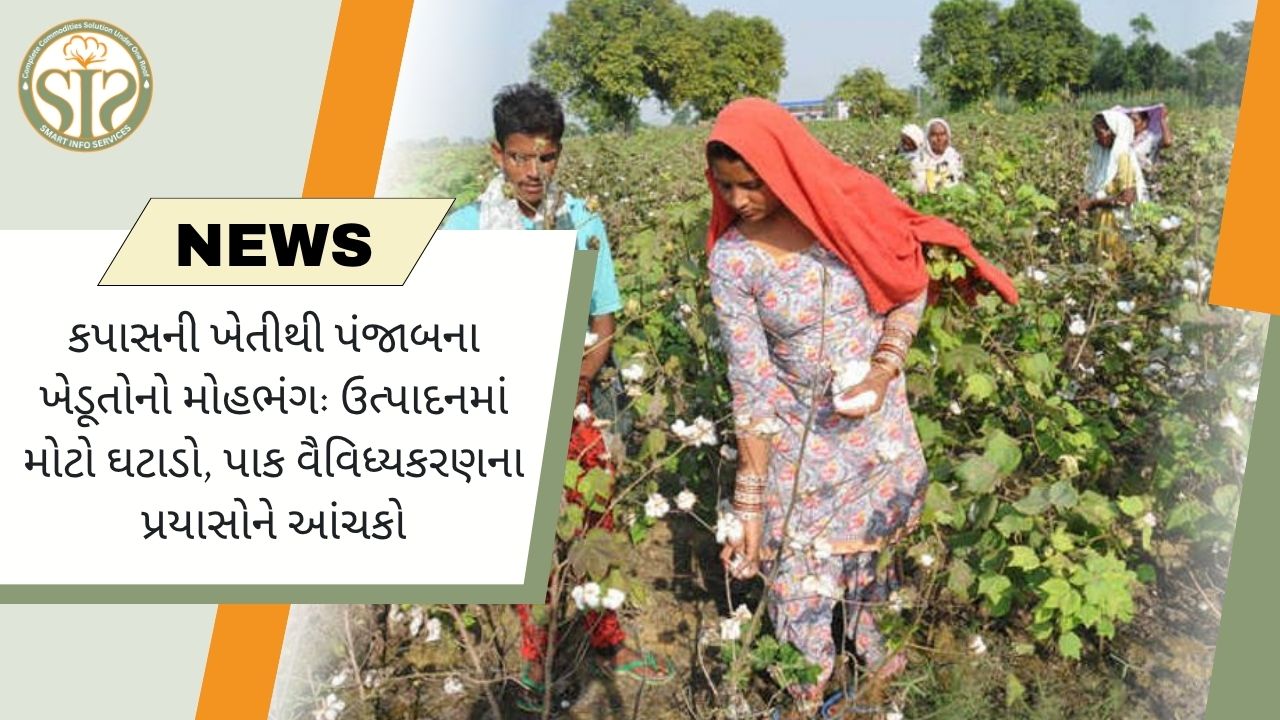
કપાસની ખેતીથી પંજાબના ખેડૂતોનો મોહભંગ: ઉત્પાદનમાં મોટો ઘટાડો, પાક વૈવિધ્યકરણના પ્રયાસોને આંચકોમાલવા પ્રદેશ કપાસના ઉત્પાદન માટે જાણીતો છે, પરંતુ હવે અહીંના ખેડૂતો ડાંગર અને ઘઉંના પાક તરફ વળી રહ્યા છે. લઘુત્તમ ટેકાના ભાવ (MSP) અંગે અનિશ્ચિતતા અને ગુલાબી ઈયળ અને સફેદ માખીનો ઉપદ્રવ ખેડૂતોના કપાસની ખેતી છોડી દેવાના મુખ્ય કારણો માનવામાં આવે છે.પંજાબના ખેડૂતો કપાસની ખેતીથી નિરાશ થઈ રહ્યા છે. આના પરિણામે, આ વર્ષે રાજ્યમાં કપાસના ઉત્પાદનમાં 63.48 ટકાનો ઘટાડો નોંધાયો છે. એક વર્ષમાં કપાસના ઉત્પાદનમાં મોટો ઘટાડો થવાને કારણે સરકારના પાક વૈવિધ્યકરણના પ્રયાસોને આંચકો લાગ્યો છે.કપાસની ખેતીથી પંજાબના ખેડૂતોનો મોહભંગ: ઉત્પાદનમાં મોટો ઘટાડો, પાક વૈવિધ્યકરણના પ્રયાસોને આંચકોપંજાબના ખેડૂતો કપાસની ખેતીથી નિરાશ થઈ રહ્યા છે. આના પરિણામે, આ વર્ષે રાજ્યમાં કપાસના ઉત્પાદનમાં 63.48 ટકાનો ઘટાડો નોંધાયો છે. એક વર્ષમાં કપાસના ઉત્પાદનમાં મોટો ઘટાડો થવાને કારણે સરકારના પાક વૈવિધ્યકરણના પ્રયાસોને આંચકો લાગ્યો છે.ખેડૂતો કપાસની ખેતી છોડી દેવા પાછળ લઘુત્તમ ટેકાના ભાવ (MSP) અંગે અનિશ્ચિતતા અને ગુલાબી ઈયળ અને સફેદ માખીનો ઉપદ્રવ મુખ્ય કારણો હોવાનું માનવામાં આવે છે. કોટન એસોસિએશન ઓફ ઈન્ડિયાના તાજેતરના અહેવાલમાં કપાસના ઉત્પાદનમાં ઘટાડો થયો હોવાનું બહાર આવ્યું છે.માલવા પ્રદેશ કપાસના ઉત્પાદન માટે જાણીતો છે, પરંતુ હવે અહીંના ખેડૂતો ડાંગર અને ઘઉંના પાક તરફ વળી રહ્યા છે. રાજ્યનું ભૂગર્ભજળ સ્તર પહેલાથી જ ઘટી રહ્યું છે. 118 બ્લોક રેડ ઝોનમાં ગયા છે અને આ અહેવાલે હવે સરકારની ચિંતામાં વધુ વધારો કર્યો છે. અહેવાલ મુજબ, કપાસનું ઉત્પાદન 2023-24માં 6.09 લાખ ગાંસડીથી ઘટીને 2024-25માં 2.52 લાખ ગાંસડી થઈ ગયું છે. તેવી જ રીતે, વિસ્તાર પણ 2.14 લાખથી ઘટીને 1 લાખ હેક્ટર થઈ ગયો છે.હરિયાણા અને રાજસ્થાનમાં પરિસ્થિતિ થોડી સારીહરિયાણા અને રાજસ્થાનમાં કપાસનું ઉત્પાદન પણ ગયા વર્ષની સરખામણીમાં ઘટ્યું છે, પરંતુ હજુ પણ ત્યાં પરિસ્થિતિ થોડી સારી છે. ૨૦૨૪-૨૫માં, હરિયાણાએ ૫.૭૮ લાખ હેક્ટરમાં કપાસનું વાવેતર કર્યું હતું અને ૧૧.૯૬ લાખ ગાંસડીનું ઉત્પાદન કર્યું હતું, જ્યારે રાજસ્થાને ૬.૨૭ લાખ હેક્ટરમાં કપાસનું વાવેતર કર્યું હતું અને ૧૭.૭૯ લાખ ગાંસડીનું ઉત્પાદન કર્યું હતું.MSP પર કપાસની ખરીદીમાં પણ ઘટાડોપંજાબમાં MSP પર કપાસની ખરીદીમાં ઘટાડો નોંધવામાં આવ્યો છે. માર્ચમાં કોટન કોર્પોરેશન ઓફ ઇન્ડિયાના અહેવાલ મુજબ, ૨૦૨૪-૨૫માં પંજાબમાં MSP પર માત્ર ૨ હજાર ગાંસડીની ખરીદી કરવામાં આવી હતી, જ્યારે ૨૦૧૯-૨૦માં આ આંકડો ૩.૫૬ લાખ ગાંસડીનો હતો. તેવી જ રીતે, ૨૦૨૦-૨૧માં ૫.૩૬ લાખ ગાંસડીની MSP ખરીદી કરવામાં આવી હતી. ૨૦૨૧-૨૨ અને ૨૦૨૨-૨૩ દરમિયાન કપાસનો બજાર ભાવ MSP કરતાં વધુ હતો, તેથી આ બે વર્ષ દરમિયાન MSP પર કોઈ ખરીદી થઈ ન હતી. વર્ષ ૨૦૨૩-૨૪માં, MSP પર માત્ર ૩૮ હજાર ગાંસડી ખરીદવામાં આવી હતી.વધુ વાંચો :- INR 03 પૈસા ઘટીને 86.29 પ્રતિ ડોલર પર બંધ થયો