
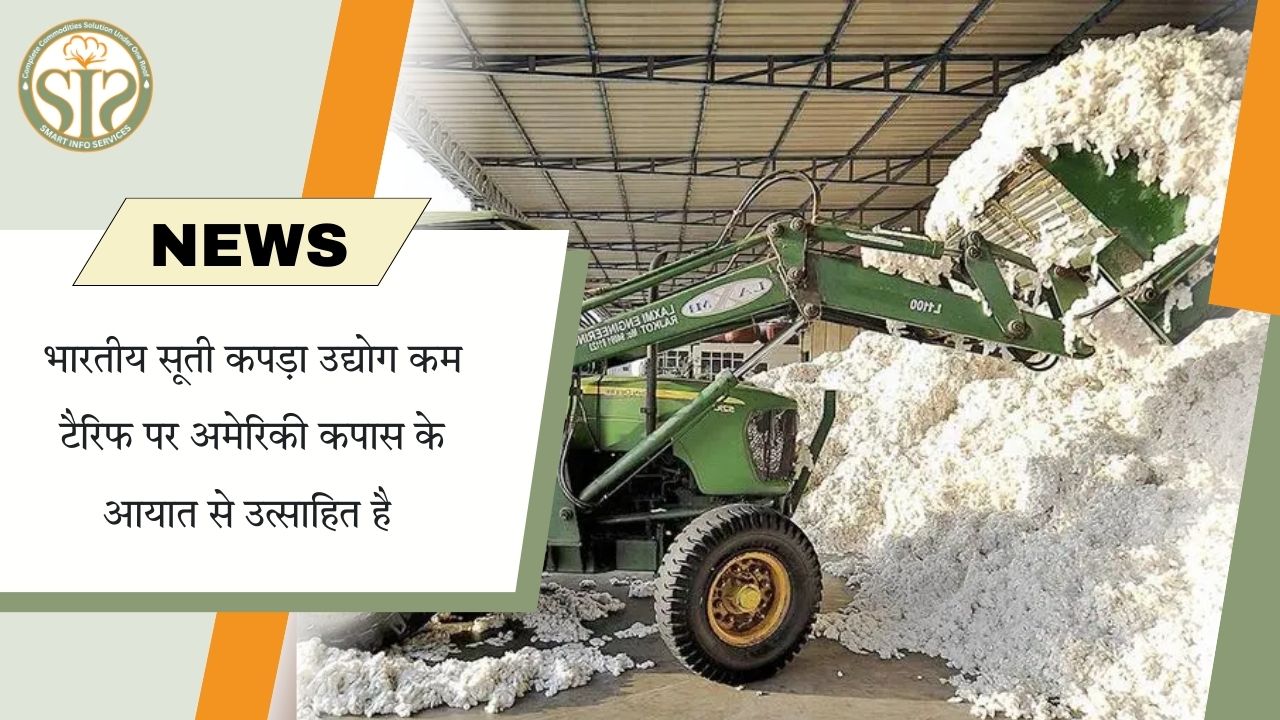
भारतीय सूती कपड़ा उद्योग कम टैरिफ पर अमेरिकी कपास के आयात से उत्साहित है सूती कपड़ा उद्योग को कम लागत पर प्राकृतिक फाइबर के आयात की आवश्यकता महसूस होती है, खासकर जब उद्योग अमेरिका के अलावा यूरोपीय संघ के साथ व्यापार समझौते को लेकर उत्साहित है।सूती कपड़ा उद्योग भारत-अमेरिका व्यापार समझौते से उत्साहित है, विशेष रूप से अगले कुछ वर्षों में प्राकृतिक फाइबर की अपेक्षित मांग को पूरा करने के लिए कपास के आयात की संभावना है।हालांकि कपास आयात की अनुमति कैसे दी जाएगी, इसका विवरण स्पष्ट नहीं है, लेकिन उद्योग जगत के नेताओं को उम्मीद है कि सरकार या तो ऑस्ट्रेलियाई कपास आयात फॉर्मूले का पालन करेगी या अमेरिकी कपास पर शुल्क 50 प्रतिशत कम करेगी।हालाँकि, सूती कपड़ा उद्योग को कम लागत पर प्राकृतिक फाइबर के आयात की आवश्यकता महसूस होती है, खासकर जब उद्योग अमेरिका के अलावा यूरोपीय संघ के साथ व्यापार समझौते को लेकर उत्साहित है।आउटपुट ठहरावतमिलनाडु स्पिनिंग मिल्स एसोसिएशन (टीएएसएमए) के सलाहकार के वेंकटचलम ने कहा, "पिछले कुछ वर्षों में भारतीय कपास का उत्पादन स्थिर रहा है। हमें निर्यात बाजार को पूरा करने के लिए अतिरिक्त लंबे कपास के अलावा गुणवत्ता वाले कपास की भी आवश्यकता है। घरेलू कपास की कीमतें भी वैश्विक कपास की तुलना में अधिक हैं।"उन्होंने कहा, "पिछले महीने यूरोपीय संघ के साथ मुक्त व्यापार समझौते और अब अमेरिका के साथ समझौते से कपास की मांग दोगुनी होने की संभावना है।"“यह संभव है कि भारत शुल्क रियायत के लिए आयात की मात्रा 5-10 लाख गांठ (170 किलोग्राम) तक सीमित कर सकता है। हमें अधिसूचना का इंतजार करना होगा. लेकिन अमेरिकी कपास गुणवत्ता में सर्वोत्तम है। यह संदूषण-मुक्त है, और कीमतें भी कम हैं, ”कॉटन एसोसिएशन ऑफ इंडिया (सीएआई) के पूर्व अध्यक्ष अतुल गनात्रा ने कहा।अमेरिका से कपास के आयात को शुल्क मुक्त करने की अनुमति दी जा सकती है। फेडरेशन ऑफ सीड इंडस्ट्री ऑफ इंडिया (एफएसआईआई) के राम कौंडिन्य ने कहा, "हालांकि, हमें इसकी बारीकियां देखनी होंगी।"उन्होंने कहा कि पिछले 5-6 वर्षों में पैदावार और उत्पादन में लगातार गिरावट के कारण भारत में कपास का उत्पादन अपर्याप्त है। नई तकनीकों का परिचय न देना, पिंक बॉलवॉर्म के हमले आदि ने इस स्थिति में योगदान दिया है।सरकार के सामने विकल्प“अभी कुछ भी स्पष्ट नहीं है। हो सकता है, सरकार अमेरिकी कपास पर शुल्क को उस 11 प्रतिशत से आधा कर सकती है जो वह आम तौर पर कपास पर लगाती है, अतिरिक्त-लंबे स्टेपल कपास को छोड़कर, जो शुल्क-मुक्त है। यह 50,000 टन (लगभग 2.95 लाख गांठ) तक अमेरिकी कपास के शुल्क-मुक्त आयात की भी अनुमति दे सकता है, जैसा कि उसने ऑस्ट्रेलियाई कपास के लिए किया है, ”कपास, धागा और कपास अपशिष्ट के राजकोट स्थित व्यापारी आनंद पोपट ने कहा।“यह सूती वस्त्रों के साथ एक अच्छा सौदा प्रतीत होता है। यह कपड़ा क्षेत्र को फलने-फूलने का अवसर प्रदान करेगा। वर्तमान में आयातित कपास घरेलू कपास की तुलना में सस्ता है। भारतीय कपास निगम (सीसीआई) के पास कम से कम 95 लाख गांठें हैं और वह लगभग ₹56,500 प्रति कैंडी (356 किलोग्राम) की पेशकश कर रहा है। आयातित कपास की लैंडिंग लागत ₹54,000 से कम है, ”रायचूर में एक सोर्सिंग एजेंट और ऑल इंडिया कॉटन ब्रोकर्स एसोसिएशन के उपाध्यक्ष रामनुज दास बूब ने कहा।गनात्रा ने कहा कि ब्राजीलियाई कपास की पहुंच लागत ₹50,000 प्रति कैंडी थी। इंटरकांटिनेंटल एक्सचेंज, न्यूयॉर्क में कपास की कीमतें 52-सप्ताह के निचले स्तर के करीब होने से कीमतें 61 अमेरिकी सेंट प्रति पाउंड के आसपास पहुंच सकती हैं। उन्होंने कहा, ''आयातित कपास करीब 10 फीसदी सस्ता है और कपड़ा उद्योग इसका फायदा उठा सकेगा।''इससे यार्न की कीमतों में कम से कम 4 प्रतिशत बेहतर वसूली में मदद मिलेगी। गनात्रा ने कहा, फिर, जब उद्योग को जून और सितंबर के बीच कपास की आवश्यकता होगी, तो अमेरिका और ऑस्ट्रेलिया से आयात से मदद मिलेगी।कौंडिन्य ने कहा कि भारत को वैसे भी कपास का आयात करना पड़ता है। उन्होंने कहा, ''इसलिए अगर हम अमेरिका से बिना किसी शुल्क के कपास का आयात करते हैं तो इससे कोई अतिरिक्त समस्या पैदा नहीं होनी चाहिए।''आयात दोगुना होने वाला हैपोपट ने कहा कि शुल्क मुक्त आयात से घरेलू बाजार में यार्न की बेहतर खपत हो सकती है। वर्तमान में, उत्पादित यार्न का केवल 65 प्रतिशत ही उपयोग किया जा रहा है। उन्होंने कहा, "देश में अधिक कपास आने से यह बढ़ सकता है क्योंकि कपड़ा और परिधान निर्माता घरेलू स्तर पर अधिक खरीद करेंगे।"गनाटा को उम्मीद है कि चालू कपास सीजन से सितंबर के दौरान कपास का आयात दोगुना हो जाएगा।उद्योग टिकाऊ मिलों की वृद्धि को लेकर आशावादी है और आयात शुल्क कम होने से कम लागत पर कच्चा माल प्राप्त करने में काफी मदद मिलेगी।और पढ़ें :- रुपया 05 पैसे मजबूत होकर 90.71 प्रति डॉलर पर खुला

रुपया 05 पैसे बढ़कर 90.71/USD पर खुलाभारतीय रुपया मंगलवार को 90.76 के पिछले बंद स्तर के मुकाबले बढ़कर 90.71 प्रति डॉलर पर खुला।और पढ़ें :- सीएआई ने ईएलएस कपास पर जीरो ड्यूटी की मांग की
सीएआई का बयान: ईएलएस कपास पर शून्य शुल्क से बढ़ेगा भारत का टेक्सटाइल निर्यातव्यापार निकाय कॉटन एसोसिएशन ऑफ इंडिया (सीएआई) ने कहा है कि अतिरिक्त लंबे स्टेपल (ELS) कपास को पहली अनुसूची में शामिल कर सीमा शुल्क को शून्य करने के सरकार के फैसले से भारत के उच्च मूल्य वाले वस्त्र और परिधान निर्यात को महत्वपूर्ण बढ़ावा मिलेगा।सीएआई के अध्यक्ष विनय एन. कोटक ने बताया कि बजट 2026-27 को विकास और भविष्य की आवश्यकताओं को ध्यान में रखते हुए तैयार किया गया है, जिसका उद्देश्य भारत को वैश्विक विनिर्माण केंद्र बनाना और दुनिया की तीसरी सबसे बड़ी अर्थव्यवस्था के रूप में मजबूत स्थिति दिलाना है।उन्होंने कहा कि सीमा शुल्क व्यवस्था में यह बड़ा बदलाव उत्पादन को बढ़ावा देने और उद्योग को राहत देने की दिशा में महत्वपूर्ण कदम है। ELS कपास पर शून्य शुल्क लागू होने से तैयार वस्त्रों के निर्यात में वृद्धि होगी और वैश्विक बाजार में भारत की हिस्सेदारी मजबूत होगी।भारत हर साल लगभग 5 से 7 लाख गांठ ELS कपास का आयात मुख्य रूप से अमेरिका और मिस्र से करता है, क्योंकि देश में इसका उत्पादन सीमित है। इस पर से आयात शुल्क हटने से कच्चे माल की लागत कम होगी और उच्च गुणवत्ता वाले फाइबर की उपलब्धता आसान होगी, जिससे भारतीय निर्यातकों की प्रतिस्पर्धा क्षमता बढ़ेगी।ELS कपास (33 मिमी या उससे अधिक फाइबर लंबाई वाला कपास) का उपयोग प्रीमियम यार्न, उच्च गुणवत्ता वाले कपड़े और परिधानों के निर्माण में किया जाता है। घरेलू उत्पादन सीमित होने के कारण उद्योग आयात पर निर्भर रहता है।भारत में ELS कपास की खेती लगभग 2 लाख हेक्टेयर में होती है, मुख्य रूप से कर्नाटक के धारवाड़, हावेरी और मैसूरु जिलों, तमिलनाडु के कोयंबटूर, इरोड और डिंडीगुल तथा मध्य प्रदेश के रतलाम क्षेत्रों में इसकी खेती की जाती है।और पढ़ें :- कपास MSP खरीद की अंतिम तिथि 10 फरवरी
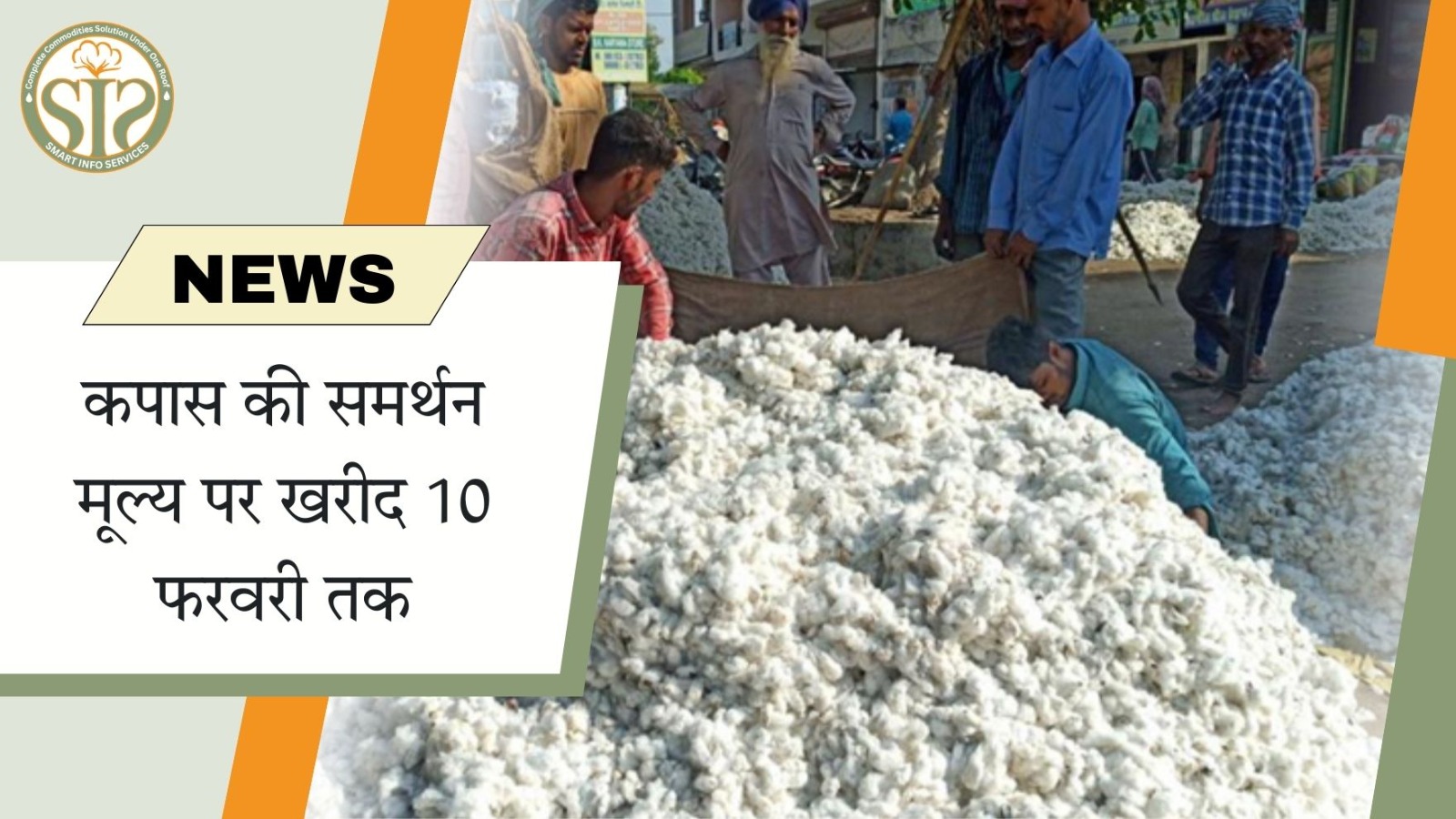
कपास की समर्थन मूल्य पर खरीद 10 फरवरी तकहनुमानगढ़ | भारतीय कपास निगम (सीसीआई) द्वारा समर्थन मूल्य पर कपास की खरीद 10 फरवरी तक की जाएगी। इस संबंध में कृषि विपणन विभाग, जयपुर के निदेशक राजेश कुमार चौहान ने विभाग के क्षेत्रीय संयुक्त निदेशक एवं उपनिदेशकों को पत्र जारी किया है।पत्र में निर्देश दिए गए हैं कि भारतीय कपास निगम के कपास किसान मोबाइल एप पर पंजीकृत सभी कपास किसानों को खरीद की अंतिम तिथि से पूर्व स्लॉट बुक करने एवं अपनी कपास बेचने के लिए जागरूक किया जाए। साथ ही, यह सुनिश्चित करने के लिए कहा गया है कि किसान 10 फरवरी से पहले अपनी कपास का विक्रय कर सकें।और पढ़ें :- रुपया 21 पैसे गिरकर 90.76 प्रति डॉलर पर बंद हुआ।

सोमवार को भारतीय रुपया 21 पैसे गिरकर 90.76 प्रति डॉलर पर बंद हुआ, जबकि सुबह यह 90.55 पर खुला था।बाजार बंद होने पर सेंसेक्स 485.35 अंक या 0.58 प्रतिशत बढ़कर 84,065.75 पर और निफ्टी 173.60 अंक या 0.68 प्रतिशत बढ़कर 25,867.30 पर बंद हुआ। लगभग 3003 शेयरों में तेजी आई, 1181 शेयरों में गिरावट आई और 152 शेयरों में कोई बदलाव नहीं हुआ।और पढ़ें :- CITI ने टैरिफ कटौती का स्वागत, कपास पर स्पष्टता
सीआईटीआई ने अमेरिकी टैरिफ कटौती पर स्पष्टता का स्वागत किया, कपास पर स्पष्टता मांगीभारतीय वस्त्र उद्योग परिसंघ (सीआईटीआई) 7 फरवरी, 2026 से प्रभावी रूप से अमेरिकी टैरिफ को घटाकर 18% किए जाने का हार्दिक स्वागत करता है। सीआईटीआई टैरिफ मुद्दे को सफलतापूर्वक हल करने के लिए अमेरिकी राष्ट्रपति श्री डोनाल्ड ट्रम्प और भारतीय प्रधानमंत्री श्री नरेंद्र मोदी के प्रति अपनी हार्दिक कृतज्ञता व्यक्त करता है।“भारतीय वस्त्र और परिधान क्षेत्र के लिए सबसे बड़ी समस्या पहले अमेरिका द्वारा भारतीय वस्तुओं पर लगाया जाने वाला 50% टैरिफ था, क्योंकि अमेरिका भारत का सबसे बड़ा विदेशी बाजार है। अब यह टैरिफ हट गया है, जिससे भारत के वस्त्र और परिधान निर्यात अमेरिका में फिर से प्रभावी ढंग से प्रतिस्पर्धा कर सकेंगे। 18% टैरिफ के साथ, हमें अपने निकटतम प्रतिस्पर्धियों, वियतनाम और बांग्लादेश की तुलना में थोड़ा टैरिफ लाभ भी मिलेगा,” सीआईटीआई के अध्यक्ष श्री अश्वन चंद्रन ने कहा।“यह अत्यंत सकारात्मक घटनाक्रम भारत के 2030 तक 100 अरब डॉलर के वस्त्र और परिधान निर्यात के लक्ष्य, 'मेक इन इंडिया' पहल और लघु एवं मध्यम उद्यमों (एमएसएमई) द्वारा संचालित वस्त्र और परिधान उद्योग में रोजगार सृजन के लिए एक बड़ा प्रोत्साहन है। सीआईटीआई माननीय अमेरिकी राष्ट्रपति श्री डोनाल्ड ट्रम्प, माननीय प्रधानमंत्री श्री नरेंद्र मोदी और अमेरिका तथा भारत में शामिल सभी मंत्रियों और वरिष्ठ अधिकारियों का इस उपलब्धि के लिए अत्यंत आभारी है।”चीन, वियतनाम, भारत और बांग्लादेश अमेरिका को वस्त्र और परिधान वस्तुओं के सबसे बड़े निर्यातक हैं। वियतनाम और बांग्लादेश दोनों पर अमेरिकी टैरिफ दर 20% निर्धारित है। अमेरिकी वस्त्र और परिधान कार्यालय (OTEXA) के आंकड़ों के CITI द्वारा किए गए विश्लेषण से पता चला है कि नवंबर 2025 में भारत से वस्त्र और परिधान के अमेरिकी आयात में नवंबर 2024 की तुलना में 31.4% की गिरावट आई है।CITI के अध्यक्ष ने कहा कि उद्योग निकाय कपास पर और अधिक स्पष्टता की प्रतीक्षा कर रहा है। कपास के मामले में संयुक्त राज्य अमेरिका और भारत के बीच व्यापक सामंजस्य है। भारत के वस्त्र और परिधान निर्यात मुख्य रूप से कपास पर निर्भर हैं।पारस्परिक और पारस्परिक रूप से लाभकारी व्यापार से संबंधित एक अंतरिम समझौते के ढांचे पर संयुक्त राज्य अमेरिका और भारत के संयुक्त वक्तव्य (अंतरिम समझौता) में कहा गया है: "भारत सभी अमेरिकी औद्योगिक वस्तुओं और अमेरिकी खाद्य और कृषि उत्पादों की एक विस्तृत श्रृंखला पर टैरिफ को समाप्त या कम करेगा, जिसमें सूखे डिस्टिलर्स ग्रेन्स (डीडीजी), पशु आहार के लिए लाल ज्वार, मेवे, ताजे और प्रसंस्कृत फल, सोयाबीन तेल, शराब और स्पिरिट और अन्य उत्पाद शामिल हैं।"CITI का मानना है कि सभी किस्मों की कपास पर आयात शुल्क हटाने से घरेलू और वैश्विक कीमतों के बीच का अंतर कम होगा और भारत के कताई और वस्त्र उद्योगों की प्रतिस्पर्धात्मकता बहाल करने में मदद मिलेगी। इस कदम से यह भी सुनिश्चित होगा कि न्यूनतम समर्थन मूल्य (MSP) और अन्य किसान-सहायता तंत्र बिना किसी महत्वपूर्ण मूल्य विकृति के अपने उद्देश्य के अनुरूप कार्य कर सकें। चालू कपास सीजन में, कपास की किस्म के MSP में लगभग 8% की वृद्धि हुई है।और पढ़ें :- ट्रेड डील से बढ़ा कॉटन इंपोर्ट, किसान संकट में, टेक्सटाइल सेक्टर में हल्की राहत
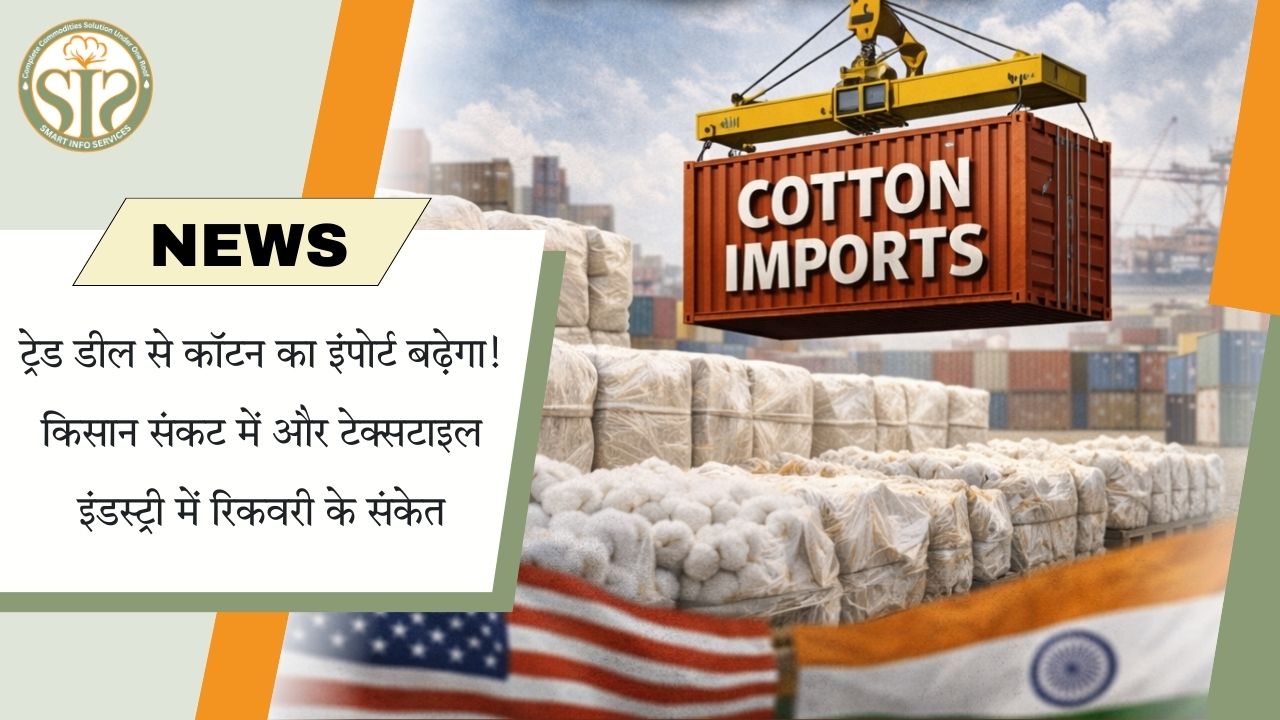
ट्रेड डील से कॉटन का इंपोर्ट बढ़ेगा! किसान संकट में और टेक्सटाइल इंडस्ट्री में रिकवरी के संकेतनागपुर: भारत-अमेरिका 'ट्रेड डील' के चलते कॉटन पर 11 फीसदी आयात शुल्क खत्म करने की कवायद शुरू हो गई है. पहले से ही कपास का आयात लगातार बढ़ रहा है, जबकि निर्यात कम हो रहा है। इस डील से अमेरिका से कॉटन का आयात बढ़ेगा और घरेलू बाजार में कॉटन की कीमत दबाव में आ जाएगी और किसानों को आर्थिक नुकसान उठाना पड़ेगा. भारतीय कपड़ा उद्योग, जो बहुत कम निर्यात करता है, को इस सौदे से लाभ होगा क्योंकि उसे सस्ती कीमतों पर कपास मिलेगा।भारतीय कपड़ा उद्योग को कपड़ा के निर्यात और घरेलू मांग को पूरा करने के लिए हर साल 315 से 320 लाख गांठ कपास की आवश्यकता होती है। भारत में हर साल 330 से 340 लाख गांठ कपास का उत्पादन होता है। भारत को प्रीमियम गुणवत्ता वाले कपड़ा उत्पादन के लिए 12 से 15 लाख गांठ अतिरिक्त लंबे सूत कपास की आवश्यकता है।इस कपास का उत्पादन 3 से 4 लाख गांठ होता है और हर साल 10 से 12 लाख गांठ का आयात करना पड़ता है। भारत में लंबे और मध्यम सूत के कपास का सबसे बड़ा उत्पादन होता है। चूंकि वैश्विक बाजार में कपास की कीमतें भारत की तुलना में कम हैं, इसलिए भारतीय कपड़ा उद्योग अतिरिक्त लंबे धागे के नाम पर लंबे धागे वाले कपास का आयात करते हैं और कीमत कम कर देते हैं। यदि कपास की कीमत एमएसपी से नीचे गिरती है, तो सरकार कुल कपास उत्पादन का 22-27 प्रतिशत एमएसपी दर पर खरीदती है। 'व्यापार समझौते' के कारण शुल्क मुक्त कपास आयात से किसानों पर सबसे ज्यादा मार पड़ेगी।भारत का कपड़ा निर्यातविश्व बाजार में कपड़ा निर्यात में चीन पहले स्थान पर है, जबकि भारत छठे स्थान पर है। भारत का कपड़ा निर्यात हिस्सा केवल चार प्रतिशत है। इस कपड़े का 25 से 30 प्रतिशत हिस्सा अमेरिका को निर्यात किया जाता है। यूरोपीय संघ, वियतनाम, बांग्लादेश और तुर्की भारत के प्रमुख प्रतिस्पर्धी हैं।कपड़ा उद्योग को कैसे लाभ होता है?वर्ष 2021-22 में रुए की दर 1 लाख 5 हजार रुपये थी. इसलिए साल 2022-23 में कपड़े की कीमतें बढ़ गईं. 2022-23 में रुए की कीमतों में 40 प्रतिशत की गिरावट आई और यह 62,000 रुपये के अधिशेष पर पहुंच गई। हालांकि उद्योगों ने कपड़े के रेट 40 फीसदी तक कम नहीं किए। इस समय कॉटन के रेट 55 से 57 हजार रुपये और कपड़े के रेट 1 लाख रुपये के बीच हैं.वियतनाम में भारत के लिए एक गँवाया अवसरविश्व में बांग्लादेशी वस्त्रों की भारी मांग है। बांग्लादेश का कपड़ा उद्योग भारतीय कपास पर निर्भर है।राजनीतिक अस्थिरता के कारण वैश्विक कपड़ा बाजार में बांग्लादेश की स्थिति डगमगा गई और भारत को अपने ग्राहक हासिल करने का मौका मिला। वियतनाम ने इस अवसर को भुनाया क्योंकि भारत सरकार ने इसे नजरअंदाज कर दिया।और पढ़ें :- भारत-US डील से टेक्सटाइल उद्योग को नया अवसर
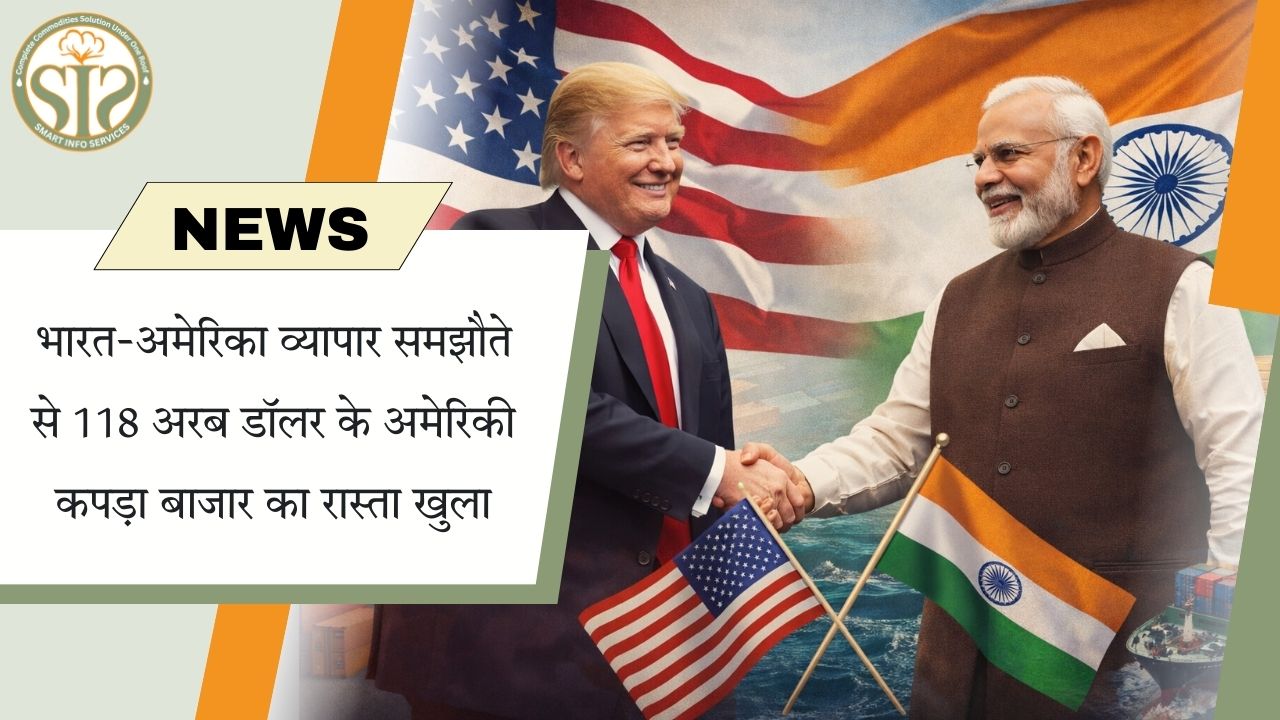
भारत-अमेरिका व्यापार समझौते से 118 अरब डॉलर के अमेरिकी कपड़ा बाजार का रास्ता खुलाजैसा कि भारत और अमेरिका ने घोषणा की है कि वे एक अंतरिम व्यापार ढांचे पर पहुंच गए हैं, इससे कपड़ा, परिधान और मेड-अप के 118 बिलियन डॉलर के अमेरिकी वैश्विक आयात बाजार का द्वार खुल गया है, जो सरकार के अनुसार देश के कपड़ा उद्योग के लिए एक "प्रमुख अवसर" है।लगभग 10.5 बिलियन डॉलर के निर्यात के साथ अमेरिका भारत का सबसे बड़ा निर्यात गंतव्य है, जिसमें लगभग 70 प्रतिशत परिधान और 15 प्रतिशत मेड-अप शामिल हैं, कपड़ा मंत्रालय ने कपड़ा व्यापार संबंधों को बढ़ाने वाले एक प्रमुख उत्प्रेरक के रूप में दोनों देशों के बीच ऐतिहासिक समझौते का स्वागत किया है।कपड़ा उद्योग ने कहा कि यह सौदा क्षेत्र के लिए एक प्रमुख आर्थिक गेम चेंजर था और उम्मीद है कि यह 2030 में भारत के 100 अरब डॉलर के निर्यात लक्ष्य को हासिल करने में महत्वपूर्ण भूमिका निभाएगा। इससे अपेक्षित गति मिलने की भी उम्मीद है, जिसमें अमेरिका इस लक्ष्य के 1/5 से अधिक योगदान देगा।सौदे का एक प्रमुख लाभ परिधान और मेकअप सहित सभी कपड़ा उत्पादों पर 18 प्रतिशत पारस्परिक टैरिफ में निहित है। इससे न केवल भारतीय निर्यातकों को होने वाला नुकसान दूर हो जाएगा, बल्कि वे बांग्लादेश (20 प्रतिशत), चीन (30 प्रतिशत), पाकिस्तान (19 प्रतिशत) और वियतनाम (20 प्रतिशत) जैसे उच्च पारस्परिक टैरिफ का सामना करने वाले अधिकांश प्रतिस्पर्धियों की तुलना में बेहतर स्थिति में आ जाएंगे।यह बदलाव सोर्सिंग के तरीकों में महत्वपूर्ण बदलाव लाएगा और ग्राहकों को भारत के पक्ष में आपूर्ति श्रृंखलाओं का पुनर्मूल्यांकन करने के लिए प्रेरित करेगा।इस बीच, भारतीय कपड़ा उद्योग परिसंघ (सीआईआई) ने अनुमान लगाया कि भारत ने वित्त वर्ष 2015 में संयुक्त राज्य अमेरिका को लगभग 11 अरब डॉलर मूल्य के कपड़ा और परिधान का निर्यात किया। कपड़ों और वस्त्रों के लिए भारत का सबसे बड़ा निर्यात गंतव्य अमेरिका है, जो उद्योग की कमाई में भी महत्वपूर्ण योगदान देता है। भारत के कपड़ा और कपड़े के कुल निर्यात का लगभग 28-33 प्रतिशत अमेरिका को जाता है।फिर भी, अमेरिकी आयात बाजार में लगभग 9.4 प्रतिशत के साथ, यह अमेरिका को कपड़े और वस्त्रों का चौथा सबसे बड़ा आपूर्तिकर्ता है। वास्तव में, भारत के तैयार कपड़ों के निर्यात का 33 प्रतिशत, घरेलू कपड़ा निर्यात का 48 प्रतिशत और कालीन निर्यात का 59 प्रतिशत अमेरिका को भेजा जाता है। इस प्रकार अमेरिका द्वारा उसके माल पर 50 प्रतिशत टैरिफ लगाने से भारत की प्रतिस्पर्धी स्थिति कमजोर हो गई।सीआईआई के महानिदेशक चंद्रजीत बनर्जी ने कहा, "भारत-अमेरिका अंतरिम व्यापार ढांचा 500 अरब डॉलर की व्यापार महत्वाकांक्षा की दिशा में एक समय पर और सकारात्मक कदम है। टैरिफ, गैर-टैरिफ बाधाओं और आपूर्ति श्रृंखला लचीलेपन को संबोधित करके, यह व्यवसायों और विनिर्माण, प्रौद्योगिकी, ऊर्जा और सेवाओं में दो-तरफा निवेश के लिए अधिक पूर्वानुमानित और सक्षम वातावरण बनाता है।"यह समझौता उद्योग को लागत-प्रतिस्पर्धी बनाने और अमेरिका से कपड़ा क्षेत्र के लिए मध्यवर्ती स्रोत प्राप्त करके अपने जोखिमों में विविधता लाने में सक्षम बनाएगा। इससे देश में मूल्यवर्धित वस्त्रों के विनिर्माण में सुविधा होगी और हमारे उत्पादन और निर्यात में विविधता आएगी। यह सौदा अतिरिक्त रोजगार पैदा करेगा और अमेरिकी संस्थाओं द्वारा निवेश को प्रोत्साहित करेगा।और पढ़ें :- 2025-26: राज्यवार CCI कपास बिक्री
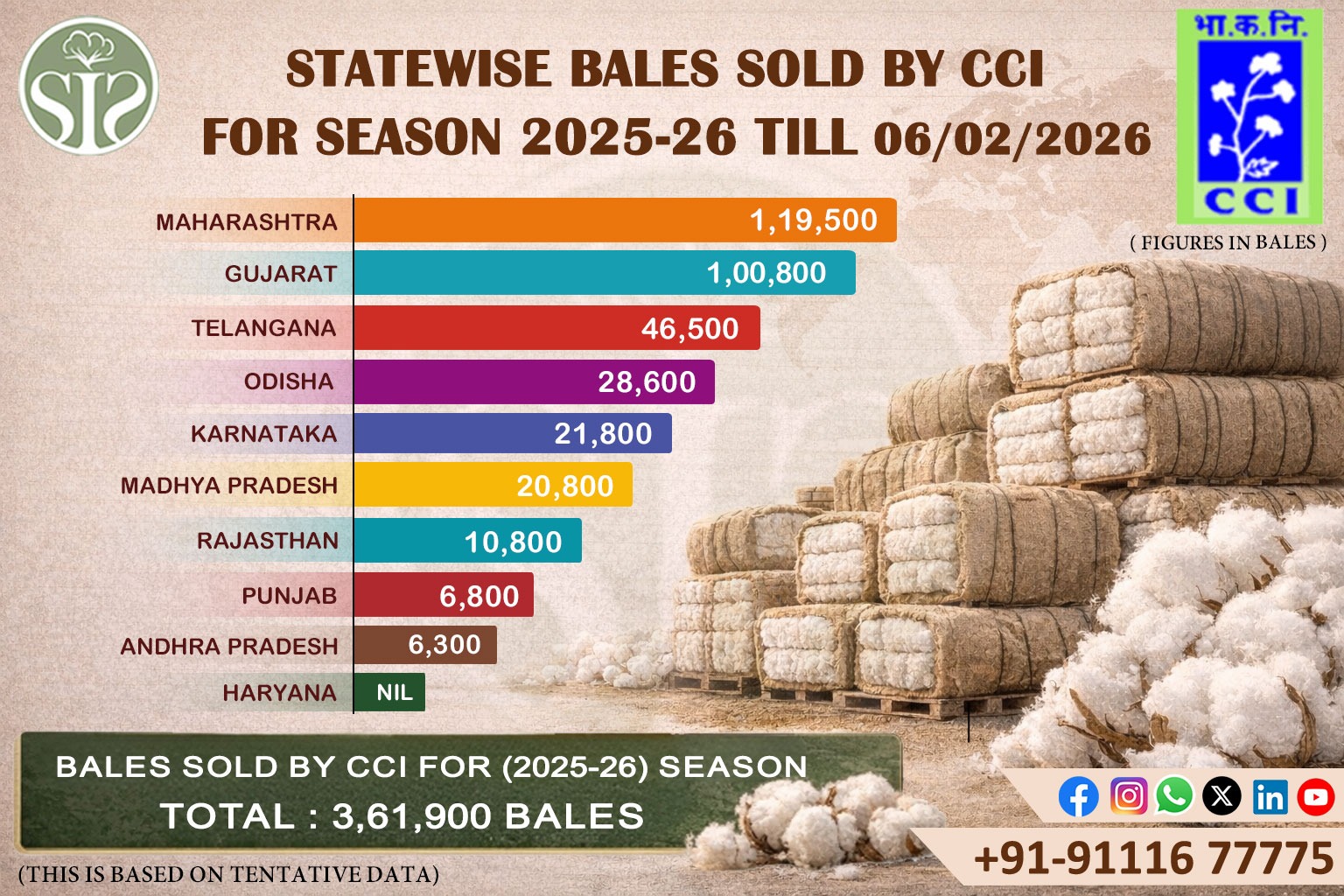
राज्य-वार CCI कपास बिक्री विवरण – 2025-26 सीज़नकॉटन कॉर्पोरेशन ऑफ़ इंडिया (CCI) ने 2025-26 सीज़न के लिए इस सप्ताह अपनी कपास की कीमतों में कोई बदलाव नहीं किये। अब तक CCI द्वारा सीजन 2025-26 की लगभग 3,61,900 कपास गांठें (बेल्स) बेची जा चुकी हैं। बिक्री कुछ प्रमुख कपास उत्पादक राज्यों में केंद्रित है, जिसमें महाराष्ट्र और गुजरात सबसे आगे हैं।
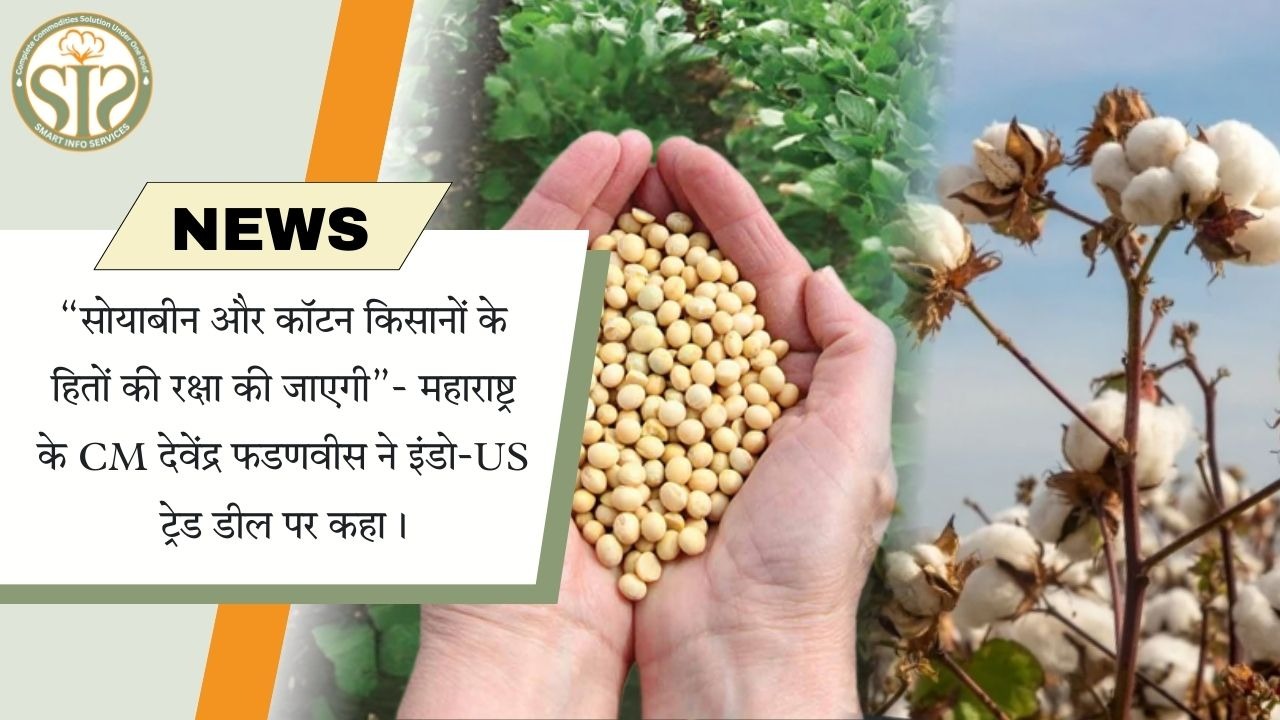
“सोयाबीन और कॉटन किसानों के हितों की रक्षा की जाएगी”- महाराष्ट्र के CM देवेंद्र फडणवीस ने इंडो-US ट्रेड डील पर कहा।महाराष्ट्र के मुख्यमंत्री देवेंद्र फडणवीस ने शनिवार को कहा कि राज्य के किसानों के हितों की रक्षा की जाएगी और इंडो-US ट्रेड डील से उन पर कोई बुरा असर नहीं पड़ेगा।एडवांटेज विदर्भ 2026 के मौके पर, जब फडणवीस से पूछा गया कि क्या इंडो-US ट्रेड डील की वजह से सोयाबीन और कॉटन किसानों को दिक्कतें आ सकती हैं या उनका मार्केट शेयर कम हो सकता है, तो उन्होंने द इंडियन एक्सप्रेस को बताया: “ऐसा नहीं होने वाला है। किसानों की अच्छी तरह से रक्षा की जाएगी। सरकार सोयाबीन की पैदावार का एक बड़ा हिस्सा मिनिमम सपोर्ट प्राइस (MSP) पर खरीद रही है, और मार्केट प्राइस भी स्थिर हो गया है।” एडवांटेज विदर्भ तीन दिन का बिजनेस कॉन्क्लेव है जिसका मकसद मिनरल से भरपूर, सूखे से प्रभावित इलाके में इन्वेस्टमेंट को आकर्षित करना है।शुक्रवार सुबह जारी भारत-US जॉइंट स्टेटमेंट में कहा गया है कि भारत सभी US इंडस्ट्रियल सामानों और US के खाने और खेती के प्रोडक्ट्स की एक “बड़ी रेंज” पर टैरिफ खत्म कर देगा या कम कर देगा, जिसमें सूखे डिस्टिलर्स ग्रेन (DDGs), जानवरों के चारे के लिए लाल ज्वार, ट्री नट्स, ताज़े और प्रोसेस्ड फल, सोयाबीन तेल, वाइन और स्पिरिट्स, और दूसरे प्रोडक्ट्स शामिल हैं।बयान में कहा गया है, “भारत सभी U.S. इंडस्ट्रियल सामानों और US के खाने और खेती के प्रोडक्ट्स की एक “बड़ी रेंज” पर टैरिफ खत्म कर देगा या कम कर देगा, जिसमें सूखे डिस्टिलर्स ग्रेन (DDGs), जानवरों के चारे के लिए लाल ज्वार, ट्री नट्स, ताज़े और प्रोसेस्ड फल, सोयाबीन तेल, वाइन और स्पिरिट्स, और दूसरे प्रोडक्ट्स शामिल हैं। लंबे समय से चली आ रही चिंताओं को दूर करने के लिए मिलकर काम करने की अहमियत को समझते हुए, भारत U.S. खाने और खेती के प्रोडक्ट्स के व्यापार में लंबे समय से चली आ रही नॉन-टैरिफ रुकावटों को दूर करने के लिए भी सहमत है।”US एग्रीकल्चर सेक्रेटरी ब्रुक रोलिंस ने भी पहले दावा किया था कि भारत-US ट्रेड डील से “भारत के बड़े बाज़ार में ज़्यादा अमेरिकी खेती के प्रोडक्ट्स का एक्सपोर्ट होगा”।विदर्भ और मराठवाड़ा इलाके में ज़्यादातर किसानों के लिए सोयाबीन और कॉटन मुख्य कैश क्रॉप हैं। महाराष्ट्र के किसान संगठनों ने चिंता जताई है कि अगर सरकार इंडो-US ट्रेड डील के तहत खेती के सामान के बिना रोक-टोक वाले इम्पोर्ट की इजाज़त देती है, तो यह भारतीय किसानों के लिए परेशानी भरा होगा क्योंकि वे US के एडवांस्ड एग्रीकल्चर सेक्टर से मुकाबले का सामना नहीं कर पाएंगे।प्रधानमंत्री ऑफिस (PMO) को लिखे एक लेटर में, स्वाभिमानी शेतकरी संगठन के प्रेसिडेंट राजू शेट्टी ने लिखा, “हमें बताया गया है कि भारत और US ने 500 बिलियन डॉलर की ट्रेड डील साइन की है, जो बिना किसी ब्याज के खेती के सामान के इम्पोर्ट की इजाज़त देती है। अगर इसे आगे बढ़ाया गया, तो यह डील भारतीय किसानों के साथ धोखा होगा क्योंकि देश US से सोयाबीन, मक्का, दूध के प्रोडक्ट और दूसरी चीज़ों के इम्पोर्ट से भर जाएगा।”शेट्टी ने पहले बताया था कि US के किसान सोयाबीन और कॉटन जैसी फसलें बहुत बड़े लेवल पर उगाते हैं, उनके मार्केट स्टेबल हैं और बिना किसी लेवल-प्लेइंग फील्ड के भारतीय किसानों के लिए उनसे मुकाबला करना बहुत मुश्किल होगा।अभी US का भारत को ज़्यादातर एग्रीकल्चर एक्सपोर्ट ट्री नट्स - जैसे बादाम और पिस्ता है, इसके बाद कॉटन और सोयाबीन ऑयल है। जबकि भारत का US को एग्रीकल्चर एक्सपोर्ट सीफूड, मसाले, चावल, वेजिटेबल ऑयल, प्रोसेस्ड फल और सब्जियां हैं।US का भारत के साथ एग्रीकल्चरल प्रोडक्ट्स में ट्रेड डेफिसिट है, जिसका मतलब है कि वह एक्सपोर्ट से ज़्यादा इंपोर्ट करता है। एग्रीकल्चरल और डेयरी प्रोडक्ट्स झगड़े का एक मुख्य पॉइंट रहे हैं, जिसमें US भारत में ज़्यादा मार्केट एक्सेस के लिए ज़ोर दे रहा है। हालांकि, बिना किसी ट्रेड डील के भी डेफिसिट पहले से ही कम हो रहा था, जो 2025 में $3.5 बिलियन से घटकर $3.1 बिलियन हो गया।और पढ़ें :- अमेरिका–भारत ऐतिहासिक अंतरिम व्यापार समझौते की घोषणा
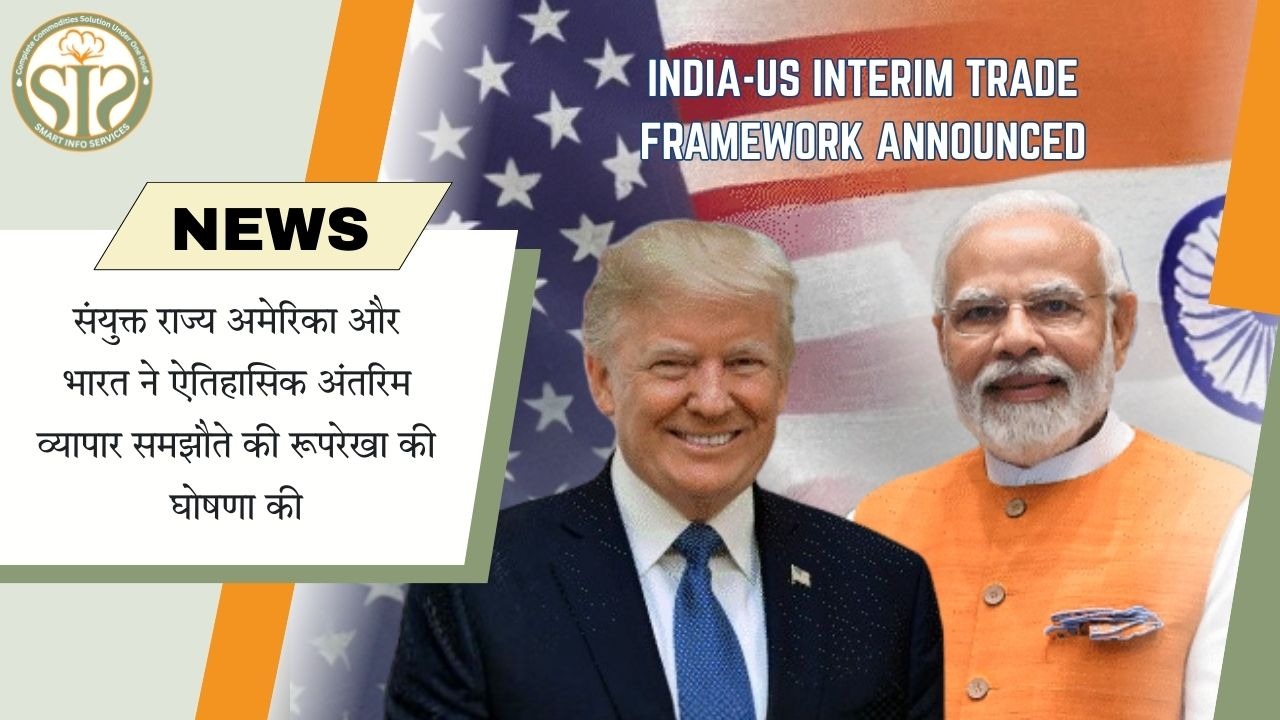
संयुक्त राज्य अमेरिका और भारत ने ऐतिहासिक अंतरिम व्यापार समझौते की रूपरेखा की घोषणा कीसंयुक्त राज्य अमेरिका और भारत को अंतरिम व्यापार समझौते के लिए एक रूपरेखा की घोषणा करने पर गर्व है, जो उनकी आर्थिक साझेदारी को मजबूत करने में एक प्रमुख मील का पत्थर है। यह रूपरेखा 13 फरवरी, 2025 को राष्ट्रपति डोनाल्ड जे. ट्रम्प और प्रधान मंत्री नरेंद्र मोदी द्वारा शुरू किए गए व्यापक यूएस-भारत द्विपक्षीय व्यापार समझौते (बीटीए) की दिशा में चल रही बातचीत को आगे बढ़ाती है।अंतरिम समझौता पारस्परिक, संतुलित और पारस्परिक रूप से लाभप्रद व्यापार, गहरी बाजार पहुंच और लचीली आपूर्ति श्रृंखलाओं के प्रति दोनों देशों की प्रतिबद्धता को दर्शाता है।मुख्य विशेषताएं:टैरिफ में कटौती: भारत अमेरिकी औद्योगिक, खाद्य और कृषि उत्पादों पर टैरिफ में कटौती करेगा या समाप्त कर देगा।पारस्परिक अमेरिकी टैरिफ: समझौते के तहत अमेरिका चुनिंदा भारतीय वस्तुओं पर टैरिफ को समायोजित करेगा और फार्मास्यूटिकल्स, रत्न और विमान भागों पर शुल्क हटा देगा।बाज़ार तक पहुंच: दोनों देश प्रमुख क्षेत्रों में निरंतर तरजीही पहुंच के लिए प्रतिबद्ध हैं।गैर-टैरिफ बाधाएँ: भारत अमेरिकी चिकित्सा उपकरणों, आईसीटी वस्तुओं और कृषि उत्पादों पर प्रतिबंधों में ढील देगा।प्रौद्योगिकी और ऊर्जा: भारत ने पांच वर्षों में अमेरिकी ऊर्जा, विमान, प्रौद्योगिकी और धातु में $500 बिलियन खरीदने की योजना बनाई है, जिससे उच्च तकनीक वाले सामानों में व्यापार को बढ़ावा मिलेगा।डिजिटल और आर्थिक सुरक्षा: दोनों देश डिजिटल व्यापार नियमों, आपूर्ति-श्रृंखला सुरक्षा और नवाचार पर सहयोग करेंगे।यह रूपरेखा एक आधुनिक, निष्पक्ष और दूरदर्शी व्यापार साझेदारी के लिए एक साझा दृष्टिकोण को रेखांकित करती है - जो एक ऐतिहासिक अमेरिकी-भारत द्विपक्षीय व्यापार समझौते का मार्ग प्रशस्त करती है।और पढ़ें :- भारत–ईयू एफटीए से भारतीय वस्त्रों की प्रतिस्पर्धा बढ़ेगी: आईसीआरए

भारत-यूरोपीय संघ एफटीए भारतीय वस्त्रों को प्रतिस्पर्धियों के बराबर लाएगा: आईसीआरए भारत-यूरोपीय संघ मुक्त व्यापार समझौते (एफटीए) पर हस्ताक्षर के बाद यूरोपीय बाजार में भारतीय कपड़ा और परिधान निर्यात को महत्वपूर्ण प्रतिस्पर्धी बढ़ावा मिलने की उम्मीद है। निवेश सूचना और क्रेडिट रेटिंग एजेंसी (आईसीआरए) की रिपोर्ट के अनुसार, यह समझौता भारतीय शिपमेंट पर शुल्क को समाप्त करता है, जिससे उन्हें बांग्लादेश और वियतनाम जैसे प्रमुख प्रतिस्पर्धियों के साथ समान स्तर पर रखा जाता है।भारतीय वस्त्रों पर यूरोपीय संघ के आयात शुल्क शून्य होने की उम्मीद है, जिससे लंबे समय से चली आ रही टैरिफ हानि का समाधान हो जाएगा, जिसने भारत की प्रतिस्पर्धात्मकता को सीमित कर दिया था। ऐतिहासिक रूप से, भारत पर यूरोपीय संघ की आयात निर्भरता 5 प्रतिशत से कम रही है, चीन, बांग्लादेश, तुर्की और वियतनाम तरजीही व्यापार पहुंच और कम टैरिफ के कारण आपूर्ति में अग्रणी रहे हैं।कैलेंडर वर्ष 2025 (CY2025) में भारत का परिधान निर्यात $16 बिलियन से अधिक होने का अनुमान है, जिसमें लगभग एक तिहाई अमेरिका और लगभग 23 प्रतिशत यूरोपीय संघ को जाएगा, जिससे यूरोप इस क्षेत्र के लिए सबसे बड़े निर्यात स्थलों में से एक बन जाएगा। रिपोर्ट में कहा गया है कि हालांकि, हाल के वर्षों में सुस्त खुदरा मांग, मुद्रास्फीति के दबाव और वैश्विक खरीदारों द्वारा विक्रेता विविधीकरण के कारण यूरोपीय संघ को निर्यात काफी हद तक स्थिर रहा है।एफटीए से परिधान और होम टेक्सटाइल क्षेत्रों के लिए विशेष रूप से फायदेमंद होने की उम्मीद है, जिन्हें टैरिफ-मुक्त पहुंच से लाभ होगा।सेक्टर-विशिष्ट लाभ से परे, व्यापक व्यापार समझौता भारत के निर्यात मूल्य के 99.5 प्रतिशत को कवर करने वाले 97 प्रतिशत यूरोपीय संघ टैरिफ लाइनों पर तरजीही शून्य-टैरिफ पहुंच प्रदान करता है, जिसके लागू होने पर कर्तव्यों का एक बड़ा हिस्सा तुरंत समाप्त होने की उम्मीद है।मध्यम अवधि में, समान अवसर एमएसएमई निर्यातकों को भी समर्थन दे सकता है और यूरोपीय संघ के बाजार के लिए एक विश्वसनीय सोर्सिंग गंतव्य के रूप में भारत की भूमिका को मजबूत कर सकता है।और पढ़ें :- CCI ने कपास कीमतें स्थिर रखीं, साप्ताहिक ऑनलाइन नीलामी जारी
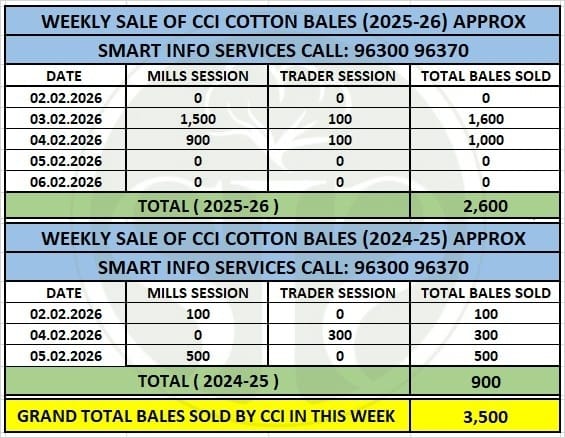
CCI ने कपास की कीमतें अपरिवर्तित रखीं; ऑनलाइन नीलामी के ज़रिए साप्ताहिक बिक्री जारीकॉटन कॉर्पोरेशन ऑफ़ इंडिया (CCI) ने इस सप्ताह अपनी कपास की कीमतों में कोई बदलाव नहीं किये। 02 फरवरी 2026 से 06 फरवरी 2026 के सप्ताह के दौरान, CCI ने विभिन्न केंद्रों पर मिलों और व्यापारियों के लिए नियमित ऑनलाइन नीलामी आयोजित की। इन नीलामियों के परिणामस्वरूप 2025-26 सीज़न के लिए लगभग 2,600 गांठें और 2024-25 सीज़न के लिए 900 गांठों की कुल साप्ताहिक बिक्री हुई, जो दोनों सेगमेंट से स्थिर मांग को दर्शाती है।साप्ताहिक बिक्री रिपोर्ट 02 फरवरी 2026:CCI ने सप्ताह की शुरुआत 100 गांठों की बिक्री के साथ की, जिनमें से सभी मिलों द्वारा खरीदी गईं। पूरी मात्रा 2024-25 सीज़न की थी।03 फरवरी 2026:कुल बिक्री बढ़कर 1,600 गांठें हो गई, जिसमें मिलों द्वारा खरीदी गई 1,500 गांठें और व्यापारियों द्वारा खरीदी गई 100 गांठें शामिल हैं। इस दिन की सभी बिक्री 2025-26 सीज़न की थी।04 फरवरी 2026:बिक्री 1,300 गांठें रही, जिसमें 2025-26 सीज़न की 1,000 गांठें और 2024-25 सीज़न की 300 गांठें शामिल थीं। मिलों ने 900 गांठें खरीदीं, जो पूरी तरह से मौजूदा सीज़न की थीं, जबकि व्यापारियों ने 400 गांठें खरीदीं, जिसमें पिछले सीज़न की पूरी मात्रा शामिल थी।05 फरवरी 2026:कुल 500 गांठें बेची गईं, जो सभी मिलों द्वारा 2024-25 सीज़न से खरीदी गईं, जो पुराने सीज़न की कपास के लिए मिलों की लगातार मांग को दर्शाता है।06 फरवरी 2026:आज CCI की ऑनलाइन नीलामी में 2025-26 और 2024-25 दोनों सीज़न के लिए कोई गांठ नहीं बेची गई।संचयी बिक्रीइन लेन-देन के साथ, CCI की संचयी बिक्री 2025-26 सीज़न के लिए 3,61,900 गांठें और 2024-25 सीज़न के लिए 98,82,400 गांठें हो गई, क्योंकि एजेंसी अपने ई-नीलामी प्लेटफॉर्म के माध्यम से स्टॉक को बेच रही है और कीमतें स्थिर बनाए हुए है।

शुक्रवार को भारतीय रुपया 40 पैसे गिरकर 90.66 प्रति डॉलर पर बंद हुआ, जबकि सुबह यह 90.26 पर खुला था।बाजार बंद होने पर, सेंसेक्स 266.47 अंक या 0.32 प्रतिशत बढ़कर 83,580.40 पर था, और निफ्टी 50.90 अंक या 0.20 प्रतिशत बढ़कर 25,693.70 पर था। साप्ताहिक आधार पर (रविवार के बजट सत्र को मिलाकर), निफ्टी में 1.47 प्रतिशत की बढ़ोतरी हुई, जो पिछले साल 14 नवंबर को खत्म हुए हफ्ते के बाद सबसे अच्छी बढ़ोतरी है।और पढ़ें :- बजट 2026–27: कपड़ा क्षेत्र में रोजगार और विकास
बजट 2026–27 में कपड़ा क्षेत्र को विकास और रोजगार का प्रमुख इंजन बनाने पर जोरवैश्विक आर्थिक अनिश्चितताओं के बीच केंद्रीय बजट 2026–27 भारत की मजबूत आर्थिक स्थिति और दीर्घकालिक सुधारों के प्रति सरकार के आत्मविश्वास को दर्शाता है। भारत दुनिया की चौथी सबसे बड़ी और सबसे तेज़ी से बढ़ती प्रमुख अर्थव्यवस्था बना हुआ है, जहां 7.2 प्रतिशत की अनुमानित विकास दर और ₹12.21 लाख करोड़ के पूंजीगत व्यय के साथ बुनियादी ढांचे और विनिर्माण आधारित विकास को गति दी गई है।बजट में कपड़ा क्षेत्र को श्रम-गहन विनिर्माण के माध्यम से समावेशी विकास और बड़े पैमाने पर रोजगार सृजन का मुख्य स्तंभ बनाया गया है। अब तक कल्याणकारी दृष्टिकोण से देखे जाने वाले इस क्षेत्र को प्रतिस्पर्धात्मकता, पैमाने और निर्यात क्षमता से जोड़ते हुए राष्ट्रीय औद्योगिक रणनीति के केंद्र में रखा गया है। वर्तमान में यह क्षेत्र जीडीपी में लगभग 2.3 प्रतिशत का योगदान देता है और 5.2 करोड़ से अधिक लोगों को रोजगार प्रदान करता है।सरकार द्वारा किए गए 18 मुक्त व्यापार समझौतों (FTA) से भारत को लगभग 466 अरब डॉलर के वैश्विक कपड़ा बाजारों तक तरजीही पहुंच मिली है। अमेरिका सहित प्रमुख बाजारों में बेहतर पहुंच से कपड़ा निर्यात में उल्लेखनीय वृद्धि की उम्मीद जताई जा रही है, जिससे वैश्विक मूल्य श्रृंखलाओं में भारत की स्थिति और मजबूत होगी।घरेलू स्तर पर बजट 2026 गुणवत्ता नियंत्रण आदेशों में ढील, जीएसटी सुधार और उलटी शुल्क संरचना के समाधान के माध्यम से उद्योग की प्रतिस्पर्धात्मकता बढ़ाने पर केंद्रित है। राष्ट्रीय फाइबर योजना के तहत कपास, मानव-निर्मित और नए जमाने के फाइबर की उपलब्धता को मजबूत किया जाएगा, जिससे कच्चे माल की लागत में स्थिरता आएगी और निर्यात मूल्य निर्धारण में निश्चितता बढ़ेगी।उद्योग के आधुनिकीकरण के लिए देशभर में 200 कपड़ा औद्योगिक क्लस्टरों को उन्नत करने की घोषणा की गई है। कपड़ा उद्योग प्रति निवेश अधिक रोजगार सृजित करता है और क्लस्टर आधारित विस्तार के जरिए अगले पांच वर्षों में 2 से 3 करोड़ नई आजीविकाओं के सृजन का अनुमान है। इसके साथ ही, समर्थ 2.0 योजना के तहत 15 लाख कुशल श्रमिकों को प्रशिक्षित किया जाएगा।बजट में एमएसएमई की तरलता समस्या को दूर करने के लिए ₹10,000 करोड़ के एसएमई विकास कोष, बेहतर टीआरईडीएस प्लेटफॉर्म और तेज़ भुगतान तंत्र की व्यवस्था की गई है। हथकरघा और हस्तशिल्प क्षेत्रों को भी सुधार प्रक्रिया में शामिल करते हुए, स्थिरता, कौशल विकास और वैश्विक बाजार तक पहुंच को बढ़ावा दिया गया है, जिससे भारत के कपड़ा पारिस्थितिकी तंत्र को दीर्घकालिक मजबूती मिलने की उम्मीद है।और पढ़ें :- ओडिशा वस्त्रों के लिए भारत-अमेरिका व्यापार समझौते से नए निर्यात अवसर
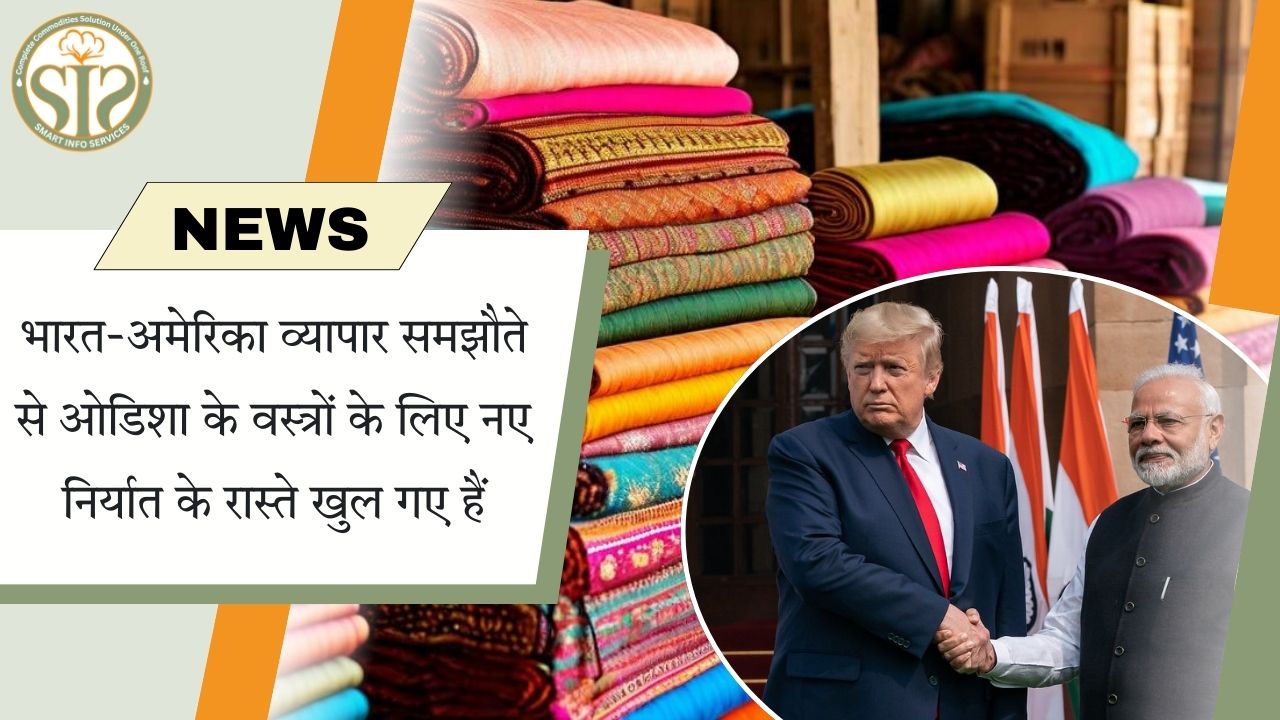
भारत-अमेरिका व्यापार समझौते से ओडिशा के वस्त्रों के लिए नए निर्यात के रास्ते खुल गए हैंभारत-अमेरिका व्यापार समझौते से ओडिशा वस्त्र उद्योग को बढ़ावा मिलेगा, हथकरघा और परिधान निर्यात को वैश्विक स्तर पर ले जाने में मदद करने के लिए अमेरिकी शुल्कों में ढील दी जाएगी, बुनकरों के लिए नौकरियां पैदा की जाएंगी और संबलपुरी और पारंपरिक कपड़ों को अंतरराष्ट्रीय बाजारों में धकेला जाएगा।हाल ही में भारत-संयुक्त राज्य अमेरिका व्यापार समझौते ने ओडिशा के लिए, विशेष रूप से कपड़ा और परिधान क्षेत्र में, नए अवसर खोले हैं। आधिकारिक सूत्रों ने गुरुवार को कहा कि पारंपरिक हथकरघा उत्पादों से लेकर आधुनिक रेडीमेड परिधानों तक, ओडिशा निर्मित कपड़े अब अधिक आसानी से व्यापक अंतरराष्ट्रीय बाजारों तक पहुंचने के लिए तैयार हैं।संयुक्त राज्य अमेरिका द्वारा आयात शुल्क में ढील के साथ, ओडिशा से निर्यात अधिक प्रतिस्पर्धी होने की उम्मीद है। इस कदम से राज्य भर के बुनकरों और हथकरघा कारीगरों के लिए आय के नए रास्ते खुलने की संभावना है। मुख्यमंत्री मोहन चरण माझी ने एक सोशल मीडिया पोस्ट में कहा कि ओडिशा की पारंपरिक पोशाक वैश्विक परिदृश्य में एक नई धारा के रूप में उभरने के लिए तैयार है।सीएम माझी ने अपने निजी 'एक्स' हैंडल पर कहा, "चाहे वह ओडिशा का हथकरघा हो या आधुनिक रेडीमेड परिधान; भारत-अमेरिका व्यापार समझौते के परिणामस्वरूप, ओडिशा की शिल्प कौशल अब हर जगह पहुंचेगी। कर्तव्यों में ढील के कारण निर्यात आसान हो जाएगा, जिससे हमारे बुनकरों और हथकरघा कारीगरों के लिए रोजगार के नए रास्ते खुलेंगे। ओडिशा की पारंपरिक पोशाक अब वैश्विक बाजार में एक नया चलन पैदा करेगी।"टैरिफ में कमी से ओडिशा निर्मित वस्त्रों और परिधानों के निर्यात में उल्लेखनीय वृद्धि होने की उम्मीद है। अन्य पारंपरिक कपड़ों के साथ-साथ संबलपुरी जैसी प्रतिष्ठित हथकरघा किस्मों को अमेरिकी बाजार तक आसान पहुंच मिलेगी, जिससे वैश्विक फैशन और व्यापार में ओडिशा की उपस्थिति मजबूत होगी।सीएम ने 'एक्स' पर एक अन्य पोस्ट में कहा, "'फील्ड से फैशन' तक, ओडिशा का कपड़ा और परिधान क्षेत्र वैश्विक हो रहा है। कम अमेरिकी टैरिफ स्थानीय उत्पादकों के लिए उच्च मूल्य वाले बाजारों को खोलता है, राज्य भर में कपड़ा केंद्रों को सशक्त बनाता है और पारंपरिक शिल्प कौशल को अंतरराष्ट्रीय सफलता में बदलता है।"और पढ़ें :- देवला में कपास-सोयाबीन उत्पादन 35% घटा
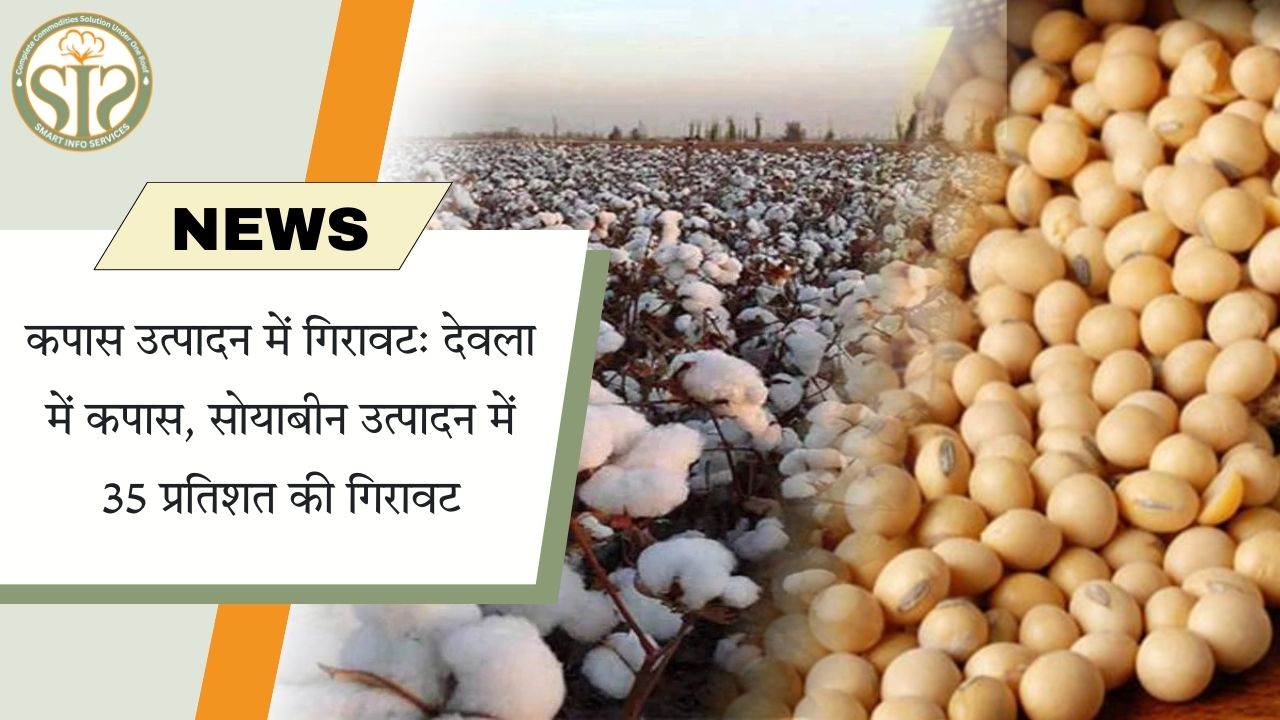
कपास उत्पादन में गिरावट: देवला में कपास, सोयाबीन उत्पादन में 35 प्रतिशत की गिरावटवर्धा समाचार: देवली कृषि उपज बाजार समिति के बाजार प्रांगण में इस वर्ष एक लाख साठ हजार क्विंटल कपास की बिक्री हुई. यह आमद 3 नवंबर 2025 से 31 जनवरी 2026 तक हुई। पिछले साल इसी अवधि में दो लाख 29 हजार क्विंटल कपास की बिक्री हुई थी। इसके मुकाबले इस साल 35 फीसदी कम कपास का आयात हुआ है.जाहिर है कि बाजार में आवक कम होने से इस साल कपास का उत्पादन कम हुआ है. इससे कपास किसान आर्थिक संकट में हैं. इस वर्ष भारतीय कपास निगम ने 46 हजार 121 क्विंटल कपास खरीदा। प्रारंभ में किसानों ने अपना कपास भारतीय कपास निगम को बेच दिया क्योंकि व्यापारी कम कीमत की पेशकश कर रहे थे, लेकिन कपास की कीमत में वृद्धि के कारण भारतीय कपास निगम ने कपास खरीदना बंद कर दिया।व्यापारियों ने जय बजरंग जिनिंग से 24 हजार 44 क्विंटल, संजय इंडस्ट्रीज से 26 हजार 684 क्विंटल, जय भवानी जिनिंग शिरपुर से 10 हजार 43 क्विंटल, मधु इंडस्ट्री से 3 हजार 459 क्विंटल, अशोक इंडस्ट्रीज से 2 हजार 60 क्विंटल, देवली एग्रो से 9 हजार 650 क्विंटल, श्रीकृष्णा जिनिंग से 12 हजार 497 क्विंटल और 4 हजार 284 क्विंटल कपास खरीदी है। मोहन ट्रेडिंग से क्विंटल. हैव्यापारियों से बातचीत के दौरान उन्होंने बताया कि बाजार में पिछले साल की तुलना में कपास कम बिक रही है और कपास की गुणवत्ता में भी पिछले साल की तुलना में कमी आई है. जिले के बाहर से कपास की आवक भी कम हो गई है। इसलिए, उन्होंने भविष्यवाणी की कि इस साल का सीज़न जल्द ही समाप्त हो जाएगा।इस वर्ष 18 हजार क्विंटल सोयाबीन की खरीदीसोयाबीन का उत्पादन घटने से इस साल बाजार में केवल 18 हजार क्विंटल सोयाबीन ही बिका। इसमें से 16 हजार 660 क्विंटल सोयाबीन व्यापारियों ने खरीदा, जबकि नेफेड ने 1 हजार 347 क्विंटल सोयाबीन खरीदा. कृषि उपज मंडी समिति के मुताबिक पिछले साल पूरे सीजन में 27,548 क्विंटल सोयाबीन बिकी थी. बताया जा रहा है कि इस साल कपास की कीमत 8 हजार 450 से घटकर 8 हजार 50 हो गई है. सोयाबीन और कपास की आवक कम होने से ग्रामीण बाजारों में भीड़ कम होती दिख रही है. इससे बाजार में उपभोक्ता मांग फैल गई है.और पढ़ें :- 2025/26 में वैश्विक कपास ओवरसप्लाई जारी: ICAC
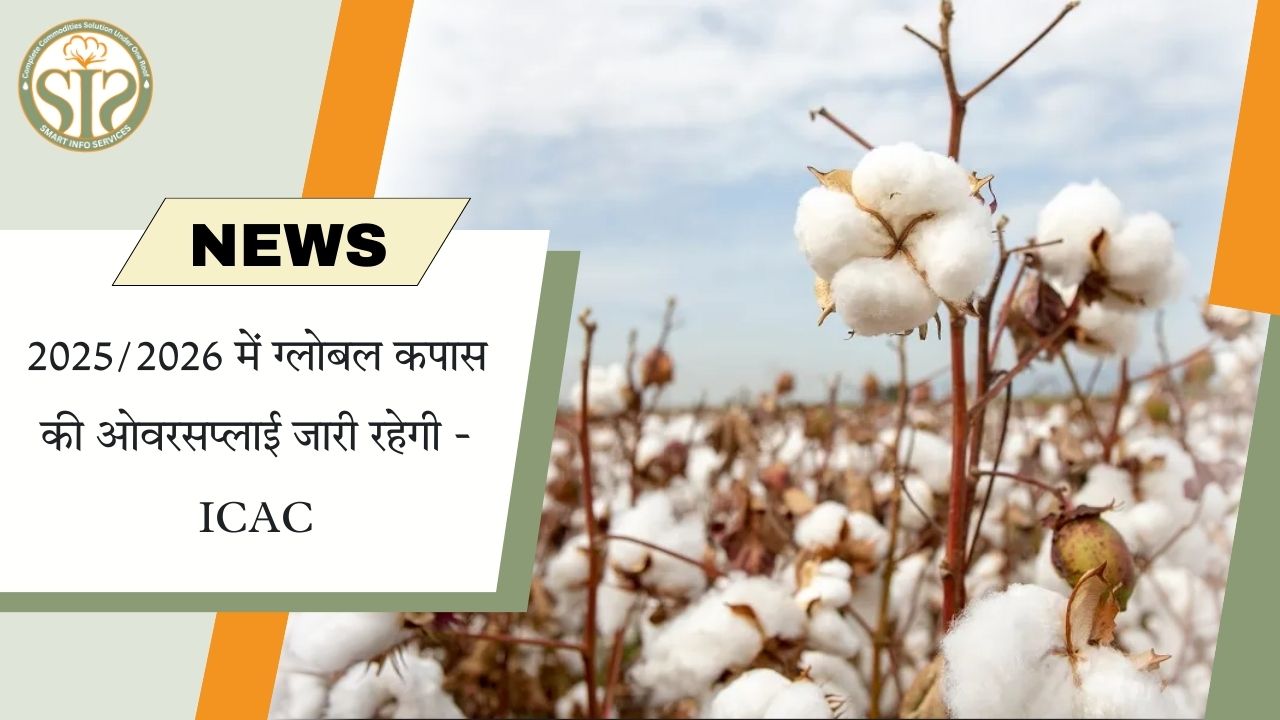
2025/2026 में ग्लोबल कपास की ओवरसप्लाई जारी रहेगी - ICAC2025/2026 में ग्लोबल कपास फाइबर का उत्पादन 26 मिलियन टन तक पहुंच जाना चाहिए, जो खपत से लगभग 800,000 टन ज़्यादा होगा।चीन, भारत और ब्राजील ग्लोबल सप्लाई पर हावी रहेंगे, जबकि एशिया डिमांड में आगे रहेगा।कोट्लुक ए इंडेक्स के 2020/2021 के बाद से अपने सबसे निचले औसत स्तर पर गिरने के बाद कपास की कीमतें दबाव में रहेंगी।ग्लोबल कपास बाज़ार अभी भी ओवरसप्लाई के दौर से बाहर नहीं निकला है। 2 फरवरी को जारी एक बयान में, इंटरनेशनल कॉटन एडवाइजरी कमेटी ने कहा कि 2025/2026 सीज़न में ग्लोबल कपास फाइबर का उत्पादन 26 मिलियन टन तक पहुंच जाना चाहिए।यह मात्रा पिछले सीज़न से 1% ज़्यादा है।2025/2026 में ग्लोबल कपास की खपत 25.2 मिलियन टन तक पहुंच जानी चाहिए। यह स्तर 2024/2025 सीज़न की तुलना में 0.4% ज़्यादा है।ICAC के अनुसार, चीन, भारत और ब्राजील ग्लोबल सप्लाई पर हावी रहेंगे। संगठन ने कहा, "खपत भी चीन द्वारा संचालित है, जो भारत और पाकिस्तान से आगे है, जो ग्लोबल बाज़ार में सप्लाई और डिमांड दोनों तरफ एशिया के लगातार प्रभुत्व को दिखाता है।"2025/2026 में ग्लोबल कपास का आयात और निर्यात 9.7 मिलियन टन तक पहुंच सकता है। यह मात्रा पिछले सीज़न से 5% ज़्यादा है।ICAC को उम्मीद है कि ब्राजील अमेरिका और ऑस्ट्रेलिया से आगे दुनिया के सबसे बड़े कपास निर्यातक के रूप में अपनी स्थिति बनाए रखेगा। संगठन को उम्मीद है कि बांग्लादेश दुनिया का सबसे बड़ा कपास आयातक होगा, जिसके बाद वियतनाम और चीन होंगे।ICAC के अनुसार, यह ट्रेंड "ग्लोबल टेक्सटाइल मैन्युफैक्चरिंग चेन और सोर्सिंग रणनीतियों के लगातार विकास" को दिखाता है।बांग्लादेश को प्रतिस्पर्धी उत्पादन लागत और लगभग 4,500 फैक्ट्रियों के नेटवर्क से फायदा होता है। अमेरिकी और यूरोपीय संघ के रिटेलर तेजी से इस देश को सोर्सिंग हब के रूप में पसंद कर रहे हैं।बांग्लादेश के स्पिनिंग उद्योग का तेजी से विस्तार उत्पादन वृद्धि को सपोर्ट करने के लिए बड़े पैमाने पर कपास के आयात पर निर्भर करता है।ICAC ने कहा कि कोट्लुक ए इंडेक्स लगातार तीसरे सीज़न में गिरा है। 2024/2025 सीज़न में इंडेक्स का औसत 79.6 सेंट प्रति पाउंड रहा।यह लेवल पिछले सीज़न की तुलना में 13.4% कम था। इंडेक्स 2020/2021 सीज़न के बाद से अपने सबसे निचले औसत स्तर पर पहुँच गया।2026 को देखते हुए, कपास की कीमतें कई स्ट्रक्चरल फैक्टर्स पर निर्भर करेंगी।ICAC ने दिसंबर में 2024/2025 सीज़न की अपनी समीक्षा में कहा, जिसे उसने "एडजस्टमेंट सीज़न" बताया, "2026 तक, कपास की कीमतें न केवल ग्लोबल इकोनॉमिक ग्रोथ और पब्लिक पॉलिसी की स्थिरता पर निर्भर करेंगी, बल्कि ऐसे माहौल में जहां यह सेक्टर तेज़ी से बदलती मार्केट स्थितियों के हिसाब से खुद को ढाल रहा है, प्रोड्यूसर्स की बढ़ती इनपुट लागत को कंट्रोल करने और क्लाइमेट की अनिश्चितता से निपटने की क्षमता पर भी निर्भर करेंगी।"और पढ़ें :- भारत-अमेरिका ट्रेड डील से कॉटन इंडस्ट्री को मिलेगा बढ़ावा: CAI
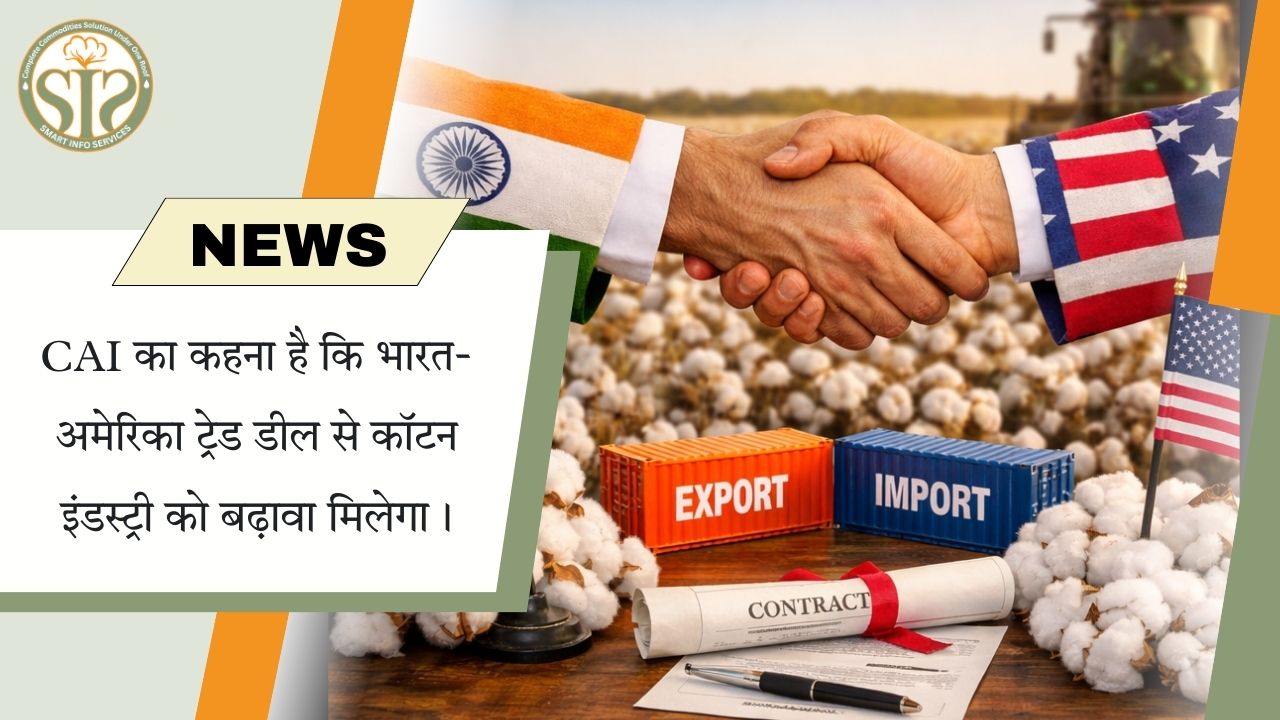
CAI का कहना है कि भारत-अमेरिका ट्रेड डील से कॉटन इंडस्ट्री को बढ़ावा मिलेगा।भारत का कॉटन और टेक्सटाइल सेक्टर प्रस्तावित भारत-संयुक्त राज्य अमेरिका ट्रेड डील से काफी फायदा उठाने के लिए तैयार है, इंडस्ट्री के प्रतिनिधियों ने उम्मीद जताई है कि बेहतर मार्केट एक्सेस और कम टैरिफ से डिमांड और एक्सपोर्ट को बढ़ावा मिलेगा।कॉटन ट्रेड बॉडीज़ ने कहा कि यह समझौता इस सेक्टर को सही समय पर बढ़ावा दे सकता है, जिसने पिछले एक साल में कीमतों में उतार-चढ़ाव, बढ़ती इनपुट लागत और असमान ग्लोबल डिमांड का सामना किया है। सेक्टर को उम्मीद है कि टैरिफ और ट्रेड नियमों में ज़्यादा निश्चितता से अमेरिकी खरीदार बड़े और लंबे समय के ऑर्डर देने के लिए प्रोत्साहित होंगे।इससे स्पिनिंग मिलों, वीविंग यूनिट्स और गारमेंट फैक्ट्रियों में क्षमता का बेहतर इस्तेमाल हो सकता है, खासकर गुजरात, महाराष्ट्र, तमिलनाडु और तेलंगाना के प्रमुख टेक्सटाइल हब में। इंडस्ट्री के लोगों ने कहा कि अमेरिकी बाज़ार से लगातार डिमांड से घरेलू कॉटन की कीमतों को स्थिर करने में भी मदद मिलेगी, जिससे किसानों और मैन्युफैक्चरर्स दोनों को फायदा होगा।कॉटन एसोसिएशन ऑफ इंडिया (CAI) के प्रेसिडेंट विनय एन. कोटक ने एक बयान में कहा, "यह द्विपक्षीय व्यापार के लिए एक उत्साहजनक और दूरदर्शी कदम है, जो भारत और संयुक्त राज्य अमेरिका के बीच गहरी और अधिक संतुलित व्यापार साझेदारी का मार्ग प्रशस्त कर सकता है।"भू-राजनीतिक और लॉजिस्टिक्स जोखिमों के बीच ग्लोबल कंपनियाँ सप्लाई चेन का फिर से मूल्यांकन कर रही हैं, ऐसे में भारत को उसके बड़े कच्चे माल के आधार, कुशल कार्यबल और बढ़ती मैन्युफैक्चरिंग क्षमता के कारण एक स्वाभाविक भागीदार के रूप में देखा जा रहा है। अमेरिकी बाज़ार तक बेहतर पहुँच से आधुनिकीकरण, सस्टेनेबिलिटी और अंतर्राष्ट्रीय मानकों के अनुपालन में निवेश में तेज़ी आ सकती है।हालांकि, इंडस्ट्री के प्रतिनिधियों ने आगाह किया कि डील का अंतिम ढांचा महत्वपूर्ण होगा। जबकि टैरिफ में राहत से वॉल्यूम बढ़ने की उम्मीद है, मूल नियमों, मानकों और अनुपालन आवश्यकताओं पर स्पष्टता से ही लाभ की सीमा तय होगी। कॉटन सेक्टर ने बातचीत करने वालों से आग्रह किया है कि संवेदनशील मुद्दों को संतुलित तरीके से संबोधित किया जाए ताकि निर्यातकों पर अनचाहे लागत दबाव से बचा जा सके।निर्यात से परे, डिमांड में अपेक्षित वृद्धि का रोजगार और ग्रामीण आय पर सकारात्मक प्रभाव पड़ सकता है। कॉटन एक श्रम-गहन वैल्यू चेन है, जो देश भर में लाखों किसानों, जिनर्स, मिल श्रमिकों और गारमेंट कर्मचारियों को सपोर्ट करती है। इसलिए, अमेरिका को निर्यात में लगातार वृद्धि व्यापक आर्थिक लचीलेपन में योगदान दे सकती है।कुल मिलाकर, कॉटन ट्रेड बॉडीज़ का मानना है कि भारत-अमेरिका ट्रेड डील एक रणनीतिक अवसर है। यदि इसे प्रभावी ढंग से लागू किया जाता है, तो यह ग्लोबल कॉटन और टेक्सटाइल बाजारों में एक विश्वसनीय सप्लायर के रूप में भारत की स्थिति को मजबूत कर सकता है, साथ ही पूरे सेक्टर में विकास, रोजगार और वैल्यू एडिशन को सपोर्ट कर सकता है।और पढ़ें :- रुपया 09 पैसे मजबूत होकर 90.26 प्रति डॉलर पर खुला।

रुपया 09 पैसे बढ़कर 90.26/USD पर खुलाभारतीय रुपया शुक्रवार को डॉलर के मुकाबले 90.26 पर खुला, जबकि गुरुवार को यह 90.35 पर बंद हुआ था।और पढ़ें :- सीसीआई नीति से जूझ रही छोटी मिलों पर अतुलभाई गनात्रा
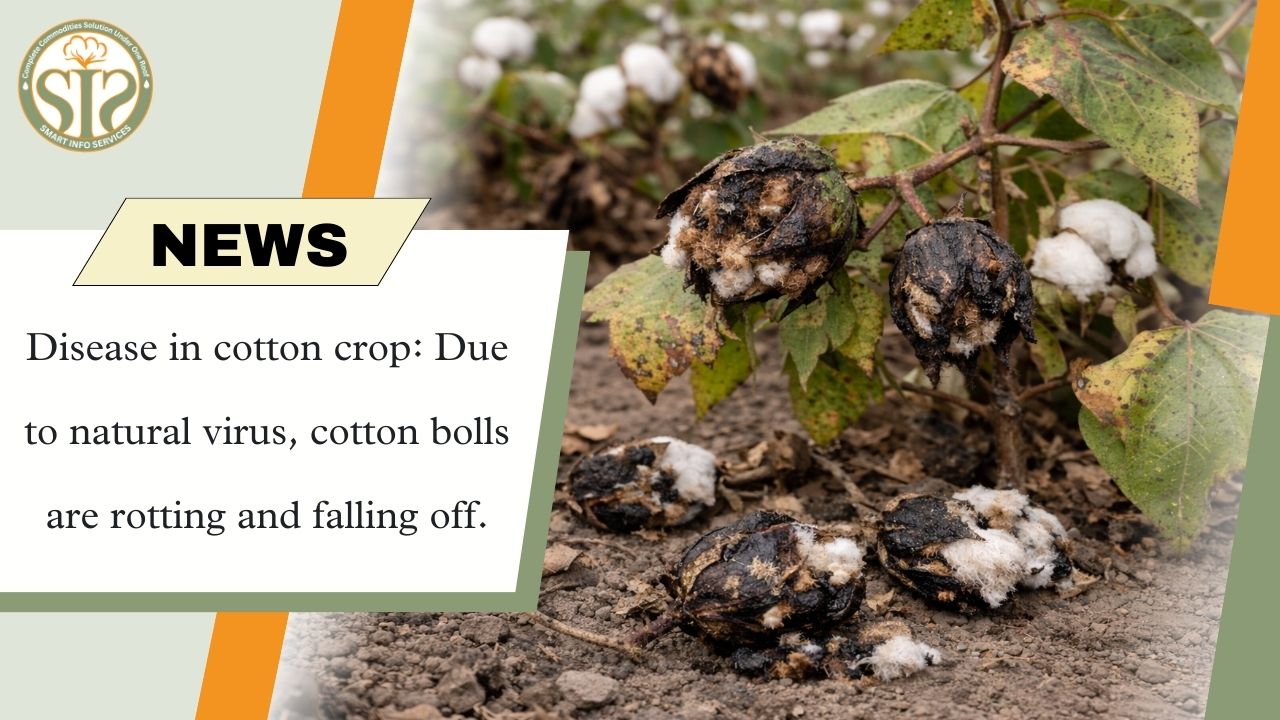
Disease in cotton crop: Due to natural virus, cotton bolls are rotting and falling off.Ahilyanagar Maharashtra: Cotton bolls were rotting and bolls were falling off during the Kharif season in Ahilyanagar district. Farmers had complained that this was happening due to bad seeds. After this, the District Level Committee of the Agriculture Department, along with a team of scientists from Mahatma Phule Agricultural University, inspected the cotton crops of the complaining farmers and submitted a report. It was told that boll rot and boll shedding of cotton was not caused by bad seeds but due to the spread of a natural virus and the complaints of the farmers have been resolved.Cotton is cultivated in about 1.5 lakh hectare area in Ahilyanagar district. This year, due to continuous rains and heavy rains, Kharif crops have suffered huge losses in many areas. More than 100 farmers from Rahuri, Nevasa and Sangamner talukas had complained to the Agriculture Department that cotton growing companies had sold defective seeds. These include boll rot and cotton boll loss.According to the complaint received by the Agriculture Department, the District Level Committee of the Agriculture Department first irrigated the cotton crop of the complaining farmer and then re-investigated it in collaboration with the scientist of Mahatma Phule Agriculture University. According to information received from Agriculture Department and University scientists, this year certain varieties of cotton were more affected by different viruses.The cotton varieties of that company were more affected by the virus. Because of this, ball rot disease occurred in that variety of cotton and the cotton balls fell, causing huge losses. The scientist has given the investigation report in this regard to the Agriculture Department and more than 100 concerned farmers who complained.Heavy damage to cotton due to heavy rainsCotton crop in 2 lakh hectares has been affected due to heavy and continuous rains in the last monsoon in Ahilyanagar district. In this, rainfall reduces in the month of June. However, it starts increasing from July. In this, 8 hectares of cotton crop has been affected in July, 31.26 hectares in August and 1 lakh 71 thousand hectares in September. Because of this, farmers are saying that production has reduced this year.read more :- Lower duty on American cotton, excitement in Indian textile industry
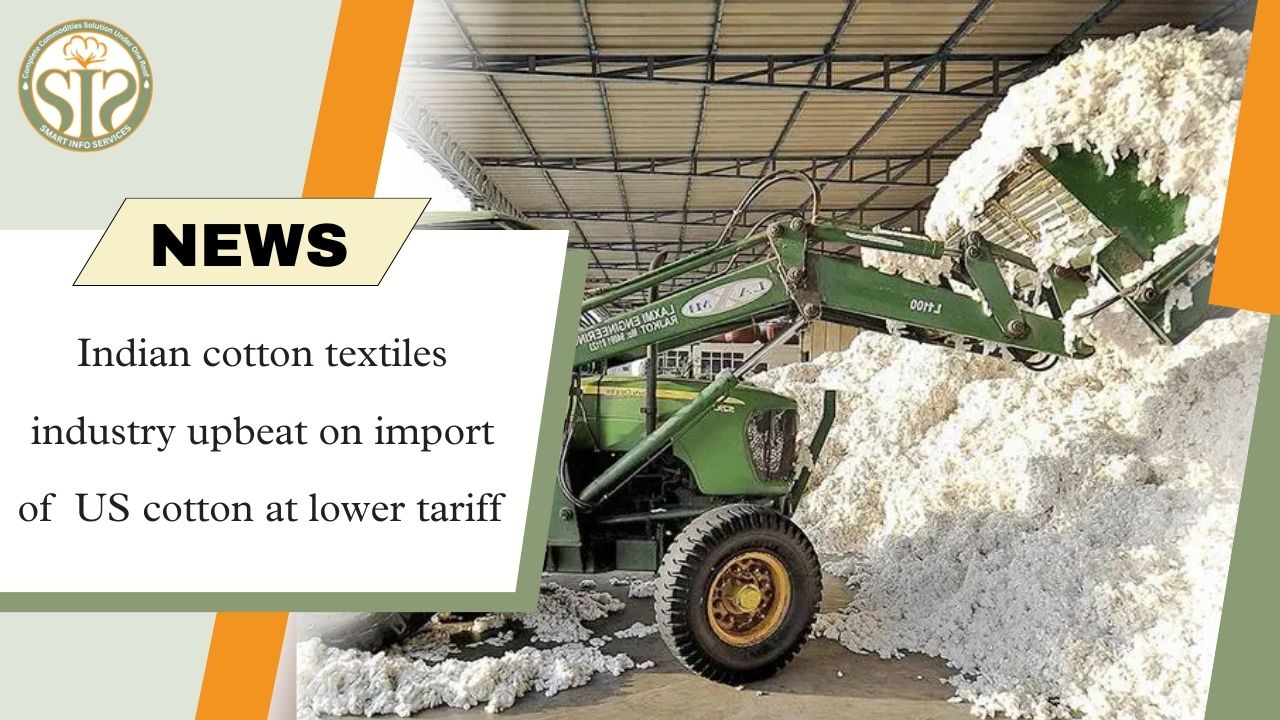
Indian cotton textiles industry upbeat on cheaper US cotton importsThe Indian cotton textiles industry has expressed optimism over the possibility of importing US cotton at lower tariffs, as expectations rise around new trade agreements with the United States and the European Union. Industry stakeholders believe that easier and cheaper access to imported cotton could help meet growing demand in the coming years and improve competitiveness in global markets.With domestic cotton production stagnating over the past few years and prices remaining higher than global levels, mill owners and trade bodies are urging the government to reduce import duties or adopt a quota-based duty concession system. Currently, cotton imports (excluding extra-long staple varieties) attract around 11% duty, though industry experts suggest this could be reduced or waived for US cotton under a trade arrangement.Industry leaders have proposed several possible policy options, including a 50% reduction in import duty for US cotton, duty-free imports up to a fixed quota, or a model similar to the Australian cotton import arrangement. Some traders estimate that duty-free imports could be allowed for up to 50,000 tonnes, while others expect a broader quota of 5–10 lakh bales.Experts say high domestic prices are making imports attractive. The Cotton Corporation of India (CCI) is currently offering cotton at around ₹56,500 per candy (356 kg), while imported cotton is landing at below ₹54,000 per candy. Brazilian cotton, for instance, is reported to be even cheaper, with landed costs near ₹50,000 per candy.According to industry representatives, US cotton is also preferred for its quality, consistency, and low contamination levels, which are important for export-oriented textile units. They argue that India’s cotton output has remained stagnant due to declining yields, pest attacks such as Pink Bollworm, and delayed adoption of new technologies.Industry bodies such as the Tamil Nadu Spinning Mills Association (TASMA) and the Cotton Association of India (CAI) believe that trade agreements with the US and EU could significantly increase cotton demand and help stabilize supply chains. Some estimates suggest that imports may double in the current cotton season.Experts also note that lower-cost imports could improve yarn production efficiency, as only about 65% of India’s yarn capacity is currently being utilized. Increased availability of raw cotton is expected to boost domestic consumption of yarn and support the textile value chain.While details of the proposed trade mechanism are still awaited, the industry remains hopeful that policy changes will support sustainable growth and reduce raw material costs for mills across the country.read more :- Rupee opened 05 paise stronger at 90.71 per dollar

Rupee opens 05 paise up at 90.71/USD Indian rupee opened higher at 90.71 per dollar on Tuesday versus previous close of 90.76.read more :- CAI demands zero duty on ELS cotton
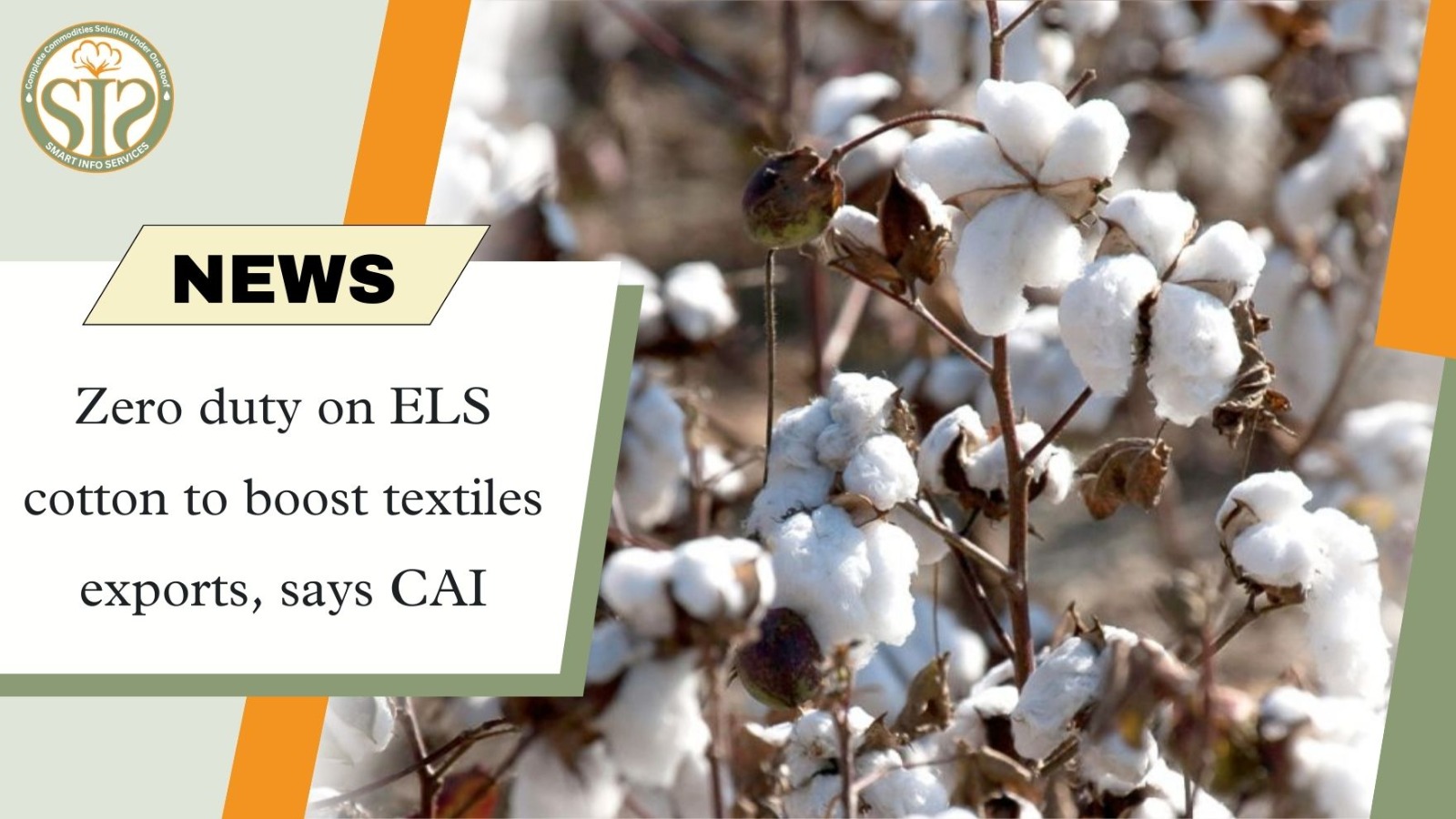
Zero duty on ELS cotton to boost textiles exports, says CAIThe Indian government’s decision to move extra long staple (ELS) cotton to the First Schedule, effectively reducing customs duty to zero, is expected to boost India’s high-value textile and apparel exports, according to the trade body Cotton Association of India (CAI). The Budget 2026-27 has moved ELS cotton to the First Schedule (zero customs duty).Vinay N Kotak, Chairman, CAI said the Budget is designed as a futuristic, growth-oriented blueprint, aimed at establishing India as a global manufacturing hub and securing its position as the world’s third largest economy.“One of the important changes in the Customs Schedule, which is aimed at providing relief to enable manufacturing is to move Extra Long Staple Cotton to First Schedule (zero Customs Duty). This will boost exports of our finished textile products and increase India’s share in the world textile markets,” Kotak said in a statement. India imports around 5-7 lakh bales of ELS cotton mainly from USA and Egypt, he said.Improving accessCotton with fibre length of 33 mm and above is called ELS cotton, a key input for manufacturing premium yarns, fine fabrics and high-end garments. Since domestic production of ELS cotton is limited, Indian textile manufacturers depend on imports to meet quality requirements for export markets. The removal of import duty is expected to lower raw material costs and improve access to high-quality fibre, enhancing the global competitiveness of Indian exporters.The ELS cotton is grown in approximately 2 lakh hectares, predominantly under the DCH-32 variety in parts of Karnataka such as Dharwad, Haveri and Mysuru districts, also in Coimbatore, Erode and Dindigul in Tamil Nadu and in Ratlam in Madhya Pradesh.read more :- Last date for cotton MSP purchase 10 February
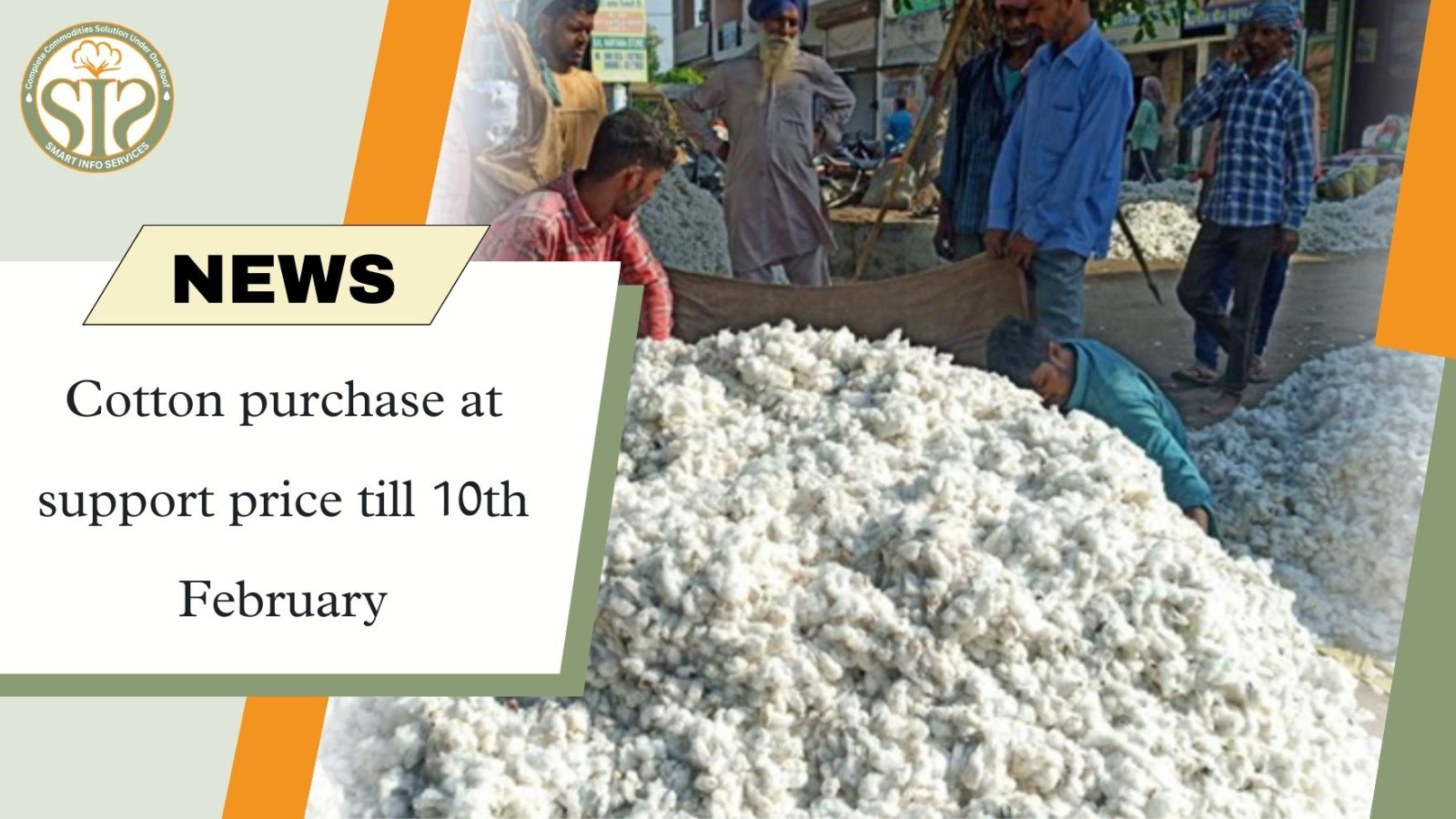
Cotton purchase at support price till 10th FebruaryHanumangarh Cotton will be procured by Cotton Corporation of India (CCI) at support price till February 10. In this regard, Director of Agricultural Marketing Department, Jaipur, Rajesh Kumar Chauhan has issued a letter to the regional joint directors and deputy directors of the department.Instructions have been given in the letter that all the cotton farmers registered on Cotton Kisan Mobile App of Cotton Corporation of India should be made aware to book slots and sell their cotton before the last date of purchase. Also, it has been asked to ensure that farmers can sell their cotton before February 10.

The Indian rupee lower 21 paise to close at 90.76 per dollar on Monday, compared to its opening price of 90.55 in the morning.At close, the Sensex was up 485.35 points or 0.58 percent at 84,065.75, and the Nifty was up 173.60 points or 0.68 percent at 25,867.30. About 3003 shares advanced, 1181 shares declined, and 152 shares unchanged.read more :- CITI welcomes tariff cut, clarity on cotton
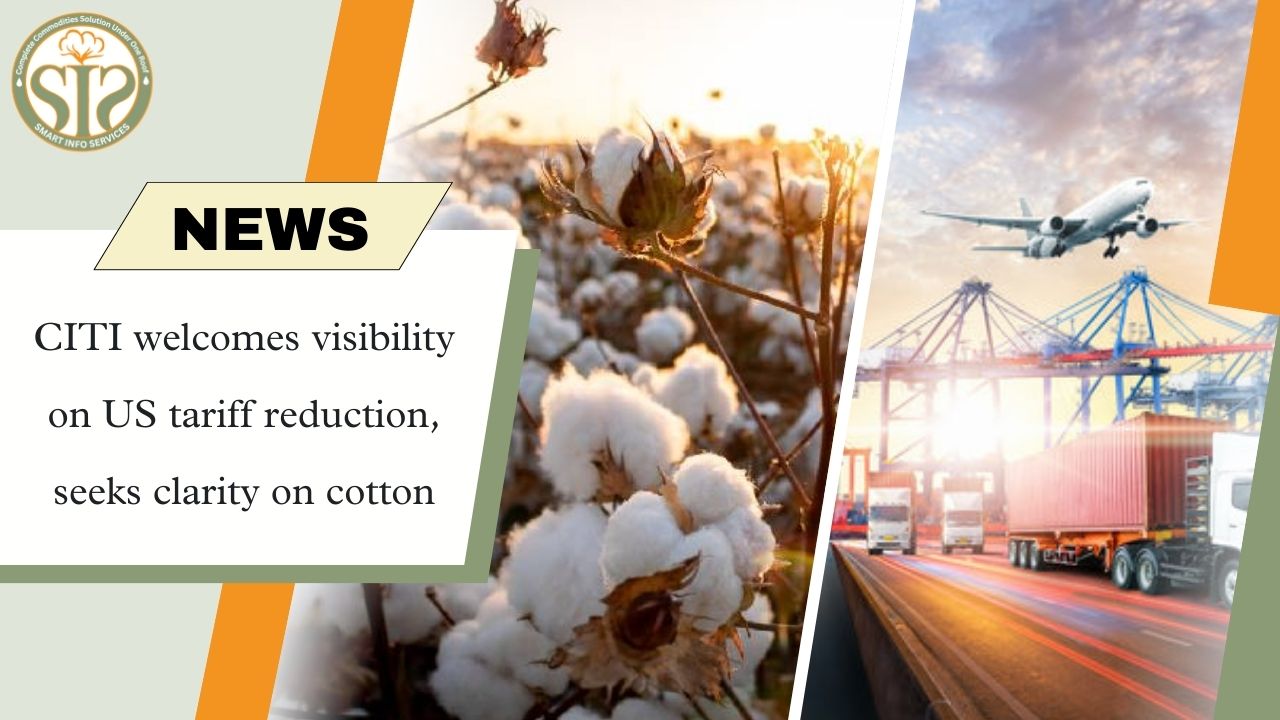
CITI welcomes visibility on US tariff reduction, seeks clarity on cottonThe Confederation of Indian Textile Industries (CITI) heartily welcomes the reduction of US tariffs to 18% with effect from February 7, 2026. CITI expresses its heartfelt gratitude to US President Mr. Donald Trump and Indian Prime Minister Mr. Narendra Modi for successfully resolving the tariff issue."The biggest problem for the Indian textile and apparel sector was earlier the 50% tariff imposed by the US on Indian goods, as the US is India's largest foreign market. Now this tariff has been removed, allowing India's textile and apparel exports to compete effectively in the US again. With the 18% tariff, we will also get a slight tariff advantage compared to our nearest competitors, Vietnam and Bangladesh," said Mr. Ashwan Chandran, President, CITI.“This extremely positive development is a major boost to India's target of $100 billion textile and apparel exports by 2030, the 'Make in India' initiative and employment generation in the textile and apparel industry driven by small and medium enterprises (MSMEs). CITI is extremely grateful to Honorable US President Mr. Donald Trump, Honorable Prime Minister Shri Narendra Modi and all the Ministers and senior officials involved in the US and India for this achievement.”China, Vietnam, India, and Bangladesh are the largest exporters of textiles and apparel goods to the US. The US tariff rate on both Vietnam and Bangladesh is set at 20%. An analysis by CITI of US Office of Textiles and Apparel (OTEXA) data showed that US imports of textiles and apparel from India declined by 31.4% in November 2025 compared to November 2024.CITI president said the industry body was waiting for more clarity on cotton. There is extensive coordination between the United States and India on cotton. India's textile and apparel exports are mainly dependent on cotton.The Joint Statement of the United States and India on the Framework for an Interim Agreement on Reciprocating and Mutually Beneficial Trade (Interim Agreement) states: "India will eliminate or reduce tariffs on all U.S. industrial goods and a wide range of U.S. food and agricultural products, including dried distillers grains (DDG), red sorghum for animal feed, nuts, fresh and processed fruits, soybean oil, wine and spirits, and other products."CITI believes that removal of import duty on cotton of all varieties will reduce the gap between domestic and global prices and help restore the competitiveness of India's spinning and textile industries. This step will also ensure that the minimum support price (MSP) and other farmer-support mechanisms can function as intended without any significant price distortion. In the current cotton season, the MSP of the cotton variety has increased by about 8%.read more :- Cotton import increased due to trade deal, farmers in trouble, slight relief in textile sector
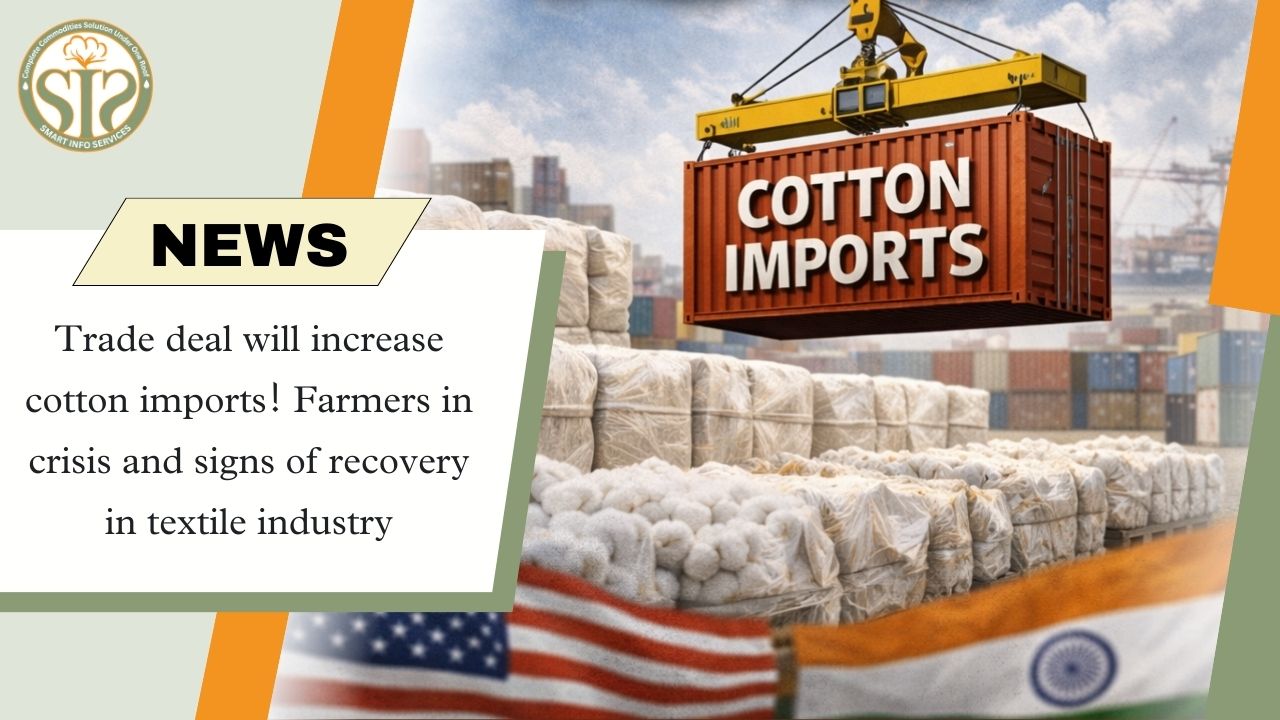
Trade deal will increase cotton imports! Farmers in crisis and signs of recovery in textile industryNagpur: Due to India-America 'trade deal', efforts have started to eliminate 11 percent import duty on cotton. Already, cotton imports are continuously increasing, while exports are decreasing. With this deal, import of cotton from America will increase and the price of cotton in the domestic market will come under pressure and farmers will have to suffer financial losses. The Indian textile industry, which exports very little, will benefit from the deal as it will get cotton at cheaper prices.The Indian textile industry requires 315 to 320 lakh bales of cotton every year to meet the export and domestic demand of textiles. Every year 330 to 340 lakh bales of cotton are produced in India. India requires 12 to 15 lakh bales of extra long yarn cotton to produce premium quality textiles.The production of this cotton is 3 to 4 lakh bales and every year 10 to 12 lakh bales have to be imported. India has the largest production of long and medium yarn cotton. Since cotton prices in the global market are lower than in India, Indian textile industries import long yarn cotton in the name of extra long yarn and reduce the price. If the cotton price falls below the MSP, the government purchases 22-27 per cent of the total cotton production at the MSP rate. Farmers will be hit the hardest by duty-free cotton imports due to the 'trade agreement'.India's textile exportsChina ranks first in textile exports in the world market, while India ranks sixth. India's textile export share is only four percent. 25 to 30 percent of this cloth is exported to America. The European Union, Vietnam, Bangladesh and Türkiye are India's major competitors.How does the textile industry benefit?The rate of rupee in the year 2021-22 was Rs 1 lakh 5 thousand. Therefore, the prices of clothes increased in the year 2022-23. Rupee prices declined by 40 per cent in 2022-23 to reach a surplus of Rs 62,000. However, the industries did not reduce the rates of clothes by 40 percent. At present the rates of cotton are between 55 to 57 thousand rupees and the rates of clothes are between 1 lakh rupees.A missed opportunity for India in VietnamThere is huge demand for Bangladeshi clothes in the world. Bangladesh's textile industry is dependent on Indian cotton.Due to political instability, Bangladesh's position in the global textile market faltered and India got an opportunity to gain its customers. Vietnam seized this opportunity as the Indian government ignored it.read more :- New opportunity for textile industry from India-US deal
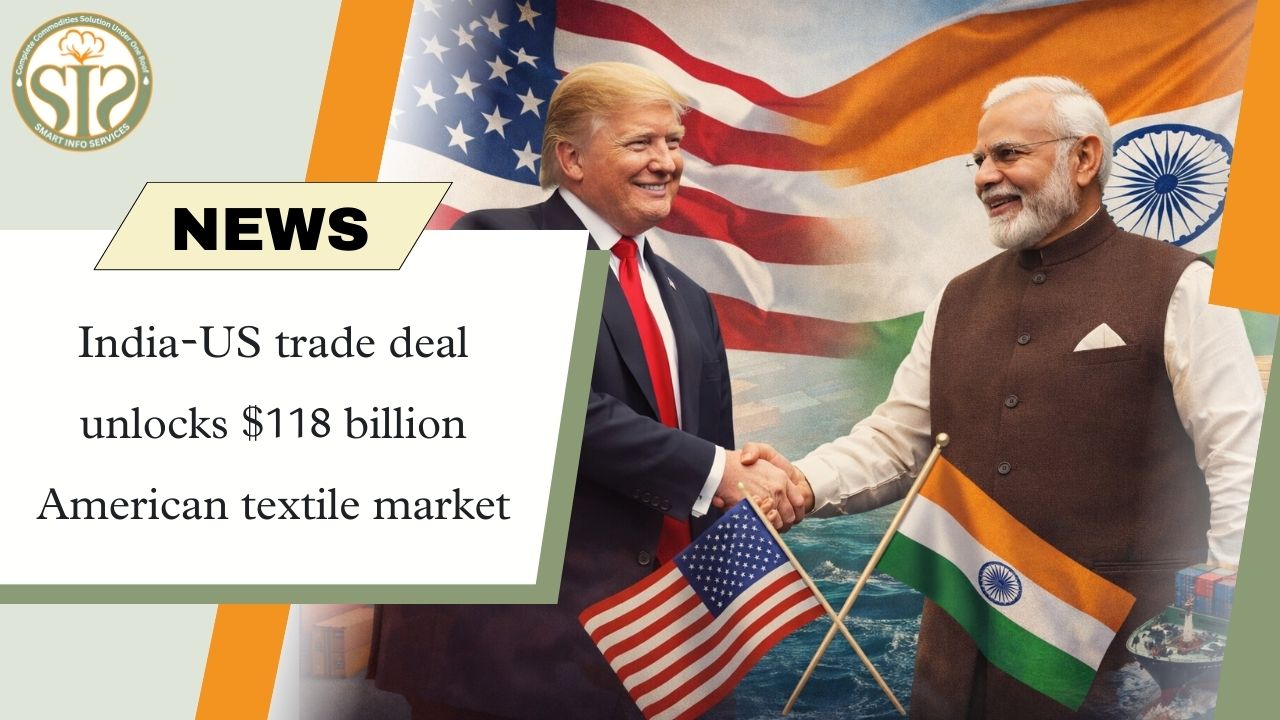
India-US trade deal unlocks $118 billion American textile marketAs India and the US announce that they have reached an interim trade framework, it opens up a $118 billion US global imports market of textiles, apparels and made-ups, a “major opportunity” for the country’s textile industry, as per the government.With the US being India’s largest export destination of around $ 10.5 billion exports, comprising around 70 per cent apparel and 15 per cent made-ups, the Textiles Ministry has welcomed the landmark agreement between both the nations as a major catalyst enhancing textile trade relations.The textile industry said the deal was a major economic game changer for the sector and was expected to play a pivotal role in India achieving its intended target of $100 billion exports in 2030. It is also expected to provide the requisite momentum, with US to contribute to more than 1/5th of this target.A key advantage of the deal lies in the 18 per cent reciprocal tariffs on all the textile products including apparel and made-up. This will not only remove the disadvantage that Indian exporters had, but would place them in a better position than most competitors who face higher reciprocal tariffs like Bangladesh (20 per cent), China (30 per cent), Pakistan (19 per cent) and Vietnam (20 per cent).This shift would significantly alter sourcing methods and drive customers to re-evaluate supply chains in favour of India.Meanwhile, the Confederation of Indian Textiles Industry (CII) estimated that India exported almost $11 billion worth of textiles and apparel to the United States in FY25. India’s biggest export destination for clothing and textiles is the US, which also contributes significantly to industry earnings. About 28–33 per cent of India’s total exports of textiles and clothing go to the US.Yet, with about 9.4 per cent of the US import market, it ranks as the fourth-largest supplier of clothing and textiles to the US. In fact, 33 per cent of India’s exports of ready-made clothing, 48 per cent of its home textile exports, and 59 per cent of its carpet exports are shipped to the US. India’s competitive position was thus undermined by the US’s 50 per cent tariff on its goods.“The India–US Interim Trade framework is a timely and positive step towards the $500 billion trade ambition. By addressing tariffs, non-tariff barriers and supply chain resilience, it creates a more predictable and enabling environment for businesses and two-way investments across manufacturing, technology, energy and services,” Chandrajit Banerjee, Director General, CII, said.The agreement would also enable the industry to be cost-competitive and diversify their risks by sourcing intermediates for the textiles sector from the US. This would facilitate manufacturing of value-added textiles in the country and diversify our production and exports. The deal would generate additional employment and encourage investments by US entities.read more :- 2025-26: State wise CCI cotton sales
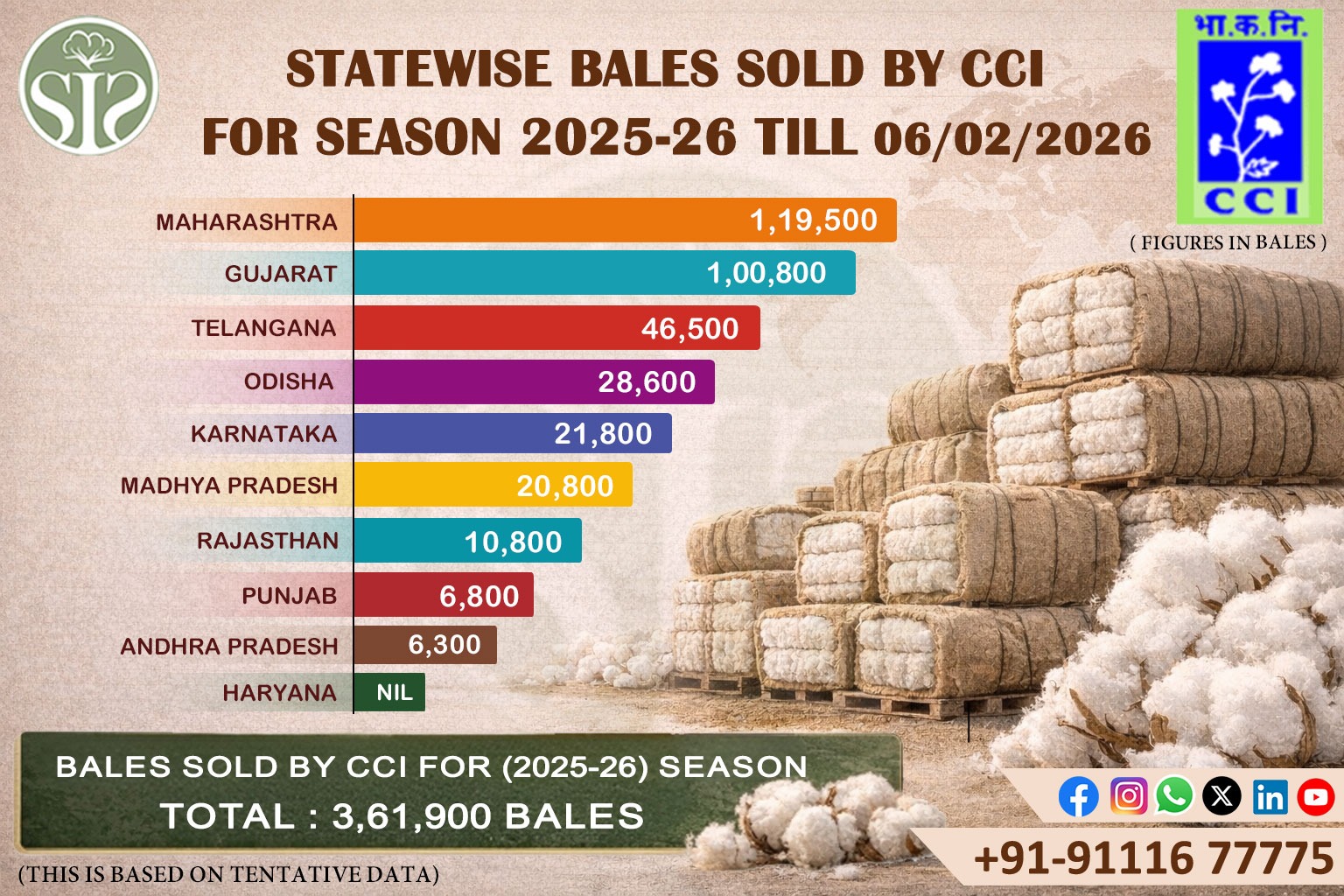
State-wise CCI Cotton Sales Details – 2025-26 SeasonThe Cotton Corporation of India (CCI) kept its price unchanged during this week for the 2025-26 season. So far, approximately 3,61,900 cotton bales have been sold by CCI during the 2025-26 season. Sales are highly concentrated in a few major cotton-producing states, Maharashtra and Gujarat emerging as the leading contributors.
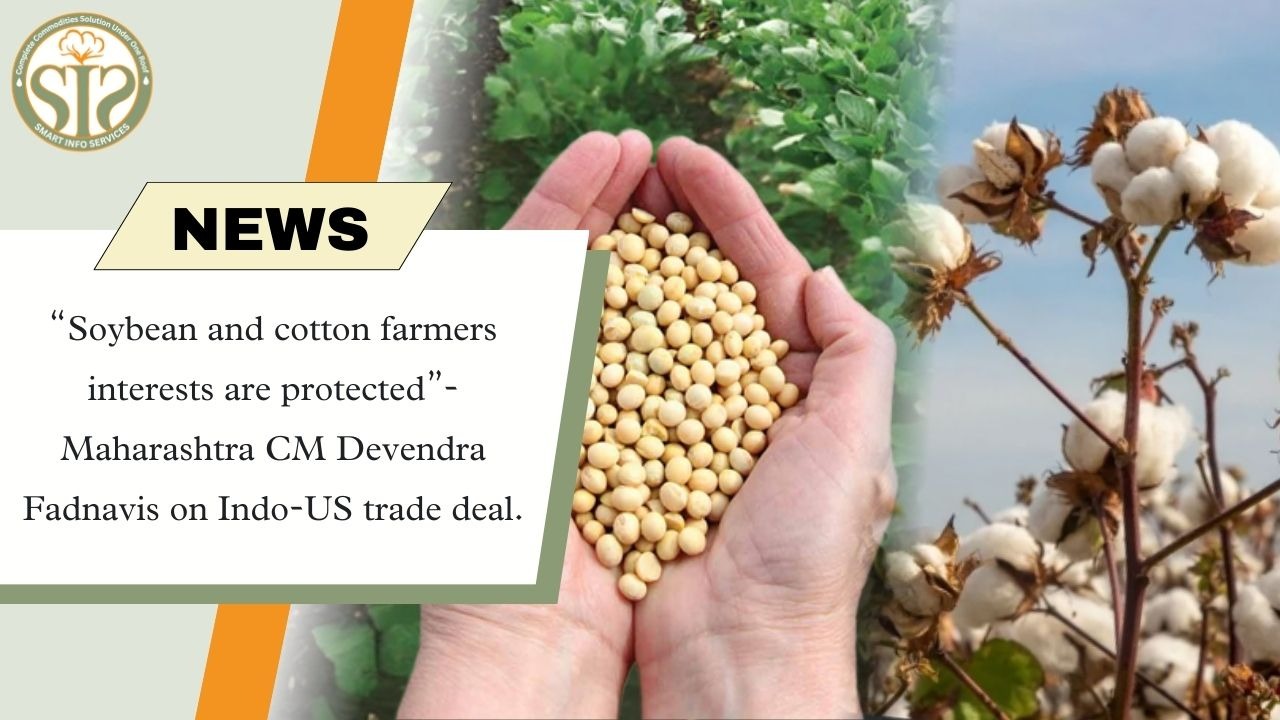
“Soybean and cotton farmers interests are protected”- Maharashtra CM Devendra Fadnavis on Indo-US trade deal.Maharashtra Chief Minister Devendra Fadnavis Saturday said that the state’s farmers interest will be protected and they will not face any negative impact by the Indo-US trade deal.On the sidelines of Advantage Vidarbha 2026, Fadnavis, when asked whether soybean and cotton farmers could face problems or lose market share due to the Indo-US trade deal, told The Indian Express: “That is not going to happen. Farmers are well protected. The government is buying a large share of soybean produce at the Minimum Support Price (MSP), and the market price has also stabilised.” Advantage Vidarbha is a three-day business conclave aimed at attracting investment to the mineral-rich, drought-hit region.The India-US joint statement released on Friday morning says that India will eliminate or reduce tariffs on all US industrial goods and a “wide range” of US food and agricultural products, including dried distillers’ grains (DDGs), red sorghum for animal feed, tree nuts, fresh and processed fruit, soybean oil, wine and spirits, and additional products.“India will eliminate or reduce tariffs on all U.S. industrial goods and a wide range of U.S. food and agricultural products, including dried distillers’ grains (DDGs), red sorghum for animal feed, tree nuts, fresh and processed fruit, soybean oil, wine and spirits, and additional products. Recognising the importance of working together to resolve long-standing concerns, India also agrees to address long-standing non-tariff barriers to the trade in U.S. food and agricultural products,” the statement said.The US Agriculture Secretary Brooke Rollins also earlier had claimed that the India-US trade deal will result in “export [of] more American farm products into India’s massive market”.Soyabean and Cotton are the main cash crops in Vidarbha and Marathwada region for the majority of farmers. Farmer organisations in Maharashtra have raised concern that if the government will allow unrestricted import of the agriculture produce under Indo-US trade deal, it will be distressing for the Indian farmers as they will not be able to withstand the competition from the advanced agriculture sector in the US.In a letter to the Prime Minister’s Office (PMO), Swabhimani Shetkari Sanghatana president Raju Shetti wrote, “We have been informed that India and US have signed a 500-billon dollar trade deal which allows import of agricultural products at zero interest. If taken forward, the deal will be a betrayal of Indian farmers as the country will be flooded with imports such as soybean, corn, milk products and others from the US.”Shetti earlier told the that US farmers produce crops like Soyabean and Cotton at much larger scale, their markets are stabilised and Indian farmers will find it extremely difficult to compete with them in the absence of any level-playing field.Currently most of the US’ Agriculture export to India is Tree Nuts- like almonds and pistachios, followed by Cotton and Soyabean Oil. Whereas India’s Agriculture export to the US is seafood, spices, rice, vegetable oils, processed fruits & vegetables.The US runs a trade deficit with India in agricultural products, meaning it imports more than it exports. Agricultural and dairy products have been a key point of contention, with the US pushing for greater market access in India. However, the deficit was already narrowing even without a trade deal, declining from $3.5 billion to $3.1 billion in 2025.read more :- US-India announce historic interim trade agreement
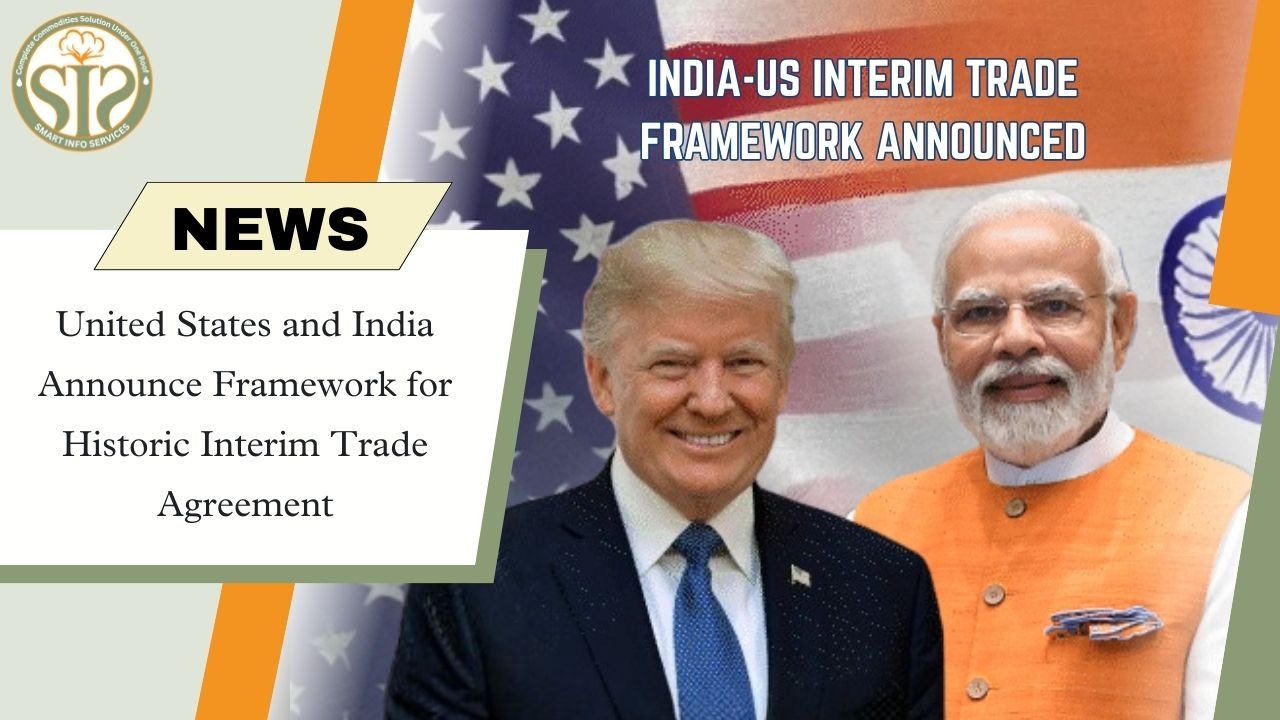
United States and India Announce Framework for Historic Interim Trade AgreementThe United States and India are proud to announce a framework for an Interim Trade Agreement, marking a major milestone in strengthening their economic partnership. This framework advances ongoing negotiations toward a comprehensive U.S.-India Bilateral Trade Agreement (BTA) launched by President Donald J. Trump and Prime Minister Narendra Modi on February 13, 2025.The Interim Agreement reflects both nations’ commitment to reciprocal, balanced, and mutually beneficial trade, deeper market access, and resilient supply chains.Key Highlights:Tariff Reductions: India will cut or eliminate tariffs on U.S. industrial, food, and agricultural products.Reciprocal U.S. Tariffs: The U.S. will adjust tariffs on select Indian goods and remove duties on pharmaceuticals, gems, and aircraft parts under the agreement.Market Access: Both nations commit to sustained preferential access across key sectors.Non-Tariff Barriers: India will ease restrictions on U.S. medical devices, ICT goods, and agricultural products.Technology & Energy: India plans to purchase $500 billion in U.S. energy, aircraft, technology, and metals over five years, boosting trade in high-tech goods.Digital & Economic Security: The two countries will collaborate on digital trade rules, supply-chain security, and innovation.This framework underscores a shared vision for a modern, fair, and forward-looking trade partnership—paving the way for a landmark U.S.-India Bilateral Trade Agreement.read more :- India-EU FTA will increase competitiveness of Indian textiles: ICRA

India–EU FTA to put Indian textiles on par with competitors: ICRA Indian textile and apparel exports are expected to gain a significant competitive boost in the European market following the signing of the India–EU Free Trade Agreement (FTA). The agreement eliminates duties on Indian shipments, placing them on a level playing field with key competitors such as Bangladesh and Vietnam, according to an Investment Information and Credit Rating Agency (ICRA) report.EU import duties on Indian textiles are expected to fall to zero, addressing a longstanding tariff disadvantage that had limited India’s competitiveness. Historically, the EU’s import dependence on India has remained below 5 per cent, with China, Bangladesh, Turkey and Vietnam leading supplies dur to preferential trade access and lower tariffs.India’s apparel exports are estimated at over $16 billion in calendar year 2025 (CY2025), with nearly one-third going to the US and around 23 per cent to the EU, making Europe one of the largest export destinations for the sector. However, exports to the EU have remained largely flat in recent years due to sluggish retail demand, inflationary pressures and vendor diversification by global buyers, the report said.The FTA is expected to be particularly beneficial for apparel and home textile segments, which stand to gain from tariff-free access.Beyond sector-specific gains, the broader trade pact offers preferential zero-tariff access on 97 per cent of EU tariff lines covering 99.5 per cent of India’s export value, with a large portion of duties expected to be eliminated immediately upon enforcement.Over the medium term, the level playing field could also support MSME exporters and reinforce India’s role as a reliable sourcing destination for the EU market.read more :- CCI keeps cotton prices stable, weekly online auction continues
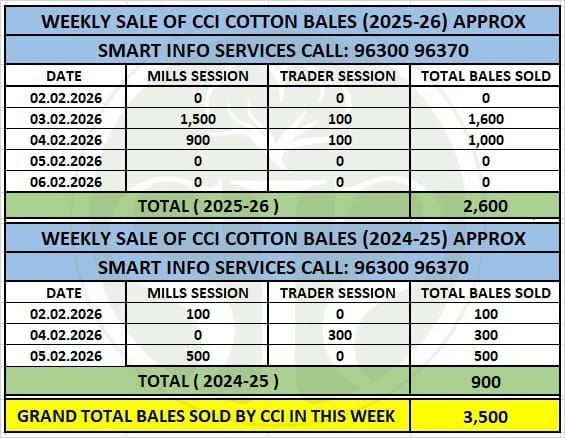
CCI Keeps Cotton Prices Unchanged; Weekly Sales Continue Through Online AuctionsThe Cotton Corporation of India (CCI) kept its cotton prices unchanged. During the week from 02 february 2026 to 06 february 2026, CCI conducted regular online auctions for mills and traders across various centers. These auctions resulted in total weekly sales of approximately 2,600 bales for 2025-26 and 900 bales for 2024-25 season, reflecting steady demand from both segments.Daily sales performance02 February 2026:CCI began the week with sales of 100 bales, all of which were purchased by mills. The entire quantity belonged to the 2024–25 season.03 February 2026:Total sales rose to 1,600 bales, including 1,500 bales bought by mills and 100 bales purchased by traders. All sales on this day were from the 2025–26 season.04 February 2026:Sales stood at 1,300 bales, comprising 1,000 bales from the 2025–26 season and 300 bales from the 2024–25 season. Mills accounted for 900 bales, entirely from the current season, while traders bought 400 bales, including the full quantity from the previous season.05 February 2026:A total of 500 bales were sold, all purchased by mills from the 2024–25 season, indicating continued mill demand for older-season cotton.06 February 2026:No bales were sold in the CCI online auction today for both the 2025–26 and 2024–25 seasons.Cumulative salesWith these transactions, CCI’s cumulative sales reached 3,61,900 bales for the 2025–26 season and 98,82,400 bales for the 2024–25 season, as the agency continues to offload stocks through its e-auction platform while maintaining stable prices.

On Friday, the Indian rupee fell 40 paise to close at 90.66 per dollar, compared to its opening price of 90.26 in the morning.At market close, the Sensex was up 266.47 points or 0.32 per cent at 83,580.40, and the Nifty was at 25,693.70, up by 50.90 points or 0.20 per cent. On a weekly basis (including Sunday's budget session), Nifty was up 1.47 per cent, the best since the week ended November 14 last year. read more :- Budget 2026–27: Employment and growth in the textile sector
Emphasis on making textile sector a major engine of growth and employment in Budget 2026–27The Union Budget 2026–27 reflects India's strong economic position and the government's confidence in long-term reforms amid global economic uncertainties. India remains the world's fourth largest and fastest growing major economy, driven by infrastructure and manufacturing led growth with an estimated growth rate of 7.2 per cent and capital expenditure of ₹12.21 lakh crore.The budget has made the textile sector the main pillar of inclusive growth and large-scale employment generation through labour-intensive manufacturing. The sector, hitherto viewed from a welfare perspective, has been placed at the center of the national industrial strategy, linking it to competitiveness, scale and export potential. Presently this sector contributes about 2.3 percent to the GDP and provides employment to more than 5.2 crore people.The 18 free trade agreements (FTAs) signed by the government have given India preferential access to global textile markets worth approximately $466 billion. Better access to key markets, including the US, is expected to lead to significant growth in textile exports, further strengthening India's position in global value chains.Domestically, Budget 2026 focuses on enhancing the competitiveness of the industry through relaxation of quality control mandates, GST reforms and resolution of inverted duty structure. Under the National Fiber Scheme, the availability of cotton, man-made and new-age fibers will be strengthened, which will stabilize raw material costs and increase certainty in export pricing.To modernize the industry, it has been announced to upgrade 200 textile industrial clusters across the country. The textile industry generates more employment per investment and is estimated to create 2 to 3 crore new livelihoods in the next five years through cluster-based expansion. Along with this, 15 lakh skilled workers will be trained under the Samarth 2.0 scheme.The budget also provides for an SME Development Fund of ₹10,000 crore, an improved TReDS platform and a faster payment mechanism to address the liquidity problems of MSMEs. By including the handloom and handicraft sectors in the reform process, sustainability, skill development and global market access are promoted, which is expected to strengthen India's textile ecosystem in the long term.read more :- New export opportunities for Odisha textiles from India-US trade agreement
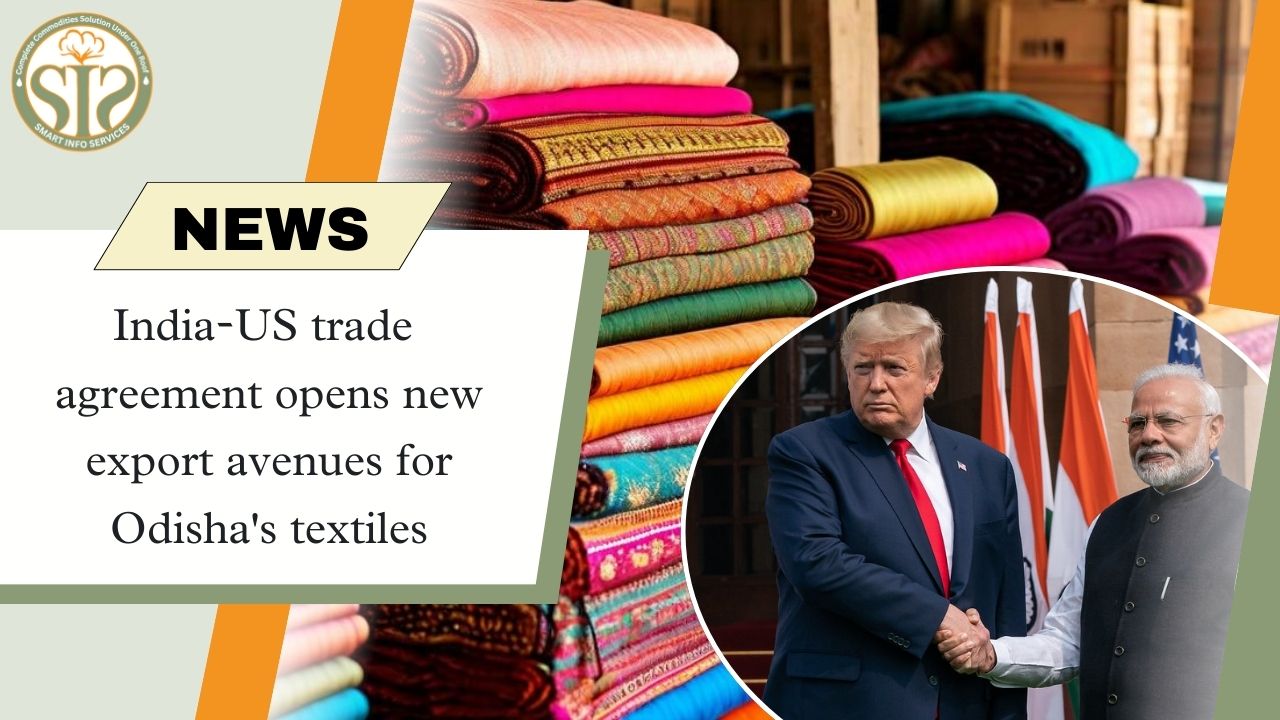
India-US trade agreement opens new export avenues for Odisha's textilesThe India-US trade agreement will boost the Odisha textile industry, easing US tariffs to help handloom and apparel exports go global, creating jobs for weavers and pushing Sambalpuri and traditional textiles to international markets.The recent India-United States trade agreement has opened up new opportunities for Odisha, especially in the textile and apparel sector. From traditional handloom products to modern readymade garments, Odisha-made clothes are now set to reach wider international markets more easily, official sources said on Thursday.With the relaxation of import duties by the United States, exports from Odisha are expected to become more competitive. The move is likely to open new avenues of income for weavers and handloom artisans across the state. Chief Minister Mohan Charan Majhi said in a social media post that the traditional attire of Odisha is all set to emerge as a new trend in the global scenario.CM Majhi took to his personal 'X' handle and said, "Be it the handlooms of Odisha or the modern readymade garments; as a result of the India-US trade agreement, the craftsmanship of Odisha will now reach everywhere. Due to the relaxation in duties, exports will become easier, thereby opening new avenues of employment for our weavers and handloom artisans. The traditional attire of Odisha will now create a new trend in the global market."The reduction in tariff is expected to significantly increase exports of Odisha manufactured textiles and garments. Iconic handloom varieties like Sambalpuri along with other traditional textiles will get easier access to the US market, strengthening Odisha's presence in global fashion and trade."From 'field to fashion', Odisha's textile and apparel sector is going global. Low US tariffs open up high-value markets for local producers, empowering textile hubs across the state and transforming traditional craftsmanship into international success," the CM said in another post on 'X'.read more :- Cotton-soybean production in Devla decreased by 35%
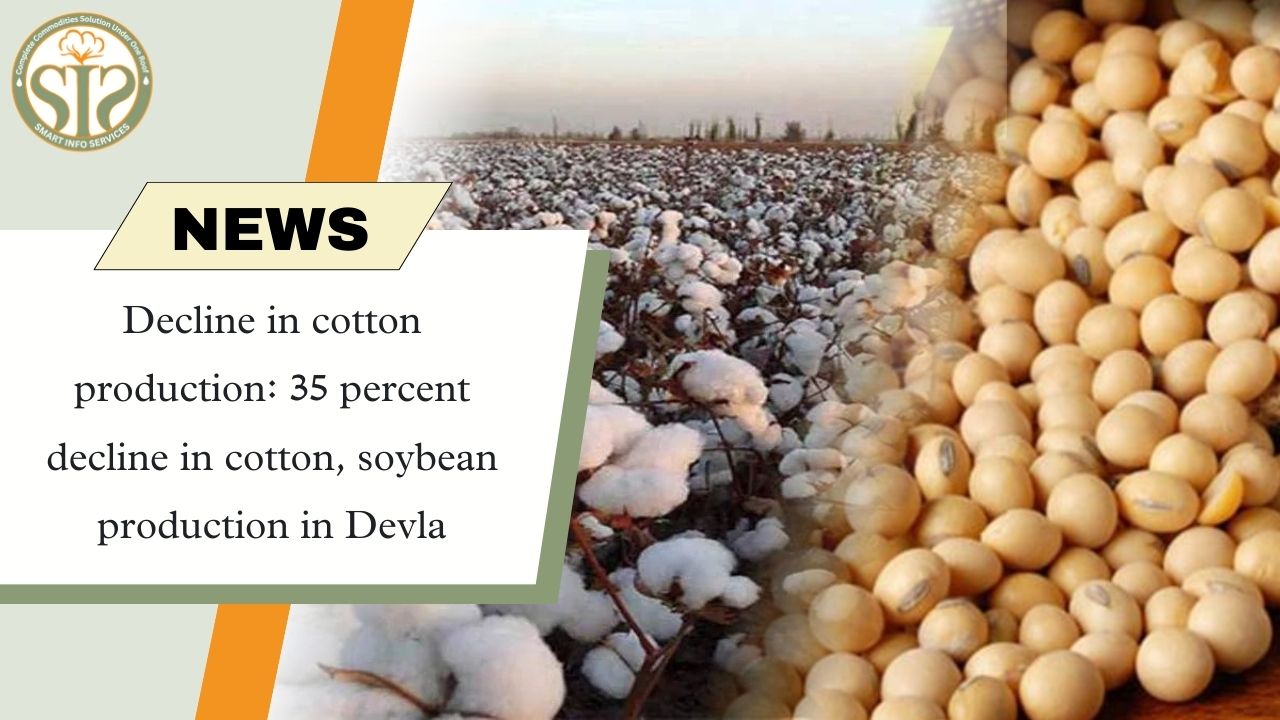
Decline in cotton production: 35 percent decline in cotton, soybean production in DevlaWardha News: This year, one lakh sixty thousand quintals of cotton was sold in the market premises of Deoli Agricultural Produce Market Committee. This inflow occurred from 3 November 2025 to 31 January 2026. Last year, during the same period, 2 lakh 29 thousand quintals of cotton were sold. In comparison, 35 percent less cotton has been imported this year.Obviously, cotton production has reduced this year due to less arrivals in the market. Due to this, cotton farmers are in financial crisis. This year, Indian Cotton Corporation purchased 46 thousand 121 quintals of cotton. Initially farmers sold their cotton to the Cotton Corporation of India because traders were offering low prices, but due to the increase in the price of cotton, the Cotton Corporation of India stopped buying cotton.Traders purchased 24 thousand 44 quintals from Jai Bajrang Ginning, 26 thousand 684 quintals from Sanjay Industries, 10 thousand 43 quintals from Jai Bhavani Ginning Shirpur, 3 thousand 459 quintals from Madhu Industry, 2 thousand 60 quintals from Ashok Industries, 9 thousand 650 quintals from Deoli Agro, 12 thousand 497 quintals from Shri Krishna Ginning. And purchased 4 thousand 284 quintals of cotton. Quintal from Mohan Trading. isWhile talking to the traders, he told that less cotton is being sold in the market as compared to last year and the quality of cotton has also decreased as compared to last year. The arrival of cotton from outside the district has also reduced. Therefore, he predicted that this year's season would end soon.Purchase of 18 thousand quintals of soybean this yearDue to decrease in soybean production, only 18 thousand quintals of soybean were sold in the market this year. Out of this, 16 thousand 660 quintals of soybean were purchased by traders, while NAFED purchased 1 thousand 347 quintals of soybean. According to the Agricultural Produce Market Committee, 27,548 quintals of soybean were sold in the entire season last year. It is being told that this year the price of cotton has decreased from Rs 8 thousand 450 to Rs 8 thousand 50. Due to reduced arrival of soybean and cotton, the crowd in rural markets seems to be reducing. Due to this, consumer demand has spread in the market.read more :- Global cotton oversupply to continue in 2025/26: ICAC
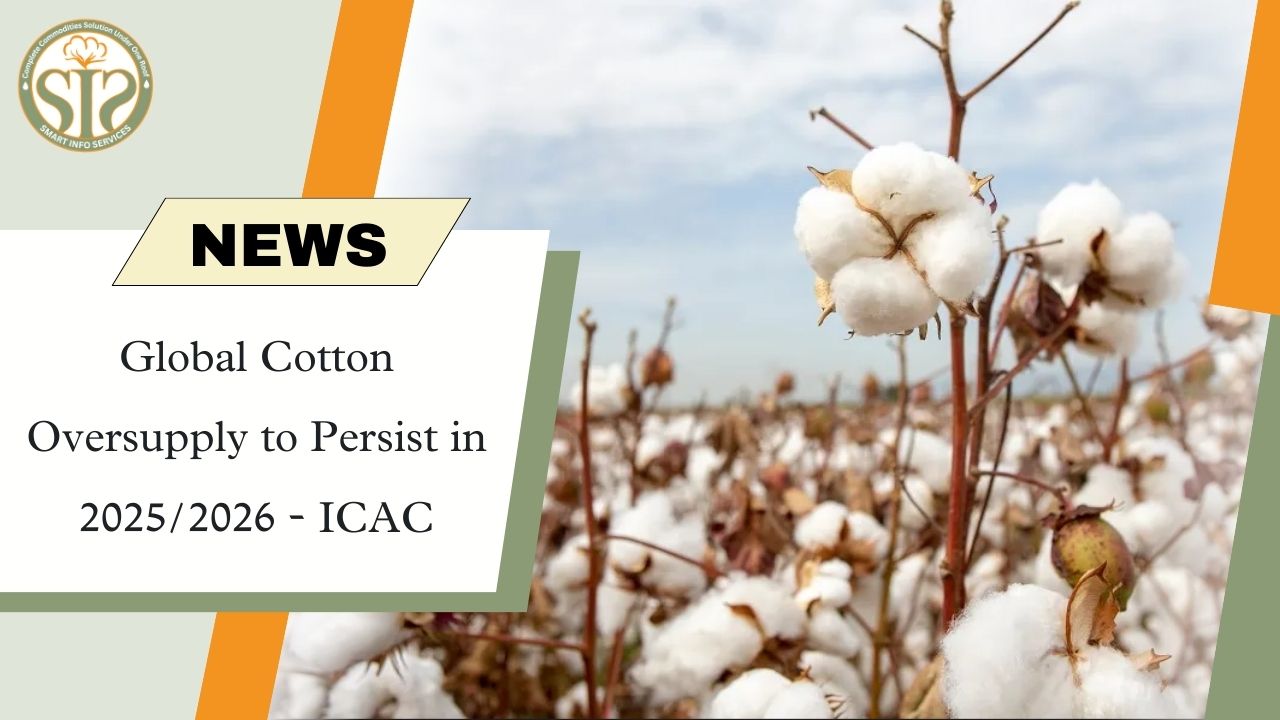
Global Cotton Oversupply to Persist in 2025/2026 - ICACGlobal cotton fiber production should reach 26 million tonnes in 2025/2026, exceeding consumption by about 800,000 tonnes.China, India, and Brazil should continue to dominate global supply, while Asia should lead demand.Cotton prices should remain under pressure after the Cotlook A Index fell to its lowest average level since 2020/2021.The global cotton market has not exited its phase of oversupply. In a statement published on February 2, the International Cotton Advisory Committee said global cotton fiber production should reach 26 million tonnes in the 2025/2026 season.This volume represents a 1% increase from the previous season.Global cotton consumption should reach 25.2 million tonnes in 2025/2026. This level represents a 0.4% increase compared with the 2024/2025 season.According to the ICAC, China, India, and Brazil should continue to dominate global supply. “Consumption is also driven by China, ahead of India and Pakistan, which highlights the persistent predominance of Asia on both the supply and demand sides of the global market,” the organization said.Global cotton imports and exports could reach 9.7 million tonnes in 2025/2026. This volume represents a 5% increase from the previous season.The ICAC expects Brazil to retain its position as the world’s largest cotton exporter, ahead of the United States and Australia. The organization expects Bangladesh to rank as the world’s largest cotton importer, followed by Vietnam and China.According to the ICAC, this trend reflects “the ongoing evolution of global textile manufacturing chains and sourcing strategies.”Bangladesh benefits from competitive production costs and a network of nearly 4,500 factories. American and European Union retailers increasingly favor the country as a sourcing hub.Rapid expansion of Bangladesh’s spinning industry relies on large-scale cotton imports to support production growth.The ICAC said the Cotlook A Index declined for a third consecutive season. The index averaged 79.6 cents per pound in the 2024/2025 season.This level marked a 13.4% decline from the previous season. The index reached its lowest average level since the 2020/2021 season.Looking ahead to 2026, cotton prices will depend on several structural factors.“By 2026, cotton prices will depend not only on global economic growth and public policy stability, but also on producers’ ability to control rising input costs and cope with climate uncertainty, in a context where the sector adapts to rapidly changing market conditions,” the ICAC said in December in its review of the 2024/2025 season, which it described as an “adjustment season.”read more :- India-US trade deal will boost cotton industry: CAI
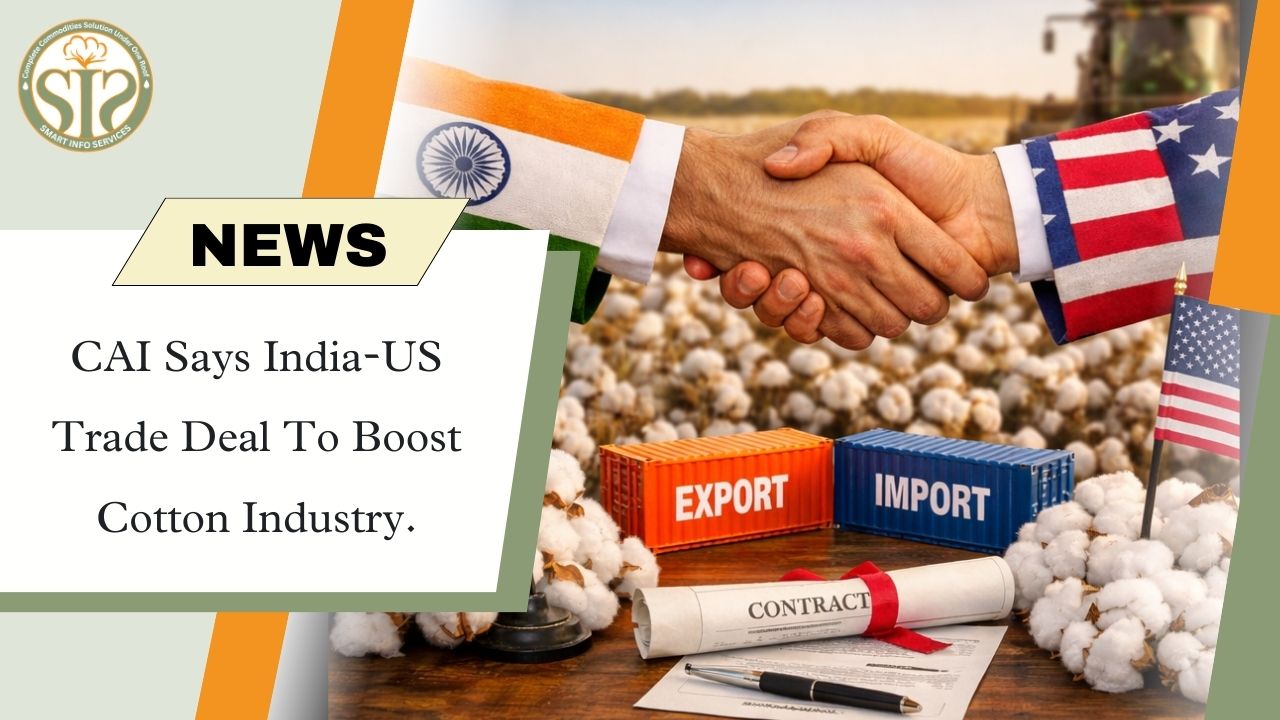
CAI: India–US Trade Deal Likely to Boost Cotton and Textile SectorIndia’s cotton and textile industry is expected to benefit significantly from the proposed India–United States trade agreement, according to industry representatives, who say improved market access and reduced tariffs could strengthen demand and exports.Cotton trade bodies believe the deal may provide much-needed relief to the sector, which has recently faced price volatility, higher input costs, and uneven global demand. Greater clarity on tariffs and trade regulations is expected to encourage US buyers to place larger and longer-term orders.Industry experts say this could improve capacity utilisation across spinning mills, weaving units, and garment factories, particularly in major textile hubs such as Gujarat, Maharashtra, Tamil Nadu, and Telangana. Sustained demand from the US market is also expected to help stabilise domestic cotton prices, benefiting both farmers and manufacturers.“This is an encouraging and forward-looking step for bilateral commerce, which could lead to a deeper and more balanced trade partnership between India and the United States,” said Cotton Association of India (CAI) President Vinay N. Kotak.With global companies re-evaluating supply chains amid geopolitical and logistical uncertainties, India is increasingly viewed as a reliable partner due to its strong raw material base, skilled workforce, and growing manufacturing capacity. Better access to the US market could further accelerate investment in modernisation, sustainability, and global compliance standards.However, industry representatives also cautioned that the final structure of the agreement will be critical. While tariff reductions may boost trade volumes, clear rules on origin, standards, and compliance will determine the actual scale of benefits. Stakeholders have urged negotiators to address sensitive issues carefully to avoid placing additional cost burdens on exporters.Beyond exports, rising demand could have positive ripple effects on employment and rural incomes. As a labour-intensive sector, cotton supports millions of farmers, ginners, mill workers, and garment employees across India. A sustained export push to the US could therefore strengthen overall economic resilience.Overall, cotton trade bodies view the India–US trade deal as a strategic opportunity that could reinforce India’s position as a dependable supplier in global cotton and textile markets while driving growth, jobs, and value addition across the entire value chain.read more :- Rupee opened 09 paise stronger at 90.26 per dollar
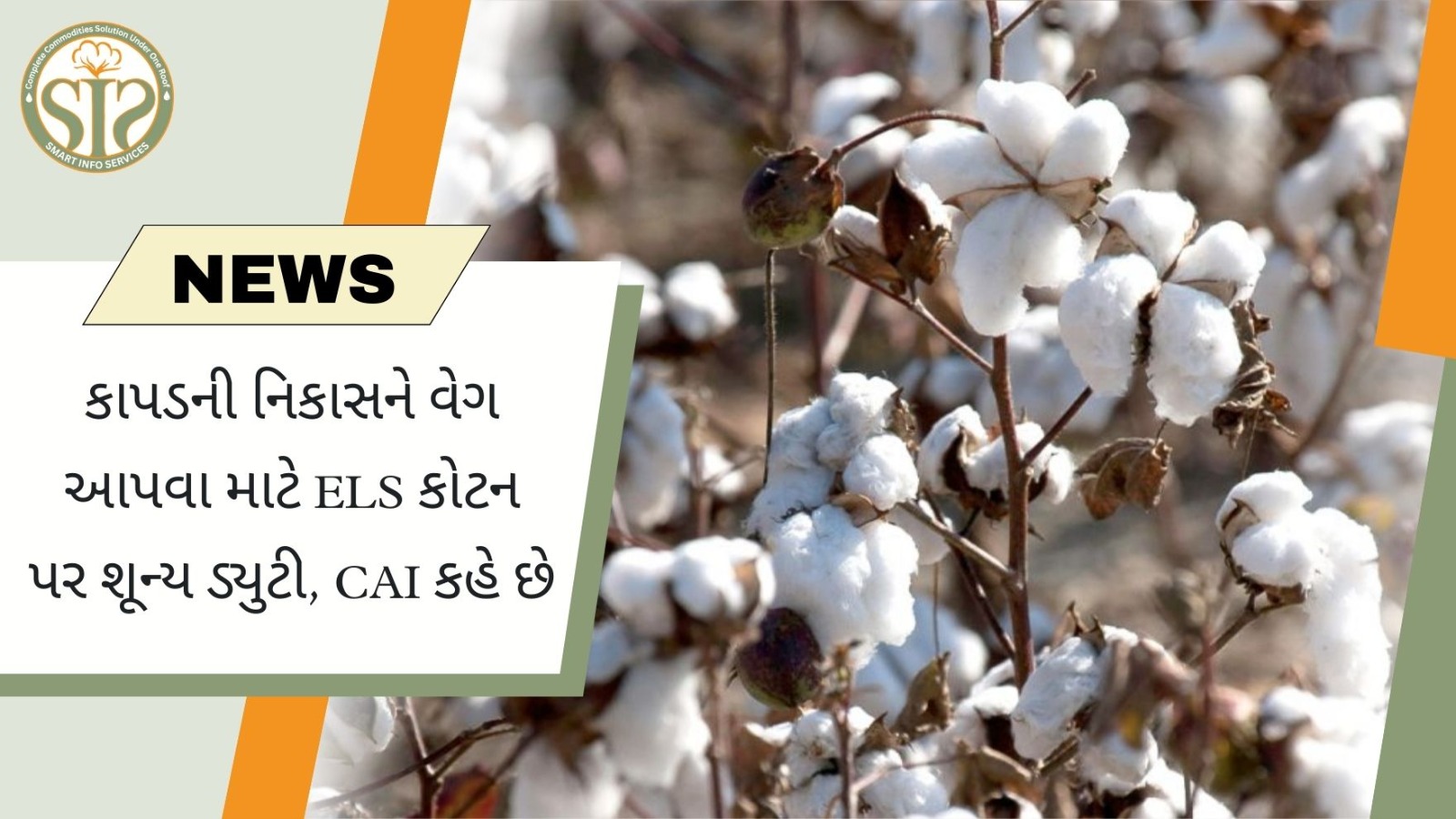
કાપડની નિકાસને વેગ આપવા માટે ELS કોટન પર શૂન્ય ડ્યુટી, CAI કહે છેટ્રેડ બોડી કોટન એસોસિએશન ઓફ ઈન્ડિયા (CAI)ના જણાવ્યા અનુસાર, ભારત સરકારના વધારાના લાંબા સ્ટેપલ (ELS) કપાસને ફર્સ્ટ શેડ્યૂલમાં ખસેડવાનો નિર્ણય, અસરકારક રીતે કસ્ટમ્સ ડ્યૂટીને શૂન્ય સુધી ઘટાડીને, ભારતની ઉચ્ચ-મૂલ્યવાળી કાપડ અને વસ્ત્રોની નિકાસને વેગ આપશે તેવી અપેક્ષા છે. બજેટ 2026-27 એ ELS કપાસને પ્રથમ સૂચિ (શૂન્ય કસ્ટમ ડ્યુટી)માં ખસેડ્યું છે.CAIના અધ્યક્ષ વિનય એન કોટકે જણાવ્યું હતું કે બજેટને ભવિષ્યવાદી, વૃદ્ધિ-લક્ષી બ્લુપ્રિન્ટ તરીકે ડિઝાઇન કરવામાં આવ્યું છે, જેનો ઉદ્દેશ્ય ભારતને વૈશ્વિક ઉત્પાદન હબ તરીકે સ્થાપિત કરવા અને વિશ્વની ત્રીજી સૌથી મોટી અર્થવ્યવસ્થા તરીકે તેનું સ્થાન સુરક્ષિત કરવાનો છે.કોટકે એક નિવેદનમાં જણાવ્યું હતું કે, "કસ્ટમ શિડ્યુલમાં એક મહત્વપૂર્ણ ફેરફાર, જેનો ઉદ્દેશ્ય ઉત્પાદનને સક્ષમ કરવા માટે રાહત આપવાનો છે તે છે વધારાના લાંબા સ્ટેપલ કોટનને ફર્સ્ટ શેડ્યૂલ (શૂન્ય કસ્ટમ્સ ડ્યુટી)માં ખસેડવાનો. આનાથી અમારા તૈયાર કાપડ ઉત્પાદનોની નિકાસમાં વધારો થશે અને વિશ્વના કાપડ બજારોમાં ભારતનો હિસ્સો વધશે," કોટકે એક નિવેદનમાં જણાવ્યું હતું. ભારત મુખ્યત્વે યુએસએ અને ઇજિપ્તમાંથી લગભગ 5-7 લાખ ગાંસડી ELS કપાસની આયાત કરે છે, એમ તેમણે જણાવ્યું હતું.ઍક્સેસ સુધારવા33 મીમી અને તેથી વધુની ફાઇબર લંબાઇ ધરાવતા કપાસને ELS કોટન કહેવામાં આવે છે, જે પ્રીમિયમ યાર્ન, ફાઇન ફેબ્રિક્સ અને હાઇ-એન્ડ વસ્ત્રોના ઉત્પાદન માટે મુખ્ય ઇનપુટ છે. ELS કપાસનું સ્થાનિક ઉત્પાદન મર્યાદિત હોવાથી, ભારતીય કાપડ ઉત્પાદકો નિકાસ બજારો માટેની ગુણવત્તાની જરૂરિયાતોને પહોંચી વળવા આયાત પર આધાર રાખે છે. આયાત ડ્યૂટી દૂર કરવાથી કાચા માલના ખર્ચમાં ઘટાડો થશે અને ઉચ્ચ ગુણવત્તાવાળા ફાઇબરની પહોંચમાં સુધારો થશે, ભારતીય નિકાસકારોની વૈશ્વિક સ્પર્ધાત્મકતામાં વધારો થશે.ELS કપાસ લગભગ 2 લાખ હેક્ટરમાં ઉગાડવામાં આવે છે, મુખ્યત્વે DCH-32 વિવિધતા હેઠળ કર્ણાટકના ધારવાડ, હાવેરી અને મૈસૂર જિલ્લાઓ, તમિલનાડુમાં કોઈમ્બતુર, ઈરોડ અને ડિંડીગુલમાં અને મધ્ય પ્રદેશના રતલામમાં પણ.વધુ વાંચો :- કપાસની MSP ખરીદી માટેની છેલ્લી તારીખ 10 ફેબ્રુઆરી
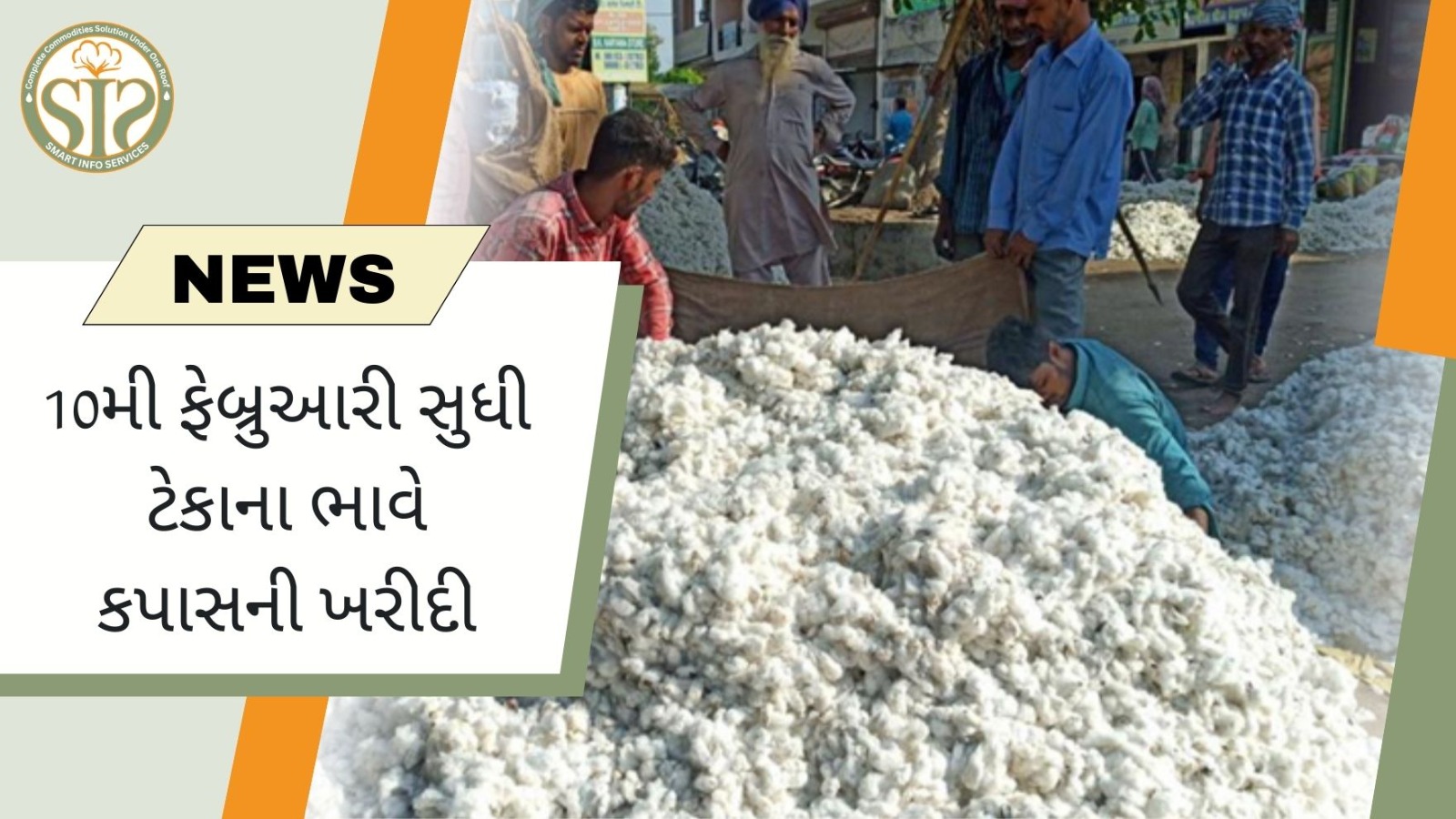
10મી ફેબ્રુઆરી સુધી ટેકાના ભાવે કપાસની ખરીદીકોટન કોર્પોરેશન ઓફ ઈન્ડિયા (CCI) દ્વારા 10 ફેબ્રુઆરી સુધી ટેકાના ભાવે હનુમાનગઢ કપાસની ખરીદી કરવામાં આવશે. આ સંદર્ભે જયપુરના કૃષિ માર્કેટિંગ વિભાગના નિયામક રાજેશ કુમાર ચૌહાણે વિભાગના પ્રાદેશિક સંયુક્ત નિર્દેશકો અને નાયબ નિર્દેશકોને પત્ર પાઠવ્યો છે.પત્રમાં સૂચના આપવામાં આવી છે કે કોટન કોર્પોરેશન ઓફ ઈન્ડિયાની કોટન કિસાન મોબાઈલ એપ પર નોંધાયેલા તમામ કપાસના ખેડૂતોને ખરીદીની છેલ્લી તારીખ પહેલા સ્લોટ બુક કરવા અને તેમના કપાસનું વેચાણ કરવા માટે જાગૃત કરવામાં આવે. સાથે જ એ સુનિશ્ચિત કરવા પણ કહેવામાં આવ્યું છે કે ખેડૂતો 10 ફેબ્રુઆરી પહેલા તેમનો કપાસ વેચી શકે.

સોમવારે ભારતીય રૂપિયો 21 પૈસા ઘટીને 90.76 પ્રતિ ડોલર પર બંધ થયો, જે સવારે 90.55 ના શરૂઆતના ભાવથી બંધ થયો હતો.બંધ સમયે, સેન્સેક્સ 485.35 પોઈન્ટ અથવા 0.58 ટકા વધીને 84,065.75 પર અને નિફ્ટી 173.60 પોઈન્ટ અથવા 0.68 ટકા વધીને 25,867.30 પર બંધ થયો હતો. લગભગ 3003 શેર વધ્યા, 1181 શેર ઘટ્યા અને 152 શેર યથાવત રહ્યા.વધુ વાંચો :- CITI કપાસ પર ટેરિફ કટ, સ્પષ્ટતાને આવકારે છે

CITI યુએસ ટેરિફ ઘટાડા પર દૃશ્યતાને આવકારે છે, કપાસ પર સ્પષ્ટતા માંગે છેકન્ફેડરેશન ઑફ ઇન્ડિયન ટેક્સટાઇલ ઇન્ડસ્ટ્રીઝ (CITI) 7 ફેબ્રુઆરી, 2026 થી અમલમાં આવતા યુએસ ટેરિફને 18% સુધી ઘટાડવાનું હૃદયપૂર્વક સ્વાગત કરે છે. CITI ટેરિફ મુદ્દાને સફળતાપૂર્વક ઉકેલવા બદલ યુએસ પ્રમુખ શ્રી ડોનાલ્ડ ટ્રમ્પ અને ભારતના વડા પ્રધાન શ્રી નરેન્દ્ર મોદીનો હૃદયપૂર્વક આભાર વ્યક્ત કરે છે."ભારતીય ટેક્સટાઇલ અને એપેરલ સેક્ટર માટે સૌથી મોટી સમસ્યા અગાઉ યુએસ દ્વારા ભારતીય ચીજવસ્તુઓ પર લાદવામાં આવેલ 50% ટેરિફ હતી, કારણ કે યુએસ એ ભારતનું સૌથી મોટું વિદેશી બજાર છે. હવે આ ટેરિફ દૂર કરવામાં આવી છે, જેનાથી ભારતના કાપડ અને વસ્ત્રોની નિકાસ ફરીથી યુએસમાં અસરકારક રીતે સ્પર્ધા કરી શકે છે. 18% ટેરિફ સાથે, અમે બાંગ્લાદેશની તુલનામાં સૌથી વધુ લાભ મેળવશું અને વિટામીન ટેરિફની નજીકના બજારો પણ મેળવીશું. શ્રી અશ્વન ચંદ્રન, પ્રમુખ, CITI જણાવ્યું હતું.“આ અત્યંત સકારાત્મક વિકાસ 2030 સુધીમાં ભારતના $100 બિલિયન ટેક્સટાઇલ અને એપરલ નિકાસના લક્ષ્યાંક, 'મેક ઇન ઇન્ડિયા' પહેલ અને નાના અને મધ્યમ ઉદ્યોગો (MSMEs) દ્વારા સંચાલિત કાપડ અને વસ્ત્રો ઉદ્યોગમાં રોજગાર સર્જન માટે એક મુખ્ય પ્રોત્સાહન છે. CITI માનનીય યુએસ પ્રમુખ શ્રી ડોનાલ્ડ ટ્રમ્પ અને યુએસના તમામ વરિષ્ઠ મંત્રી શ્રી નરેન્દ્ર મોદી અને યુએસના વરિષ્ઠ અધિકારીઓનો અત્યંત આભારી છે. આ સિદ્ધિ માટે ભારત.”ચીન, વિયેતનામ, ભારત અને બાંગ્લાદેશ અમેરિકામાં કાપડ અને વસ્ત્રોના માલના સૌથી મોટા નિકાસકારો છે. વિયેતનામ અને બાંગ્લાદેશ બંને પર યુએસ ટેરિફ રેટ 20% પર સેટ છે. US Office of Textiles and Apparel (OTEXA)ના ડેટાના CITI દ્વારા વિશ્લેષણ દર્શાવે છે કે નવેમ્બર 2024 ની સરખામણીમાં નવેમ્બર 2025 માં ભારતમાંથી US કાપડ અને વસ્ત્રોની આયાતમાં 31.4% નો ઘટાડો થયો છે.CITI પ્રમુખે જણાવ્યું હતું કે ઉદ્યોગ મંડળ કપાસ અંગે વધુ સ્પષ્ટતાની રાહ જોઈ રહ્યું છે. કપાસ પર અમેરિકા અને ભારત વચ્ચે વ્યાપક સંકલન છે. ભારતની કાપડ અને વસ્ત્રોની નિકાસ મુખ્યત્વે કપાસ પર આધારિત છે.પારસ્પરિક અને પરસ્પર લાભદાયી વેપાર (વચગાળાના કરાર) પરના વચગાળાના કરાર માટેના માળખા પર યુનાઈટેડ સ્ટેટ્સ અને ભારતનું સંયુક્ત નિવેદન જણાવે છે: "ભારત યુએસના તમામ ઔદ્યોગિક માલસામાન અને યુએસ ખાદ્ય અને કૃષિ ઉત્પાદનોની વિશાળ શ્રેણી, સૂકા પશુઓ માટેના ખોરાક, પશુપાલકો સહિત તમામ ઉત્પાદનો પરના ટેરિફને દૂર કરશે અથવા ઘટાડશે. બદામ, તાજા અને પ્રોસેસ્ડ ફળો, સોયાબીન તેલ, વાઇન અને સ્પિરિટ્સ અને અન્ય ઉત્પાદનો."CITI માને છે કે તમામ જાતોના કપાસ પરની આયાત ડ્યૂટી દૂર કરવાથી સ્થાનિક અને વૈશ્વિક ભાવ વચ્ચેનું અંતર ઘટશે અને ભારતના સ્પિનિંગ અને ટેક્સટાઇલ ઉદ્યોગોની સ્પર્ધાત્મકતા પુનઃસ્થાપિત કરવામાં મદદ મળશે. આ પગલું એ પણ સુનિશ્ચિત કરશે કે લઘુત્તમ ટેકાના ભાવ (MSP) અને અન્ય ખેડૂત-સહાયક મિકેનિઝમ્સ કોઈપણ નોંધપાત્ર ભાવ વિકૃતિ વિના હેતુ મુજબ કાર્ય કરી શકે છે. વર્તમાન કપાસની સિઝનમાં, કપાસની વિવિધતાના MSPમાં લગભગ 8%નો વધારો થયો છે.વધુ વાંચો :- ટ્રેડ ડીલને કારણે કપાસની આયાત વધી, ખેડૂતો મુશ્કેલીમાં, ટેક્સટાઇલ સેક્ટરમાં થોડી રાહત
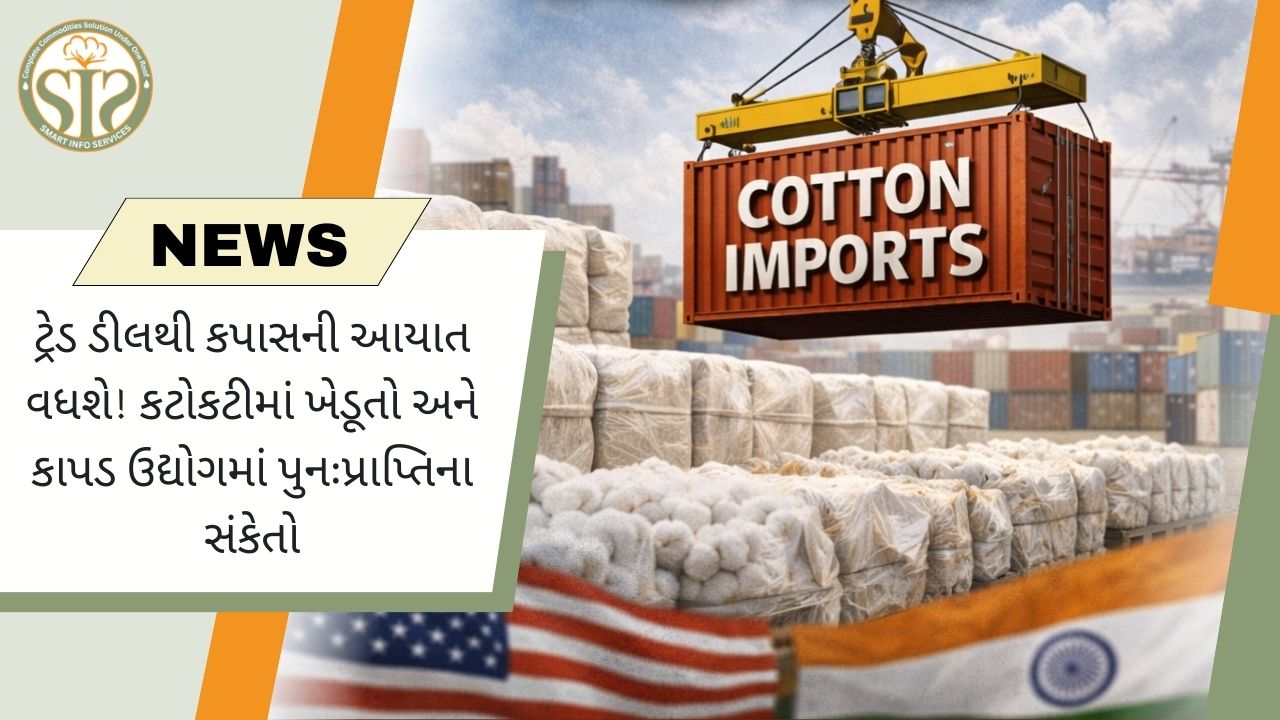
ટ્રેડ ડીલથી કપાસની આયાતમાં તેજી: ખેડૂતો માટે ચિંતાઓ, કાપડ ઉદ્યોગ માટે રાહતભારત-અમેરિકા ટ્રેડ ડીલને કારણે કપાસ પરની 11 ટકા આયાત ડ્યૂટી દૂર કરવાની પ્રક્રિયા આગળ વધી રહી છે. આ પગલાથી અમેરિકાથી કપાસની આયાત વધવાની શક્યતા છે. હાલની પરિસ્થિતિમાં કપાસની આયાત વધી રહી છે જ્યારે નિકાસ ઘટી રહી છે, જેના કારણે સ્થાનિક બજારમાં ભાવ પર દબાણ વધશે અને ખેડૂતોને નુકસાન થવાની ભીતિ છે. બીજી તરફ, કાપડ ઉદ્યોગને સસ્તા કપાસથી ઉત્પાદન ખર્ચ ઘટાડવામાં મદદ મળશે.ભારતમાં દર વર્ષે અંદાજે 330 થી 340 લાખ ગાંસડી કપાસનું ઉત્પાદન થાય છે, જ્યારે કાપડ ઉદ્યોગને 315 થી 320 લાખ ગાંસડીની જરૂર પડે છે. ખાસ કરીને પ્રીમિયમ ગુણવત્તા માટે લાંબા યાર્ન કપાસની 12 થી 15 લાખ ગાંસડીની માંગ છે, જેમાંથી મોટો હિસ્સો આયાત કરવો પડે છે.વૈશ્વિક બજારમાં કપાસના ભાવ ભારત કરતાં ઓછા હોવાથી આયાત વધુ આકર્ષક બની રહી છે. જો ભાવ MSP કરતાં નીચે જાય, તો સરકાર કુલ ઉત્પાદનના 22-27 ટકા સુધી MSP પર ખરીદી કરે છે. છતાં, ડ્યૂટી ફ્રી આયાત ખેડૂતો માટે વધુ પડકાર ઉભા કરી શકે છે.વિશ્વ કાપડ નિકાસમાં ચીન પ્રથમ સ્થાને છે જ્યારે ભારત છઠ્ઠા સ્થાને છે અને તેનો હિસ્સો માત્ર 4 ટકા છે. ભારતના કુલ કાપડ નિકાસમાં 25-30 ટકા હિસ્સો અમેરિકાનો છે. યુરોપિયન યુનિયન, વિયેતનામ, બાંગ્લાદેશ અને તુર્કી મુખ્ય સ્પર્ધકો છે.તાજેતરમાં કપાસના ભાવમાં ઘટાડો થયો હોવા છતાં કપડાના ભાવમાં એટલો ઘટાડો જોવા મળ્યો નથી, જે ઉદ્યોગ માટે ફાયદાકારક બની રહ્યો છે.વૈશ્વિક બજારમાં બાંગ્લાદેશની રાજકીય અસ્થિરતાના કારણે ભારતને નવા અવસરો મળ્યા હતા, પરંતુ વિયેતનામે આ તક વધુ ઝડપથી ઝડપી લીધી.વધુ વાંચો :- ભારત-યુએસ ડીલથી કાપડ ઉદ્યોગ માટે નવી તક
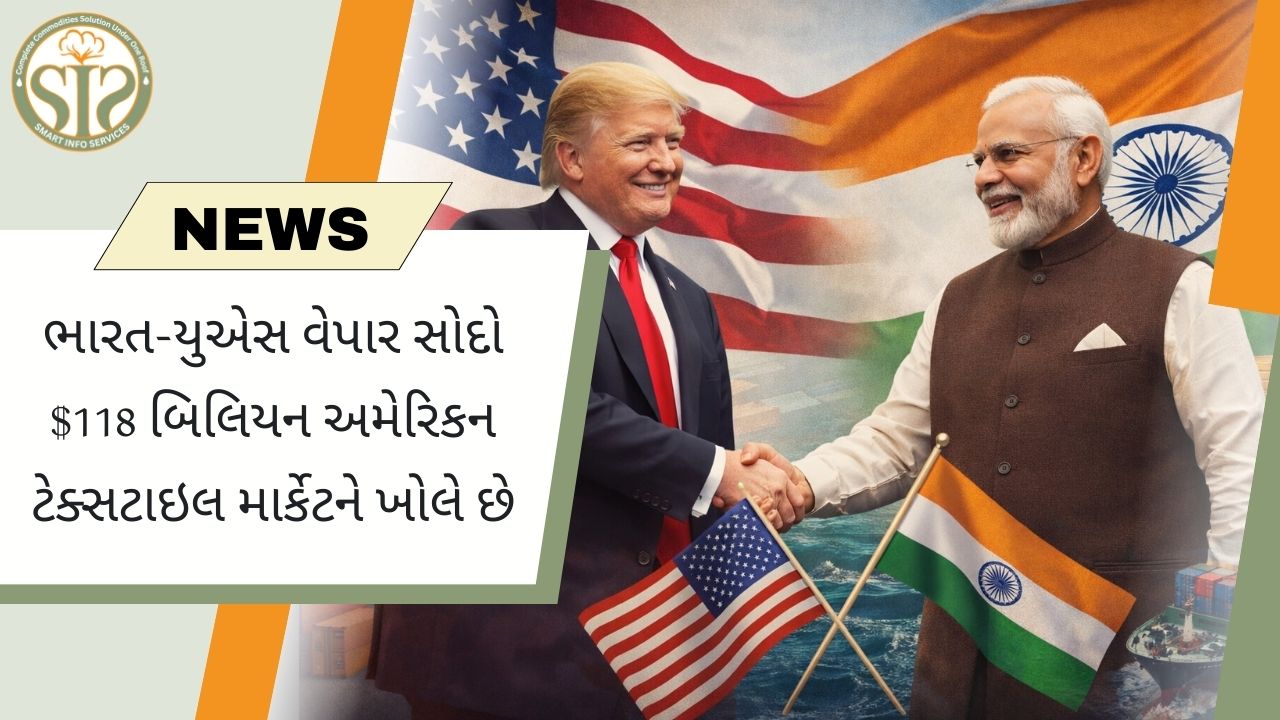
ભારત-યુએસ વેપાર સોદો $118 બિલિયન અમેરિકન ટેક્સટાઇલ માર્કેટને ખોલે છેજેમ જેમ ભારત અને યુએસએ જાહેરાત કરી કે તેઓ વચગાળાના વેપાર માળખા પર પહોંચી ગયા છે, તે સરકારના જણાવ્યા મુજબ, દેશના કાપડ ઉદ્યોગ માટે "મુખ્ય તક" કાપડ, વસ્ત્રો અને મેક-અપ્સનું $118 બિલિયન યુએસ વૈશ્વિક આયાત બજાર ખોલે છે.લગભગ 70 ટકા વસ્ત્રો અને 15 ટકા મેડ-અપ્સનો સમાવેશ કરીને લગભગ $10.5 બિલિયનની નિકાસમાં US ભારતનું સૌથી મોટું નિકાસ સ્થળ હોવા સાથે, ટેક્સટાઇલ મંત્રાલયે ટેક્સટાઇલ વેપાર સંબંધોને વધારવાના મુખ્ય ઉદ્દીપક તરીકે બંને રાષ્ટ્રો વચ્ચેના સીમાચિહ્ન કરારને આવકાર્યો છે.ટેક્સટાઇલ ઉદ્યોગે જણાવ્યું હતું કે આ સોદો ક્ષેત્ર માટે એક મુખ્ય આર્થિક રમત ચેન્જર છે અને 2030માં ભારતમાં તેના 100 બિલિયન ડોલરની નિકાસના લક્ષ્યાંકને હાંસલ કરવામાં મહત્ત્વની ભૂમિકા ભજવવાની અપેક્ષા છે. તે જરૂરી ગતિ પ્રદાન કરશે તેવી પણ અપેક્ષા છે, જેમાં યુએસ આ લક્ષ્યના 1/5માં ભાગનું યોગદાન આપશે.આ સોદાનો મુખ્ય ફાયદો એપેરલ અને મેક-અપ સહિત તમામ ટેક્સટાઇલ ઉત્પાદનો પર 18 ટકા પારસ્પરિક ટેરિફમાં રહેલો છે. આનાથી માત્ર ભારતીય નિકાસકારોની ગેરલાભ દૂર થશે નહીં, પરંતુ તેઓ બાંગ્લાદેશ (20 ટકા), ચીન (30 ટકા), પાકિસ્તાન (19 ટકા) અને વિયેતનામ (20 ટકા) જેવા ઉચ્ચ પારસ્પરિક ટેરિફનો સામનો કરતા મોટાભાગના સ્પર્ધકો કરતાં વધુ સારી સ્થિતિમાં મૂકશે.આ શિફ્ટ સોર્સિંગ પદ્ધતિઓમાં નોંધપાત્ર ફેરફાર કરશે અને ગ્રાહકોને ભારતની તરફેણમાં સપ્લાય ચેઇનનું પુનઃમૂલ્યાંકન કરવા માટે પ્રેરિત કરશે.દરમિયાન, કન્ફેડરેશન ઓફ ઈન્ડિયન ટેક્સટાઈલ ઈન્ડસ્ટ્રી (CII) એ અનુમાન લગાવ્યું હતું કે FY25માં ભારતે લગભગ $11 બિલિયન મૂલ્યના કાપડ અને વસ્ત્રોની યુનાઈટેડ સ્ટેટ્સમાં નિકાસ કરી હતી. કપડાં અને કાપડ માટે ભારતનું સૌથી મોટું નિકાસ સ્થળ યુએસ છે, જે ઉદ્યોગની કમાણીમાં પણ નોંધપાત્ર યોગદાન આપે છે. ભારતની કાપડ અને કપડાની કુલ નિકાસમાંથી લગભગ 28-33 ટકા યુએસમાં જાય છે.તેમ છતાં, યુએસ આયાત બજારના લગભગ 9.4 ટકા સાથે, તે યુ.એસ.ને કપડાં અને કાપડના ચોથા સૌથી મોટા સપ્લાયર તરીકે સ્થાન ધરાવે છે. વાસ્તવમાં, ભારતની તૈયાર કપડાંની 33 ટકા નિકાસ, તેની હોમ ટેક્સટાઇલ નિકાસના 48 ટકા અને તેની કાર્પેટ નિકાસના 59 ટકા યુએસમાં મોકલવામાં આવે છે. ભારતની સ્પર્ધાત્મક સ્થિતિ આ રીતે તેના માલ પર યુએસના 50 ટકા ટેરિફને કારણે નબળી પડી હતી."ભારત-યુએસ વચગાળાનું વેપાર માળખું $500 બિલિયનની વેપાર મહત્વાકાંક્ષા તરફ સમયસર અને સકારાત્મક પગલું છે. ટેરિફ, નોન-ટેરિફ અવરોધો અને સપ્લાય ચેઇન સ્થિતિસ્થાપકતાને સંબોધીને, તે વ્યવસાયો અને ઉત્પાદન, ટેકનોલોજી, ઊર્જા અને સેવાઓમાં દ્વિ-માર્ગી રોકાણો માટે વધુ અનુમાનિત અને સક્ષમ વાતાવરણ બનાવે છે," ચંદ્રજીત બેનર્જીએ જણાવ્યું હતું.આ કરાર ઉદ્યોગને ખર્ચ-સ્પર્ધાત્મક બનવા અને યુએસમાંથી ટેક્સટાઇલ સેક્ટર માટે મધ્યવર્તી સોર્સિંગ દ્વારા તેમના જોખમોને વૈવિધ્યીકરણ કરવામાં પણ સક્ષમ બનાવશે. આનાથી દેશમાં મૂલ્યવર્ધિત કાપડના ઉત્પાદનમાં સરળતા રહેશે અને આપણા ઉત્પાદન અને નિકાસમાં વૈવિધ્ય આવશે. આ સોદો વધારાની રોજગારીનું સર્જન કરશે અને યુએસ સંસ્થાઓ દ્વારા રોકાણને પ્રોત્સાહિત કરશે.વધુ વાંચો :- 2025-26: રાજ્ય મુજબ CCI કપાસનું વેચાણ
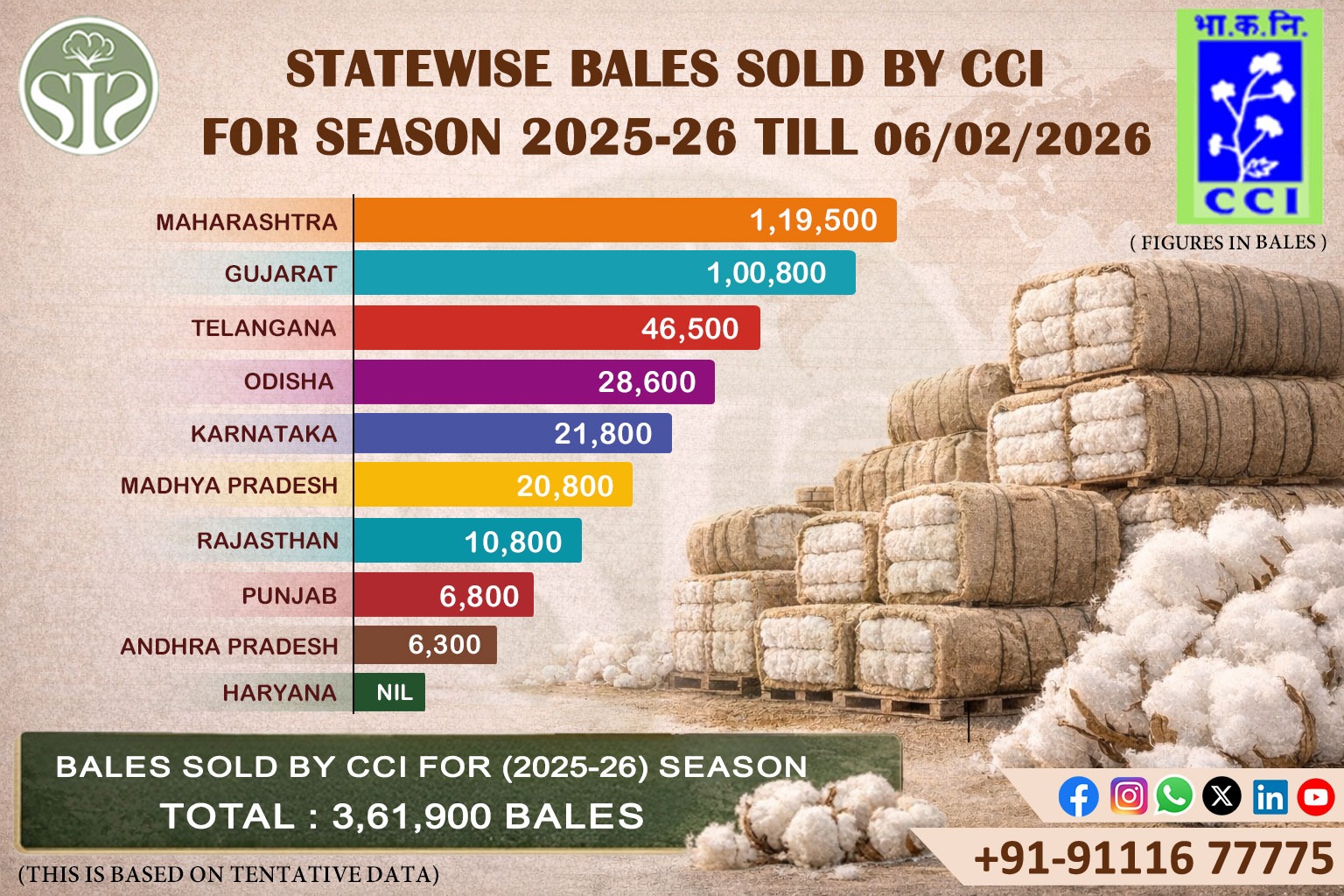
રાજ્યવાર CCI કપાસ વેચાણ વિગતો - 2025-26 સીઝનભારતીય કોટન કોર્પોરેશન (CCI) એ આ અઠવાડિયે 2025-26 સીઝન માટે તેના કપાસના ભાવમાં કોઈ ફેરફાર કર્યો નથી. આજ સુધીમાં, CCI એ 2025-26 સીઝન માટે આશરે 361,900 કપાસની ગાંસડી વેચી છે. વેચાણ કેટલાક મુખ્ય કપાસ ઉત્પાદક રાજ્યોમાં કેન્દ્રિત છે, જેમાં મહારાષ્ટ્ર અને ગુજરાત આગળ છે.
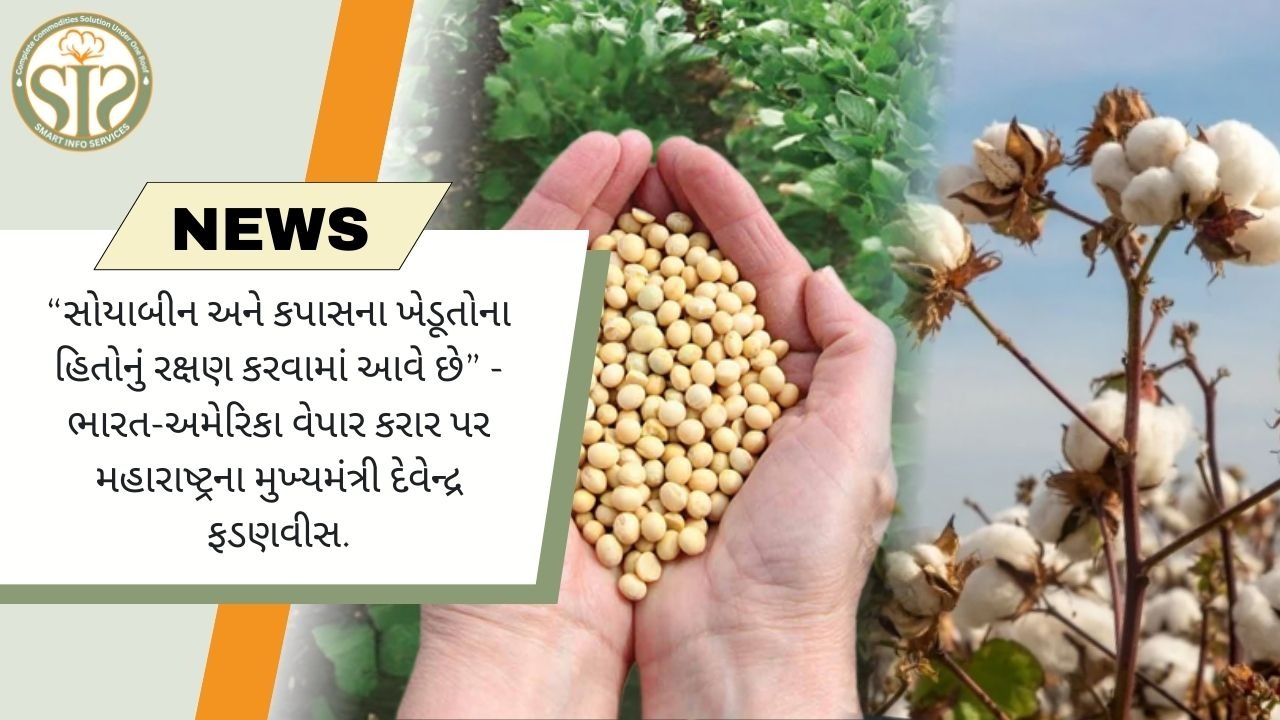
“સોયાબીન અને કપાસના ખેડૂતોના હિતોનું રક્ષણ કરવામાં આવે છે” - ભારત-અમેરિકા વેપાર કરાર પર મહારાષ્ટ્રના મુખ્યમંત્રી દેવેન્દ્ર ફડણવીસ.મહારાષ્ટ્રના મુખ્યમંત્રી દેવેન્દ્ર ફડણવીસે શનિવારે કહ્યું કે રાજ્યના ખેડૂતોના હિતોનું રક્ષણ કરવામાં આવશે અને ભારત-અમેરિકા વેપાર કરારથી તેમને કોઈ નકારાત્મક અસર થશે નહીં.એડવાન્ટેજ વિદર્ભ 2026 દરમિયાન, જ્યારે ફડણવીસને પૂછવામાં આવ્યું કે શું ભારત-અમેરિકા વેપાર કરારને કારણે સોયાબીન અને કપાસના ખેડૂતોને સમસ્યાઓનો સામનો કરવો પડી શકે છે અથવા બજારહિસ્સો ગુમાવી શકે છે, ત્યારે તેમણે ધ ઇન્ડિયન એક્સપ્રેસને કહ્યું: “એવું થવાનું નથી. ખેડૂતો સારી રીતે સુરક્ષિત છે. સરકાર સોયાબીન ઉત્પાદનનો મોટો હિસ્સો લઘુત્તમ ટેકાના ભાવ (MSP) પર ખરીદી રહી છે, અને બજાર ભાવ પણ સ્થિર થયો છે.” એડવાન્ટેજ વિદર્ભ ત્રણ દિવસનો બિઝનેસ કોન્ક્લેવ છે જેનો હેતુ ખનિજ સમૃદ્ધ, દુષ્કાળગ્રસ્ત પ્રદેશમાં રોકાણ આકર્ષવાનો છે.શુક્રવારે સવારે જારી કરાયેલા ભારત-અમેરિકાના સંયુક્ત નિવેદનમાં કહેવામાં આવ્યું છે કે ભારત તમામ યુએસ ઔદ્યોગિક માલ અને યુએસ ખાદ્ય અને કૃષિ ઉત્પાદનોની "વિશાળ શ્રેણી" પરના ટેરિફને દૂર કરશે અથવા ઘટાડશે, જેમાં સૂકા ડિસ્ટિલર્સ અનાજ (DDG), પશુ આહાર માટે લાલ જુવાર, ઝાડના બદામ, તાજા અને પ્રોસેસ્ડ ફળ, સોયાબીન તેલ, વાઇન અને સ્પિરિટ અને વધારાના ઉત્પાદનોનો સમાવેશ થાય છે.“ભારત તમામ યુએસ ઔદ્યોગિક માલ અને યુએસ ખાદ્ય અને કૃષિ ઉત્પાદનોની વિશાળ શ્રેણી, જેમાં સૂકા ડિસ્ટિલર્સ અનાજ (DDG), પશુ આહાર માટે લાલ જુવાર, ઝાડના બદામ, તાજા અને પ્રોસેસ્ડ ફળ, સોયાબીન તેલ, વાઇન અને સ્પિરિટ અને વધારાના ઉત્પાદનોનો સમાવેશ થાય છે, પરના ટેરિફને દૂર કરશે અથવા ઘટાડશે. લાંબા સમયથી ચાલી આવતી ચિંતાઓને ઉકેલવા માટે સાથે મળીને કામ કરવાના મહત્વને ઓળખતા, ભારત યુએસ ખાદ્ય અને કૃષિ ઉત્પાદનોના વેપારમાં લાંબા સમયથી ચાલી રહેલા બિન-ટેરિફ અવરોધોને દૂર કરવા માટે પણ સંમત થાય છે,” નિવેદનમાં જણાવાયું છે.યુએસ કૃષિ સચિવ બ્રુક રોલિન્સે અગાઉ પણ દાવો કર્યો હતો કે ભારત-યુએસ વેપાર સોદાના પરિણામે "ભારતના વિશાળ બજારમાં વધુ અમેરિકન કૃષિ ઉત્પાદનોની નિકાસ" થશે.વિદર્ભ અને મરાઠવાડા ક્ષેત્રમાં મોટાભાગના ખેડૂતો માટે સોયાબીન અને કપાસ મુખ્ય રોકડિયા પાક છે. મહારાષ્ટ્રના ખેડૂત સંગઠનોએ ચિંતા વ્યક્ત કરી છે કે જો સરકાર ભારત-અમેરિકા વેપાર કરાર હેઠળ કૃષિ પેદાશોની અનિયંત્રિત આયાતને મંજૂરી આપશે, તો તે ભારતીય ખેડૂતો માટે દુઃખદ બનશે કારણ કે તેઓ યુએસમાં વિકસિત કૃષિ ક્ષેત્રની સ્પર્ધાનો સામનો કરી શકશે નહીં.સ્વાભિમાની શેતકરી સંગઠનના પ્રમુખ રાજુ શેટ્ટીએ વડા પ્રધાન કાર્યાલય (પીએમઓ) ને લખેલા પત્રમાં લખ્યું છે કે, "અમને જાણ કરવામાં આવી છે કે ભારત અને યુએસએ 500 અબજ ડોલરના વેપાર કરાર પર હસ્તાક્ષર કર્યા છે જે શૂન્ય વ્યાજ દરે કૃષિ ઉત્પાદનોની આયાત કરવાની મંજૂરી આપે છે. જો આ સોદો આગળ વધારવામાં આવે તો, આ સોદો ભારતીય ખેડૂતો સાથે વિશ્વાસઘાત હશે કારણ કે દેશ યુએસથી સોયાબીન, મકાઈ, દૂધ ઉત્પાદનો અને અન્ય આયાતોથી ભરાઈ જશે."શેટ્ટીએ અગાઉ જણાવ્યું હતું કે યુએસ ખેડૂતો સોયાબીન અને કપાસ જેવા પાકનું ઉત્પાદન ખૂબ મોટા પાયે કરે છે, તેમના બજારો સ્થિર છે અને ભારતીય ખેડૂતો માટે કોઈ પણ સ્તરીય તક ન હોવાને કારણે તેમની સાથે સ્પર્ધા કરવી અત્યંત મુશ્કેલ બનશે.હાલમાં અમેરિકા ભારતમાં મોટાભાગની કૃષિ નિકાસ બદામ અને પિસ્તા જેવા બદામ અને સોયાબીન તેલની કરે છે. ત્યારબાદ કપાસ અને સોયાબીન તેલનો ક્રમ આવે છે. જ્યારે ભારત અમેરિકામાં સીફૂડ, મસાલા, ચોખા, વનસ્પતિ તેલ, પ્રોસેસ્ડ ફળો અને શાકભાજીની નિકાસ કરે છે.અમેરિકા ભારત સાથે કૃષિ ઉત્પાદનોમાં વેપાર ખાધ ધરાવે છે, જેનો અર્થ એ થાય કે તે નિકાસ કરતાં વધુ આયાત કરે છે. કૃષિ અને ડેરી ઉત્પાદનો વિવાદનો મુખ્ય મુદ્દો રહ્યા છે, જેમાં અમેરિકા ભારતમાં વધુ બજાર પ્રવેશ માટે દબાણ કરી રહ્યું છે. જોકે, વેપાર કરાર વિના પણ ખાધ પહેલાથી જ ઘટી રહી હતી, જે 2025 માં $3.5 બિલિયનથી ઘટીને $3.1 બિલિયન થઈ ગઈ હતી.વધુ વાંચો :- યુએસ-ભારત વચ્ચે ઐતિહાસિક વચગાળાના વેપાર કરારની જાહેરાત
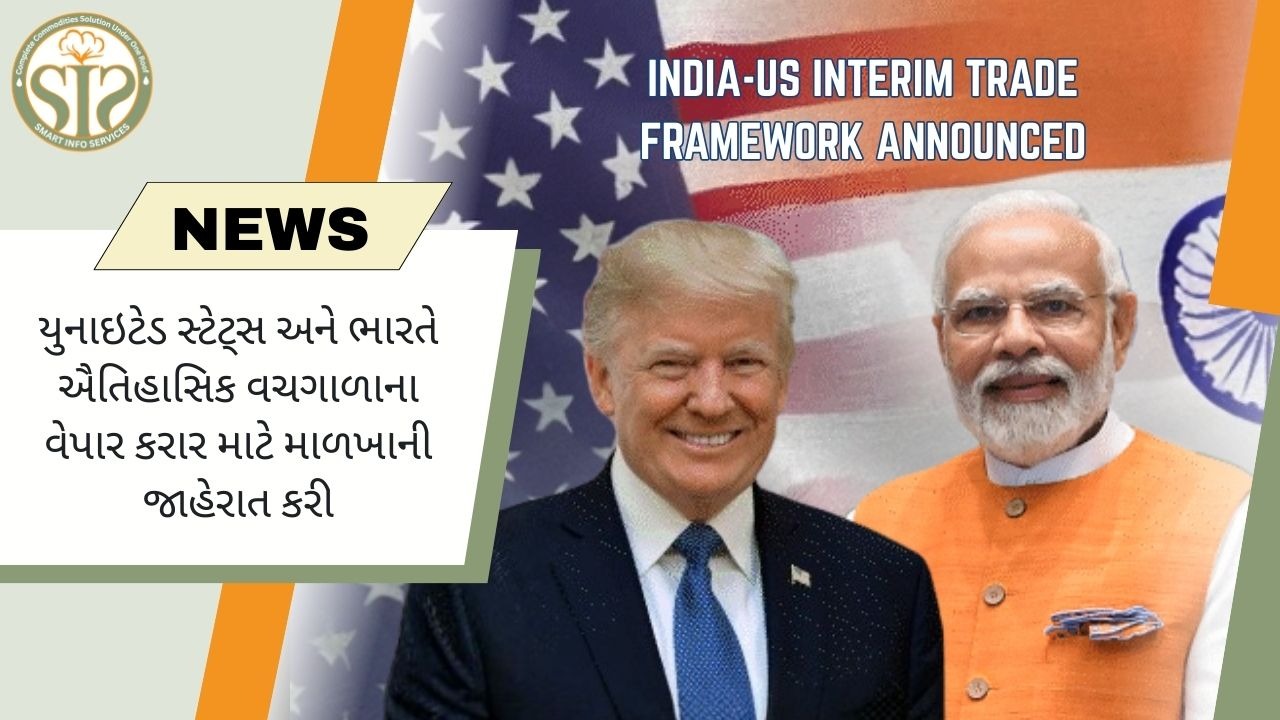
યુનાઇટેડ સ્ટેટ્સ અને ભારતે ઐતિહાસિક વચગાળાના વેપાર કરાર માટે માળખાની જાહેરાત કરીયુનાઇટેડ સ્ટેટ્સ અને ભારતને વચગાળાના વેપાર કરાર માટે ફ્રેમવર્કની જાહેરાત કરવામાં ગર્વ છે, જે તેમની આર્થિક ભાગીદારીને મજબૂત કરવા માટે એક મુખ્ય સીમાચિહ્નરૂપ છે. આ માળખું 13 ફેબ્રુઆરી, 2025 ના રોજ રાષ્ટ્રપતિ ડોનાલ્ડ જે દ્વારા કાયદામાં હસ્તાક્ષર કરવામાં આવ્યું હતું. તે ટ્રમ્પ અને વડા પ્રધાન નરેન્દ્ર મોદી દ્વારા શરૂ કરાયેલ વ્યાપક યુએસ-ભારત દ્વિપક્ષીય વેપાર કરાર (BTA) તરફ ચાલી રહેલી વાટાઘાટોને આગળ ધપાવે છે.વચગાળાનો કરાર પારસ્પરિક, સંતુલિત અને પરસ્પર ફાયદાકારક વેપાર, ઊંડી બજારમાં પહોંચ અને લવચીક પુરવઠા શૃંખલાઓ પ્રત્યે બંને દેશોની પ્રતિબદ્ધતાને પ્રતિબિંબિત કરે છે.મુખ્ય લક્ષણો:ટેરિફ ઘટાડો: ભારત યુએસ ઔદ્યોગિક, ખાદ્ય અને કૃષિ ઉત્પાદનો પરના ટેરિફમાં ઘટાડો કરશે અથવા નાબૂદ કરશે.યુએસ ટેરિફને પારસ્પરિક: કરાર હેઠળ યુએસ પસંદગીના ભારતીય માલ પર ટેરિફને સમાયોજિત કરશે અને ફાર્માસ્યુટિકલ્સ, જેમ્સ અને એરક્રાફ્ટ પાર્ટ્સ પરની ડ્યુટી દૂર કરશે.માર્કેટ એક્સેસ: બંને દેશો ચાવીરૂપ ક્ષેત્રોમાં પ્રેફરન્શિયલ એક્સેસ ચાલુ રાખવા માટે પ્રતિબદ્ધ છે.નોન-ટેરિફ અવરોધો: ભારત યુએસ તબીબી ઉપકરણો, ICT માલસામાન અને કૃષિ ઉત્પાદનો પરના નિયંત્રણોને હળવા કરશે.ટેક્નોલોજી અને એનર્જી: ભારત પાંચ વર્ષમાં યુએસ એનર્જી, એરક્રાફ્ટ, ટેક્નોલોજી અને મેટલ્સમાં $500 બિલિયન ખરીદવાની યોજના ધરાવે છે, જેનાથી હાઇ-ટેક ગૂડ્ઝમાં વેપાર વધે છે.ડિજિટલ અને આર્થિક સુરક્ષા: બંને દેશો ડિજિટલ વેપાર નિયમો, સપ્લાય-ચેઈન સુરક્ષા અને નવીનતા પર સહયોગ કરશે.આ માળખું આધુનિક, ન્યાયી અને આગળ દેખાતી વેપાર ભાગીદારી માટેના સહિયારા વિઝનની રૂપરેખા આપે છે – ઐતિહાસિક યુએસ-ભારત દ્વિપક્ષીય વેપાર કરાર માટે માર્ગ મોકળો કરે છે.વધુ વાંચો :- ભારત-EU FTA ભારતીય કાપડની સ્પર્ધાત્મકતા વધારશે: ICRA

ભારત-EU FTA ભારતીય કાપડને સ્પર્ધકોની સમકક્ષ લાવશે: ICRAભારત-EU ફ્રી ટ્રેડ એગ્રીમેન્ટ (FTA) પર હસ્તાક્ષર થયા બાદ ભારતીય કાપડ અને વસ્ત્રોની નિકાસને યુરોપિયન બજારમાં નોંધપાત્ર સ્પર્ધાત્મક પ્રોત્સાહન મળવાની અપેક્ષા છે. ઇન્વેસ્ટમેન્ટ ઇન્ફોર્મેશન એન્ડ ક્રેડિટ રેટિંગ એજન્સી (ICRA)ના અહેવાલમાં જણાવાયું છે કે કરાર ભારતીય શિપમેન્ટ પરના ટેરિફને દૂર કરે છે, જે તેમને બાંગ્લાદેશ અને વિયેતનામ જેવા મુખ્ય સ્પર્ધકોની સમકક્ષ બનાવે છે.ભારતીય કાપડ પર EU આયાત શુલ્ક ઘટાડીને શૂન્ય થવાની ધારણા છે, જે લાંબા સમયથી ચાલતા ટેરિફ ગેરલાભને ઉકેલશે જેણે ભારતની સ્પર્ધાત્મકતા મર્યાદિત કરી હતી. ઐતિહાસિક રીતે, ભારત પર EUની આયાત નિર્ભરતા 5 ટકાથી ઓછી રહી છે, જેમાં ચીન, બાંગ્લાદેશ, તુર્કી અને વિયેતનામ પ્રેફરન્શિયલ ટ્રેડ એક્સેસ અને ઓછી ટેરિફને કારણે પુરવઠામાં આગળ છે.કેલેન્ડર વર્ષ 2025 (CY2025)માં ભારતની વસ્ત્રોની નિકાસ $16 બિલિયનને વટાવી જવાનો અંદાજ છે, જેમાં લગભગ ત્રીજો ભાગ યુએસ અને લગભગ 23 ટકા EUમાં જશે, જે યુરોપને આ ક્ષેત્ર માટે સૌથી મોટા નિકાસ સ્થળોમાંનું એક બનાવે છે. જો કે, ધીમી છૂટક માંગ, ફુગાવાના દબાણ અને વૈશ્વિક ખરીદદારો દ્વારા વેચાણકર્તા વૈવિધ્યકરણને કારણે તાજેતરના વર્ષોમાં EUમાં નિકાસ મોટાભાગે સ્થિર રહી છે, એમ અહેવાલમાં જણાવાયું છે.એફટીએ ખાસ કરીને એપેરલ અને હોમ ટેક્સટાઇલ સેક્ટર માટે ફાયદાકારક હોવાની અપેક્ષા છે, જેને ટેરિફ-ફ્રી એક્સેસથી ફાયદો થશે.ક્ષેત્ર-વિશિષ્ટ લાભો ઉપરાંત, વ્યાપક વેપાર કરાર ભારતના નિકાસ મૂલ્યના 99.5 ટકાને આવરી લેતી EU ટેરિફ લાઇનના 97 ટકા પર પ્રેફરન્શિયલ શૂન્ય-ટેરિફ ઍક્સેસ પ્રદાન કરે છે, અમલીકરણ પછી તરત જ ડ્યૂટીનો મોટો હિસ્સો દૂર થવાની અપેક્ષા છે.મધ્યમ ગાળામાં, એક લેવલ પ્લેઇંગ ફિલ્ડ પણ MSME નિકાસકારોને ટેકો આપી શકે છે અને EU માર્કેટ માટે વિશ્વસનીય સોર્સિંગ ડેસ્ટિનેશન તરીકે ભારતની ભૂમિકાને મજબૂત કરી શકે છે.વધુ વાંચો :- CCI કપાસના ભાવ સ્થિર રાખે છે, સાપ્તાહિક ઓનલાઈન હરાજી ચાલુ રહે છે
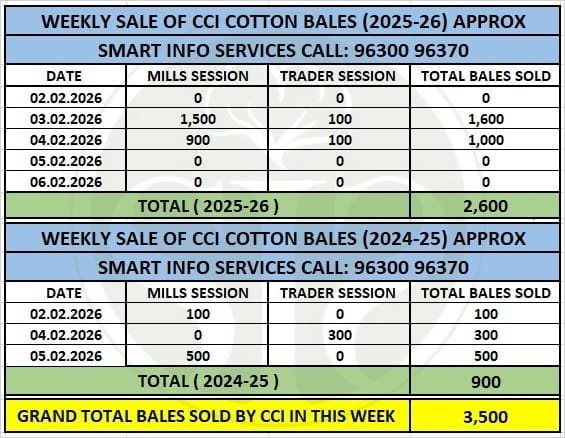
CCI એ કપાસના ભાવ યથાવત રાખ્યા; ઓનલાઈન હરાજી દ્વારા સાપ્તાહિક વેચાણ ચાલુ રાખ્યુંકોટન કોર્પોરેશન ઓફ ઈન્ડિયા (CCI) એ આ અઠવાડિયે તેના કપાસના ભાવમાં કોઈ ફેરફાર કર્યો નથી. 2 ફેબ્રુઆરી, 2026 થી 6 ફેબ્રુઆરી, 2026 ના અઠવાડિયા દરમિયાન, CCI એ વિવિધ કેન્દ્રો પર મિલો અને વેપારીઓ માટે નિયમિત ઓનલાઈન હરાજી હાથ ધરી હતી. આ હરાજીના પરિણામે 2025-26 સીઝન માટે આશરે 2,600 ગાંસડી અને 2024-25 સીઝન માટે 900 ગાંસડીનું કુલ સાપ્તાહિક વેચાણ થયું, જે બંને સેગમેન્ટમાંથી સ્થિર માંગ દર્શાવે છે.સાપ્તાહિક વેચાણ અહેવાલ2 ફેબ્રુઆરી, 2026:CCI એ અઠવાડિયાની શરૂઆત 100 ગાંસડીના વેચાણ સાથે કરી હતી, જે બધી મિલો દ્વારા ખરીદવામાં આવી હતી. આ સમગ્ર જથ્થો 2024-25 સીઝન માટે હતો.૩ ફેબ્રુઆરી, ૨૦૨૬:કુલ વેચાણ વધીને ૧,૬૦૦ ગાંસડી થયું, જેમાં મિલો દ્વારા ખરીદાયેલી ૧,૫૦૦ ગાંસડી અને વેપારીઓ દ્વારા ખરીદાયેલી ૧૦૦ ગાંસડીનો સમાવેશ થાય છે. આ દિવસે કુલ વેચાણ ૨૦૨૫-૨૬ સીઝનનું હતું.૪ ફેબ્રુઆરી, ૨૦૨૬:કુલ વેચાણ ૧,૩૦૦ ગાંસડી થયું, જેમાં ૨૦૨૫-૨૬ સીઝનની ૧,૦૦૦ ગાંસડી અને ૨૦૨૪-૨૫ સીઝનની ૩૦૦ ગાંસડીનો સમાવેશ થાય છે. મિલોએ ૯૦૦ ગાંસડી ખરીદી, જે સમગ્ર ચાલુ સીઝનનું પ્રતિનિધિત્વ કરે છે, જ્યારે વેપારીઓએ ૪૦૦ ગાંસડી ખરીદી, જે સમગ્ર પાછલી સીઝનનું પ્રતિનિધિત્વ કરે છે.૫ ફેબ્રુઆરી, ૨૦૨૬:કુલ ૫૦૦ ગાંસડી વેચાઈ, જે બધી ૨૦૨૪-૨૫ સીઝનની કપાસની માંગમાં સતત વધારો દર્શાવે છે.૬ ફેબ્રુઆરી, ૨૦૨૬:૨૦૨૫-૨૬ અને ૨૦૨૪-૨૫ બંને સીઝન માટે CCI ની ઓનલાઈન હરાજીમાં આજે કોઈ ગાંસડી વેચાઈ નથી.સંચિત વેચાણઆ વ્યવહારો સાથે, CCI નું સંચિત વેચાણ ૨૦૨૫-૨૬ સીઝન માટે ૩૬૧,૯૦૦ ગાંસડી અને ૨૦૨૪-૨૫ સીઝન માટે ૯૮૮૨,૪૦૦ ગાંસડી સુધી પહોંચ્યું, કારણ કે એજન્સી તેના ઈ-ઓક્શન પ્લેટફોર્મ દ્વારા સ્ટોક વેચવાનું ચાલુ રાખે છે અને સ્થિર ભાવ જાળવી રાખે છે.

શુક્રવારે ભારતીય રૂપિયો ૪૦ પૈસા ઘટીને ૯૦.૬૬ પ્રતિ ડોલર પર બંધ થયો, જે સવારે ૯૦.૨૬ ના શરૂઆતના ભાવથી બંધ થયો હતો.બજાર બંધ સમયે, સેન્સેક્સ ૨૬૬.૪૭ પોઈન્ટ અથવા ૦.૩૨ ટકા વધીને ૮૩,૫૮૦.૪૦ પર અને નિફ્ટી ૫૦.૯૦ પોઈન્ટ અથવા ૦.૨૦ ટકા વધીને ૨૫,૬૯૩.૭૦ પર બંધ થયો હતો. સાપ્તાહિક ધોરણે (રવિવારના બજેટ સત્ર સહિત), નિફ્ટીમાં ૧.૪૭ ટકાનો વધારો થયો, જે ગયા વર્ષે ૧૪ નવેમ્બરના રોજ પૂરા થયેલા સપ્તાહ પછીનો તેનો શ્રેષ્ઠ વધારો છે.વધુ વાંચો :- બજેટ 2026-27: ટેક્સટાઇલ સેક્ટરમાં રોજગાર અને વૃદ્ધિ

બજેટ 2026-27માં ટેક્સટાઇલ સેક્ટરને વૃદ્ધિ અને રોજગારનું મુખ્ય એન્જિન બનાવવા પર ભારકેન્દ્રીય બજેટ 2026-27 વૈશ્વિક આર્થિક અનિશ્ચિતતાઓ વચ્ચે ભારતની મજબૂત આર્થિક સ્થિતિ અને લાંબા ગાળાના સુધારામાં સરકારના વિશ્વાસને પ્રતિબિંબિત કરે છે. ભારત વિશ્વનું ચોથું સૌથી મોટું અને સૌથી ઝડપથી વિકસતું મુખ્ય અર્થતંત્ર રહ્યું છે, જે 7.2 ટકાના અંદાજિત વૃદ્ધિ દર અને ₹12.21 લાખ કરોડના મૂડી ખર્ચ સાથે ઈન્ફ્રાસ્ટ્રક્ચર અને મેન્યુફેક્ચરિંગની આગેવાની હેઠળની વૃદ્ધિને કારણે છે.બજેટે કાપડ ક્ષેત્રને સમાવિષ્ટ વૃદ્ધિ અને શ્રમ-સઘન ઉત્પાદન દ્વારા મોટા પાયે રોજગાર નિર્માણનો મુખ્ય આધારસ્તંભ બનાવ્યો છે. આ ક્ષેત્રને અત્યાર સુધી કલ્યાણના દૃષ્ટિકોણથી જોવામાં આવ્યું છે, તેને સ્પર્ધાત્મકતા, સ્કેલ અને નિકાસ સંભવિતતા સાથે જોડીને રાષ્ટ્રીય ઔદ્યોગિક વ્યૂહરચનાના કેન્દ્રમાં મૂકવામાં આવ્યું છે. હાલમાં આ ક્ષેત્ર જીડીપીમાં લગભગ 2.3 ટકા યોગદાન આપે છે અને 5.2 કરોડથી વધુ લોકોને રોજગારી પૂરી પાડે છે.સરકાર દ્વારા હસ્તાક્ષર કરાયેલા 18 ફ્રી ટ્રેડ એગ્રીમેન્ટ્સ (FTAs)એ ભારતને આશરે $466 બિલિયનના મૂલ્યના વૈશ્વિક કાપડ બજારોમાં પ્રાધાન્યપૂર્ણ પ્રવેશ આપ્યો છે. યુએસ સહિતના મુખ્ય બજારોમાં વધુ સારી પહોંચથી કાપડની નિકાસમાં નોંધપાત્ર વૃદ્ધિ થવાની અપેક્ષા છે, જે વૈશ્વિક મૂલ્ય શૃંખલાઓમાં ભારતની સ્થિતિને વધુ મજબૂત કરશે.સ્થાનિક રીતે, બજેટ 2026 ગુણવત્તા નિયંત્રણ આદેશો, GST સુધારાઓ અને ઇન્વર્ટેડ ડ્યુટી માળખાના ઠરાવ દ્વારા ઉદ્યોગની સ્પર્ધાત્મકતા વધારવા પર ધ્યાન કેન્દ્રિત કરે છે. રાષ્ટ્રીય ફાઇબર યોજના હેઠળ, કપાસ, માનવસર્જિત અને નવા યુગના ફાઇબરની ઉપલબ્ધતાને મજબૂત બનાવવામાં આવશે, જે કાચા માલના ખર્ચને સ્થિર કરશે અને નિકાસ કિંમતમાં નિશ્ચિતતા વધારશે.ઉદ્યોગને આધુનિક બનાવવા માટે દેશભરમાં 200 ટેક્સટાઈલ ઈન્ડસ્ટ્રીયલ ક્લસ્ટરને અપગ્રેડ કરવાની જાહેરાત કરવામાં આવી છે. કાપડ ઉદ્યોગ રોકાણ દીઠ વધુ રોજગારીનું સર્જન કરે છે અને ક્લસ્ટર આધારિત વિસ્તરણ દ્વારા આગામી પાંચ વર્ષમાં 2 થી 3 કરોડ નવી આજીવિકા ઊભી કરવાનો અંદાજ છે. આ સાથે સમર્થ 2.0 યોજના હેઠળ 15 લાખ કુશળ કામદારોને તાલીમ આપવામાં આવશે.બજેટમાં ₹10,000 કરોડના SME ડેવલપમેન્ટ ફંડ, એક સુધારેલ TReDS પ્લેટફોર્મ અને MSMEsની તરલતાની સમસ્યાઓને દૂર કરવા માટે ઝડપી ચુકવણી પદ્ધતિની પણ જોગવાઈ કરવામાં આવી છે. સુધારણા પ્રક્રિયામાં હેન્ડલૂમ અને હેન્ડીક્રાફ્ટ ક્ષેત્રોનો સમાવેશ કરીને, ટકાઉપણું, કૌશલ્ય વિકાસ અને વૈશ્વિક બજાર ઍક્સેસને પ્રોત્સાહન આપવામાં આવે છે, જે લાંબા ગાળે ભારતના ટેક્સટાઇલ ઇકોસિસ્ટમને મજબૂત બનાવવાની અપેક્ષા છે.વધુ વાંચો :- ભારત-યુએસ વેપાર કરારથી ઓડિશા કાપડ માટે નવી નિકાસની તકો
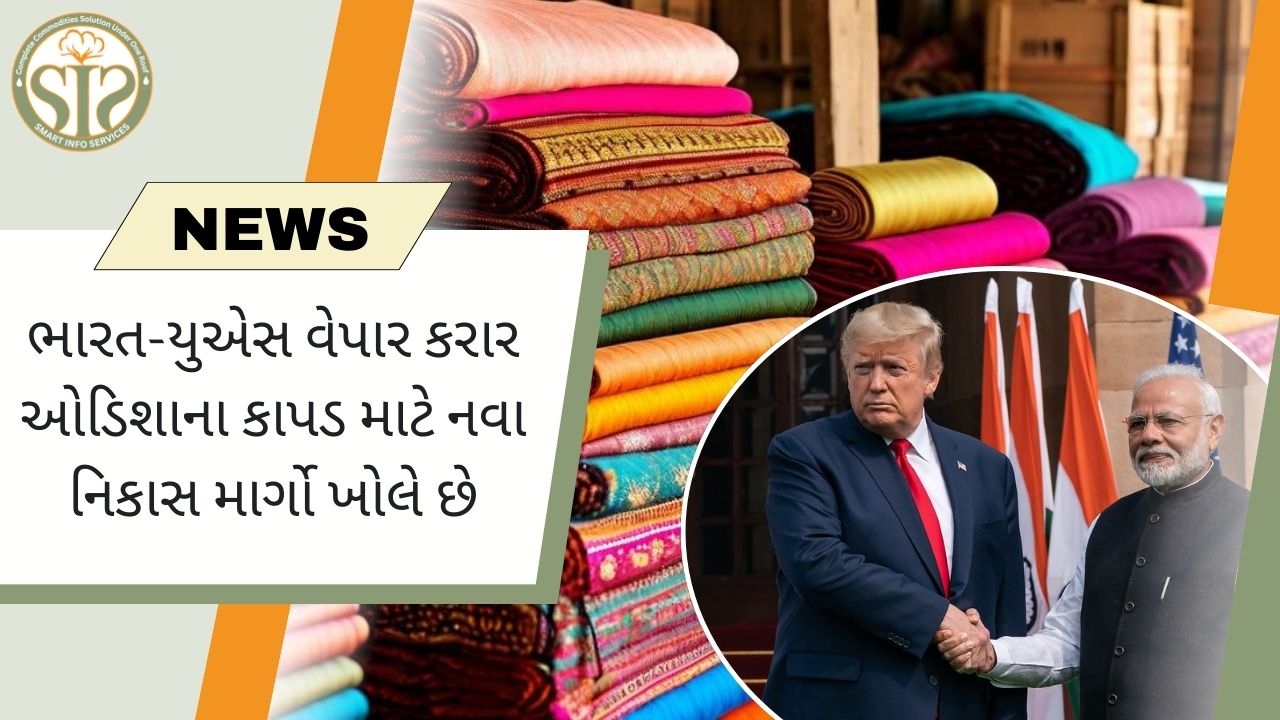
ભારત-યુએસ વેપાર કરાર ઓડિશાના કાપડ માટે નવા નિકાસ માર્ગો ખોલે છેભારત-યુએસ વેપાર કરાર ઓડિશા ટેક્સટાઇલ ઉદ્યોગને વેગ આપશે, હેન્ડલૂમ અને એપરલ નિકાસને વૈશ્વિક સ્તરે જવા માટે મદદ કરવા માટે યુએસ ટેરિફને સરળ બનાવશે, વણકર માટે નોકરીઓનું સર્જન કરશે અને સાંબલપુરી અને પરંપરાગત કાપડને આંતરરાષ્ટ્રીય બજારોમાં ધકેલશે.તાજેતરના ભારત-યુનાઈટેડ સ્ટેટ્સ વેપાર કરારે ઓડિશા માટે ખાસ કરીને ટેક્સટાઈલ અને એપેરલ સેક્ટરમાં નવી તકો ખોલી છે. સત્તાવાર સૂત્રોએ ગુરુવારે જણાવ્યું હતું કે પરંપરાગત હેન્ડલૂમ ઉત્પાદનોથી લઈને આધુનિક તૈયાર વસ્ત્રો સુધી, ઓડિશાના બનાવેલા કપડાં હવે વ્યાપક આંતરરાષ્ટ્રીય બજારોમાં વધુ સરળતાથી પહોંચવા માટે તૈયાર છે.યુનાઇટેડ સ્ટેટ્સ દ્વારા આયાત શુલ્કમાં છૂટછાટ સાથે, ઓડિશામાંથી નિકાસ વધુ સ્પર્ધાત્મક બનવાની અપેક્ષા છે. આ પગલાથી રાજ્યભરના વણકર અને હેન્ડલૂમ કારીગરો માટે આવકના નવા રસ્તાઓ ખુલે તેવી શક્યતા છે. મુખ્ય પ્રધાન મોહન ચરણ માઝીએ એક સોશિયલ મીડિયા પોસ્ટમાં જણાવ્યું હતું કે ઓડિશાનો પરંપરાગત પોશાક વૈશ્વિક પરિદ્રશ્યમાં એક નવા વલણ તરીકે ઉભરી આવવા માટે તૈયાર છે.સીએમ માઝીએ તેમનું અંગત 'એક્સ' હેન્ડલ લીધું અને કહ્યું, "ઓડિશાના હેન્ડલૂમ્સ હોય કે આધુનિક તૈયાર વસ્ત્રો; ભારત-અમેરિકા વેપાર કરારના પરિણામે, ઓડિશાની કારીગરી હવે દરેક જગ્યાએ પહોંચશે. ડ્યૂટીમાં છૂટછાટને કારણે, નિકાસ સરળ બનશે, જેનાથી હવે અમારા પરંપરાગત વણકરો અને વણકરો માટે રોજગારના નવા રસ્તાઓ ખુલશે. વૈશ્વિક બજારમાં નવો ટ્રેન્ડ બનાવો."ટેરિફમાં ઘટાડાથી ઓડિશા ઉત્પાદિત કાપડ અને વસ્ત્રોની નિકાસમાં નોંધપાત્ર વધારો થવાની ધારણા છે. અન્ય પરંપરાગત કાપડની સાથે સંબલપુરી જેવી હેન્ડલૂમની આઇકોનિક જાતોને યુએસ માર્કેટમાં સરળ પ્રવેશ મળશે, વૈશ્વિક ફેશન અને વેપારમાં ઓડિશાની હાજરીને મજબૂત બનાવશે."ફિલ્ડથી ફેશન સુધી, ઓડિશાનું ટેક્સટાઇલ અને એપેરલ સેક્ટર વૈશ્વિક રીતે આગળ વધી રહ્યું છે. યુએસના નીચા ટેરિફ સ્થાનિક ઉત્પાદકો માટે ઉચ્ચ મૂલ્યના બજારો ખોલે છે, રાજ્યભરમાં ટેક્સટાઇલ હબને સશક્ત બનાવે છે અને પરંપરાગત કારીગરીને આંતરરાષ્ટ્રીય સફળતામાં પરિવર્તિત કરે છે," મુખ્યમંત્રીએ 'X' પરની બીજી પોસ્ટમાં જણાવ્યું હતું.વધુ વાંચો :- દેવલામાં કપાસ-સોયાબીનનું ઉત્પાદન 35% ઘટ્યું
કપાસના ઉત્પાદનમાં ઘટાડોઃ દેવલામાં કપાસ અને સોયાબીનના ઉત્પાદનમાં 35 ટકાનો ઘટાડોવર્ધા સમાચારઃ આ વર્ષે દેવલી કૃષિ ઉત્પન્ન બજાર સમિતિના બજાર પરિસરમાં એક લાખ 60 હજાર ક્વિન્ટલ કપાસનું વેચાણ થયું હતું. આ પ્રવાહ 3 નવેમ્બર 2025 થી 31 જાન્યુઆરી 2026 દરમિયાન થયો હતો. ગયા વર્ષે આ જ સમયગાળા દરમિયાન 2 લાખ 29 હજાર ક્વિન્ટલ કપાસનું વેચાણ થયું હતું. તેની સરખામણીમાં આ વર્ષે 35 ટકા ઓછા કપાસની આયાત કરવામાં આવી છે.સ્વાભાવિક છે કે, બજારમાં આ વર્ષે કપાસની આવક ઓછી થવાને કારણે ઉત્પાદનમાં ઘટાડો થયો છે. જેના કારણે કપાસના ખેડૂતો આર્થિક સંકટમાં મુકાયા છે. આ વર્ષે ભારતીય કોટન કોર્પોરેશને 46 હજાર 121 ક્વિન્ટલ કપાસની ખરીદી કરી હતી. શરૂઆતમાં ખેડૂતોએ તેમનો કપાસ કોટન કોર્પોરેશન ઓફ ઈન્ડિયાને વેચ્યો હતો કારણ કે વેપારીઓ ઓછા ભાવ આપતા હતા, પરંતુ કપાસના ભાવમાં થયેલા વધારાને કારણે કોટન કોર્પોરેશન ઓફ ઈન્ડિયાએ કપાસની ખરીદી બંધ કરી દીધી હતી.વેપારીઓએ જય બજરંગ જિનિંગમાંથી 24 હજાર 44 ક્વિન્ટલ, સંજય ઈન્ડસ્ટ્રીઝમાંથી 26 હજાર 684 ક્વિન્ટલ, જય ભવાની જિનિંગ શિરપુરમાંથી 10 હજાર 43 ક્વિન્ટલ, મધુ ઈન્ડસ્ટ્રીમાંથી 3 હજાર 459 ક્વિન્ટલ, અશોકમાંથી 2 હજાર 600 ક્વિન્ટલ, 60 હજાર ક્વિન્ટલની ખરીદી કરી હતી. દેવલી એગ્રોમાંથી ક્વિન્ટલ, શ્રી ક્રિષ્ના જિનિંગમાંથી 12 હજાર 497 ક્વિન્ટલ. અને 4 હજાર 284 ક્વિન્ટલ કપાસની ખરીદી કરી હતી. મોહન ટ્રેડિંગમાંથી ક્વિન્ટલ. છેવેપારીઓ સાથે વાત કરતાં તેમણે જણાવ્યું હતું કે ગત વર્ષની સરખામણીએ બજારમાં કપાસનું ઓછું વેચાણ થઈ રહ્યું છે અને કપાસની ગુણવત્તા પણ ગત વર્ષની સરખામણીએ ઘટી છે. જિલ્લા બહારથી પણ કપાસની આવક ઘટી છે. તેથી, તેમણે આગાહી કરી હતી કે આ વર્ષની સિઝન ટૂંક સમયમાં સમાપ્ત થશે.આ વર્ષે 18 હજાર ક્વિન્ટલ સોયાબીનની ખરીદીસોયાબીનનું ઉત્પાદન ઘટવાને કારણે આ વર્ષે બજારમાં માત્ર 18 હજાર ક્વિન્ટલ સોયાબીનનું વેચાણ થયું હતું. જેમાં વેપારીઓ દ્વારા 16 હજાર 660 ક્વિન્ટલ સોયાબીનની ખરીદી કરવામાં આવી હતી જ્યારે નાફેડે 1 હજાર 347 ક્વિન્ટલ સોયાબીનની ખરીદી કરી હતી. કૃષિ પેદાશ બજાર સમિતિના જણાવ્યા અનુસાર ગત વર્ષે સમગ્ર સિઝનમાં 27,548 ક્વિન્ટલ સોયાબીનનું વેચાણ થયું હતું. જણાવવામાં આવી રહ્યું છે કે આ વર્ષે કપાસનો ભાવ 8 હજાર 450 રૂપિયાથી ઘટીને 8 હજાર 50 રૂપિયા થઈ ગયો છે. સોયાબીન અને કપાસની ઓછી આવકને કારણે ગ્રામીણ બજારોમાં ભીડ ઓછી થતી જોવા મળી રહી છે. જેના કારણે બજારમાં ગ્રાહકોની માંગ ફેલાઈ છે.વધુ વાંચો :- વૈશ્વિક કપાસનો ઓવરસપ્લાય 2025/26માં ચાલુ રહેશે: ICAC
વૈશ્વિક કપાસનો ઓવરસપ્લાય 2025/2026 માં ચાલુ રહેશે - ICACવૈશ્વિક કપાસ ફાઇબરનું ઉત્પાદન 2025/2026માં 26 મિલિયન ટન સુધી પહોંચવું જોઈએ, જે વપરાશ કરતાં આશરે 800,000 ટન વધુ છે.ચીન, ભારત અને બ્રાઝિલ વૈશ્વિક પુરવઠા પર પ્રભુત્વ મેળવશે, જ્યારે એશિયા માંગનું નેતૃત્વ કરશે.કોટલૂક એ ઇન્ડેક્સ 2020/2021 પછી તેના સૌથી નીચા સરેરાશ સ્તરે આવી ગયા પછી કપાસના ભાવ દબાણ હેઠળ રહેશે.વૈશ્વિક કપાસ બજાર હજુ પણ ઓવરસપ્લાયના સમયગાળામાંથી બહાર આવ્યું નથી. ઇન્ટરનેશનલ કોટન એડવાઇઝરી કમિટીએ 2 ફેબ્રુઆરીએ જાહેર કરેલા નિવેદનમાં જણાવ્યું હતું કે 2025-2026ની સિઝનમાં વૈશ્વિક કપાસ ફાઇબરનું ઉત્પાદન 26 મિલિયન ટન સુધી પહોંચવું જોઈએ.આ જથ્થો ગત સિઝન કરતાં 1% વધુ છે.2025/2026માં વૈશ્વિક કપાસનો વપરાશ 25.2 મિલિયન ટન સુધી પહોંચવો જોઈએ. આ સ્તર 2024/2025 સીઝન કરતાં 0.4% વધારે છે.ICAC અનુસાર, વૈશ્વિક પુરવઠામાં ચીન, ભારત અને બ્રાઝિલનું પ્રભુત્વ રહેશે. "વપરાશ પણ ચીન દ્વારા ચલાવવામાં આવે છે, જે ભારત અને પાકિસ્તાન કરતા આગળ છે, જે વૈશ્વિક બજારમાં પુરવઠા અને માંગ બંને બાજુઓ પર એશિયાના સતત વર્ચસ્વને પ્રતિબિંબિત કરે છે," સંસ્થાએ જણાવ્યું હતું.વૈશ્વિક કપાસની આયાત અને નિકાસ 2025/2026માં 9.7 મિલિયન ટન સુધી પહોંચી શકે છે. આ જથ્થો ગત સિઝન કરતાં 5% વધુ છે.ICAC અપેક્ષા રાખે છે કે બ્રાઝિલ યુએસ અને ઑસ્ટ્રેલિયા કરતાં આગળ વિશ્વના સૌથી મોટા કપાસ નિકાસકાર તરીકેનું સ્થાન જાળવી રાખશે. સંસ્થાને અપેક્ષા છે કે બાંગ્લાદેશ વિશ્વનો સૌથી મોટો કપાસ આયાતકાર દેશ હશે, ત્યારબાદ વિયેતનામ અને ચીન આવે.ICAC અનુસાર, આ વલણ "વૈશ્વિક કાપડ ઉત્પાદન શૃંખલા અને સોર્સિંગ વ્યૂહરચનાઓનું સતત ઉત્ક્રાંતિ" દર્શાવે છે.બાંગ્લાદેશને સ્પર્ધાત્મક ઉત્પાદન ખર્ચ અને આશરે 4,500 ફેક્ટરીઓના નેટવર્કથી ફાયદો થાય છે. US અને EU રિટેલર્સ વધુને વધુ સોર્સિંગ હબ તરીકે દેશને પસંદ કરી રહ્યા છે.બાંગ્લાદેશના સ્પિનિંગ ઉદ્યોગનું ઝડપી વિસ્તરણ ઉત્પાદન વૃદ્ધિને ટેકો આપવા માટે મોટાભાગે કપાસની આયાત પર આધારિત છે.ICACએ જણાવ્યું હતું કે કોટલૂક A ઇન્ડેક્સ સતત ત્રીજી સિઝનમાં ઘટ્યો છે. 2024/2025 સીઝનમાં ઇન્ડેક્સ સરેરાશ 79.6 સેન્ટ પ્રતિ પાઉન્ડ હતો.આ સ્તર ગત સિઝન કરતાં 13.4% ઓછું હતું. 2020/2021 સીઝન પછી ઇન્ડેક્સ તેના સૌથી નીચા સરેરાશ સ્તરે પહોંચ્યો છે.2026 તરફ નજર કરીએ તો, કપાસના ભાવ સંખ્યાબંધ માળખાકીય પરિબળો પર આધારિત રહેશે."2026 સુધીમાં, કપાસની કિંમતો માત્ર વૈશ્વિક આર્થિક વૃદ્ધિ અને જાહેર નીતિની સ્થિરતા પર જ નહીં, પરંતુ ઉત્પાદકોની વધતી જતી ઇનપુટ ખર્ચને નિયંત્રિત કરવાની અને આબોહવાની અનિશ્ચિતતા સાથે વ્યવહાર કરવાની ક્ષમતા પર પણ નિર્ભર રહેશે, એવા વાતાવરણમાં કે જ્યાં ક્ષેત્ર ઝડપથી બદલાતી બજારની પરિસ્થિતિઓને અનુકૂલન કરી રહ્યું છે," ICACએ તેની 2024/2025ની સમીક્ષામાં જણાવ્યું હતું કે જે ડિસેમ્બરની સીઝન તરીકે વર્ણવવામાં આવી હતી.વધુ વાંચો :- ભારત-યુએસ વેપાર સોદો કપાસ ઉદ્યોગને વેગ આપશે: CAI
ભારત-યુએસ વેપાર સોદાથી કપાસ અને ટેક્સટાઇલ ઉદ્યોગને મળશે વેગ: CAIનવી દિલ્હી: પ્રસ્તાવિત ભારત-યુએસ વેપાર સોદાથી ભારતના કપાસ અને ટેક્સટાઇલ ક્ષેત્રને નોંધપાત્ર લાભ મળવાની શક્યતા વ્યક્ત કરવામાં આવી છે. ઉદ્યોગ પ્રતિનિધિઓ માને છે કે બજારમાં વધુ સારી પહોંચ અને ઓછી ટેરિફના કારણે નિકાસ અને માંગ બંનેમાં વધારો થશે।કપાસ ઉદ્યોગ છેલ્લા એક વર્ષથી ભાવ અસ્થિરતા, વધતા ઇનપુટ ખર્ચ અને નબળી વૈશ્વિક માંગ જેવા પડકારોનો સામનો કરી રહ્યો છે. આવા સમયમાં આ સોદો ક્ષેત્ર માટે મહત્વપૂર્ણ પ્રોત્સાહન સાબિત થઈ શકે છે। ટેરિફ અને વેપાર નિયમોમાં સ્પષ્ટતા થવાથી અમેરિકન ખરીદદારો લાંબા ગાળાના અને મોટા ઓર્ડર આપવા પ્રોત્સાહિત થઈ શકે છે।આનો સીધો ફાયદો સ્પિનિંગ મિલો, વણાટ એકમો અને ગાર્મેન્ટ ફેક્ટરીઓને મળશે, ખાસ કરીને ગુજરાત, મહારાષ્ટ્ર, તમિલનાડુ અને તેલંગાણા જેવા મુખ્ય ટેક્સટાઇલ હબમાં ક્ષમતા ઉપયોગમાં વધારો થવાની શક્યતા છે। સતત નિકાસ માંગથી સ્થાનિક કપાસના ભાવ સ્થિર થવાની આશા છે, જે ખેડૂતો અને ઉદ્યોગ બંને માટે ફાયદાકારક રહેશે।કોટન એસોસિએશન ઓફ ઇન્ડિયા (CAI) ના પ્રમુખ વિનય એન. કોટકે જણાવ્યું કે, “આ સોદો દ્વિપક્ષીય વેપાર માટે મહત્વપૂર્ણ અને ભવિષ્યલક્ષી પગલું છે, જે ભારત અને અમેરિકા વચ્ચે વધુ મજબૂત અને સંતુલિત વેપાર સંબંધો બનાવશે।”વિશ્વભરના ઉદ્યોગો ભૂરાજકીય અને લોજિસ્ટિક્સ જોખમોને ધ્યાનમાં રાખીને સપ્લાય ચેઇન ફરી ગોઠવી રહ્યા છે, ત્યારે ભારતને તેના કાચા માલ, કુશળ મજૂરી અને વધતી ઉત્પાદન ક્ષમતાને કારણે વિશ્વસનીય ભાગીદાર તરીકે જોવામાં આવે છે। યુએસ બજારમાં વધુ સારી પહોંચ આધુનિકીકરણ, ટકાઉપણું અને આંતરરાષ્ટ્રીય ધોરણોને અનુસરવા માટે રોકાણ વધારશે।જો કે, ઉદ્યોગ પ્રતિનિધિઓએ ચેતવણી આપી છે કે સોદાનું અંતિમ માળખું અત્યંત મહત્વપૂર્ણ રહેશે। ટેરિફ રાહત સાથે-साथ મૂળના નિયમો, ધોરણો અને પાલન સંબંધિત બાબતોમાં સ્પષ્ટતા જરૂરી છે, જેથી નિકાસકારો પર વધારાનો ખર્ચ ન પડે।નિકાસમાં વધારાથી રોજગાર અને ગ્રામિણ આવક પર પણ સકારાત્મક અસર થશે, કારણ કે કપાસ ક્ષેત્ર લાખો ખેડૂતો, જીનર્સ, મિલ વર્કરો અને ગાર્મેન્ટ કર્મચારીઓ સાથે જોડાયેલું છે।એકંદરે, ઉદ્યોગ માને છે કે ભારત-યુએસ વેપાર સોદો એક વ્યૂહાત્મક તક છે, જે યોગ્ય રીતે અમલમાં મુકાય તો ભારતને વૈશ્વિક કપાસ અને ટેક્સટાઇલ બજારમાં વધુ મજબૂત સ્થાન અપાવી શકે છે।વધુ વાંચો :- ડોલર દીઠ રૂપિયો 09 પૈસા મજબૂત થઈને 90.26 પર ખુલ્યો.

રૂપિયો 09 પૈસા વધીને 90.26/USD પર ખુલ્યોગુરુવારના બંધ 90.35 ની સરખામણીમાં શુક્રવારે ભારતીય રૂપિયો 90.26 પ્રતિ ડોલર પર ખુલ્યો.વધુ વાંચો :- અતુલભાઈ ગણાત્રા સીસીઆઈની નીતિ સાથે સંઘર્ષ કરી રહેલી નાની મિલોને લઈને
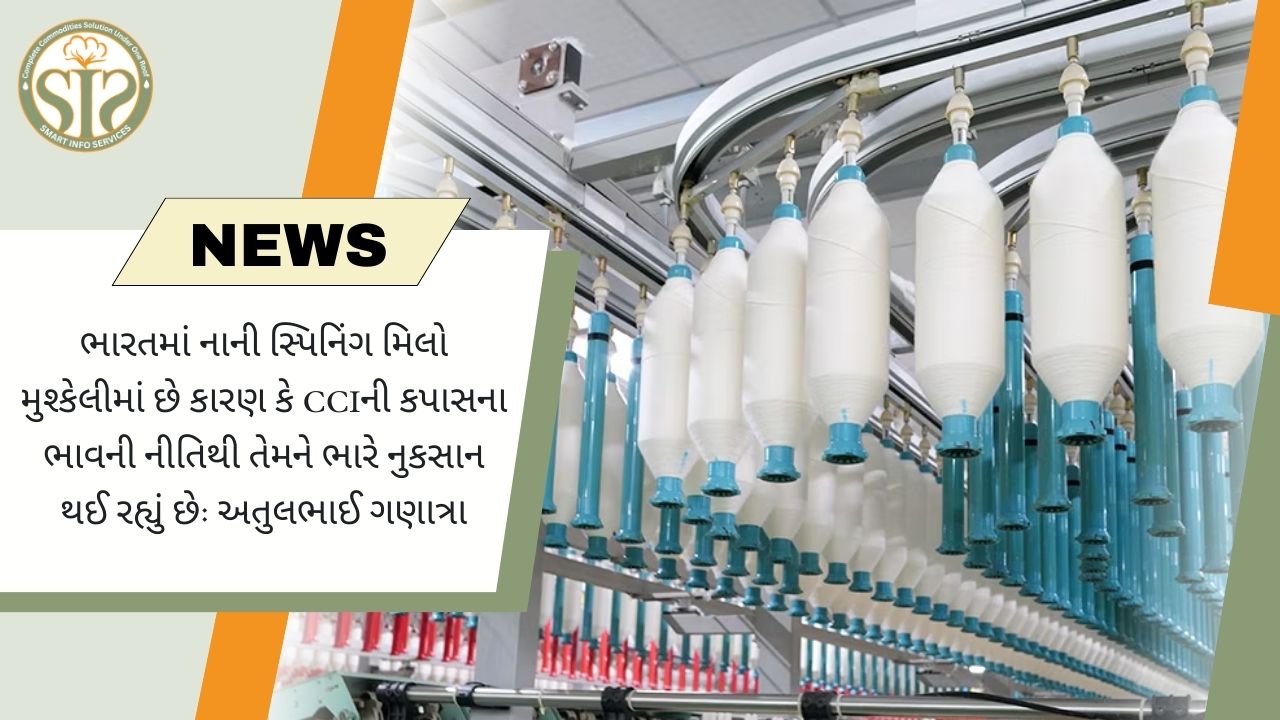
ભારતમાં નાની સ્પિનિંગ મિલો મુશ્કેલીમાં છે કારણ કે CCIની કપાસના ભાવની નીતિથી તેમને ભારે નુકસાન થઈ રહ્યું છે: અતુલભાઈ ગણાત્રારાધા લક્ષ્મી ગ્રૂપના ચેરમેન અને મેનેજિંગ ડિરેક્ટર અને જાણીતા કપાસ નિષ્ણાત શ્રી અતુલભાઈ ગણાત્રાએ ભારતીય મીડિયાને જણાવ્યું હતું કે કોટન કોર્પોરેશન ઓફ ઈન્ડિયા (CCI) ની વર્તમાન કપાસ કિંમત અને વેચાણ નીતિને કારણે સમગ્ર ભારતમાં નાની સ્પિનિંગ મિલો ધીમે ધીમે બંધ થઈ રહી છે અથવા માનવસર્જિત ફાઈબર પર સ્વિચ થઈ રહી છે.એકલા આંધ્રપ્રદેશમાં જ છેલ્લા એક વર્ષમાં 40 થી વધુ કોટન સ્પિનિંગ મિલો બંધ થઈ ગઈ છે. શ્રી ગણાત્રાના જણાવ્યા મુજબ, આ મિલો બંધ થવાનું મુખ્ય કારણ સીસીઆઈ દ્વારા નક્કી કરાયેલા કપાસના મોંઘા ભાવ છે."CCI 60-90 દિવસના ડિલિવરી સમયગાળા સાથે કપાસનું વેચાણ કરે છે, જેના કારણે મિલ ખરીદદારો પર બેંક વ્યાજ અને અન્ય ફાઇનાન્સ ચાર્જ જેવા વધારાના ખર્ચ થાય છે," તેમણે જણાવ્યું હતું. "નાની મિલો, જે ખૂબ જ ઓછા માર્જિન પર કામ કરે છે, તેઓ આટલા લાંબા ડિલિવરી પીરિયડ્સ પરવડી શકે તેમ નથી."શ્રી ગણાત્રાએ સીસીઆઈને તાત્કાલિક સુધારાત્મક પગલાં લેવા વિનંતી કરી:"હું સૂચન કરું છું કે CCI કપાસના ભાવમાં ધીમે ધીમે પ્રતિ કેન્ડી ₹1,500-₹2,000 જેટલો ઘટાડો કરે અને ડિલિવરીનો સમયગાળો માત્ર 15-20 દિવસ સુધી ઘટાડે. આ નાની મિલોને કપાસ ખરીદવા અને તેમની કામગીરી ચાલુ રાખવામાં મદદ કરશે."તેમણે વધુમાં જણાવ્યું હતું કે આ ફેરફારો લાગુ કરવાથી સીસીઆઈને કોઈ નુકસાન થશે નહીં કારણ કે કોર્પોરેશન બેંક વ્યાજ, વેરહાઉસ ભાડું, વીમો અને કપાસની અછતને લગતા ખર્ચમાં પણ બચત કરશે.વધુ વાંચો :- જાન્યુઆરીના અંતમાં બ્રાઝિલમાં કપાસના ભાવ વધે છે
જાન્યુઆરીના અંતમાં બ્રાઝિલ કપાસના ભાવમાં વધારો થાય છે કારણ કે વેચાણકર્તાઓ મક્કમ રહે છે બ્રાઝિલના સ્થાનિક કપાસના ભાવ જાન્યુઆરીના અંતમાં મજબૂત થયા છે કારણ કે ખરીદદારોએ વેપાર કરવાની વધુ ઈચ્છા દર્શાવી હતી જ્યારે વેચાણકર્તાઓએ ક્વોટેશન પર મક્કમતા દાખવી હતી. સેન્ટર ફોર એડવાન્સ્ડ સ્ટડીઝ ઓન એપ્લાઇડ ઇકોનોમિક્સ (CEPEA) મુજબ, આંતરરાષ્ટ્રીય કપાસના ભાવમાં નરમાઈ અને યુએસ ડોલર વાસ્તવિક સામે નબળો પડવા છતાં પણ, આ ગતિશીલ દબાણ સ્પોટ માર્કેટ નિકાસ સમાનતા સ્તરોથી ઉપર છે. તે જ સમયે, એકંદરે બજારની તરલતા ઓછી રહી, કારણ કે ઉત્પાદકોએ ક્ષેત્રીય પ્રવૃત્તિઓને પ્રાથમિકતા આપી, ખાસ કરીને કપાસનું વાવેતર અને સોયા લણણી. CEPEA એ બ્રાઝિલના કોટન માર્કેટ પરના તેના તાજેતરના પખવાડિયાના અહેવાલમાં જણાવ્યું હતું કે, મહિનાના અંત સુધી ટ્રેડિંગ વોલ્યુમ પાતળું રહ્યું હતું, જે બજારની બંને બાજુએથી સાવચેતીભર્યું વલણ દર્શાવે છે.જો કે, માસિક ધોરણે, કિંમતો થોડી નીચી છે. CEPEA/ESALQ ઇન્ડેક્સ (આઠ દિવસમાં ચૂકવણી) ડિસેમ્બર 30 અને જાન્યુઆરી 30 વચ્ચે 0.31 ટકા ઘટીને BRL 3.4754 પ્રતિ પાઉન્ડ પર બંધ થયો.નિકાસ સમાનતાના મૂલ્યોમાં વધુ તીવ્ર ઘટાડો થયો હતો, જેમાં જાન્યુઆરી 19-26 વચ્ચે ફ્રી અલોંગસાઇડ શિપ (FAS)ના ભાવ 2.59 ટકા ઘટીને સાન્તોસ બંદર પર BRL 3.3872/પાઉન્ડ ($0.6414/પાઉન્ડ) અને BRL 3.3977/પાઉન્ડ ($40/40) પર નબળા પ્રતિબિંબિત થયા હતા. આંતરરાષ્ટ્રીય બેન્ચમાર્ક અને નરમ યુએસ ડોલર.વધુ વાંચો :- ભારતમાં કથિત ઓર્ગેનિક કોટન કૌભાંડની સત્તાવાર તપાસ શરૂ થાય છે