

अमेरिकी डॉलर के मुकाबले रुपया 14 पैसे गिरकर 83.91 पर आया।विदेशी पूंजी के निरंतर बहिर्गमन और अस्थिर घरेलू शेयर बाजारों के बीच बुधवार को भारतीय रुपया अमेरिकी डॉलर के मुकाबले 14 पैसे गिरकर 83.91 पर पहुंच गया।सेंसेक्स 102 अंक ऊपर, निफ्टी 24,750 के ऊपर बंद हुआ21 अगस्त को अस्थिर सत्र में भारतीय बेंचमार्क सूचकांक बढ़त के साथ बंद हुए। बंद होने पर, सेंसेक्स 102.44 अंक या 0.13 प्रतिशत बढ़कर 80,905.30 पर था, और निफ्टी 71.37 अंक या 0.29 प्रतिशत बढ़कर 24,770.20 पर था।और पढ़ें :- असमान मानसून ने खरीफ फसलों और कृषि उत्पादन को बाधित किया

असमान मानसून से खरीफ फसलें और कृषि उत्पादन प्रभावितइस वर्ष असमान मानसून वर्षा चावल, कपास, दालों और बागवानी उत्पादों जैसी प्रमुख खरीफ फसलों के उत्पादन को बाधित कर रही है। 19 अगस्त तक, दक्षिण-पश्चिम मानसून ने कुल मिलाकर 7.3% अधिक वर्षा लाई है, लेकिन इसका वितरण असमान बना हुआ है, भारत के 725 जिलों में से 30% में वर्षा की कमी और लगभग 10% में बहुत अधिक वर्षा देखी गई है।विशेषज्ञों ने चेतावनी दी है कि यह विषम वितरण पहले से बोई गई फसलों, विशेष रूप से दालों को नुकसान पहुंचा सकता है, जिससे मुद्रास्फीति की चिंता बढ़ सकती है। पंजाब जैसे सिंचित क्षेत्रों में वर्षा की कमी से खेती की लागत बढ़ने की उम्मीद है। दक्षिण में कॉफी और मसाला उत्पादकों ने भी उच्च तापमान के बाद भारी बारिश और भूस्खलन से काफी नुकसान की सूचना दी है।जम्मू और कश्मीर, पंजाब, हिमाचल प्रदेश और उत्तर प्रदेश और बिहार के कुछ हिस्सों जैसे प्रमुख क्षेत्रों में वर्षा की महत्वपूर्ण कमी का सामना करना पड़ रहा है, जबकि महाराष्ट्र, राजस्थान, कर्नाटक और आंध्र प्रदेश में सामान्य से अधिक वर्षा हुई है। इसके बावजूद, खरीफ फसल की बुआई 103.1 मिलियन हेक्टेयर से अधिक हो चुकी है, जो पिछले साल के रकबे से अधिक है।भारत मौसम विज्ञान विभाग ने मानसून के शेष मौसम के लिए सामान्य से अधिक बारिश का अनुमान लगाया है, जिससे चिंता बढ़ गई है कि अत्यधिक नमी खरीफ फसलों को और प्रभावित कर सकती है।और पढ़ें :- उज्बेकिस्तान और पोलैंड ने कपड़ा क्षेत्र में सहयोग की संभावना तलाशी

पोलैंड और उज़्बेकिस्तान कपड़ा क्षेत्र में सहयोग की जांच कर रहे हैंउज्बेकिस्तान ने हाल ही में पोलैंड के साथ देश में कपड़ा निर्यात बढ़ाने और उज्बेक उद्योगों में आधुनिक पोलिश तकनीकों के एकीकरण की संभावना तलाशने के लिए चर्चा की।उज़्बेकिस्तान के एक प्रतिनिधिमंडल ने निवेश, उद्योग और व्यापार मंत्रालय के प्रतिनिधियों के साथ-साथ कपड़ा कंपनी के अधिकारियों को शामिल करते हुए दोनों देशों के बीच आर्थिक संबंधों को मजबूत करने के लिए पोलैंड का दौरा किया।अपनी यात्रा के दौरान, प्रतिनिधिमंडल ने वारसॉ के पास जीडी पोलैंड इंटरनेशनल थोक व्यापार परिसर का दौरा किया, जहाँ उन्होंने परिसर के अध्यक्ष फेलिक्स वांग और पोलैंड-एशिया चैंबर ऑफ कॉमर्स के अध्यक्ष जानुस पिएचोकिंस्की से मुलाकात की। दोनों पक्षों ने परिसर के भीतर उज्बेक कपड़ा और जूते के लिए एक स्टोर खोलने पर सहमति व्यक्त की, जिसमें उज्बेक पक्ष को विशेष छूट और किराये के लाभ दिए गए।उज्बेक मीडिया की रिपोर्ट के अनुसार, प्रतिनिधिमंडल ने पोलिश बुनकर संघ और यार्न निर्माता लेग्स, प्रेजेड्सिएबियोर्स्टवा प्रोडुकसीज्नो हैंडलोवो उस्लुगोवेगो (पीपीएचयू) और जोला स्टाइल सहित कई प्रमुख कंपनियों का भी दौरा किया।एक संयुक्त व्यापार मंच में, चर्चा बांग्लादेश की रुसिनैजेंसी और यूक्रेन के अर्लेन टेक्सटाइल ग्रुप के उज्बेकिस्तान में संभावित स्थानांतरण के साथ-साथ उज्बेकिस्तान के हल्के उद्योग को आधुनिक बनाने के लिए नवीन तकनीकों के कार्यान्वयन पर केंद्रित थी।उज्बेक कपड़ा उद्यमों जैसे कि उजटेक्स ग्रुप, आइशा होम टेक्सटाइल, कोराजोन टेक्सटाइल और परवोज हुमो रावनक ट्रांस ने पोलैंड स्थित कंपनियों रुसिनैजेंसी, अर्लेन टेक्सटाइल ग्रुप, लेग्स, पीपीएचयू, जोला स्टाइल, एसडब्ल्यूपी, पटाक और कलरइन्वेस्ट के साथ पोलैंड को यार्न, गौज, निटवियर, अंडरवियर और होम टेक्सटाइल की आपूर्ति के लिए समझौतों पर हस्ताक्षर किए।और पढ़ें :- बांग्लादेश को कपड़ा और रसायन निर्यात थोड़े समय के लिए रुकने के बाद फिर से शुरू हुआ
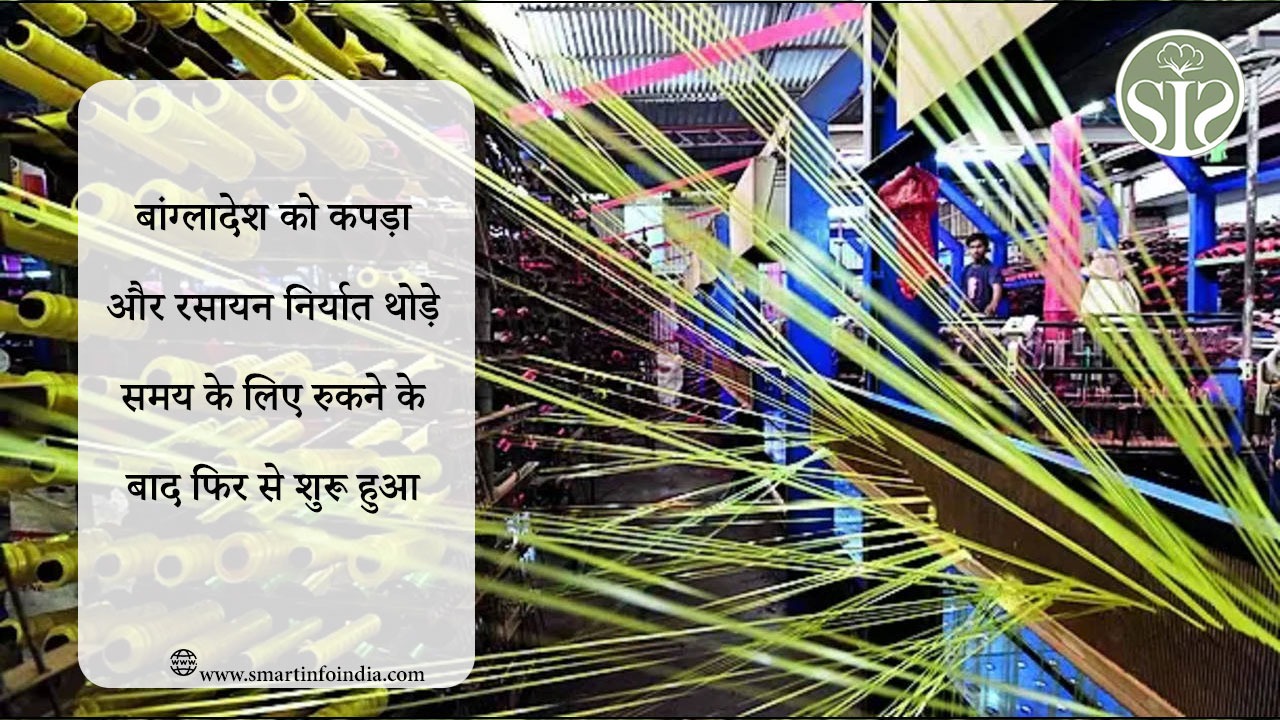
थोड़े समय के विराम के बाद, बांग्लादेश ने रसायन और वस्त्र का निर्यात पुनः शुरू कर दिया है।अहमदाबाद: बांग्लादेश में राजनीतिक स्थिति स्थिर होने के साथ ही गुजरात से कपड़ा और रसायन का निर्यात सामान्य होने लगा है, उद्योग विशेषज्ञों ने रिपोर्ट दी है। गुजरात के कपड़ा और रसायन उद्योगों के लिए एक प्रमुख निर्यात बाजार बांग्लादेश से सूती धागे और रंगाई रसायनों के लिए नए ऑर्डर आने शुरू हो गए हैं।उद्योग सूत्रों के अनुसार, पिछले सप्ताह भुगतान संबंधी मुद्दों में सुधार हुआ है, लेकिन निर्यातक अपने व्यापारिक लेन-देन में सतर्क बने हुए हैं।भारत के कताई क्षेत्र के लिए, बांग्लादेश सबसे बड़ा निर्यात बाजार है, जो 2023-24 में 428 मिलियन किलोग्राम सूती धागे का निर्यात करेगा, जो भारत के कुल धागे के निर्यात का 35% है।रंगाई क्षेत्र में, गुजरात हर महीने बांग्लादेश को 3,500 टन से अधिक रिएक्टिव डाई निर्यात करता है। यह देखते हुए कि परिधान निर्माण बांग्लादेश की अर्थव्यवस्था का एक महत्वपूर्ण घटक है, देश इन आयातों को खोने का जोखिम नहीं उठा सकता है।पावरलूम डेवलपमेंट एंड एक्सपोर्ट प्रमोशन काउंसिल (PDEXCIL) के पूर्व अध्यक्ष भरत छाजेड़ ने कहा, "बांग्लादेश में कपड़ा उद्योग ने फिर से काम करना शुरू कर दिया है और स्थिति स्थिर हो रही है। बांग्लादेश में हिंसा के कारण निर्यात रुक गया था, कपास के धागे के कंटेनर विभिन्न भारतीय बंदरगाहों पर रुके हुए थे।"निर्यातक बांग्लादेश में स्थिति पर बारीकी से नज़र रख रहे हैं और सुरक्षित व्यापारिक लेन-देन सुनिश्चित करने के लिए आवश्यक सावधानी बरत रहे हैं।स्पिनर्स एसोसिएशन गुजरात (SAG) के वरिष्ठ उपाध्यक्ष जयेश पटेल ने टिप्पणी की, "बांग्लादेश को निर्यात फिर से शुरू हो गया है और पूछताछ बढ़ रही है, लेकिन कुल लागत अभी भी विनिर्माण लागत के अनुरूप नहीं है।"गुजरात में कपड़ा और रासायनिक उद्योग कोविड-19 महामारी के बाद से चुनौतियों का सामना कर रहे थे। हालाँकि चालू वित्त वर्ष में दोनों क्षेत्रों में सुधार देखा गया है, लेकिन बांग्लादेश में राजनीतिक अशांति ने चिंताएँ बढ़ा दी हैं।एक रासायनिक कंपनी के प्रबंध निदेशक मनीष किरी ने बताया, "गुजरात के रंग निर्माता हर महीने बांग्लादेश को 3,500 से 4,000 टन रंग, मुख्य रूप से रिएक्टिव रंग, की आपूर्ति करते हैं, जो राज्य के रंग निर्यात का लगभग 15% है।" अहमदाबाद में लगभग 150 व्यवसाय बांग्लादेश को रिएक्टिव रंग निर्यात करने में शामिल हैं। किरी ने कहा, "हमने देखा है कि कारोबारी माहौल अनुमान से पहले ही स्थिर हो रहा है। भुगतान की स्थिति में सुधार हुआ है, और नई पूछताछ और ऑर्डर आने लगे हैं।"और पढ़ें :- पंजाब में किसानों का कपास से मोहभंग, धान की खेती की ओर बढ़ी रुचि, रकबा घटकर हुआ तीन गुना कम

पंजाबी किसानों का कपास पर से भरोसा उठ गया, वे धान की खेती में अधिक रुचि लेने लगे, तथा क्षेत्रफल में तीन गुना कमी देखी गईचालू सीजन में किसानों को सबसे अधिक आमदनी देने वाली कपास की फसल का रकबा पंजाब में घटकर केवल 94,000 हेक्टेयर रह गया है। 2019 में यह रकबा 3.35 लाख हेक्टेयर था। पिछले तीन से चार सालों में किसानों को कपास की बंपर पैदावार मिली थी, और 2022 में कपास के भाव 10,000 रुपए प्रति क्विंटल से भी ऊपर चले गए थे। लेकिन इस बार कपास के रकबे में भारी गिरावट का कारण बॉलवर्म और वाइटफ्लाई जैसे कीट रहे। 2023 में गुलाबी सुंडी के प्रकोप के कारण किसानों को आधा उत्पादन भी नहीं मिल पाया, और कई किसानों के लिए तो लागत निकालना भी मुश्किल हो गया।धान की खेती में बढ़ी रुचिकपास के रकबे में कमी से कृषि विभाग के अधिकारियों को चिंता हो रही है कि अगर इस दिशा में उचित कदम नहीं उठाए गए तो आने वाले समय में किसान कपास की खेती पूरी तरह छोड़ सकते हैं और धान की ओर आकर्षित हो सकते हैं। धान की खेती में पानी की अधिक आवश्यकता होती है, जिससे भूजल स्तर का दोहन बढ़ सकता है, जो पर्यावरण के लिए गंभीर संकट पैदा कर सकता है।कपास की फसल नष्ट कर रहे किसानमानसा, बठिंडा और फाजिल्का जिलों के कई गांवों में किसानों ने कपास की फसल को नष्ट करके पीआर 126 धान किस्म की बुवाई शुरू कर दी है, जो 110 दिन में पककर तैयार हो जाती है। राज्य कृषि विभाग के एक अधिकारी ने बताया कि बॉलवर्म और वाइटफ्लाई जैसे कीटों से निपटने के लिए किसानों की कीटनाशकों पर लागत बढ़ जाती है, जिससे कपास की खेती आर्थिक रूप से अव्यावहारिक हो रही है। हालांकि, कपास की फसल में आमदनी अधिक होती है, लेकिन धान की खेती में एक निश्चित आय मिलती है।बेहतर बीजों की आवश्यकतापीएयू के कुलपति डॉक्टर एसएस गोसल ने कहा कि कपास के रकबे में वृद्धि और किसानों की अच्छी फसल सुनिश्चित करने के लिए उन्हें बेहतर बीजों की आवश्यकता है। दक्षिण और पश्चिमी पंजाब के कपास उगाने वाले क्षेत्रों में किसानों को धान की खेती से दूर रखने के लिए यह जरूरी है। कृषि विभाग के प्रमुख विशेष प्रधान सचिव केपी सिंह के अनुसार, केंद्र के कृषि एवं किसान कल्याण मंत्रालय को स्थिति से अवगत करा दिया गया है, और पंजाब सरकार किसानों को कम पानी की खपत वाली खेती पर जोर देने के लिए जागरूक कर रही है।और पढ़ें :- मंत्री एस. सविता ने कहा कि आंध्र प्रदेश सरकार जल्द ही उन्नत कपड़ा नीति पेश करेगी

शुरुआती कारोबार में रुपया अमेरिकी डॉलर के मुकाबले 4 पैसे गिरकर 83.81 पर आ गया।अब इक्विटी बेंचमार्क इंडेक्सों की बात करें तो बीएसई सेंसेक्स (BSE Sensex) फिलहाल 66.33 प्वाइंट्स यानी 0.08 फीसदी की फिसलन के साथ 80736.53 और निफ्टी 50 (Nifty 50) 26.45 प्वाइंट्स यानी 0.11 फीसदी की मामूली गिरावट केसाथ 24672.40 पर है। एक कारोबारी दिन पहले सेंसेक्स 80,802.86 और निफ्टी 24,698.85 पर बंद हुआ था।

मंत्री सविता के अनुसार, आंध्र प्रदेश सरकार जल्द ही एक उन्नत कपड़ा नीति पेश करेगी।आंध्र प्रदेश की पिछड़ा वर्ग कल्याण और हथकरघा एवं कपड़ा मंत्री एस. सविता ने घोषणा की कि राज्य सरकार जल्द ही कपड़ा, परिधान और परिधान उद्योगों को बढ़ावा देने के उद्देश्य से एक नई कपड़ा नीति पेश करेगी। सोमवार को सचिवालय से वीडियोकांफ्रेंसिंग के माध्यम से निवेशकों से बात करते हुए, सुश्री सविता ने समयबद्ध तरीके से उद्योगों के लिए आवश्यक बुनियादी ढाँचा बनाने, प्रोत्साहन प्रदान करने और विभिन्न मंज़ूरियों को सुव्यवस्थित करने के लिए सरकार की प्रतिबद्धता पर जोर दिया।उन्होंने कहा कि टीडीपी सरकार द्वारा पेश की गई पिछली ‘कपड़ा नीति 2018-23’ को वाईएसआर कांग्रेस पार्टी सरकार ने खारिज कर दिया, जिससे मौजूदा उद्योगों के लिए चुनौतियाँ पैदा हुईं और संभावित निवेशकों को अन्य राज्यों में अवसर तलाशने के लिए प्रेरित किया गया। सुश्री सविता के अनुसार, आगामी नीति 2018-23 नीति का एक उन्नत संस्करण होगी, जिसे वर्तमान उद्योग की ज़रूरतों को पूरा करने के लिए तैयार किया जाएगा।कपड़ा क्षेत्र में आंध्र प्रदेश की मजबूत स्थिति पर प्रकाश डालते हुए सुश्री सविता ने बताया कि राज्य रेशम उत्पादन में राष्ट्रीय स्तर पर दूसरे स्थान पर है और कपास और जूट उत्पादन में क्रमशः छठे और सातवें स्थान पर है। राज्य में नौ कपड़ा और परिधान पार्क भी हैं, जिनमें से तीन सार्वजनिक क्षेत्र में हैं, साथ ही 146 मेगा कपड़ा उद्योग और 15 तकनीकी कपड़ा इकाइयाँ हैं। उन्होंने निवेशकों को राज्य में कृषि, भू और ऑटोमोटिव वस्त्रों के निर्माण पर विचार करने के लिए प्रोत्साहित किया।सुश्री सविता ने निवेशकों को आंध्र प्रदेश में परिचालन स्थापित करने वाली कंपनियों के लिए सरकार के पूर्ण समर्थन का आश्वासन दिया, उन्होंने राज्य की व्यापार के लिए अनुकूल परिस्थितियों पर प्रकाश डाला। बैठक में प्रमुख सचिव (हथकरघा और वस्त्र) के. सुनीता, संयुक्त निदेशक श्रीकांत प्रभाकर और अन्य अधिकारी भी मौजूद थे।

शुरुआती कारोबार में रुपया अमेरिकी डॉलर के मुकाबले 2 पैसे बढ़कर 83.85 पर पहुंच गया।अब इक्विटी बेंचमार्क इंडेक्सों की बात करें तो बीएसई सेंसेक्स फिलहाल 157.02 प्वाइंट्स यानी 0.20 फीसदी की तेजी के साथ 80,581.70 और निफ्टी 50 (Nifty 50) 52.25 प्वाइंट्स यानी 0.21 फीसदी के उछाल के साथ 24,624.90 पर है। एक कारोबारी दिन पहले सेंसेक्स 80,424.68 और निफ्टी 24,572.65 पर बंद हुआ था।

आज शाम अमेरिकी डॉलर के मुकाबले रुपया 1 पैसे बढ़कर 83.94 रुपये पर बंद हुआ।कारोबार के अंत में सेंसेक्स 1330.96 अंक या नी 1.68 फीसदी की बढ़त के साथ 80,436.84 के स्तर पर बंद हुआ। वहीं निफ्टी 397.40 अंक यानी 1.65 फीसदी की बढ़त के साथ 24,541.15 के स्तर पर बंद हुआ। और पढ़ें :- मजबूत परिधान मांग के कारण जुलाई में कपड़ा और परिधान निर्यात में 4.73% की वृद्धि: CITI
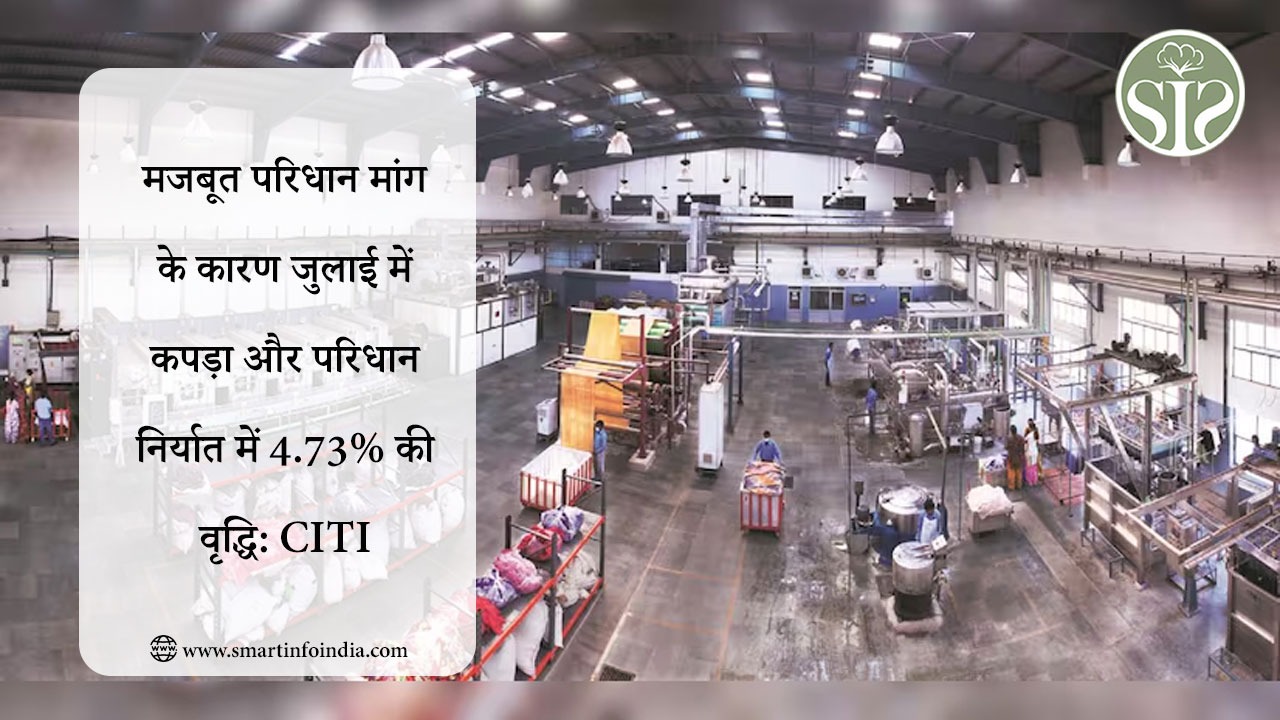
कपड़ों की उच्च मांग के कारण अगस्त में कपड़ा और परिधान निर्यात में 4.73% की वृद्धि हुई: CITIभारतीय कपड़ा उद्योग परिसंघ (CITI) के अनुसार, जुलाई में भारत के कपड़ा और परिधान निर्यात में 4.73% की वृद्धि देखी गई, जो 2,937.56 मिलियन अमरीकी डॉलर तक पहुंच गई, जो मुख्य रूप से परिधान मांग में वृद्धि के कारण थी। जबकि कपड़ा निर्यात 1,660.36 मिलियन अमरीकी डॉलर पर स्थिर रहा, परिधान निर्यात 11.84% बढ़कर 1,277.20 मिलियन अमरीकी डॉलर हो गया, जबकि पिछले वर्ष इसी अवधि में यह 1,141.95 मिलियन अमरीकी डॉलर था।CITI के चेयरमैन राकेश मेहरा ने मजबूत प्रदर्शन पर प्रकाश डाला, उन्होंने कहा कि यह वृद्धि अमेरिका जैसे प्रमुख बाजारों में भारतीय परिधान की बढ़ती उपस्थिति के साथ-साथ यूरोपीय संघ और यूके को निर्यात में वृद्धि के कारण है। उद्योग भविष्य के निर्यात ऑर्डरों के बारे में आशावादी है, जिसे भारत-ऑस्ट्रेलिया आर्थिक सहयोग और व्यापार समझौता (ECTA) और भारत-यूएई व्यापक आर्थिक भागीदारी समझौता (CEPA) जैसे हाल के मुक्त व्यापार समझौतों (FTA) से बल मिला है।"इन FTA से हमारे निर्यात को उल्लेखनीय बढ़ावा मिलने की उम्मीद है। उद्योग इन अवसरों का लाभ उठाने के लिए रणनीतिक रूप से खुद को तैयार कर रहा है, जिससे वैश्विक वस्त्र और परिधान बाजार में भारत की निरंतर प्रमुखता सुनिश्चित हो सके," मेहरा ने कहा। और पढ़ें :- अगस्त के पहले पखवाड़े में 15% अधिक बारिश; मानसून दीर्घ अवधि औसत का 105% रहा
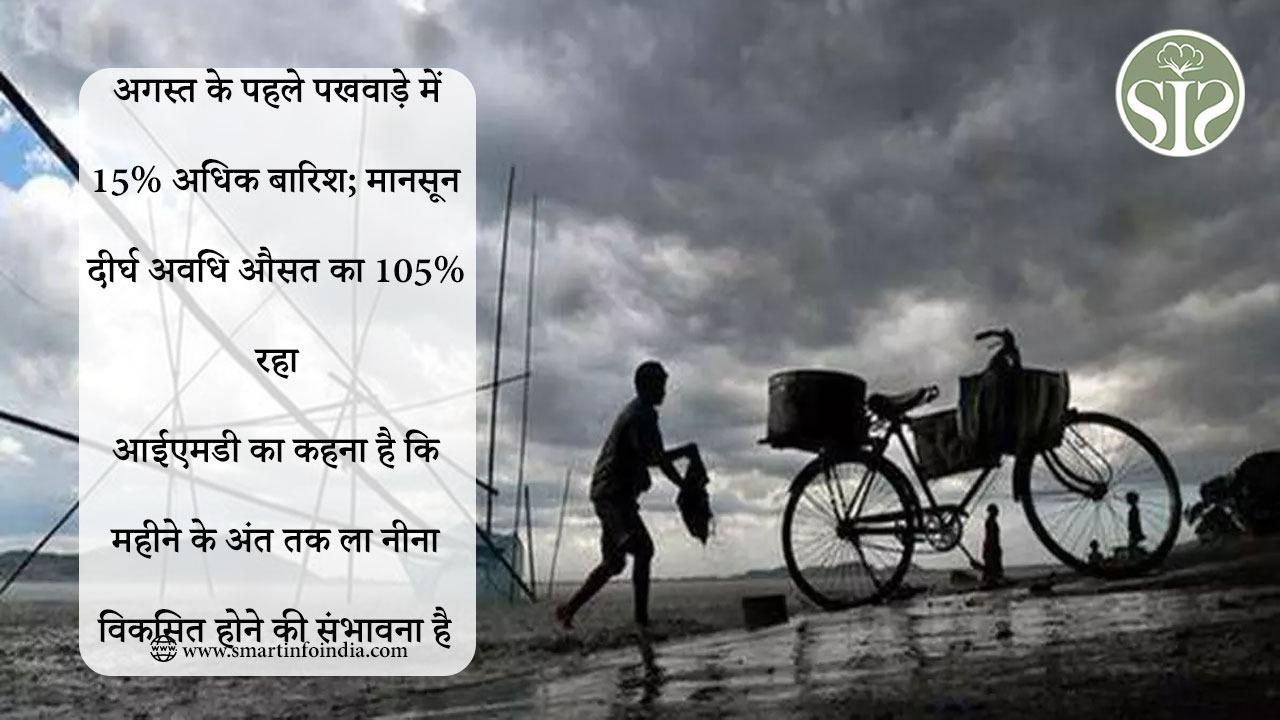
अगस्त के पहले आधे भाग में 15% अधिक वर्षा; मानसून दीर्घकालिक औसत से 105% अधिकआईएमडी का कहना है कि महीने के अंत तक ला नीना विकसित होने की संभावना हैभारत में अगस्त के पहले पखवाड़े (1-15 अगस्त) में 153 मिमी बारिश हुई, जो इस अवधि के लिए सामान्य 133.3 मिमी से 15% अधिक है। इस वृद्धि ने 1 जून से 15 अगस्त तक के मानसून सीजन के लिए समग्र मौसमी वर्षा को दीर्घ अवधि औसत (एलपीए) के 105% तक पहुंचा दिया है।सीजन की शुरुआत में, जून में 11% कम बारिश दर्ज की गई, जबकि जुलाई में 9% अधिक बारिश हुई। 1 जून से 15 अगस्त के बीच, देश में कुल 606.8 मिमी बारिश हुई, जो 579.1 मिमी के एलपीए से 4.8% अधिक है।भारतीय मौसम विभाग (IMD) ने पहले पूर्वानुमान लगाया था कि देश के अधिकांश भागों में अगस्त में बारिश "सामान्य" (LPA का 94 से 106%) होगी। हालांकि, मध्य भारत के दक्षिणी भागों, उत्तरी प्रायद्वीपीय क्षेत्र, पूर्वोत्तर भारत के कुछ हिस्सों और उत्तर-पश्चिम और दक्षिण प्रायद्वीपीय भारत के कुछ क्षेत्रों सहित कई क्षेत्रों में सामान्य से कम बारिश का पूर्वानुमान लगाया गया था।क्षेत्रीय वर्षा पैटर्ननवीनतम डेटा से पता चलता है कि पश्चिम बंगाल, बिहार, झारखंड और पूर्वोत्तर राज्यों सहित पूर्वी और पूर्वोत्तर क्षेत्रों में अगस्त के पहले पखवाड़े में 198.6 मिमी बारिश हुई, जो कि LPA 163.6 मिमी से 21.4% अधिक है।उत्तर-पश्चिमी क्षेत्र में, जिसमें पंजाब, हरियाणा, राजस्थान, उत्तर प्रदेश, उत्तराखंड, हिमाचल प्रदेश और जम्मू और कश्मीर शामिल हैं, कुल 154.6 मिमी बारिश हुई - जो कि इसी अवधि के लिए सामान्य 106.8 मिमी से 44.8% अधिक है।गुजरात, महाराष्ट्र, मध्य प्रदेश, छत्तीसगढ़, ओडिशा और गोवा को शामिल करते हुए मध्य भारत में 160.9 मिमी बारिश दर्ज की गई, जो 163.4 मिमी के एलपीए से सिर्फ़ 1.5% कम है। इस बीच, केरल, तमिलनाडु, कर्नाटक, आंध्र प्रदेश और तेलंगाना सहित दक्षिणी प्रायद्वीप में 99.7 मिमी बारिश हुई, जो सामान्य 98.8 मिमी से 0.9% अधिक है।*कम वर्षा वाले क्षेत्रों में कमी*पिछले 15 दिनों में कम वर्षा वाले मौसम संबंधी उपखंडों की संख्या 9 से घटकर 6 हो गई है। 15 अगस्त तक, भारत के भौगोलिक क्षेत्र के 17% का प्रतिनिधित्व करने वाले इन 6 उपखंडों ने कम वर्षा की सूचना दी है। इसकी तुलना में, 31 जुलाई तक 25% क्षेत्र को कवर करने वाले 9 उपखंडों में कम वर्षा हुई थी। बिहार, पंजाब, हिमाचल प्रदेश, जम्मू और कश्मीर और पूर्वोत्तर राज्यों के कुछ हिस्सों में अब तक कम वर्षा हुई है।*सक्रिय मानसून की स्थिति और मौसम की घटनाएँ*IMD ने 15 अगस्त को समाप्त सप्ताह के दौरान उत्तर-पश्चिम और मध्य भारत के अधिकांश हिस्सों में सक्रिय मानसून की स्थिति की सूचना दी। उल्लेखनीय मौसम की घटनाओं में 11 अगस्त को पूर्वी राजस्थान के करौली (38 सेमी) में असाधारण रूप से भारी वर्षा, 11-12 अगस्त को पूर्वी राजस्थान में अत्यधिक भारी वर्षा और 9-11 अगस्त को हिमाचल प्रदेश में, 11 और 14 अगस्त को पंजाब में और 9-12 अगस्त को हरियाणा में बहुत भारी वर्षा शामिल है।यह मौसम गतिविधि मुख्य रूप से उत्तर-पूर्व राजस्थान पर लगातार चक्रवाती परिसंचरण के कारण थी, साथ ही अरब सागर से उत्तर-पश्चिम भारत में आने वाली नमी से भरी दक्षिणी और दक्षिण-पश्चिमी हवाओं के कारण थी।*ENSO-तटस्थ स्थितियाँ और ला नीना आउटलुक*IMD ने नोट किया कि वर्तमान में भूमध्यरेखीय प्रशांत क्षेत्र में तटस्थ एल नीनो-दक्षिणी दोलन (ENSO) स्थितियाँ व्याप्त हैं, तथा मानसून मिशन जलवायु पूर्वानुमान प्रणाली (MMCFS) के पूर्वानुमानों के अनुसार अगस्त के अंत में ला नीना विकसित होने की उम्मीद है।मैडेन-जूलियन दोलन (MJO), मानसून वर्षा को प्रभावित करने वाला एक अन्य वैश्विक मौसम पैटर्न, वर्तमान में 1 से अधिक आयाम के साथ चरण 1 में है। MJO के भूमध्यरेखीय हिंद महासागर और उससे सटे अरब सागर और बंगाल की खाड़ी में 20-21 अगस्त के आसपास संवहन को बढ़ाने की उम्मीद है।*कृषि सलाह*उत्तर प्रदेश, राजस्थान, मध्य प्रदेश, छत्तीसगढ़, पश्चिम बंगाल, ओडिशा, झारखंड, बिहार, पंजाब, हरियाणा, तमिलनाडु, केरल, कर्नाटक और रायलसीमा क्षेत्र के किसानों को सलाह दी गई है कि वे अपनी खेतों की फसलों और बागवानी फसलों से अतिरिक्त पानी निकाल दें।कुल मिलाकर, आईएमडी का पूर्वानुमान है कि 22 अगस्त तक उत्तर-पश्चिम और मध्य भारत के मैदानी इलाकों में सामान्य से अधिक तथा पश्चिमी हिमालयी क्षेत्र में सामान्य के करीब वर्षा होने की संभावना है।और पढ़ें :- भारत में अत्यधिक बारिश के कारण 33.9 मिलियन हेक्टेयर फसलें बर्बाद हुई, WEF की रिपोर्ट में खुलासा
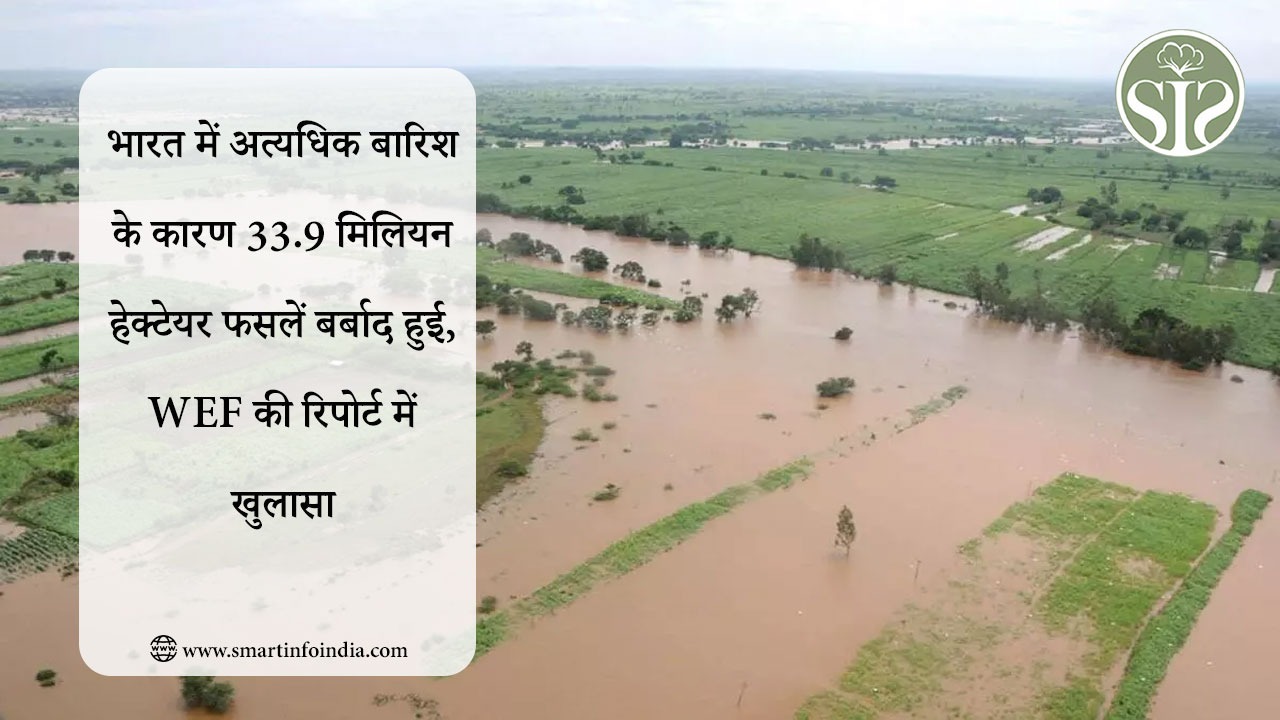
विश्व आर्थिक मंच की एक रिपोर्ट के अनुसार, अत्यधिक बारिश के परिणामस्वरूप भारत में 33.9 मिलियन हेक्टेयर फसल नष्ट हो गई।विश्व आर्थिक मंच (WEF) की एक नई रिपोर्ट के अनुसार, चरम जलवायु घटनाओं ने भारत के कृषि क्षेत्र को महत्वपूर्ण रूप से प्रभावित किया है। रिपोर्ट में बताया गया है कि 2015 से 2021 के बीच, भारत में अत्यधिक वर्षा के कारण 33.9 मिलियन हेक्टेयर और सूखे की स्थिति के कारण अतिरिक्त 35 मिलियन हेक्टेयर फसल का नुकसान हुआ।कृषि, जो भारत के सकल घरेलू उत्पाद का 15% हिस्सा है और लगभग 40% आबादी को रोजगार देती है, इन चरम जलवायु घटनाओं से गंभीर जोखिम का सामना करती है। WEF की रिपोर्ट, जिसका शीर्षक है "आय संरक्षण और प्रारंभिक चेतावनी प्रणाली: भारत कैसे जलवायु लचीलापन बना रहा है", जलवायु परिवर्तन से उत्पन्न होने वाली चुनौतियों को रेखांकित करती है, जिसमें गर्मी की लहरें, बाढ़ और भूकंप शामिल हैं।आर्थिक प्रभाव और बीमा अंतररिपोर्ट से पता चलता है कि अकेले 2021 में, कृषि सहित भारतीय क्षेत्रों को चरम जलवायु प्रभावों से काम के घंटों के नुकसान के कारण कुल 159 बिलियन डॉलर का आर्थिक नुकसान हुआ। यह अनुमान है कि 2030 तक, भारत में गर्मी के तनाव के कारण काम के घंटों में 5.8% की गिरावट देखी जा सकती है, जो 34 मिलियन पूर्णकालिक नौकरियों के बराबर है।इन चुनौतियों के बावजूद, एक महत्वपूर्ण बीमा कवरेज अंतर है जो कई लोगों को चरम मौसम की घटनाओं और जलवायु परिवर्तन के खिलाफ अपनी आजीविका की रक्षा करने से रोकता है, WEF नोट करता है।सरकारी पहल और नवाचारफिनहाट के सह-संस्थापक और सीएफओ संदीप कटियार किसानों के बीच लचीलापन बढ़ाने की तत्काल आवश्यकता पर जोर देते हैं। उन्होंने कहा कि छोटे और सीमांत किसान, जिनके पास एक हेक्टेयर से कम जमीन है, कृषि में लगे लोगों का 86% हिस्सा बनाते हैं।भारत सरकार प्रधानमंत्री फसल बीमा योजना (PMFBY) और पुनर्गठित मौसम आधारित फसल बीमा योजना (RWBCIS) जैसे नीतिगत हस्तक्षेपों के साथ इस क्षेत्र में प्रगति कर रही है, जो फसलों और मौसम संबंधी जोखिमों दोनों के लिए बीमा प्रदान करती है।कमजोर आबादी पर ध्यान देंWEF की रिपोर्ट बताती है कि चरम मौसम कम आय वाले भारतीयों को असमान रूप से प्रभावित करता है, जिससे बीमा कवरेज का अंतर और बढ़ जाता है। हालाँकि, इन चुनौतियों का समाधान करने के लिए विशिष्ट भौगोलिक क्षेत्रों और क्षेत्रों के अनुरूप अभिनव मौसम आधारित बीमा उत्पाद विकसित किए जा रहे हैं।रिपोर्ट में जलवायु अस्थिरता के विरुद्ध किसानों की तन्यकता बढ़ाने के लिए कृषि और ग्रामीण सुरक्षा, प्रौद्योगिकी और बीमा (SARATHI) पहल के लिए सैंडबॉक्स की क्षमता पर प्रकाश डाला गया है। इसके अतिरिक्त, महिला जलवायु आघात बीमा और आजीविका पहल (WCS) की शुरूआत का उद्देश्य अत्यधिक गर्मी की लहरों के दौरान महिला बाहरी श्रमिकों के लिए आय प्रतिस्थापन प्रदान करना है।वैश्विक प्रतिकृति और भविष्य की चुनौतियाँWEF का सुझाव है कि भारत में सफल पहल वैश्विक स्तर पर कमजोर समुदायों के लिए मॉडल के रूप में काम कर सकती हैं। इसमें यह भी चेतावनी दी गई है कि यदि जलवायु-प्रेरित प्रवासन 2050 तक 45 मिलियन लोगों तक पहुँच जाता है, तो इससे कर राजस्व में कमी सहित महत्वपूर्ण आर्थिक परिणाम हो सकते हैं। कटियार जोखिमों को कम करने और कृषि क्षेत्र की लचीलापन को मजबूत करने के लिए वेयरहाउसिंग और लक्षित बीमा उत्पादों सहित व्यापक जोखिम प्रबंधन के महत्व को रेखांकित करते हैं।और पढ़ें :- पंजाब, हरियाणा और राजस्थान में रकबे में कमी के कारण कपास की कीमतों में उछाल

आज शाम को अमेरिकी डॉलर के मुकाबले रुपया 2 पैसे बढ़कर 83.95 पर बंद हुआ।कारोबार के अंत में, बीएसई सेंसेक्स 149.85 अंक या 0.10 फीसदी बढ़कर 79,105.88 के स्तर पर बंद हुआ। वहीं एनएसई का 50 शेयरों वाला इंडेक्स, निफ्टी 4.75 अंक या 0.02 फीसदी की मामूली बढ़त के साथ 24,143.75 के स्तर पर बंद हुआ।और पढ़ें :- पंजाब, हरियाणा और राजस्थान में रकबे में कमी के कारण कपास की कीमतों में उछाल

पंजाब, हरियाणा और राजस्थान में कपास की कीमतें बढ़ रही हैं क्योंकि रकबा घट रहा है।कपास की कीमतों में 1.07% की वृद्धि हुई है, जो ₹56,900 प्रति कैंडी तक पहुंच गई है, जो प्रमुख भारतीय राज्यों में कपास के रकबे में उल्लेखनीय कमी के कारण है। पंजाब, हरियाणा और राजस्थान में कपास की खेती पिछले साल के 16 लाख हेक्टेयर से घटकर 10.23 लाख हेक्टेयर रह गई है। विशेष रूप से, पंजाब का कपास रकबा 1980 और 1990 के दशक के 7.58 लाख हेक्टेयर से घटकर 97,000 हेक्टेयर रह गया है। राजस्थान और हरियाणा में भी कमी दर्ज की गई है, जहां अब कपास का रकबा क्रमशः 4.75 लाख हेक्टेयर और 4.50 लाख हेक्टेयर रह गया है।रकबे में कमी के साथ-साथ अमेरिका और ब्राजील जैसे प्रमुख वैश्विक कपास उत्पादकों से शिपमेंट में देरी भी हुई है, जिससे भारतीय कपास की मांग बढ़ गई है, खासकर पड़ोसी देशों की मिलों से।कपास की कीमतों में तेजी को कपास के बीजों की मजबूत कीमतों से भी समर्थन मिला है। हाल ही में हुई मानसूनी बारिश के बाद कर्नाटक, तेलंगाना और आंध्र प्रदेश जैसे दक्षिणी राज्यों में खरीफ 2024 सीजन के लिए बुवाई शुरू हो गई है। यूएसडीए के 2024/25 कपास अनुमानों के अनुसार, पिछले अनुमानों की तुलना में शुरुआती और अंतिम स्टॉक में वृद्धि की उम्मीद है।स्थिर घरेलू उत्पादन, खपत और निर्यात पूर्वानुमानों के बावजूद, नई फसल के कपास वायदा में कमी के कारण सीजन के औसत अपलैंड फार्म मूल्य को 4 सेंट घटाकर 70 सेंट प्रति पाउंड कर दिया गया है। अमेरिका में, अंतिम स्टॉक 400,000 गांठ बढ़कर 4.1 मिलियन गांठ होने की उम्मीद है। वैश्विक स्तर पर, 2024/25 कपास बैलेंस शीट शुरुआती स्टॉक, उत्पादन और खपत में वृद्धि का संकेत देती है, जिसमें दुनिया भर में अंतिम स्टॉक 83.5 मिलियन गांठ तक पहुंचने का अनुमान है, जो मई से 480,000 गांठ अधिक है।और पढ़ें :- सफेद मक्खी और गुलाबी सुंडी से कपास की फसल पर संकट

आज शाम को रुपया अमेरिकी डॉलर के मुकाबले अपरिवर्तित 83.97 पर बंद हुआ।बीएसई सेंसेक्स 692.89 अंक या 0.87 प्रतिशत गिरकर 78,956.03 पर बंद हुआ। दिन के कारोबार के दौरान यह 759.54 अंक या 0.95 प्रतिशत गिरकर 78,889.38 पर आ गया। एनएसई निफ्टी 208 अंक या 0.85 प्रतिशत गिरकर 24,139 पर आ गया।और पढ़ें :- सफेद मक्खी और गुलाबी सुंडी से कपास की फसल पर संकट
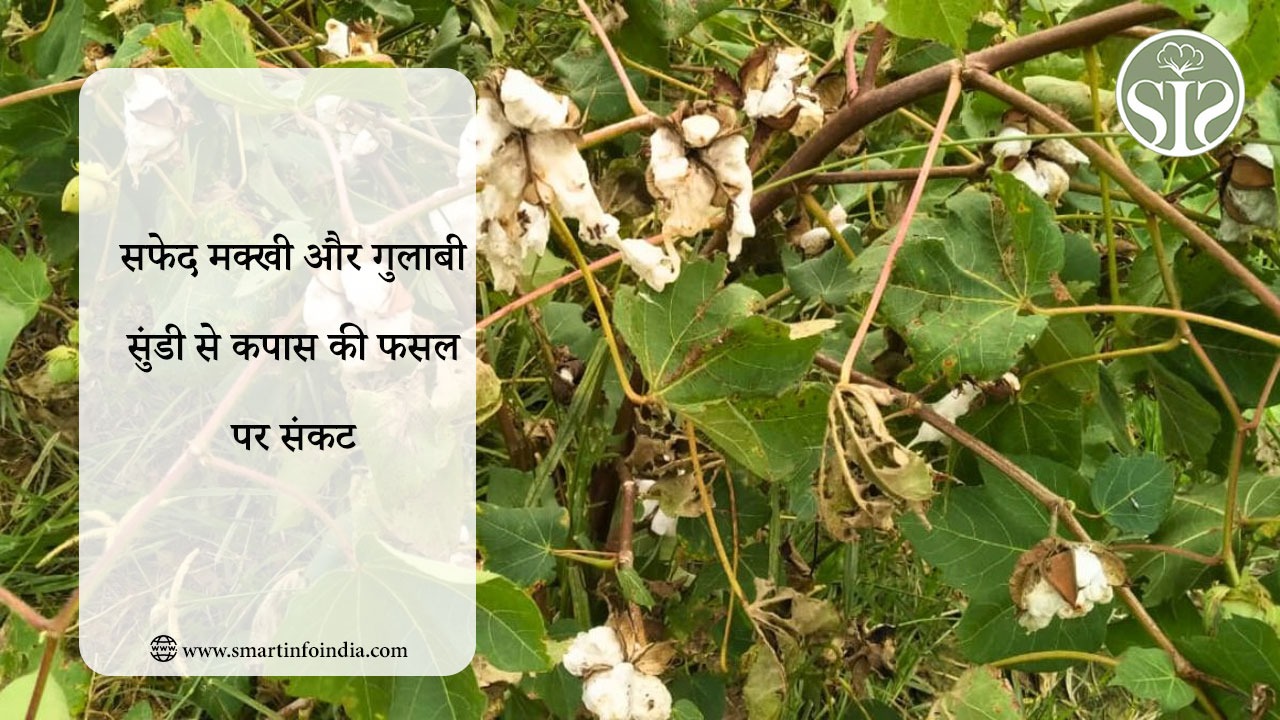
कपास की फसल गुलाबी इल्ली और सफेद मक्खी से प्रभावित है।हरियाणा और पंजाब में इस साल भी कपास की फसल को सफेद मक्खी और गुलाबी सुंडी के हमले का सामना करना पड़ रहा है। पिछले दो वर्षों की तरह इस बार भी इन कीटों ने फसल को नुकसान पहुँचाया है, जिससे किसानों को अपनी फसल को मिट्टी में मिलाने पर मजबूर होना पड़ा है। कुछ किसान जिनके पास पानी की सुविधा है, वे धान की पछेती किस्में लगा रहे हैं, जबकि अन्य किसानों ने अपने नुकसान को कम करने के लिए फसल उखाड़ना शुरू कर दिया है।हालांकि, पिछले वर्षों में गुलाबी सुंडी के हमले से कपास की फसल को भारी नुकसान हुआ था, इस बार भी ऐसा ही होने की आशंका है। फाजिल्का के कुछ गांवों में किसान अपनी फसलों को उखाड़ रहे हैं और चावल की वैरायटी लगाने की तैयारी कर रहे हैं। कृषि विभाग के अनुसार, संक्रमण के कुछ हॉटस्पॉट की पहचान की गई है, लेकिन अभी तक कीटों का हमला निर्धारित सीमा के भीतर है।पंजाब के कृषि विभाग के निदेशक जसवंत सिंह ने स्वीकार किया है कि किसानों द्वारा कपास की फसल को उखाड़ने की खबरें आई हैं। वे किसान जिन्होंने पीआर 126 किस्म की धान की पौध उपलब्ध की है, वे केवल आधी फसल ही उखाड़ रहे हैं। हरियाणा के किसानों को भी इस साल सफेद मक्खी और गुलाबी सुंडी के हमले का सामना करना पड़ रहा है। सतपाल भादू, जो 30 एकड़ में कपास उगाते हैं, ने केवल 10 एकड़ में कपास लगाया है और अब उनकी फसल पर कीटों का हमला हो रहा है। सुखबीर मांजू, जो फतेहाबाद के खजूरी-जाटी गांव के निवासी हैं, ने भी चावल की फसल को प्राथमिकता दी थी, लेकिन अब भी कपास की फसल पर कीटों का हमला हो गया है। इस स्थिति में, किसानों को भविष्य की फसल के लिए नई योजनाएं बनानी पड़ सकती हैं और सरकार से अधिक सहायता की उम्मीद है।और पढ़ें :-बांग्लादेश संकट घरेलू कपड़ा क्षेत्र के लिए विकास का अवसर प्रस्तुत करता है

आज शाम को रुपया अमेरिकी डॉलर के मुकाबले 1 पैसे की गिरावट के साथ 83.97 पर बंद हुआ।कारोबार के अंत में, बीएसई सेंसेक्स 56.98 अंक या 0.07 फीसदी की गिरावट के साथ 79,648.92 के स्तर पर बंद हुआ। वहीं एनएसई का 50 शेयरों वाला इंडेक्स, निफ्टी 20.50 अंक या 0.08 फीसदी फिसलकर 24,347.00 के स्तर पर बंद हुआ।और पढ़ें :- बांग्लादेश संकट घरेलू कपड़ा क्षेत्र के लिए विकास का अवसर प्रस्तुत करता है

बांग्लादेश का संकट घरेलू कपड़ा उद्योग को बढ़ने का मौका दे रहा हैलुधियाना: बांग्लादेश में चल रही राजनीतिक उथल-पुथल ने वैश्विक कपड़ा उद्योग के भीतर चिंताएँ बढ़ा दी हैं, लेकिन यह घरेलू कपड़ा क्षेत्र के लिए विकास का एक महत्वपूर्ण अवसर भी प्रस्तुत करता है।उद्योग के अंदरूनी लोगों का मानना है कि बांग्लादेश में आपूर्ति श्रृंखलाओं में व्यवधान, डिलीवरी में देरी और उत्पादन संबंधी कठिनाइयों के कारण अंतर्राष्ट्रीय खरीदार वैकल्पिक बाज़ार तलाश सकते हैं, जिससे घरेलू निर्माताओं को अपना बाज़ार हिस्सा बढ़ाने का मौक़ा मिलेगा।लुधियाना स्थित कपड़ा निर्माताओं को संभावित निर्यात के बारे में पहले से ही पूछताछ मिल रही है। हालाँकि, वे चेतावनी देते हैं कि यह वृद्धि अस्थायी हो सकती है, स्थिति स्थिर होने पर खरीदार बांग्लादेश वापस लौट सकते हैं।चीन के बाद दूसरे सबसे बड़े कपड़ा निर्यातक के रूप में, बांग्लादेश वैश्विक बाज़ार में एक प्रमुख खिलाड़ी रहा है, जिसने अपनी प्रतिस्पर्धी श्रम लागत और मज़बूत उत्पादन क्षमता के कारण कई बड़ी कंपनियों को आकर्षित किया है। मौजूदा अस्थिरता ने इन लाभों को बनाए रखने की इसकी क्षमता के बारे में चिंताएँ बढ़ा दी हैं।विशेषज्ञ चेतावनी देते हैं कि घरेलू कपड़ा क्षेत्र के लिए संभावित लाभ संकट की अवधि पर निर्भर करते हैं। यदि बांग्लादेश में स्थिति जल्दी से ठीक हो जाती है, तो खरीदार और निर्माता उत्पादन को स्थानांतरित करने से जुड़ी लागतों को जोखिम में डालने के बजाय अपने मौजूदा संबंधों को बनाए रखना चुन सकते हैं।ऑल इंडस्ट्रीज एंड ट्रेड फोरम के अध्यक्ष बदीश जिंदल ने टिप्पणी की, "बांग्लादेश में संकट ने खरीदारों, निर्माताओं और निवेशकों के बीच अनिश्चितता पैदा कर दी है, जिससे उन्हें विकल्पों पर विचार करने के लिए प्रेरित किया है। यह घरेलू कपड़ा क्षेत्र के लिए एक महत्वपूर्ण अवसर प्रस्तुत करता है।"हालांकि, जिंदल ने कहा कि यह अवसर तभी पर्याप्त होगा जब संकट बना रहेगा। अल्पकालिक व्यवधानों से दीर्घकालिक खरीद पैटर्न में बदलाव की संभावना नहीं है। अशांति का समय महत्वपूर्ण है, जो क्रिसमस की खरीदारी के मौसम से मेल खाता है, जो कपड़ा और परिधान उद्योगों के लिए एक महत्वपूर्ण अवधि है। इस समय के दौरान महत्वपूर्ण व्यवधान खरीदारों को संभावित नुकसान से बचने के लिए अन्य आपूर्तिकर्ताओं की तलाश करने के लिए मजबूर कर सकते हैं।जिंदल ने कहा, "यह तात्कालिकता खरीदारों को एक व्यवहार्य विकल्प के रूप में घरेलू बाजार का पता लगाने के लिए प्रेरित कर सकती है। इसके अतिरिक्त, राजनीतिक स्थिति के कारण बांग्लादेश में नए निवेश रुक सकते हैं, जिससे भारत के लिए और अवसर पैदा होंगे।"निटवियर क्लब के अध्यक्ष विनोद थापर ने स्वीकार किया, "हम पहले से ही निर्यात संबंधी पूछताछ देख रहे हैं। हालांकि, यह एक अस्थायी लाभ होने की संभावना है, क्योंकि स्थिति सामान्य होने पर खरीदार अपने मूल आपूर्तिकर्ताओं के पास लौट जाएंगे।"और पढ़ें :>कृषि उत्पादकता: कपास, सोयाबीन की उत्पादकता बढ़ेगी

शुरुआती कारोबार में अमेरिकी डॉलर के मुकाबले रुपया 83.95 पर स्थिर रहाशेयर बाजार लाइव अपडेट: सेंसेक्स 500 अंक गिरा, निफ्टी 24,300 से नीचे; अदानी समूह के शेयरों में 7% तक की गिरावटसोमवार को सेंसेक्स और निफ्टी में गिरावट दर्ज की गई, क्योंकि अमेरिकी शॉर्ट-सेलर हिंडनबर्ग रिसर्च ने देश के बाजार नियामक के प्रमुख पर अदानी समूह से जुड़े ऑफशोर फंड में निवेश करने का आरोप लगाया था।और पढ़ें :>बांग्लादेश के कपड़ा उद्योग में अशांति के कारण कर्नाटक अवसर की तलाश में

आज शाम रुपया अमेरिकी डॉलर के मुकाबले 83.96 पर स्थिर रहा।कारोबार के अंत में, बीएसई सेंसेक्स 819.69 अंक या 1.04 फीसदी की तेजी के साथ 79,705.91 के स्तर पर बंद हुआ। वहीं एनएसई का 50 शेयरों वाला इंडेक्स, निफ्टी 250.50 अंक या 1.04 फीसदी बढ़कर 24,367.50 के स्तर पर बंद हुआ।और पढ़ें :- बांग्लादेश के कपड़ा उद्योग में अशांति के कारण कर्नाटक अवसर की तलाश में

Rupee drops 4 paisas against the US dollar to close at 83.95.The Indian Rupee closed lower against the US dollar on Thursday, pressured by importer dollar demand and foreign fund outflows. However, domestic equities and lower crude prices offered some support.Sensex Rises 147 pts, Nifty Above 24,800 on Global TrendRising for the third straight day, the 30-share BSE Sensex rose 147.89 points or 0.18 per cent to close at 81,053.19, registering gains for the third day in a row.read more :- Rupee fell 4 paise to 83.94 against the US dollar in early trade

In early trade, the rupee dropped 4 paise to 83.94 against the US dollar.Now talking about equity benchmark indices, the BSE Sensex is currently at 81,158.67 with a gain of 253.37 points i.e. 0.31 percent and the Nifty 50 is at 24,848.40 with a jump of 78.20 points i.e. 0.32 percent. One trading day earlier, the Sensex closed at 80,905.30 and the Nifty at 24,770.20.Read more :- Uneven Monsoon Disrupts Kharif Crops and Agricultural Production

Rupee falls 14 paise versus the US dollar to 83.91.The Indian rupee nosedived 14 paise to 83.91 against the US dollar on Wednesday amid unabated outflow of foreign capital and volatile domestic equity markets.Sensex up 102 pts, Nifty above 24,750 closeIndian benchmark indices ended higher in the volatile session on August 21. At close, the Sensex was up 102.44 points or 0.13 percent at 80,905.30, and the Nifty was up 71.37 points or 0.29 percent at 24,770.20.read more :- Uneven Monsoon Disrupts Kharif Crops and Agricultural Production
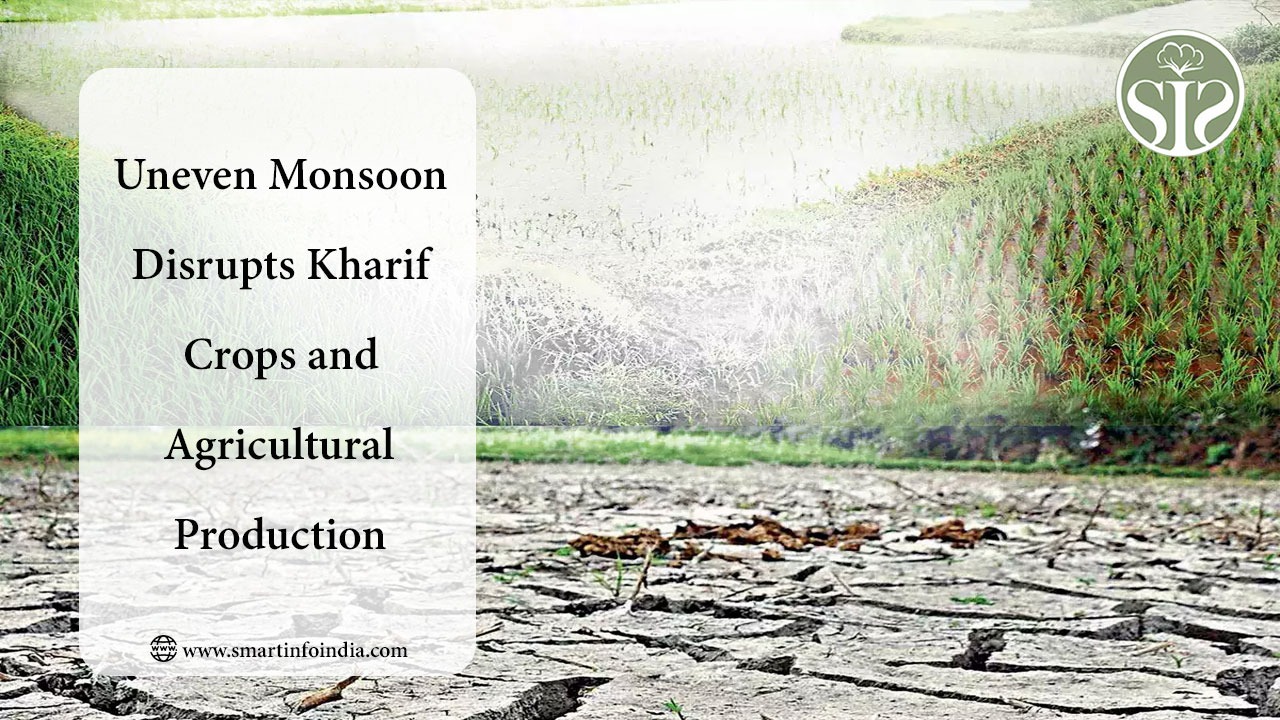
Kharif Crops and Agricultural Production Are Affected by an Unequal MonsoonUneven monsoon rainfall this year is disrupting production of key kharif crops such as rice,cotton, pulses, and horticultural produce. As of August 19, the southwest monsoon has brought 7.3% excess rainfall overall, but its distribution remains uneven, with 30% of India’s 725 districts experiencing rainfall deficiencies and about 10% seeing large excesses.Experts warn that this skewed distribution could harm already-sown crops, particularly pulses, exacerbating inflation concerns. Rainfall deficiencies in irrigated areas like Punjab are expected to increase farming costs. Coffee and spice growers in the south also report significant damage from high temperatures followed by heavy rains and landslides.Key regions such as Jammu and Kashmir, Punjab, Himachal Pradesh, and parts of Uttar Pradesh and Bihar face significant rainfall shortfalls, while Maharashtra, Rajasthan, Karnataka, and Andhra Pradesh have received more than usual rainfall. Despite this, kharif crop sowing has been completed over 103.1 million hectares, surpassing last year’s acreage.The India Meteorological Department forecasts above-normal rainfall for the remainder of the monsoon season, raising concerns that excessive wetness could further impact kharif crops.READ MORE :- Uzbekistan and Poland Explore Textile Sector Cooperation

Poland and Uzbekistan Examine Cooperation in the Textile SectorUzbekistan recently engaged in discussions with Poland to enhance textile exports to the country and explore the integration of modern Polish technologies into Uzbek industries.A delegation from Uzbekistan, comprising representatives from the Ministry of Investments, Industry, and Trade along with textile company officials, visited Poland to strengthen economic ties between the two nations.During their visit, the delegation toured the GD Poland International wholesale trade complex near Warsaw, where they met with Felix Wang, the complex's president, and Janusz Piechocinski, president of the Poland-Asia Chamber of Commerce. Both parties agreed to open a store for Uzbek textiles and footwear within the complex, offering special discounts and rental benefits to the Uzbek side.The delegation also visited the Union of Polish Weavers and several major companies, including yarn manufacturer Legs, Przedsiebiorstwa Produkcyjno Handlowo Uslugowego (PPHU), and Jola Styl, as reported by Uzbek media.In a joint business forum, discussions centered on the potential relocation of Bangladesh’s Rusinagency and Ukraine’s Arlen Textile Group to Uzbekistan, along with the implementation of innovative technologies to modernize Uzbekistan’s light industry.Uzbek textile enterprises such as Uztex Group, Aisha Home Textile, Korajon Textile, and Parvoz Humo Ravnaq Trans signed agreements with Poland-based companies Rusinagency, Arlen Textile Group, Legs, PPHU, Jola Styl, SWP, Ptak, and Colorinvest for the supply of yarn, gauze, knitwear, underwear, and home textiles to Poland.read more :- Textile and Chemical Exports to Bangladesh Resume After Brief Halt

After a brief pause, Bangladesh resumes exporting chemicals and textiles.Ahmedabad: With the political situation in Bangladesh stabilizing, exports of textiles and chemicals from Gujarat are beginning to return to normal, industry experts report. Fresh orders for cotton yarns and dye chemicals have started flowing in from Bangladesh, a key export market for Gujarat’s textile and chemical industries.According to industry sources, while payment issues have improved over the past week, exporters remain cautious in their business dealings.For India’s spinning sector, Bangladesh is the largest export market, accounting for 428 million kg of cotton yarn in 2023-24, which made up 35% of India’s total yarn exports.In the dyes sector, Gujarat exports over 3,500 tonnes of reactive dyes to Bangladesh each month. Given that garment manufacturing is a critical component of Bangladesh’s economy, the country cannot afford to lose these imports.Bharat Chhajer, former chairman of the Powerloom Development and Export Promotion Council (PDEXCIL), noted, “The textile industry in Bangladesh has resumed operations, and the situation is becoming stable. Exports had been halted due to the violence in Bangladesh, with cotton yarn containers held up at various Indian ports.”Exporters are closely monitoring the situation in Bangladesh and taking necessary precautions to ensure safe business transactions.Jayesh Patel, senior vice-president of the Spinners’ Association Gujarat (SAG), commented, “Exports to Bangladesh have resumed, and inquiries are picking up, but the overall costs are still not aligning with manufacturing costs.”The textile and chemical industries in Gujarat had been facing challenges since the Covid-19 pandemic. Although both sectors have seen a revival in the current financial year, the political unrest in Bangladesh had raised concerns.Manish Kiri, managing director of a chemical company, explained, “Gujarat’s dyestuff manufacturers supply 3,500 to 4,000 tonnes of dyes, primarily reactive dyes, to Bangladesh every month, representing nearly 15% of the state’s dye exports.”Approximately 150 businesses in Ahmedabad are involved in exporting reactive dyes to Bangladesh.“We’ve observed that the business environment is stabilizing sooner than anticipated. Payment situations have improved, and new inquiries and orders are beginning to come in,” Kiri added.read more :- Farmers in Punjab disillusioned with cotton, interest increased towards paddy cultivation, area reduced by three times
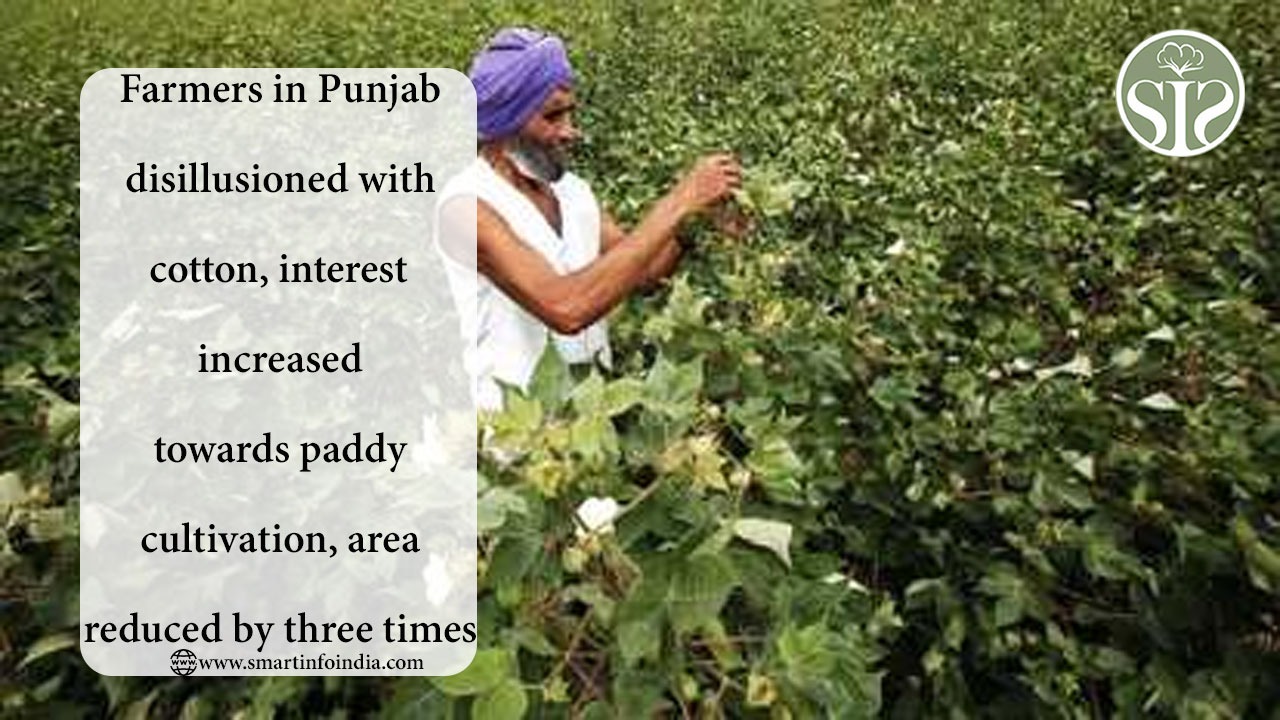
Punjabi farmers lost faith in cotton, became more interested in paddy farming, and saw a threefold decrease in areaIn the current season, the area of cotton crop, which gives the highest income to the farmers, has come down to only 94,000 hectares in Punjab. In 2019, this area was 3.35 lakh hectares. In the last three to four years, farmers got bumper yield of cotton, and in 2022, the price of cotton went above Rs 10,000 per quintal. But this time the reason for the huge decline in the area of cotton was pests like bollworm and whitefly. In 2023, due to the outbreak of pink caterpillar, farmers could not even get half the production, and for many farmers it became difficult to even recover the cost.Increased interest in paddy cultivationThe reduction in cotton acreage has raised concerns among agriculture department officials that if appropriate steps are not taken in this direction, farmers may completely abandon cotton cultivation in the coming times and get attracted towards paddy. Paddy cultivation requires more water, which can lead to increased exploitation of groundwater level, which can create a serious crisis for the environment.Farmers destroying cotton cropIn many villages of Mansa, Bathinda and Fazilka districts, farmers have destroyed cotton crop and started sowing PR 126 paddy variety, which gets ripe in 110 days. An official of the state agriculture department said that the cost of pesticides to farmers to deal with pests like bollworm and whitefly increases, making cotton cultivation economically unviable. Although the income in cotton crop is high, paddy cultivation gives a fixed income.Need for better seedsPAU Vice Chancellor Dr SS Gosal said that to increase cotton acreage and ensure good harvest for farmers, they need better seeds. This is necessary to keep farmers away from paddy cultivation in cotton growing areas of south and west Punjab. According to KP Singh, Principal Special Principal Secretary, Agriculture Department, the Union Ministry of Agriculture and Farmers Welfare has been apprised of the situation, and the Punjab government is creating awareness among farmers to focus on low water consuming farming.Read more :- Minister S. Savitha Says Andhra Pradesh Government to Introduce Enhanced Textile Policy Soon

In early trade, the rupee dropped 4 paise to 83.81 against the US dollarNow talking about equity benchmark indices, BSE Sensex is currently trading at 80736.53 with a slippage of 66.33 points i.e. 0.08 percent and Nifty 50 is at 24672.40 with a marginal decline of 26.45 points i.e. 0.11 percent. One trading day earlier, Sensex closed at 80,802.86 and Nifty at 24,698.85.

Andhra Pradesh to soon launch enhanced textile policy: Minister SavithaAmaravati: The Andhra Pradesh government is set to introduce a new and enhanced textile policy aimed at strengthening the state’s textiles, apparel, and garment manufacturing sectors, according to Minister for Backward Classes Welfare and Handlooms & Textiles, S. Savitha.Speaking to investors via videoconference from the Secretariat on Monday, the Minister said the government is focused on developing essential infrastructure, offering industry incentives, and ensuring faster clearances to attract investments in the sector.She noted that the earlier ‘Textile Policy 2018–23’, introduced by the TDP government, was later discontinued by the YSR Congress Party government, which created challenges for existing industries and led some investors to shift focus to other states. The upcoming policy, she said, will be a strengthened and updated version of the earlier framework, aligned with current industry requirements.Highlighting the state’s strong position in the textile sector, Ms. Savitha said Andhra Pradesh ranks second in silk production nationally, while also holding sixth and seventh positions in cotton and jute production respectively. The state currently has nine textile and apparel parks, including three in the public sector, along with 146 mega textile industries and 15 technical textile units.She further encouraged investors to explore opportunities in agro-textiles, geo-textiles, and automotive textiles, stressing the state’s potential to emerge as a key manufacturing hub.Ms. Savitha assured full government support for companies establishing operations in Andhra Pradesh, emphasizing a business-friendly environment and policy-driven growth. Principal Secretary (Handlooms & Textiles) K. Sunitha, Joint Director Srikanth Prabhakar, and other senior officials were also present at the meeting.

In early trade, the rupee gained 2 paise to 83.85 against the US dollarNow talking about equity benchmark indices, the BSE Sensex is currently at 80,581.70 with a gain of 157.02 points i.e. 0.20 percent and Nifty 50 is at 24,624.90 with a gain of 52.25 points i.e. 0.21 percent. One trading day earlier, the Sensex closed at 80,424.68 and the Nifty at 24,572.65.

The rupee gained 1 paisa versus the US dollar this evening, closing at Rs 83.94At the end of trading, the Sensex closed at 80,436.84 with a gain of 1330.96 points or 1.68 percent. The Nifty closed at 24,541.15 with a gain of 397.40 points or 1.65 percent.Read More :- Textile and Apparel Exports Rise 4.73% in July on Strong Apparel Demand: CITI

August Textile and Apparel Exports Increase 4.73% Due to High Demand for Clothes: CITIIndia's textiles and apparel exports saw a 4.73% increase in July, reaching USD 2,937.56 million, largely driven by a surge in apparel demand, according to the Confederation of Indian Textile Industry (CITI). While textile exports remained stable at USD 1,660.36 million, apparel exports jumped by 11.84% to USD 1,277.20 million, compared to USD 1,141.95 million in the same period last year.CITI Chairman Rakesh Mehra highlighted the strong performance, noting that the growth is due to the expanding presence of Indian apparel in key markets like the US, as well as increased exports to the European Union and the UK. The industry is optimistic about future export orders, buoyed by recent Free Trade Agreements (FTAs) such as the India-Australia Economic Cooperation and Trade Agreement (ECTA) and the India-UAE Comprehensive Economic Partnership Agreement (CEPA).“These FTAs are expected to give our exports a significant boost. The industry is strategically positioning itself to seize these opportunities, ensuring India's continued prominence in the global textiles and apparel market," Mehra added.read more :- 15% Surplus Rain in First Half of August; Monsoon at 105% of Long Period Average
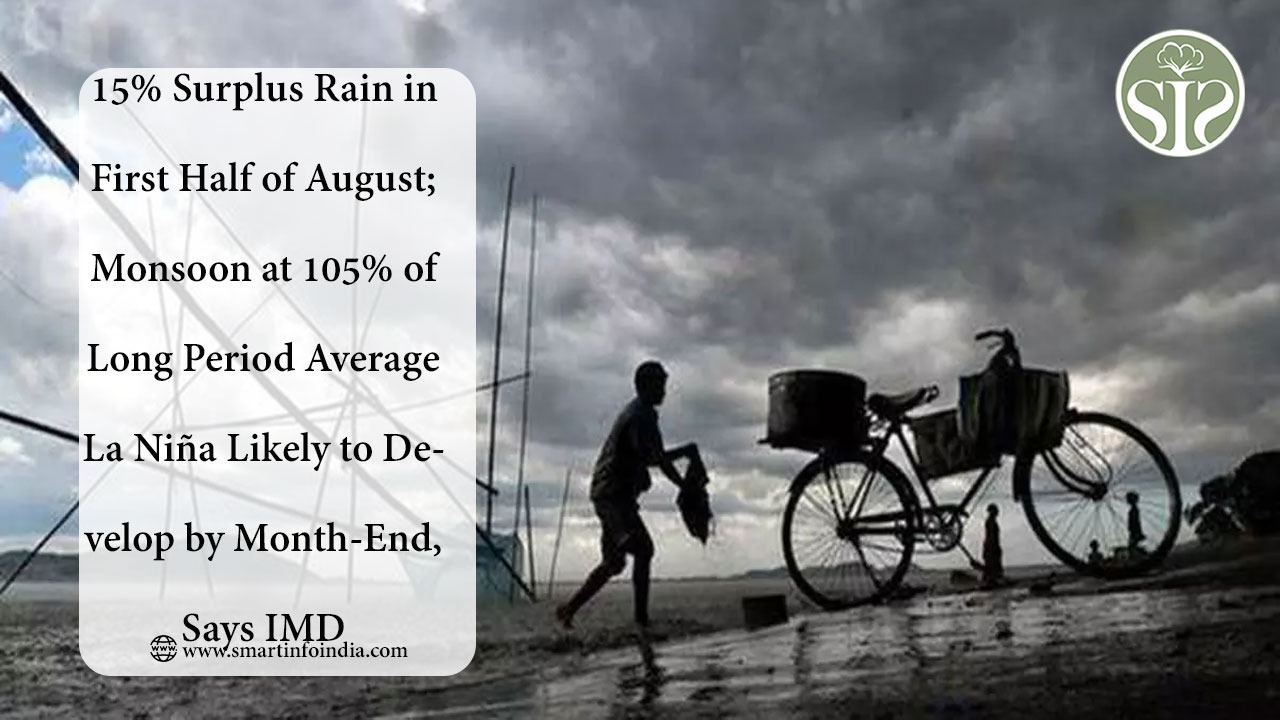
15% More Rainfall in August's First Half; Monsoon at 105% of Long-Term AverageLa Niña Likely to Develop by Month-End, Says IMDIndia experienced 153 mm of rainfall in the first half of August (August 1-15), which is 15% above the normal 133.3 mm for this period. This increase has pushed the overall seasonal rainfall to 105% of the long period average (LPA) for the monsoon season spanning June 1 to August 15.Earlier in the season, June recorded an 11% rainfall deficit, while July saw a 9% surplus. Between June 1 and August 15, the country received a total of 606.8 mm of rain, which is 4.8% above the LPA of 579.1 mm.The India Meteorological Department (IMD) had previously forecasted that August rainfall across most parts of the country would be "normal" (94 to 106% of LPA). However, below-normal rainfall was predicted for several regions, including southern parts of central India, the northern peninsular region, parts of northeast India, and some areas in northwest and south peninsular India.Regional Rainfall PatternsThe latest data reveals that the east and northeast regions, including West Bengal, Bihar, Jharkhand, and the northeastern states, received 198.6 mm of rainfall during the first half of August, which is 21.4% above the LPA of 163.6 mm.In the northwest region, which includes Punjab, Haryana, Rajasthan, Uttar Pradesh, Uttarakhand, Himachal Pradesh, and Jammu & Kashmir, rainfall totaled 154.6 mm—44.8% above the normal 106.8 mm for the same period.Central India, encompassing Gujarat, Maharashtra, Madhya Pradesh, Chhattisgarh, Odisha, and Goa, reported 160.9 mm of rainfall, just 1.5% below the LPA of 163.4 mm. Meanwhile, the southern peninsula, including Kerala, Tamil Nadu, Karnataka, Andhra Pradesh, and Telangana, received 99.7 mm of rainfall, which is 0.9% above the normal 98.8 mm.*Reduction in Deficient Rainfall Areas*The number of meteorological subdivisions with deficient rainfall has decreased from 9 to 6 over the past 15 days. As of August 15, these 6 subdivisions, representing 17% of India’s geographical area, have reported deficient rainfall. In comparison, 9 subdivisions, covering 25% of the area, were deficient as of July 31. Regions like Bihar, Punjab, Himachal Pradesh, Jammu & Kashmir, and parts of the northeastern states have experienced deficient rainfall so far.*Active Monsoon Conditions and Weather Events*The IMD reported active monsoon conditions across most parts of northwest and central India during the week ending August 15. Notable weather events included exceptionally heavy rainfall in Karauli (38 cm) in east Rajasthan on August 11, extremely heavy rainfall in east Rajasthan on August 11-12, and very heavy rainfall in Himachal Pradesh from August 9-11, Punjab on August 11 and 14, and Haryana from August 9-12.This weather activity was largely due to a persistent cyclonic circulation over northeast Rajasthan, coupled with moisture-laden southerly and south-westerly winds from the Arabian Sea moving into northwest India.*ENSO-Neutral Conditions and La Niña Outlook*The IMD noted that neutral El Niño-Southern Oscillation (ENSO) conditions currently prevail in the equatorial Pacific region, with La Niña expected to develop towards the end of August, according to forecasts from the Monsoon Mission Climate Forecasting System (MMCFS).The Madden-Julian Oscillation (MJO), another global weather pattern influencing monsoon rainfall, is currently in phase 1 with an amplitude greater than 1. The MJO is expected to enhance convection starting around August 20-21 over the equatorial Indian Ocean and adjoining Arabian Sea and Bay of Bengal.*Agricultural Advisory*Farmers in Uttar Pradesh, Rajasthan, Madhya Pradesh, Chhattisgarh, West Bengal, Odisha, Jharkhand, Bihar, Punjab, Haryana, Tamil Nadu, Kerala, Karnataka, and the Rayalaseema region have been advised to drain excess water from their field crops and horticultural crops.Overall, the IMD forecasts that rainfall is likely to be above normal over the plains of northwest and central India and near normal over the western Himalayan region until August 22.read more :- India Lost 33.9 Million Hectares of Crops Due to Excess Rains, WEF Report Reveals

According to a WEF report, India lost 33.9 million hectares of crops as a result of excessive rainsExtreme climate events have significantly impacted India’s agriculture sector, according to a new report by the World Economic Forum (WEF). The report highlights that between 2015 and 2021, India experienced crop losses amounting to 33.9 million hectares due to excessive rainfall and an additional 35 million hectares due to drought conditions.Agriculture, which constitutes 15% of India's GDP and employs approximately 40% of the population, faces severe risks from these extreme climate events. The WEF report, titled “Income Protection and Early Warning Systems: How India is Building Climate Resilience,” outlines the pressing challenges posed by climate change, including heat waves, floods, and earthquakes.Economic Impact and Insurance GapThe report reveals that in 2021 alone, Indian sectors, including agriculture, suffered economic losses totaling $159 billion due to lost working hours from extreme climate impacts. It projects that by 2030, India could see a 5.8% decline in working hours, equating to 34 million full-time jobs, due to heat stress.Despite these challenges, there is a significant insurance coverage gap that hinders many from protecting their livelihoods against extreme weather events and climate change, the WEF notes.Government Initiatives and InnovationsSandeep Katiyar, Co-Founder & CFO of Finhaat, emphasizes the urgent need to enhance resilience among farmers. He notes that small and marginal farmers, who hold less than one hectare of land, make up 86% of those engaged in agriculture.The Indian government is making strides in this area with policy interventions such as the Pradhan Mantri Fasal Bima Yojana (PMFBY) and the Restructured Weather-based Crop Insurance Scheme (RWBCIS), which provide insurance for both crops and weather-related risks.Focus on Vulnerable PopulationsThe WEF report points out that extreme weather disproportionately affects low-income Indians, exacerbating the insurance coverage gap. However, innovative weather-based insurance products tailored to specific geographies and sectors are being developed to address these challenges.The report highlights the potential of the Sandbox for Agricultural and Rural Security, Technology, and Insurance (SARATHI) initiative to enhance farmer resilience against climate volatility. Additionally, the introduction of the Women’s Climate Shock Insurance and Livelihoods initiative (WCS) aims to provide income replacement for female outdoor workers during extreme heat waves.Global Replication and Future ChallengesThe WEF suggests that successful initiatives in India could serve as models for vulnerable communities globally. It also warns that if climate-induced migration reaches 45 million people by 2050, it could lead to significant economic repercussions, including reduced tax revenues.Katiyar underscores the importance of comprehensive risk management, including warehousing and targeted insurance products, to mitigate risks and strengthen the agricultural sector’s resilience.READ MORE :- Cotton prices Surge as Acreage Declines in Punjab, Haryana, and Rajasthan

This evening, the rupee appreciated by 2 paise to settle at 83.95 against the US dollar.At the close of trading, the BSE Sensex rose 149.85 points or 0.10 per cent to close at 79,105.88. The NSE's 50-share index, Nifty, rose marginally by 4.75 points or 0.02 per cent to close at 24,143.75.read more :- Cotton prices Surge as Acreage Declines in Punjab, Haryana, and Rajasthan
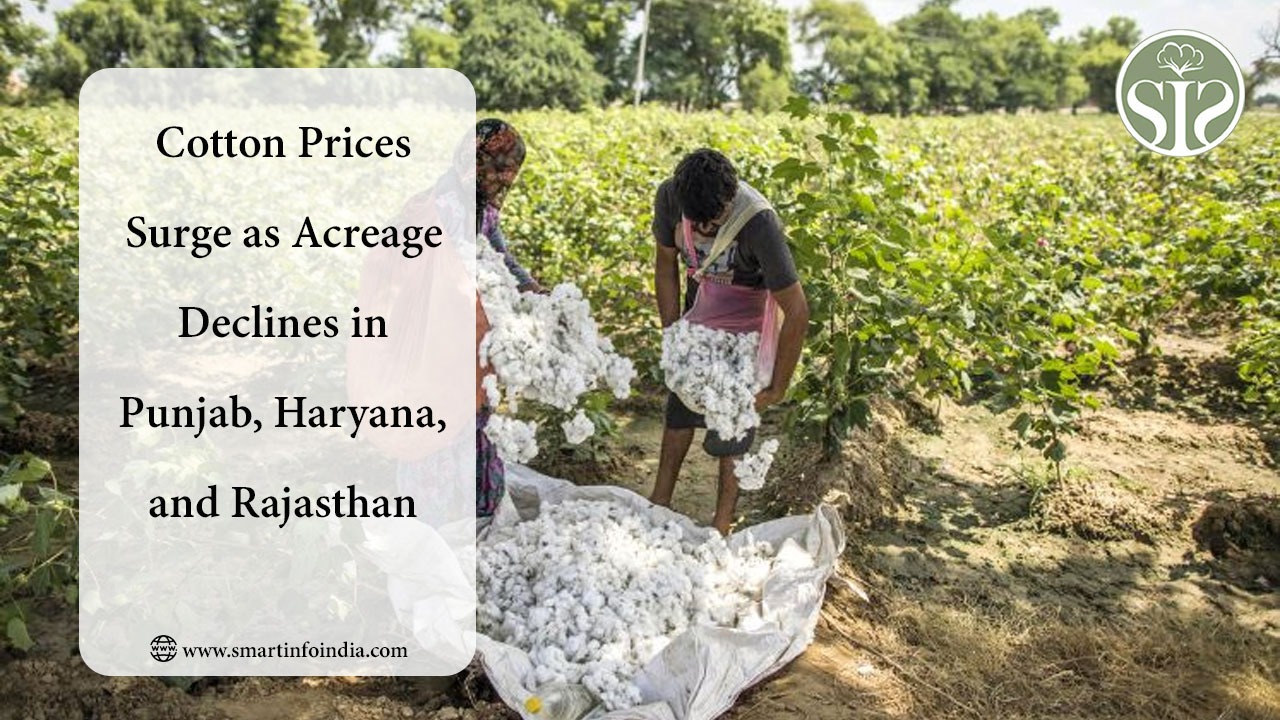
Prices for cotton rise in Punjab, Haryana, and Rajasthan as acreage declines.Cotton prices have increased by 1.07%, reaching ₹56,900 per candy, driven by significant reductions in cotton acreage across major Indian states. Punjab, Haryana, and Rajasthan have seen their cotton cultivation fall to 10.23 lakh hectares from 16 lakh hectares last year. Specifically, Punjab's cotton area has plummeted to 97,000 hectares, a sharp decline from 7.58 lakh hectares in the 1980s and 1990s. Rajasthan and Haryana also reported reductions, with their cotton acreage now at 4.75 lakh hectares and 4.50 lakh hectares, respectively.The decrease in acreage is coupled with delays in shipments from major global cotton producers like the US and Brazil, heightening demand for Indian cotton, particularly from mills in neighboring countries.The rise in cotton prices is further supported by firm cottonseed prices. Sowing for the Kharif 2024 season has commenced in southern states such as Karnataka, Telangana, and Andhra Pradesh, following recent monsoon rains. According to the USDA’s 2024/25 cotton projections, higher beginning and ending stocks are anticipated compared to previous estimates.Despite stable domestic production, consumption, and export forecasts, the season average upland farm price has been revised down by 4 cents to 70 cents per pound due to lower new-crop cotton futures. In the US, ending stocks are expected to rise by 400,000 bales to 4.1 million bales. Globally, the 2024/25 cotton balance sheet indicates increases in beginning stocks, production, and consumption, with world-ending stocks projected to reach 83.5 million bales, up by 480,000 bales from May.read more :- White fly and pink bollworm infest cotton crop

This evening, the rupee ended the day at 83.97 against the US dollar, unchangedThe BSE Sensex fell 692.89 points or 0.87 per cent to close at 78,956.03. During the day's trading, it fell 759.54 points or 0.95 per cent to 78,889.38. The NSE Nifty fell 208 points or 0.85 per cent to 24,139.Read More :- White fly and pink bollworm infest cotton crop
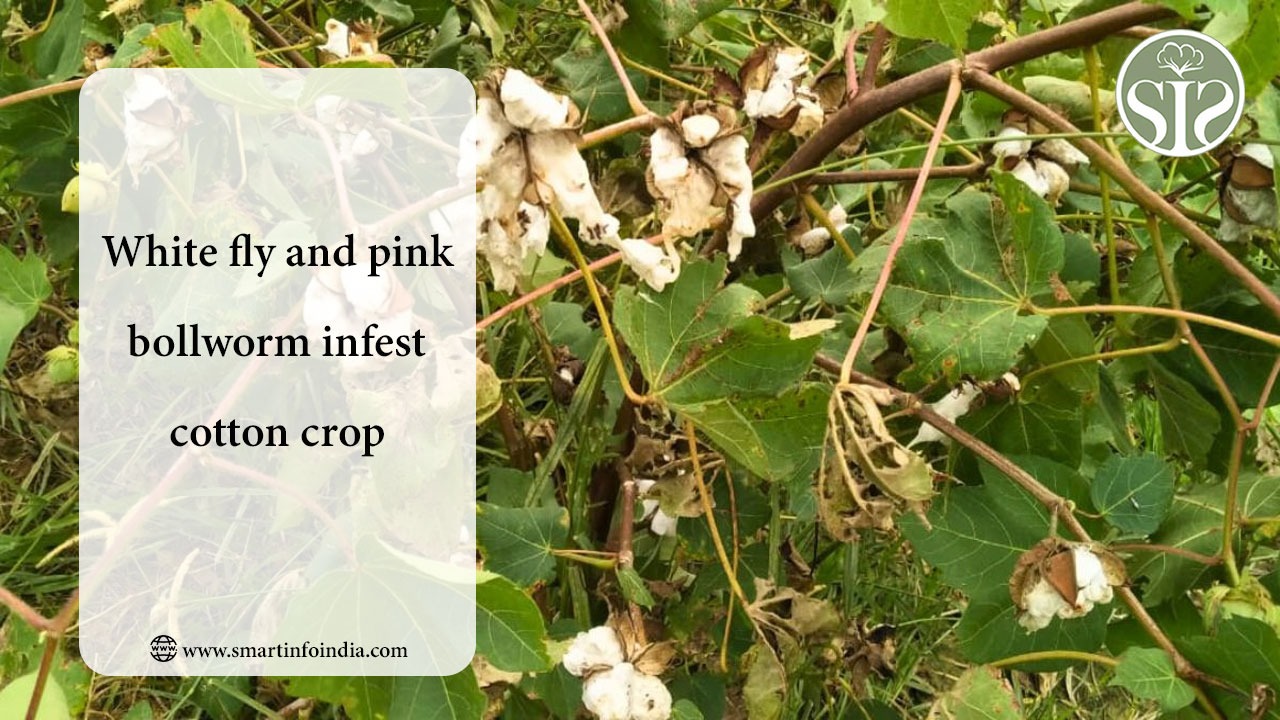
Cotton crop is infested by pink bollworm and white fly.This year too, cotton crop in Haryana and Punjab is facing the attack of white fly and pink bollworm. Like the last two years, this time too these pests have damaged the crop, forcing farmers to till their crops. Some farmers who have access to water are planting late varieties of paddy, while other farmers have started uprooting the crop to minimize their losses.However, in the previous years, the cotton crop had suffered heavy losses due to pink bollworm attack, the same is expected to happen this time too. In some villages of Fazilka, farmers are uprooting their crops and preparing to plant rice variety. According to the agriculture department, some hotspots of infection have been identified, but so far the attack of pests is within the prescribed limit.Jaswant Singh, director of agriculture department of Punjab, has admitted that there have been reports of farmers uprooting cotton crop. Farmers who have provided PR 126 variety of paddy seedlings are only able to uproot half of the crop.Haryana farmers are also facing the attack of white fly and pink bollworm this year. Satpal Bhadu, who grows cotton in 30 acres, has planted cotton in only 10 acres and now his crop is being attacked by pests. Sukhbir Manju, a resident of Khajuri-Jaati village in Fatehabad, had also given priority to rice crop, but now even the cotton crop has been attacked by pests.In this situation, farmers may have to make new plans for future crops and hope for more assistance from the government. READ MORE :- Bangladesh Crisis Presents Growth Opportunity for Domestic Textile Sector

This evening, the rupee ended the day 1 paisa down against the US dollar, at 83.97At the close of trading, the BSE Sensex fell 56.98 points or 0.07 per cent to close at 79,648.92. The NSE's 50-share index, the Nifty, slipped 20.50 points or 0.08 per cent to close at 24,347.00.READ MORE :- Bangladesh Crisis Presents Growth Opportunity for Domestic Textile Sector

Bangladesh's Crisis Offers the Domestic Textile Industry a Chance to GrowLudhiana: The ongoing political turmoil in Bangladesh has raised concerns within the global textile industry, but it also presents a significant growth opportunity for the domestic textile sector.Industry insiders believe that disruptions in supply chains, delivery delays, and production difficulties in Bangladesh could lead international buyers to explore alternative markets, providing a chance for domestic manufacturers to increase their market share.Ludhiana-based textile manufacturers are already receiving inquiries about potential exports. However, they caution that this growth may be temporary, with buyers likely to return to Bangladesh once the situation stabilizes.As the second-largest textile exporter after China, Bangladesh has been a key player in the global market, attracting many large companies due to its competitive labor costs and strong production capacity. The current instability has raised concerns about its ability to sustain these advantages.Experts warn that the potential benefits for the domestic textile sector depend on the crisis's duration. If the situation in Bangladesh resolves quickly, buyers and manufacturers may choose to maintain their existing relationships rather than risk the costs associated with relocating production.Badish Jindal, president of the All Industries and Trade Forums, commented, "The crisis in Bangladesh has caused uncertainty among buyers, manufacturers, and investors, prompting them to consider alternatives. This presents a significant opportunity for the domestic textile sector."However, Jindal noted that this opportunity would only be substantial if the crisis persists. Short-term disruptions are unlikely to shift long-term purchasing patterns. The timing of the unrest is critical, coinciding with the lead-up to the Christmas shopping season, a crucial period for the textile and apparel industries. Significant disruptions during this time could force buyers to seek other suppliers to avoid potential losses.Jindal added, "This urgency might drive buyers to explore the domestic market as a viable alternative. Additionally, new investments in Bangladesh may be on hold due to the political situation, creating further opportunities for India."Vinod Thapar, president of the Knitwear Club, acknowledged, "We are already seeing export queries. However, this is likely to be a temporary gain, as buyers will return to their original suppliers once the situation normalizes."Read More :> Agricultural productivity: Cotton, soybean productivity to increase

પંજાબી ખેડૂતોએ કપાસમાંથી વિશ્વાસ ગુમાવ્યો, ડાંગરની ખેતીમાં તેમનો રસ વધ્યો અને વિસ્તાર ત્રણ ગણો વધ્યોવર્તમાન સિઝનમાં ખેડૂતોને સૌથી વધુ આવક આપનાર કપાસના પાકનો વિસ્તાર પંજાબમાં ઘટીને માત્ર 94,000 હેક્ટર રહ્યો છે. 2019માં આ વિસ્તાર 3.35 લાખ હેક્ટર હતો. ખેડૂતોને છેલ્લા ત્રણથી ચાર વર્ષમાં કપાસનું બમ્પર ઉત્પાદન મળ્યું હતું અને 2022માં કપાસના ભાવ 10,000 રૂપિયા પ્રતિ ક્વિન્ટલની ઉપર પહોંચી ગયા હતા. પરંતુ આ વખતે કપાસના વિસ્તારમાં મોટા પ્રમાણમાં ઘટાડો થવાનું કારણ બોલવોર્મ અને વ્હાઇટફ્લાય જેવી જીવાતો હતી. 2023 માં ગુલાબી બોલવોર્મના ફાટી નીકળવાના કારણે, ખેડૂતો ઉત્પાદનનો અડધો ભાગ પણ મેળવી શક્યા ન હતા, અને ઘણા ખેડૂતો માટે ખર્ચ પણ પૂરો કરવો મુશ્કેલ બન્યો હતો.ડાંગરની ખેતીમાં રસ વધ્યોકપાસનું વાવેતર ઘટવાને કારણે ખેતીવાડી વિભાગના અધિકારીઓને ચિંતા છે કે જો આ દિશામાં યોગ્ય પગલાં લેવામાં નહીં આવે તો આવનારા સમયમાં ખેડૂતો કપાસની ખેતી સંપૂર્ણપણે છોડીને ડાંગર તરફ આકર્ષિત થઈ શકે છે. ડાંગરની ખેતી માટે વધુ પાણીની જરૂર પડે છે, જેના કારણે ભૂગર્ભ જળ સ્તરનું શોષણ વધી શકે છે, જે પર્યાવરણને ગંભીર મુશ્કેલી ઊભી કરી શકે છે.કપાસના પાકનો નાશ કરતા ખેડૂતોમાણસા, ભટિંડા અને ફાઝિલ્કા જિલ્લાના ઘણા ગામોમાં, ખેડૂતોએ કપાસના પાકનો નાશ કર્યો છે અને PR 126 ડાંગરની જાતની વાવણી શરૂ કરી છે, જે 110 દિવસમાં પાકી જાય છે. રાજ્યના કૃષિ વિભાગના અધિકારીએ જણાવ્યું હતું કે બોલવોર્મ અને વ્હાઇટફ્લાય જેવી જીવાતો સામે લડવા માટે ખેડૂતોના જંતુનાશકોના ખર્ચમાં વધારો થાય છે, જેનાથી કપાસની ખેતી આર્થિક રીતે અયોગ્ય બને છે. કપાસના પાકમાં આવક વધુ હોવા છતાં ડાંગરની ખેતી નિશ્ચિત આવક આપે છે.વધુ સારા બીજની જરૂર છેPAUના વાઇસ ચાન્સેલર ડૉ.એસ.એસ. ગોસલે જણાવ્યું હતું કે કપાસનો વિસ્તાર વધારવા અને ખેડૂતોને સારી લણણી સુનિશ્ચિત કરવા માટે તેમને વધુ સારા બિયારણની જરૂર છે. દક્ષિણ અને પશ્ચિમ પંજાબના કપાસ ઉગાડતા વિસ્તારોમાં ખેડૂતોને ડાંગરની ખેતીથી દૂર રાખવા માટે આ જરૂરી છે. કૃષિ વિભાગના વિશેષ મુખ્ય સચિવ કેપી સિંહના જણાવ્યા અનુસાર, કેન્દ્રના કૃષિ અને ખેડૂત કલ્યાણ મંત્રાલયને પરિસ્થિતિથી માહિતગાર કરવામાં આવ્યા છે અને પંજાબ સરકાર ખેડૂતોને ઓછા પાણીના વપરાશની ખેતી પર ભાર આપવા માટે સંવેદનશીલ બનાવી રહી છે.વધુ વાંચો :- મંત્રી એસ. સવિતાએ કહ્યું કે આંધ્ર પ્રદેશ સરકાર ટૂંક સમયમાં એડવાન્સ ટેક્સટાઇલ પોલિસી રજૂ કરશે

શરૂઆતના કારોબારમાં અમેરિકી ડોલર સામે રૂપિયો 4 પૈસા ઘટીને 83.81 ના સ્તર પર રહ્યો હતોહવે ઇક્વિટી બેન્ચમાર્ક સૂચકાંકોની વાત કરીએ તો, BSE સેન્સેક્સ હાલમાં 66.33 પોઇન્ટ અથવા 0.08 ટકાના ઘટાડા સાથે 80736.53 પર છે અને નિફ્ટી 50 26.45 પોઇન્ટ અથવા 0.11 ટકાના મામૂલી ઘટાડા સાથે 24672.40 પર છે. એક ટ્રેડિંગ દિવસ પહેલા સેન્સેક્સ 80,802.86 પર અને નિફ્ટી 24,698.85 પર બંધ થયો હતો.

મંત્રી સવિતાના જણાવ્યા અનુસાર, આંધ્ર પ્રદેશ સરકાર ટૂંક સમયમાં જ એક વિસ્તૃત ટેક્સટાઇલ નીતિ રજૂ કરશેઆંધ્ર પ્રદેશના પછાત વર્ગ કલ્યાણ અને હેન્ડલૂમ અને કાપડ મંત્રી એસ. સવિતાએ જાહેરાત કરી હતી કે રાજ્ય સરકાર ટૂંક સમયમાં ટેક્સટાઇલ, એપેરલ અને ગારમેન્ટ ઉદ્યોગોને પ્રોત્સાહન આપવાના હેતુથી નવી ટેક્સટાઇલ નીતિ રજૂ કરશે. સોમવારે સચિવાલયમાંથી વિડિયો કોન્ફરન્સિંગ દ્વારા રોકાણકારો સાથે વાત કરતાં, શ્રીમતી સવિતાએ ઉદ્યોગો માટે સમયબદ્ધ રીતે જરૂરી ઈન્ફ્રાસ્ટ્રક્ચર બનાવવા, પ્રોત્સાહનો આપવા અને વિવિધ મંજૂરીઓને સુવ્યવસ્થિત કરવા સરકારની પ્રતિબદ્ધતા પર ભાર મૂક્યો હતો.તેમણે જણાવ્યું હતું કે TDP સરકાર દ્વારા રજૂ કરવામાં આવેલી અગાઉની 'ટેક્સટાઇલ પોલિસી 2018-23'ને YSR કોંગ્રેસ પાર્ટીની સરકાર દ્વારા નકારી કાઢવામાં આવી હતી, જેનાથી હાલના ઉદ્યોગો માટે પડકારો સર્જાયા હતા અને સંભવિત રોકાણકારોને અન્ય રાજ્યોમાં તકો શોધવા દબાણ કર્યું હતું. સુશ્રી સવિતાના જણાવ્યા અનુસાર, આગામી નીતિ 2018-23ની નીતિનું ઉન્નત સંસ્કરણ હશે, જે વર્તમાન ઉદ્યોગની જરૂરિયાતોને પહોંચી વળવા માટે તૈયાર કરવામાં આવશે.કાપડ ક્ષેત્રે આંધ્રપ્રદેશની મજબૂત સ્થિતિ પર પ્રકાશ પાડતા, સુશ્રી સવિતાએ માહિતી આપી હતી કે રાજ્ય રેશમ ઉત્પાદનમાં રાષ્ટ્રીય સ્તરે બીજા ક્રમે અને કપાસ અને જ્યુટ ઉત્પાદનમાં અનુક્રમે છઠ્ઠા અને સાતમા ક્રમે છે. રાજ્યમાં નવ ટેક્સટાઇલ અને એપરલ પાર્ક પણ છે, જેમાંથી ત્રણ જાહેર ક્ષેત્રમાં છે, સાથે 146 મેગા ટેક્સટાઇલ ઉદ્યોગો અને 15 ટેકનિકલ ટેક્સટાઇલ એકમો છે. તેમણે રોકાણકારોને રાજ્યમાં કૃષિ, જીઓ અને ઓટોમોટિવ કાપડના ઉત્પાદનને ધ્યાનમાં લેવા પ્રોત્સાહિત કર્યા.રોકાણકારોને આંધ્ર પ્રદેશમાં કામગીરી શરૂ કરવા માટે સરકારના સંપૂર્ણ સમર્થનની ખાતરી આપતાં, સુશ્રી સવિતાએ રાજ્યની વ્યવસાય-મૈત્રીપૂર્ણ પરિસ્થિતિઓ પર પ્રકાશ પાડ્યો. બેઠકમાં અગ્ર સચિવ (હેન્ડલૂમ અને ટેક્સટાઈલ) કે. સુનીતા, જોઈન્ટ ડાયરેક્ટર શ્રીકાંત પ્રભાકર અને અન્ય અધિકારીઓ પણ હાજર હતા.

શરૂઆતના કારોબારમાં અમેરિકી ડોલર સામે રૂપિયો 2 પૈસા વધીને 83.85 પર પહોંચ્યો હતોહવે ઇક્વિટી બેન્ચમાર્ક સૂચકાંકોની વાત કરીએ તો, BSE સેન્સેક્સ હાલમાં 157.02 પોઇન્ટ અથવા 0.20 ટકાના વધારા સાથે 80,581.70 પર છે અને નિફ્ટી 50 52.25 પોઇન્ટ અથવા 0.21 ટકાના વધારા સાથે 24,624.90 પર છે. એક ટ્રેડિંગ દિવસ પહેલા સેન્સેક્સ 80,424.68 અને નિફ્ટી 24,572.65 પર બંધ થયો હતો.

આજે સાંજે યુએસ ડોલર સામે રૂપિયો 1 પૈસા વધીને રૂ.83.94 પર બંધ થયો હતોકારોબારના અંતે સેન્સેક્સ 1330.96 પોઈન્ટ અથવા 1.68 ટકાના વધારા સાથે 80,436.84 પર બંધ રહ્યો હતો. જ્યારે નિફ્ટી 397.40 પોઈન્ટ અથવા 1.65 ટકાના વધારા સાથે 24,541.15 ના સ્તર પર બંધ થયો હતો.વધુ વાંચો :- વસ્ત્રોની મજબૂત માંગને કારણે જુલાઈમાં ટેક્સટાઈલ અને એપરલની નિકાસ 4.73% વધી છે: CITI
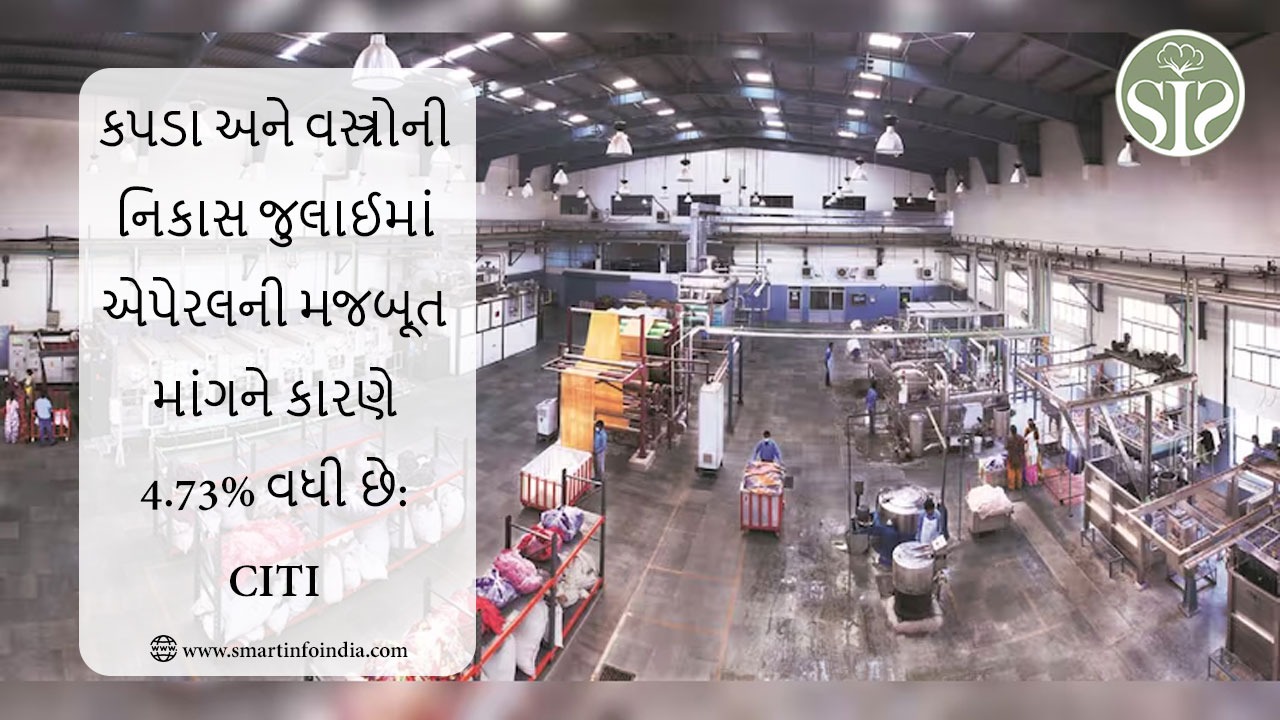
કપડાની ઊંચી માંગને કારણે ઓગસ્ટમાં કાપડ અને વસ્ત્રોની નિકાસ 4.73% વધી હતી: CITIકોન્ફેડરેશન ઓફ ઈન્ડિયન ટેક્સટાઈલ ઈન્ડસ્ટ્રીઝ (CITI) અનુસાર, ભારતની કાપડ અને વસ્ત્રોની નિકાસ જુલાઈમાં 4.73% વધીને USD 2,937.56 મિલિયન સુધી પહોંચી ગઈ છે, જેનું મુખ્ય કારણ એપેરલની માંગમાં વધારો છે. જ્યારે કાપડની નિકાસ US$1,660.36 મિલિયન પર સ્થિર રહી હતી, ત્યારે એપેરલની નિકાસ 11.84% વધીને US$1,277.20 મિલિયન થઈ હતી, જે ગયા વર્ષના સમાન સમયગાળામાં US$1,141.95 મિલિયન હતી.CITIના ચેરમેન રાકેશ મહેરાએ મજબૂત કામગીરી પર પ્રકાશ પાડતા જણાવ્યું હતું કે યુએસ જેવા મહત્ત્વના બજારોમાં ભારતીય વસ્ત્રોની વધતી હાજરી તેમજ EU અને UKમાં વધેલી નિકાસને કારણે વૃદ્ધિ થઈ છે. ભારત-ઓસ્ટ્રેલિયા ઇકોનોમિક કોઓપરેશન એન્ડ ટ્રેડ એગ્રીમેન્ટ (ECTA) અને ભારત-UAE કોમ્પ્રિહેન્સિવ ઇકોનોમિક પાર્ટનરશિપ એગ્રીમેન્ટ (CEPA) જેવા તાજેતરના ફ્રી ટ્રેડ એગ્રીમેન્ટ્સ (FTAs) દ્વારા વેગ મળતા ભાવિ નિકાસ ઓર્ડર્સ વિશે ઉદ્યોગ આશાવાદી છે.મહેરાએ જણાવ્યું હતું કે, "આ FTAsથી અમારી નિકાસમાં નોંધપાત્ર વધારો થવાની અપેક્ષા છે. આ તકોનો લાભ લેવા માટે ઉદ્યોગ પોતાની જાતને વ્યૂહાત્મક રીતે ગોઠવી રહ્યો છે, જેનાથી વૈશ્વિક ટેક્સટાઇલ અને એપરલ માર્કેટમાં ભારતની આગવી ઓળખ સુનિશ્ચિત થઈ રહી છે."વધુ વાંચો :- ઓગસ્ટના પ્રથમ પખવાડિયામાં 15% વધુ વરસાદ; ચોમાસુ લાંબા ગાળાની સરેરાશના 105% હતું
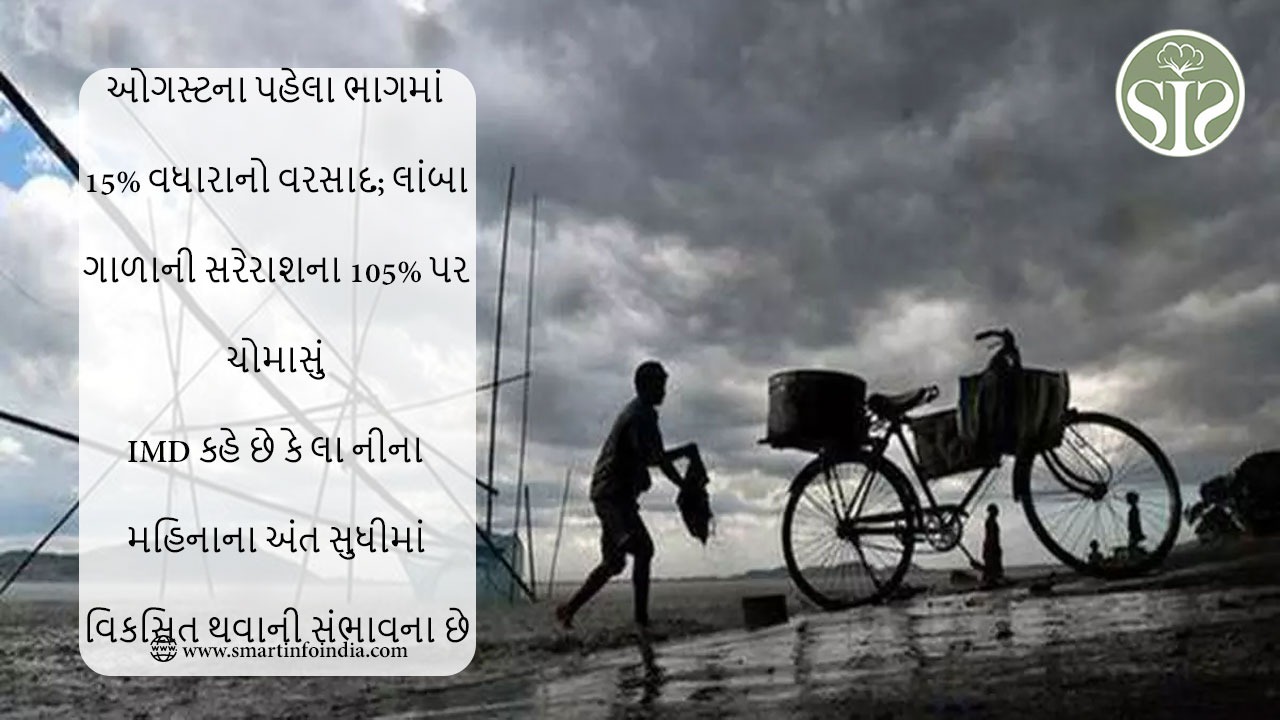
ઓગસ્ટના પહેલા ભાગમાં 15% વધુ વરસાદ; લાંબા ગાળાની સરેરાશ કરતાં 105% ચોમાસુંIMD કહે છે કે મહિનાના અંત સુધીમાં લા નીનાનો વિકાસ થવાની સંભાવના છેભારતમાં ઓગસ્ટના પ્રથમ પખવાડિયા (1-15 ઓગસ્ટ)માં 153 મીમી વરસાદ નોંધાયો હતો, જે આ સમયગાળા માટેના 133.3 મીમીના સામાન્ય કરતાં 15% વધુ છે. આ વધારાએ 1 જૂનથી 15 ઓગસ્ટ સુધીના ચોમાસાની મોસમ માટેના એકંદર મોસમી વરસાદને લાંબા ગાળાની સરેરાશ (LPA) ના 105% સુધી લઈ લીધો છે.સિઝનની શરૂઆતમાં, જૂનમાં 11% ઓછો વરસાદ નોંધાયો હતો, જ્યારે જુલાઈમાં 9% વધુ વરસાદ નોંધાયો હતો. 1 જૂન અને 15 ઓગસ્ટની વચ્ચે, દેશમાં કુલ 606.8 મીમી વરસાદ નોંધાયો હતો, જે 579.1 મીમીના એલપીએ કરતા 4.8% વધારે છે.ભારતીય હવામાન વિભાગ (IMD) એ અગાઉ આગાહી કરી હતી કે દેશના મોટાભાગના ભાગોમાં ઓગસ્ટમાં વરસાદ "સામાન્ય" (LPA ના 94 થી 106%) રહેશે. જો કે, મધ્ય ભારતના દક્ષિણ ભાગો, ઉત્તરી દ્વીપકલ્પીય ક્ષેત્ર, ઉત્તરપૂર્વ ભારતના ભાગો અને ઉત્તરપશ્ચિમ અને દક્ષિણ દ્વીપકલ્પના ભારતના કેટલાક વિસ્તારો સહિત ઘણા વિસ્તારોમાં સામાન્ય કરતાં ઓછા વરસાદની આગાહી કરવામાં આવી હતી.પ્રાદેશિક વરસાદની પેટર્નતાજેતરના ડેટા દર્શાવે છે કે પશ્ચિમ બંગાળ, બિહાર, ઝારખંડ અને પૂર્વોત્તર રાજ્યો સહિત પૂર્વીય અને ઉત્તરપૂર્વીય પ્રદેશોમાં ઓગસ્ટના પ્રથમ પખવાડિયામાં 198.6 મીમી વરસાદ નોંધાયો છે, જે 163.6 મીમીના એલપીએ કરતા 21.4% વધુ છે.ઉત્તર-પશ્ચિમ પ્રદેશ, જેમાં પંજાબ, હરિયાણા, રાજસ્થાન, ઉત્તર પ્રદેશ, ઉત્તરાખંડ, હિમાચલ પ્રદેશ અને જમ્મુ અને કાશ્મીરનો સમાવેશ થાય છે, કુલ 154.6 મીમી વરસાદ નોંધાયો છે - જે સમાન સમયગાળા માટે 106.8 મીમીના સામાન્ય કરતાં 44.8% વધુ છે.ગુજરાત, મહારાષ્ટ્ર, મધ્યપ્રદેશ, છત્તીસગઢ, ઓડિશા અને ગોવામાં સમાવિષ્ટ મધ્ય ભારતમાં 160.9 મીમી વરસાદ નોંધાયો છે, જે 163.4 મીમીના એલપીએ કરતા માત્ર 1.5% ઓછો છે. દરમિયાન, કેરળ, તમિલનાડુ, કર્ણાટક, આંધ્રપ્રદેશ અને તેલંગાણા સહિત દક્ષિણી દ્વીપકલ્પમાં 99.7 મીમી વરસાદ નોંધાયો છે, જે સામાન્ય 98.8 મીમી કરતા 0.9% વધુ છે.*ઓછા વરસાદવાળા વિસ્તારોમાં ઘટાડો*છેલ્લા 15 દિવસમાં ઓછો વરસાદ ધરાવતા હવામાન વિભાગની સંખ્યા 9 થી ઘટીને 6 થઈ છે. 15 ઓગસ્ટ સુધીમાં, ભારતના ભૌગોલિક વિસ્તારના 17% નું પ્રતિનિધિત્વ કરતા આ 6 પેટાવિભાગોમાં ઓછો વરસાદ નોંધાયો છે. તેની સરખામણીમાં, 25% વિસ્તારને આવરી લેતા 9 પેટાવિભાગોમાં 31 જુલાઈ સુધી ઓછો વરસાદ થયો હતો. બિહાર, પંજાબ, હિમાચલ પ્રદેશ, જમ્મુ અને કાશ્મીર અને પૂર્વોત્તર રાજ્યોના ભાગોમાં અત્યાર સુધી ઓછો વરસાદ થયો છે.*સક્રિય ચોમાસાની સ્થિતિ અને હવામાનની ઘટનાઓ*IMD એ 15 ઓગસ્ટના રોજ પૂરા થતા સપ્તાહ દરમિયાન ઉત્તર પશ્ચિમ અને મધ્ય ભારતના મોટાભાગના ભાગોમાં સક્રિય ચોમાસાની સ્થિતિની જાણ કરી હતી. નોંધપાત્ર હવામાન ઘટનાઓમાં 11 ઓગસ્ટના રોજ પૂર્વ રાજસ્થાનના કરૌલીમાં અપવાદરૂપે ભારે વરસાદ (38 સે.મી.), 11-12 ઓગસ્ટના રોજ પૂર્વ રાજસ્થાન અને 9-11 ઓગસ્ટના રોજ હિમાચલ પ્રદેશમાં અત્યંત ભારે વરસાદ, 11 અને 14 ઓગસ્ટના રોજ પંજાબ અને ખૂબ જ ભારે વરસાદનો સમાવેશ થાય છે. 9-12 ઓગસ્ટના રોજ હરિયાણામાં.આ હવામાન પ્રવૃત્તિ મુખ્યત્વે ઉત્તર-પૂર્વ રાજસ્થાન પર સતત ચક્રવાતી પરિભ્રમણ તેમજ અરબી સમુદ્રમાંથી ઉત્તર-પશ્ચિમ ભારતમાં આવતા દક્ષિણ અને દક્ષિણ-પશ્ચિમના પવનોને કારણે હતી.*ENSO-તટસ્થ પરિસ્થિતિઓ અને લા નીના દૃષ્ટિકોણ*IMD એ નોંધ્યું છે કે વિષુવવૃત્તીય પેસિફિક પર હાલમાં તટસ્થ અલ નીનો-સધર્ન ઓસિલેશન (ENSO) સ્થિતિ પ્રવર્તી રહી છે અને મોનસૂન મિશન ક્લાઈમેટ ફોરકાસ્ટ સિસ્ટમ (MMCFS) ની આગાહી મુજબ ઓગસ્ટના અંતમાં લા નીનાનો વિકાસ થવાની ધારણા છે.મેડન-જુલિયન ઓસિલેશન (MJO), ચોમાસાના વરસાદને પ્રભાવિત કરતી અન્ય વૈશ્વિક હવામાન પેટર્ન, હાલમાં 1 થી વધુ કંપનવિસ્તાર સાથે તબક્કા 1 માં છે. MJO 20-21 ઓગસ્ટની આસપાસ વિષુવવૃત્તીય હિંદ મહાસાગર અને અડીને આવેલા અરબી સમુદ્ર અને બંગાળની ખાડી પર સંવહન વધારશે તેવી અપેક્ષા છે.*કૃષિ સલાહ*ઉત્તર પ્રદેશ, રાજસ્થાન, મધ્યપ્રદેશ, છત્તીસગઢ, પશ્ચિમ બંગાળ, ઓડિશા, ઝારખંડ, બિહાર, પંજાબ, હરિયાણા, તમિલનાડુ, કેરળ, કર્ણાટક અને રાયલસીમા ક્ષેત્રના ખેડૂતોને તેમના ખેતરના પાક અને બાગાયતી પાકોમાંથી વધુ પાણીનો ઉપયોગ કરવાની સલાહ આપવામાં આવી છે તેએકંદરે, IMD 22 ઓગસ્ટ સુધી ઉત્તરપશ્ચિમ અને મધ્ય ભારતના મેદાનો પર સામાન્ય વરસાદથી વધુ અને પશ્ચિમ હિમાલય વિસ્તારમાં સામાન્ય વરસાદની આગાહી કરે છે.વધુ વાંચો :- ભારતમાં અતિશય વરસાદને કારણે 33.9 મિલિયન હેક્ટરના પાકને નુકસાન થયું છે, WEF રિપોર્ટ દર્શાવે છે
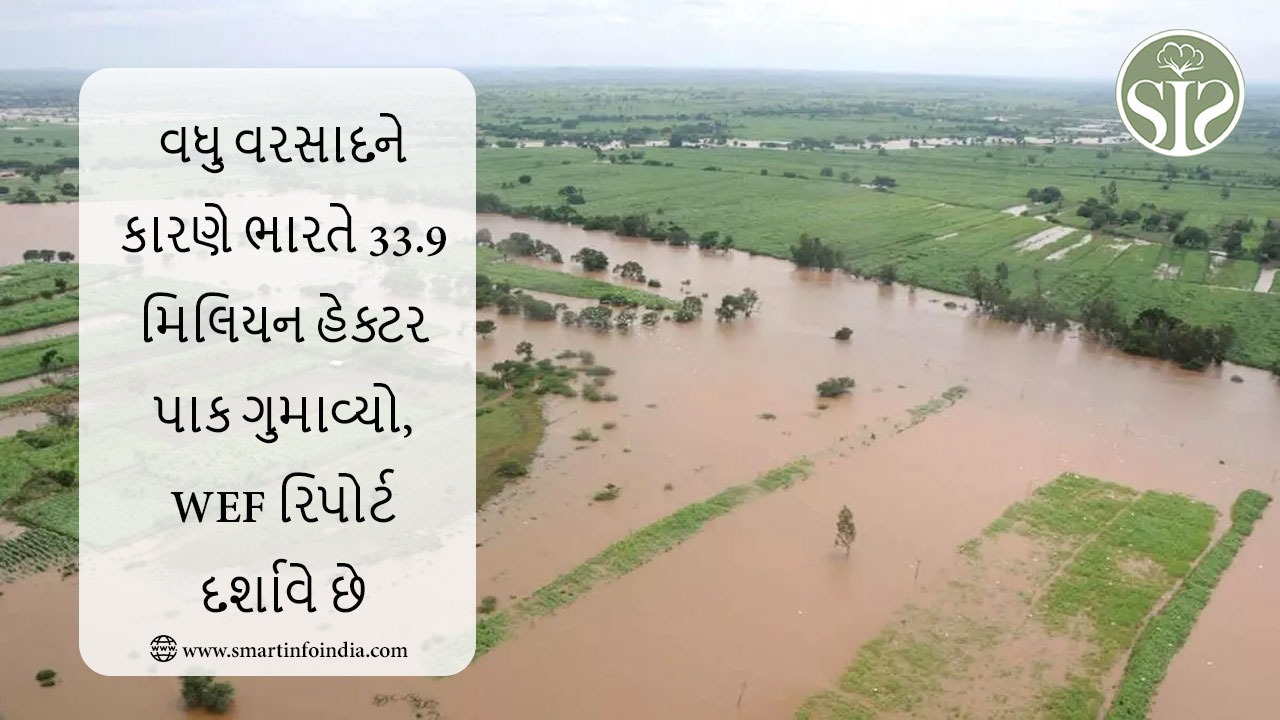
WEFT રિપોર્ટ અનુસાર, ભારતમાં વધુ પડતા વરસાદને કારણે 33.9 મિલિયન હેક્ટર પાકને નુકસાન થયું છેવર્લ્ડ ઇકોનોમિક ફોરમ (WEF)ના નવા અહેવાલ મુજબ, આત્યંતિક આબોહવાની ઘટનાઓએ ભારતના કૃષિ ક્ષેત્રને નોંધપાત્ર રીતે અસર કરી છે. અહેવાલમાં નોંધવામાં આવ્યું છે કે 2015 અને 2021 ની વચ્ચે, ભારતમાં અતિશય વરસાદને કારણે 33.9 મિલિયન હેક્ટર પાક અને દુષ્કાળની સ્થિતિને કારણે વધારાના 35 મિલિયન હેક્ટરમાં પાકનું નુકસાન થયું છે.કૃષિ, જે ભારતના જીડીપીમાં 15% હિસ્સો ધરાવે છે અને લગભગ 40% વસ્તીને રોજગારી આપે છે, તે આ અત્યંત આબોહવાની ઘટનાઓથી ગંભીર જોખમોનો સામનો કરે છે. WEF અહેવાલ, "આવક સુરક્ષા અને પ્રારંભિક ચેતવણી પ્રણાલીઓ: કેવી રીતે ભારત આબોહવા સ્થિતિસ્થાપકતાનું નિર્માણ કરે છે" શીર્ષક આપે છે, ગરમીના મોજા, પૂર અને ધરતીકંપ સહિત આબોહવા પરિવર્તન દ્વારા ઊભા થયેલા પડકારોની રૂપરેખા આપે છે.આર્થિક અસર અને વીમા તફાવતઅહેવાલ દર્શાવે છે કે એકલા 2021 માં, ભારે આબોહવાની અસરોથી કામકાજના કલાકો ગુમાવવાને કારણે કૃષિ સહિતના ભારતીય ક્ષેત્રોને $159 બિલિયનનું કુલ આર્થિક નુકસાન થયું હતું. એવો અંદાજ છે કે 2030 સુધીમાં, ભારતમાં ગરમીના તણાવને કારણે કામના કલાકોમાં 5.8% ઘટાડો જોવા મળશે, જે 34 મિલિયન પૂર્ણ-સમયની નોકરીઓની સમકક્ષ છે.આ પડકારો હોવા છતાં, ત્યાં નોંધપાત્ર વીમા કવરેજ ગેપ છે જે ઘણા લોકોને ભારે હવામાનની ઘટનાઓ અને આબોહવા પરિવર્તન સામે તેમની આજીવિકાનું રક્ષણ કરતા અટકાવે છે, WEF નોંધે છે.સરકારી પહેલ અને નવીનતાઓસંદીપ કટિયાર, સહ-સ્થાપક અને CFO, ફિનહાટ, ખેડૂતોમાં સ્થિતિસ્થાપકતા વધારવાની તાત્કાલિક જરૂરિયાત પર ભાર મૂકે છે. તેમણે કહ્યું કે, નાના અને સીમાંત ખેડૂતો, જેમની પાસે એક હેક્ટરથી ઓછી જમીન છે, તેઓ ખેતી સાથે સંકળાયેલા 86% છે.પ્રધાનમંત્રી ફસલ બીમા યોજના (PMFBY) અને રિસ્ટ્રક્ચર્ડ વેધર બેઝ્ડ ક્રોપ ઇન્સ્યોરન્સ સ્કીમ (RWBCIS) જેવી નીતિગત હસ્તક્ષેપો સાથે ભારત સરકાર આ ક્ષેત્રમાં પ્રગતિ કરી રહી છે, જે પાક અને હવામાન સંબંધિત જોખમો બંને માટે વીમો પ્રદાન કરે છે.સંવેદનશીલ વસ્તી પર ધ્યાન કેન્દ્રિત કરોWEF રિપોર્ટ દર્શાવે છે કે આત્યંતિક હવામાન અપ્રમાણસર રીતે ઓછી આવક ધરાવતા ભારતીયોને અસર કરે છે, જે વીમા કવરેજ ગેપને વધુ વિસ્તૃત કરે છે. જો કે, આ પડકારોનો સામનો કરવા માટે ચોક્કસ ભૌગોલિક વિસ્તારો અને ક્ષેત્રોને અનુરૂપ નવીન હવામાન આધારિત વીમા ઉત્પાદનો વિકસાવવામાં આવી રહ્યા છે.આ અહેવાલ આબોહવા અસ્થિરતા સામે ખેડૂતોની સ્થિતિસ્થાપકતા વધારવા માટે કૃષિ અને ગ્રામીણ સુરક્ષા, ટેકનોલોજી અને વીમા (સારથિ) પહેલ માટે સેન્ડબોક્સની સંભવિતતાને પ્રકાશિત કરે છે. વધુમાં, વુમન ક્લાઈમેટ શોક ઈન્સ્યોરન્સ એન્ડ લાઈવલીહુડ ઈનિશિએટિવ (WCS) ની શરૂઆતનો ઉદ્દેશ્ય ભારે ગરમીના મોજા દરમિયાન મહિલા આઉટડોર વર્કરોને આવકનું રિપ્લેસમેન્ટ પ્રદાન કરવાનો છે.વૈશ્વિક પ્રતિકૃતિ અને ભાવિ પડકારોWEF સૂચવે છે કે ભારતમાં સફળ પહેલો વૈશ્વિક સ્તરે નબળા સમુદાયો માટે મોડેલ તરીકે કામ કરી શકે છે. તે ચેતવણી પણ આપે છે કે જો આબોહવા-પ્રેરિત સ્થળાંતર 2050 સુધીમાં 45 મિલિયન લોકો સુધી પહોંચે છે, તો તે કરની આવકમાં ઘટાડો સહિત નોંધપાત્ર આર્થિક પરિણામો લાવી શકે છે. કટિયાર જોખમોને ઘટાડવા અને કૃષિ ક્ષેત્રની સ્થિતિસ્થાપકતાને મજબૂત કરવા માટે વેરહાઉસિંગ અને લક્ષિત વીમા ઉત્પાદનો સહિત વ્યાપક જોખમ વ્યવસ્થાપનના મહત્વ પર ભાર મૂકે છે.વધુ વાંચો :- પંજાબ, હરિયાણા અને રાજસ્થાનમાં વિસ્તાર ઘટવાને કારણે કપાસના ભાવ વધે છે

આજે સાંજે, યુએસ ડોલર સામે રૂપિયો 2 પૈસા સુધરીને 83.95 પર સ્થિર થયો હતો.ટ્રેડિંગના અંતે BSE સેન્સેક્સ 149.85 પોઈન્ટ અથવા 0.10 ટકાના વધારા સાથે 79,105.88 પર બંધ રહ્યો હતો. જ્યારે એનએસઈનો 50 શેરનો ઈન્ડેક્સ નિફ્ટી 4.75 પોઈન્ટ અથવા 0.02 ટકાના નજીવા વધારા સાથે 24,143.75 પર બંધ થયો હતો.વધુ વાંચો :- પંજાબ, હરિયાણા અને રાજસ્થાનમાં વિસ્તાર ઘટવાને કારણે કપાસના ભાવ વધે છે

પંજાબ, હરિયાણા અને રાજસ્થાનમાં વાવેતર વિસ્તાર ઘટવાથી કપાસના ભાવ વધે છે.કપાસના ભાવ 1.07% વધીને ₹56,900 પ્રતિ કેન્ડી થયા હતા, જેનું નેતૃત્વ મુખ્ય ભારતીય રાજ્યોમાં કપાસના વાવેતરમાં નોંધપાત્ર ઘટાડો થયો હતો. પંજાબ, હરિયાણા અને રાજસ્થાનમાં કપાસનું વાવેતર ગયા વર્ષના 16 લાખ હેક્ટરથી ઘટીને 10.23 લાખ હેક્ટર થયું છે. નોંધનીય છે કે, પંજાબનો કપાસનો વિસ્તાર 1980 અને 1990ના દાયકામાં 7.58 લાખ હેક્ટરથી ઘટીને 97,000 હેક્ટર થયો છે. રાજસ્થાન અને હરિયાણામાં પણ ઘટાડો નોંધાયો છે, જ્યાં કપાસનો વાવેતર વિસ્તાર હવે ઘટીને અનુક્રમે 4.75 લાખ હેક્ટર અને 4.50 લાખ હેક્ટર થઈ ગયો છે.યુએસ અને બ્રાઝિલ જેવા મોટા વૈશ્વિક કપાસ ઉત્પાદકો તરફથી શિપમેન્ટમાં વિલંબ સાથે વાવેતર વિસ્તારમાં ઘટાડો થવાને કારણે ભારતીય કપાસની માંગમાં વધારો થયો છે, ખાસ કરીને પડોશી દેશોની મિલોની.કપાસના ભાવમાં થયેલા વધારાને કપાસના બિયારણના મજબૂત ભાવને પણ ટેકો મળ્યો હતો. તાજેતરના ચોમાસાના વરસાદને પગલે કર્ણાટક, તેલંગાણા અને આંધ્રપ્રદેશ જેવા દક્ષિણી રાજ્યોમાં ખરીફ 2024 સીઝનની વાવણી શરૂ થઈ ગઈ છે. યુએસડીએના 2024/25 કપાસના અંદાજો અનુસાર, શરૂઆતના અને અંતના સ્ટોકમાં અગાઉના અંદાજોની સરખામણીમાં વધારો થવાની ધારણા છે.સ્થિર સ્થાનિક ઉત્પાદન, વપરાશ અને નિકાસની આગાહીઓ છતાં, નવા પાક કપાસના વાયદામાં ઘટાડો થવાને કારણે સીઝનની સરેરાશ અપલેન્ડ ફાર્મ કિંમત 4 સેન્ટ ઘટીને 70 સેન્ટ પ્રતિ પાઉન્ડ થઈ હતી. યુ.એસ.માં, સમાપ્તિ સ્ટોક 400,000 ગાંસડી વધીને 4.1 મિલિયન ગાંસડી થવાની ધારણા છે. વૈશ્વિક સ્તરે, 2024/25 કપાસની બેલેન્સ શીટ શરૂઆતના સ્ટોક, ઉત્પાદન અને વપરાશમાં વધારો સૂચવે છે, જેમાં મે મહિનાથી 480,000 ગાંસડી વધીને વિશ્વભરમાં સ્ટોક 83.5 મિલિયન ગાંસડી સુધી પહોંચવાનો અંદાજ છે.વધુ વાંચો :- સફેદ માખી અને ગુલાબી ઈયળના કારણે કપાસના પાકને ખતરો

આજે સાંજે, અમેરિકી ડોલર સામે રૂપિયો દિવસના અંતે 83.97 પર યથાવત રહ્યો હતોBSE સેન્સેક્સ 692.89 પોઈન્ટ અથવા 0.87 ટકા ઘટીને 78,956.03 પર બંધ થયો હતો. દિવસના વેપાર દરમિયાન તે 759.54 પોઈન્ટ અથવા 0.95 ટકા ઘટીને 78,889.38 પર રહ્યો હતો. NSE નિફ્ટી 208 પોઈન્ટ અથવા 0.85 ટકા ઘટીને 24,139 પર છે.વધુ વાંચો :- સફેદ માખી અને ગુલાબી ઈયળના કારણે કપાસના પાકને ખતરો
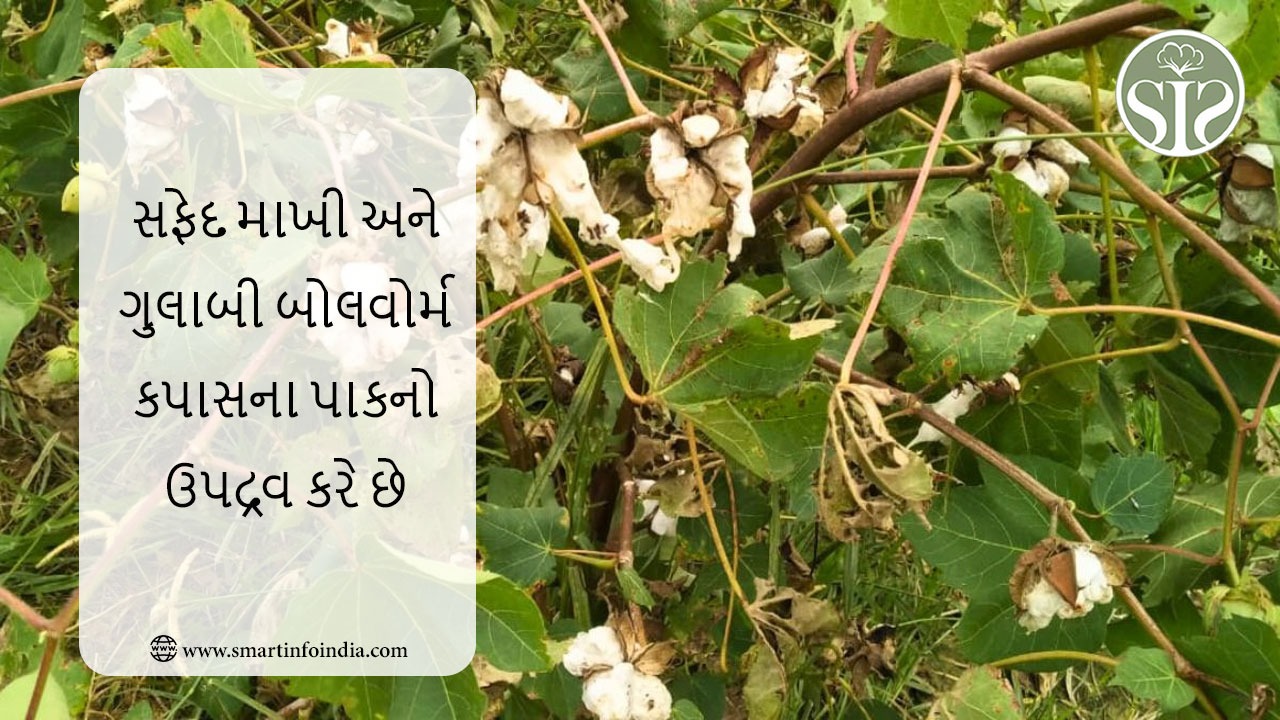
કપાસના પાકમાં ગુલાબી બોલવોર્મ અને સફેદ માખીનો ઉપદ્રવ થાય છે.આ વર્ષે પણ હરિયાણા અને પંજાબમાં કપાસનો પાક સફેદ માખી અને ગુલાબી બોલવોર્મના હુમલાનો સામનો કરી રહ્યો છે. છેલ્લા બે વર્ષની જેમ આ વખતે પણ આ જીવાતોએ પાકને નુકસાન પહોંચાડતા ખેડૂતોને તેમના પાકને જમીનમાં ભેળવવાની ફરજ પડી છે. કેટલાક ખેડૂતો કે જેમની પાસે પાણીની સુવિધા છે તેઓ ડાંગરની મોડી જાતોનું વાવેતર કરી રહ્યા છે, જ્યારે અન્ય લોકોએ તેમના નુકસાનને ઘટાડવા માટે પાકને જડમૂળથી ઉખાડવાનું શરૂ કર્યું છે.જો કે, અગાઉના વર્ષોમાં ગુલાબી બોલવોર્મના હુમલાથી કપાસના પાકને ભારે નુકસાન થયું હતું, જે આ વખતે પણ થવાની સંભાવના છે. ફાઝિલ્કાના કેટલાક ગામોમાં, ખેડૂતો તેમના પાકને જડમૂળથી ઉખાડી રહ્યા છે અને ચોખાની વિવિધ જાતો રોપવાની તૈયારી કરી રહ્યા છે. કૃષિ વિભાગના જણાવ્યા અનુસાર, ચેપના કેટલાક હોટસ્પોટ્સની ઓળખ કરવામાં આવી છે, પરંતુ હજુ સુધી જીવાતનો હુમલો નિર્ધારિત મર્યાદામાં છે.પંજાબ એગ્રીકલ્ચર ડિપાર્ટમેન્ટના ડાયરેક્ટર જસવંત સિંહે સ્વીકાર્યું કે ખેડૂતોએ કપાસના પાકને જડમૂળથી ઉખેડી નાખ્યાના અહેવાલો મળ્યા છે. જે ખેડૂતોએ PR 126 જાતના ડાંગરના રોપા આપ્યા છે તેઓ માત્ર અડધો પાક જ ઉપાડી રહ્યા છે.હરિયાણાના ખેડૂતો પણ આ વર્ષે સફેદ માખી અને ગુલાબી ઈયળના હુમલાનો સામનો કરી રહ્યા છે. 30 એકરમાં કપાસ ઉગાડતા સતપાલ ભાદુએ માત્ર 10 એકરમાં કપાસનું વાવેતર કર્યું છે અને હવે તેમના પાક પર જીવાતોનો હુમલો છે. ફતેહાબાદના ખજુરી-જાટી ગામના રહેવાસી સુખબીર મંજુએ પણ ચોખાના પાકને પ્રાથમિકતા આપી હતી, પરંતુ હવે કપાસના પાક પર જીવાતોનો હુમલો થયો છે.આ સ્થિતિમાં ખેડૂતોએ ભાવિ પાક માટે નવી યોજનાઓ બનાવવી પડી શકે છે અને સરકાર પાસેથી વધુ સહાયની અપેક્ષા રાખી શકે છે.વધુ વાંચો :-બાંગ્લાદેશ કટોકટી સ્થાનિક કાપડ ક્ષેત્ર માટે વૃદ્ધિની તક રજૂ કરે છે

આજે સાંજે અમેરિકન ડોલર સામે રૂપિયો 1 પૈસાના ઘટાડા સાથે 83.97 પર બંધ થયો હતોટ્રેડિંગના અંતે BSE સેન્સેક્સ 56.98 પોઈન્ટ અથવા 0.07 ટકાના ઘટાડા સાથે 79,648.92 પર બંધ રહ્યો હતો. જ્યારે એનએસઈનો 50 શેરનો ઈન્ડેક્સ, નિફ્ટી 20.50 પોઈન્ટ અથવા 0.08 ટકા લપસીને 24,347.00 પર બંધ થયો.વધુ વાંચો :- નિબાંગ્લાદેશ કટોકટી સ્થાક કાપડ ક્ષેત્ર માટે વૃદ્ધિની તક રજૂ કરે છે

બાંગ્લાદેશની કટોકટી સ્થાનિક કાપડ ઉદ્યોગને વૃદ્ધિની તક આપે છેલુધિયાણા: બાંગ્લાદેશમાં ચાલી રહેલી રાજકીય ઉથલપાથલથી વૈશ્વિક કાપડ ઉદ્યોગમાં ચિંતા વધી છે, પરંતુ તે સ્થાનિક કાપડ ક્ષેત્ર માટે નોંધપાત્ર વૃદ્ધિની તક પણ રજૂ કરે છે.ઉદ્યોગના આંતરિક સૂત્રો માને છે કે બાંગ્લાદેશમાં સપ્લાય ચેઇનમાં વિક્ષેપ, ડિલિવરીમાં વિલંબ અને ઉત્પાદન મુશ્કેલીઓ આંતરરાષ્ટ્રીય ખરીદદારોને વૈકલ્પિક બજારો શોધવા તરફ દોરી શકે છે, જે સ્થાનિક ઉત્પાદકોને તેમનો બજારહિસ્સો વધારવાની તક આપે છે.લુધિયાણા સ્થિત કાપડ ઉત્પાદકો પહેલેથી જ સંભવિત નિકાસ વિશે પૂછપરછ મેળવી રહ્યા છે. જો કે, તેઓ ચેતવણી આપે છે કે આ વધારો અસ્થાયી હોઈ શકે છે, પરિસ્થિતિ સ્થિર થયા પછી ખરીદદારો બાંગ્લાદેશ પાછા ફરે તેવી શક્યતા છે.ચાઇના પછી બીજા સૌથી મોટા કાપડ નિકાસકાર તરીકે, બાંગ્લાદેશ વૈશ્વિક બજારમાં એક મુખ્ય ખેલાડી છે, જે તેના સ્પર્ધાત્મક શ્રમ ખર્ચ અને મજબૂત ઉત્પાદન ક્ષમતાને કારણે ઘણી મોટી કંપનીઓને આકર્ષે છે. વર્તમાન વોલેટિલિટીએ આ લાભો જાળવવાની તેની ક્ષમતા અંગે ચિંતા ઊભી કરી છે.નિષ્ણાતો ચેતવણી આપે છે કે સ્થાનિક કાપડ ક્ષેત્ર માટે સંભવિત લાભો કટોકટીના સમયગાળા પર આધારિત છે. જો બાંગ્લાદેશમાં પરિસ્થિતિ ઝડપથી સુધરે છે, તો ખરીદદારો અને ઉત્પાદકો ઉત્પાદનના સ્થાનાંતરણ સાથે સંકળાયેલા ખર્ચને જોખમમાં મૂકવાને બદલે તેમના હાલના સંબંધો જાળવવાનું પસંદ કરી શકે છે.ઓલ ઈન્ડસ્ટ્રીઝ એન્ડ ટ્રેડ ફોરમના પ્રેસિડેન્ટ બદીશ જિંદાલે ટિપ્પણી કરી, "બાંગ્લાદેશમાં કટોકટીએ ખરીદદારો, ઉત્પાદકો અને રોકાણકારોમાં અનિશ્ચિતતા ઊભી કરી છે, જે તેમને વિકલ્પો પર વિચાર કરવા માટે પ્રેરિત કરે છે."જો કે, જિંદાલે કહ્યું કે જો કટોકટી ચાલુ રહેશે તો જ આ તક પૂરતી હશે. ટૂંકા ગાળાના વિક્ષેપો લાંબા ગાળાની ખરીદીની પેટર્નમાં ફેરફાર કરે તેવી શક્યતા નથી. અશાંતિનો સમય નોંધપાત્ર છે, જે નાતાલની ખરીદીની મોસમ સાથે સુસંગત છે, જે કાપડ અને વસ્ત્રોના ઉદ્યોગો માટે નિર્ણાયક સમયગાળો છે. આ સમય દરમિયાન નોંધપાત્ર વિક્ષેપો સંભવિત નુકસાનને ટાળવા માટે ખરીદદારોને અન્ય સપ્લાયર્સ શોધવા માટે દબાણ કરી શકે છે."આ તાકીદ ખરીદદારોને એક સક્ષમ વિકલ્પ તરીકે સ્થાનિક બજારને શોધવા માટે પ્રોત્સાહિત કરી શકે છે," વધુમાં, બાંગ્લાદેશમાં નવા રોકાણો રાજકીય પરિસ્થિતિને કારણે અટકી શકે છે, જે ભારત માટે વધુ તકો ઊભી કરી શકે છે."નીટવેર ક્લબના પ્રમુખ વિનોદ થાપરે સ્વીકાર્યું હતું કે, "અમે પહેલેથી જ નિકાસની પૂછપરછ જોઈ રહ્યા છીએ. જો કે, આ એક અસ્થાયી લાભ હોઈ શકે છે, કારણ કે પરિસ્થિતિ સામાન્ય થઈ જાય પછી ખરીદદારો તેમના મૂળ સપ્લાયર્સ પર પાછા ફરશે."વધુ વાંચો :> કૃષિ ઉત્પાદકતા: કપાસ, સોયાબીનની ઉત્પાદકતા વધશે

શરૂઆતના વેપારમાં યુએસ ડોલર સામે રૂપિયો 83.95 પર ફ્લેટ થઈ ગયો સ્ટોક માર્કેટ લાઇવ અપડેટ્સ: સેન્સેક્સ 500 પોઇન્ટ ઘટ્યો, નિફ્ટી 24,300 ની નીચે; અદાણી ગ્રુપના શેરમાં 7% સુધીનો ઘટાડોયુએસ શોર્ટ-સેલર હિંડનબર્ગ રિસર્ચ દ્વારા દેશના બજાર નિયમનકારના વડા પર અદાણી જૂથ સાથે જોડાયેલા ઓફશોર ફંડ્સમાં રોકાણ હોવાનો આરોપ મૂક્યા બાદ અદાણી જૂથના શેરમાં ઘટાડો થતાં સોમવારે સેન્સેક્સ અને નિફ્ટીમાં નીચા વેપાર થયા હતા.વધુ વાંચો :>બાંગ્લાદેશના કાપડ ઉદ્યોગમાં અશાંતિના કારણે કર્ણાટક તક શોધે છે

આજે સાંજે અમેરિકન ડોલર સામે રૂપિયો 83.96 પર સ્થિર રહ્યો હતોટ્રેડિંગના અંતે BSE સેન્સેક્સ 819.69 પોઈન્ટ અથવા 1.04 ટકાના વધારા સાથે 79,705.91 પર બંધ રહ્યો હતો. દરમિયાન, એનએસઈનો 50 શેરવાળો ઈન્ડેક્સ નિફ્ટી 250.50 પોઈન્ટ અથવા 1.04 ટકાના ઉછાળા સાથે 24,367.50 પર બંધ થયો હતો.વધુ વાંચો :- બાંગ્લાદેશના કાપડ ઉદ્યોગમાં અશાંતિના કારણે કર્ણાટક તક શોધે છે

શરૂઆતના કારોબારમાં, યુએસ ડોલર સામે રૂપિયો 2 પૈસા વધીને 83.95 પર પહોંચ્યો છે. સેન્સેક્સ 850 પોઈન્ટથી ઉપર ચઢ્યો, નિફ્ટી 24,350 પોઈન્ટ પર ચઢ્યો; નિફ્ટી આઈટી 2% ઉછળ્યોશુક્રવારે ભારતીય શેરબજારમાં ભારે ખરીદીનો રસ જોવા મળ્યો હતો, કારણ કે બેન્ચમાર્ક સેન્સેક્સ 789 પોઈન્ટ વધીને 79,675 પર, જ્યારે નિફ્ટી50 0.98 ટકા અથવા 235 પોઈન્ટ વધીને 24,352ના સ્તરે પહોંચ્યો હતો.વધુ વાંચો :>બાંગ્લાદેશના કાપડ ઉદ્યોગમાં અશાંતિના કારણે કર્ણાટક તક શોધે છે

આજે સાંજે અમેરિકન ડોલર સામે રૂપિયો 83.96 પર સ્થિર રહ્યો હતો.ટ્રેડિંગના અંતે BSE સેન્સેક્સ 581.79 પોઈન્ટ્સ અથવા 0.73 ટકા ઘટીને 78,886.22 પર રહ્યો હતો. જ્યારે NSEનો 50 શેરવાળો ઈન્ડેક્સ નિફ્ટી 180.50 પોઈન્ટ અથવા 0.74 ટકાના ઘટાડા સાથે 24,117.00 ના સ્તર પર બંધ થયો હતો.વધુ વાંચો :- કૃષિ ઉત્પાદકતા: કપાસ, સોયાબીનની ઉત્પાદકતા વધશે
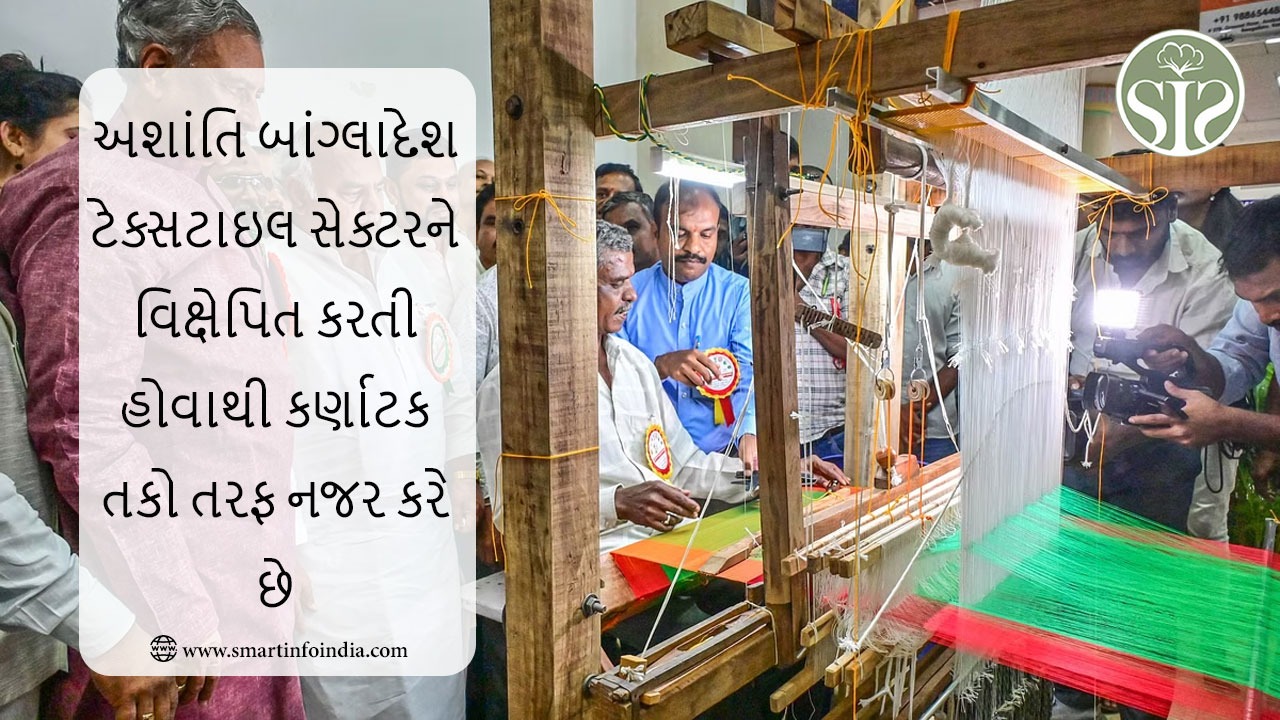
જોકે અશાંતિ બાંગ્લાદેશના ટેક્સટાઇલ સેક્ટરને વિક્ષેપિત કરે છે, કર્ણાટક એક તક જુએ છે.કર્ણાટક બાંગ્લાદેશના કાપડ ઉદ્યોગમાં અશાંતિનો લાભ લેવા માટે તૈયાર છે કારણ કે ભારતના કાપડ ઉદ્યોગને પડોશી દેશમાં તાજેતરની અશાંતિથી સંભવિતપણે ફાયદો થાય છે, ટેક્સટાઇલ પ્રધાન શિવાનંદ પાટીલના જણાવ્યા અનુસાર. બુધવારે રાષ્ટ્રીય હેન્ડલૂમ ડે નિમિત્તે આયોજિત એક કાર્યક્રમમાં બોલતા, પાટીલે ભારપૂર્વક જણાવ્યું હતું કે ભારતના કાપડ ઉદ્યોગને બાંગ્લાદેશમાં અસ્થિરતાનો લાભ મળી શકે છે અને રાજ્ય પરિસ્થિતિનો લાભ લેવા માટે તૈયારી કરી રહ્યું છે.પાટીલે જણાવ્યું હતું કે બાંગ્લાદેશના કાપડ ઉદ્યોગમાં ઉથલપાથલ કર્ણાટક માટે અનુકૂળ તકો ઊભી કરે છે. "બાંગ્લાદેશમાં અશાંતિ તેમના કાપડ ઉદ્યોગને અસર કરે તેવી શક્યતા છે. અમારા માટે તેનો લાભ લેવા અને તેનો મહત્તમ લાભ લેવાની આ તક છે," તેમણે કહ્યું.કર્ણાટકના હેન્ડલૂમ સેક્ટર સામેના પડકારો વિશે વાત કરતા, પાટીલે આવકના સ્તરમાં થયેલા ઘટાડા પર પ્રકાશ પાડ્યો જેના કારણે ઘણા વણકરોએ તેમનું કામ છોડી દીધું છે. તેમણે જણાવ્યું હતું કે રાજ્ય અને કેન્દ્ર સરકારો દ્વારા પૂરી પાડવામાં આવતી વિવિધ કલ્યાણકારી યોજનાઓ - વીજળી માટે સબસિડી, ઓછા વ્યાજ દરે લોન અને વણકરોના બાળકો માટે શૈક્ષણિક શિષ્યવૃત્તિ સહિત - આ વ્યવસાય કામદારોને આકર્ષવામાં અને જાળવી રાખવામાં નિષ્ફળ રહ્યો છે.વધુ વાંચો :> કૃષિ ઉત્પાદકતા: કપાસ, સોયાબીનની ઉત્પાદકતા વધશે
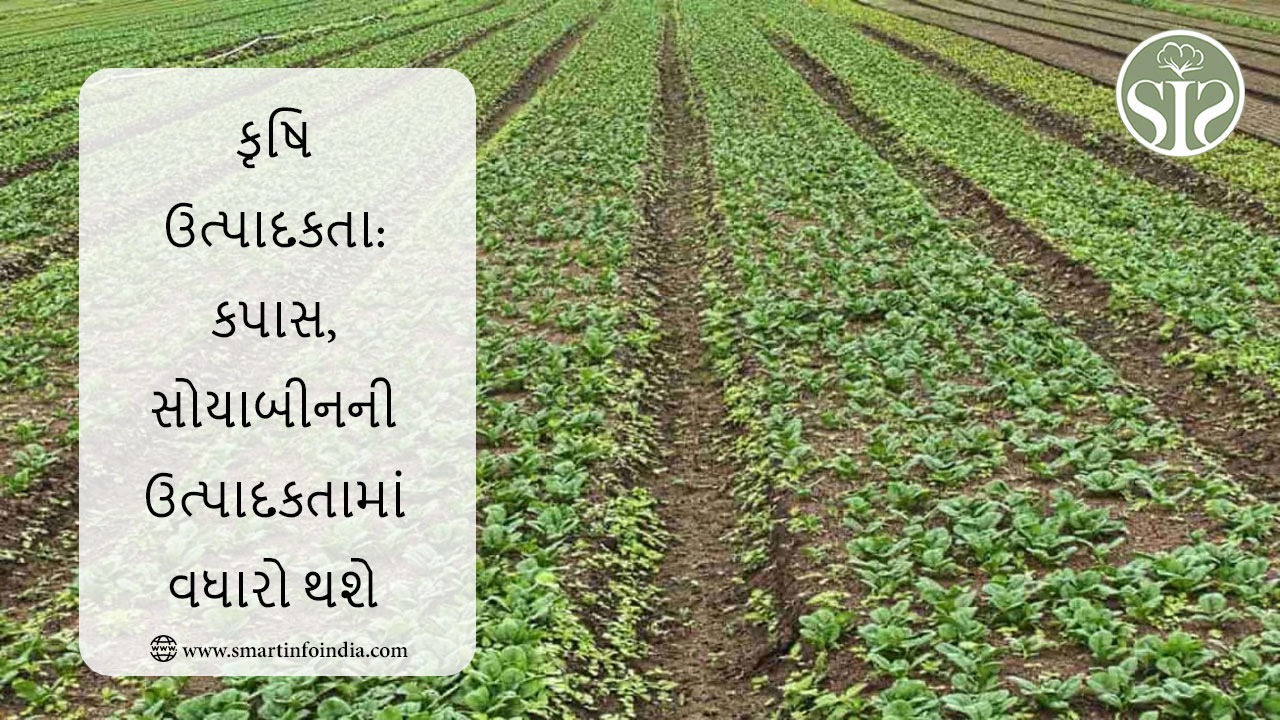
કૃષિમાં ઉત્પાદકતા: કપાસ અને સોયાબીનની ઉત્પાદકતા વધશેમહારાષ્ટ્ર સમાચાર: કપાસ અને સોયાબીનમાંથી સારા ઉત્પાદનની અપેક્ષા છે, જેના કારણે આ વર્ષે રાજ્યની ખરીફ સિઝન શરૂ થશે. કૃષિ વિભાગના સૂત્રોએ જણાવ્યું હતું કે આ વર્ષે બંને પાકોની ઉત્પાદકતામાં વધારો થવાની સંભાવના છે. દરમિયાન, રાજ્યના કેટલાક ભાગોમાં ભારે વરસાદને કારણે નીચાણવાળા વિસ્તારોમાં ખેતરોમાં પાણી જમા થઈ ગયા છે અને પાક પીળો અને બગડવા લાગ્યો છે.જો આપણે 2017 થી રાજ્યમાં સોયાબીનની વાવણી પર નજર કરીએ તો સરેરાશ વિસ્તાર 41 લાખ હેક્ટર રહ્યો છે. જો કે આ વર્ષે ખેડૂતોએ વાવણી વિસ્તાર 10 લાખ હેક્ટર વધારીને 50 લાખ હેક્ટર કર્યો છે.રાજ્યનો પાંચ વર્ષનો સરેરાશ કપાસ વિસ્તાર 42 લાખ હેક્ટર થયો હતો. પરંતુ કેટલાક વિસ્તારોમાં ખેડૂતો કપાસમાંથી સોયાબીન તરફ વળ્યા છે. જેના કારણે ગત સિઝનમાં કપાસનું વાવેતર ઘટીને 40 લાખ હેક્ટર જેટલું થયું હતું. આ વર્ષે વિસ્તાર વધુ ઘટશે તેવો અંદાજ હતો. પરંતુ હવે સ્પષ્ટ થઈ ગયું છે કે આ વર્ષે સારા વરસાદને કારણે કપાસનો વાવેતર વિસ્તાર બહુ વધશે નહીં, પણ ઘટશે પણ નહીં.સોયાબીનનો પાક હવે અંકુર અને ફૂલ આવવાના તબક્કામાં પહોંચી ગયો છે. તેથી વિદર્ભ, મરાઠવાડામાં કપાસ હવે અંકુરણ અને અંકુરણના તબક્કામાં છે. કૃષિ વિભાગના જણાવ્યા મુજબ, કપાસ સારી સ્થિતિમાં હોવા છતાં, ખેડૂતો અને જિનર્સે ગુલાબી બોલવોર્મથી સાવચેત રહેવું જોઈએ. જિનિંગ વિસ્તારને સ્વચ્છ રાખવાથી અને અગાઉની ફૂગ દૂર કરવાથી બોલવોર્મના ઉપદ્રવને રોકવામાં મદદ મળી શકે છે.સોયાબીન અને કપાસ હવે બે જોખમોનો સામનો કરે છે: વધુ પડતો વરસાદ અથવા લણણી સમયે વરસાદ. ગત સિઝનમાં ખેડૂતોએ 66 લાખ ટન સોયાબીનનું વાવેતર કર્યું હતું. ગયા વર્ષની સરખામણીમાં સોયાબીનની ઉત્પાદકતા 1299 કિલોગ્રામથી વધીને 1413 કિલો પ્રતિ હેક્ટર થઈ શકે છે. જો આમ થાય તો આ વર્ષે રાજ્યમાં સોયાબીનનું કુલ ઉત્પાદન 72 લાખ ટનને વટાવી જવાની સંભાવના છે, એમ કૃષિ વિભાગનું માનવું છે.આ વર્ષે કપાસનું ઉત્પાદન પણ 88 લાખ ગાંસડીથી વધીને 92 લાખ ગાંસડી (170 કિલો પ્રતિ ગાંસડી) થવાની ધારણા છે. ગત સિઝનમાં ખેડૂતોને પ્રતિ હેક્ટર સરેરાશ 355 કિલો કપાસની ઉત્પાદકતા મળી હતી. જો લણણી સુધી હવામાન અનુકૂળ રહેશે તો આ વર્ષે કપાસની ઉત્પાદકતામાં 40 થી 50 કિલોનો વધારો થશે. એક અંદાજ મુજબ આ વર્ષે ખેડૂતોને પ્રતિ હેક્ટર આશરે 400 કિલો કપાસ મળી શકે છે.વધુ વાંચો :> બીટી કપાસને કારણે ઉપજમાં પ્રતિ એકર 3-4 ક્વિન્ટલનો વધારો થયોઃ લોકસભામાં સરકારનો અહેવાલ