

गुजरात में कपास और मूंगफली की फसल को कटाई से पहले खराब मौसम से खतराभारत के प्रमुख कपास और मूंगफली उत्पादक राज्य गुजरात को फसल कटाई के मौसम के करीब आने के साथ ही लगातार भारी बारिश और आने वाली तेज़ हवाओं से गंभीर खतरा है। इन प्रतिकूल मौसम स्थितियों के कारण बाढ़ आ सकती है, जिससे क्षेत्र की प्रमुख फसलें खतरे में पड़ सकती हैं।भारत मौसम विज्ञान विभाग (IMD) ने गुजरात के सौराष्ट्र और कच्छ क्षेत्रों में शनिवार तक तीन दिनों तक भारी बारिश की भविष्यवाणी की है। तट के पास एक गहरे दबाव के कारण स्थिति और भी खराब हो गई है, जिसके शुक्रवार तक चक्रवात में बदलने की उम्मीद है। गुरुवार के बुलेटिन के अनुसार, हवा की गति 85 किलोमीटर (53 मील) प्रति घंटे तक बढ़ सकती है।यदि कपास की फसलों को गंभीर नुकसान होता है, तो भारत को अपने कपास आयात को बढ़ाने के लिए मजबूर होना पड़ सकता है, जिससे वैश्विक कपास की कीमतों में उछाल आ सकता है, जो इस साल लगभग 15% गिर गई है। इस बीच, मूंगफली के उत्पादन में संभावित गिरावट से घरेलू बाजार में आपूर्ति कम हो सकती है, जिसका असर उस देश पर पड़ेगा जो पहले से ही अपनी वनस्पति तेल की ज़रूरतों का लगभग 60% आयात करता है।इस सप्ताह की शुरुआत में, गुजरात के कुछ हिस्सों में भारी बारिश के कारण अचानक बाढ़ आ गई, जिसमें एक शहर में गुरुवार सुबह तक सिर्फ़ 24 घंटों में 300 मिलीमीटर तक बारिश दर्ज की गई, IMD ने बताया।राष्ट्रीय आपदा प्रतिक्रिया बल (NDRF) को प्रभावित क्षेत्रों में भेजा गया है, जिसने गुजरात के कई जिलों में जलभराव वाले क्षेत्रों से 500 से अधिक व्यक्तियों को सफलतापूर्वक बचाया है, एजेंसी ने सोशल मीडिया पर साझा किया।IMD ने गुजरात और महाराष्ट्र के तटों पर तेल अन्वेषण कंपनियों और बंदरगाह संचालकों को चेतावनी जारी की है, उन्हें विकसित हो रहे मौसम की बारीकी से निगरानी करने और शुक्रवार तक उचित उपाय करने की सलाह दी है। मछुआरों को भी खतरनाक परिस्थितियों के कारण अरब सागर से बचने की चेतावनी दी गई है।और पढ़ें :> भारतीय कपड़ा उद्योग ने आयात पर अंकुश लगाने के लिए सभी बुने हुए कपड़ों पर एमआईपी बढ़ाने का आग्रह किया

अमेरिकी डॉलर के मुकाबले रुपया 7 पैसे बढ़कर 83.82 पर पहुंचामुंबई, 30 अगस्त (पीटीआई) शुक्रवार को सुबह के कारोबार में रुपया अमेरिकी डॉलर के मुकाबले 7 पैसे बढ़कर 83.82 पर पहुंच गया। इसे विदेशी फंडों की अच्छी-खासी आमद और घरेलू शेयर बाजारों में सकारात्मक रुख का समर्थन मिला।और पढ़ें :> भारत में मानसून की अवधि लंबी हो गई है, जिससे पकी हुई फसलों को खतरा है

भारत में लंबे समय तक मानसून रहने से पकी फसलें खतरे मेंदो मौसम विभागों के अनुसार, इस साल भारत में मानसून का मौसम सितंबर के आखिर तक बढ़ने की उम्मीद है, क्योंकि महीने के बीच में कम दबाव का सिस्टम बन रहा है।लंबे समय तक मानसून और सामान्य से अधिक बारिश के कारण चावल, कपास, सोयाबीन, मक्का और दाल जैसी गर्मियों में बोई जाने वाली फसलें खतरे में पड़ सकती हैं, जिनकी कटाई आमतौर पर सितंबर के मध्य में की जाती है। इससे खाद्य मुद्रास्फीति बढ़ सकती है। हालांकि, लंबे समय तक बारिश के कारण मिट्टी की नमी भी बढ़ सकती है, जिससे संभावित रूप से गेहूं, रेपसीड और चना जैसी सर्दियों की फसलों की बुआई को फायदा हो सकता है।भारत मौसम विज्ञान विभाग के एक वरिष्ठ अधिकारी ने नाम न बताने की शर्त पर बताया कि सितंबर के तीसरे सप्ताह में कम दबाव का सिस्टम बनने की संभावना है, जिससे मानसून की वापसी में देरी हो सकती है।गेहूँ, चीनी और चावल का प्रमुख उत्पादक भारत पहले ही इन वस्तुओं पर विभिन्न निर्यात प्रतिबंध लागू कर चुका है। अत्यधिक बारिश से होने वाले किसी भी अतिरिक्त नुकसान के कारण भारत सरकार इन प्रतिबंधों को बढ़ा सकती है।आमतौर पर, मानसून का मौसम जून में शुरू होता है और 17 सितंबर तक उत्तर-पश्चिमी भारत से वापस लौटना शुरू हो जाता है, और अक्टूबर के मध्य तक पूरे देश में समाप्त हो जाता है। भारत की 3.5 ट्रिलियन डॉलर की अर्थव्यवस्था के लिए मानसून बहुत महत्वपूर्ण है, क्योंकि यह कृषि के लिए आवश्यक लगभग 70% वर्षा प्रदान करता है और जल स्रोतों को फिर से भरता है। भारत की लगभग आधी कृषि भूमि इस मौसमी बारिश पर निर्भर करती है, जो आमतौर पर जून से सितंबर तक रहती है।एक अन्य आईएमडी अधिकारी के अनुसार, सितंबर और अक्टूबर की वर्षा ला नीना की स्थिति विकसित होने से प्रभावित हो सकती है, जिससे मानसून की वापसी में देरी हो सकती है। ऐतिहासिक पैटर्न बताते हैं कि मानसून के मौसम के उत्तरार्ध के दौरान ला नीना के परिणामस्वरूप मानसून की अवधि लंबी हो सकती है।और पढ़ें :- भारतीय कपड़ा उद्योग ने आयात पर अंकुश लगाने के लिए सभी बुने हुए कपड़ों पर एमआईपी बढ़ाने का आग्रह किया

गुरुवार को भारतीय रुपया मजबूत हुआ, रुपया अमेरिकी डॉलर के मुकाबले 83.8700 पर बंद हुआ, जो पिछले सत्र के 83.9525 से 0.1% अधिक हैसेसेंक्स ने 82,285.83 का नया रिकॉर्ड बनाया, जबकि निफ्टी 50 ने सत्र के दौरान 25,192.90 का नया शिखर छुआ। अंत में सेंसेक्स 349 अंक या 0.43 प्रतिशत बढ़कर 82,134.61 पर बंद हुआ। निफ्टी 50 100 अंक या 0.40 प्रतिशत बढ़कर 25,151.95 पर बंद हुआ।और पढ़ें:- कम आपूर्ति, कम बुवाई और देरी से फसल आने के बीच कपास की कीमतों में उछाल

आयात को कम करने के लिए, भारतीय वस्त्र उद्योग ने अनुरोध किया है कि सभी बुने हुए कपड़ों के लिए न्यूनतम इनपुट मूल्य (एमआईपी) को बढ़ाया जाए।भारत का कपड़ा उद्योग अध्याय 60 के तहत सभी एचएस लाइनों में न्यूनतम आयात मूल्य (एमआईपी) बढ़ाने की वकालत कर रहा है, जिसमें विभिन्न बुने हुए और क्रोकेटेड कपड़े शामिल हैं। पांच विशिष्ट एचएस लाइनों पर लागू मौजूदा एमआईपी 15 सितंबर, 2024 को समाप्त होने वाला है, जिससे उद्योग के हितधारकों ने घरेलू उत्पादकों को आयात में वृद्धि से बचाने के लिए इसके व्यापक आवेदन की मांग की है।कपड़ा मंत्रालय को संबोधित एक पत्र में, उद्योग संगठनों और कई व्यापारिक नेताओं ने चिंता व्यक्त की कि बुने हुए कपड़ों के आयात में उल्लेखनीय कमी नहीं आई है, यहां तक कि कुछ खास प्रकार के कपड़ों पर मौजूदा एमआईपी के साथ भी। मंत्रालय ने पहले इस बारे में इनपुट मांगा था कि 6/8-अंकीय स्तर पर कौन सी विशिष्ट एचएस लाइनों में विस्तारित या नया एमआईपी होना चाहिए।टेक्सटाइल एसोसिएशन ऑफ इंडिया (TAI) के एमेरिटस अध्यक्ष और पॉलिएस्टर टेक्सटाइल एंड अपैरल इंडस्ट्री एसोसिएशन (PTAIA) के महासचिव आर के विज ने घरेलू बाजार पर फैब्रिक डंपिंग के हानिकारक प्रभाव पर जोर दिया। "पांच HS लाइनों पर चुनिंदा MIP प्रभावी नहीं रहा है, क्योंकि अन्य लाइनों में आयात बढ़ गया है। उद्योग सर्वसम्मति से पूरे अध्याय 60 पर MIP लगाने का समर्थन करता है, जो सभी बुने हुए कपड़ों को कवर करता है।"भारतीय कपड़ा उद्योग परिसंघ (CITI) ने मंत्रालय को लिखे एक पत्र में इन चिंताओं को दोहराया, जिसमें कहा गया कि जब से 3.5 डॉलर प्रति किलोग्राम का MIP पेश किया गया है, तब से विभिन्न HSN कोड के तहत अन्य फैब्रिक किस्मों का आयात कम कीमतों पर बढ़ गया है। अप्रैल-जून 2024 के फैब्रिक आयात के आंकड़ों की तुलना 2023 की इसी अवधि से की गई है, जो इस मुद्दे को उजागर करता है।उद्योग जगत की प्रतिक्रिया से पता चलता है कि पहले, सभी बुने हुए कपड़े की श्रेणियों में एक समान शुल्क संरचना के कारण, कपड़े की महत्वपूर्ण मात्रा को अध्याय 6006 के तहत गलत तरीके से वर्गीकृत किया गया था, जिसे अन्य अध्यायों के तहत वर्गीकृत किया जाना चाहिए था। वर्तमान में, कपड़ों के लिए इकाई आयात मूल्य, विशेष रूप से HSN 6001 और 6005 के तहत, घरेलू उत्पादकों के लिए अस्थिर हैं और स्थानीय उद्योग को नुकसान पहुंचा रहे हैं। घरेलू बाजार की सुरक्षा के लिए, उद्योग सरकार से 15 सितंबर, 2024 से आगे MIP का विस्तार करने और HSN 6001, 6002, 6003, 6004 और 6005 के तहत सभी बुने हुए कपड़े की श्रेणियों पर $3.5 प्रति किलोग्राम MIP लागू करने का आग्रह कर रहा है।इस उपाय के लिए उत्तर भारत कपड़ा मिल संघ (NITMA), दक्षिणी भारत मिल संघ (SIMA), सूरत कपड़ा व्यापारी संघ संघ और पंजाब डायर्स संघ सहित विभिन्न उद्योग निकायों से भी समर्थन मिला है। कई व्यापारिक नेता कपड़े के आयात पर सख्त नियंत्रण की मांग कर रहे हैं, उनका तर्क है कि सस्ते कपड़ों के आगमन ने घरेलू बाजार को हाशिए पर डाल दिया है, विशेषकर ऐसे समय में जब विकसित बाजारों से वस्त्रों की वैश्विक मांग सुस्त है।और पढ़ें :- कम आपूर्ति, कम बुवाई और देरी से फसल आने के बीच कपास की कीमतों में उछाल
कम बुआई, तंग आपूर्ति और फसल की देरी से आवक के कारण कपास की कीमतें बढ़ रही हैंकम आपूर्ति, कम खरीफ बुवाई और गुजरात तथा महाराष्ट्र जैसे प्रमुख उत्पादक राज्यों में फसल की संभावनाओं को प्रभावित करने वाली लगातार बारिश की रिपोर्ट के कारण हाल ही में कपास की कीमतों में उछाल आया है। पिछले दो हफ़्तों में हाजिर कीमतों में ₹1,500-2,000 प्रति कैंडी (356 किलोग्राम) की वृद्धि हुई है, जो 2.5-3 प्रतिशत की वृद्धि को दर्शाता है। व्यापार विशेषज्ञों को उम्मीद है कि कीमतें स्थिर रहेंगी, अत्यधिक बारिश के कारण आवक में 15-30 दिनों की देरी हो सकती है।कॉटन एसोसिएशन ऑफ इंडिया (CAI) के अध्यक्ष अतुल गनात्रा ने कीमतों में वृद्धि के लिए कई कारकों को जिम्मेदार ठहराया है, जिसमें कपास की कमी, तंग क्लोजिंग बैलेंस शीट और कम बुवाई शामिल हैं। सितंबर में समाप्त होने वाले 2023-24 सीज़न के लिए क्लोजिंग स्टॉक 20 लाख गांठ (प्रत्येक 170 किलोग्राम) से कम होने का अनुमान है।इसके अलावा, इंटरकॉन्टिनेंटल एक्सचेंज (ICE) पर कपास वायदा में हाल ही में आई तेजी, जहां कीमतें 66.35 सेंट से बढ़कर 70.35 सेंट हो गई हैं, ने भी स्थानीय मूल्य वृद्धि में योगदान दिया है।गणत्रा ने यह भी कहा कि कम बुवाई से अक्टूबर से शुरू होने वाले आगामी 2024-25 सीजन के लिए कपास उत्पादन प्रभावित हो सकता है। कृषि मंत्रालय के नवीनतम आंकड़ों के अनुसार, चालू खरीफ सीजन के लिए कपास का रकबा पिछले साल के 122.15 लाख हेक्टेयर की तुलना में 9 प्रतिशत कम होकर कुल 111 लाख हेक्टेयर रह गया है।रकबे में गिरावट पंजाब, हरियाणा और राजस्थान जैसे उत्तरी राज्यों के साथ-साथ गुजरात और महाराष्ट्र जैसे प्रमुख कपास उत्पादक राज्यों में सबसे अधिक है। गुजरात में रकबा 12 प्रतिशत घटकर 23.58 लाख हेक्टेयर रह गया है, जबकि महाराष्ट्र का कपास रकबा पिछले साल के 41.86 लाख हेक्टेयर से घटकर 40.78 लाख हेक्टेयर रह गया है।लगातार बारिश ने विशेष रूप से गुजरात और महाराष्ट्र में संभावित फसल नुकसान के बारे में चिंताएँ बढ़ा दी हैं। गनात्रा ने बताया कि इन क्षेत्रों में भारी बारिश के कारण खेतों में पानी भर गया है, पिछले कुछ दिनों में कुछ क्षेत्रों में 20-30 इंच बारिश हुई है।हालांकि, राजकोट के व्यापारी आनंद पोपट ने सुझाव दिया कि अत्यधिक बारिश गुजरात, महाराष्ट्र और मध्य प्रदेश के कुछ क्षेत्रों में फसलों को नुकसान पहुँचा सकती है, लेकिन कुल मिलाकर, बारिश फायदेमंद हो सकती है। पोपट का मानना है कि देश भर में देर से बुआई के कारण स्टॉक के कम स्तर और देरी से आवक के कारण कीमतों में तेजी जारी रहेगी।जलगांव में खानदेश जिन प्रेस एसोसिएशन के अध्यक्ष प्रदीप जैन ने कहा कि चिंताओं के बावजूद, फसल अच्छी स्थिति में है और कीटों की समस्याएँ कम हैं, जो पिछले 2-3 वर्षों की तुलना में संभवतः बेहतर है। जैन ने कहा कि कपास की बढ़ती माँग कीमतों को बढ़ावा दे रही है, खासकर इसलिए क्योंकि वर्तमान में कच्चे कपास की कोई नई आवक नहीं है।रायचूर में ऑल इंडिया कॉटन ब्रोकर्स एसोसिएशन के उपाध्यक्ष रामानुज दास बूब ने कहा कि समय पर और पर्याप्त बारिश के कारण कर्नाटक, तेलंगाना और आंध्र प्रदेश में फसल आशाजनक दिख रही है। बूब ने इस धारणा को दोहराया कि फसल की आवक में देरी के कारण हाल ही में प्रति कैंडी ₹1,500-2,000 की कीमत में वृद्धि हुई है, और सितंबर के अंत तक बाजार स्थिर रहने की संभावना है। उन्होंने यह भी कहा कि कॉटन कॉरपोरेशन ऑफ इंडिया, बहुराष्ट्रीय कंपनियों और व्यापारियों के पास स्टॉक का स्तर कम होने से कीमतों को समर्थन मिलता रहेगा।और पढ़ें :> कपास की कीमतों पर दबाव की संभावना, क्षेत्रफल और उत्पादकता में गिरावट के बावजूद

अमेरिकी डॉलर के मुकाबले रुपया 9 पेनिस बढ़कर 83.88 पर पहुंचाविदेशी बाजार में अमेरिकी मुद्रा की कमजोरी और घरेलू शेयर बाजारों में सकारात्मक रुख के कारण गुरुवार को सुबह के कारोबार में रुपया अमेरिकी डॉलर के मुकाबले 9 पैसे बढ़कर 83.88 पर पहुंच गया।और पढ़ें :> भारत का कपड़ा निर्यात 2025-26 तक 65 बिलियन डॉलर तक पहुंचने वाला है: इन्वेस्ट इंडिया

आज शाम को डॉलर के मुकाबले रुपया 2 पैसे की कमजोरी के साथ 83.95 रुपये के स्तर पर बंद हुआ।कारोबार के अंत में, बीएसई सेंसेक्स 73.80 अंक या 0.09 फीसदी बढ़कर 81,785.56 के स्तर पर बंद हुआ। वहीं एनएसई का 50 शेयरों वाला इंडेक्स, निफ्टी महज 34.60 अंक या 0.14 फीसदी की तेजी के साथ 25,052.35 के स्तर पर बंद हुआ। दिन के कारोबार के दौरान निफ्टी ने 25,129.60 का अपना नया उच्चतम स्तर छुआ।और पढ़ें:- कपास की फसल पर पत्ता लपेट बीमारी का हमला

रुपया अमेरिकी डॉलर के मुकाबले 2 पैसे कमजोर होकर 83.95 पर पहुंचाबुधवार को शुरुआती कारोबार में भारतीय रुपया अमेरिकी डॉलर के मुकाबले 2 पैसे गिरकर 83.95 पर आ गया, घरेलू शेयर बाजारों में सुस्ती के चलते यह गिरावट आई। विशेषज्ञों का मानना है कि भारतीय रिजर्व बैंक आगे और गिरावट को रोकने के लिए हस्तक्षेप कर रहा है।और पढ़ें :> IMD ने मध्य प्रदेश, राजस्थान, गुजरात और महाराष्ट्र में भारी बारिश की चेतावनी दी

आज शाम को डॉलर के मुकाबले रुपया 3 पैसे की कमजोरी के साथ 83.93 रुपये के स्तर पर बंद हुआ।कारोबार के अंत में, बीएसई सेंसेक्स 13.65 अंक या 0.017 फीसदी की मामूली बढ़त के साथ 81,711.76 के स्तर पर बंद हुआ। वहीं एनएसई का 50 शेयरों वाला इंडेक्स, निफ्टी महज 7.15 अंक या 0.029 फी सदी चढ़कर 25,017.75 के स्तर पर बंद हुआ।और पढ़ें:- IMD ने मध्य प्रदेश, राजस्थान, गुजरात और महाराष्ट्र में भारी बारिश की चेतावनी दी

शुरुआती कारोबार में रुपया अमेरिकी डॉलर के मुकाबले 7 पैसे गिरकर 83.94 पर आ गया।मंगलवार (27 अगस्त, 2024) को सुबह के कारोबार में अमेरिकी डॉलर के मुकाबले रुपया 8 पैसे गिरकर 83.95 पर पहुंच गया, जिसकी वजह कच्चे तेल की कीमतों में तेजी और घरेलू इक्विटी में सुस्त रुख रहा।शेयर बाजार की सुस्त शुरुआत, सेंसेक्स 81700 के करीब, BPCL में सबसे ज्यादा गिरावटशेयर बाजार में आज 27 अगस्त को सपाट कारोबार देखने को मिल रहा है। बाजार के प्रमुख सूचकांक सुस्त कारोबार कर रहे हैं। बाजारों पर मिले-जुले वैश्विक संकेतों का असर दिख रहा है। सेंसेक्स 81650 और निफ्टी 25000 के स्तर पर कारोबार कर रहा है।और पढ़ें :> कपास की फसल पर पत्ता लपेट बीमारी का हमला

आज शाम को डॉलर के मुकाबले रुपया 1 पैसे की कमजोरी के साथ 83.90 रुपये के स्तर पर बंद हुआ।कारोबार के अंत में, बीएसई सेंसेक्स 611.90 अंक या 0.75 फीसदी की तेजी के साथ 81,698.11 के स्तर पर बंद हुआ। वहीं एनएसई का 50 शेयरों वाला इंडेक्स, निफ्टी 187.45 अंक या 0.76 फीसदी की बढ़त के साथ 25,010.60 के स्तर पर बंद हुआऔर पढ़ें: भारत का कपड़ा निर्यात 2025-26 तक 65 बिलियन डॉलर तक पहुंचने वाला है: इन्वेस्ट इंडिया

पत्ता लपेट रोग से कपास फसल पर संकट, उत्पादन घटने की आशंकाउचाना। कपास की फसल में पत्ता लपेट नामक बीमारी के फैलने से किसानों की चिंता बढ़ गई है। इस रोग के प्रभाव से टिंडों में कीट लगने लगते हैं, जिससे अंदर की कपास खराब हो जाती है और उत्पादन पर सीधा असर पड़ता है।इस बीमारी से बचाव के लिए किसानों को महंगे स्प्रे और कीटनाशकों का सहारा लेना पड़ रहा है, जिससे लागत बढ़ गई है। पहले जहां हर साल गुलाबी सुंडी का प्रकोप अधिक देखा जाता था, वहीं इस बार उसका असर अपेक्षाकृत कम है, लेकिन पत्ता लपेट रोग ने नई परेशानी खड़ी कर दी है।किसान जयबीर, दिलबाग और बीरेंद्र के अनुसार, लगातार बीमारियों के कारण कपास की खेती से उनका रुझान कम होता जा रहा है। इस बार बीमारी के कारण उन्हें बार-बार दवाओं का छिड़काव करना पड़ रहा है, जिससे प्रति एकड़ 1500 से 2000 रुपये तक का अतिरिक्त खर्च आ रहा है।मौसम की प्रतिकूलता ने भी स्थिति को और गंभीर बना दिया है। कम बारिश के कारण फसलें अधिक बीमारियों की चपेट में आ रही हैं। जहां पहले प्रति एकड़ 15 से 20 मन उत्पादन की उम्मीद थी, अब घटकर केवल 5 से 7 मन रहने की आशंका जताई जा रही है।

आईएमडी ने मध्य प्रदेश, राजस्थान, गुजरात और महाराष्ट्र को भारी बारिश की चेतावनी दीभारत मौसम विज्ञान विभाग (IMD) ने मध्य प्रदेश, राजस्थान, गुजरात और महाराष्ट्र समेत कई राज्यों में भारी बारिश और तेज़ हवाओं के लिए चेतावनी जारी की है। 26 अगस्त, 2024 को, IMD ने बताया कि उत्तर-पश्चिमी मध्य प्रदेश और उससे सटे पूर्वी राजस्थान पर बना दबाव एक गहरे दबाव में बदल गया है। इस सिस्टम के कारण अगले दो से तीन दिनों में इन राज्यों के कुछ हिस्सों के साथ-साथ गुजरात, गोवा और महाराष्ट्र में भी भारी से बहुत भारी बारिश होने की उम्मीद है।25 अगस्त को रात 11:30 बजे तक, गहरा दबाव राजस्थान के चित्तौड़गढ़ से लगभग 70 किलोमीटर दक्षिण-दक्षिणपूर्व में केंद्रित था। 2 बजे जारी IMD अपडेट के अनुसार, इसके पश्चिम-दक्षिणपश्चिम की ओर बढ़ने का अनुमान है, जो दक्षिण राजस्थान और गुजरात को प्रभावित करेगा और 29 अगस्त तक सौराष्ट्र, कच्छ और पाकिस्तान के कुछ हिस्सों तक पहुँचने की उम्मीद है।इसके अलावा, आईएमडी ने बांग्लादेश और उससे सटे पश्चिम बंगाल के गंगा के मैदानों पर एक और कम दबाव वाले क्षेत्र की मौजूदगी का उल्लेख किया है। यह सिस्टम अगले दो दिनों में और भी मजबूत होकर पश्चिम बंगाल के गंगा के मैदानों, उत्तरी ओडिशा और झारखंड की ओर बढ़ने की संभावना है।26 अगस्त को पश्चिमी मध्य प्रदेश के लिए रेड अलर्ट जारी किया गया है, जिसमें भारी से लेकर बहुत भारी बारिश की उम्मीद है। 26 से 29 अगस्त तक पूर्वी और दक्षिणी राजस्थान, गुजरात, सौराष्ट्र और कच्छ में भी इसी तरह की मौसम की स्थिति का पूर्वानुमान है।कोंकण, गोवा, मध्य महाराष्ट्र, ओडिशा, पश्चिम बंगाल के गंगा के मैदानों और झारखंड सहित क्षेत्रों में भी अगले दो दिनों में भारी से लेकर बहुत भारी बारिश होने की उम्मीद है।आईएमडी ने 26 अगस्त को मध्य प्रदेश में 50 किलोमीटर प्रति घंटे और 26-27 अगस्त को दक्षिण राजस्थान में 60 किलोमीटर प्रति घंटे की रफ्तार से तेज हवाएं चलने की चेतावनी दी है। गुजरात, पाकिस्तान के निकटवर्ती क्षेत्र, उत्तरी महाराष्ट्र और पूर्वोत्तर अरब सागर में 26 अगस्त को हवा की गति 55 किमी प्रति घंटे तक पहुँच सकती है, जो 27 और 28 अगस्त को 60 किमी प्रति घंटे तक बढ़ सकती है।गुजरात, पाकिस्तान और उत्तरी महाराष्ट्र के तटों पर 30 अगस्त तक समुद्र में बहुत खराब स्थिति रहने की संभावना है। 26 अगस्त को उत्तरी बंगाल की खाड़ी में भी ऐसी ही स्थिति रहने की उम्मीद है।IMD ने मछुआरों को सलाह दी है कि वे 30 अगस्त तक अरब सागर और बंगाल की खाड़ी में, खास तौर पर गुजरात, पाकिस्तान और महाराष्ट्र के तटों के आसपास जाने से बचें। छोटे जहाजों और अन्वेषण और उत्पादन संचालकों से मौसम के घटनाक्रम पर बारीकी से नज़र रखने और ज़रूरी एहतियात बरतने का आग्रह किया गया है।लोगों को सलाह दी जाती है कि वे जलभराव वाले क्षेत्रों से बचें और यात्रा करने से पहले ट्रैफ़िक सलाह की जाँच करें। प्रभावित क्षेत्रों के किसानों को IMD की सिफारिशों के अनुसार खेतों में उचित जल निकासी सुनिश्चित करनी चाहिए और फसलों को सहारा देना चाहिए।IMD ने संभावित स्थानीय बाढ़, सड़क बंद होने और जलभराव, खास तौर पर शहरी क्षेत्रों में, की भी चेतावनी दी है। प्रभावित क्षेत्रों में बाढ़ के कारण भूस्खलन और बागवानी फसलों को नुकसान का खतरा बढ़ गया है।और पढ़ें :- भारत का कपड़ा निर्यात 2025-26 तक 65 बिलियन डॉलर तक पहुंचने वाला है: इन्वेस्ट इंडिया
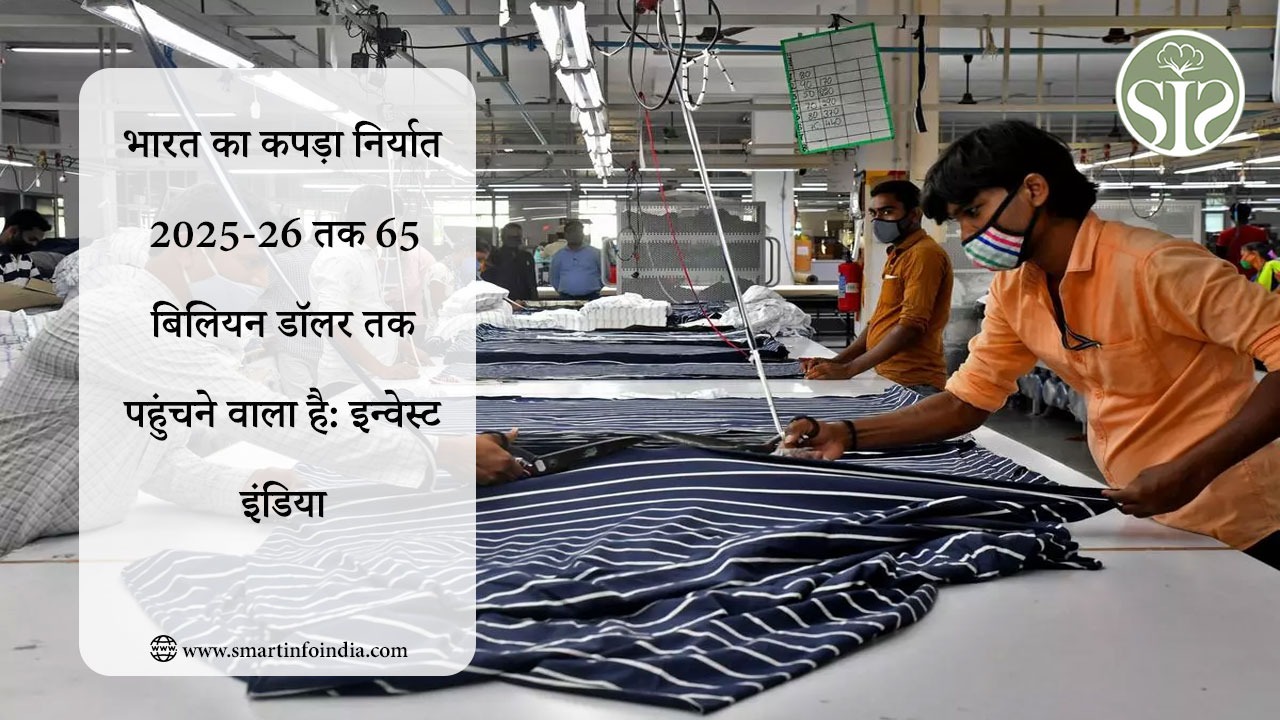
इन्वेस्ट इंडिया का अनुमान है कि 2025-2026 तक भारत का कपड़ा निर्यात 65 अरब डॉलर तक पहुंच जाएगाभारत का कपड़ा उद्योग महत्वपूर्ण वृद्धि के लिए तैयार है, इन्वेस्ट इंडिया की एक रिपोर्ट के अनुसार, वित्तीय वर्ष 2025-26 तक निर्यात 65 बिलियन डॉलर तक पहुंचने का अनुमान है। यह आशावादी पूर्वानुमान घरेलू और अंतर्राष्ट्रीय दोनों बाजारों में मजबूत मांग द्वारा संचालित क्षेत्र के मजबूत विस्तार को रेखांकित करता है।2022 में, भारतीय कपड़ा और परिधान बाजार का मूल्य लगभग 165 बिलियन डॉलर था, जिसमें घरेलू खंड का योगदान 125 बिलियन डॉलर और निर्यात का योगदान 40 बिलियन डॉलर था। उद्योग के अपने ऊपर की ओर बढ़ने की उम्मीद है, अनुमानों के अनुसार 10 प्रतिशत की चक्रवृद्धि वार्षिक वृद्धि दर (CAGR) है। 2030 तक, भारत में वस्त्रों का कुल उत्पादन मूल्य - जिसमें घरेलू खपत और निर्यात दोनों शामिल हैं - 350 बिलियन डॉलर तक पहुँचने की उम्मीद है।इन्वेस्ट इंडिया ने इस तीव्र विस्तार का श्रेय प्रधानमंत्री मोदी द्वारा अपनाए गए दूरदर्शी "फाइबर-टू-फ़ैशन" दृष्टिकोण को दिया है। यह पहल न केवल भारत के कपड़ा उद्योग को वैश्विक मंच पर आगे बढ़ा रही है, बल्कि घरेलू खिलाड़ियों की तकनीकी क्षमताओं और प्रतिस्पर्धात्मकता को भी बढ़ा रही है। सोशल मीडिया प्लेटफ़ॉर्म X पर एक पोस्ट में इन्वेस्ट इंडिया ने कहा, "पीएम मोदी का साहसिक फाइबर-टू-फ़ैशन विज़न कपड़ा उद्योग को वैश्विक बाज़ार में एक प्रेरक शक्ति बनने के लिए मार्गदर्शन कर रहा है, जबकि स्थानीय खिलाड़ियों को क्षमता और तकनीक ला रहा है।"भारत के कपड़ा क्षेत्र के विकास से रोज़गार के महत्वपूर्ण अवसर पैदा होने और देश के समग्र आर्थिक विकास में योगदान देने की भी उम्मीद है। जैसे-जैसे उद्योग विकसित होता रहेगा, यह नवाचार, संधारणीय प्रथाओं और उन्नत विनिर्माण प्रौद्योगिकियों में बढ़ते निवेश को आकर्षित करेगा, जिससे कपड़ा क्षेत्र में वैश्विक नेता के रूप में भारत की स्थिति और मजबूत होगी।और पढ़ें :- कपास की कीमतों पर दबाव की संभावना, क्षेत्रफल और उत्पादकता में गिरावट के बावजूद

उत्पादन और क्षेत्रफल में गिरावट के बावजूद कपास की कीमतों पर दबाव बना रह सकता है।नागपुर: लगातार बारिश के कारण खेती का रकबा घटने और कीटों व बीमारियों के बढ़ते प्रकोप से कपास की उत्पादकता में गिरावट की संभावना है। इसके बावजूद, कृषि मामलों के वरिष्ठ विशेषज्ञ विजय जावंधिया का कहना है कि अमेरिकी बाजार में कपास की कीमतों पर दबाव बना हुआ है, जिससे भारतीय बाजार में भी कपास की कीमतें 6,500 रुपये प्रति क्विंटल के आसपास रहने की उम्मीद है।जावंधिया के अनुसार, फिलहाल अमेरिकी कॉटन मार्केट में 'आउटलुक-ए' की कीमत 78.60 सेंट प्रति पाउंड रुई (2.2 पाउंड = 1 किलो) है। एक क्विंटल कपास से लगभग 35 किलोग्राम रुई और 64 किलोग्राम सरकी प्राप्त होती है। अगर 79 सेंट प्रति पाउंड रुई और 30 रुपये प्रति किलोग्राम सरकी का हिसाब लगाया जाए, तो 35 किलो रुई की कीमत 5,110 रुपये और 64 किलो सरकी की कीमत 1,920 रुपये होती है।इस प्रकार, रुई और सरकी की कुल आय 7,030 रुपये होती है, जिसमें से 500 रुपये की प्रोसेसिंग कॉस्ट घटाने पर शेष 6,500 रुपये बचते हैं। इसलिए, कपास की कीमतों के 6,500 रुपये के बीच रहने की संभावना है। हालांकि, केंद्र सरकार ने इस सीजन के लिए कपास की गारंटी कीमत 7,500 रुपये प्रति क्विंटल घोषित की है।वैश्विक बाजार में मंदी को देखते हुए, किसानों को गारंटी मूल्य से 1,000 रुपये कम मिल सकते हैं, जिससे सरकार को गारंटी मूल्य पर कपास खरीदने की आवश्यकता होगी। जावंधिया ने यह भी सवाल उठाया है कि ऐसे में किसानों की आय दोगुनी करने का लक्ष्य कैसे पूरा किया जा सकता है।और पढ़ें :- हरियाणा में कपास की खरीद 1 अक्टूबर से शुरू होगी, इस सप्ताह CCI की रिकॉर्ड बिक्री होगी
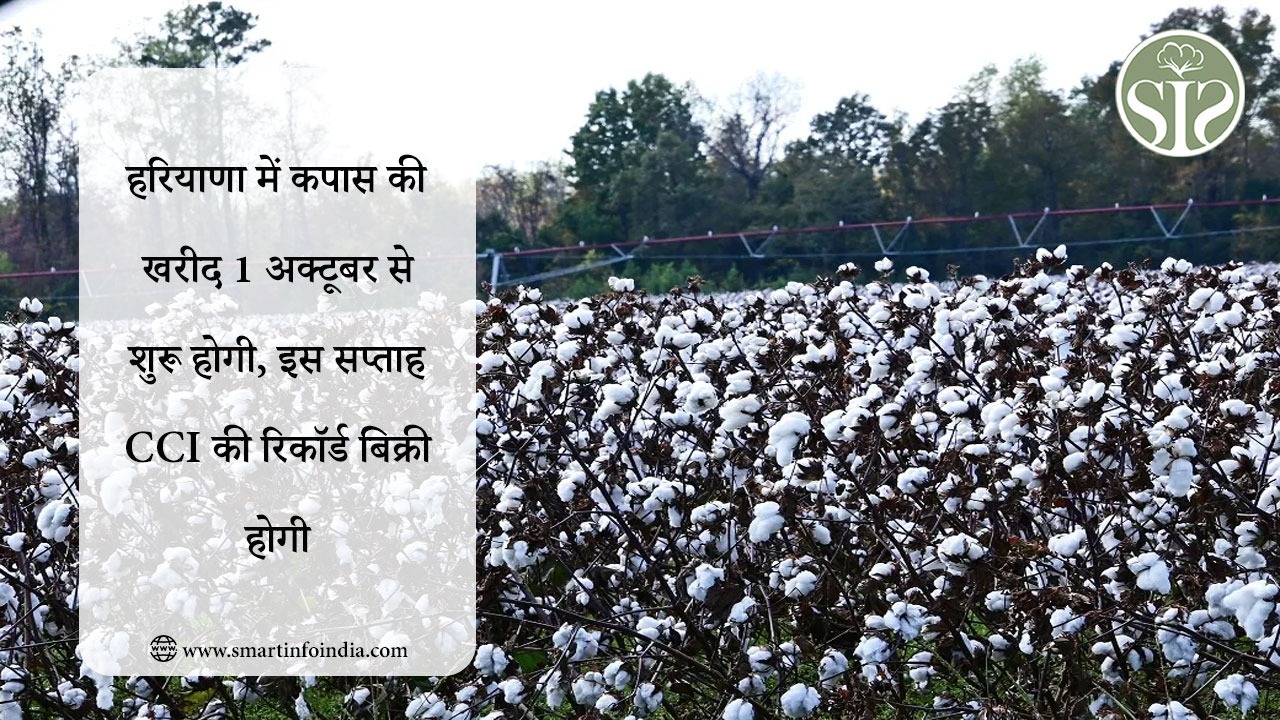
हरियाणा में इस सप्ताह रिकॉर्ड सीसीआई बिक्री के बावजूद 1 अक्टूबर से कपास की खरीद शुरू होगीहरियाणा में खरीफ विपणन सत्र 2024-25 के लिए कपास की खरीद 1 अक्टूबर, 2024 से शुरू होने वाली है। खरीद भारत सरकार के दिशा-निर्देशों का पालन करते हुए भारतीय कपास निगम (CCI) के माध्यम से न्यूनतम समर्थन मूल्य (MSP) पर की जाएगी। यह ऐसे सप्ताह में हुआ है, जब CCI ने असाधारण रूप से उच्च बिक्री दर्ज की, जो नए खरीद सत्र से ठीक पहले मजबूत बाजार गतिविधि का संकेत है।आगामी खरीद की तैयारियों को अंतिम रूप देने के लिए कृषि एवं किसान कल्याण विभाग के अतिरिक्त मुख्य सचिव राजा शेखर वुंडरू की अध्यक्षता में एक समीक्षा बैठक आयोजित की गई। डॉ. वुंडरू ने इस प्रक्रिया के दौरान भारतीय कपास निगम को पूर्ण समर्थन देने की आवश्यकता पर जोर दिया। उन्होंने आश्वासन दिया कि CCI और हरियाणा सरकार दोनों यह सुनिश्चित करने के लिए पूरी तरह तैयार हैं कि किसान बिना किसी समस्या के अपनी फसल बेच सकें।कपास के लिए 20 मंडियां और खरीद केंद्र स्थापितबैठक में यह भी बताया गया कि हरियाणा में कपास की दो किस्में पैदा होती हैं: मीडियम लॉन्ग स्टेपल (26.5-27.0 मिमी) और लॉन्ग स्टेपल (27.5-28.5 मिमी), दोनों की खरीद की जाएगी। इस प्रक्रिया को कारगर बनाने के लिए, राज्य भर में 20 मंडियां और खरीद केंद्र स्थापित किए गए हैं। ये केंद्र निम्नलिखित जिलों में स्थित हैं: सिवानी, ढिगावा और भिवानी (भिवानी जिला); चरखी दादरी (चरखी दादरी जिला); भट्टू, भूना और फतेहाबाद (फतेहाबाद जिला); आदमपुर, बरवाला, हांसी, हिसार और उकलाना (हिसार जिला); उचाना (जींद जिला); कलायत (कैथल जिला); नारनौल (महेंद्रगढ़ जिला); मेहम (रोहतक जिला); और ऐलनाबाद, कालांवाली और सिरसा (सिरसा जिला)।अन्य फसलों की एमएसपी पर खरीदबैठक में एमएसपी पर अन्य फसलों की खरीद पर भी चर्चा की गई। हरियाणा सरकार ने सोयाबीन, मक्का और ज्वार की खरीद के लिए हैफेड को प्राथमिक एजेंसी के रूप में नामित किया है, जिसमें से 100% फसलों का प्रबंधन हैफेड द्वारा किया जाएगा। अन्य फसलों के लिए, हैफेड और अन्य नामित एजेंसियों के बीच 60:40 के अनुपात में खरीद की जाएगी।बैठक में कृषि विभाग के निदेशक श्री राजनारायण कौशिक और खाद्य, नागरिक आपूर्ति और उपभोक्ता मामले विभाग के निदेशक श्री मुकुल कुमार सहित प्रमुख अधिकारियों ने भाग लिया। भारतीय कपास निगम के प्रतिनिधियों ने भी वीडियो कॉन्फ्रेंसिंग के माध्यम से भाग लिया।और पढ़ें :- असमान मानसून ने खरीफ फसलों और कृषि उत्पादन को बाधित किया

रुपया अमेरिकी डॉलर के मुकाबले 4 पैसे बढ़कर 83.89 पर बंद हुआ।शुक्रवार को रुपया सीमित दायरे में कारोबार करते हुए अमेरिकी मुद्रा के मुकाबले 4 पैसे बढ़कर 83.89 (अनंतिम) पर बंद हुआ। गुरुवार को रुपया सीमित दायरे में कारोबार करते हुए अमेरिकी मुद्रा के मुकाबले 3 पैसे गिरकर 83.93 पर बंद हुआ।शेयर बाजार समापन घंटी: सेंसेक्स मामूली बढ़त के साथ बंद हुआ सेंसेक्स 33.02 अंक या 0.04 प्रतिशत बढ़कर 81,086.21 के स्तर पर बंद हुआ।और पढ़ें :- अमेरिकी डॉलर के मुकाबले रुपया 4 पैसे गिरकर 83.95 पर बंद हुआ

अमेरिकी डॉलर के मुकाबले रुपया 4 पैसे टूटकर 83.95 पर बंद हुआ।आयातक डॉलर की मांग और विदेशी फंड के बहिर्वाह के दबाव में भारतीय रुपया गुरुवार को अमेरिकी डॉलर के मुकाबले गिरावट के साथ बंद हुआ। हालाँकि, घरेलू इक्विटी और कच्चे तेल की कम कीमतों ने कुछ समर्थन प्रदान किया।वैश्विक रुझान पर सेंसेक्स 147 अंक चढ़ा, निफ्टी 24,800 से ऊपरलगातार तीसरे दिन बढ़त दर्ज करते हुए, 30 शेयरों वाला बीएसई सेंसेक्स 147.89 अंक या 0.18 प्रतिशत बढ़कर 81,053.19 पर बंद हुआ, जो लगातार तीसरे दिन बढ़त दर्ज करता है।और पढ़ें :- शुरुआती कारोबार में अमेरिकी डॉलर के मुकाबले रुपया 4 पैसे गिरकर 83.94 पर आया

शुरुआती कारोबार में रुपया अमेरिकी डॉलर के मुकाबले 4 पैसे गिरकर 83.94 पर आ गया।अब इक्विटी बेंचमार्क इंडेक्सों की बात करें तो बीएसई सेंसेक्स (BSE Sensex) फिलहाल 253.37 प्वाइंट्स यानी 0.31 फीसदी की तेजी के साथ 81,158.67 और निफ्टी 50 (Nifty 50) 78.20 प्वाइंट्स यानी 0.32 फी सदी के उछाल के साथ 24,848.40 पर है। एक कारोबारी दिन पहले सेंसेक्स 80,905.30 और निफ्टी 24,770.20 पर बंद हुआ था।और पढ़ें :- असमान मानसून ने खरीफ फसलों और कृषि उत्पादन को बाधित किया
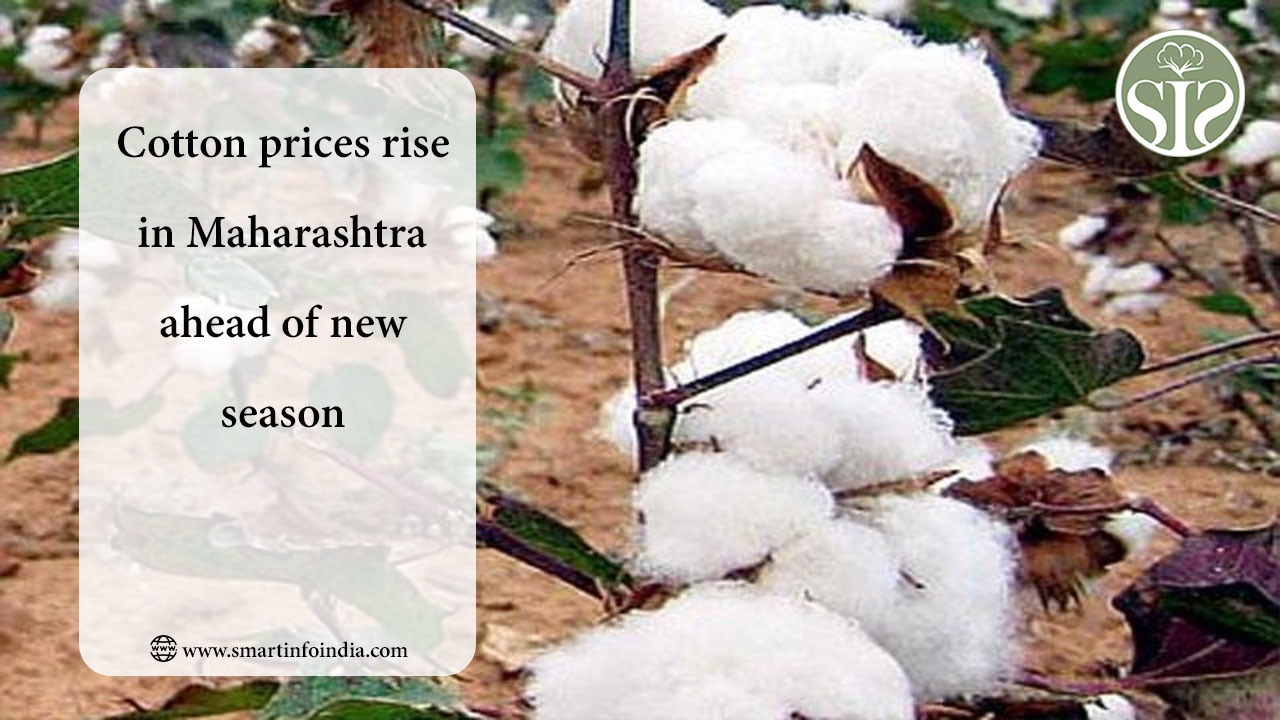
Prior to the new season, cotton prices in Maharashtra increaseAhead of the start of the new cotton season, cotton prices have risen by about 3 per cent in the last 15 days. Currently, the available stock of cotton in the country has decreased, and cotton cultivation has also decreased by about 10 per cent. Along with this, crops have been damaged by rain in Gujarat and Maharashtra, due to which the market is seeing improvement.The new cotton season in India starts in October, while the arrival of cotton in the northern states starts from September itself, as cotton cultivation starts earlier there. Usually before the new season, cotton prices remain high during the off-season, but prices start softening before the new goods come to the market, as the supply increases.This year, however, the market witnessed a decline during the off-season due to several reasons. Cotton prices in the international market reached the lowest level in the last four years, which also put pressure on the domestic market. But, cotton prices in India remained stable compared to the international market, which ranged between Rs 6,800 and Rs 7,300. The main reason for this was the low supply in the country, which kept the prices stable.There was constant pressure in the cotton market for the last three months, raising concerns about the new season. Usually, prices rise in the off-season, but this year prices fell, creating uncertainty in the market. However, cotton prices have improved in the last two weeks due to three major reasons, giving a positive start to the season.Low cotton stockThe country currently has low cotton stock. Production was low last season, while consumption by domestic industries increased and exports are also estimated to be around 28 lakh bales. It is estimated that only 20 lakh bales of cotton will remain in the new season this year. If the arrival of new cotton is delayed due to rain, the shortage of cotton may increase furtherReduction in cultivationCotton cultivation has decreased by about 10 percent compared to last year. There has been a significant reduction in cultivation in northern states like Punjab, Haryana and Rajasthan. Apart from this, cotton acreage has also decreased in Gujarat and Maharashtra. Last season, cotton was cultivated in 122 lakh hectares in the country, which has come down to 111 lakh hectares this year. The decline in cultivation will reduce production, which has supported the prices.Heavy rainsIn recent days, many important cotton producing areas of Gujarat and Maharashtra have received heavy rains, causing damage to the crop. The same situation is in some parts of Madhya Pradesh. The market has already been affected due to low sowing and crop damage. Apart from this, good rains are also expected in September, which may affect the cotton crop. Due to all these reasons, prices are seeing improvement in the market.Read More : - Abohar Flooded After Continuous Rain, Cotton Farmers Fear Crop Damage
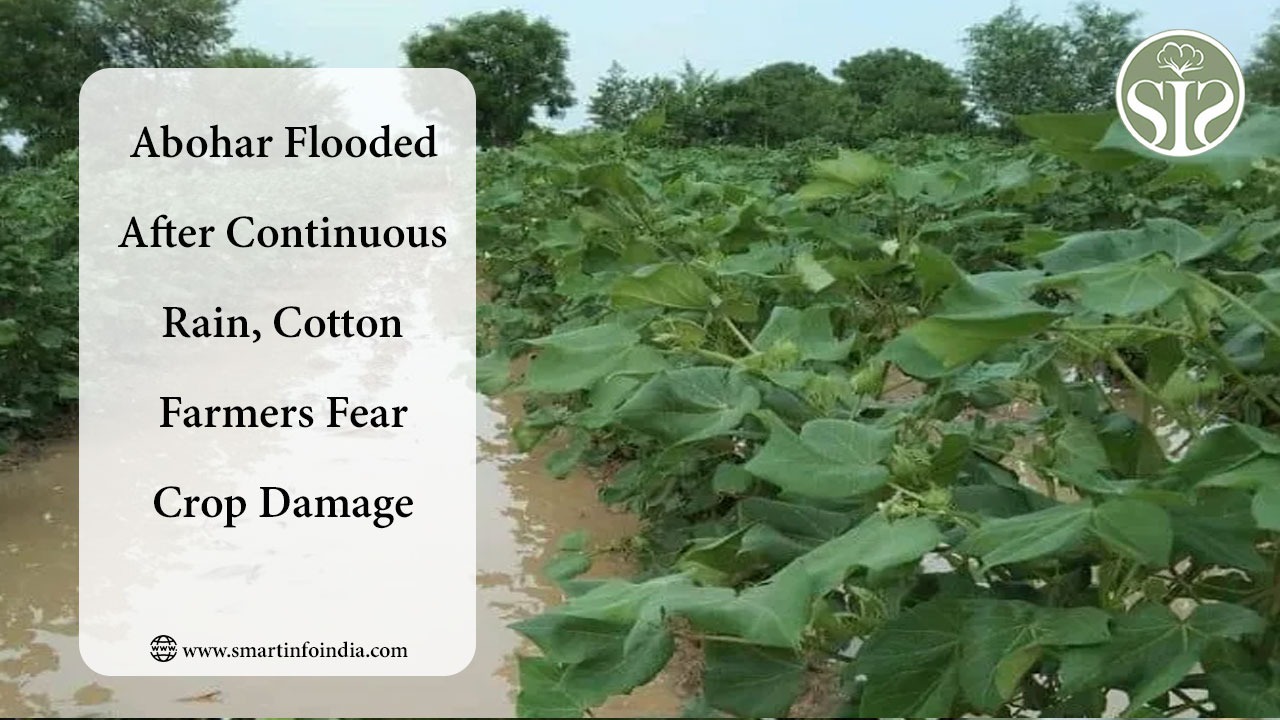
Abohar Flooded Following Nonstop Rain, Worries Cotton Growers About Crop DamageAbohar town and its neighboring villages have been battered by continuous rain for the past 24 hours, leading to severe waterlogging in several areas, including the Sub-divisional Administrative Complex. The situation has left farmers deeply concerned about the cotton crop, as many fields are now submerged.The rain continued intermittently throughout the day, exacerbating water accumulation in the city. The flooding in administrative offices disrupted operations, causing difficulties for both staff and visitors.Residents have expressed frustration that the state government relocated the divisional office of the Punjab Water Supply and Sewerage Board, leaving only junior engineers in Abohar. They also criticized the lack of budget and heavy equipment necessary to clean the main sewage lines before the monsoon season.Read More :> Severe Weather Threatens Gujarat's Cotton and Peanut Crops Ahead of Harvest

Gujarat's Cotton and Peanut Crops Face Danger From Severe Weather Before HarvestGujarat, India's leading cotton and peanut-producing state, is facing a severe threat from ongoing heavy rains and impending strong winds, just as the harvest season approaches. These adverse weather conditions could lead to flooding, endangering key crops in the region.The India Meteorological Department (IMD) has predicted significant rainfall for the Saurashtra and Kachchh regions of Gujarat, continuing for three days through Saturday. The situation is further aggravated by a deep depression near the coast, which is expected to intensify into a cyclone by Friday. Wind speeds could escalate to as high as 85 kilometers (53 miles) per hour, according to a Thursday bulletin.If the cotton crops suffer severe damage, India may be forced to increase its cotton imports, which could provide a boost to global cotton prices that have dropped nearly 15% this year. Meanwhile, a potential decline in peanut production could tighten supplies in the domestic market, impacting a nation that already imports approximately 60% of its vegetable oil needs.Earlier this week, parts of Gujarat experienced flash floods due to heavy rainfall, with one town recording up to 300 millimeters of rain in just 24 hours by Thursday morning, the IMD reported.The National Disaster Response Force (NDRF) has been dispatched to the affected regions, successfully rescuing over 500 individuals from waterlogged areas across several districts of Gujarat, the agency shared on social media.The IMD has issued warnings to oil exploration companies and port operators along the Gujarat and Maharashtra coasts, advising them to monitor the developing weather closely and take appropriate measures until Friday. Fishermen have also been cautioned to avoid the Arabian Sea due to the dangerous conditions.Read More :> Indian Textile Industry Urges Extension of MIP on All Knitted Fabrics to Curb Imports

Rupee Gains 7 Paise Against US Dollar to 83.82Mumbai, Aug 30 (PTI) Rupee appreciated 7 paise to 83.82 against the US dollar in morning trade on Friday, supported by significant foreign fund inflows and a positive trend in domestic equities.Read More :> India's Monsoon Prolonged, Threatening Ripe Crops
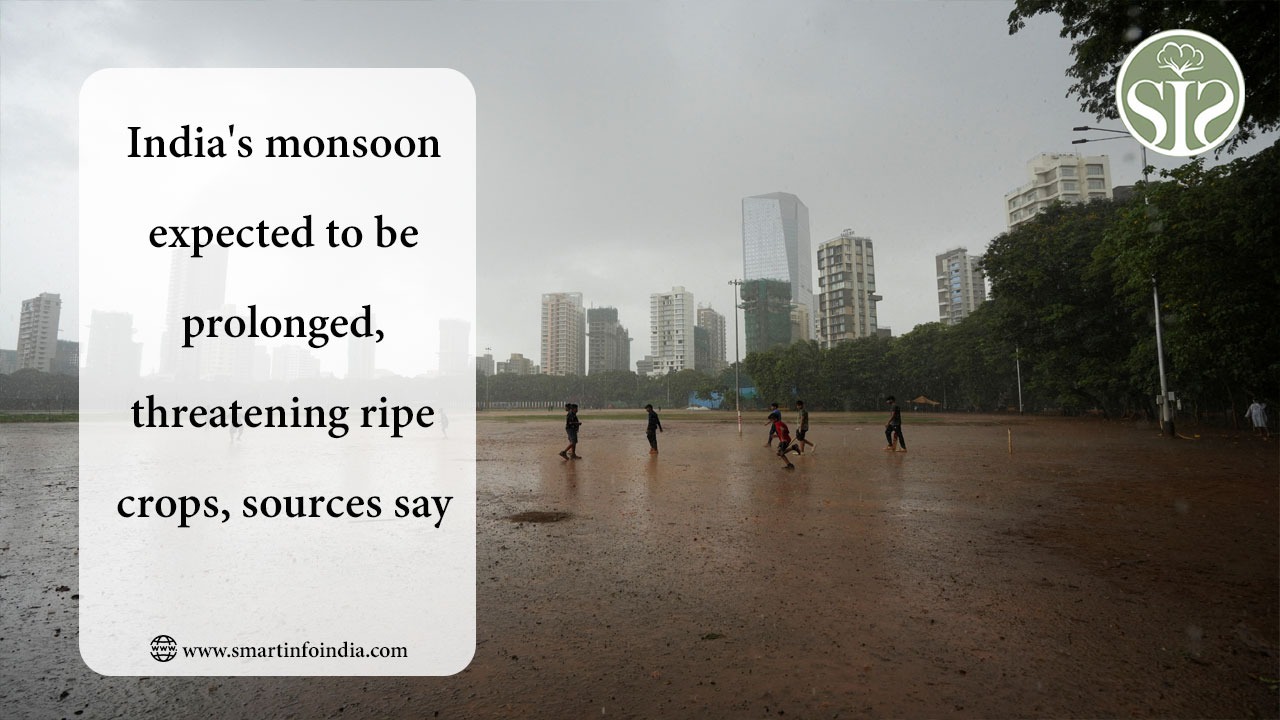
Long-lasting Monsoon in India Endangers Ripe CropsIndia's monsoon season is expected to extend into late September this year due to the formation of a low-pressure system mid-month, according to two weather department.The extended monsoon and above-normal rainfall could jeopardize summer-sown crops such as rice, cotton, soybean, corn, and pulses, which are usually harvested around mid-September. This could lead to increased food inflation. However, the extended rains might also improve soil moisture, potentially benefiting the planting of winter crops like wheat, rapeseed, and chickpea.A senior official from the India Meteorological Department, who requested anonymity, mentioned that there is a heightened chance of a low-pressure system emerging in the third week of September, which might delay the monsoon's retreat.India, a major producer of wheat, sugar, and rice, has already implemented various export restrictions on these commodities. Any additional losses from excessive rainfall could lead the Indian government to extend these restrictions.Typically, the monsoon season starts in June and begins to retreat from northwestern India by September 17, ending across the country by mid-October. The monsoon is crucial for India's $3.5-trillion economy, as it provides nearly 70% of the rainfall needed for agriculture and replenishes water sources. About half of India's farmland relies on this seasonal rain, which normally lasts from June to September.September and October's rainfall could be influenced by developing La Nina conditions, which might cause a delayed monsoon withdrawal, according to another IMD official. Historical patterns suggest that La Nina during the latter part of the monsoon season can result in a prolonged monsoon period.read more :- Indian Textile Industry Urges Extension of MIP on All Knitted Fabrics to Curb Imports

The Indian rupee strengthened on Thursday, Rupee closed at 83.8700 against the U.S. dollar at, up 0.1% from 83.9525 in the previous sessionSensex hit a fresh record high of 82,285.83, while the Nifty 50 scaled a fresh peak of 25,192.90 during the session. The Sensex finally closed 349 points, or 0.43 per cent, higher at 82,134.61. The Nifty 50 settled at 25,151.95, up 100 points, or 0.40 per cent.Read more:- Cotton Prices Rise Amid Tight Supplies, Lower Sowing, and Delayed Crop Arrivals

To reduce imports, the Indian textile industry requests that the Minimum Input Price (MIP) be extended for all knitted fabricsIndia's textile industry is advocating for an extension of the minimum import price (MIP) across all HS lines under Chapter 60, which includes various knitted and crocheted fabrics. The current MIP, applied to five specific HS lines, is set to expire on September 15, 2024, prompting industry stakeholders to call for its broader application to protect domestic producers from a surge in imports.In a letter addressed to the Ministry of Textiles, industry organizations and numerous business leaders expressed concern that imports of knitted fabrics have not decreased significantly, even with the existing MIP on certain fabric types. The Ministry had previously sought input on which specific HS lines at the 6/8-digit level should have an extended or new MIP.R K Vij, Emeritus President of the Textile Association of India (TAI) and Secretary General of the Polyester Textile and Apparel Industry Association (PTAIA), emphasized the detrimental impact of fabric dumping on the domestic market. “The selective MIP on five HS lines has not been effective, as imports surged in other lines. The industry unanimously supports imposing MIP on the entire Chapter 60, which covers all knitted fabrics.”The Confederation of Indian Textile Industry (CITI) echoed these concerns in a letter to the Ministry, noting that since the MIP of $3.5 per kg was introduced, imports of other fabric varieties under different HSN codes have increased at lower prices. The fabric import data from April-June 2024 compared to the same period in 2023 highlights this issue.Industry feedback suggests that previously, due to a uniform duty structure across all knitted fabric categories, significant quantities of fabric were misclassified under Chapter 6006, which should have been categorized under other chapters. Currently, unit import prices for fabrics, particularly under HSN 6001 and 6005, are unsustainable for domestic producers and are harming the local industry. To safeguard the domestic market, the industry is urging the government to extend the MIP beyond September 15, 2024, and to apply the $3.5 per kg MIP to all knitted fabric categories under HSN 6001, 6002, 6003, 6004, and 6005.Support for this measure has also come from various industry bodies, including the North India Textile Mills Association (NITMA), Southern India Mills Association (SIMA), Federation of Surat Textile Traders Association, and Punjab Dyers Association. Many business leaders are calling for stricter controls on fabric imports, arguing that the influx of cheaper fabrics has marginalized the domestic market, especially at a time when global demand for textiles from developed markets is sluggish.Read more :- Cotton Prices Rise Amid Tight Supplies, Lower Sowing, and Delayed Crop Arrivals
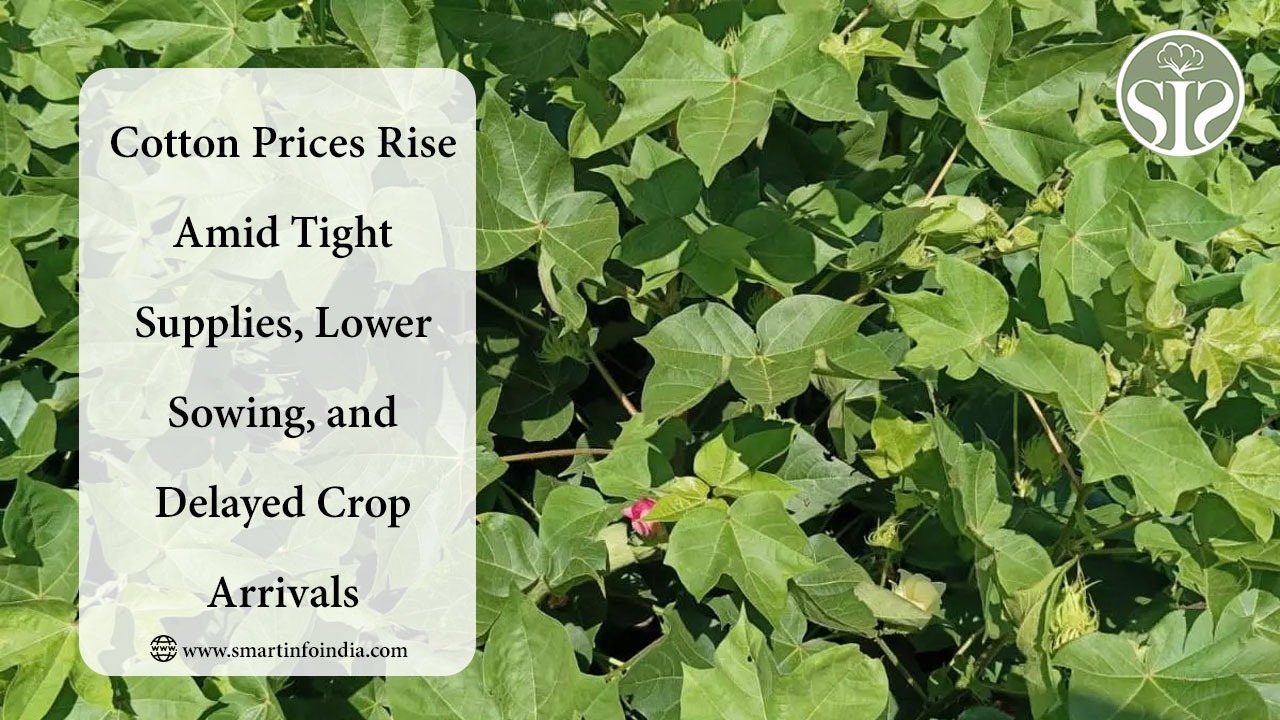
Reduced Sowing, Tight Supply, and Delayed Crop Arrivals Lead to Rising Cotton PricesCotton prices have surged recently due to tight supplies, reduced kharif sowing, and reports of continuous rainfall affecting crop prospects in key producing states like Gujarat and Maharashtra. Spot prices have increased by ₹1,500-2,000 per candy (356 kg) over the past two weeks, representing a 2.5-3 percent rise. Trade experts expect prices to remain steady, with arrivals likely delayed by 15-30 days due to excessive rains.Atul Ganatra, President of the Cotton Association of India (CAI), attributes the price increase to several factors, including a shortage of cotton, a tight closing balance sheet, and reduced sowing. Closing stocks for the 2023-24 season, ending in September, are projected to be below 20 lakh bales (170 kg each).Additionally, the recent uptrend in cotton futures on the Intercontinental Exchange (ICE), where prices have risen from 66.35 cents to 70.35 cents, has also contributed to the local price hike.Ganatra also noted that reduced sowing could impact cotton production for the upcoming 2024-25 season, starting in October. According to the Agriculture Ministry’s latest data, cotton acreage for the current kharif season is down 9 percent, totaling 111 lakh hectares compared to last year’s 122.15 lakh hectares.The decline in acreage is most significant in northern states like Punjab, Haryana, and Rajasthan, as well as in major cotton-producing states such as Gujarat and Maharashtra. In Gujarat, acreage has decreased by 12 percent to 23.58 lakh hectares, while Maharashtra’s cotton area is down to 40.78 lakh hectares from 41.86 lakh hectares last year.The continuous rains have raised concerns about potential crop damage, particularly in Gujarat and Maharashtra. Ganatra notes that heavy rains in these regions have resulted in waterlogged fields, with some areas receiving 20-30 inches of rainfall over the past few days.However, Rajkot-based trader Anand Poppat suggested that while excess rain could harm crops in specific areas of Gujarat, Maharashtra, and Madhya Pradesh, overall, the rains might be beneficial. Poppat believes the upward trend in prices will continue due to tight stock levels and delayed arrivals caused by late sowing across the country.Pradeep Jain, President of Khandesh Gin Press Association in Jalgaon, noted that despite concerns, the crop is in good condition with minimal pest issues, potentially better than the last 2-3 years. Jain added that increased demand for cotton is supporting prices, particularly as there are currently no new arrivals of raw cotton.Ramanuj Das Boob, Vice President of the All India Cotton Brokers Association in Raichur, observed that the crop in Karnataka, Telangana, and Andhra Pradesh looks promising due to timely and adequate rainfall. Boob echoed the sentiment that delayed crop arrivals have driven recent price increases of ₹1,500-2,000 per candy, with the market likely to remain steady until the end of September. He also noted that reduced stock levels with the Cotton Corporation of India, multinationals, and traders will continue to support prices.Cotton Prices Rise Amid Tight Supplies, Lower Sowing, and Delayed Crop ArrivalsCotton prices have surged recently due to tight supplies, reduced kharif sowing, and reports of continuous rainfall affecting crop prospects in key producing states like Gujarat and Maharashtra. Spot prices have increased by ₹1,500-2,000 per candy (356 kg) over the past two weeks, representing a 2.5-3 percent rise. Trade experts expect prices to remain steady, with arrivals likely delayed by 15-30 days due to excessive rains.Atul Ganatra, President of the Cotton Association of India (CAI), attributes the price increase to several factors, including a shortage of cotton, a tight closing balance sheet, and reduced sowing. Closing stocks for the 2023-24 season, ending in September, are projected to be below 20 lakh bales (170 kg each).Additionally, the recent uptrend in cotton futures on the Intercontinental Exchange (ICE), where prices have risen from 66.35 cents to 70.35 cents, has also contributed to the local price hike.Ganatra also noted that reduced sowing could impact cotton production for the upcoming 2024-25 season, starting in October. According to the Agriculture Ministry’s latest data, cotton acreage for the current kharif season is down 9 percent, totaling 111 lakh hectares compared to last year’s 122.15 lakh hectares.The decline in acreage is most significant in northern states like Punjab, Haryana, and Rajasthan, as well as in major cotton-producing states such as Gujarat and Maharashtra. In Gujarat, acreage has decreased by 12 percent to 23.58 lakh hectares, while Maharashtra’s cotton area is down to 40.78 lakh hectares from 41.86 lakh hectares last year.The continuous rains have raised concerns about potential crop damage, particularly in Gujarat and Maharashtra. Ganatra notes that heavy rains in these regions have resulted in waterlogged fields, with some areas receiving 20-30 inches of rainfall over the past few days.However, Rajkot-based trader Anand Poppat suggested that while excess rain could harm crops in specific areas of Gujarat, Maharashtra, and Madhya Pradesh, overall, the rains might be beneficial. Poppat believes the upward trend in prices will continue due to tight stock levels and delayed arrivals caused by late sowing across the country.Pradeep Jain, President of Khandesh Gin Press Association in Jalgaon, noted that despite concerns, the crop is in good condition with minimal pest issues, potentially better than the last 2-3 years. Jain added that increased demand for cotton is supporting prices, particularly as there are currently no new arrivals of raw cotton.Ramanuj Das Boob, Vice President of the All India Cotton Brokers Association in Raichur, observed that the crop in Karnataka, Telangana, and Andhra Pradesh looks promising due to timely and adequate rainfall. Boob echoed the sentiment that delayed crop arrivals have driven recent price increases of ₹1,500-2,000 per candy, with the market likely to remain steady until the end of September. He also noted that reduced stock levels with the Cotton Corporation of India, multinationals, and traders will continue to support prices.Read more :>Possibility of pressure on cotton prices, despite decline in area and productivity

Rupee Gains 9 Penisses Against US Dollar to 83.88Rupee appreciated 9 paise to 83.88 against the US dollar in morning trade on Thursday, supported by the weakness of the American currency in the overseas market and a positive trend in domestic equities.Read More :> India's Textile Exports Set to Reach $65 Billion by 2025-26: Invest India

The rupee closed 2 paise lower at 83.95 against the US dollar this evening.At the close of trading, the BSE Sensex rose 73.80 points or 0.09 per cent to close at 81,785.56. The NSE's 50-share index, Nifty, rose 34.60 points or 0.14 per cent to close at 25,052.35. During the day's trading, the Nifty touched a new high of 25,129.60.Read more:- Attack of leaf wrapping disease on cotton crop

Rupee Depreciates by 2 Paise to 83.95 vs US DollarThe Indian Rupee depreciated by 2 paise to 83.95 against the US dollar in early trade on Wednesday, weighed down by a muted trend in domestic equities. Experts believe the RBI is intervening to prevent further depreciation.Read More :>IMD Warns of Intense Rainfall in Madhya Pradesh, Rajasthan, Gujarat, and Maharashtra

The rupee closed 3 paise lower at 83.93 against the US dollar this evening.At the close of trading, the BSE Sensex rose marginally by 13.65 points or 0.017 per cent to close at 81,711.76. The NSE's 50-share index, the Nifty, rose just 7.15 points or 0.029 per cent to close at 25,017.75.Read more:- IMD Warns of Intense Rainfall in Madhya Pradesh, Rajasthan, Gujarat, and Maharashtra

In early trade, the rupee drops 7 paise to 83.94 against the US dollar.Rupee depreciated 8 paise to 83.95 against the US dollar in morning trade on Tuesday (August 27, 2024), weighed down by elevated crude oil prices and a muted trend in domestic equities.Stock market starts sluggishly, Sensex near 81700, BPCL top loserThe stock market is witnessing flat trading today on 27 August. The major indices of the market are trading sluggishly. The effect of mixed global signals is visible on the markets. Sensex is trading at the level of 81650 and Nifty at 25000. Read More :> Attack of leaf wrapping disease on cotton crop

The rupee closed 1 paisa lower at 83.90 against the US dollar this evening.At the close of trading, the BSE Sensex rose 611.90 points or 0.75 per cent to close at 81,698.11. The NSE's 50-share index, Nifty, rose 187.45 points or 0.76 per cent to close at 25,010.60.read more:-India's Textile Exports Set to Reach $65 Billion by 2025-26: Invest India
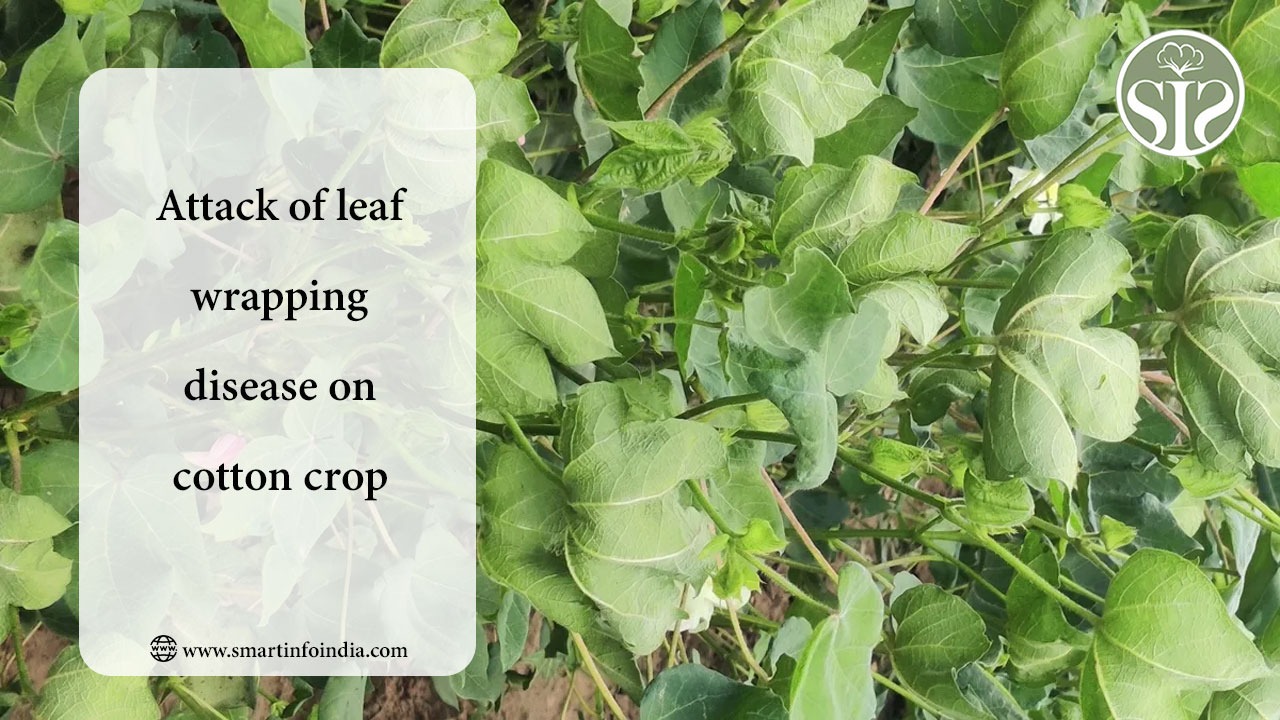
Disease known as leaf wrapping attacks cotton crops.Uchana. Due to the spread of leaf wrapping disease in cotton crop, farmers are worried about the decrease in c. Due to this disease, insects start attacking the pods of the crop, due to which the cotton inside the pods starts getting spoiled. As a result, the production of the crop can be badly affected. To protect against this disease, farmers have been forced to use expensive sprays and pesticides.Every year, there was an outbreak of pink caterpillar on the cotton crop, but this time its effect is less visible than last year. Farmers Jaibir, Dilbagh, and Birendra said that due to diseases in the cotton crop every year, they have started losing interest in cultivating this crop. This time the leaf wrapping disease has surrounded the crop, due to which they have to spray expensive sprays and pesticides.Farmers have to bear an additional expenditure of Rs 1500 to Rs 2000 per acre. This time the weather has also not been favorable for the crop, and the leaf wrapping disease can have a profound effect on production. Due to less rainfall, this time the crops are falling prey to diseases. Earlier where 15 to 20 maunds of cotton was expected per acre, now due to the disease, it is expected that only 5 to 7 maunds of cotton will be obtained.

IMD Alerts Madhya Pradesh, Rajasthan, Gujarat, and Maharashtra to Severe RainfallThe India Meteorological Department (IMD) has issued warnings for intense rainfall and strong winds across several states, including Madhya Pradesh, Rajasthan, Gujarat, and Maharashtra. On August 26, 2024, the IMD reported that a depression over northwest Madhya Pradesh and adjoining east Rajasthan has intensified into a deep depression. This system is expected to bring heavy to extremely heavy rainfall to parts of these states, as well as to Gujarat, Goa, and Maharashtra, over the next two to three days.As of 11:30 PM on August 25, the deep depression was centered approximately 70 km south-southeast of Chittorgarh, Rajasthan. It is forecasted to move west-southwest, impacting South Rajasthan and Gujarat, and is expected to reach Saurashtra, Kutch, and parts of Pakistan by August 29, according to an IMD update issued at 2 AM.In addition, the IMD noted the presence of another low-pressure area over Bangladesh and adjoining Gangetic West Bengal. This system is likely to intensify and move toward Gangetic West Bengal, North Odisha, and Jharkhand in the next two days.A red alert has been issued for West Madhya Pradesh on August 26, with expectations of heavy to extremely heavy rainfall. Similar weather conditions are forecasted for East and South Rajasthan, Gujarat, Saurashtra, and Kutch from August 26 to 29.Regions including Konkan, Goa, Madhya Maharashtra, Odisha, Gangetic West Bengal, and Jharkhand are also expected to experience heavy to extremely heavy rainfall over the next two days.The IMD has warned of strong winds reaching up to 50 kmph in Madhya Pradesh on August 26 and up to 60 kmph in South Rajasthan from August 26-27. In Gujarat, nearby Pakistan, North Maharashtra, and the northeast Arabian Sea, wind speeds could reach up to 55 kmph on August 26, increasing to 60 kmph on August 27 and 28.Rough to very rough sea conditions are anticipated off the coasts of Gujarat, Pakistan, and North Maharashtra until August 30. Similar conditions are expected in the North Bay of Bengal on August 26.The IMD has advised fisherfolk to avoid venturing into the Arabian Sea and Bay of Bengal, particularly around the coasts of Gujarat, Pakistan, and Maharashtra, until August 30. Small ships and exploration and production operators have been urged to monitor weather developments closely and take necessary precautions.The public is advised to avoid areas prone to waterlogging and check for traffic advisories before traveling. Farmers in affected regions should ensure proper drainage in fields and provide support to crops, as per the IMD's recommendations.The IMD also warned of potential localized flooding, road closures, and waterlogging, particularly in urban areas. There is an increased risk of landslides and damage to horticultural crops due to inundation in the affected regions.read more :- India's Textile Exports Set to Reach $65 Billion by 2025-26: Invest India

Invest India Projects That India's Textile Exports Will Hit $65 Billion by 2025–2026India’s textile industry is poised for significant growth, with exports projected to hit $65 billion by the financial year 2025-26, according to a report by Invest India. This optimistic forecast underscores the robust expansion of the sector, driven by strong demand in both domestic and international markets.In 2022, the Indian textile and apparel market was valued at approximately $165 billion, with the domestic segment contributing $125 billion and exports accounting for $40 billion. The industry is expected to continue its upward trajectory, with projections indicating a compound annual growth rate (CAGR) of 10 percent. By 2030, the total production value for textiles in India—encompassing both domestic consumption and exports—is expected to reach $350 billion.Invest India attributes this rapid expansion to the visionary "fibre-to-fashion" approach championed by Prime Minister Modi. This initiative is not only propelling India’s textile industry onto the global stage but is also enhancing the technological capabilities and competitiveness of domestic players. "PM Modi's bold fibre-to-fashion vision is guiding the textile industry to become a driving force in the global market while bringing competence and technology to local players," Invest India stated in a post on the social media platform X.The growth of India's textile sector is also expected to create significant employment opportunities and contribute to the overall economic development of the country. As the industry continues to evolve, it will likely attract increased investment in innovation, sustainable practices, and advanced manufacturing technologies, further solidifying India's position as a global leader in textiles.read more :- Possibility of pressure on cotton prices, despite decline in area and productivity

Pressure on cotton prices could exist even while production and area are declining.Nagpur: Due to continuous rains, the area under cultivation is decreasing and the increasing incidence of pests and diseases is likely to lead to a decline in the productivity of cotton. Despite this, senior agricultural expert Vijay Javandiha says that there is pressure on the prices of cotton in the US market, due to which the prices of cotton in the Indian market are also expected to remain around Rs 6,500 per quintal.According to Javandiha, currently the price of 'Outlook-A' in the US cotton market is 78.60 cents per pound of cotton (2.2 pounds = 1 kg). About 35 kg of cotton and 64 kg of sardki are obtained from one quintal of cotton. If 79 cents per pound of cotton and Rs 30 per kg of sardki are calculated, then the price of 35 kg of cotton is Rs 5,110 and the price of 64 kg of sardki is Rs 1,920.Thus, the total income of cotton and sarkki is Rs 7,030, from which Rs 6,500 remains after deducting the processing cost of Rs 500. Therefore, cotton prices are likely to remain in the range of Rs 6,500. However, the central government has announced a guaranteed price of Rs 7,500 per quintal for cotton for this season.Given the slowdown in the global market, farmers may get Rs 1,000 less than the guaranteed price, which will require the government to buy cotton at the guaranteed price. Javandhiya has also raised the question that in such a situation, how can the target of doubling the income of farmers be achieved. read more :- Cotton Procurement in Haryana to Begin on October 1 Amid Record CCI Sales This Week
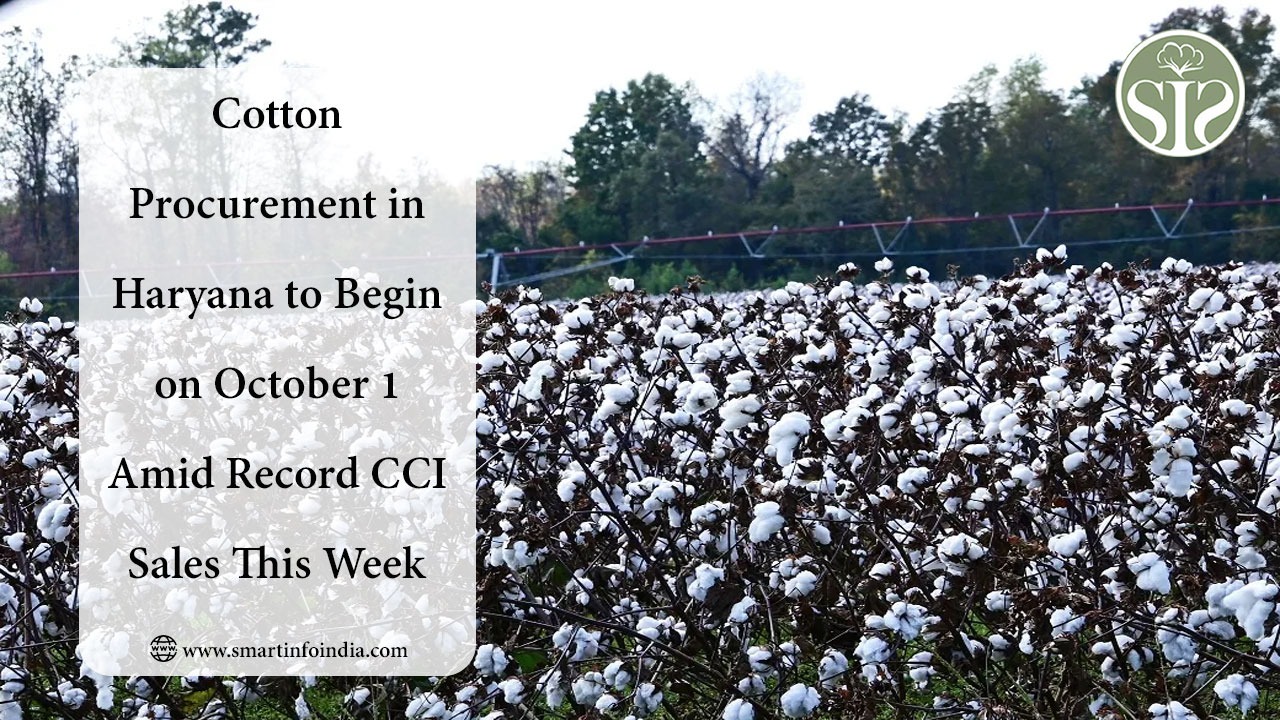
Haryana's October 1st Cotton Procurement Will Start Despite This Week's Record CCI SalesCotton procurement for the Kharif Marketing Season 2024-25 in Haryana is set to commence on October 1, 2024. The procurement will be carried out at the Minimum Support Price (MSP) through the Cotton Corporation of India (CCI), following the guidelines of the Government of India. This comes in a week where CCI recorded exceptionally high sales, signaling strong market activity just ahead of the new procurement season.A review meeting, chaired by the Additional Chief Secretary of the Agriculture and Farmers Welfare Department, Raja Sekhar Vundru, was held to finalize the preparations for the upcoming procurement. Dr. Vundru emphasized the need to extend full support to the Cotton Corporation of India during the process. He assured that both the CCI and the Haryana Government are fully prepared to ensure that farmers can sell their crops without any issues.20 Mandis and Procurement Centers Established for CottonThe meeting also outlined that Haryana produces two varieties of cotton: Medium Long Staple (26.5-27.0 mm) and Long Staple (27.5-28.5 mm), both of which will be procured. To streamline this process, 20 mandis and procurement centers have been established across the state. These centers are located in the following districts: Siwani, Dhigawa, and Bhiwani (Bhiwani District); Charkhi Dadri (Charkhi Dadri District); Bhattu, Bhuna, and Fatehabad (Fatehabad District); Adampur, Barwala, Hansi, Hisar, and Uklana (Hisar District); Uchana (Jind District); Kalayat (Kaithal District); Narnaul (Mahendragarh District); Meham (Rohtak District); and Ellenabad, Kalanwali, and Sirsa (Sirsa District).Procurement of Other Crops at MSPThe meeting also addressed the procurement of other crops at MSP. The Haryana Government has designated HAFED as the primary agency responsible for procuring soybean, maize, and sorghum, with 100% of these crops being managed by HAFED. For other crops, procurement will be conducted in a 60:40 ratio between HAFED and other designated agencies.Key officials, including the Director of the Agriculture Department, Sh. Rajnarayan Kaushik, and the Director of the Food, Civil Supplies, and Consumer Affairs Department, Sh. Mukul Kumar, attended the meeting, along with other officers. Representatives from the Cotton Corporation of India also participated via video conferencing.read more :- Uneven Monsoon Disrupts Kharif Crops and Agricultural Production

Rupee adds 4 paise versus the US dollar to conclude at 83.89.The rupee traded in a narrow range and settled higher by 4 paise at 83.89 (provisional) against the American currency on friday . On Thursday, the rupee traded in a narrow range and settled lower by 3 paise at 83.93 against the American currency.Stock Market Closing Bell: Sensex closes marginally higher Sensex settles 33.02 points or 0.04 per cent higher at 81,086.21 levels.read more :- Rupee Falls 4 Paise to Close at 83.95 Against US Dollar

આયાત ઘટાડવા માટે, ભારતીય કાપડ ઉદ્યોગે તમામ વણાયેલા કાપડ માટે લઘુત્તમ ઇનપુટ કિંમત (MIP) વધારવા વિનંતી કરી છેભારતનો કાપડ ઉદ્યોગ પ્રકરણ 60 હેઠળની તમામ HS લાઇનમાં લઘુત્તમ આયાત કિંમત (MIP) વધારવાની હિમાયત કરે છે, જેમાં વિવિધ ગૂંથેલા અને ક્રોશેટેડ કાપડનો સમાવેશ થાય છે. પાંચ ચોક્કસ HS લાઇન્સ પર લાગુ થતી હાલની MIP 15 સપ્ટેમ્બર, 2024 ના રોજ સમાપ્ત થવાની છે, અગ્રણી ઉદ્યોગના હિસ્સેદારોએ સ્થાનિક ઉત્પાદકોને આયાતમાં વધારાથી બચાવવા માટે તેની વ્યાપક એપ્લિકેશનની માંગણી કરી છે.કાપડ મંત્રાલયને લખેલા પત્રમાં, ઉદ્યોગ સંગઠનો અને ઘણા વેપારી નેતાઓએ ચિંતા વ્યક્ત કરી હતી કે અમુક પ્રકારના કાપડ પર હાલની MIP હોવા છતાં પણ વણેલા કાપડની આયાતમાં નોંધપાત્ર ઘટાડો થયો નથી. મંત્રાલયે અગાઉ 6/8-અંકના સ્તરે કઈ વિશિષ્ટ HS લાઈનો વિસ્તૃત અથવા નવી MIP હોવી જોઈએ તે અંગેના ઇનપુટ્સ માંગ્યા હતા.ટેક્સટાઈલ એસોસિયેશન ઓફ ઈન્ડિયા (TAI)ના પ્રમુખ એમેરેટસ અને પોલિએસ્ટર ટેક્સટાઈલ એન્ડ એપેરલ ઈન્ડસ્ટ્રી એસોસિએશન (PTAIA)ના જનરલ સેક્રેટરી આરકે વિજે સ્થાનિક બજાર પર ફેબ્રિક ડમ્પિંગની હાનિકારક અસર પર ભાર મૂક્યો હતો. "પાંચ HS લાઇન પર પસંદગીયુક્ત MIP અસરકારક રહી નથી, કારણ કે અન્ય લાઇનોમાં આયાત વધી છે. ઉદ્યોગ સર્વસંમતિથી સમગ્ર પ્રકરણ 60 પર MIP લાદવાનું સમર્થન કરે છે, જે તમામ વણાયેલા કાપડને આવરી લે છે."કન્ફેડરેશન ઓફ ઈન્ડિયન ટેક્સટાઈલ ઈન્ડસ્ટ્રીઝ (CITI) એ મંત્રાલયને લખેલા પત્રમાં આ ચિંતાઓને પુનરાવર્તિત કરી હતી, જેમાં જણાવ્યું હતું કે જ્યારથી પ્રતિ કિલો $3.5ની MIP રજૂ કરવામાં આવી છે, ત્યારથી વિવિધ HSN કોડ્સ હેઠળની અન્ય ફેબ્રિકની જાતો નીચા ભાવે આયાત કરવામાં આવી છે પરંતુ તેમાં વધારો થયો છે . 2023ના સમાન સમયગાળાની સરખામણીમાં એપ્રિલ-જૂન 2024 માટેના ફેબ્રિક આયાત ડેટા આ મુદ્દાને હાઇલાઇટ કરે છે.ઉદ્યોગ પ્રતિસાદ દર્શાવે છે કે અગાઉ, તમામ ગૂંથેલા ફેબ્રિક કેટેગરીમાં એકસમાન ડ્યુટી સ્ટ્રક્ચરને કારણે, પ્રકરણ 6006 હેઠળ કાપડની નોંધપાત્ર માત્રાને ખોટી રીતે વર્ગીકૃત કરવામાં આવી હતી, જે અન્ય પ્રકરણો હેઠળ વર્ગીકૃત થવી જોઈએ. હાલમાં, ખાસ કરીને HSN 6001 અને 6005 હેઠળના કપડા માટેના એકમ આયાતના ભાવ સ્થાનિક ઉત્પાદકો માટે બિનટકાઉ છે અને સ્થાનિક ઉદ્યોગને નુકસાન પહોંચાડી રહ્યા છે. સ્થાનિક બજારને સુરક્ષિત રાખવા માટે, ઉદ્યોગ સરકારને MIPને 15 સપ્ટેમ્બર, 2024 સુધી લંબાવવા અને HSN 6001, 6002, 6003, 6004 અને 6005 હેઠળ તમામ ગૂંથેલા ફેબ્રિક કેટેગરીઝ પર પ્રતિ કિલો MIP $3.5 લાદવા વિનંતી કરે છે.આ પગલાને નોર્થ ઈન્ડિયા ટેક્સટાઈલ મિલ્સ એસોસિએશન (NITMA), સધર્ન ઈન્ડિયા મિલ્સ એસોસિએશન (SIMA), સુરત ટેક્સટાઈલ ટ્રેડર્સ એસોસિએશન અને પંજાબ ડાયર્સ એસોસિએશન સહિત વિવિધ ઉદ્યોગ સંસ્થાઓનો પણ ટેકો મળ્યો છે. ઘણા વ્યાપારી નેતાઓ કાપડની આયાત પર કડક નિયંત્રણની માગણી કરી રહ્યા છે, એવી દલીલ કરે છે કે સસ્તા કાપડના પ્રવાહે સ્થાનિક બજારને હાંસિયામાં ધકેલી દીધું છે, ખાસ કરીને એવા સમયે જ્યારે વિકસિત બજારોમાંથી કાપડની વૈશ્વિક માંગ સુસ્ત છે.વધુ વાંચો :- ઓછા પુરવઠા, ઓછી વાવણી અને લણણીમાં વિલંબ વચ્ચે કપાસના ભાવ વધે છે
ઘટેલી વાવણી, ચુસ્ત પુરવઠો અને પાકનું વિલંબિત આગમન કપાસના ભાવમાં વધારો તરફ દોરી જાય છેગુજરાત અને મહારાષ્ટ્ર જેવા મુખ્ય ઉત્પાદક રાજ્યોમાં ટૂંકા પુરવઠા, ઓછી ખરીફ વાવણી અને અવિરત વરસાદના કારણે પાકની સંભાવનાઓ પર અસર થવાના અહેવાલોને કારણે તાજેતરમાં કપાસના ભાવમાં વધારો થયો છે. છેલ્લા બે સપ્તાહમાં સ્પોટના ભાવમાં પ્રતિ કેન્ડી (356 કિગ્રા) ₹1,500-2,000નો વધારો થયો છે, જે 2.5-3 ટકાનો વધારો દર્શાવે છે. જ્યારે વેપાર નિષ્ણાતો અપેક્ષા રાખે છે કે ભાવ સ્થિર રહેશે, અતિશય વરસાદને કારણે આગમનમાં 15-30 દિવસનો વિલંબ થઈ શકે છે.કોટન એસોસિએશન ઓફ ઈન્ડિયા (CAI)ના પ્રમુખ અતુલ ગણાત્રાએ ભાવમાં વધારા માટે કપાસની અછત, ચુસ્ત બંધ બેલેન્સશીટ અને ઓછી વાવણી સહિતના અનેક પરિબળોને જવાબદાર ગણાવ્યા હતા. સપ્ટેમ્બરમાં સમાપ્ત થનારી 2023-24 સિઝન માટે ક્લોઝિંગ સ્ટોક 20 લાખ ગાંસડી (દરેક 170 કિલો) કરતાં ઓછો હોવાનો અંદાજ છે.વધુમાં, ઇન્ટરકોન્ટિનેન્ટલ એક્સચેન્જ (ICE) પર કોટનના વાયદામાં તાજેતરનો વધારો, જ્યાં ભાવ 66.35 સેન્ટ્સથી વધીને 70.35 સેન્ટ્સ થયો હતો, તેણે પણ સ્થાનિક ભાવ વધારામાં ફાળો આપ્યો હતો.ગણાત્રાએ એમ પણ જણાવ્યું હતું કે ઓકટોબરથી શરૂ થનારી આગામી 2024-25 સીઝન માટે નીચી વાવણી કપાસના ઉત્પાદનને અસર કરી શકે છે. કૃષિ મંત્રાલયના તાજેતરના ડેટા અનુસાર, ચાલુ ખરીફ સિઝનમાં કપાસનું વાવેતર ગયા વર્ષના 122.15 લાખ હેક્ટરની સરખામણીએ 9 ટકા ઘટીને કુલ 111 લાખ હેક્ટર થયું છે.પંજાબ, હરિયાણા અને રાજસ્થાન જેવા ઉત્તરીય રાજ્યો તેમજ ગુજરાત અને મહારાષ્ટ્ર જેવા કપાસ ઉત્પાદક રાજ્યોમાં વિસ્તારનો ઘટાડો સૌથી વધુ છે. ગુજરાતમાં કપાસનું વાવેતર 12 ટકા ઘટીને 23.58 લાખ હેક્ટર થયું છે, જ્યારે મહારાષ્ટ્રમાં કપાસનું વાવેતર ગયા વર્ષના 41.86 લાખ હેક્ટરથી ઘટીને 40.78 લાખ હેક્ટર થયું છે.સતત વરસાદે ખાસ કરીને ગુજરાત અને મહારાષ્ટ્રમાં સંભવિત પાકના નુકસાનની ચિંતા વધારી છે. ગણાત્રાએ જણાવ્યું હતું કે આ વિસ્તારોમાં ભારે વરસાદને કારણે ખેતરોમાં પાણી ભરાઈ ગયા છે, કેટલાક વિસ્તારોમાં છેલ્લા કેટલાક દિવસોમાં 20-30 ઈંચ વરસાદ નોંધાયો છે.જો કે, રાજકોટ સ્થિત વેપારી આનંદ પોપટે સૂચન કર્યું હતું કે ગુજરાત, મહારાષ્ટ્ર અને મધ્યપ્રદેશના કેટલાક વિસ્તારોમાં વધુ વરસાદથી પાકને નુકસાન થઈ શકે છે, પરંતુ એકંદરે, વરસાદ ફાયદાકારક બની શકે છે. પોપટ માને છે કે નીચા સ્ટોક લેવલ અને દેશભરમાં મોડી વાવણીને કારણે મોડી આવકને કારણે ભાવમાં વધારો ચાલુ રહેશે.જલગાંવમાં ખાનદેશ જિન પ્રેસ એસોસિએશનના પ્રમુખ પ્રદીપ જૈને જણાવ્યું હતું કે ચિંતાઓ હોવા છતાં, પાક સારી સ્થિતિમાં છે અને જીવાતની સમસ્યા ઓછી છે, જે કદાચ છેલ્લા 2-3 વર્ષથી વધુ સારી છે. જૈને જણાવ્યું હતું કે કપાસની વધતી માંગ ભાવમાં વધારો કરી રહી છે, ખાસ કરીને હાલમાં કાચા કપાસની નવી આવકો નથી.રાયચુરમાં ઓલ ઈન્ડિયા કોટન બ્રોકર્સ એસોસિએશનના વાઇસ પ્રેસિડેન્ટ રામાનુજ દાસ બૂબે જણાવ્યું હતું કે સમયસર અને પર્યાપ્ત વરસાદને કારણે કર્ણાટક, તેલંગાણા અને આંધ્ર પ્રદેશમાં પાક આશાસ્પદ દેખાઈ રહ્યો છે. બબે એ માન્યતાને પુનરોચ્ચાર કર્યો કે તાજેતરના કેન્ડી દીઠ ₹1,500-2,000નો ભાવ વધારો પાકના આગમનમાં વિલંબને કારણે થયો છે અને સપ્ટેમ્બરના અંત સુધી બજાર સ્થિર રહેવાની શક્યતા છે. તેમણે એમ પણ કહ્યું કે કોટન કોર્પોરેશન ઓફ ઈન્ડિયા, MNC અને વેપારીઓ પાસે સ્ટોકનું નીચું સ્તર ભાવને ટેકો આપવાનું ચાલુ રાખશે.વધુ વાંચો :> વિસ્તાર અને ઉત્પાદકતામાં ઘટાડો હોવા છતાં કપાસના ભાવ દબાણ હેઠળ રહેવાની શક્યતા છે

યુએસ ડૉલર સામે રૂપિયો 9 પેનિસિસ વધીને 83.88 થયોવિદેશી બજારમાં અમેરિકન ચલણની નબળાઈ અને સ્થાનિક ઈક્વિટીમાં સકારાત્મક વલણને કારણે ગુરુવારે સવારના વેપારમાં યુએસ ડૉલર સામે રૂપિયો 9 પૈસા વધીને 83.88 પર પહોંચ્યો હતો.વધુ વાંચો :> ભારતની કાપડની નિકાસ 2025-26 સુધીમાં $65 બિલિયન સુધી પહોંચશે: ઈન્વેસ્ટ ઈન્ડિયા

આજે સાંજે ડોલર સામે રૂપિયો 2 પૈસાની નબળાઈ સાથે રૂ.83.95 પર બંધ થયો હતો.ટ્રેડિંગના અંતે BSE સેન્સેક્સ 73.80 પોઈન્ટ્સ અથવા 0.09 ટકાના વધારા સાથે 81,785.56 પર બંધ રહ્યો હતો. જ્યારે એનએસઈનો 50 શેરવાળો ઈન્ડેક્સ નિફ્ટી માત્ર 34.60 પોઈન્ટ અથવા 0.14 ટકાના વધારા સાથે 25,052.35 ના સ્તર પર બંધ થયો હતો. દિવસના કારોબાર દરમિયાન નિફ્ટી 25,129.60ની નવી ટોચે પહોંચ્યો હતો.વધુ વાંચો:- કપાસના પાક પર લીફ રેપ રોગનો હુમલો

યુએસ ડૉલર સામે રૂપિયો 2 પૈસા ઘટીને 83.95 થયોભારતીય રૂપિયો બુધવારે શરૂઆતના વેપારમાં યુએસ ડૉલર સામે 2 પૈસા ઘટીને 83.95 પર પહોંચ્યો હતો, જે સ્થાનિક ઇક્વિટીમાં મ્યૂટ વલણને કારણે વજનમાં હતો. નિષ્ણાતો માને છે કે આરબીઆઈ વધુ ઘસારા અટકાવવા દરમિયાનગીરી કરી રહી છે.વધુ વાંચો :>IMDએ મધ્યપ્રદેશ, રાજસ્થાન, ગુજરાત અને મહારાષ્ટ્રમાં ભારે વરસાદની ચેતવણી આપી છે

આજે સાંજે ડોલર સામે રૂપિયો 3 પૈસાની નબળાઈ સાથે રૂ. 83.93 પર બંધ થયો હતો.ટ્રેડિંગના અંતે BSE સેન્સેક્સ 13.65 પોઈન્ટ અથવા 0.017 ટકાના નજીવા વધારા સાથે 81,711.76 પર બંધ રહ્યો હતો. જ્યારે NSEનો 50 શેરનો ઈન્ડેક્સ નિફ્ટી માત્ર 7.15 પોઈન્ટ અથવા 0.029 ટકા વધીને 25,017.75 ના સ્તર પર બંધ થયો હતો.વધુ વાંચો:- IMDએ મધ્યપ્રદેશ, રાજસ્થાન, ગુજરાત અને મહારાષ્ટ્રમાં ભારે વરસાદની ચેતવણી આપી છે

શરૂઆતના કારોબારમાં અમેરિકી ડોલર સામે રૂપિયો 7 પૈસા ઘટીને 83.94 પર છે.મંગળવારે (27 ઓગસ્ટ, 2024) સવારના વેપારમાં યુએસ ડૉલર સામે રૂપિયો 8 પૈસા ઘટીને 83.95 થયો હતો, જે ક્રૂડ ઓઇલના વધેલા ભાવો અને સ્થાનિક ઇક્વિટીમાં મ્યૂટ વલણને કારણે ઘટ્યો હતો.શેરબજારની શરૂઆત સુસ્તીથી, સેન્સેક્સ 81700ની નજીક, BPCL ટોપ લૂઝરશેરબજારમાં આજે 27 ઓગસ્ટના રોજ ફ્લેટ ટ્રેડિંગ જોવા મળી રહ્યું છે. બજારના મુખ્ય સૂચકાંકો સુસ્ત રીતે કારોબાર કરી રહ્યા છે. મિશ્ર વૈશ્વિક સંકેતોની અસર બજારો પર દેખાઈ રહી છે. સેન્સેક્સ 81650 અને નિફ્ટી 25000 ના સ્તર પર કારોબાર કરી રહ્યા છે.વધુ વાંચો :> કપાસના પાક પર લીફ રેપ રોગનો હુમલો

તે આજે સાંજે રૂ.83.90 પર બંધ રહ્યો હતો.ટ્રેડિંગના અંતે, કિશોરી 611.90 પોઈન્ટ અથવા 0.75 ટકા વધીને 81,698.11 પર બંધ રહ્યો હતો. આ સિવાય NOSCના 50 શેરવાળા ટ્રેડર 187.45 પોઈન્ટ અથવા 0.76 ટકાના વધારા સાથે 25,010.60 પર બંધ થયા છે.વધુ વાંચો:- ભારતની કાપડની નિકાસ 2025-26 સુધીમાં $65 બિલિયન સુધી પહોંચશે: ઈન્વેસ્ટ ઈન્ડિયા
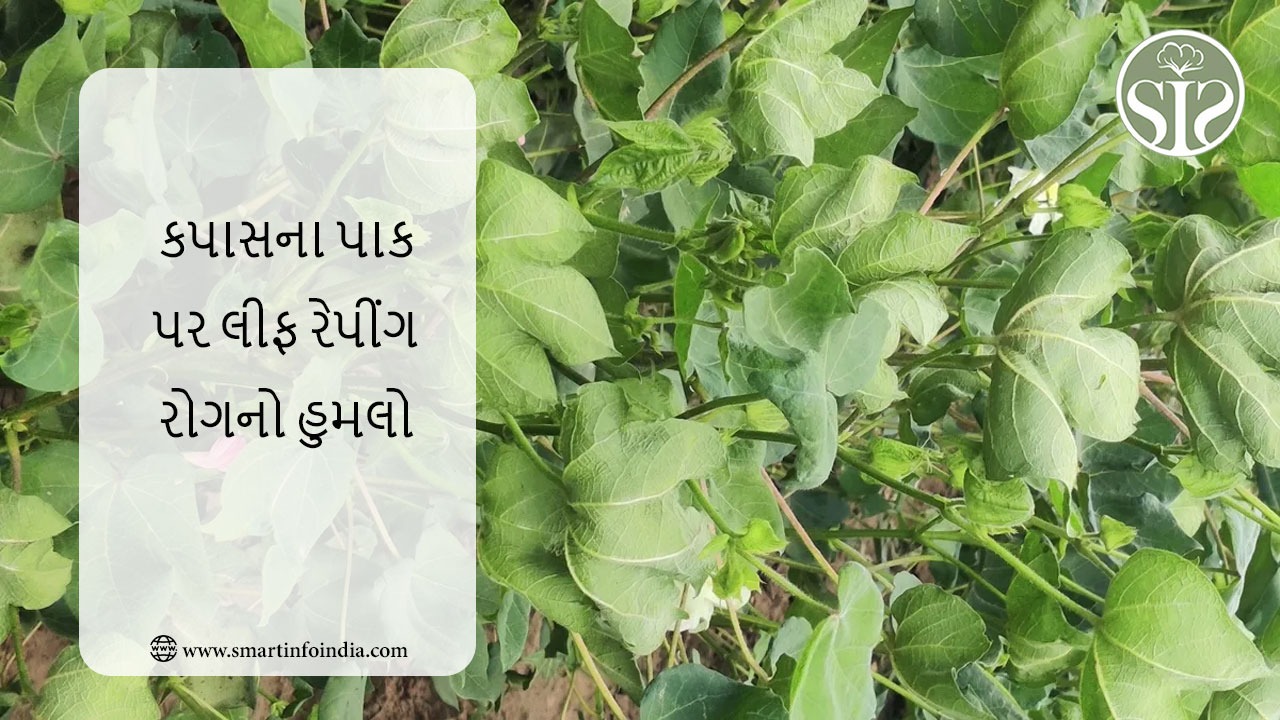
લીફ રોલ નામનો રોગ કપાસના પાક પર હુમલો કરે છેવધારવા માટે. કપાસના પાકમાં લીફ રોલ રોગના ફેલાવાને કારણે ઉત્પાદન ઘટવાથી ખેડૂતો ચિંતિત છે. આ રોગને કારણે જંતુઓ પાકના બોલમાં ઉપદ્રવ કરવા લાગે છે, જેના કારણે કપાસની અંદરનો કપાસ બગડવા લાગે છે. પરિણામે પાક ઉત્પાદનને ભારે અસર થઈ શકે છે. આ રોગ સામે રક્ષણ મેળવવા ખેડૂતોને મોંઘા સ્પ્રે અને જંતુનાશકોનો ઉપયોગ કરવાની ફરજ પડી રહી છે.દર વર્ષે કપાસના પાક પર ગુલાબી બોલવોર્મનો હુમલો થતો હતો, પરંતુ ગયા વર્ષની સરખામણીએ આ વખતે તેની અસર ઓછી જોવા મળી રહી છે. ખેડૂતો જયબીર, દિલબાગ અને બિરેન્દ્રએ જણાવ્યું હતું કે કપાસના પાકમાં દર વર્ષે થતા રોગોના કારણે તેઓ આ પાકની ખેતીમાંથી દૂર થવા લાગ્યા છે. આ વખતે, લીફ રોલ રોગે પાકને ઘેરી લીધો છે, જેના કારણે તેમને મોંઘા સ્પ્રે અને જંતુનાશકોનો ઉપયોગ કરવાની ફરજ પડી છે.ખેડૂતોએ પ્રતિ એકર 1500 થી 2000 રૂપિયાનો વધારાનો ખર્ચ ઉઠાવવો પડે છે. આ વખતે હવામાન પણ પાક માટે સાનુકૂળ રહ્યું નથી, અને પાંદડાની લપેટીના રોગને કારણે ઉત્પાદનને ભારે અસર થઈ શકે છે. આ વખતે ઓછા વરસાદને કારણે પાક રોગોનો શિકાર બની રહ્યો છે. અગાઉ જ્યાં પ્રતિ એકર 15 થી 20 મણ કપાસની અપેક્ષા હતી ત્યાં હવે રોગચાળાને કારણે માત્ર 5 થી 7 મણ કપાસ મળવાની સંભાવના છે.

ભારતે મધ્યપ્રદેશ, રાજસ્થાન, ગુજરાત અને મહારાષ્ટ્રને જોરદાર તોફાન માટે એલર્ટ કર્યું છેભારતીય હવામાન વિભાગ (IMD) એ મધ્યપ્રદેશ, રાજસ્થાન, ગુજરાત અને મહારાષ્ટ્ર સહિત અનેક રાજ્યોમાં ભારે વરસાદ અને ભારે પવનની ચેતવણી જારી કરી છે. 26 ઓગસ્ટ, 2024 ના રોજ, IMD એ અહેવાલ આપ્યો કે ઉત્તર-પશ્ચિમ મધ્ય પ્રદેશ અને અડીને આવેલા પૂર્વ રાજસ્થાન પરનું ડિપ્રેશન ઊંડા ડિપ્રેશનમાં તીવ્ર બન્યું છે. આ સિસ્ટમને કારણે આ રાજ્યોના કેટલાક ભાગો તેમજ ગુજરાત, ગોવા અને મહારાષ્ટ્રમાં આગામી બે-ત્રણ દિવસમાં ભારેથી અતિભારે વરસાદની સંભાવના છે.25 ઓગસ્ટના રોજ 11:30 વાગ્યા સુધીમાં, ડીપ ડિપ્રેશન રાજસ્થાનના ચિત્તોડગઢથી લગભગ 70 કિમી દક્ષિણ-દક્ષિણ-પૂર્વમાં કેન્દ્રિત હતું. બપોરે 2 વાગ્યે જારી કરાયેલા IMD અપડેટ મુજબ, તે પશ્ચિમ-દક્ષિણપશ્ચિમ તરફ આગળ વધવાની ધારણા છે, જે દક્ષિણ રાજસ્થાન અને ગુજરાતને અસર કરે છે અને 29 ઓગસ્ટ સુધીમાં સૌરાષ્ટ્ર, કચ્છ અને પાકિસ્તાનના ભાગોમાં પહોંચવાની ધારણા છે.વધુમાં, આઈએમડીએ બાંગ્લાદેશના ગંગાના મેદાનો અને પશ્ચિમ બંગાળને અડીને આવેલા અન્ય નીચા દબાણવાળા વિસ્તારની હાજરીની નોંધ લીધી છે. આ સિસ્ટમ આગામી બે દિવસમાં વધુ મજબૂત બને અને પશ્ચિમ બંગાળ, ઉત્તર ઓડિશા અને ઝારખંડના ગંગાના મેદાનો તરફ આગળ વધે તેવી શક્યતા છે.પશ્ચિમ મધ્ય પ્રદેશ માટે 26 ઓગસ્ટે રેડ એલર્ટ જારી કરવામાં આવ્યું છે, જેમાં ભારેથી અતિ ભારે વરસાદની સંભાવના છે. 26 થી 29 ઓગસ્ટ સુધી પૂર્વ અને દક્ષિણ રાજસ્થાન, ગુજરાત, સૌરાષ્ટ્ર અને કચ્છમાં સમાન હવામાનની આગાહી કરવામાં આવી છે.કોંકણ, ગોવા, મધ્ય મહારાષ્ટ્ર, ઓડિશા, પશ્ચિમ બંગાળના ગંગાના મેદાનો અને ઝારખંડ સહિતના વિસ્તારોમાં પણ આગામી બે દિવસમાં ભારેથી અતિભારે વરસાદની અપેક્ષા છે.IMDએ 26 ઓગસ્ટે મધ્યપ્રદેશમાં 50 કિમી પ્રતિ કલાક અને દક્ષિણ રાજસ્થાનમાં 26-27 ઓગસ્ટે 60 કિમી પ્રતિ કલાકની ઝડપે પવન ફૂંકવાની ચેતવણી આપી છે. 26 ઓગસ્ટે ગુજરાત, પાકિસ્તાનના નજીકના વિસ્તારો, ઉત્તર મહારાષ્ટ્ર અને ઉત્તરપૂર્વ અરબી સમુદ્રમાં પવનની ઝડપ 55 કિમી પ્રતિ કલાક સુધી પહોંચી શકે છે, જે 27 અને 28 ઓગસ્ટે વધીને 60 કિમી પ્રતિ કલાક થઈ શકે છે.30 ઓગસ્ટ સુધી ગુજરાત, પાકિસ્તાન અને ઉત્તર મહારાષ્ટ્રના દરિયાકાંઠે ખૂબ જ ખરબચડી દરિયાની સ્થિતિની અપેક્ષા છે. 26 ઓગસ્ટે ઉત્તર બંગાળની ખાડીમાં પણ આવી જ સ્થિતિની અપેક્ષા છે.IMDએ માછીમારોને 30 ઓગસ્ટ સુધી અરબી સમુદ્ર અને બંગાળની ખાડીમાં ખાસ કરીને ગુજરાત, પાકિસ્તાન અને મહારાષ્ટ્રના દરિયાકાંઠે જવાથી દૂર રહેવાની સલાહ આપી છે. નાના જહાજો અને સંશોધન અને ઉત્પાદન ઓપરેટરોને હવામાનના વિકાસ પર નજીકથી નજર રાખવા અને જરૂરી સાવચેતી રાખવા વિનંતી કરવામાં આવી છે.લોકોને સલાહ આપવામાં આવે છે કે તેઓ પાણી ભરાયેલા વિસ્તારોને ટાળે અને મુસાફરી કરતા પહેલા ટ્રાફિક એડવાઈઝરી તપાસે. અસરગ્રસ્ત વિસ્તારોના ખેડૂતોએ ખેતરોમાં યોગ્ય ડ્રેનેજની ખાતરી કરવી જોઈએ અને IMDની ભલામણો અનુસાર પાકને ટેકો આપવો જોઈએ.IMD એ સંભવિત સ્થાનિક પૂર, રસ્તા બંધ થવા અને પાણી ભરાવાની ચેતવણી પણ આપી હતી, ખાસ કરીને શહેરી વિસ્તારોમાં. અસરગ્રસ્ત વિસ્તારોમાં પૂરને કારણે ભૂસ્ખલન અને બાગાયતી પાકોને નુકસાન થવાનું જોખમ વધારે છે.और पढ़ें :- ભારતની કાપડની નિકાસ 2025-26 સુધીમાં $65 બિલિયન સુધી પહોંચશે: ઈન્વેસ્ટ ઈન્ડિયા
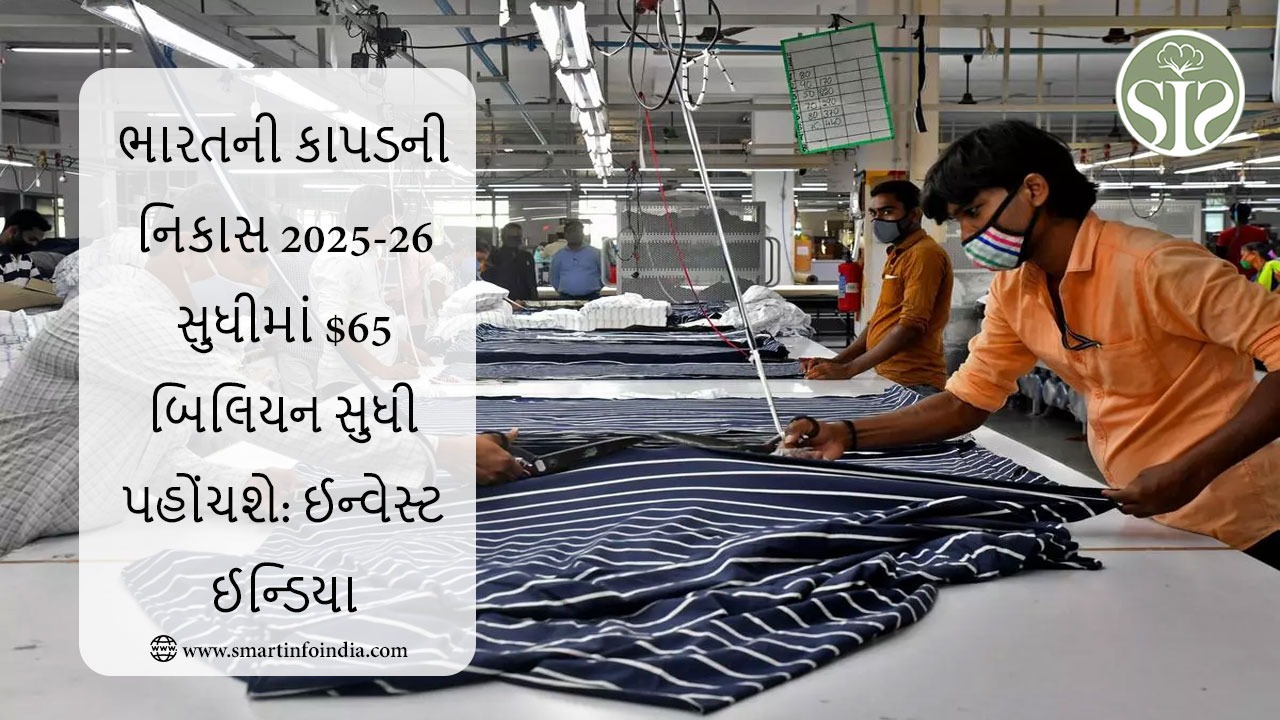
ઈન્વેસ્ટ ઈન્ડિયાનો અંદાજ છે કે 2025-2026 સુધીમાં ભારતની કાપડની નિકાસ $65 બિલિયન સુધી પહોંચશેઈન્વેસ્ટ ઈન્ડિયાના એક અહેવાલ મુજબ, નાણાકીય વર્ષ 2025-26 સુધીમાં નિકાસ $65 બિલિયન સુધી પહોંચવાનો અંદાજ સાથે ભારતનો કાપડ ઉદ્યોગ નોંધપાત્ર વૃદ્ધિ માટે તૈયાર છે. આ આશાવાદી આગાહી સ્થાનિક અને આંતરરાષ્ટ્રીય બજારોમાં મજબૂત માંગને કારણે સેક્ટરના મજબૂત વિસ્તરણને રેખાંકિત કરે છે.2022 માં, ભારતીય ટેક્સટાઇલ અને એપેરલ માર્કેટનું મૂલ્ય આશરે $165 બિલિયન હતું, જેમાંથી સ્થાનિક સેગમેન્ટે $125 બિલિયનનું યોગદાન આપ્યું હતું અને નિકાસમાં $40 બિલિયનનું યોગદાન હતું. 10 ટકાના ચક્રવૃદ્ધિ વાર્ષિક વૃદ્ધિ દર (CAGR) નો સંકેત આપતા અંદાજો સાથે, ઉદ્યોગ તેના ઉપરનું વલણ ચાલુ રાખવાની ધારણા છે. 2030 સુધીમાં, ભારતમાં કાપડનું કુલ ઉત્પાદન મૂલ્ય - સ્થાનિક વપરાશ અને નિકાસ બંને સહિત - $350 બિલિયન સુધી પહોંચવાની અપેક્ષા છે.ઈન્વેસ્ટ ઈન્ડિયા આ ઝડપી વિસ્તરણનો શ્રેય વડાપ્રધાન મોદી દ્વારા અપનાવવામાં આવેલા સ્વપ્નદ્રષ્ટા “ફાઈબર-ટુ-ફેશન” અભિગમને આપે છે. આ પહેલ ભારતના કાપડ ઉદ્યોગને માત્ર વૈશ્વિક મંચ પર જ નહીં પરંતુ સ્થાનિક ખેલાડીઓની તકનીકી ક્ષમતાઓ અને સ્પર્ધાત્મકતામાં પણ વધારો કરી રહી છે. ઈન્વેસ્ટ ઈન્ડિયા સોશિયલ મીડિયા પ્લેટફોર્મ ઈઝ પર એક પોસ્ટમાં.ભારતના ટેક્સટાઇલ સેક્ટરના વિકાસથી પણ નોંધપાત્ર રોજગારીની તકો ઊભી થવાની અને દેશના એકંદર આર્થિક વિકાસમાં ફાળો આપવાની અપેક્ષા છે. જેમ જેમ ઉદ્યોગનો વિકાસ ચાલુ રહેશે, તેમ તે નવીનતા, ટકાઉ પ્રેક્ટિસ અને અદ્યતન ઉત્પાદન તકનીકોમાં રોકાણને આકર્ષિત કરશે, જે ટેક્સટાઇલ ક્ષેત્રમાં વૈશ્વિક નેતા તરીકે ભારતની સ્થિતિને વધુ મજબૂત કરશે.વધુ વાંચો :- વિસ્તાર અને ઉત્પાદકતામાં ઘટાડો હોવા છતાં કપાસના ભાવ દબાણ હેઠળ રહેવાની શક્યતા છે

ઉત્પાદન અને વિસ્તારમાં ઘટાડો થવા છતાં કપાસના ભાવ દબાણ હેઠળ રહી શકે છે.નાગપુર: સતત વરસાદ અને જીવાતો અને રોગોના વધતા પ્રમાણને કારણે વાવેતર હેઠળના વિસ્તારમાં ઘટાડો થવાને કારણે કપાસની ઉત્પાદકતામાં ઘટાડો થવાની સંભાવના છે. આ હોવા છતાં, કૃષિ બાબતોના વરિષ્ઠ નિષ્ણાત વિજય જાવંધિયા કહે છે કે અમેરિકન બજારમાં કપાસના ભાવ પર દબાણ છે, જેના કારણે ભારતીય બજારમાં પણ કપાસના ભાવ પ્રતિ ક્વિન્ટલ રૂ. 6,500 આસપાસ રહેવાની ધારણા છે.જાવંધિયાના જણાવ્યા મુજબ, હાલમાં યુએસ કોટન માર્કેટમાં 'આઉટલુક-એ' ની કિંમત રૂના પાઉન્ડ દીઠ 78.60 સેન્ટ્સ (2.2 પાઉન્ડ = 1 કિલો) છે. એક ક્વિન્ટલ કપાસમાંથી આશરે 35 કિલો કપાસ અને 64 કિલો સરકી મળે છે. જો રૂના પાઉન્ડ દીઠ 79 સેન્ટ અને સરકીના કિલોગ્રામ રૂ. 30ની ગણતરી કરવામાં આવે તો 35 કિલો કપાસની કિંમત રૂ. 5,110 અને 64 કિલો સરકીની કિંમત રૂ. 1,920 થાય છે.આમ, રૂઇ અને સરકીની કુલ આવક રૂ. 7,030 છે, જેમાંથી રૂ. 500નો પ્રોસેસિંગ ખર્ચ બાદ કર્યા પછી, બાકી રૂ. 6,500 રહે છે. આથી કપાસના ભાવ રૂ.6,500ની રેન્જમાં રહેવાની શક્યતા છે. જો કે, કેન્દ્ર સરકારે આ સિઝન માટે કપાસના બાંયધરી ભાવ 7,500 રૂપિયા પ્રતિ ક્વિન્ટલ જાહેર કર્યા છે.વૈશ્વિક બજારમાં મંદીને જોતાં, ખેડૂતોને ગેરંટી કિંમત કરતાં રૂ. 1,000 ઓછા મળી શકે છે, જેના કારણે સરકારે ગેરંટીકૃત ભાવે કપાસ ખરીદવો પડશે. જાવંધિયાએ એવો પ્રશ્ન પણ ઉઠાવ્યો છે કે આવી સ્થિતિમાં ખેડૂતોની આવક બમણી કરવાનો લક્ષ્યાંક કેવી રીતે પ્રાપ્ત કરી શકાય?વધુ વાંચો :- હરિયાણામાં કપાસની ખરીદી 1 ઓક્ટોબરથી શરૂ થશે, CCI આ સપ્તાહે રેકોર્ડ વેચાણ જોવા મળશે.

હરિયાણામાં આ અઠવાડિયે રેકોર્ડ CCI વેચાણ હોવા છતાં, કપાસની ખરીદી 1 ઓક્ટોબરથી શરૂ થશે.હરિયાણામાં ખરીફ માર્કેટિંગ સીઝન 2024-25 માટે કપાસની ખરીદી 1 ઓક્ટોબર, 2024થી શરૂ થવાની છે. ભારત સરકારની માર્ગદર્શિકાને અનુસરીને લઘુત્તમ ટેકાના ભાવ (MSP) પર કોટન કોર્પોરેશન ઓફ ઈન્ડિયા (CCI) દ્વારા ખરીદી કરવામાં આવશે. આ એક અઠવાડિયામાં આવે છે જેમાં CCI એ અપવાદરૂપે ઊંચી વેચવાલી નોંધાવી હતી, જે નવા ખરીદ સત્રની થોડીક આગળ બજારની મજબૂત પ્રવૃત્તિ દર્શાવે છે.આગામી ખરીદીની તૈયારીઓને આખરી ઓપ આપવા માટે કૃષિ અને ખેડૂત કલ્યાણ વિભાગના અધિક મુખ્ય સચિવ રાજા શેખર વંદ્રુની અધ્યક્ષતામાં સમીક્ષા બેઠક યોજાઈ હતી. ડો. વંદ્રુએ આ પ્રક્રિયા દરમિયાન કોટન કોર્પોરેશન ઓફ ઈન્ડિયાને સંપૂર્ણ સહયોગ આપવાની જરૂરિયાત પર ભાર મૂક્યો હતો. તેમણે ખાતરી આપી હતી કે CCI અને હરિયાણા સરકાર બંને એ સુનિશ્ચિત કરવા માટે સંપૂર્ણપણે તૈયાર છે કે ખેડૂતો તેમના પાકને કોઈપણ સમસ્યા વિના વેચી શકે.કપાસ માટે 20 મંડીઓ અને ખરીદ કેન્દ્રોની સ્થાપનામીટીંગમાં એવી પણ માહિતી આપવામાં આવી હતી કે હરિયાણામાં કપાસની બે જાતોનું ઉત્પાદન થાય છે: મધ્યમ લાંબા સ્ટેપલ (26.5-27.0 મીમી) અને લાંબા સ્ટેપલ (27.5-28.5 મીમી), જે બંનેની ખરીદી કરવામાં આવશે. પ્રક્રિયાને સુવ્યવસ્થિત કરવા માટે, રાજ્યભરમાં 20 મંડીઓ અને ખરીદ કેન્દ્રોની સ્થાપના કરવામાં આવી છે. આ કેન્દ્રો નીચેના જિલ્લાઓમાં સ્થિત છે: સિવાની, ધીગાવા અને ભિવાની (ભિવાની જિલ્લો); ચરખી દાદરી (ચરખી દાદરી જિલ્લો); ભટ્ટુ, ભુના અને ફતેહાબાદ (ફતેહાબાદ જિલ્લો); આદમપુર, બરવાલા, હાંસી, હિસાર અને ઉકલાના (હિસાર જિલ્લો); ઉચાના (જીંદ જિલ્લો); કલાયત (કૈથલ જિલ્લો); નારનૌલ (મહેન્દ્રગઢ જિલ્લો); મેહમ (રોહતક જિલ્લો); અને એલેનાબાદ, કાલાંવલી અને સિરસા (સિરસા જિલ્લો).MSP પર અન્ય પાકની ખરીદીબેઠકમાં MSP પર અન્ય પાકોની ખરીદી પર પણ ચર્ચા કરવામાં આવી હતી. હરિયાણા સરકારે સોયાબીન, મકાઈ અને જુવારની પ્રાપ્તિ માટે હેફેડને પ્રાથમિક એજન્સી તરીકે નિયુક્ત કરી છે, જેમાંથી 100% પાકનું સંચાલન હેફેડ દ્વારા કરવામાં આવશે. અન્ય પાકો માટે, હેફેડ અને અન્ય નિયુક્ત એજન્સીઓ વચ્ચે 60:40 ના ગુણોત્તરમાં ખરીદી કરવામાં આવશે.આ બેઠકમાં કૃષિ વિભાગના નિયામક શ્રી રાજનારાયણ કૌશિક અને અન્ન, નાગરિક પુરવઠા અને ગ્રાહક બાબતોના વિભાગના નિયામક શ્રી મુકુલ કુમાર સહિતના મુખ્ય અધિકારીઓએ હાજરી આપી હતી. કોટન કોર્પોરેશન ઓફ ઈન્ડિયાના પ્રતિનિધિઓએ પણ વીડિયો કોન્ફરન્સિંગ દ્વારા ભાગ લીધો હતો.વધુ વાંચો :- અસમાન ચોમાસું ખરીફ પાક અને કૃષિ ઉત્પાદનમાં વિક્ષેપ પાડે છે

યુએસ ડોલર સામે રૂપિયો 4 પૈસા વધીને 83.89 ના સ્તર પર બંધ થયો હતો.શુક્રવારે, રૂપિયો કડક રેન્જમાં ટ્રેડ થયો હતો અને અમેરિકન ચલણ સામે 4 પૈસા વધીને 83.89 (કામચલાઉ) પર બંધ થયો હતો. ગુરુવારે, અમેરિકન ચલણ સામે રૂપિયો 3 પૈસા ઘટીને 83.93 પર બંધ થયો હતો, જે સાંકડી શ્રેણીમાં વેપાર કરે છે.શેરબજાર બંધ થવાનો ઘંટ: સેન્સેક્સ નજીવા વધારા સાથે બંધ સેન્સેક્સ 33.02 પોઈન્ટ અથવા 0.04 ટકા વધીને 81,086.21 પર બંધ થયો.વધુ વાંચો :- અમેરિકી ડોલર સામે રૂપિયો 4 પૈસા ઘટીને 83.95 પર બંધ થયો

યુએસ ડોલર સામે રૂપિયો 4 પૈસા ઘટીને 83.95 ના સ્તર પર બંધ થયો હતો.આયાતકારોની ડોલરની માંગ અને વિદેશી ભંડોળના પ્રવાહને કારણે દબાણ હેઠળ ગુરુવારે ભારતીય રૂપિયો યુએસ ડોલર સામે નબળો બંધ રહ્યો હતો. જોકે, સ્થાનિક શેરબજારો અને ક્રૂડ ઓઈલના નીચા ભાવે થોડો ટેકો આપ્યો હતો.વૈશ્વિક ટ્રેન્ડને કારણે સેન્સેક્સ 147 પોઈન્ટ, નિફ્ટી 24,800થી ઉપરસતત ત્રીજા દિવસે 30 શેરો ધરાવતો BSE સેન્સેક્સ 147.89 પોઈન્ટ અથવા 0.18 ટકા વધીને 81,053.19 પર બંધ થયો હતો. તે સતત ત્રીજા દિવસે લાભ નોંધાવે છે. વધુ વાંચો :- શરૂઆતના કારોબારમાં અમેરિકી ડોલર સામે રૂપિયો 4 પૈસા ઘટીને 83.94 થયો હતો

શરૂઆતના કારોબારમાં અમેરિકી ડોલર સામે રૂપિયો 4 પૈસા ઘટીને 83.94 ના સ્તર પર પહોંચ્યો હતોહવે ઇક્વિટી બેન્ચમાર્ક સૂચકાંકોની વાત કરીએ તો, BSE સેન્સેક્સ હાલમાં 253.37 પોઇન્ટ અથવા 0.31 ટકાના વધારા સાથે 81,158.67 પર છે અને નિફ્ટી 50 78.20 પોઇન્ટ અથવા 0.32 ટકાના વધારા સાથે 24,848.40 પર છે. એક ટ્રેડિંગ દિવસ પહેલા સેન્સેક્સ 80,905.30 અને નિફ્ટી 24,770.20 પર બંધ થયો હતો.વધુ વાંચો :- અસમાન ચોમાસું ખરીફ પાક અને કૃષિ ઉત્પાદનમાં વિક્ષેપ પાડે છે

અમેરિકી ડોલર સામે રૂપિયો 14 પૈસા ઘટીને 83.91 ના સ્તર પર આવી ગયો છે.વિદેશી વેપારી વિદેશમાં બહારગામ અને સ્વાસ્થય શેર બજાર વચ્ચે બુધવારને ભારતીય રૂપિયા અમેરિકન ડોલરના મુકાબલે 14 પૈસા ગીરો 83.91 પર પહોંચ્યો.સેન્સેક્સ 102 અંક ઉપર, નિફ્ટી 24,750 ઉપર બંધ થયું21 ઓગસ્ટ કોર્પોરેશનના અંતમાં ભારતીય બેંચમાર્ક સમાપ્તિ સાથે બંધ થવું. બંધ થશે, સેન્સેક્સ 102.44 અંક અથવા 0.13 ટકા વધશે 80,905.30 પર, અને નિફ્ટી 71.37 અંક અથવા 0.29 ટકા વધશે 24,770.20 પર. વધુ વાંચો :- અસમાન ચોમાસું ખરીફ પાક અને કૃષિ ઉત્પાદનમાં વિક્ષેપ પાડે છે

અસમાન ચોમાસાથી ખરીફ પાક પર અસર, કૃષિ ઉત્પાદન પર ચિંતાઓ વધींઆ વર્ષે અસમાન ચોમાસાના કારણે ચોખા, કપાસ, કઠોળ અને બાગાયતી પાકોના ઉત્પાદનમાં અડચણો ઊભી થઈ રહી છે. 19 ઓગસ્ટ સુધી દક્ષિણપશ્ચિમ ચોમાસામાં કુલ 7.3% વધુ વરસાદ નોંધાયો છે, પરંતુ તેનો વિતરણ અસમાન રહ્યું છે. દેશના લગભગ 30% જિલ્લાઓમાં વરસાદની ખાધ છે, જ્યારે લગભગ 10% વિસ્તારોમાં અતિ વરસાદ નોંધાયો છે.નિષ્ણાતોના મત મુજબ, આ અસંતુલિત વરસાદ ખાસ કરીને કઠોળ જેવા પાકોને નુકસાન પહોંચાડી શકે છે, જે ખાદ્ય મોંઘવારી વધારવાની શક્યતા ઊભી કરે છે. પંજાબ જેવા સિંચાઈ આધારિત વિસ્તારોમાં ઓછા વરસાદને કારણે ખેતી ખર્ચમાં વધારો થવાની આશંકા છે. દક્ષિણ ભારતના કોફી અને મસાલા ઉત્પાદકોને પણ ભારે વરસાદ અને ભૂસ્ખલનથી નુકસાન સહન કરવું પડી રહ્યું છે.જમ્મુ-કાશ્મીર, પંજાબ, હિમાચલ પ્રદેશ, તેમજ ઉત્તર પ્રદેશ અને બિહારના કેટલાક વિસ્તારોમાં વરસાદ ઓછો રહ્યો છે, જ્યારે મહારાષ્ટ્ર, રાજસ્થાન, કર્ણાટક અને આંધ્ર પ્રદેશમાં સામાન્ય કરતાં વધુ વરસાદ નોંધાયો છે. તેમ છતાં, કુલ ખરીફ વાવેતર 103.1 મિલિયન હેક્ટરથી વધુ થયું છે, જે ગયા વર્ષ કરતા વધારે છે.India Meteorological Department મુજબ, ચોમાસાની બાકી સિઝનમાં સામાન્યથી વધુ વરસાદની શક્યતા છે, જેના કારણે વધુ ભેજ પાકોને વધુ અસર કરી શકે છે અને કૃષિ ઉત્પાદન પર દબાણ વધારી શકે છે.વધુ વાંચો :- ઉઝબેકિસ્તાન અને પોલેન્ડ ટેક્સટાઈલ ક્ષેત્રમાં સહકારની શક્યતાઓ શોધી રહ્યા છે

પોલેન્ડ અને ઉઝબેકિસ્તાન ટેક્સટાઇલ સેક્ટરમાં સહકારની તપાસ કરી રહ્યા છેઉઝબેકિસ્તાને તાજેતરમાં પોલેન્ડ સાથે દેશમાં કાપડની નિકાસ વધારવા અને ઉઝબેક ઉદ્યોગોમાં આધુનિક પોલિશ ટેકનોલોજીના સંકલનની શક્યતા શોધવા માટે ચર્ચા કરી હતી.બંને દેશો વચ્ચેના આર્થિક સંબંધોને મજબૂત કરવા માટે રોકાણ, ઉદ્યોગ અને વેપાર મંત્રાલયના પ્રતિનિધિઓ તેમજ ટેક્સટાઇલ કંપનીના અધિકારીઓનું એક ઉઝબેકિસ્તાની પ્રતિનિધિમંડળ પોલેન્ડની મુલાકાતે આવ્યું હતું.તેમની મુલાકાત દરમિયાન, પ્રતિનિધિમંડળે વોર્સો નજીકના જીડી પોલેન્ડ ઈન્ટરનેશનલ હોલસેલ ટ્રેડ કોમ્પ્લેક્સની મુલાકાત લીધી હતી, જ્યાં તેઓ સંકુલના પ્રમુખ ફેલિક્સ વાંગ અને પોલેન્ડ-એશિયા ચેમ્બર ઓફ કોમર્સના પ્રમુખ જેનુઝ પીચોકિન્સકીને મળ્યા હતા. બંને પક્ષો સંકુલમાં ઉઝબેક કાપડ અને ફૂટવેર માટે સ્ટોર ખોલવા સંમત થયા હતા, જેમાં ઉઝબેક પક્ષને વિશેષ ડિસ્કાઉન્ટ અને ભાડાના લાભો આપવામાં આવ્યા હતા.પ્રતિનિધિમંડળે પોલિશ વીવર્સ યુનિયન અને યાર્ન ઉત્પાદકો લેગ્સ, પ્રઝેમિસ્લાવ પ્રોડ્યુક્સીનો હેન્ડલોવો ઉસ્લુગોવેગો (પીપીએચયુ) અને ઝોલા સ્ટાઈલ સહિતની કેટલીક મોટી કંપનીઓની પણ મુલાકાત લીધી, ઉઝબેક મીડિયાએ અહેવાલ આપ્યો.સંયુક્ત વ્યાપાર મંચ પર, ચર્ચાએ બાંગ્લાદેશની રુસિનાજન્સી અને યુક્રેનના આર્લેન ટેક્સટાઈલ ગ્રુપના ઉઝબેકિસ્તાનમાં સંભવિત ટ્રાન્સફર તેમજ ઉઝબેકિસ્તાનના પ્રકાશ ઉદ્યોગને આધુનિક બનાવવા માટે નવીન તકનીકોના અમલીકરણ પર ધ્યાન કેન્દ્રિત કર્યું હતું.Uztex Group, Aisha Home Textile, Corazon Textile અને Parvoz Humo Ravnak Trans જેવા ઉઝ્બેક ટેક્સટાઈલ એન્ટરપ્રાઈઝ પોલેન્ડ સ્થિત કંપનીઓ Rusinagency, Arlen Textile Group, Legs, PPHU, Zola, SWP ની સાથે પોલેન્ડમાં યાર્ન, ગૉઝ, નીટવેરની નિકાસ કરવા સંમત થયા છે. , પટક અને કલરઇન્વેસ્ટ, અન્ડરવેર અને હોમ ટેક્સટાઇલના સપ્લાય માટે કરાર પર હસ્તાક્ષર કર્યા.વધુ વાંચો :- બાંગ્લાદેશમાં કાપડ અને રસાયણોની નિકાસ થોડા સમયના વિરામ બાદ ફરી શરૂ થઈ

ટૂંકા વિરામ પછી, બાંગ્લાદેશે રસાયણો અને કાપડની નિકાસ ફરી શરૂ કરી છે.અમદાવાદ: બાંગ્લાદેશમાં રાજકીય પરિસ્થિતિ સ્થિર થતાં ગુજરાતમાંથી કાપડ અને કેમિકલની નિકાસ સામાન્ય થવા લાગી છે, એમ ઉદ્યોગ નિષ્ણાતોએ અહેવાલ આપ્યો છે. કોટન યાર્ન અને ડાઇંગ કેમિકલના નવા ઓર્ડર બાંગ્લાદેશથી આવવા લાગ્યા છે, જે ગુજરાતના ટેક્સટાઇલ અને કેમિકલ ઇન્ડસ્ટ્રીઝના મુખ્ય નિકાસ બજાર છે.ઇન્ડસ્ટ્રીના સૂત્રોના જણાવ્યા અનુસાર છેલ્લા સપ્તાહમાં પેમેન્ટના મુદ્દામાં સુધારો થયો છે, પરંતુ નિકાસકારો તેમના વેપાર વ્યવહારમાં સાવધ રહે છે.ભારતના સ્પિનિંગ ક્ષેત્ર માટે, બાંગ્લાદેશ સૌથી મોટું નિકાસ બજાર છે, જે 2023-24માં 428 મિલિયન કિલો કોટન યાર્નની નિકાસ કરશે, જે ભારતની કુલ યાર્ન નિકાસના 35% છે.ડાઈંગ સેક્ટરમાં, ગુજરાત દર મહિને 3,500 ટનથી વધુ રિએક્ટિવ ડાયઝ બાંગ્લાદેશમાં નિકાસ કરે છે. એપેરલ મેન્યુફેક્ચરિંગ બાંગ્લાદેશની અર્થવ્યવસ્થાનો એક મહત્વપૂર્ણ ઘટક છે તે જોતાં, દેશ આ આયાત ગુમાવવાનું પરવડી શકે તેમ નથી.પાવરલૂમ ડેવલપમેન્ટ એન્ડ એક્સપોર્ટ પ્રમોશન કાઉન્સિલ (PDEXCIL)ના ભૂતપૂર્વ ચેરમેન ભરત છાજેડે જણાવ્યું હતું કે, "બાંગ્લાદેશમાં કાપડ ઉદ્યોગ ફરી કામ કરવાનું શરૂ કર્યું છે અને સ્થિતિ સ્થિર થઈ રહી છે. બાંગ્લાદેશમાં હિંસાને કારણે નિકાસ અટકી ગઈ હતી. કન્ટેનર યાર્નના વિવિધ ભારતીય બંદરો પર અટકાવવામાં આવ્યા હતા."નિકાસકારો બાંગ્લાદેશની સ્થિતિ પર નજીકથી નજર રાખી રહ્યા છે અને સલામત વેપાર વ્યવહાર સુનિશ્ચિત કરવા માટે જરૂરી સાવચેતી રાખી રહ્યા છે.સ્પિનર્સ એસોસિએશન ગુજરાત (SAG)ના સિનિયર વાઇસ પ્રેસિડેન્ટ જયેશ પટેલે ટિપ્પણી કરી, "બાંગ્લાદેશમાં નિકાસ ફરી શરૂ થઈ છે અને પૂછપરછ વધી રહી છે, પરંતુ એકંદર ખર્ચ હજુ પણ ઉત્પાદન ખર્ચને અનુરૂપ નથી."કોવિડ-19 રોગચાળા પછી ગુજરાતમાં ટેક્સટાઇલ અને કેમિકલ ઉદ્યોગો પડકારોનો સામનો કરી રહ્યા હતા. વર્તમાન નાણાકીય વર્ષમાં બંને ક્ષેત્રોમાં સુધારો જોવા મળ્યો હોવા છતાં, બાંગ્લાદેશમાં રાજકીય અશાંતિએ ચિંતા વધારી છે."ગુજરાતના રંગ ઉત્પાદકો દર મહિને 3,500 થી 4,000 ટન રંગો, મુખ્યત્વે પ્રતિક્રિયાશીલ રંગો, બાંગ્લાદેશને સપ્લાય કરે છે, જે રાજ્યની કલર નિકાસના લગભગ 15% છે," એક કેમિકલ કંપનીના મેનેજિંગ ડિરેક્ટર મનીષ કિરીએ જણાવ્યું હતું. અમદાવાદમાં આશરે 150 વ્યવસાયો બાંગ્લાદેશમાં પ્રતિક્રિયાશીલ રંગોની નિકાસ સાથે સંકળાયેલા છે. કિરીએ જણાવ્યું હતું કે, "અમે અપેક્ષા કરતા વહેલા બિઝનેસનું વાતાવરણ સ્થિર થતું જોઈ રહ્યા છીએ. ચુકવણીની સ્થિતિમાં સુધારો થયો છે અને નવી પૂછપરછ અને ઓર્ડર આવી રહ્યા છે."વધુ વાંચો :- પંજાબમાં ખેડૂતોનો કપાસથી મોહભંગ થયો છે, ડાંગરની ખેતીમાં રસ વધ્યો છે, વિસ્તાર ત્રણ ગણો ઘટ્યો છે