
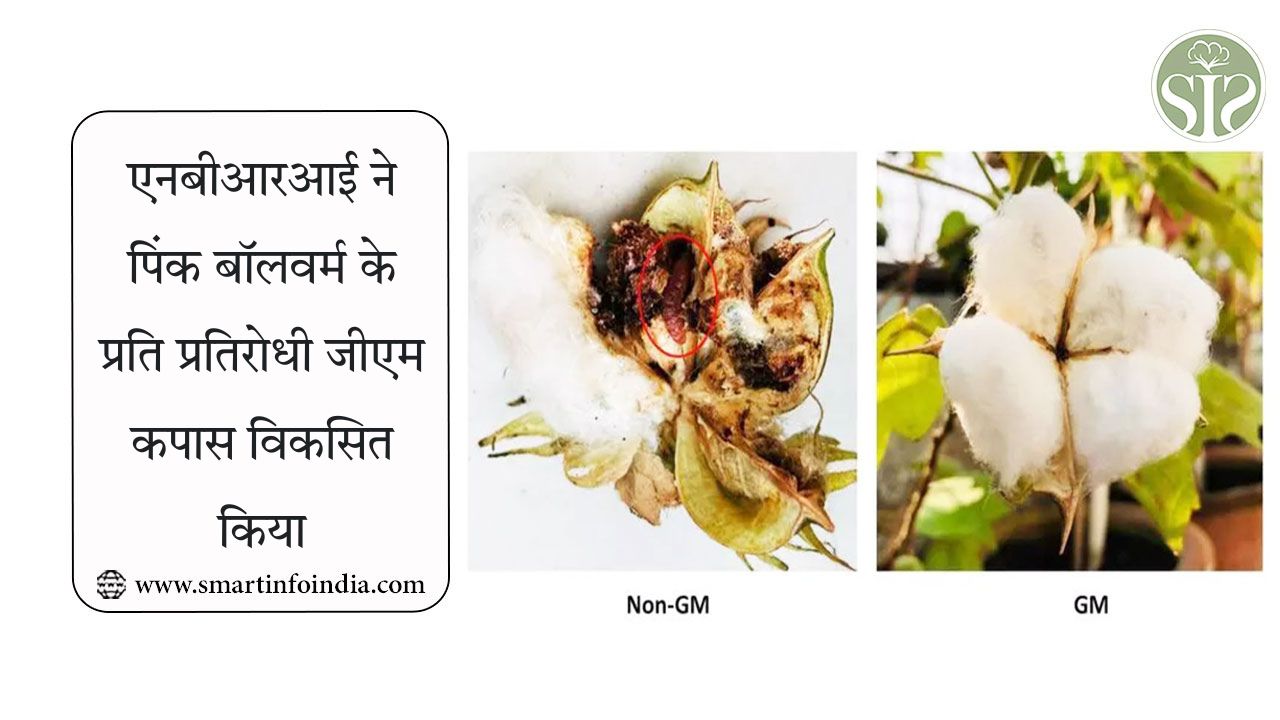
एनबीआरआई ने विकसित की गुलाबी बॉलवर्म के प्रति प्रतिरोधी नई जीएम कपास किस्मलखनऊ: कृषि क्षेत्र में एक महत्वपूर्ण उपलब्धि हासिल करते हुए सीएसआईआर-एनबीआरआई (राष्ट्रीय वनस्पति अनुसंधान संस्थान) के वैज्ञानिकों ने ऐसी आनुवंशिक रूप से संशोधित (जीएम) कपास विकसित करने का दावा किया है, जो पिंक बॉलवर्म (गुलाबी सुंडी) के प्रति पूरी तरह प्रतिरोधी है। यह कीट भारत, अफ्रीका और एशिया में कपास की फसल को भारी नुकसान पहुंचाता रहा है।एनबीआरआई के निदेशक अजीत कुमार शासनी ने बताया कि 2002 में भारत में जीएम कपास लागू होने के बाद बोलगार्ड-1 और बोलगार्ड-2 जैसी किस्मों ने कुछ बॉलवर्म प्रजातियों को नियंत्रित किया, लेकिन पिंक बॉलवर्म के खिलाफ इनकी प्रभावशीलता समय के साथ कम हो गई। इस कीट ने इस्तेमाल किए गए प्रोटीन के प्रति प्रतिरोध विकसित कर लिया, जिससे उत्पादन पर गंभीर असर पड़ा।इस चुनौती से निपटने के लिए एनबीआरआई के वैज्ञानिकों ने मुख्य वैज्ञानिक डॉ. पी.के. सिंह के नेतृत्व में एक नया कीटनाशक जीन विकसित किया है, जो विशेष रूप से पिंक बॉलवर्म के खिलाफ प्रभावी है। प्रयोगशाला परीक्षणों में इस नई जीएम कपास ने बोलगार्ड-2 की तुलना में बेहतर प्रतिरोध क्षमता दिखाई है।वैज्ञानिकों के अनुसार, यह नई किस्म न केवल पिंक बॉलवर्म से सुरक्षा प्रदान करती है, बल्कि कपास के पत्ते के कीड़े और फॉल आर्मीवर्म जैसे अन्य कीटों के खिलाफ भी प्रभावी है।इस तकनीक की संभावनाओं को देखते हुए नागपुर स्थित कृषि-जैव प्रौद्योगिकी कंपनी अंकुर सीड्स प्राइवेट लिमिटेड ने एनबीआरआई के साथ साझेदारी का प्रस्ताव दिया है। कंपनी नियामकीय दिशानिर्देशों के तहत सुरक्षा परीक्षण और बहु-स्थान फील्ड ट्रायल में सहयोग करेगी।सुरक्षा परीक्षण सफल होने के बाद इस तकनीक को बीज कंपनियों को लाइसेंस दिया जाएगा, जिससे इसका व्यावसायिक उपयोग संभव हो सकेगा।विशेषज्ञों का मानना है कि यह नवाचार पिंक बॉलवर्म से होने वाले नुकसान को कम कर किसानों की आय को सुरक्षित करने में मदद करेगा और वैश्विक स्तर पर कीट-प्रतिरोधी फसलों के विकास में एक नया मानक स्थापित करेगा।और पढ़ें :-रुपया अमेरिकी डॉलर के मुकाबले 16 पैसे बढ़कर 87.34 पर खुला

अमेरिकी डॉलर के मुकाबले रुपया 16 पैसे बढ़कर 87.34 पर खुला।भारतीय रुपया सोमवार को अमेरिकी डॉलर के मुकाबले 16 पैसे बढ़कर 87.34 पर खुला, जबकि शुक्रवार को यह 87.50 पर बंद हुआ था।और पढ़ें :-भारत वस्त्र उद्योग में विश्व में अग्रणी बन सकता है। यहाँ बताया गया है कि कैसे
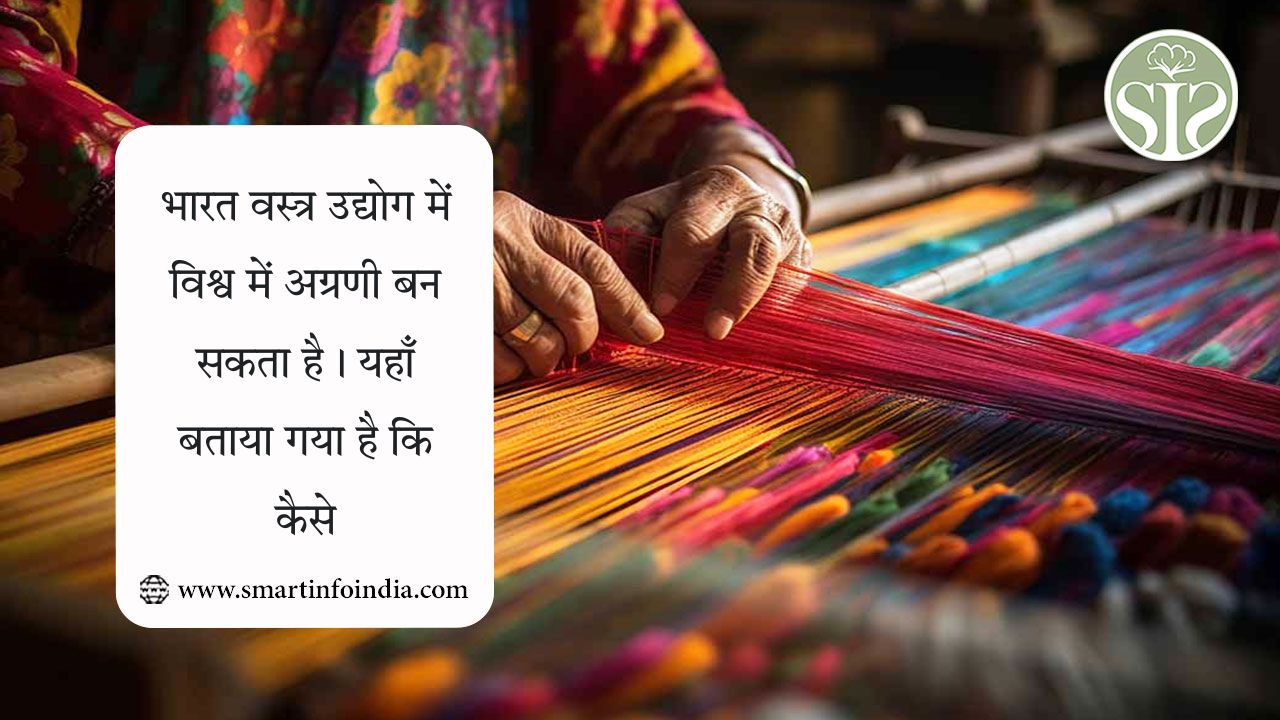
भारत कपड़ा उत्पादन में दुनिया का नेतृत्व कर सकता है। जानिए कैसेयदि भारत को 2047 तक विकसित भारत बनना है तो उसे रोजगार सृजन को प्राथमिकता देनी होगी। कपड़ा और परिधान उद्योग भारत में कृषि के बाद दूसरा सबसे बड़ा नियोक्ता है, जो 45 मिलियन लोगों को प्रत्यक्ष रोजगार प्रदान करता है। इस क्षेत्र के 10 प्रतिशत की वार्षिक वृद्धि दर से आगे बढ़ने और 2030 तक 250 बिलियन अमरीकी डॉलर का बाजार बनने की उम्मीद है, जिसमें लाखों और रोजगार जुड़ने की संभावना है। यदि हमारा निर्यात मौजूदा 45 बिलियन अमरीकी डॉलर से बढ़कर लक्षित 100 बिलियन अमरीकी डॉलर हो जाता है, और यदि अर्थव्यवस्था सालाना 6-7 प्रतिशत की दर से बढ़ती है, तो कपड़ा उद्योग अब से 2030 तक हर साल दस लाख रोजगार जोड़ सकता है - जो देश की ज़रूरत का 10 प्रतिशत है।सरकार उद्योग के समर्थन में आगे की सोच रही है। इसने कई हज़ार करोड़ के परिव्यय वाली विभिन्न योजनाओं को मंजूरी दी है जो इस क्षेत्र को प्रोत्साहित करती हैं - जैसे कि प्रधानमंत्री मेगा एकीकृत कपड़ा क्षेत्र और परिधान (पीएम मित्र) पार्क, उत्पादन से जुड़ी प्रोत्साहन (पीएलआई) योजना और राज्य और केंद्रीय करों और शुल्कों की छूट (आरओएससीटीएल) योजना।100 बिलियन अमरीकी डॉलर का भारतीय कपड़ा बाज़ार एक बड़ा घरेलू अवसर प्रस्तुत करता है। एक उभरता हुआ मध्यम वर्ग मांग को बढ़ा रहा है और इस प्रवृत्ति को जेन जेड द्वारा और बढ़ाया गया है। ई-कॉमर्स की मुख्यधारा में आने और त्वरित वाणिज्य के उभरने से लोगों की परिधान और फैशन तक पहुँच आसान हो गई है। जबकि कोविड जैसे संकट या मंदी के दौर में खामोशी होती है, भारतीयों में स्वस्थ उपभोग की भूख बनी रहती है।इतने सारे कामों के बाद, हम श्रम दक्षता कैसे सुनिश्चित कर सकते हैं और इस तरह अधिक रोजगार पैदा कर सकते हैं और बाजार में हिस्सेदारी बढ़ा सकते हैं? बांग्लादेश और वियतनाम जैसे प्रतिस्पर्धी देशों की तुलना में भारत को लागत में 15-20 प्रतिशत का नुकसान उठाना पड़ता है। इसका एक बड़ा कारण श्रम-गहन परिधान निर्माण प्रक्रिया में कम दक्षता है। हम इसका समाधान कैसे कर सकते हैं?और पढ़ें :-भारतीय रुपया 19 पैसे गिरकर 87.50 प्रति डॉलर पर बंद हुआ

भारतीय रुपया 19 रुपए की गिरावट के साथ 87.50 प्रति डॉलर पर बंद हुआ।शुक्रवार को भारतीय रुपया 19 पैसे गिरकर 87.50 प्रति डॉलर पर बंद हुआ, जबकि सुबह यह 87.31 पर खुला था।भारतीय इक्विटी सूचकांक तेजी से नीचे बंद हुए, सभी क्षेत्रीय सूचकांक पूरे सत्र में लाल निशान पर कारोबार कर रहे थे। सेंसेक्स दिन के अंत में 1.90% गिरकर 73,198.10 पर बंद हुआ, जबकि निफ्टी भी 1.86% गिरकर 22,124.70 पर बंद हुआ, जो फरवरी के आखिरी कारोबारी सत्र के लिए कमजोर अंत था।और पढ़ें :-आपूर्ति में पर्याप्त वृद्धि और सीमित मिल खरीद के कारण कपास में गिरावट आई।
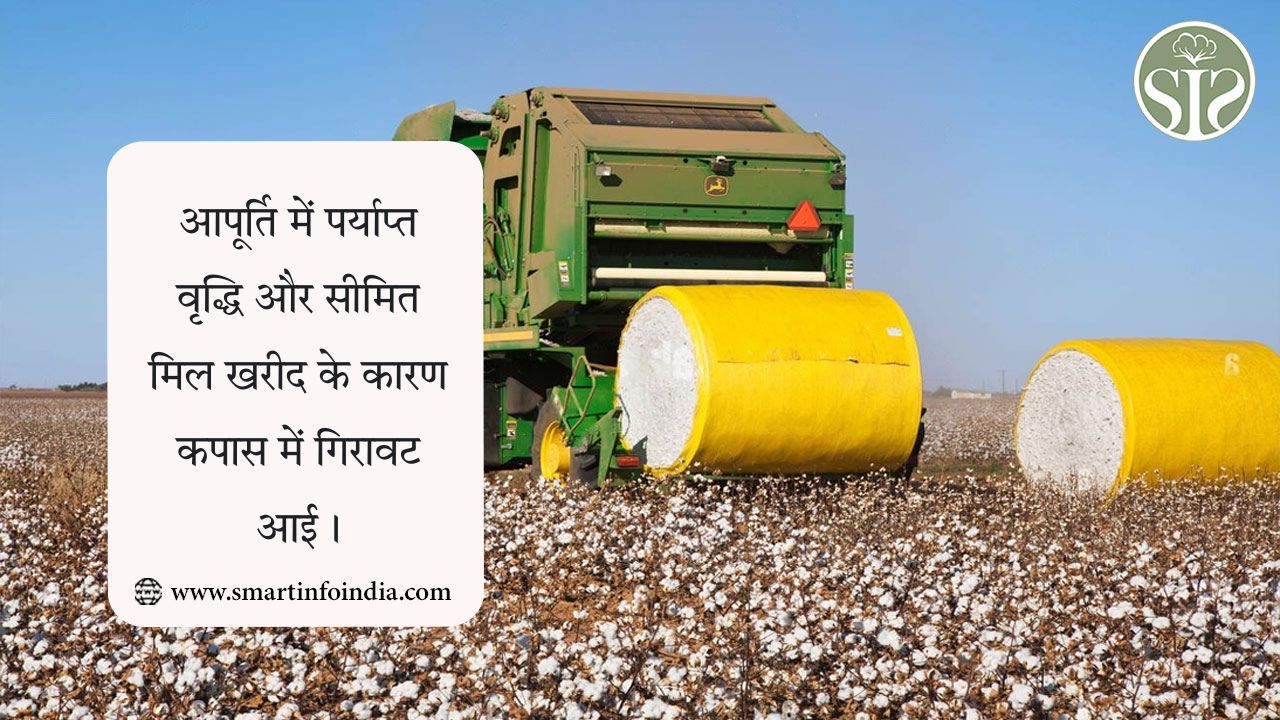
सीमित मिल खरीद और आपूर्ति में उल्लेखनीय वृद्धि के परिणामस्वरूप कपास की कीमतों में गिरावट आई।आपूर्ति में वृद्धि और कमजोर मिल खरीद के कारण कॉटनकैंडी की कीमतें 0.41% घटकर 53,510 पर आ गईं। मिलों के पास पर्याप्त स्टॉक है, जिससे उनकी तत्काल खरीद की जरूरतें कम हो गई हैं। 2024-25 के लिए ब्राजील का कपास उत्पादन 1.6% बढ़कर 3.7616 मिलियन टन होने की उम्मीद है, जिसमें रोपण क्षेत्र में 4.8% विस्तार है, जो पर्याप्त वैश्विक आपूर्ति का संकेत देता है। इसके अतिरिक्त, कॉटन कॉरपोरेशन ऑफ इंडिया (CCI) द्वारा इस सीजन में न्यूनतम समर्थन मूल्य (MSP) पर 100 लाख गांठ से अधिक की खरीद की उम्मीद है। कॉटन एसोसिएशन ऑफ इंडिया (CAI) का अनुमान है कि 2024-25 के लिए भारत का कपास उत्पादन 301.75 लाख गांठ होगा, जो पिछले सीजन में 327.45 लाख गांठ से कम है, जिसका मुख्य कारण गुजरात, पंजाब और हरियाणा में कम पैदावार है।जनवरी 2025 तक कुल कपास आपूर्ति 234.26 लाख गांठ थी, जिसमें 188.07 लाख गांठ ताजा प्रेसिंग, 16 लाख गांठ आयात और 30.19 लाख गांठ का शुरुआती स्टॉक शामिल है। जनवरी 2025 तक अनुमानित कपास की खपत 114 लाख गांठ है, जिसमें 8 लाख गांठ का निर्यात है, जबकि अंतिम स्टॉक 112.26 लाख गांठ है। सीएआई ने अपने घरेलू खपत अनुमान को 315 लाख गांठ पर बनाए रखा, जबकि 2024-25 के लिए निर्यात अनुमान 17 लाख गांठ है, जो पिछले सीजन के 28.36 लाख गांठ से कम है।तकनीकी रूप से, बाजार में लंबी अवधि के लिए लिक्विडेशन देखने को मिल रहा है, तथा ओपन इंटरेस्ट 253 पर अपरिवर्तित बना हुआ है। कीमतों को 53,200 पर समर्थन प्राप्त है, तथा 52800 के स्तर पर संभावित परीक्षण हो सकता है, जबकि प्रतिरोध भी 53,860 पर है, तथा इससे ऊपर जाने पर कीमतें 54200 के स्तर तक जा सकती हैं।और पढ़ें :-कपास की खेती को बढ़ावा देने के लिए NBRI की अभिनव चिप
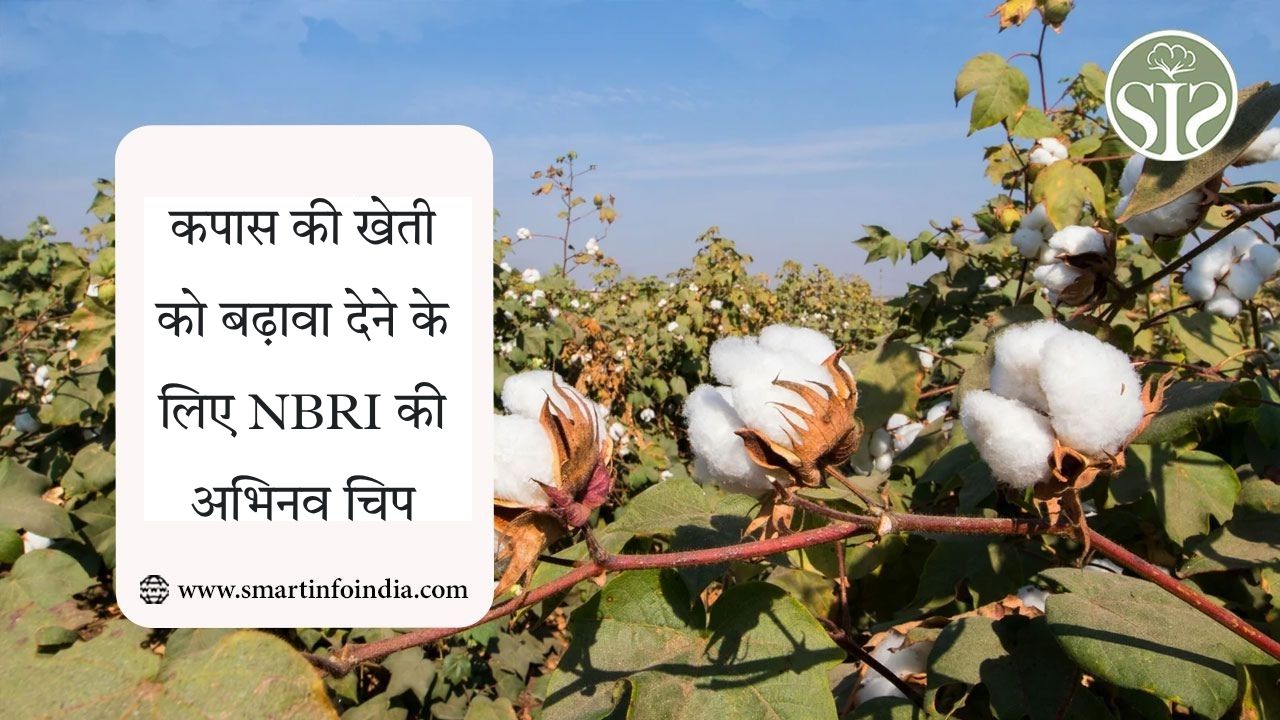
कपास की खेती में सुधार के लिए एनबीआरआई की अत्याधुनिक चिपलखनऊ : CSIR-राष्ट्रीय वनस्पति अनुसंधान संस्थान (NBRI), लखनऊ ने एक विशेष चिप विकसित की है जो वैज्ञानिकों और किसानों को बेहतर कपास के पौधे उगाने में सहायता करेगी।इस '90K SNP कॉटन चिप' को विशेष उपकरण में डालने पर, यह विभिन्न कपास किस्मों और उनकी विशेषताओं के बारे में डेटा प्रदान करेगी। चिप डीएनए-आधारित दृष्टिकोण, मार्कर-असिस्टेड ब्रीडिंग (MAB) के माध्यम से उच्च गुणवत्ता वाले कपास के पौधों के विकास की सुविधा प्रदान करती है। यह आणविक मार्करों का उपयोग करके विशिष्ट लक्षणों वाले पौधों की पहचान और चयन करता है, जिससे नई किस्में बनती हैं।एनबीआरआई के निदेशक अजीत कुमार शासनी ने कहा, "चिप में लगभग 90,000 कपास एसएनपी मार्करों का डेटा है, जिसका उपयोग जलवायु, उत्पादन या कीट नियंत्रण आवश्यकताओं के अनुसार क्रॉसब्रीड करने और नई किस्म बनाने के लिए किया जा सकता है। यह भारत में पहली ऐसी चिप है, और इसका लाइसेंस सीएसआईआर के महानिदेशक एन कलैसेल्वी की उपस्थिति में दिल्ली स्थित एक कंपनी को दिया गया।" एमएबी या चिप तकनीक के बारे में बताते हुए, शासनी ने कहा: "कृषि उत्पादन में, हम अक्सर अलग-अलग पौधों से अच्छे गुणों को मिलाकर एक नई किस्म तैयार करने का लक्ष्य रखते हैं। मान लीजिए कि हमारे पास एक कपास का पौधा है जिसमें बहुत सारे बीज हैं लेकिन कम शाखाएँ हैं और वह सूखा या कीट-प्रतिरोधी नहीं है, जबकि दूसरी किस्म में कम बीज हैं लेकिन वह सूखा और कीट-प्रतिरोधी है और उसमें ज़्यादा शाखाएँ हैं। हम इन दोनों को मिलाकर एक मनचाही किस्म तैयार कर सकते हैं।"यह आसान लग सकता है, लेकिन यह एक बहुत बड़ा काम है क्योंकि क्रॉसब्रीडिंग से पहले हज़ारों किस्मों में से उपयुक्त किस्मों की पहचान करनी होती है। इसमें महीनों और सालों भी लग सकते हैं। यह तय करना मुश्किल है कि कौन सी किस्म सबसे अच्छी है। पौधों का कृषि प्रदर्शन आमतौर पर डीएनए द्वारा एन्कोड किए गए लक्षणों से जुड़ा होता है," उन्होंने कहा।शासनी ने कहा कि यह चिप भारत में पाए जाने वाले 320 कपास जीनोटाइप को अनुक्रमित करके तैयार की गई थी, जिसके परिणामस्वरूप 40 लाख एकल न्यूक्लियोटाइड पॉलीमॉर्फिज्म (एसएनपी) मिले, जो एक ही आधार स्थिति पर डीएनए अनुक्रम में भिन्नता है। इनमें से 90K एसएनपी को सर्वश्रेष्ठ मार्कर के रूप में चुना गया।यह आसान लग सकता है, लेकिन यह एक कठिन काम है क्योंकि क्रॉसब्रीडिंग से पहले हजारों में से उपयुक्त किस्मों की पहचान करनी होती है। इसमें महीनों और यहां तक कि सालों भी लग सकते हैं। यह निर्धारित करना कठिन है कि कौन सी किस्म सबसे अच्छी है। पौधों का कृषि प्रदर्शन आमतौर पर डीएनए द्वारा एन्कोड किए गए लक्षणों से जुड़ा होता है," उन्होंने कहा।लखनऊ: सीएसआईआर-राष्ट्रीय वनस्पति अनुसंधान संस्थान (एनबीआरआई), लखनऊ ने एक विशेष चिप विकसित की है जो वैज्ञानिकों और किसानों को बेहतर कपास के पौधे उगाने में सहायता करेगी।इस '90K SNP कॉटन चिप' को विशेष उपकरण में डालने पर, यह विभिन्न कपास किस्मों और उनकी विशेषताओं के बारे में डेटा प्रदान करेगा। चिप डीएनए-आधारित दृष्टिकोण, मार्कर-असिस्टेड ब्रीडिंग (MAB) के माध्यम से उच्च गुणवत्ता वाले कपास के पौधों के विकास की सुविधा प्रदान करती है। यह आणविक मार्करों का उपयोग विशिष्ट लक्षणों वाले पौधों की पहचान करने और उन्हें चुनने के लिए करता है, जिससे नई किस्में बनती हैं।एनबीआरआई के निदेशक अजीत कुमार शासनी ने कहा, "चिप में लगभग 90,000 कपास एसएनपी मार्करों का डेटा है, जिसका उपयोग जलवायु, उत्पादन या कीट नियंत्रण आवश्यकताओं के अनुसार क्रॉसब्रीड करने और नई किस्म बनाने के लिए किया जा सकता है। यह भारत में पहली ऐसी चिप है, और इसका लाइसेंस सीएसआईआर के महानिदेशक एन कलैसेल्वी की उपस्थिति में दिल्ली स्थित एक कंपनी को दिया गया।" एमएबी या चिप तकनीक के बारे में बताते हुए, शासनी ने कहा: "कृषि उत्पादन में, हम अक्सर अलग-अलग पौधों से अच्छे गुणों को मिलाकर एक नई किस्म तैयार करने का लक्ष्य रखते हैं। मान लीजिए कि हमारे पास कई बीजों वाला एक कपास का पौधा है, लेकिन उसमें कम शाखाएँ हैं और वह सूखा या कीट-प्रतिरोधी नहीं है, जबकि दूसरी किस्म में कम बीज हैं, लेकिन वह सूखा और कीट-प्रतिरोधी है और उसमें ज़्यादा शाखाएँ हैं। हम इन दोनों को मिलाकर एक मनचाही किस्म तैयार कर सकते हैं।" "यह आसान लग सकता है, लेकिन यह एक बहुत बड़ा काम है क्योंकि क्रॉसब्रीडिंग से पहले हज़ारों किस्मों में से उपयुक्त किस्मों की पहचान करनी होती है। इसमें महीनों और यहाँ तक कि सालों भी लग सकते हैं। यह निर्धारित करना मुश्किल है कि कौन सी किस्म सबसे अच्छी है। पौधों का कृषि प्रदर्शन आमतौर पर डीएनए द्वारा एन्कोड किए गए गुणों से जुड़ा होता है," उन्होंने कहा। शासनी ने कहा कि यह चिप भारत में पाए जाने वाले 320 कपास जीनोटाइप को अनुक्रमित करके तैयार की गई थी, जिसके परिणामस्वरूप 40 लाख सिंगल न्यूक्लियोटाइड पॉलीमॉर्फिज्म (एसएनपी) प्राप्त हुए, जो एक ही बेस स्थिति पर डीएनए अनुक्रम में भिन्नता है। इनमें से, 90K एसएनपी को सर्वश्रेष्ठ मार्कर के रूप में चुना गया।और पढ़ें :-रुपया अमेरिकी डॉलर के मुकाबले 16 पैसे गिरकर 87.31 पर खुला

रुपया अमेरिकी डॉलर के मुकाबले 16 पैसे की गिरावट के साथ 87.31 पर खुला।शुक्रवार को भारतीय रुपया 16 पैसे गिरकर 87.31 प्रति डॉलर पर खुला, जबकि गुरुवार को यह 87.19 पर बंद हुआ था।और पढ़ें :-गुरुवार को भारतीय रुपया 20 पैसे बढ़कर 87.19 प्रति डॉलर पर बंद हुआ, जबकि सुबह यह 87.39 पर खुला था।

गुरुवार को भारतीय रुपया सुबह 87.39 पर खुला और 20 पैसे की बढ़त के साथ 87.19 प्रति डॉलर पर बंद हुआ।बंद होने पर, सेंसेक्स 10.31 अंक या 0.01 प्रतिशत बढ़कर 74,612.43 पर और निफ्टी 2.50 अंक या 0.01 प्रतिशत गिरकर 22,545.05 पर बंद हुआ। करीब 892 शेयरों में तेजी आई, 2925 शेयरों में गिरावट आई और 97 शेयरों में कोई बदलाव नहीं हुआ।और पढ़ें :-कपास की कम कीमतों ने कताई मिलों के लिए उम्मीद जगाई
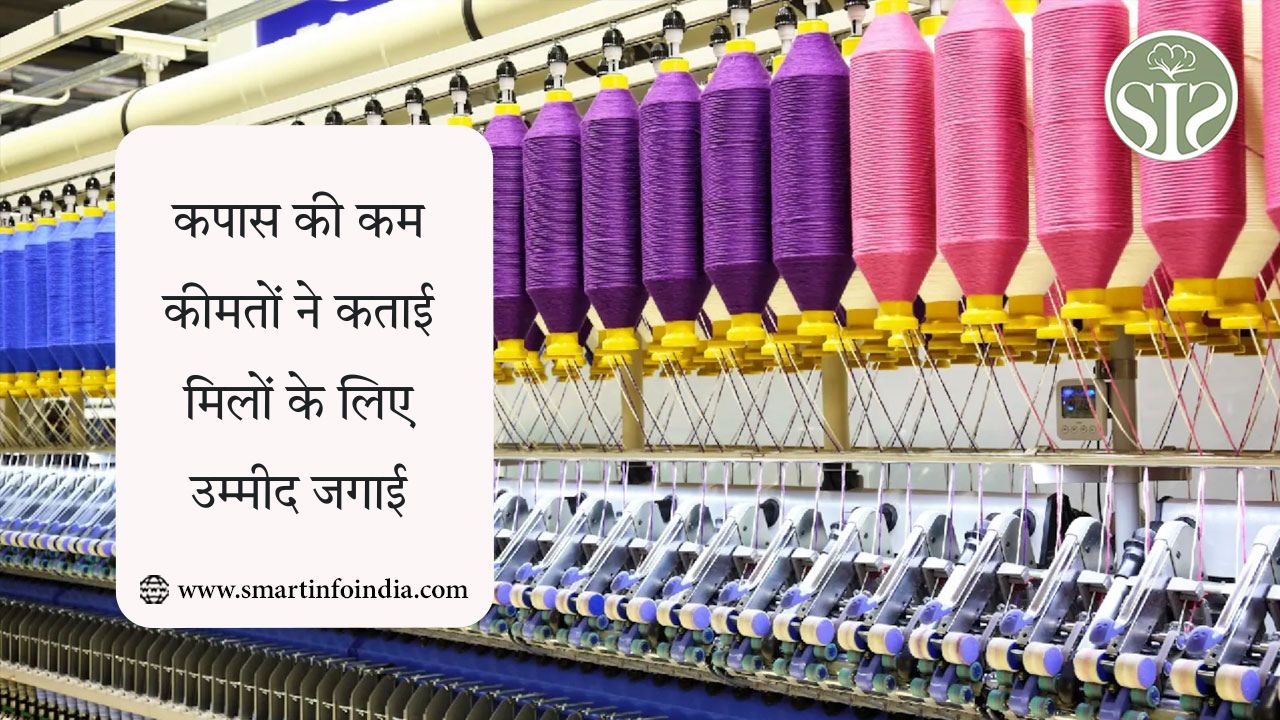
कपास की कीमतों में कमी से कताई मिलों को उम्मीद जगी है।भारत में कपास की कीमतों में हाल के महीनों में गिरावट का रुख रहा है। वास्तव में, यह कपास उत्पादकों के लिए चिंता का विषय है, लेकिन कई तिमाहियों से चले आ रहे संघर्ष के बाद कताई करने वालों को अच्छा लग रहा है।कई कारण हैं जो इस पूर्वानुमान का समर्थन करते हैं कि कपास की कीमतें कुछ समय तक कम रहने की संभावना है। सबसे महत्वपूर्ण कारण यह है कि चालू कपास वर्ष के दौरान कपास उत्पादन में 9% की वृद्धि के साथ 37.7 मिलियन गांठ होने की उम्मीद है। एक गांठ 170 किलोग्राम होती है। कुछ उत्तरी राज्यों में बंपर फसल होने की संभावना है, जबकि दक्षिणी राज्यों में कीटों के हमले और बेमौसम सर्दियों की बारिश के कारण उत्पादन प्रभावित हुआ है।साथ ही, वैश्विक कपास उत्पादन में तेजी आ रही है। 2016 में 13 साल के निचले स्तर से कैलेंडर वर्ष 2017 में आंशिक सुधार के बाद, वैश्विक उत्पादन में तेजी आने का अनुमान है, जो 2018 में 11-13% की अच्छी वृद्धि दर्शाता है। इसलिए, घरेलू और वैश्विक दोनों ही परिस्थितियाँ कपास की कीमतों में गिरावट का समर्थन कर रही हैं।इस बीच, घरेलू उद्योग को समर्थन देने के लिए डिज़ाइन किए गए नीतिगत बदलाव के बाद चीन के कपास के आयात में कमी ने अंतर्राष्ट्रीय बाजारों में मूल्य चक्र को बिगाड़ दिया है। चीन कपास और सूती धागे के प्रमुख उपभोक्ताओं में से एक है।चीन द्वारा आयात में कोई भी बेहतर गति वैश्विक कपास की कीमतों में सुधार का समर्थन कर सकती है। फिलहाल, ऐसा लगता नहीं है। घरेलू स्तर पर भी, संकर-6 ग्रेड कपास 107 रुपये प्रति किलोग्राम पर बिक रहा है, जो अगस्त में 130-140 रुपये प्रति किलोग्राम के उच्च स्तर से काफी कम है।अक्टूबर में कटाई के बाद अधिक उत्पादन की खबर के साथ, कपास की कीमतों में गिरावट का रुझान है। सवाल यह है कि क्या आगामी आम चुनावों में किसानों के वोट के महत्व को देखते हुए कोई नीतिगत हस्तक्षेप कीमतों को बढ़ाएगा।निश्चित रूप से, कपास की कम कीमतें कताई उद्योग के लिए राहत लेकर आती हैं, जिसने पिछली चार तिमाहियों में कमजोर बिक्री वृद्धि और लाभ मार्जिन दर्ज किया है। क्रेडिट रेटिंग एजेंसी इक्रा लिमिटेड ने एक रिपोर्ट में कताई मिलों में दबाव के कारणों का पता लगाया है: "सितंबर 2016 को समाप्त तिमाही में, चीन को निर्यात में भारी गिरावट के कारण वॉल्यूम प्रभावित हुआ था, लेकिन अगली तिमाही में नोटबंदी के प्रभाव ने वॉल्यूम को प्रभावित किया। इक्रा के 13 कताई मिलों के नमूने ने हाल के दिनों में वॉल्यूम में कमजोर प्रवृत्ति और योगदान मार्जिन पर दबाव दिखाया, जो आंशिक रूप से कपास की अस्थिर कीमतों से प्रेरित था। इक्रा के नमूने का कुल परिचालन लाभ वित्त वर्ष 2013 और वित्त वर्ष 2014 में देखे गए स्वस्थ स्तरों से 6-12% कम रहा, हालांकि वित्त वर्ष 2016 की तुलना में 3% अधिक रहा। इसमें कोई आश्चर्य नहीं कि यार्न मिलें कपास की कीमतों में गिरावट से खुश होंगी। हालांकि, अंततः मुद्रा की चाल और मांग यार्न मिलों, विशेष रूप से निर्यातकों की लाभप्रदता के प्रमुख निर्धारक बने रहेंगे।और पढ़ें :-डॉलर के मुकाबले रुपया 19 पैसे गिरकर 87.39 पर पहुंचा

डॉलर के मुकाबले रुपया 19 पैसे गिरकर 87.39 पर आ गया।गुरुवार को भारतीय रुपया 19 पैसे गिरकर 87.39 प्रति डॉलर पर खुला, जबकि मंगलवार को यह 87.20 पर बंद हुआ था।डोनाल्ड ट्रंप द्वारा टैरिफ योजनाओं को आगे बढ़ाने से रुपये को झटका लगा है।और पढ़ें :-कपड़ा, पर्यटन, प्रौद्योगिकी: भारत के विकास के लिए पीएम मोदी का 'मंत्र'

भारत के विकास के लिए प्रधानमंत्री मोदी का मंत्र है वस्त्र, पर्यटन और प्रौद्योगिकी।भोपाल में मध्य प्रदेश वैश्विक निवेशक शिखर सम्मेलन को संबोधित करते हुए प्रधानमंत्री ने कहा कि ये क्षेत्र "करोड़ों" नए रोजगार सृजित करेंगे।"तीन क्षेत्र भारत के विकास में महत्वपूर्ण भूमिका निभाएंगे- कपड़ा, पर्यटन और प्रौद्योगिकी। ये क्षेत्र करोड़ों नए रोजगार सृजित करेंगे। अगर हम कपड़ा उद्योग को देखें, तो भारत कपास का दूसरा सबसे बड़ा उत्पादक है। भारत में कपड़ा उद्योग से जुड़ी एक पूरी परंपरा है, इसमें कौशल के साथ-साथ उद्यमिता भी है," पीएम मोदी ने कहा।राज्य को भारत की "कपास राजधानी" बताते हुए प्रधानमंत्री ने कहा कि "भारत की जैविक कपास आपूर्ति का लगभग 25 प्रतिशत मध्य प्रदेश से आता है।"भारत दुनिया का छठा सबसे बड़ा कपड़ा और परिधान निर्यातक है।गौरतलब है कि केंद्र सरकार अपने राष्ट्रीय तकनीकी कपड़ा मिशन के तहत 10 बिलियन अमेरिकी डॉलर मूल्य के तकनीकी वस्त्रों के निर्यात को लक्षित करना चाहती है। तकनीकी वस्त्रों में भारत को वैश्विक नेता के रूप में स्थापित करने के लिए, मिशन को 2020-21 में लॉन्च किया गया था और इसे 1,480 करोड़ रुपये के वित्तीय परिव्यय के साथ 2025-26 तक बढ़ा दिया गया है। तकनीकी वस्त्रों को कपड़ा सामग्री और उत्पादों के रूप में परिभाषित किया जाता है जिनका उपयोग मुख्य रूप से विभिन्न उच्च-स्तरीय उद्योगों में उनके तकनीकी प्रदर्शन के लिए किया जाता है। वर्तमान में, तकनीकी वस्त्र निर्यात कथित तौर पर 2 बिलियन अमरीकी डॉलर से 3 बिलियन अमरीकी डॉलर के बीच है। वैश्विक निवेशक शिखर सम्मेलन में अपने उद्घाटन भाषण में, पीएम मोदी ने औद्योगिक विकास के लिए जल सुरक्षा सुनिश्चित करने की आवश्यकता पर भी जोर दिया। उन्होंने कहा कि सरकार लगातार जल संरक्षण और नदी जोड़ो मिशन को बढ़ावा देने पर जोर दे रही है। "औद्योगिक विकास के लिए जल सुरक्षा महत्वपूर्ण है। इसे हासिल करने के लिए, एक तरफ हम जल संरक्षण को बढ़ावा दे रहे हैं, वहीं दूसरी तरफ हम नदी जोड़ो मिशन को बढ़ावा दे रहे हैं। इस प्रक्रिया में कृषि सबसे बड़े लाभार्थियों में से एक है," पीएम मोदी ने कहा। उन्होंने कहा, "हाल ही में 45,000 करोड़ रुपये की केन-बेतवा नदी जोड़ो परियोजना शुरू की गई है। इससे 10 लाख हेक्टेयर कृषि भूमि की उत्पादकता बढ़ेगी।"और पढ़ें :-भारतीय रुपया 35 पैसे गिरकर 87.20 प्रति डॉलर पर बंद हुआ

भारतीय रुपया 35 रुपए की गिरावट के साथ 87.20 प्रति डॉलर पर बंद हुआ।भारतीय रुपया सुबह 86.85 पर खुलने के बाद 35 पैसे गिरकर 87.20 प्रति डॉलर पर बंद हुआ।बंद होने पर, सेंसेक्स 147.71 अंक या 0.20 प्रतिशत बढ़कर 74,602.12 पर और निफ्टी 5.80 अंक या 0.03 प्रतिशत गिरकर 22,547.55 पर बंद हुआ। लगभग 1612 शेयरों में तेजी आई, 2166 शेयरों में गिरावट आई और 127 शेयरों में कोई बदलाव नहीं हुआ। और पढ़ें :-चीन, भारत, बांग्लादेश या वियतनाम - ट्रम्प द्वारा वस्त्रों पर लगाए गए टैरिफ से किसे सबसे अधिक लाभ हो सकता है

ट्रम्प के कपड़ा टैरिफ से सबसे अधिक लाभ किसे होगा - चीन, भारत, बांग्लादेश या वियतनाम?भारतीय कपड़ा निर्यातक मौजूदा टैरिफ युद्ध को दुनिया के सबसे बड़े कपड़ा और परिधान निर्यातक चीन से अधिक बाजार हिस्सेदारी हासिल करने के अवसर के रूप में देखते हैं। यदि ट्रम्प द्वारा लगाए गए पारस्परिक टैरिफ लागू किए जाते हैं, तो इससे भारत को चीन के साथ कुछ अंतर पाटने में मदद मिल सकती है।भारत के कपड़ा मंत्रालय के तहत परिधान निर्यात संवर्धन परिषद (AEPC) के अध्यक्ष सुधीर सेखरी ने 18 फरवरी को कहा, "भारतीय परिधानों की मांग है। हम चीन के व्यापार में हिस्सेदारी हासिल करने में सक्षम होंगे, क्योंकि वह अमेरिका से गंभीर टैरिफ दबाव का सामना कर रहा है।" आप पूरी बातचीत यहाँ देख सकते हैं:केवल भारत ही नहीं, वियतनाम और बांग्लादेश भी चीन की कीमत पर अमेरिकी बाजार में अधिक से अधिक जगह बनाने की कोशिश कर रहे हैं। "कपड़ा और परिधान क्षेत्र में एक जटिल आपूर्ति श्रृंखला है। एलारा कैपिटल की प्रेरणा झुनझुनवाला ने कहा, "कोई भी देश दूसरे देश की मांग को पूरा नहीं कर सकता है," यह दर्शाता है कि पारस्परिक टैरिफ लगाना कहना जितना आसान है, करना उतना ही मुश्किल होगा।चीन और बांग्लादेश के बाद वियतनाम दुनिया का तीसरा सबसे बड़ा कपड़ा निर्यातक है।2024 के पहले पाँच महीनों में वियतनाम चीन को पछाड़कर अमेरिका का सबसे बड़ा कपड़ा निर्यातक बनने के लिए तैयार है। दूसरी ओर, अमेरिका बांग्लादेश का तीसरा सबसे बड़ा ग्राहक है, जो दुनिया का दूसरा सबसे बड़ा परिधान निर्यातक है। अकेले टैरिफ अंतर के आधार पर, भारत और बांग्लादेश की तुलना में वियतनाम सबसे कम प्रभावित हो सकता है।इसका मतलब है कि जब अमेरिका अपने प्रस्तावित टैरिफ को लागू करता है पारस्परिक टैरिफ के कारण, टैरिफ वृद्धि के कारण संयुक्त राज्य अमेरिका को निर्यात किए जाने वाले भारतीय और बांग्लादेशी कपड़ा उत्पादों की कीमत में वृद्धि होगी।भारत सरकार के आंकड़ों के अनुसार, भारत के कपड़ा और परिधान निर्यात का कम से कम 28% अमेरिका जाता है। हालांकि, टैरिफ दरों में काफी भिन्नताएं हैं। AEPC के अनुसार, अमेरिका को कुल निर्यात का 65% हिस्सा सूती कपड़े पर कम शुल्क लगता है, जबकि पॉलिएस्टर, नायलॉन, ऐक्रेलिक और रेयान जैसे मानव निर्मित कपड़ों पर 33% टैरिफ लगता है।कपड़े में टैरिफ अंतर लगभग 15.6% है। लेकिन जब आप केवल परिधान को कवर करते हैं, तो टैरिफ अंतर लगभग 7% होता है। सेखरी ने बताया, "भारतीय वस्त्रों पर आयात शुल्क 2.6% से 33% तक है।"प्रभुदास लीलाधर की एक नई रिपोर्ट के अनुसार, भारत के कपड़ा निर्यात कम टैरिफ अंतर के भीतर काम करते हैं, भले ही टैरिफ 15% से 20% तक बढ़ जाए। रिपोर्ट में कहा गया है, "भारत के निर्यात को अत्यधिक विविध निर्यात आधार द्वारा समर्थित किया जाता है।" इस बीच, वियतनाम और बांग्लादेश के 70% वस्त्र और परिधान निर्यात में रेडीमेड वस्त्र शामिल हैं, जिन पर आने वाले महीनों में उच्च टैरिफ का सामना करने की संभावना है। हालांकि, ट्रम्प प्रशासन की ओर से अभी भी इस बात पर कोई स्पष्टता नहीं है कि पारस्परिक टैरिफ उत्पादों की विशेष श्रेणियों पर होंगे या पूरे क्षेत्र पर। हालांकि, टैरिफ हमेशा व्यापार के कई निर्धारकों में से एक रहे हैं। इन तीनों देशों में उत्पादन की कम लागत, मूल्य प्रतिस्पर्धा और सस्ती श्रम लागत जैसी अन्य ताकतें बनी हुई हैं। अपनी लंबे समय से स्थापित ताकतों के आधार पर, ये देश अमेरिकी बाजार में व्यापार के बड़े हिस्से का हिस्सा पाने की कोशिश कर रहे हैं। सेंटर फॉर सोशल एंड इकोनॉमिक प्रोग्रेस की शोध सहयोगी दिव्या श्रीनिवासन ने कहा कि भारत को कपड़ा निर्माताओं को प्रोत्साहित करने, खुद को वैकल्पिक आपूर्ति श्रृंखला केंद्र के रूप में पेश करने और पारस्परिक टैरिफ के प्रभाव को कम करने और अमेरिका में चीन के निर्यात हिस्से को हथियाने के लिए अपने टैरिफ को कम करने की आवश्यकता है। ट्रम्प के टैरिफ का भारत पर प्रभाव तो पड़ेगा, लेकिन यह वियतनाम और बांग्लादेश की तुलना में कम हो सकता है। ऐसा इसलिए है क्योंकि कपड़ा और परिधान बाद की दो अर्थव्यवस्थाओं का एक बड़ा हिस्सा बनाते हैं, और अमेरिका एक प्रमुख खरीदार है।कपड़ा उद्योग बांग्लादेश की अर्थव्यवस्था का लगभग 11% और वियतनाम की अर्थव्यवस्था का लगभग 15% हिस्सा है। इसके विपरीत, भारत का कपड़ा क्षेत्र सकल घरेलू उत्पाद में 2.3% का योगदान देता है, जो पाँचवीं सबसे बड़ी अर्थव्यवस्था के भीतर विविधता को दर्शाता है।और पढ़ें :-अमेरिकी डॉलर के मुकाबले रुपया 15 पैसे गिरकर 86.85 पर खुला

रुपया अमेरिकी डॉलर के मुकाबले 15 पैसे की गिरावट के साथ 86.85 पर खुला।मंगलवार को भारतीय रुपया अमेरिकी डॉलर के मुकाबले 15 पैसे गिरकर 86.85 पर खुला, जबकि सोमवार को यह 86.70 पर बंद हुआ था।और पढ़ें :-सोमवार को भारतीय रुपया 12 पैसे गिरकर 86.70 प्रति डॉलर पर बंद हुआ, जबकि सुबह यह 86.58 पर खुला था।

सोमवार को भारतीय रुपया 86.58 प्रति डॉलर पर खुला और 12 पैसे गिरकर 86.70 पर बंद हुआ।बंद होने पर, सेंसेक्स 856.65 अंक या 1.14 प्रतिशत की गिरावट के साथ 74,454.41 पर और निफ्टी 242.55 अंक या 1.06 प्रतिशत की गिरावट के साथ 22,553.35 पर बंद हुआ। करीब 1126 शेयरों में तेजी आई, 2526 शेयरों में गिरावट आई और 140 शेयरों में कोई बदलाव नहीं हुआ।और पढ़ें :-फाइबर उत्पादन में अग्रणी, लेकिन विकास, निर्यात पिछड़ रहा है: भारत के कपड़ा उद्योग की समस्या क्या है

भारत फाइबर विनिर्माण में अग्रणी है, लेकिन इसका कपड़ा क्षेत्र विकास और निर्यात के मामले में संघर्ष कर रहा है।भारत का कपड़ा उद्योग दुनिया के सबसे बड़े उद्योगों में से एक है, जो कपास की खेती से लेकर उच्च-स्तरीय परिधान निर्माण तक एक विशाल मूल्य श्रृंखला में फैला हुआ है। हालाँकि, अपने पैमाने के बावजूद, भारत कपड़ा निर्यात में चीन, वियतनाम और बांग्लादेश जैसे देशों से पीछे है, जिन्हें लंबवत एकीकृत आपूर्ति श्रृंखलाओं, कम उत्पादन लागत और सरल विनियमों से लाभ होता है।कपास और सिंथेटिक फाइबर उत्पादन में वैश्विक अग्रणी होने के बावजूद, भारत के कपड़ा और परिधान उद्योग ने हाल के वर्षों में सुस्त वृद्धि दर्ज की है। अब, बढ़ती स्थिरता और अनुपालन आवश्यकताओं के साथ, लागत में और वृद्धि होने की उम्मीद है, खासकर छोटी फर्मों के लिए।भारत में फाइबर से फैब्रिक तक - एक सिंहावलोकनचीन के बाद, भारत कपास का दूसरा सबसे बड़ा उत्पादक है, जो वैश्विक उत्पादन का 24% हिस्सा है। कपास की खेती में लगभग 60 लाख किसान लगे हुए हैं, जिनमें से ज़्यादातर गुजरात, महाराष्ट्र और तेलंगाना में हैं। संपूर्ण सूती वस्त्र मूल्य शृंखला - कच्चे रेशे के प्रसंस्करण और सूत कातने से लेकर कपड़े बुनने, रंगने और सिलाई तक - 4.5 करोड़ से अधिक लोगों को रोजगार देती है।जबकि भारत में रेशे की खपत कपास की ओर अधिक है, कपड़ा उद्योग ऊन और जूट जैसे अन्य प्राकृतिक रेशों का भी उपभोग करता है। भारत मानव निर्मित रेशों (MMF) का दुनिया का दूसरा सबसे बड़ा उत्पादक भी है, जिसमें पॉलिएस्टर फाइबर में रिलायंस इंडस्ट्रीज लिमिटेड सबसे आगे है और विस्कोस फाइबर का एकमात्र घरेलू उत्पादक आदित्य बिड़ला समूह की ग्रासिम इंडस्ट्रीज लिमिटेड है।उत्पादन में वैश्विक अग्रणी होने के बावजूद, भारत में MMF की खपत प्रति व्यक्ति केवल 3.1 किलोग्राम है, जबकि चीन में यह 12 किलोग्राम और उत्तरी अमेरिका में 22.5 किलोग्राम है, जैसा कि कपड़ा मंत्रालय के एक नोट में बताया गया है। प्राकृतिक रेशों और MMF सहित कुल फाइबर की खपत भी 11.2 किलोग्राम के वैश्विक औसत की तुलना में 5.5 किलोग्राम प्रति व्यक्ति कम है।भारत की कपड़ा मूल्य शृंखला का लगभग 80% हिस्सा एमएसएमई क्लस्टरों में केंद्रित है, जिनमें से प्रत्येक की अपनी विशेषज्ञता है। उदाहरण के लिए, महाराष्ट्र में भिवंडी कपड़ा उत्पादन का एक प्रमुख केंद्र है, तमिलनाडु में तिरुपुर टी-शर्ट और अंडरगारमेंट्स में अग्रणी है, गुजरात में सूरत पॉलिएस्टर और नायलॉन कपड़े में माहिर है, और पंजाब में लुधियाना ऊनी कपड़ों के लिए जाना जाता है।विकास, निर्यात घाटे मेंभारत के कपड़ा और परिधान उद्योग के आकार को कम करके नहीं आंका जा सकता है - यह औद्योगिक उत्पादन में 13%, निर्यात में 12% और सकल घरेलू उत्पाद में लगभग 2% का योगदान देता है। हालांकि, औद्योगिक उत्पादन सूचकांक (IIP) के अनुसार, कपड़ा और परिधान उद्योग में विनिर्माण पिछले 10 वर्षों में थोड़ा कम हुआ है।श्रम-गहन परिधान और परिधान क्षेत्र ने वित्त वर्ष 2020 में $15.5 बिलियन से कम, वित्त वर्ष 24 में $14.5 बिलियन का सामान निर्यात किया। शाही एक्सपोर्ट्स प्राइवेट लिमिटेड, गोकलदास एक्सपोर्ट्स लिमिटेड और पीडीएस लिमिटेड जैसी कंपनियाँ इस क्षेत्र की अग्रणी खिलाड़ी हैं।कम निर्यात प्रतिस्पर्धात्मकताकपड़ा निर्यात में भारत चीन, वियतनाम और बांग्लादेश से पीछे है, जिसका मुख्य कारण उच्च उत्पादन लागत है। उदाहरण के लिए, वियतनाम ने 2023 में 40 बिलियन डॉलर के परिधान निर्यात किए। इन देशों को लंबवत एकीकृत आपूर्ति श्रृंखलाओं से लाभ होता है, जिससे उन्हें कहीं अधिक प्रतिस्पर्धी कीमतों पर वस्त्र बनाने की अनुमति मिलती है।भारत के लिए एक प्रमुख चुनौती इसकी खंडित कपास आपूर्ति श्रृंखला है, जो कई राज्यों में फैली हुई है, जिससे रसद लागत बढ़ जाती है और बड़े पैमाने पर उत्पादन में बाधा आती है।स्थायित्व का पहलू"आज, दुनिया तेजी से एक स्थायी जीवन शैली के महत्व को पहचान रही है, और फैशन उद्योग कोई अपवाद नहीं है... मेरा दृढ़ विश्वास है कि कपड़ा उद्योग को संसाधन दक्षता को अधिकतम करने और अपशिष्ट को कम करने के सिद्धांतों को अपनाना चाहिए," प्रधान मंत्री नरेंद्र मोदी ने पिछले सप्ताह कपड़ा व्यापार मेले भारत टेक्स में कहा।"आम तौर पर, आने वाले वर्षों में कपड़ा उद्योग की लागत बढ़ने की संभावना है। स्थायी सोर्सिंग की ओर एक वैश्विक संरचनात्मक बदलाव इसे आगे बढ़ाएगा। अक्सर, नियामक परिवर्तनों के कारण ऐसा बदलाव आवश्यक होता है। उदाहरण के लिए, यूरोपीय संघ के पास पूरे फैशन मूल्य श्रृंखला में फैले 16 कानून हैं, जो 2021 और 2024 के बीच लागू हुए। चूंकि यूरोपीय संघ हमारे निर्यात का लगभग 20 प्रतिशत हिस्सा है, इसलिए इस तरह का बदलाव छोटे उद्यमों के लिए एक चुनौती है, जिन्हें पर्यावरण की दृष्टि से टिकाऊ उत्पादन विधियों को अपनाने की आवश्यकता है," सर्वेक्षण में कहा गया है।अपने भाषण में, मोदी ने इस बात पर प्रकाश डाला कि भारत का कपड़ा रीसाइक्लिंग बाजार 400 मिलियन डॉलर तक पहुँचने का अनुमान है, जबकि वैश्विक पुनर्नवीनीकरण कपड़ा बाजार 7.5 बिलियन डॉलर तक पहुँचने की उम्मीद है।“आज, दुनिया भर में हर महीने करोड़ों कपड़े अप्रचलित हो जाते हैं, जिनमें से एक महत्वपूर्ण हिस्सा ‘फास्ट फैशन वेस्ट’ की श्रेणी में आता है। यह केवल बदलते फैशन ट्रेंड के कारण फेंके गए कपड़ों को संदर्भित करता है। इन कपड़ों को दुनिया के विभिन्न हिस्सों में फेंक दिया जाता है, जिससे पर्यावरण और पारिस्थितिकी तंत्र को गंभीर खतरा होता है।और पढ़ें :-कपास किसानों के लिए बड़ी राहत! सीसीआई कपास की खरीद फिर से शुरू करेगी... नई दर क्या है?
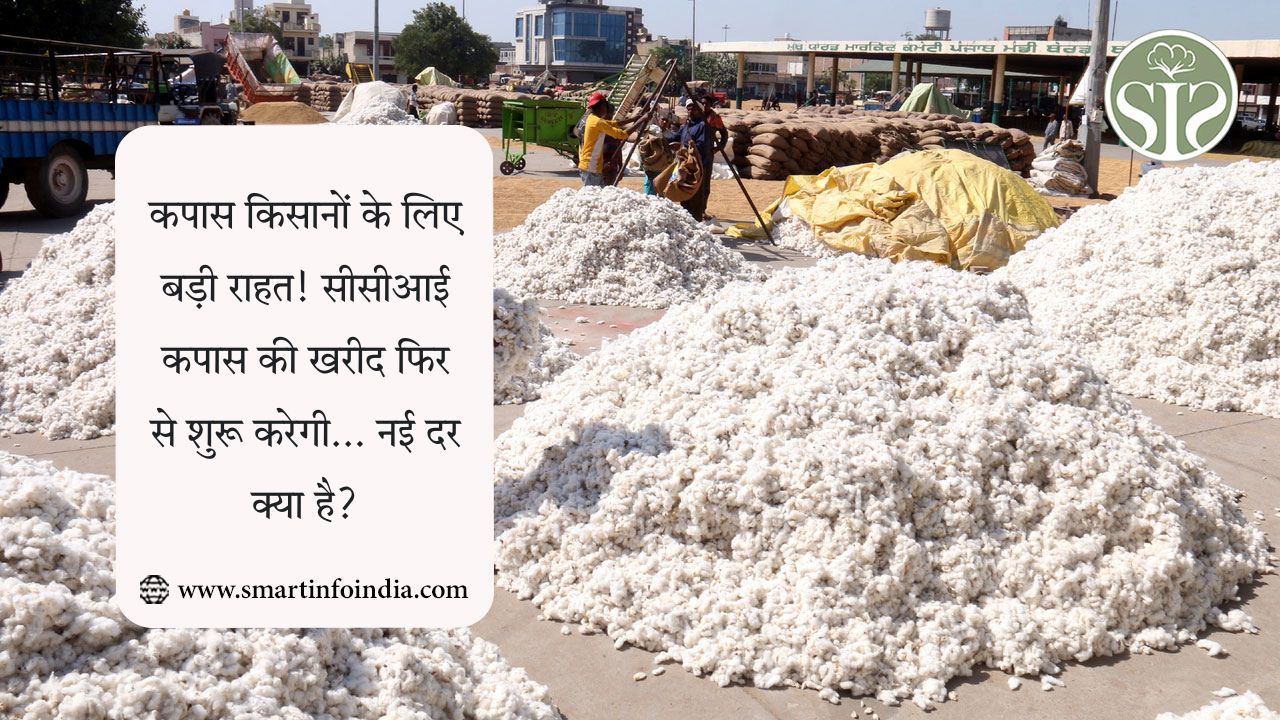
कपास किसानों को राहत: CCI फिर शुरू करेगी खरीद, गुणवत्ता बनी नई चुनौतीकपास खरीद समाचार: भारतीय कपास निगम (CCI) द्वारा कपास की खरीद दोबारा शुरू किए जाने से किसानों को बड़ी राहत मिलने की उम्मीद है। हिंगोली के पास लिम्बाला (मक्ता) क्षेत्र में 9 नवंबर से शुरू हुई खरीद प्रक्रिया को 11 फरवरी को स्थान की कमी के कारण रोकना पड़ा था। अब समस्या के समाधान के बाद 24 फरवरी से खरीद फिर से शुरू होने जा रही है।पिछले कुछ हफ्तों में किसानों को अपनी उपज बेचने में काफी दिक्कतों का सामना करना पड़ा। खुले बाजार में कपास के दाम उम्मीद के मुताबिक नहीं मिल रहे थे, जिससे किसान CCI केंद्रों पर निर्भर थे। लेकिन खरीद बंद होने से उनकी परेशानी और बढ़ गई थी।दरअसल, खरीद केंद्र पर बड़ी मात्रा में कपास का स्टॉक जमा हो गया था, जिससे नए माल के लिए जगह नहीं बची। इसी कारण खरीद प्रक्रिया अस्थायी रूप से रोकनी पड़ी। अब भंडारित कपास, ज्वार और अन्य स्टॉक को दूसरी जगह शिफ्ट कर दिया गया है, जिससे केंद्र पर जगह उपलब्ध हो गई है और खरीद दोबारा शुरू की जा रही है।इस सीजन में कपास के दामों में काफी उतार-चढ़ाव देखा गया। दिसंबर तक CCI ने करीब 7,521 रुपये प्रति क्विंटल का भाव दिया, जबकि खुले बाजार में कीमतें 7,000 रुपये से नीचे बनी रहीं। जनवरी के अंत तक आवक घटने से खरीद भी सीमित होकर प्रतिदिन 50–70 क्विंटल तक रह गई।वर्तमान में खुले बाजार में गुणवत्ता के आधार पर कपास 5,500 से 6,000 रुपये प्रति क्विंटल के बीच बिक रहा है, जबकि CCI केंद्र पर लगभग 7,421 रुपये प्रति क्विंटल का भाव मिल रहा है। हालांकि, CCI ने स्पष्ट किया है कि केवल अच्छी गुणवत्ता वाली कपास ही खरीदी जाएगी, जो किसानों के लिए एक नई चुनौती बन सकती है।CCI की खरीद फिर शुरू होने से किसानों को अपनी उपज उचित मूल्य पर बेचने का अवसर मिलेगा। बाजार में कम दाम के बीच यह सरकारी हस्तक्षेप किसानों के लिए राहत साबित हो सकता है।किसानों को सलाह दी गई है कि वे अच्छी गुणवत्ता वाली कपास लेकर खरीद केंद्र पर पहुंचें और इस अवसर का पूरा लाभ उठाएं, ताकि उन्हें अपनी उपज का बेहतर मूल्य मिल सके।और पढ़ें :-बुवाई के मौसम से पहले पंजाब के सामने कपास के विविधीकरण की चुनौती

पंजाब को कपास की बुआई के मौसम से पहले अपनी आपूर्ति में विविधता लानी होगी।अप्रैल में कपास की बुवाई का मौसम आने वाला है, ऐसे में पंजाब को अपनी खरीफ फसल में विविधता लाने की चुनौती का सामना करना पड़ रहा है, जिसके लिए अभी तक कोई समर्पित योजना नहीं बनाई गई है।पंजाब में कपास की खेती का रकबा 2021-22 से लगातार घट रहा है, जो 2024 में सबसे कम 95,000 हेक्टेयर पर पहुंच गया है। पंजाब के कृषि निदेशक जसवंत सिंह ने कहा कि किसानों को कपास की खेती की ओर लौटने के लिए प्रोत्साहित करने के प्रयास किए जा रहे हैं, जिसमें सरकार उनका समर्थन कर रही है।सिंह ने कहा, "पिछले चार खरीफ सीजन कपास किसानों के लिए बेहद चुनौतीपूर्ण रहे हैं, जिसमें रकबा काफी कम हो गया है। कीटों के हमलों ने इनपुट लागत बढ़ा दी है, जिससे किसान आर्थिक चिंताओं के कारण हिचकिचा रहे हैं। हालांकि, हमारा लक्ष्य 2025-26 सीजन में कपास की खेती का रकबा बढ़ाकर 1.5 लाख हेक्टेयर करना है।" गिरावट के रुझान के बावजूद, राज्य ने अभी तक दक्षिण मालवा क्षेत्र के अर्ध-शुष्क जिलों में किसानों को प्रोत्साहित करने के लिए कोई ठोस योजना पेश नहीं की है, जिनमें से कई पिछले चार वर्षों में पानी की अधिक खपत वाले चावल की खेती की ओर चले गए हैं। सिंह ने कहा, "हम गर्मियों के दौरान सिंचाई के लिए समय पर नहर के पानी की आपूर्ति सुनिश्चित करेंगे। कपास के बीजों पर सब्सिडी भी जारी रहने की उम्मीद है। इसके अलावा, हमने कपास उगाने वाले जिलों में बड़े पैमाने पर खरपतवार हटाने और कपास के भूसे के सुरक्षित निपटान का वार्षिक अभ्यास शुरू किया है।" अप्रैल में गेहूं और सरसों की रबी फसल की कटाई के तुरंत बाद कपास की बुवाई शुरू हो जाएगी और पंजाब कृषि विश्वविद्यालय के विशेषज्ञ 15 मई तक बुवाई पूरी करने की सलाह देते हैं। डेटा पंजाब के कपास के रकबे में लगातार गिरावट दिखाते हैं। 2021 में यह 2.52 लाख हेक्टेयर, 2022 में 2.48 लाख हेक्टेयर, 2023 में 1.73 लाख हेक्टेयर था और 2004 में यह गिरकर 95,000 हेक्टेयर रह गया, जो अब तक का सबसे कम है। 2020 में, पंजाब ने लगभग 50 लाख क्विंटल कपास का बंपर उत्पादन दर्ज किया, लेकिन बाद के वर्षों में कई चुनौतियों ने किसानों को फसल से दूर कर दिया, खासकर राज्य के दक्षिण-पश्चिमी क्षेत्र में।बठिंडा के बाजक गाँव के प्रगतिशील कपास उत्पादक बलदेव सिंह ने 2024 में धान की खरीद में कठिनाइयों के बाद, विशेष रूप से कपास की खेती में बदलाव के बारे में आशा व्यक्त की।उन्होंने कहा, "अगर मुख्यमंत्री समय पर बीज की उपलब्धता और नहर के पानी की आपूर्ति सुनिश्चित करते हैं, तो हमारे पास तैयारी के लिए अभी भी दो महीने हैं, और कपास का रकबा फिर से हासिल किया जा सकता है।"बठिंडा के मुख्य कृषि अधिकारी जगसीर सिंह ने कपास की खेती में भारी गिरावट के लिए कीटों के संक्रमण, प्रतिकूल जलवायु परिस्थितियों और सिंचाई चुनौतियों को जिम्मेदार ठहराया।उन्होंने कहा, "पिछले चार सीज़न में सिंचाई की समस्याओं के कारण कपास किसानों को आर्थिक नुकसान हुआ, जिससे उन्हें धान की खेती करने के लिए मजबूर होना पड़ा, जहाँ ट्यूबवेल सिंचाई उपलब्ध थी। अब, हम उन्हें कपास की खेती में वापस लाने के लिए काम कर रहे हैं।"और पढ़ें :-रुपया अमेरिकी डॉलर के मुकाबले 13 पैसे बढ़कर 86.58 पर खुला

अमेरिकी डॉलर के मुकाबले रुपया 13 पैसे बढ़कर 86.58 पर पहुंच गया।भारतीय रुपया सोमवार को अमेरिकी डॉलर के मुकाबले 13 पैसे बढ़कर 86.58 पर खुला, जबकि शुक्रवार को यह 86.71 पर बंद हुआ था।और पढ़ें :-कपास शुक्रवार को दबाव के बाहर का चेहरा
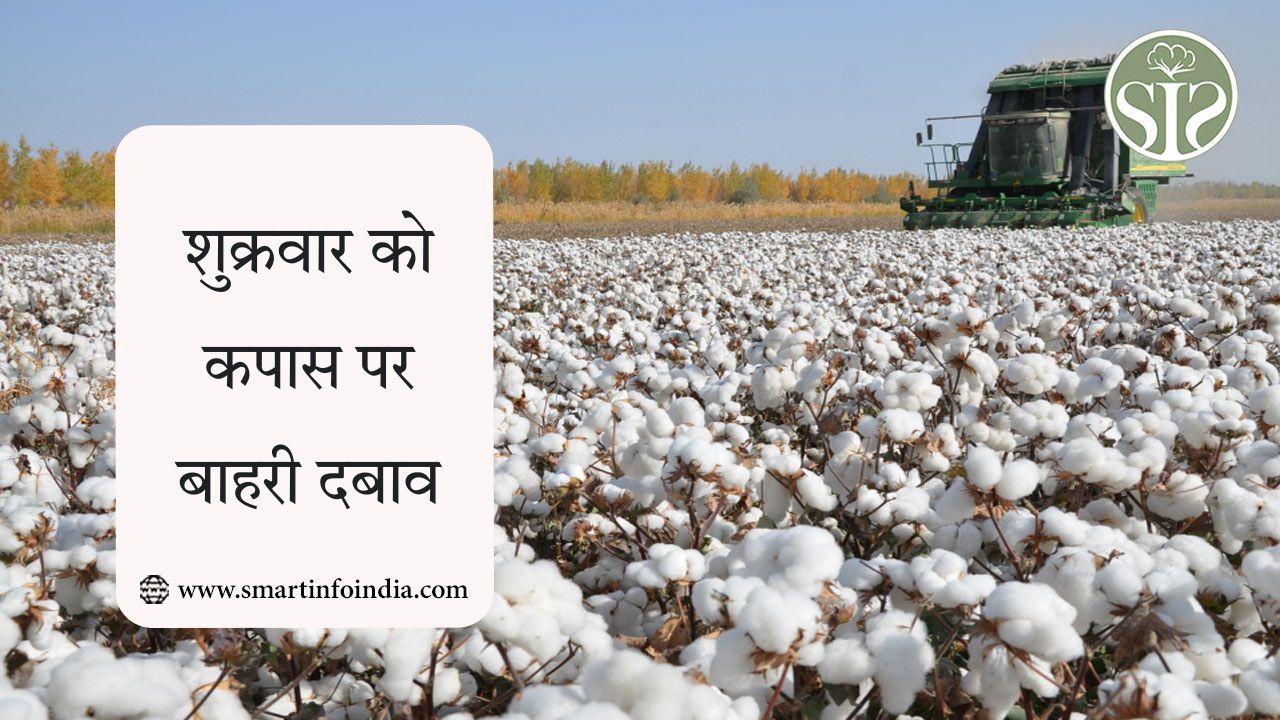
शुक्रवार को, कपास को बाहरी दबाव का सामना करना पड़ेगाकपास वायदा ने शुक्रवार को नुकसान पोस्ट किया, जिसमें सामने के महीनों में 11 से 16 अंक नीचे थे। इस सप्ताह मार्च 103 अंक नीचे था। बाहर के बाजार सप्ताह को बंद करने के लिए दबाव कारक थे। कच्चे तेल का वायदा $ 2.18/बैरल से नीचे था, जिसमें अमेरिकी डॉलर इंडेक्स $ 0.276 अधिक था।ट्रेडर्स रिपोर्ट की साप्ताहिक प्रतिबद्धता के माध्यम से CFTC डेटा ने कपास के वायदा में अपने नेट शॉर्ट और 2/18 से 57,386 अनुबंधों के विकल्प के रूप में कल्पना व्यापारियों द्वारा छंटनी की गई कुल 3,095 अनुबंध दिखाए।शुक्रवार की सुबह की निर्यात बिक्री रिपोर्ट में 2/13 के सप्ताह में 312,452 आरबी की कुल कपास बुकिंग में 4-सप्ताह की ऊँचाई दिखाई गई। वियतनाम 109,400 आरबी का खरीदार था, जिसमें पाकिस्तान 64,800 आरबी था। निर्यात शिपमेंट कुल 298,278 आरबी, एक मेरा उच्च। वियतनाम 85,100 आरबी का सबसे बड़ा गंतव्य भी था, जिसमें पाकिस्तान में 49,700 आरबी थे। संयुक्त शिपिंग और अनशेड की बिक्री में कुल 9.443 मिलियन आरबी है, जो पिछले साल से 10% नीचे है। यह यूएसडीए के पूर्वानुमान का 92% भी है, जो वर्ष के इस समय के लिए औसत बिक्री की गति से मेल खाता है।यूएसडीए अगले सप्ताह अपने आउटलुक फोरम में 2025 कपास की फसल के लिए अपने शुरुआती आर्म चेयर अनुमानों को जारी करेगा। ब्लूमबर्ग द्वारा विश्लेषकों का एक सर्वेक्षण इस साल कपास के लिए औसतन 10 मिलियन लगाए गए एकड़ को दर्शाता है, जिसमें पिछले साल 8.8 से 10.8 मिलियन एकड़ और नीचे 11.2 मिलियन से नीचे थे।आइस कॉटन शेयरों को 2/20 पर 1,732 गांठों पर प्रमाणित स्टॉक में अपरिवर्तित किया गया था। सीम ने 20 फरवरी को ऑनलाइन बिक्री में 4,747 गांठों को लंबा किया, जिसकी औसत कीमत 59.07 सेंट/एलबी थी। कोटलुक ए इंडेक्स गुरुवार को 78.30 सेंट/एलबी पर 110 अंक वापस आ गया था। यूएसडीए ने गुरुवार को अपने समायोजित विश्व मूल्य (AWP) को 68 अंक बढ़ाकर 54.67 सेंट/एलबी तक बढ़ा दिया।और पढ़ें :-भारतीय रुपया 16 पैसे गिरकर 86.71 प्रति डॉलर पर बंद हुआ
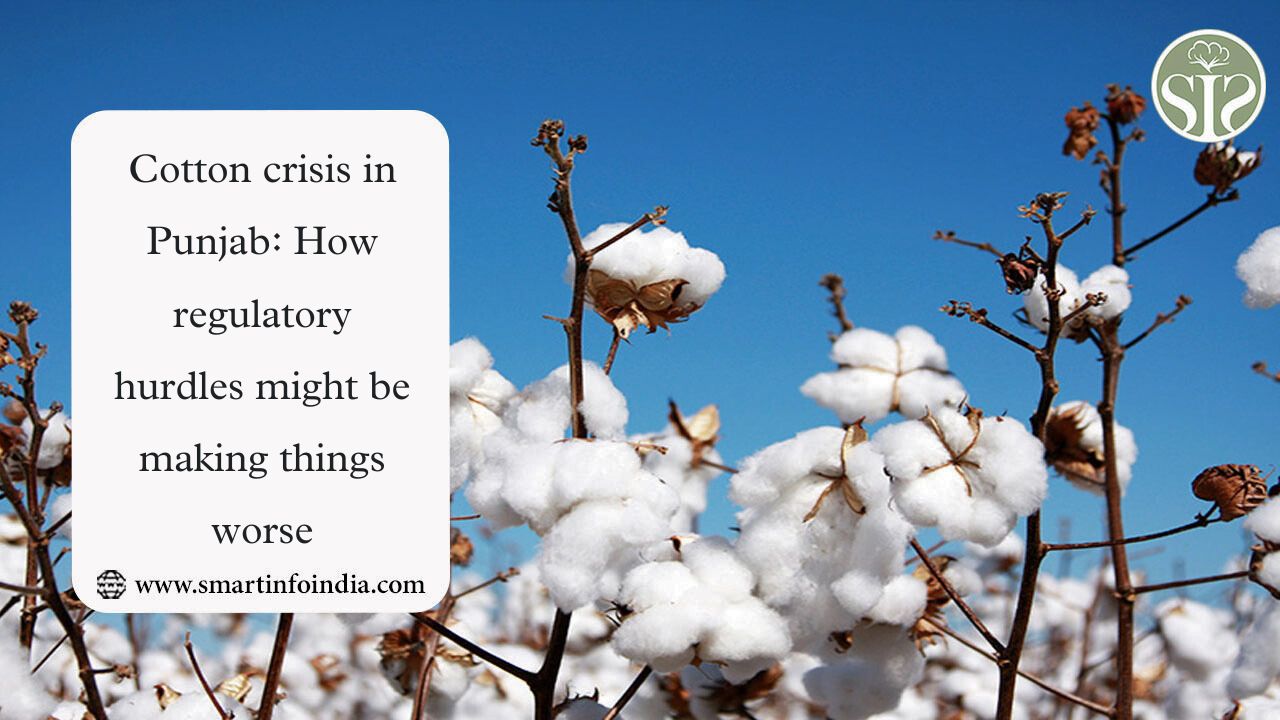
Punjab's cotton crisis: How potential regulatory obstacles could be exacerbating the situationIn recent years, whiteflies and pink bollworms have wreaked havoc on the cotton crop in North India. Cotton yields are down, as is the area under cotton cultivation — the crop was cultivated in only one lakh hectares in Punjab in 2024, down from nearly eight lakh hectares three decades back. The drop in acreage has in turn harmed the ginning industry — only 22 ginning units remain operational in Punjab today, down from 422 in 2004.Ahead of the cotton sowing season, farmers are thus calling for the swift approval of Bollgard-3, a new pest-resistant genetically-modified (GM) cotton variety developed by Monsanto. Can this be a game-changer? The short answer is that it can be. But Indians won’t have access to it any time soon.Bollgard-3, a Bt cotton varietyBollgard-3 was developed by Monsanto more than a decade ago, and shows remarkable resistance to pests. It contains three Bt proteins Cry1Ac, Cry2Ab and Vip3A that cause insect death by disrupting their normal gut function. This in turn allows for the growth of a healthier cotton crop, and increases yield.Bacillus thuringiensis (Bt) is a soil-dwelling bacterium with potent insecticidal properties. In the past few decades, researchers have successfully inserted certain genes from Bt in various crops, like cotton, providing these with insect-repellent properties.Bollgard-1 was a Monsanto-developed Bt cotton introduced in India in 2002, followed by Bollgard-2 in 2006. The latter remains prevalent today. And although these do have some pest-repellent properties, they are not effective against the whitefly and the pink bollworm, which arrived in Punjab in 2015-16 and 2018-19 respectively.This is why farmers are demanding the introduction of Bollgard-3, which is particularly effective against lepidopteran pests like pink bollworm.BG-2RRF, a more likely optionHowever, Bollgard-3 is not available in India at the moment, although it is being used in other cotton-growing countries around the world. What is the closer to being available is the Bollgard-2 Roundup Ready Flex (BG-2RRF) herbicide tolerant variety, although even this is pending final regulatory approval.Dr Y G Prasad, director at ICAR’s Central Institute for Cotton Research in Nagpur, said: “Both government and private trials for BG-2RRF were conducted in India in 2012-13… But the application for commercial use is still pending with the government.”Prasad said that BG-2RRF is an advanced seed technology that makes the cotton crop more tolerant to herbicides. This allows for farmers to better control weeds without harming the cotton plant, ultimately leading to better yields.“However, the approval of the technology has been significantly delayed due to regulatory hurdles, which have hindered the introduction of next-generation seed technologies,” Bhagirath said.This is why Bhagwan Bansal, president of the Punjab Ginners’ Association, said that without high-yielding, pest-resistant varieties like Bollgard-3, the future of Punjab’s cotton industry remains uncertain. Many countries in the world are already adopting these (and even more advanced technologies) and reaping the rewards.Atul Ganatra, president of the Cotton Association of India (CAI), said that Brazil is using Bollgard-5, a variety which protects against multiple pests, weeds, and insects. This has led to the South American country achieving astronomical yields of 2400 kg per hectare, compared to only 450 kg in India.read more :-Rupee Holds Steady at 87.36 vs Dollar

Indian Rupee Holds at 87.36 Against GreenbackThe Indian rupee opened flat at 87.36 against the US dollar on March 4, as compared to 87.36 against the greenback at the previous close.read more :-Indian Rupee lower 2 Paisa, Ends at 87.36 per Dollar

The Indian Rupee drops 2 Paisa and closes at 87.36 to the US dollar.The Indian rupee on Monday fell 2 paise to close at 87.36 per dollar, while it opened at 87.34 in the morning.At close, the Sensex was down 112.16 points or 0.15 percent at 73,085.94, and the Nifty was down 5.40 points or 0.02 percent at 22,119.30. About 1170 shares advanced, 2752 shares declined, and 142 shares unchanged.read more :-NBRI develops GM cotton resistant to pink bollworm

GM cotton resistant to pink bollworm is developed by NBRI.Lucknow: In a ground-breaking advancement for agriculture, scientists at the CSIR-NBRI in Lucknow claim to have developed the world's first genetically modified (GM) cotton that is totally resistant to the Pink Bollworm (PBW), a devastating pest affecting cotton crop in India, Africa and Asia."Since the implementation of GM cotton in India in 2002, varieties such as Bollgard 1 and Bollgard 2, developed jointly with Monsanto of St. Louis, US, have effectively controlled certain bollworm species. However, these varieties have not maintained robust defence against the PBW, known locally in India as Gulabi Sundi," said NBRI director Ajit Kumar Shasany.He explained that the PBW developed resistance to the proteins utilised in these technologies, intensifying the threat. Consequently, cotton yields diminished substantially in India.Addressing this crucial challenge, CSIR-NBRI's researchers, led by chief scientist Dr PK Singh, whose expertise spans nearly 30 years in crop protection, engineered a novel insecticidal gene. This indigenous gene, distinctively effective against PBW, demonstrated superior resistance compared to Bollgard 2 cotton."Comprehensive laboratory trials at NBRI have demonstrated that the new GM cotton exhibits exceptional tolerance to PBW while providing protection against other pests like the cotton leafworm and the fall armyworm," he said.He said recognising the potential of this pioneering technology, Nagpur-based agri-biotech company M/s Ankur Seeds Pvt. Ltd has proposed a partnership with NBRI.Ankur Seeds will collaborate on safety studies following regulatory guidelines and generate extensive multi-location data from field trials with NBRI technology.Upon confirmation of the technology's safety, the seeds will be licensed to seed companies for further variety and hybrid development, facilitating widespread commercialisation."By safeguarding cotton from the threat of Pink Bollworm, CSIR-NBRI's innovation protects the livelihoods of millions of farmers while establishing a new benchmark for pest resistance globally," he added.read more :-Rupee opens 16 paise up at 87.34 against US dollar

In relation to the US dollar, the rupee opens 16 paise higher at 87.34.The Indian rupee on Monday opened 16 paise higher at 87.34 against the US dollar, as against the close at 87.50 on Friday.read more :- India can be the world leader in textiles. Here’s how
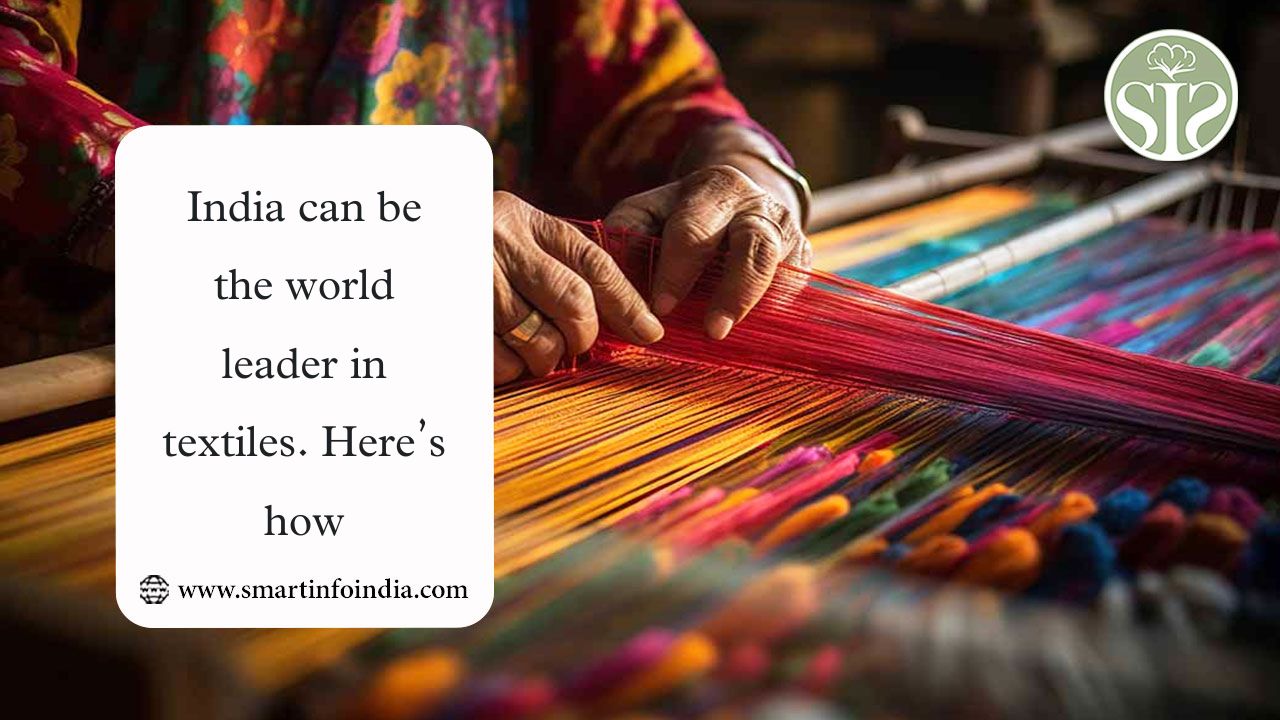
India might lead the world in textile production. Here's howIf India is to become a developed country by 2047, it must prioritise job creation. The textile and apparel industry is the second-largest employer in India after agriculture, providing direct employment to 45 million people. The sector is expected to grow at an annual growth rate of 10 per cent and become a USD 250 billion market by 2030, adding millions more jobs. If our exports grow from the current USD 45 billion to the targeted USD 100 billion, and if the economy grows at 6-7 per cent annually, the textile industry can add one million jobs every year from now to 2030 - 10 per cent of the country's need.The government is thinking ahead in supporting the industry. It has approved various schemes with an outlay of several thousand crores that stimulate the sector – such as the Pradhan Mantri Mega Integrated Textile Region and Apparel (PM MITRA) Parks, the Production Linked Incentive (PLI) scheme and the Remission of State and Central Taxes and Duties (RoSCTL) scheme.The USD 100 billion Indian textile market presents a huge domestic opportunity. An emerging middle class is driving demand and this trend is further amplified by Gen Z. The mainstreaming of e-commerce and the emergence of instant commerce have made apparel and fashion easier for people to access. While there is a lull during a crisis like Covid or a recession, Indians continue to have a healthy consumption appetite.With so much work to do, how can we ensure labour efficiency and thus create more jobs and increase market share? India suffers a 15-20 per cent cost loss compared to competing countries like Bangladesh and Vietnam. A major reason for this is low efficiency in the labour-intensive apparel manufacturing process. How can we address this?read more :-Indian Rupee lower 19 Paisa, Ends at 87.50 per Dollar

Indian Rupee lower 19 Paisa, Ends at 87.50 per DollarThe Indian rupee on friday fell 19 paise to close at 87.50 per dollar, while it had opened at 87.31 in the morning.Indian equity indices closed sharply lower, with all sectoral indices trading in the red throughout the session. The Sensex ended the day down 1.90% at 73,198.10, while the Nifty also slipped 1.86% to close at 22,124.70, marking a weak finish for the last trading session of February.read more :-Cotton declined on substantial increase in supplies and limited mill buying .
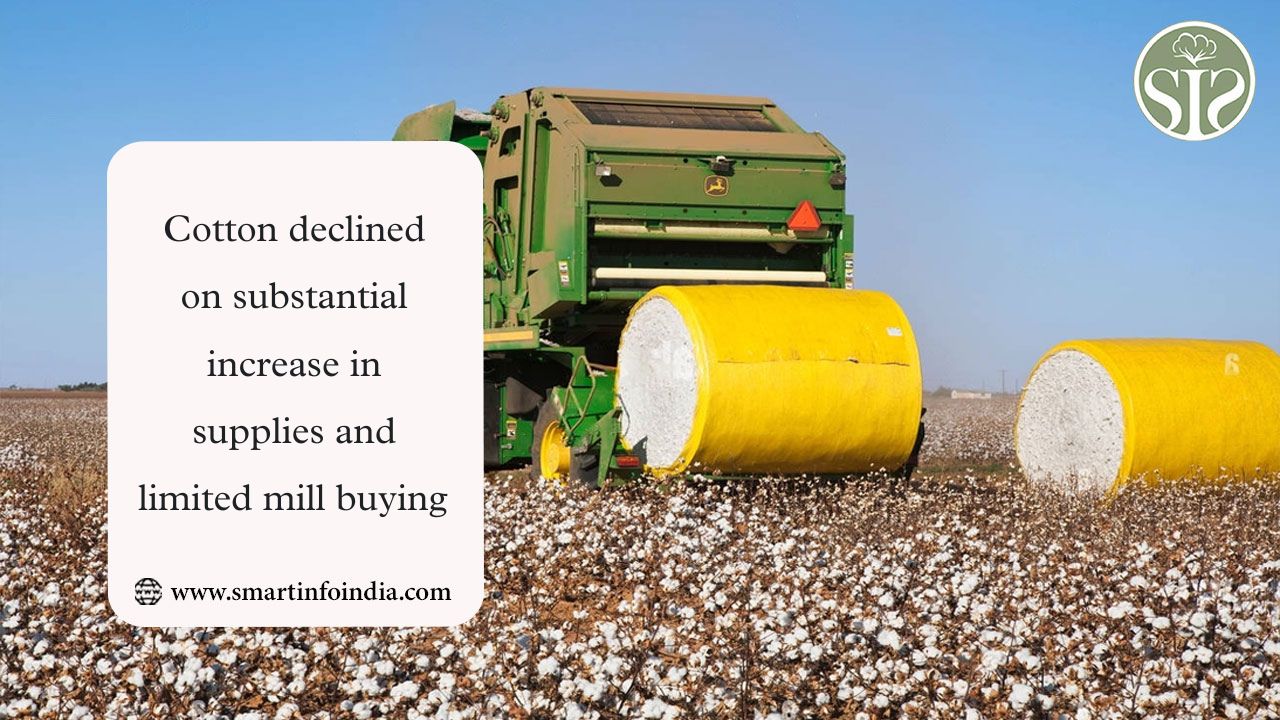
Cotton fell as a result of limited mill purchases and a significant increase in supplies.Cotton candy prices fell 0.41% to 53,510 on increased supplies and weak mill buying. Mills have adequate stocks, reducing their immediate buying needs. Brazil's cotton production for 2024-25 is expected to increase by 1.6% to 3.7616 million tonnes, with a 4.8% expansion in planted area, indicating adequate global supply. Additionally, the Cotton Corporation of India (CCI) is expected to procure over 100 lakh bales at minimum support price (MSP) this season. The Cotton Association of India (CAI) estimates India's cotton production for 2024-25 to be 301.75 lakh bales, lower than 327.45 lakh bales in the previous season, mainly due to lower yields in Gujarat, Punjab and Haryana.Total cotton supply till January 2025 was 234.26 lakh bales, which includes 188.07 lakh bales of fresh pressing, 16 lakh bales of imports and opening stock of 30.19 lakh bales. Estimated cotton consumption till January 2025 is 114 lakh bales, including exports of 8 lakh bales, while ending stock is 112.26 lakh bales. CAI maintained its domestic consumption forecast at 315 lakh bales, while export forecast for 2024-25 is 17 lakh bales, lower than last season's 28.36 lakh bales.Technically, the market is witnessing long term liquidation, and open interest remains unchanged at 253. The prices have support at 53,200 and can likely test 52800 levels, while resistance is also at 53,860 and a move above this can take the prices towards 54200 levels.read more :-NBRI’s innovative chip to boost cotton cultivation
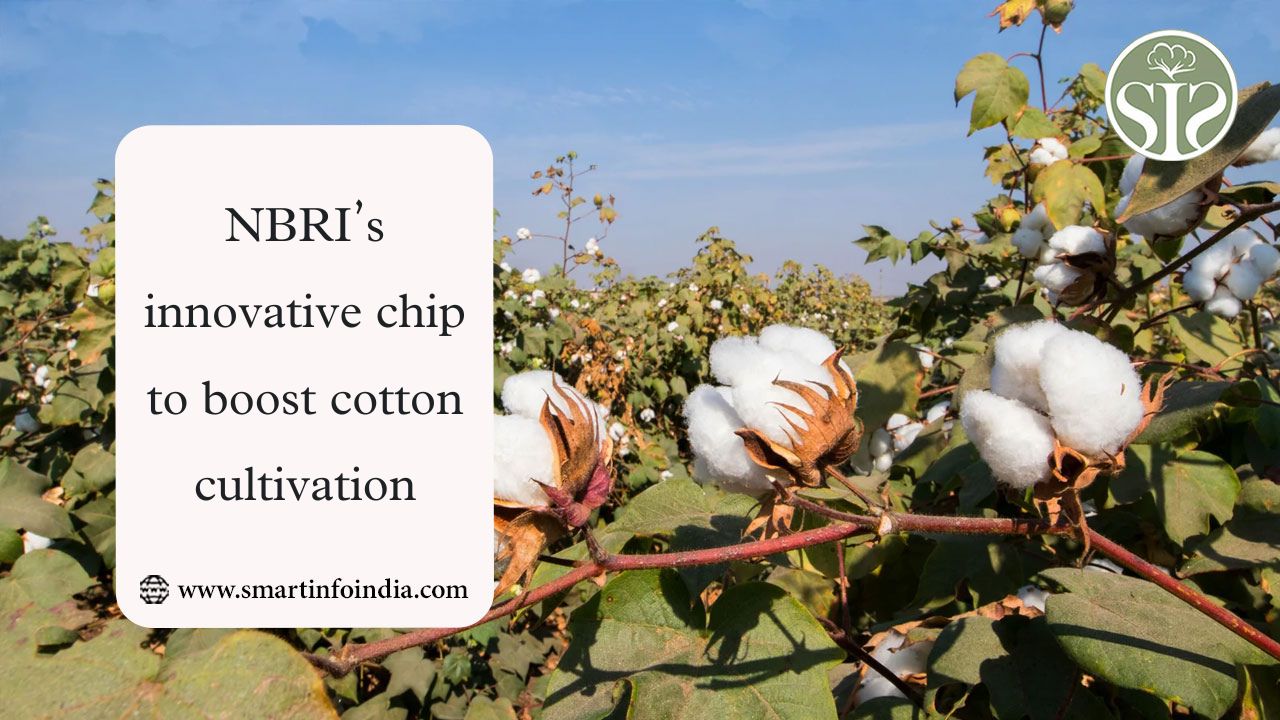
NBRI's cutting-edge chip to improve cotton farmingLucknow : CSIR-National Botanical Research Institute (NBRI), Lucknow, has developed a special chip that will assist scientists and farmers in cultivating superior cotton plants.Upon insertion of this ‘90K SNP Cotton Chip' in special equipment, it will provide data about various cotton varieties and their characteristics. The chip facilitates the development of high-quality cotton plants through marker-assisted breeding (MAB), a DNA-based approach. This utilises molecular markers to identify and choose plants with specific traits, creating new varieties."The chip contains data of around 90,000 cotton SNP markers, which can be used to crossbreed and create a new variety according to climatic, production or pest control needs. This is the first such chip in India, and its license was given to a Delhi-based company in the presence of CSIR director general N Kalaiselvi," said NBRI director Ajit Kumar Shasany.Explaining MAB or chip technology, Shasany said: "In agricultural production, we often aim to combine good traits from different plants to breed a new variety. Suppose we have a cotton plant with many seeds but fewer branches and is not drought or pest-resistant while another variety has fewer seeds but is drought and pest-resistant and has more branches. We can combine these two to breed a desirable variety."This may sound easy, but it's a herculean task as suitable varieties must be identified from thousands before crossbreeding. It may take months and even years. It's tough to determine which one is the best. The agricultural performance of plants is usually linked to traits that are encoded by DNA," he said.Shasany added that this chip was prepared by sequencing 320 cotton genotypes found in India, which resulted in 40 lakh single nucleotide polymorphisms (SNP), a variation in the DNA sequence at a single base position. Out of these, 90K SNPs were shortlisted as the best markers.This may sound easy, but it's a herculean task as suitable varieties must be identified from thousands before crossbreeding. It may take months and even years. It's tough to determine which one is the best. The agricultural performance of plants is usually linked to traits that are encoded by DNA," he said.Lucknow: CSIR-National Botanical Research Institute (NBRI), Lucknow, has developed a special chip that will assist scientists and farmers in cultivating superior cotton plants.Upon insertion of this ‘90K SNP Cotton Chip' in special equipment, it will provide data about various cotton varieties and their characteristics. The chip facilitates the development of high-quality cotton plants through marker-assisted breeding (MAB), a DNA-based approach. This utilises molecular markers to identify and choose plants with specific traits, creating new varieties."The chip contains data of around 90,000 cotton SNP markers, which can be used to crossbreed and create a new variety according to climatic, production or pest control needs. This is the first such chip in India, and its license was given to a Delhi-based company in the presence of CSIR director general N Kalaiselvi," said NBRI director Ajit Kumar Shasany.Explaining MAB or chip technology, Shasany said: "In agricultural production, we often aim to combine good traits from different plants to breed a new variety. Suppose we have a cotton plant with many seeds but fewer branches and is not drought or pest-resistant while another variety has fewer seeds but is drought and pest-resistant and has more branches. We can combine these two to breed a desirable variety.""This may sound easy, but it's a herculean task as suitable varieties must be identified from thousands before crossbreeding. It may take months and even years. It's tough to determine which one is the best. The agricultural performance of plants is usually linked to traits that are encoded by DNA," he said.Shasany added that this chip was prepared by sequencing 320 cotton genotypes found in India, which resulted in 40 lakh single nucleotide polymorphisms (SNP), a variation in the DNA sequence at a single base position. Out of these, 90K SNPs were shortlisted as the best markers.read more :-Rupee falls 16 paise at open to 87.31 against US dollar

Rupee opens at 87.31 versus the US dollar, down 16 paise.The Indian rupee on Friday opened 16 paise fell at 87.31 per dollar, as against 87.19 on closed Thursday. read more:- The Indian rupee on thursday higher 20 paise to close at 87.19 per dollar, while it opened at 87.39 in the morning.

The Indian rupee opened at 87.39 in the morning and gained 20 paise to close at 87.19 against the dollar on Thursday.At close, the Sensex was up 10.31 points or 0.01 percent at 74,612.43, and the Nifty was down 2.50 points or 0.01 percent at 22,545.05. About 892 shares advanced, 2925 shares declined, and 97 shares unchanged.read more :-Lower cotton prices bring hope for spinning mills
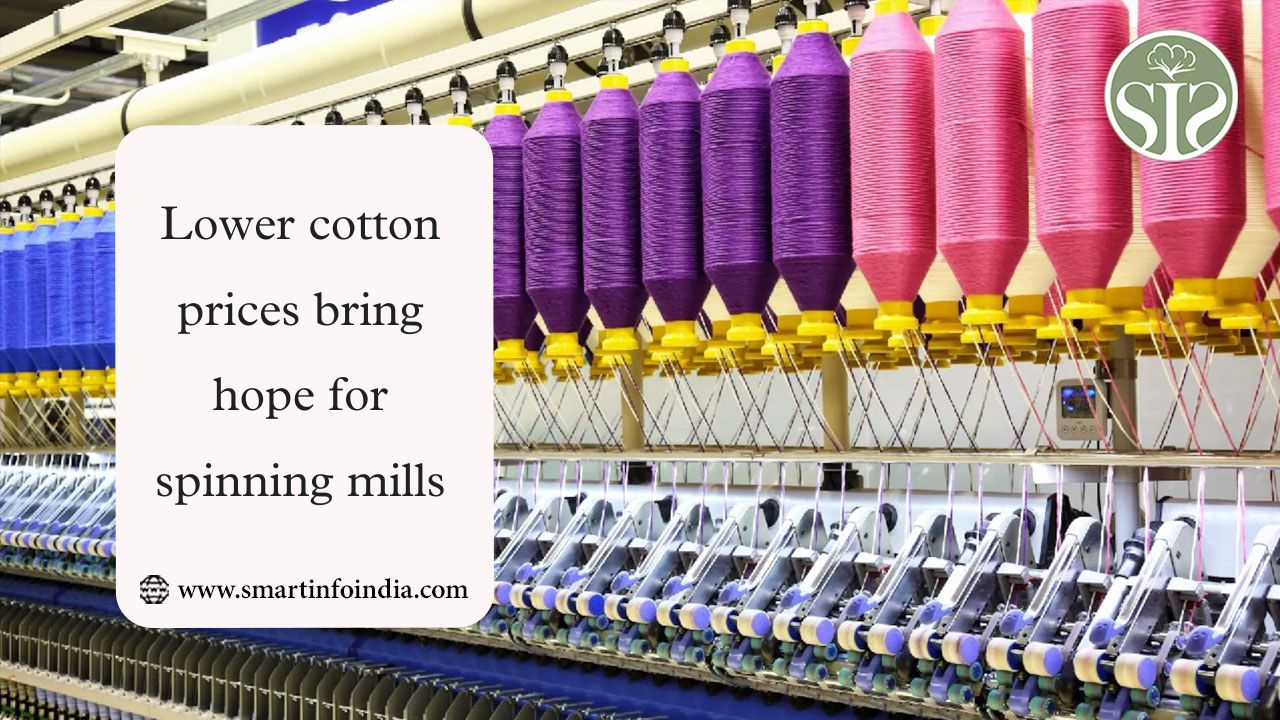
A decrease in cotton prices gives spinning mills hope.Cotton prices in India have been on a downward trend in recent months. In fact, this is a matter of concern for cotton growers, but spinners are feeling good after struggling for several quarters.There are several reasons that support the forecast that cotton prices are likely to remain low for some time. The most important reason is that cotton production is expected to increase by 9% to 37.7 million bales during the current cotton year. A bale weighs 170 kg. Some northern states are expected to have bumper crops, while production in southern states has been affected due to pest attacks and unseasonal winter rains.At the same time, global cotton production is picking up. After a partial recovery in calendar year 2017 from a 13-year low in 2016, global production is forecast to pick up, showing a good growth of 11-13% in 2018. Therefore, both domestic and global conditions are supporting a decline in cotton prices.Meanwhile, a reduction in Chinese cotton imports following a policy change designed to support the domestic industry has upset the price cycle in international markets. China is one of the major consumers of cotton and cotton yarn.Any improved momentum in imports by China could support a recovery in global cotton prices. For the time being, this seems unlikely. Domestically too, hybrid-6 grade cotton is selling at Rs 107 per kg, much lower than the highs of Rs 130-140 per kg in August.With news of higher production after harvest in October, cotton prices are trending downwards. The question is whether any policy intervention will push prices higher, given the importance of farmers' vote in the upcoming general elections.Certainly, lower cotton prices bring relief to the spinning industry, which has recorded weak sales growth and profit margins in the last four quarters. Credit rating agency ICRA Ltd has explored the reasons for the pressure in spinning mills in a report: “In the quarter ended September 2016, volumes were impacted due to a sharp fall in exports to China, but the impact of demonetisation in the following quarter impacted volumes.ICRA’s sample of 13 spinning mills showed a weak trend in volumes in recent times and pressure on contribution margins, partly driven by volatile cotton prices. Overall operating profit of ICRA’s sample remained 6-12% lower than the healthy levels seen in FY13 and FY14, although 3% higher than FY16. No wonder yarn mills would be happy with the fall in cotton prices. However, ultimately currency movements and demand will remain the key determinants of profitability of yarn mills, especially exporters.read more :-Rupee falls 19 paise against the dollar to 87.39

The rupee declines 19 paise to 87.39 against the dollar.The Indian rupee on thursday fell 19 paise to open at 87.39 per dollar, while it closed at 87.20 in the tuesday.The rupee has taken a hit as Donald Trump goes ahead with his tariff plans. read more :-Textile, Tourism, Technology: PM Modi's 'mantra' for India's development

PM Modi's'mantra' for the development of India is textiles, tourism, and technology.Addressing the Madhya Pradesh Global Investor Summit in Bhopal, the Prime Minister said these sectors will create "crores" of new jobs."Three sectors will play a crucial role in India's development--textiles, tourism, and technology. These sectors will create crores of new jobs. If we look at textiles, India is the second-largest producer of cotton. India has a whole tradition related to textile, it has skill as well as entrepreneurship," PM Modi said.Terming the state as the "cotton capital" of India, the Prime Minister stated that about "25 per cent of India's organic cotton supply comes from Madhya Pradesh."India is the sixth largest textile and apparel exporter in the world.Notably, the Central government aims to target the export of USD 10 billion worth of technical textiles under its National Technical Textiles Mission. To position India as a global leader in technical textiles, the Mission was launched in 2020-21 and has been extended till 2025-26, with a financial outlay of Rs 1,480 crore.Technical textiles are defined as textile materials and products used primarily for their technical performance in various high-end industries. At present, technical textile exports are reportedly between USD 2 billion to USD 3 billion.In his inaugural address at the Global Investor Summit, PM Modi also emphasised on the need to ensure water security for industrial development. He said that the government is constantly pushing for water conservation and promoting river interlinking mission."For industrial development, water security is important. To achieve this, on one side, we are pushing water conservation, and on the other, we are promoting the river interlinking mission. Agriculture is one of the biggest beneficiaries in this process," PM Modi said."Recently, the Rs 45,000 crore Ken-Betwa River Linking Project has been started. This will increase the productivity of 10 lakh hectares of agricultural land," he added.read more :-Indian Rupee lower 35 Paisa, Ends at 87.20 per Dollar

The Indian Rupee ends at 87.20 per dollar, down 35 rupees.Indian rupee ended 35 paise lower at 87.20 per dollar on morning opening of 86.85.At close, the Sensex was up 147.71 points or 0.20 percent at 74,602.12, and the Nifty was down 5.80 points or 0.03 percent at 22,547.55. About 1612 shares advanced, 2166 shares declined, and 127 shares unchanged.read more :-China, India, Bangladesh or Vietnam - who may benefit the most from tariffs imposed by Trump on textiles

Who might gain the most from Trump's textile tariffs—China, India, Bangladesh, or Vietnam?Indian textile exporters see the current tariff war as an opportunity to gain more market share from China, the world's largest textile and apparel exporter. If the reciprocal tariffs imposed by Trump are implemented, it may help India bridge some gap with China."There is a demand for Indian apparels. We will be able to gain share in China's trade, as it is facing severe tariff pressure from the US," Sudhir Sekhri, chairman of the Apparel Export Promotion Council (AEPC) under India's textiles ministry, said on February 18. You can watch the full conversation here:Not just India, Vietnam and Bangladesh are also trying to make more and more space in the US market at the expense of China. "The textile and apparel sector has a complex supply chain. No country can meet the demand of another country," said Prerna Jhunjhunwala of Elara Capital, indicating that imposing reciprocal tariffs would be easier said than done.Vietnam is the world's third-largest textile exporter after China and Bangladesh .Vietnam is set to overtake China to become the largest textile exporter to the US in the first five months of 2024. On the other hand, the US is the third-largest customer of Bangladesh, the world's second-largest apparel exporter. Based on tariff differences alone, Vietnam may be the least impacted compared to India and Bangladesh.This means that when the US imposes its proposed tariffs on reciprocal tariffs, the price of Indian and Bangladeshi textile products exported to the United States will increase due to the tariff hike.As per Indian government data, at least 28% of India's textile and apparel exports go to the US. However, there are considerable variations in tariff rates. According to AEPC, cotton fabric, which accounts for 65% of total exports to the US, attracts a lower duty, while man-made fabrics such as polyester, nylon, acrylic and rayon attract a 33% tariff.The tariff differential in fabric is around 15.6%. But when you cover only apparel, the tariff differential is around 7%. "Import duties on Indian textiles range from 2.6% to 33%," Sekhri pointed out.According to a new report by Prabhudas Lilladher, India's textile exports operate within a low tariff differential even if tariffs rise to 15% to 20%. "India's exports are supported by a highly diversified export base," the report said. Meanwhile, 70% of textile and apparel exports to Vietnam and Bangladesh comprise readymade garments, which are likely to face higher tariffs in the coming months. However, there is still no clarity from the Trump administration on whether the reciprocal tariffs will be on particular categories of products or on the entire sector. However, tariffs have always been one of the many determinants of trade. These three countries continue to have other strengths such as low cost of production, price competitiveness and cheap labour cost. Based on their long-established strengths, these countries are trying to get a share of the larger share of trade in the US market. Divya Srinivasan, research associate at the Centre for Social and Economic Progress, said India needs to reduce its tariffs to encourage textile manufacturers, project itself as an alternative supply chain hub and mitigate the impact of reciprocal tariffs and grab China's export share to the US.Trump's tariffs will have an impact on India, but it may be less than on Vietnam and Bangladesh. This is because textiles and apparel form a large part of the latter two economies, and the US is a major buyer.The textile industry accounts for about 11% of Bangladesh's economy and about 15% of Vietnam's economy. In contrast, India's textile sector contributes 2.3% to GDP, reflecting diversity within the fifth-largest economy.read more :-Rupee opens 15 paise lower at 86.85 against US dollar

The rupee starts the day 15 paise down against the US dollar at 86.85.The Indian rupee opened 15 paise lower at 86.85 against the US dollar on tuesday, while it closed at 86.70 on mondayread more :-The Indian rupee on Monday fell 12 paise to close at 86.70 per dollar, while it opened at 86.58 in the morning.

On Monday, the Indian rupee began at 86.58 per dollar and dropped 12 paise to settle at 86.70.At close, the Sensex was down 856.65 points or 1.14 percent at 74,454.41, and the Nifty was down 242.55 points or 1.06 percent at 22,553.35. About 1126 shares advanced, 2526 shares declined, and 140 shares unchanged.read more :-Leader in fibre production, but growth, exports lagging: What’s ails India’s textile industry
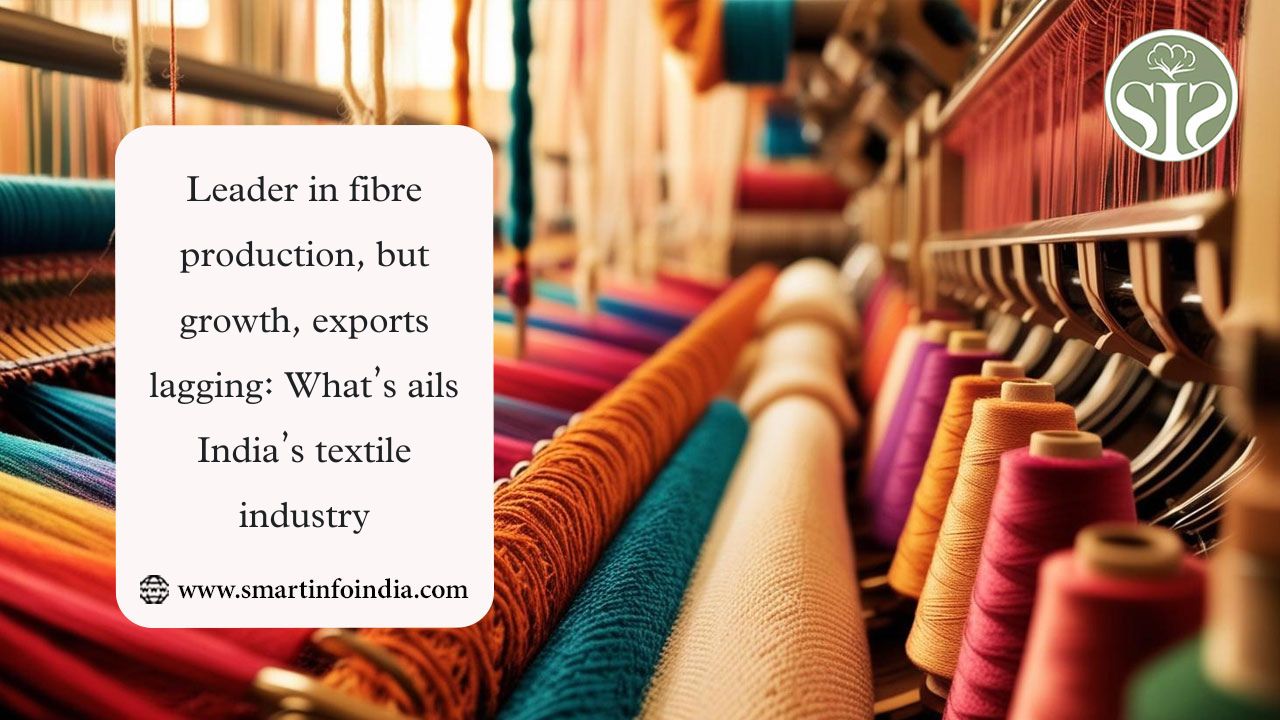
India is a leader in the manufacturing of fiber, but its textile sector is struggling with growth and exports.India’s textile industry is among the largest in the world, spanning a vast value chain from cotton cultivation to high-end apparel manufacturing. However, despite its scale, India lags behind countries like China, Vietnam, and Bangladesh in textile exports, which benefit from vertically integrated supply chains, lower production costs, and simpler regulations.Despite being a global leader in cotton and synthetic fibre production, India’s textile and apparel industry has recorded sluggish growth in recent years. Now, with rising sustainability and compliance requirements, costs are expected to rise further, especially for smaller firms.Fibre to fabric in India — an overviewAfter China, India is the second largest producer of cotton, accounting for 24% of global production. Cotton cultivation engages around 60 lakh farmers, mostly across Gujarat, Maharashtra, and Telangana. The entire cotton textile value chain—from processing raw fibre and spinning yarn to weaving fabric, dyeing, and stitching—employs over 4.5 crore people.While fibre consumption in India tilts heavily towards cotton, the textile industry also consumes other natural fibres like wool and jute. India is also the world’s second largest producer of man-made fibres (MMF), with Reliance Industries Ltd leading in polyester fibre and Aditya Birla Group’s Grasim Industries Ltd as the only domestic producer of viscose fibre.Despite being a global leader in production, MMF consumption in India is just 3.1 kg per capita, compared to 12 kg in China and 22.5 kg in North America, according to a Ministry of Textiles note. Overall fibre consumption, including natural fibres and MMF, is also low at 5.5 kg per capita, compared to the global average of 11.2 kg.Roughly 80% of India’s textile value chain is concentrated in MSME clusters, each with its own specialisation. For instance, Bhiwandi in Maharashtra is a key hub for fabric production, Tiruppur in Tamil Nadu leads in t-shirts and undergarments, Surat in Gujarat specialises in polyester and nylon fabric, and Ludhiana in Punjab is known for woolen garments.Growth, exports in the redThe size of India’s textile and apparel industry cannot be understated—it contributes 13% to industrial production, 12% to exports, and roughly 2% to GDP. However, manufacturing in the textile and apparel industry has slightly contracted over the past 10 years, according to the Index of Industrial Production (IIP).The labour-intensive garment and apparel sector exported goods worth $14.5 billion in FY24, down from $15.5 billion in FY20. Companies like Shahi Exports Pvt Ltd, Gokaldas Exports Ltd, and PDS Ltd are leading players in this sector.Low export competitivenessIndia lags behind China, Vietnam, and Bangladesh in textile exports, largely due to higher production costs. For instance, Vietnam exported apparel worth $40 billion in 2023. These countries benefit from vertically integrated supply chains, allowing them to manufacture garments at far more competitive prices.One key challenge for India is its fragmented cotton supply chain, spread across multiple states, driving up logistical costs and hindering large-scale production.The sustainability angle“Today, the world is increasingly recognising the importance of a sustainable lifestyle, and the fashion industry is no exception… I firmly believe that the textile industry must embrace the principles of maximising resource efficiency and minimising waste,” Prime Minister Narendra Modi said at the textile trade fair Bharat Tex last week.“In general, the costs for the textile industry are likely to rise over the coming years. A global structural shift towards sustainable sourcing would drive this. Often, such a shift is necessitated by regulatory changes. The EU, for instance, has as many as 16 pieces of legislation spanning the entire fashion value chain, which came into force between 2021 and 2024. As the EU accounts for nearly 20 per cent of our exports, such a shift poses a challenge for small enterprises who need to shift to environmentally sustainable production methods,” the Survey said.In his speech, Modi highlighted that India’s textile recycling market is projected to reach $400 million, while the global recycled textile market is expected to touch $7.5 billion.“Today, crores of garments become obsolete every month worldwide, with a significant portion falling into the category of ‘fast fashion waste’. This refers to clothing discarded simply due to changing fashion trends. These garments are dumped in various parts of the world, posing a severe threat to the environment and ecosystems.read more :-Great relief for cotton farmers! CCI will resume cotton procurement again... Nai Dar Kya Hai?
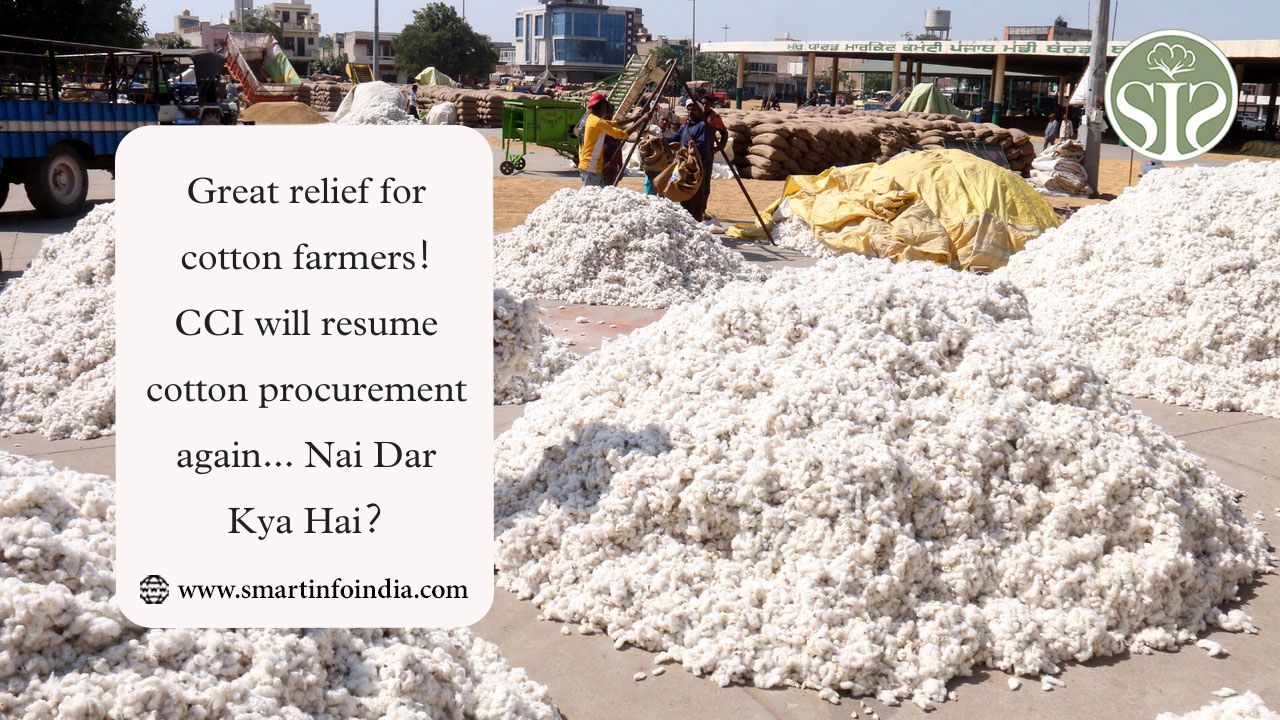
Cotton farmers are relieved! CCI is going to start buying cotton again. Nai Dar Kya Hai?Cotton procurement:- Cotton procurement by CCI (Cotton Corporation of India - CCI) is about to resume, which is likely to provide financial relief to many cotton farmers. Cotton procurement by CCI started from November 9 in Limbala (Makta) area near Hingoli town. However, the procurement process was halted from February 11 due to space issues at the procurement centre.Farmers have been facing major difficulties in selling cotton for the past few weeks. Cotton prices in the open market did not meet expectations as many farmers depended on CCI's procurement centre. However, they were facing a major problem as the procurement process was stalled due to lack of space. Now the market committee administration has resolved the issue and said that the shopping will start smoothly from February 24.Cotton prices have seen a lot of fluctuation this year. Till December, the CCI had quoted a price of Rs 7,521 per quintal, while the price of cotton in the open market could not even cross Rs 7,000. As a result the farmers suffered huge losses. By the end of January, cotton inflows slowed down, resulting in only 50 to 70 quintals of cotton being procured per day.Had to stop shopping due to location issues.Cotton procured at the center was stored in large quantities. Due to lack of space, no space was left for storing new cotton. Due to this, the purchase was temporarily suspended from February 11. Meanwhile, the location issue has now been resolved as bales of cotton, sorghum and other stocks have been shifted elsewhere, and hence procurement will resume from February 24.Only good quality cotton is worth buying.At present, prices are being determined according to the quality of cotton in the open market. Common cotton is being sold at Rs 5,500 to Rs 6,000 per quintal, while the CCI procurement center is fetching Rs 7,421 per quintal. However, farmers have been urged to bring good quality cotton to the procurement centre.Big life for farmersMany farmers will benefit from CCI's procurement process. Currently, market prices are relatively low, so the government's procurement process will ensure that farmers are fairly compensated for their produce. Every year farmers depend more and more on cotton prices. If the market prices are not satisfactory, the government procurement centers can be of great help to the farmers.Shopping will resume from February 24The procurement will start smoothly from February 24 onwards after the location issues are resolved. This will give cotton farmers a good opportunity to sell their produce. Government intervention will give some relief to the farmers and they are likely to get fair value for their produce.Cotton growers should take advantage of this opportunity to sell good quality cotton and take advantage of CCI's procurement centre.read more :-Punjab faces cotton diversification challenge ahead of sowing season

ભારતીય રૂપિયો 19 રૂપિયા ઘટીને 87.50 પ્રતિ ડૉલર પર સમાપ્ત થાય છે.શુક્રવારે ભારતીય રૂપિયો 19 પૈસા ઘટીને 87.50 પ્રતિ ડૉલર પર બંધ થયો હતો, જ્યારે તે સવારે 87.31 પર ખુલ્યો હતો.સમગ્ર સત્ર દરમિયાન તમામ ક્ષેત્રીય સૂચકાંકો લાલ નિશાનમાં ટ્રેડ થતાં ભારતીય ઇક્વિટી સૂચકાંકો તીવ્ર નીચા બંધ રહ્યા હતા. સેન્સેક્સ દિવસનો અંત 1.90% ઘટીને 73,198.10 પર પહોંચ્યો હતો, જ્યારે નિફ્ટી પણ 1.86% ઘટીને 22,124.70 પર બંધ થયો હતો, જે ફેબ્રુઆરીના છેલ્લા ટ્રેડિંગ સત્ર માટે નબળા સમાપ્તિને ચિહ્નિત કરે છે.વધુ વાંચો :-પુરવઠામાં નોંધપાત્ર વધારો અને મર્યાદિત મિલ ખરીદીને કારણે કપાસના ભાવમાં ઘટાડો થયો.

મિલની મર્યાદિત ખરીદી અને પુરવઠામાં નોંધપાત્ર વધારાના પરિણામે કપાસમાં ઘટાડો થયો હતો.પુરવઠો વધવા અને નબળી મિલ ખરીદીને કારણે કોટન કેન્ડીના ભાવ 0.41% ઘટીને રૂ. 53,510 થયા. મિલોમાં પૂરતો સ્ટોક છે, જેના કારણે તેમની તાત્કાલિક ખરીદીની જરૂરિયાતો ઓછી થઈ ગઈ છે. ૨૦૨૪-૨૫ માટે બ્રાઝિલનું કપાસનું ઉત્પાદન ૧.૬% વધીને ૩.૭૬૧૬ મિલિયન ટન થવાની ધારણા છે, જેમાં વાવેતર વિસ્તારમાં ૪.૮% નો વધારો થશે, જે વૈશ્વિક સ્તરે પૂરતો પુરવઠો દર્શાવે છે. વધુમાં, કોટન કોર્પોરેશન ઓફ ઈન્ડિયા (CCI) આ સિઝનમાં લઘુત્તમ ટેકાના ભાવ (MSP) પર 100 લાખથી વધુ ગાંસડી ખરીદે તેવી અપેક્ષા છે. કોટન એસોસિએશન ઓફ ઈન્ડિયા (CAI) નો અંદાજ છે કે 2024-25 માટે ભારતમાં કપાસનું ઉત્પાદન 301.75 લાખ ગાંસડી રહેશે, જે અગાઉની સિઝનમાં 327.45 લાખ ગાંસડી કરતા ઓછું છે, જેનું મુખ્ય કારણ ગુજરાત, પંજાબ અને હરિયાણામાં ઓછી ઉપજ છે.જાન્યુઆરી ૨૦૨૫ સુધીમાં કુલ કપાસનો પુરવઠો ૨૩૪.૨૬ લાખ ગાંસડી હતો, જેમાં ૧૮૮.૦૭ લાખ ગાંસડી તાજી પ્રેસિંગ, ૧૬ લાખ ગાંસડી આયાત અને ૩૦.૧૯ લાખ ગાંસડીનો ઓપનિંગ સ્ટોકનો સમાવેશ થાય છે. જાન્યુઆરી ૨૦૨૫ સુધીમાં કપાસનો અંદાજિત વપરાશ ૧૧૪ લાખ ગાંસડી છે, જેમાં ૮ લાખ ગાંસડીની નિકાસનો સમાવેશ થાય છે, જ્યારે અંતિમ સ્ટોક ૧૧૨.૨૬ લાખ ગાંસડી છે. CAI એ તેનો સ્થાનિક વપરાશનો અંદાજ 315 લાખ ગાંસડી પર જાળવી રાખ્યો હતો, જ્યારે 2024-25 માટે નિકાસનો અંદાજ 17 લાખ ગાંસડી છે, જે અગાઉની સિઝનમાં 28.36 લાખ ગાંસડી કરતા ઓછો છે.ટેકનિકલી, બજારમાં લાંબા સમય સુધી લિક્વિડેશન જોવા મળી રહ્યું છે, અને ઓપન ઇન્ટરેસ્ટ 253 પર યથાવત છે. કિંમતો ૫૩,૨૦૦ પર સપોર્ટ ધરાવે છે અને ૫૨૮૦૦ ના સ્તરને પાર કરી શકે છે, જ્યારે પ્રતિકાર પણ ૫૩,૮૬૦ પર છે અને તેનાથી ઉપર જવાથી કિંમતો ૫૪૨૦૦ ના સ્તર તરફ જઈ શકે છે.વધુ વાંચો :-કપાસના વાવેતરને વેગ આપવા માટે NBRI ની નવીન ચિપ
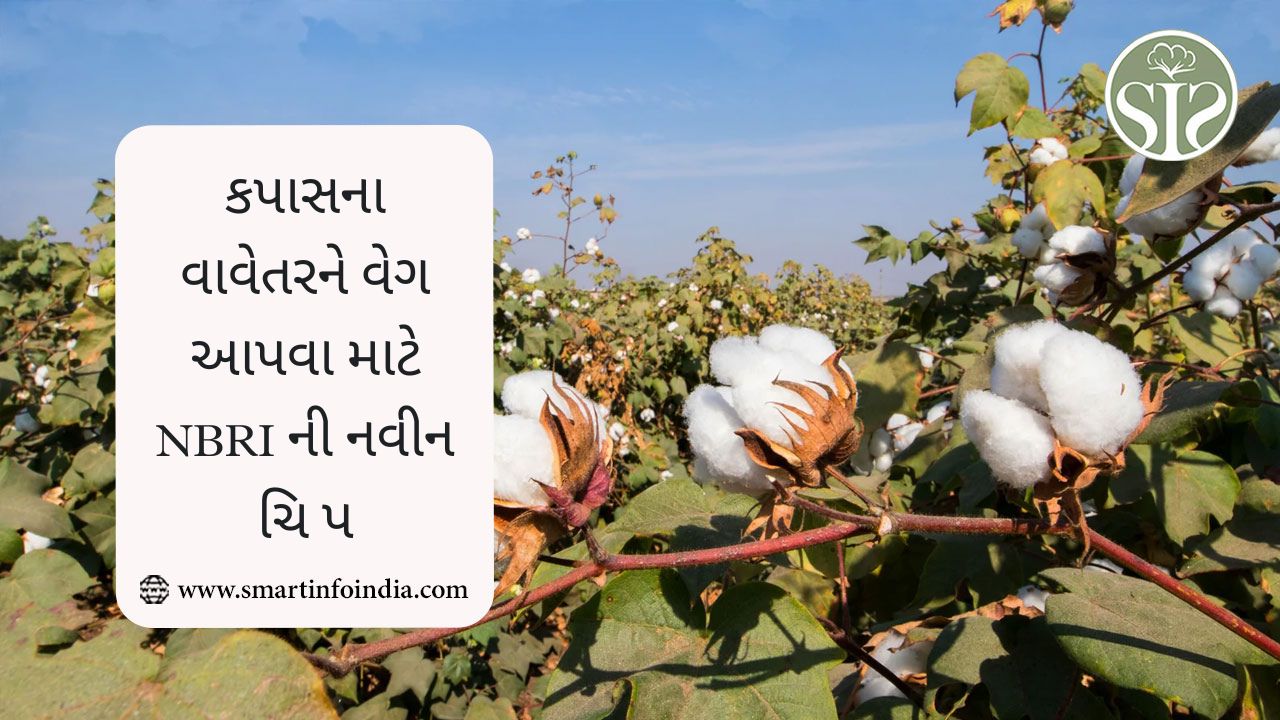
કપાસની ખેતી સુધારવા માટે NBRI ની અદ્યતન ચિપલખનૌ : CSIR-નેશનલ બોટનિકલ રિસર્ચ ઇન્સ્ટિટ્યૂટ (NBRI), લખનૌએ એક ખાસ ચિપ વિકસાવી છે જે વૈજ્ઞાનિકો અને ખેડૂતોને કપાસના વધુ સારા છોડ ઉગાડવામાં મદદ કરશે.જ્યારે આ '90K SNP કોટન ચિપ' ખાસ ઉપકરણમાં દાખલ કરવામાં આવશે, ત્યારે તે કપાસની વિવિધ જાતો અને તેમની લાક્ષણિકતાઓ વિશે ડેટા પ્રદાન કરશે. આ ચિપ ડીએનએ-આધારિત અભિગમ, માર્કર-આસિસ્ટેડ બ્રીડિંગ (MAB) દ્વારા ઉચ્ચ-ગુણવત્તાવાળા કપાસના છોડના વિકાસને સરળ બનાવે છે. તે મોલેક્યુલર માર્કર્સનો ઉપયોગ કરીને ચોક્કસ લક્ષણો ધરાવતા છોડને ઓળખે છે અને પસંદ કરે છે, જેનાથી નવી જાતોનું નિર્માણ થાય છે.NBRI ના ડિરેક્ટર અજિત કુમાર સાસાનીએ જણાવ્યું હતું કે, "આ ચિપમાં લગભગ 90,000 કપાસ SNP માર્કર્સનો ડેટા છે, જેનો ઉપયોગ આબોહવા, ઉત્પાદન અથવા જીવાત નિયંત્રણની જરૂરિયાતો અનુસાર ક્રોસ બ્રીડિંગ અને નવી જાતો બનાવવા માટે થઈ શકે છે. ભારતમાં આ પ્રકારની આ પહેલી ચિપ છે, અને CSIR ના ડિરેક્ટર જનરલ એન. કલાઈસેલ્વીની હાજરીમાં દિલ્હી સ્થિત કંપનીને લાઇસન્સ આપવામાં આવ્યું હતું." mAb અથવા ચિપ ટેકનોલોજી સમજાવતા, શાશાનીએ કહ્યું: "કૃષિ ઉત્પાદનમાં, આપણે ઘણીવાર વિવિધ છોડના સારા ગુણોને જોડીને નવી જાત બનાવવાનું લક્ષ્ય રાખીએ છીએ. ધારો કે આપણી પાસે કપાસનો એક છોડ છે જેમાં ઘણા બધા બીજ છે પણ ઓછી શાખાઓ છે અને તે દુષ્કાળ કે જીવાત પ્રતિરોધક નથી, જ્યારે બીજી જાતમાં ઓછા બીજ છે પણ દુષ્કાળ અને જીવાત પ્રતિરોધક છે અને તેની વધુ શાખાઓ છે. આપણે બંનેને જોડીને ઇચ્છિત જાત બનાવી શકીએ છીએ."આ સરળ લાગે છે, પરંતુ તે એક મોટું કાર્ય છે કારણ કે ક્રોસબ્રીડિંગ પહેલાં હજારો જાતોમાંથી યોગ્ય જાતો ઓળખવી પડે છે. આમાં મહિનાઓ અને વર્ષો પણ લાગી શકે છે. કઈ જાત શ્રેષ્ઠ છે તે નક્કી કરવું મુશ્કેલ છે. "છોડની કૃષિ કામગીરી સામાન્ય રીતે ડીએનએ દ્વારા એન્કોડ કરેલા લક્ષણો સાથે જોડાયેલી હોય છે," તેમણે કહ્યું.શશાનીએ જણાવ્યું હતું કે આ ચિપ ભારતમાં જોવા મળતા 320 કપાસના જીનોટાઇપ્સને સિક્વન્સ કરીને વિકસાવવામાં આવી હતી, જેના પરિણામે 40 લાખ સિંગલ ન્યુક્લિયોટાઇડ પોલીમોર્ફિઝમ્સ (SNPs) ઉત્પન્ન થયા, જે એક જ બેઝ પોઝિશન પર DNA સિક્વન્સમાં ભિન્નતા છે. આમાંથી, 90K SNPs ને શ્રેષ્ઠ માર્કર તરીકે પસંદ કરવામાં આવ્યા હતા.આ સરળ લાગે છે, પરંતુ તે એક મુશ્કેલ કાર્ય છે કારણ કે ક્રોસબ્રીડિંગ પહેલાં હજારો જાતોમાંથી યોગ્ય જાતો ઓળખવી પડે છે. આમાં મહિનાઓ અને વર્ષો પણ લાગી શકે છે. કઈ જાત શ્રેષ્ઠ છે તે નક્કી કરવું મુશ્કેલ છે. "છોડની કૃષિ કામગીરી સામાન્ય રીતે ડીએનએ દ્વારા એન્કોડ કરેલા લક્ષણો સાથે જોડાયેલી હોય છે," તેમણે કહ્યું.લખનૌ: CSIR-નેશનલ બોટનિકલ રિસર્ચ ઇન્સ્ટિટ્યૂટ (NBRI), લખનૌએ એક ખાસ ચિપ વિકસાવી છે જે વૈજ્ઞાનિકો અને ખેડૂતોને કપાસના વધુ સારા છોડ ઉગાડવામાં મદદ કરશે.જ્યારે આ '90K SNP કોટન ચિપ' ખાસ ઉપકરણમાં દાખલ કરવામાં આવશે, ત્યારે તે કપાસની વિવિધ જાતો અને તેમની લાક્ષણિકતાઓ વિશે ડેટા પ્રદાન કરશે. આ ચિપ ડીએનએ-આધારિત અભિગમ, માર્કર-આસિસ્ટેડ બ્રીડિંગ (MAB) દ્વારા ઉચ્ચ-ગુણવત્તાવાળા કપાસના છોડના વિકાસને સરળ બનાવે છે. તે ચોક્કસ લક્ષણો ધરાવતા છોડને ઓળખવા અને પસંદ કરવા માટે મોલેક્યુલર માર્કર્સનો ઉપયોગ કરે છે, જેનાથી નવી જાતો બને છે.NBRI ના ડિરેક્ટર અજિત કુમાર સાસાનીએ જણાવ્યું હતું કે, "આ ચિપમાં લગભગ 90,000 કપાસ SNP માર્કર્સનો ડેટા છે, જેનો ઉપયોગ આબોહવા, ઉત્પાદન અથવા જીવાત નિયંત્રણની જરૂરિયાતો અનુસાર ક્રોસ બ્રીડિંગ અને નવી જાતો બનાવવા માટે થઈ શકે છે. ભારતમાં આ પ્રકારની આ પહેલી ચિપ છે, અને CSIR ના ડિરેક્ટર જનરલ એન. કલાઈસેલ્વીની હાજરીમાં દિલ્હી સ્થિત કંપનીને લાઇસન્સ આપવામાં આવ્યું હતું." mAb અથવા ચિપ ટેકનોલોજી સમજાવતા, શાશાનીએ કહ્યું: "કૃષિ ઉત્પાદનમાં, આપણે ઘણીવાર વિવિધ છોડના સારા ગુણોને જોડીને નવી જાત બનાવવાનું લક્ષ્ય રાખીએ છીએ. ધારો કે આપણી પાસે કપાસનો છોડ છે જેમાં ઘણા બીજ છે પરંતુ ઓછી શાખાઓ છે અને તે દુષ્કાળ અથવા જીવાત પ્રતિરોધક નથી, જ્યારે બીજી જાતમાં ઓછા બીજ છે પરંતુ દુષ્કાળ અને જીવાત પ્રતિરોધક છે અને તેની વધુ શાખાઓ છે. આપણે બંનેને જોડીને ઇચ્છિત જાત બનાવી શકીએ છીએ."આ સરળ લાગે છે, પરંતુ તે એક મોટું કાર્ય છે કારણ કે ક્રોસબ્રીડિંગ પહેલાં હજારો જાતોમાંથી યોગ્ય જાતો ઓળખવી પડે છે. આમાં મહિનાઓ અને વર્ષો પણ લાગી શકે છે. કઈ જાત શ્રેષ્ઠ છે તે નક્કી કરવું મુશ્કેલ છે. છોડની કૃષિ કામગીરી સામાન્ય રીતે ડીએનએ દ્વારા એન્કોડ કરેલા લક્ષણો સાથે જોડાયેલી હોય છે," તેમણે કહ્યું. શશાનીએ જણાવ્યું હતું કે આ ચિપ ભારતમાં જોવા મળતા 320 કપાસના જીનોટાઇપ્સને સિક્વન્સ કરીને વિકસાવવામાં આવી હતી, જેના પરિણામે 40 લાખ સિંગલ ન્યુક્લિયોટાઇડ પોલીમોર્ફિઝમ્સ (SNPs) ઉત્પન્ન થયા, જે એક જ બેઝ પોઝિશન પર DNA સિક્વન્સમાં ભિન્નતા છે. આમાંથી, 90K SNP ને શ્રેષ્ઠ માર્કર તરીકે પસંદ કરવામાં આવ્યું હતું.વધુ વાંચો :-અમેરિકી ડોલર સામે રૂપિયો 16 પૈસા ઘટીને 87.31 પર ખુલ્યો છે

યુએસ ડૉલરની સરખામણીમાં રૂપિયો 16 પૈસા ઘટીને 87.31 પર ખુલે છે.શુક્રવારે ભારતીય રૂપિયો 16 પૈસા ઘટીને 87.31 પ્રતિ ડોલર પર ખુલ્યો હતો, જે ગુરુવારે બંધ 87.19 હતો.વધુ વાંચો :-ભારતીય રૂપિયો ગુરુવારે 20 પૈસા વધીને 87.19 પ્રતિ ડૉલર પર બંધ થયો હતો, જ્યારે તે સવારે 87.39 પર ખુલ્યો હતો.

ભારતીય રૂપિયો સવારે 87.39 પર ખુલ્યો હતો અને ગુરુવારે ડૉલરના મુકાબલે 20 પૈસા વધીને 87.19 પર બંધ થયો હતો.બંધ સમયે, સેન્સેક્સ 10.31 પોઈન્ટ અથવા 0.01 ટકા વધીને 74,612.43 પર અને નિફ્ટી 2.50 પોઈન્ટ અથવા 0.01 ટકા ઘટીને 22,545.05 પર હતો. લગભગ 892 શેર વધ્યા, 2925 શેર ઘટ્યા અને 97 શેર યથાવત.વધુ વાંચો :-કપાસના નીચા ભાવ સ્પિનિંગ મિલોની આશા વધારે છે
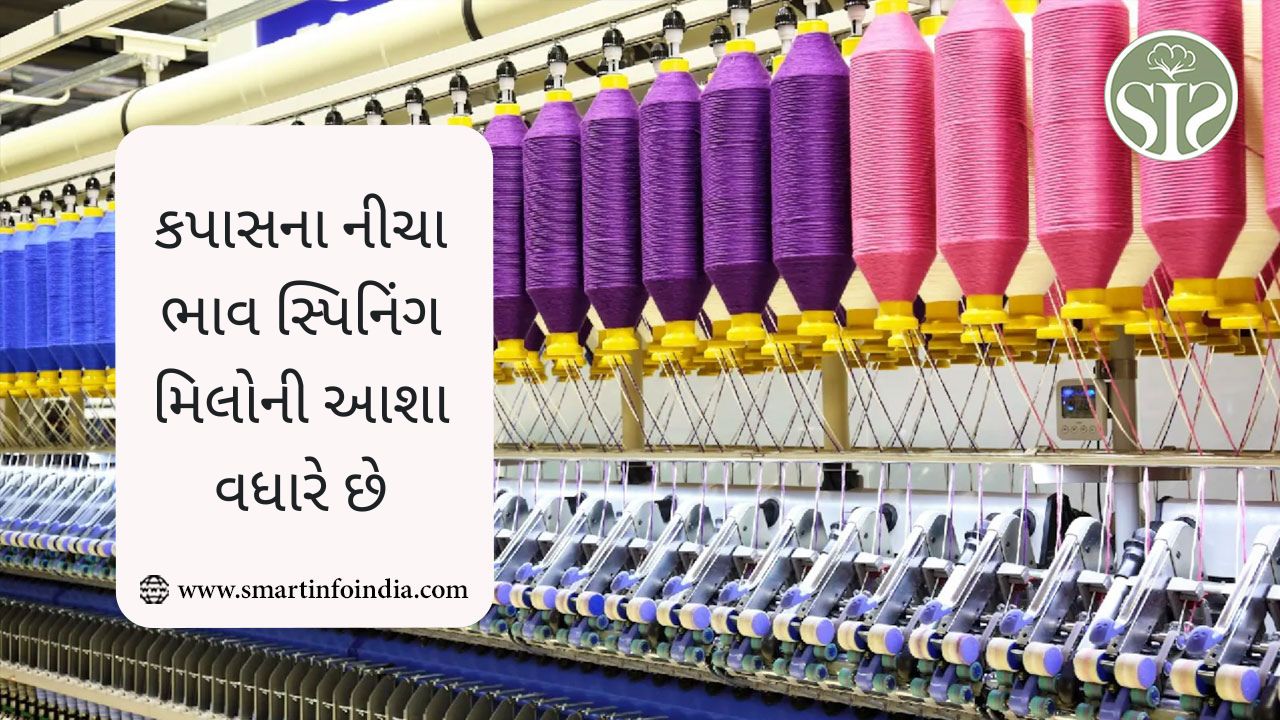
કપાસના ભાવમાં ઘટાડો સ્પિનિંગ મિલોને આશા આપે છે.ભારતમાં કપાસના ભાવ તાજેતરના મહિનાઓમાં નીચે તરફ જઈ રહ્યા છે. ખરેખર, કપાસ ઉગાડનારાઓ માટે આ ચિંતાનો વિષય છે, પરંતુ ઘણા ક્વાર્ટરથી ચાલી રહેલા સંઘર્ષ પછી સ્પિનરો સારું અનુભવી રહ્યા છે.કપાસના ભાવ થોડા સમય માટે નીચા રહેવાની આગાહીને સમર્થન આપતા ઘણા કારણો છે. સૌથી મહત્વનું કારણ એ છે કે ચાલુ કપાસ વર્ષ દરમિયાન કપાસનું ઉત્પાદન 9% વધીને 37.7 મિલિયન ગાંસડી થવાની ધારણા છે. એક બંડલનું વજન ૧૭૦ કિલો છે. કેટલાક ઉત્તરીય રાજ્યોમાં બમ્પર પાક થવાની ધારણા છે, જ્યારે દક્ષિણ રાજ્યોમાં જંતુઓના હુમલા અને કમોસમી શિયાળાના વરસાદને કારણે ઉત્પાદનને અસર થઈ છે.તે જ સમયે, વૈશ્વિક કપાસનું ઉત્પાદન વધી રહ્યું છે. ૨૦૧૬ માં ૧૩ વર્ષના નીચલા સ્તરથી ૨૦૧૭ માં આંશિક સુધારો થયા પછી, વૈશ્વિક ઉત્પાદનમાં વધારો થવાનો અંદાજ છે, જે ૨૦૧૮ માં ૧૧-૧૩% ની સ્વસ્થ વૃદ્ધિ દર્શાવે છે. તેથી, સ્થાનિક અને વૈશ્વિક બંને પરિસ્થિતિઓ કપાસના ભાવમાં ઘટાડાને ટેકો આપી રહી છે.દરમિયાન, સ્થાનિક ઉદ્યોગને ટેકો આપવા માટે રચાયેલ નીતિગત ફેરફારને પગલે ચીનની કપાસની આયાતમાં ઘટાડો થવાથી આંતરરાષ્ટ્રીય બજારોમાં ભાવ ચક્ર ખોરવાઈ ગયું છે. ચીન કપાસ અને સુતરાઉ યાર્નના મુખ્ય ગ્રાહકોમાંનો એક છે.ચીન દ્વારા આયાતમાં કોઈ પણ સારી ગતિ વૈશ્વિક કપાસના ભાવમાં સુધારાને ટેકો આપી શકે છે. હાલમાં, એવું લાગતું નથી. સ્થાનિક સ્તરે પણ, હાઇબ્રિડ-6 ગ્રેડ કપાસ રૂ. ૧૦૭ પ્રતિ કિલોના ભાવે વેચાઈ રહ્યો છે, જે ઓગસ્ટમાં રૂ. ૧૩૦-૧૪૦ પ્રતિ કિલોના ઊંચા ભાવ કરતા ઘણો ઓછો છે.ઓક્ટોબરમાં લણણી પછી વધુ ઉત્પાદનના સમાચાર સાથે, કપાસના ભાવમાં ઘટાડો જોવા મળી રહ્યો છે. આગામી સામાન્ય ચૂંટણીઓમાં ખેડૂતોના મતોના મહત્વને ધ્યાનમાં રાખીને, શું કોઈ નીતિગત હસ્તક્ષેપ ભાવમાં વધારો કરશે તે પ્રશ્ન છે.ચોક્કસપણે, કપાસના નીચા ભાવ સ્પિનિંગ ઉદ્યોગને રાહત આપે છે, જેણે છેલ્લા ચાર ત્રિમાસિક ગાળામાં વેચાણ વૃદ્ધિ અને નફાના માર્જિનમાં નબળાઈ નોંધાવી છે. ક્રેડિટ રેટિંગ એજન્સી ICRA લિમિટેડે એક અહેવાલમાં સ્પિનિંગ મિલોમાં દબાણના કારણો શોધી કાઢ્યા: “સપ્ટેમ્બર 2016 માં પૂરા થયેલા ક્વાર્ટરમાં, ચીનમાં નિકાસમાં તીવ્ર ઘટાડાને કારણે વોલ્યુમ પર અસર પડી હતી, પરંતુ આગામી ક્વાર્ટરમાં, નોટબંધીની અસરથી વોલ્યુમ પર અસર પડી.ICRA ના 13 સ્પિનિંગ મિલોના નમૂનામાં તાજેતરના સમયમાં વોલ્યુમમાં નબળો વલણ અને યોગદાન માર્જિન પર દબાણ જોવા મળ્યું, જે આંશિક રીતે કપાસના ભાવમાં અસ્થિરતાને કારણે હતું. ICRA ના નમૂનાનો કુલ કાર્યકારી નફો FY13 અને FY14 માં જોવા મળેલા સ્વસ્થ સ્તરો કરતા 6-12% ઓછો રહ્યો, જોકે FY16 કરતા 3% વધુ. કપાસના ભાવમાં ઘટાડાથી યાર્ન મિલો ખુશ થાય તેમાં કોઈ આશ્ચર્ય નથી. જોકે, આખરે ચલણની હિલચાલ અને માંગ યાર્ન મિલોની, ખાસ કરીને નિકાસકારોની નફાકારકતાના મુખ્ય નિર્ણાયક રહેશે.વધુ વાંચો :- ડોલર સામે રૂપિયો 19 પૈસા ઘટીને 87.39 પર આવી ગયો છે

ડોલર સામે રૂપિયો 19 પૈસા ઘટીને 87.39 ના સ્તર પર છે.ગુરુવારે ભારતીય રૂપિયો 19 પૈસા ઘટીને 87.39 પ્રતિ ડૉલર પર ખૂલ્યો હતો, જ્યારે મંગળવારે તે 87.20 પર બંધ થયો હતો.ડોનાલ્ડ ટ્રમ્પે તેમની ટેરિફ યોજનાઓ સાથે આગળ વધતાં રૂપિયાને ફટકો પડ્યો છે.વધુ વાંચો :-કાપડ, પર્યટન, ટેકનોલોજી: ભારતના વિકાસ માટે પીએમ મોદીનો 'મંત્ર'

ભારતના વિકાસ માટે પીએમ મોદીનો 'મંત્ર' કાપડ, પર્યટન અને ટેકનોલોજી છે.ભોપાલમાં મધ્યપ્રદેશ ગ્લોબલ ઇન્વેસ્ટર્સ સમિટને સંબોધતા, પ્રધાનમંત્રીએ કહ્યું કે આ ક્ષેત્રો "કરોડો" નવી નોકરીઓનું સર્જન કરશે."ભારતના વિકાસમાં ત્રણ ક્ષેત્રો મુખ્ય ભૂમિકા ભજવશે - કાપડ, પર્યટન અને ટેકનોલોજી. આ ક્ષેત્રો કરોડો નવી નોકરીઓનું સર્જન કરશે. જો આપણે કાપડ ઉદ્યોગ પર નજર કરીએ તો, ભારત કપાસનો બીજો સૌથી મોટો ઉત્પાદક દેશ છે. ભારતમાં કાપડ ઉદ્યોગ સાથે સંબંધિત એક સંપૂર્ણ પરંપરા છે, તેમાં કૌશલ્યની સાથે સાથે ઉદ્યોગસાહસિકતા પણ છે," પીએમ મોદીએ કહ્યું.રાજ્યને ભારતનું "કપાસ રાજધાની" ગણાવતા પ્રધાનમંત્રીએ કહ્યું કે "ભારતના ઓર્ગેનિક કપાસના પુરવઠાનો લગભગ 25 ટકા ભાગ મધ્યપ્રદેશમાંથી આવે છે."ભારત વિશ્વમાં છઠ્ઠા ક્રમનો સૌથી મોટો કાપડ અને વસ્ત્રોનો નિકાસકાર દેશ છે.ઉલ્લેખનીય છે કે કેન્દ્ર સરકાર તેના રાષ્ટ્રીય ટેકનિકલ ટેક્સટાઇલ મિશન હેઠળ US$ 10 બિલિયનના ટેકનિકલ ટેક્સટાઇલની નિકાસનું લક્ષ્ય રાખવા માંગે છે. ભારતને ટેકનિકલ કાપડમાં વૈશ્વિક નેતા તરીકે સ્થાપિત કરવા માટે, આ મિશન 2020-21 માં શરૂ કરવામાં આવ્યું હતું અને તેને 1,480 કરોડ રૂપિયાના નાણાકીય ખર્ચ સાથે 2025-26 સુધી લંબાવવામાં આવ્યું છે. ટેકનિકલ ટેક્સટાઇલ્સને ટેક્સટાઇલ સામગ્રી અને ઉત્પાદનો તરીકે વ્યાખ્યાયિત કરવામાં આવે છે જેનો ઉપયોગ મુખ્યત્વે વિવિધ ઉચ્ચ-સ્તરીય ઉદ્યોગોમાં તેમના ટેકનિકલ પ્રદર્શન માટે થાય છે. હાલમાં, ટેકનિકલ કાપડની નિકાસ US$2 બિલિયન અને US$3 બિલિયનની વચ્ચે હોવાના અહેવાલ છે. ગ્લોબલ ઇન્વેસ્ટર્સ સમિટમાં પોતાના પ્રારંભિક ભાષણમાં, પીએમ મોદીએ ઔદ્યોગિક વિકાસ માટે પાણીની સુરક્ષા સુનિશ્ચિત કરવાની જરૂરિયાત પર પણ ભાર મૂક્યો. તેમણે કહ્યું કે સરકાર જળ સંરક્ષણ અને નદી જોડાણ મિશનને પ્રોત્સાહન આપવા પર સતત ભાર મૂકી રહી છે. "ઔદ્યોગિક વિકાસ માટે પાણીની સુરક્ષા મહત્વપૂર્ણ છે. આ હાંસલ કરવા માટે, એક તરફ આપણે જળ સંરક્ષણને પ્રોત્સાહન આપી રહ્યા છીએ, જ્યારે બીજી તરફ આપણે નદી જોડાણ મિશનને પ્રોત્સાહન આપી રહ્યા છીએ. આ પ્રક્રિયામાં કૃષિ સૌથી મોટા લાભાર્થીઓમાંની એક છે," પીએમ મોદીએ કહ્યું. તેમણે કહ્યું, "તાજેતરમાં, 45,000 કરોડ રૂપિયાના મૂલ્યનો કેન-બેટવા નદી જોડાણ પ્રોજેક્ટ શરૂ કરવામાં આવ્યો છે. આનાથી 10 લાખ હેક્ટર ખેતીલાયક જમીનની ઉત્પાદકતામાં વધારો થશે."વધુ વાંચો :-ભારતીય રૂપિયો 35 પૈસા નીચો, પ્રતિ ડૉલર 87.20 પર સમાપ્ત થાય છે

ભારતીય રૂપિયો 35 રૂપિયા ઘટીને પ્રતિ ડૉલર 87.20 પર સમાપ્ત થાય છે.ભારતીય રૂપિયો સવારે 86.85 ના ખુલતા જ 35 પૈસા ઘટીને 87.20 પ્રતિ ડોલર પર બંધ થયો હતો.બંધ સમયે, સેન્સેક્સ 147.71 પોઈન્ટ અથવા 0.20 ટકા વધીને 74,602.12 પર અને નિફ્ટી 5.80 પોઈન્ટ અથવા 0.03 ટકા ઘટીને 22,547.55 પર હતો. લગભગ 1612 શેર વધ્યા, 2166 શેર ઘટ્યા અને 127 શેર યથાવત.વધુ વાંચો :-ચીન, ભારત, બાંગ્લાદેશ કે વિયેતનામ - ટ્રમ્પના કાપડ પરના ટેરિફથી કોને સૌથી વધુ ફાયદો થઈ શકે છે?

ટ્રમ્પના ટેક્સટાઇલ ટેરિફથી કોને સૌથી વધુ ફાયદો થઈ શકે છે - ચીન, ભારત, બાંગ્લાદેશ અથવા વિયેતનામ?ભારતીય કાપડ નિકાસકારો વર્તમાન ટેરિફ યુદ્ધને વિશ્વના સૌથી મોટા કાપડ અને વસ્ત્ર નિકાસકાર ચીન પાસેથી વધુ બજારહિસ્સો મેળવવાની તક તરીકે જુએ છે. જો ટ્રમ્પ દ્વારા લાદવામાં આવેલા પારસ્પરિક ટેરિફ લાગુ કરવામાં આવે, તો આનાથી ભારતને ચીન સાથેના અંતરને દૂર કરવામાં મદદ મળી શકે છે."ભારતીય વસ્ત્રોની માંગ છે. અમે ચીનના વેપારમાં હિસ્સો મેળવી શકીશું કારણ કે તે અમેરિકા તરફથી ભારે ટેરિફ દબાણનો સામનો કરી રહ્યું છે," ભારતના કાપડ મંત્રાલય હેઠળના એપેરલ એક્સપોર્ટ પ્રમોશન કાઉન્સિલ (AEPC) ના ચેરમેન સુધીર સેખરીએ 18 ફેબ્રુઆરીના રોજ જણાવ્યું હતું. તમે સંપૂર્ણ વાતચીત અહીં જોઈ શકો છો:ચીનના ભોગે, ફક્ત ભારત જ નહીં, વિયેતનામ અને બાંગ્લાદેશ પણ અમેરિકન બજારમાં વધુને વધુ જગ્યા બનાવવાનો પ્રયાસ કરી રહ્યા છે. "કાપડ અને વસ્ત્ર ક્ષેત્રમાં એક જટિલ પુરવઠા શૃંખલા છે. કોઈ પણ દેશ બીજા દેશની માંગ પૂરી કરી શકતો નથી," એલારા કેપિટલના પ્રેરણા ઝુનઝુનવાલાએ જણાવ્યું હતું કે પારસ્પરિક ટેરિફ લાદવાનું કહેવું સહેલું છે, કરવાનું સરળ નથી.ચીન અને બાંગ્લાદેશ પછી વિયેતનામ વિશ્વનો ત્રીજો સૌથી મોટો કપડા નિકાસકાર દેશ છે .૨૦૨૪ ના પ્રથમ પાંચ મહિનામાં વિયેતનામ ચીનને પાછળ છોડીને અમેરિકામાં સૌથી મોટો કાપડ નિકાસકાર બનવાની તૈયારીમાં છે. બીજી બાજુ, અમેરિકા બાંગ્લાદેશનો ત્રીજો સૌથી મોટો ગ્રાહક છે, જે વિશ્વનો બીજો સૌથી મોટો ગાર્મેન્ટ નિકાસકાર છે. ફક્ત ટેરિફ તફાવતોના આધારે, ભારત અને બાંગ્લાદેશની તુલનામાં વિયેતનામ સૌથી ઓછી અસરગ્રસ્ત થઈ શકે છે.આનો અર્થ એ થયો કે જ્યારે અમેરિકા પારસ્પરિક ટેરિફને કારણે તેના પ્રસ્તાવિત ટેરિફ લાગુ કરશે, ત્યારે ટેરિફ વધારાને કારણે યુનાઇટેડ સ્ટેટ્સમાં નિકાસ થતા ભારતીય અને બાંગ્લાદેશી કાપડ ઉત્પાદનોના ભાવમાં વધારો થશે.ભારત સરકારના ડેટા અનુસાર, ભારતના કાપડ અને વસ્ત્રોની નિકાસનો ઓછામાં ઓછો 28% હિસ્સો અમેરિકામાં જાય છે. જોકે, ટેરિફ દરોમાં નોંધપાત્ર તફાવત છે. AEPC મુજબ, અમેરિકામાં થતી કુલ નિકાસમાં 65% હિસ્સો ધરાવતા સુતરાઉ કાપડ પર ઓછી ડ્યુટી લાગે છે, જ્યારે પોલિએસ્ટર, નાયલોન, એક્રેલિક અને રેયોન જેવા માનવસર્જિત કાપડ પર 33% ડ્યુટી લાગે છે.કપડાંમાં ટેરિફ તફાવત લગભગ ૧૫.૬% છે. પરંતુ જ્યારે તમે ફક્ત વસ્ત્રોને આવરી લો છો, ત્યારે ટેરિફ તફાવત લગભગ 7% છે. "ભારતીય કાપડ પર આયાત ડ્યુટી 2.6% થી 33% સુધીની છે," સેખરીએ જણાવ્યું.પ્રભુદાસ લીલાધરના નવા અહેવાલ મુજબ, ટેરિફ 15% થી વધીને 20% થાય તો પણ ભારતની કાપડ નિકાસ નીચા ટેરિફ તફાવતમાં કાર્ય કરે છે. "ભારતની નિકાસને અત્યંત વૈવિધ્યસભર નિકાસ આધાર દ્વારા ટેકો મળે છે," અહેવાલમાં જણાવાયું છે. દરમિયાન, વિયેતનામ અને બાંગ્લાદેશની કાપડ અને વસ્ત્રોની નિકાસનો 70% હિસ્સો તૈયાર વસ્ત્રોનો છે, જેના પર આગામી મહિનાઓમાં ઊંચા ટેરિફ લાદવાની શક્યતા છે. જોકે, ટ્રમ્પ વહીવટીતંત્ર તરફથી હજુ સુધી કોઈ સ્પષ્ટતા નથી કે પારસ્પરિક ટેરિફ ચોક્કસ શ્રેણીના ઉત્પાદનો પર હશે કે સમગ્ર પ્રદેશ પર. જોકે, ટેરિફ હંમેશા વેપારના ઘણા નિર્ણાયકોમાંનો એક રહ્યો છે. ત્રણેય દેશોમાં ઓછી ઉત્પાદન કિંમત, ભાવ સ્પર્ધાત્મકતા અને સસ્તા શ્રમ ખર્ચ જેવી અન્ય શક્તિઓ યથાવત્ છે. તેમની લાંબા સમયથી સ્થાપિત શક્તિઓના આધારે, આ દેશો યુએસ બજારમાં વેપારનો મોટો હિસ્સો મેળવવાનો પ્રયાસ કરી રહ્યા છે. સેન્ટર ફોર સોશિયલ એન્ડ ઇકોનોમિક પ્રોગ્રેસના રિસર્ચ એસોસિયેટ દિવ્યા શ્રીનિવાસને જણાવ્યું હતું કે, ભારતે કાપડ ઉત્પાદકોને પ્રોત્સાહન આપવા, વૈકલ્પિક સપ્લાય ચેઇન હબ તરીકે પોતાને સ્થાપિત કરવા અને પારસ્પરિક ટેરિફની અસર ઘટાડવા અને અમેરિકામાં ચીનના નિકાસ હિસ્સાને મેળવવા માટે તેના ટેરિફ ઘટાડવાની જરૂર છે.ટ્રમ્પના ટેરિફની ભારત પર અસર થશે, પરંતુ તે વિયેતનામ અને બાંગ્લાદેશ કરતા ઓછી હોઈ શકે છે. આનું કારણ એ છે કે કાપડ અને વસ્ત્રો બાદની બે અર્થવ્યવસ્થાઓનો મોટો ભાગ બનાવે છે, અને યુએસ એક મુખ્ય ખરીદદાર છે.કાપડ ઉદ્યોગ બાંગ્લાદેશના અર્થતંત્રમાં લગભગ ૧૧% અને વિયેતનામના અર્થતંત્રમાં લગભગ ૧૫% હિસ્સો ધરાવે છે. તેનાથી વિપરીત, ભારતનો કાપડ ક્ષેત્ર GDPમાં 2.3% ફાળો આપે છે, જે પાંચમા ક્રમના સૌથી મોટા અર્થતંત્રમાં વિવિધતા દર્શાવે છેવધુ વાંચો :-અમેરિકી ડોલર સામે રૂપિયો 15 પૈસાના ઘટાડા સાથે 86.85 પર ખુલ્યો છે

અમેરિકી ડોલર સામે રૂપિયો દિવસની શરૂઆત 15 પૈસા ઘટીને 86.85 પર થાય છે.ભારતીય રૂપિયો મંગળવારે યુએસ ડોલર સામે 15 પૈસા ઘટીને 86.85 પર ખુલ્યો હતો, જ્યારે સોમવારે તે 86.70 પર બંધ થયો હતો.વધુ વાંચો :-સોમવારે ભારતીય રૂપિયો 12 પૈસા ઘટીને 86.70 પ્રતિ ડૉલર પર બંધ થયો હતો, જ્યારે તે સવારે 86.58 પર ખુલ્યો હતો.

સોમવારે, ભારતીય રૂપિયો પ્રતિ ડોલર 86.58 થી શરૂ થયો હતો અને 12 પૈસા ઘટીને 86.70 પર સ્થિર થયો હતો.બંધ સમયે, સેન્સેક્સ 856.65 પોઈન્ટ અથવા 1.14 ટકા ઘટીને 74,454.41 પર અને નિફ્ટી 242.55 પોઈન્ટ અથવા 1.06 ટકા ઘટીને 22,553.35 પર હતો. લગભગ 1126 શેર વધ્યા, 2526 શેર ઘટ્યા અને 140 શેર યથાવત.વધુ વાંચો :-ફાઇબર ઉત્પાદનમાં અગ્રેસર, પણ વૃદ્ધિ, નિકાસ પાછળ: ભારતના કાપડ ઉદ્યોગની સમસ્યા શું છે
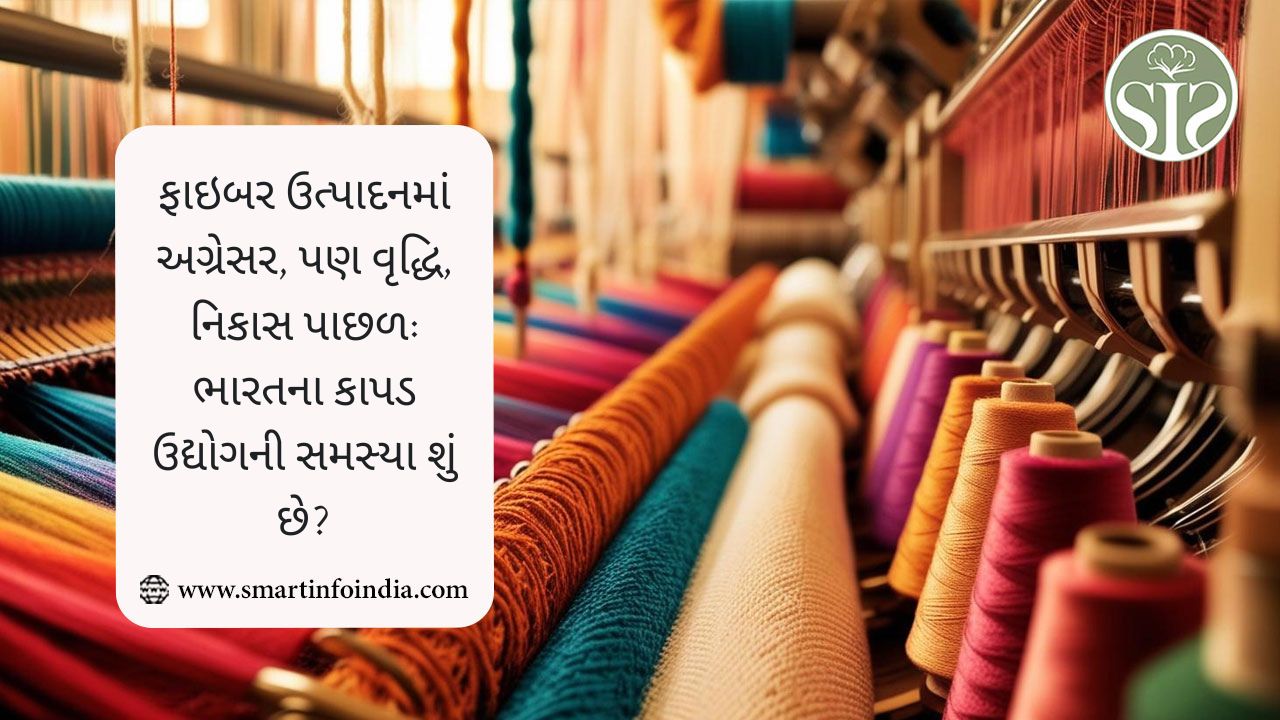
ભારત ફાયબરના ઉત્પાદનમાં અગ્રેસર છે, પરંતુ તેનું કાપડ ક્ષેત્ર વૃદ્ધિ અને નિકાસ સાથે સંઘર્ષ કરી રહ્યું છે.ભારતનો કાપડ ઉદ્યોગ વિશ્વના સૌથી મોટા ઉદ્યોગોમાંનો એક છે, જે કપાસની ખેતીથી લઈને ઉચ્ચ કક્ષાના વસ્ત્રોના ઉત્પાદન સુધીની વિશાળ મૂલ્ય શૃંખલાને આવરી લે છે. જોકે, તેના કદ છતાં, ભારત કાપડ નિકાસમાં ચીન, વિયેતનામ અને બાંગ્લાદેશ જેવા દેશોથી પાછળ છે, જેમને ઊભી રીતે સંકલિત સપ્લાય ચેઇન, ઓછી ઉત્પાદન કિંમત અને સરળ નિયમોનો લાભ મળે છે.કપાસ અને કૃત્રિમ ફાઇબર ઉત્પાદનમાં વૈશ્વિક સ્તરે અગ્રણી હોવા છતાં, ભારતના કાપડ અને વસ્ત્ર ઉદ્યોગે તાજેતરના વર્ષોમાં ધીમી વૃદ્ધિ નોંધાવી છે. હવે, વધતી જતી ટકાઉપણું અને પાલનની આવશ્યકતાઓ સાથે, ખર્ચમાં વધુ વધારો થવાની ધારણા છે, ખાસ કરીને નાની કંપનીઓ માટે.ભારતમાં ફાઇબરથી ફેબ્રિક સુધી - એક ઝાંખીચીન પછી, ભારત કપાસનો બીજો સૌથી મોટો ઉત્પાદક દેશ છે, જે વૈશ્વિક ઉત્પાદનમાં 24% હિસ્સો ધરાવે છે. લગભગ 60 લાખ ખેડૂતો કપાસની ખેતીમાં રોકાયેલા છે, જેમાં મોટાભાગે ગુજરાત, મહારાષ્ટ્ર અને તેલંગાણામાં ખેડૂતોનો સમાવેશ થાય છે. સમગ્ર કોટન ટેક્સટાઇલ મૂલ્ય શૃંખલા - કાચા ફાઇબરની પ્રક્રિયા અને યાર્ન કાંતવાથી લઈને કાપડને વણાટ, રંગ અને સીવવા સુધી - 45 મિલિયનથી વધુ લોકોને રોજગારી આપે છે.ભારતમાં ફાઇબરનો વપરાશ કપાસ તરફ ભારે વળેલો છે, જ્યારે કાપડ ઉદ્યોગ ઊન અને શણ જેવા અન્ય કુદરતી રેસાઓનો પણ ઉપયોગ કરે છે. ભારત માનવસર્જિત ફાઇબર (MMF)નો વિશ્વનો બીજો સૌથી મોટો ઉત્પાદક દેશ પણ છે, જેમાં રિલાયન્સ ઇન્ડસ્ટ્રીઝ લિમિટેડ પોલિએસ્ટર ફાઇબરમાં અગ્રણી છે અને આદિત્ય બિરલા ગ્રુપની ગ્રાસિમ ઇન્ડસ્ટ્રીઝ લિમિટેડ વિસ્કોસ ફાઇબરનો એકમાત્ર સ્થાનિક ઉત્પાદક છે.કાપડ મંત્રાલયની એક નોંધ મુજબ, ઉત્પાદનમાં વૈશ્વિક સ્તરે અગ્રણી હોવા છતાં, ભારતમાં MMF વપરાશ પ્રતિ વ્યક્તિ માત્ર 3.1 કિલો છે, જ્યારે ચીનમાં 12 કિલો અને ઉત્તર અમેરિકામાં 22.5 કિલો છે. કુદરતી રેસા અને MMF સહિત કુલ ફાઇબર વપરાશ પણ પ્રતિ વ્યક્તિ 11.2 કિલોની વૈશ્વિક સરેરાશની સરખામણીમાં 5.5 કિલો જેટલો ઓછો છે.ભારતની કાપડ મૂલ્ય શૃંખલાનો લગભગ 80% હિસ્સો MSME ક્લસ્ટરોમાં કેન્દ્રિત છે, દરેક ક્લસ્ટરની પોતાની વિશેષતા છે. ઉદાહરણ તરીકે, મહારાષ્ટ્રમાં ભિવંડી કાપડ ઉત્પાદન માટેનું એક મુખ્ય કેન્દ્ર છે, તમિલનાડુમાં તિરુપુર ટી-શર્ટ અને અન્ડરગાર્મેન્ટ્સમાં અગ્રેસર છે, ગુજરાતનું સુરત પોલિએસ્ટર અને નાયલોન કાપડમાં નિષ્ણાત છે, અને પંજાબમાં લુધિયાણા ઊનના કપડાં માટે જાણીતું છે.વૃદ્ધિ, નિકાસ ખાધમાંભારતના કાપડ અને વસ્ત્ર ઉદ્યોગના કદને ઓછો અંદાજ આપી શકાય નહીં - તે ઔદ્યોગિક ઉત્પાદનમાં ૧૩%, નિકાસમાં ૧૨% અને GDPમાં લગભગ ૨% ફાળો આપે છે. જોકે, ઇન્ડેક્સ ઓફ ઇન્ડસ્ટ્રિયલ પ્રોડક્શન (IIP) મુજબ, છેલ્લા 10 વર્ષમાં કાપડ અને વસ્ત્ર ઉદ્યોગમાં ઉત્પાદનમાં થોડો ઘટાડો થયો છે.નાણાકીય વર્ષ 2020 માં શ્રમ-સઘન વસ્ત્રો અને ગાર્મેન્ટ ક્ષેત્રે $14.5 બિલિયનના માલની નિકાસ કરી હતી, જે નાણાકીય વર્ષ 2020 માં $15.5 બિલિયનથી ઘટીને $14.5 બિલિયન થઈ ગઈ છે. શાહી એક્સપોર્ટ્સ પ્રાઇવેટ લિમિટેડ, ગોકલદાસ એક્સપોર્ટ્સ લિમિટેડ અને પીડીએસ લિમિટેડ જેવી કંપનીઓ આ ક્ષેત્રની અગ્રણી કંપનીઓ છે.ઓછી નિકાસ સ્પર્ધાત્મકતાકાપડ નિકાસમાં ભારત ચીન, વિયેતનામ અને બાંગ્લાદેશથી પાછળ છે, જેનું મુખ્ય કારણ ઉત્પાદન ખર્ચ ઊંચો છે. ઉદાહરણ તરીકે, વિયેતનામે 2023 માં $40 બિલિયનના મૂલ્યના વસ્ત્રોની નિકાસ કરી. આ દેશોને ઊભી રીતે સંકલિત સપ્લાય ચેઇનનો લાભ મળે છે, જેનાથી તેઓ વધુ સ્પર્ધાત્મક ભાવે વસ્ત્રોનું ઉત્પાદન કરી શકે છે.ભારત માટે એક મોટો પડકાર તેની ખંડિત કપાસ પુરવઠા શૃંખલા છે, જે અનેક રાજ્યોમાં ફેલાયેલી છે, જેના કારણે લોજિસ્ટિક્સ ખર્ચમાં વધારો થાય છે અને મોટા પાયે ઉત્પાદનમાં અવરોધ આવે છે.ટકાઉપણું પાસું"આજે, વિશ્વ ટકાઉ જીવનશૈલીના મહત્વને વધુને વધુ ઓળખી રહ્યું છે, અને ફેશન ઉદ્યોગ પણ તેનો અપવાદ નથી... મારું દ્રઢપણે માનવું છે કે કાપડ ઉદ્યોગે સંસાધન કાર્યક્ષમતા વધારવા અને કચરો ઓછો કરવાના સિદ્ધાંતો અપનાવવા જોઈએ," વડા પ્રધાન નરેન્દ્ર મોદીએ ગયા અઠવાડિયે ભારત ટેક્સ ટેક્સટાઇલ ટ્રેડ ફેર ખાતે જણાવ્યું હતું."સામાન્ય રીતે, આગામી વર્ષોમાં કાપડ ઉદ્યોગ માટે ખર્ચ વધવાની શક્યતા છે. ટકાઉ સોર્સિંગ તરફ વૈશ્વિક માળખાકીય પરિવર્તન આને આગળ ધપાવશે. ઘણીવાર, નિયમનકારી ફેરફારોને કારણે આવી પરિવર્તન જરૂરી હોય છે. ઉદાહરણ તરીકે, EU પાસે સમગ્ર ફેશન મૂલ્ય શૃંખલાને આવરી લેતા 16 કાયદા છે, જે 2021 અને 2024 ની વચ્ચે અમલમાં આવશે. EU આપણી નિકાસમાં લગભગ 20 ટકા હિસ્સો ધરાવે છે, તેથી આવા પરિવર્તન નાના ઉદ્યોગો માટે એક પડકાર છે જેમને પર્યાવરણીય રીતે ટકાઉ ઉત્પાદન પદ્ધતિઓ અપનાવવાની જરૂર છે," સર્વેમાં જણાવાયું છે.પોતાના ભાષણમાં, મોદીએ ભાર મૂક્યો કે ભારતનું કાપડ રિસાયક્લિંગ બજાર $400 મિલિયન સુધી પહોંચવાનો અંદાજ છે, જ્યારે વૈશ્વિક રિસાયકલ કાપડ બજાર $7.5 બિલિયન સુધી પહોંચવાની અપેક્ષા છે.“આજે, વિશ્વભરમાં દર મહિને લાખો કપડાં અપ્રચલિત થઈ જાય છે, જેમાંથી એક નોંધપાત્ર ભાગ 'ફાસ્ટ ફેશન વેસ્ટ' ની શ્રેણીમાં આવે છે. તે ફક્ત બદલાતા ફેશન વલણોને કારણે ફેંકી દેવામાં આવેલા કપડાંનો ઉલ્લેખ કરે છે. આ કપડાં વિશ્વના વિવિધ ભાગોમાં ફેંકી દેવામાં આવે છે, જે પર્યાવરણ અને ઇકોસિસ્ટમ માટે ગંભીર ખતરો છે.વધુ વાંચો :-કપાસના ખેડૂતો માટે મોટી રાહત! CCI કપાસની ખરીદી ફરી શરૂ કરશે... નવો દર શું છે?
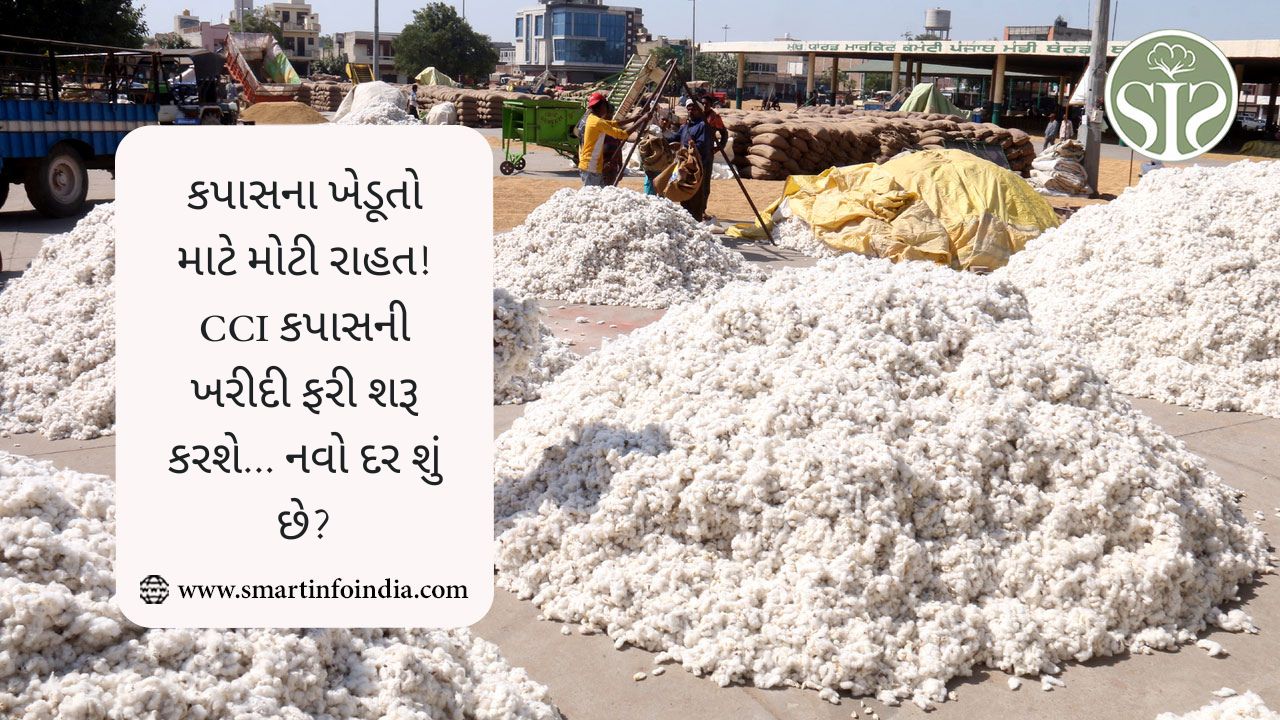
કપાસના ખેડૂતોને રાહત! CCI ફરી કપાસની ખરીદી શરૂ કરવા જઈ રહી છે. નઈ ડર ક્યા હૈ?કપાસ ખરીદી:- CCI (કોટન કોર્પોરેશન ઓફ ઈન્ડિયા - CCI) દ્વારા કપાસ ખરીદી ફરી શરૂ થવા જઈ રહી છે, જેનાથી ઘણા કપાસ ખેડૂતોને આર્થિક રાહત મળવાની શક્યતા છે. હિંગોલી શહેર નજીક લિંબાલા (મકતા) વિસ્તારમાં 9 નવેમ્બરથી સીસીઆઈ દ્વારા કપાસની ખરીદી શરૂ થઈ. જોકે, ખરીદી કેન્દ્રમાં જગ્યાની સમસ્યાને કારણે 11 ફેબ્રુઆરીથી ખરીદી પ્રક્રિયા બંધ કરી દેવામાં આવી હતી.છેલ્લા કેટલાક અઠવાડિયાથી ખેડૂતો કપાસ વેચવામાં ભારે મુશ્કેલીઓનો સામનો કરી રહ્યા છે. ખુલ્લા બજારમાં કપાસના ભાવ અપેક્ષા મુજબ ન હોવાથી ઘણા ખેડૂતો CCIના ખરીદ કેન્દ્ર પર આધાર રાખતા હતા. જોકે, જગ્યાના અભાવે ખરીદી પ્રક્રિયા અટકી ગઈ હોવાથી તેમને મોટી સમસ્યાનો સામનો કરવો પડી રહ્યો હતો. હવે બજાર સમિતિ વહીવટીતંત્રે સ્થળનો મુદ્દો ઉકેલી નાખ્યો છે અને કહ્યું છે કે 24 ફેબ્રુઆરીથી ખરીદી સરળતાથી શરૂ થશે.આ વર્ષે કપાસના ભાવમાં ઘણી વધઘટ જોવા મળી છે. ડિસેમ્બર સુધી, CCI એ પ્રતિ ક્વિન્ટલ રૂ. ૭,૫૨૧ નો ભાવ ઓફર કર્યો હતો, જ્યારે ખુલ્લા બજારમાં કપાસનો ભાવ રૂ. ૭,૦૦૦ ને પણ વટાવી ગયો ન હતો. પરિણામે, ખેડૂતોને ભારે નુકસાન થયું. જાન્યુઆરીના અંત સુધીમાં, કપાસની આવક ધીમી પડી ગઈ, જેના પરિણામે દરરોજ ફક્ત 50 થી 70 ક્વિન્ટલ કપાસની ખરીદી થઈ.સ્થાનની સમસ્યાઓને કારણે ખરીદી બંધ કરવી પડી.કેન્દ્ર પર ખરીદાયેલ કપાસ મોટા પ્રમાણમાં સંગ્રહિત કરવામાં આવ્યો હતો. જગ્યાના અભાવે નવા કપાસનો સંગ્રહ કરવા માટે જગ્યા બચી ન હતી. આ કારણે, 11 ફેબ્રુઆરીથી ખરીદીને અસ્થાયી રૂપે સ્થગિત કરવામાં આવી હતી. દરમિયાન, સ્થાનનો મુદ્દો હવે ઉકેલાઈ ગયો છે કારણ કે કપાસની ગાંસડી, જુવાર અને અન્ય સ્ટોક અન્યત્ર મોકલવામાં આવ્યા છે, અને તેથી 24 ફેબ્રુઆરીથી ખરીદી ફરી શરૂ થશે.ખરીદી માટે ફક્ત સારી ગુણવત્તાનો કપાસ જ યોગ્ય છે.હાલમાં, ખુલ્લા બજારમાં કપાસની ગુણવત્તા અનુસાર ભાવ નક્કી કરવામાં આવી રહ્યા છે. સામાન્ય કપાસ ૫,૫૦૦ થી ૬,૦૦૦ રૂપિયા પ્રતિ ક્વિન્ટલના ભાવે વેચાઈ રહ્યો છે, જ્યારે CCI ખરીદી કેન્દ્ર પર તેનો ભાવ ૭,૪૨૧ રૂપિયા પ્રતિ ક્વિન્ટલ મળી રહ્યો છે. જોકે, ખેડૂતોને ખરીદી કેન્દ્ર પર સારી ગુણવત્તાનો કપાસ લાવવા વિનંતી કરવામાં આવી છે.ખેડૂતો માટે મોટી રાહતCCI ની ખરીદી પ્રક્રિયાથી ઘણા ખેડૂતોને ફાયદો થશે. હાલમાં, બજાર ભાવ પ્રમાણમાં ઓછા છે, તેથી સરકારની ખરીદી પ્રક્રિયા ખેડૂતોને તેમના ઉત્પાદન માટે વાજબી વળતર મળે તે સુનિશ્ચિત કરશે. દર વર્ષે ખેડૂતો કપાસના ભાવ પર ખૂબ આધાર રાખે છે. જો બજાર ભાવ સંતોષકારક ન હોય, તો સરકારી ખરીદી કેન્દ્રો ખેડૂતોને ખૂબ મદદરૂપ થઈ શકે છે.24 ફેબ્રુઆરીથી ખરીદી ફરી શરૂ થશે.સ્થાનનો મુદ્દો ઉકેલાયા પછી, ખરીદી હવે 24 ફેબ્રુઆરીથી સરળતાથી શરૂ થશે. આનાથી કપાસના ખેડૂતોને તેમના ઉત્પાદન વેચવાની સારી તક મળશે. સરકારના હસ્તક્ષેપથી ખેડૂતોને થોડી રાહત મળશે અને તેમને તેમના ઉત્પાદનનો વાજબી ભાવ મળવાની શક્યતા છે.કપાસ ઉગાડનારાઓએ આ તકનો લાભ લઈને સારી ગુણવત્તાનો કપાસ વેચાણ માટે લાવવો જોઈએ અને CCI ના ખરીદ કેન્દ્રનો લાભ લેવો જોઈએ.વધુ વાંચો :-વાવણીની મોસમ પહેલા પંજાબ કપાસના વૈવિધ્યકરણનો પડકારનો સામનો કરી રહ્યું છે

પંજાબે વાવેતરની મોસમ પહેલા તેના કપાસના પુરવઠામાં વૈવિધ્યીકરણ કરવું જોઈએ.એપ્રિલમાં કપાસની વાવણીની મોસમ નજીક આવી રહી છે, ત્યારે પંજાબ સામે ખરીફ પાકમાં વૈવિધ્યકરણ કરવાનો પડકાર છે, જેના માટે હજુ સુધી કોઈ સમર્પિત યોજના બનાવવામાં આવી નથી.પંજાબમાં કપાસના વાવેતર હેઠળનો વિસ્તાર ૨૦૨૧-૨૨ થી સતત ઘટી રહ્યો છે, જે ૨૦૨૪ માં તેના સૌથી નીચા ૯૫,૦૦૦ હેક્ટર પર પહોંચી ગયો છે. પંજાબના કૃષિ નિયામક જસવંત સિંહે જણાવ્યું હતું કે ખેડૂતોને કપાસની ખેતી તરફ પાછા ફરવા માટે પ્રોત્સાહિત કરવાના પ્રયાસો કરવામાં આવી રહ્યા છે, જેમાં સરકાર તેમને ટેકો આપી રહી છે."છેલ્લા ચાર ખરીફ સિઝન કપાસના ખેડૂતો માટે અત્યંત પડકારજનક રહી છે, જેમાં વાવેતર વિસ્તારમાં નોંધપાત્ર ઘટાડો થયો છે. જીવાતોના હુમલાને કારણે ઇનપુટ ખર્ચમાં વધારો થયો છે, જેના કારણે ખેડૂતો આર્થિક ચિંતાઓને કારણે ખચકાટ અનુભવે છે. જોકે, અમારું લક્ષ્ય 2025-26 સિઝનમાં કપાસના વાવેતર વિસ્તારને 1.5 લાખ હેક્ટર સુધી વધારવાનું છે," સિંહે જણાવ્યું. ઘટાડાનો ટ્રેન્ડ હોવા છતાં, રાજ્યએ દક્ષિણ માલવા ક્ષેત્રના અર્ધ-શુષ્ક જિલ્લાઓના ખેડૂતોને પ્રોત્સાહિત કરવા માટે હજુ સુધી કોઈ નક્કર યોજના રજૂ કરી નથી, જેમાંથી ઘણા છેલ્લા ચાર વર્ષમાં પાણી-સઘન ચોખાની ખેતી તરફ વળ્યા છે. "અમે ઉનાળા દરમિયાન સિંચાઈ માટે નહેરના પાણીનો સમયસર પુરવઠો સુનિશ્ચિત કરીશું. કપાસના બીજ પર સબસિડી પણ ચાલુ રહેવાની અપેક્ષા છે. આ ઉપરાંત, અમે કપાસ ઉગાડતા જિલ્લાઓમાં મોટા પાયે નીંદણ દૂર કરવા અને કપાસના પરાળના સુરક્ષિત નિકાલની વાર્ષિક કવાયત શરૂ કરી છે," સિંહે જણાવ્યું. એપ્રિલમાં ઘઉં અને સરસવના રવિ પાકની લણણી પછી કપાસની વાવણી તરત જ શરૂ થશે અને પંજાબ કૃષિ યુનિવર્સિટીના નિષ્ણાતો 15 મે સુધીમાં વાવણી પૂર્ણ કરવાની ભલામણ કરે છે. આંકડા દર્શાવે છે કે પંજાબમાં કપાસના વાવેતર વિસ્તારમાં સતત ઘટાડો થઈ રહ્યો છે. ૨૦૨૧માં તે ૨.૫૨ લાખ હેક્ટર, ૨૦૨૨માં ૨.૪૮ લાખ હેક્ટર, ૨૦૨૩માં ૧.૭૩ લાખ હેક્ટર અને ૨૦૦૪માં તે ઘટીને ૯૫,૦૦૦ હેક્ટર થયું, જે અત્યાર સુધીનું સૌથી ઓછું વાવેતર છે. ૨૦૨૦ માં, પંજાબે લગભગ ૫૦ લાખ ક્વિન્ટલ કપાસનું બમ્પર ઉત્પાદન નોંધાવ્યું હતું, પરંતુ તે પછીના વર્ષોમાં અનેક પડકારોએ ખેડૂતોને આ પાકથી દૂર કરી દીધા, ખાસ કરીને રાજ્યના દક્ષિણ-પશ્ચિમ ક્ષેત્રમાં.ભટિંડાના બાજક ગામના પ્રગતિશીલ કપાસ ઉત્પાદક બલદેવ સિંહે, ખાસ કરીને 2024 માં ડાંગરની ખરીદીમાં મુશ્કેલીઓ પછી, કપાસના વાવેતરમાં પરિવર્તનની આશા વ્યક્ત કરી.તેમણે કહ્યું, "જો મુખ્યમંત્રી સમયસર બિયારણ અને નહેરના પાણીની ઉપલબ્ધતા સુનિશ્ચિત કરે, તો આપણી પાસે તૈયારી કરવા માટે હજુ બે મહિના છે, અને કપાસનો વાવેતર વિસ્તાર પાછો મેળવી શકાય છે."ભટિંડાના મુખ્ય કૃષિ અધિકારી જગસીર સિંહે કપાસના વાવેતરમાં તીવ્ર ઘટાડા માટે જીવાતોનો ઉપદ્રવ, પ્રતિકૂળ આબોહવાની પરિસ્થિતિઓ અને સિંચાઈના પડકારોને જવાબદાર ગણાવ્યા."છેલ્લા ચાર સિઝનમાં સિંચાઈની સમસ્યાઓના કારણે કપાસના ખેડૂતોને આર્થિક નુકસાન થયું, જેના કારણે તેમને ટ્યુબવેલ સિંચાઈ ઉપલબ્ધ હોય ત્યાં ડાંગરની ખેતી તરફ વળવાની ફરજ પડી. હવે, અમે તેમને કપાસની ખેતી તરફ પાછા લાવવા માટે કામ કરી રહ્યા છીએ," તેમણે કહ્યું.વધુ વાંચો :-યુએસ ડોલર સામે રૂપિયો 13 પૈસા વધીને 86.58 ના સ્તર પર ખુલ્યો છે

86.58 પર, યુએસ ડોલર સામે રૂપિયો 13 પૈસા ઉપર છે.સોમવારે ભારતીય રૂપિયો યુએસ ડૉલરના મુકાબલે 13 પૈસા વધીને 86.58 ના સ્તર પર ખુલ્યો હતો, જે શુક્રવારે 86.71 ના સ્તર પર બંધ થયો હતો.વધુ વાંચો :-શુક્રવારે કપાસના દબાણની બહારનો ચહેરો

શુક્રવારે, કપાસ બાહ્ય દબાણનો સામનો કરશેકપાસના વાયદાએ શુક્રવારે નુકસાનની શરૂઆત કરી હતી, જેમાં આગળના મહિનાઓ નજીકના 11 થી 16 પોઇન્ટ નીચે હતા. માર્ચ આ અઠવાડિયે 103 પોઇન્ટ નીચે હતો. બહારના બજારો અઠવાડિયાને બંધ કરવા માટે દબાણના પરિબળો હતા. ક્રૂડ ઓઇલ ફ્યુચર્સ $ 2.18/બેરલ નીચે હતા, યુએસ ડ lar લર ઇન્ડેક્સ $ 0.276 વધારે છે.ટ્રેડર્સ રિપોર્ટની સાપ્તાહિક પ્રતિબદ્ધતા દ્વારા સીએફટીસી ડેટામાં સ્પેક વેપારીઓ દ્વારા કપાસના વાયદા અને 2/18 થી 57,386 કરારના વિકલ્પોમાંના ચોખ્ખા ટૂંકામાંથી કુલ 3,095 કરાર દર્શાવવામાં આવ્યા હતા.શુક્રવારે સવારના નિકાસ વેચાણના અહેવાલમાં 2/13 ના અઠવાડિયામાં, 4-અઠવાડિયાની .ંચાઈના અઠવાડિયામાં કુલ 312,452 આરબીની ઉપરની ક otton ટન બુકિંગ દર્શાવે છે. વિયેટનામ 109,400 આરબી ખરીદનાર હતો, જેમાં પાકિસ્તાન 64,800 આરબી હતું. નિકાસ શિપમેન્ટ્સ કુલ 298,278 આરબી છે, જે મારી .ંચી છે. વિયેટનામ 85,100 આરબીનું સૌથી મોટું સ્થળ હતું, જેમાં પાકિસ્તાનથી 49,700 આરબી છે. સંયુક્ત મોકલેલ અને અનશીપ્ડ વેચાણનું કુલ 9.443 મિલિયન આરબી છે, જે ગયા વર્ષ કરતા 10% નીચે છે. તે યુએસડીએની આગાહીના 92% પણ છે, જે વર્ષના આ સમય માટે સરેરાશ વેચાણ ગતિ સાથે મેળ ખાય છે.યુએસડીએ આવતા અઠવાડિયે તેમના આઉટલુક ફોરમમાં 2025 કપાસના પાક માટે તેમના પ્રારંભિક આર્મ ખુરશીનો અંદાજ બહાર પાડશે. બ્લૂમબર્ગ દ્વારા વિશ્લેષકોના સર્વેક્ષણમાં આ વર્ષે કપાસ માટે સરેરાશ 10 મિલિયન વાવેતર એકર બતાવવામાં આવ્યું છે, જેમાં ગયા વર્ષે 8.8 થી 10.8 મિલિયન એકર અને 11.2 મિલિયનથી નીચેની રેન્જ છે.આઇસ કપાસના શેરો 2/20 ના રોજ પ્રમાણિત શેરોની 1,732 ગાંસડી પર યથાવત હતા. 20 ફેબ્રુઆરીના sales નલાઇન વેચાણમાં સીમ 4,747 ગાંસડીમાં tall ંચા થઈ ગયા, સરેરાશ ભાવ 59.07 સેન્ટ/એલબી સાથે. કોટલુક એ ઇન્ડેક્સ ગુરુવારે 78.30 સેન્ટ/એલબી પર 110 પોઇન્ટ નીચે હતો. યુએસડીએએ ગુરુવારે ફરીથી તેમના એડજસ્ટેડ વર્લ્ડ પ્રાઈસ (એડબ્લ્યુપી) ને 68 પોઇન્ટ વધારીને 54.67 સેન્ટ/એલબી કરી.વધુ વાંચો:-ભારતીય રૂપિયો 16 પૈસા નીચો, પ્રતિ ડૉલર 86.71 પર સમાપ્ત થાય છે

ભારતીય રૂપિયો 16 રૂપિયાના ઘટાડા સાથે પ્રતિ ડૉલર 86.71 પર સમાપ્ત થાય છે.ભારતીય રૂપિયો શુક્રવારે સવારે 86.55 પર ખૂલ્યા બાદ 16 પૈસાના ઘટાડા સાથે પ્રતિ ડૉલર 86.71 પર બંધ થયો હતો.સેન્સેક્સ 424.90 પોઇન્ટ અથવા 0.56 ટકા ઘટીને 75,311.06 પર અને નિફ્ટી 117.25 પોઇન્ટ અથવા 0.51 ટકા ઘટીને 22,795.90 પર હતો. લગભગ 1625 શેર વધ્યા, 2169 શેર ઘટ્યા અને 111 શેર યથાવત.વધુ વાંચો :-ખેડૂતોને કપાસની વાવણી વહેલી શરૂ કરવા સૂચના આપવામાં આવી છે.

ખેડૂતોને કપાસનું વાવેતર વહેલું શરૂ કરવા પ્રોત્સાહિત કરવામાં આવે છે.ફૈસલાબાદ - કૃષિ નિષ્ણાતોએ ખેડૂતોને સલાહ આપી છે કે તેઓ પાંચ એકર કે તેથી વધુ જમીન પર કપાસની ખેતી માટે સરકાર દ્વારા જાહેર કરાયેલ વિશેષ પ્રોત્સાહન પેકેજનો લાભ લઈને કપાસના પાકની વહેલી વાવણી શરૂ કરે. કૃષિ (વિસ્તરણ) વિભાગના પ્રવક્તાએ જણાવ્યું હતું કે પંજાબના મુખ્ય પ્રધાન મરિયમ નવાઝે કપાસની વહેલી ખેતીને પ્રોત્સાહિત કરવા માટે વિશેષ પેકેજ રજૂ કર્યું છે. આ કાર્યક્રમ હેઠળ ખેડૂતો તેમની પાંચ એકર જમીનમાં કપાસની ખેતી કરે તો તેમને 25,000 રૂપિયા મળશે. તેમણે કહ્યું કે આ રકમ સીએમ પંજાબ કિસાન કાર્ડ દ્વારા તેમના ખાતામાં સીધી ટ્રાન્સફર કરવામાં આવશે. તેમણે કહ્યું કે કૃષિ વિભાગે કપાસની વહેલી વાવણી અને ખાતર અને અન્ય કૃષિ રસાયણોના સંતુલિત ઉપયોગ માટે વ્યાપક ભલામણો પણ જારી કરી છે, જેથી ખેડૂતો લઘુત્તમ ઇનપુટ ખર્ચે મહત્તમ ઉપજ મેળવી શકે. તેમણે જણાવ્યું હતું કે તાપમાનની સ્થિતિને કારણે 15 ફેબ્રુઆરીથી 31 માર્ચ સુધીનો સમયગાળો કપાસના વહેલા વાવેતર માટે સૌથી યોગ્ય માનવામાં આવે છે. તેથી ખેડૂતોને સલાહ આપવામાં આવે છે કે તેઓ કપાસની વહેલી વાવણી તરત જ શરૂ કરે અને બમ્પર ઉત્પાદન મેળવવા માટે તેને સમયસર પૂર્ણ કરે. તેમણે જણાવ્યું હતું કે ખેડૂતોએ માત્ર માન્ય અને પ્રમાણિત ટ્રિપલ જીન કપાસની જાતોના બિયારણોનો જ ઉપયોગ કરવો જોઈએ, અન્યથા ગ્લાયફોસેટના ઉપયોગથી તેમને આર્થિક નુકસાન વેઠવું પડી શકે છે, જે બિન-ત્રિપલ જીન છોડનો નાશ કરી શકે છે. તેમણે કહ્યું કે છોડની યોગ્ય વૃદ્ધિ માટે, હરોળ વચ્ચે 2.5 ફૂટ અને છોડ વચ્ચે 1.5 થી 2 ફૂટનું અંતર જરૂરી છે. તેમણે કહ્યું કે જો ખેડૂતો 50 થી 60 મણ ઉત્પાદન મેળવવા માંગતા હોય તો તેમણે પ્રતિ એકર 4 થી 6 કિલો બિયારણનો ઉપયોગ કરવો જોઈએ.કૃષિ રસાયણોના ઉપયોગ અંગે તેમણે જણાવ્યું હતું કે, ખાતરો જમીનની ફળદ્રુપતા વધારવામાં મહત્વનો ભાગ ભજવે છે, જો પ્રમાણસર ઉપયોગ કરવામાં આવે તો વધુ પડતા ઉપયોગથી પાકનો નાશ થાય છે. તેમણે સલાહ આપી કે ખેડૂતોએ નબળી જમીન માટે 2 બેગ ડીએપી, 4.25 બેગ યુરિયા અને 1.5 બેગ એસઓપી અથવા 1.25 બેગ એમઓપી પ્રતિ એકર લાગુ કરવી જોઈએ. તેમણે જણાવ્યું હતું કે મધ્યમ જમીનમાં, સૂચવેલ ખાતરનો ગુણોત્તર 1.75 બેગ ડીએપી, 75.7575 બેગ યુરિયા અને 1.5 બેગ એસઓપી અથવા 1.25 બેગ મોપ દીઠ એકર છે, જ્યારે ફળદ્રુપ જમીન માટે, સૂચવેલ જથ્થામાં 1.5 બેગ ડીએપી, 3.25 બેગ યુરિયા અને 1.5 બેગ એસઓપી અથવા 1.25 બેગ મોપ દીઠ એકરનો સમાવેશ થાય છે. તેમણે જણાવ્યું હતું કે તમામ ફોસ્ફરસ અને પોટેશિયમ આધારિત ખાતરો તેમજ એક ચતુર્થાંશ નાઇટ્રોજન ખાતર જમીનની તૈયારી દરમિયાન નાખવું જોઈએ, જ્યારે બાકીના નાઈટ્રોજન ખાતરને વૃદ્ધિના સમયગાળા દરમિયાન 4 થી 5 હપ્તામાં લાગુ કરવું જોઈએ. તેમણે ખેડૂતોને જમીનની ફળદ્રુપતા વધારવા અને પાક ઉત્પાદન વધારવા માટે રાસાયણિક ખાતરો સાથે જૈવિક ખાતર અને લીલા ખાતરનો ઉપયોગ કરવાની પણ સલાહ આપી હતી. તેમણે ખેડૂતોને વહેલી વાવણીના સમયનો લાભ લેવા અને કેનોલા, સરસવ અને શેરડીના પાકની લણણી કર્યા પછી તેમની જમીનના મહત્તમ વિસ્તારમાં કપાસની ખેતીને પ્રાધાન્ય આપવા વિનંતી કરી. તેમણે કહ્યું કે જો ખેડૂતો કૃષિ નિષ્ણાતોની ભલામણો અને સૂચનોનું યોગ્ય રીતે પાલન કરે તો તેઓ તેમના પાકનું ઉત્પાદન વધારી શકે છે અને વધુ સારી ઉપજ અને મહત્તમ નફો મેળવી શકે છે.વધુ વાંચો :-યુએસ ડોલર સામે રૂપિયો 10 પૈસા વધીને 86.55 પર ખુલ્યો હતો

અમેરિકી ડૉલરની સામે રૂપિયો 10 પૈસા વધીને 86.55 પર ખુલ્યો છે.શુક્રવારે ભારતીય રૂપિયો 10 પૈસા વધીને 86.55 પ્રતિ ડૉલર પર ખૂલ્યો હતો, જ્યારે ગુરુવારે તે 86.66 પર બંધ થયો હતો.વધુ વાંચો :-ભારતીય રૂપિયો ગુરુવારે 19 પૈસા વધીને 86.66 પ્રતિ ડૉલર પર બંધ થયો હતો જેની સામે સવારે 86.85 ના ખુલ્યા હતા.