

गुरुवार को भारतीय रुपया 18 पैसे बढ़कर 85.70 प्रति डॉलर पर बंद हुआ, जबकि सुबह यह 85.88 पर खुला था।बंद होने पर, सेंसेक्स 1,000.36 अंक या 1.21 प्रतिशत बढ़कर 83,755.87 पर और निफ्टी 304.25 अंक या 1.21 प्रतिशत बढ़कर 25,549 पर था। लगभग 1983 शेयरों में तेजी आई, 1855 शेयरों में गिरावट आई और 151 शेयरों में कोई बदलाव नहीं हुआ।और पढ़ें :- कपड़ा वस्तुओं पर कम अमेरिकी टैरिफ भारत को प्रतिस्पर्धी बना सकते हैं: क्रिसिल
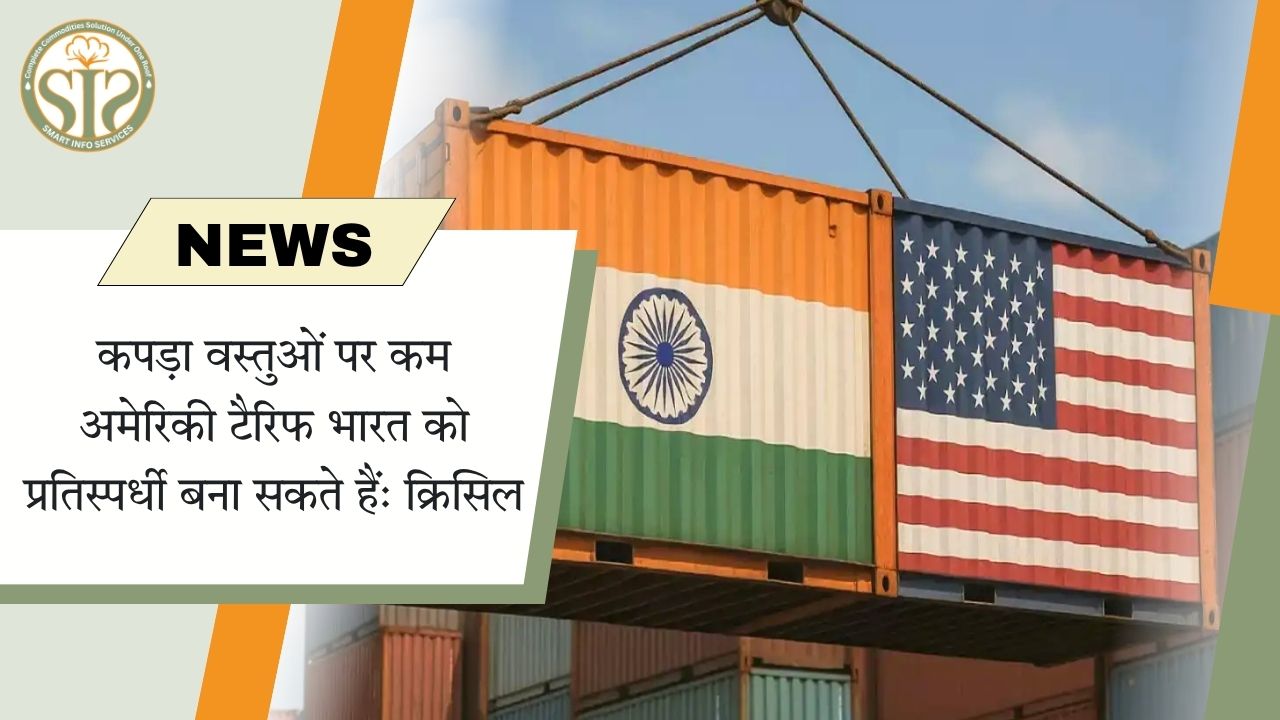
अमेरिकी टैरिफ में कमी से भारतीय वस्त्र उद्योग को मदद मिलेगीक्रिसिल के अनुसार, बातचीत के तहत अमेरिका-भारत द्विपक्षीय व्यापार समझौते (बीटीए) से संयुक्त राज्य अमेरिका के साथ भारत के माल व्यापार अधिशेष में कमी आने की संभावना है, और भारत अमेरिका से अधिक ऊर्जा उत्पाद, कुछ कृषि उत्पाद और रक्षा उपकरण आदि आयात करने में सक्षम होगा।हालांकि संयुक्त राज्य अमेरिका भारत का सबसे बड़ा निर्यात भागीदार है, लेकिन स्मार्टफोन, कुछ फार्मा उत्पादों और कपड़ा तथा रत्न एवं आभूषण जैसे श्रम-गहन निर्यात जैसे क्षेत्रों में निर्यात को और बढ़ाने की गुंजाइश है, एसएंडपी ग्लोबल कंपनी ने एक नोट में कहा।चूंकि प्रस्तावित बीटीए की पहली किस्त 2025 की शरद ऋतु तक पूरी होने का लक्ष्य है, इसलिए भारत को संयुक्त राज्य अमेरिका से अधिक आयात देखने के लिए तैयार रहना चाहिए क्योंकि भारत के टैरिफ संयुक्त राज्य अमेरिका की तुलना में बहुत अधिक हैं और इन्हें कम करना अमेरिकी निर्यातकों के लिए फायदेमंद होगा।क्रिसिल को लगता है कि भारत द्वारा संयुक्त राज्य अमेरिका को अपने निर्यात को बढ़ाने की कुछ गुंजाइश है।कपड़ा उत्पाद अमेरिका को निर्यात किए जाने वाले प्रमुख उत्पादों में से हैं, जिन पर शुल्क लगता है। बीटीए के तहत कम शुल्क भारत को बांग्लादेश, चीन और वियतनाम जैसे अन्य प्रमुख कपड़ा निर्यातकों के साथ प्रतिस्पर्धा करने में मदद कर सकता है।जबकि टॉयलेट लिनन, किचन लिनन और बेड लिनन जैसे कुछ कपड़ा उत्पादों की पहले से ही बाजार में अच्छी खासी हिस्सेदारी है (जिसे शुल्क में कमी से बढ़ावा मिलना चाहिए), क्रिसिल ने कहा कि रेडीमेड गारमेंट (आरएमजी) क्षेत्र के उत्पादों के लिए बाजार में पैठ कम है। शुल्क में कमी से इन्हें लाभ होगा।इसमें कहा गया है, "भारत द्वारा अमेरिका से कपास के आयात पर शून्य या कम शुल्क लगाने से कपड़ा व्यापार में तालमेल बढ़ाया जा सकता है, खासकर तब जब भारत का कपास उत्पादन घट रहा है। इससे अमेरिका से आरएमजी की बढ़ती मांग को पूरा करने में मदद मिल सकती है, बशर्ते ऐसे आयातों पर शुल्क कम कर दिया जाए।"और पढ़ें :- गुजरात: किसानों ने 12,950 हेक्टेयर में बोई फसल, सबसे ज्यादा कपास की फसल बोई
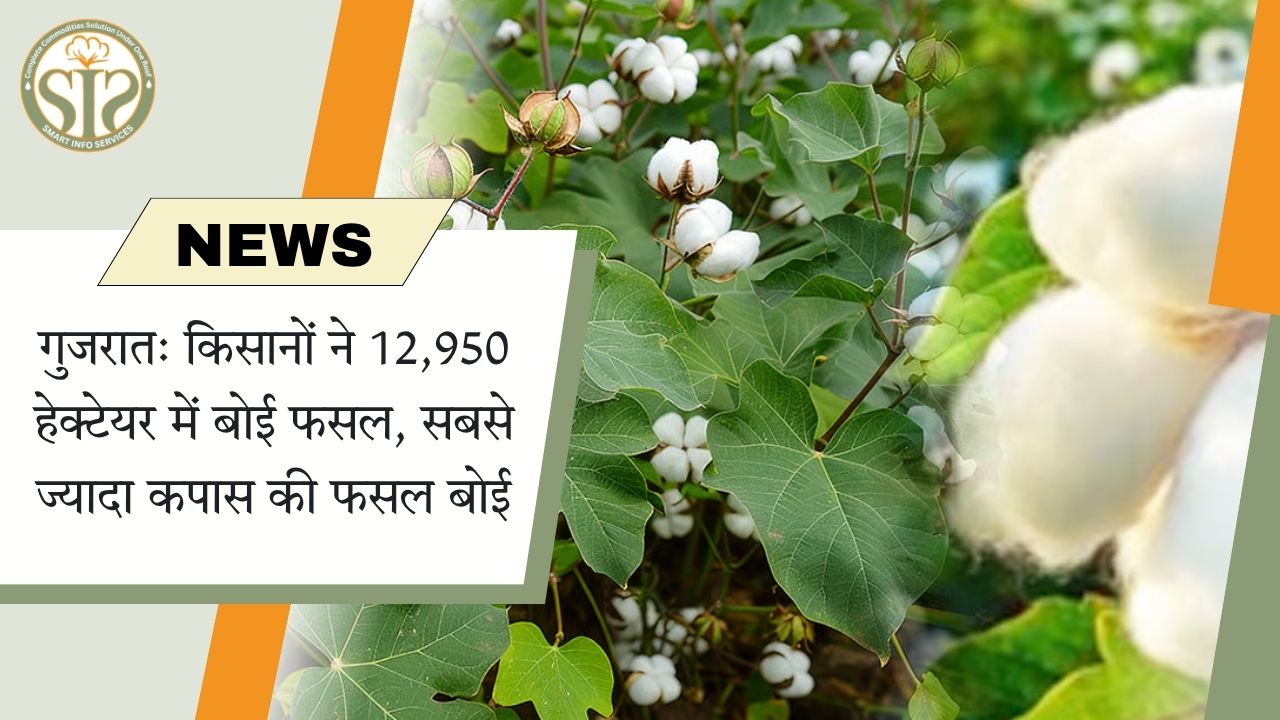
गुजरात में खरीफ की बुवाई शुरू, कपास सबसे आगेवडोदरा : भारत कृषि प्रधान देश है, इसलिए कृषि क्षेत्र में अच्छी बारिश होना लाजिमी है। धरतीपुत्र बेसब्री से बारिश का इंतजार कर रहे हैं। इस साल आसमान से बारिश होने से वडोदरा जिले के किसानों में खुशी का माहौल है। चालू खरीफ सीजन में अब तक जिले में 12,950 हेक्टेयर कृषि क्षेत्र में बुवाई पूरी हो चुकी है।वडोदरा जिले में बोई गई कुल 12,950 हेक्टेयर खरीफ फसल में से 8,891 हेक्टेयर भूमि में कपास बोई गई है, जो सबसे ज्यादा है। इसके अलावा 2,042 हेक्टेयर भूमि में चारा बोया गया है। 1,781 हेक्टेयर में सब्जियां, 125 हेक्टेयर में सोयाबीन और 60 हेक्टेयर में अरहर की फसल लगाई गई है। जबकि 1-1 हेक्टेयर में केला और पपीता लगाया गया है।खरीफ फसलों के क्षेत्रफल को तालुकावार देखें तो दभोई में 4,201 हेक्टेयर, देसर में 49, करजण में 1,363, पादरा में 4,399, सावली में 552 और शिनोर में 2,386 हेक्टेयर भूमि पर फसल बोई गई है। राज्य और केंद्र सरकार की ठोस योजना के बाद किसानों को खाद मिलने में कोई दिक्कत नहीं हुई है। दूसरी ओर आसमान से बरसने वाली दैत्य जैसी बारिश का सामना कर रहे धरतीपुत्रों ने अन्न के एक दाने को दाना बनाने का बीड़ा पूरे जोश के साथ उठा रखा है।और पढ़ें :- कपास की बुआई धीमी, उत्तरी क्षेत्र में गिरावट जारी
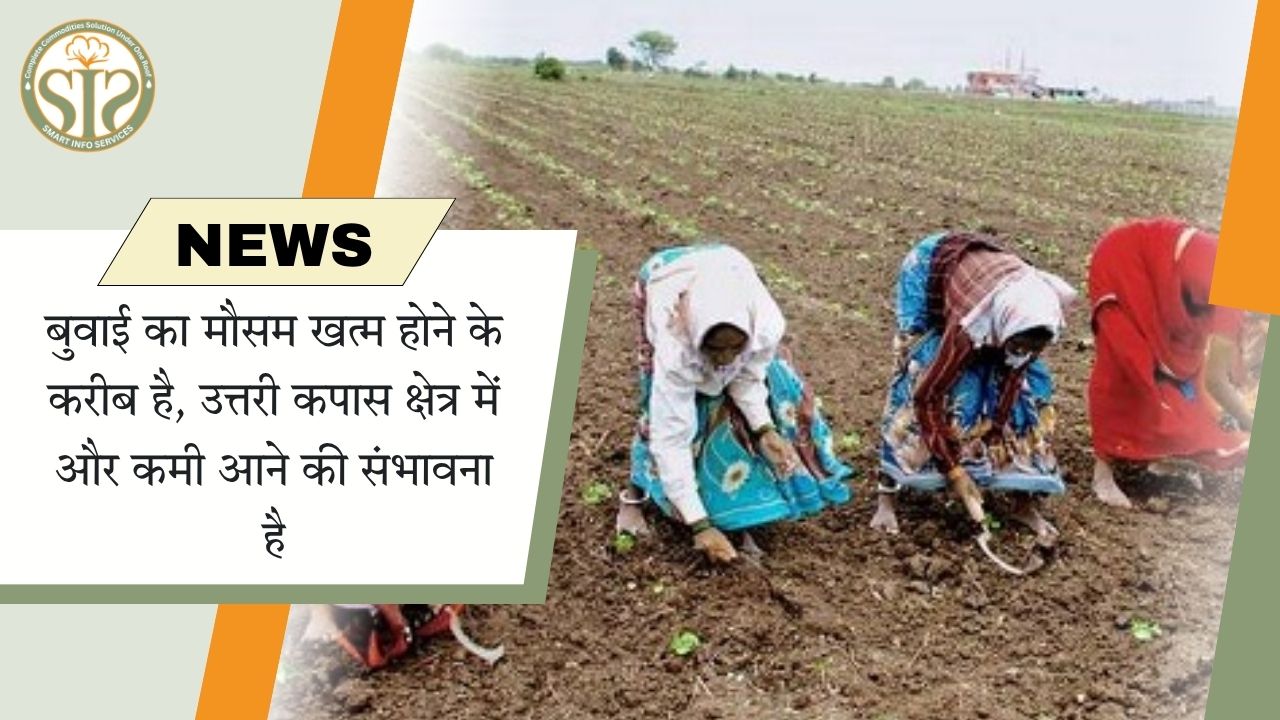
बुवाई का मौसम खत्म होने के करीब है, उत्तरी कपास क्षेत्र में और कमी आने की संभावना हैपंजाब में मामूली तेजी के बावजूद, हरियाणा और राजस्थान में कपास की बुवाई सुस्त बनी हुई है, क्योंकि 2024-25 का मौसम खत्म होने वाला है। उत्तरी कपास क्षेत्र में एक बार फिर फसल के कुल क्षेत्रफल में संभावित गिरावट देखी जा रही है, जिससे अनियमित मौसम और कीटों के हमलों से पहले से ही बनी आशंकाएं और बढ़ गई हैं। पंजाब, हरियाणा (3.80 लाख हेक्टेयर), राजस्थान (5.17 लाख हेक्टेयर) में अब तक 1.13 लाख हेक्टेयर में कपास की बुवाई की गई है, जिसमें ऊपरी और निचले दोनों इलाके शामिल हैं। बुवाई लगभग पूरी हो चुकी है और मानसून की समयसीमा कड़ी होती जा रही है, ऐसे में दोनों राज्यों के कृषि अधिकारी सतर्क आशावाद व्यक्त कर रहे हैं, लेकिन मानते हैं कि पिछले साल के बराबर रकबा मिलना संभव नहीं है। इसके विपरीत, पंजाब ने इस साल कपास की बुवाई में 15% की वृद्धि दर्ज करके इस प्रवृत्ति को थोड़ा उलट दिया है - जो ऐतिहासिक रूप से कम से आंशिक सुधार है। 2024-25 में पंजाब का कपास क्षेत्र घटकर 1 लाख हेक्टेयर से थोड़ा कम रह जाएगा, जो पिछले साल (2023-24) के 2.14 लाख हेक्टेयर से बहुत कम है - यानी 50% से ज़्यादा की भारी कमी।हरियाणा में, इस साल के आंकड़े 2024-25 के 4.76 लाख हेक्टेयर और 2023-24 के 5.78 लाख हेक्टेयर से काफ़ी कम हैं। अब, अधिकारी सीजन के अंत तक 4 लाख हेक्टेयर तक पहुँचने की उम्मीद कर रहे हैं।राजस्थान में, पिछले दो सालों में फसल में काफ़ी गिरावट देखी गई है क्योंकि यह पिछले साल (2024-25) 6.62 लाख हेक्टेयर थी, जो 2023-24 में 10.04 लाख हेक्टेयर थी। देरी से बुवाई जून के अंत तक जारी रहेगी।सामूहिक रूप से, उत्तरी क्षेत्र में अब तक 10.10 लाख हेक्टेयर में कपास की बुआई की गई है, जो पिछले साल की तुलना में लगभग 2.35 लाख हेक्टेयर कम है, जब तीनों राज्यों में फसल के तहत रकबा 12.35 लाख हेक्टेयर था और 2023-24 की तुलना में लगभग 7.86 लाख हेक्टेयर कम है, जब तीनों राज्यों में कपास के तहत कुल रकबा 17.96 लाख हेक्टेयर था।कभी संपन्न उत्तरी कपास बेल्ट अब तेजी से जमीन खो रहा है।हरियाणा ने धीमी बुआई के लिए मई और जून में पंजाब की भाखड़ा नहर प्रणाली से पानी छोड़ने में देरी को जिम्मेदार ठहराया, जिससे सिंचाई चक्र धीमा हो गया। हरियाणा कृषि विभाग के एक वरिष्ठ अधिकारी ने कहा, "पानी की कमी के कारण इस साल कपास का रकबा कम रहा है, लेकिन हमें अभी भी लगभग 4 लाख हेक्टेयर हासिल करने की उम्मीद है।" राजस्थान के कृषि विभाग के एक वरिष्ठ अधिकारी ने कहा कि राजस्थान में, गर्म मौसम के कारण बुवाई का मौसम देर से शुरू हुआ, जिससे कई किसानों को फसल दो या तीन बार बोनी पड़ी, जिससे इष्टतम रोपण समय पीछे चला गया।राज्य के एक कृषि अधिकारी ने कहा, "हमें उम्मीद है कि जून के अंत तक बुआई जारी रहेगी, लेकिन पिछले साल के रकबे की पूरी वसूली की संभावना नहीं है।" मौसम और पानी के अलावा, इन तीनों राज्यों में कपास उत्पादक लगातार गुलाबी बॉलवर्म संक्रमण से जूझ रहे हैं, जिसने पैदावार को प्रभावित किया है और किसानों का आत्मविश्वास कम हुआ है। पंजाब सबसे ज्यादा प्रभावित हुआ है, कुछ विशेषज्ञों ने राज्य से कीट के खतरे को कम करने के लिए कीट विज्ञानियों और कीट प्रबंधन वैज्ञानिकों को शामिल करने का आग्रह किया है। उल्लेखनीय है कि राज्य 2000 के दशक की शुरुआत में 8 लाख हेक्टेयर से अधिक क्षेत्र में कपास की खेती करता था - जो अब की तुलना में बहुत कम है। 2024-25 में (इस साल 30 अप्रैल तक) पंजाब में कपास का उत्पादन केवल 1.50 लाख गांठ (प्रत्येक 170 किलोग्राम) था, जबकि इसी अवधि के दौरान 2023-24 में 3.65 लाख गांठ थी। हरियाणा में उत्पादन पिछले साल के 13.30 लाख गांठ से घटकर 6.98 लाख गांठ रह गया। ऊपरी राजस्थान ने 9.77 लाख गांठ और निचले राजस्थान ने 8.60 लाख गांठ कपास का उत्पादन किया, जबकि पिछले साल यह आंकड़ा क्रमश: 15.47 लाख गांठ और 13.20 लाख गांठ था।कुल राष्ट्रीय कपास उत्पादन में उत्तरी क्षेत्र का योगदान पिछले साल (अप्रैल के अंत तक) 14% के मुकाबले इस साल घटकर केवल 10% रह गया। इस गिरावट का मुख्य कारण कपास उगाने वाले क्षेत्र में कमी है, खासकर पंजाब में, जो एक बढ़ती हुई चिंता का विषय है। 2025-26 सीजन के लिए, केंद्र सरकार द्वारा घोषित न्यूनतम समर्थन मूल्य (MSP) मध्यम स्टेपल कपास के लिए 7,710 रुपये प्रति क्विंटल और लंबे स्टेपल कपास के लिए 8,110 रुपये प्रति क्विंटल है। किसान आमतौर पर प्रति एकड़ आठ से 12 क्विंटल कपास की फसल ले सकते हैं, बशर्ते कि कोई कीट हमला न हो और मौसम की स्थिति अनुकूल हो। उत्तर में, किसान मुख्य रूप से मध्यम स्टेपल कपास उगाते हैं। उन्होंने कहा कि उच्च परिवहन लागत से संघर्षरत उद्योग पर और बोझ पड़ेगा: "जब तक कपास की स्थानीय उपलब्धता में सुधार नहीं होता, तब तक उद्योग का अस्तित्व गंभीर जोखिम में है। यह स्थिति तभी सुधर सकती है जब कपास का रकबा बढ़े - कपास पानी की अधिक खपत करने वाली धान की फसल का सबसे अच्छा विकल्प है।"और पढ़ें :- रुपया 21 पैसे बढ़कर 85.88 पर खुला

शुरुआती कारोबार में रुपया अमेरिकी डॉलर के मुकाबले 21 पैसे बढ़कर 85.88 पर खुलाभारतीय रुपया 26 जून को अमेरिकी डॉलर के मुकाबले 21 पैसे बढ़कर 85.88 पर खुला, जबकि पिछली बार यह 86.09 पर बंद हुआ था।और पढ़ें :- भारत भर में मौसम चेतावनियाँ जारी: भारी बारिश, तूफ़ान और तेज़ हवाएँ संभावित

"मानसून अलर्ट: पूरे भारत में भारी बारिश और तेज़ हवाएं"तेलंगाना:भारतीय मौसम विभाग (IMD) ने तेलंगाना के कई ज़िलों के लिए तात्कालिक मौसम अलर्ट जारी किया है। आगामी 2–3 घंटों के दौरान हैदराबाद, जनगांव, कामारेड्डी, करीमनगर, खम्मम, महबूबाबाद, महबूबनगर, मलकाजगिरी, मेडक, नगरकुरनूल, नलगोंडा, रंगा रेड्डी, संगारेड्डी, सिद्दिपेट, सुर्यापेट, विकाराबाद, वारंगल (शहरी और ग्रामीण) और यादाद्री-भोंगीर में हल्की से मध्यम बारिश के साथ गरज-चमक, तेज़ झोंकेदार हवाएँ और बिजली गिरने की संभावना है।ओडिशा:अगले 3–4 घंटों में ओडिशा के कई ज़िलों में हल्की से मध्यम बारिश और गरज-चमक के साथ 30–40 किमी/घंटा की रफ्तार से तेज़ हवाएँ और कुछ स्थानों पर बिजली गिरने की संभावना है। प्रभावित ज़िलों में अंगुल, बालेश्वर, बौध, भद्रक, कटक, देबगढ़, ढेंकनाल, गजपति, गंजाम, जगतसिंहपुर, जाजपुर, कंधमाल, केंद्रापाड़ा, क्योंझर, खुर्दा, मयूरभंज, नयागढ़ और पुरी शामिल हैं।राजस्थान और गुजरात:राजस्थान और गुजरात में मानसून की गतिविधियाँ तेज़ होने की संभावना है। मौसम विभाग ने 25 जून से आने वाले कुछ दिनों के दौरान भारी से अति भारी बारिश की चेतावनी दी है। नागरिकों और प्रशासन को सतर्क रहने की सलाह दी गई है।अन्य क्षेत्र:देश के अन्य हिस्सों में भी बिखरी हुई बारिश की गतिविधियाँ जारी हैं। मध्य प्रदेश, छत्तीसगढ़, झारखंड, ओडिशा, पूर्वी गुजरात, केरल और पूर्वोत्तर राज्यों में अगले कुछ दिनों तक हल्की से मध्यम बारिश के साथ कुछ स्थानों पर भारी बारिश की संभावना है।और पढ़ें :- Cotton Farming: धान ने सिरसा में बिगाड़ा कपास का खेल, ‘सफेद सोना’ मिला मिट्टी में

सिरसा में धान की खेती से कपास को भारी नुकसानCotton Farming: साल 2003 से 2014 तक सिरसा में कपास का उत्पादन जमकर होता था और उस दौर को कपास का 'सुनहरा दौर' तक कहा जाता है. उस समय बीटी कॉटन के बीज (2003 में बीजी-1 और 2005 में बीजी-2) ने उत्पादन में क्रांति ला दी थी. साल 2011 में कपास की खेती चरम पर थी. उस समय 2.11 लाख हेक्टेयर में कपास की खेती हुई और 9.56 लाख मीट्रिक टन का बंपर उत्पादन हुआ. हरियाणा का सिरसा जिला कभी कपास की खेती के लिए जाना जाता था. यहां पर कभी इसे 'सफेद सोना' तक कहा जाने लगा था. लेकिन अब यहां कपास के खेत खाली पड़े हैं और किसान कपास की खेती से मुंह मोड़ने लगे हैं. कपास के खेत धूल के मैदान में बदल गए हैं क्योंकि किसानों का मन अब धान की खेती में रमने लगा है. एक रिपोर्ट की मानें तो पिछले साल धान की खेती ने कपास को पीछे छोड़ दिया है. जहां धान का रकबा बढ़ा है तो वहीं कपास का दायरा सिकुड़ता जा रहा है. 2024 में धान आगे कपास पीछे अखबार द ट्रिब्यून की खबर के अनुसार साल 2024 में, धान ने कपास को बड़े अंतर से पीछे छोड़ दिया है. जहां 1.56 लाख हेक्टेयर में धान की खेती की गई और 6 लाख मीट्रिक टन से अधिक उत्पादन हुआ जो वहीं कपास की खेती 1.37 लाख हेक्टेयर में हुई और 4.3 लाख मीट्रिक टन उत्पादन हुआ. साल 2003 से 2014 तक सिरसा में कपास का उत्पादन जमकर होता था और उस दौर को कपास का 'सुनहरा दौर' तक कहा जाता है. उस समय बीटी कॉटन के बीज (2003 में बीजी-1 और 2005 में बीजी-2) ने उत्पादन में क्रांति ला दी थी. साल 2011 में कपास की खेती चरम पर थी. उस समय 2.11 लाख हेक्टेयर में कपास की खेती हुई और 9.56 लाख मीट्रिक टन का बंपर उत्पादन हुआ.गुलाबी सुंडी और व्हाइट फ्लाई दुश्मन पिछले पांच-छह सालों में स्थिति बदलने लगी है. कपास की फसलें व्हाइटफ्लाई और पिंक बॉलवर्म के इनफेक्शन से तबाह हो गई हैं. खेती लगातार बदलते मौसम और बीज टेक्नोलॉजी में ठहराव के कारण और भी खराब हो गई है. किसान अब पानी की कमी वाले क्षेत्रों में भी धान की खेती को प्राथमिकता दे रहे हैं. हालांकि धान की खेती में पानी की मांग बहुत ज़्यादा हो. कृषि विभाग के आंकड़ों के अनुसार, कपास की खेती 2020 में 2.09 लाख हेक्टेयर से घटकर 2024 में सिर्फ़ 1.37 लाख हेक्टेयर रह गई है. इसी अवधि के दौरान, धान की खेती 2018 में 97,000 हेक्टेयर से बढ़कर 2024 में 1.56 लाख हेक्टेयर हो गई, और इस साल 1.7 लाख हेक्टेयर को पार करने का अनुमान है. तापमान भी बना दुश्मन किसानों का कहना है कि बीटी कॉटन को जब शुरुआत में सफलता मिली तो उसने एक ऐसी मुसीबत पर पर्दा डाल दिया जो वाकई बड़ी चुनौती थी. बीटी बीजों ने बॉलवर्म से निपटा, लेकिन उसमें कीट लगने लगे. व्हाइटफ्लाई और पिंक बॉलवर्म वापस आ गए हैं, और कोई नई पीढ़ी का बीज नहीं है. कीटनाशक लॉबी ने बीजी-3 को ब्लॉक कर दिया. अब किसानों को हर मौसम में कीटों के हमलों का सामना करना पड़ता है. इस वजह से कई किसानों ने कपास की खेती ही बंद कर दी है. साथ ही किसानों ने बढ़ते तापमान और नमी के ज्यादा स्तर को भी कीटों के बढ़ते हमलों के लिए जिम्मेदार ठहराया है. 90 फीसदी तक फसल चौपट किसानों को नहीं भूलता है कि कैसे साल 2022 और 2023 में गुलाबी सुंडी की वजह से कपास की 90 फीसदी तक की फसल चौपट हो गई थी. इसकी वजह से किसानों को बड़ा नुकसान हुआ था. कई किसानों को तो प्रति एकड़ 50,000 रुपये तक का नुकसान हुआ. कुछ को बीमा मिला तो कुछ अभी तक मुआवजे का इंतजार कर रहे हैं. सिरसा में केंद्रीय कपास अनुसंधान संस्थान के प्रभारी वैज्ञानिक डॉ. अनिल मेहता ने कपास की फसल में आई गिरावट के लिए मुख्य रूप से कीटों के हमले के कारण कम पैदावार को जिम्मेदार ठहराया.उन्होंने कहा कि कटाई के बाद किसान कपास की टहनियों को खेतों या घर में ही छोड़ देते हैं जिससे लार्वा जीवित रहते हैं और अगली फसल पर हमला करते हैं. साथ ही, बुवाई के दौरान पानी की कमी से अंकुरण पर बहुत बुरा असर पड़ता है. वहीं कुछ विशेषज्ञों के अनुसार कपास के बीज अभी भी उपलब्ध हैं लेकिन ऐसे बीज चाहिए जो कीट-प्रतिरोधी किस्मों के हों.और पढ़ें :- रुपया 09 पैसे गिरकर 86.09 प्रति डॉलर पर बंद हुआ

बुधवार को भारतीय रुपया 09 पैसे गिरकर 86.09 प्रति डॉलर पर बंद हुआ, जबकि सुबह यह 86.00 पर खुला था।बंद होने पर, सेंसेक्स 700.40 अंक या 0.85 प्रतिशत बढ़कर 82,755.51 पर और निफ्टी 200.40 अंक या 0.80 प्रतिशत बढ़कर 25,244.75 पर था। लगभग 2711 शेयरों में तेजी आई, 1163 शेयरों में गिरावट आई और 127 शेयरों में कोई बदलाव नहीं हुआ।और पढ़ें :- तमिलनाडु : तिरुपुर संकट में है? 70,000 करोड़ रुपये के इस टेक्सटाइल क्लस्टर को आगे बढ़ने से कौन रोक रहा है?
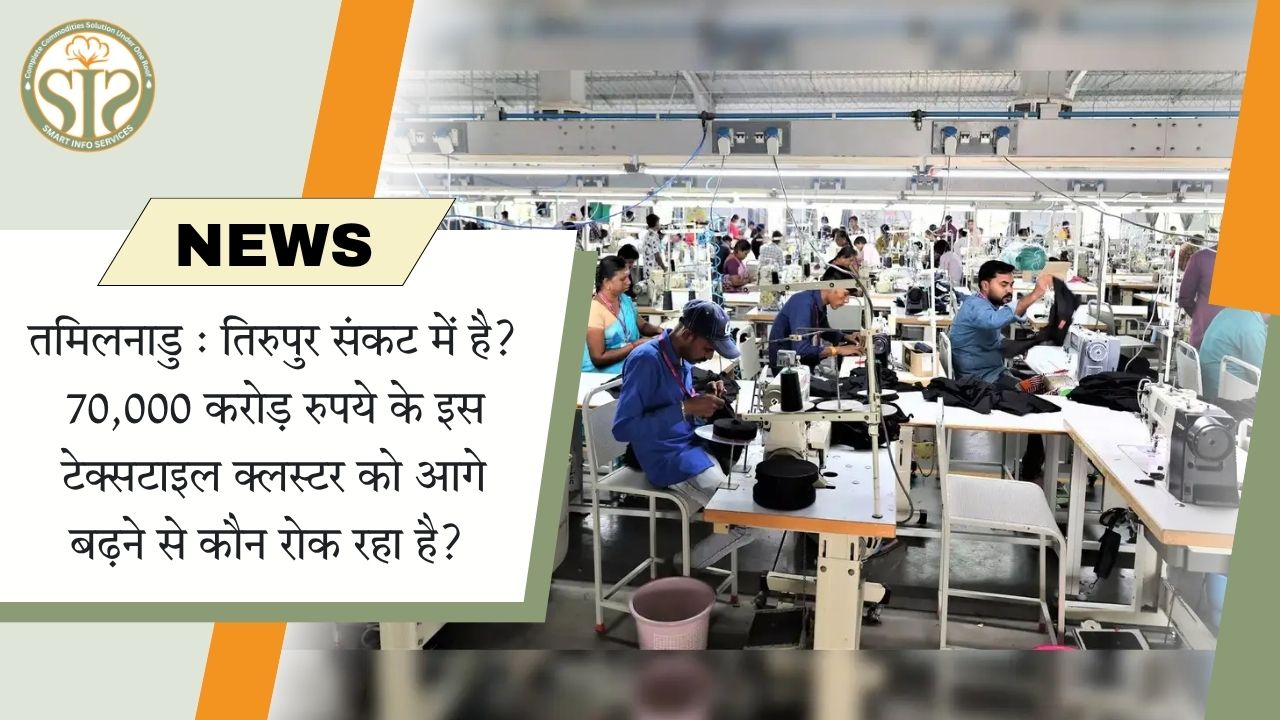
तिरुपुर के कपड़ा उद्योग में उछाल की राह में रुकावटपश्चिमी तमिलनाडु में नोय्याल नदी के किनारे बसा तिरुपुर पहली नज़र में एक शांत, गुमनाम शहर लग सकता है। हालाँकि, इसका साधारण रूप वैश्विक टेक्सटाइल में एक दिग्गज के रूप में इसकी स्थिति को झुठलाता है। लेकिन संख्याएँ सब कुछ बयां कर देती हैं। टेक्सटाइल क्लस्टर ने वित्त वर्ष 25 में कुल व्यापार में 70,000 करोड़ रुपये का भारी भरकम कारोबार किया। वास्तव में, तिरुपुर भारत के सूती बुने हुए कपड़ों के निर्यात का 90% और कुल बुने हुए कपड़ों के निर्यात का 54% हिस्सा है, जिससे इसे 'भारत की बुने हुए कपड़ों की राजधानी' का गौरव प्राप्त हुआ है। सिर्फ़ पिछले वित्त वर्ष में ही नहीं, बल्कि पिछले कई वर्षों से तिरुपुर लगातार भारत के कुल बुने हुए कपड़ों के निर्यात में आधे से ज़्यादा का योगदान दे रहा है। वाणिज्य एवं उद्योग मंत्रालय के आंकड़ों के अनुसार, वित्त वर्ष 2025 में इसने निटवियर उत्पादों में 39,618 करोड़ रुपये का रिकॉर्ड निर्यात हासिल किया, जो वित्त वर्ष 2024 में 33,045 करोड़ रुपये और वित्त वर्ष 20 में 27,280 करोड़ रुपये से अधिक है (चार्ट देखें)।पिछले कुछ वर्षों में उल्लेखनीय वृद्धि के बावजूद, तिरुप्पुर को महत्वपूर्ण चुनौतियों का सामना करना पड़ रहा है। हाल ही तक, बांग्लादेश जैसे देशों के साथ समान अवसर न होने के कारण, जो कम विकसित देश (LDC) के रूप में वस्त्रों में शुल्क-मुक्त पहुँच से लाभान्वित होते हैं, तिरुप्पुर में निर्यात अत्यधिक अप्रतिस्पर्धी हो गया था। हालाँकि बांग्लादेश में हाल की राजनीतिक अस्थिरता और चीन+1 रणनीति ने विकास के अवसर प्रस्तुत किए, वैश्विक कपड़ों के ब्रांडों ने अपना ध्यान भारत की ओर स्थानांतरित कर दिया, लेकिन यह अल्पकालिक था।ET डिजिटल की हाल ही में तिरुप्पुर यात्रा के दौरान उद्योग जगत के विभिन्न खिलाड़ियों के साथ गहन बातचीत से पता चलता है कि कुशल श्रम उपलब्धता, बुनियादी ढाँचे में सुधार और प्रौद्योगिकी उन्नयन में निवेश के मुद्दों को संबोधित करना तिरुप्पुर की भविष्य की संभावनाओं के लिए महत्वपूर्ण है।एक पारिस्थितिकी तंत्र बनानातिरुपुर से शुरुआती निर्यात (प्रत्यक्ष) इटली से शुरू हुआ। इटली का एक कपड़ा आयातक वेरोना 1978 में मुंबई के निर्यातकों के ज़रिए सफ़ेद टी-शर्ट खरीदने के लिए शहर आया था। उस समय, बहुत सारे कर्मचारी व्यापारी निर्यातकों के लिए कपड़े बनाने में लगे हुए थे। तिरुपुर निर्यातक संघ (TEA) के अनुसार, संभावना को देखते हुए, वेरोना ने यूरोपीय व्यापार को तिरुपुर में लाया। तीन साल बाद, यूरोपीय खुदरा श्रृंखला C&A ने बाज़ार में प्रवेश किया, उसके बाद अन्य स्टोर आए जिन्होंने कपड़ों की आपूर्ति के लिए निर्यातकों से संपर्क किया। आखिरकार, 1980 के दशक में 15 निर्यात इकाइयों के साथ तिरुपुर से निर्यात शुरू हुआ। 1985 में, शहर ने 15 करोड़ रुपये के कपड़ों का निर्यात किया।TEA के संयुक्त सचिव कुमार दुरईस्वामी याद करते हैं, "अतीत में, हमारे पास रंगाई की तकनीक नहीं थी, और हमें पानी की ज़रूरत थी; न ही हम ग्रे कपड़े को रंग में बदलने की तकनीक जानते थे।" “ये सभी हमारे अपने अनुसंधान एवं विकास द्वारा विकसित किए गए थे।”शुरू में, तिरुपुर में केवल सफेद कपड़े का उत्पादन होता था। चूंकि खरीदार अधिक रंग चाहते थे, इसलिए उन्होंने अहमदाबाद और देश के उत्तरी हिस्सों से रंग मंगवाए। “हमने शुरू में इसे लोहे के ड्रम में रंगा, बाद में इसे अपग्रेड किया और बाद में स्टील टैंक में बदल दिया। फिर यूरोप, अमेरिका, ताइवान और जापान की मशीनों ने इस स्टील टैंक की जगह ले ली,” वे कहते हैं।अगले कुछ साल अप्रत्याशित रूप से सफल रहे, 1990 में क्लस्टर से निर्यात 300 करोड़ रुपये तक पहुँच गया। वित्त वर्ष 25 में, यह संख्या रिकॉर्ड 40,000 करोड़ रुपये तक पहुँच गई, जबकि घरेलू खपत बढ़कर 30,000 करोड़ रुपये हो गई।और पढ़ें :- अमेरिकी डॉलर के मुकाबले रुपया 07 पैसे गिरकर 86.00 पर खुला

डॉलर के मुकाबले रुपया 07 पैसे गिरकर 86.00 पर खुलाभारतीय रुपया बुधवार को 07 पैसे गिरकर 86.00 प्रति डॉलर पर खुला, जबकि मंगलवार को यह 85.93 पर बंद हुआ था।और पढ़ें :- डॉलर के मुकाबले रुपया 17 पैसे मजबूत होकर 85.93 पर बंद हुआ

मंगलवार को भारतीय रुपया 17 पैसे बढ़कर 85.93 प्रति डॉलर पर बंद हुआ, जबकि सुबह यह 86.10 पर खुला था।बीएसई सेंसेक्स 83,018.16 के इंट्राडे हाई को छूने के बाद 158.32 अंक या 0.19 प्रतिशत की बढ़त के साथ 82,055.11 पर बंद हुआ।और पढ़ें :- सीसीआई कॉटन सेल: सीसीआई ने महाराष्ट्र में सबसे ज्यादा कॉटन बेचा; तेलंगाना में सबसे ज्यादा खरीद
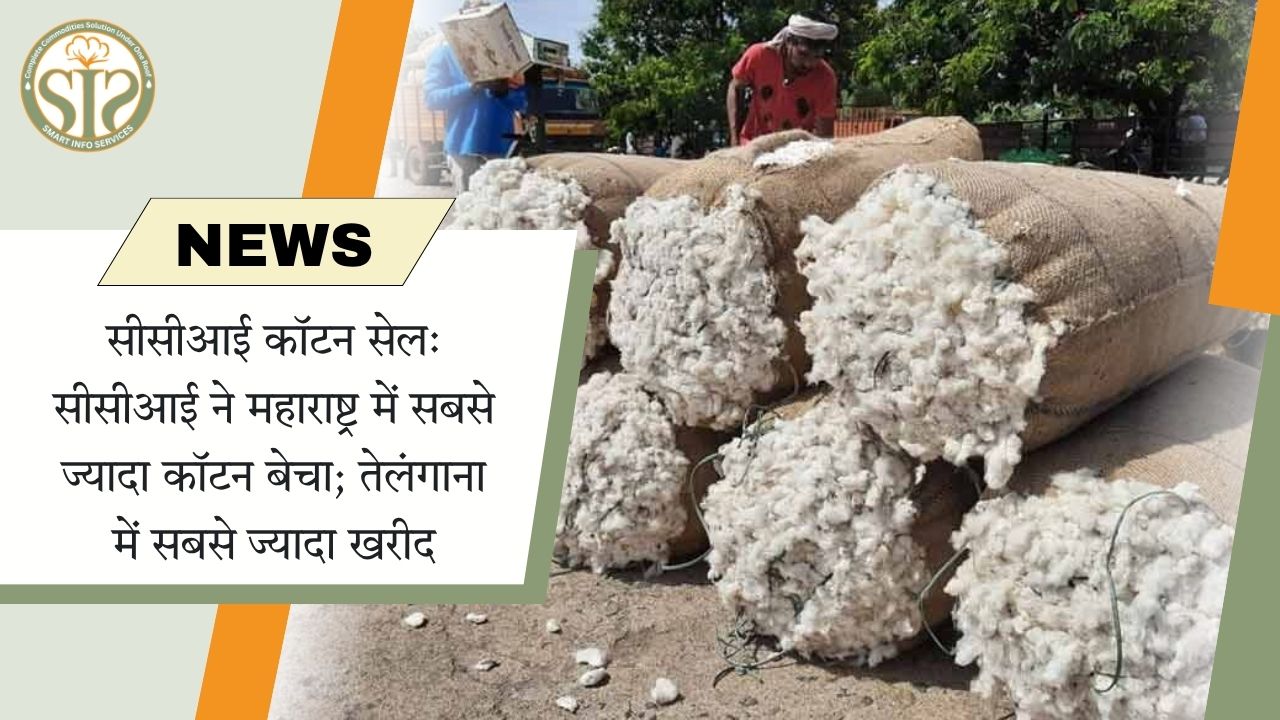
महाराष्ट्र में कपास की सर्वाधिक बिक्री दर्ज की गई; तेलंगाना ने सबसे अधिक खरीदारी कीकॉटन कॉरपोरेशन ऑफ इंडिया ने इस सीजन में गारंटीड कीमत पर 100 लाख गांठ कॉटन खरीदा था। जिसमें से अब तक 35 लाख गांठ कॉटन बिक चुका है और 65 लाख गांठ कॉटन बाकी है। कॉटन कॉरपोरेशन ऑफ इंडिया (सीसीआई) के चेयरमैन और प्रबंध निदेशक ललित कुमार गुप्ता ने बताया कि कॉटन की नीलामी सुचारू रूप से चल रही है।इस साल खुले बाजार में कॉटन का भाव गारंटीड कीमत से कम रहा। इसके चलते सीसीआई की कॉटन खरीद को किसानों से जबरदस्त प्रतिक्रिया मिली। कॉटन एसोसिएशन ऑफ इंडिया ने इस साल देश में 301 लाख गांठ कॉटन उत्पादन का अनुमान लगाया है। जिसमें से सीसीआई ने इस सीजन में 12 राज्यों से करीब 100 लाख गांठ कॉटन खरीदा है।देश में कॉटन उत्पादन का करीब 33 फीसदी अकेले सीसीआई ने खरीदा है। राज्यवार कॉटन खरीद पर गौर करें तो सबसे ज्यादा 40 लाख गांठ कॉटन तेलंगाना में खरीदा गया। तेलंगाना में कपास के भाव तुलनात्मक रूप से कम रहे। उसके बाद महाराष्ट्र में 29 लाख गांठ कपास की खरीद हुई। जबकि गुजरात में 14 लाख गांठ कपास की खरीद हुई।सीसीआई के पास इस समय देश में सबसे ज्यादा कपास का स्टॉक है। इसलिए सीसीआई की कपास बिक्री का सीधा असर बाजार पर पड़ रहा है। सीसीआई की कपास बिक्री भी सुचारू रूप से चल रही है। सीसीआई के चेयरमैन और प्रबंध निदेशक ललित कुमार गुप्ता ने बताया कि सीसीआई ने अब तक 35 लाख गांठ कपास बेची है। कपास बिक्री में अब तक सबसे ज्यादा कपास महाराष्ट्र में बिकी है।राज्यवार कपास बिक्रीसीसीआई ने अब तक महाराष्ट्र में करीब 16 लाख गांठ कपास बेची है। । जबकि तेलंगाना ने करीब 8 लाख गांठ कपास बेची। गुजरात ने भी 5 लाख गांठ कपास बेची। मध्य प्रदेश में 2 लाख गांठ और कर्नाटक में 1.5 लाख गांठ कपास बेची गई।अन्य राज्यों में भी करीब 2.5 लाख गांठ कपास बेची गई।कपास की बिक्री कीमतें कम हुई देश में कपास की कीमतें भले ही गारंटीड कीमत से कम हैं, लेकिन अंतरराष्ट्रीय बाजार की कीमतों से अधिक हैं। इसलिए उद्योगों ने मांग की थी कि सीसीआई कपास की बिक्री कीमतें कम करे। कच्चे तेल की कीमतों में बढ़ोतरी के कारण अंतरराष्ट्रीय बाजार में कुछ उतार-चढ़ाव देखने को मिल रहा है। देश में भी कीमतों में कुछ सुधार हुआ है। उद्योगों ने बताया कि सीसीआई ने कपास की बिक्री कीमतों में करीब 500 रुपये प्रति खंडी की कमी की है। हाल ही में हुई नीलामी में खंडी की कीमतें 53,500 से 54,500 रुपये के बीच थीं। जबकि कस्तूरी की गांठों की कीमतें 55,300 रुपये के बीच थीं।और पढ़ें :- रुपया 65 पैसे मजबूत होकर 86.10 पर खुला

इजरायल-ईरान युद्ध विराम के बाद कच्चे तेल की कीमतों में नरमी के बाद रुपया 65 पैसे मजबूत होकर 86.10/USD पर खुला, डॉलर कमजोर हुआअमेरिकी डॉलर के मुकाबले रुपया 86.10 पर खुला, जबकि पिछले बंद भाव पर डॉलर 86.75 पर था।और पढ़ें :- रुपया 01 पैसे गिरकर 86.75 पर बंद हुआ

सोमवार को भारतीय रुपया 01 पैसे गिरकर 86.75 प्रति डॉलर पर बंद हुआ, जबकि सुबह यह 86.74 पर खुला था।बंद होने पर, सेंसेक्स 511.38 अंक या 0.62 प्रतिशत की गिरावट के साथ 81,896.79 पर था, और निफ्टी 140.50 अंक या 0.56 प्रतिशत की गिरावट के साथ 24,971.90 पर था। लगभग 1794 शेयरों में तेजी आई, 2113 शेयरों में गिरावट आई और 175 शेयरों में कोई बदलाव नहीं हुआ।और पढ़ें :- मई 2025 के लिए कपास व्यापार सारांश: आयात और निर्यात विश्लेषण

कपास आयात-निर्यात रुझान – मईमई 2025 के महीने के लिए कपास व्यापार गतिविधि का एक समग्र अवलोकन आयात और निर्यात दोनों में महत्वपूर्ण गतिविधियों को दर्शाता है, जिसमें प्रमुख अंतरराष्ट्रीय व्यापारिक साझेदारों और उनके व्यापारिक आयामों को उजागर किया गया है।कपास आयात – मई 2025मई 2025 के दौरान, देश ने विभिन्न अंतरराष्ट्रीय स्रोतों से कुल 2,73,150 गांठें कपास का आयात किया। कपास आयात में शीर्ष पांच योगदानकर्ता देश इस प्रकार हैं:* संयुक्त राज्य अमेरिका – 1,01,700 गांठें* स्विट्ज़रलैंड – 49,880 गांठें* सिंगापुर – 48,750 गांठें* नीदरलैंड्स – 16,550 गांठें* मिस्र (इजिप्ट) – 14,870 गांठेंसंयुक्त राज्य अमेरिका इस महीने का प्रमुख कपास आपूर्तिकर्ता रहा, जिसने कुल आयात मात्रा का लगभग 37% योगदान दिया।कपास निर्यात – मई 2025निर्यात के मोर्चे पर, मई माह में कुल 1,34,800 गांठें कपास विभिन्न अंतरराष्ट्रीय बाजारों को निर्यात की गईं। शीर्ष पांच निर्यात गंतव्य देश निम्नलिखित हैं:* बांग्लादेश – 1,18,800 गांठें* वियतनाम – 9,790 गांठें* चीन – 2,500 गांठें* इंडोनेशिया – 2,280 गांठें* माली – 580 गांठेंबांग्लादेश मुख्य निर्यात गंतव्य रहा, जिसने कुल निर्यातित कपास का लगभग 88% हिस्सा प्राप्त किया।व्यापार विश्लेषणउपलब्ध व्यापार आंकड़ों से स्पष्ट होता है कि संयुक्त राज्य अमेरिका कपास आयात का सबसे बड़ा स्रोत बना हुआ है, वहीं बांग्लादेश प्रमुख निर्यात गंतव्य के रूप में अपनी स्थिति बनाए हुए है। यह दोनों देशों के साथ कपड़ा और कपास क्षेत्र में मजबूत व्यापारिक संबंधों को दर्शाता है।यह आंकड़े कपड़ा उद्योग के हितधारकों, व्यापारियों और नीति-निर्माताओं के लिए बाज़ार रुझानों का आकलन करने, खरीद रणनीतियों को समायोजित करने और व्यापार प्रदर्शन का मूल्यांकन करने में अत्यंत सहायक सिद्ध होते हैं।और पढ़ें :- रुपया 15 पैसे गिरकर 86.74 प्रति डॉलर पर खुला

भारतीय रुपया 15 पैसे गिरकर 86.74 प्रति डॉलर पर खुलाभारतीय रुपया सोमवार को 15 पैसे गिरकर 86.74 प्रति डॉलर पर खुला, जबकि शुक्रवार को यह 86.59 पर बंद हुआ था।और पढ़ें :- तेलंगाना : आसिफाबाद-कपास की ओर झुकाव

"तेलंगाना में आसिफाबाद का कपास की खेती की ओर रुख"आसिफाबाद : इस साल भी जिले के किसान कपास की खेती की ओर झुके हुए हैं। पैदावार में गिरावट और लाभकारी मूल्य की कमी के बावजूद वे कपास की खेती नहीं छोड़ रहे हैं। अधिकारियों का कहना है कि इस मानसून में 3.35 लाख एकड़ में फसल बोने की संभावना है।बीज बोने की तैयारी करता किसान- जिले में 3.35 लाख एकड़ में बुवाई की संभावना- इस साल समर्थन मूल्य 8,110 रुपयेइस साल भी जिले के किसान कपास की खेती की ओर झुके हुए हैं। पैदावार में गिरावट और लाभकारी मूल्य की कमी के बावजूद वे कपास की खेती नहीं छोड़ रहे हैं। अधिकारियों का कहना है कि इस मानसून में 3.35 लाख एकड़ में फसल बोने की संभावना है।आसिफाबाद, 20 जून (आंध्र ज्योति): जिले के किसान इस मानसून में कपास की खेती की ओर झुके हुए हैं। पिछले साल मानसून सीजन में किसानों ने 3.32 लाख एकड़ में कपास की फसल उगाई थी। इस साल वे 3.35 लाख एकड़ में खेती करने की तैयारी कर रहे हैं। जिले में कुल 4.45 लाख एकड़ में विभिन्न फसलों की खेती की जा रही है। इसमें से सफेद सोने को सर्वोच्च प्राथमिकता दी जा रही है। जिले में कपास की खेती का रकबा हर साल बढ़ रहा है। अधिकारियों का कहना है कि जिले में ही नहीं बल्कि पूरे राज्य में कपास की खेती का रकबा बढ़ रहा है। किसान कपास की खेती में रुचि दिखा रहे हैं, जिसे एक व्यावसायिक फसल के रूप में जाना जाता है। पिछले साल की तुलना में इस बार खेती का रकबा बढ़ेगा। पिछले मानसून में जिले में 3.32 लाख एकड़ में कपास की खेती की गई थी, जबकि अधिकारियों को उम्मीद है कि इस बार 3.35 लाख एकड़ में इसकी खेती होगी। अधिकारियों के अनुमान के मुताबिक खेती का रकबा और तीन हजार एकड़ बढ़ जाएगा। चूंकि पिछले दो वर्षों से कपास को वांछित मूल्य मिल रहा है, इसलिए किसान कपास की खेती की ओर झुक रहे हैं क्योंकि जिले में भूमि भी कपास की खेती के लिए अनुकूल है इस बार सरकार ने समर्थन मूल्य बढ़ाकर 8,110 रुपए कर दिया है। कपास एक गीली फसल है, इसलिए अगर बारिश की अनिश्चितता के कारण उपज कुछ कम भी होती है, तो कीमत अधिक होती है, इसलिए किसान इस विश्वास के साथ इसकी खेती करने के लिए इच्छुक हैं कि इसमें न्यूनतम निवेश होगा। जहां सिंचाई की सुविधा है, वहां किसान चावल को प्राथमिकता दे रहे हैं। जिले में यह है स्थिति.. कृषि अधिकारियों ने अनुमान लगाया है कि इस मानसून सीजन में जिले में 4,45,049 एकड़ में विभिन्न प्रकार की फसलें उगाई जाएंगी। सरकार को रिपोर्ट भेजी गई है कि सामान्य खेती से हटकर फसलें उगाए जाने की संभावना है। जिले में ये अनुमान लगाने वाले अधिकारियों ने फसलों की खेती पर गांववार तालिकाएं तैयार की हैं। अधिकारियों ने गणना की है कि जिले में सामान्य खेती से हटकर खेती किए जाने वाले रकबे में वृद्धि की संभावना है। हालांकि, अधिकारियों ने अनुमान लगाया है कि 3,35,363 एकड़ में कपास, 56,861 एकड़ में धान और 30,430 एकड़ में गन्ना उगाया जाएगा। मक्का, ज्वार, बाजरा, दाल, सोयाबीन, मिर्च, मूंगफली, अरंडी और तिल की खेती 22,395 एकड़ में होने का अनुमान है।मंडलवार, जिले में किसान 3,35,363 एकड़ में कपास की खेती करेंगे। आसिफाबाद मंडल में 35,200 एकड़, रेबेना मंडल में 27,125 एकड़, तिरयानी में 21,000 एकड़, वानकीडी में 35,000 एकड़ और कौटाला में 13,277 एकड़ में कपास की खेती की जाएगी। पेंचिकलपेट में 11,938 एकड़, कागजनगर में 28,000, दहेगाम में 24,328, चिन्थलामनेपल्ली में 18,305, सिरपुर (टी) में 14,457, बेज्जुर में 21,422, सिरपुर (यू) में 19,990, केरामेरी में 22,300, लिंगापुर में 19,571 और जैनूर में 23,450 एकड़ में किसान कपास की फसल उगाएंगे।भूमि कपास के लिए उपयुक्त है..- बाबूराव, किसान, आसिफाबादकाली भूमि ज्यादातर कपास की खेती के लिए उपयुक्त है। इस वजह से किसानों का झुकाव कपास की फसल की ओर है। पिछले साल सीसीआई के जरिए कपास के लिए 7.521 रुपये प्रति क्विंटल का भुगतान किया गया था। इस साल सरकार ने सीसीआई का समर्थन मूल्य 8,110 रुपये तय किया है। अगर बारिश अनुकूल रही तो इस बार अच्छी पैदावार की उम्मीद है।और पढ़ें :- साप्ताहिक कपास बेल बिक्री सारांश – सीसीआई.
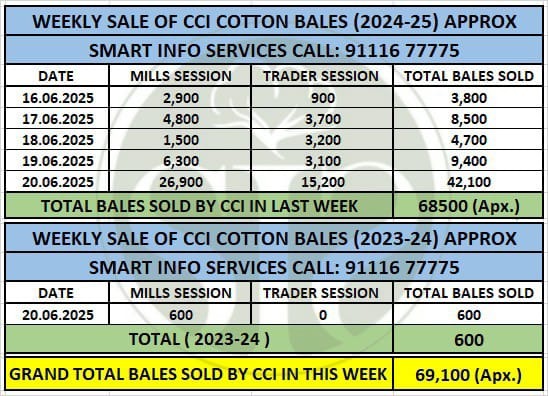
साप्ताहिक सारांश रिपोर्ट: कॉटन कॉरपोरेशन ऑफ इंडिया (CCI) द्वारा बेची गई कॉटन की गांठेंकॉटन कॉरपोरेशन ऑफ इंडिया (CCI) ने पूरे सप्ताह कॉटन की गांठों के लिए ऑनलाइन बोली लगाई, जिसका दैनिक बिक्री सारांश इस प्रकार है:16 जून, 2025: CCI ने कुल 3,800 गांठें (2024-25 सीज़न) बेचीं, जिसमें मिल्स सत्र में 2,900 गांठें और ट्रेडर्स सत्र में 900 गांठें शामिल हैं।17 जून, 2025: दैनिक बिक्री 8,500 गांठें (2024-25 सीज़न,) बेचीं, जिसमें मिल्स सत्र में 4,800 गांठें और ट्रेडर्स सत्र में 3,700 गांठें शामिल हैं।18 जून, 2025: दैनिक बिक्री 4,700 गांठें (2024-25 सीज़न,) बेचीं, जिसमें मिल्स सत्र में 1,500 गांठें और ट्रेडर्स सत्र में 3,200 गांठें शामिल हैं।19 जून, 2025: दैनिक बिक्री 9,400 गांठें (2024-25 सीज़न,) बेचीं, जिसमें मिल्स सत्र में 6,300 गांठें और ट्रेडर्स सत्र में 3,100 गांठें शामिल हैं।20 जून, 2025: सप्ताह का समापन 42,100 गांठों (2024-25 सीज़न) और 600 गांठें (2023-24) दर्ज की गई, जिसमें मिल्स सत्र के दौरान 26,900 गांठें और 600 गांठें (2023-24) दर्ज की गई, और ट्रेडर्स सत्र के दौरान 15,200 गांठें बेची गईं।साप्ताहिक कुल:पूरे सप्ताह के दौरान, CCI ने बिक्री को सुव्यवस्थित करने और सुचारू व्यापार संचालन को सुविधाजनक बनाने के लिए अपने ऑनलाइन बोली मंच का उपयोग करके लगभग 69,100 (लगभग) कपास की गांठें सफलतापूर्वक बेचीं।कपड़ा उद्योग पर वास्तविक समय के अपडेट के लिए SiS से जुड़े रहें।और पढ़ें :- डॉलर के मुकाबले रुपया 03 पैसे मजबूत होकर 86.59 पर बंद हुआ

शुक्रवार को भारतीय रुपया डॉलर के मुकाबले 03 पैसे बढ़कर 86.59 पर बंद हुआ, जबकि सुबह यह 86.62 पर खुला था।बंद होने पर, सेंसेक्स 1,046.30 अंक या 1.29 प्रतिशत बढ़कर 82,408.17 पर और निफ्टी 319.15 अंक या 1.29 प्रतिशत बढ़कर 25,112.40 पर था। करीब 2366 शेयरों में तेजी आई, 1427 शेयरों में गिरावट आई और 149 शेयरों में कोई बदलाव नहीं हुआ।और पढ़ें :- मध्य प्रदेश : खरगोन में 75 प्रतिशत कपास की बुवाई पूरी.

खरगोन में कपास की बुवाई का रकबा 75% तक पहुंचाखरगोन : मानसून की सक्रियता से आई तेजी; बारिश से किसानों ने सिंचाई रोकी, 2 लाख हेक्टेयर का लक्ष्यखरगोन जिले में मानसून की सक्रियता से कपास की बुवाई में तेजी आई है। जिले में अब तक करीब 75 प्रतिशत कपास की बुवाई पूरी हो चुकी है। कृषि विभाग ने इस साल 2 लाख हेक्टेयर क्षेत्र में कपास की खेती का लक्ष्य निर्धारित किया है।मई माह में लगातार बारिश और तापमान में गिरावट के कारण गर्मी के कपास की बुवाई काफी बुआई कर दी गई। फसल अब 8 इंच की हो चुकी है। किसान इसमें निंदाई कर रहे हैं। पिछले तीन दिनों से मानसून की हल्की बारिश के कारण बाकी बुवाई की गति बढ़ी है।नर्मदा पट्टी में मई से ही शुरू हुई बुवाईनर्मदा पट्टी और नहर की सिंचाई वाले क्षेत्रों में मई से ही बुवाई शुरू हो गई थी। किसान मोहन यादव के अनुसार, हल्की बारिश गर्मी के कपास के लिए पर्याप्त है। मानसून आने से सिंचाई के साधन हटाने शुरू कर दिए हैं।36.2 डिग्री सेल्सियस तापमान दर्जमौसम विभाग के अनुसार, बुधवार को तापमान 36.2 डिग्री सेल्सियस दर्ज किया गया। 5 दिन पहले 40 डिग्री से तापमान में लगातार गिरावट आई है। 36 डिग्री से अधिक तापमान में कपास का अंकुरण प्रभावित होने के कारण एक सप्ताह तक बुवाई रोकनी पड़ी थी। वर्तमान तापमान बुवाई के लिए उपयुक्त माना जा रहा है।और पढ़ें :- सीएआई ने कपास किसानों की सहायता के लिए केंद्र से मूल्य में कमी भुगतान योजना की अपील की

Monsoon Makes Fast Advance Over IndiaIndia's annual monsoon rains are set to cover the entire country within the next three to four days, over a week ahead of their typical schedule, two senior weather officials said on Thursday, accelerating planting of summer-sown crops.The monsoon, the lifeblood of India's nearly $4 trillion economy, delivers almost 70% of the rainfall needed to water farms and replenish aquifers and reservoirs.Nearly half of India's farmland, which is not irrigated, depends on the annual June-September rains for crop growth.In a typical year, rains lash the southwestern coastal state of Kerala around June 1 and move northwards to cover the entire country by July 8.After stalling for two weeks, the monsoon regained momentum last week and rapidly covered central India and most northern states, the India Meteorological Department said.Rains had reached all parts of India except some areas in the northwestern state of Rajasthan, neighbouring Haryana, Delhi and Uttar Pradesh, an IMD chart released on Thursday showed.The monsoon has continued its expansion over some parts of northwestern states, said R. K. Jenamani, head of the national weather forecasting centre, and conditions are favourable for it to reach the remaining untouched areas over the next three to four days.Despite receiving rainfall 31% below average in the first half of June, the monsoon's revival has turned the deficit into a 9% surplus so far this month.Central and northern states are likely to receive above-average rainfall this week and next week, which will help farmers accelerate sowing of summer-sown crops, another weather official said.Farmers usually start planting summer-sown crops such as rice, corn, cotton, soybeans, and sugarcane after the arrival of monsoon rains.India is likely to see above-average monsoon rains for the second straight year in 2025, according to an IMD forecast released last month.read more :- Cotton Sowing Up 7% Ahead of 2025-26 Season
Cotton Sowing Gains Momentum: All-India Area Rises 7% Ahead of 2025-26 SeasonCotton sowing for the upcoming 2025-26 season has shown a positive trend across several states, with total sowing across India reaching 31.25 lakh hectares, a 7.3% increase compared to 29.12 lakh hectares recorded during the same period last year.State-wise Performance:Rajasthan has witnessed a robust increase, with cotton sowing covering 550.29 thousand hectares, up from 444.79 thousand hectares last year — a significant 23.7% jump.Gujarat, another key cotton-growing state, reported a rise in coverage, with 7.58 lakh hectares (757,842 ha) sown so far compared to 5.80 lakh hectares (580,128 ha) last year — marking a 30.6% surge.Maharashtra has also registered a moderate increase. Sowing has reached 11.53 lakh hectares (1,153,486 ha), up from 11.30 lakh hectares (1,129,892 ha), a 2.1% rise.However, not all states have seen a positive trend:Karnataka reported a decline, with sowing dropping to 3.36 lakh hectares compared to 5.19 lakh hectares in the previous year — a sharp 35.3% fall.Telangana has also seen reduced sowing activity, with the area under cotton falling to 22.84 lakh hectares (2,284,474 ha) from 26.42 lakh hectares (2,641,595 ha) — a 13.5% decrease.Outlook: Experts attribute the increase in sowing in Rajasthan and Gujarat to favorable early monsoon conditions and improved market sentiment. On the other hand, delayed rains and shifting crop preferences may have impacted sowing in Karnataka and Telangana.The Ministry of Agriculture is monitoring sowing trends closely as monsoon patterns evolve. The overall positive start indicates a potentially strong kharif season for cotton if favorable weather persists in the coming weeks.read more :- Rupee higher 18 Paise Against USD, Closes at 85.70

The Indian rupee on thursday higher 18 paise to close at 85.70 per dollar, while it opened at 85.88 in the morning.At close, the Sensex was up 1,000.36 points or 1.21 percent at 83,755.87, and the Nifty was up 304.25 points or 1.21 percent at 25,549. About 1983 shares advanced, 1855 shares declined, and 151 shares unchanged.read more :- Lower US tariffs on textile goods could make India competitive: Crisil

US Tariff Cut May Boost Indian TextilesAccording to Crisil, the US-India bilateral trade agreement (BTA) under negotiation is likely to reduce India's goods trade surplus with the United States, and India will be able to import more energy products, certain agricultural products and defence equipment, among others, from the US.Although the United States is India's largest export partner, there is scope to further increase exports in sectors such as smartphones, certain pharma products and labour-intensive exports such as textiles and gems and jewellery, S&P Global said in a note.As the first tranche of the proposed BTA is targeted to be completed by autumn 2025, India should be prepared to see more imports from the United States as India's tariffs are much higher than those of the United States and reducing them would be beneficial for US exporters.Crisil feels there is some scope for India to increase its exports to the United States.Textile products are among the major products exported to the US that attract duty. Lower duty under the BTA could help India compete with other major textile exporters such as Bangladesh, China and Vietnam.While some textile products such as toilet linen, kitchen linen and bed linen already have significant market share (which should get a boost from the duty reduction), Crisil said the market penetration for products in the readymade garment (RMG) sector is low and would benefit from the duty reduction."India's imposition of zero or lower duty on cotton imports from the US could enhance synergies in textile trade, especially when India's cotton production is declining. This could help meet the growing demand for RMG from the US, provided duty on such imports is reduced," it said.read more :- Gujarat: Farmers sowed crops in 12,950 hectares, most of them were cotton
Gujarat Begins Kharif Sowing; Cotton Leads in VadodaraVadodara: With the arrival of timely rainfall, Kharif sowing activities have picked up pace across Gujarat, bringing a wave of optimism among farmers. In Vadodara district, favorable weather conditions have created a positive atmosphere, encouraging farmers to begin sowing with renewed enthusiasm.So far, sowing has been completed on 12,950 hectares in the district. Cotton dominates the crop pattern, covering 8,891 hectares—the largest share of the total sown area. Other crops include fodder on 2,042 hectares, vegetables on 1,781 hectares, soybean on 125 hectares, and pigeon pea on 60 hectares. Banana and papaya have also been planted on 1 hectare each.Taluka-wise, Padra has recorded the highest sowing area at 4,399 hectares, followed by Dabhoi with 4,201 hectares, Shinor with 2,386 hectares, Karjan with 1,363 hectares, Savli with 552 hectares, and Desar with 49 hectares.Officials stated that due to effective planning by both the state and central governments, farmers have not faced any shortage of fertilizers. Supported by good rainfall and adequate inputs, farmers are actively engaged in sowing operations, aiming for a productive and successful Kharif season.Read More :- Cotton sowing slows down, decline continues in northern region
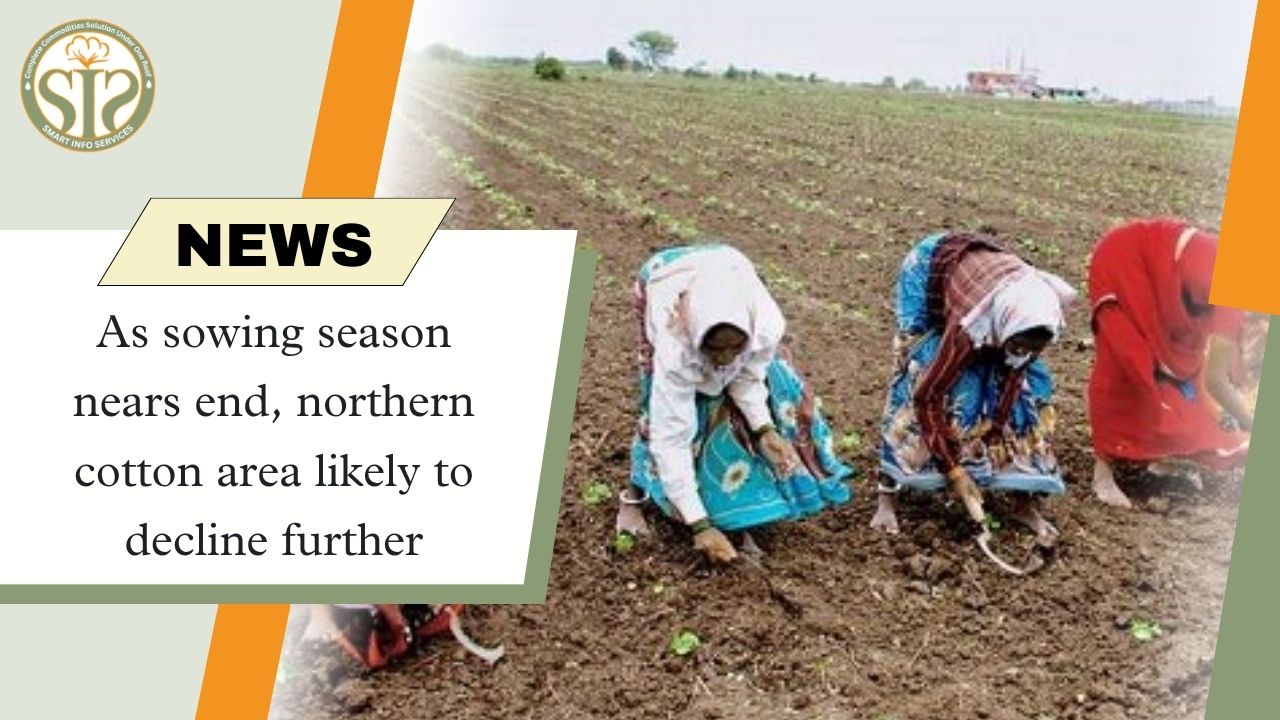
As sowing season nears end, northern cotton area likely to decline furtherDespite a marginal uptick in Punjab, cotton sowing remains sluggish in Haryana and Rajasthan as the 2024-25 season draws to a close. The northern cotton belt is once again witnessing a likely decline in the total area under the crop, adding to apprehensions already built up over erratic weather and pest attacks. Cotton has been sown in 1.13 lakh hectares so far in Punjab, Haryana (3.80 lakh hectares), Rajasthan (5.17 lakh hectares), covering both upland and lowland areas.With sowing almost complete and monsoon deadlines getting tighter, agriculture officials in both states are expressing cautious optimism but admit that matching last year’s acreage is unlikely. In contrast, Punjab has slightly reversed the trend by recording a 15% rise in cotton sowing this year – at least a partial recovery from historical lows. Punjab's cotton area will drop to a little less than 1 lakh hectare in 2024-25, much lower than last year's (2023-24) 2.14 lakh hectares - a massive reduction of over 50%.In Haryana, this year's figures are much lower than 4.76 lakh hectares in 2024-25 and 5.78 lakh hectares in 2023-24. Now, officials are hoping to reach 4 lakh hectares by the end of the season.In Rajasthan, the crop has seen a significant decline in the last two years as it was 6.62 lakh hectares last year (2024-25) from 10.04 lakh hectares in 2023-24. The delayed sowing will continue till the end of June.Collectively, cotton has been sown in 10.10 lakh hectares so far in the northern region, which is about 2.35 lakh hectares less than last year, when the area under the crop across the three states was 12.35 lakh hectares and about 7.86 lakh hectares less than 2023-24, when the total area under cotton across the three states was 17.96 lakh hectares.The once thriving northern cotton belt is now losing ground fast.Haryana blamed the slow sowing on the delay in the release of water from Punjab's Bhakra canal system in May and June, which slowed the irrigation cycle. "Cotton acreage has been less this year due to water shortage, but we still hope to achieve around 4 lakh hectares," said a senior official of the Haryana agriculture department. In Rajasthan, the sowing season started late due to hot weather, forcing many farmers to sow the crop twice or thrice, pushing back the optimum planting time, a senior Rajasthan agriculture department official said."We expect sowing to continue till June-end, but a full recovery of last year's acreage is unlikely," a state agriculture official said. Apart from weather and water, cotton growers in all three of these states are grappling with persistent pink bollworm infestation, which has hit yields and dented farmers' confidence. Punjab has been the worst hit, with some experts urging the state to engage entomologists and pest management scientists to mitigate the pest threat.It is worth noting that the state used to cultivate cotton in an area of over 8 lakh hectares in the early 2000s - much less than now. Cotton production in Punjab in 2024-25 (till April 30 this year) was only 1.50 lakh bales (each of 170 kg), as against 3.65 lakh bales in 2023-24 during the same period. Production in Haryana declined to 6.98 lakh bales from 13.30 lakh bales last year. Upper Rajasthan produced 9.77 lakh bales and Lower Rajasthan 8.60 lakh bales of cotton, as against 15.47 lakh bales and 13.20 lakh bales respectively last year.The contribution of the northern region to the total national cotton production declined to only 10% this year as against 14% last year (till April end). The main reason for this decline is the reduction in cotton growing area, especially in Punjab, which is a growing concern.For the 2025-26 season, the minimum support price (MSP) announced by the central government is Rs 7,710 per quintal for medium staple cotton and Rs 8,110 per quintal for long staple cotton. Farmers can usually harvest eight to 12 quintals of cotton per acre, provided there is no pest attack and weather conditions are favourable. In the north, farmers mainly grow medium staple cotton. He said high transportation costs would further burden the struggling industry: "Unless the local availability of cotton improves, the survival of the industry is at serious risk. This situation can improve only if cotton acreage increases - cotton is the best alternative to water-intensive paddy crop."read more :- INR Up 21 Paise, Opens at 85.88

Rupee rises 21 paise to 85.88 against US dollar in early tradeIndian rupee opened 21 paise higher on June 26 at 85.88 against the US dollar compared to the previous close of 86.09 against the greenback.read more :- Weather Warnings Issued Across India: Heavy Rain, Storms, and Strong Winds Ahead

Monsoon Alert: Heavy Downpours & Gusty Winds Across IndiaTelangana:The India Meteorological Department (IMD) has issued a short-term weather alert for several districts in Telangana. Light to moderate rain, accompanied by thundershowers, squalls, and lightning strikes, is likely to occur over the next 2–3 hours in Hyderabad, Jangaon, Kamareddy, Karimnagar, Khammam, Mahabubabad, Mahbubnagar, Malkajgiri, Medak, Nagarkurnool, Nalgonda, Ranga Reddy, Sangareddy, Siddipet, Suryapet, Vikarabad, Warangal (Urban and Rural), and Yadadri-Bhongir.Odisha:Moderate weather activity is expected across several districts of Odisha within the next 3–4 hours. The IMD forecasts spells of light to moderate rain and thundershowers, accompanied by gusty winds ranging from 30–40 km/h and isolated lightning. Affected districts include Anugul, Baleshwar, Baudh, Bhadrak, Cuttack, Debagarh, Dhenkanal, Gajapati, Ganjam, Jagatsinghapur, Jajapur, Kandhamal, Kendrapara, Kendujhar, Khordha, Mayurbhanj, Nayagarh, and Puri.Rajasthan & Gujarat:Monsoon conditions are set to become active over Rajasthan and Gujarat in the coming days. The IMD warns of heavy to very heavy rainfall likely between June 25 and the subsequent few days, urging residents and authorities to stay alert.Other Regions:Scattered rain activity continues in other parts of the country. Light to moderate rainfall, with isolated heavy spells, is likely over Madhya Pradesh, Chhattisgarh, Jharkhand, Odisha, eastern Gujarat, Kerala, and the northeastern states of India over the next few days.READ MORE :-Cotton Farming: Paddy spoiled the game of cotton in Sirsa, 'white gold' found in the soil
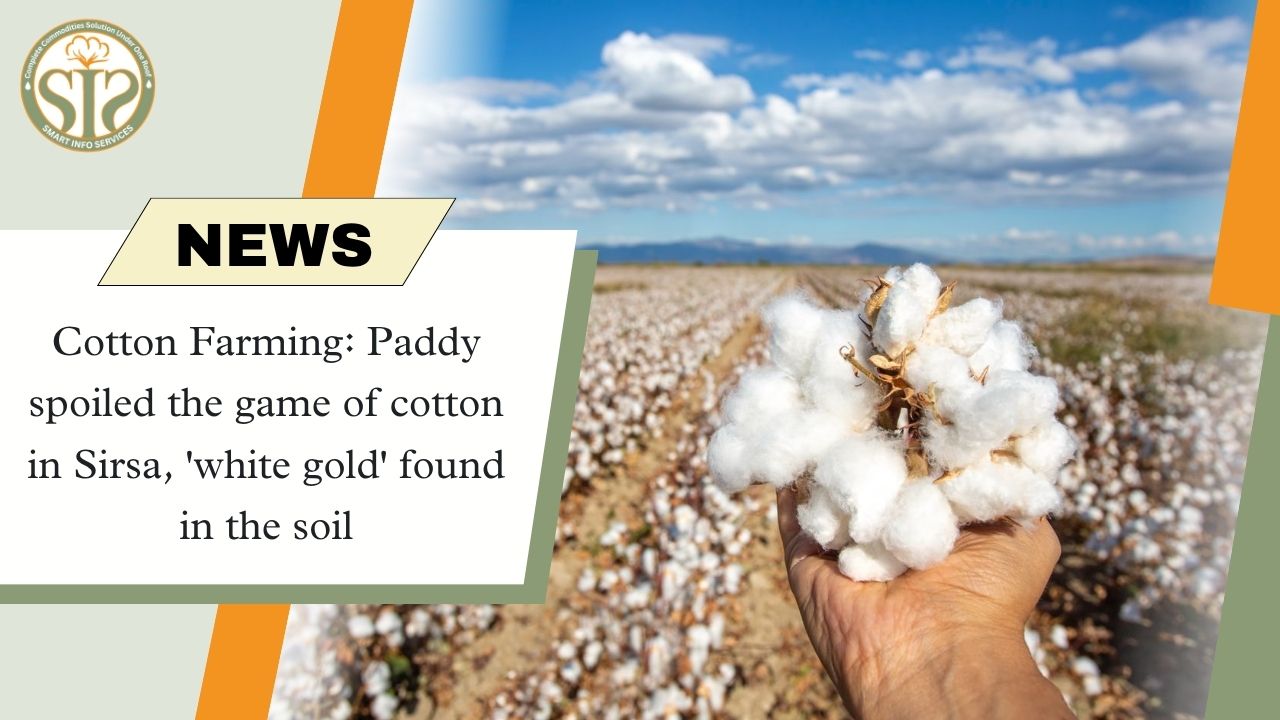
Paddy Cultivation Hits Cotton Hard in SirsaCotton Farming: From 2003 to 2014, cotton was produced in large quantities in Sirsa and that period is called the 'golden period' of cotton. At that time, BT cotton seeds (BG-1 in 2003 and BG-2 in 2005) brought a revolution in production. Cotton cultivation was at its peak in the year 2011. At that time, cotton was cultivated in 2.11 lakh hectares and a bumper production of 9.56 lakh metric tonnes was achieved.Sirsa district of Haryana was once known for cotton cultivation. It was once called 'white gold' here. But now the cotton fields are lying vacant here and farmers have started turning away from cotton cultivation. Cotton fields have turned into dusty fields because farmers are now interested in paddy cultivation. According to a report, paddy cultivation has overtaken cotton last year. While the area under paddy has increased, the area under cotton is shrinking.In 2024, paddy will be ahead, cotton will be behindAccording to the news of the newspaper The Tribune, in the year 2024, paddy will overtake cotton by a huge margin. While paddy was cultivated in 1.56 lakh hectares and more than 6 lakh metric tonnes were produced, cotton was cultivated in 1.37 lakh hectares and 4.3 lakh metric tonnes were produced. From 2003 to 2014, cotton was produced in large quantities in Sirsa and that period is even called the 'golden period' of cotton. At that time, BT cotton seeds (BG-1 in 2003 and BG-2 in 2005) brought about a revolution in production. Cotton cultivation was at its peak in the year 2011. At that time, cotton was cultivated in 2.11 lakh hectares and a bumper production of 9.56 lakh metric tonnes was achieved.Pink bollworm and white fly enemiesThe situation has started changing in the last five-six years. Cotton crops have been devastated by whitefly and pink bollworm infestations. Farming has worsened due to constantly changing weather and stagnation in seed technology. Farmers are now preferring paddy cultivation even in water-scarce areas. However, paddy cultivation is very demanding for water. According to the data of the Agriculture Department, cotton cultivation has declined from 2.09 lakh hectares in 2020 to just 1.37 lakh hectares in 2024. During the same period, paddy cultivation increased from 97,000 hectares in 2018 to 1.56 lakh hectares in 2024, and is estimated to cross 1.7 lakh hectares this year.Temperature also became an enemyFarmers say that when BT cotton was initially successful, it covered up a problem that was really a big challenge. BT seeds dealt with the bollworm, but pests started attacking it. Whitefly and pink bollworm are back, and there is no new generation seed. The pesticide lobby blocked BG-3. Now farmers have to face pest attacks every season. Because of this, many farmers have stopped cultivating cotton. Farmers have also blamed rising temperatures and high humidity levels for the increasing pest attacks.Up to 90 percent of the crop was destroyedFarmers do not forget how up to 90 percent of the cotton crop was destroyed due to pink bollworm in the years 2022 and 2023. Due to this, farmers suffered huge losses. Many farmers suffered losses of up to Rs 50,000 per acre. Some got insurance while some are still waiting for compensation. Dr. Anil Mehta, scientist in charge of the Central Cotton Research Institute in Sirsa, attributed the decline in cotton crop mainly to low yield due to pest attacks.He said that after harvesting, farmers leave cotton stalks in the fields or at home, due to which the larvae survive and attack the next crop. Also, lack of water during sowing has a very bad effect on germination. At the same time, according to some experts, cotton seeds are still available but seeds of pest-resistant varieties are needed.read more :- INR Drops 09 Paise, Closes at 86.09 per Dollar

The Indian rupee on wednesday lower 09 paise to close at 86.09 per dollar, while it opened at 86.00 in the morning.At close, the Sensex was up 700.40 points or 0.85 percent at 82,755.51, and the Nifty was up 200.40 points or 0.80 percent at 25,244.75. About 2711 shares advanced, 1163 shares declined, and 127 shares unchanged.read more :- Tamil Nadu: Tirupur in trouble? What is stopping this Rs 70,000 crore textile cluster from growing?

Tirupur’s Textile Boom Faces New Growth Challenges Despite Record TradeTirupur, located on the banks of the Noyyal River in western Tamil Nadu, may appear to be a quiet town at first glance, but it is widely recognised as a major hub in India’s textile industry. Often referred to as the “Knitwear Capital of India,” the city plays a dominant role in global apparel exports.The Tirupur textile cluster recorded a total trade of around ₹70,000 crore in FY25. It contributes nearly 90% of India’s cotton knitwear exports and about 54% of the country’s woven garment exports. In FY25 alone, knitwear exports from the region touched a record ₹39,618 crore, up from ₹33,045 crore in FY24 and ₹27,280 crore in FY20.Despite this strong performance, the sector is currently facing multiple challenges. Industry stakeholders point to issues such as shortage of skilled labour, infrastructure constraints, and the need for technology upgrades as key concerns for future growth. Additionally, global competitiveness has been affected due to duty advantages enjoyed by competing countries like Bangladesh.The growth of Tirupur’s export ecosystem has been gradual but steady. Starting with small-scale exports in the 1980s, the industry expanded rapidly after international buyers began sourcing from the region. Over time, improvements in dyeing technology and manufacturing processes helped transform Tirupur into a large-scale export hub.While exports have reached nearly ₹40,000 crore in FY25 and domestic consumption stands at around ₹30,000 crore, the industry now faces the challenge of sustaining this momentum amid global competition and structural bottlenecks.read more :- Rupee falls 07 paise at open to 86.00 against US dollar

Rupee opens 07 paise down against dollar at 86.00 Indian rupee opened 07 paise lower at 86.00 per dollar on wednesday versus tuesday 's close of 85.93.read more :- Rupee Gains 17 Paisa, Closes at 85.93 Against Dollar

The Indian rupee on tuesday higher 17 paise to close at 85.93 per dollar, while it opened at 86.10 in the morning. After hitting an intraday high of 83,018.16, the BSE Sensex settled at 82,055.11, up by 158.32 points or 0.19 per cent.read more :- CCI Cotton Sale: CCI sold the most cotton in Maharashtra most purchases in Telangana
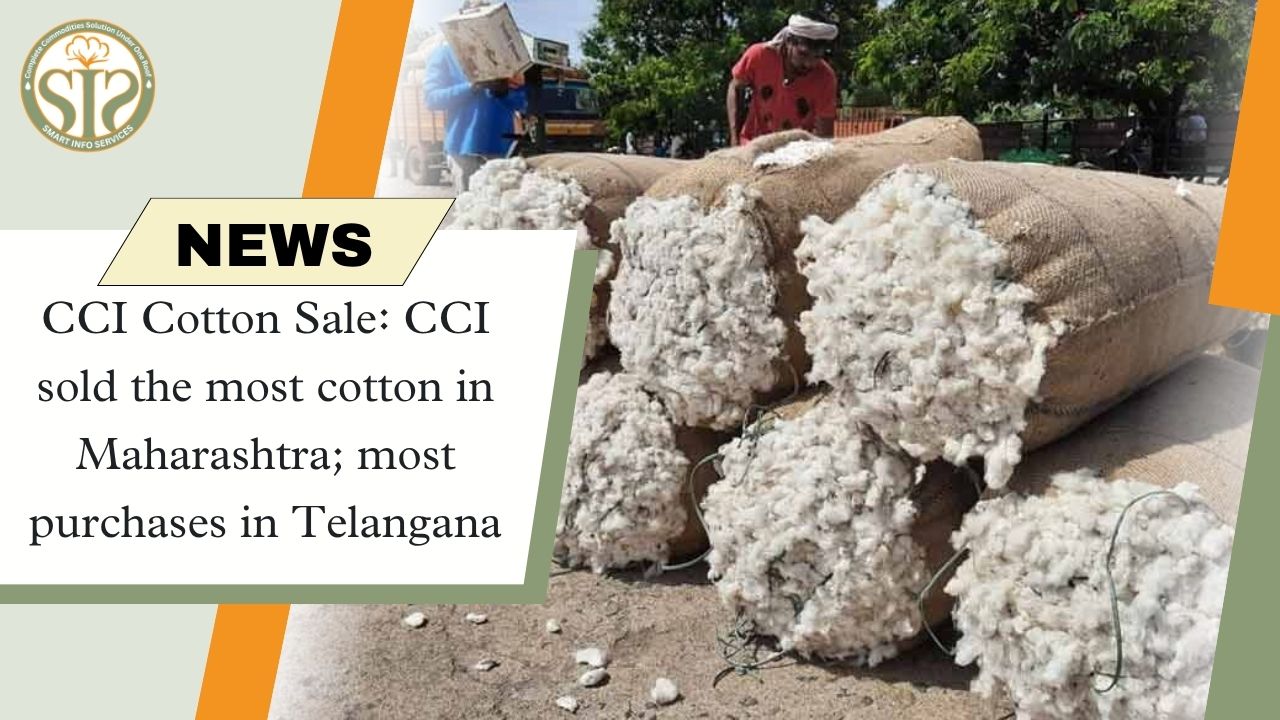
Maharashtra Records Highest Cotton Sales; Telangana Buys the MostCotton Corporation of India had purchased 100 lakh bales of cotton at a guaranteed price this season. Out of which 35 lakh bales of cotton have been sold so far and 65 lakh bales of cotton are remaining. Cotton Corporation of India (CCI) Chairman and Managing Director Lalit Kumar Gupta said that the cotton auction is going on smoothly.This year, the price of cotton in the open market was less than the guaranteed price. Due to this, CCI's cotton purchase received a tremendous response from the farmers. The Cotton Association of India has estimated cotton production of 301 lakh bales in the country this year. Out of which CCI has purchased about 100 lakh bales of cotton from 12 states this season.CCI alone has purchased about 33 percent of the cotton production in the country. If we look at the state-wise cotton purchase, the maximum of 40 lakh bales of cotton was purchased in Telangana. Cotton prices in Telangana remained comparatively low. After that, 29 lakh bales of cotton were purchased in Maharashtra. Whereas 14 lakh bales of cotton were purchased in Gujarat.CCI currently has the highest stock of cotton in the country. Therefore, CCI's cotton sale is directly affecting the market. CCI's cotton sale is also going smoothly. CCI Chairman and Managing Director Lalit Kumar Gupta said that CCI has sold 35 lakh bales of cotton so far. So far, the maximum cotton has been sold in Maharashtra in cotton sale.State-wise cotton saleCCI has so far sold about 16 lakh bales of cotton in Maharashtra. While Telangana sold about 8 lakh bales of cotton. Gujarat also sold 5 lakh bales of cotton. 2 lakh bales of cotton were sold in Madhya Pradesh and 1.5 lakh bales in Karnataka. About 2.5 lakh bales of cotton were also sold in other states.Cotton sale prices reduced The prices of cotton in the country may be less than the guaranteed price, but they are higher than the international market prices. Therefore, the industries had demanded that CCI reduce the sale prices of cotton. Due to the increase in the price of crude oil, there is some volatility in the international market. There has been some improvement in the prices in the country as well. Industries said that CCI has reduced the selling prices of cotton by about Rs 500 per bale. In the recent auction, the bale prices were between Rs 53,500 and Rs 54,500. While the prices of Kasturi bales were between Rs 55,300.read more :- INR Opens Stronger by 65 Paise at 86.10

Rupee opens 65 paise stronger at 86.10/USD after crude eases on Israel-Iran ceasefire, dollar weakensThe currency opened at 86.10 against the US dollar as compared to 86.75 against the greenback at previous close.read more :- Rupee Down 01 Paise, Closes at 86.75

The Indian rupee on monday lower 01 paise to close at 86.75 per dollar, while it opened at 86.74 in the morning.At close, the Sensex was down 511.38 points or 0.62 percent at 81,896.79, and the Nifty was down 140.50 points or 0.56 percent at 24,971.90. About 1794 shares advanced, 2113 shares declined, and 175 shares unchanged.read more :- Cotton Trade Summary for May 2025: Import and Export Analysis
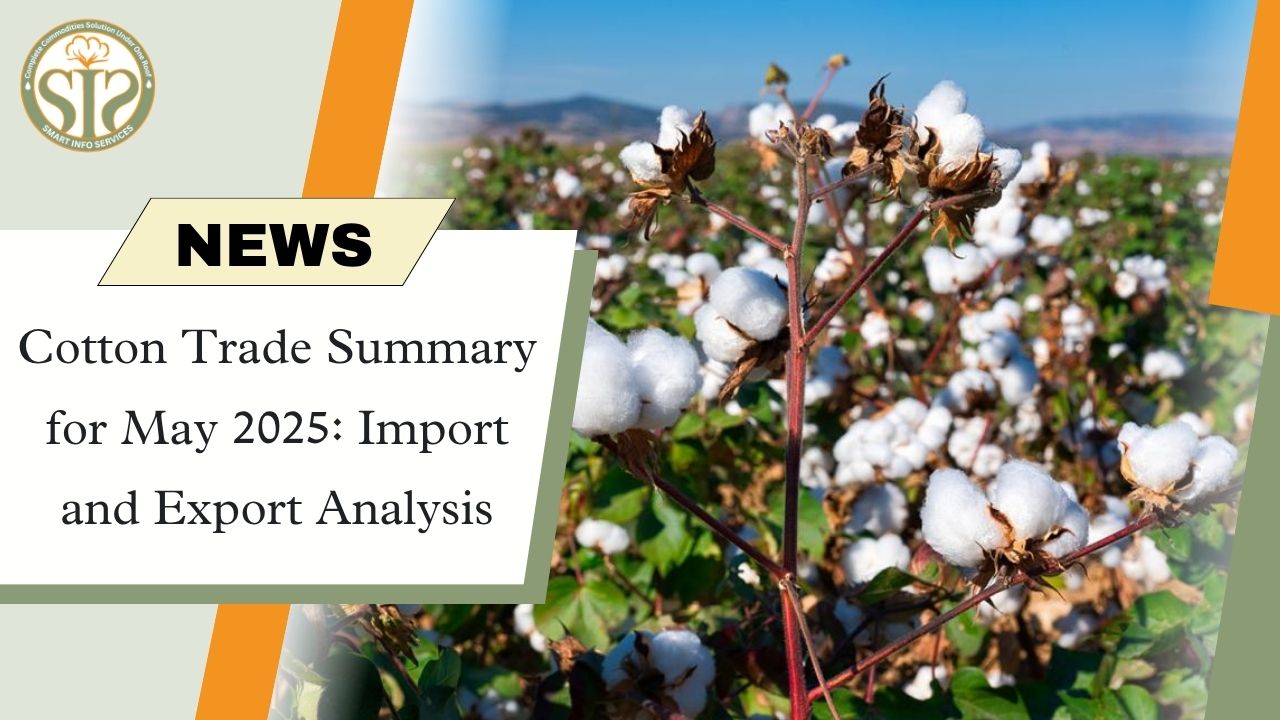
Cotton Import-Export Trends – MayA comprehensive overview of cotton trade activity for the month of May 2025 reveals significant movement in both imports and exports, highlighting key international trading partners and volumes.Cotton Imports – May 2025During May 2025, a total of 273,150 bales of cotton were imported into the country from various international sources. The top five countries contributing to cotton imports are as follows:* United States – 101,700 bales* Switzerland – 49,880 bales* Singapore – 48,750 bales* Netherlands – 16,550 bales* Egypt – 14,870 balesThe United States emerged as the leading supplier of cotton for the month, accounting for nearly 37% of the total import volume.Cotton Exports – May 2025On the export front, a total of 134,800 bales of cotton were shipped to various international destinations. The top five export markets were:* Bangladesh – 118,800 bales* Vietnam – 9,790 bales* China – 2,500 bales* Indonesia – 2,280 bales* Mali – 580 balesBangladesh was the dominant export destination, receiving approximately 88% of the total cotton exported in May.Trade InsightsThe trade data indicates that the United States remains the largest source of cotton imports, while Bangladesh continues to be the primary export destination. This reflects the ongoing strong trade ties with these nations in the textile and cotton sector.This data is crucial for stakeholders in the textile industry, traders, and policymakers to assess market trends, adjust procurement strategies, and evaluate trade performance.SiS Committed to update you on all textile related news real time.read more :- Rupee open Declines 15 Paise to 86.74 per Dollar

INR Drops 15 Paise, Opens at 86.74 per USDIndian rupee opened lower by 15 paise at 86.74 per dollar on Monday versus Friday's close of 86.59.read more :- Telangana: Asifabad-Inclination towards cotton

"Asifabad's Shift Toward Cotton Cultivation in Telangana"Asifabad : This year also the farmers of the district are inclined towards cotton cultivation. Despite the fall in yield and lack of remunerative price, they are not abandoning cotton cultivation. Officials say that there is a possibility of sowing the crop in 3.35 lakh acres this monsoon. Farmer preparing to sow seeds- Possibility of sowing in 3.35 lakh acres in the district- Support price this year is Rs 8,110This year also the farmers of the district are inclined towards cotton cultivation. Despite the fall in yield and lack of remunerative price, they are not abandoning cotton cultivation. Officials say that there is a possibility of sowing the crop in 3.35 lakh acres this monsoon.Asifabad, June 20 (Andhra Jyothi): The farmers of the district are inclined towards cotton cultivation this monsoon. Last year in the monsoon season, farmers had grown cotton crop in 3.32 lakh acres. This year they are preparing to cultivate in 3.35 lakh acres. Various crops are being cultivated in a total of 4.45 lakh acres in the district. Out of this, white gold is being given top priority. The area under cotton cultivation in the district is increasing every year. Officials say that the area under cotton cultivation is increasing not only in the district but in the entire state.Farmers are showing interest in cotton cultivation, which is known as a commercial crop. This time the area under cultivation will increase compared to last year. Last monsoon, cotton was cultivated in 3.32 lakh acres in the district, while officials hope that this time it will be cultivated in 3.35 lakh acres. According to the estimates of officials, the area under cultivation will increase by another three thousand acres. Since cotton is getting the desired price for the last two years, farmers are leaning towards cotton cultivation as the land in the district is also favorable for cotton cultivation. This time the government has increased the support price to Rs 8,110. Cotton is a wet crop, so even if the yield is somewhat less due to uncertainty of rain, the price is high, so farmers are willing to cultivate it with the belief that there will be minimal investment in it.Where there is irrigation facility, farmers are giving preference to rice. This is the situation in the district.. Agriculture officials have estimated that different types of crops will be grown in 4,45,049 acres in the district this monsoon season. A report has been sent to the government that there is a possibility of growing crops other than normal farming. The officials who made these estimates in the district have prepared village-wise tables on the cultivation of crops. Officials have calculated that there is a possibility of increase in the area cultivated other than normal farming in the district. However, officials have estimated that cotton will be grown in 3,35,363 acres, paddy in 56,861 acres and sugarcane in 30,430 acres. Maize, jowar, bajra, pulses, soybean, chilli, groundnut, castor and sesame are estimated to be cultivated in 22,395 acres.Mandal wise, farmers will cultivate cotton in 3,35,363 acres in the district. Cotton will be cultivated in 35,200 acres in Asifabad mandal, 27,125 acres in Rebena mandal, 21,000 acres in Tiryani, 35,000 acres in Wankidi and 13,277 acres in Koutala. Farmers will grow cotton crop in 11,938 acres in Penchikalpet, 28,000 in Kagaznagar, 24,328 in Dahegam, 18,305 in Chinthalmanepalli, 14,457 in Sirpur (T), 21,422 in Bejjur, 19,990 in Sirpur (U), 22,300 in Kerameri, 19,571 in Lingapur and 23,450 acres in Jainur.The land is suitable for cotton..- Baburao, farmer, AsifabadThe black land is mostly suitable for cotton cultivation. Due to this, farmers are inclined towards cotton crop. Last year, Rs 7.521 per quintal was paid for cotton through CCI. This year the government has fixed the support price of CCI at Rs 8,110. If the rain is favorable, good yield is expected this time.read more :- Weekly Cotton Bale Sales Summary – CCI.

Weekly Summary Report: Cotton Bales Sold by Cotton Corporation of India (CCI)Cotton Corporation of India (CCI) conducted online bidding for cotton bales throughout the week, the daily sales summary of which is as follows:June 16, 2025: CCI sold a total of 3,800 bales (2024-25 season,) comprising 2,900 bales in Mills session and 900 bales in Traders session.June 17, 2025: Daily sales 8,500 bales (2024-25 season,) comprising 4,800 bales in Mills session and 3,700 bales in Traders session.June 18, 2025: Daily sales were 4,700 bales (2024-25 season,) sold, including 1,500 bales during Mills session and 3,200 bales during Traders session.June 19, 2025: Daily sales were 9,400 bales (2024-25 season,) sold, including 6,300 bales during Mills session and 3,100 bales during Traders session.June 20, 2025: Week closed at 42,100 bales (2024-25 season) and 600 bales (2023-24), including 26,900 bales and 600 bales (2023-24) sold during Mills session, and 15,200 bales sold during Traders session.Weekly Total:During the full week, CCI successfully sold around 69,100 (approx.) cotton bales using its online bidding platform to streamline sales and facilitate smooth trade operations.Stay connected to SiS for real-time updates on the textile industry.read more :- Rupee Gains 03 Paisa, Closes at 86.59 Against Dollar
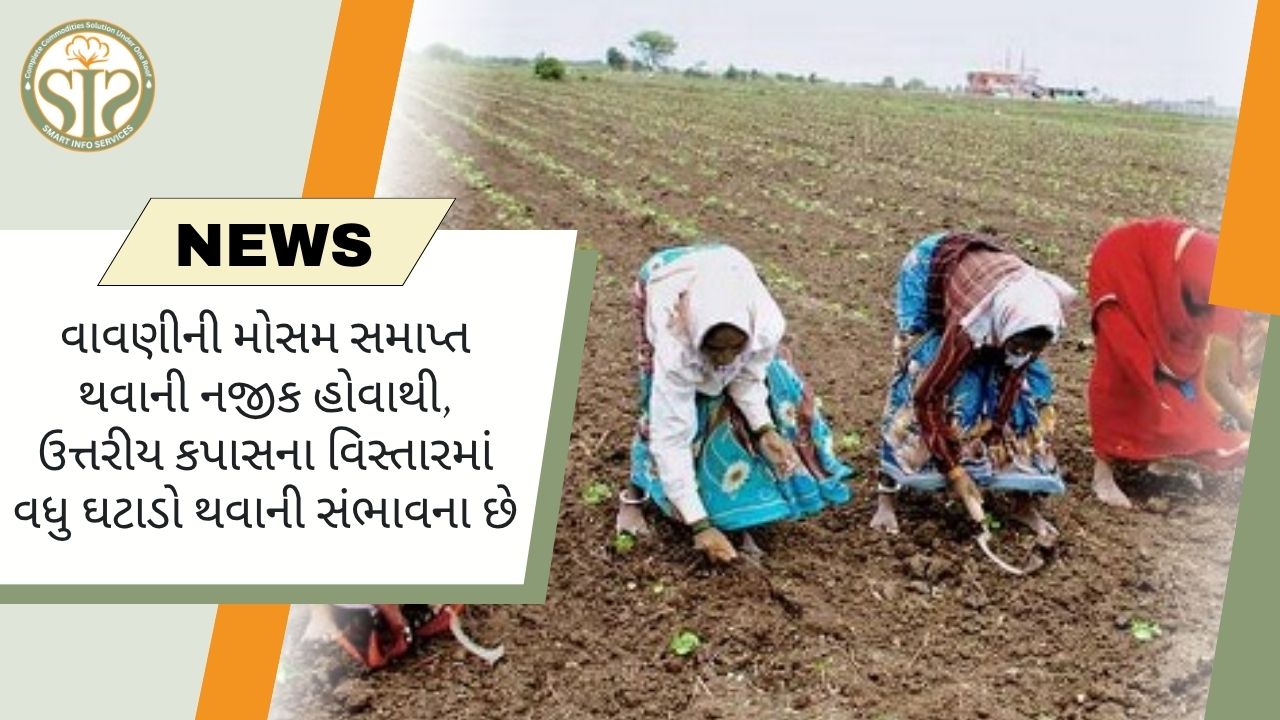
વાવણીની મોસમ સમાપ્ત થવાની નજીક હોવાથી, ઉત્તરીય કપાસના વિસ્તારમાં વધુ ઘટાડો થવાની સંભાવના છેપંજાબમાં નજીવો વધારો થયો હોવા છતાં, 2024-25ની મોસમ સમાપ્ત થવાના આરે હોવાથી હરિયાણા અને રાજસ્થાનમાં કપાસનું વાવેતર ધીમું રહ્યું છે. ઉત્તરીય કપાસ પટ્ટામાં ફરી એકવાર પાક હેઠળના કુલ વિસ્તારમાં ઘટાડો થવાની સંભાવના છે, જે અનિયમિત હવામાન અને જીવાતોના હુમલાને કારણે પહેલેથી જ ઉભી થયેલી ચિંતામાં વધારો કરે છે. પંજાબ, હરિયાણા (3.80 લાખ હેક્ટર), રાજસ્થાન (5.17 લાખ હેક્ટર) માં અત્યાર સુધીમાં 1.13 લાખ હેક્ટરમાં કપાસનું વાવેતર કરવામાં આવ્યું છે, જેમાં ઉપરવાસ અને નીચાણવાળા વિસ્તારો બંનેનો સમાવેશ થાય છે.વાવણી લગભગ પૂર્ણ થઈ ગઈ છે અને ચોમાસાની સમયમર્યાદા કડક થઈ રહી છે, બંને રાજ્યોના કૃષિ અધિકારીઓ સાવચેતીભર્યું આશાવાદ વ્યક્ત કરી રહ્યા છે પરંતુ સ્વીકારે છે કે ગયા વર્ષના વાવેતર વિસ્તાર સાથે મેળ ખાતો નથી. તેનાથી વિપરીત, પંજાબે આ વર્ષે કપાસના વાવેતરમાં 15% નો વધારો નોંધાવીને વલણને થોડું ઉલટાવી દીધું છે - ઓછામાં ઓછું ઐતિહાસિક નીચા સ્તરથી આંશિક રિકવરી. પંજાબનો કપાસનો વાવેતર વિસ્તાર ૨૦૨૪-૨૫માં ઘટીને ૧ લાખ હેક્ટરથી થોડો ઓછો થશે, જે ગયા વર્ષના (૨૦૨૩-૨૪) ૨.૧૪ લાખ હેક્ટર કરતા ઘણો ઓછો છે - જે ૫૦% થી વધુનો મોટો ઘટાડો છે.હરિયાણામાં, આ વર્ષના આંકડા ૨૦૨૪-૨૫માં ૪.૭૬ લાખ હેક્ટર અને ૨૦૨૩-૨૪માં ૫.૭૮ લાખ હેક્ટર કરતા ઘણા ઓછા છે. હવે, અધિકારીઓ સિઝનના અંત સુધીમાં ૪ લાખ હેક્ટર સુધી પહોંચવાની આશા રાખી રહ્યા છે.રાજસ્થાનમાં, છેલ્લા બે વર્ષમાં પાકમાં નોંધપાત્ર ઘટાડો જોવા મળ્યો છે કારણ કે ગયા વર્ષે (૨૦૨૪-૨૫) ૬.૬૨ લાખ હેક્ટર હતો જે ૨૦૨૩-૨૪માં ૧૦.૦૪ લાખ હેક્ટર હતો. વિલંબિત વાવણી જૂનના અંત સુધી ચાલુ રહેશે.સામૂહિક રીતે, ઉત્તરીય ક્ષેત્રમાં અત્યાર સુધીમાં કપાસનું વાવેતર ૧૦.૧૦ લાખ હેક્ટરમાં થયું છે, જે ગયા વર્ષ કરતાં લગભગ ૨.૩૫ લાખ હેક્ટર ઓછું છે, જ્યારે ત્રણ રાજ્યોમાં પાક હેઠળનો વિસ્તાર ૧૨.૩૫ લાખ હેક્ટર હતો અને ૨૦૨૩-૨૪ કરતાં લગભગ ૭.૮૬ લાખ હેક્ટર ઓછો છે, જ્યારે ત્રણ રાજ્યોમાં કપાસનો કુલ વિસ્તાર ૧૭.૯૬ લાખ હેક્ટર હતો.એક સમયે સમૃદ્ધ ઉત્તરીય કપાસ પટ્ટો હવે ઝડપથી જમીન ગુમાવી રહ્યો છે.હરિયાણાએ મે અને જૂનમાં પંજાબની ભાખરા નહેર પ્રણાલીમાંથી પાણી છોડવામાં વિલંબને કારણે ધીમી વાવણીને દોષી ઠેરવી હતી, જેના કારણે સિંચાઈ ચક્ર ધીમું થયું હતું. "પાણીની અછતને કારણે આ વર્ષે કપાસનો વાવેતર વિસ્તાર ઓછો થયો છે, પરંતુ અમે હજુ પણ લગભગ ૪ લાખ હેક્ટર હાંસલ કરવાની આશા રાખીએ છીએ," હરિયાણા કૃષિ વિભાગના એક વરિષ્ઠ અધિકારીએ જણાવ્યું હતું. રાજસ્થાનમાં, ગરમ હવામાનને કારણે વાવણીની મોસમ મોડી શરૂ થઈ હતી, જેના કારણે ઘણા ખેડૂતોને બે કે ત્રણ વાર પાક વાવવો પડ્યો હતો, જેના કારણે વાવેતરનો શ્રેષ્ઠ સમય પાછળ ધકેલાઈ ગયો હતો, એમ રાજસ્થાન કૃષિ વિભાગના એક વરિષ્ઠ અધિકારીએ જણાવ્યું હતું."અમે જૂનના અંત સુધી વાવણી ચાલુ રહેવાની અપેક્ષા રાખીએ છીએ, પરંતુ ગયા વર્ષના વાવેતર વિસ્તારમાં સંપૂર્ણ સુધારો થવાની શક્યતા ઓછી છે," રાજ્યના એક કૃષિ અધિકારીએ જણાવ્યું હતું. હવામાન અને પાણી ઉપરાંત, આ ત્રણેય રાજ્યોમાં કપાસના ખેડૂતો સતત ગુલાબી ઈયળના ઉપદ્રવનો સામનો કરી રહ્યા છે, જેના કારણે ઉપજ પર અસર પડી છે અને ખેડૂતોનો વિશ્વાસ ડગમગી ગયો છે. પંજાબ સૌથી વધુ પ્રભાવિત થયું છે, કેટલાક નિષ્ણાતોએ રાજ્યને કીટના ખતરાને ઘટાડવા માટે કીટશાસ્ત્રીઓ અને જીવાત વ્યવસ્થાપન વૈજ્ઞાનિકોને જોડવા વિનંતી કરી છે.નોંધનીય છે કે રાજ્ય 2000 ના દાયકાની શરૂઆતમાં 8 લાખ હેક્ટરથી વધુ વિસ્તારમાં કપાસનું વાવેતર કરતું હતું - જે હવે કરતાં ઘણું ઓછું છે. 2024-25 માં (આ વર્ષે 30 એપ્રિલ સુધી) પંજાબમાં કપાસનું ઉત્પાદન ફક્ત 1.50 લાખ ગાંસડી (170 કિલોગ્રામની દરેક) હતું, જે 2023-24 માં સમાન સમયગાળા દરમિયાન 3.65 લાખ ગાંસડી હતું. હરિયાણામાં ઉત્પાદન ગયા વર્ષના 13.30 લાખ ગાંસડીથી ઘટીને 6.98 લાખ ગાંસડી થયું છે. ઉપલા રાજસ્થાનમાં 9.77 લાખ ગાંસડી અને નીચલા રાજસ્થાનમાં 8.60 લાખ ગાંસડી કપાસનું ઉત્પાદન થયું હતું, જે ગયા વર્ષે અનુક્રમે 15.47 લાખ ગાંસડી અને 13.20 લાખ ગાંસડી હતું.કુલ રાષ્ટ્રીય કપાસ ઉત્પાદનમાં ઉત્તરીય ક્ષેત્રનો ફાળો આ વર્ષે ઘટીને માત્ર 10% થયો છે જે ગયા વર્ષે 14% હતો (એપ્રિલના અંત સુધી). આ ઘટાડાનું મુખ્ય કારણ કપાસ ઉગાડતા વિસ્તારમાં ઘટાડો છે, ખાસ કરીને પંજાબમાં, જે વધતી જતી ચિંતાનો વિષય છે.2025-26 સીઝન માટે, કેન્દ્ર સરકાર દ્વારા જાહેર કરાયેલ લઘુત્તમ ટેકાના ભાવ (MSP) મધ્યમ મુખ્ય કપાસ માટે પ્રતિ ક્વિન્ટલ રૂ. 7,710 અને લાંબા મુખ્ય કપાસ માટે પ્રતિ ક્વિન્ટલ રૂ. 8,110 છે. ખેડૂતો સામાન્ય રીતે પ્રતિ એકર આઠ થી 12 ક્વિન્ટલ કપાસનો પાક લઈ શકે છે, જો કે કોઈ જીવાતનો હુમલો ન થાય અને હવામાન અનુકૂળ હોય. ઉત્તરમાં, ખેડૂતો મુખ્યત્વે મધ્યમ મુખ્ય કપાસ ઉગાડે છે. તેમણે કહ્યું કે ઊંચા પરિવહન ખર્ચથી સંઘર્ષ કરી રહેલા ઉદ્યોગ પર વધુ બોજ પડશે: "જ્યાં સુધી કપાસની સ્થાનિક ઉપલબ્ધતામાં સુધારો નહીં થાય, ત્યાં સુધી ઉદ્યોગનું અસ્તિત્વ ગંભીર જોખમમાં છે. આ પરિસ્થિતિ ફક્ત ત્યારે જ સુધરી શકે છે જો કપાસનો વાવેતર વિસ્તાર વધે - કપાસ એ પાણી-સઘન ડાંગરના પાકનો શ્રેષ્ઠ વિકલ્પ છે."વધુ વાંચો :- INR 21 પૈસા વધીને 85.88 પર ખુલ્યો

શરૂઆતના વેપારમાં રૂપિયો અમેરિકન ડોલર સામે 21 પૈસા વધીને 85.88 પર બંધ થયો.ભારતીય રૂપિયો 26 જૂનના રોજ અમેરિકન ડોલર સામે 21 પૈસા વધીને 85.88 પર ખુલ્યો, જે અગાઉના બંધ ડોલર સામે 86.09 હતો.વધુ વાંચો :- ભારતભર માં હવામાનની ચેતવણીઓ જારી: ભારે વરસાદ, તૂફાન અને તેજ પવનની શક્યતા

"ચોમાસાની ચેતવણી: ભારતમાં ભારે વરસાદ અને તોફાની પવન"તેલંગાણા:ભારતીય હવામાન વિભાગ (IMD) એ તેલંગાણા ના અનેક જિલ્લાઓ માટે તાત્કાલિક હવામાન ચેતવણી જાહેર કરી છે. આગામી 2–3 કલાક દરમિયાન હૈદરાબાદ, જનગાંવ, કામારેડ્ડી, કરીમનગર, ખમ્મમ, મહબૂબાબાદ, મહબૂબનગર, મલ્કાજગિરી, મેડક, નાગરકુરનૂલ, નલ્ગોંડા, રંગા રેડ્ડી, સંગારેડ્ડી, સિદ્દીપેટ, સુર્યાપેટ, વિકારાબાદ, વારંગલ (શહેરી અને ગ્રામિણ) અને યાદાદ્રી-ભોંગીર જિલ્લામાં હળવો થી મધ્યમ વરસાદ, ગાજવીજ, તેજ પવન અને વીજળી પડવાની સંભાવના છે।ઓડિશા:આગામી 3–4 કલાકમાં ઓડિશાના અનેક જિલ્લાઓમાં હળવો થી મધ્યમ વરસાદ અને ગાજવીજ સાથે 30–40 કિમી પ્રતિ કલાકની ઝડપે પવન ફૂંકાવાની તેમજ કેટલીક જગ્યાએ વીજળી પડવાની સંભાવના છે. અસરગ્રસ્ત જિલ્લાઓમાં અંગુલ, બાલેશ્વર, બૌધ, ભદ્રક, કટક, દેવગઢ, ઢેંકાનાલ, ગજપતિ, ગંજામ, જગતસિંહપુર, જાજપુર, કંધમાલ, કેન્દ્રાપાડા, ક્યોન્ઝર, ખુર્દા, મયુરભંજ, નયાગઢ અને પુરી સામેલ છે।રાજસ્થાન અને ગુજરાત:રાજસ્થાન અને ગુજરાતમાં ચોમાસાની પ્રવૃત્તિઓમાં તેજી આવવાની શક્યતા છે. હવામાન વિભાગે 25 જૂનથી આવતા કેટલાક દિવસો દરમ્યાન ભારે થી અતિ ભારે વરસાદની ચેતવણી આપી છે. નાગરિકો અને સ્થાનિક તંત્રને સાવચેત રહેવાની સલાહ આપવામાં આવી છે।અન્ય પ્રદેશો:દેશના અન્ય ભાગોમાં પણ છુટાછવાયા વરસાદની પ્રવૃત્તિઓ ચાલુ છે. મધ્ય પ્રદેશ, છત્તીસગઢ, ઝારખંડ, ઓડિશા, પૂર્વી ગુજરાત, કેરળ અને પૂર્વોત્તર રાજ્યોમાં આવતા કેટલાક દિવસોમાં હળવો થી મધ્યમ વરસાદ અને કેટલીક જગ્યાએ ભારે વરસાદ પડવાની શક્યતા છે।વધુ વાંચો :-કપાસની ખેતી: સિરસામાં કપાસનો ખેલ ડાંગરે બગાડ્યો, જમીનમાં 'સફેદ સોનું' મળ્યું

સિરસામાં ડાંગરની ખેતી કપાસને ભારે અસર કરે છેકપાસની ખેતી: ૨૦૦૩ થી ૨૦૧૪ સુધી, સિરસામાં કપાસનું ઉત્પાદન મોટા પ્રમાણમાં થતું હતું અને તે સમયગાળાને કપાસનો 'સુવર્ણકાળ' કહેવામાં આવે છે. તે સમયે, બીટી કપાસના બીજ (૨૦૦૩માં BG-૧ અને ૨૦૦૫માં BG-૨) એ ઉત્પાદનમાં ક્રાંતિ લાવી હતી. ૨૦૧૧માં કપાસની ખેતી તેની ટોચ પર હતી. તે સમયે, ૨.૧૧ લાખ હેક્ટરમાં કપાસનું વાવેતર થયું હતું અને ૯.૫૬ લાખ મેટ્રિક ટનનું બમ્પર ઉત્પાદન થયું હતું.હરિયાણાનો સિરસા જિલ્લો એક સમયે કપાસની ખેતી માટે જાણીતો હતો. એક સમયે અહીં 'સફેદ સોનું' કહેવામાં આવતું હતું. પરંતુ હવે અહીં કપાસના ખેતરો ખાલી પડી ગયા છે અને ખેડૂતો કપાસની ખેતીથી દૂર રહેવા લાગ્યા છે. કપાસના ખેતરો ધૂળવાળા ખેતરોમાં ફેરવાઈ ગયા છે કારણ કે ખેડૂતો હવે ડાંગરની ખેતીમાં રસ ધરાવે છે. એક અહેવાલ મુજબ, ગયા વર્ષે ડાંગરની ખેતી કપાસ કરતાં આગળ નીકળી ગઈ છે. જ્યારે ડાંગર હેઠળનો વિસ્તાર વધ્યો છે, ત્યારે કપાસ હેઠળનો વિસ્તાર ઘટતો જઈ રહ્યો છે.૨૦૨૪ માં, ડાંગર આગળ રહેશે, કપાસ પાછળ રહેશેધ ટ્રિબ્યુન અખબારના સમાચાર મુજબ, ૨૦૨૪ માં, ડાંગર કપાસને મોટા માર્જિનથી પાછળ છોડી દેશે. જ્યારે ડાંગરનું વાવેતર ૧.૫૬ લાખ હેક્ટરમાં થયું હતું અને ૬ લાખ મેટ્રિક ટનથી વધુનું ઉત્પાદન થયું હતું, ત્યારે ૧.૩૭ લાખ હેક્ટરમાં કપાસનું વાવેતર થયું હતું અને ૪.૩ લાખ મેટ્રિક ટનનું ઉત્પાદન થયું હતું. ૨૦૦૩ થી ૨૦૧૪ સુધી, સિરસામાં કપાસનું ઉત્પાદન મોટા પ્રમાણમાં થયું હતું અને તે સમયગાળાને કપાસનો 'સુવર્ણકાળ' પણ કહેવામાં આવે છે. તે સમયે, બીટી કપાસના બીજ (૨૦૦૩ માં BG-૧ અને ૨૦૦૫ માં BG-૨) એ ઉત્પાદનમાં ક્રાંતિ લાવી હતી. ૨૦૧૧ માં કપાસની ખેતી તેની ટોચ પર હતી. તે સમયે, ૨.૧૧ લાખ હેક્ટરમાં કપાસનું વાવેતર થયું હતું અને ૯.૫૬ લાખ મેટ્રિક ટનનું બમ્પર ઉત્પાદન થયું હતું.ગુલાબી બોલવોર્મ અને સફેદ માખીના દુશ્મનોછેલ્લા પાંચ-છ વર્ષમાં પરિસ્થિતિ બદલાવા લાગી છે. કપાસના પાક સફેદ માખી અને ગુલાબી ઈયળના ઉપદ્રવથી બરબાદ થયા છે. સતત બદલાતા હવામાન અને બિયારણ ટેકનોલોજીમાં સ્થિરતાને કારણે ખેતી વધુ ખરાબ થઈ છે. ખેડૂતો હવે પાણીની અછતવાળા વિસ્તારોમાં પણ ડાંગરની ખેતી કરવાનું પસંદ કરી રહ્યા છે. જોકે, ડાંગરની ખેતી પાણીની ખૂબ માંગ કરે છે. કૃષિ વિભાગના ડેટા અનુસાર, કપાસનું વાવેતર 2020 માં 2.09 લાખ હેક્ટરથી ઘટીને 2024 માં માત્ર 1.37 લાખ હેક્ટર થયું છે. આ જ સમયગાળા દરમિયાન, ડાંગરની ખેતી 2018 માં 97,000 હેક્ટરથી વધીને 2024 માં 1.56 લાખ હેક્ટર થઈ ગઈ, અને આ વર્ષે 1.7 લાખ હેક્ટરને પાર કરવાનો અંદાજ છે.તાપમાન પણ દુશ્મન બન્યુંખેડૂતો કહે છે કે જ્યારે બીટી કપાસ શરૂઆતમાં સફળ થયો, ત્યારે તેણે એક સમસ્યાને ઢાંકી દીધી જે ખરેખર એક મોટો પડકાર હતો. બીટી બીજ બોલવોર્મનો સામનો કરે છે, પરંતુ જીવાતોએ તેના પર હુમલો કરવાનું શરૂ કર્યું. સફેદ માખી અને ગુલાબી ઈયળ પાછા આવી ગયા છે, અને નવી પેઢીનું બીજ નથી. જંતુનાશક લોબીએ BG-3 અવરોધિત કર્યું છે. હવે ખેડૂતોને દર સીઝનમાં જીવાતોના હુમલાનો સામનો કરવો પડે છે. આ કારણે, ઘણા ખેડૂતોએ કપાસની ખેતી કરવાનું બંધ કરી દીધું છે. ખેડૂતોએ વધતા તાપમાન અને ભેજના સ્તરને પણ જીવાતોના હુમલા માટે જવાબદાર ઠેરવ્યા છે.90 ટકા સુધી પાક નાશ પામ્યોખેડૂતો એ ભૂલતા નથી કે 2022 અને 2023 માં ગુલાબી ઈયળના કારણે કપાસનો 90 ટકા સુધીનો પાક કેવી રીતે નાશ પામ્યો હતો. આ કારણે ખેડૂતોને ભારે નુકસાન થયું. ઘણા ખેડૂતોને પ્રતિ એકર 50,000 રૂપિયા સુધીનું નુકસાન થયું. કેટલાકને વીમો મળ્યો જ્યારે કેટલાક હજુ પણ વળતરની રાહ જોઈ રહ્યા છે. સિરસામાં સેન્ટ્રલ કોટન રિસર્ચ ઇન્સ્ટિટ્યૂટના ઇન્ચાર્જ વૈજ્ઞાનિક ડૉ. અનિલ મહેતાએ કપાસના પાકમાં ઘટાડાનું કારણ મુખ્યત્વે જીવાતોના હુમલાને કારણે ઓછી ઉપજ હોવાનું જણાવ્યું હતું.તેમણે કહ્યું કે લણણી પછી, ખેડૂતો ખેતરોમાં અથવા ઘરે કપાસના ડાળીઓ છોડી દે છે, જેના કારણે લાર્વા બચી જાય છે અને આગામી પાક પર હુમલો કરે છે. ઉપરાંત, વાવણી દરમિયાન પાણીનો અભાવ અંકુરણ પર ખૂબ જ ખરાબ અસર કરે છે. તે જ સમયે, કેટલાક નિષ્ણાતોના મતે, કપાસના બીજ હજુ પણ ઉપલબ્ધ છે પરંતુ જીવાત પ્રતિરોધક જાતોના બીજની જરૂર છે.વધુ વાંચો :- INR 09 પૈસા ઘટીને 86.09 પ્રતિ ડોલર પર બંધ થયો

બુધવારે ભારતીય રૂપિયો 09 પૈસા ઘટીને 86.09 પ્રતિ ડોલર પર બંધ થયો હતો, જ્યારે સવારે તે 86.00 પર ખુલ્યો હતો.બંધ સમયે, સેન્સેક્સ 700.40 પોઈન્ટ અથવા 0.85 ટકા વધીને 82,755.51 પર અને નિફ્ટી 200.40 પોઈન્ટ અથવા 0.80 ટકા વધીને 25,244.75 પર બંધ થયો હતો. લગભગ 2711 શેર વધ્યા, 1163 શેર ઘટ્યા અને 127 શેર યથાવત રહ્યા.વધુ વાંચો :- તમિલનાડુ: તિરુપુર મુશ્કેલીમાં? ૭૦,૦૦૦ કરોડ રૂપિયાના આ કાપડ ક્લસ્ટરને વિકસતા શું રોકી રહ્યું છે?

તિરુપુરના કાપડ ઉદ્યોગમાં તેજી અવરોધરૂપ બનીપશ્ચિમ તમિલનાડુમાં નોય્યાલ નદીના કિનારે આવેલું તિરુપુર, પહેલી નજરે એક શાંત, અનામી શહેર જેવું લાગે છે. જોકે, તેનો સાદગીભર્યો દેખાવ વૈશ્વિક કાપડમાં તેની વિશાળ સ્થિતિને નકારી કાઢે છે. પરંતુ આંકડા બધું જ કહી દે છે. નાણાકીય વર્ષ ૨૦૨૫માં કાપડ ક્લસ્ટરે કુલ વેપારમાં ૭૦,૦૦૦ કરોડ રૂપિયાનો જંગી હિસ્સો નોંધાવ્યો હતો. હકીકતમાં, તિરુપુર ભારતની કપાસની નીટવેર નિકાસમાં ૯૦% અને કુલ વણાયેલા કપડાની નિકાસમાં ૫૪% હિસ્સો ધરાવે છે, જેના કારણે તેને 'ભારતની નીટવેર રાજધાની' તરીકે ઓળખ મળી છે. ફક્ત છેલ્લા નાણાકીય વર્ષમાં જ નહીં, પરંતુ છેલ્લા ઘણા વર્ષોથી, તિરુપુર ભારતની કુલ નીટવેર નિકાસમાં અડધાથી વધુ યોગદાન આપી રહ્યું છે. વાણિજ્ય અને ઉદ્યોગ મંત્રાલયના ડેટા અનુસાર, તેણે નાણાકીય વર્ષ 25 માં નીટવેર ઉત્પાદનોમાં રૂ. 39,618 કરોડની રેકોર્ડ નિકાસ હાંસલ કરી, જે નાણાકીય વર્ષ 24 માં રૂ. 33,045 કરોડ અને નાણાકીય વર્ષ 20 માં રૂ. 27,280 કરોડ હતી (ચાર્ટ જુઓ).છેલ્લા કેટલાક વર્ષોમાં નોંધપાત્ર વૃદ્ધિ છતાં, તિરુપ્પુરને નોંધપાત્ર પડકારોનો સામનો કરવો પડી રહ્યો છે. તાજેતરમાં સુધી, બાંગ્લાદેશ જેવા દેશો સાથે સમાન રમતનું ક્ષેત્ર ન હોવાને કારણે તિરુપ્પુરમાં નિકાસ ખૂબ જ બિનસ્પર્ધાત્મક બની ગઈ હતી, જે ઓછામાં ઓછા વિકસિત દેશ (LDC) તરીકે કાપડમાં ડ્યુટી-ફ્રી ઍક્સેસથી લાભ મેળવે છે. જોકે બાંગ્લાદેશમાં તાજેતરની રાજકીય અસ્થિરતા અને ચીન+1 વ્યૂહરચનાએ વૃદ્ધિની તકો રજૂ કરી હતી, વૈશ્વિક કપડા બ્રાન્ડ્સે તેમનું ધ્યાન ભારત તરફ ખસેડ્યું હતું, તે અલ્પજીવી હતું.ET ડિજિટલની તાજેતરની તિરુપ્પુર મુલાકાત દરમિયાન વિવિધ ઉદ્યોગ ખેલાડીઓ સાથે ઊંડાણપૂર્વકની વાતચીત દર્શાવે છે કે કુશળ મજૂર ઉપલબ્ધતાના મુદ્દાઓને સંબોધવા, માળખાગત સુવિધાઓમાં સુધારો કરવા અને ટેકનોલોજી અપગ્રેડેશનમાં રોકાણ કરવું એ તિરુપ્પુરની ભાવિ સંભાવનાઓ માટે ચાવીરૂપ છે.ઇકોસિસ્ટમ બનાવવીતિરુપ્પુરથી પ્રારંભિક નિકાસ (સીધી) ઇટાલીથી શરૂ થઈ હતી. ઇટાલિયન કાપડ આયાતકાર વેરોના ૧૯૭૮માં મુંબઈ સ્થિત નિકાસકારો દ્વારા સફેદ ટી-શર્ટ ખરીદવા શહેરમાં આવ્યો હતો. તે સમયે, ઘણા કામદારો વેપારી નિકાસકારો માટે વસ્ત્રો બનાવવામાં રોકાયેલા હતા. તિરુપુર એક્સપોર્ટર્સ એસોસિએશન (TEA) ના જણાવ્યા મુજબ, સંભાવના જોઈને, વેરોના યુરોપિયન વ્યવસાયને તિરુપુર લાવ્યો. ત્રણ વર્ષ પછી, યુરોપિયન રિટેલ ચેઇન C&A બજારમાં પ્રવેશી, ત્યારબાદ અન્ય સ્ટોર્સે નિકાસકારોનો કપડાના પુરવઠા માટે સંપર્ક કર્યો. આખરે, ૧૯૮૦ના દાયકામાં ૧૫ નિકાસ એકમો સાથે તિરુપુરથી નિકાસ શરૂ થઈ. ૧૯૮૫માં, શહેરમાં ૧૫ કરોડ રૂપિયાના વસ્ત્રોની નિકાસ થઈ."ભૂતકાળમાં, અમારી પાસે રંગકામની ટેકનોલોજી નહોતી, અને અમને પાણીની જરૂર હતી; ગ્રે કાપડને રંગમાં રૂપાંતરિત કરવાની ટેકનોલોજી પણ અમને ખબર નહોતી," TEA ના સંયુક્ત સચિવ કુમાર દુરૈસ્વામી યાદ કરે છે. "આ બધા અમારા પોતાના R&D દ્વારા વિકસાવવામાં આવ્યા હતા."શરૂઆતમાં, તિરુપુર ફક્ત સફેદ કાપડનું ઉત્પાદન કરતું હતું. ખરીદદારો વધુ રંગો ઇચ્છતા હોવાથી, તેઓ અમદાવાદ અને દેશના ઉત્તરીય ભાગોમાંથી રંગો આયાત કરતા હતા. "અમે શરૂઆતમાં તેને લોખંડના ડ્રમમાં રંગ્યું, પછી તેને અપગ્રેડ કર્યું અને પછી સ્ટીલ ટાંકીઓમાં શિફ્ટ કર્યું. પછી યુરોપ, યુએસ, તાઇવાન અને જાપાનના મશીનોએ આ સ્ટીલ ટાંકીનું સ્થાન લીધું," તે કહે છે.આગામી થોડા વર્ષો અણધારી રીતે સફળ રહ્યા, 1990 માં ક્લસ્ટરમાંથી નિકાસ રૂ. 300 કરોડ સુધી પહોંચી ગઈ. નાણાકીય વર્ષ 25 માં, આ સંખ્યા વધીને રૂ. 40,000 કરોડ થઈ ગઈ, જ્યારે સ્થાનિક વપરાશ રૂ. 30,000 કરોડ થયો.વધુ વાંચો :- ડોલર સામે રૂપિયો 07 પૈસા ઘટીને 86.00 પર ખુલ્યો

ડોલર સામે રૂપિયો 07 પૈસા ઘટીને 86.00 પર ખુલ્યોમંગળવારના બંધ 85.93 ની સરખામણીમાં બુધવારે ભારતીય રૂપિયો 07 પૈસા ઘટીને 86.00 પર ખુલ્યો.વધુ વાંચો :- ડોલર સામે રૂપિયો 17 પૈસા સુધરીને 85.93 પર બંધ થયો

મંગળવારે ભારતીય રૂપિયો ૧૭ પૈસા વધીને ૮૫.૯૩ પ્રતિ ડોલર પર બંધ થયો હતો, જ્યારે સવારે તે ૮૬.૧૦ પર ખુલ્યો હતો.૮૩,૦૧૮.૧૬ ના ઇન્ટ્રાડે ઉચ્ચતમ સ્તરને સ્પર્શ્યા પછી, બીએસઈ સેન્સેક્સ ૧૫૮.૩૨ પોઈન્ટ અથવા ૦.૧૯ ટકાના વધારા સાથે ૮૨,૦૫૫.૧૧ પર સ્થિર થયો.વધુ વાંચો :- CCI કપાસ વેચાણ: CCI એ મહારાષ્ટ્રમાં સૌથી વધુ કપાસ વેચ્યો; સૌથી વધુ ખરીદી તેલંગાણામાં

મહારાષ્ટ્રે સૌથી વધુ કપાસનું વેચાણ રેકોર્ડ કર્યું; તેલંગાણા સૌથી વધુ ખરીદે છેઆ સિઝનમાં કોટન કોર્પોરેશન ઓફ ઈન્ડિયાએ ગેરંટીકૃત ભાવે 100 લાખ ગાંસડી કપાસ ખરીદ્યો હતો. જેમાંથી અત્યાર સુધીમાં 35 લાખ ગાંસડી કપાસ વેચાઈ ગયો છે અને 65 લાખ ગાંસડી કપાસ બાકી છે. કોટન કોર્પોરેશન ઓફ ઈન્ડિયા (CCI) ના ચેરમેન અને મેનેજિંગ ડિરેક્ટર લલિત કુમાર ગુપ્તાએ જણાવ્યું હતું કે કપાસની હરાજી સરળતાથી ચાલી રહી છે.આ વર્ષે ખુલ્લા બજારમાં કપાસનો ભાવ ગેરંટીકૃત ભાવ કરતા ઓછો હતો. આ કારણે, CCI ની કપાસ ખરીદીને ખેડૂતો તરફથી જબરદસ્ત પ્રતિસાદ મળ્યો. કોટન એસોસિએશન ઓફ ઈન્ડિયાએ આ વર્ષે દેશમાં 301 લાખ ગાંસડી કપાસનું ઉત્પાદન થવાનો અંદાજ લગાવ્યો છે. જેમાંથી CCI એ આ સિઝનમાં 12 રાજ્યોમાંથી લગભગ 100 લાખ ગાંસડી કપાસ ખરીદ્યો છે.એકલા CCI એ દેશમાં કપાસના ઉત્પાદનના લગભગ 33 ટકા ખરીદ્યા છે. જો આપણે રાજ્યવાર કપાસ ખરીદી પર નજર કરીએ તો, તેલંગાણામાં સૌથી વધુ 40 લાખ ગાંસડી કપાસની ખરીદી કરવામાં આવી હતી. તેલંગાણામાં કપાસના ભાવ તુલનાત્મક રીતે ઓછા રહ્યા. ત્યારબાદ, મહારાષ્ટ્રમાં 29 લાખ ગાંસડી કપાસની ખરીદી કરવામાં આવી હતી. જ્યારે ગુજરાતમાં 14 લાખ ગાંસડી કપાસની ખરીદી કરવામાં આવી હતી.CCI પાસે હાલમાં દેશમાં સૌથી વધુ કપાસનો સ્ટોક છે. તેથી, CCIના કપાસના વેચાણની સીધી અસર બજાર પર પડી રહી છે. CCIનું કપાસનું વેચાણ પણ સરળતાથી ચાલી રહ્યું છે. CCIના ચેરમેન અને મેનેજિંગ ડિરેક્ટર લલિત કુમાર ગુપ્તાએ જણાવ્યું હતું કે CCIએ અત્યાર સુધીમાં 35 લાખ ગાંસડી કપાસનું વેચાણ કર્યું છે. અત્યાર સુધીમાં કપાસના વેચાણમાં મહારાષ્ટ્રમાં સૌથી વધુ કપાસનું વેચાણ થયું છે.રાજ્યવાર કપાસનું વેચાણCCIએ અત્યાર સુધીમાં મહારાષ્ટ્રમાં લગભગ 16 લાખ ગાંસડી કપાસનું વેચાણ કર્યું છે. જ્યારે તેલંગાણાએ લગભગ 8 લાખ ગાંસડી કપાસનું વેચાણ કર્યું હતું. ગુજરાતે પણ 5 લાખ ગાંસડી કપાસનું વેચાણ કર્યું હતું. મધ્યપ્રદેશમાં 2 લાખ ગાંસડી અને કર્ણાટકમાં 1.5 લાખ ગાંસડી કપાસનું વેચાણ થયું હતું. અન્ય રાજ્યોમાં પણ લગભગ 2.5 લાખ ગાંસડી કપાસનું વેચાણ થયું હતું.કપાસના વેચાણ ભાવમાં ઘટાડો દેશમાં કપાસના ભાવ ગેરંટીકૃત ભાવ કરતા ઓછા હોઈ શકે છે, પરંતુ તે આંતરરાષ્ટ્રીય બજારના ભાવ કરતા વધારે છે. તેથી, ઉદ્યોગોએ માંગ કરી હતી કે CCI કપાસના વેચાણ ભાવ ઘટાડે. ક્રૂડ ઓઇલના ભાવમાં વધારાને કારણે, આંતરરાષ્ટ્રીય બજારમાં થોડી અસ્થિરતા છે. દેશમાં પણ ભાવમાં થોડો સુધારો થયો છે. ઉદ્યોગોએ જણાવ્યું હતું કે CCI એ કપાસના વેચાણ ભાવમાં પ્રતિ ગાંસડી લગભગ 500 રૂપિયાનો ઘટાડો કર્યો છે. તાજેતરની હરાજીમાં, ગાંસડીના ભાવ 53,500 થી 54,500 રૂપિયાની વચ્ચે હતા. જ્યારે કસ્તુરી ગાંસડીના ભાવ 55,300 રૂપિયાની વચ્ચે હતા.વધુ વાંચો :- INR 65 પૈસા મજબૂત થઈને 86.10 પર ખુલ્યો.

ઇઝરાયલ-ઈરાન યુદ્ધવિરામ પર ક્રૂડ ઓઇલમાં ઘટાડો થયા પછી રૂપિયો ૬૫ પૈસા મજબૂત થઈને ૮૬.૧૦/યુએસડી પર ખુલ્યો, ડોલર નબળો પડ્યોઅગાઉના બંધ સમયે ડોલર સામે રૂપિયો ૮૬.૧૦ પર ખુલ્યો, જે ડોલર સામે ૮૬.૭૫ હતો. વધુ વાંચો :- રૂપિયો 01 પૈસા ઘટીને 86.75 પર બંધ થયો

સોમવારે ભારતીય રૂપિયો 01 પૈસા ઘટીને 86.75 પ્રતિ ડોલર પર બંધ થયો હતો, જ્યારે સવારે તે 86.74 પર ખુલ્યો હતો.બંધ સમયે, સેન્સેક્સ 511.38 પોઈન્ટ અથવા 0.62 ટકા ઘટીને 81,896.79 પર અને નિફ્ટી 140.50 પોઈન્ટ અથવા 0.56 ટકા ઘટીને 24,971.90 પર બંધ થયો હતો. લગભગ 1794 શેર વધ્યા, 2113 શેર ઘટ્યા અને 175 શેર યથાવત રહ્યા.વધુ વાંચો :- મે 2025 માટે કપાસ વેપાર સારાંશ: આયાત અને નિકાસ વિશ્લેષણ

કપાસ આયાત-નિકાસ વલણો – મેમે 2025 મહિના માટે કપાસ વેપાર પ્રવૃત્તિનો એકંદર ઝાંખી આયાત અને નિકાસ બંનેમાં નોંધપાત્ર પ્રવૃત્તિઓ દર્શાવે છે, જે મુખ્ય આંતરરાષ્ટ્રીય વેપાર ભાગીદારો અને તેમના વેપાર પરિમાણોને પ્રકાશિત કરે છે.કપાસ આયાત - મે 2025મે 2025 દરમિયાન, દેશે વિવિધ આંતરરાષ્ટ્રીય સ્ત્રોતોમાંથી કુલ 2,73,150 ગાંસડી કપાસની આયાત કરી હતી. કપાસની આયાતમાં ટોચના પાંચ ફાળો આપનારા દેશો નીચે મુજબ છે:* યુનાઇટેડ સ્ટેટ્સ - 1,01,700 ગાંસડી* સ્વિટ્ઝર્લૅન્ડ - 49,880 ગાંસડી* સિંગાપોર - 48,750 ગાંસડી* નેધરલેન્ડ્સ - 16,550 ગાંસડી* ઇજિપ્ત - 14,870 ગાંસડીયુનાઇટેડ સ્ટેટ્સ મહિના માટે કપાસનો અગ્રણી સપ્લાયર રહ્યો, જે કુલ આયાત જથ્થામાં લગભગ 37% ફાળો આપે છે.કપાસ નિકાસ - મે 2025નિકાસ મોરચે, મે મહિનામાં વિવિધ આંતરરાષ્ટ્રીય બજારોમાં કુલ 1,34,800 ગાંસડી કપાસની નિકાસ કરવામાં આવી હતી. ટોચના પાંચ નિકાસ ગંતવ્ય દેશો નીચે મુજબ છે:* બાંગ્લાદેશ - 1,18,800 ગાંસડી* વિયેતનામ - 9,790 ગાંસડી* ચીન - 2,500 ગાંસડી* ઇન્ડોનેશિયા - 2,280 ગાંસડી* માલી - 580 ગાંસડીબાંગ્લાદેશ મુખ્ય નિકાસ ગંતવ્ય રહ્યું, કુલ નિકાસ કરાયેલા કપાસના લગભગ 88% પ્રાપ્ત કર્યું.વેપાર વિશ્લેષણઉપલબ્ધ વેપાર ડેટા સ્પષ્ટપણે દર્શાવે છે કે જ્યારે યુનાઇટેડ સ્ટેટ્સ કપાસની આયાતનો સૌથી મોટો સ્ત્રોત છે, ત્યારે બાંગ્લાદેશ અગ્રણી નિકાસ ગંતવ્ય તરીકે તેનું સ્થાન જાળવી રાખે છે. આ બંને દેશો સાથે કાપડ અને કપાસ ક્ષેત્રમાં મજબૂત વેપાર સંબંધોને પ્રતિબિંબિત કરે છે.આ આંકડા કાપડ ઉદ્યોગના હિસ્સેદારો, વેપારીઓ અને નીતિ નિર્માતાઓ માટે બજારના વલણોનું મૂલ્યાંકન કરવા, ખરીદી વ્યૂહરચનાઓ વ્યવસ્થિત કરવા અને વેપાર પ્રદર્શનનું મૂલ્યાંકન કરવા માટે અત્યંત મદદરૂપ છે.વધુ વાંચો :- ડોલર સામે રૂપિયો ૧૫ પૈસા ઘટીને ૮૬.૭૪ થયો

ભારતીય રૂપિયો ૧૫ પૈસા ઘટીને ૮૬.૭૪ પ્રતિ ડોલર પર ખુલ્યો.સોમવારે ભારતીય રૂપિયો ૧૫ પૈસા ઘટીને ૮૬.૭૪ પ્રતિ ડોલર પર ખુલ્યો, જ્યારે શુક્રવારે તે ૮૬.૫૯ પર બંધ થયો.વધુ વાંચો :- તેલંગાણા: આસિફાબાદ-કપાસ તરફ ઝુકાવ

"તેલંગાણામાં કપાસની ખેતી તરફ આસિફાબાદનું વલણ"આસિફાબાદ : આ વર્ષે પણ જિલ્લાના ખેડૂતો કપાસની ખેતી તરફ ઝુકાવ ધરાવે છે. ઉપજમાં ઘટાડો અને લાભદાયી ભાવનો અભાવ હોવા છતાં, તેઓ કપાસની ખેતી છોડી રહ્યા નથી. અધિકારીઓ કહે છે કે આ ચોમાસામાં 3.35 લાખ એકરમાં પાક વાવણી થવાની સંભાવના છે. ખેડૂત બીજ વાવવાની તૈયારી કરી રહ્યા છે- જિલ્લામાં 3.35 લાખ એકરમાં વાવણીની શક્યતા- આ વર્ષે ટેકાના ભાવ 8,110 રૂપિયા છેઆ વર્ષે પણ જિલ્લાના ખેડૂતો કપાસની ખેતી તરફ ઝુકાવ ધરાવે છે. ઉપજમાં ઘટાડો અને લાભદાયી ભાવનો અભાવ હોવા છતાં, તેઓ કપાસની ખેતી છોડી રહ્યા નથી. અધિકારીઓ કહે છે કે આ ચોમાસામાં 3.35 લાખ એકરમાં પાક વાવણી થવાની સંભાવના છે.આસિફાબાદ, 20 જૂન (આંધ્ર જ્યોતિ): જિલ્લાના ખેડૂતો આ ચોમાસામાં કપાસની ખેતી તરફ ઝુકાવ ધરાવે છે. ગયા વર્ષે ચોમાસાની ઋતુમાં, ખેડૂતોએ 3.32 લાખ એકરમાં કપાસનો પાક વાવ્યો હતો. આ વર્ષે તેઓ ૩.૩૫ લાખ એકરમાં ખેતી કરવાની તૈયારી કરી રહ્યા છે. જિલ્લામાં કુલ ૪.૪૫ લાખ એકરમાં વિવિધ પાકોનું વાવેતર થઈ રહ્યું છે. તેમાંથી સફેદ સોનાને સર્વોચ્ચ પ્રાથમિકતા આપવામાં આવી રહી છે. જિલ્લામાં કપાસના વાવેતર હેઠળનો વિસ્તાર દર વર્ષે વધી રહ્યો છે. અધિકારીઓનું કહેવું છે કે કપાસના વાવેતર હેઠળનો વિસ્તાર માત્ર જિલ્લામાં જ નહીં પરંતુ સમગ્ર રાજ્યમાં વધી રહ્યો છે.ખેડૂતો કપાસના વાવેતરમાં રસ દાખવી રહ્યા છે, જેને વાણિજ્યિક પાક તરીકે ઓળખવામાં આવે છે. આ વખતે વાવેતર હેઠળનો વિસ્તાર ગયા વર્ષની સરખામણીમાં વધશે. ગયા ચોમાસામાં જિલ્લામાં ૩.૩૨ લાખ એકરમાં કપાસનું વાવેતર થયું હતું, જ્યારે અધિકારીઓને આશા છે કે આ વખતે તેનું વાવેતર ૩.૩૫ લાખ એકરમાં થશે. અધિકારીઓના અંદાજ મુજબ, વાવેતર હેઠળનો વિસ્તાર વધુ ત્રણ હજાર એકર વધશે. છેલ્લા બે વર્ષથી કપાસને ઇચ્છિત ભાવ મળી રહ્યો હોવાથી, ખેડૂતો કપાસની ખેતી તરફ ઝુકાવ કરી રહ્યા છે કારણ કે જિલ્લામાં જમીન પણ કપાસની ખેતી માટે અનુકૂળ છે. આ વખતે સરકારે ટેકાના ભાવ વધારીને ૮,૧૧૦ રૂપિયા કર્યા છે. કપાસ એક ભીનો પાક છે, તેથી વરસાદની અનિશ્ચિતતાને કારણે ઉપજ થોડી ઓછી હોય તો પણ ભાવ વધારે હોય છે, તેથી ખેડૂતો તેમાં ઓછામાં ઓછું રોકાણ થશે તેવી માન્યતા સાથે તેની ખેતી કરવા તૈયાર છે.જ્યાં સિંચાઈની સુવિધા છે, ત્યાં ખેડૂતો ચોખાને પ્રાધાન્ય આપી રહ્યા છે. જિલ્લામાં આ સ્થિતિ છે.. કૃષિ અધિકારીઓએ અંદાજ લગાવ્યો છે કે આ ચોમાસાની ઋતુમાં જિલ્લામાં 4,45,049 એકરમાં વિવિધ પ્રકારના પાક ઉગાડવામાં આવશે. સરકારને એક અહેવાલ મોકલવામાં આવ્યો છે કે સામાન્ય ખેતી સિવાય અન્ય પાક ઉગાડવાની શક્યતા છે. જિલ્લામાં આ અંદાજ લગાવનારા અધિકારીઓએ પાકની ખેતી અંગે ગામવાર કોષ્ટકો તૈયાર કર્યા છે. અધિકારીઓએ ગણતરી કરી છે કે જિલ્લામાં સામાન્ય ખેતી સિવાય અન્ય વાવેતર કરાયેલા વિસ્તારમાં વધારો થવાની શક્યતા છે. જોકે, અધિકારીઓએ અંદાજ લગાવ્યો છે કે કપાસ 3,35,363 એકરમાં, ડાંગર 56,861 એકરમાં અને શેરડી 30,430 એકરમાં ઉગાડવામાં આવશે. મકાઈ, જુવાર, બાજરી, કઠોળ, સોયાબીન, મરચાં, મગફળી, એરંડા અને તલનું વાવેતર ૨૨,૩૯૫ એકરમાં થવાનો અંદાજ છે.મંડળવાર, જિલ્લામાં ખેડૂતો ૩,૩૫,૩૬૩ એકરમાં કપાસનું વાવેતર કરશે. આસિફાબાદ મંડળમાં ૩૫,૨૦૦ એકર, રેબેના મંડળમાં ૨૭,૧૨૫ એકર, તિરિયાનીમાં ૨૧,૦૦૦ એકર, વાંકીડીમાં ૩૫,૦૦૦ એકર અને કૌટલામાં ૧૩,૨૭૭ એકરમાં કપાસનું વાવેતર કરવામાં આવશે. ખેડૂતો પેંચીકલપેટમાં ૧૧,૯૩૮ એકર, કાગઝનગરમાં ૨૮,૦૦૦, દહેગામમાં ૨૪,૩૨૮, ચિંથલમાનેપલ્લીમાં ૧૮,૩૦૫, સિરપુર (ટી)માં ૧૪,૪૫૭, બેજ્જુરમાં ૨૧,૪૨૨, સિરપુર (યુ)માં ૧૯,૯૯૦, કેરામેરીમાં ૨૨,૩૦૦, લિંગપુરમાં ૧૯,૫૭૧ અને જૈનુરમાં ૨૩,૪૫૦ એકરમાં કપાસનો પાક ઉગાડશે.જમીન કપાસ માટે યોગ્ય છે..- બાબુરાવ, ખેડૂત, આસિફાબાદકાળી જમીન મોટાભાગે કપાસની ખેતી માટે યોગ્ય છે. આ કારણે ખેડૂતો કપાસના પાક તરફ ઝુકાવ ધરાવે છે. ગયા વર્ષે સીસીઆઈ દ્વારા કપાસ માટે પ્રતિ ક્વિન્ટલ રૂ. ૭.૫૨૧ ચૂકવવામાં આવ્યા હતા. આ વર્ષે સરકારે સીસીઆઈનો ટેકાના ભાવ રૂ. ૮,૧૧૦ નક્કી કર્યો છે. જો વરસાદ અનુકૂળ રહેશે તો આ વખતે સારા ઉપજની અપેક્ષા છે.વધુ વાંચો :- સાપ્તાહિક કપાસ ગાંસડી વેચાણ સારાંશ – CCI.
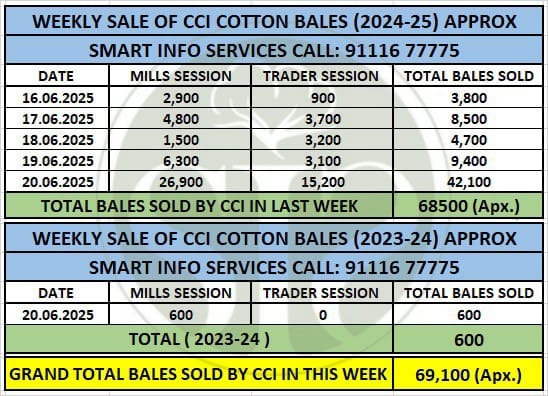
સાપ્તાહિક સારાંશ અહેવાલ: કોટન કોર્પોરેશન ઓફ ઈન્ડિયા (CCI) દ્વારા વેચાયેલી કપાસની ગાંસડીકોટન કોર્પોરેશન ઓફ ઈન્ડિયા (CCI) એ આખા અઠવાડિયા દરમિયાન કપાસની ગાંસડી માટે ઓનલાઈન બોલી લગાવી હતી, જેનો દૈનિક વેચાણ સારાંશ નીચે મુજબ છે:૧૬ જૂન, ૨૦૨૫: CCI એ કુલ ૩,૮૦૦ ગાંસડી (૨૦૨૪-૨૫ સીઝન) વેચી હતી, જેમાં મિલ્સ સત્રમાં ૨,૯૦૦ ગાંસડી અને ટ્રેડર્સ સત્રમાં ૯૦૦ ગાંસડીનો સમાવેશ થાય છે.૧૭ જૂન, ૨૦૨૫: દૈનિક વેચાણ ૮,૫૦૦ ગાંસડી (૨૦૨૪-૨૫ સીઝન) હતું, જેમાં મિલ્સ સત્રમાં ૪,૮૦૦ ગાંસડી અને ટ્રેડર્સ સત્રમાં ૩,૭૦૦ ગાંસડીનો સમાવેશ થાય છે.૧૮ જૂન, ૨૦૨૫: દૈનિક વેચાણ ૪,૭૦૦ ગાંસડી (૨૦૨૪-૨૫ સીઝન) વેચાઈ હતી, જેમાં મિલ્સ સત્ર દરમિયાન ૧,૫૦૦ ગાંસડી અને ટ્રેડર્સ સત્ર દરમિયાન ૩,૨૦૦ ગાંસડીનો સમાવેશ થાય છે.૧૯ જૂન, ૨૦૨૫: દૈનિક વેચાણ ૯,૪૦૦ ગાંસડી (૨૦૨૪-૨૫ સીઝન) થયું, જેમાં મિલ્સ સત્ર દરમિયાન ૬,૩૦૦ ગાંસડી અને ટ્રેડર્સ સત્ર દરમિયાન ૩,૧૦૦ ગાંસડીનો સમાવેશ થાય છે.૨૦ જૂન, ૨૦૨૫: સપ્તાહ ૪૨,૧૦૦ ગાંસડી (૨૦૨૪-૨૫ સીઝન) અને ૬૦૦ ગાંસડી (૨૦૨૩-૨૪) પર બંધ થયું, જેમાં મિલ્સ સત્ર દરમિયાન ૨૬,૯૦૦ ગાંસડી અને ૬૦૦ ગાંસડી (૨૦૨૩-૨૪) અને ટ્રેડર્સ સત્ર દરમિયાન ૧૫,૨૦૦ ગાંસડીનો સમાવેશ થાય છે.સાપ્તાહિક કુલ:આખા અઠવાડિયા દરમિયાન, CCI એ વેચાણને સુવ્યવસ્થિત કરવા અને સરળ વેપાર કામગીરીને સરળ બનાવવા માટે તેના ઓનલાઈન બિડિંગ પ્લેટફોર્મનો ઉપયોગ કરીને લગભગ ૬૯,૧૦૦ (આશરે) કપાસની ગાંસડી સફળતાપૂર્વક વેચી.કાપડ ઉદ્યોગ પર રીઅલ-ટાઇમ અપડેટ્સ માટે SiS સાથે જોડાયેલા રહો. વધુ વાંચો :- ડોલર સામે રૂપિયો 03 પૈસા વધીને 86.59 પર બંધ થયો

શુક્રવાર કો ભારતીય રુપિયા ડોલર મુકાબલે 03 પૈસા વધો 86.59 પર બંધ થયું, સવારે તે 86.62 પર ખુલ્લું હતું.બંધ થશે, સેન્સેક્સ 1,046.30 અંક અથવા 1.29 ટકા વધશે 82,408.17 પર અને નિફ્ટી 319.15 અંક અથવા 1.29 ટકા વધશે 25,112.40 પર. લગભગ 236 શેરોમાં તેજી આઈ, 1427 શેરોમાં કડી અને 149 શેરોમાં કોઈ ફેરફાર થયો નથી.વધુ વાંચો :- મધ્યપ્રદેશ: ખરગોનમાં 75 ટકા કપાસનું વાવેતર પૂર્ણ.

કપાસ વાવણી અભિયાનમાં ખરગોનનો પાક 75% સુધી પહોંચ્યોખરગોન : ચોમાસાની ગતિવિધિમાં વધારો; વરસાદને કારણે ખેડૂતોએ સિંચાઈ બંધ કરી, 2 લાખ હેક્ટરનો લક્ષ્યાંકખરગોન જિલ્લામાં ચોમાસાની ગતિવિધિને કારણે કપાસની વાવણીમાં વધારો થયો છે. જિલ્લામાં અત્યાર સુધીમાં લગભગ 75 ટકા કપાસની વાવણી પૂર્ણ થઈ ગઈ છે. કૃષિ વિભાગે આ વર્ષે 2 લાખ હેક્ટરમાં કપાસના વાવેતરનો લક્ષ્યાંક નક્કી કર્યો છે.મે મહિનામાં સતત વરસાદ અને તાપમાનમાં ઘટાડાને કારણે ઉનાળુ કપાસનું ઘણું વાવેતર થયું હતું. પાક હવે 8 ઇંચ સુધી વધ્યો છે. ખેડૂતો તેને નીંદણ કરી રહ્યા છે. છેલ્લા ત્રણ દિવસથી હળવા વરસાદને કારણે બાકીની વાવણીની ગતિ વધી છે.નર્મદા પટ્ટામાં મે મહિનાથી જ વાવણી શરૂ થઈ ગઈનર્મદા પટ્ટા અને નહેર સિંચાઈવાળા વિસ્તારોમાં મે મહિનાથી જ વાવણી શરૂ થઈ ગઈ હતી. ખેડૂત મોહન યાદવના મતે, ઉનાળુ કપાસ માટે હળવો વરસાદ પૂરતો છે. ચોમાસાના આગમન સાથે, સિંચાઈના સાધનો દૂર થવા લાગ્યા છે.૩૬.૨ ડિગ્રી સેલ્સિયસ તાપમાન નોંધાયુંહવામાન વિભાગના જણાવ્યા મુજબ, બુધવારે તાપમાન ૩૬.૨ ડિગ્રી સેલ્સિયસ નોંધાયું હતું. ૫ દિવસ પહેલા ૪૦ ડિગ્રીથી તાપમાન સતત ઘટી રહ્યું છે. ૩૬ ડિગ્રીથી ઉપરના તાપમાને કપાસના અંકુરણને અસર થતાં એક અઠવાડિયા માટે વાવણી બંધ કરવી પડી હતી. હાલનું તાપમાન વાવણી માટે યોગ્ય માનવામાં આવે છે.વધુ વાંચો :- કપાસના ખેડૂતોને ટેકો આપવા માટે CAI કેન્દ્રને ભાવમાં ખામી ચુકવણી યોજના માટે અપીલ કરે છે

CAIએ કપાસના ભાવ સહાય યોજના માટે કેન્દ્રને વિનંતી કરીકોટન એસોસિએશન ઓફ ઈન્ડિયા (CAI) એ કપાસ ક્ષેત્ર માટે ભાવમાં ઉણપ ચુકવણી યોજના શરૂ કરવાની માંગને પુનરાવર્તિત કરી છે, કારણ કે 2024-25 સીઝનના મોટાભાગના સમય માટે બજાર ભાવ લઘુત્તમ ટેકાના ભાવ (MSP) કરતા નીચે રહ્યા છે. મંદીના વલણને કારણે રાજ્ય સંચાલિત કોટન કોર્પોરેશન ઓફ ઈન્ડિયા (CCI) ને ખેડૂતોને મદદ કરવા માટે MSP પર 100 લાખ ગાંસડી કપાસ ખરીદવાની ફરજ પડી છે.તાજેતરની હિતધારકોની બેઠકમાં, CAI એ ભાર મૂક્યો હતો કે MSPમાં સતત વધારો કુદરતી ભાવ શોધને વિકૃત કરી રહ્યો છે અને કપાસની મૂલ્ય શૃંખલાને અસર કરી રહ્યો છે. 2025 ખરીફ સીઝન માટે, મધ્યમ મુખ્ય કપાસ માટે MSP ગયા વર્ષના રૂ. 7,121 થી વધારીને રૂ. 7,710 કરવામાં આવ્યો છે, જ્યારે લાંબા મુખ્ય કપાસ માટેનો દર રૂ. 7,521 થી વધારીને રૂ. 8,110 કરવામાં આવ્યો છે. જોકે, નબળી વૈશ્વિક માંગ અને ઘટતા ભાવોને કારણે સ્થાનિક બજાર દર દબાણ હેઠળ રહ્યા છે.ઉદ્યોગના હિસ્સેદારોએ ચિંતા વ્યક્ત કરી હતી કે વધતા MSP કાપડ મિલોના ઉત્પાદન ખર્ચમાં વધારો કરી રહ્યા છે, ભારતની વૈશ્વિક સ્પર્ધાત્મકતામાં ઘટાડો કરી રહ્યા છે અને ગ્રાહક ભાવમાં વધારાનું જોખમ વધારી રહ્યા છે. CAIના પ્રમુખ અતુલ એસ. ગણાત્રાએ જણાવ્યું હતું કે ખેડૂતોને ટેકો આપવો મહત્વપૂર્ણ છે, પરંતુ ક્ષેત્ર-વ્યાપી સ્થિરતા સુનિશ્ચિત કરવા માટે વધુ સંતુલિત અભિગમ - જેમ કે ભાવાંતર-શૈલીની ભાવ ખામી ચુકવણી પ્રણાલી - જરૂરી છે. સૂચનોમાં બજાર વાસ્તવિકતાઓ સાથે વધુ સારી રીતે સુસંગત થવા માટે CCI ની વેચાણ નીતિની સમીક્ષા કરવાનો પણ સમાવેશ થાય છે.કાપડ સલાહકાર જૂથના અધ્યક્ષ સુરેશ કોટકે નીતિ પુનઃમૂલ્યાંકનના વિચારને ટેકો આપ્યો હતો અને ખાતરી આપી હતી કે સૂચનો સરકાર સમક્ષ મૂકવામાં આવશે.ઉત્પાદન મોરચે, CAIએ ભારતના 2024-25 કપાસના પાકનું અનુમાન 301.15 લાખ ગાંસડી (પ્રત્યેક 170 કિલોગ્રામ) પર રાખ્યું છે, જ્યારે આયાત ગયા સિઝનના 15.2 લાખ ગાંસડીથી બમણી થઈને 39 લાખ ગાંસડી થવાનો અંદાજ છે. સ્થાનિક વપરાશ ૩૦૫ લાખ ગાંસડી હોવાનો અંદાજ છે, જે ગયા વર્ષના ૩૧૩ લાખ ગાંસડી કરતા થોડો ઓછો છે, જ્યારે નિકાસ ૨૮.૩૬ લાખ ગાંસડીથી ઘટીને ૧૭ લાખ ગાંસડી થવાની શક્યતા છે. બંધ સ્ટોક નોંધપાત્ર રીતે વધીને ૪૮.૩૪ લાખ ગાંસડી થવાની ધારણા છે જે અગાઉની સિઝનમાં ૩૦.૧૯ લાખ ગાંસડી હતો.વધુ વાંચો :- રૂપિયો 11 પૈસા મજબૂત, 86.62/USD પર ખુલ્યો

ક્રૂડ ઓઇલના ભાવમાં ઘટાડો થતાં ડોલર સામે રૂપિયો ૧૧ પૈસા વધીને ૮૬.૬૨ પર ખુલ્યો.અગાઉના સત્ર ૮૬.૭૩ પર સમાપ્ત થયા પછી ડોલર સામે રૂપિયો ૮૬.૬૨ પર ખુલ્યો.વધુ વાંચો :- હાઇલાઇટ્સ: CAI રાષ્ટ્રીય પાક સમિતિની બેઠક - 18/06/25
CAI રાષ્ટ્રીય પાક સમીક્ષા – ૧૮ જૂન ૨૦૨૫ભારતનું કપાસ ઉત્પાદન: ૯.૮૦ લાખ ગાંસડી વધારીને ૩૦૧.૧૫ લાખ ગાંસડી (પ્રત્યેક ૧૭૦ કિલો) કરવામાં આવ્યું.રાજ્યવાર ઉત્પાદન વૃદ્ધિ:* ઉપલા રાજસ્થાન: +0.50 લાખ ગાંસડી (10.10)* નીચલા રાજસ્થાન: +1.00 લાખ ગાંસડી (9.40)* ઉત્તર ભારત: +1.30 લાખ ગાંસડી (28.80)* ગુજરાત: +5.00 લાખ ગાંસડી (76.00)* મહારાષ્ટ્ર: +3.00 લાખ ગાંસડી (85.00)* આંધ્રપ્રદેશ: +0.50 લાખ ગાંસડી (11.50)કપાસનો વપરાશ: 2 લાખ ગાંસડી ઘટીને 307 લાખ ગાંસડી થયો કારણ કે:* પોલિએસ્ટર/વિસ્કોસ તરફ વળવું (ખાસ કરીને દક્ષિણ ભારતમાં)* મજૂરોની અછતને કારણે મિલ કામગીરી ધીમી પડી રહી છે* કપાસ કરતાં વિસ્કોસ (98%) થી વધુ પ્રાપ્તિ (73-75%)વેપાર અપડેટ:* નિકાસ: 2 લાખ ગાંસડી વધીને (17 લાખ સુધી); મે મહિના સુધીમાં ૧૫.૨૫ લાખ ગાંસડીની નિકાસ* આયાત: ૬ લાખ ગાંસડી વધી (૩૯ લાખ સુધી); મે મહિના સુધીમાં ૨૬.૨૫ લાખ ગાંસડી પ્રાપ્ત થઈ; માસિક આવક ~૩.૨૫ લાખ ગાંસડી.બંધ સ્ટોક: ૩૦/૦૯/૨૫ સુધીમાં ૪૮.૩૪ લાખ ગાંસડી થવાની ધારણા છે - છેલ્લા ઘણા વર્ષોમાં સૌથી વધુ.પ્રેસિંગ અને આવક (ઓક્ટોબર-મે):* કુલ આવક: 285.09 લાખ ગાંસડી* દૈનિક સરેરાશ પ્રેસિંગ: 1.16 લાખ ગાંસડી* 8 મહિનામાં વપરાશ: 208 લાખ ગાંસડી (~26 લાખ/મહિનો)મિલ સ્ટોક (31/05/25 ના રોજ):* મિલ પર: 33 લાખ ગાંસડી (45-દિવસનો સરેરાશ સ્ટોક)* ઉત્તર: 60-75 દિવસ* દક્ષિણ અને મધ્ય: 30 દિવસ* ટ્રેડિંગ સ્ટોક: 85.28 લાખ ગાંસડી* CCI સાથે: 79.21 લાખ (70.21 વેચાયા વિના, 9.01 વેચાયા પરંતુ ઉપાડ બાકી)સરકારી અંદાજ: 2024-25 માં સુધારેલ ઉત્પાદન 5 લાખ ગાંસડી ઘટીને 294.25 લાખ ગાંસડી થયું (10 માર્ચના રોજ).આઉટલુક:* નબળા સ્થાનિક વાયદા અને વધુ આયાતને કારણે CCI આગામી સિઝન માટે 25-30 લાખ ગાંસડીનો અંદાજ લગાવી શકે છે.* ખરાબ હવામાનને કારણે મહારાષ્ટ્રનું ઉત્પાદન અડધું થઈ ગયું, ખાસ કરીને ખાનદેશમાં.* તેલંગાણામાં દબાણ વધીને 48 લાખ ગાંસડી થવાની ધારણા છે (અગાઉના વર્ષોમાં 30 અને 15 થી).* ઊંચા MSP (₹8,110) અને સમયસર વરસાદને કારણે કપાસનું વાવેતર 5-7% વધવાની શક્યતા છે.* ઉત્તર અને દક્ષિણ ભારતમાં 15 સપ્ટેમ્બરથી વહેલા આગમનની અપેક્ષા છે.* ઉદ્યોગ ભારત-યુએસ વેપાર સોદાની રાહ જોઈ રહ્યો છે; ડ્યુટી-મુક્ત આયાત ક્વોટા પર ધ્યાન કેન્દ્રિત કરશે. વધુ વાંચો :- ડોલર સામે રૂપિયો 18 પૈસા ઘટીને 86.73 પર બંધ થયો