Recent News

No ban on China, India not buying Russian oil: Trump

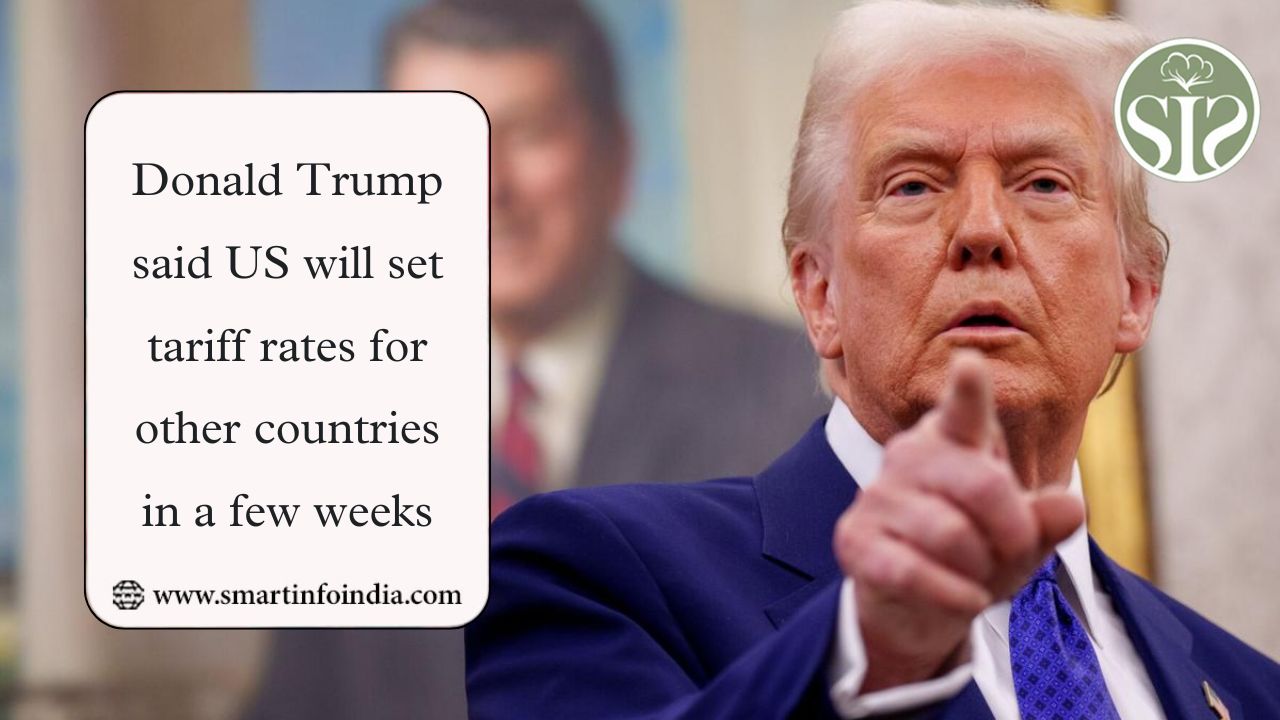
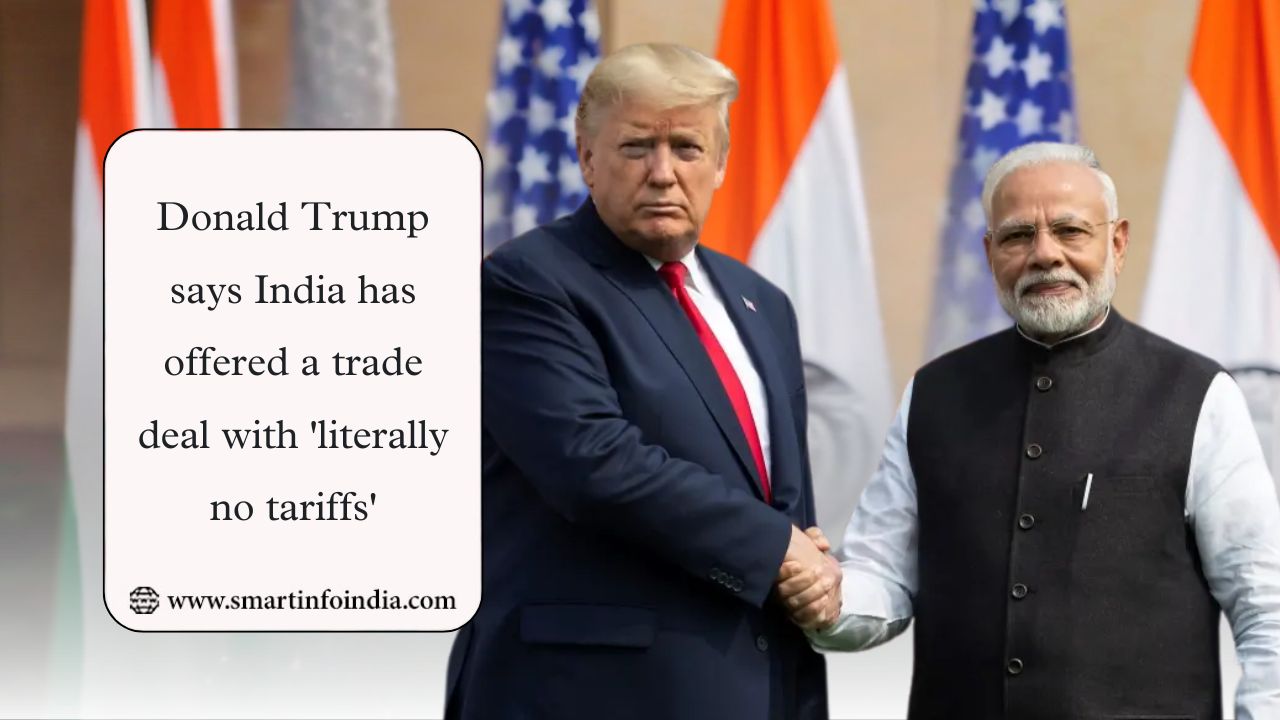
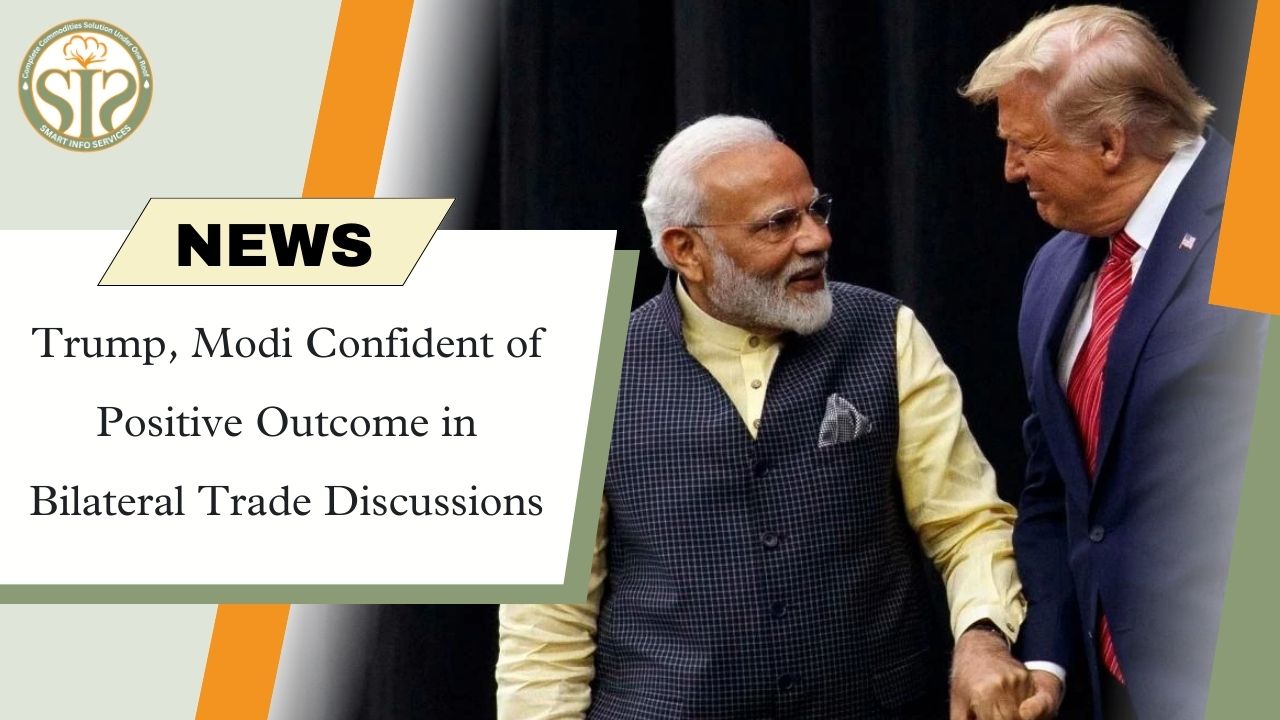
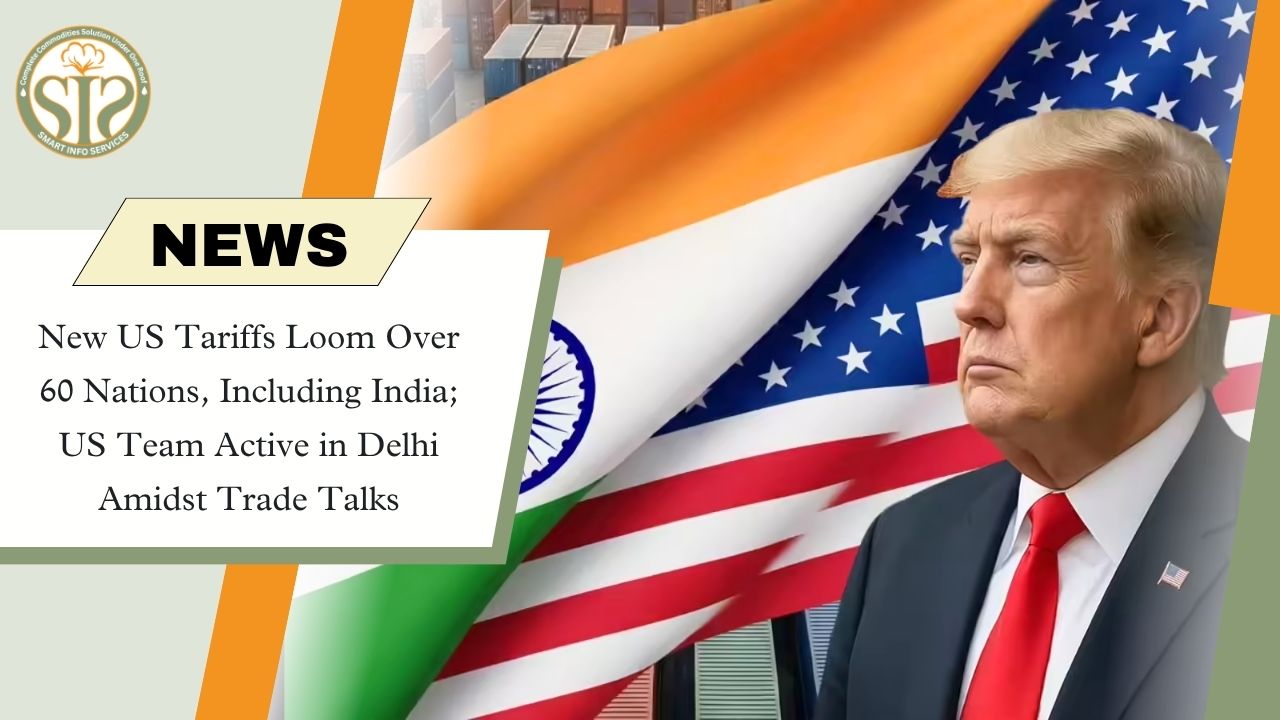
Trump holds off secondary sanctions for China, claims India no longer buying Russian oil.The government did not react immediately to the inconclusive outcome of talks between US and Russian Presidents in Alaska, even as US President Donald Trump suggested he may put off implementing secondary or penalty tariffs as a result of the talks. The possible reprieve on a 25% extra tariff for buying Russian oil would be a relief for New Delhi, although Mr. Trump’s other comments surrounding the day-long visit to meet Russian President Putin would not, as he suggested that India had already stopped buying Russian oil.He also repeated earlier comments on his role in mediating the India-Pakistan ceasefire — which India has denied — after the two countries were “shooting down aeroplanes” during Operation Sindoor in May this year.In an interview to U.S.’s Fox News after the talks, Mr. Trump said that he would consider the question of the penalty tariffs on Russian oil in “two or three weeks”, possibly indicating the August 27 deadline could pass for India without an implementation of punitive 25% tariffs over and above the 25% reciprocal tariffs on Indian goods that the U.S. has already put into place. When asked specifically about tariffs on China which imports even more oil than India, Mr. Trump said that “because of what happened today, I think I don’t have to think about that now,” adding, “I think you know, the meeting [with Putin] went very well”.Speaking earlier, Mr. Trump claimed that India had already agreed to drop purchases of Russian oil.Well he (Putin) lost an oil client, so to speak, which is India, which is doing about 40% of the oil, China as you know is doing a lot, and there are a few other countries,” Mr. Trump told Fox News in an interview before the talks on Friday.“If I did what’s called a secondary sanction or a secondary tariff, it would be devastating from their (Russia’s) standpoint. If I have to do it, I will do it, maybe I won’t have to do it,” Mr. Trump added. Ahead of the Trump-Putin talks, which the Ministry of External Affairs had welcomed and “endorsed”, officials were understood to be watching the talks in Alaska for three separate indicators. 1. To begin with, any agreement on a Russia-Ukraine ceasefire would be a positive, and would also mean the U.S. would lift objections to India’s purchase of Russian oil.2. The second would be that if the talks ended without agreement but cordially, the U.S. President could revise his announcement of a 25% penalty or secondary tariffs otherwise set to go into place on August 27 for Indian goods. On the other hand, if the talks ended badly, or with a walkout by either side, US Treasury Secretary Scott Bessent had even threatened higher tariffs for buying Russian oil. 3. The third, that if talks were to end well, U.S. and India could resume trade talks for the Bilateral Trade Agreement, and possibly also negotiate a lower reciprocal tariff, which is currently at 25%. Last week, Mr. Trump had suggested that talks between India and US trade negotiators, due to hold the next round in Delhi on August 25, would be suspended until the Russian oil issue was “resolved”.While Mr. Trump and Mr. Putin did not announce any agreement, a short press appearance after their talks showed the two leaders had held cordial conversations, and while there was no deal, Mr. Putin said that they did reach an agreement on some issues.Trump insists he brokered India-Pakistan peaceMr. Trump did not, however, change his position on his involvement in the India-Pakistan conflict after the Pahalgam attacks, suggesting that whether he brokers a peace deal in Ukraine or not, he deserves the Nobel Peace Prize for his role in a number of conflicts, including Operation Sindoor. “Take a look at India and Pakistan. they were shooting down aeroplanes already, and that would have been maybe nuclear. I would have said it was going to go nuclear, and I was able to get [a ceasefire] done,” Mr. Trump said.read more:- Kharif outlook: India’s cotton output may rise on higher yields despite dip in area.

Kharif outlook: India’s cotton output may rise on higher yields despite dip in area.

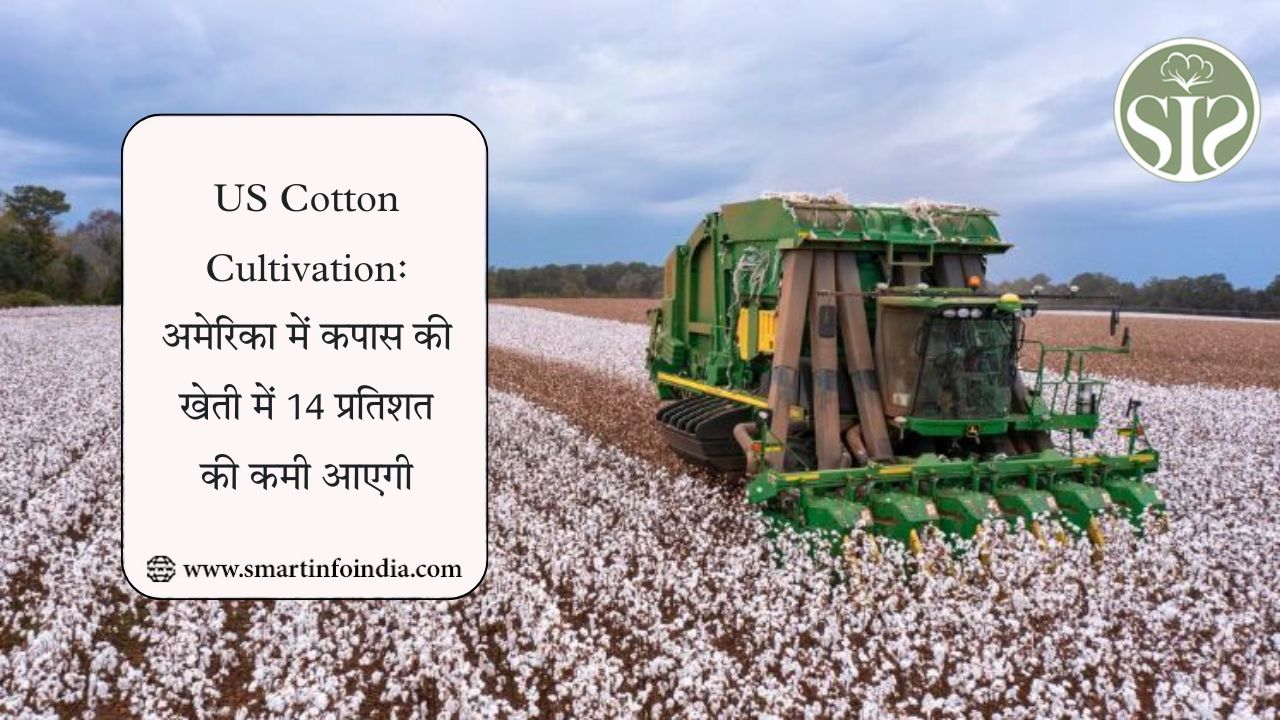
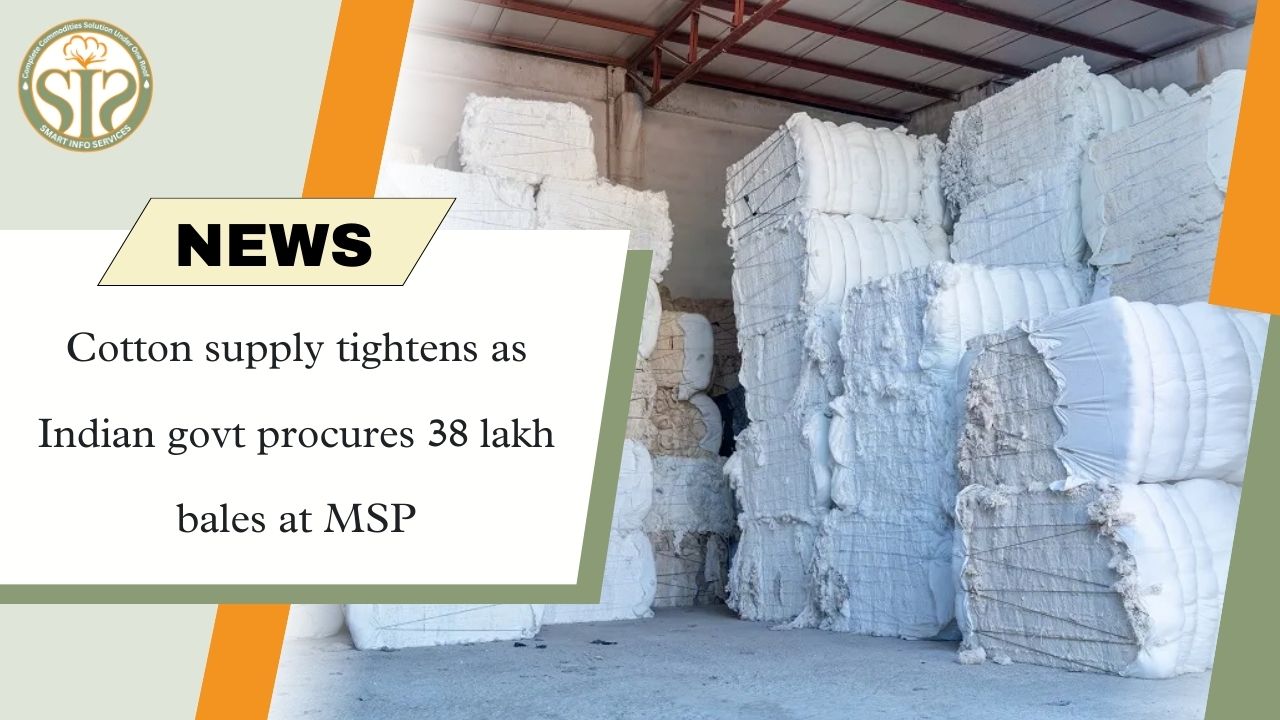
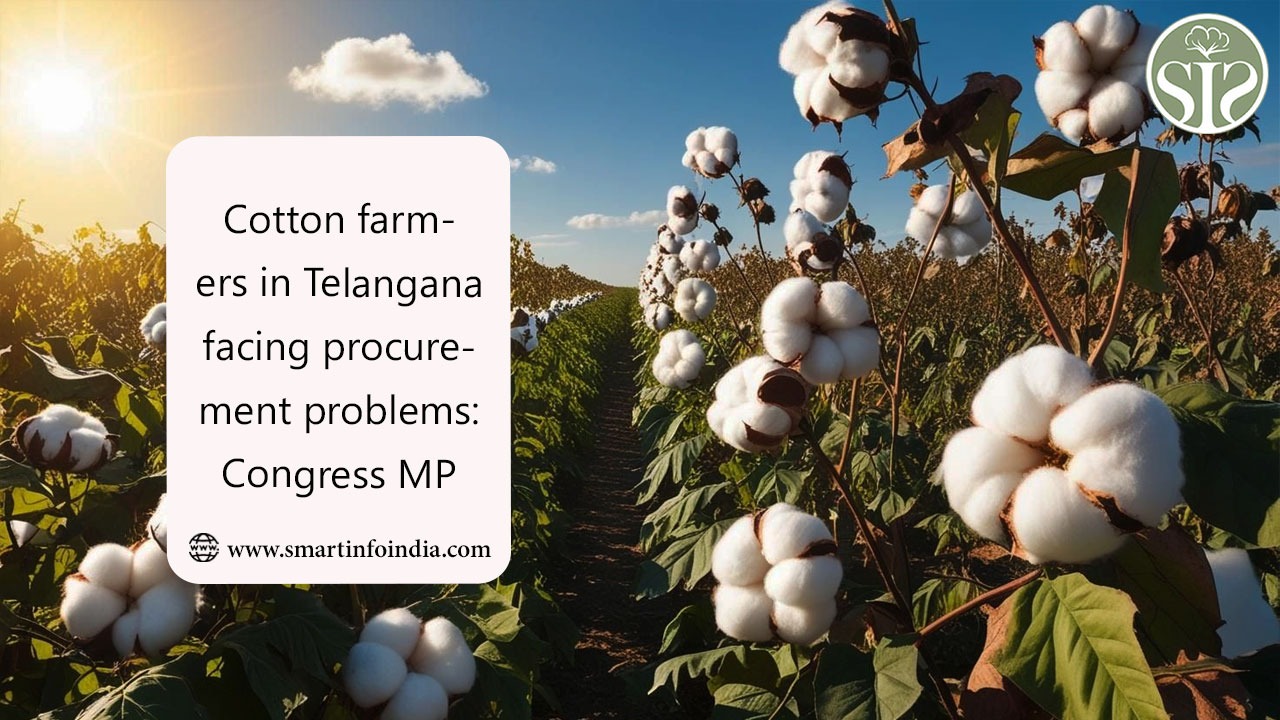
Kharif forecast: Cotton production likely to increase despite lower acreageIndia’s cotton production for the 2025-26 crop year starting October is likely to be higher than last year, despite a dip in area on higher yields. Cotton sowing has been impacted this year in the top two producing States of Gujarat and Maharashtra, where a section of farmers have shifted to other remunerative crops such as groundnut and maize.“Cotton crop conditions are very excellent this year. Very rarely, we see all the 10 growing States having satisfactory rain. As on today, the area coverage is lagging by around 3 per cent. Last year same time, the cotton area was 110 lakh hectares and this year sowing is completed on around 107 lakh hectares. Though the sowing is lower, we are expecting better yields, which are likely to improve by 10 per cent,” said Atul Ganatra, President, Cotton Association India (CAI), the apex trade body.Ganatra attributes the improved yields to the timely monsoon rains, which started in the first week of June, the ideal time for sowing. Compared to last year, the sowing is early by 15 days this year. “The plants are lush green this year. If everything goes well, we may get 10 per cent higher yield, which may result in higher production of 325-330 lakh bales (of 170 kg each) easily,” the CAI President said based on the latest feedback from cotton trade bodies across the country. For the current 2024-25 season ending September, CAI is projecting an output of 311 lakh bales.South surpriseThe southern States of Karnataka, Andhra Pradesh and Telangana will spring a surprise this year, Ganatra said. “Karnataka is having 18-20 per cent extra sowing and the crop is very good over there. They are expecting a crop of 30 lakh bales in Karnataka compared to this year’s 24 lakh bales. In Telangana, the sowing is up by over 5 per cent at 44 lakh acres compared to last year’s 41 lakh acres. Similarly, Andhra Pradesh is also having a 25 per cent higher sowing as a section of tobacco and chilli farmers have turned to cotton because of higher minimum support price and Cotton Corporation of India had done big purchases in AP this year,” Ganatra said.“We may get from South alone, about 1 crore bales from Telangana, Karnataka, Andhra Pradesh, Tamil Nadu and Odisha, which will be a record. This year, the production was around 87 lakh bales,” Ganatra said.In Central India, from where we get around 200 lakh bales, sowing this kharif has reduced by 10 per cent in Gujarat and by around 3-4 per cent in Maharashtra. The decline in area is mainly in the Khandesh region of Maharashtra, while the area has been maintained in Vidarbha and Marathawada has maintained the sowing area. In Khandesh, the crop was down at 9 lakh bales during 2024-25 over previous year’s 15 lakh bales.“In North India, crop conditions are excellent. This year, they got around 28.5 lakh bales. Next season, the North is expecting 38 lakh bales crop,” Ganatra said. Area has increased a bit in Rajasthan, while in Haryana it has reduced. In Punjab, the sowing is same as that of last year, but crop conditions are good.read more :-  CCI sells over 71% of 2024-25 cotton stock through e-bidding

Gujarat textile industry demands 10% export incentive

Gujarat's textile industry threatened by 50% US tariffs demands 10% export incentive.Gujarat’s textile sector is staring at a severe crisis after the US announced a 50 per cent tariff on all imports from India — a move industry leaders say could force many exporters to shut shop. Industry stakeholders have urged the Centre to step in to take effective measures, including a 10 per cent export incentive to help offset the tariff’s impact.The new duty was imposed by US President Donald Trump in two stages — a 25 per cent tariff on all Indian imports and an additional 25 per cent penalty over India’s continued purchase of Russian oil. The Indian government condemned the decision and has refused to bow to American pressure to stop buying Russian crude.The blow is particularly harsh for Gujarat, home to major textile hubs Ahmedabad and Surat. India’s total textile exports to the US are valued at USD 10–12 billion annually, with Gujarat accounting for more than 15 per cent of that trade.Sandip Shah, co-chairman of the textile committee of the Gujarat Chamber of Commerce and Industry, said exporters had initially hoped the earlier 25 per cent tariff would be rolled back after talks. "But with 50 per cent now in place, trade with America has become impossible," he said. "For textiles, the US market is now almost shut".According to Shah, such a sudden halt in trade will create serious liquidity problems. "If this is not resolved quickly, it could take the industry more than six months to recover," he warned.Many believe that Surat, known for its synthetic fabric exports, will be hit hard.Ashish Gujarati, former president of the Southern Gujarat Chambers of Commerce and Industries, said the city alone accounts for Rs 3,000–Rs 4,000 crore in direct exports to the US. "The indirect impact will be even bigger — losses could touch Rs 10,000–Rs 12,000 crore because several allied industries depend on textiles," he said.For some, the only option might be to shut down or relocate production. "If 50 per cent tariff is implemented, no one will be able to export to the US," said PR Kankaria, owner of Kankaria Textiles in Ahmedabad. "Units will close, artisans will lose jobs, and many will have to migrate".Industry bodies are urging the central government to step in. One proposal is for a 10 per cent export incentive to help offset the tariff’s impact and redirect exports to other countries. "If we get incentives, our exports to other markets can triple," said Kankaria. "If not, everything will stop".The US remains a key buyer of Indian textiles, and losing that market could have ripple effects across supply chains — from yarn makers to embroidery units.While the sector has diversified exports to regions like Europe, West Asia, and Latin America, replacing the US market in the short term will be difficult.read more :- INR Up 02 Paise, Opens at 87.47

"Textiles ministry to meet exporters on duty concerns"

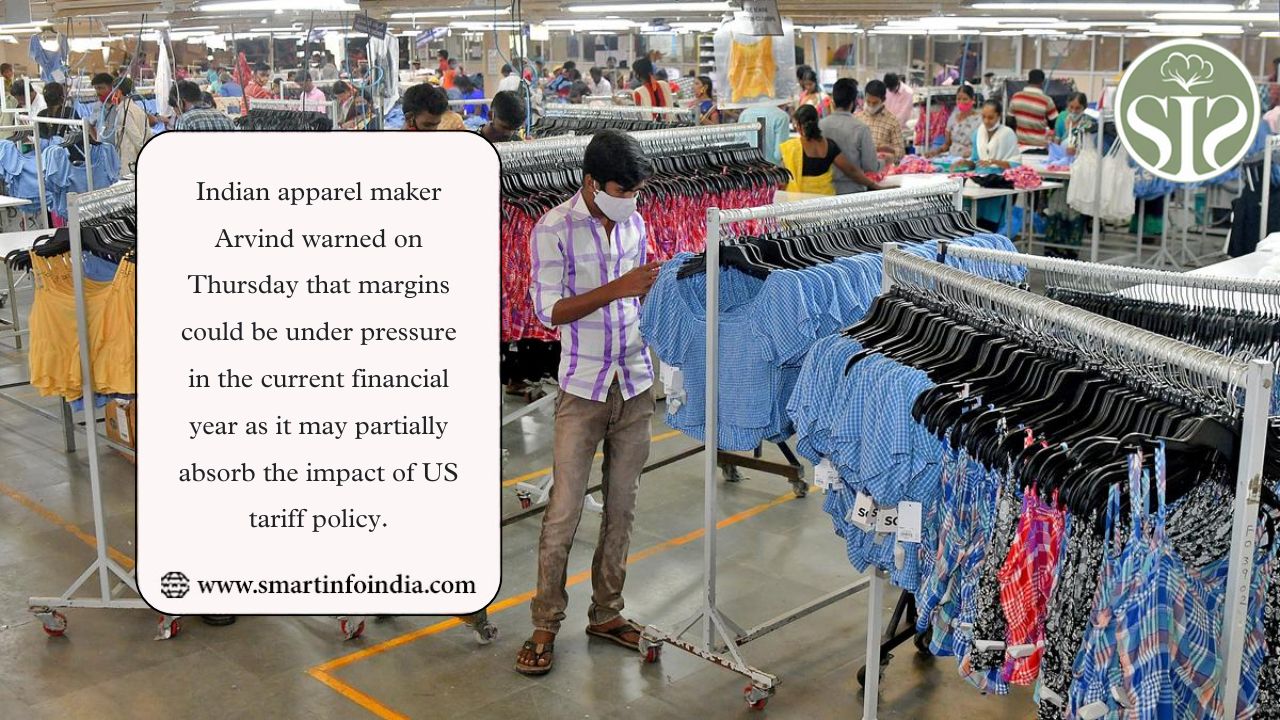
Textile Ministry to have meeting with exporters amidst tariff concernsAmid mounting concern among businesses over the 25% reciprocal tariff imposed by the United States, the Ministry of Textiles has convened a meeting today with major textile and apparel exporters from across the country. The session, chaired by Union Textiles Minister Giriraj Singh, focuses on the challenges exporters are facing in order flows, particularly after the recent US decision to levy secondary tariffs on Indian goods, widening the tariff gap with other competing Asian countries.The US is India’s largest export market for the labour-intensive textile and apparel industry. Exporters have been under pressure since 7th August, when import tariffs were raised to 25% by the Trump administration. The rate is set to double to 50% from 27th August. Exporters say orders have slowed, with buyers either asking them to share the tariff burden or holding back purchases until clarity emerges on trade talks between India and the US.Officials said a key issue to be raised during the meeting is the disruption of cash flows caused by reduced orders. Exporters have sought Government support in the form of soft loans, interest subvention schemes, and focused market development initiatives to ensure liquidity.While exporters hope the tariff hike will be temporary, many are concerned about losing market share to countries such as Vietnam and Bangladesh, which face lower US duties. With India’s 25% reciprocal tariff exceeding that of most Asian competitors except China, policy circles are also worried about potential job losses in the sector if the situation persists.According to officials, the Government is in continuous dialogue with exporters to assess the evolving situation and explore possible interventions. The Ministry of Finance estimates that over half of India’s merchandise exports to the US will be affected by the higher tariffs. The US accounted for 33% of India’s ready-made garment exports in 2024, while also being a key destination for home textiles and carpets—sectors where 60% and 50% of exports, respectively, go to the US.read more :- Rupee higher 16 Paisa Against Dollar, Closes at 87.49

Related News

Youtube Videos

रुई बाजार में आज का पूरा माहौल 🔥Cotton Market Today | 11 सितंबर 2026 #smartinfo
रुई बाजार में आज का पूरा माहौल 🔥Cotton Market Today | 11 सि...
कपास बाजार में आज तेज़ी का रुख 😱Cotton market rate today #youtube
कपास बाजार में आज तेज़ी का रुख 😱Cotton market rate today #yo...
आज देशभर में रुई के ताज़ा भाव 😱 | Cotton market rate today #cotton #kapas
आज देशभर में रुई के ताज़ा भाव 😱 | Cotton market rate today...
Application Download
Whatsapp Contact