Recent News

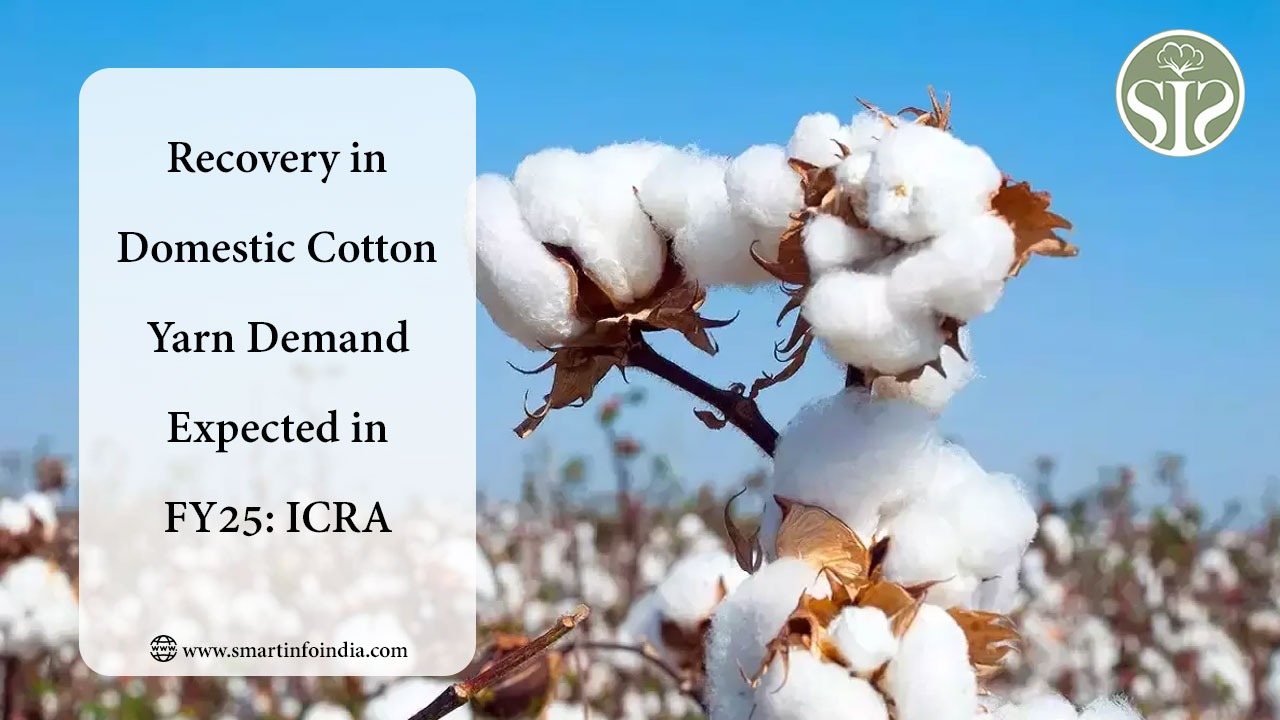
Recovery in Domestic Cotton Yarn Demand Expected in FY25: ICRA

recovery-in-domestic-cotton-yarn-demand-expected-in-fy25-icraICRA projects a 6-8% growth for the domestic cotton spinning industry in FY2025, driven by 4-6% volume growth and slight realization gains, following two years of decline. Recovery signs are visible in downstream segments like readymade garments and home textiles, while exports, which rebounded in FY2024, are expected to normalize despite global demand challenges.Domestic cotton prices, which peaked at Rs. 284 per kg in H1 FY2023, have declined over the past two years but are expected to rise slightly with demand recovery and reduced sown area. Cotton yarn prices, declining since June 2022, are also expected to increase marginally in FY2025.K Srikumar, Senior Vice President at ICRA, predicts a 6-8% improvement in operating income for cotton spinning companies in FY2025, with gross contribution margins recovering by 5% in Q1 FY2025. Operating profit margins are expected to expand by 100-150 basis points due to scale benefits and cost-saving measures.High debt-funded capex in FY2023 impacted the industry's coverage metrics, but a marginal capex increase is anticipated in FY2025 for modernization and increased demand from the China Plus One strategy. Leverage levels rose in FY2024 but are expected to decrease with better cash accruals and minimal capex spending, improving debt protection metrics. The total debt to operating profit ratio is expected to improve to 2.5-3.0 times from 3.5-4.0 times in FY2024.Read More :>  Indian Spinning Mills Turn Cautious as Cotton Season Nears End

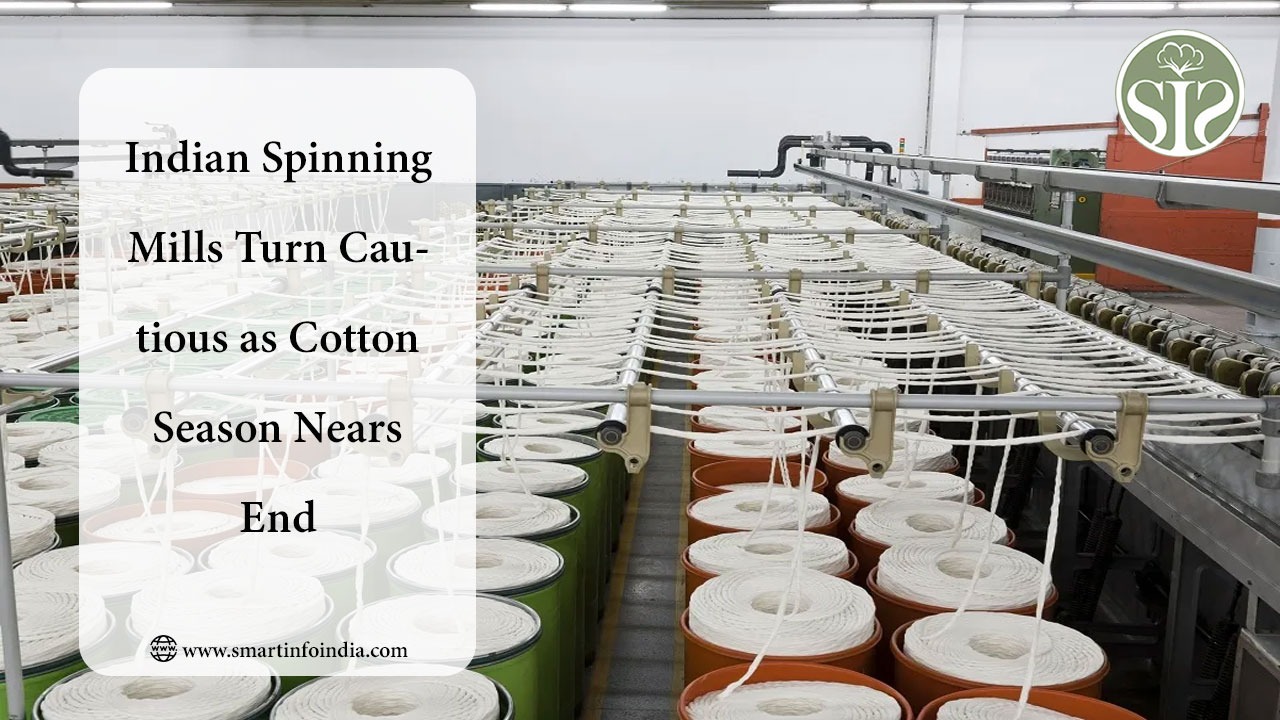
Indian Spinning Mills Turn Cautious as Cotton Season Nears End

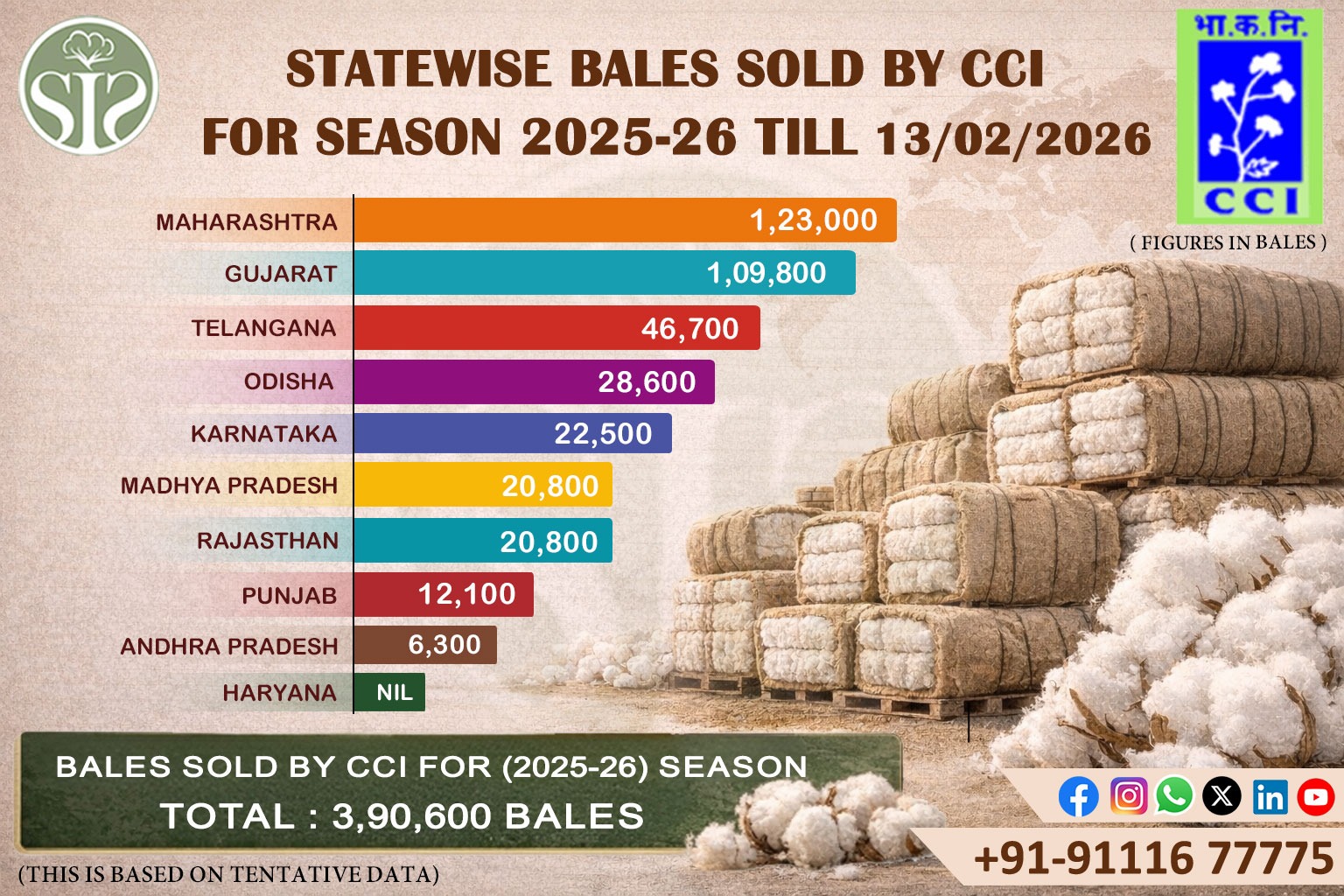
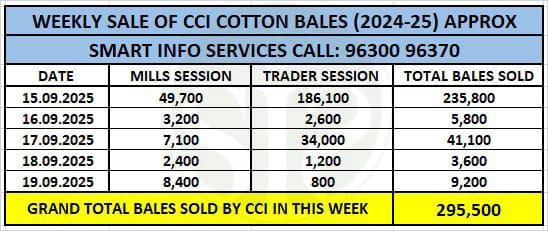
Indian Spinning Mills Turn Cautious as Cotton Season Nears EndSpinning mills in India are exercising caution in purchasing cotton as the current season approaches its end, aiming to avoid liquidity issues.“Being the end of the cotton season and liquidity issues in the overall market, mills want to be careful in cotton purchases. Man-made and cellulosic fibre penetration has also helped mills to reduce their exposure to cotton,” said Prabhu Dhamodharan, Convenor, India Texpreneurs Federation (ITF).Despite the Cotton Corporation of India's (CCI) substantial stock of over 20 lakh bales, prices quoted by CCI remain a dampener due to slack demand, according to Ramanuj Das Boob, vice president of the All India Cotton Brokers Association.“If traders buy cotton from CCI and resell it to mills on credit, the economy doesn’t work out. So, they are also silent,” he said.The lack of demand for yarn and declining prices are hurdles for the textile industry, according to Rajkot-based cotton trader Anand Popat. Bearish speculators on the InterContinental Exchange (ICE) also contribute to the dull trading despite strong fundamentals.Cotton prices have dropped over 10% since the beginning of 2024. The US Department of Agriculture’s Economic Research Service forecasts a decline in global cotton prices for the third consecutive year in 2024-25. Global production is expected to increase by nearly 5%, with significant contributions from Brazil and the US offsetting expected losses in China, India, and Pakistan.The government has increased the minimum support price (MSP) of cotton for the current crop year to ₹7,121 per quintal from ₹6,620 last year, prompting some mills to resume buying. CCI has sold around 3-4 lakh bales following the MSP hike.Cotton yarn exports have stabilized at 9-10 crore kg per month, with consistent buying from Bangladesh and Europe expected to continue.Read More :> Bangladesh and Vietnam Poised to Lead Global Cotton Consumption Growth Over Next Decade

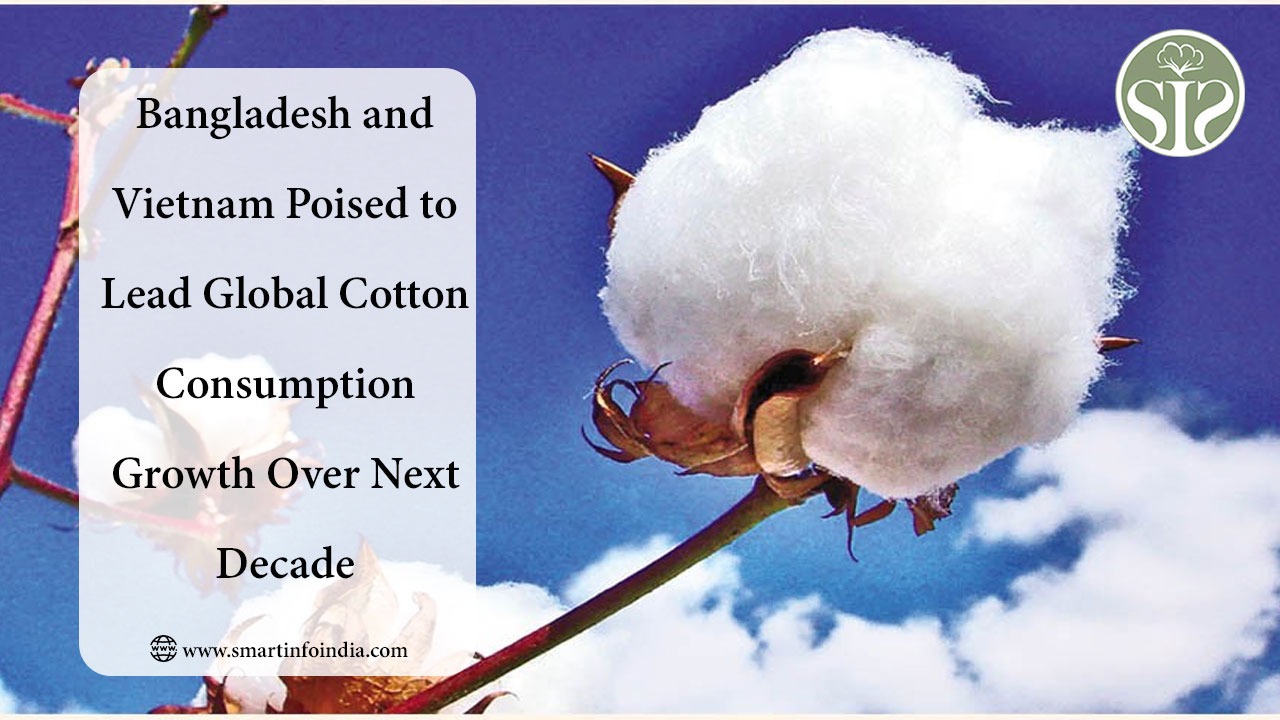
Bangladesh and Vietnam Poised to Lead Global Cotton Consumption Growth Over Next Decade

Bangladesh and Vietnam Poised to Lead Global Cotton Consumption Growth Over Next DecadeBangladesh and Vietnam are set to lead the global growth in cotton consumption and trade over the next decade, thanks to their competitive labor and production costs, according to the OECD-FAO Agricultural Outlook 2024-2033.Key Highlights- Growth in Cotton Consumption: Global cotton consumption is expected to increase by 1.7% annually, driven by population growth and rising incomes in middle- and low-income countries.- Bangladesh and Vietnam: Both countries will see their cotton imports grow by over 3% annually, significantly influencing global trade. Bangladesh's mill consumption is projected to rise to 2.42 million tonnes by 2033.- Global Trade Dynamics: World cotton trade is forecast to expand by 2.1% annually, reaching 12.4 million tonnes by 2033, largely due to increased mill use in Bangladesh and Vietnam.- Major Producers: India, the United States, and Brazil will contribute significantly to the global cotton production increase, which is projected to reach 29 million tonnes by 2033.- Impact of FTAs: Free Trade Agreements, such as the Comprehensive and Progressive Agreement for Trans-Pacific Partnership and the EU-Vietnam Free Trade Agreement, have facilitated market access for Vietnamese textile exports.- Shift in Textile Industry: While synthetic fibers have gained market share, natural fiber consumption, including cotton, peaked at 26.5 million tonnes in 2007 but has since declined.- Bangladesh's Cotton Industry: Bangladesh primarily manufactures cotton-based garments, with 75% of its readymade garments for export made from cotton.The report underscores the critical role of Bangladesh and Vietnam in the global cotton market and highlights the importance of fresh seeds and sustainable practices to address frequent pest attacks and enhance yields.Read More :> Cotton Under Pink Bollworm Attack in Mansa, Fazilka, and Abohar; Farmers Worried

Cotton Under Pink Bollworm Attack in Mansa, Fazilka, and Abohar; Farmers Worried

Farmers Concerned About Cotton Under Pink Bollworm Attack in Mansa, Fazilka, and AboharThe dreaded pink bollworm has hit the cotton crop in Mansa, Fazilka, and Abohar areas, raising concerns within the state Agriculture Department.Though the pest attack is currently below the economic threshold level (ETL), cotton growers, following the Agriculture Department's advice, have started extensive pesticide spraying to address the situation. Department officials informed The Tribune that the insect had been spotted on plants in villages bordering Rajasthan and Haryana.At present, cotton crops in Rajasthan's Sriganganagar, Anupgarh, and Hanumangarh districts are also under pink bollworm attack. In some areas, farmers have begun ploughing back cotton plants into the fields.Balkar Singh, a cotton cultivator from Khiali Chahianwali village in Mansa, reported spotting pink bollworm in some fields in his village. “Flowering is yet to begin, but the pest attack has already set in. We have done two rounds of insecticide spraying, increasing our input cost by Rs 2,000 per acre for each spray. I have incurred an additional expenditure of Rs 18,000 on insecticide sprays for nine acres,” he said. Farmers are also grappling with a whitefly attack.* Last year, many cotton growers in the Malwa region suffered losses due to a pink bollworm attack. Cotton was cultivated immediately after harvesting moong, a natural habitat for pink bollworm, which led to the insect remaining in the soil and later attacking the cotton crop. Subsequent heavy rainfall aggravated the pest attack, damaging nearly 60 percent of the cotton crop in the state. Pink bollworm also caused significant damage in 2021.*Gurpreet Singh Sandhu, a cotton farmer in Patti Sadiq village of Abohar, shared that last year, his cotton yield fell to two quintals per acre from the standard yield of 8-10 quintals per acre. “This year again, the crop is under pink bollworm attack, and I have started multiple insecticide sprays as recommended by Punjab Agricultural University scientists. But the prospects do not seem bright this year either. Fortunately, I reduced the area under cotton, or my losses would have been much higher,” he said.Due to repeated crop failures, farmers in Punjab are increasingly avoiding cotton cultivation. This year, only 99,720 hectares are under cotton crop, against a target of 2 lakh hectares. Of this area, the Agriculture Department has adopted 60,000 hectares for field trials, and all insecticides are being provided by the department.*Pest Control Measures- The pink bollworm has been spotted on plants in Punjab villages bordering Rajasthan and Haryana.- Although the pest attack is below the economic threshold level (ETL), farmers have started extensive pesticide spraying.- Experts suggest that providing fresh seeds to farmers and not allowing the use of old seeds is crucial to addressing frequent pest attacks.Common Cotton Pests- Pink Bollworm (Gulabi Sundi): This pest has been devastating cotton fields in Punjab, Haryana, and Rajasthan. It is resistant to first-generation transgenic Bt cotton.- Whitefly (Chitti Makhi): Thrives in warm and tropical climates and is found on the leaves of cotton plants. The honeydew secreted by it deposits on cotton fibers, affecting cotton quality.The dreaded pink bollworm has hit the cotton crop in Mansa, Fazilka, and Abohar areas, raising concerns within the state Agriculture Department.Though the pest attack is currently below the economic threshold level (ETL), cotton growers, following the Agriculture Department's advice, have started extensive pesticide spraying to address the situation. Department officials informed The Tribune that the insect had been spotted on plants in villages bordering Rajasthan and Haryana.At present, cotton crops in Rajasthan's Sriganganagar, Anupgarh, and Hanumangarh districts are also under pink bollworm attack. In some areas, farmers have begun ploughing back cotton plants into the fields.Balkar Singh, a cotton cultivator from Khiali Chahianwali village in Mansa, reported spotting pink bollworm in some fields in his village. “Flowering is yet to begin, but the pest attack has already set in. We have done two rounds of insecticide spraying, increasing our input cost by Rs 2,000 per acre for each spray. I have incurred an additional expenditure of Rs 18,000 on insecticide sprays for nine acres,” he said. Farmers are also grappling with a whitefly attack.* Last year, many cotton growers in the Malwa region suffered losses due to a pink bollworm attack. Cotton was cultivated immediately after harvesting moong, a natural habitat for pink bollworm, which led to the insect remaining in the soil and later attacking the cotton crop. Subsequent heavy rainfall aggravated the pest attack, damaging nearly 60 percent of the cotton crop in the state. Pink bollworm also caused significant damage in 2021.*Gurpreet Singh Sandhu, a cotton farmer in Patti Sadiq village of Abohar, shared that last year, his cotton yield fell to two quintals per acre from the standard yield of 8-10 quintals per acre. “This year again, the crop is under pink bollworm attack, and I have started multiple insecticide sprays as recommended by Punjab Agricultural University scientists. But the prospects do not seem bright this year either. Fortunately, I reduced the area under cotton, or my losses would have been much higher,” he said.Due to repeated crop failures, farmers in Punjab are increasingly avoiding cotton cultivation. This year, only 99,720 hectares are under cotton crop, against a target of 2 lakh hectares. Of this area, the Agriculture Department has adopted 60,000 hectares for field trials, and all insecticides are being provided by the department.*Pest Control Measures- The pink bollworm has been spotted on plants in Punjab villages bordering Rajasthan and Haryana.- Although the pest attack is below the economic threshold level (ETL), farmers have started extensive pesticide spraying.- Experts suggest that providing fresh seeds to farmers and not allowing the use of old seeds is crucial to addressing frequent pest attacks.Common Cotton Pests- Pink Bollworm (Gulabi Sundi): This pest has been devastating cotton fields in Punjab, Haryana, and Rajasthan. It is resistant to first-generation transgenic Bt cotton.- Whitefly (Chitti Makhi): Thrives in warm and tropical climates and is found on the leaves of cotton plants. The honeydew secreted by it deposits on cotton fibers, affecting cotton quality.Read More :>  Cotton Prices Plummet by 40% in Ramanathapuram Market, Farmers Seek Government Aid

Cotton Prices Plummet by 40% in Ramanathapuram Market, Farmers Seek Government Aid

Ramanathapuram Market Cotton Prices Fall by 40%, and Farmers Request Government AssistanceDespite a strong yield, cotton farmers in Ramanathapuram are struggling to secure favorable prices for their harvest. Prices have dropped by over 40% compared to last year and off-season rates, falling below Rs 50 per kg in the open market. Both traders and farmers are troubled by the declining demand and are calling on the state government for support.Cotton is the second most cultivated crop in Ramanathapuram, following paddy, covering over 9,000 hectares. An increase in acreage by 1,000 hectares has been noted as farmers opted for cotton cultivation for a second season. The harvest season, which began in March, is now nearing its end.Officials from the Agriculture Marketing Department have stated that they offer assistance to farmers in selling cotton through regulated markets, as most cotton is currently sold in open markets. As of Wednesday, cotton prices ranged from Rs 49 to Rs 55 per kg, depending on quality."Last year, cotton prices ranged from Rs 70 to Rs 100 per kg. This year, there's been a significant drop, making it difficult to afford enough workers for the harvest season, as each worker needs to be paid over Rs 250 per day, leading to substantial losses for farmers," said Selvam, a cotton farmer."Many cotton mills have shut down, and the remaining few are reluctant to purchase cotton. We have sufficient stock, but mills are not willing to buy it, putting us in a financial crisis. The second-season cotton is of inferior quality, which could be why prices have plummeted below Rs 50. Despite the losses, we buy cotton to stay in business," said Sivakumar, a cotton trader.P. Suresh, a cotton farmer and trader, remarked, "Most farmers grow conventional cotton varieties, which have poor demand due to inferior quality. The state government should promote hybrid seed cultivation, which could lead to higher demand and better quality cotton. Farmers should also plan to harvest in the off-season, when demand is high and prices are better."He added that although the union government has set the Minimum Support Price (MSP) for cotton at Rs 70, the market price is much lower. He urged the government to purchase cotton at MSP, similar to paddy, to aid farmers.Read More :> Record Sowing in Maharashtra: Soybean, Maize, Cotton, and Tur Crops Surge

Related News

Youtube Videos

रुई बाज़ार में गिरावट का रुख 😱 Cotton market rate today #youtube
रुई बाज़ार में गिरावट का रुख 😱 Cotton market rate today #you...
जानिए आज का कपास बाज़ार 😱 Cotton market rate today #youtube
Ganesh Chaturthi Celebration at Our Office 🙏✨ | Ganpati Bappa Morya! #shorts
Ganesh Chaturthi Celebration at Our Office 🙏✨ | Ganpati Ba...
Application Download
Whatsapp Contact