Recent News

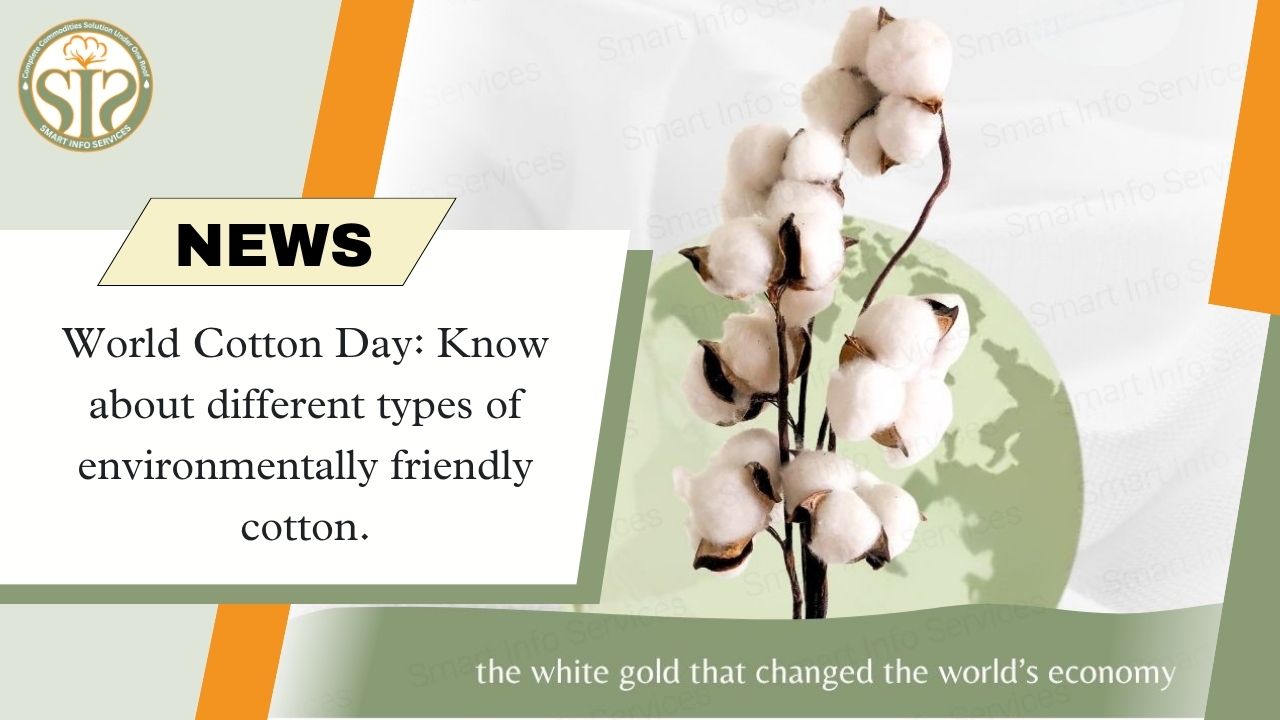
Eco-friendly cotton: World Cotton Day special

World Cotton Day: Know about different types of environmentally friendly cotton.Cotton is perhaps the most common plant used to make fabrics, and is considered to be of excellent quality. However, conventional cotton cultivation is detrimental to the environment due to its heavy reliance on water and the use of harmful chemicals, which contribute to soil degradation, water pollution, and climate change. On World Cotton Day, we talk about organic and sustainable cotton, which causes less harm to the environment.Organic cotton is grown with a low environmental impact, avoiding toxic pesticides and synthetic fertilisers. Then, there is recycled cotton, which is produced from waste cotton materials, such as factory scraps (pre-consumer) and discarded clothes (post-consumer). These materials are then shredded, cleaned, and re-spun into new yarn to create fresh fabric. Kala cotton is also another type of sustainable cotton, which is grown in the region of Kutch in Gujarat. This unique, ancient, and purely organic variety of cotton is a rain-fed crop, meaning it relies solely on rainwater and is cultivated without the use of chemical pesticides or fertilisers.“Kandu cotton from Karnataka is naturally brown-coloured and is sustainably farmed, rain-fed, and pesticide-free, emphasising a connection to the earth. Ponduru cotton refers to a type of Khadi (handspun and handwoven cotton) produced in the village of Ponduru, Andhra Pradesh. It is made from a rare, indigenous, and organic short-staple hill cotton that requires no chemicals and is spun and woven by hand using traditional methods,” explains designer Shruti Sancheti.With a background in environmental studies, designer Drishti Modi of Lafaani tells us, “When I worked with cotton farmers in Andhra Pradesh for a project, I learned that kala cotton, kandu cotton, and ponduru are cotton varieties with the least environmental damage as they use less water for irrigation.”read more :- Relief to Telangana farmers: Kishan assures

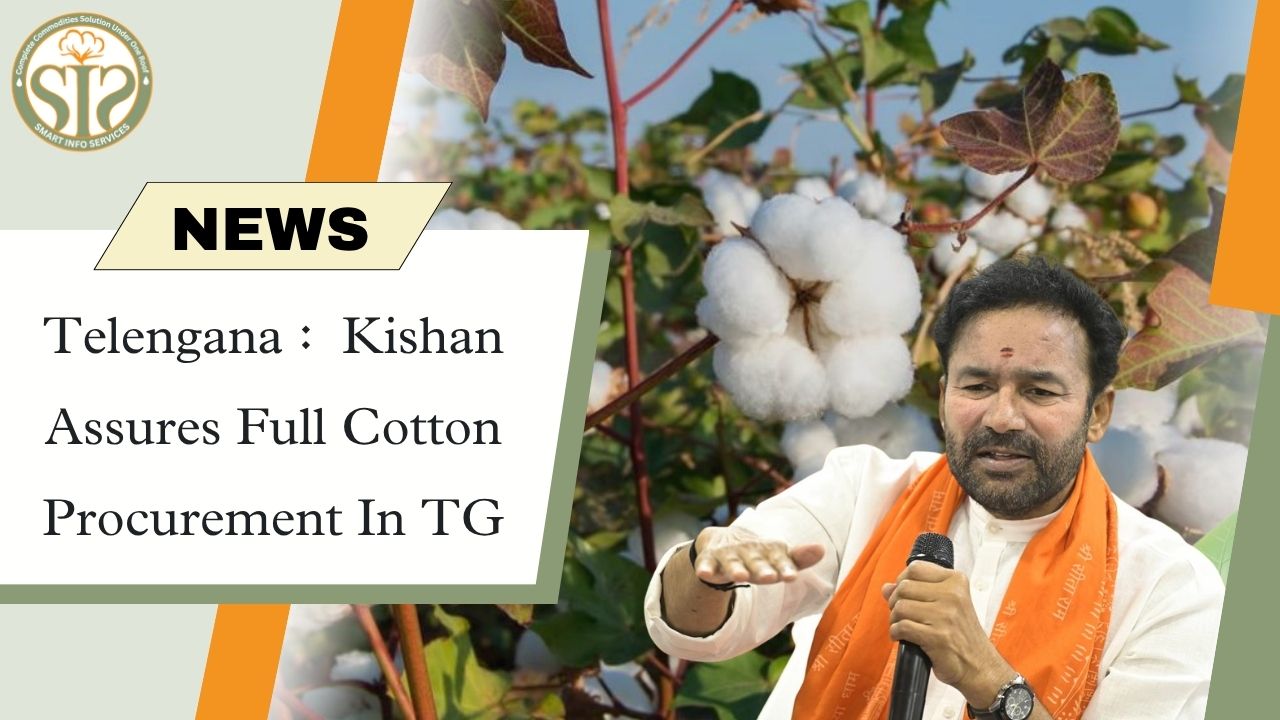
Relief to Telangana farmers: Kishan assures

Telengana :  Kishan Assures Full Cotton Procurement In TGHYDERABAD: Union minister for coal and mines G. Kishan Reddy has assured cotton farmers in Telangana that the Centre will procure every kilogram of cotton they produce, guaranteeing a smooth and transparent procurement process this season. Reddy said he had personally requested Union Textiles Minister Giriraj Singh to ensure that farmers do not face any inconvenience during procurement operations.Highlighting last year’s performance, he said the Cotton Corporation of India (CCI) had procured nearly 80 per cent of Telangana’s total cotton output, reinforcing the Centre’s commitment to safeguarding cultivators even amid declining global prices. He emphasised that all payments will be credited directly to farmers’ bank accounts to eliminate middlemen and ensure transparency. To streamline operations, a new mobile app has been launched to allot time slots for farmers to bring their produce to ginning mills, reducing congestion and waiting time. Kishan Reddy urged the Telangana government to educate farmers on reducing moisture content in cotton and suggested using MGNREGA funds to build drying platforms to improve quality and prevent rejections.He pointed out that high-density cotton planting could potentially triple farmers’ income and questioned the state’s delay in adopting improved seed varieties recommended by the Centre. “Farmers should maintain moisture levels below 12 per cent. Produce with slightly higher moisture should not be rejected outright but handled with guidance,” he said. Reddy said the Centre had allocated sufficient funds, technology and infrastructure for operations across 122 procurement centres. “Modern moisture-measuring machines have been installed to ensure fair assessment,” he said, appealing to farmers not to sell their produce to private traders at lower prices.read more :- INR Opens Stronger by 02 Paise at 88.76

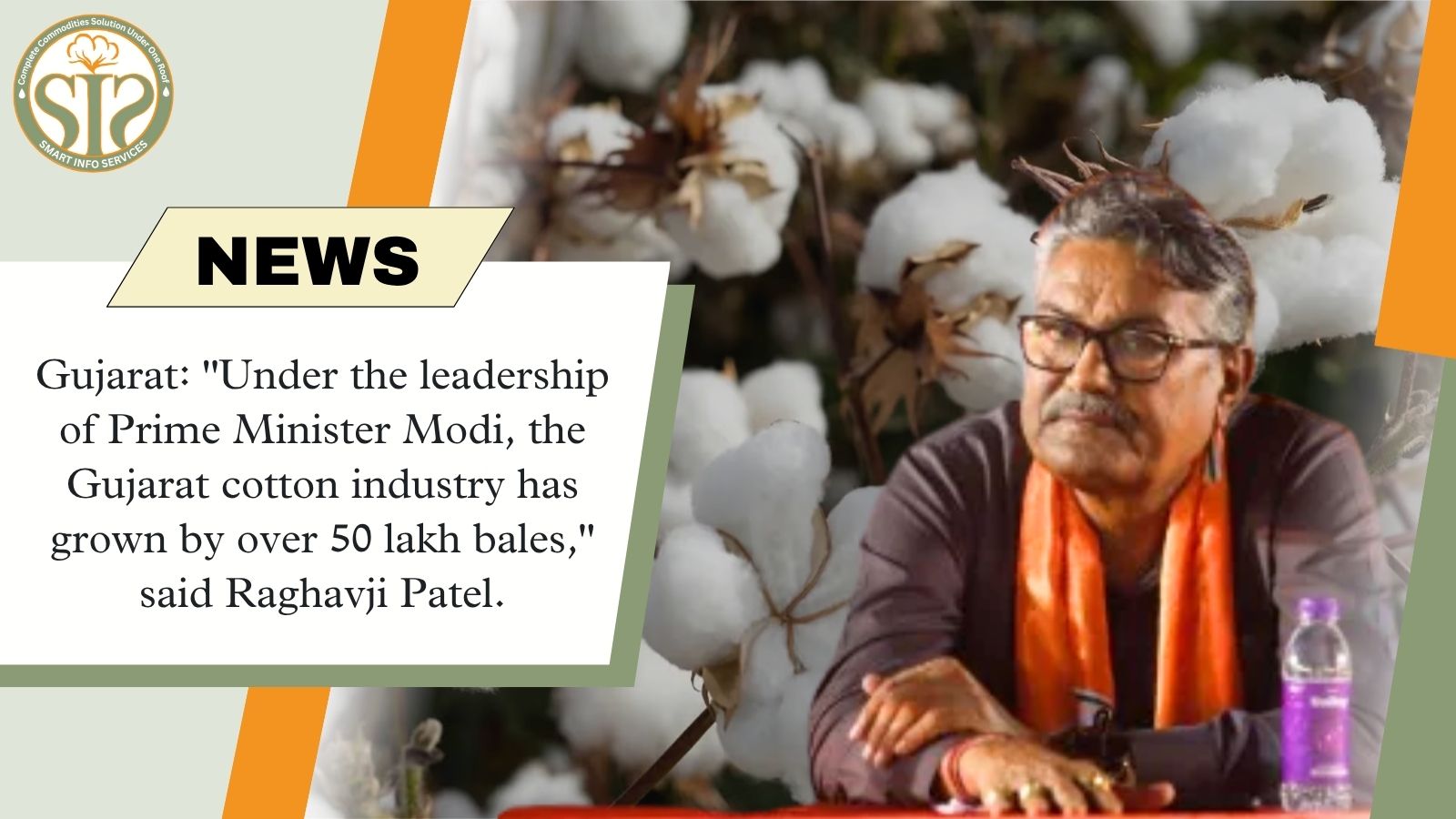
Gujarat: Cotton production rises by 5 million bales under Modi's leadership

Gujarat: "Under the leadership of Prime Minister Modi, the Gujarat cotton industry has grown by over 50 lakh bales," said Raghavji Patel.Gujarat Agriculture Minister Raghavji Patel said that, under the guidance of Prime Minister Narendra Modi as the Chief Minister of Gujarat, the state's cotton sector has undergone remarkable transformation over the past two decades, a press release from the Chief Minister's Office stated.Raghavji Patel said, "Thanks to various initiatives under the strong leadership of Prime Minister Modi, the area under cotton cultivation in Gujarat has increased from 17.49 lakh hectares in 2001-02 to 23.71 lakh hectares by 2024-25.During this period, cotton production increased from 17 lakh bales to 71 lakh bales, while productivity increased from 165 kg lint per hectare to 512 kg lint per hectare.Describing cotton as one of the most essential needs of human life, Patel said that after food, clothing is of paramount importance, and cotton plays a vital role in fulfilling this need. The world celebrates October 7th as "World Cotton Day" to acknowledge its global importance.Cotton, often referred to as "white gold," has deep roots in Gujarat, which has been a progressive and leading state in cotton cultivation for decades.Gujarat's cotton sector holds great importance for both the state and the nation. When the state was formed in 1960, its cotton productivity was only 139 kilograms of lint per hectare; however, today it has increased to 512 kilograms of lint per hectare, exceeding the national average.These statistics clearly demonstrate that through research advancements, comprehensive development initiatives, farmer-oriented government policies, and the dedicated efforts of farmers, Gujarat has generated billions of rupees in revenue from cotton—a significant achievement for the economy of any state.Giving detailed information about cotton, Raghavji Patel explained that at the time of India's independence, while most textile mills were located in India, major cotton-producing regions became part of Pakistan. As a result, India faced a shortage of raw cotton and had to import it from other countries at a significant cost of foreign exchange.In 1971, following research at the Surat Research Farm, the Hybrid-4 (Shankar-4) cotton variety was developed, ushering in the hybrid cotton era across India. This led to a rapid and substantial increase in the country's cotton productivity. As a result, India not only met its domestic raw cotton needs but also began exporting the surplus. He further stated that in 2020-21, India recorded a historic cotton export of ₹17,914 crore.Gujarat currently ranks second in the country in terms of cotton cultivation area, production, and productivity. So far, cotton has been sown on 21.39 lakh hectares in the state for the 2025-26 season, with an estimated production of 73 lakh bales. The state contributes approximately 20 percent to India's total cotton cultivation and approximately 25 percent to total cotton production.The Minister expressed confidence that with the state government's various incentive schemes and continued efforts to develop cotton, Gujarat is poised to become the country's leading cotton production hub, contributing the largest share to India's total production.The Minister noted that even during the Bt cotton era, Gujarat was at the forefront in developing Bt hybrid varieties and obtaining their official approval across the country. Thanks to the state government's coordinated efforts, the first two Bt hybrid varieties in the public sector—Gujarat Cotton Hybrid-6 (Shankar-6) BG-II and Gujarat Cotton Hybrid-8 (Shankar-8) BG-II—received approval from the Government of India in 2012. Later, in 2015, two additional varieties were also approved. Bt hybrids – Gujarat Cotton Hybrid-10 (Shankar-10) BG-II and Gujarat Cotton Hybrid-12 (Shankar-12) BG-II – were developed, providing Gujarat farmers with four Bt cotton varieties for cultivation.The Minister highlighted that with the continued growth in the global population, the demand for cotton seeds for natural fibres, textiles, edible oils and animal feed is projected to increase 1.5 times by 2030 and double by 2040 compared to current levels. He stressed that by focusing on research, innovation and advanced solutions and achieving self-sufficiency in domestic production, Gujarat can significantly contribute to the Indian economy through cotton exports. (ANI)read more :- Cotton procurement to begin in Telangana this week
Cotton procurement to begin in Telangana this week

Telangana:CCI, ginning mills to begin cotton procurement this week.Hyderabad: Agriculture minister Tummala Nageswara Rao on Monday urged ginning mill representatives to participate in tenders promptly and start cotton purchases to prevent further disruptions. In a relief for farmers, the Cotton Corporation of India (CCI) and ginning millers agreed to begin collecting cotton within the coming week.The minister held a meeting at the secretariat with representatives from the CCI, officials from the agriculture and marketing departments, and ginning millers to resolve the impasse over cotton procurement. He stressed the need for immediate action, emphasising that farmers should face no inconvenience.Concerns raised by ginning millers regarding CCI tender conditions, including lint percentage and slot booking requirements, were also discussed. Minister Tummala warned that any actions causing hardships for farmers would be unacceptable.He urged the CCI to conduct weekly reviews of the new regulations to quickly address issues and suggested that an independent agency verify and resolve challenges affecting ginning millers, ensuring both farmers' and mills' interests are protected.The agriculture department has been tasked with raising awareness about the mobile app and slot booking system, with initiatives already underway at the mandal level. The minister also called for cooperative efforts with CCI to smoothen the process and emphasised extensive publicity for a toll-free number to provide farmers with essential information.With these steps, the govt aims to kick-start cotton purchases swiftly, safeguard farmers' interests, and ensure seamless operations for ginning mills in the coming season.read more :- Rupee opened 07 paise higher at 88.72

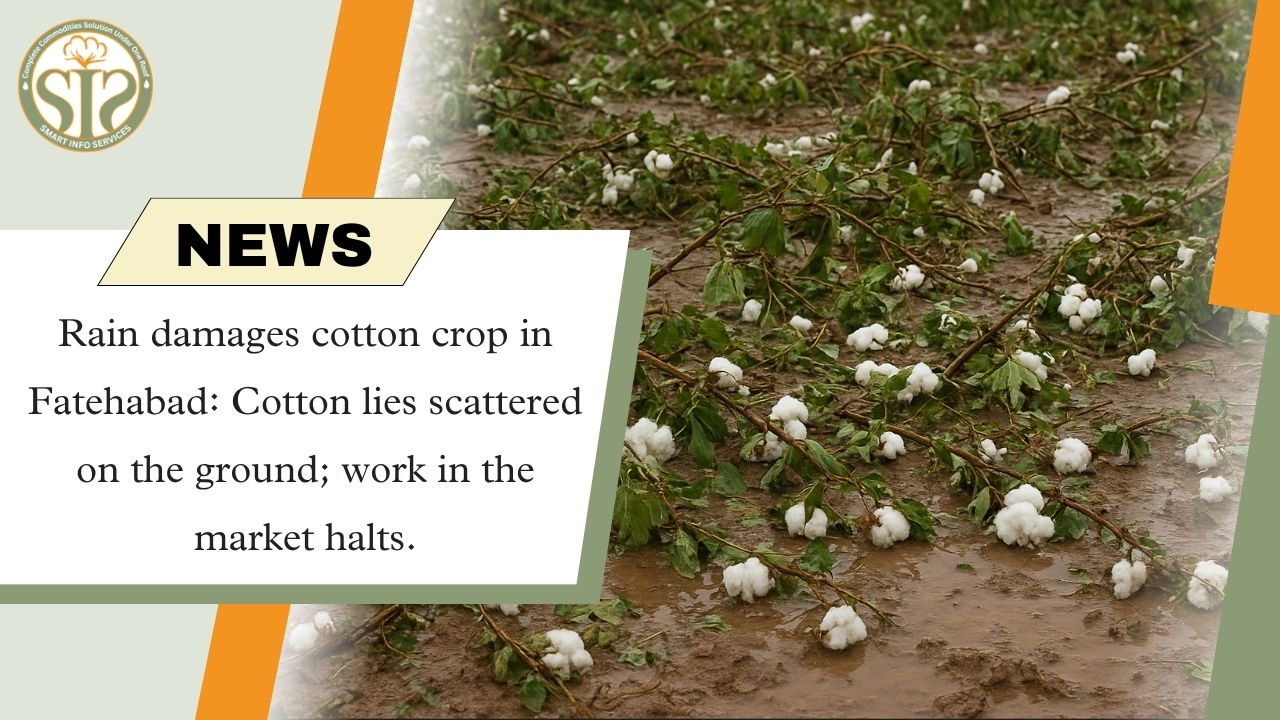
Telangana cotton farmers face marketing crisis

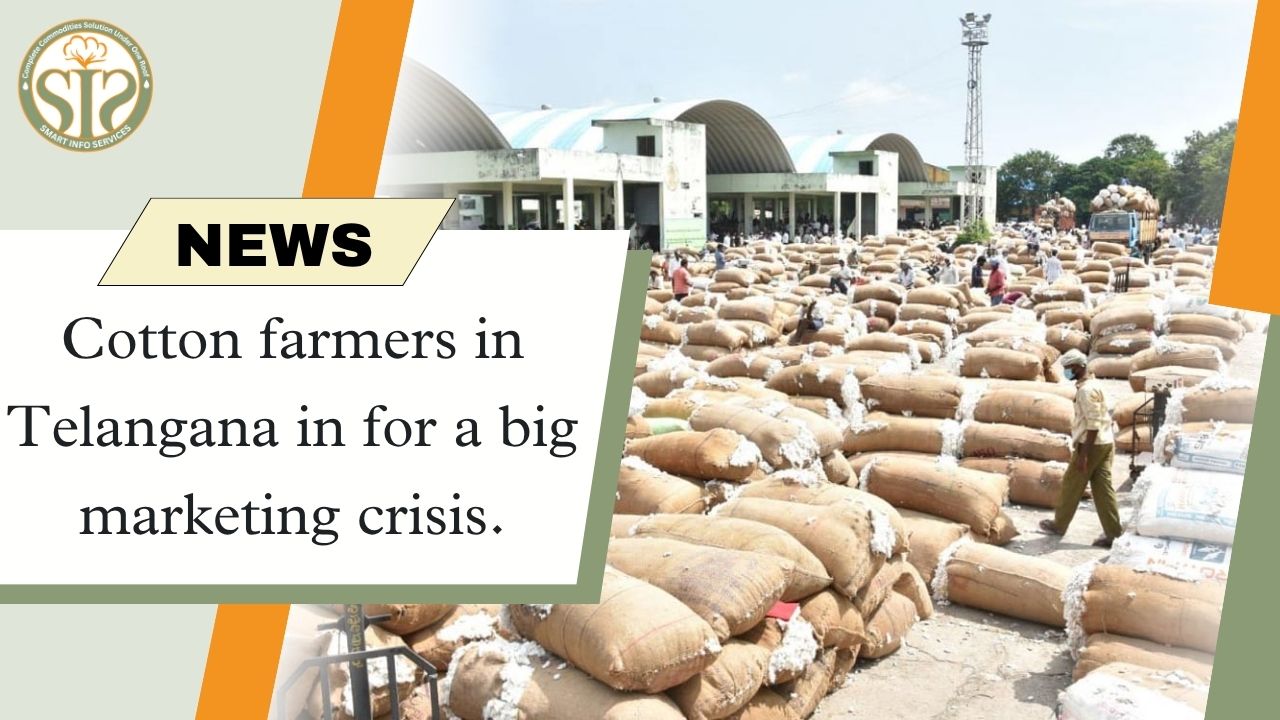
Cotton farmers in Telangana in for a big marketing crisis.Hyderabad: Cotton farmers in the State, already battered by heavy rains, are on the verge of a big marketing crisis. The State’s 341 ginning mills have refused to participate in tenders issued by the Cotton Corporation of India (CCI), citing severe hardships with new regulations. This stand off is likely to jeopardize their operations of the ginning mills and the livelihoods of growers.The impasse was sparked by the latest tender guidelines, introduced this season. The Cotton Corporation of India (CCI) has rolled out tougher rules this cotton season for buying raw cotton from farmers and ginners. Key changes include strict ways to measure cotton fibre (lint) yield, fixed slots for the lowest (L1) and second-lowest (L2) bids in auctions. It also required detailed farm area maps for every order. Ginners in Telangana and their associations complained that these regulations differ from last year’s lenient setup, adding red tape and delays that hurt business and farmers. This standoff has stalled trades, sparking protests for a rollback.“We have urged the CCI to thoroughly review these clauses, particularly the lint percentage for L1 slot bookings and area mapping, and revert to the policy followed in the previous season,” a ginning mill operator and association member stated, adding that without these adjustments, participating in the tenders was not viable.“We’re not against procurement; we’re against rules that could lead to losses for everyone involved, from mills to farmers,” he said.The boycott has persisted despite high-level meetings, where ginning mill owners and the CCI officials discussed the contentious terms. Discussions dragged on for days, but no consensus emerged, leaving the tenders untouched.As of now, not a single mill has come forward to bid, stalling the process at a critical juncture. Telangana’s cotton sector, spanning 43.29 lakh acres, was projected to yield around 24.70 lakh quintals this year. However, relentless heavy rains have inflicted severe damage, impacting expected outputs and leaving farmers vulnerable.The ginning mills’ reluctance is seen as a direct blow to these growers, who rely on timely procurement at support prices to avoid distress sales. State marketing officials, acting on directives of the Government to resolve the deadlock, traveled to Delhi on October 1 for talks with central government authorities.They highlighted how the new rules could spark operational bottlenecks in the procurement chain. In response, officials assured some way out in a week or two. The clauses should be based on ground realities, while facilitating recalibration of lint percentages every 15 days for fairer implementation. The rest of the regulations, however, will remain unchanged, they said.Undeterred by the partial concessions, the mills are holding firm. They remained stuck to their guns demanding full policy rollback to ensure smooth operations and protect the supply chain.read more :- INR Opens Stronger by 04 Paise at 88.74
Related News

Youtube Videos

जानिए आज का कपास बाज़ार? 😱 कपास, बीज, यार्न बाज़ार | Cotton Market Rate Today
जानिए आज का कपास बाज़ार? 😱 कपास, बीज, यार्न बाज़ार | Cotton...
कैसा रहा आज का कपास बाजार? 😱 Cotton Market Rate Today 29 Oct 2026
कैसा रहा आज का कपास बाजार? 😱 Cotton Market Rate Today 29 Oc...
जानिए आज का कपास बाज़ार! 😱 कॉटन + सीड + खल पूरा अपडेट | Cotton Market Rate 28 Oct 2026
जानिए आज का कपास बाज़ार! 😱 कॉटन + सीड + खल पूरा अपडेट | Cot...
Application Download
Whatsapp Contact