Cotton will remain the main fibre despite declining share
By shruti 2026-03-12 16:09:33
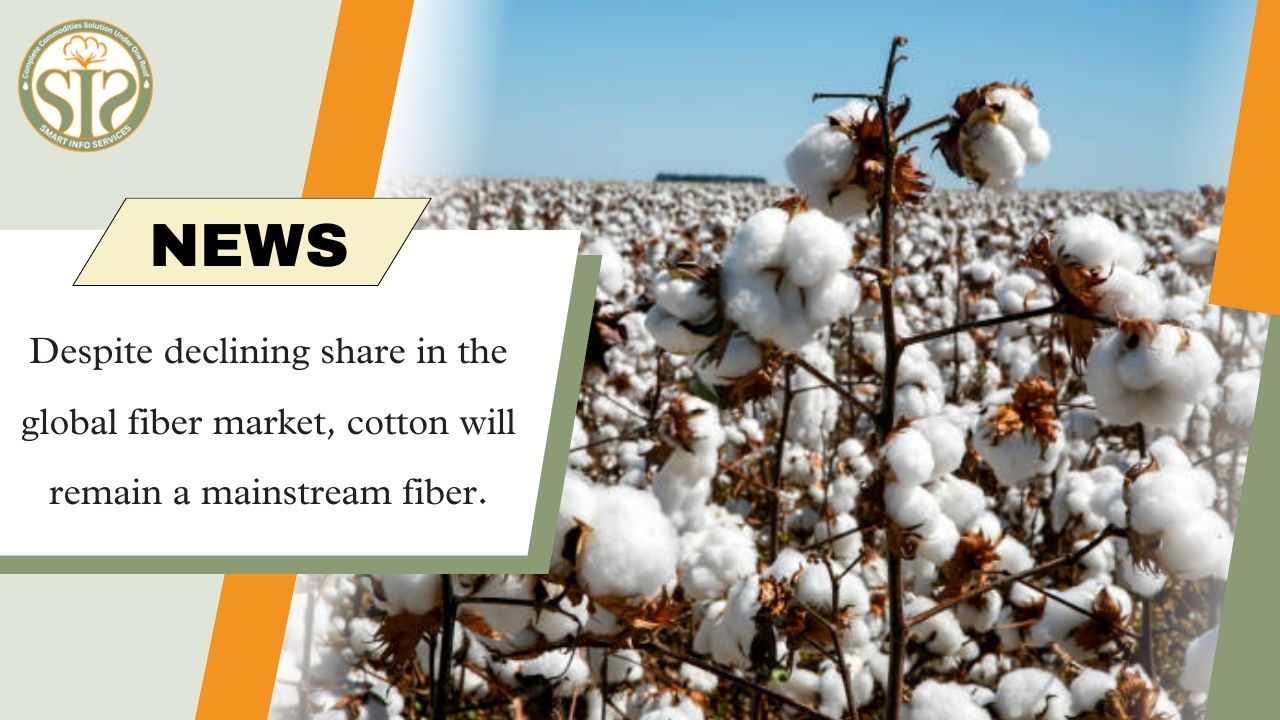
Despite declining share in the global fiber market, cotton will remain a mainstream fiber.
Despite declining share in global fiber consumption, cotton will remain a key and primary fiber in the textile industry. Experts believe that cotton will remain in demand in many applications due to its comfortable, breathable, and natural properties.
According to the International Cotton Advisory Council's (ICAC) World Textile Demand Report, cotton's market share in global fiber consumption has fallen below 25 percent in recent years, compared to approximately 40 percent in the early 2000s.
According to the US Department of Agriculture (USDA), despite record consumer demand for clothing and home textiles, potential growth in cotton product imports has been limited. This is primarily due to increasing competition from man-made fiber (MMF) products, particularly exports of MMF products from China.
Prabhu Damodaran, convener of the Indian Texpreneurs Federation (ITF), said that cotton's decline in global fiber share has been gradual and structural. This is due to two primary reasons: the falling cost of synthetic fibers like polyester and the improved performance of alternative fibers like polyester and viscose.
According to Ramanuj Das Boob, vice-president of the All India Cotton Brokers Association and a Raichur-based sourcing agent, the problem is not a decline in cotton demand but the rapidly growing demand for competing fibers. He said that the use of blended fabrics containing fibers like polyester, elastane, viscose, and lycra along with cotton is rapidly increasing in the modern textile sector.
He said that cotton will remain important in clothing and home textiles, although its growth may be slower than synthetic fibers. Demand for blended yarns is increasing worldwide, and spinners are increasingly producing poly-cotton yarns.
Experts believe that increasing per-hectare cotton productivity is crucial for India. Prabhu Damodaran stated that higher productivity would boost farmers' incomes and ensure that cotton prices remain competitive, thereby enabling it to compete effectively with other fibers.
Ramanuj Das Boob noted that the demand for Extra Long Staple (ELS), contamination-free, sustainable, and organic cotton is likely to rise in the future, and the premium segment is expected to remain robust.
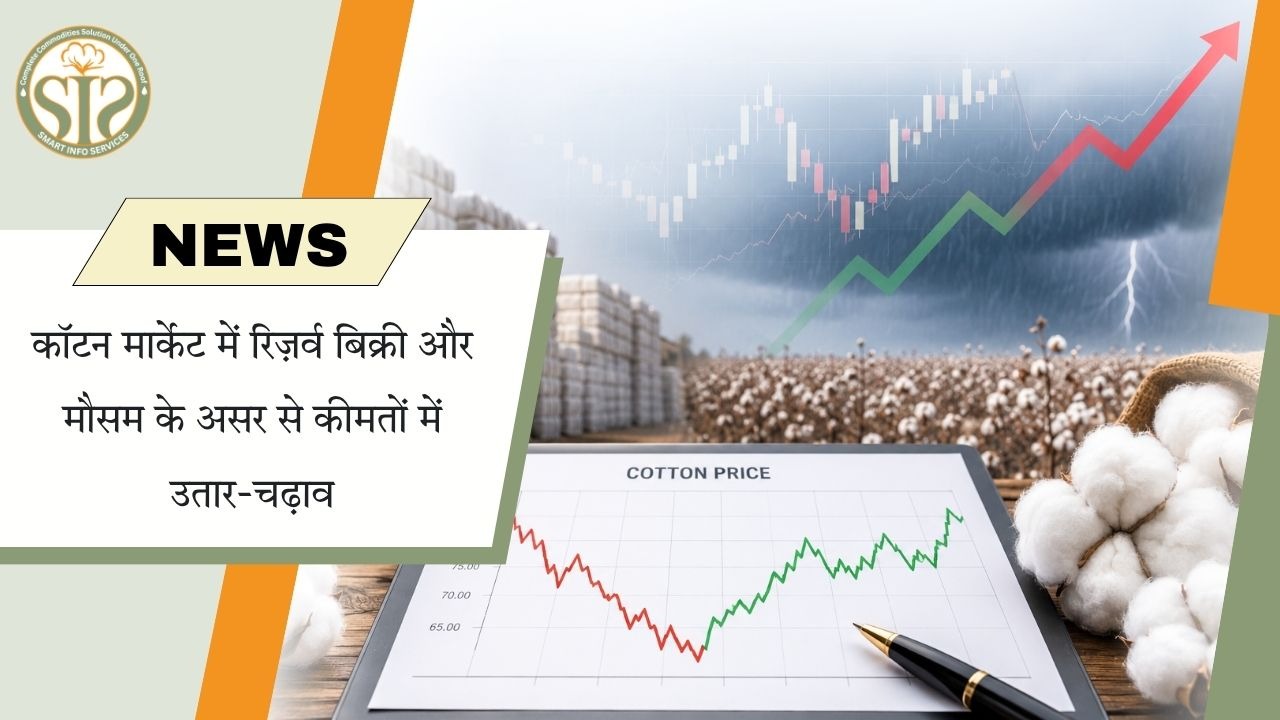
Meanwhile, Anand Popat—a cotton, yarn, and cotton waste trader from Rajkot—observed that cotton prices have surged due to speculative trading in the market, a trend that has adversely impacted the market share of this natural fiber.