10% or 15%?: Confusion reigns over US global tariffs
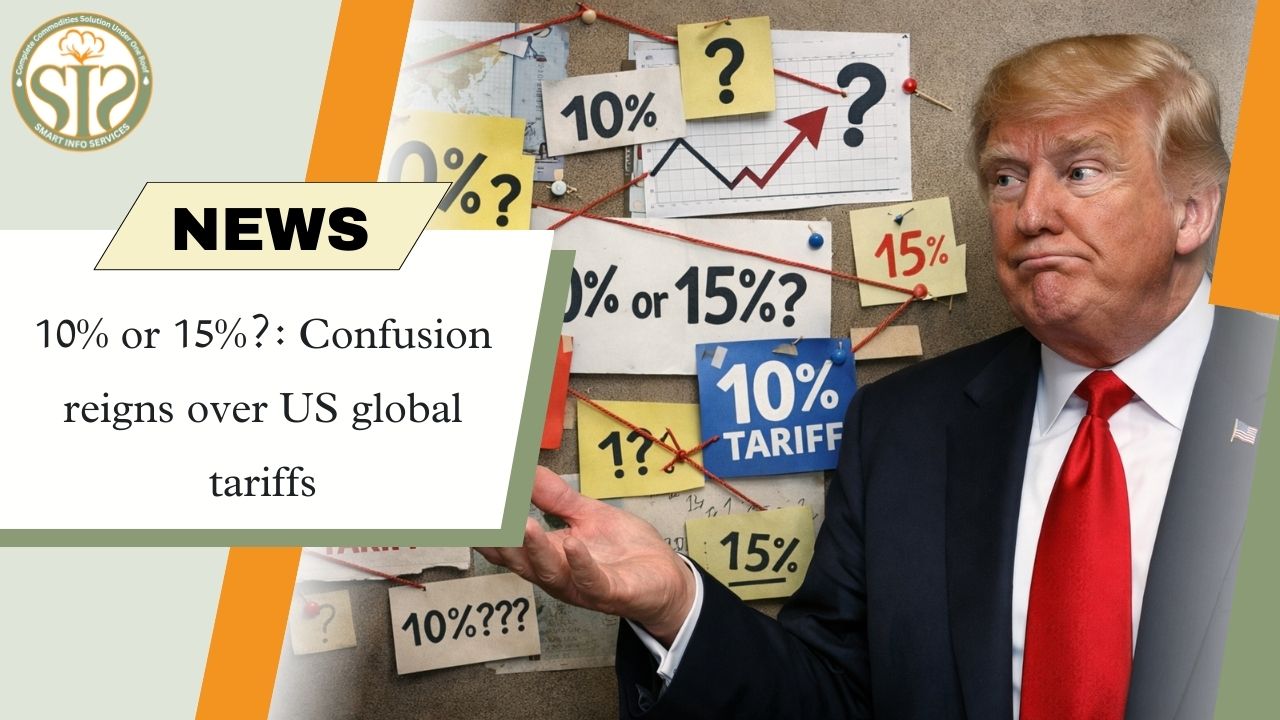
There remains uncertainty regarding global tariffs in America. The 10% temporary tariff went into effect Tuesday, Feb. 24, under President Donald Trump's Section 122 of the Trade Act of 1974, though the administration has raised the possibility of raising it to 15%. The move came after the Supreme Court's decision that struck down sweeping tariffs imposed earlier under the International Emergency Economic Powers Act (IEEPA).
The surcharge issued under Section 122 is temporary and will remain in effect for 150 days, unless Congress decides to extend it or make it permanent. 10% initially applies, while President Trump announced plans to increase it to 15%. This tariff applies on top of existing tariffs and other trade measures, except for certain exempt products.
US Trade Representative Jamieson Greer said the administration aims to reduce the goods trade deficit and encourage domestic manufacturing. Section 301 and Section 232 tariffs already imposed on China and other countries also remain in place, covering about 30% of US imports.
The Supreme Court decision invalidated Trump's "Liberation Day" tariffs, but that would have already collected about $133 billion by 2025. The court did not give any direction on refunds, leaving the affected companies exploring legal options.
International reaction was mixed. The United Kingdom appealed to avoid a trade war, while the European Union suspended recent agreements until there is clarity on US tariff policy. China urged the unilateral removal of tariffs and continued monitoring the developments.
India has adopted a cautious approach. Commerce and Industry Minister Piyush Goyal said that new trade talks will be started only after there is clarity on US tariffs. Earlier, talks on interim trade agreement between India and America were postponed.
It is not yet clear whether the 10% tariff will remain permanent, increase to 15%, or be eliminated entirely. The Administration is considering additional tariff options and uncertainty will remain until Congress allows an extension.