Recent News

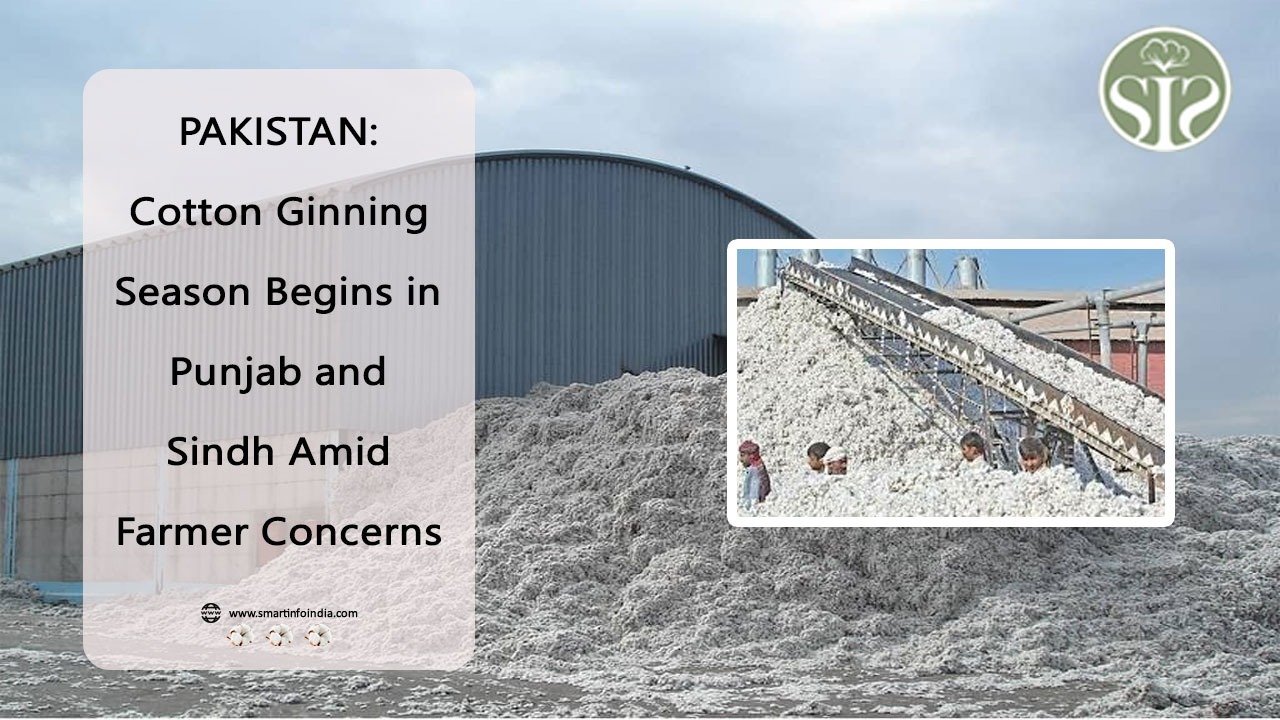
PAKISTAN: Cotton Ginning Season Begins in Punjab and Sindh Amid Farmer Concerns

Pakistan: Amid worries from farmers, the cotton ginning season starts in Punjab and Sindh.The new cotton ginning season has commenced in Pakistan, albeit with some reservations, as only one ginning unit each has become operational in Sindh and Punjab, with more expected to follow suit in the coming days.Reports indicate that partial cotton picking has commenced in coastal areas of Sindh and southern Punjab, leading to a gradual increase in the arrival of raw cotton in the market. However, the volume remains lower compared to last year during the same period.In Sindh's lower areas, cotton picking is gaining momentum, with prices ranging between Rs9,500 and Rs10,700 per 40kg. However, concerns persist as farmers, engrossed in their recently harvested wheat crops, seem to overlook cotton, exacerbated by the government's delay in announcing the cotton intervention price.Field reports suggest that soaring temperatures are hampering cotton sowing efforts. Moreover, textile mills, citing financial constraints, have withheld payments amounting to billions of rupees, exacerbating the sector's woes.A recent meeting between the Pakistan Cotton Ginners Association (PCGA) and the All-Pakistan Textile Mills Association (APTMA) failed to yield substantial outcomes, merely involving exchanging suggestions for improving the prevailing situation.Abid Zaidi, a prominent cotton expert, expressed disappointment over APTMA's lack of commitment during the meeting. He highlighted the grievances of ginners regarding textile mills' preference for importing cotton at higher prices rather than offering better rates for locally produced premium quality lint. Zaidi emphasized the need for textile mills to actively engage in producing quality lint and address the issue of non-lint content, which stands at up to 8%, a level not acceptable in other countries.Meanwhile, the Karachi Cotton Association's spot rate committee maintained the spot rate at Rs19,700 per bale. Naseem Usman, Chairman of the Karachi Cotton Brokers Forum, noted an upward trend in international cotton rates, with cotton futures trading at 80.52 cents per pound in the New York market.Chairman of the Cotton Ginners Forum, Ihsanul Haq, highlighted the adverse impact of unfavorable weather on cotton cultivation this season. Severe cold earlier affected cotton sowing in February and March in coastal Sindh, while higher temperatures are now impeding sowing and growth in major cotton zones of Punjab and Sindh, including districts like Rahim Yar Khan, Bahawalpur, Multan, Sukkur, and others.In response to the sector's challenges, the Punjab government announced plans to establish a garment city covering 1,000 acres near Lahore to attract local and foreign investors for setting up new textile mills. However, Haq proposed reallocating these funds to revive the 50 to 60% of textile mills lying dormant in the province due to various reasons.Read more :- PAKISTAN : Over 100,000 Acres in Faisalabad Under Cotton Cultivation

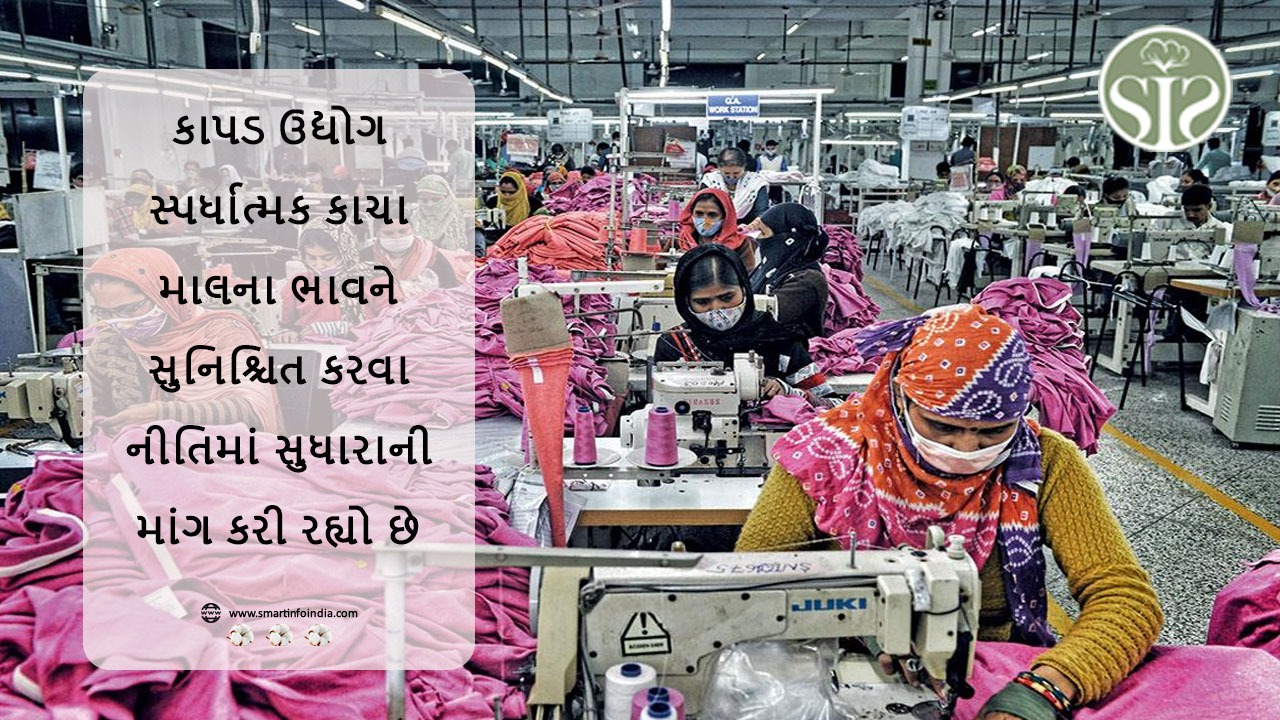
The Textile Industry Calls for Policy Revisions to Ensure Competitive Raw Material Prices

Policy Changes Are Needed, Says the Textile Sector, to Maintain Competitive Raw Material PricesThe Confederation of Indian Textile Industry (CITI) is advocating for policy adjustments aimed at securing competitive prices for raw materials, particularly cotton and manmade fibers (MMF), to drive the Indian textile industry towards its ambitious $350 billion target by 2030.CITI recommends the elimination of import duties on all types of cotton, including cotton waste, to facilitate cost-effective access to this essential raw material. Moreover, CITI emphasizes the need to boost cotton productivity by promoting specialized seed varieties.Regarding MMFs, CITI proposes exempting imported fibers and yarns not domestically available from Quality Control Orders (QCOs). Additionally, it suggests extending exemptions from mandatory QCOs issued by the Department of Chemicals and Petrochemicals to inputs imported by Advance Authorization holders, EoU, and SEZ units, in alignment with existing exemptions provided by the Ministry of Textiles.Rakesh Mehra, Chairman of CITI, underscores the industry's capability and readiness for growth. He emphasizes that ensuring raw material availability at competitive prices is crucial for overcoming the current industry stagnation and fostering sustainable growth.Read More :> Preparations for Pre-Seasonal Cotton Cultivation in Khandesh in Full Swing

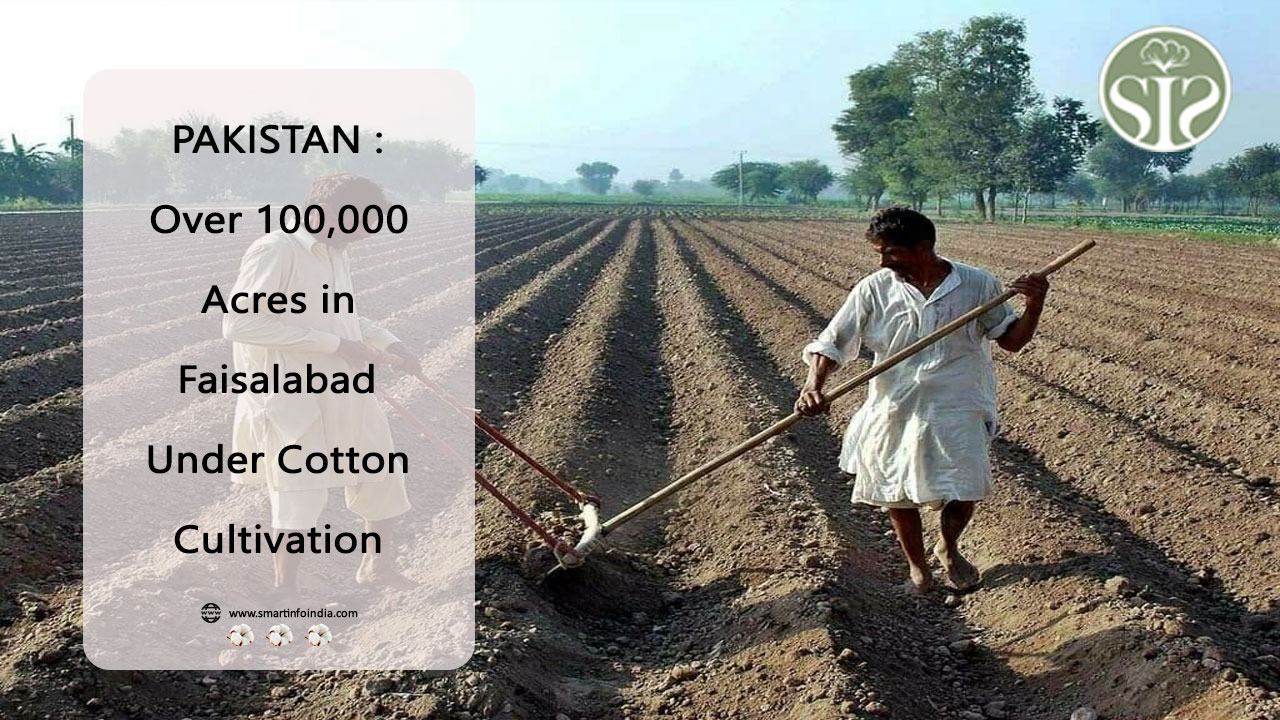
PAKISTAN : Over 100,000 Acres in Faisalabad Under Cotton Cultivation

More than 100,000 acres of Faisalabad, Pakistan, are planted with cotton.Chaudhry Khalid Mehmood, Divisional Director of Agriculture (Extension), shared promising news: cotton cultivation in Faisalabad division has crossed the 100,000-acre mark. Speaking at a farmers' day gathering hosted by progressive farmer Muhammad Zia-ul-Haq in Chak 487-GB, Mehmood revealed that the initial target set by the agriculture department was 115,800 acres for cotton cultivation this year. However, farmers have already dedicated 100,000 acres to cotton, with the remaining target expected to be met soon.Mehmood emphasized Pakistan's position as the fourth-largest cotton producer globally, highlighting the pivotal role cotton plays in the national economy and its significant contribution to employment in farming and the textile industry.He commended the Agriculture Department's efforts in encouraging farmers to allocate more land for cotton cultivation and assured uninterrupted canal water supply during the critical upcoming fortnights, crucial for cotton growth. This assurance was reinforced by the Superintending Engineer of the Irrigation Department, Faisalabad Zone.Mehmood urged agricultural officers to extend full support to farmers, aiding them in adopting advanced techniques to enhance cotton yields per acre. Hafiz Muhammad Adeel, Assistant Director of Agriculture, Tehsil Sammundri, reiterated the government's commitment to supporting cotton growers. He announced subsidized rates for agricultural equipment and provisions for quality seeds, fertilizers, and pesticides. Adeel also emphasized the benefits of mechanized farming in reducing financial burdens and mitigating the menace of smog.Read More :> Preparations for Pre-Seasonal Cotton Cultivation in Khandesh in Full Swing
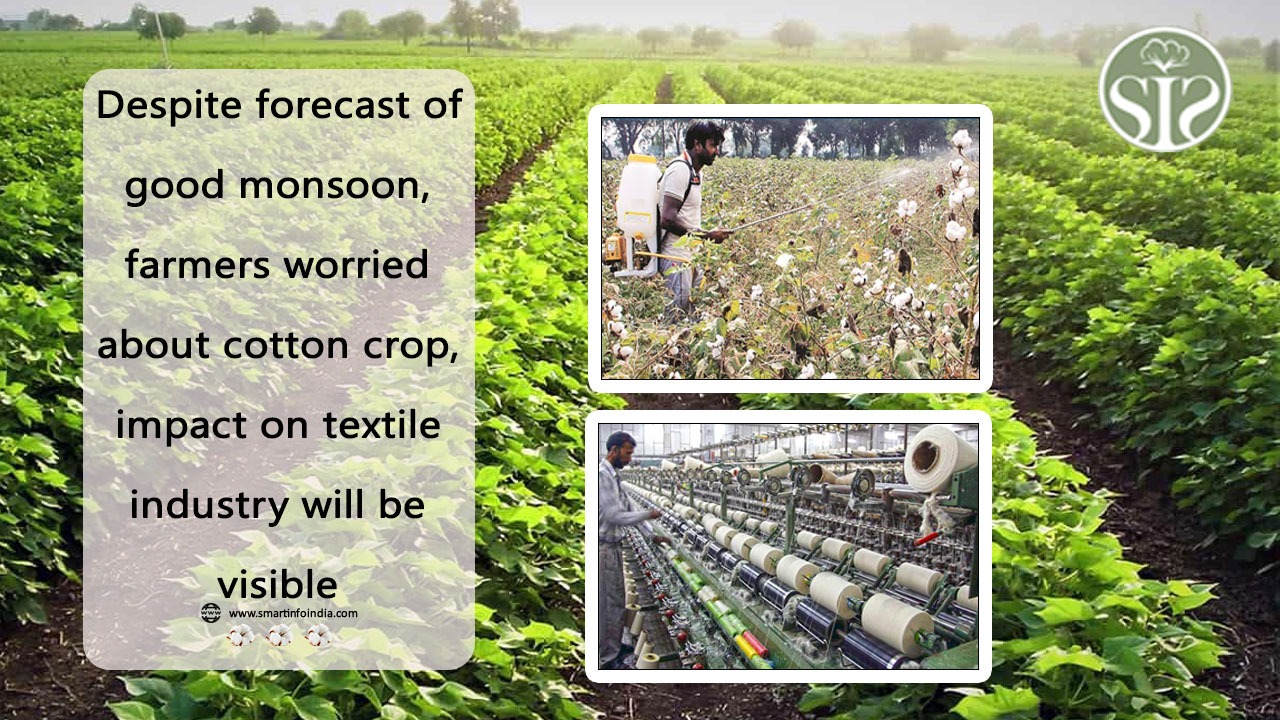
Despite forecast of good monsoon, farmers worried about cotton crop, impact on textile industry will be visible

Farmers are concerned about the cotton crop even if a favorable monsoon is predicted; the impact on the textile industry will be evidentThis year, cotton prices are expected to be under pressure in global markets, but Indian farmers have other concerns as well, which will impact the textile industry.Globally, the cotton season will begin on August 1 and production is expected to increase in the 2024-25 season. Good cotton yields in Brazil, Turkey, and the US will increase global supply, which is likely to put pressure on prices. In particular, cotton production in the United States is expected to increase this year and the country will be a significant contributor to global supply.Reason for concern for cotton farmers in IndiaIn India, farmers are worried since the beginning of the cotton season. There are signs of reduction in cotton production in both India and China, and the supply shortage from these countries is not expected to have any impact on the global situation as additional supplies will be available from the US to compensate.Indian farmers expect prices to riseIn India, cotton prices in the mandis are higher than its MSP, but farmers are still expecting higher prices. Cotton arrivals are decreasing in the markets and global exports are increasing. Farmers feel that their cotton can be sold at a much higher price in the world market.How will be the cotton prices in India?Since the supply of cotton is being reduced by farmers in India, and the crop is being produced abundantly from the US, there is a situation of double suspicion. According to NASS's Crop Progress Report, as of May 5, 24% of cotton has been planted in the US. If it is compared with the average of last year and last five years, it is four percent less.In fact, the country saw a 137% increase in cotton exports from last October to March, adding up to 18 lakh bales. Against this, it was 7.5 lakh bales in the same period last year. One bale contains an average of 170 kg of cotton, indicating heavy exports, which suggests that India's demand for cotton has increased.India's textile industry is worried that this time they may have to face a cut in supply due to shortage of cotton. Textile prices have risen over the years, and if cotton is in short supply, the impact of raw material shortage will have a negative impact on textile and clothing production. Despite expectations of a good monsoon here, less cotton is being sown this year because farmers have not yet supplied their entire supply to the market and are waiting for higher demand. As a result, there is a risk of reduction in cotton production, which is likely to cause disruptions throughout the supply chain.Read more :- Preparations for Pre-Seasonal Cotton Cultivation in Khandesh in Full Swing

Related News

Youtube Videos

रुई के भाव में लगातार गिरावट 😱 क्या आगे भी रहेगी मंदी? | Cotton Market
रुई के भाव में लगातार गिरावट 😱 क्या आगे भी रहेगी मंदी? | Co...
रुई बाज़ार में गिरावट का सिलसिला जारी 😱🔥Cotton market rate today #youtube
रुई बाज़ार में गिरावट का सिलसिला जारी 😱🔥Cotton market rate...
रुई बाज़ार में गिरावट का रुख 😱 Cotton market rate today #youtube
रुई बाज़ार में गिरावट का रुख 😱 Cotton market rate today #you...
Application Download
Whatsapp Contact