Bangladesh Textile Industry Pushes to Restore Yarn Incentives
2025-12-30 01:26:36
Bangladeshi Textile Industry Demands Restoration of Yarn Incentives Amid Rising Cost Pressures
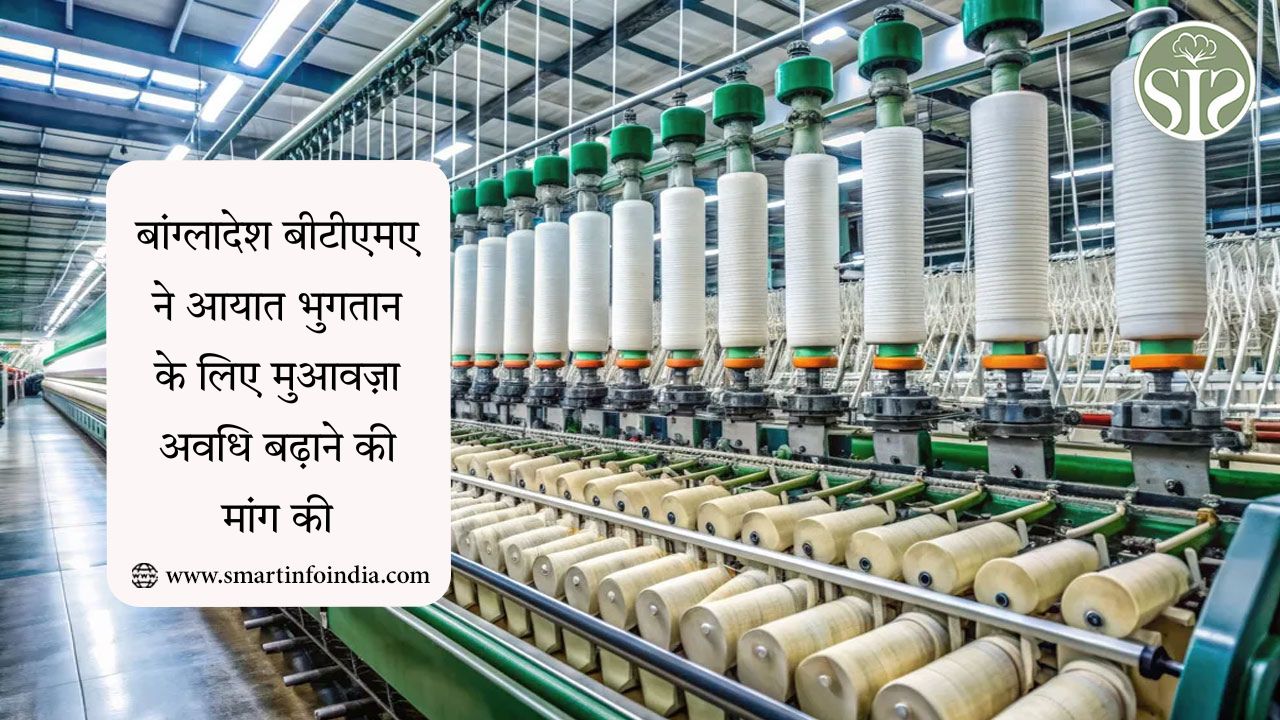
Bangladesh’s ready-made garment (RMG) exporters and textile millers have jointly intensified calls for the restoration of government cash incentives on the use of locally produced yarn, warning that the recent policy changes could weaken the country’s textile–apparel supply chain and hurt export competitiveness.
Leading industry bodies, including the Bangladesh Garment Manufacturers and Exporters Association (BGMEA), Bangladesh Knitwear Manufacturers and Exporters Association (BKMEA), and Bangladesh Textile Mills Association (BTMA), have urged the Ministry of Finance to reinstate a 5% cash incentive on local yarn usage. The request follows a recent reduction in the incentive to 1.5% as part of Bangladesh’s transition from Least Developed Country (LDC) status.
Industry leaders argue that the sharp cut has increased production costs for exporters and weakened the backward linkage textile sector. They believe restoring higher incentives would help boost local value addition, which is becoming increasingly important for maintaining competitiveness under evolving global trade conditions, including the United States’ reciprocal tariff framework.
In a letter dated December 24, BTMA President Shawkat Aziz Russell highlighted multiple pressures facing the sector, including geopolitical tensions from ongoing global conflicts, depreciation of the taka, rising gas tariffs, higher labour costs, and disruptions in energy supply. The association has also requested an extension of the export cash incentive scheme under Bangladesh Bank FE Circular No. 28, proposing that it be extended from December 31, 2025, to December 31, 2028.
Exporters have additionally suggested a 10% direct incentive for spinning mills to revive domestic yarn production and offset competition from cheaper imports, particularly from India. Many local mills are reportedly facing large unsold inventories, forcing them to reduce production and operate below capacity.
Industry stakeholders warn that without adequate incentive support, Bangladesh’s backward linkage industry could weaken further, potentially disrupting yarn supply for the RMG sector. Together, textiles and apparel account for nearly 85% of Bangladesh’s total export earnings and remain critical to foreign exchange stability.
Stakeholders also note that WTO rules allow developing economies transitional policy support during adjustment periods. They question Bangladesh’s move toward phasing out cash incentives while competing textile-exporting countries continue to support their industries through subsidies and policy incentives.
With the fiscal year-end approaching, exporters and millers are closely watching government decisions, as the incentive framework is seen as crucial for sustaining export growth and maintaining the strength of Bangladesh’s industrial base.