Textile Industry Feels More Pressure from Tariffs Than West Asia Conflict, Says Expert
2026-03-24 11:14:29
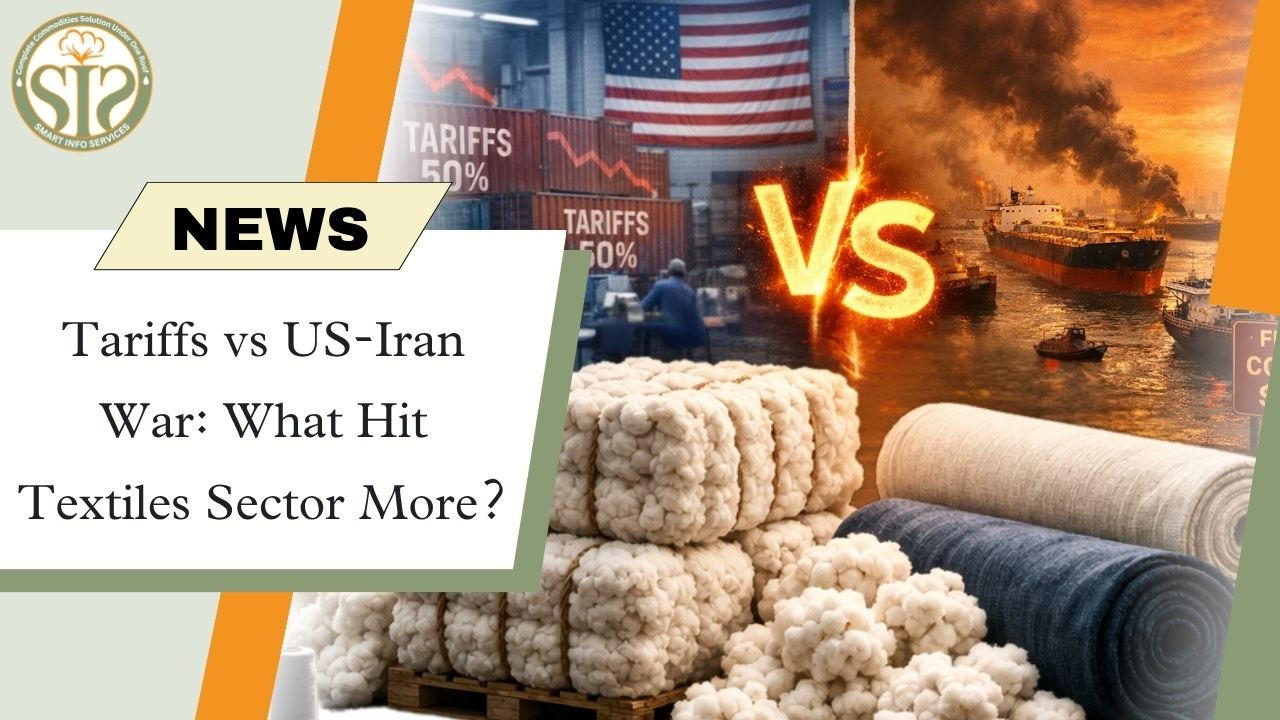
Tariffs Impact Textile Sector More Than US–Iran Conflict: Industry Expert
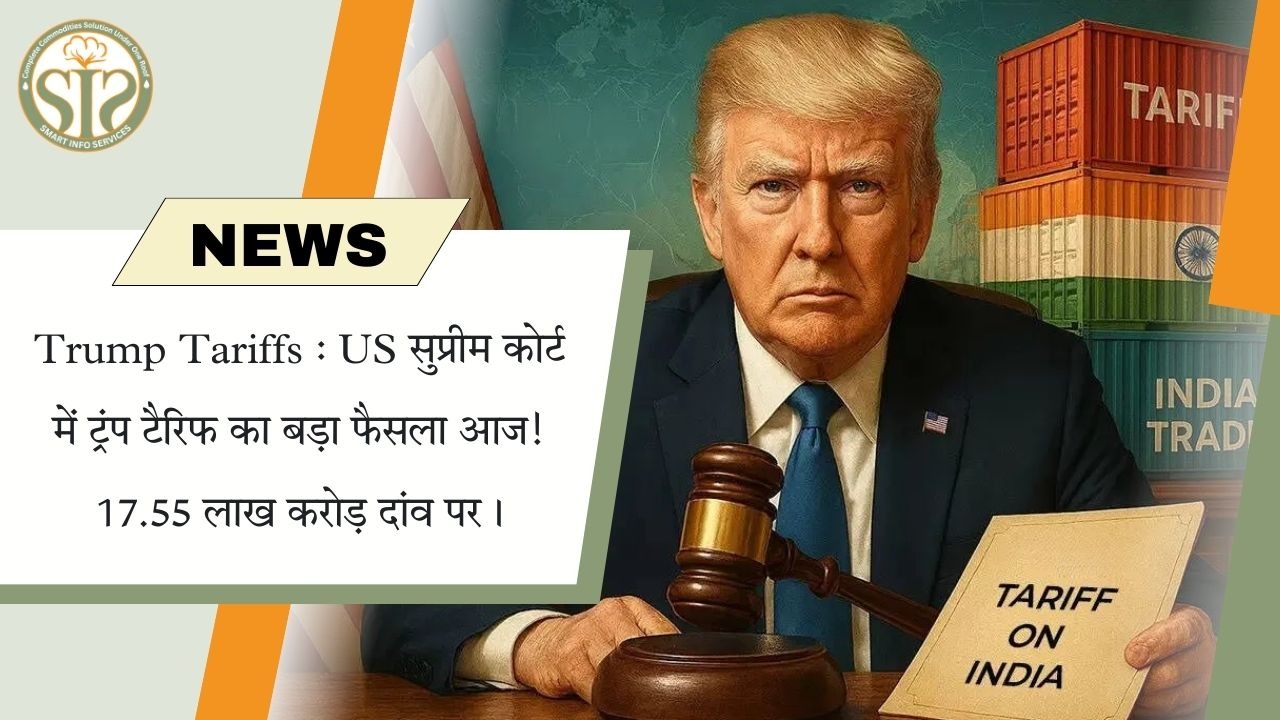
The ongoing US–Israel–Iran conflict has added fresh uncertainty to global markets, raising concerns about its potential impact on the textile and apparel industry. However, industry leaders believe that earlier tariff measures imposed by the administration of Donald Trump have had a far greater impact on the sector than the current geopolitical tensions.
Speaking to NDTV Profit, Pallab Banerjee, Managing Director of Pearl Global, said that the tariff-related disruptions created a much stronger setback for the textile industry compared to the ongoing West Asia conflict.
According to him, price fluctuations and commodity shocks from the current conflict remain relatively limited so far. In contrast, tariffs introduced earlier have already created significant structural pressure on exporters and manufacturers.
He added that, despite global uncertainty, consumer sentiment has remained largely stable for now, with no major disruption observed in demand conditions.
Key Concern: Rising Freight and Oil Prices
Banerjee highlighted that the major risk from the ongoing conflict is uncertainty over crude oil prices. If tensions escalate further, oil prices could rise sharply, potentially crossing higher thresholds and affecting global trade costs.
He also pointed out that container freight rates have surged by nearly 50% since before the conflict. However, he noted that exporters are not directly absorbing these costs, as freight charges are typically borne through import arrangements.
Industry Outlook
The textile sector is currently weighing two major external pressures:
Long-term tariff impacts from earlier trade policies
Short-term uncertainty from the US–Israel–Iran conflict
Despite these challenges, the industry has not yet seen a major disruption in demand, though rising logistics costs remain a key concern.