STAY UPDATED WITH COTTON UPDATES ON WHATSAPP AT AS LOW AS 6/- PER DAY

Start Your 7 Days Free Trial Today

News Details

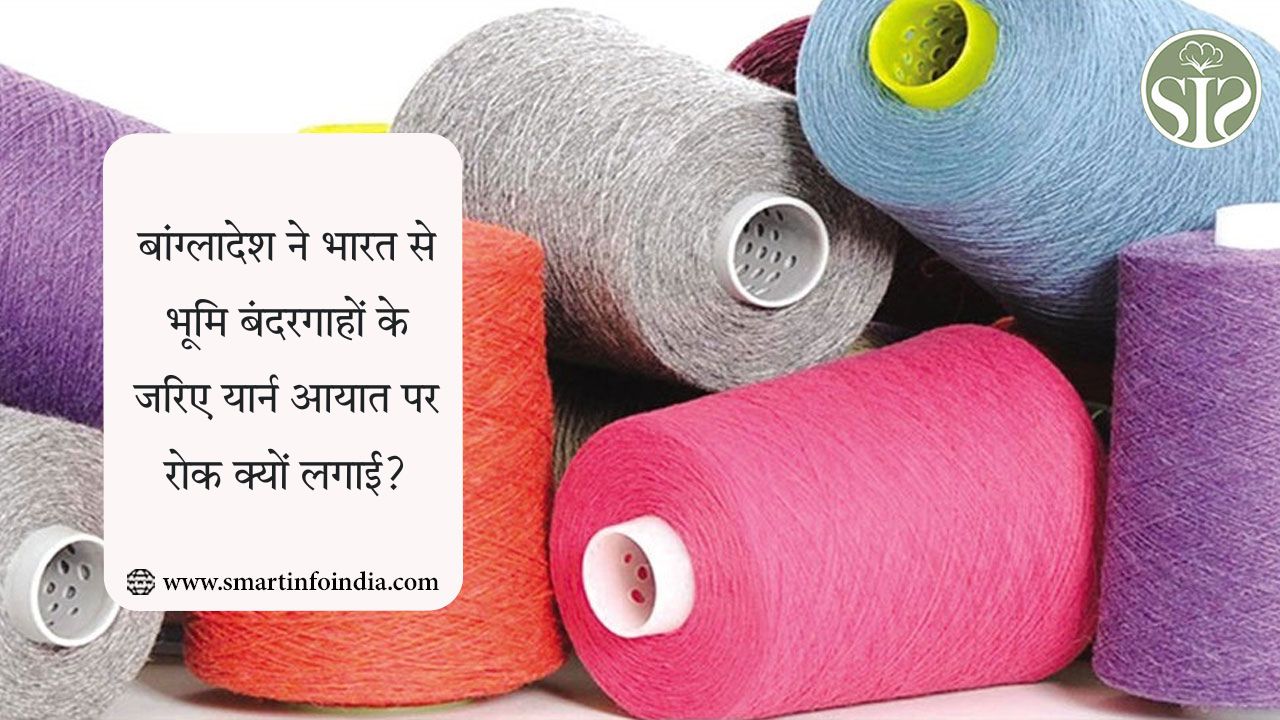
Demand to suspend bond facility on 10-30 count yarn import

2026-01-19 19:03:36
First slide


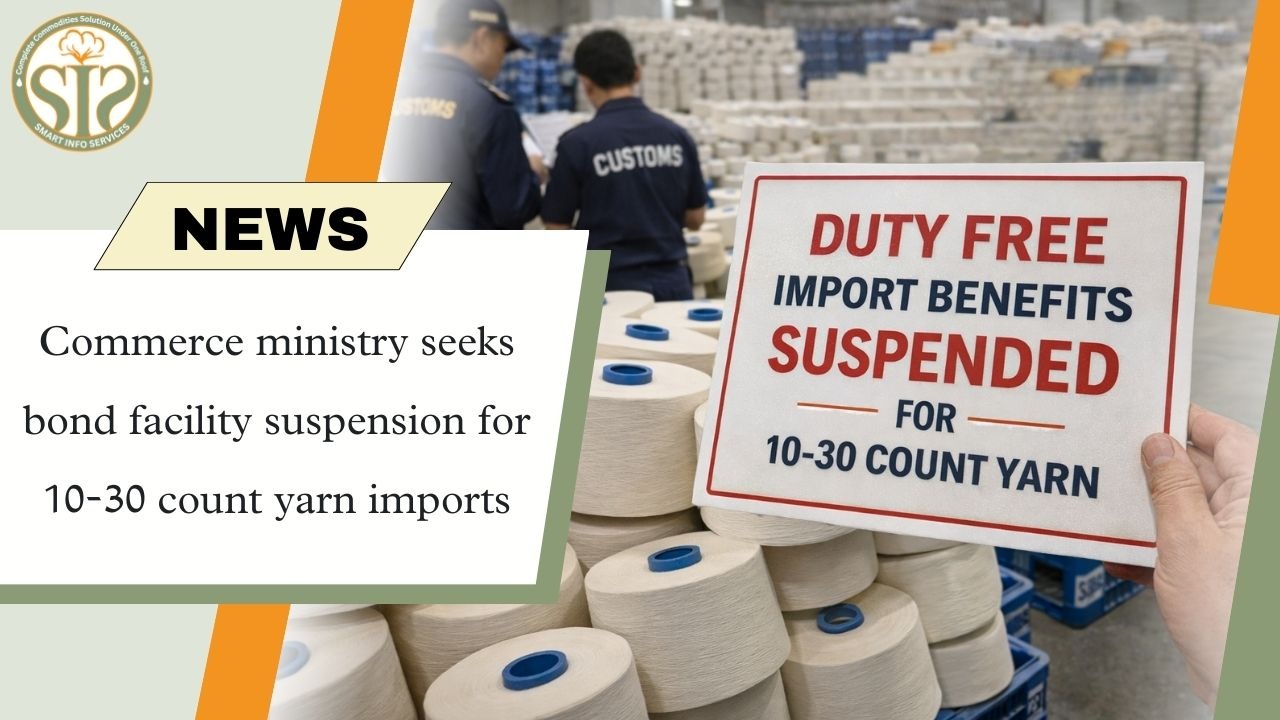
Commerce Ministry Proposes Suspension of Bond Facility for 10–30 Count Yarn Imports


The Ministry of Commerce has proposed suspending duty-free import benefits for 10–30 count cotton yarn under the bonded warehouse scheme, aiming to protect domestic textile mills. In a formal letter sent to the National Board of Revenue (NBR) on January 12, the ministry recommended withdrawing the bond facility for this yarn category. However, NBR officials have stated that no official order has been issued so far.


The ministry has also urged authorities to instruct customs houses to clearly mention yarn count in the commercial description on import bills of entry to ensure better transparency and monitoring.


In textile terminology, yarn “count” refers to its thickness and fineness. The 10–30 count range is considered medium to coarse and is a key raw material for the country’s large knitwear sector. With the removal of duty-free benefits, importers may now face nearly 40% in taxes, which exporters warn could significantly impact more than half of the country’s ready-made garment (RMG) exports.


Exporters have raised concerns that local yarn producers are already tightening supply, with some reportedly halting new orders. Fazlee Shamim Ehsan, executive president of the Bangladesh Knitwear Manufacturers and Exporters Association (BKMEA), criticized the move as arbitrary and warned of its negative impact on the industry.

The interim government is currently evaluating several policy options, including stricter import controls, limiting duty-free yarn imports, and incentivizing the use of locally produced yarn. These considerations come amid growing pressure to support domestic spinning mills, particularly against a surge in subsidized yarn imports from India.

Earlier this month, the Bangladesh Trade and Tariff Commission (BTTC) held discussions with representatives from the Bangladesh Textile Mills Association (BTMA) and garment exporters. While there was broad agreement on protecting the textile value chain, no consensus was reached due to differing interests between millers and exporters.


Commerce Secretary Mahbubur Rahman stated that the government is actively reviewing the issue and working toward a balanced solution.


Bangladesh’s RMG sector, the world’s second-largest exporter, has developed strong backward linkages over time. Local textile mills currently supply around 60% of woven fabric demand and nearly all yarn required for the knitwear sector. Despite this, spinning mills have been under significant financial stress for over a year, often selling yarn below production cost to remain competitive.


read more :- Greenland dispute: Trump imposes 10% tariff on Denmark, UK and France


Regards
Team Sis
Any query plz call 9111977771

https://wa.me/919111977775

Related News

Circular