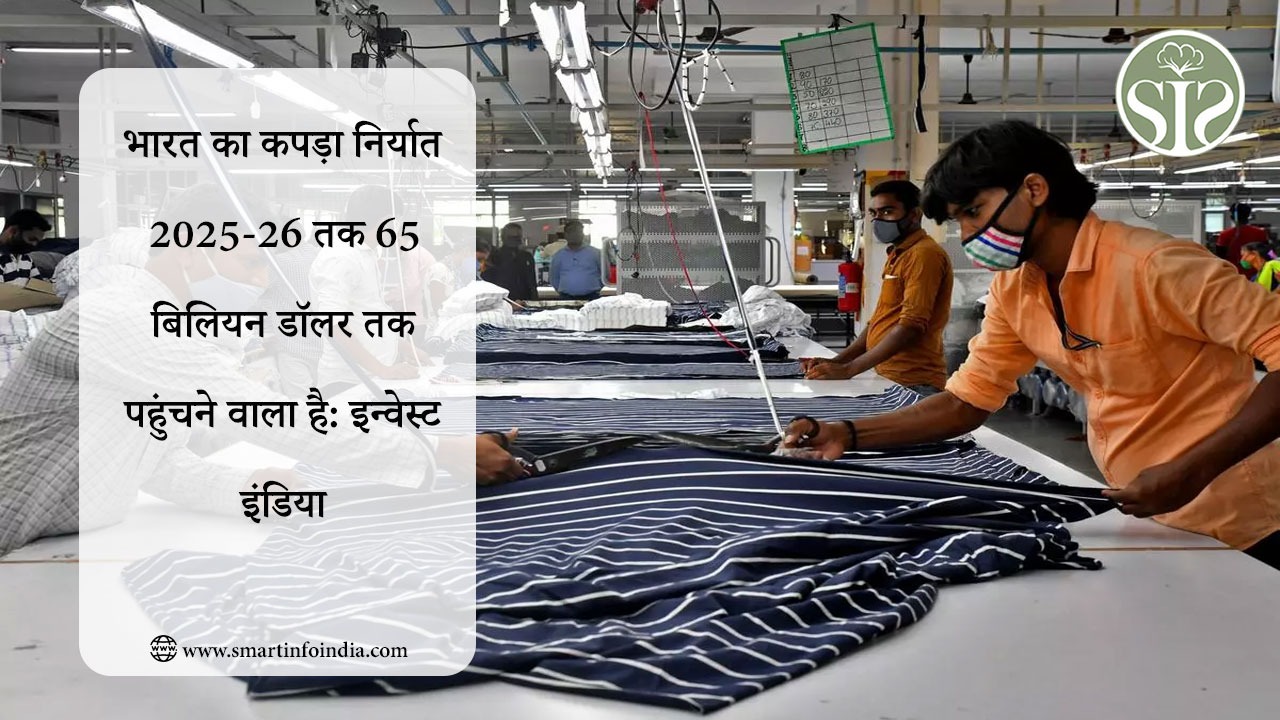
According to industry estimates, nearly 30% of yarn produced in Vidarbha—around 3,000 tonnes per month—is exported to Bangladesh, with about 45 manufacturing units dependent on this trade. Any disruption could lead to a surplus in the domestic market, potentially dragging down yarn and cotton prices.
The demand for a safeguard duty in Bangladesh is reportedly linked to misuse of duty-free import provisions. Certain licensed importers were allowed to import yarn from India duty-free, provided it was used for export-oriented garment production. However, authorities found that some firms diverted these inputs to produce garments for the domestic market, distorting trade practices.
Industry experts believe that any tariff imposition could significantly alter trade dynamics between the two countries, affecting both textile exports and the broader cotton value chain.
Read More :- Rupee opens 07 paise down at 89.95