Budget 2026–27 Wishlist: Textile Industry Seeks Duty-Free Cotton to Boost Competitiveness
By yash chouhan 2026-01-16 23:54:17
Textile Industry Pushes for Duty-Free Cotton Imports Ahead of Budget 2026–27
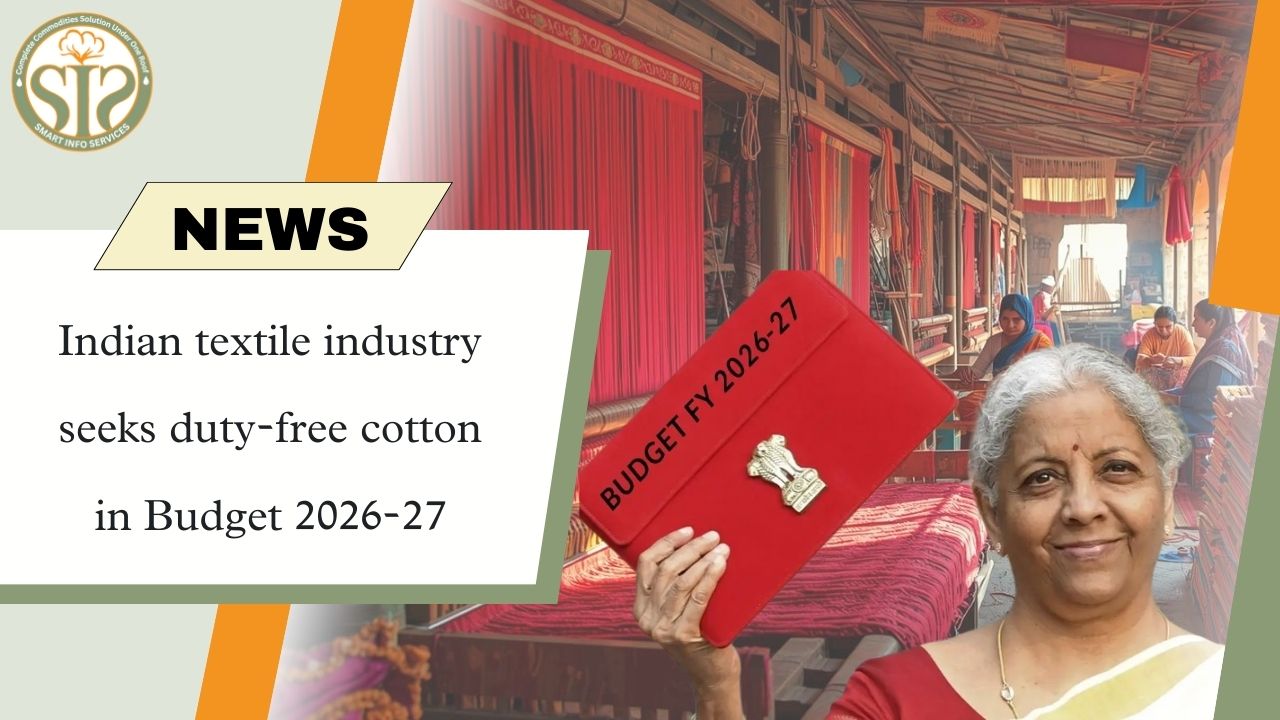
India’s textile and apparel industry has outlined a series of demands ahead of the Union Budget 2026–27, highlighting concerns over raw material availability, global quality standards, and cost competitiveness. The Budget will be presented by Nirmala Sitharaman on February 1, 2026.
The Southern India Mills Association (SIMA) has called for unrestricted duty-free cotton imports, warning that existing import duties could worsen supply constraints. It also proposed a separate classification for recycled and sustainable textile products, removal of import duties on speciality fibres, and elimination of anti-dumping duties on key raw materials such as PTA and MEG.
SIMA noted that cotton productivity in India has declined in recent seasons, pushing output below industry requirements. It cautioned that supply gaps could emerge from late 2025 if import restrictions persist. According to the association, a permanent duty-free regime would stabilise prices, improve export competitiveness, and protect jobs in the sector.
The industry also warned that India risks losing export orders to competitors like Bangladesh, Vietnam, and Cambodia if raw material availability remains uncertain and costly.
In addition, SIMA has urged the removal of import duty on cotton waste, widely used by handloom and powerloom clusters in Tamil Nadu for products such as towels, carpets, and home textiles. The current duty structure, it argued, weakens India’s position in recycled textile exports, especially against Pakistan, while putting pressure on open-end spinning mills.
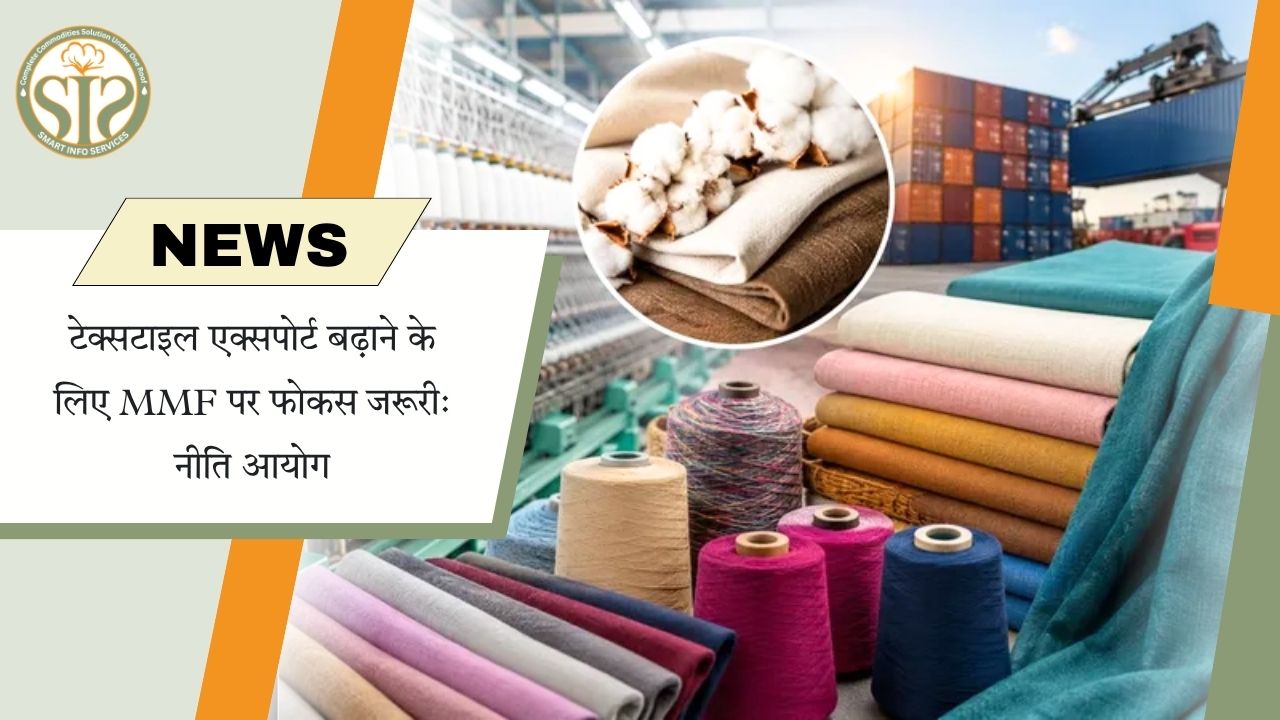
For the man-made fibre (MMF) segment, manufacturers have proposed a dedicated classification for recycled and sustainable textiles to enhance global recognition. They also recommended scrapping anti-dumping duties on PTA and MEG and allowing duty-free imports of speciality fibres not produced domestically, enabling expansion into technical textiles and high-value exports.
MSME textile units have sought compliance relaxations aligned with revised MSME definitions, along with improved access to export financing. Industry stakeholders emphasised the need for stronger banking support for export bill discounting, particularly for shipments to Bangladesh, a key market for Indian yarn and fabric.
Exporters have also suggested logistics reforms, such as permitting trucks carrying import cargo to transport export goods on return trips along major textile corridors. This would reduce empty runs, cut freight costs, improve efficiency, and lower emissions.
The industry further called for faster rollout of technology upgradation subsidies, continuation of export incentives in cash form, and extension of interest subvention schemes for cotton yarn exports. It stressed that cotton yarn remains central to India’s long-term export growth and requires sustained financial support.
Finally, the sector has urged stricter action against under-invoiced imports of garments and made-ups through yarn-forward or fabric-forward rules, along with broader credit guarantee frameworks and interest support to shield domestic manufacturers from rising global competition.