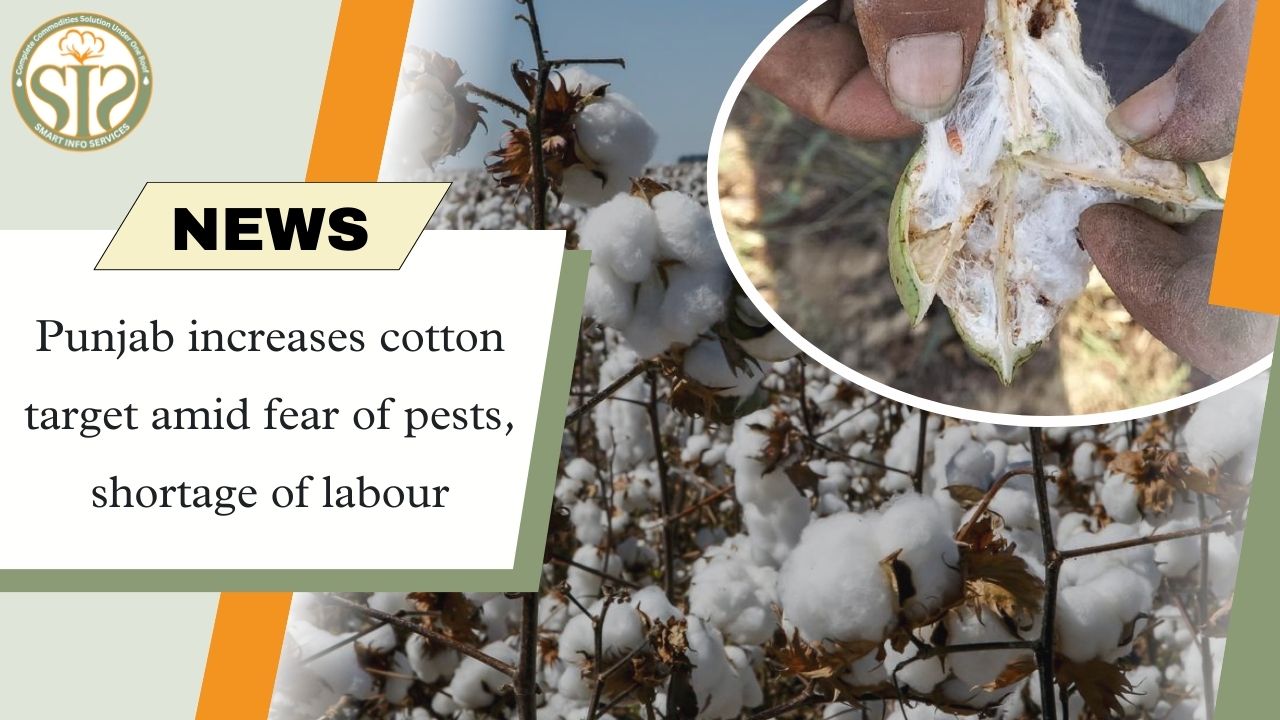
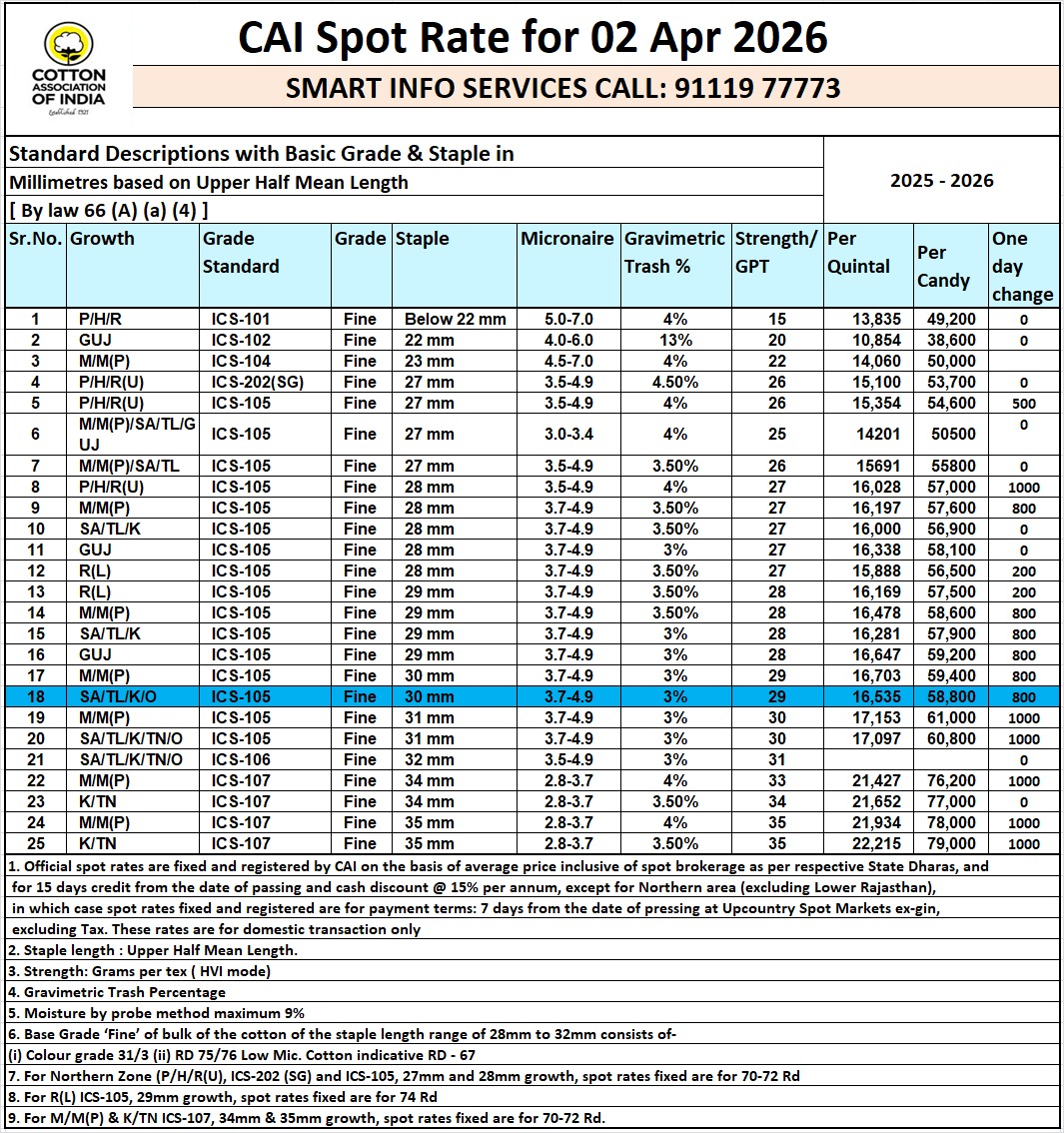
Punjab increases cotton target amid fear of pests, shortage of labour
As soon as the cotton sowing season starts in April, there is an atmosphere of uncertainty in the cotton sector of Punjab. Farmers and agricultural experts are concerned about the threat of pest-prone hybrid seeds, especially pink bollworm, and a severe shortage of farm workers. Despite these challenges, the state agriculture department has set a target of sowing cotton in 1.5 lakh hectares for the kharif season of 2025-26, which is about 30,000 hectares more than the previous season. It is noteworthy that in the year 2021, cotton was sown in 2.5 lakh hectare area in the state, after which there has been a continuous decline in the area.
In the semi-arid southern districts of Punjab, cotton picking is mainly done by women. However, declining crop production and persistent losses have led to reduced work in the fields, causing a large number of agricultural workers to turn to other employment. Many workers now find working in non-agricultural activities or under rural employment schemes as a more secure and stable option.
Baldev Singh, a farmer from Bajak village in Bathinda district, says that since 2021, crops are continuously failing due to pest attacks and adverse weather. In such a situation, the availability of agricultural workers called 'Siri' has decreased. Workers are preferring jobs that are less labor-intensive and have relatively stable income, increasing the difficulties for cotton growers.
According to Gurjit Singh Romana, a farmer from Fazilka district, after five consecutive seasons of poor crops, farmers are not ready to take the risk again. He says BT-2 cotton seeds are sensitive to pink bollworm and till now farmers have not been assured that the new crop will be safe. Despite limited options in semi-arid areas, farmers are skeptical and reluctant to increase cotton acreage.
State Agriculture Director Gurjit Singh Brar admitted that the labor shortage in the cotton belt has become acute in the last two-three years. He said that the department is taking steps like promoting mechanization and cleaning the fields before sowing. According to Brar, the root of the problem is the seeds being susceptible to pests. The new generation of pink bollworm-resistant seeds are still in the testing phase and their acceptance will take time. At present, the teams of the department are busy in motivating the farmers for cotton cultivation as per the advice of experts.