


STAY UPDATED WITH COTTON UPDATES ON WHATSAPP AT AS LOW AS 6/- PER DAY

Start Your 7 Days Free Trial Today

News Details

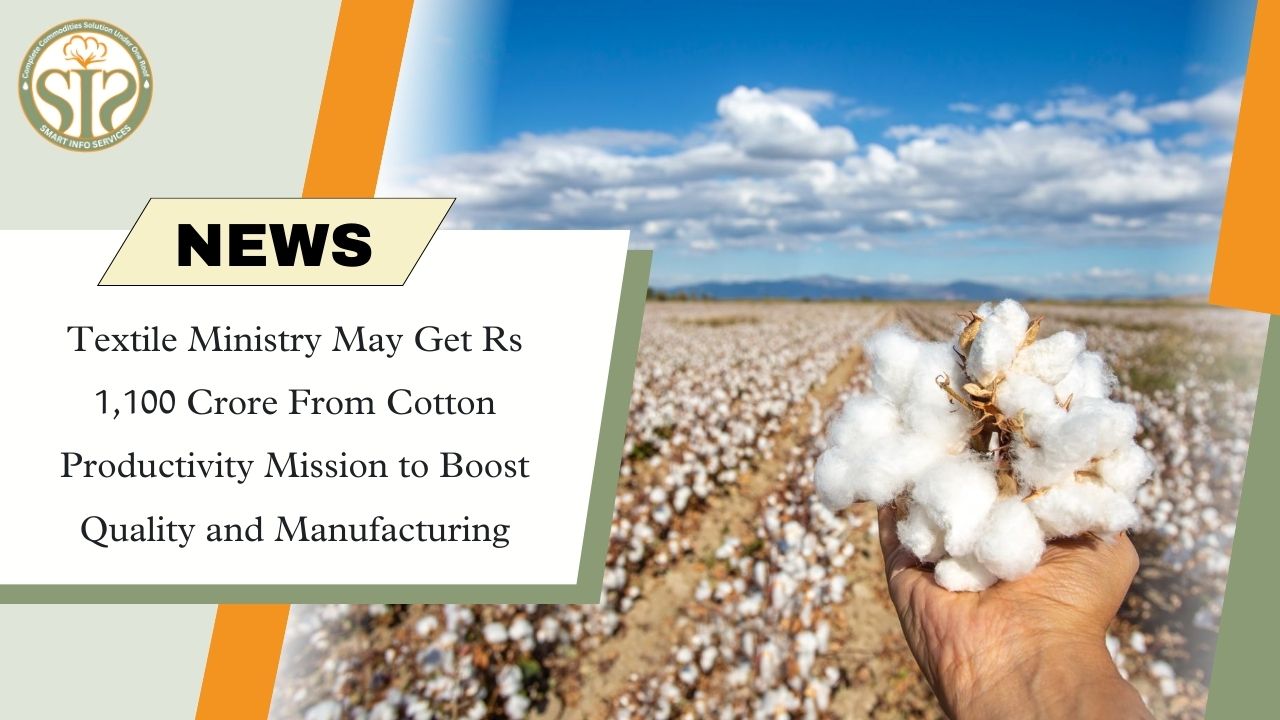
The Textiles Ministry is set to receive ₹1,100 crore from the Cotton Productivity Mission to boost quality and manufacturing

By ashish wagh 2025-12-26 18:18:27
First slide


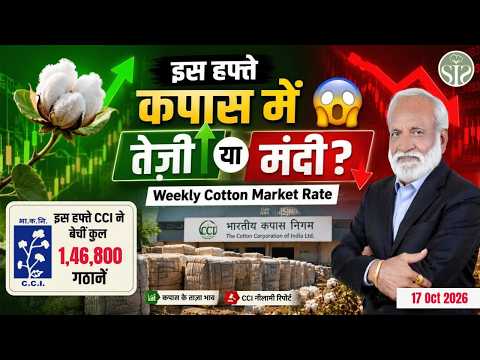
This week, the Cotton Corporation of India (CCI) sold 94.28% of its 2024–2025 cotton procurement through online auctions while maintaining its current prices.


The Textiles Ministry is slated to receive over ₹1,100 crore from the Cotton Productivity Mission, representing approximately 22 percent of the scheme's total budget of ₹6,000 crore. This allocation stems from a five-year plan announced in the Union Budget earlier this year, designed to revitalize India's struggling cotton sector. The ministry's funds will be used to modernize factories, improve lint quality, and strengthen the textile chain from farm to finished garment. The funding is still awaiting final cabinet approval, which has been delayed by nearly a year.


India's cotton problem is real and worsening. Production has declined for three consecutive years, falling from 32.52 million bales in 2023-24 to 29.22 million bales in 2025-26. The area under cotton cultivation has decreased by 2 million hectares in four years. India's cotton yield remains stuck below 5 quintals per hectare, while the global average is 9 quintals, and the United States achieves 10 quintals per hectare. The government believes this new funding can reverse this decline and help India compete globally in the textile sector once again.


How the ₹6,000 crore mission budget will be distributed


The Cotton Productivity Mission funds are being distributed among various government bodies based on their respective roles. The Department of Agriculture and Farmers Welfare receives the largest share, over ₹4,000 crore, approximately 69 percent of the total. The Indian Council of Agricultural Research receives just under ₹600 crore, about 9 percent. The Textiles Ministry receives ₹1,100 crore to handle textile-related matters. This allocation has caused some disagreement within the government. Scientists at the ICAR's cotton research center in Nagpur stated that their organization has been tasked with achieving all the mission's objectives, but it is receiving very little funding to do so. ICAR is supposed to design the entire mission and set the targets, but it lacks the necessary resources. The Textile Ministry worked hard to secure the ₹1,100 crore, as the expenditure department was initially reluctant to provide them with more funds. Now that they have the money, the ministry plans to use this fund for improving ginning factories, lint quality, and better bale handling.


What will the Textile Ministry do with the ₹1,100 crore?


The Textile Ministry is facing a major problem in India's cotton-to-textile chain. Farmers grow cotton in the fields, but textile mills receive poor-quality raw material. As yields decline, the quality of the lint also deteriorates. Better ginning facilities, proper bale handling, and improved quality checks can make a significant difference in the quality of the material reaching textile factories. The ₹1,100 crore will focus on these post-harvest processes, where adulteration and poor handling degrade the quality of the cotton.


This funding also supports India's larger textile goals, including achieving an industry size of ₹250 billion by 2030, with ₹100 billion coming from exports. Cotton remains the backbone of India's traditional textile business, employing millions of people and driving exports. Without reliable, high-quality domestic cotton, mills have to either buy expensive foreign fiber or use lower-grade local cotton. Both situations hurt India's competitiveness. The ministry's funds address the ground-level infrastructure problems that cannot be fixed solely through farmer-level improvements. The Ministry of Textiles argued throughout the planning process that it needed to be a key partner. Officials stated that cotton quality depends not only on what farmers grow but also on how the fiber is handled during the ginning, pressing, and certification stages. Expertise from the textile industry is crucial in these stages. This argument convinced the Finance Commission to allocate ₹1,100 crore specifically to the Ministry of Textiles for textile-related activities.


Read More :- The Cotton Corporation of India (CCI) kept its prices unchanged this week and sold 94.28% of its 2024-25 cotton procurement through e-auctions.


Regards
Team Sis
Any query plz call 9111677775

https://wa.me/919111677775

Related News

Circular