Budget 2026–27: Employment and growth in the textile sector
By yash chouhan 2026-02-06 20:41:09
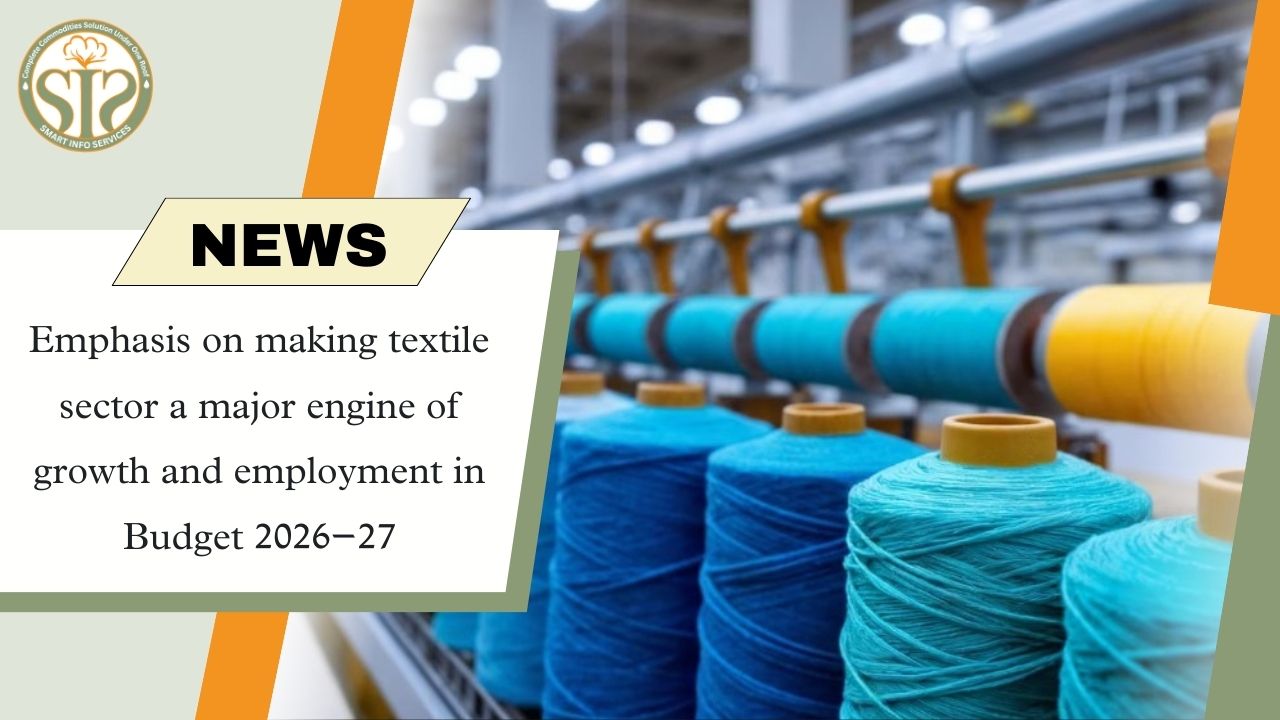
Emphasis on making textile sector a major engine of growth and employment in Budget 2026–27
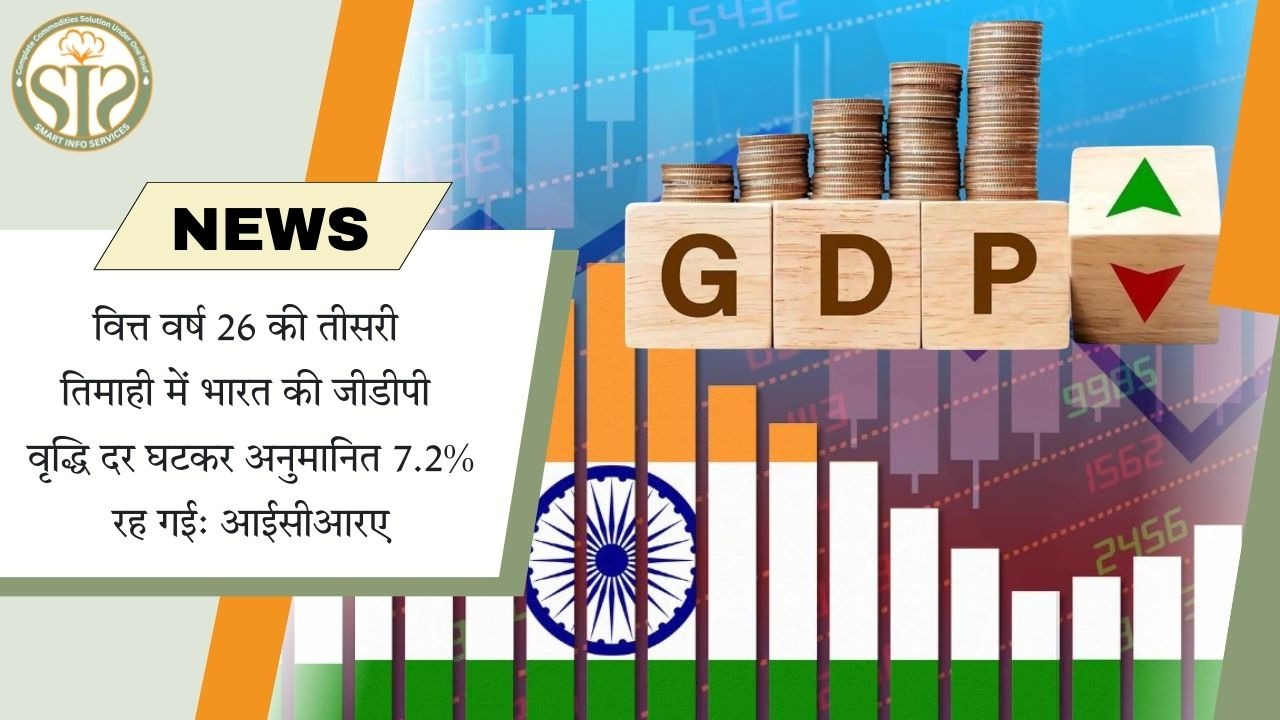
The Union Budget 2026–27 reflects India's strong economic position and the government's confidence in long-term reforms amid global economic uncertainties. India remains the world's fourth largest and fastest growing major economy, driven by infrastructure and manufacturing led growth with an estimated growth rate of 7.2 per cent and capital expenditure of ₹12.21 lakh crore.
The budget has made the textile sector the main pillar of inclusive growth and large-scale employment generation through labour-intensive manufacturing. The sector, hitherto viewed from a welfare perspective, has been placed at the center of the national industrial strategy, linking it to competitiveness, scale and export potential. Presently this sector contributes about 2.3 percent to the GDP and provides employment to more than 5.2 crore people.
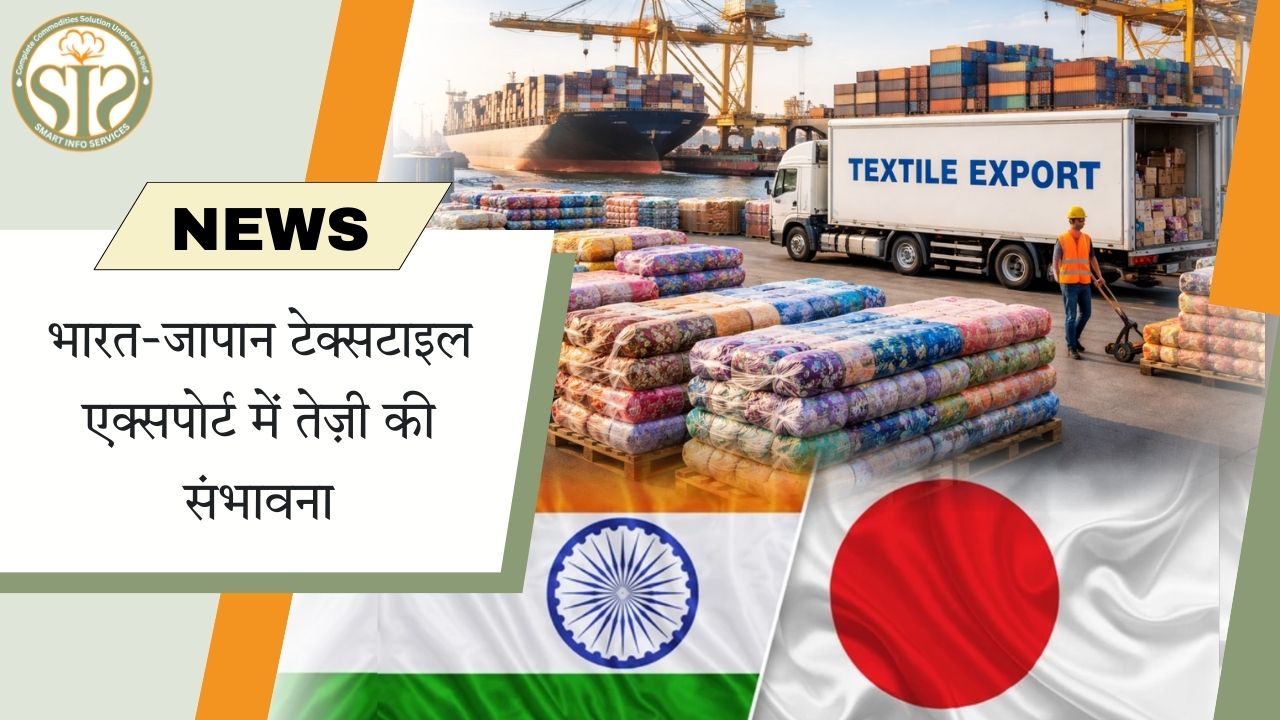
The 18 free trade agreements (FTAs) signed by the government have given India preferential access to global textile markets worth approximately $466 billion. Better access to key markets, including the US, is expected to lead to significant growth in textile exports, further strengthening India's position in global value chains.
Domestically, Budget 2026 focuses on enhancing the competitiveness of the industry through relaxation of quality control mandates, GST reforms and resolution of inverted duty structure. Under the National Fiber Scheme, the availability of cotton, man-made and new-age fibers will be strengthened, which will stabilize raw material costs and increase certainty in export pricing.
To modernize the industry, it has been announced to upgrade 200 textile industrial clusters across the country. The textile industry generates more employment per investment and is estimated to create 2 to 3 crore new livelihoods in the next five years through cluster-based expansion. Along with this, 15 lakh skilled workers will be trained under the Samarth 2.0 scheme.
The budget also provides for an SME Development Fund of ₹10,000 crore, an improved TReDS platform and a faster payment mechanism to address the liquidity problems of MSMEs. By including the handloom and handicraft sectors in the reform process, sustainability, skill development and global market access are promoted, which is expected to strengthen India's textile ecosystem in the long term.