Recent News

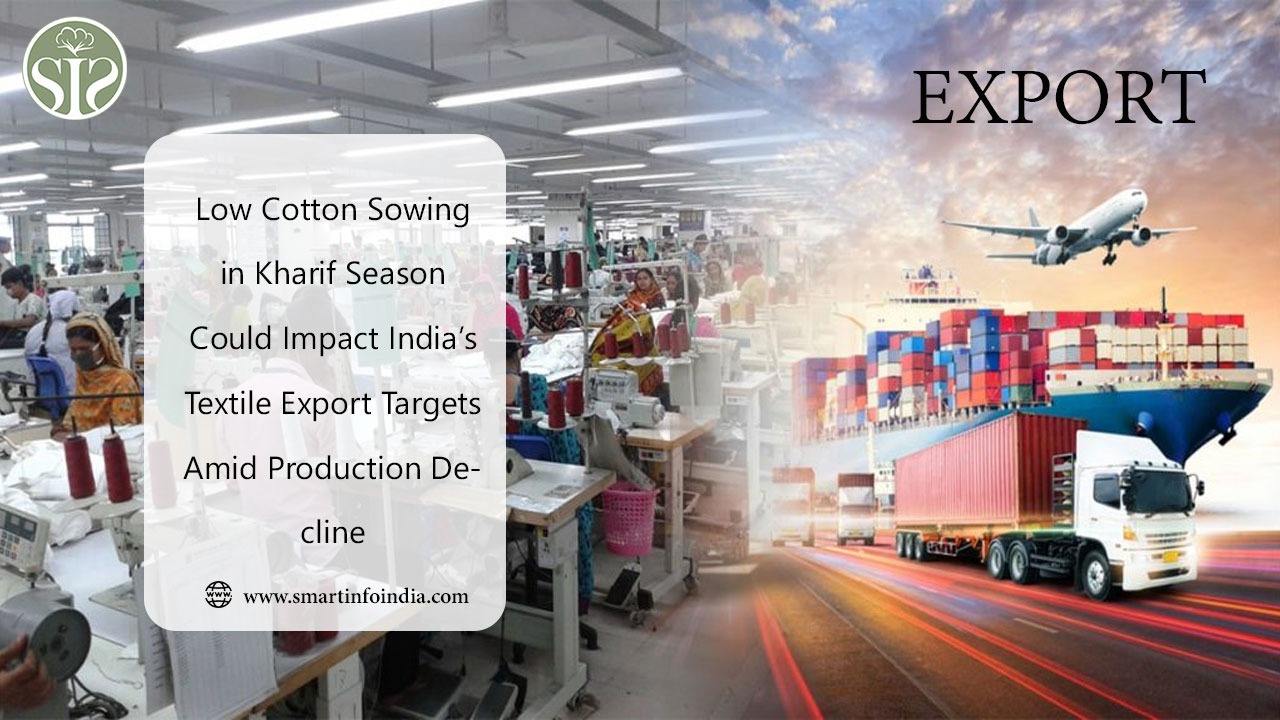
Low Cotton Sowing in Kharif Season Could Impact India’s Textile Export Targets Amid Production Decline

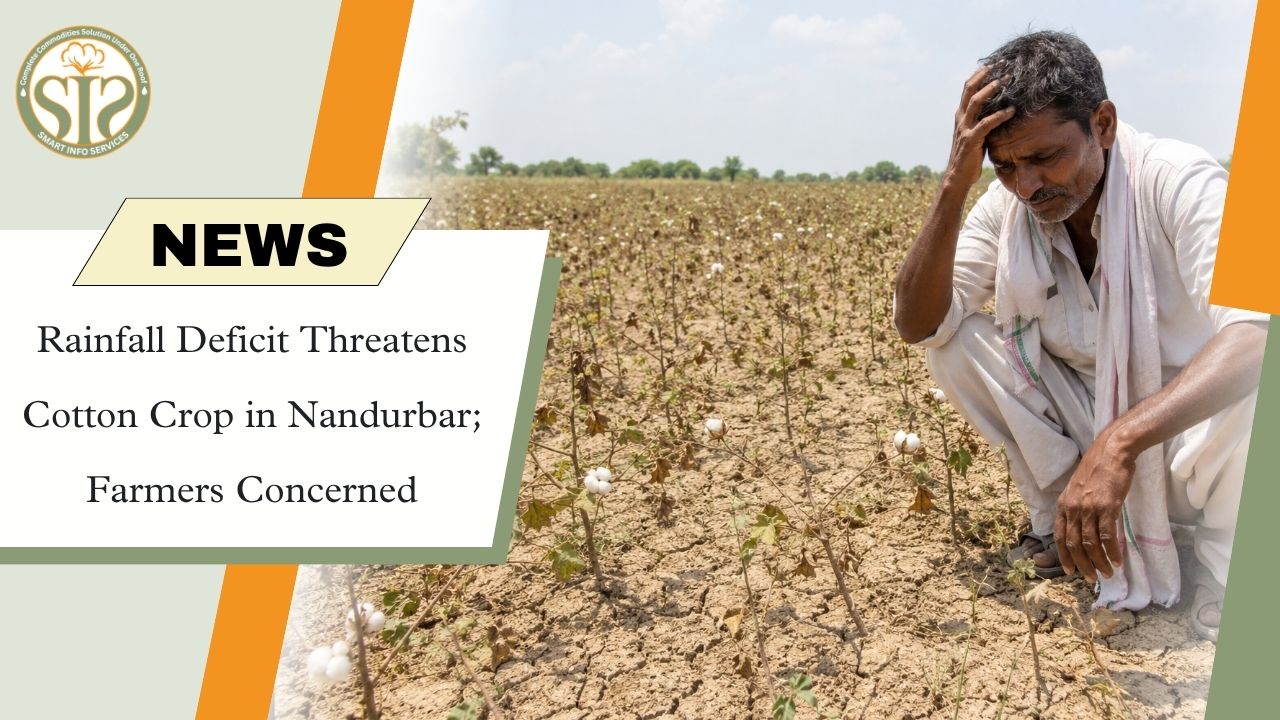
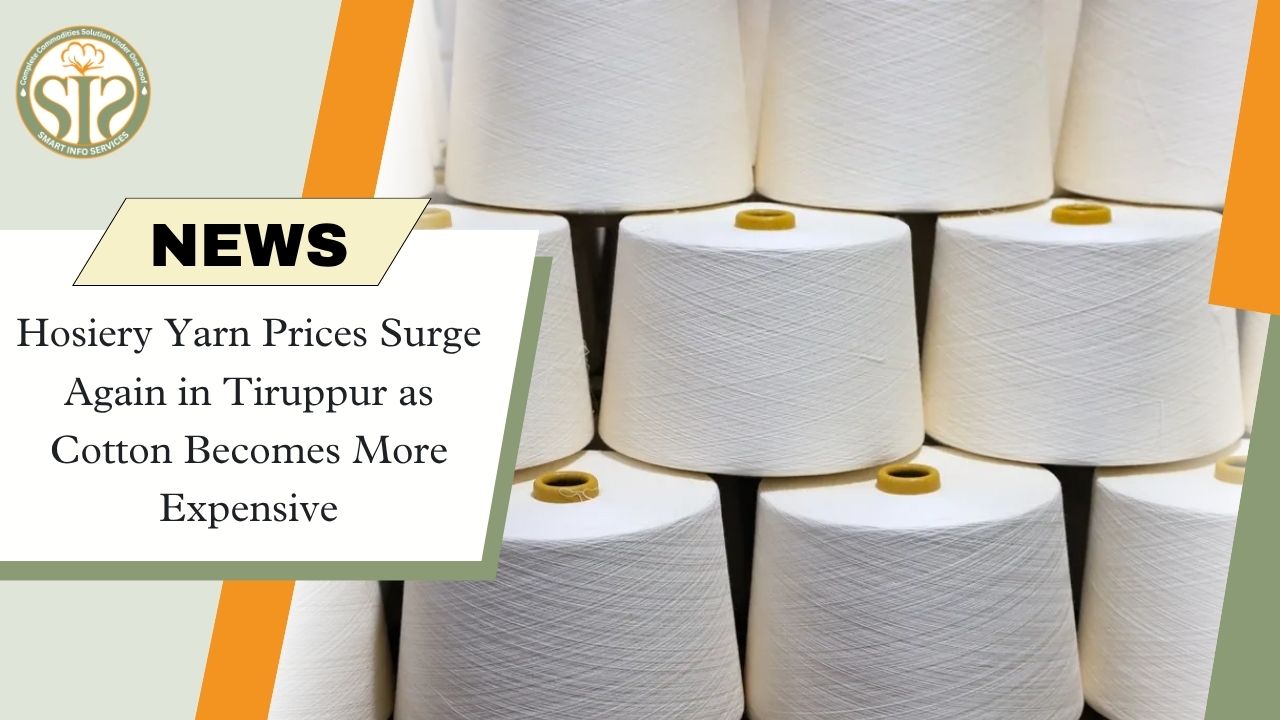
India's Textile Export Targets May Be Affected by Low Cotton Sowing During the Kharif Season Due to Production DeclineThe reduction in cotton sowing during the current kharif season is raising concerns about India's ability to meet its ambitious textile export goals. This comes at a time when Indian readymade garment (RMG) exporters were hoping to capitalize on the ongoing crisis in Bangladesh, according to industry sources.As of September 13, cotton sowing had declined to 11.24 million hectares, compared to 12.36 million hectares during the same period last year, as per agriculture ministry data. This drop adds to the challenges already faced by Indian cotton production in recent years“Production has been contracting, and this year’s low sowing levels are expected to further reduce cotton bale output,” an industry insider said. It is hoped that sowing might reach 11.6 million hectares, with additional contributions from summer sowing in Tamil Nadu, Telangana, and Karnataka.Impact on ExportsThe dip in cotton production could impact India’s textile exports, which have already been on a downward trend. After peaking at $41.12 billion in FY22, textile exports fell to $35.55 billion in FY23 and further to $34.40 billion in FY24. With reduced cotton sowing, achieving the government's export target of over $40 billion by FY25 will be challenging.India’s cotton production, which reached 36 million bales in FY20, has been declining, with current estimates for FY24 at 32 million bales.Shift to Other CropsMany cotton farmers are switching to alternative crops like soybean and paddy due to outdated seed technology and high labor costs. “Cotton cultivation requires more resources and effort compared to other crops like soybeans, making it less attractive to farmers,” said Ganesh Nanote, a cotton farmer in Maharashtra.Growing Export GoalsIndia’s textile and apparel industry is projected to grow at 10% CAGR, reaching $350 billion by 2030. The country also aims to scale up textile exports to $100 billion by 2030. However, low cotton sowing and rising cotton prices could pose a significant risk to this ambition.India's textile sector contributes 2.3% to GDP and 12% to exports, and the government has increased its budget allocation for the sector to ₹4,417.09 crore for FY25 to support growth.However, challenges like a 10% import duty on cotton fibre and rising raw material costs could undermine India's export competitiveness, according to industry experts like Mihir Parekh from the Foundation for Economic Development (FED).Read More :-  Dip in Sowing Area and Rain Concerns Push Cotton Prices Up in Gujarat

Dip in Sowing Area and Rain Concerns Push Cotton Prices Up in Gujarat

Rising Cotton Prices in Gujarat Due to Sowing Area Decline and Rain WorriesCotton prices in Gujarat have surged past ₹8,500 per quintal, the highest in three years, driven by reduced sowing areas and fears of lower yields due to heavy rainfall. Prices have been rising since late August, offering hope to farmers for better returns on their harvests.In Rajkot APMC, cotton prices now range from ₹7,500 to ₹8,525 per quintal, compared to last month’s rates of ₹7,400 to ₹7,935. Traders report that the recent rains have delayed the crop by three to four weeks and affected yields, prompting farmers to hold off selling their harvests. This has led to an average price increase of ₹500 per quintal.Additional factors contributing to the price rise include higher costs of cottonseed oil and de-oiled cake (DOC), premium cattle feed. Cottonseed prices have also climbed to around ₹4,000 per quintal, further supporting the upward trend.Cotton acreage in Gujarat has dropped to 23.65 lakh hectares (lh), down from 26.82 lh in the 2023 season and lower than the three-year average of 24.95 lh. In contrast, groundnut sowing has increased to 19.10 lh from 16.35 lh last year, reflecting a shift among farmers.The recent price uptick has provided some relief to farmers facing potential yield losses due to the rains. Many, like Jeram Mithapara from Surendranagar, are concerned about pest attacks and crop damage, hoping for cotton prices to reach ₹10,000 per quintal to offset rising cultivation costs.While cotton remains a key kharif crop in Gujarat, many farmers have expanded groundnut cultivation due to its better returns and resilience against pests and wildlife. Despite the challenges, Gujarat continues to be the largest producer of cotton and groundnuts in India.read more :- Cotton Picking Begins, Yield Expected to Double This Season

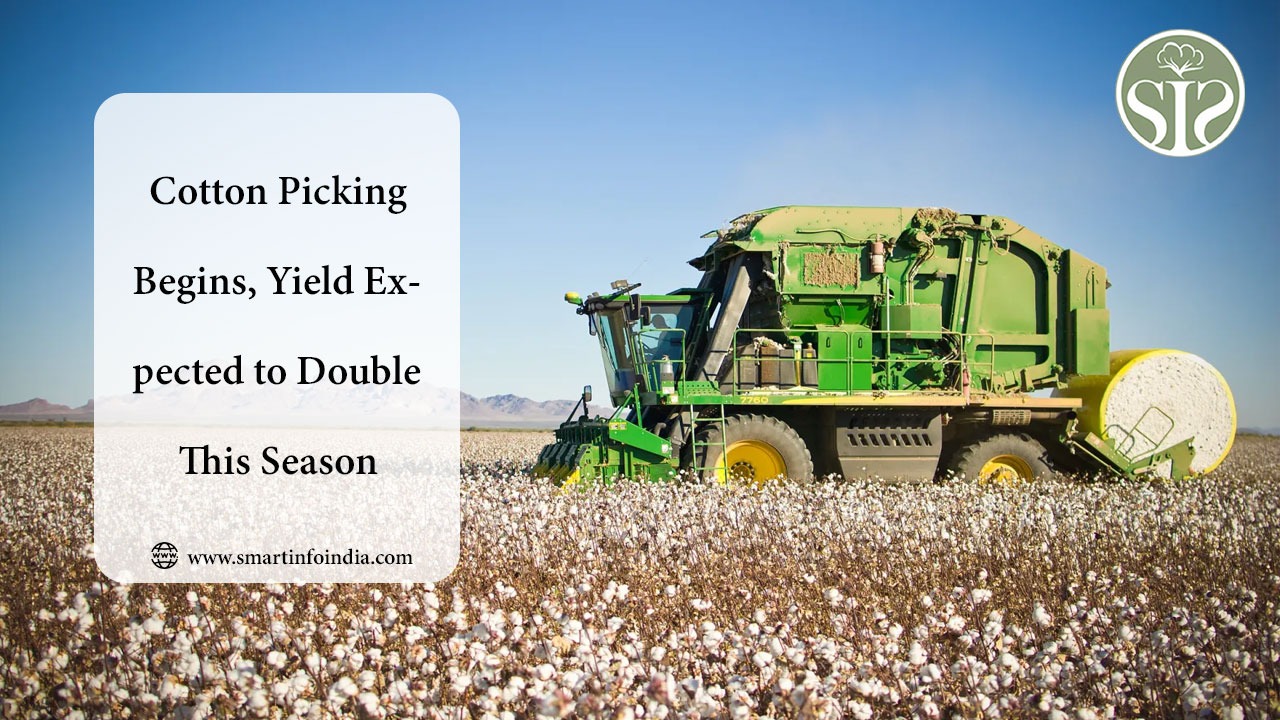
Cotton Picking Begins, Yield Expected to Double This Season

Cotton Harvest Expected to Double This Season: Cotton Picking BeginsCotton picking has commenced in Punjab, with experts anticipating a yield double that of last year, offering relief to farmers as pest impact remains minimal.Harvesting of cotton bolls has started in Punjab’s semi-arid districts, with field reports indicating insignificant pest damage, bringing much-needed reassurance to farmers. Experts from Punjab Agricultural University (PAU) and state agriculture officials project that this year’s cotton production will be twice that of last year, encouraging farmers to return to cotton cultivation.In the 2023-24 season, Punjab produced 17.54 lakh quintals of cotton. However, this year saw a historic low in cotton acreage, with only 96,000 hectares sown. Pest attacks in previous seasons and the shift towards rice cultivation contributed to this decline. Despite an agriculture department target of two lakh hectares, only 1.79 lakh hectares were planted with cotton, marking a 46% decrease from last year.According to Punjab Mandi Board data, small quantities of cotton have begun arriving in various mandis, with private buyers offering up to ₹7,501 per quintal, above the MSP of ₹7,281. Over 160 quintals of raw cotton have already been purchased, with Muktsar recording the highest arrival of 82 quintals so far.State cotton coordinator Manish Kumar expects arrivals to increase by month-end, noting that the early-sown crop is now reaching markets. Agriculture authorities also report no significant impact from pests like the whitefly or pink bollworm this season. PAU's principal entomologist, Vijay Kumar, highlighted that effective pest management has helped protect crops.Farmers anticipate yields of eight quintals per acre, a sharp improvement from last year’s average of four quintals, thanks to favorable weather and coordinated pest control efforts. The next few weeks will be critical as the second round of cotton picking begins, potentially boosting production further.Read More :-  Cotton prices skyrocketed, 3% higher than MSP, prices will increase further due to less sowing

Related News

Youtube Videos

जानिए आज का कपास बाज़ार 😱 Cotton market rate today #youtube
Ganesh Chaturthi Celebration at Our Office 🙏✨ | Ganpati Bappa Morya! #shorts
Ganesh Chaturthi Celebration at Our Office 🙏✨ | Ganpati Ba...
कपास बाज़ार साप्ताहिक रिपोर्ट 🔥 | तेजी या मंदी? | CCI Update | Cotton Market  Update
कपास बाज़ार साप्ताहिक रिपोर्ट 🔥 | तेजी या मंदी? | CCI Updat...
Application Download
Whatsapp Contact