Filter

Recent News

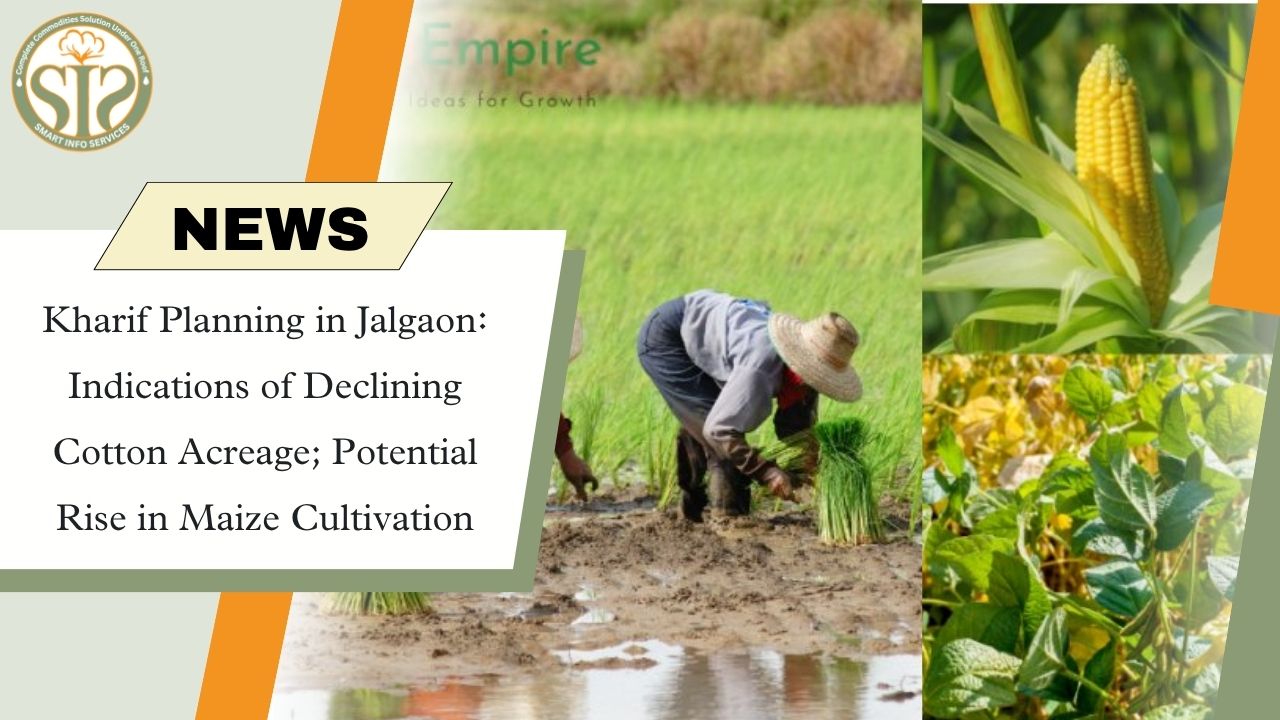
Challenges in Punjab's Kharif Crop

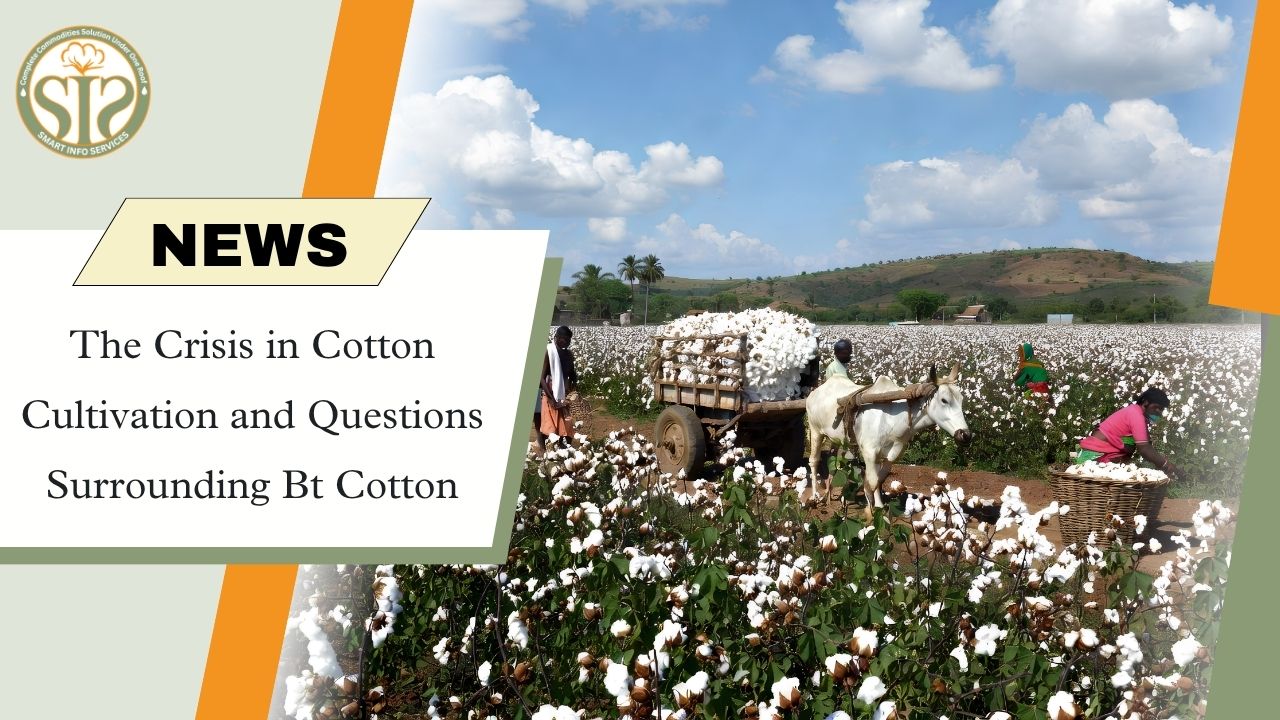
Problems with the Kharif Crop in PunjabThe challenges faced by Punjab in diversifying its kharif crops, particularly in shifting farmers towards cotton cultivation, are quite apparent. The decline in cotton acreage over the years due to various factors like pest attacks, lack of irrigation facilities, and adverse weather conditions poses a significant hurdle for agricultural authorities.The target set by the agriculture department to cover 2 lakh hectares under cotton for the 2024-25 kharif cycle reflects their determination to revive cotton cultivation in the region. However, the downward trend in cotton acreage in recent years, as indicated by the data, showcases the magnitude of the challenge.Efforts to encourage farmers to adopt maize cultivation as an alternative to cotton indicate a proactive approach by the authorities to address the issue. Measures such as subsidies on seeds and banning the cultivation of certain crops in cotton-growing areas demonstrate the government's commitment to supporting farmers and mitigating risks associated with cotton farming.The shelving of the subsidy proposal on Specialised Pheromone and Lure Application Technology (SPLAT) due to cost concerns is a setback, as it could have been instrumental in combating pink bollworm infestation and rebuilding confidence among cotton growers. However, the assurance of encouraging farmers to use SPLAT and PBKnot despite the subsidy setback reflects a continued effort to find solutions and support cotton cultivation.Overall, while Punjab faces significant challenges in diversifying its kharif crops, the concerted efforts of the agriculture department and the government indicate a commitment to addressing these challenges and revitalizing cotton cultivation in the region.Read More :>Multinational Traders in India Offload Cotton Stocks Amid Global Price Decline and Weakening Demand

Experts Urge Farmers to Shift Back to Cotton Cultivation to Address Declining Crop Area

Professionals Encourage Farmers to Return to Growing Cotton in Order to Address Declining Crop AreaPunjab Agricultural University (PAU) and the state agriculture department are expressing concern over the gradual decrease in the area dedicated to cotton cultivation. To address this issue, they are urging field officers to engage with farmers and encourage them to return to cotton farming.The initiative involves organizing farmer awareness camps and small meetings where farmers will be advised to opt for "PAU recommended varieties" of cotton seeds and avoid using substandard ones. The target is set to ensure that cotton is sown in at least 2 lakh hectares during the 2024-25 season, after it declined from 2 lakh hectares to 1.72 lakh hectares in the previous year.Experts suggest that cotton is a more sustainable alternative to water-intensive crops like paddy, aiming to discourage farmers from sticking solely to paddy cultivation.In a meeting of the interstate monitoring committee held in Bathinda, PAU Vice Chancellor Satbir Singh Gosal and Punjab Agriculture Department Director Jaswant Singh, along with officials from Haryana and Rajasthan, discussed strategies to safeguard the upcoming cotton sowing season from pest attacks.The optimal time for cotton sowing is considered to be from late April to May 15. Gosal and Singh emphasized the need for a strategy to promote cotton cultivation, focusing on recommended varieties. Canal water will be made available to farmers starting April 15 to support this initiative.Farmers will also receive guidance on proper spray techniques and other farming practices to prevent pest attacks. It's emphasized that leftover cotton sticks after harvesting need to be removed from fields before sowing.The decline in cotton cultivation area is viewed as a significant concern for Punjab, and timely advisories are seen as crucial to retaining farmers' interest in cotton cultivation.Additionally, scientists from Haryana and Rajasthan shared strategies from their respective states, contributing to the collective effort to revitalize cotton farming in the region.Read More :> Multinational Traders in India Offload Cotton Stocks Amid Global Price Decline and Weakening Demand

Multinational Traders in India Offload Cotton Stocks Amid Global Price Decline and Weakening Demand

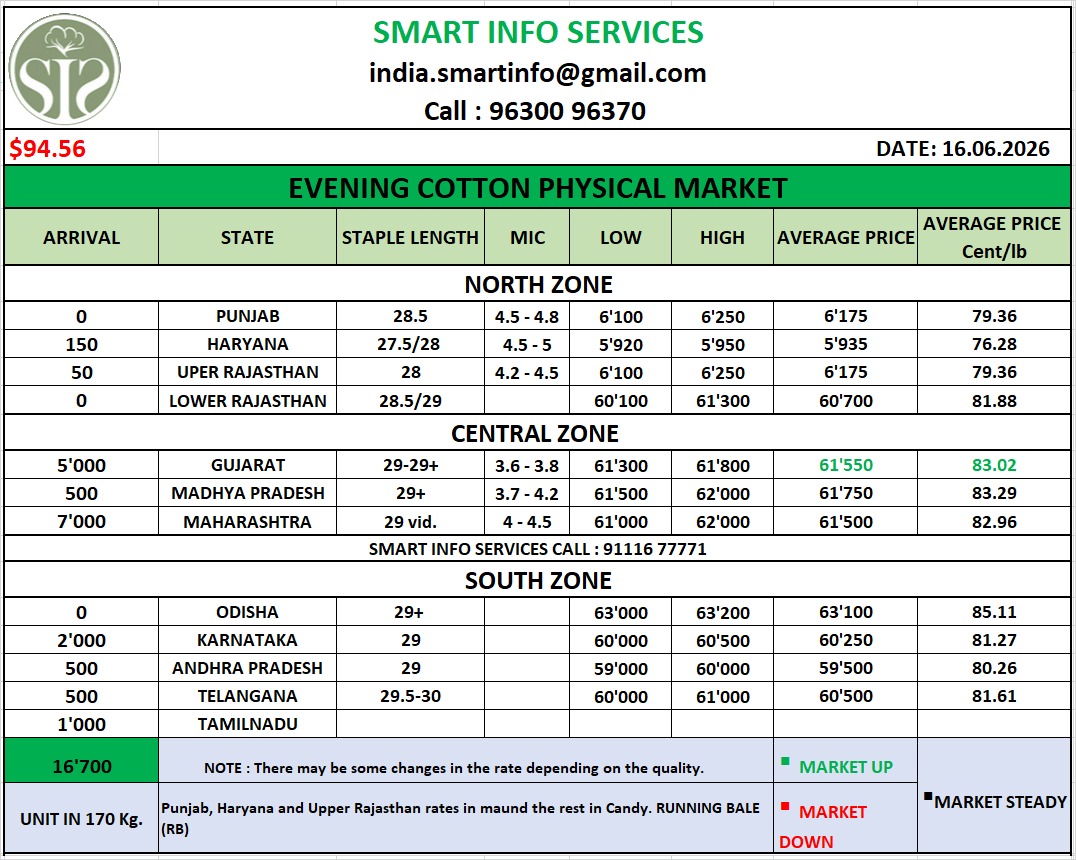
Global Traders in India Dispose of Cotton Stocks Due to weak Demand and Global Price DeclineMultinational traders in India are selling off their cotton stocks amidst a global decline in prices due to weak demand and expectations of improved crops in countries like Australia. The May cotton futures contract on ICE, which peaked at 103.80 cents on February 28, has since dropped to 85.89 cents by April 10. This represents a decrease of around 17-18 percent, with domestic prices also down by 8-9 percent from recent highs.Ramanuj Das Boob, a sourcing agent and vice president of the All India Cotton Brokers Association, notes that multinational companies such as Viterra, COFCO International, and Louis Dreyfus Company are among those selling cotton, with prices ranging from ₹60,000 to ₹62,000 per candy, about 3 percent lower than a month earlier.Despite ample stocks held by entities like the Cotton Corporation of India, ginners, and traders, market arrivals of raw cotton have slowed in states like Maharashtra and Gujarat. Daily arrivals across various states stand at around 50,000-60,000 bales, with Maharashtra seeing 25,000 bales, Gujarat around 20,000 bales, and Karnataka around 3,000 bales.Pradeep Jain, President of the Khandesh Gin Press Factory Owners Association, notes negligible arrivals and poor demand, suggesting that farmers may be holding back stocks anticipating better prices. Meanwhile, Boob mentions that North Indian cotton mills have secured their needs for the next six months, purchasing cautiously due to sluggish demand for yarn.Sushil Phutela, Director of the Indian Cotton Association Ltd in Punjab, highlights a supply shortfall in the North Indian market despite the domestic price decline. The Committee on Cotton Production and Consumption (COCPC) has revised its crop production estimates upward for the 2023-24 season to 323.11 lakh bales, indicating potential market shifts in the cotton industry.Read More :> Key Projections and Trends for India's Cotton Industry in 2024-25

Related News

Youtube Videos

ऐसा रहा आज सम्पूर्ण भारत का कपास बाजार भाव aaj ka kapas ka bajar cotton market rate today #smartinfo

ऐसा रहा आज सम्पूर्ण भारत का कपास बाजार भाव aaj ka kapas ka b...
आज का कपास का बाज़ार भाव🤔 aaj ka kapas ka bajar🤔 cotton market rate today #kapas #smartinfo #bulletin
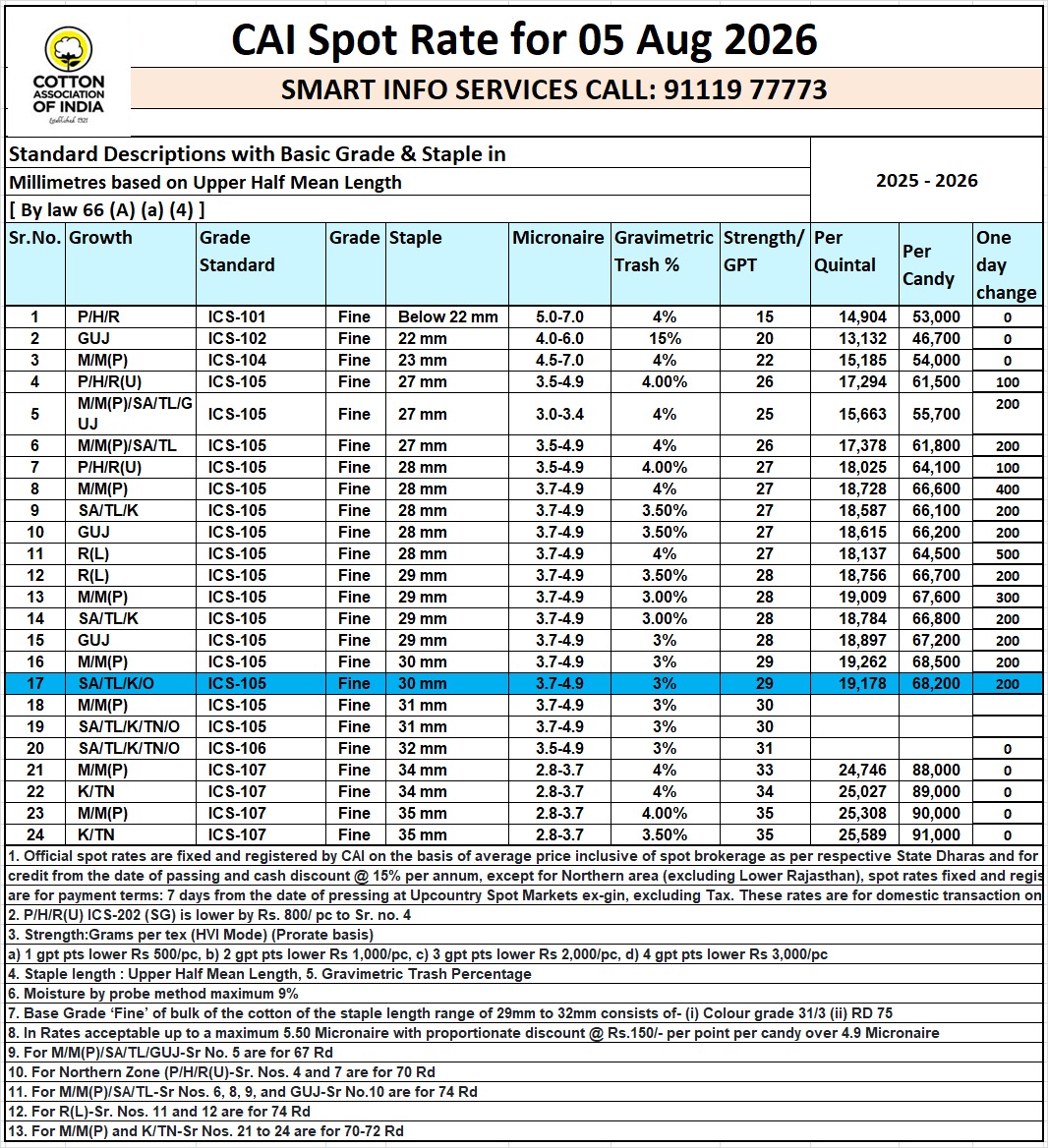
आज का कपास का बाज़ार भाव🤔 aaj ka kapas ka bajar🤔 cotton mar...
साप्ताहिक कपास बाजार में तेजी का रुख😯 Bullish in cotton market #smartinfo #cotton #kapas #bulletin
साप्ताहिक कपास बाजार में तेजी का रुख😯 Bullish in cotton mar...
title Created At Action
Rupee falls nine paise to 83.53 against U.S. dollar in early trade 16-04-2024 17:48:08 view
This evening, the rupee closed at Rs 83.45 against the dollar with a weakness of 4 paise. 15-04-2024 23:46:47 view
India Set to Experience Above-Average Monsoon Rains in 2024: IMD 15-04-2024 22:32:21 view
Challenges in Punjab's Kharif Crop 15-04-2024 19:11:31 view
Rupee falls 6 paise to 83.44 against US dollar in early trade 15-04-2024 17:35:11 view
This evening, the rupee closed at Rs 83.41 with a weakness of 22 paise against the dollar. 12-04-2024 23:57:53 view
Experts Urge Farmers to Shift Back to Cotton Cultivation to Address Declining Crop Area 11-04-2024 19:02:06 view
Multinational Traders in India Offload Cotton Stocks Amid Global Price Decline and Weakening Demand 11-04-2024 18:13:01 view
Rupee increased by 12 paise and closed at Rs 83.19 against US dollar. 10-04-2024 23:47:24 view
Rupee rises 11 paise to 83.20 against US dollar in early trade 10-04-2024 17:17:46 view
This evening, the rupee closed at 83.32 against the dollar without any change. 09-04-2024 23:40:45 view
Copyright© 2023 | Smart Info Service
Application Download