US Tariff Talks, Rising Shipping Costs Challenge Indian Textile Exporters
By jayesh chouhan 2026-07-16 17:22:57
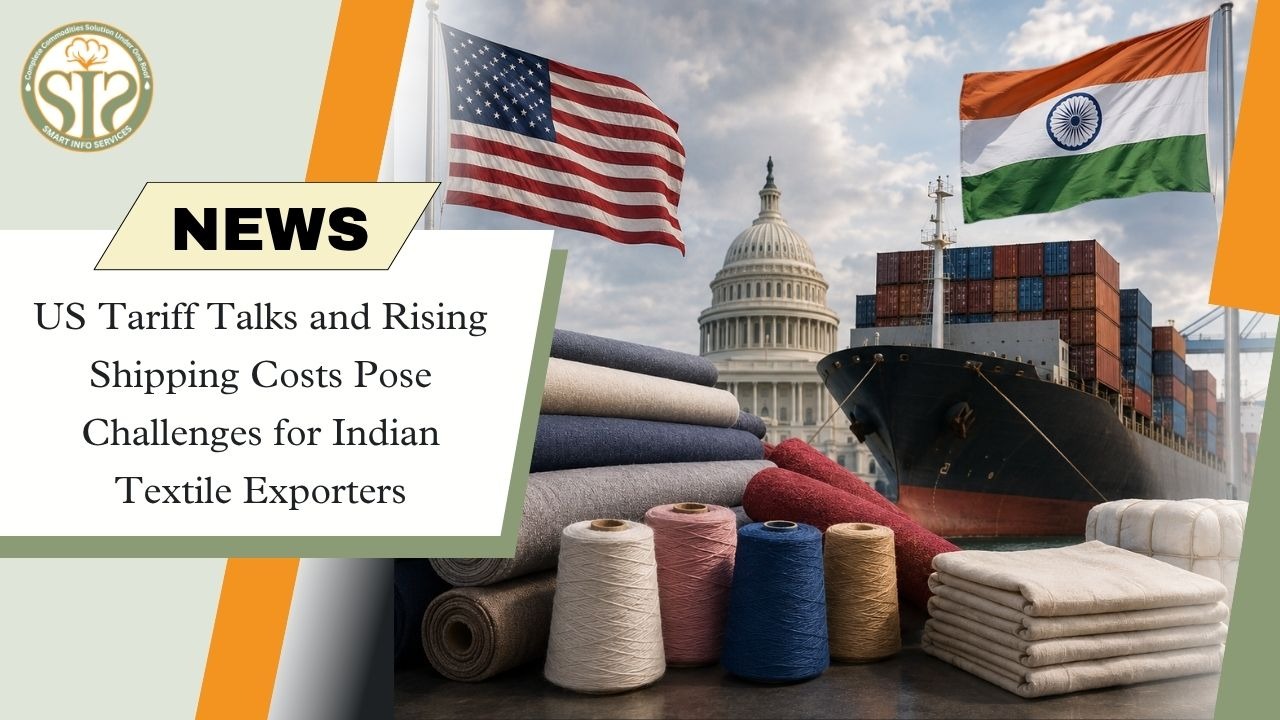
US Tariff Talks and Rising Shipping Costs Pose Challenges for Indian Textile Exporters
Indian textile and garment exporters are currently facing uncertainty due to tariff negotiations with the US and escalating geopolitical tensions in West Asia. While demand remains stable, global buyers are avoiding large, long-term orders until there is clarity regarding trade policy. Instead, to mitigate risk, they are placing smaller, frequent orders—a shift that could increase operational costs and complexity for Indian exporters.
Discussions scheduled for later this month regarding the potential US tariff framework are considered crucial for the industry. Until the trade policy situation becomes clear, investors should closely monitor companies that derive a significant portion of their business from the US market.
Rising Cotton Prices Put Pressure on Margins
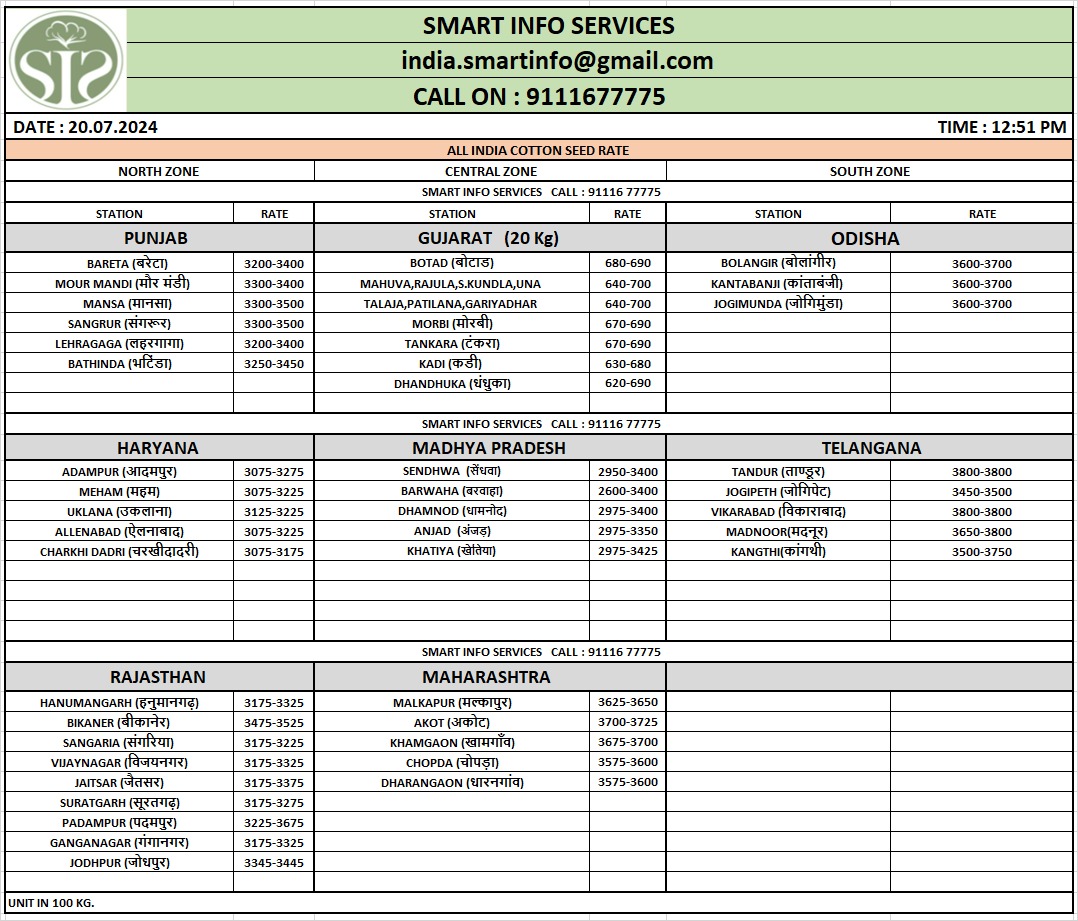
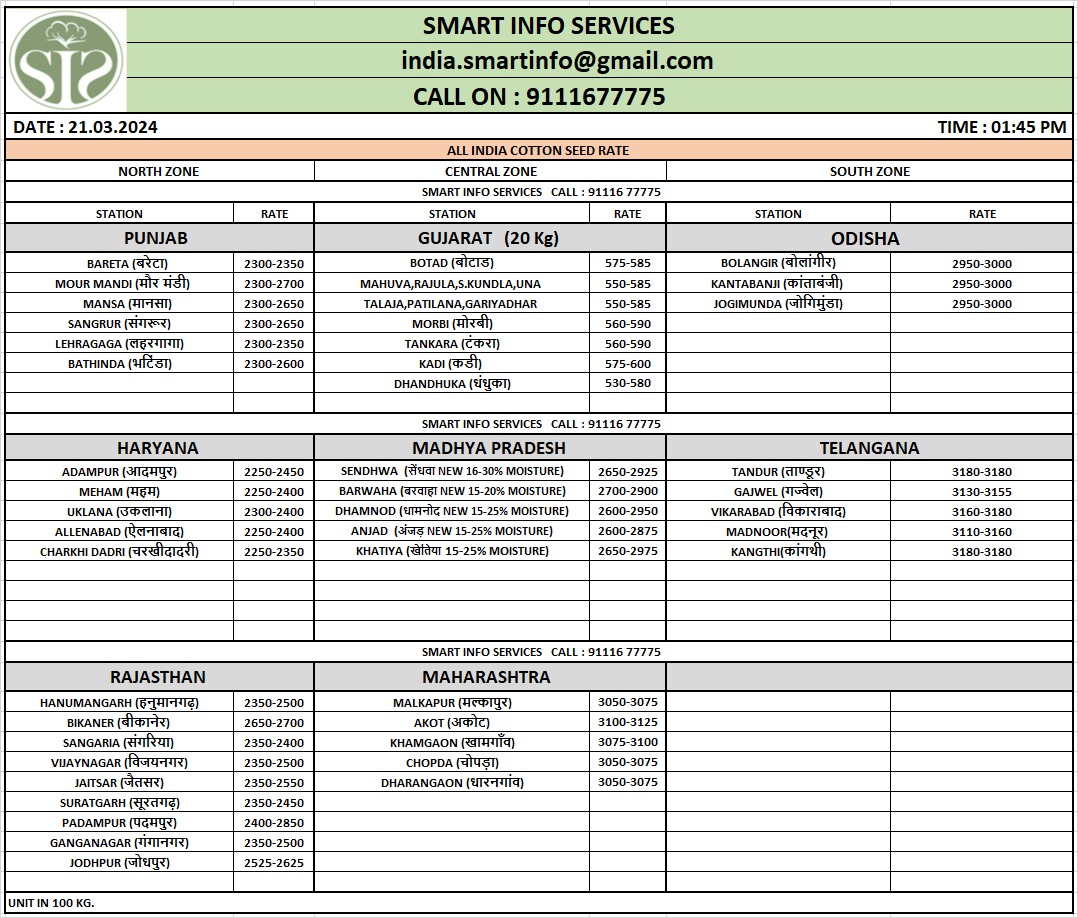
Raw material costs play a pivotal role in the profitability of the textile industry. After remaining stable for a period, cotton prices have surged again. As of July 14, 2026, the spot price for benchmark 29mm cotton in Gujarat stood at approximately ₹65,000 per candy, while 28mm cotton was priced at ₹64,200 per candy.
Cotton futures prices on the Intercontinental Exchange (ICE) in the international market have also risen, recording an increase of over 6% during the second week of July. The sustained rise in raw material costs, coupled with the inability to pass this increased burden on to customers, could exert pressure on companies' profit margins.
Dependence on raw materials varies across different segments of the textile sector. Home textile companies rely primarily on cotton, whereas garment manufacturers depend more heavily on synthetic fibers like polyester. Consequently, fluctuations in the prices of cotton and petrochemical-based raw materials can impact these companies differently. Geopolitical Tensions Heighten Logistics Risks
Escalating tensions in West Asia are raising concerns regarding shipping costs and supply chains. Regional instability could drive up freight charges and increase the risk of delivery delays. While some companies pass a portion of logistics costs on to buyers through Free-on-Board (FOB) terms, the rising costs of packaging and synthetic materials could impact the entire industry.
The US is a key export market for Indian textile products, with bilateral textile trade valued at approximately $10.5 billion. However, industry experts note that Indian textile companies' overall reliance on the US market is limited, accounting for roughly 8–10% of total revenue.
Hopes Pinched on UK and EU Trade Deals
Looking ahead, the Indian textile industry is eyeing potential trade agreements with the UK and the EU. These agreements could enhance market access and cost competitiveness for Indian companies. However, industry management believes the full benefits of these initiatives may only become visible by the fourth quarter of FY27.
Investors should monitor export volumes, US tariff negotiations, raw material prices, and logistics costs, alongside the companies' ability to maintain profit margins in the period ahead.