



Indian Textile Industry Targets $350 Billion by 2030; Rising Costs Pose a Challenge
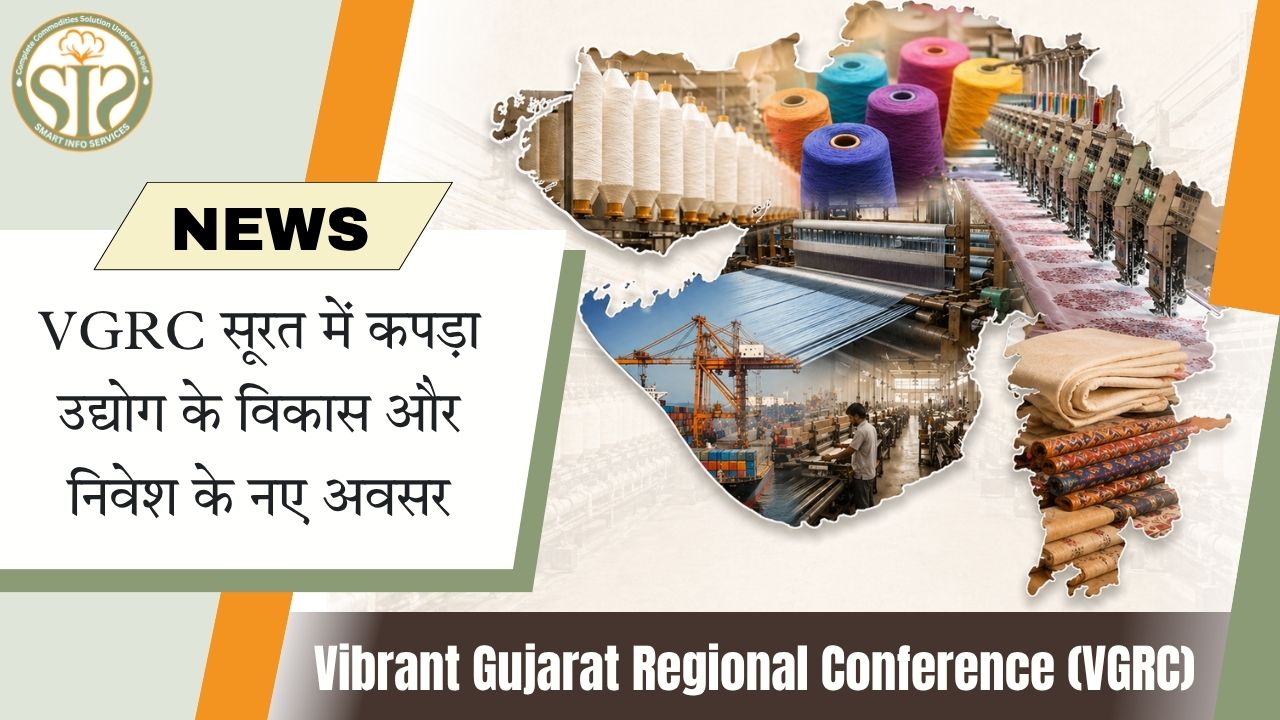
India’s textile industry reached a valuation of approximately $190 billion in the 2025-26 fiscal year. According to an October 2026 report by Rubix Data Sciences, the industry aims to reach $350 billion by 2030. This target refers to the total size of the industry, not just exports.
Improvement in Exports
In the 2025-26 fiscal year, India’s textile and apparel exports declined by 2.7% to $35.8 billion, while imports rose by 17.1% to $9.6 billion. Subsequently, during the April–August 2026 period, textile exports—including handicrafts—grew by 10.3% compared to the same period in the previous year. This growth was recorded in rupee terms.
In the 2025-26 fiscal year, ready-made garments accounted for 44% of textile exports, while man-made fiber (MMF) textiles reached a 15% share. The United States remained India’s largest export market, with a 31% share, followed by the European Union with approximately 16%.
Pressure from Cotton Yarn Prices
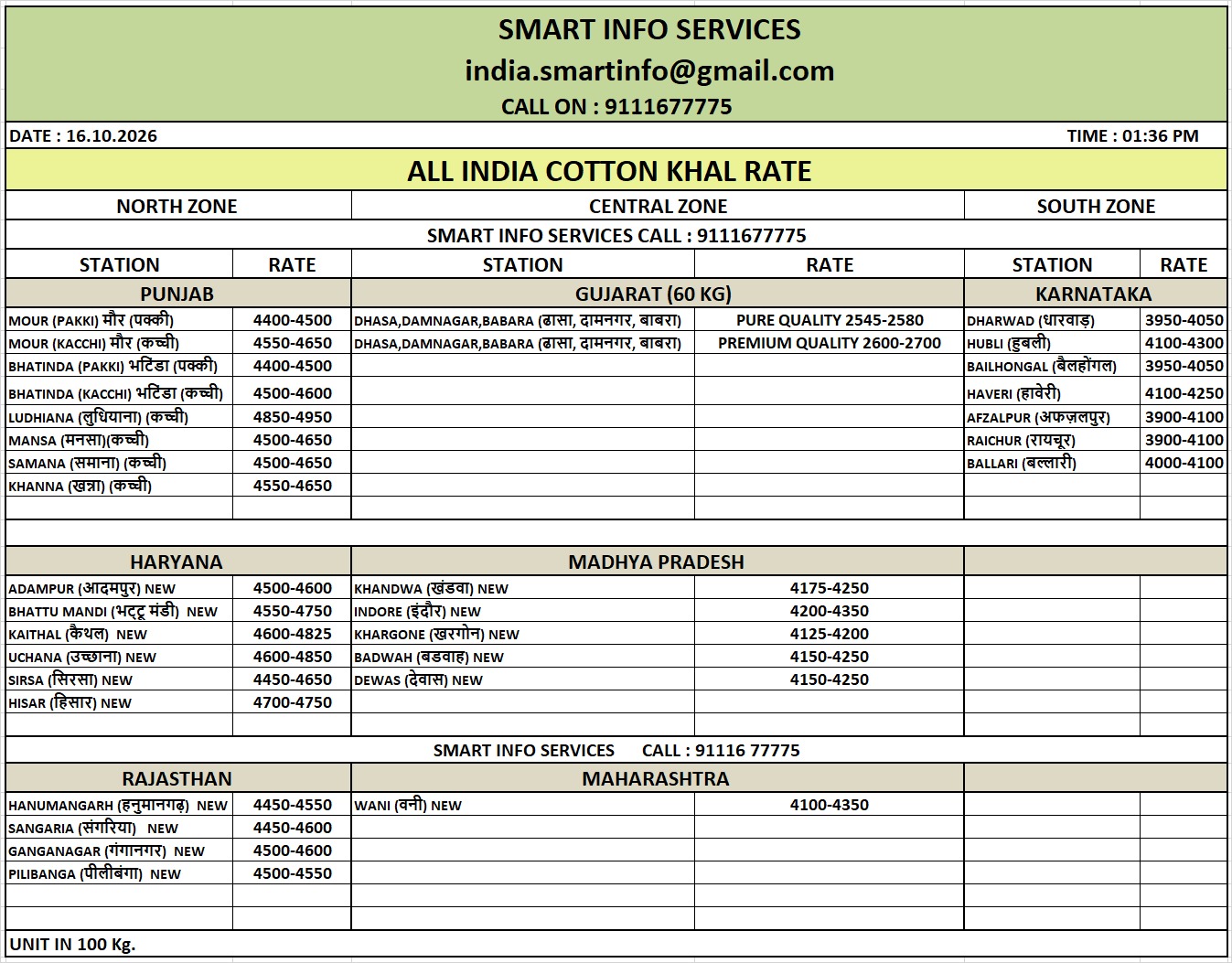
According to the report, the price of cotton yarn reached approximately ₹400 per kilogram in September 2026, up from about ₹250 per kilogram at the beginning of the year. This represents an increase of nearly 60%, which has driven up production costs for textile manufacturers.
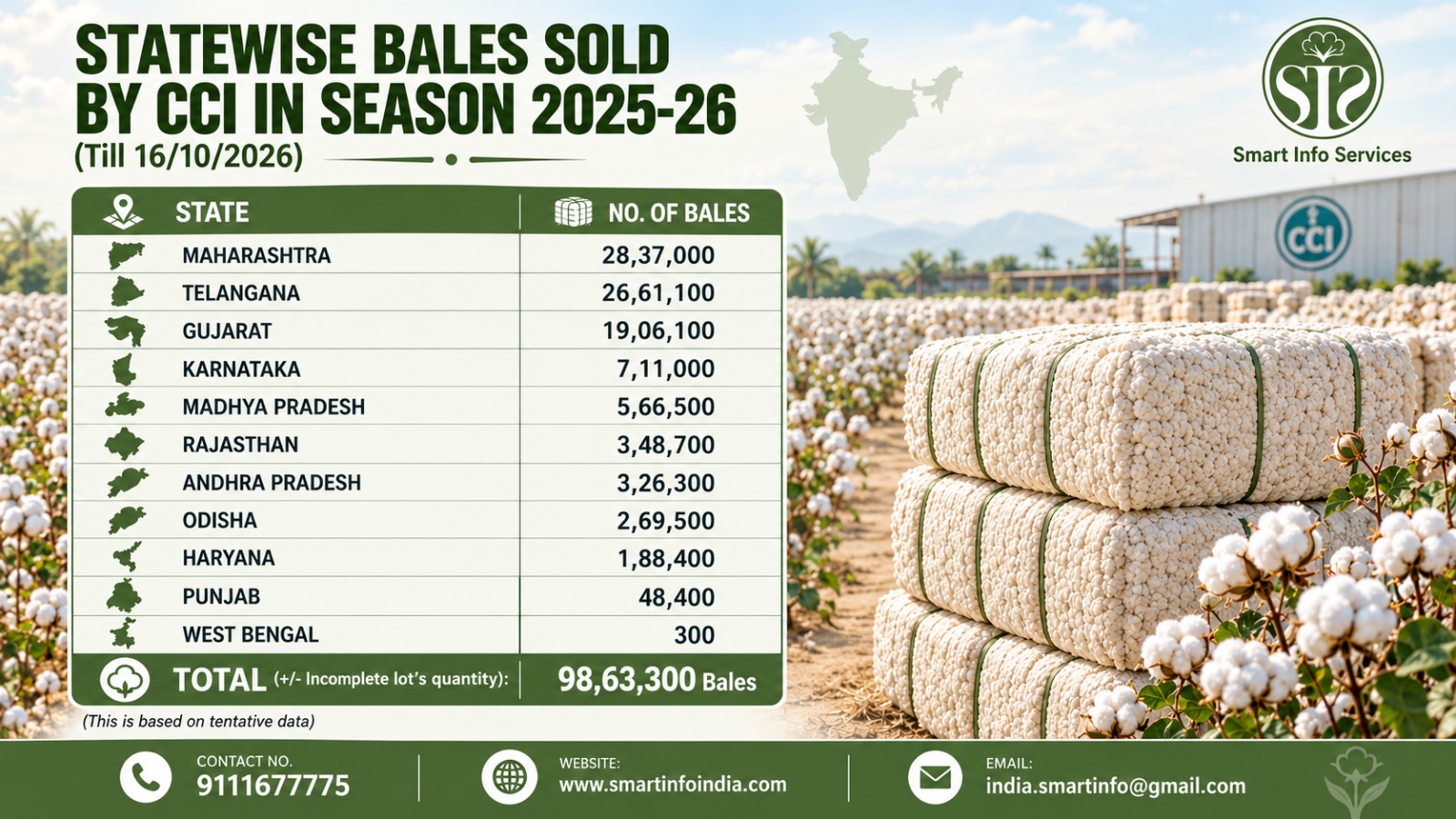
India’s cotton production declined from 352.48 lakh bales in 2020-21 to 290.91 lakh bales in 2025-26. The figures for 2025-26 are provisional. The standard weight for each bale is 170 kilograms.
The central government had granted an exemption from the 11% customs duty on raw cotton imports for the period from June 1 to October 31, 2026. There were reports suggesting that this exemption might be extended until December; however, in the absence of an official order, this should not be considered a final decision.
Investment and Modernization
The government is considering a five-year 'Textile Expansion and Employment' (TEEM) scheme, with an outlay of ₹40,000 crore. Its objective is to modernize machinery and enhance technology and productivity within traditional textile clusters.
Investment proposals for PM MITRA parks had reached ₹68,590 crore by August 2026.
Conclusion: While the Indian textile industry holds growth potential, it continues to face significant challenges, including high raw material costs, global trade uncertainties, and issues related to cost competitiveness. Diversifying export markets and pursuing technological modernization will be crucial for future growth.
read more :- Pink Bollworm Threatens Haryana Cotton Crop; 40–50% Green Bolls Reportedly Affected in Sirsa