Rising Costs Squeeze Margins in Gujarat's Manufacturing Industry
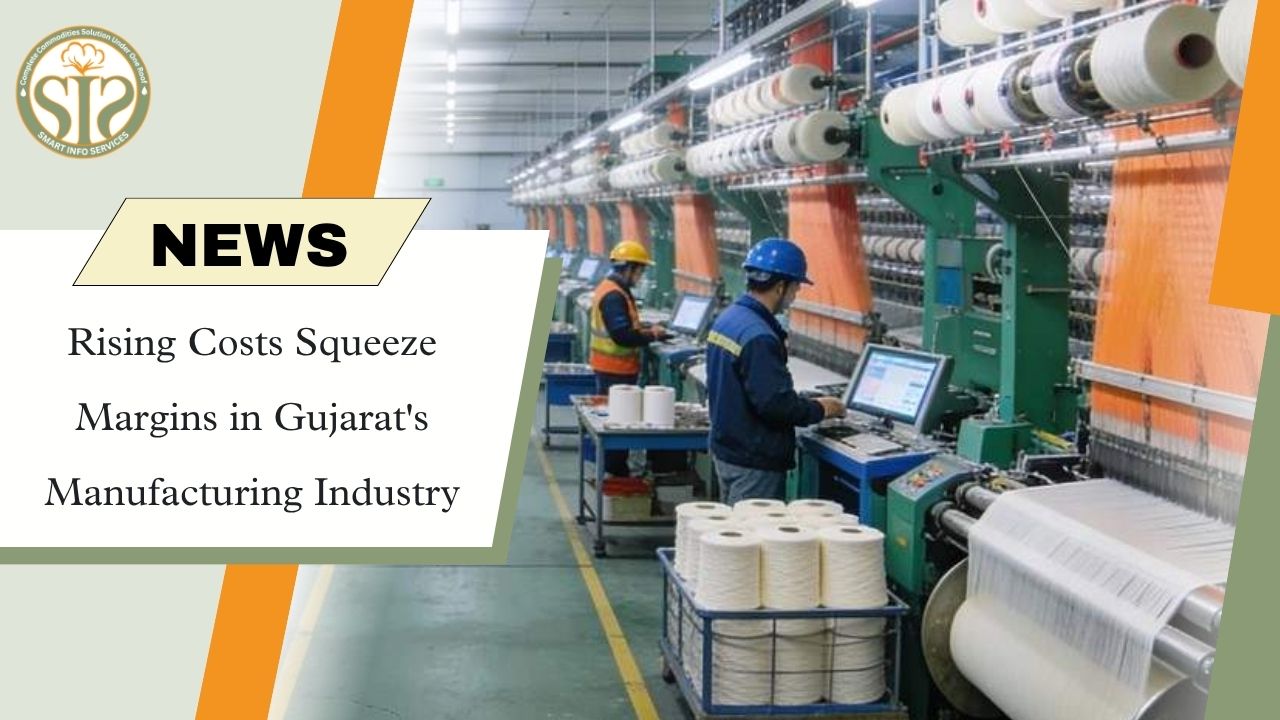
Gujarat's manufacturing industry is currently spending more time grappling with rising input costs than focusing on expansion or securing new orders. Business owners across the textile, chemical, pharmaceutical, and real estate sectors report that a persistent rise in raw material prices, coupled with sluggish demand, has made it increasingly difficult to sustain profit margins.
While many companies are attempting to gradually hike prices, a significant portion of the MSME sector is unable to pass the entire burden of these rising costs onto their customers. The repercussions of this situation are manifesting as project delays, reduced production volumes, and inflationary pressures rippling across the entire industrial value chain.
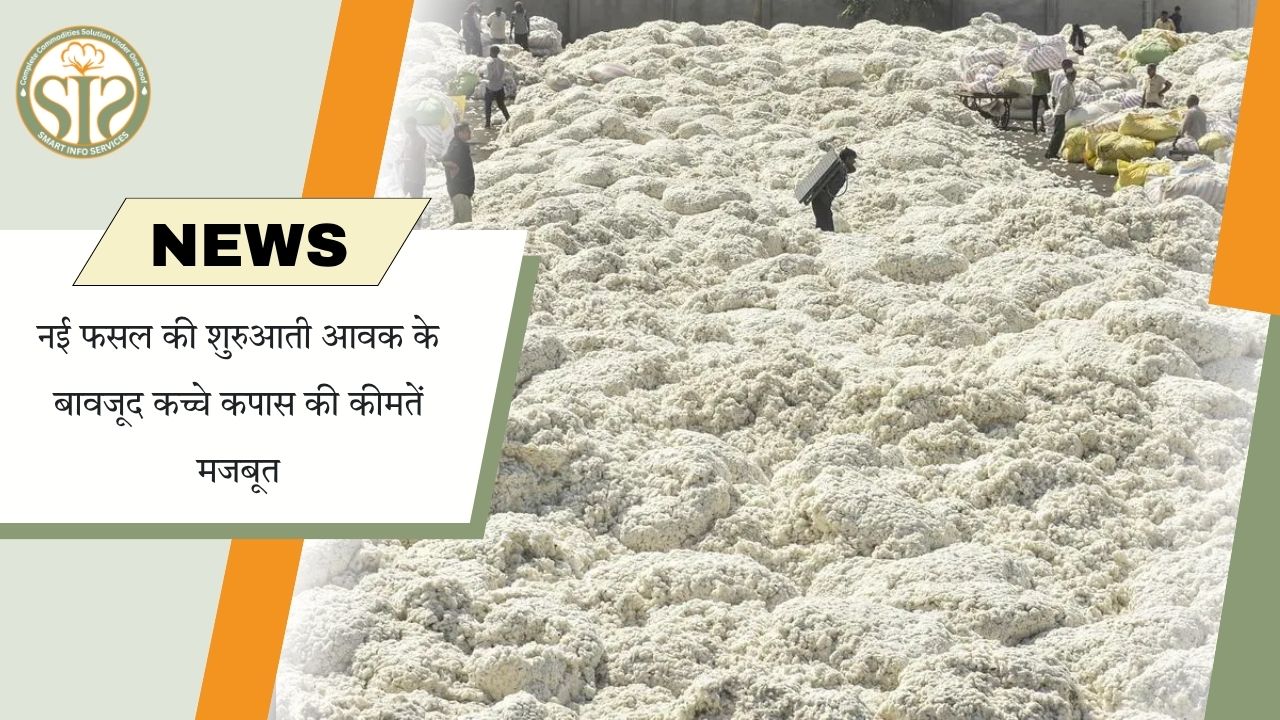
The textile industry, in particular, is under severe strain. Soaring prices for cotton yarn and crude-linked chemicals, combined with elevated fuel costs, have rapidly driven up production expenses. Over the past few weeks, a scarcity of yarn availability and rising processing charges have also led to an increase in fabric prices, ranging from approximately ₹10 to ₹25 per meter.
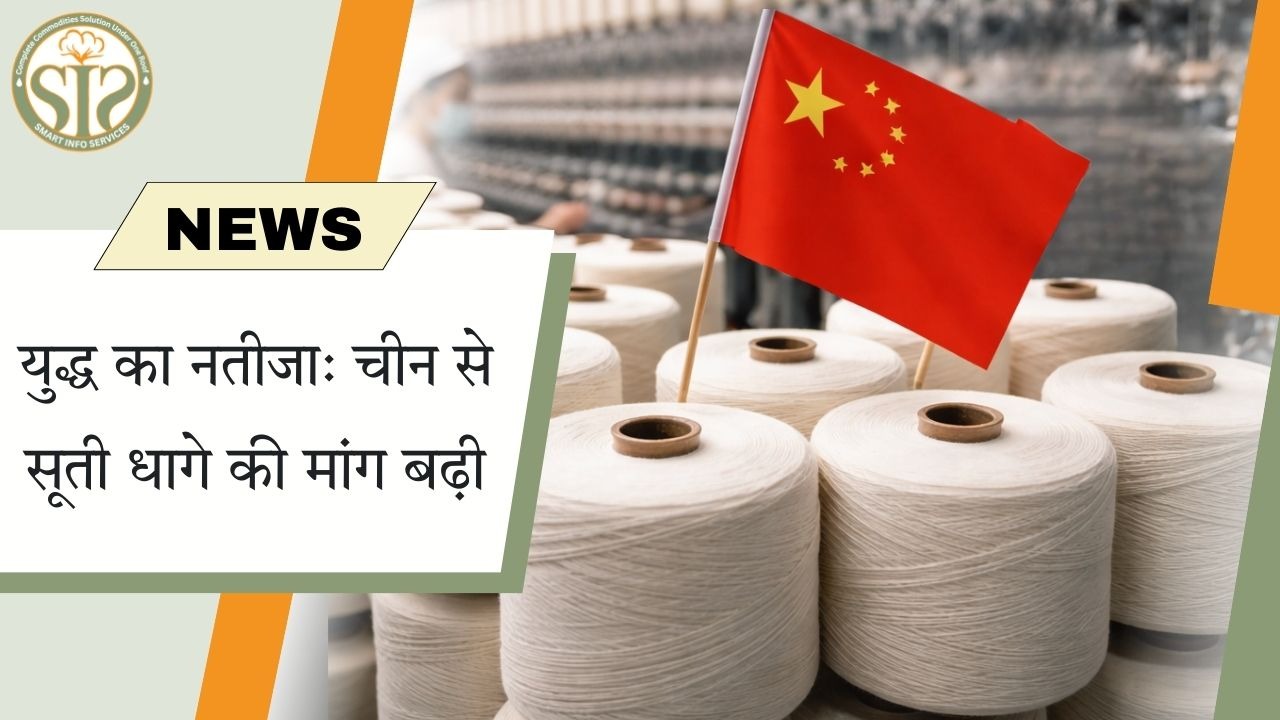
According to industry sources, robust export demand from China has pushed cotton yarn prices to a four-year high, while geopolitical tensions in West Asia have further inflated the cost of crude-based inputs essential for dyeing and processing operations. Furthermore, yarn shortages within powerloom units have curtailed production—a factor that has further exacerbated the supply crunch.
Although exporters had anticipated benefiting from the depreciation of the Indian Rupee, high shipping costs and persistent demands for price discounts from buyers have largely eroded this potential advantage. Industry representatives state that, owing to the dual pressures of escalating costs and uncertain market demand, many manufacturing units are being compelled to halt production, despite holding existing orders.
Meanwhile, calls to abolish the 11% import duty on cotton have intensified, with stakeholders arguing that such a measure is crucial to lower raw material costs and help maintain global competitiveness.